Unique Decorative Pieces
Unique Decorative Pieces
-

 Oversized Cherries Black And Gold Resin Aluminum Decorative Object 17"$150
A striking gold and black aluminum accent piece that adds glamour and sophistication to any décor.
Add To Cart -
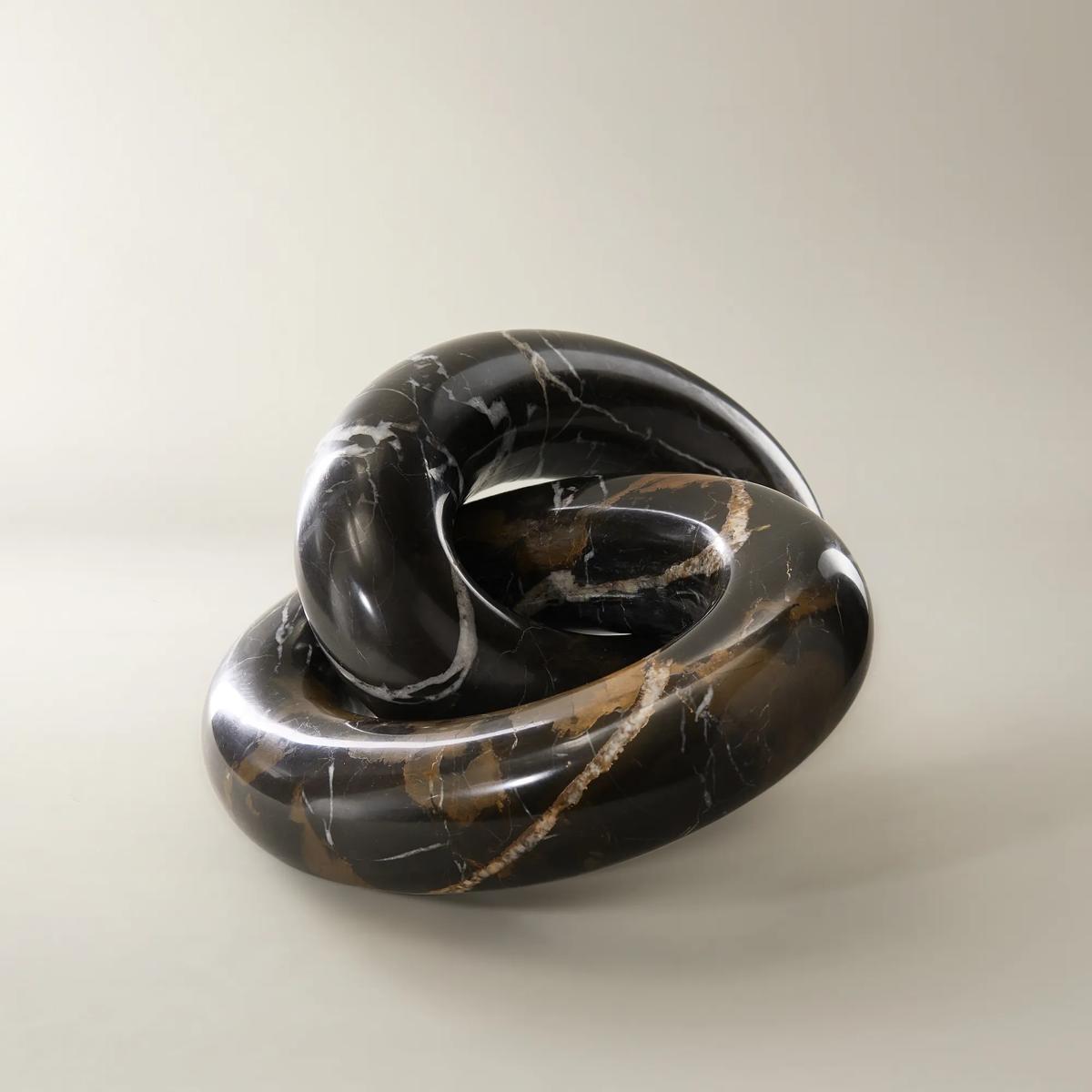 Marble Links Object - Brown$179
A sculptural accent featuring interlocking ovals carved from richly veined, one-of-a-kind brown marble.
Add To Cart -
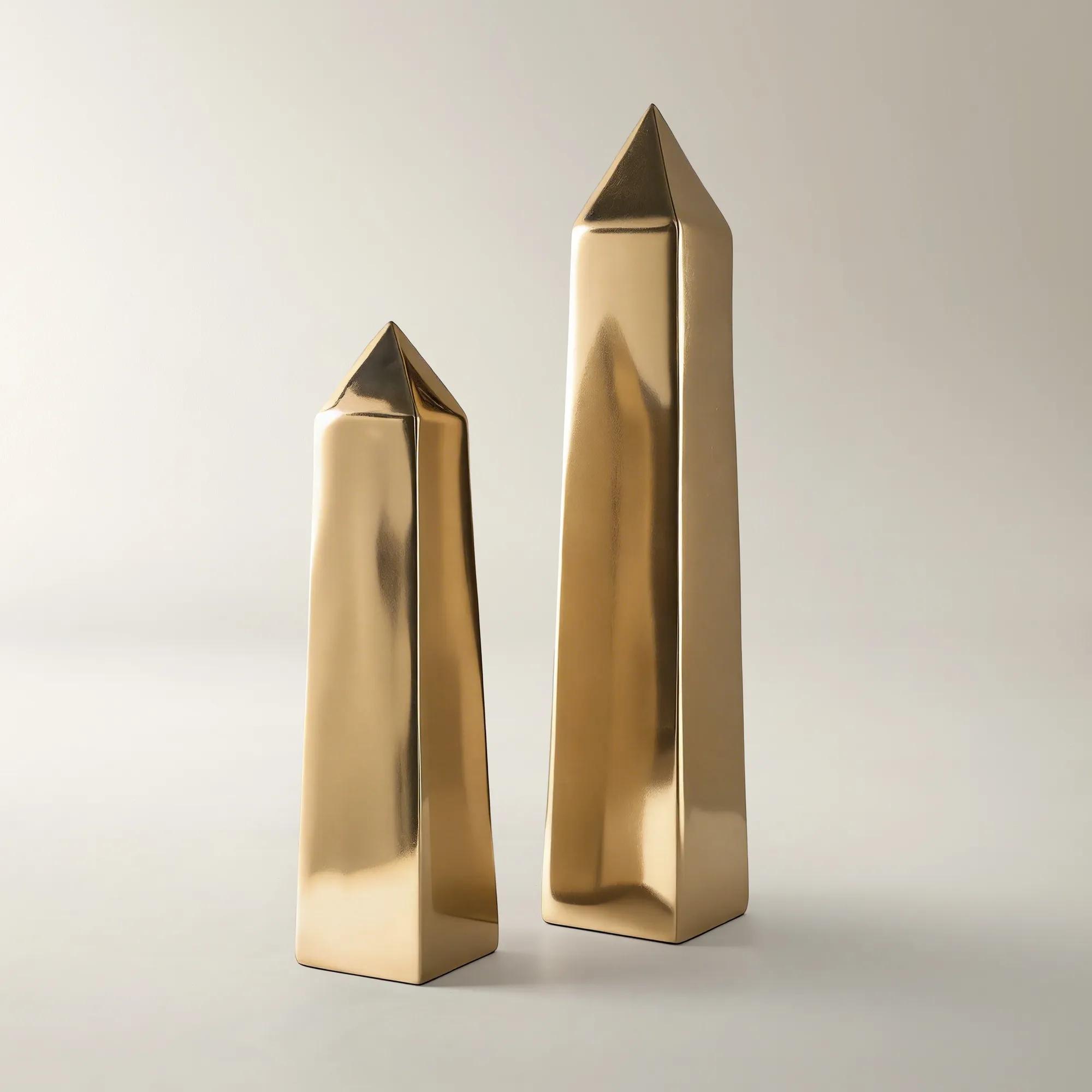
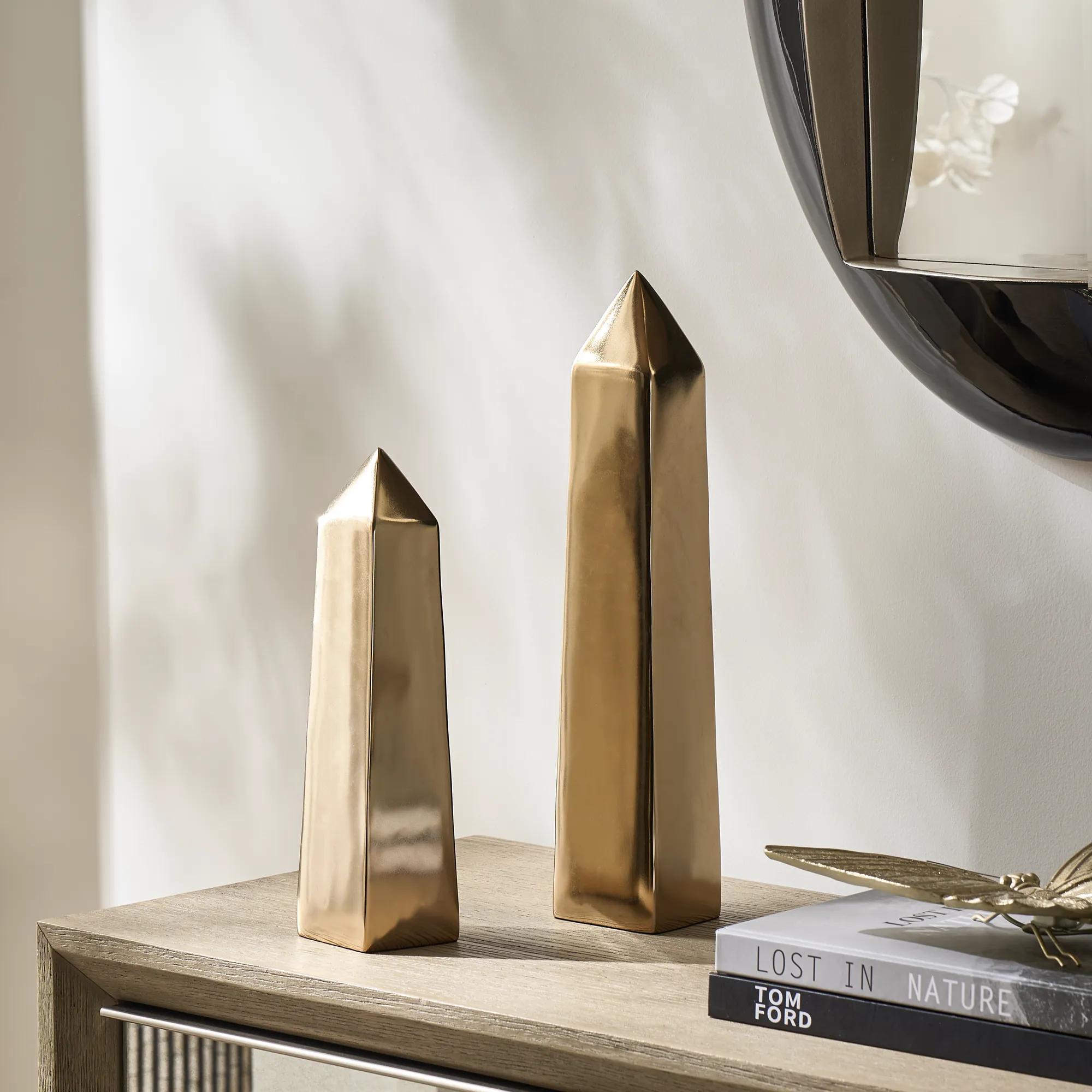 Golden Aluminum Obelisks$59
A sculptural aluminum accent in a soft gold finish that adds modern glamour and architectural drama.
Add To Cart -

 Stone Heart Black Marquino Marble Decorative Object 8"$199
A sculptural heart-shaped decorative object crafted from luxurious black Marquina marble.
Add To Cart -
 Cherry Mouth Blown Antique Mauve Glass Decorative Object 13.75"$99
A handblown glass cherry in antique mauve brings playful sculptural charm and romantic color to any space.
Add To Cart -

 Hourglass Marble Object - Brown$139
A sculptural hourglass accent hand-carved from deep espresso brown marble with unique natural veining.
Add To Cart -

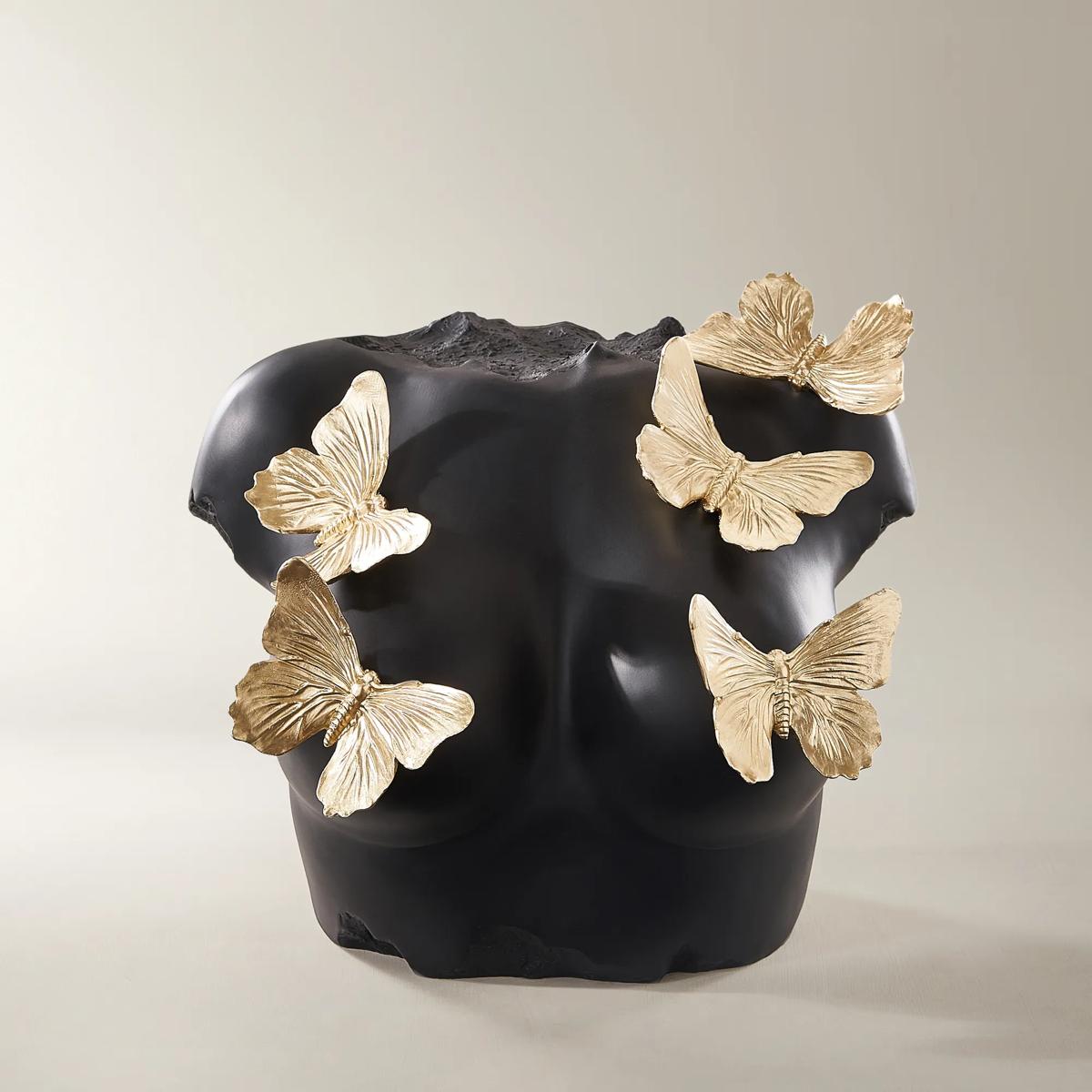
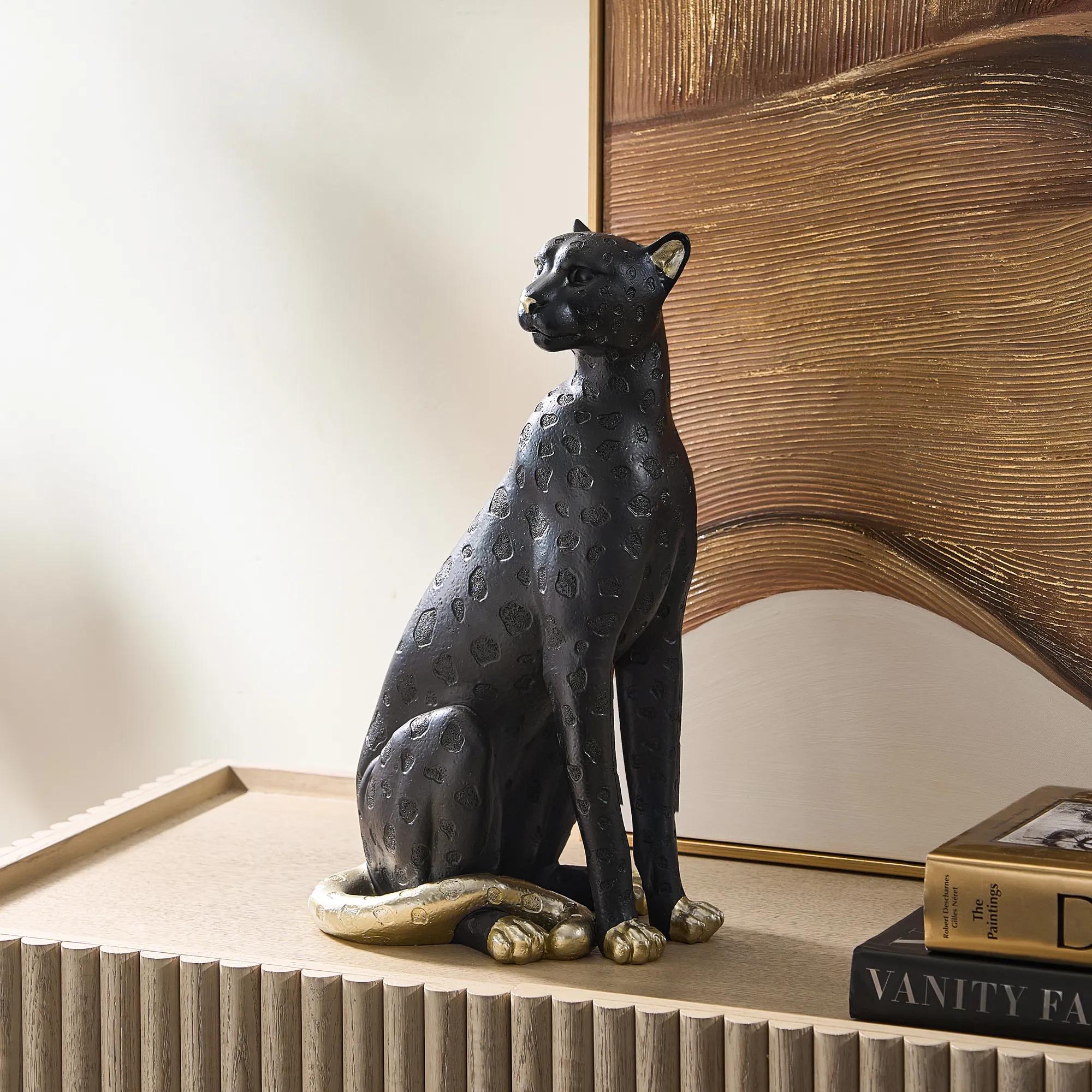 Midnight Leo Black And Gold Resin Object 17.75"$149
A sculpted black resin leopard with gilded gold accents adds bold, artistic glamour to any space.
Add To Cart -
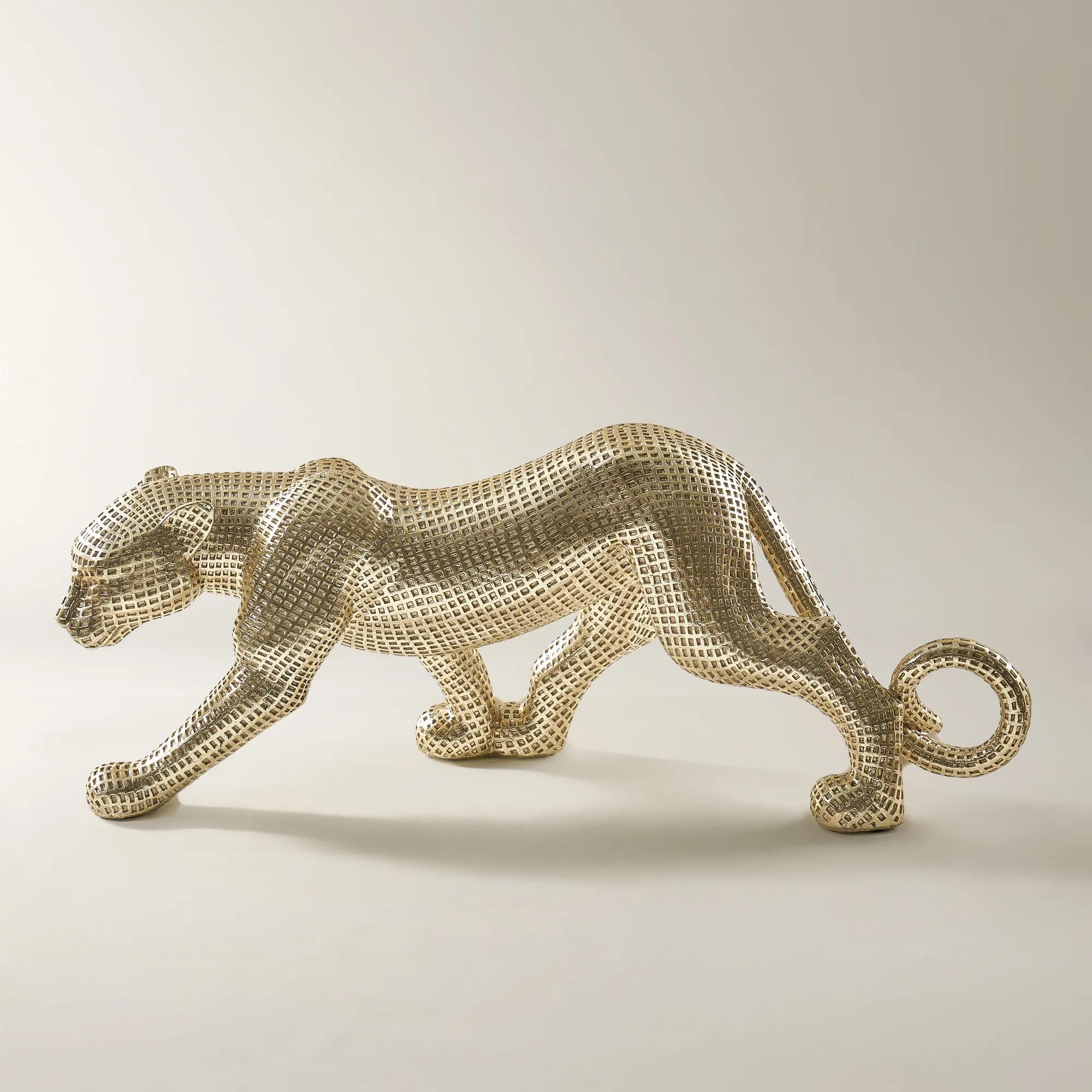
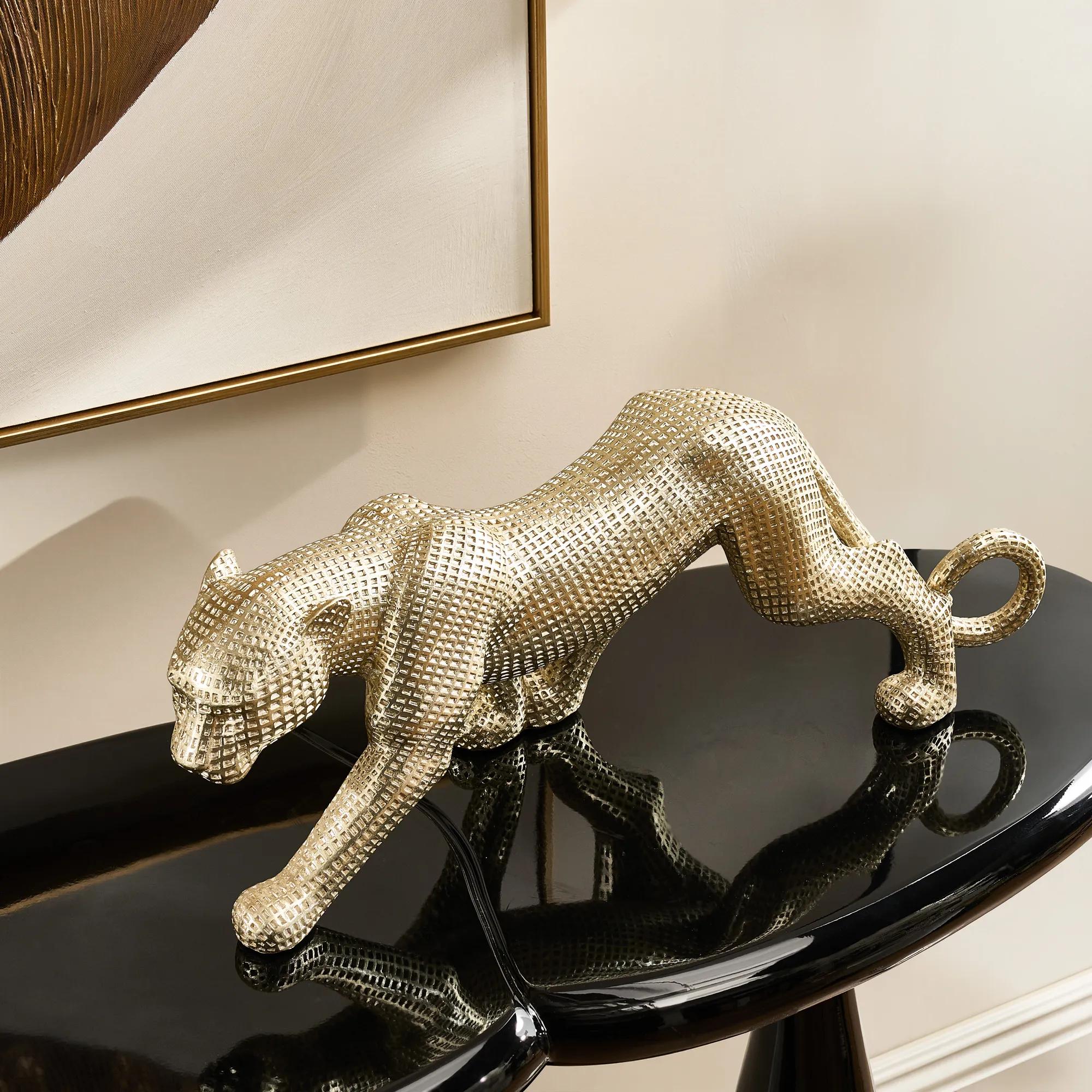 Pardus Champagne Resin Decorative Object 20.5" x 8"$79
A sculptural feline decor piece cast in champagne-finished resin with intricate grid texturing and sleek lines.
Add To Cart -
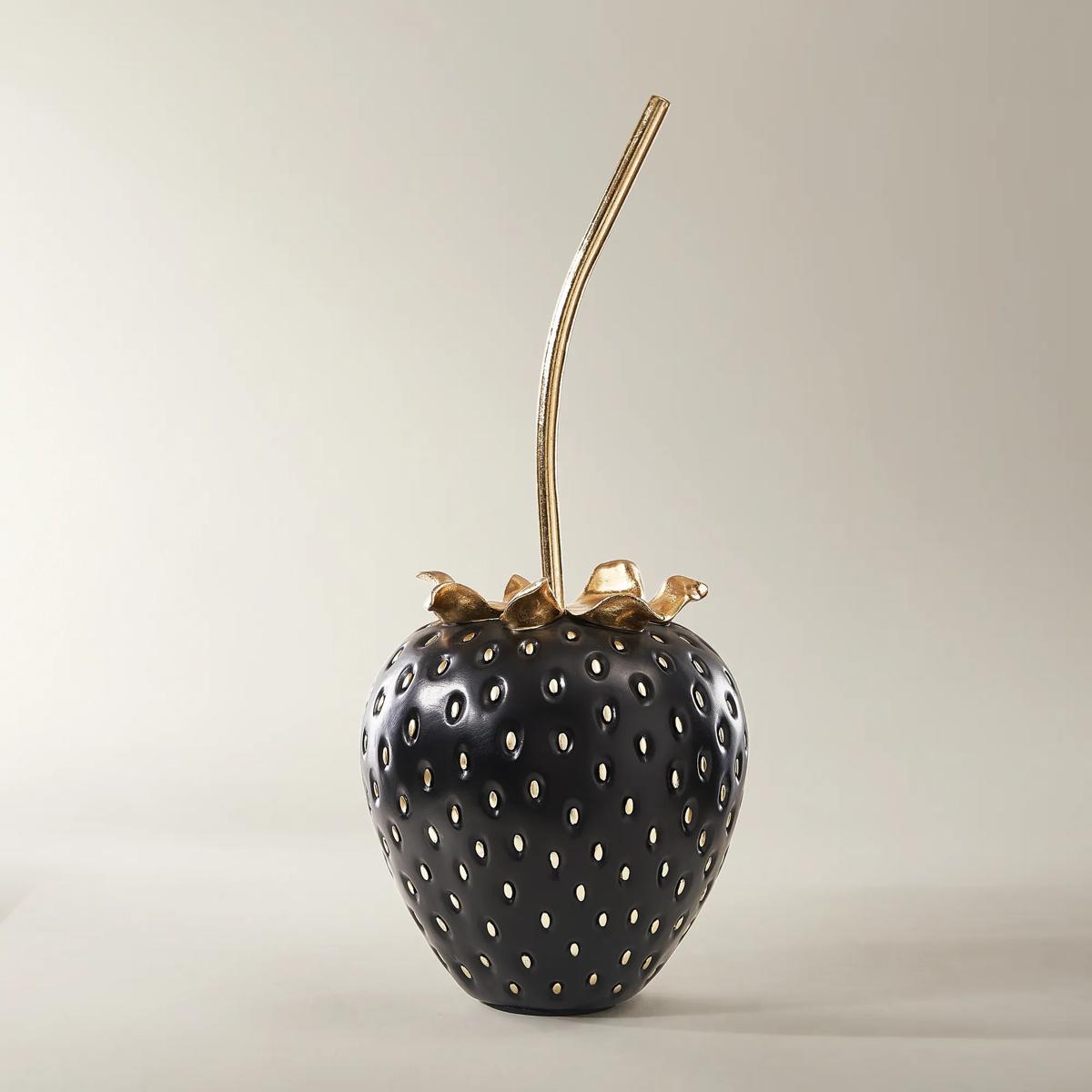 Grand Strawberry Gold And Black Resin Decorative Object 20.25"$129
A bold resin decorative accent in black and gold, adding whimsical elegance to any modern space.
Add To Cart -
 Cubism Black Resin Floor Totem 65"$329
A sculptural black resin totem with stacked geometric forms and brushed gold accents creates drama.
Add To Cart -
 Leopardo Gold Resin Decorative Object 35"$329
A striking gold resin leopard statue that adds a touch of regal elegance to any space.
Add To Cart -
 Dipped Berry Burgundy Soft Gold Resin Decorative Object$129
A whimsical resin accent featuring a bold strawberry silhouette in rich burgundy and soft gold tones.
Add To Cart -
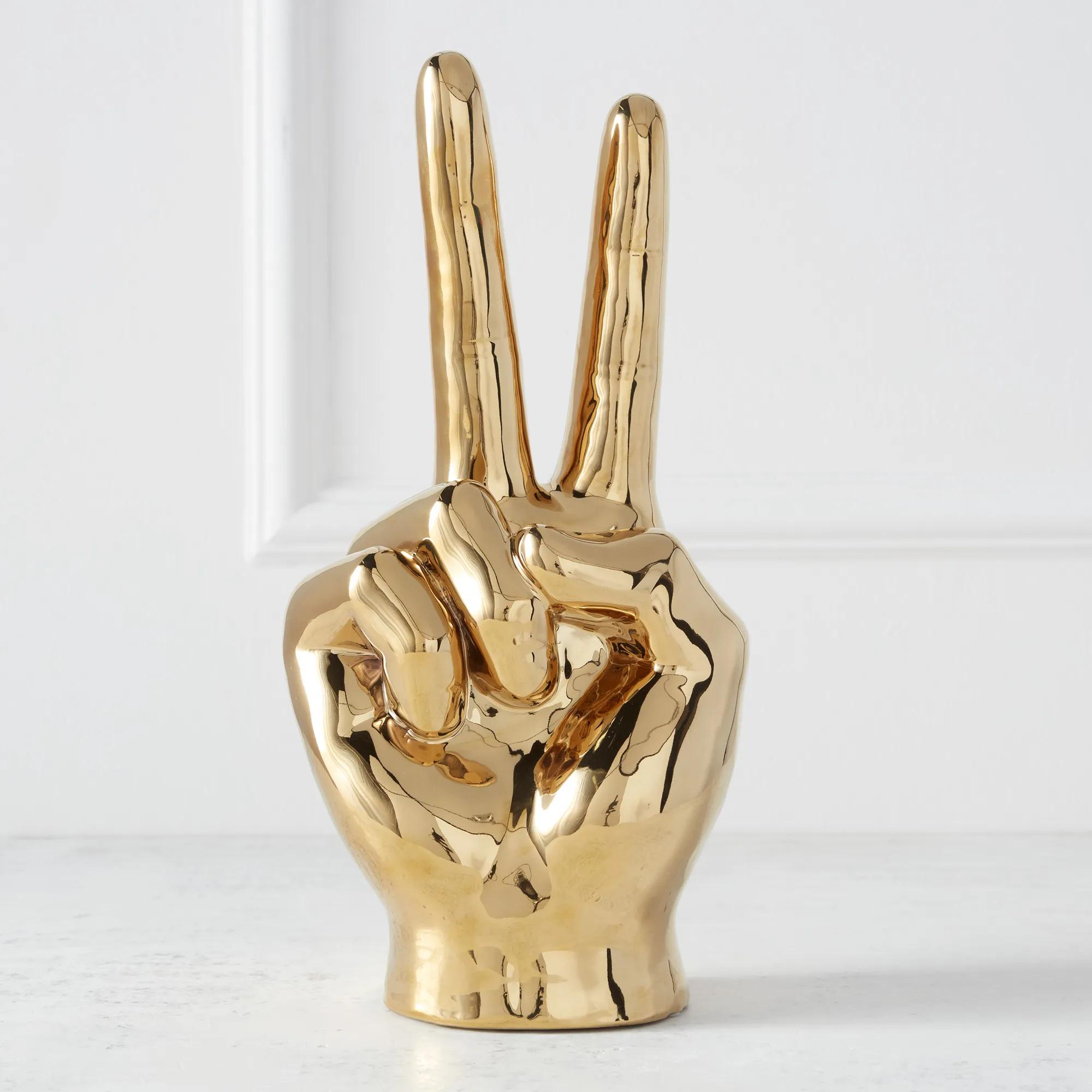 Peace Sign Gold Hand Ceramic Decorative Object 14"$49
A metallic gold ceramic hand sculpture perfect for displaying jewelry or as a decorative accent.
Add To Cart -
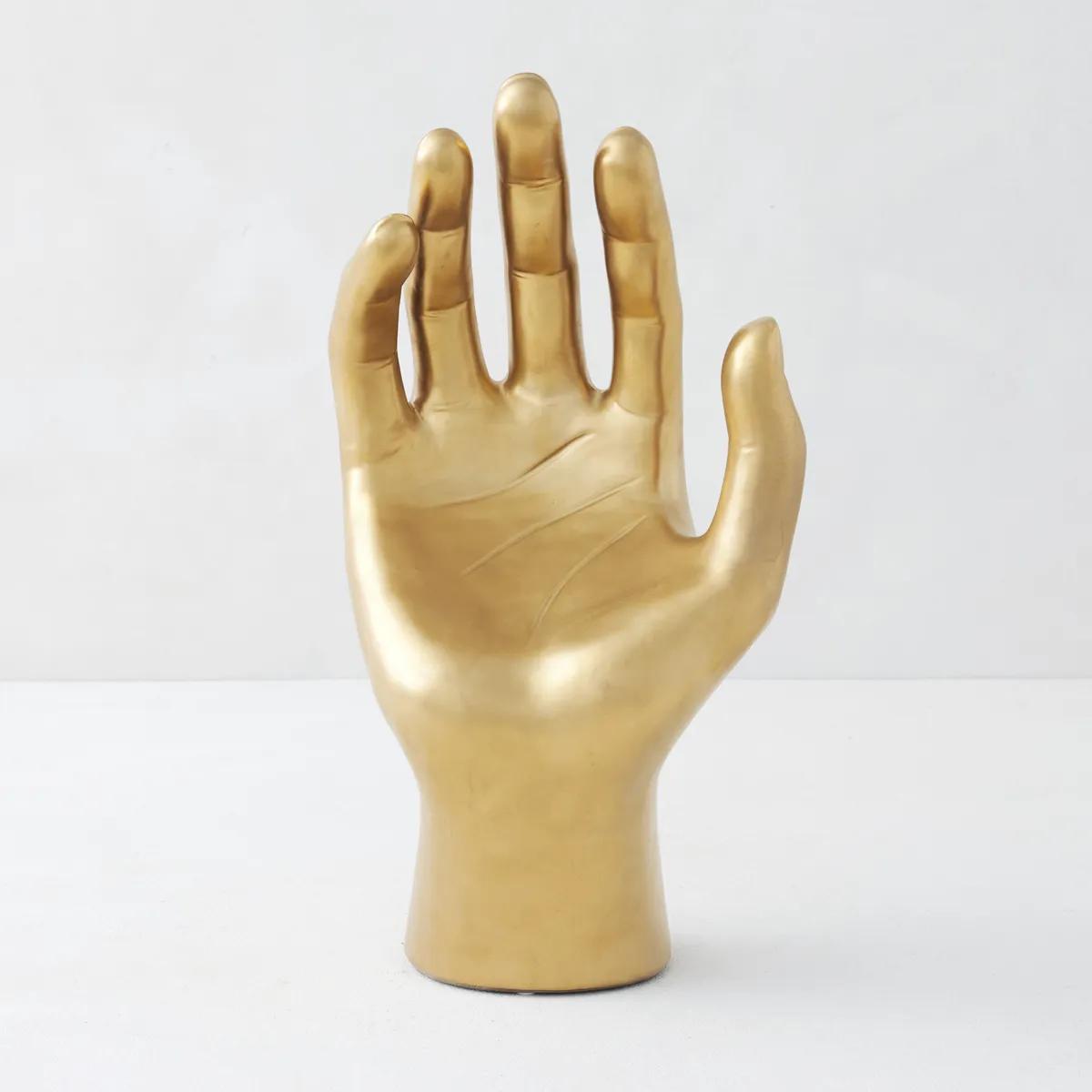
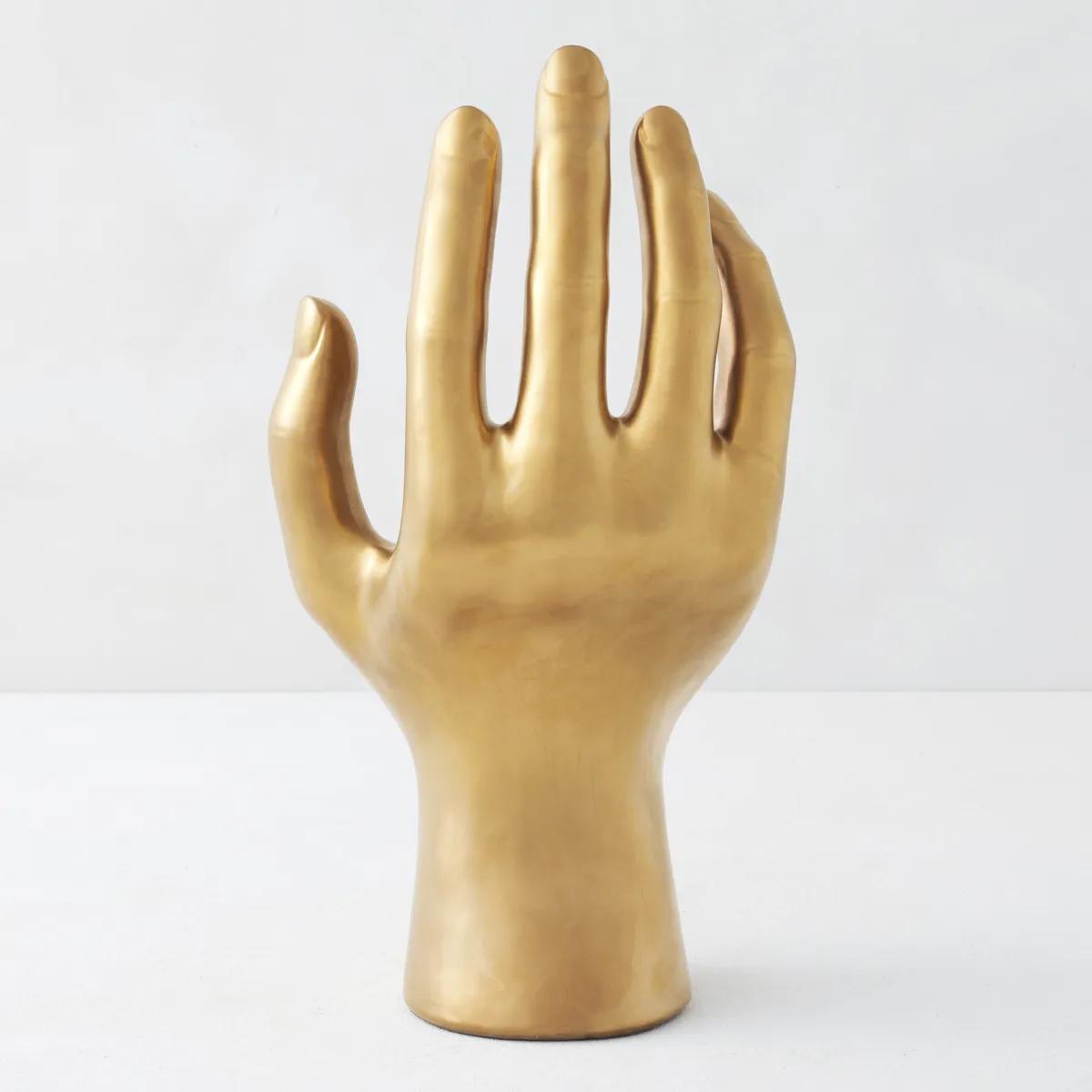 Ceramic Hand Metallic Gold Decorative Object 17.75"$69
A striking ceramic sculpture with a metallic gold finish, perfect for displaying jewelry or as decor.
Add To Cart -
 Black Gold Ceramic Book Box$59
A gold and black ceramic box with hidden storage, adding modern glamour and literary charm to décor.
Add To Cart -
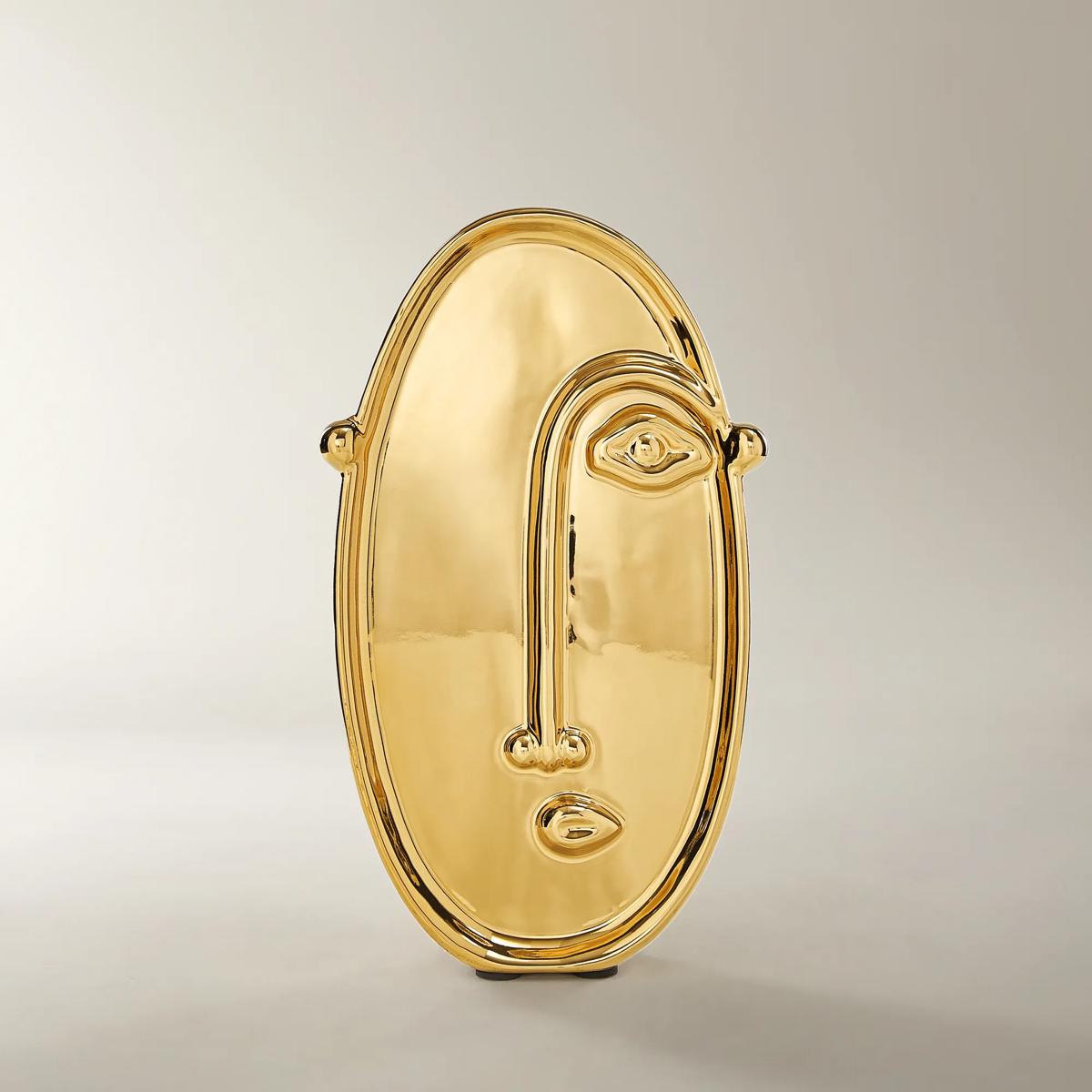
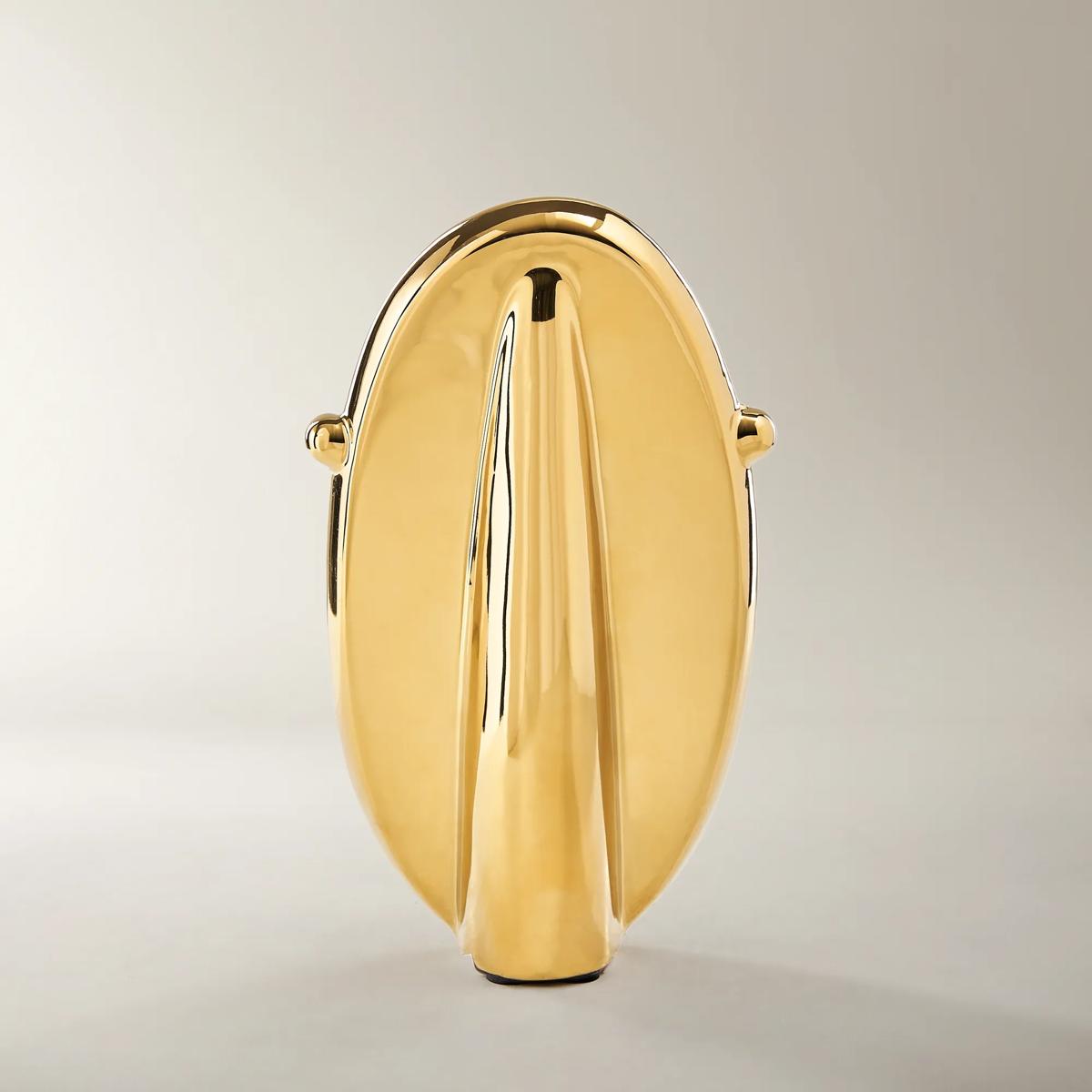 Golden Eye Ceramic Decorative Object 8"$39
A radiant gold ceramic sculpture featuring abstract, elongated facial details for a bold, modern accent.
Add To Cart -
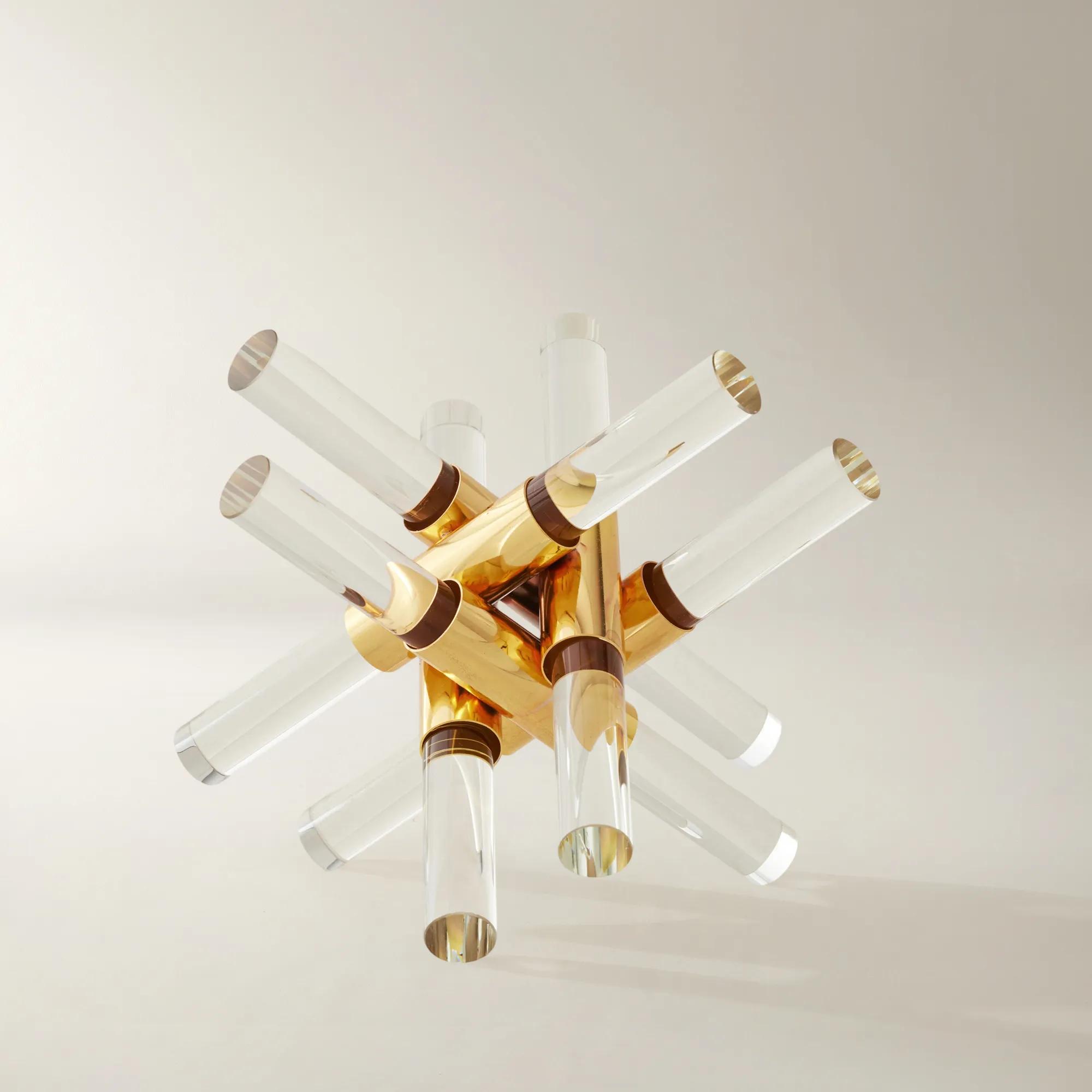
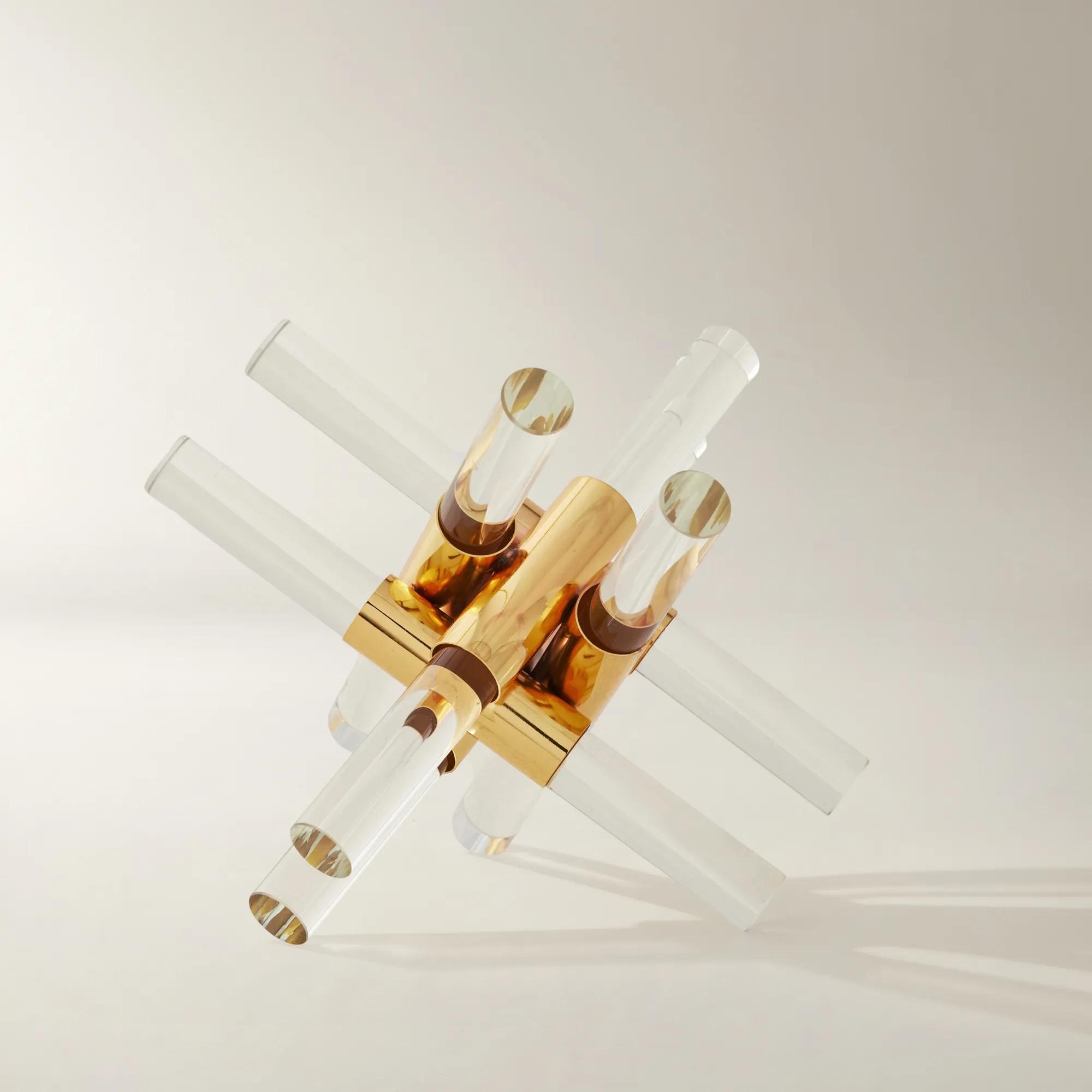 Crystal Glass And Gold Metal Decorative Object 8"$59
A striking decorative accent featuring clear glass rods and gold metal detailing for modern elegance.
Add To Cart -

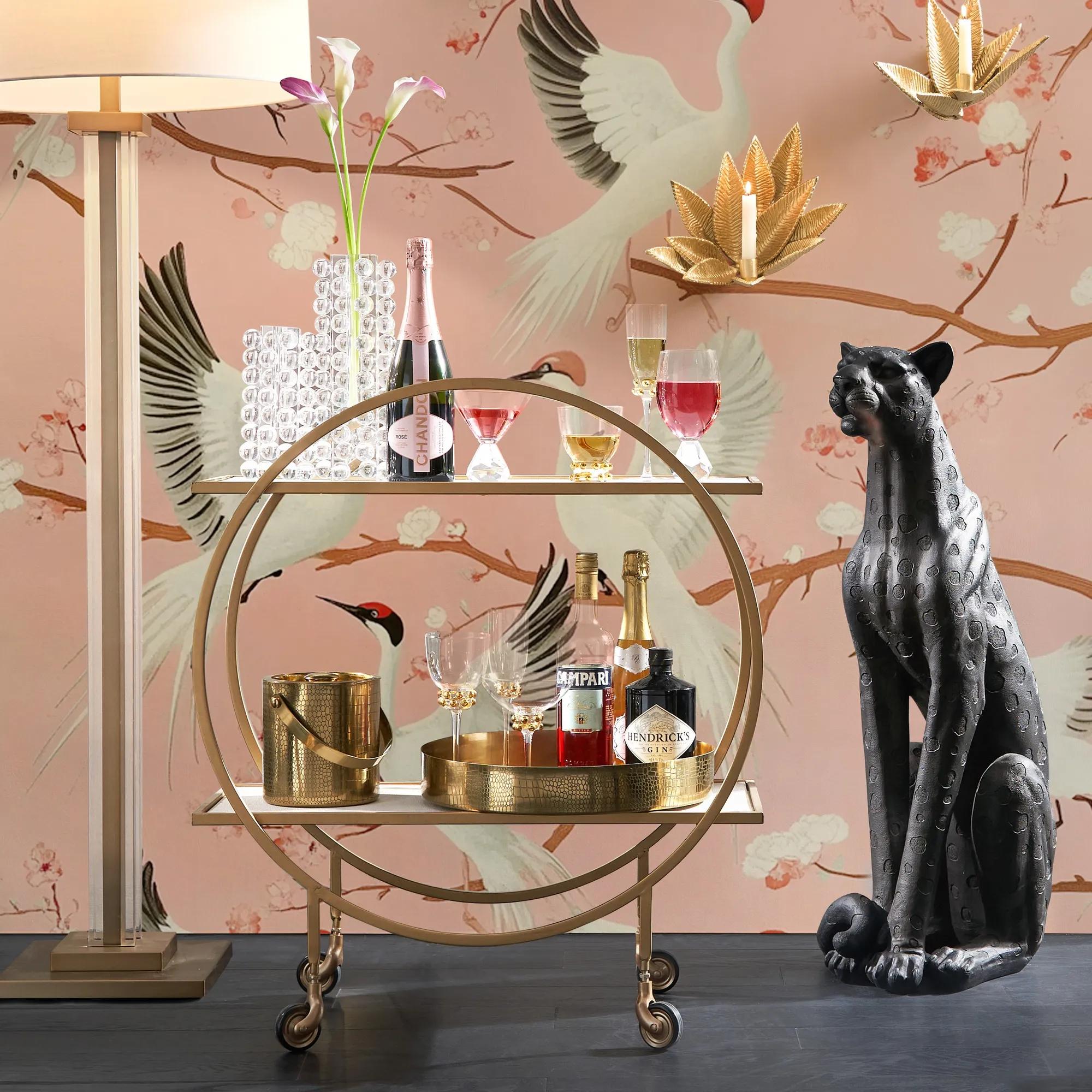 Leopardo Black Resin Decorative Object 35"$329
A striking black resin leopard statue finished in gold, perfect for adding a touch of elegance.
Add To Cart -

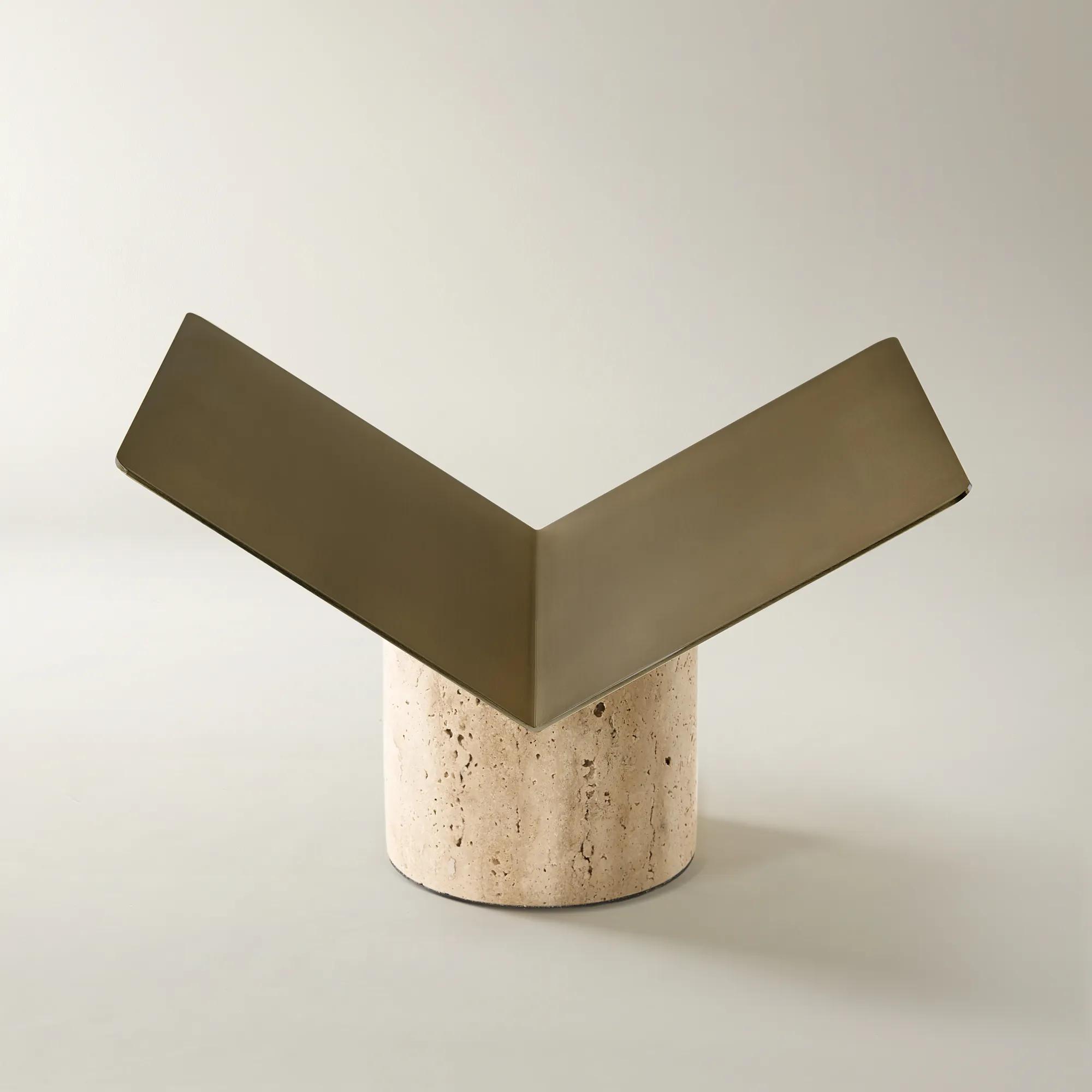
 Travertine Gold Metal Book Display Stand 7"$139
A sculptural beige travertine and gold metal stand that elegantly displays books with unique natural variation.
Add To Cart -

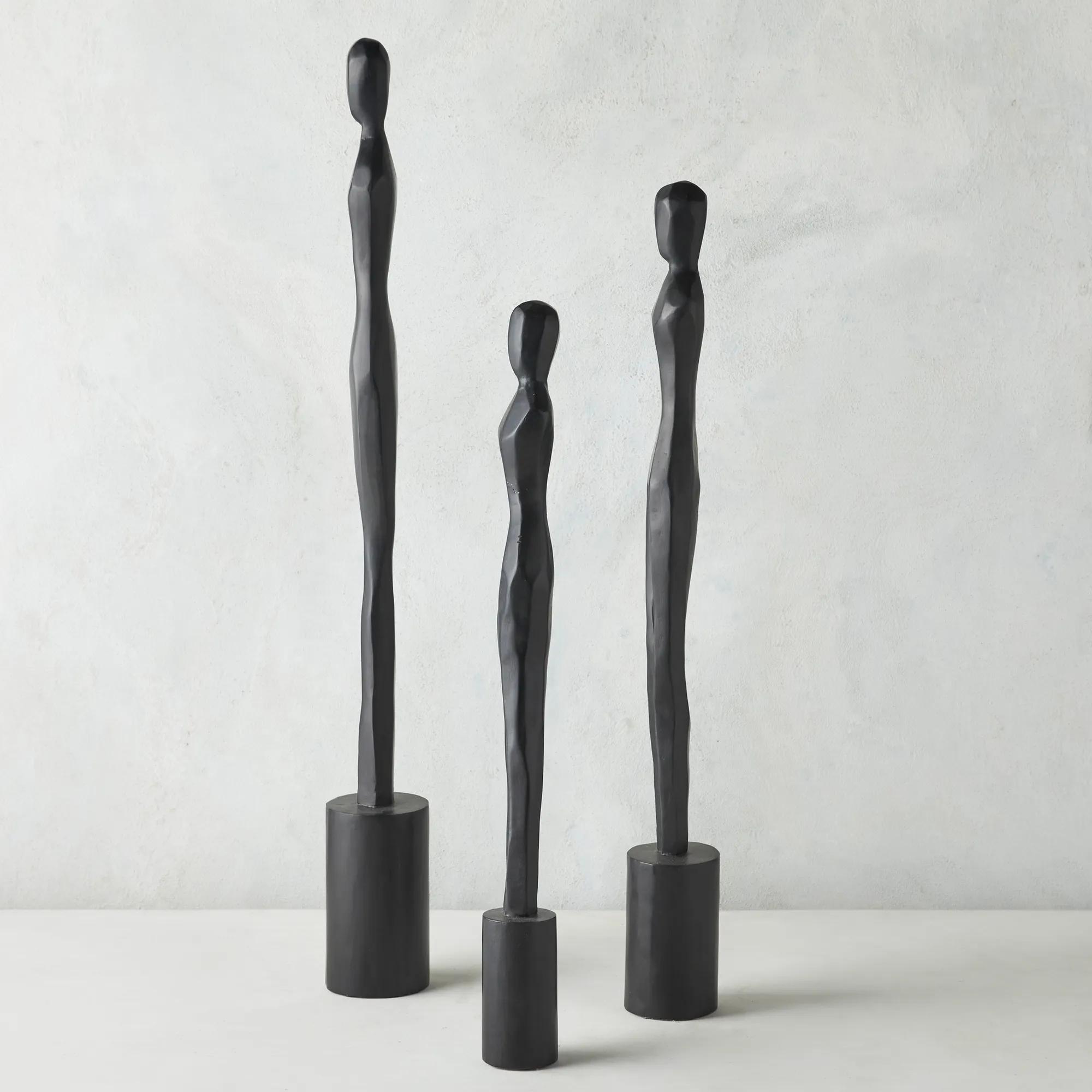 Nikki Chu Female Figure Black Wood Decorative Object Set of 3$129
A striking set of three black mango wood sculptures featuring graceful, elegant female silhouettes.
Add To Cart -
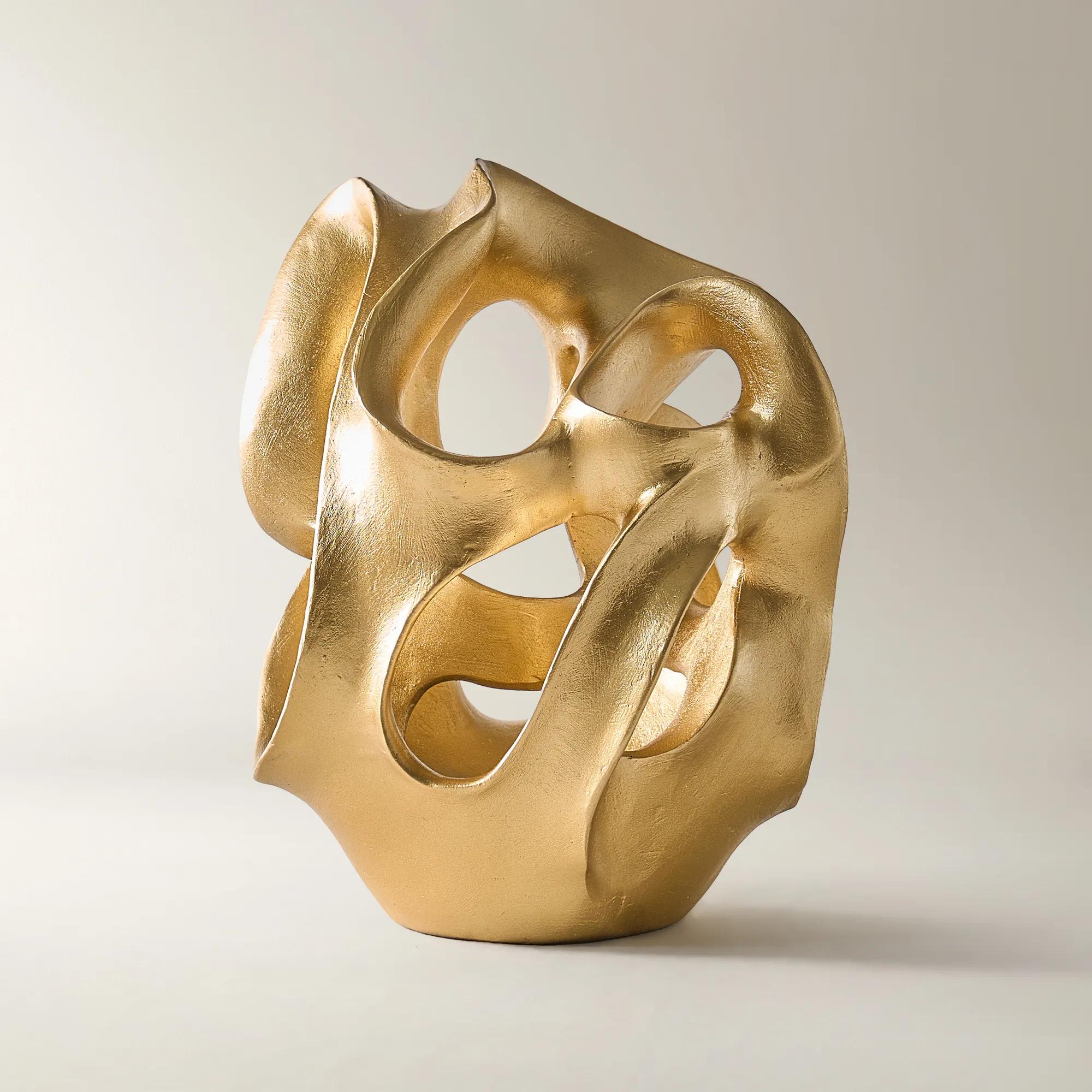
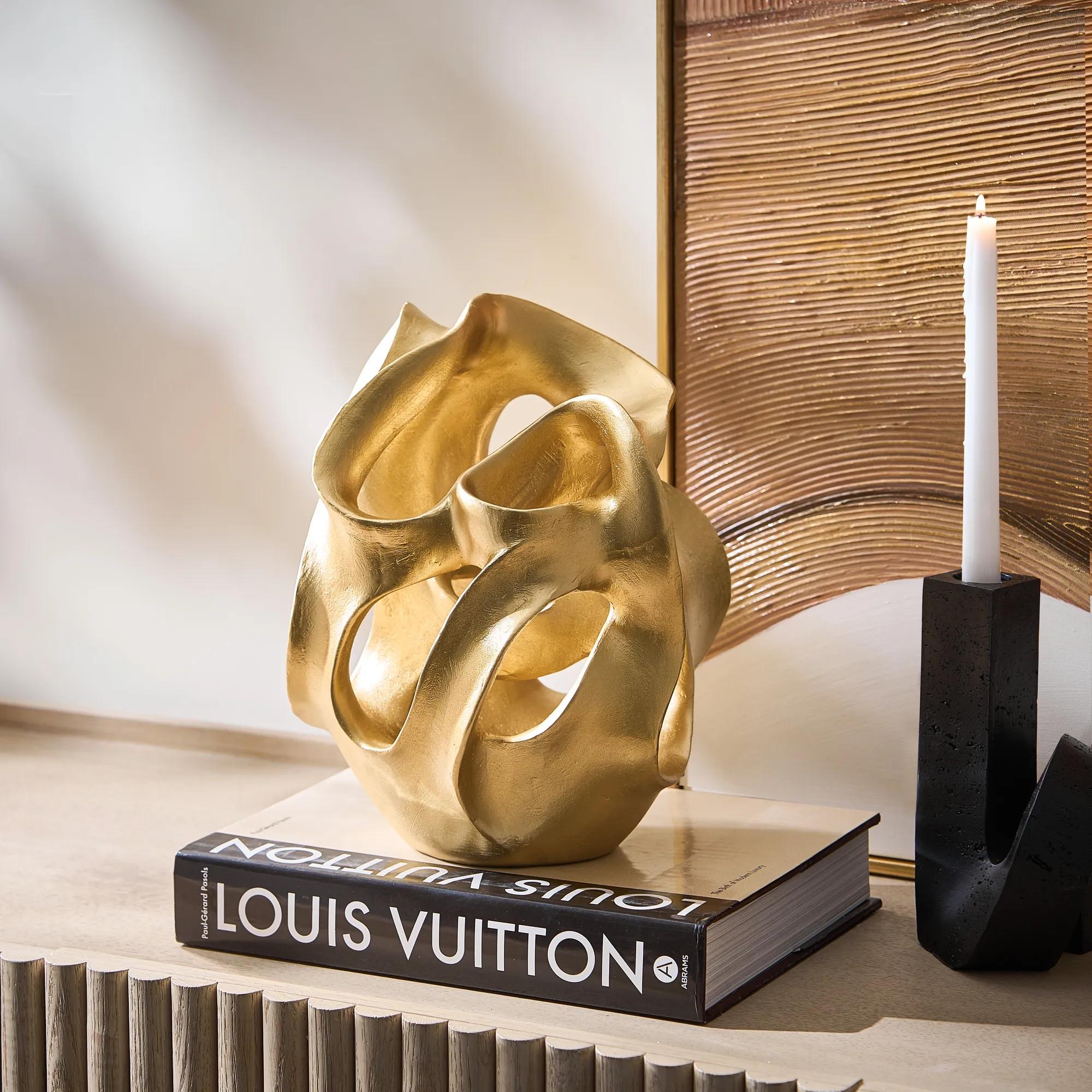 Payal Gold Resin Decorative Object 12"$99
A gold-finished resin sculpture with a fluid open silhouette adds architectural elegance and organic movement.
Add To Cart -
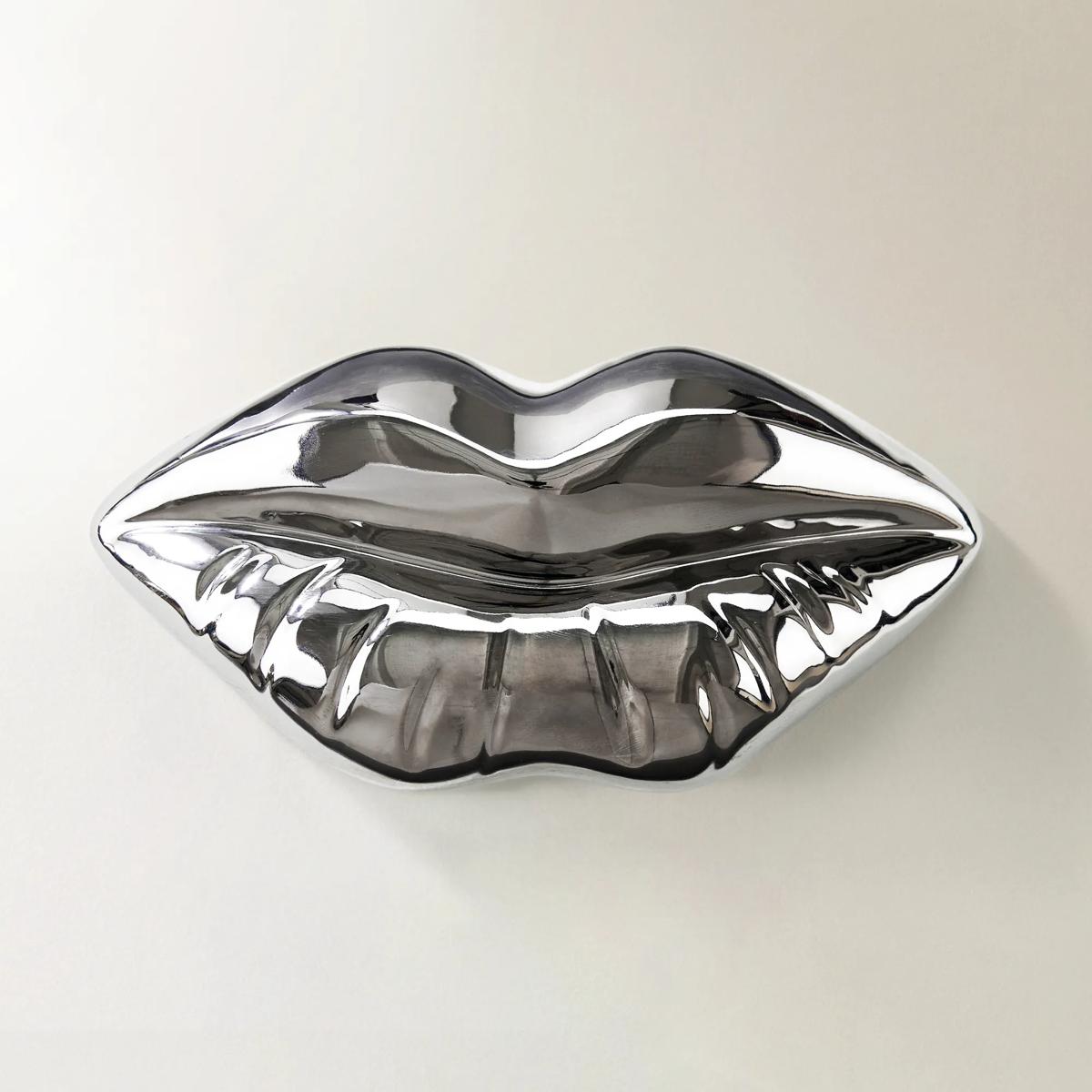 Chrome Lips Ceramic Decorative Object 5.25"$29
A high-shine silver ceramic sculpture that adds modern pop art flair and playful sophistication to any space.
Add To Cart -

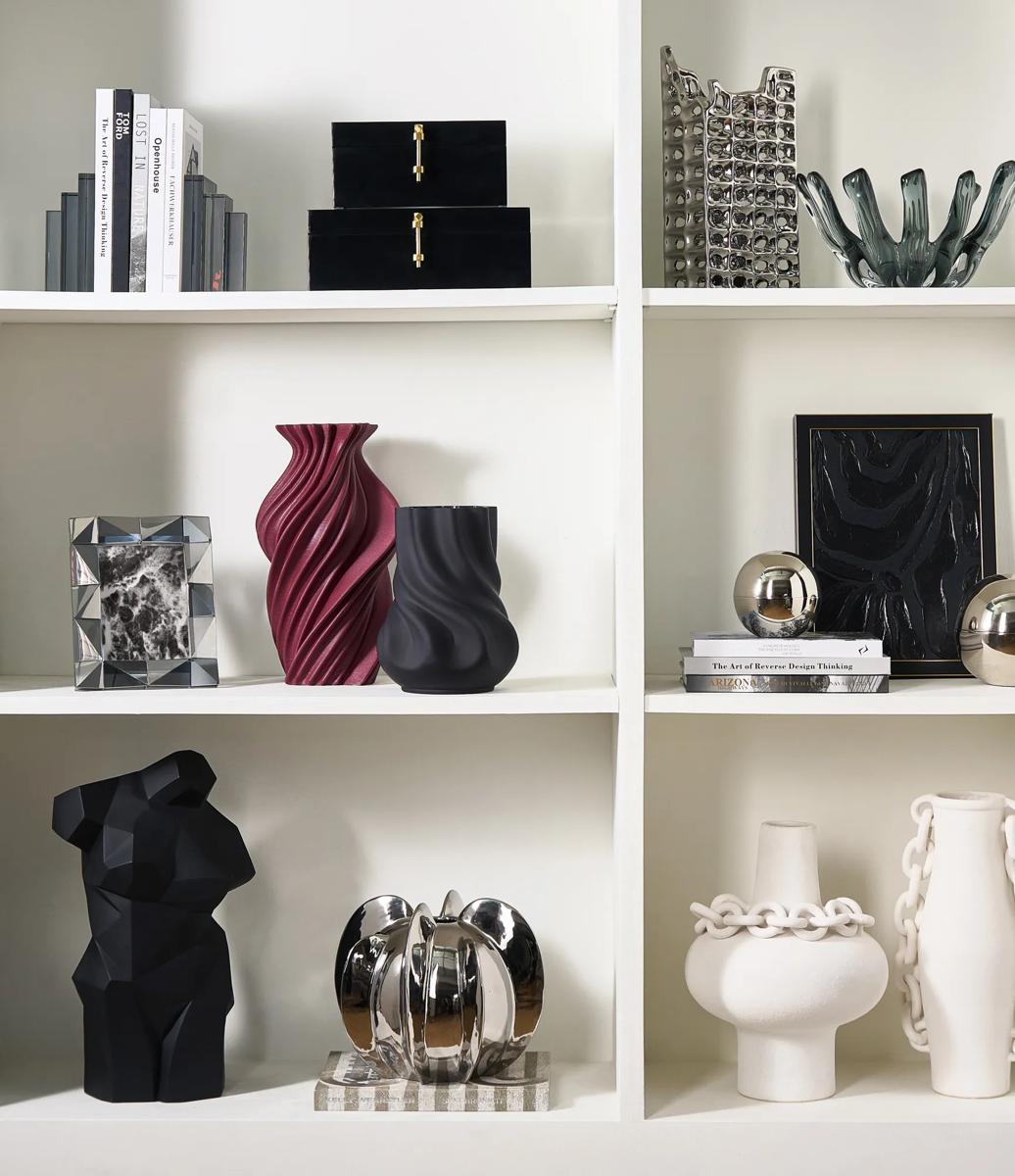 Pose Black Resin Decorative Object 19.75"$99
A sculptural matte black resin accent featuring a faceted geometric design and modern artistic appeal.
Add To Cart -
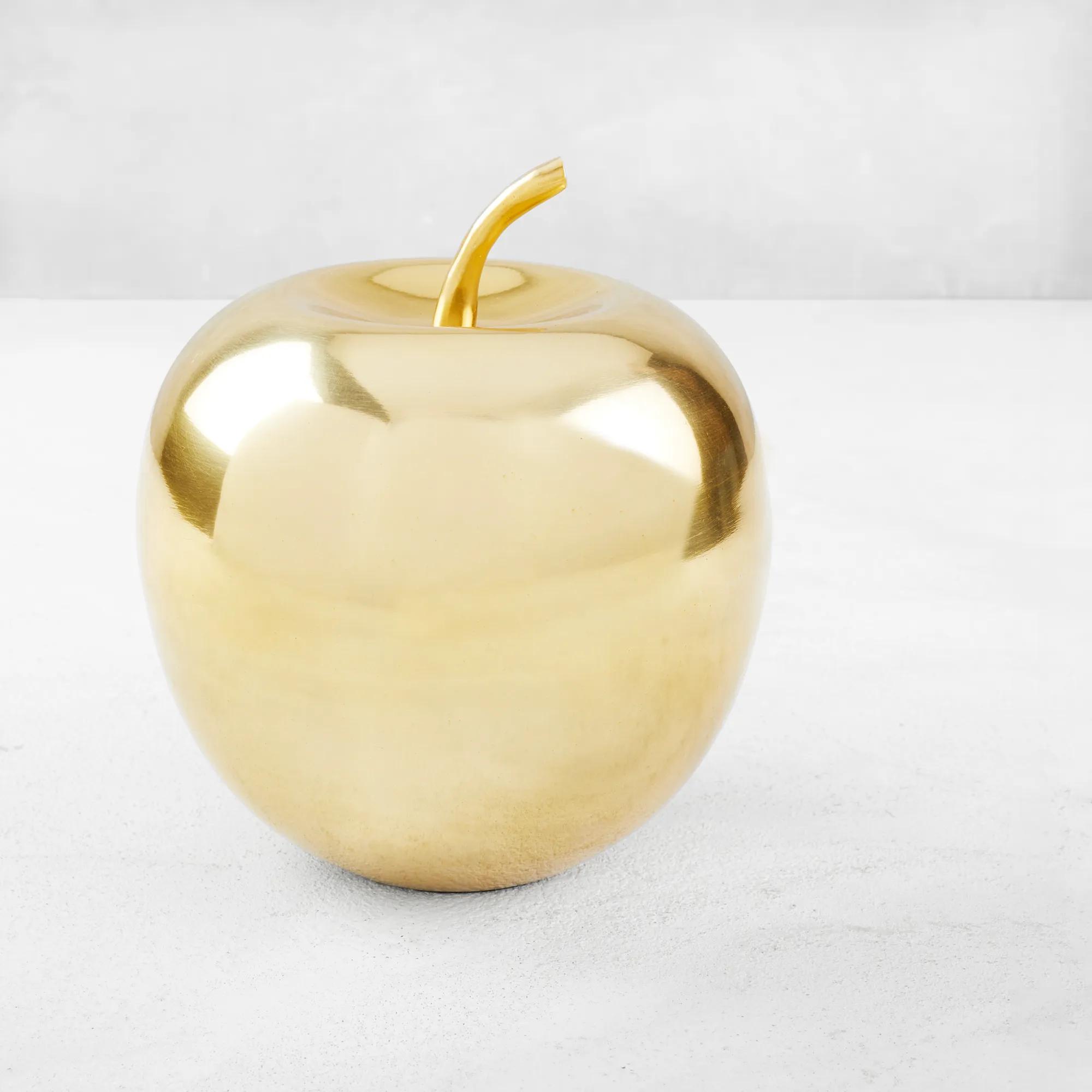
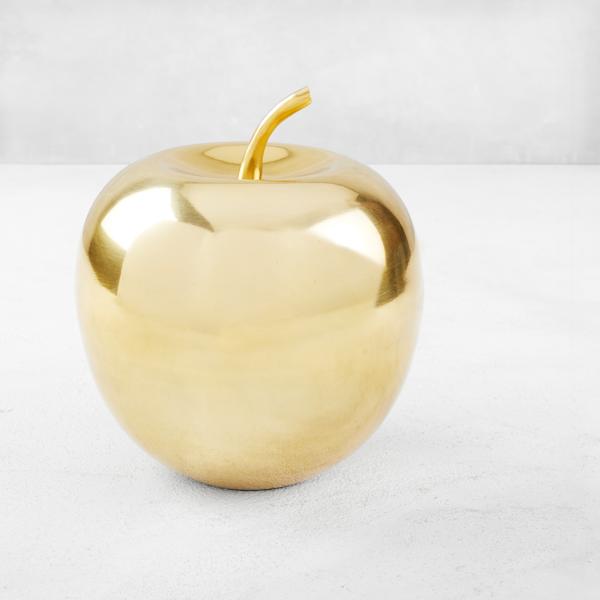 Gold Oversized Apple Aluminum Decorative Object 7.5"$69
A glamorous gold aluminum apple that adds a sophisticated statement to any décor.
Add To Cart

Unique Decorative Pieces
Unique Decorative Pieces transform the ordinary into the extraordinary, infusing every corner with a sense of artistry and intrigue. Each piece is a curated statement, designed to spark conversation and reflect your unapologetic flair for the unexpected. Let your home become a gallery of self-expression, where sculptural forms and captivating textures invite admiration from every angle. With Unique Decorative Pieces, elevate your space into a sanctuary of style that delights the senses and celebrates your signature vision.
Unique decorative pieces are home accents distinguished by expressive shapes, unexpected textures, dimensional surfaces, or striking combinations of materials. Sculptural objects, decorative vases, ornamental bowls, and dimensional wall decor bring an artistic presence to rooms that might otherwise feel complete but not quite personal. Their appeal goes beyond ornament: a sweeping silhouette can soften the lines of a tailored console, while a gleaming metallic finish can introduce luminosity against dark wood or richly upholstered furniture. These are the details that give a home its own visual signature. Ceramic and porcelain offer possibilities ranging from smooth, luminous glazes to richly textured surfaces; glass brings transparency, saturated color, and reflections that change with the light. Metal can feel fluid and sculptural or sharply architectural, depending on its shape and finish. Stone introduces natural variation and substantial visual weight, while resin allows for elaborate forms that may be lighter than comparable stone designs. No single material defines distinctive home decor. Much of its character comes from the relationship between form, finish, and setting. A pale sculptural accent against a charcoal wall creates a different impression from the same shape placed on a mirrored surface. Likewise, a polished object gains definition beside a matte vessel, allowing both finishes to register more clearly. For interiors with a restrained palette, unusual decorative objects can supply drama without introducing additional color. In more expressive rooms, richly toned glass, dimensional forms, and reflective accents can reinforce a confident mix of pattern and texture. The most compelling pieces have enough presence to hold attention yet remain connected to the furnishings around them. Whether the mood is glamorous, architectural, or artfully eclectic, distinctive decor gives familiar spaces a sense of discovery. A living room becomes more intimate, an entryway more memorable, and a quiet shelf more revealing of the person who arranged it. The effect comes not from filling every surface, but from choosing forms with a point of view and giving their details room to be seen.
Scale is part of that expression. A generous decorative vessel can anchor a broad console, while smaller sculptural accents lend depth to a bookcase without overwhelming its shelves. Height, width, and depth all matter, particularly on narrow mantels, compact side tables, and furniture positioned along busy pathways. An object may have a slender base but a dramatically flared profile, so its full dimensions determine how comfortably it fits. On a coffee table, lower forms preserve conversation and sightlines; on a tall cabinet, a more substantial silhouette remains legible from across the room. Negative space is equally valuable. An open stretch of tabletop can make a beautifully proportioned object feel more intentional than an elaborate cluster with no breathing room. Groupings gain cohesion through a shared color, finish, or curve, while differences in height prevent the arrangement from feeling rigid. A rounded ceramic form beside a slender metal sculpture creates a dialogue between softness and structure. A dark decorative bowl on a pale surface provides definition without requiring a busy pattern. Wall decor extends this interplay beyond furniture, adding relief, shadow, and movement to otherwise flat expanses. For a composition that connects dimensional accents with an expressive wall display, Unique Art Pieces for Home offers a related direction for shaping a room’s artistic identity. The surrounding architecture remains important: a large uninterrupted wall supports a different visual scale from the space between windows or above a compact chest. Lighting also changes the experience, revealing ridges in a textured surface or tracing the edge of translucent glass. In an entryway, a distinctive accent can establish the mood immediately; in a dining room, a sculptural centerpiece can bring ceremony to the table without obstructing the view between guests. Even a home office benefits from an object chosen for its expressive shape, giving the practical setting a more personal finish. Across these spaces, the relationship between the accent and its surroundings gives the arrangement its polish, rather than matching every element exactly.
Materials and construction influence how decorative accents feel, where they belong, and how they age. Glass and glazed ceramics can bring exceptional brilliance, but their edges and projecting details deserve protection from accidental knocks. Stone may be durable in everyday display yet remain vulnerable to staining, chipping, or acidic cleaners, depending on its composition and finish. Metal surfaces vary considerably: a coated finish may require different care from an unlacquered one, and abrasive polishing can alter a deliberately aged or textured appearance. Resin pieces also vary in finish and care requirements, making the individual care instructions more useful than assumptions based on appearance alone. Gentle dusting with a soft cloth is often appropriate, while water, solvents, and household sprays should be used only when recommended for the material. Decorative objects with crevices or delicate relief may need a soft brush rather than vigorous wiping. Protective pads beneath a stable base can help safeguard a console or shelf, provided they are compatible with both surfaces. Weight matters as much as appearance: substantial accents need furniture that can support them, and wall-mounted decor requires hardware suited to the piece and the wall construction. In homes with children or pets, secure placement away from reachable edges helps preserve both the object and the ease of the room. Intended use deserves equal attention. A decorative bowl is not necessarily food-safe, and an ornamental vase may require a liner or separate vessel for fresh stems unless it is designed to hold water. These distinctions allow beauty and function to coexist without compromising either. Distinctive home accents also make thoughtful gifts for housewarmings, weddings, and personal milestones, especially when their scale and palette reflect the recipient’s home. Someone drawn to dramatic interiors may appreciate a bold silhouette or luminous finish, while a collector of tactile materials may favor expressive texture. A well-chosen decorative piece feels personal without requiring an entire room to change around it: a lasting accent with enough character to become part of the home’s story.
FAQs
Unique decorative pieces serve as expressive focal points, infusing your space with personality and artistry. Whether it’s a sculptural accent, a vibrant vase, or a conversation-starting objet d’art, these pieces add layers of intrigue and sophistication, transforming ordinary rooms into immersive, inspiring environments.
Consider the mood and purpose of each room. In living areas, bold or sparkling accents can create drama and invite conversation, while tranquil bedrooms may benefit from soft textures or organic shapes. Think about how each piece complements existing furnishings, color palettes, and the overall narrative you wish to create.
Absolutely. A thoughtfully chosen decorative accent is a memorable gift, perfect for housewarmings, special occasions, or simply to show appreciation. Look for pieces that reflect the recipient’s personality or passions, ensuring your gift feels personal and cherished.
Balance is key when mixing styles. Start with a cohesive color palette, then layer contrasting textures, materials, and shapes for visual interest. Allow each piece to stand out while maintaining harmony in the overall design. Remember, a curated collection tells a richer story than a uniform look.
Yes, rotating decorative pieces with the seasons is a wonderful way to refresh your home’s energy and style. In winter, opt for luxe metallics, rich textures, and sculptural forms that add warmth and glamour. As the seasons shift, swap in lighter, brighter accents to reflect the changing mood.