Unique Decorative Vases
Unique Decorative Vases
-
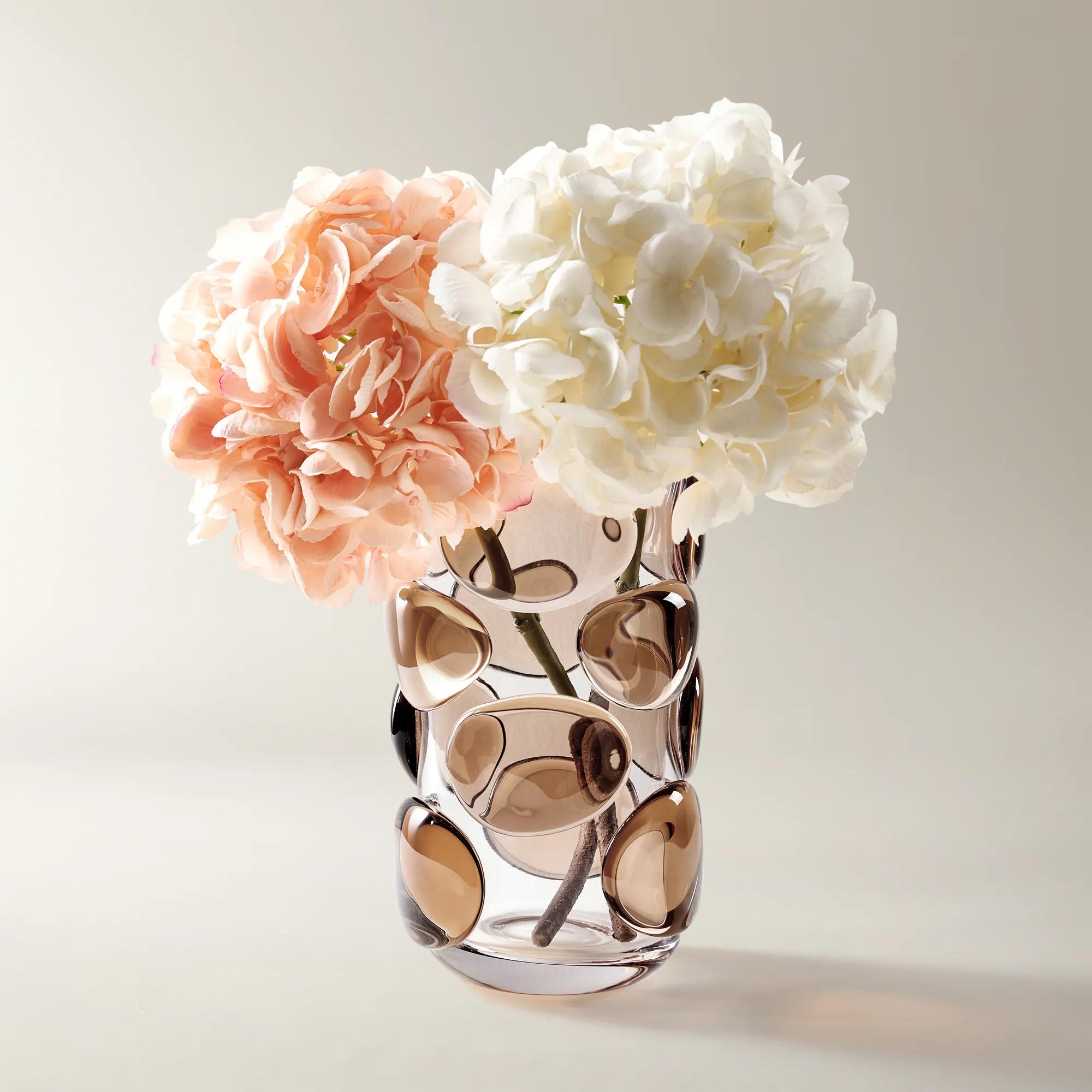
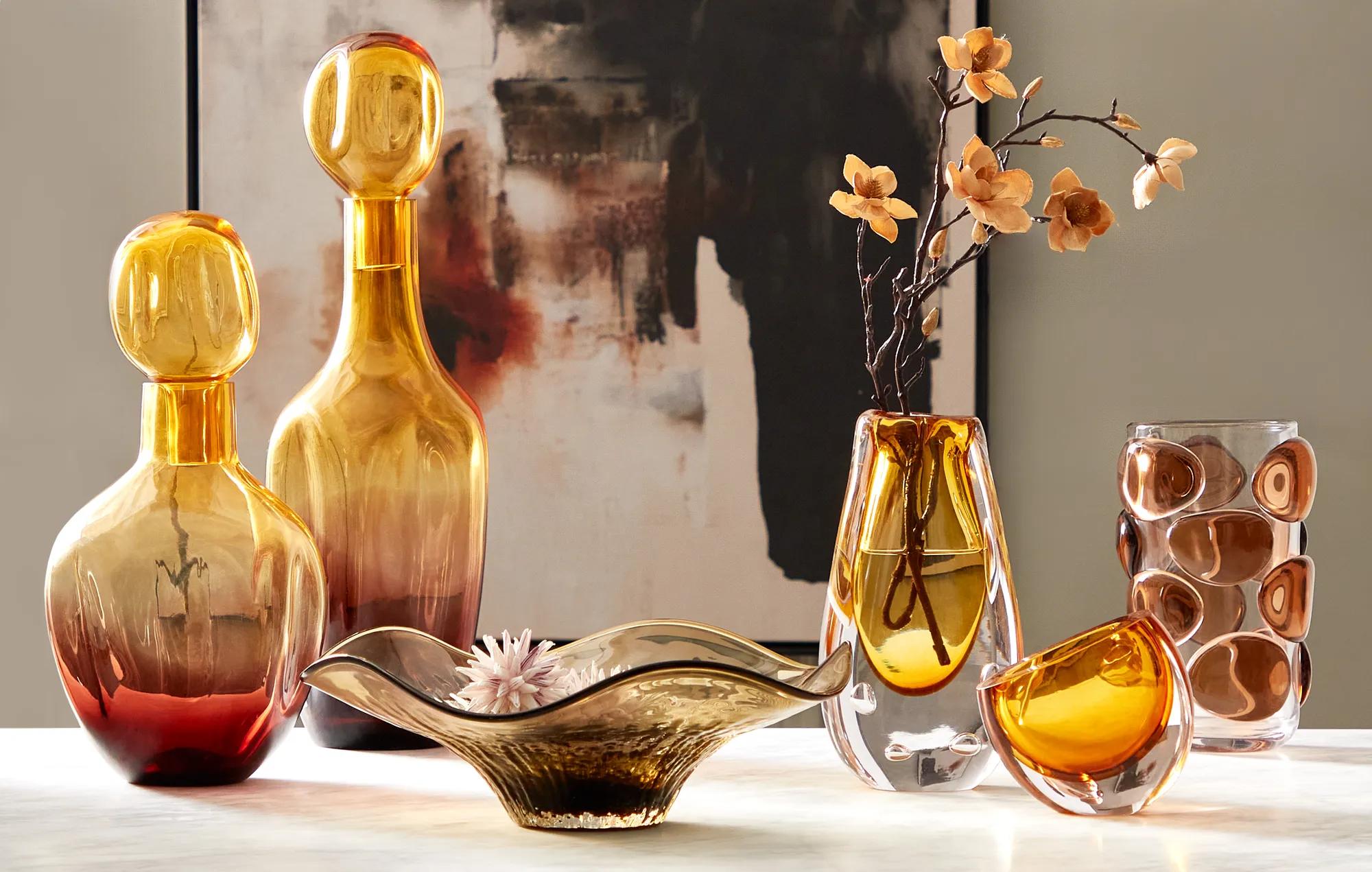 Nova Glass Vase - Small$149
An amber-toned, hand-blown glass vase featuring a sculptural bubble design for striking visual texture.
Add To Cart -
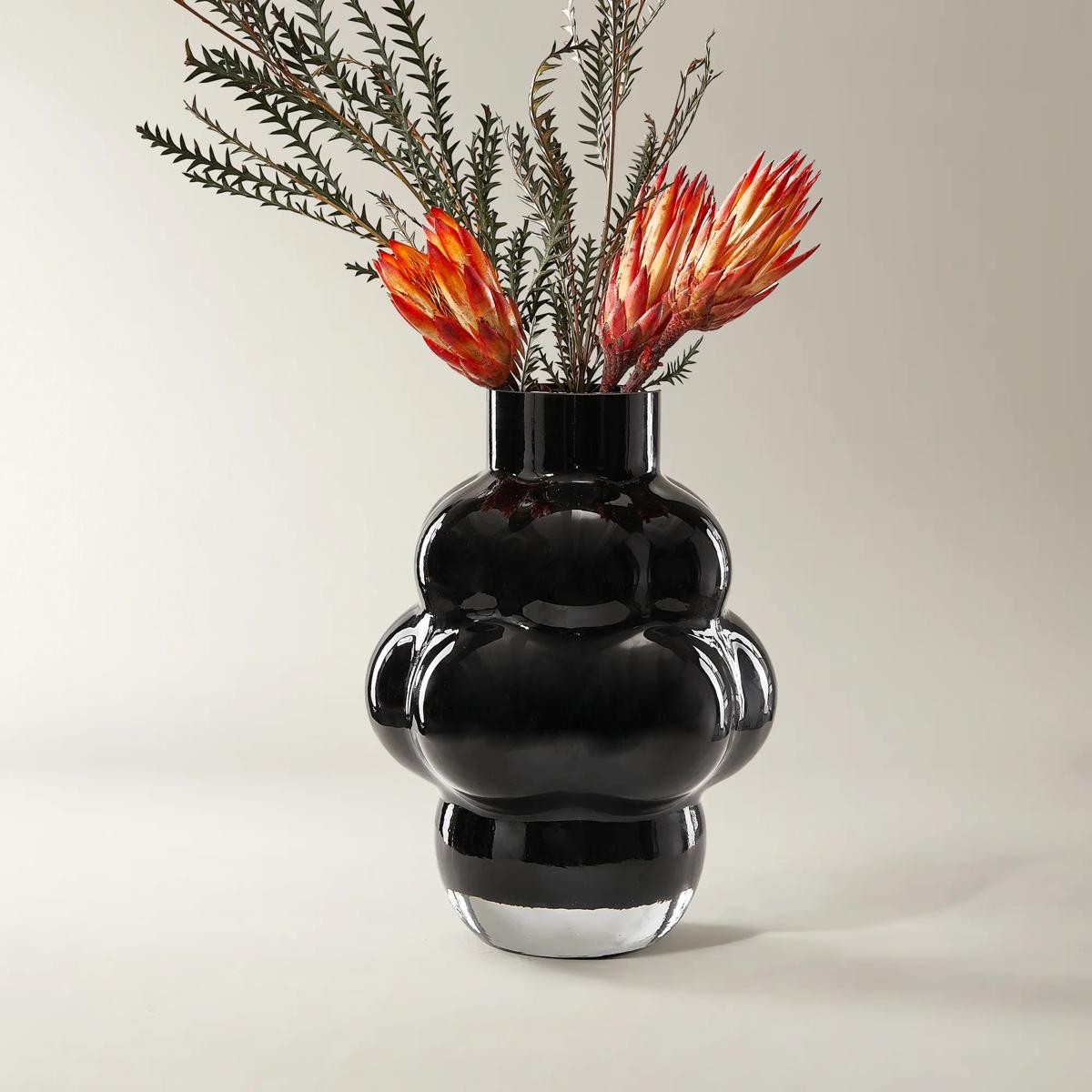 Cloud Glass Vase - Black$129
A hand-blown black glass vase featuring a sculptural silhouette and glossy, dramatic finish.
Add To Cart -
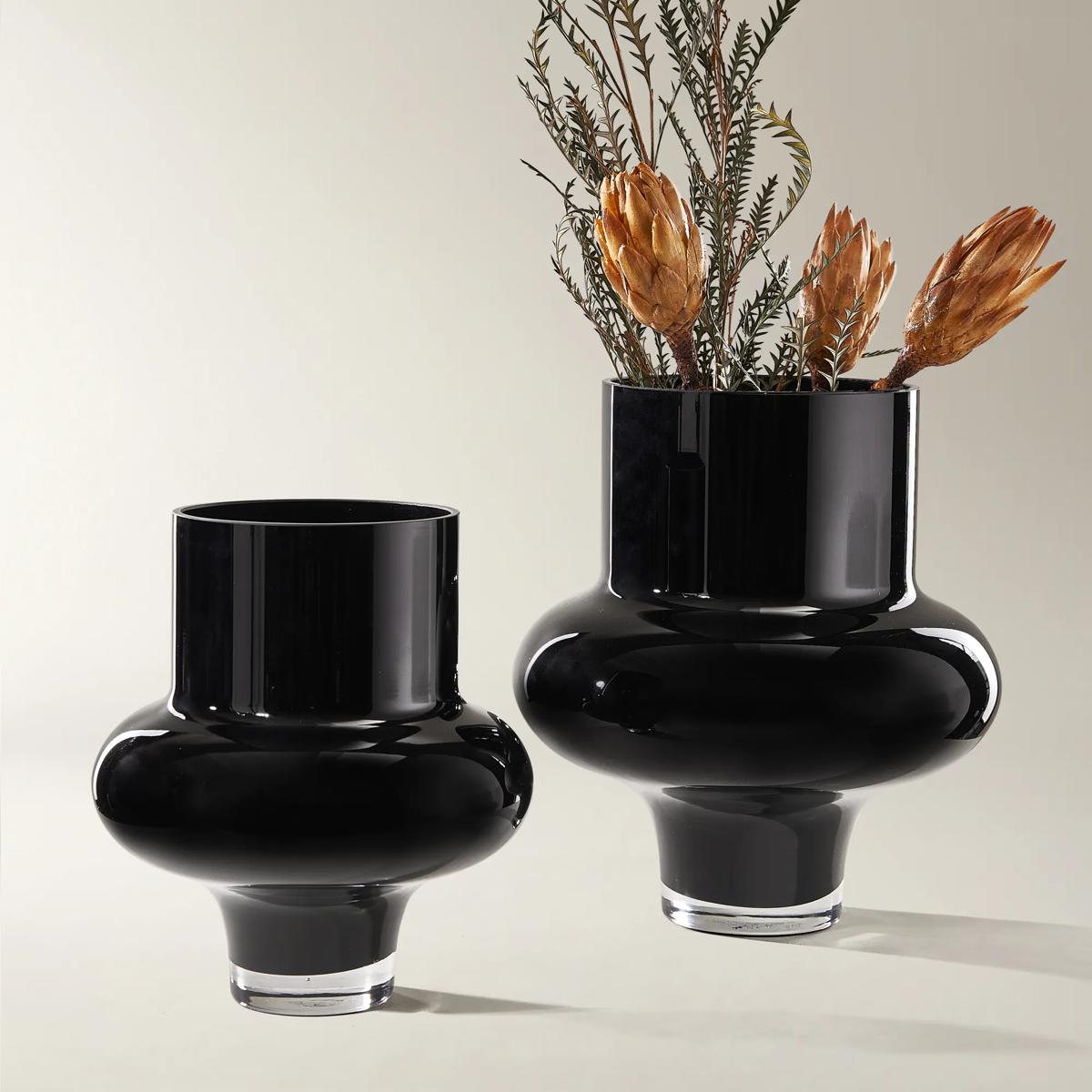
 Kors Glass Vase$69
A sculptural hand-blown black glass vase with a high-gloss finish and bold, curvaceous silhouette.
Add To Cart -
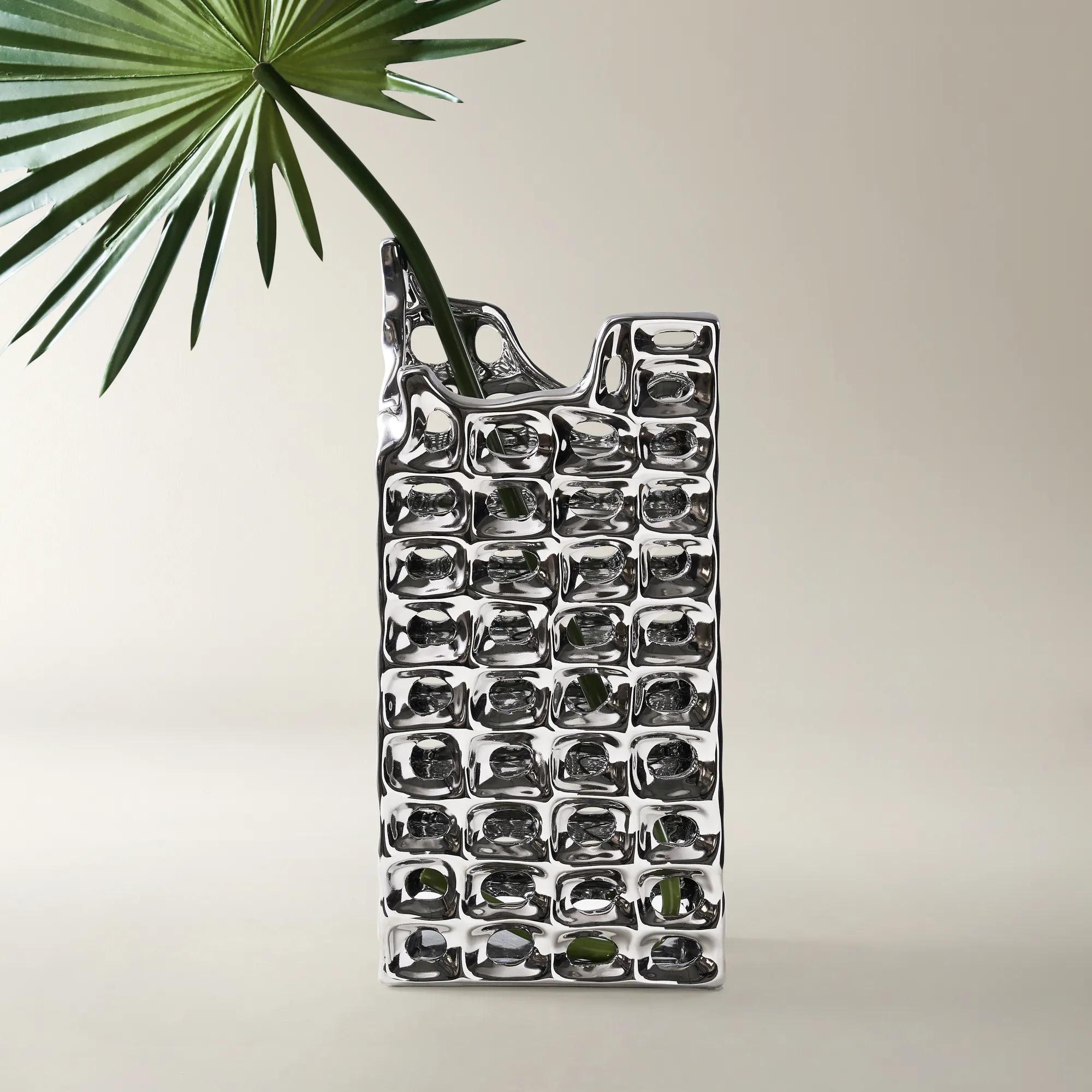
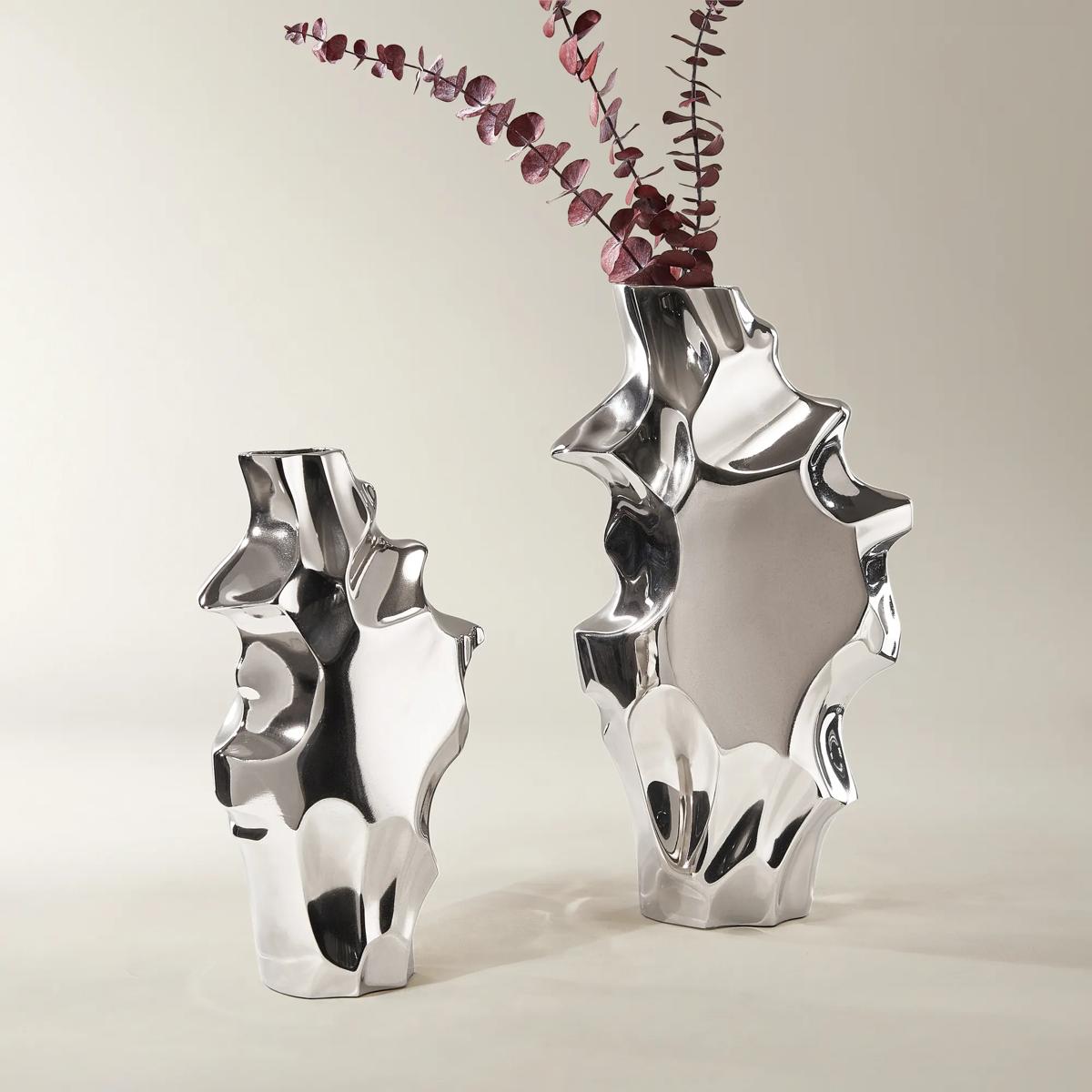
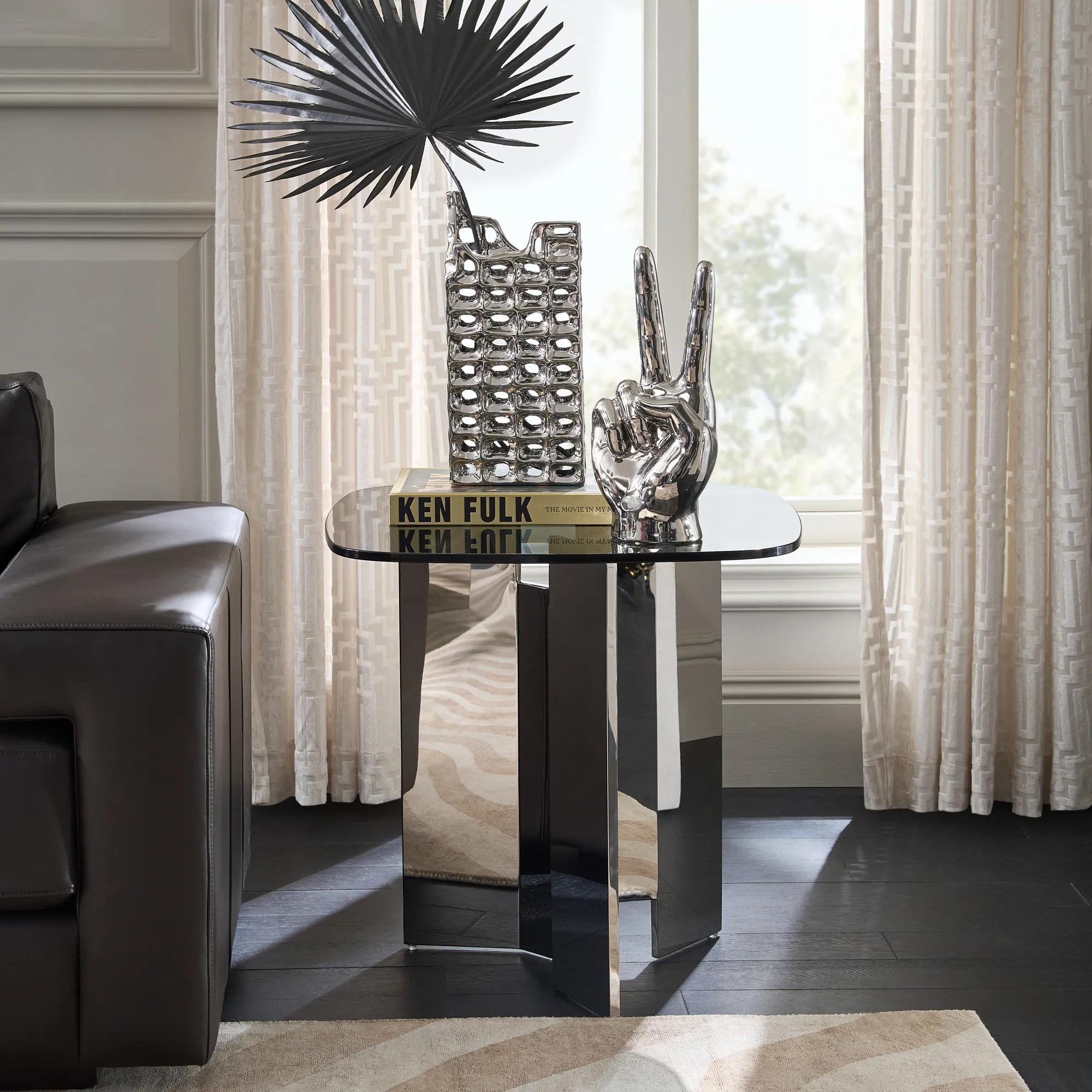 Pierce Vase$69
A ceramic vase with intricate facets and a gleaming silver finish for striking visual impact.
Add To Cart -
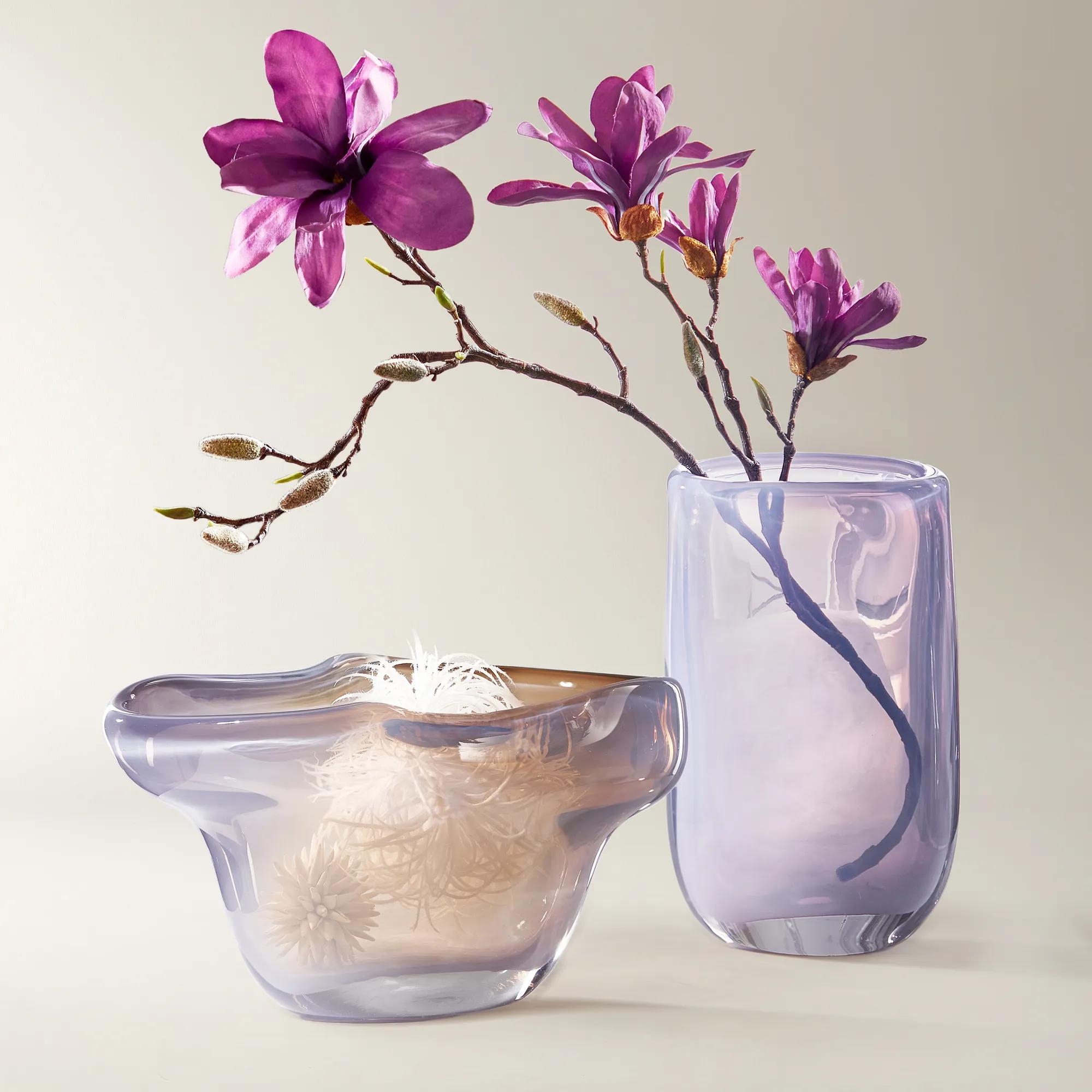
.jpeg?w=1200&h=1200) Aura Collection$189
Aura Collection$189A hand-blown glass accent in dreamy lavender, showcasing fluid curves and modern sculptural artistry.
Add To Cart -
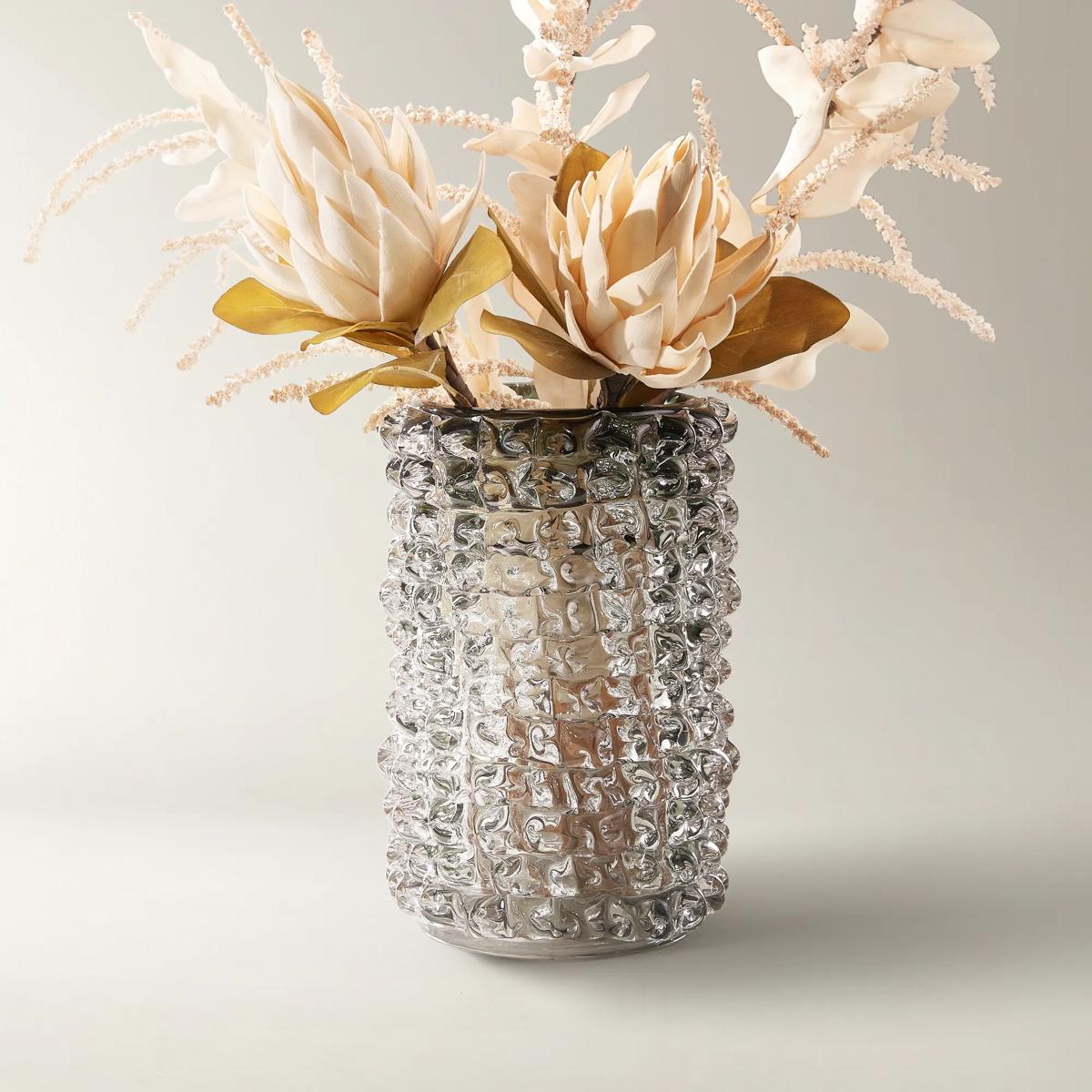
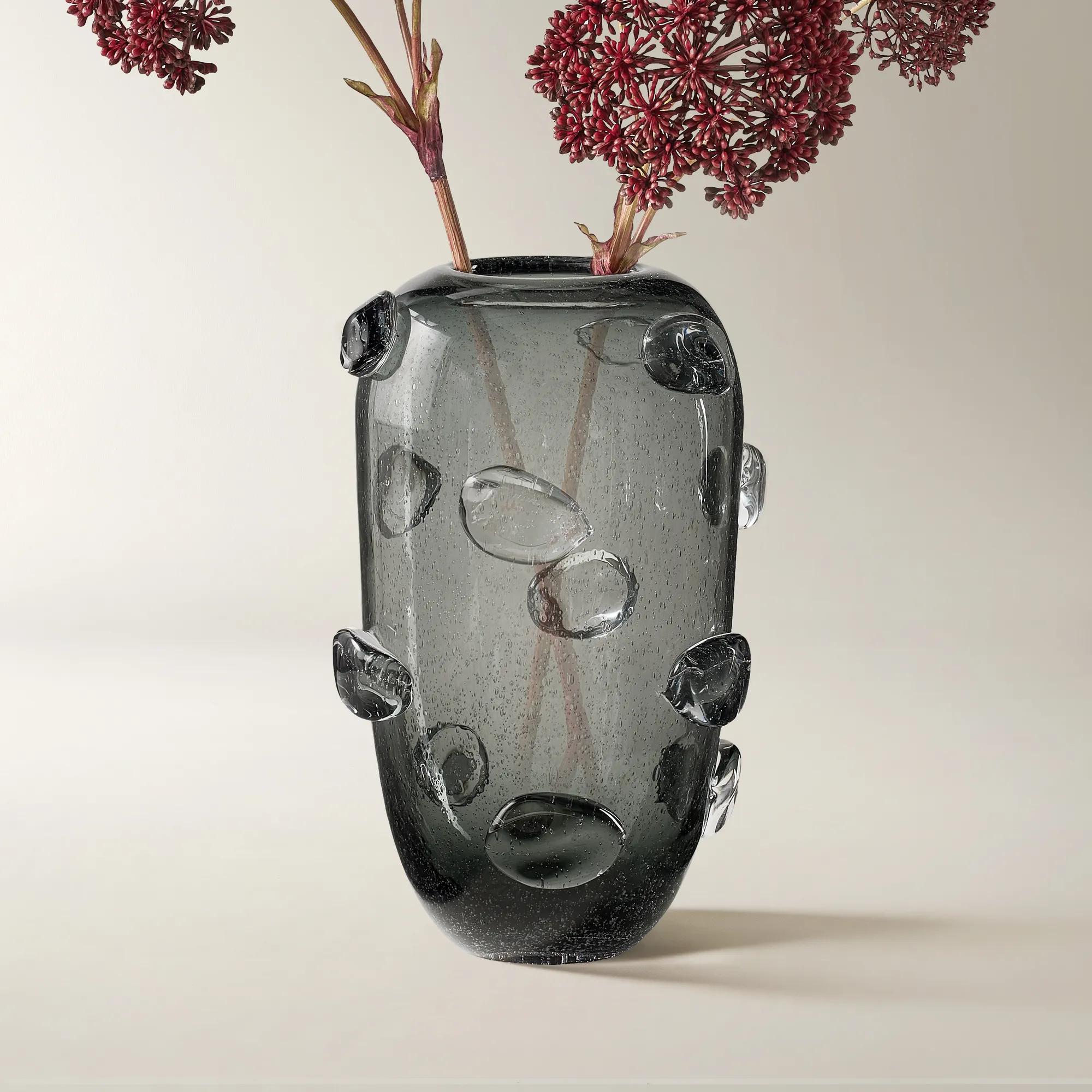
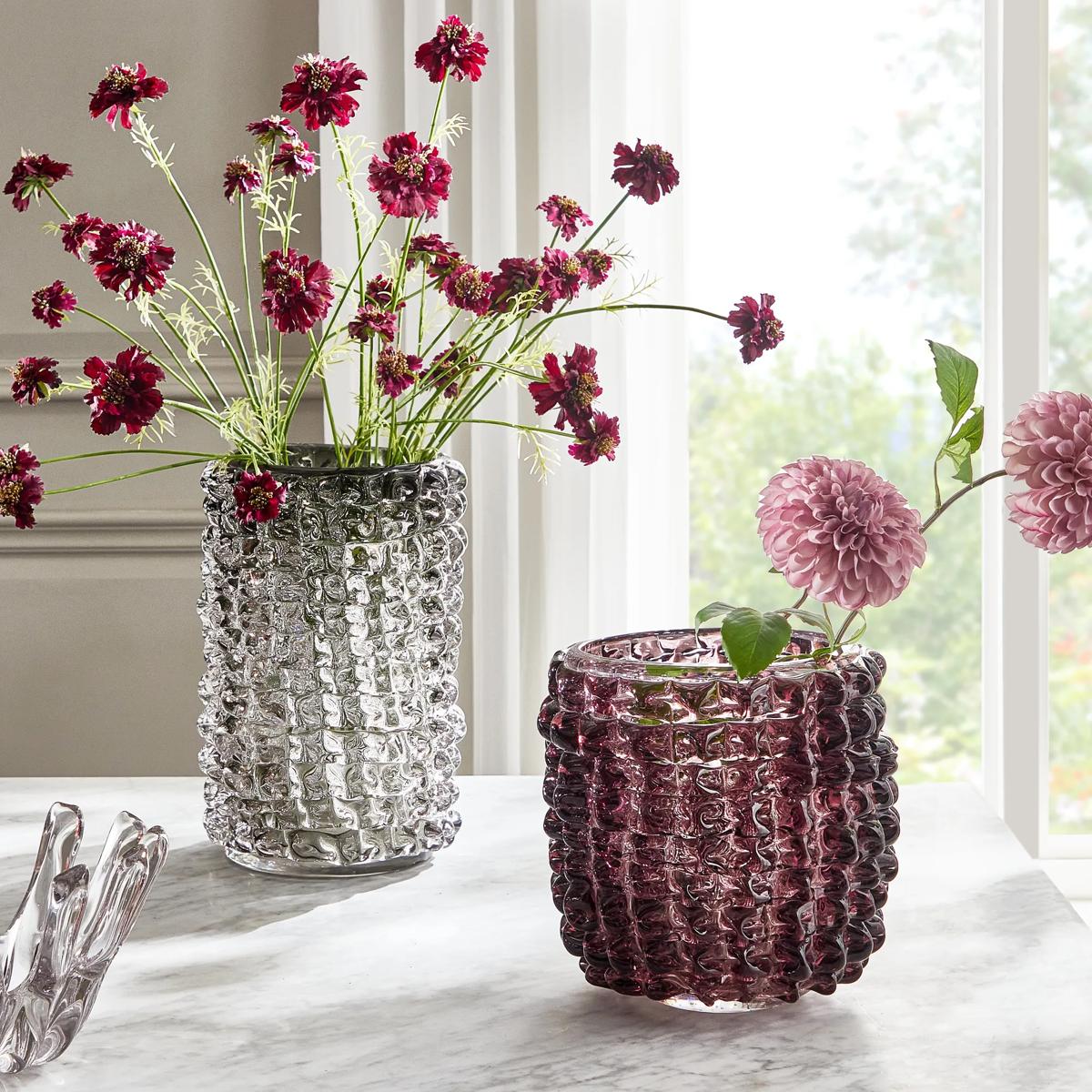 Laurel Glass Vase - Large Graphite$399
A hand-blown glass vase in smoky graphite with a bubbled, light-catching organic texture.
Add To Cart -
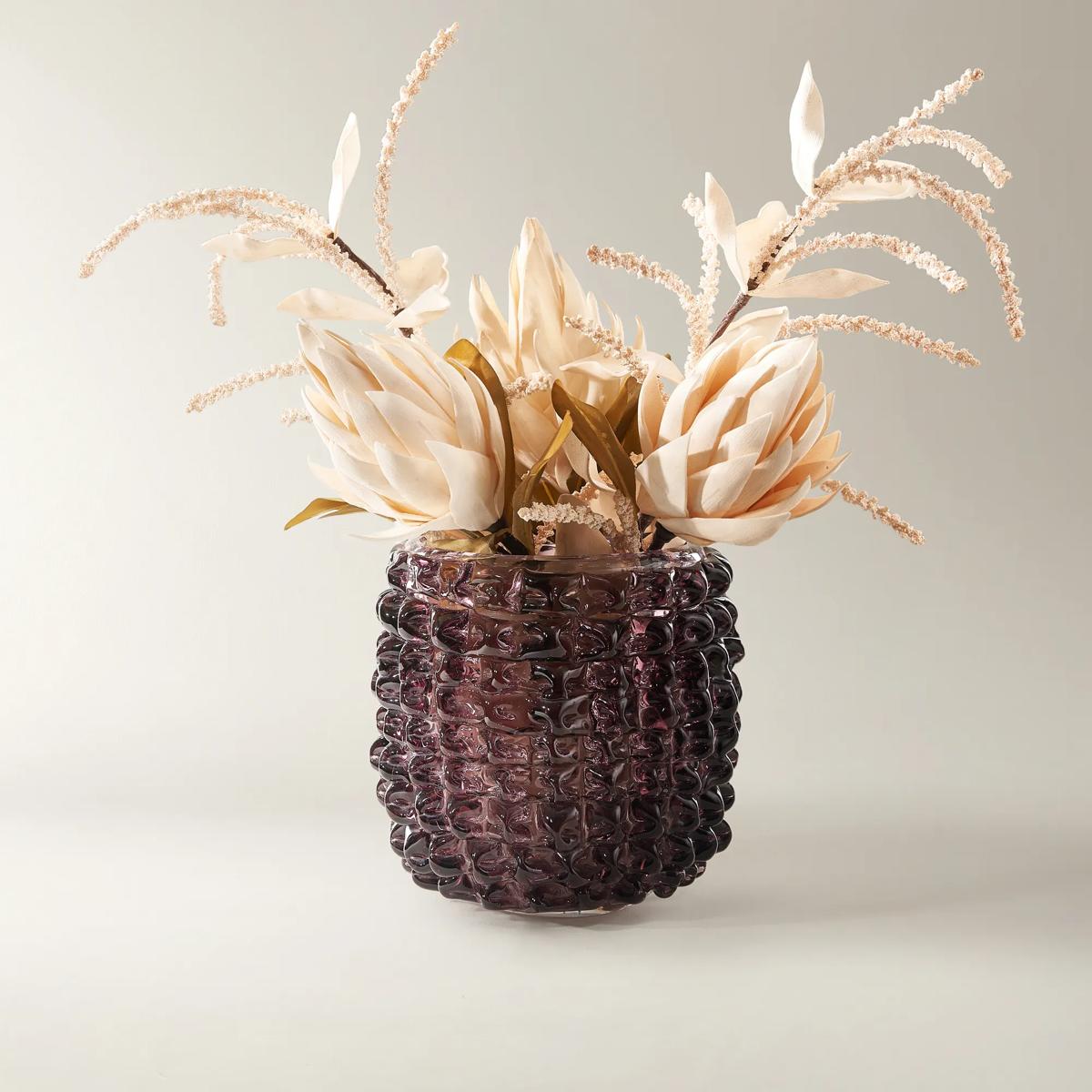 Laurel Glass Vase - Small Amethyst$349
A hand-blown amethyst glass vase featuring a bubbled, light-catching surface for sculptural elegance.
Add To Cart -
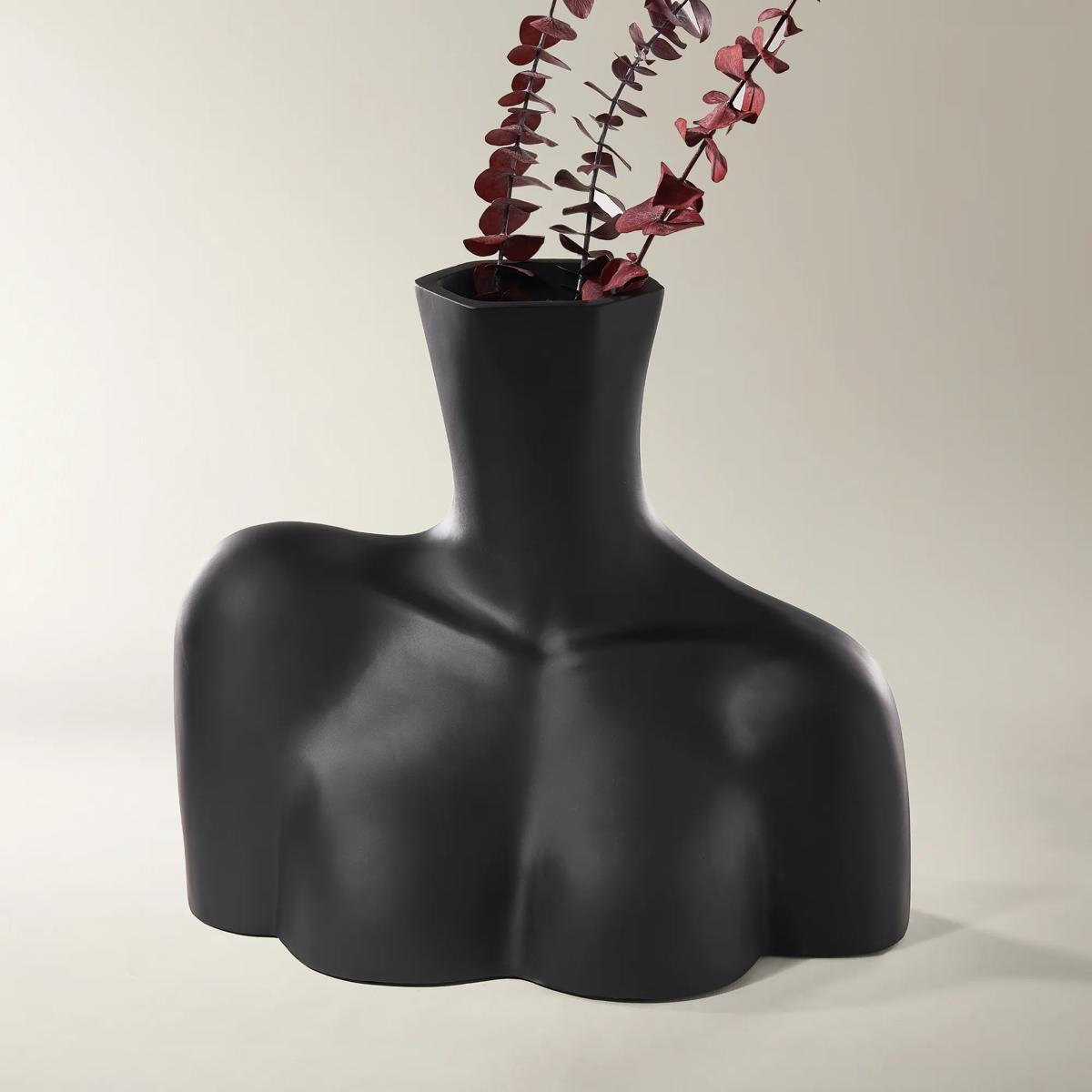 Figure Black Resin Vase 11.25"$79
A sculptural matte black resin vase that reimagines the human form as bold, modern decor.
Add To Cart -
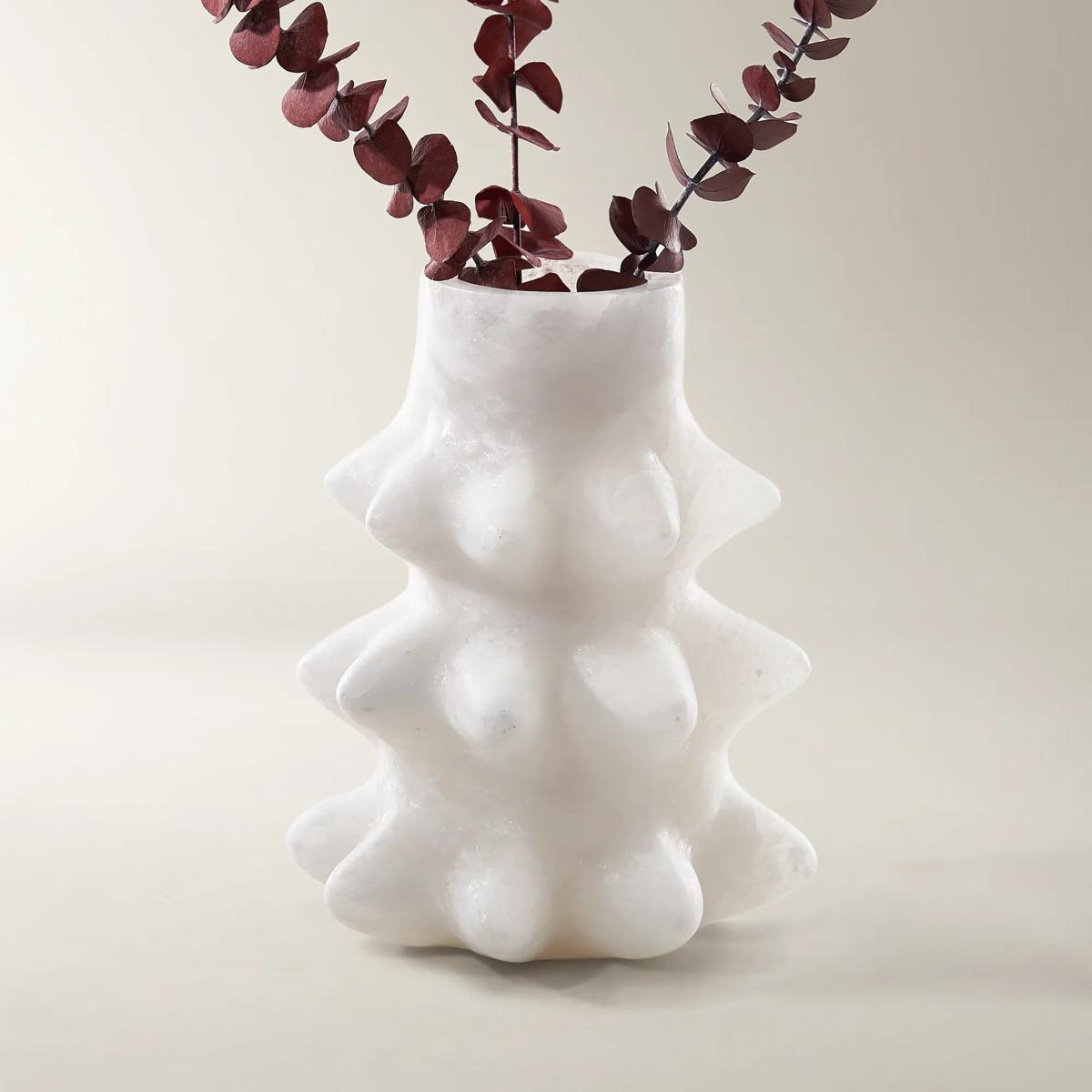
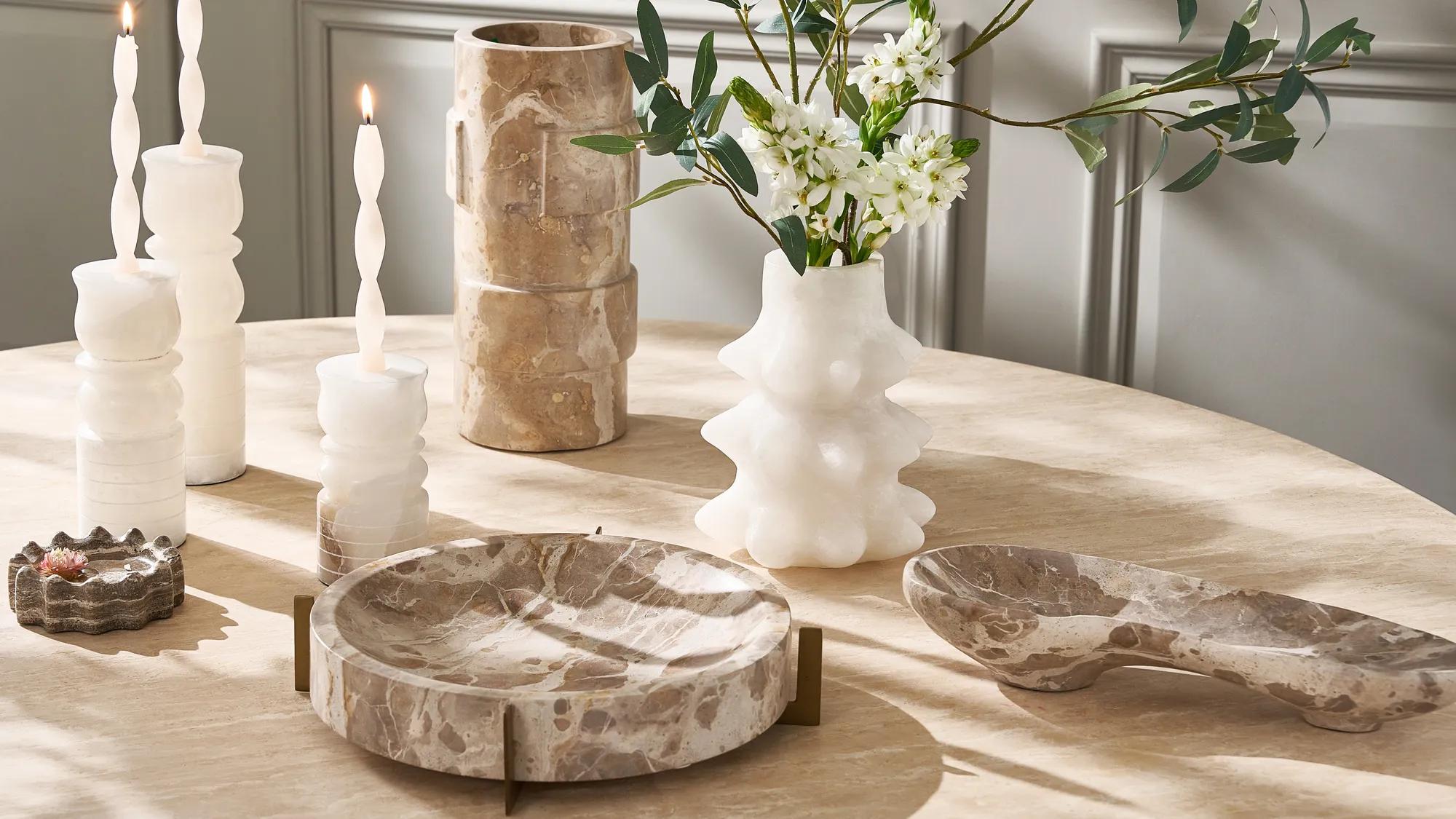 Alabaster Spike Vase$239
A sculptural white alabaster vase with bold spiked contours and naturally radiant veining.
Add To Cart -
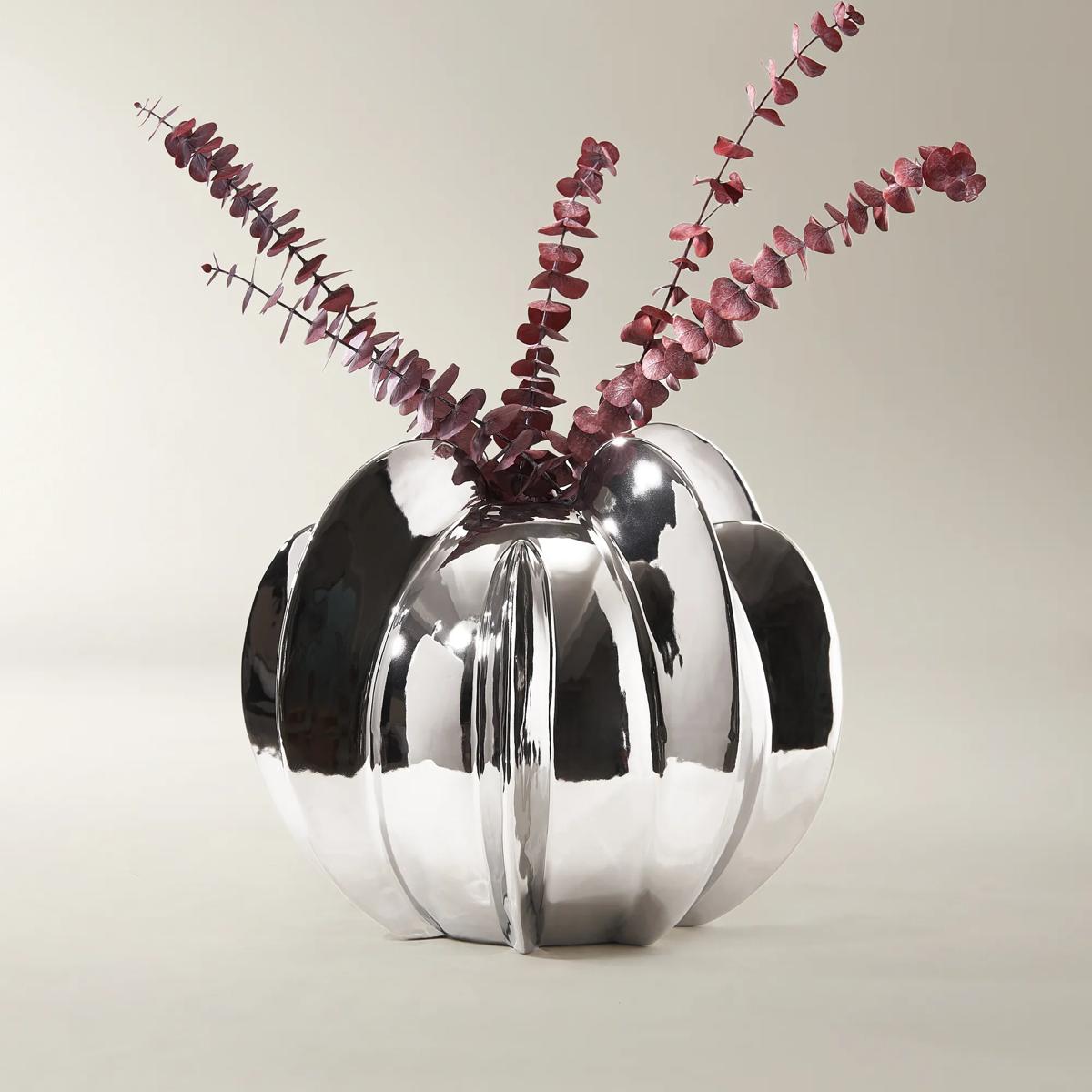
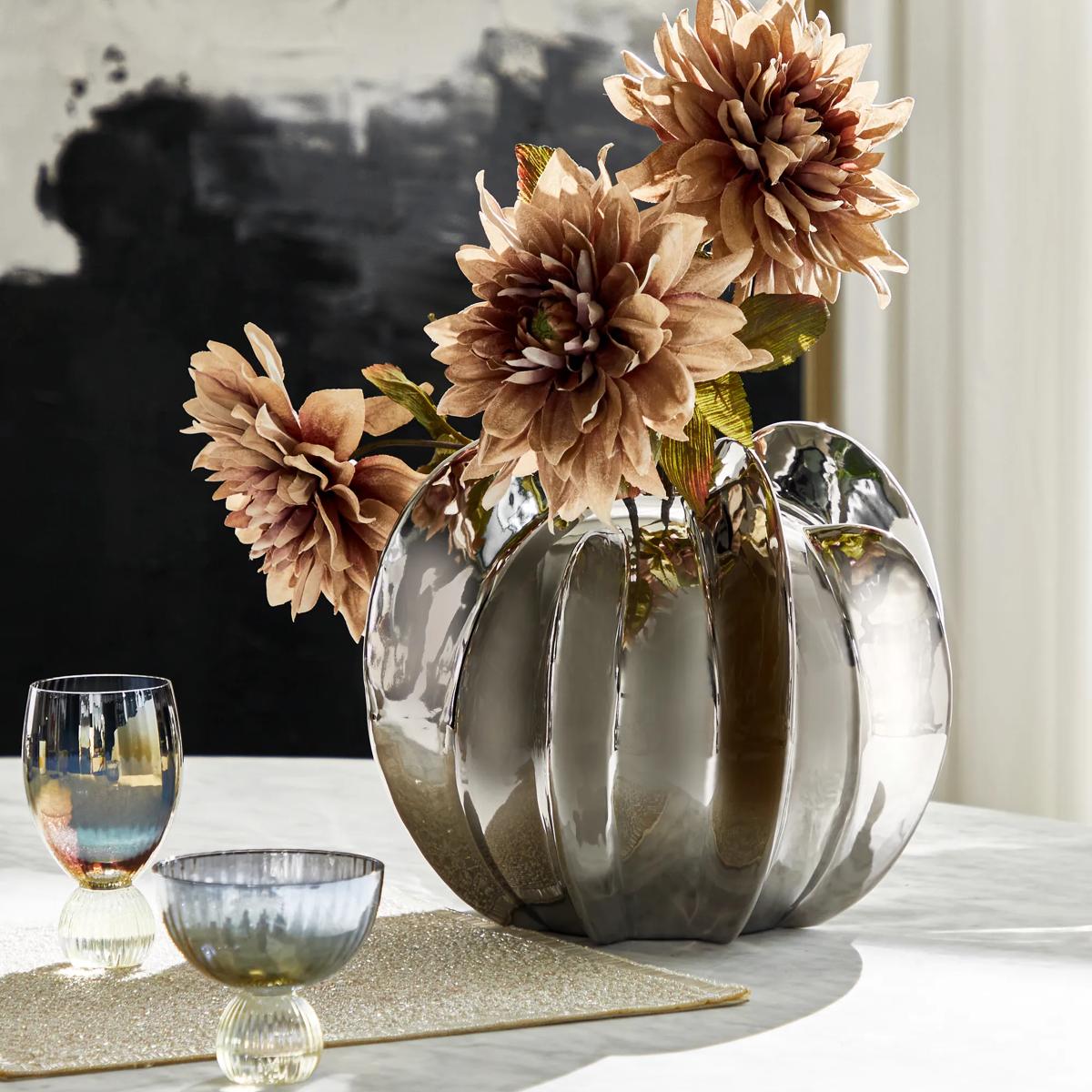 Voyage Vase$99
A reflective silver ceramic vase featuring a bold orb shape and dimensional vertical finned texture.
Add To Cart

Unique Decorative Vases
Unique Decorative Vases transform any surface into a curated gallery of artistry and allure. Each silhouette invites the eye to linger, capturing the imagination with unexpected shapes, luminous finishes, and sculptural presence. Whether poised atop a mantel or anchoring a dramatic tablescape, these vases are more than vessels—they are statements, daring you to layer your space with personality and panache. Elevate every corner with pieces that celebrate individuality and turn the ordinary into the extraordinary.
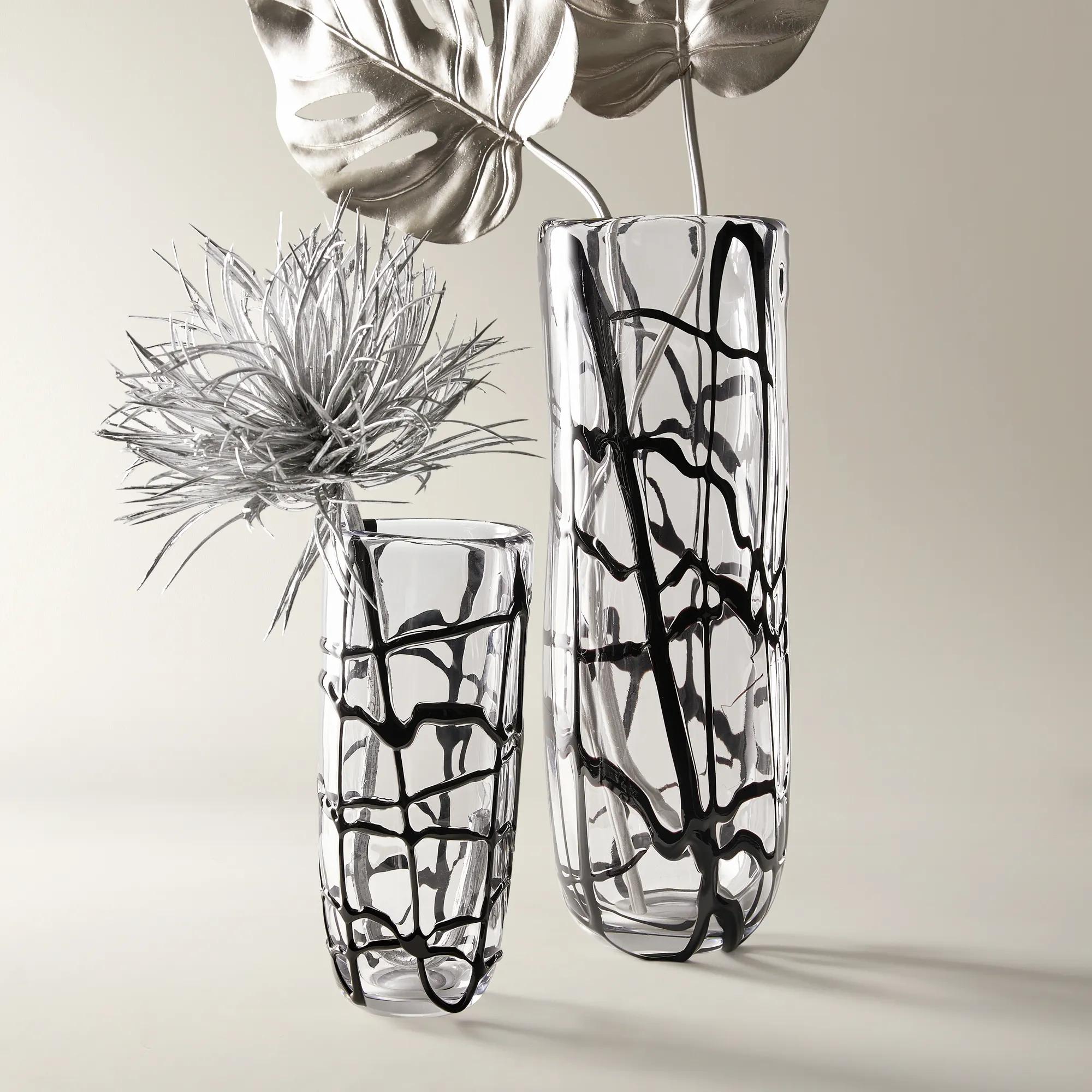
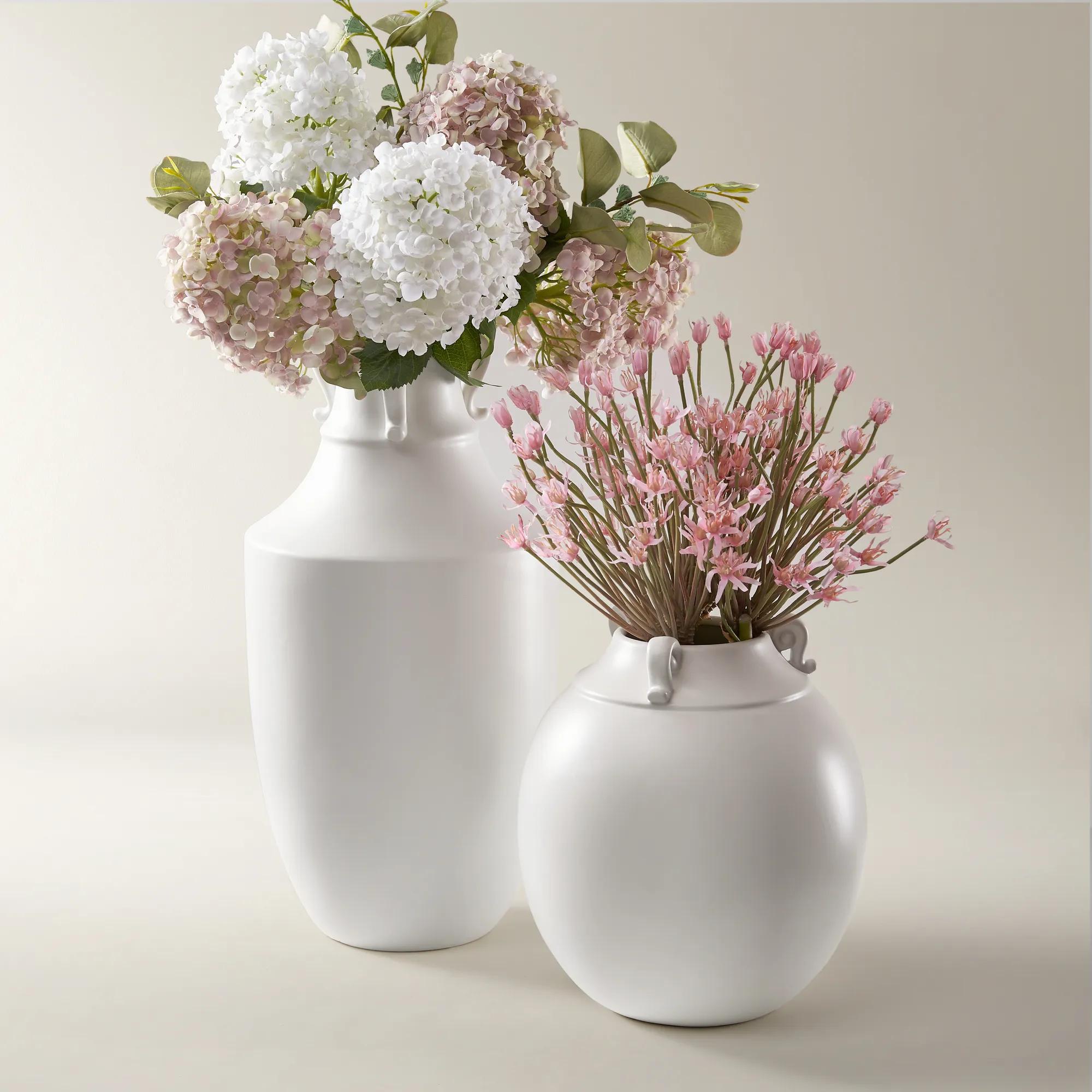
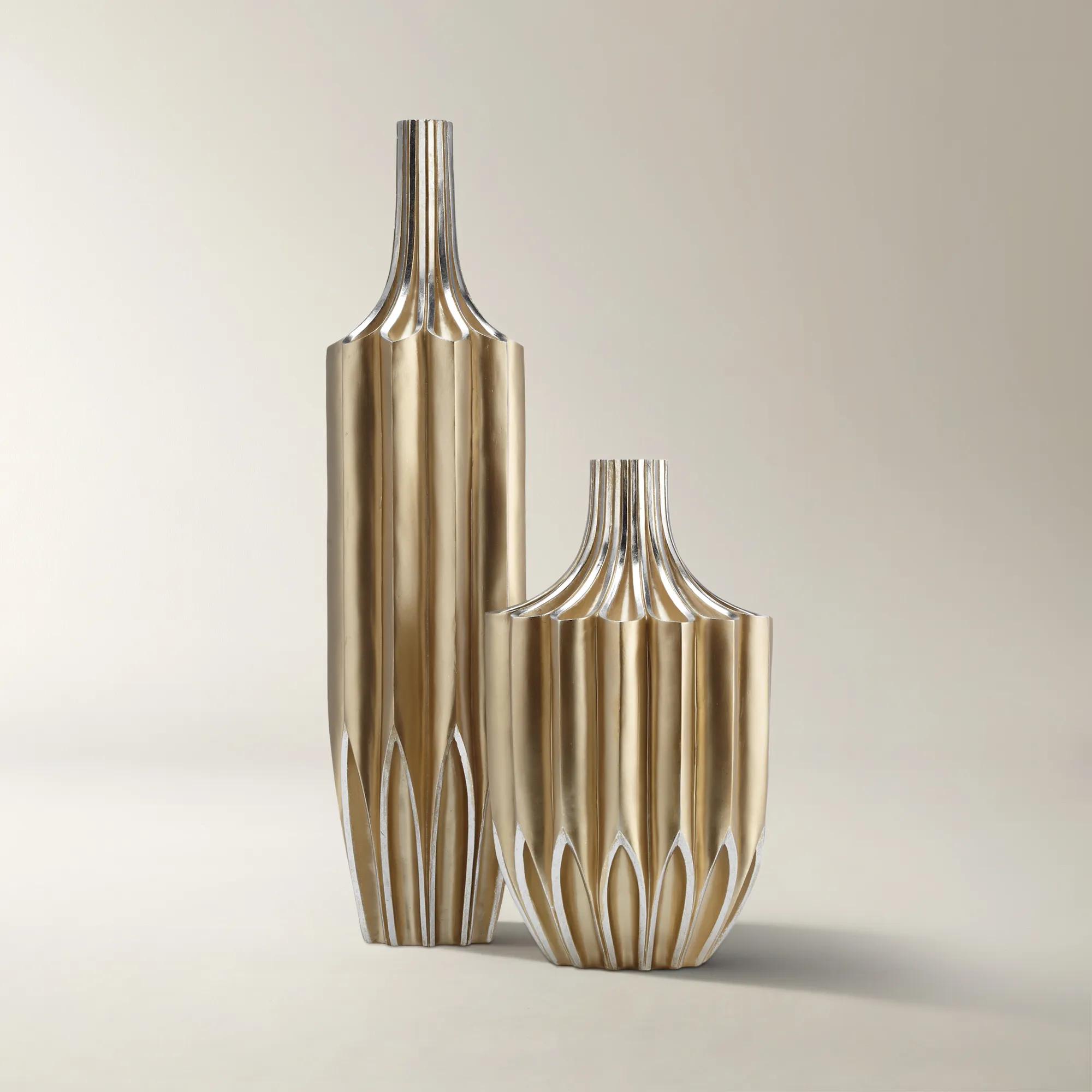
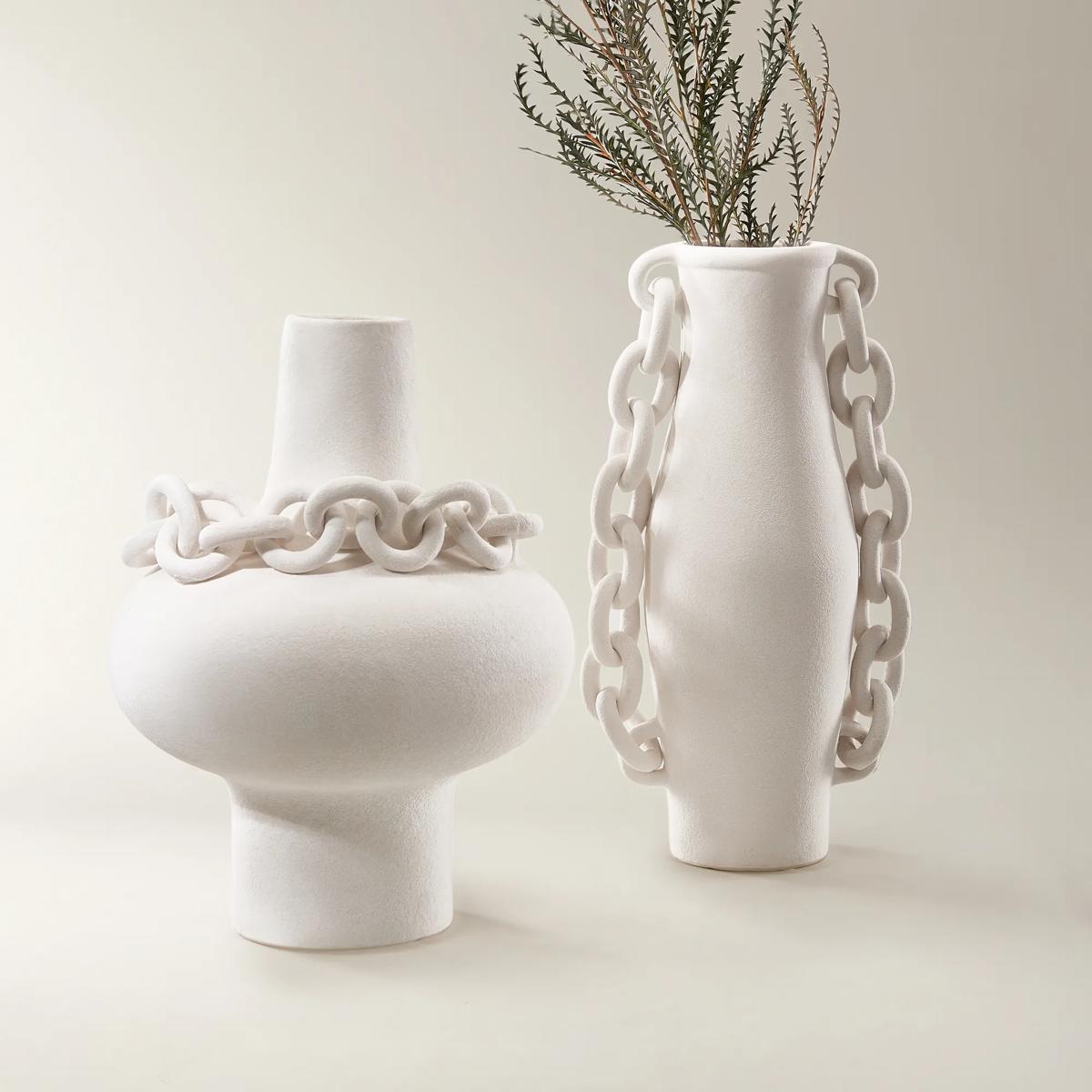
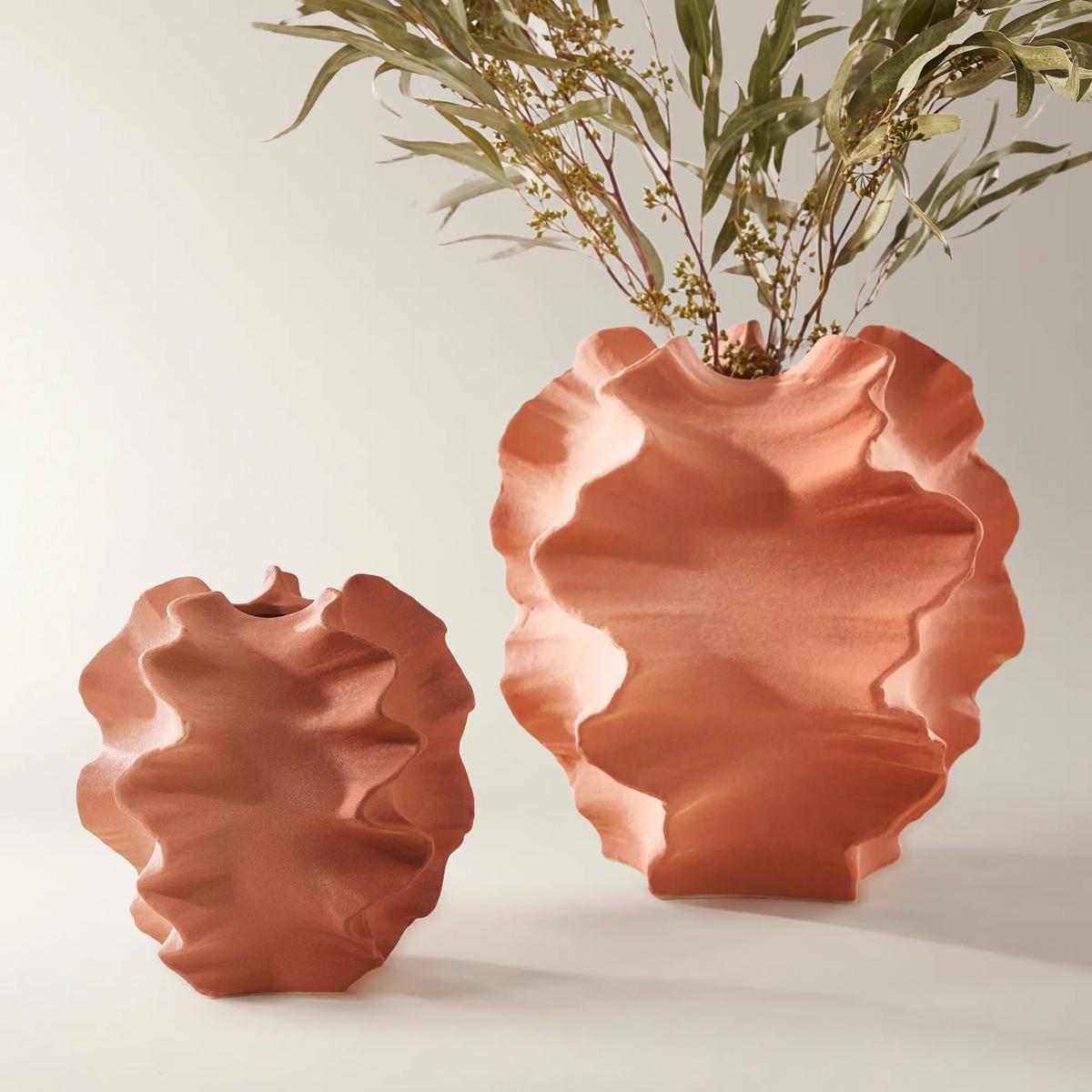
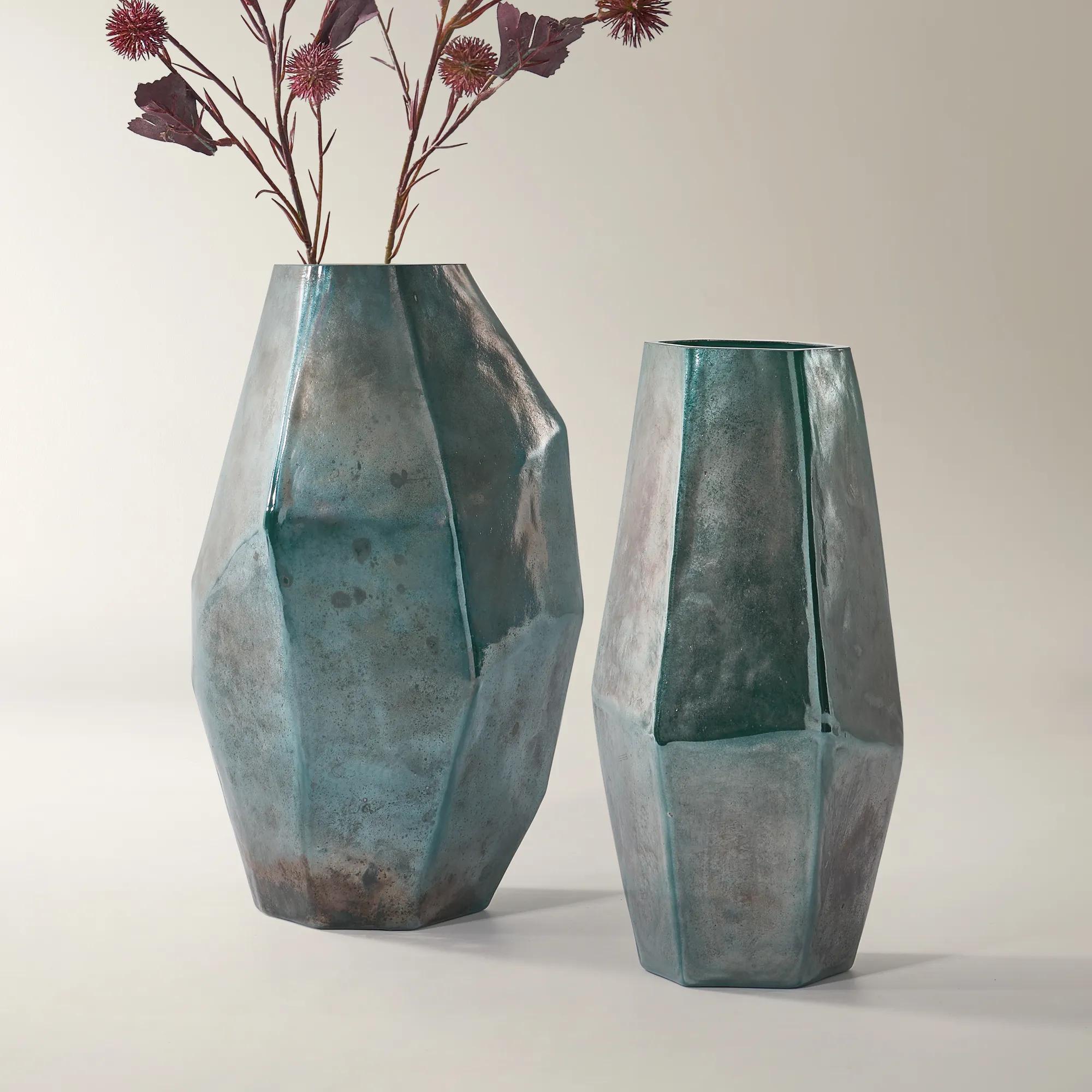
Unique decorative vases are vessels distinguished by expressive shapes, unusual textures, striking finishes, or unexpected proportions, giving them presence as both floral containers and sculptural objects. Unlike a vase chosen simply to hold a bouquet, a decorative vase contributes to a room’s composition even when left empty. An exaggerated curve can soften the geometry of a console, a fluted surface can introduce rhythm to a bookshelf, and a gleaming metallic finish can catch the light beside a richly upholstered chair. These pieces suit interiors where accessories carry as much intention as furniture, whether the setting is a dramatic entryway, a polished dining room, or a bedroom layered with sumptuous textiles. Their character often begins with the silhouette: elongated necks lend elegance, broad shoulders create visual weight, and asymmetrical profiles invite a second look. Color adds another dimension. An ivory vessel with pronounced relief can feel luminous against a dark wall, while smoky glass or a deep charcoal glaze brings depth to pale stone and warm wood. For a more theatrical arrangement, contrasting opaque ceramic with translucent glass allows light and shadow to become part of the display. A vase does not need an elaborate pattern to feel distinctive; a beautifully proportioned opening or an unexpected sweep through the body can be enough. The strongest choice responds to its surroundings without disappearing into them. On a mirrored console, a matte vessel offers a compelling contrast to the reflective surface beneath it. Against textured wallpaper, a clean, substantial silhouette gives the eye a place to settle. Collections of Unique Modern Vases offer a related direction for interiors defined by sculptural lines and expressive form. Whether displayed individually or composed into a vignette, decorative vases bring an artful focal point to spaces that deserve more than an incidental finishing touch. They also offer a distinctive way to echo architectural details, pick up an accent color, or introduce a new material without changing the room’s larger furnishings.
Material determines much of a vase’s visual personality, as well as its appropriate use and care. Glass can appear jewel-like, smoky, softly frosted, or brilliantly clear, making it particularly expressive where daylight can illuminate the vessel. Clear glass also leaves stems and water visible, so a carefully edited arrangement and regular cleaning become part of its appeal. Ceramic and porcelain provide an expansive range of glazed, satin, and textured surfaces, with opaque bodies that conceal stems and emphasize the silhouette. Some ceramic vessels are suitable for fresh flowers, while others have porous bodies, unglazed interiors, or decorative finishes that require a watertight insert. A glazed exterior alone does not establish that a vase can safely hold water. Metal offers a different kind of drama, from softly brushed surfaces to highly reflective finishes, though suitability for direct contact with water depends on the construction and protective treatment. Stone brings substantial weight and natural variation, but porous varieties may stain or react to acidic cleaners. Papier-mâché and other moisture-sensitive decorative materials are generally better suited to dry displays unless the care instructions specify otherwise. For fresh arrangements, confirm that the vessel is intended to hold water; for dried stems, preserved botanicals, or faux branches, focus on a supportive opening and a stable base. Durability depends on both material and design. A thick-looking vessel may still be fragile, and slender necks, applied details, and projecting handles need careful handling. Lift a vase from its body or base rather than by ornamental features, and keep heavier pieces on furniture designed to support their weight. Gentle dusting with a soft cloth is a sensible starting point, while washing methods should follow the individual care instructions. Abrasive pads, prolonged soaking, and harsh cleaners can compromise delicate finishes. Empty and refresh water in flower-safe vessels regularly, dry the exterior before returning them to a surface, and use an appropriate protective layer beneath the base to help guard fine wood or stone from scratches and moisture.
Scale and placement turn an attractive vessel into a convincing part of the room. A tall decorative vase can establish height on a low cabinet, while a broad, rounded form can anchor a generous coffee table without relying on a large floral arrangement. Before choosing a size, consider the full display: the vase, the height and spread of its stems, and the space needed around both. A branching arrangement that looks magnificent in an open entryway may crowd a shallow hallway console or brush against artwork above it. For a dining table used every day, a lower profile preserves conversation across the table and leaves room for serving pieces; a taller composition can make a more dramatic statement on a sideboard. Shelf styling calls for attention to depth as well as height, with enough clearance to lift the vessel safely without catching its rim. When arranging several vases, vary their proportions while repeating one element, such as a shared undertone, a related curve, or a similarly luminous finish. A tall narrow shape beside a lower rounded one creates movement, while space between them keeps each outline legible. Flowers and foliage should complement that architecture rather than conceal it. A narrow opening can support a few deliberate stems, whereas a wider mouth accommodates a fuller arrangement and may require a suitable floral support. Dried grasses lend softness to angular forms, bare branches emphasize sweeping silhouettes, and fresh blooms introduce a sumptuous counterpoint to a restrained surface. During the cooler months, deeper botanical tones and textured branches can enrich a room without tying the display to a single occasion. Empty vessels remain equally compelling, especially when their interior curves or distinctive openings are part of the design. For a housewarming, wedding, or host gift, a decorative vase offers lasting versatility when chosen with the recipient’s space and habits in mind. A flower enthusiast may appreciate a water-safe vessel with an accessible opening for cleaning, while someone drawn to art and interiors may favor a sculptural form intended for display alone. In either setting, the most rewarding choice combines visual confidence with a thoughtful understanding of how it will be lived with.
FAQs
To craft a dramatic focal point, group unique vases of varying heights, shapes, and finishes on a console or mantel. Play with contrasting textures—pair smooth glass with sculptural ceramics—and let bold colors or metallic accents draw the eye. Fill vases with seasonal branches, fresh florals, or let their artistry shine solo for a gallery-inspired look that commands attention.
Unique glass vases beautifully showcase both structured and whimsical arrangements. For a modern touch, consider single stems of sculptural blooms like calla lilies or orchids. For a lush, layered effect, mix greenery such as eucalyptus with seasonal flowers. In winter, bare branches or berry sprigs create elegant, minimalist displays that highlight the vase’s design.
Absolutely—unique vases make exceptional gifts for housewarmings, weddings, anniversaries, or holidays. Their artistic design and versatility ensure they become cherished pieces in any home, offering lasting beauty and endless opportunities for creative expression.
During the holiday season, use unique vases as striking centerpieces or accent pieces. Fill them with festive elements like pine branches, holly, or shimmering ornaments. Arrange several on a dining table or entryway to infuse your home with seasonal drama and a touch of glamour.
A vase earns its uniqueness through distinctive design—be it an unexpected silhouette, hand-applied finish, or artistic detailing. These elements transform a functional object into a statement piece, allowing it to reflect your personal style and elevate the ambiance of any room.