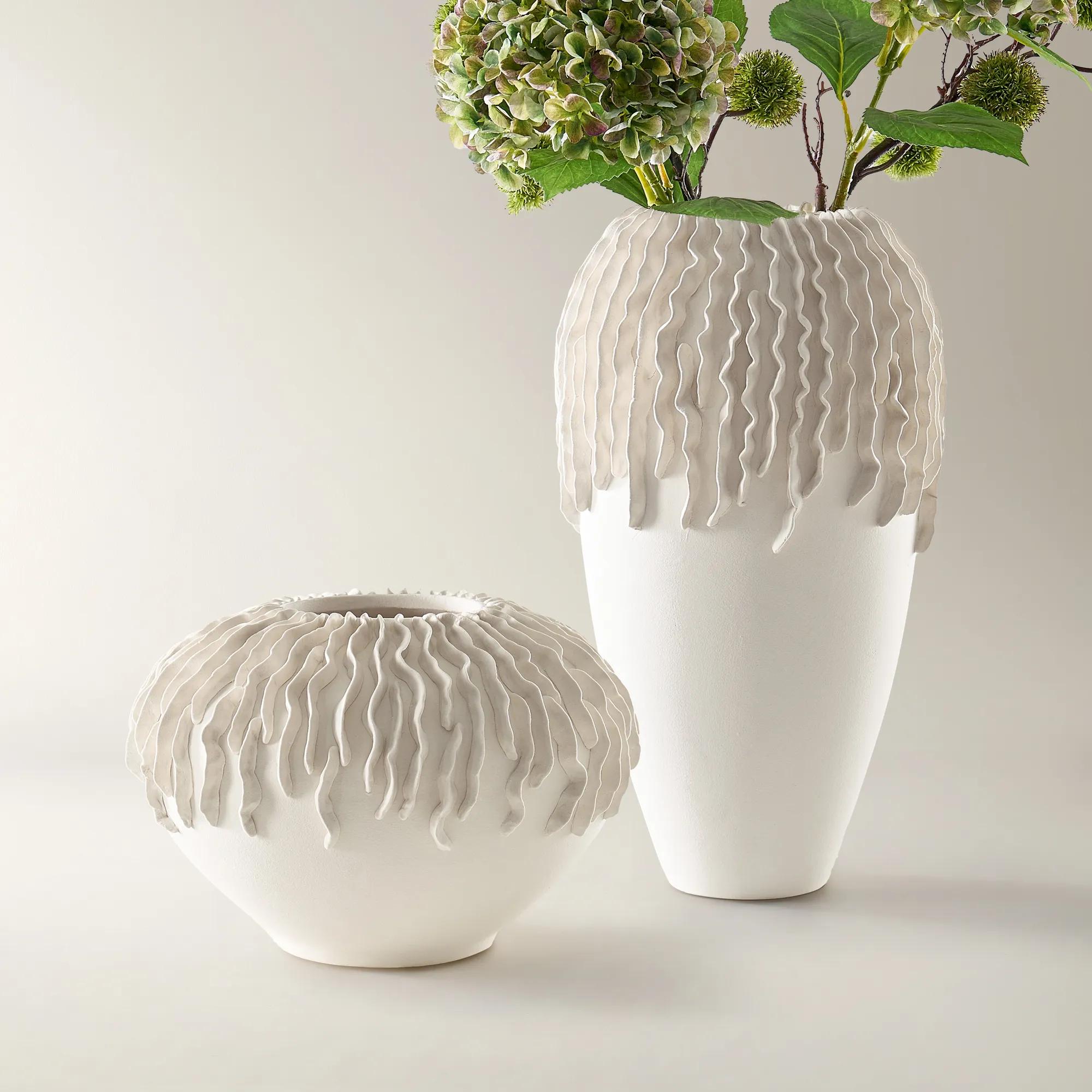
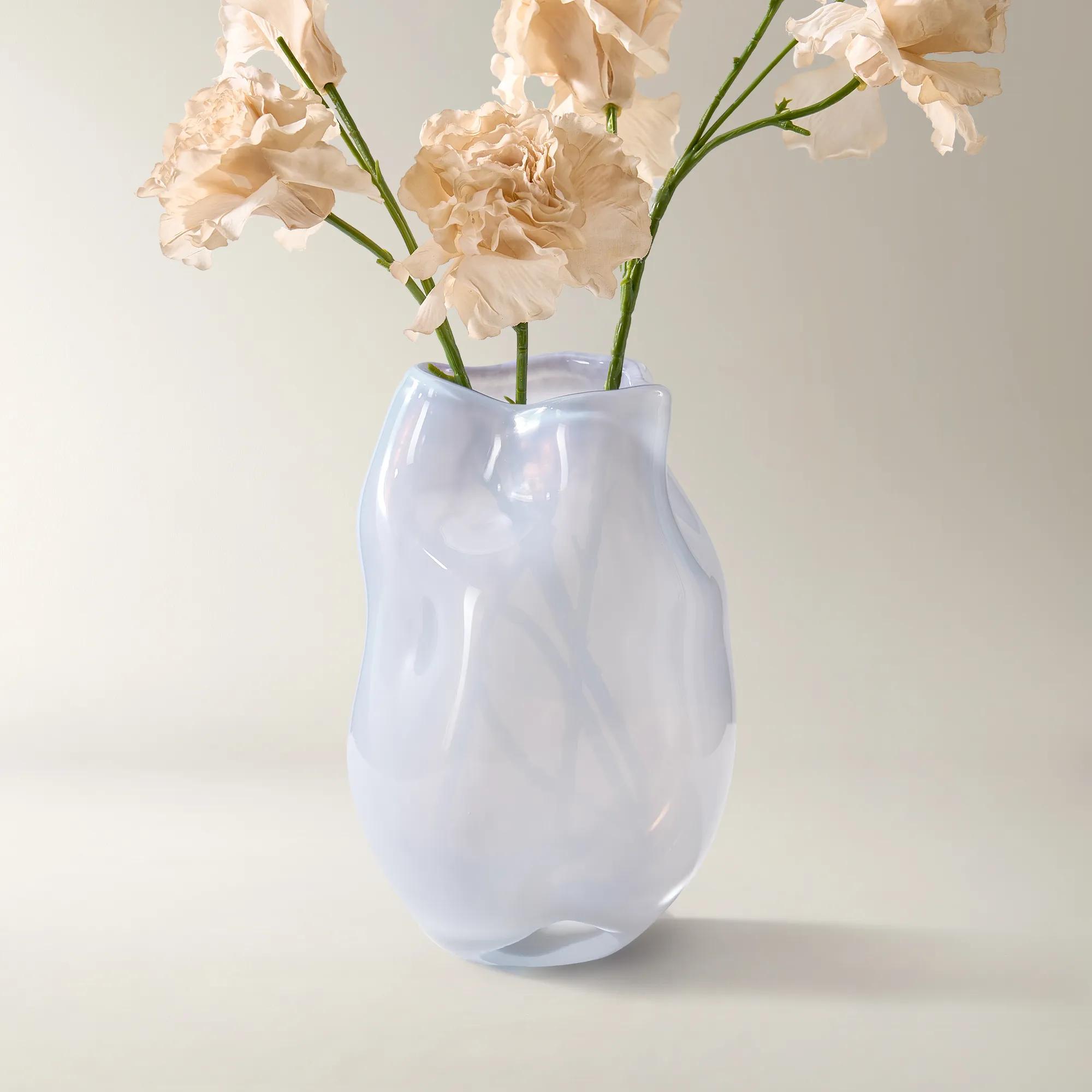
Modern Sculptural Decorative Vases
Modern Sculptural Decorative Vases
-
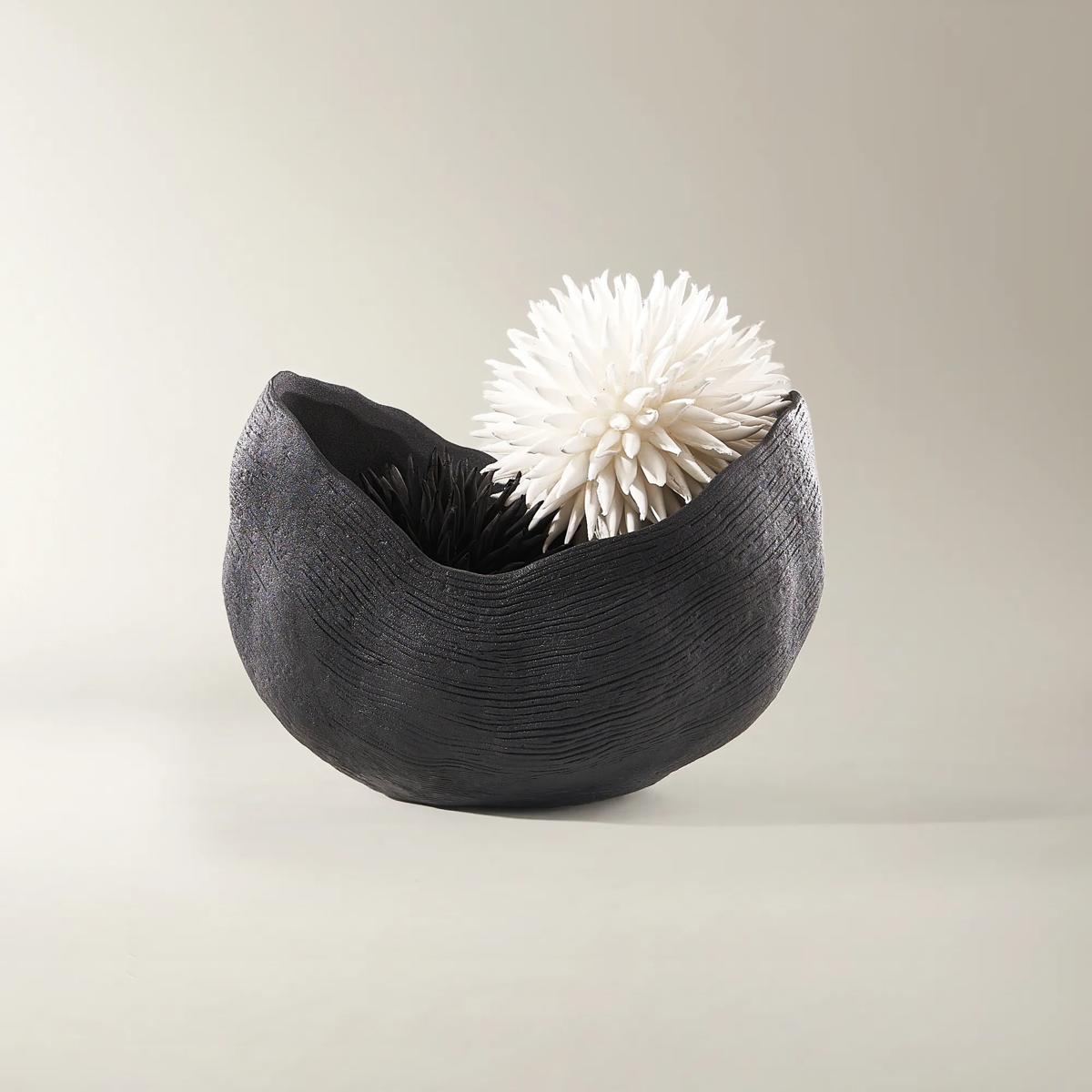 Baz Bowl - Black$119
A sculptural black porcelain bowl with a matte, ridged texture for bold, modern decor accents.
Add To Cart -
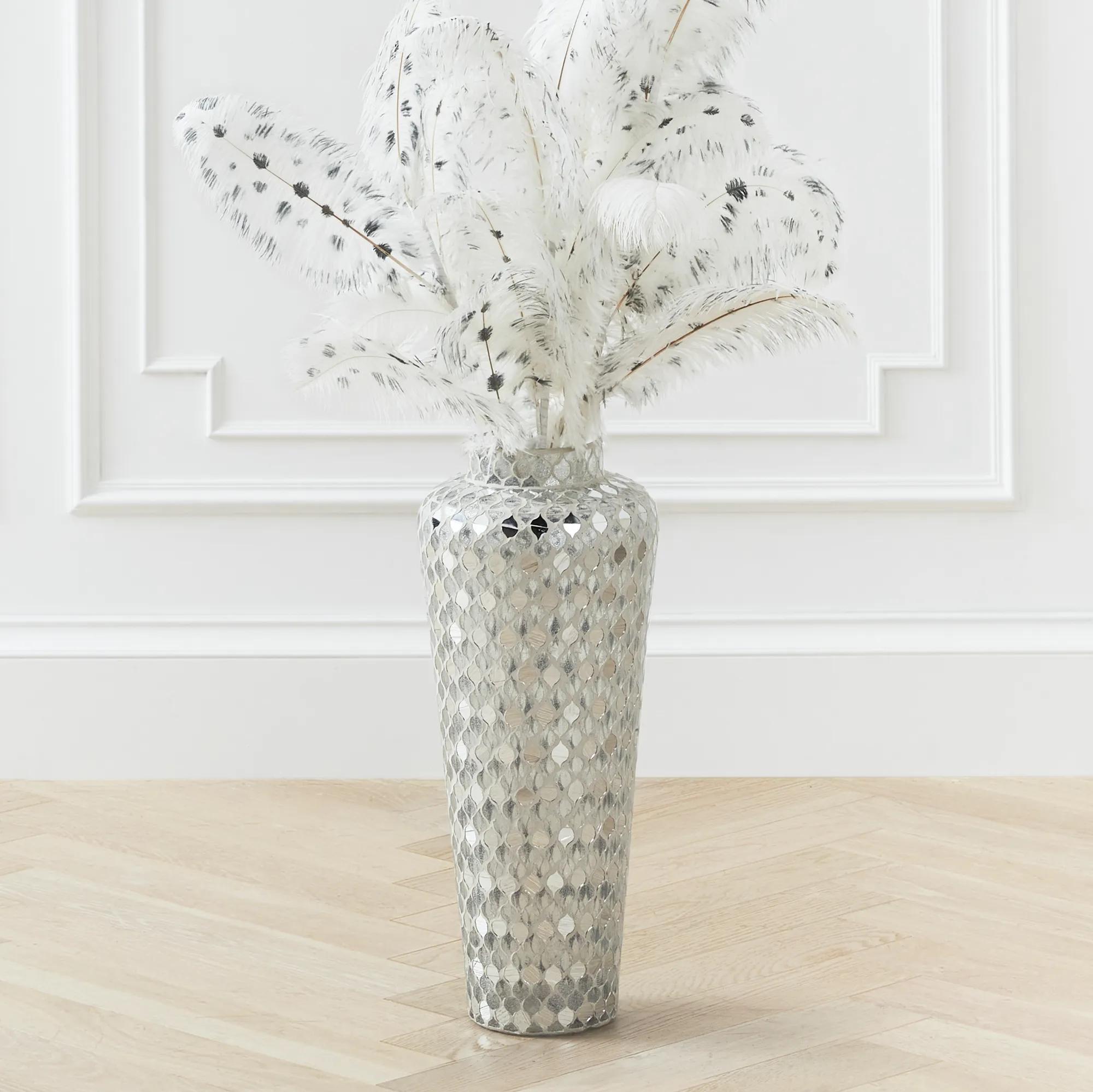 Fez Vase$139
A dazzling glass vase adorned with iridescent mirror and clear tiles for a glamorous decorative accent.
Add To Cart -
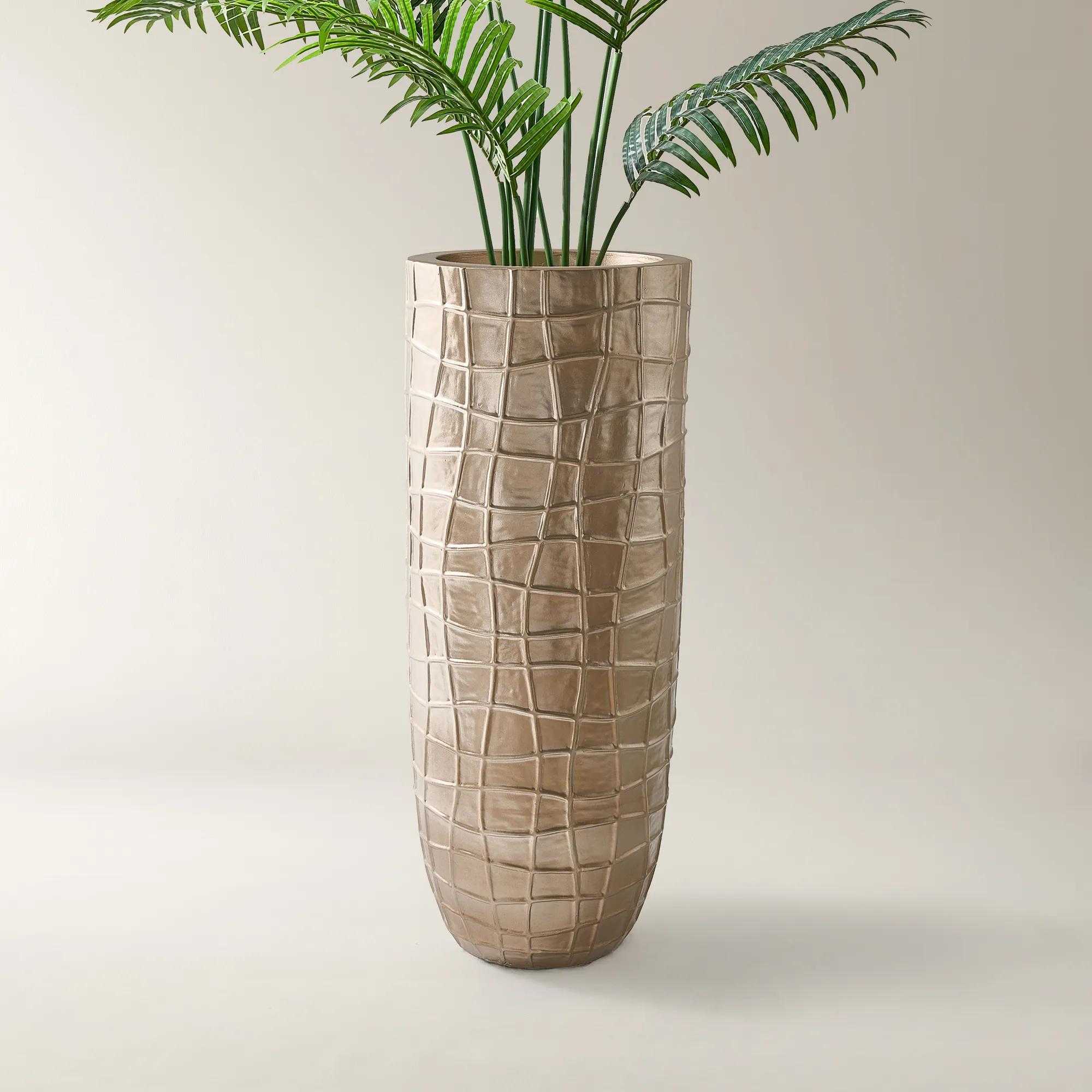
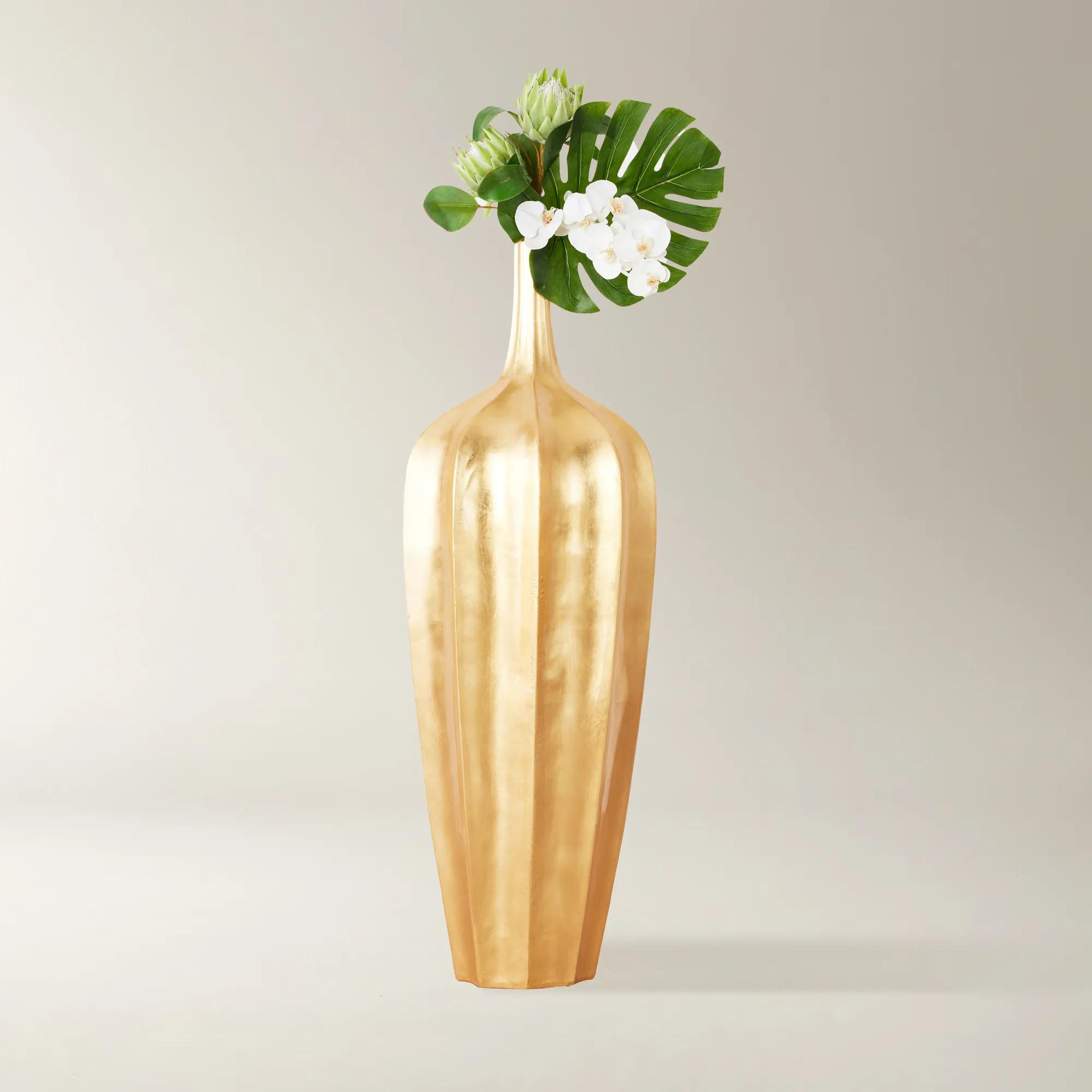 Accolade Gold Leaf Resin Floor Vase 48.75"$539
A fluted fiberglass vase featuring a lustrous gold foil finish for a striking decorative accent.
Add To Cart -
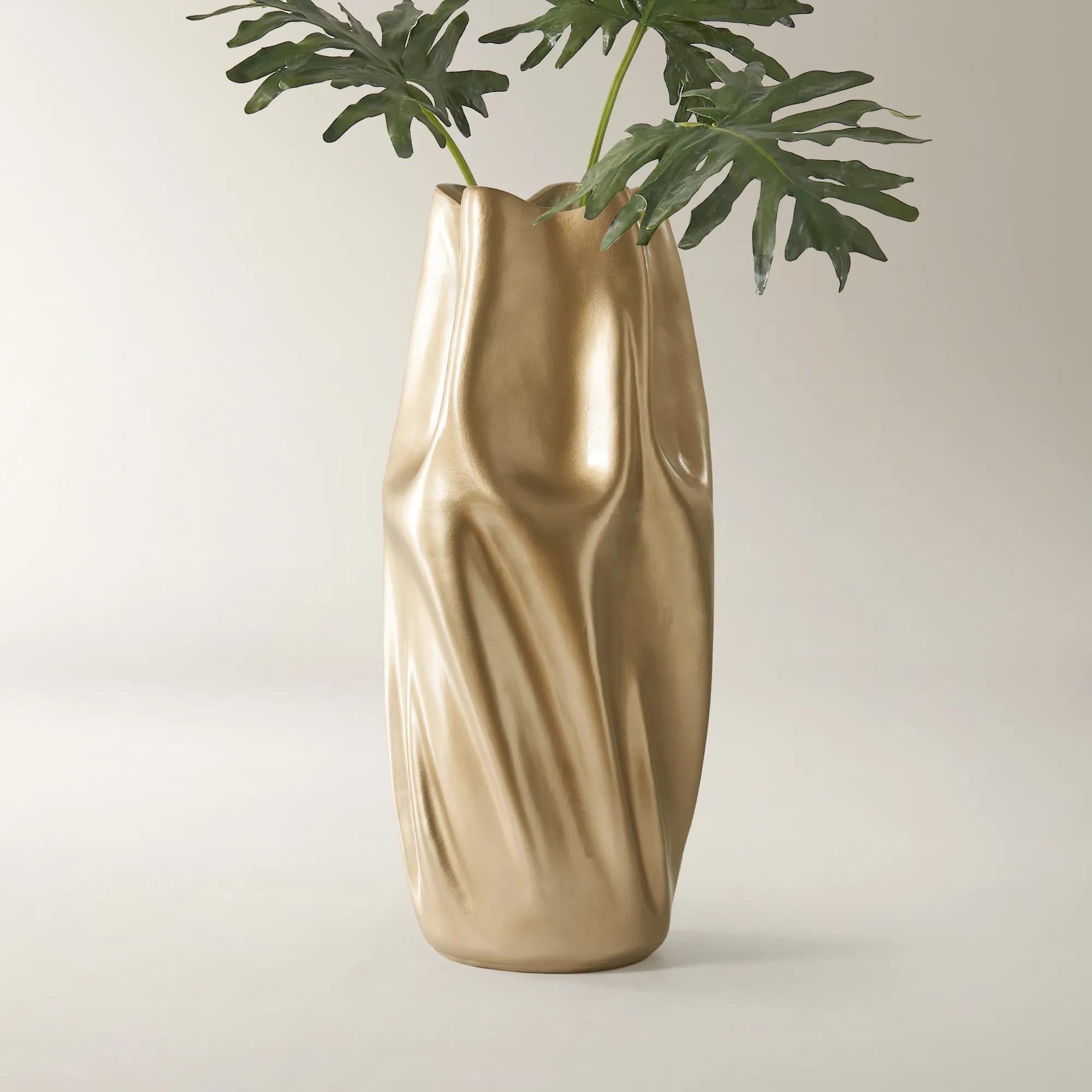
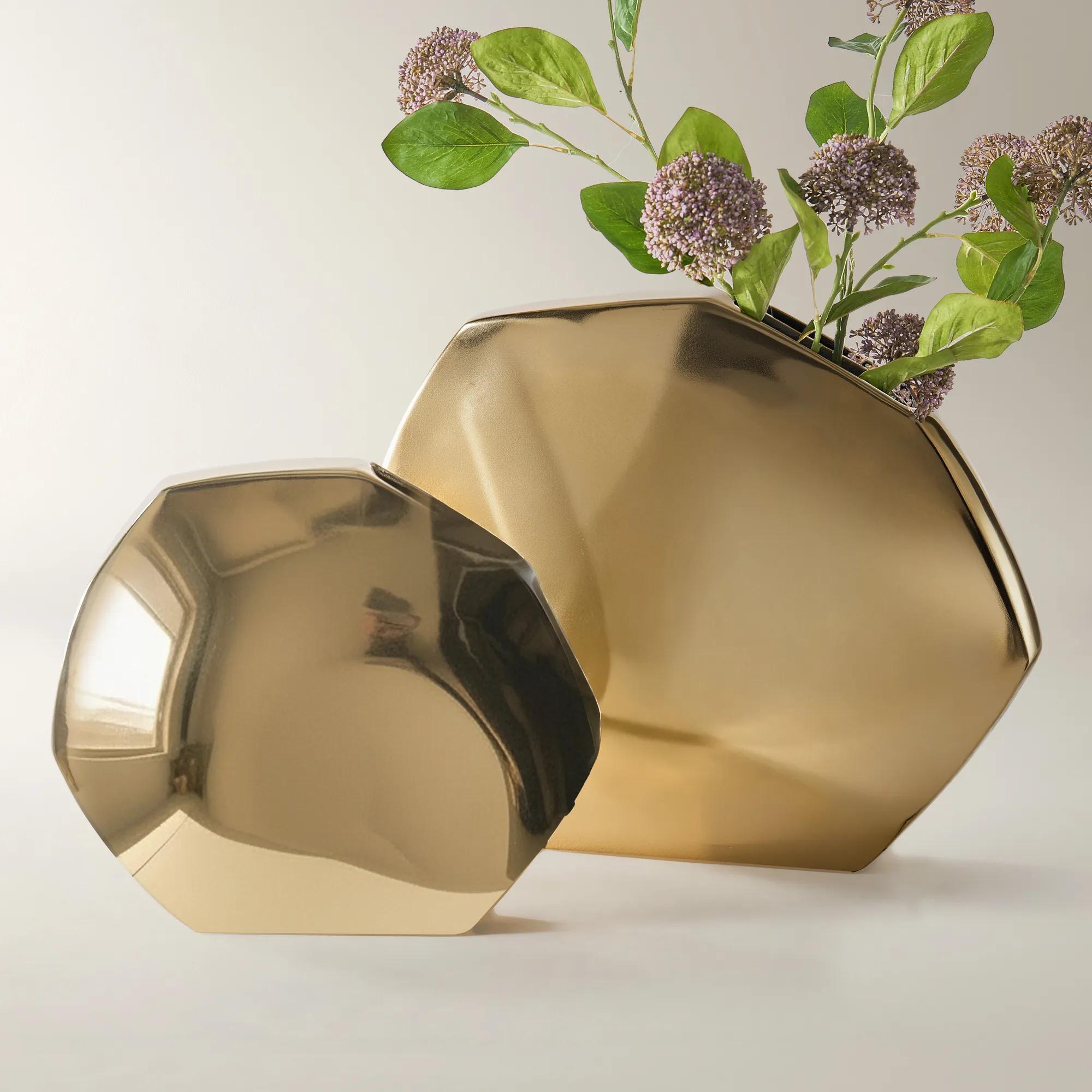
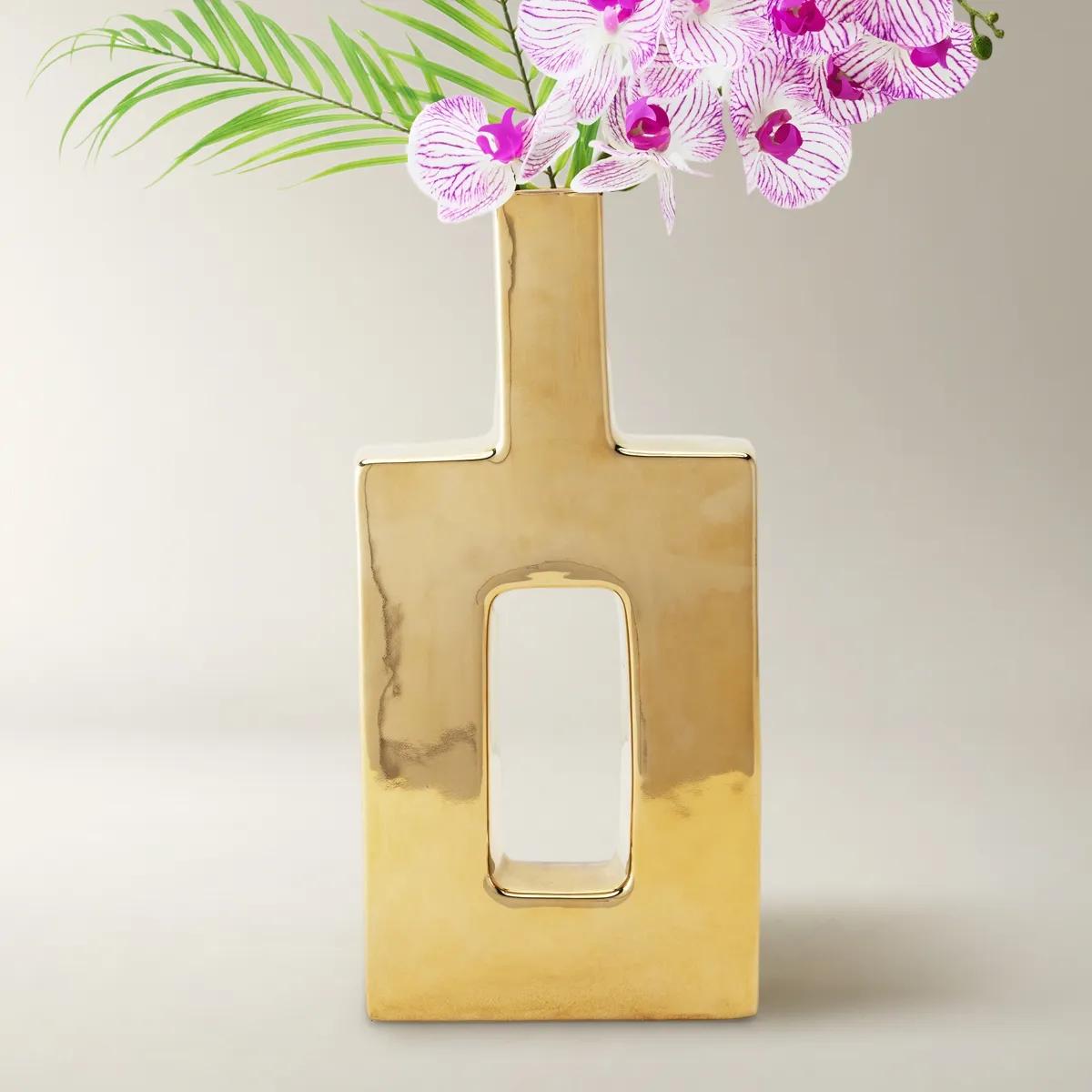 Miami Gold Ceramic High Gloss Vase 18.5"$69
A contemporary gold ceramic vase designed for decorative use or displaying faux foliage.
Add To Cart -
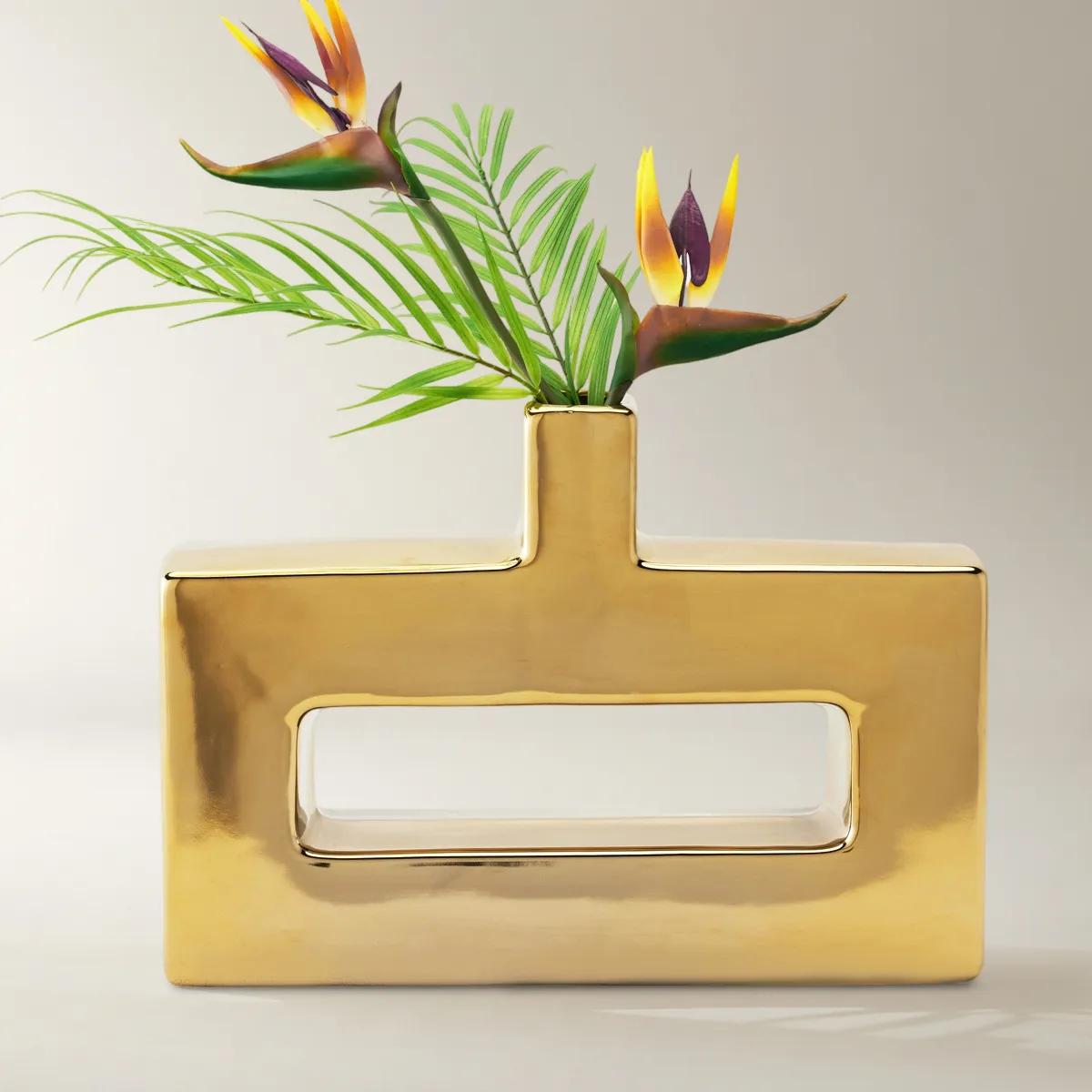 Miami Gold Ceramic High Gloss Vase 11.75"$69
A contemporary gold ceramic vase designed for decorative use as a sculptural accent or with foliage.
Add To Cart -
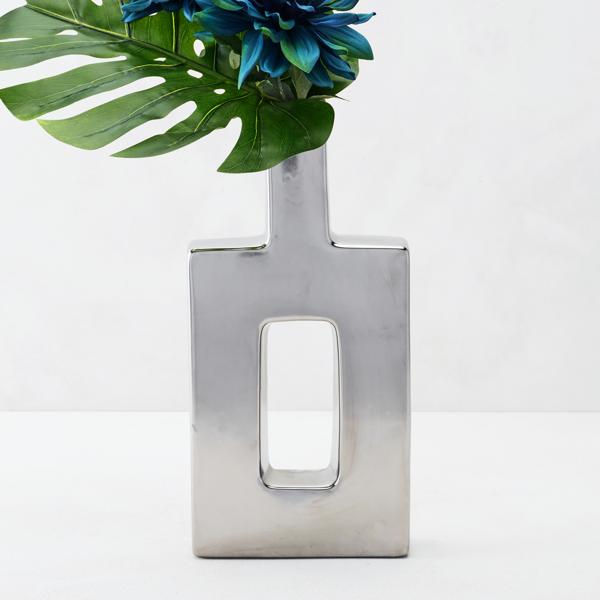
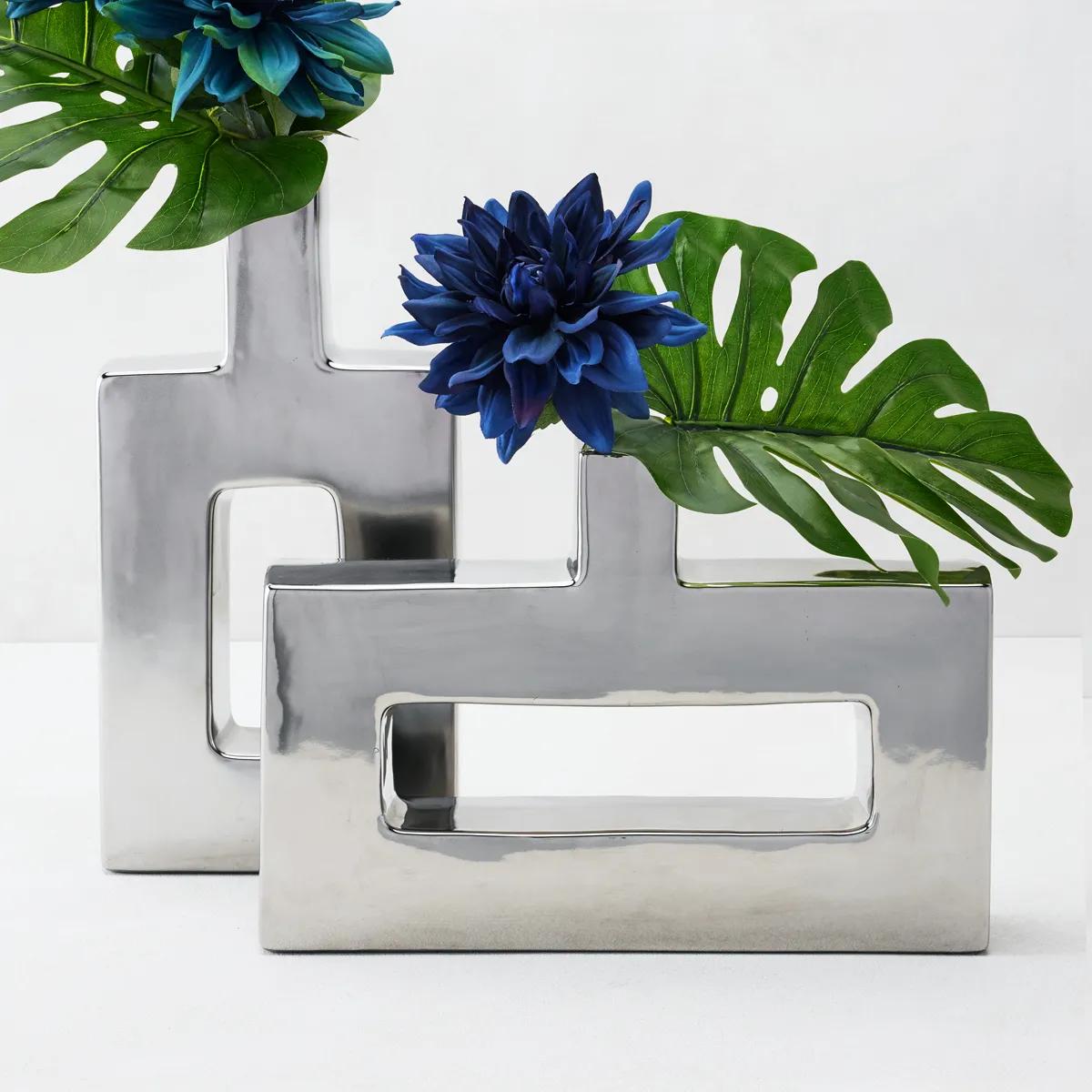 Miami Silver Ceramic High Gloss Vase 18.5"$69
A contemporary silver ceramic vase with a stylish gold glaze, perfect for decorative foliage or display.
Add To Cart -
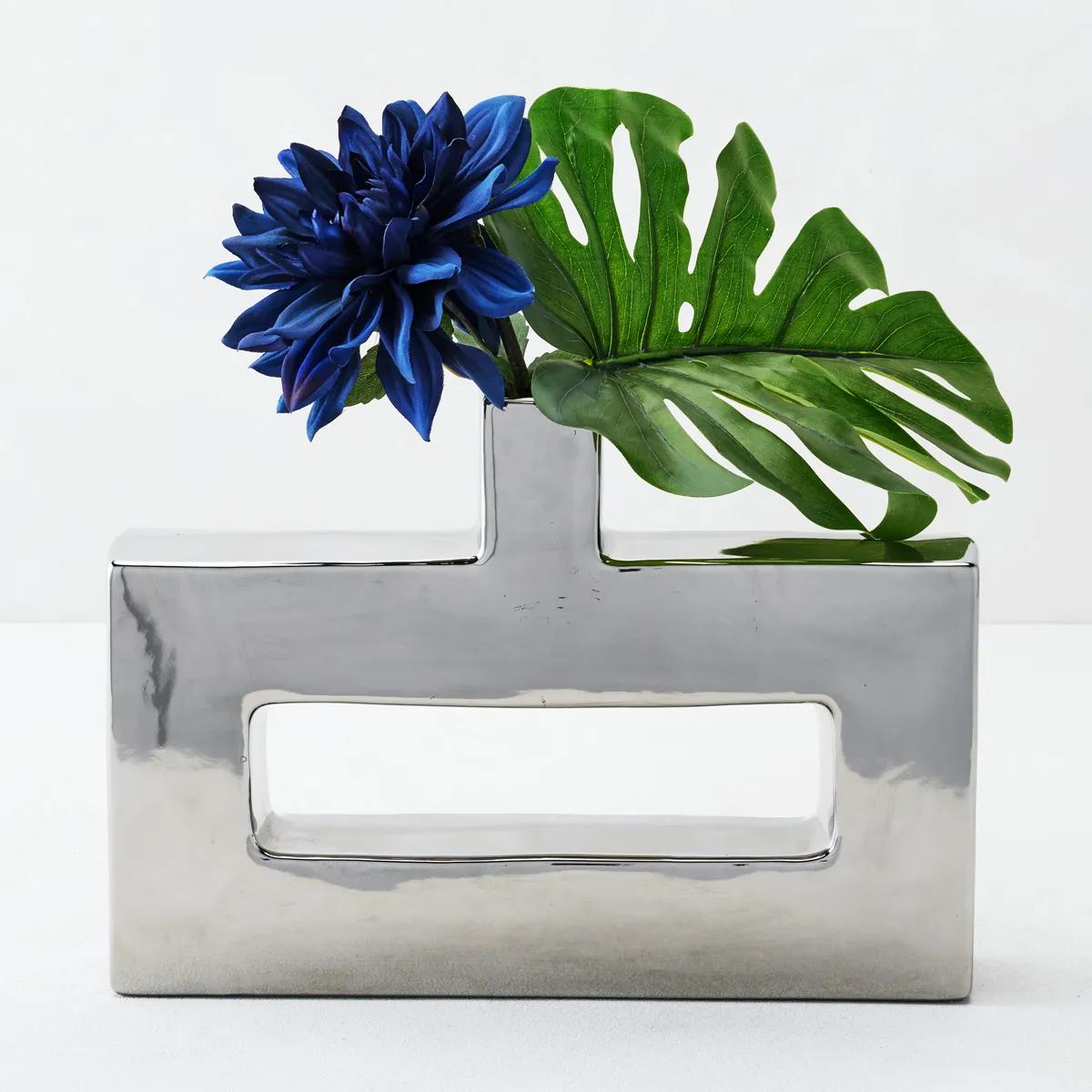 Miami Silver Ceramic High Gloss Vase 11.75"$69
A contemporary silver ceramic vase with a stylish gold glaze, perfect for decorative foliage or display.
Add To Cart -
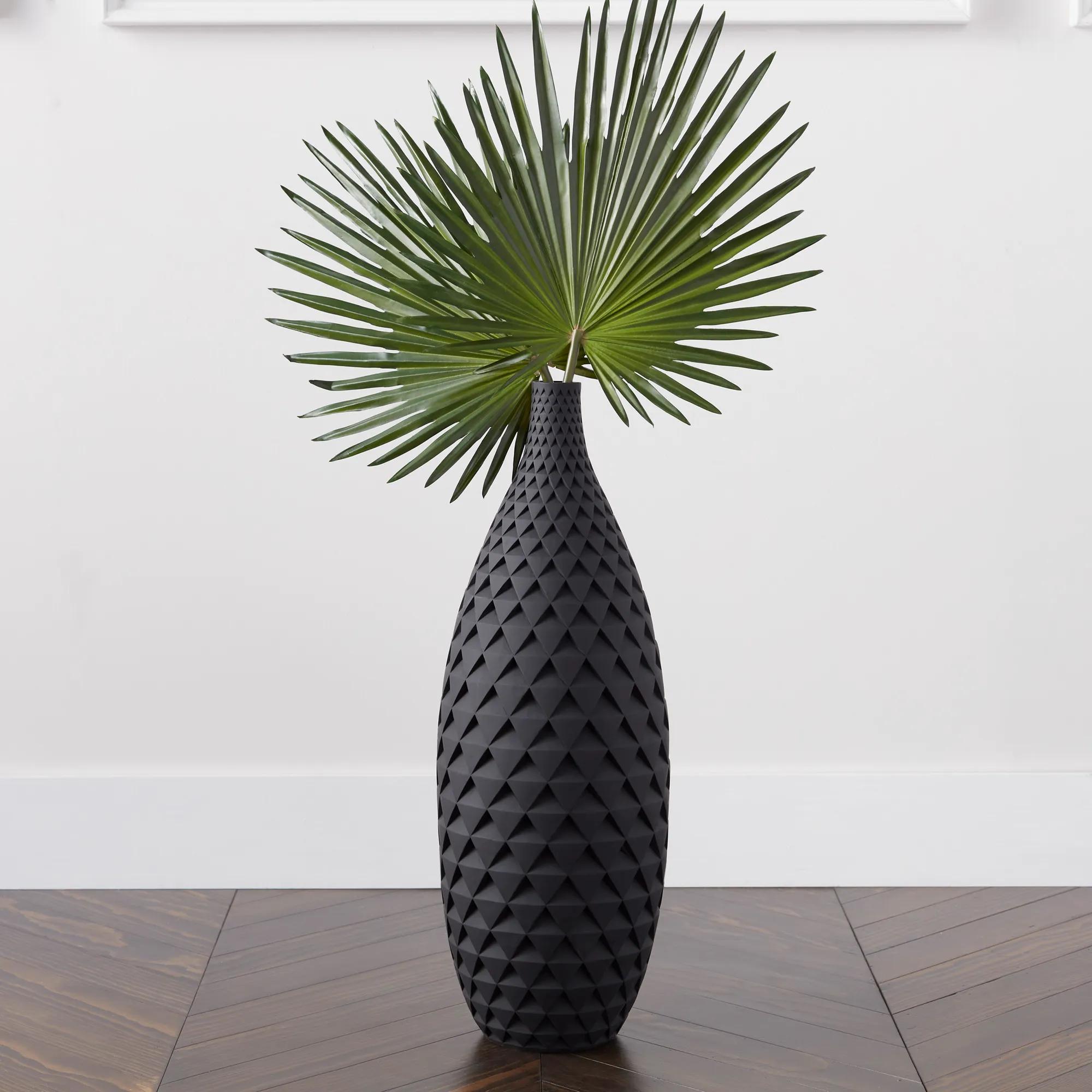 Cairo Floor Vase$99
A lightweight resin floor vase featuring a matte black finish and a striking scalloped texture.
Add To Cart -
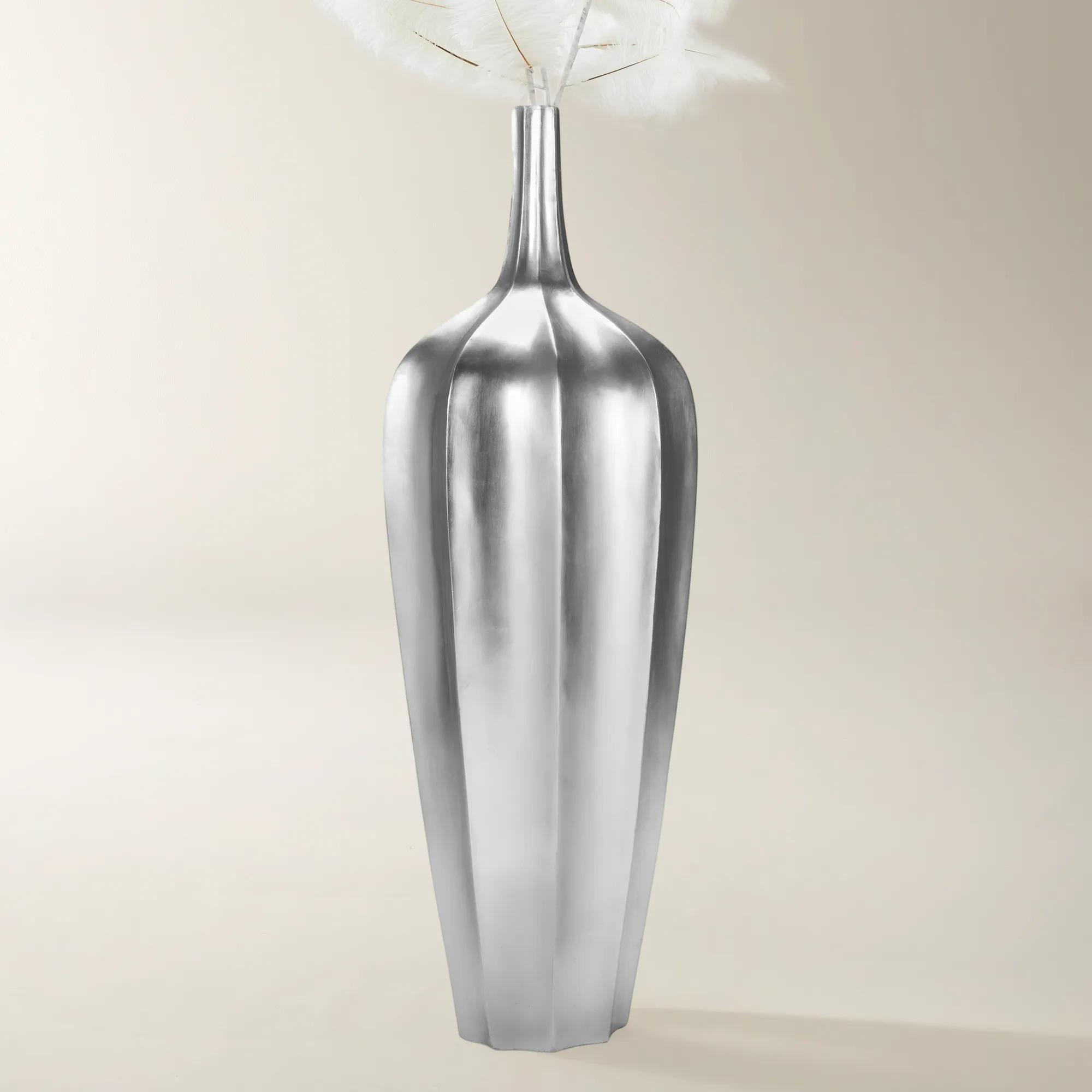
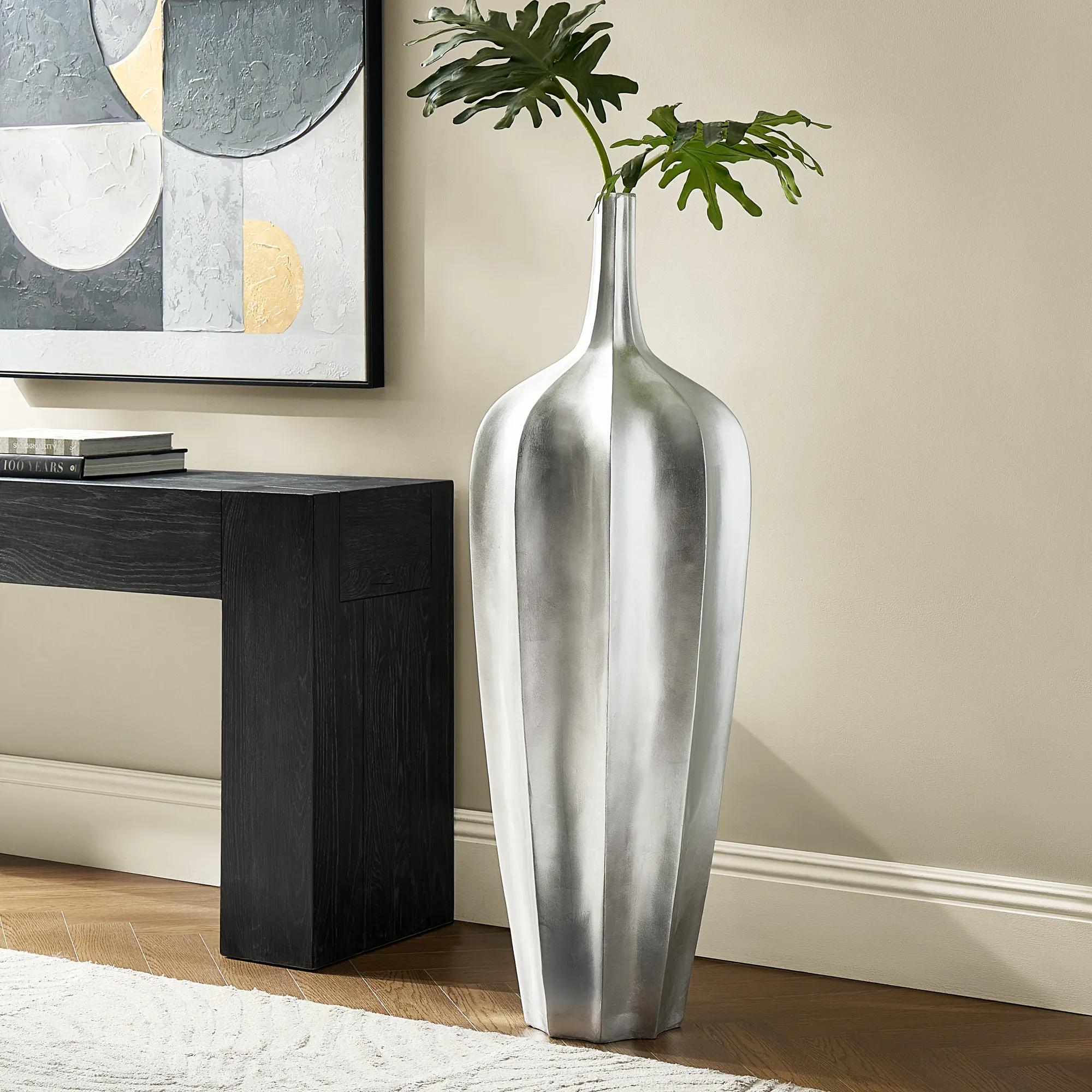 Accolade Silver Leaf Resin Floor Vase 48.75"$539
A fluted fiberglass vase featuring a lustrous metallic silver foil finish for a striking decorative accent.
Add To Cart -
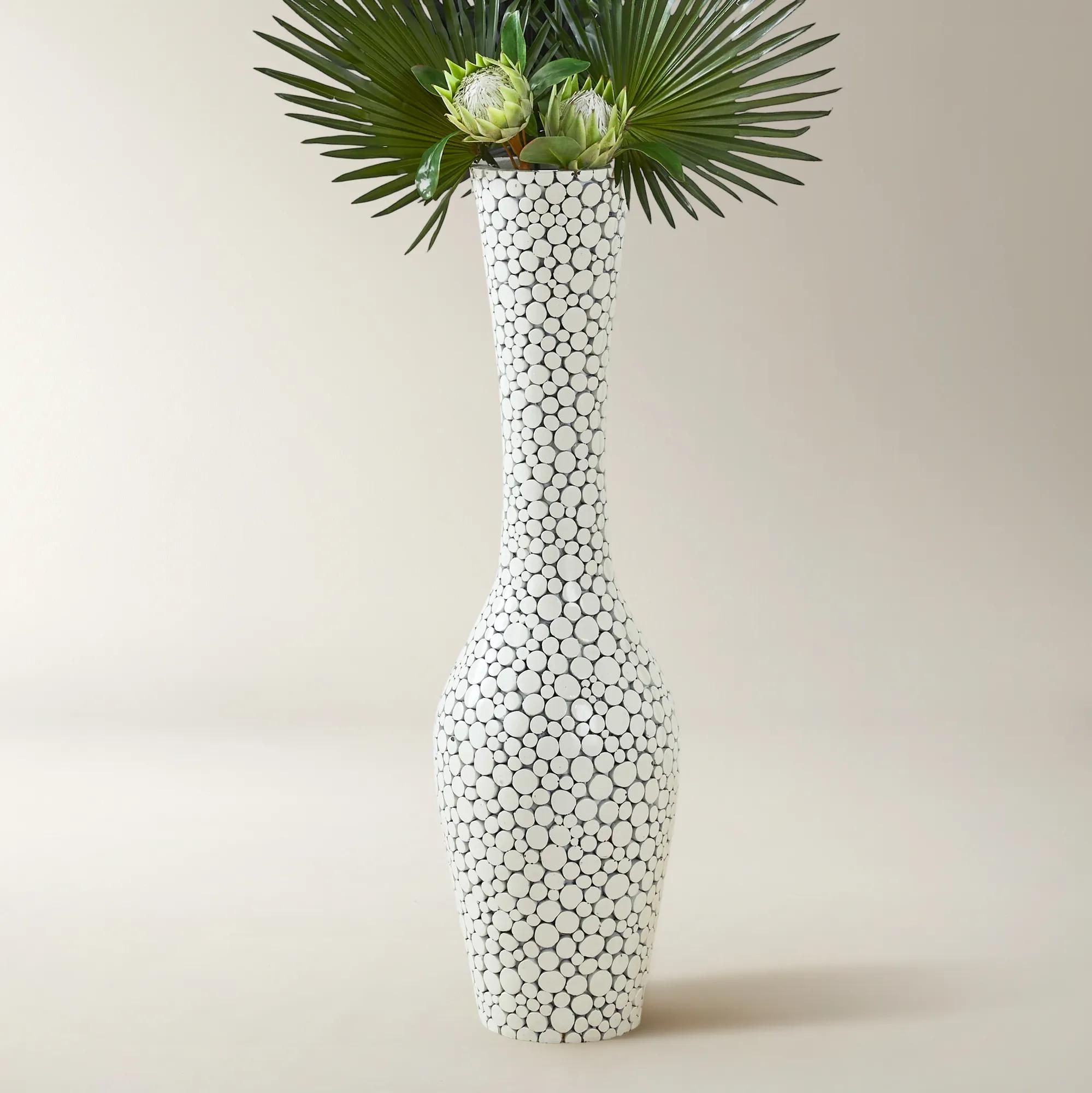 Oslo Floor Vase$299
A contemporary floor vase featuring hand-applied wood accents and a glossy white fiberglass base.
Add To Cart -
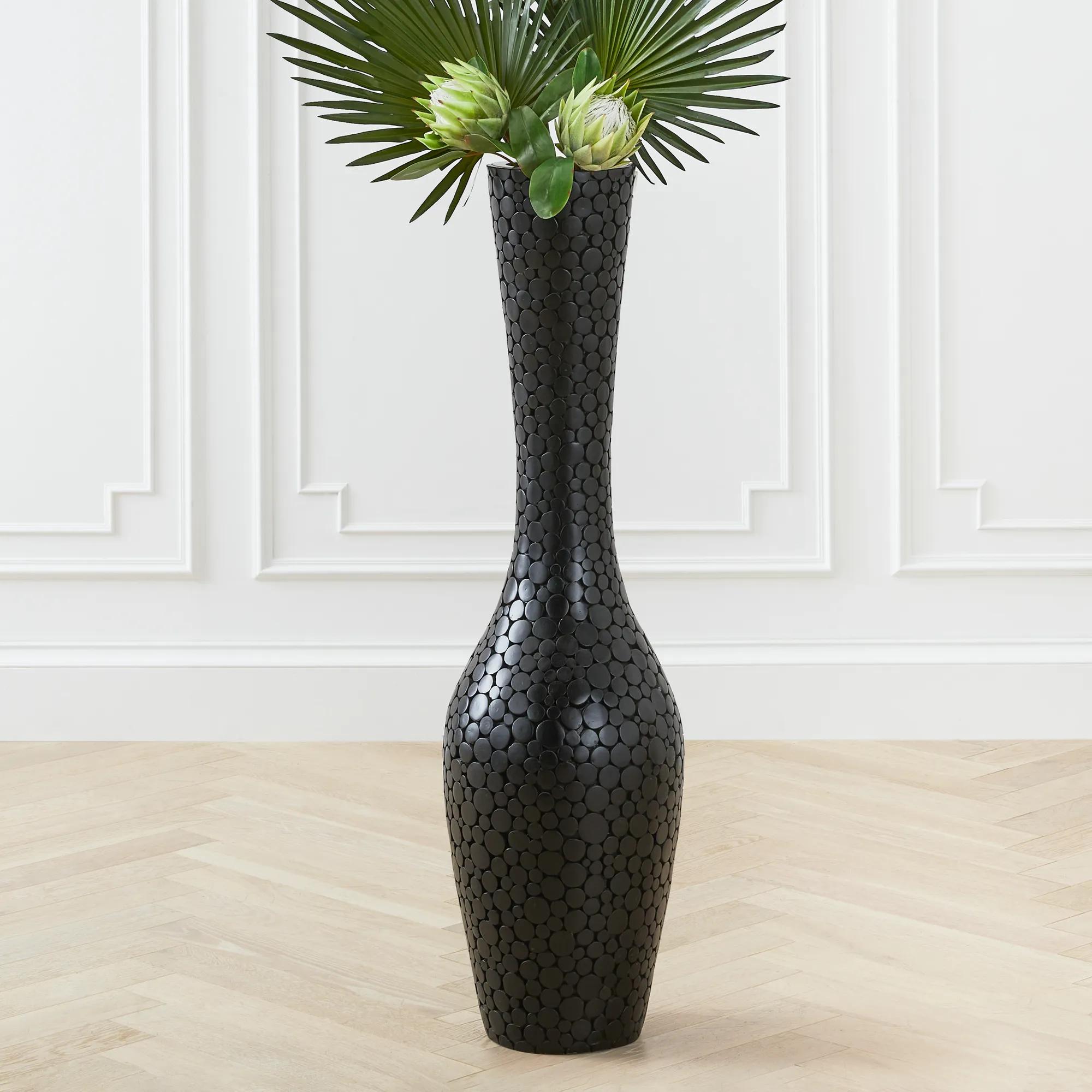
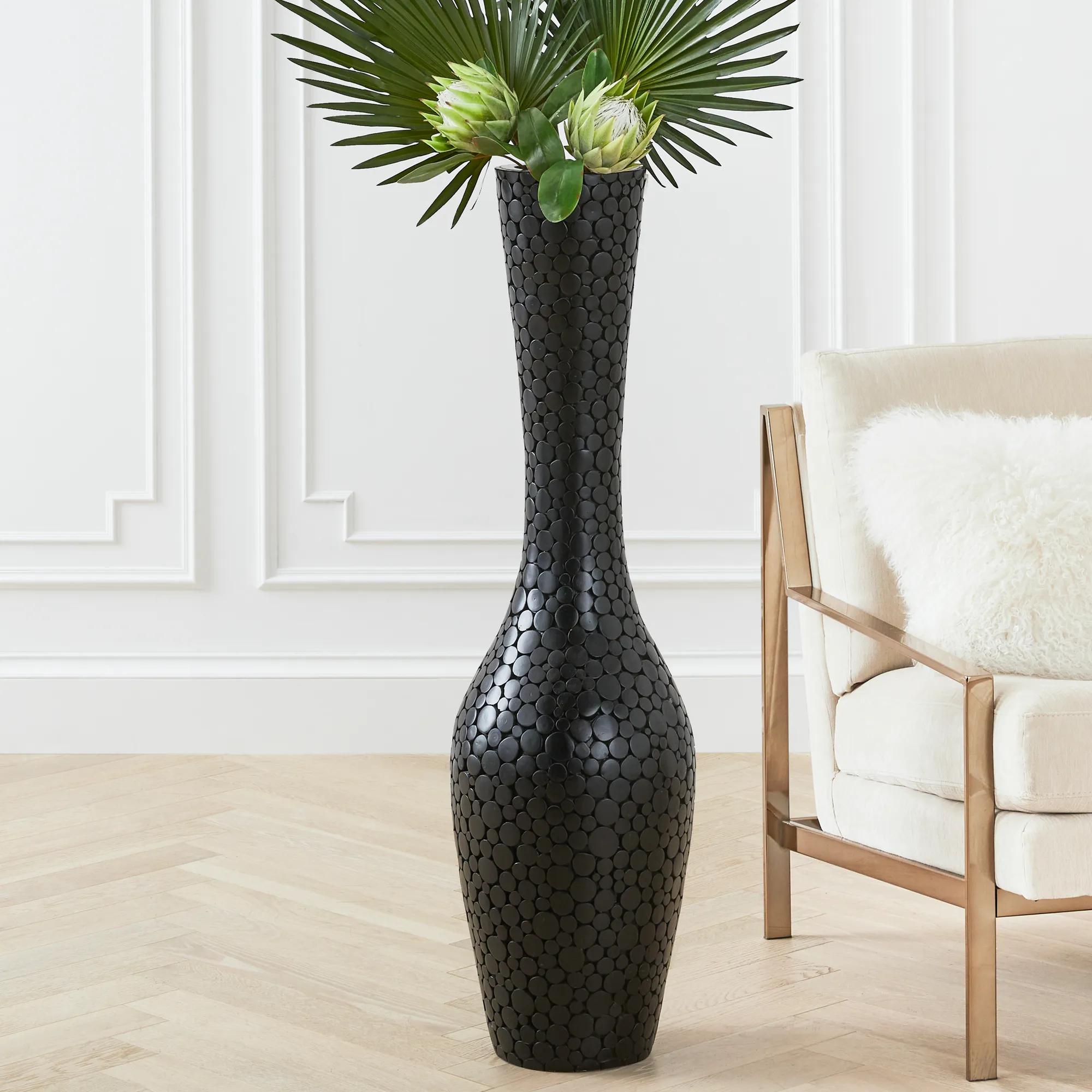 Oslo Black Wood Floor Vase 45"$299
A contemporary floor vase featuring hand-applied wood accents and a glossy black fiberglass base.
Add To Cart -
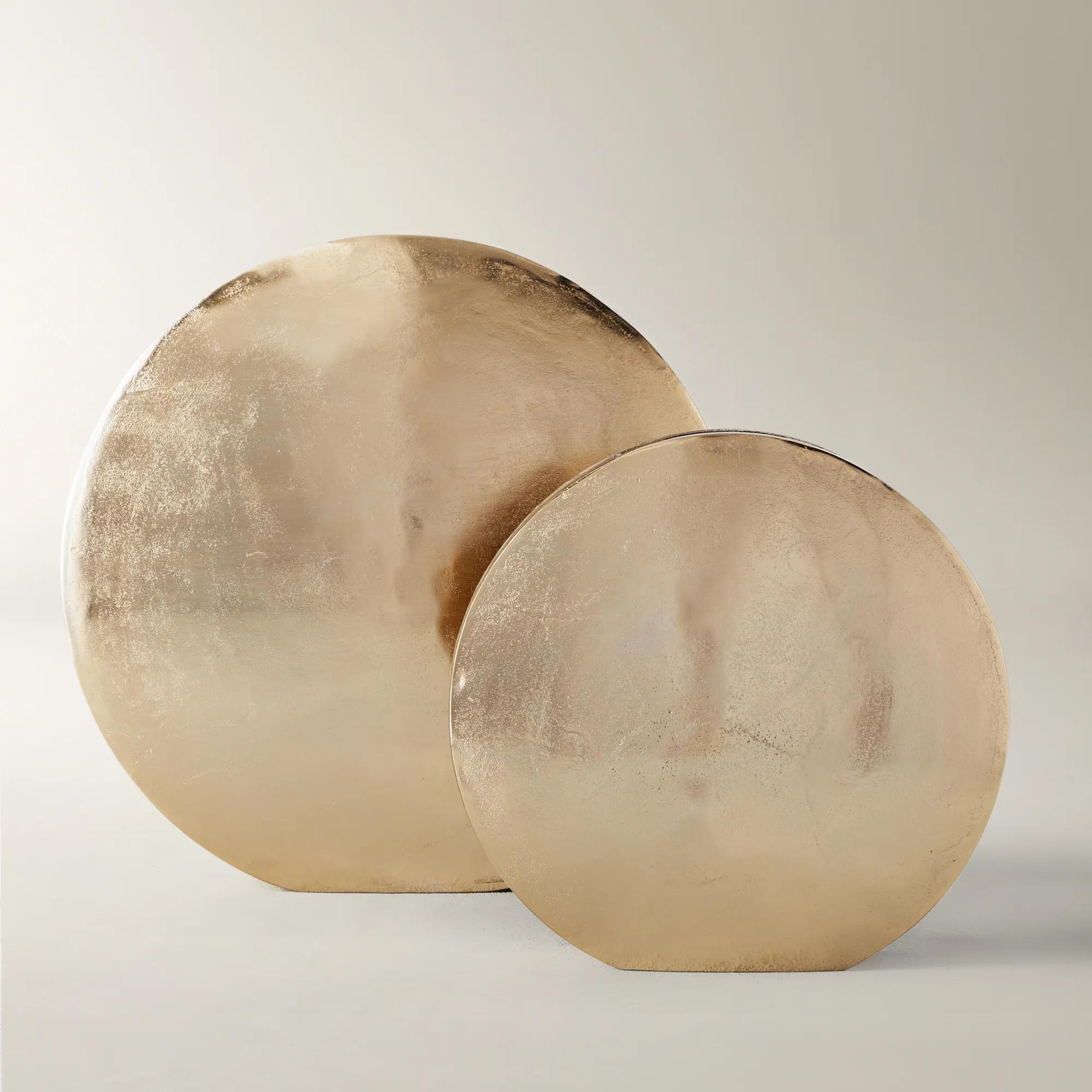
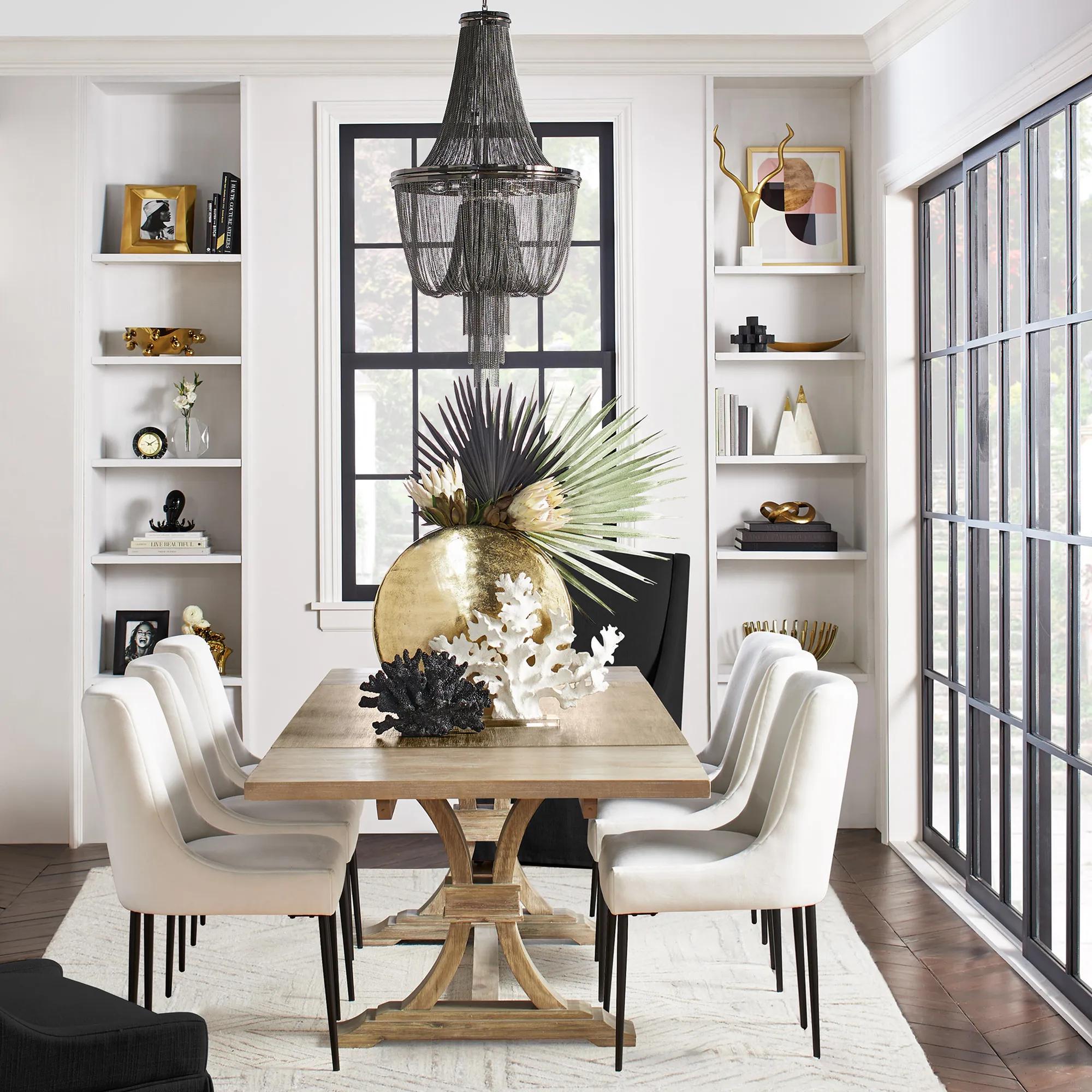 Greer Gold Aluminum Vases$149
A striking gold aluminum disc vase perfect for showcasing dried florals or as a decorative accent.
Add To Cart -
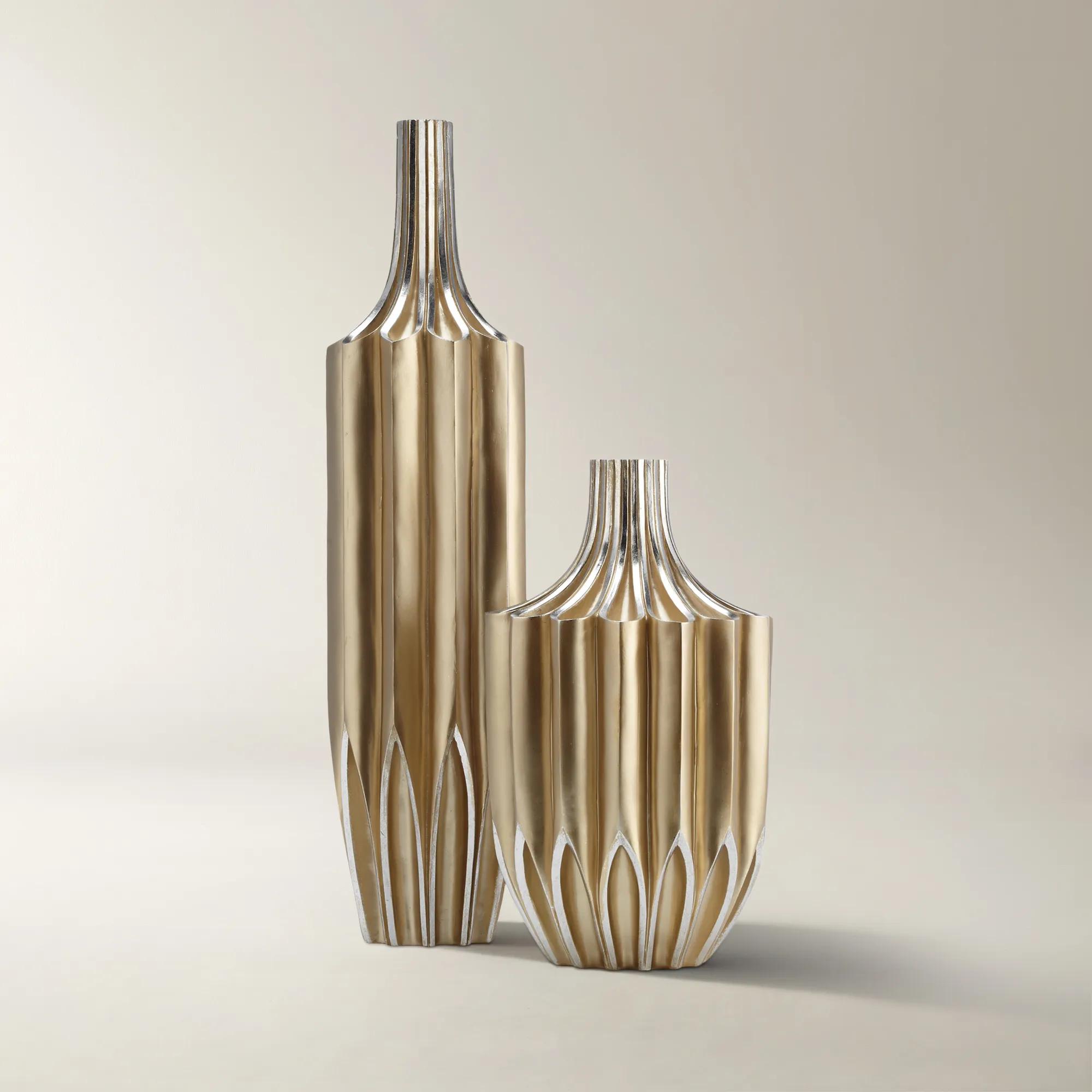
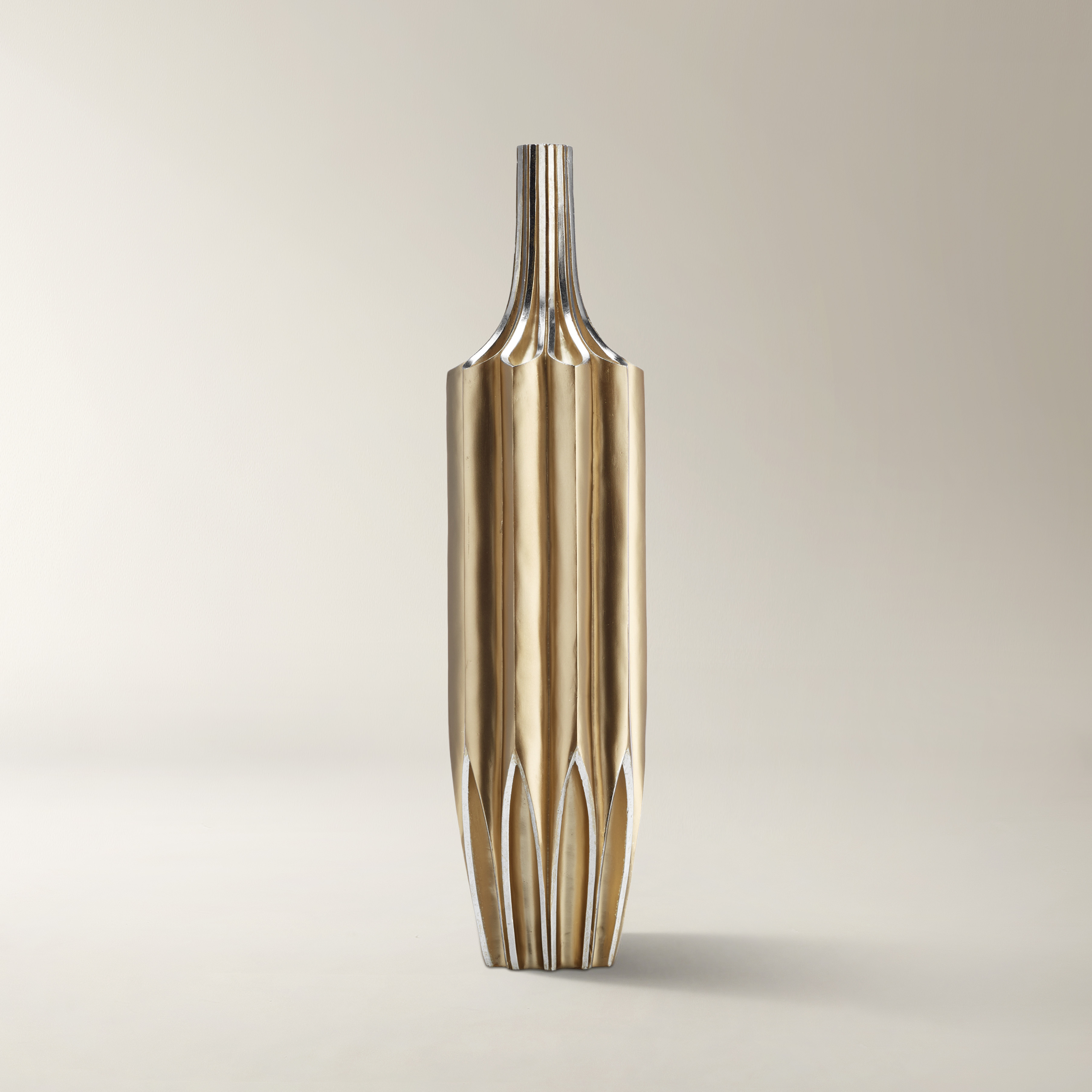 Savannah Gold Resin Vases$79
A sophisticated polyresin vase featuring sleek vertical curves and a modern, inward-flaring design.
Add To Cart -
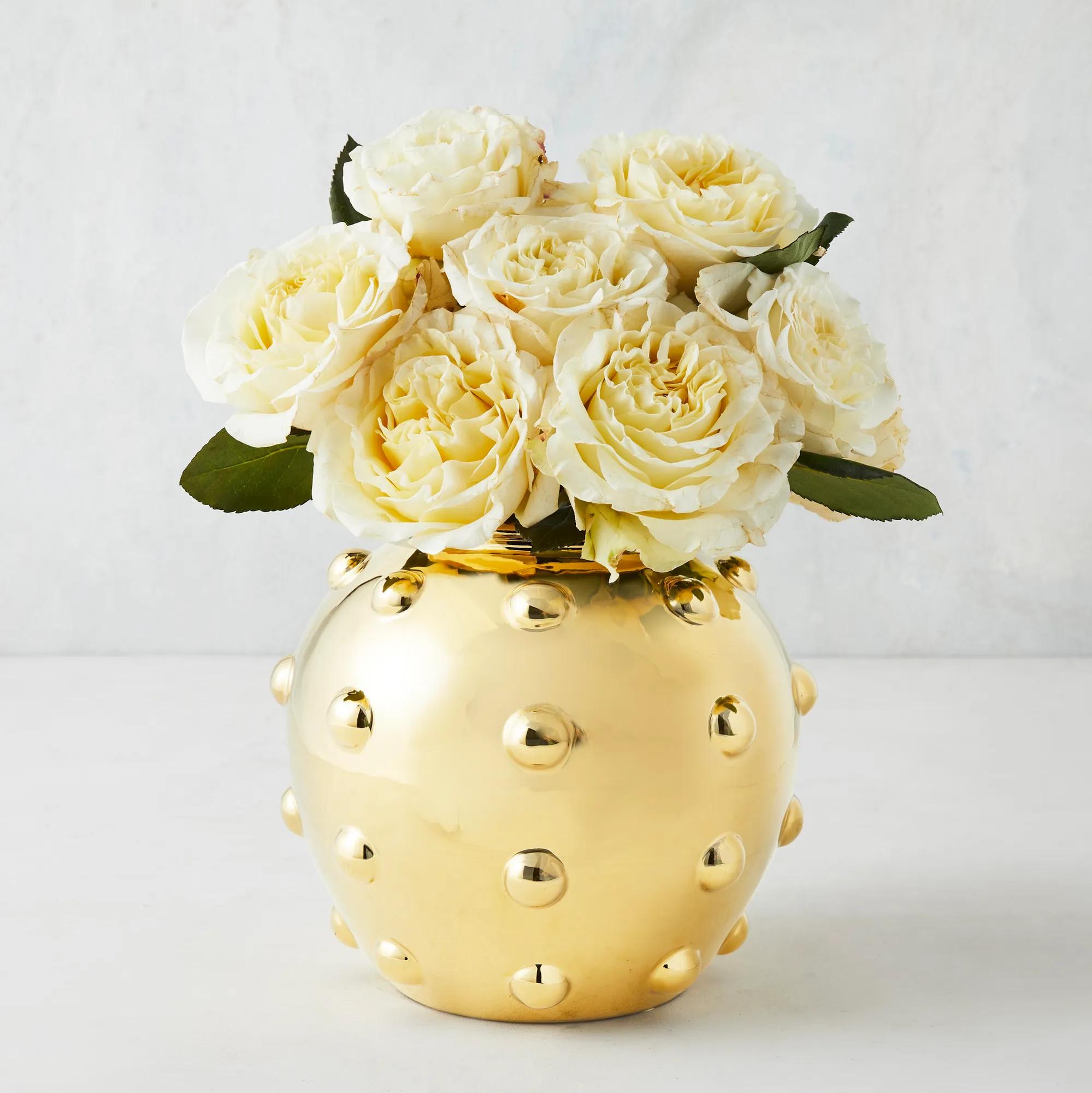
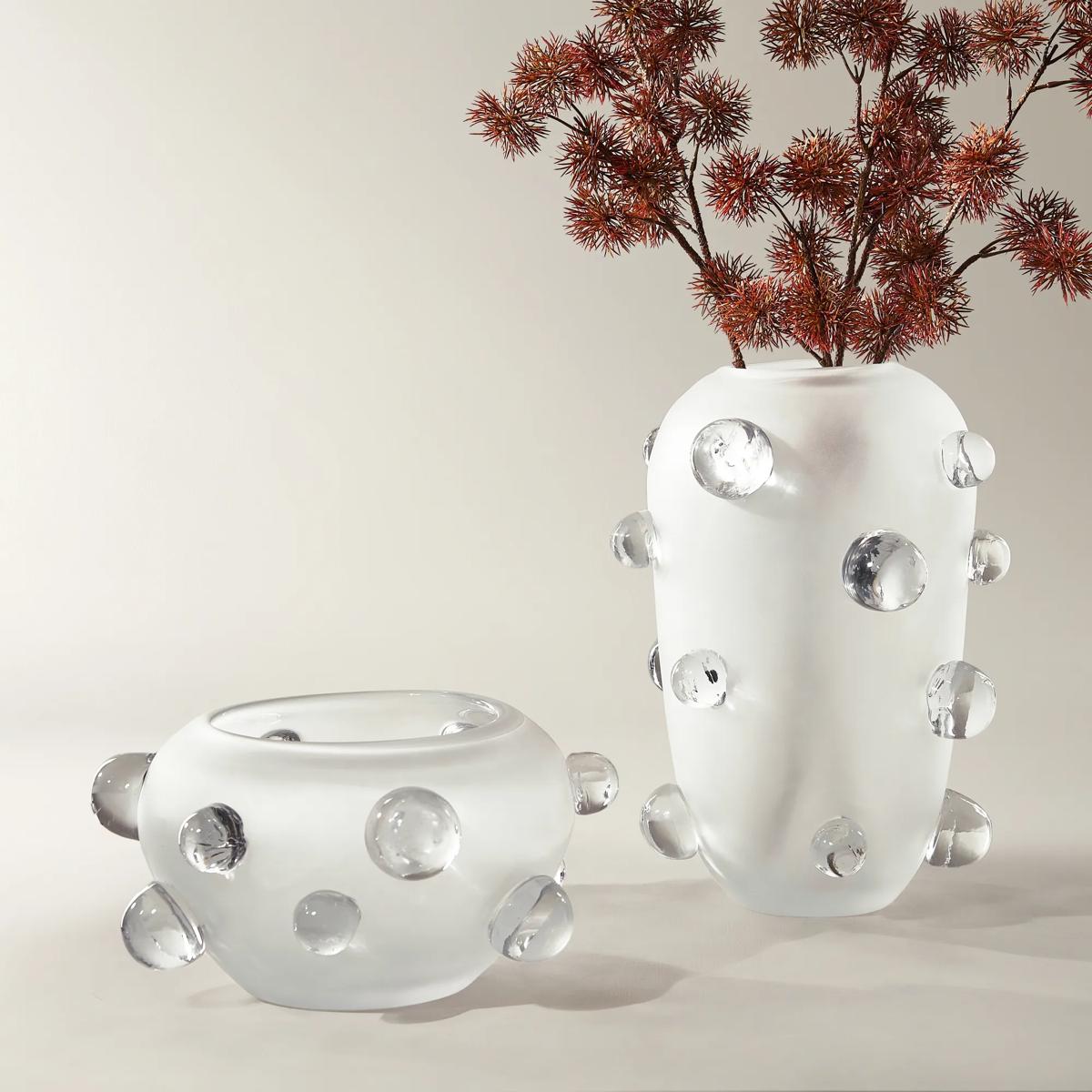
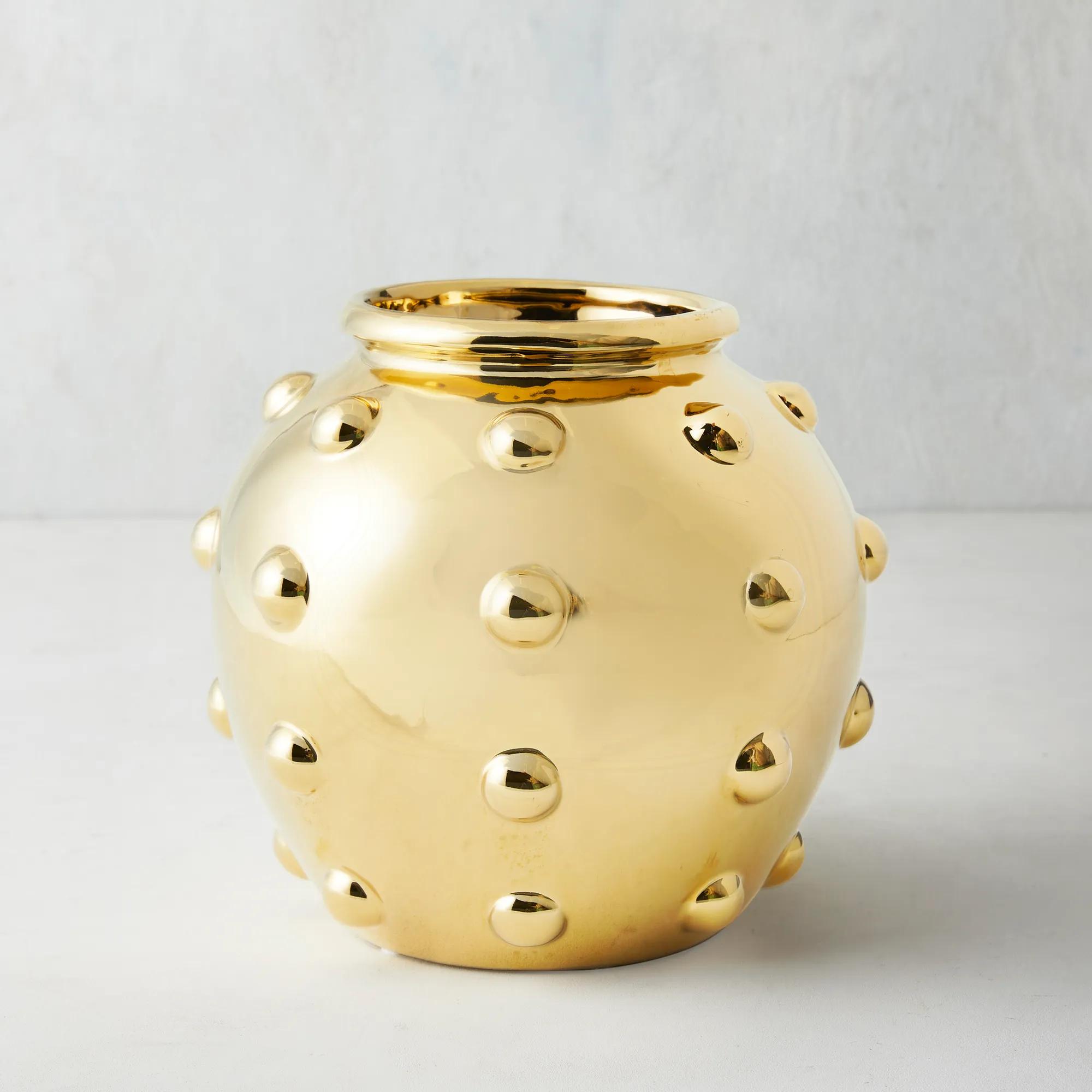 Orb Bauble Vase$59
A ceramic vase with a dimensional dot design and a gleaming gold finish for bold decor impact.
Add To Cart -
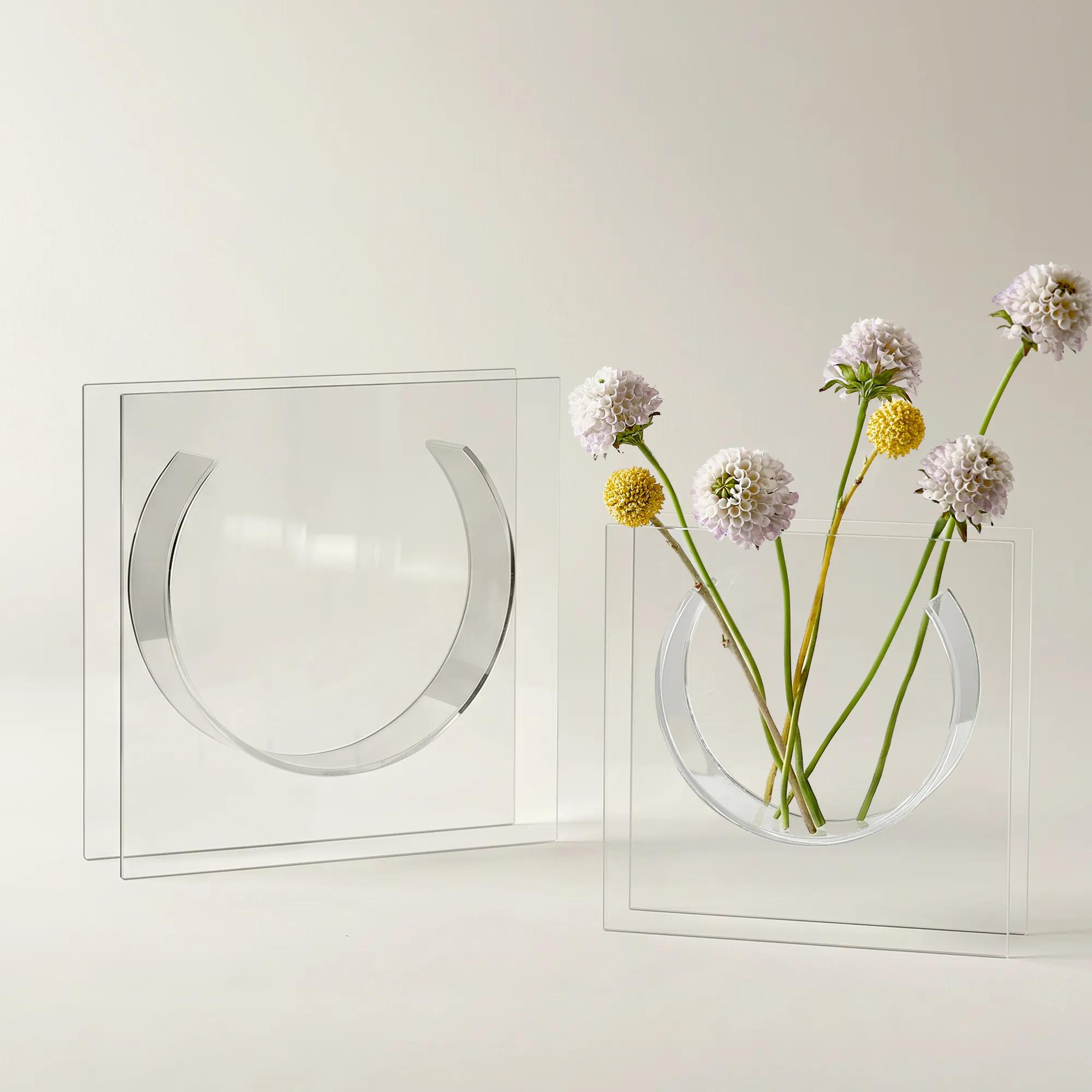
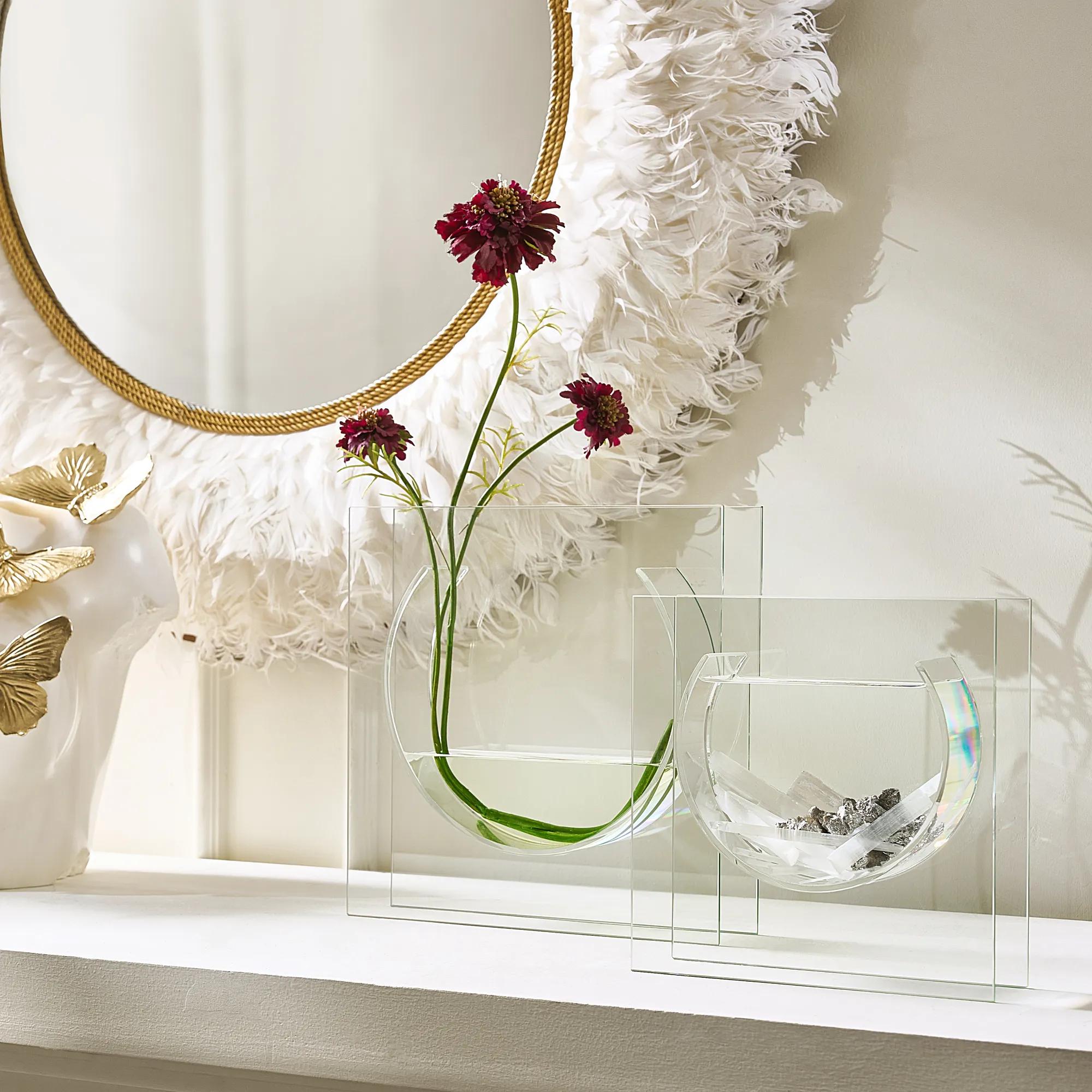 Solaris Clear Glass Vases$29
A clear glass vase with an elliptical bowl and bold modern design between two glass panels.
Add To Cart -
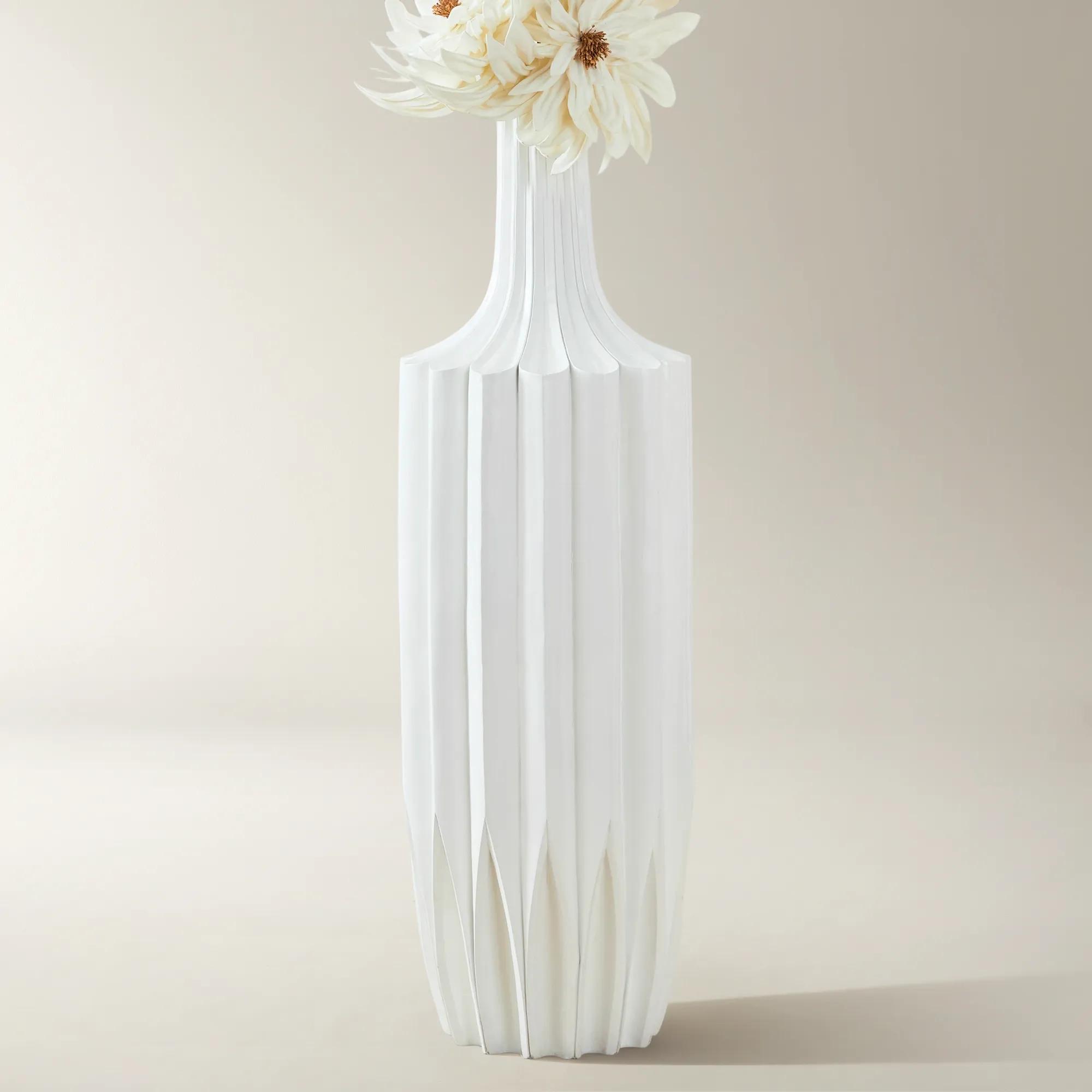 Savannah White Resin Floor Vase 48.75"$509
A sophisticated polyresin vase featuring sleek vertical curves, perfect for displaying decorative flowers or foliage.
Add To Cart -
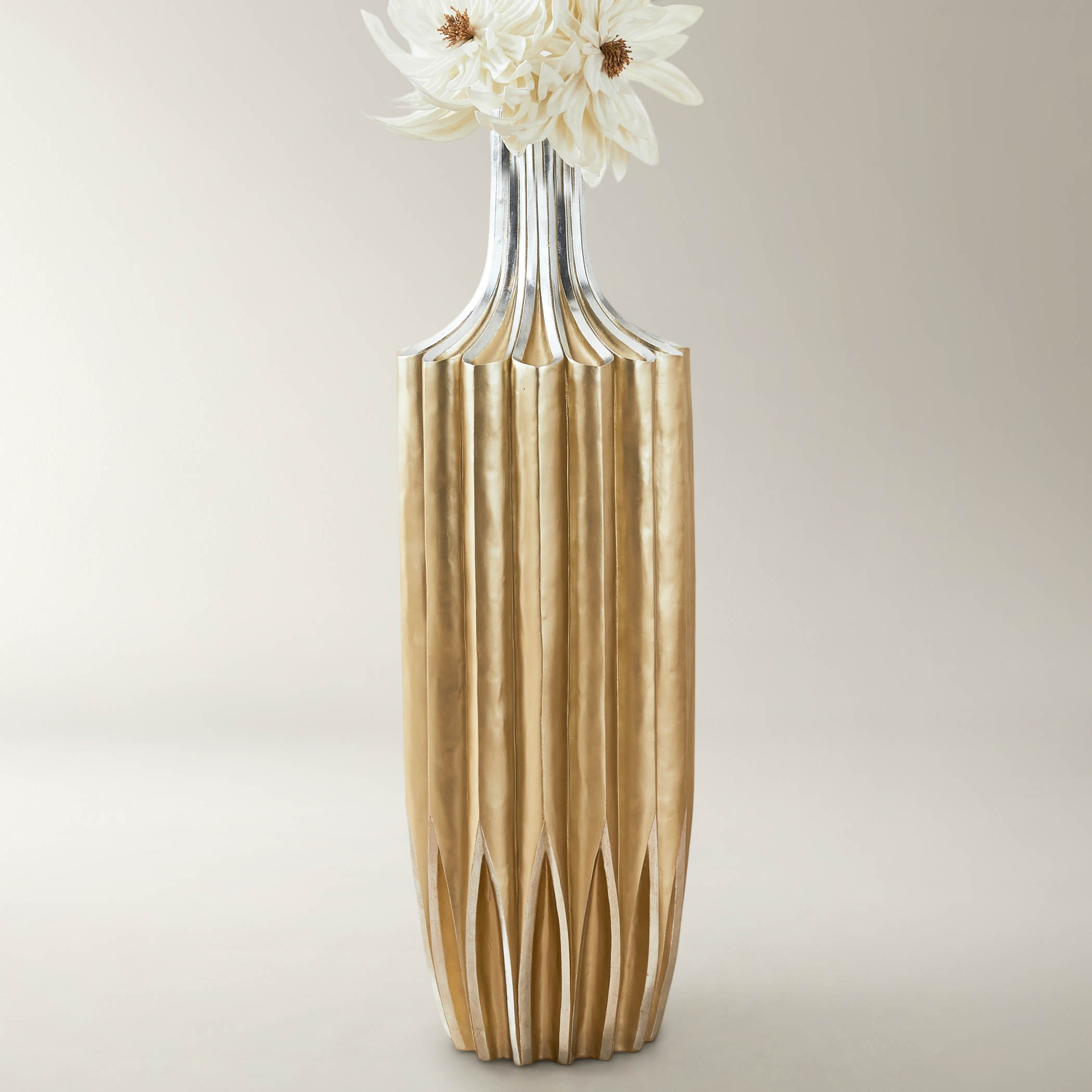
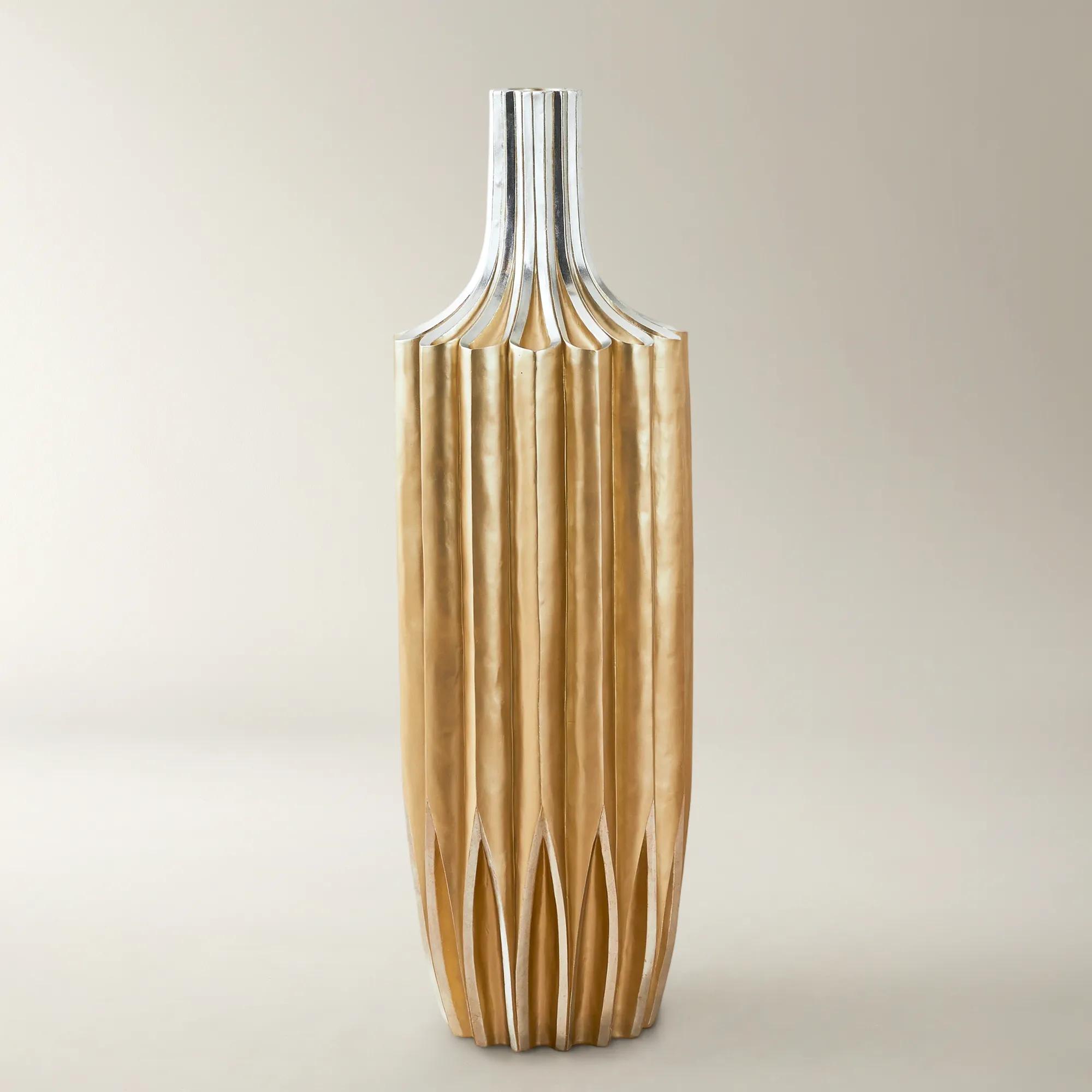 Savannah Gold Resin Floor Vase 48.75"$509
A sophisticated polyresin vase featuring sleek vertical curves for a modern decorative accent.
Add To Cart -
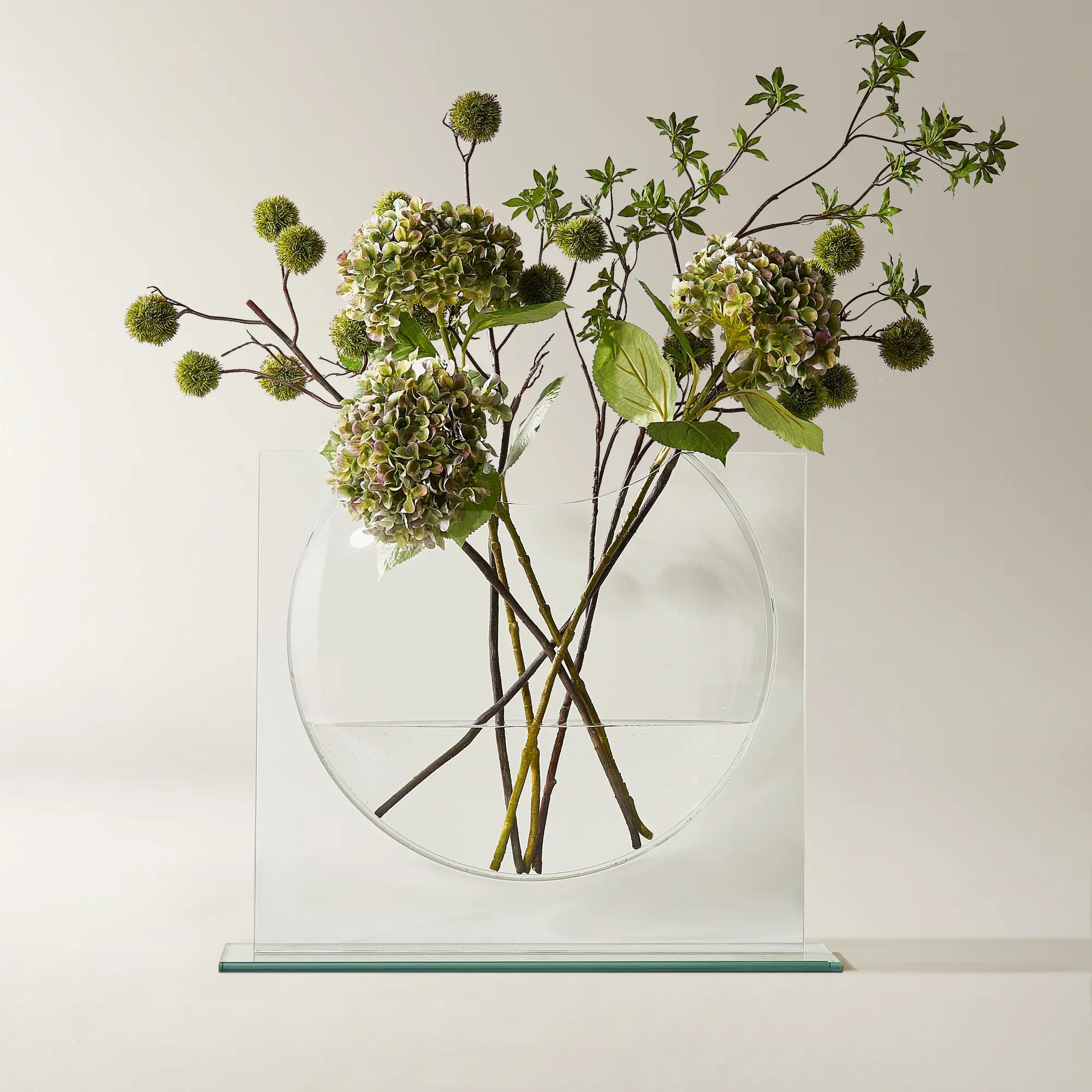
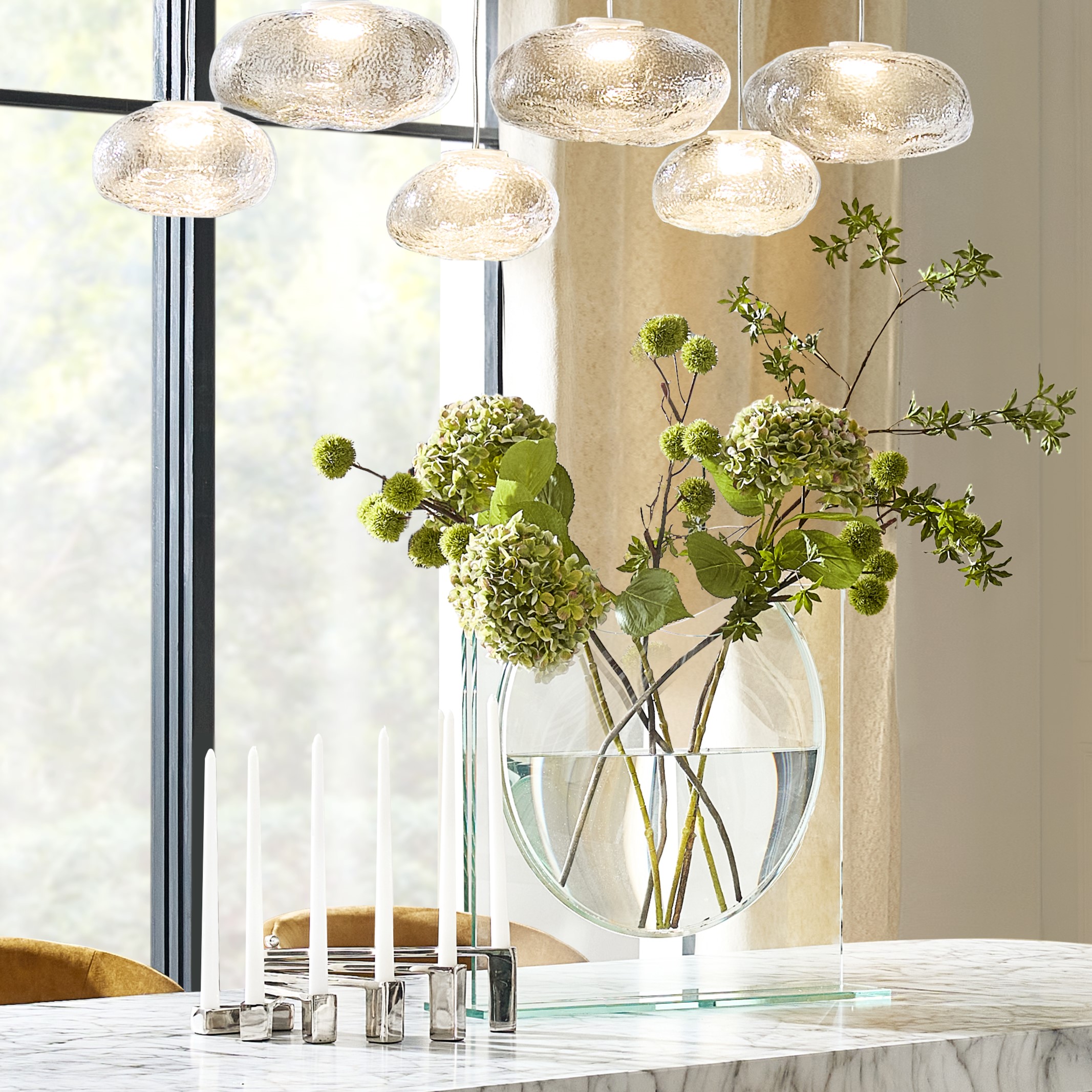 Ellipse Clear Glass Vase 20"$259
A sleek elliptical glass vase offering a modern, functional accent for fresh floral arrangements.
Add To Cart -
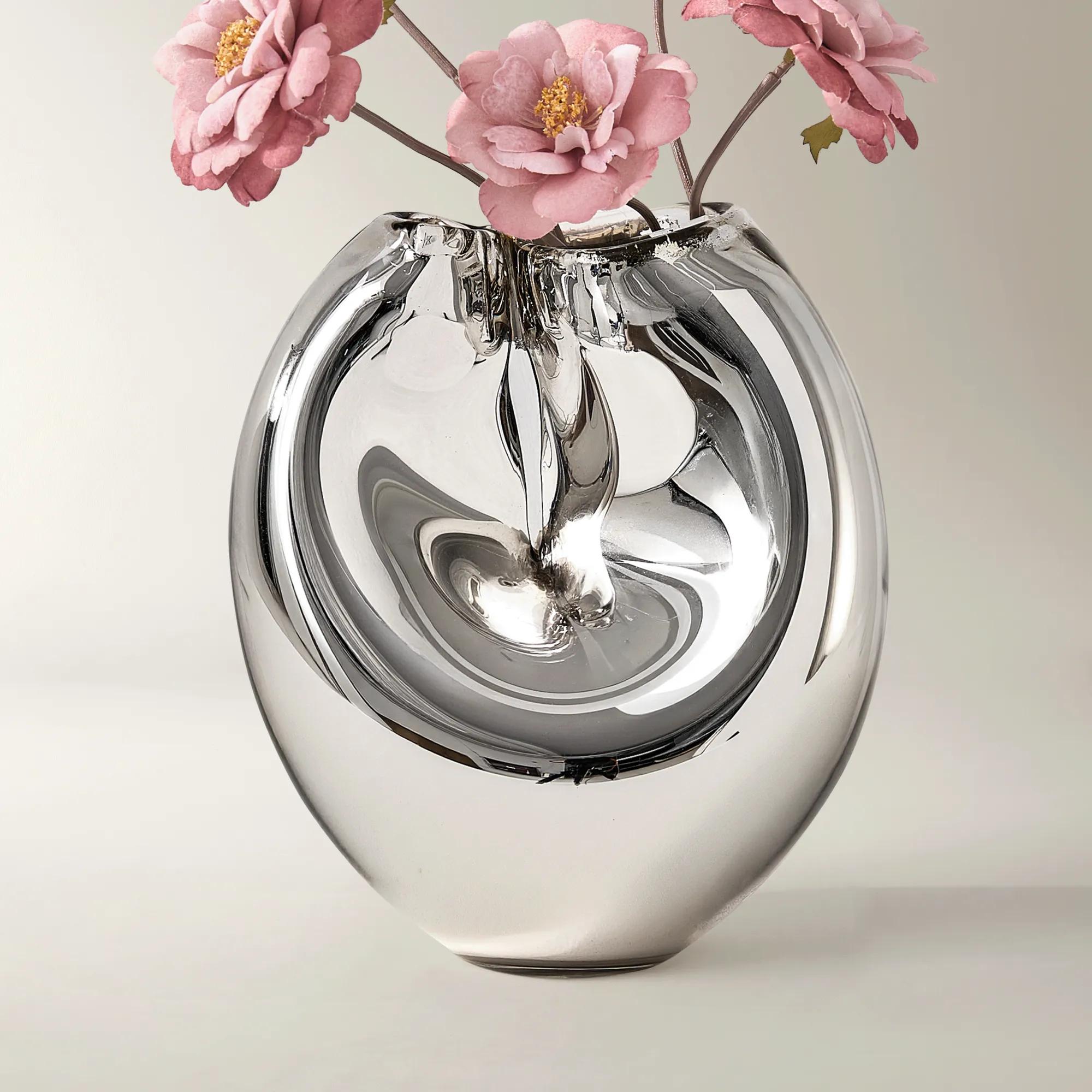 Ono Mouth Blown Mirrored Silver Glass Vase 7.75"$79
A handblown glass vase with a mirrored finish and organic silhouette for modern, artful display.
Add To Cart -
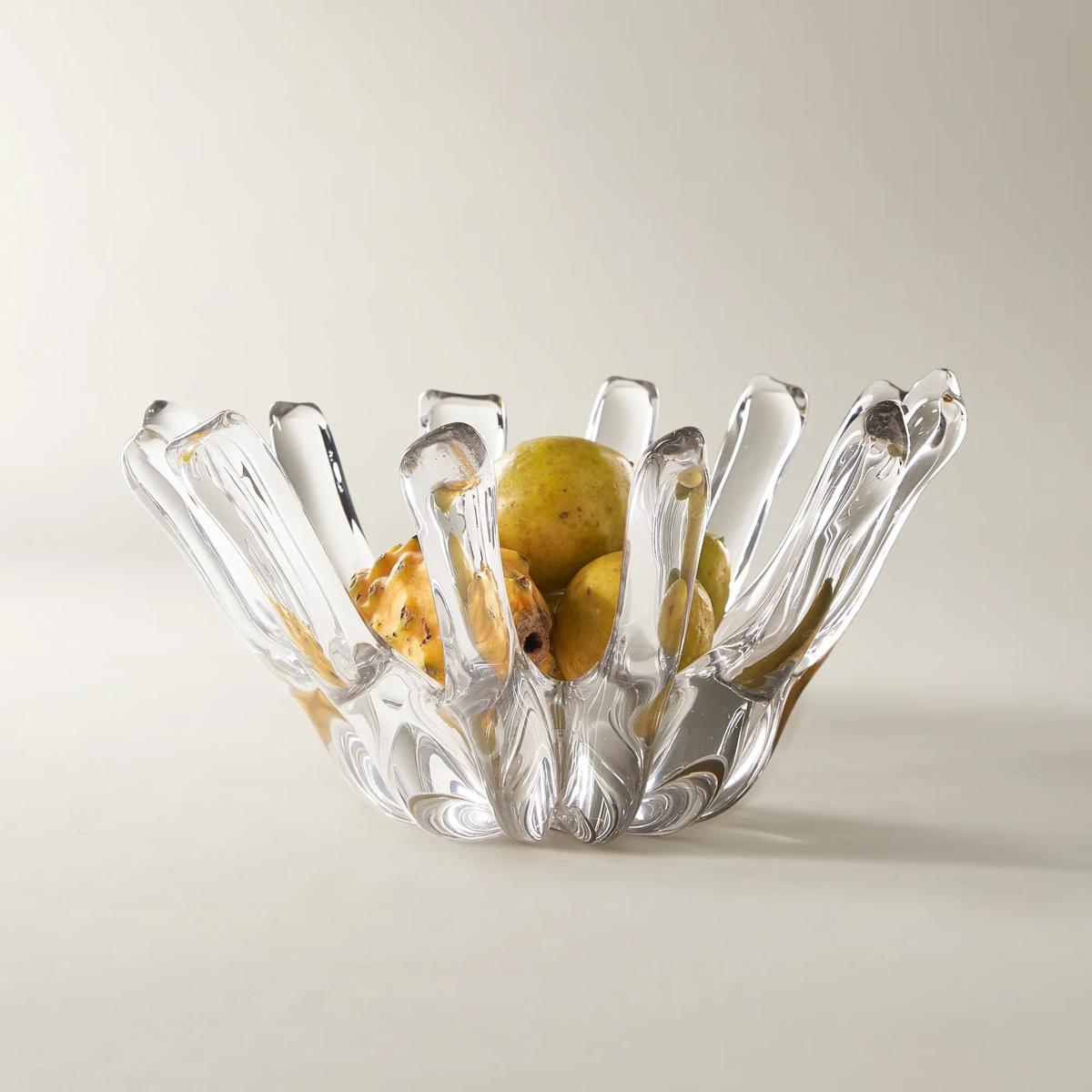
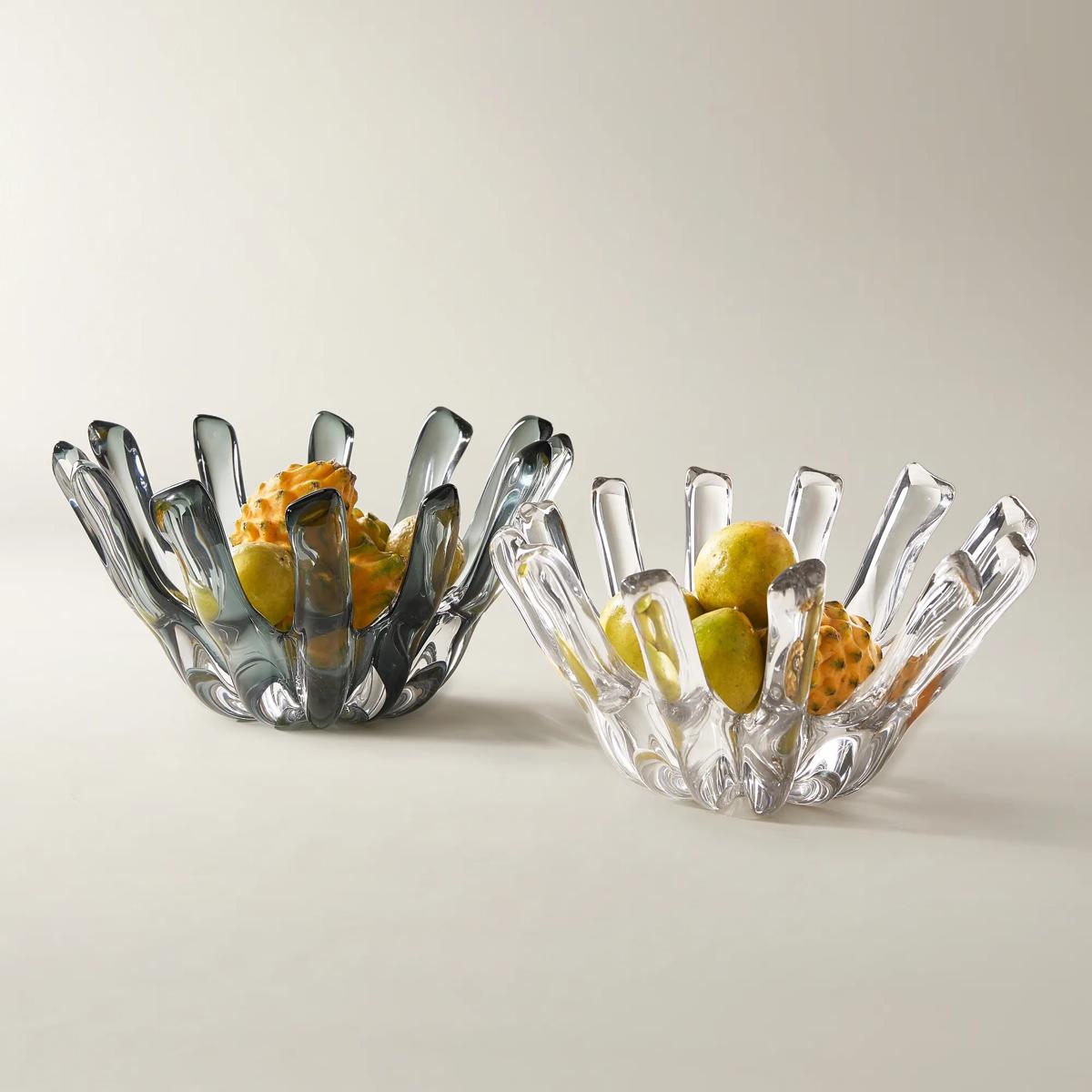 Bossa Clear Handblown Glass Decorative Bowl 13" x 7"$129
A hand-blown clear glass bowl featuring an expressive, sculptural form for modern decorative displays.
Add To Cart -
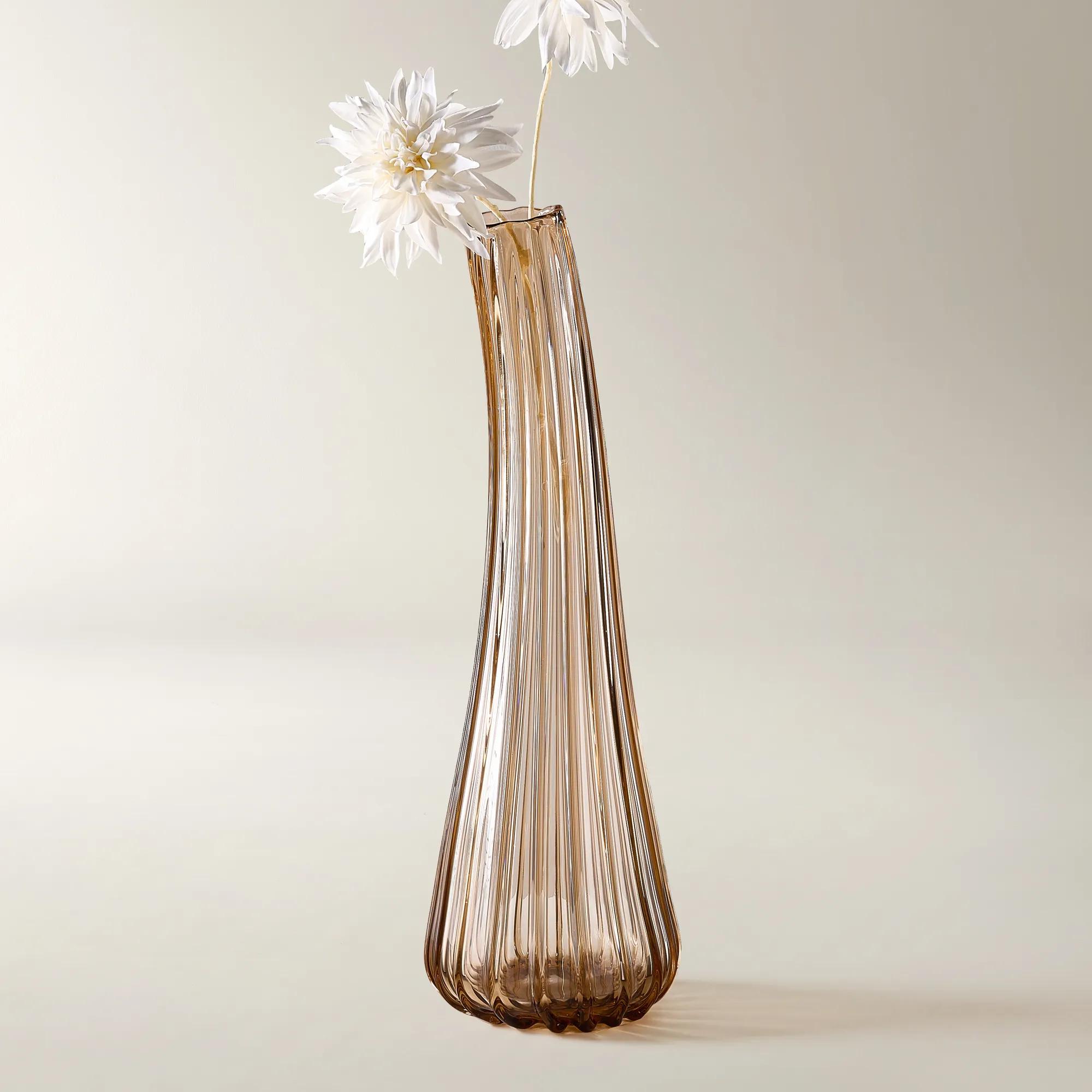
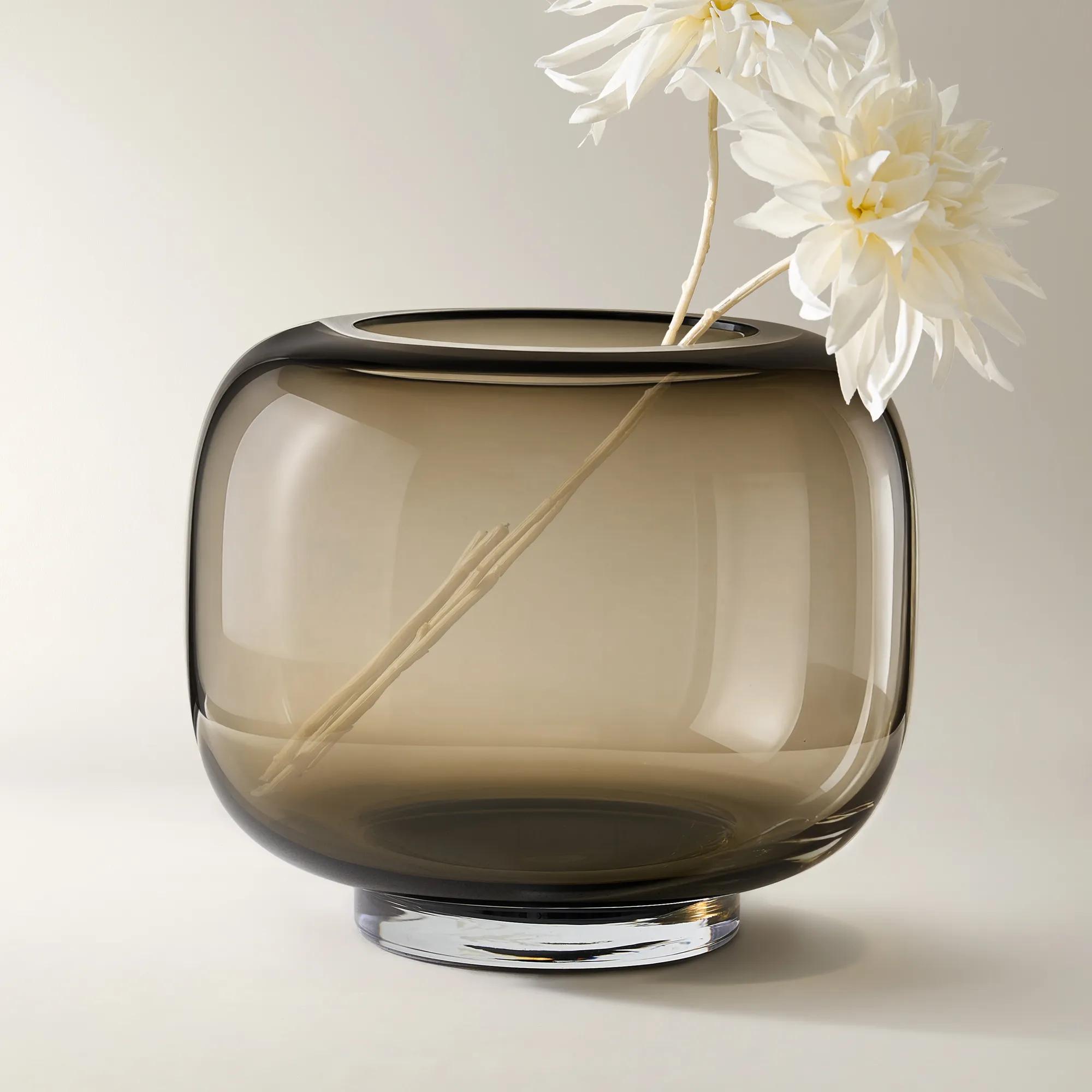
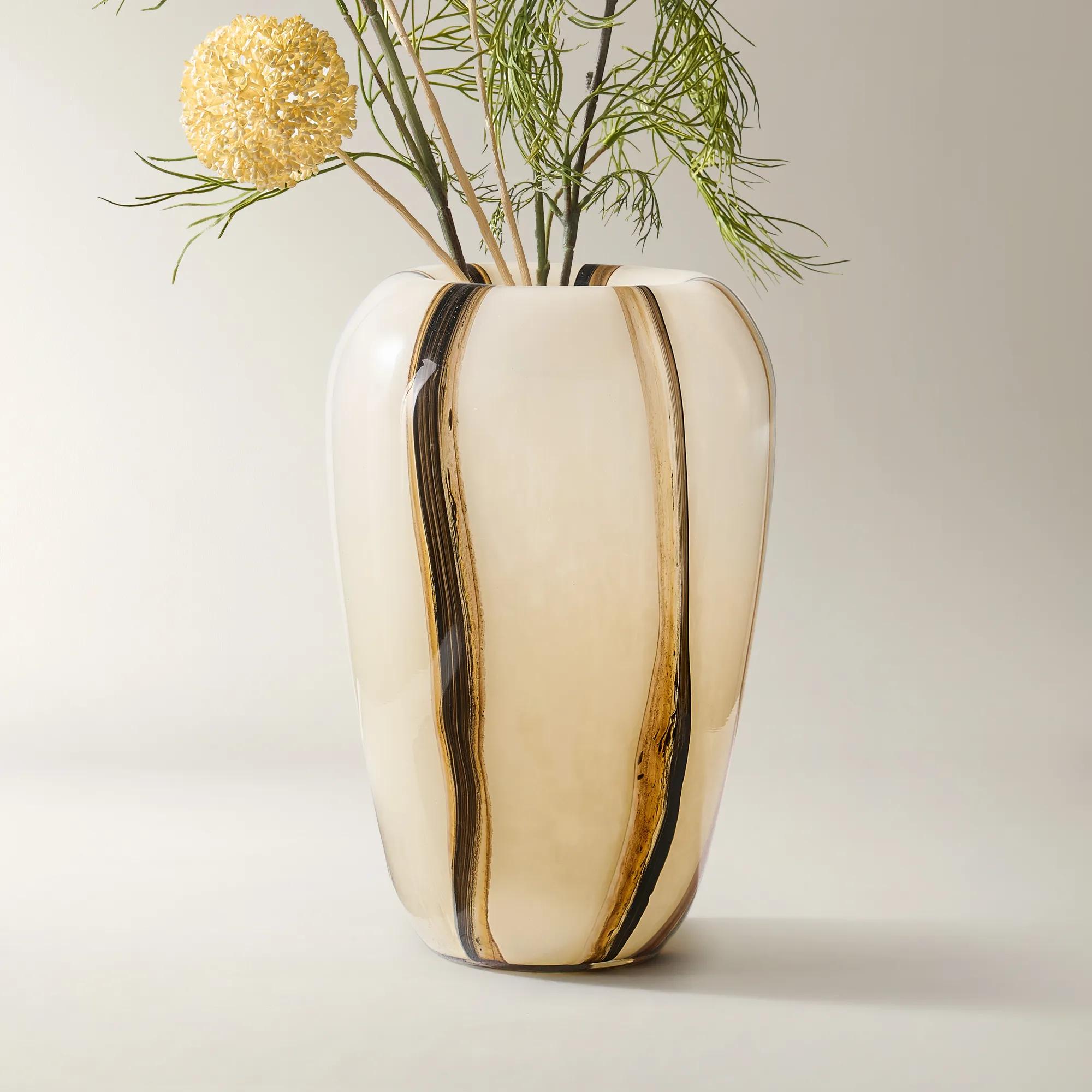
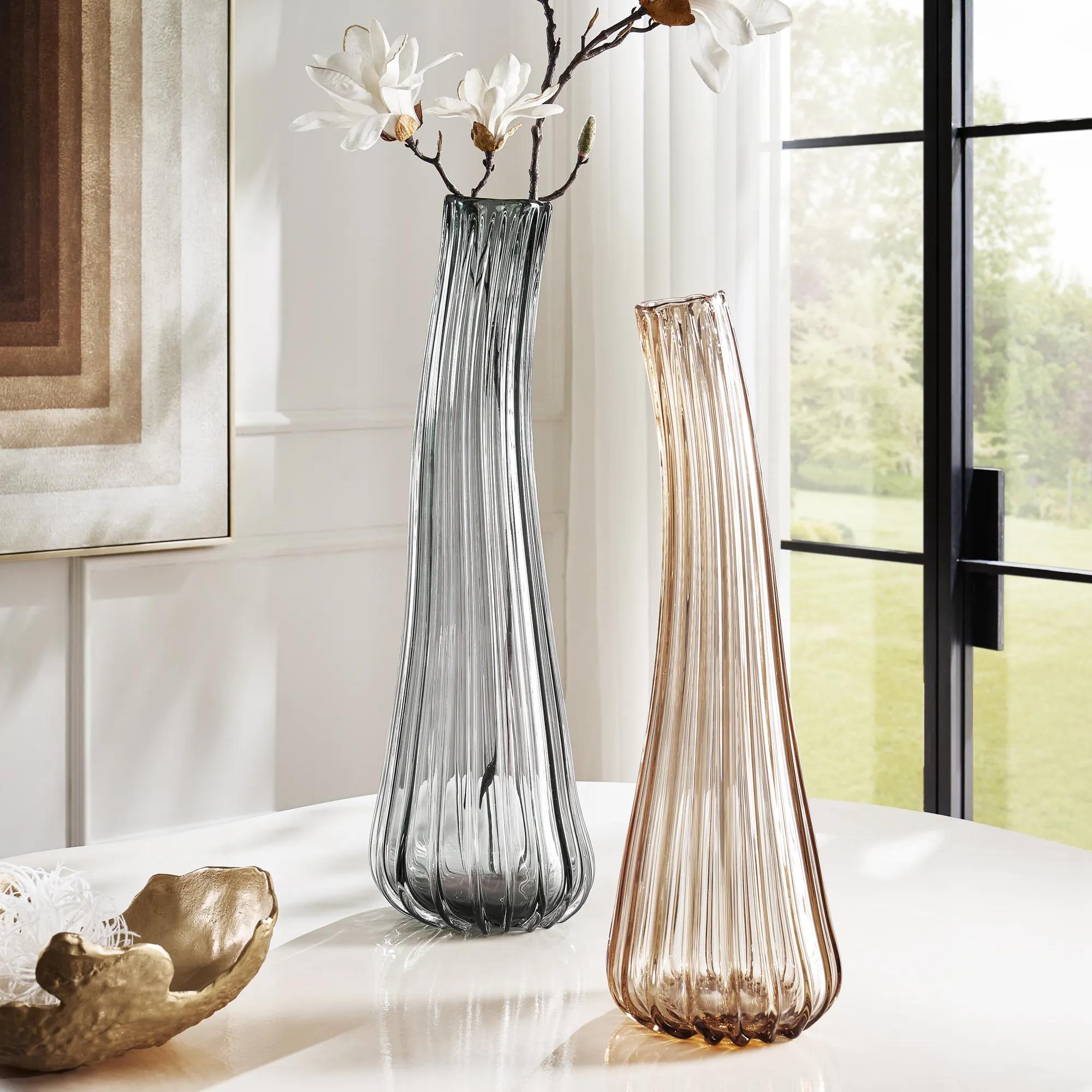 Tango Mouth Blown Soft Amber Vase 24.75"$179
A handblown glass vase in a soft amber finish with a textured, sculptural centerpiece design.
Add To Cart -
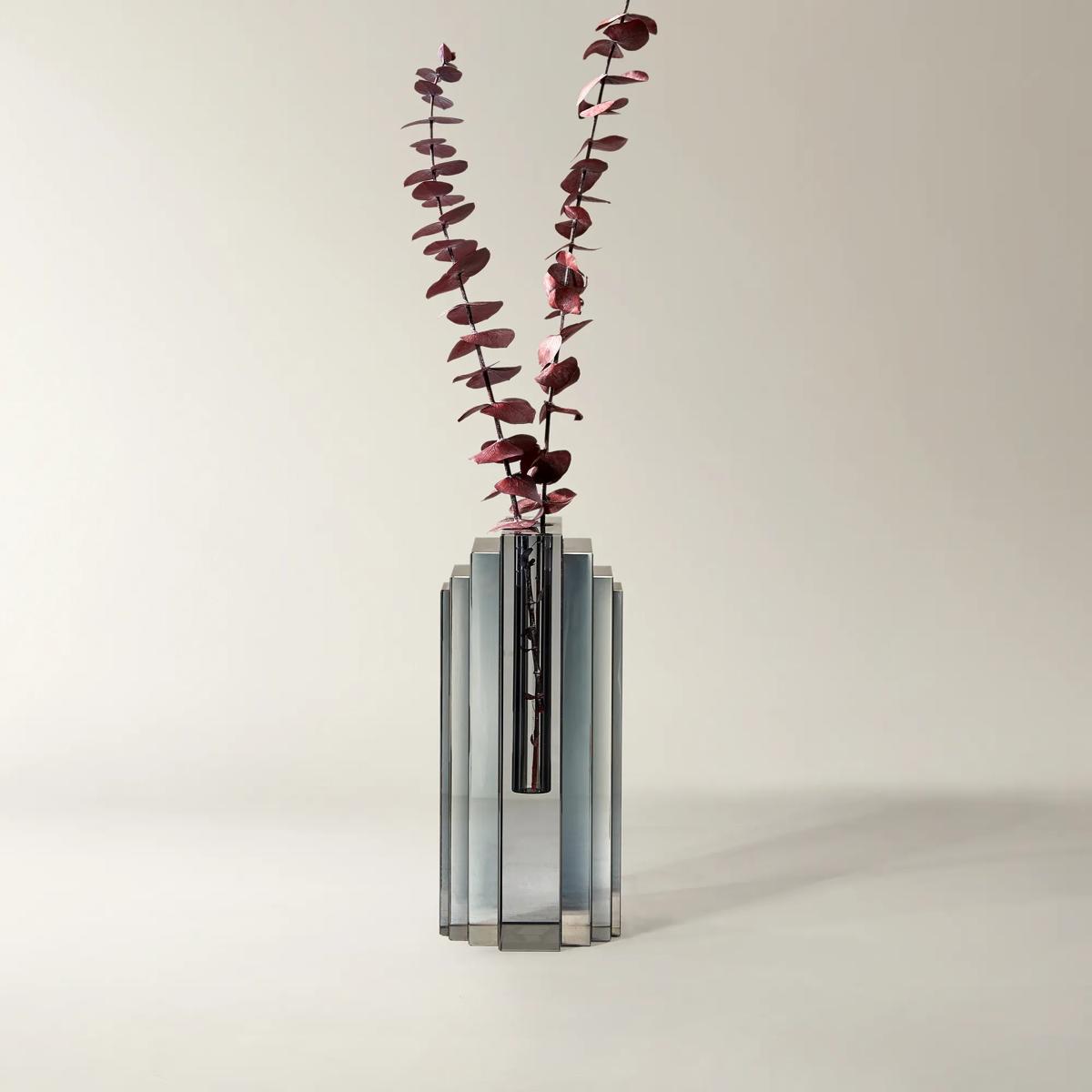 Lucca Crystal Vase - Mirrored Graphite$109
A mirrored graphite crystal vase with a multifaceted geometric design that reflects light for sculptural brilliance.
Add To Cart -
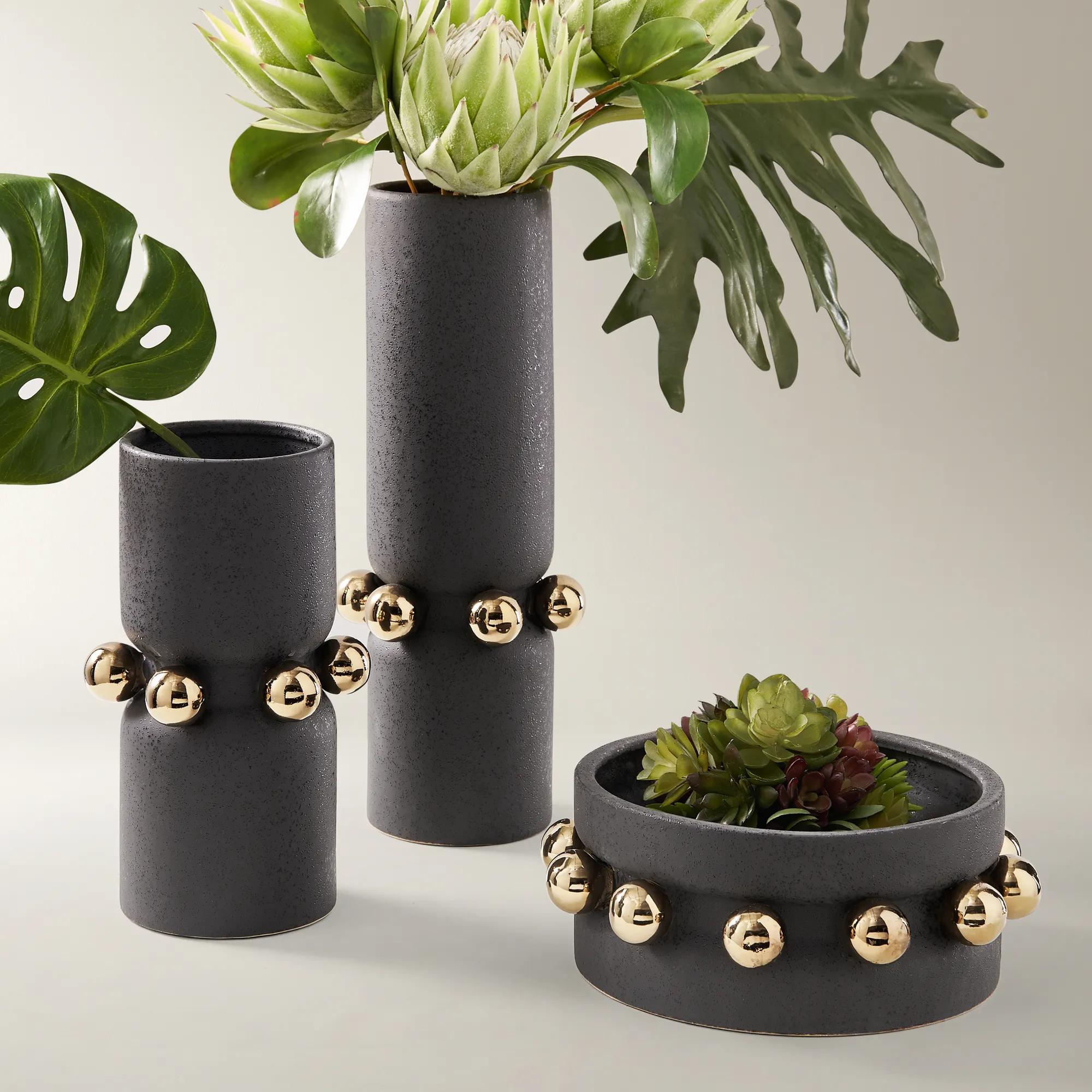
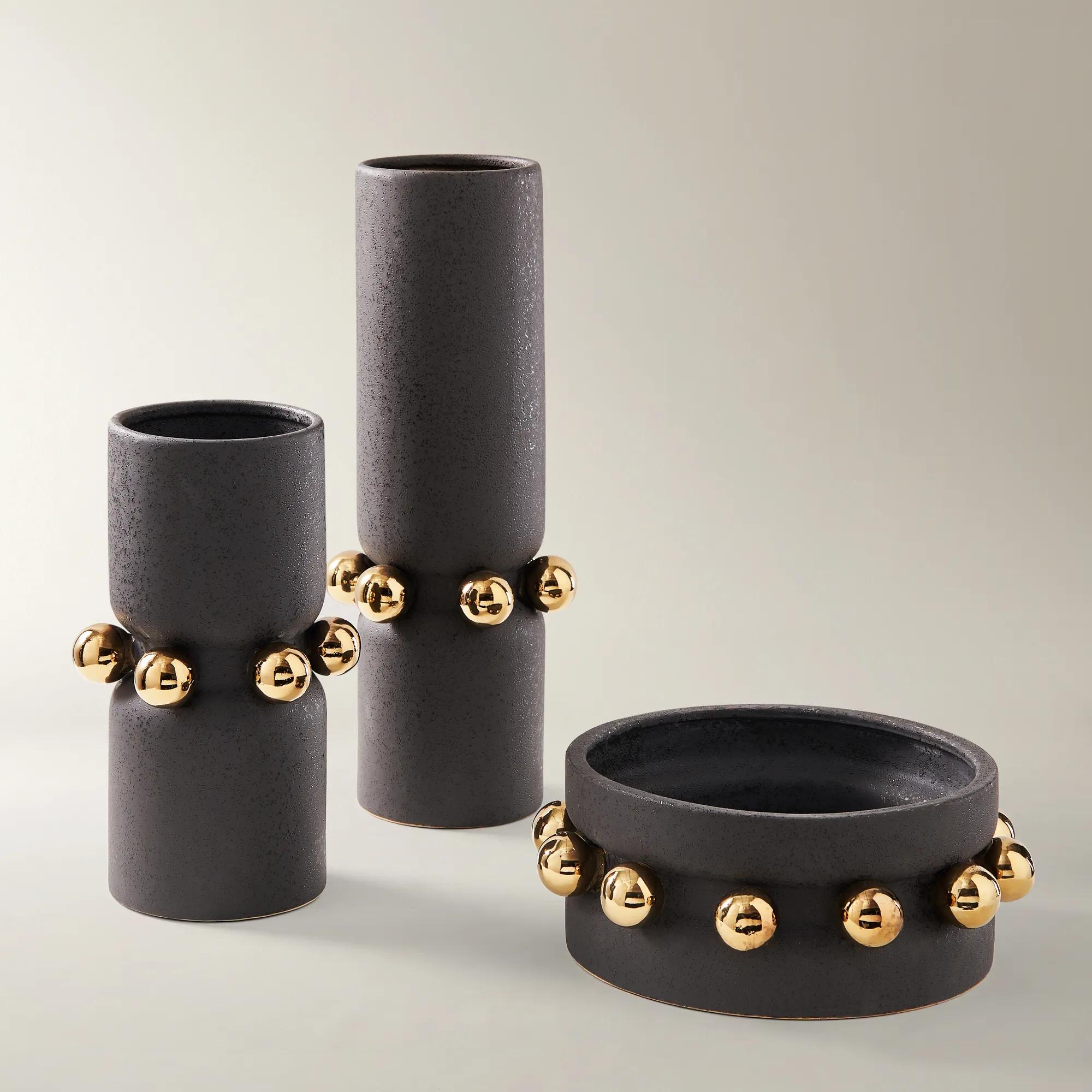 Zerra Vase$99
A ceramic vase featuring a striking matte black and shimmering gold contrast for bold, glamorous decor.
Add To Cart -
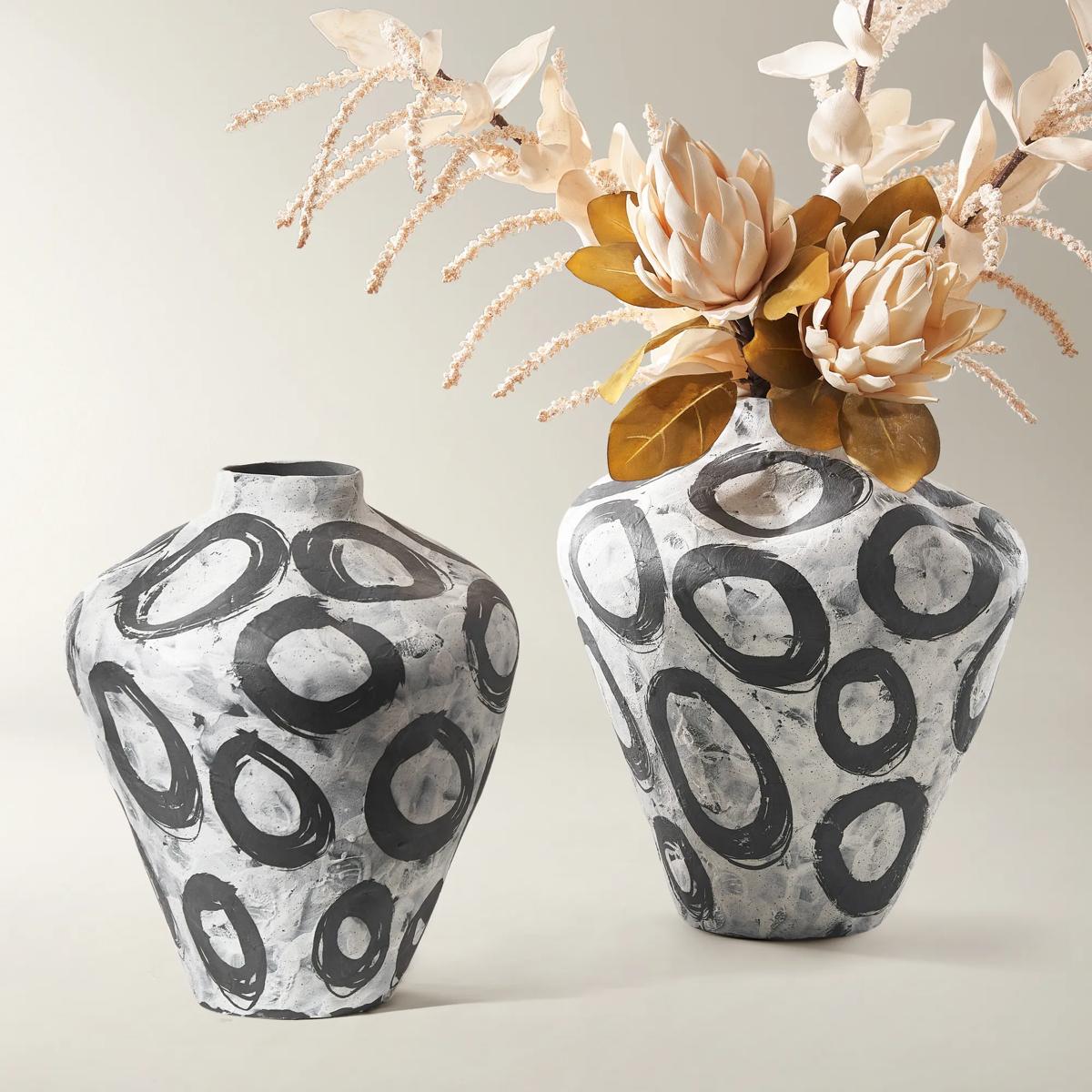
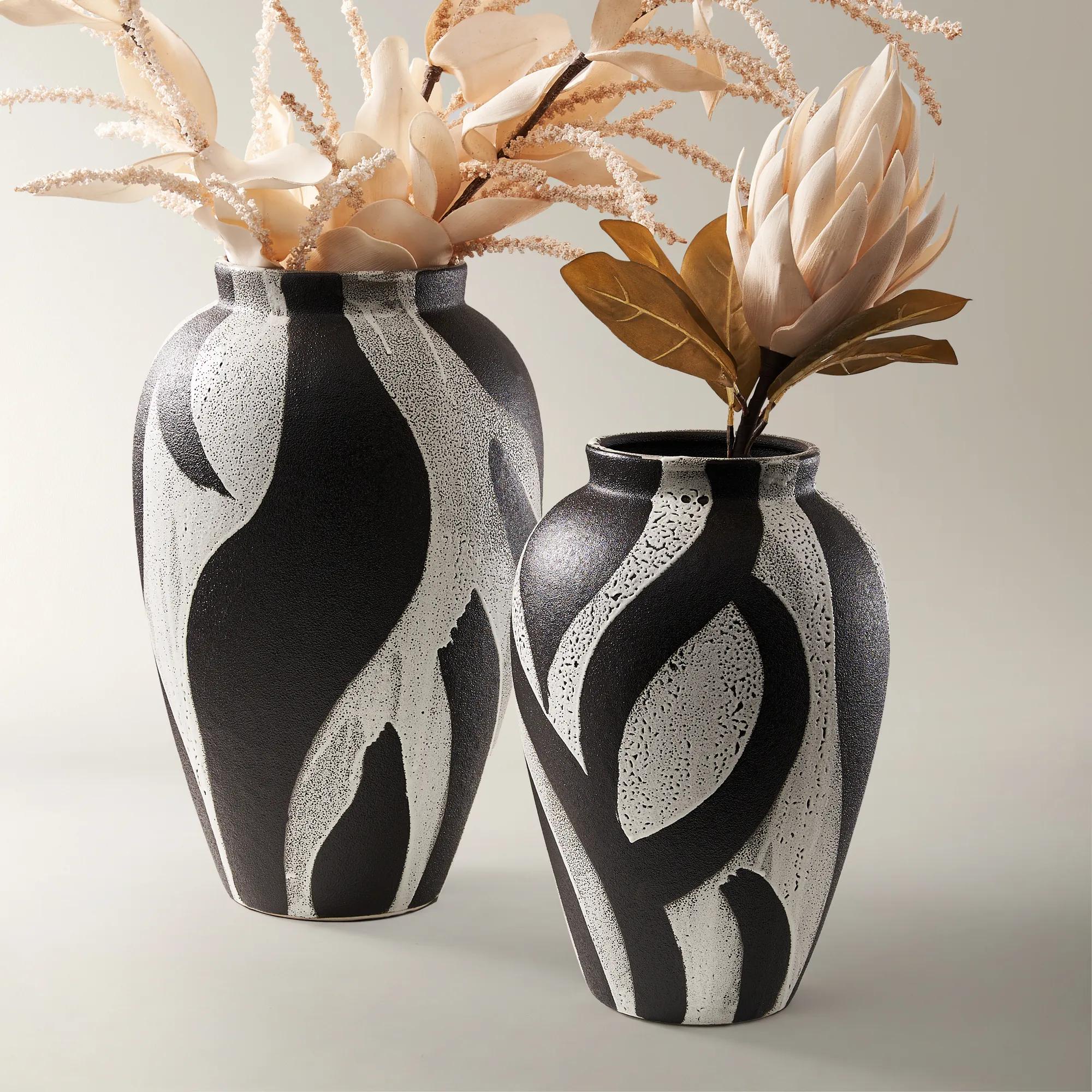
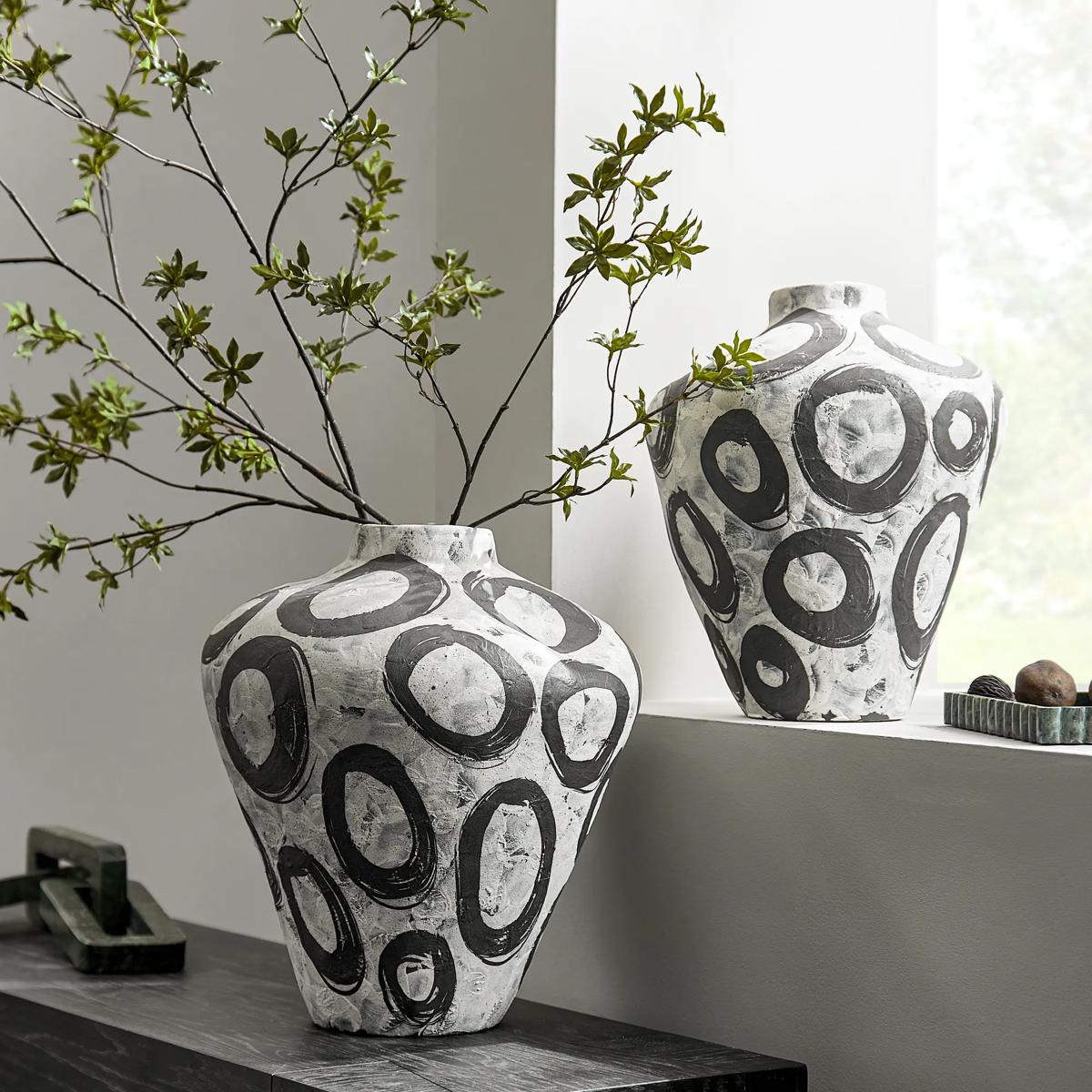 Stone Porcelain Vase$239
A sculptural porcelain vase featuring hand-painted black and white circular brushwork with a matte stone-like texture.
Add To Cart

Modern Sculptural Decorative Vases
Modern sculptural decorative vases are more than vessels—they are objets d’art, designed to captivate from every angle. Each piece transforms your space into a gallery, inviting admiration with daring silhouettes and expressive forms. Whether poised on a gleaming console or anchoring a dramatic tablescape, these vases infuse every corner with a sense of curated luxury and artistic intrigue. Elevate your décor with accents that blur the line between function and fine art, turning ordinary moments into extraordinary statements.
Modern sculptural decorative vases are ornamental vessels defined by expressive shapes, dimensional surfaces, and a presence that holds attention with or without flowers. They bring the visual interest of sculpture to a console, dining table, bookshelf, or open corner, turning an everyday surface into a considered composition. Unlike a vase chosen primarily to contain a bouquet, a sculptural vase gives its silhouette equal importance: an exaggerated curve, an offset opening, or a pierced form can be the entire attraction. Organic contours soften the geometry of contemporary furniture, while angular profiles introduce a sharper, architectural rhythm. Abstract decorative vases with open centers are especially compelling against an uncluttered backdrop, where the space within the form becomes part of the design. Material and finish shape that effect as much as outline. Ceramic and stoneware can offer substantial profiles, tactile ridges, and surfaces ranging from softly matte to richly glazed. Glass brings a different kind of drama, catching daylight along a rounded shoulder or revealing the elegant line of a submerged stem when the vessel is suitable for water. Metal adds crisp definition and, depending on its finish, anything from a muted gleam to a highly reflective accent. Stone and stone-composite designs can contribute visual weight and subtle variation, though their composition, weight, and care requirements differ. A chalky ivory finish reads quietly sculptural beside dark wood; a glossy black surface gives the same curved shape a more theatrical character. Fluting, ripples, and deeply incised textures create changing patterns of light and shadow throughout the day. Smooth forms feel particularly deliberate when set against nubby upholstery or a richly textured wall. These distinctions make modern decorative vases appealing to anyone who values objects for their artistic character as well as their purpose. A vessel does not need an elaborate arrangement to feel complete. Sometimes a generous contour, an arresting finish, and enough breathing room reveal more than a full bouquet could.
Scale determines how that artistry translates into a room. Tabletop sculptural vases offer an intimate focal point, with details that reward a closer look from a sofa or dining chair. A low, broad vessel can anchor a coffee table without interrupting conversation, while a slender profile gives a narrow entry console height without consuming its entire surface. The relevant measurements include the widest point of the body, the footprint of the base, the total height, and the opening—not simply whether a piece is described as small or large. A sweeping handle or asymmetrical shoulder may extend beyond the base, making surrounding clearance important on a shallow shelf. Inside a bookcase, a vase with a distinctive outline benefits from space above and beside it; tightly packed objects can obscure the very shape that makes it compelling. Oversized floor vases create a more expansive gesture, lending definition to a generous landing or the space beside a substantial cabinet. Their proportions should complement nearby furniture without restricting a walkway, door swing, or access to a drawer. A stable base and placement away from busy household routes matter particularly in homes with children or pets. Arrangements can be equally expressive at a smaller scale. Three vessels of different heights can form a rhythmic grouping on a broad console, especially when a shared color or finish connects their contrasting shapes. A single dramatic vase, however, may be all a pedestal or compact side table needs. Against a mirror, sculptural contours gain another dimension through reflection; against patterned wallpaper, a simpler silhouette often remains more legible. For a related expression of form and decorative presence, Exclusive Sculptural Vases For Home brings the focus back to vessels with artistic character. Whether the surrounding room favors tailored upholstery, polished surfaces, or richly layered textiles, the strongest composition gives each object a clear role. A rounded vase might soften a rectilinear mantel, while a tall, fluted form can echo the vertical lines of drapery without making the space feel overly coordinated.
Intended use deserves the same attention as appearance, especially when a decorative vase will hold botanicals. Not every sculptural vessel is watertight, and a glazed exterior alone does not establish that it is suitable for fresh flowers. Product specifications and care information should confirm whether a vase can hold water, requires a liner, or is intended only for dry arrangements and decorative display. A narrow neck can support a few carefully chosen stems, while a wider opening allows a fuller composition but may need an appropriate floral support. Openwork forms and unusual interior shapes may be most striking empty or paired with faux stems that suit their construction. A single branch can emphasize an asymmetrical neck; an airy spray of dried foliage lets a deeply textured surface remain visible. During the cooler months, bare branches and preserved botanicals introduce natural movement without competing with a room’s richer layers. Tall arrangements need a vessel with adequate stability, since height and weight above the rim can make a small base easier to tip. Fresh flowers also call for access that makes water changes and interior cleaning practical. Care varies by material and finish, but gentle handling helps preserve both structure and surface. A soft cloth is often appropriate for routine dusting, while abrasive cleaners, stiff brushes, and prolonged soaking may damage delicate coatings or decorative details. Manufacturer instructions should take precedence, particularly for metallic finishes, porous materials, and textured surfaces that can retain moisture. Ceramic and glass can chip or break under impact, and metal finishes may scratch or react to moisture; substantial weight should not be mistaken for resistance to damage. Lifting a vessel by its body rather than an ornamental handle or narrow neck reduces strain on vulnerable details. Surface protection is also worth considering beneath heavy or rough-bottomed vessels, especially on polished wood. For gifting, sculptural vases suit housewarmings, weddings, and hosts with a discerning eye for interiors. A moderately scaled form in a versatile finish gives the recipient room to interpret it personally, whether displayed alone or filled with favorite stems. Its lasting appeal lies in that freedom: an expressive object that can move from entryway to mantel and still feel intentional.
FAQs
Modern decorative vases serve as striking focal points, infusing spaces with sculptural artistry and expressive design. Their bold silhouettes, vibrant finishes, and unique textures can complement existing décor or introduce a dramatic new element, transforming everyday surfaces into curated vignettes that reflect your personal style.
Sculptural glass vases can be displayed as standalone art pieces on mantels, shelves, or console tables, where their shape and color catch the light and draw the eye. They also make dramatic groupings when paired with other vases of varying heights and materials, or can be filled with decorative objects like stones, branches, or seasonal ornaments for added visual intrigue.
A modern decorative vase makes a thoughtful gift for anyone who appreciates design, from newlyweds creating their first home to seasoned hosts who love to entertain. Art lovers, interior design enthusiasts, and those who enjoy refreshing their space with the changing seasons will especially value the versatility and artistry a sculptural vase brings.
Consider the scale and architecture of your space, as well as the mood you want to create. A large sculptural vase can anchor a room or make a bold statement in an entryway, while smaller vessels are perfect for layering on tabletops or shelves. Mixing sizes and shapes can add depth and dimension to your décor, ensuring a curated and dynamic look.
Absolutely. Modern decorative vases offer remarkable versatility and can bridge the gap between traditional and contemporary aesthetics. Their sculptural forms and luxe finishes complement classic interiors by adding a touch of modernity, while seamlessly enhancing the clean lines and bold statements found in contemporary spaces.