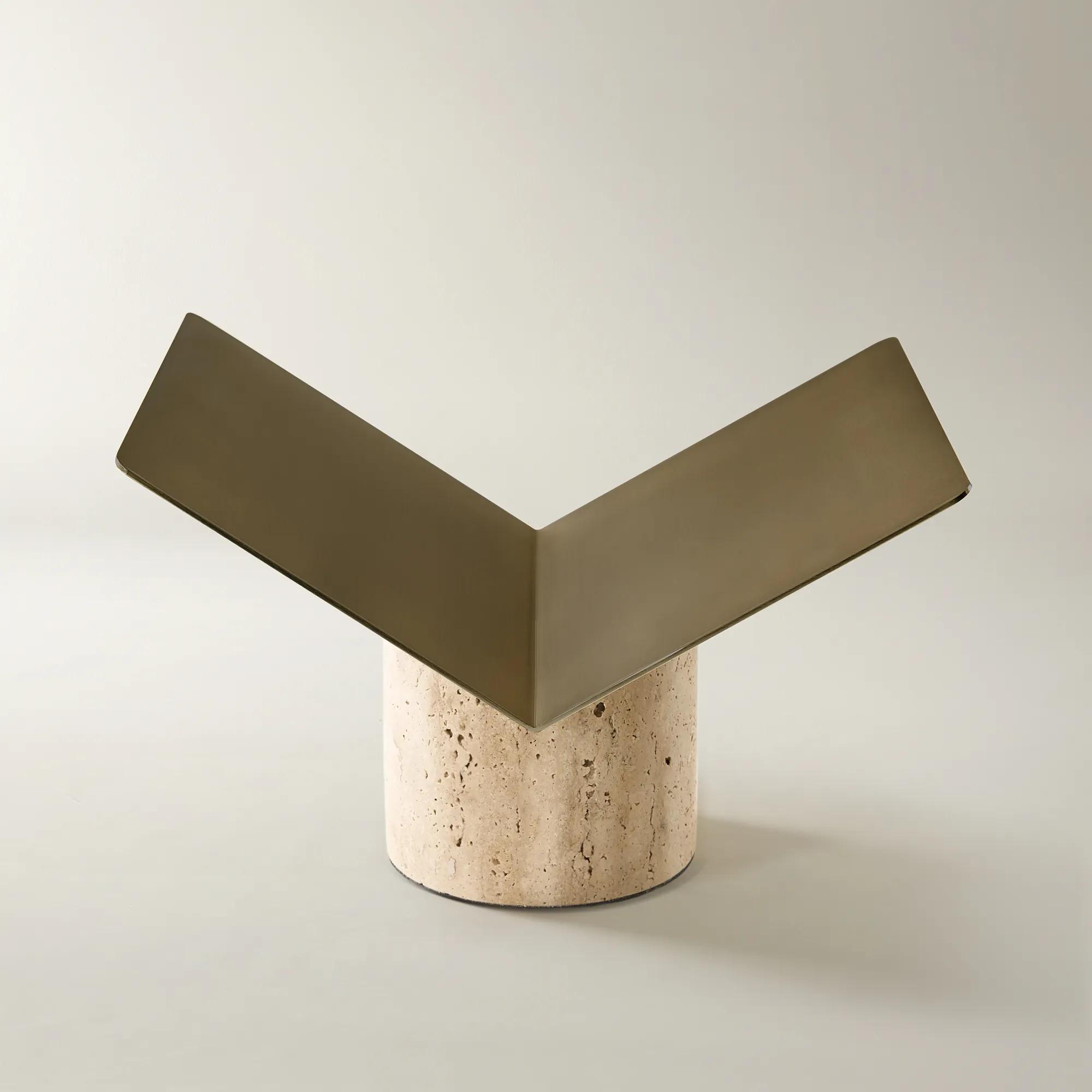
Modern Decorative Art Sculptures
Modern Decorative Art Sculptures
-
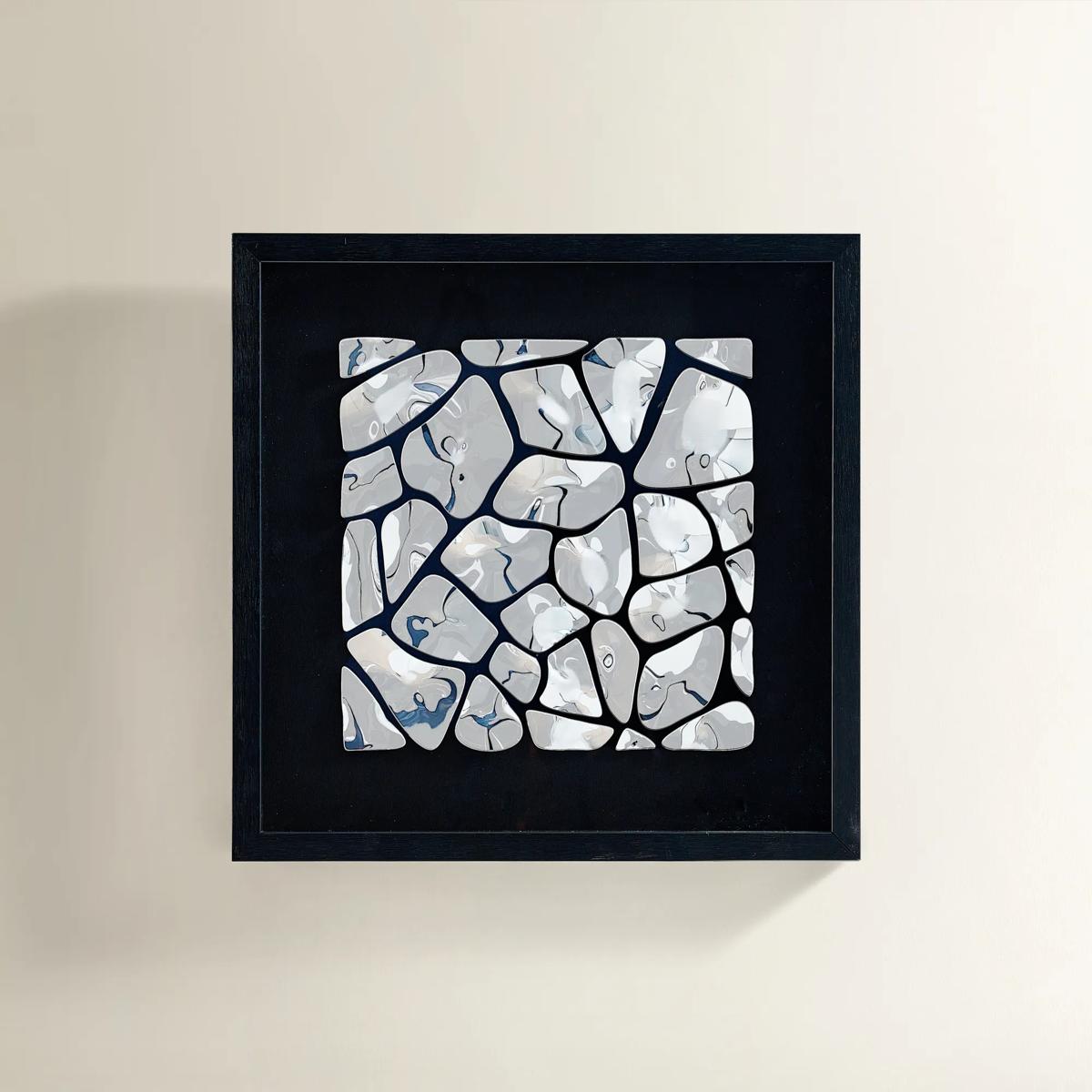 Reflect Silver And Black Shadowbox Art I$189
A dimensional metal wall art piece featuring polished silver and black forms in a sleek black frame.
Add To Cart -
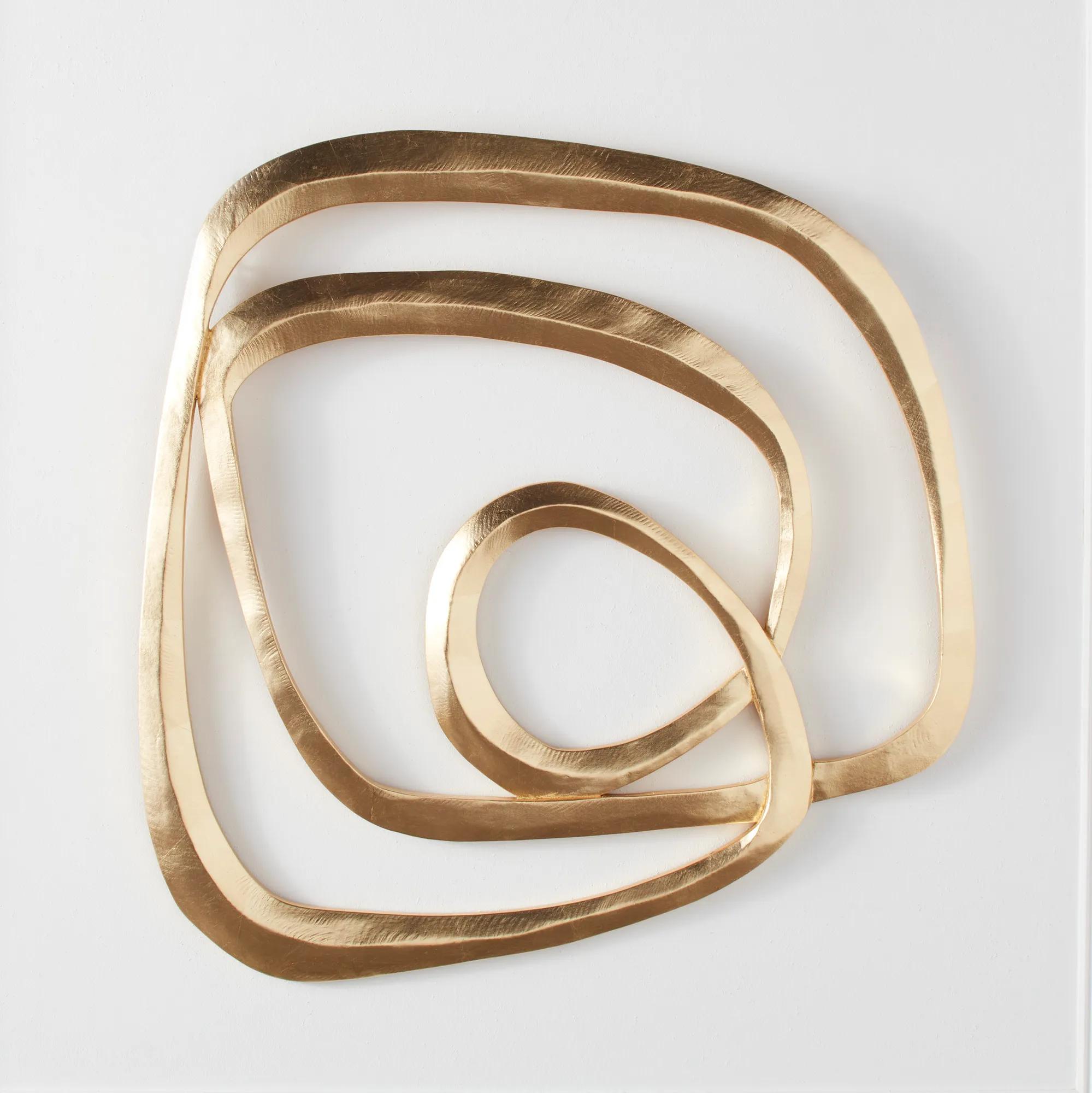 Infinity Gold Leaf Wood Wall Decor I 31.5" x 31.5"$299
A swirling wooden wall sculpture featuring a striking metallic gold finish for a bold decorative statement.
Add To Cart -
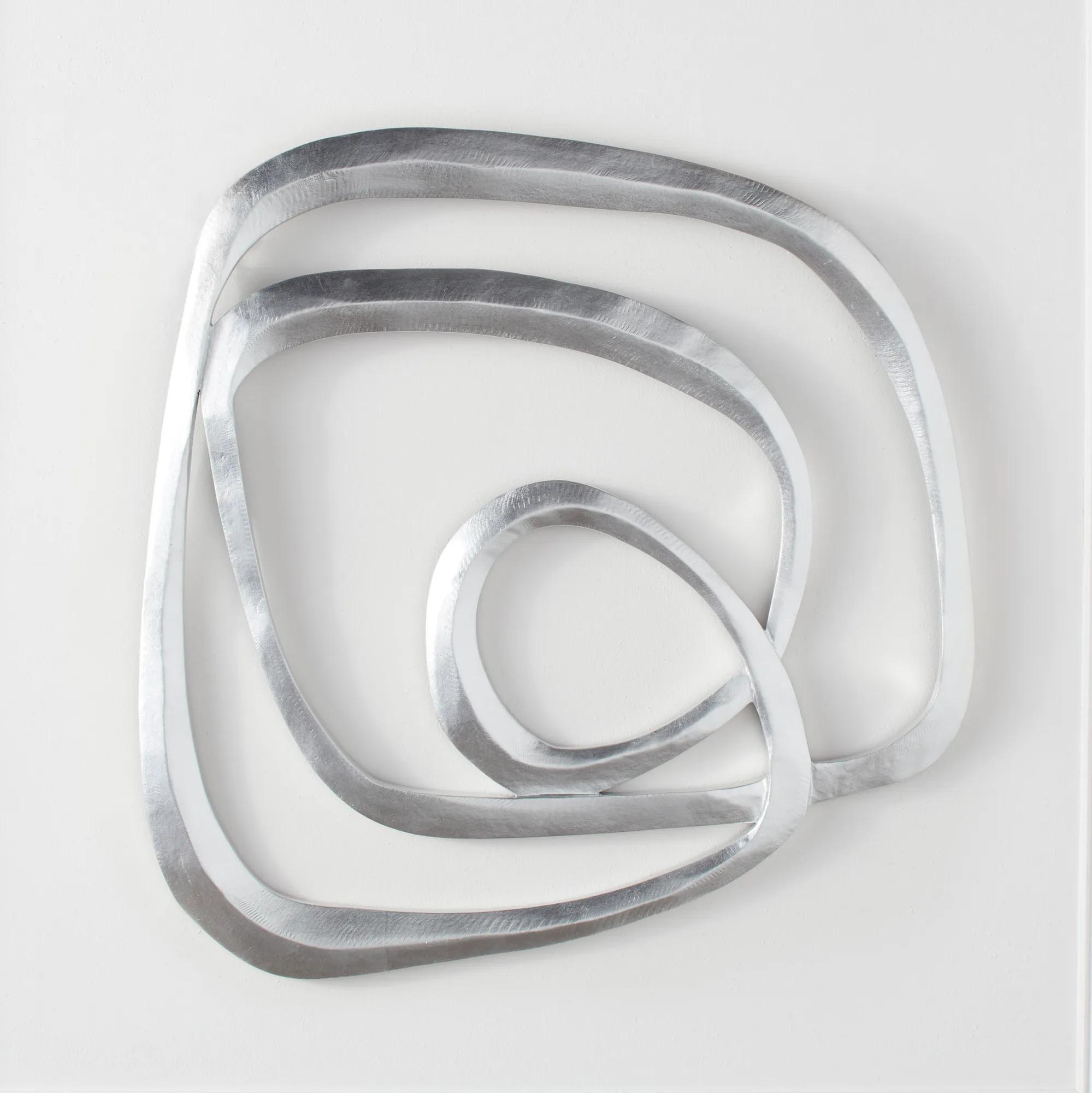 Infinity Silver Leaf Wood Wall Decor I 31.5" x 31.5"$299
A swirling wooden wall sculpture featuring a striking metallic silver finish for modern visual impact.
Add To Cart -
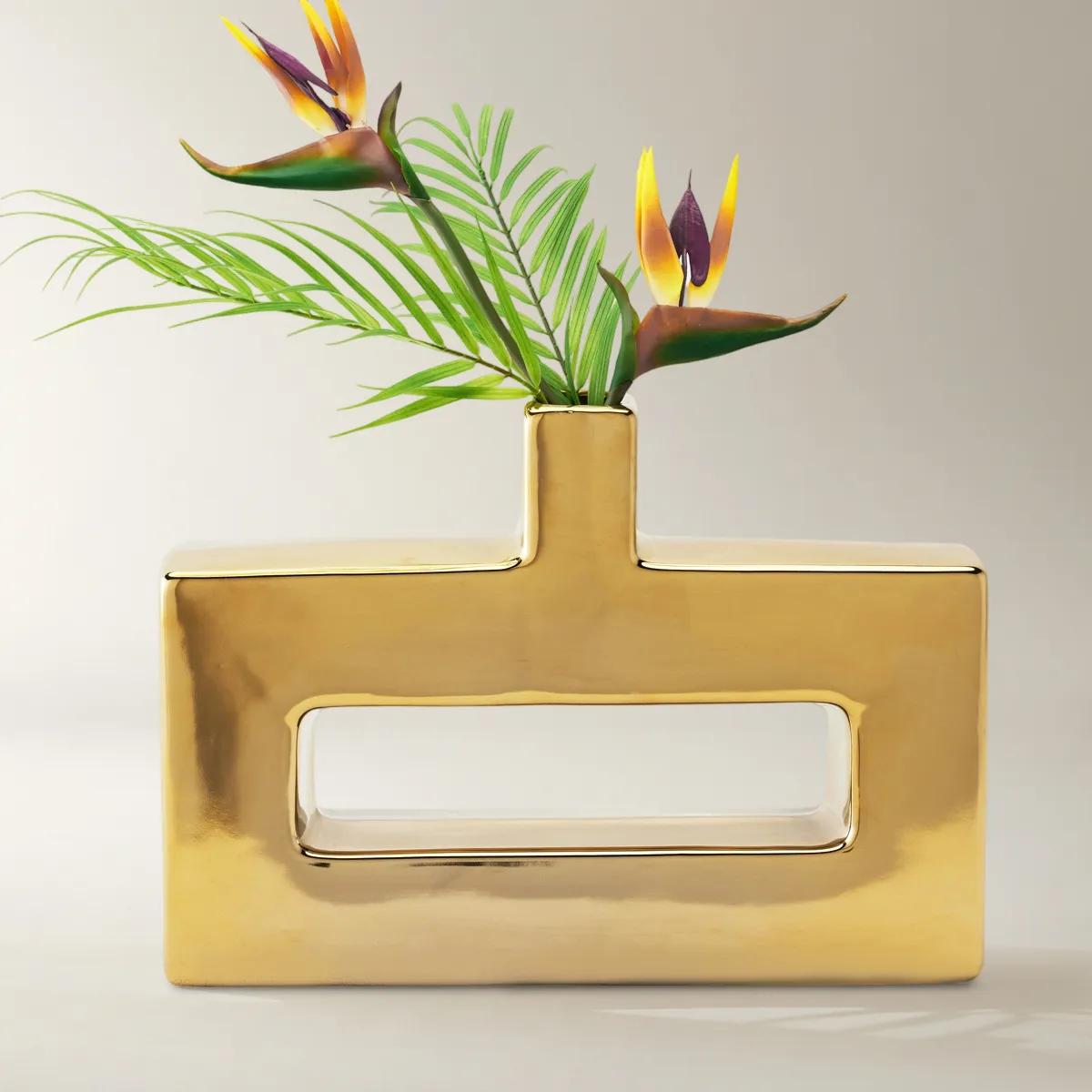 Miami Gold Ceramic High Gloss Vase 11.75"$69
A contemporary gold ceramic vase designed for decorative use as a sculptural accent or with foliage.
Add To Cart -
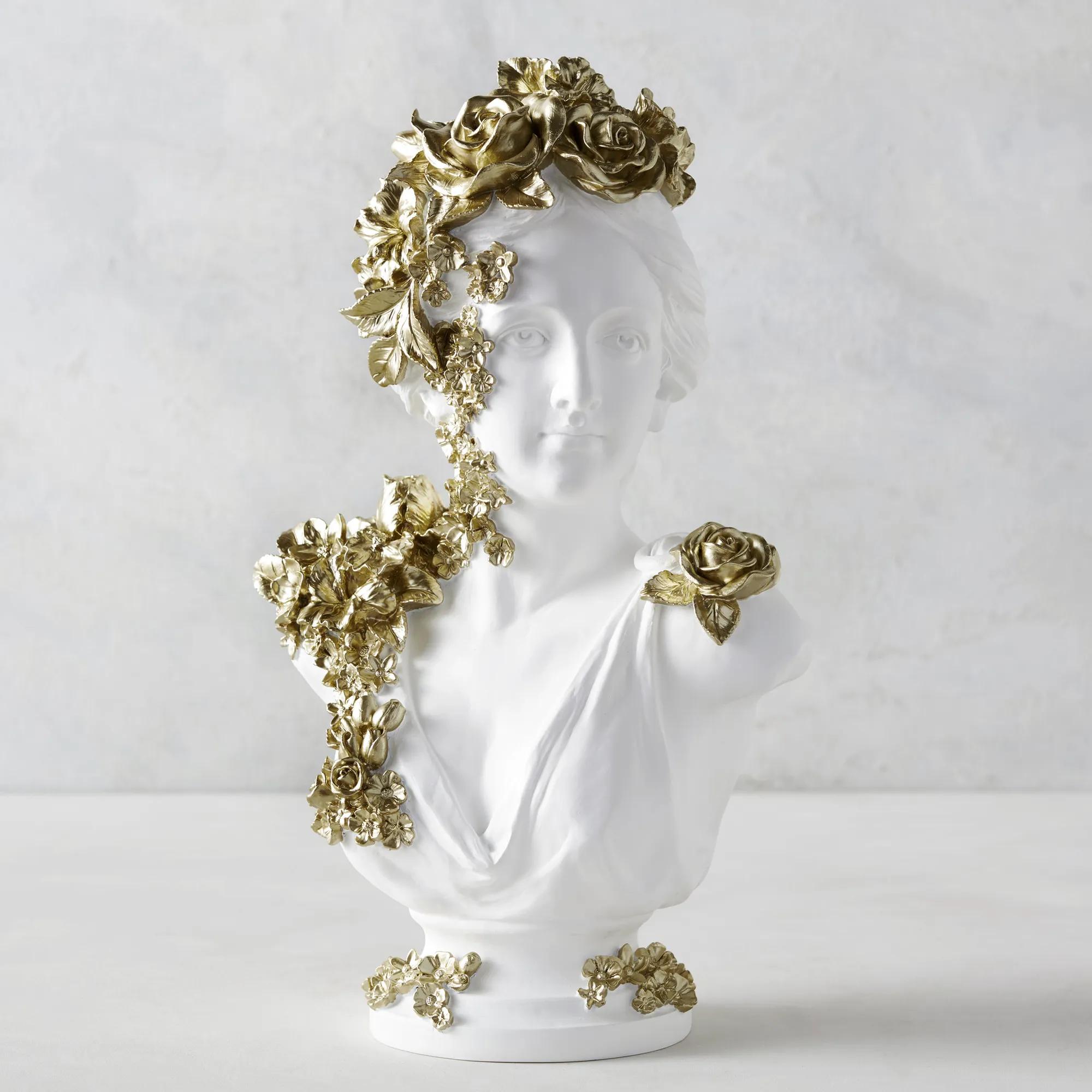 Gold Floral Bust Resin Decorative Object 16.5"$79
A striking resin bust adorned with intricate gold floral embellishments for a bold decorative accent.
Add To Cart -
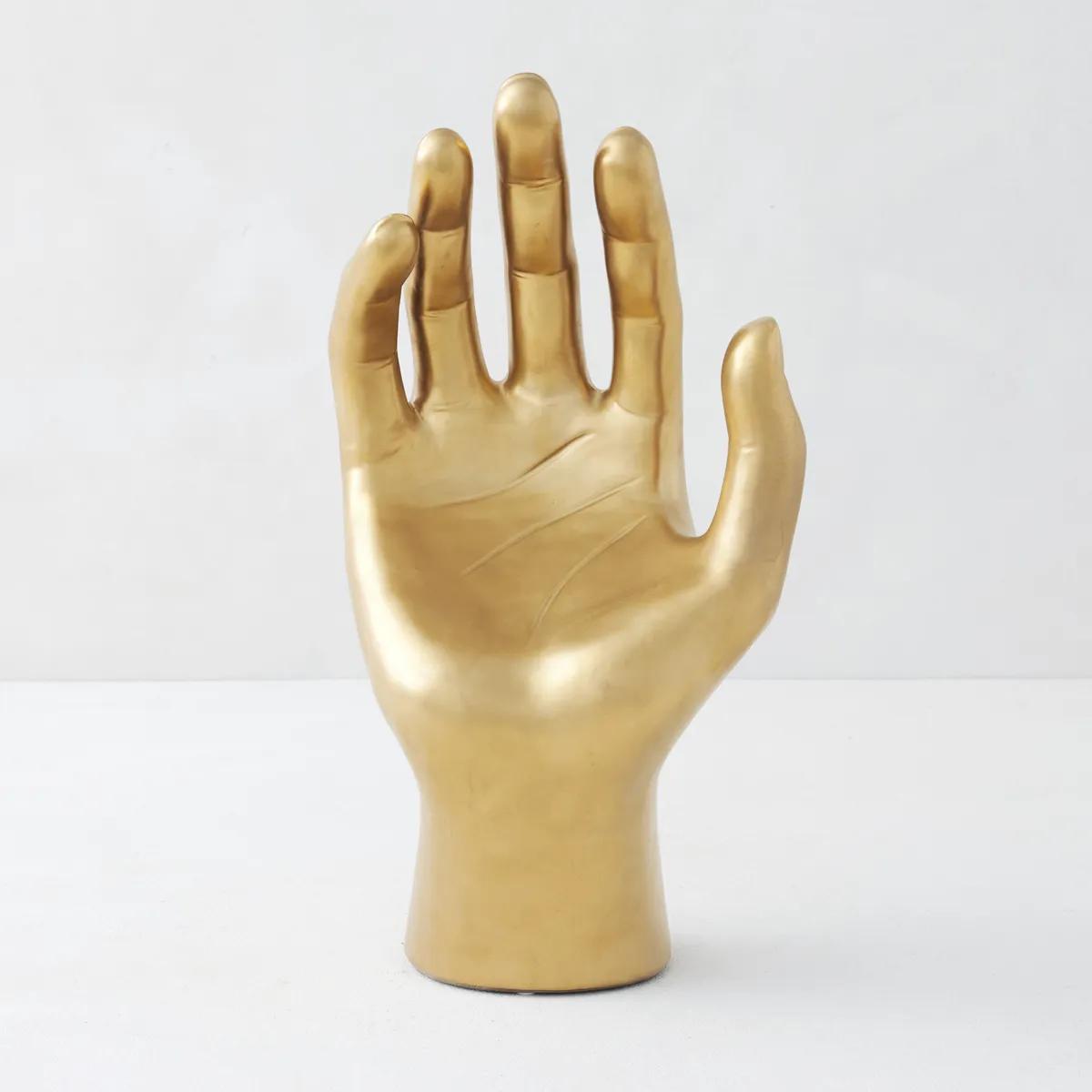
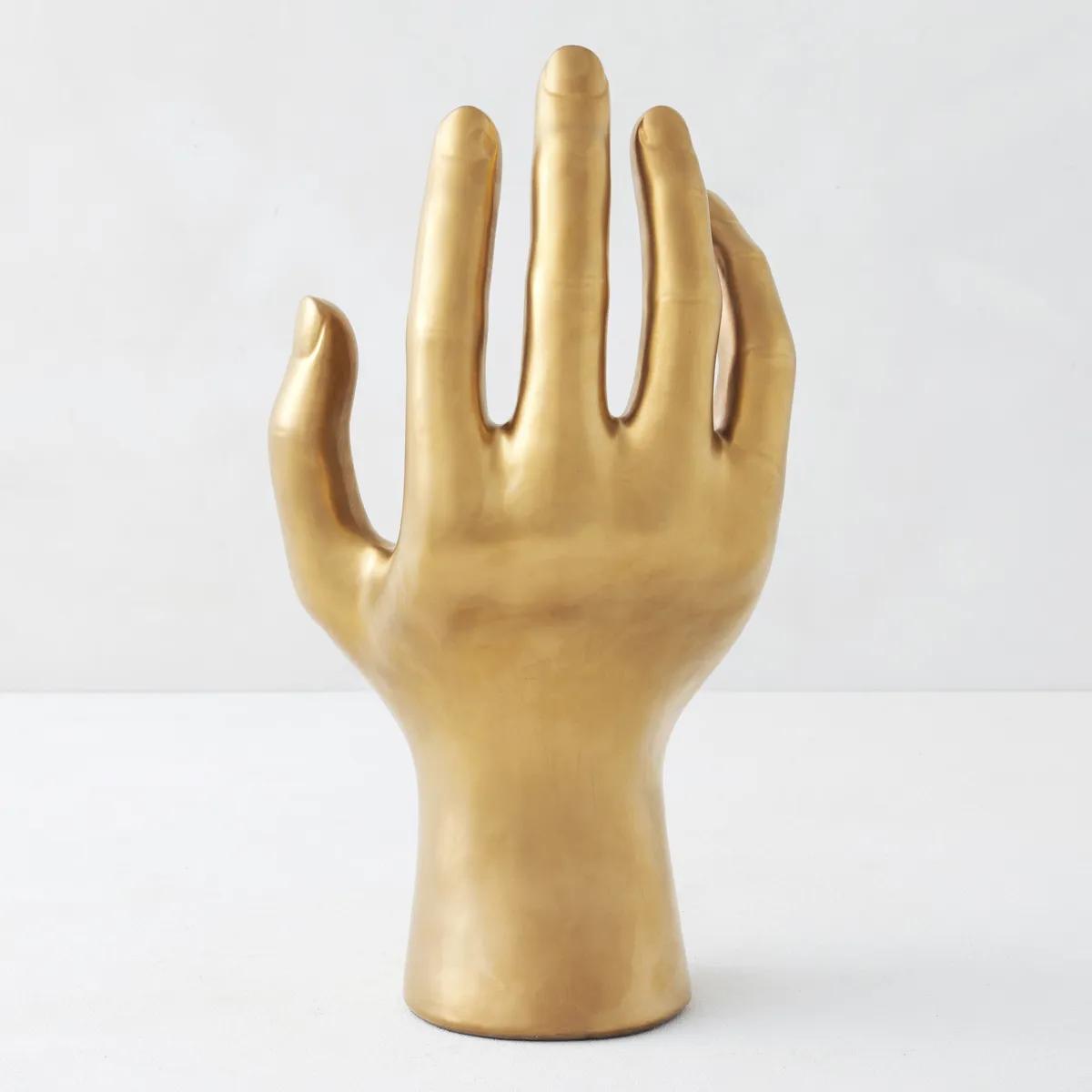 Ceramic Hand Metallic Gold Decorative Object 17.75"$69
A striking ceramic sculpture with a metallic gold finish, perfect for displaying jewelry or as decor.
Add To Cart -
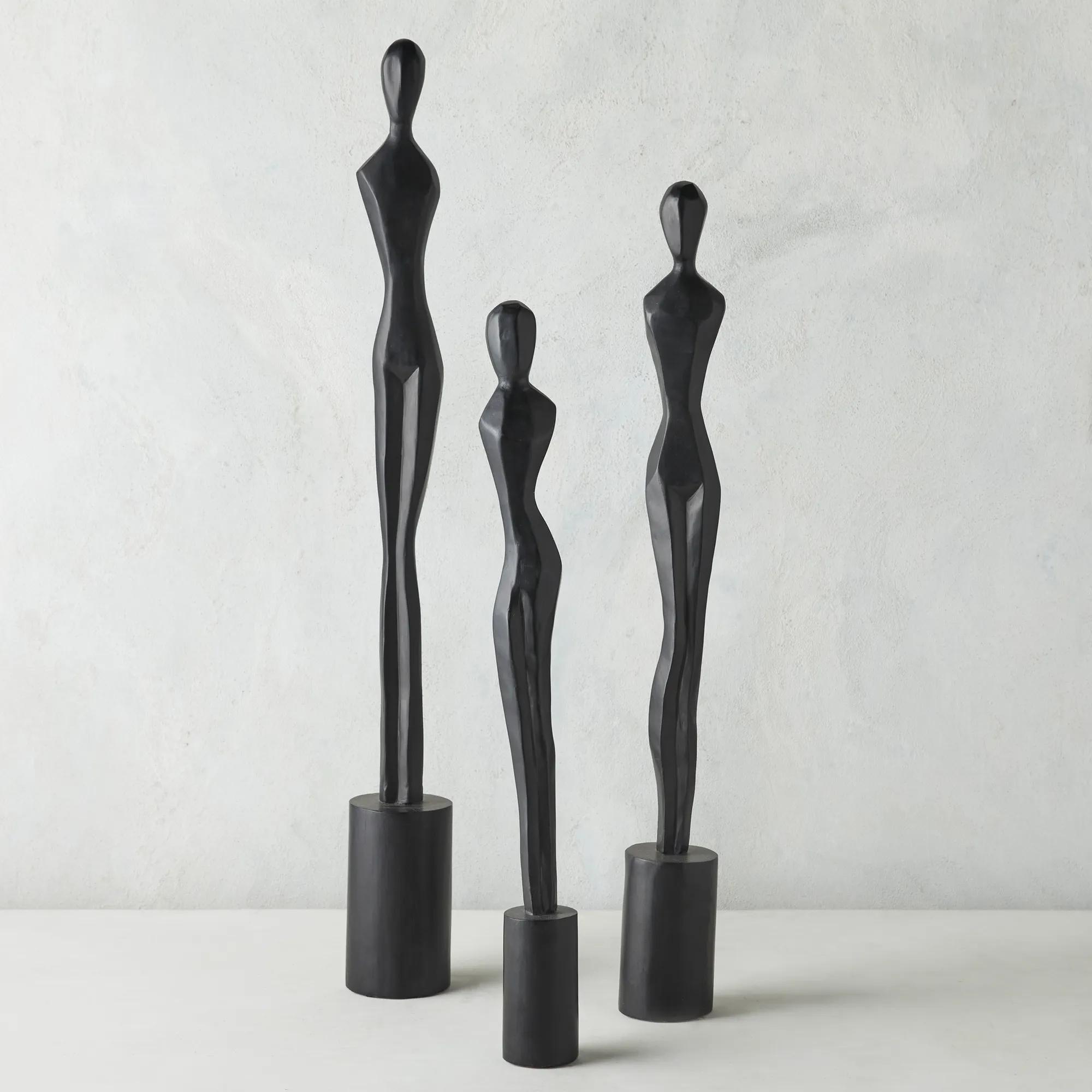
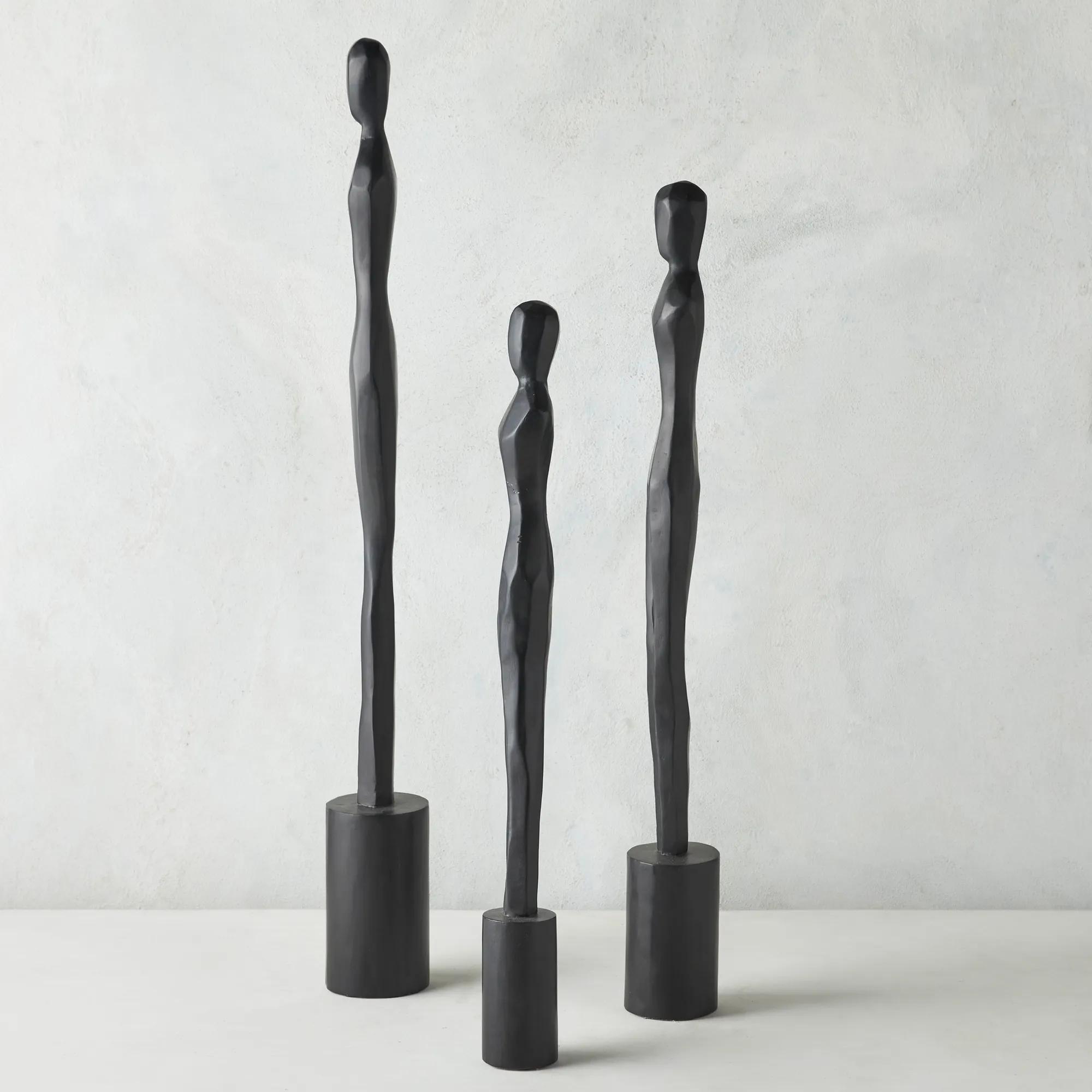 Nikki Chu Female Figure Black Wood Decorative Object Set of 3$129
A striking set of three black mango wood sculptures featuring graceful, elegant female silhouettes.
Add To Cart -
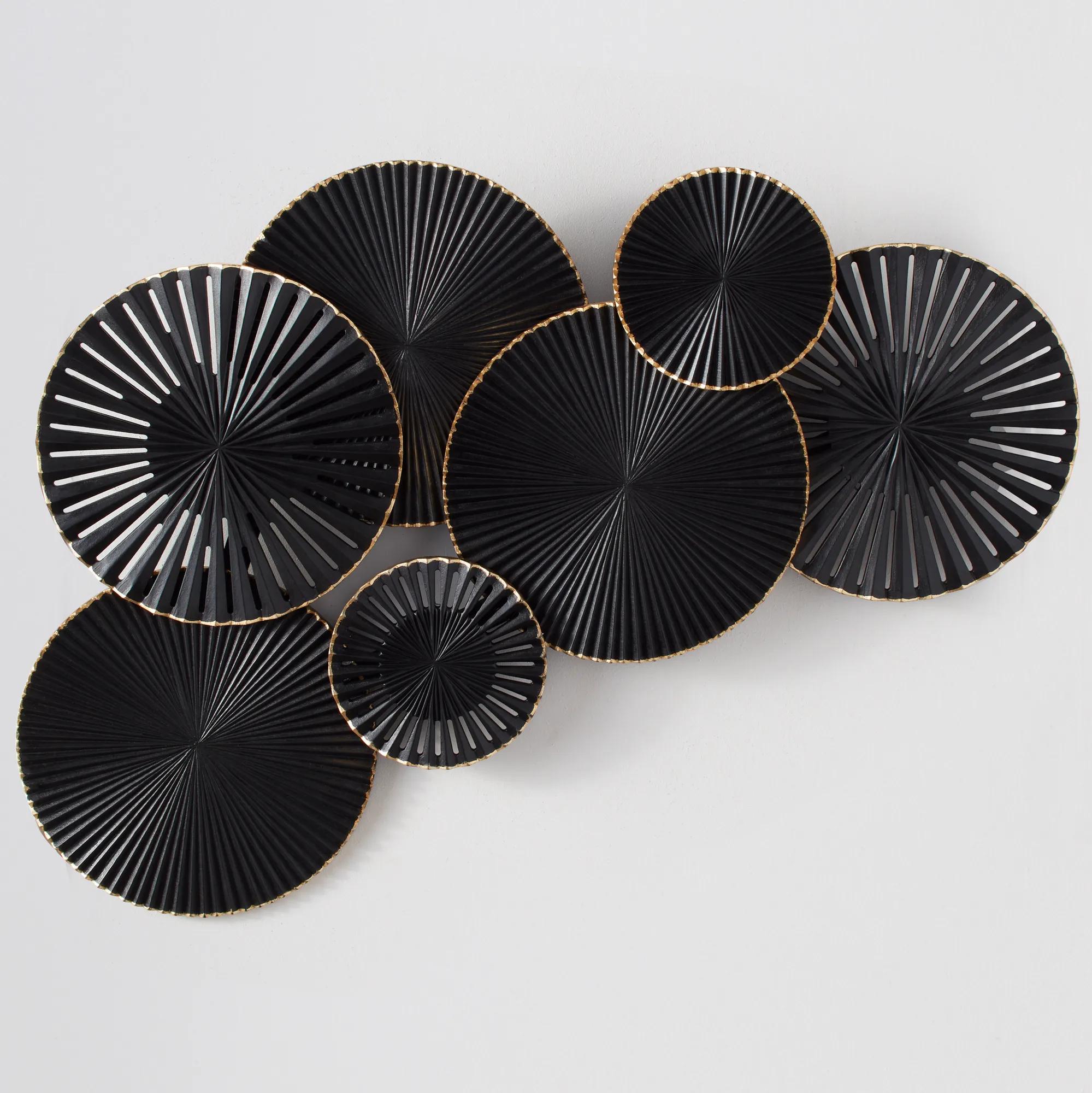
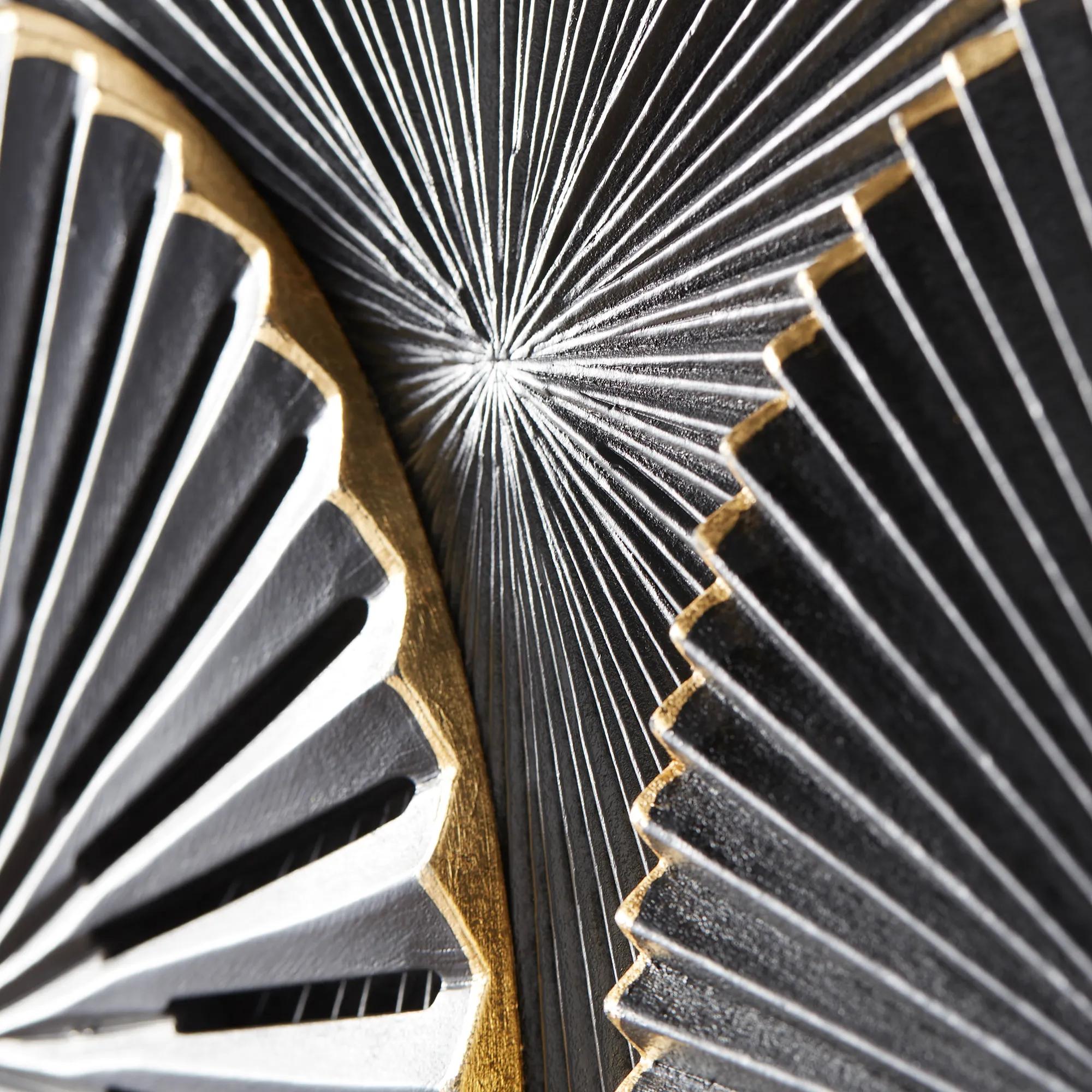 Circa Black Carved Wood Dimensional Wall Panel 47.25" x 27.5"$499
A carved wood wall art panel in black and gold that adds abstract intrigue to any room.
Add To Cart -
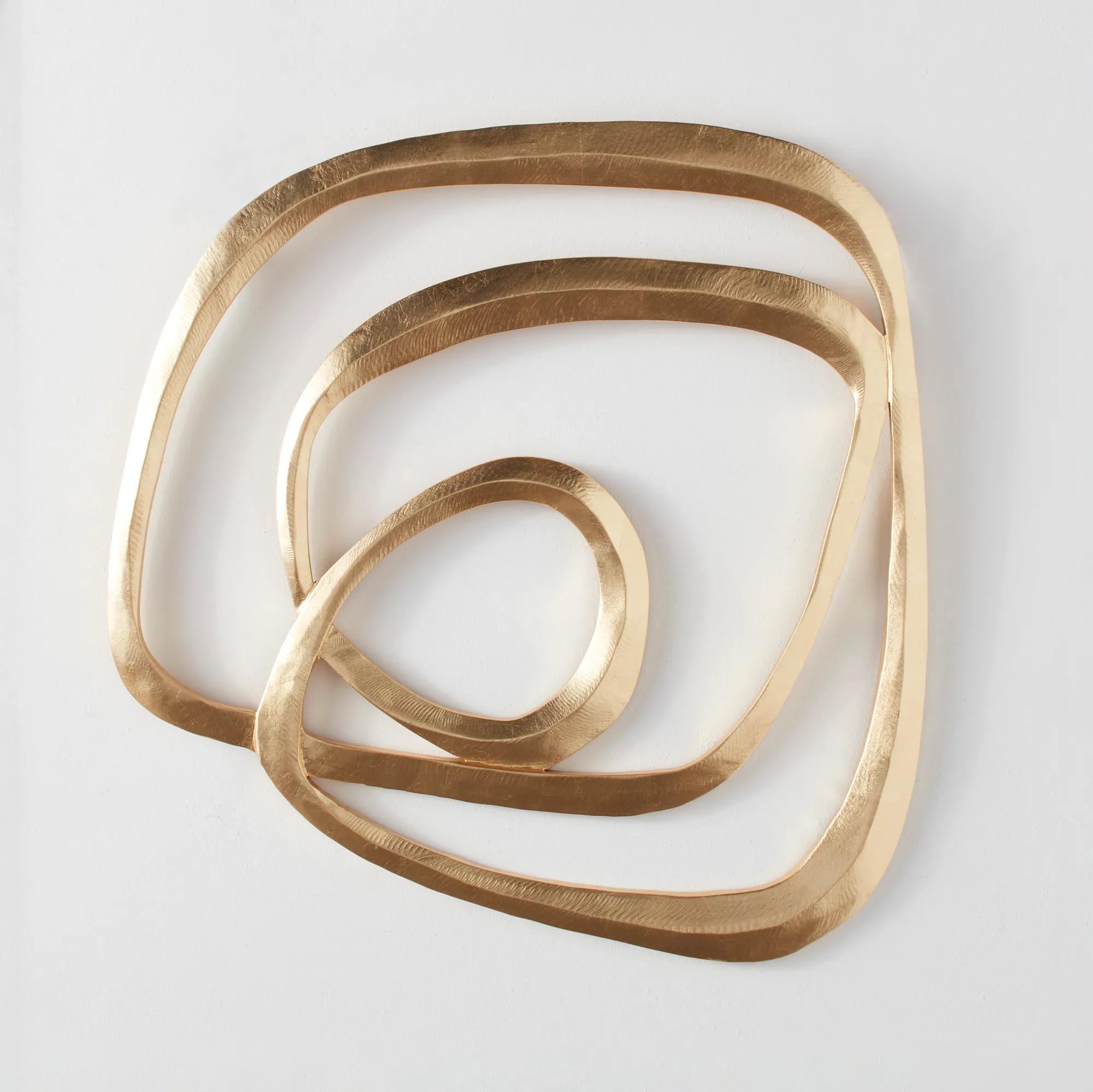 Infinity Gold Leaf Wood Wall Decor II 31.5" x 31.5"$299
A swirling wooden wall sculpture featuring a striking metallic gold finish for a modern statement.
Add To Cart -
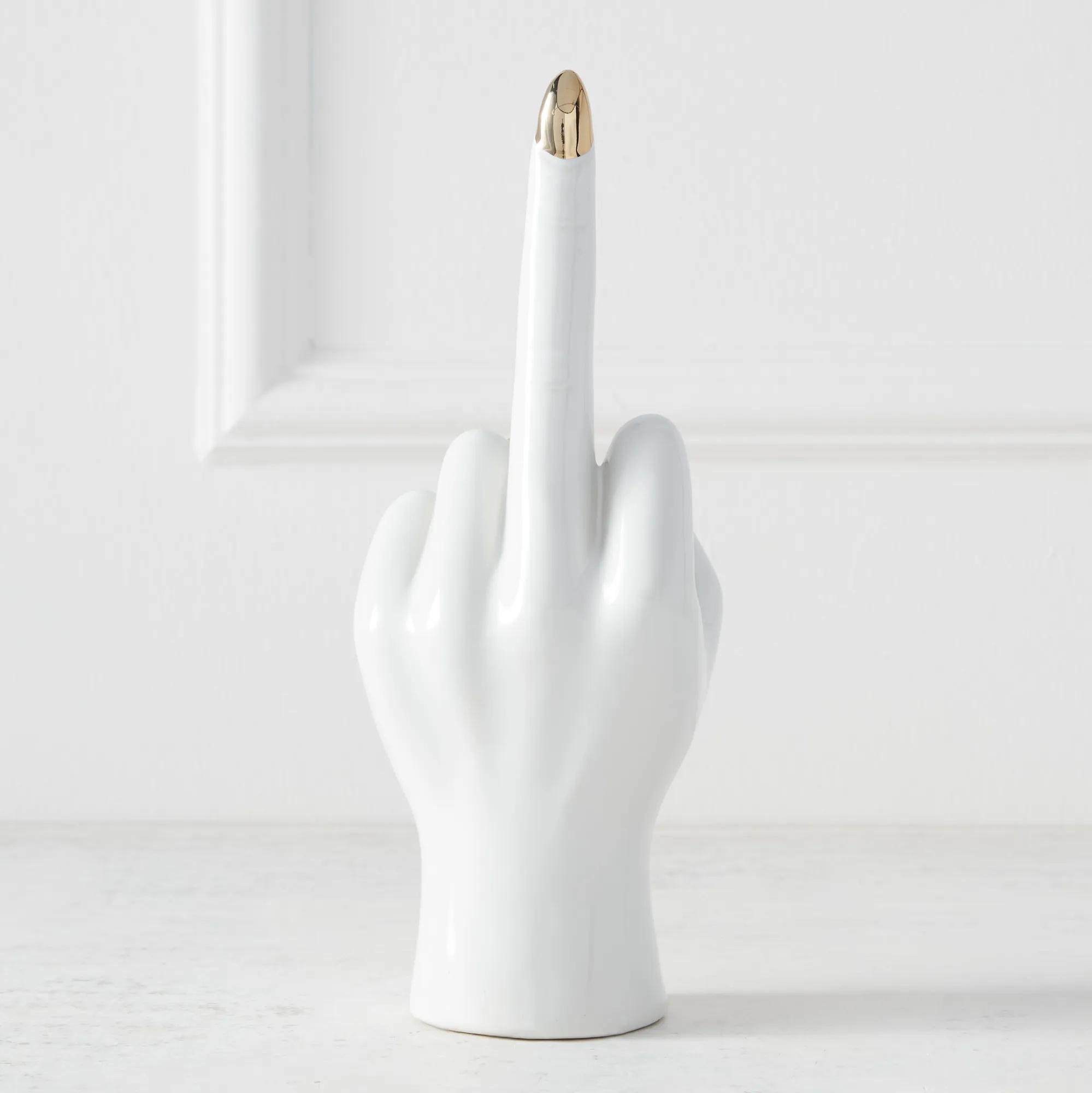
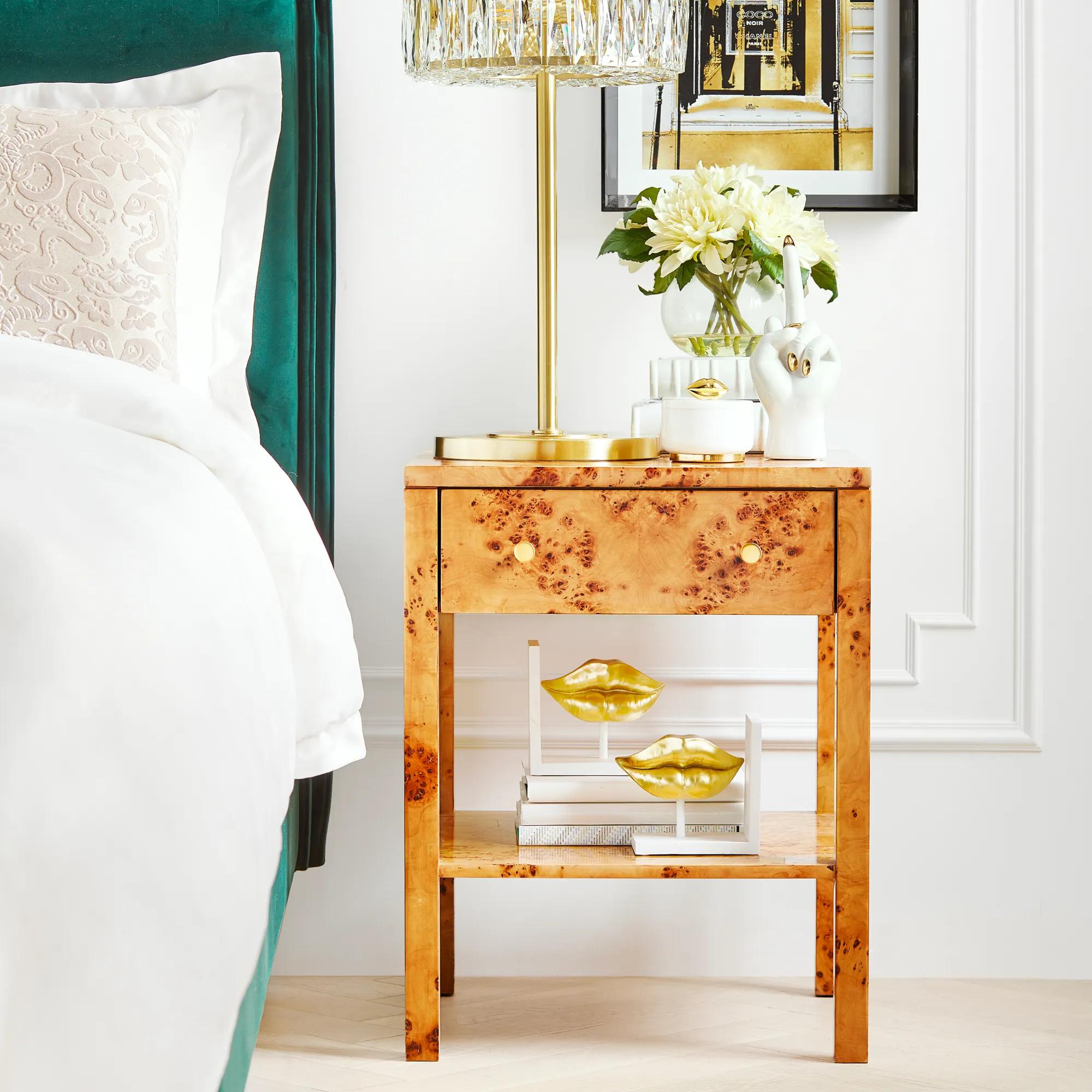 The Finger Hand$39
A glossy white and gold ceramic hand sculpture perfect for displaying jewelry or as a playful accent.
Add To Cart -
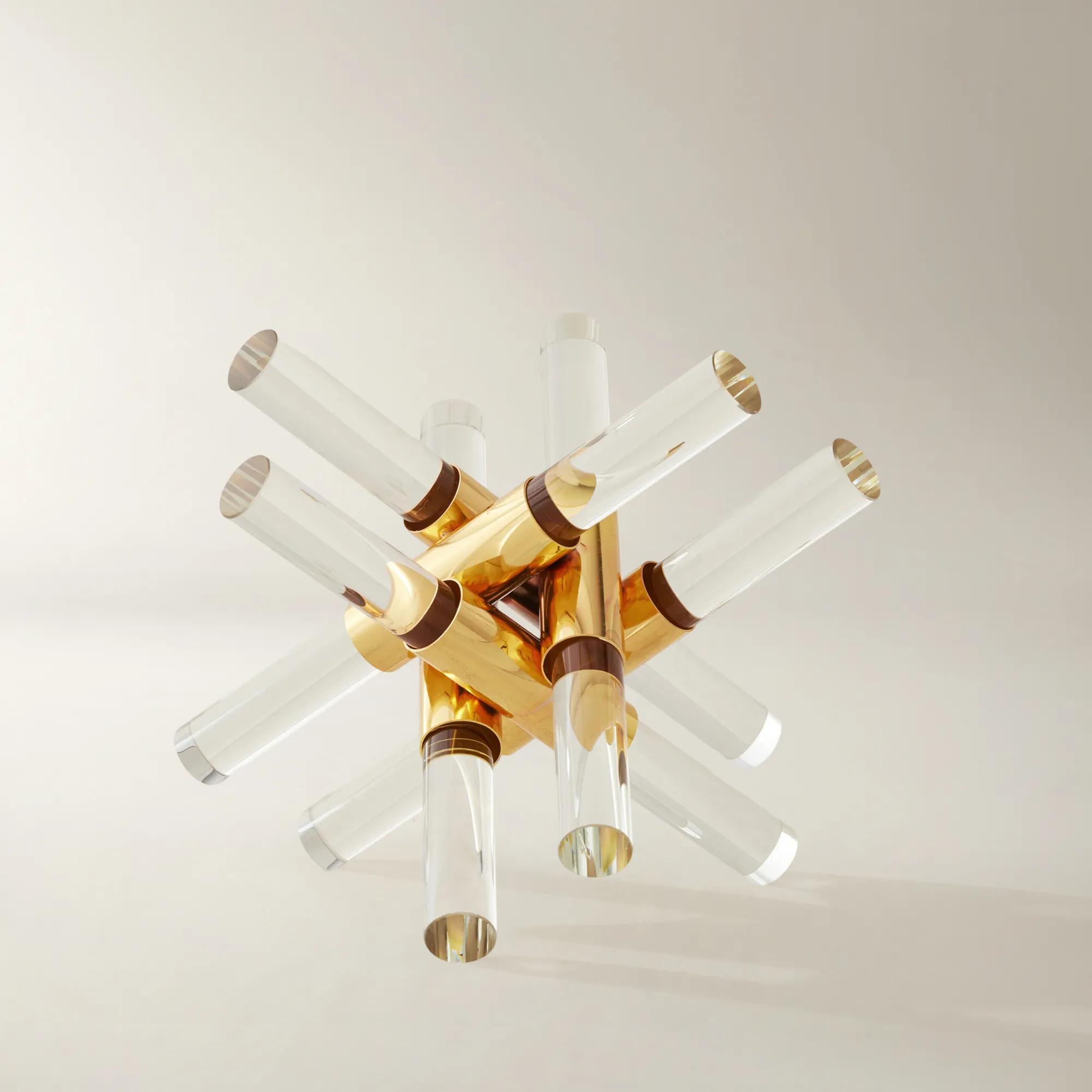
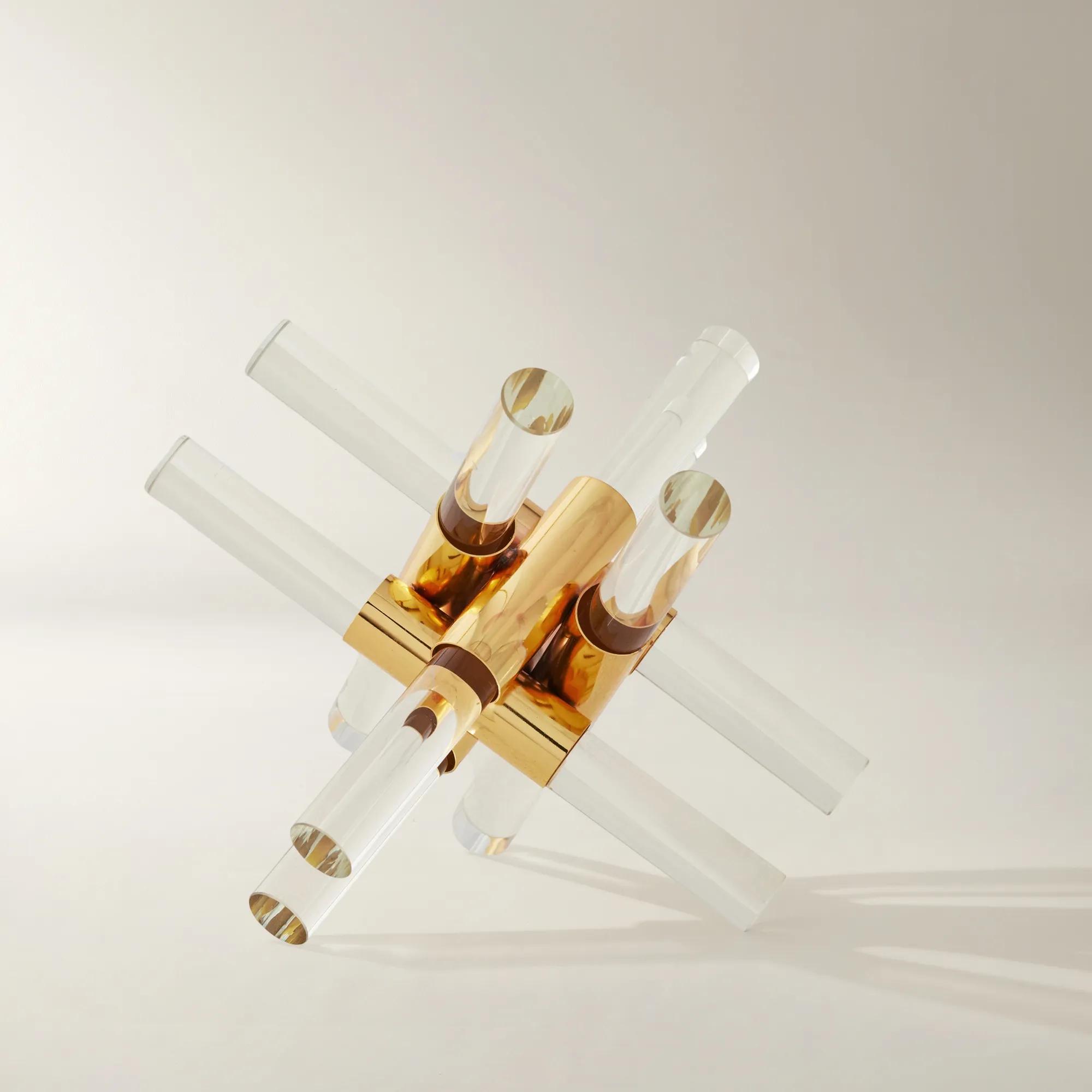 Crystal Glass And Gold Metal Decorative Object 8"$59
A striking decorative accent featuring clear glass rods and gold metal detailing for modern elegance.
Add To Cart -
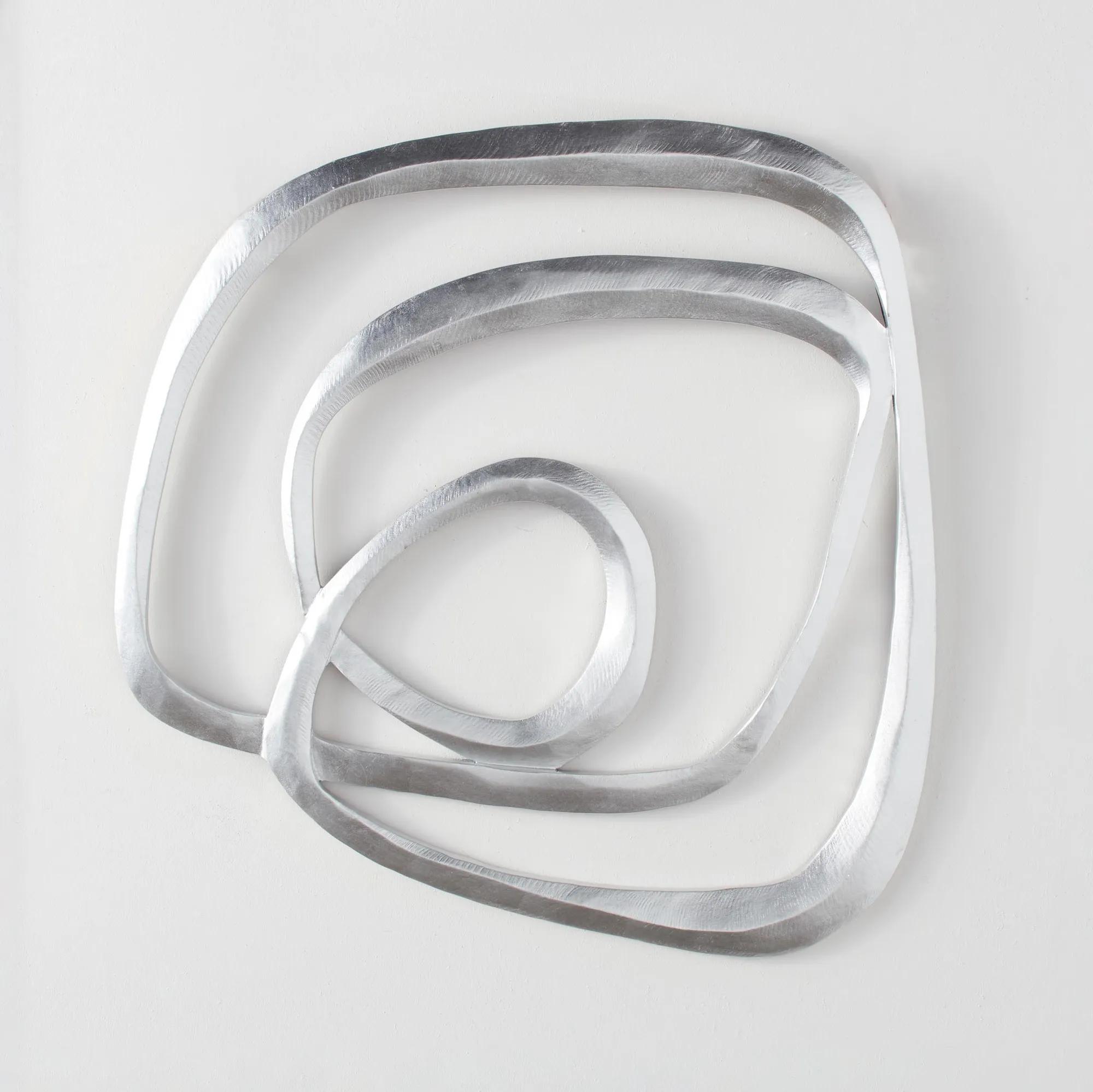 Infinity Silver Leaf Wood Wall Decor II 31.5" x 31.5"$299
A swirling wooden wall sculpture featuring a striking metallic silver finish for modern visual impact.
Add To Cart -
-compressed.jpg?w=1200&h=1200) Etched in Gold$229
Etched in Gold$229A hand-carved gold copper artwork set in a sleek black alloy frame for modern contrast.
Add To Cart -
.jpeg?w=1200&h=1200)
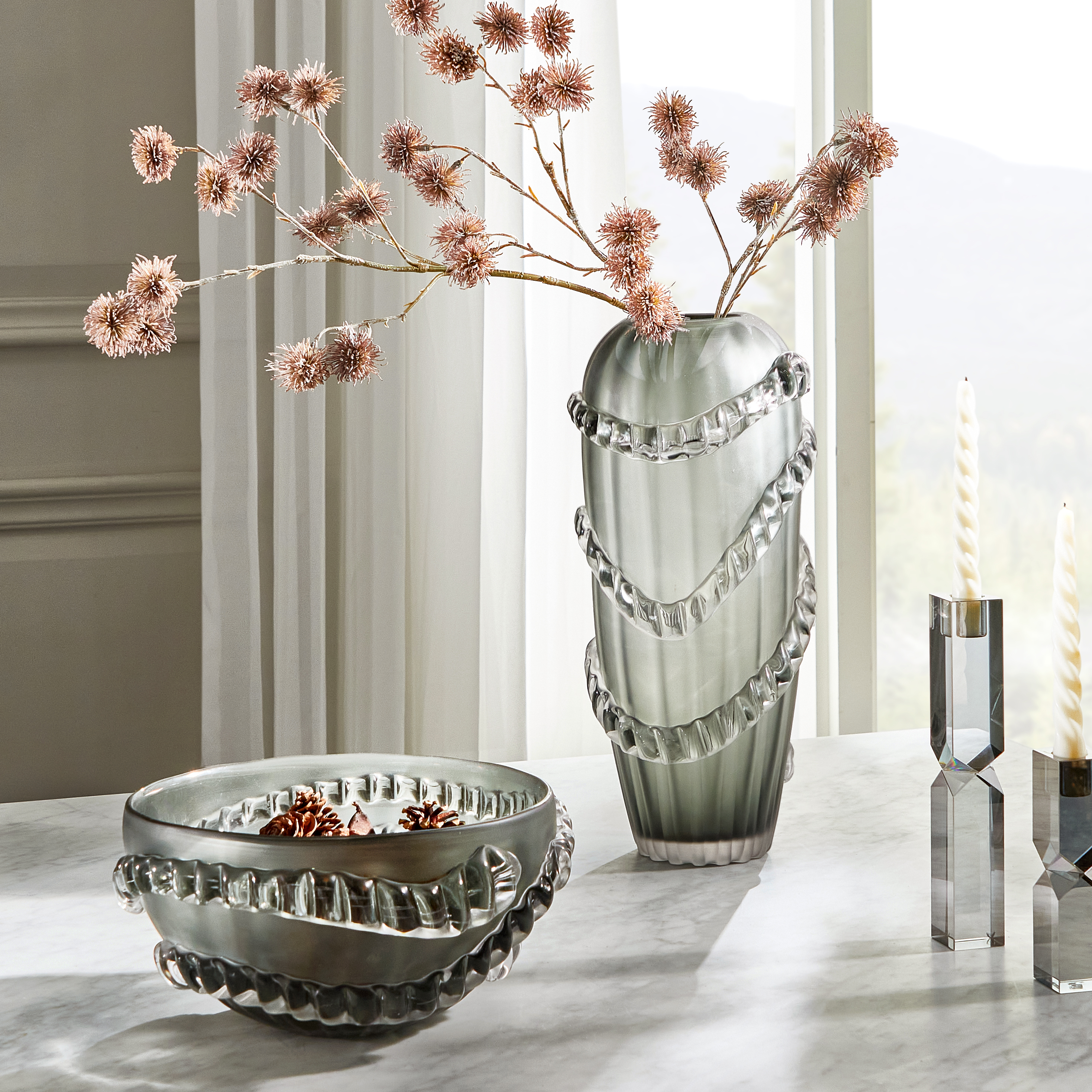 Helix Glass Collection$129
A hand-blown dark gray glass piece featuring fluted bodies and rippling sculptural ribbons for modern elegance.
Add To Cart -
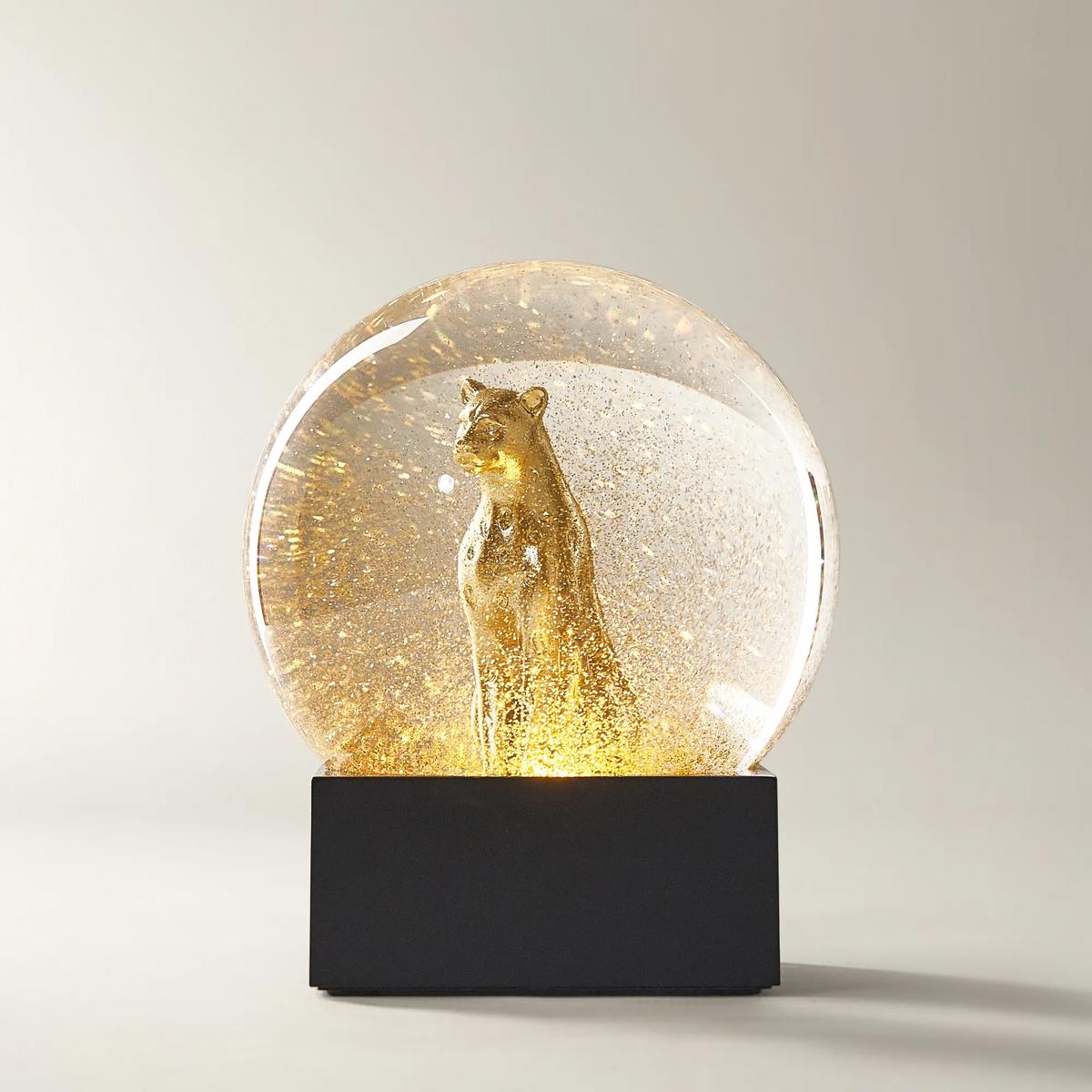 Cheetah Glitter Globe$59
A radiant gold cheetah shimmers amid swirling golden glitter in a crystal-clear glass globe with black base.
Add To Cart -
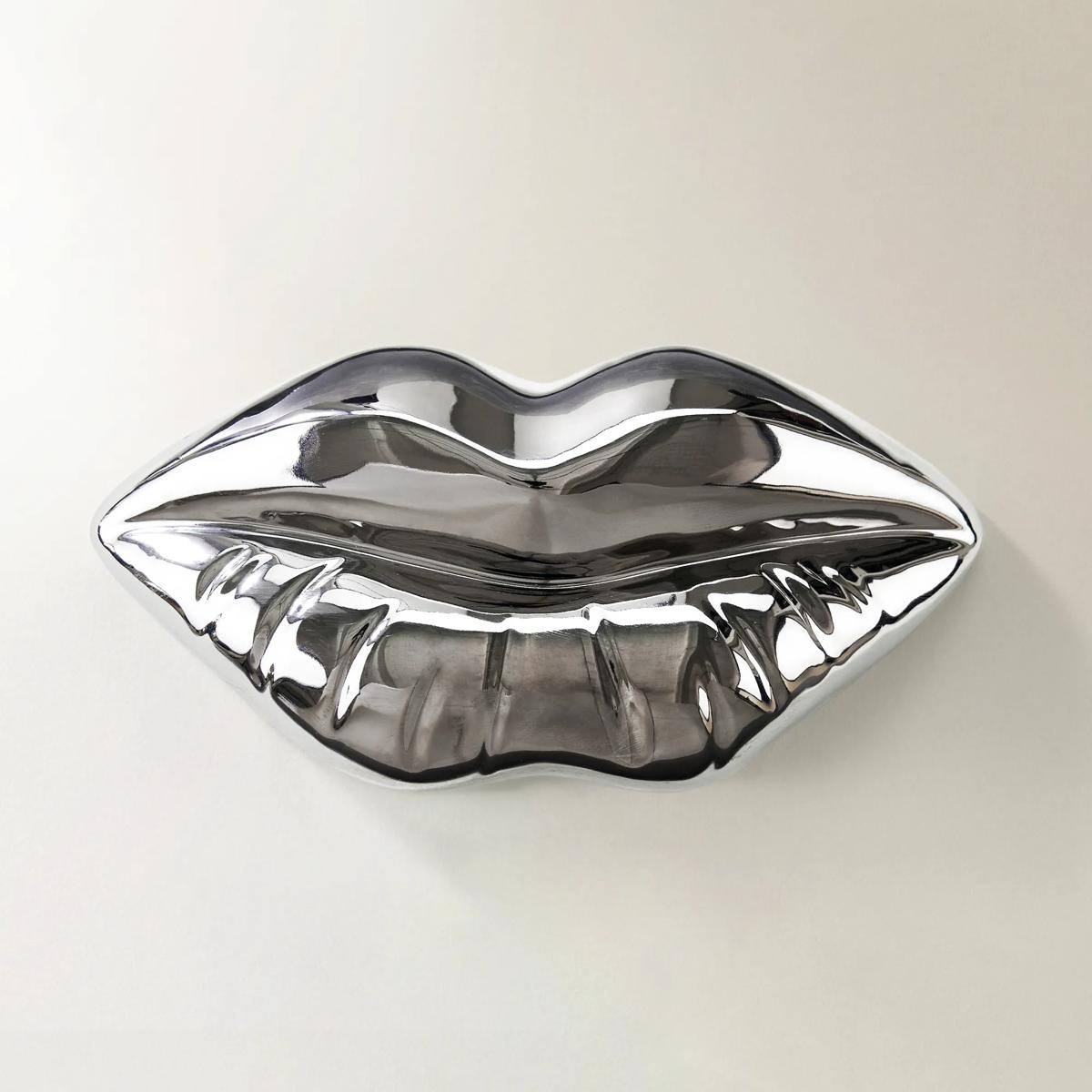 Chrome Lips Ceramic Decorative Object 5.25"$29
A high-shine silver ceramic sculpture that adds modern pop art flair and playful sophistication to any space.
Add To Cart -
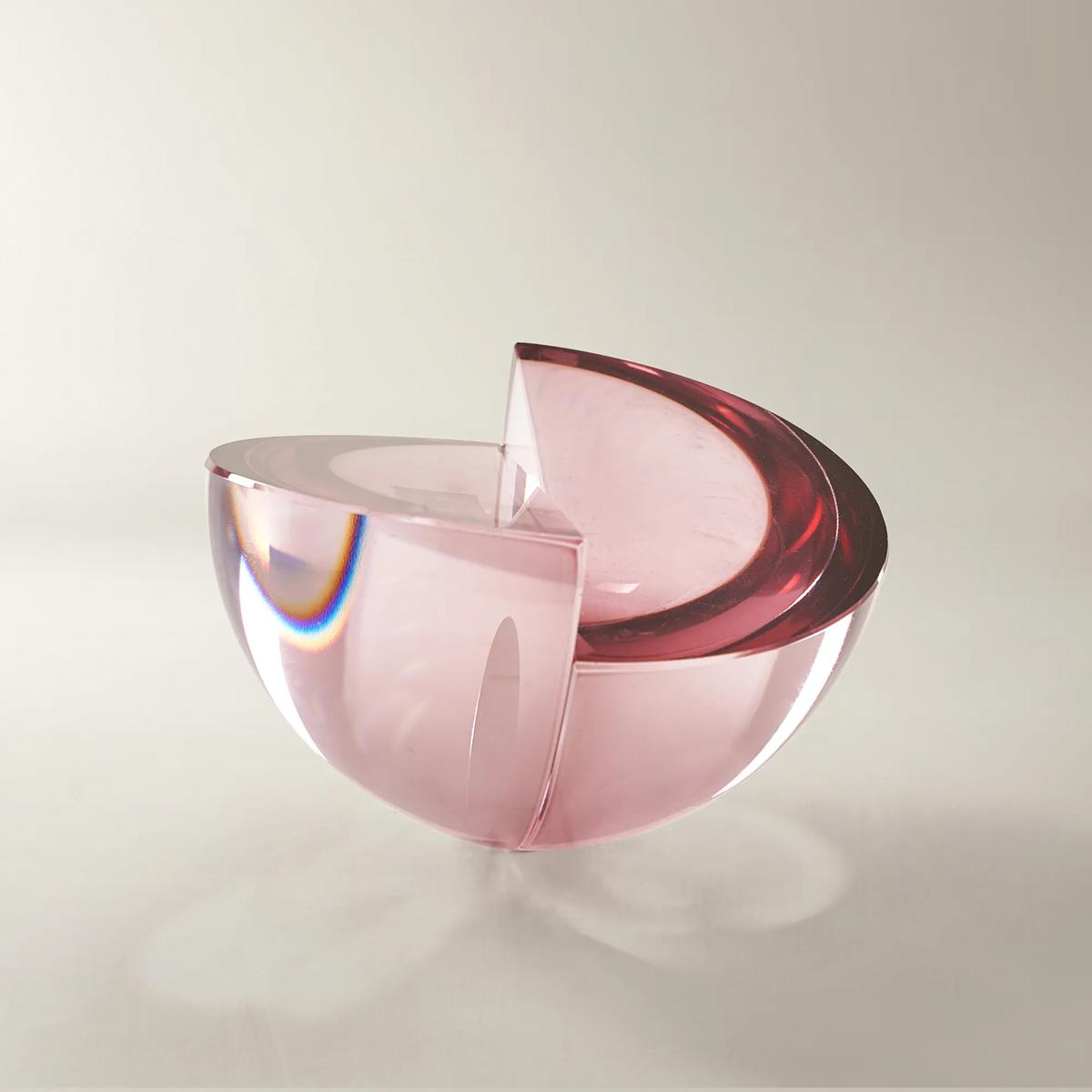 Rose' Crystal Glass Decorative Object 3.25"$79
A sculptural accent crafted from rich purple crystal glass, reflecting light with modern elegance and intrigue.
Add To Cart -
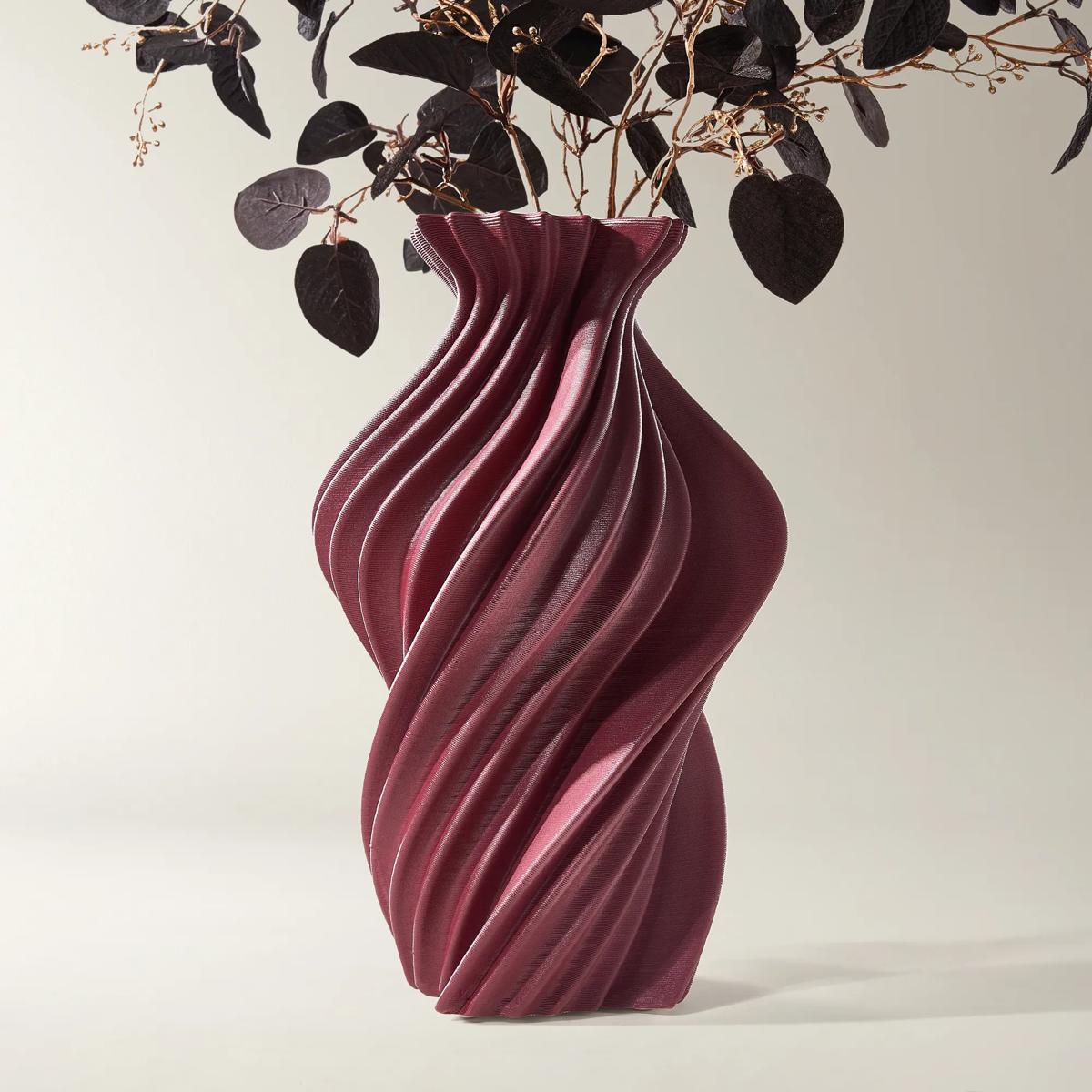
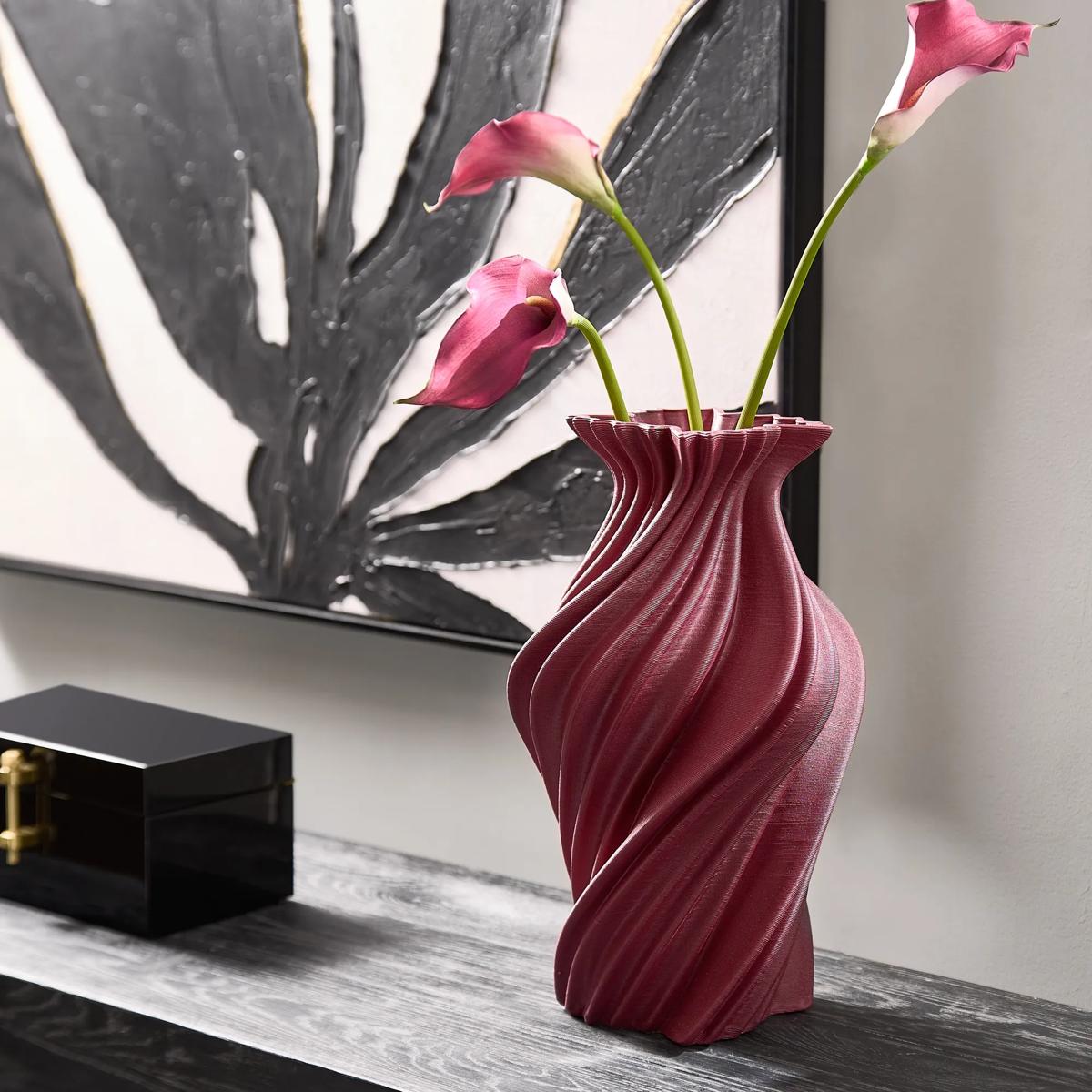 Flame Deep Red Porcelain Vase 16.25"$119
A sculptural porcelain vase in deep red with a dynamic, twisted silhouette inspired by flowing flames.
Add To Cart -
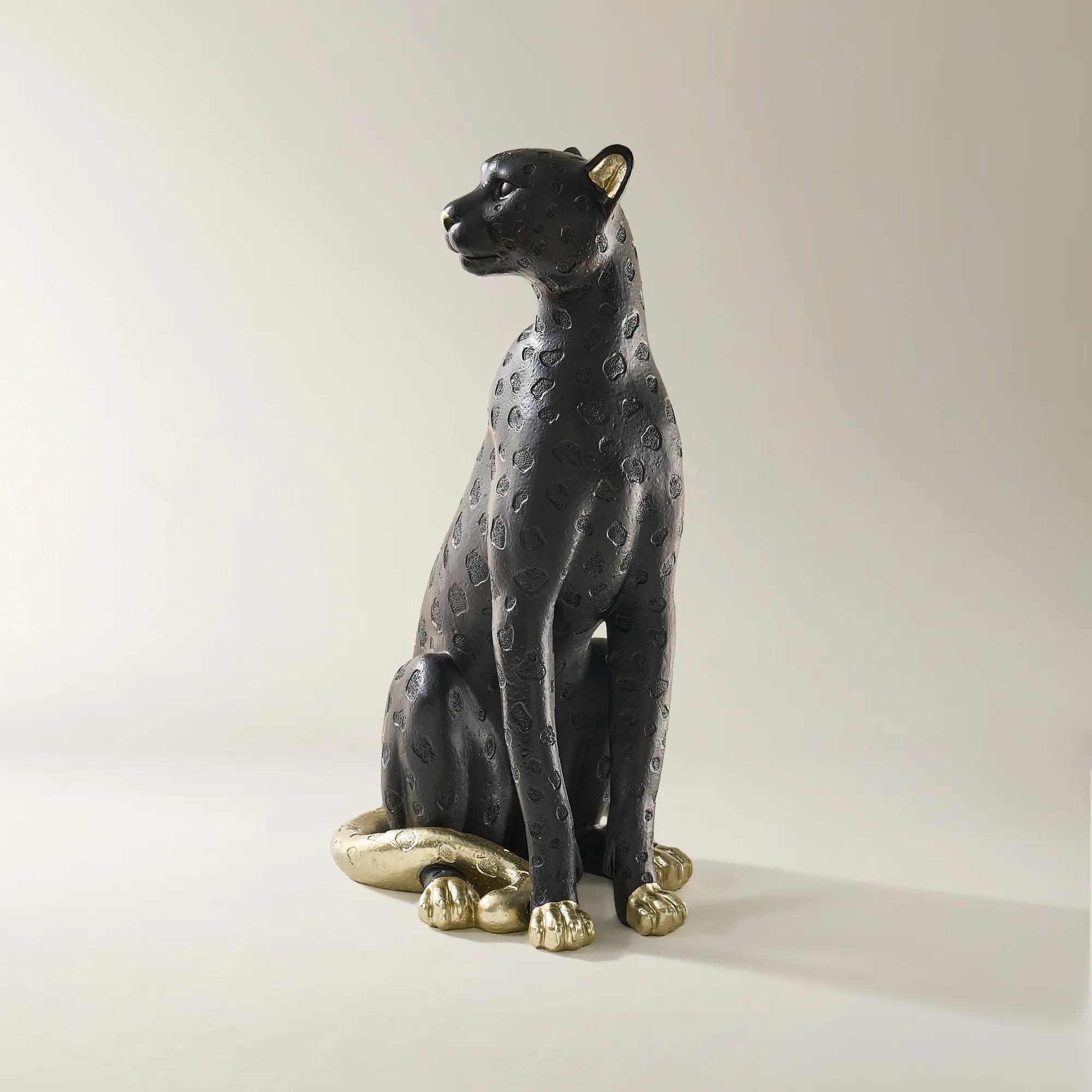
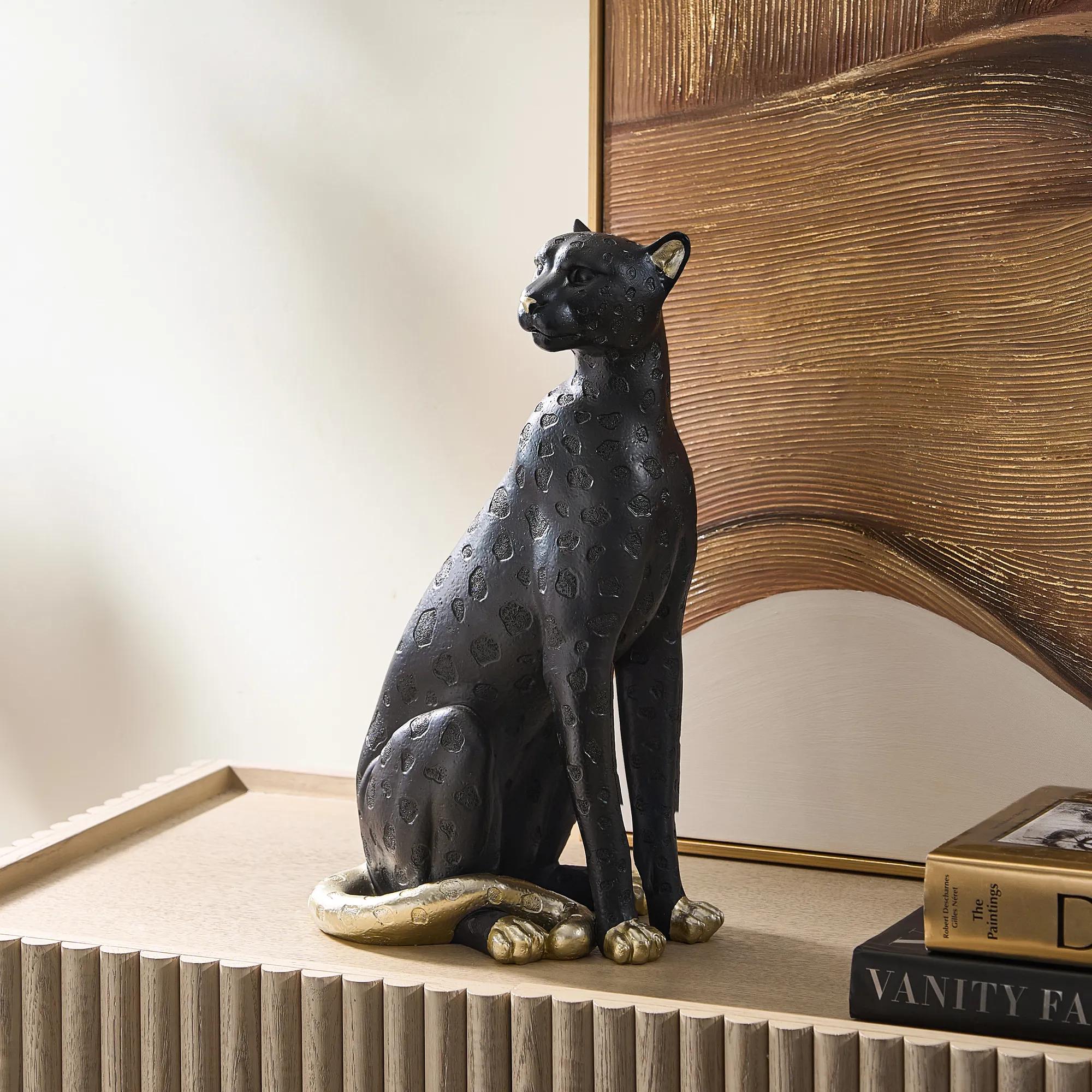 Midnight Leo Black And Gold Resin Object 17.75"$149
A sculpted black resin leopard with gilded gold accents adds bold, artistic glamour to any space.
Add To Cart -
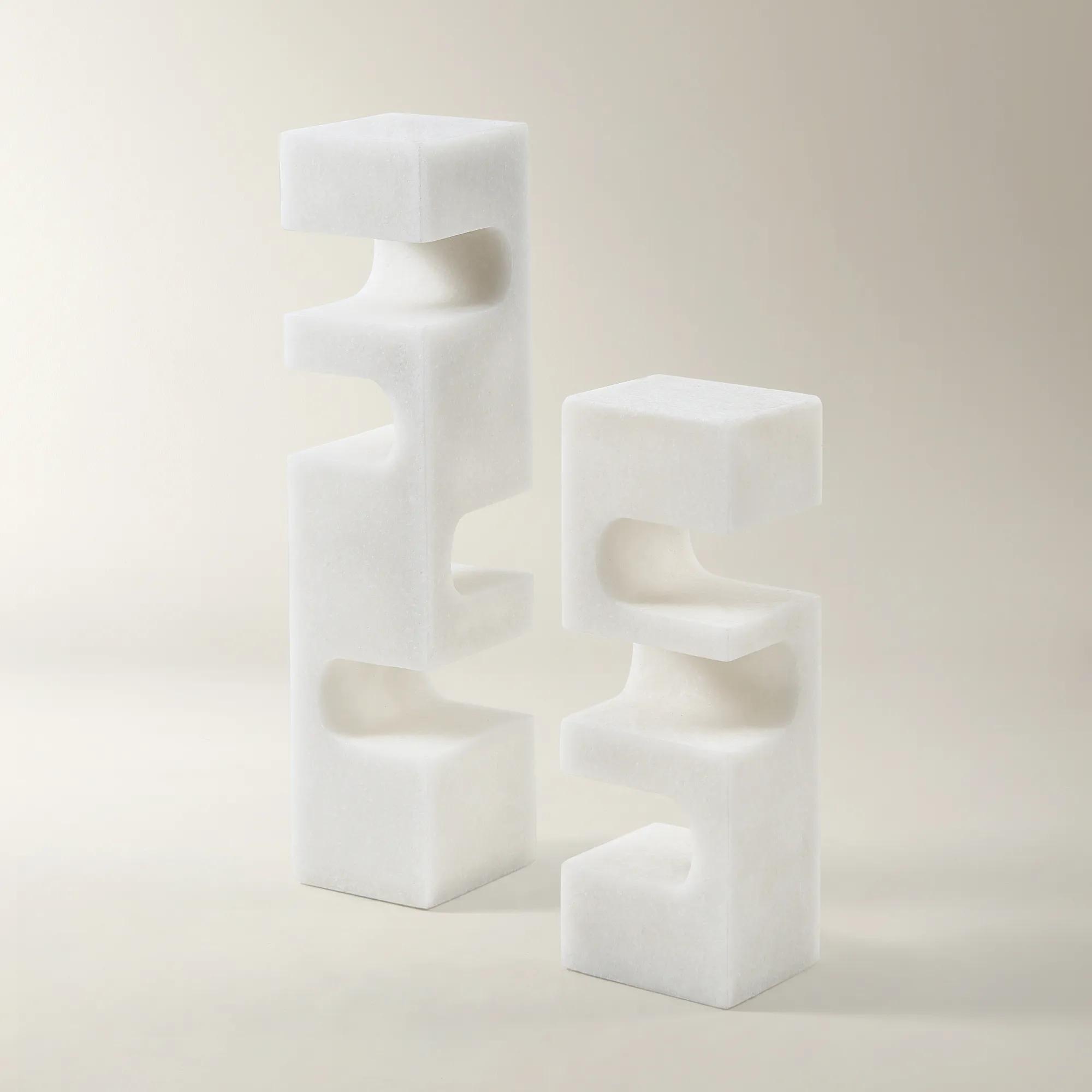
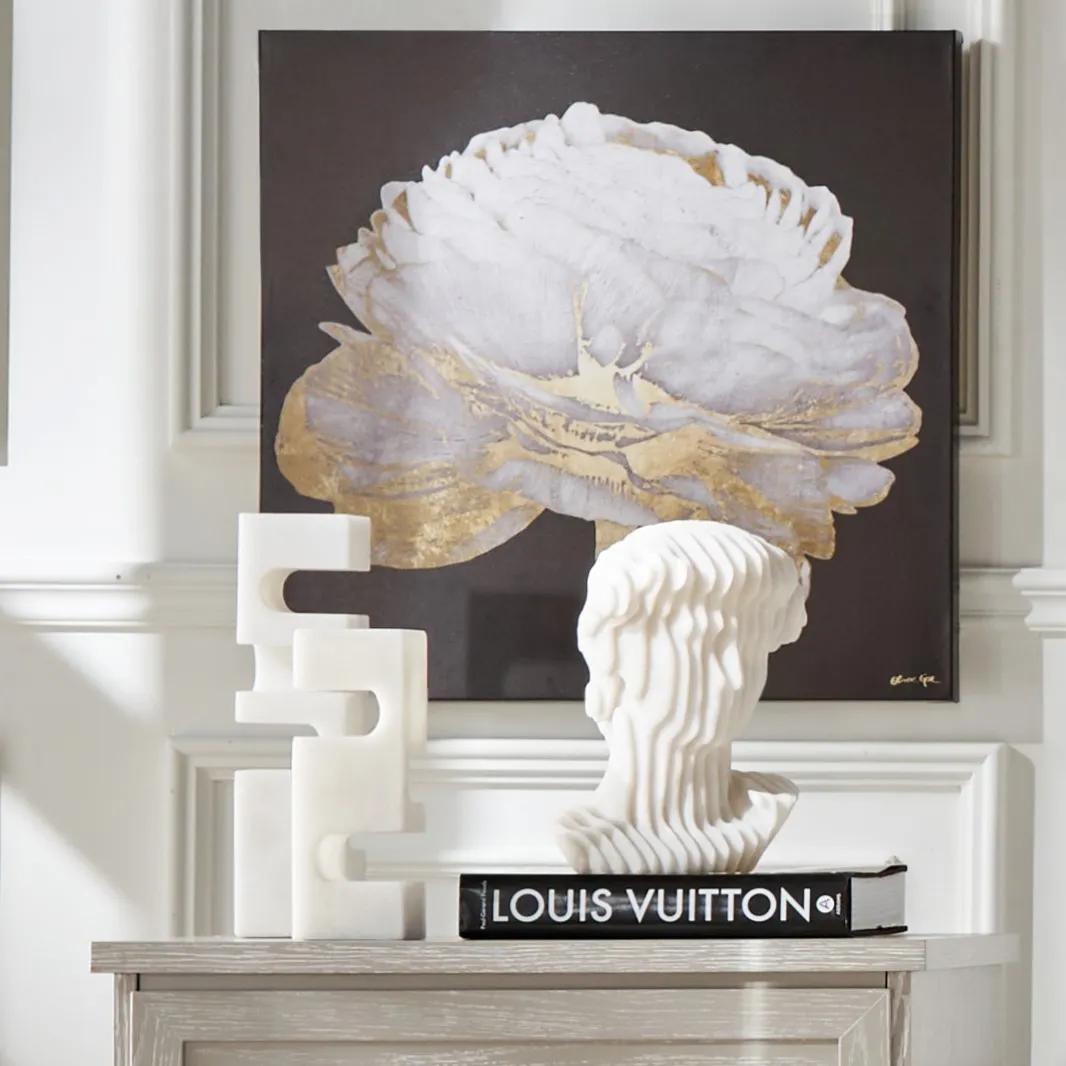 Enna Sculpture$49
A modern Cubist-inspired sculpture crafted from resin and stone powder with a textured white finish.
Add To Cart -
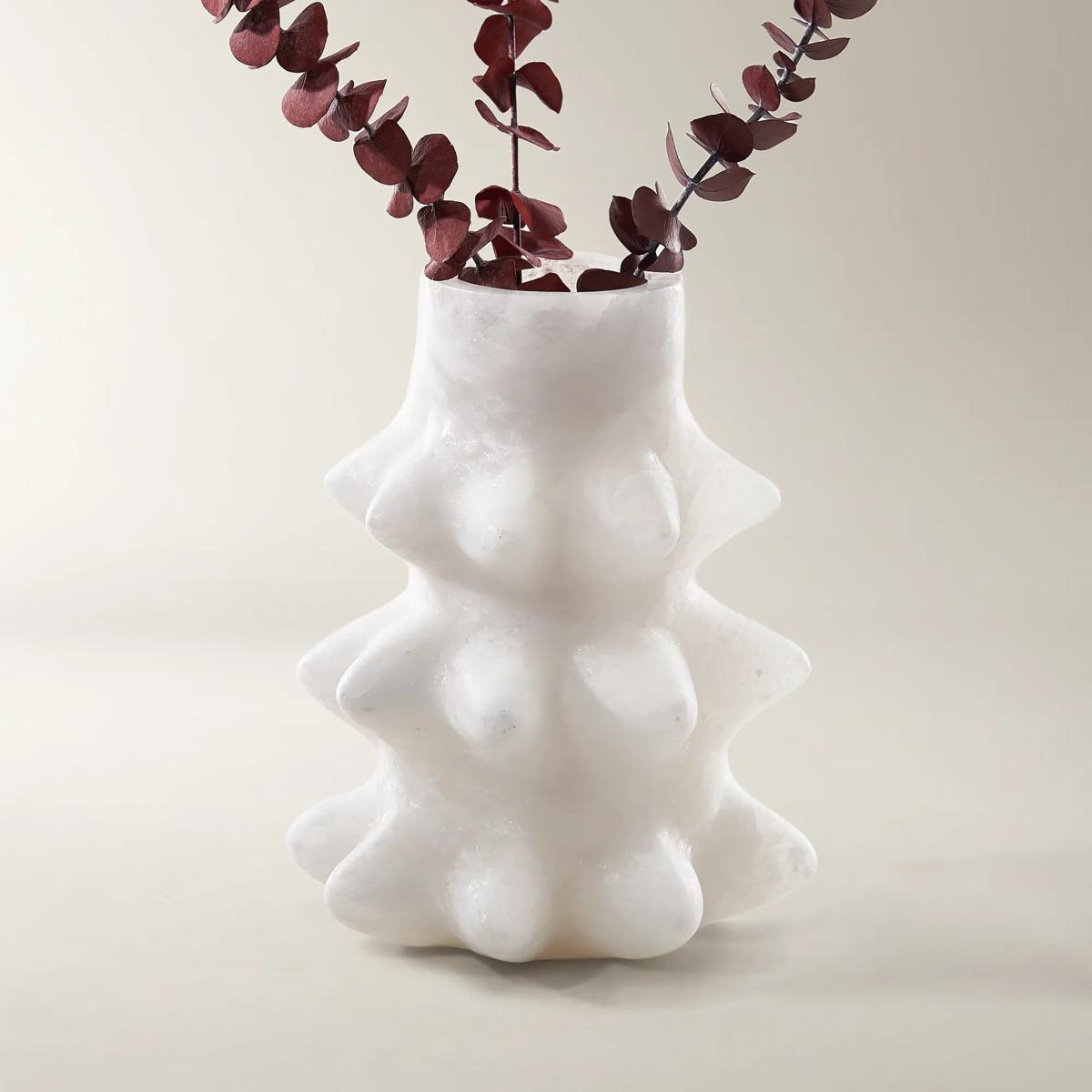
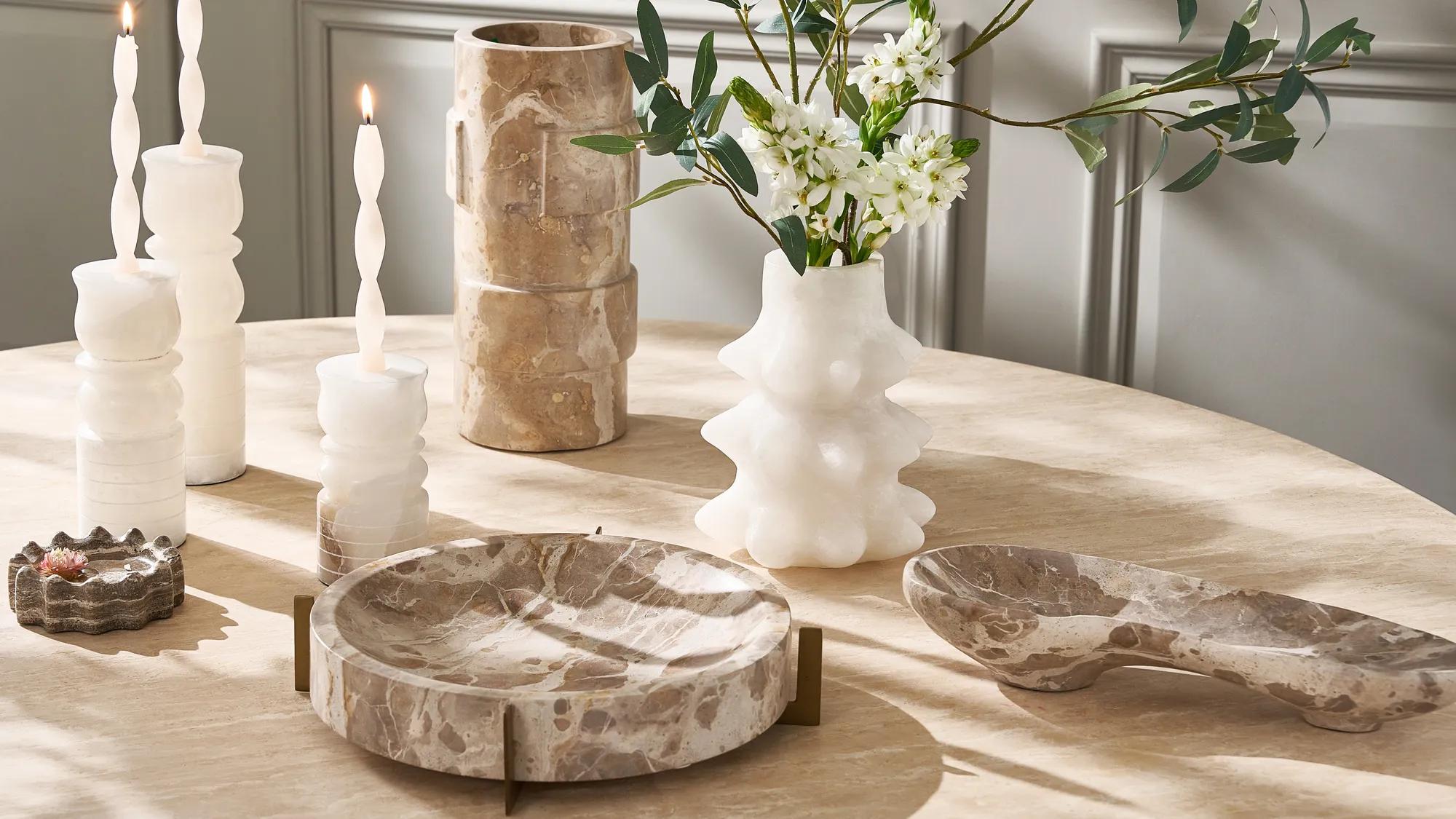 Alabaster Spike Vase$239
A sculptural white alabaster vase with bold spiked contours and naturally radiant veining.
Add To Cart -
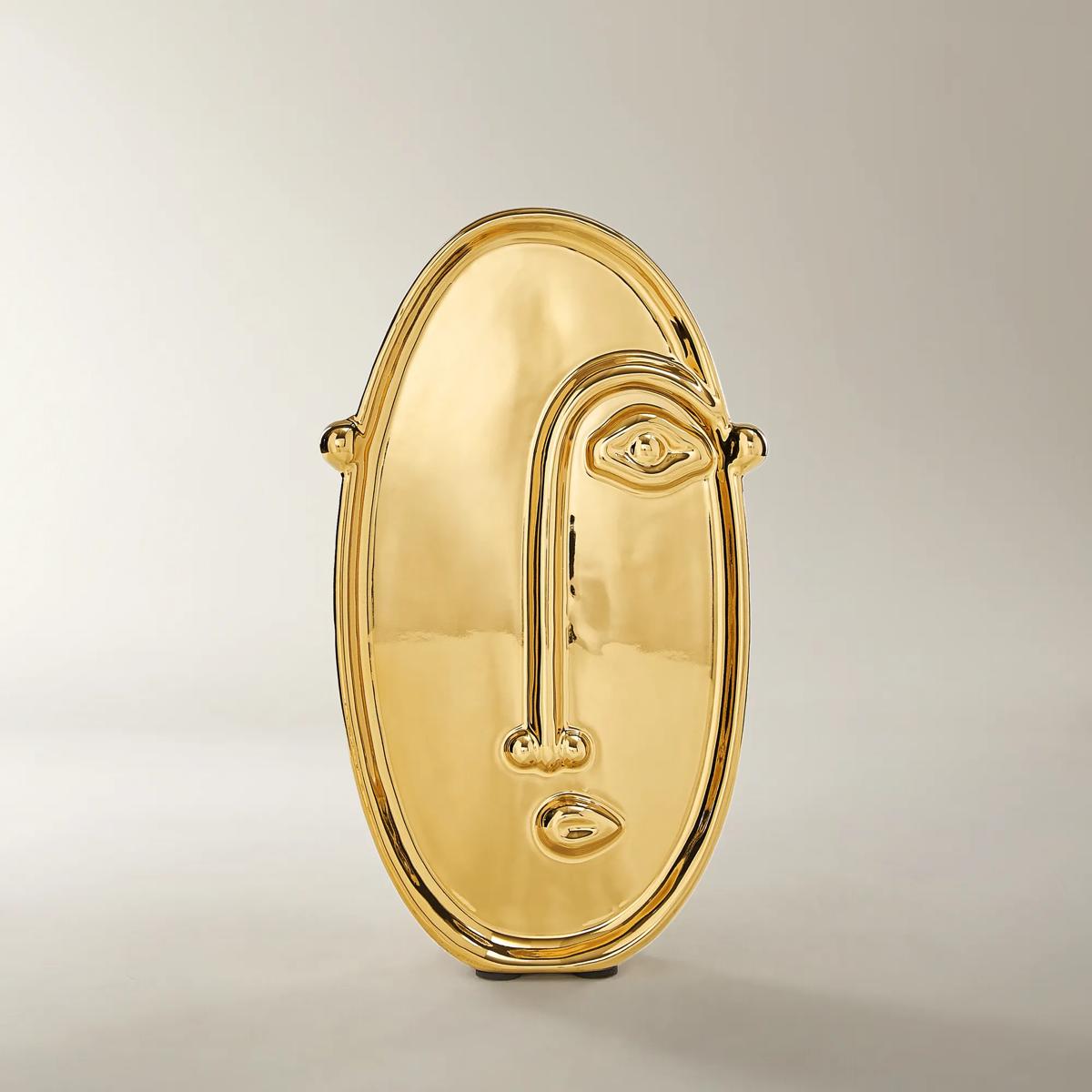
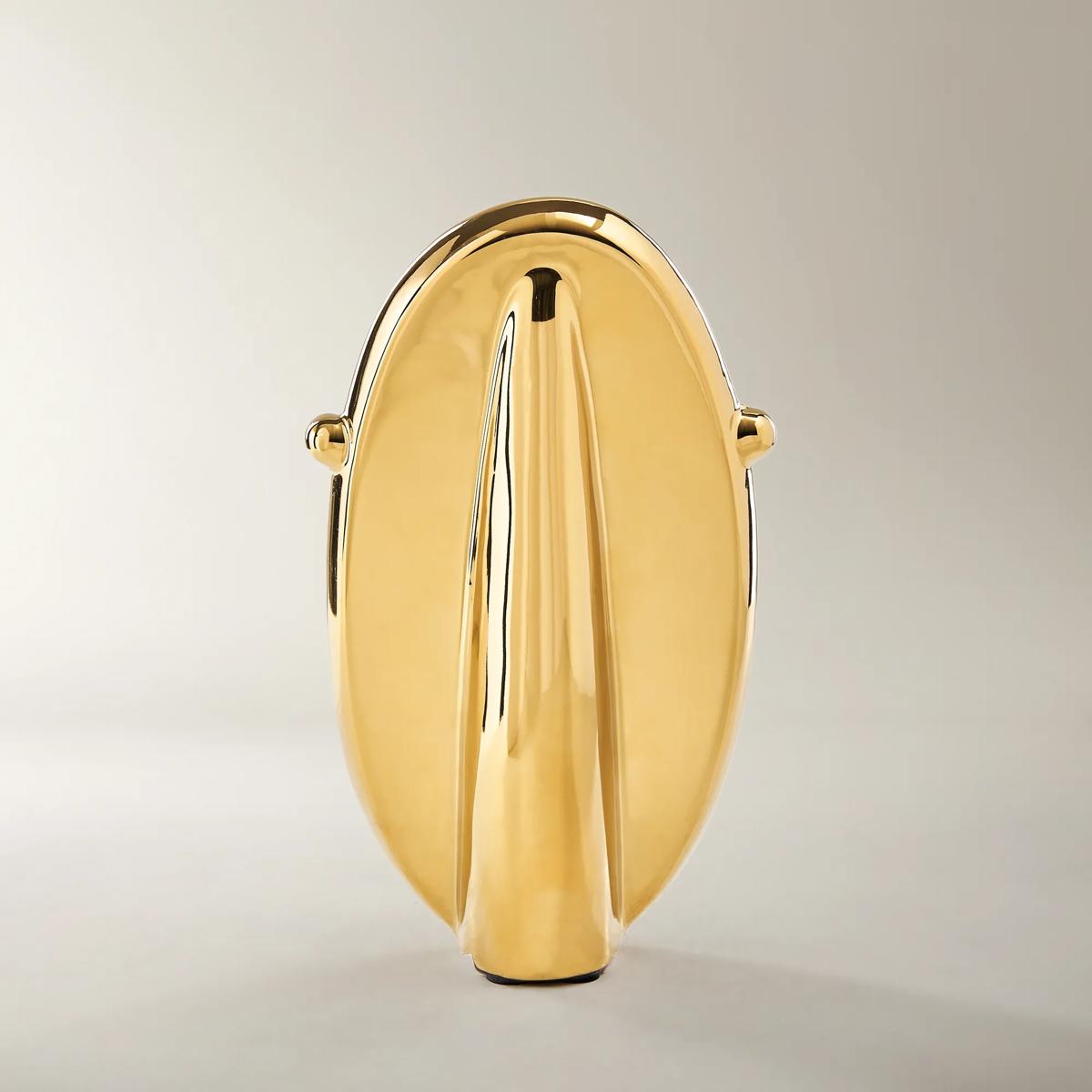 Golden Eye Ceramic Decorative Object 8"$39
A radiant gold ceramic sculpture featuring abstract, elongated facial details for a bold, modern accent.
Add To Cart -
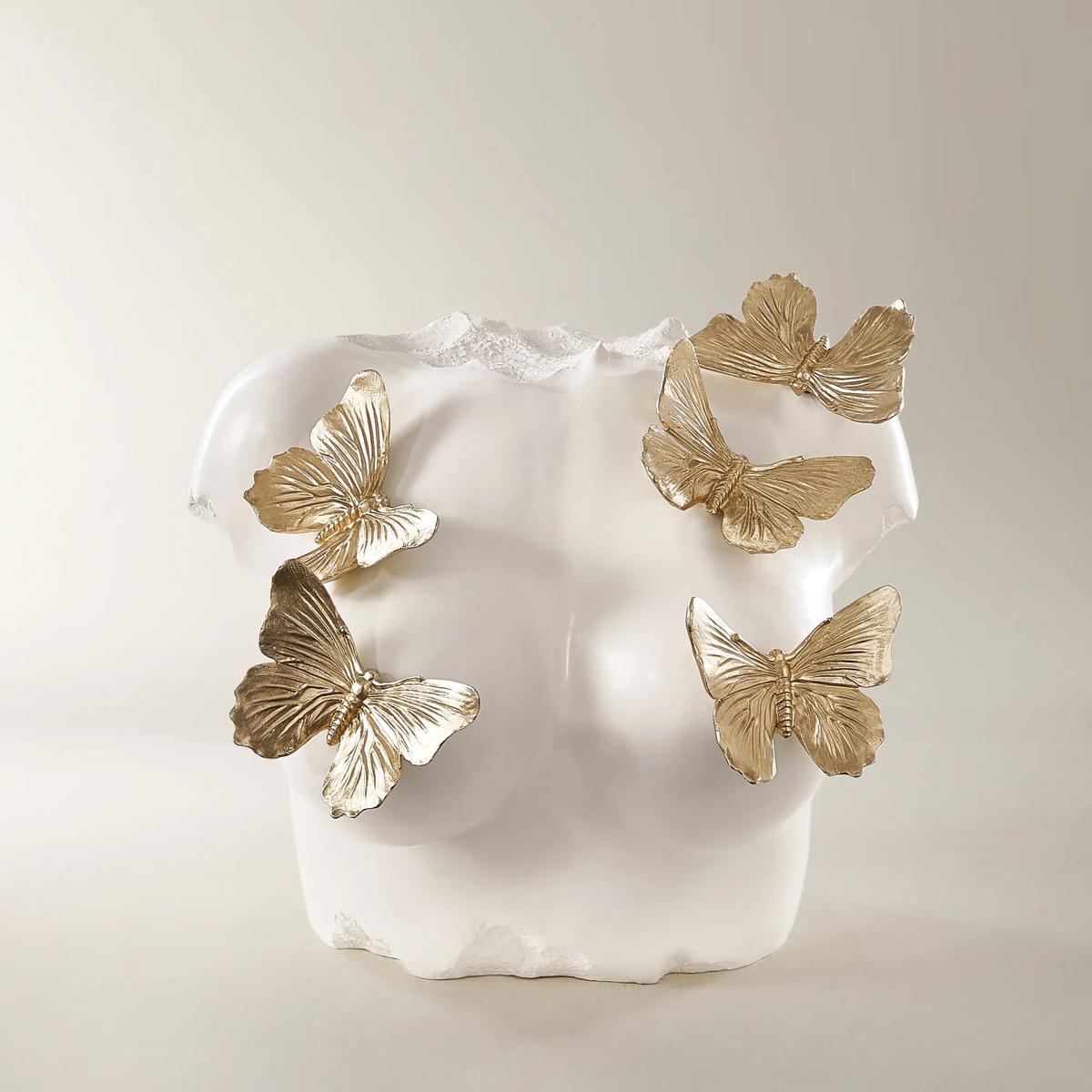
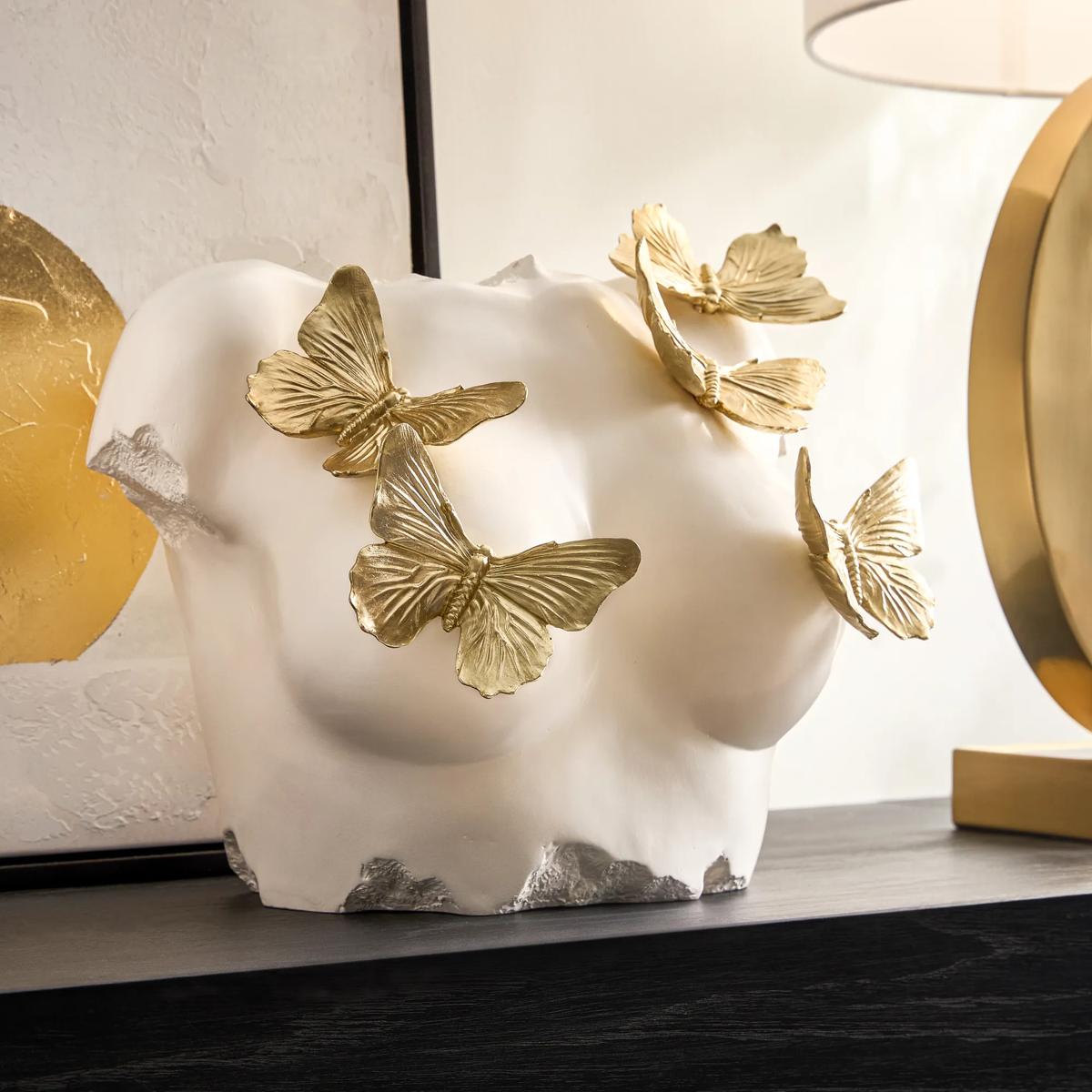 Butterfly Bust Ivory And Gold Resin Decorative Object 11.75"$149
An ivory resin bust adorned with gilded butterflies, offering poetic movement and feminine elegance.
Add To Cart -
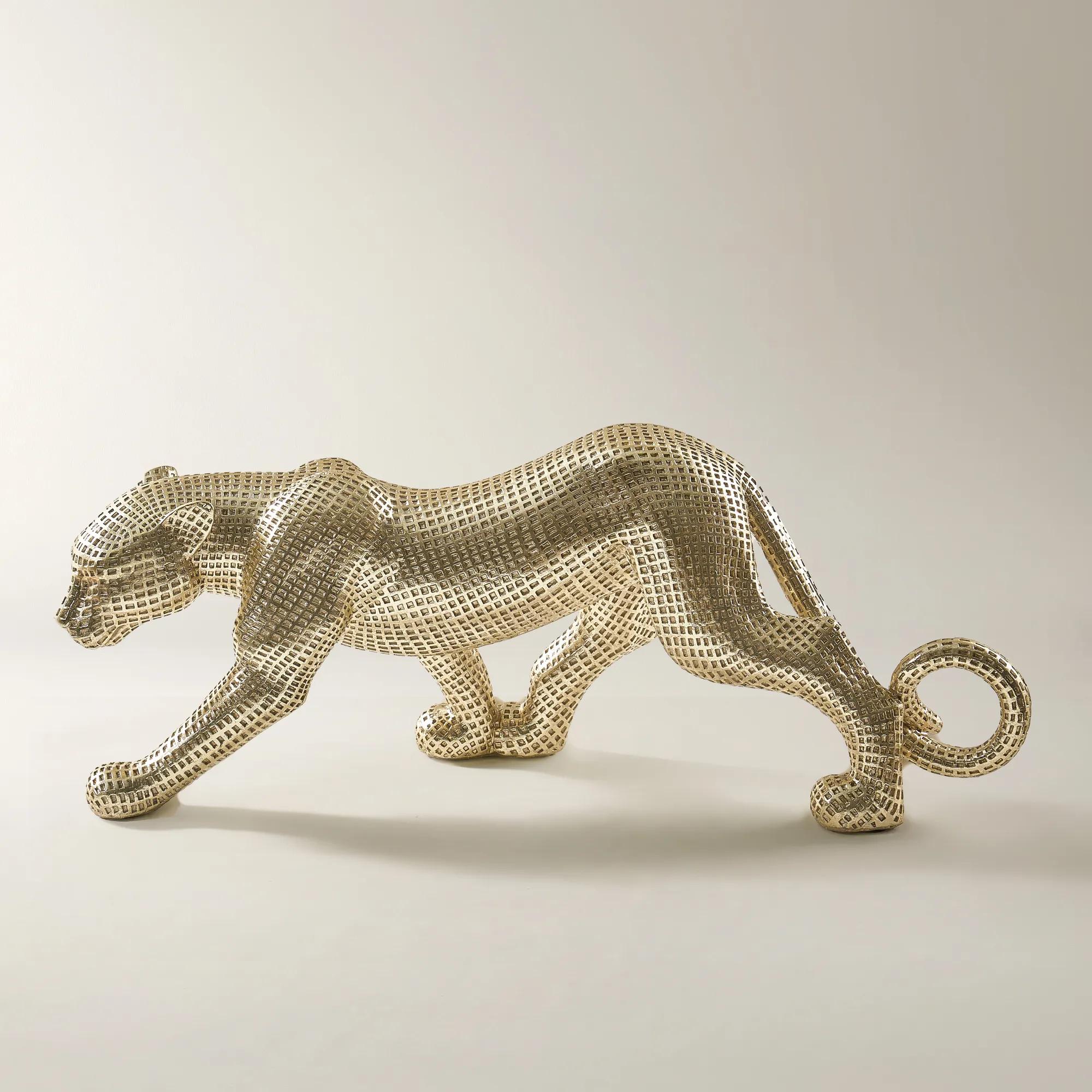
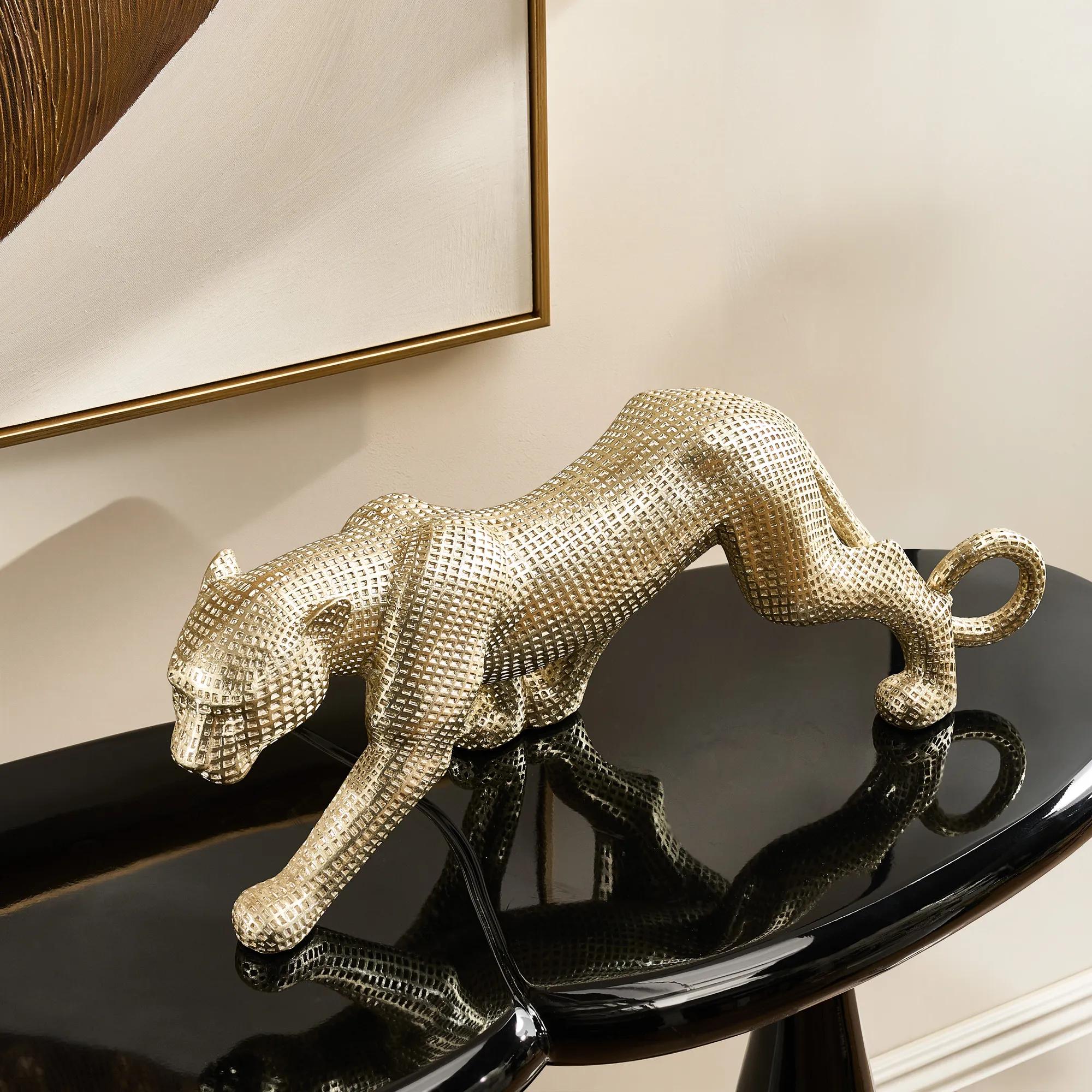 Pardus Champagne Resin Decorative Object 20.5" x 8"$79
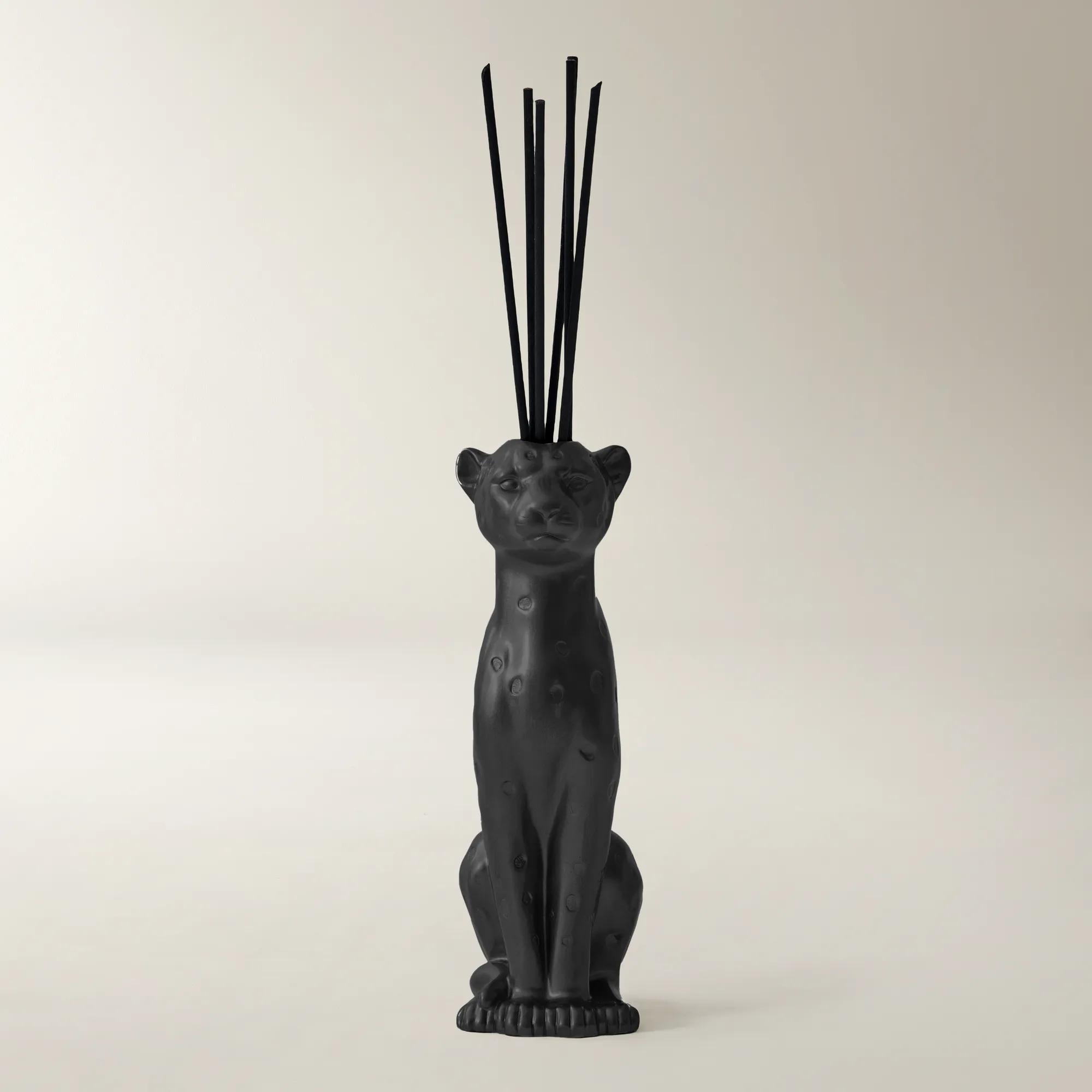
A sculptural feline decor piece cast in champagne-finished resin with intricate grid texturing and sleek lines.
Add To Cart

Modern Decorative Art Sculptures
Modern Decorative Art Sculptures transform any room into a curated gallery, where bold forms and striking silhouettes command attention. Each piece is an invitation to indulge your artistic sensibilities, infusing your space with drama, intrigue, and a sense of wonder. Whether perched on a mantel or anchoring a grand console, these sculptural accents ignite conversation and celebrate fearless self-expression—proof that your home is as extraordinary as you are. Let Modern Decorative Art Sculptures become the signature flourish that elevates your décor from ordinary to unforgettable.
Modern decorative art sculptures are three-dimensional accents that bring artistic form, texture, and visual movement to an interior. Abstract curves, geometric shapes, stylized figures, and organic silhouettes give furniture arrangements a distinct point of view, turning a console, mantel, or bookcase into a considered composition. Unlike framed artwork, a freestanding sculpture changes as it is viewed from different angles: an open loop reveals the wall behind it, a faceted surface catches a slender ribbon of light, and an elongated form draws the eye upward. That interplay makes modern sculpture decor especially expressive in living rooms, entryways, dining rooms, and home offices, where a single striking shape can establish the mood without competing with every surrounding detail. Materials help define that presence. Ceramic and porcelain can have lustrous glazes or matte surfaces that emphasize contour; metal brings crisp edges, slender profiles, and finishes ranging from softly brushed to brilliantly reflective. Marble and travertine introduce natural veining, tonal variation, and substantial weight, while wood adds visible grain and an organic counterpoint to glass or polished furniture. Resin and polyresin allow intricate shapes, deep folds, and fluid forms, although their weight and finish vary by construction. Each material creates a different conversation with the room. A dark abstract form against a pale wall reads like a confident brushstroke, while a gleaming metallic accent near upholstered seating introduces a flash of jewelry-like detail. White sculptural decor makes its statement through shadow and silhouette rather than saturated color; Modern White Decorative Sculptures offer a focused expression of that dimensional look. Whether the surrounding interior is tailored and architectural or layered with sumptuous fabrics and dramatic artwork, decorative sculptures contribute something color alone cannot: a physical rhythm of curves, angles, solids, and open space. Their appeal lies as much in the space around them as in the object itself, allowing a carefully chosen accent to feel deliberate rather than merely decorative. A form that looks restrained head-on may reveal an unexpected sweep from the side, rewarding the everyday movement through a room.
Scale and placement determine how convincingly a sculpture belongs within a setting. Tabletop sculptures suit coffee tables, desks, and smaller consoles, while taller decorative statues and substantial freestanding forms need enough surface area or floor space to feel secure and visually balanced. Height alone does not tell the whole story: the widest point, base dimensions, weight, and any projecting elements all affect fit. On a narrow entry console, a sculpture with a compact footprint can create an elegant arrival without crowding a key tray or extending into a walkway. On a deep living room console, a broader abstract shape can hold its own beneath an expansive painting. A low, sweeping form on a coffee table preserves conversation sightlines; a vertical silhouette on a bookcase interrupts rows of horizontal book spines with architectural poise. Shelves deserve particular attention, since both their depth and stated weight capacity need to accommodate the piece comfortably. Substantial stone accents belong on stable furniture designed to support their weight, not on delicate ledges. For a dining table used every day, a centerpiece with a manageable footprint is easier to move when the table is set, and a lower profile keeps faces visible across the room. The most compelling arrangements also consider background and lighting. Pale forms gain definition against charcoal, walnut, or richly colored walls, while dark finishes become more legible against lighter surfaces. Directional light emphasizes carved channels and textured finishes; broad, diffused illumination softens reflections on glossy ceramic and polished metal. An openwork sculpture can feel airy beside a solid lamp base, while a rounded form tempers the strict lines of rectangular furniture. Repeating one finish elsewhere in the room creates continuity without requiring every accessory to match. Leaving a little breathing room around a distinctive silhouette lets its edges remain visible and gives the composition authority. For an interior with patterned upholstery or large-scale wall art, a sculpture in a single color can bring another layer of artistry without adding visual noise.
Decorative art sculptures are intended primarily for display, and their lasting beauty depends on matching the material and construction to the way a space is used. A home office may suit an expressive desktop accent positioned beyond the sweep of a monitor arm, while a lively family room calls for secure placement away from table edges and frequent traffic. Homes with children or pets benefit from especially careful attention to stability, fragile projections, and access; decorative sculptures are not toys, even when their shapes are playful. Ceramic, porcelain, and glass can chip or break if knocked, and narrow metal details may bend under pressure. Stone is substantial but not impervious to damage: edges can chip, and porous surfaces may absorb spills or develop marks from unsuitable cleaners. Resin can reproduce intricate detail beautifully, but fine extensions and surface coatings still require gentle handling. Wood may respond to moisture and prolonged direct sunlight, while some metallic finishes can tarnish or lose their luster with abrasive cleaning. The care instructions for the individual piece should always govern maintenance. Routine dusting with a soft, clean cloth is often appropriate, with a soft brush useful for intricate recesses when the finish permits. Avoid soaking, harsh chemicals, and vigorous rubbing unless the manufacturer specifically recommends them, and do not assume a decorative finish is washable. Lift a sculpture from its supported base or strongest section rather than a slender arm, loop, or decorative extension. Surface-safe protective pads can help prevent scratches beneath a base, provided they do not compromise stability. Unless explicitly designated for outdoor use, decorative sculptures belong indoors; a stone-like appearance or metallic finish does not establish resistance to moisture or exposure. For gifting, sculpture offers a personal alternative to purely functional home accessories, particularly for housewarmings, weddings, or someone building an artful home office. A recipient’s preferred palette, available display space, and appreciation for abstract or figurative forms provide meaningful direction. Chosen with that sensitivity, a modern sculpture becomes more than an accent: it gives a familiar room a memorable shape, a distinctive shadow, and an unmistakable sense of personality.
FAQs
Modern decorative art sculptures are versatile accents that can elevate any room. Place a dramatic piece on a console table to create an instant focal point, or arrange a collection of smaller sculptures on open shelving for a curated, gallery-inspired look. Consider mixing textures and finishes to add visual interest, and let the sculpture interact with natural light to enhance its presence.
Modern decorative art sculptures are crafted from a range of luxurious materials, including marble, glass, metal, resin, and ceramic. Each material brings its own unique character: marble offers timeless elegance, glass captures and refracts light, metal provides a sculptural edge, and resin allows for bold shapes and colors. Choose a material that complements your personal style and the mood of your space.
Absolutely. Sculptures make extraordinary gifts for art lovers, design enthusiasts, or anyone who appreciates expressive décor. They are ideal for housewarmings, weddings, anniversaries, or holiday celebrations, offering a thoughtful way to commemorate special moments with a piece that will be cherished for years to come.
Consider the flow and focal points of your room when selecting a display spot. Entryways, mantels, coffee tables, and bookshelves are all excellent stages for sculptural art. Place your sculpture where it can be admired from multiple angles, and use lighting—natural or accent—to highlight its form and details. Trust your instincts and let your personal style guide the placement.
Contemporary interiors shine with sculptures that feature clean lines, abstract forms, and unexpected textures. Look for pieces that balance simplicity with a sense of drama—think geometric shapes, organic curves, or minimalist figures that still command attention. These modern art figures act as both statement pieces and harmonious elements within a thoughtfully designed space.
.jpg?w=3614&h=3614)