Modern Decorative Sculptures For Office
Modern Decorative Sculptures For Office
-
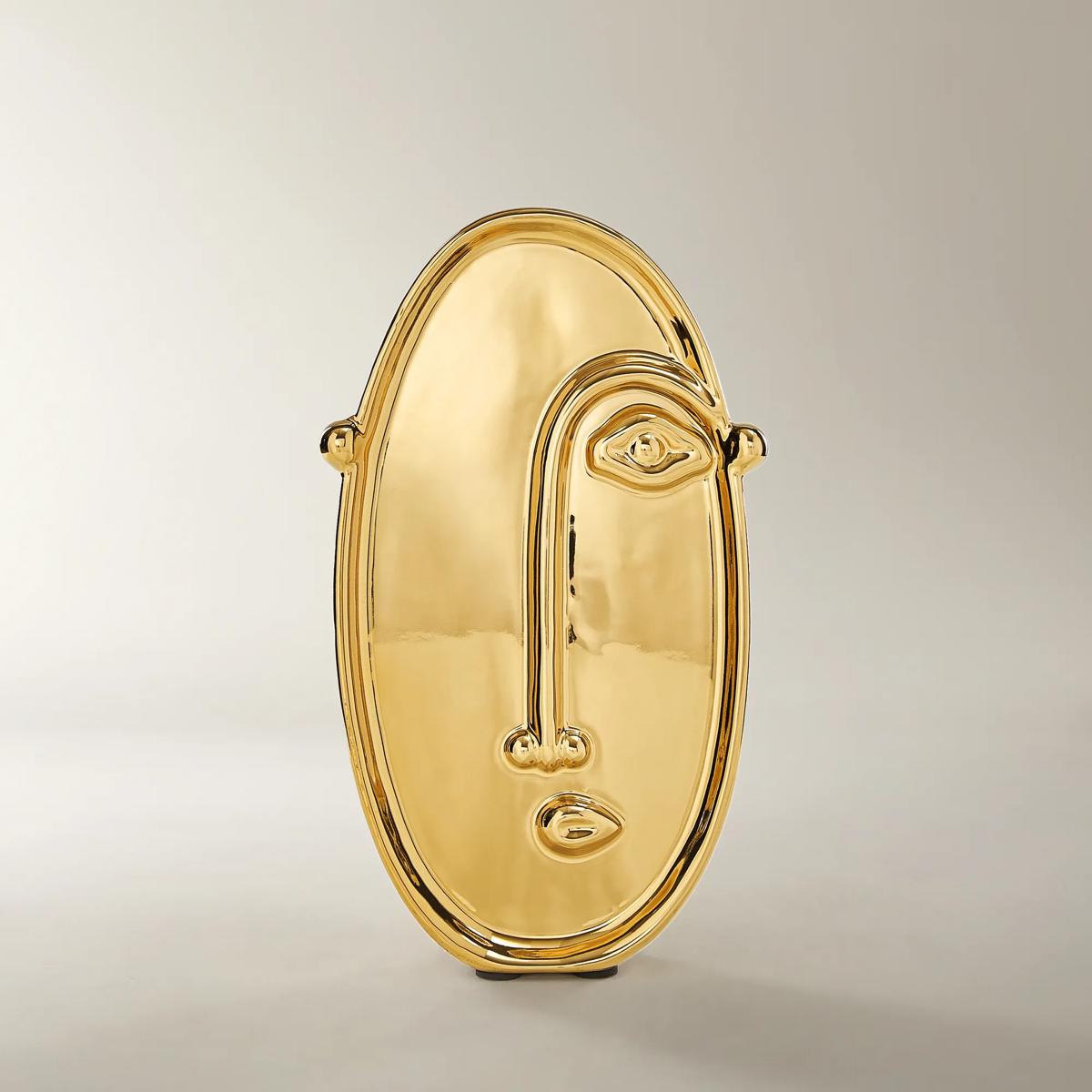
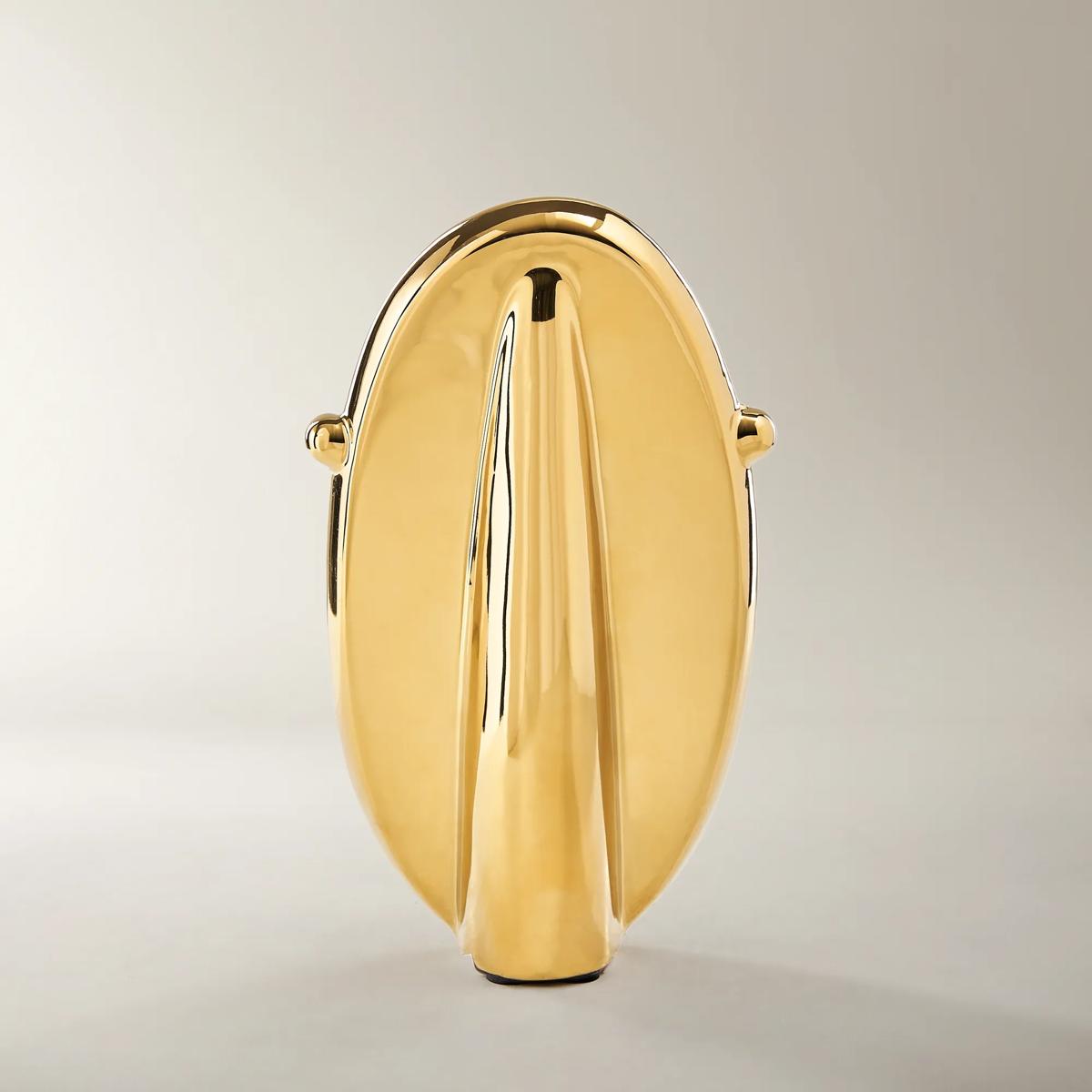 Golden Eye Ceramic Decorative Object 8"$39
A radiant gold ceramic sculpture featuring abstract, elongated facial details for a bold, modern accent.
Add To Cart -
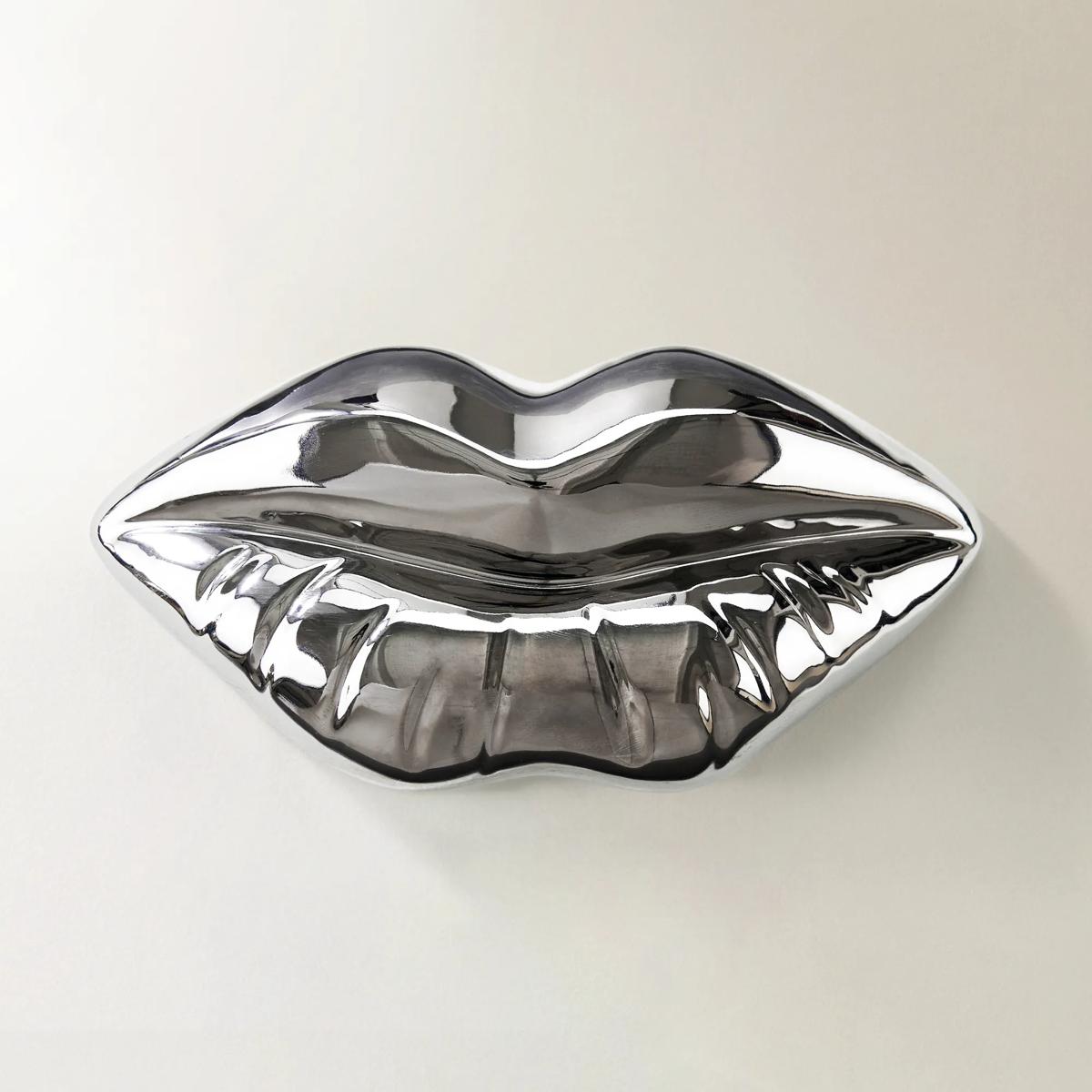 Chrome Lips Ceramic Decorative Object 5.25"$29
A high-shine silver ceramic sculpture that adds modern pop art flair and playful sophistication to any space.
Add To Cart -
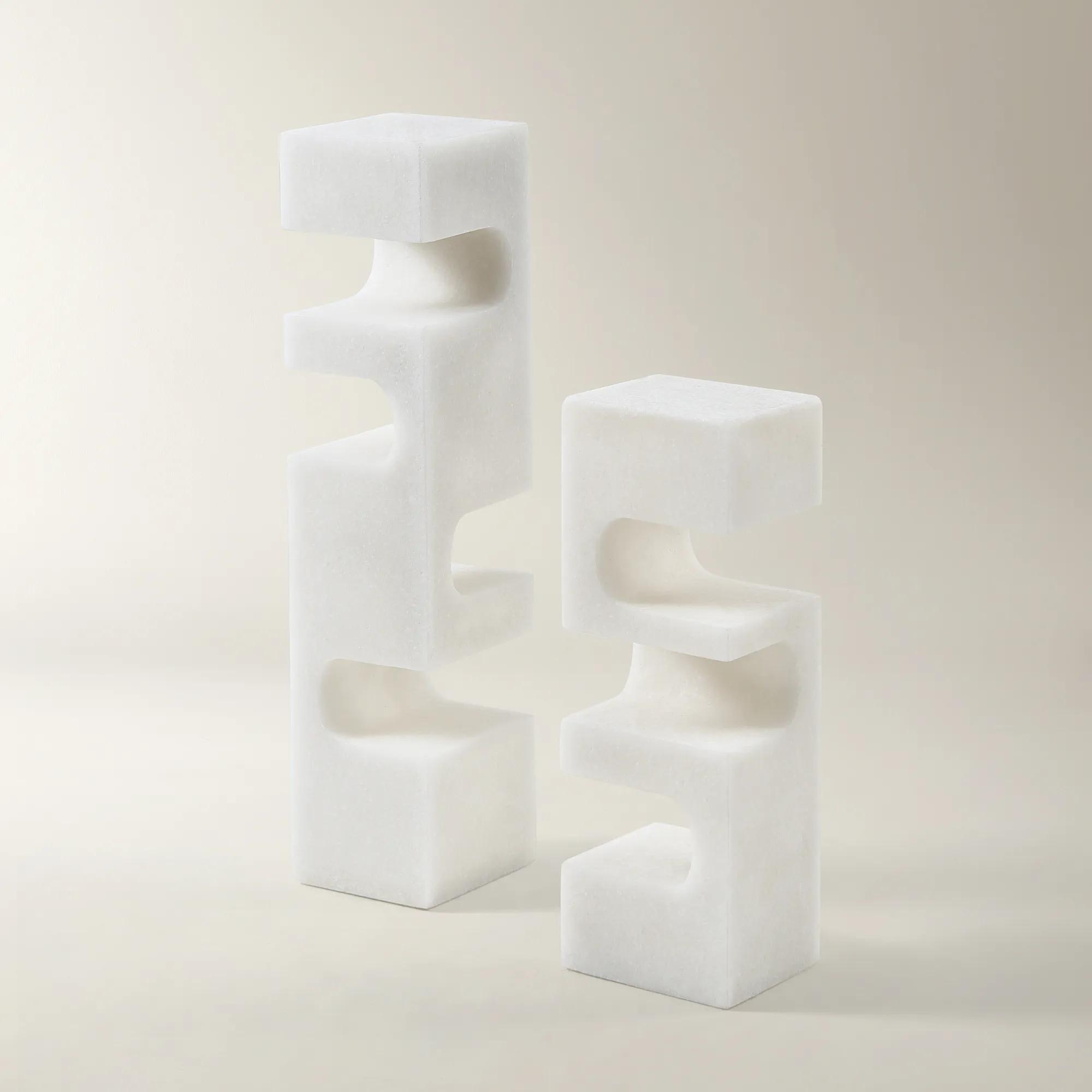
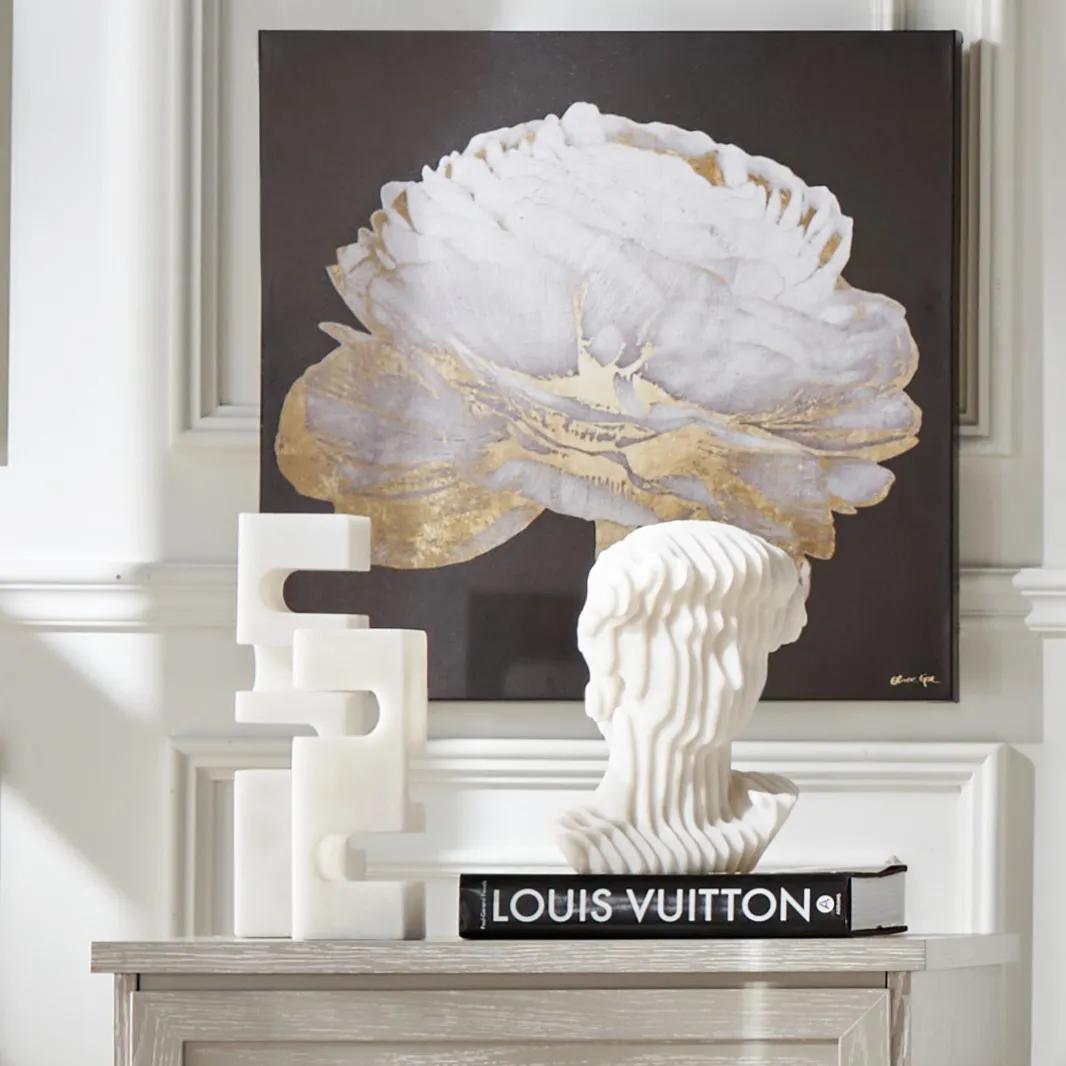 Enna Sculpture$49
A modern Cubist-inspired sculpture crafted from resin and stone powder with a textured white finish.
Add To Cart -
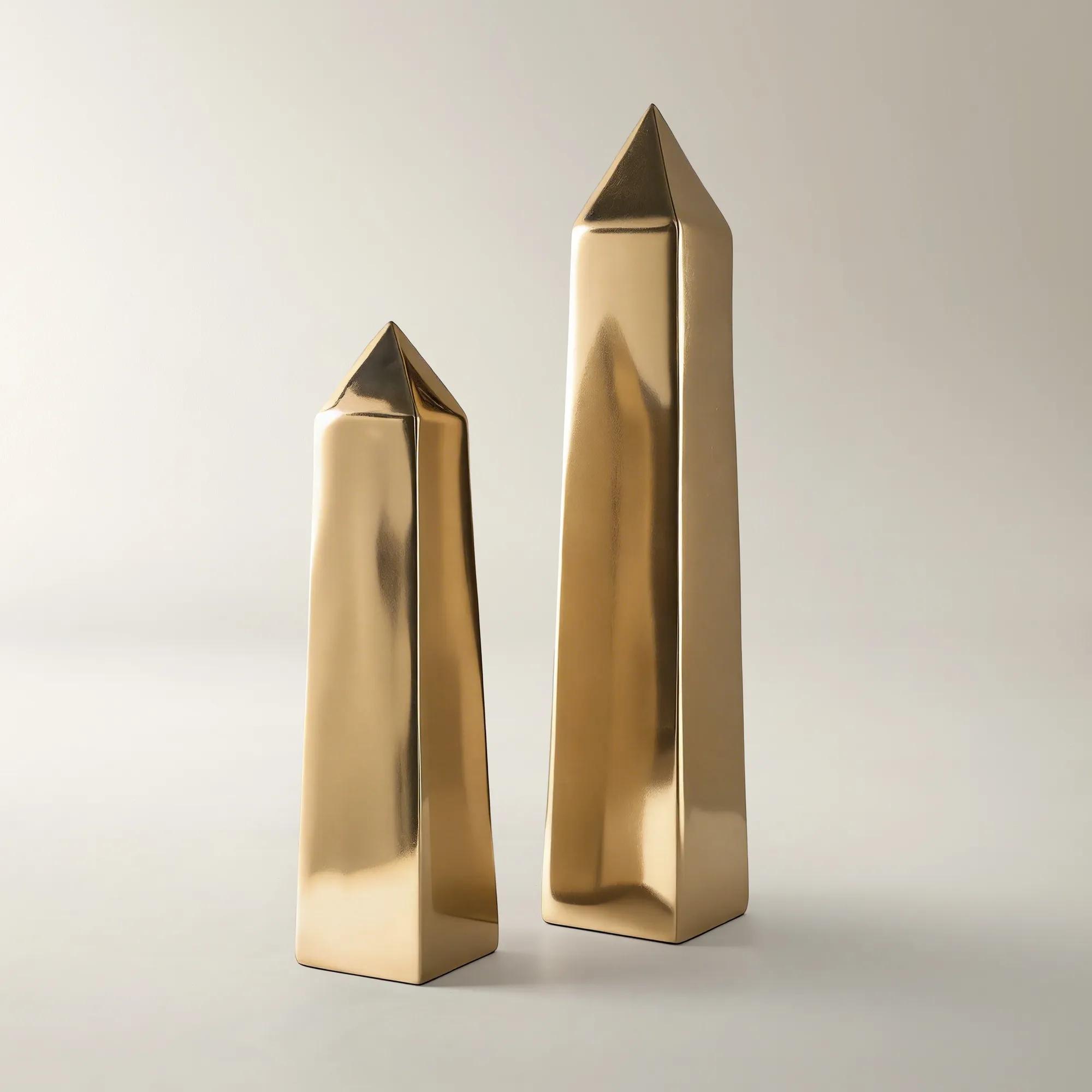
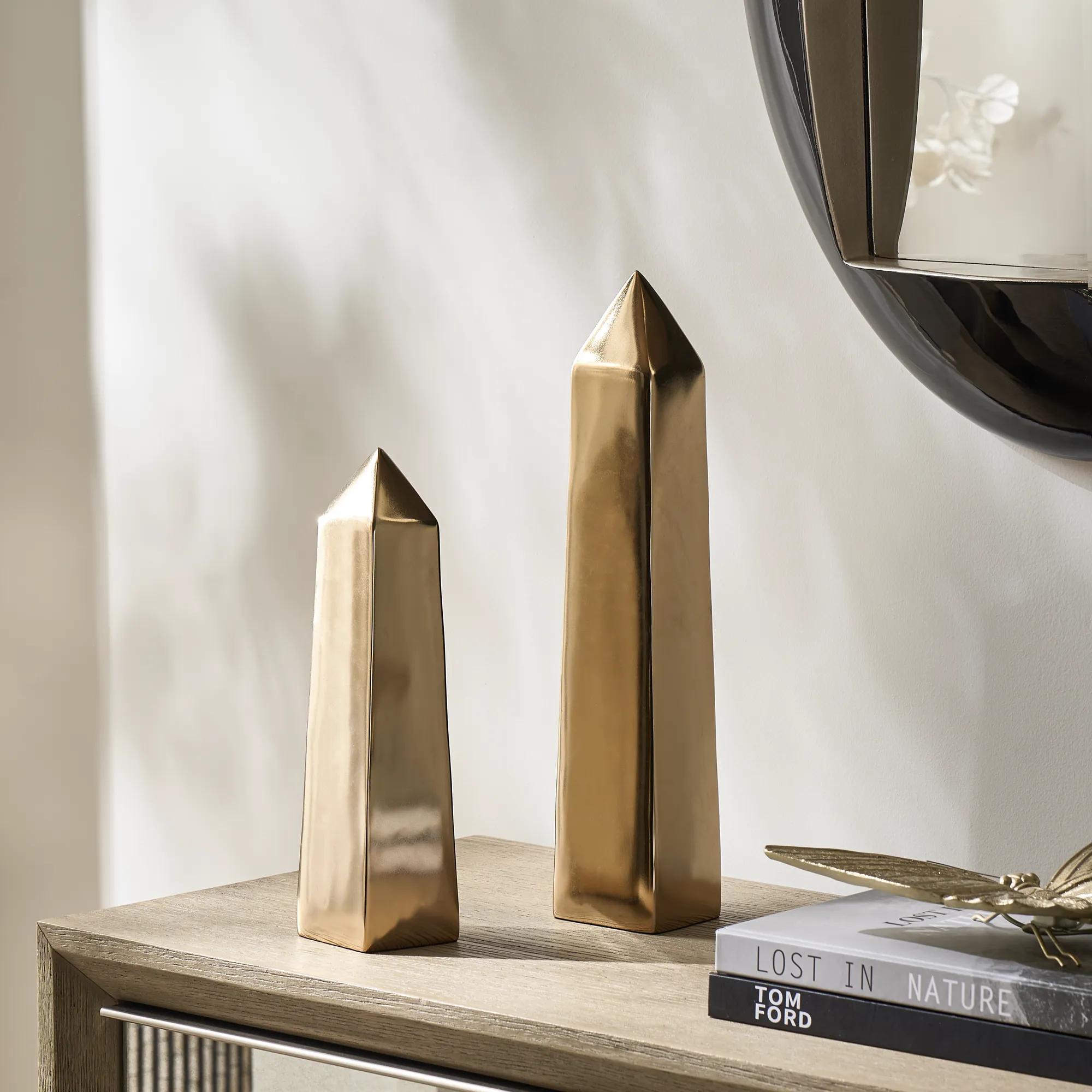 Golden Aluminum Obelisks$69
A sculptural aluminum accent in a soft gold finish, adding modern glamour and architectural interest to any space.
Add To Cart -
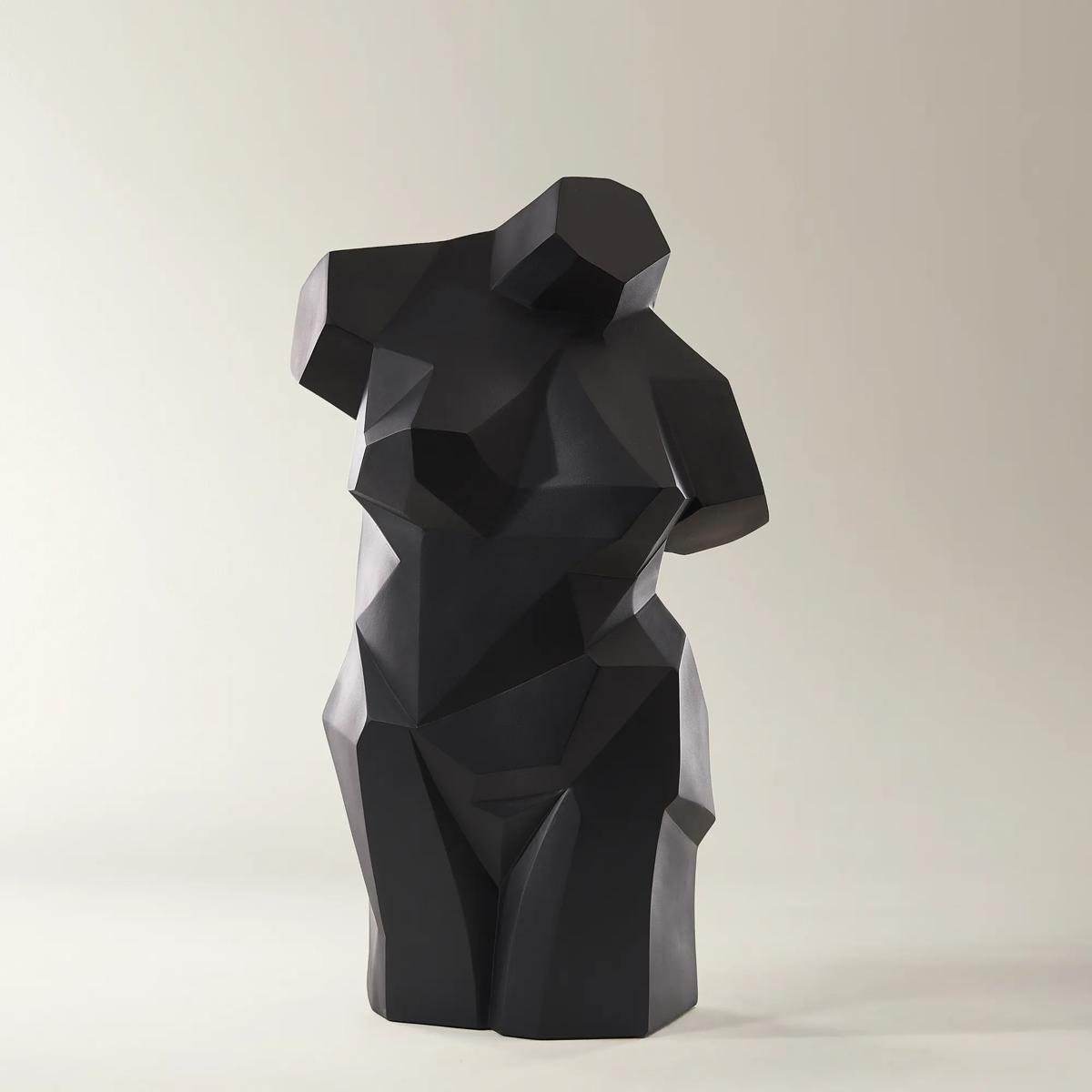
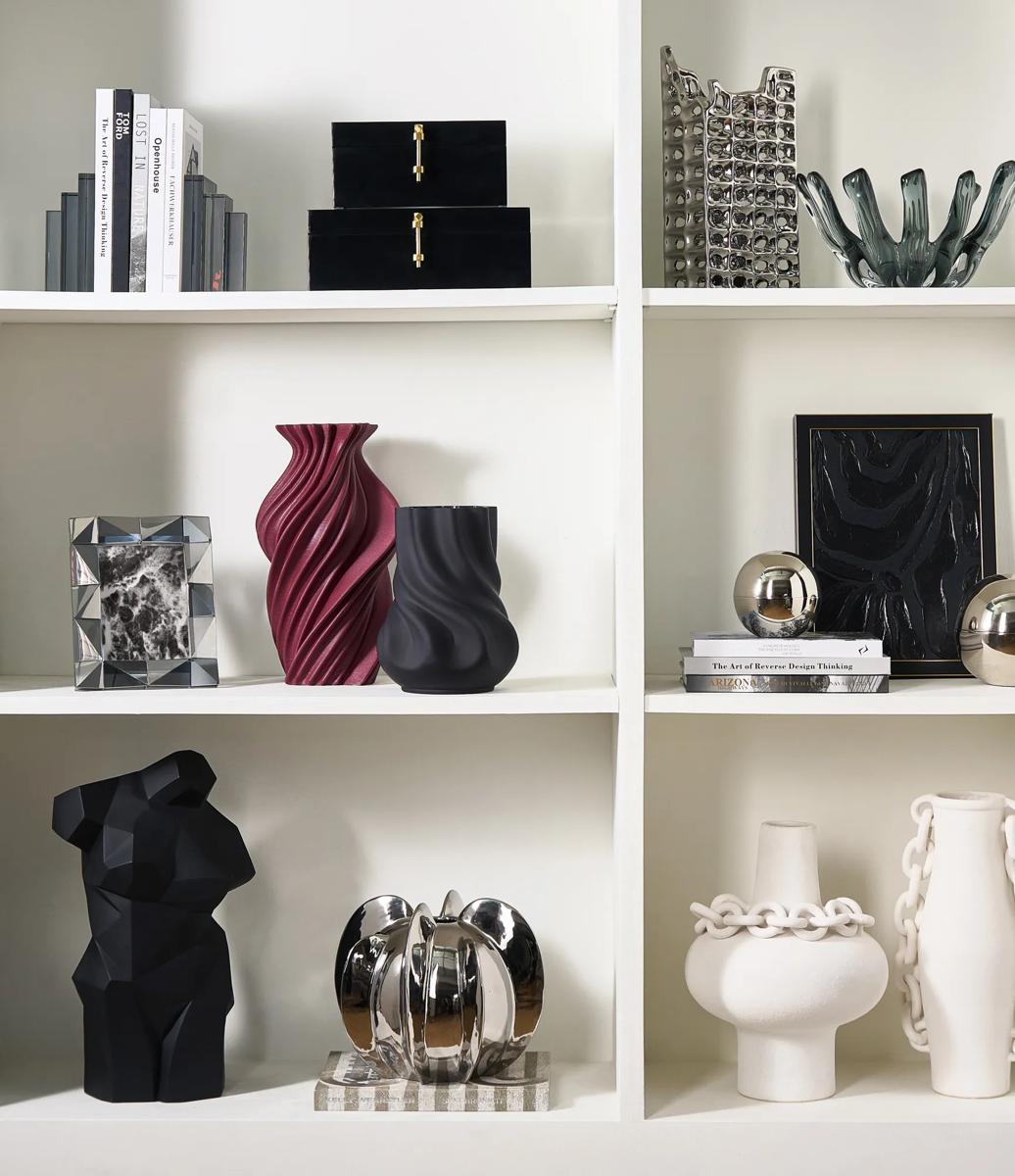 Pose Black Resin Decorative Object 19.75"$99
A sculptural matte black resin accent featuring a faceted geometric design and modern artistic appeal.
Add To Cart -
 Modern David Bust White Resin Decorative Object 12"$99
A white resin and stone powder bust featuring a Cubist-inspired, contemporary take on a classic icon.
Add To Cart -
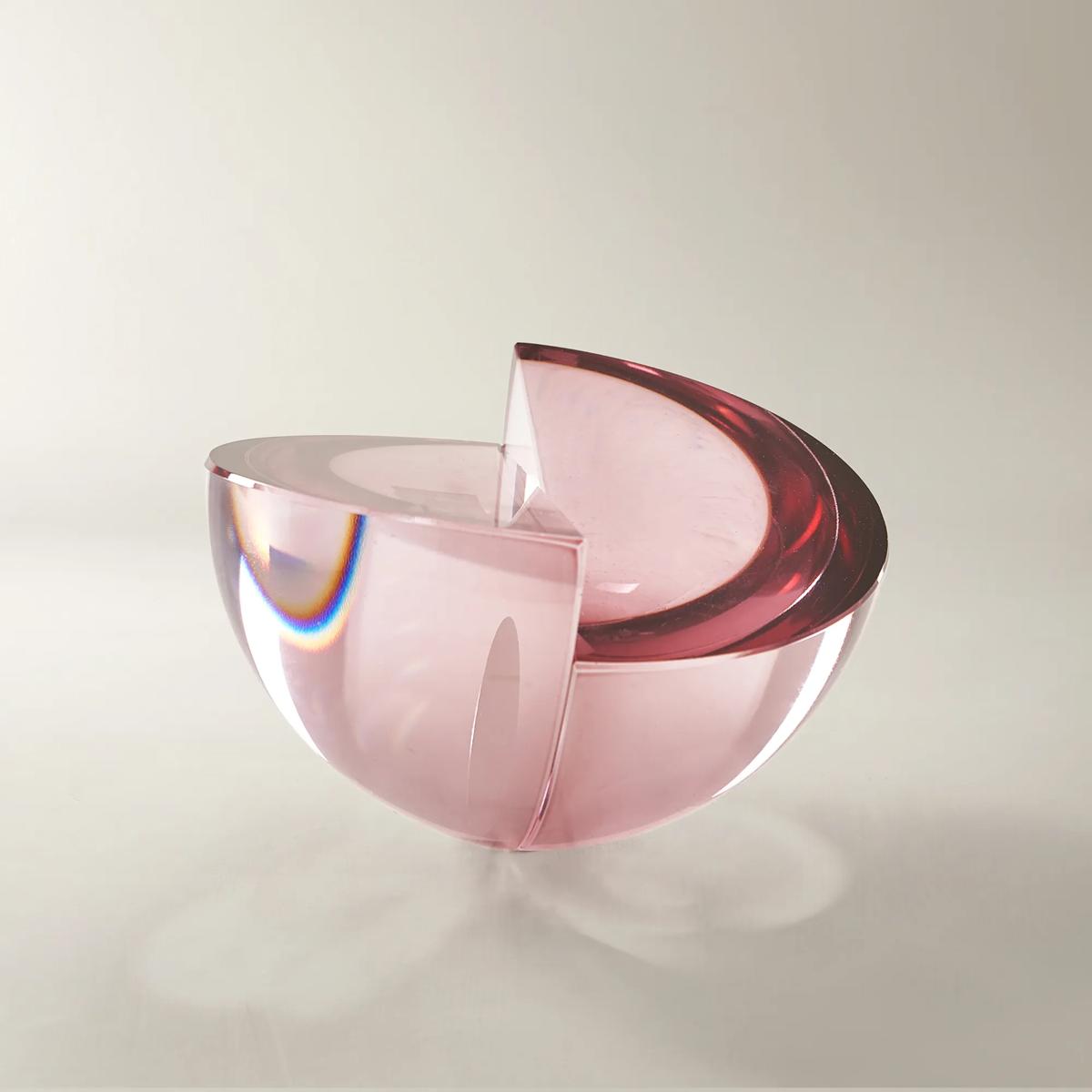 Rose' Crystal Glass Decorative Object 3.25"$79
A sculptural accent crafted from rich purple crystal glass, reflecting light with modern elegance and intrigue.
Add To Cart -
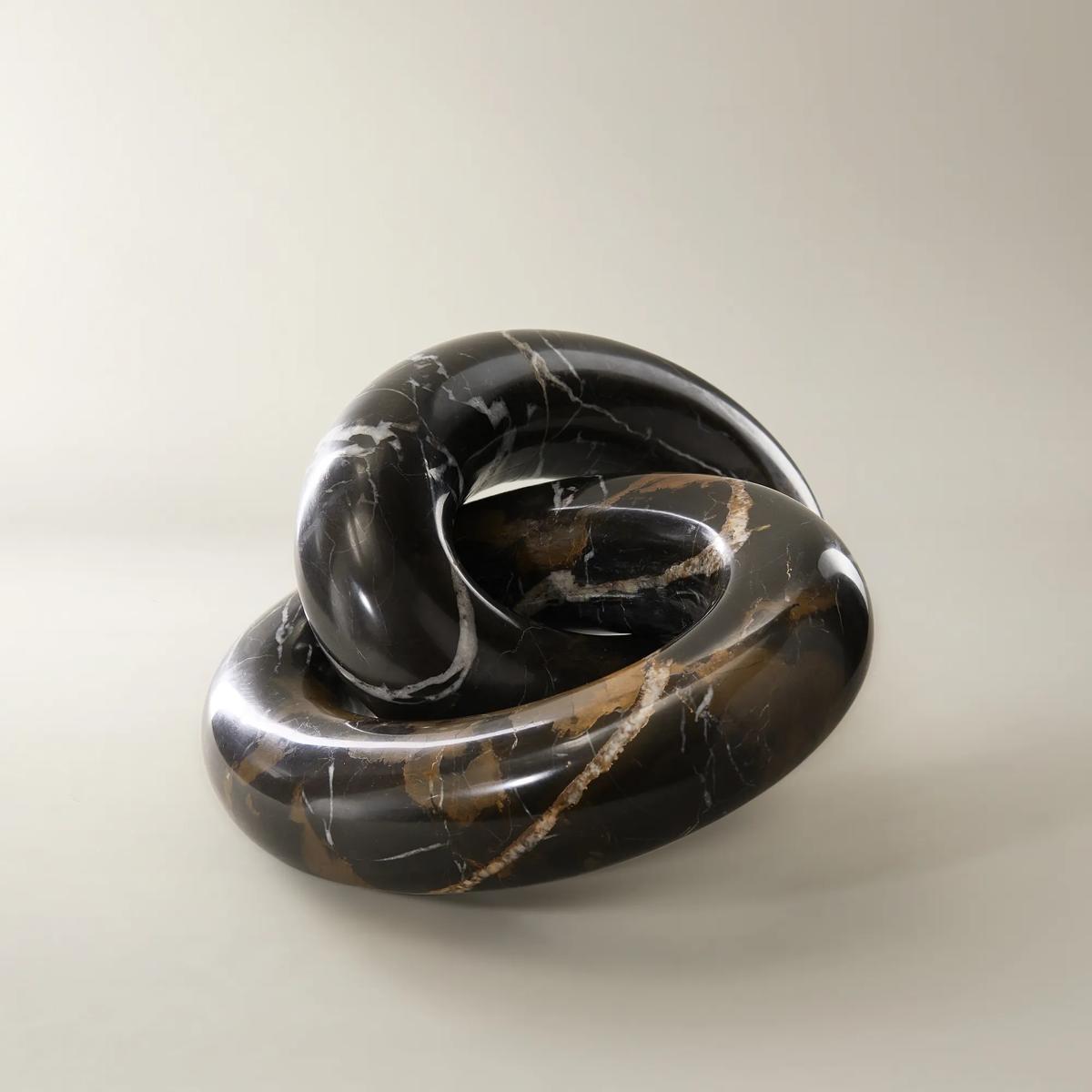 Marble Links Object - Brown$179
A sculptural accent featuring interlocking ovals carved from richly veined, one-of-a-kind brown marble.
Add To Cart -
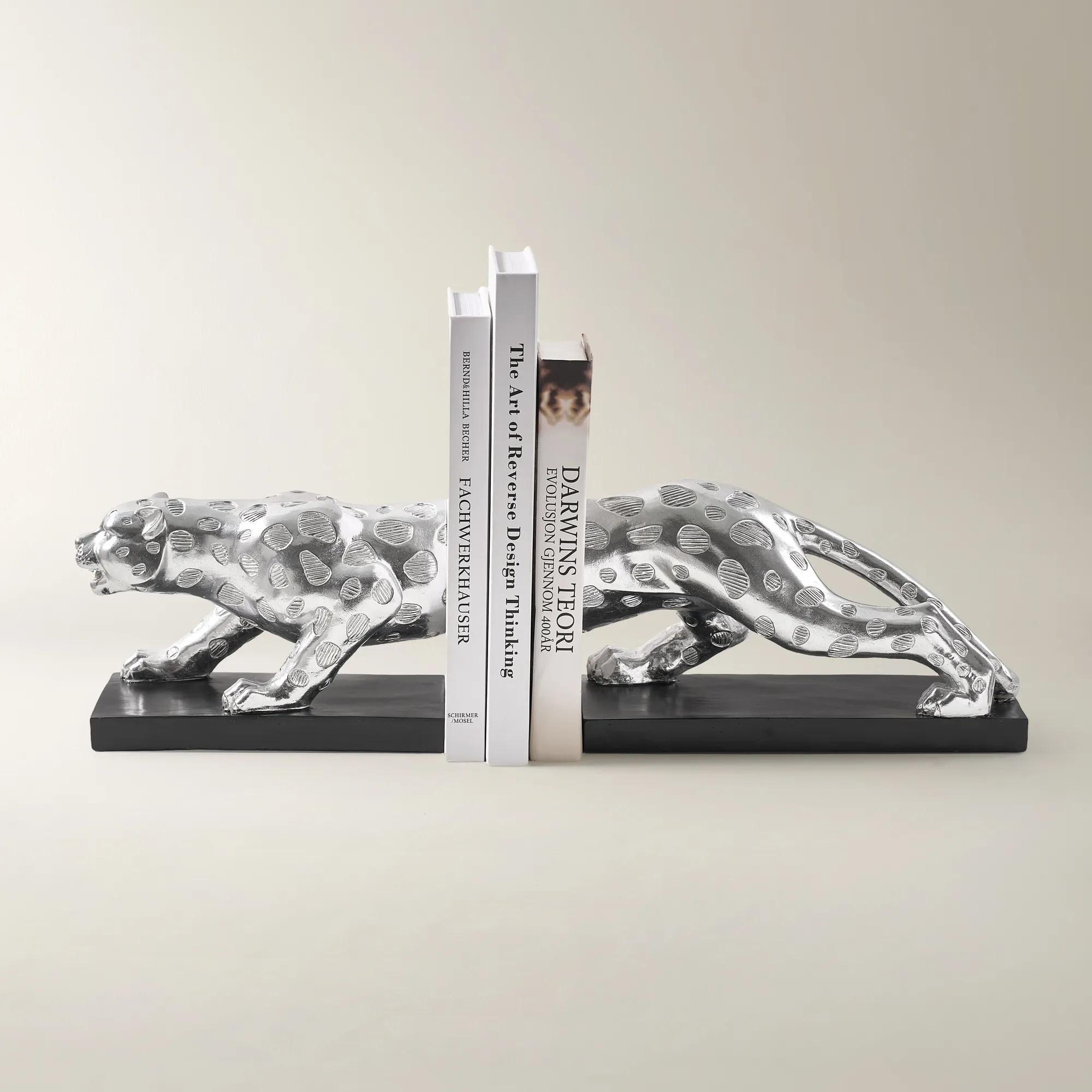 Pose Silver Resin Leopard Bookends$89
A sculptural pair of silver and black polyresin bookends inspired by Leopardo, adding modern glamour.
Add To Cart -
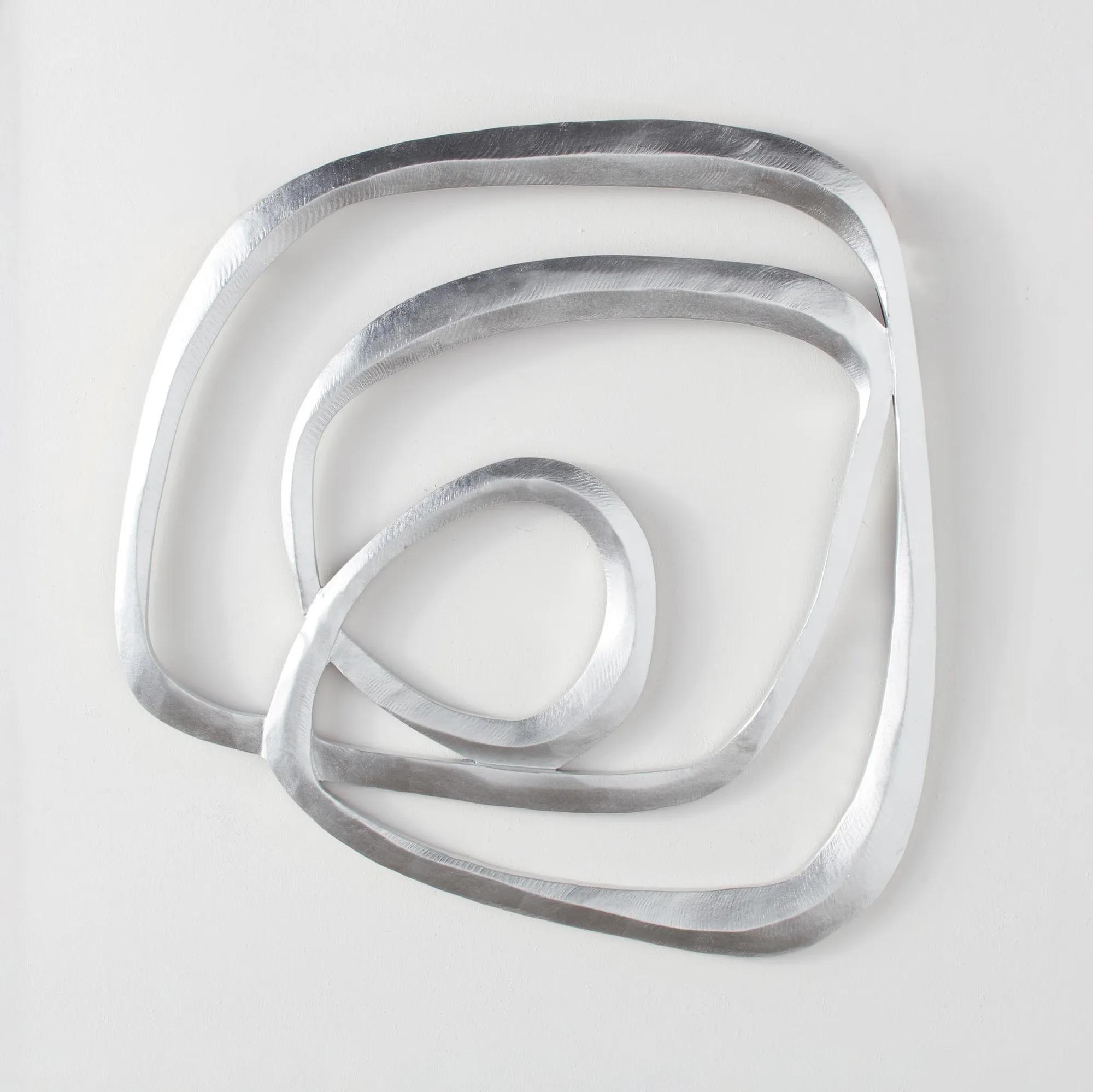 Infinity Silver Leaf Wood Wall Decor II 31.5" x 31.5"$299
A swirling wooden wall sculpture featuring a striking metallic silver finish for modern visual impact.
Add To Cart -
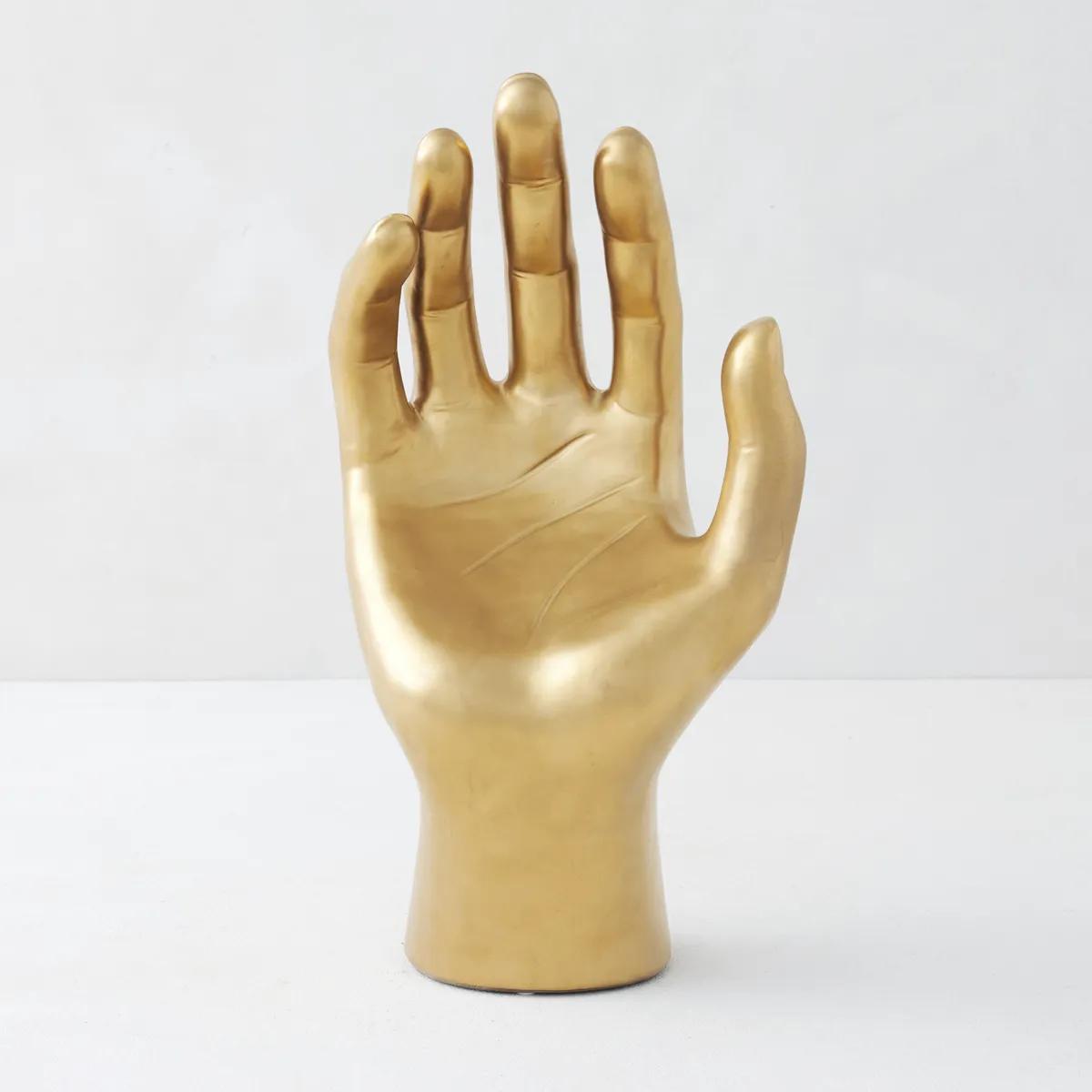
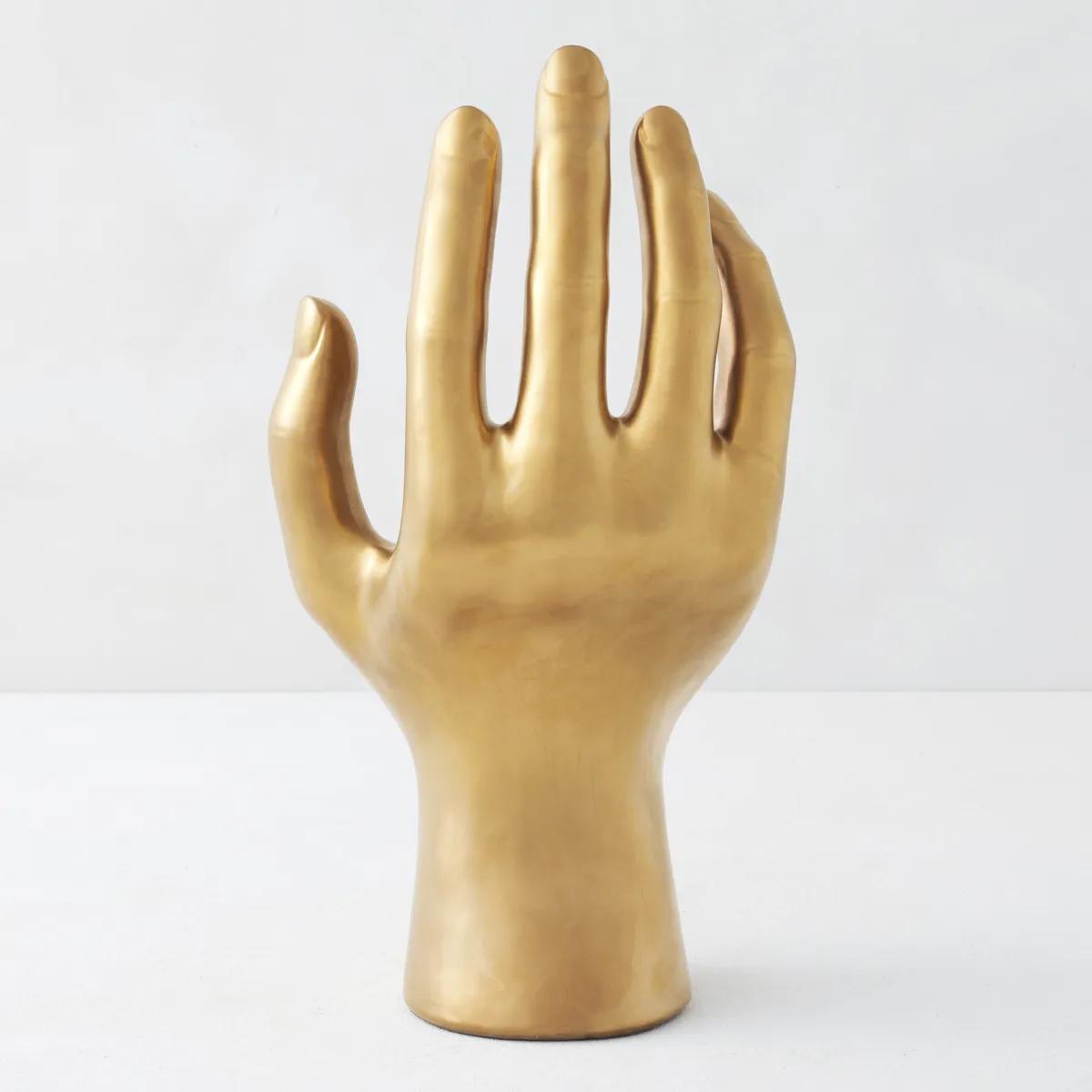 Ceramic Hand Metallic Gold Decorative Object 17.75"$69
A striking ceramic sculpture with a metallic gold finish, perfect for displaying jewelry or as decor.
Add To Cart -
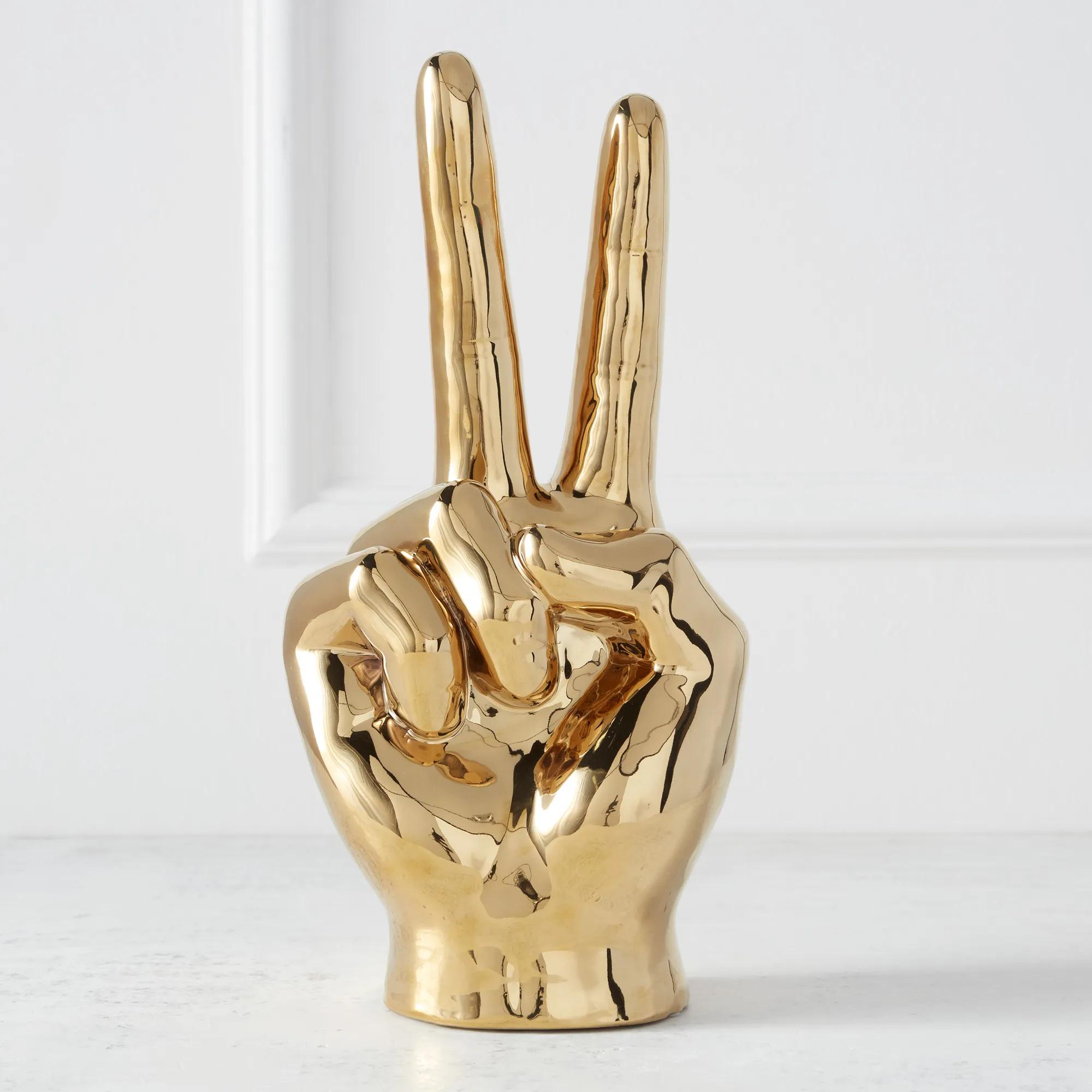 Peace Sign Gold Hand Ceramic Decorative Object 14"$49
A metallic gold ceramic hand sculpture perfect for displaying jewelry or as a decorative accent.
Add To Cart -
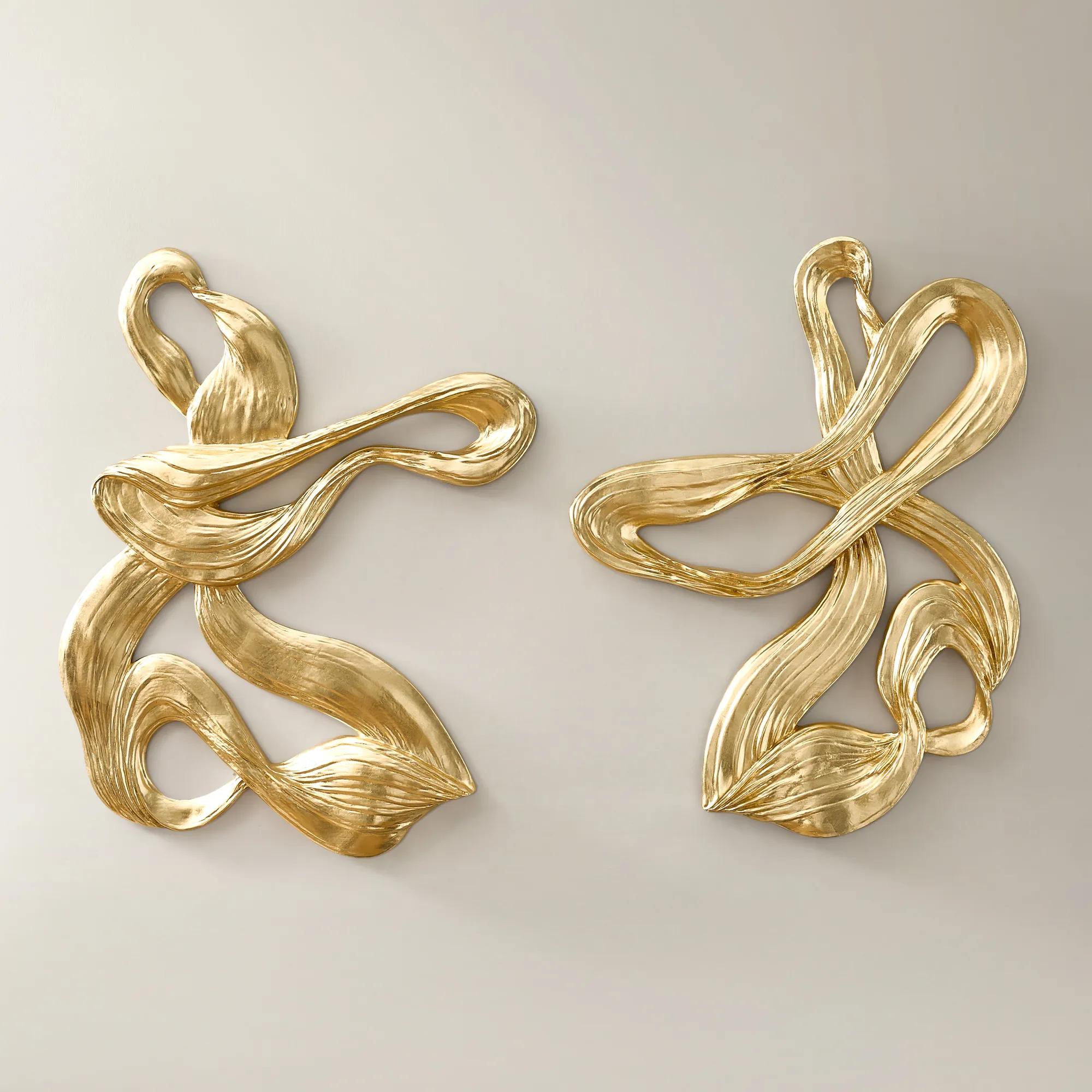
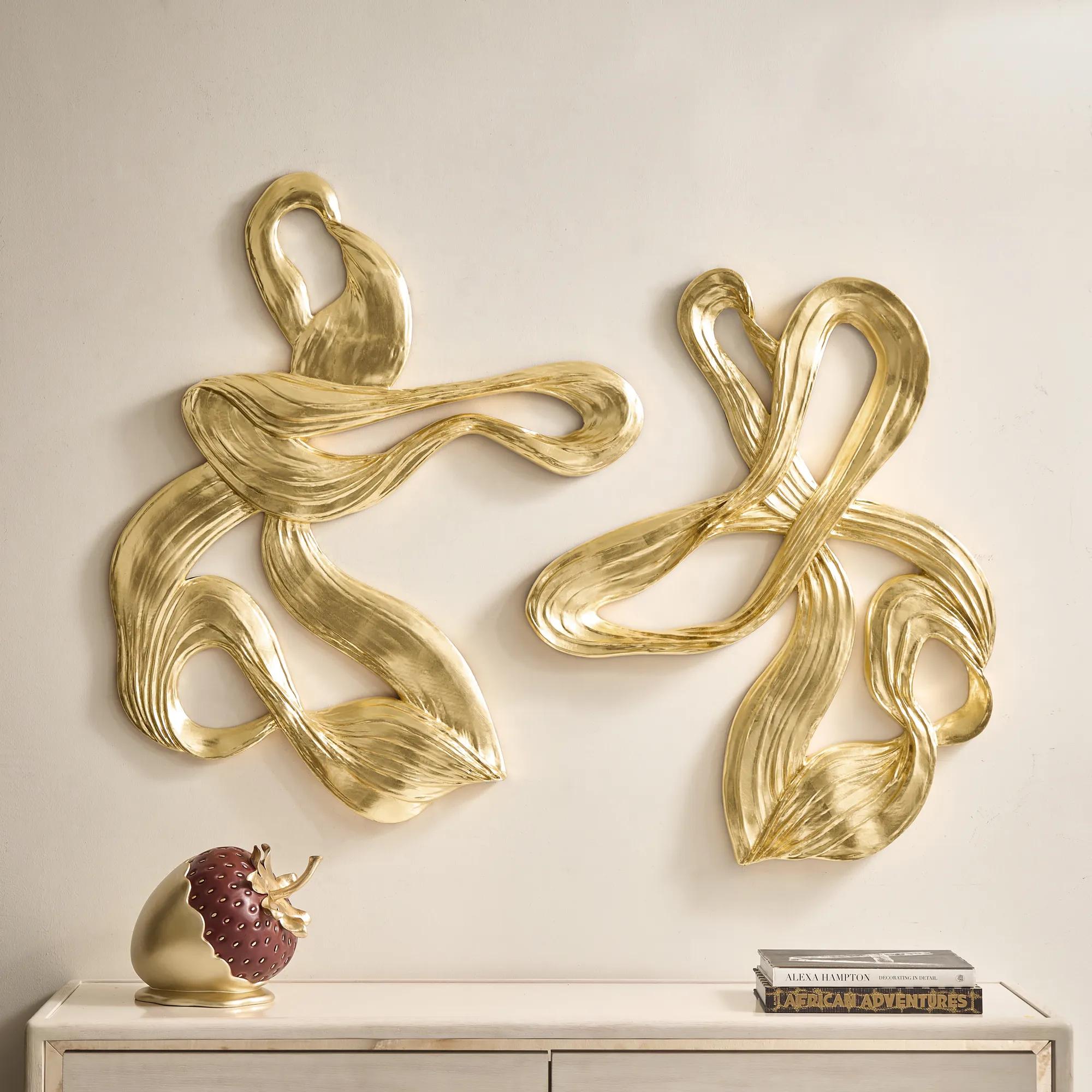 Vela Gold Leaf Sculpted Resin Wall Decor 30.5" x 39.25" Set of 2$699
A set of two resin wall sculptures featuring abstract loop designs and soft gold leafing for modern elegance.
Add To Cart -
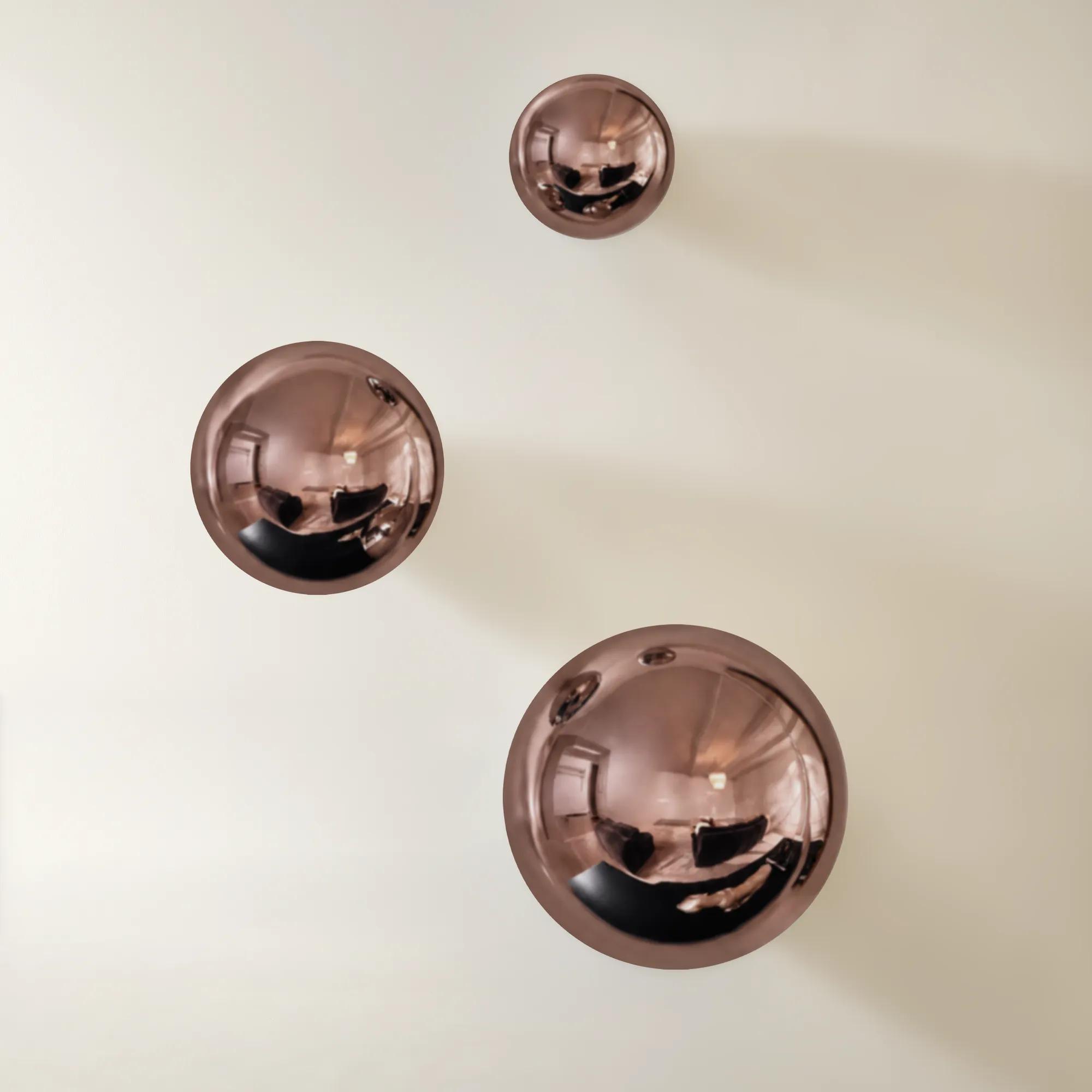
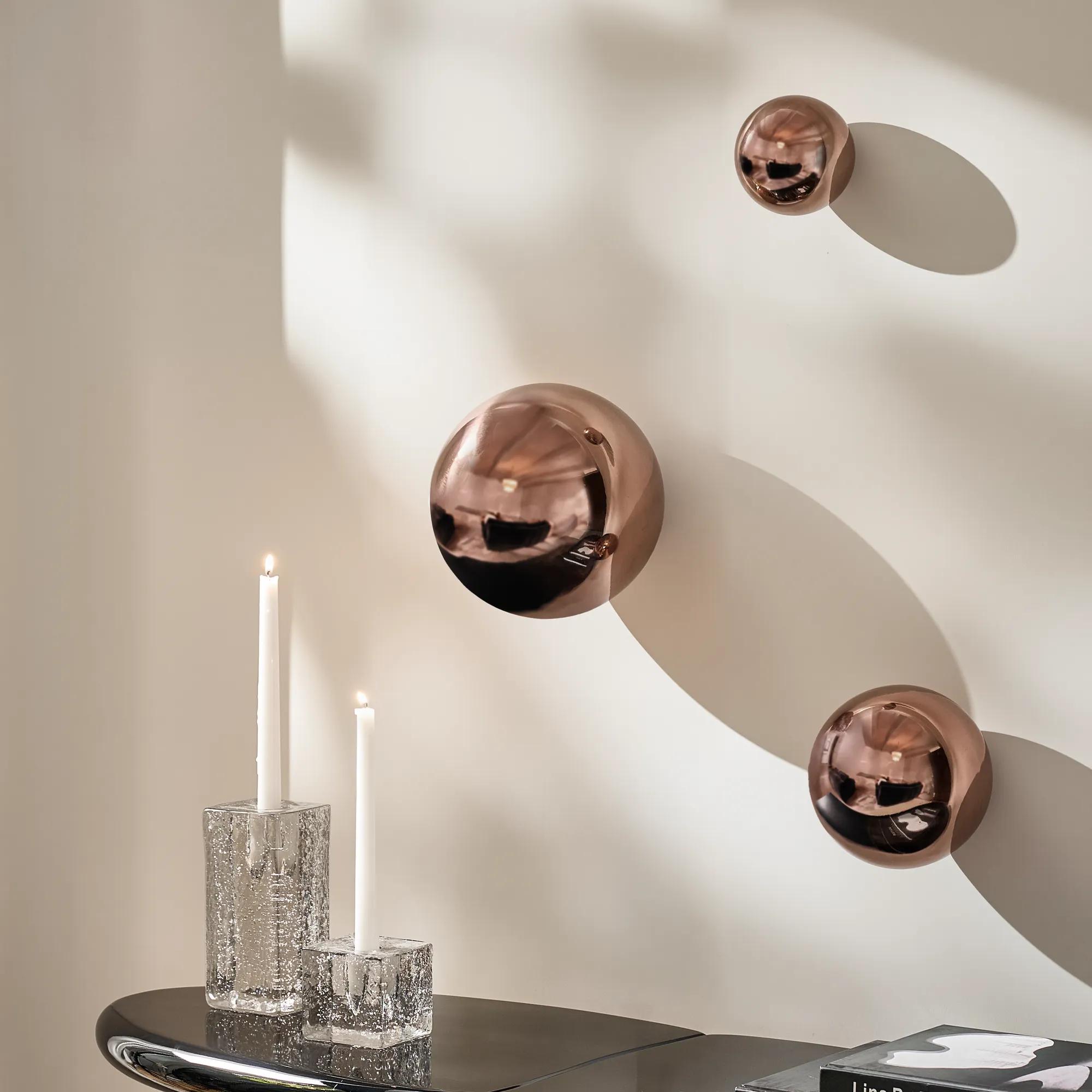 Bronze Spheres Stainless Steel Wall Decor Set of 3$129
A set of three polished bronze stainless steel spheres adds modern, sculptural shine to any wall.
Add To Cart -
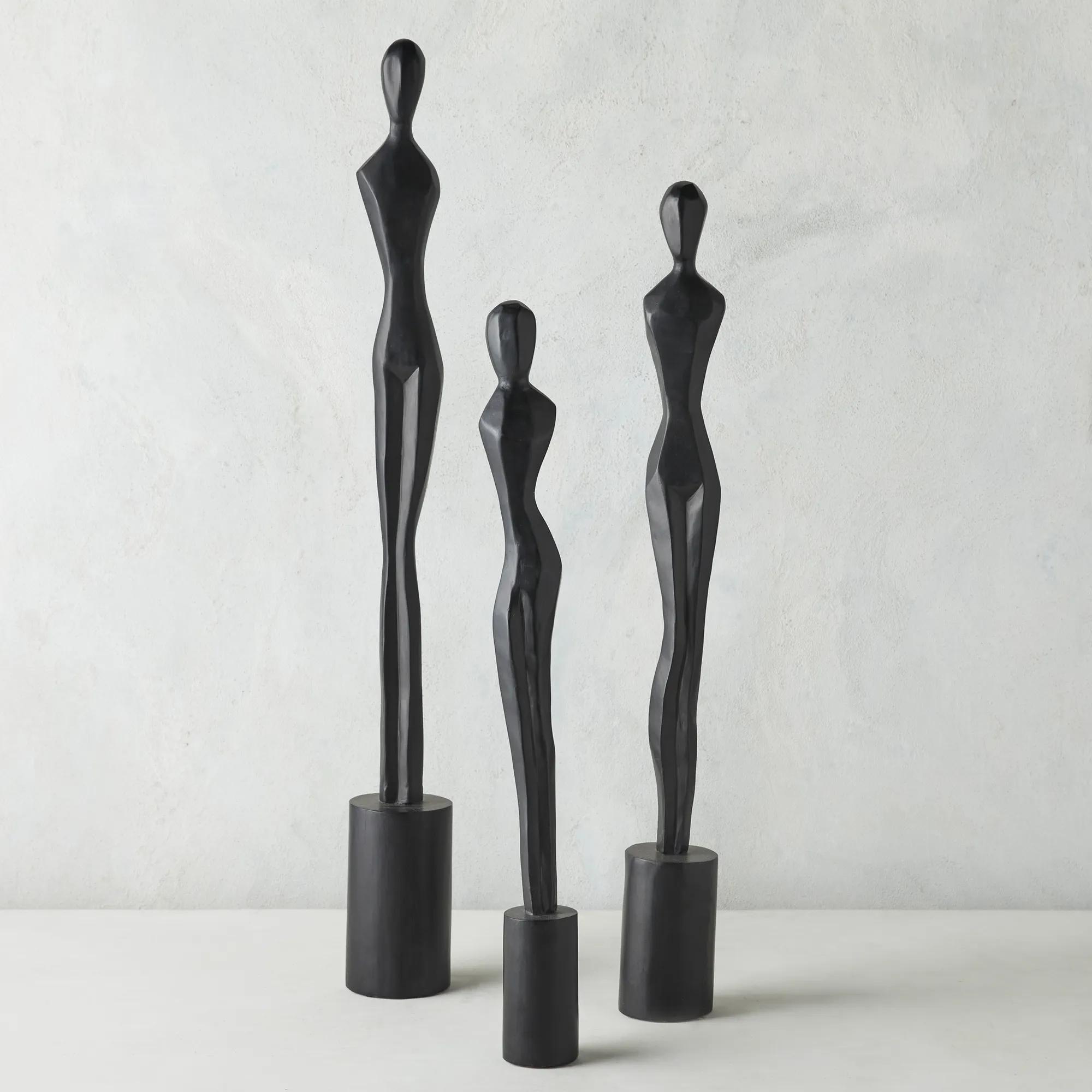
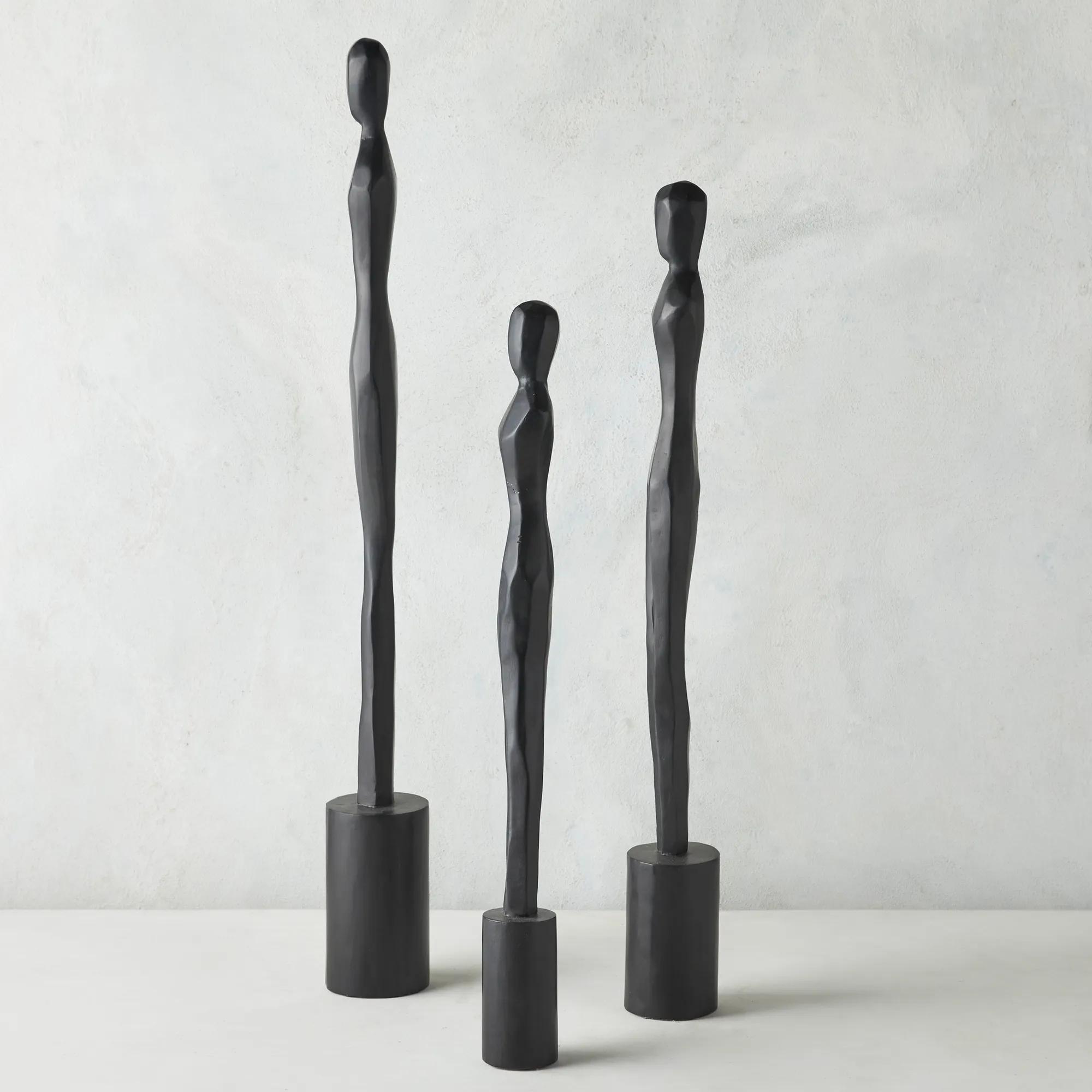 Nikki Chu Female Figure Black Wood Decorative Object Set of 3$129
A striking set of three black mango wood sculptures featuring graceful, elegant female silhouettes.
Add To Cart -
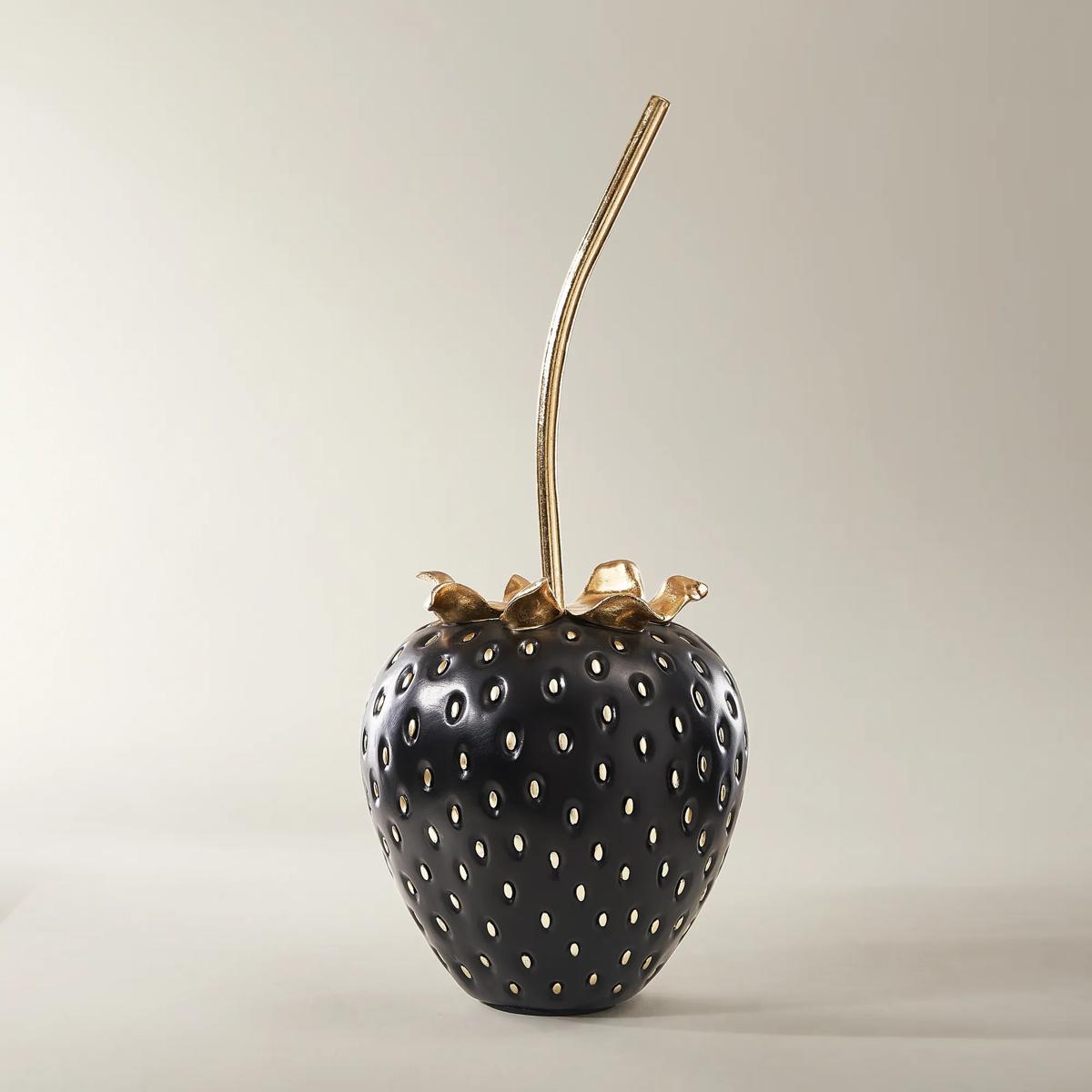 Grand Strawberry Gold And Black Resin Decorative Object 20.25"$129
A bold resin decorative accent in black and gold, adding whimsical elegance to any modern space.
Add To Cart -
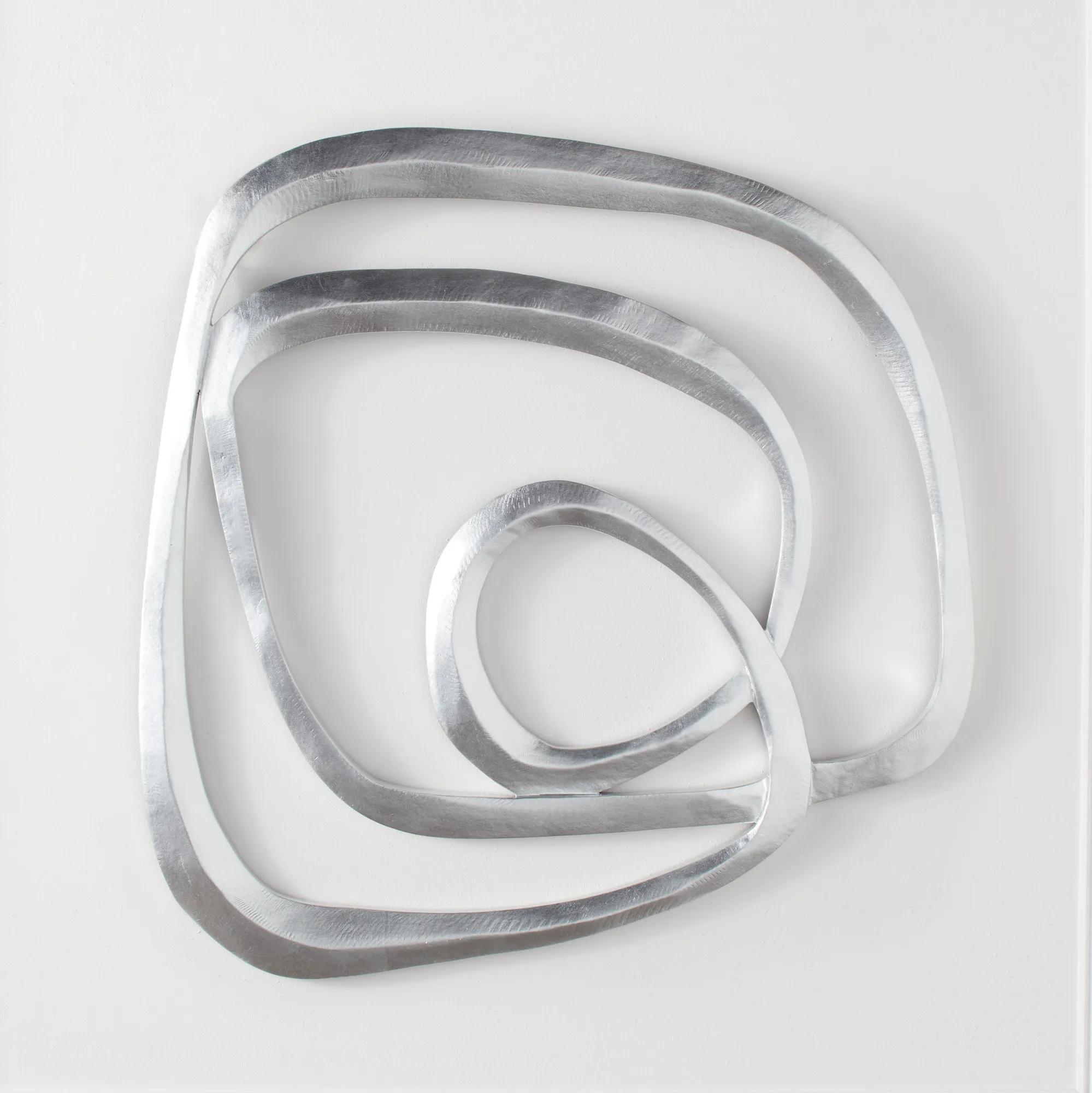 Infinity Silver Leaf Wood Wall Decor I 31.5" x 31.5"$299
A swirling wooden wall sculpture featuring a striking metallic silver finish for modern visual impact.
Add To Cart -
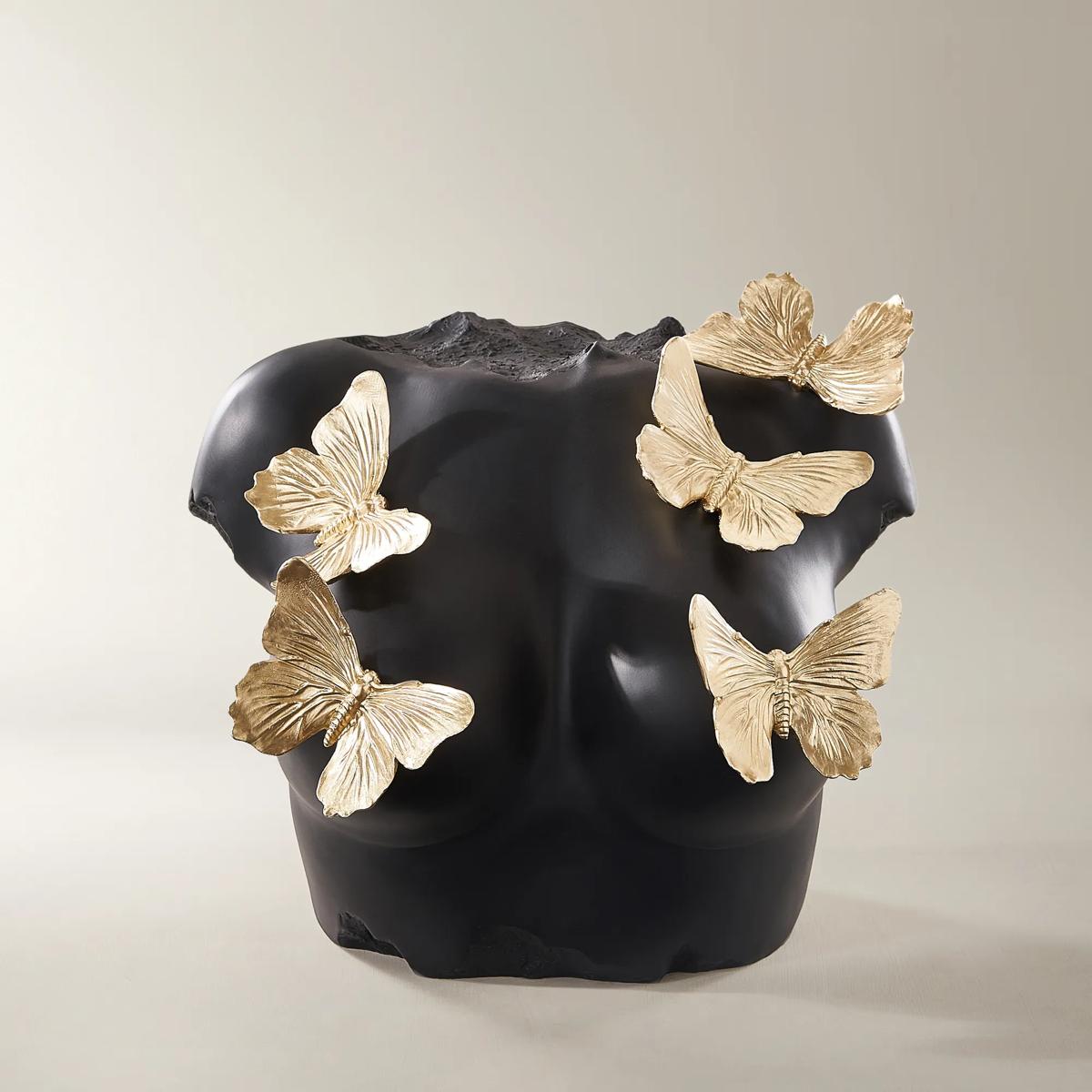 Butterfly Bust Black And Gold Resin Decorative Object 11.75"$149
A matte black resin bust adorned with gilded butterflies, offering poetic movement and modern elegance.
Add To Cart -
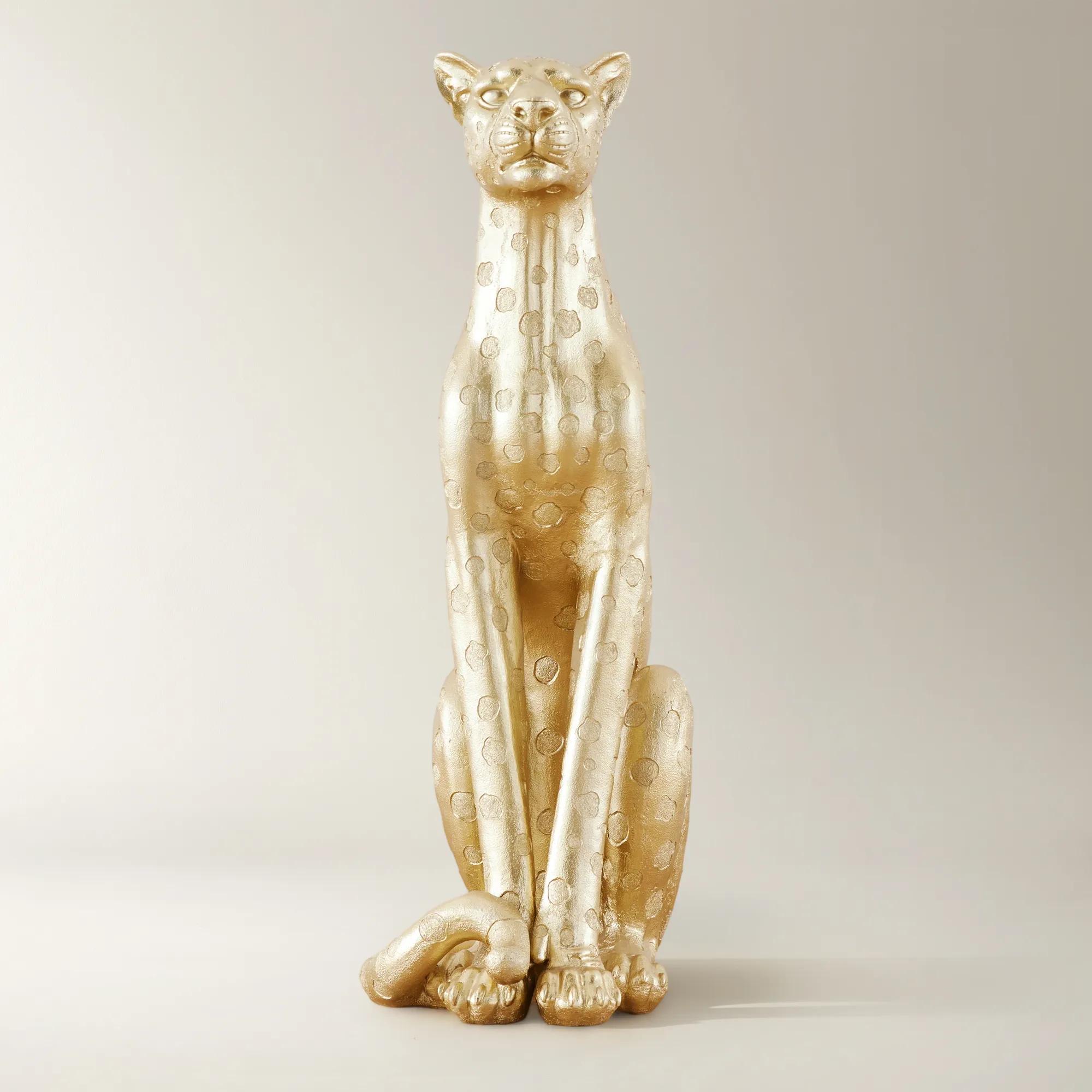 Leopardo Gold Resin Decorative Object 35"$329
A striking gold resin leopard statue that adds a touch of regal elegance to any space.
Add To Cart -
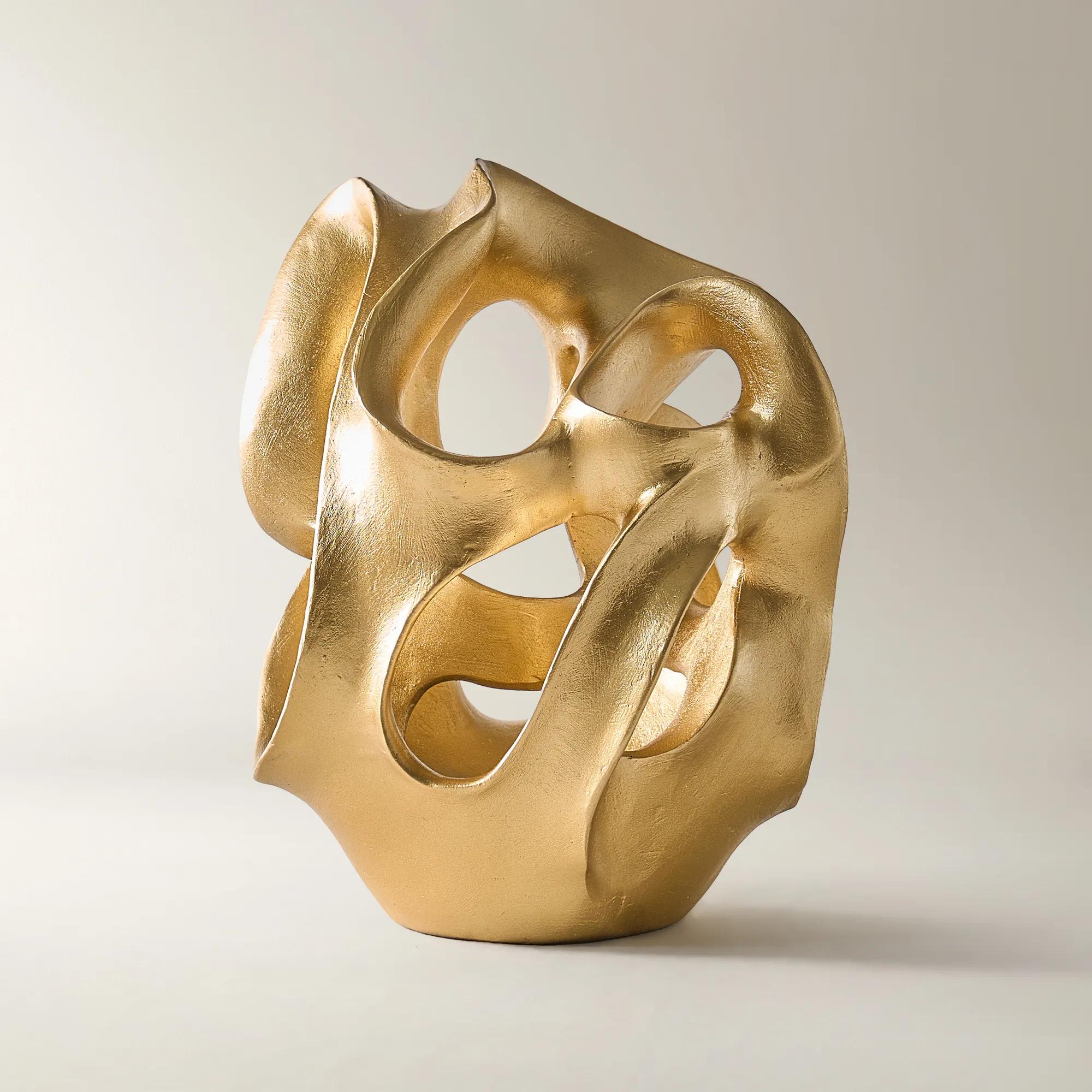
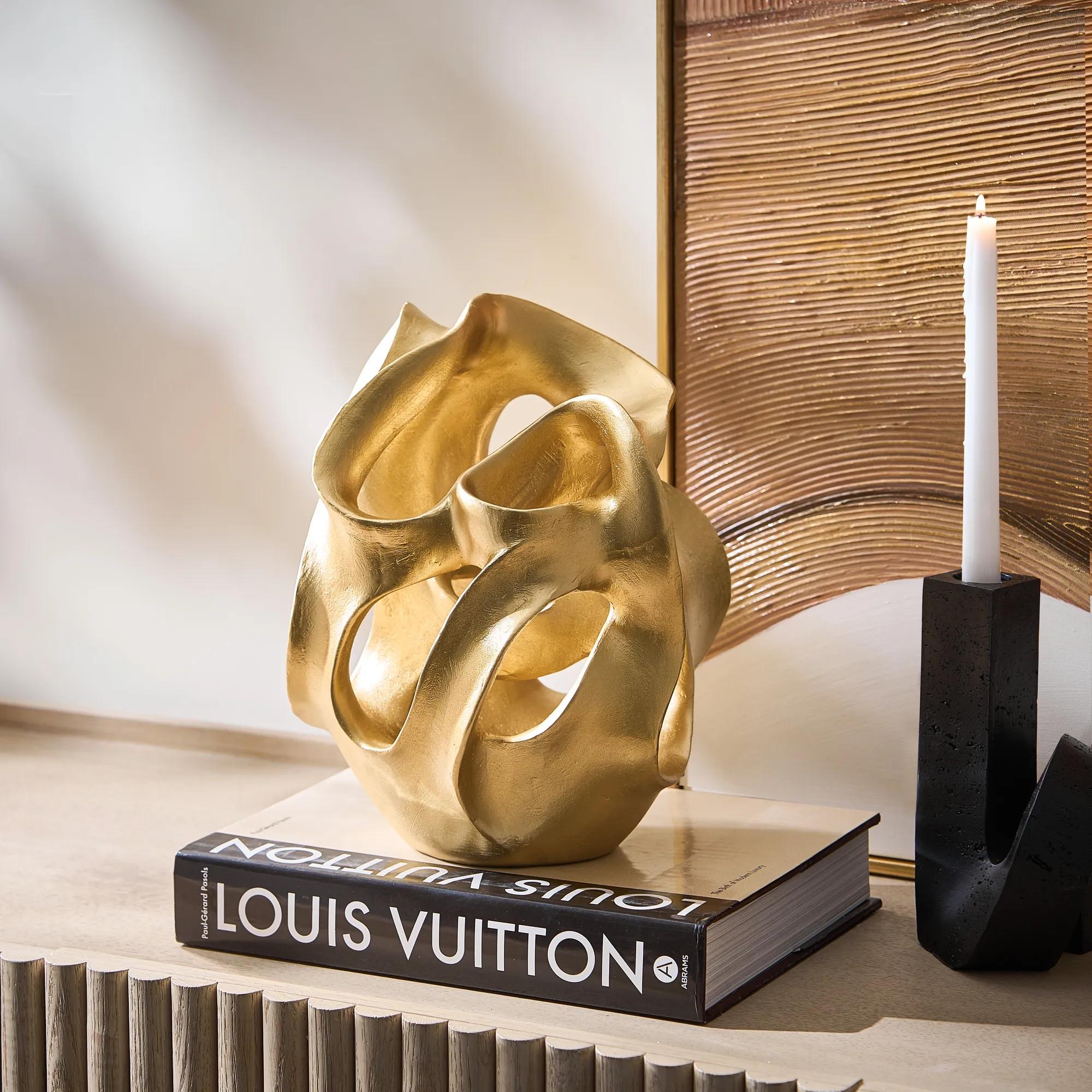 Payal Gold Resin Decorative Object 12"$99
A gold-finished resin sculpture with a fluid open silhouette adds architectural elegance and organic movement.
Add To Cart -
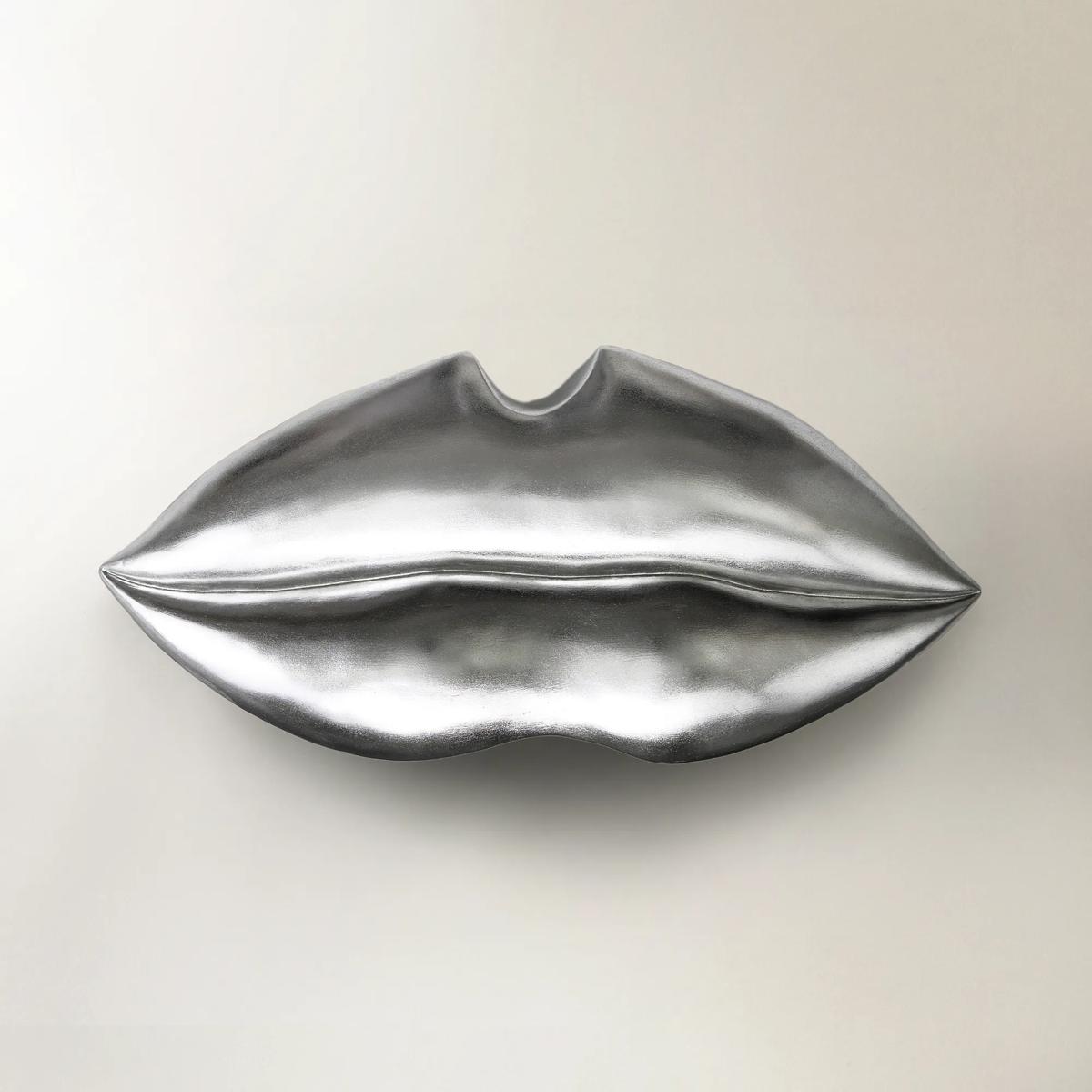 Grand Lips Silver Poly Resin Wall Decor 27.5" x 12.5"$99
A playful resin sculpture in sleek silver, perfect for adding modern flair to any space.
Add To Cart -
 Grand Lips Gold Poly Resin Wall Decor 27.5" x 12.5"$99
A playful resin sculpture in radiant gold, perfect for adding bold artistic flair to any space.
Add To Cart -
 Cubism Black Resin Floor Totem 65"$329
A sculptural black resin totem with stacked geometric forms and brushed gold accents creates drama.
Add To Cart -
 Glossy Fig Stainless Steel Decorative Ball 7.75"$59
A glossy fig-hued stainless steel ball that adds modern warmth and sculptural shine to any display.
Add To Cart

Modern Decorative Sculptures For Office
Modern decorative sculptures for office transform the everyday workspace into a gallery of inspiration and artistry. Each piece is a curated gesture—bold, sculptural forms that evoke movement, imagination, and sophistication. Designed to punctuate your desk or conference room with unexpected drama, these objets d’art invite conversation and spark creativity. Whether perched atop a bookshelf or commanding attention on a console, modern decorative sculptures for office elevate professional environments from routine to remarkable, turning every corner into a statement of vision and style.
Modern decorative sculptures for office spaces bring three-dimensional artistry to desks, bookcases, credenzas, and reception areas, giving a professional setting a distinctive visual identity. Abstract curves, architectural shapes, and expressive figurative forms introduce movement without relying on pattern or wall space. Their appeal lies in the relationship between silhouette, material, and light: a polished surface catches a bright reflection, an open framework casts a delicate shadow, and a substantial stone form lends quiet gravity to a composition. In a home office, these accents help connect practical furniture with the character of the surrounding interiors. In an executive suite or client-facing workspace, they can establish a considered atmosphere before a conversation begins. The strongest impression comes from proportion rather than quantity. A compact desk sculpture can create a deliberate focal point beside a monitor while leaving room for writing, and a larger silhouette can give a broad credenza the presence it deserves. Negative space matters, too. An open, looping form offers dimension without completely obscuring books, artwork, or the view across a desk. A solid geometric shape feels more grounded and makes an especially striking contrast against slender furniture legs or an airy shelving system. Finishes shape the mood just as clearly: gleaming metallic tones bring glamour to dark wood, matte black sharpens a pale interior, and softly veined stone adds depth to a restrained palette. For a workspace that already includes expressive artwork or richly textured upholstery, a sculpture with a clear, uncomplicated outline provides a point of visual focus. In a more understated setting, a dramatic sculptural gesture can carry the room’s artistic personality. Viewed from a doorway, across a conference table, or within the frame of a video call, the right form gives an office a memorable detail that feels intentional rather than incidental. It becomes part of the room’s identity while preserving the clarity a working environment needs.
Material gives modern office decor sculptures both their visual character and their practical requirements. Metal can take on crisp angles, slender extensions, or fluid curves, with polished finishes emphasizing reflection and brushed or matte surfaces offering a more subdued expression. Depending on the metal and construction, a piece may feel surprisingly light or notably substantial; its appearance alone does not reveal its weight. Marble and other natural stones contribute density, cool texture, and distinctive markings, with variations in veining and color making each surface visually individual. Those qualities bring richness to a desk or console, although the weight of stone deserves particular attention on glass shelves, floating shelves, and delicate furniture. Ceramic offers another kind of depth, from lustrous glazed surfaces to tactile, unglazed finishes that soften a room dominated by screens and polished hardware. Glass can lend luminous color or transparency, while resin allows intricate contours and sculptural detail without necessarily carrying the weight of comparable solid stone forms. Wood introduces grain and warmth, creating an expressive counterpoint to metal office furniture. Durability depends on construction, finish, placement, and handling as much as material. A narrow extension, projecting edge, or slender connection may be vulnerable even when the sculpture’s main body feels substantial. Stable bases are especially valuable near frequently opened drawers, busy reception counters, or shared work surfaces. Surface protection also matters: a suitable nonabrasive pad beneath a base can help reduce contact with a furniture finish, provided it does not compromise stability. Care should follow the manufacturer’s instructions, particularly for plated metals, porous stone, painted details, and mixed-material designs. Gentle dusting with a soft cloth is appropriate for many surfaces, while abrasive tools and unapproved cleaners can dull a finish or leave marks. Lifting a sculpture by its supported body or base, rather than a delicate feature, helps preserve its shape and connections. These are decorative accents rather than objects intended for repeated handling, so placement away from desk edges and active pathways protects both the artwork and the surrounding workspace.
Scale and placement allow office sculptures to feel integrated with daily work rather than added as an afterthought. On a desk used for detailed paperwork, a compact form positioned beyond the main writing area adds artistry without competing with essential tools. On a bookcase, the full dimensions matter more than height alone: a sweeping curve needs clearance at its widest point, and an irregular base needs enough shelf depth for complete support. The shelf’s stated weight capacity remains essential, especially with stone or solid metal. A sculpture displayed against a contrasting backdrop reveals its outline more clearly, whether that means pale ceramic against dark cabinetry or a dark metallic form against a light wall. For a video-call background, a distinct silhouette generally reads more clearly than a cluster of small details, while highly reflective surfaces may need repositioning to avoid distracting glare. A reception console can support a bolder composition, with enough surrounding space for visitors to appreciate the form without brushing against it. Pairing sculpture with books or a framed image creates a layered vignette, but leaving part of the surface open gives each element room to register. For an emphasis on expressive shape rather than literal representation, Modern Abstract Decor Sculptures offer a related direction for composing desks, shelves, and display surfaces. These accents can also make thoughtful gifts for a new office, a professional milestone, or someone establishing a dedicated workspace at home. The most personal choice reflects the recipient’s surroundings and sensibility: architectural geometry for a design-minded professional, an organic curve for someone drawn to fluid forms, or a restrained figurative interpretation for a reader’s study. A manageable footprint and straightforward care requirements make a gift easier to incorporate into an established room. Whether displayed alone or within a carefully balanced arrangement, modern decorative sculptures give the office something beyond function: a tangible expression of taste, with the depth and presence that only three-dimensional art can bring.
FAQs
Modern decorative sculptures infuse an office with personality and sophistication, transforming a functional workspace into an environment that inspires creativity and confidence. Their unique forms and finishes can set the tone for the room, spark conversation, and serve as daily reminders of ambition and artistry.
Contemporary office sculptures often feature materials such as polished metals, textured ceramics, glass, and stone. Each material brings its own character: metals offer a reflective, glamorous edge; ceramics introduce tactile warmth; glass adds lightness and intrigue; while stone grounds the space with timeless elegance.
Absolutely. Modern decorative sculptures make thoughtful and memorable corporate gifts, especially for occasions like promotions, retirements, or office openings. Their artistic nature and lasting appeal convey a sense of appreciation and respect for the recipient’s achievements and taste.
For maximum impact, position your sculpture where it naturally draws the eye—such as atop a desk, on a pedestal, or within a curated bookshelf arrangement. Consider the interplay of light and shadow, and pair the sculpture with complementary decor to create a balanced and visually engaging vignette.
Yes, modern sculptures are remarkably versatile and can elevate both traditional and contemporary office interiors. In classic settings, they introduce an unexpected focal point and a touch of modernity, while in contemporary spaces, they reinforce an ethos of innovation and expressive design.