Modern White Decorative Sculptures
Modern White Decorative Sculptures
-
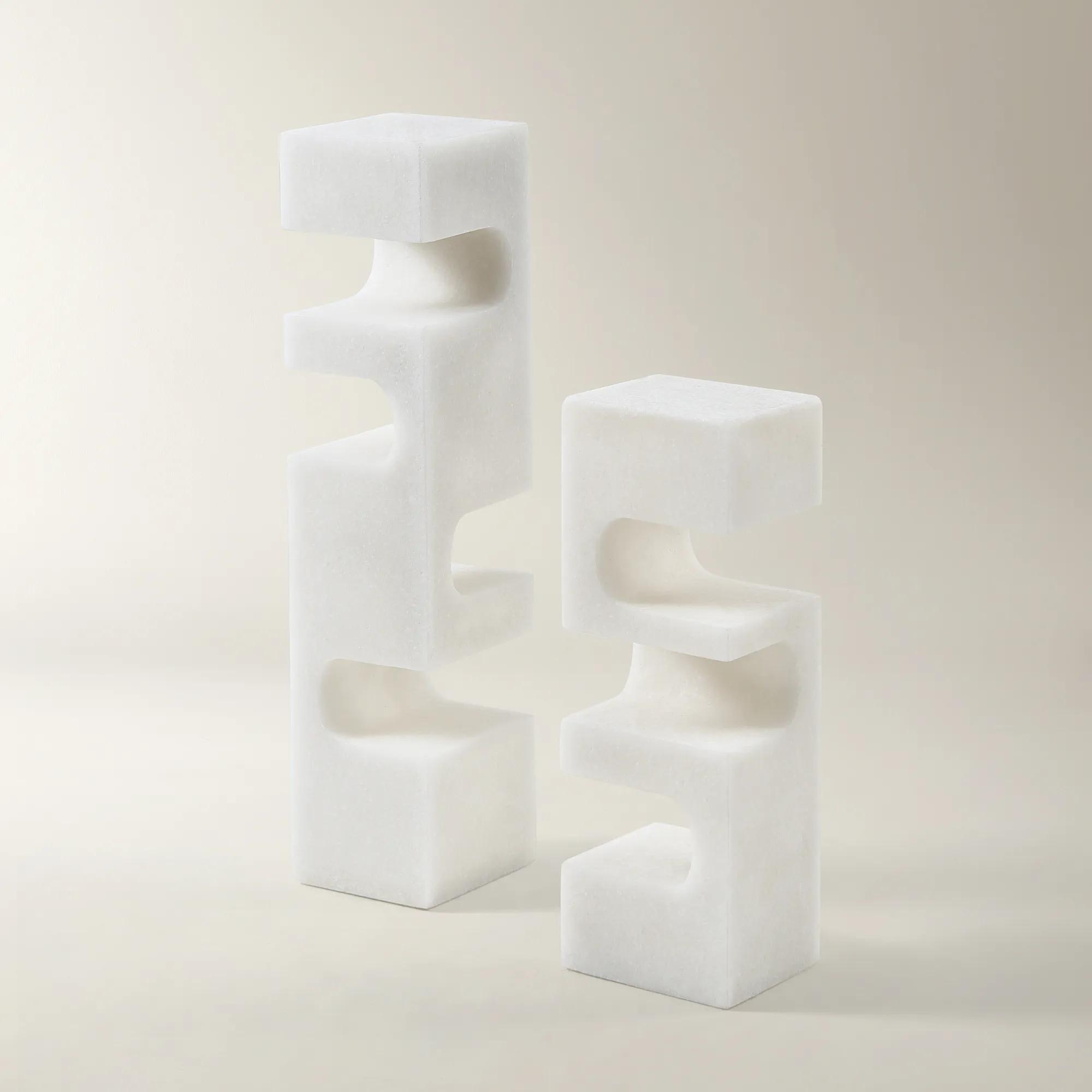
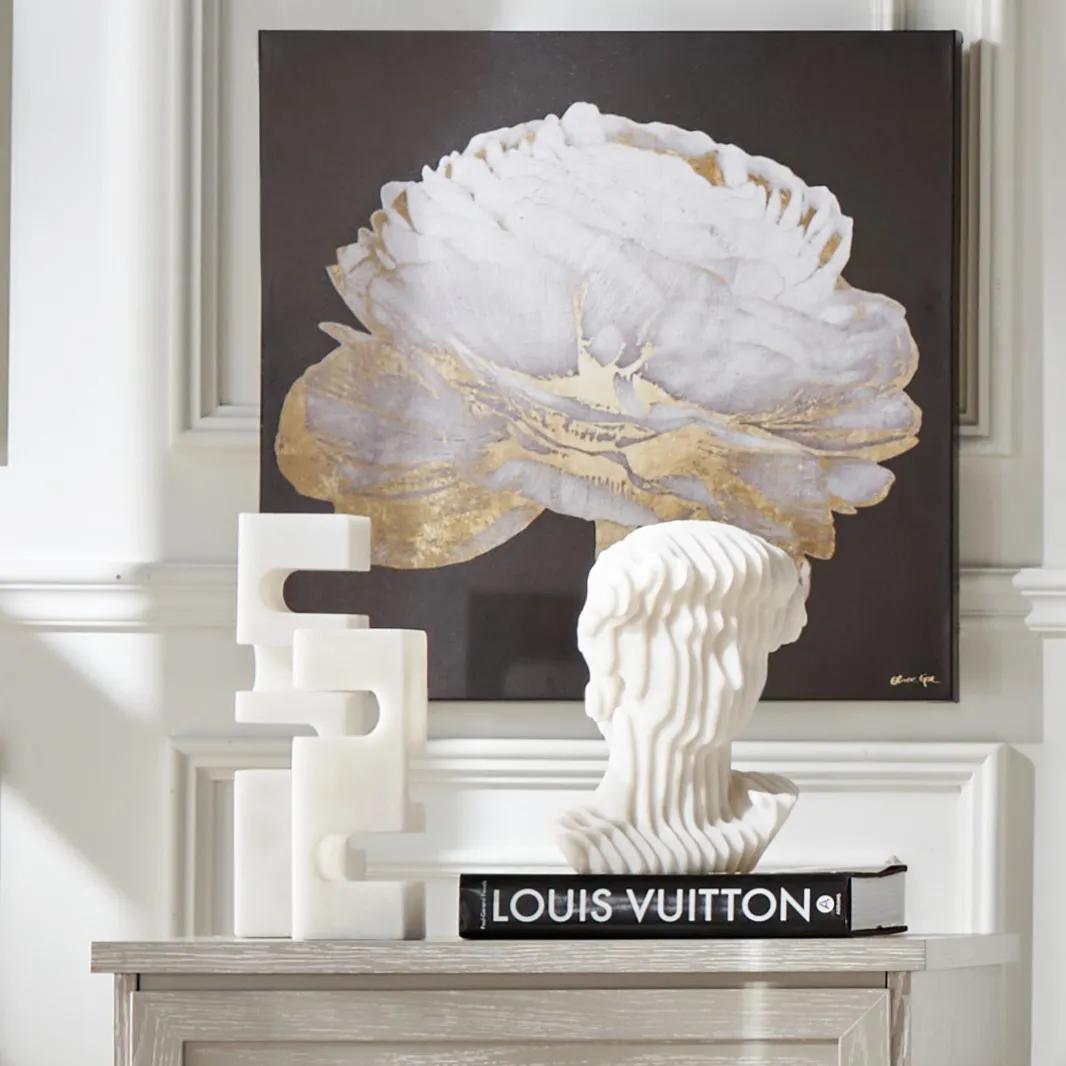 Enna Sculpture$39
A modern Cubist-inspired sculpture crafted from resin and stone powder with a textured white finish.
Add To Cart -
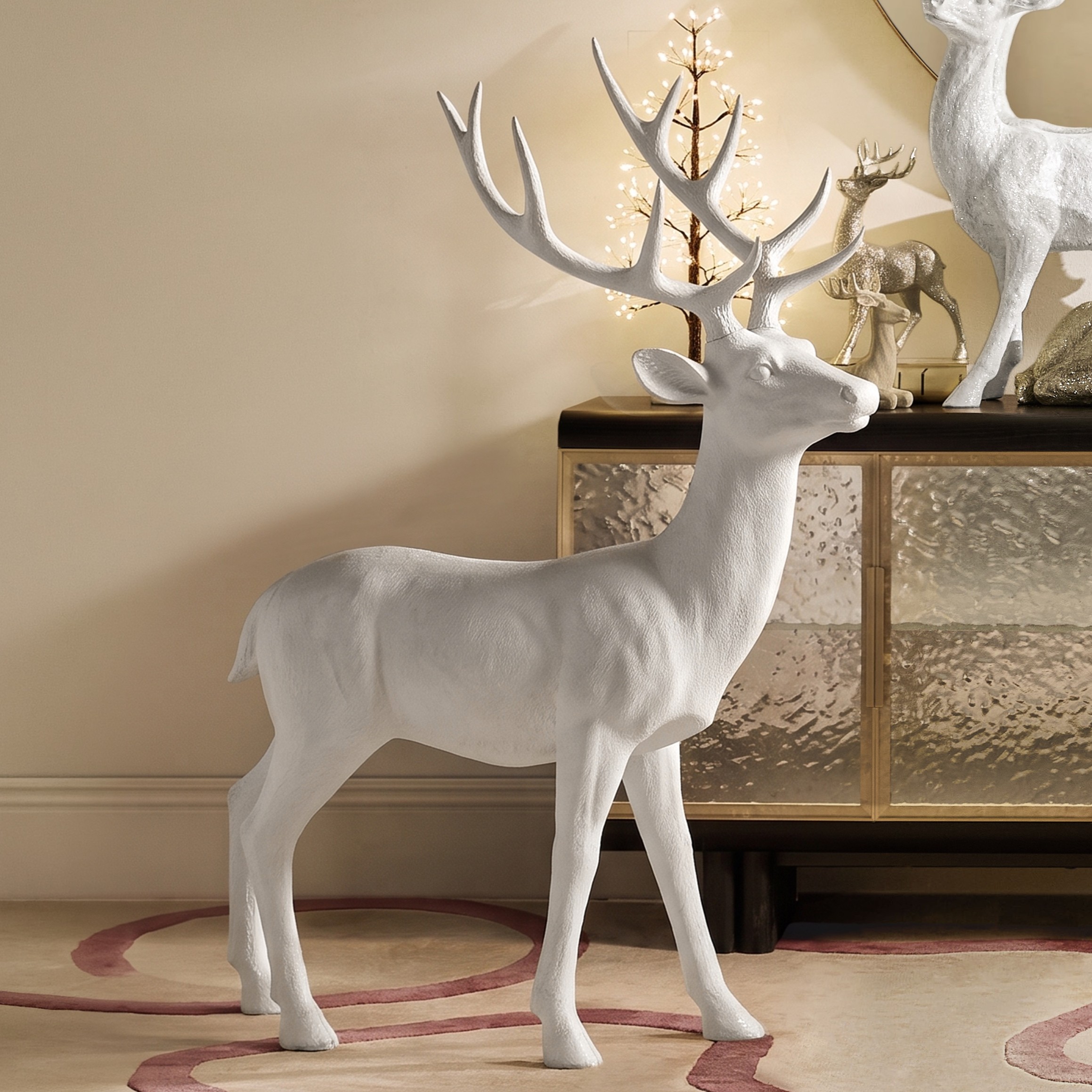
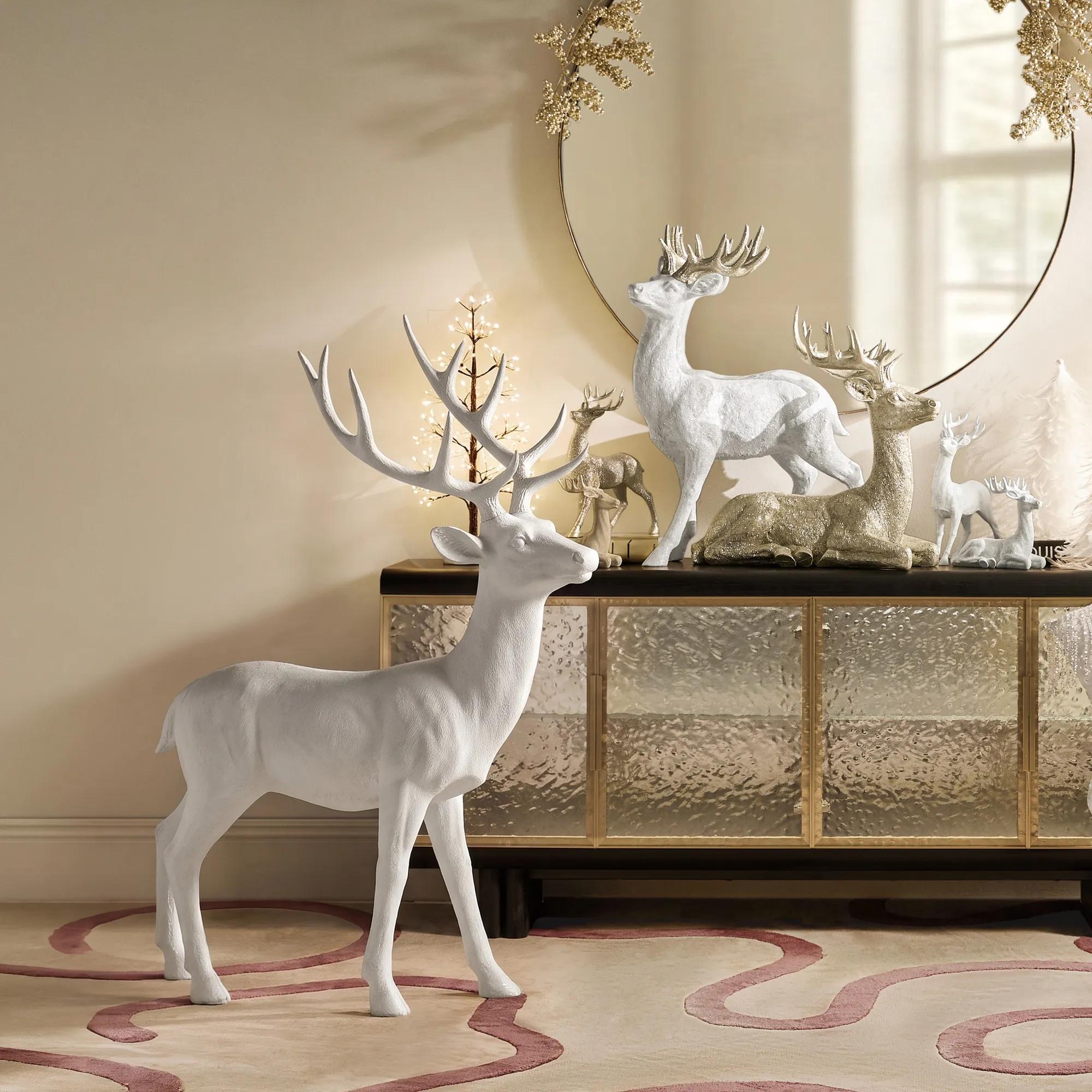 Majestic Deer White Resin 48.75"$799
A modern white polyresin deer statue that adds festive elegance to your holiday décor.
Add To Cart -
 Modern David Bust White Resin Decorative Object 12"$99
A white resin and stone powder bust featuring a Cubist-inspired, contemporary take on a classic icon.
Add To Cart -
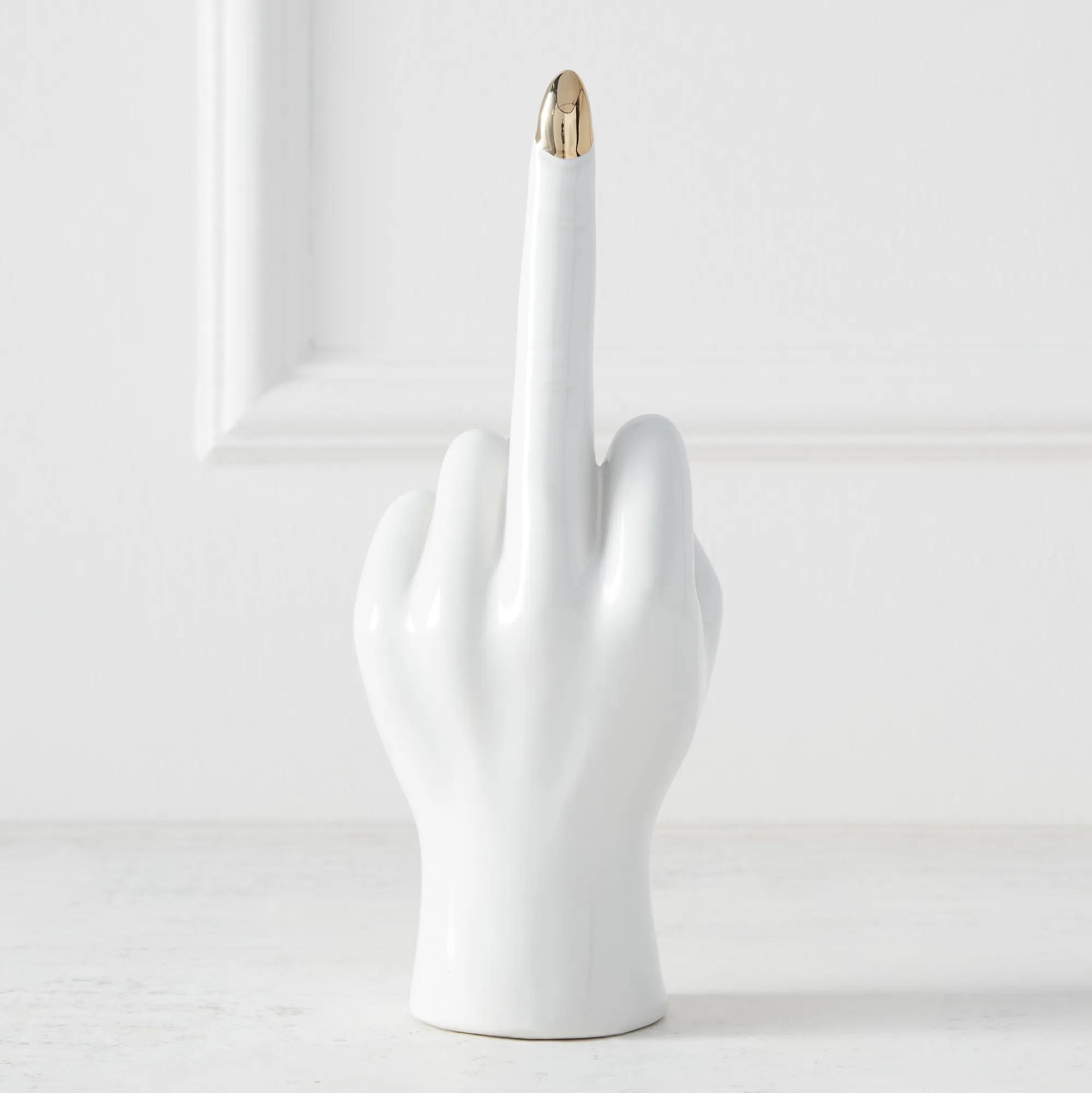
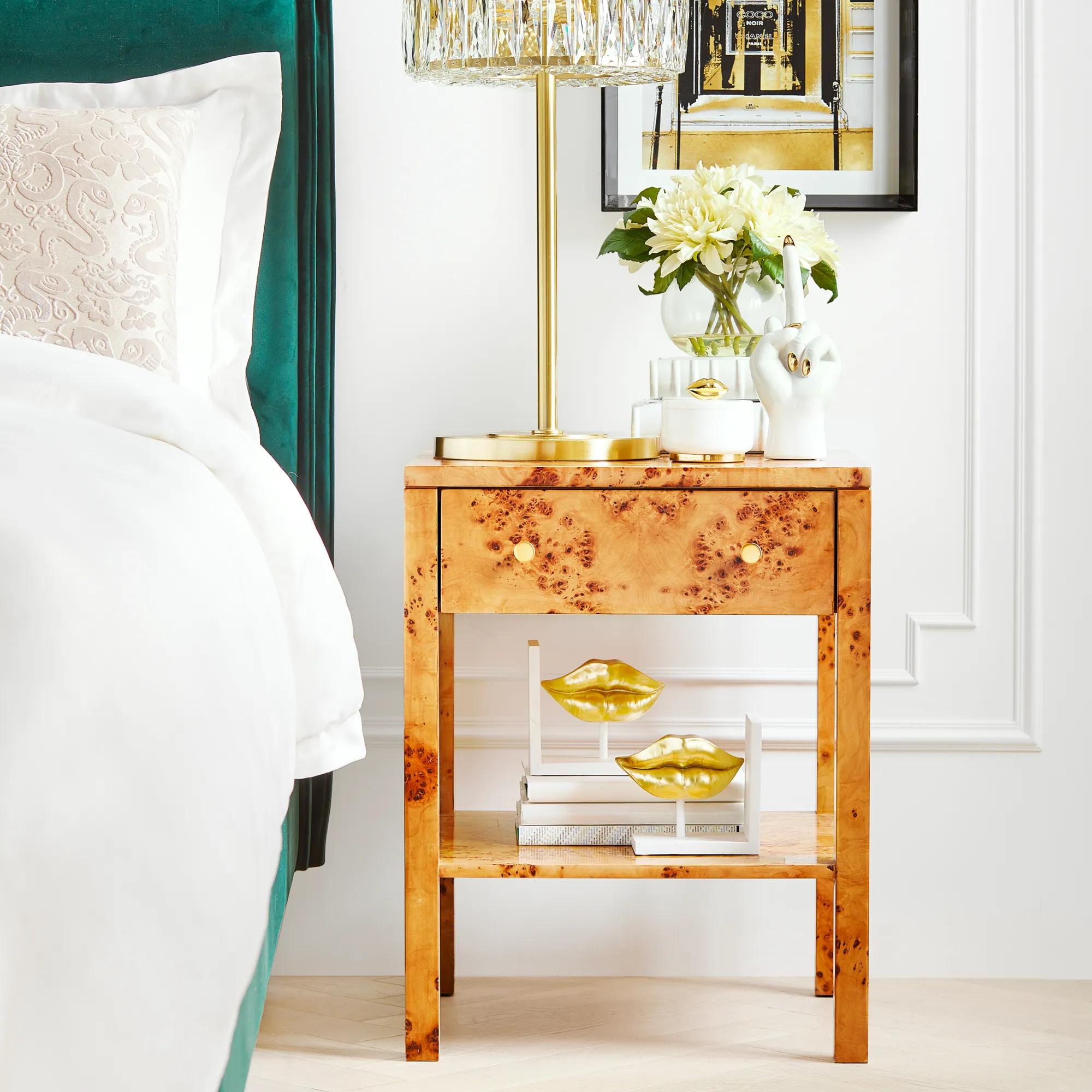 The Finger Hand$39
A glossy white and gold ceramic hand sculpture perfect for displaying jewelry or as a playful accent.
Add To Cart -
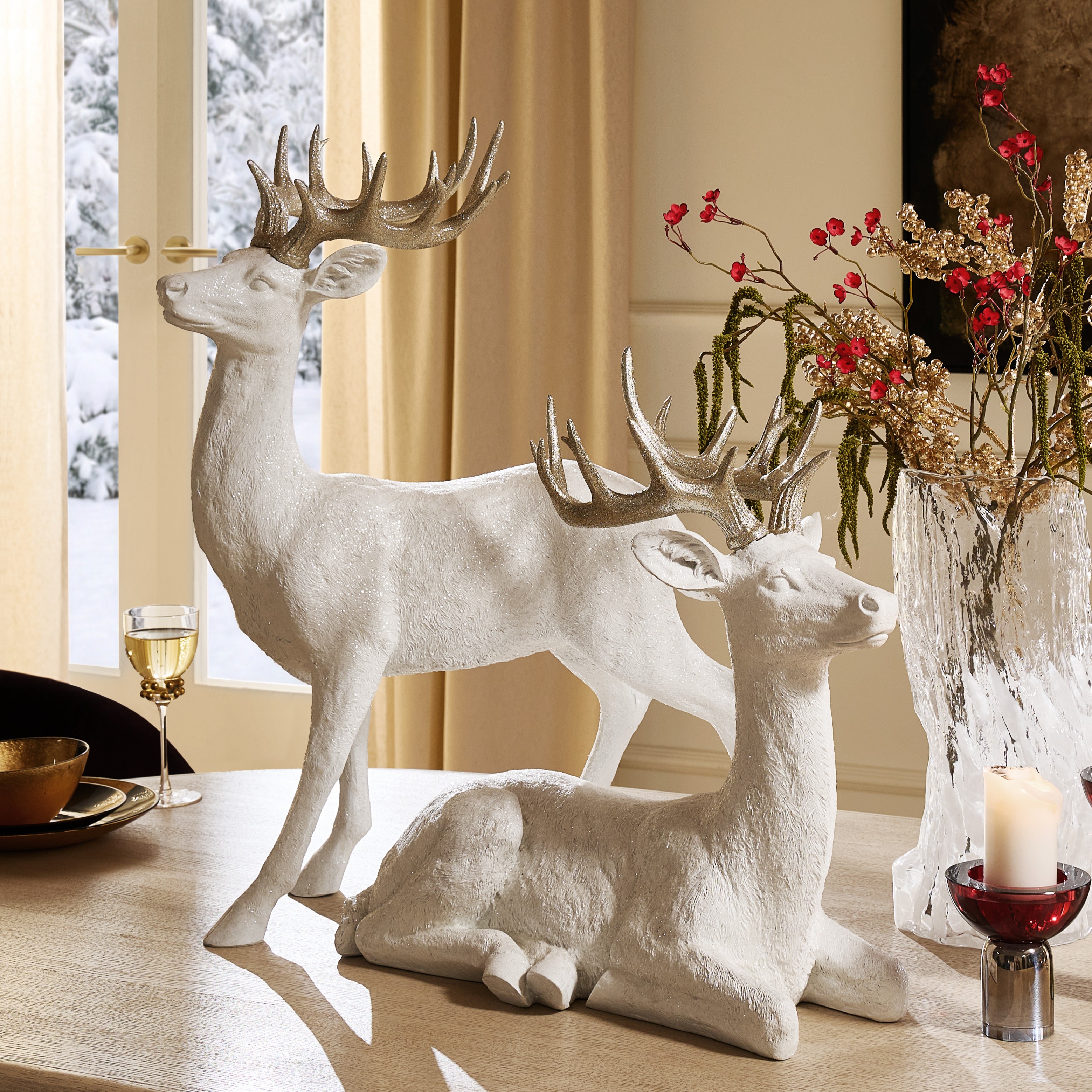
 Majestic Glitter Deer White/Champagne Resin 32"$239
A sculptural resin deer with white glitter and champagne accents adds luminous, glamorous flair to holiday décor.
Add To Cart -
Majestic Glitter Deer White/Champagne Resin 22"$199
A sculptural resin deer with white glitter and champagne accents adds luminous, festive elegance to holiday décor.
Add To Cart -

 Oversized Nutcracker White/Gold Resin Decorative Object 5 Feet$499
A grand resin nutcracker in white and gold brings modern glamour to your holiday décor.
Add To Cart -
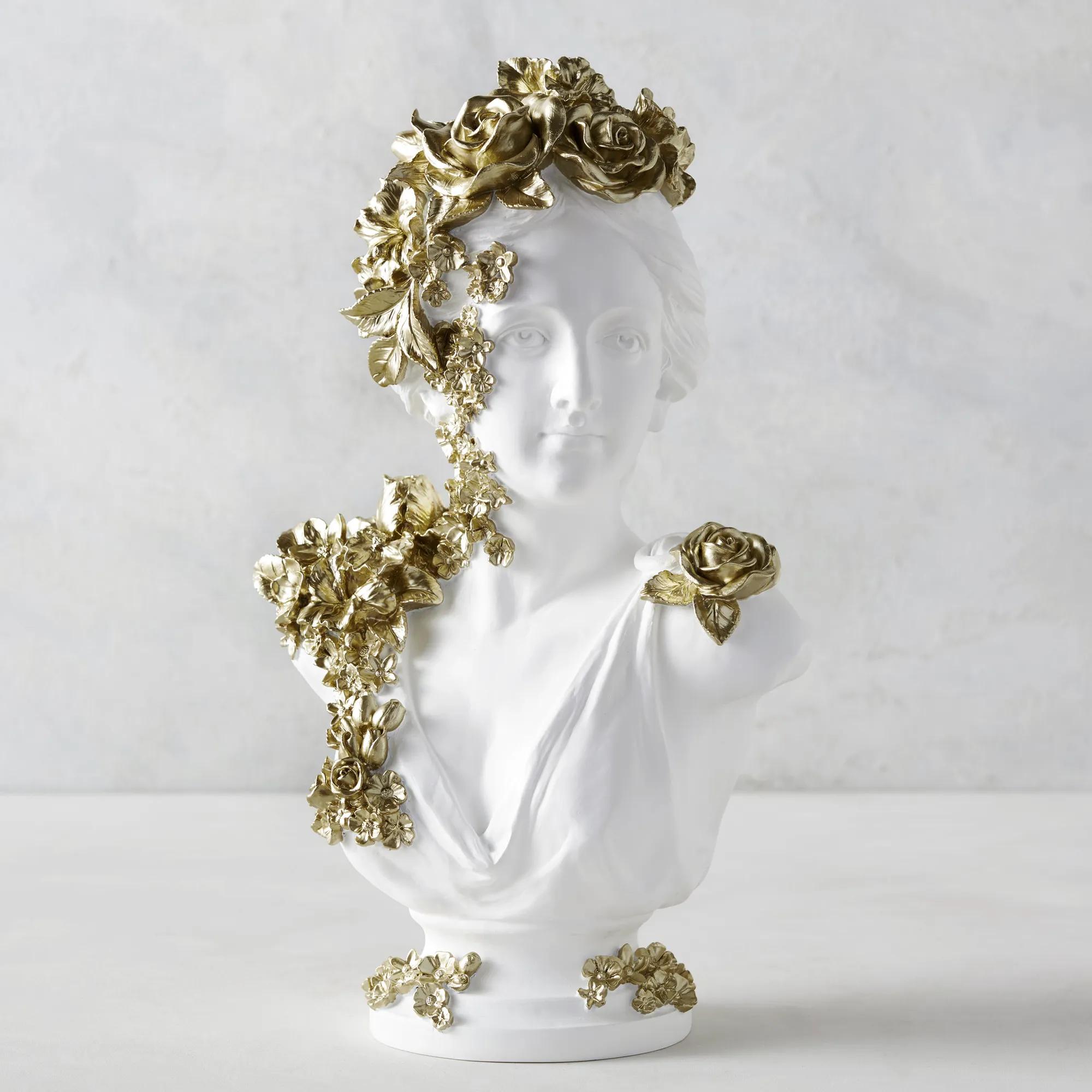 Gold Floral Bust Resin Decorative Object 16.5"$79
A striking resin bust adorned with intricate gold floral embellishments for a bold decorative accent.
Add To Cart -

 Oversized Nutcracker White/Gold Resin Decorative Object 3 Feet$199
A grand resin nutcracker in white and gold adds modern glamour to your holiday décor.
Add To Cart -
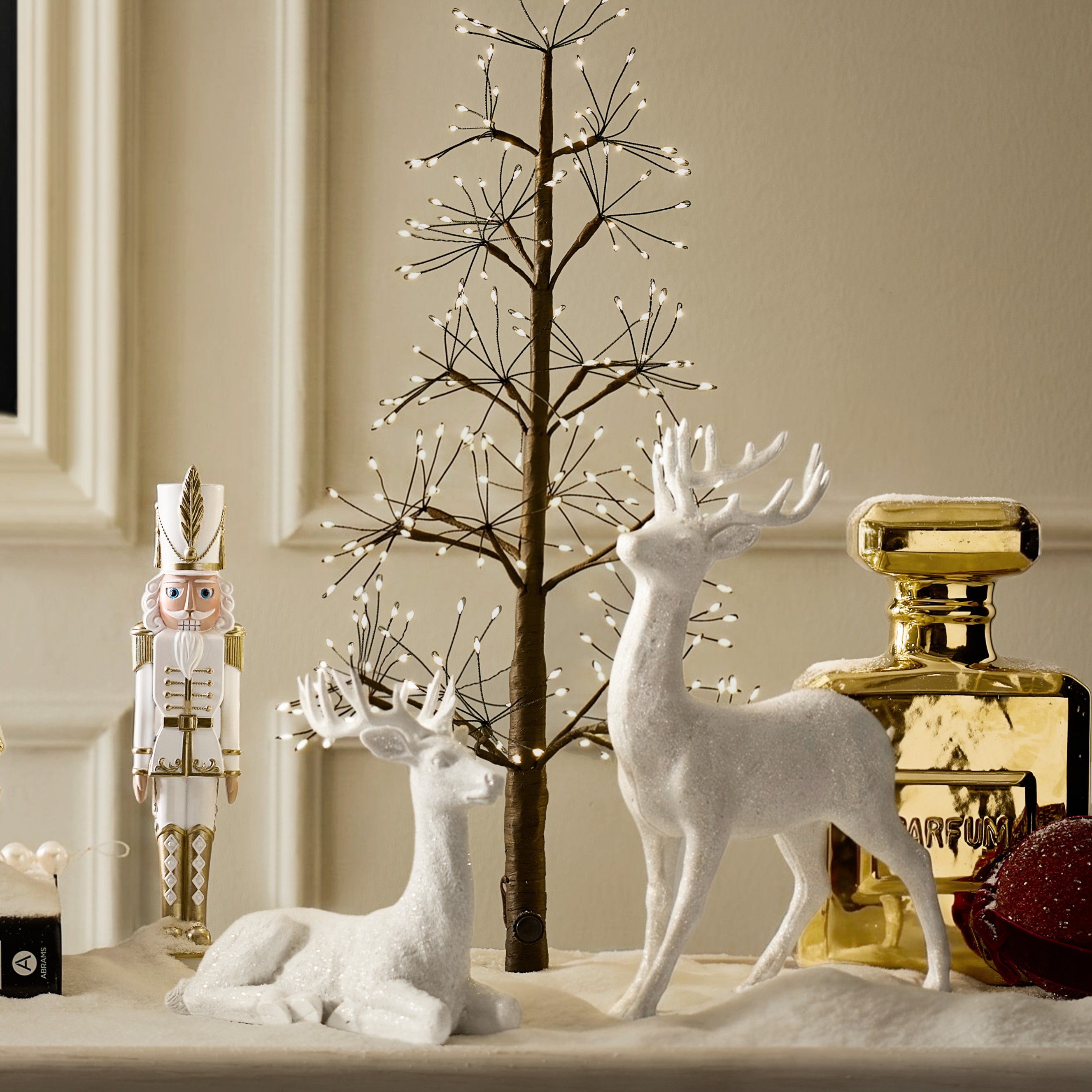 Majestic Deer White Resin 14"$59
A pair of intricately detailed white poly resin deer figures adorned with textured layers of glitter.
Add To Cart -
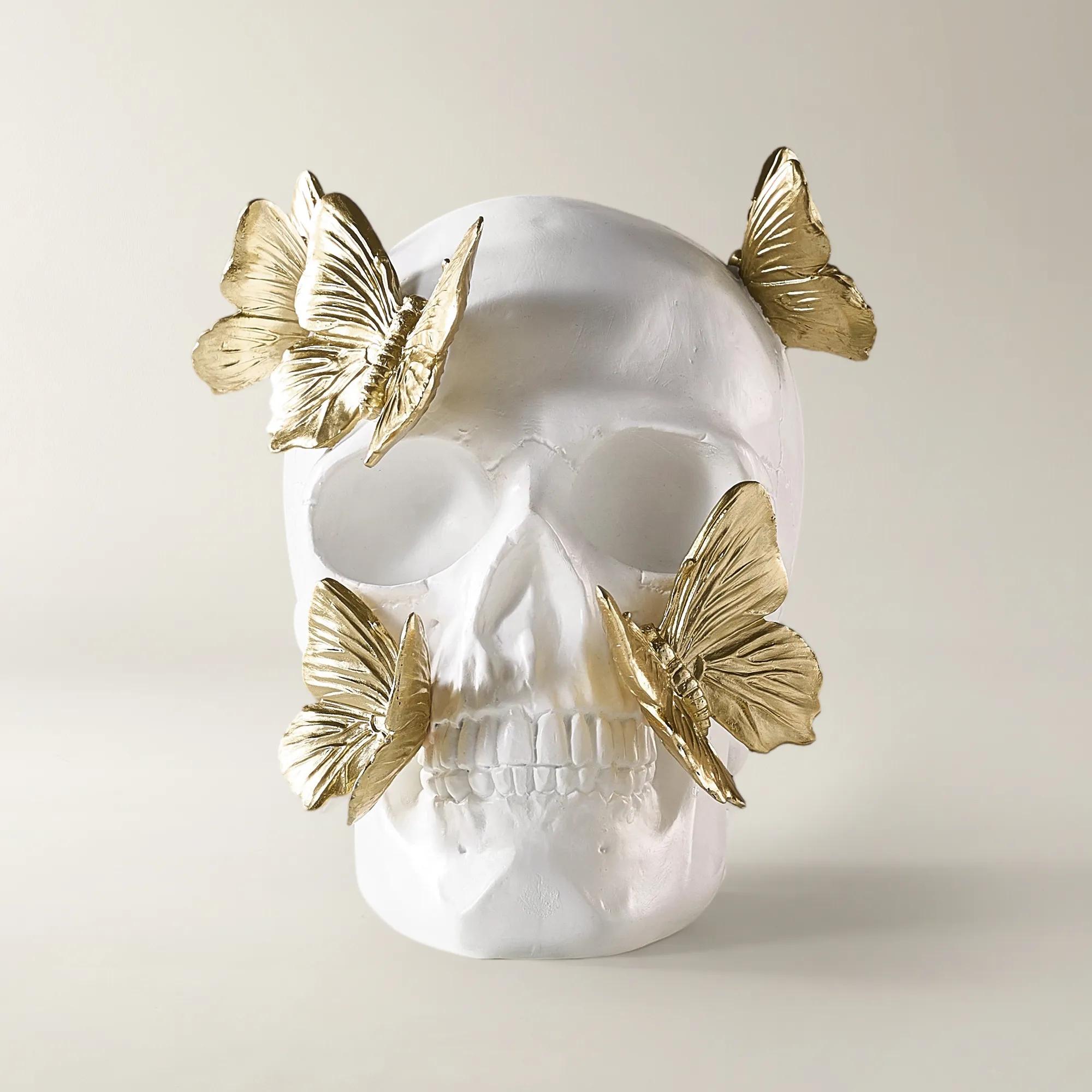 Butterfly Skull White/Gold Resin Decor 7.75"$59
A sculptural resin skull with butterfly detail, finished in white and gold for elegant, artistic flair.
Add To Cart -
Majestic Deer White Resin 8"$49
A pair of intricately detailed white poly resin deer figures adorned with textured layers of sparkling glitter.
Add To Cart -

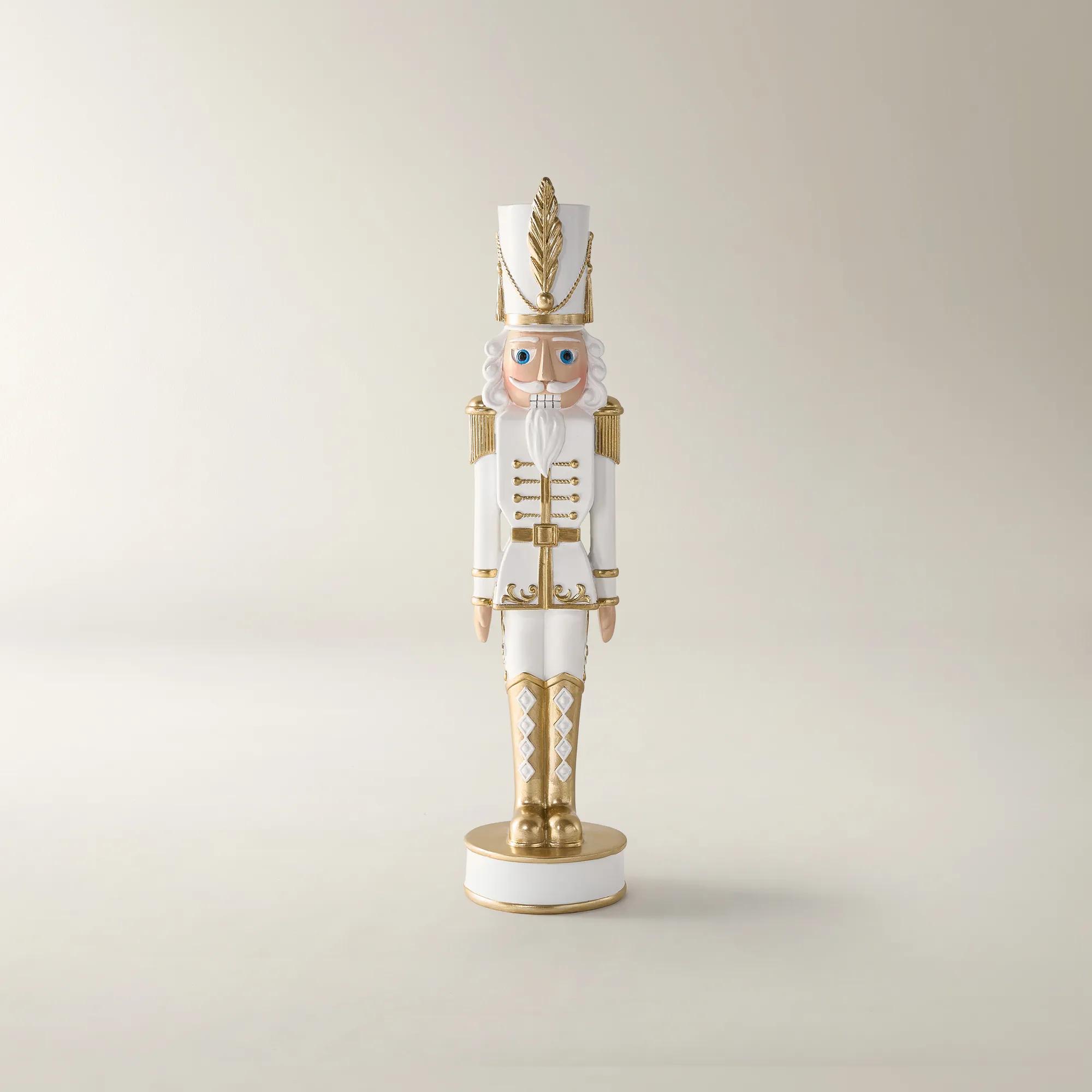 Nutcracker White/Gold Resin Decorative Object 11.75"$49
A festive resin nutcracker in white and gold adds modern glamour to your holiday décor displays.
Add To Cart -
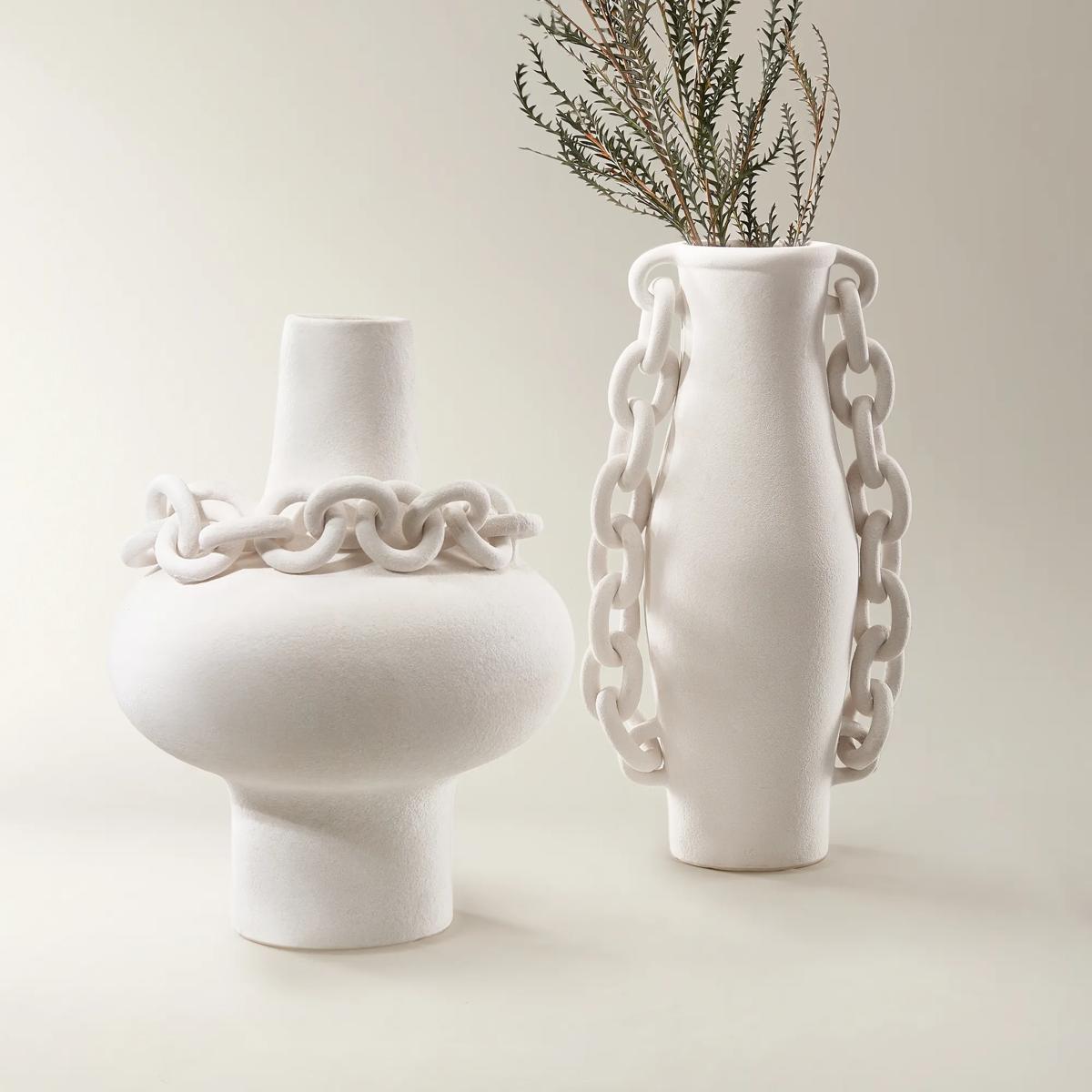
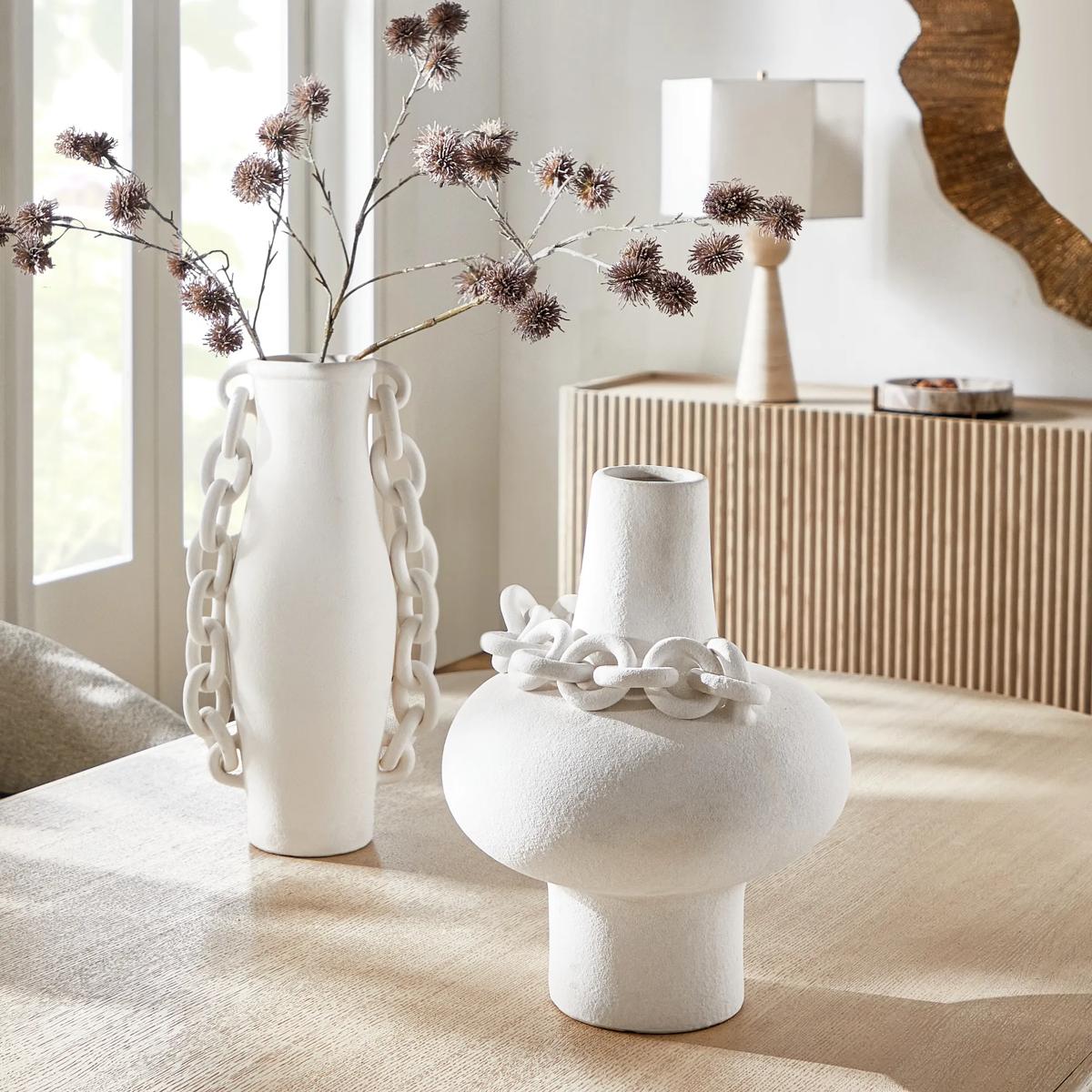 Links Stoneware Vases$139
A sculptural matte white stoneware vase featuring bold chain-link details for modern, artful texture.
Add To Cart -
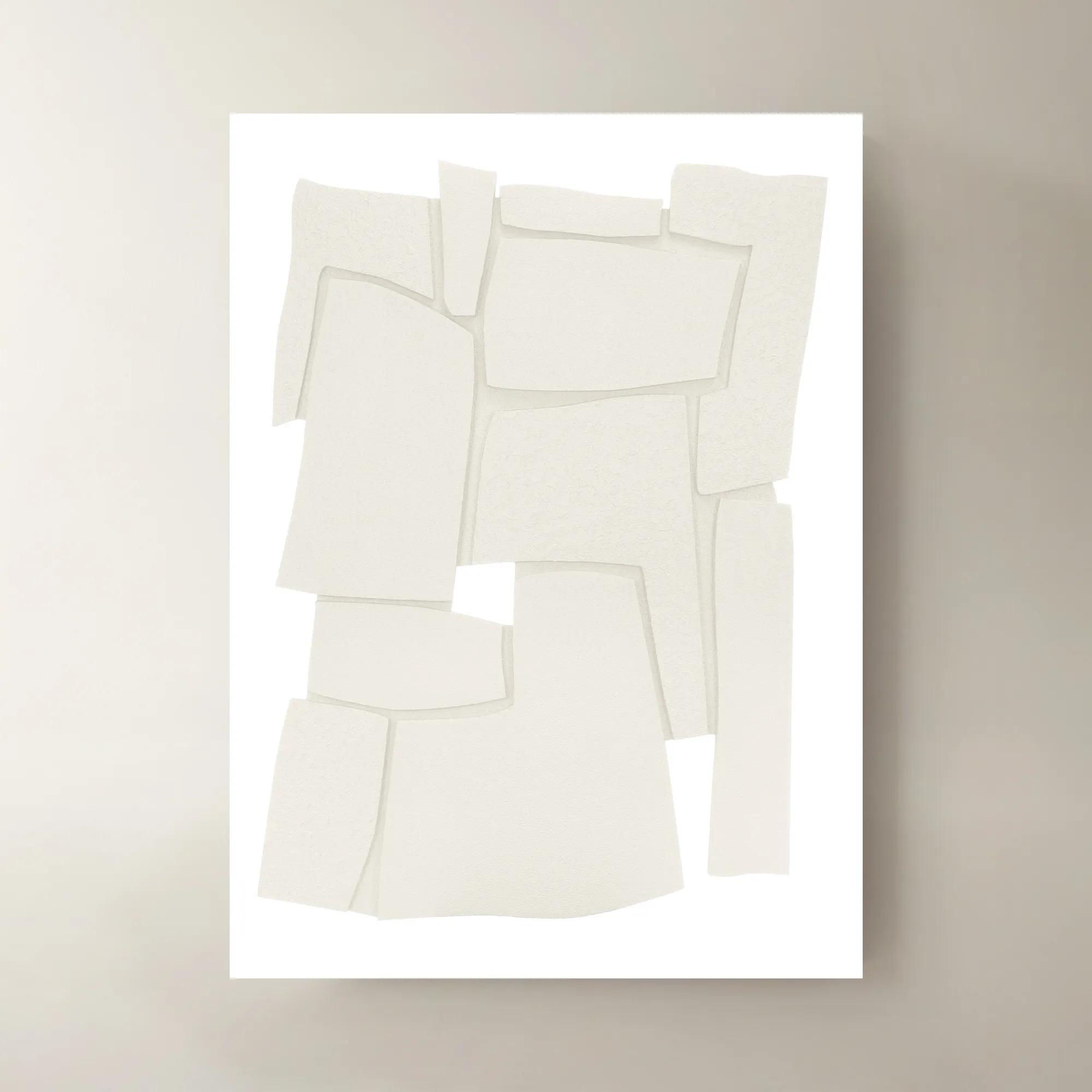
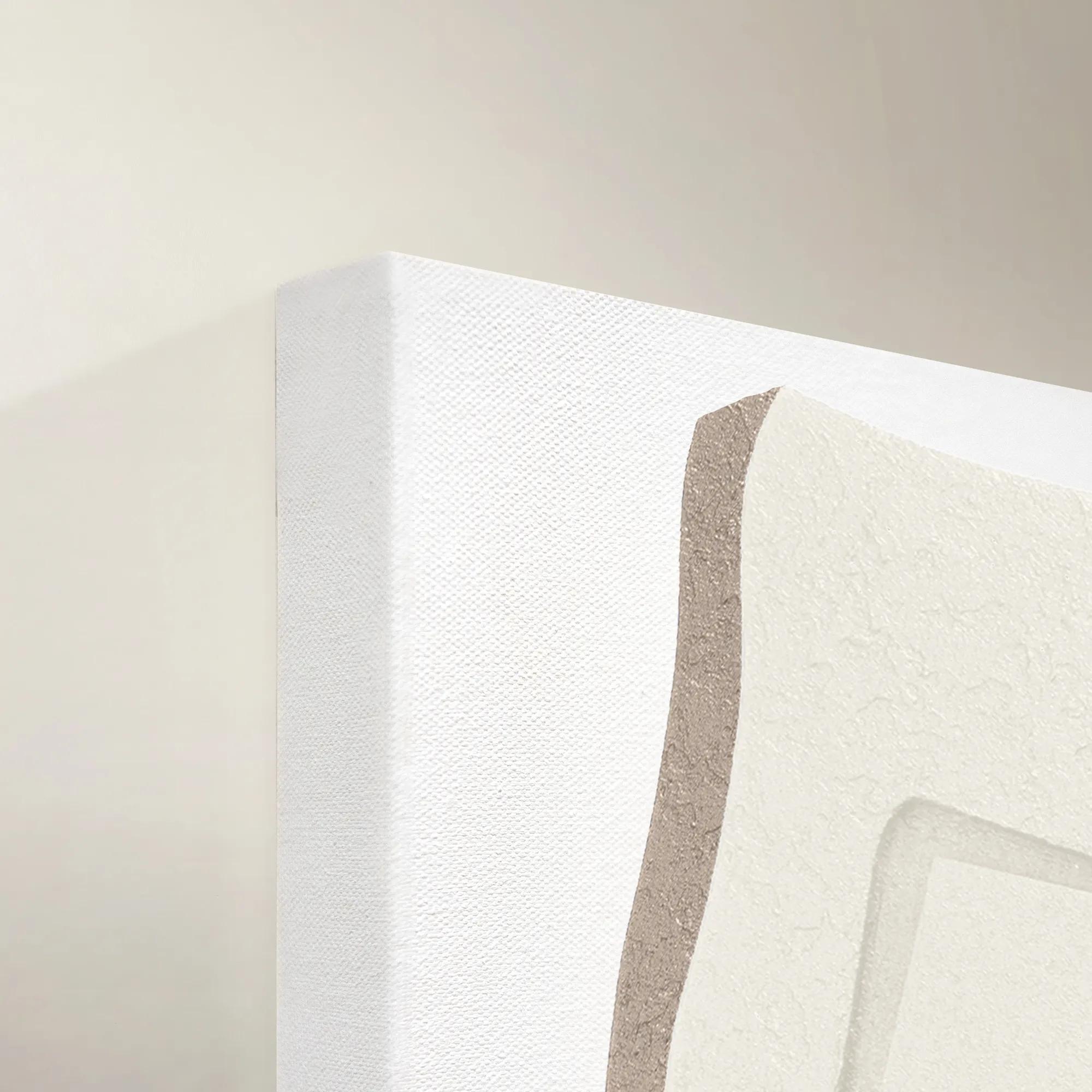 Wonder Maze III Wall Art 40" x 55"$1699
A contemporary canvas wall art piece featuring an intriguing abstract maze-inspired design.
Add To Cart -
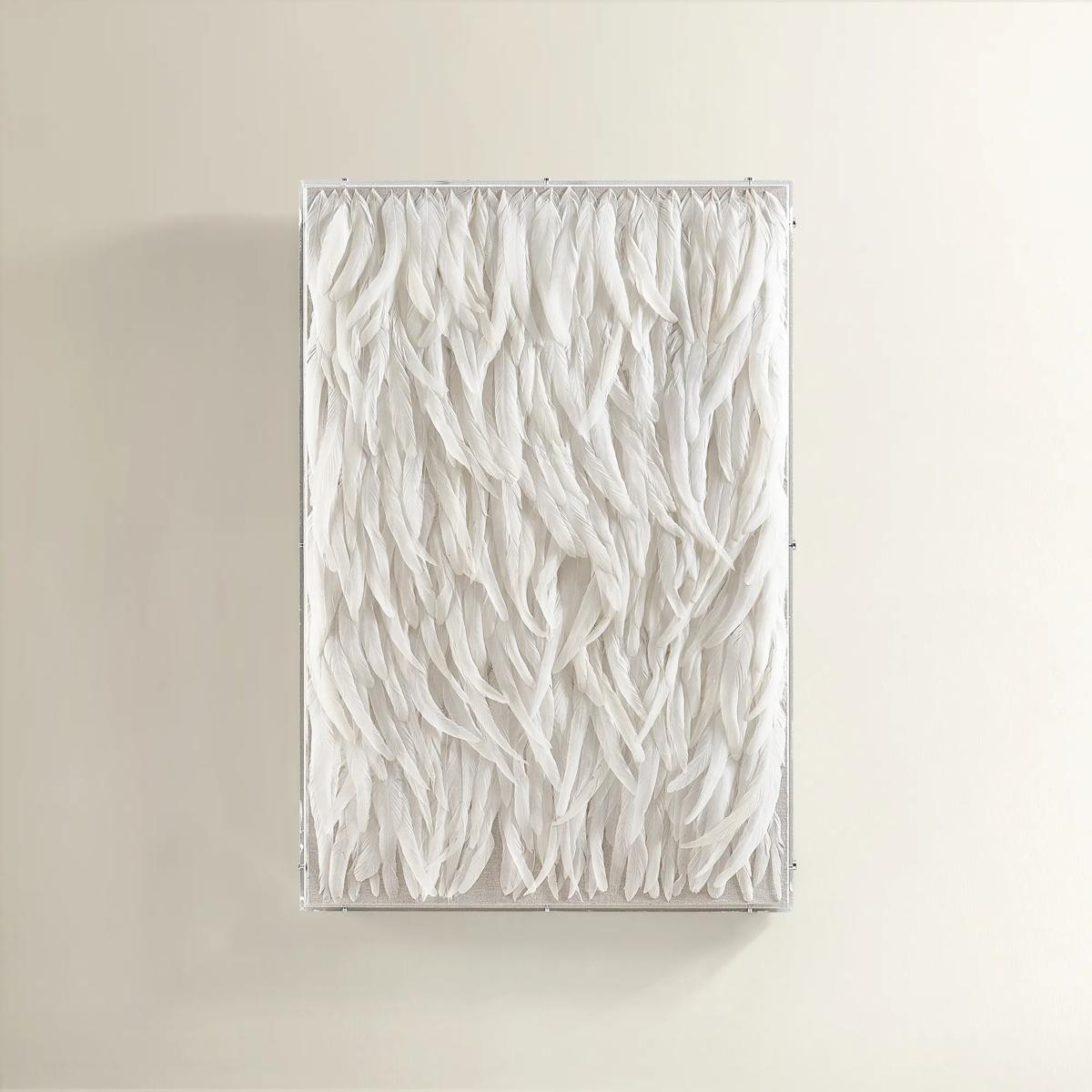 Swoon White Feather Wall Decor in Acrylic 23.5" x 35.5"$399
An ethereal wall art piece featuring layered white feathers encased in a crystal-clear acrylic shadow box.
Add To Cart -
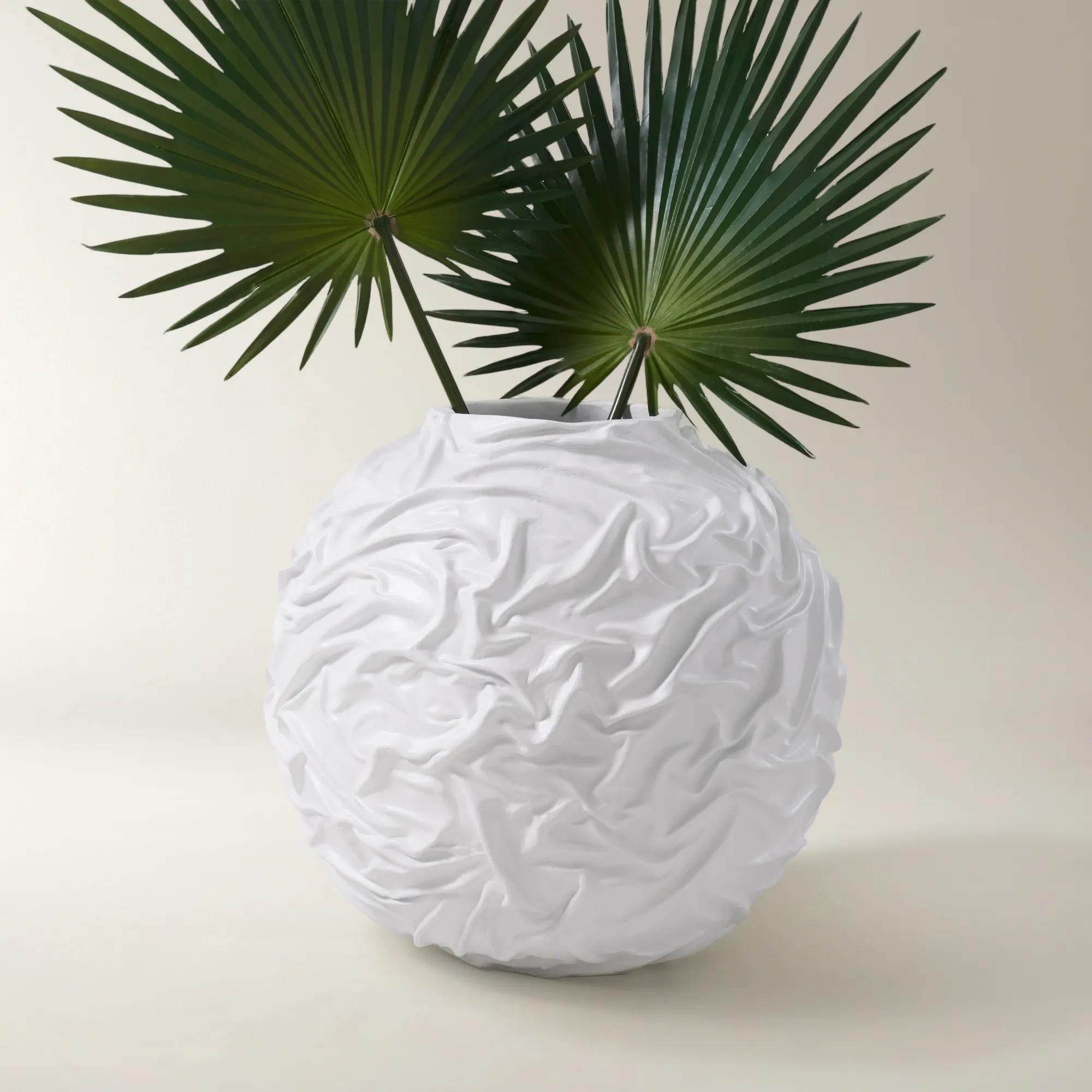 Crumple White Resin Floor Vase 18.3"$259
A sculptural resin vase with a crumpled-paper design and a sleek white finish for modern spaces.
Add To Cart -
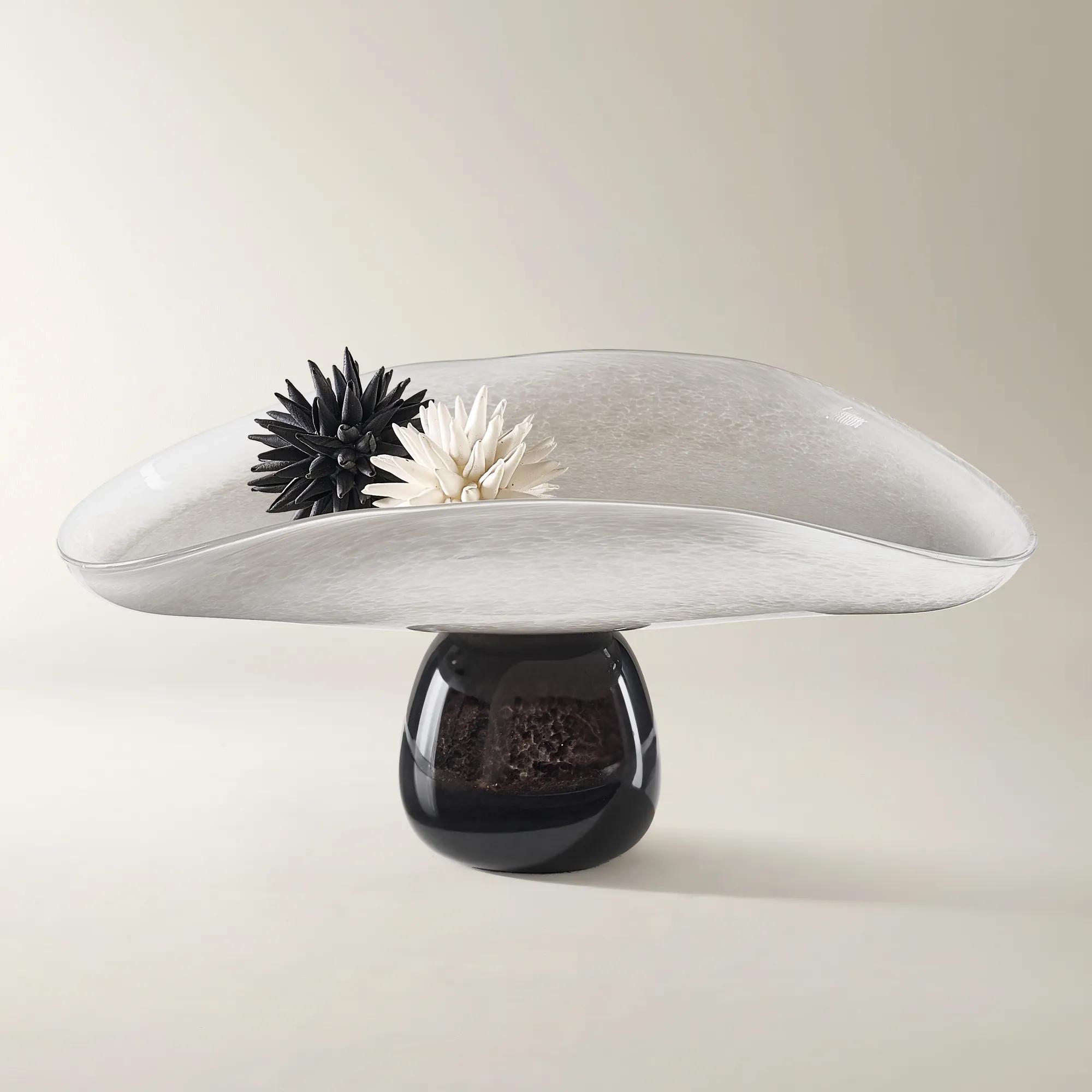 Elois Mouth Blown White Black Pedestal Bowl 14.5" x 7"$149
A handblown glass pedestal bowl featuring striking black and white contrast for a sculptural, modern accent.
Add To Cart -
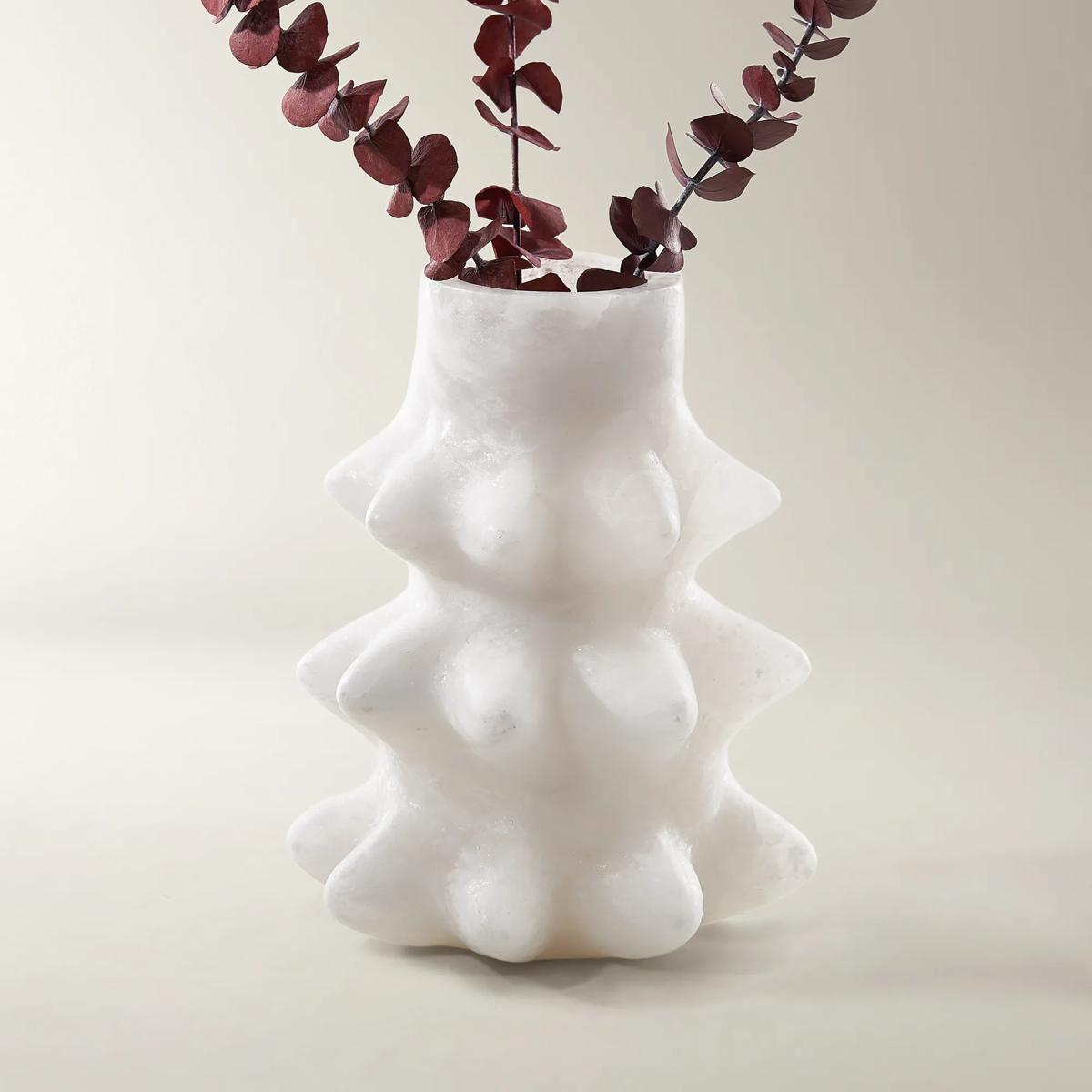
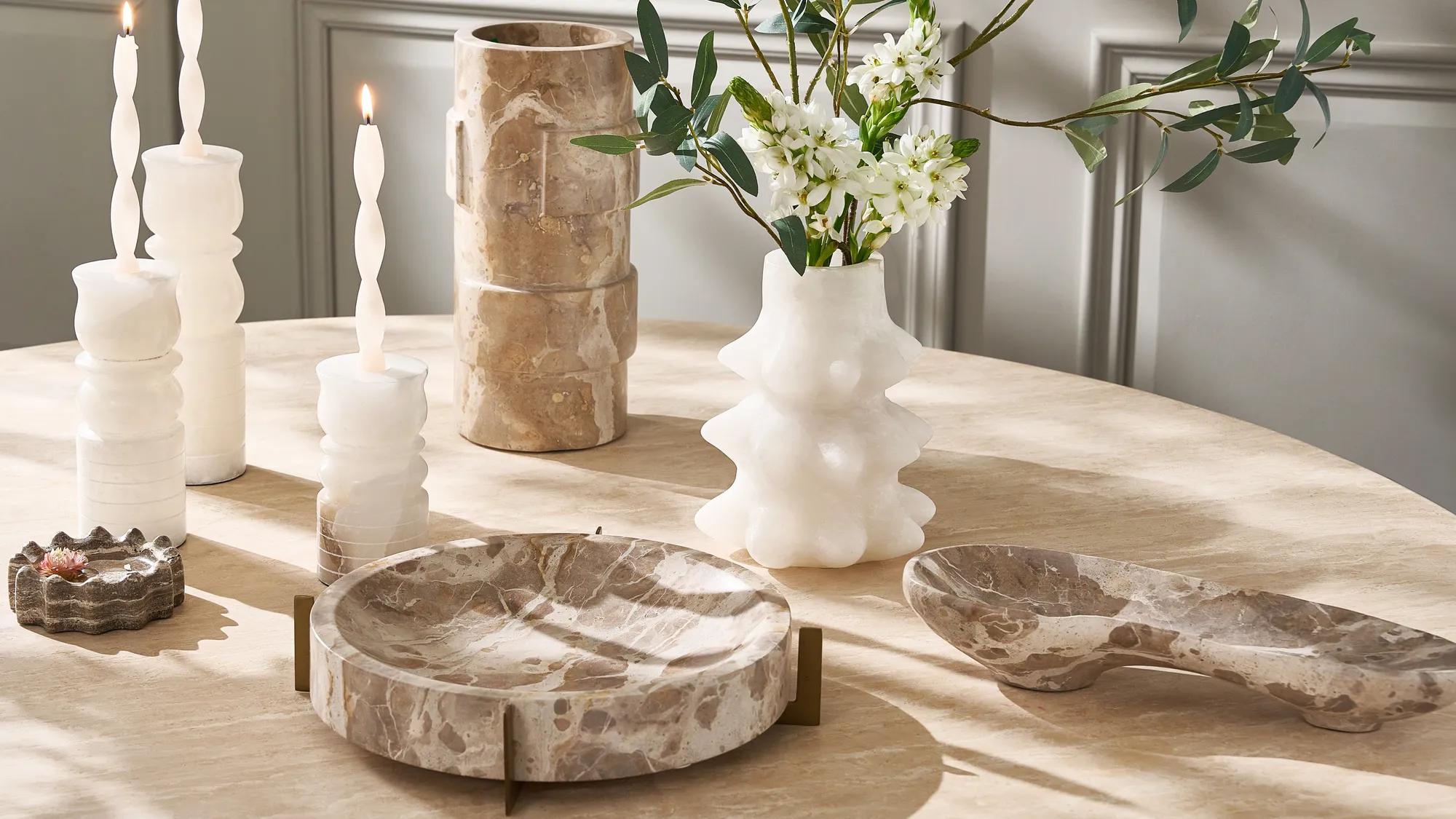 Alabaster Spike Vase$239
A sculptural white alabaster vase with bold spiked contours and naturally radiant veining.
Add To Cart -
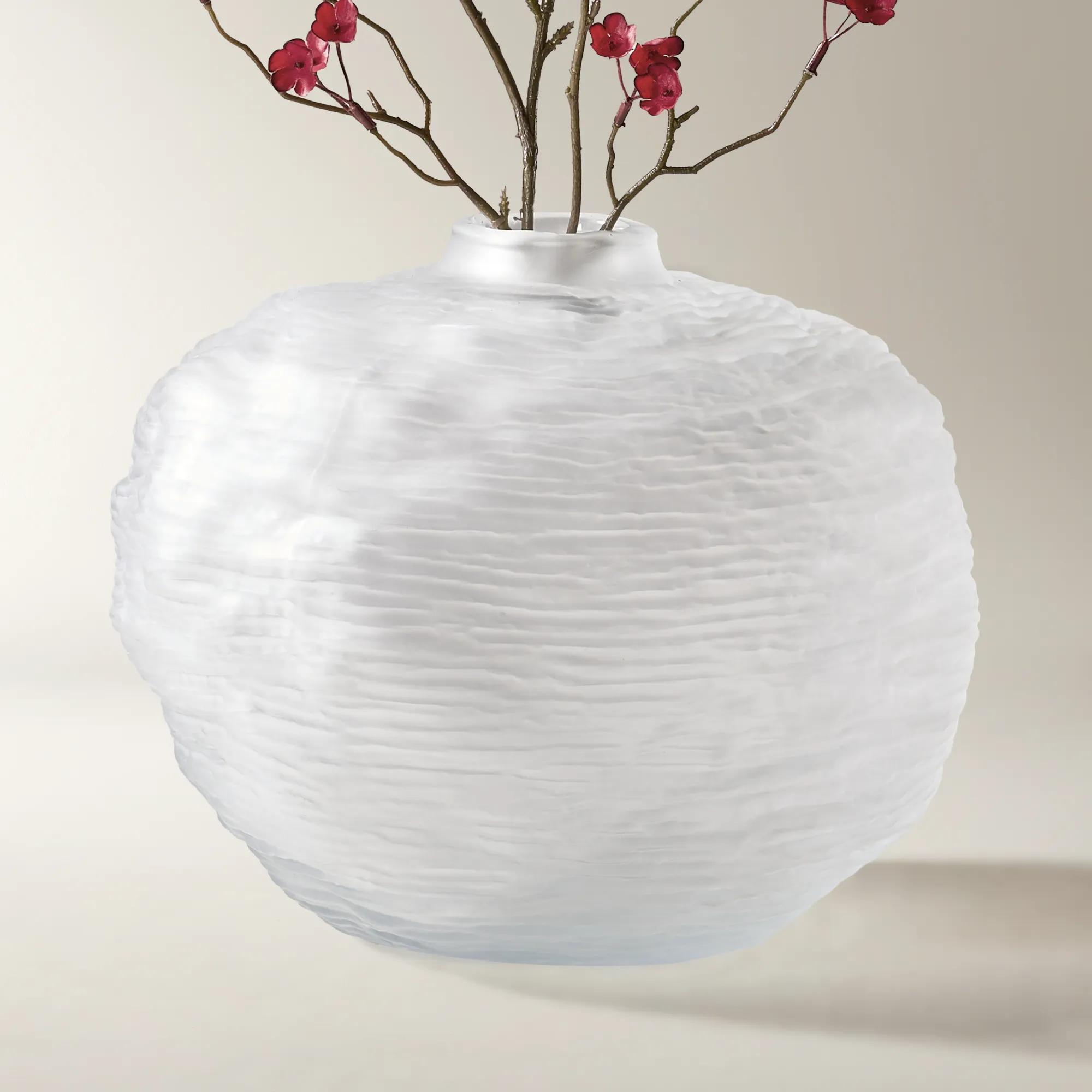 Lucid Mouth Blown Frosted Glass Vase 9.25"$99
A handblown frosted white glass vase with a sculptural, softly textured surface for modern elegance.
Add To Cart -
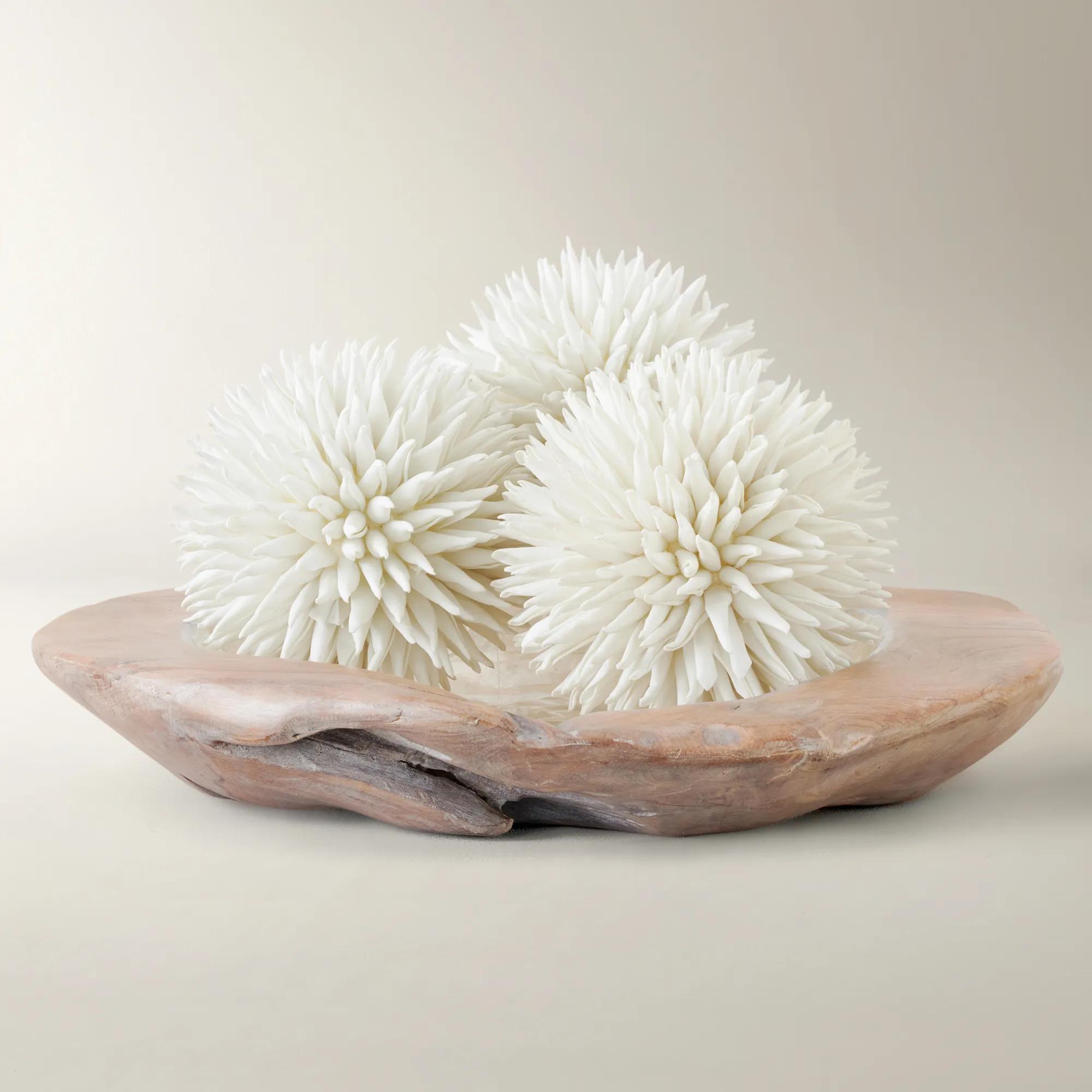
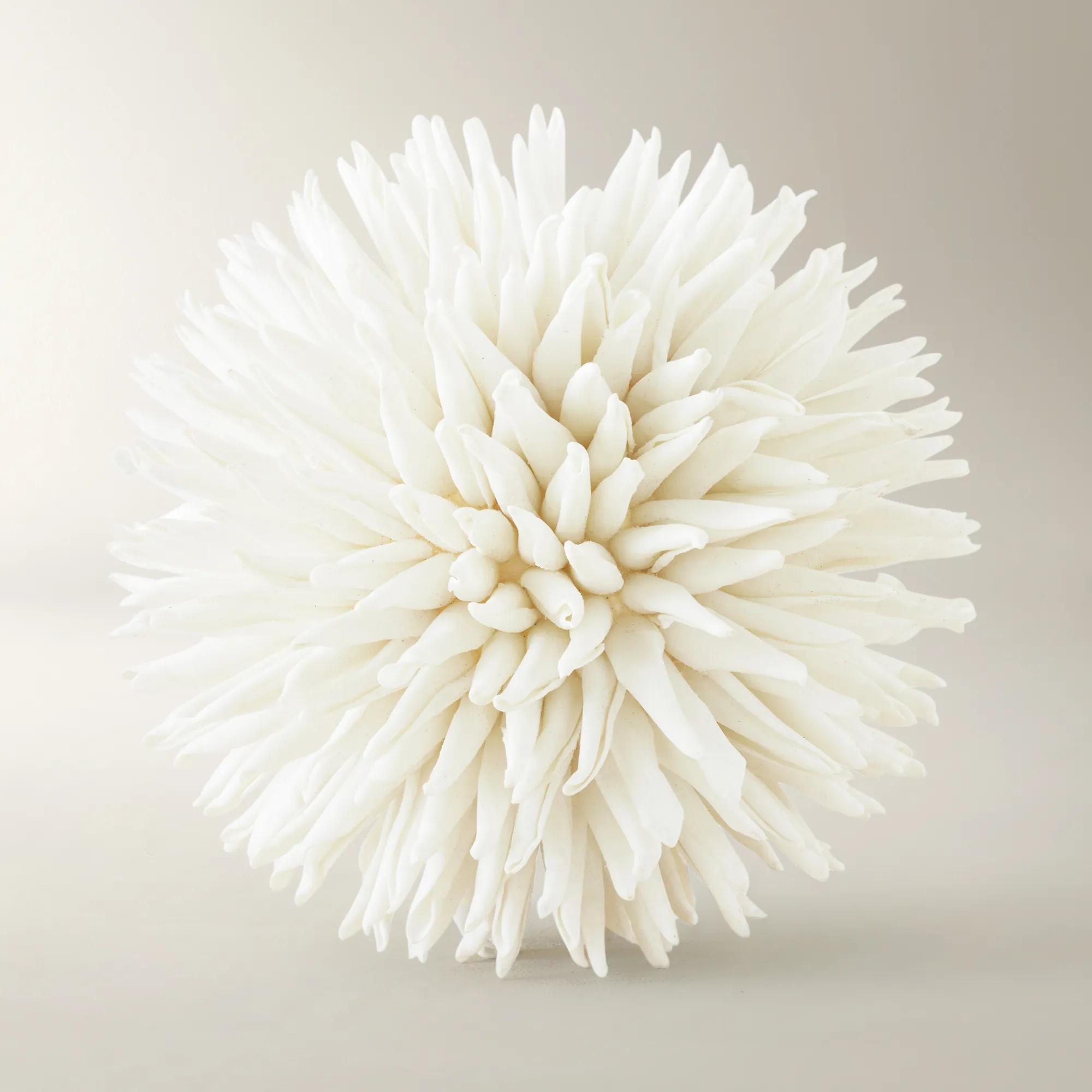 Faux White Allium Sphere 7" Set of 3$59
A set of three foam white faux floral spheres that stay vibrant year-round without water or sunlight.
Add To Cart -
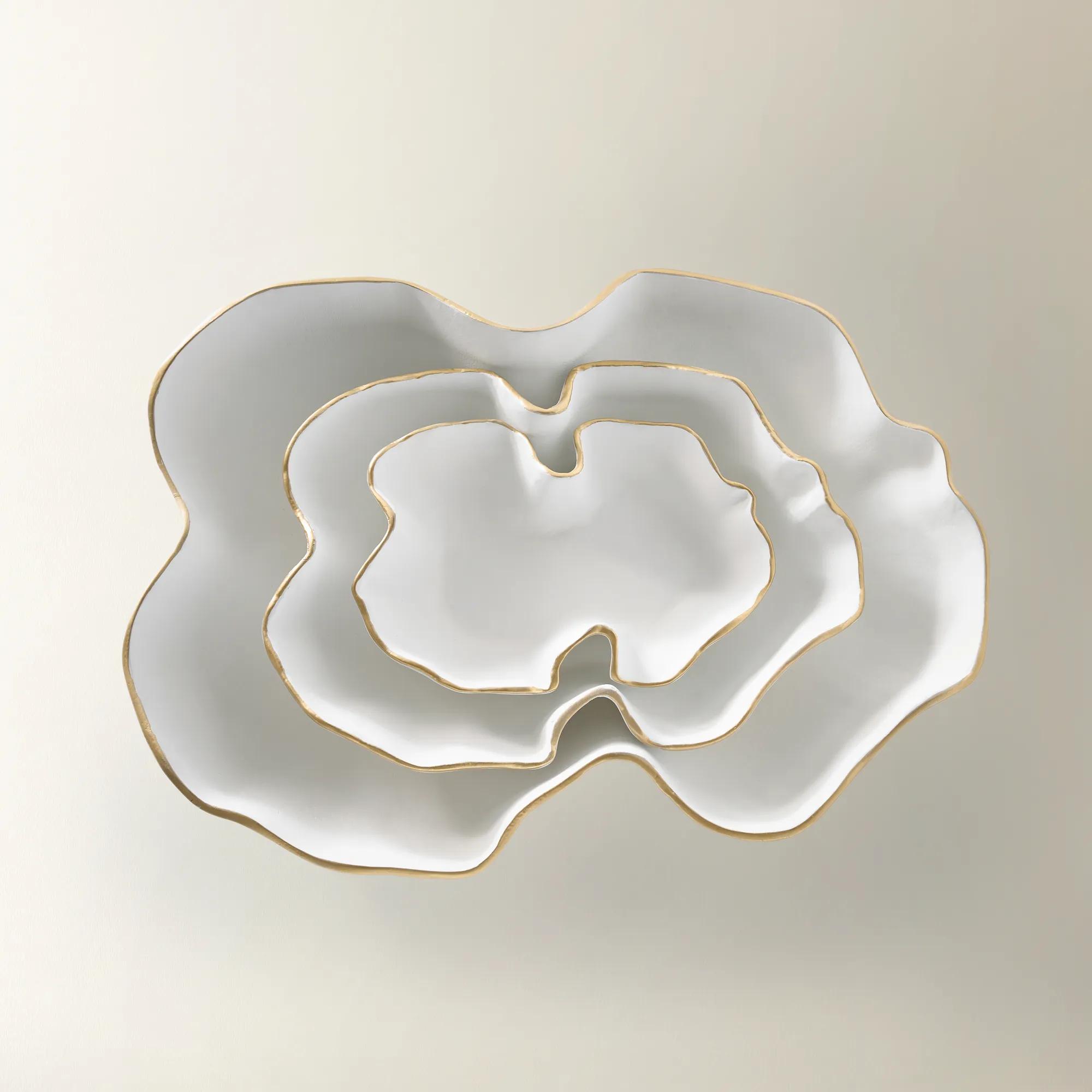 Lava White Gold Aluminum Decorative Nesting Bowls$99
A glossy white aluminum bowl with a golden rim, offering modern elegance for decorative display.
Add To Cart -
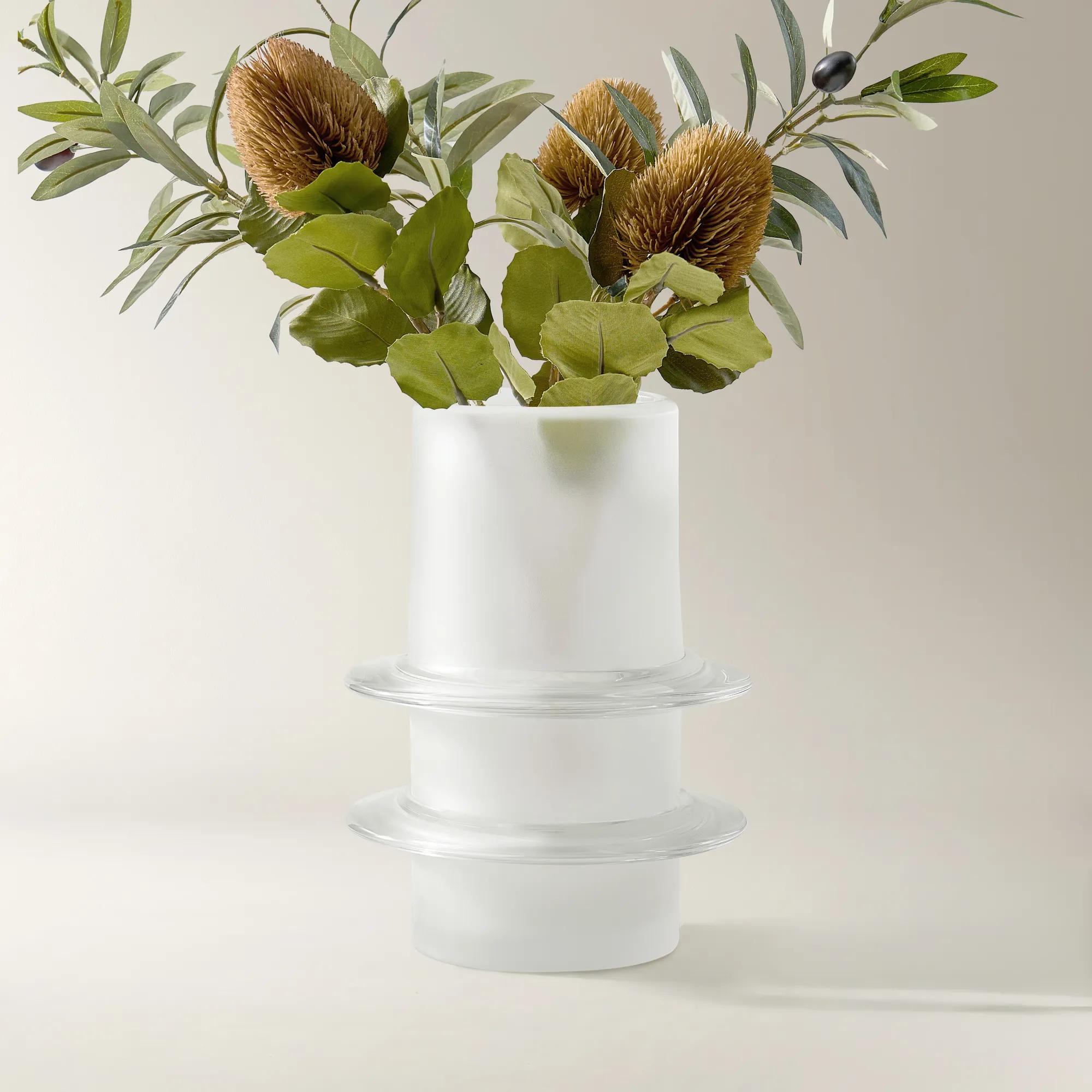
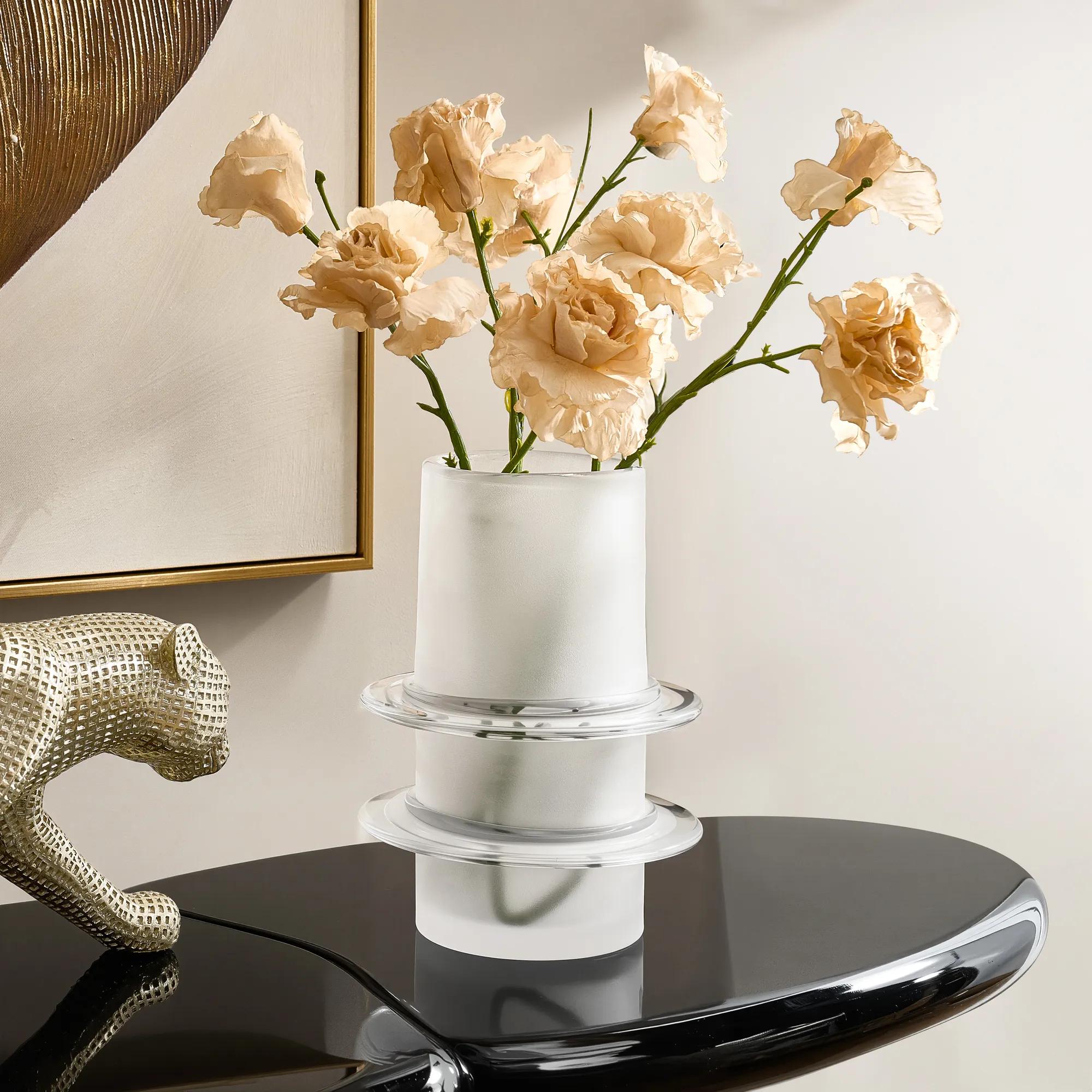 Pierre Glass Vase - Frosted White$99
A frosted white glass vase adding modern elegance to any décor.
Add To Cart -
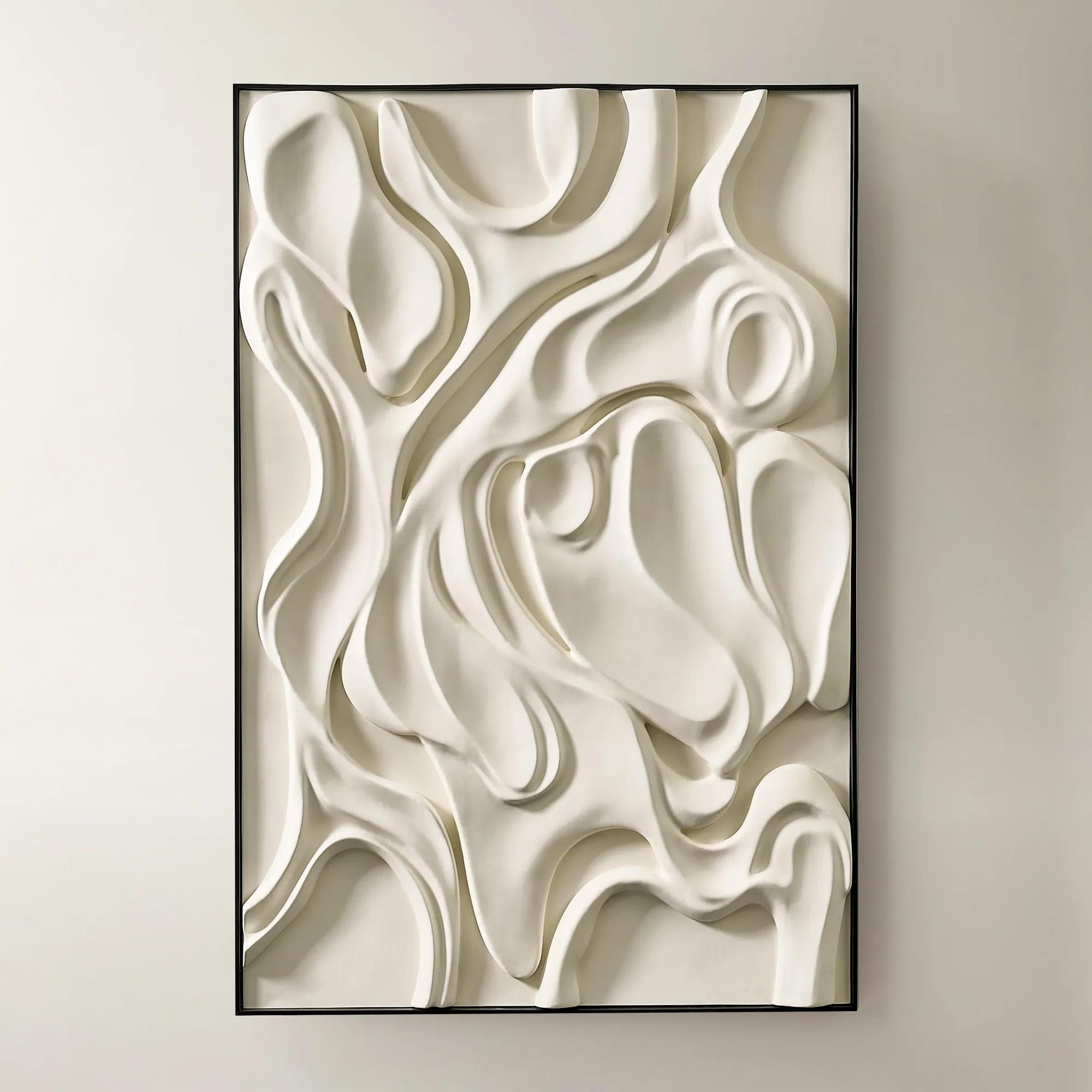 Overflow Alabaster Sculpted Resin Wall Panel 40" x 60"$699
An alabaster fiberglass resin wall panel with sculptural texture and a versatile black frame for modern spaces.
Add To Cart

Modern White Decorative Sculptures
Modern white decorative sculptures are the ultimate expression of refined artistry—each piece an invitation to reimagine your space with luminous sophistication. Sculptural silhouettes in pristine white evoke a sense of serene drama, transforming ordinary surfaces into curated galleries of contemporary allure. Whether perched atop a console or nestled within a bookshelf vignette, these objets d’art radiate quiet confidence and visual intrigue, capturing the light and elevating every corner with their striking presence. Let modern white decorative sculptures become your signature flourish—where minimalism meets bold imagination and every detail feels exquisitely intentional.
Modern white decorative sculptures bring dimensional artistry to a room through expressive silhouettes, luminous finishes, and the interplay of light and shadow. Designed primarily for display, these accents range from abstract loops and flowing organic forms to stylized figures, architectural shapes, and sculptural objects inspired by nature. A white palette lets the contours take center stage: a deep fold becomes more dramatic, an open center frames the space beyond it, and a sweeping curve feels almost fluid against a dark wall. Materials influence both the appearance and the character of each form. Ceramic and porcelain can offer crisp detailing, softly rounded profiles, and surfaces that range from matte to high gloss. Marble and other natural stones bring substantial weight and individual variations in veining or tone, giving even a restrained silhouette a distinctive presence. Resin allows for intricate contours and ambitious shapes, often with less weight than a similarly sized solid-stone sculpture, though construction varies. Painted wood and metal introduce their own visual qualities, from subtle grain beneath a finish to slender, precisely defined lines. These differences matter beyond appearance. Ceramic can chip if knocked against a hard surface, polished stone needs protection from acidic spills, and a painted finish may show scratches along exposed edges. White itself has remarkable range, from a cool, porcelain-like brightness to warmer ivory and chalk tones. Alongside cream upholstery, a warmer white can create a sumptuous, tonal composition; against charcoal cabinetry or richly colored walls, a brighter finish creates a striking focal point. Texture adds another dimension. A glossy surface catches distinct highlights, while a matte or textured finish softens reflected light and emphasizes relief. The appeal is not simply a neutral color, but a sculptural presence that feels deliberate, expressive, and worthy of a closer look. For interiors rich in velvet, glass, metallic finishes, or patterned textiles, white offers visual clarity without surrendering drama. It gives the eye somewhere to pause while remaining an artful part of the room’s larger composition.
Scale and placement determine how that sculptural presence unfolds. On an entryway console, a taller white sculpture can establish a confident first impression beside a broad mirror or an oversized work of art. Its pale outline remains distinct against a saturated wall, while its reflection may reveal details that would otherwise go unnoticed. On a coffee table, a lower, wider form brings dimension without dominating sightlines between seats. An open silhouette can feel especially compelling over a dark tabletop, where the surface remains visible through the sculpture and becomes part of the composition. Bookshelves call for a different balance: a sculptural accent needs enough clearance to reveal its outline rather than appearing compressed between shelves. Height, width, depth, and the size of the supporting base all deserve attention, particularly when a dramatic curve extends beyond the footprint. Substantial stone forms also require furniture capable of supporting their weight. A sculpture viewed from several directions benefits from an interesting profile on every side, while one displayed against a wall may draw its power from a single, striking front view. White decorative accents can anchor a monochromatic arrangement or create contrast among dark books, smoked glass, and gleaming metal. A few carefully spaced objects often give a dramatic silhouette greater authority than a crowded cluster. The Modern Abstract Decor Sculptures collection offers further possibilities for compositions centered on movement, geometry, and negative space. Across these arrangements, a repeated curve or shared finish can connect distinct forms without making the room feel overly coordinated. Practical fit remains essential: decorative sculptures belong on stable, level surfaces, away from busy edges, swinging doors, and places where children or pets could easily dislodge them. On a dining table, a lower profile preserves conversation across the setting, while a sideboard provides room for a more commanding vertical statement. Lighting completes the effect. Gentle illumination from the side reveals ridges and recesses, creating depth that a flat, overhead wash may obscure. With breathing room and a considered backdrop, even a compact sculpture can hold its own within a richly layered interior.
The right white sculpture should suit both the atmosphere of the room and the realities of everyday life. A substantial, broad-based form may be more practical on an active living room console than a delicate piece balanced on a narrow support, although weight alone does not guarantee stability. Intricate projections, thin edges, and openwork details deserve sheltered placement where they are less likely to catch on clothing or be struck during cleaning. Most decorative sculptures are intended to be admired rather than handled frequently, and an indoor accent should not be assumed suitable for a patio, bathroom, or other moisture-prone setting unless its care information specifically allows that use. Maintenance depends on the material and finish. Regular, gentle dusting with a clean, soft cloth helps preserve pale surfaces; a soft brush can reach recessed details without vigorous rubbing. Abrasive pads, harsh cleaners, and excessive moisture can dull coatings or damage porous materials, so any cleaning beyond dry dusting should follow the individual care instructions. Marble requires particular caution around acidic substances, while unglazed ceramics may absorb oils or moisture. Lifting a sculpture from its secure base, rather than by an extended arm, loop, or slender detail, helps protect vulnerable points. A suitable protective pad beneath the base can also help prevent scratches on furniture, provided the sculpture remains level and secure. These considerations make sculptural decor an especially thoughtful gift when the recipient’s space and taste are familiar. A design enthusiast may appreciate an unexpected abstract form, while someone furnishing a new home may welcome a versatile white accent that complements an evolving interior. Housewarmings, weddings, and anniversaries offer meaningful occasions for a decorative object chosen with personal style in mind. Whether displayed as a solitary statement or woven into a collected arrangement, a modern white sculpture gives form to individual taste. Its impact comes from the relationship between surface, silhouette, and setting—a pale, expressive gesture that makes the surrounding room feel more intentional.
FAQs
To create a striking focal point, place your modern white sculpture where natural light can highlight its form—such as on a console beneath a window or atop a statement coffee table. Pair it with contrasting textures, like a dark wood tray or a mirrored surface, to amplify its sculptural presence. Grouping sculptures of varying heights can also add depth and intrigue, while a single bold piece can command attention with minimalist drama.
Absolutely—modern white decorative sculptures make exquisite gifts for housewarmings, weddings, anniversaries, or milestone celebrations. Their timeless elegance and versatile appeal ensure they complement a variety of décor styles, making them a thoughtful choice for anyone who appreciates artful living and sophisticated design.
Modern white sculptures are often crafted from materials such as porcelain, resin, ceramic, or stone. Porcelain and ceramic offer a smooth, matte finish that exudes quiet luxury, while resin can achieve both glossy and textured effects. Stone and alabaster bring organic warmth and subtle veining, lending each piece a unique character and tactile charm.
While most modern white decorative sculptures are designed for indoor display to preserve their pristine finish, some weather-resistant materials—such as certain resins or treated ceramics—may be suitable for covered patios or sunrooms. Always check the care instructions to ensure your sculpture remains radiant and undamaged in your chosen setting.
Modern white sculptures introduce a sense of serenity, light, and refinement to any room. Their clean lines and luminous surfaces reflect natural light, creating a tranquil ambiance. Whether used as subtle accents or dramatic centerpieces, these sculptures evoke a gallery-like sophistication and invite moments of contemplation and wonder.