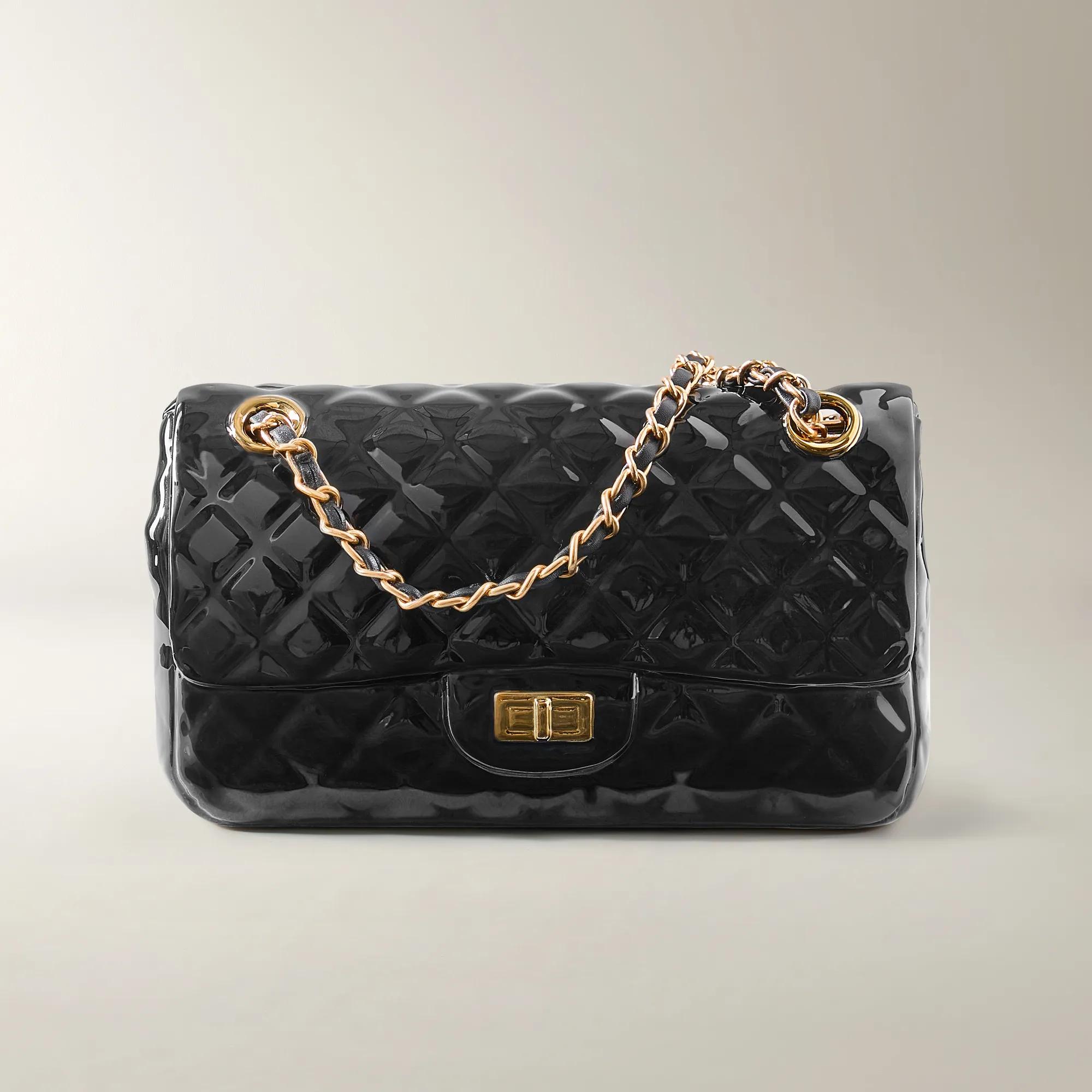
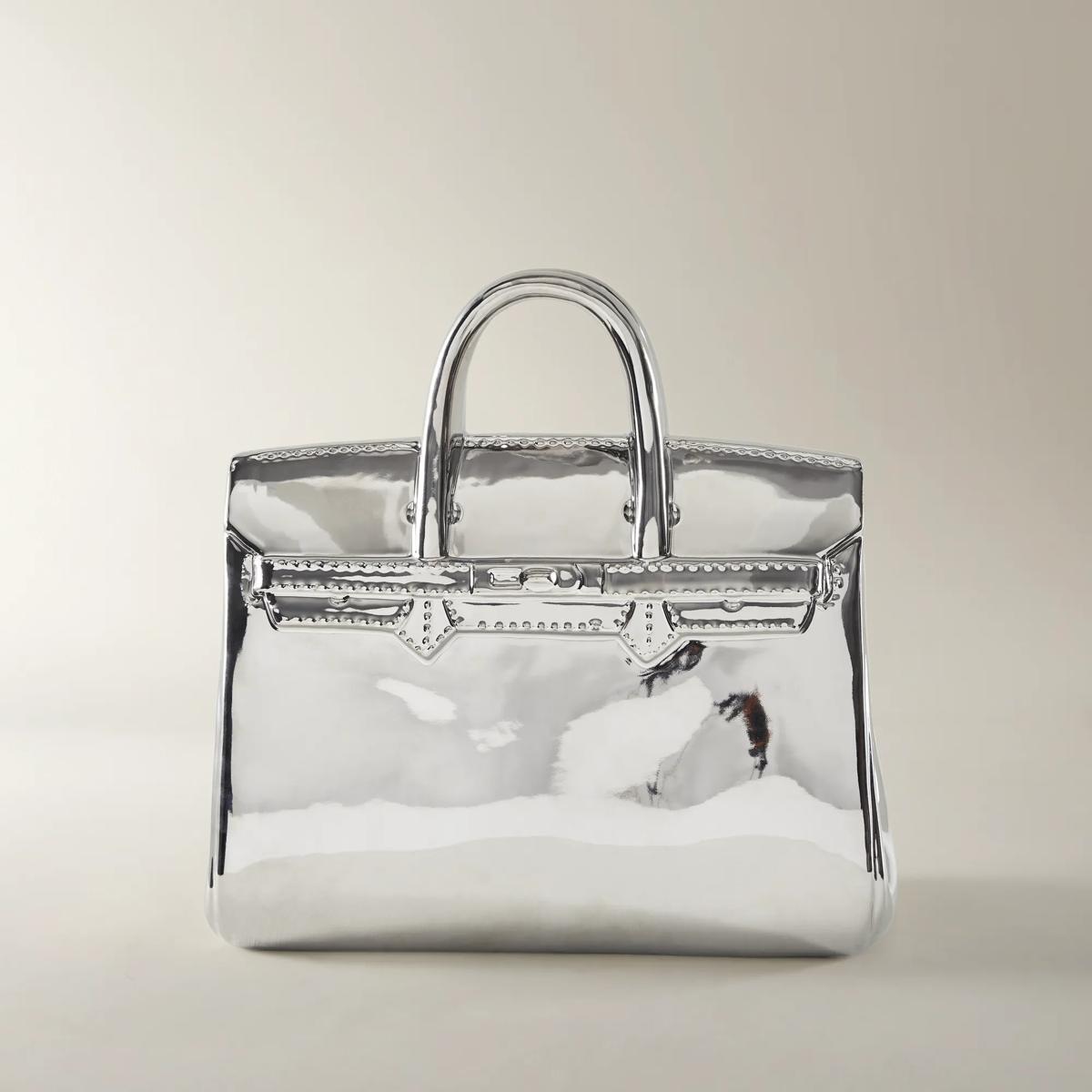
Modern Abstract Decor Sculptures
Modern Abstract Decor Sculptures
-
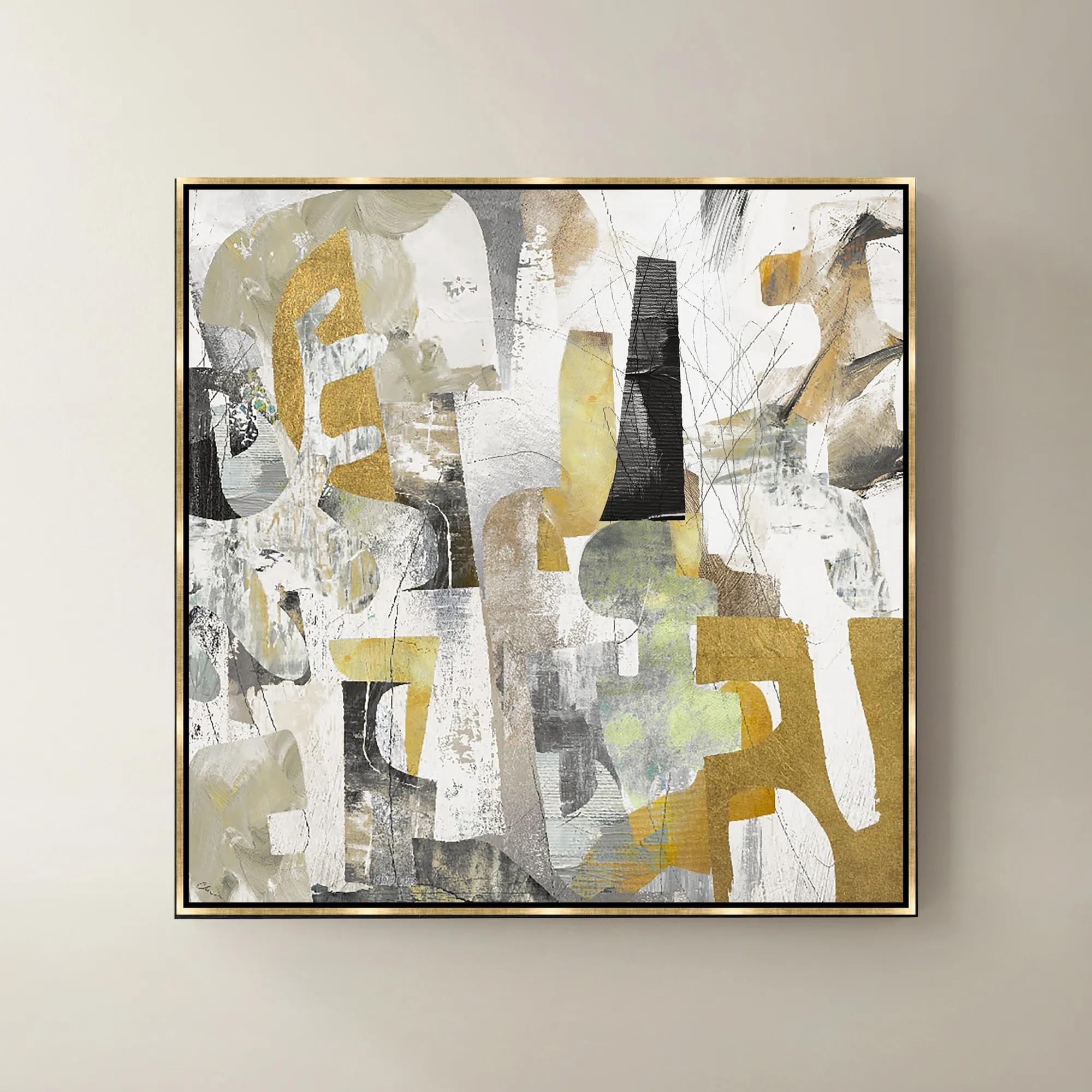
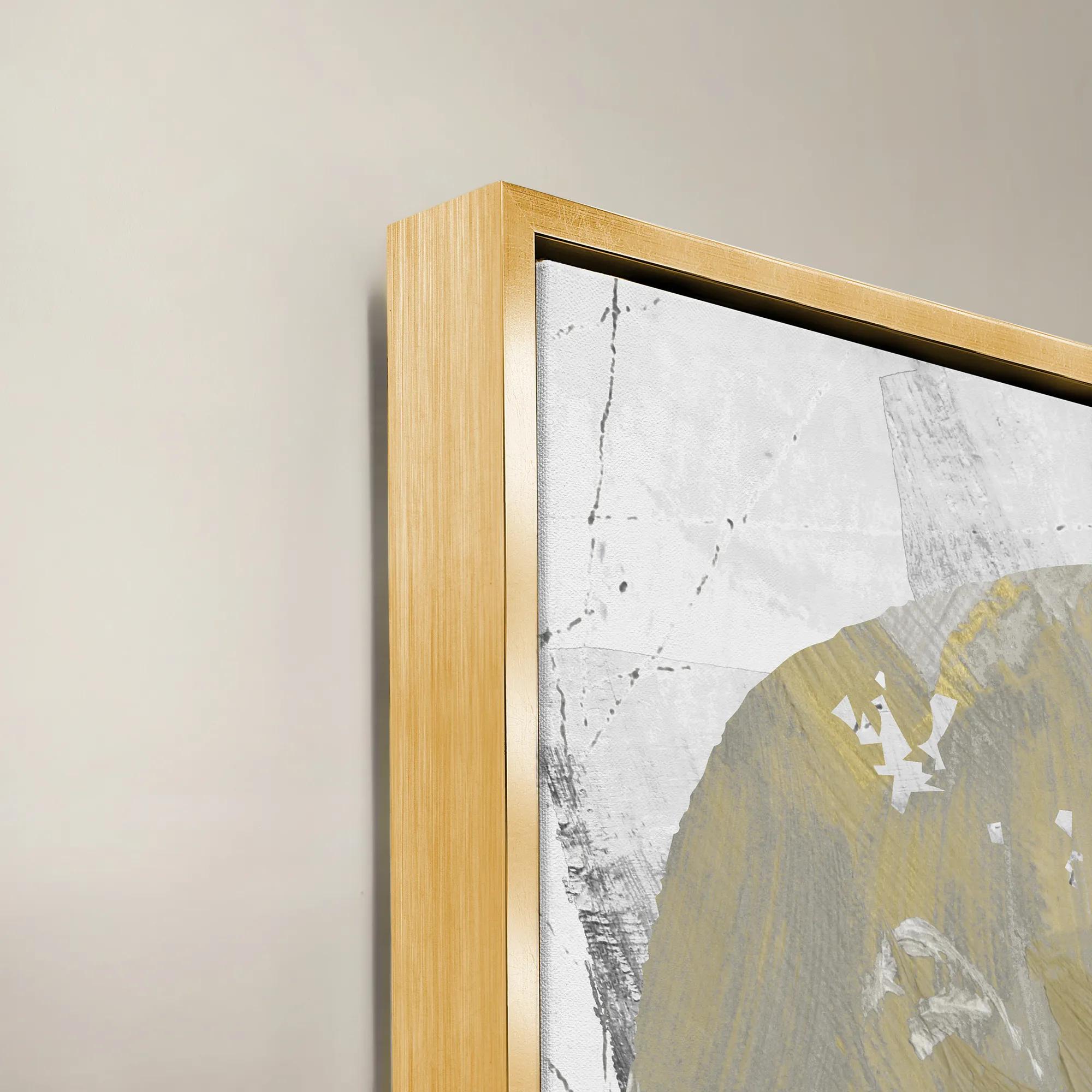 Abby II Framed Wall Art 40" x 40"$849
An abstract art piece inspired by Nikki Chu’s modern design aesthetic and creative expertise.
Add To Cart -
-compressed.jpg?w=1200&h=1200) Etched in Gold$229
Etched in Gold$229A hand-carved gold copper artwork set in a sleek black alloy frame for modern contrast.
Add To Cart -
.jpeg?w=1200&h=1200)
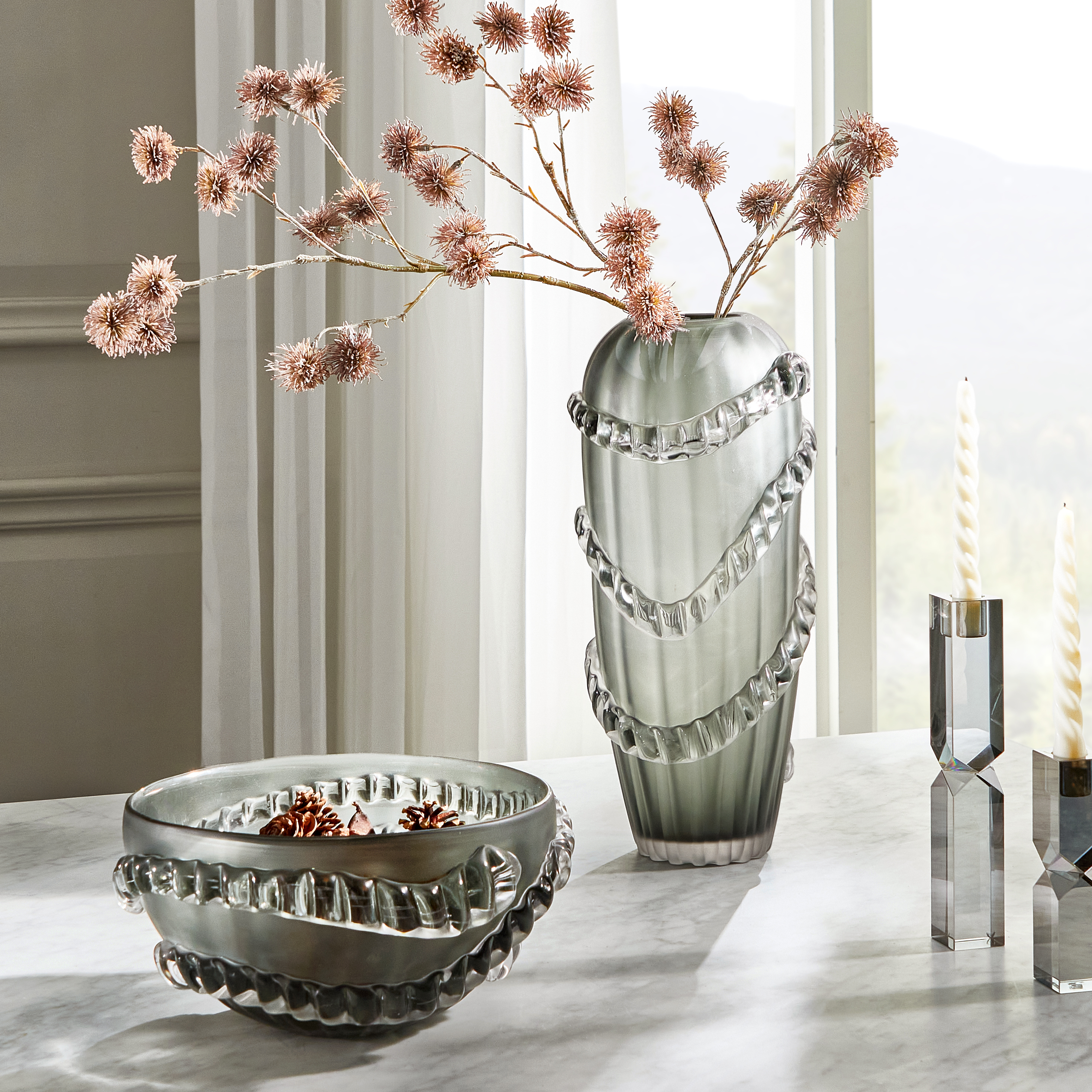 Helix Glass Collection$129
A hand-blown dark gray glass piece featuring fluted bodies and rippling sculptural ribbons for modern elegance.
Add To Cart -
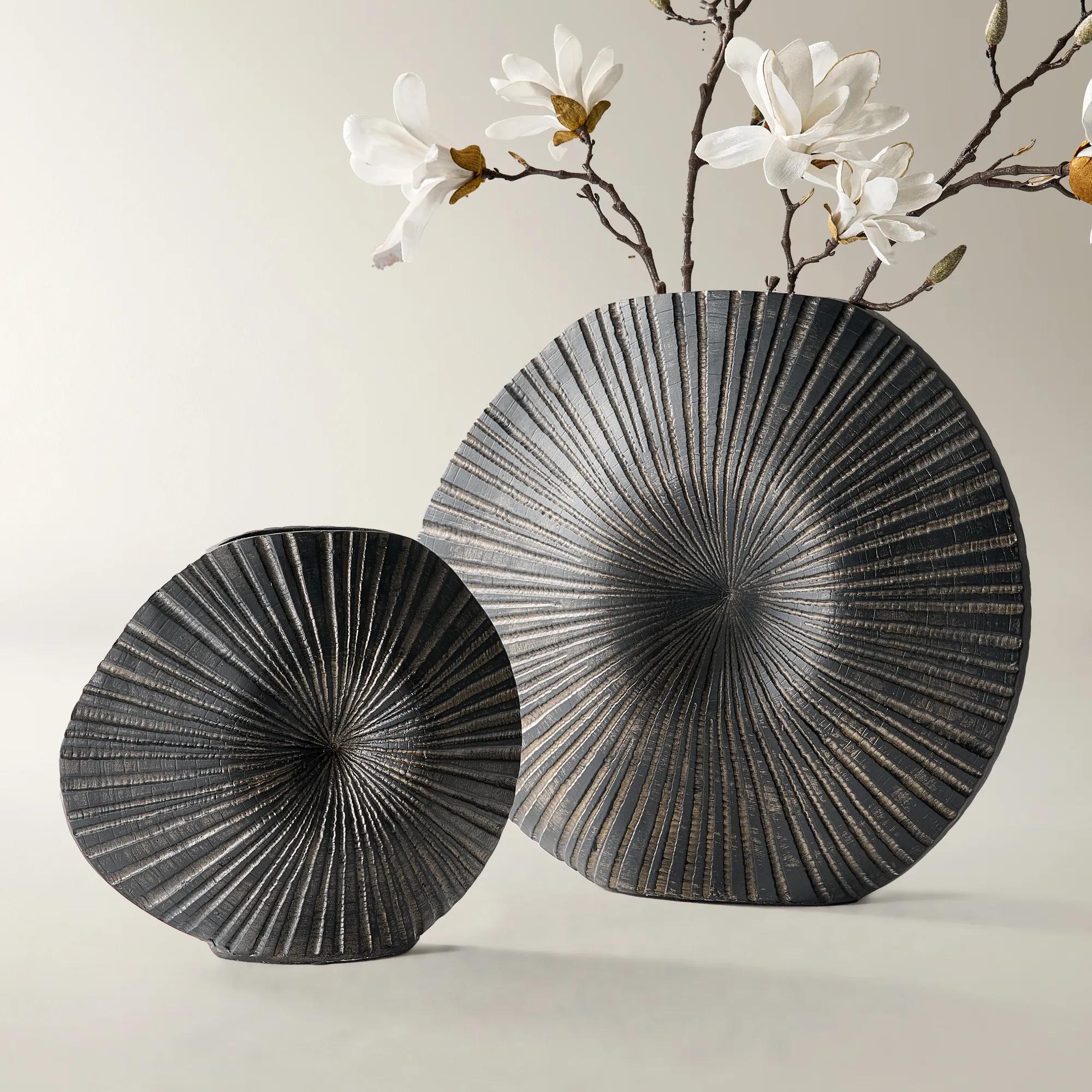
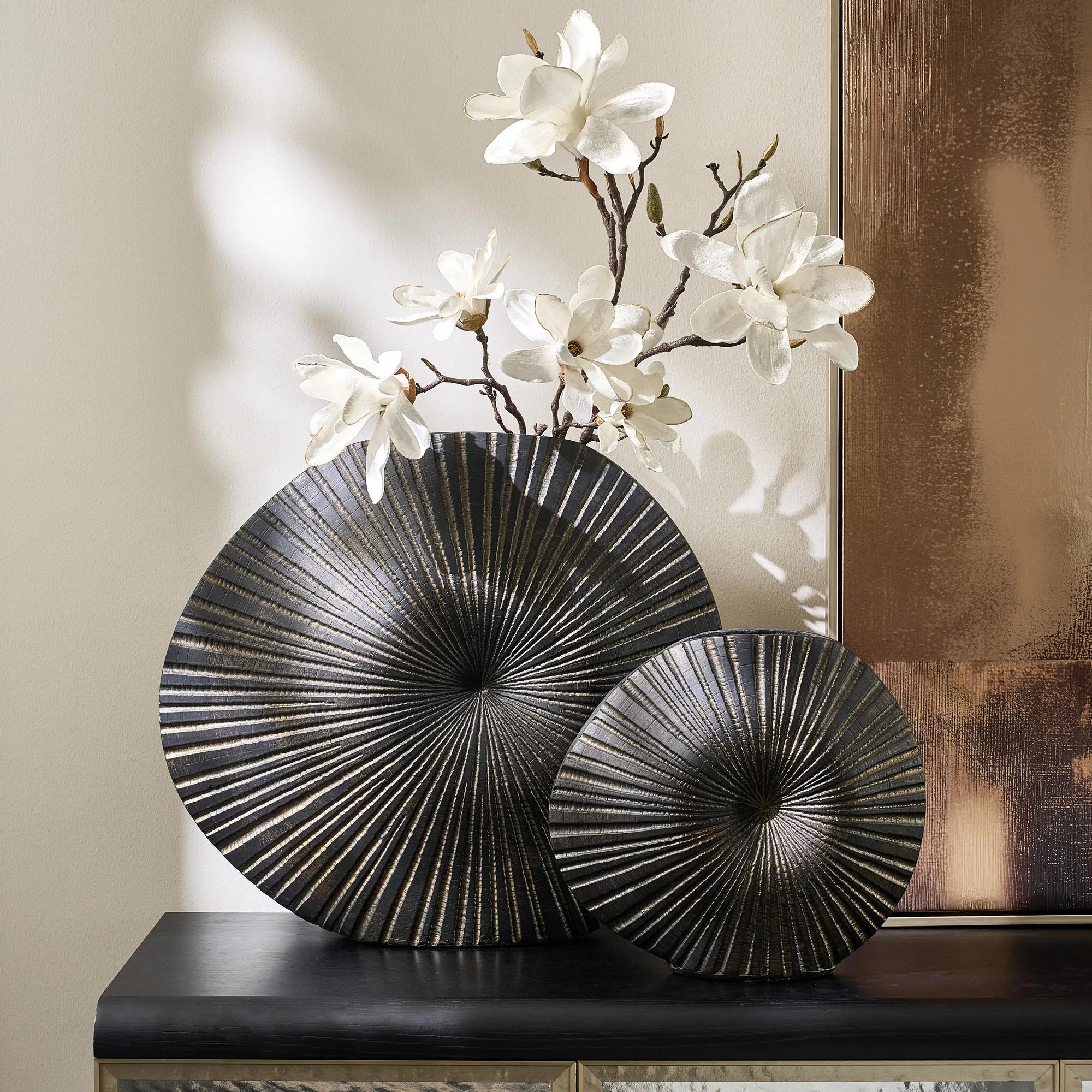 Stellar Black Champagne Resin Vases$149
A sculptural resin vase in black and champagne tones, offering bold modern glamour and refined visual depth.
Add To Cart -
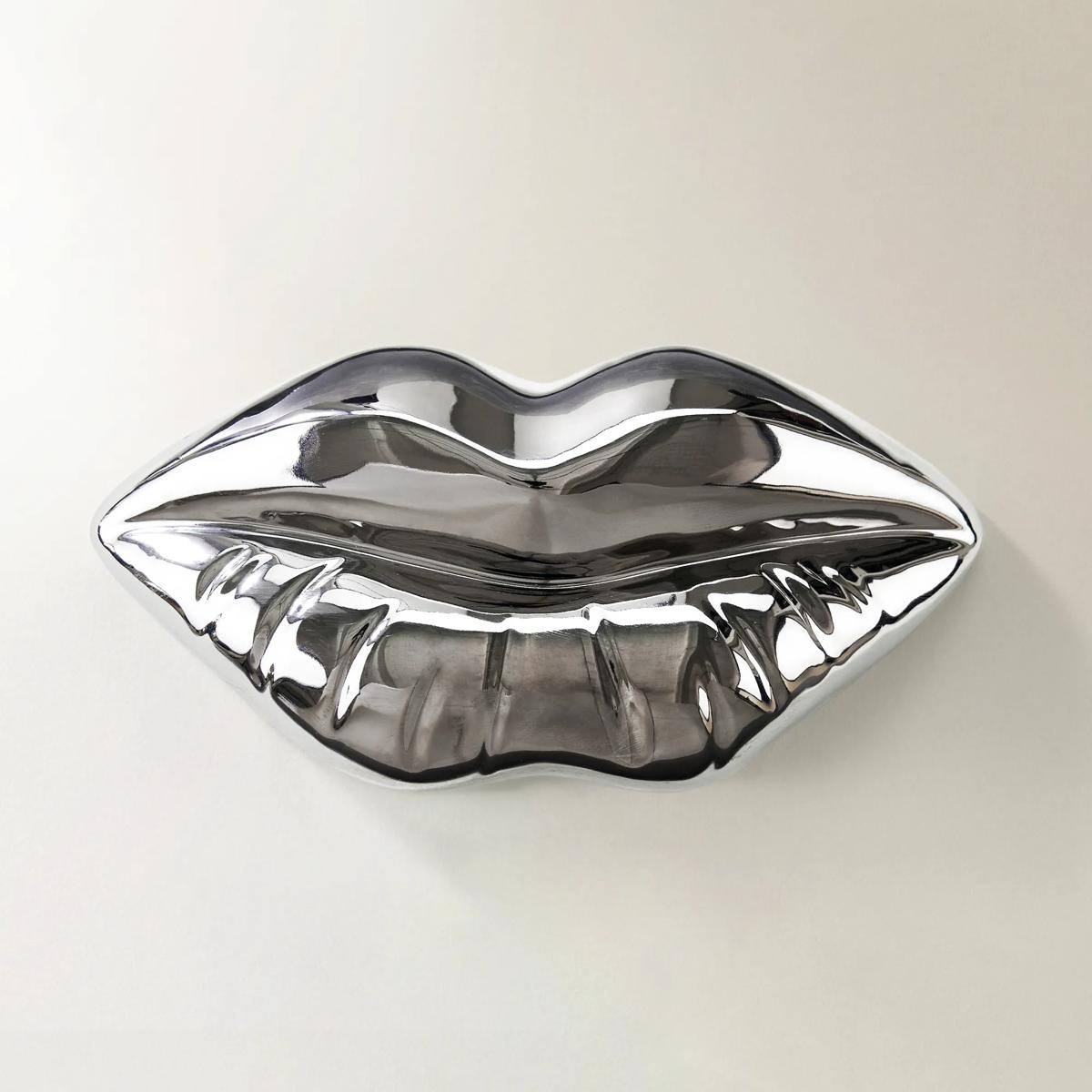 Chrome Lips Ceramic Decorative Object 5.25"$29
A high-shine silver ceramic sculpture that adds modern pop art flair and playful sophistication to any space.
Add To Cart -
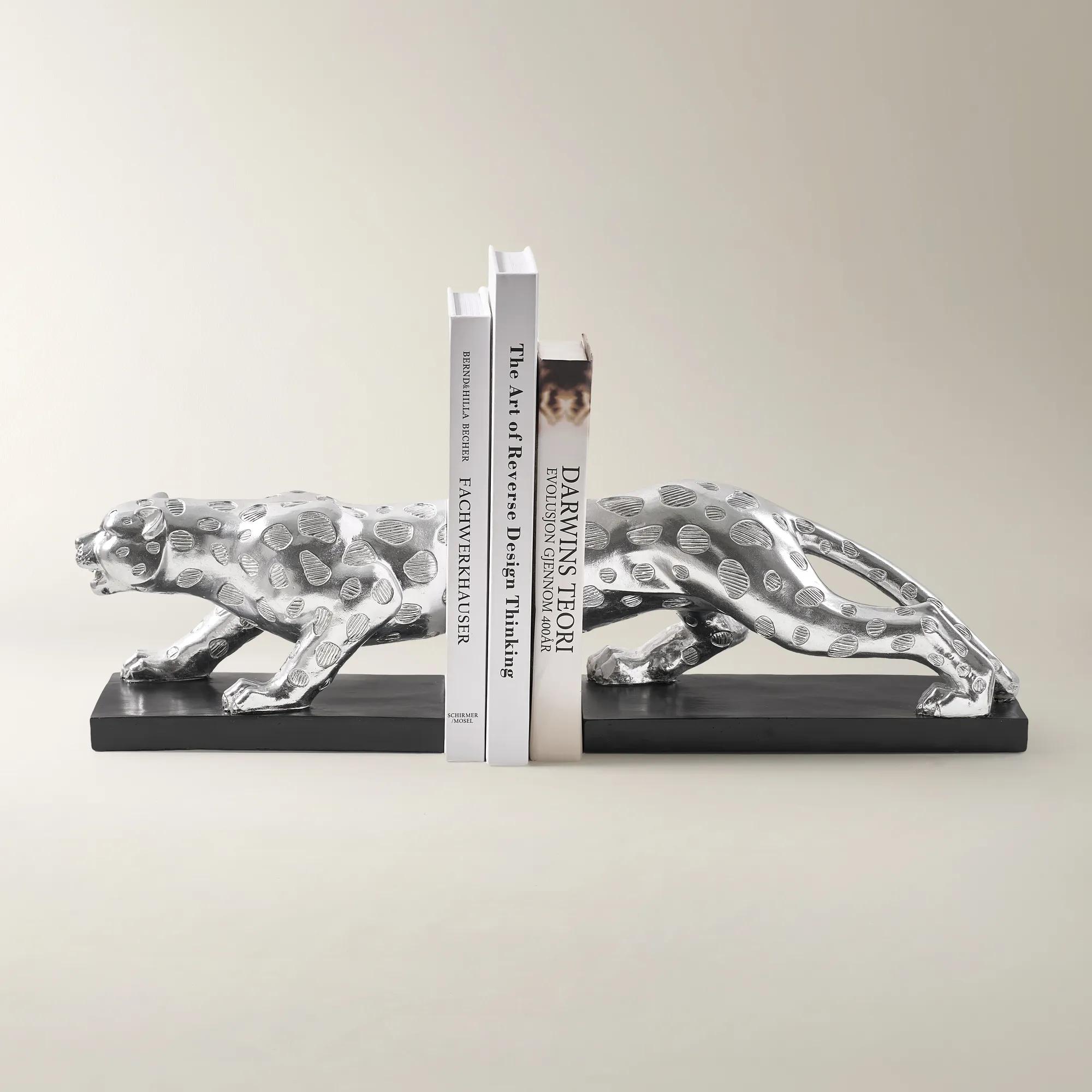 Pose Silver Resin Leopard Bookends$89
A sculptural pair of silver and black polyresin bookends inspired by Leopardo, adding modern glamour.
Add To Cart -
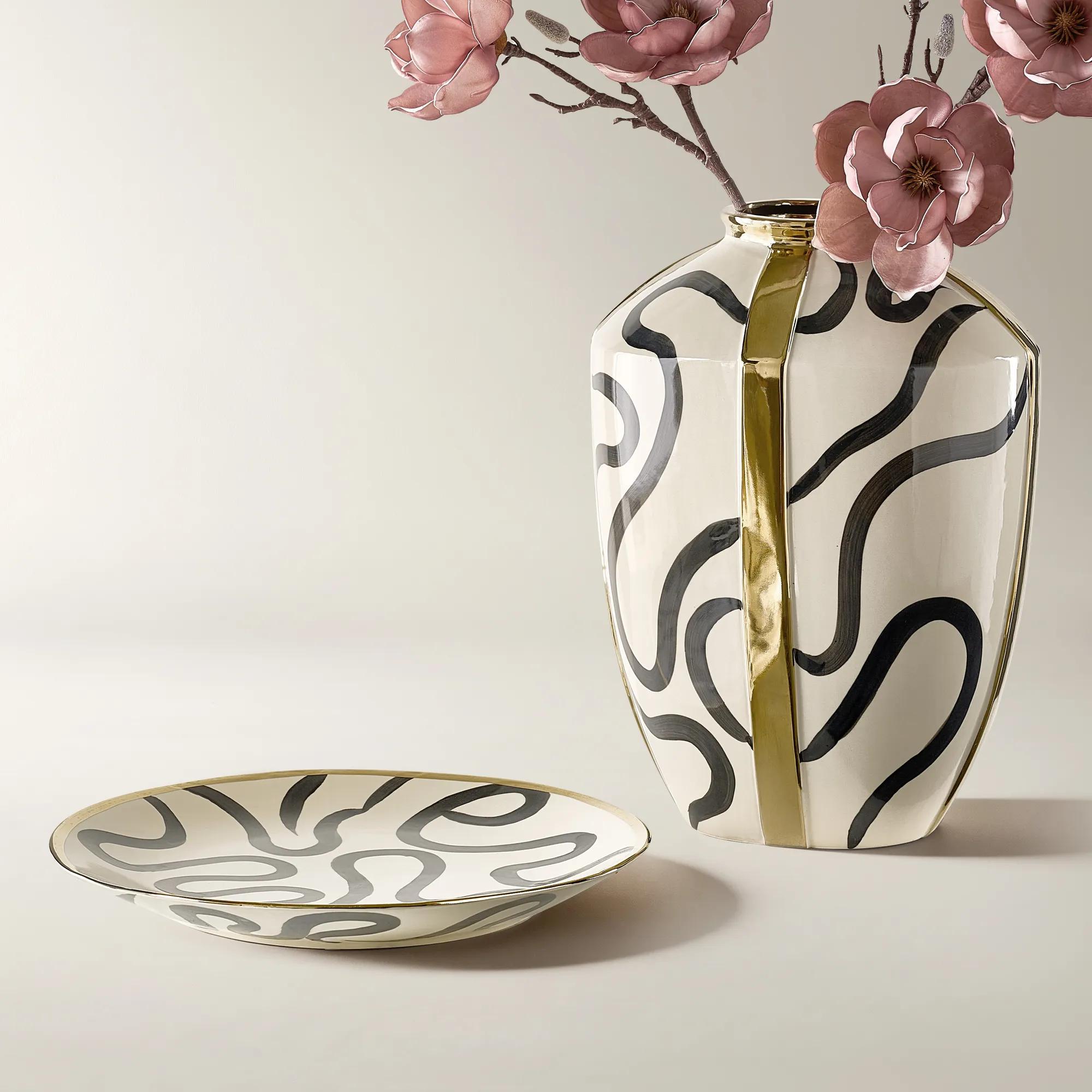
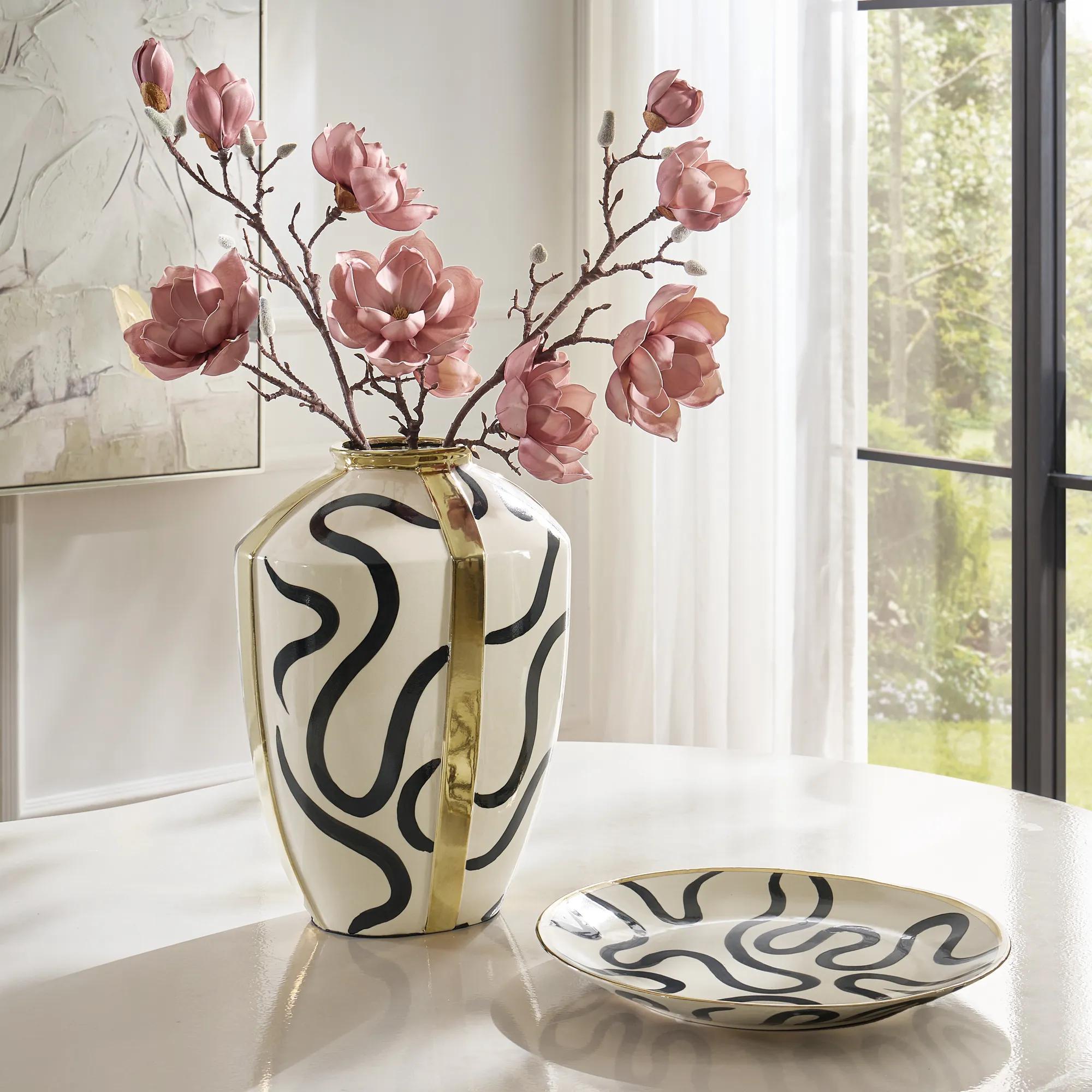 Sonder Soft Gold Black Ceramic Vase & Plate$99
A sculptural ceramic vase featuring interlacing wavy loops in soft gold, alabaster, and black tones.
Add To Cart -
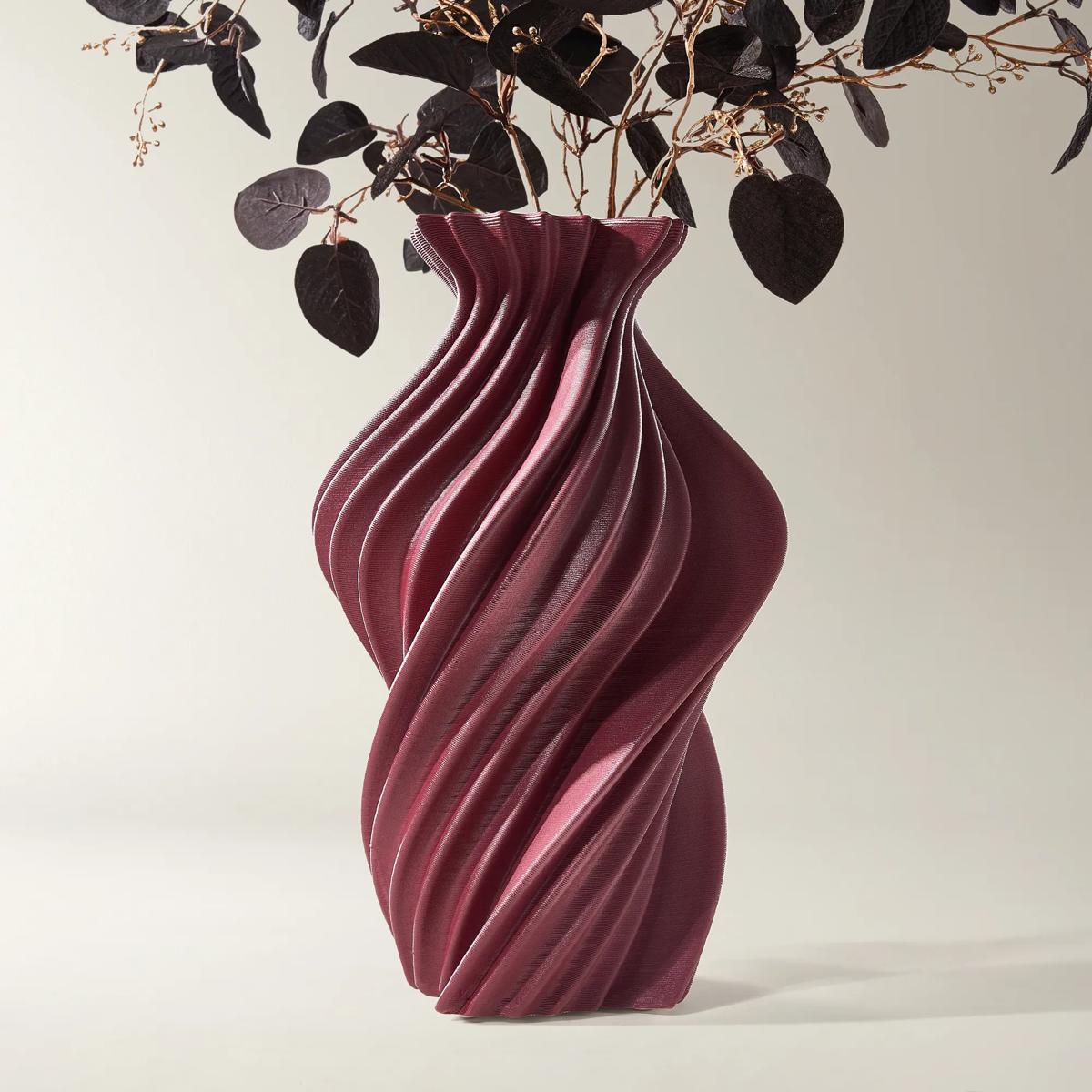
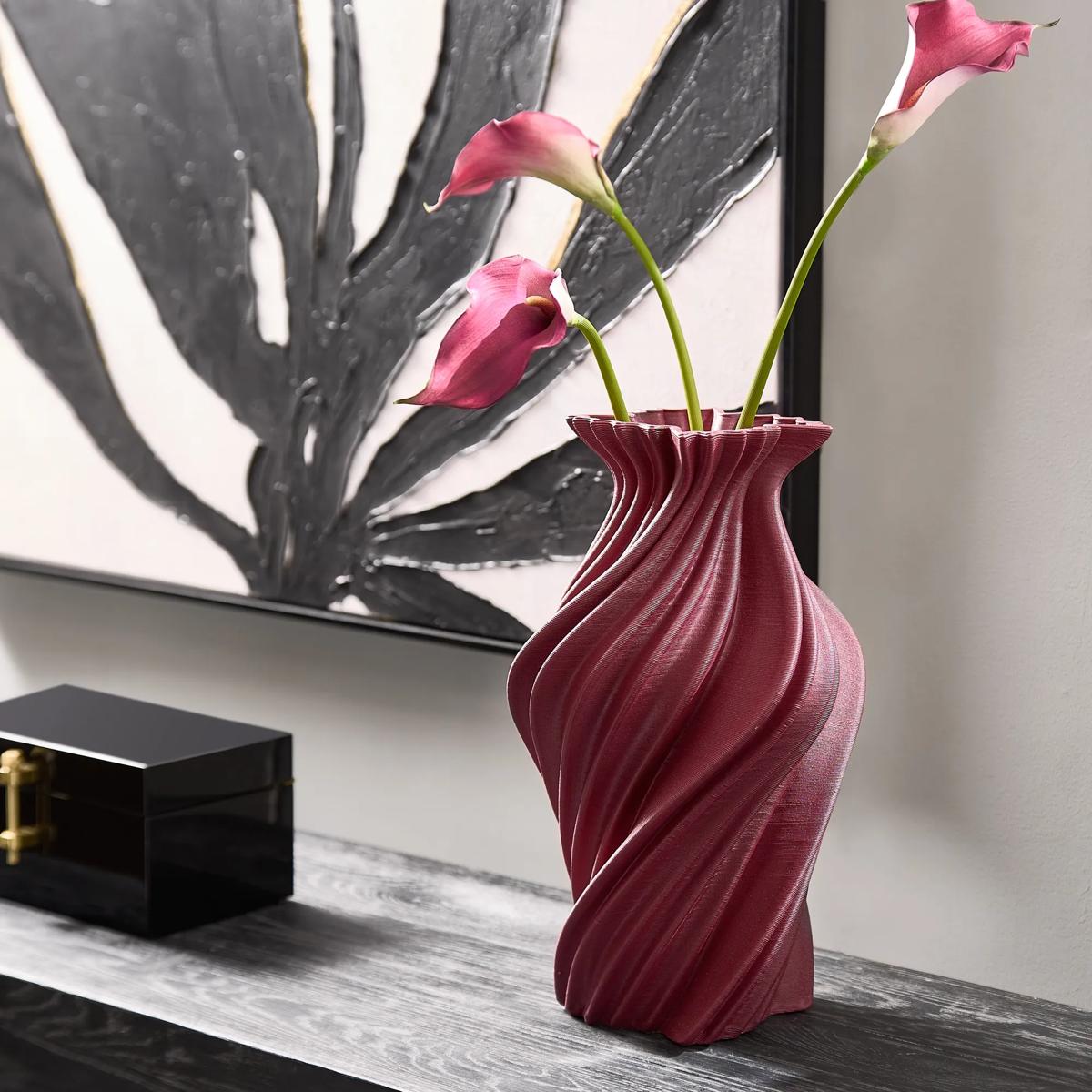 Flame Deep Red Porcelain Vase 16.25"$119
A sculptural porcelain vase in deep red with a dynamic, twisted silhouette inspired by flowing flames.
Add To Cart -
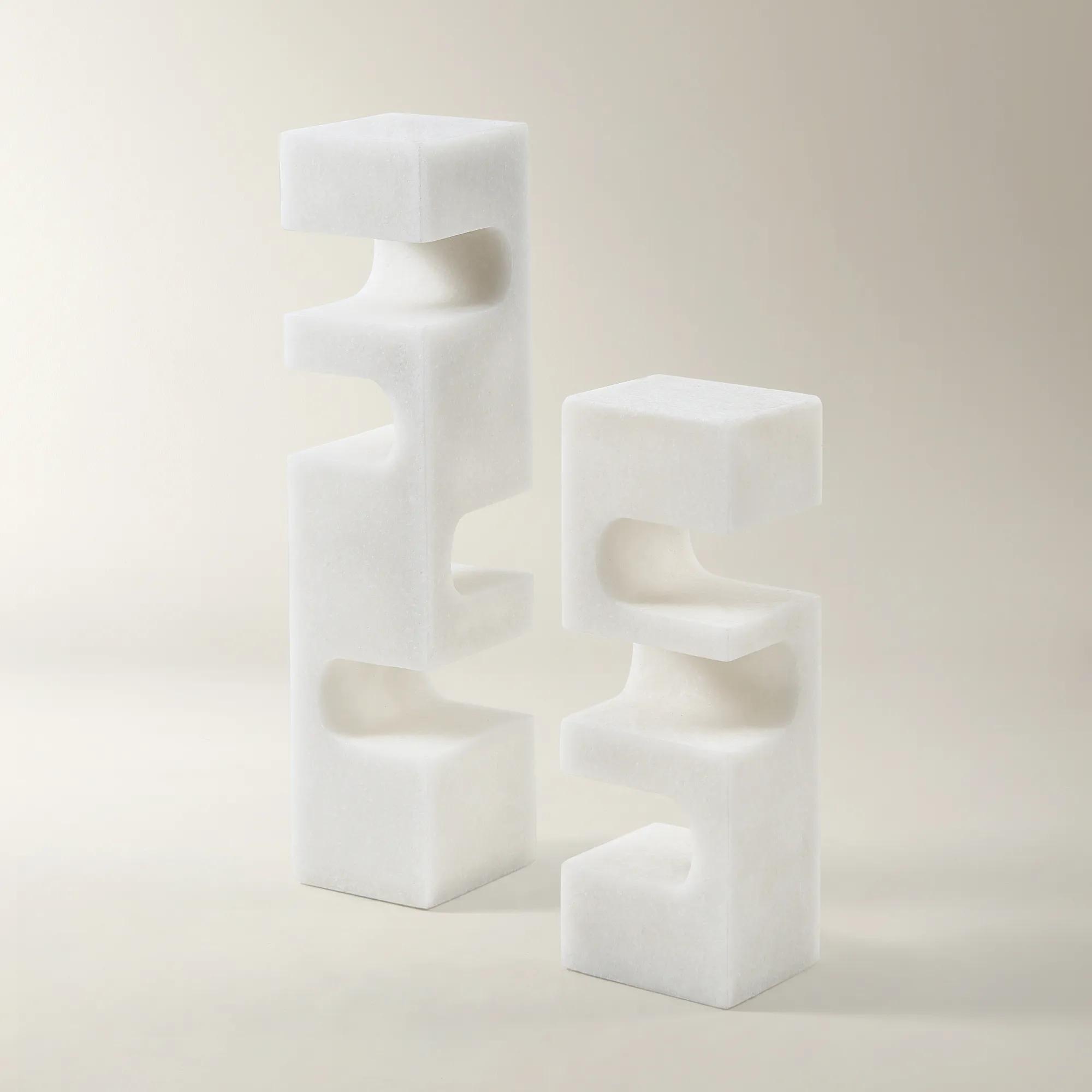
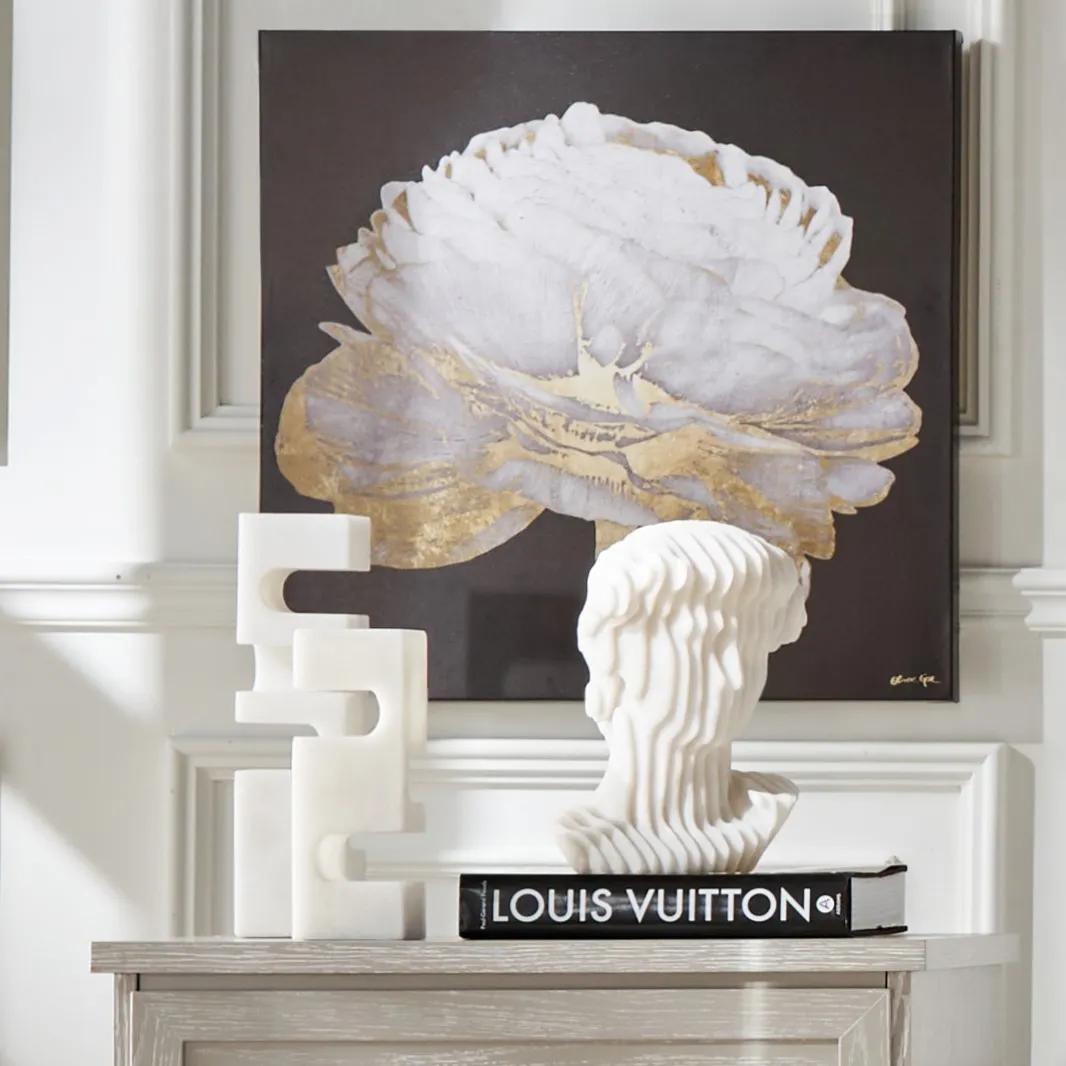 Enna Sculpture$39
A modern Cubist-inspired sculpture crafted from resin and stone powder with a textured white finish.
Add To Cart -
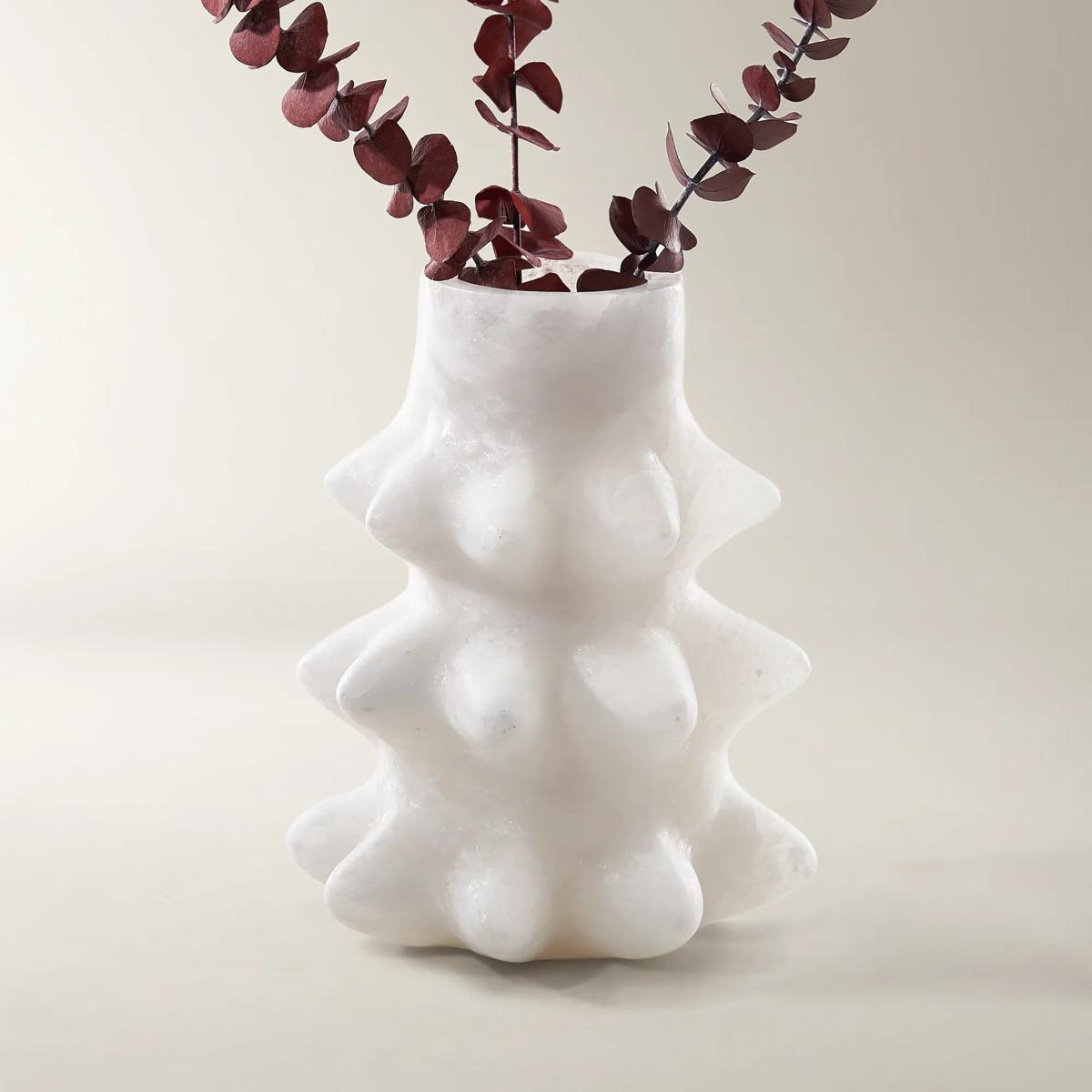
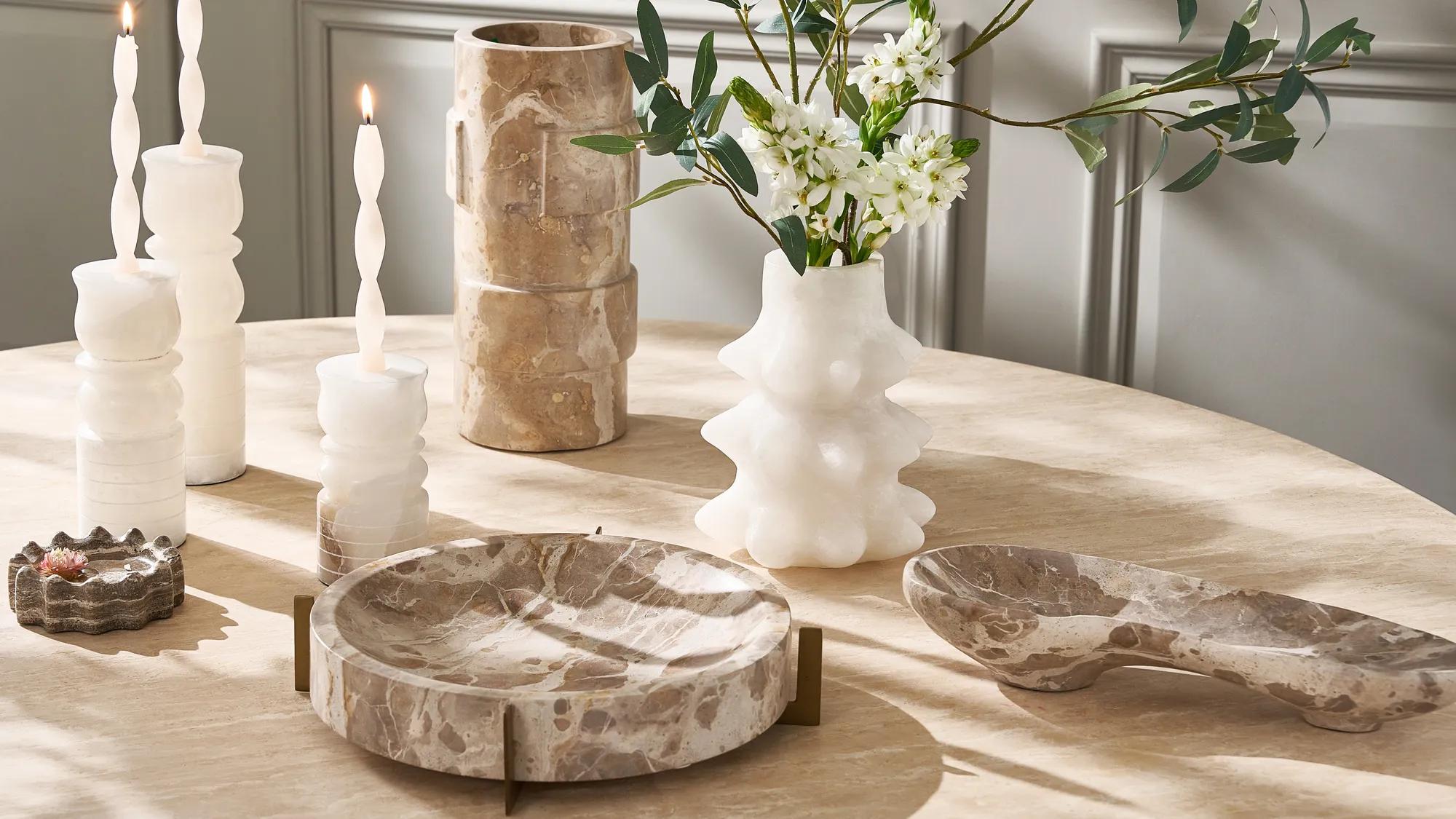 Alabaster Spike Vase$239
A sculptural white alabaster vase with bold spiked contours and naturally radiant veining.
Add To Cart -
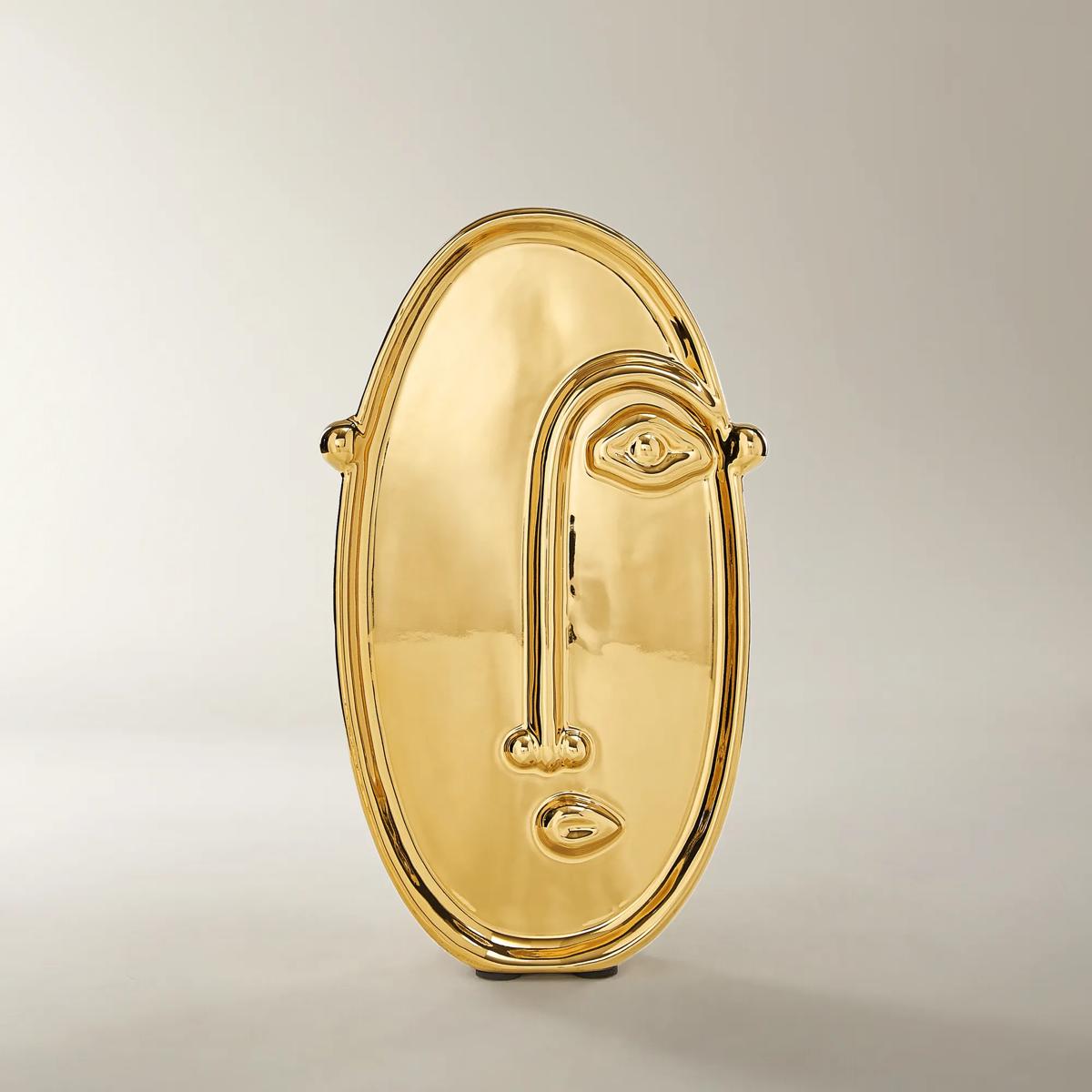
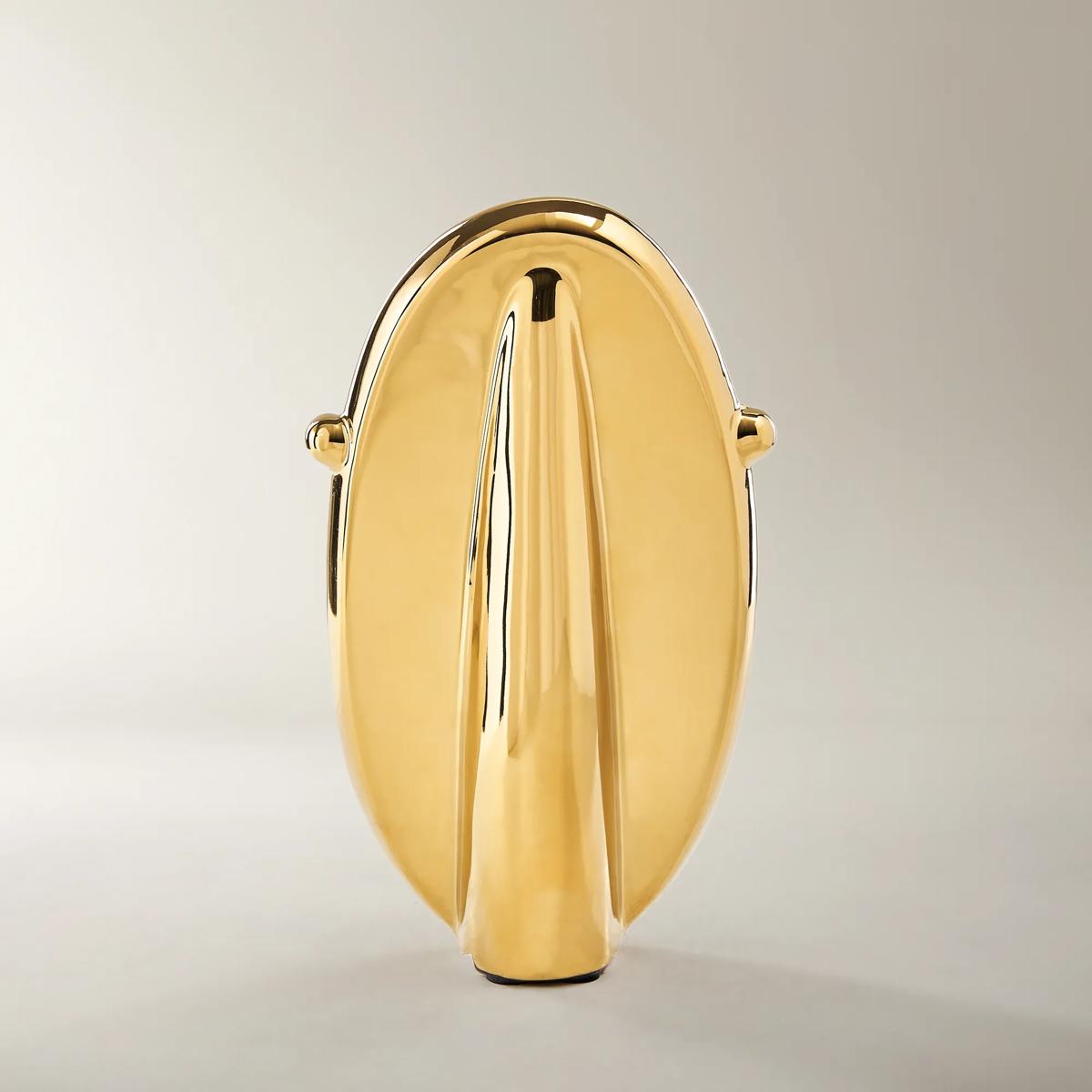 Golden Eye Ceramic Decorative Object 8"$39
A radiant gold ceramic sculpture featuring abstract, elongated facial details for a bold, modern accent.
Add To Cart -
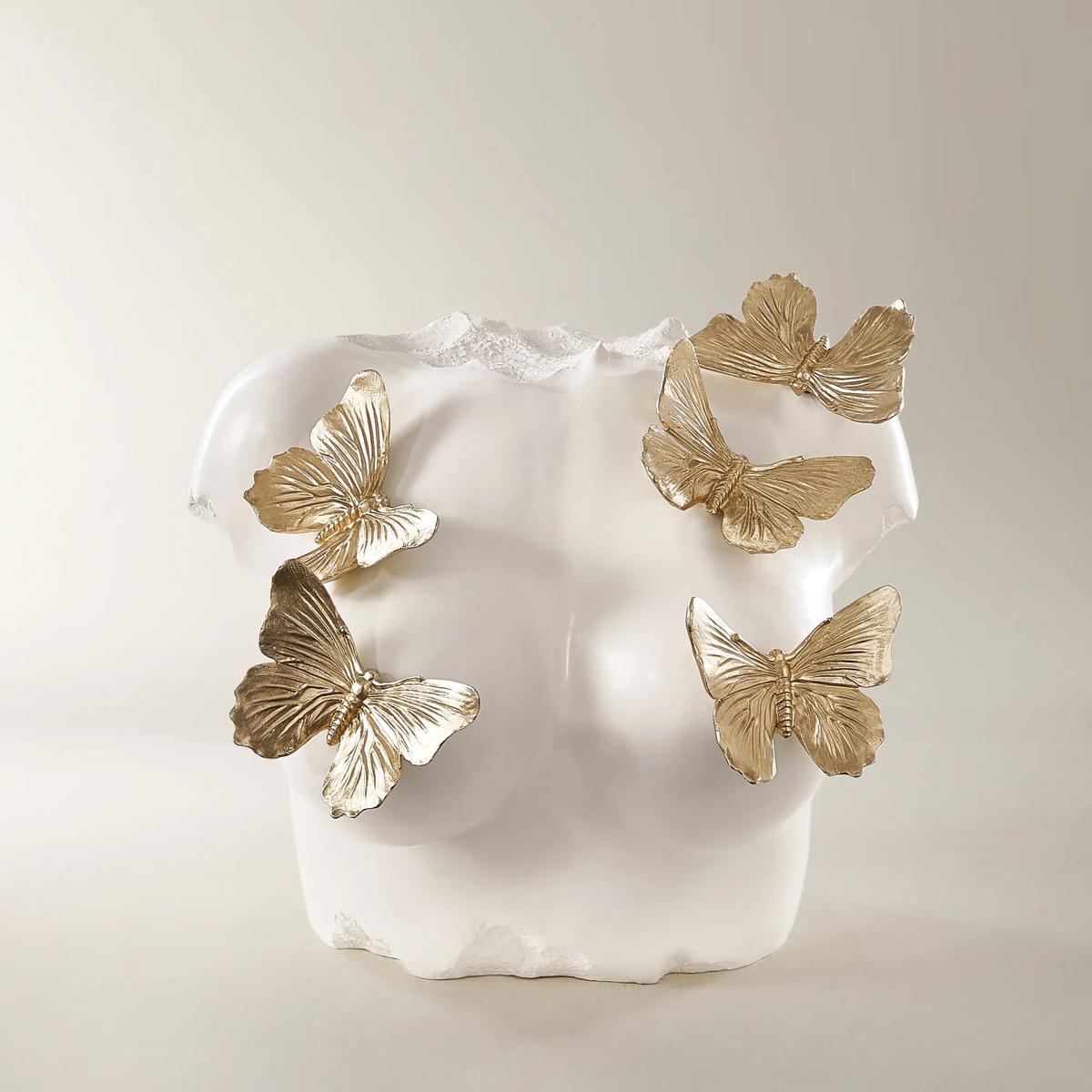
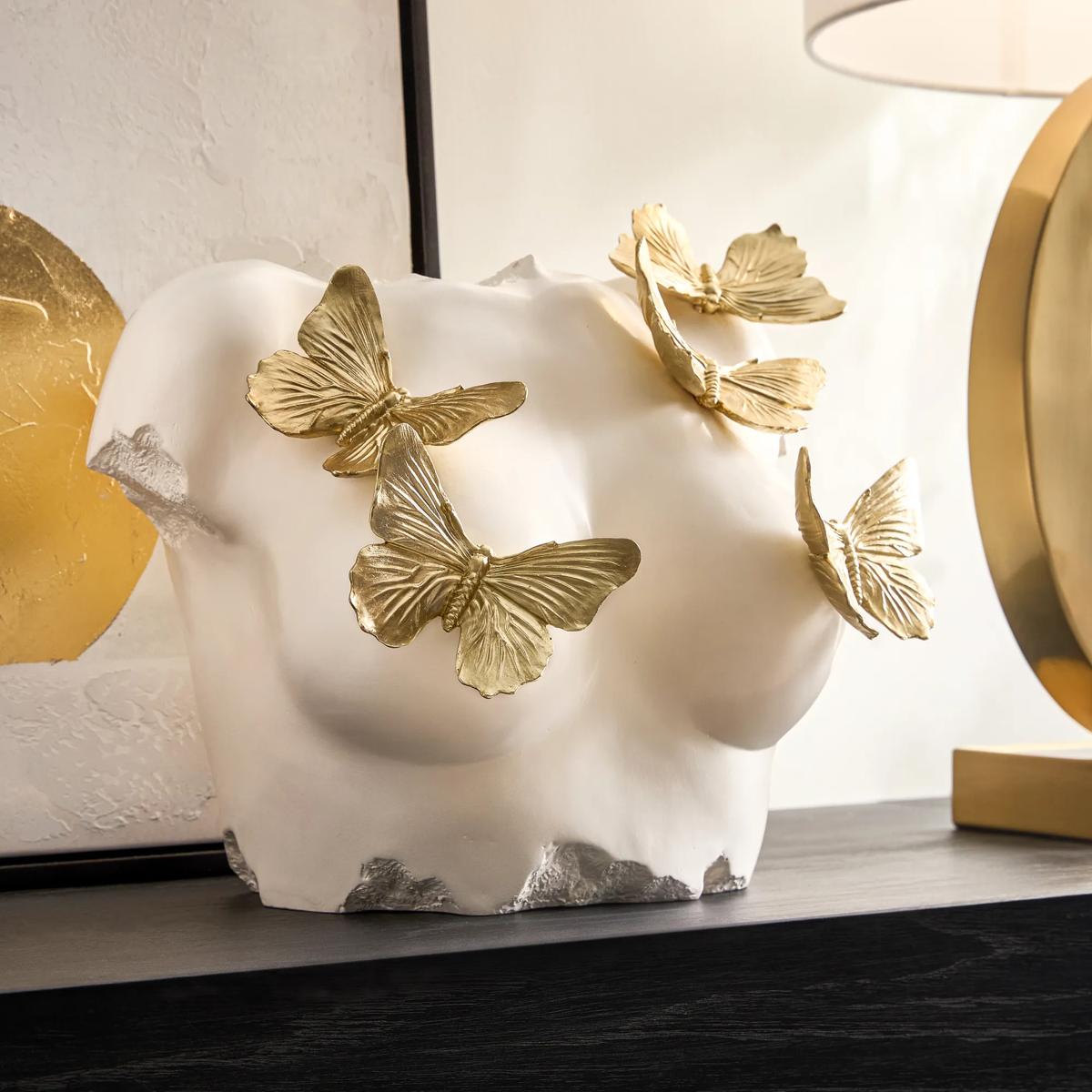 Butterfly Bust Ivory And Gold Resin Decorative Object 11.75"$149
An ivory resin bust adorned with gilded butterflies, offering poetic movement and feminine elegance.
Add To Cart -
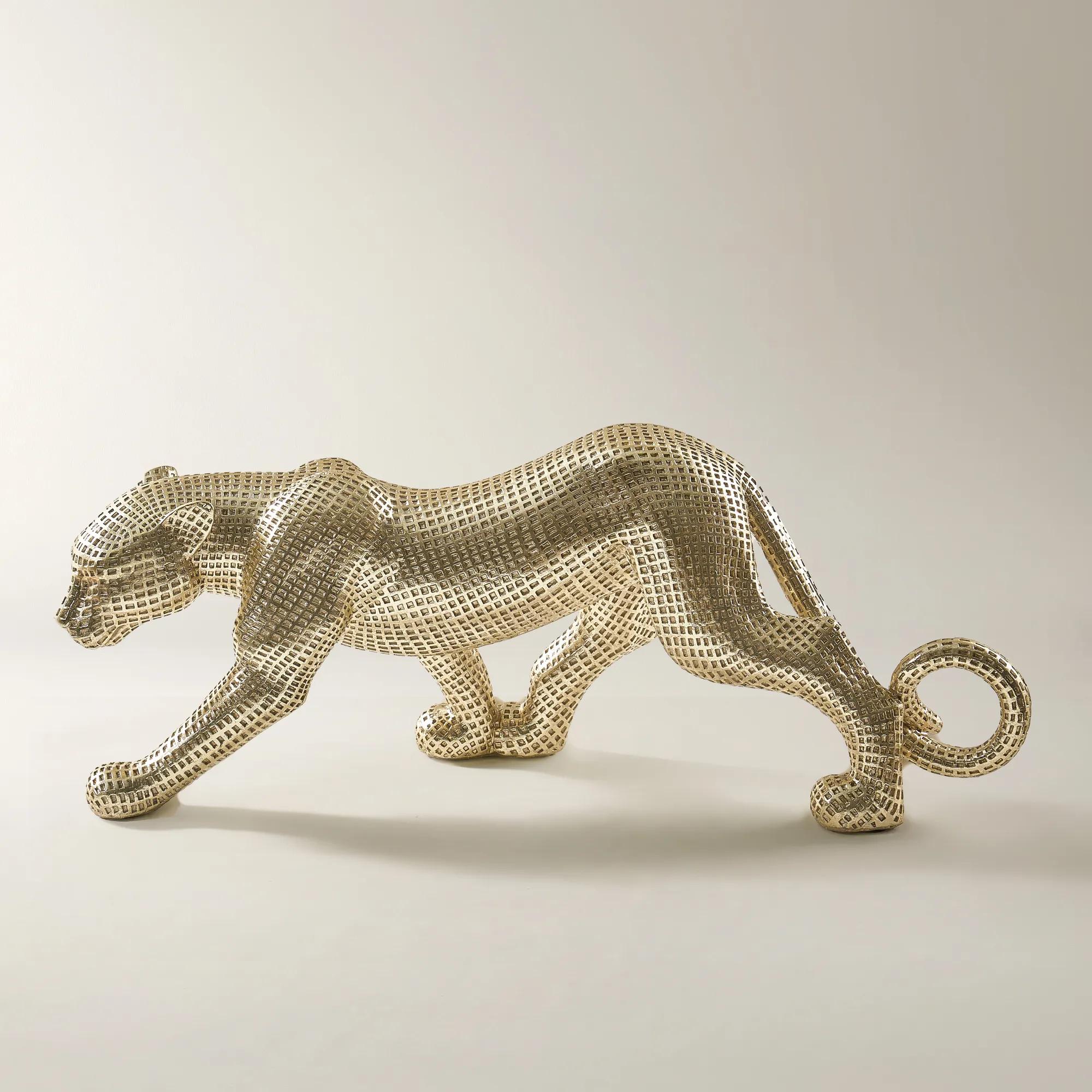
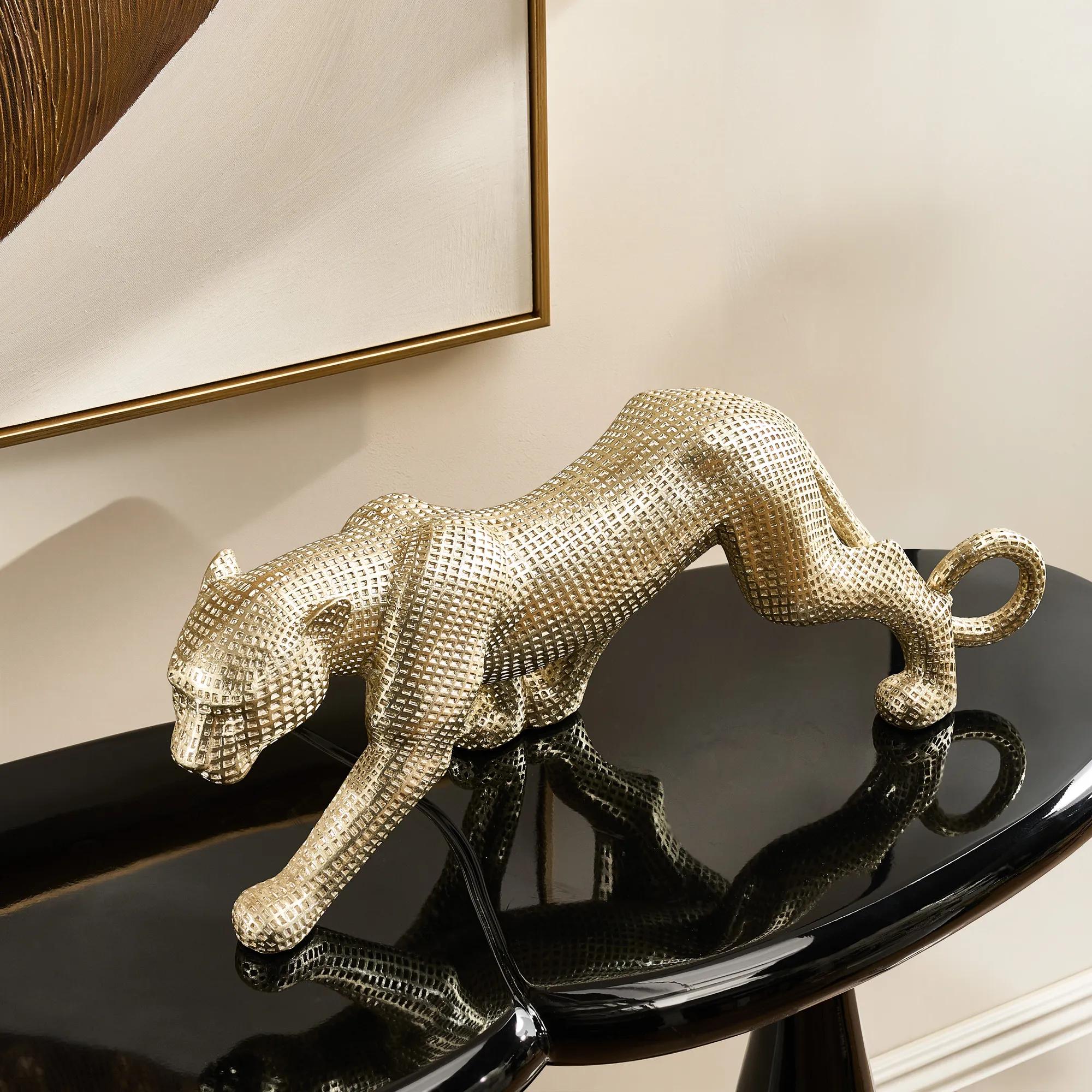 Pardus Champagne Resin Decorative Object 20.5" x 8"$79
A sculptural feline decor piece cast in champagne-finished resin with intricate grid texturing and sleek lines.
Add To Cart -
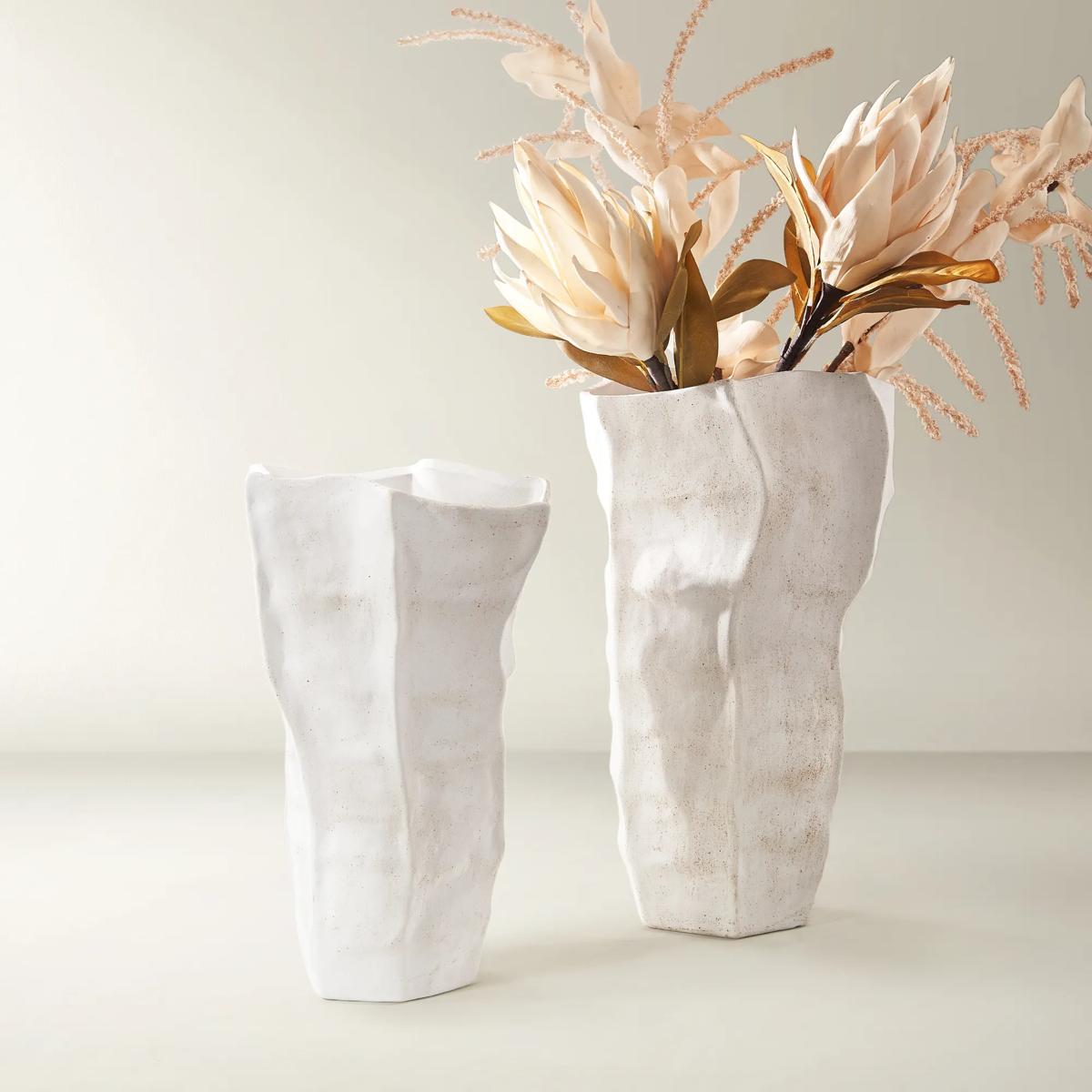 Kira Porcelain Vase$139
A sculptural matte white porcelain vase with fluid, faceted curves and a soft, textured finish.
Add To Cart -
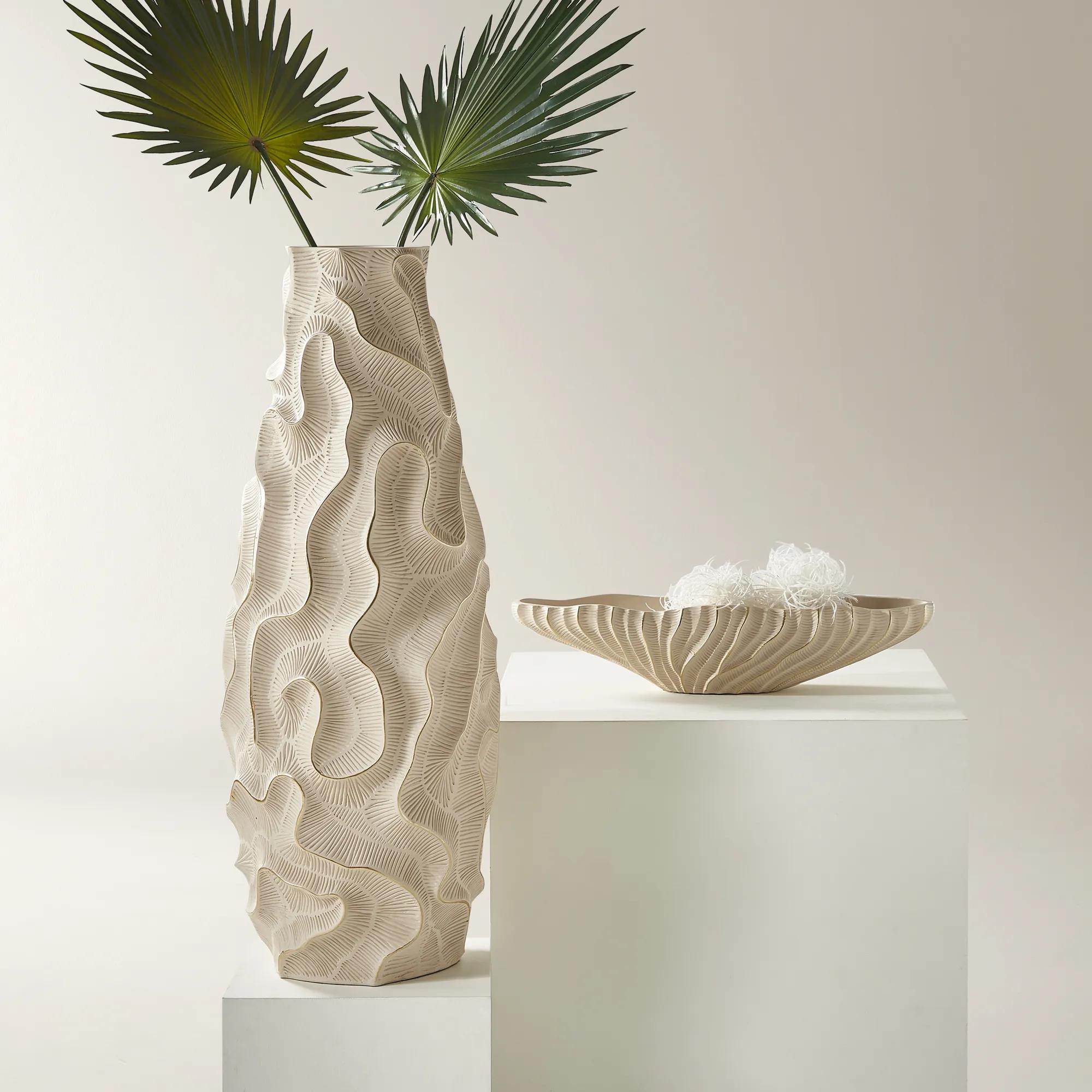
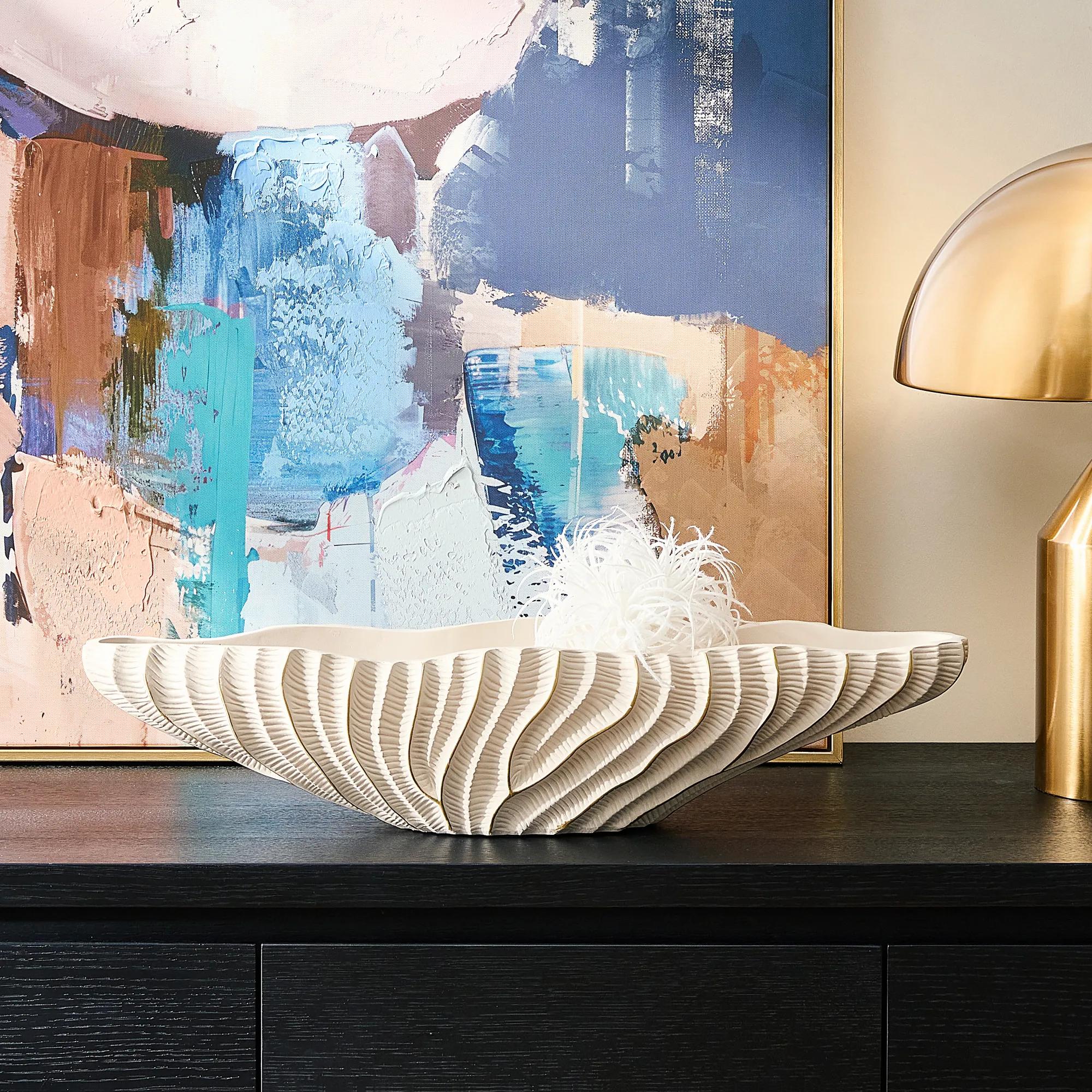 Rouche Ivory And Gold Etched Resin Floor Vase & Bowl$79
An ivory resin collection featuring sculptural, hand-etched textures and undulating organic contours.
Add To Cart -
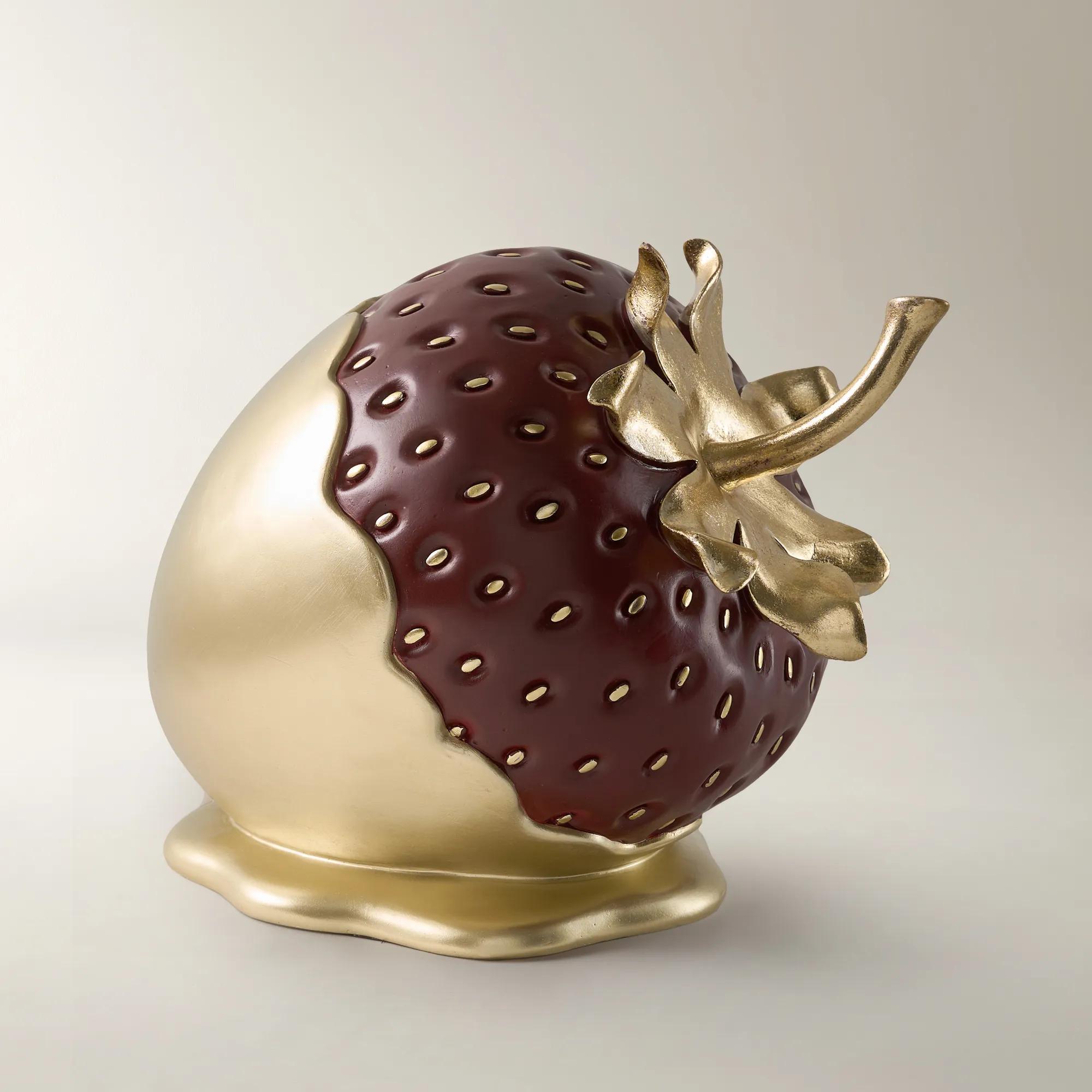
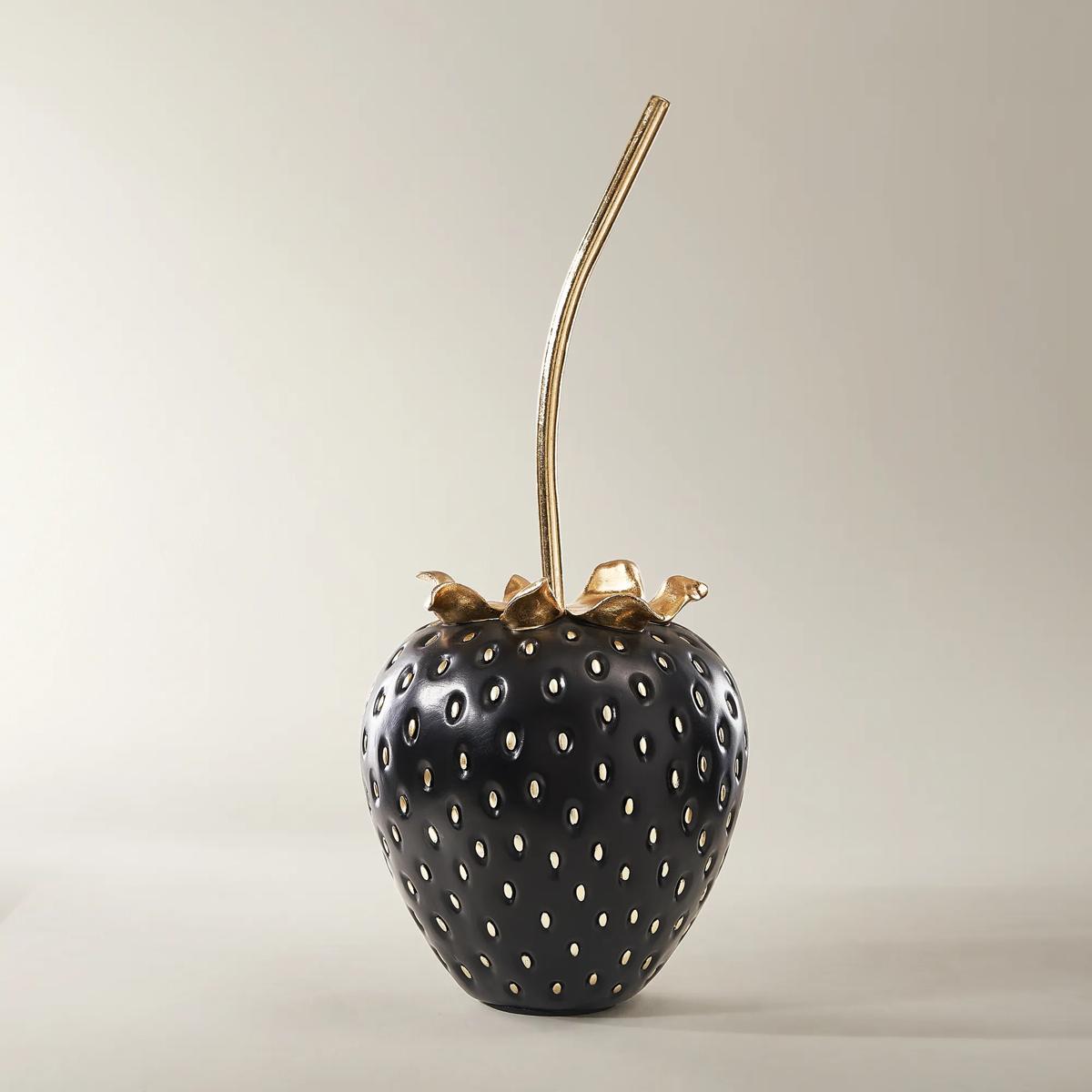 Grand Strawberry Gold And Black Resin Decorative Object 20.25"$129
A bold resin decorative accent in black and gold, adding whimsical elegance to any modern space.
Add To Cart -
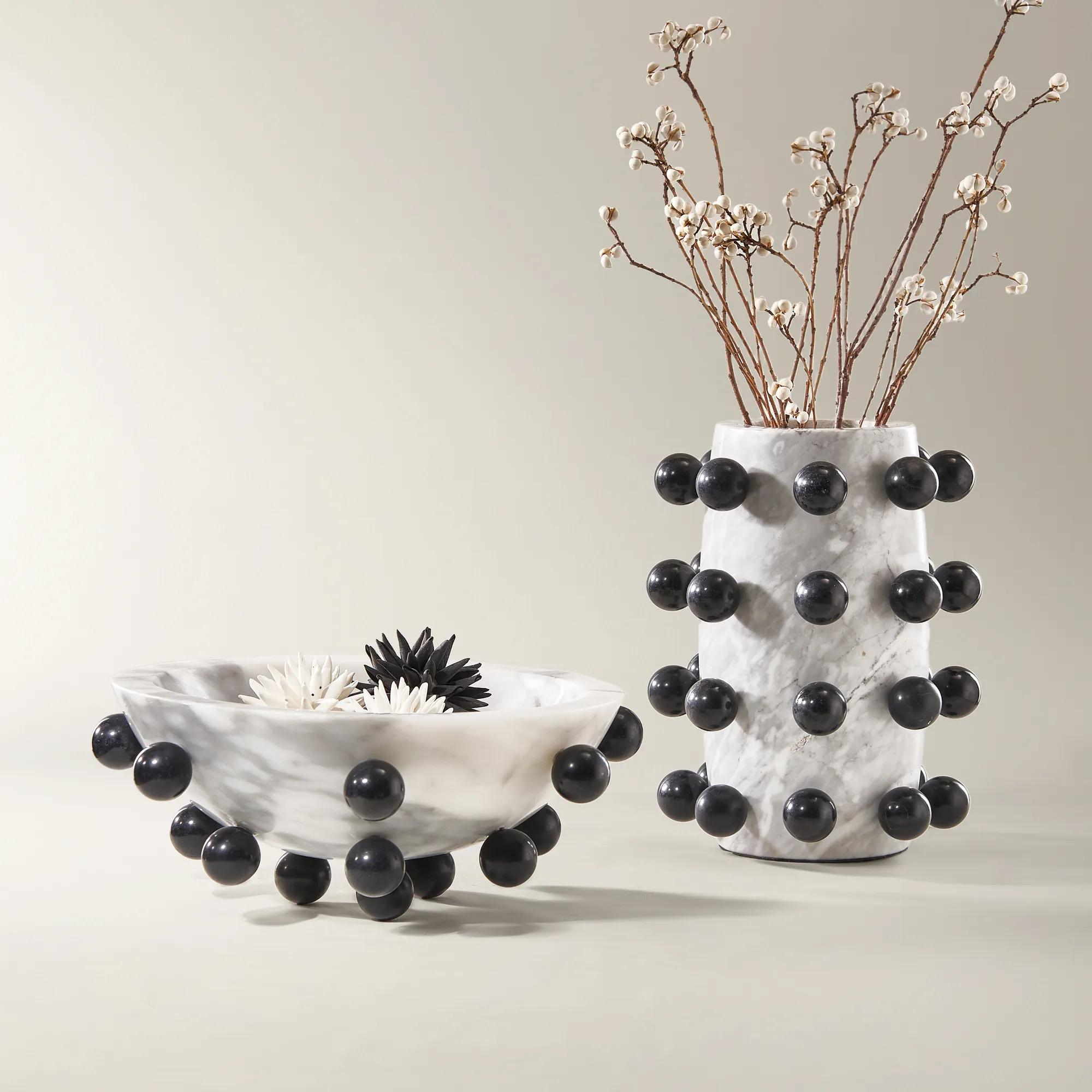 Borra Grey Black Marble Vase & Bowl$219
A sculptural grey marble accent featuring bold black orbs and unique natural veining for modern drama.
Add To Cart -
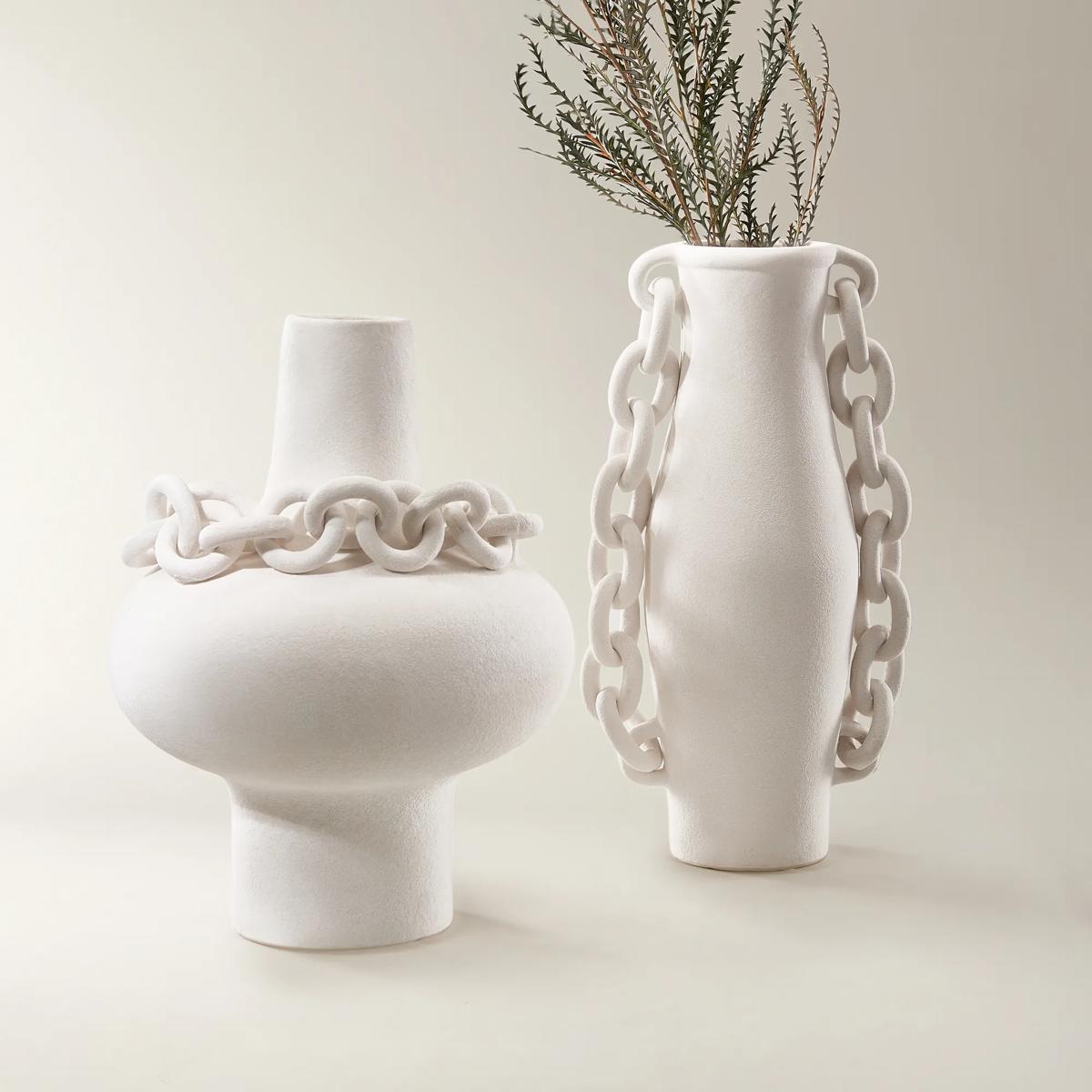
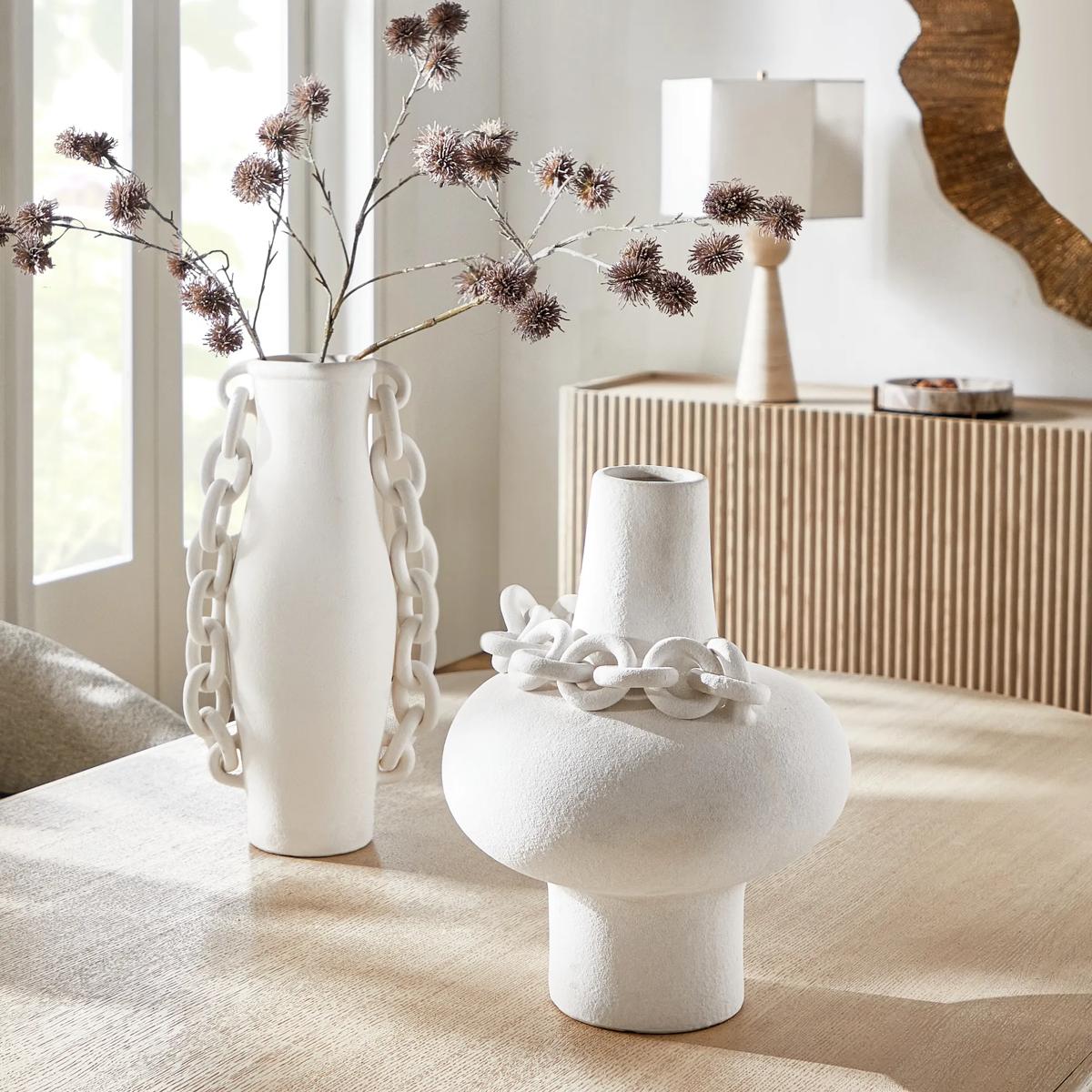 Links Stoneware Vases$119
A sculptural matte white stoneware vase featuring bold chain-link details for modern, artful texture.
Add To Cart -
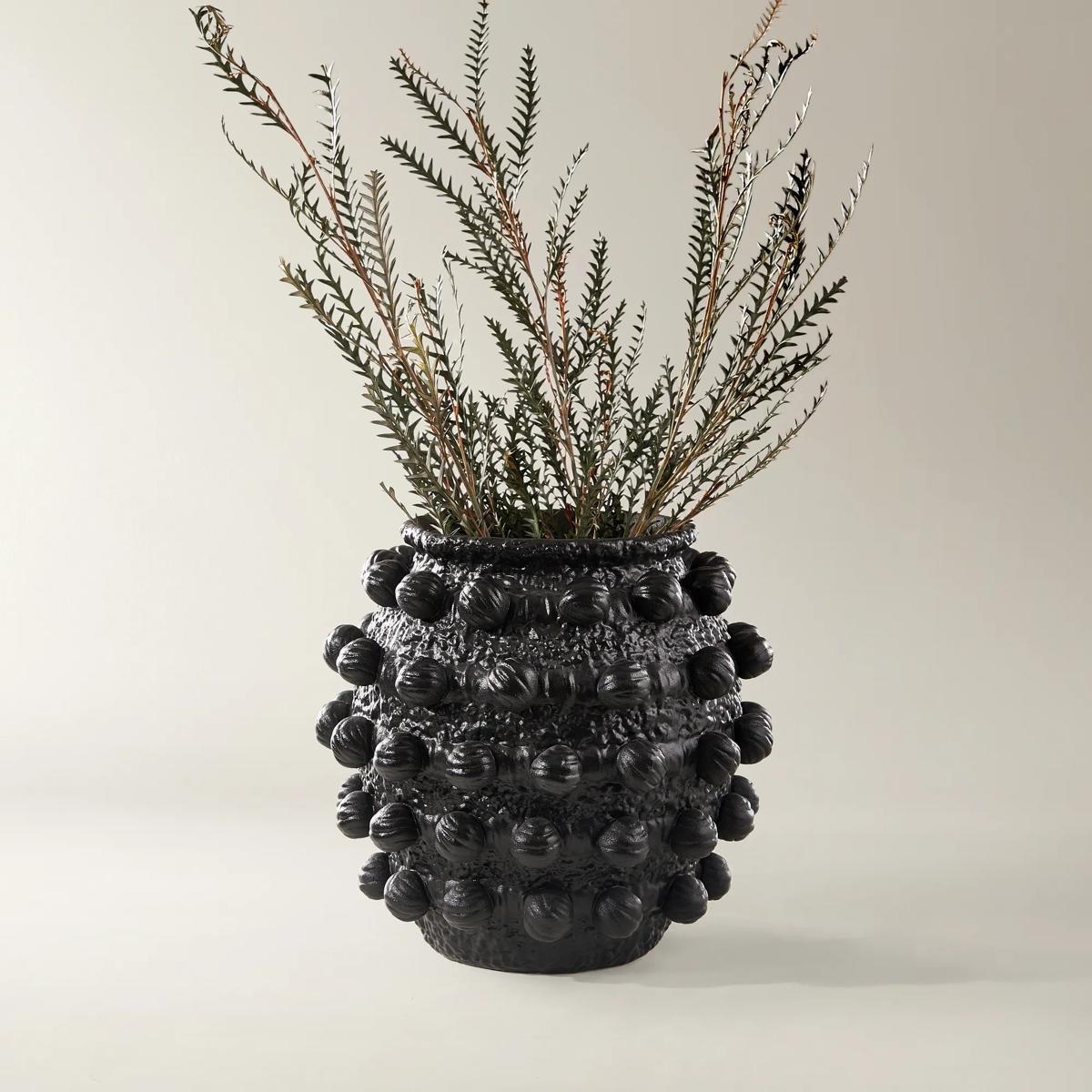
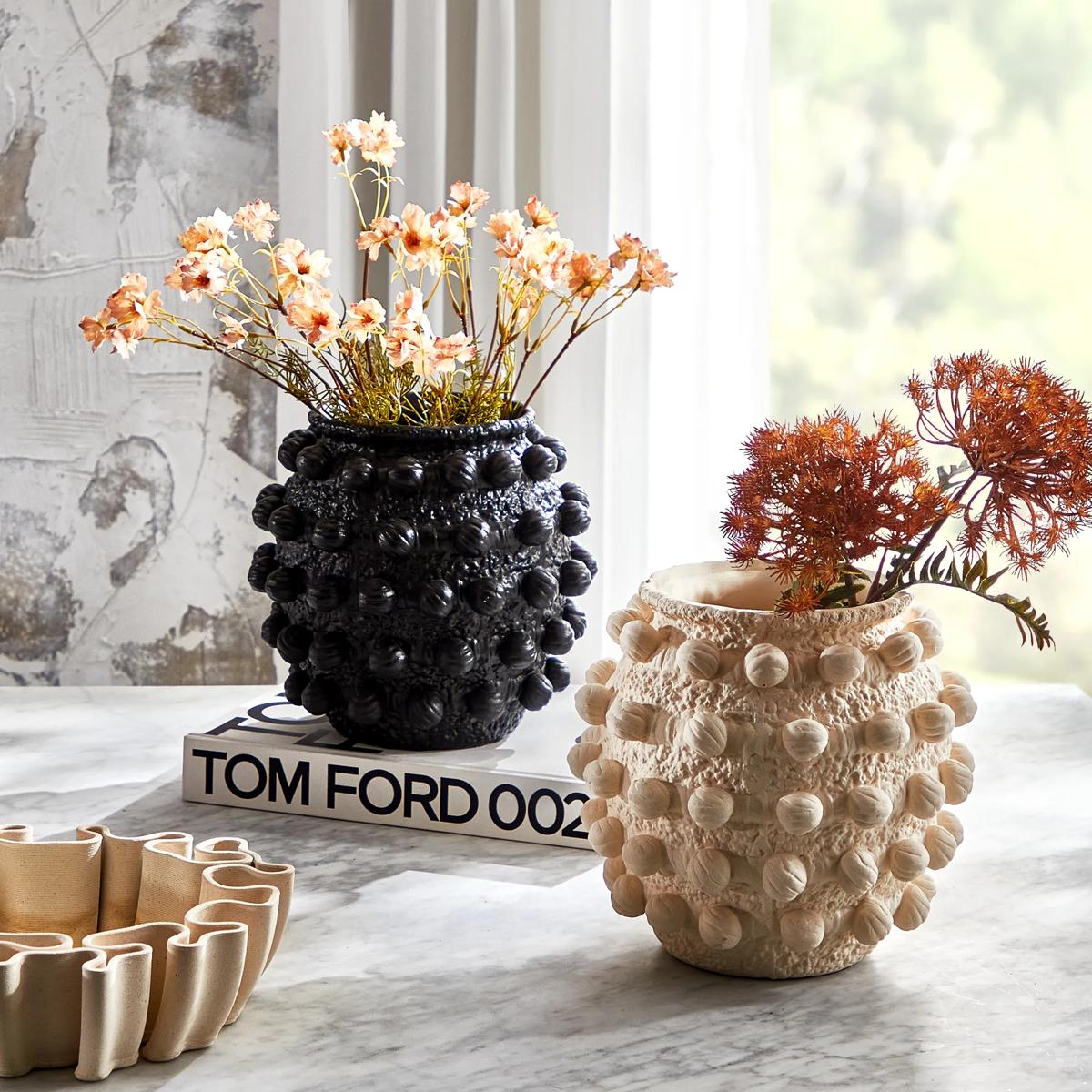 Pompa Vase - Black$119
A sculptural black porcelain vase featuring bold, rounded forms and a richly textured surface.
Add To Cart -
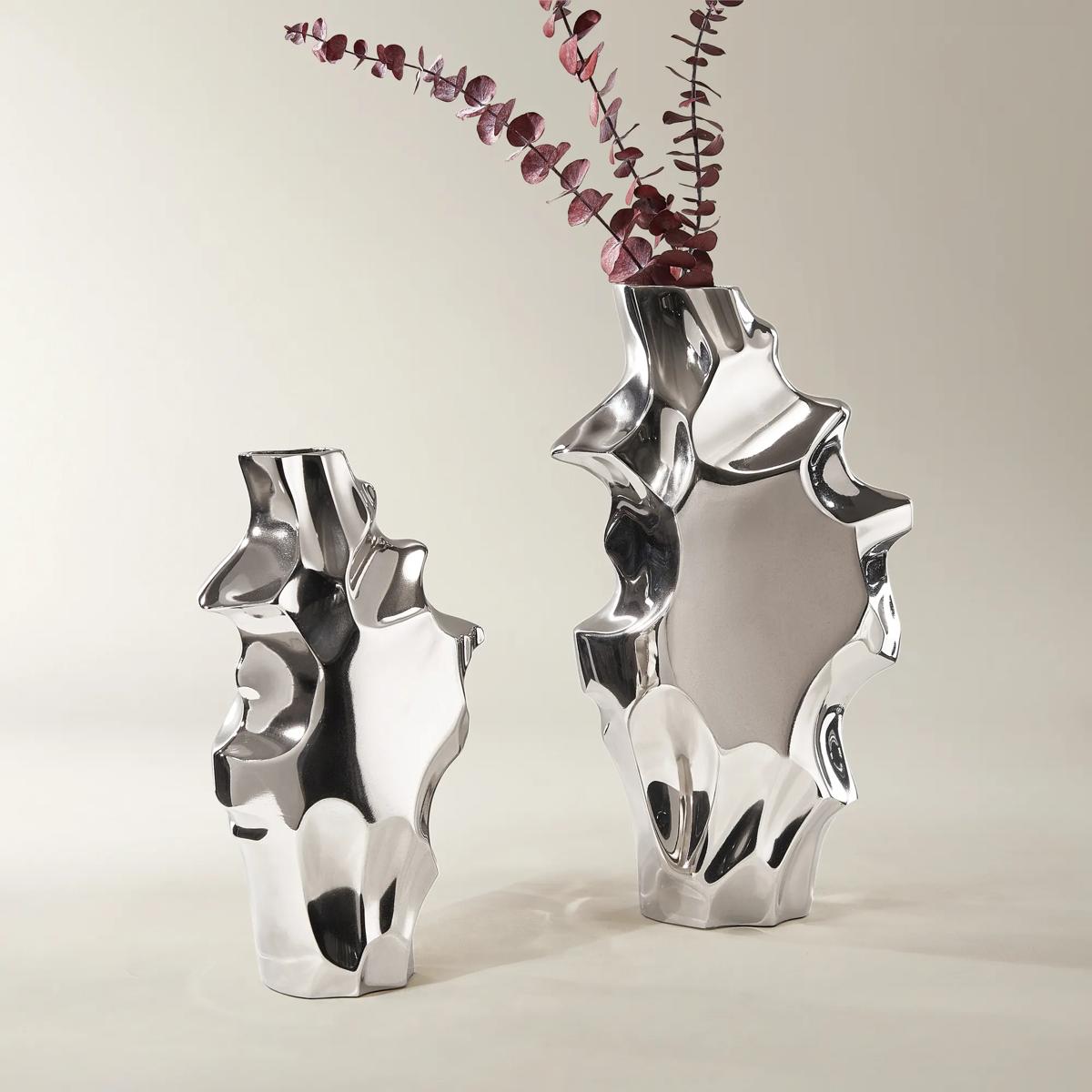
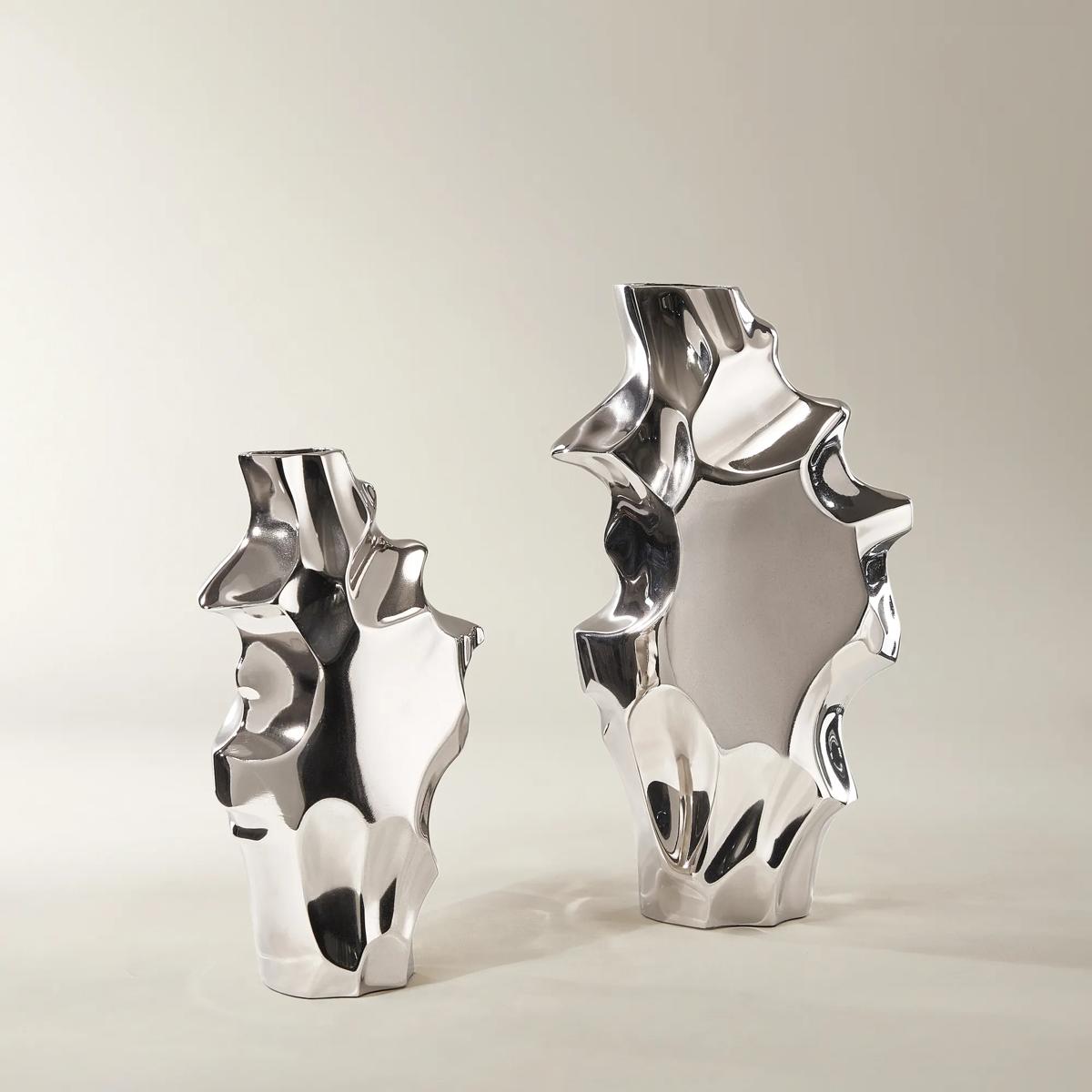 Sculpt Silver Aluminum Vases$79
A fluid, organic silhouette in lustrous silver aluminum brings modern artistry to any space.
Add To Cart -
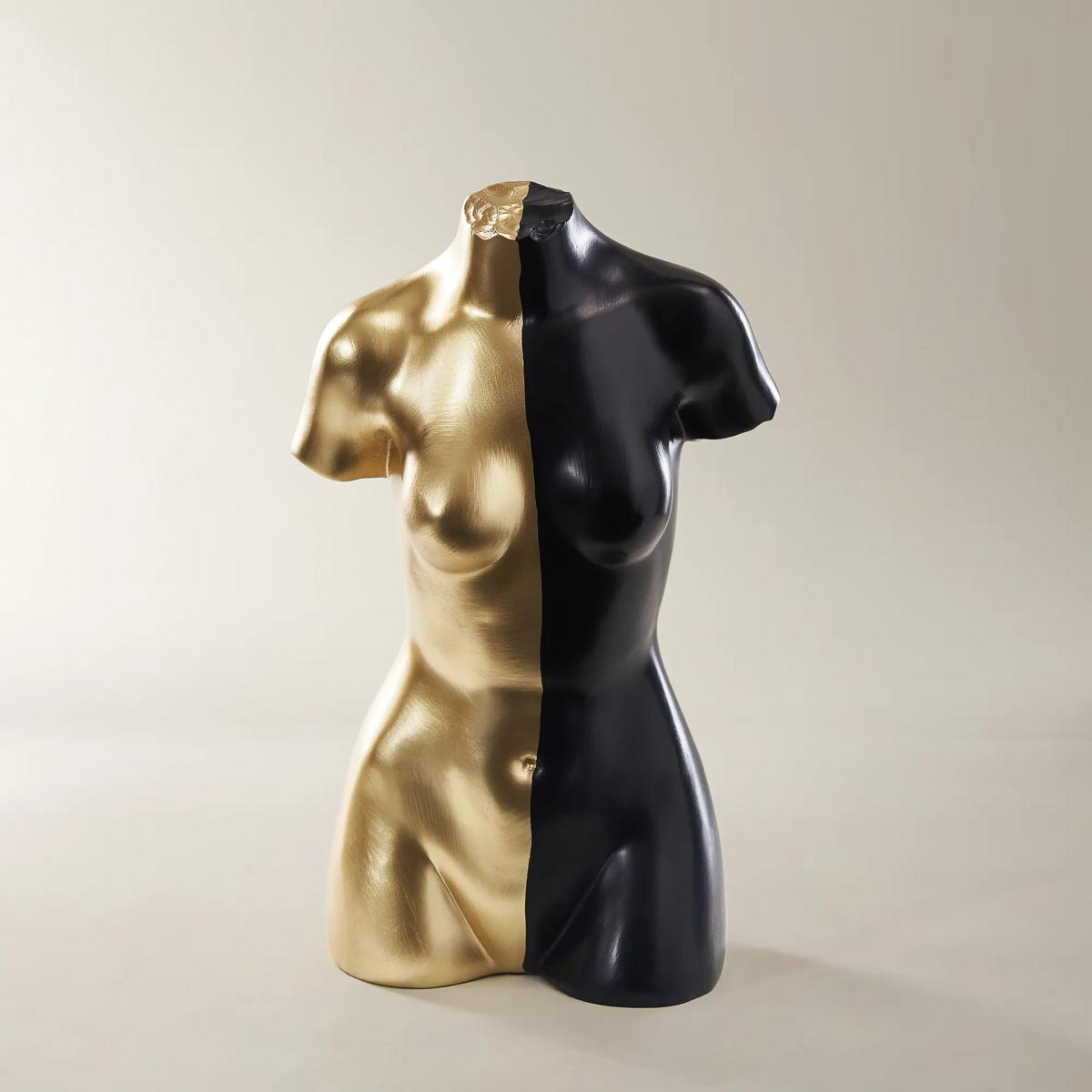 Muse Black Gold Resin Coin Bank 10.75"$49
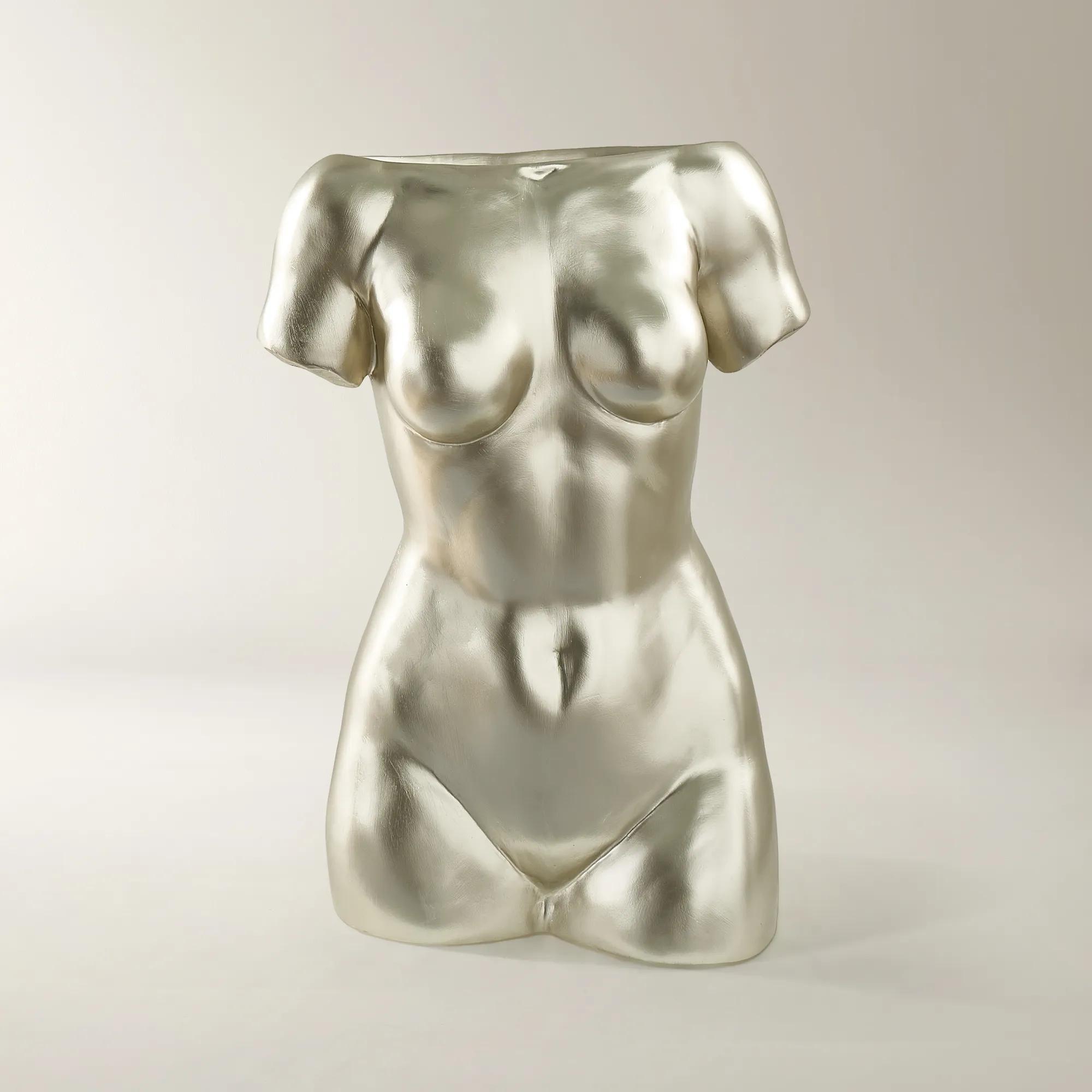
A sculptural resin coin bank featuring a matte black and radiant gold feminine torso design.
Add To Cart -
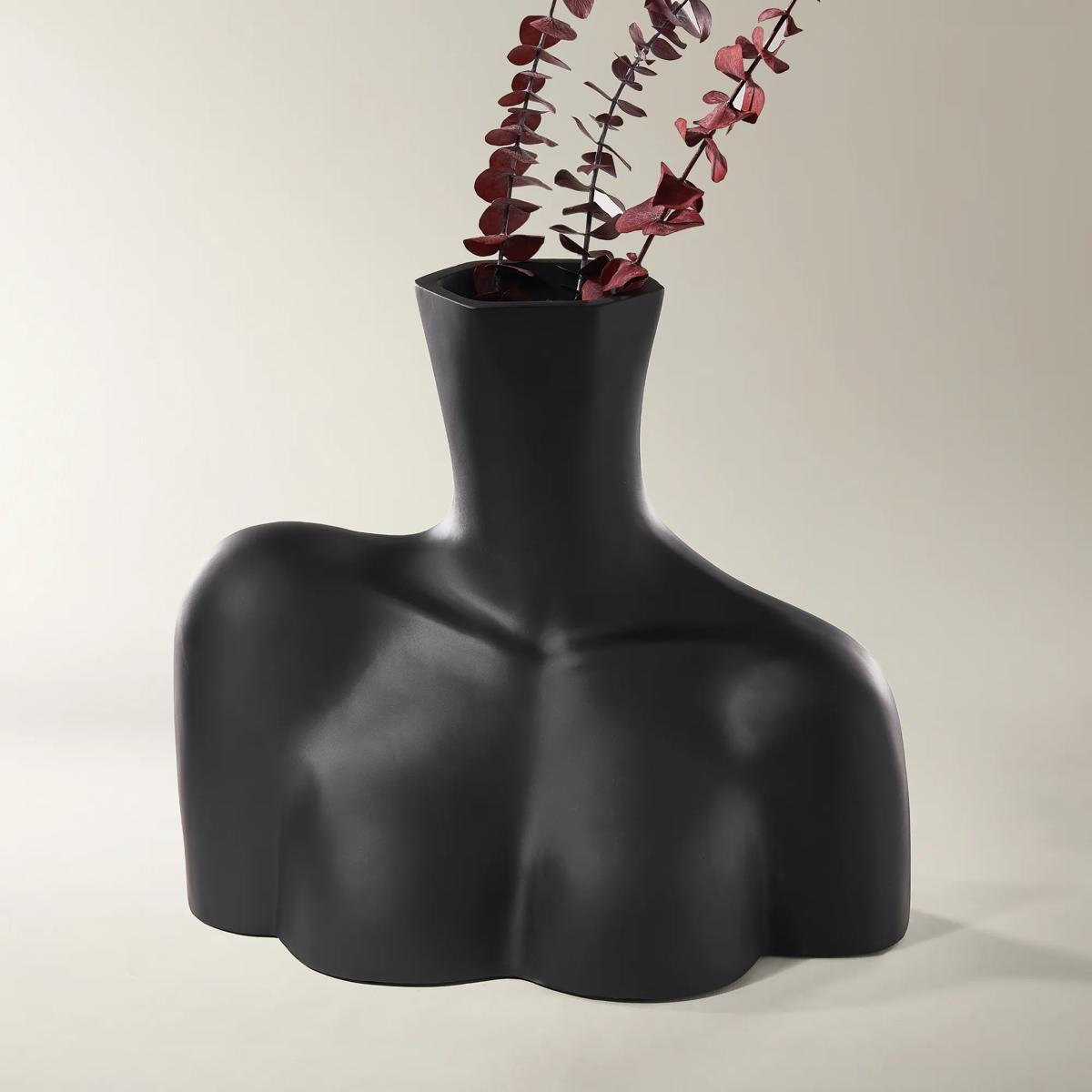 Figure Black Resin Vase 11.25"$79
A sculptural matte black resin vase that reimagines the human form as bold, modern decor.
Add To Cart -
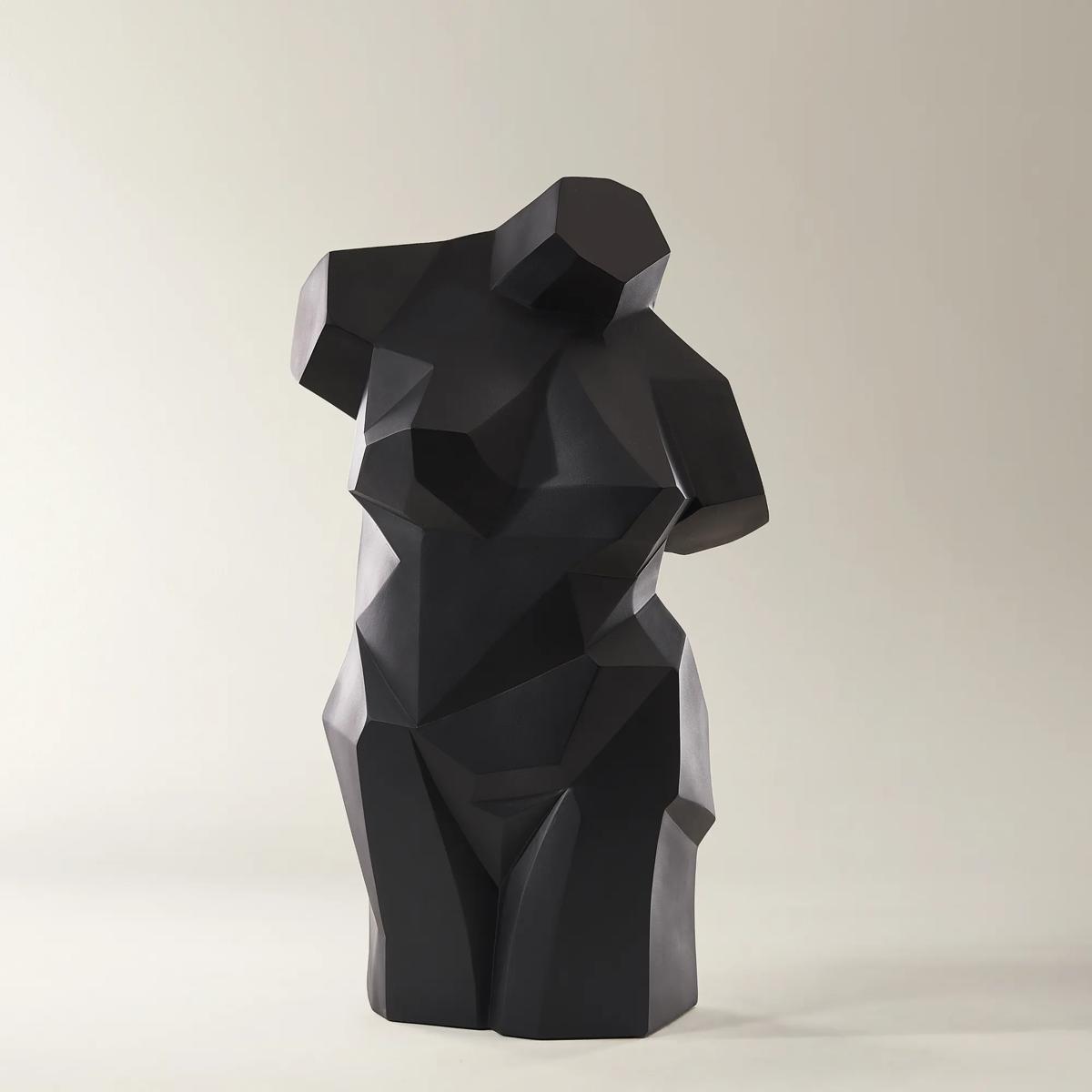
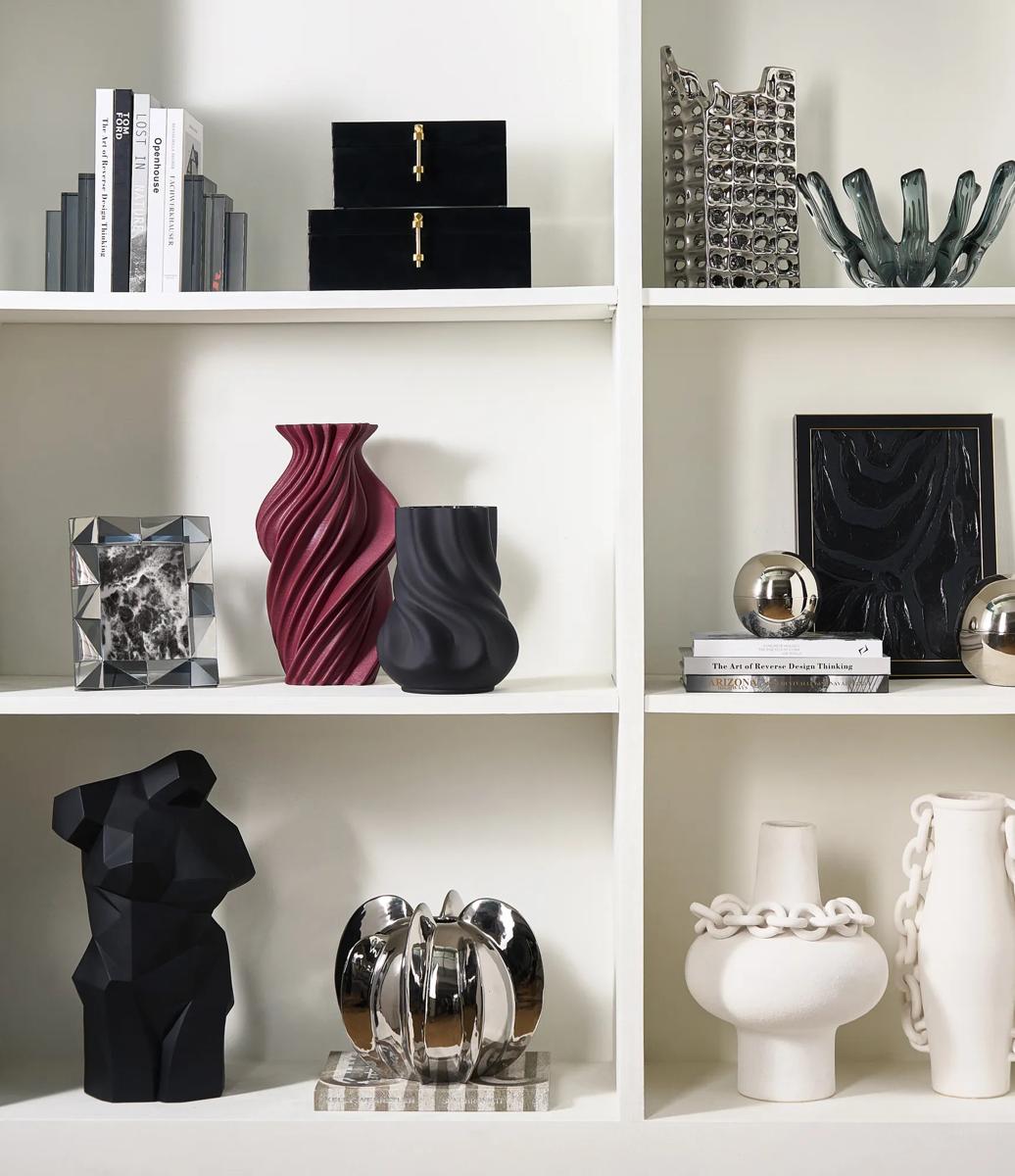 Pose Black Resin Decorative Object 19.75"$99
A sculptural matte black resin accent featuring a faceted geometric design and modern artistic appeal.
Add To Cart -
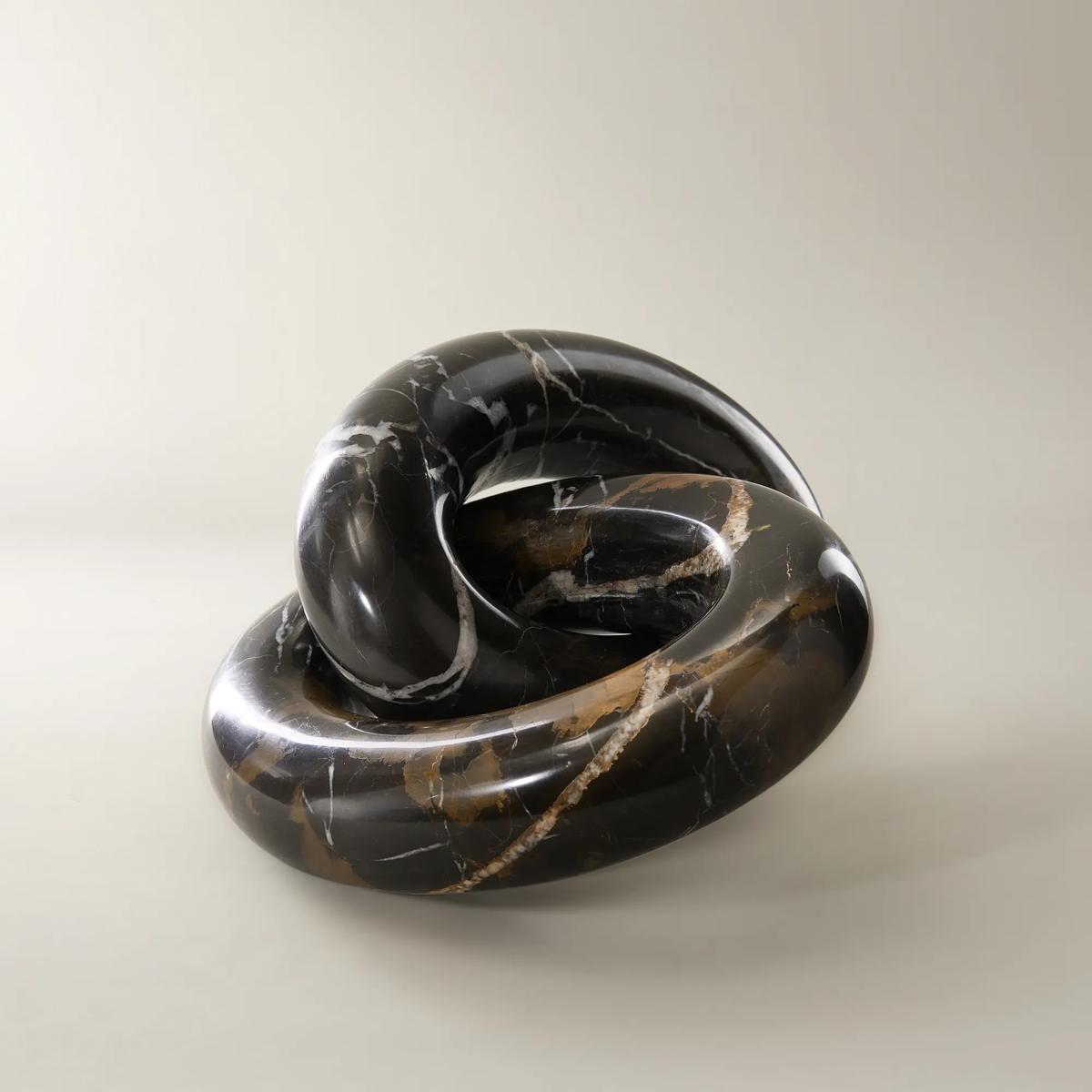 Marble Links Object - Brown$179
A sculptural accent featuring interlocking ovals carved from richly veined, one-of-a-kind brown marble.
Add To Cart

Modern Abstract Decor Sculptures
Modern Abstract Decor Sculptures invite you to transform your space into a gallery of contemporary artistry, where every curve and contour becomes an expression of individuality. These striking pieces blur the line between art and object, infusing rooms with dynamic energy and a sense of curated wonder. Whether perched atop a console or commanding attention on a mantle, each sculpture is designed to spark conversation and elevate your home’s narrative. Discover how Modern Abstract Decor Sculptures can become the bold punctuation mark in your story—where form meets imagination, and every glance reveals something new.
Modern abstract decor sculptures are three-dimensional decorative accents that use flowing lines, geometric shapes, and expressive silhouettes rather than literal representations of familiar subjects. Their appeal lies in the interplay of form, light, and space: a sweeping curve can soften a room filled with tailored furniture, while an angular composition brings definition to sumptuous upholstery and layered textiles. Loops, knots, interlocking forms, and sculptural spheres each create a different rhythm, giving a console, mantel, or bookcase an artistic focal point. These pieces are intended primarily for visual expression, transforming an open surface into a considered composition without requiring a complete room redesign. Materials play an essential role in that effect. Metal can convey precision and movement through slender profiles, open frameworks, or richly textured surfaces; gold-tone finishes introduce warmth, while blackened finishes give a silhouette graphic intensity. Wood brings visible grain and organic character, creating a compelling contrast beside glass, lacquer, and polished stone. Resin allows for intricate curves and dimensional shapes, although its weight, finish, and durability vary by construction. Ceramic offers a broad range of surface treatments, from velvety matte textures to luminous glazes, while marble and other natural stones contribute substantial weight and distinctive veining. A metallic finish does not necessarily indicate solid metal, just as a stone-look finish does not establish natural stone construction, so material descriptions deserve close attention. Color also changes how a form reads within a room. An ivory sculpture against a dark wall emphasizes contour and shadow; a charcoal form on a pale console delivers a crisp, architectural presence. For interiors that favor layered neutrals, surface variation can provide as much drama as color. A coarse texture beside a mirror-finish accent creates depth without competing hues, allowing the sculpture’s proportions and craftsmanship to command attention. The strongest choice feels connected to the room yet introduces something unexpected: a fluid gesture among straight lines, a gleaming edge against velvet, or an earthy finish within an otherwise polished setting.
Scale determines whether an abstract sculpture feels commanding, intimate, or lost among surrounding furnishings. Height alone is not enough to judge the fit; width, depth, base dimensions, and the sweep of any projecting elements all influence placement. On a narrow entryway console, an upright form with a compact footprint can create a dramatic arrival while preserving space for everyday essentials. A broad, low sculpture may suit a coffee table more naturally, where it can be appreciated from several seats without interrupting conversation or the view across the room. Bookshelves benefit from shapes that vary the rhythm of rectangular book spines, but the piece needs enough clearance to be placed and removed without scraping the shelf above. Measure the full opening, not simply the surface beneath it. An open-loop silhouette allows glimpses of the wall or books behind it, giving a dense arrangement a sense of air; a solid form carries greater visual weight and can anchor a spacious shelf. On a mantel, the sculpture should sit fully supported, with no overhanging base, and remain clear of heat according to the fireplace and decor manufacturers’ guidance. Larger floor sculptures need sufficient room around their widest points and should never narrow a walkway or obstruct a doorway. Weight matters as much as dimensions, particularly on floating shelves or glass-topped furniture, where the supporting surface’s load limit must be respected. Styling becomes more expressive when the surrounding objects reinforce rather than imitate the sculpture. Beside a curved accent, a rectangular tray establishes contrast; near an angular form, a softly draped textile introduces an appealing tension. Leave visible space around the outline so its shape remains legible, especially against patterned wallpaper or a richly layered gallery wall. For a broader expression of three-dimensional artistry, Modern Decorative Art Sculptures offer a related perspective on shape and decorative presence. Whether the setting is a serene bedroom or an exuberant living room, repetition of one finish or color elsewhere in the space can make a daring sculptural accent feel deliberate.
Care and durability depend on both the underlying material and the applied finish, making the individual care instructions more useful than appearance alone. A soft, dry cloth is a sensible starting point for many decorative surfaces, while a gentle brush can lift dust from recessed details when the finish permits. Abrasive pads, harsh cleaners, and vigorous rubbing may scratch polished surfaces or damage painted, plated, and textured coatings. Metal accents should not automatically be treated with metal polish, since a protective coating or decorative patina may require a different approach. Natural marble and other calcareous stones are vulnerable to acidic cleaners, and porous stone may absorb spills; prompt, careful attention helps preserve the surface. Wood can respond to changes in humidity and prolonged exposure to direct sunlight, while ceramic and resin pieces may chip or break if dropped or struck. Even a substantial sculpture can have delicate projecting elements, so lift it from a structurally sound section or its supported base rather than a slender loop, arm, or extension. The base deserves attention before placement, too. Check for rough edges and use suitable nonstaining furniture protectors when recommended, particularly on lacquered, glass, or polished wood surfaces. A heavy base may help support a tall form, but weight alone does not make a piece tip-proof; position sculptures away from table edges, active play areas, and places where pets can brush against them. Decorative sculptures should not be used as toys, bookends, doorstops, or outdoor accents unless they are specifically designed for those purposes. These practical details make sculptural decor especially rewarding for people who enjoy expressive interiors but want their spaces to remain comfortable and livable. An abstract accent can also be a thoughtful housewarming, wedding, or host gift when its scale and finish reflect the recipient’s home. For someone with an established collection, an unfamiliar texture may feel more personal than another matching object. For someone furnishing a first home, a compact, versatile silhouette offers room to experiment, moving from a bedside table to a bookcase as the interior evolves. Its lasting appeal comes from that freedom: the same form can reveal a different mood with a new backdrop, a change in daylight, or a more theatrical pool of lamplight.
FAQs
Modern abstract decor sculptures bring a sense of artistry and intrigue to any space, acting as focal points that spark conversation and elevate the overall atmosphere. Their unique forms and luxurious materials allow homeowners to express individuality and infuse their environment with creative energy, making every room feel curated and inspired.
Abstract ceramic sculptures can be styled on mantels, bookshelves, or coffee tables to add dimension and tactile interest. Their organic shapes and artisanal finishes pair beautifully with both modern and eclectic interiors, grounding a space with their subtle elegance and inviting closer appreciation of their craftsmanship.
Absolutely. Modern abstract decor sculptures make memorable gifts for housewarmings, weddings, anniversaries, or milestone celebrations. Their timeless appeal and artistic flair ensure they become cherished keepsakes, reflecting both the giver’s thoughtfulness and the recipient’s unique sense of style.
Modern abstract sculptures are crafted from a variety of materials, including metal, wood, ceramic, and resin. Metal offers a sleek, architectural presence; wood introduces warmth and organic texture; ceramics provide artisanal charm and subtle sheen; and resin allows for bold colors and innovative shapes. Each material brings its own character and transforms the mood of a space.
Consider the color palette, textures, and overall style of your room. Select a sculpture that echoes or contrasts with these elements to create visual harmony or a dramatic statement. Whether you prefer geometric minimalism or expressive, freeform designs, let your personal taste guide you—each piece should feel like a natural extension of your home’s story.