Modern Small Sculptures
Modern Small Sculptures
-
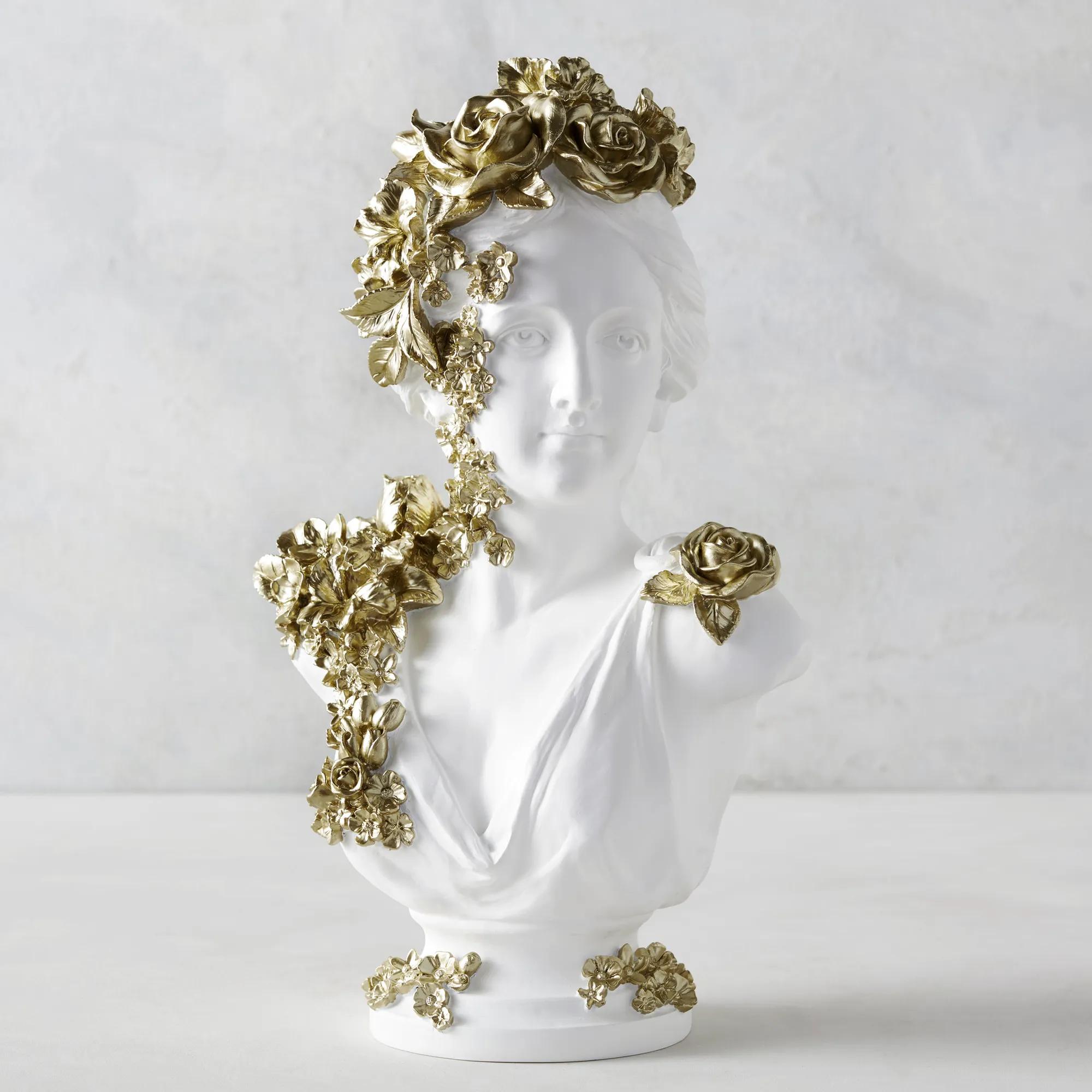 Gold Floral Bust Resin Decorative Object 16.5"$79
A striking resin bust adorned with intricate gold floral embellishments for a bold decorative accent.
Add To Cart -
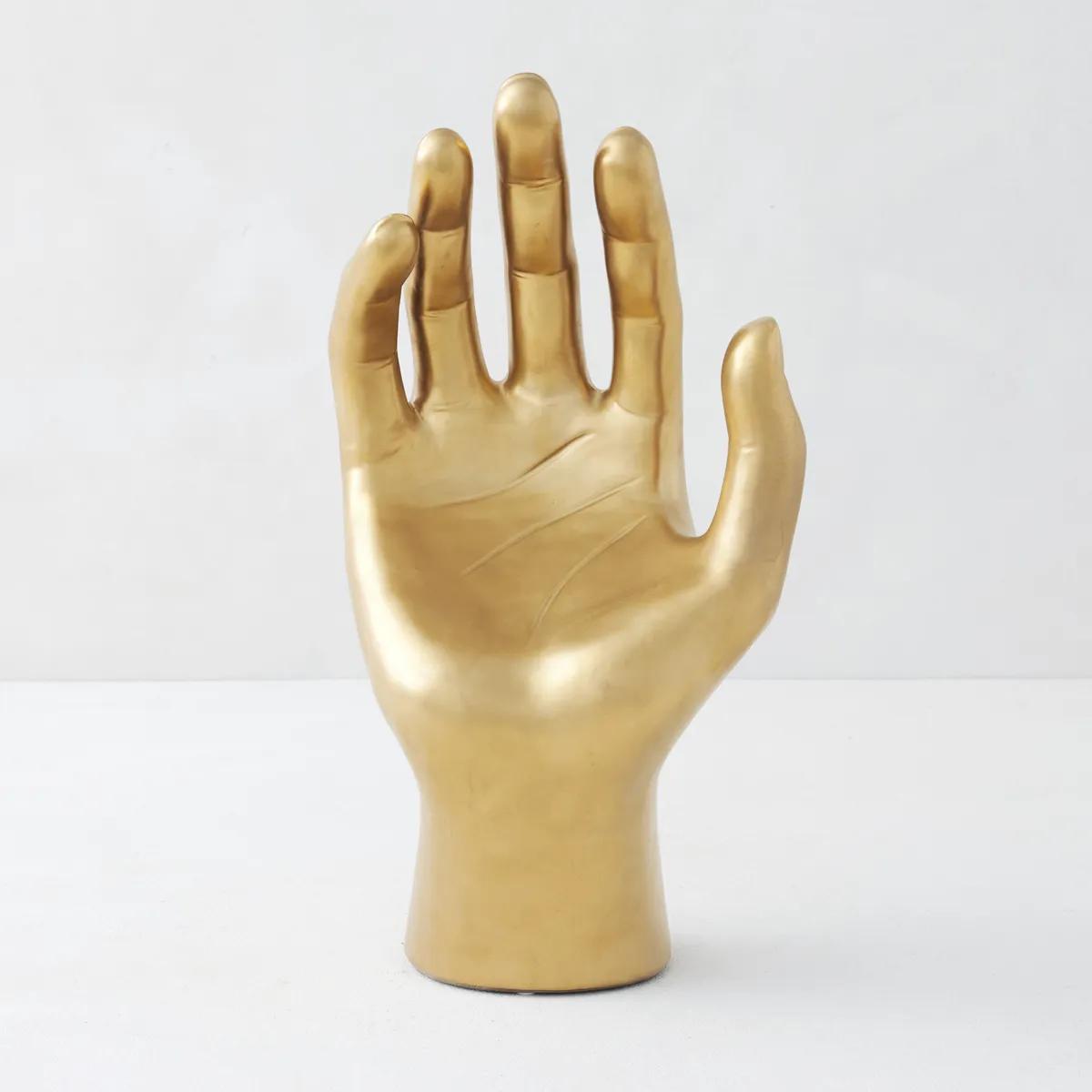
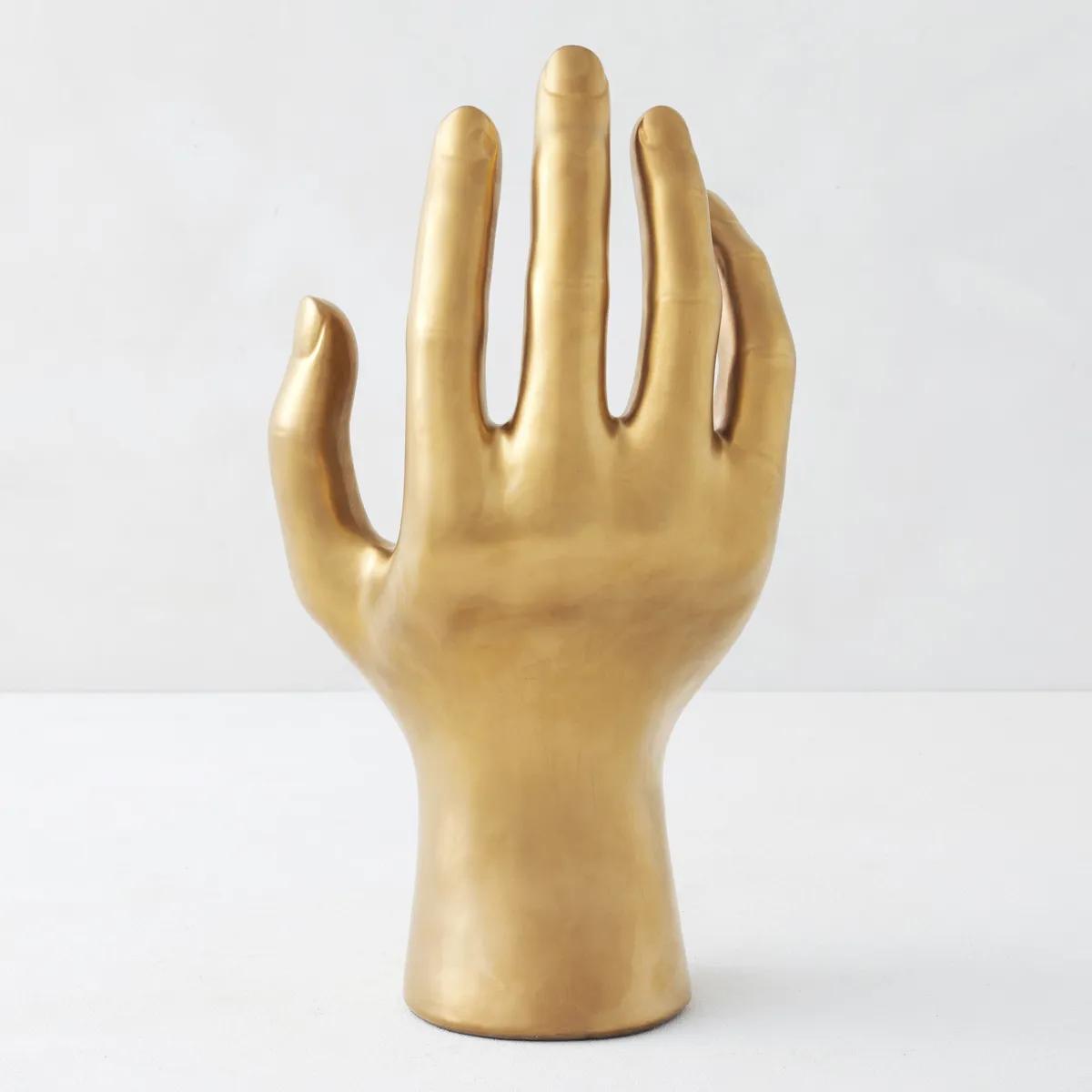 Ceramic Hand Metallic Gold Decorative Object 17.75"$69
A striking ceramic sculpture with a metallic gold finish, perfect for displaying jewelry or as decor.
Add To Cart -
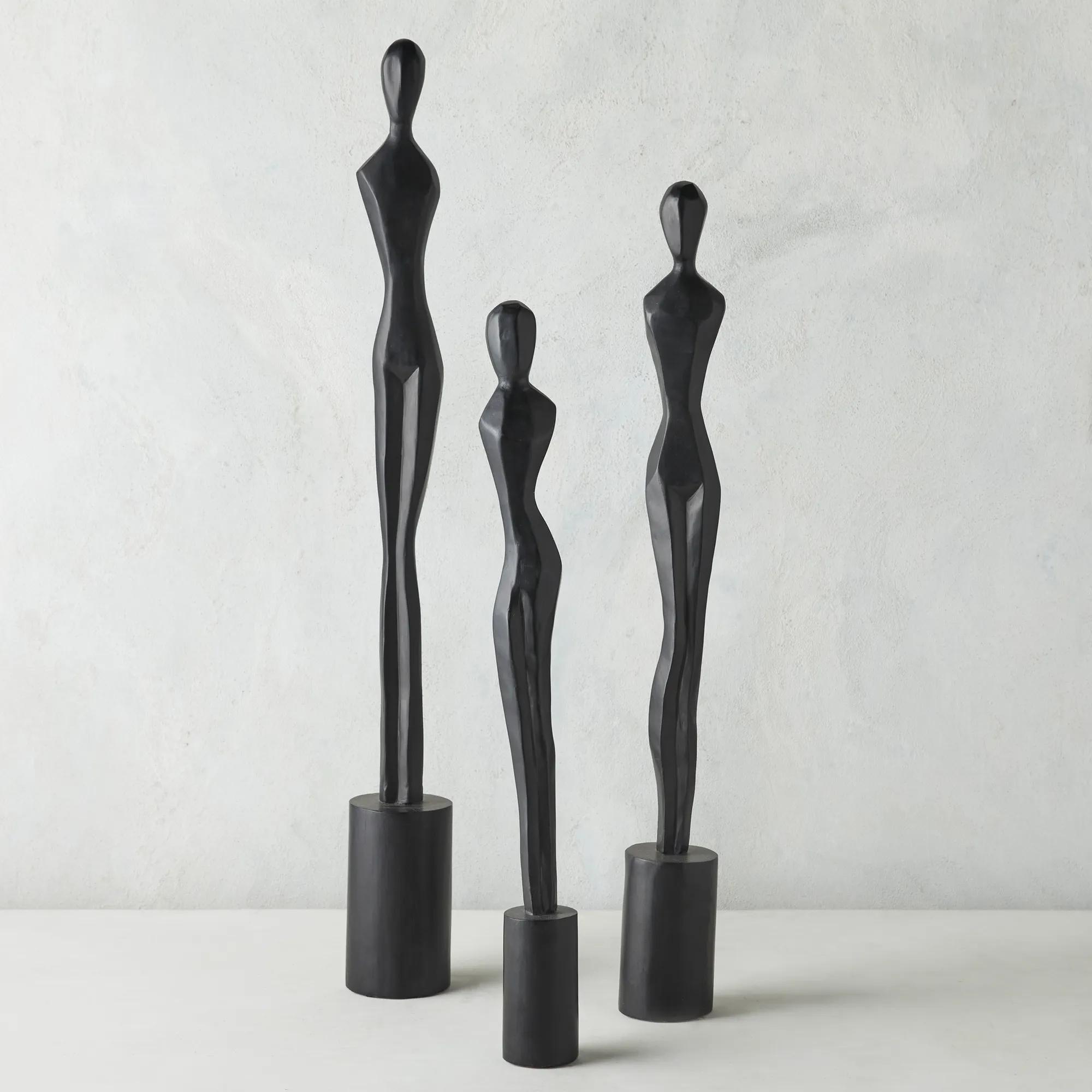
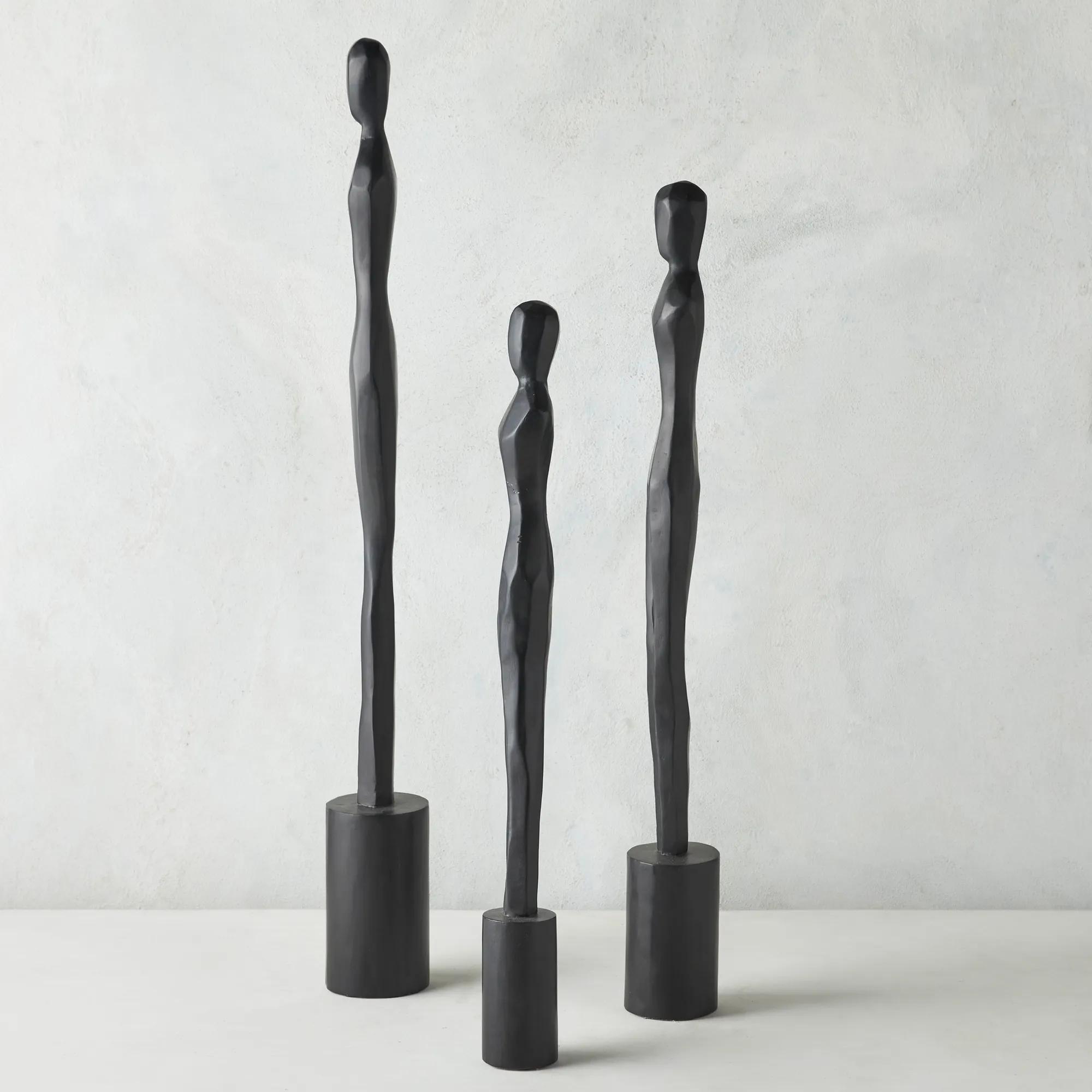 Nikki Chu Female Figure Black Wood Decorative Object Set of 3$129
A striking set of three black mango wood sculptures featuring graceful, elegant female silhouettes.
Add To Cart -
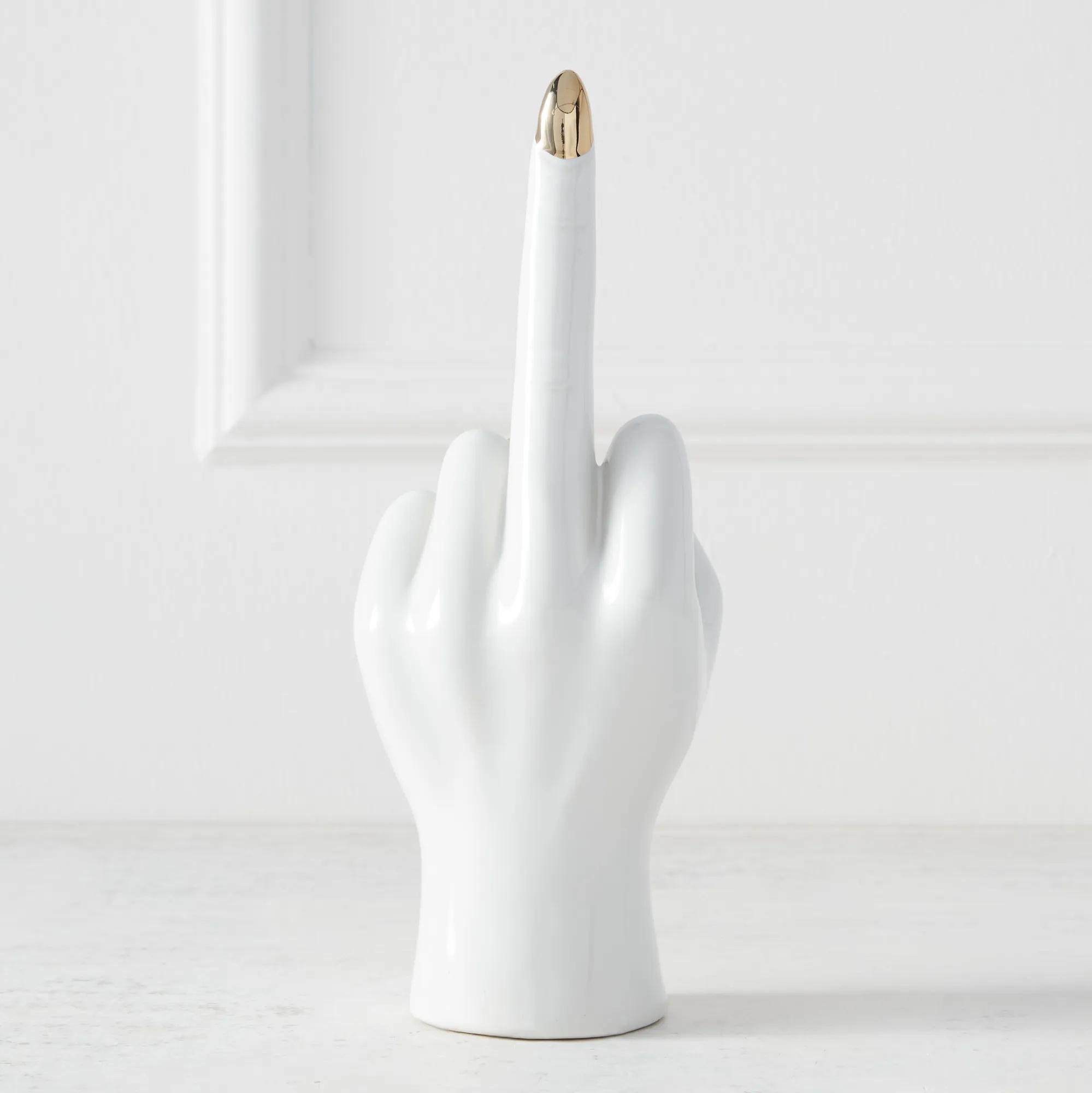
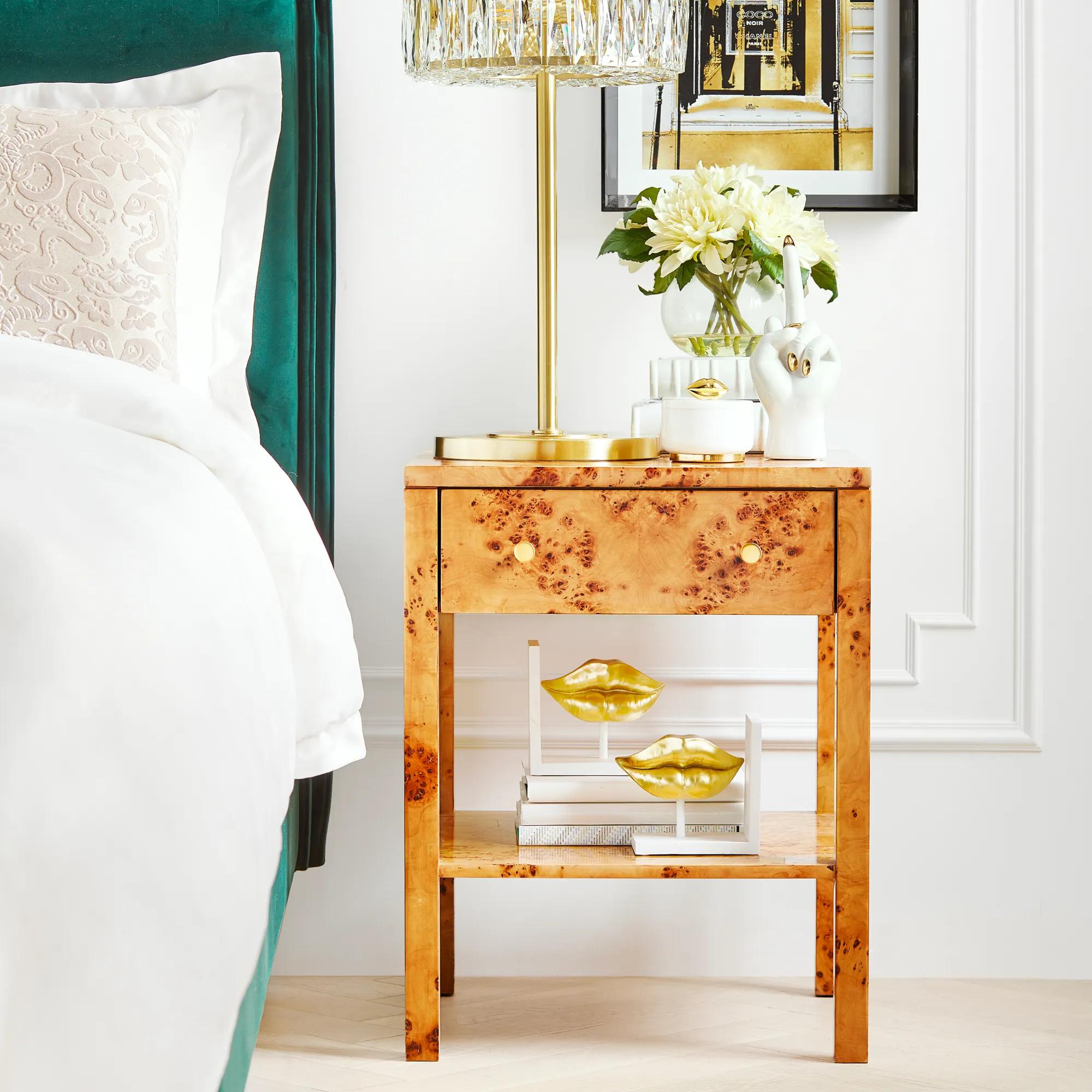 The Finger Hand$39
A glossy white and gold ceramic hand sculpture perfect for displaying jewelry or as a playful accent.
Add To Cart -
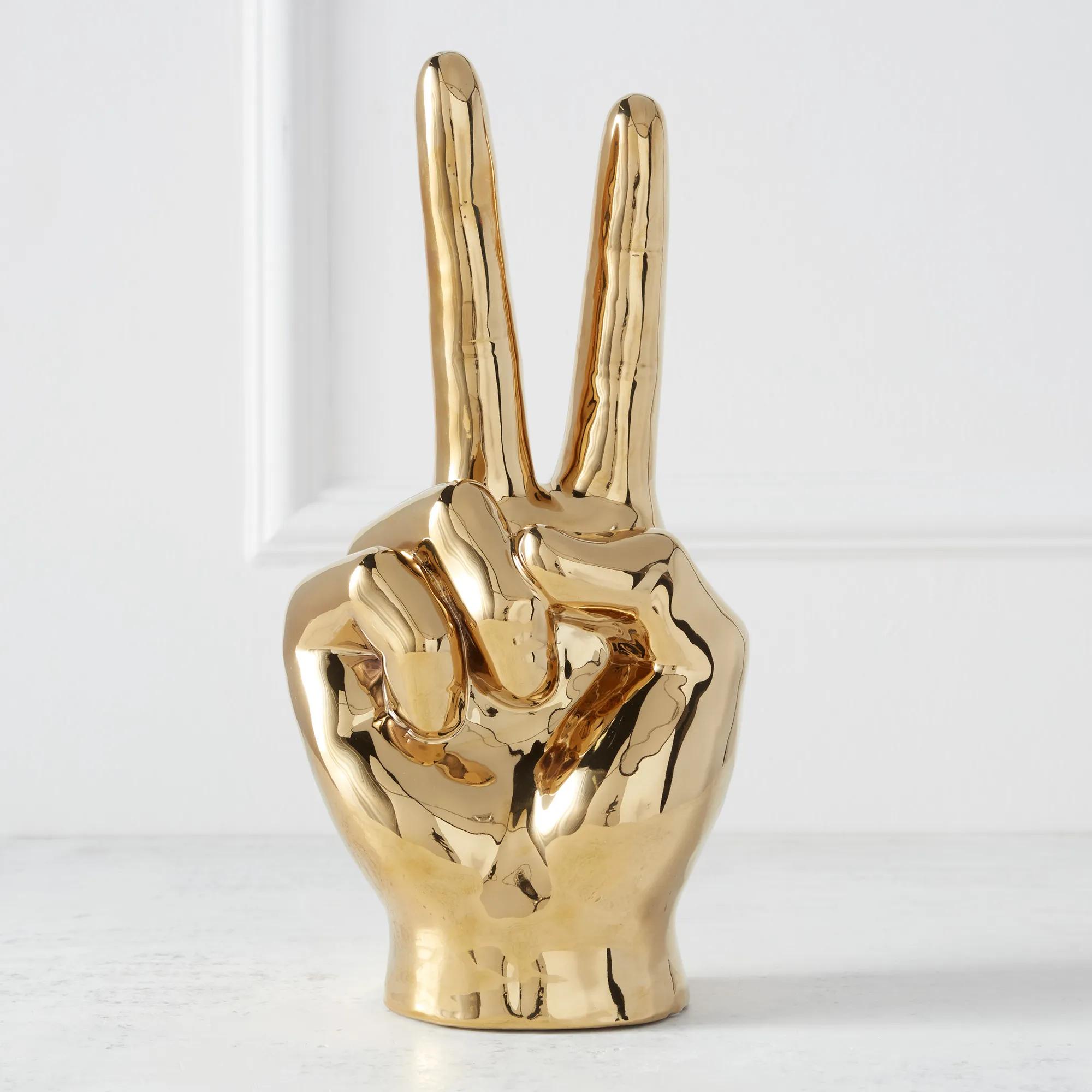 Peace Sign Gold Hand Ceramic Decorative Object 14"$49
A metallic gold ceramic hand sculpture perfect for displaying jewelry or as a decorative accent.
Add To Cart -
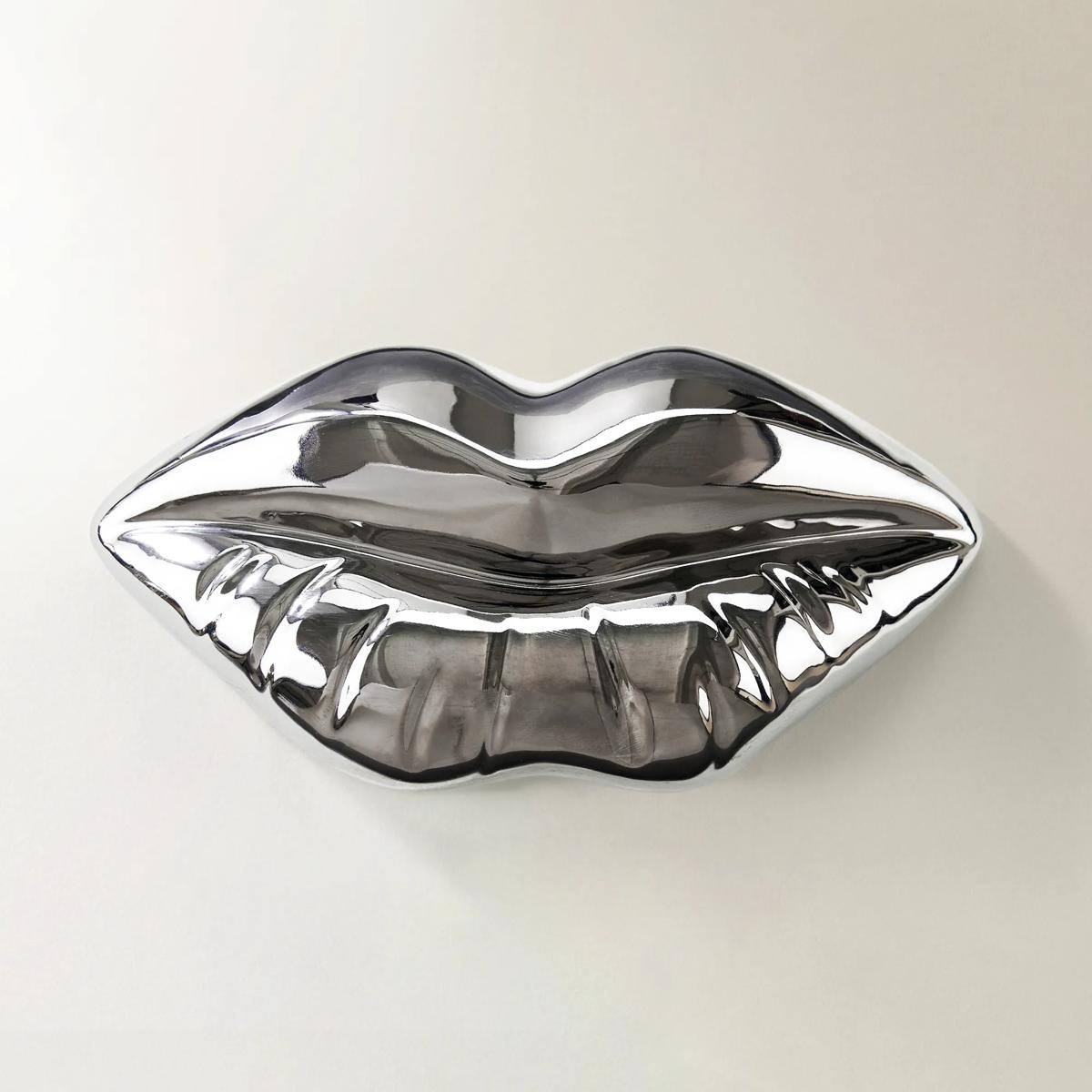 Chrome Lips Ceramic Decorative Object 5.25"$29
A high-shine silver ceramic sculpture that adds modern pop art flair and playful sophistication to any space.
Add To Cart -
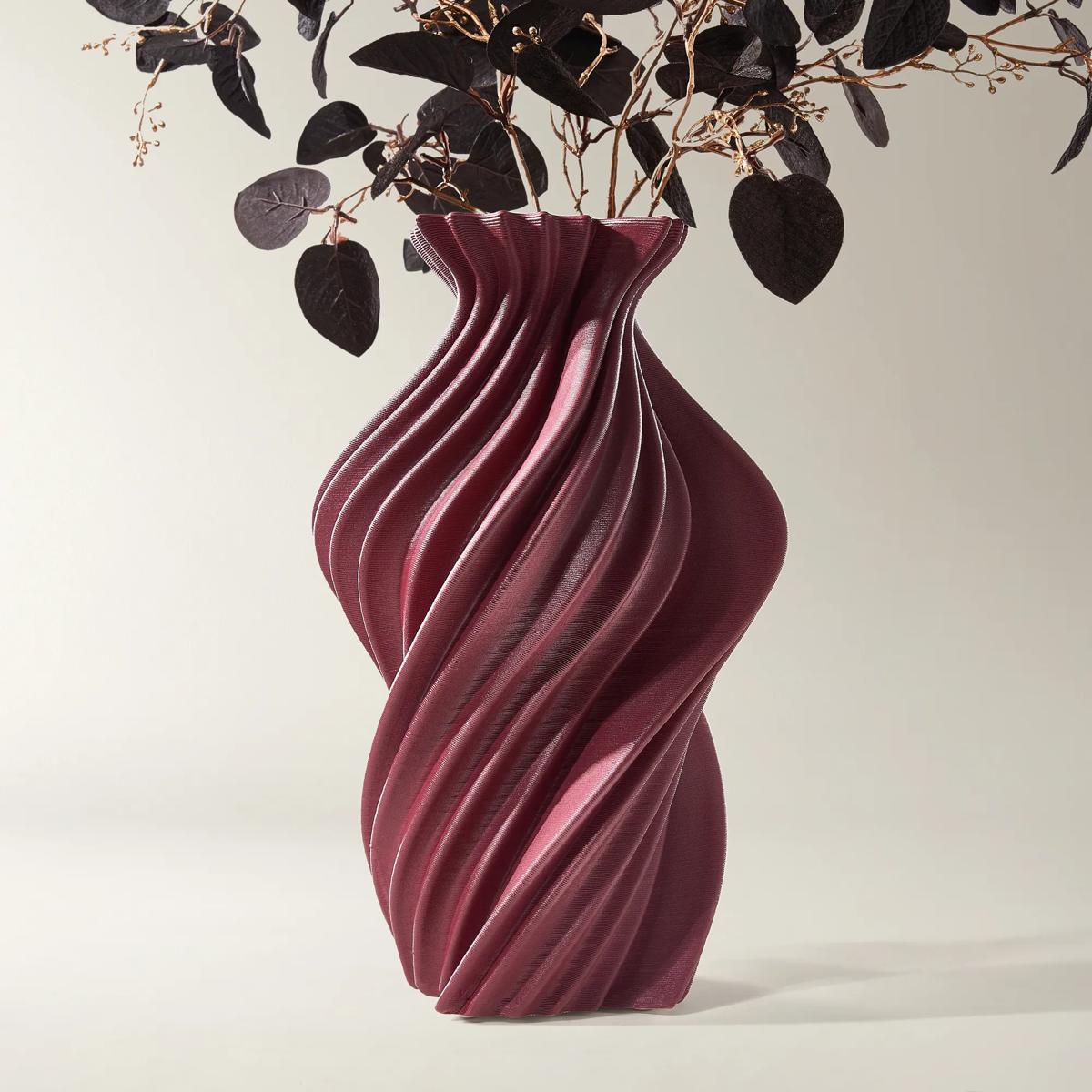
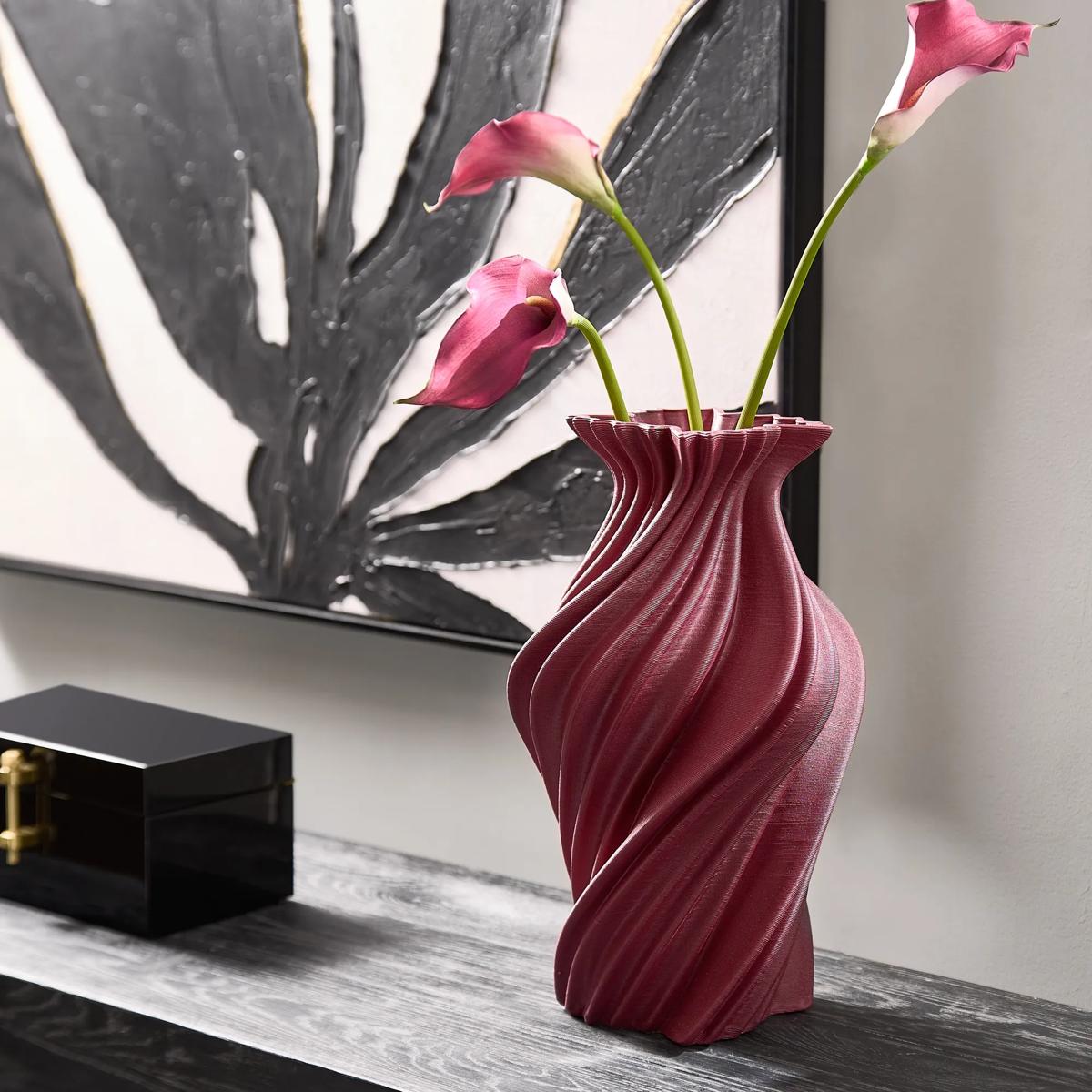 Flame Deep Red Porcelain Vase 16.25"$119
A sculptural porcelain vase in deep red with a dynamic, twisted silhouette inspired by flowing flames.
Add To Cart -
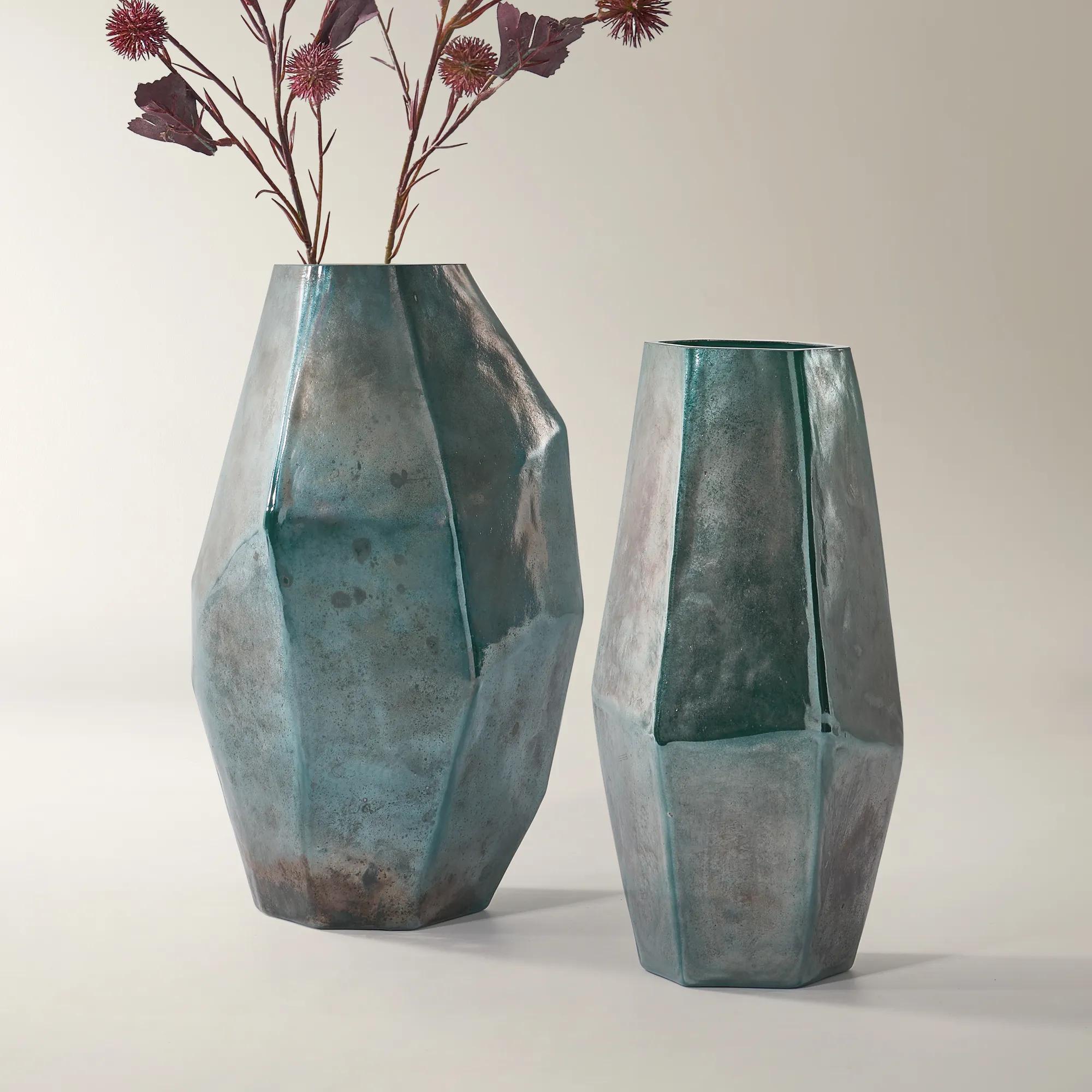
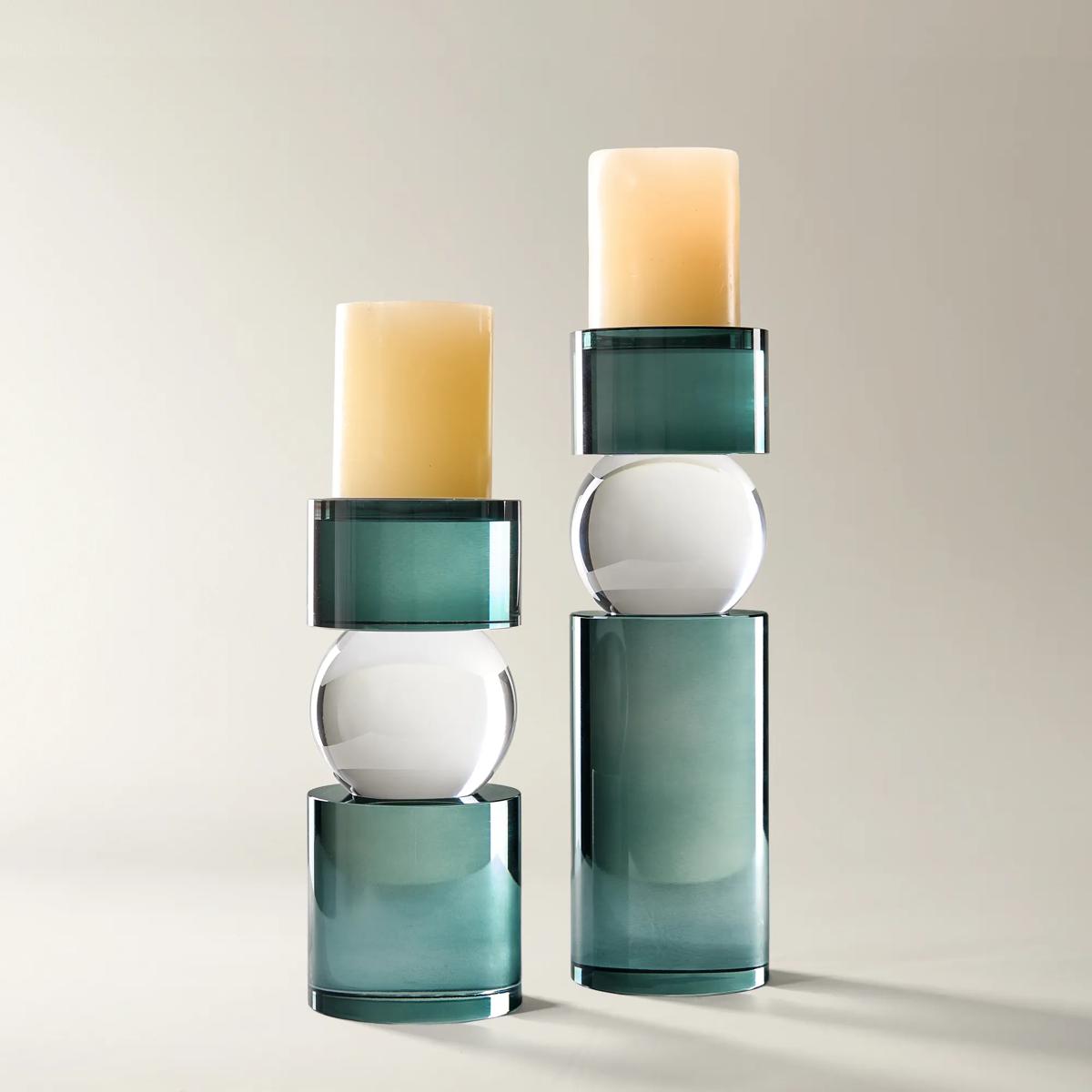 Leroy Teal Crystal Pillar Holder Large 12.5"$139
A stacked teal and clear crystal holder offering bold sculptural depth and instant ambiance to any space.
Add To Cart -
Leroy Teal Crystal Pillar Holder Small 9.25"$119
A stacked teal and clear crystal holder offering bold sculptural depth and instant ambiance to any space.
Add To Cart -
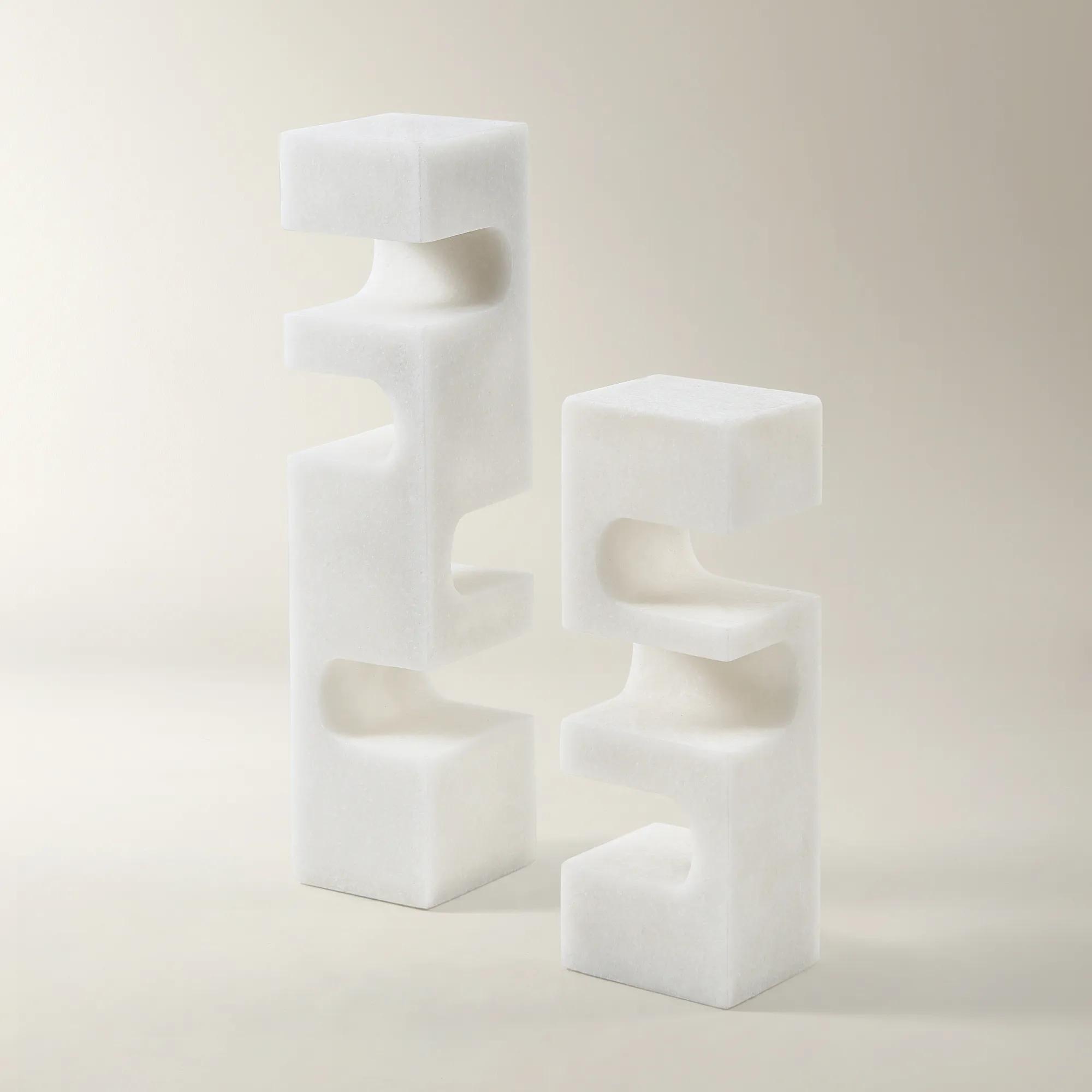
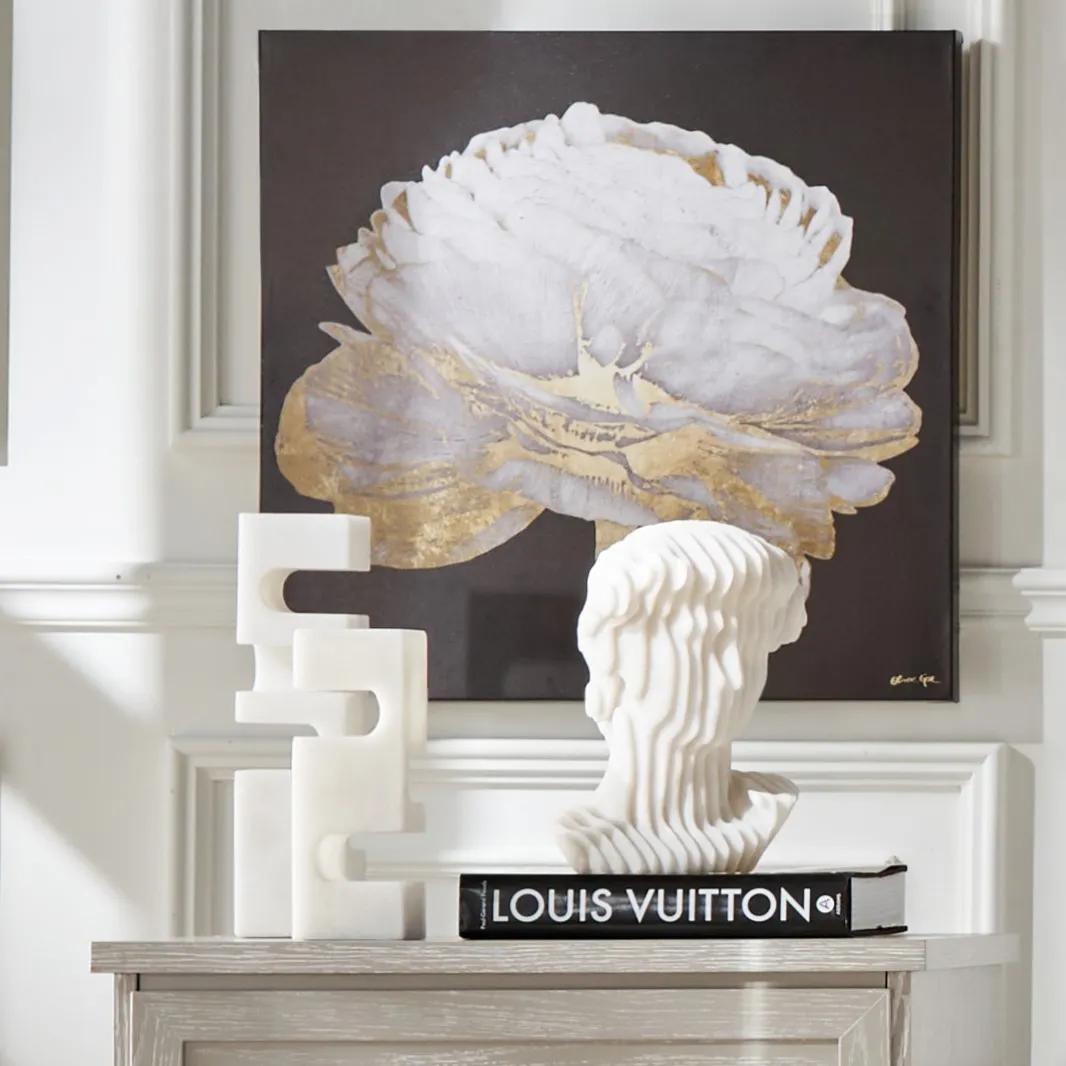 Enna Sculpture$39
A modern Cubist-inspired sculpture crafted from resin and stone powder with a textured white finish.
Add To Cart -
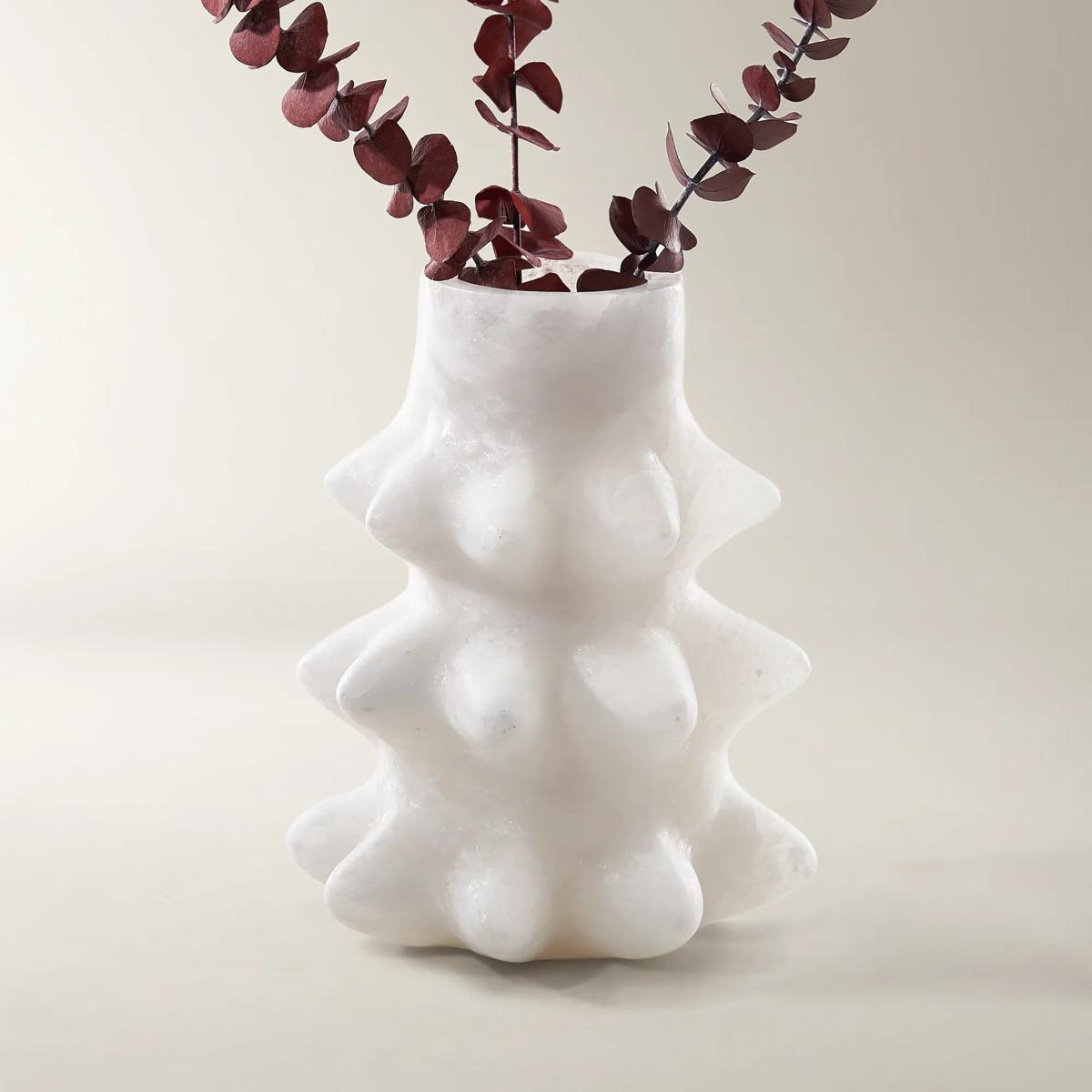
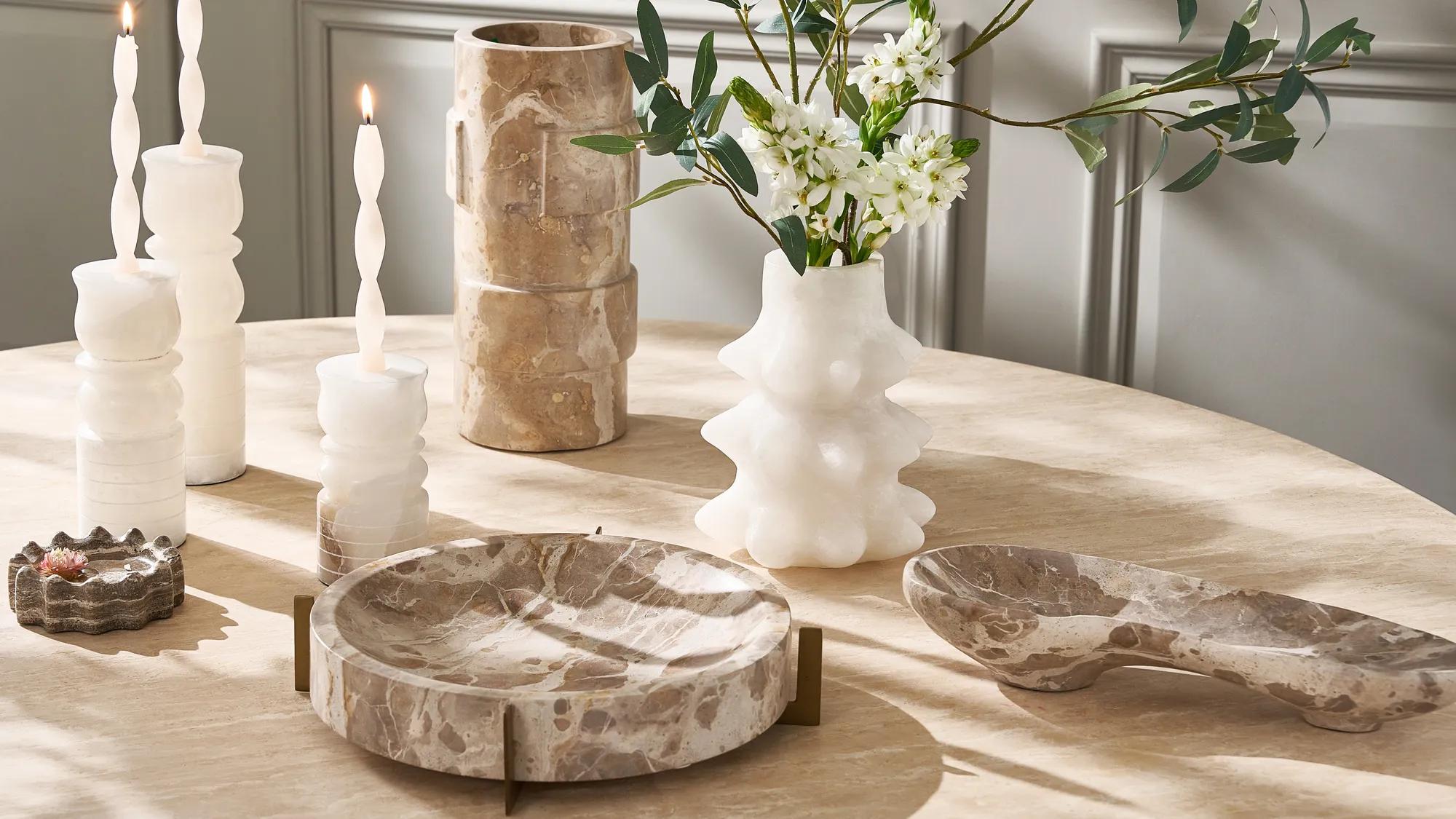 Alabaster Spike Vase$239
A sculptural white alabaster vase with bold spiked contours and naturally radiant veining.
Add To Cart -
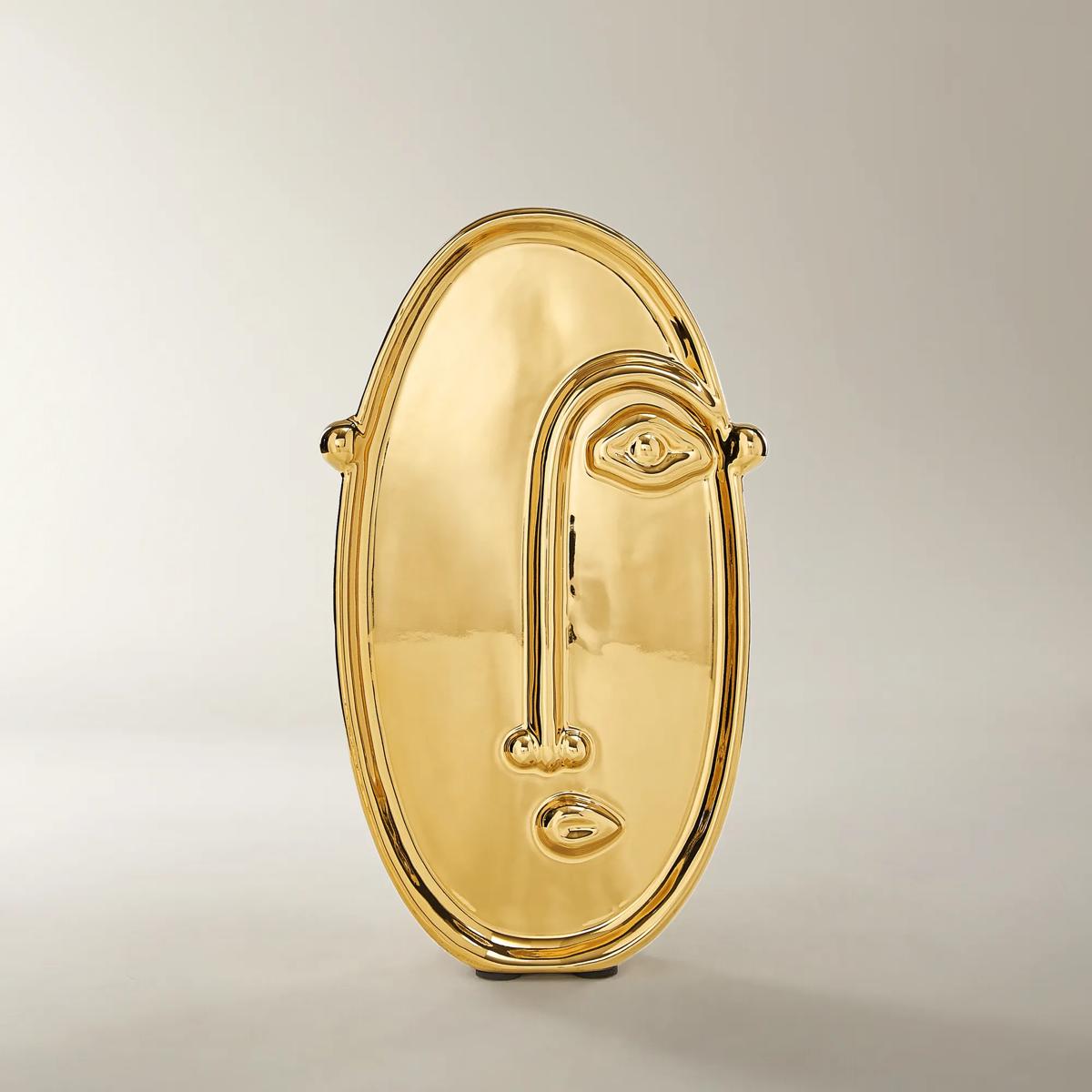
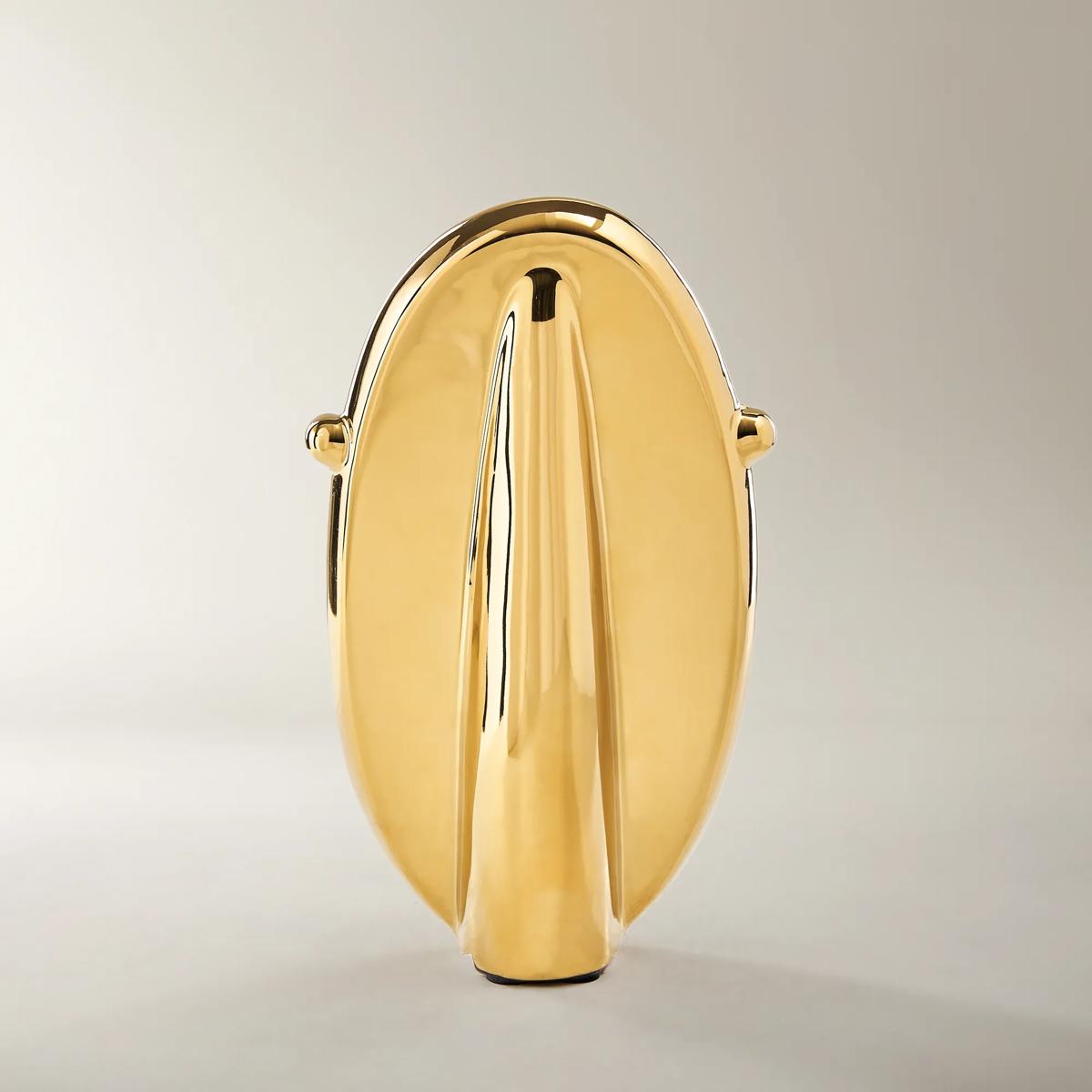 Golden Eye Ceramic Decorative Object 8"$39
A radiant gold ceramic sculpture featuring abstract, elongated facial details for a bold, modern accent.
Add To Cart -
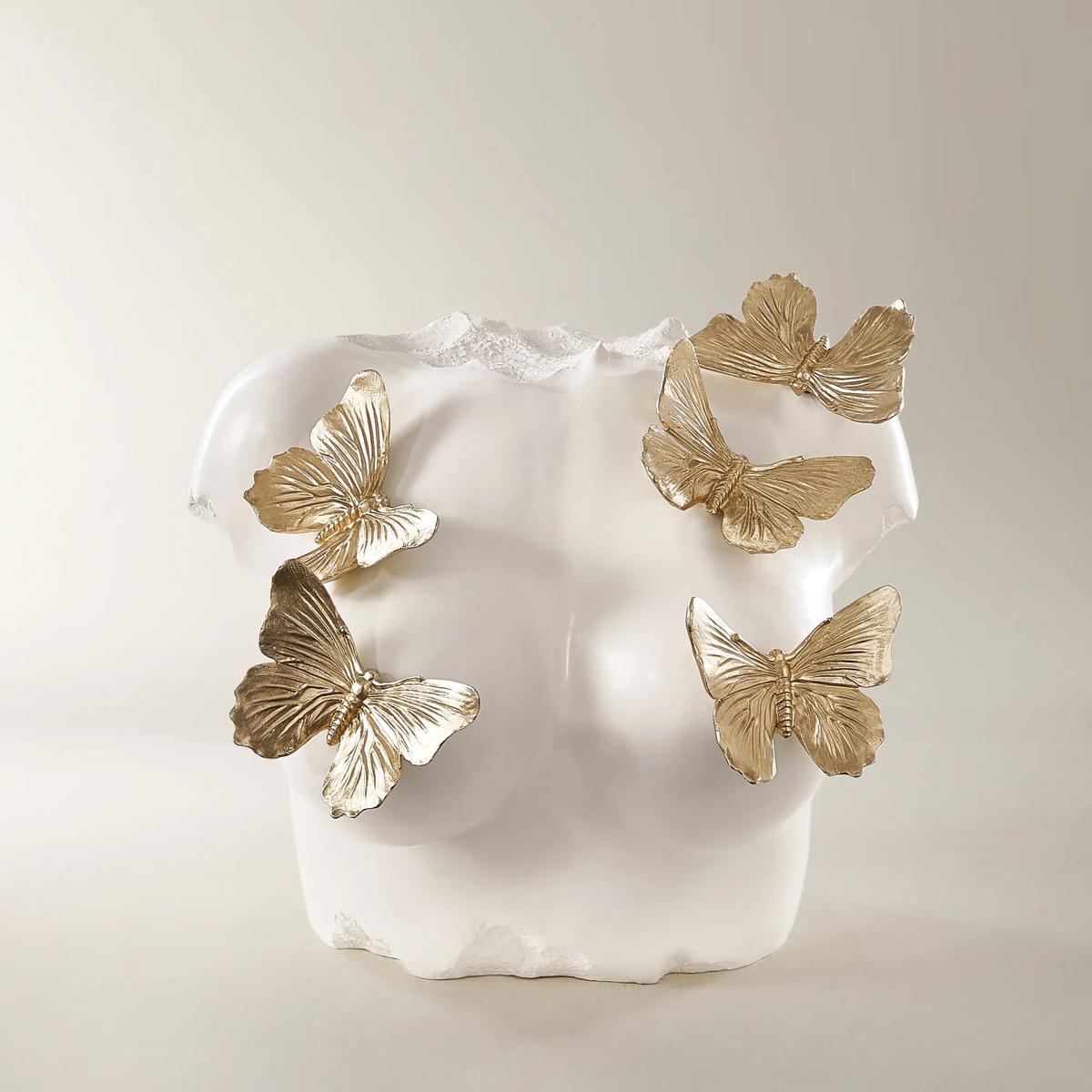
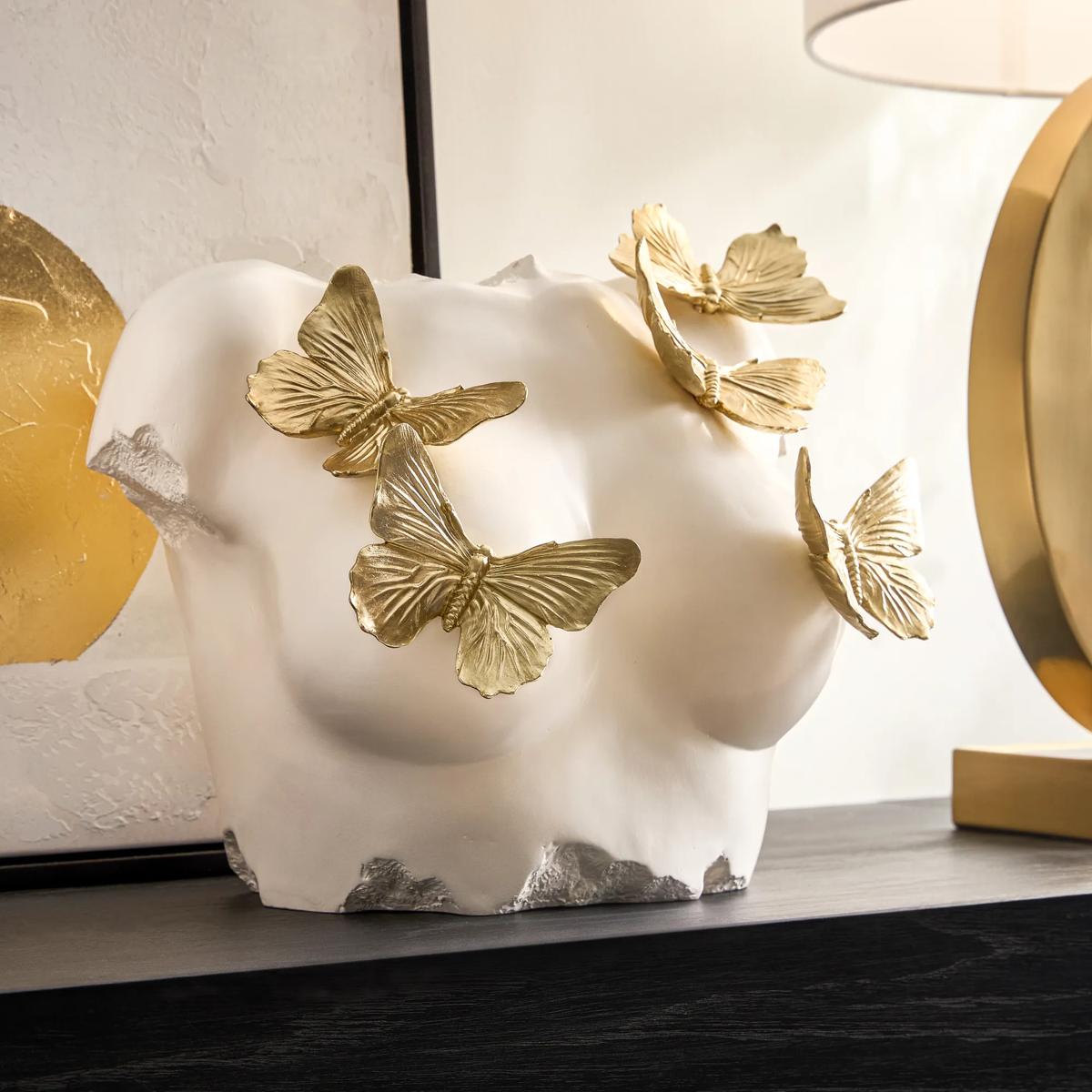 Butterfly Bust Ivory And Gold Resin Decorative Object 11.75"$149
An ivory resin bust adorned with gilded butterflies, offering poetic movement and feminine elegance.
Add To Cart -
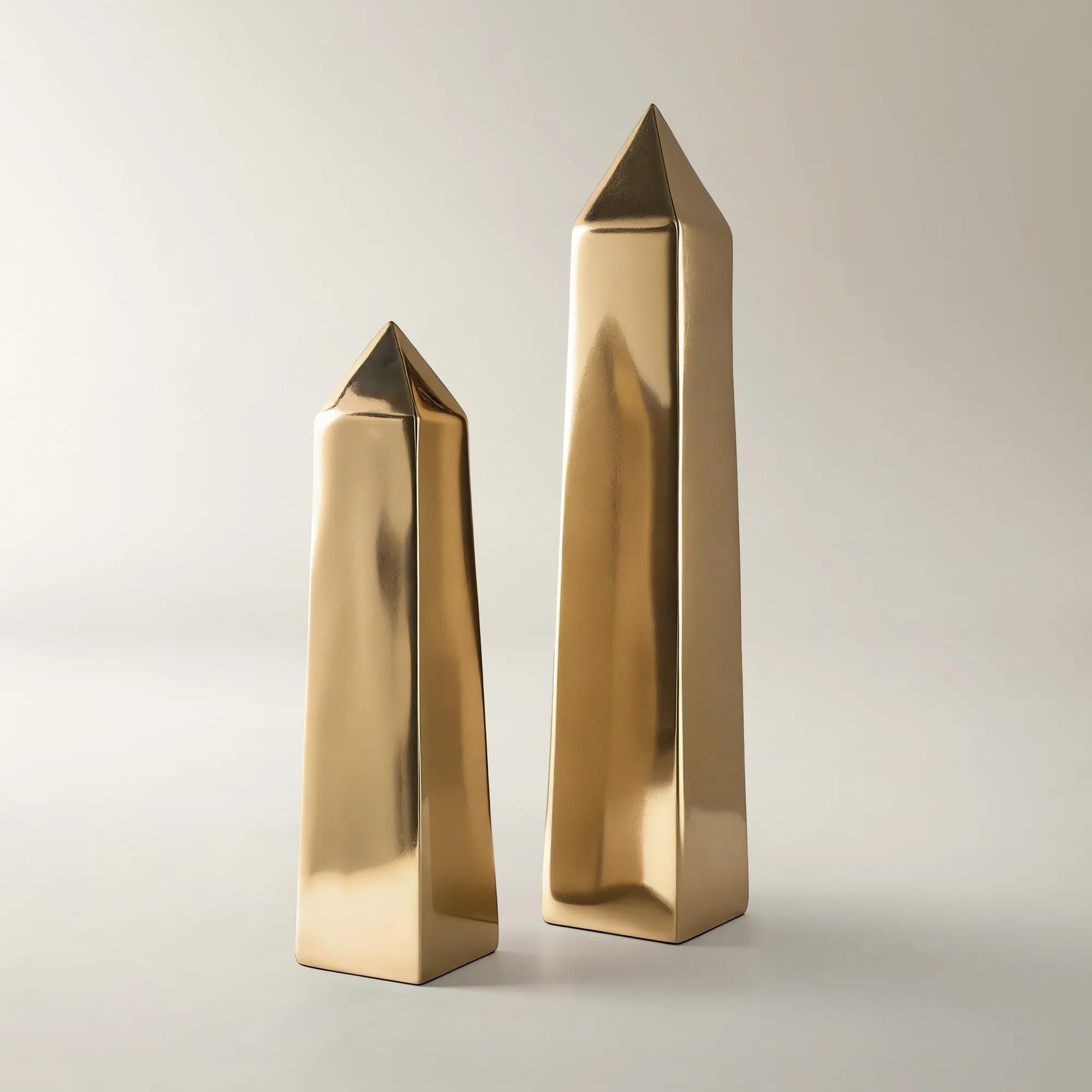
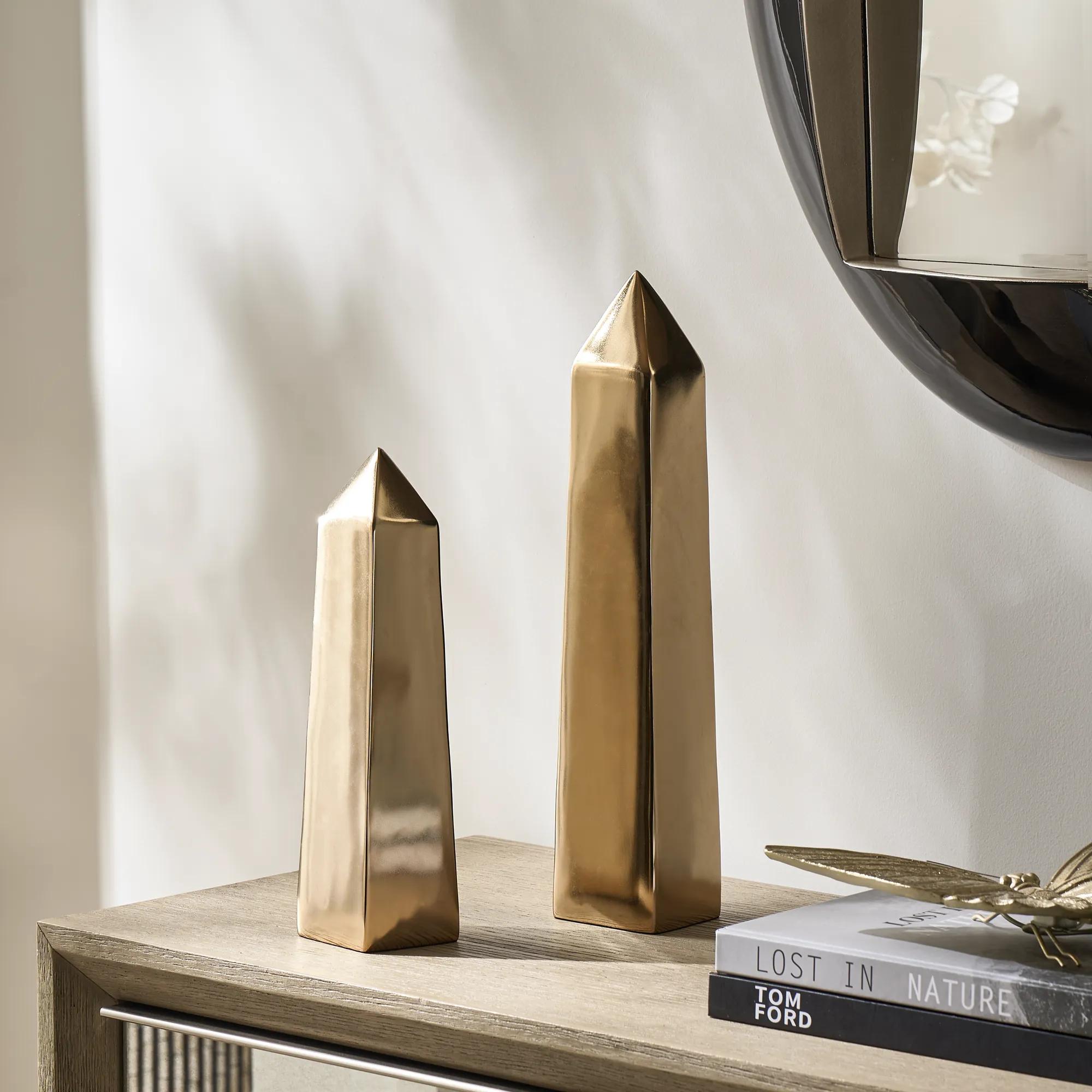 Golden Aluminum Obelisks$69
A sculptural aluminum accent in a soft gold finish, adding modern glamour and architectural interest to any space.
Add To Cart -
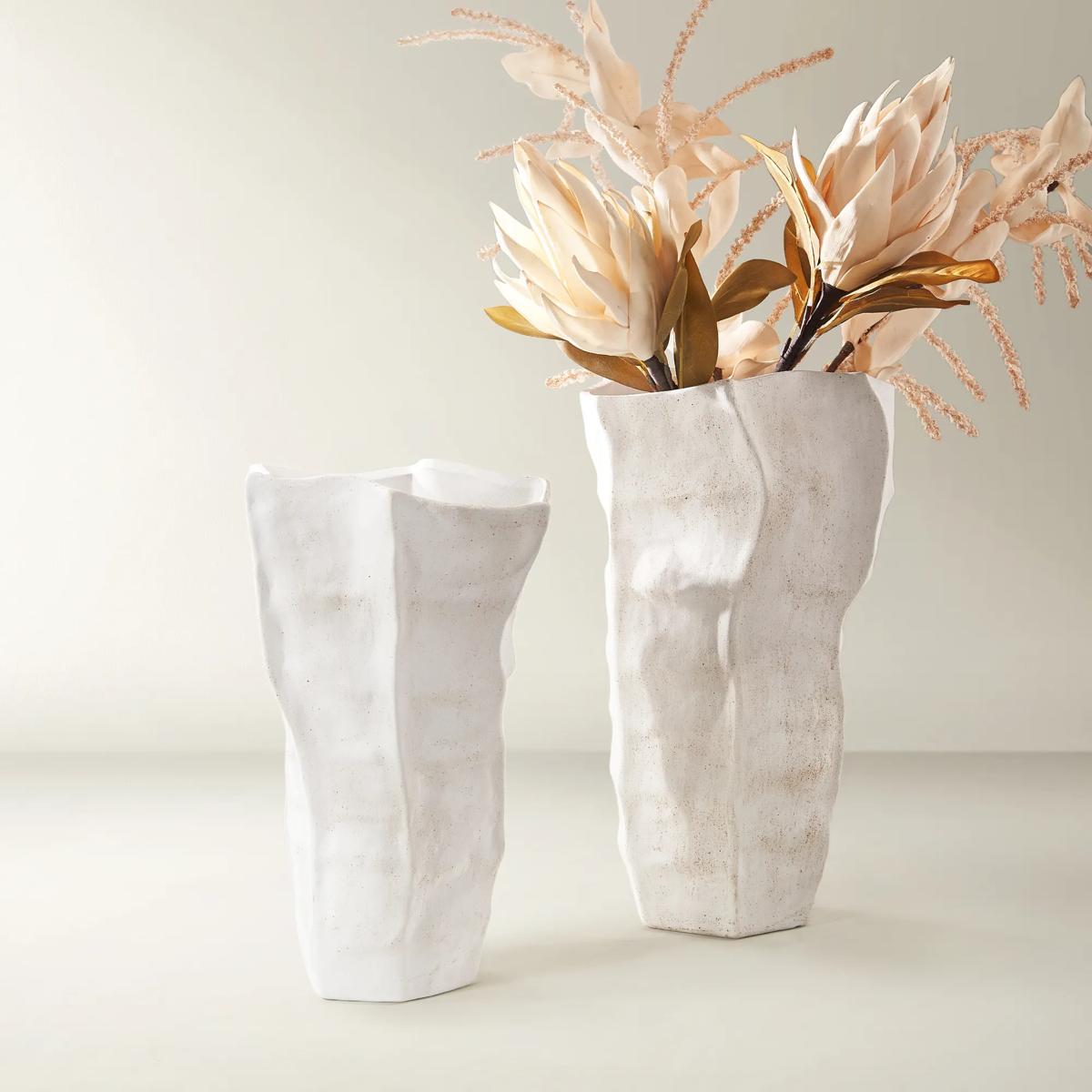 Kira Porcelain Vase$139
A sculptural matte white porcelain vase with fluid, faceted curves and a soft, textured finish.
Add To Cart -
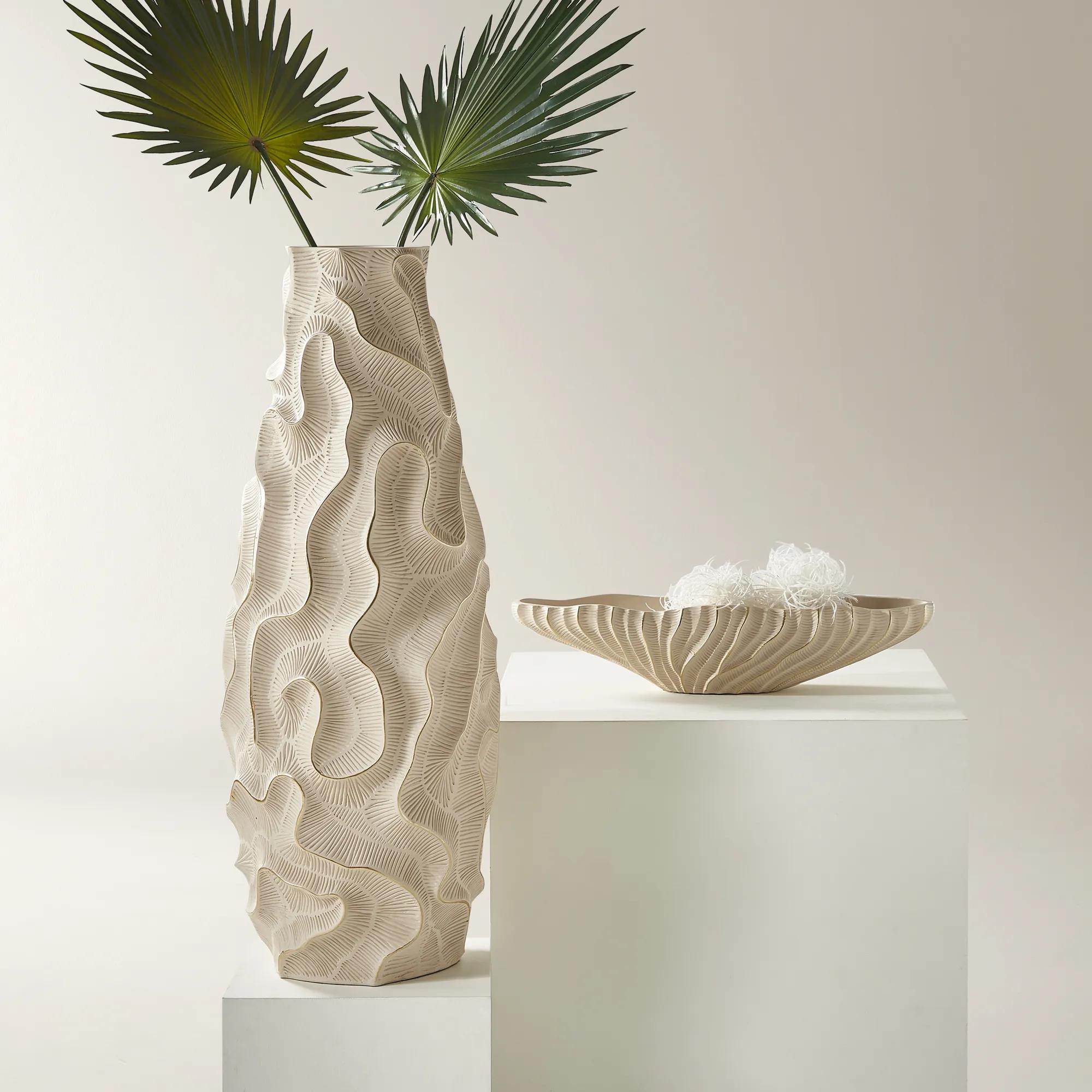
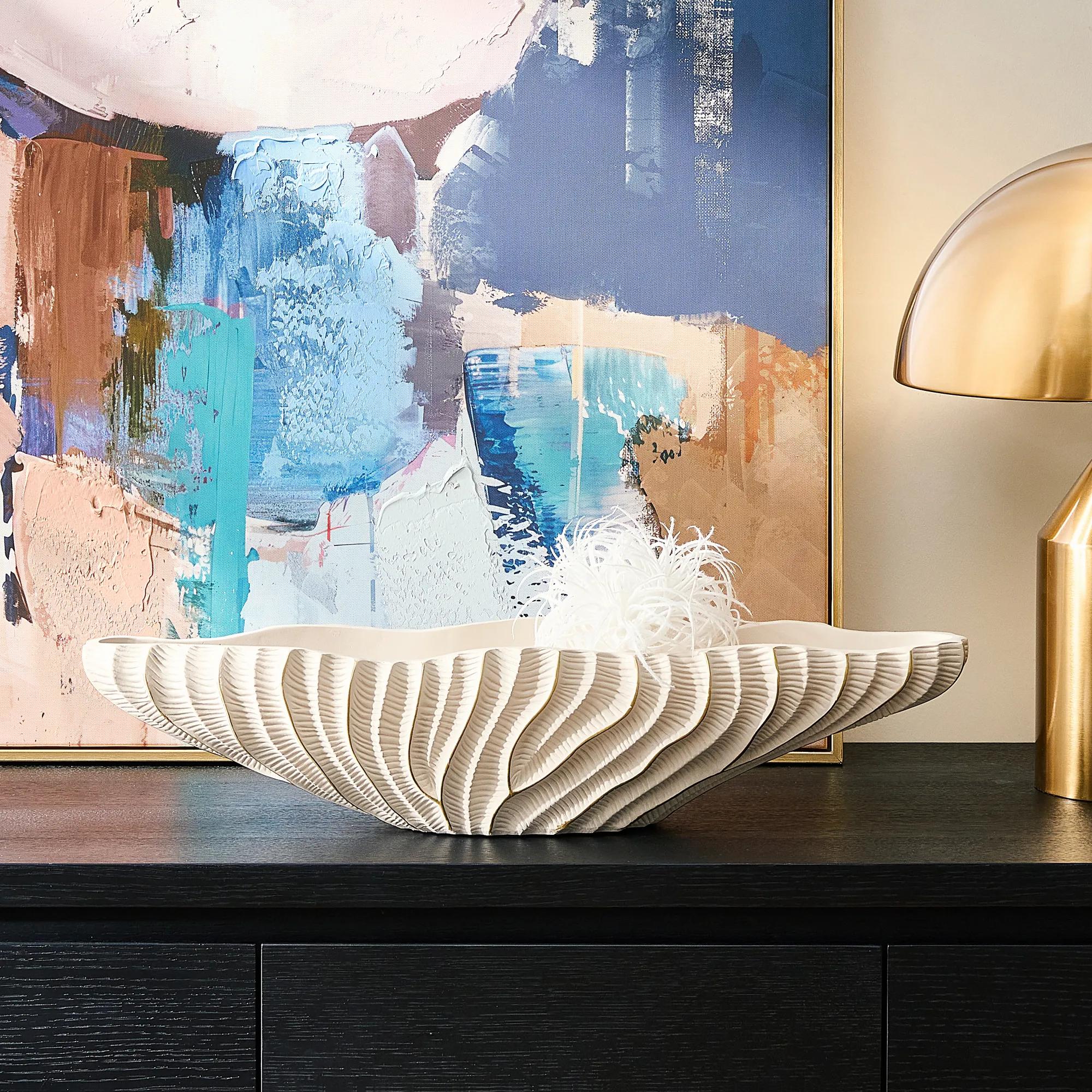 Rouche Ivory And Gold Etched Resin Floor Vase & Bowl$79
An ivory resin collection featuring sculptural, hand-etched textures and undulating organic contours.
Add To Cart -
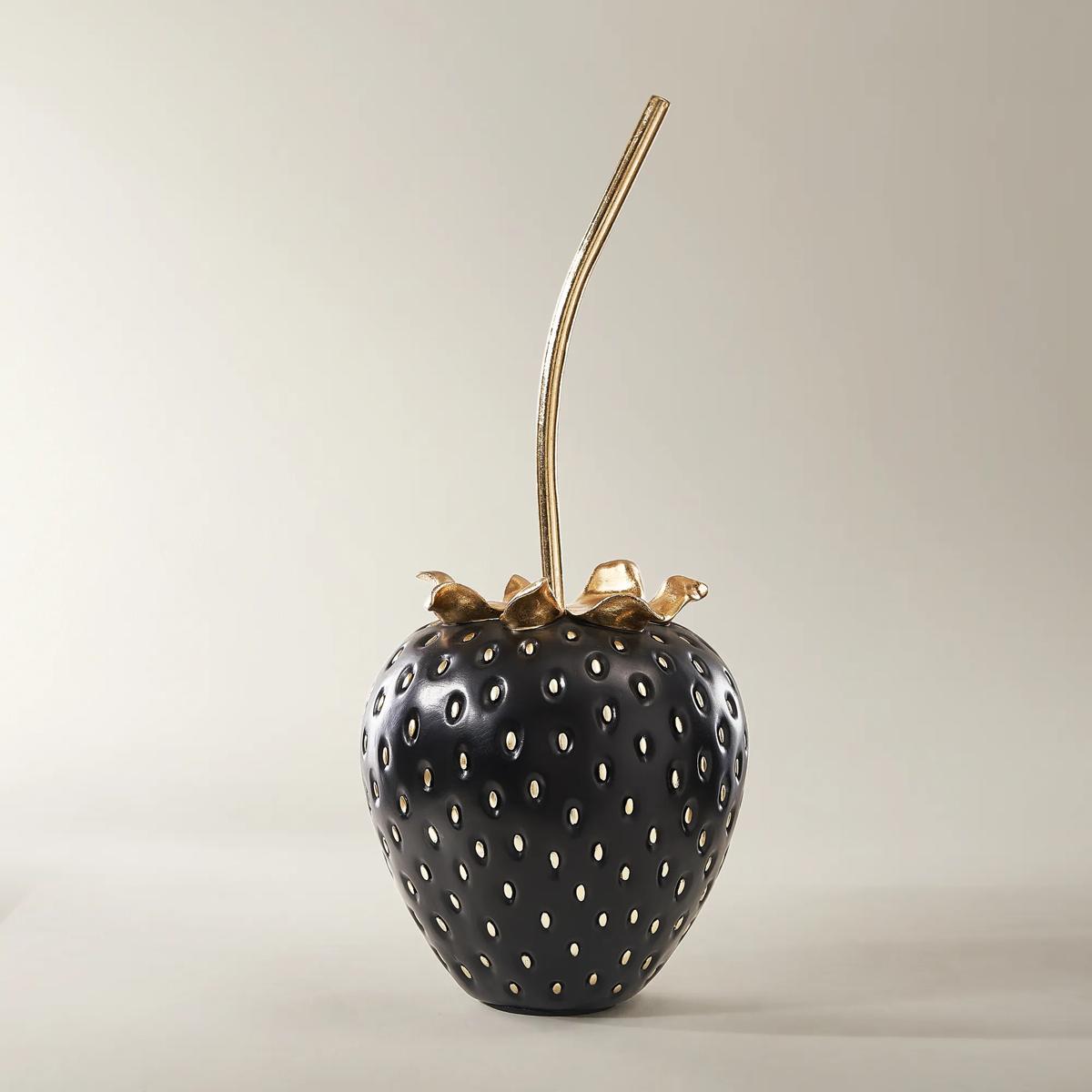 Grand Strawberry Gold And Black Resin Decorative Object 20.25"$129
A bold resin decorative accent in black and gold, adding whimsical elegance to any modern space.
Add To Cart -
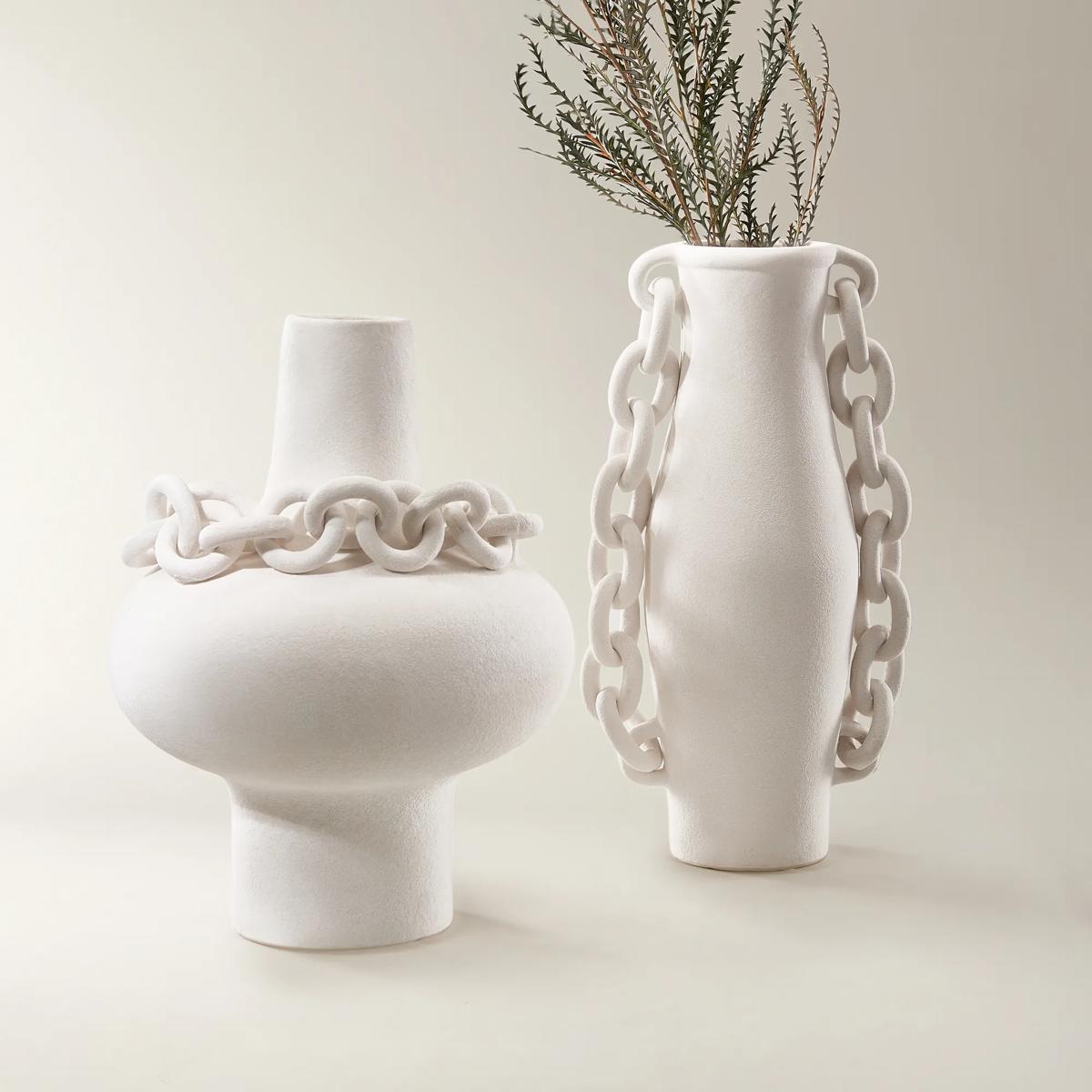
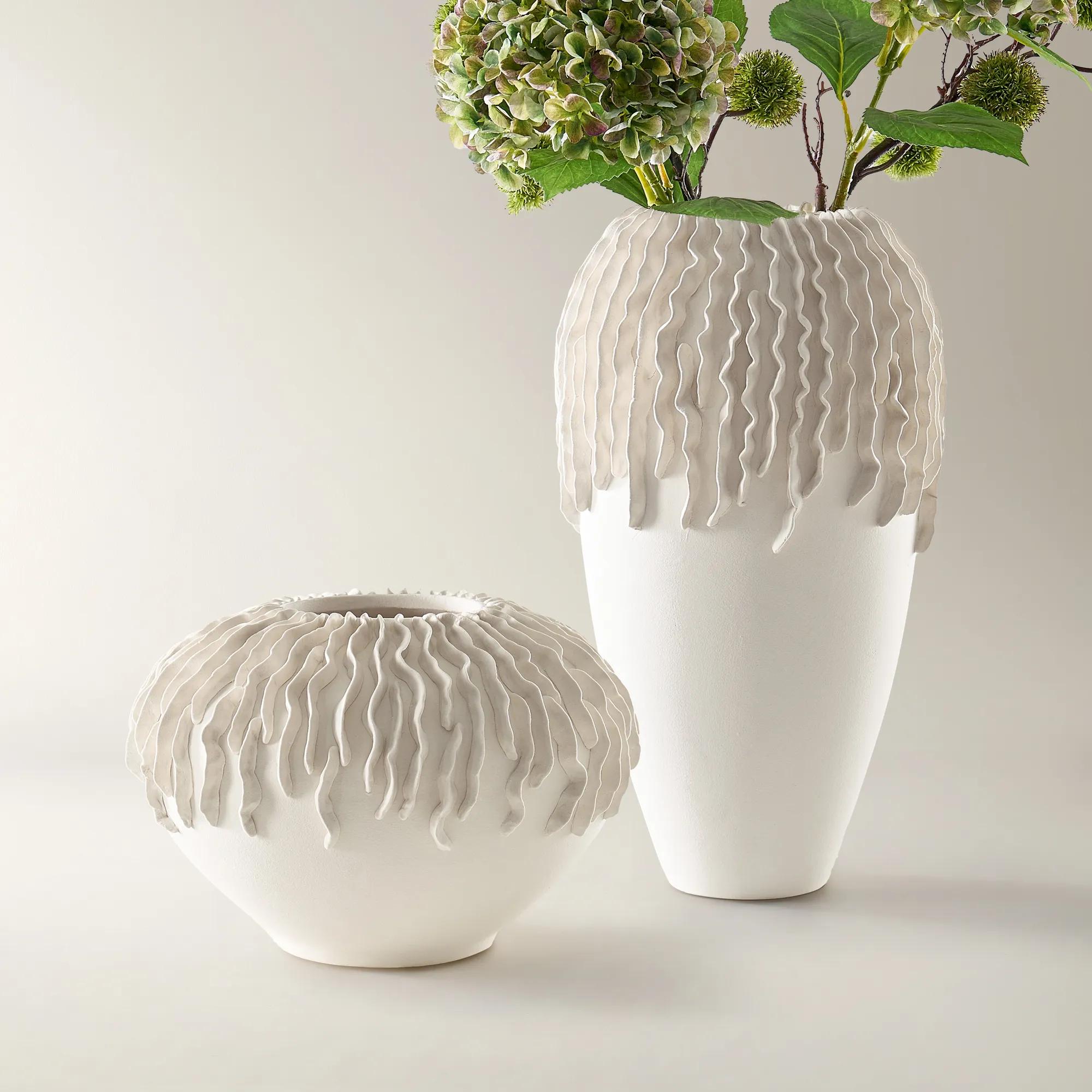
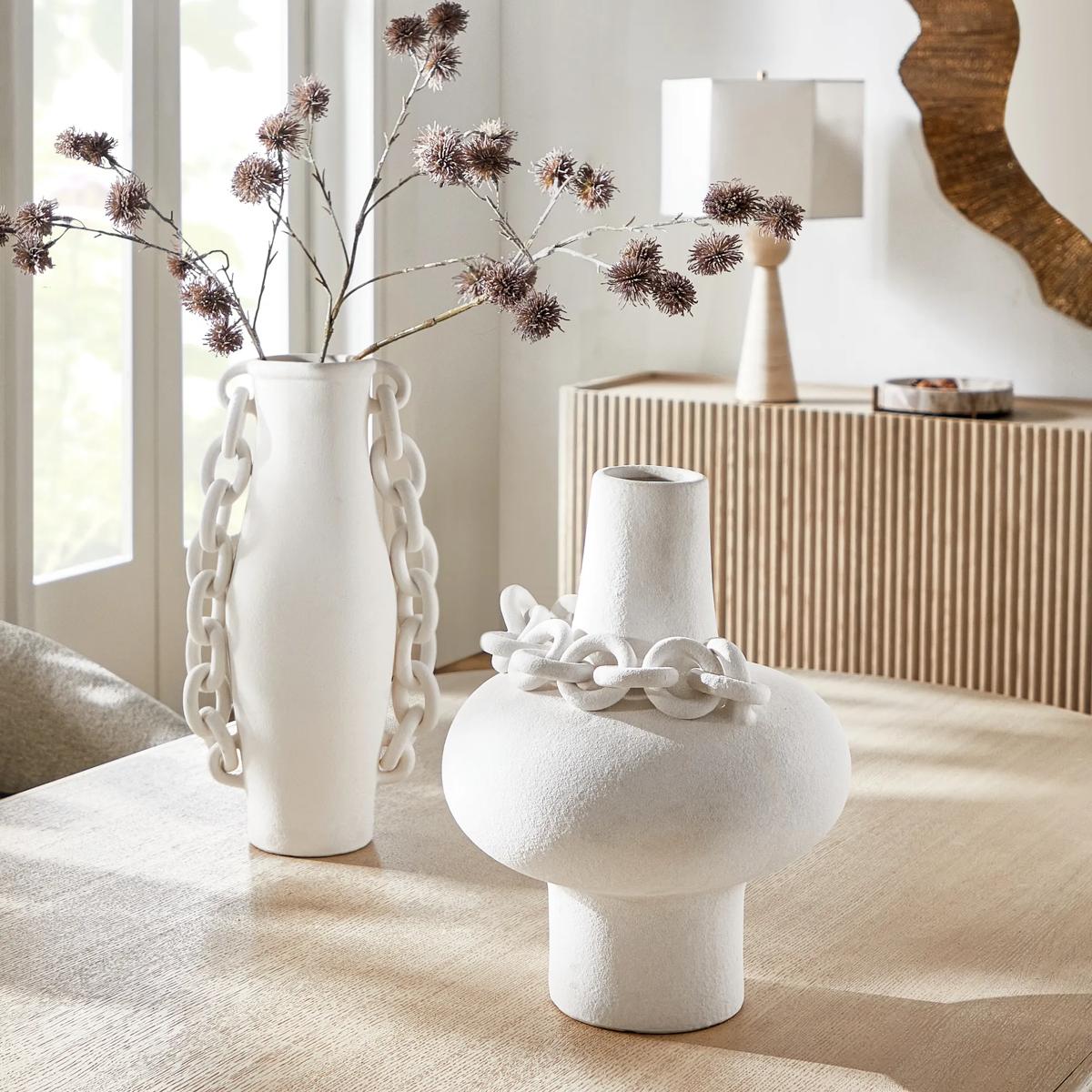 Links Stoneware Vases$119
A sculptural matte white stoneware vase featuring bold chain-link details for modern, artful texture.
Add To Cart -
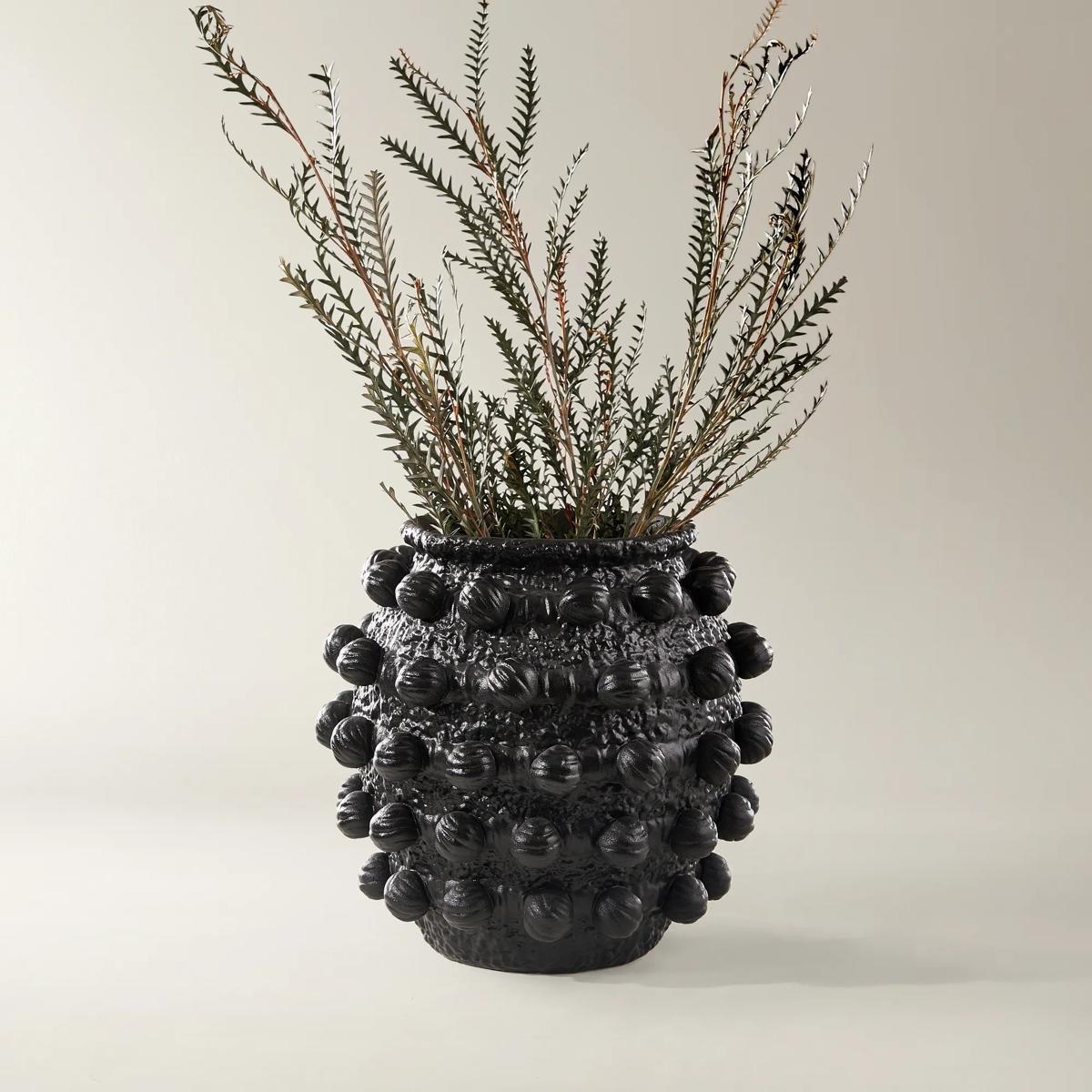
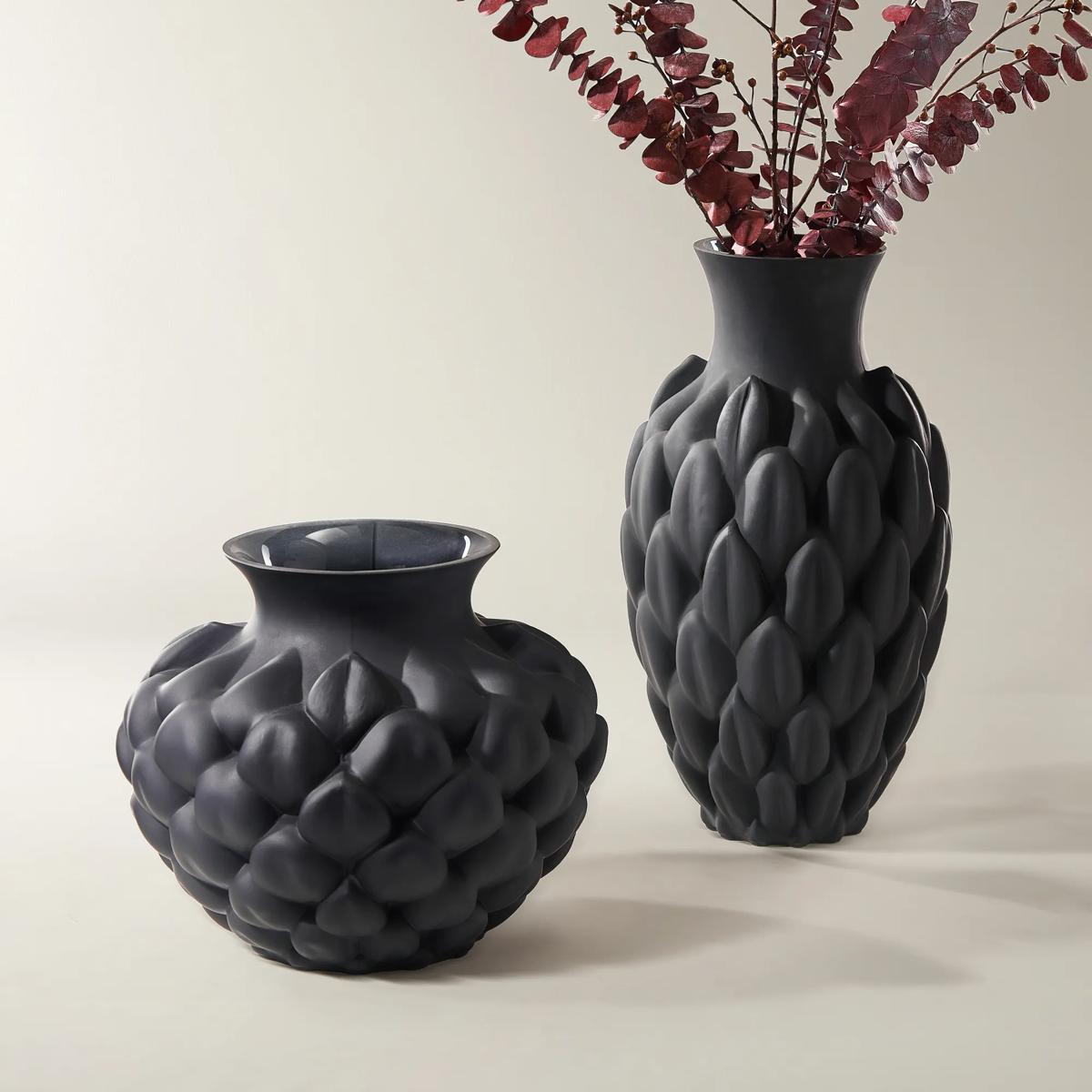
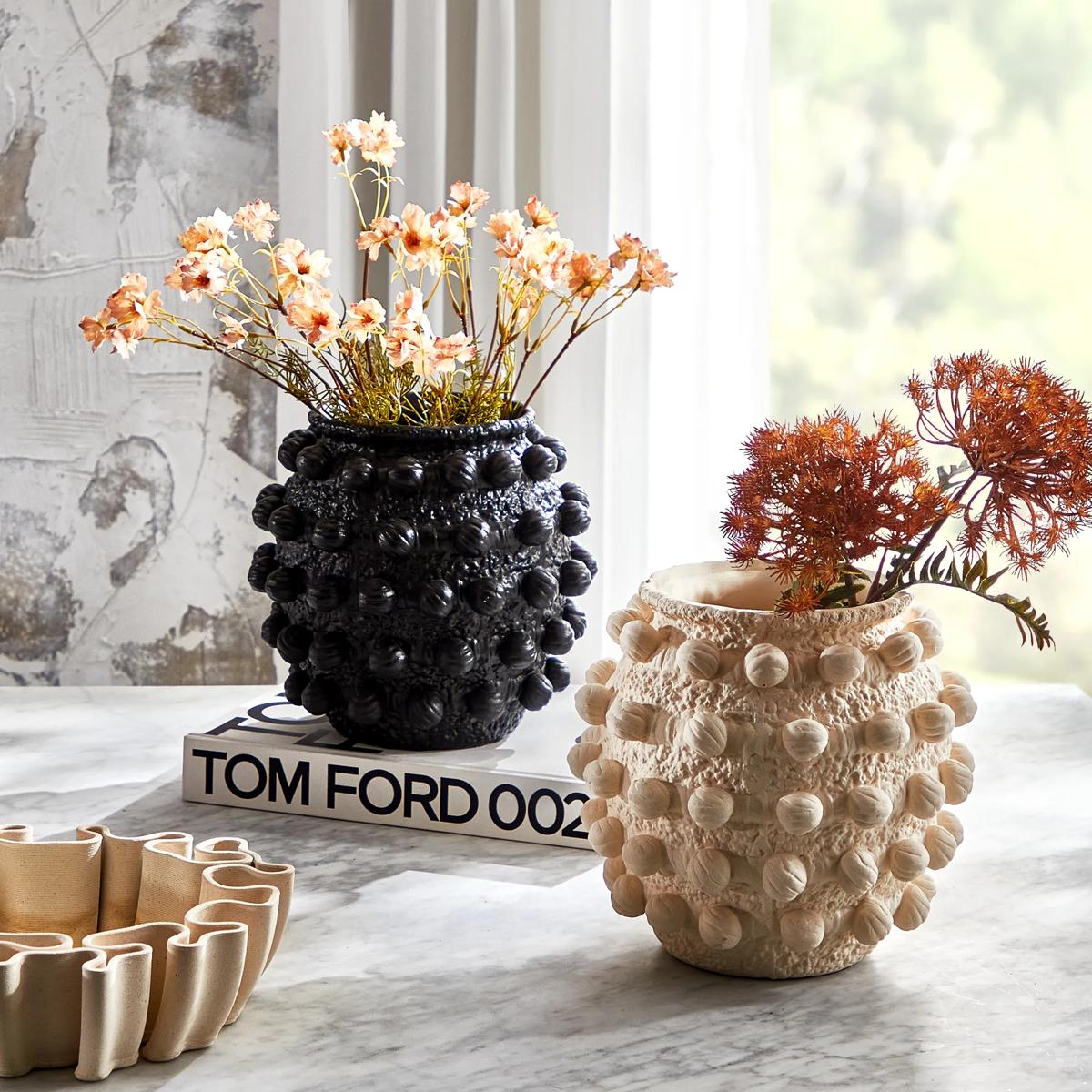 Pompa Vase - Black$119
A sculptural black porcelain vase featuring bold, rounded forms and a richly textured surface.
Add To Cart -
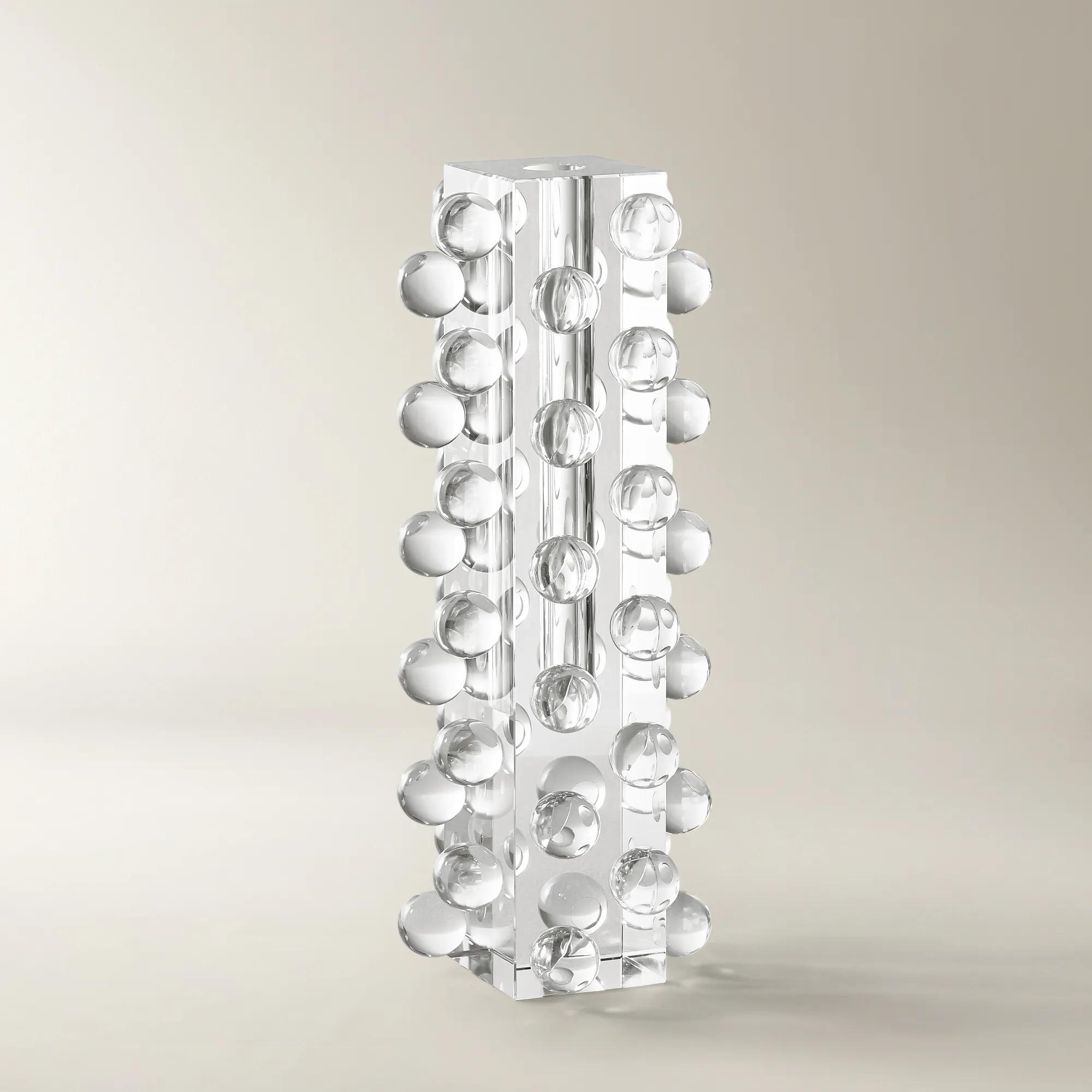
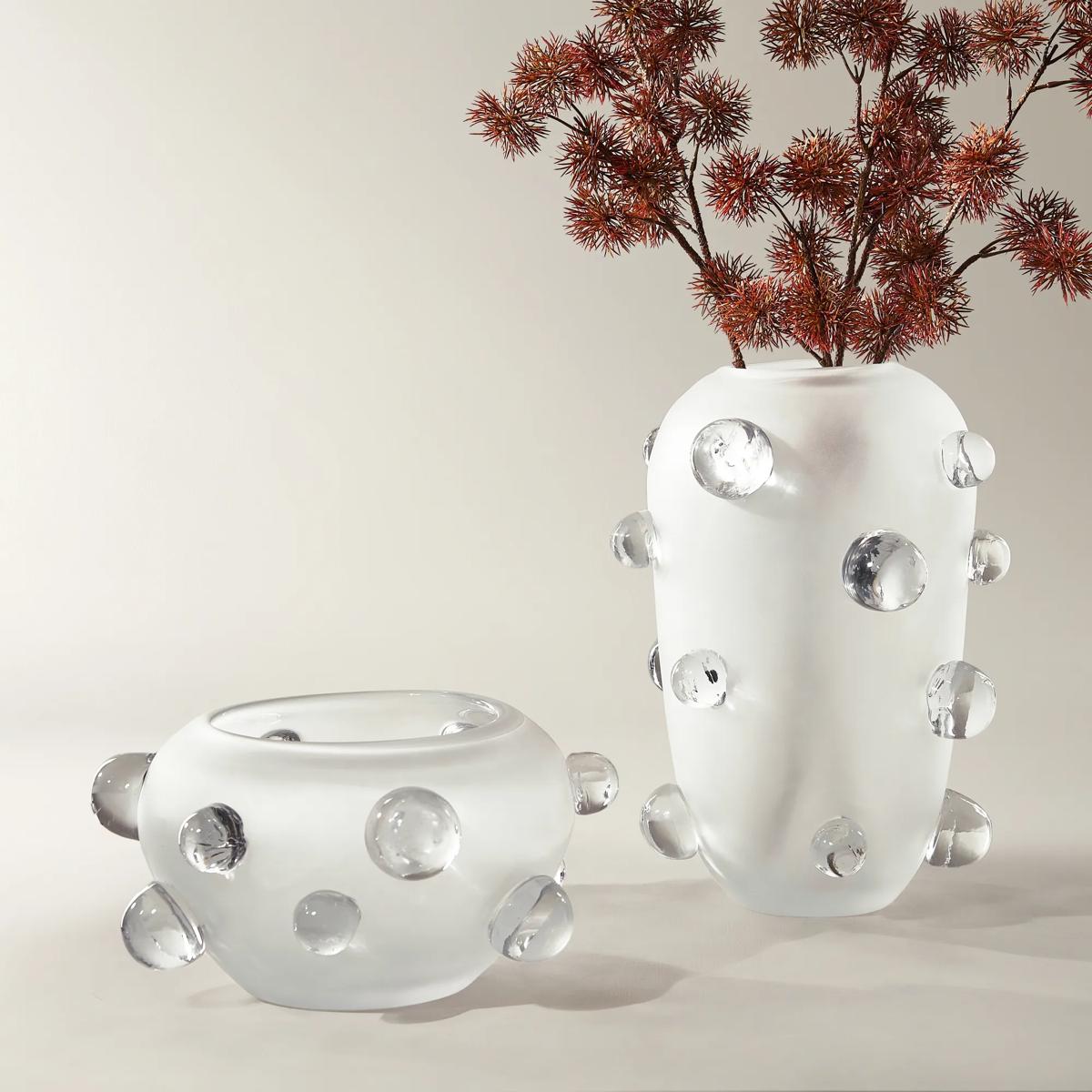
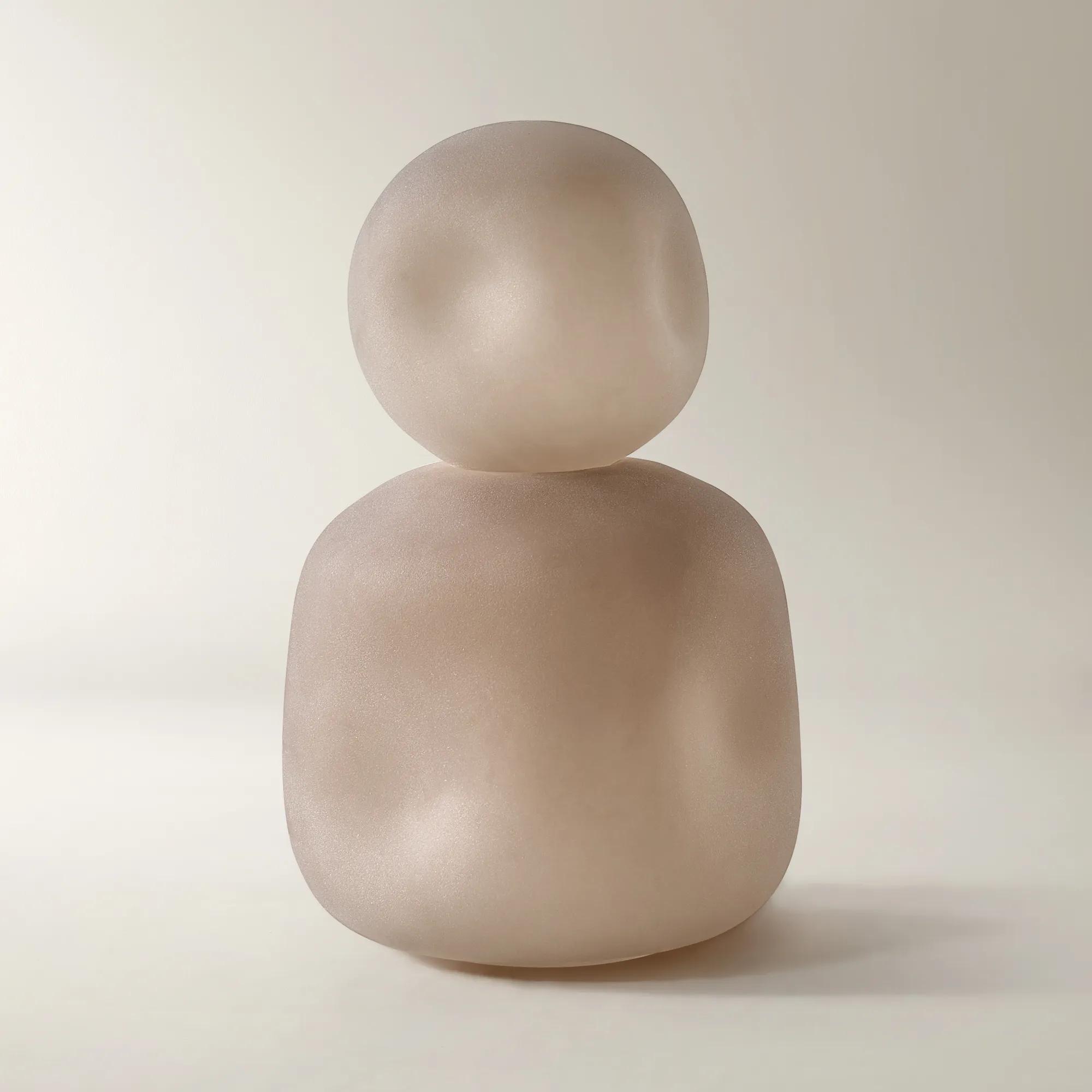
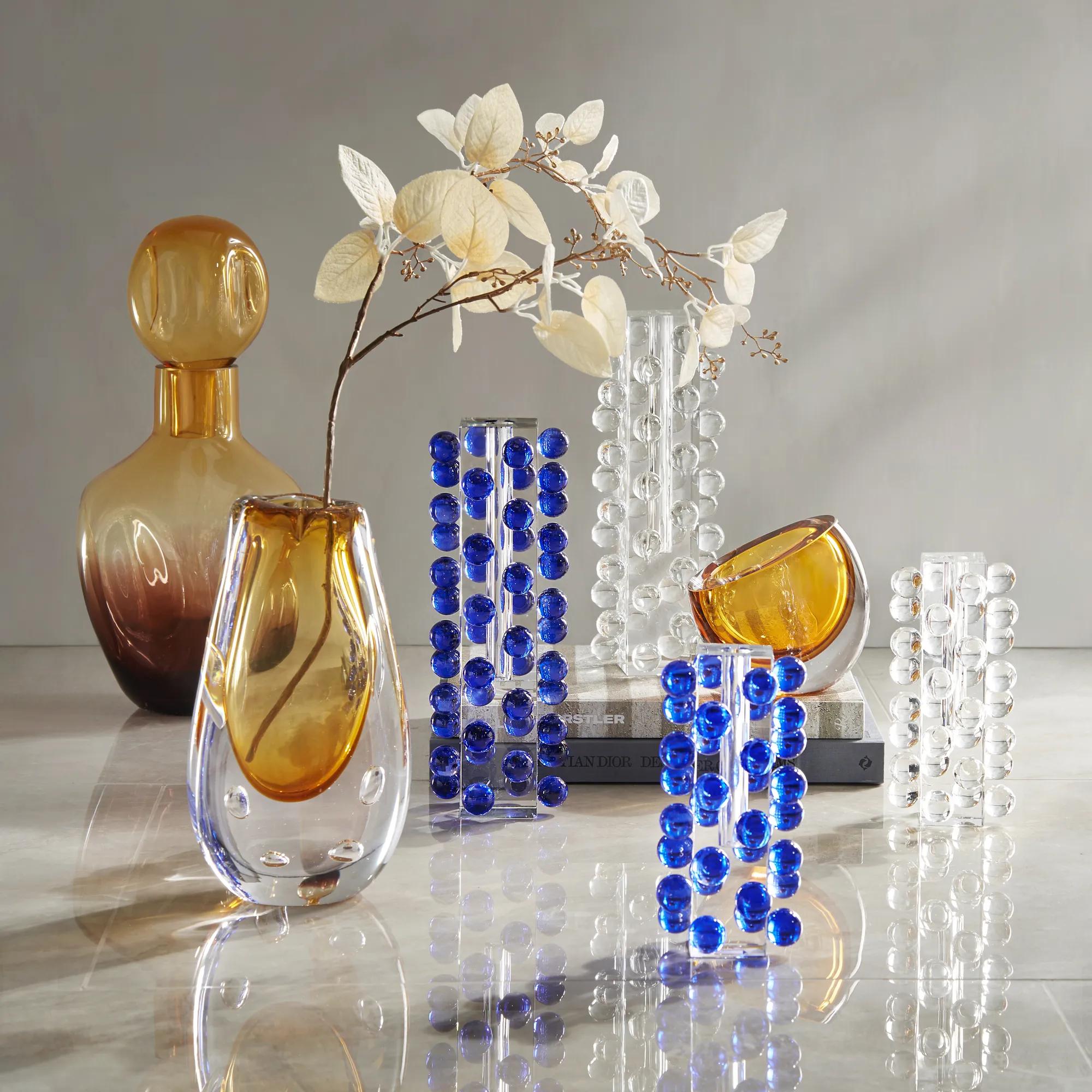 Bubble Vase Clear$119
A sculptural clear crystal glass vase featuring a cluster of transparent spheres for modern visual interest.
Add To Cart -
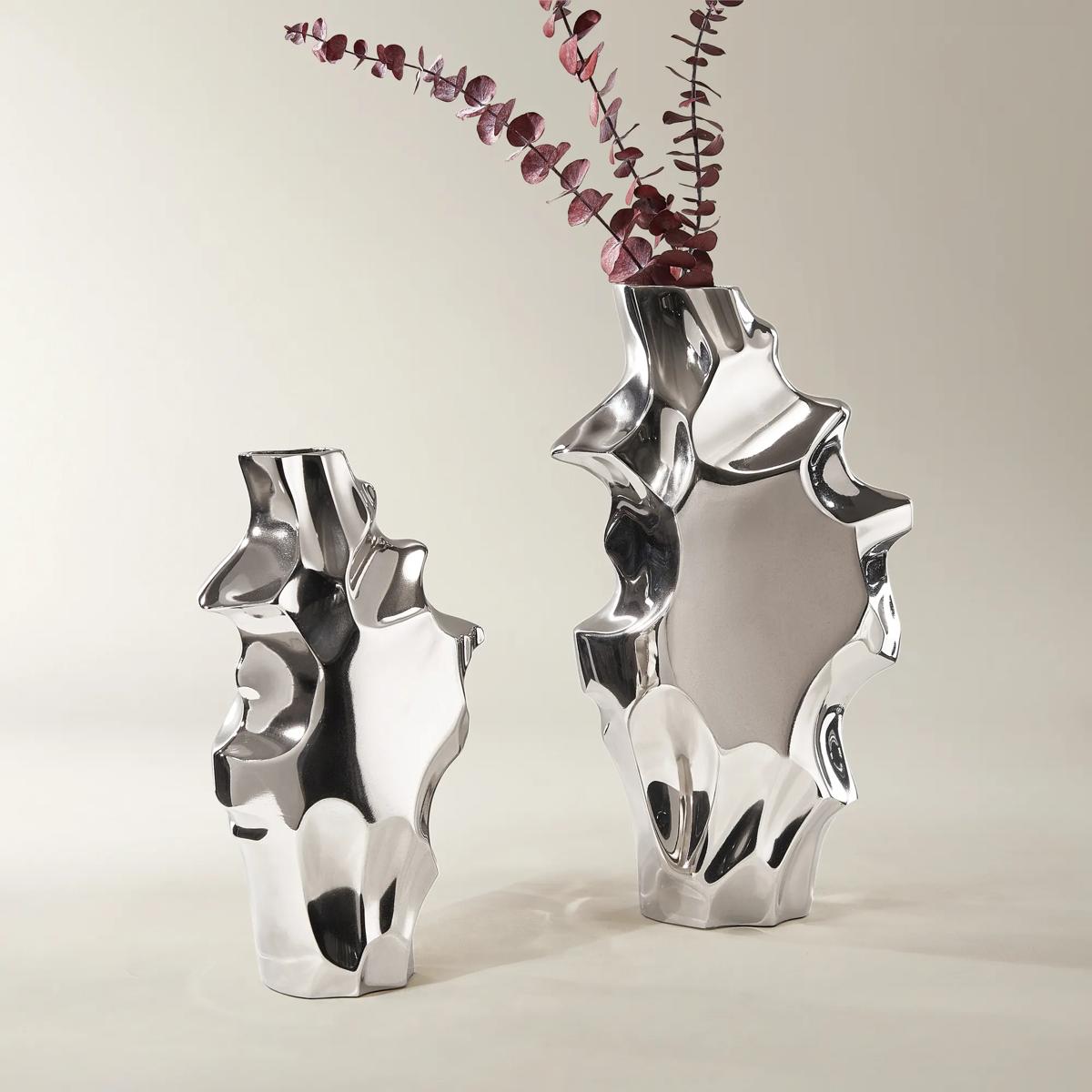
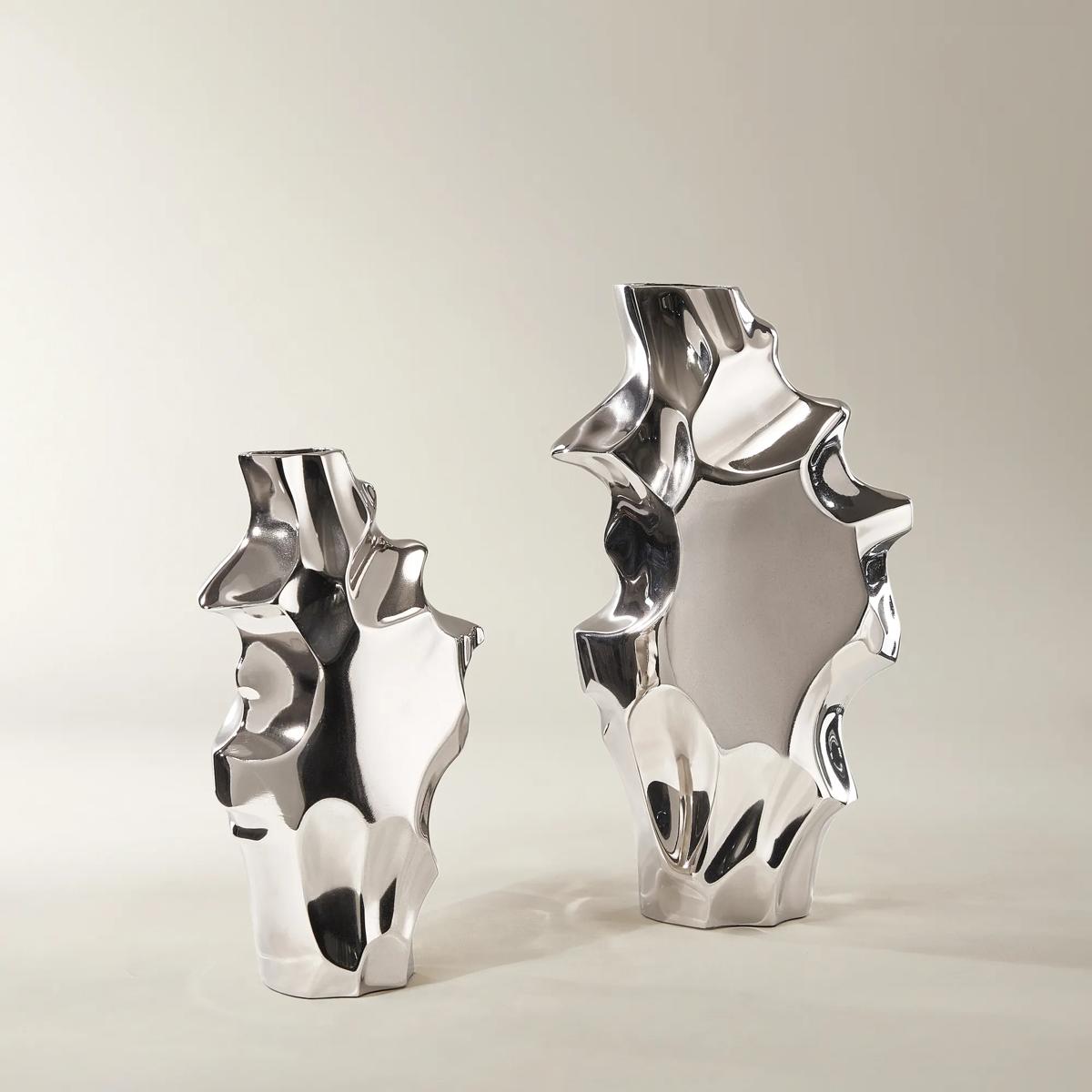 Sculpt Silver Aluminum Vases$69
A fluid, organic silhouette in lustrous silver aluminum brings modern artistry to any decor.
Add To Cart -
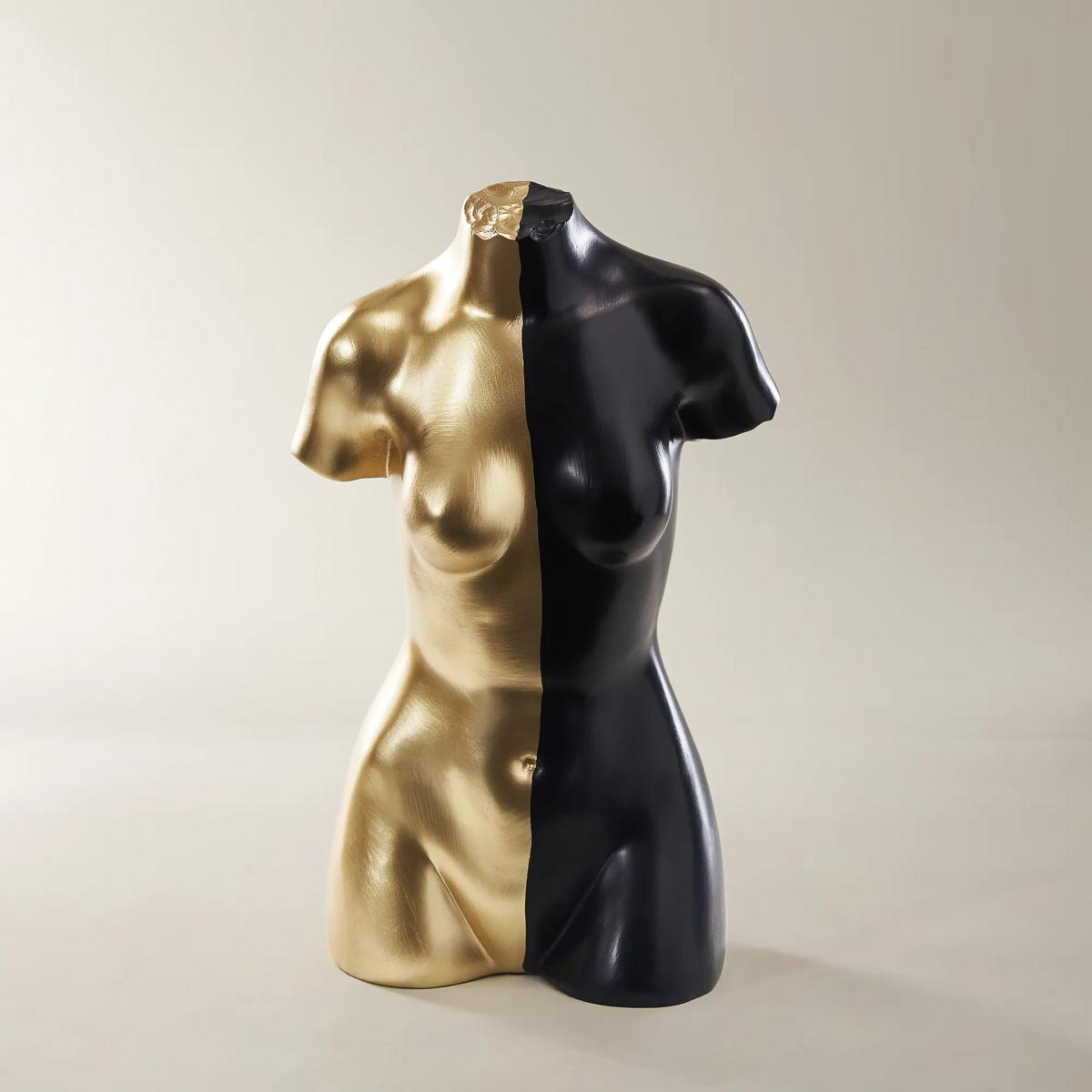 Muse Black Gold Resin Coin Bank 10.75"$49
A sculptural resin coin bank featuring a matte black and radiant gold feminine torso design.
Add To Cart -
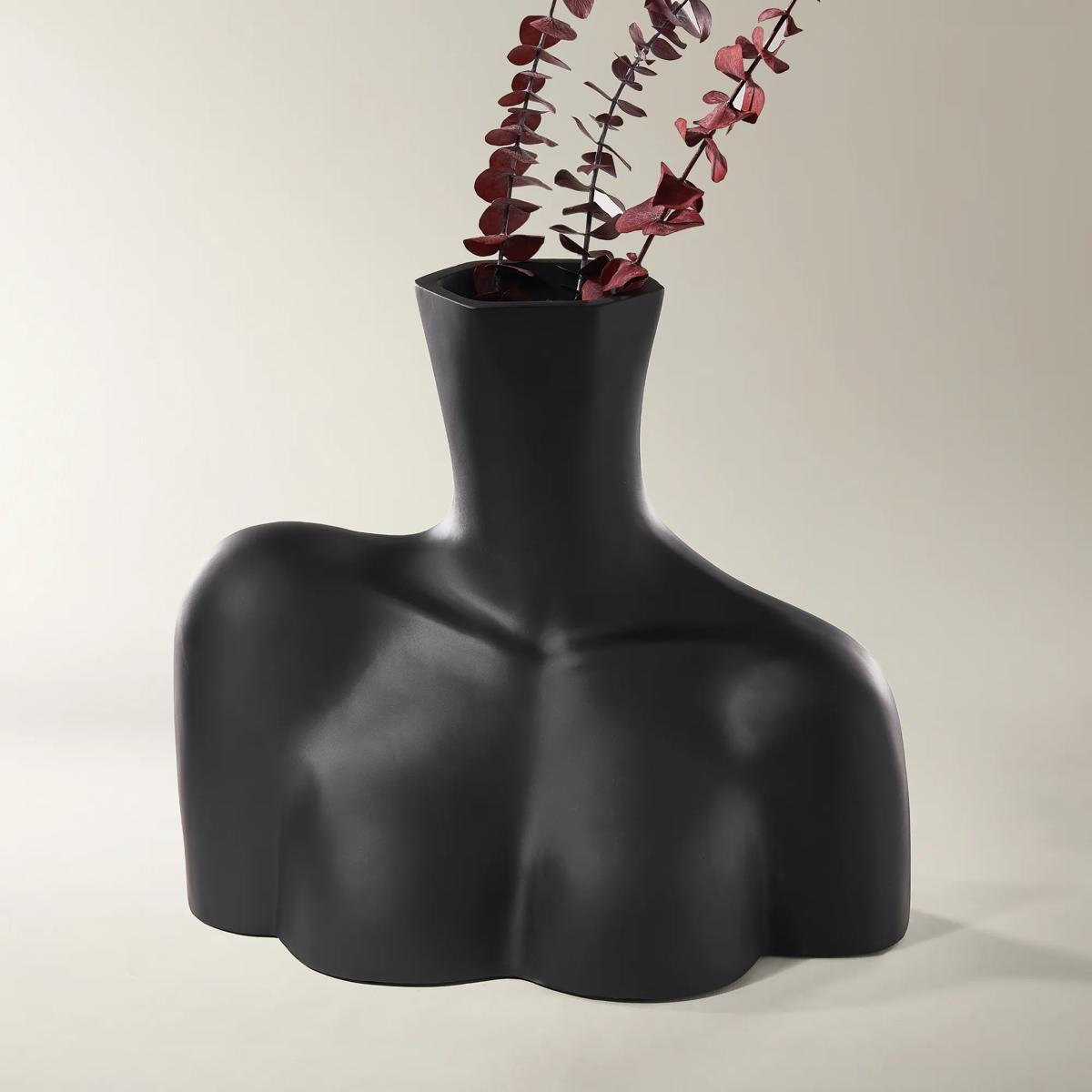 Figure Black Resin Vase 11.25"$79
A sculptural matte black resin vase that reimagines the human form as bold, modern decor.
Add To Cart -
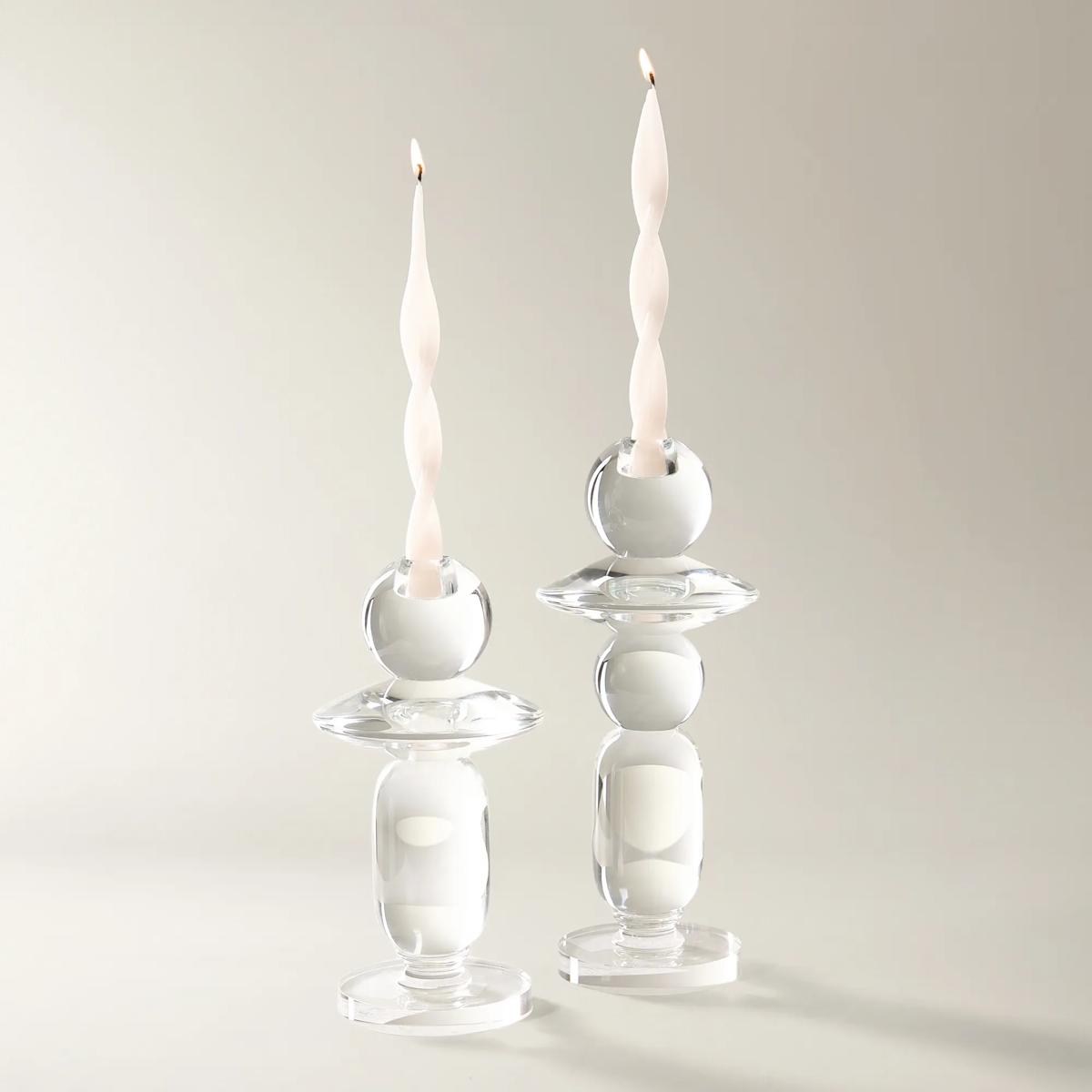
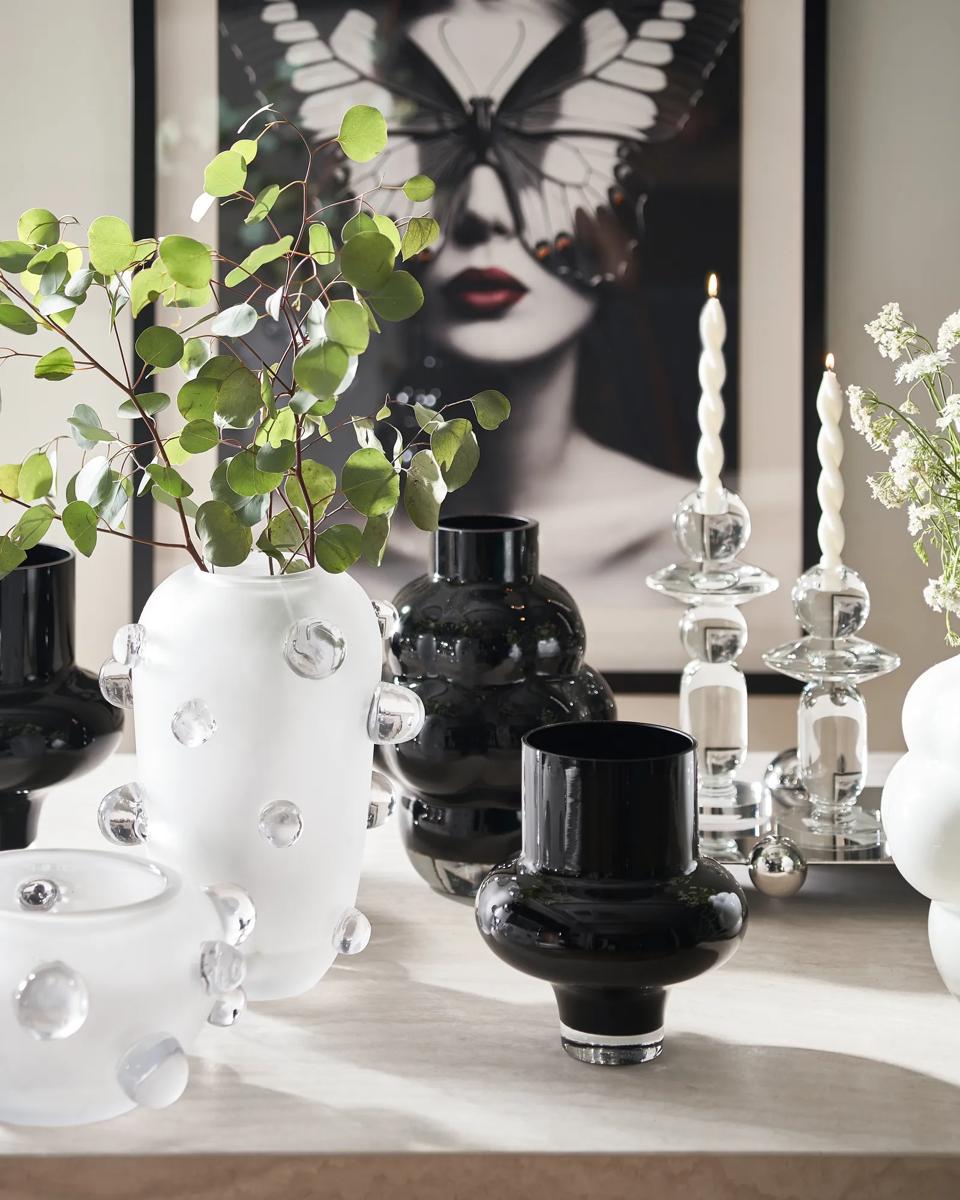 Pela Taper Holder$99
A sculptural taper holder crafted from clear crystal glass, adding luminous modern elegance to any décor.
Add To Cart

Modern Small Sculptures
Modern Small Sculptures are the secret ingredient for transforming ordinary surfaces into extraordinary statements. Each piece is a curated work of art—unexpected, expressive, and designed to spark conversation. Whether perched on a bookshelf, accenting a console, or gracing a coffee table, these sculptural treasures infuse your home with a gallery-worthy sense of drama and sophistication. Let your space tell its story through bold forms and striking silhouettes—because in the world of Z Gallerie, even the smallest detail commands attention.
Modern small sculptures are compact, three-dimensional decorative objects designed for shelves, desks, consoles, and tabletops, bringing artistic presence to a room without requiring the footprint of a floor sculpture. Their appeal lies in the tension between modest scale and expressive form: a sweeping curve, an angular silhouette, or a stylized figure can give an otherwise quiet surface remarkable depth. Abstract metal shapes, geometric wireframes, carved wood, polished stone, and figurative ceramics each offer a different visual language. Open forms let the backdrop remain visible, while solid shapes create a more concentrated focal point. On a bookshelf, a dark sculptural accent can interrupt a run of pale book spines with a deliberate stroke of contrast. Against richly colored walls, a gleaming finish catches the light and draws attention to contours that might disappear against a similar tone. Small decorative sculptures suit expansive interiors as readily as compact apartments; their dimensions allow art to become part of everyday sightlines, from an entry console to a bedside table. They also offer a distinctive way to express personal taste without rearranging an entire room. Fluid, asymmetrical forms suggest movement, while balanced shapes lend a sense of composure. Stylized human and animal forms introduce character through gesture and silhouette rather than intricate realism. For compositions defined by facets, intersecting planes, and architectural rhythm, modern geometric sculptures bring another dimension to a collected display. A single piece with a strong outline can hold its own beside a substantial lamp, while a few smaller forms can establish a conversation across a long shelf. The most compelling effect is not necessarily the fullest arrangement. Space around a sculpture allows its edges, openings, and shadows to register, giving a compact object the visual authority of something much larger. Even a narrow ledge can become an expressive setting when the silhouette feels intentional and the surrounding objects leave it room to be seen.
Material gives a small sculpture much of its personality, shaping not only its appearance but also its weight, texture, and care requirements. Metal can read as crisp and architectural or soft and fluid, depending on its contours and finish. Polished surfaces reflect surrounding colors and light, while brushed or matte finishes create a quieter, more diffuse effect. Aluminum is generally lighter than similarly sized solid stone, although construction and the design of the base determine how substantial any piece feels. Marble and other natural stones introduce veining, tonal variation, and a grounded presence; those variations are part of the material’s character rather than a uniform pattern. Carved wood brings grain and organic warmth to a display, creating a rich counterpoint to glass, lacquer, and metallic accents. Ceramic sculptures can range from smooth, glazed forms to tactile surfaces with a more subdued sheen. Resin allows intricate contours and dimensional details, sometimes with finishes that evoke other materials, so the stated composition matters more than appearance alone. Durability depends on both material and shape: a thick, rounded form may be less vulnerable to accidental contact than slender projections, and even substantial stone can chip along a fine edge. Small size does not guarantee low weight or resistance to breakage. For everyday care, a soft, dry cloth is often an appropriate starting point, with the maker’s instructions taking precedence for any special finish. Gentle dusting helps preserve surface detail without introducing abrasive residue. Household cleaners, metal polish, and prolonged moisture can damage certain coatings or porous materials and should not be assumed suitable. Lifting a sculpture from its base rather than a delicate extension reduces strain during cleaning or rearranging. Protective pads, when appropriate for both surfaces, can help prevent scratches on polished furniture. Wood, painted surfaces, and some resin finishes may also be sensitive to prolonged direct sunlight. Unless specifically designated for outdoor use, decorative tabletop sculptures are best treated as indoor accents rather than exposed patio or garden decor.
Fit is as much about proportion and placement as it is about dimensions. Height, width, depth, and base size all affect how comfortably a small sculpture occupies a surface, especially on shallow shelves or narrow consoles. A piece may fit within a bookcase opening yet lose its impact if its highest point nearly touches the shelf above. Extra clearance makes the outline easier to appreciate and gives hands enough room to lift it safely. On a working desk, a compact sculpture can introduce a moment of artistry beside a monitor without occupying the space needed for writing. A stable base and a position away from frequently moved cables help keep the arrangement composed. Coffee tables call for a different balance: lower forms preserve conversation sightlines, while placement away from the edge leaves room for serving and everyday movement. A sculptural accent on an entry table offers an immediate impression of personal style, particularly when its finish echoes a nearby mirror or contrasts with the table beneath it. In homes with children or pets, fragile pieces belong on secure surfaces beyond easy reach, not on unstable stacks or furniture prone to being bumped. Although decorative sculptures are made primarily for visual enjoyment, their placement influences how a room feels in use. A graceful curve can soften a strongly rectilinear setting; a faceted form can add definition among plush upholstery and flowing drapery. Repeating one finish elsewhere in the room creates cohesion without making every accessory match. These compact art objects also make thoughtful housewarming, wedding, or milestone gifts for people who enjoy interiors, architecture, or collecting distinctive decorative accents. An abstract shape can offer flexibility when the recipient’s palette is known but their preferred imagery is not, while a figurative form feels more personal when it reflects an established interest. Whether displayed alone or within a layered composition, a well-chosen small sculpture gives the room something beyond ornament: a considered shape, a compelling texture, and a point of view.
FAQs
Modern small sculptures act as visual focal points, adding dimension, texture, and intrigue to any space. Their presence can create a sense of curated artistry, drawing the eye and elevating the mood of a room. Whether displayed solo or grouped in a vignette, these pieces infuse personality and sophistication, making your home feel thoughtfully designed and uniquely yours.
Small decorative sculptures shine when placed on bookshelves, coffee tables, mantels, or entryway consoles. For a layered effect, mix them with books, candles, or framed photos. Consider spotlighting a favorite piece under accent lighting or clustering several sculptures of varying heights for a dynamic, gallery-inspired look.
Modern small sculptures make thoughtful gifts for art lovers, design enthusiasts, or anyone who delights in unique home accents. They’re especially fitting for housewarmings, milestone celebrations, or as a gesture of gratitude to colleagues and hosts. Their compact size and distinctive style ensure they suit both grand and intimate spaces.
Consider the color palette, textures, and overall mood of your space. Select sculptures that echo or contrast with these elements—metallic finishes for a touch of glam, organic shapes for a softer feel, or bold abstract forms to make a statement. Trust your instincts and choose pieces that resonate with your personal style and the story you wish to tell.
Modern small sculptures are timeless accents that can be enjoyed year-round. During winter, their reflective surfaces and rich textures add warmth and visual interest, while in other seasons they bring fresh energy and sophistication to your décor. Their versatility ensures they remain relevant and striking, no matter the time of year.