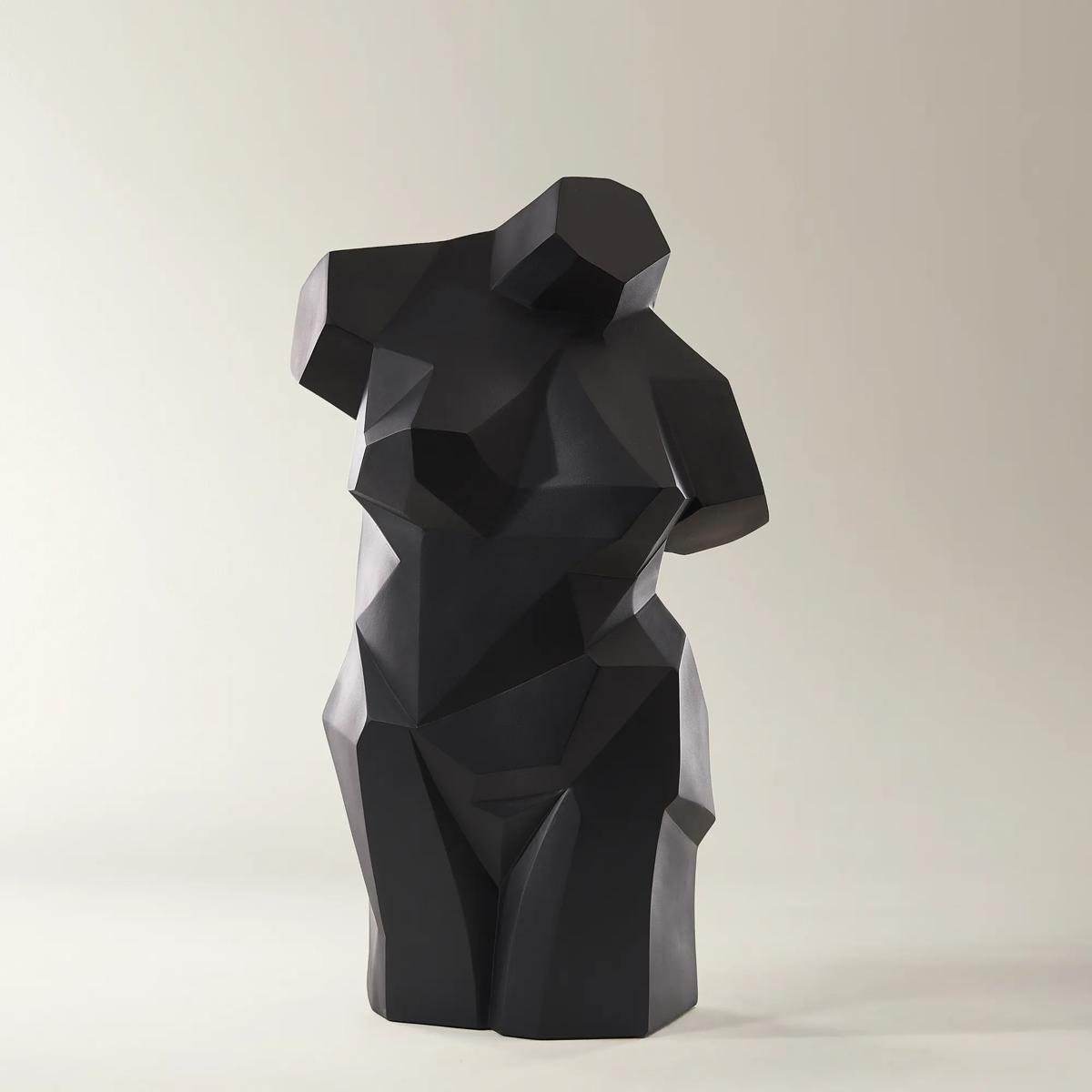
Small Decorative Sculptures
Small Decorative Sculptures
-
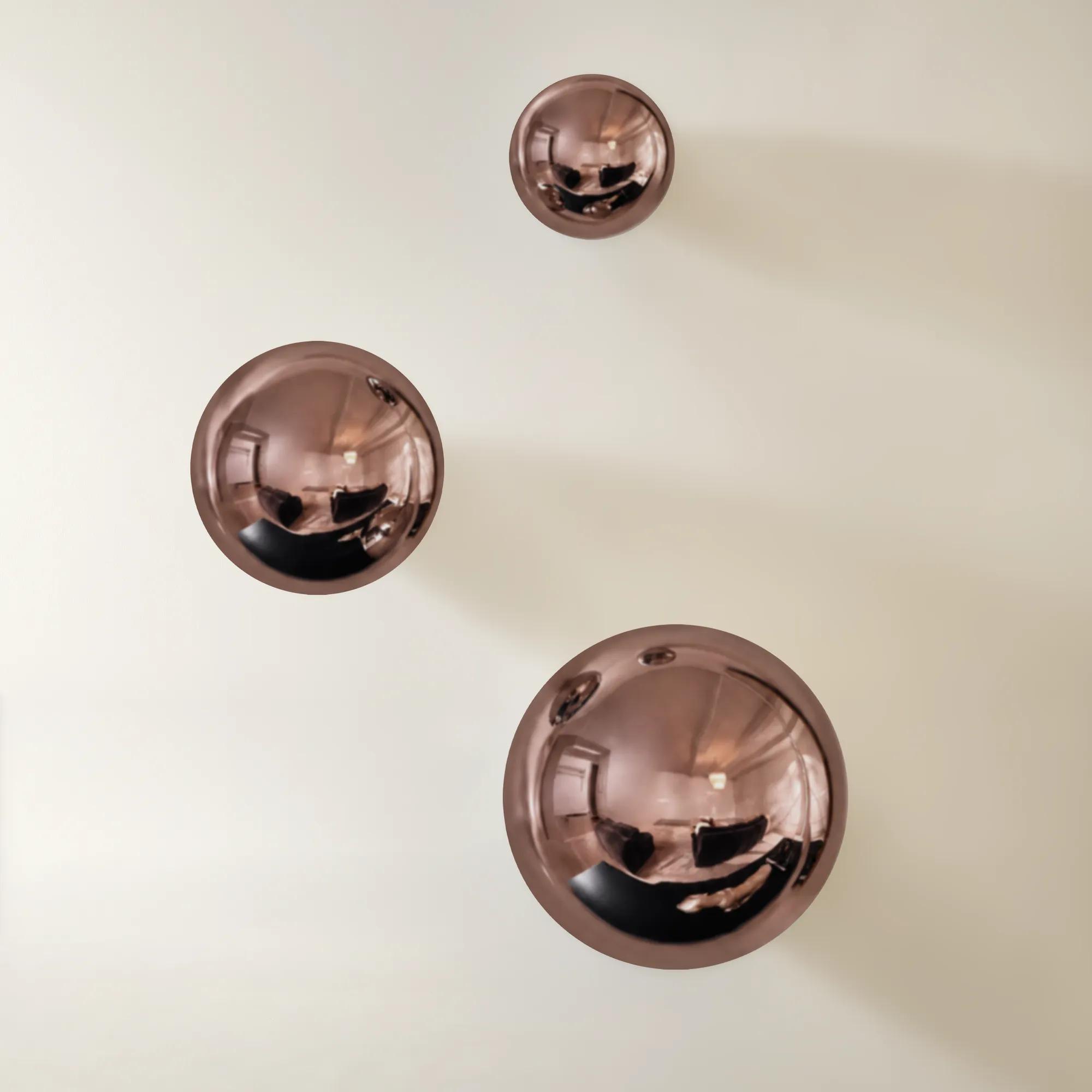
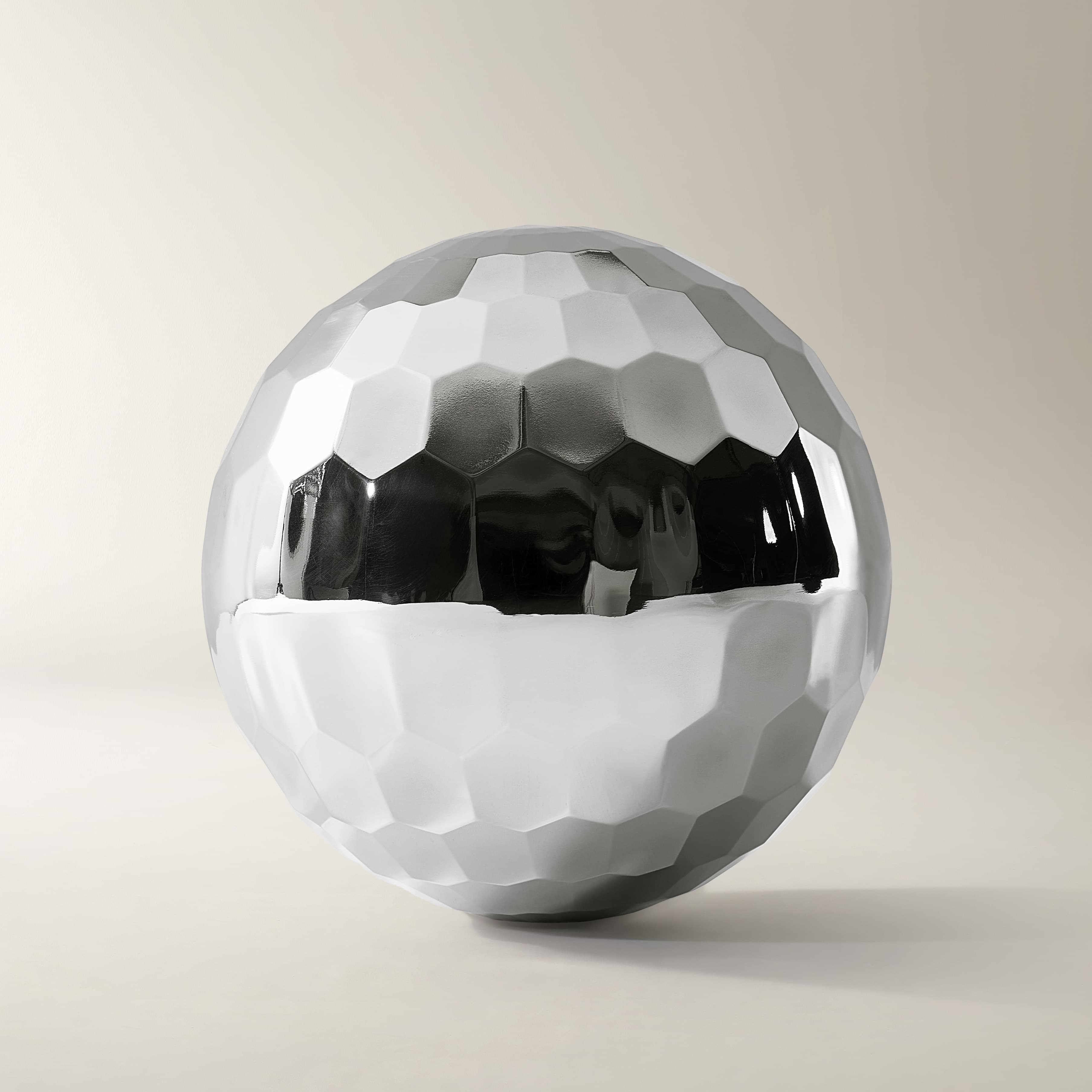
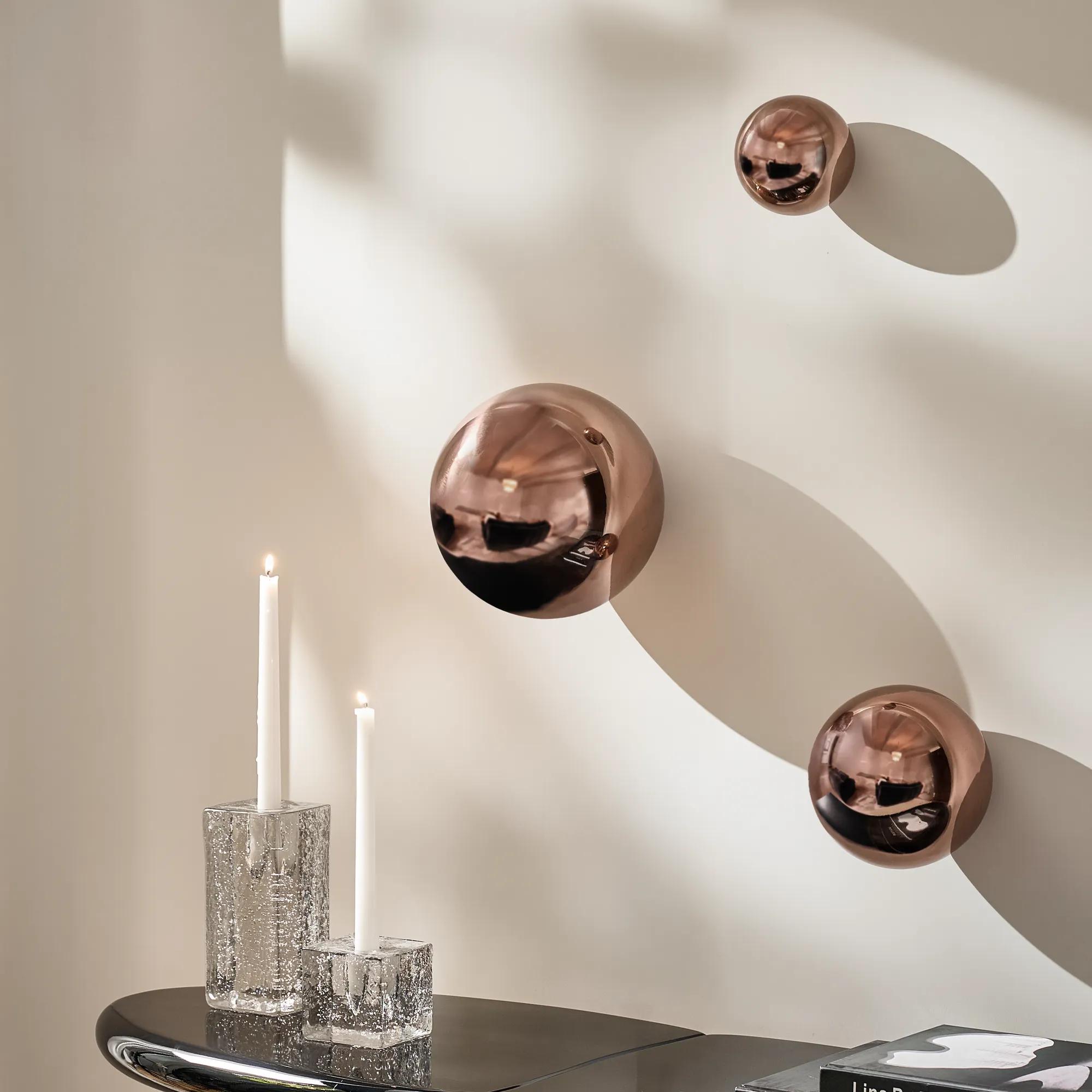 Bronze Spheres Stainless Steel Wall Decor Set of 3$129
A set of three polished bronze stainless steel spheres adds modern, sculptural shine to any wall.
Add To Cart -
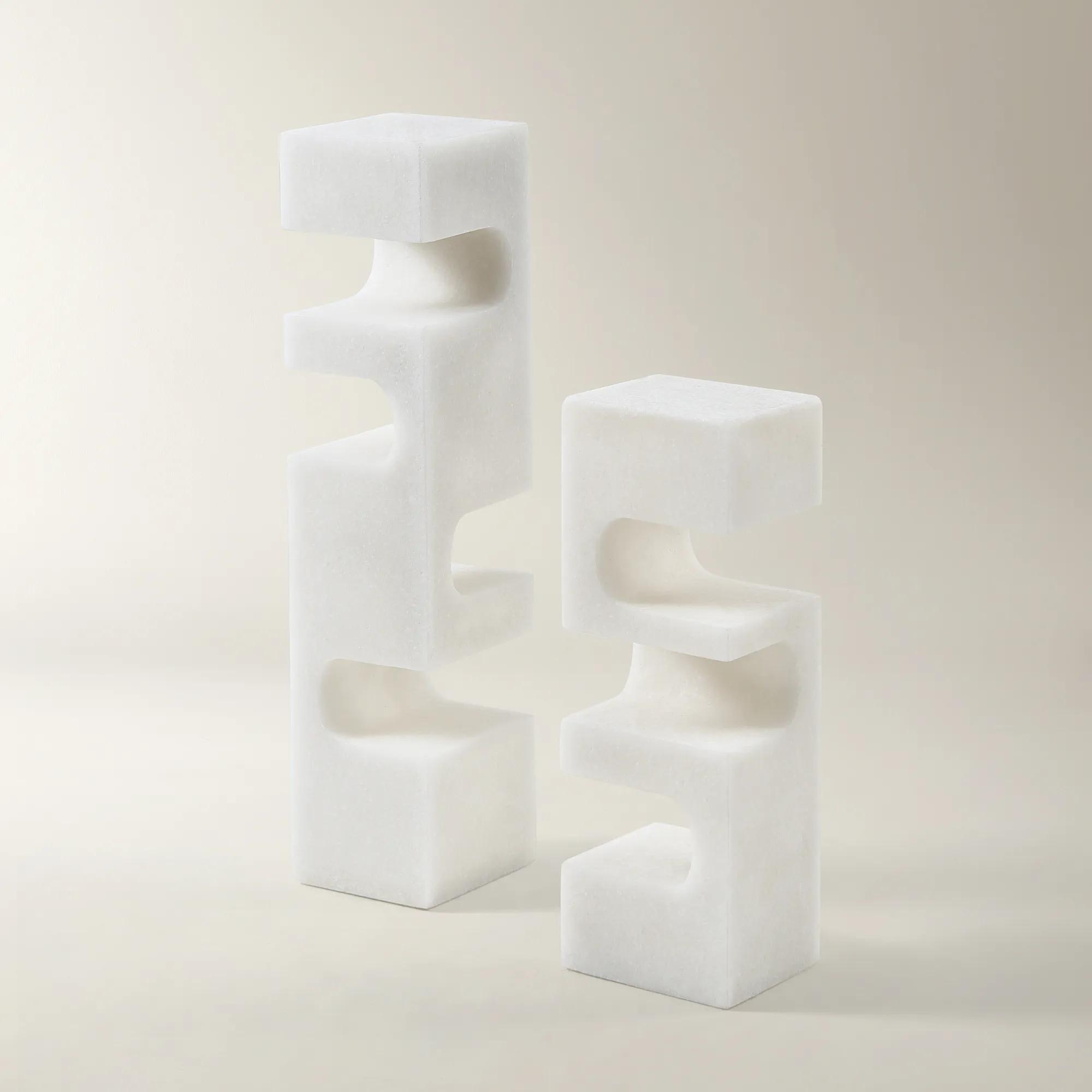
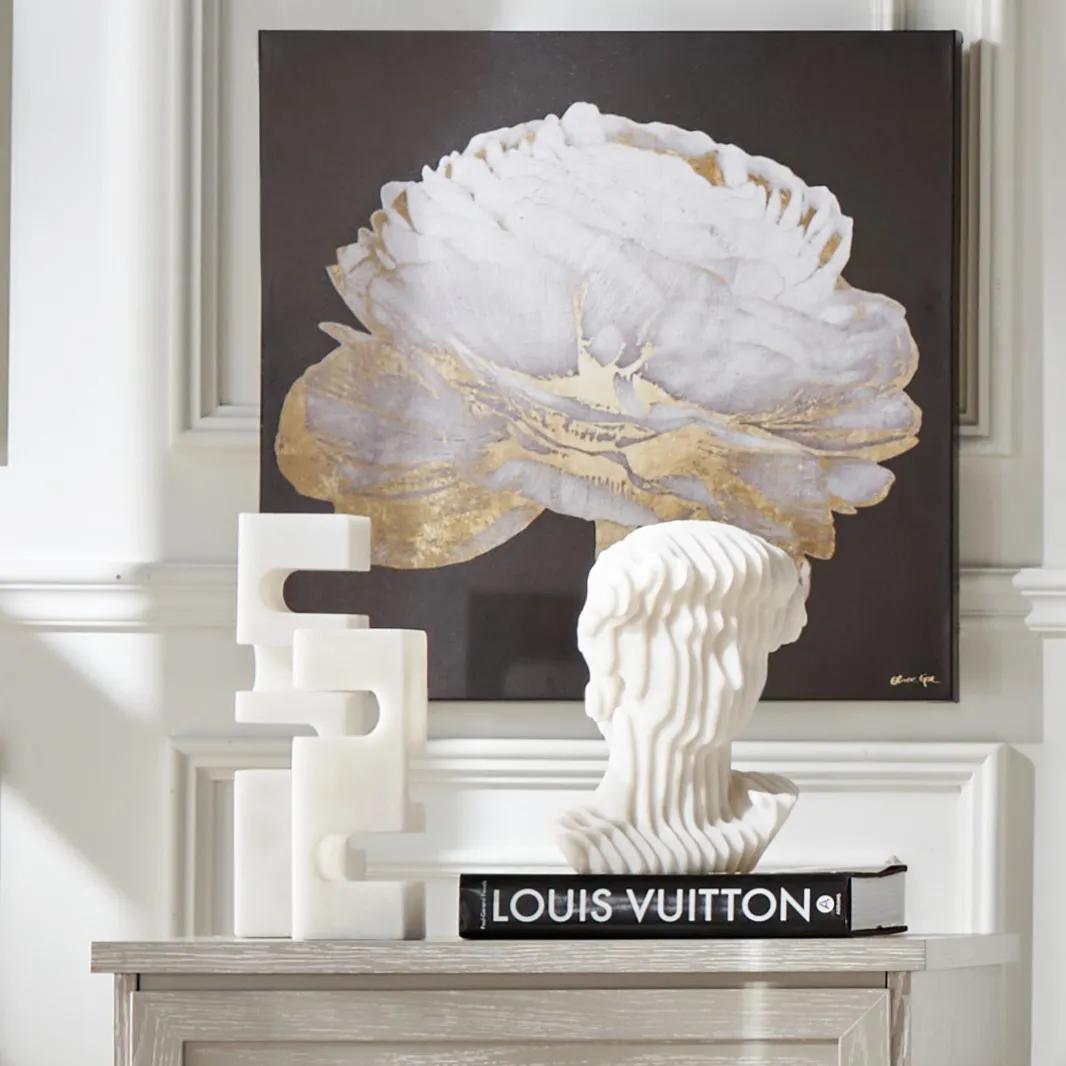 Enna Sculpture$39
A modern Cubist-inspired sculpture crafted from resin and stone powder with a textured white finish.
Add To Cart -
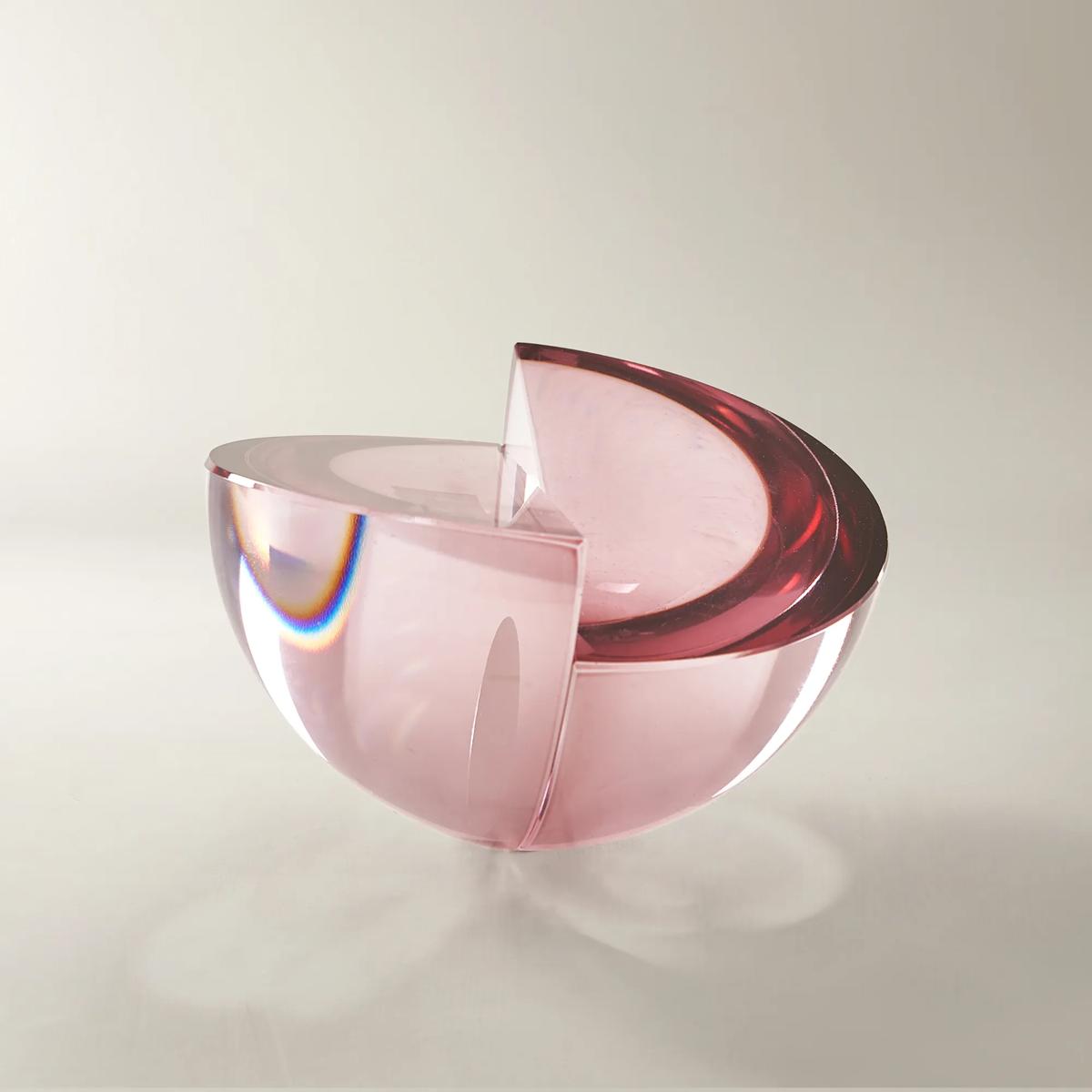 Rose' Crystal Glass Decorative Object 3.25"$79
A sculptural accent crafted from rich purple crystal glass, reflecting light with modern elegance and intrigue.
Add To Cart -
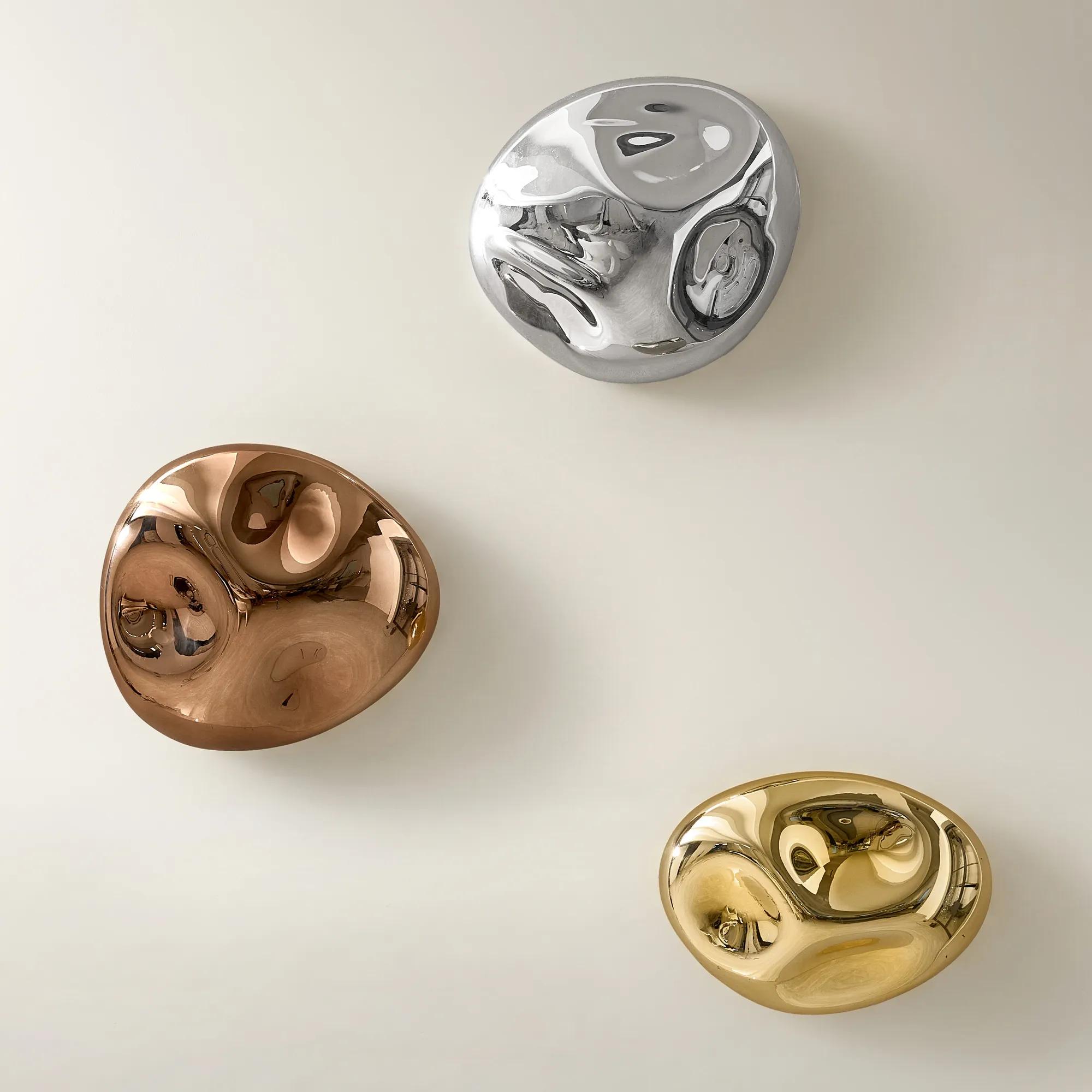
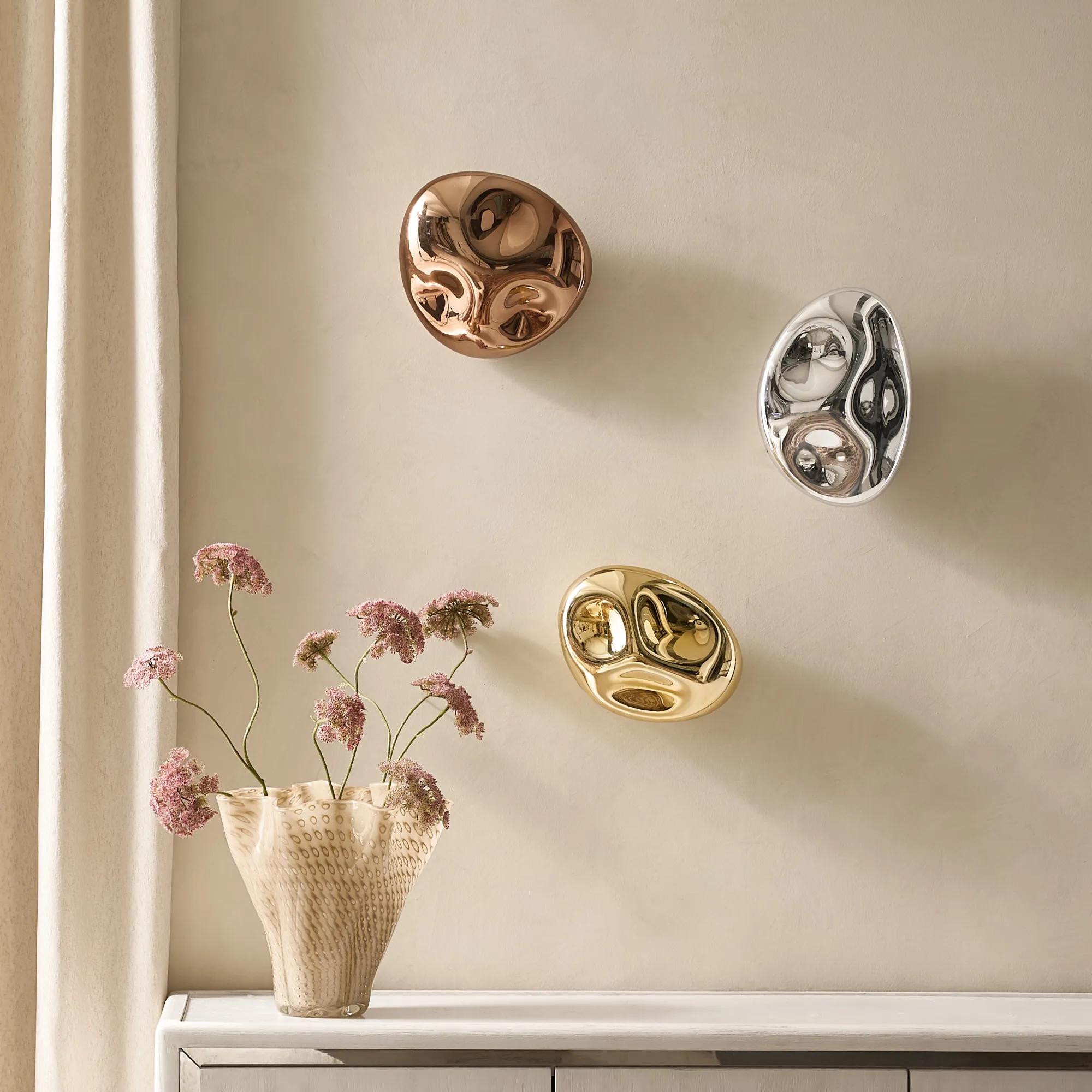 Nebula Electroplated Metallic Glass Wall Decor Set of 3$279
A set of three electroplated glass wall sculptures in polished silver, soft gold, and bronze tones.
Add To Cart -
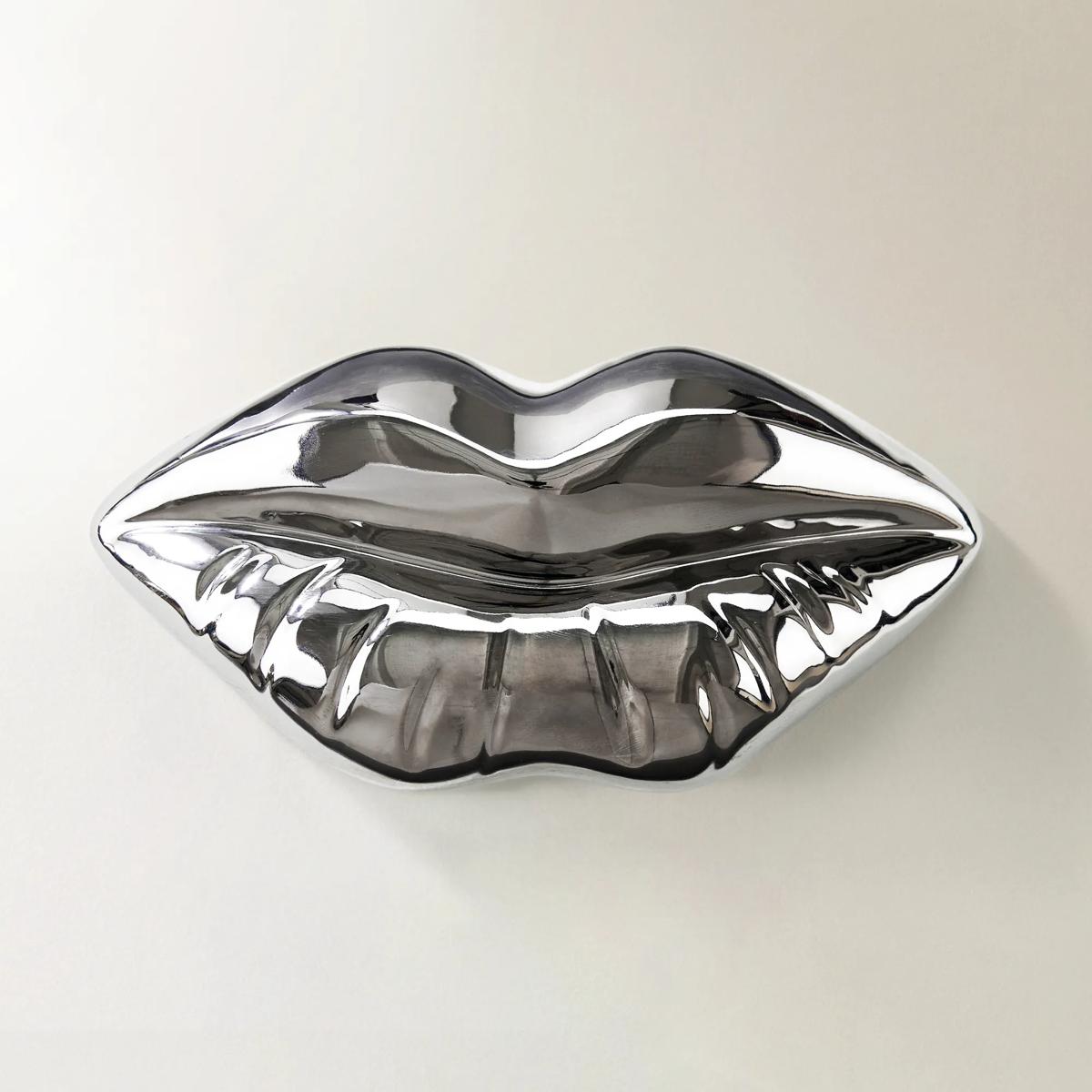 Chrome Lips Ceramic Decorative Object 5.25"$29
A high-shine silver ceramic sculpture that adds modern pop art flair and playful sophistication to any space.
Add To Cart -
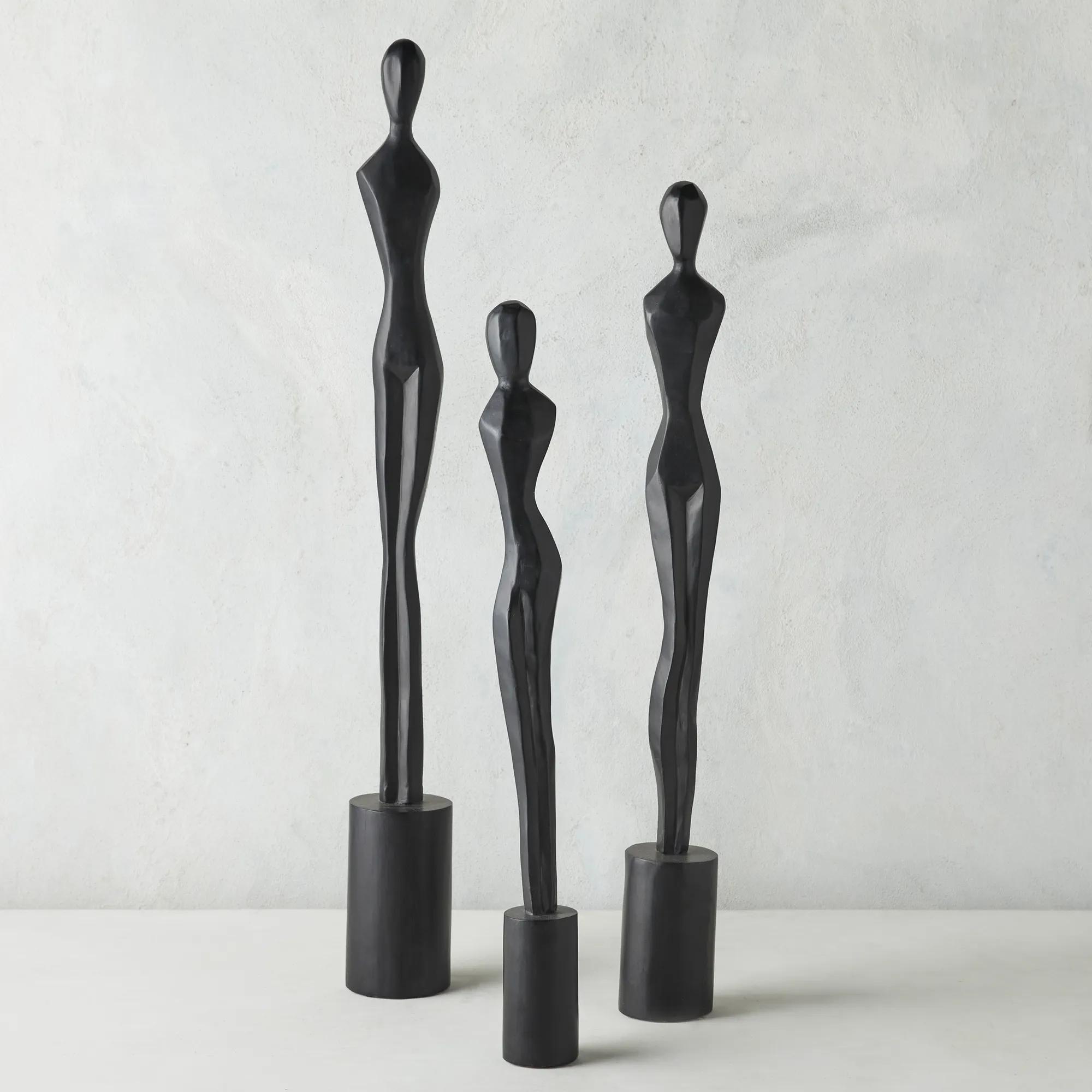
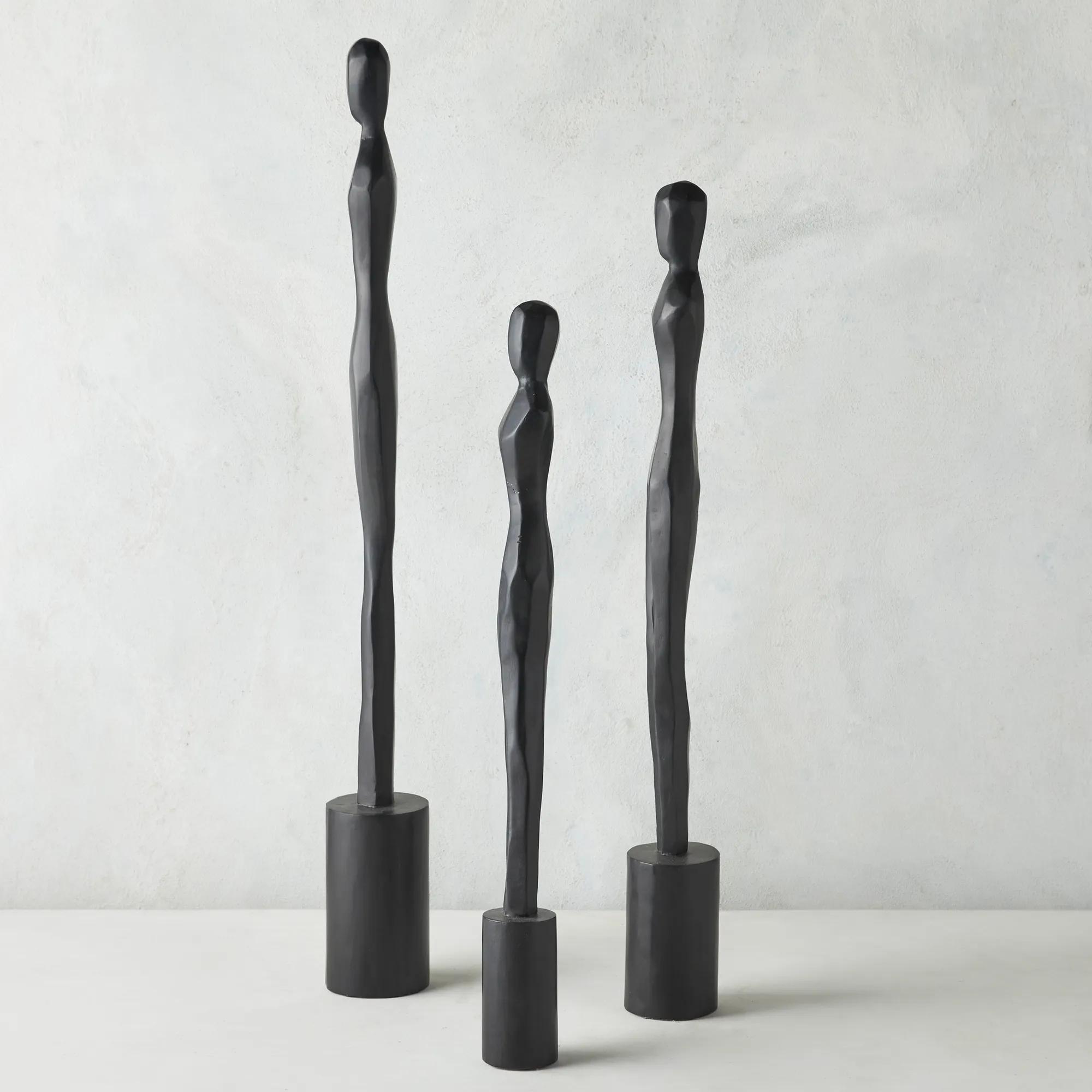 Nikki Chu Female Figure Black Wood Decorative Object Set of 3$129
A striking set of three black mango wood sculptures featuring graceful, elegant female silhouettes.
Add To Cart -
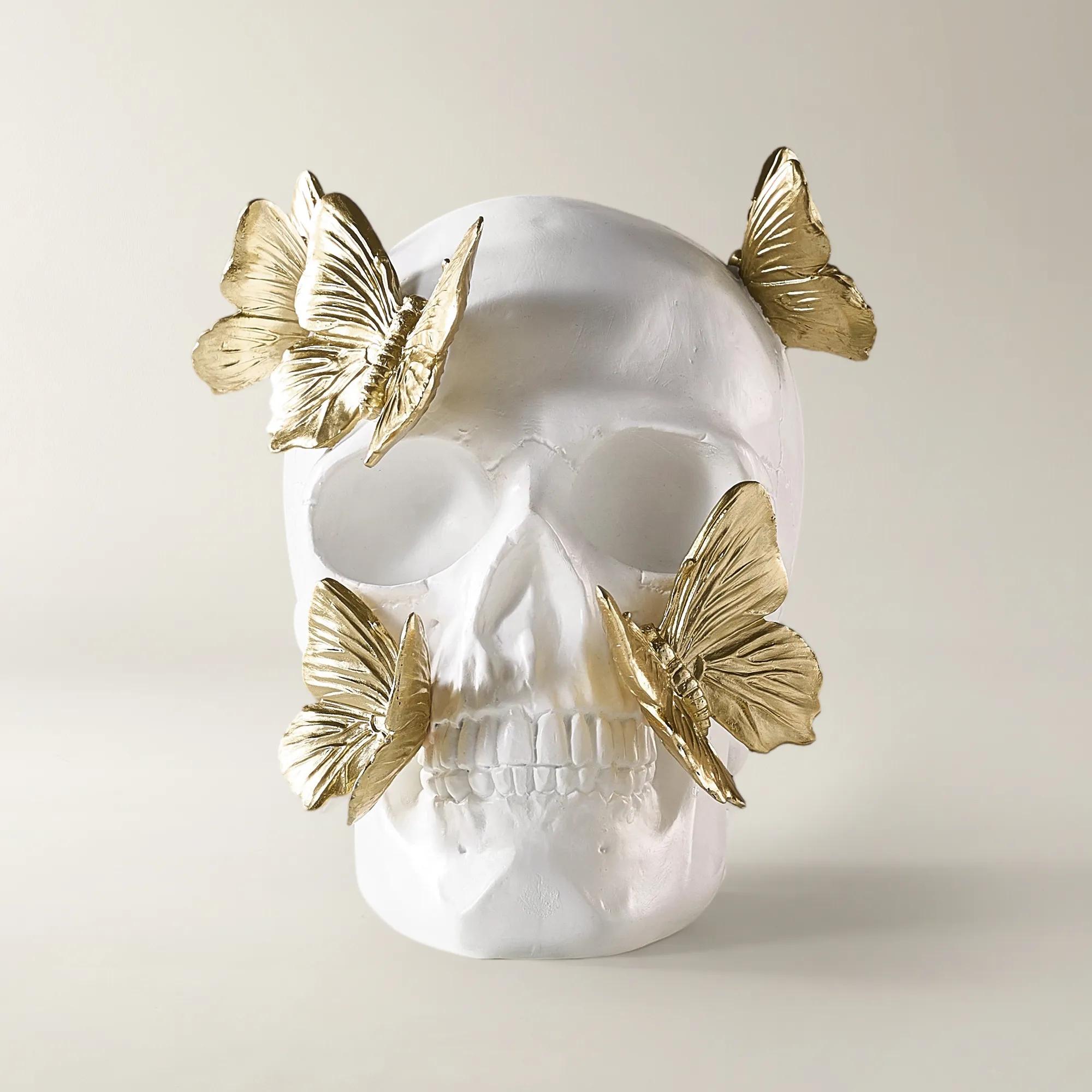 Butterfly Skull White/Gold Resin Decor 7.75"$59
A sculptural resin skull with butterfly detail, finished in white and gold for elegant, artistic flair.
Add To Cart -
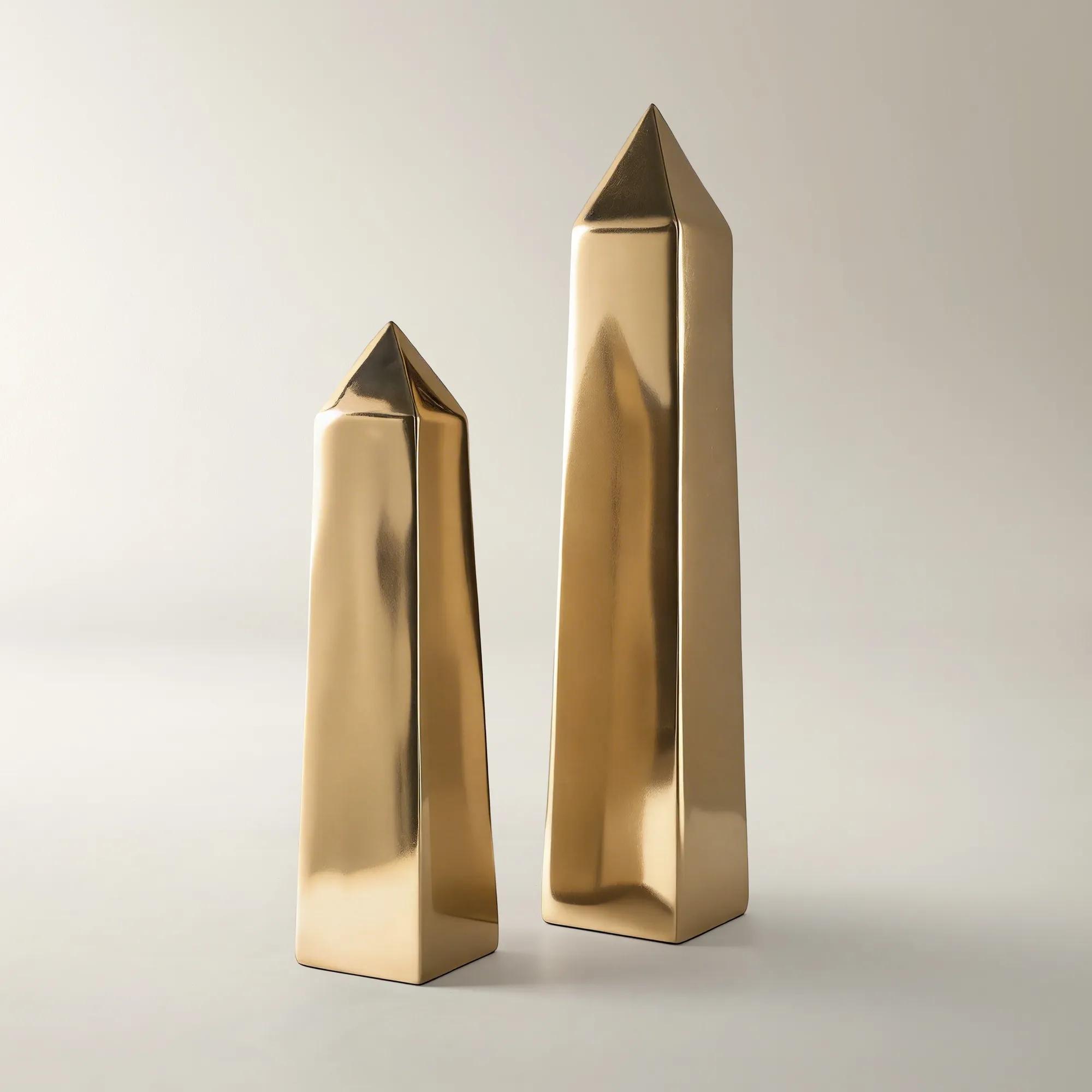
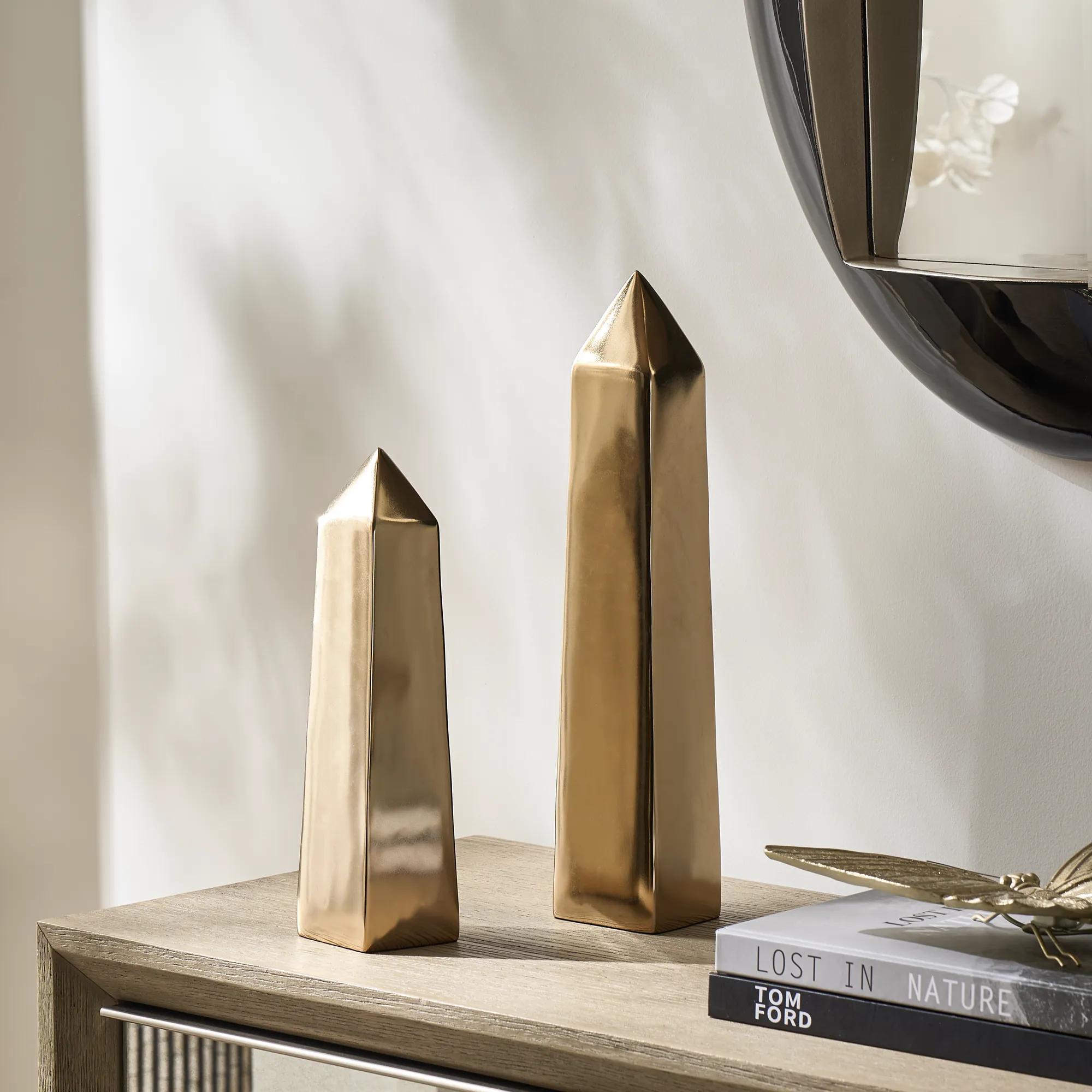 Golden Aluminum Obelisks$69
A sculptural aluminum accent in a soft gold finish, adding modern glamour and architectural interest to any space.
Add To Cart -
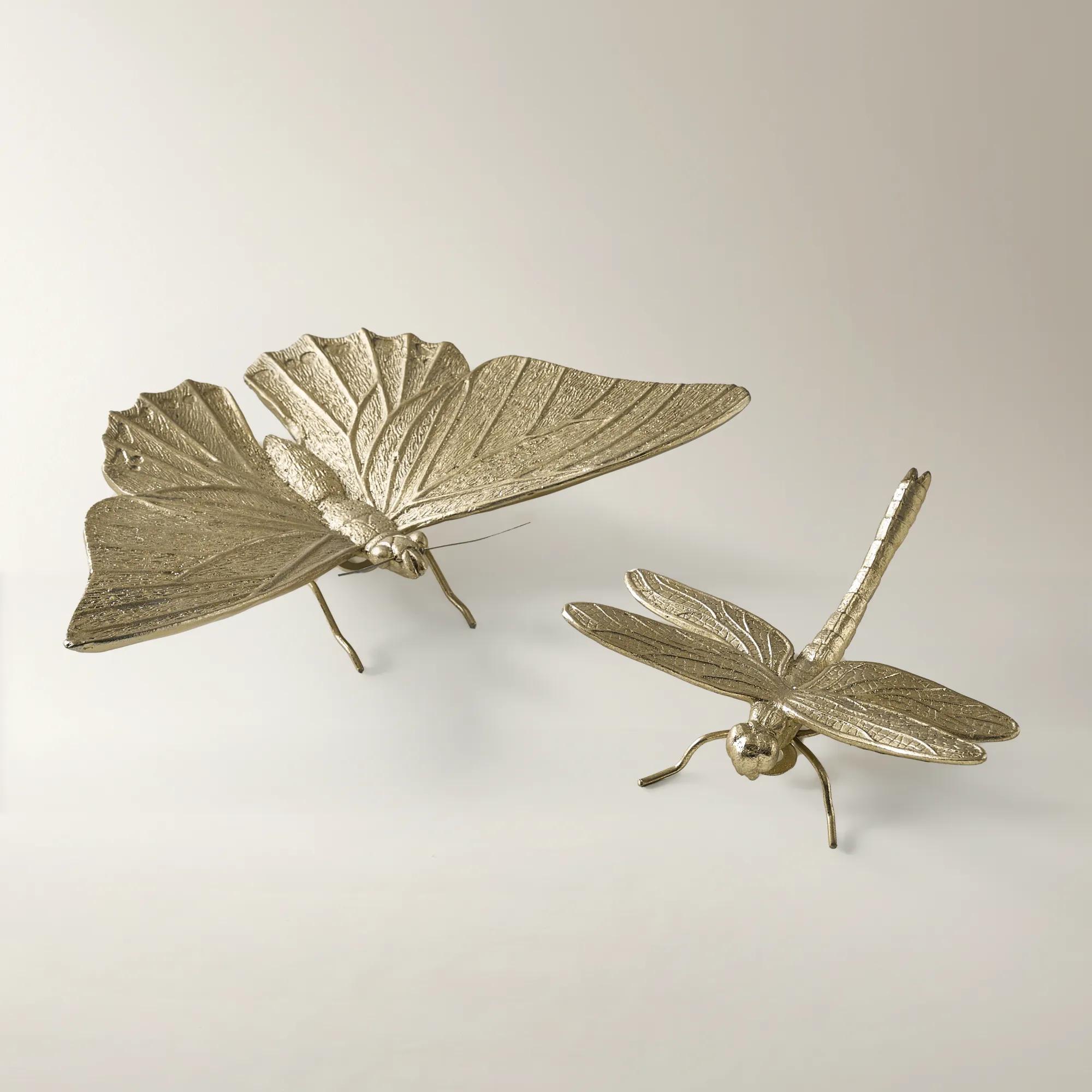 Gilt Champagne Resin Butterfly and Dragonfly Set of 2$99
A champagne-toned resin butterfly and dragonfly set adds sculptural shimmer to tabletops or walls.
Add To Cart -
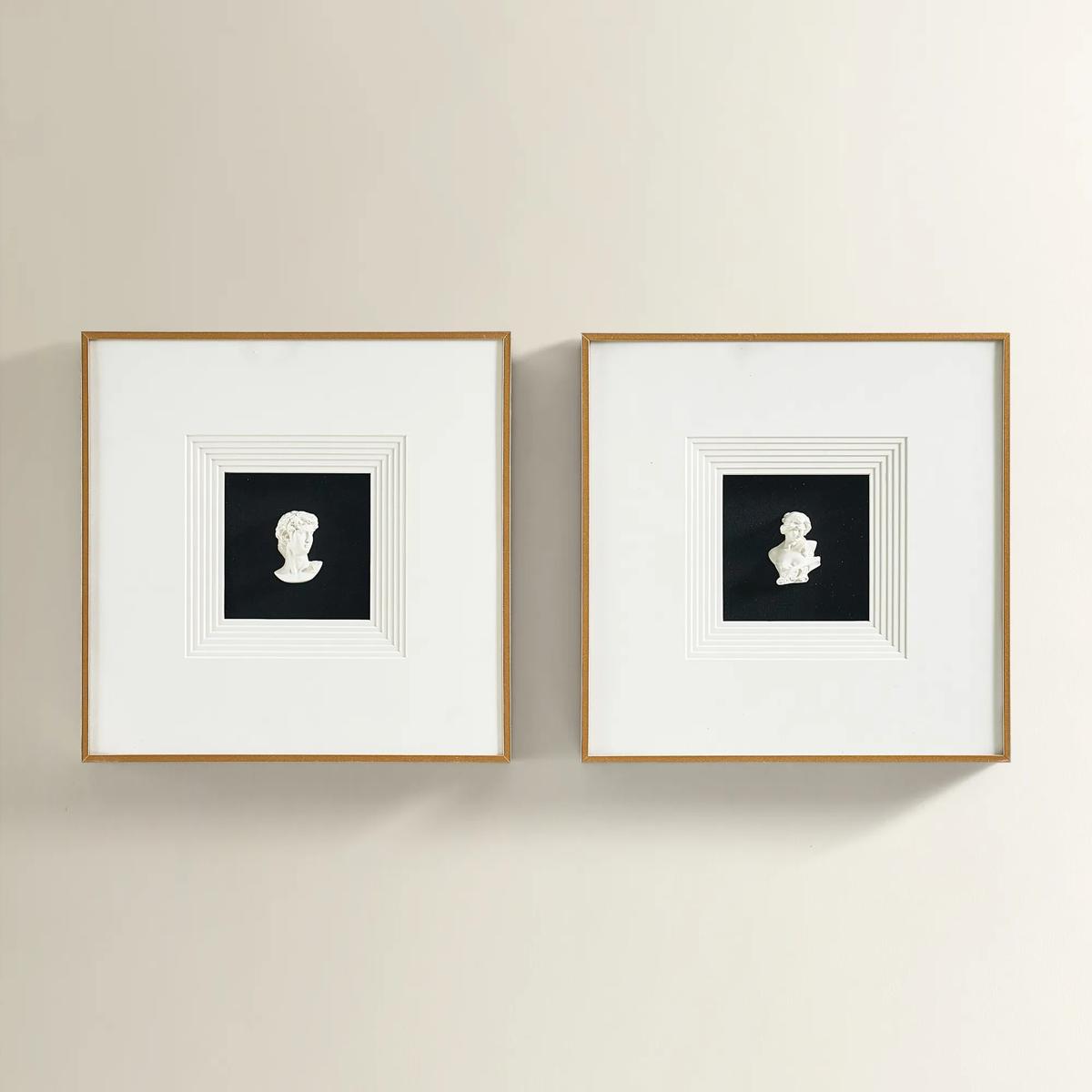
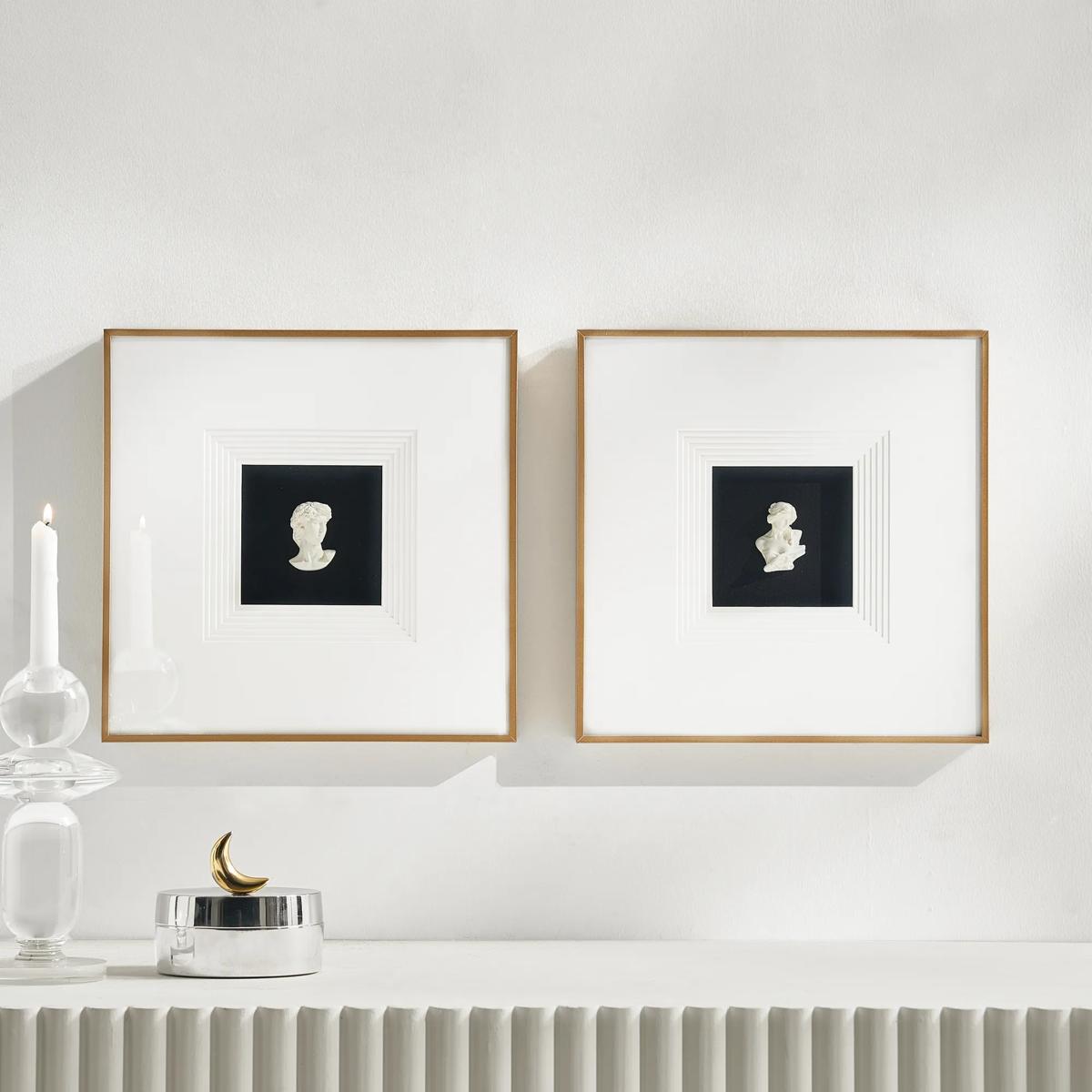 Classics Framed Plaster Wall Decor Set of 2$149
A set of two plaster portrait wall art pieces in black and ivory with sleek aluminum frames.
Add To Cart -
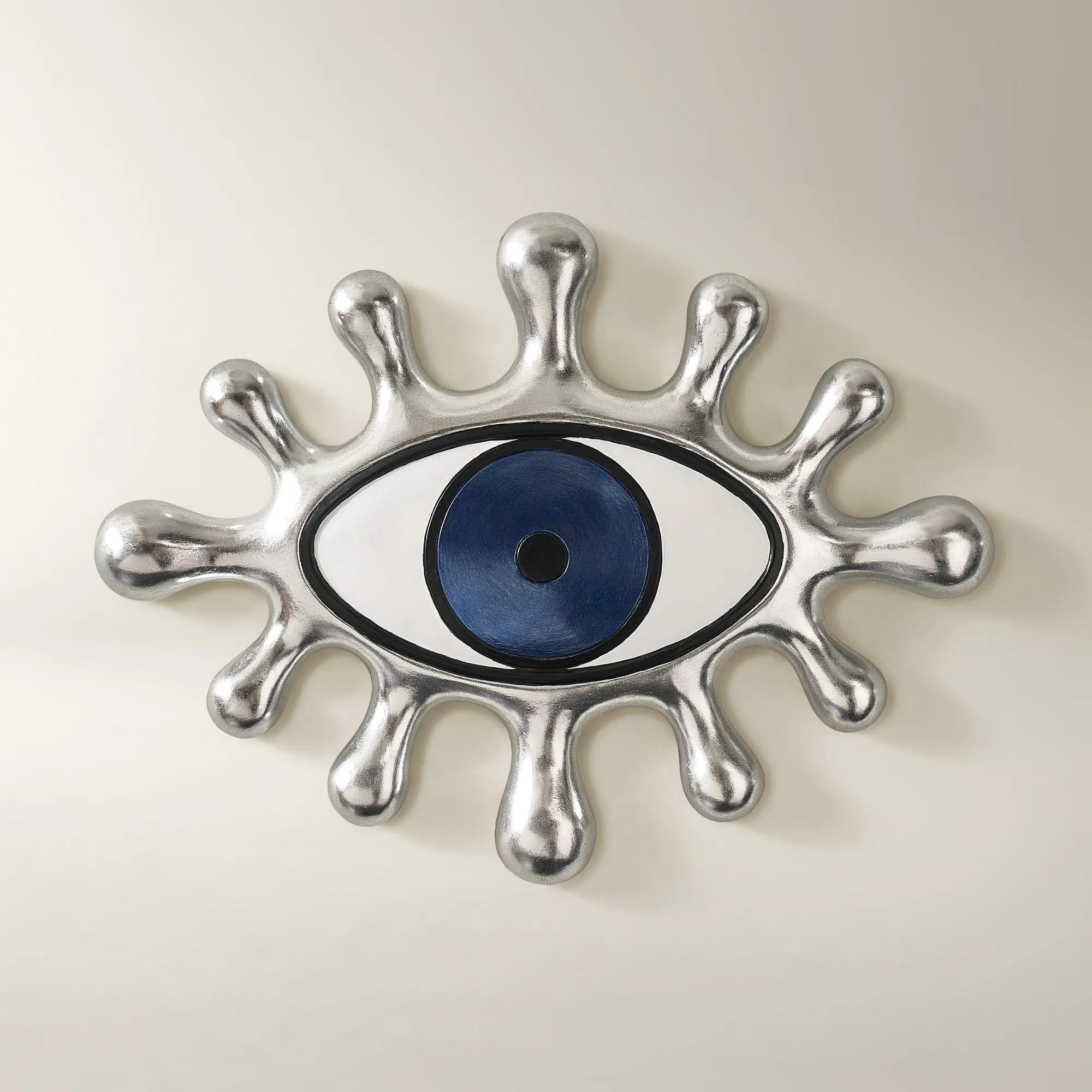 Grand Eye Ink Blue And Silver Resin Wall Decor 18" x 13.5"$79
An exaggerated eye motif in ink blue and silver brings playful, sculptural texture to any wall.
Add To Cart -
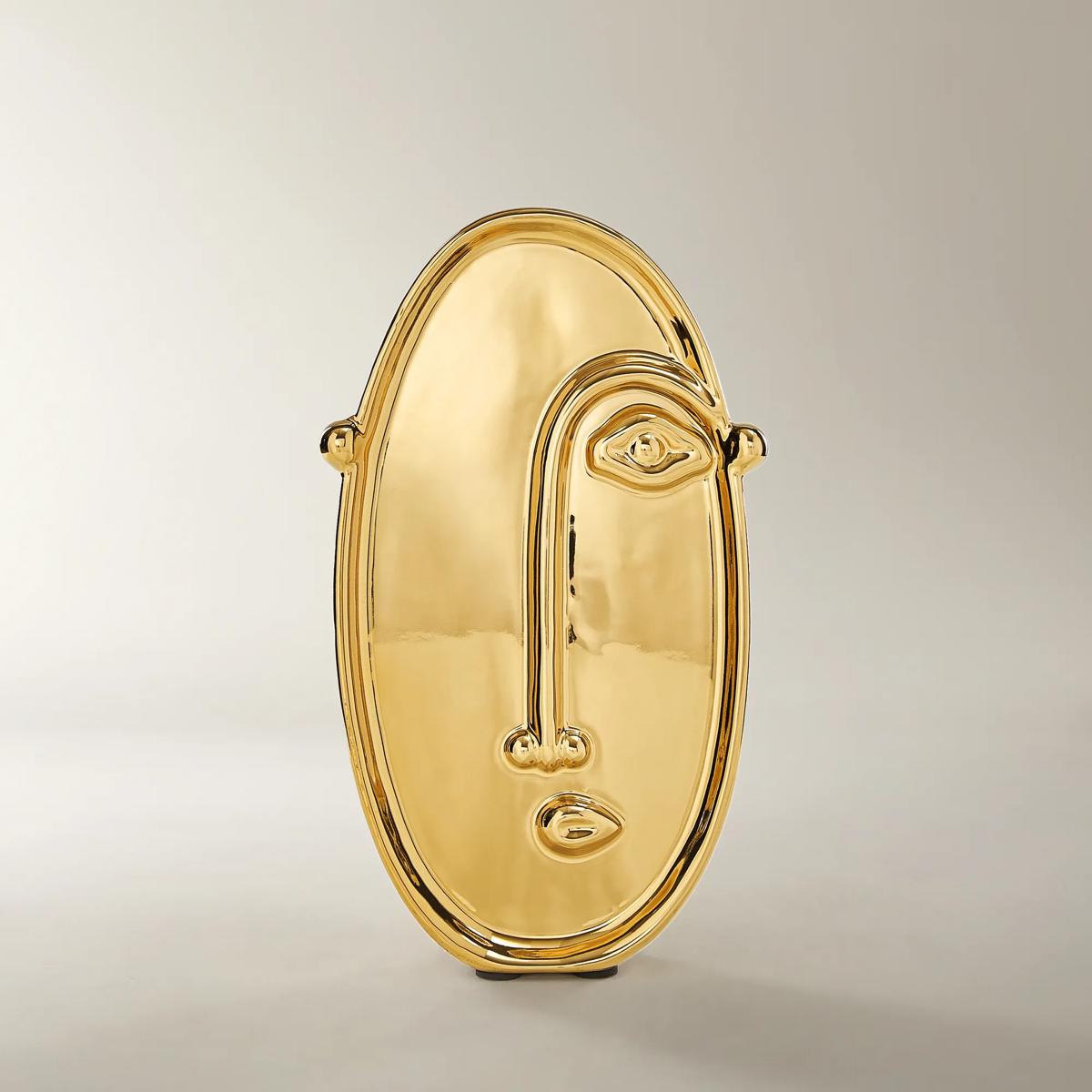
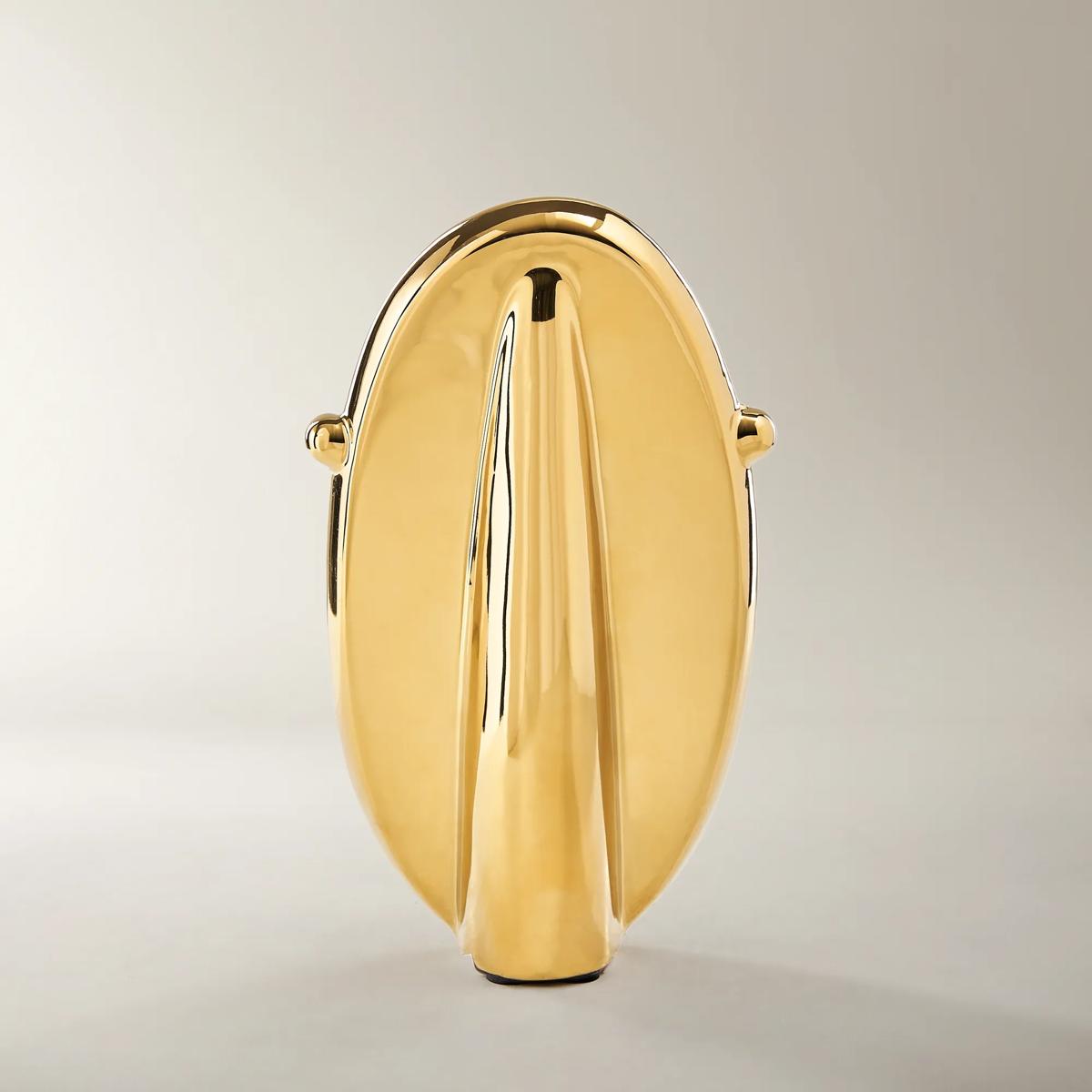 Golden Eye Ceramic Decorative Object 8"$39
A radiant gold ceramic sculpture featuring abstract, elongated facial details for a bold, modern accent.
Add To Cart -
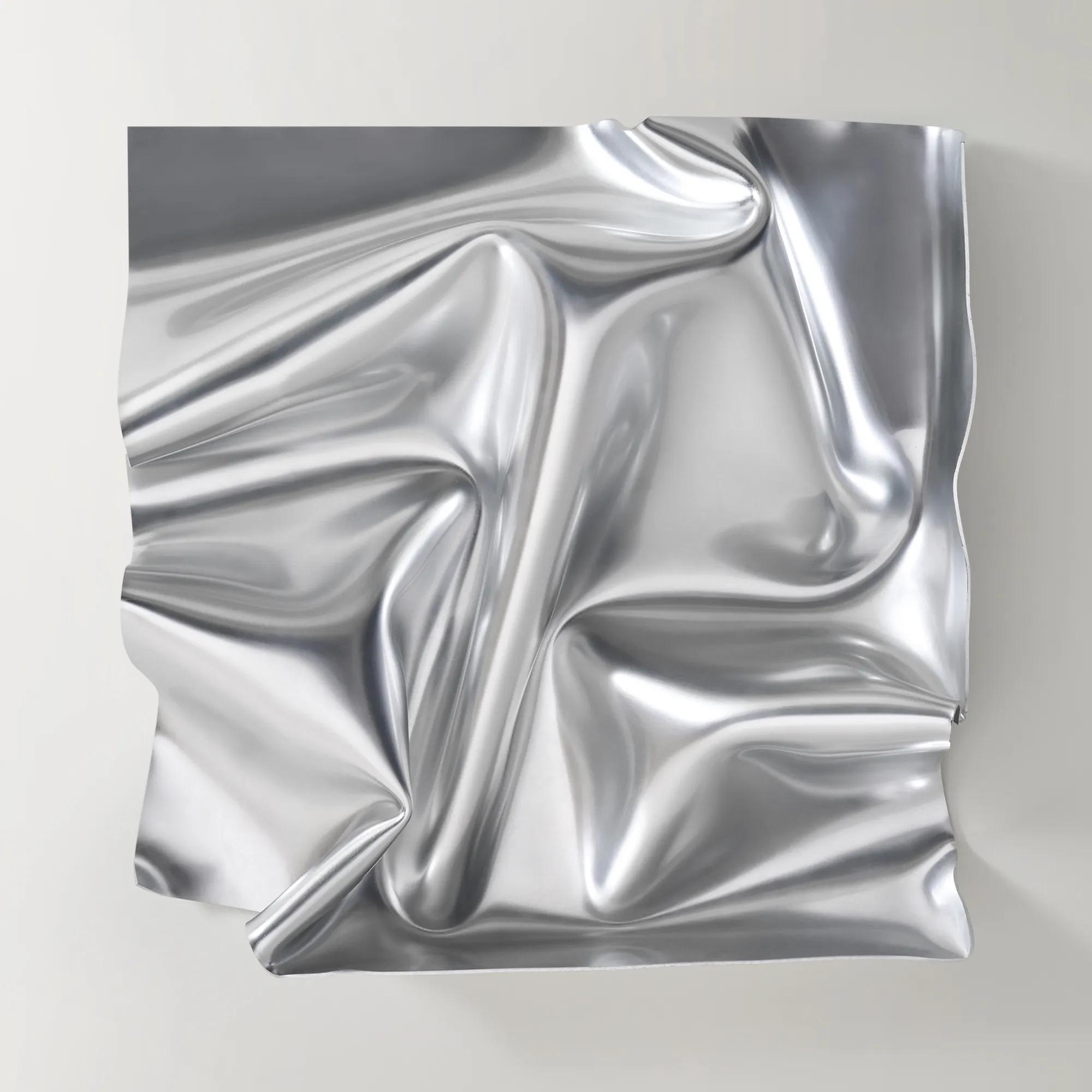
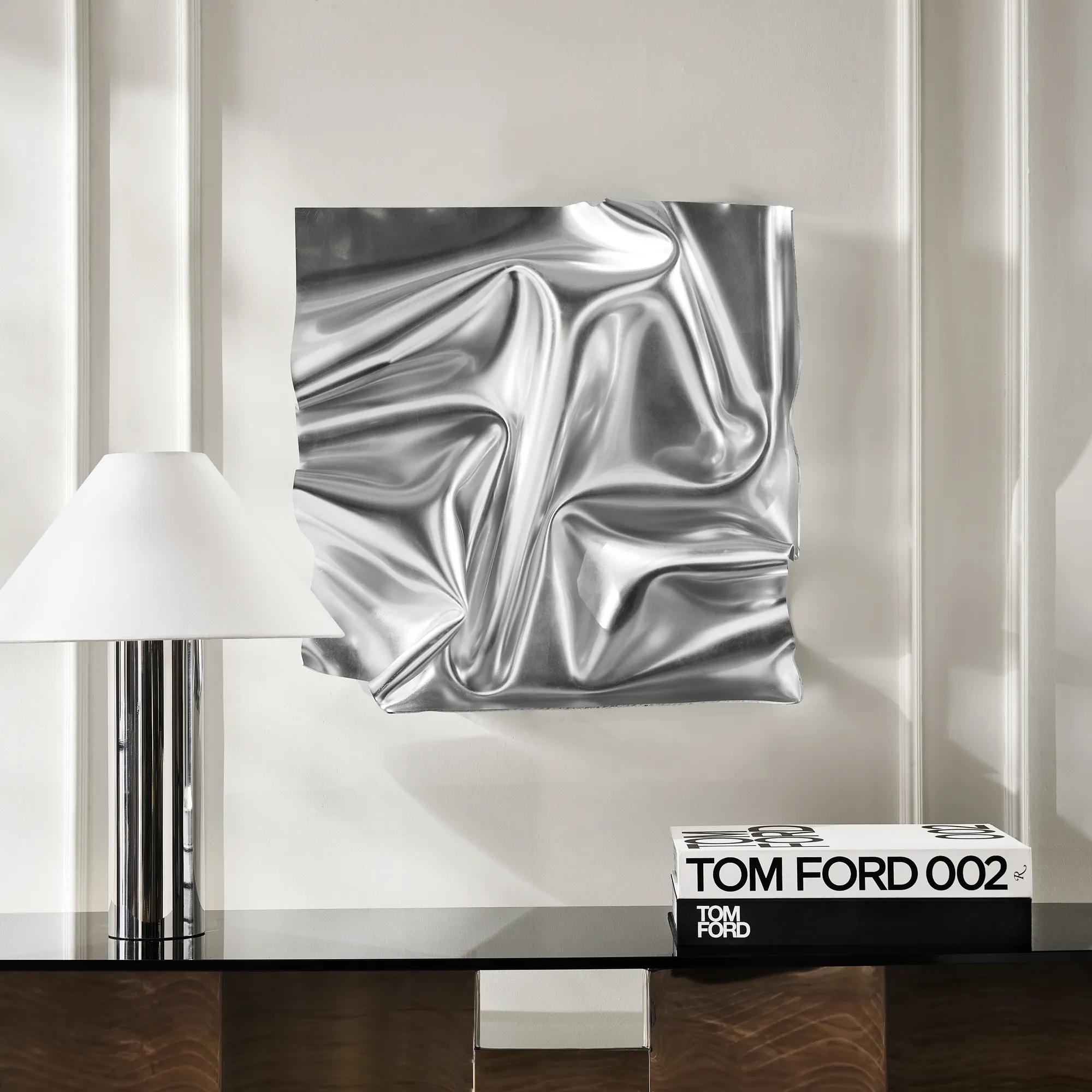 Surface Sculpted Silver Leaf Acrylic Wall Decor 23.6" x 23.6"$189
A striking acrylic wall piece featuring fluid, reflective silver shapes for dramatic, modern visual impact.
Add To Cart -
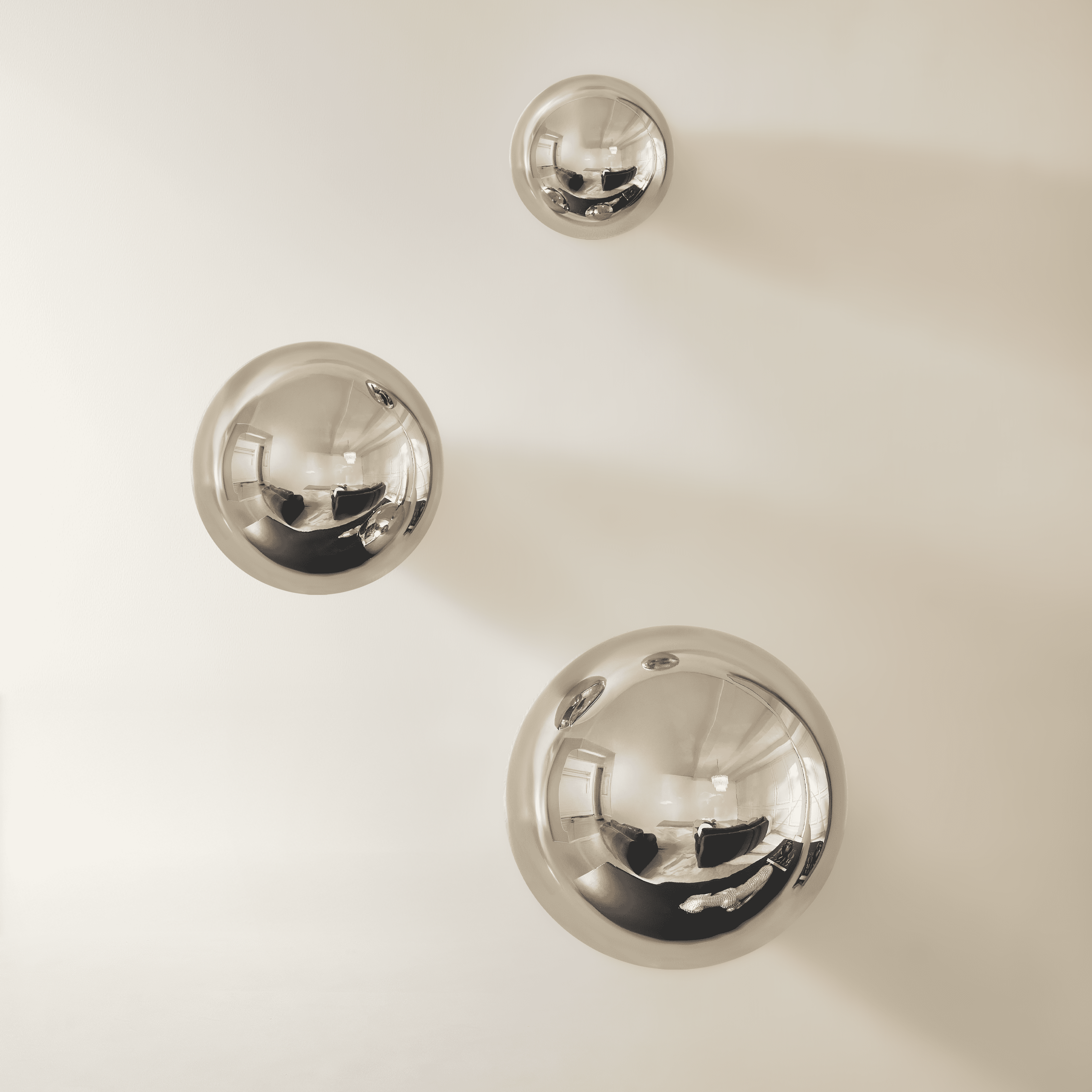
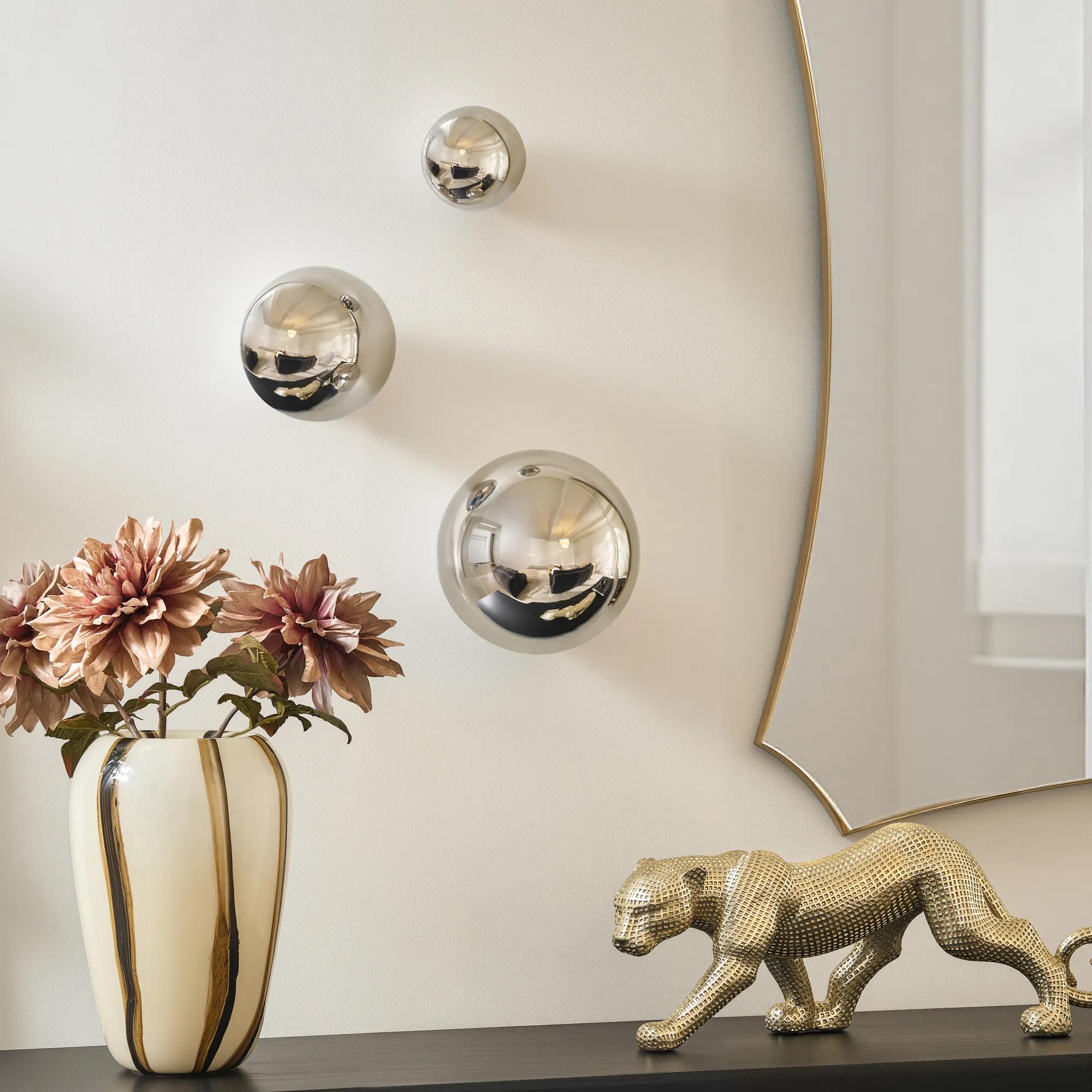 Chrome Spheres Stainless Steel Wall Decor Set of 3$129
A set of three polished chrome stainless steel spheres adds modern sculptural shine to any wall display.
Add To Cart -
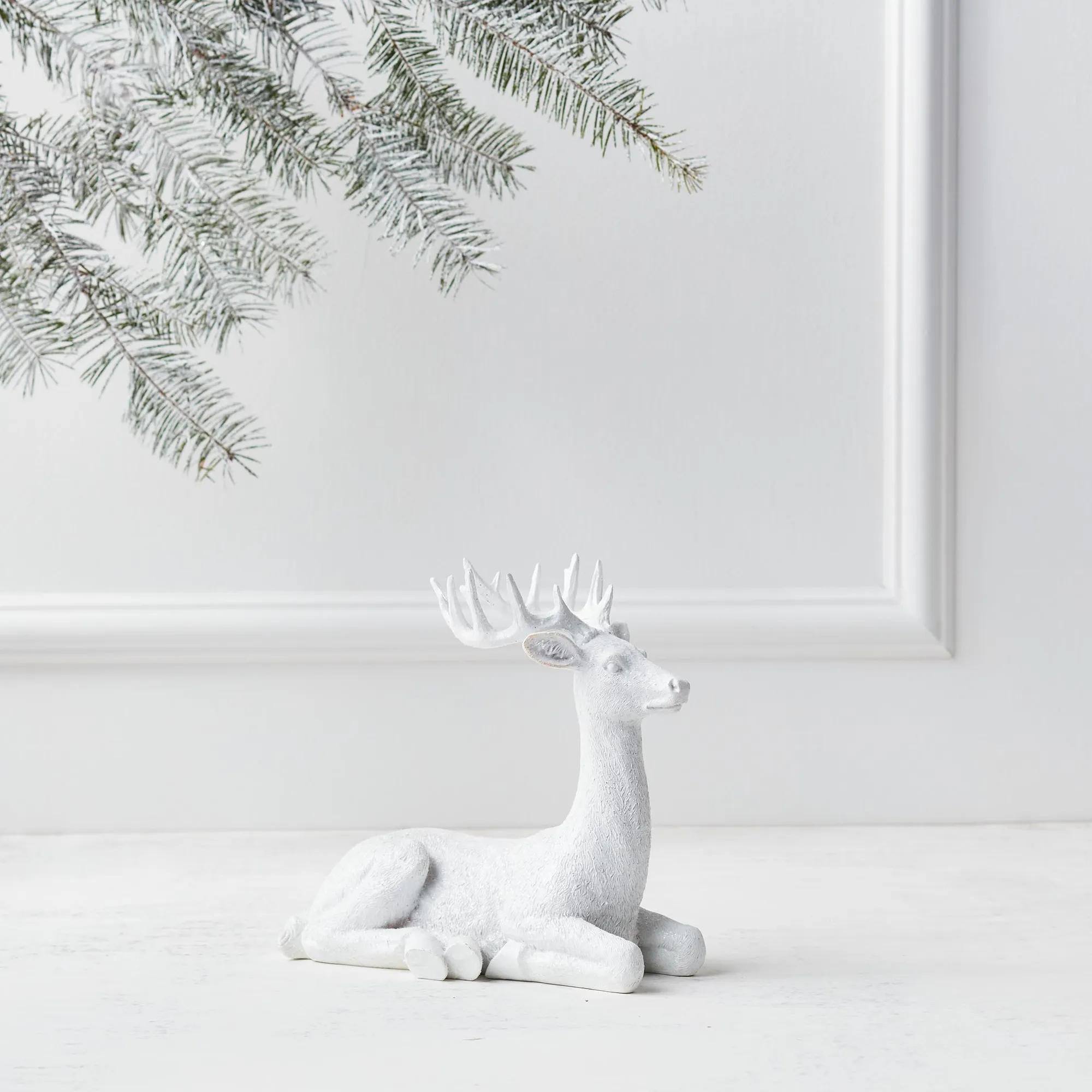
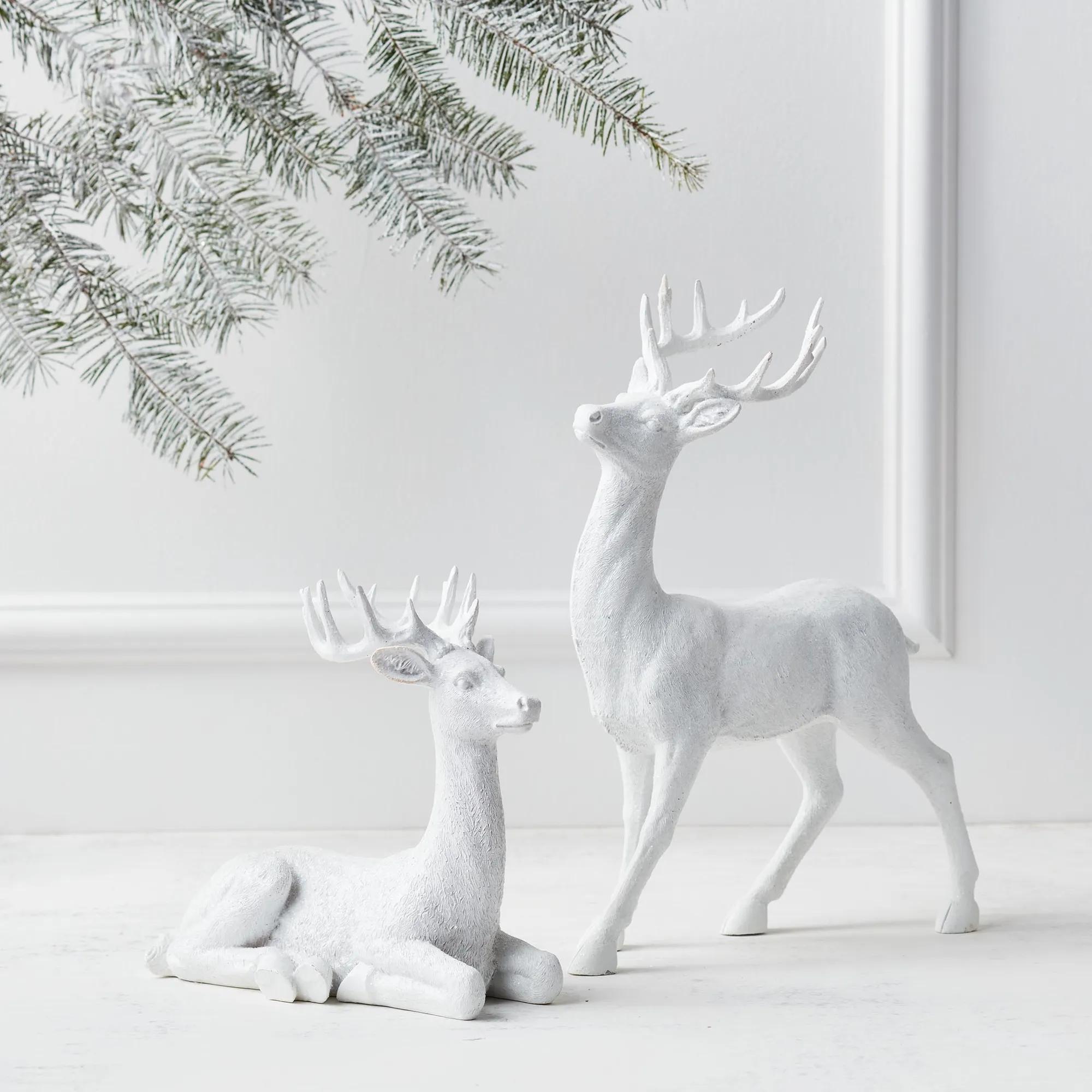 Majestic Deer White Resin 8"$49
A pair of intricately detailed white poly resin deer figures adorned with textured layers of sparkling glitter.
Add To Cart -
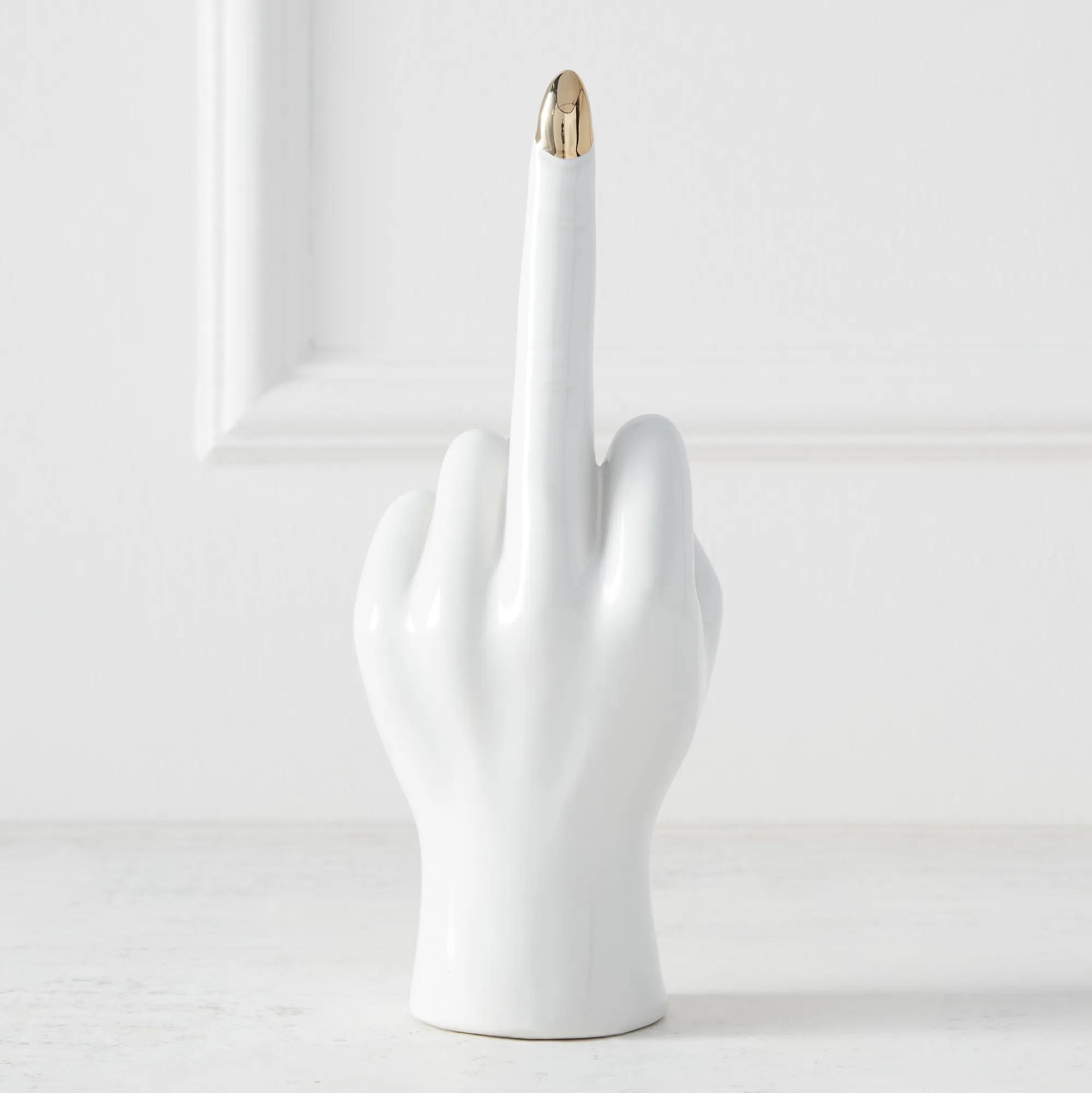
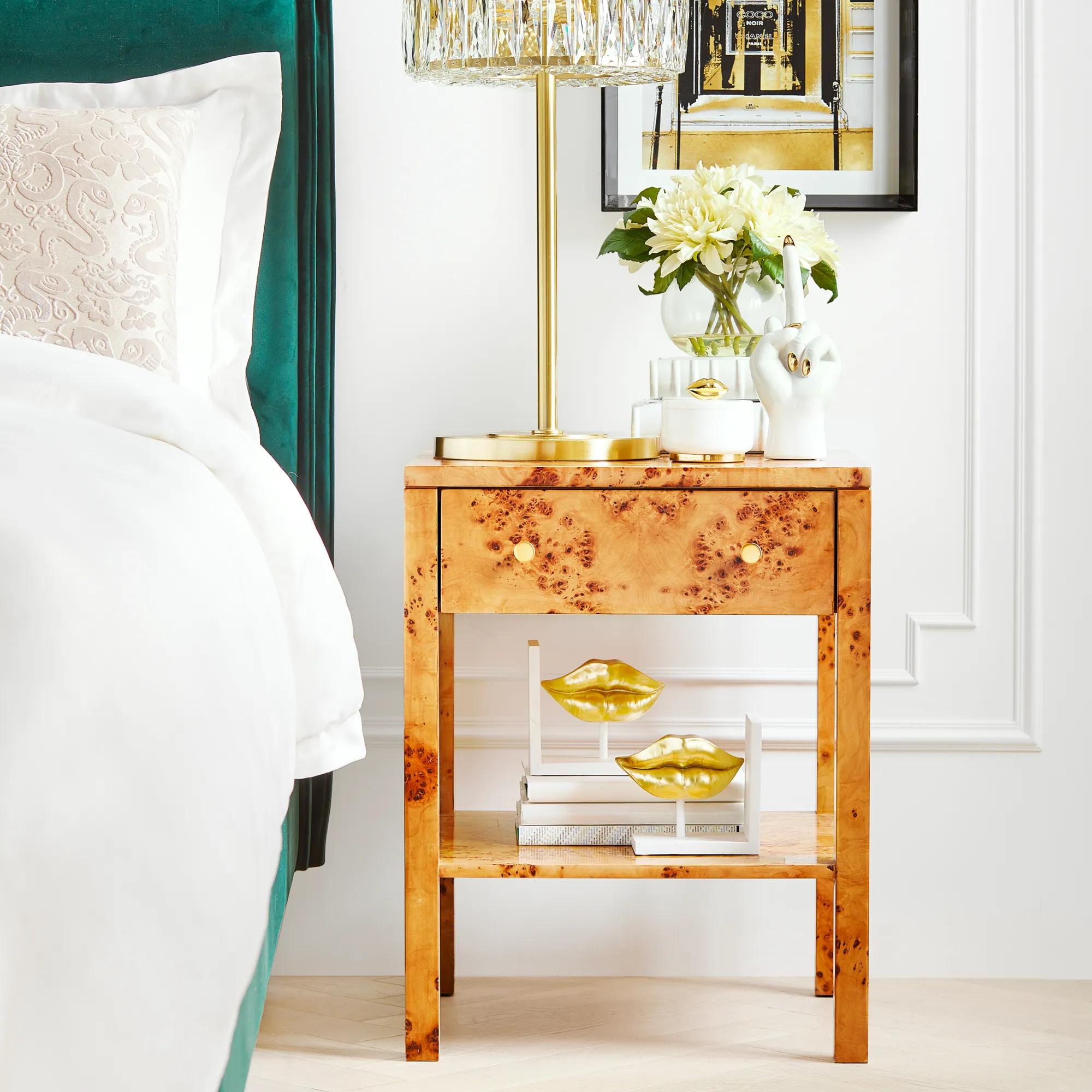 The Finger Hand$39
A glossy white and gold ceramic hand sculpture perfect for displaying jewelry or as a playful accent.
Add To Cart -
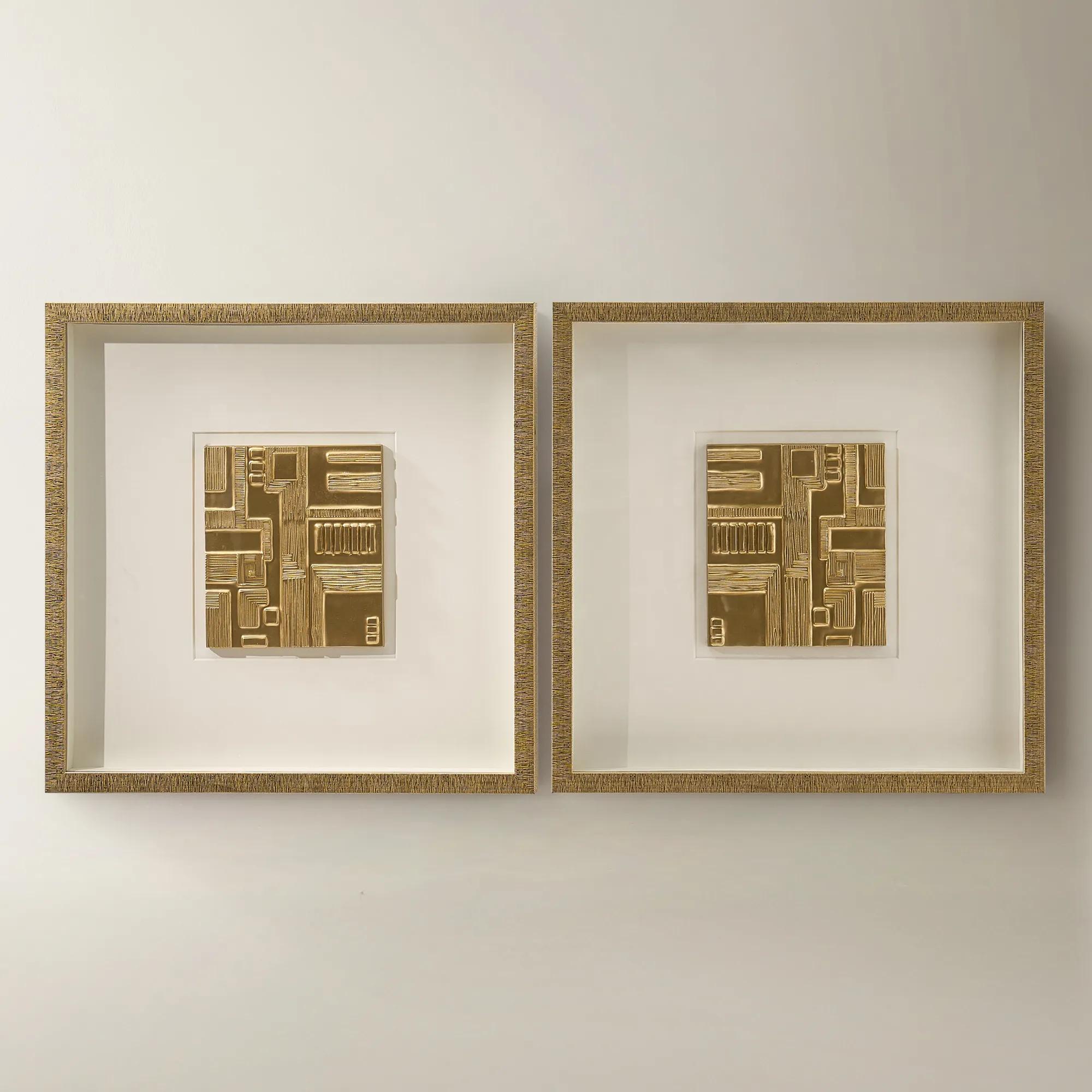
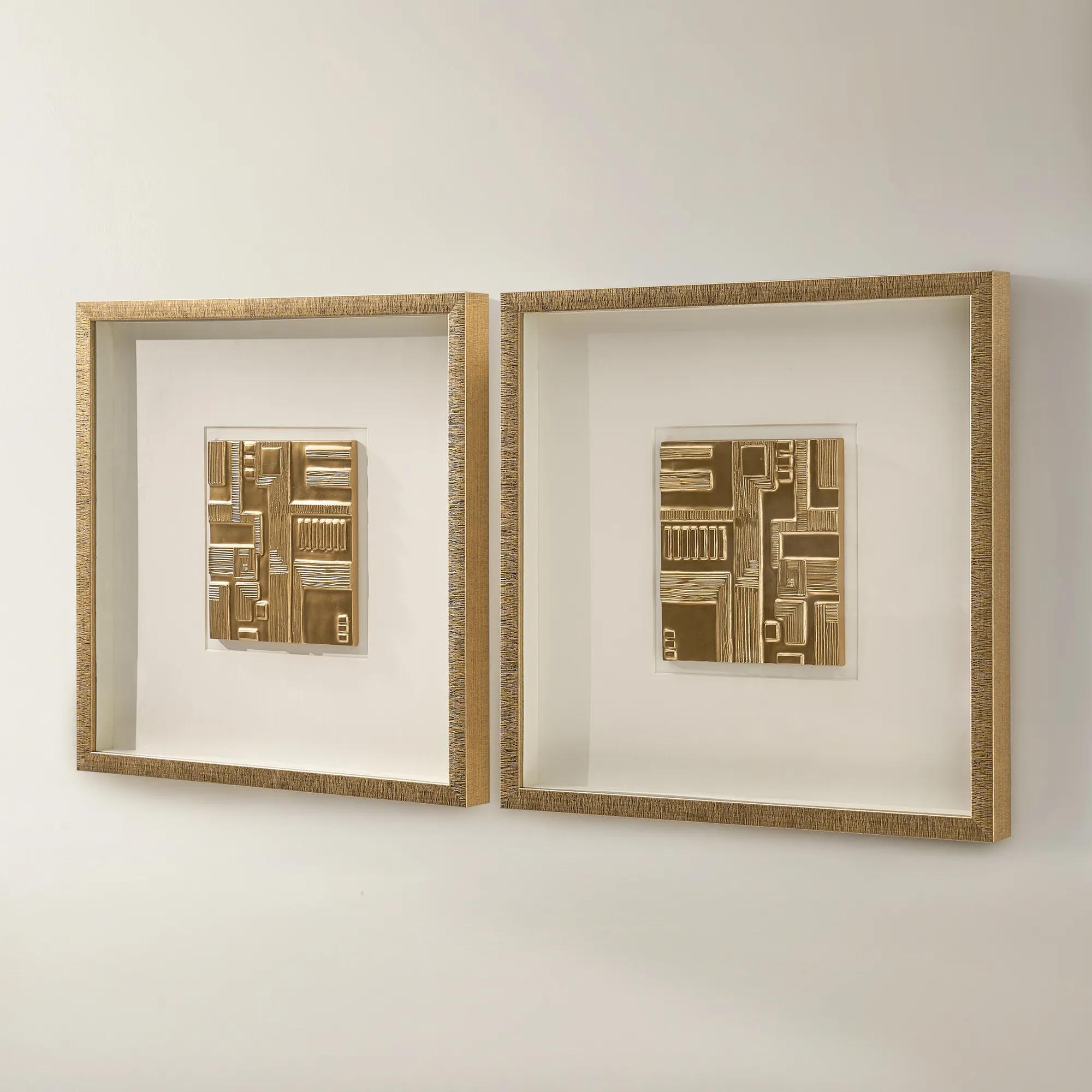 Ritual Framed Woodcarving Wall Decor Set of 2$329
A set of two gold-framed woodcarvings with ivory mats and dimensional relief for gallery-style wall decor.
Add To Cart -
 Modern David Bust White Resin Decorative Object 12"$99
A white resin and stone powder bust featuring a Cubist-inspired, contemporary take on a classic icon.
Add To Cart -
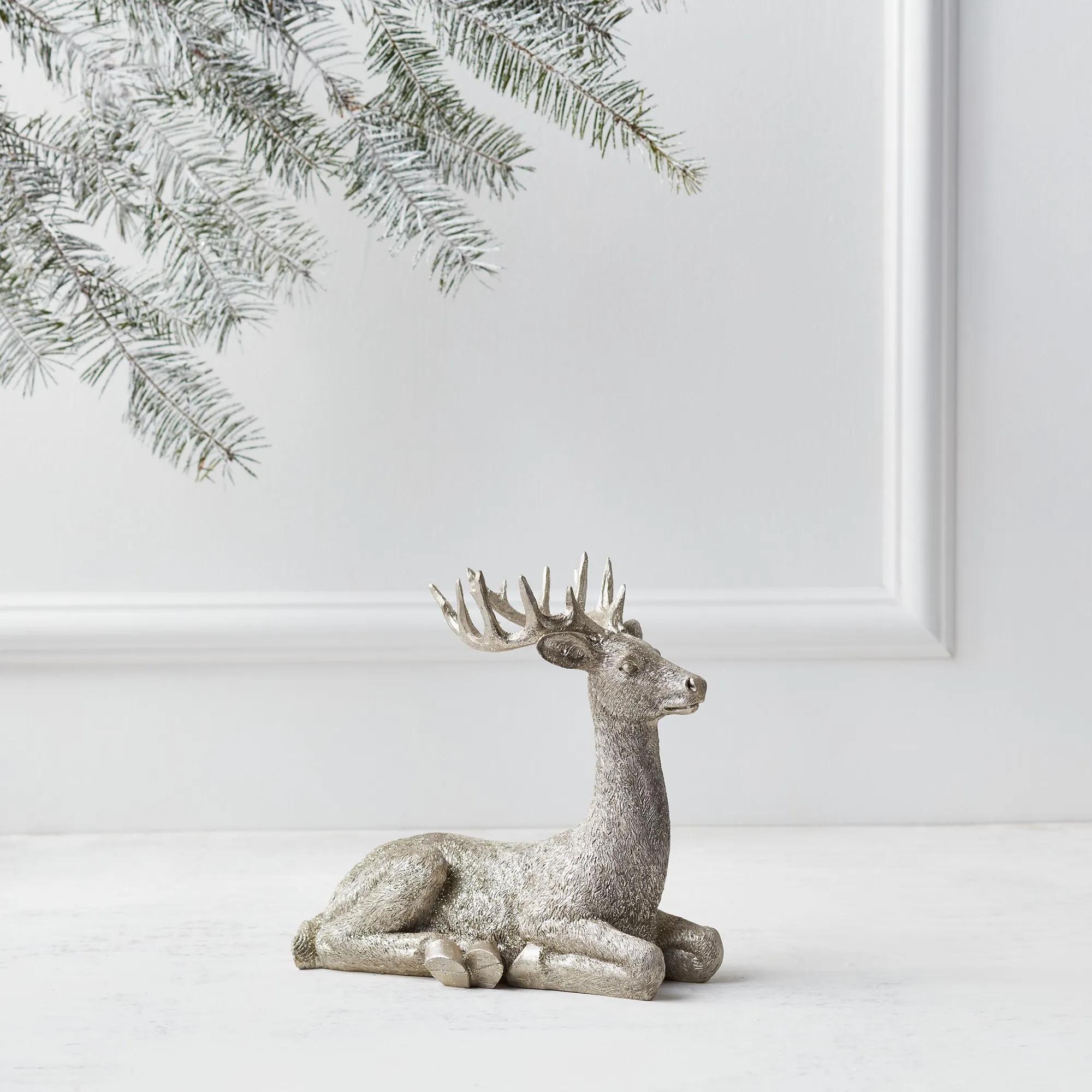
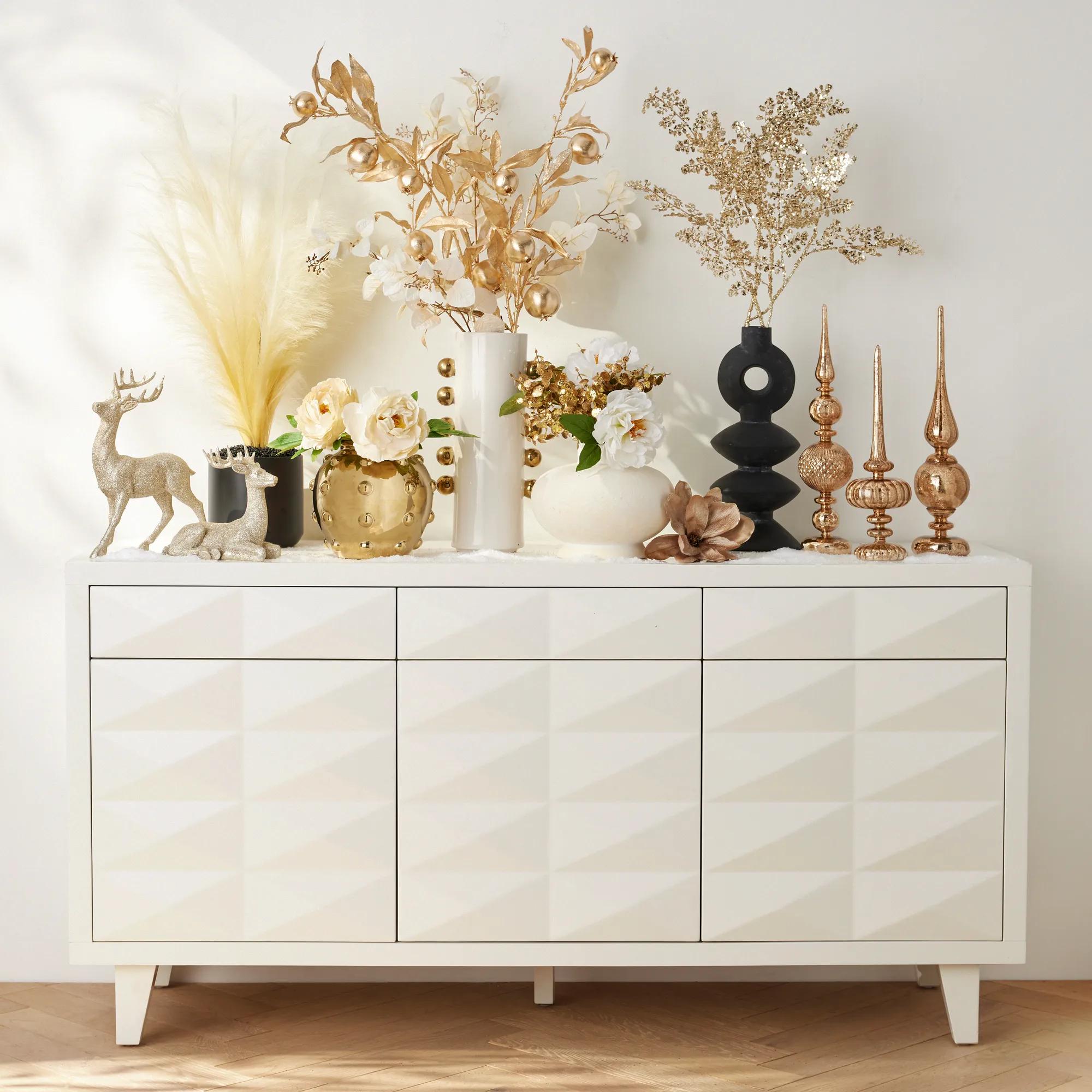 Majestic Deer Champagne Resin 8"$49
A pair of intricately detailed poly resin deer figures with a textured champagne metallic finish.
Add To Cart -
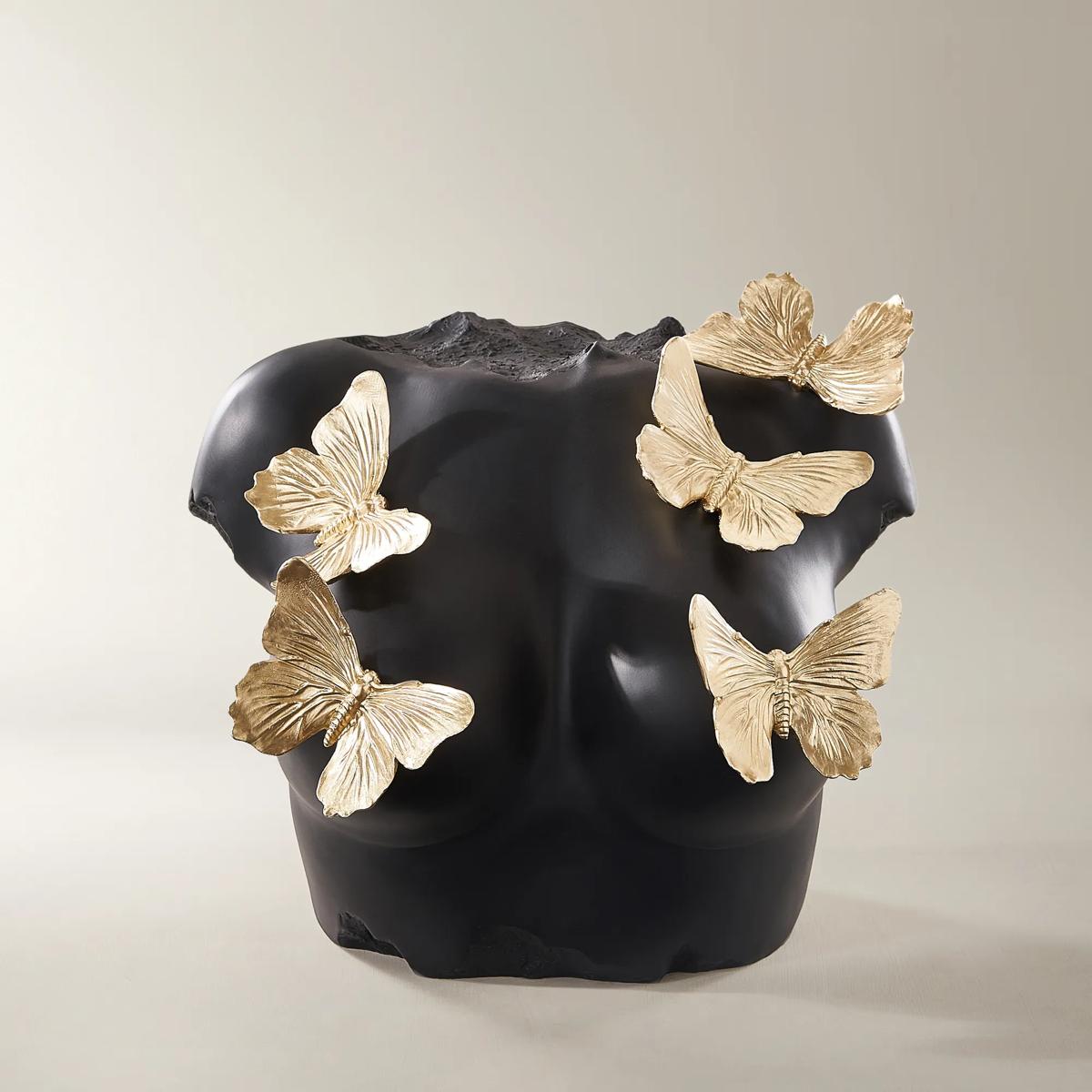 Butterfly Bust Black And Gold Resin Decorative Object 11.75"$149
A matte black resin bust adorned with gilded butterflies, offering poetic movement and modern elegance.
Add To Cart -

 Stone Heart Black Marquino Marble Decorative Object 8"$199
A sculptural heart-shaped decorative object crafted from luxurious black Marquina marble.
Add To Cart -
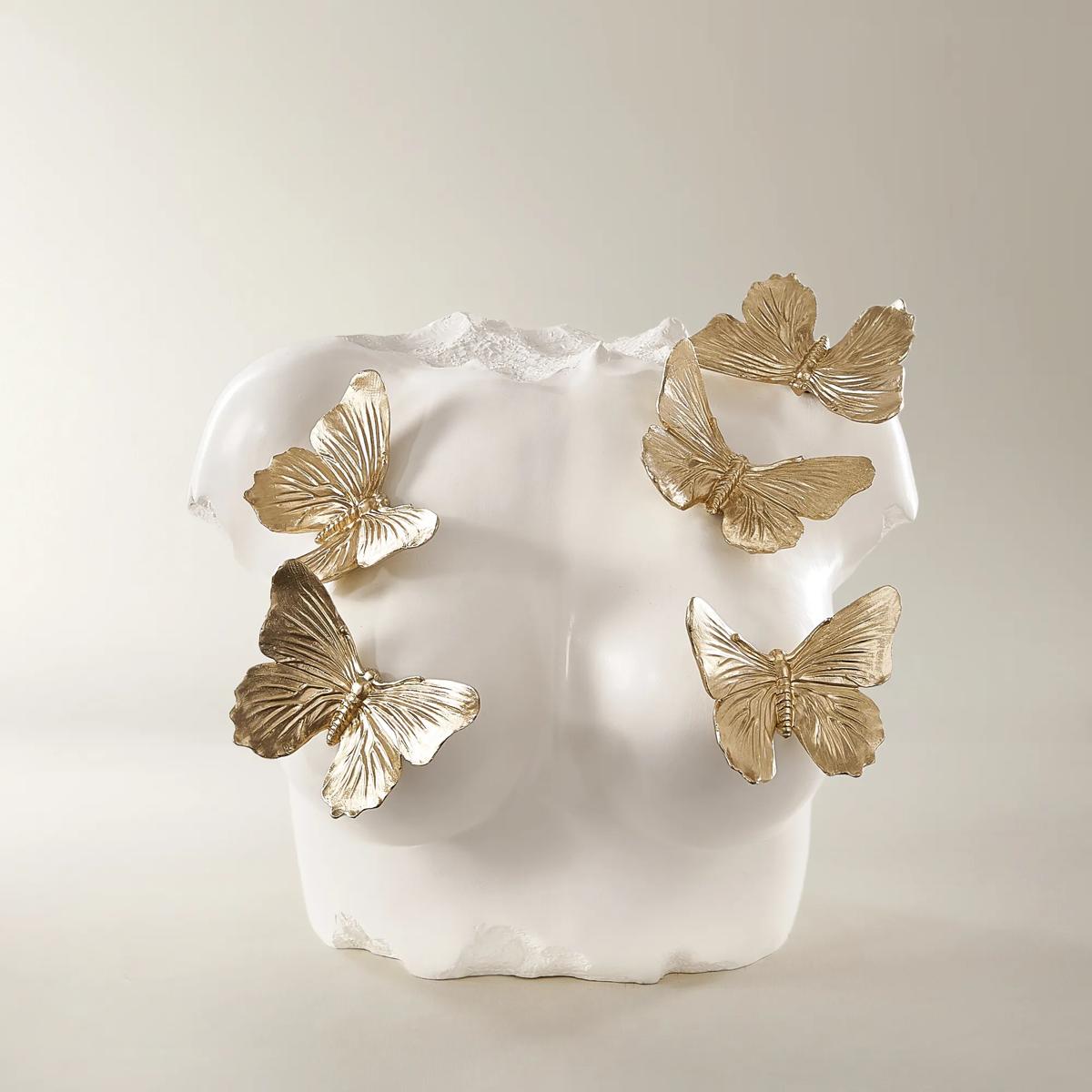
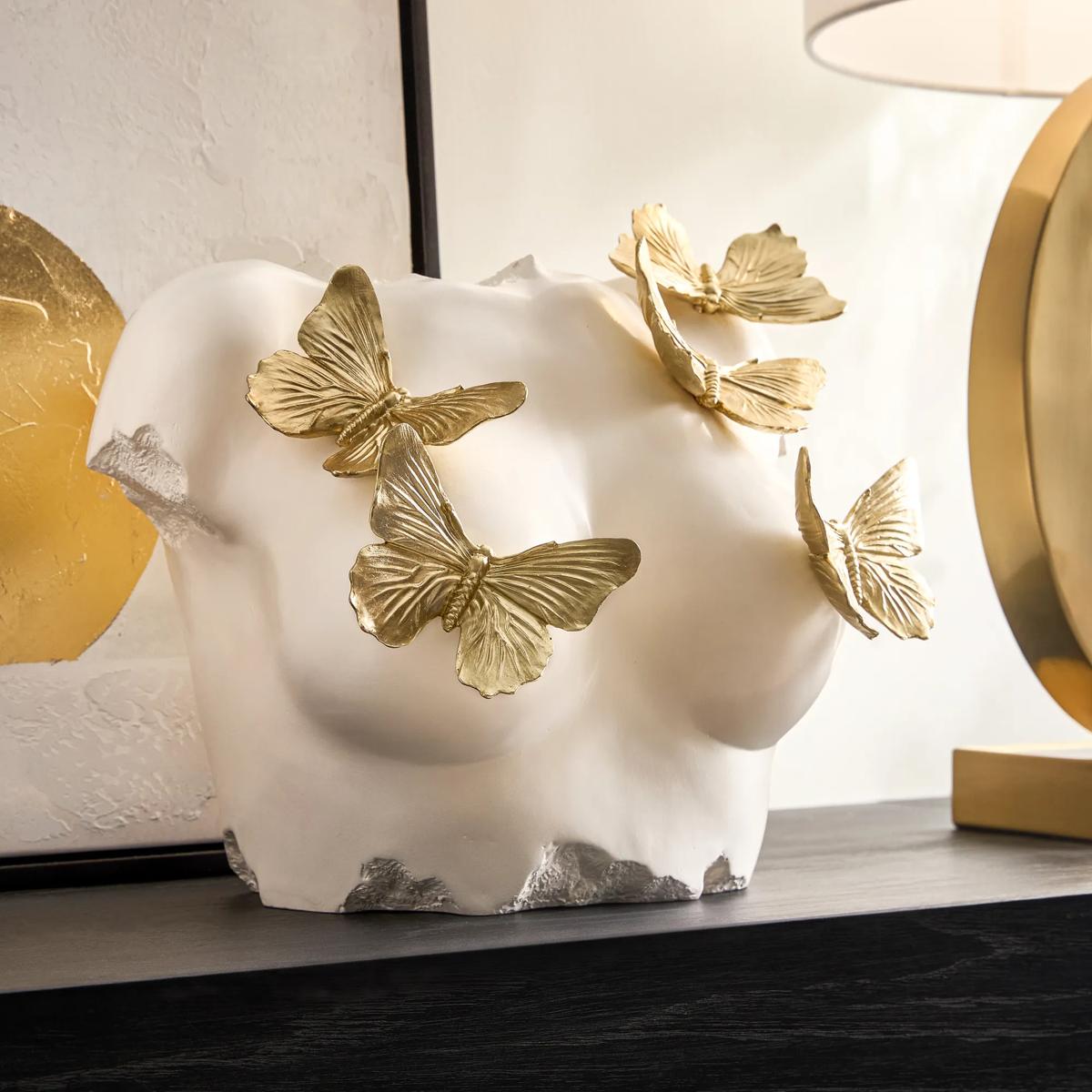 Butterfly Bust Ivory And Gold Resin Decorative Object 11.75"$149
An ivory resin bust adorned with gilded butterflies, offering poetic movement and feminine elegance.
Add To Cart -
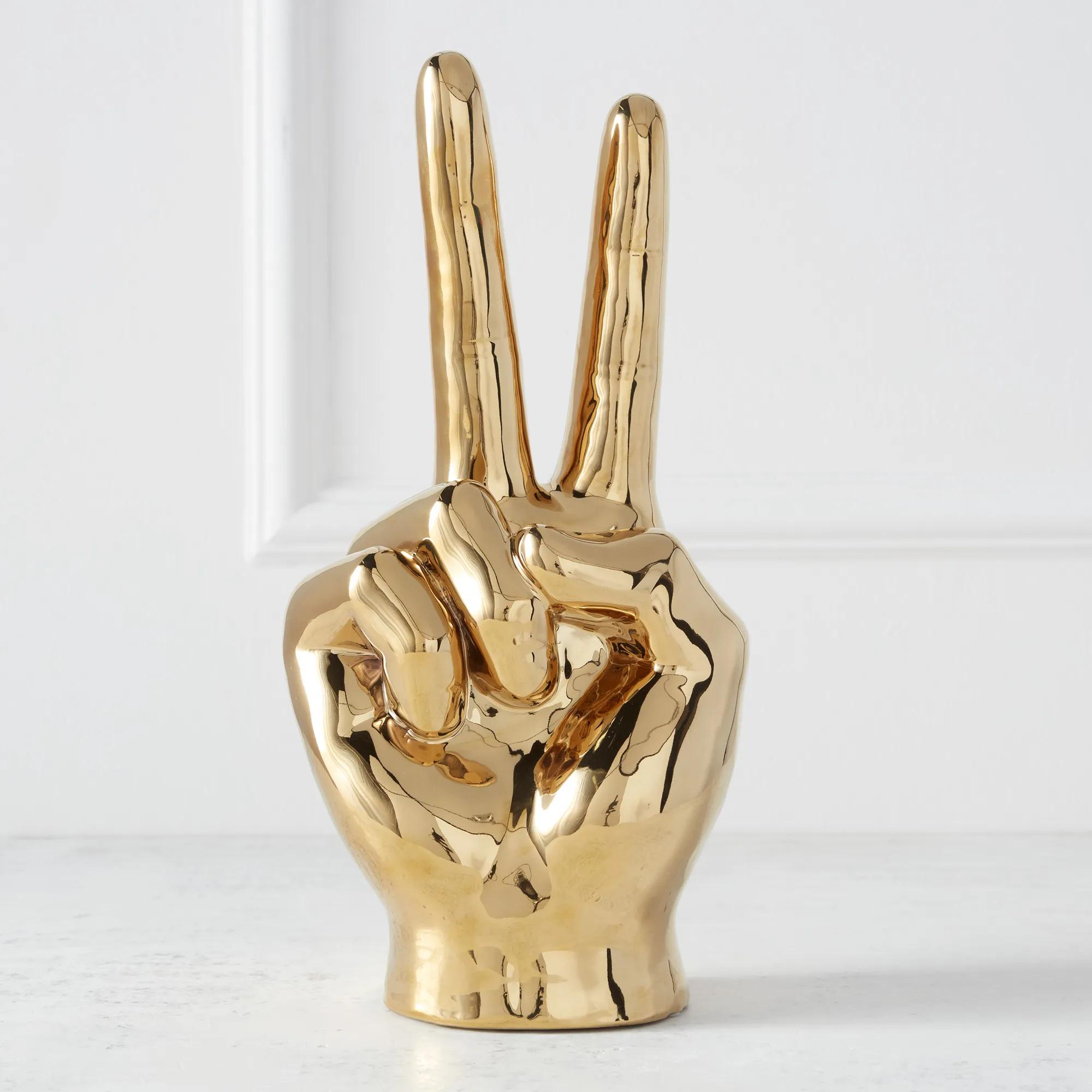 Peace Sign Gold Hand Ceramic Decorative Object 14"$49
A metallic gold ceramic hand sculpture perfect for displaying jewelry or as a decorative accent.
Add To Cart -
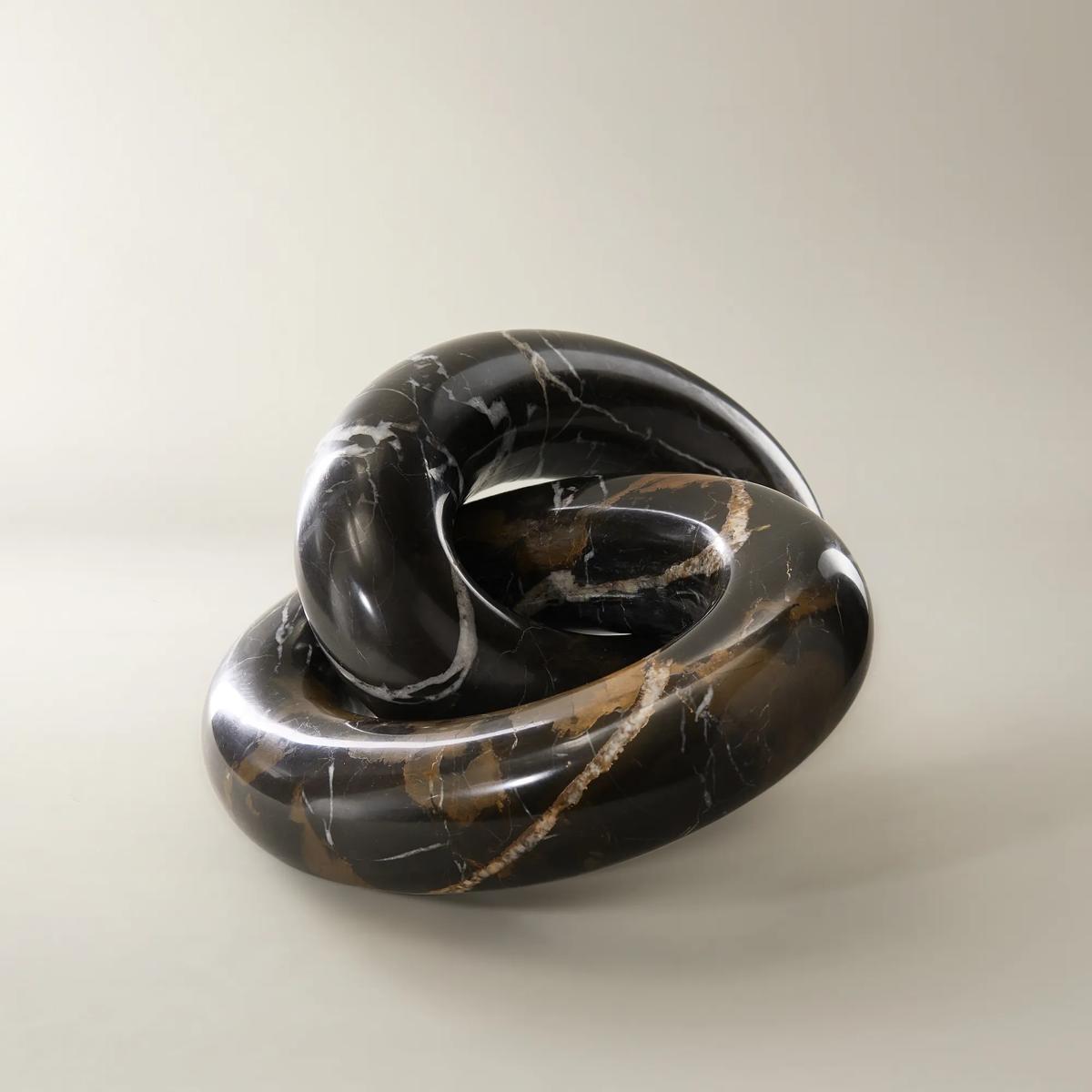 Marble Links Object - Brown$179
A sculptural accent featuring interlocking ovals carved from richly veined, one-of-a-kind brown marble.
Add To Cart

Small Decorative Sculptures
Small Decorative Sculptures are the secret to curating a home that dazzles with personality and panache. These artful accents captivate the eye, transforming shelves and tabletops into miniature galleries of intrigue and style. Each piece is a conversation starter, inviting admiration and curiosity while infusing your space with a sense of curated luxury. Whether perched on a stack of books or nestled into a vignette, small decorative sculptures add dimension, artistry, and an unmistakable touch of drama to every corner they grace. Let your interiors tell a story as unique as you are, with sculptural treasures that celebrate bold self-expression.
Small decorative sculptures are compact art objects that add texture, personality, and a focal point to shelves, desks, mantels, and tabletops. Their appeal lies in the relationship between expressive form and intimate scale: a sweeping curve, an abstract silhouette, or a finely modeled figure can give an entire arrangement its character without commanding the whole surface. Abstract forms introduce movement through loops, arches, folds, and open spaces, while stylized animal figures bring a more recognizable subject into an artistic composition. Small busts and figurative sculptures lend a collected, gallery-inspired presence, especially when displayed among books or beside framed art. Mixed-material designs create another kind of intrigue, pairing the visual weight of stone with the slender lines or gleaming accents of metal. These decorative objects suit rooms where every detail contributes to the mood, from a tailored home office to a living room layered with sumptuous upholstery and reflective finishes. A sculpture on a desk offers a point of visual interest beyond the screen; on an entryway console, it establishes a distinctive first impression. The most compelling forms remain engaging from several angles, revealing a different contour or pocket of shadow as someone moves through the room. Open silhouettes allow a wall color or artwork to remain visible behind them, while solid forms create a stronger visual anchor. A polished accent can echo the sheen of nearby lighting, and a textured surface can temper an arrangement rich in glass and mirrors. Neither approach requires a large footprint. Small tabletop sculptures bring art into the spaces seen up close, where subtle changes in surface, proportion, and expression have room to register. For interiors with a confident decorative point of view, they offer a precise way to introduce contrast, reinforce a favorite motif, or give a familiar corner an unexpected sculptural presence.
Materials shape both the appearance and everyday performance of small decorative sculptures. Ceramic offers a broad range of expressions, from smooth glazed surfaces that catch the light to matte finishes that emphasize shape and shadow. Depending on the glaze and firing process, subtle variations may contribute to the surface character. Glass brings transparency, depth, and reflection, allowing a compact form to interact beautifully with surrounding light. Metal can appear fluid and delicate or substantial and architectural, with polished, brushed, antiqued, or coated finishes producing distinctly different effects. A brass-toned finish describes color rather than necessarily indicating solid brass, making the stated material and finish details important when comparing decorative accents. Marble and other natural stones contribute weight and individual veining, while resin allows for intricate modeling and sculptural shapes that may be difficult to achieve in heavier materials. Wood introduces grain and tonal variation, creating a rich counterpoint to gleaming metal or glossy ceramic. Durability depends on construction as much as material: slender extensions, projecting details, and narrow connecting points warrant careful handling even when the main body feels substantial. A broad, stable base is especially useful on frequently used surfaces, and the full footprint matters as much as the height. Most indoor decorative sculptures are intended for display rather than active handling, food contact, or outdoor exposure unless their care information states otherwise. Gentle maintenance helps preserve their finish. A soft, dry cloth is often suitable for routine dusting, with a clean, soft brush reaching recessed details when appropriate. Abrasive cleaners, vigorous polishing, and prolonged moisture can damage coatings or delicate surfaces; porous stone and unglazed ceramic may also be vulnerable to staining. Material-specific care instructions should take precedence, particularly for mixed-material pieces. Protective pads can help separate a sculpture’s base from a delicate tabletop, provided they support it evenly and do not interfere with stability.
Scale gives these accents their versatility, but small does not mean visually insignificant. A compact sculpture with a broad curve or dramatic silhouette may carry more presence than a taller, narrower form. On a shallow bookshelf, depth determines whether an object sits securely without projecting beyond the edge; beneath a shelf, overhead clearance leaves its outline visible rather than compressed. On a coffee table, an artful object can share a tray with books while leaving room for everyday use. A desk calls for enough separation from keyboards, paperwork, and moving chair arms to keep an expressive accent from becoming an obstacle. The relationship to neighboring objects is equally important. A low, rounded sculpture beside a vertical frame creates a pleasing shift in proportion, while an open metal form can relieve the density of a tightly filled bookcase. A single substantial shape often makes a stronger statement than several equally prominent accents competing for attention. In a larger arrangement, variation in height and finish creates rhythm, with enough open surface to make each contour legible. Pairings with modern sculptural decorative vases extend that interplay of line and volume, bringing together objects that feel related without repeating the same silhouette. Placement near an existing lamp can reveal ridges, recesses, and reflective details, though prolonged direct sunlight may affect certain finishes and materials. Households with children or pets may prefer secure, less accessible display locations, particularly for fragile forms or heavy stone accents; decorative sculptures are art objects, not toys. Their personal, expressive character also makes them thoughtful gifts for housewarmings, weddings, anniversaries, or someone establishing a distinctive office. An abstract form can complement a recipient’s palette, while a figurative subject can reflect a known artistic interest. With a proportion suited to the setting and a finish that resonates with its surroundings, a small sculpture becomes a memorable detail: close enough to appreciate, distinctive enough to define the composition.
FAQs
Small decorative sculptures act as captivating focal points that infuse your interiors with artistry and personality. By introducing sculptural forms—whether abstract, figurative, or nature-inspired—you create visual interest and a sense of curated sophistication. Strategically placed, these pieces can highlight architectural features, draw attention to your favorite surfaces, and layer your home with texture and narrative.
Small decorative sculptures shine when styled in unexpected places: atop a stack of coffee table books, nestled within a bookshelf, or gracing a console tray. For added drama, cluster several pieces of varying heights and materials to create a dynamic vignette. Pairing them with complementary objects, such as candles or a vase from our <a href="https://zgallerie.com/o/modern-sculptural-decorative-vases">Modern Sculptural Decorative Vases</a> collection, can further enhance their presence and tell a cohesive design story.
Small decorative sculptures are a thoughtful gift for anyone who values artistry, design, or meaningful details in their home. They’re especially cherished by new homeowners, newlyweds, or friends who love to refresh their décor with expressive, statement-making accents. These pieces also make memorable hostess gifts, offering a touch of luxury that feels both personal and enduring.
Small decorative sculptures are remarkably versatile and complement a wide range of interior styles. From modern glamour and art deco to eclectic maximalism and classic elegance, their impact depends on the form, finish, and context. For a cohesive look, select pieces that echo your room’s color palette or architectural motifs, or use them to introduce a bold, contrasting element that sparks conversation.
As the seasons shift, small decorative sculptures offer an effortless way to refresh your space. In winter, opt for metallic finishes or nature-inspired motifs like z gallerie majestic deer to evoke a sense of cozy opulence. Rotate your sculptures throughout the year to reflect changing moods, holidays, or color schemes, ensuring your home always feels thoughtfully curated and alive with creative energy.