Sculptural Decorative Hand Pieces
Sculptural Decorative Hand Pieces
-
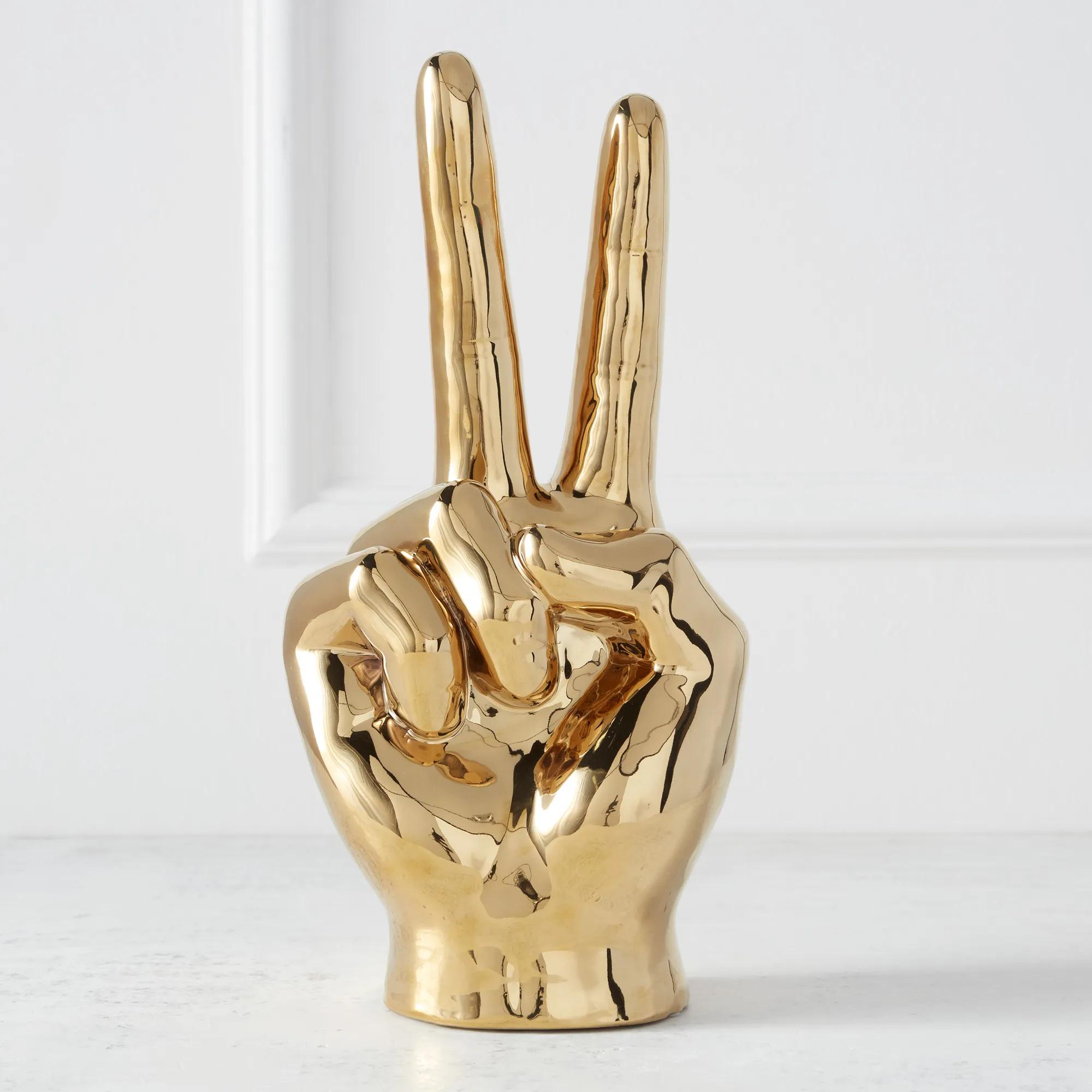 Peace Sign Gold Hand Ceramic Decorative Object 14"$49
A metallic gold ceramic hand sculpture perfect for displaying jewelry or as a decorative accent.
Add To Cart -
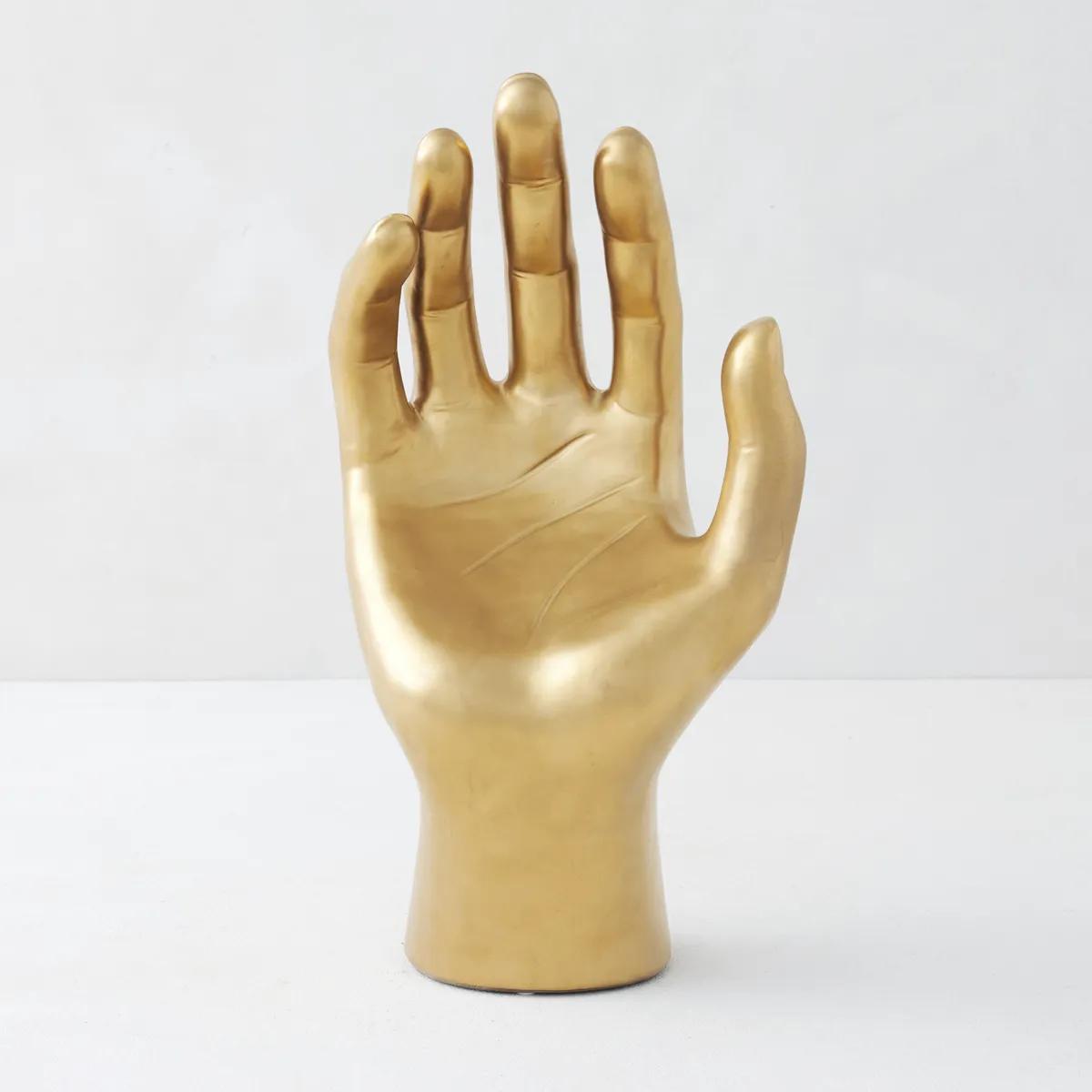
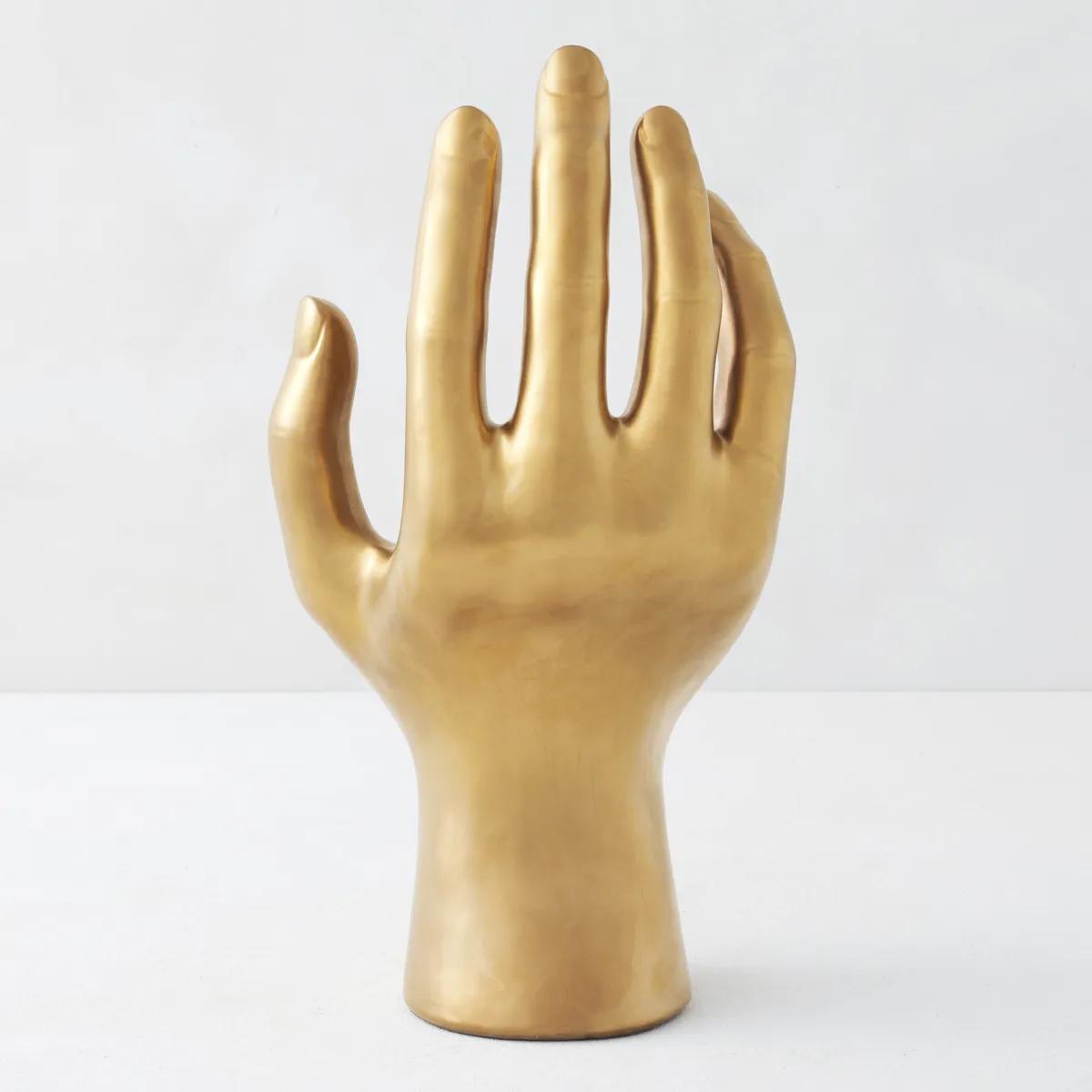 Ceramic Hand Metallic Gold Decorative Object 17.75"$69
A striking ceramic sculpture with a metallic gold finish, perfect for displaying jewelry or as decor.
Add To Cart -
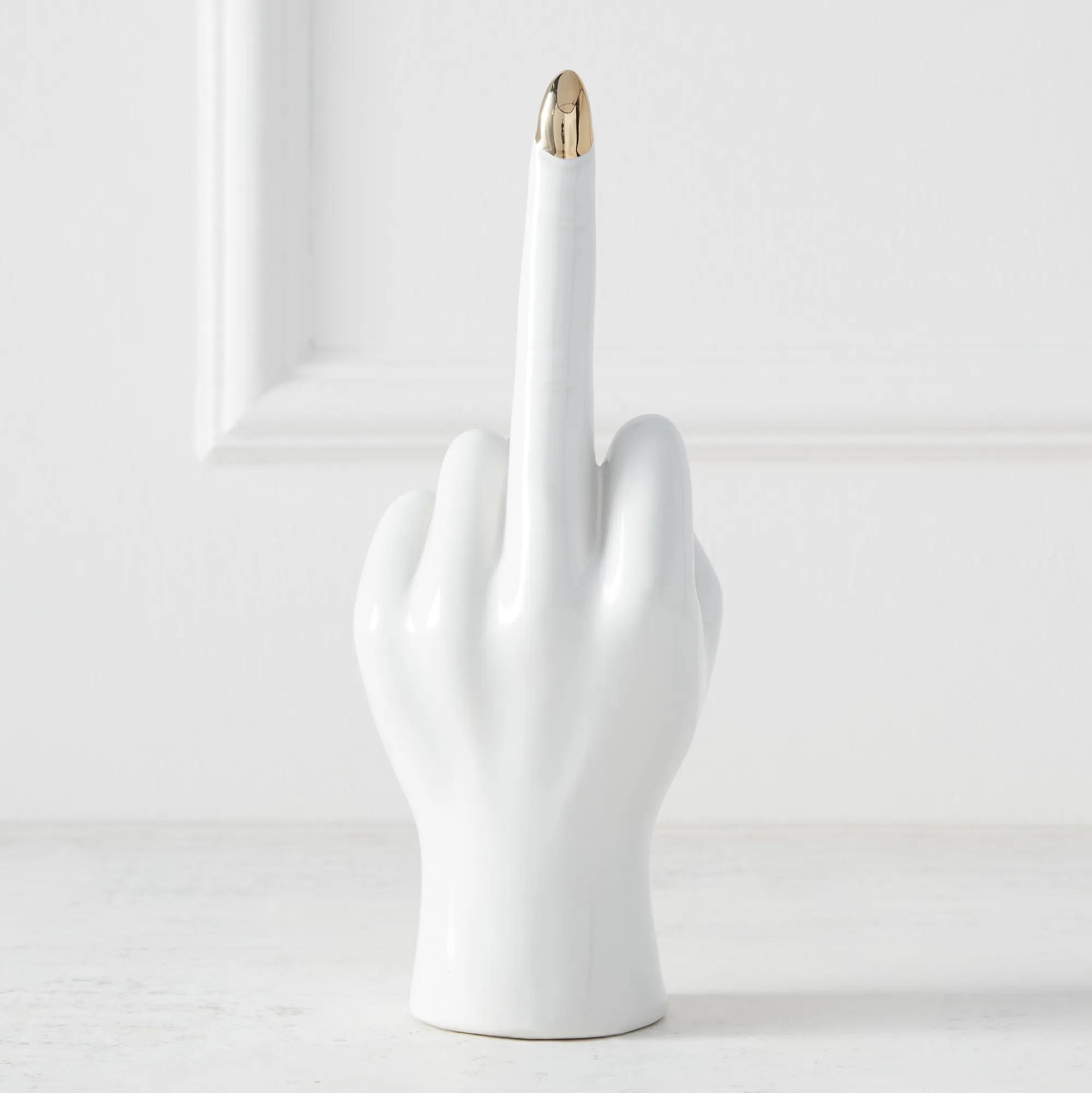
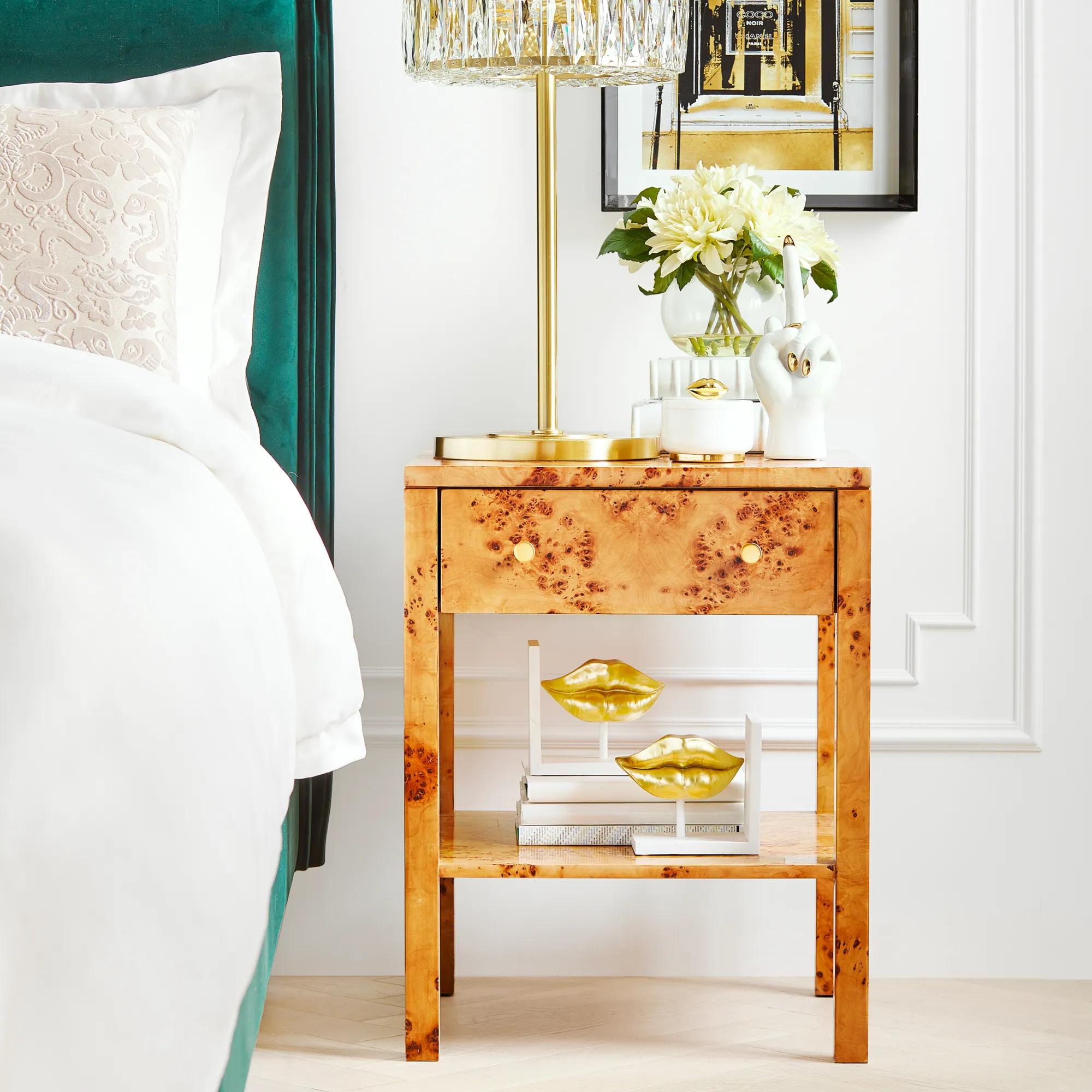 The Finger Hand$39
A glossy white and gold ceramic hand sculpture perfect for displaying jewelry or as a playful accent.
Add To Cart -
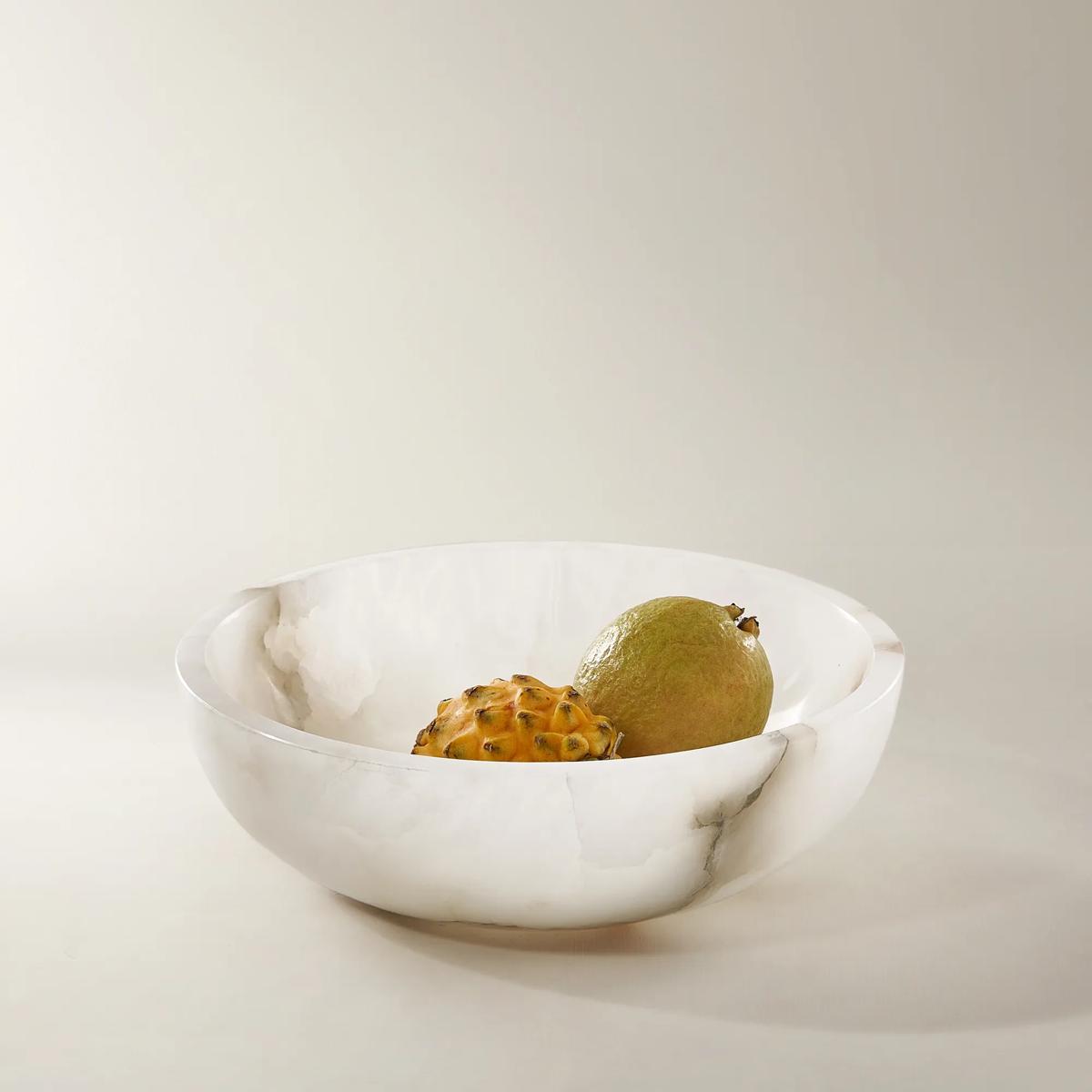 Alabaster Bowl$369
A hand-sculpted alabaster bowl featuring organic veining and soft, milky white translucence.
Add To Cart -
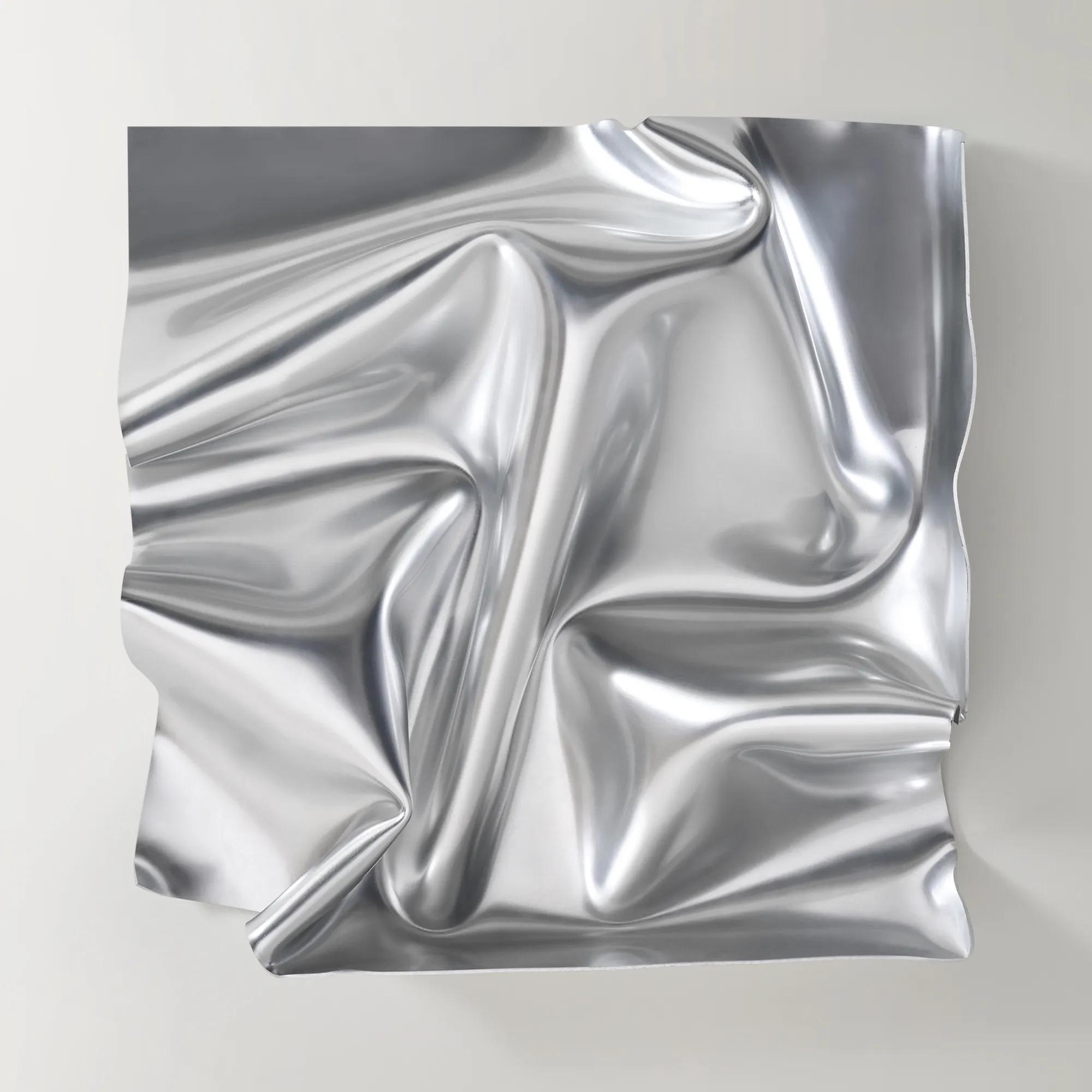
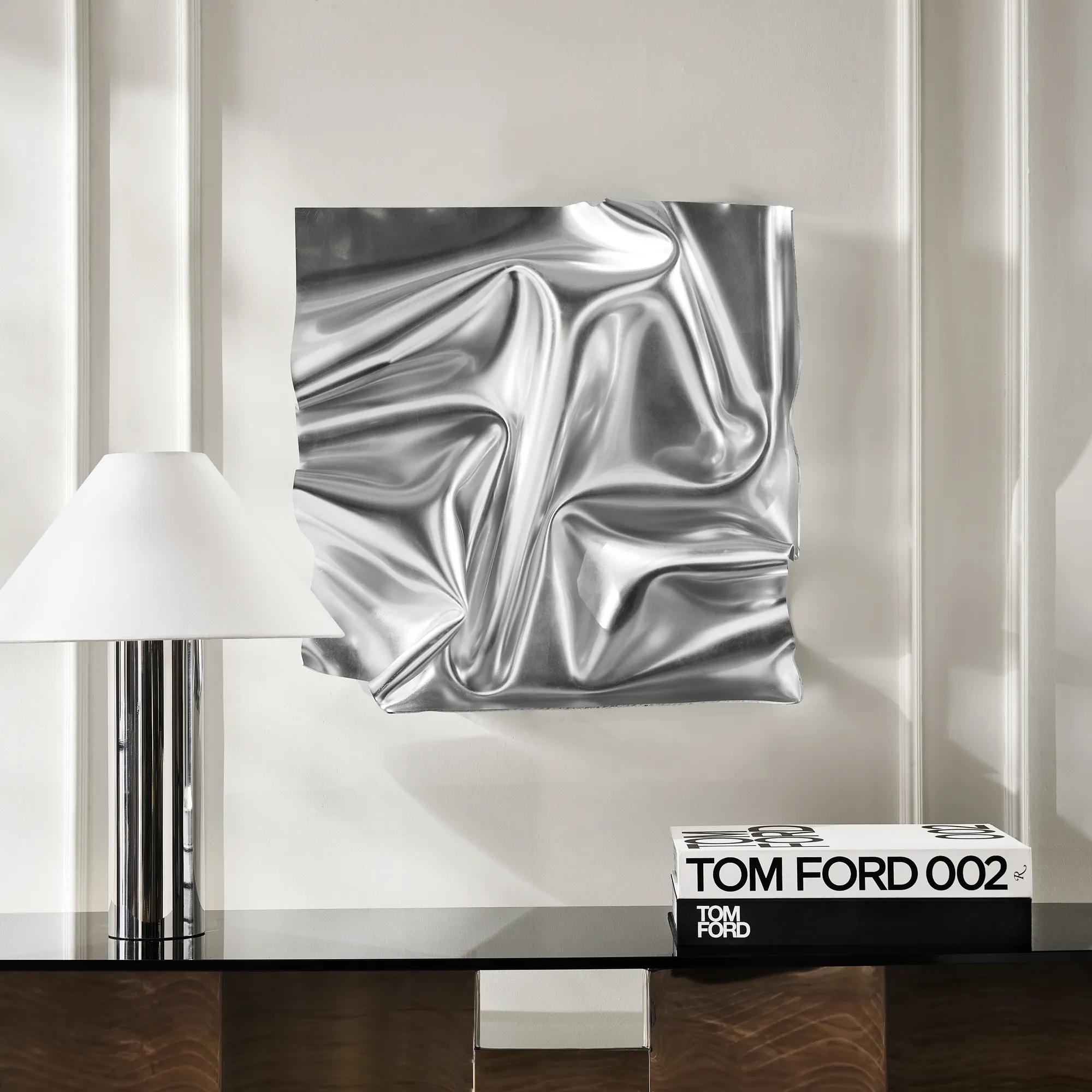 Surface Sculpted Silver Leaf Acrylic Wall Decor 23.6" x 23.6"$189
A striking acrylic wall piece featuring fluid, reflective silver shapes for dramatic, modern visual impact.
Add To Cart -
 Gilt Collage Gold Hand Crafted Wood Dimensional Wall Panel 30" x 60"$799
A glamorous gilt-finished collage wall panel bringing sculptural dimension and contemporary elegance to your decor.
Add To Cart -

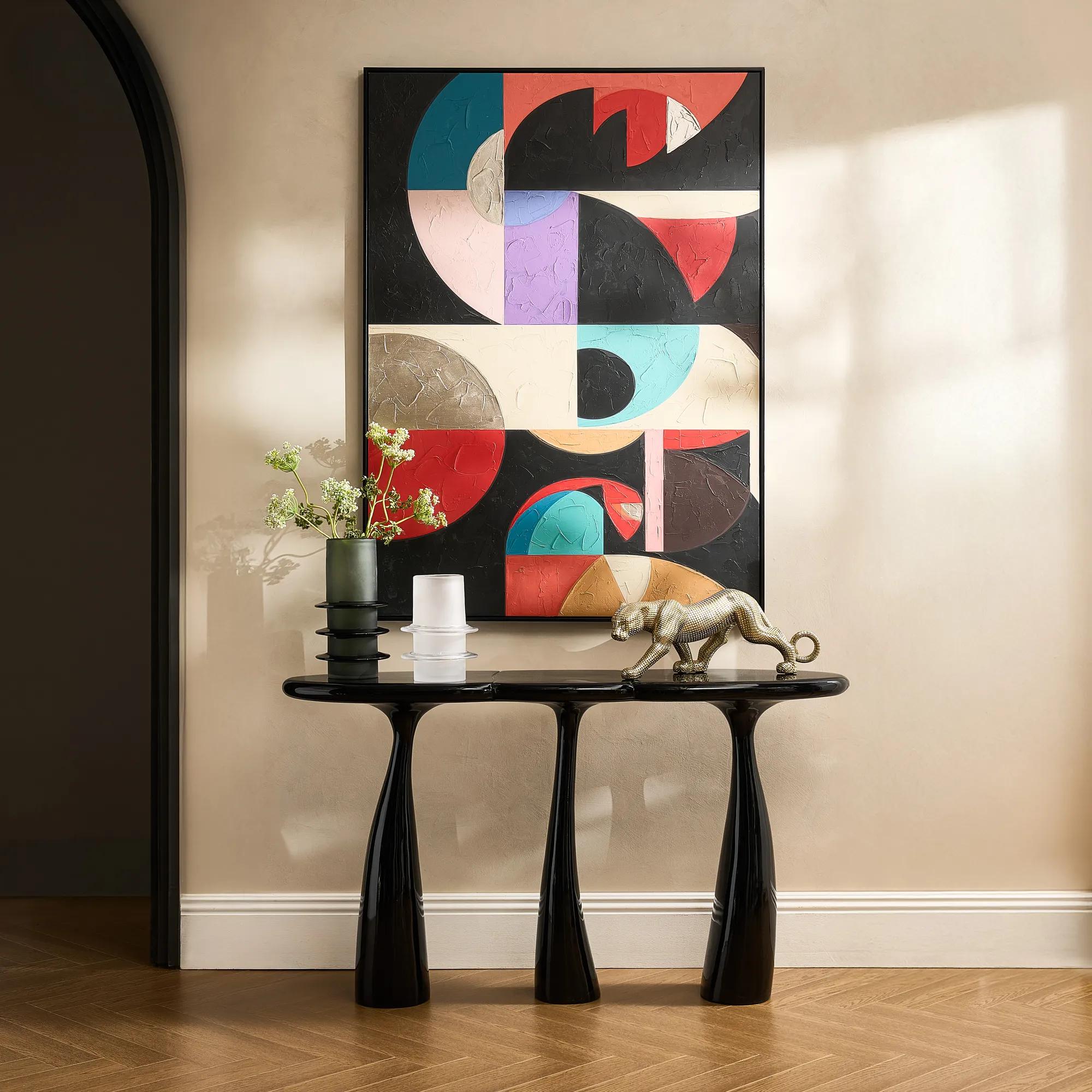 Thalia Glossy Black Console Table (52.4")$999
A sculptural console table crafted from glossy black fiberglass with seamless curves and a mirror-like finish.
Add To Cart -
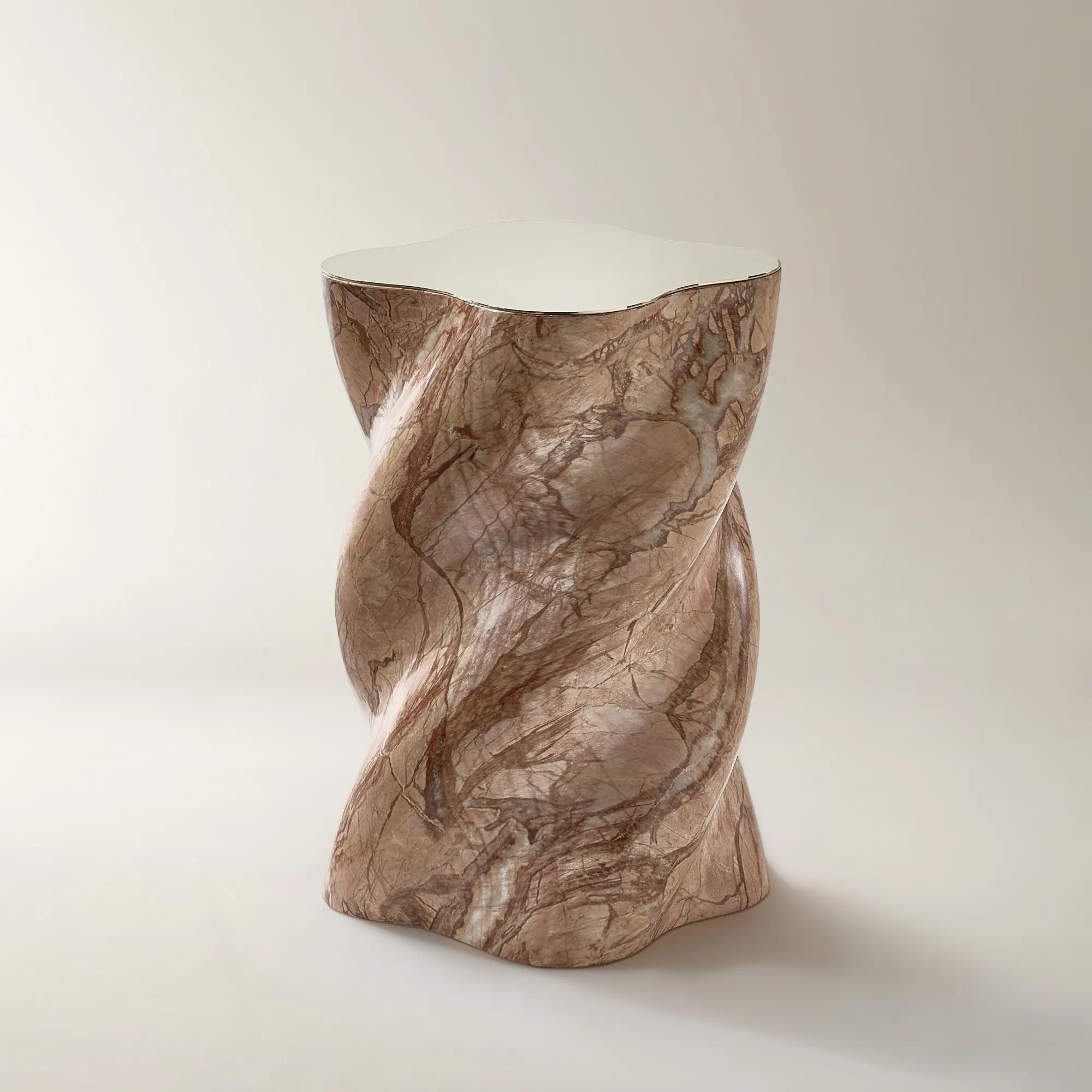
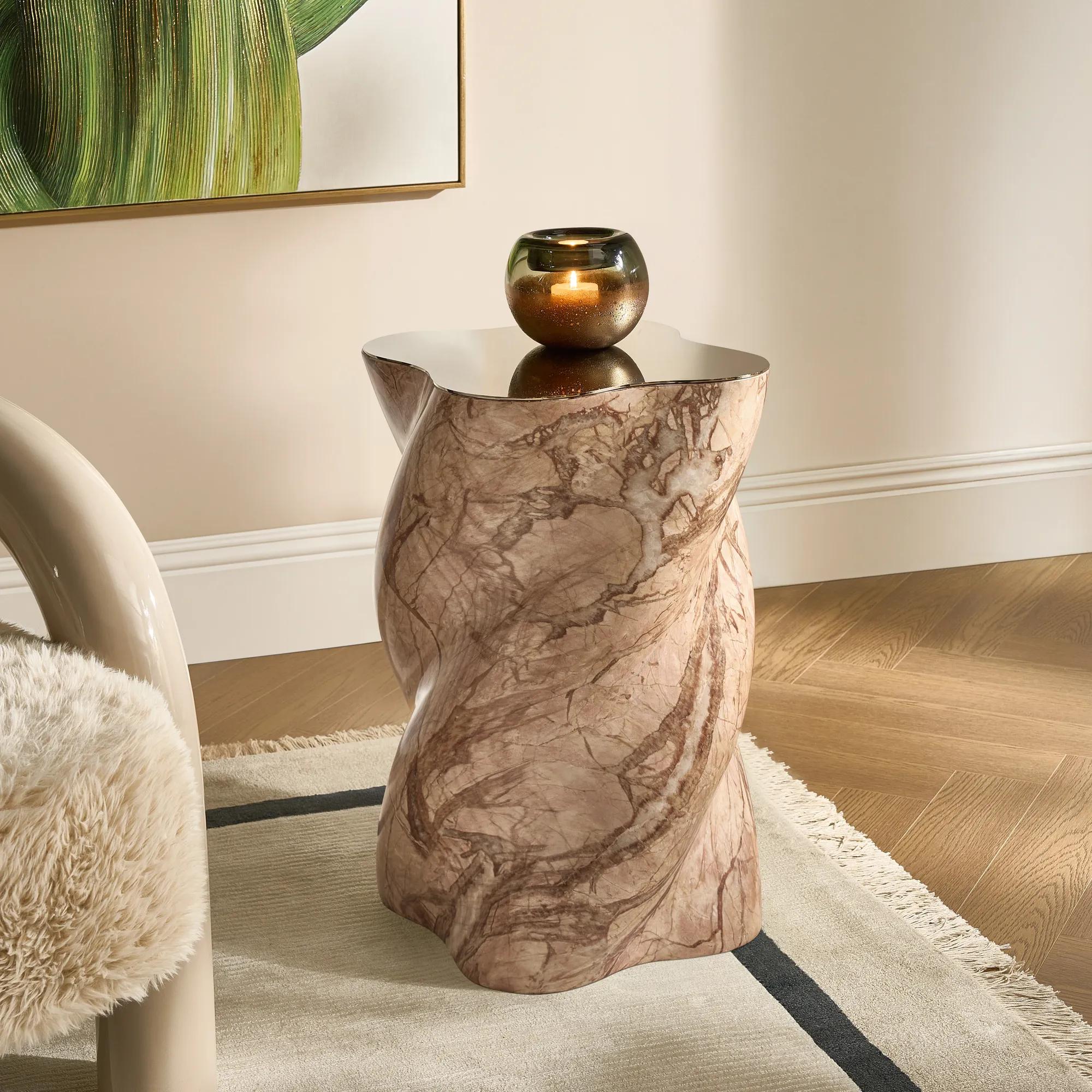 Vega Concrete Indoor/Outdoor Side Table With Stainless Steel Top (13.8")$459
A black, orange, or green concrete side table with removable stainless-steel top and marble-inspired veining.
Add To Cart -

 Collins Hand-Cast Gold Aluminum Decorative Pedestal Bowl 23.5" x 5"$79
A gold nickel-plated aluminum bowl with a rectangular pedestal base for striking decorative display.
Add To Cart -
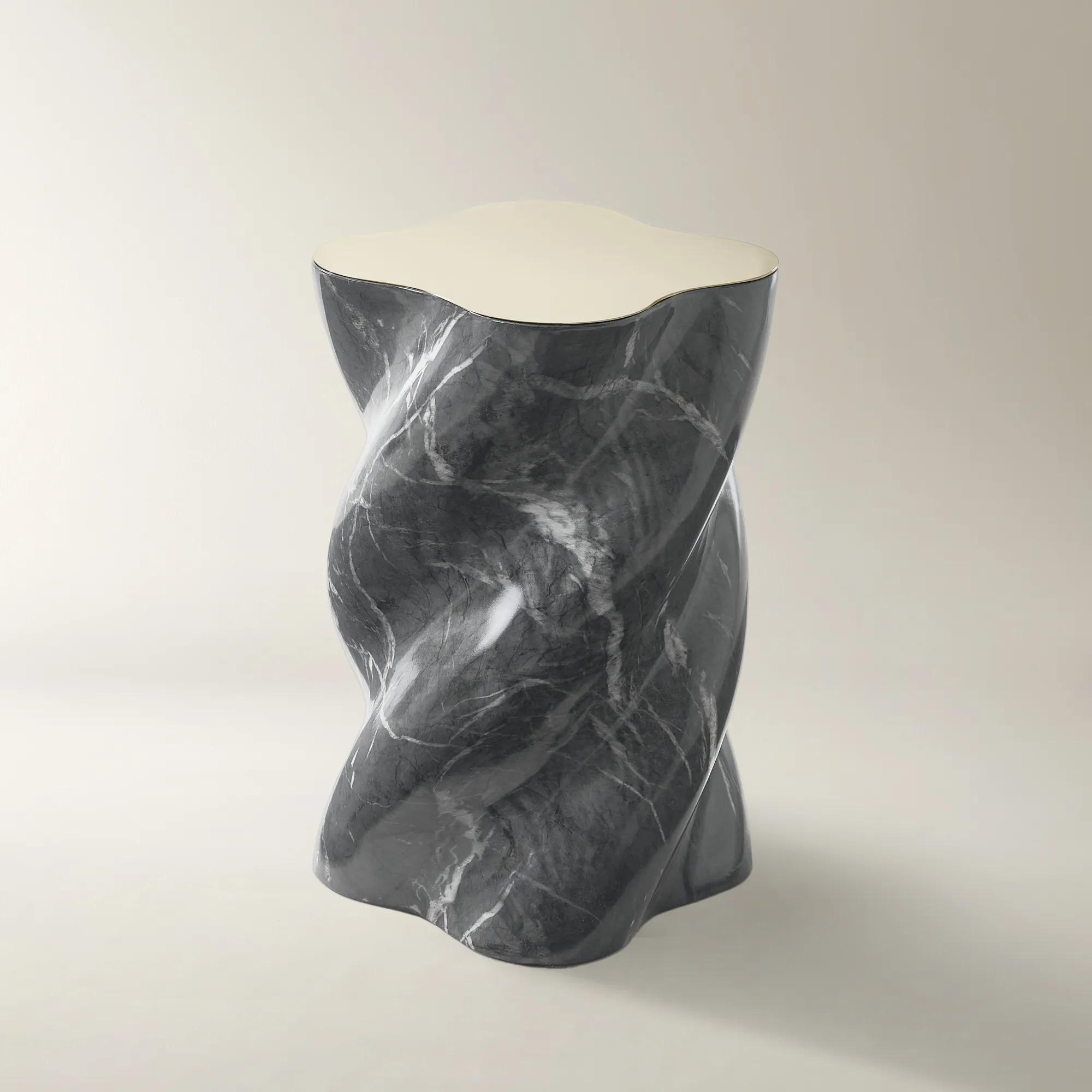 Vega Bvlgary Black Concrete Indoor/Outdoor Side Table With Stainless Steel Top (13.8")$459
A black concrete side table with a sculptural pedestal, removable stainless-steel top, and marble-inspired finish.
Add To Cart -
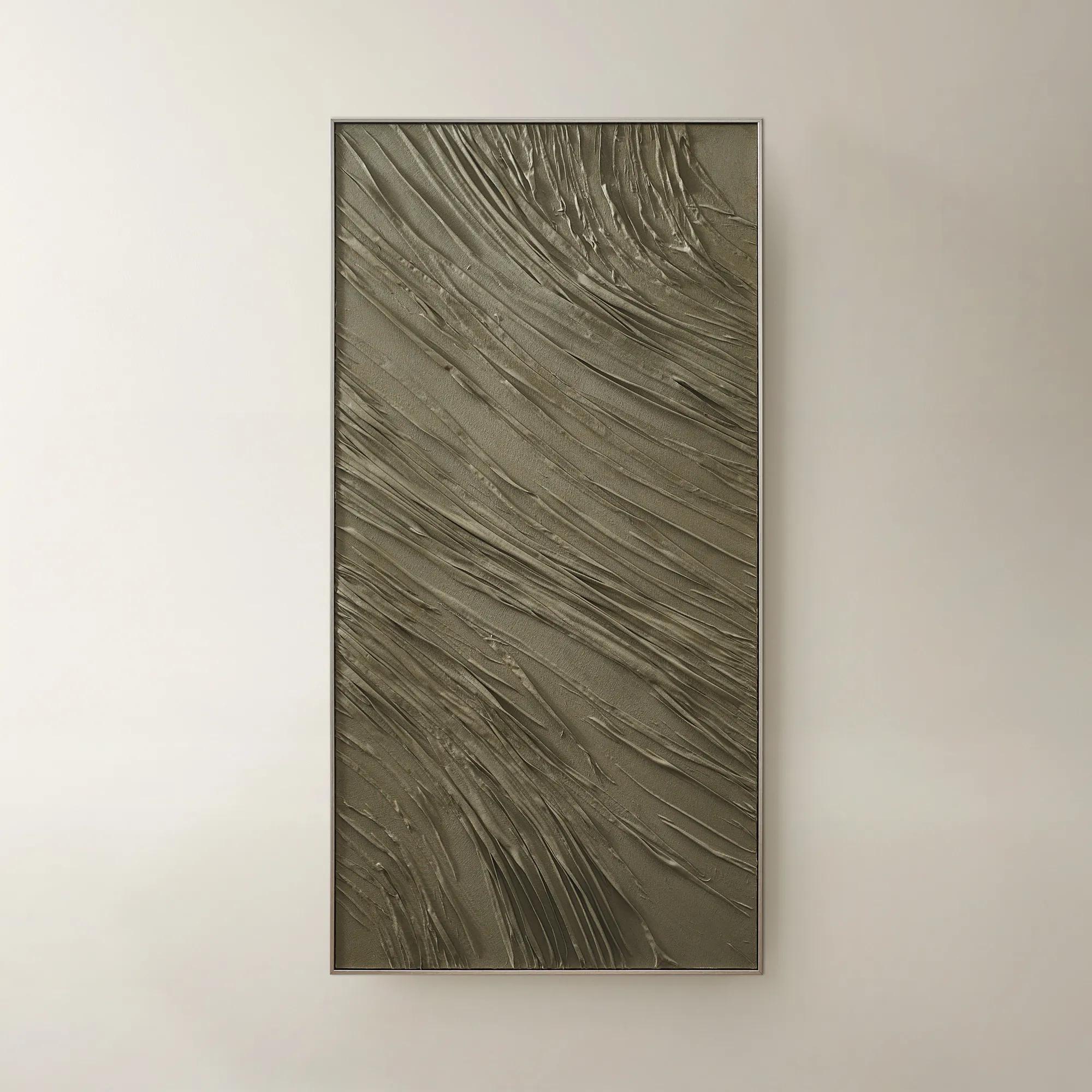
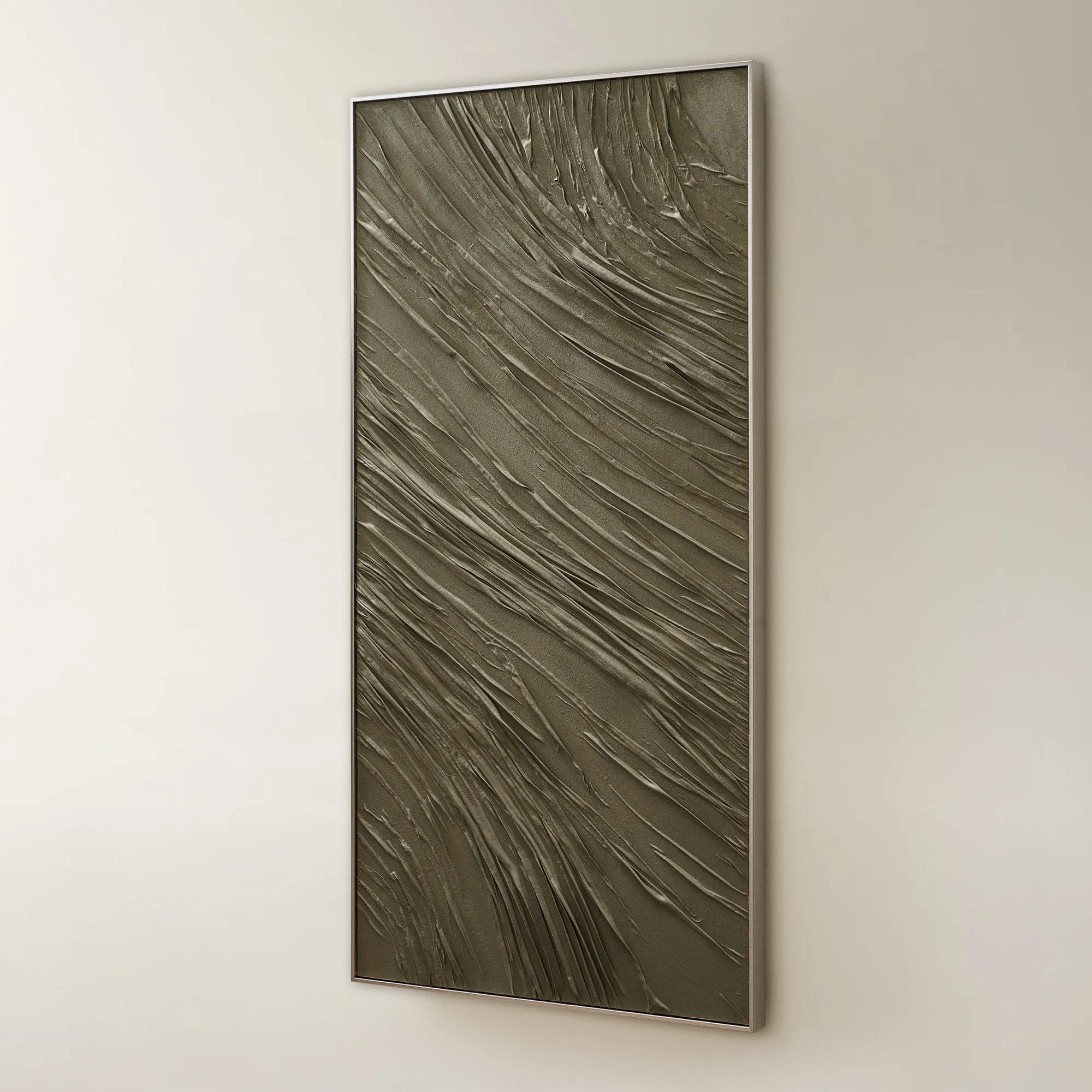 Grove Framed Hand-crafted Folded Fabric Wall Art 60" x 30"$349
A hand-crafted folded canvas in deep olive with a champagne frame for sculptural, modern wall art.
Add To Cart -
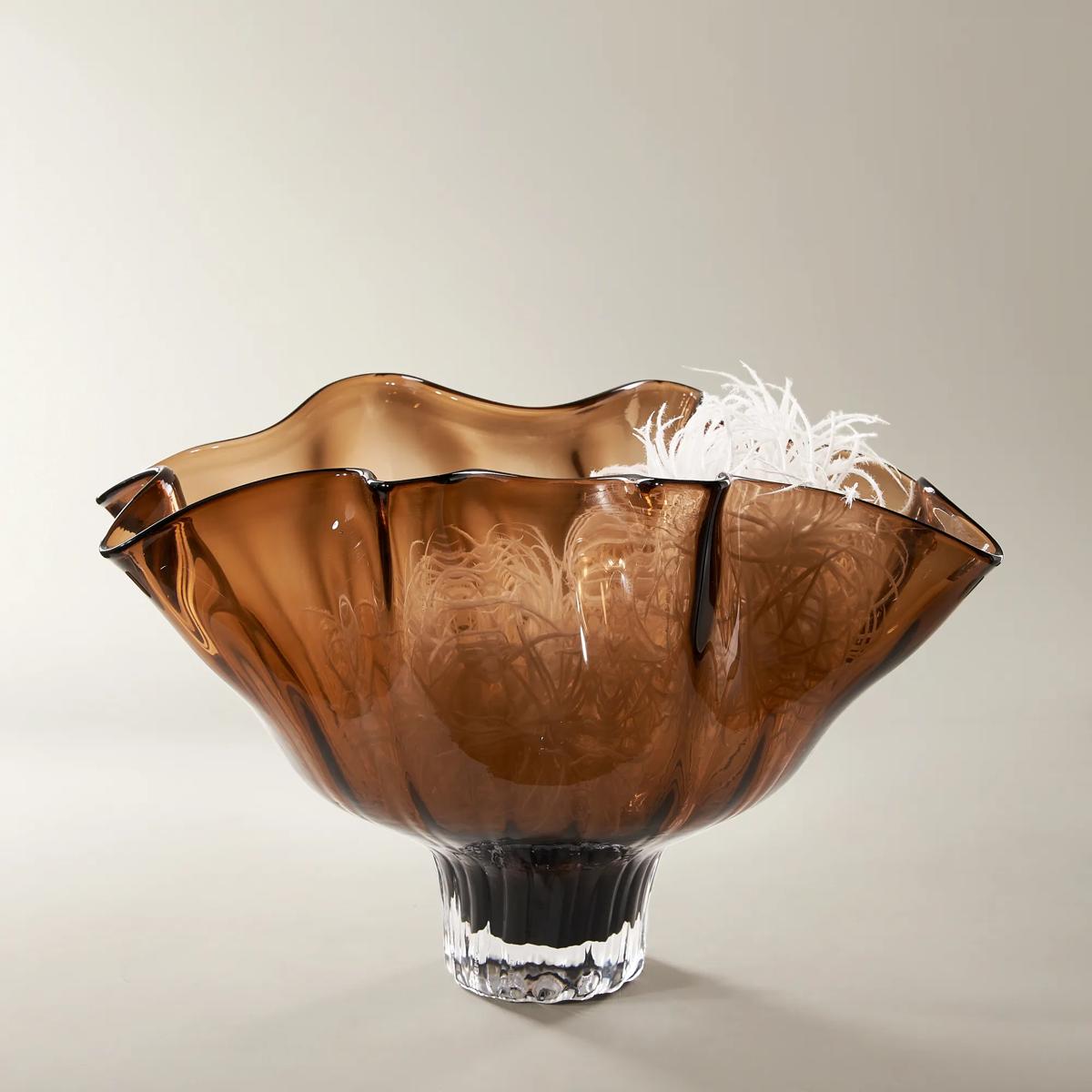
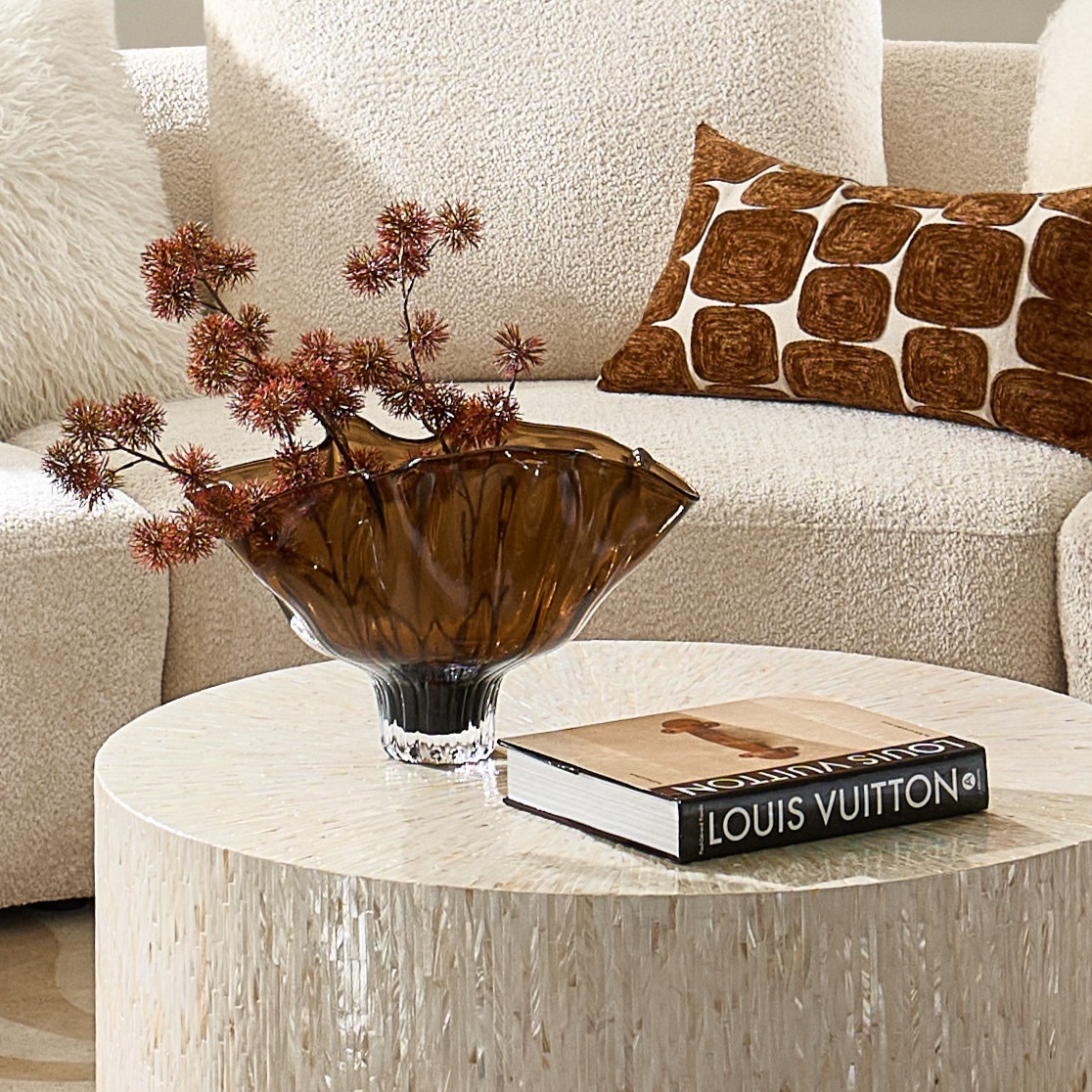 Coco Mouthblown Brown Glass Bowl 17" x 9.75"$139
A hand-blown brown glass bowl with an undulating rim and clear tapered base for sculptural elegance.
Add To Cart -

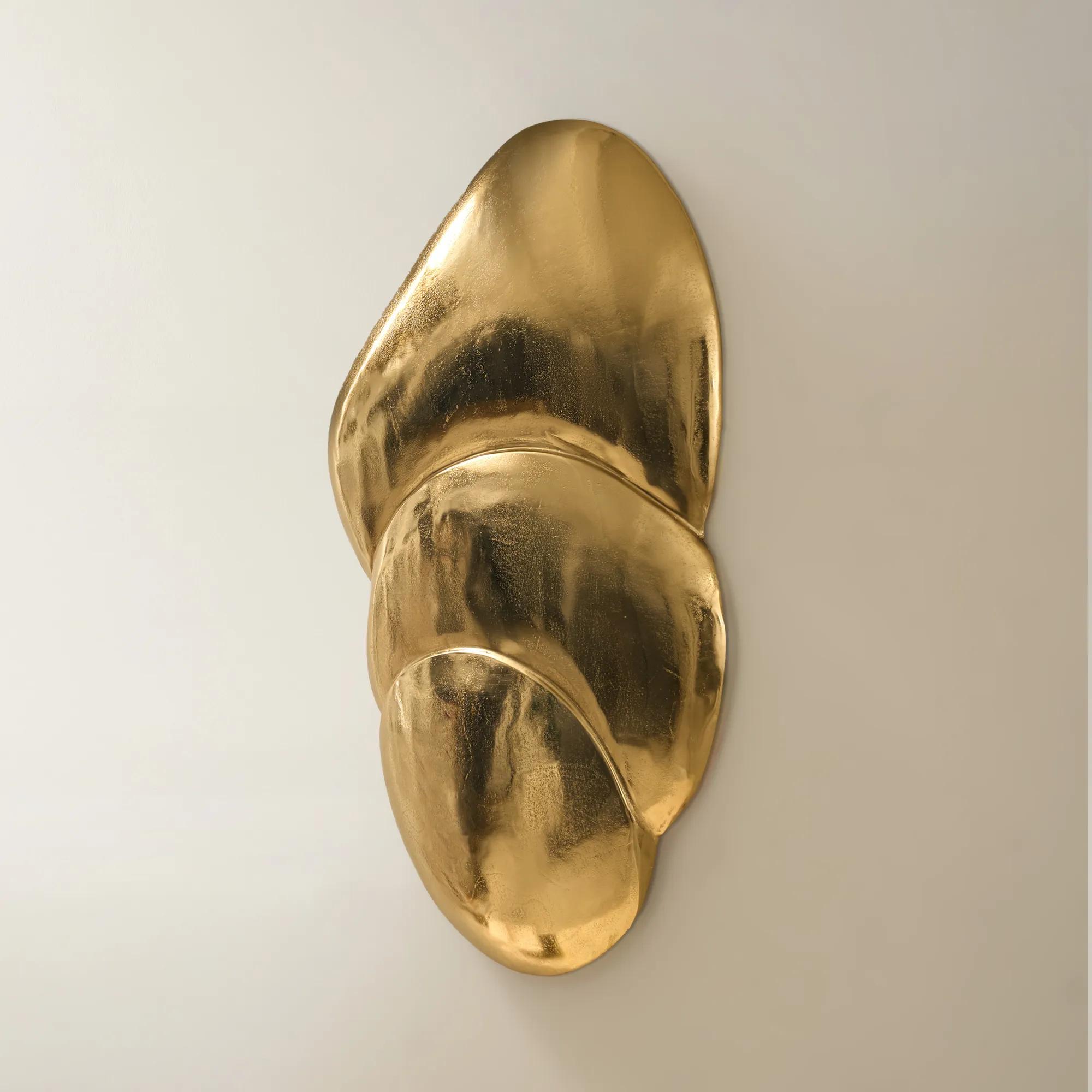 Echo Gold Handcrafted Aluminum Wall Decor 19" x 30"$169
A handcrafted gold aluminum wall sculpture with crisp definition and a polished, gallery-ready framed presentation.
Add To Cart -
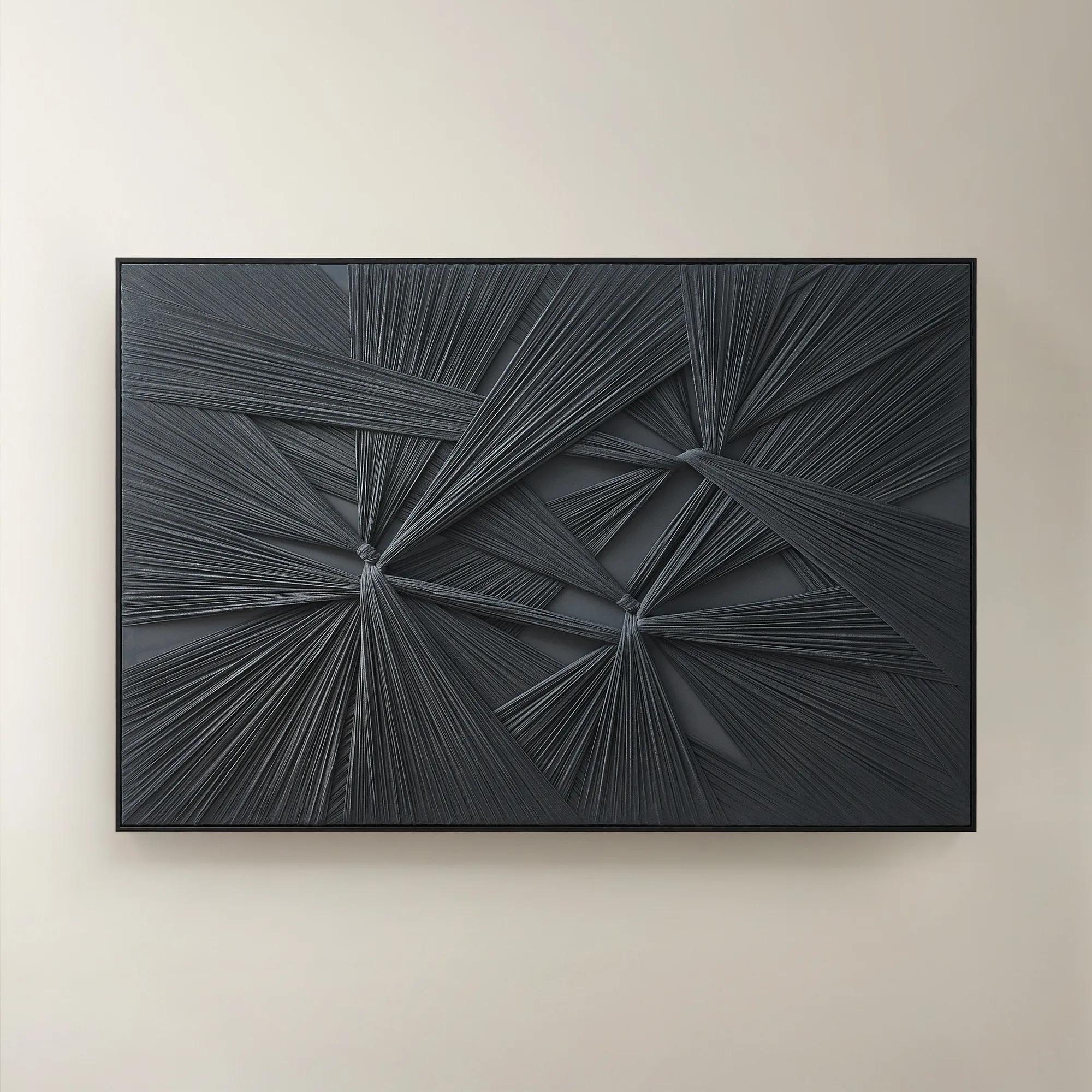 Grace in Dark Slate Hand-crafted Fabric Wall Art 70.75" x 47"$799
A hand-crafted textile wall art piece in dark slate, featuring sculptural texture and versatile display options.
Add To Cart -
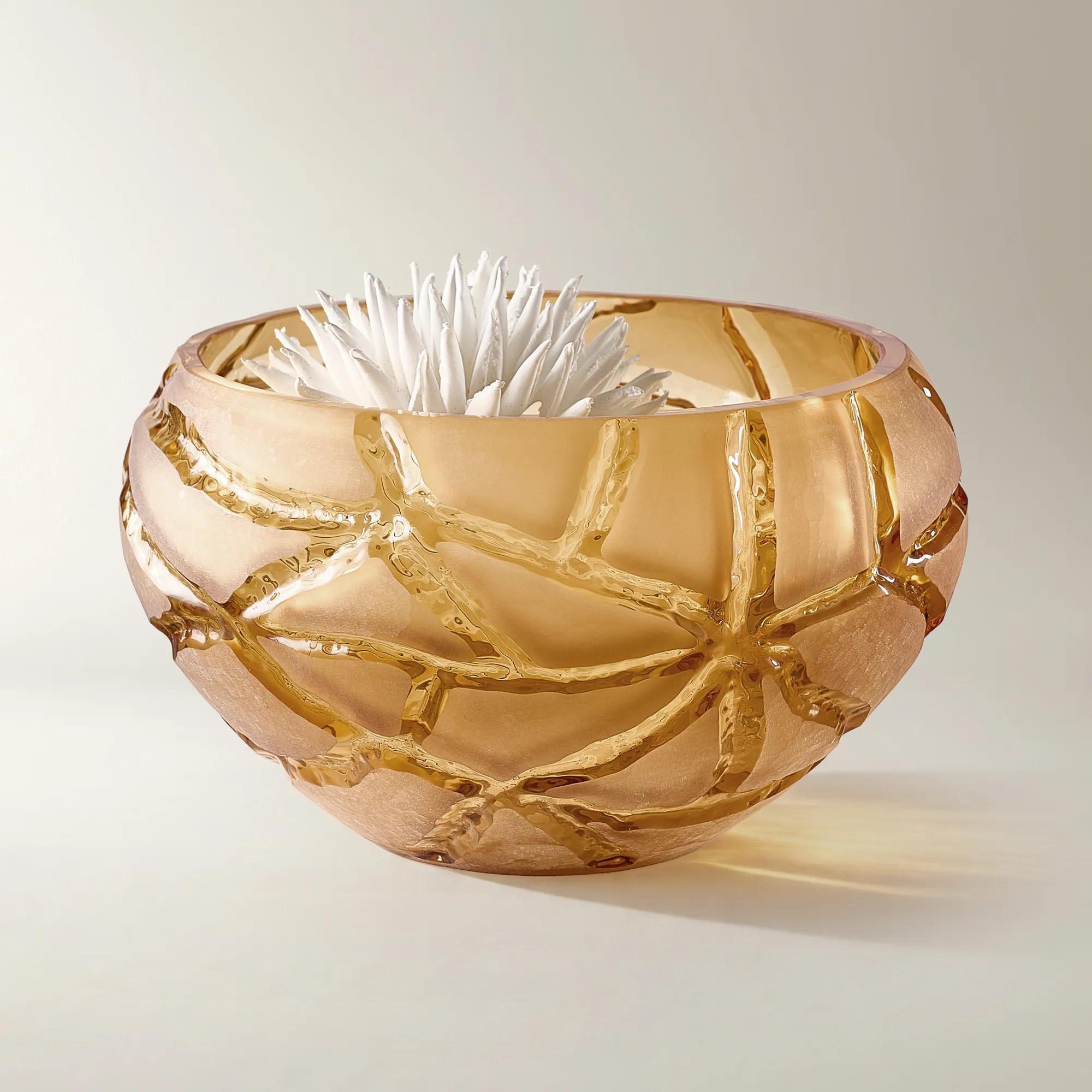 Rowen Mouth Blown Honey Gold Glass Decorative Bowl 11" x 6.25"$129
A handblown glass bowl in honey gold with a textured surface for a luminous, sculptural accent.
Add To Cart -

 Cairo Mactan Stone Console Table (63")$1799
A hand-carved Mactan stone console table featuring a raw chiseled edge and natural tonal variations.
Add To Cart -

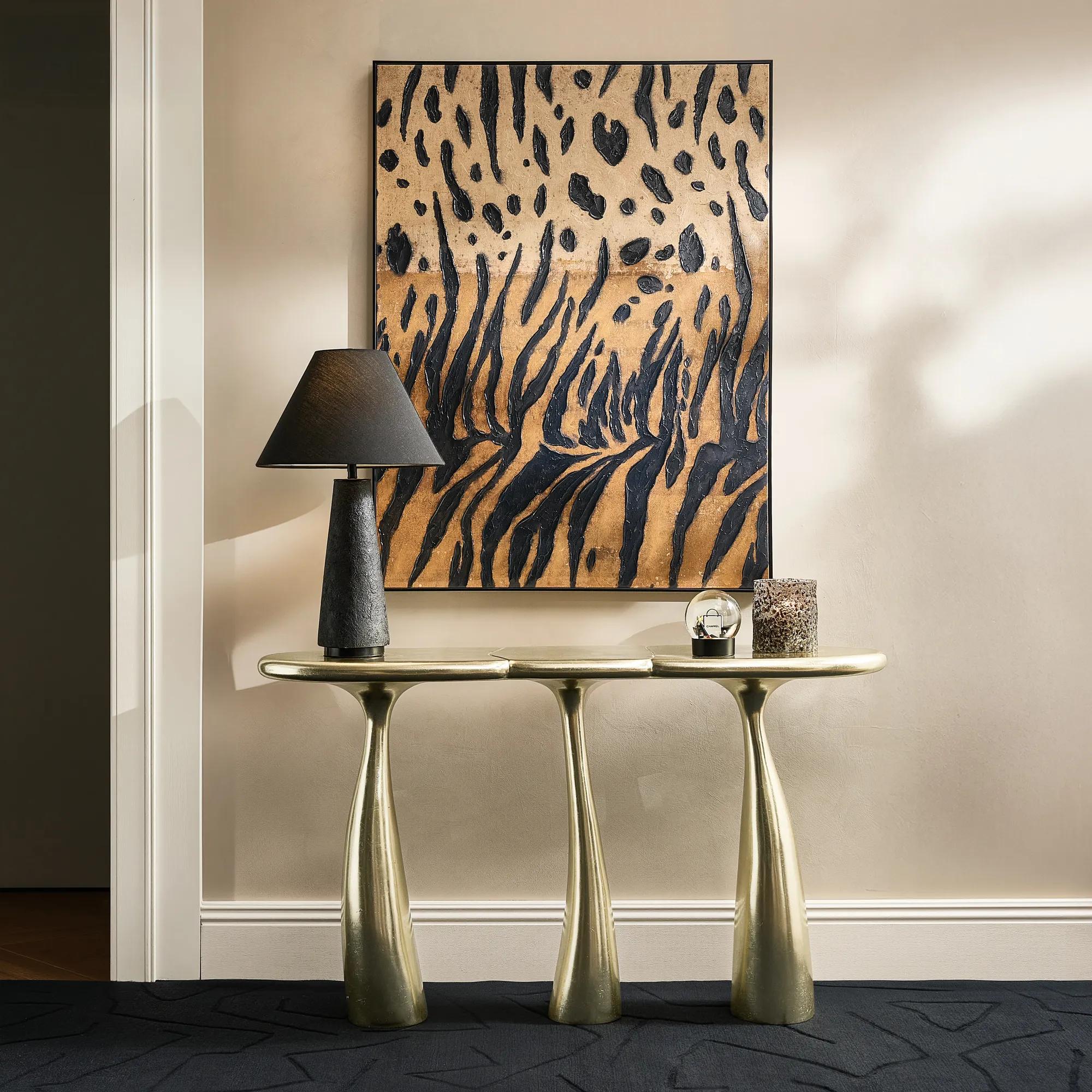 Thalia Soft Gold Console Table (52.4")$999
A sculptural console table hand-molded from fiberglass with a luminous, hand-applied gold leaf finish.
Add To Cart -
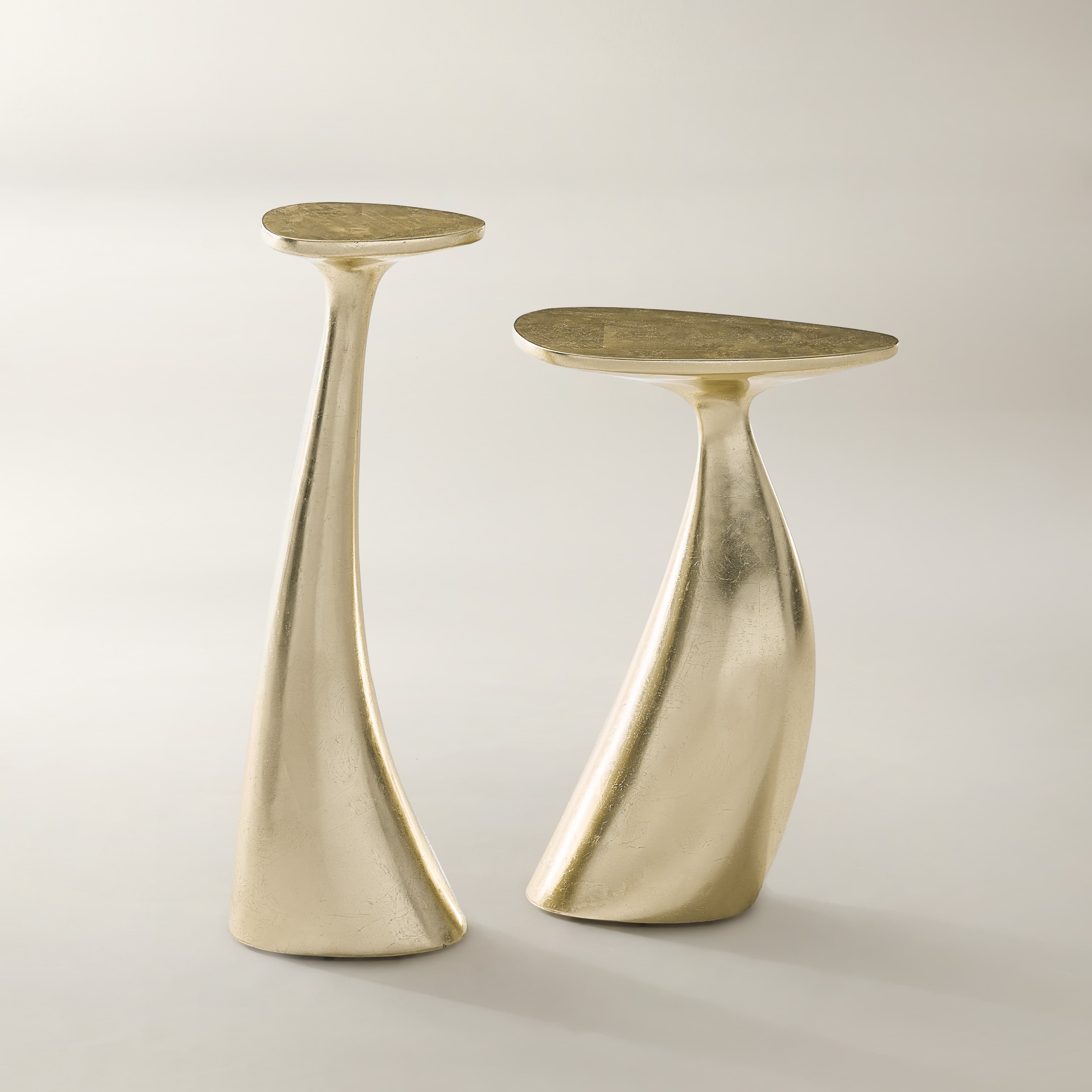 Thalia Soft Gold Side Table Set Of 2 (8"-12.5")$699
A sculptural duo of gold leaf fiberglass tables with fluid lines and a warm, luminous finish.
Add To Cart -
 Thalia Glossy Black Side Table Set Of 2 (8"-12.5")$599
A sculptural duo of glossy black fiberglass tables with fluid lines and mirror-like lacquered finish.
Add To Cart -
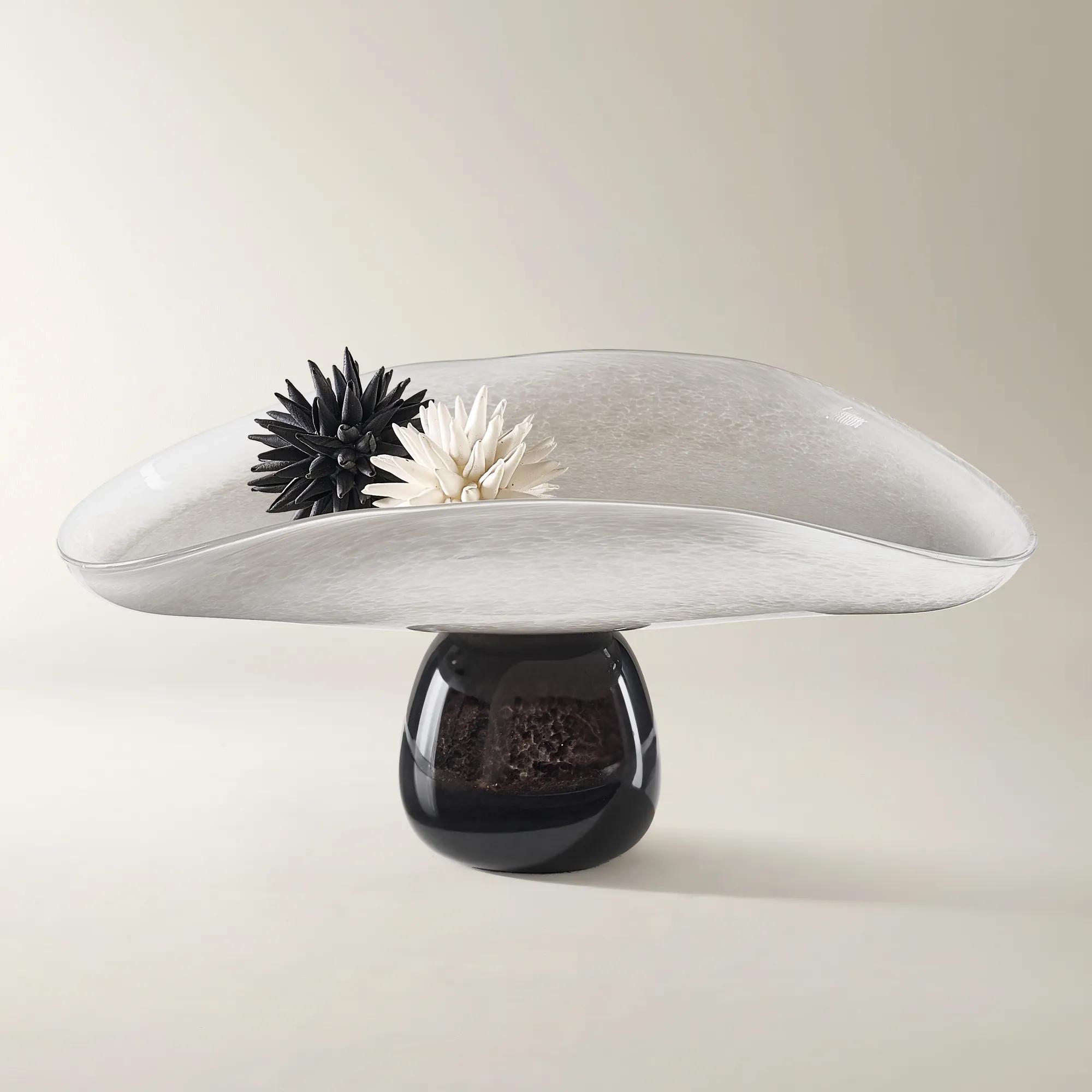 Elois Mouth Blown White Black Pedestal Bowl 14.5" x 7"$149
A handblown glass pedestal bowl featuring striking black and white contrast for a sculptural, modern accent.
Add To Cart -

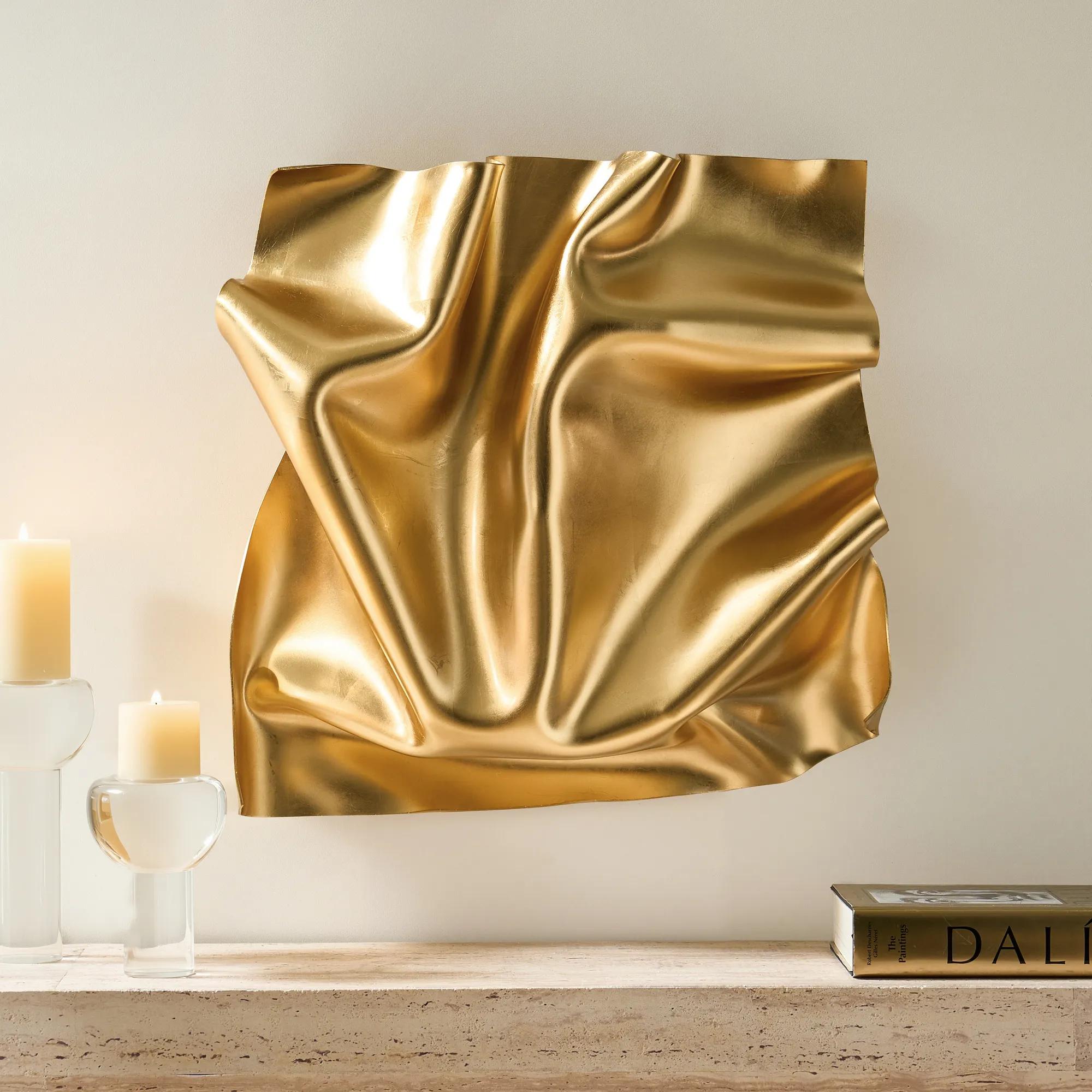 Surface Sculpted Gold Leaf Acrylic Wall Decor 23.6" x 23.6"$199
A dimensional acrylic wall panel features hand-applied gold leafing for a luminous, sculptural gallery effect.
Add To Cart -
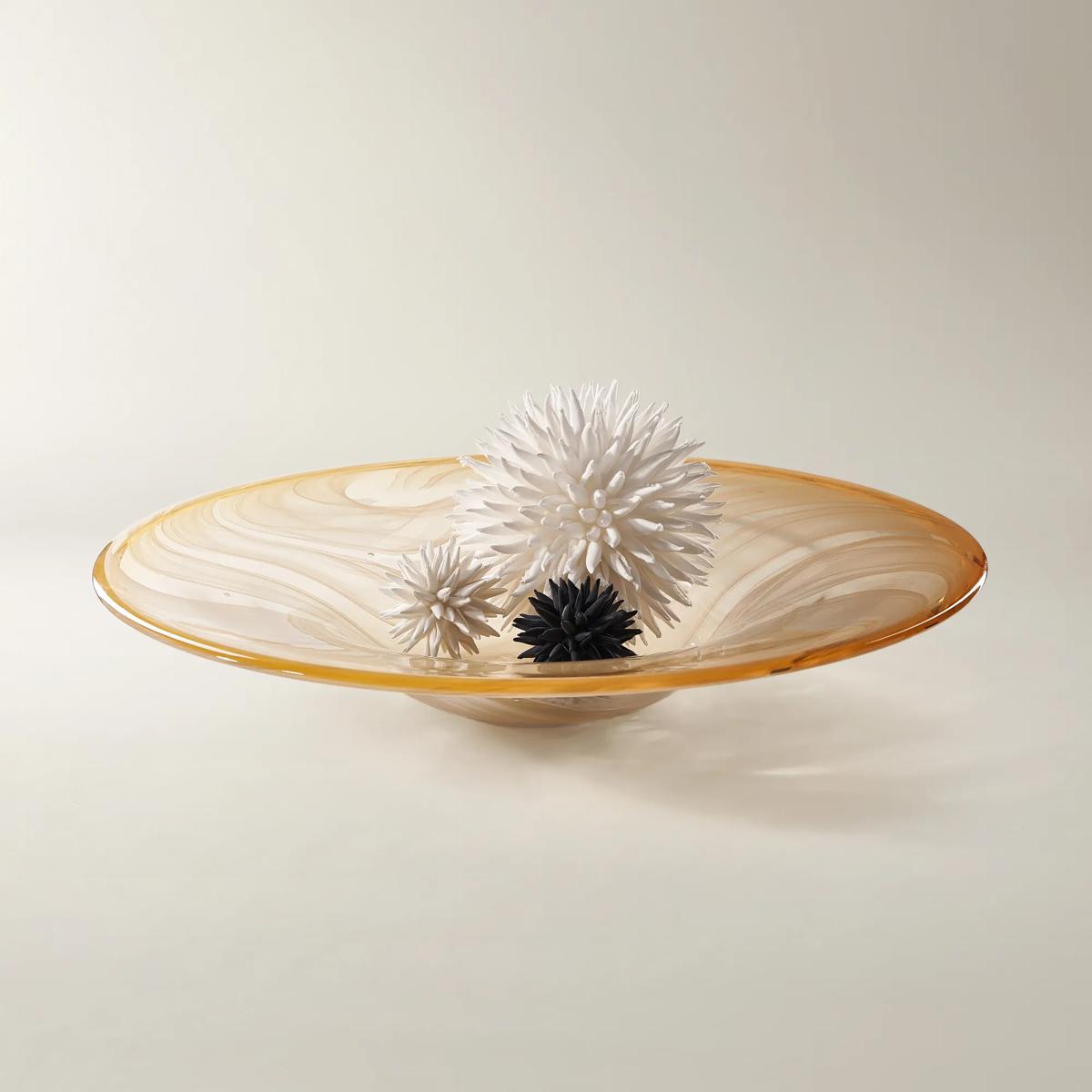
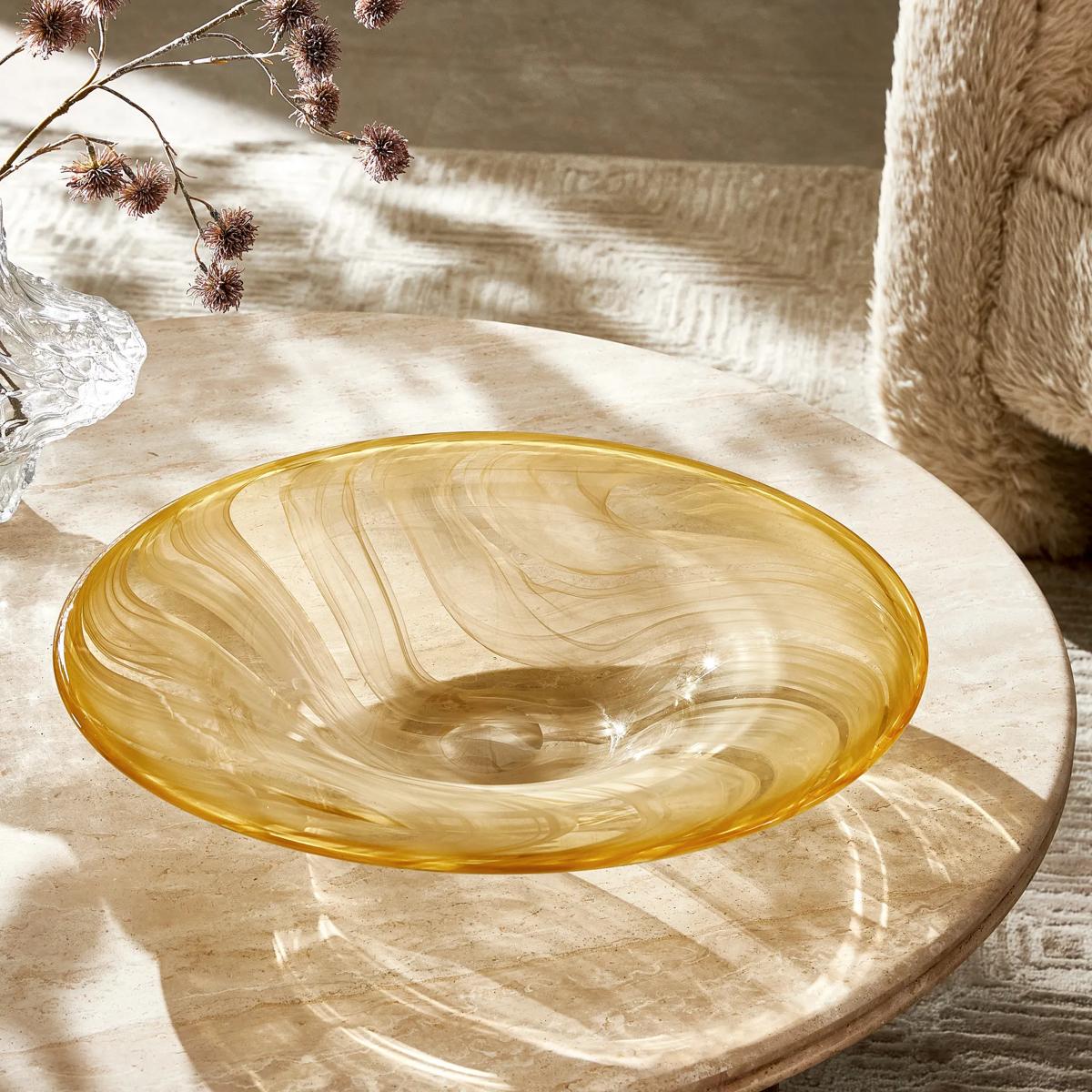 Paradis Glass Plate$239
A hand-blown amber glass plate featuring a swirling, organic design for a radiant decorative accent.
Add To Cart -
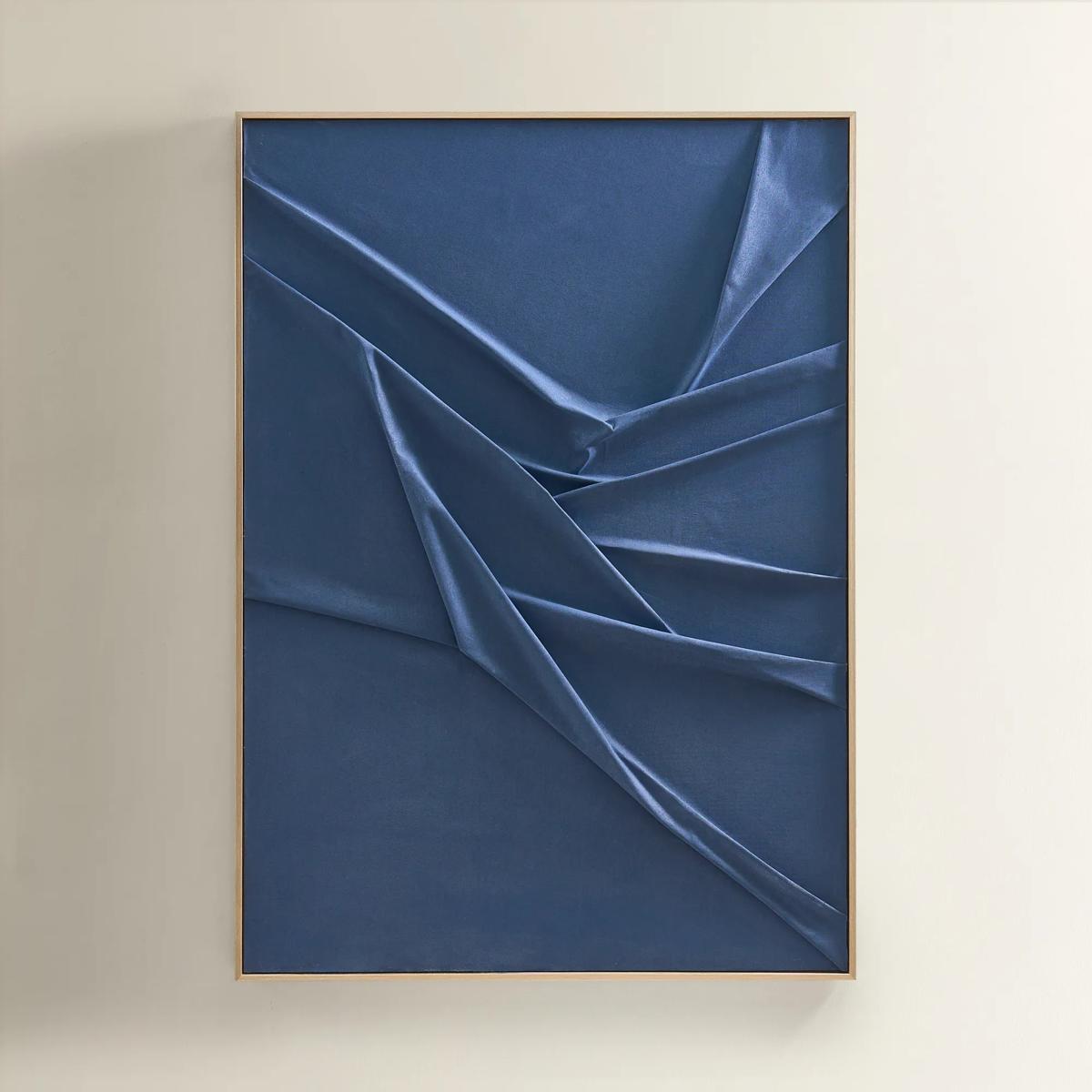 Deep Sea Painting$599
A hand-sculpted navy canvas with dimensional folds, framed in soft champagne for modern, serene elegance.
Add To Cart -
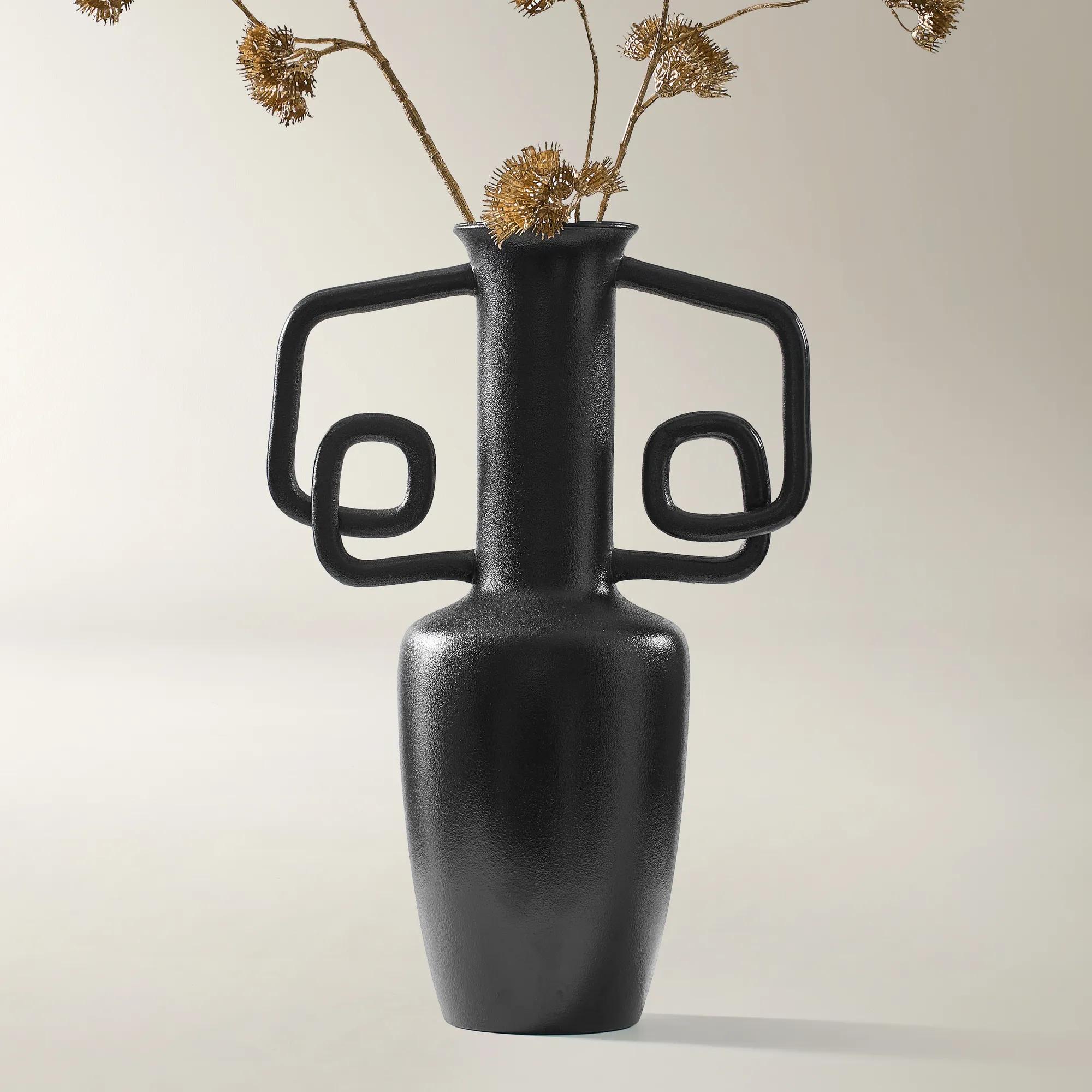 Cleo Handcrafted Black Porcelain Vase 19"$159
A sculptural black porcelain vase with exaggerated handles and a smooth, refined finish for modern decor.
Add To Cart

Sculptural Decorative Hand Pieces
Sculptural decorative hand pieces transform the ordinary into the extraordinary, infusing your space with a sense of artistry and intrigue. Each form captures the drama of gesture—poised, expressive, and endlessly captivating—inviting conversation and admiration from every angle. These striking accents are more than mere décor; they are bold statements, celebrating the elegance of human expression and the allure of modern design. Let sculptural decorative hand pieces become the exclamation point in your curated vignette, turning any surface into a gallery-worthy display of personal style.
Sculptural decorative hand pieces are three-dimensional home accents that turn the human hand into an expressive art form, from finely detailed anatomical studies to elongated silhouettes and bold, abstract gestures. Their appeal lies in the tension between something instantly familiar and something unexpectedly theatrical: an open palm becomes a striking focal point, intertwined fingers suggest connection, and an uplifted hand introduces a confident vertical line. Realistic hand sculptures emphasize the contours of knuckles, fingernails, and gently folded fingers, while abstract interpretations distill those details into sweeping curves and sculptural volume. Gesture sculptures bring a different kind of personality, using recognizable signs to convey ideas such as peace, encouragement, or celebration. Because gestures can carry different meanings across cultures and personal experiences, the expression matters as much as the finish. These decorative objects suit interiors that welcome art with presence, whether the surrounding room is richly layered or deliberately restrained. On a lacquered console, a gleaming hand sculpture creates a vivid exchange between reflected light and expressive form. Against dark shelving, a pale ceramic silhouette reads almost like a gallery study, its negative spaces becoming part of the composition. A sculptural hand can also soften the geometry of a room filled with rectangular books, framed artwork, and sharply tailored furniture. Its organic shape gives the eye somewhere unexpected to linger. Among Unique Decorative Pieces, hand-inspired objects offer an especially personal language, bringing emotion and symbolism into a display without requiring an elaborate arrangement. A single piece can hold its own beside an oversized art book, while a small grouping gains depth through different heights and contrasting surfaces. The strongest compositions give the gesture room to register; closely packed accessories can conceal the very curves and openings that make the form compelling. In a living room, entryway, bedroom, or creative workspace, these accents invite a more expressive approach to decoration, one in which a small object can establish the mood of an entire vignette.
Material and finish shape both the visual character and the practical qualities of decorative hand sculptures. Ceramic and porcelain can capture delicate anatomical detail, with glazed surfaces offering luminous reflections and matte finishes emphasizing contour. Although visually refined, these materials remain vulnerable to chips and breakage, particularly around extended fingers and narrow wrists. Cast resin allows for intricate shapes and a wide range of surface treatments, including finishes that suggest stone or polished metal; its weight and resilience vary with construction, and slender projections still deserve careful handling. Metal introduces a different visual energy, from brilliant reflective surfaces to darker, softly textured finishes. A gold-tone or silver-tone appearance describes a color effect rather than confirming the underlying material, so composition and finish information are important distinctions. Cast stone and concrete often have a substantial presence and subtle surface variation, though weight, porosity, and protective coatings differ. A stone-like appearance alone does not establish whether an object is natural stone, cast material, or resin. These differences influence where a sculpture feels most at home. A luminous finish can echo a mirrored tray or polished lamp, while a chalky surface brings contrast to glass, velvet, and high-sheen furniture. Scale is equally important: overall height includes raised fingers, and the widest point may extend beyond the base. A piece needs enough clearance beneath a shelf and enough depth to sit fully supported rather than projecting into a walkway. On a narrow console, a compact footprint preserves space for everyday essentials; on a generous sideboard, a taller silhouette can balance substantial artwork without competing with every surrounding accessory. A stable base matters especially for upright gestures, which can be top-heavy depending on their proportions. Decorative sculptures are not automatically suitable as bookends, doorstops, or supports for other objects. Their durability depends on material, construction, placement, and handling, not simply on how substantial they appear. Protected indoor placement, away from busy edges and frequent contact, helps preserve both intricate details and the furniture beneath them.
Some hand-shaped decorative objects pair their sculptural presence with a defined practical purpose. A palm-shaped dish may provide a resting place for rings, while a hand-inspired vessel can frame a few stems with an almost theatrical sense of presentation. Function should follow the intended design: a sculpture with an opening is not necessarily a watertight vase, and a decorative palm is not automatically intended for food, candles, or valuables. Where a piece is designed as a holder, its dimensions, balance, and surface finish determine what it can accommodate safely. A dedicated jewelry dish on a dressing table creates an intimate ritual around favorite accessories; a purpose-made pen holder brings artistic character to a desk without surrendering its usefulness. Purely decorative pieces need no secondary role—the gesture itself can be enough. Care is generally most successful when it respects the finish rather than treating every material alike. Gentle dusting with a soft, dry cloth is a sensible starting point, with delicate fingers supported at the base during handling rather than used as lifting points. Abrasive cleaners, vigorous rubbing, and prolonged moisture can damage certain coatings or surfaces, so any additional cleaning should follow the piece’s care instructions. Felt protection beneath an appropriate base can help reduce contact marks on furniture, provided it does not compromise stability. Placement away from children’s reach, curious pets, and crowded traffic areas is particularly important for fragile or finely extended forms. As gifts, sculptural hand pieces offer an alternative to purely ornamental objects because their gestures can express something about the recipient. An art enthusiast may appreciate anatomical detail, a design-minded host may favor an arresting abstract silhouette, and a close friend may connect with a gesture associated with a shared sentiment. For housewarmings, professional milestones, or personal celebrations, that connection gives the object lasting relevance. Considered for its expression, proportions, and material, a decorative hand becomes more than an accessory: it lends a room a distinctive human presence, captured in a form that feels both intimate and commanding.
FAQs
Sculptural decorative hand pieces are remarkably versatile and can elevate a wide range of interior styles. They bring a sense of artistry and intrigue to modern, eclectic, maximalist, and even classic spaces. Whether showcased in a minimalist setting for a bold focal point or layered among rich textures and patterns for a more dramatic effect, these pieces adapt beautifully to your unique vision.
Integrate sculptural hand decor by placing it where it will command attention—on a coffee table, atop stacked books, or as part of a curated shelf vignette. Pair with complementary materials such as mirrored trays, metallic accents, or velvet textiles to amplify its impact. The key is to let the piece shine as a statement, either standing alone or as part of a thoughtfully arranged collection.
Absolutely. Sculptural hand pieces make memorable, meaningful gifts for art lovers, design enthusiasts, or anyone who appreciates expressive decor. They are especially fitting for occasions like housewarmings, graduations, or milestone celebrations, offering a gesture that is both symbolic and enduring.
Sculptural hand decor is crafted from a variety of luxurious materials, including gleaming metals, hand-finished resin, polished stone, and artisanal ceramics. Each material brings its own unique character and tactile appeal, allowing you to select a piece that resonates with your personal aesthetic and the mood of your space.
Sculptural hand pieces introduce a sense of drama, artistry, and storytelling to any room. Their expressive forms and finishes catch the light, draw the eye, and invite conversation, transforming ordinary surfaces into curated moments of wonder. Whether evoking serenity, strength, or whimsy, these pieces infuse your space with personality and creative energy.