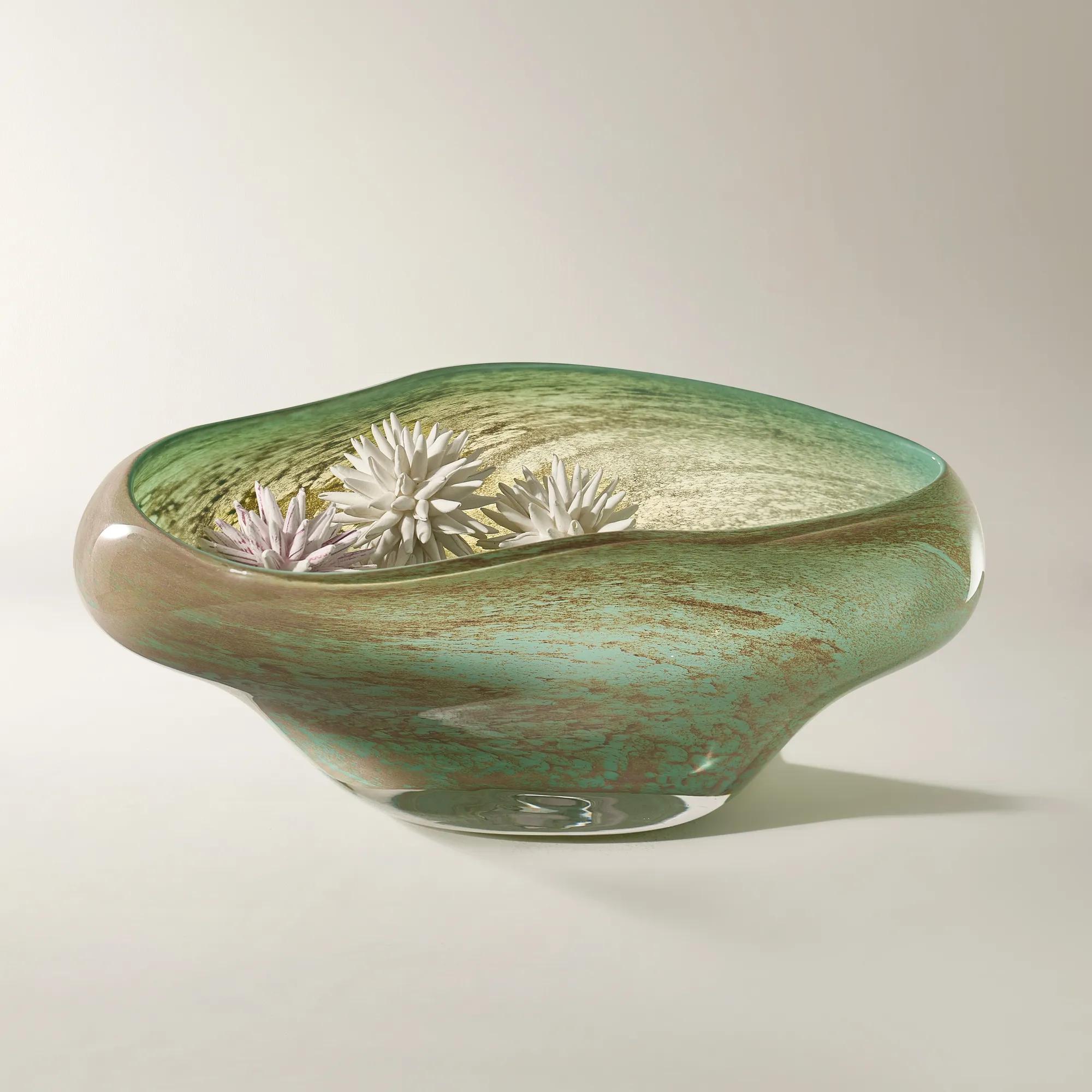
Sculptural Black Decorative Bowls
Sculptural Black Decorative Bowls
-
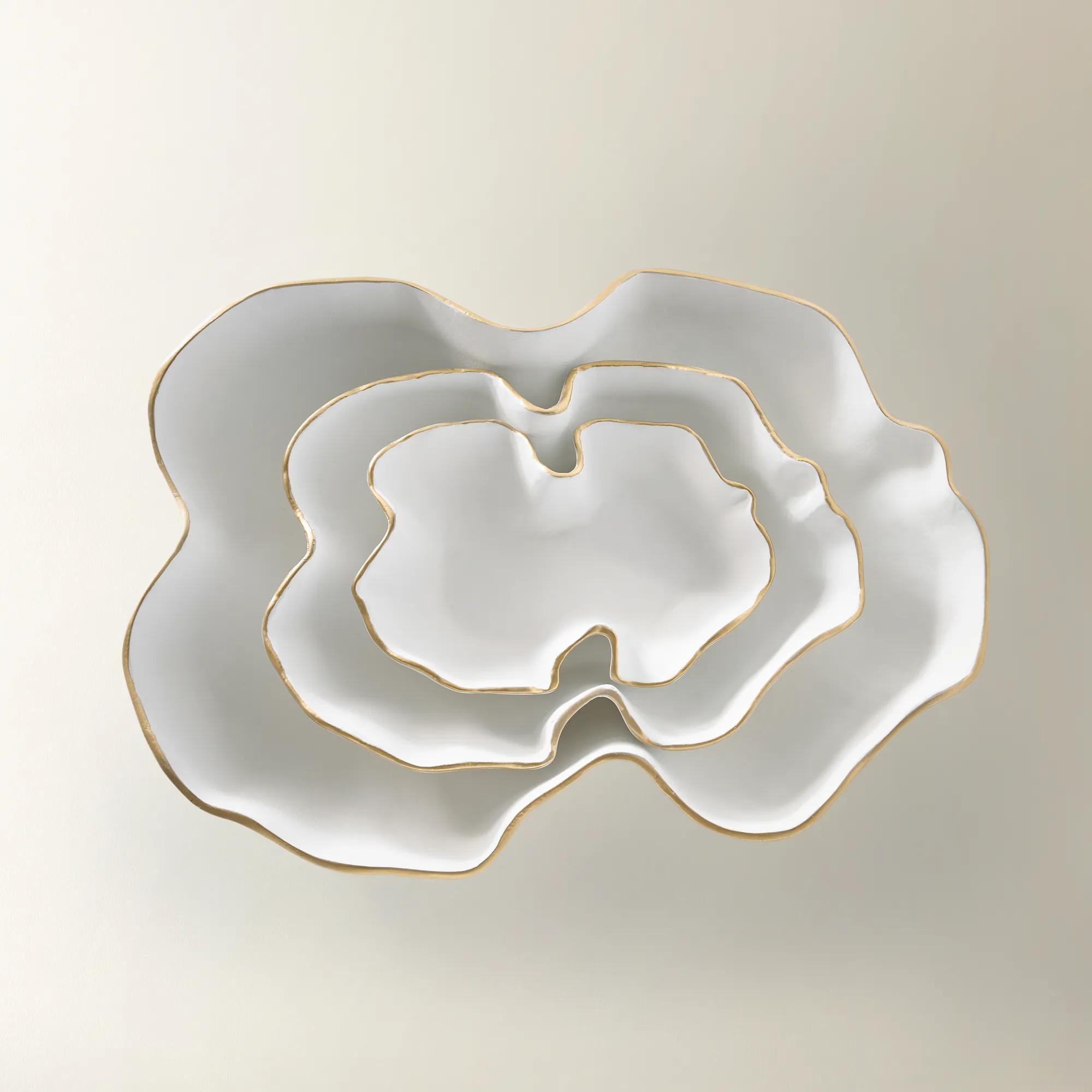
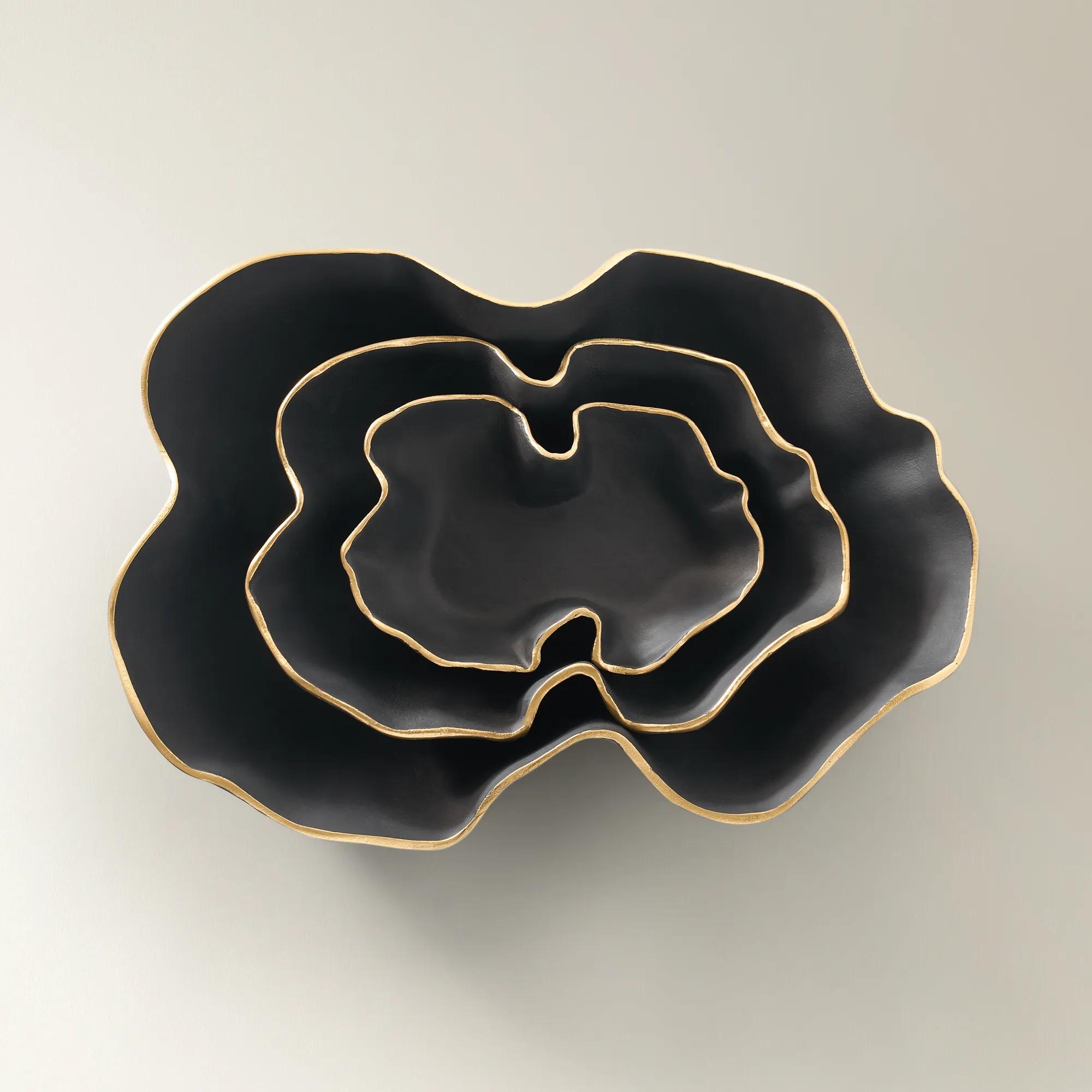 Lava Black Gold Aluminum Decorative Nesting Bowls$39
A deep black aluminum bowl with golden edges, featuring an organic, volcanic-inspired design for decorative display.
Add To Cart -
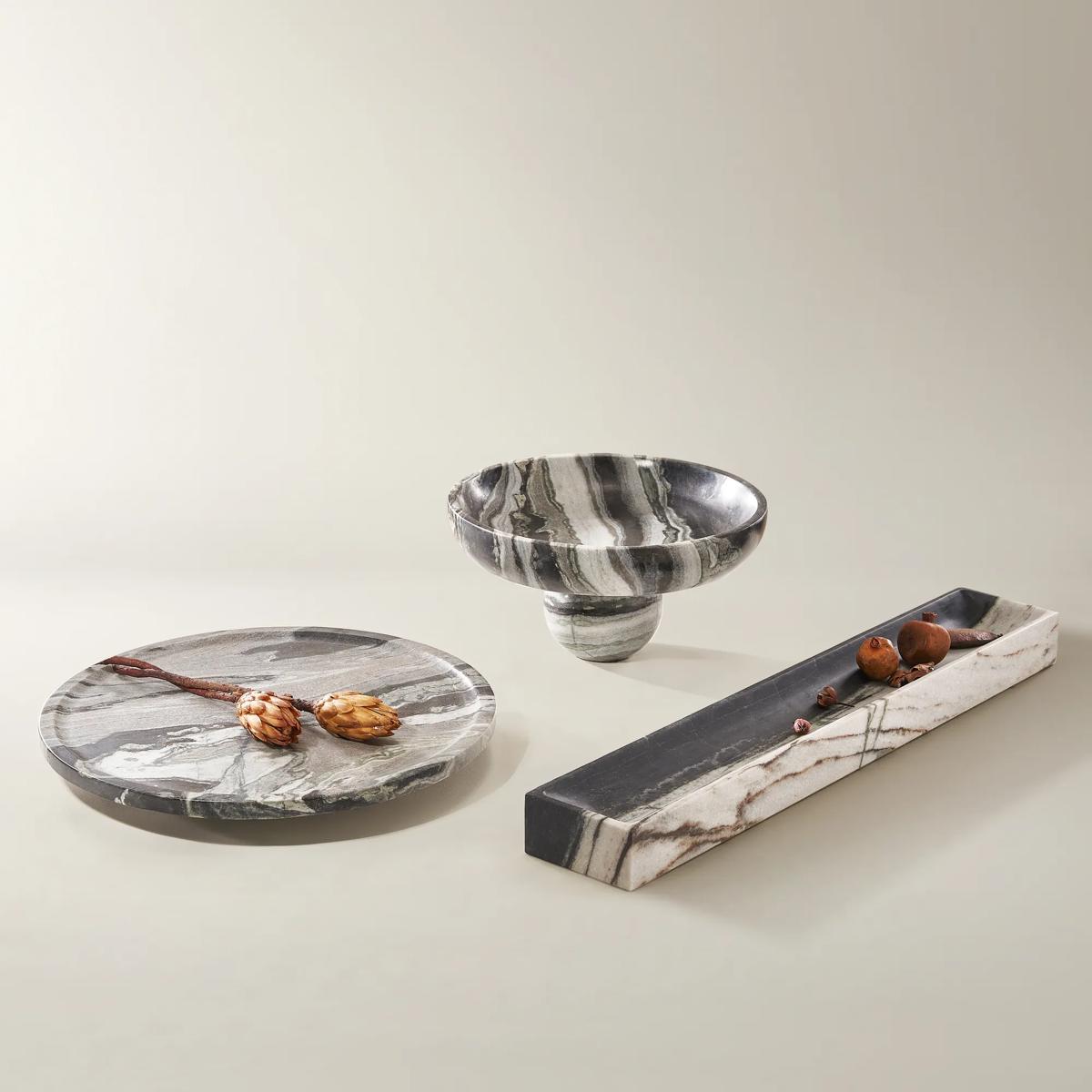
 Luxe Marble Collection$119
A striking black marble decor collection featuring unique veining and elegant footed bowl, tray, and riser.
Add To Cart -
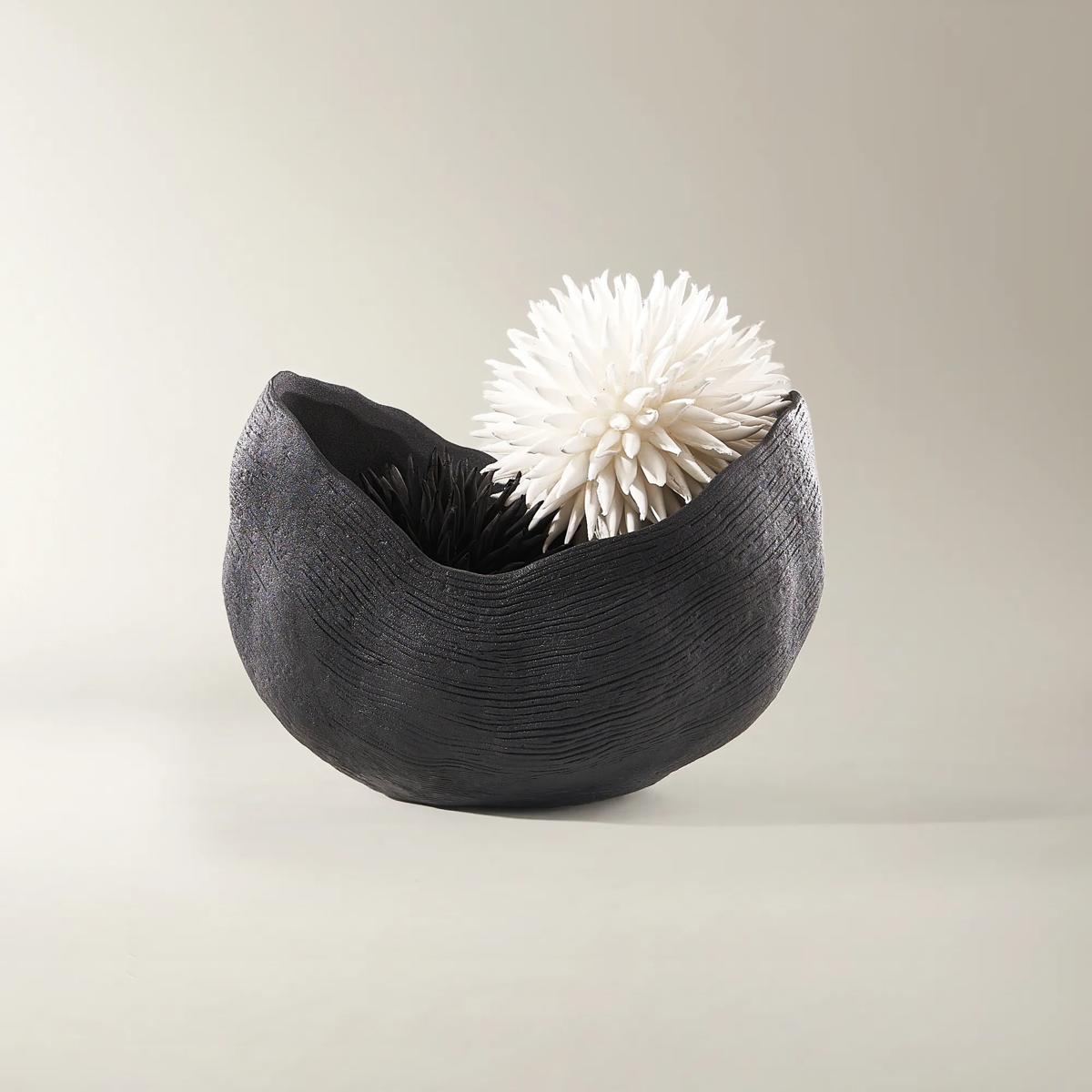 Baz Bowl - Black$119
A sculptural black porcelain bowl with a matte, ridged texture for bold, modern decor accents.
Add To Cart -
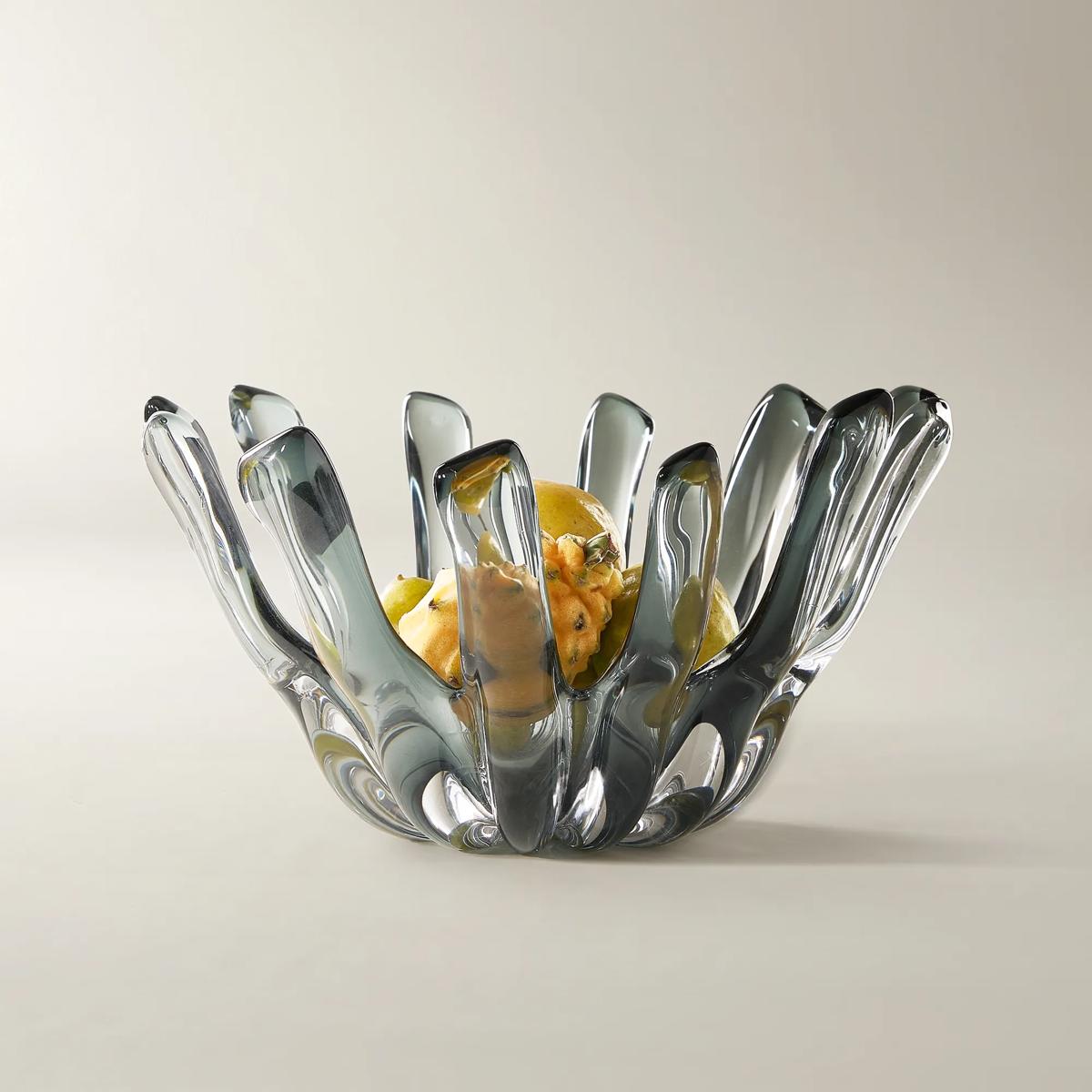
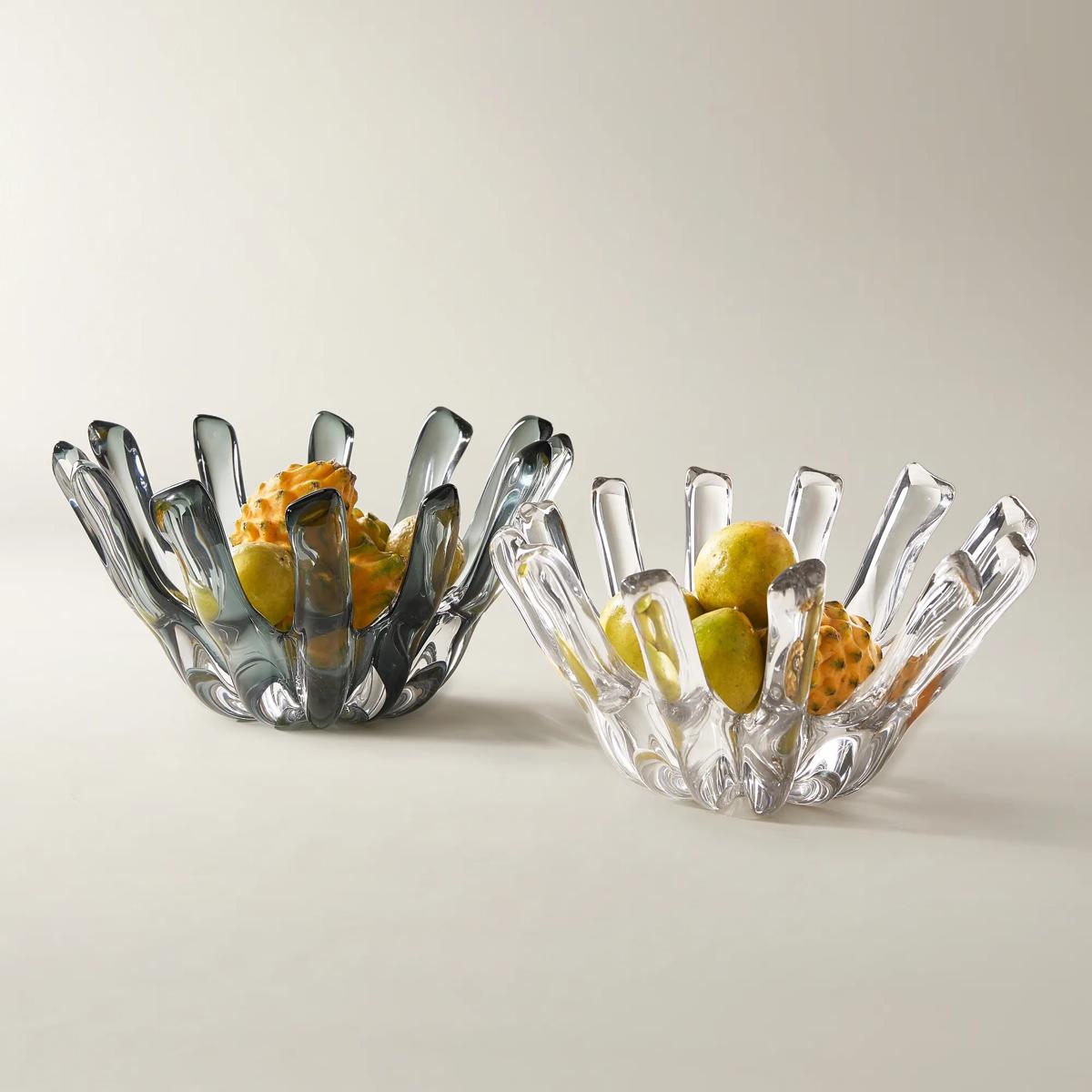 Bossa Smoke Handblown Glass Decorative Bowl 13" x 7"$129
A hand-blown smoky grey glass bowl featuring an expressive, sculptural design for modern decorative displays.
Add To Cart -
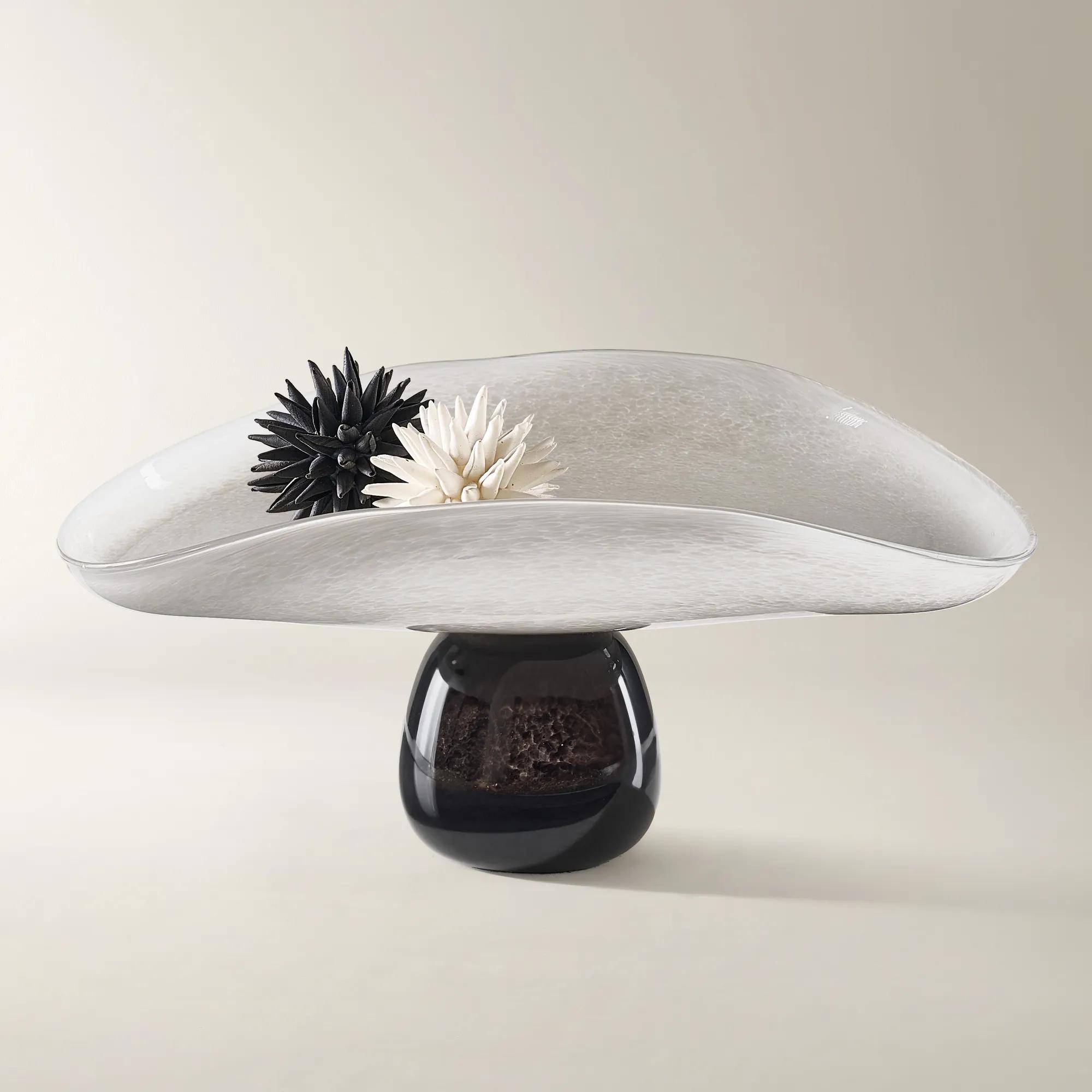 Elois Mouth Blown White Black Pedestal Bowl 14.5" x 7"$149
A handblown glass pedestal bowl featuring striking black and white contrast for a sculptural, modern accent.
Add To Cart -
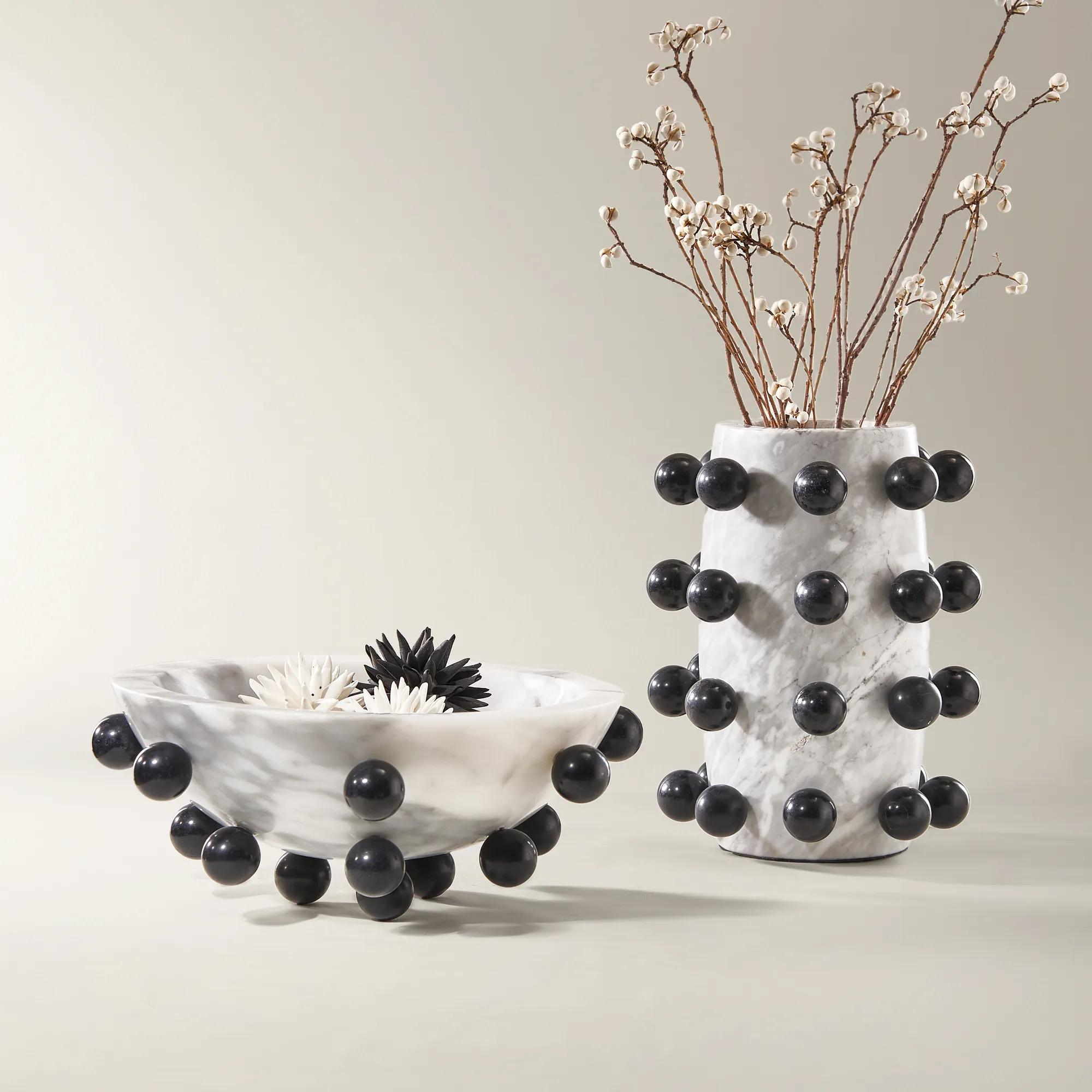 Borra Grey Black Marble Vase & Bowl$219
A sculptural grey marble accent featuring bold black orbs and unique natural veining for modern drama.
Add To Cart -
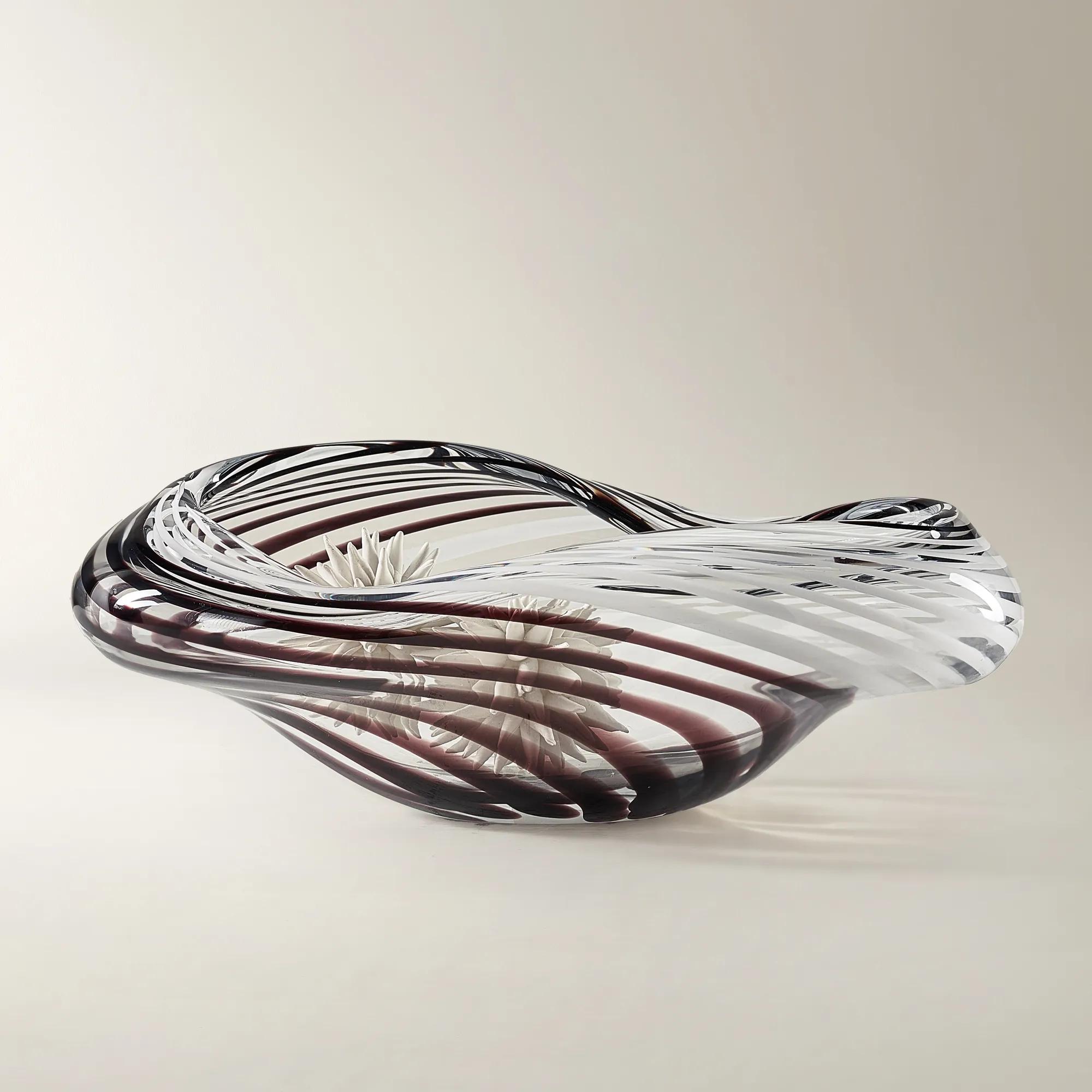 Optic Mouth Blown Black/White Glass Decorative Bowl 17.25" x 5.5"$99
A handblown glass bowl featuring charcoal stripes and a sculptural, Deco-inspired silhouette for decorative display.
Add To Cart -
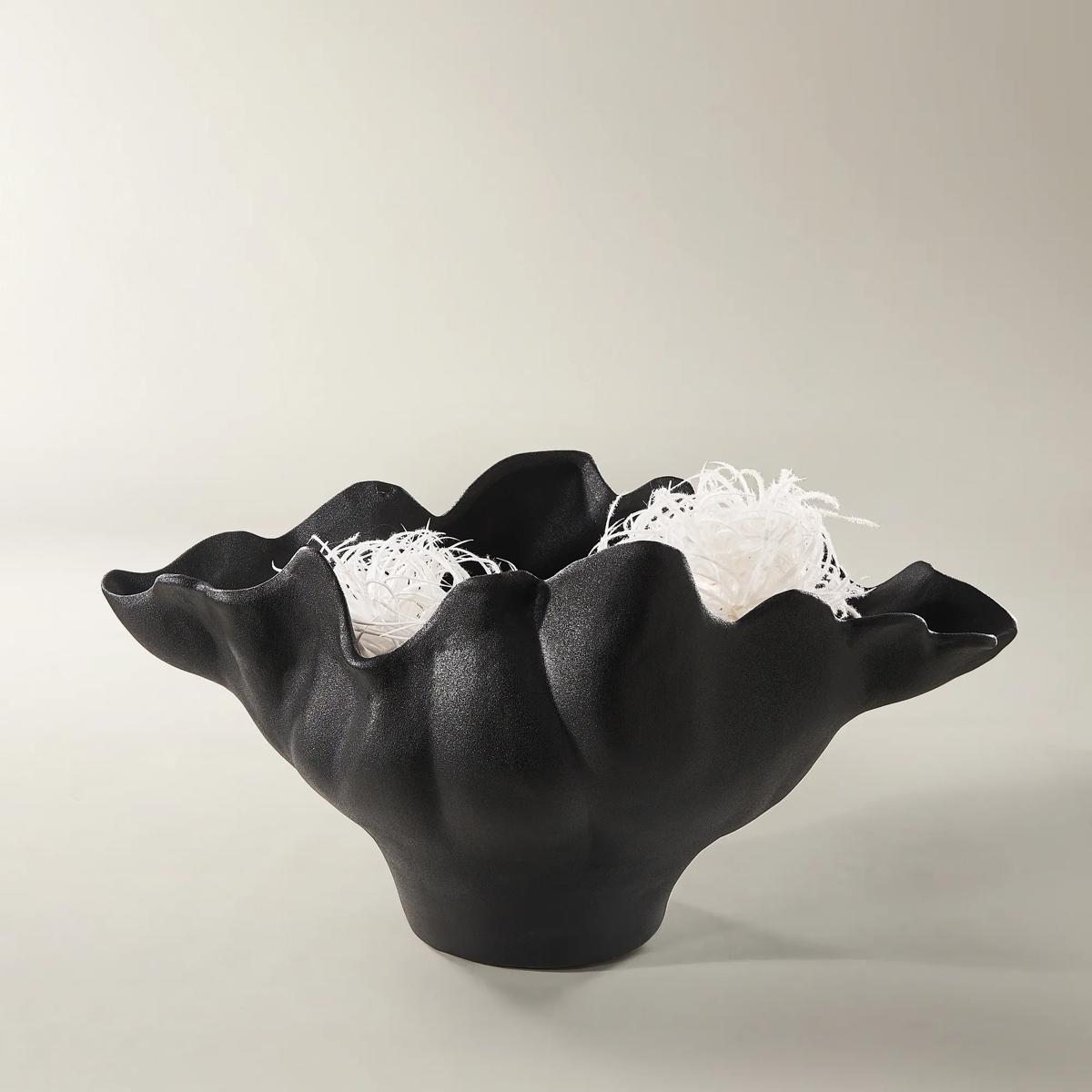
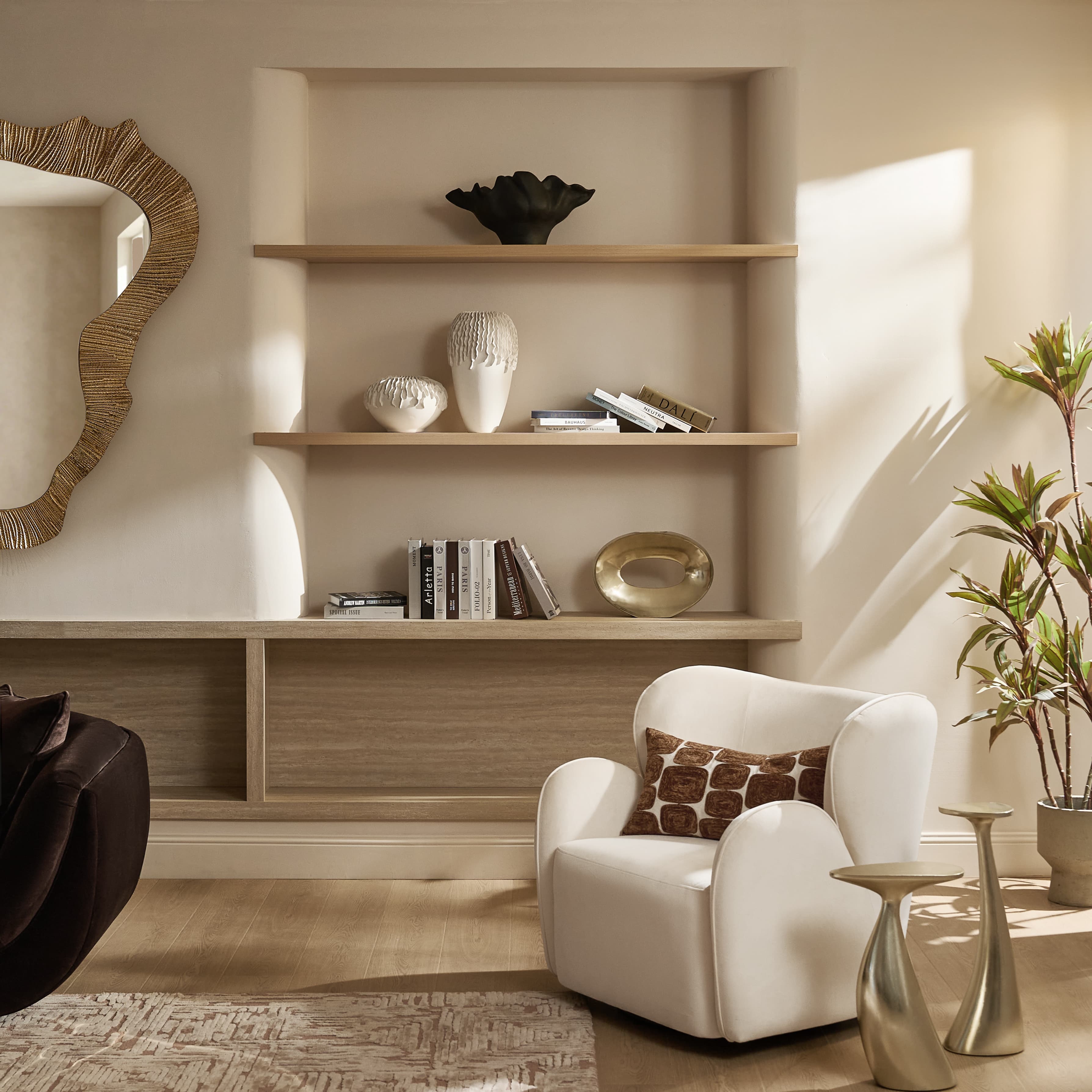 Ebba Black Porcelain Decorative Bowl 20.25" x 10.25"$199
A sculptural matte black porcelain bowl with undulating petal-like edges for bold, artistic elegance.
Add To Cart -
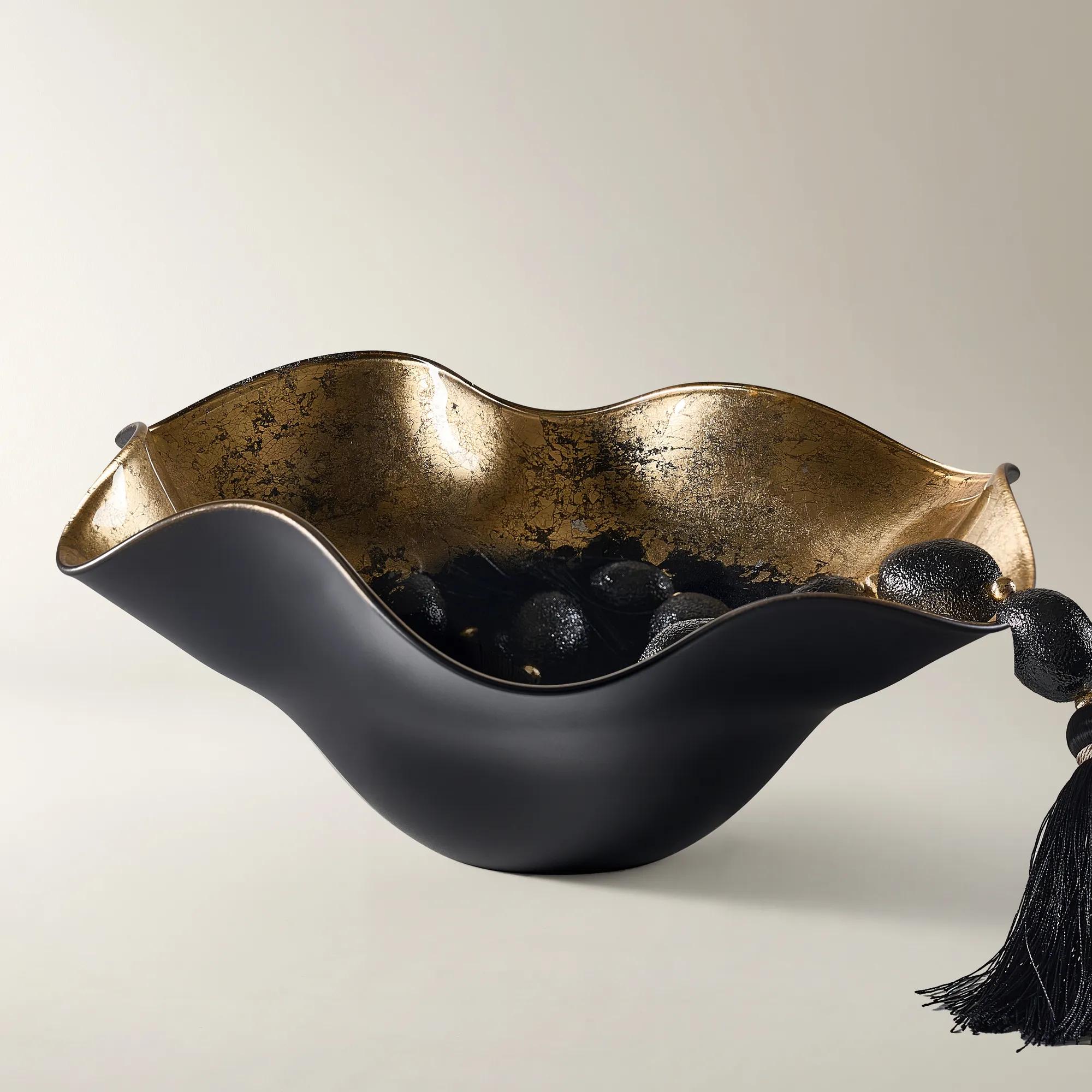
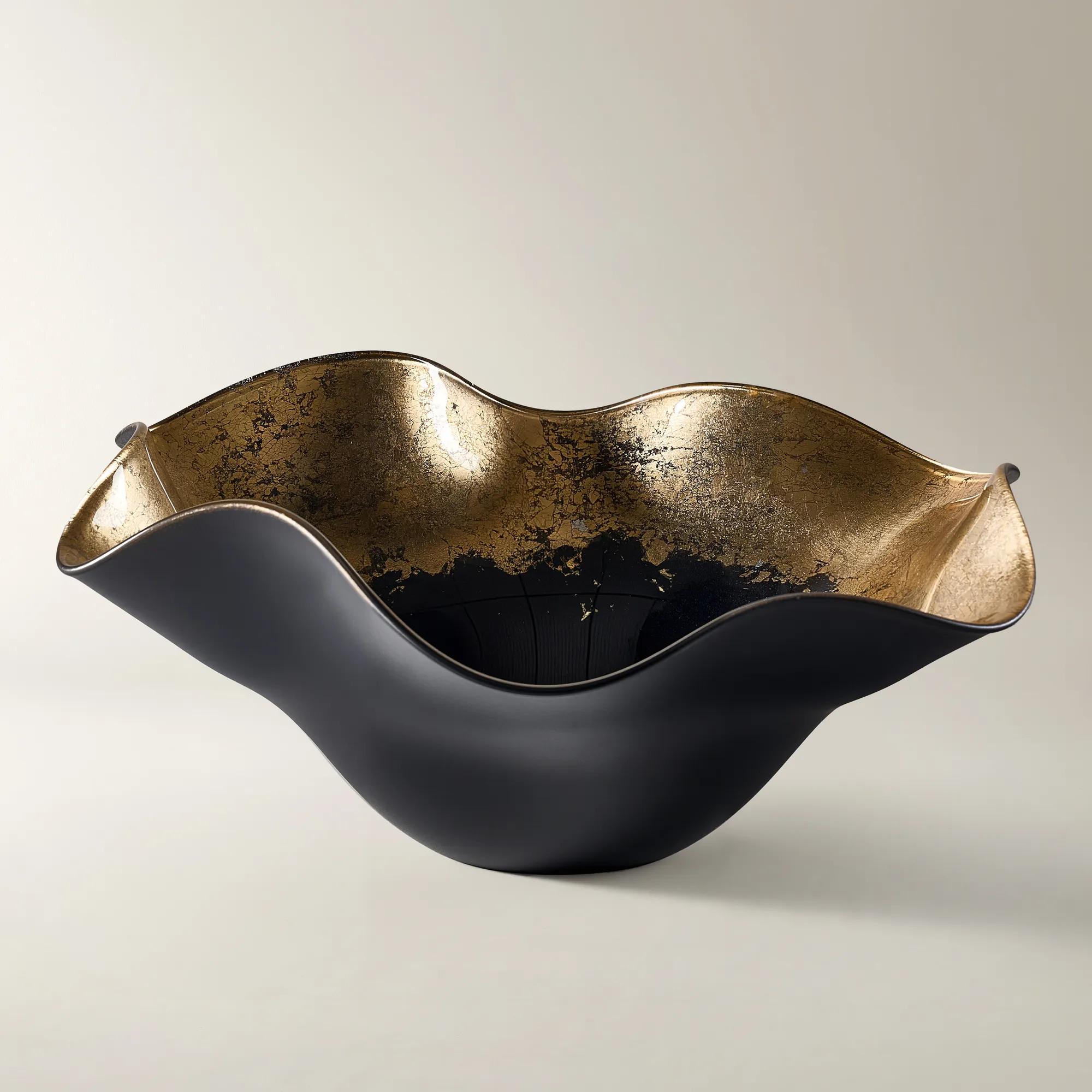 Goldie Mouth Blown Gold Black Glass Decorative Bowl 15.5" x 8.75"$199
A handblown glass bowl in soft gold and black with an organic, sculptural silhouette for modern decor.
Add To Cart -
.jpeg?w=1200&h=1200)
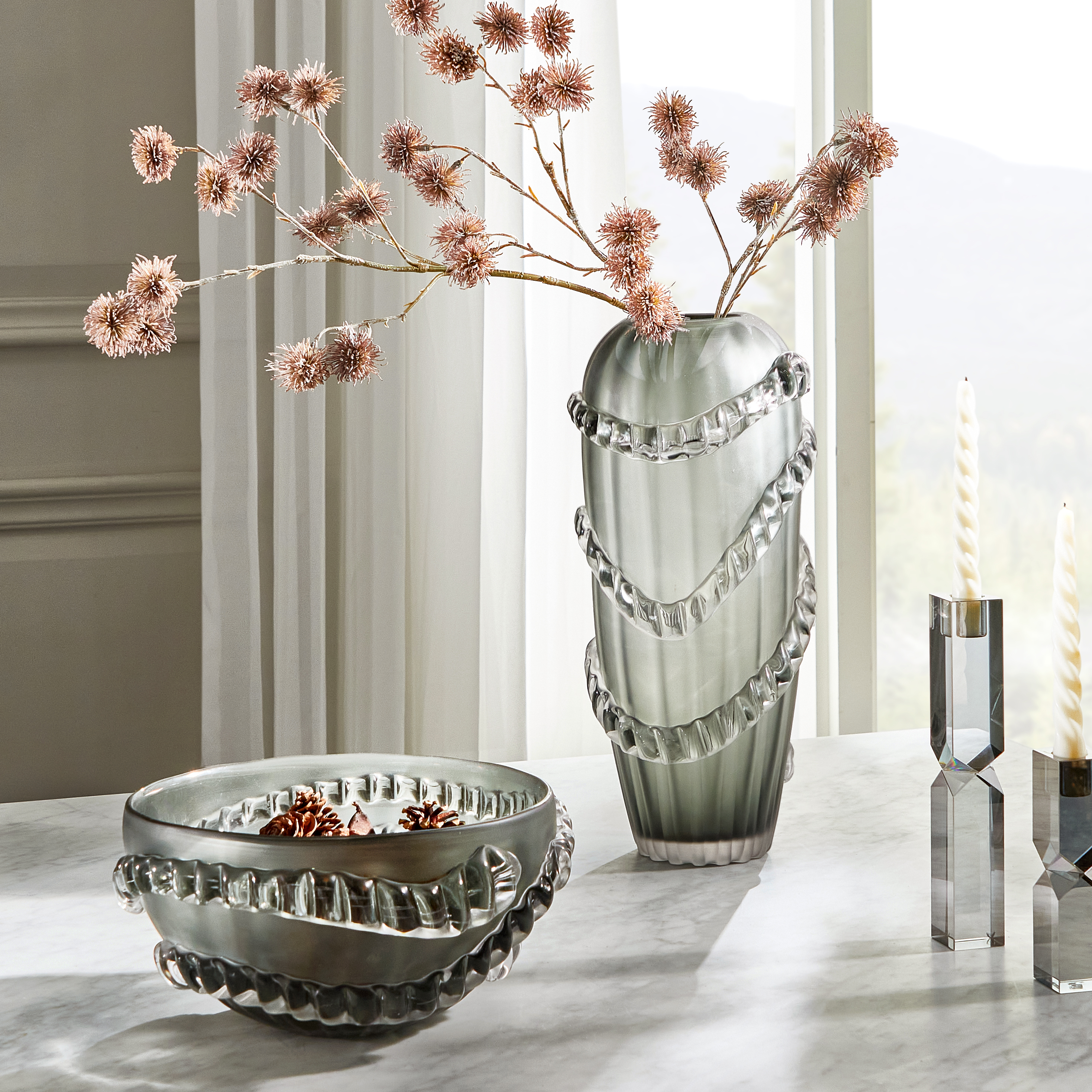 Helix Glass Collection$129
A hand-blown dark gray glass piece featuring fluted bodies and rippling sculptural ribbons for modern elegance.
Add To Cart -
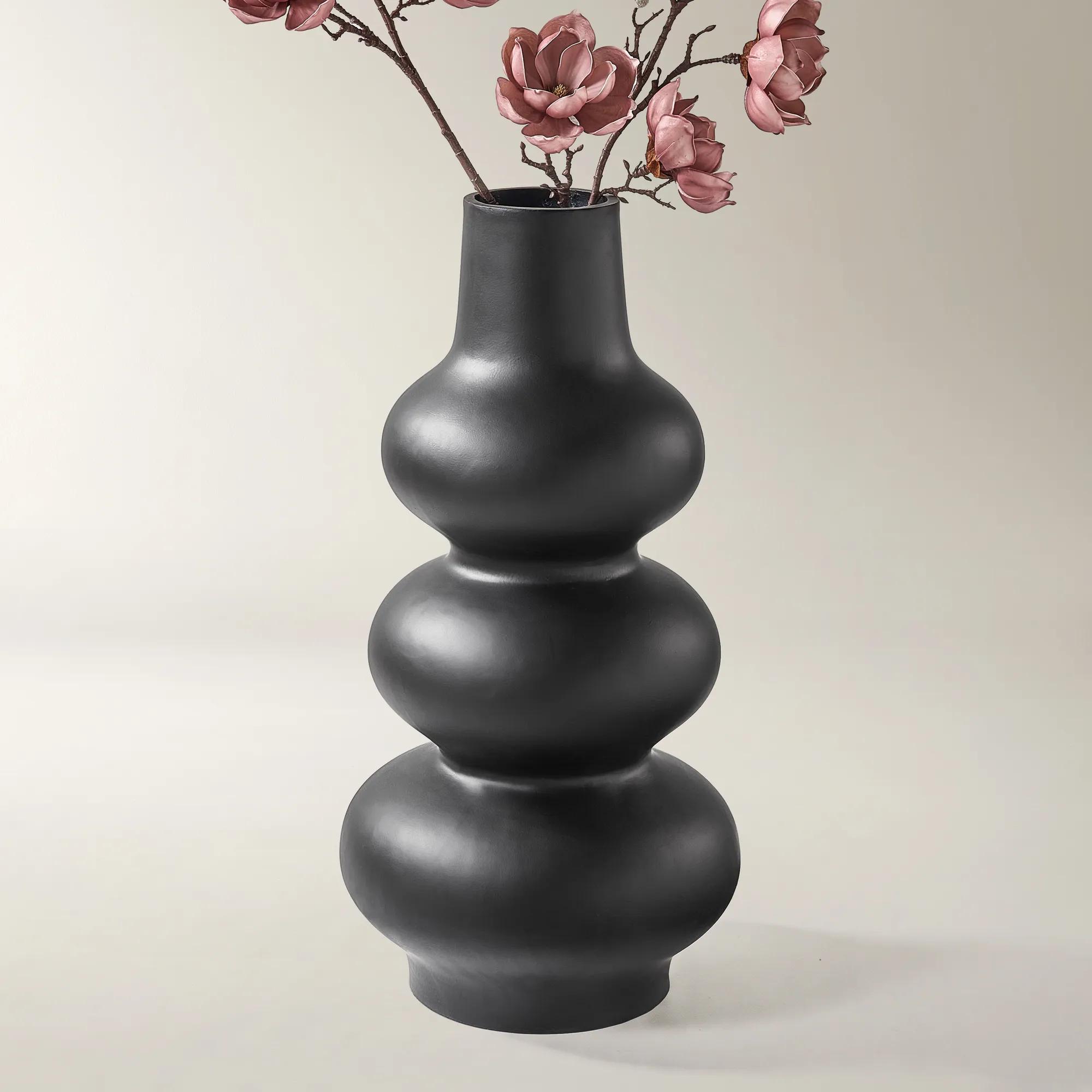 Naali Black Resin Floor Vase 31"$279
A bold black resin vase featuring a chunky, sculptural silhouette for striking modern decor.
Add To Cart -
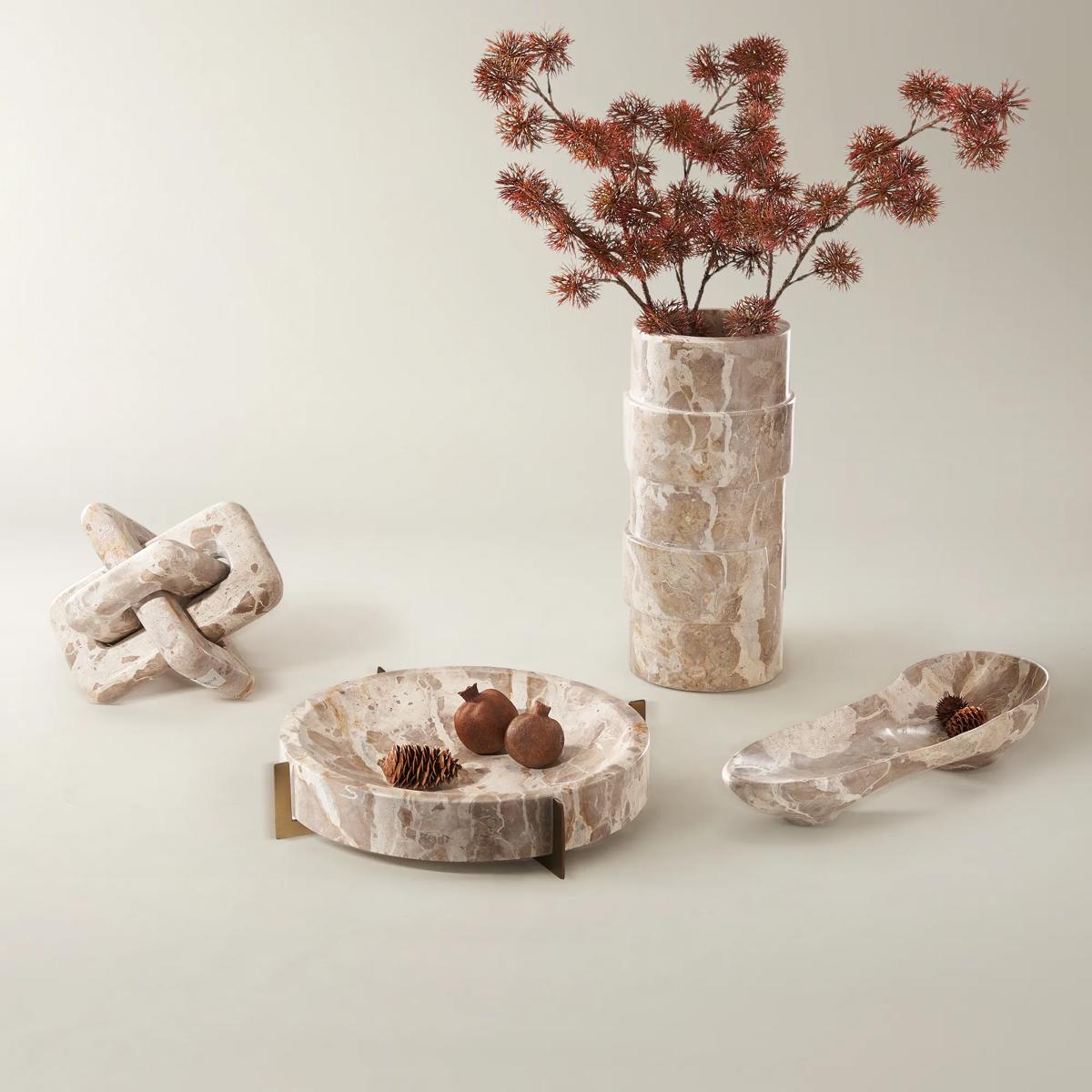
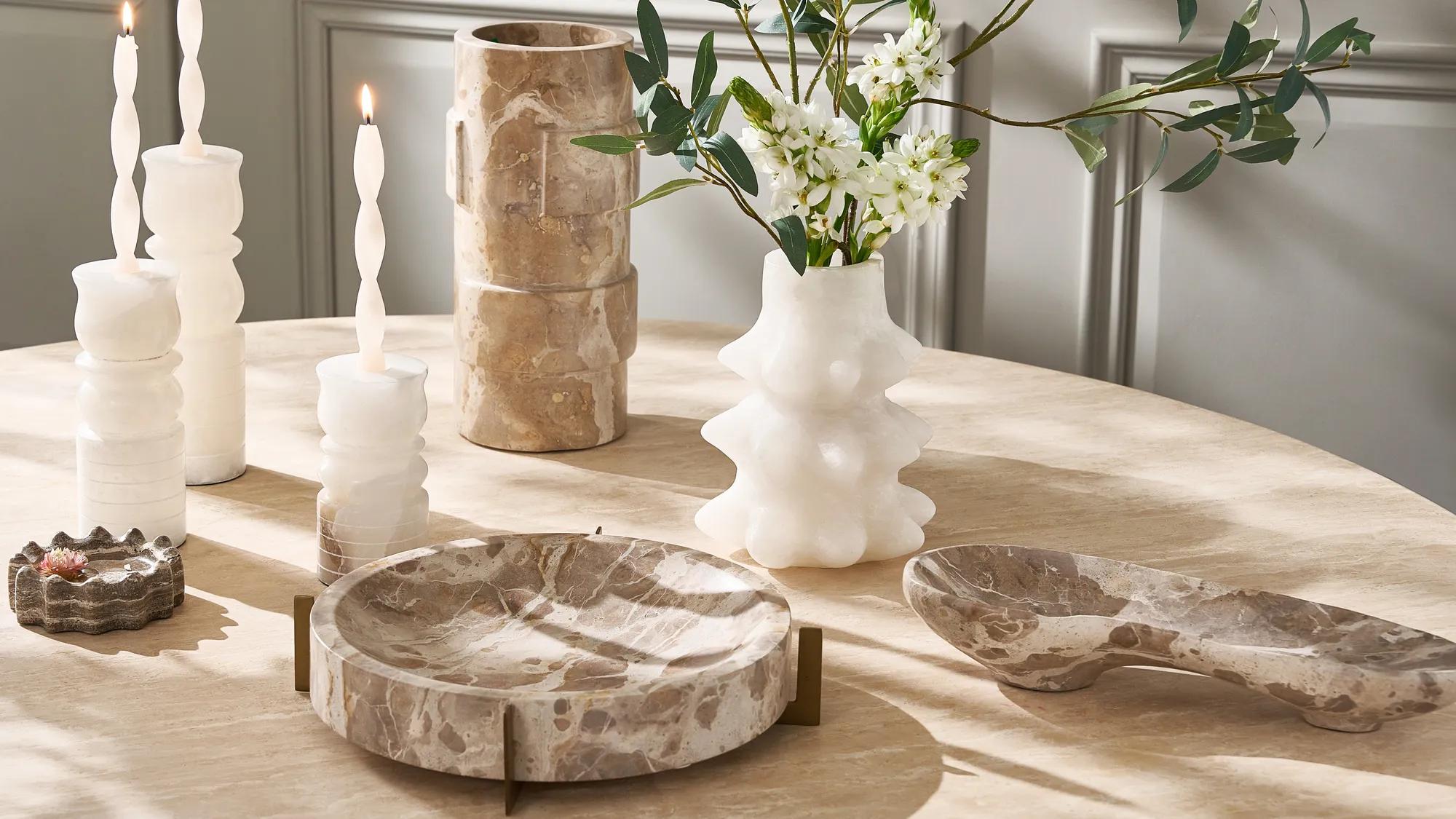 Neutral Marble Collection$129
A handcrafted marble decor collection featuring unique veining, natural neutral tones, and elegant metal accents.
Add To Cart -
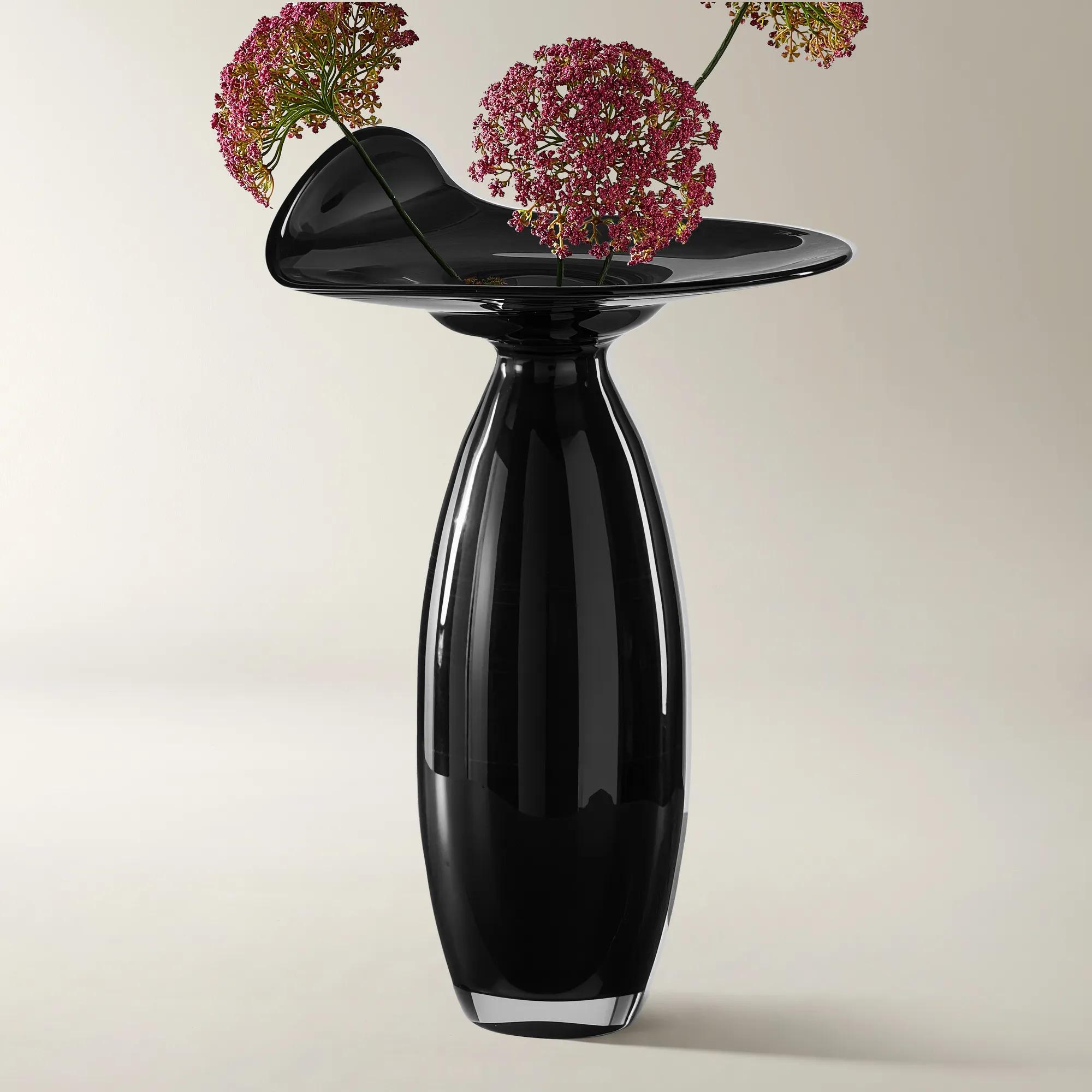 Folia Mouth Blown Glossy Black Glass Vase 22"$199
A handblown glass vase with a glossy black finish and organic sculptural silhouette for modern decor.
Add To Cart -
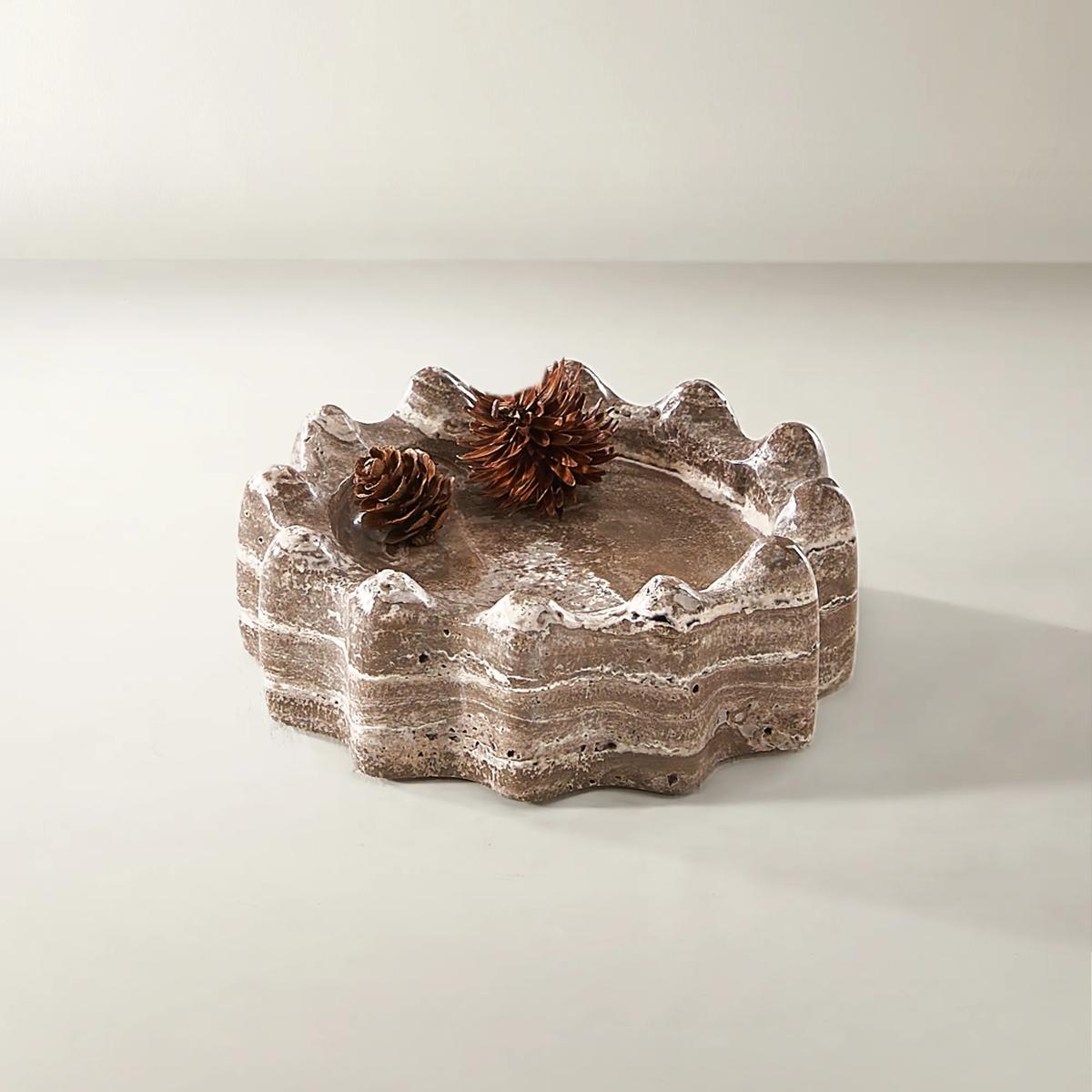 Flora Marble Catchall - Small$89
A hand-carved sand travertine catchall featuring unique veining and undulating, flower-inspired edges.
Add To Cart -
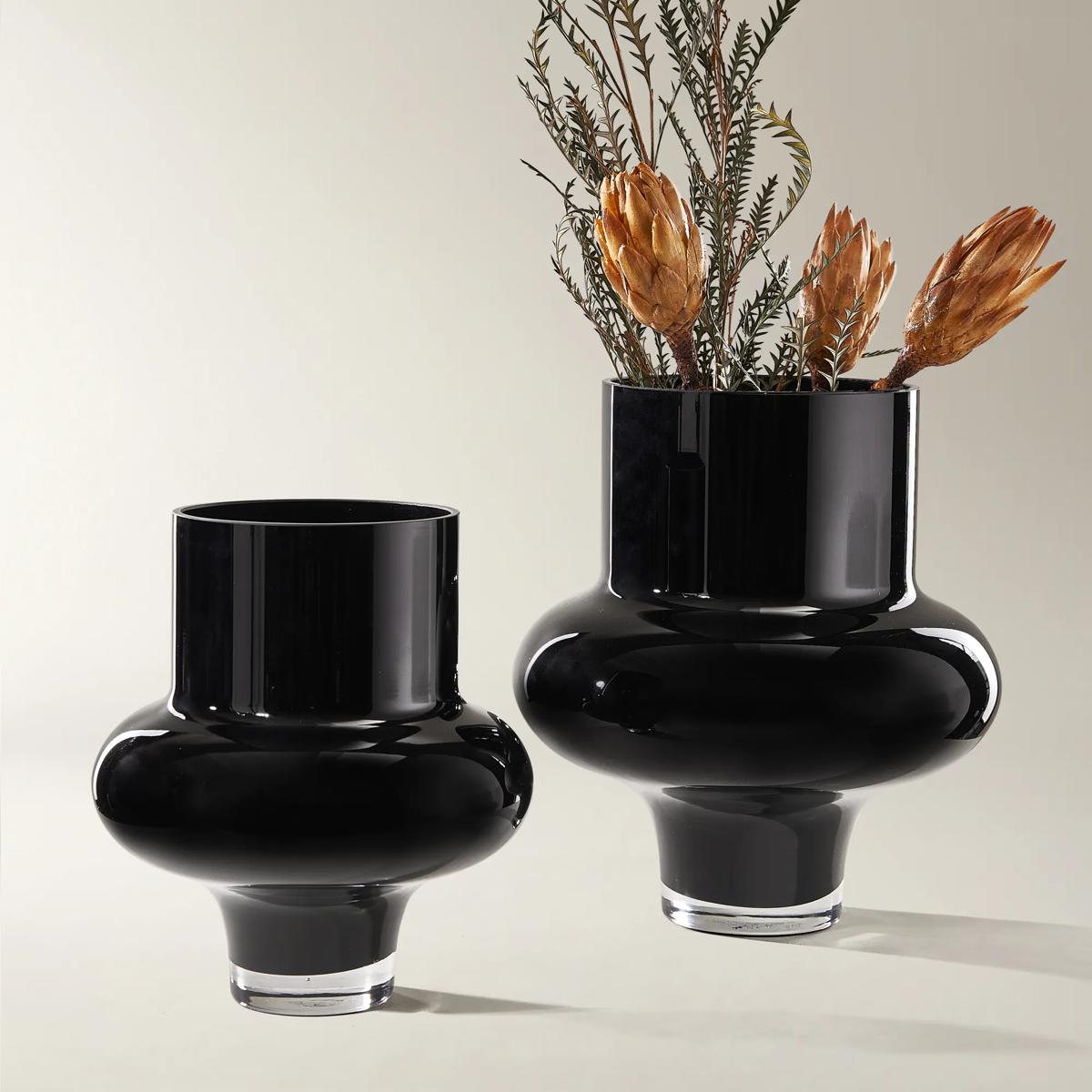
 Kors Glass Vase$69
A sculptural hand-blown black glass vase with a high-gloss finish and bold, curvaceous silhouette.
Add To Cart -
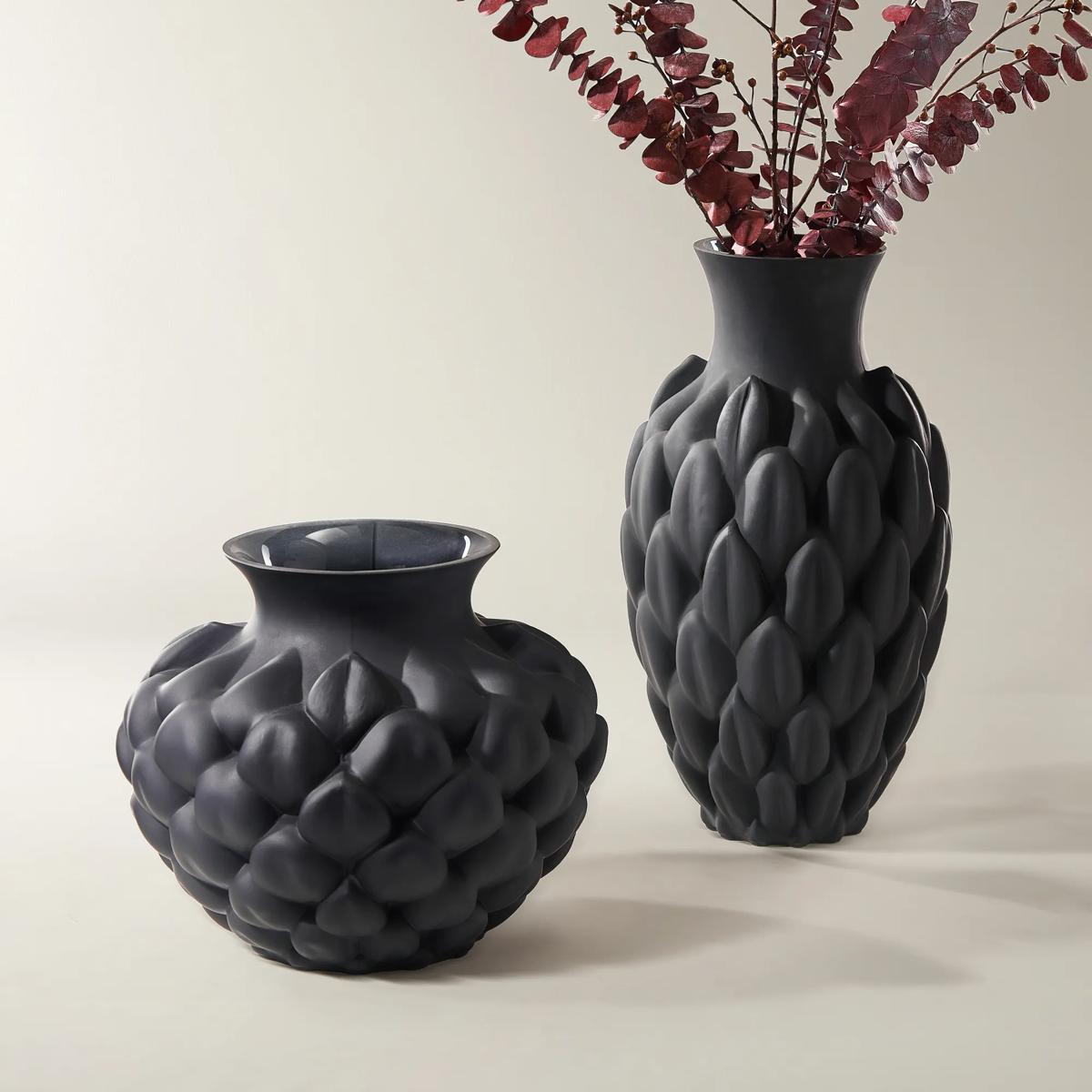
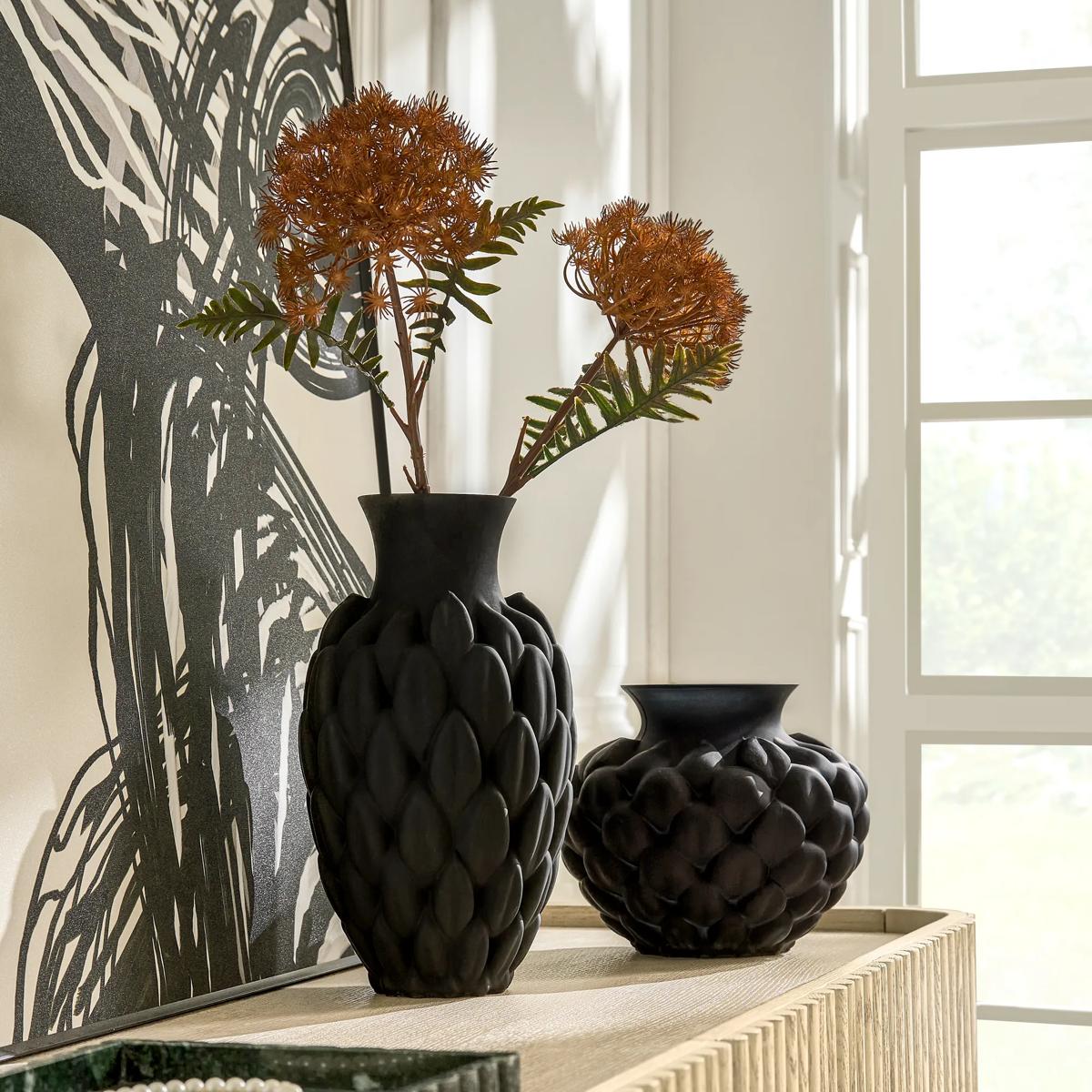 Sabine Glass Vase$69
A sculptural matte black glass vase featuring a dimensional, petal-inspired texture for bold visual impact.
Add To Cart -
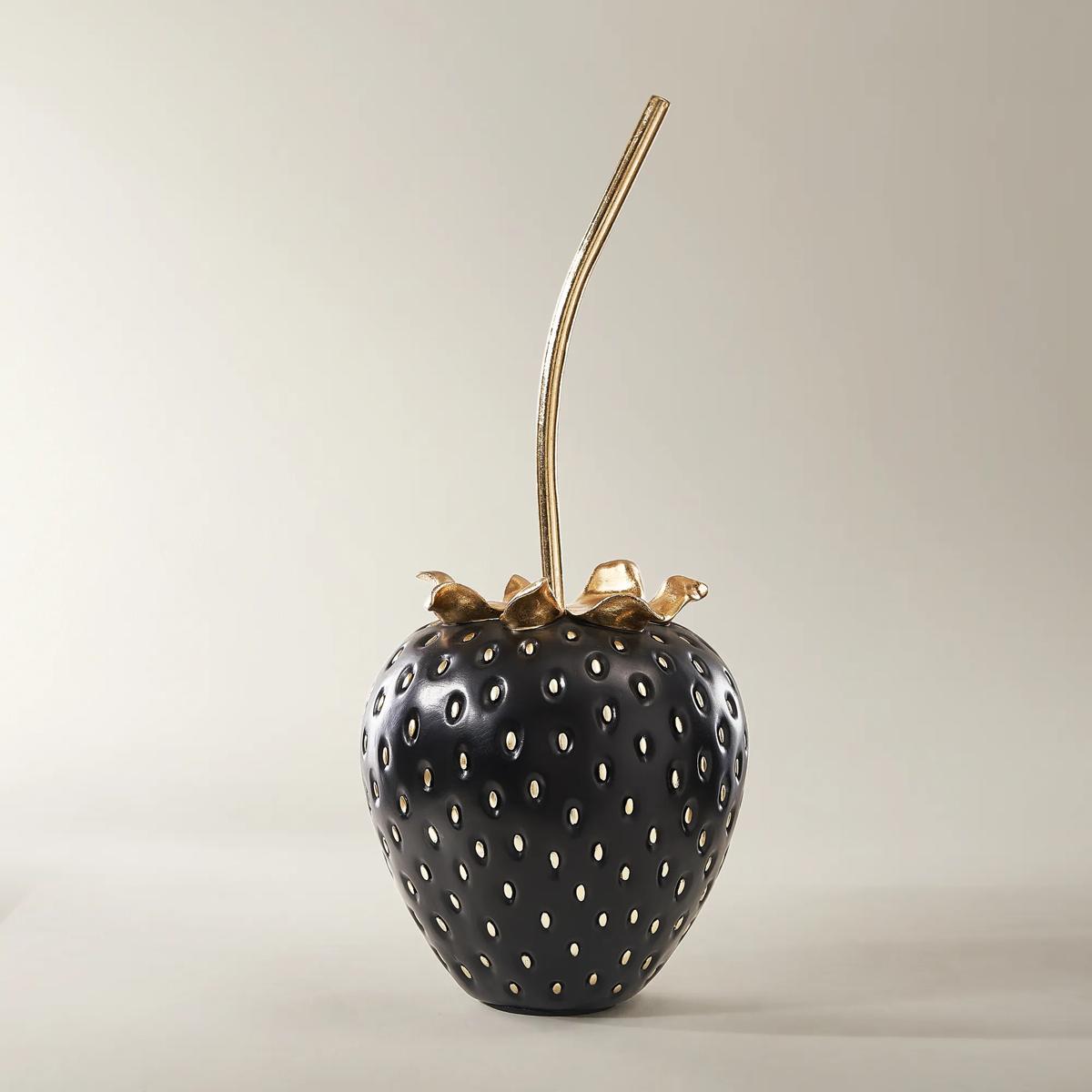 Grand Strawberry Gold And Black Resin Decorative Object 20.25"$129
A bold resin decorative accent in black and gold, adding whimsical elegance to any modern space.
Add To Cart -
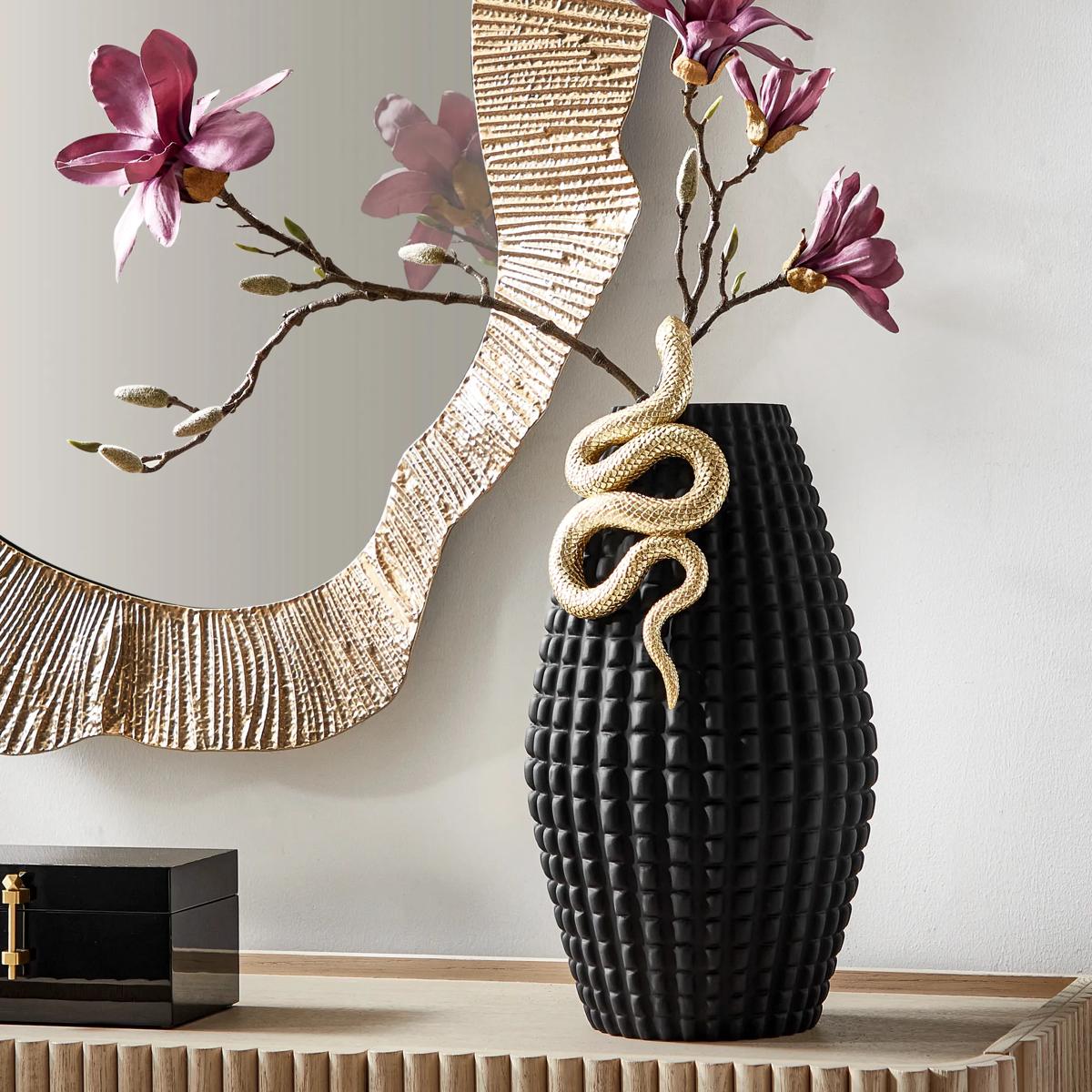
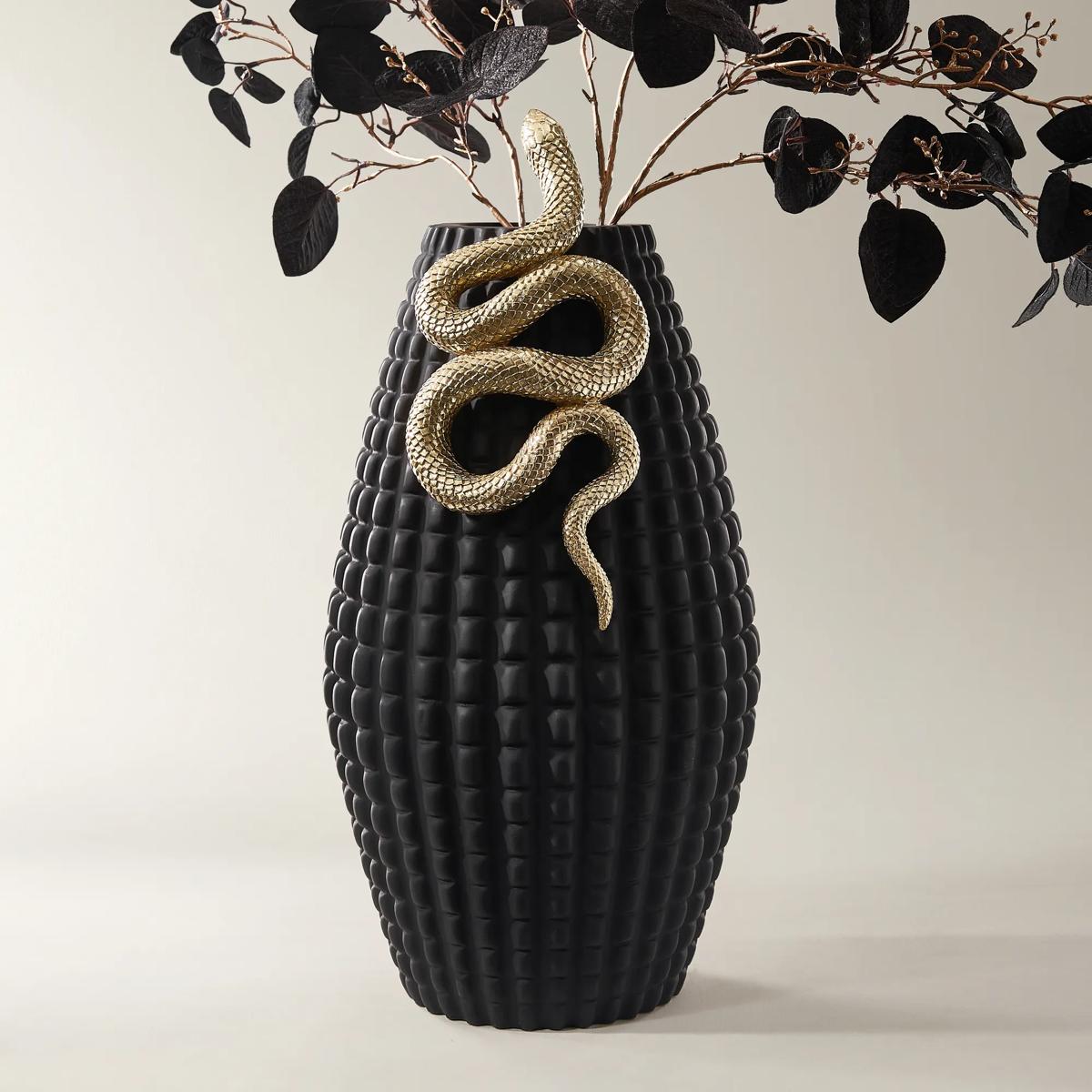 Serpent Vase$119
A matte black resin vase featuring a dramatic gold serpent and raised geometric pattern for bold elegance.
Add To Cart -
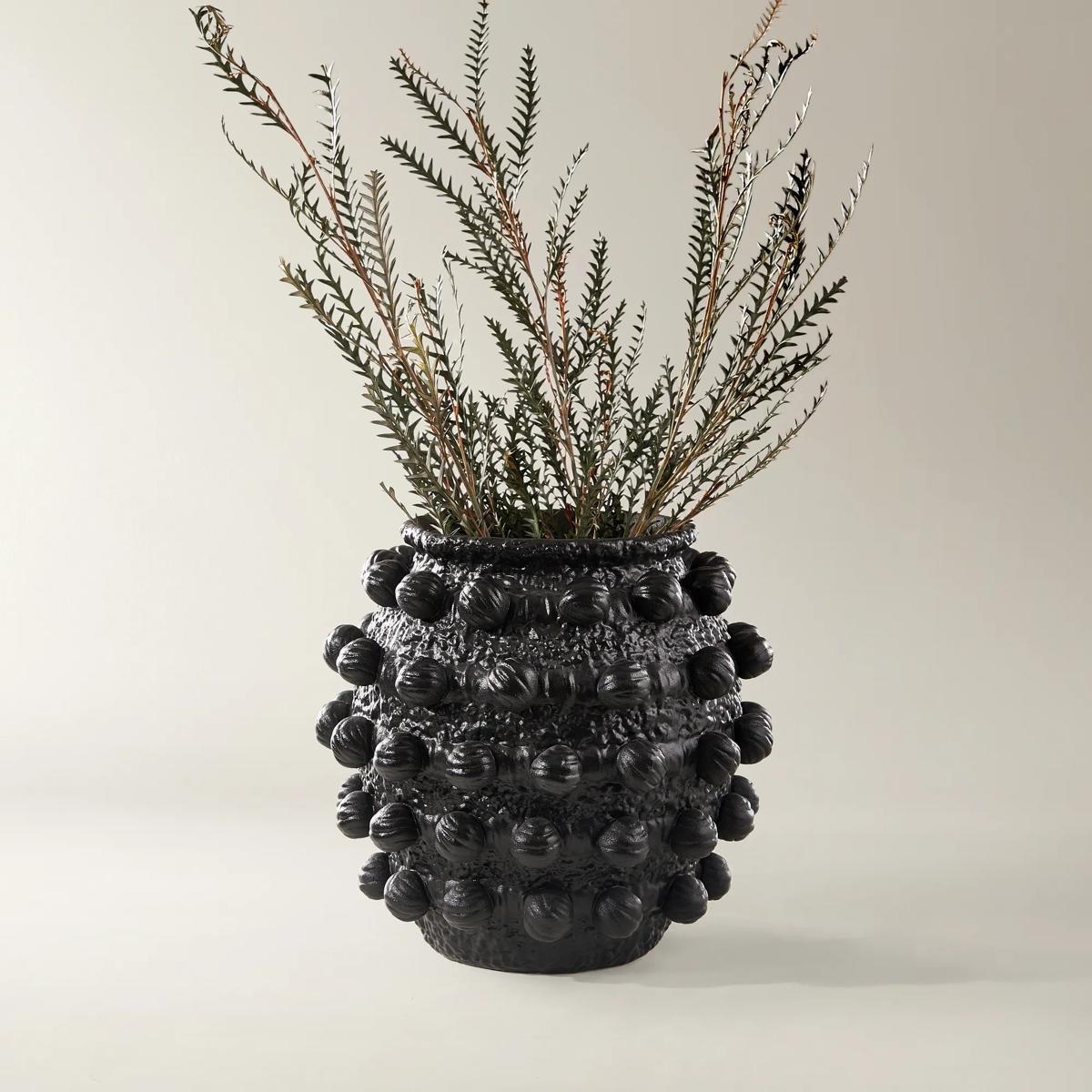
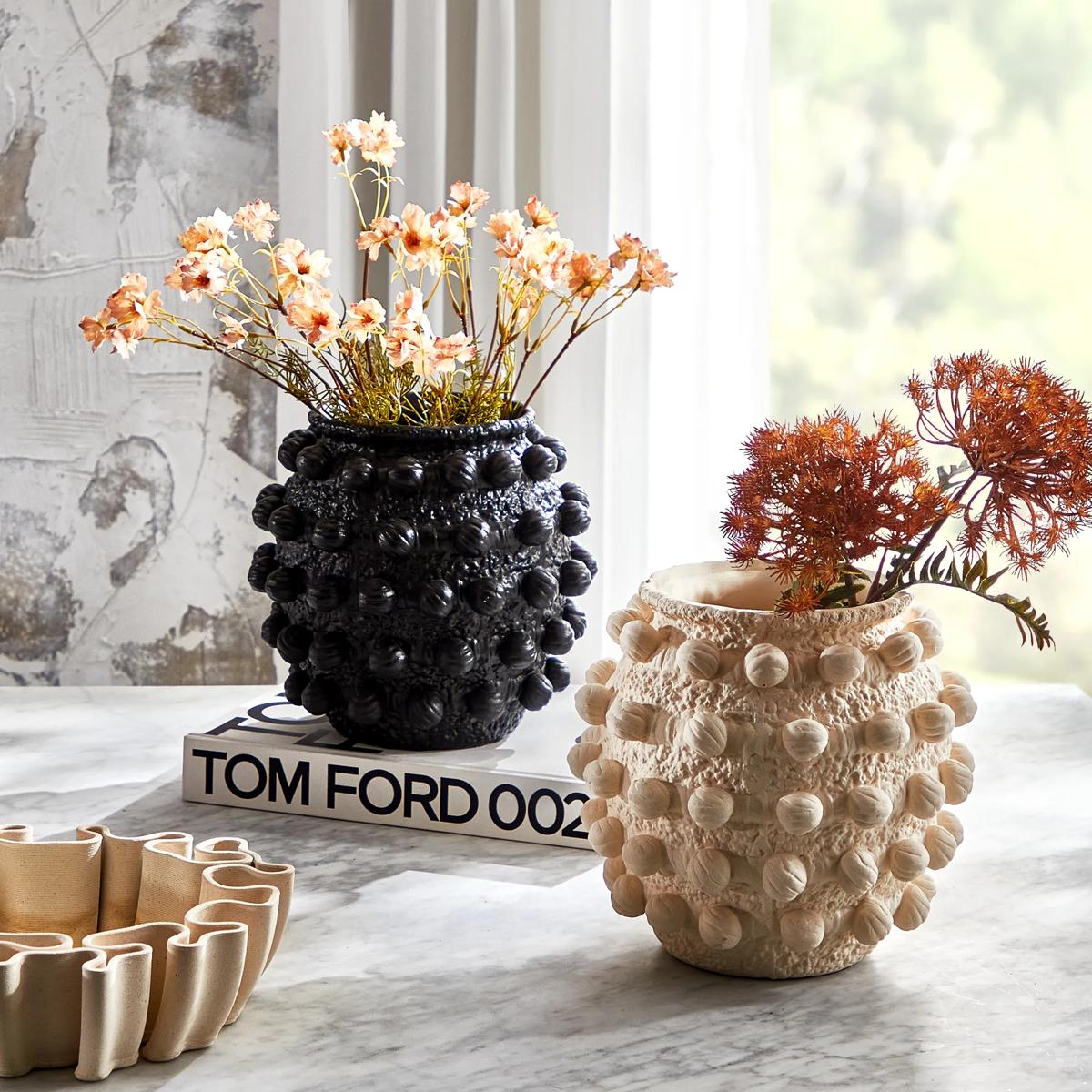 Pompa Vase - Black$119
A sculptural black porcelain vase featuring bold, rounded forms and a richly textured surface.
Add To Cart -
 Muse Black Gold Resin Coin Bank 10.75"$49
A sculptural resin coin bank featuring a matte black and radiant gold feminine torso design.
Add To Cart -

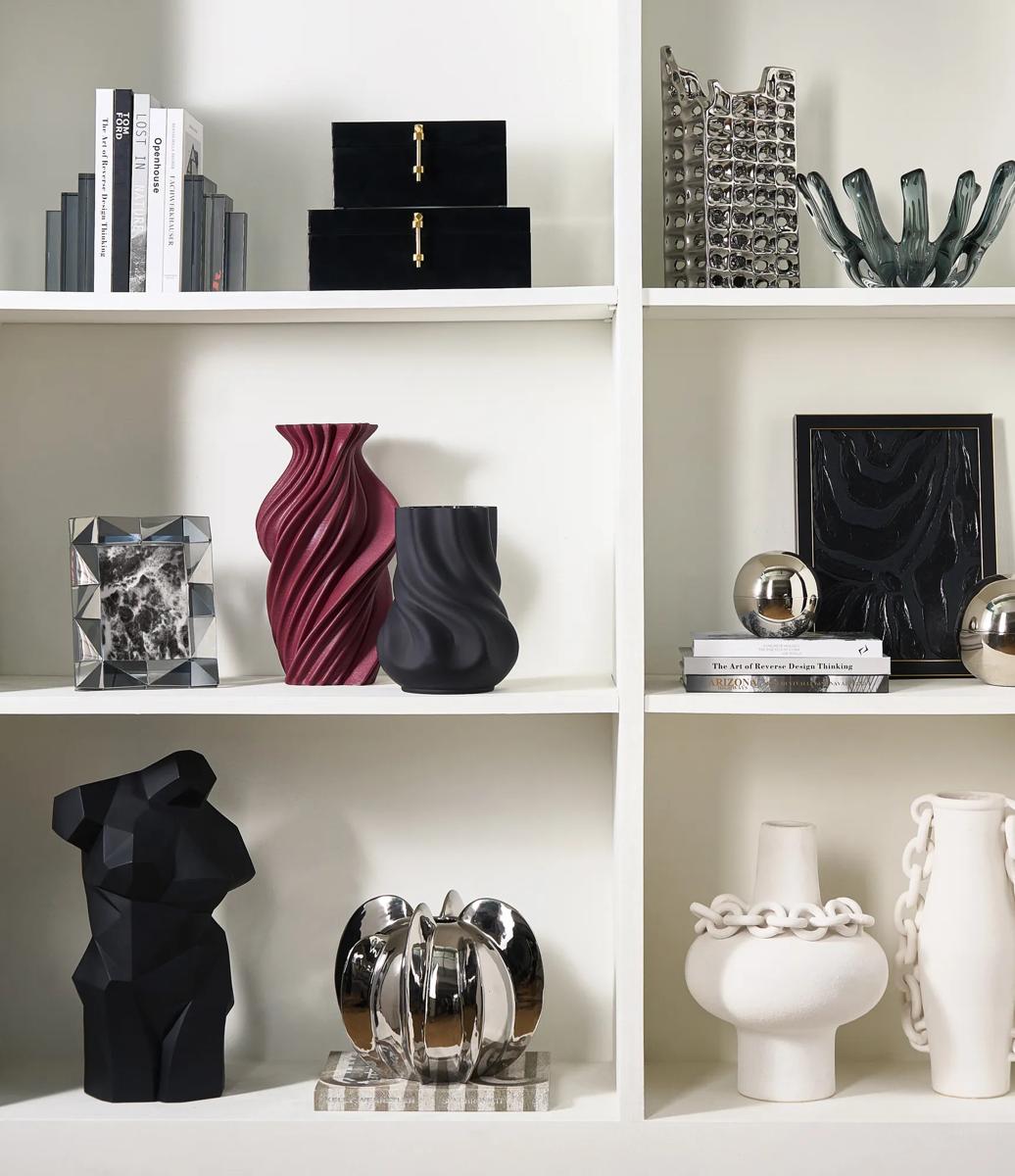 Pose Black Resin Decorative Object 19.75"$99
A sculptural matte black resin accent featuring a faceted geometric design and modern artistic appeal.
Add To Cart -
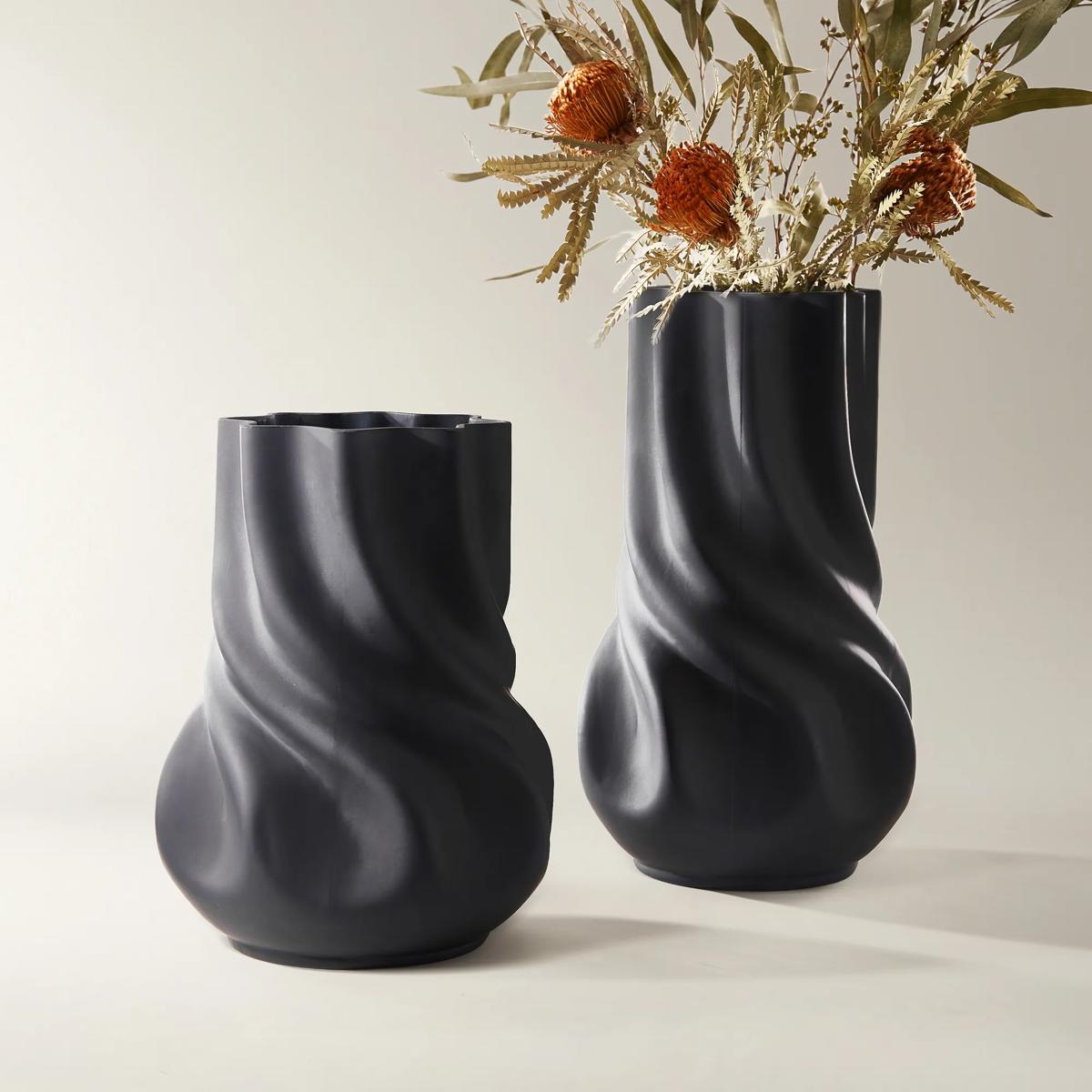
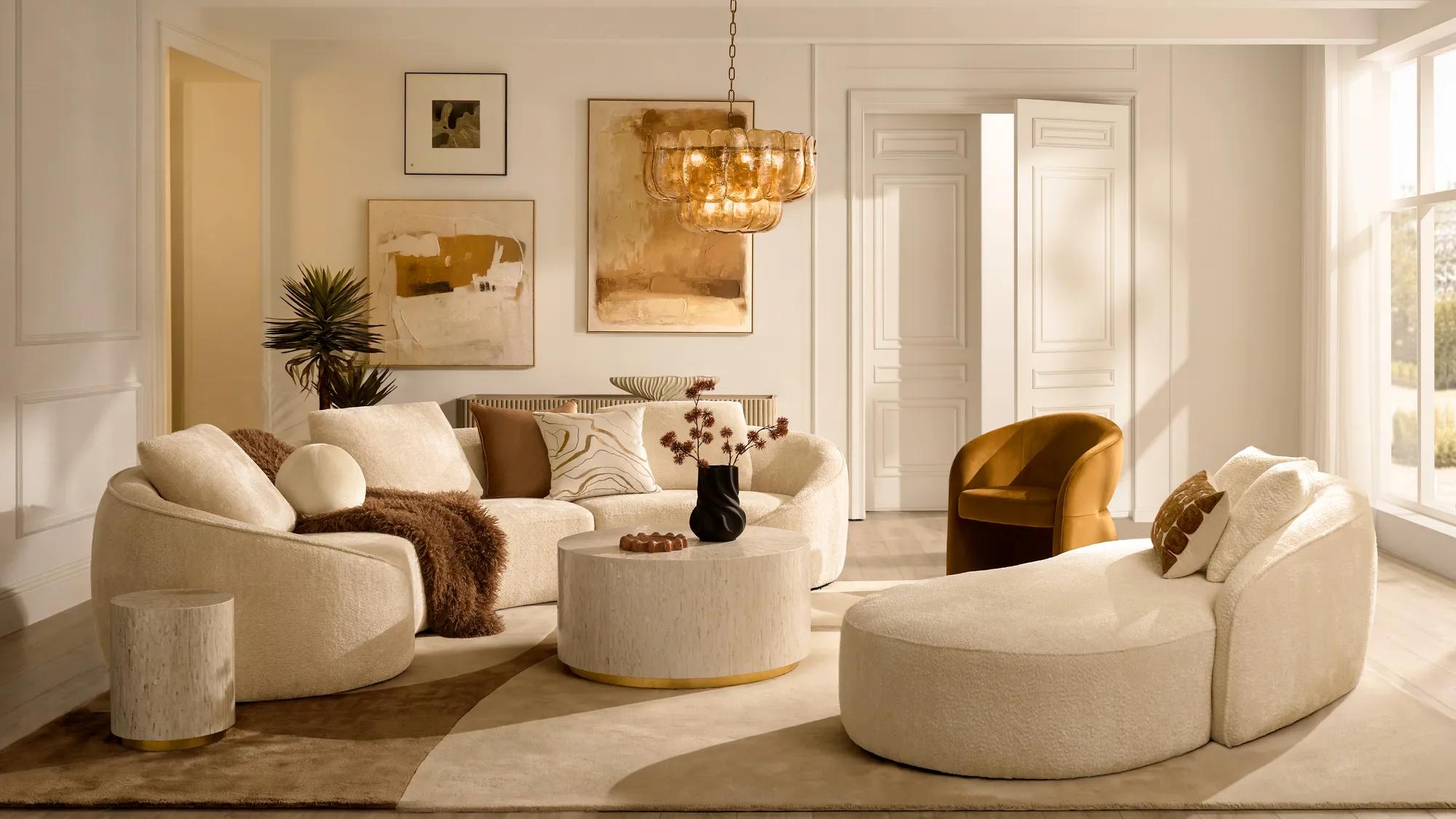 Twist Glass Vase$69
A sculptural matte black glass vase featuring fluid curves and a swirling, gallery-worthy silhouette.
Add To Cart -
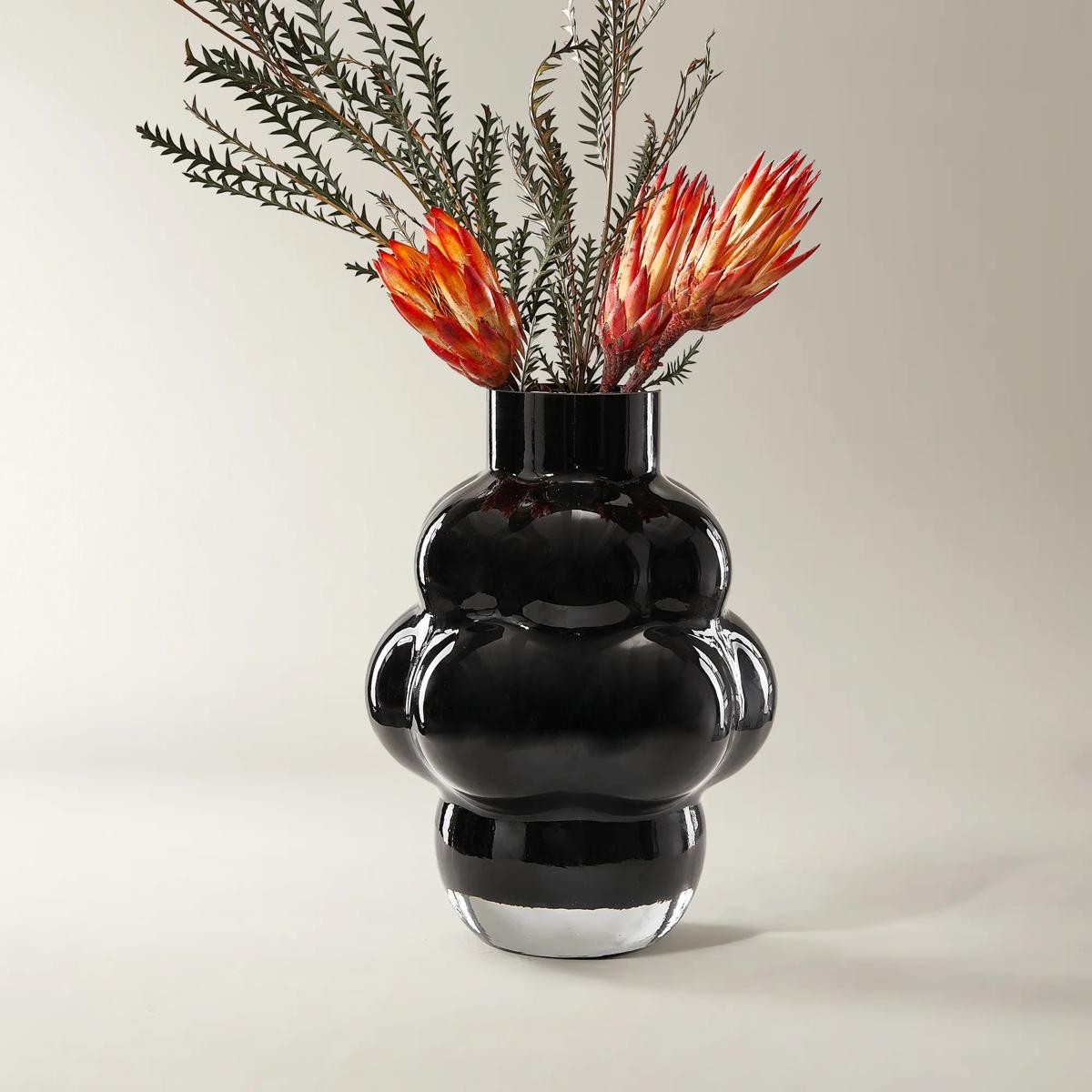 Cloud Glass Vase - Black$129
A hand-blown black glass vase featuring a sculptural silhouette and glossy, dramatic finish.
Add To Cart -
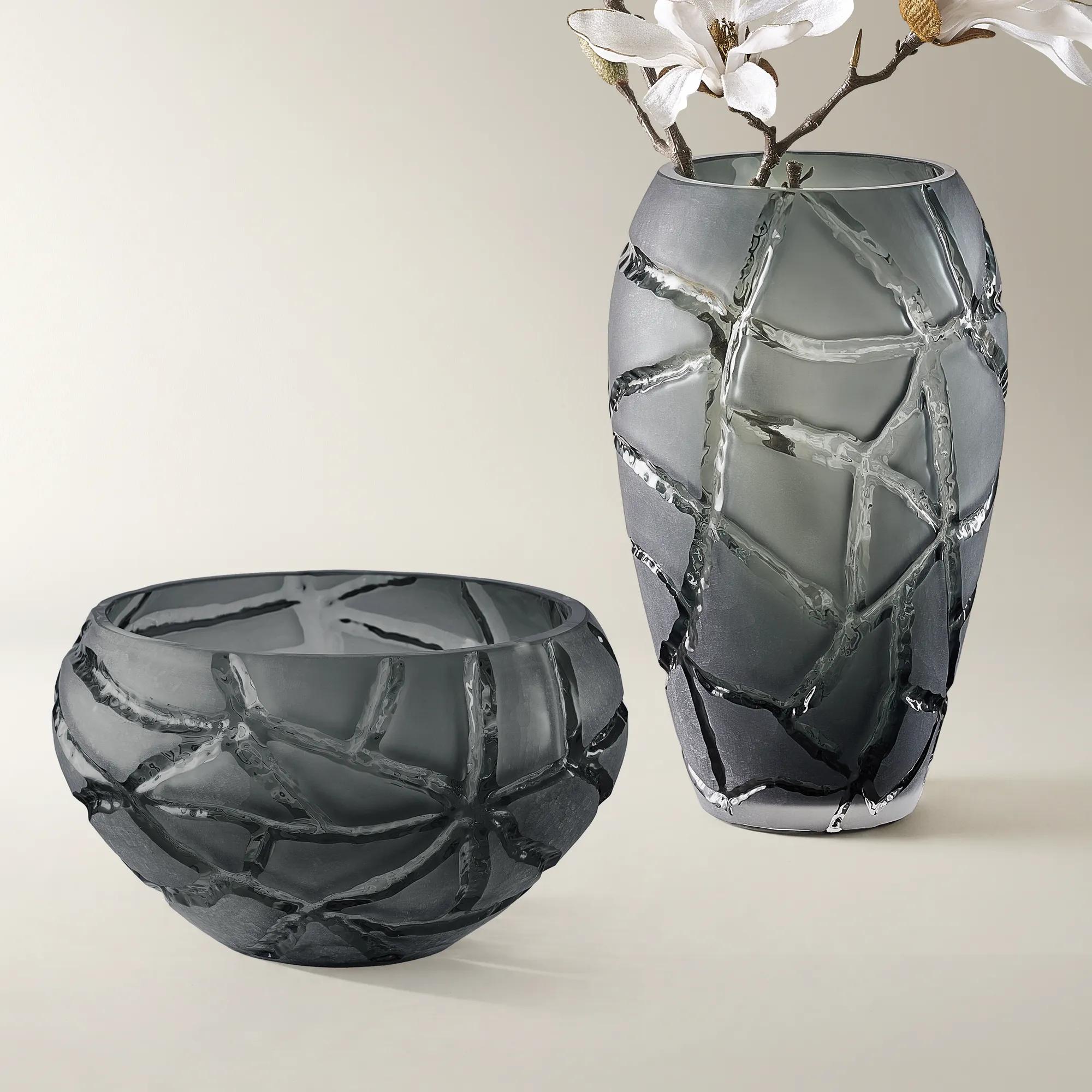 Rowen Mouth Blown Charcoal Glass Vase & Bowl$149
A handblown charcoal glass vase featuring a textured surface for moody sophistication and sculptural appeal.
Add To Cart

Sculptural Black Decorative Bowls
Sculptural Black Decorative Bowls are the epitome of modern artistry—bold silhouettes rendered in midnight hues, designed to captivate and intrigue. Each piece is a study in contrast, where shadow and form dance across polished surfaces, transforming any tabletop or console into a curated gallery moment. These dramatic vessels invite the eye, anchoring your décor with a sense of depth and sophistication. Whether standing alone as a striking focal point or layered among collected treasures, Sculptural Black Decorative Bowls lend an air of intrigue and refinement to every room they grace.
Sculptural black decorative bowls are accent vessels designed to function as three-dimensional art, using expressive silhouettes, rich surface textures, and deep color to create a focal point on a table, console, or shelf. Unlike a conventional serving bowl, their defining feature is often the shape itself: an undulating rim, a dramatically lifted pedestal, a folded edge, or an asymmetrical profile that changes as you move around it. Black gives those gestures particular intensity. Against pale marble, it draws a crisp outline; beside walnut, it brings out the wood’s warmth; surrounded by glass and polished metal, it introduces a dark, grounding note that makes reflective finishes feel even more luminous. The effect depends as much on the surface as the silhouette. A matte black decorative bowl absorbs light, emphasizing volume and contour, while a glossy glaze catches highlights along each curve. Brushed, hammered, or grain-revealing finishes offer subtler variations, giving an otherwise monochromatic piece depth at close range. Common materials include ceramic, stoneware, cast metal, carved wood, and stone, each with a distinct presence. Ceramic can accommodate fluid folds and substantial rounded forms; cast aluminum allows pronounced ridges and sweeping shapes; carved wood introduces visible grain and an earthy counterpoint to a dark finish. Stone brings natural variation and often considerable weight, especially at a generous scale. Material alone does not establish durability or suitability for a particular use, so the finish, construction, and care instructions deserve equal attention. For someone drawn to expressive interiors, these bowls offer a concentrated dose of drama without requiring a room to be completely reimagined. Picture a pale entry console that feels a little too pristine: one low, rippling black bowl creates a deliberate pause in the arrangement, especially beneath a large artwork. Its interior can remain empty. When the proportions and contours are compelling, the vessel does not need a decorative filling to justify its place.
Choosing a sculptural black bowl begins with the surface it will occupy and the way that space is used. Measure the full width, depth, and height, allowing for flared edges or projecting details rather than relying only on the diameter of the opening. A broad, shallow bowl can establish a strong horizontal line on a dining table while preserving conversation across it; a taller pedestal bowl gives a console or open shelf more vertical movement. On a coffee table, leave generous room for a glass, a book, and everyday movement around the arrangement. An oversized silhouette can be magnificent, but it should feel intentional rather than precariously close to the edge. For shelving, check both depth and weight capacity, particularly when considering stone or substantial ceramic. The base matters, too: a narrow foot creates an elegant lifted effect, while a wider contact area may offer greater stability, depending on the design. In a busy household, projecting points and delicate rims deserve closer consideration, especially within reach of children or pets. Examine the underside and use a suitable protective pad if needed to help prevent scratches on lacquer, glass, or wood. Finish is another practical distinction with visual consequences. Glossy black can reveal fingerprints and dust; deeply textured surfaces may take more attention to clean than smooth ones. Follow the stated care directions rather than assuming a decorative finish will tolerate soaking, abrasive cleaners, or a dishwasher. Likewise, a bowl’s shape does not establish that it is food-safe or watertight. Use one for fruit, wrapped sweets, fresh flowers, or damp botanical material only when the product information confirms suitability for that purpose. For an entryway catchall, choose an accessible opening and a finish appropriate for contact with keys and other small belongings. If the piece is intended primarily as sculpture, reserve it for display. That distinction helps preserve delicate surfaces and ensures the bowl’s everyday role feels as considered as its appearance.
Styling black decorative bowls is most persuasive when the surrounding arrangement gives their shape room to register. A rippled rim reads beautifully against a quiet wall, while a smooth, low vessel can temper the visual energy of patterned upholstery or richly veined stone. Rather than surrounding a dramatic bowl with equally assertive accents, pair it with a contrasting form: a slender vase, a rectangular stack of art books, or a rounded lamp with a softly glowing shade. Repeating black once elsewhere in the room, perhaps in a picture frame or a table base, can make the composition feel connected without becoming overly coordinated. For a softer interpretation of sculptural design, Organic Shape Decorative Bowls offer a related direction, with flowing contours that complement rounded furniture and botanical arrangements. Fillers, when used, should reveal rather than conceal the vessel. A few oversized decorative spheres can emphasize a wide interior; pale wooden objects introduce contrast; a restrained grouping of metallic accents catches light against a matte surface. Keep an expressive rim visible, and avoid piling contents so high that the bowl’s architecture disappears. During the cooler months, dried botanical elements and warm metallic tones can bring richness to the composition without tying it to a single celebration. On a dining table prepared for guests, a low black centerpiece surrounded by clear glassware and softly folded linens feels deliberate and inviting, with enough contrast to hold its own after the room’s lighting dims. These pieces also make thoughtful gifts for design-minded hosts, newlyweds, or someone settling into a new home, particularly when their taste favors strong shapes and layered textures. A medium-scale bowl is often easier to place than an oversized statement piece, though the recipient’s available surfaces should guide the choice. Include care information, and favor a silhouette that relates to their home rather than simply mirroring your own. Whether it becomes the dark punctuation on a luminous console or the sculptural centerpiece of a richly furnished living room, a black decorative bowl brings expressive form into daily view—artful enough to command attention, yet intimate enough to become part of a home’s familiar rituals.
FAQs
Sculptural black decorative bowls are remarkably versatile, effortlessly complementing a range of interior aesthetics. They add an edge of sophistication to modern and contemporary spaces, bring grounding contrast to glamorous or eclectic rooms, and evoke understated elegance in minimalist or transitional settings. Their bold presence makes them an ideal accent for homes that celebrate expressive design and artistic flair.
A sculptural black bowl is a chameleon for seasonal styling. In autumn, fill it with richly hued gourds or metallic leaves. During winter, layer in shimmering ornaments or pinecones. Spring calls for fresh florals or pastel-hued decorative spheres, while summer invites natural elements like driftwood or shells. The bowl’s striking silhouette ensures it remains a focal point, no matter the season’s palette.
Absolutely—sculptural black bowls make memorable and sophisticated gifts for design enthusiasts, newlyweds, hosts, or anyone who appreciates artistry in their home. Their timeless appeal and versatility ensure they will be cherished and displayed in a variety of settings, making them a thoughtful choice for housewarmings, anniversaries, or milestone celebrations.
Sculptural black bowls are often crafted from materials such as ceramic, glass, metal, or resin. Each material brings its own unique texture and finish—ceramics offer a matte, artisanal touch, while metals can provide a sleek, reflective sheen. The choice of material influences the bowl’s weight, feel, and the way it interacts with light within a space.
With their dramatic silhouettes and deep, moody hues, sculptural black bowls anchor a room with a sense of depth and artistry. They draw the eye, spark conversation, and add a layer of visual intrigue. Whether displayed solo or as part of a curated vignette, these bowls transform everyday surfaces into gallery-worthy moments that reflect your personal style.
.jpeg?w=3401&h=3401)
.jpeg?w=3613&h=3613)