Natural Stone Decorative Bowls
Natural Stone Decorative Bowls
-
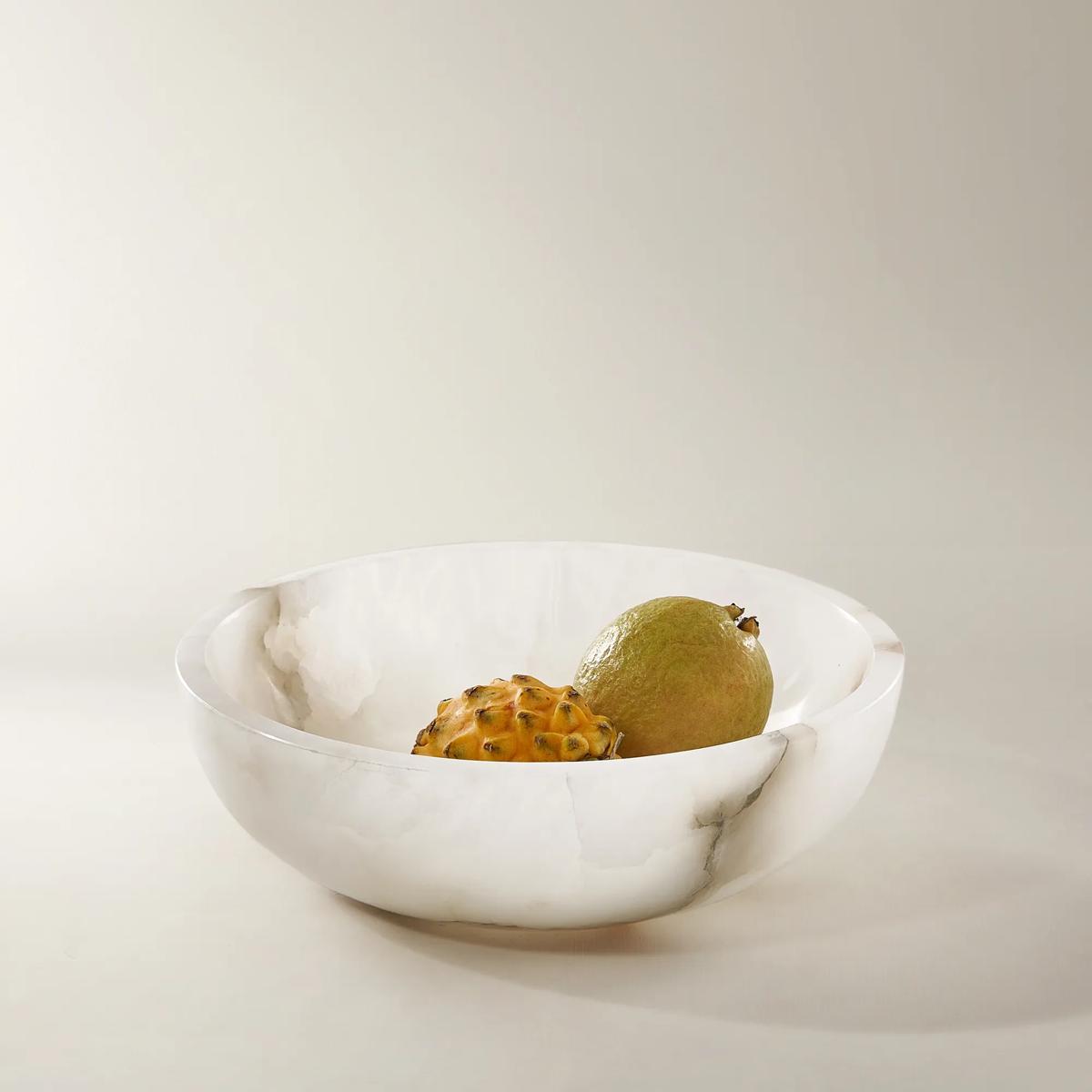 Alabaster Bowl$369
A hand-sculpted alabaster bowl featuring organic veining and soft, milky white translucence.
Add To Cart -
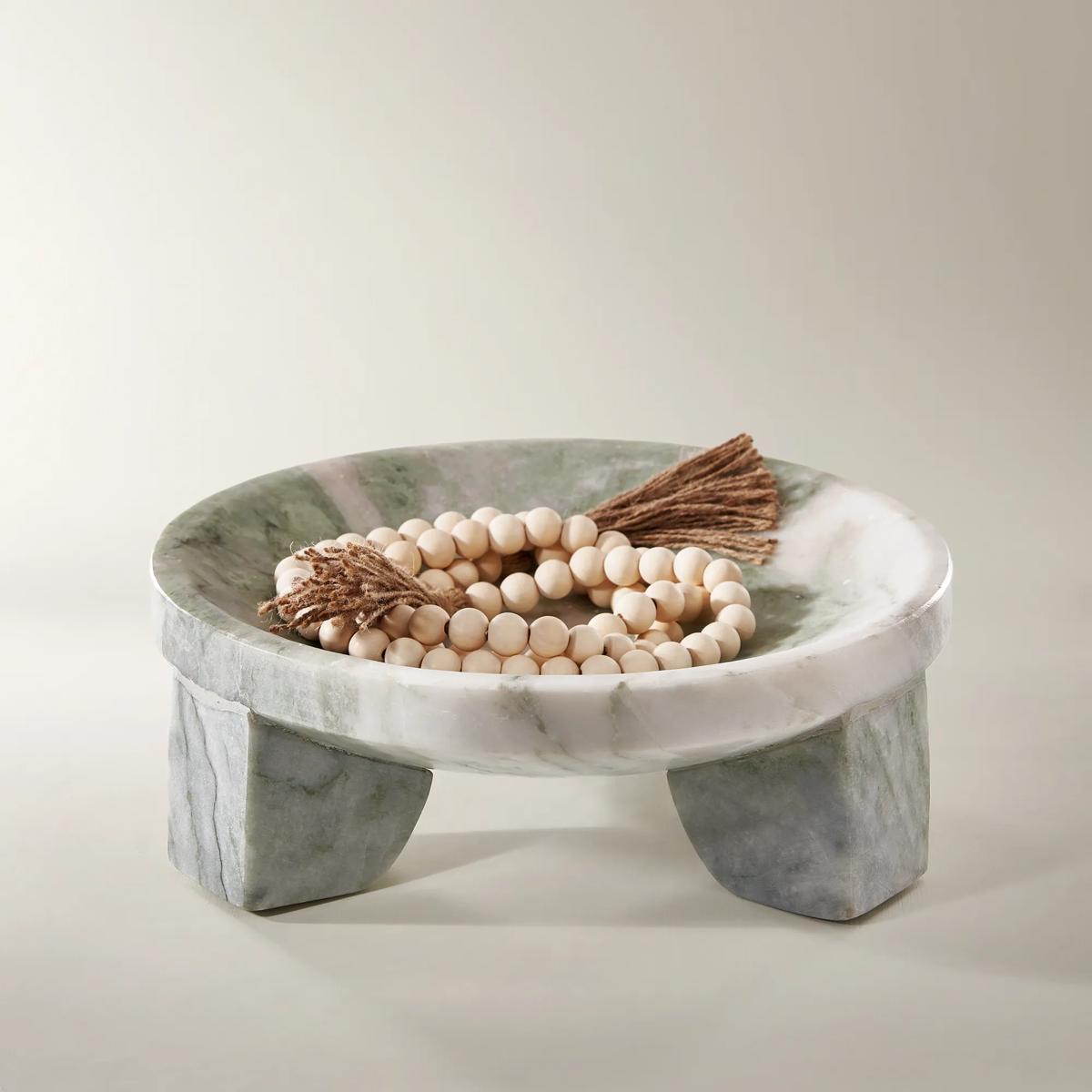
 Light Green Marble Footed Bowl$199
A hand-carved onyx bowl featuring soft green marbling and sculptural feet for organic elegance.
Add To Cart -
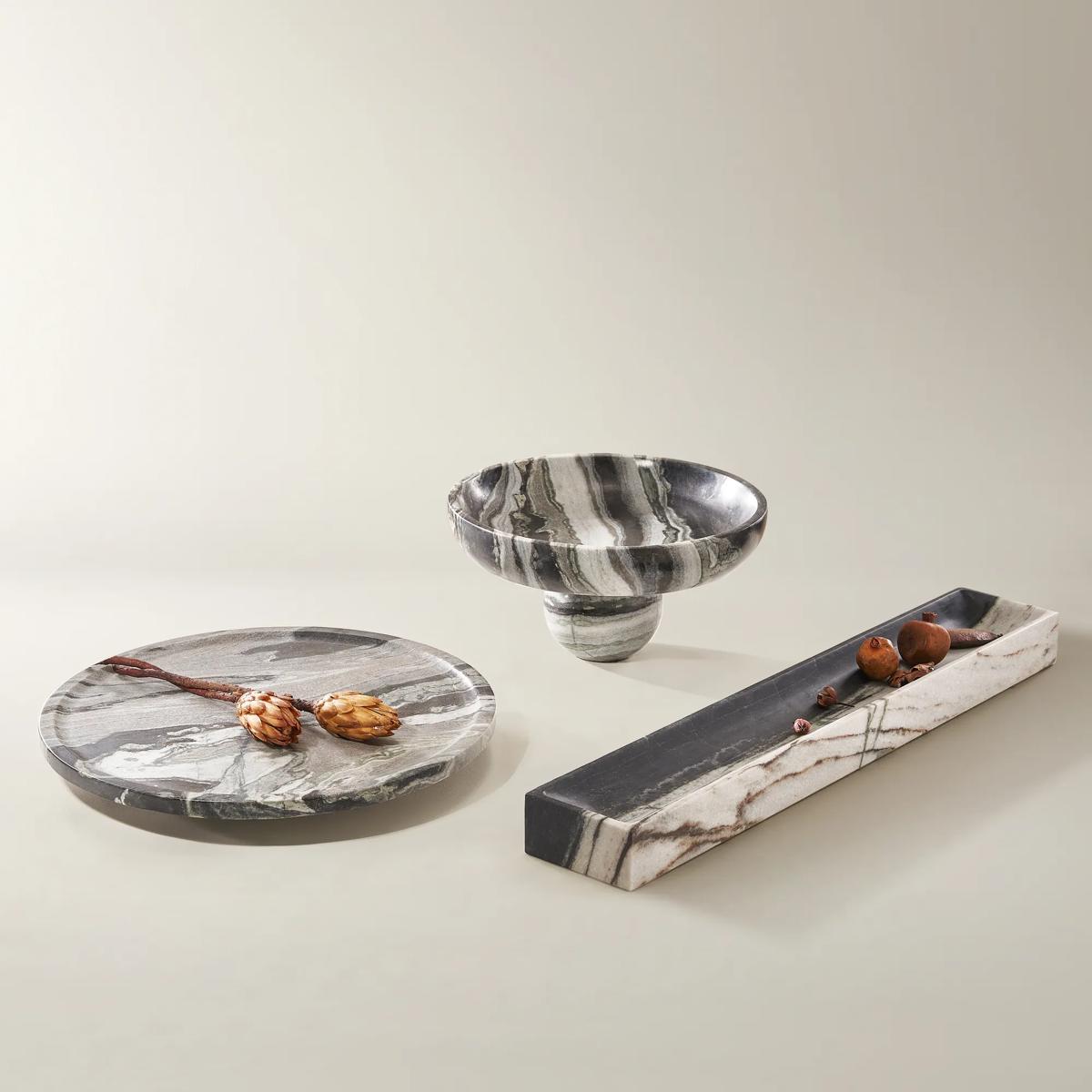
 Luxe Marble Collection$169
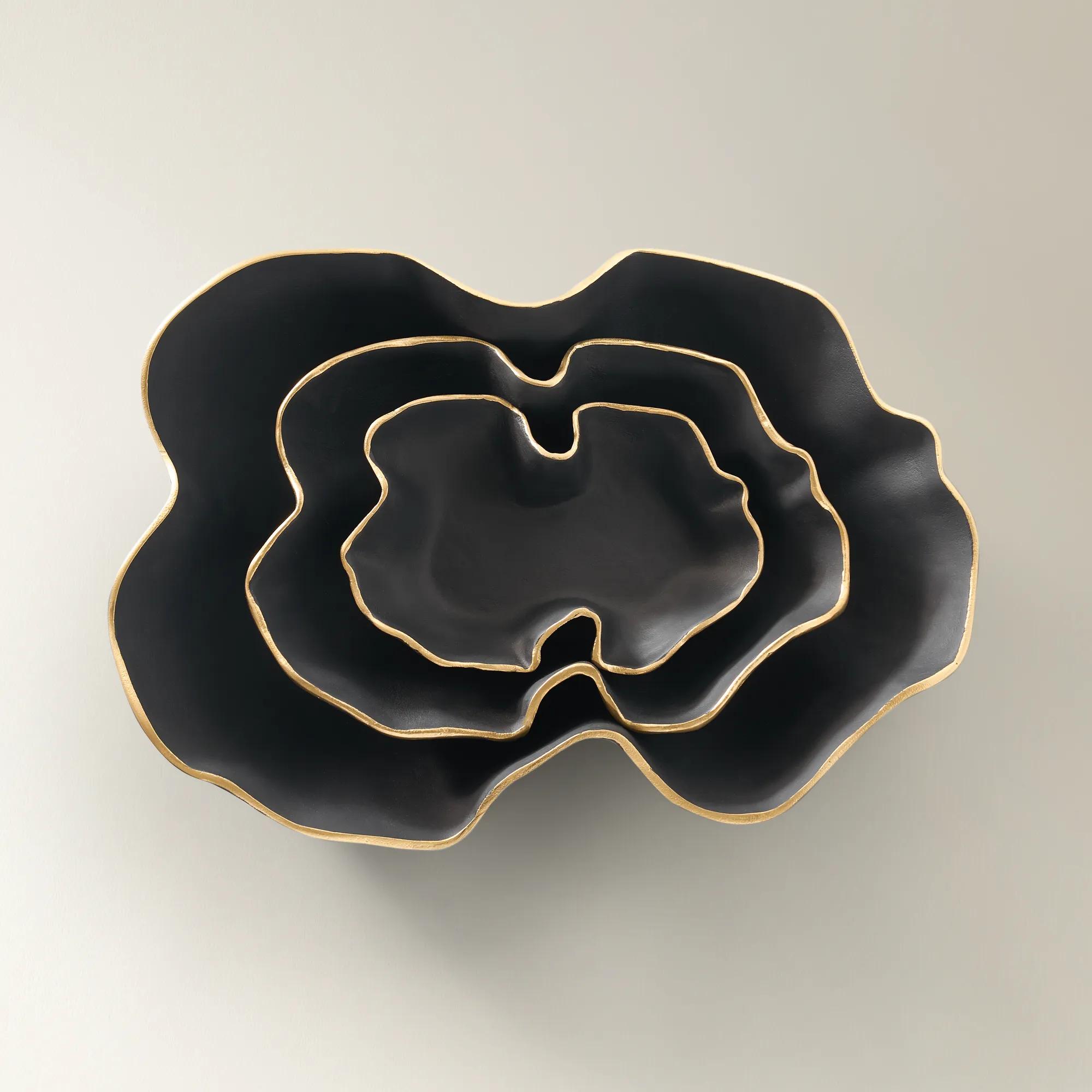
A striking black marble décor collection featuring unique veining and elegant footed bowl, tray, and riser.
Add To Cart -
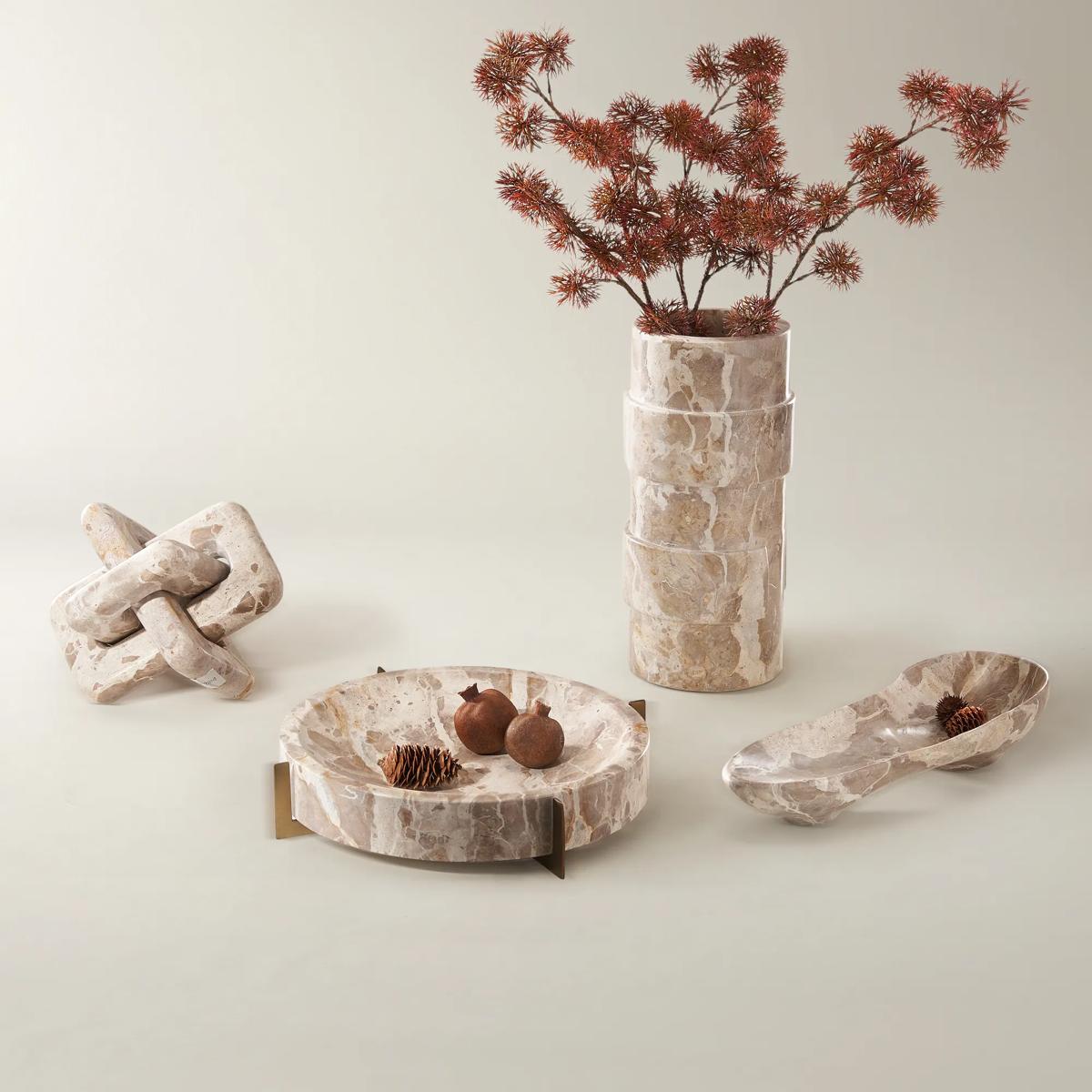
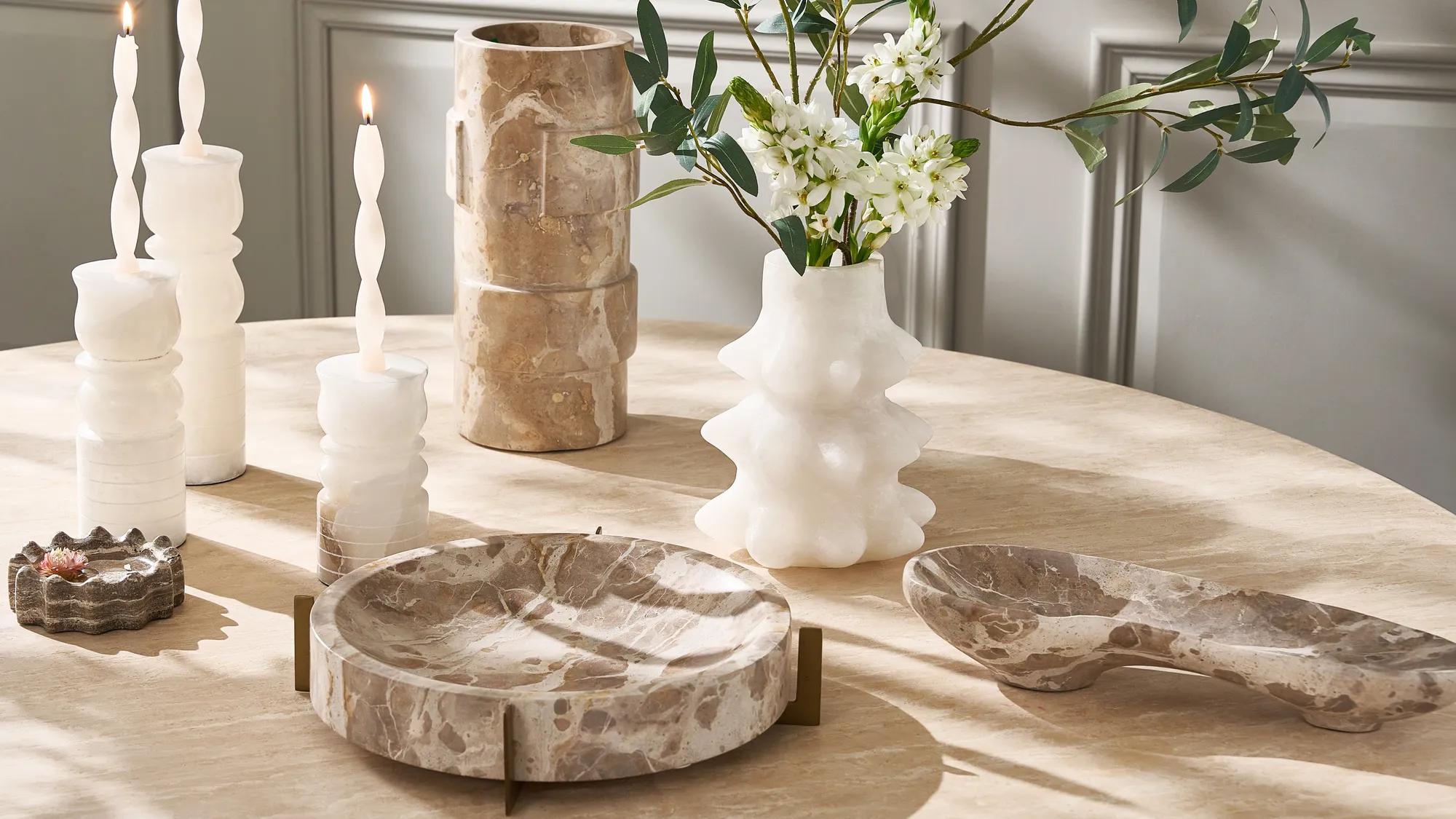 Neutral Marble Collection$159
A handcrafted marble decor collection featuring unique veining, natural neutral tones, and elegant metal accents.
Add To Cart -
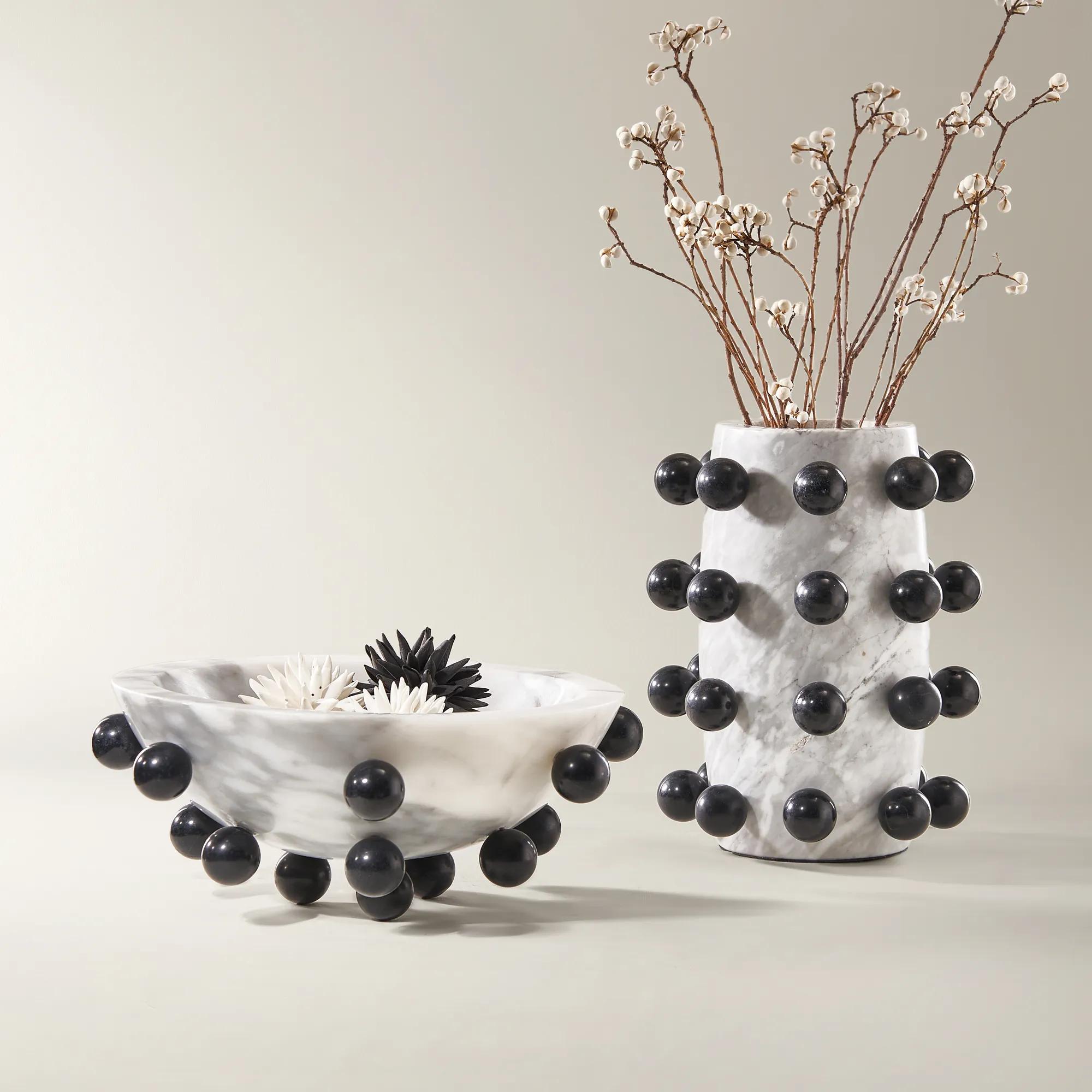 Borra Grey Black Marble Vase & Bowl$249
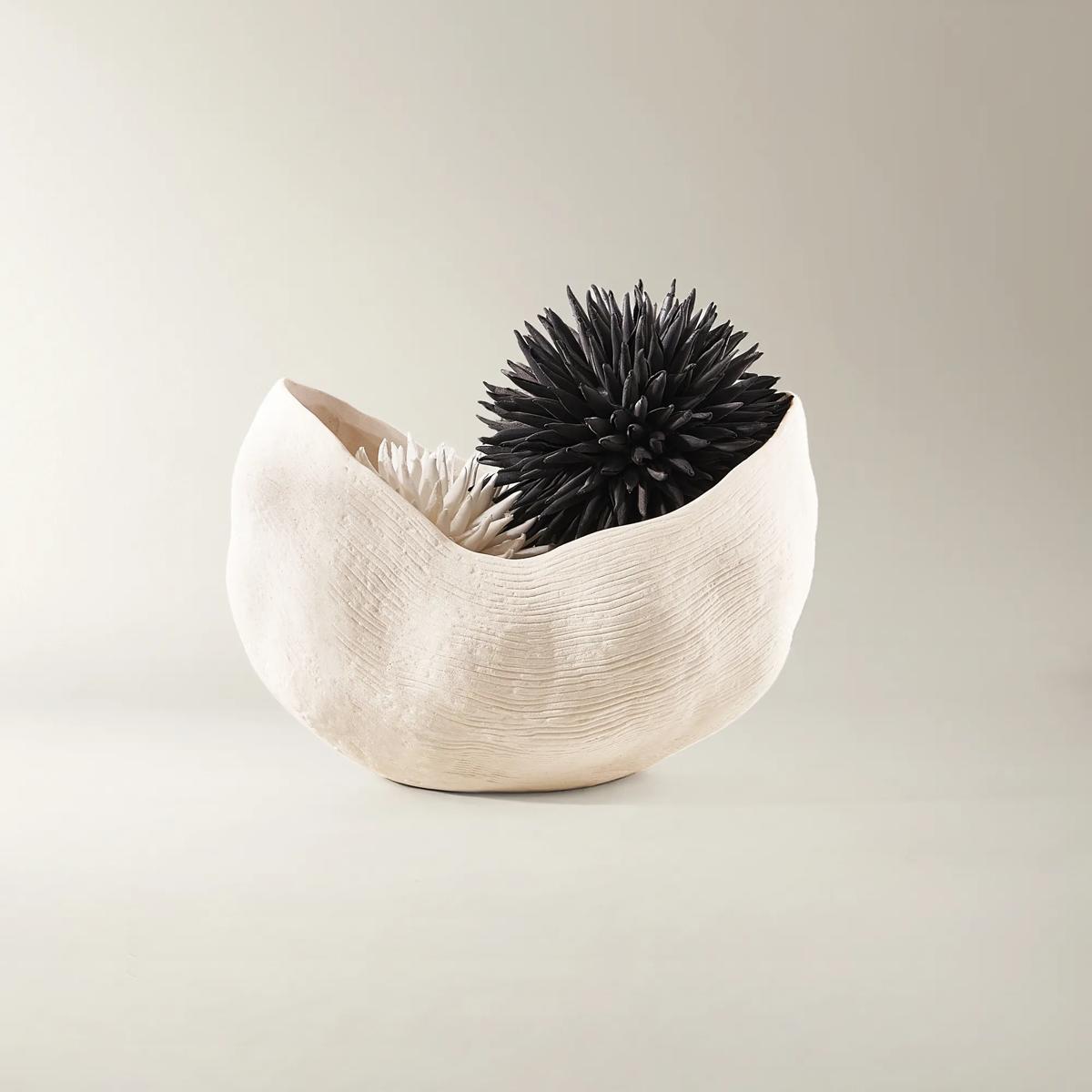
A sculptural grey marble accent featuring bold black orbs and unique natural veining for modern drama.
Add To Cart -
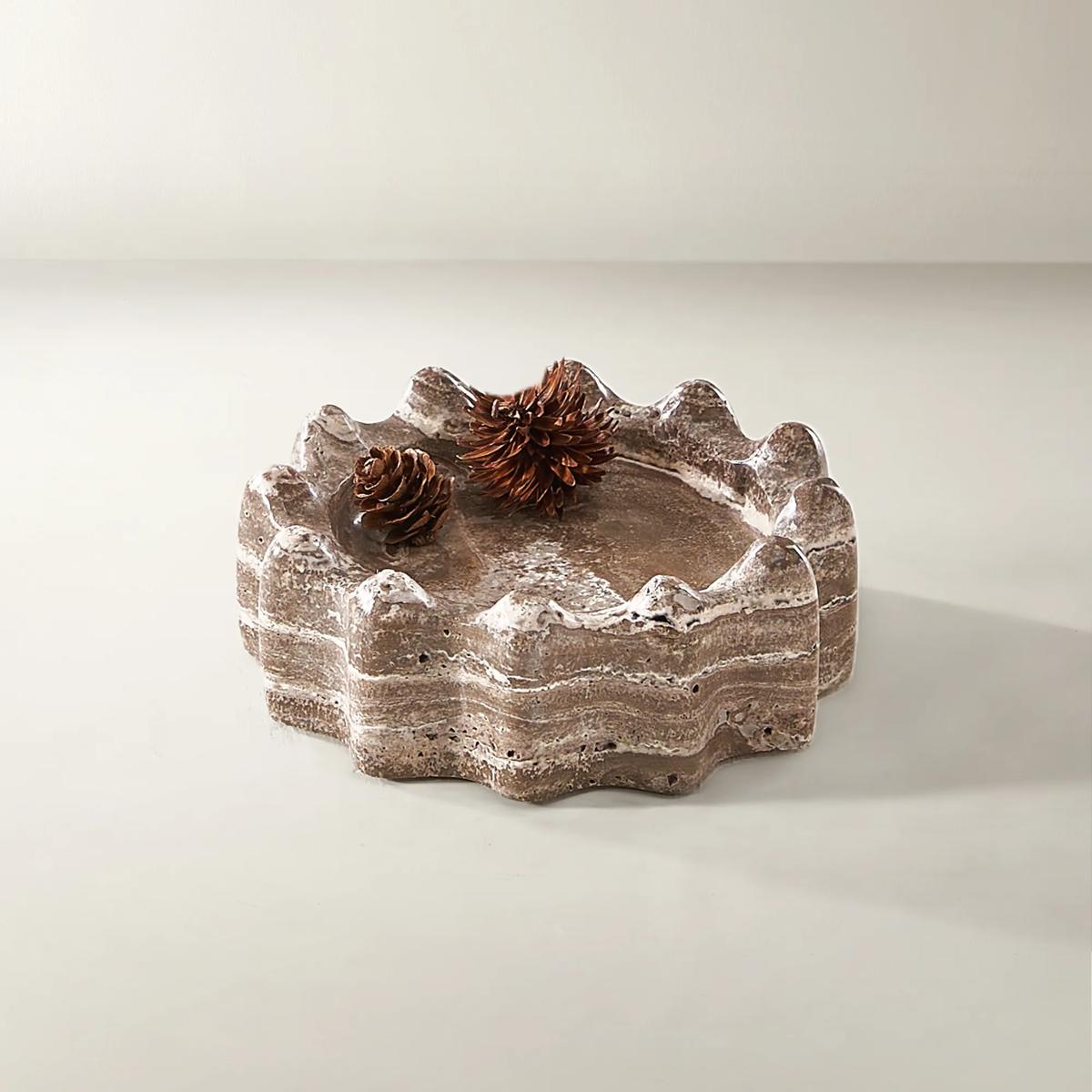 Flora Marble Catchall - Small$89
A hand-carved sand travertine catchall featuring unique veining and undulating, flower-inspired edges.
Add To Cart -
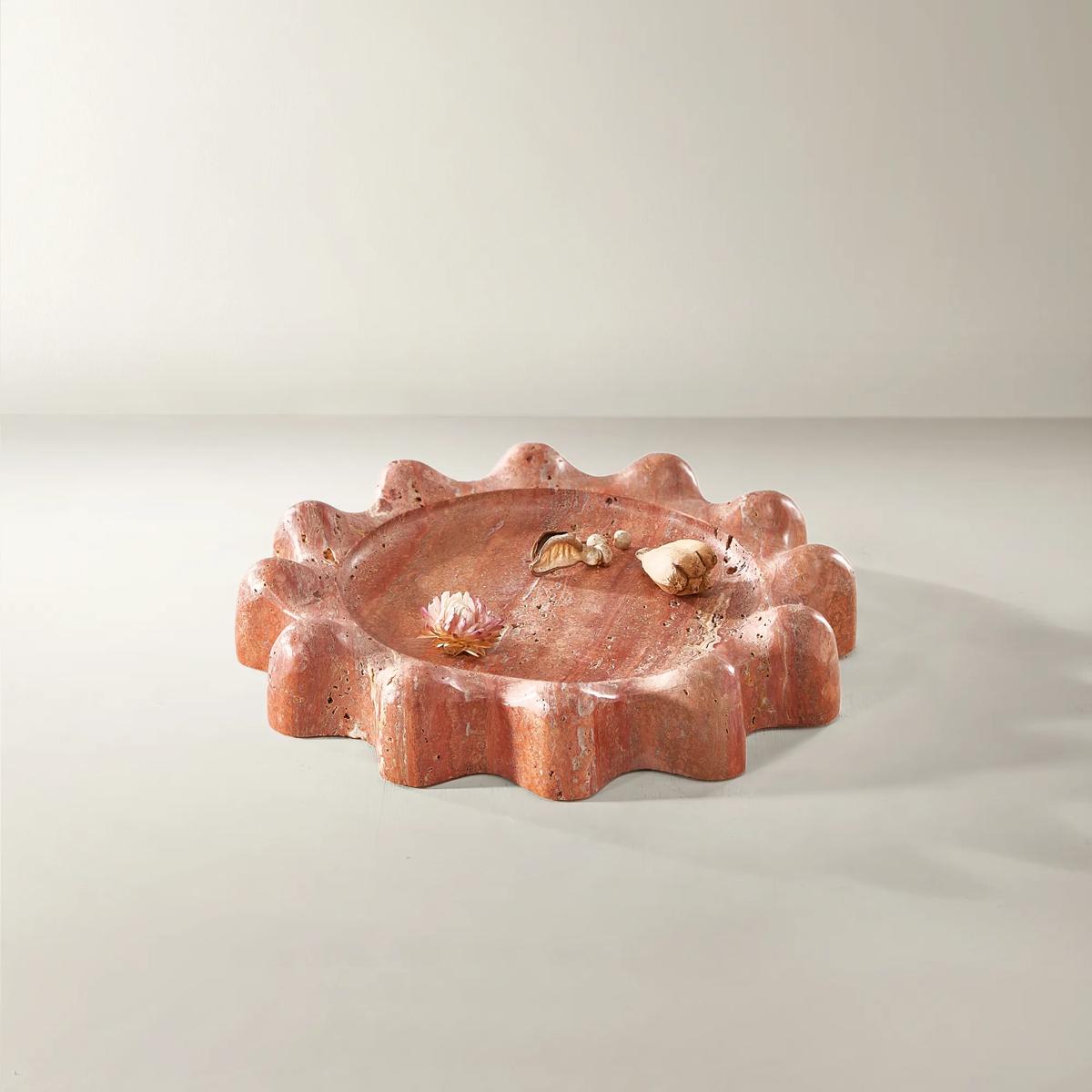 Flora Marble Catchall - Large$159
A hand-carved red travertine catchall with unique veining and undulating, flower-inspired edges.
Add To Cart -
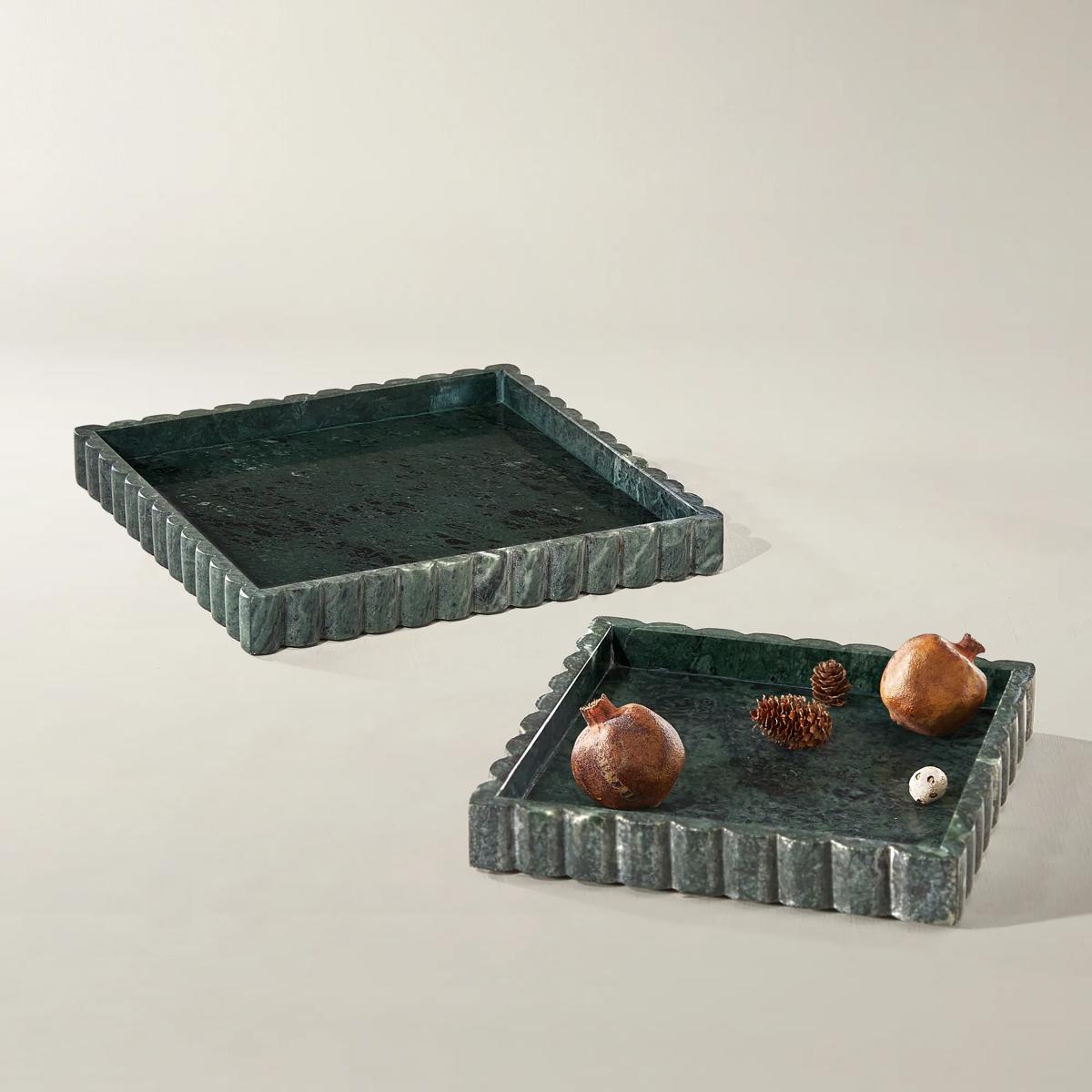
 Scallop Tray - Emerald Marble$69
A handcrafted Baroda green marble tray featuring unique veining and elegant scalloped edges for decorative display.
Add To Cart

Natural Stone Decorative Bowls
Natural Stone Decorative Bowls invite a sense of artistry and refinement into every room, transforming the everyday into the extraordinary. Sculpted by nature and shaped for statement-making interiors, these exquisite vessels capture the raw beauty of stone while elevating your décor with undeniable sophistication. Whether poised on a console or gracing a dining table, each bowl becomes a conversation piece—an ode to organic form and luxurious texture. Let your home become a gallery of curated moments, where Natural Stone Decorative Bowls ground your space in elegance and expressive design.
Natural stone decorative bowls bring organic texture, sculptural form, and distinctive mineral patterning to coffee tables, consoles, shelves, and kitchen counters. Carved from materials such as marble, travertine, or onyx, these decorative accents make an impression through the stone itself: a sweep of smoky veining, a creamy field interrupted by warm mineral deposits, or a softly pitted surface that catches the light. Natural variation gives each bowl its own visual character, so differences in color, markings, and texture are part of the appeal rather than signs of a uniform, manufactured finish. Marble often offers fluid veining and a refined surface, while travertine introduces a more porous, tactile appearance. Some varieties of onyx reveal luminous layers that become particularly expressive near a light source. A polished finish emphasizes depth and reflection; a honed finish creates a softer sheen that lets the silhouette and mineral pattern take the lead. Together, material and finish determine whether a bowl feels quietly architectural or richly ornamental. Pale stone can create a luminous focal point against dark wood, while charcoal, brown, and richly veined tones lend definition to lighter furnishings. Shape matters just as much as color. A low, broad bowl stretches across a tabletop with an expansive presence, while a deeper vessel adds height and a more enclosed profile. Rounded forms soften the lines of angular furniture, and irregular contours introduce an artful contrast to tailored upholstery and precise cabinetry. For interiors that favor expressive detail, stone offers drama without requiring elaborate embellishment. Its weight, texture, and pattern supply the ornament. These bowls suit spaces where functional surfaces also serve as opportunities for personal expression, from a carefully composed entryway to a living room layered with velvet, metal, and reflective accents. Even an empty bowl can feel complete, allowing its interior markings and sculpted rim to remain fully visible.
The most compelling placement gives a stone bowl enough room to register as an object, not simply another accessory. On a coffee table, a shallow silhouette can balance a stack of oversized books while keeping the view across the seating area open. Leaving space around the rim also preserves room for drinks and everyday use. On a narrow entry console, a more compact bowl creates a defined landing place for a few small belongings, provided its surface is suitable for that purpose. Keys and metal objects can scratch some stones or finishes, so a decorative bowl need not become a catchall to earn its place. Displayed on its own beside a sculptural lamp, it can anchor the arrangement through color and form. A dining table often benefits from a broader centerpiece that feels substantial without obstructing conversation, while an open shelf calls for careful attention to depth, weight, and the shelf’s load capacity. Before choosing a scale, consider the bowl’s full outside dimensions, including any flared rim, as well as its interior opening. Thick stone walls can make the usable space smaller than the overall size suggests. The relationship to surrounding materials creates another layer of interest: a creamy stone bowl against lacquer looks crisp and deliberate, while richly veined marble on warm wood feels layered and expressive. Pairing stone with decorative glass bowls introduces a contrast between grounded texture and light-catching transparency. A restrained arrangement allows those differences to remain distinct rather than competing for attention. Bowls can also hold decorative objects when their dimensions and finish permit, though a single carefully chosen accent often gives the stone more presence than an elaborate filler arrangement. For kitchen islands and dining surfaces, intended use deserves particular attention. A decorative designation does not establish food safety; direct contact with fruit, snacks, or other foods is appropriate only when the bowl is expressly identified as food-safe. The same distinction applies to holding water, fresh flowers, or damp botanical materials.
Stone has an enduring visual presence, but its substantial feel should not be mistaken for resistance to every kind of wear. Durability varies with the material, thickness, construction, and finish, and carved rims or slender edges may be vulnerable to chipping if struck. Marble and travertine are especially sensitive to acidic substances, which can etch the surface even when a mark does not resemble a conventional stain. Lemon juice, vinegar, wine, and unsuitable household cleaners therefore belong well away from a decorative stone display. Porous surfaces may absorb oils, pigments, or moisture, and sealing, when appropriate for the material, improves resistance without making a bowl stainproof or waterproof. Material-specific care instructions should always determine the cleaning method. For routine maintenance, gentle dusting with a soft cloth helps preserve the surface; when damp cleaning is permitted, minimal moisture and prompt drying are preferable to soaking. Abrasive pads, harsh chemicals, and dishwasher cleaning can damage stone or its finish. A surface-safe protective pad beneath the base can help protect a console or tabletop, particularly where the bowl is heavy or the underside is textured. Lifting rather than dragging preserves both the furniture and the bowl, while a stable position away from a busy table edge reduces the chance of accidental impact. These practical considerations make natural stone decorative bowls especially rewarding for someone who appreciates expressive materials and thoughtful display. As a housewarming or wedding gift, a well-proportioned bowl offers a personal accent without requiring an exact match to upholstery or wall color. Choosing tones that relate to the recipient’s existing wood, metal, or stone finishes gives the gift a considered connection to the home. For collectors of sculptural objects, distinctive veining or an unusual profile may hold greater appeal than added decoration. Whether styled as a solitary focal point or placed within a layered arrangement, a stone bowl brings the artistry of natural material into daily view, giving an ordinary surface a sense of intention and distinction.
FAQs
Stone decorative bowls bring an element of organic elegance to any living room. Place one on a coffee table layered with art books, or use it as a centerpiece on a console adorned with candles and metallic accents. For added drama, let the bowl stand alone to showcase its natural veining, or fill it with seasonal botanicals or decorative spheres to create a moment of visual interest.
Each stone decorative bowl is inherently unique due to the natural variations in the stone’s color, veining, and texture. Unlike mass-produced ceramics or glass, stone bowls carry the artistry of the earth itself—no two are ever alike. This individuality elevates your space with a sense of curated luxury and timeless sophistication.
Absolutely. Stone decorative bowls make exquisite gifts for weddings, anniversaries, housewarmings, or milestone celebrations. They symbolize enduring beauty and thoughtful craftsmanship, offering the recipient a striking piece that will be cherished for years to come.
Stone decorative bowls are wonderfully versatile. Use them as dramatic catchalls for keys and jewelry in an entryway, as a bold accent on a vanity, or as a sculptural element in a bookshelf arrangement. Their natural weight and texture also make them ideal for grounding layered vignettes throughout your home.
Stone decorative bowls complement a wide range of design aesthetics, from modern glam and contemporary minimalism to eclectic and transitional interiors. Their natural beauty and sculptural form effortlessly enhance spaces that celebrate bold self-expression and artistic detail.