Decorative Ceramic Bowls
Decorative Ceramic Bowls
-
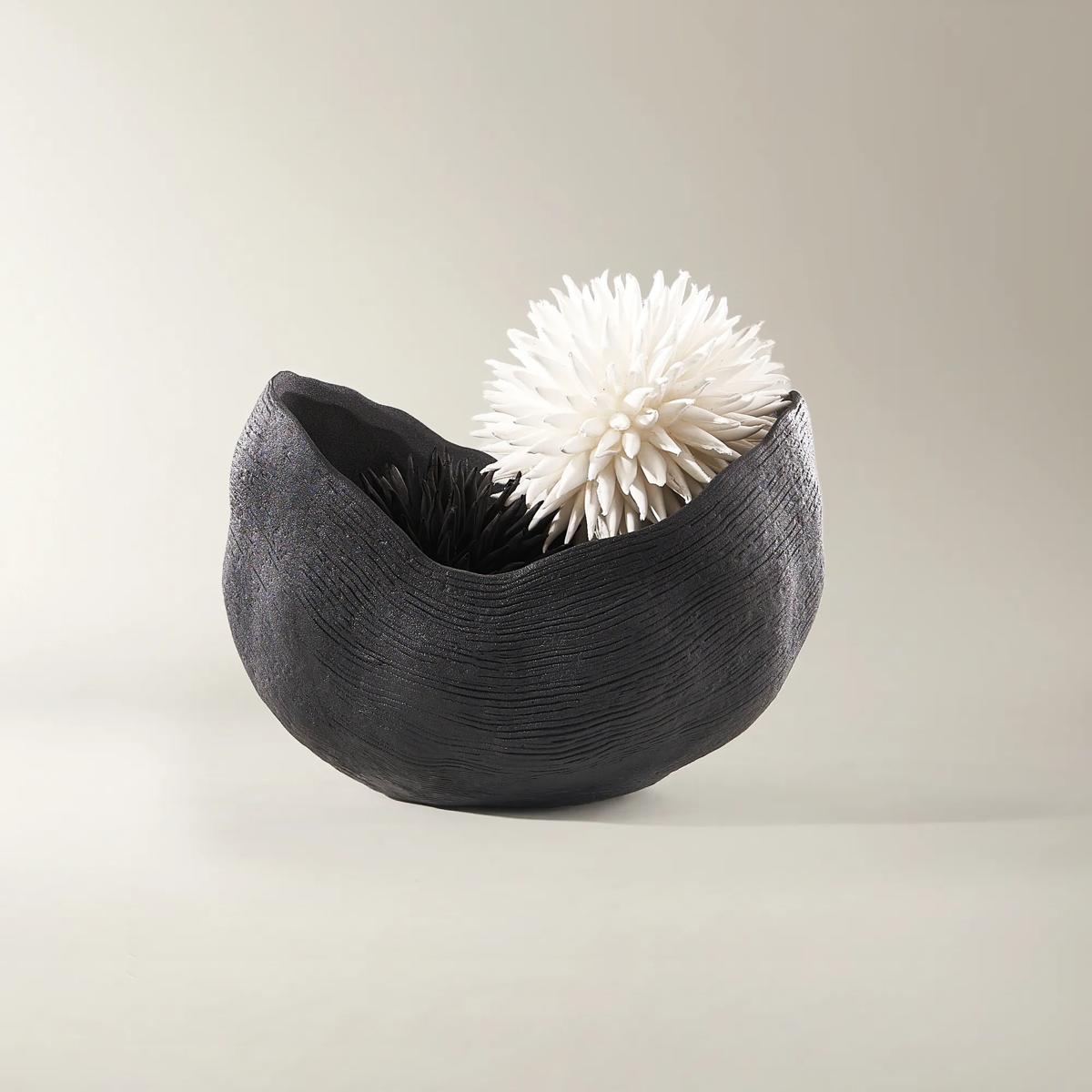 Baz Bowl - Black$119
A sculptural black porcelain bowl with a matte, ridged texture for bold, modern decor accents.
Add To Cart -
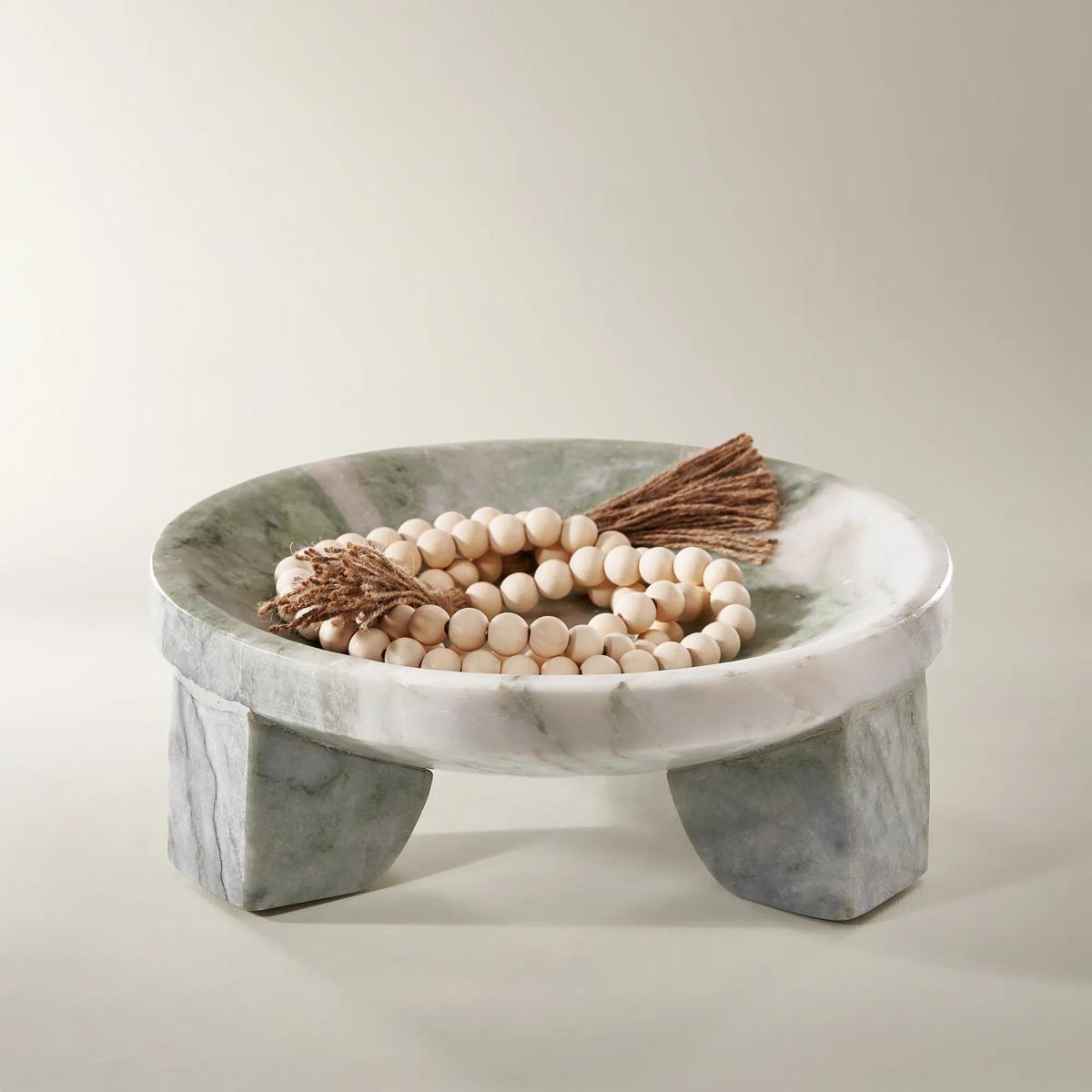
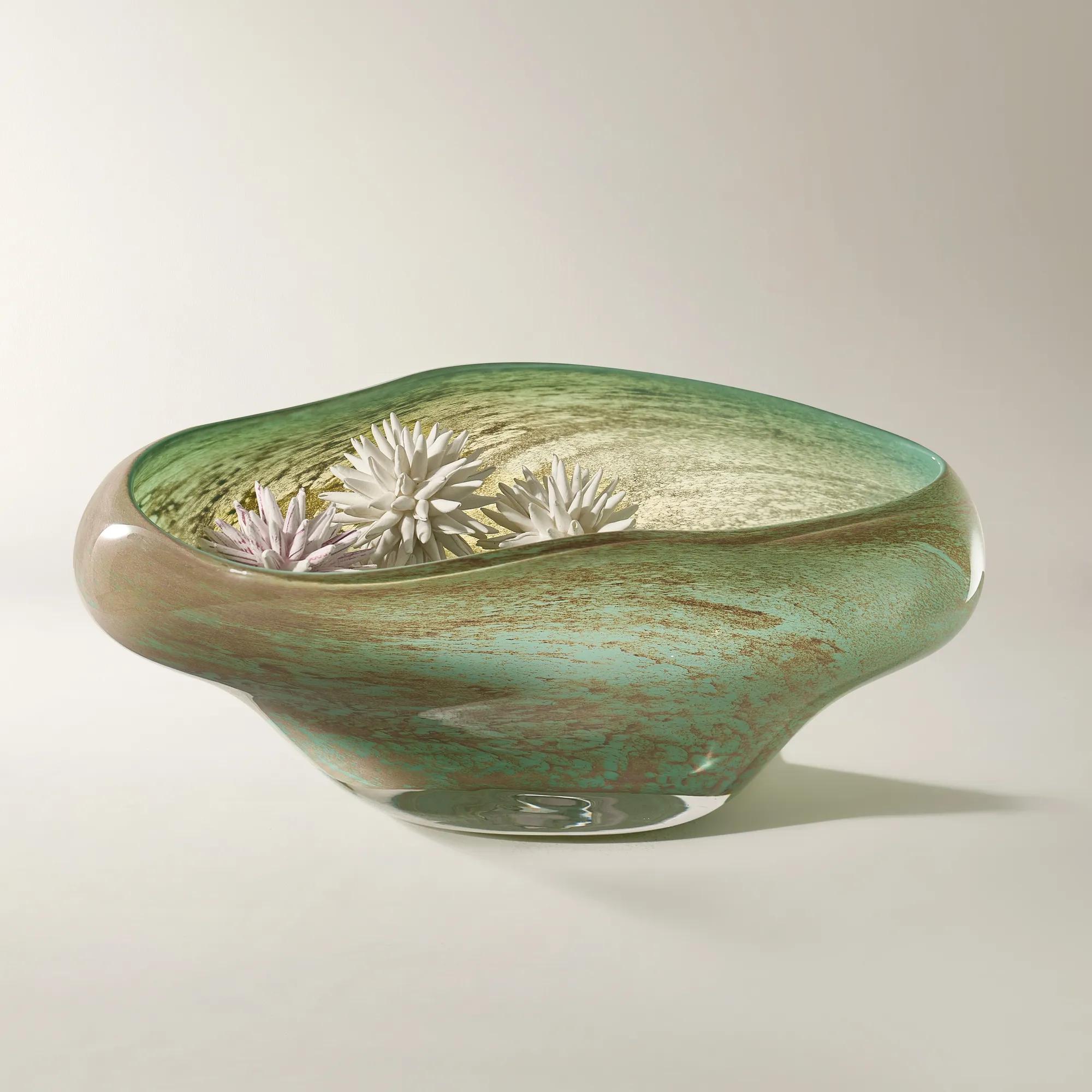
 Light Green Marble Footed Bowl$199
A hand-carved onyx bowl featuring soft green marbling and sculptural feet for organic elegance.
Add To Cart -
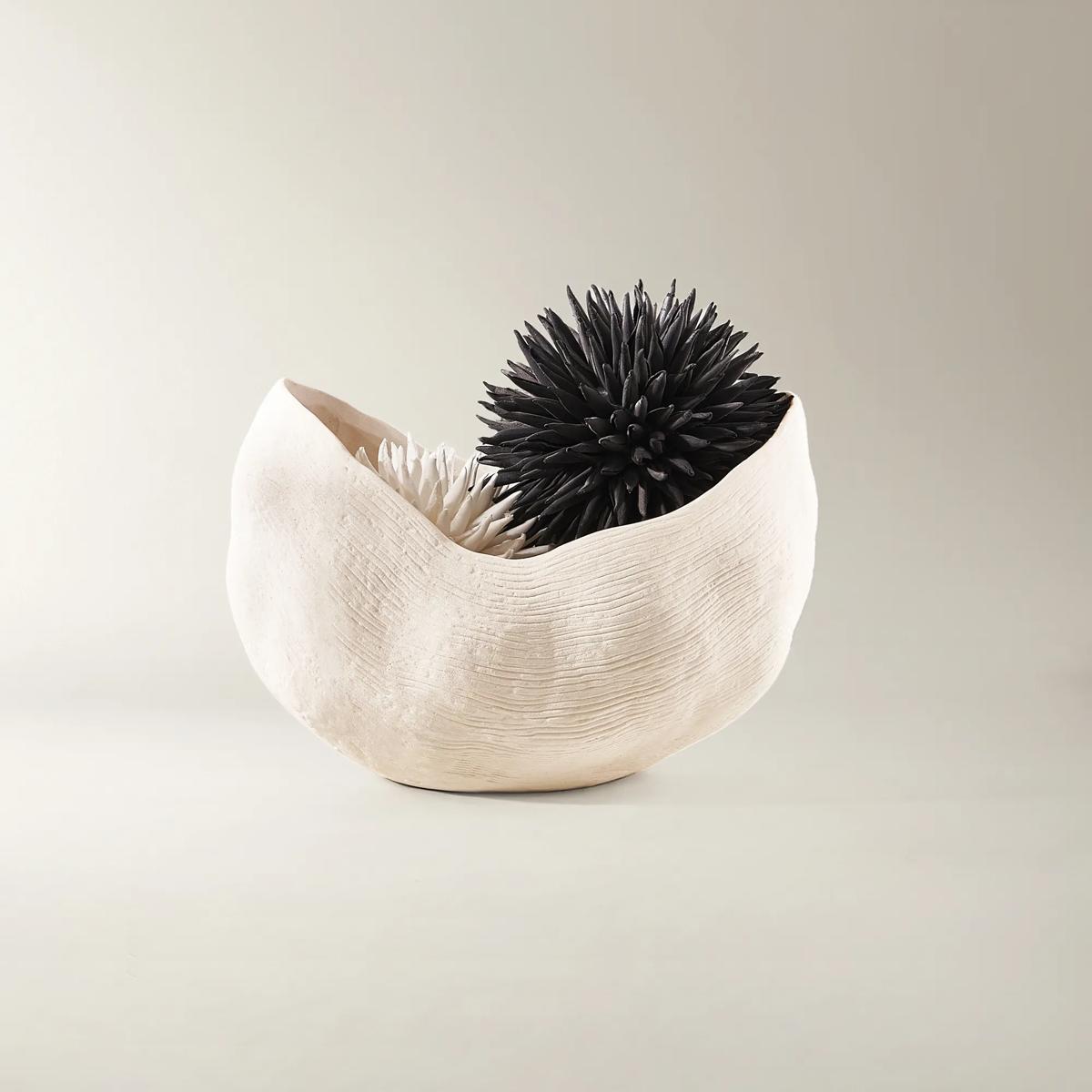 Baz Ivory Porcelain Bowl$119
A sculptural ivory porcelain bowl with a matte, textured finish and organic, free-flowing silhouette.
Add To Cart -
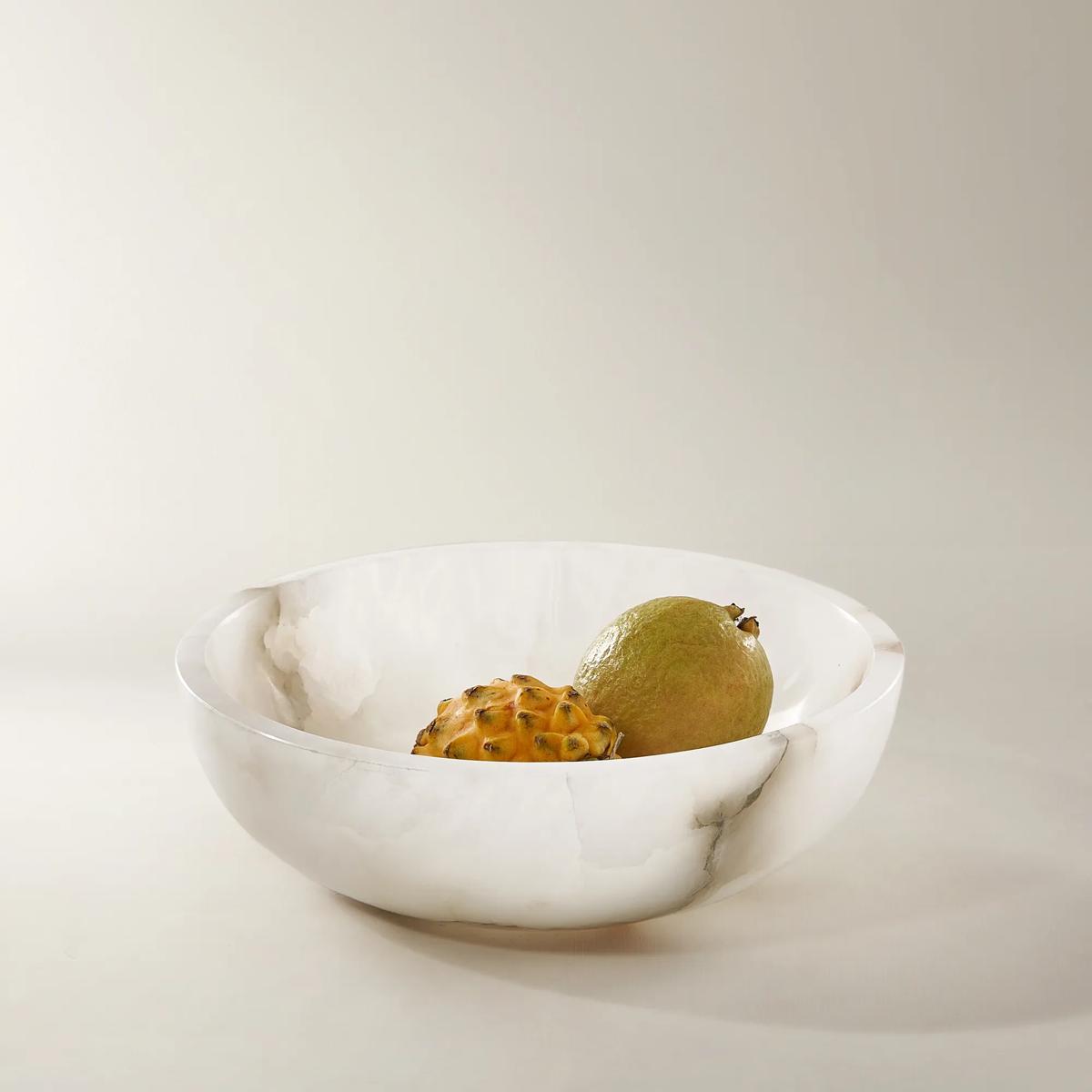 Alabaster Bowl$369
A hand-sculpted alabaster bowl featuring organic veining and soft, milky white translucence.
Add To Cart -
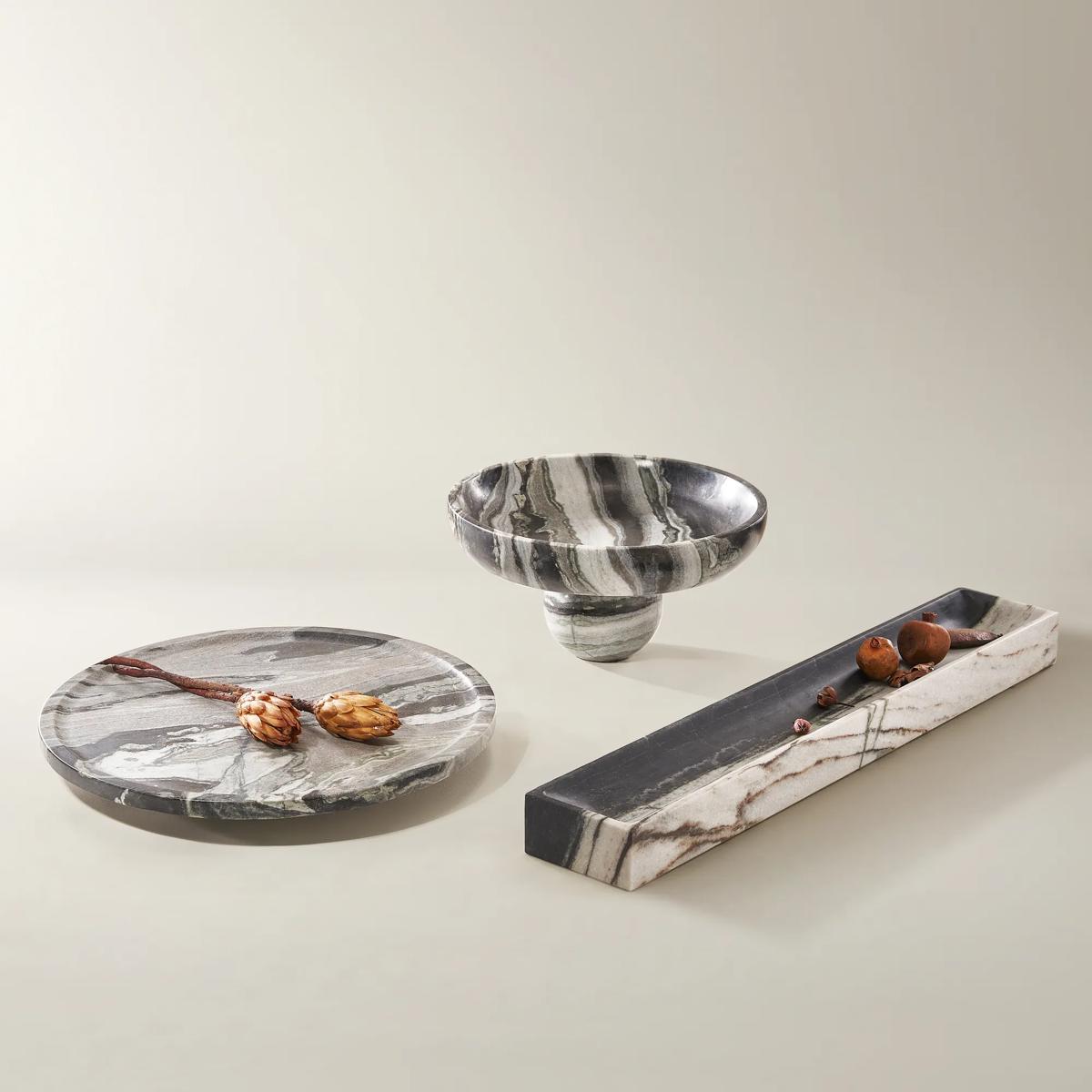
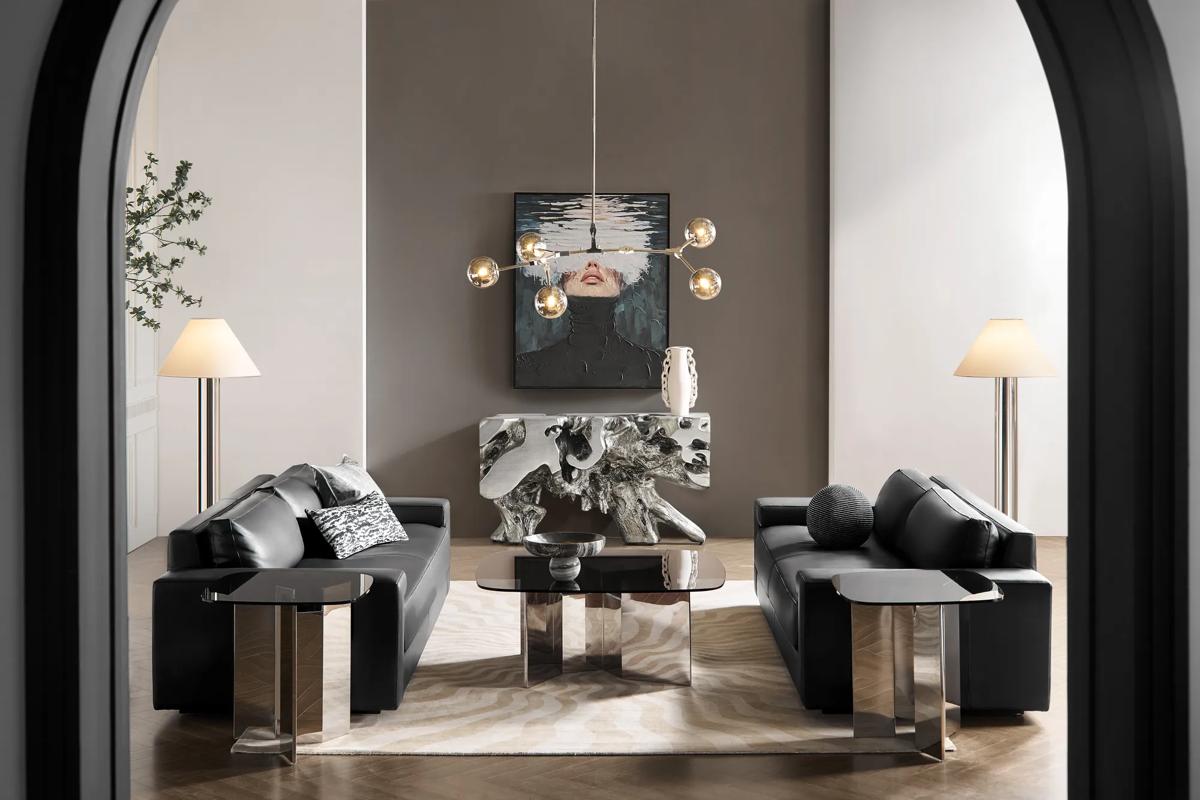 Luxe Marble Collection$169
A striking black marble décor collection featuring unique veining and elegant footed bowl, tray, and riser.
Add To Cart -
.jpeg?w=1200&h=1200)
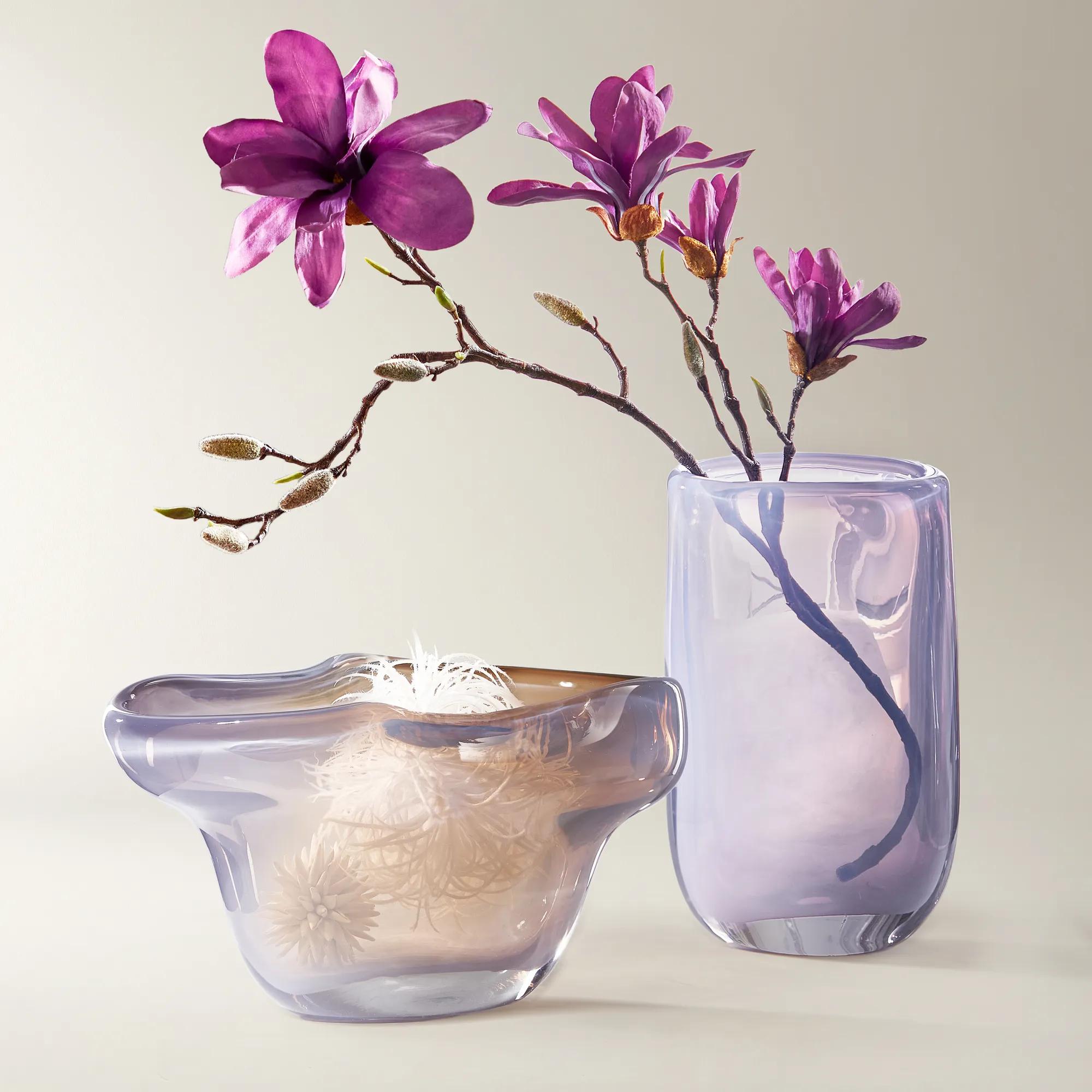
 Coral Ivory Porcelain Vase & Bowl$139
Coral Ivory Porcelain Vase & Bowl$139An ivory porcelain accent featuring flowing, coral-inspired curves for a modern, gallery-worthy display.
Add To Cart -
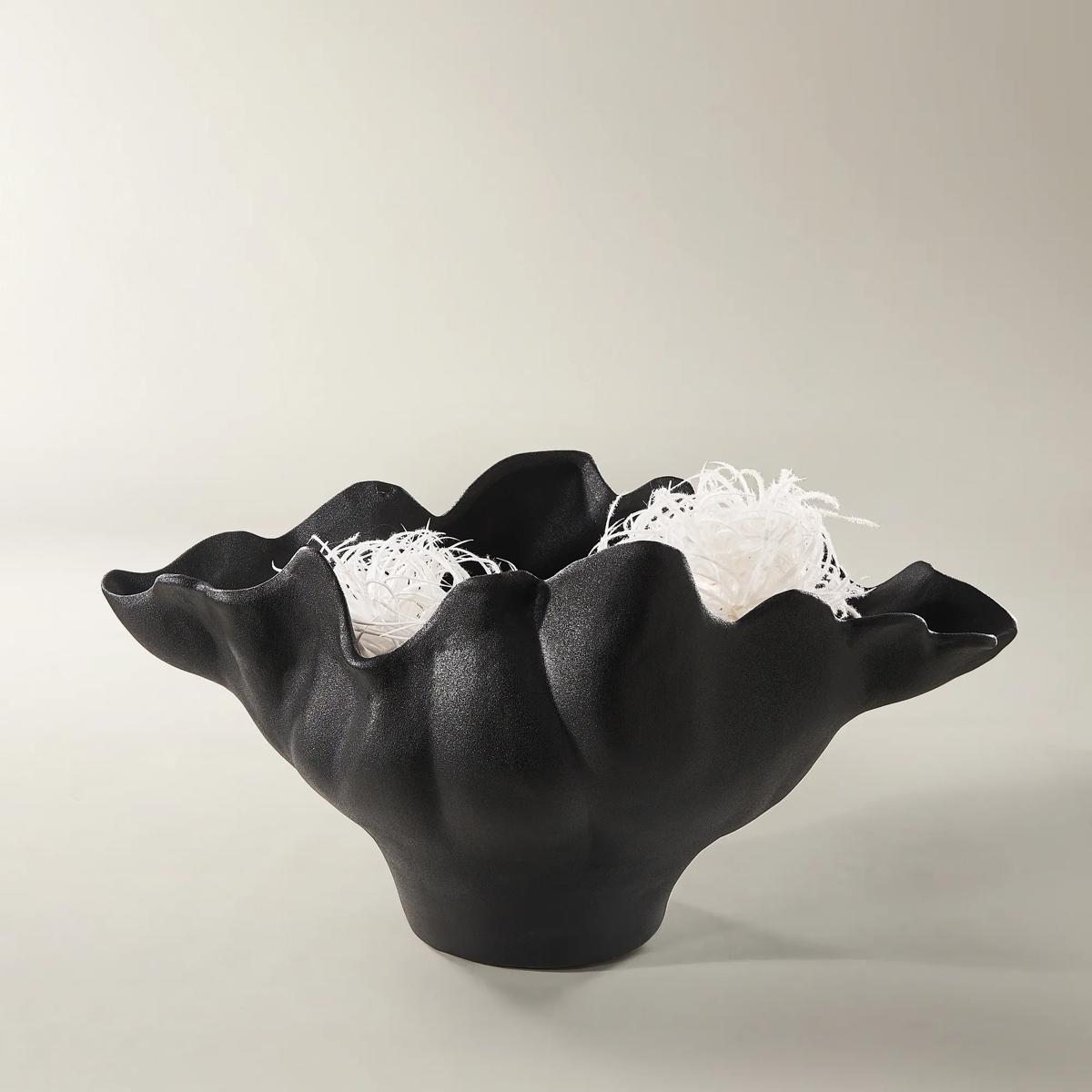
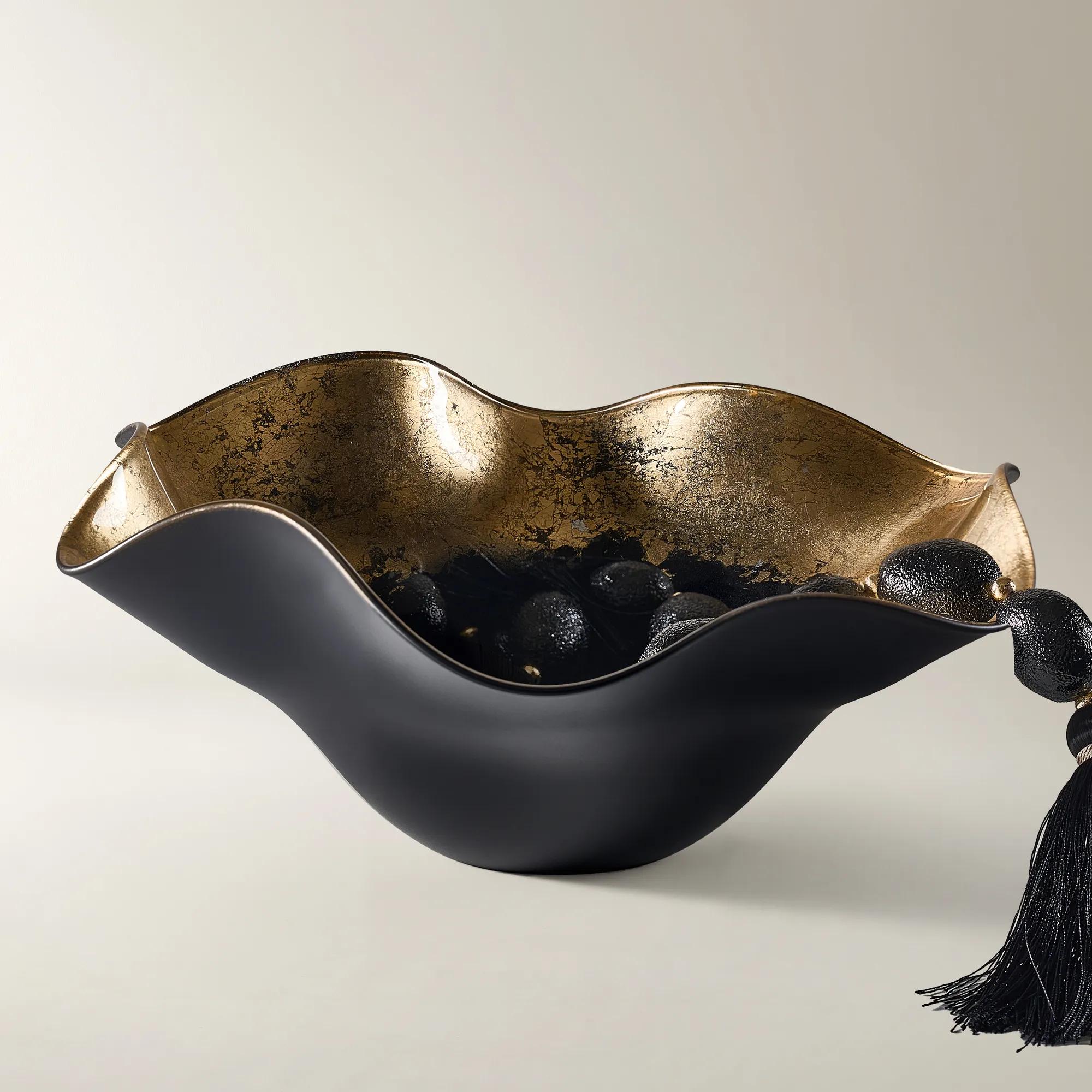
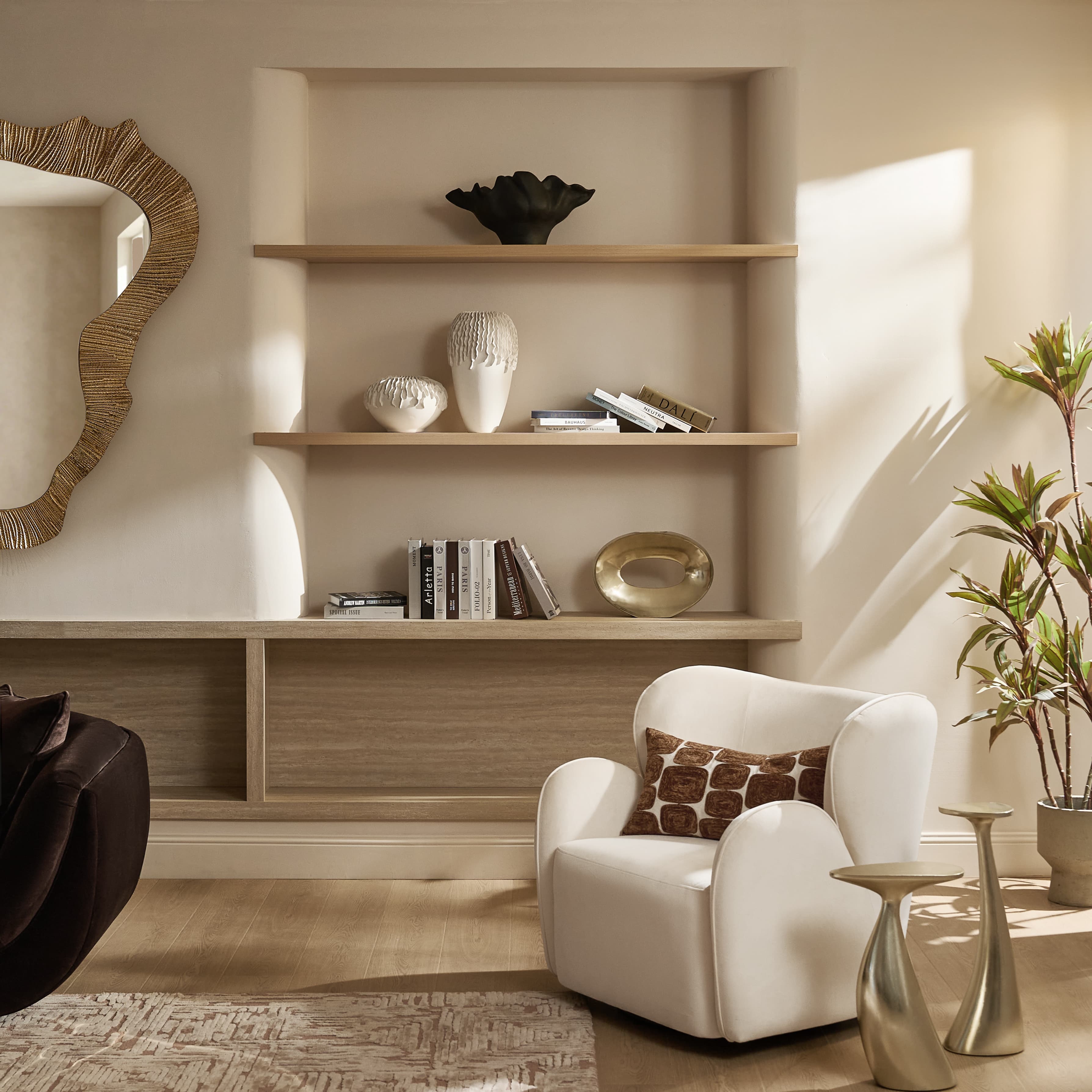 Ebba Black Porcelain Decorative Bowl 20.25" x 10.25"$199
A sculptural matte black porcelain bowl with undulating petal-like edges for bold, artistic elegance.
Add To Cart -
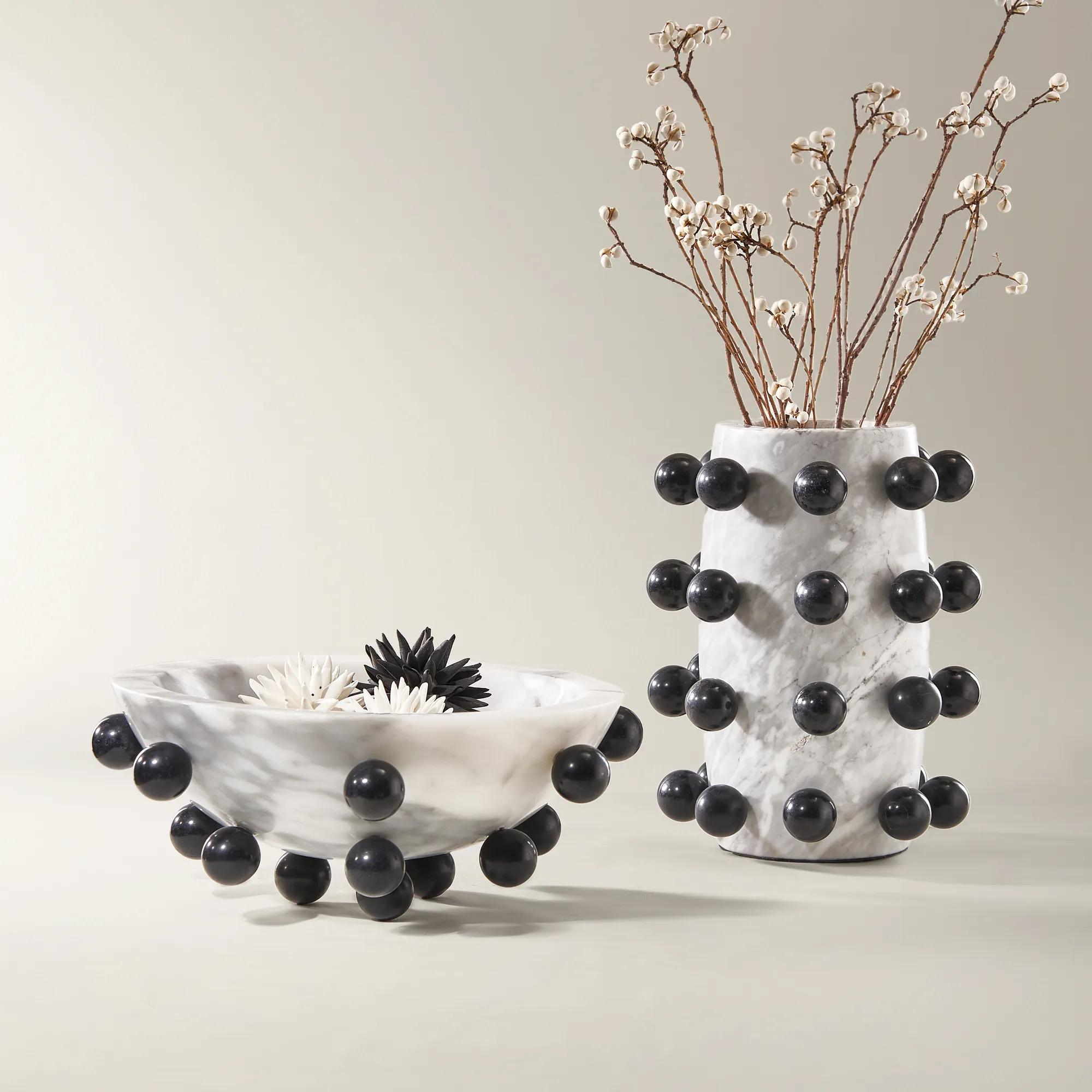 Borra Grey Black Marble Vase & Bowl$249
A sculptural grey marble accent featuring bold black orbs and unique natural veining for modern drama.
Add To Cart -
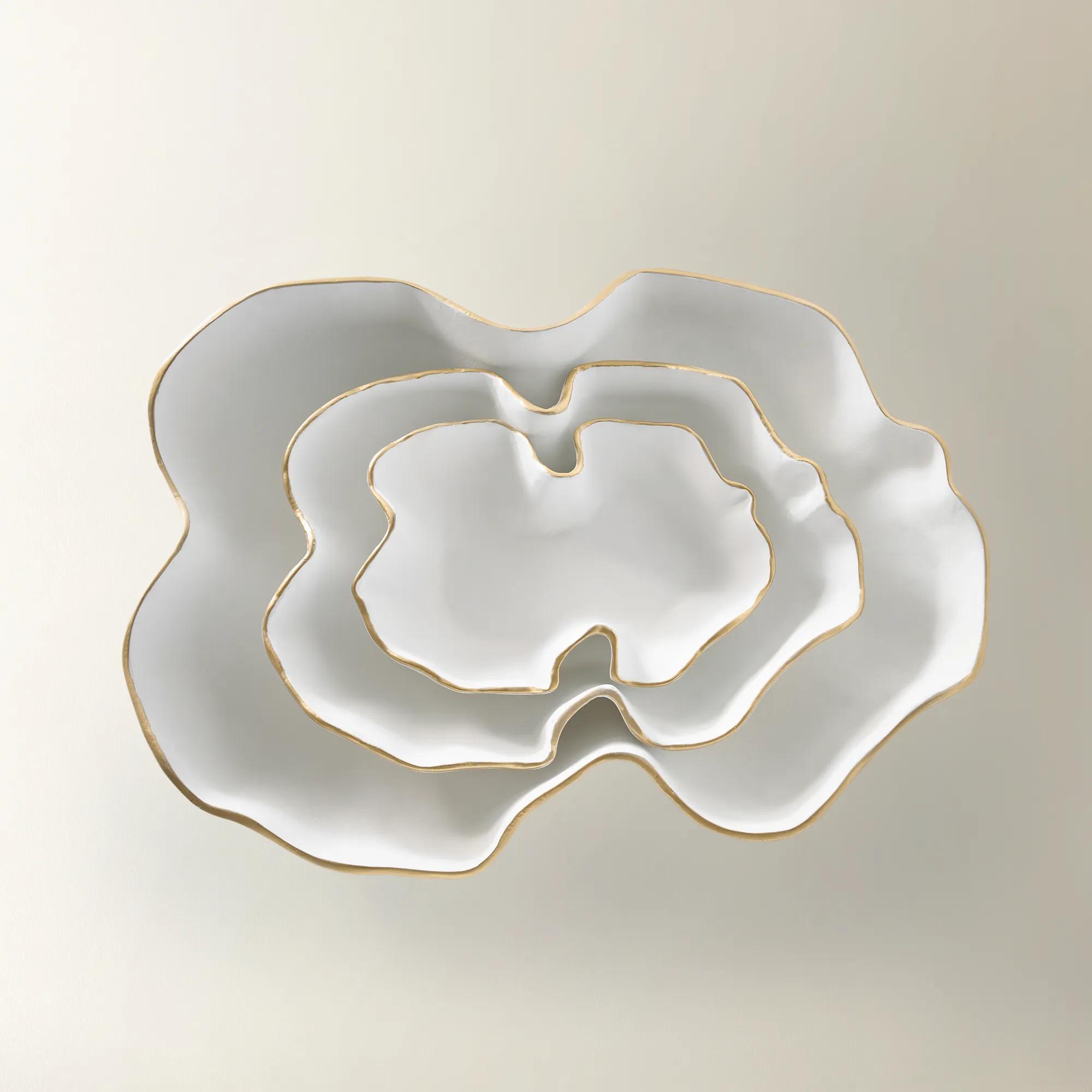 Lava White Gold Aluminum Decorative Nesting Bowls$39
A glossy white aluminum bowl with a golden rim, offering modern elegance for decorative display.
Add To Cart -
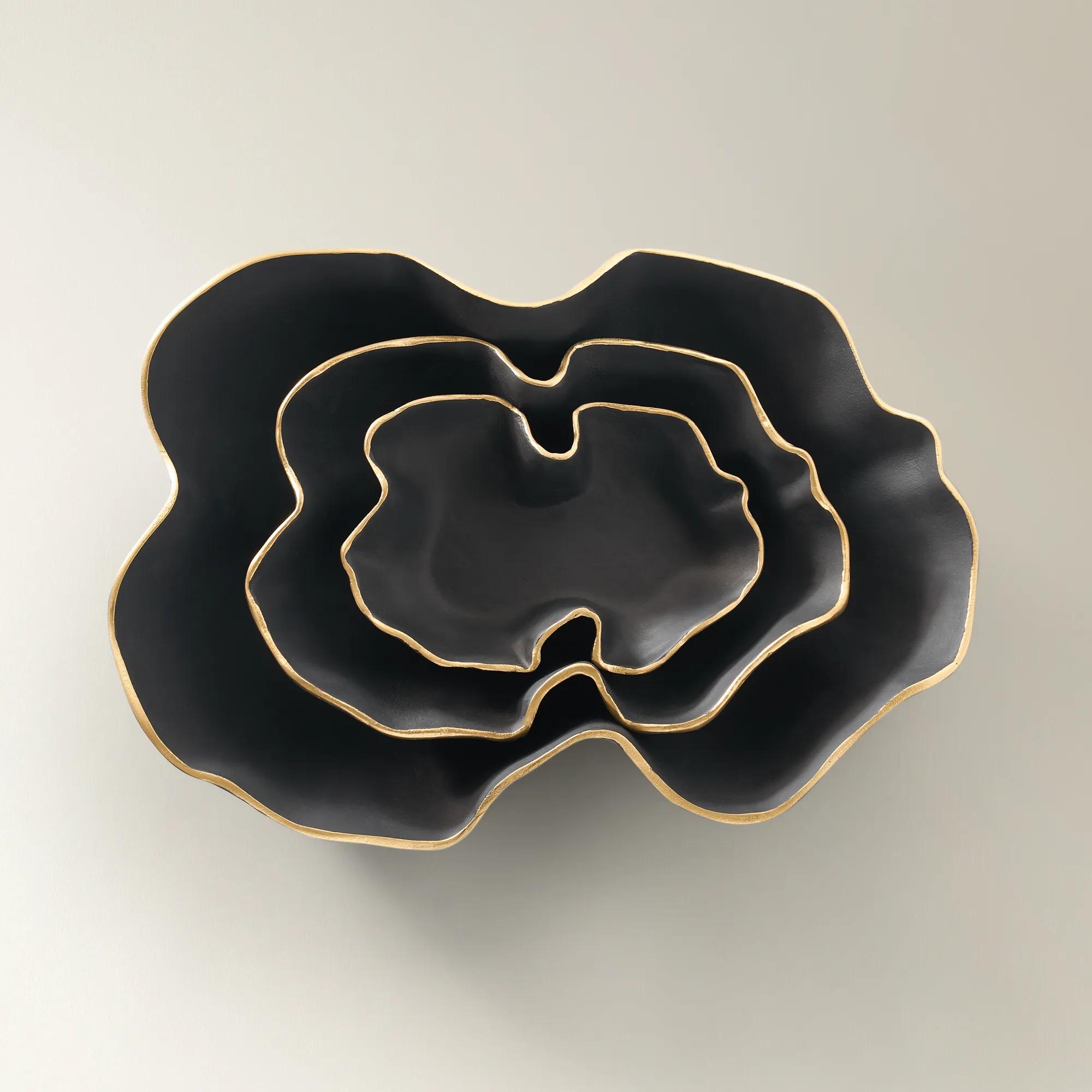 Lava Black Gold Aluminum Decorative Nesting Bowls$99
A deep black aluminum bowl with golden edges, featuring an organic shape inspired by volcanic rock.
Add To Cart -
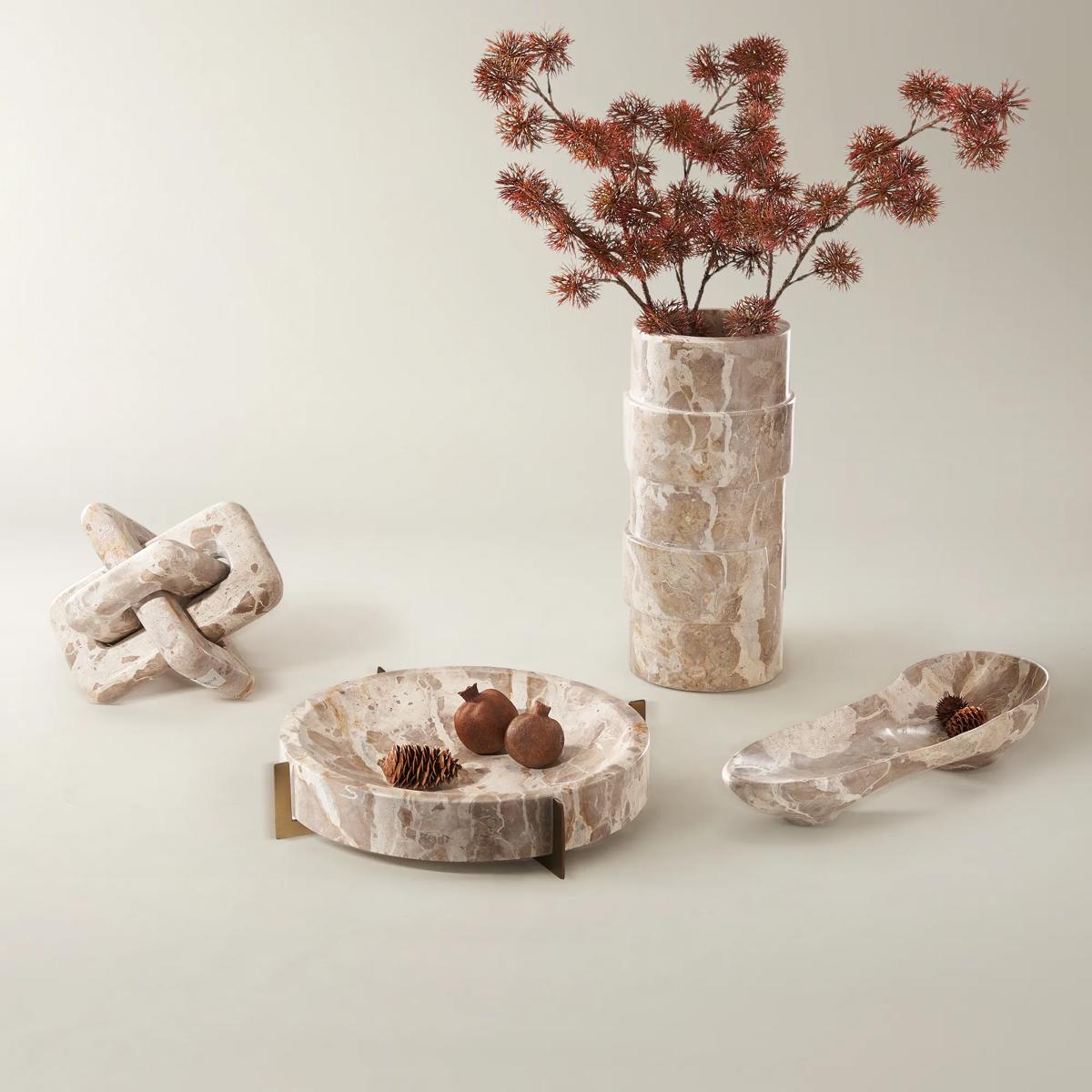
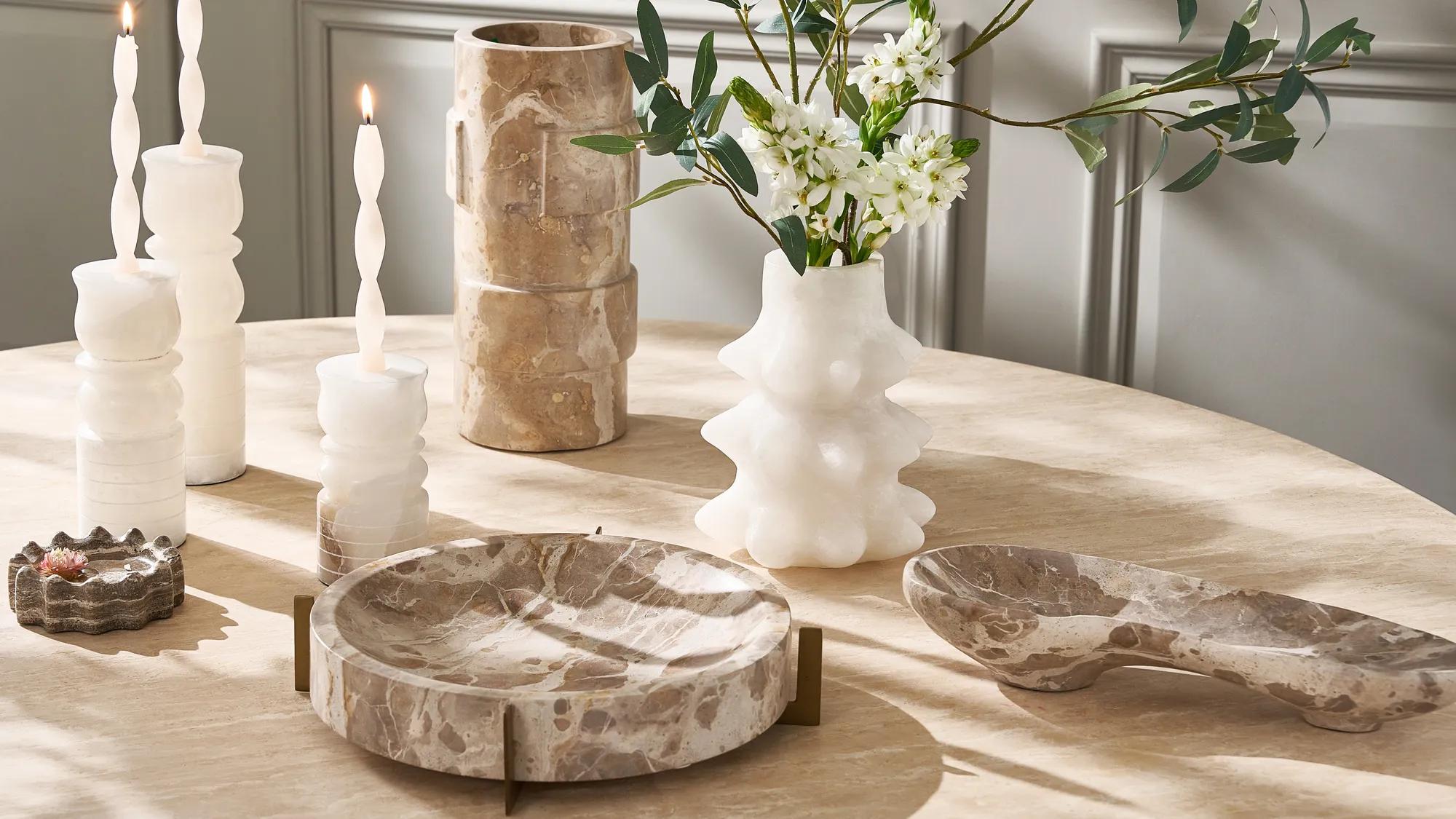 Neutral Marble Collection$109
A handcrafted marble decor collection featuring unique veining, natural neutral tones, and elegant metal accents.
Add To Cart -
.jpeg?w=1200&h=1200)
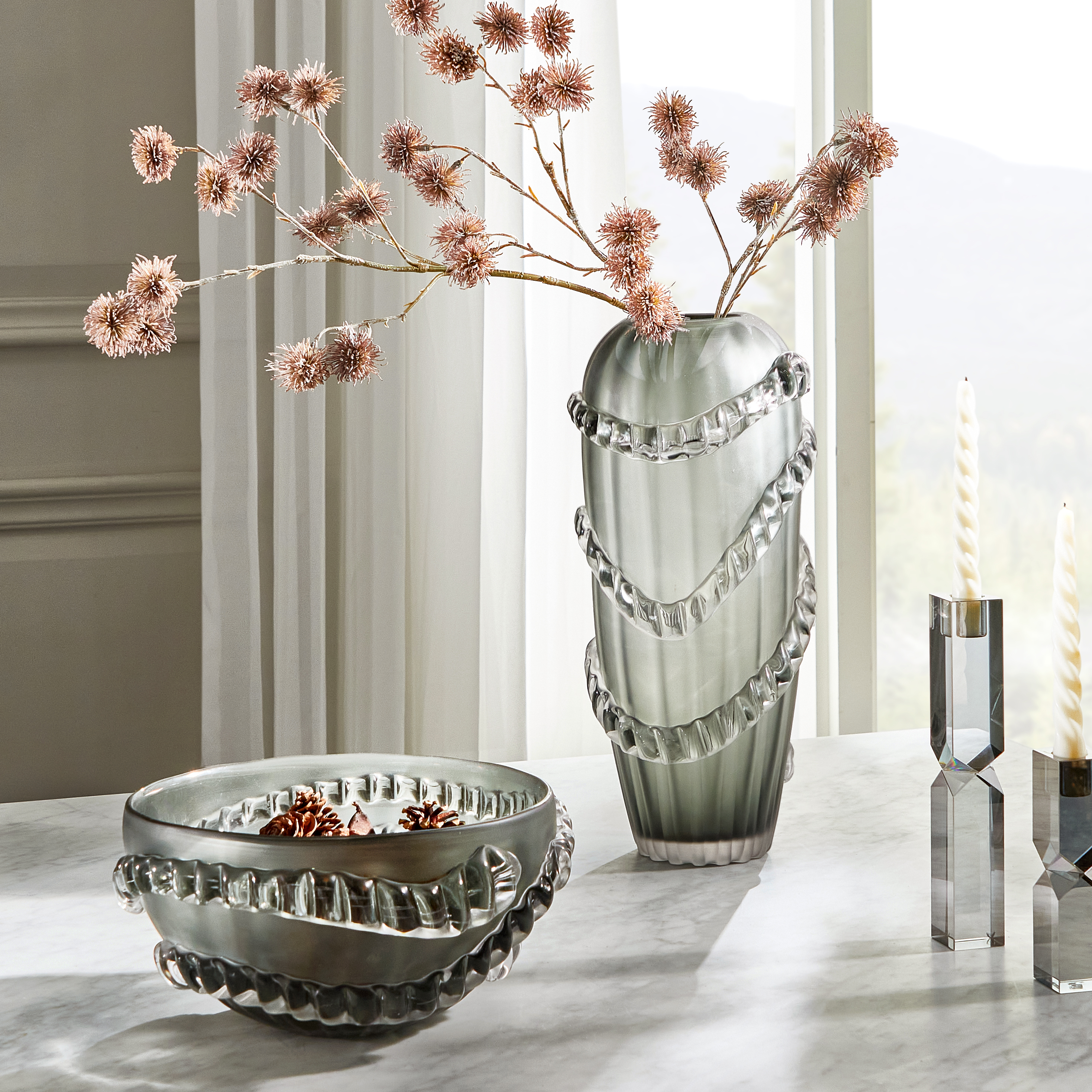 Helix Glass Collection$129
A hand-blown dark gray glass piece featuring fluted bodies and rippling sculptural ribbons for modern elegance.
Add To Cart -
.jpeg?w=1200&h=1200)
 Odessey Collection$99
Odessey Collection$99A shiny silver porcelain accent piece perfect for adding modern elegance to any decorative display.
Add To Cart -
.jpeg?w=1200&h=1200) Odessey Collection$159
Odessey Collection$159A decorative porcelain accent in shiny gold, perfect for adding modern elegance to any space.
Add To Cart -
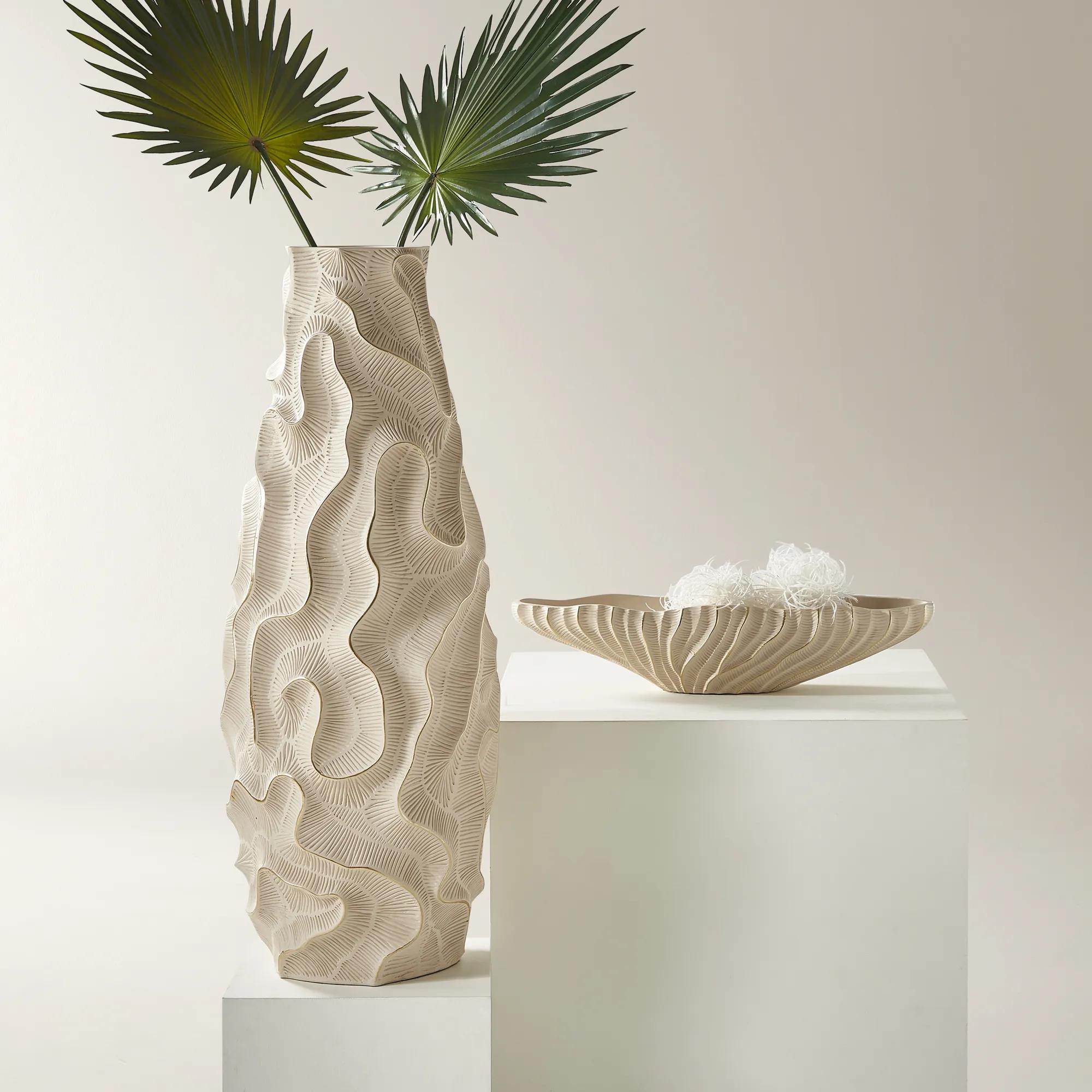
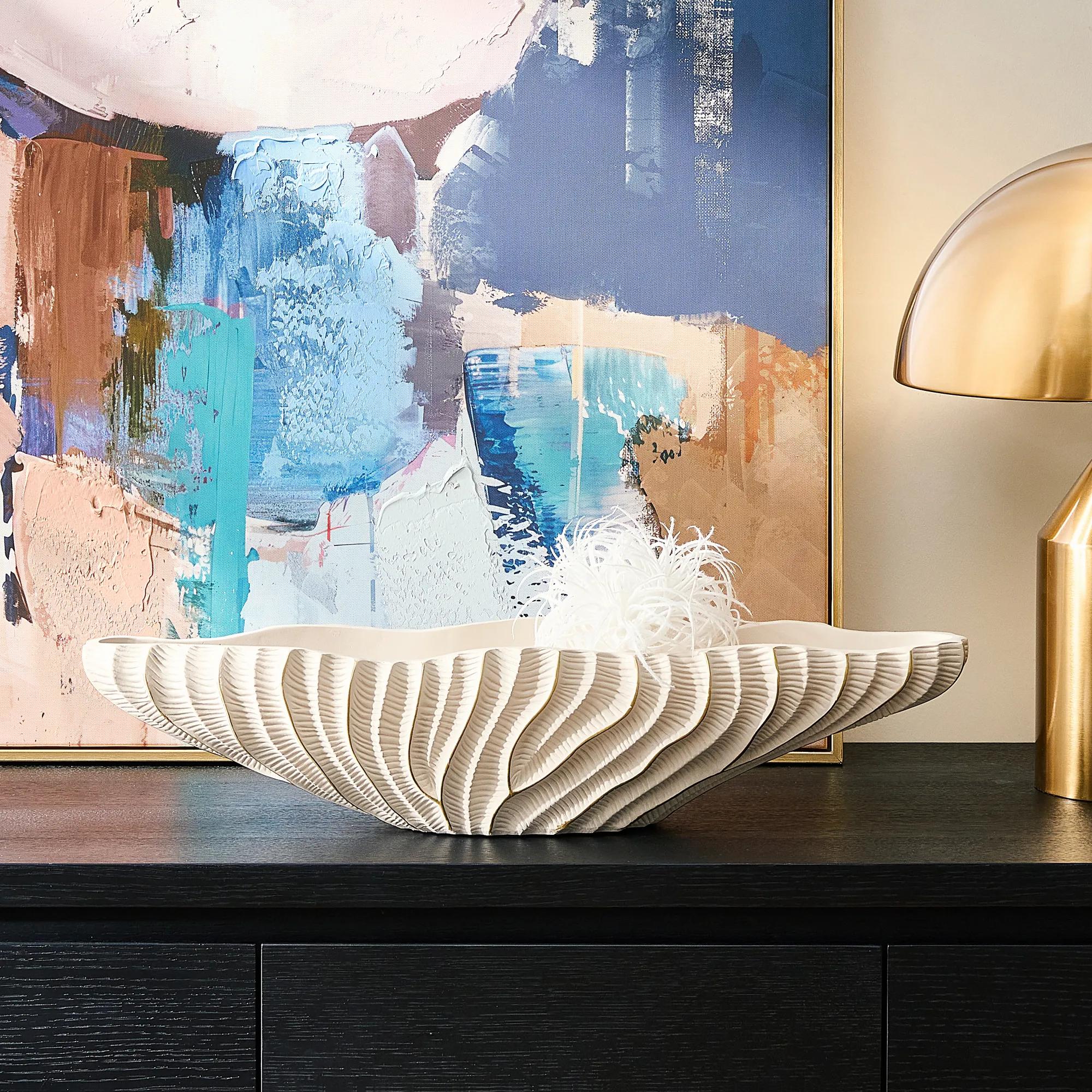 Rouche Ivory And Gold Etched Resin Floor Vase & Bowl$79
An ivory resin collection featuring sculptural, hand-etched textures and undulating organic contours.
Add To Cart -
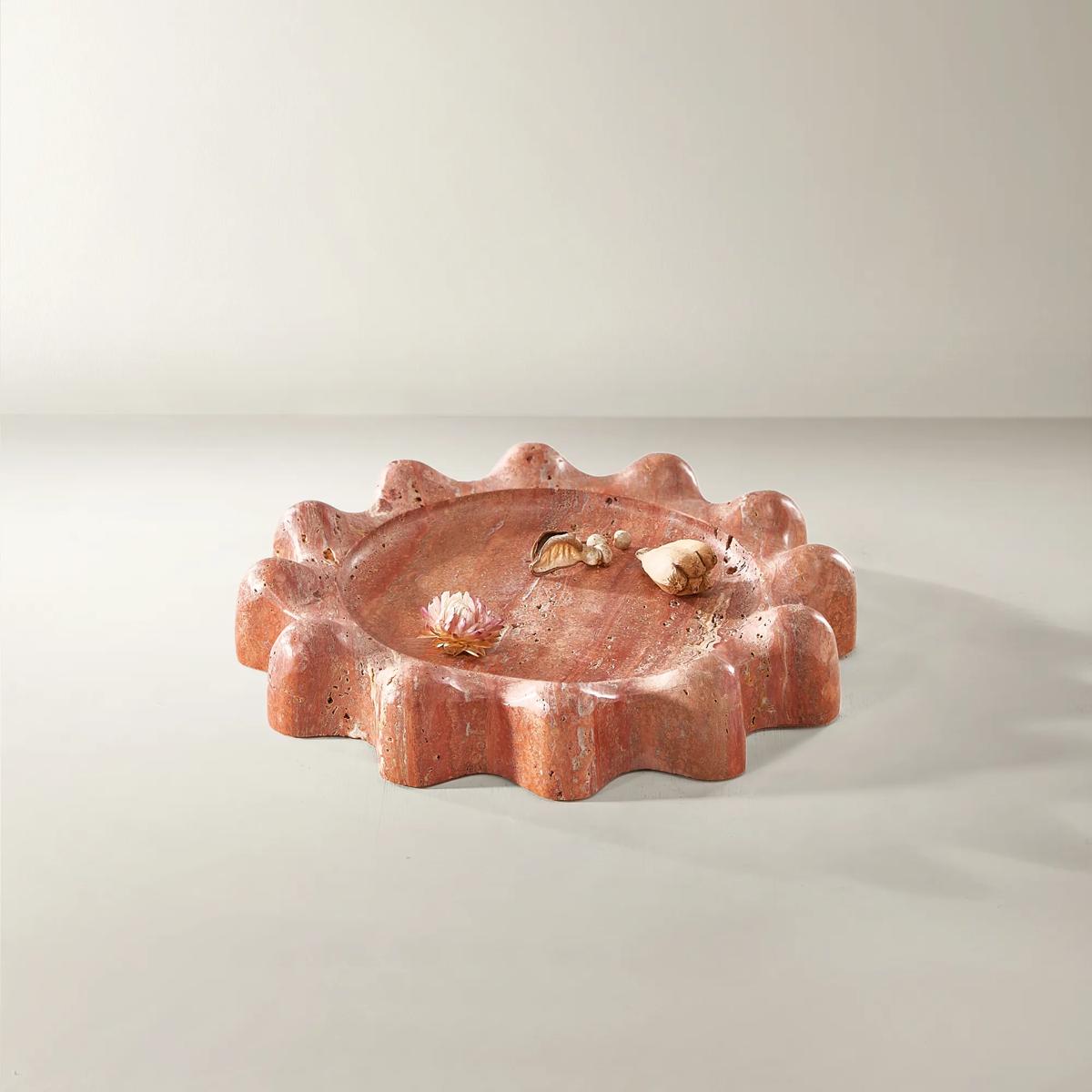 Flora Marble Catchall - Large$159
A hand-carved red travertine catchall with unique veining and undulating, flower-inspired edges.
Add To Cart -
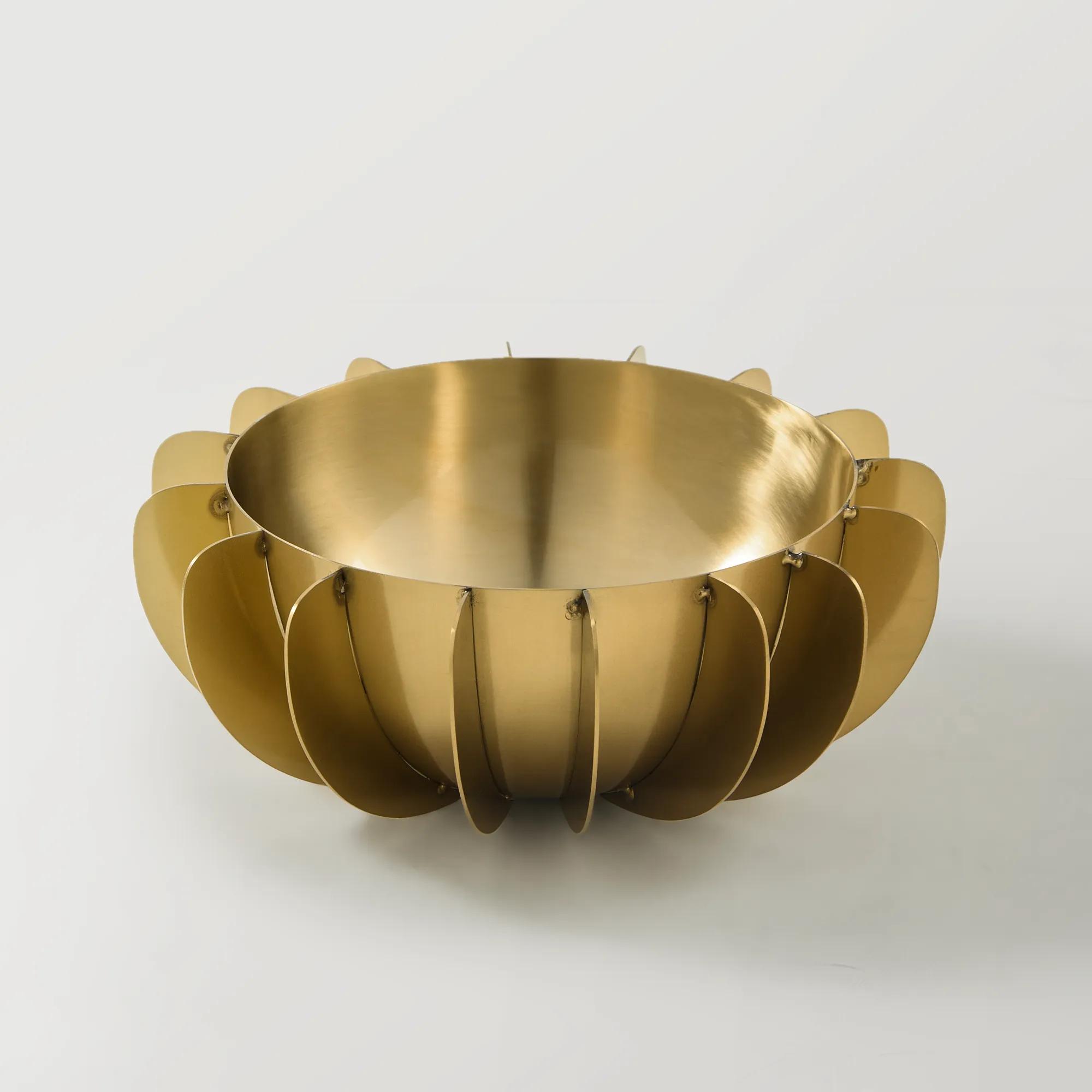
 Mezza Collection$99
A gold-plated stainless steel decorative accent that brings timeless glamour and shine to any room.
Add To Cart

Decorative Ceramic Bowls
Decorative Ceramic Bowls are the ultimate expression of artistry and function, transforming everyday surfaces into curated showcases of style. Each piece is a celebration of sculptural form and luminous glaze, inviting you to layer your space with intrigue and elegance. Whether anchoring a dramatic tablescape or adding a whisper of color to a console, these bowls infuse every room with a sense of curated luxury. Let your home become a gallery of texture, tone, and personality, where Decorative Ceramic Bowls capture the eye and spark conversation at every turn.
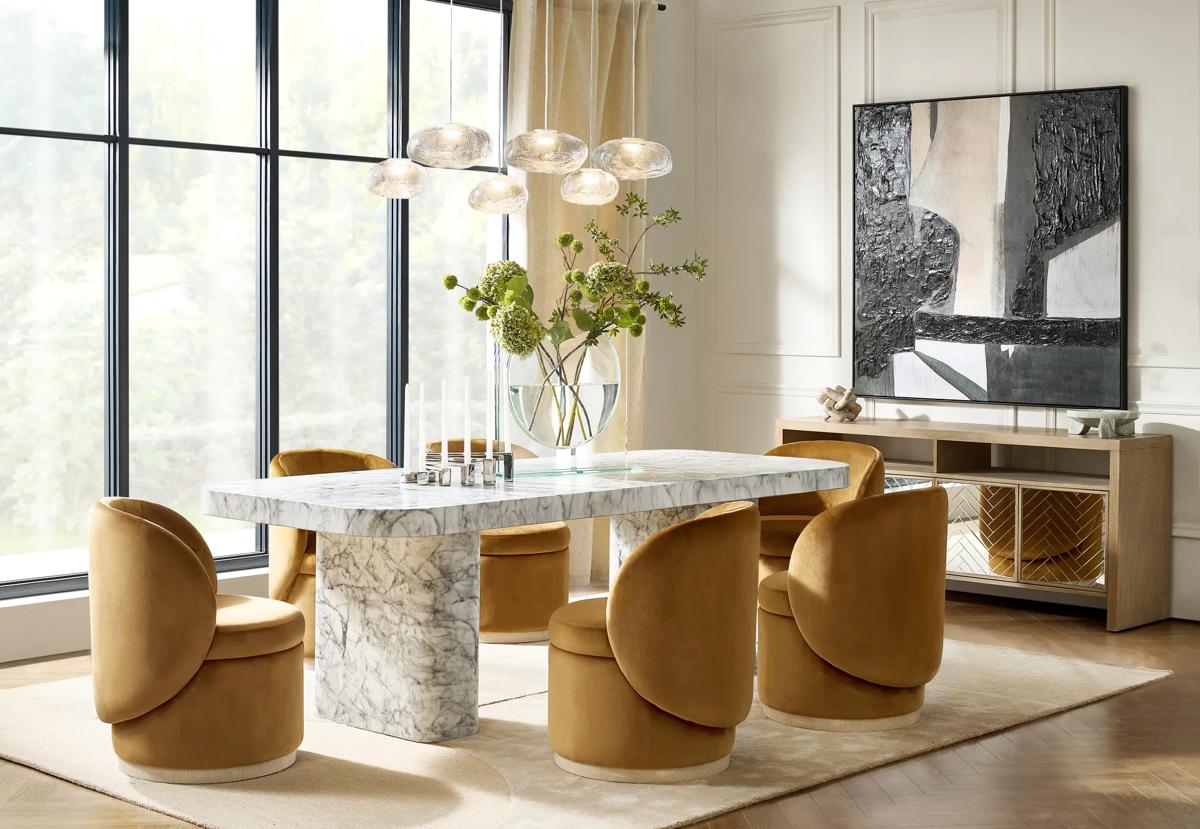
Decorative ceramic bowls are sculptural home accents made from shaped and fired clay, prized for their expressive silhouettes, tactile surfaces, and ability to give a room a distinctive focal point. Unlike bowls selected primarily for serving, these pieces emphasize visual presence: a sweeping rim, a deeply pooled glaze, or a rippled profile that looks compelling even when the bowl is empty. On a coffee table, a broad, shallow ceramic bowl creates a generous sweep of color without interrupting conversation across the seating area. On an entry console, a smaller vessel introduces an artful detail at the moment of arrival. Their appeal lies in that balance of substance and expression. Ceramic has a reassuring weight and a surface that can range from velvety matte to brilliantly reflective, allowing the same familiar form to take on remarkably different personalities. Glossy white feels luminous against dark wood; an inky glaze brings definition to pale stone; a metallic accent catches the light beside upholstered furniture. Ribbed exteriors create a rhythm of light and shadow, while ruffled edges and asymmetrical contours introduce movement to a room with strong architectural lines. Smooth, rounded bowls offer a quieter counterpoint to elaborate mirrors, patterned textiles, or angular tables without disappearing into the composition. Color can connect a bowl to surrounding artwork or give an otherwise restrained room one decisive gesture. For interiors that call for deeper contrast, decorative black bowls bring a rich visual anchor to layered neutrals, gleaming metal, and clear glass. A dark interior also creates a striking backdrop for pale decorative objects, while an unfilled bowl reveals the full sweep of its glaze. These accents suit collectors drawn to expressive objects, hosts who appreciate a composed tabletop, and anyone seeking a finishing detail with more presence than a purely functional container. The most compelling choice feels connected to the room but retains a character of its own, whether through an unexpected proportion, a distinctive edge, or a finish that rewards a closer look.
Material and construction shape both the appearance and the everyday character of a decorative ceramic bowl. Ceramic is a broad category that includes earthenware, stoneware, and porcelain, each with qualities influenced by the clay body, firing process, and finish. Earthenware is generally more porous and may depend on glazing to resist moisture; stoneware is typically denser; porcelain can support refined forms with a smooth, finely textured surface. These distinctions provide useful context, but the individual piece’s care information and intended use matter more than assumptions based on its appearance. A glossy glaze does not automatically mean a bowl is food-safe, watertight, or suitable for the dishwasher. Decorative finishes, especially metallic detailing and textured treatments, may require handling that differs from ordinary dinnerware. For display, proportions deserve equal attention. Diameter determines how much tabletop a bowl occupies, while height affects sightlines and clearance beneath a shelf or mirror. A wide bowl can ground a generous dining table, but a compact console may call for a narrower footprint that leaves space for a lamp and everyday essentials. The base matters as much as the rim: a dramatic flared silhouette can extend well beyond its contact area, so the supporting surface should accommodate the entire piece comfortably. On a coffee table used for drinks, books, and conversation, leaving open space around a centerpiece makes the arrangement feel deliberate rather than crowded. On shelving, a bowl with a raised or undulating edge remains visible at eye level, whereas a very shallow design may be better appreciated from above. Consider the surrounding materials, too. A matte bowl gives reflective furniture a tactile contrast, and a luminous glazed surface lends depth to a vignette of linen, wood, and woven textures. Subtle variations in glaze tone or contour can contribute to the character of some ceramic pieces, particularly those shaped or finished by hand. The result is an object whose appeal comes not only from its color, but from the way its surface and silhouette interact with the room.
Intended use helps distinguish a beautiful display piece from the right accent for a particular space. A decorative ceramic centerpiece bowl can stand alone, allowing its interior, rim, and shadow to become the composition, or hold a restrained arrangement of lightweight decorative spheres, smooth wooden beads, or other dry accents. Fillers should complement rather than conceal the form; a deeply textured vessel often needs less embellishment than a smooth, open shape. A shallow bowl on a dresser can gather a watch or a few accessories, provided its finish is suitable for contact with those objects. Near an entryway, a durable, easily cleaned surface is a more practical choice for a catchall than a delicate metallic finish that keys could scratch. Decorative bowls should not be used for fruit, snacks, or serving unless the manufacturer explicitly identifies them as food-safe, and standing water should be avoided unless the vessel is intended to hold it. These boundaries preserve both the finish and the purpose of the piece. Routine care is usually straightforward but should follow the supplied instructions: gentle dusting with a soft cloth is often appropriate, while abrasive cleaners, prolonged soaking, and harsh scrubbing can damage sensitive surfaces. Even dense, well-fired ceramic can chip at a projecting edge or crack under impact, so bowls are best lifted with support beneath the base rather than carried by an ornamental rim. A suitable protective pad can help shield a polished tabletop from an unglazed foot, provided the bowl remains stable. Placement away from busy edges is especially valuable in homes with children or pets. As gifts, decorative ceramic bowls offer a personal yet versatile choice for a housewarming, wedding, or host, especially when their scale and palette reflect the recipient’s home. A compact sculptural bowl can bring distinction to an apartment console, while a generous centerpiece suits someone who loves an expressive dining room. Chosen with attention to form, finish, and daily life, these vessels give familiar surfaces an unmistakably artful presence.
FAQs
To create a luxurious tablescape, layer decorative ceramic bowls with complementary textures and tones—pairing glossy finishes with matte, or intricate patterns with solid hues. Place a statement bowl at the center, fill it with fresh fruit, floral arrangements, or seasonal ornaments, and surround it with coordinating dinnerware and metallic accents for a look that feels both artful and inviting.
Absolutely. Decorative ceramic bowls make memorable gifts for housewarmings, weddings, anniversaries, or milestone birthdays. Their blend of beauty and function ensures they’ll be cherished, and selecting a bowl that reflects the recipient’s style adds a personal, thoughtful touch.
Decorative ceramic bowls shine as versatile accents throughout the home. Use them to display collected objects, as catchalls for jewelry or keys, or as sculptural centerpieces filled with seasonal botanicals or floating candles. Their artistry transforms everyday storage into a visually captivating experience.
Consider the color palette, textures, and overall mood of your space. Choose a bowl with a glaze or pattern that echoes your room’s accent colors, or opt for a contrasting finish to create a bold focal point. Organic shapes and artisanal details can add warmth and interest to both modern and classic interiors.
Decorative ceramic bowls are timeless accents that can be styled year-round. In winter, fill them with citrus, pinecones, or candles for a cozy effect; in spring and summer, use them to showcase fresh blooms or vibrant produce. Their adaptability ensures they remain relevant and beautiful in every season.

.jpeg?w=3739&h=3739)