
Decorative Glass Bowls
Decorative Glass Bowls
-
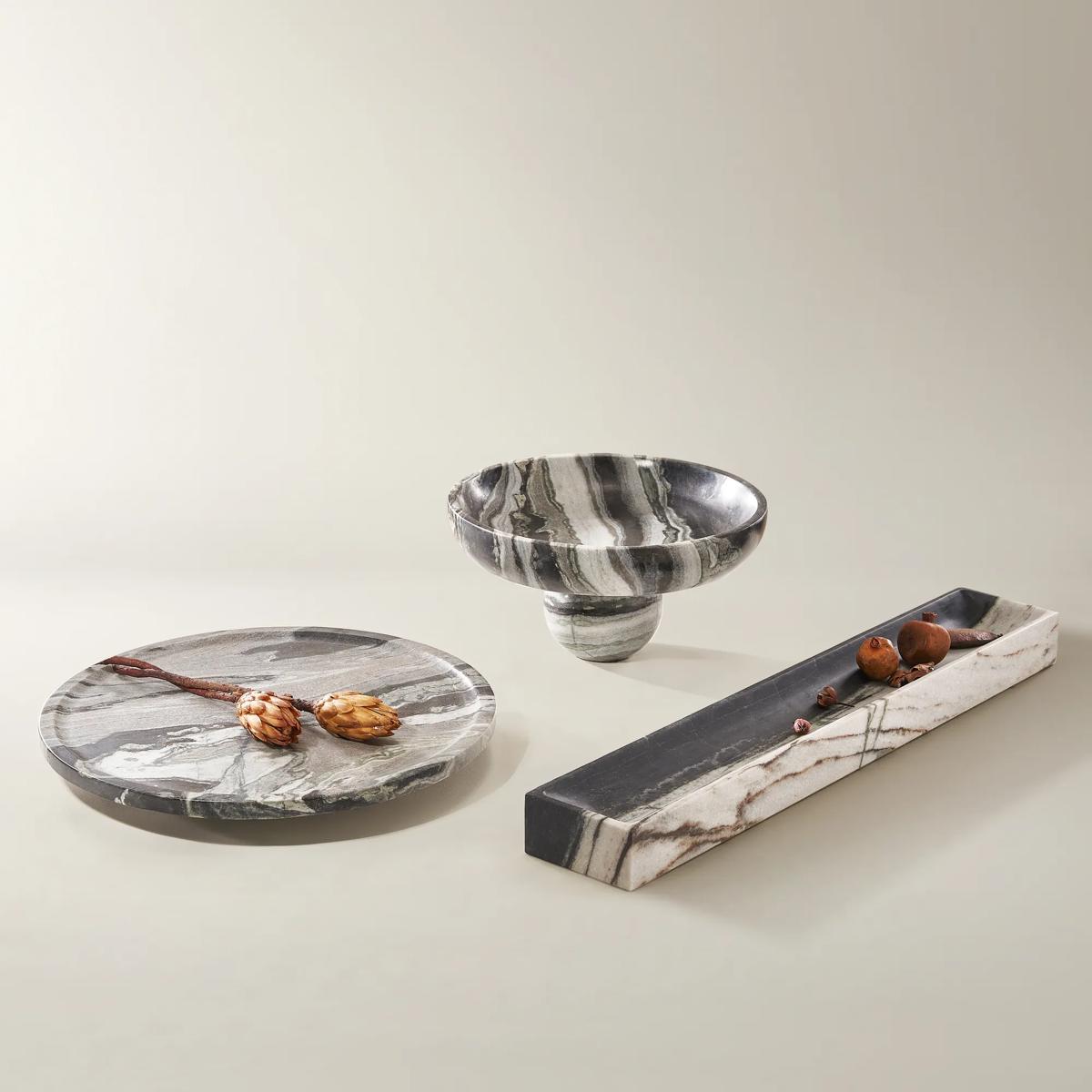
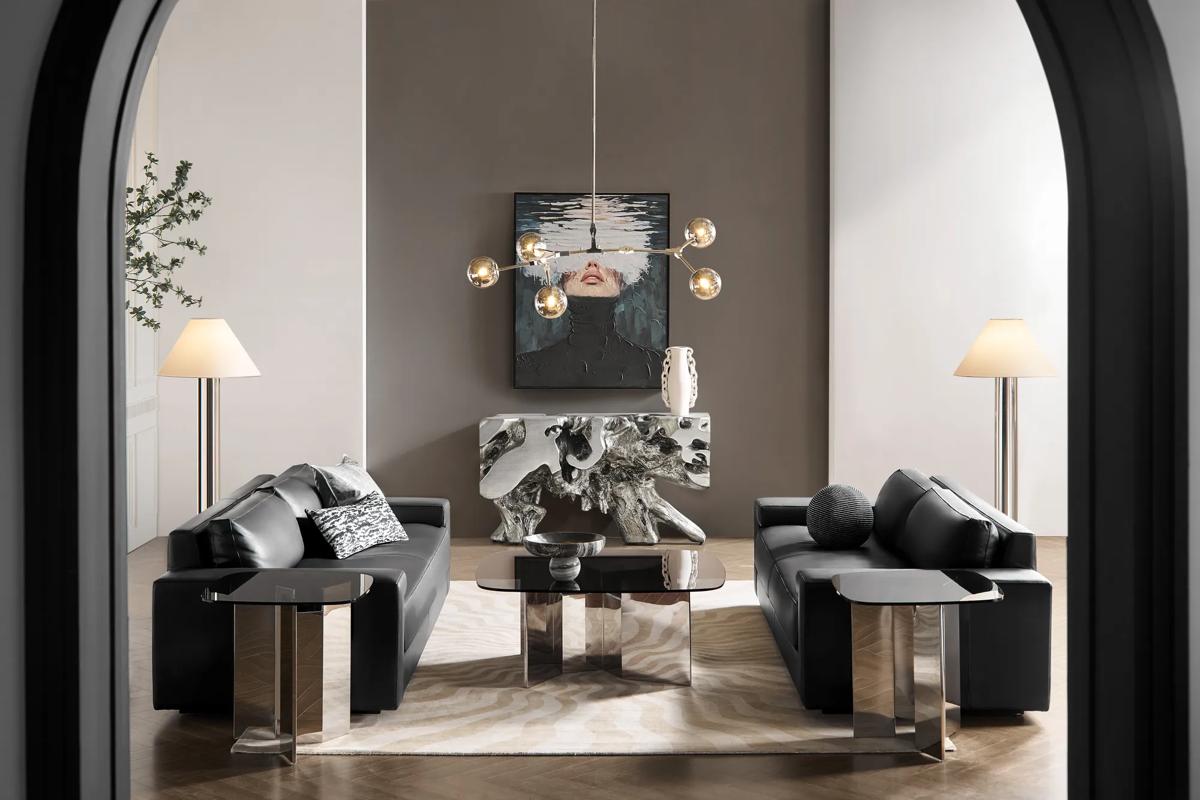 Luxe Marble Collection$119
A striking black marble decor collection featuring unique veining and elegant footed bowl, tray, and riser.
Add To Cart -
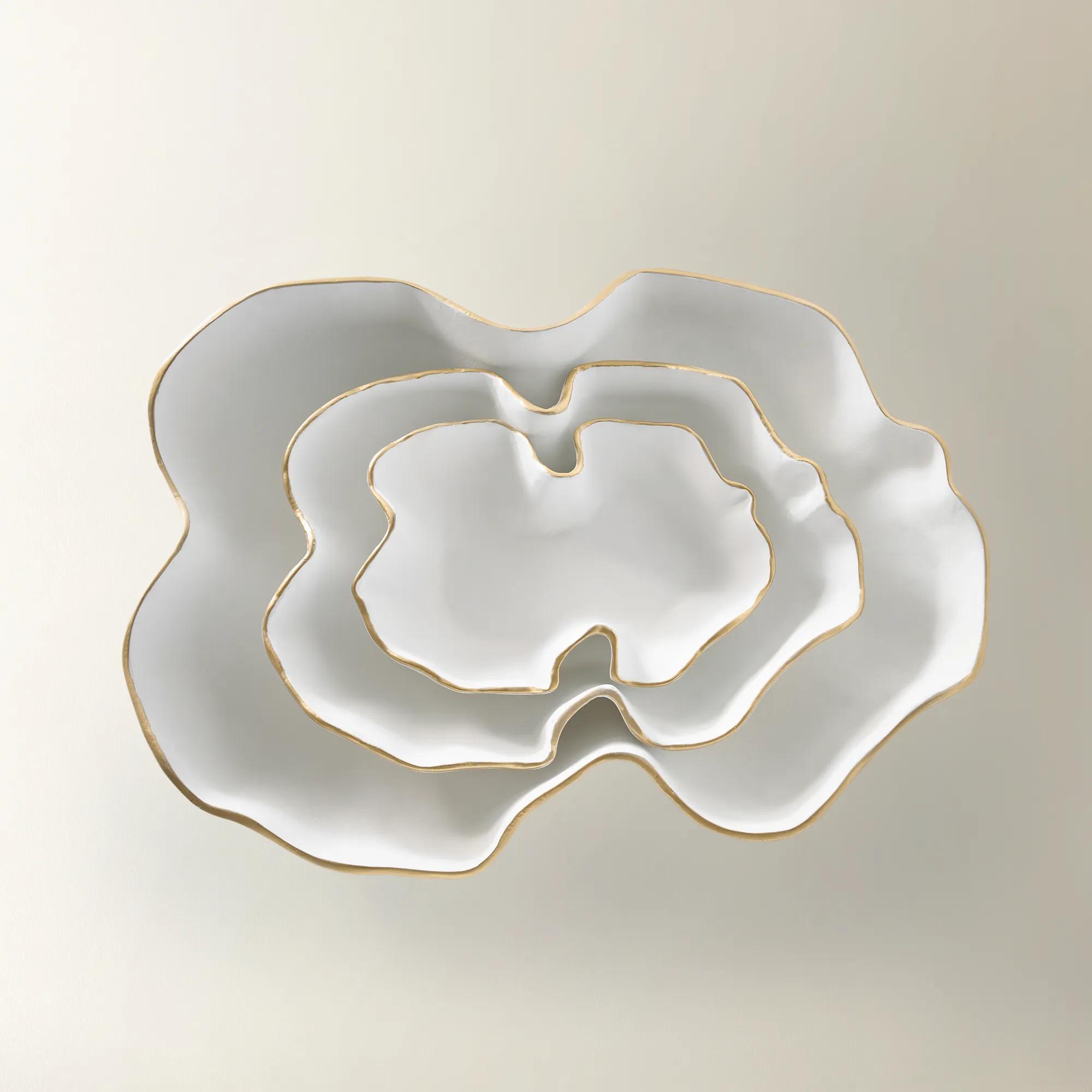 Lava White Gold Aluminum Decorative Nesting Bowls$39
A glossy white aluminum bowl with a golden rim, offering modern elegance for decorative display.
Add To Cart -

 Collins Hand-Cast Gold Aluminum Decorative Pedestal Bowl 23.5" x 5"$79
A gold nickel-plated aluminum bowl with a rectangular pedestal base for striking decorative display.
Add To Cart -
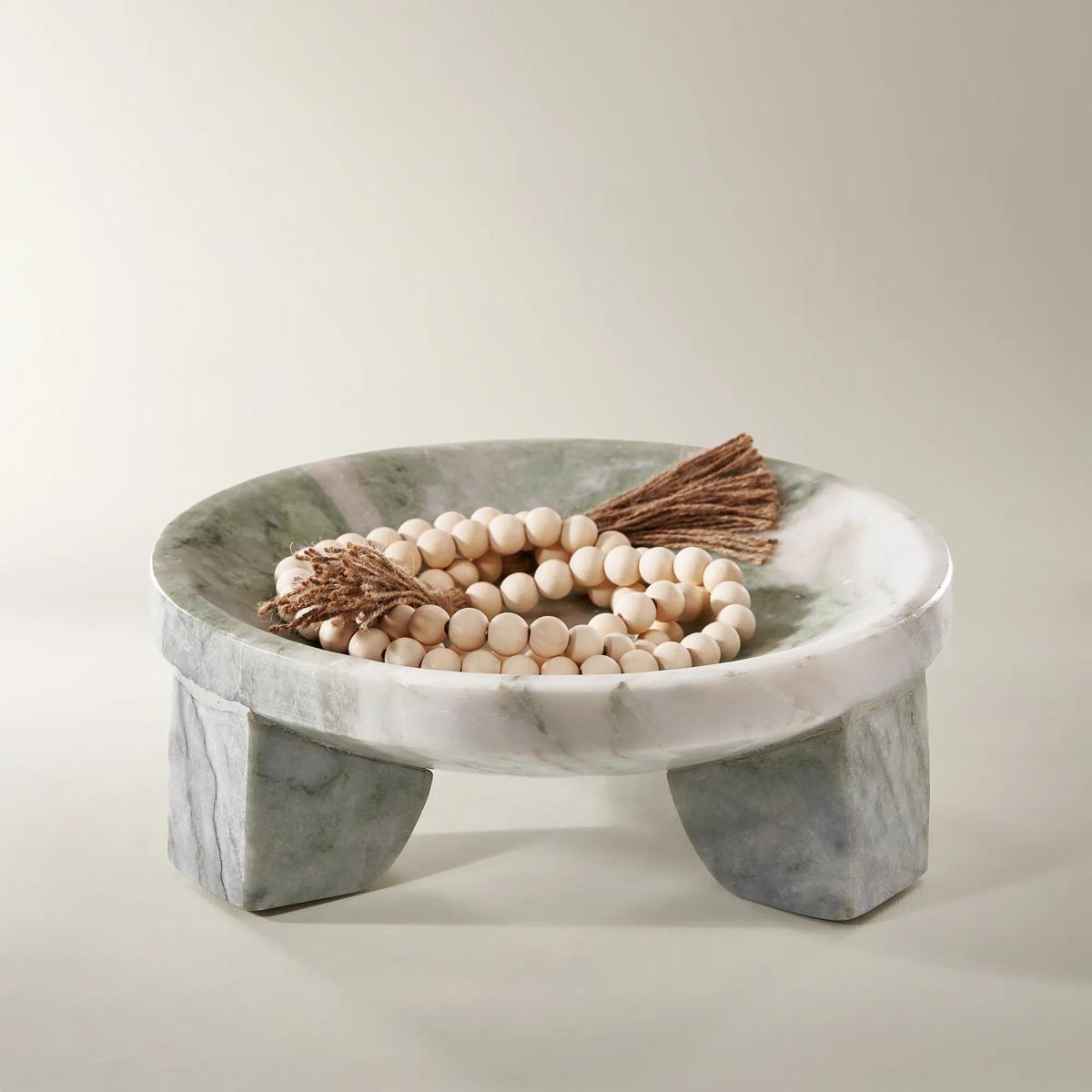
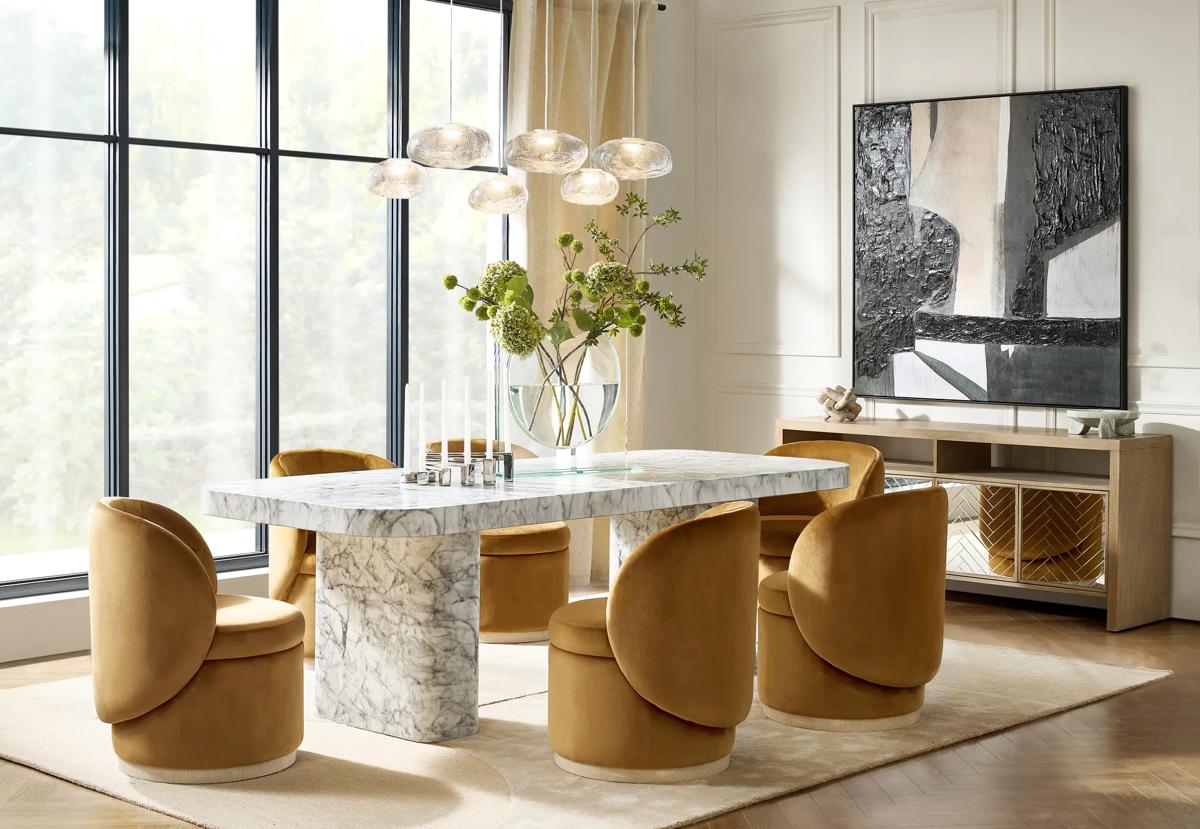 Light Green Marble Footed Bowl$199
A hand-carved onyx bowl featuring soft green marbling and sculptural feet for organic elegance.
Add To Cart -
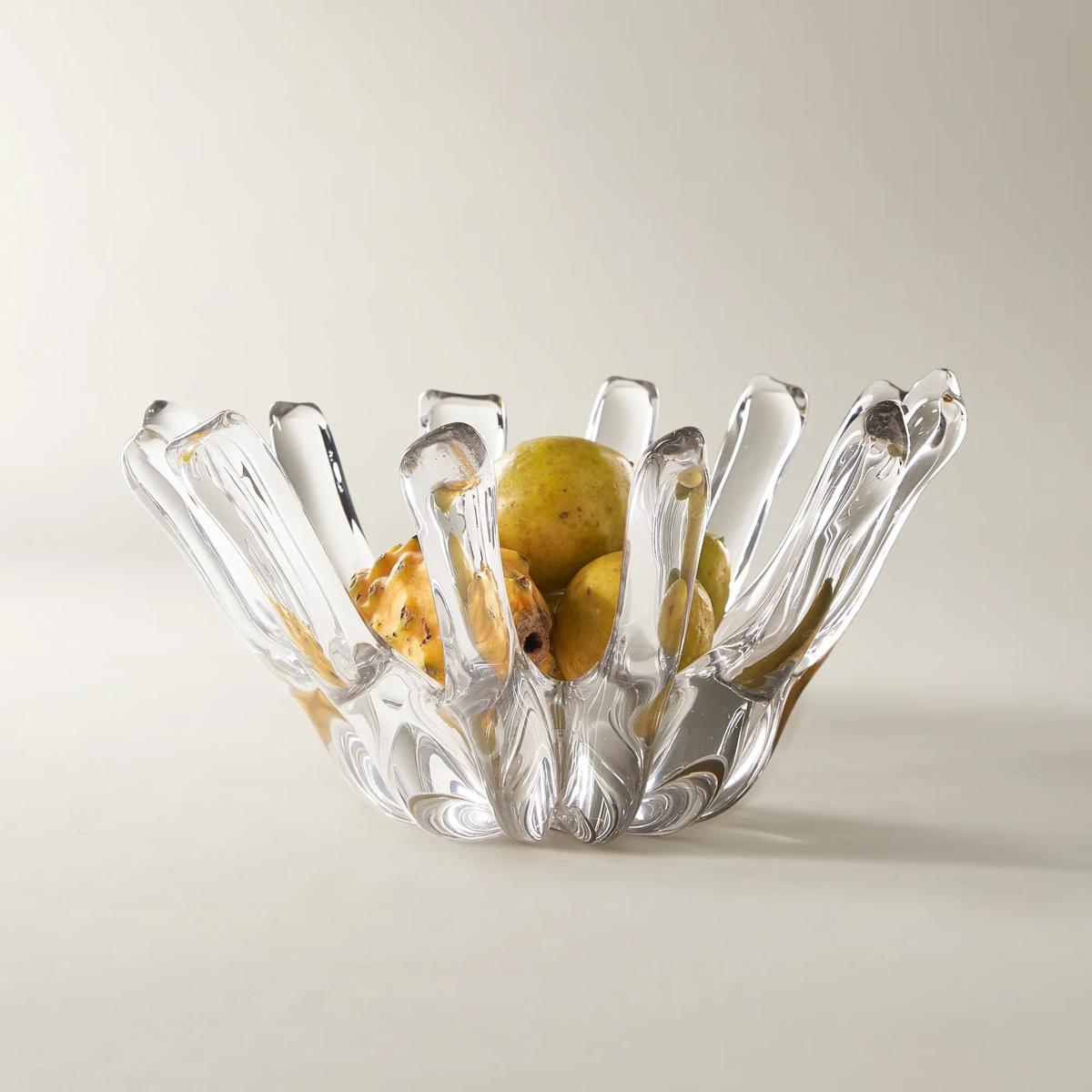
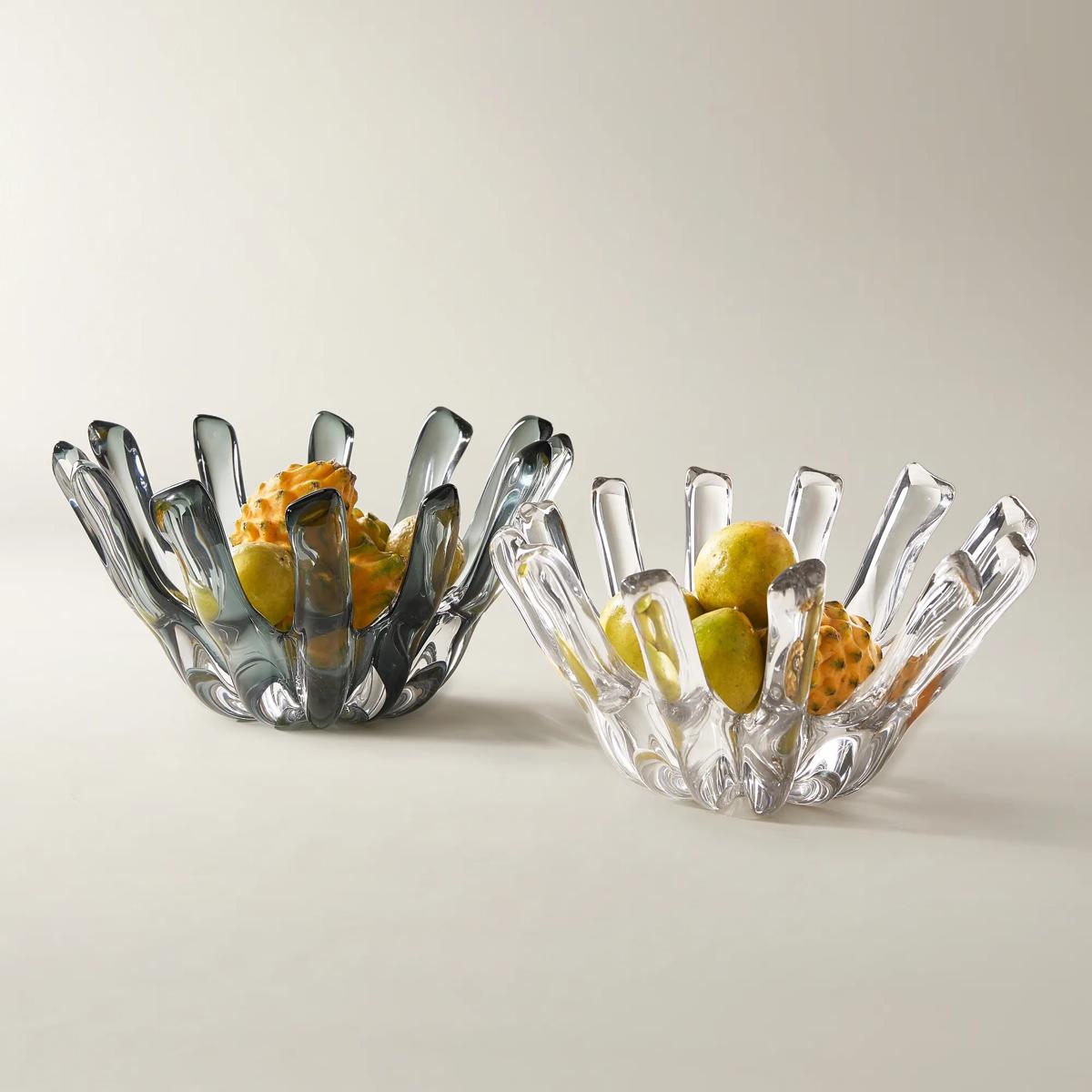 Bossa Clear Handblown Glass Decorative Bowl 13" x 7"$129
A hand-blown clear glass bowl featuring an expressive, sculptural form for modern decorative displays.
Add To Cart -
.jpeg?w=1200&h=1200)
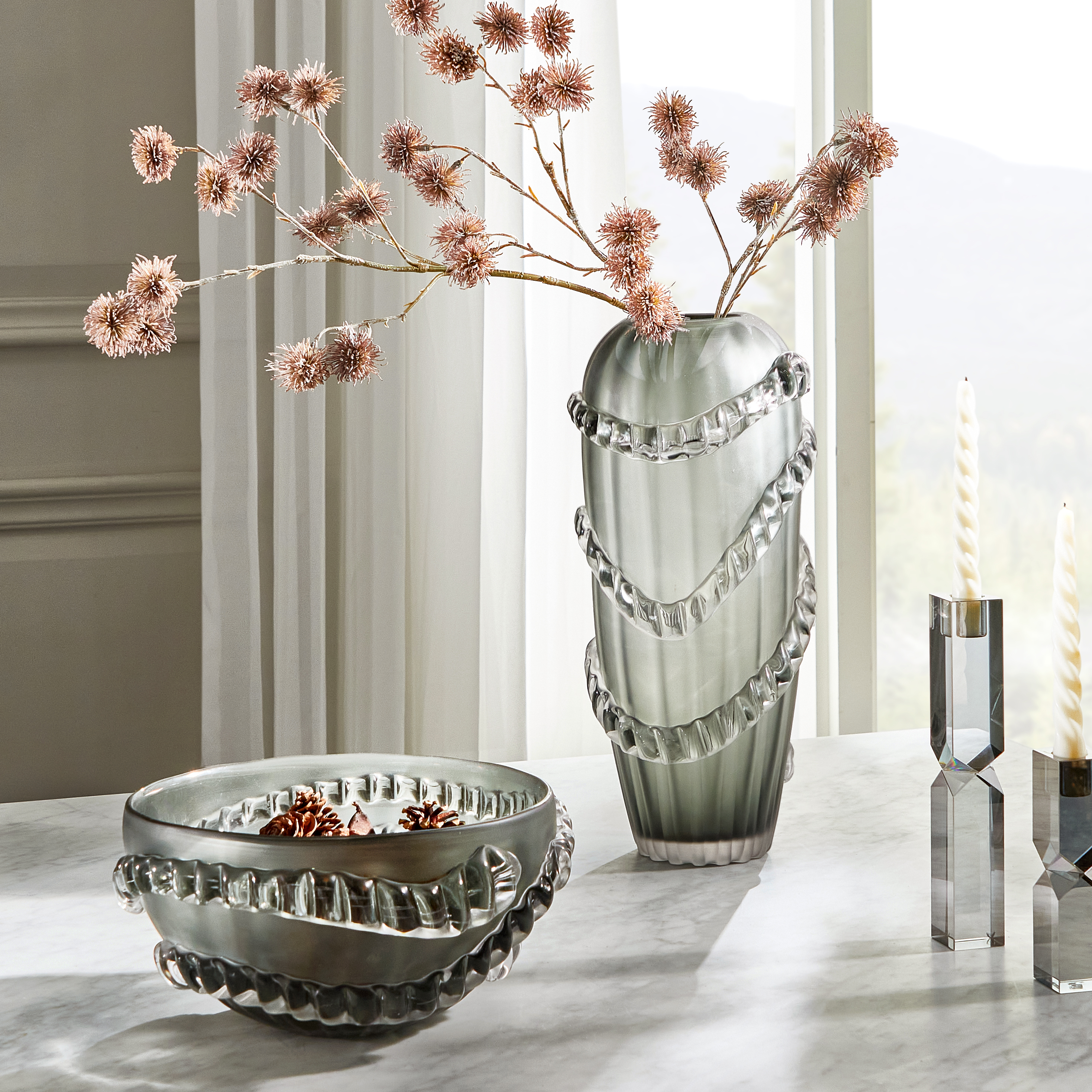 Helix Glass Collection$129
A hand-blown dark gray glass piece featuring fluted bodies and rippling sculptural ribbons for modern elegance.
Add To Cart -
.jpg?w=1200&h=1200) Calla Mouth Blown Blue Glass Decorative Bowl 15.35" x 5.7"$79
Calla Mouth Blown Blue Glass Decorative Bowl 15.35" x 5.7"$79A handblown blue glass bowl featuring unique curves and translucent artistry for striking decorative appeal.
Add To Cart -
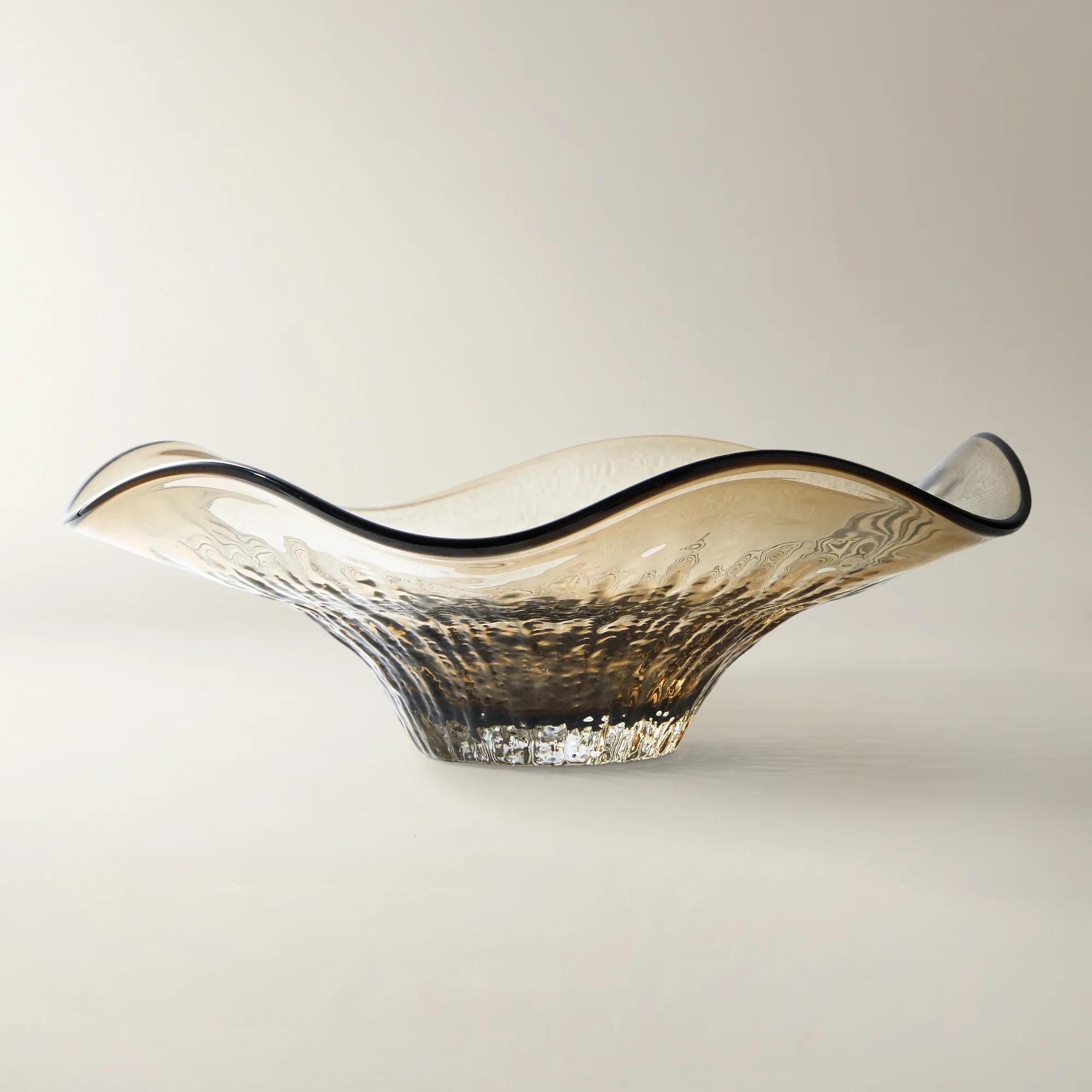 Corsi Brown Handblown Glass Decorative Bowl 15.35" x 5.1"$99
A hand-blown glass bowl in warm amber with organic shape and intricate textural details.
Add To Cart -
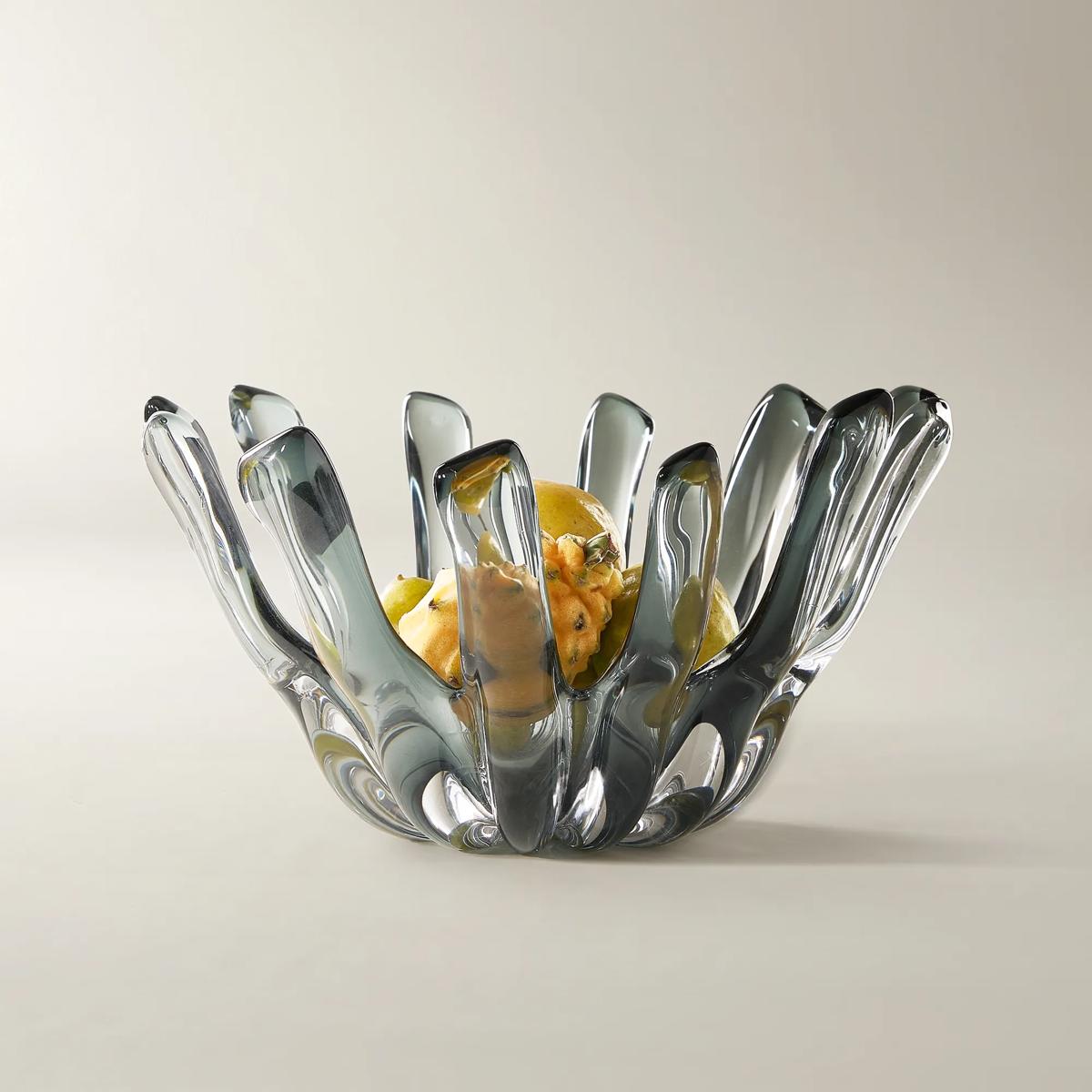 Bossa Smoke Handblown Glass Decorative Bowl 13" x 7"$129
A hand-blown smoky grey glass bowl featuring an expressive, sculptural design for modern decorative displays.
Add To Cart -
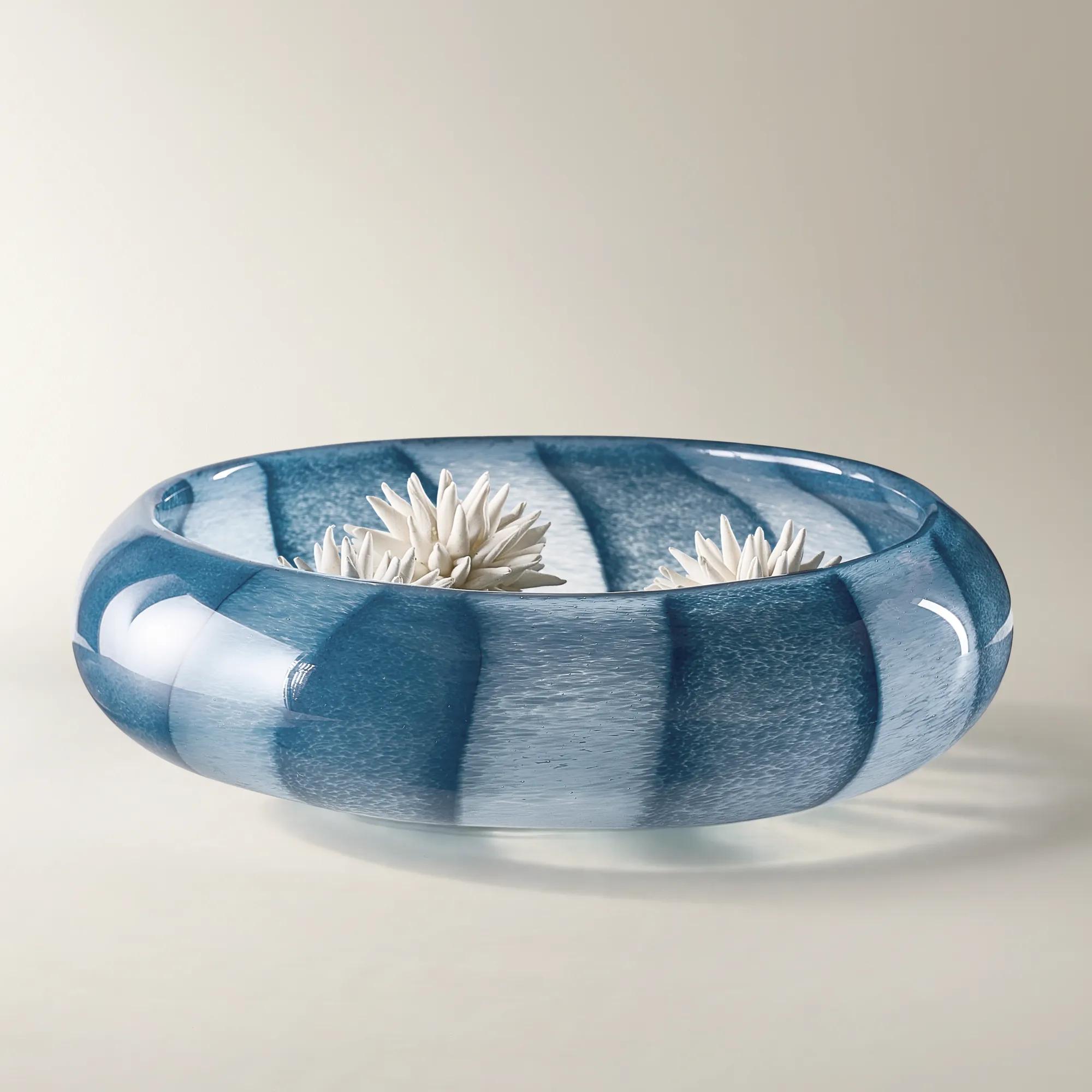 Jonah Mouth Blown Dusty Blue Glass Decorative Bowl 11.75" x 3.5"$89
A handblown glass bowl featuring dusty blue stripes and a sculptural, low rounded silhouette for decor.
Add To Cart -
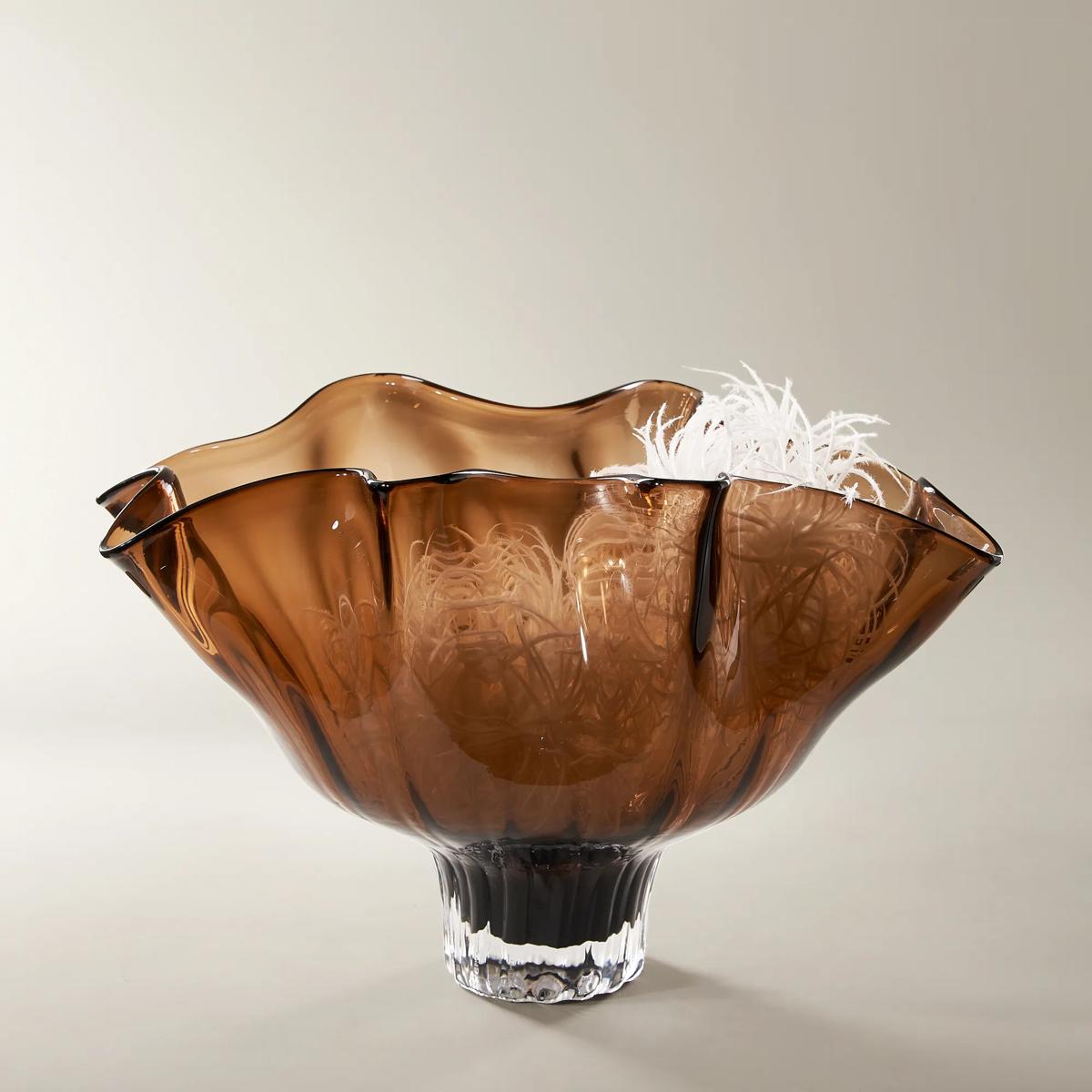
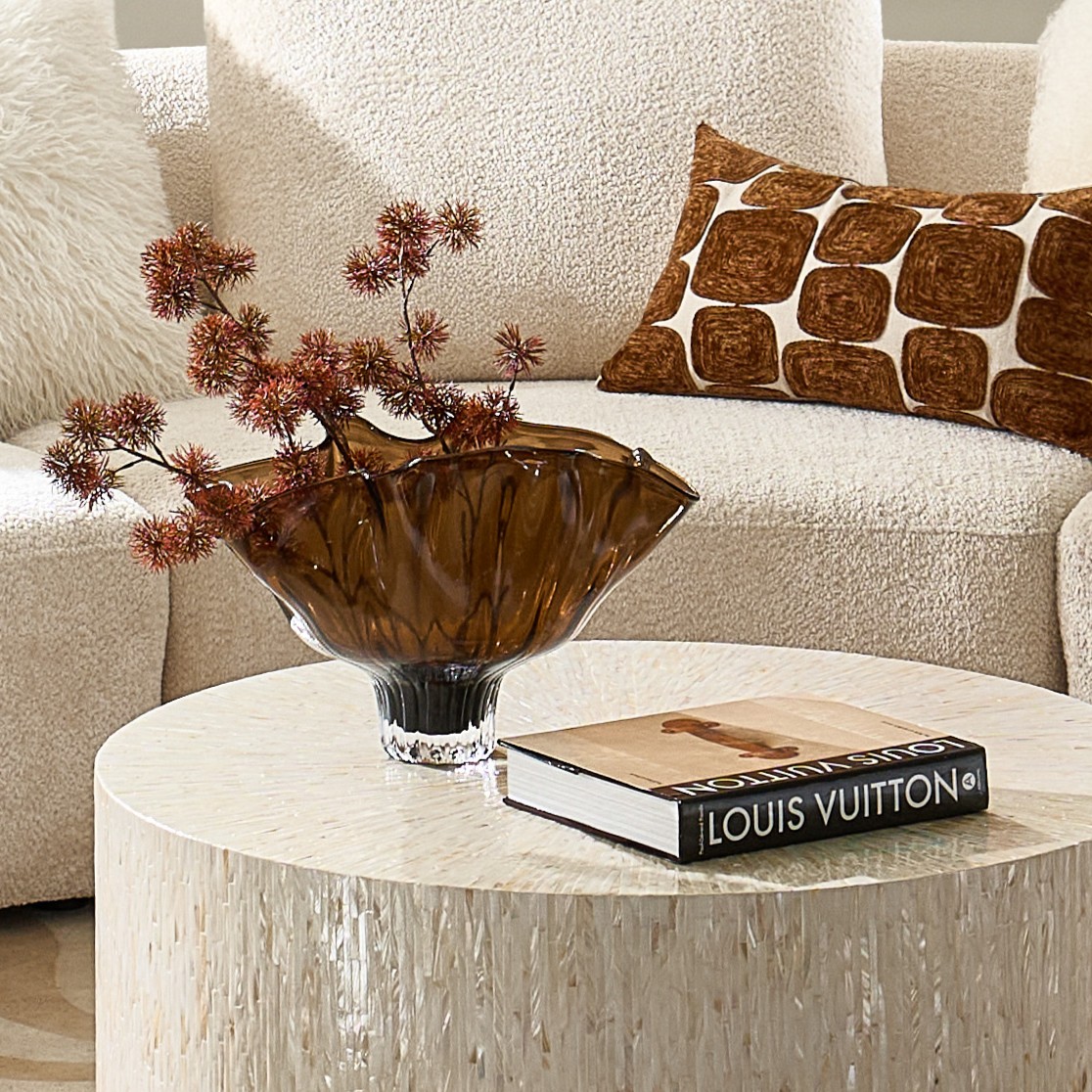 Coco Mouthblown Brown Glass Bowl 17" x 9.75"$139
A hand-blown brown glass bowl with an undulating rim and clear tapered base for sculptural elegance.
Add To Cart -
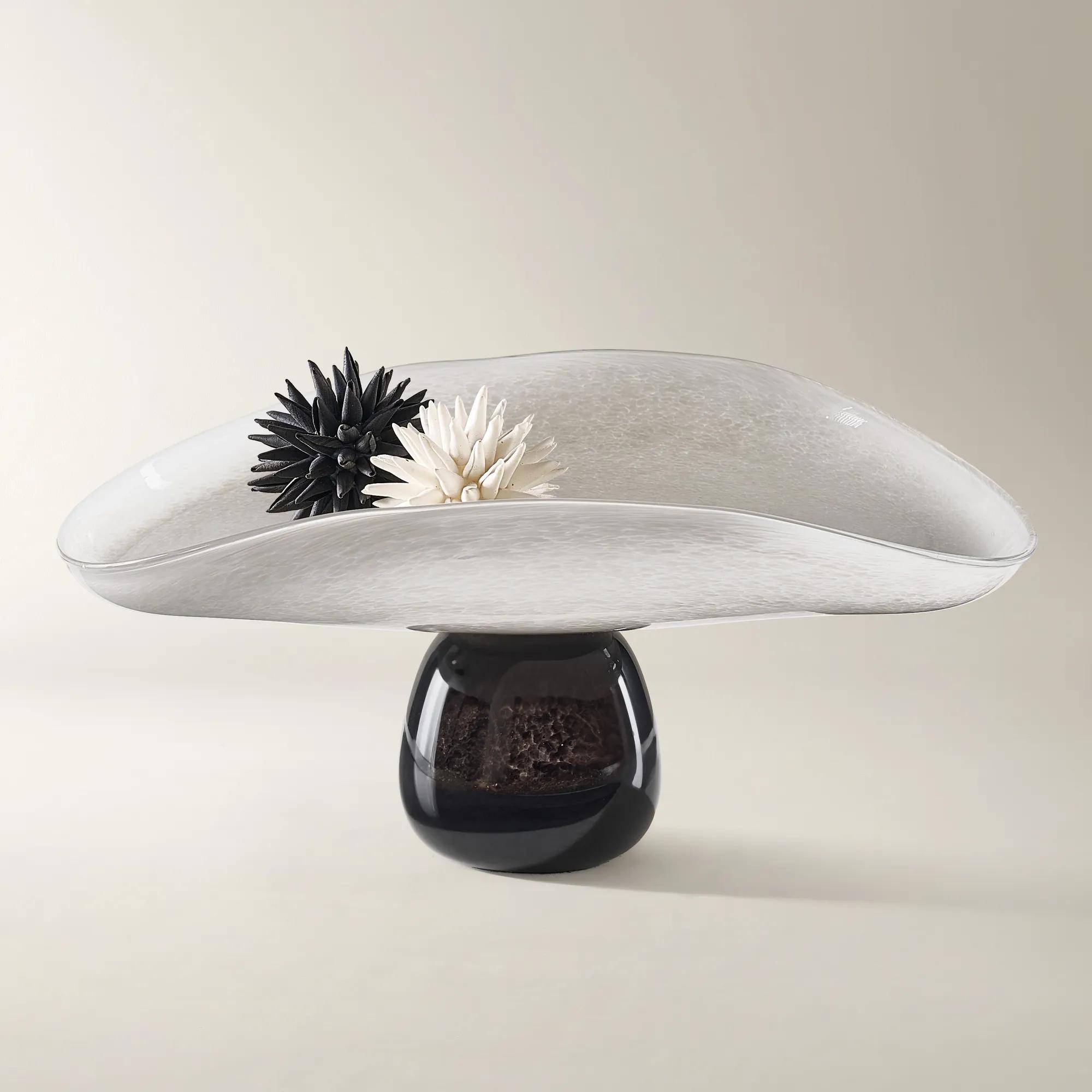 Elois Mouth Blown White Black Pedestal Bowl 14.5" x 7"$149
A handblown glass pedestal bowl featuring striking black and white contrast for a sculptural, modern accent.
Add To Cart -
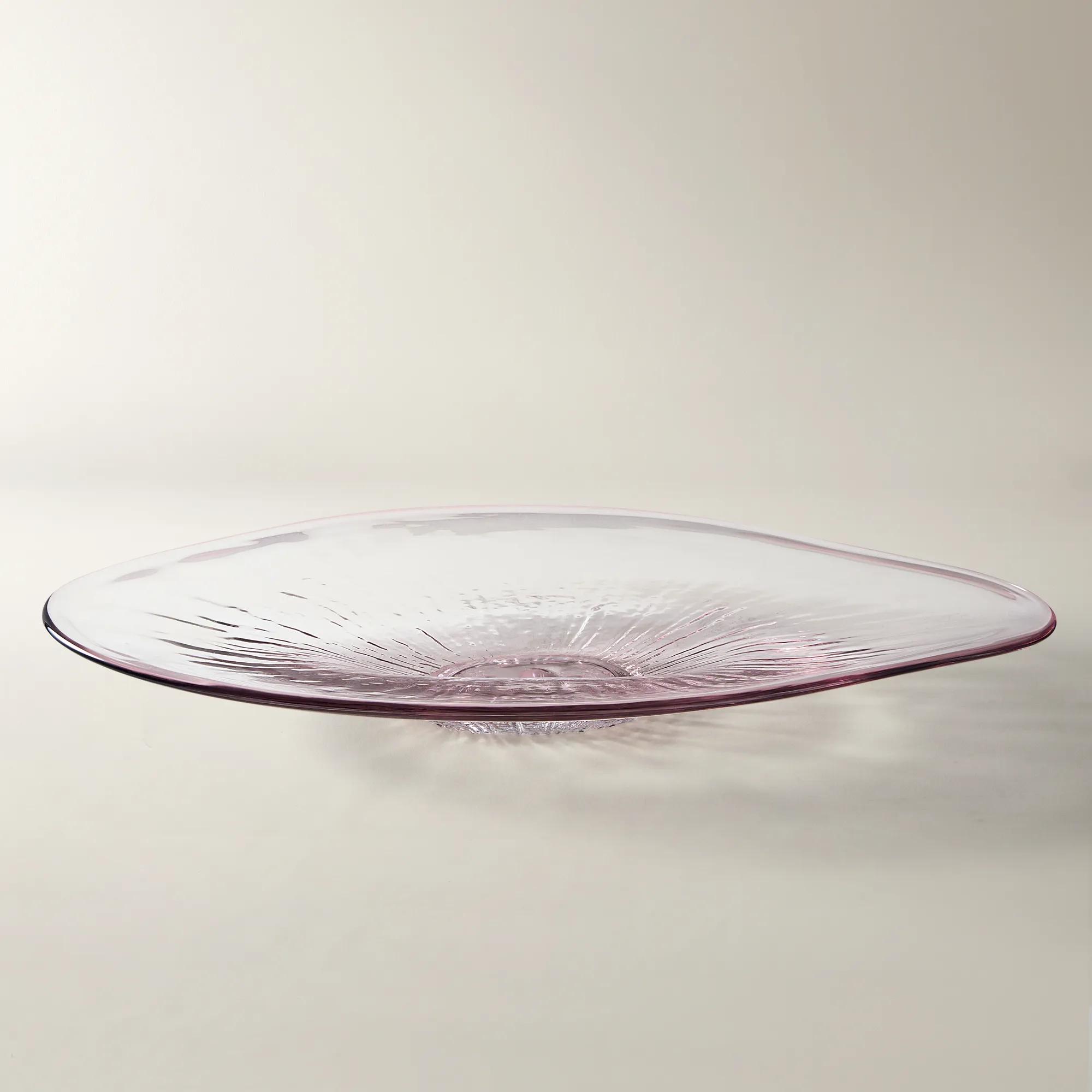 Cortina Decorative Bowl$129
A handblown glass bowl in an ethereal pink hue that brings artistic flair to modern interiors.
Add To Cart -
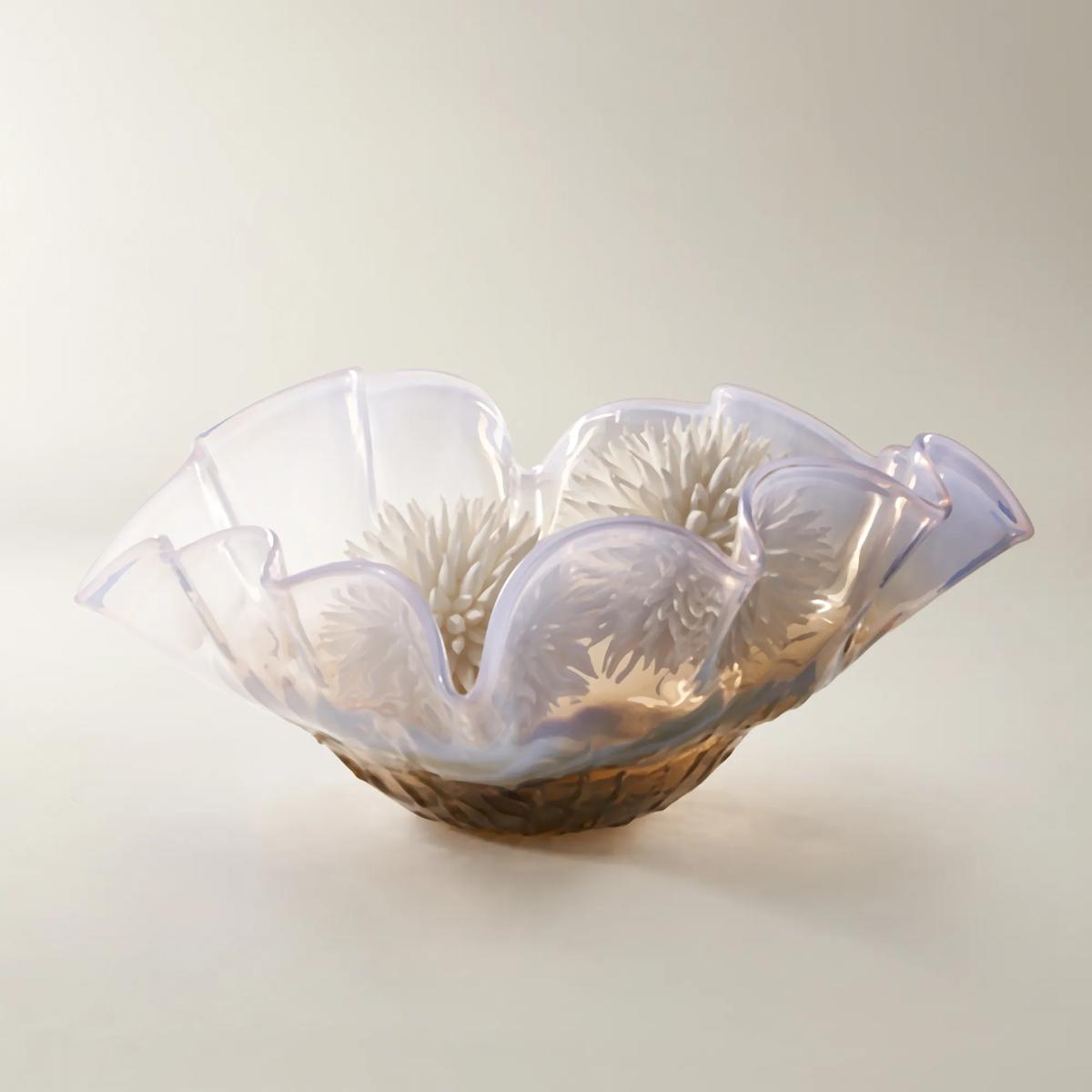
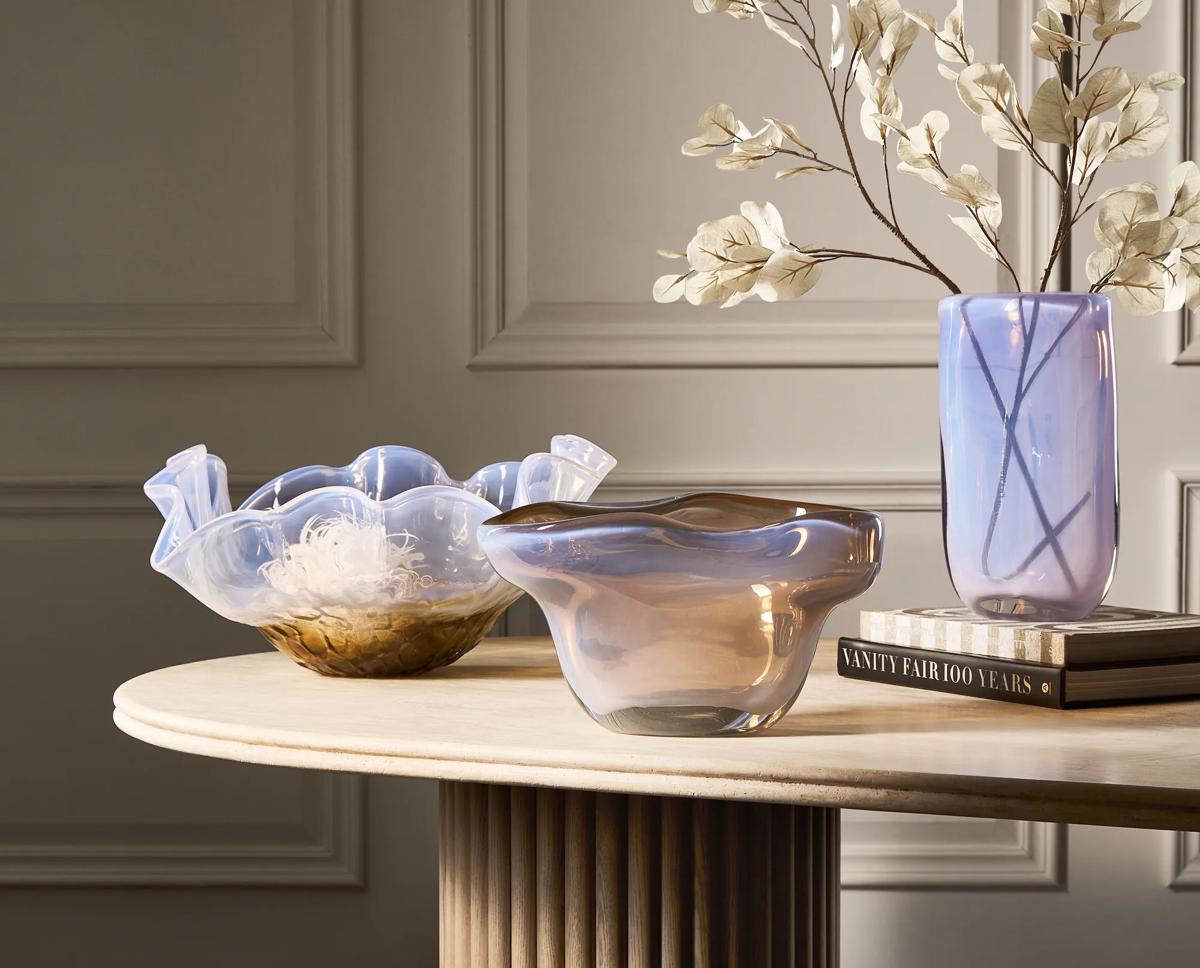 Glacier Glass Bowl$269
A hand-blown glass bowl featuring scalloped edges and swirling lavender and amber hues for artistic elegance.
Add To Cart -
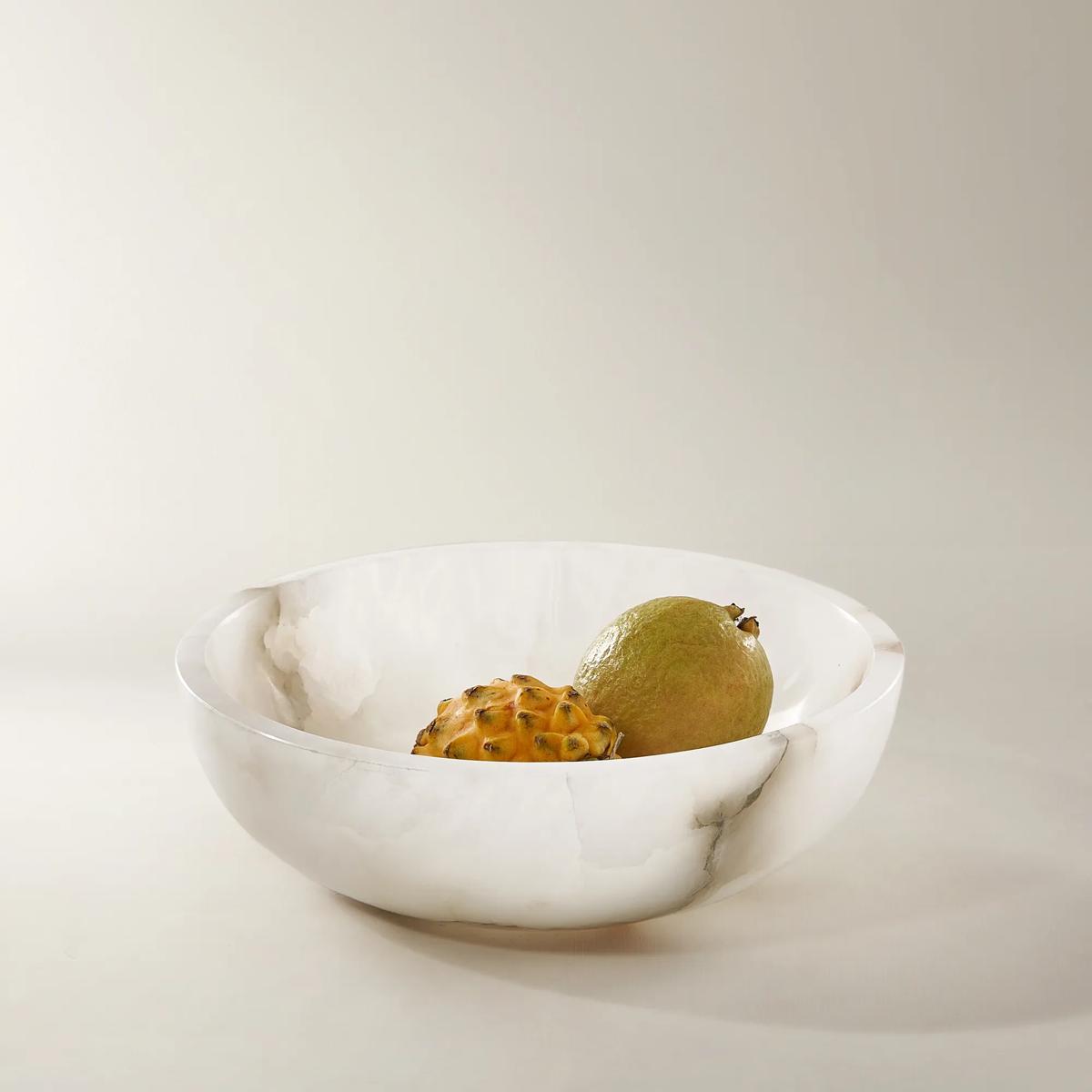 Alabaster Bowl$369
A hand-sculpted alabaster bowl featuring organic veining and soft, milky white translucence.
Add To Cart -
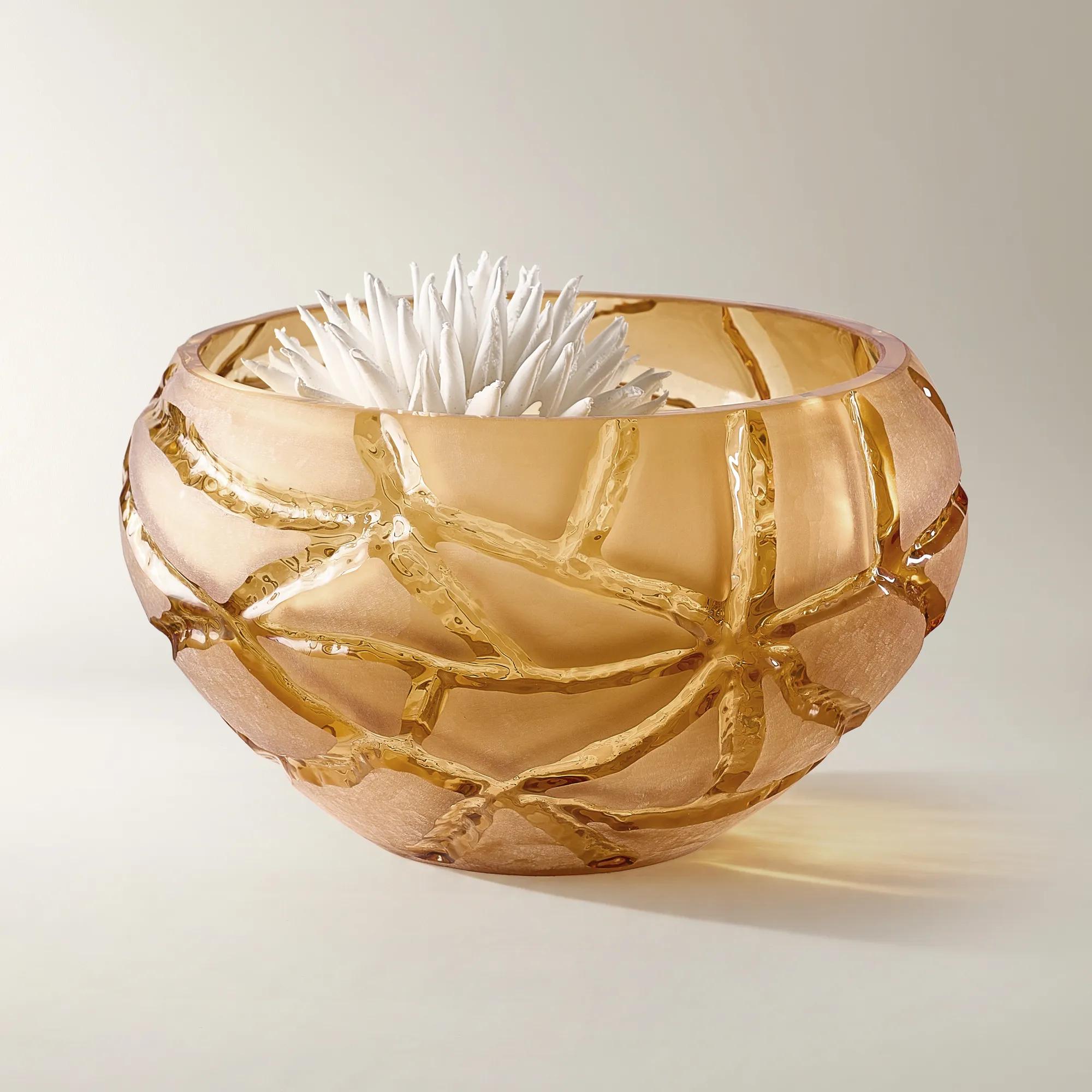 Rowen Mouth Blown Honey Gold Glass Decorative Bowl 11" x 6.25"$129
A handblown glass bowl in honey gold with a textured surface for a luminous, sculptural accent.
Add To Cart -
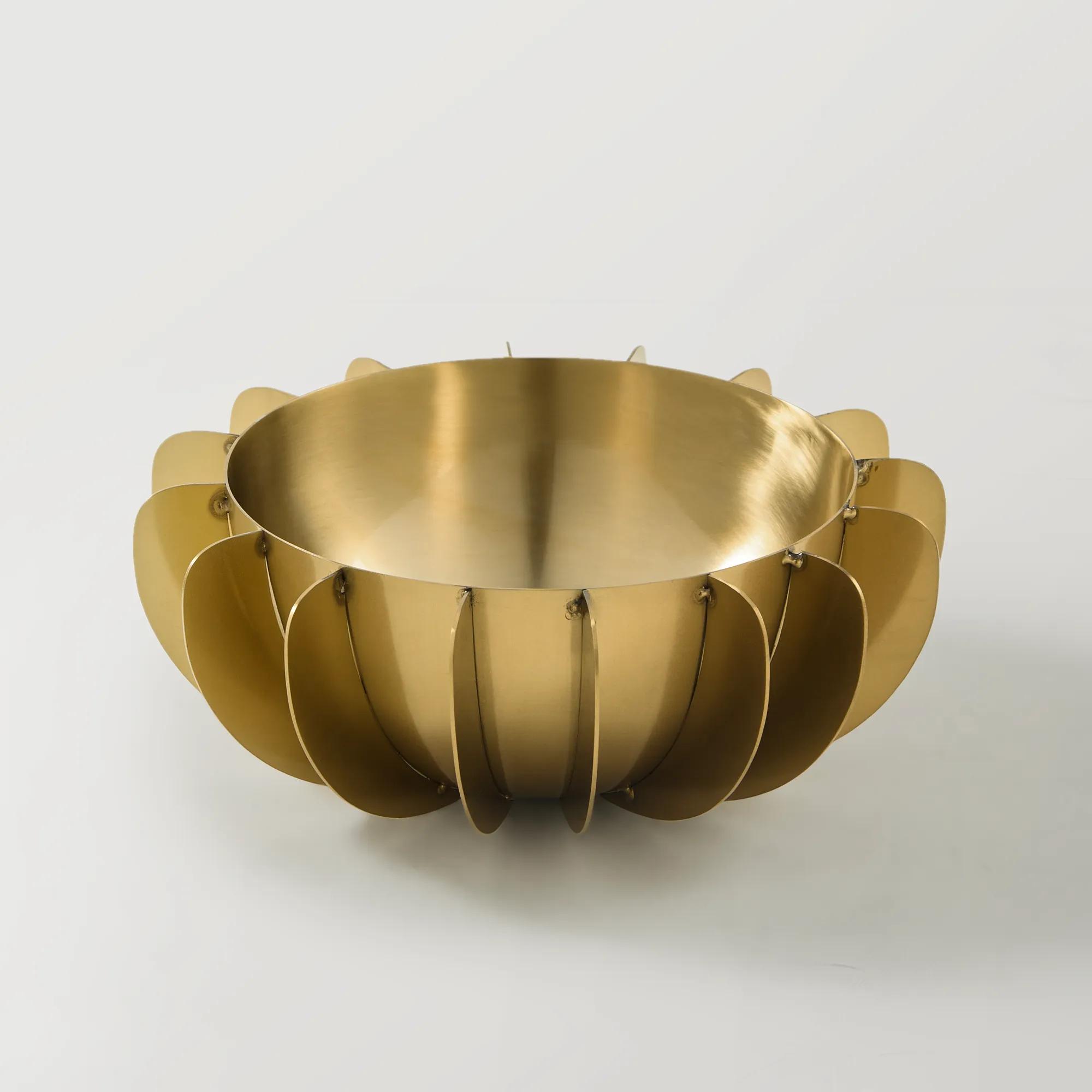
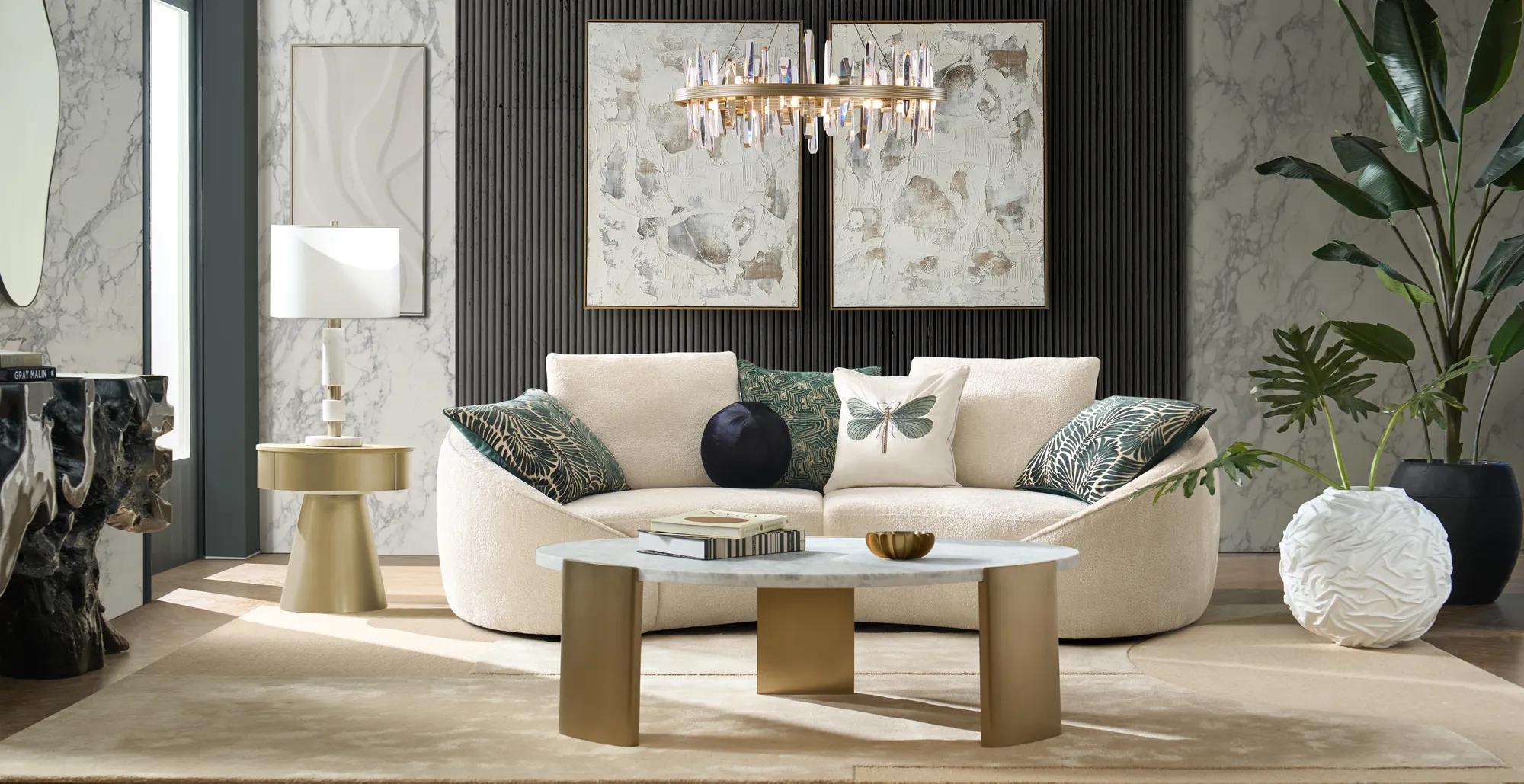 Mezza Collection$59
A gold-plated stainless steel decorative piece that brings timeless glamour and shine to your decor.
Add To Cart -
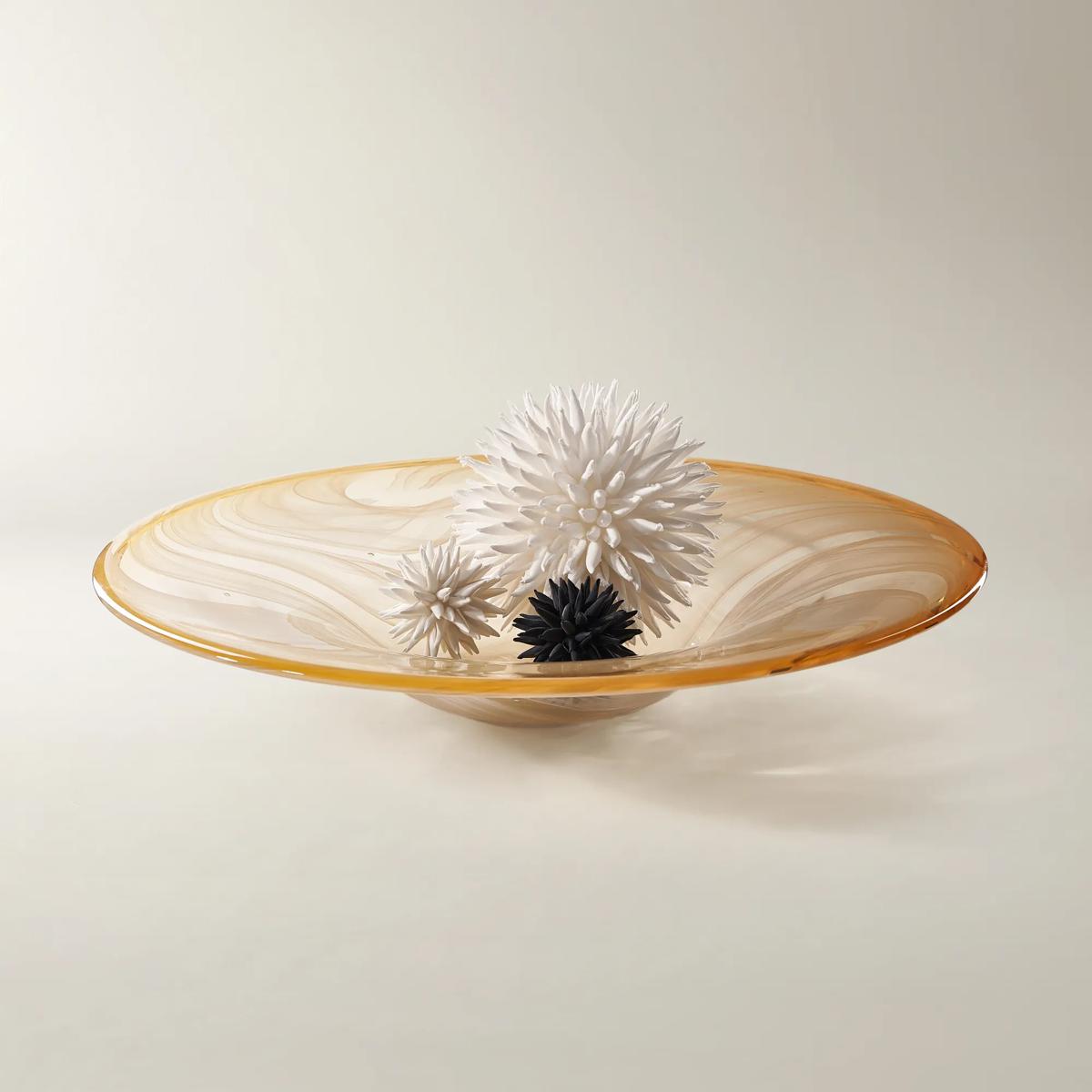
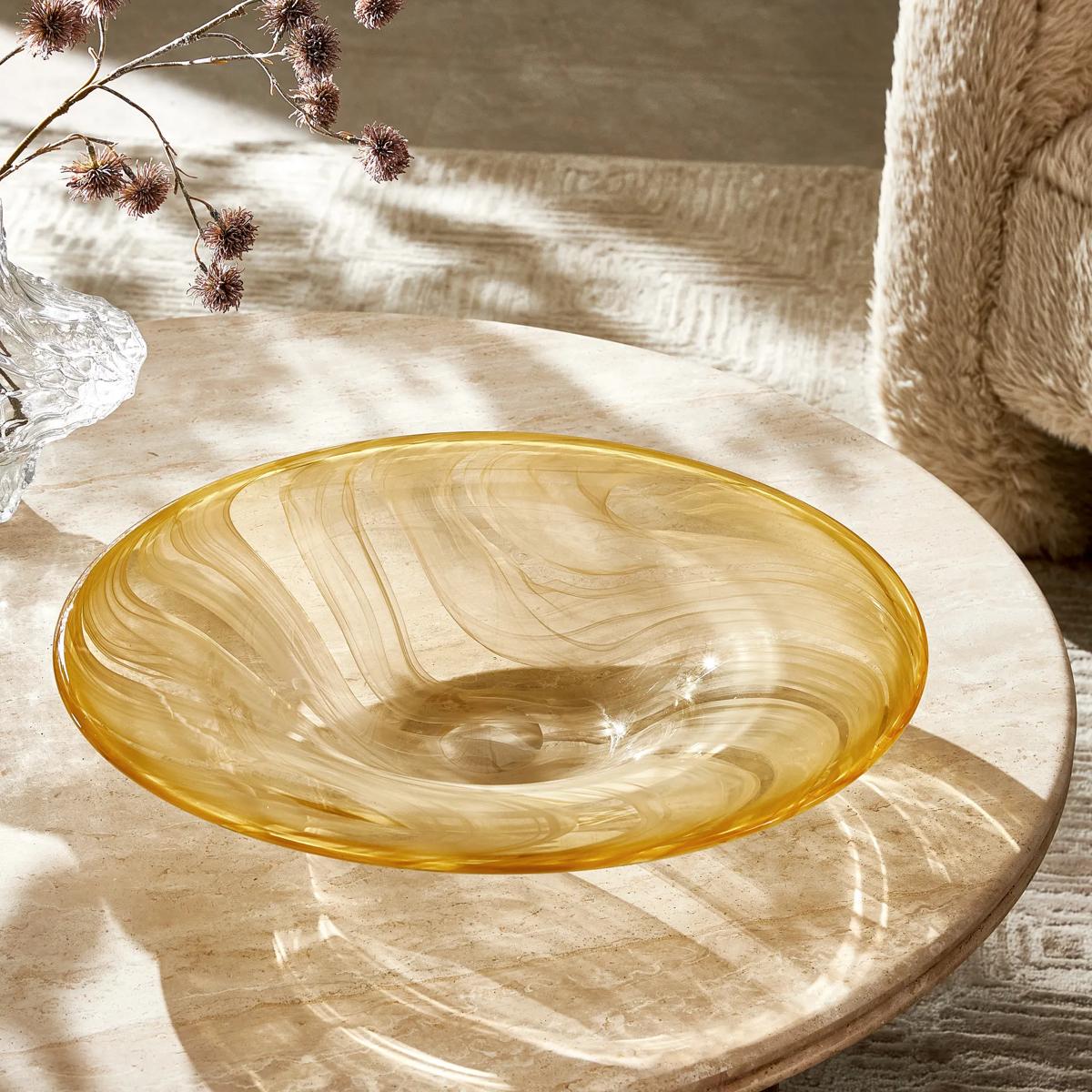 Paradis Glass Plate$239
A hand-blown amber glass plate featuring a swirling, organic design for a radiant decorative accent.
Add To Cart -
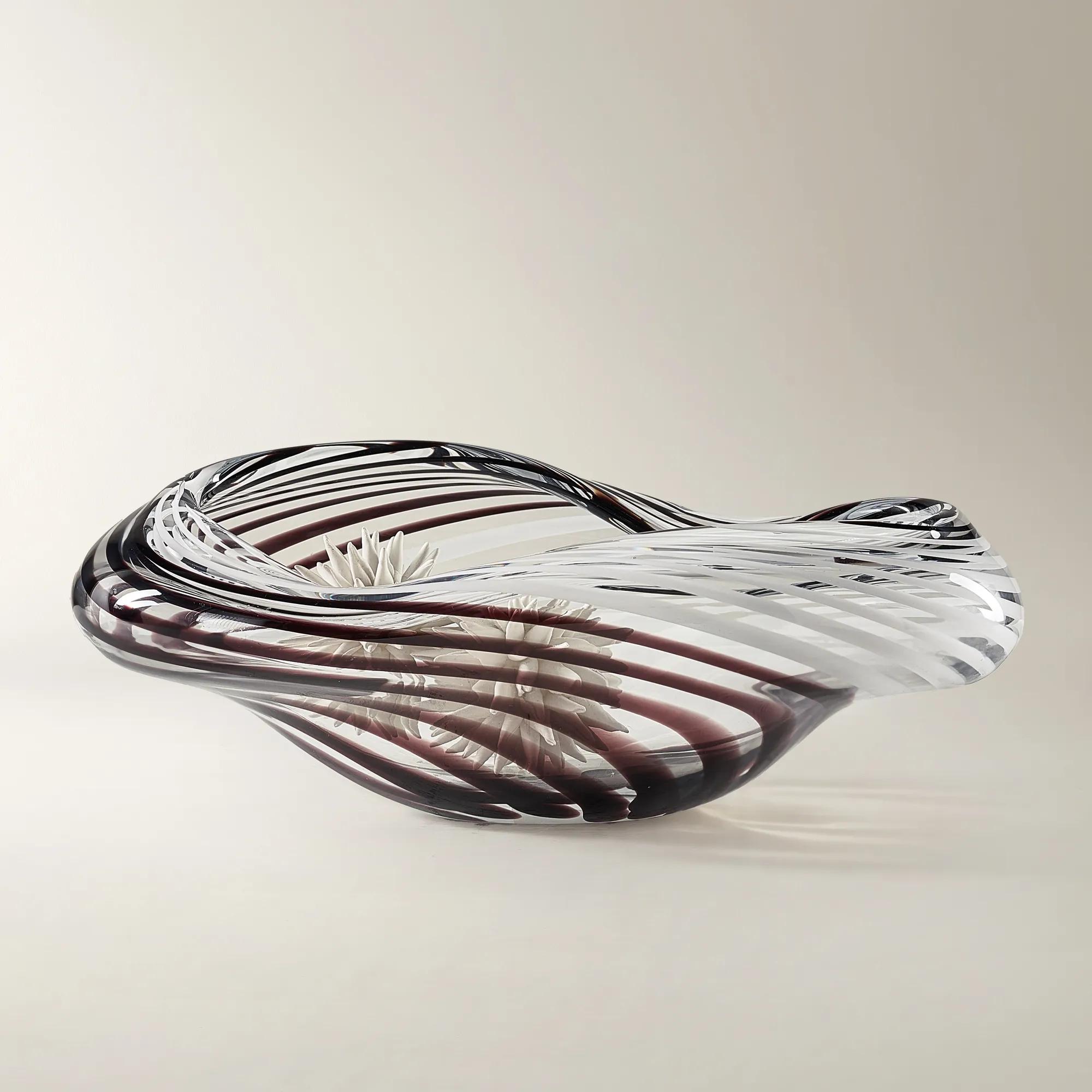 Optic Mouth Blown Black/White Glass Decorative Bowl 17.25" x 5.5"$99
A handblown glass bowl featuring charcoal stripes and a sculptural, Deco-inspired silhouette for decorative display.
Add To Cart -
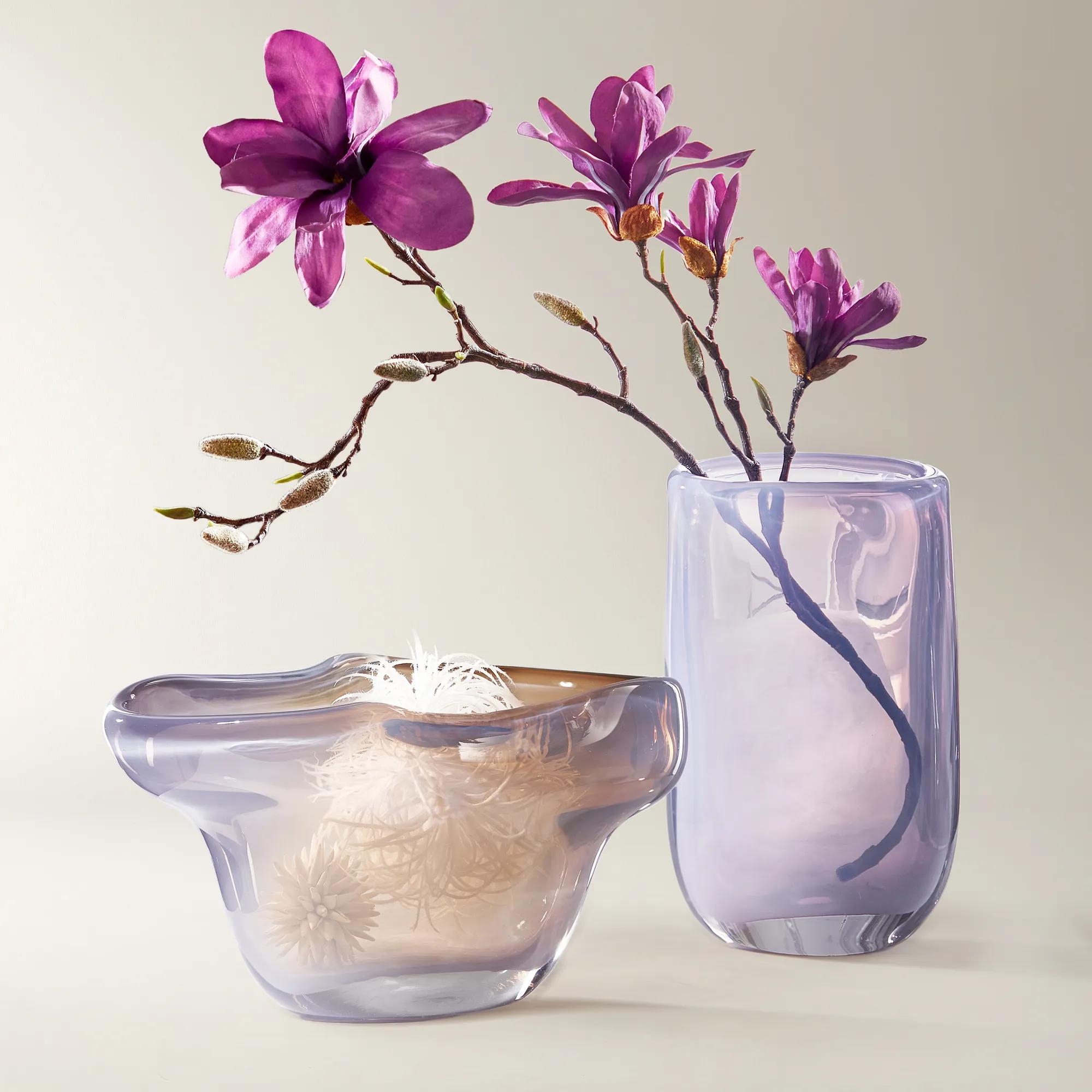
.jpeg?w=1200&h=1200) Aura Collection$189
Aura Collection$189A hand-blown glass accent in dreamy lavender, showcasing fluid curves and modern sculptural artistry.
Add To Cart -
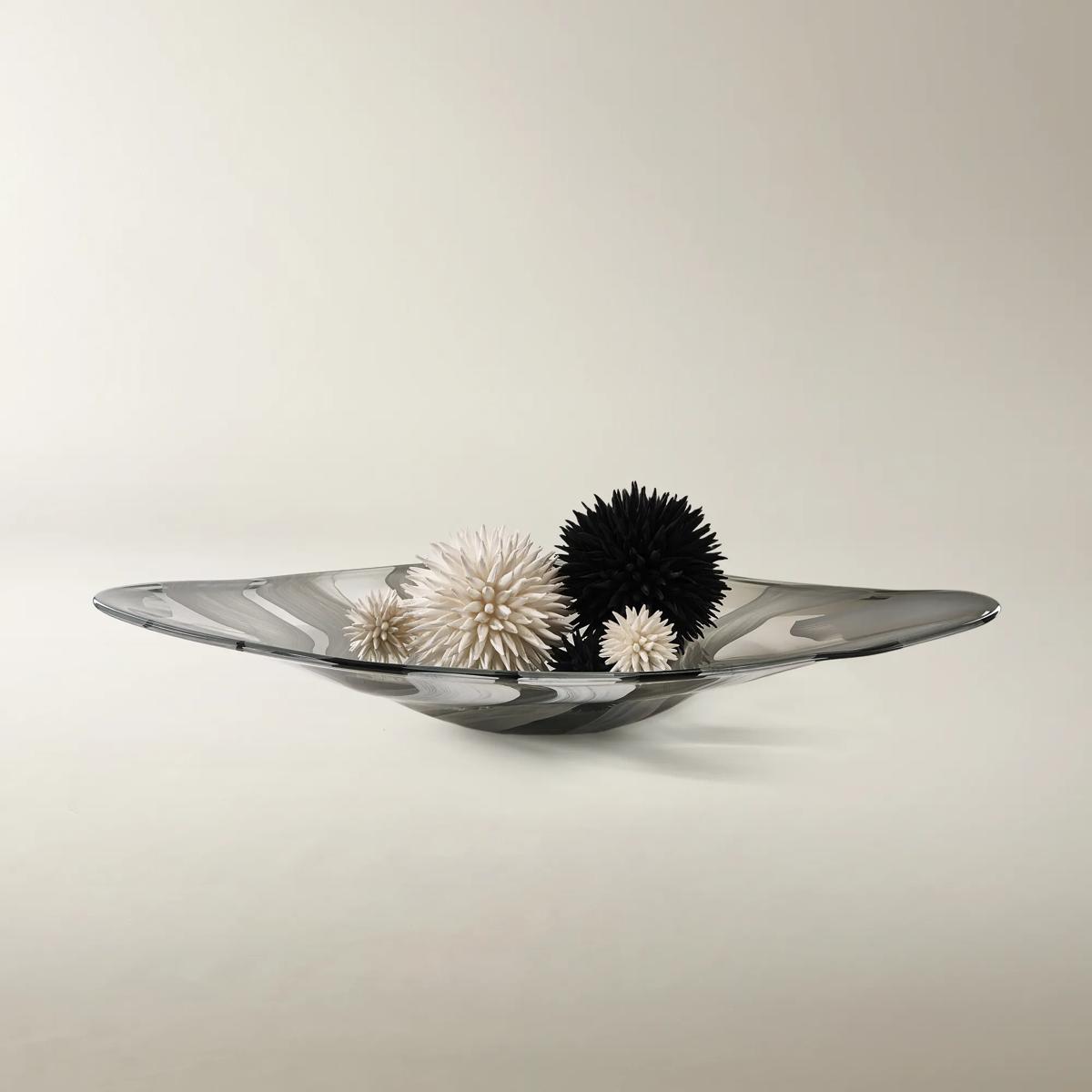
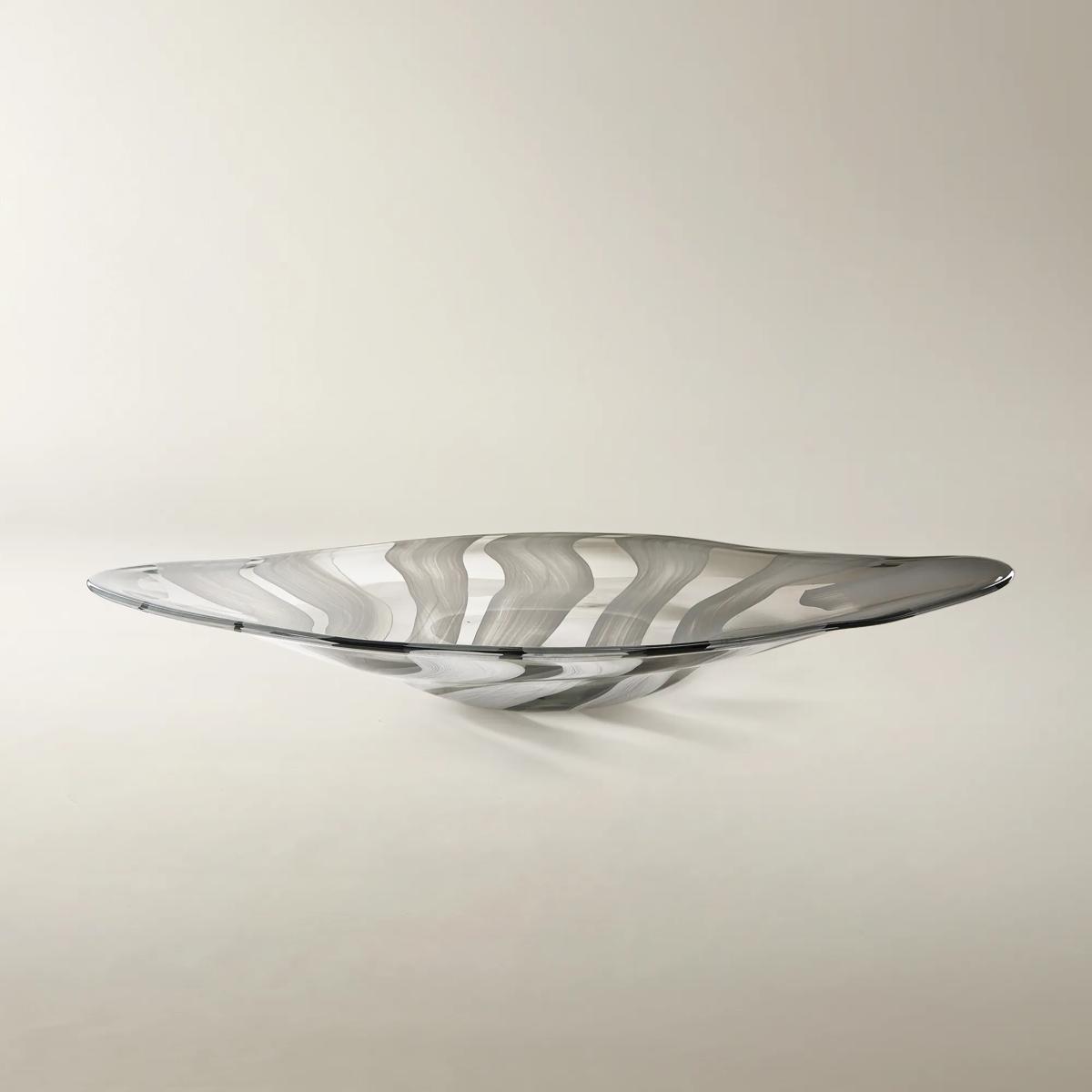 Zoya Glass Bowl$349
A hand-blown grey glass bowl with a marbled pattern and organic silhouette for modern decor.
Add To Cart -
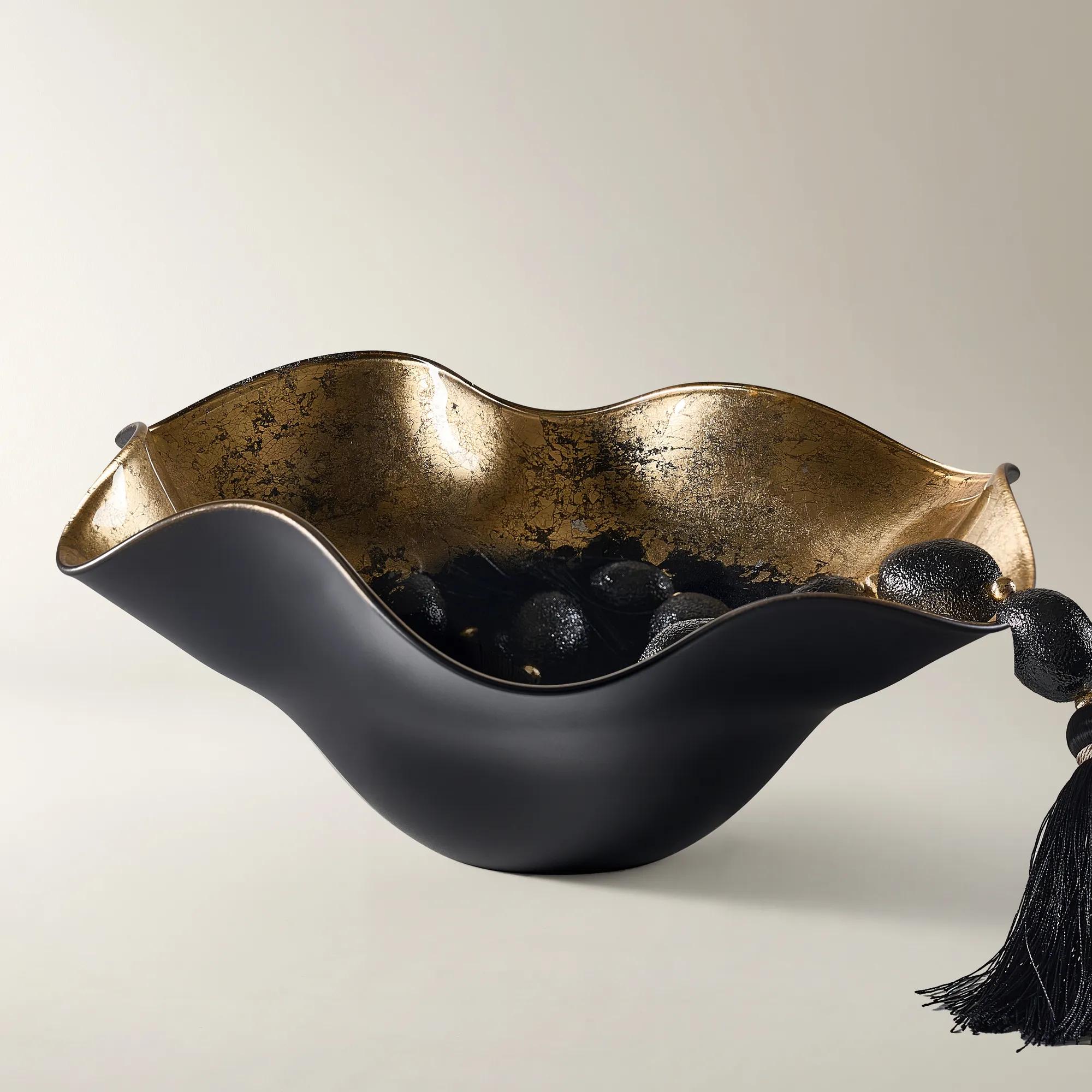
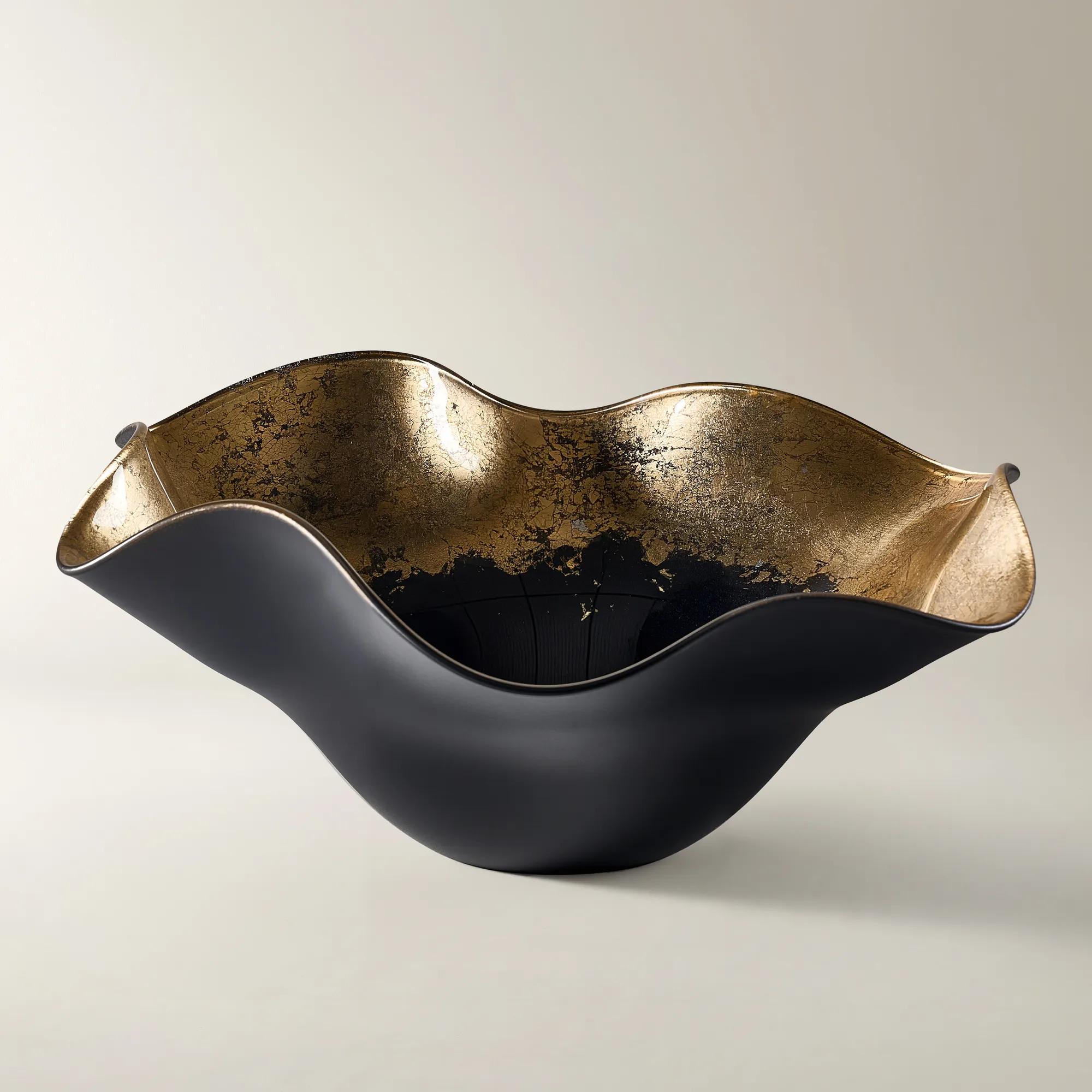 Goldie Mouth Blown Gold Black Glass Decorative Bowl 15.5" x 8.75"$199
A handblown glass bowl in soft gold and black with an organic, sculptural silhouette for modern decor.
Add To Cart -
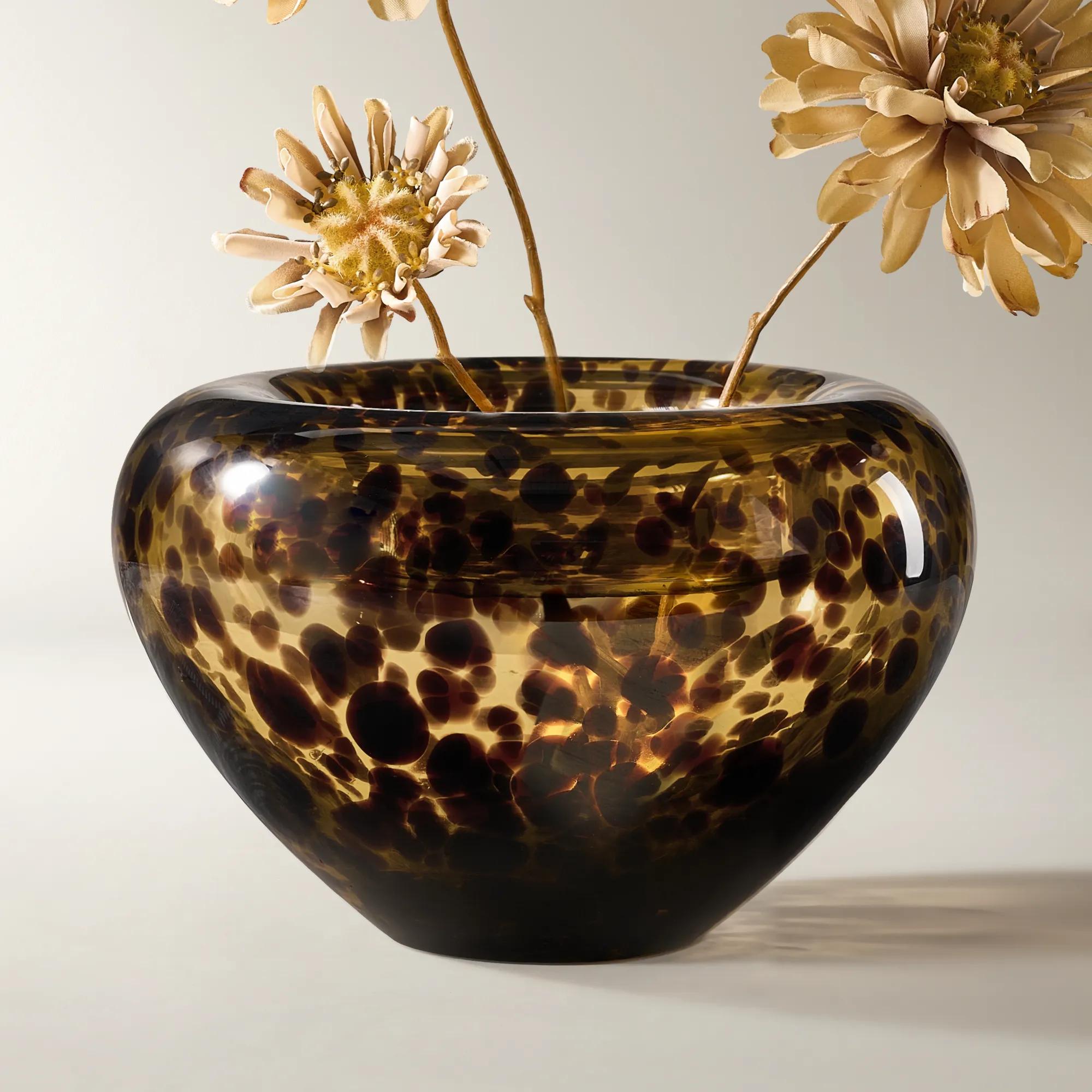 Tortoise Mouth Blown Brown Glass Decorative Bowl 8.25" x 4.25"$69
A handblown glass bowl featuring a warm brown tortoise pattern and a sculptural, rounded silhouette.
Add To Cart -
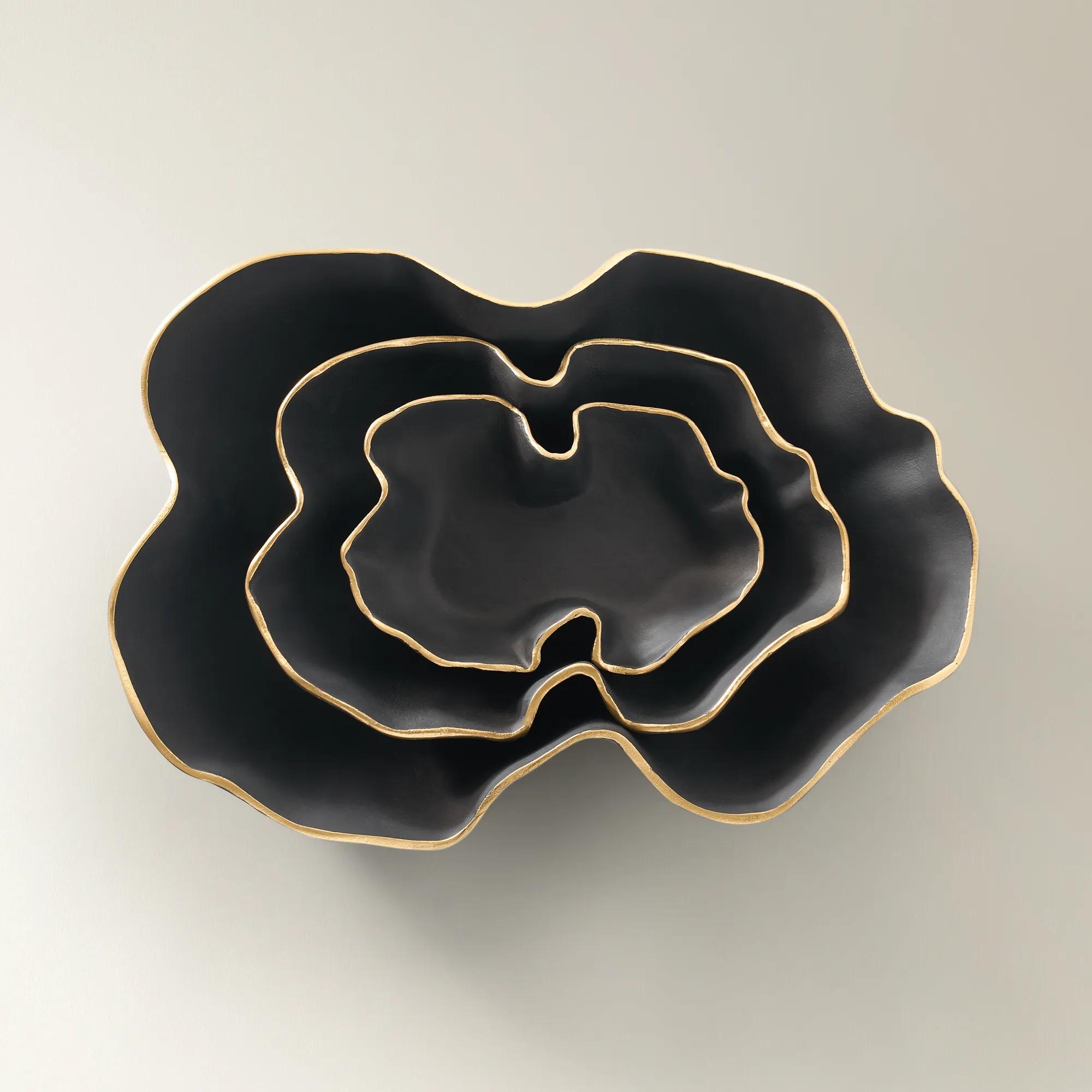 Lava Black Gold Aluminum Decorative Nesting Bowls$39
A deep black aluminum bowl with golden edges, featuring an organic, volcanic-inspired design for decorative display.
Add To Cart

Decorative Glass Bowls
Decorative Glass Bowls are the ultimate expression of artistry and allure, capturing light and imagination in every curve. Whether poised atop a gleaming console or anchoring a dramatic dining table, these sculptural vessels invite admiration with their luminous presence. Each bowl transforms an everyday surface into a showcase, reflecting your taste for the extraordinary. Let your home shimmer with the elegance and intrigue that only Decorative Glass Bowls can inspire—where function meets pure, expressive form.
Decorative glass bowls bring a particular kind of drama to an interior: color with depth, shine with movement, and sculptural form that changes as the light moves across a room. A curved rim can catch the glow of a nearby lamp, while a thick glass base gives even a transparent silhouette a compelling sense of presence. Unlike opaque decorative accents, glass allows glimpses of the surface beneath it, creating layers without completely concealing the grain of a wood console or the veining of a stone tabletop. Clear glass feels luminous and architectural; smoky tones introduce shadow and richness; saturated jewel colors turn a simple arrangement into an expressive composition. Surface treatments matter just as much as color. Ripples, facets, and gently undulating edges break up reflections, while smooth, polished forms create broader pools of light. The result can feel restrained and gallery-like or lavishly theatrical, depending on the surrounding finishes. Against velvet upholstery, a glass bowl offers a sleek counterpoint to soft texture. Beside brushed metal, it adds another dimension of reflected light without requiring every finish to match. On a dark sideboard, pale or translucent glass can become the focal point that draws the entire vignette together. These pieces appeal to collectors of sculptural decor, hosts who enjoy a beautifully composed dining room, and anyone who wants a familiar corner to feel more intentional. Their appeal does not depend on elaborate styling. An empty bowl with a distinctive profile can hold its own as an art object, especially when it has enough space around it for the contours to remain visible. Filled sparingly with suitable decorative accents, that same vessel takes on a more layered character. During the cooler months, glass offers a luminous contrast to richer textiles and deeper palettes, yet its relationship with light makes it equally compelling throughout the year. It is a material that can anchor a room’s color story or introduce an unexpected note without overwhelming the setting.
Scale gives decorative glass bowls their visual authority, and the most successful proportion depends on both the furniture and the way a room is used. A broad, shallow bowl stretches elegantly across a generous coffee table, leaving the view open between people seated opposite one another. A deeper silhouette has more vertical presence and can suit a console or sideboard where its height will not interrupt conversation. For a dining table, the bowl’s full width—including an outward-flaring rim—matters as much as its base: there should still be comfortable space for place settings, serving pieces, and the movement of guests. A narrow entry console calls for a more contained footprint, positioned away from an edge where a passing bag or coat could catch it. When a spacious tabletop needs a stronger focal point, large handblown decorative bowls offer a compelling direction, particularly for those drawn to expressive contours and the individual character associated with glassmaking. Handblown glass may show subtle differences in thickness, color distribution, or small bubbles, although those characteristics vary by piece and should be understood through its description. Molded glass can offer more consistent geometry and defined repeating details; neither technique alone determines the quality or suitability of a bowl. Weight, balance, rim finish, and the stability of the base all contribute to how confidently a piece sits in its intended setting. Styling benefits from that same attention to proportion. On a coffee table already occupied by substantial books and a tall arrangement, a low glass bowl introduces a different silhouette rather than competing for height. On a long console, a bowl placed to one side can balance a lamp at the other, with open space allowing each shape to register. Transparent glass reveals its contents from several angles, so a few generously scaled decorative elements often look more deliberate than a dense collection of small objects. An especially intricate or richly colored bowl may need nothing inside it at all; its material, profile, and reflections supply the composition.
Intended use deserves as much consideration as appearance, especially when a decorative bowl will become part of everyday rituals. A bowl designed for display is not automatically suitable for fruit, sweets, or other foods; food-contact suitability should be explicitly stated before it becomes part of a dining or entertaining arrangement. The same distinction applies to water, candles, and heat. Painted surfaces, metallic accents, applied finishes, or other embellishments may require handling that differs from plain glass, and a decorative vessel should not be treated as a candleholder unless it is designed for that purpose. For dry displays, lightweight accents with smooth surfaces help protect the interior from scratches. Keys, loose coins, and hard-edged objects can leave marks, making an ornamental bowl better suited to a considered display than an everyday catchall unless its care guidance supports that use. Glass can maintain its beauty for years with thoughtful placement and handling, but substantial weight does not make it resistant to chips or breakage. A stable, level surface away from busy edges is especially important in homes with children or pets. Lift a bowl with support beneath its base rather than pulling it by the rim, and avoid sliding it across furniture. Furniture-safe protective pads may help where appropriate, provided they do not compromise stability or damage a delicate finish. For routine care, follow the piece’s instructions; gentle dusting with a soft, lint-free cloth is often preferable to aggressive polishing. When washing is permitted, mild soap, lukewarm water, and careful drying generally offer a gentler approach than abrasives or sudden temperature changes. Dishwasher, microwave, and oven use should never be assumed. These practical distinctions also make a decorative glass bowl a thoughtful housewarming, wedding, or host gift when chosen with the recipient’s space in mind. A luminous neutral can complement an established interior, while a bolder color suits someone who treats decor as personal expression. Matched to the room and cared for appropriately, a glass bowl becomes more than an accent: it gives light, color, and form a place to gather.
FAQs
Decorative glass bowls act as luminous focal points, catching and reflecting light to create a sense of depth and movement in any space. Whether placed on a dining table, console, or mantel, their sculptural forms and vibrant hues add an element of artistry, elevating the overall atmosphere and infusing the room with a touch of sophistication and drama.
Glass bowls offer endless styling possibilities. In autumn, fill them with richly colored leaves, acorns, or miniature gourds for a seasonal vignette. During the holidays, use them to showcase shimmering ornaments or fairy lights. In spring and summer, fresh blooms, citrus fruits, or sea glass can create a refreshing, nature-inspired display. Their versatility allows you to reinvent your décor with every season.
Absolutely. A decorative glass bowl is a thoughtful and elegant gift for weddings, housewarmings, anniversaries, or birthdays. Its timeless appeal and artistic craftsmanship make it a cherished keepsake, while its versatility ensures it will suit a variety of tastes and home styles. Presenting one as a gift is a gesture of both style and generosity.
When selecting a glass bowl, consider the existing color palette, textures, and overall mood of your space. Opt for a piece that either harmonizes with your décor for a cohesive look or choose a bold, contrasting design to create a striking focal point. Pay attention to details like finish, translucency, and pattern, as these elements can dramatically influence the bowl’s visual impact.
Handcrafted glass bowls are distinguished by their individuality—no two pieces are exactly alike. The artisanal process may result in subtle variations in color, pattern, or texture, making each bowl a one-of-a-kind work of art. This uniqueness adds character and charm, ensuring your decorative accent is as original as your personal style.
.jpeg?w=3739&h=3739)


