Artistic Glass Bowls For Living Rooms
Artistic Glass Bowls For Living Rooms
-
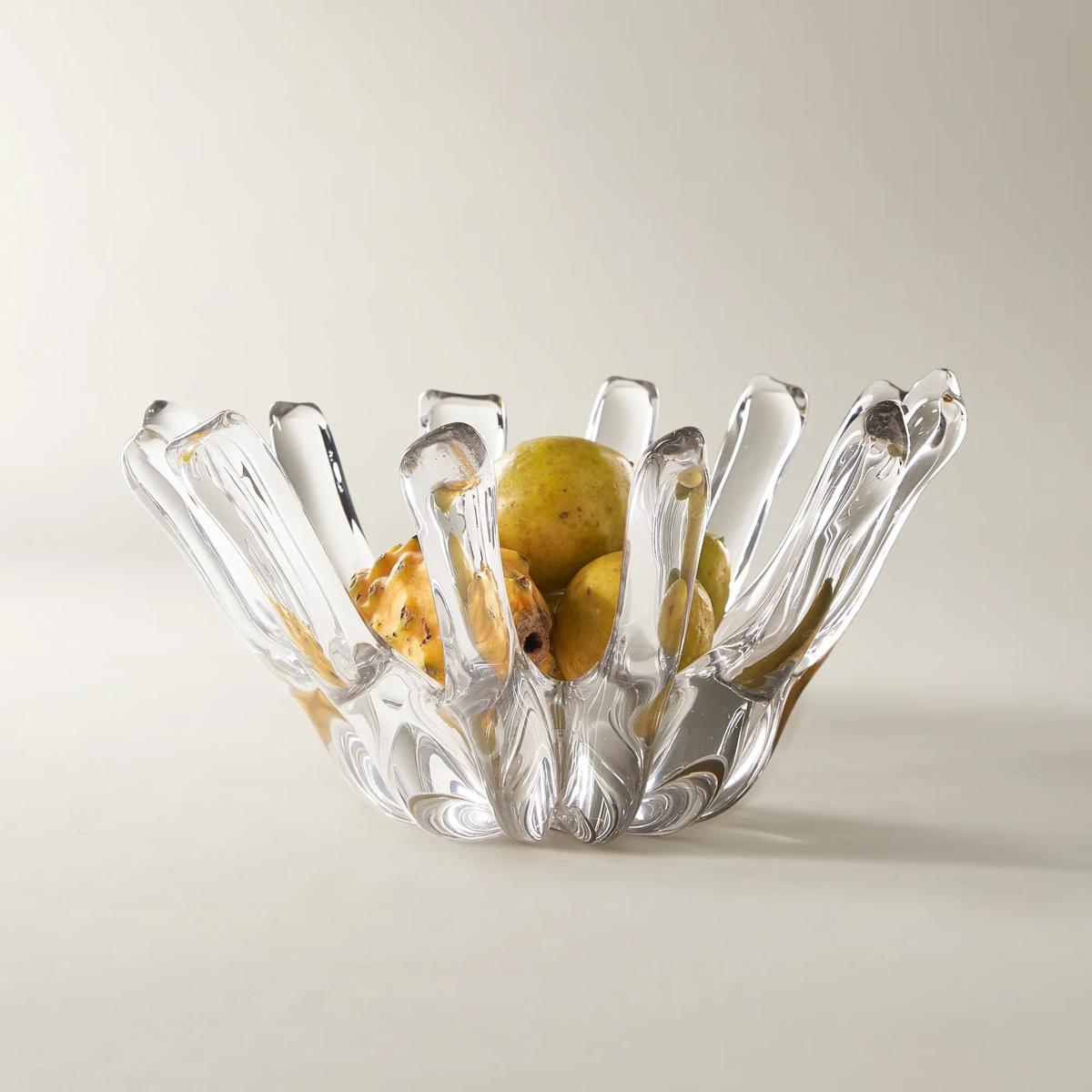
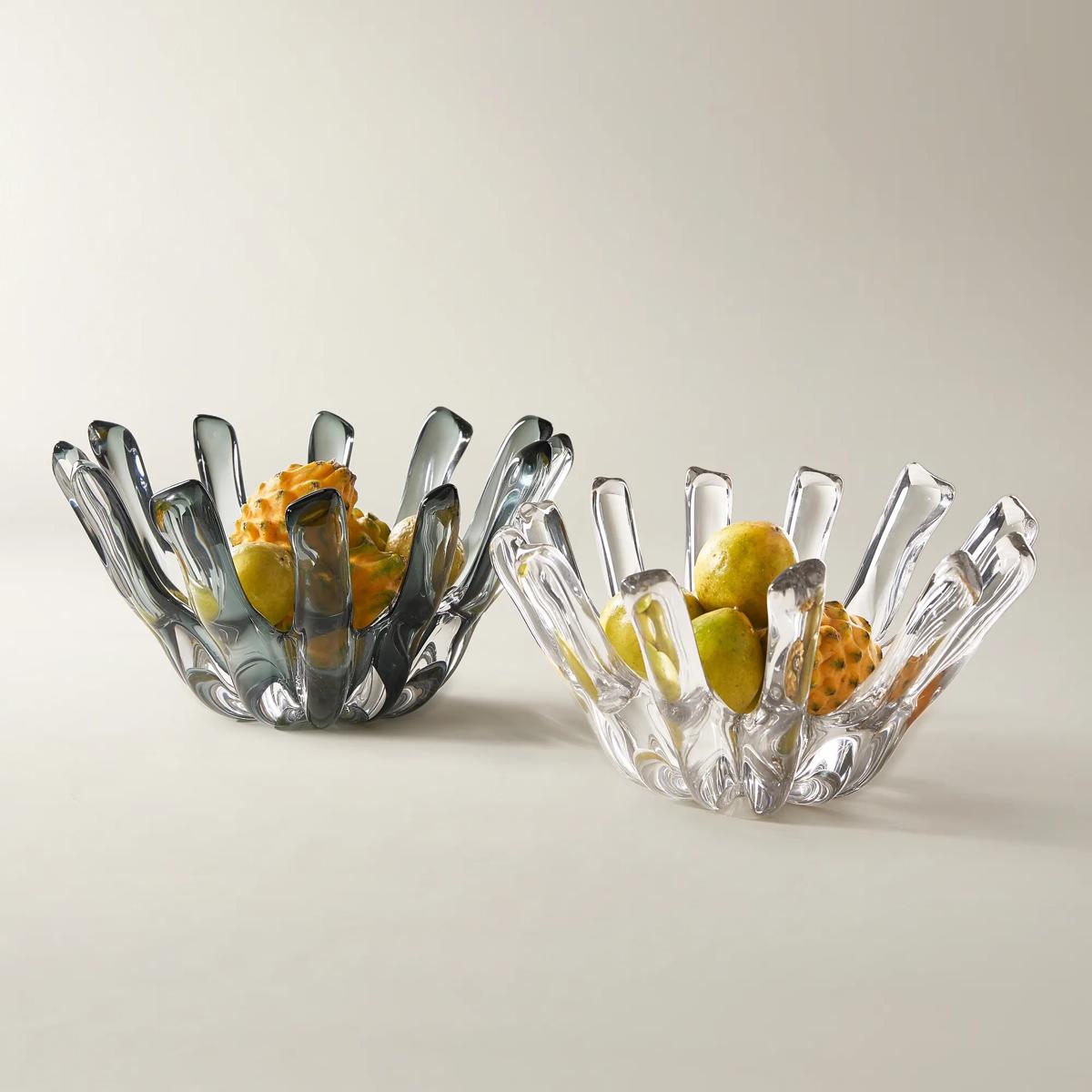 Bossa Clear Handblown Glass Decorative Bowl 13" x 7"$129
A hand-blown clear glass bowl featuring an expressive, sculptural form for modern decorative displays.
Add To Cart -
.jpeg?w=1200&h=1200)
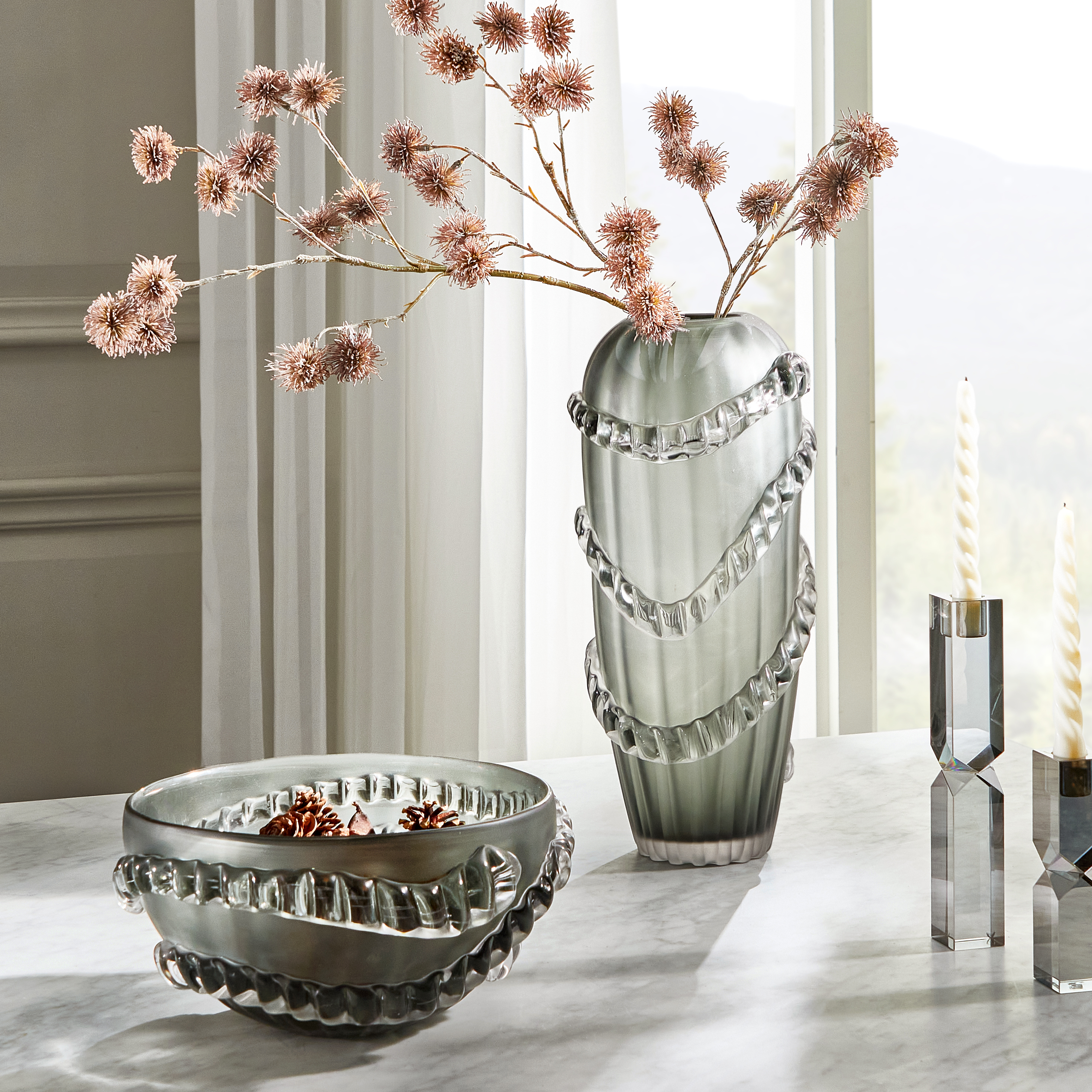 Helix Glass Collection$129
A hand-blown dark gray glass piece featuring fluted bodies and rippling sculptural ribbons for modern elegance.
Add To Cart -
.jpg?w=1200&h=1200) Calla Mouth Blown Blue Glass Decorative Bowl 15.35" x 5.7"$79
Calla Mouth Blown Blue Glass Decorative Bowl 15.35" x 5.7"$79A handblown blue glass bowl featuring unique curves and translucent artistry for striking decorative appeal.
Add To Cart -
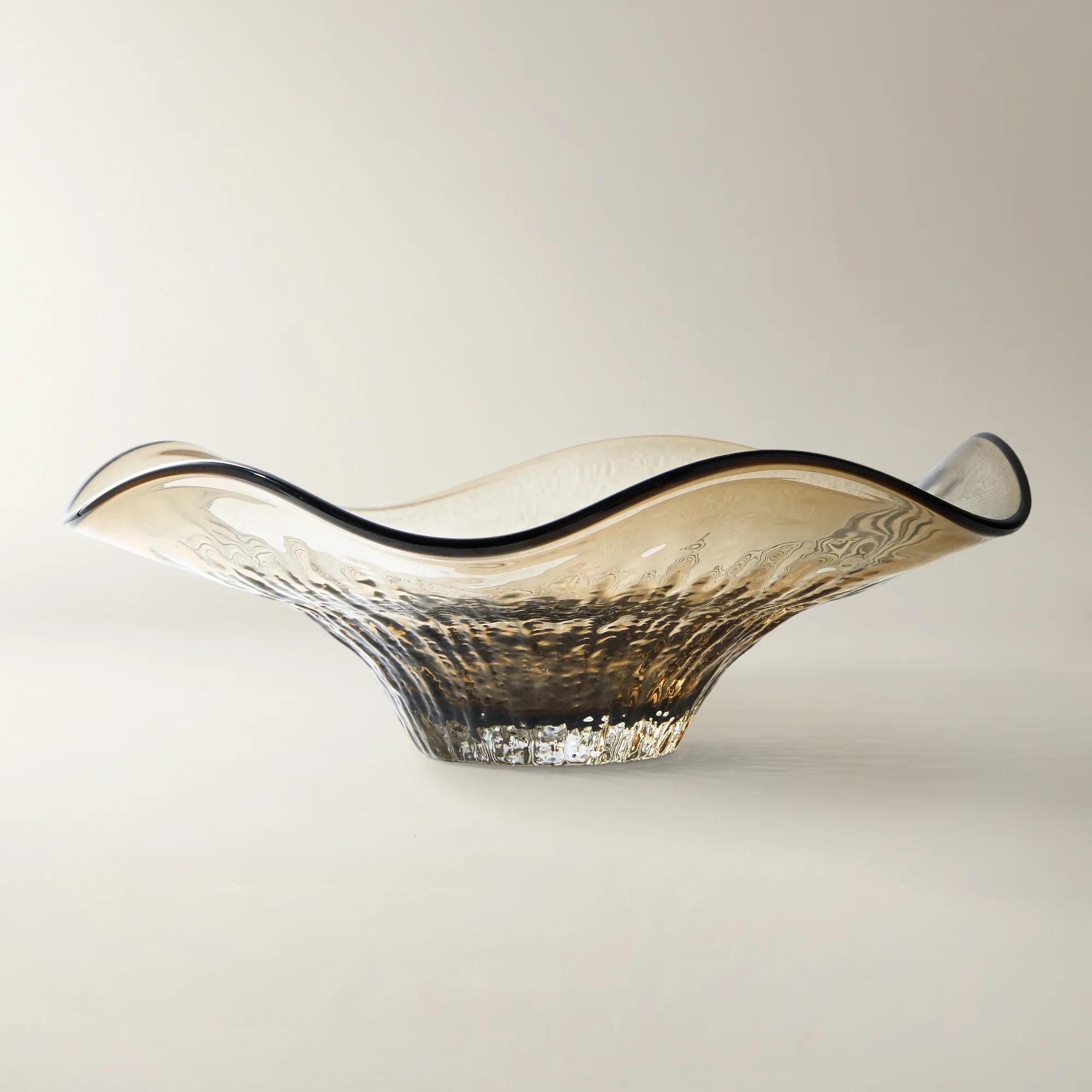 Corsi Brown Handblown Glass Decorative Bowl 15.35" x 5.1"$99
A hand-blown glass bowl in warm amber with organic shape and intricate textural details.
Add To Cart -
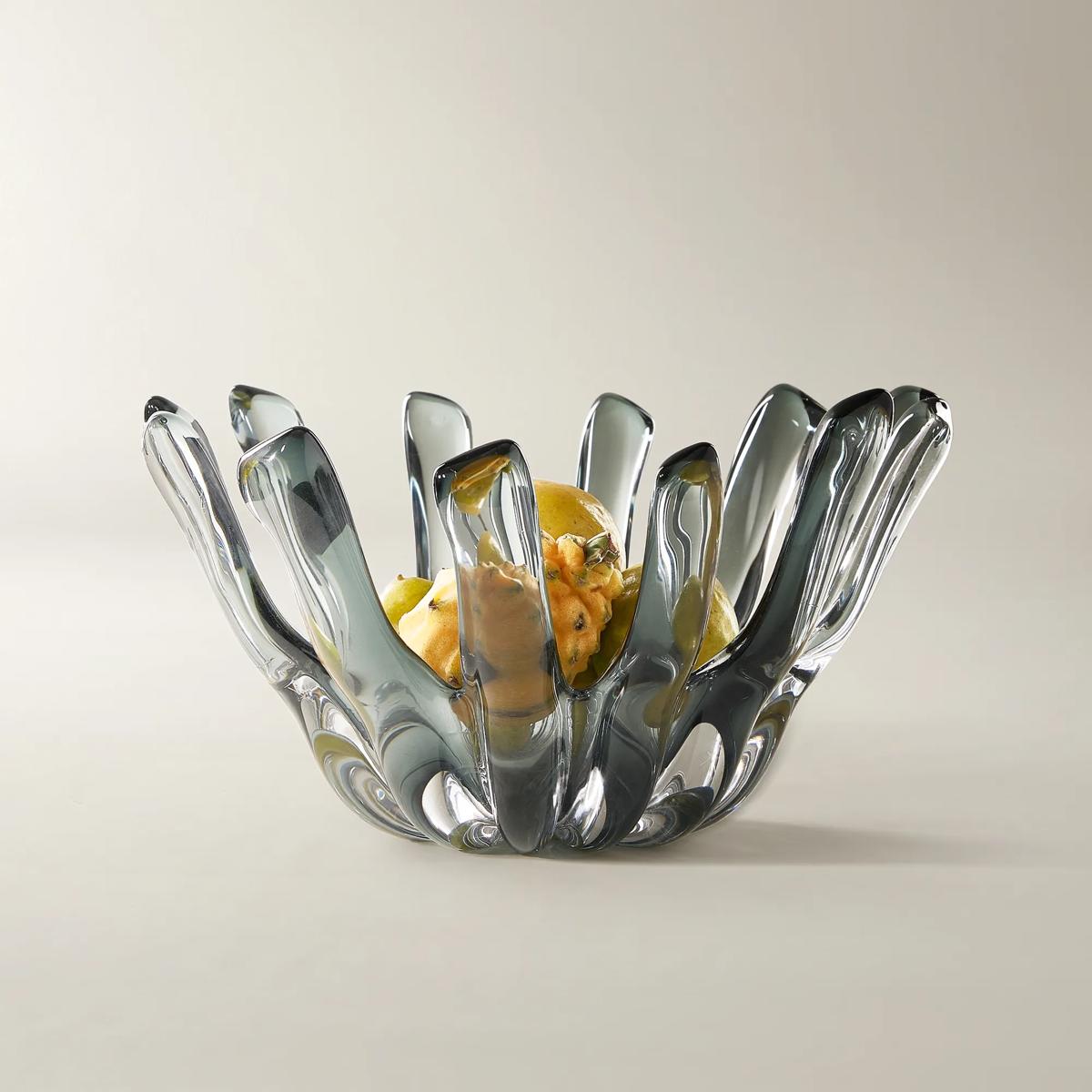 Bossa Smoke Handblown Glass Decorative Bowl 13" x 7"$129
A hand-blown smoky grey glass bowl featuring an expressive, sculptural design for modern decorative displays.
Add To Cart -
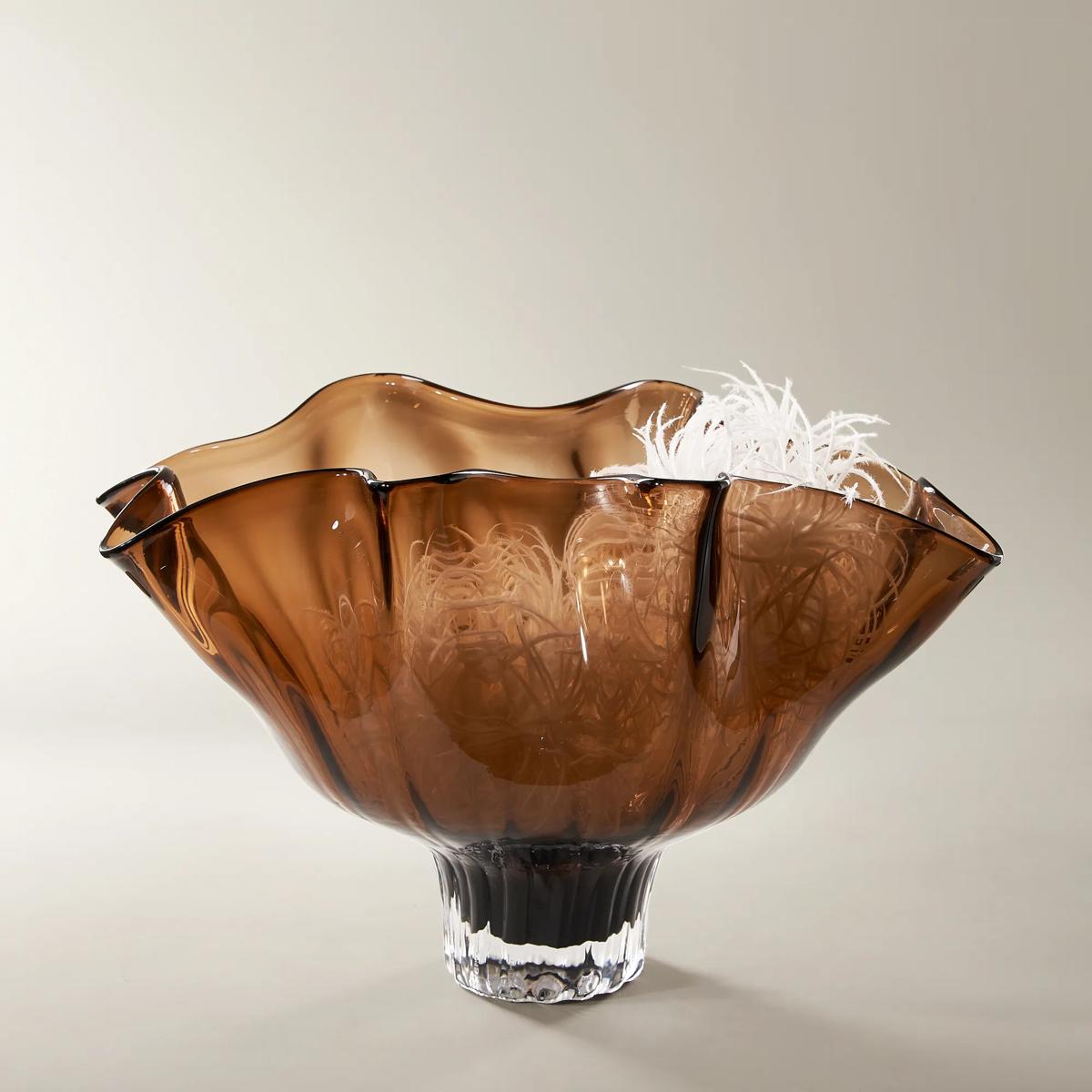
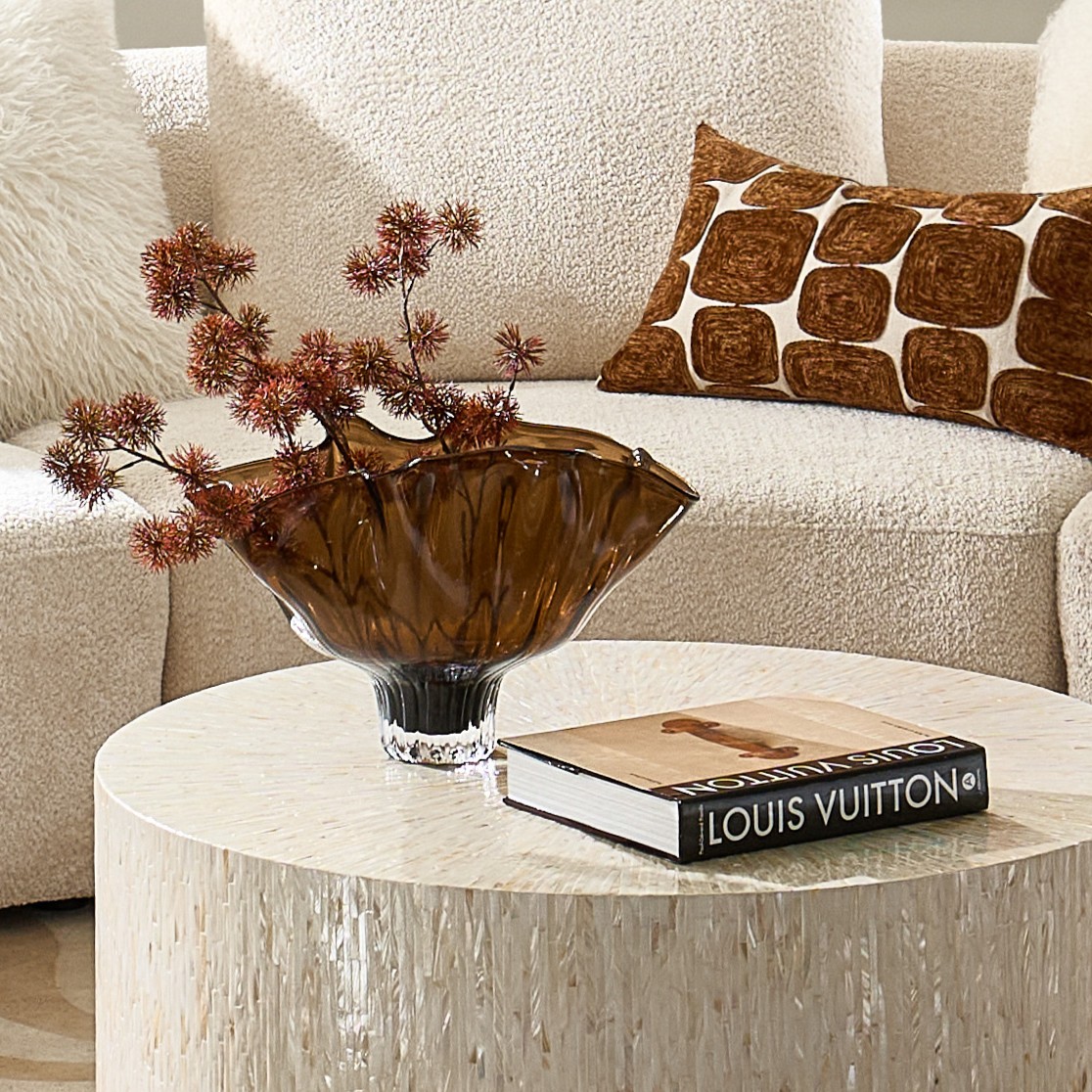 Coco Mouthblown Brown Glass Bowl 17" x 9.75"$139
A hand-blown brown glass bowl with an undulating rim and clear tapered base for sculptural elegance.
Add To Cart -
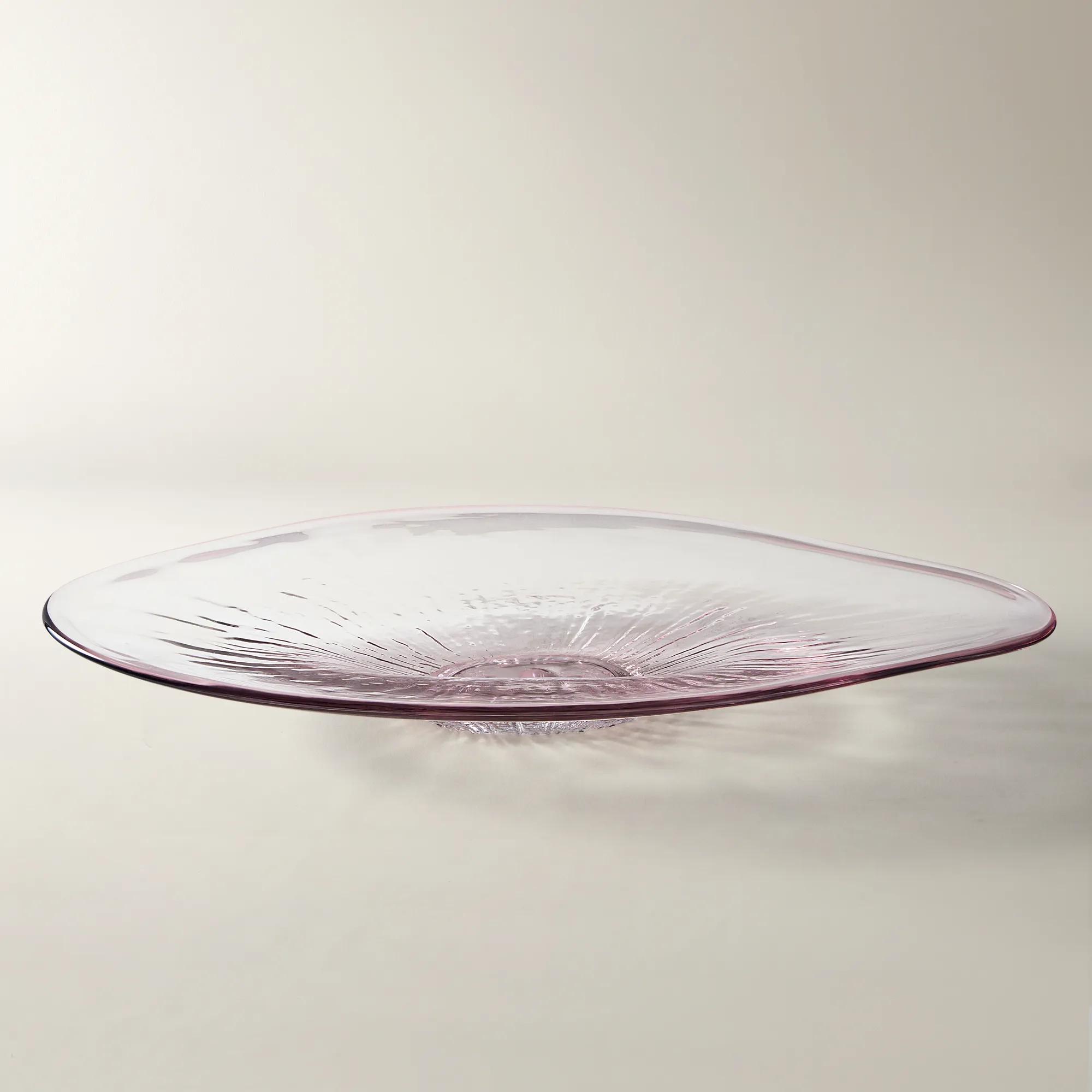 Cortina Decorative Bowl$129
A handblown glass bowl in an ethereal pink hue that brings artistic flair to modern interiors.
Add To Cart -
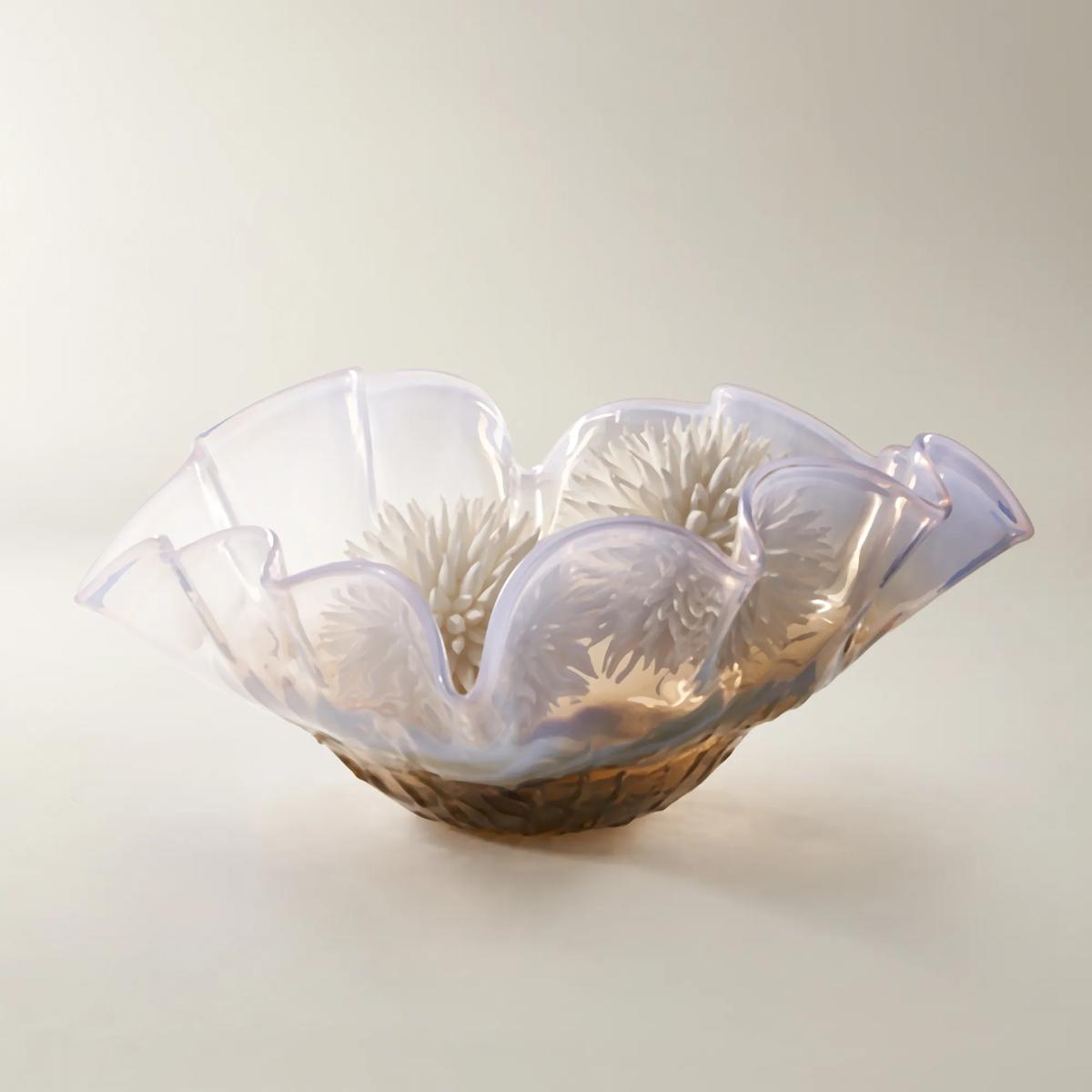
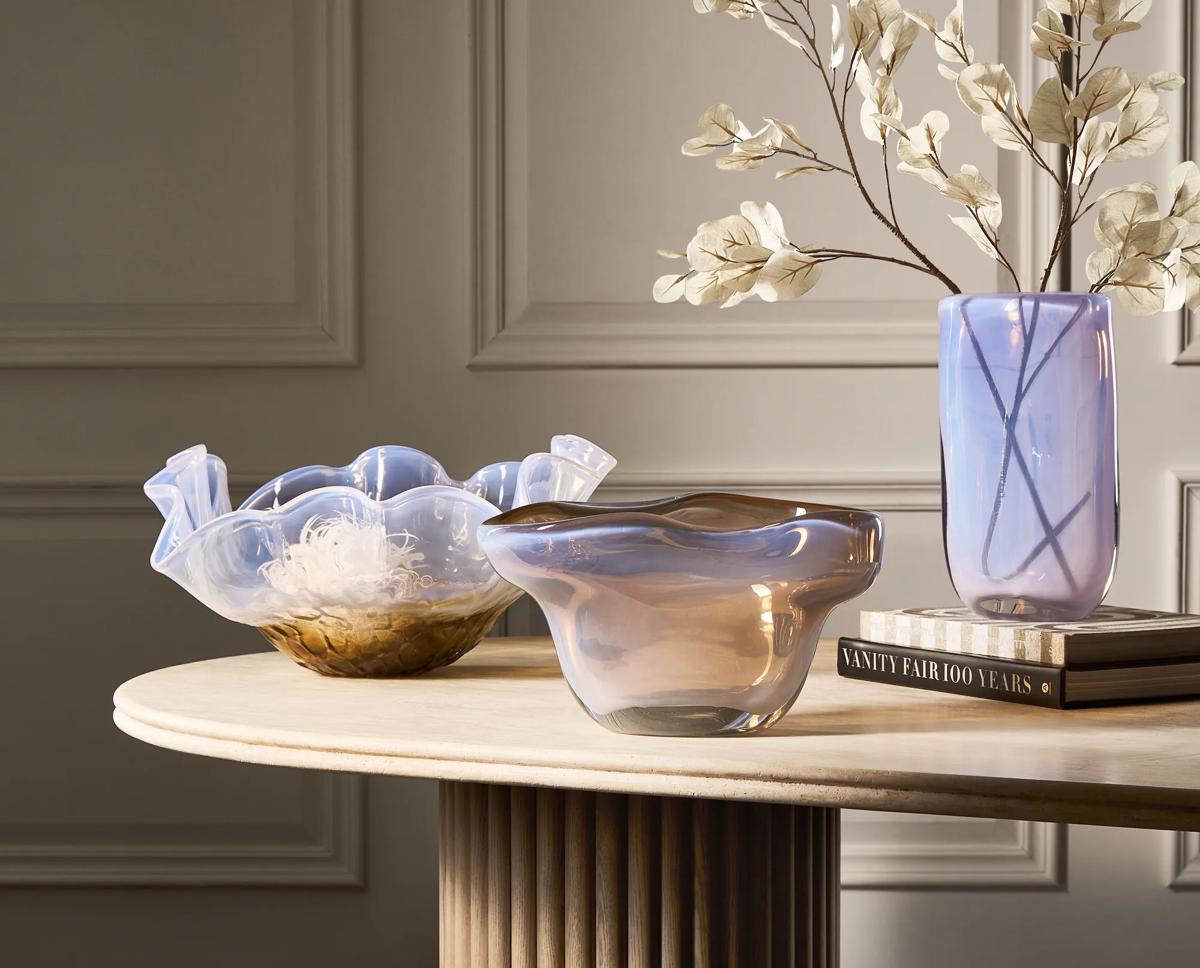 Glacier Glass Bowl$269
A hand-blown glass bowl featuring scalloped edges and swirling lavender and amber hues for artistic elegance.
Add To Cart -
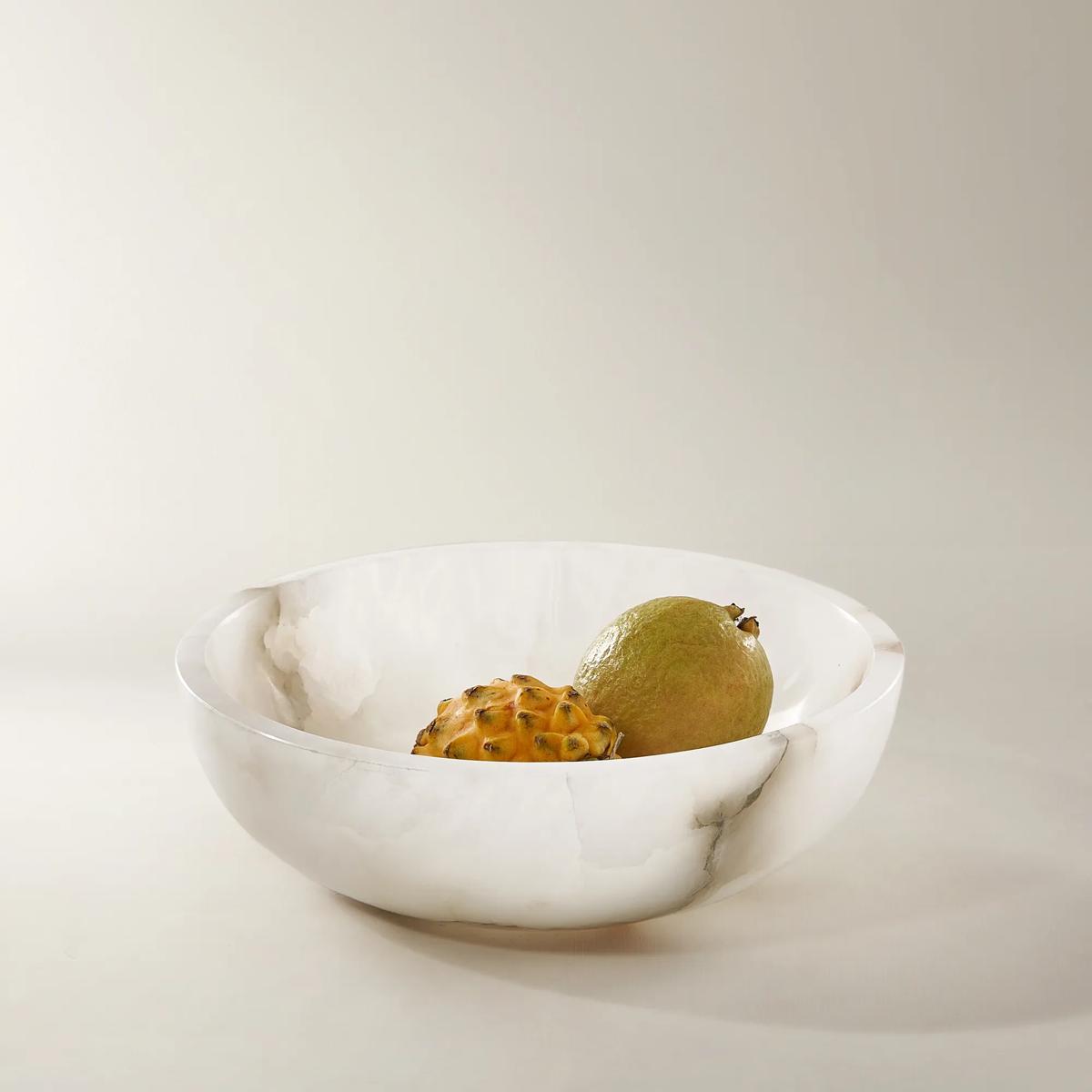 Alabaster Bowl$369
A hand-sculpted alabaster bowl featuring organic veining and soft, milky white translucence.
Add To Cart -
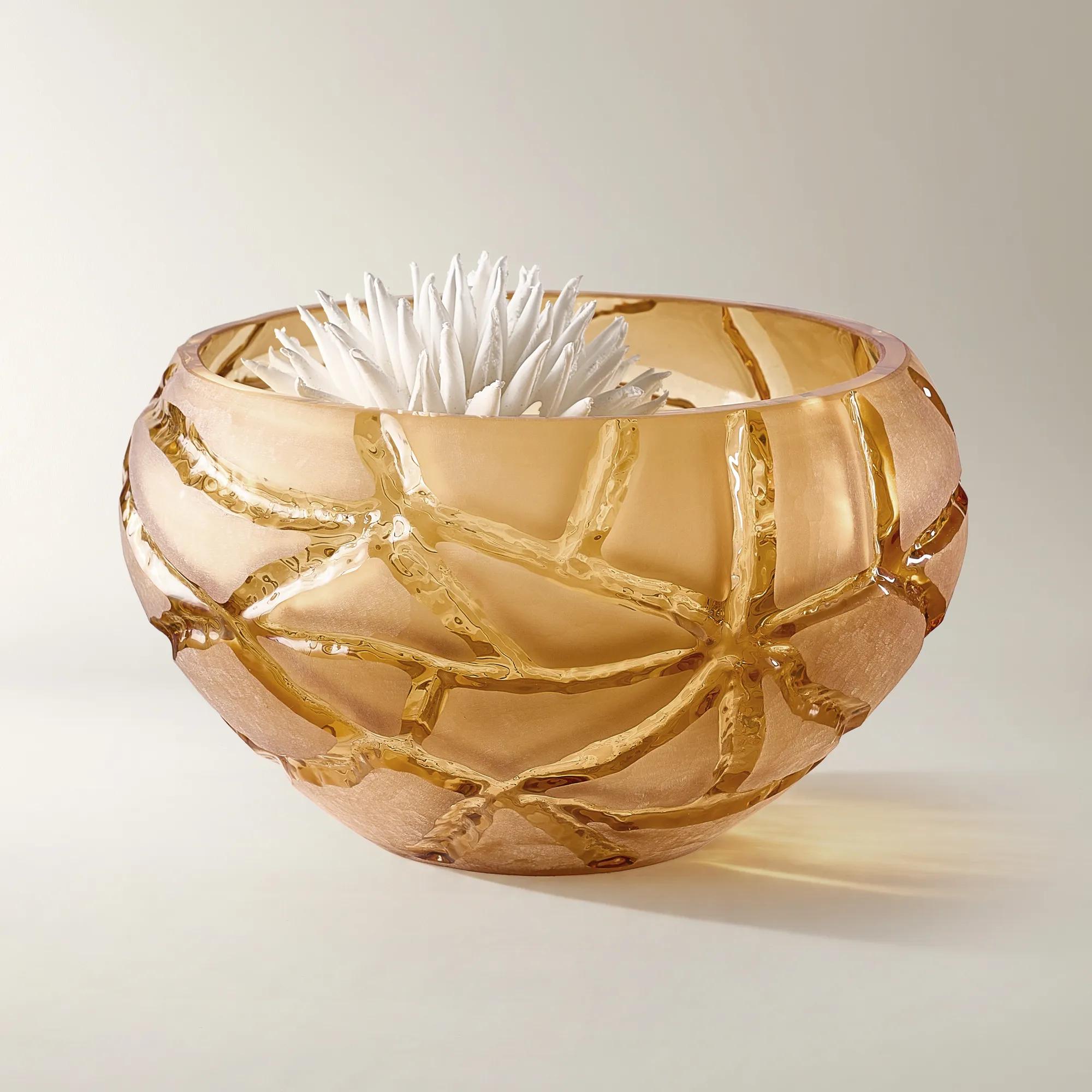 Rowen Mouth Blown Honey Gold Glass Decorative Bowl 11" x 6.25"$129
A handblown glass bowl in honey gold with a textured surface for a luminous, sculptural accent.
Add To Cart -
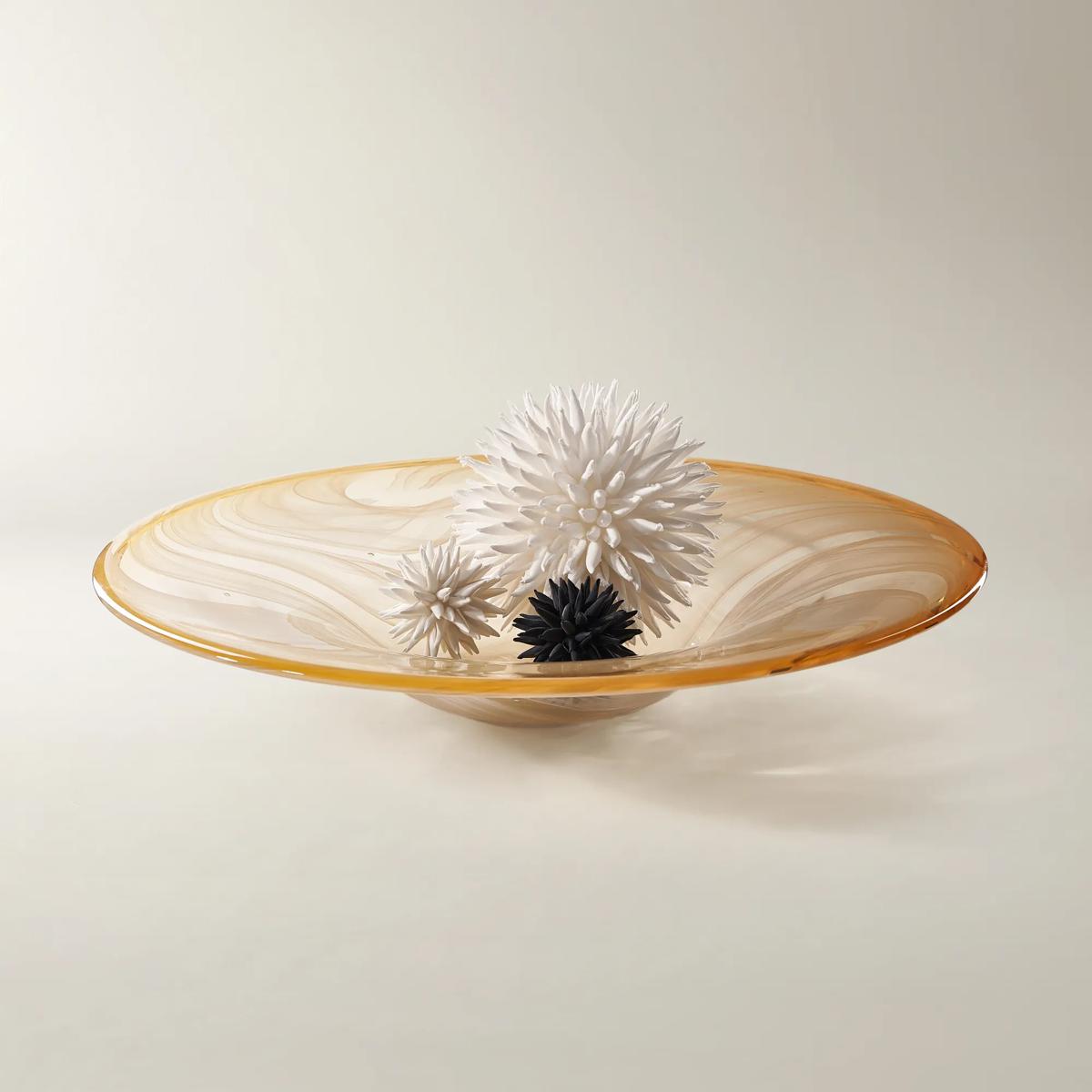
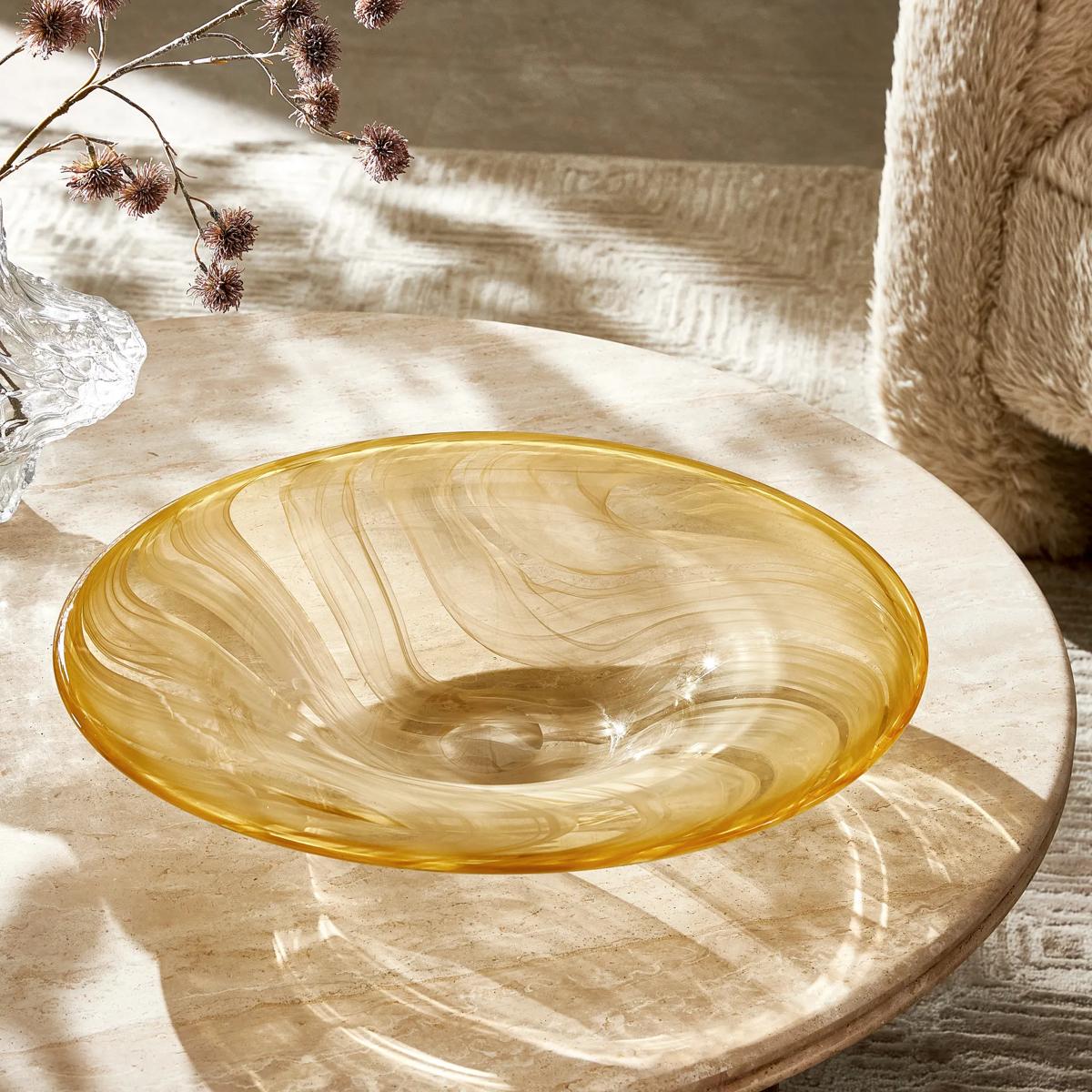 Paradis Glass Plate$239
A hand-blown amber glass plate featuring a swirling, organic design for a radiant decorative accent.
Add To Cart -
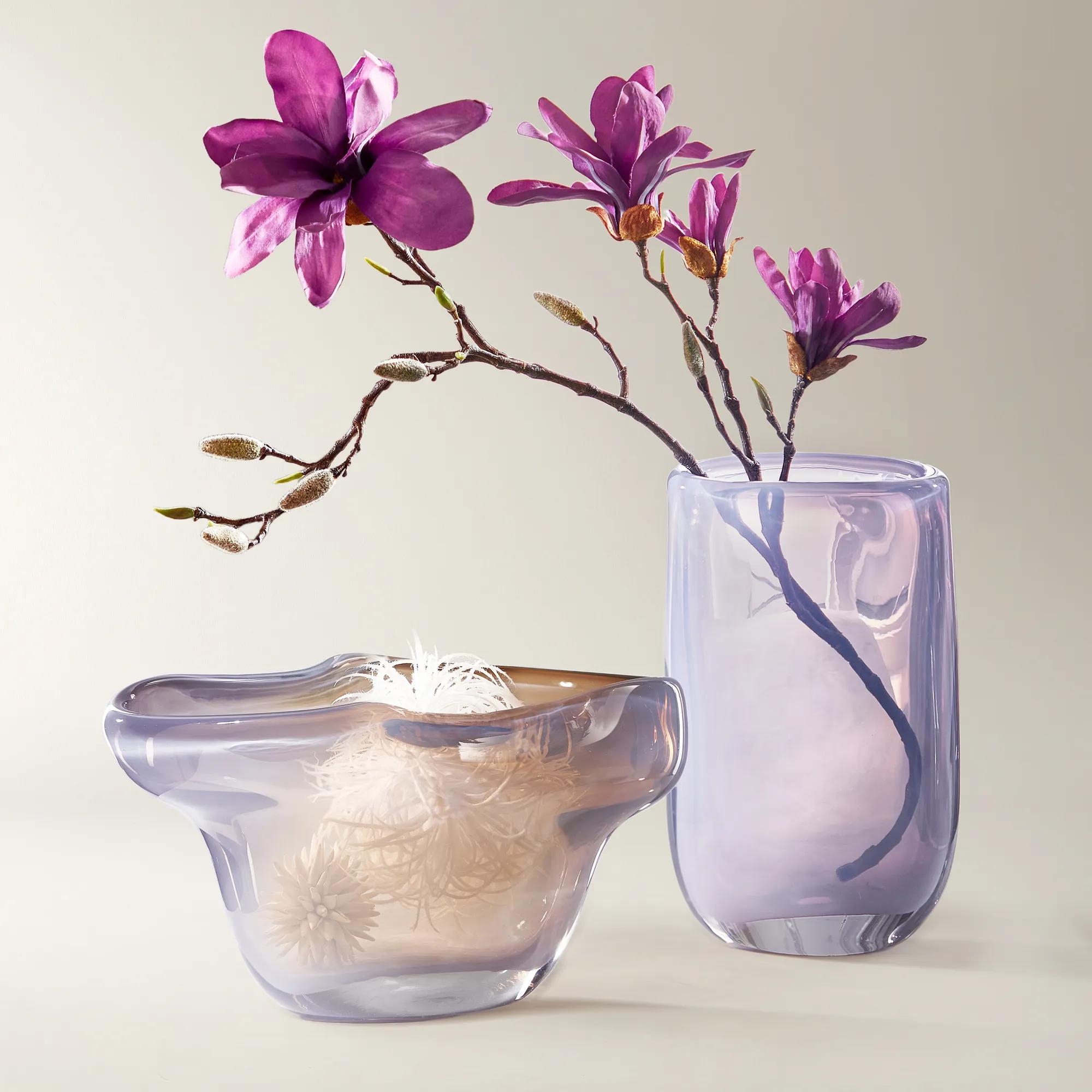
.jpeg?w=1200&h=1200) Aura Collection$189
Aura Collection$189A hand-blown glass accent in dreamy lavender, showcasing fluid curves and modern sculptural artistry.
Add To Cart -
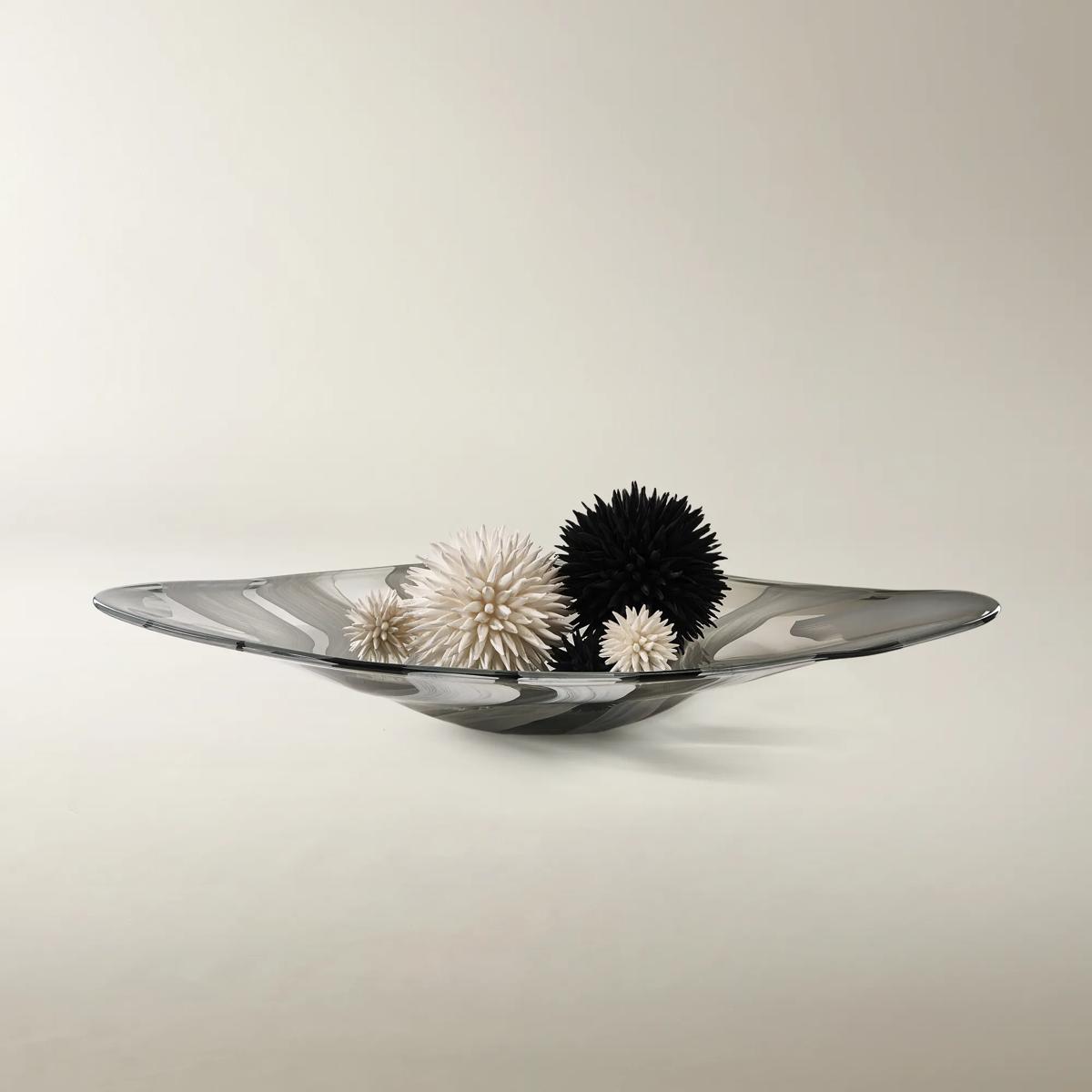
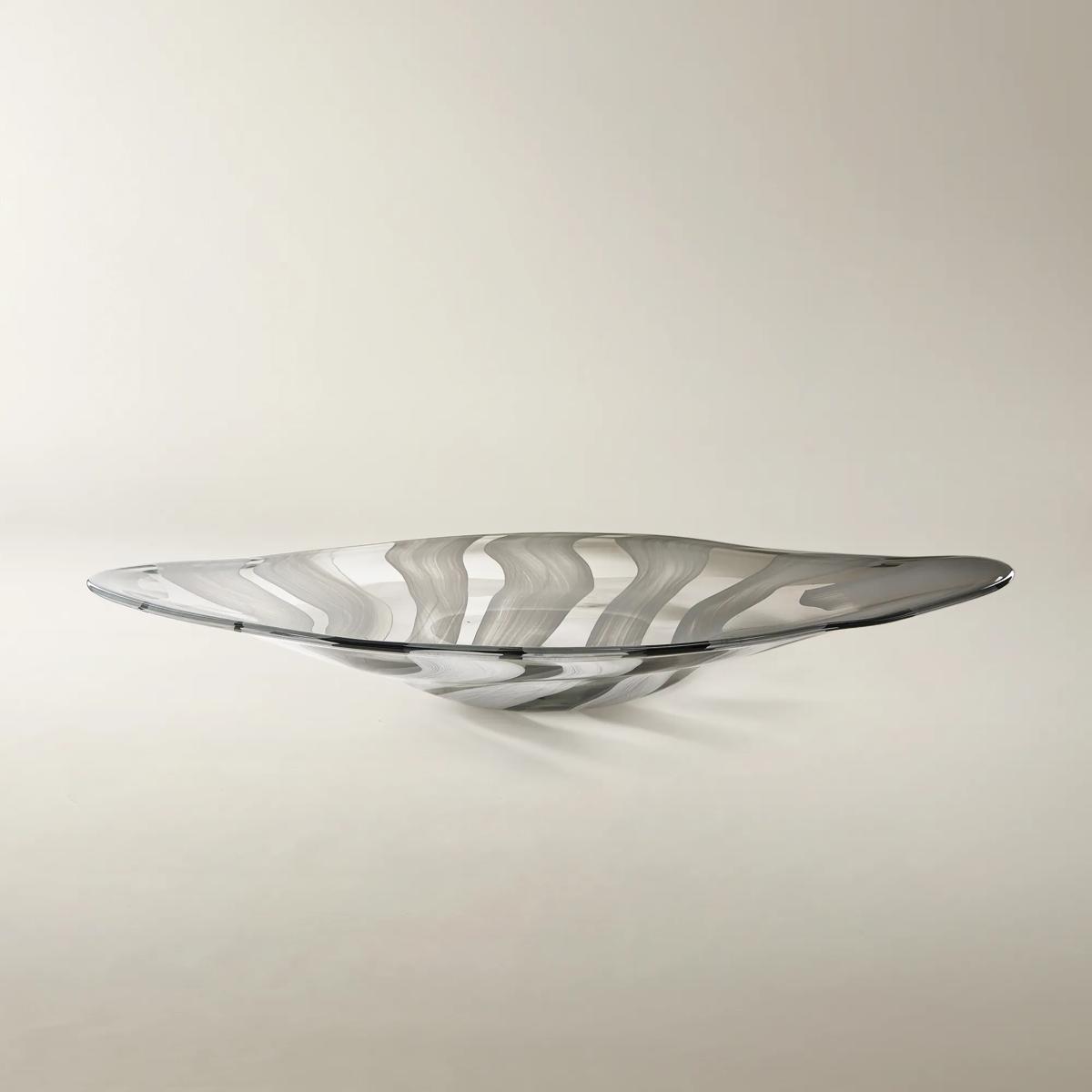 Zoya Glass Bowl$349
A hand-blown grey glass bowl with a marbled pattern and organic silhouette for modern decor.
Add To Cart -
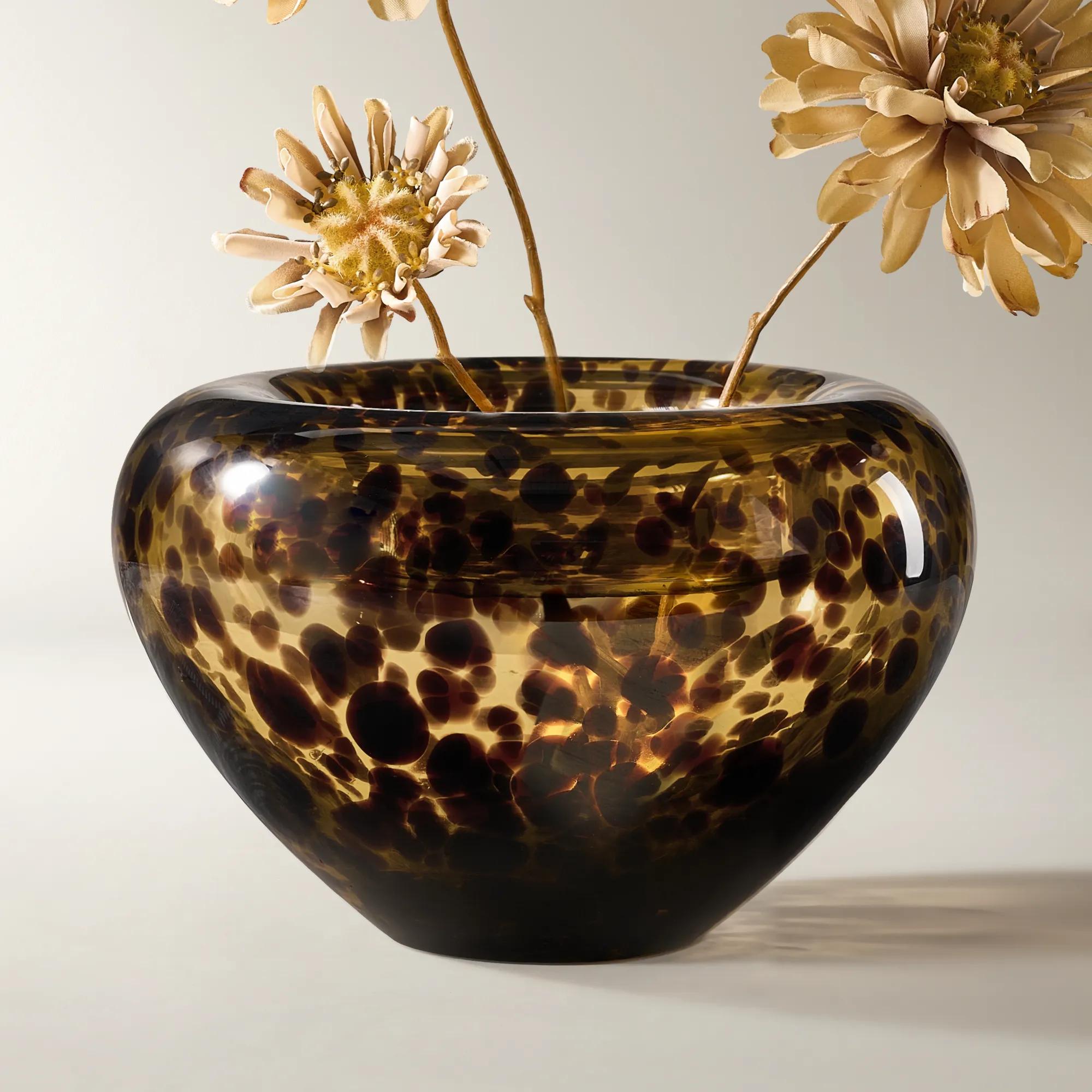 Tortoise Mouth Blown Brown Glass Decorative Bowl 8.25" x 4.25"$69
A handblown glass bowl featuring a warm brown tortoise pattern and a sculptural, rounded silhouette.
Add To Cart -
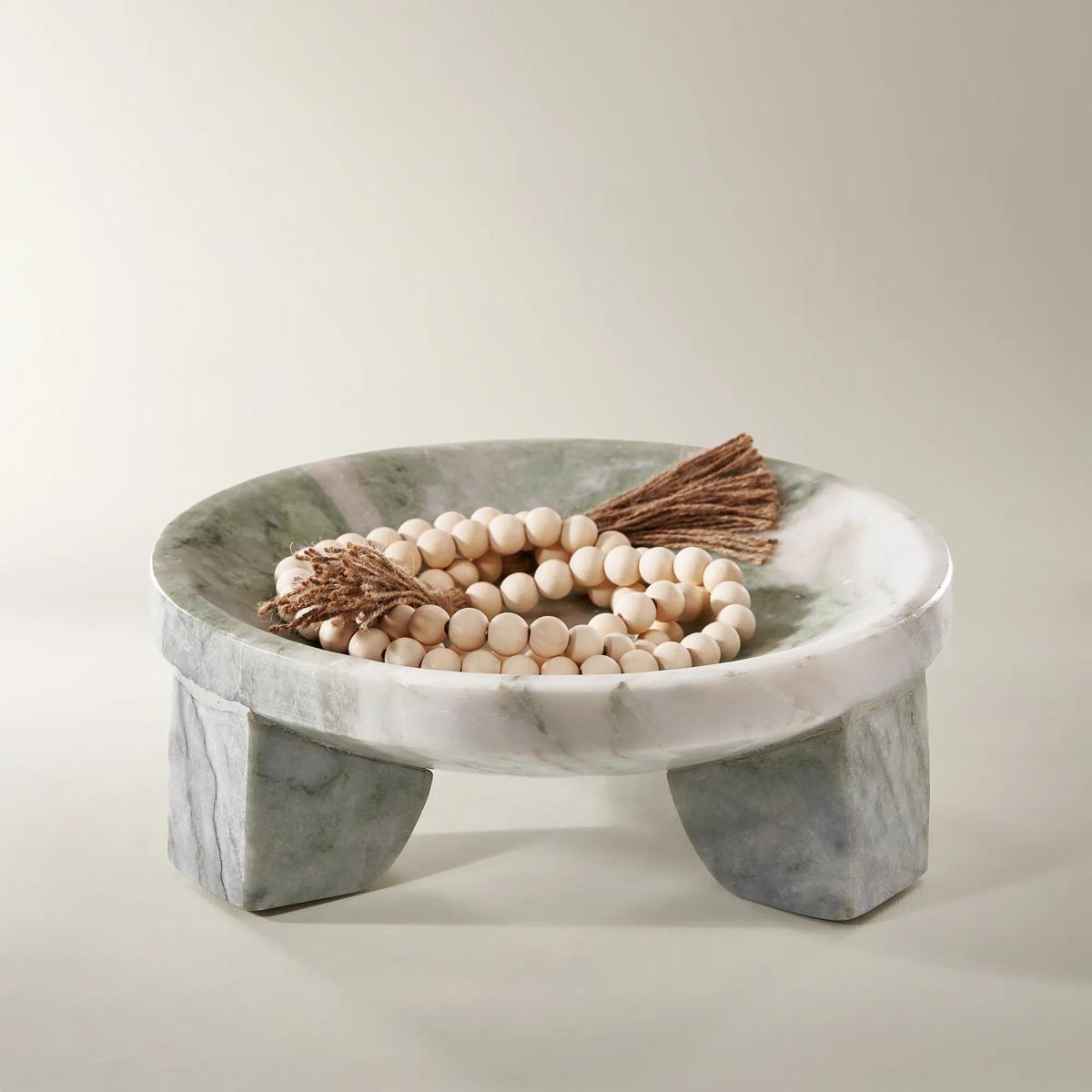
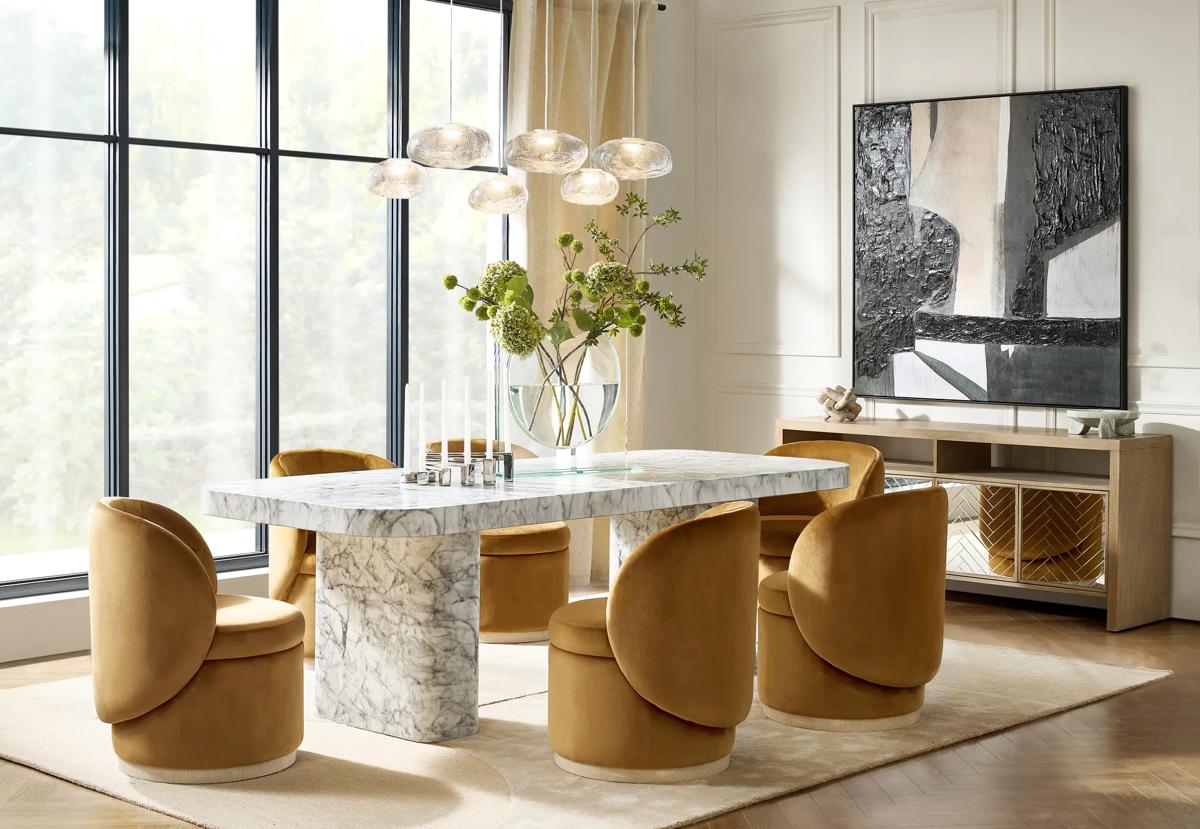 Light Green Marble Footed Bowl$199
A hand-carved onyx bowl featuring soft green marbling and sculptural feet for organic elegance.
Add To Cart -
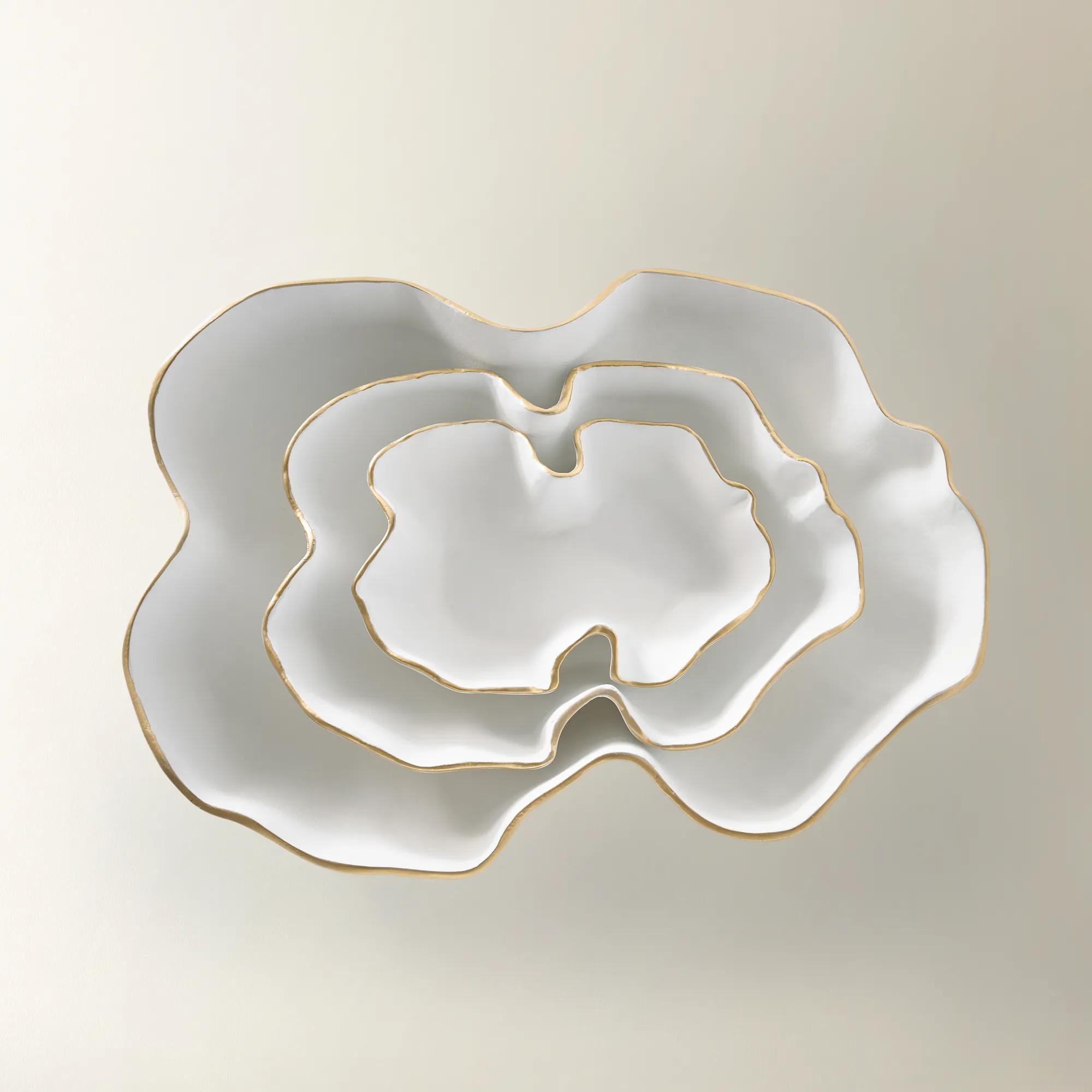
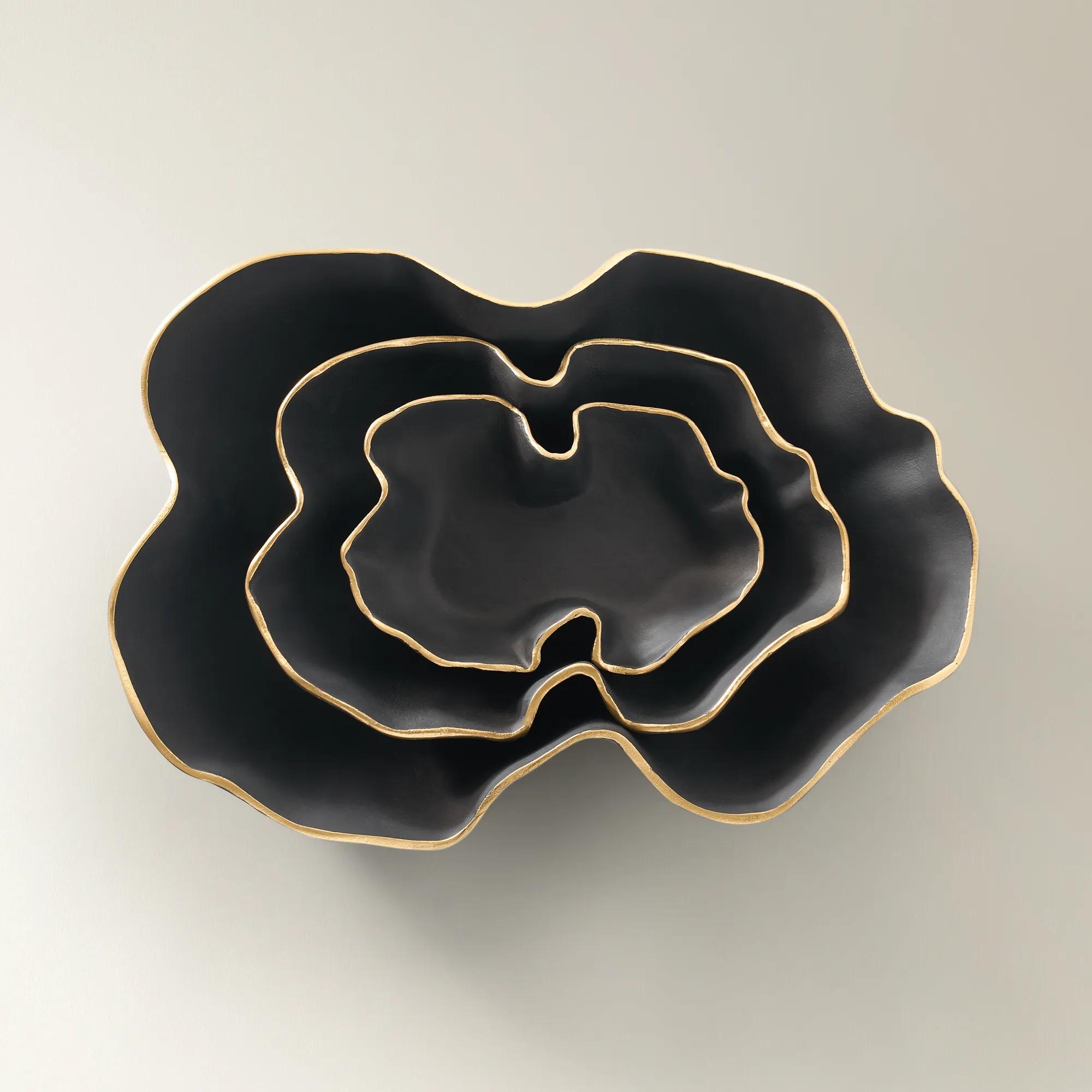 Lava Black Gold Aluminum Decorative Nesting Bowls$39
A deep black aluminum bowl with golden edges, featuring an organic, volcanic-inspired design for decorative display.
Add To Cart -
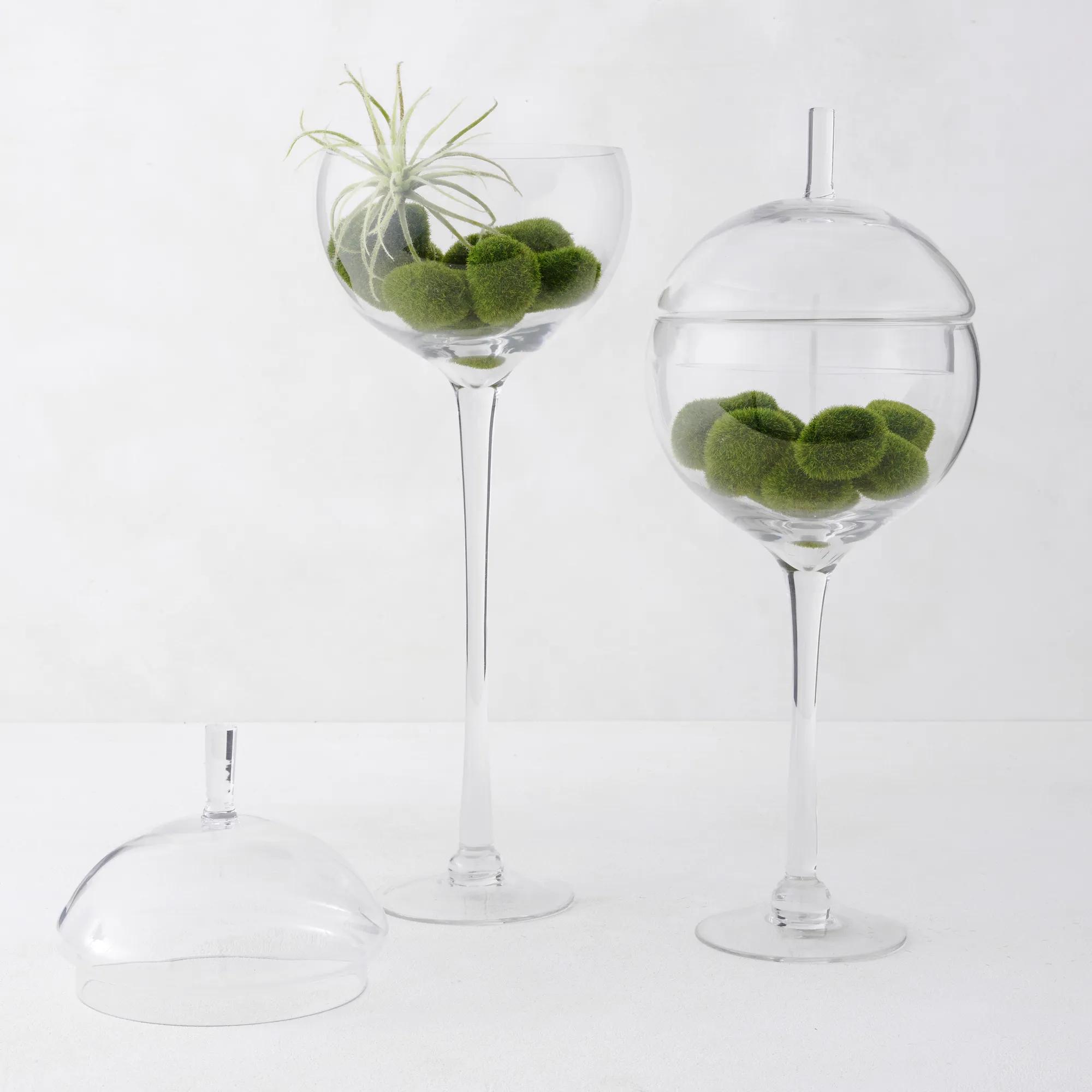 Jules Glass Decorative Canisters$89
A mouthblown glass terrarium perfect for showcasing decorative objects or cherished keepsakes.
Add To Cart -
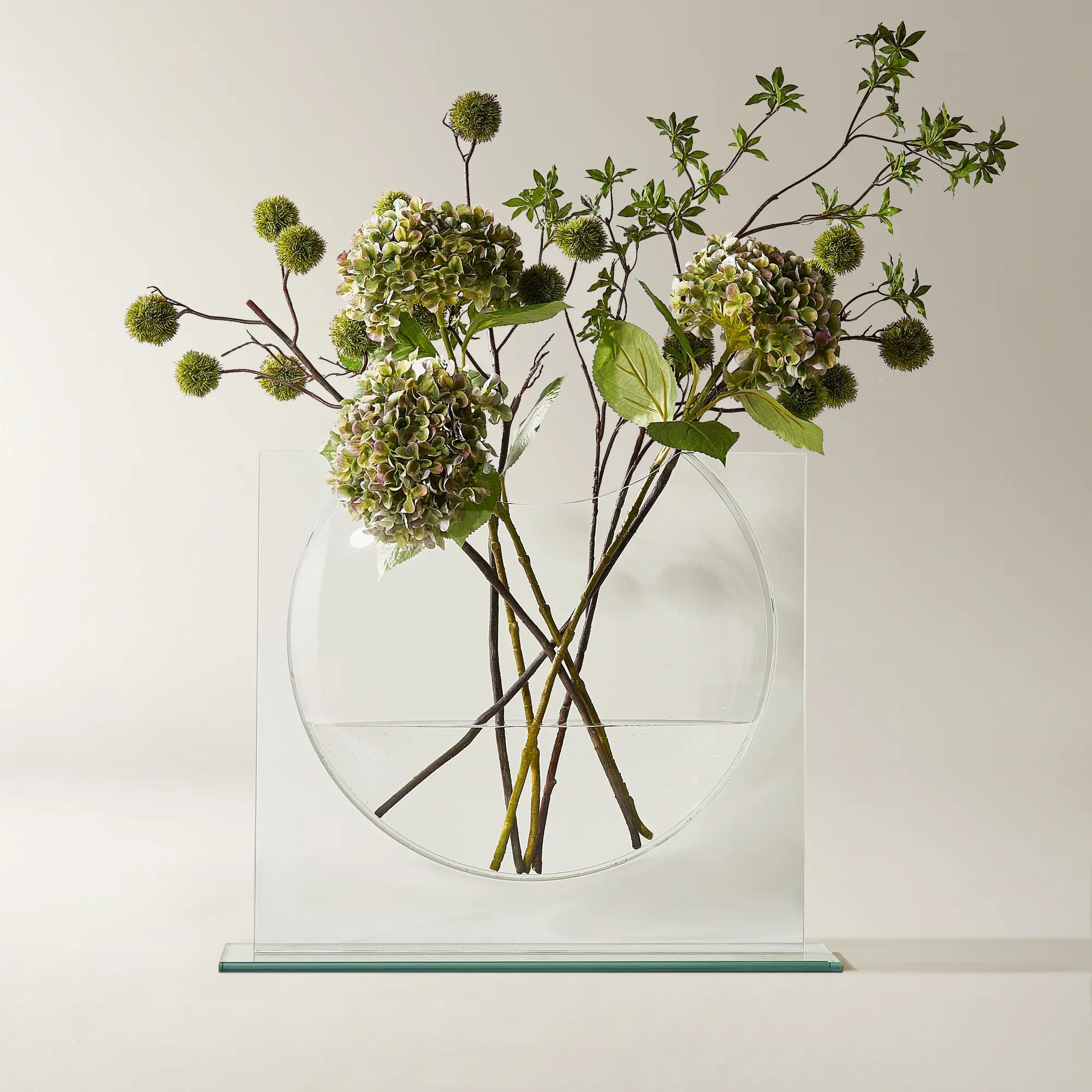
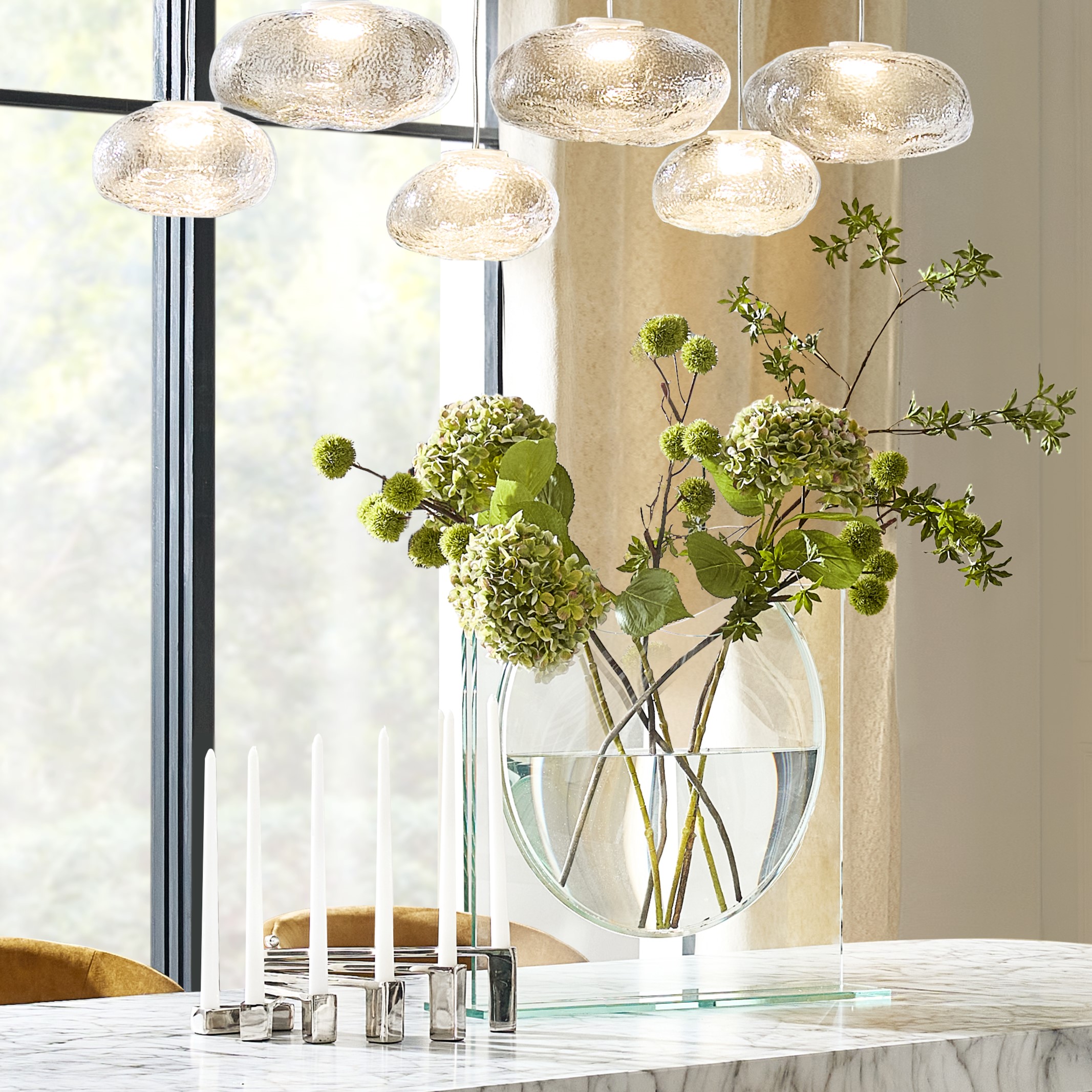 Ellipse Clear Glass Vase 20"$259
A sleek elliptical glass vase offering a modern, functional accent for fresh floral arrangements.
Add To Cart -
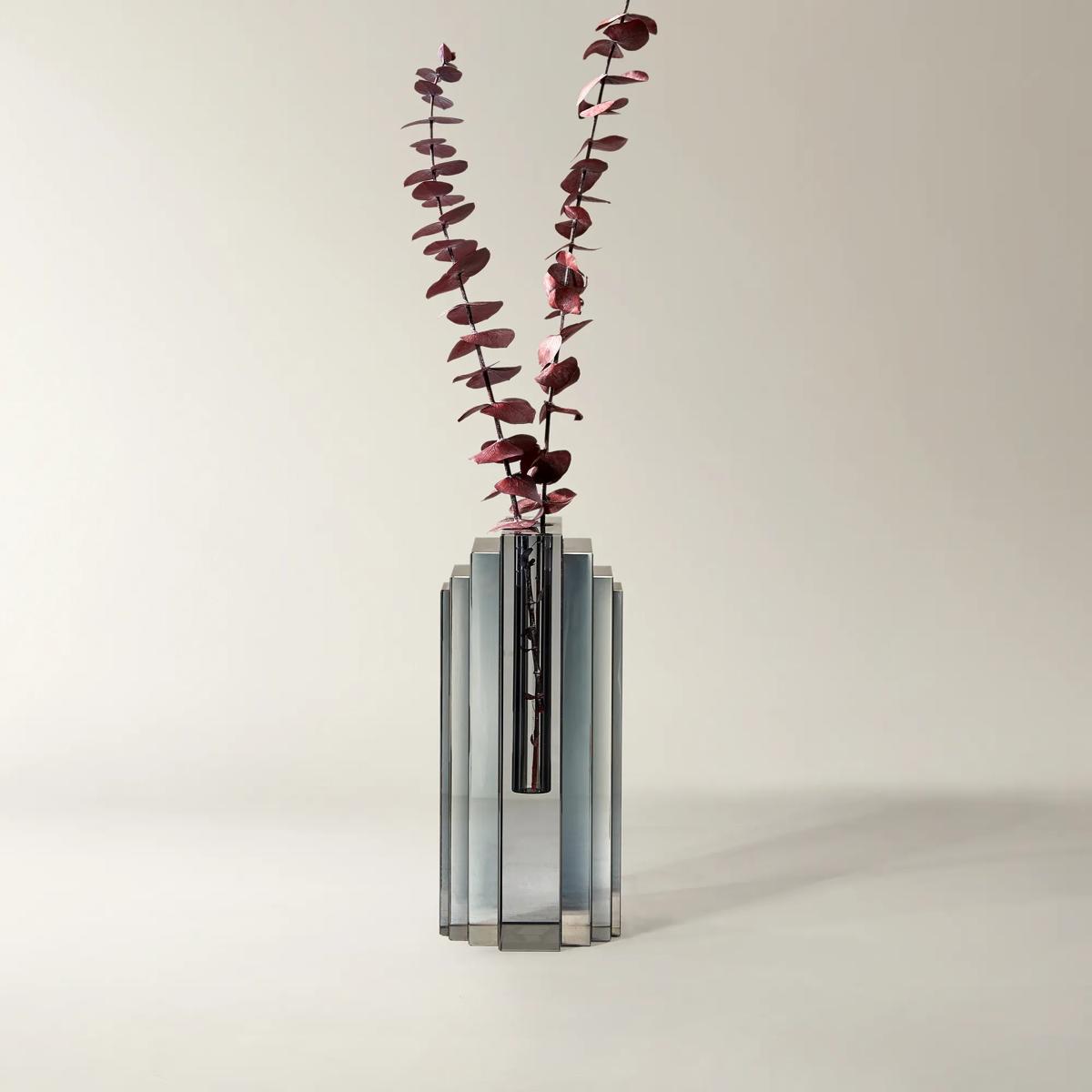 Lucca Crystal Vase - Mirrored Graphite$109
A mirrored graphite crystal vase with a multifaceted geometric design that reflects light for sculptural brilliance.
Add To Cart -
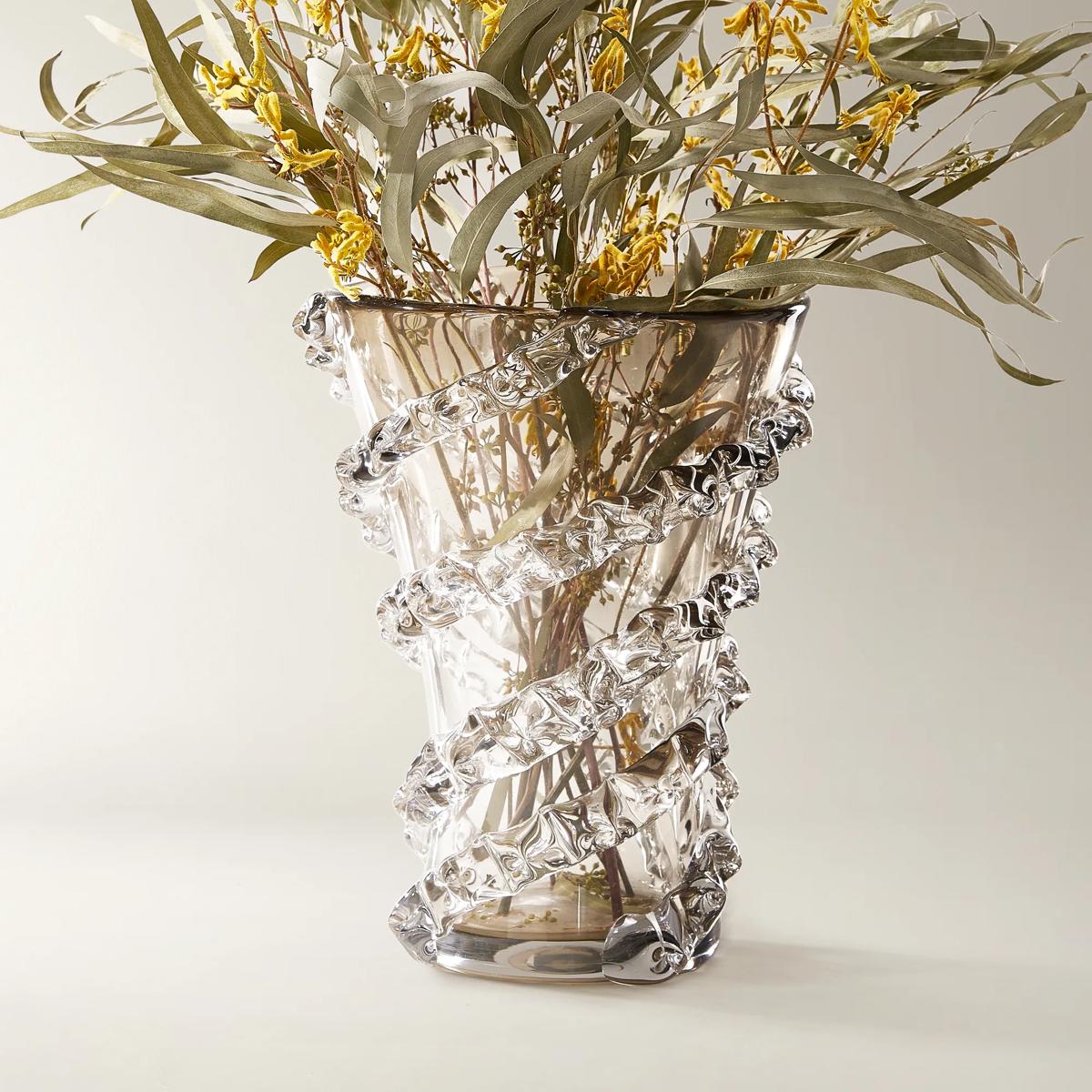
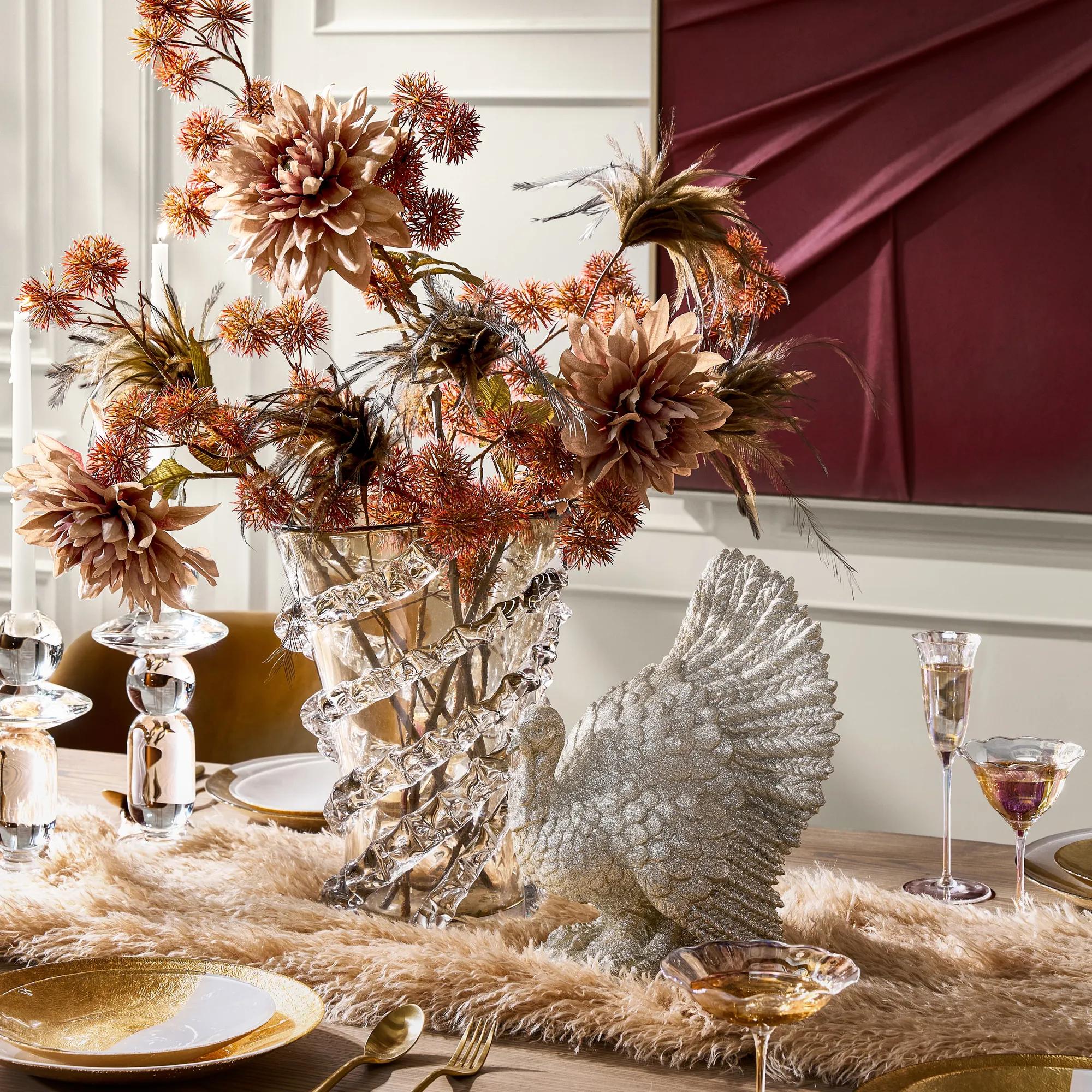 Reyna Glass Vase$299
A hand-blown glass vase featuring a sculptural swirl design and a smoky grey-brown finish.
Add To Cart -
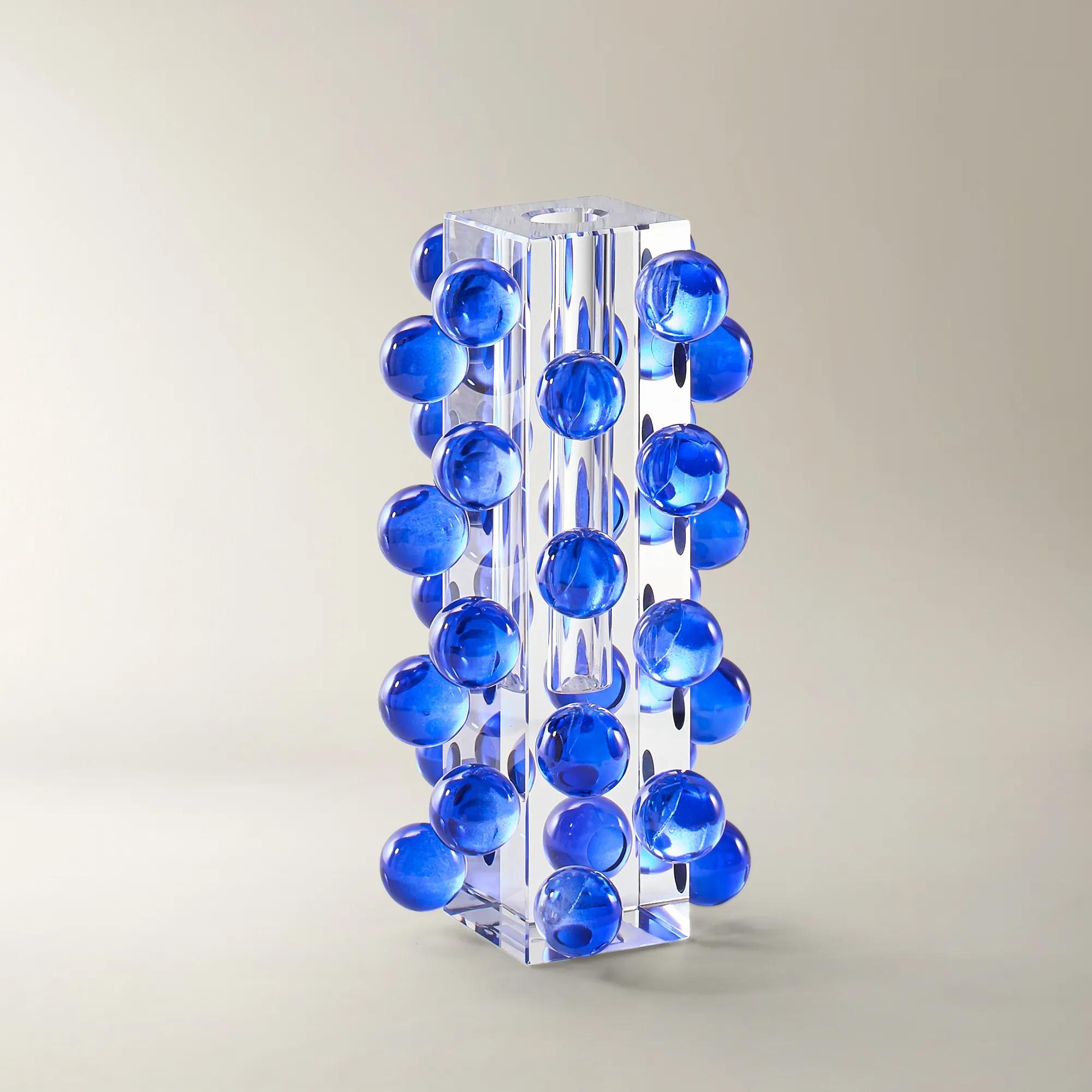 Bubble Vase Blue$79
A vibrant blue crystal glass vase featuring playful clusters of spheres for a striking decorative accent.
Add To Cart -
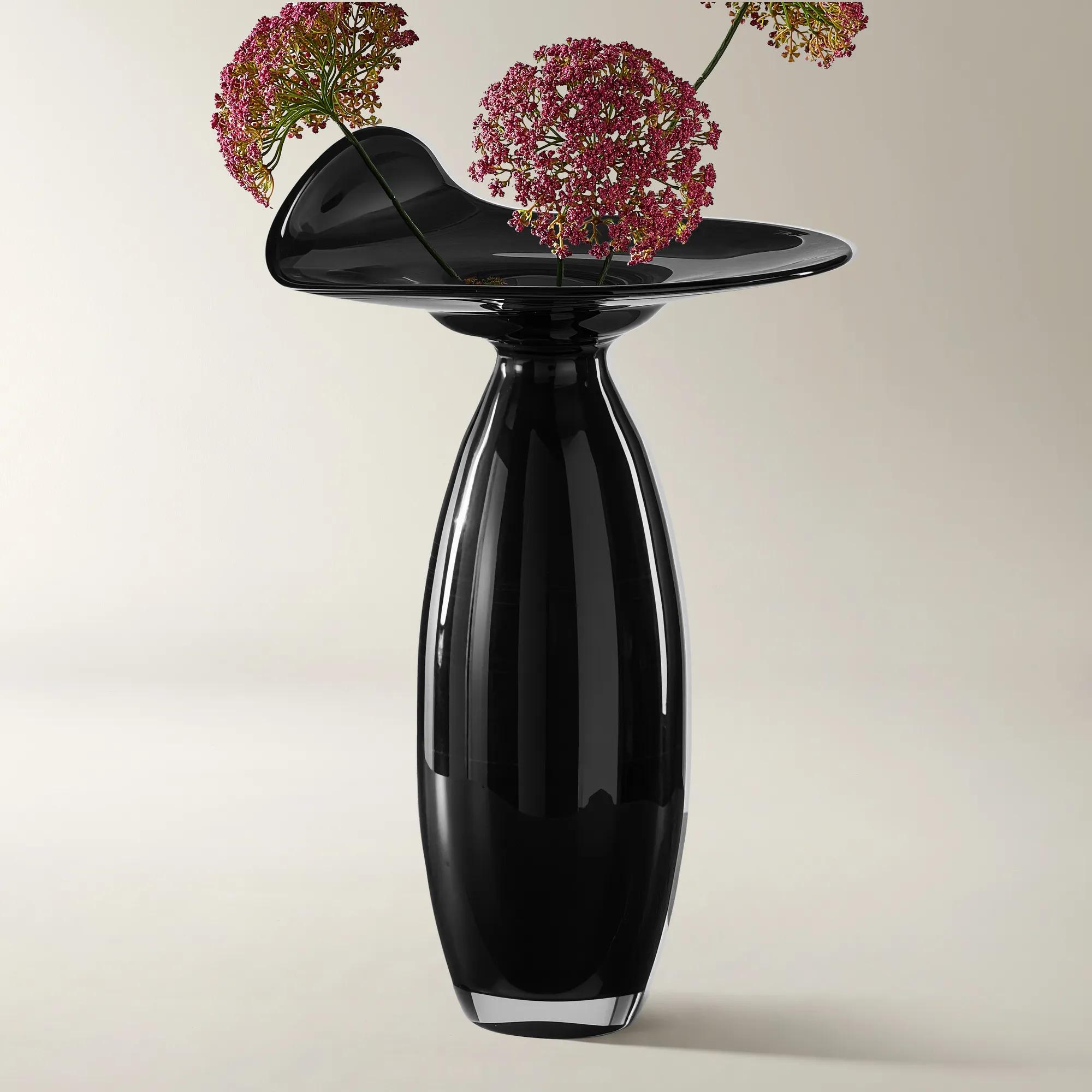 Folia Mouth Blown Glossy Black Glass Vase 22"$199
A handblown glass vase with a glossy black finish and organic sculptural silhouette for modern decor.
Add To Cart -
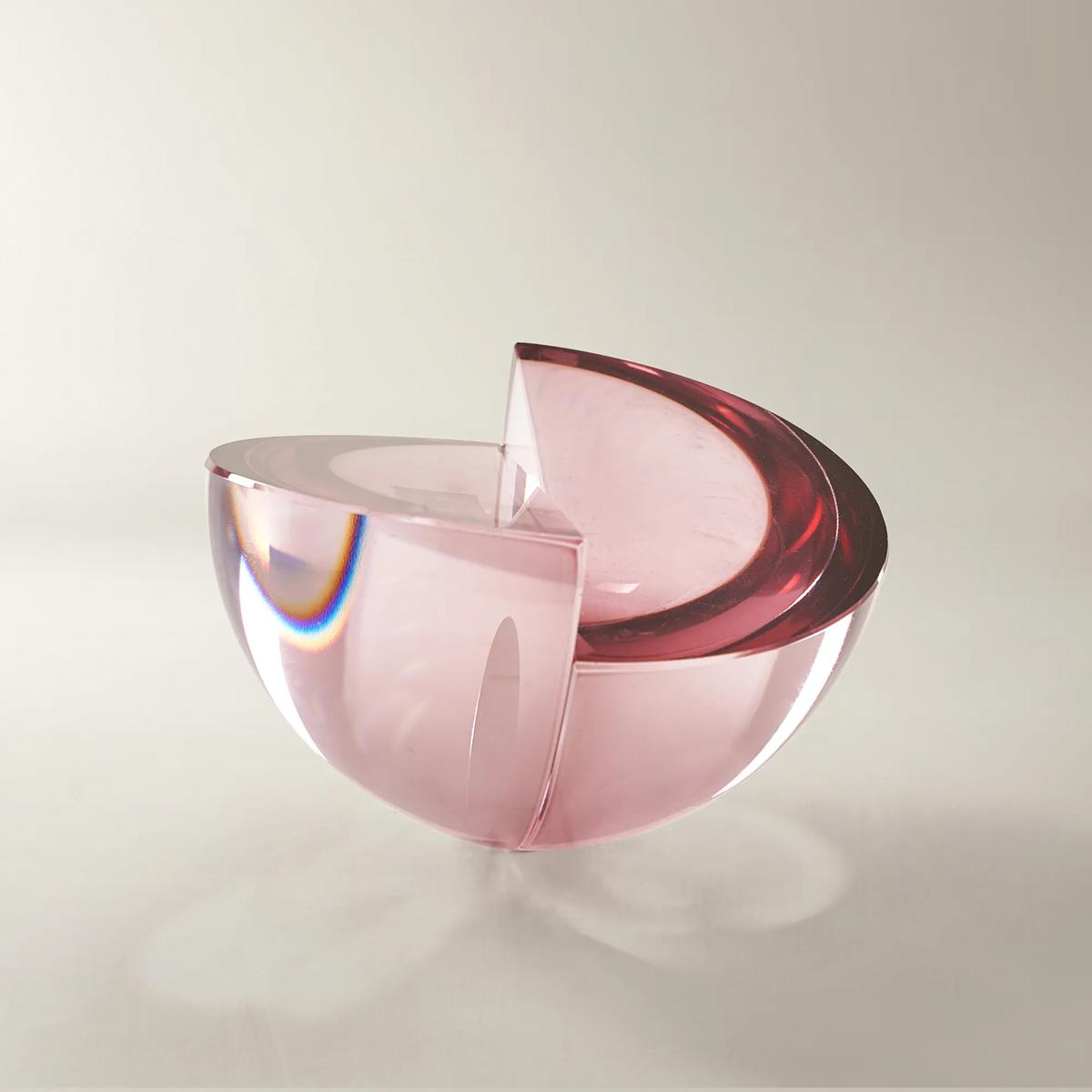 Rose' Crystal Glass Decorative Object 3.25"$79
A sculptural accent crafted from rich purple crystal glass, reflecting light with modern elegance and intrigue.
Add To Cart -
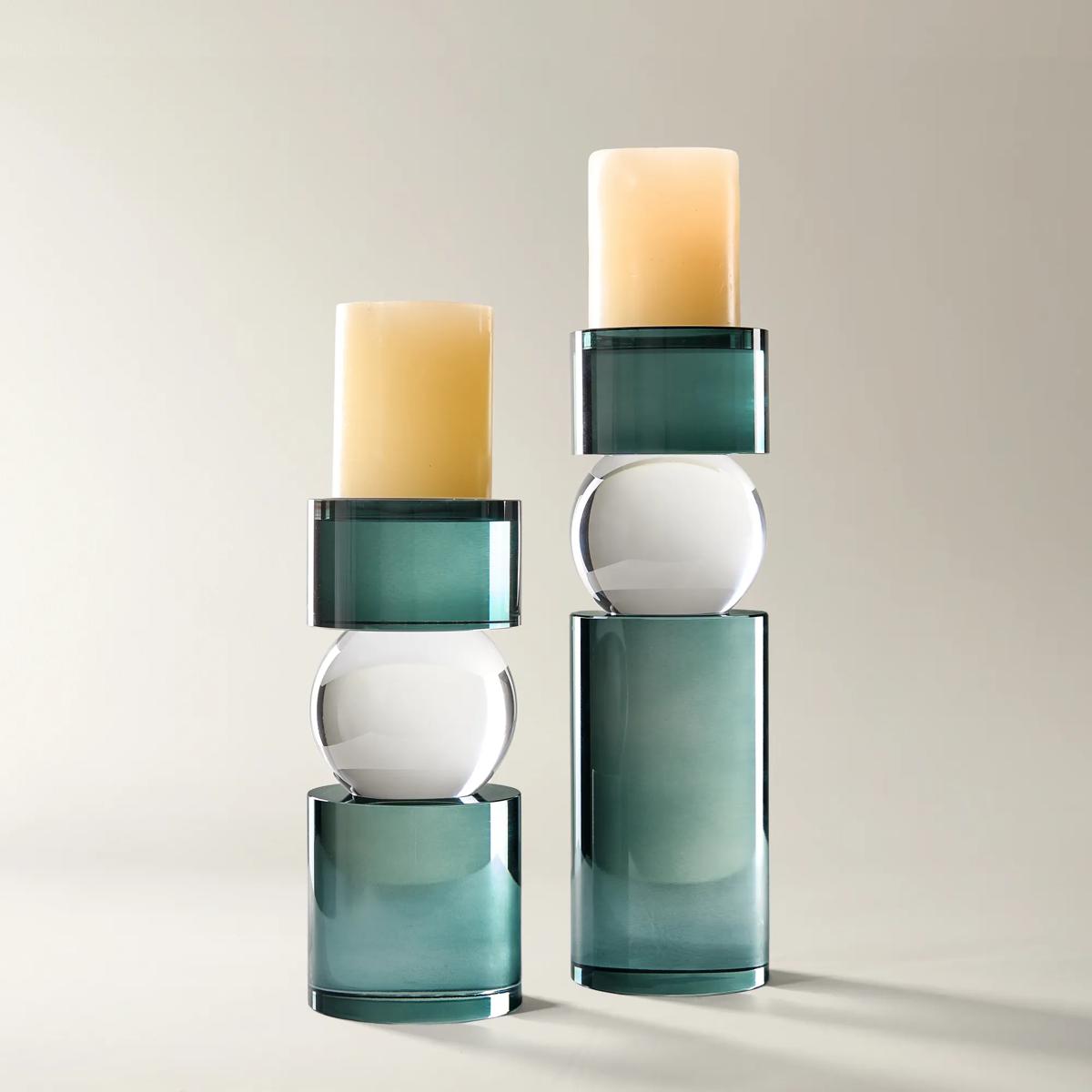 Leroy Teal Crystal Pillar Holder Large 12.5"$139
A stacked teal and clear crystal holder offering bold sculptural depth and instant ambiance to any space.
Add To Cart

Artistic Glass Bowls For Living Rooms
Artistic Glass Bowls for Living Rooms transform ordinary surfaces into extraordinary showcases of personal style. Each piece is a masterwork of light and form, reflecting the room’s mood and amplifying its allure with sculptural grace. Whether poised atop a gleaming coffee table or anchoring a dramatic console vignette, these bowls invite admiration and spark conversation. Elevate your living space with vessels that shimmer, refract, and enchant—because in a world of artistry, every detail deserves to dazzle.
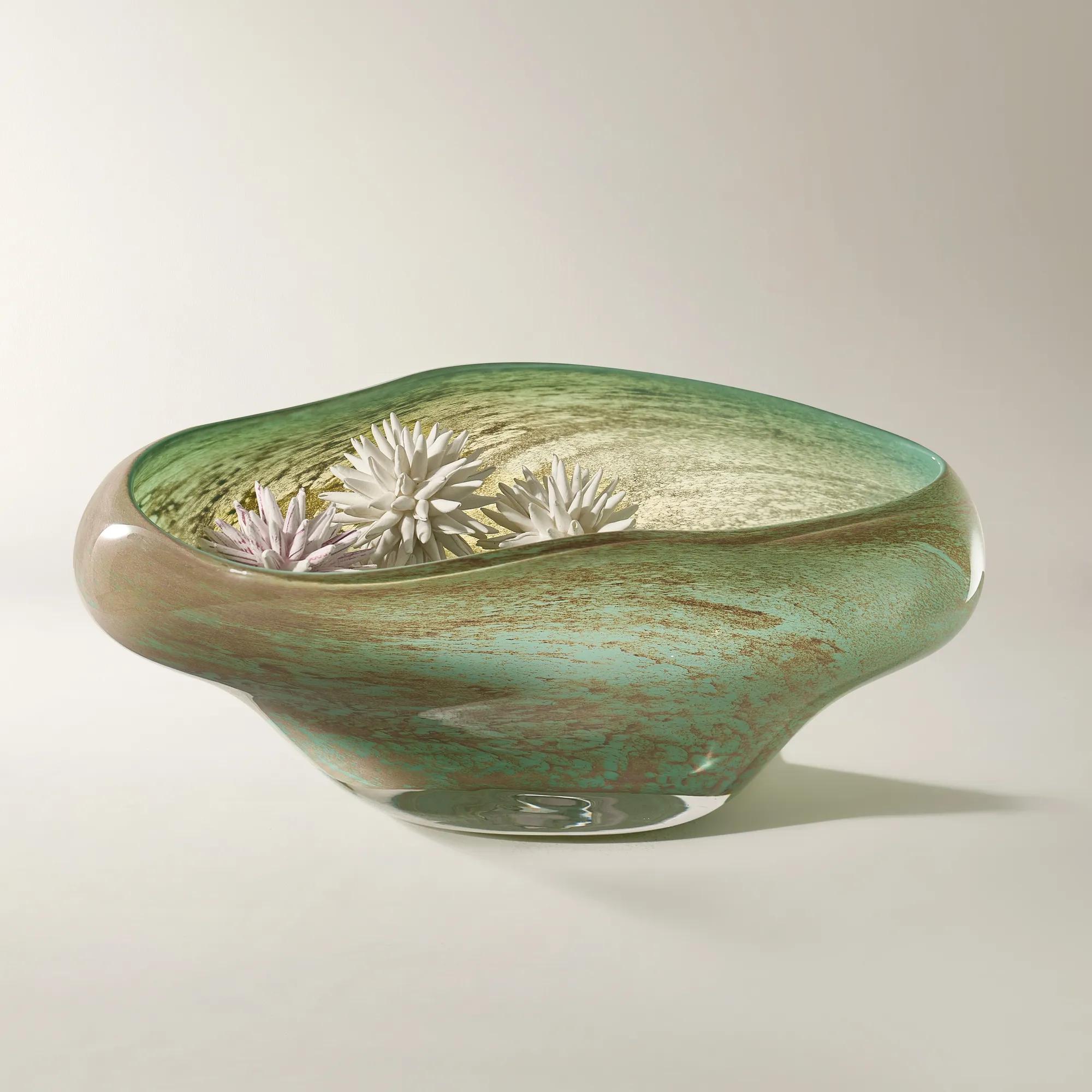
Artistic glass bowls for living rooms are decorative vessels that bring sculptural form, expressive color, and light-catching detail to coffee tables, consoles, and shelves. Their appeal lies in the meeting of material and movement: a rippled rim can suggest folded silk, a sweeping curve can recall a breaking wave, and a substantial glass base can give even a delicate silhouette a commanding presence. Left empty, a bowl becomes a small work of art, revealing the contours, transparency, and layered tones that make glass so compelling. Filled sparingly, it creates a more personal composition without losing its sculptural character. Clear glass offers an airy counterpoint to dark wood and richly upholstered seating, while smoky hues introduce depth alongside polished metal or pale stone. Jewel-toned glass can echo a painting, draw out a subtle thread in a rug, or introduce a deliberate flash of color against a neutral sofa. Opaque and frosted surfaces create a softer effect, emphasizing shape rather than the view through the vessel. Within the broader world of Decorative Glass Bowls, artistic forms are especially suited to rooms where accessories are chosen as thoughtfully as the furniture. A low, elongated bowl can establish a graceful horizontal line on a rectangular coffee table; a rounded vessel can soften the angular geometry of a console or bookcase. Undulating edges lend movement to an otherwise tailored arrangement, while a restrained circular profile allows dramatic color or an intricate surface to take precedence. These pieces belong as naturally in a room with velvet seating and metallic accents as in one defined by warm woods and collected artwork. The connection is intention: the bowl contributes a distinct shape, finish, or color that makes the surrounding furnishings feel more considered. During the cooler months, glass offers a luminous contrast to plush throws and heavier textiles, keeping a richly layered living room from feeling visually dense. Its presence can be quiet or theatrical, but it is rarely unnoticed.
The character of an artistic glass bowl begins with how its material is shaped and finished. Handblown glass may display small bubbles, slight asymmetry, or subtle variations in thickness that reflect the making process, while molded glass can offer crisp repetition, dimensional patterns, and more consistent contours. Neither method alone determines quality; the finish, stability, and suitability for the intended setting matter just as much. Colored glass, applied surface treatments, etched details, and frosted finishes each interact differently with light, so a bowl that appears richly saturated against a dark shelf may look more translucent on a pale tabletop. A nearby lamp can reveal a textured rim or illuminate the depth of a curved wall, giving the arrangement another dimension after dusk. Scale is equally important to the effect. On a coffee table used for conversation, a lower profile preserves sightlines and leaves comfortable space for drinks, reading glasses, and an open book. A deeper bowl has more visual weight and may feel better balanced on a generous console, where its height does not compete with everyday activity. Overall dimensions deserve attention, particularly with flared or irregular designs: the widest point may extend well beyond the base, and an expressive rim needs breathing room rather than a crowded cluster of accessories. On shelving, enough clearance above and around the bowl allows its outline to remain visible and makes lifting it safer. Heavier glass benefits from a sturdy, level surface, while narrow ledges and frequently bumped side tables are less forgiving settings. In a home with young children or energetic pets, a secure position away from traffic keeps a delicate accent from becoming a daily concern. For decorative use, a bowl can stand alone or hold a few lightweight ornaments, smooth decorative accents, or other dry fillers compatible with its finish. It should serve food, hold water, or contain candles only when its care information specifically permits that purpose. A striking appearance does not establish food safety, watertightness, or heat resistance, and many artistic vessels are intended exclusively for display.
Living room glass bowls are particularly expressive when the surrounding arrangement gives them room to lead. On a broad coffee table, a sculptural bowl beside a short stack of art books creates contrast between fluid glass and structured paper; a separate tray can organize practical essentials without obscuring the bowl’s interior. On a console behind a sofa, a sweeping silhouette can connect a tall lamp at one end with a lower decorative object at the other. A transparent bowl against a pale wall may benefit from a darker surface beneath it, while richly colored glass often needs little more than an uncluttered background. For someone furnishing a first home, refreshing a familiar seating area, or collecting objects with artistic character, a glass bowl offers a distinctive accent without requiring a larger furniture change. It can also make a thoughtful housewarming or wedding gift when its scale and color suit the recipient’s home. A compact, softly curved form may be easier to place in a smaller living room than an expansive centerpiece, while a bolder vessel suits someone who enjoys expressive color and prominent display pieces. Lasting enjoyment depends on handling glass as a decorative material rather than an indestructible one. Even thick glass can chip at an exposed rim or break after an impact, and fine edges require particular care. Routine dusting with a soft, lint-free cloth helps preserve clarity; any washing should follow the maker’s instructions, especially for painted, metallic, or other applied finishes. When handwashing is permitted, gentle cleaning with mild soap and lukewarm water is generally preferable to abrasive pads or harsh chemicals. Sudden temperature changes, dishwasher cycles, and prolonged soaking may damage glass or its finish unless expressly allowed. Lift the bowl from its supported body or base rather than an extended edge, and lift it clear of furniture instead of sliding it across the surface. Protective pads may help safeguard a tabletop when compatible with the bowl’s base and stable placement. With thoughtful positioning and appropriate care, an artistic glass bowl gives the living room an enduring point of interest: color held in light, a contour worth noticing, and an everyday surface transformed into a considered display.
FAQs
An artistic glass bowl can be showcased as a dramatic centerpiece on a coffee table, layered with decorative objects on a console, or displayed solo on a mantel for maximum impact. Its luminous qualities and sculptural silhouette allow it to stand alone or complement other luxe accents, transforming any vignette into a work of art.
Artistic glass bowls blend seamlessly with a range of design styles, from modern glam and eclectic maximalism to classic elegance. Their versatility allows them to accentuate bold, contemporary palettes or add a touch of sophistication to traditional spaces, making them a favorite among those who appreciate expressive, curated interiors.
Absolutely. Artistic glass bowls make memorable gifts for housewarmings, weddings, anniversaries, or milestone celebrations. Their unique craftsmanship and visual allure convey thoughtfulness and taste, offering recipients a timeless piece that elevates their living space and serves as a lasting memento.
Lighting plays a pivotal role in highlighting the beauty of a glass bowl. Placing it near a window allows natural sunlight to illuminate its colors and textures, while positioning it under accent lighting or near candles creates mesmerizing reflections and depth. Strategic placement ensures the bowl becomes a radiant focal point in your décor.
Yes, artistic glass bowls are perfect for showcasing decorative orbs, seasonal botanicals, or curated collections. Their translucent elegance frames whatever is placed inside, allowing you to refresh your display with the changing seasons or your evolving tastes, ensuring your living room always feels inspired and inviting.

.jpeg?w=3739&h=3739)