
Handblown Glass Bowls For Display
Handblown Glass Bowls For Display
-
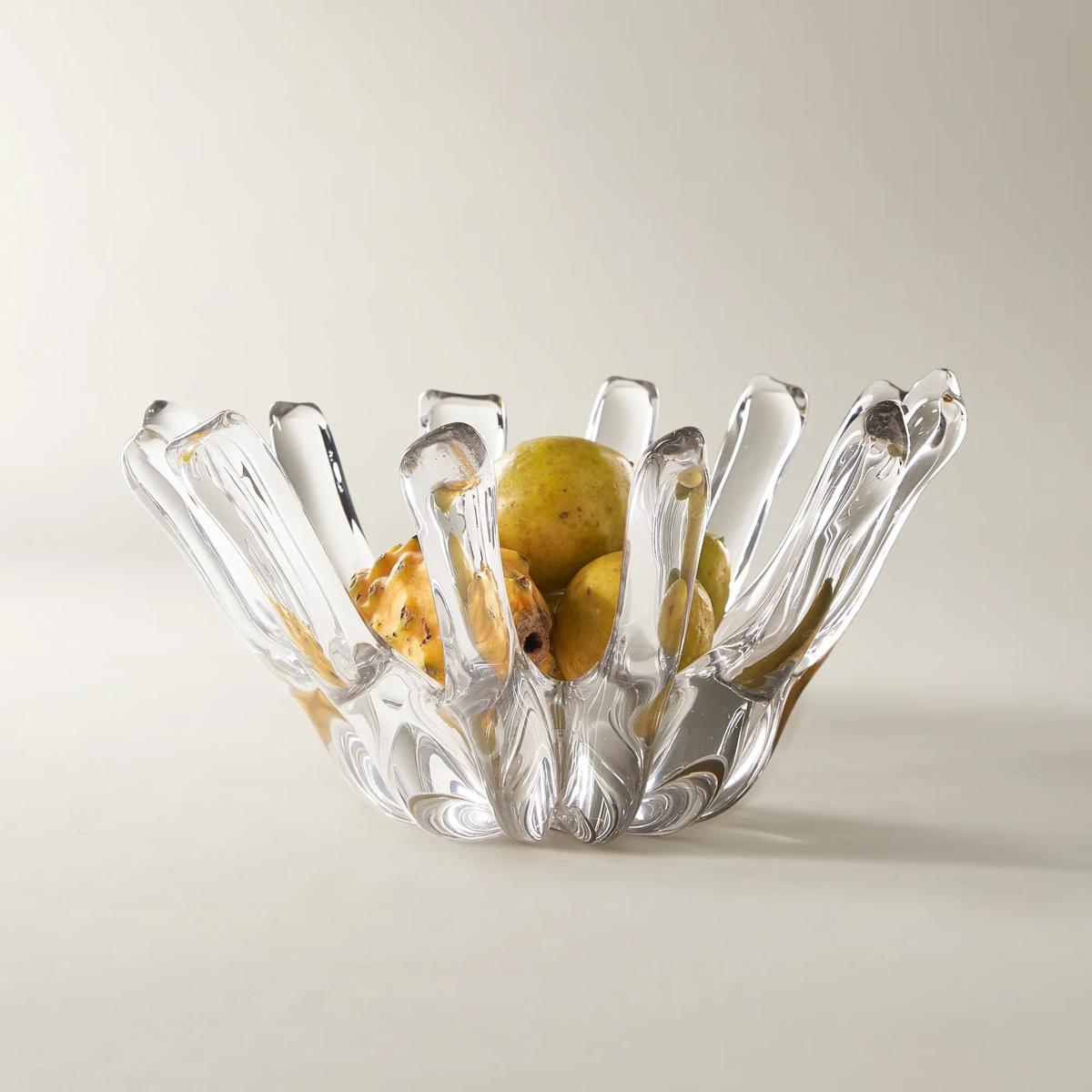
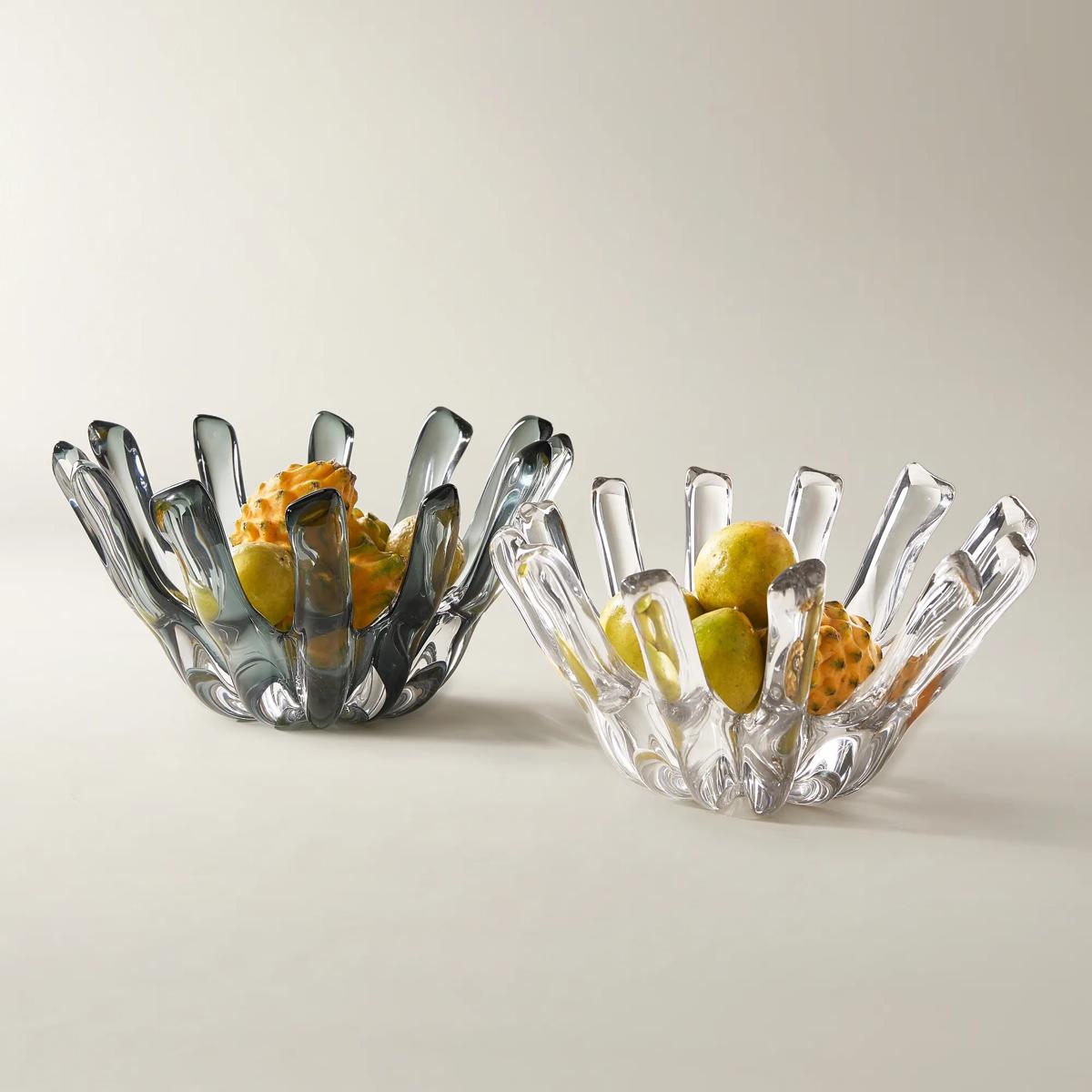 Bossa Clear Handblown Glass Decorative Bowl 13" x 7"$129
A hand-blown clear glass bowl featuring an expressive, sculptural form for modern decorative displays.
Add To Cart -
.jpeg?w=1200&h=1200)
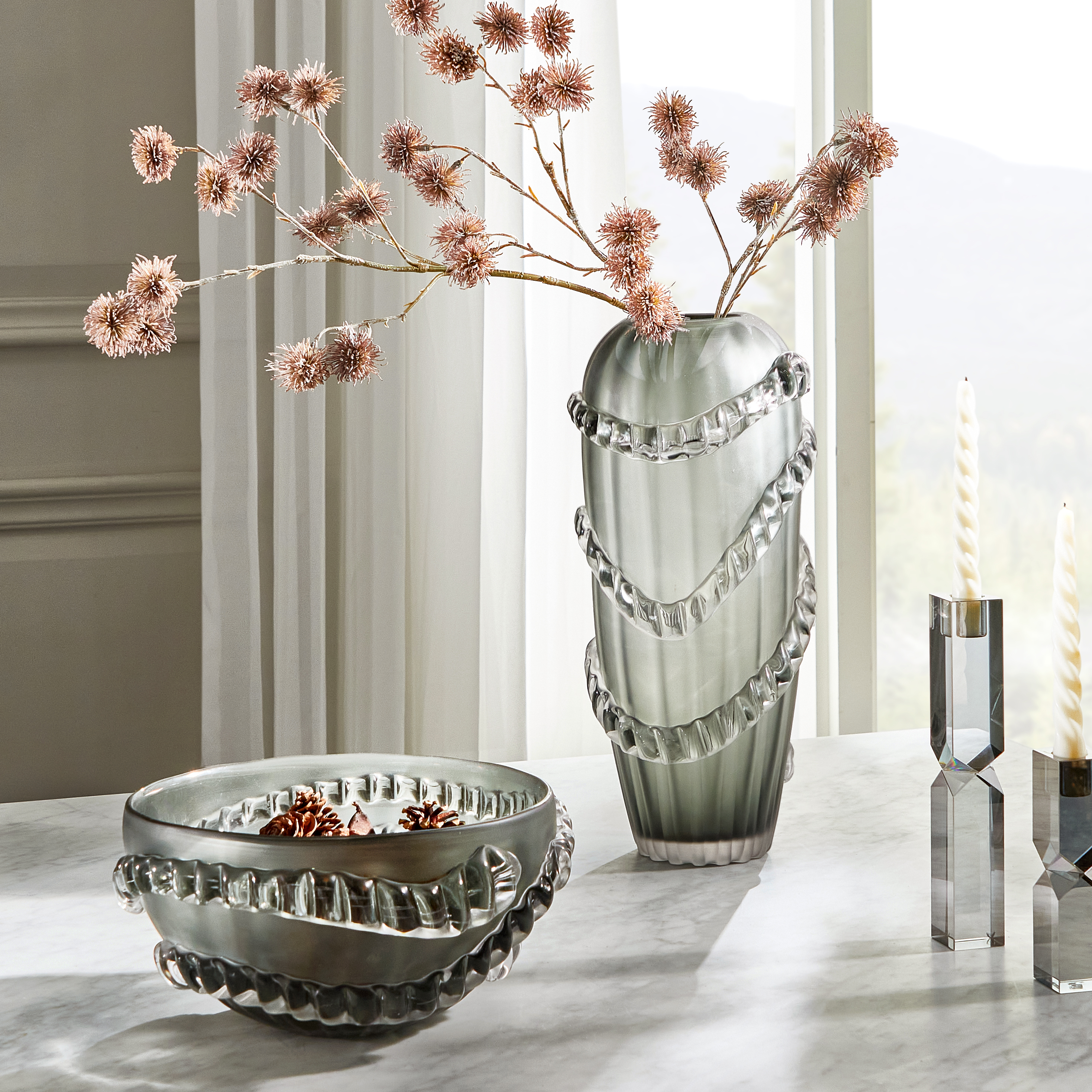 Helix Glass Collection$129
A hand-blown dark gray glass piece featuring fluted bodies and rippling sculptural ribbons for modern elegance.
Add To Cart -
.jpg?w=1200&h=1200) Calla Mouth Blown Blue Glass Decorative Bowl 15.35" x 5.7"$79
Calla Mouth Blown Blue Glass Decorative Bowl 15.35" x 5.7"$79A handblown blue glass bowl featuring unique curves and translucent artistry for striking decorative appeal.
Add To Cart -
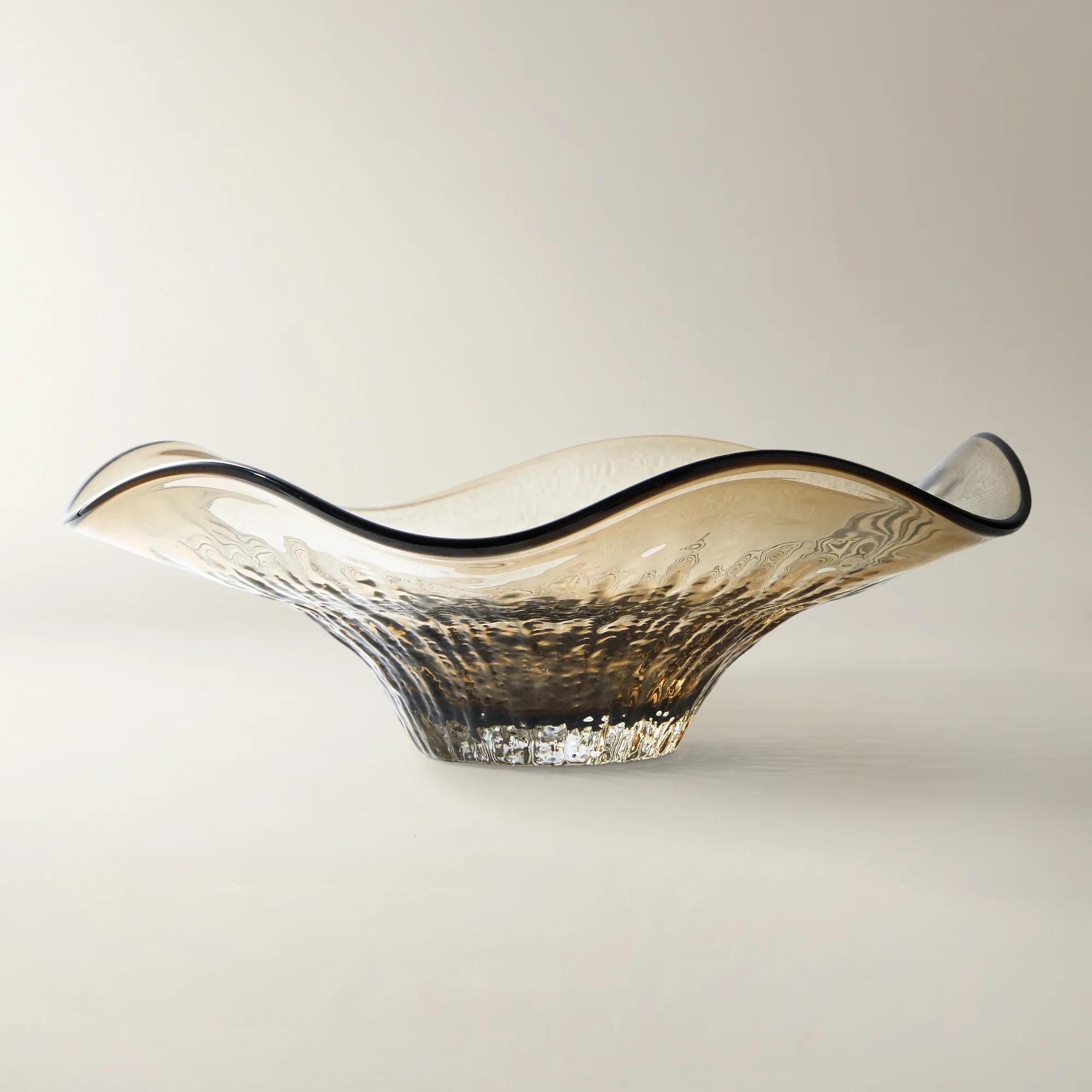 Corsi Brown Handblown Glass Decorative Bowl 15.35" x 5.1"$99
A hand-blown glass bowl in warm amber with organic shape and intricate textural details.
Add To Cart -
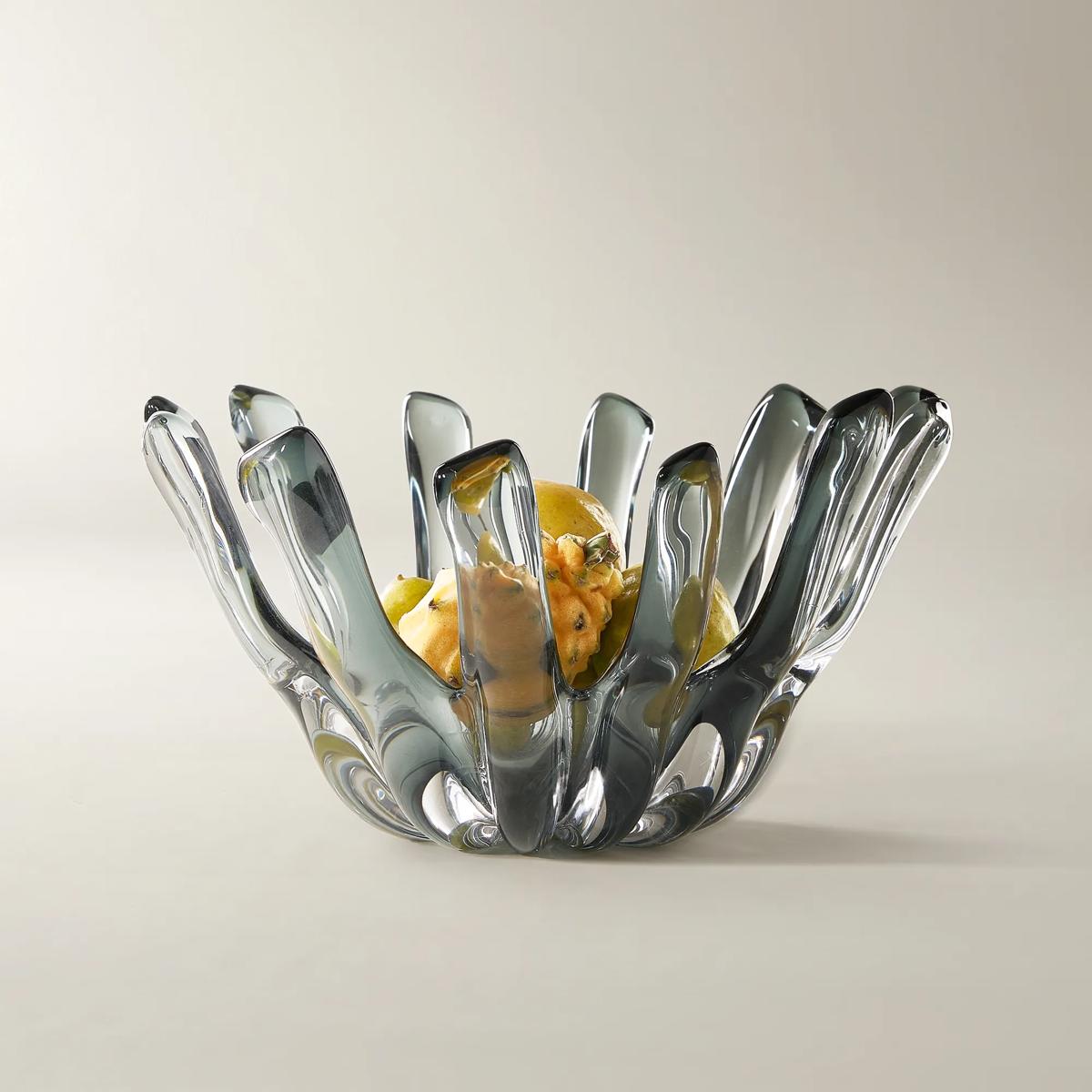 Bossa Smoke Handblown Glass Decorative Bowl 13" x 7"$129
A hand-blown smoky grey glass bowl featuring an expressive, sculptural design for modern decorative displays.
Add To Cart -
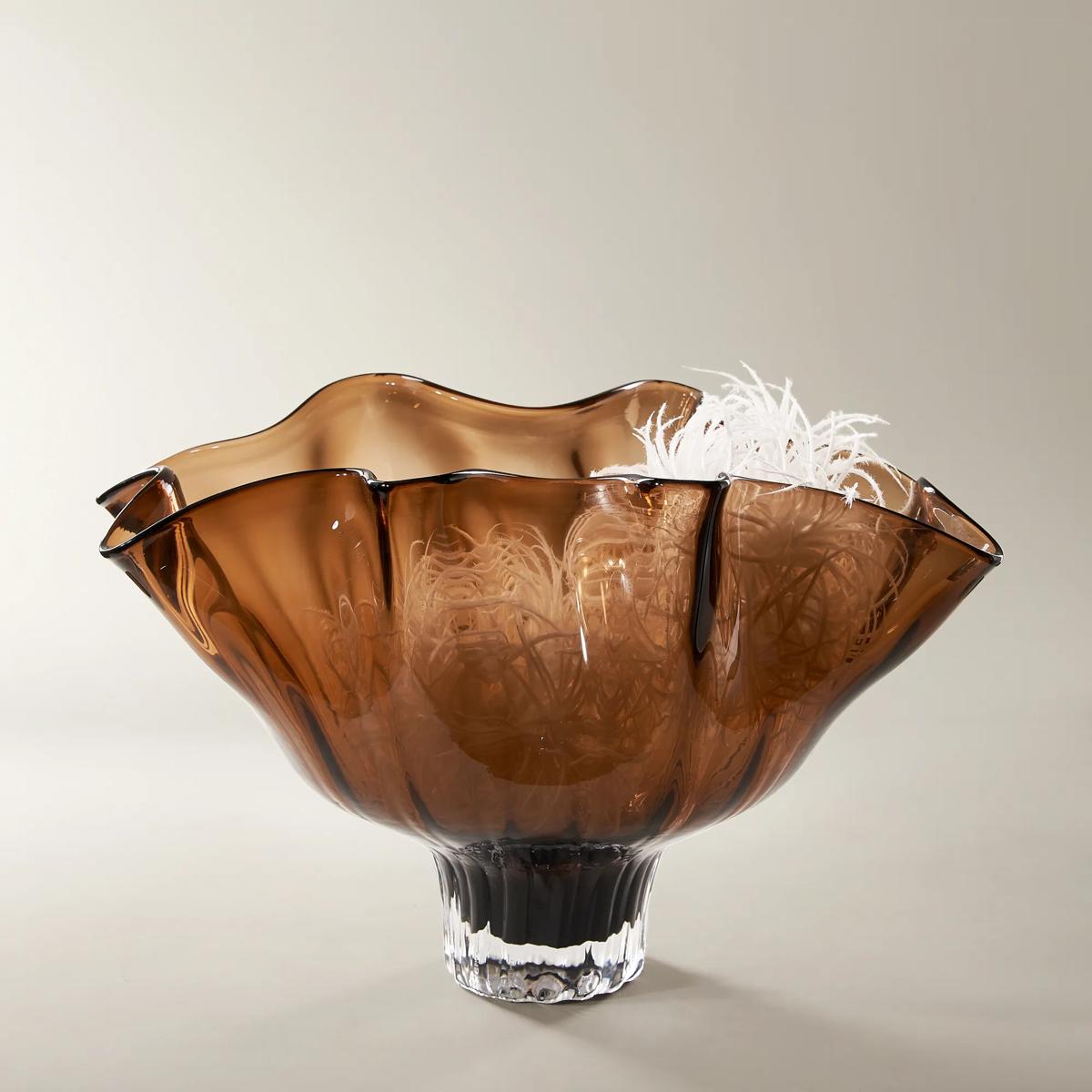
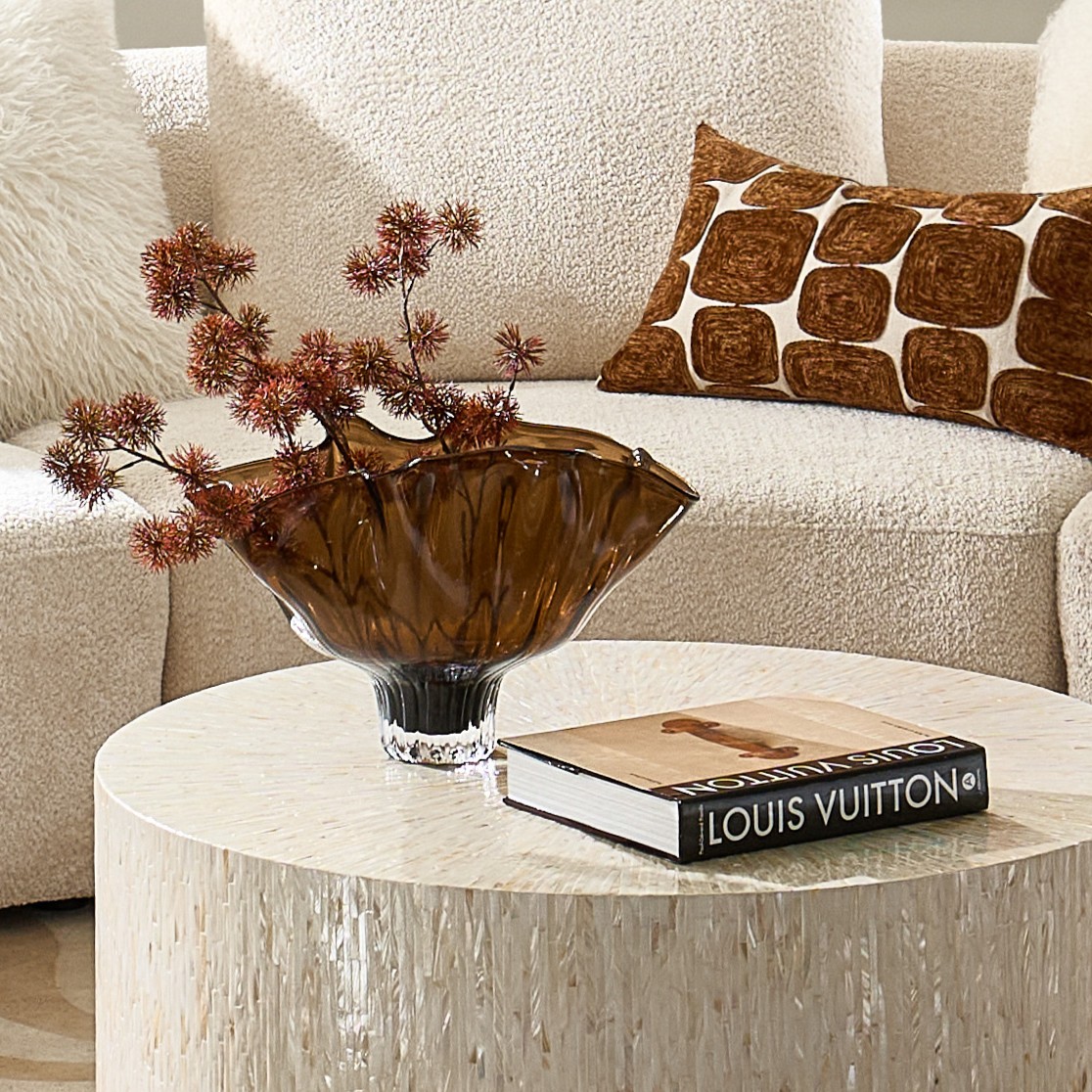 Coco Mouthblown Brown Glass Bowl 17" x 9.75"$139
A hand-blown brown glass bowl with an undulating rim and clear tapered base for sculptural elegance.
Add To Cart -
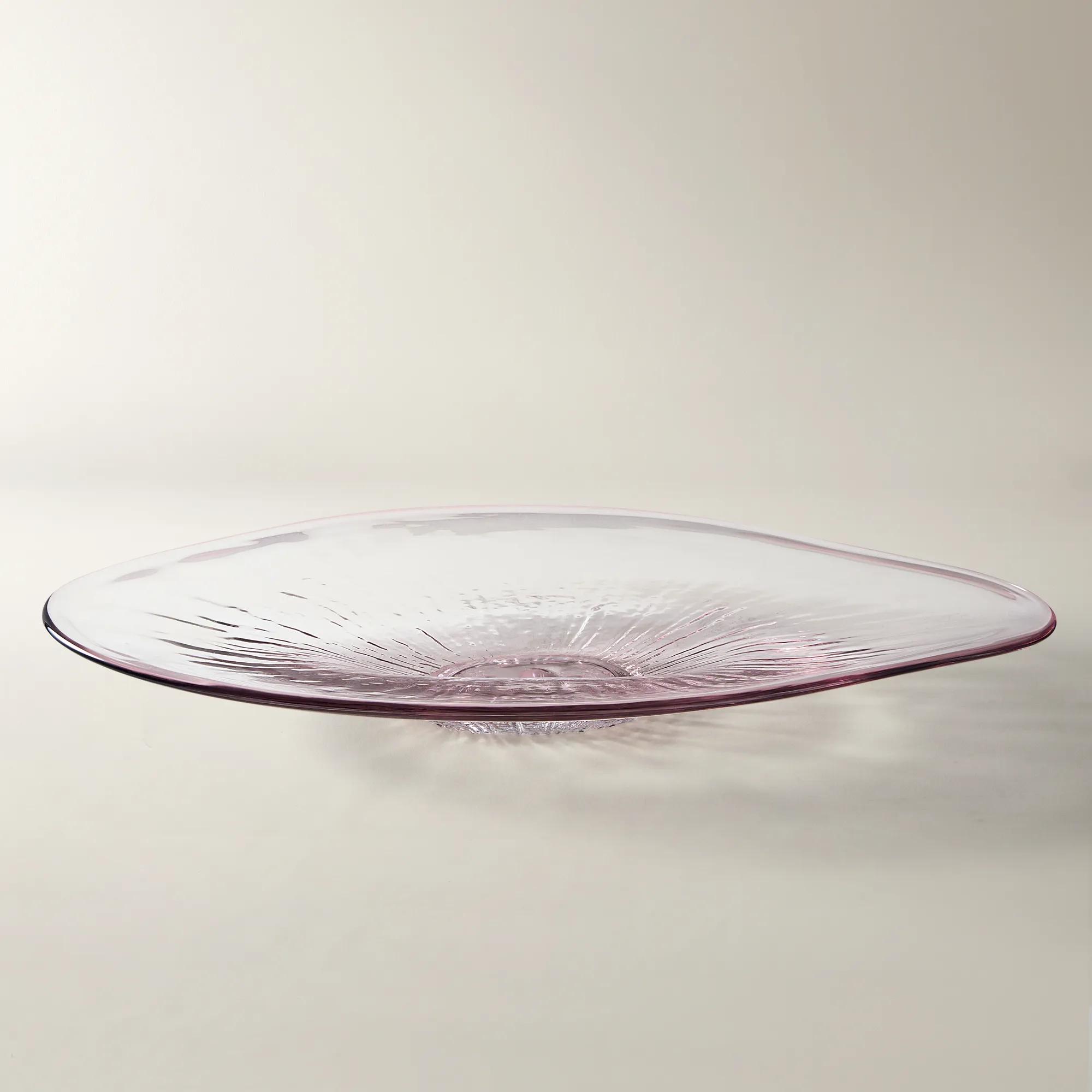 Cortina Decorative Bowl$129
A handblown glass bowl in an ethereal pink hue that brings artistic flair to modern interiors.
Add To Cart -
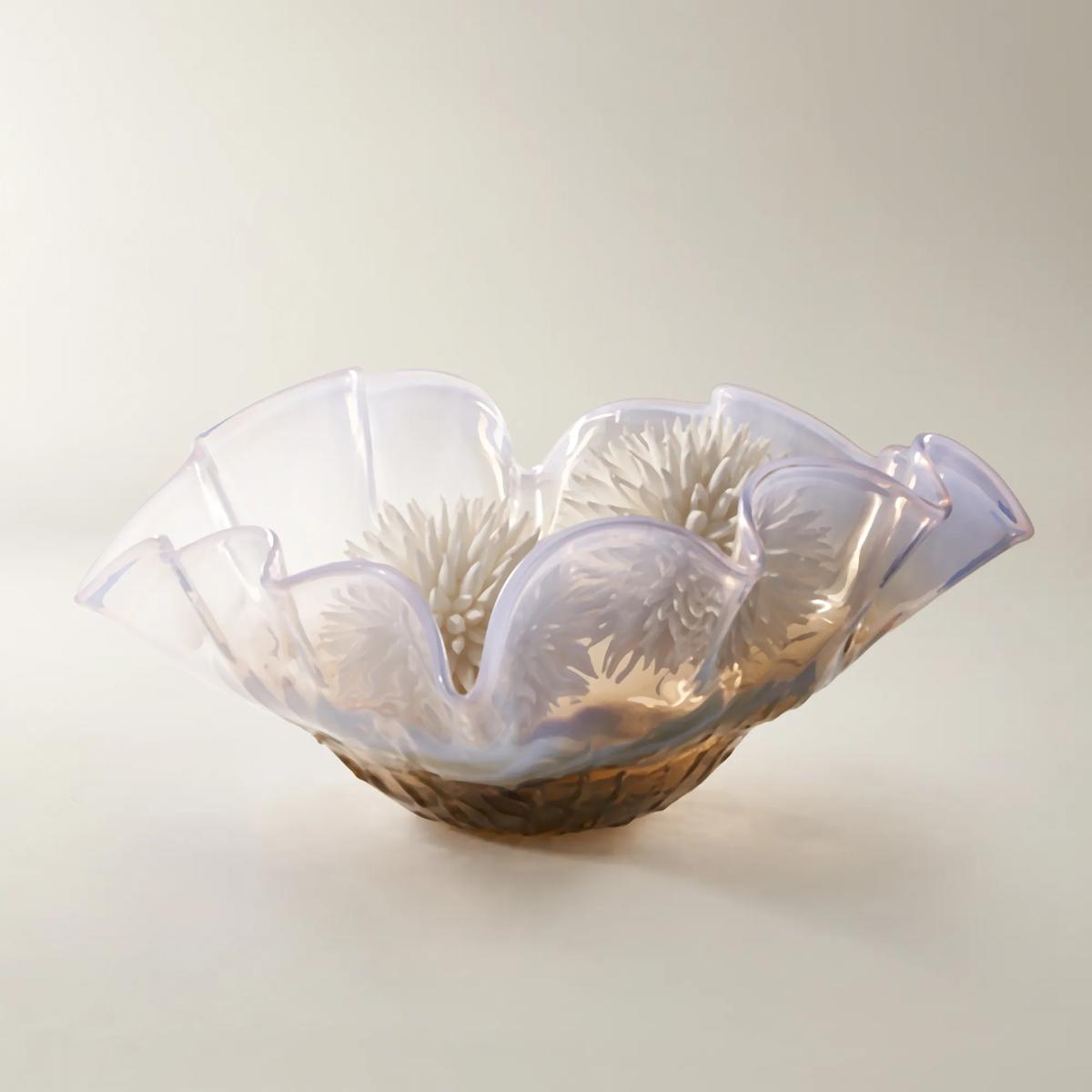
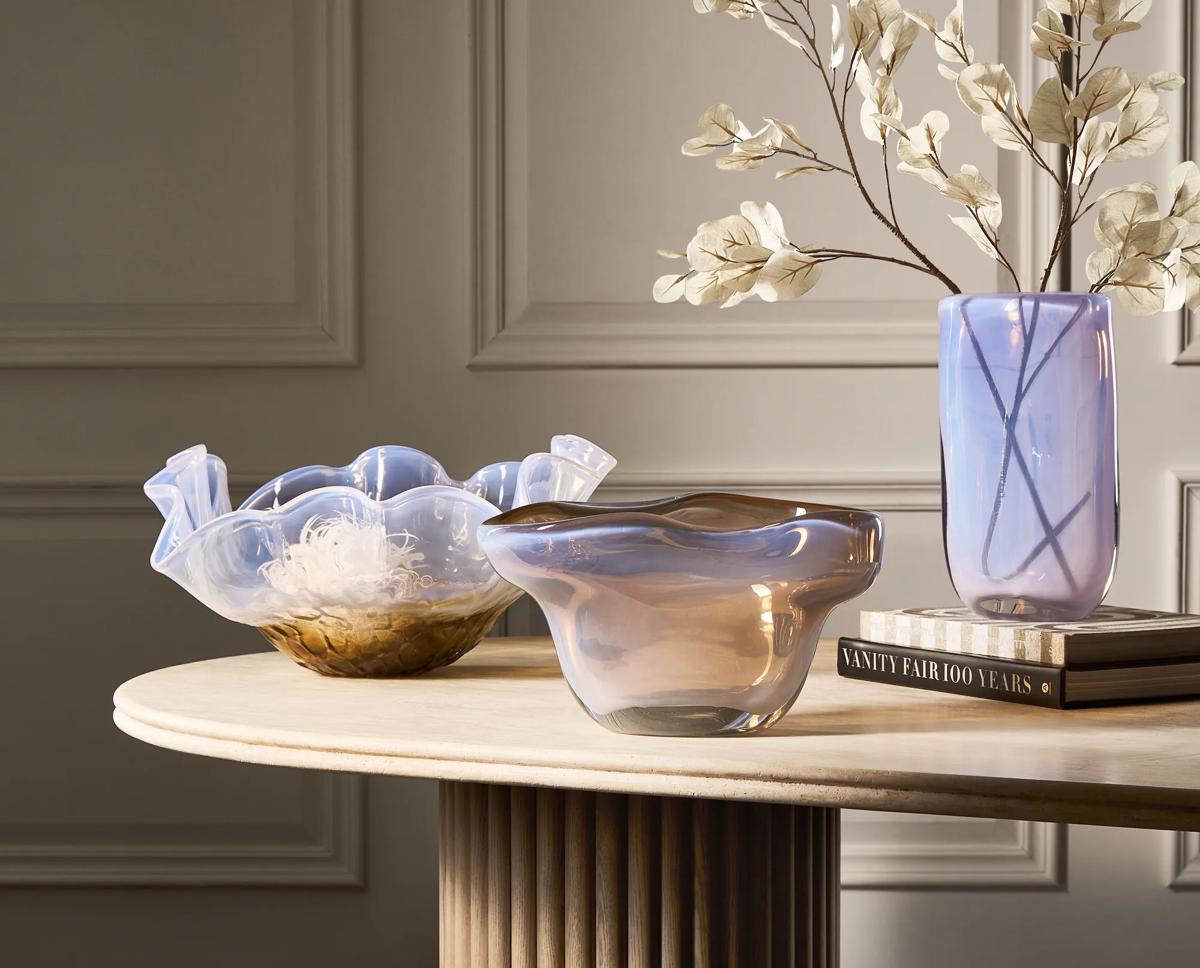 Glacier Glass Bowl$269
A hand-blown glass bowl featuring scalloped edges and swirling lavender and amber hues for artistic elegance.
Add To Cart -
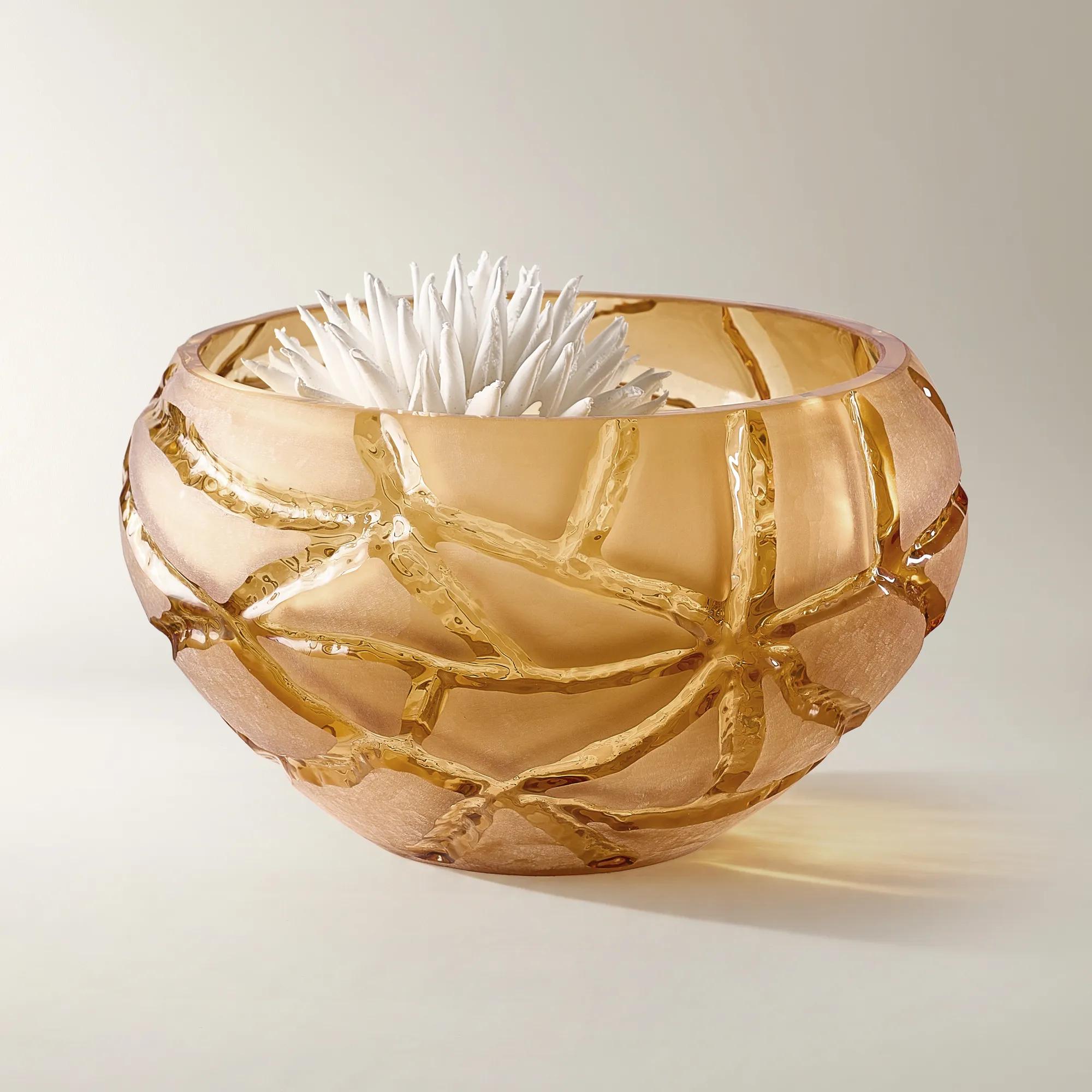 Rowen Mouth Blown Honey Gold Glass Decorative Bowl 11" x 6.25"$129
A handblown glass bowl in honey gold with a textured surface for a luminous, sculptural accent.
Add To Cart -
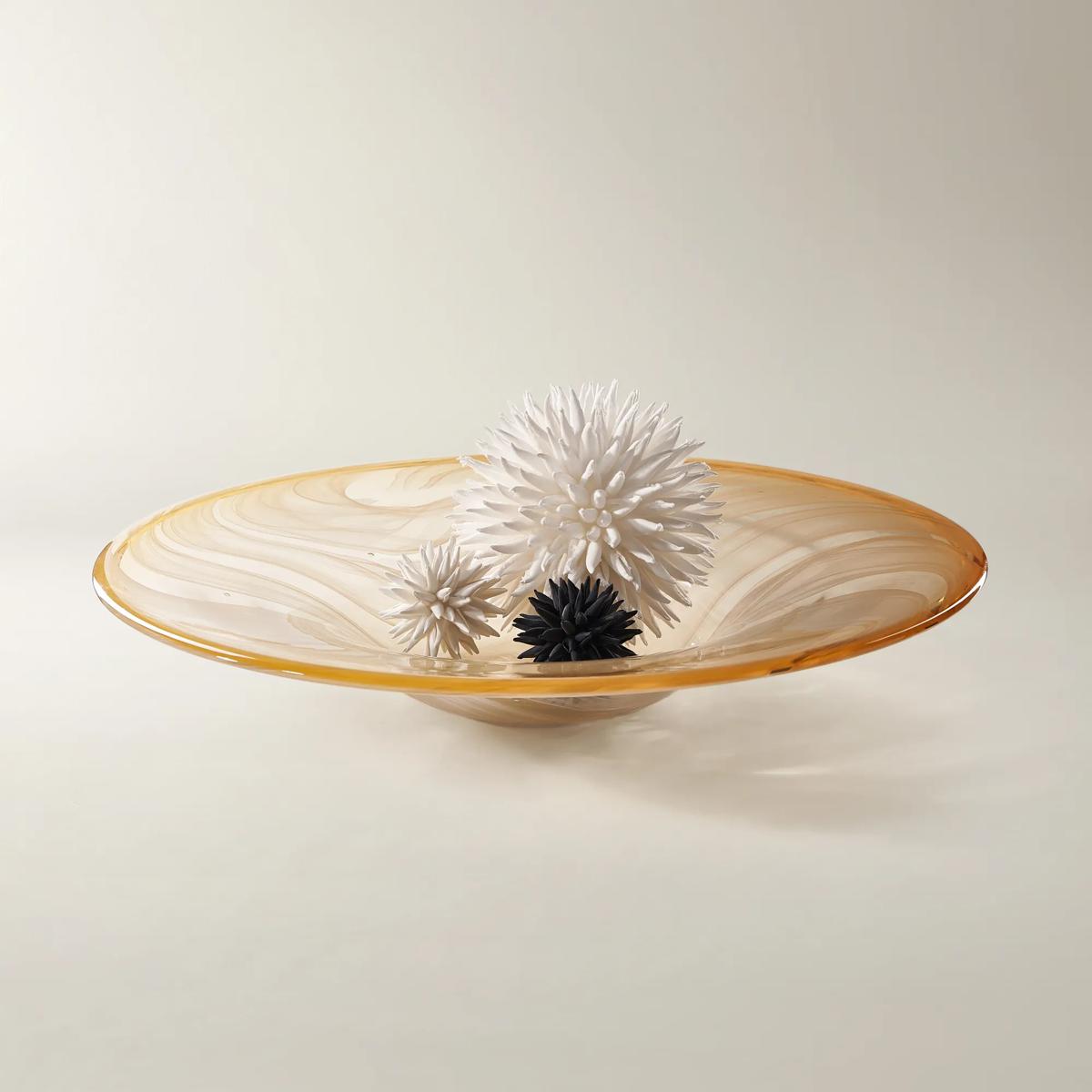
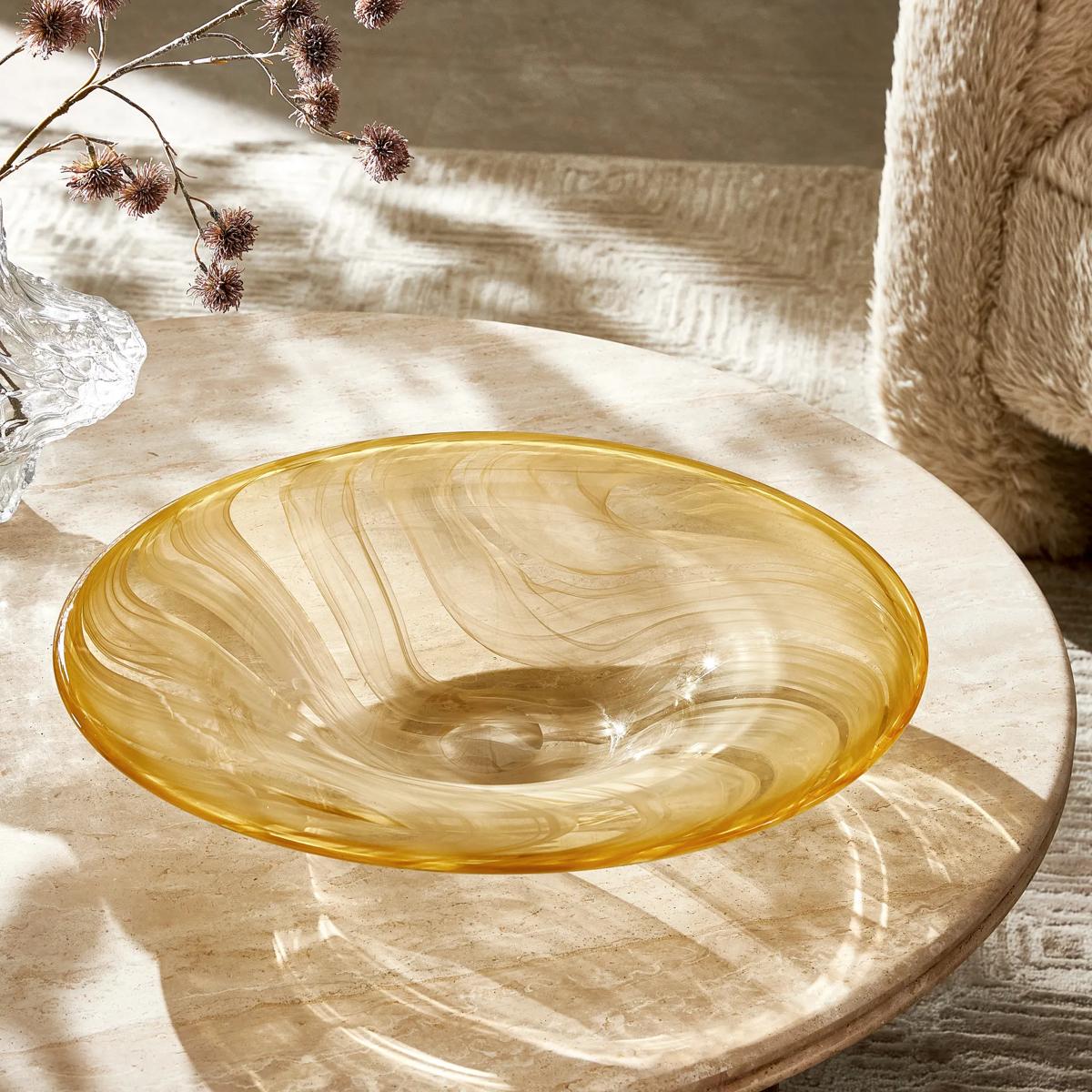 Paradis Glass Plate$239
A hand-blown amber glass plate featuring a swirling, organic design for a radiant decorative accent.
Add To Cart -
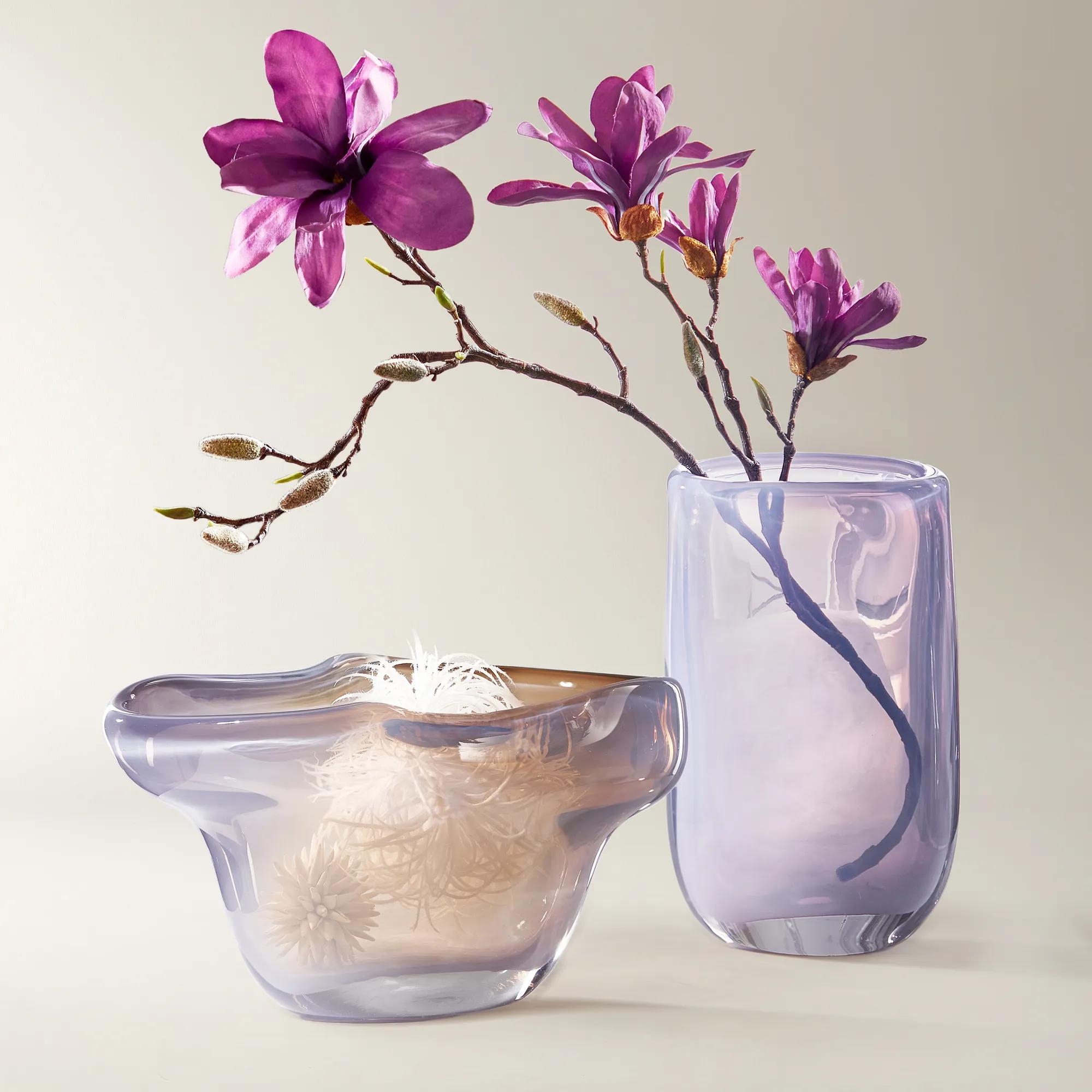
.jpeg?w=1200&h=1200) Aura Collection$189
Aura Collection$189A hand-blown glass accent in dreamy lavender, showcasing fluid curves and modern sculptural artistry.
Add To Cart -
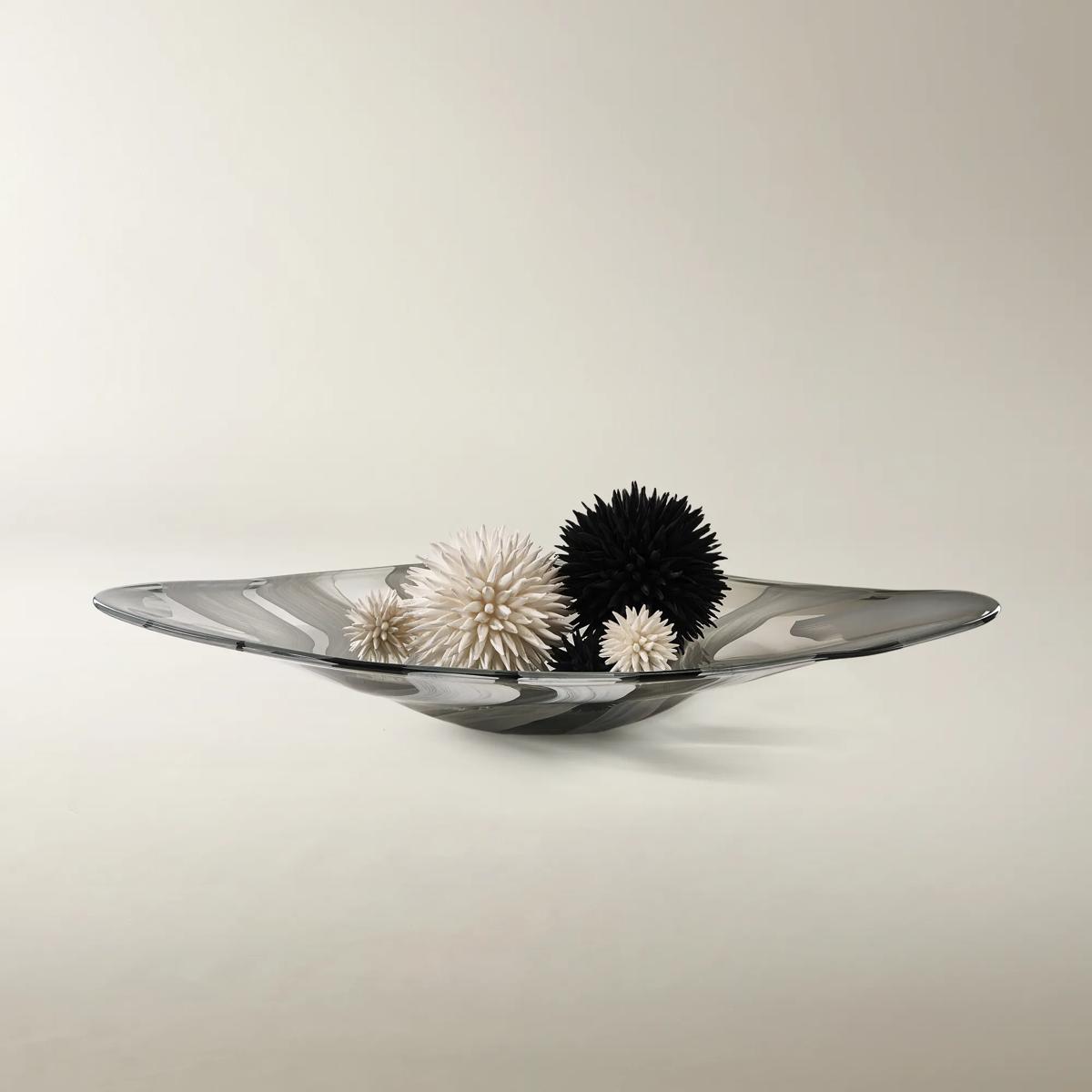
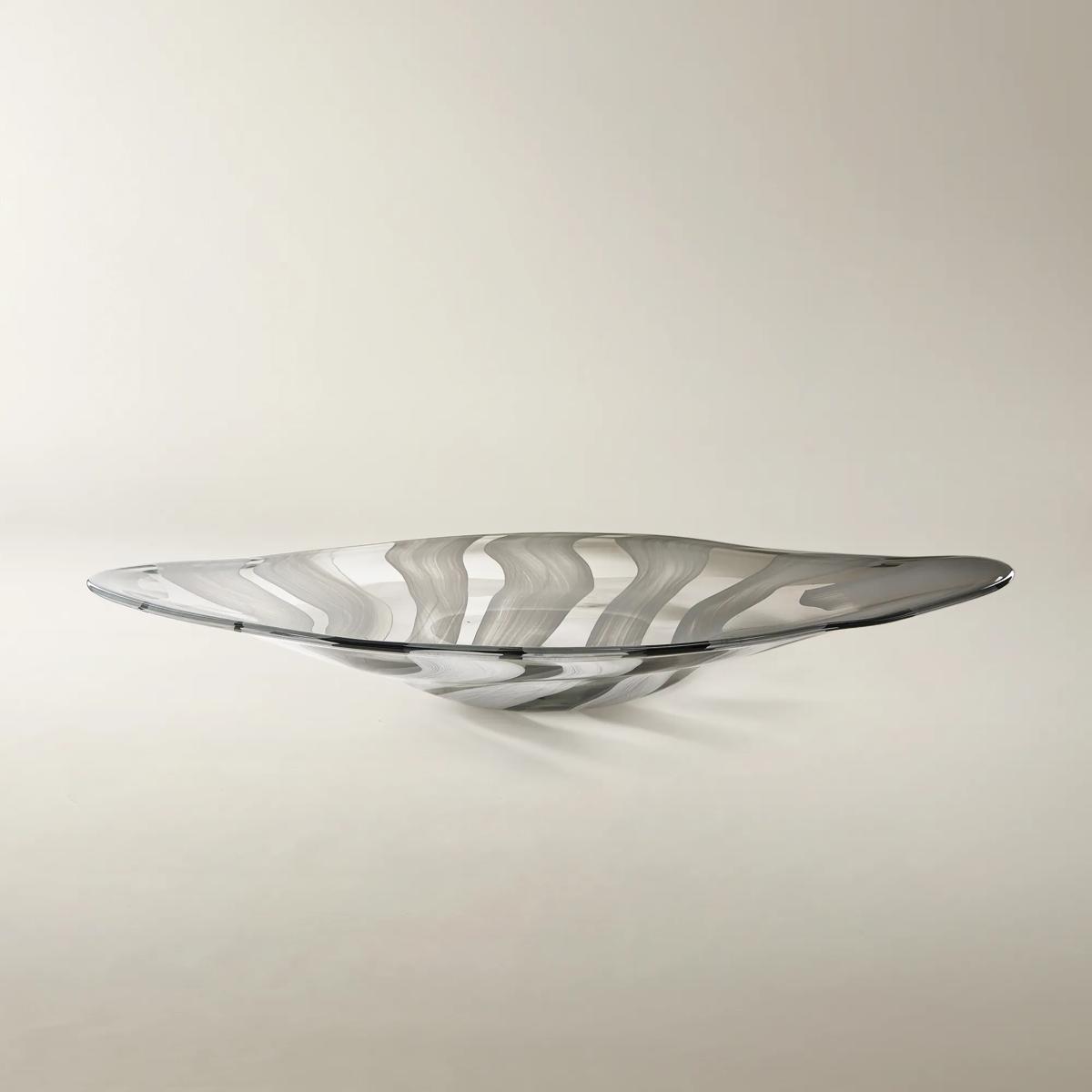 Zoya Glass Bowl$349
A hand-blown grey glass bowl with a marbled pattern and organic silhouette for modern decor.
Add To Cart -
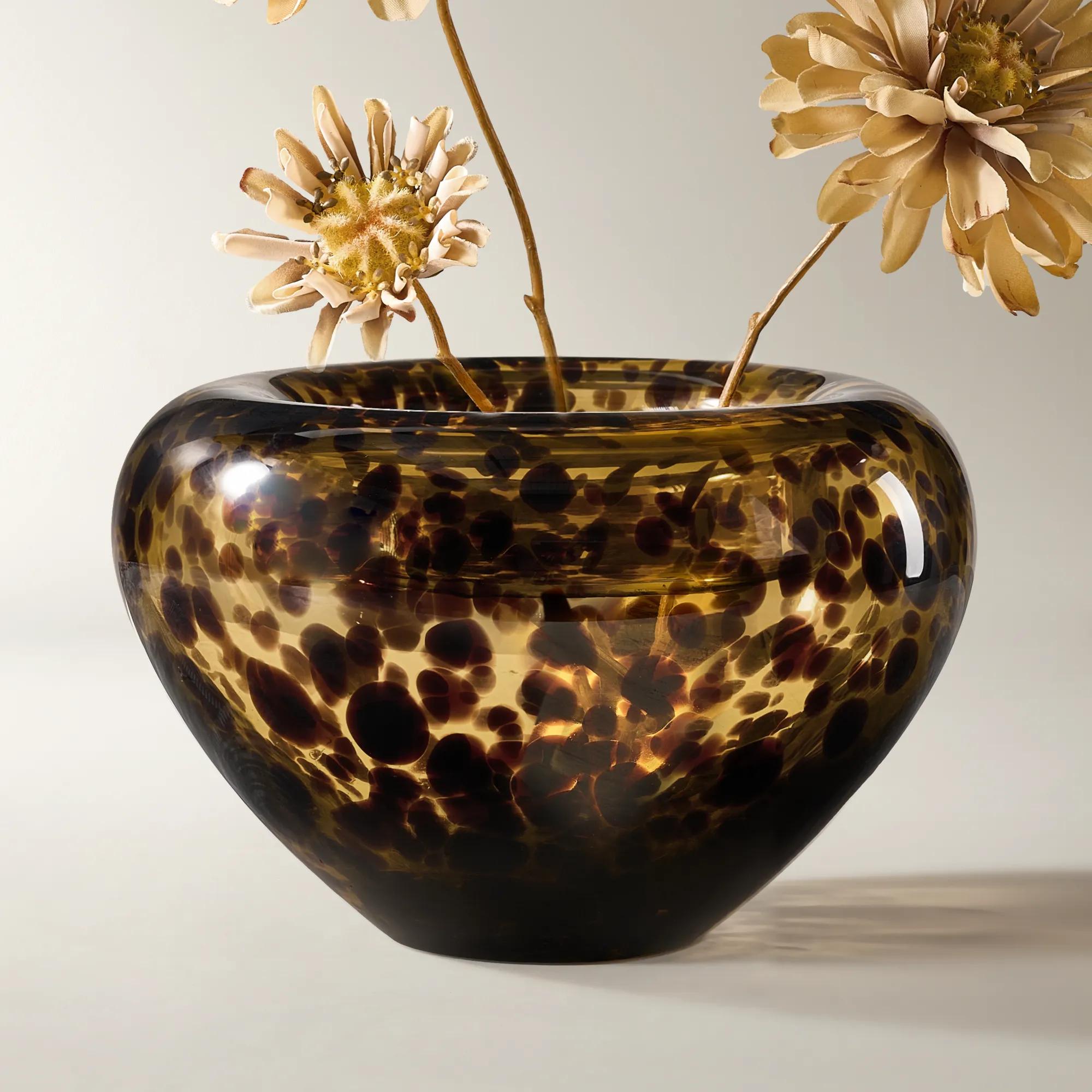 Tortoise Mouth Blown Brown Glass Decorative Bowl 8.25" x 4.25"$69
A handblown glass bowl featuring a warm brown tortoise pattern and a sculptural, rounded silhouette.
Add To Cart -
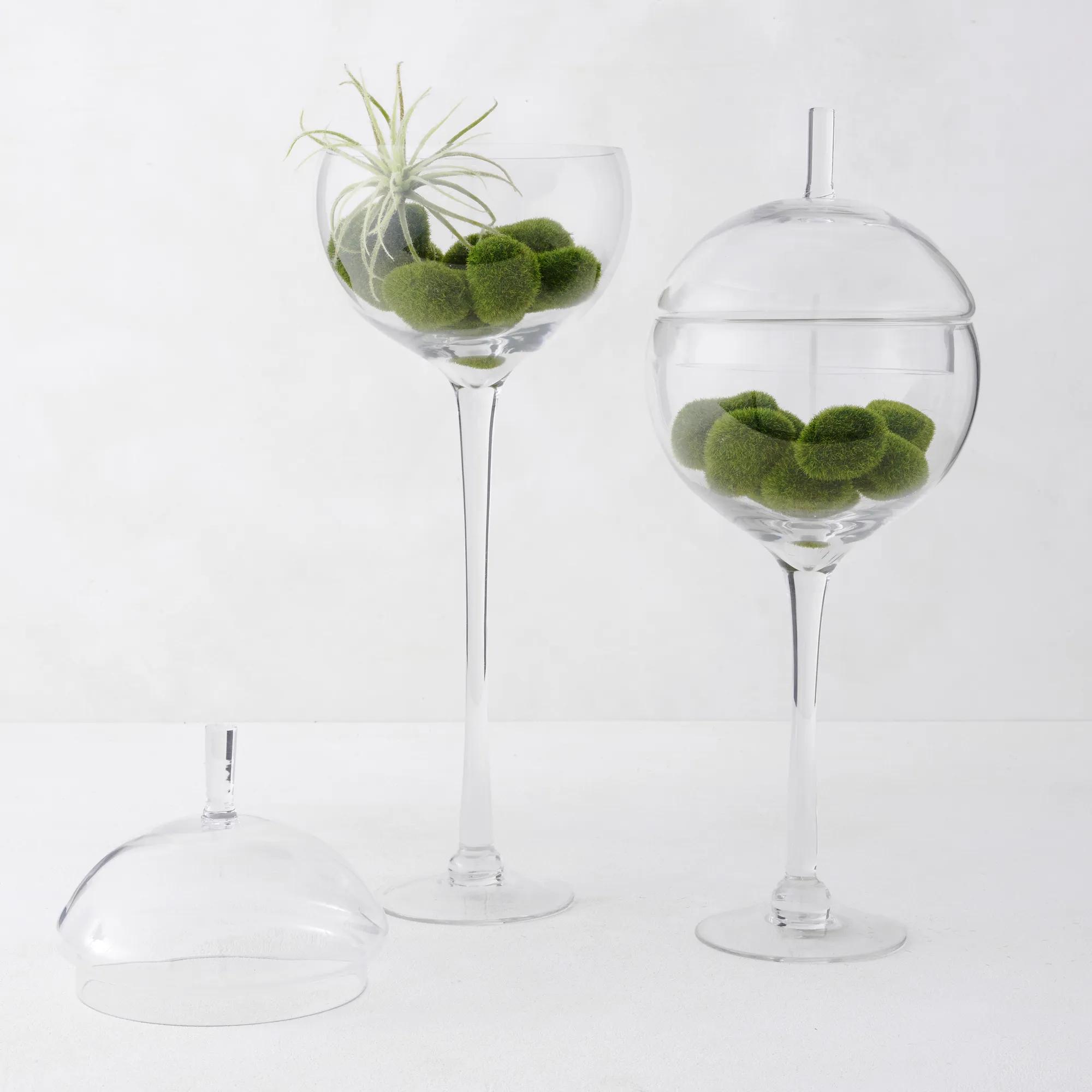 Jules Glass Decorative Canisters$99
A shapely mouthblown glass canister perfect for displaying cherished objects as decorative art.
Add To Cart -
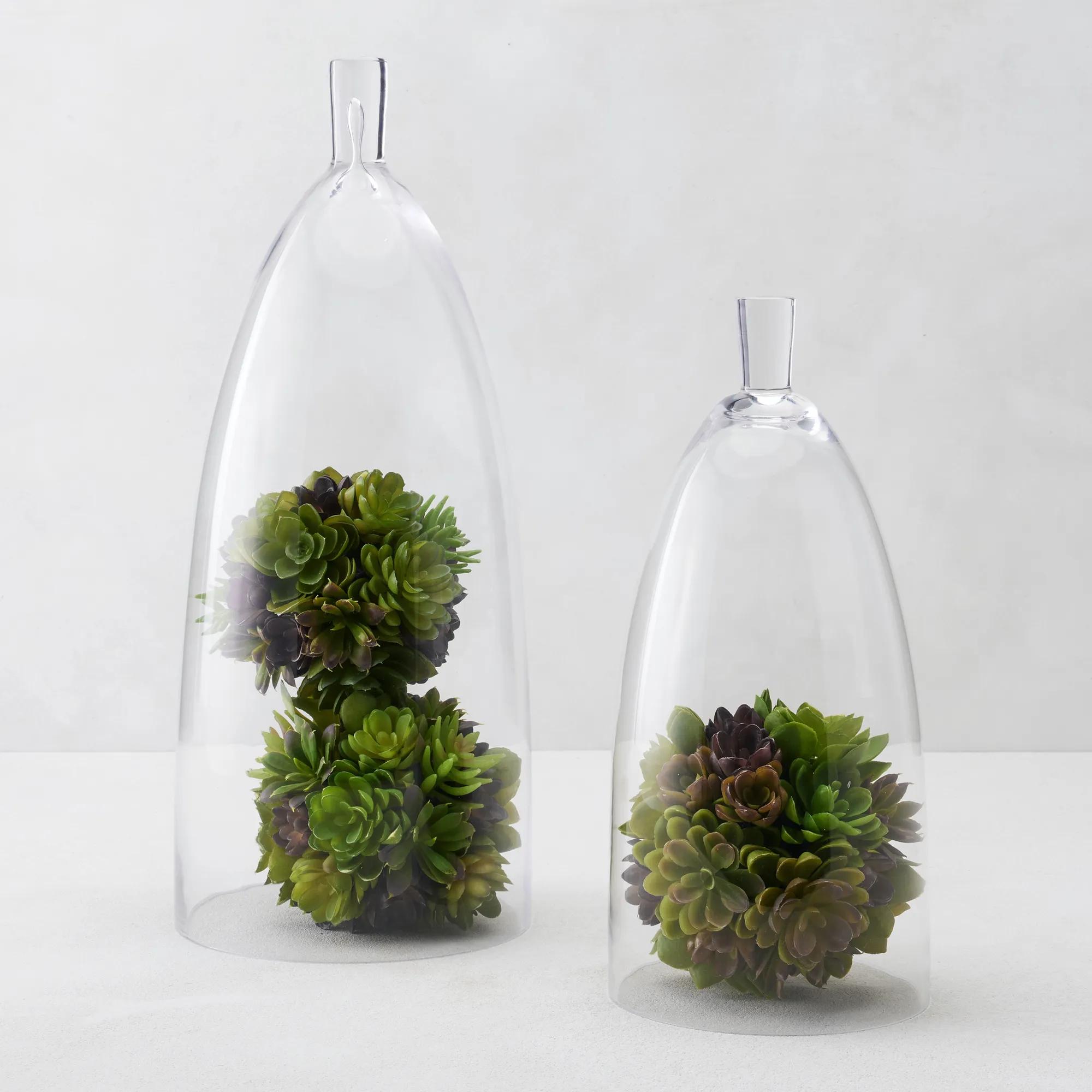 Jules Glass Decorative Cloches$59
A mouthblown glass terrarium perfect for showcasing cherished objects as unique decorative art.
Add To Cart -
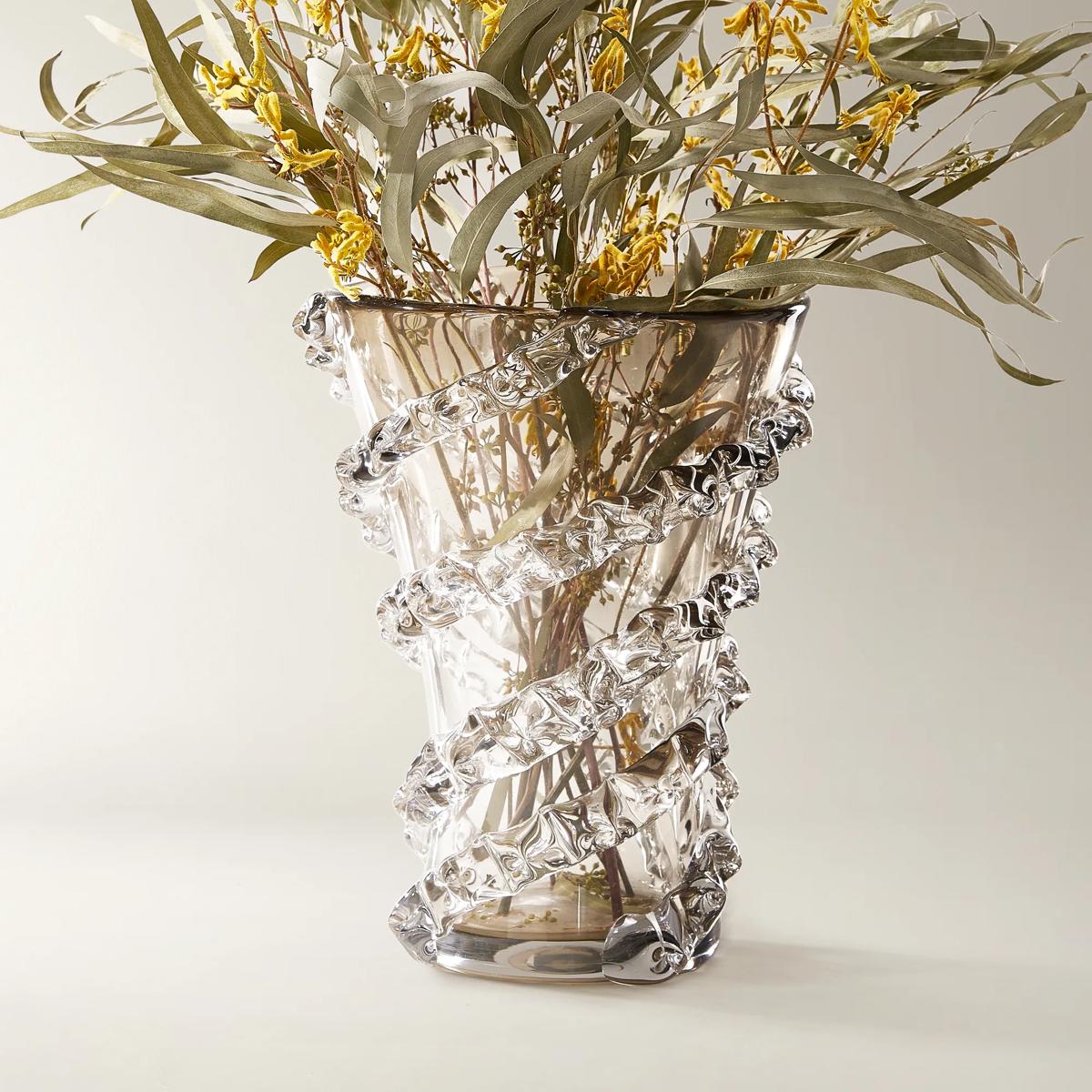
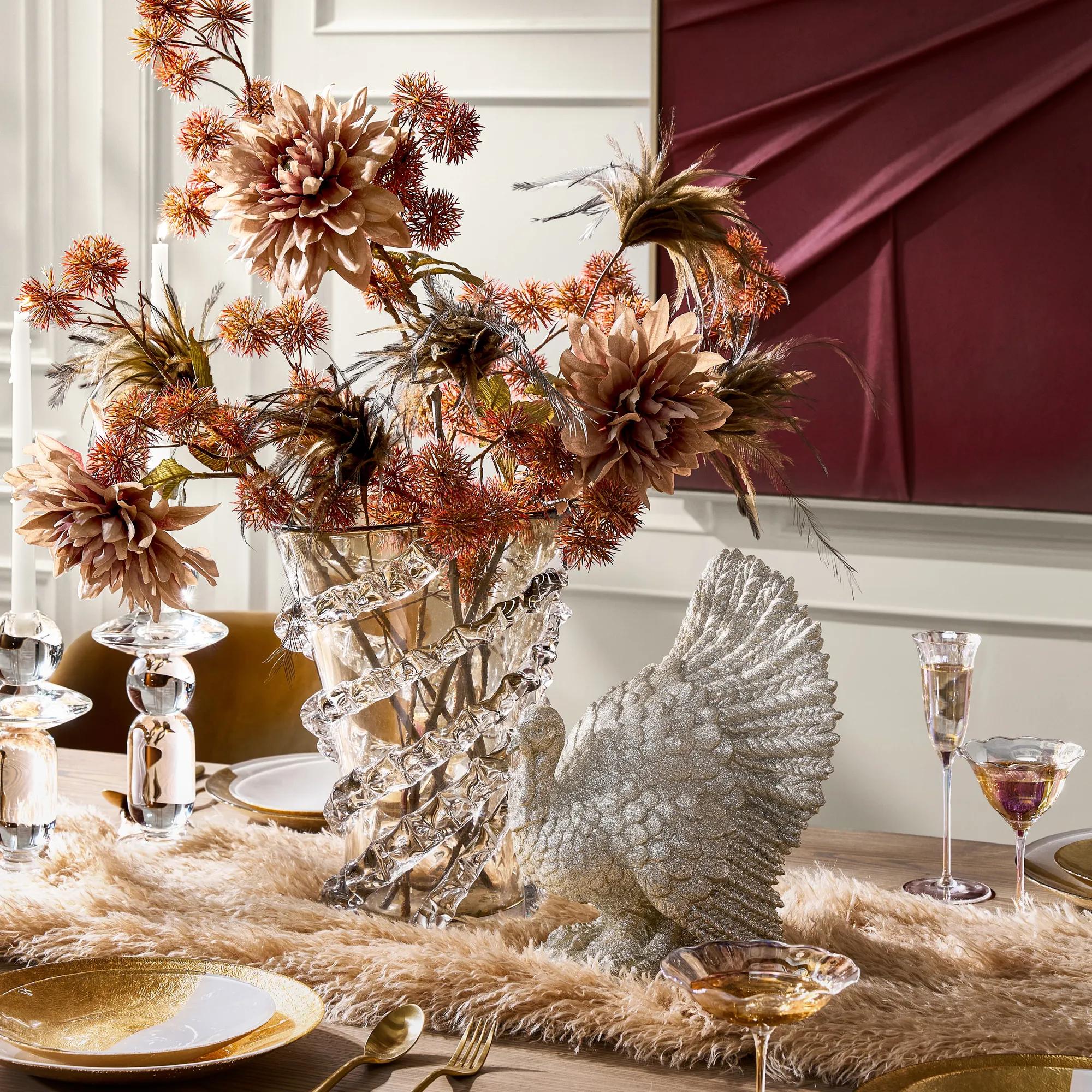 Reyna Glass Vase$299
A hand-blown glass vase featuring a sculptural swirl design and a smoky grey-brown finish.
Add To Cart -
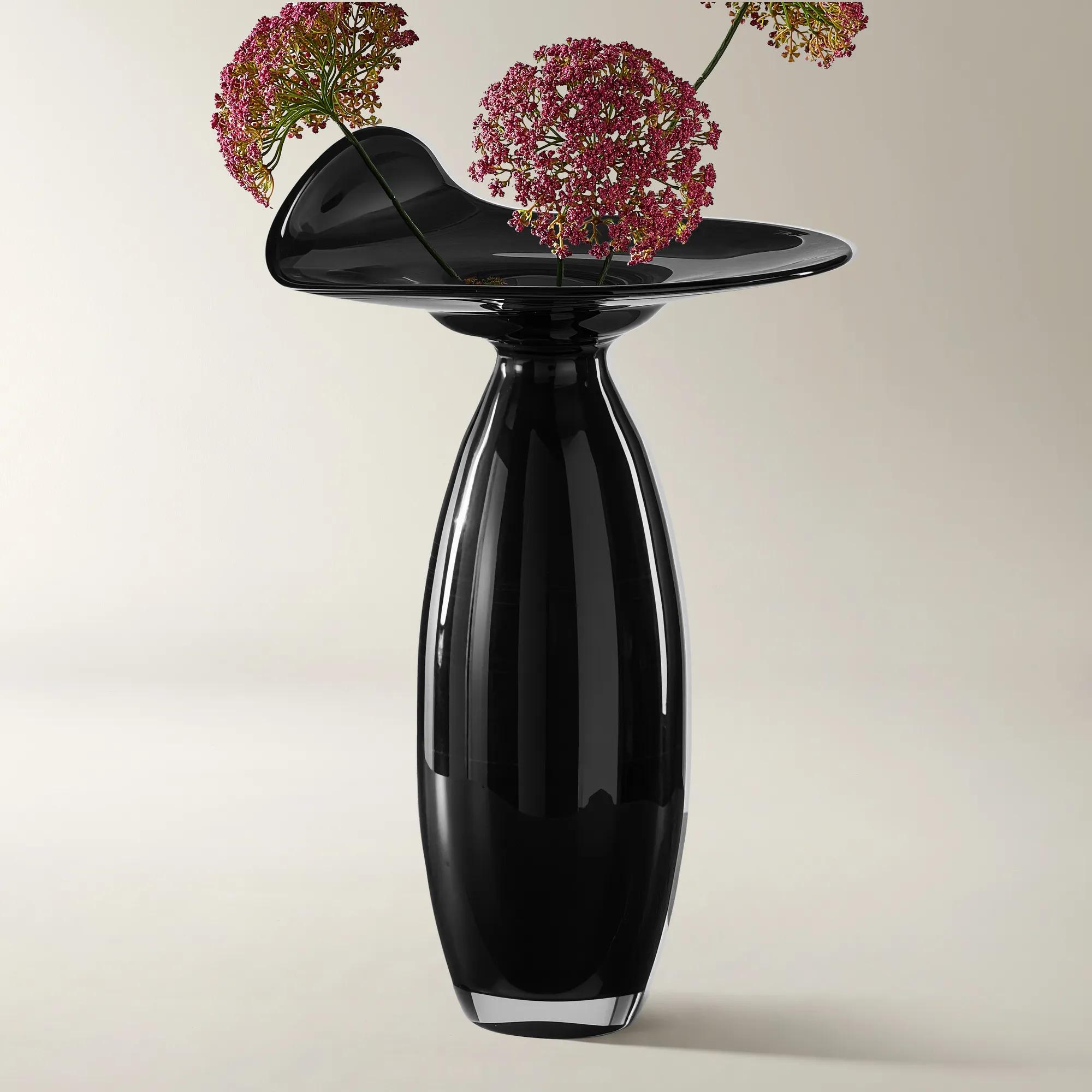 Folia Mouth Blown Glossy Black Glass Vase 22"$199
A handblown glass vase with a glossy black finish and organic sculptural silhouette for modern decor.
Add To Cart -
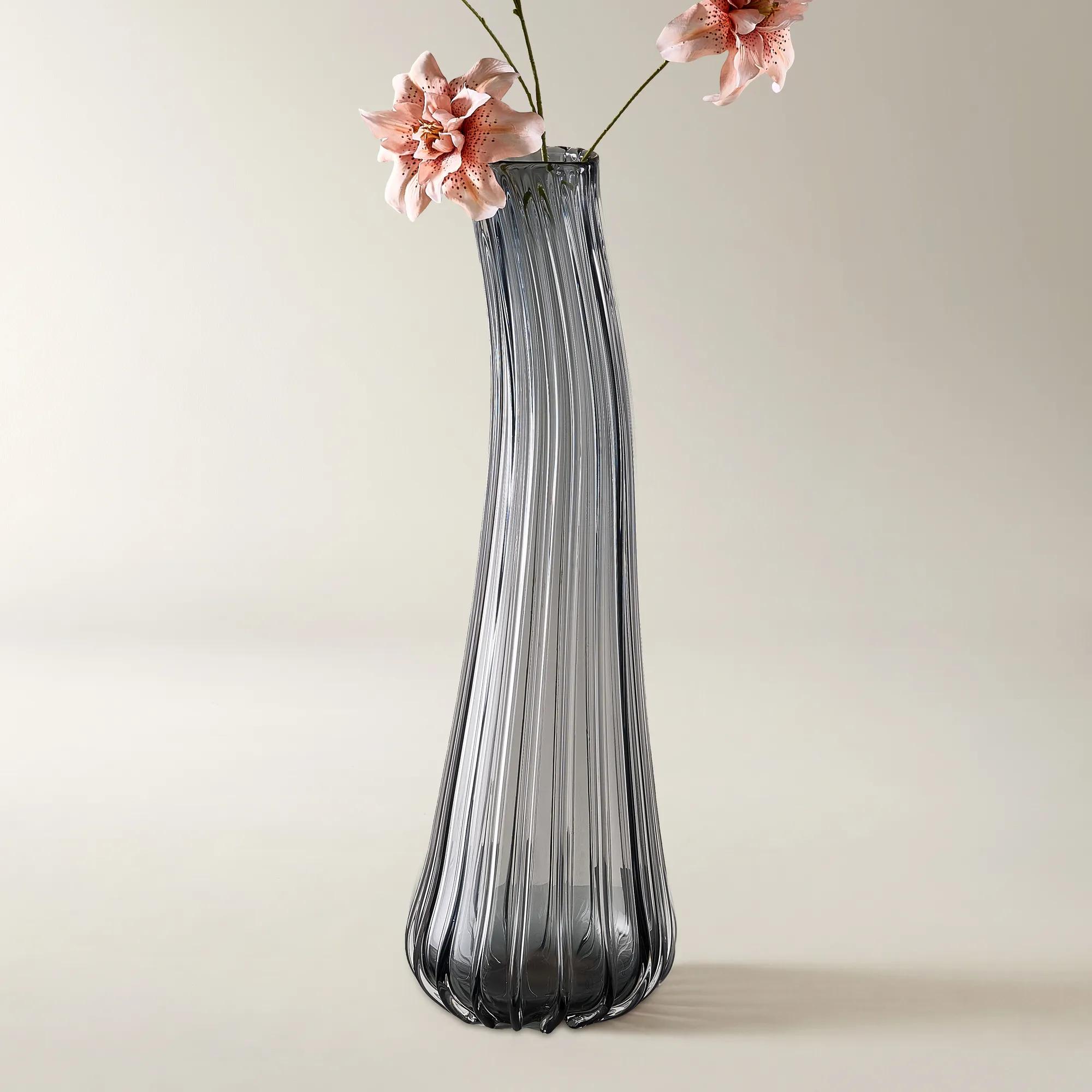 Tango Mouth Blown Smoked Pearl Vase 29"$199
A handblown glass vase in a smoked pearl finish with a textured surface for sculptural elegance.
Add To Cart -
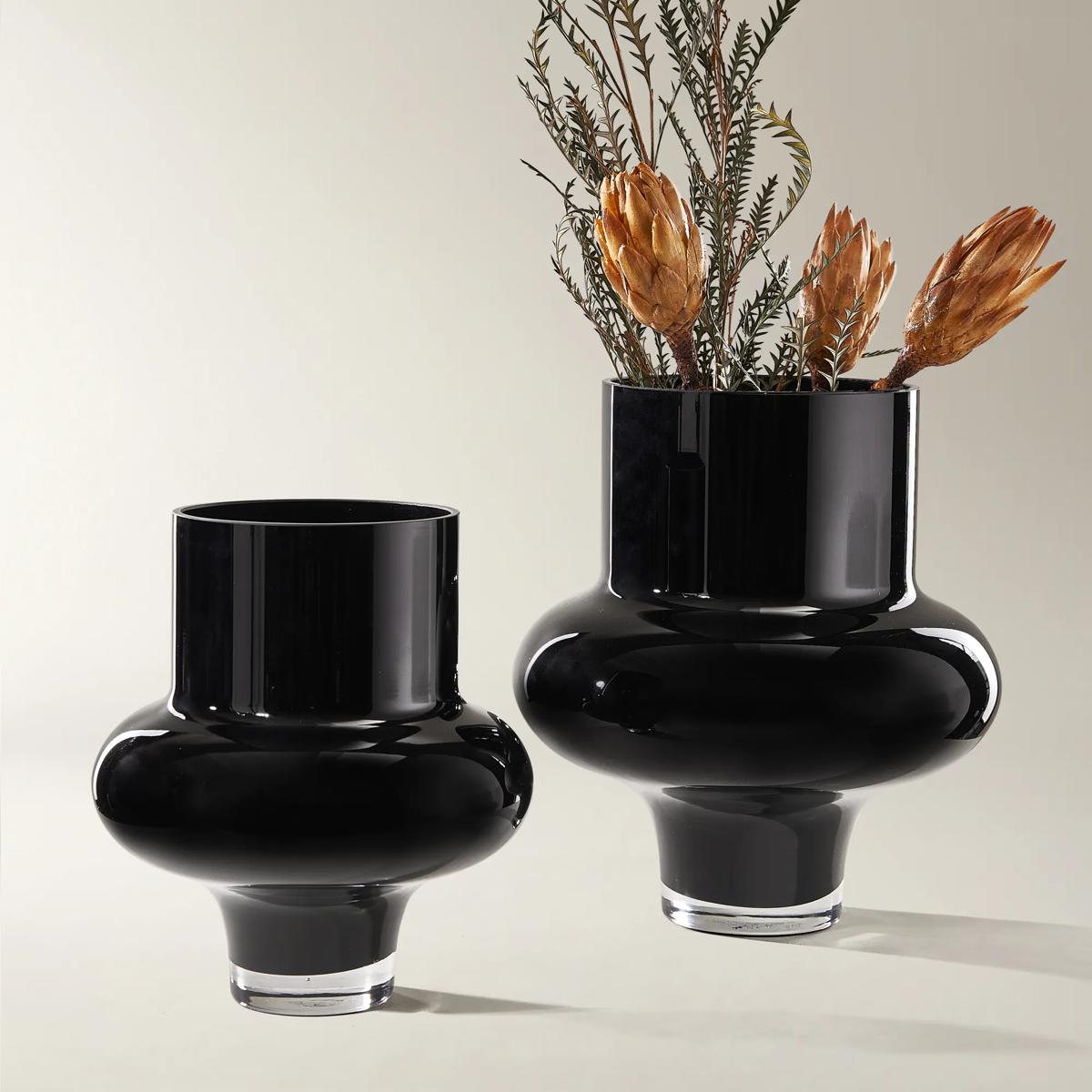
 Kors Glass Vase$69
A sculptural hand-blown black glass vase with a high-gloss finish and bold, curvaceous silhouette.
Add To Cart -
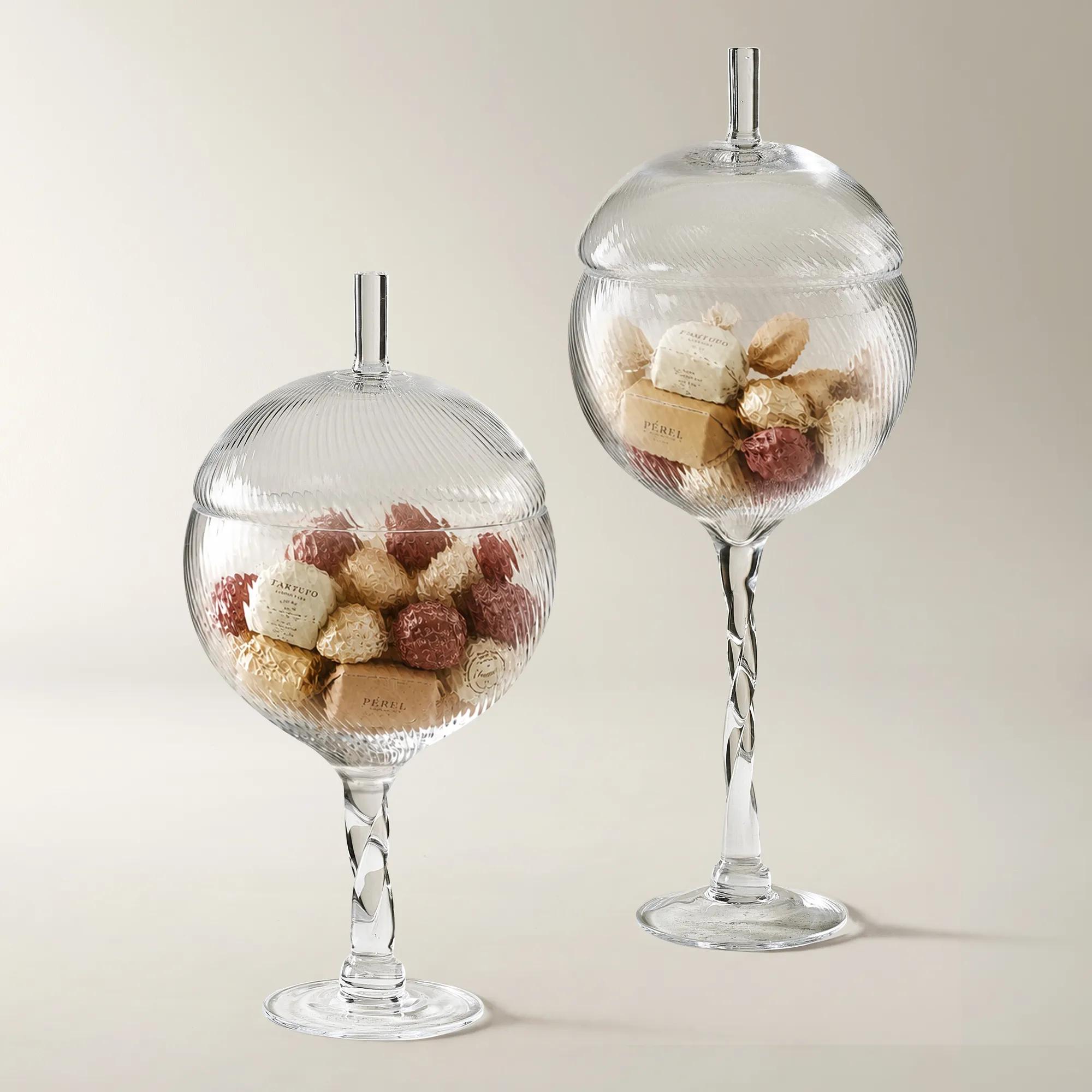
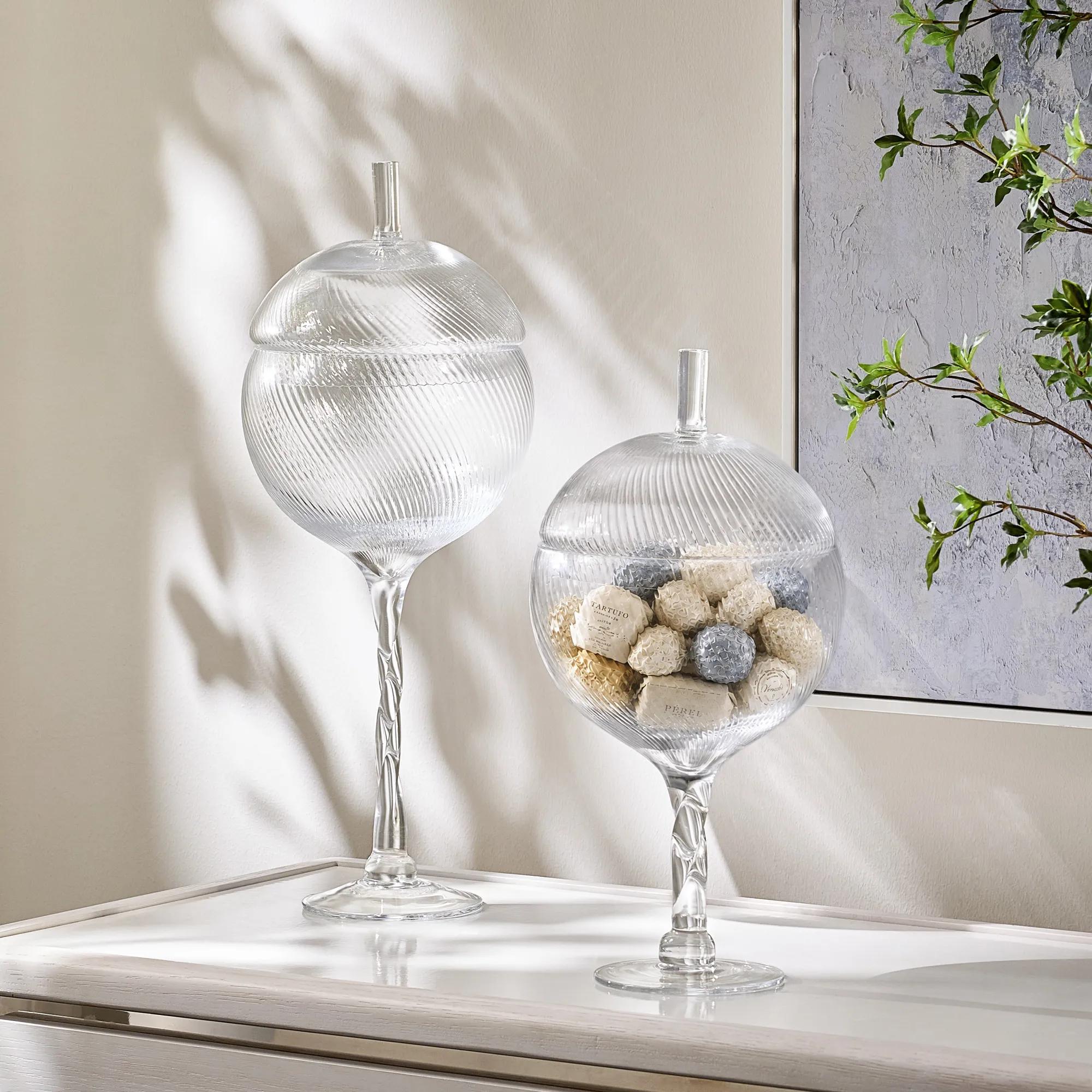 Opal Mouth Blown Clear Glass Canisters$89
A clear handblown glass canister with a sculptural twisted design, offering food-safe decorative storage.
Add To Cart -
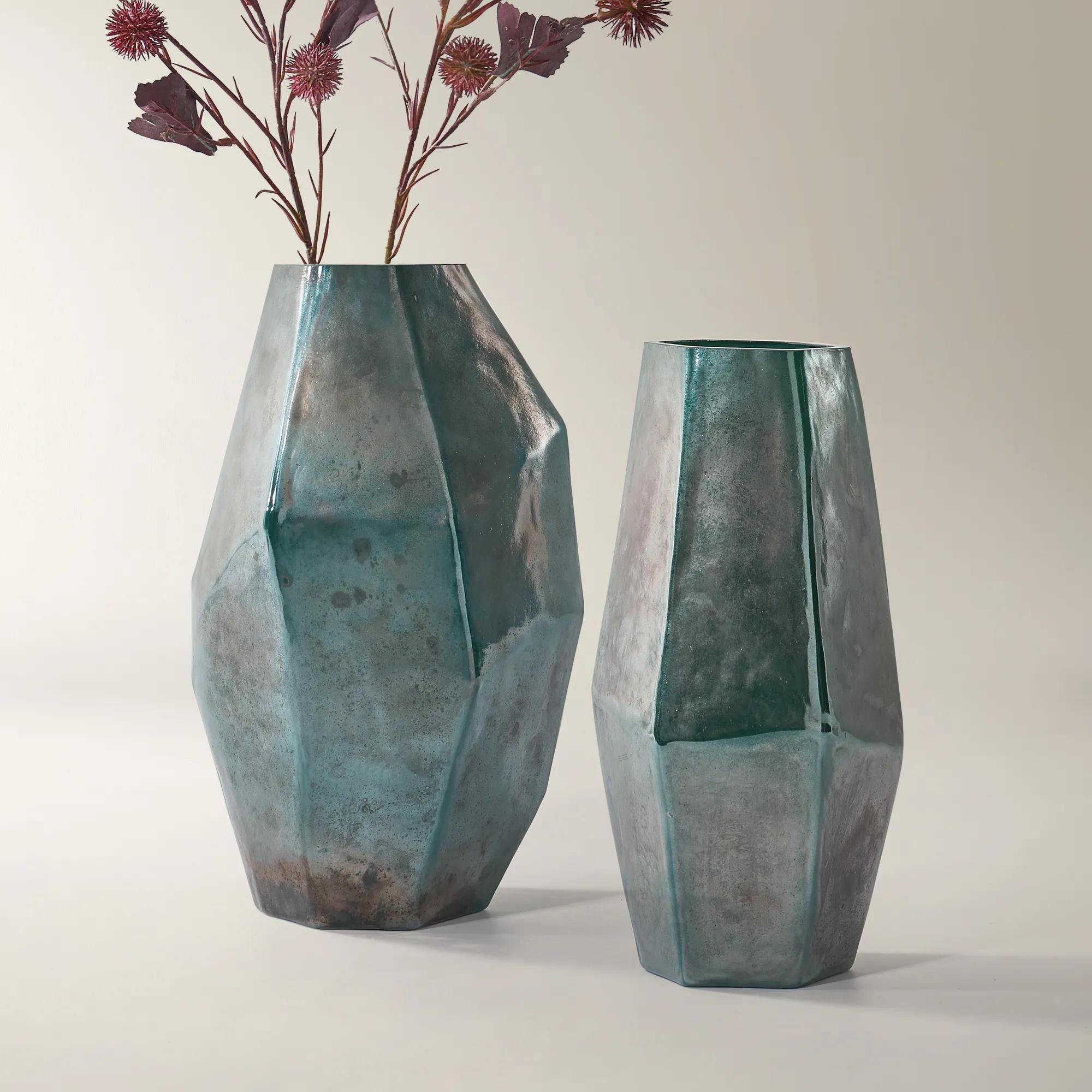
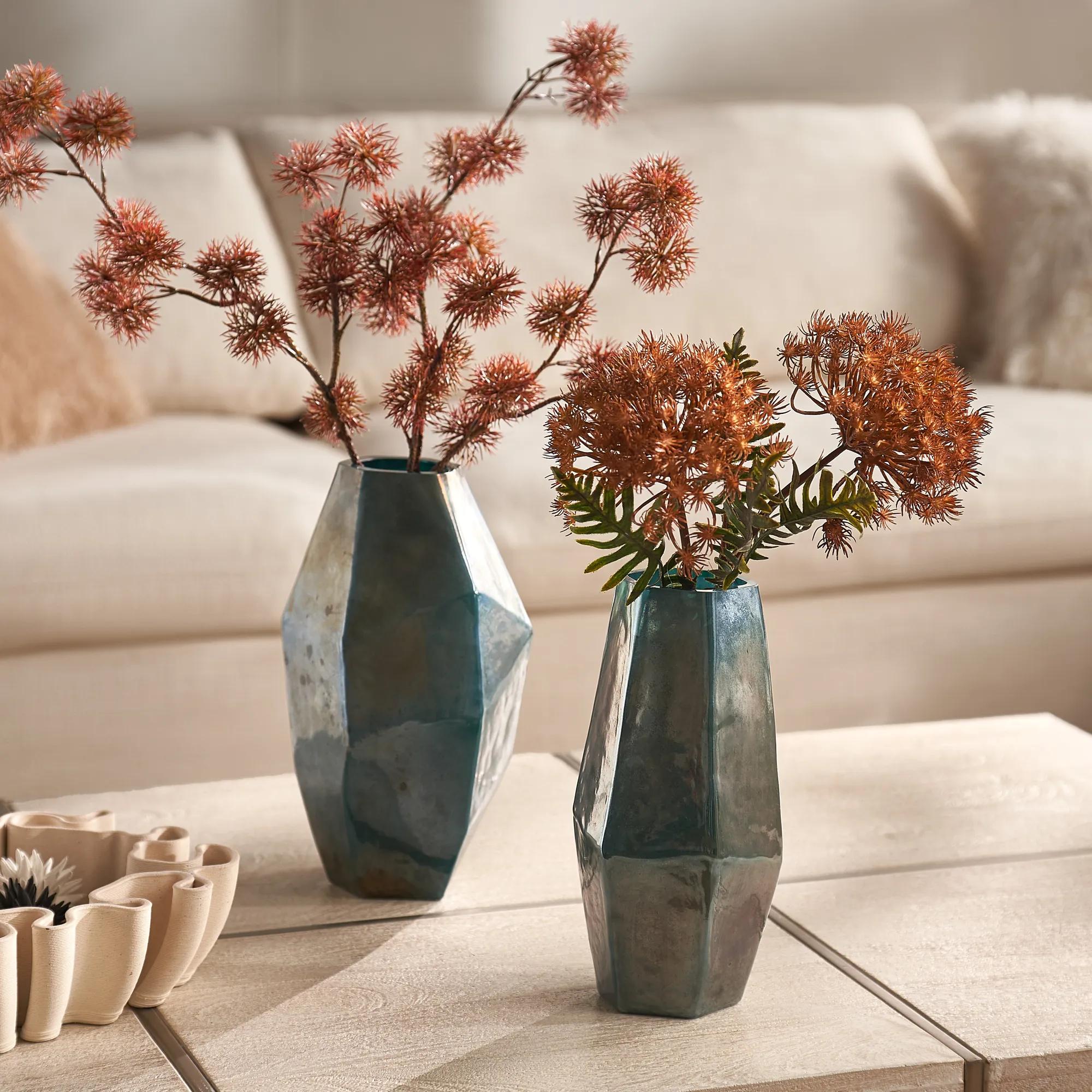 Sienna Vase$79
A hand-blown glass vase in prismatic green with a faceted, geometric silhouette for modern appeal.
Add To Cart -
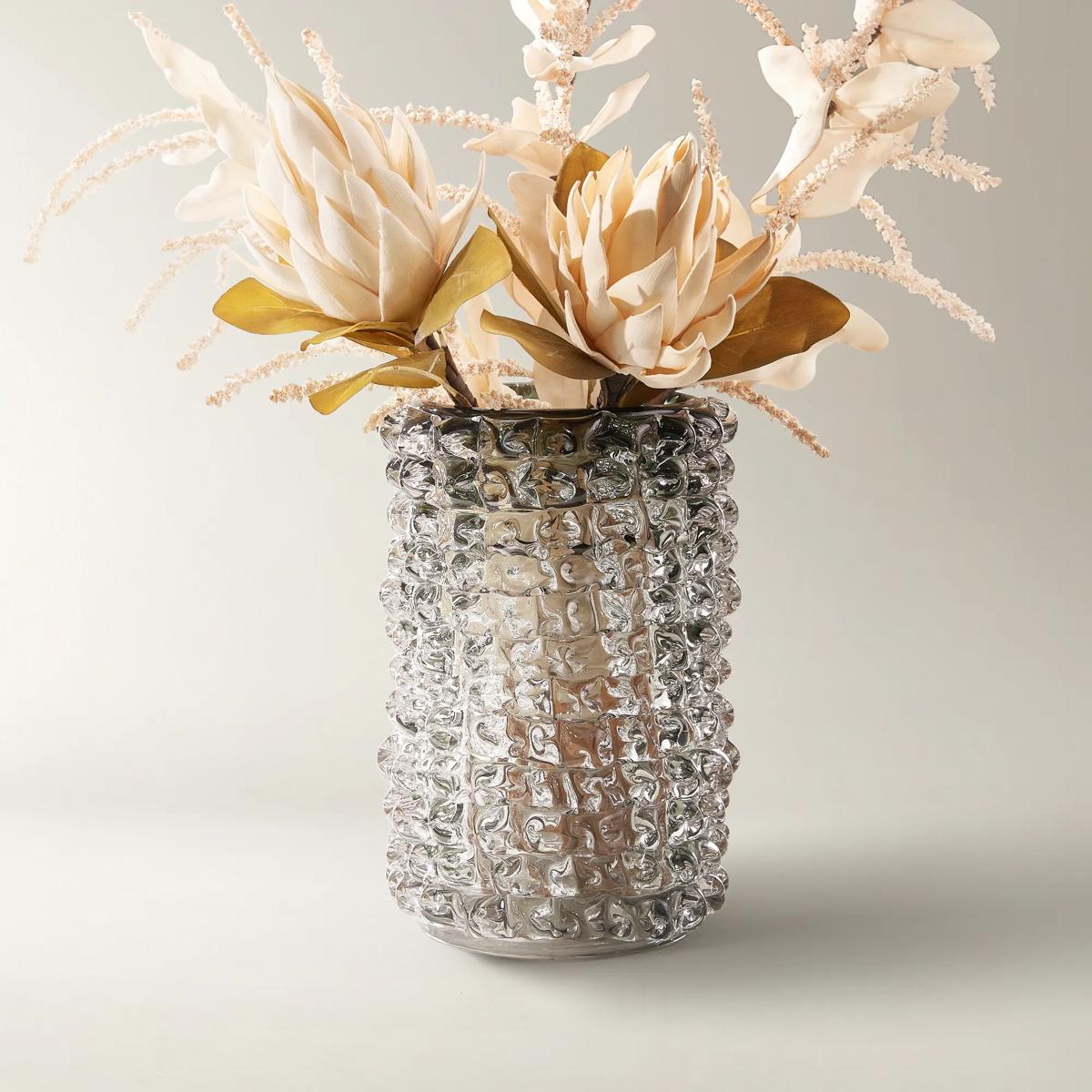
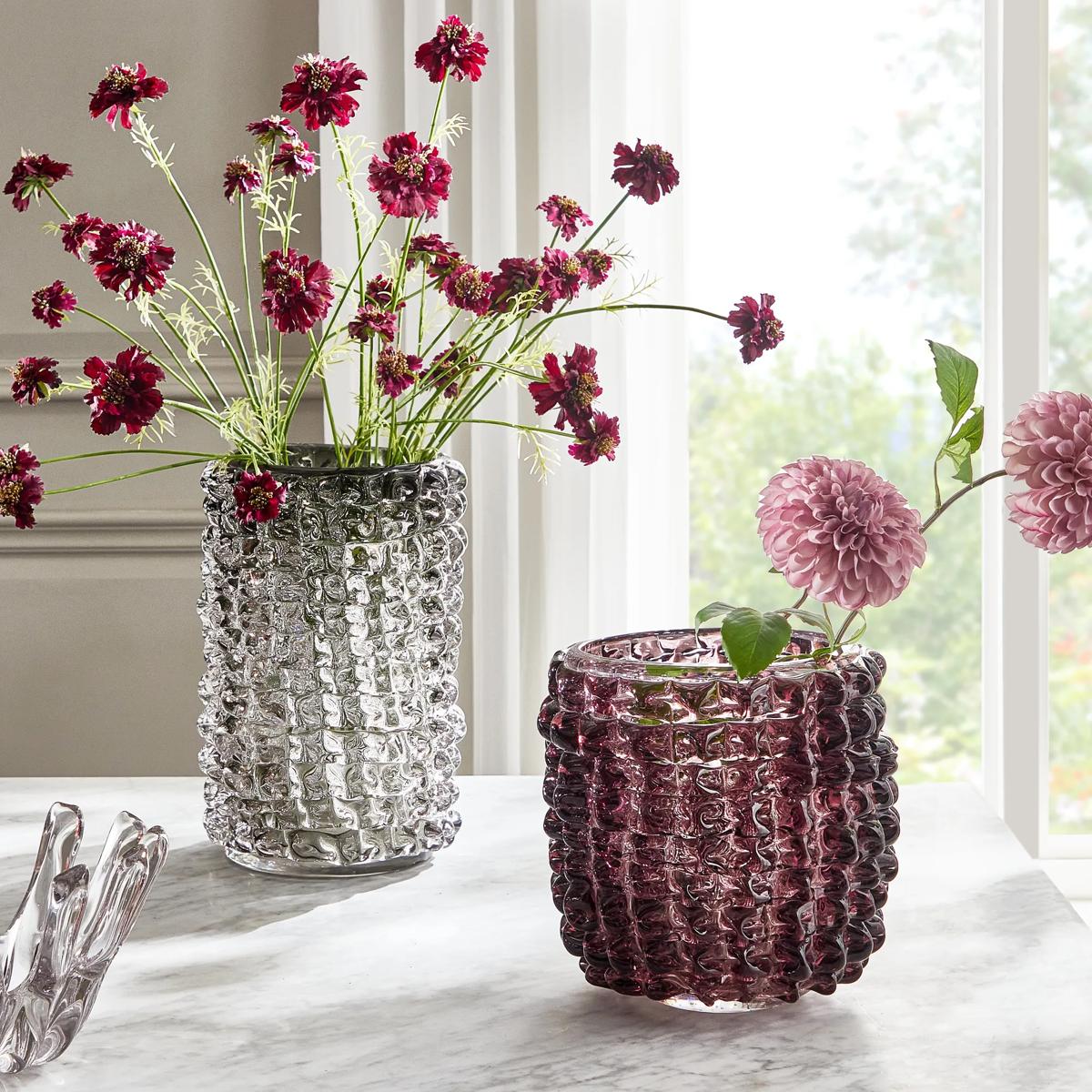 Laurel Glass Vase - Large Graphite$399
A hand-blown glass vase in smoky graphite with a bubbled, light-catching organic texture.
Add To Cart -
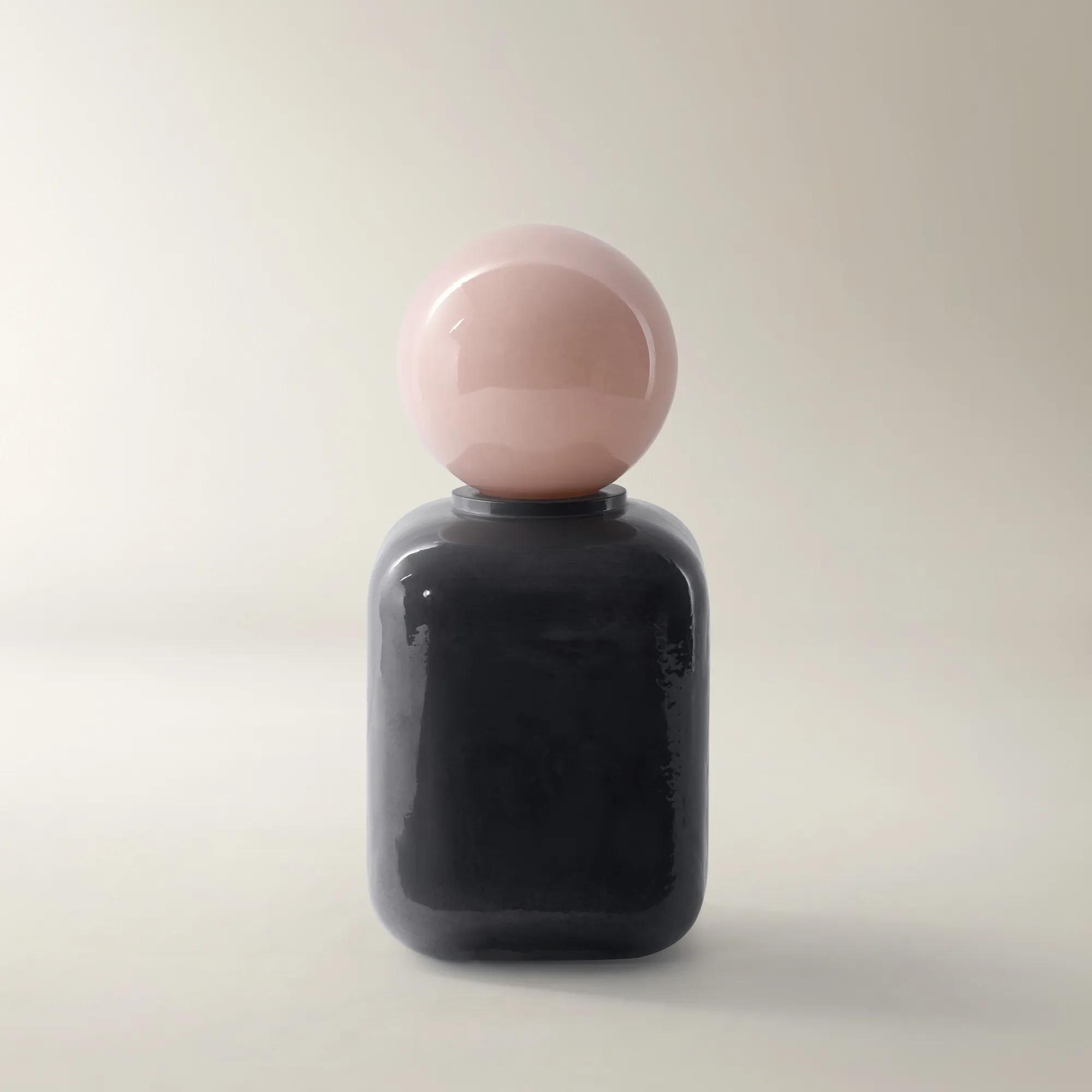 Camilla Mouth Blown Smoked Pearl Blush Glass Canister 6.5"$39
A handblown glass canister in smoked pearl and blush with playful bauble accents for decorative charm.
Add To Cart -
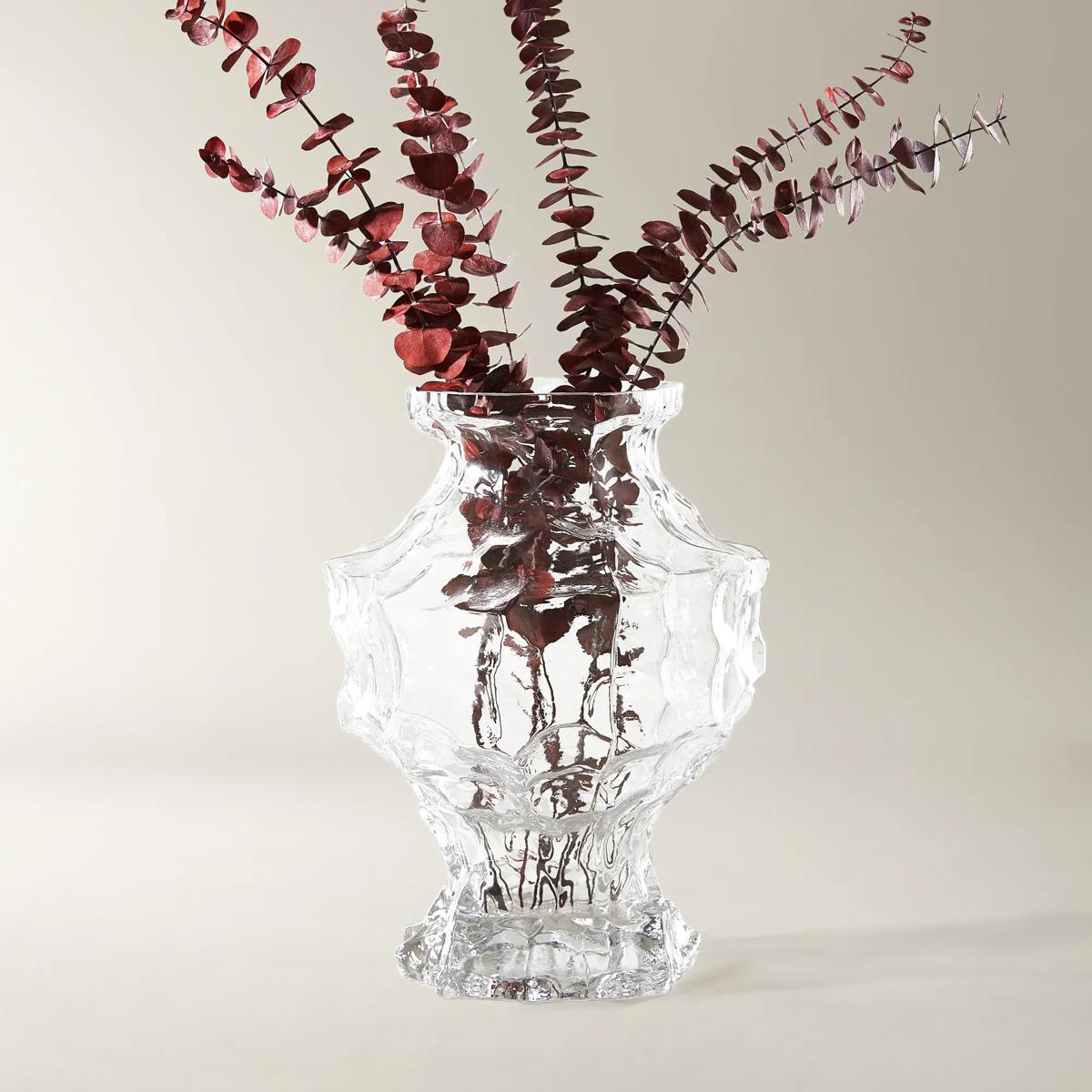
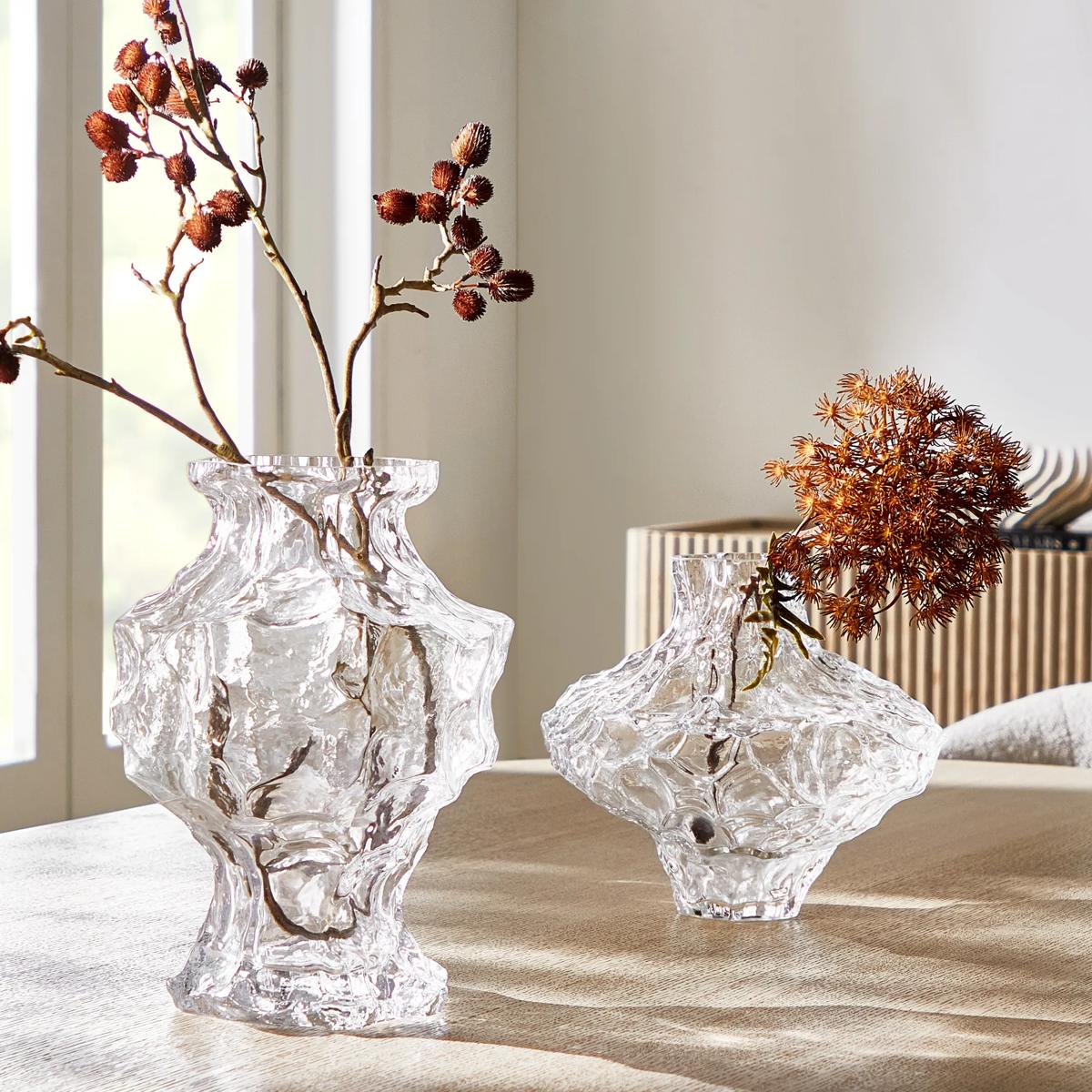 Mari Glass Vase$99
A hand-blown clear glass vase featuring rippling texture and modern, elegant curves.
Add To Cart

Handblown Glass Bowls For Display
Handblown Glass Bowls for Display transform the ordinary into the extraordinary, infusing your space with artistry and allure. Each bowl is a celebration of light and form, crafted to catch the eye and spark conversation. Whether perched atop a console or gracing a dining table, these sculptural vessels invite admiration from every angle—casting shimmering reflections and elevating your décor with their distinctive presence. Let your home become a gallery, where every detail delights and every surface tells a story of creative expression.
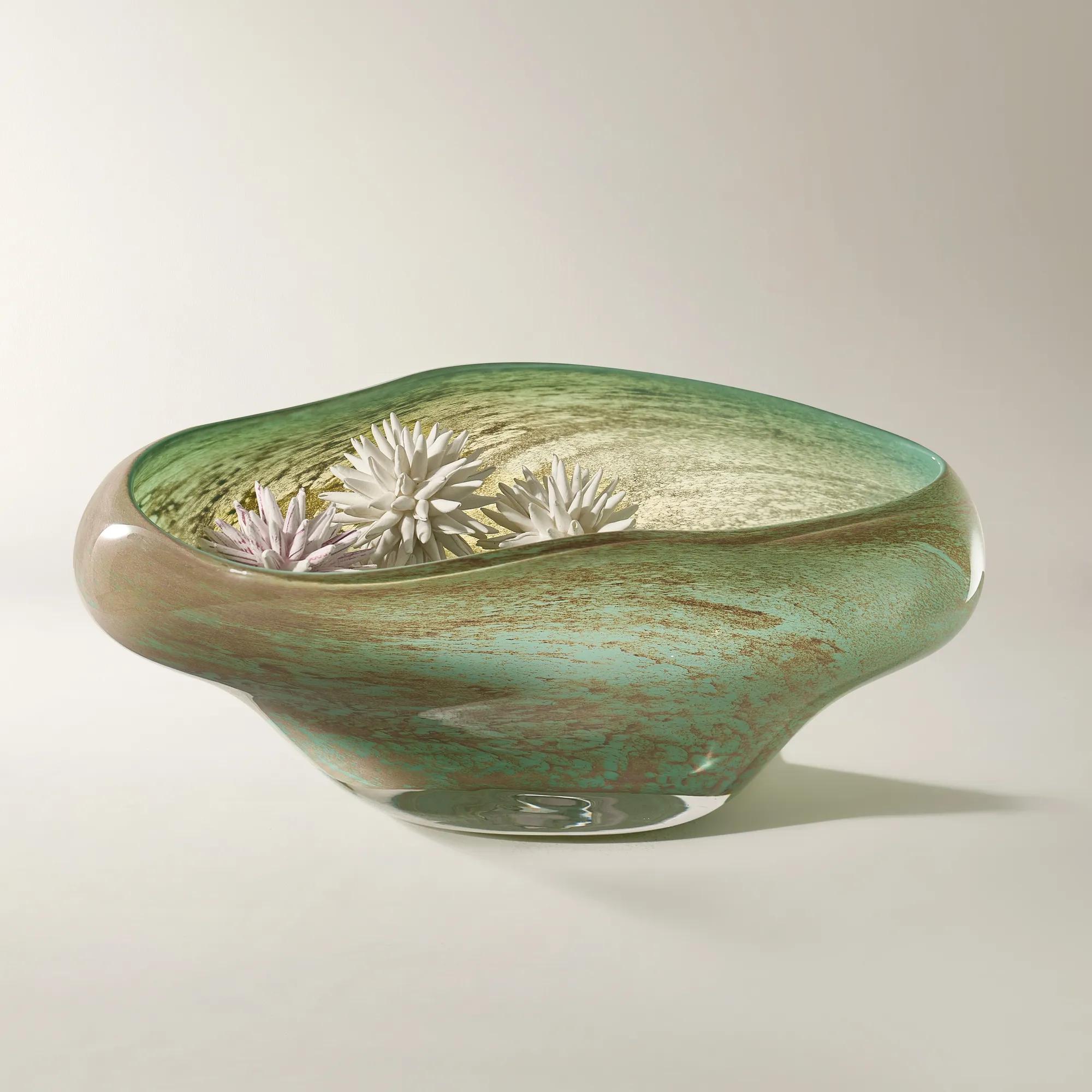
Handblown glass bowls for display bring the expressive qualities of art glass to a tabletop: luminous color, sculptural contours, and a surface that changes with the light. Intended primarily as decorative accents, these bowls can stand alone as works of art rather than serve as containers. Their appeal begins in the making. Glassblowing involves gathering molten glass on a blowpipe, introducing air, and shaping the heated material with tools and controlled movement. Depending on the technique, the finished bowl may reveal flowing ribbons of color, subtle bubbles, variations in thickness, or a gently irregular silhouette. Those details can reflect the hand-forming process, although visible cracks and sharp chips should never be mistaken for desirable character. No single shape defines the category. Broad, shallow forms emphasize the interior pattern; deeper vessels give color a more concentrated presence; and ruffled or undulating rims create shadows that make an otherwise quiet surface feel animated. Clear glass lends brilliance without visually closing off a space, while translucent jewel tones can cast tinted reflections across a pale console. Opaque and layered glass offers a different kind of drama, with color that reads more like a painterly surface than a transparent vessel. Some art glass incorporates metallic-looking effects or iridescent finishes, but composition and decorative treatments vary, making individual material descriptions important. The most compelling choice is not necessarily the most elaborate. A restrained room may gain its defining gesture from a single sweep of saturated blue, while an richly layered interior can welcome a bowl whose swirling colors echo artwork, upholstery, or a patterned rug. For people drawn to expressive interiors, decorative glass bowls offer an approachable way to introduce sculptural art without dedicating an entire wall or floor area to it. They invite close attention: a rim that curls outward, a pool of deeper color at the base, a streak that appears suspended within the glass. Left empty, a bowl allows those details to remain fully visible, giving the craftsmanship and silhouette room to command attention.
Scale determines how comfortably that artistry lives within a room. A small handblown glass bowl, roughly four to six inches across, can bring a concentrated touch of color to a bedside table or a carefully composed bookshelf. Medium bowls around seven to ten inches wide often suit side tables and compact consoles, while forms twelve inches across or larger can create a more expansive focal point on a dining table or generous coffee table. These are useful proportions rather than fixed size classifications; height, depth, rim shape, and visual weight matter as much as diameter. A low, wide bowl may occupy substantial surface area while preserving conversation across a table, whereas a tall, flared form needs more breathing room around its edges. When considering fit, account for the widest point, not just the base, and leave enough clearance for everyday movement, serving pieces, or a comfortably placed drink. On a narrow entry console, a bowl with a stable footprint and a contained silhouette can feel more assured than one whose rim projects toward a walkway. On a broad dining table, a sweeping glass form can hold the center without requiring an elaborate arrangement. For compositions that emphasize the table itself, handblown glass centerpiece bowls offer a related expression of sculptural scale and luminous color. Surrounding materials influence the effect: glass looks especially vivid against matte wood, softly textured fabric, or honed stone, while a mirrored surface intensifies its reflections. A nearby lamp can reveal layers that disappear under flat overhead lighting, although the bowl should remain safely separated from heat sources. Rather than matching every accent exactly, repeating one undertone creates a more nuanced connection. A smoky gray bowl might draw out the silver in an abstract painting; an amber form might lend warmth beside dark wood and cream upholstery. During the cooler months, that interplay of glass, lamplight, and tactile materials feels particularly inviting without depending on seasonal motifs. The arrangement remains personal and relevant long after other decorative details change.
Intended use deserves the same attention as appearance. A decorative handblown bowl is not automatically food-safe, watertight, dishwasher-safe, or suitable for candles simply because it is made of glass. Food contact, liquid use, and exposure to heat should follow the maker’s stated recommendations, especially when a bowl includes applied finishes, pigments, or mixed-material components. For display-only designs, an empty interior is often the most effective presentation. Decorative contents, where permitted, should be lightweight and nonabrasive so they do not scratch the surface or conceal the most distinctive glasswork. A bowl chosen for an entryway may look magnificent beneath a large mirror, but repeated contact with keys and other metal objects can undermine its finish; a separate catchall can handle that daily task. Glass is rigid yet brittle, and neither substantial weight nor a thick wall makes it shatterproof. Stable placement away from crowded edges, swinging cabinet doors, and busy pathways helps protect both the piece and the people moving around it. Homes with young children or energetic pets may be better served by a secure display cabinet or an elevated, firmly supported setting. Routine care is generally gentle: dust with a soft, lint-free cloth, avoid abrasive pads and harsh cleaners, and consult the care instructions before washing or soaking. When handwashing is approved, mild soap and lukewarm water are typically preferable to sudden temperature changes, followed by careful drying with a soft cloth. Lift larger bowls with both hands beneath the body rather than gripping a delicate rim, and check that the underside is clean before placing glass on polished furniture. These practical details also make handblown glass bowls thoughtful housewarming, wedding, or anniversary gifts for someone who appreciates artful objects. The recipient’s palette, available display space, and household routines matter more than sheer size. A well-considered bowl can become the piece that draws the eye upon entering a room, bringing color, movement, and a distinct sense of personal expression to an everyday setting.
FAQs
Handblown glass bowls are celebrated for their individuality and craftsmanship. Each piece is shaped by skilled artisans, resulting in subtle variations in color, form, and texture that cannot be replicated by machine-made alternatives. These unique characteristics make each bowl a one-of-a-kind work of art, perfect for collectors and those who appreciate expressive design.
Art glass bowls offer endless versatility in home décor. Display them as striking centerpieces on dining or coffee tables, use them to anchor a vignette on a console, or showcase a collection on open shelving. Their luminous colors and sculptural shapes add drama and sophistication to any room, whether standing alone or filled with seasonal accents.
Absolutely. Handblown glass bowls make extraordinary gifts for weddings, anniversaries, housewarmings, or any special occasion. Their unique artistry and timeless appeal make them treasured keepsakes, sure to be admired and remembered by recipients who appreciate beauty and craftsmanship.
To preserve the brilliance of your glass bowl art, display it away from direct sunlight or extreme temperature changes, and dust it regularly with a soft, dry cloth. When cleaning, use gentle, non-abrasive materials and avoid harsh chemicals. Consider placing your bowl in a prominent location where it can catch the light and be enjoyed from multiple angles.
Handblown glass bowls are available in a rich variety of styles and colors, from bold, saturated hues to soft, translucent tones. You’ll find options with swirling patterns, metallic accents, or frosted finishes—each designed to complement different décors and personal tastes. Whether you prefer a dramatic statement piece or a subtle accent, there is a handblown glass bowl to suit every aesthetic.
.jpeg?w=3739&h=3739)
.jpeg?w=3401&h=3401)


