Large Handblown Decorative Bowls
Large Handblown Decorative Bowls
-
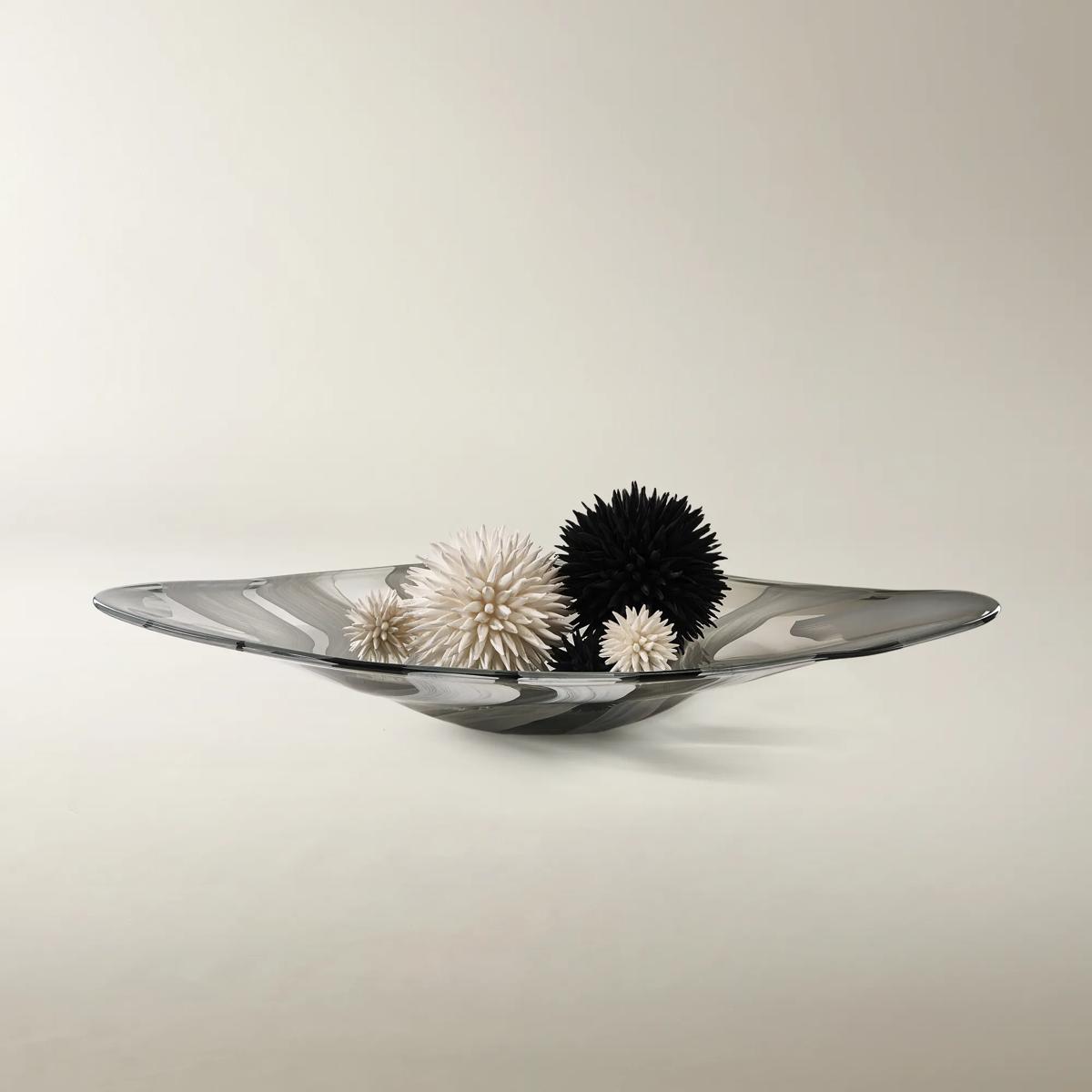
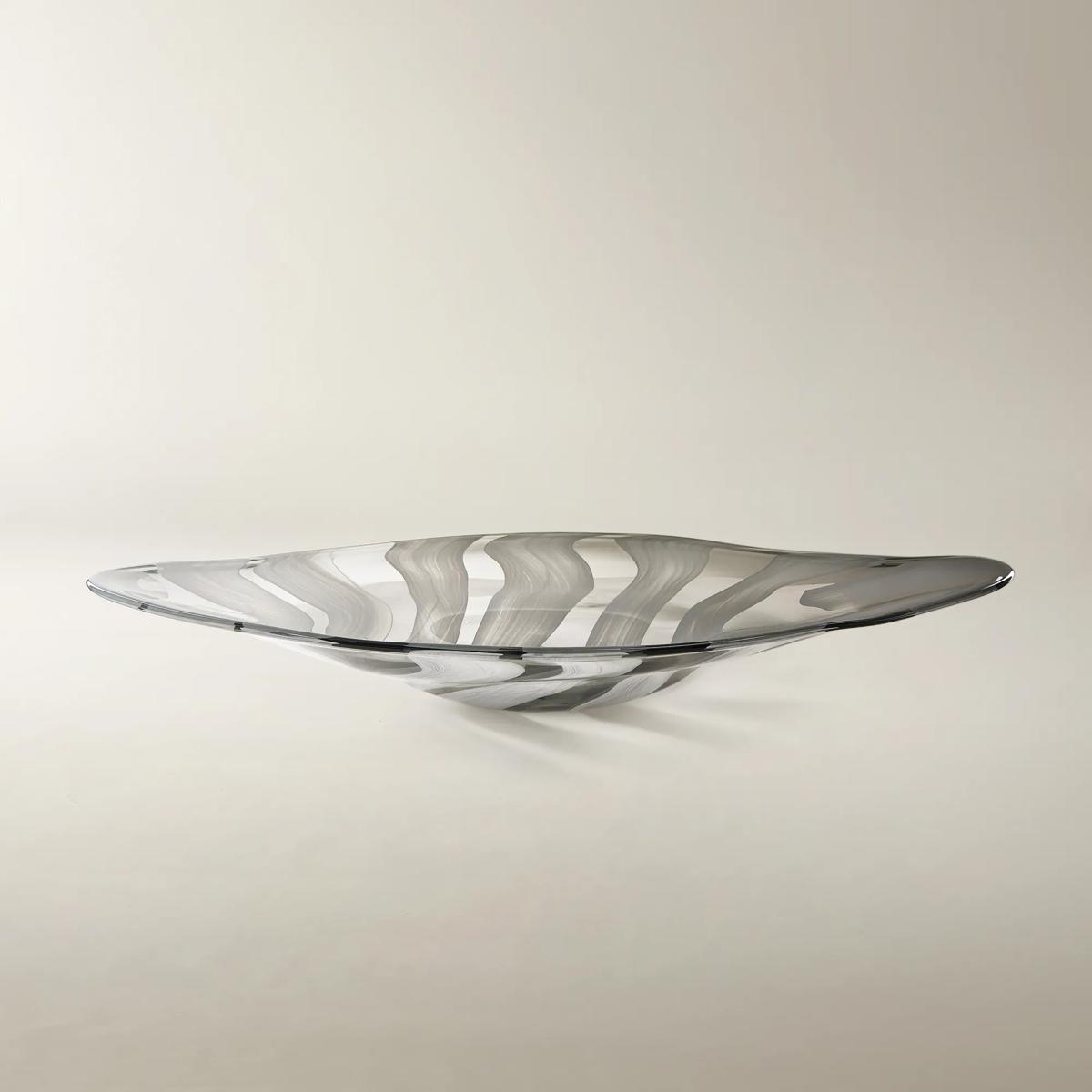 Zoya Glass Bowl$349
A hand-blown grey glass bowl with a marbled pattern and organic silhouette for modern decor.
Add To Cart -
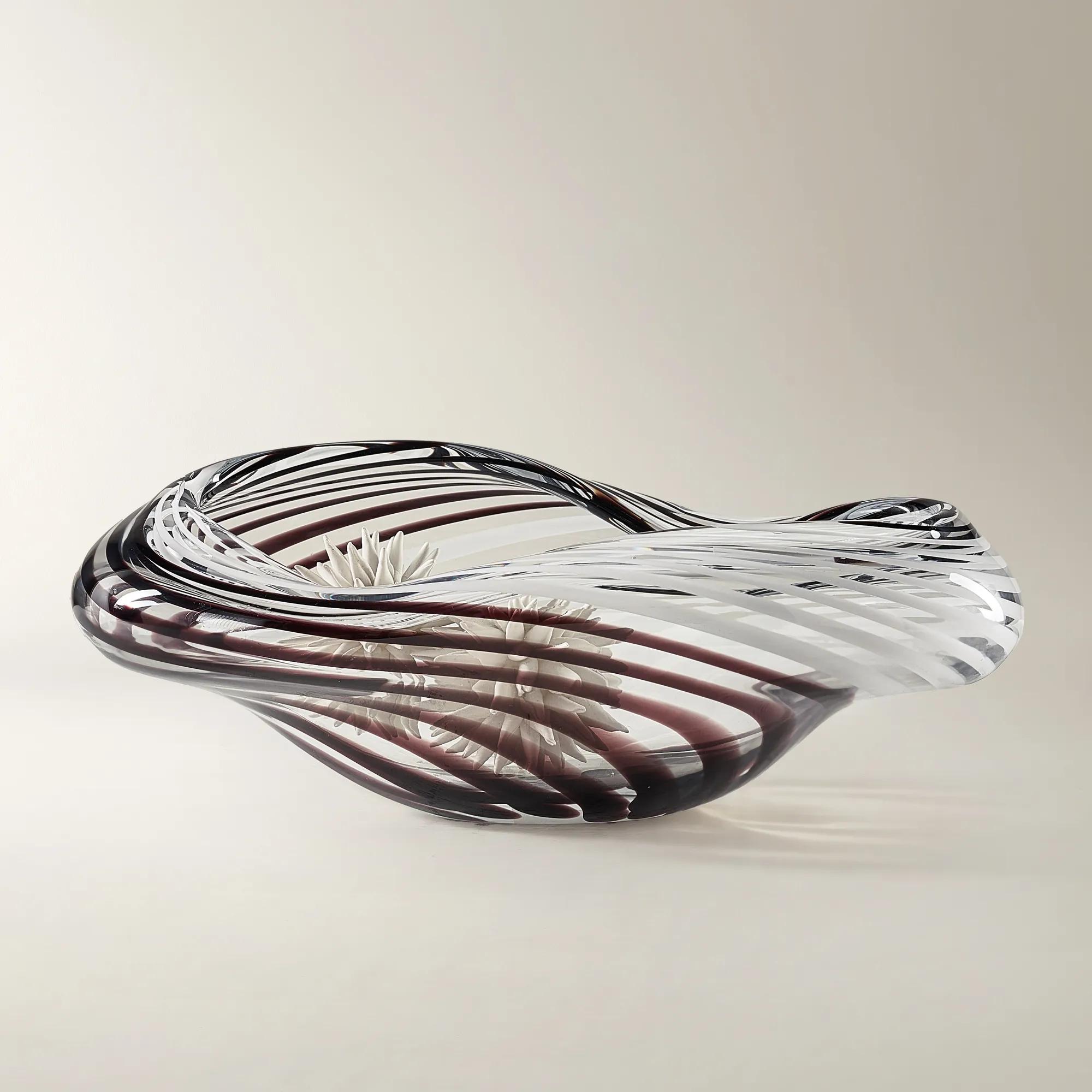 Optic Mouth Blown Black/White Glass Decorative Bowl 17.25" x 5.5"$99
A handblown glass bowl featuring charcoal stripes and a sculptural, Deco-inspired silhouette for decorative display.
Add To Cart -
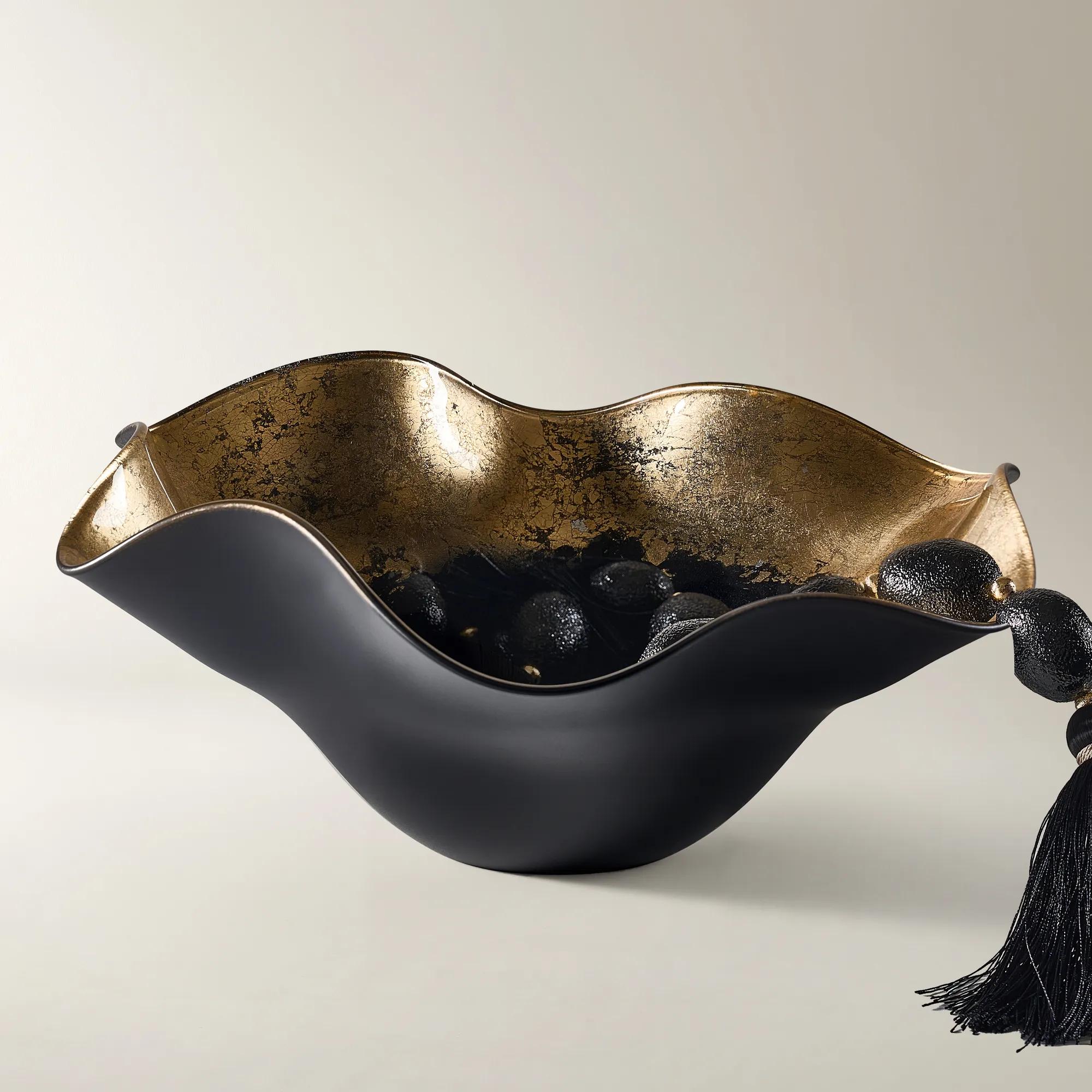
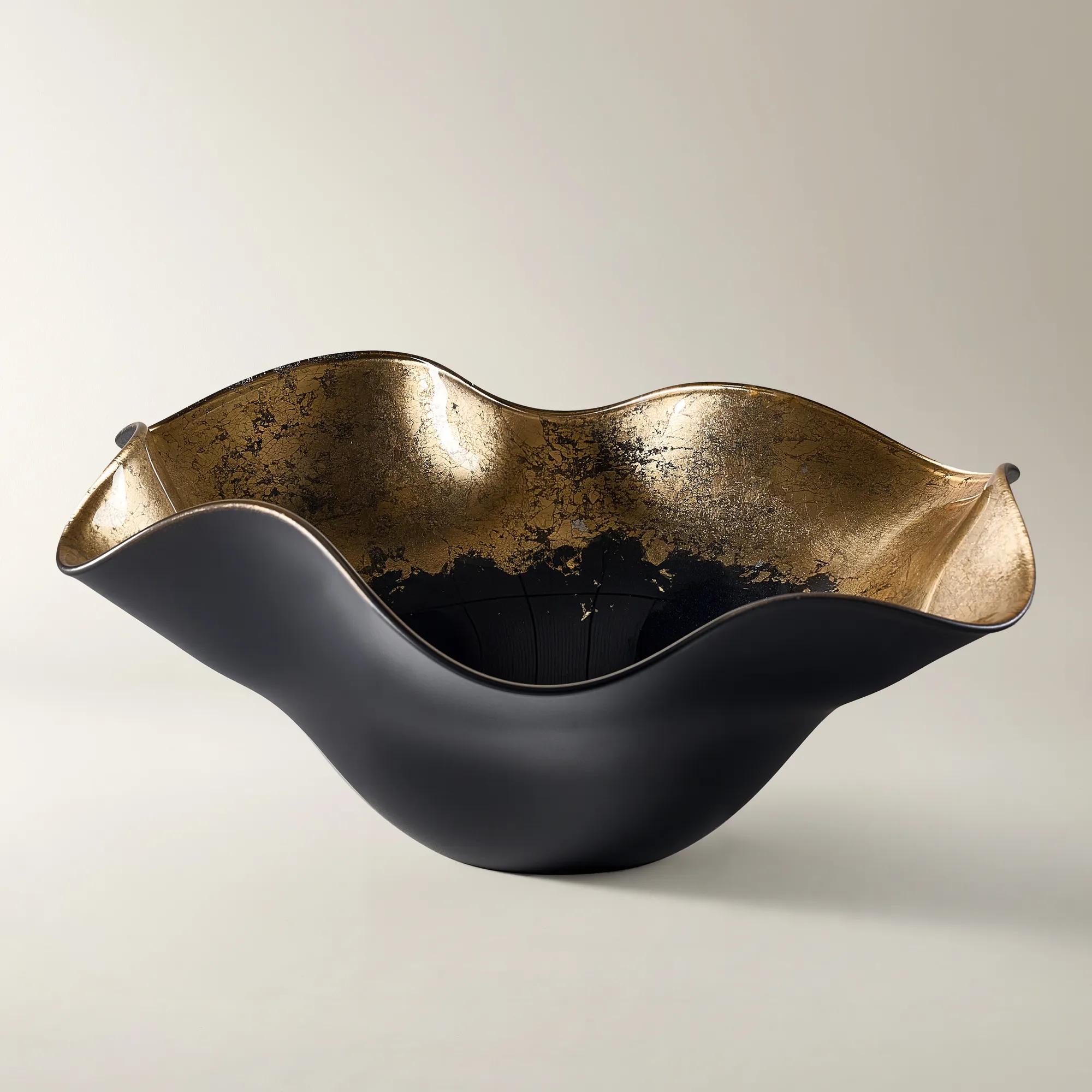 Goldie Mouth Blown Gold Black Glass Decorative Bowl 15.5" x 8.75"$199
A handblown glass bowl in soft gold and black with an organic, sculptural silhouette for modern decor.
Add To Cart -
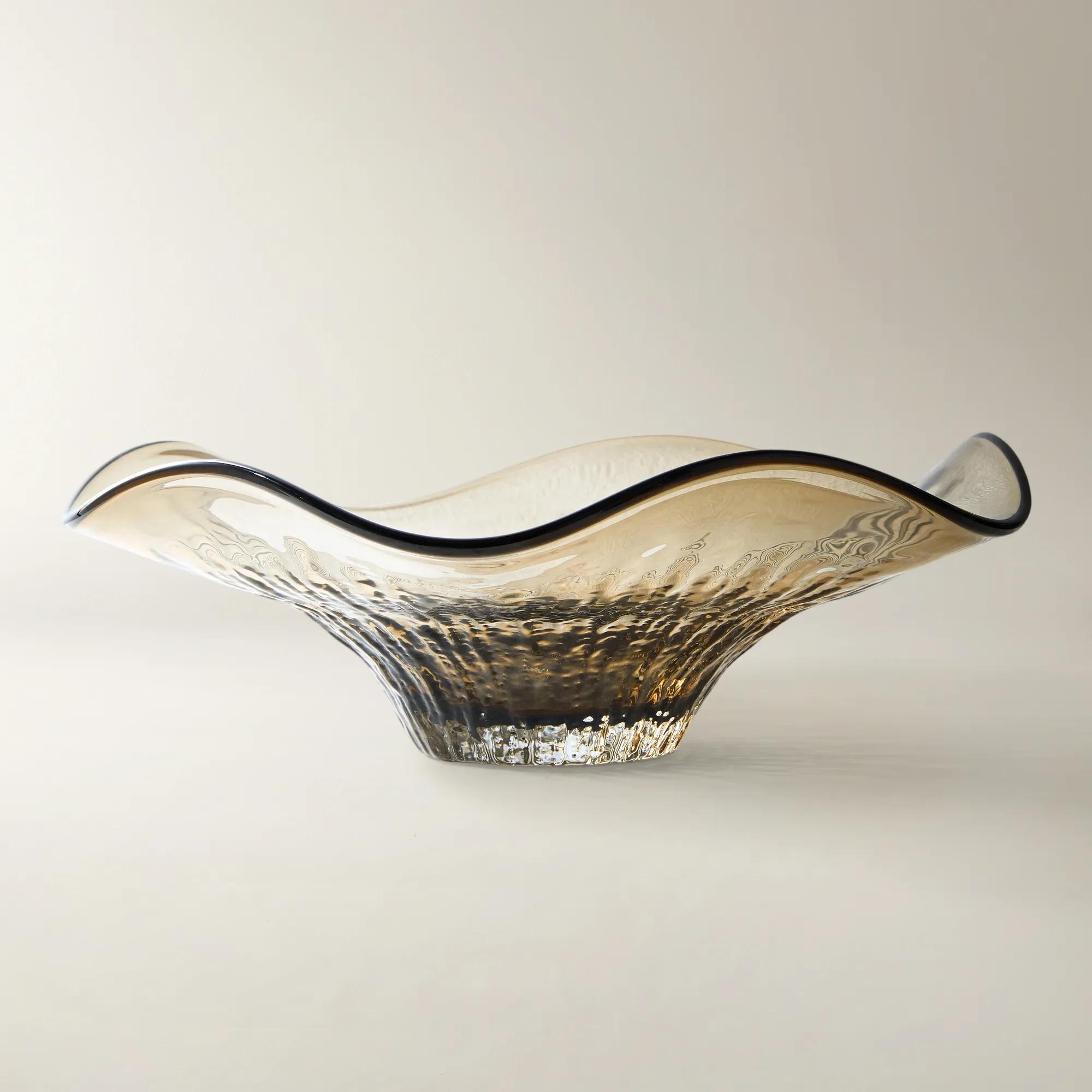 Corsi Brown Handblown Glass Decorative Bowl 15.35" x 5.1"$99
A hand-blown glass bowl in warm amber with organic shape and intricate textural details.
Add To Cart -
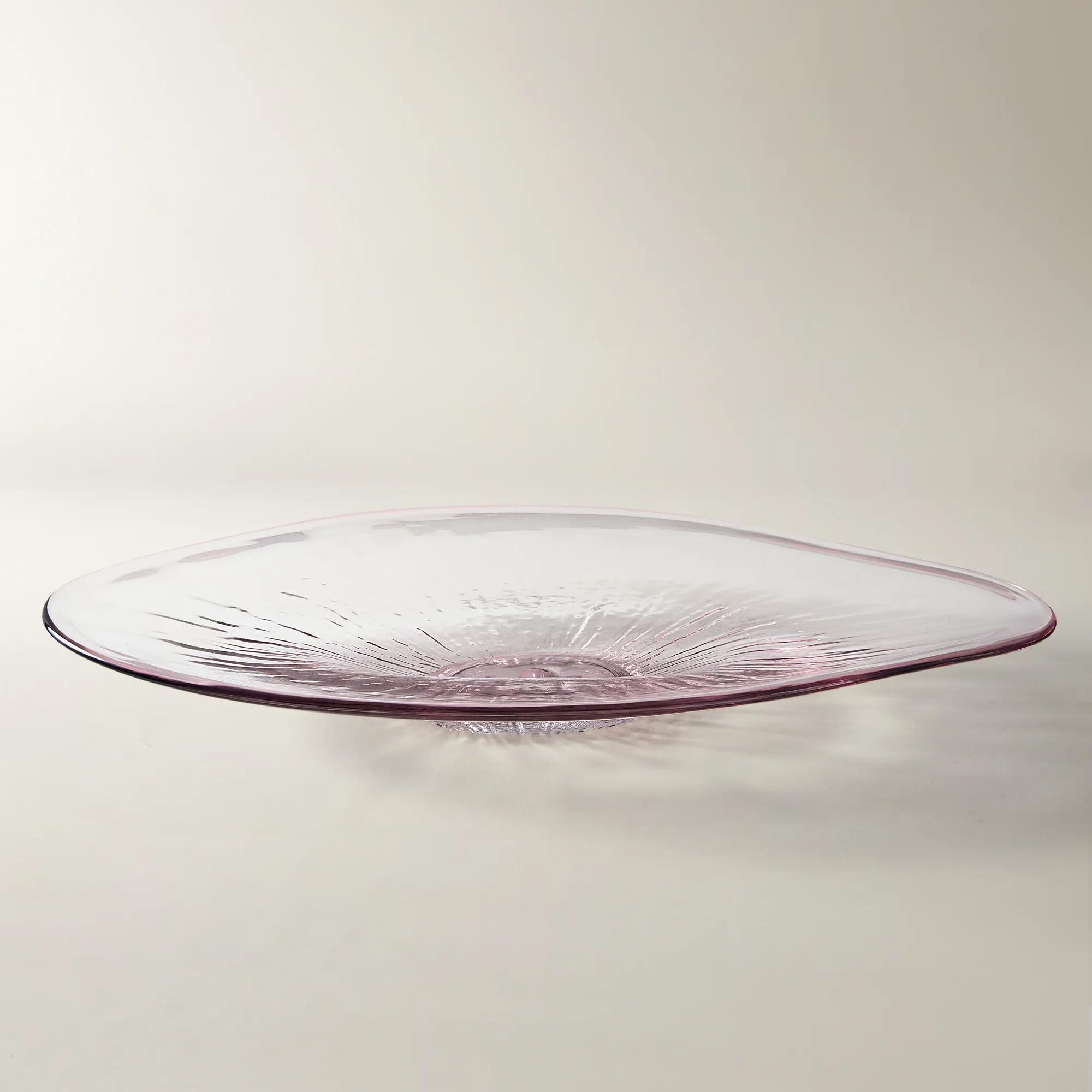 Cortina Decorative Bowl$129
A handblown glass bowl in an ethereal pink hue that brings artistic flair to modern interiors.
Add To Cart -
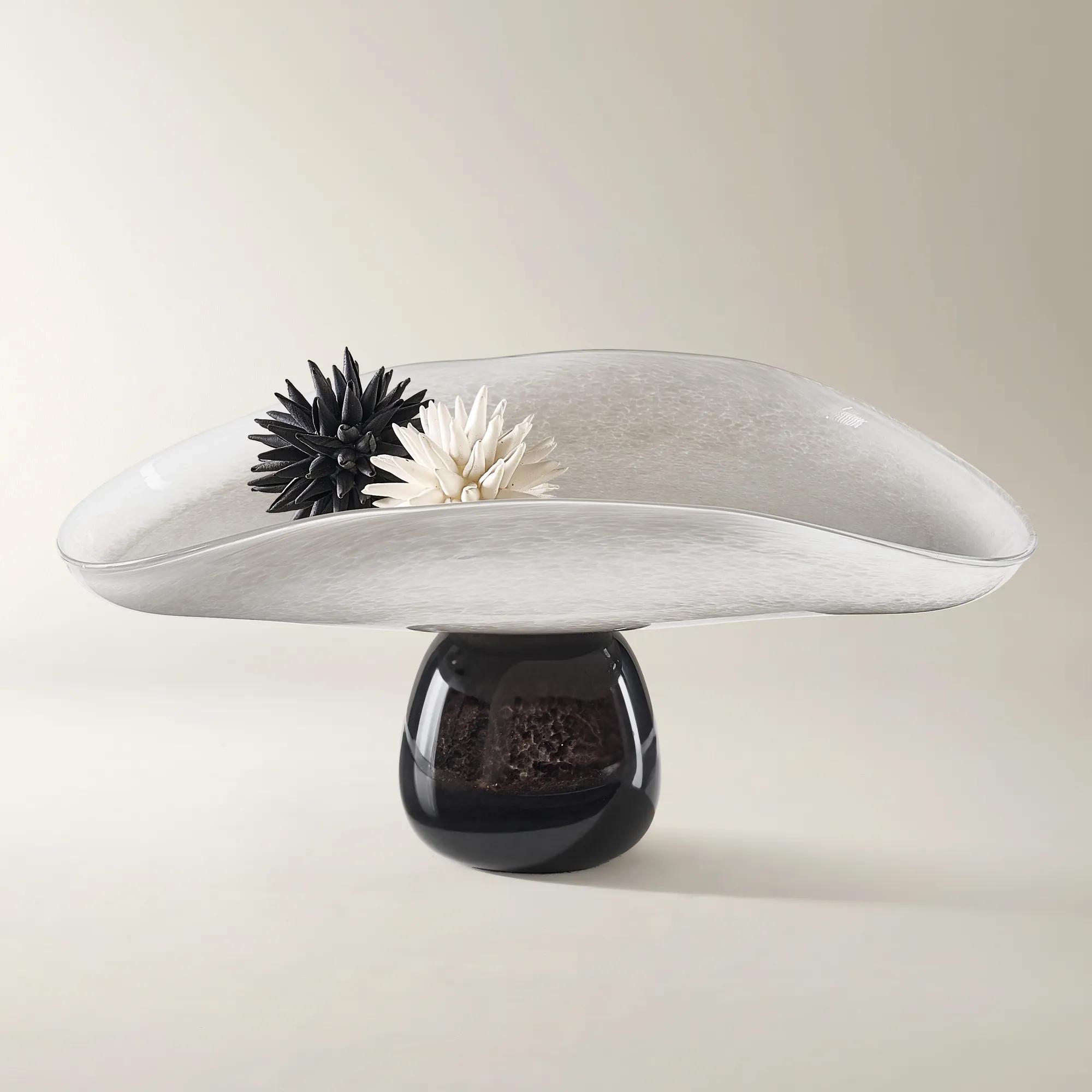 Elois Mouth Blown White Black Pedestal Bowl 14.5" x 7"$149
A handblown glass pedestal bowl featuring striking black and white contrast for a sculptural, modern accent.
Add To Cart -
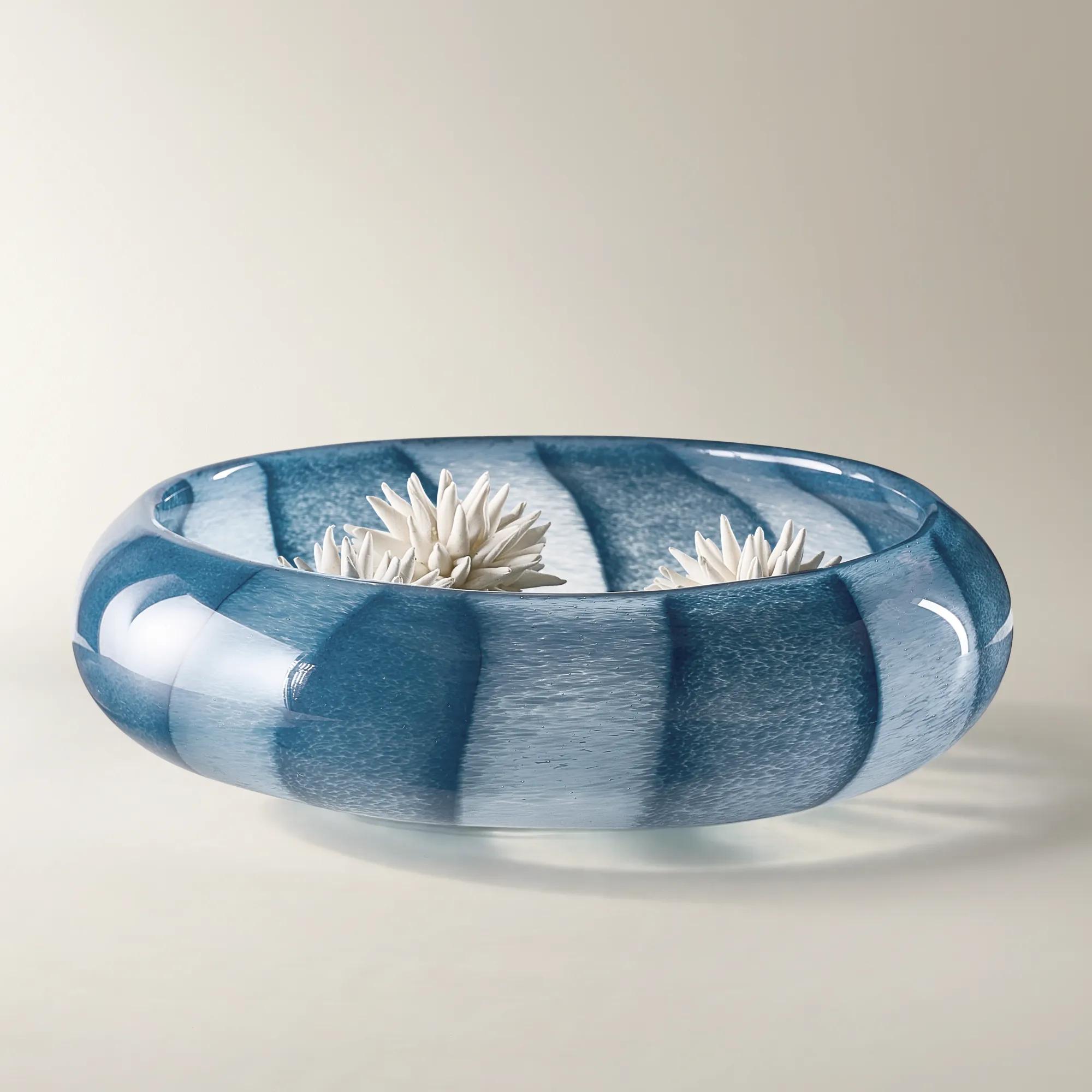 Jonah Mouth Blown Dusty Blue Glass Decorative Bowl 11.75" x 3.5"$89
A handblown glass bowl featuring dusty blue stripes and a sculptural, low rounded silhouette for decor.
Add To Cart -
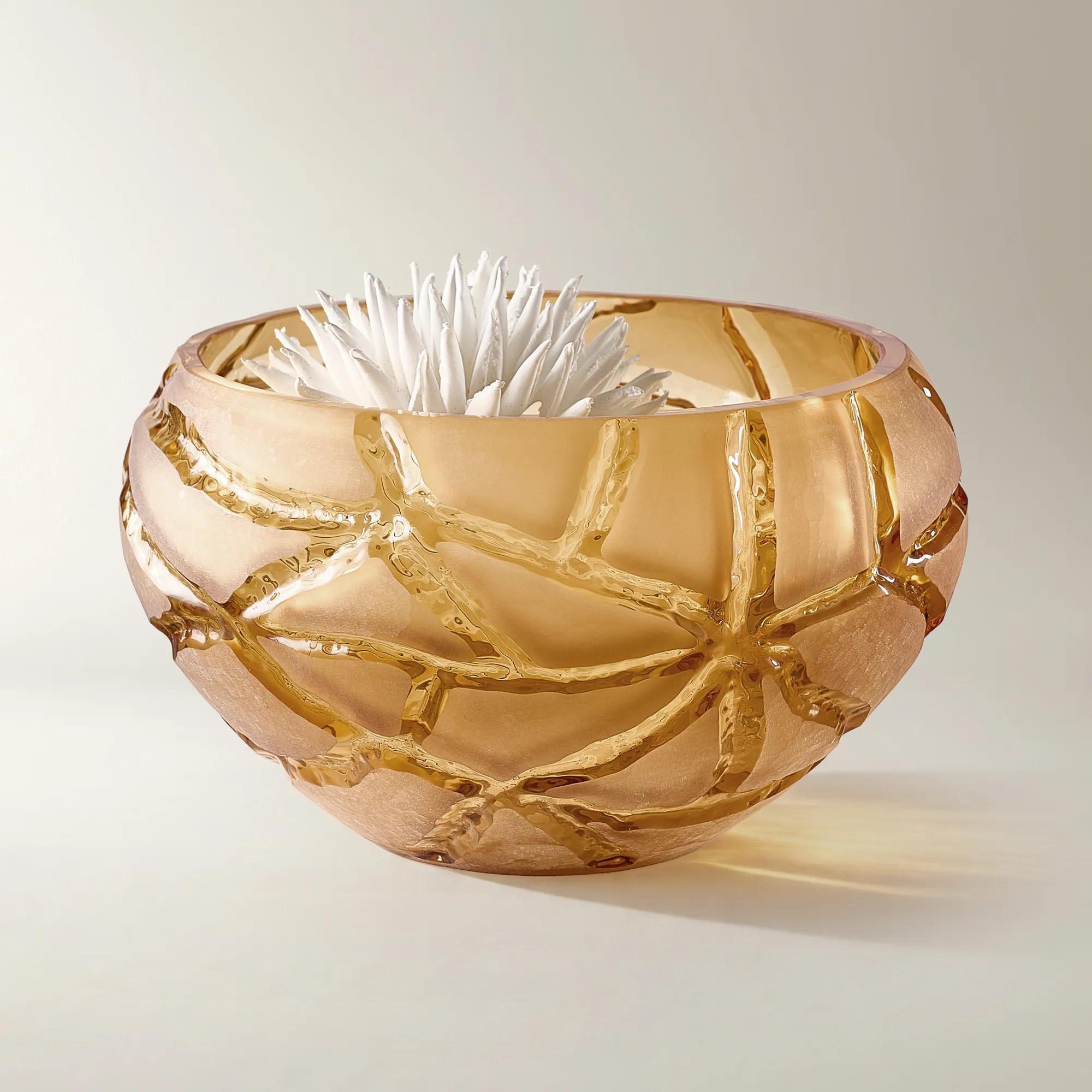 Rowen Mouth Blown Honey Gold Glass Decorative Bowl 11" x 6.25"$129
A handblown glass bowl in honey gold with a textured surface for a luminous, sculptural accent.
Add To Cart -
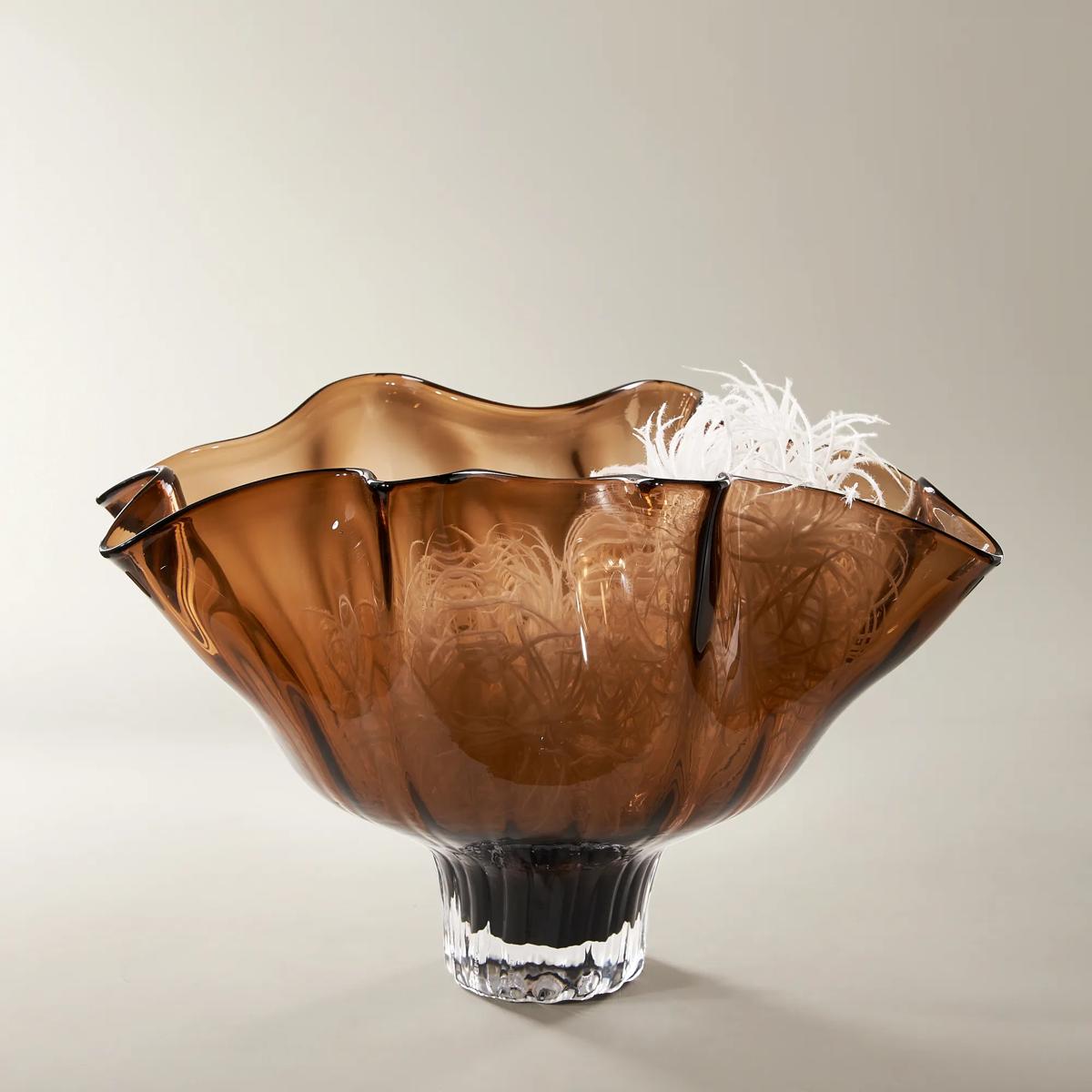
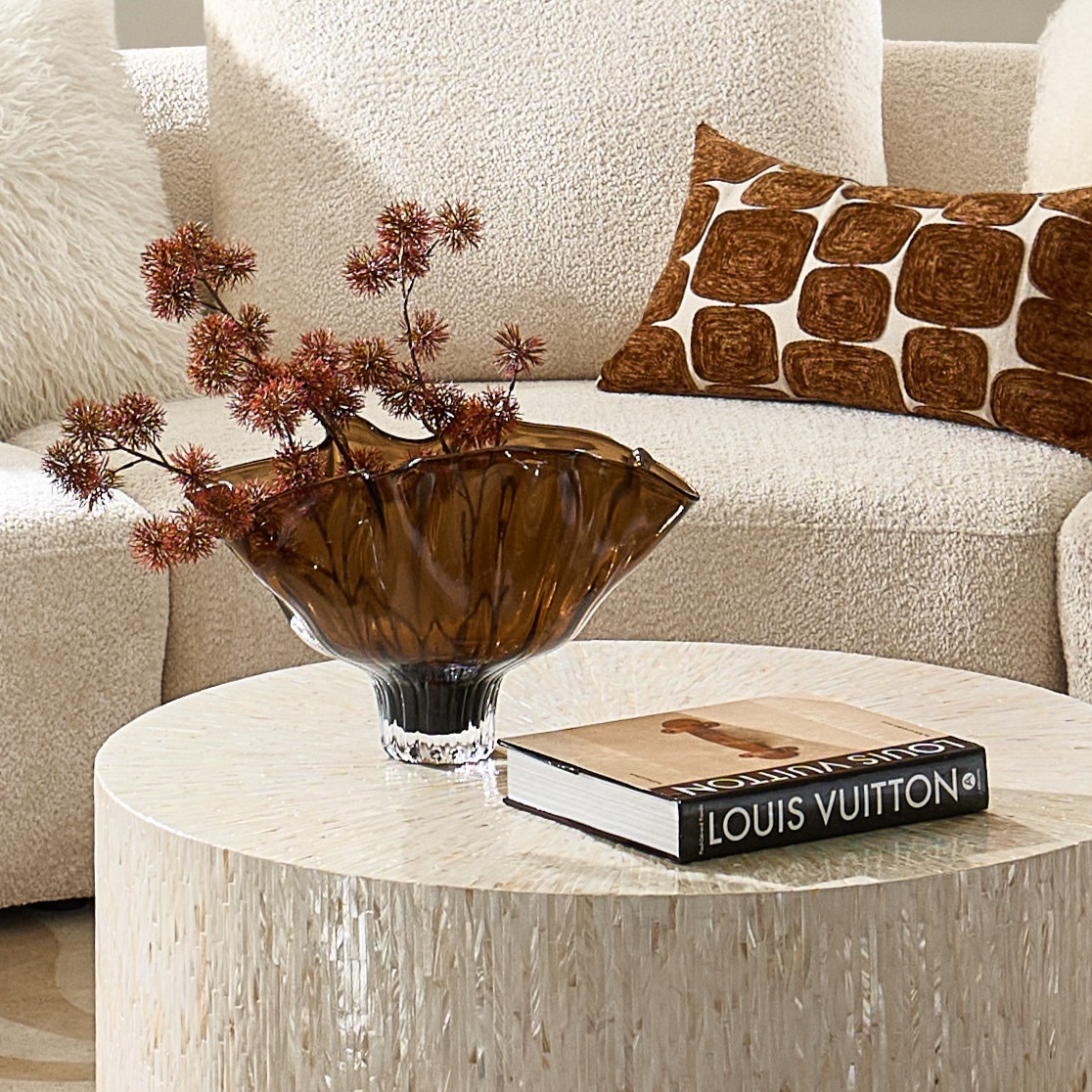 Coco Mouthblown Brown Glass Bowl 17" x 9.75"$139
A hand-blown brown glass bowl with an undulating rim and clear tapered base for sculptural elegance.
Add To Cart -
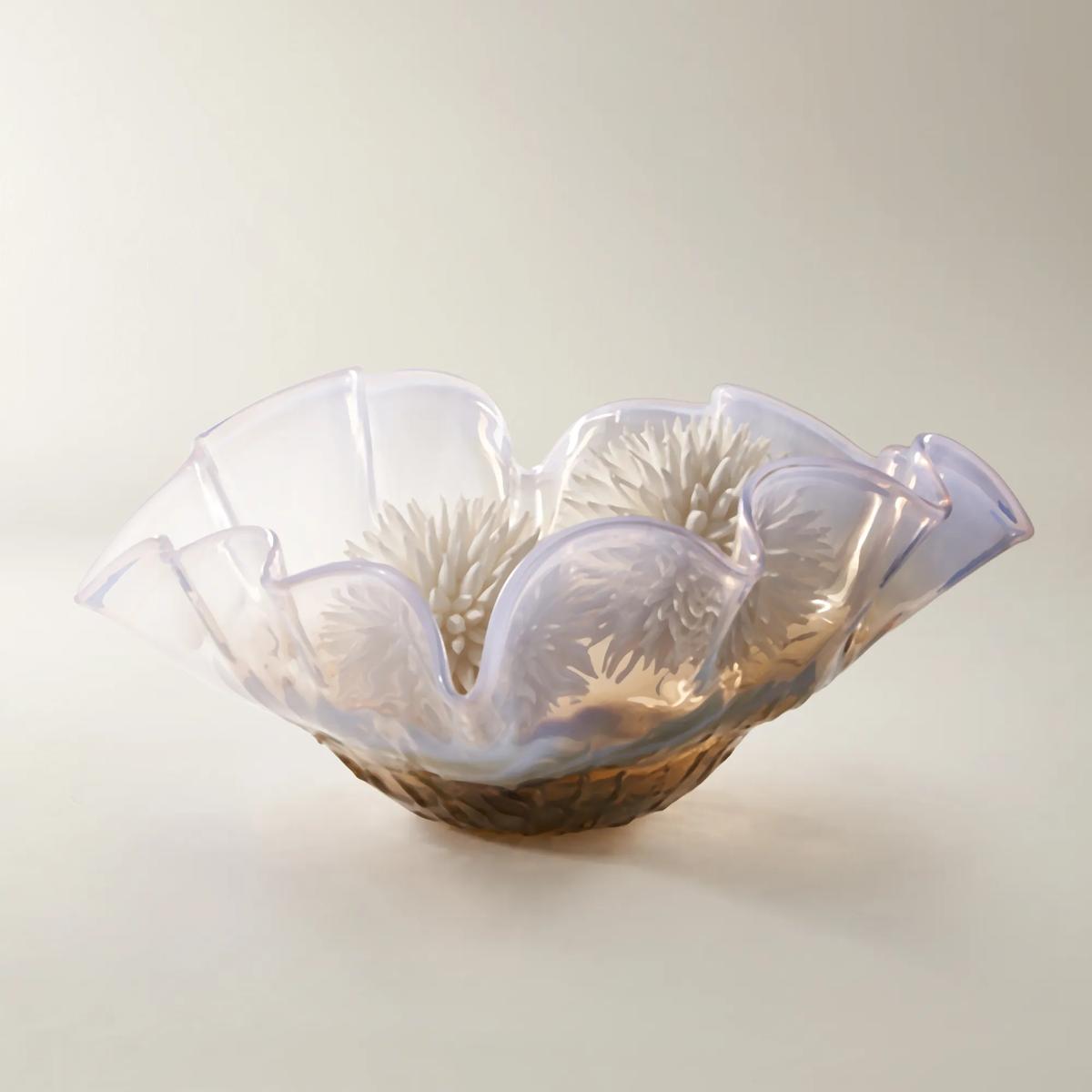
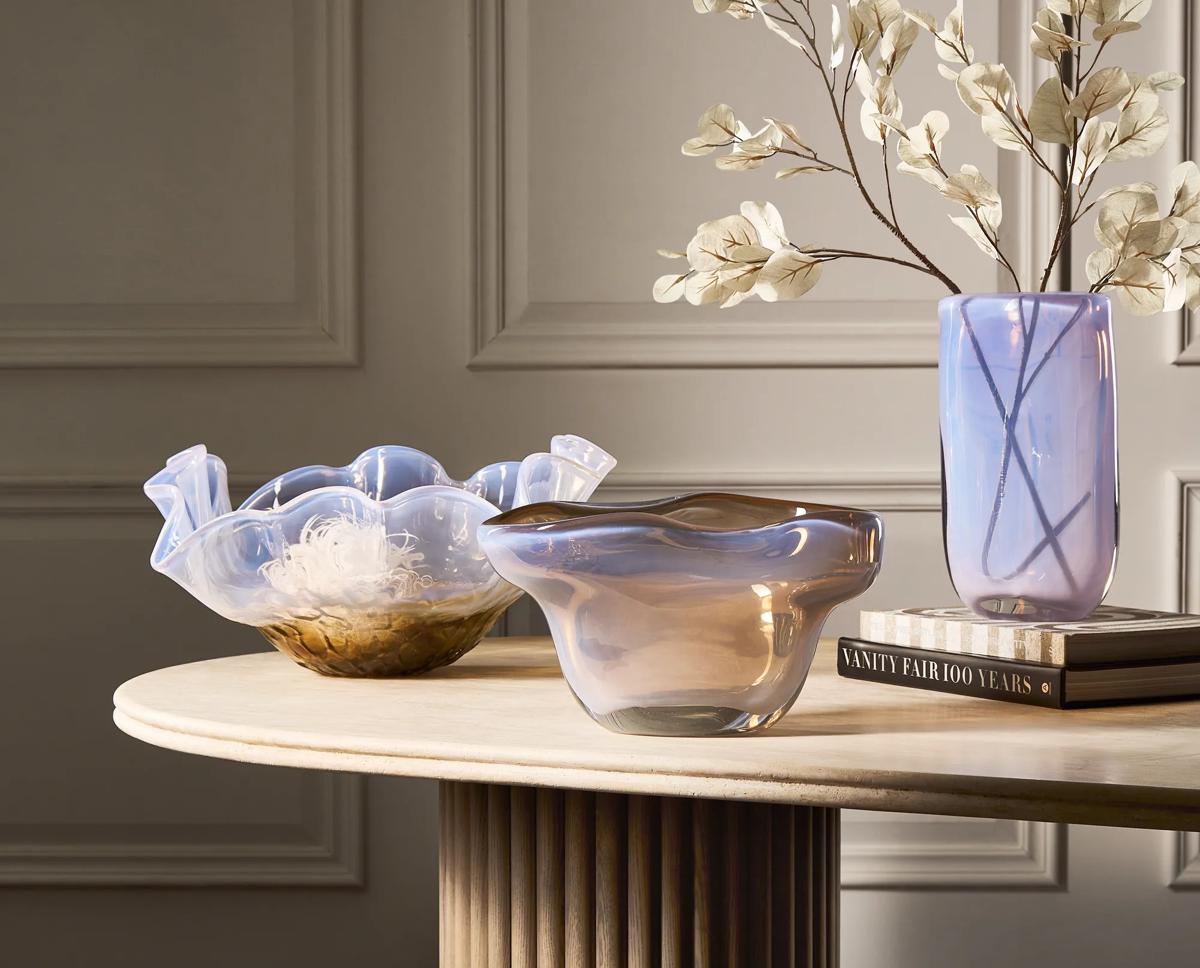 Glacier Glass Bowl$269
A hand-blown glass bowl featuring scalloped edges and swirling lavender and amber hues for artistic elegance.
Add To Cart -
 Calla Mouth Blown Blue Glass Decorative Bowl 15.35" x 5.7"$79
A handblown blue glass bowl featuring unique curves and translucent artistry for striking decorative appeal.
Add To Cart -
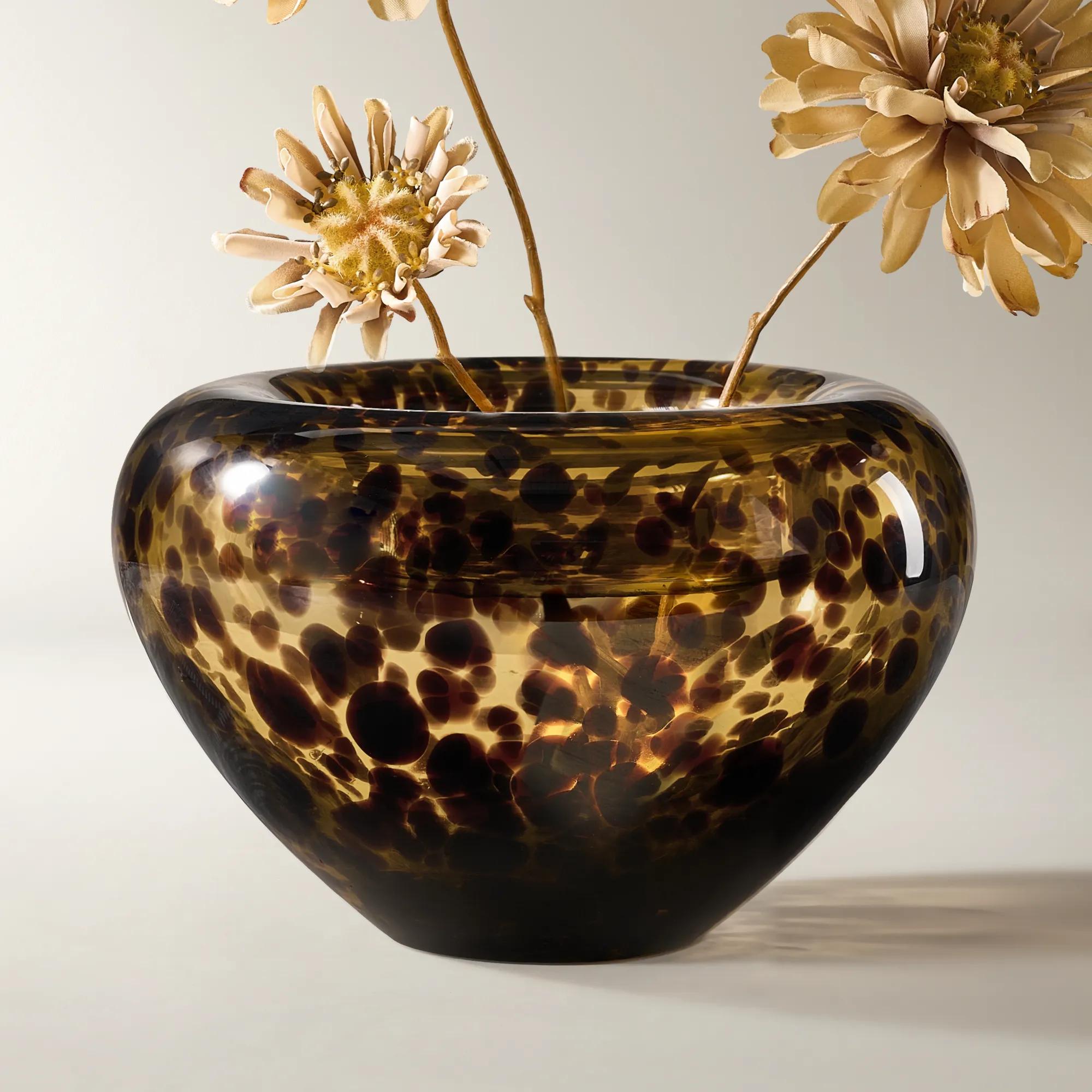 Tortoise Mouth Blown Brown Glass Decorative Bowl 8.25" x 4.25"$69
A handblown glass bowl featuring a warm brown tortoise pattern and a sculptural, rounded silhouette.
Add To Cart -
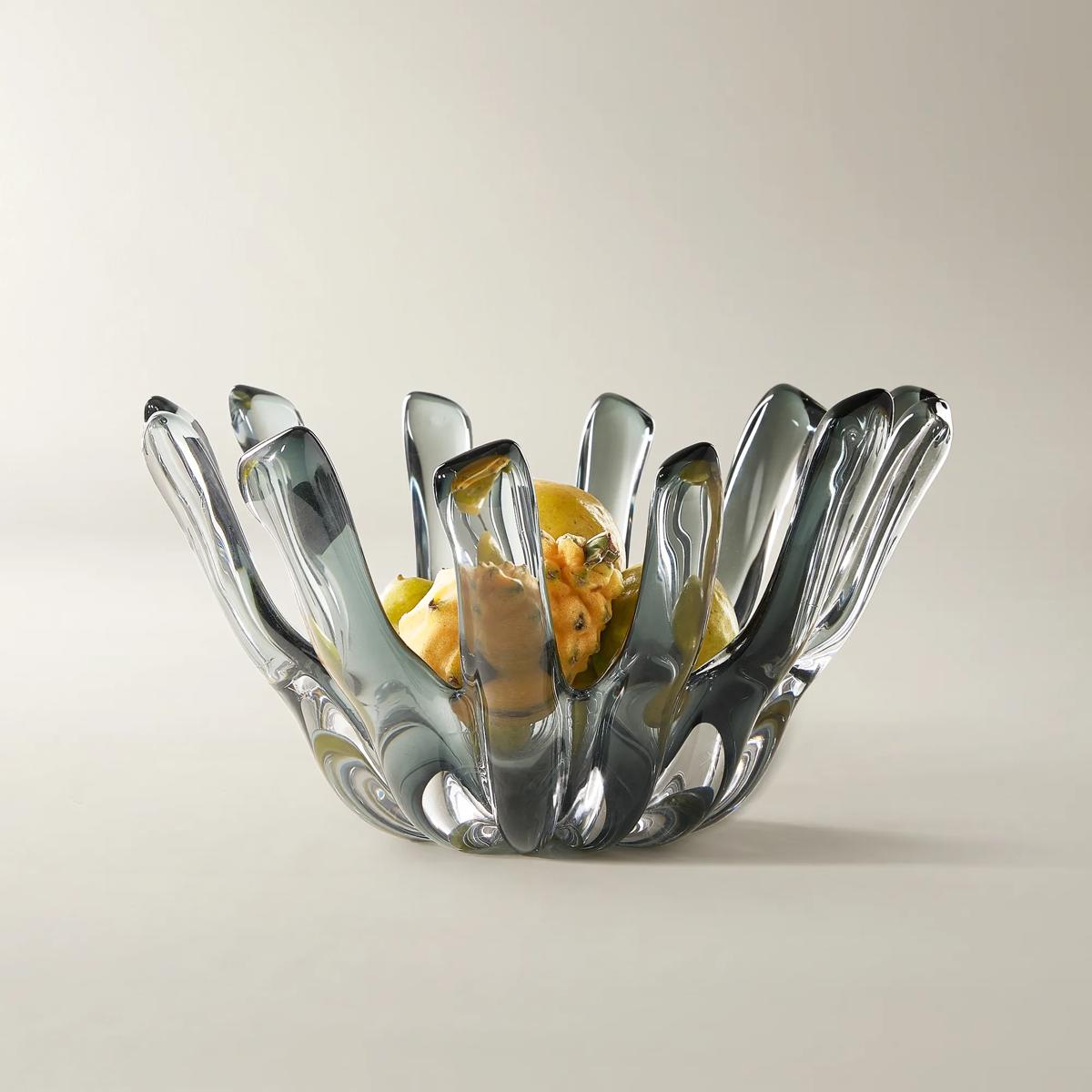
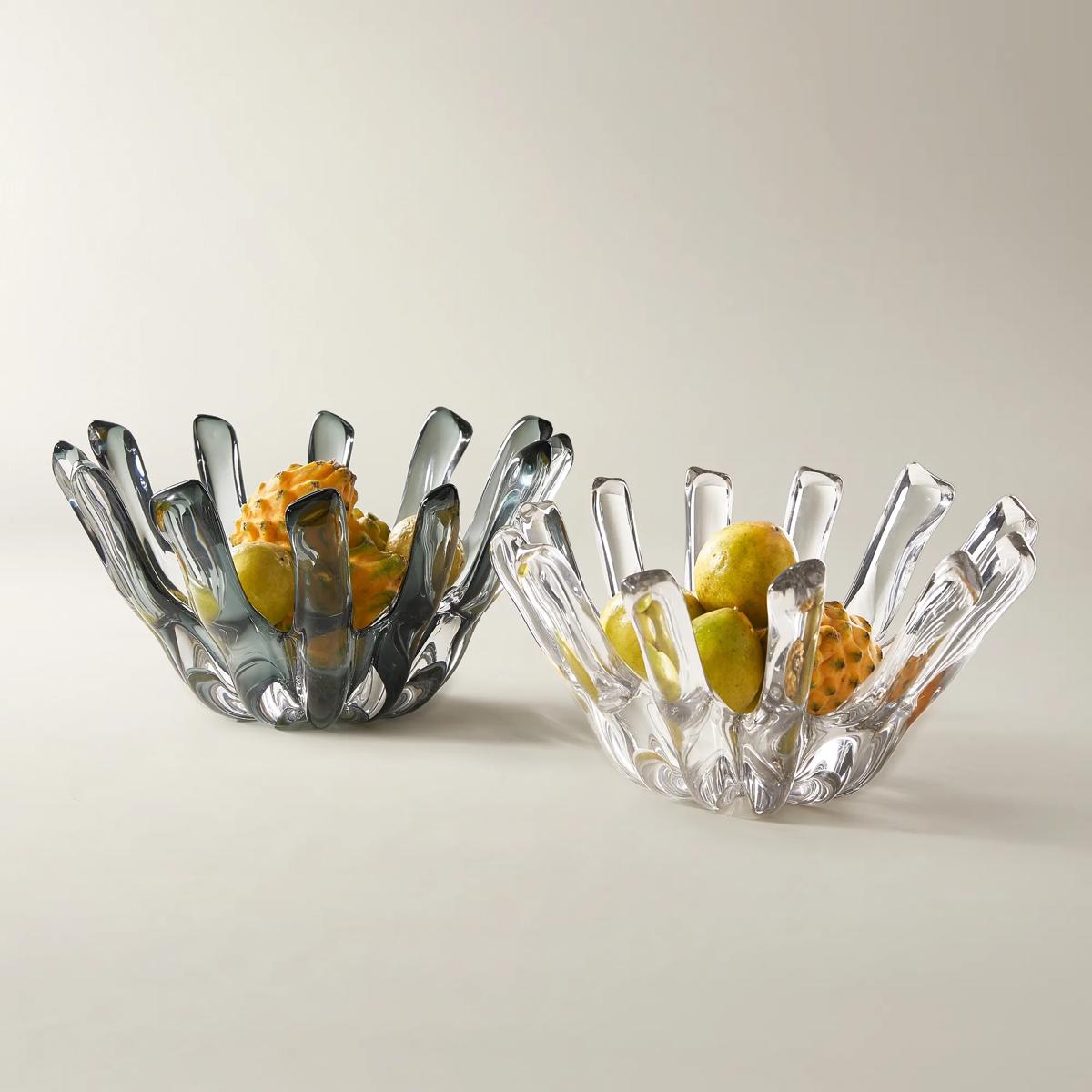 Bossa Smoke Handblown Glass Decorative Bowl 13" x 7"$129
A hand-blown smoky grey glass bowl featuring an expressive, sculptural design for modern decorative displays.
Add To Cart -
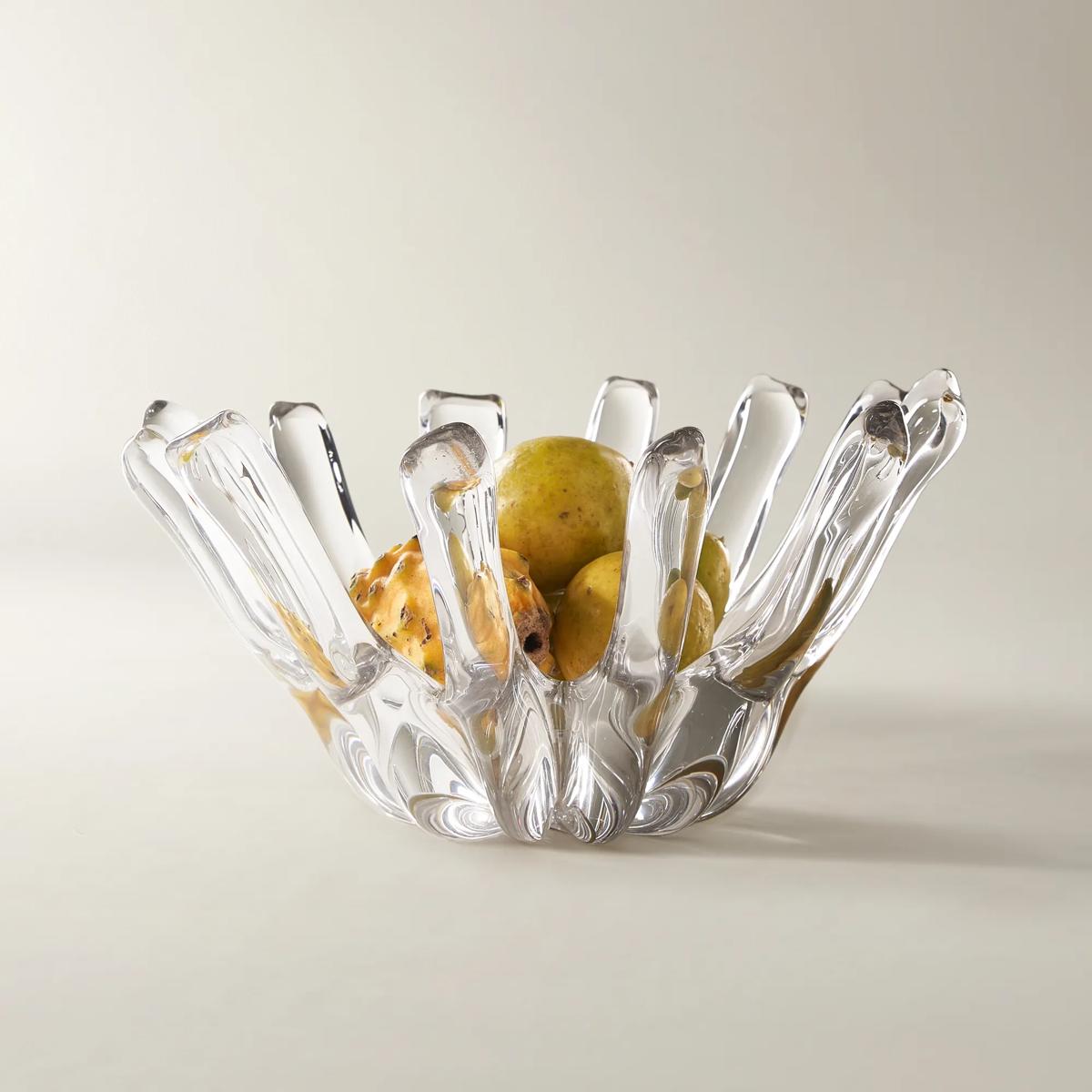 Bossa Clear Handblown Glass Decorative Bowl 13" x 7"$129
A hand-blown clear glass bowl featuring an expressive, sculptural form for modern decorative displays.
Add To Cart -
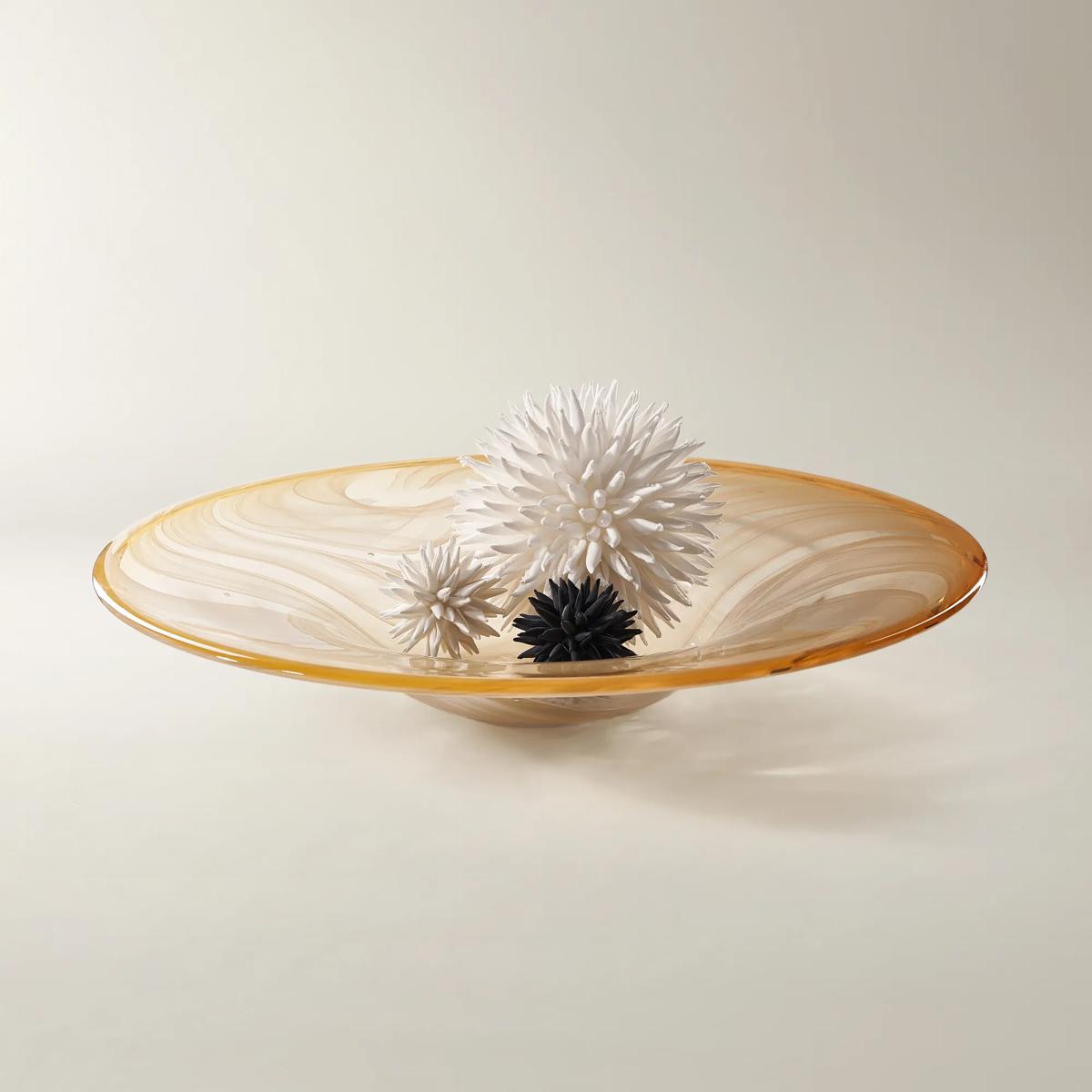
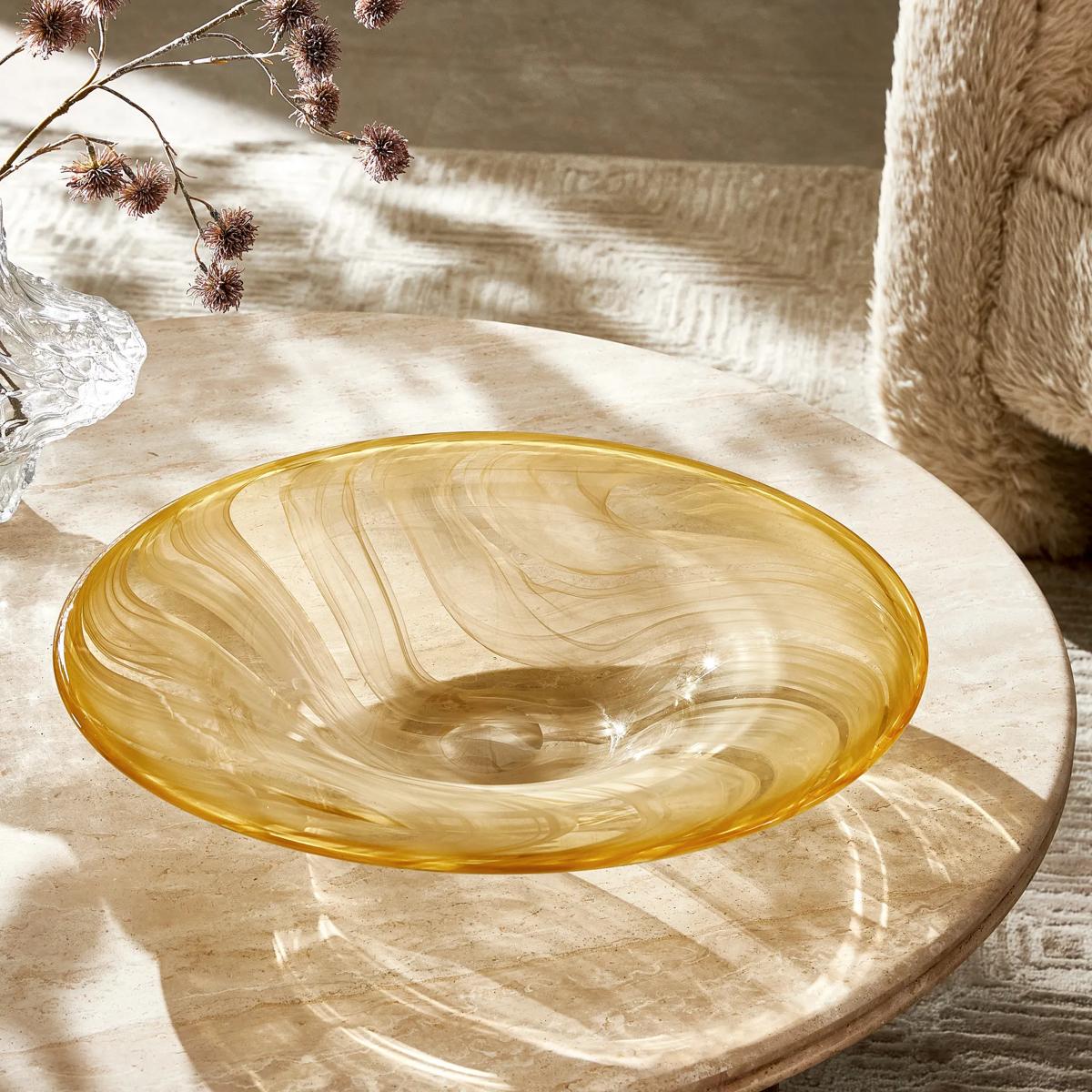 Paradis Glass Plate$239
A hand-blown amber glass plate featuring a swirling, organic design for a radiant decorative accent.
Add To Cart -

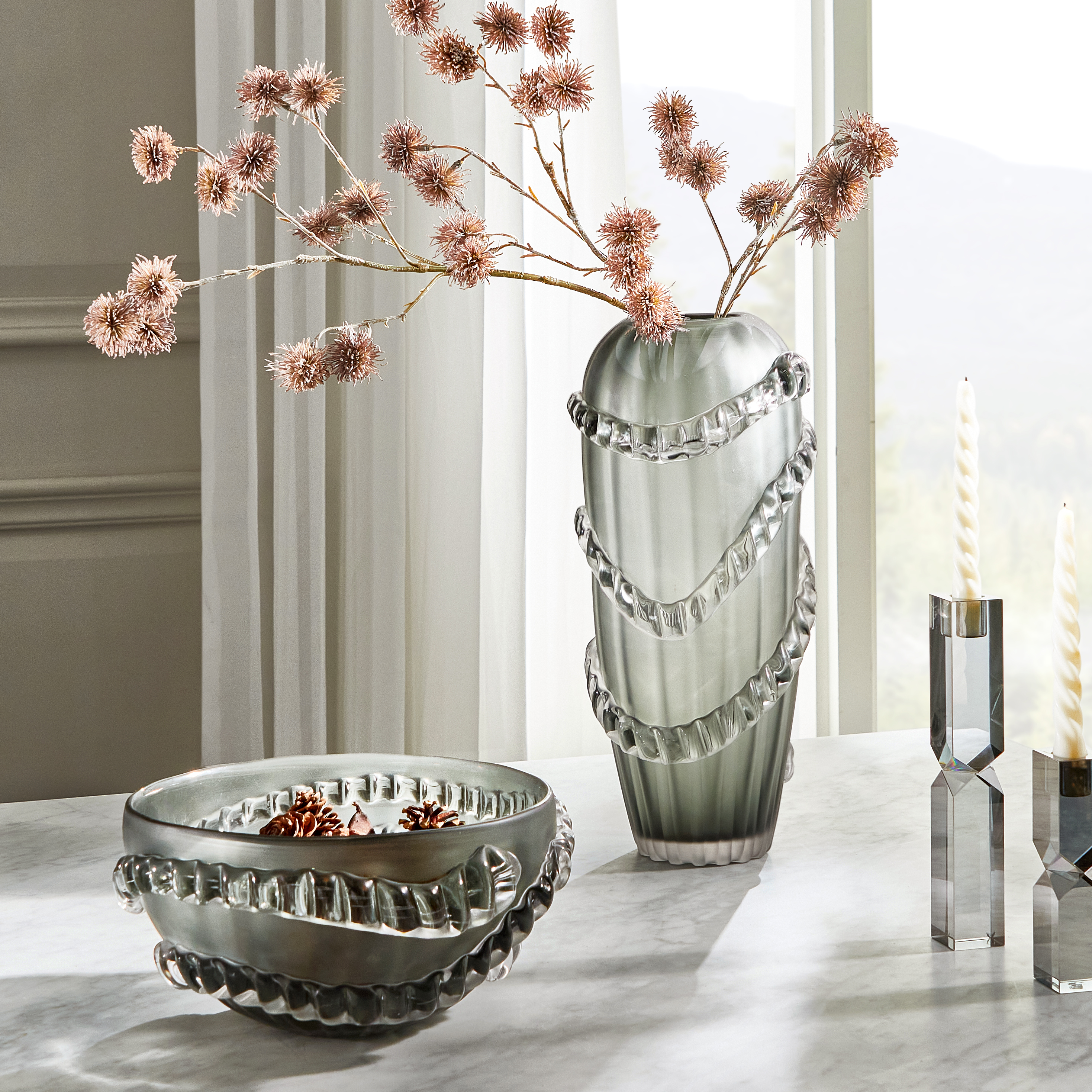 Helix Glass Collection$129
A hand-blown dark gray glass piece featuring fluted bodies and rippling sculptural ribbons for modern elegance.
Add To Cart -
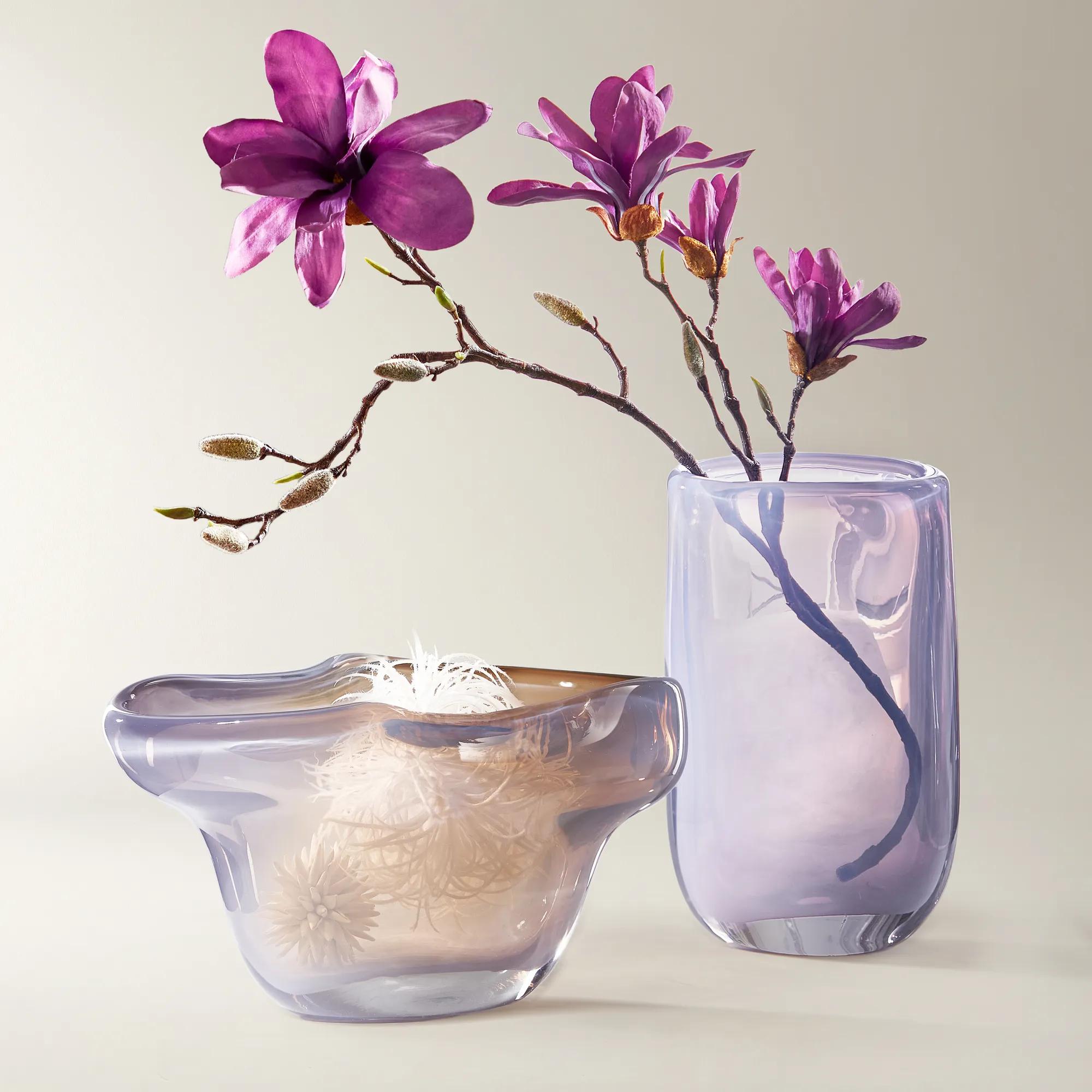
 Aura Collection$189
A hand-blown glass accent in dreamy lavender, showcasing fluid curves and modern sculptural artistry.
Add To Cart -
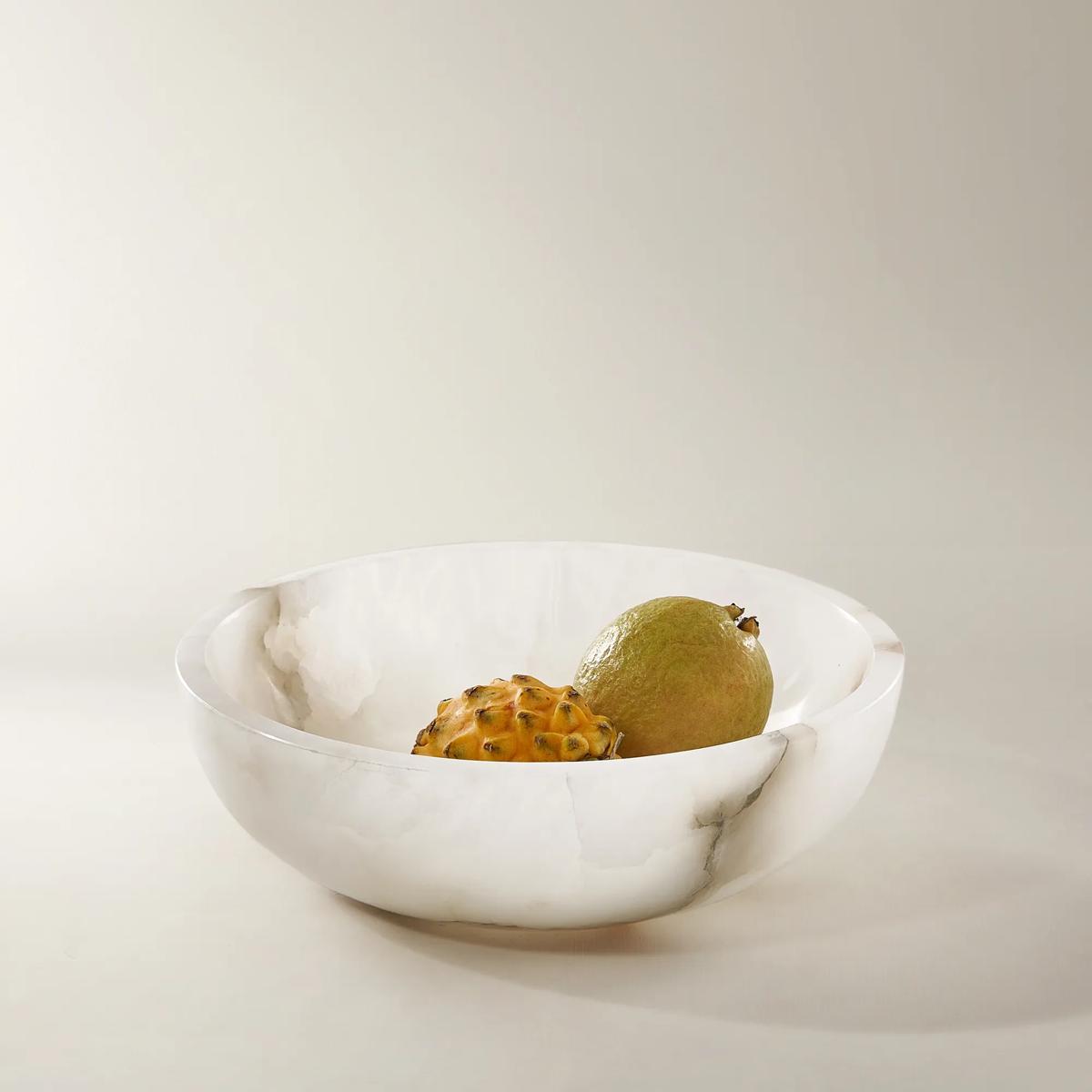 Alabaster Bowl$369
A hand-sculpted alabaster bowl featuring organic veining and soft, milky white translucence.
Add To Cart -
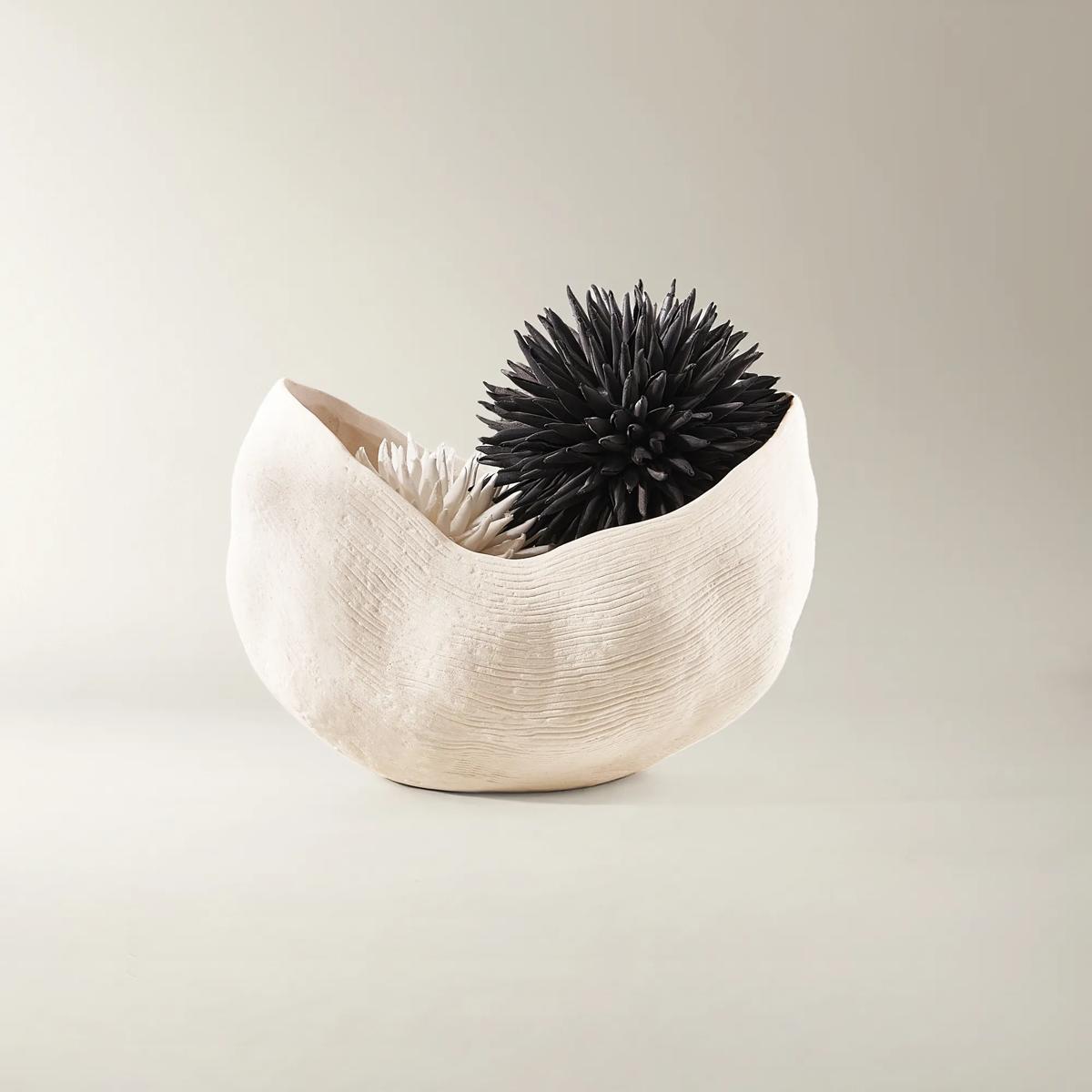 Baz Ivory Porcelain Bowl$119
A sculptural ivory porcelain bowl with a matte, textured finish and organic, free-flowing silhouette.
Add To Cart -
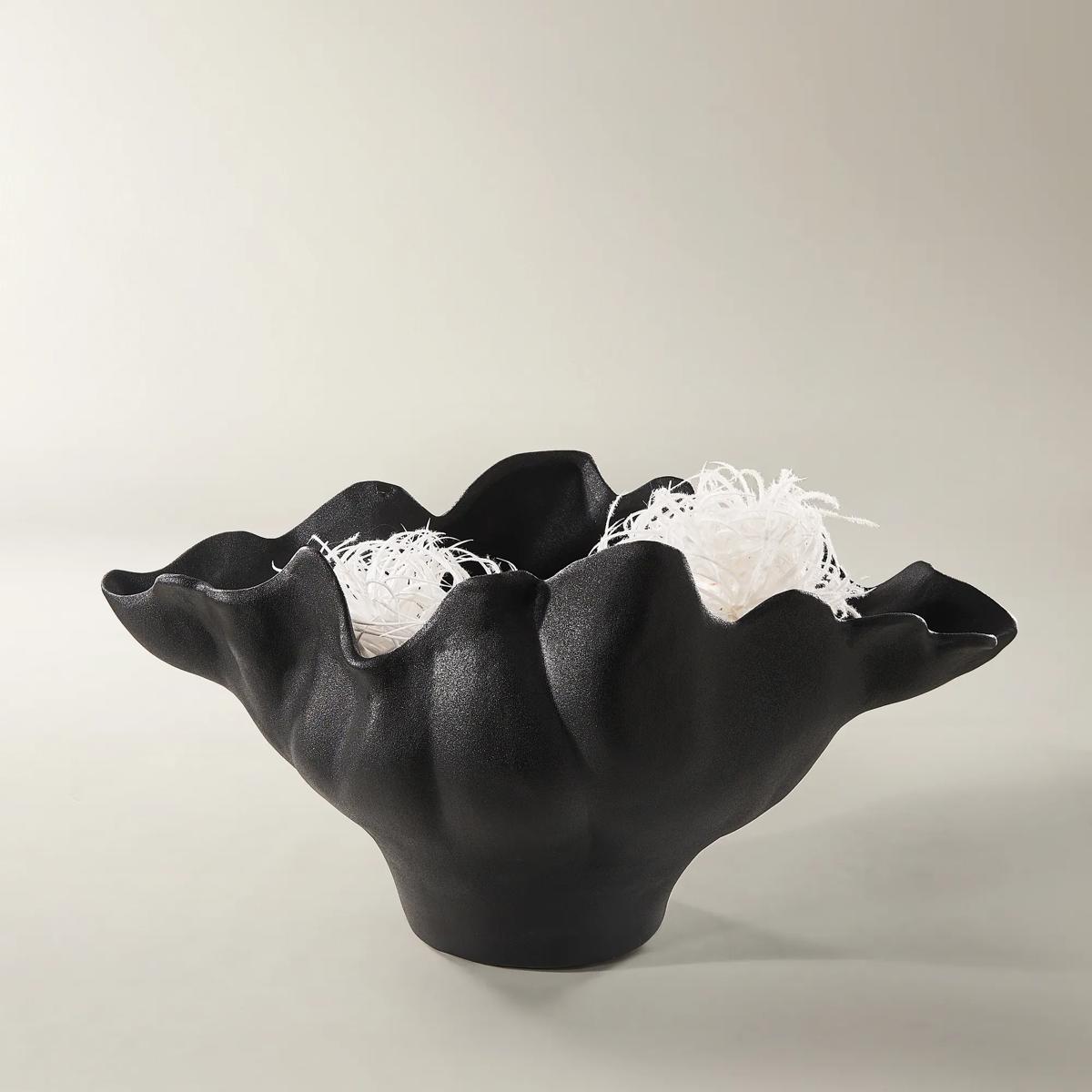
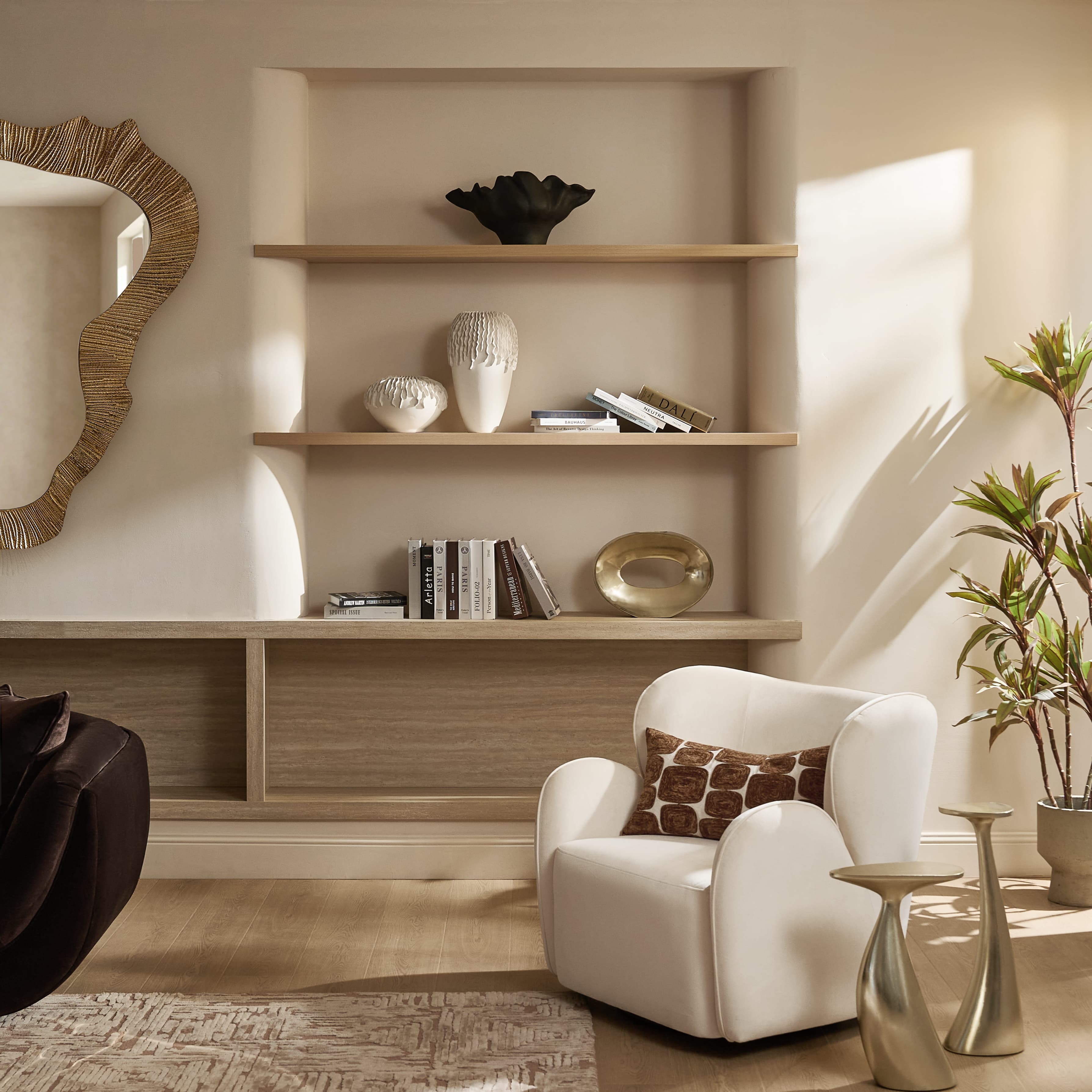 Ebba Black Porcelain Decorative Bowl 20.25" x 10.25"$199
A sculptural matte black porcelain bowl with undulating petal-like edges for bold, artistic elegance.
Add To Cart -
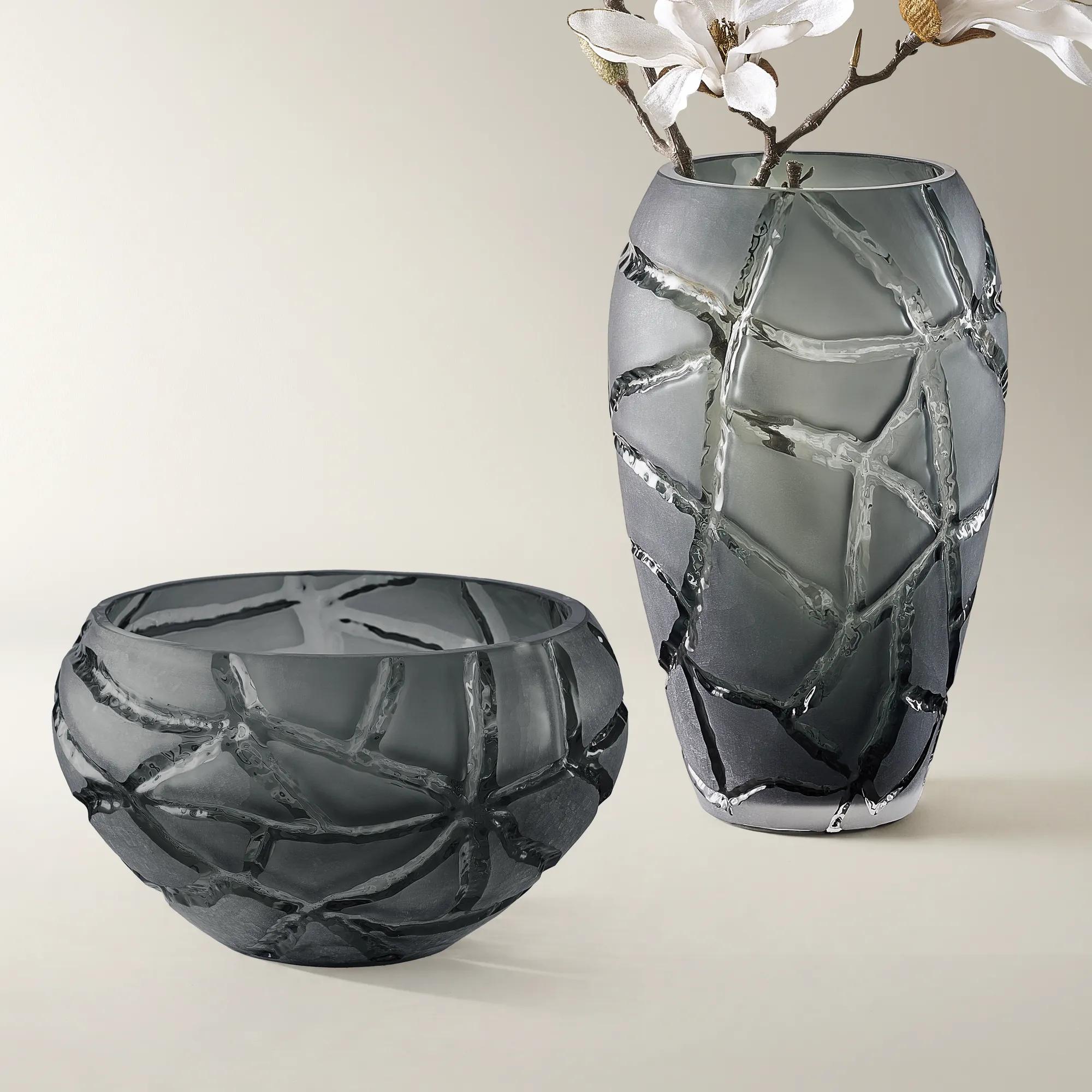 Rowen Mouth Blown Charcoal Glass Vase & Bowl$129
A handblown charcoal glass vase featuring a textured surface for moody sophistication and sculptural appeal.
Add To Cart -
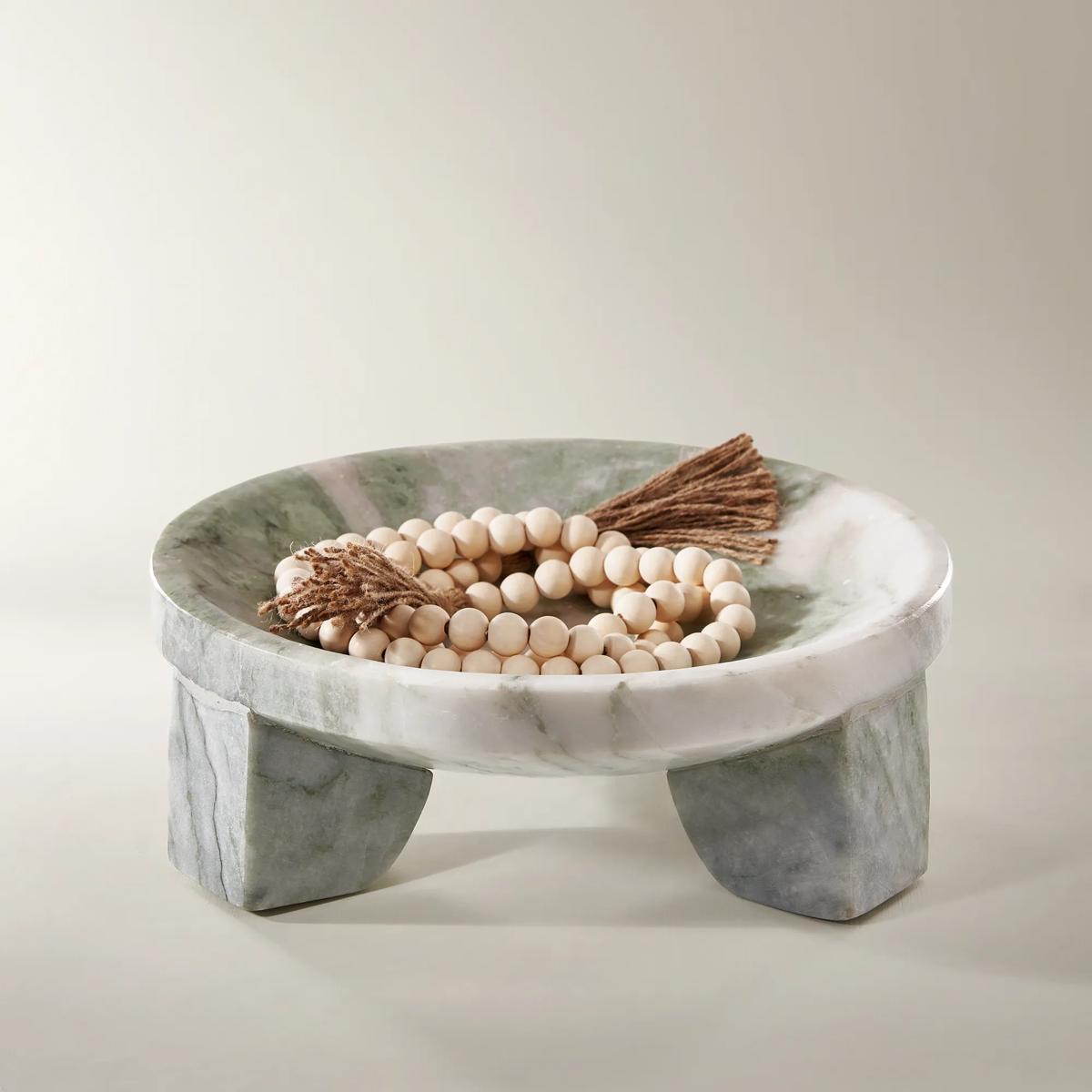
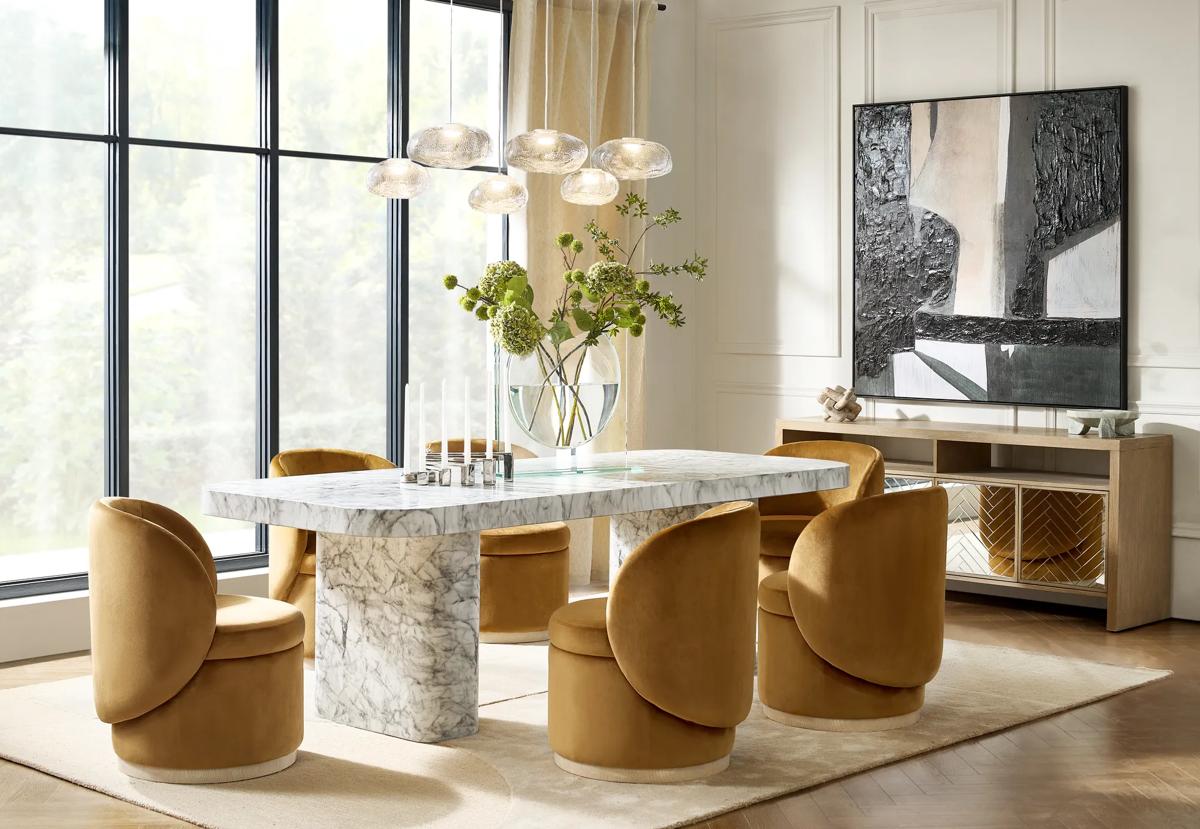 Light Green Marble Footed Bowl$199
A hand-carved onyx bowl featuring soft green marbling and sculptural feet for organic elegance.
Add To Cart -
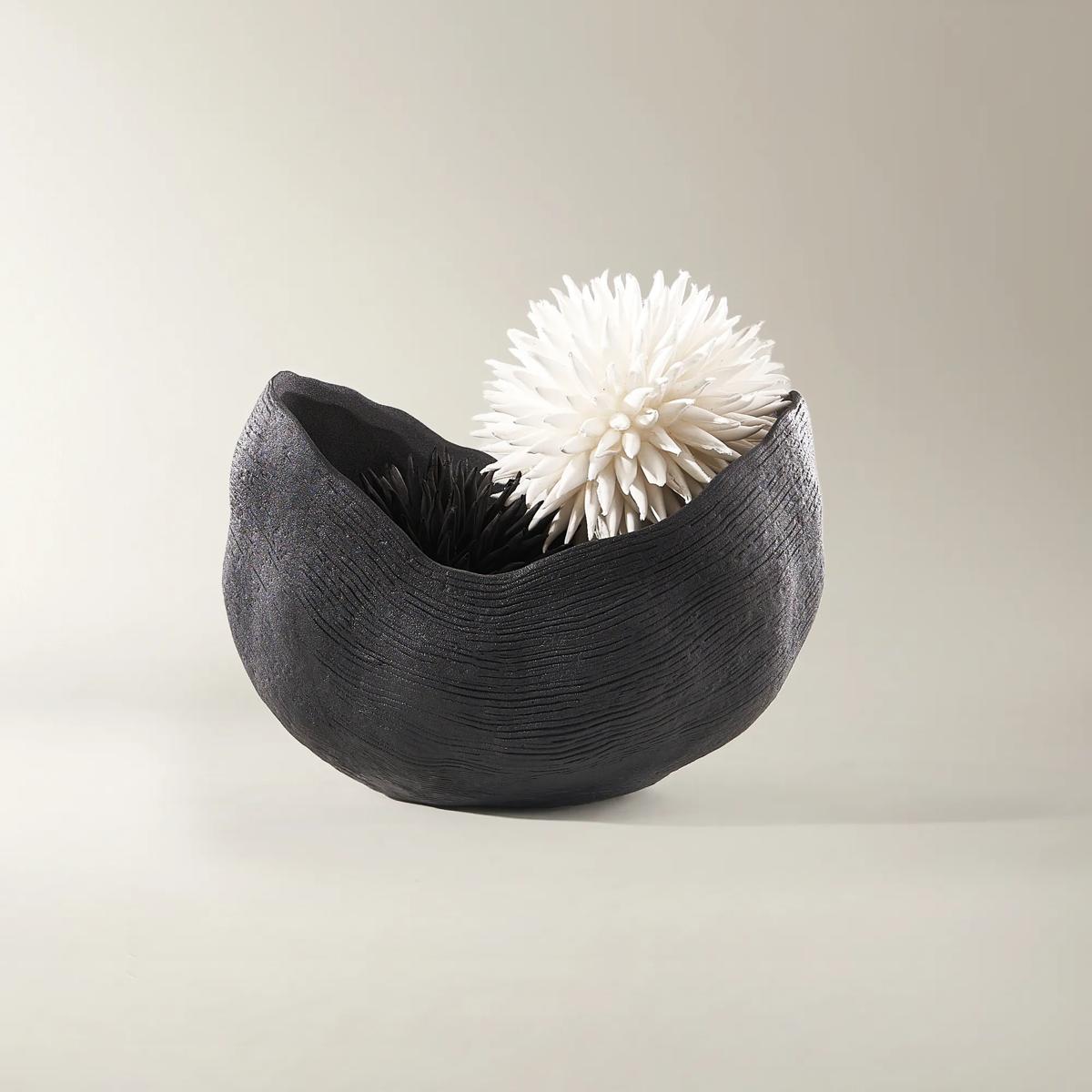 Baz Bowl - Black$119
A sculptural black porcelain bowl with a matte, ridged texture for bold, modern decor accents.
Add To Cart -
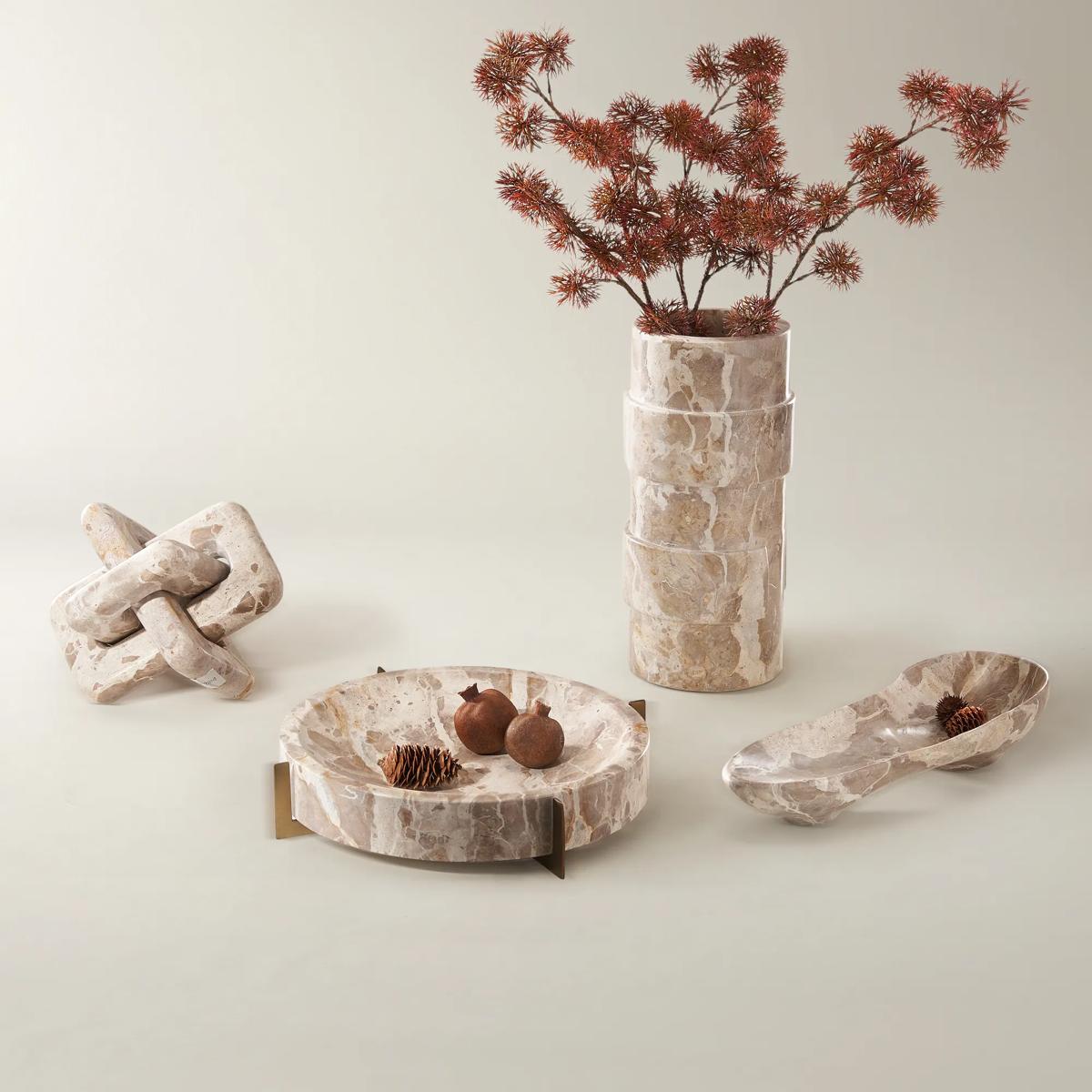
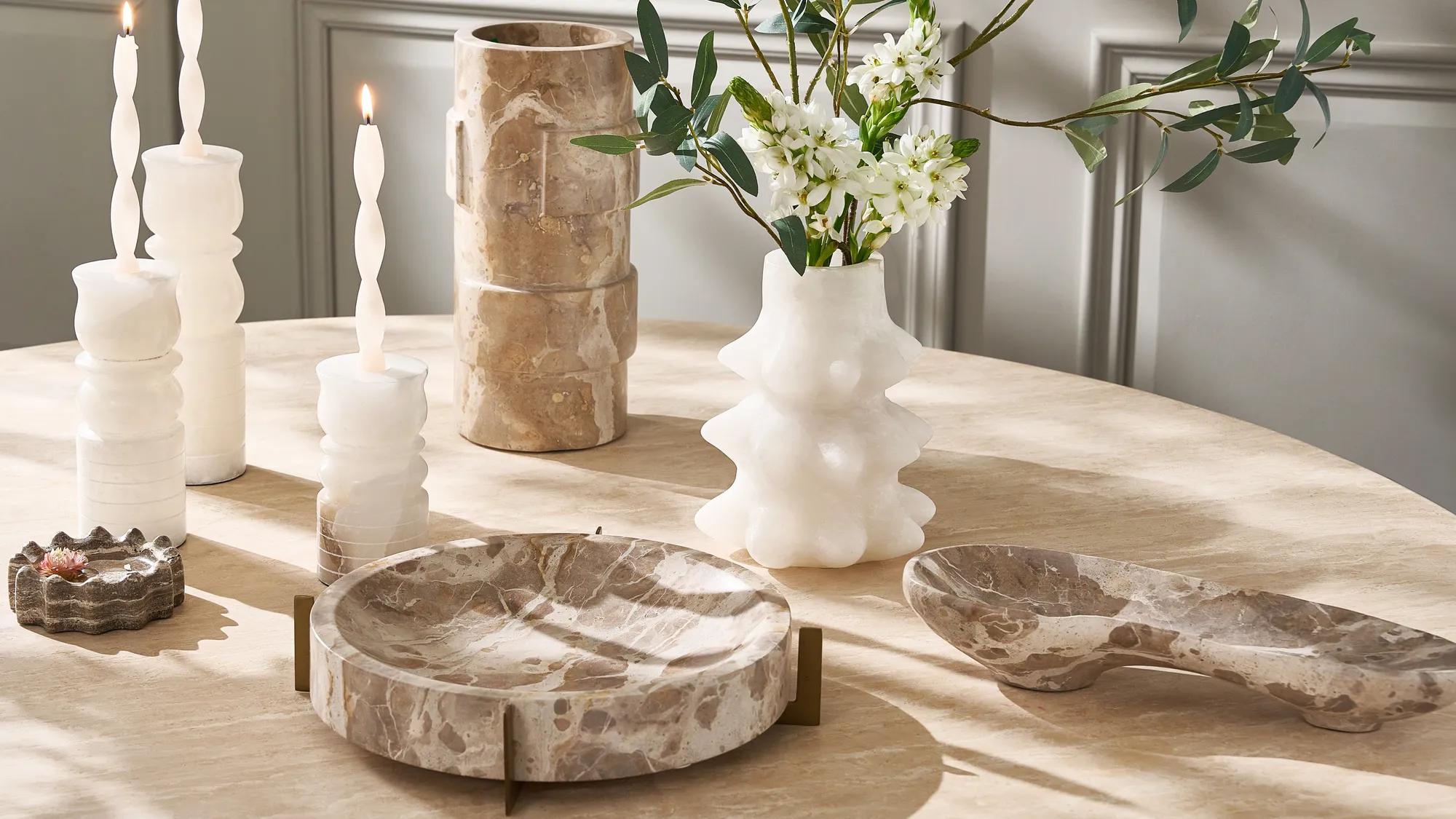 Neutral Marble Collection$129
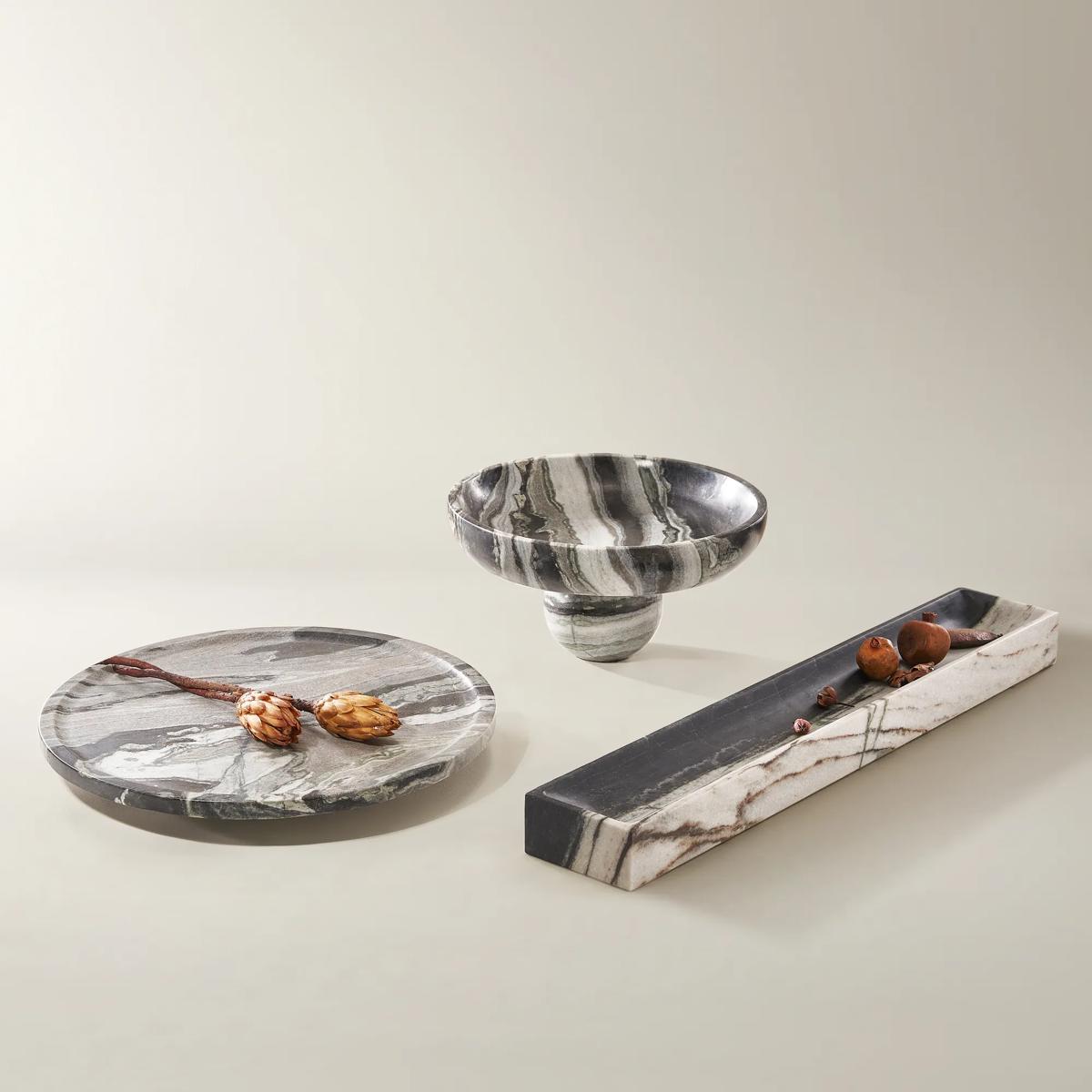
A handcrafted marble decor collection featuring unique veining, natural neutral tones, and elegant metal accents.
Add To Cart

Large Handblown Decorative Bowls
Large Handblown Decorative Bowls are the ultimate expression of artistry and scale—a striking marriage of sculptural form and luminous presence. Each piece transforms a tabletop or console into a curated gallery, inviting light to dance across undulating curves and vibrant hues. Whether cradling seasonal treasures or standing alone as an objet d’art, these statement vessels infuse every room with drama and distinction. Elevate your space with the bold allure of handblown glass—where every bowl is a masterpiece, and every glance reveals something new.
Large handblown decorative bowls are generously scaled glass vessels chosen primarily for their sculptural presence, expressive color, and ability to anchor a tabletop display. More than a place to gather objects, a substantial glass bowl introduces movement: a sweeping rim, a deep pool of color, or a translucent surface that changes character as light passes through it. Handblown glass begins as molten material shaped with breath and tools, allowing the maker to develop rounded volumes, flowing contours, and distinctive proportions. Depending on the design and technique, subtle differences in shape, color distribution, or surface texture may contribute to its handcrafted character. Those details are especially compelling at a larger scale, where a curved edge or ribbon of pigment becomes a visible part of the room’s composition. Clear glass brings luminous depth to a richly layered interior without concealing the surface beneath it. Smoky tones create a more atmospheric effect, while saturated jewel colors introduce the intensity of an art object. Opaque glass can feel weightier and more architectural, with the silhouette taking precedence over transparency. Smooth, rippled, and organically contoured surfaces each interact differently with surrounding light, making texture as important as color when considering the overall impression. A broad, shallow bowl reads as an expansive gesture across a dining table; a deeper vessel creates a more concentrated focal point on a console or pedestal. Neither needs elaborate contents to feel complete. The curve of the glass, the thickness of its walls, and the relationship between its interior and exterior surfaces can provide all the visual interest a setting needs. For interiors built around plush upholstery, polished metal, and bold artwork, these bowls offer a complementary note of fluidity. In a room with restrained furnishings, a single expressive form can introduce the artistry that gives the entire space its identity. The appeal lies in that balance of function and sculpture: a familiar shape transformed into something worth looking at closely.
Scale determines whether a decorative bowl feels beautifully integrated or crowded by its surroundings. Diameter, height, opening width, and base size all matter, particularly when a piece has a flared or irregular rim. A bowl’s widest point may extend well beyond its footprint, so the full dimensions deserve attention rather than the base measurement alone. On a dining table, a low profile allows the glass to command attention without interrupting conversation across the setting, while enough open tabletop should remain for place settings and serving pieces. A taller, deeper silhouette can be particularly striking on an entry console, where its volume has room to register against a wall or mirror. Coffee tables benefit from a composition that leaves space for everyday use: one substantial bowl beside a short stack of art books often feels more intentional than several small accessories competing for attention. On shelving, generous clearance above and beside the rim helps reveal the outline and reduces the chance of contact when nearby objects are moved. Weight is another consideration, since large glass forms may be substantial even when their color appears airy; the supporting furniture or shelf must be suitable for the piece. Material pairings further shape the mood. Against dark wood, clear or pale glass creates a luminous contrast. On stone, rippled glass introduces movement beside a more grounded surface. Beside brushed metal, a fluid silhouette softens the geometry while maintaining a polished, expressive atmosphere. For a more expansive view of decorative silhouettes, Handblown Glass Bowls for Display offers a related category to explore. Styling can remain spare without feeling unfinished. An empty bowl allows its interior color and contour to become the focus; a few lightweight decorative spheres can emphasize its proportions without hiding the glass. Contents should suit the vessel’s intended use and avoid scratching its interior. Decorative glass should not be assumed safe for unpackaged food, standing water, or candle flames unless the product’s care and use information expressly permits them. The strongest arrangement respects both the object’s visual character and its practical limits.
The lasting beauty of a large handblown glass bowl depends on thoughtful placement and gentle care. Glass has a substantial presence, but it remains vulnerable to impact, scratches, and sudden temperature changes; a thick wall does not make a vessel unbreakable. A stable, level surface away from busy edges is especially important in homes with children, pets, or frequently used entertaining spaces. Any protective pad beneath the base should be discreet, compatible with the furniture finish, and positioned so the bowl remains steady. When moving a large piece, support it beneath the base and along its body rather than lifting it by a projecting rim, and remove decorative contents first. Routine dusting with a clean, soft microfiber cloth helps preserve the surface’s clarity. Where the care instructions allow damp cleaning, a lightly moistened cloth followed by gentle drying can address fingerprints without leaving the glass streaked. Abrasive scrubbers, harsh cleaners, dishwashers, and prolonged soaking may damage glass or applied finishes, so the maker’s directions should govern cleaning. Metallic accents, painted details, and other surface treatments may require particularly delicate handling. A soft towel beneath the bowl during cleaning provides a cushioned work surface, while careful handling around faucets and sink edges helps prevent accidental knocks. Chips or cracks call for removing the piece from use rather than treating the damage as an ordinary handmade variation. With those considerations in mind, a decorative bowl can become a lasting part of a room’s visual signature, moving from an entryway to a living room as the surrounding furnishings evolve. It also makes a distinctive housewarming or wedding gift for someone who appreciates sculptural decor, especially when its color relates to the recipient’s artwork or favorite interior palette. A broad, graceful silhouette suits the enthusiastic host with a generous dining table; a dramatic, deeply colored form speaks to the collector who treats every surface as an opportunity for expression. Chosen with attention to proportion, finish, and intended use, large handblown decorative bowls bring a sense of occasion to everyday interiors through the beauty of glass itself.
FAQs
Handblown decorative bowls are crafted by skilled artisans using traditional glassblowing techniques, resulting in one-of-a-kind pieces with distinctive swirls, bubbles, and organic shapes. No two bowls are ever exactly alike, making each one a singular work of art that brings individuality and expressive detail to any space.
A large handblown decorative bowl serves as a dramatic focal point, infusing a room with color, light, and sculptural presence. Whether displayed on a dining table, console, or coffee table, its reflective surface and vibrant hues create an ever-changing interplay of light and shadow, elevating the mood and adding a sense of artistry to your environment.
Handblown glass bowls make exceptional gifts for milestone occasions such as weddings, anniversaries, housewarmings, or significant birthdays. Their bespoke nature and artistic flair convey thoughtfulness and an appreciation for beauty, making them ideal for anyone who values unique, handcrafted treasures.
An oversized decorative bowl can be styled year-round to reflect the changing seasons. In winter, fill it with pinecones, ornaments, or floating candles for a cozy ambiance. Spring invites fresh blooms or citrus fruits, while summer calls for vibrant botanicals or seashells. Autumn offers an opportunity for richly colored leaves or gourds, ensuring your bowl remains a dynamic, ever-evolving centerpiece.
While handblown glass is celebrated for its luminous beauty, large decorative bowls are also crafted from luxurious materials such as marble, alabaster, and onyx. These natural stones offer a sense of grounded elegance and tactile richness, providing a sophisticated alternative that complements both contemporary and traditional interiors.