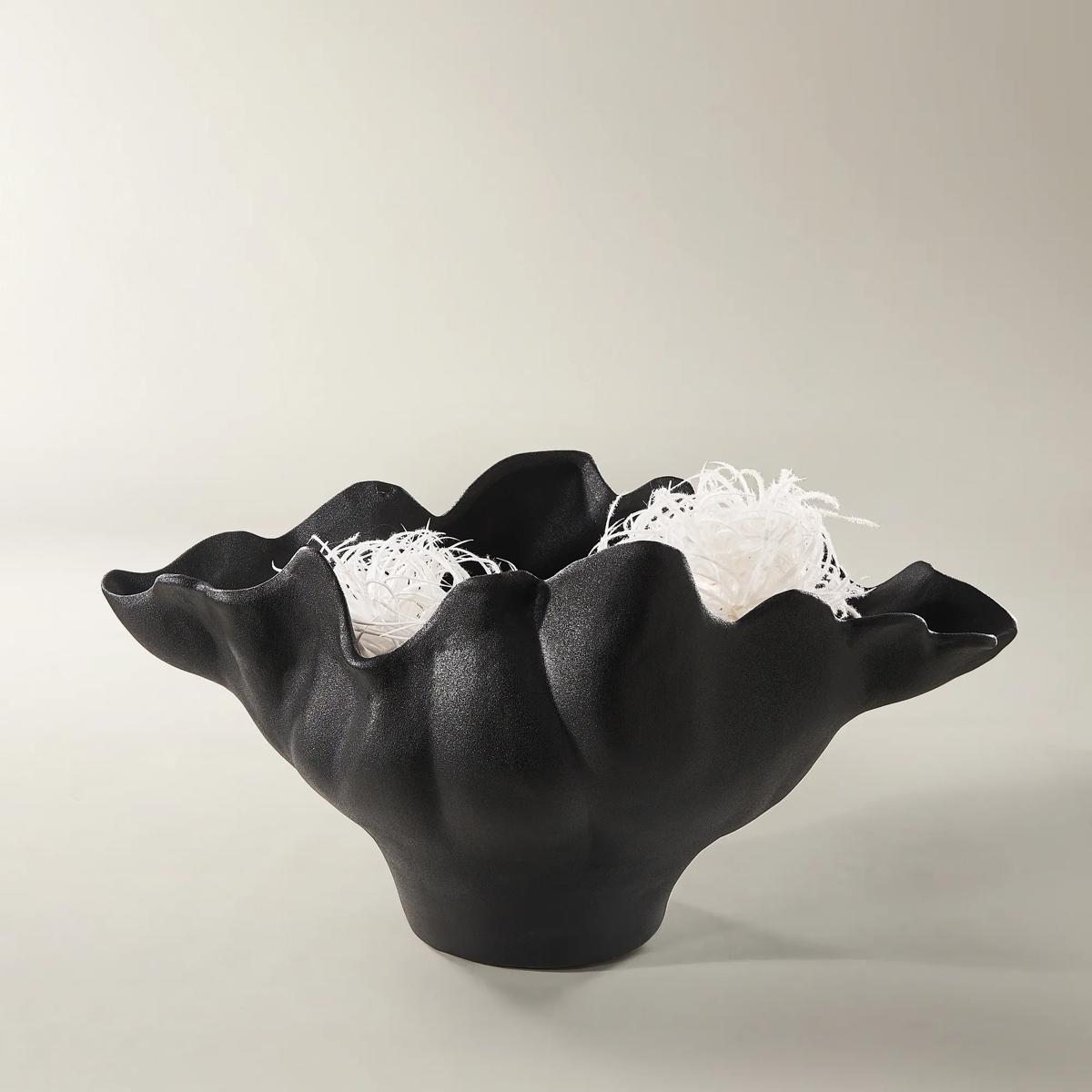
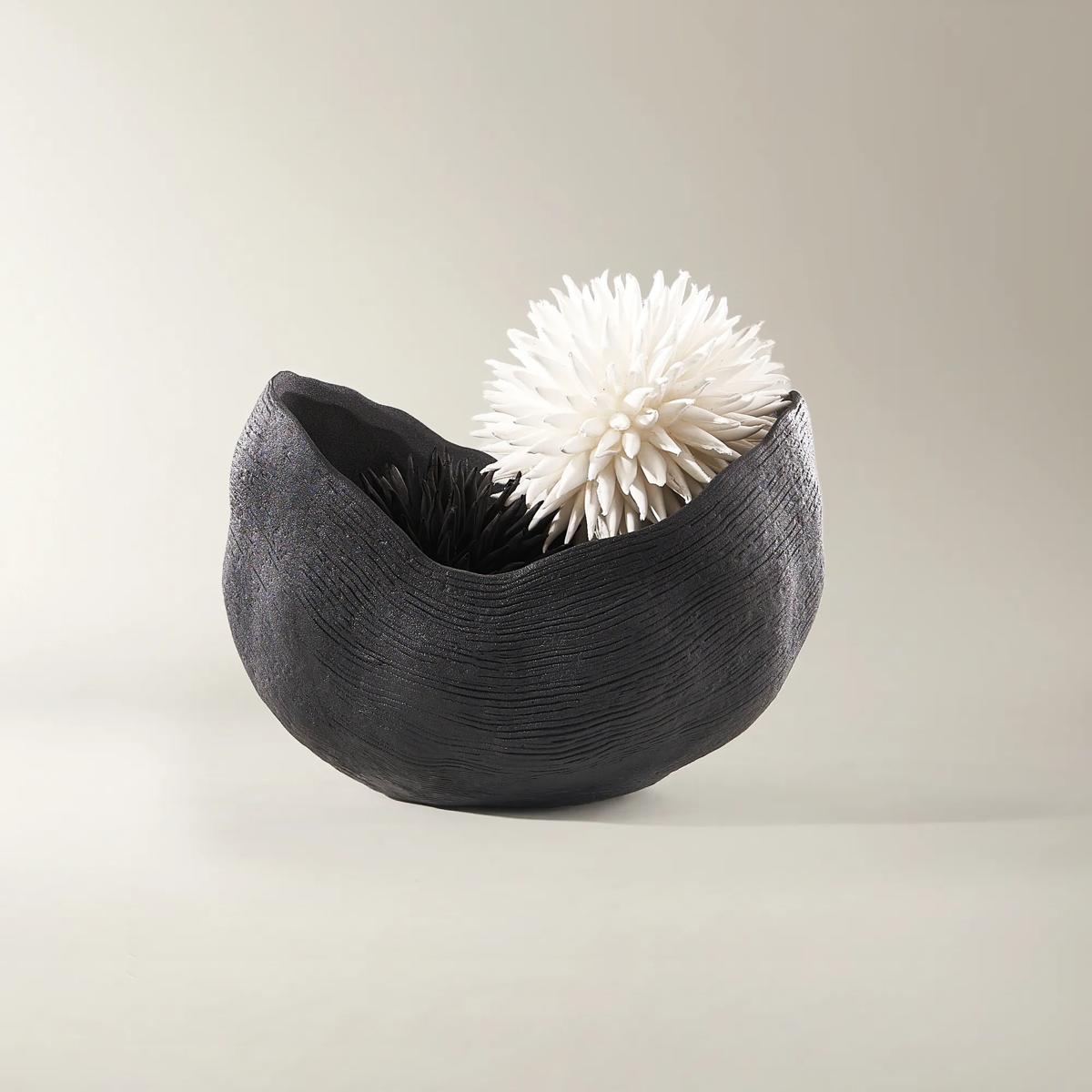
Unique Handcrafted Decorative Bowls
Unique Handcrafted Decorative Bowls
-
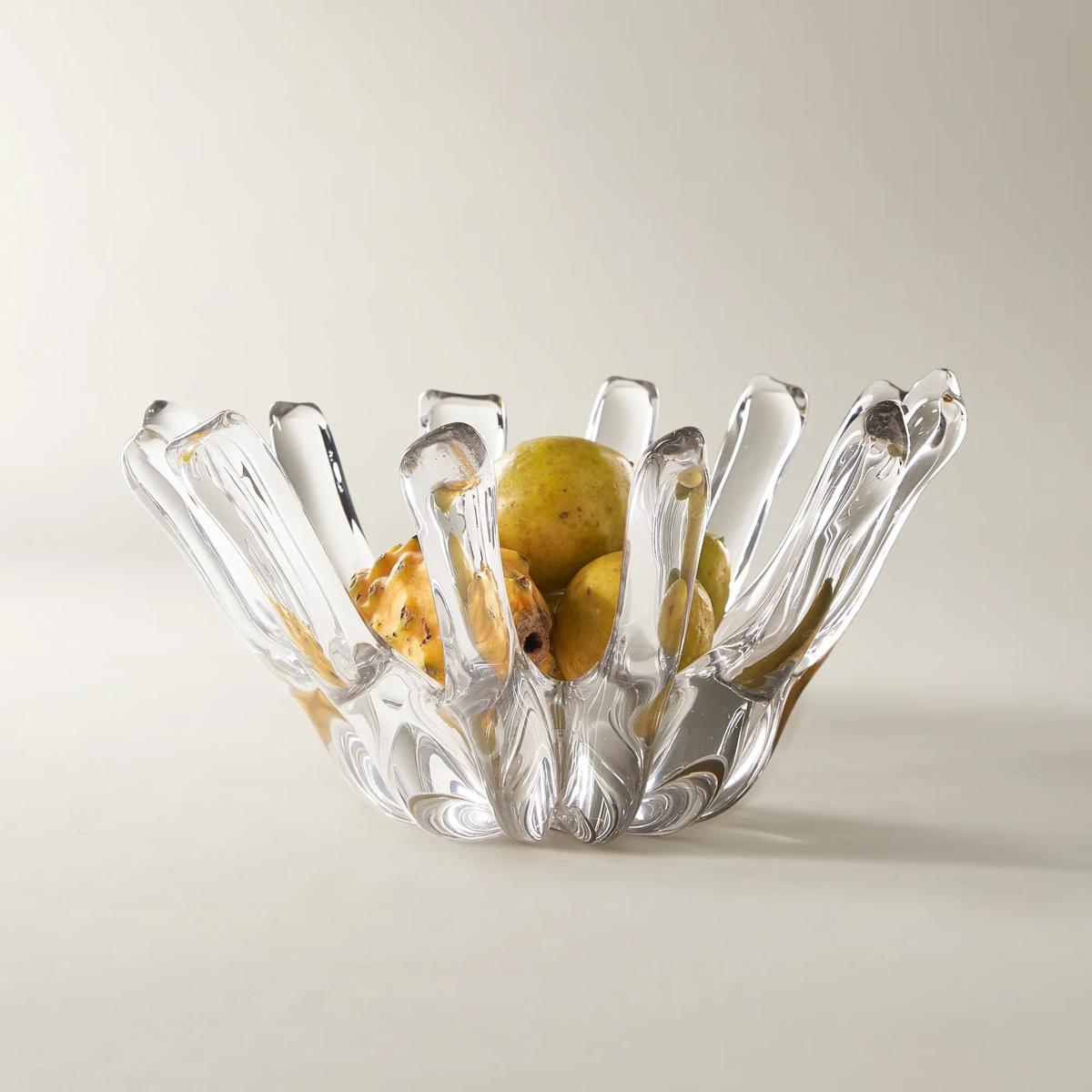
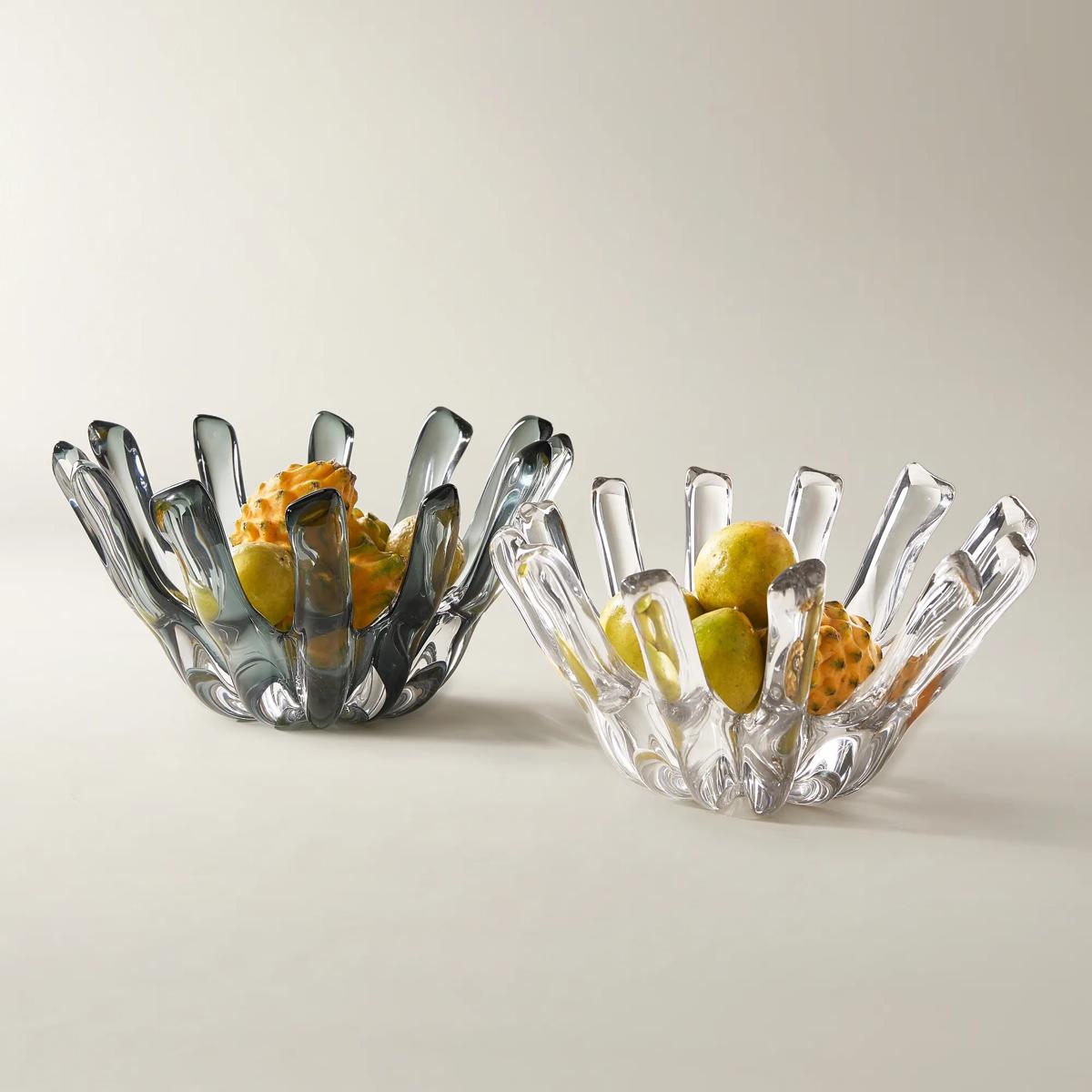 Bossa Clear Handblown Glass Decorative Bowl 13" x 7"$129
A hand-blown clear glass bowl featuring an expressive, sculptural form for modern decorative displays.
Add To Cart -
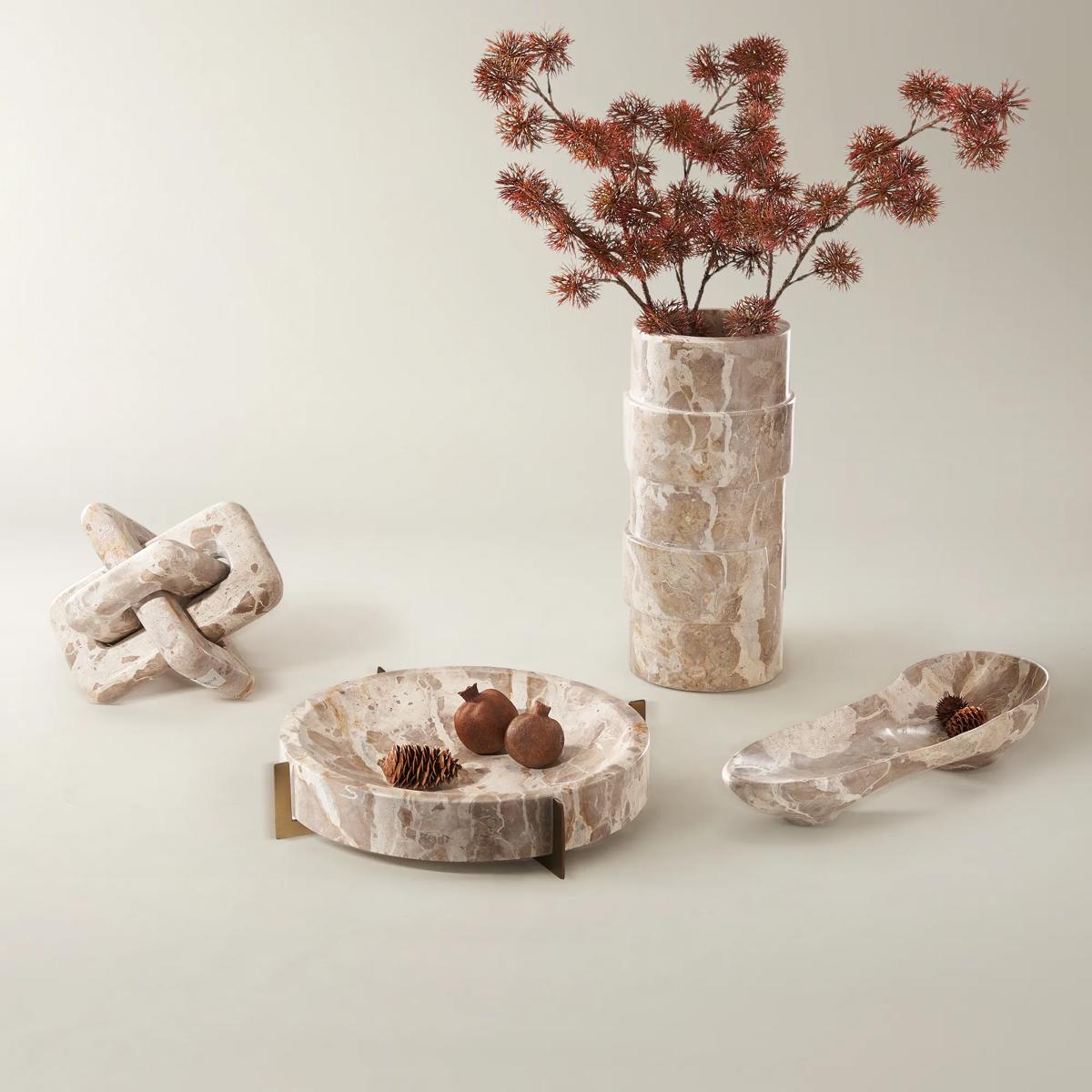
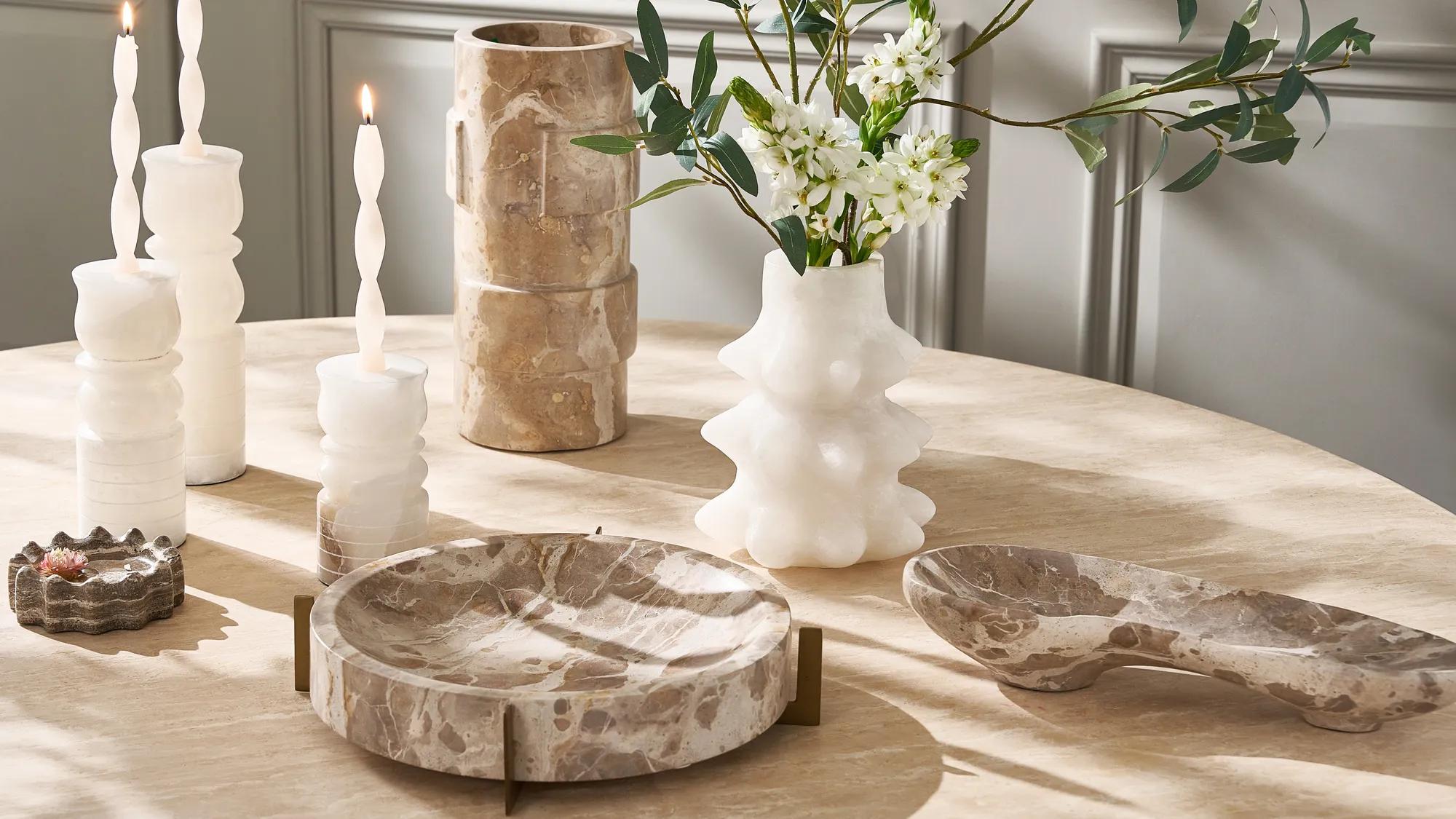 Neutral Marble Collection$109
A handcrafted marble decor collection featuring unique veining, natural neutral tones, and elegant metal accents.
Add To Cart -
.jpeg?w=1200&h=1200)
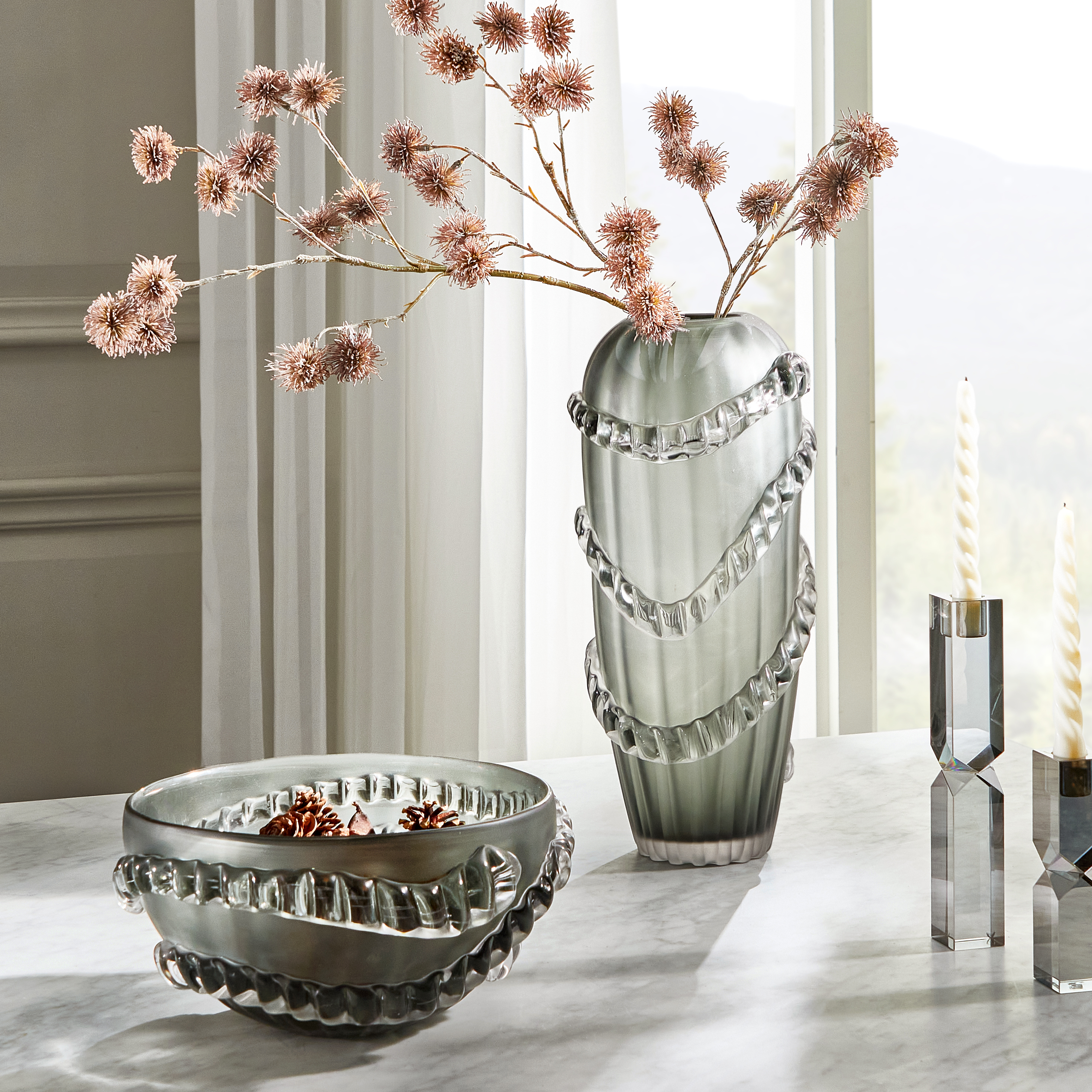 Helix Glass Collection$129
A hand-blown dark gray glass piece featuring fluted bodies and rippling sculptural ribbons for modern elegance.
Add To Cart -
.jpg?w=1200&h=1200) Calla Mouth Blown Blue Glass Decorative Bowl 15.35" x 5.7"$79
Calla Mouth Blown Blue Glass Decorative Bowl 15.35" x 5.7"$79A handblown blue glass bowl featuring unique curves and translucent artistry for striking decorative appeal.
Add To Cart -
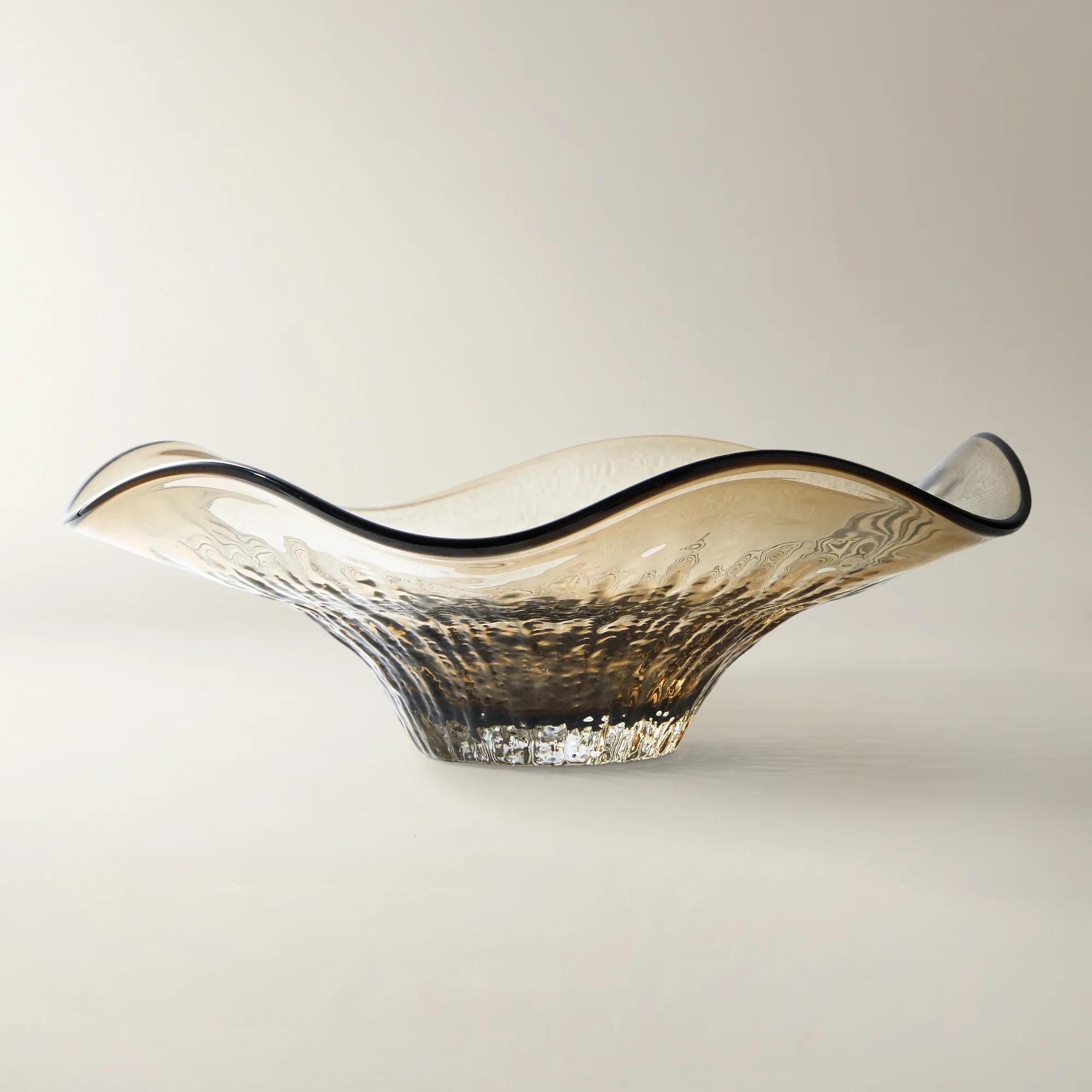 Corsi Brown Handblown Glass Decorative Bowl 15.35" x 5.1"$99
A hand-blown glass bowl in warm amber with organic shape and intricate textural details.
Add To Cart -
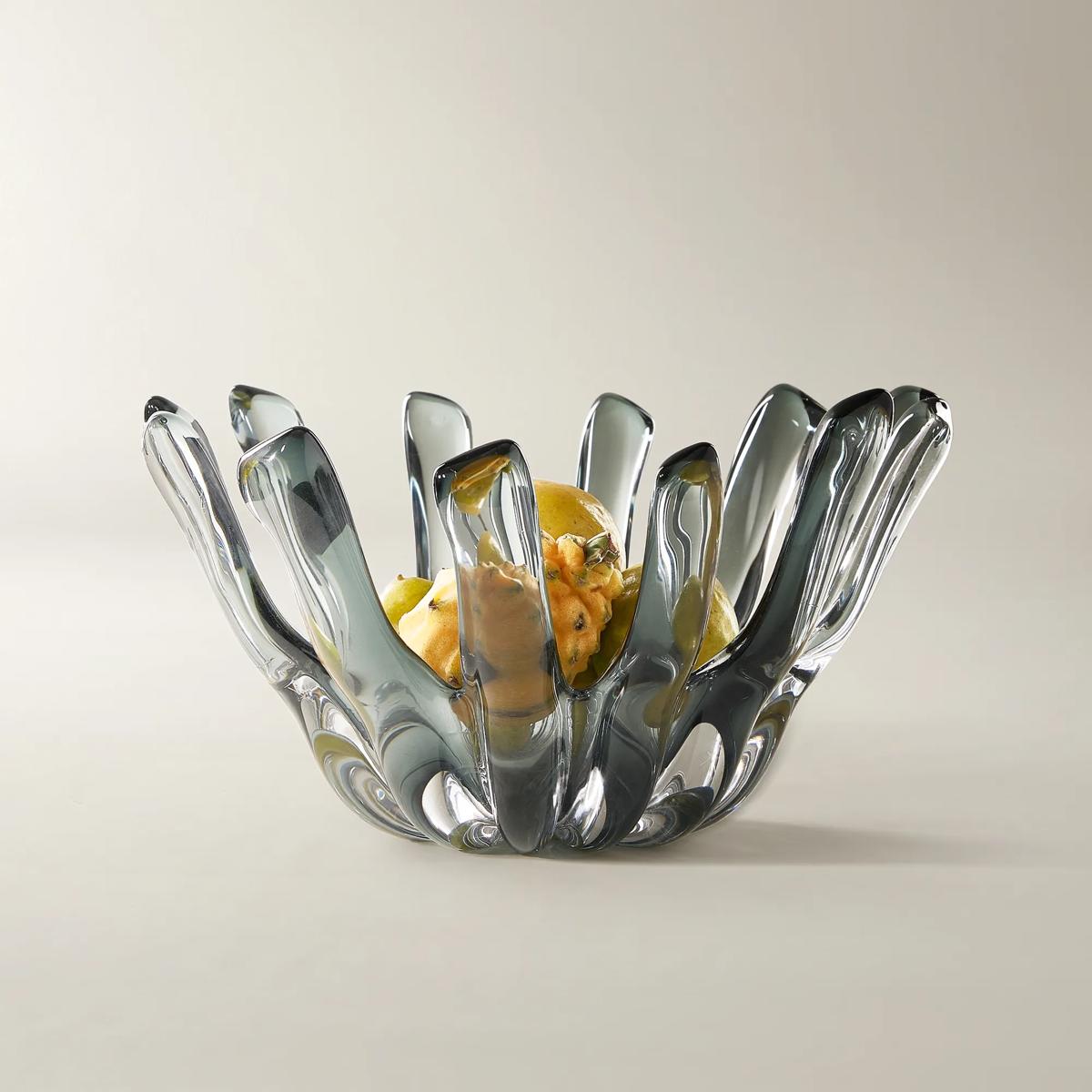 Bossa Smoke Handblown Glass Decorative Bowl 13" x 7"$129
A hand-blown smoky grey glass bowl featuring an expressive, sculptural design for modern decorative displays.
Add To Cart -
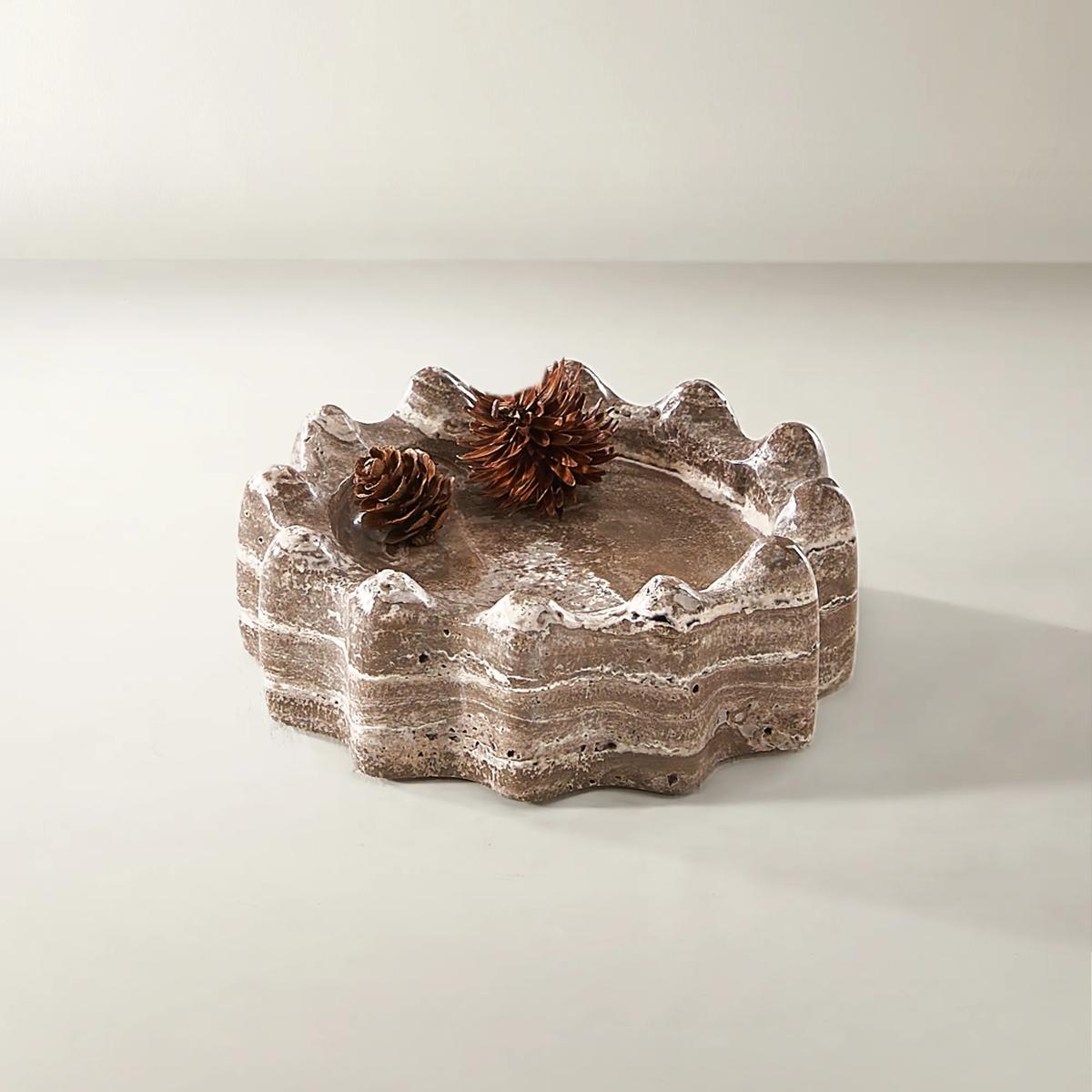 Flora Marble Catchall - Small$89
A hand-carved sand travertine catchall featuring unique veining and undulating, flower-inspired edges.
Add To Cart -
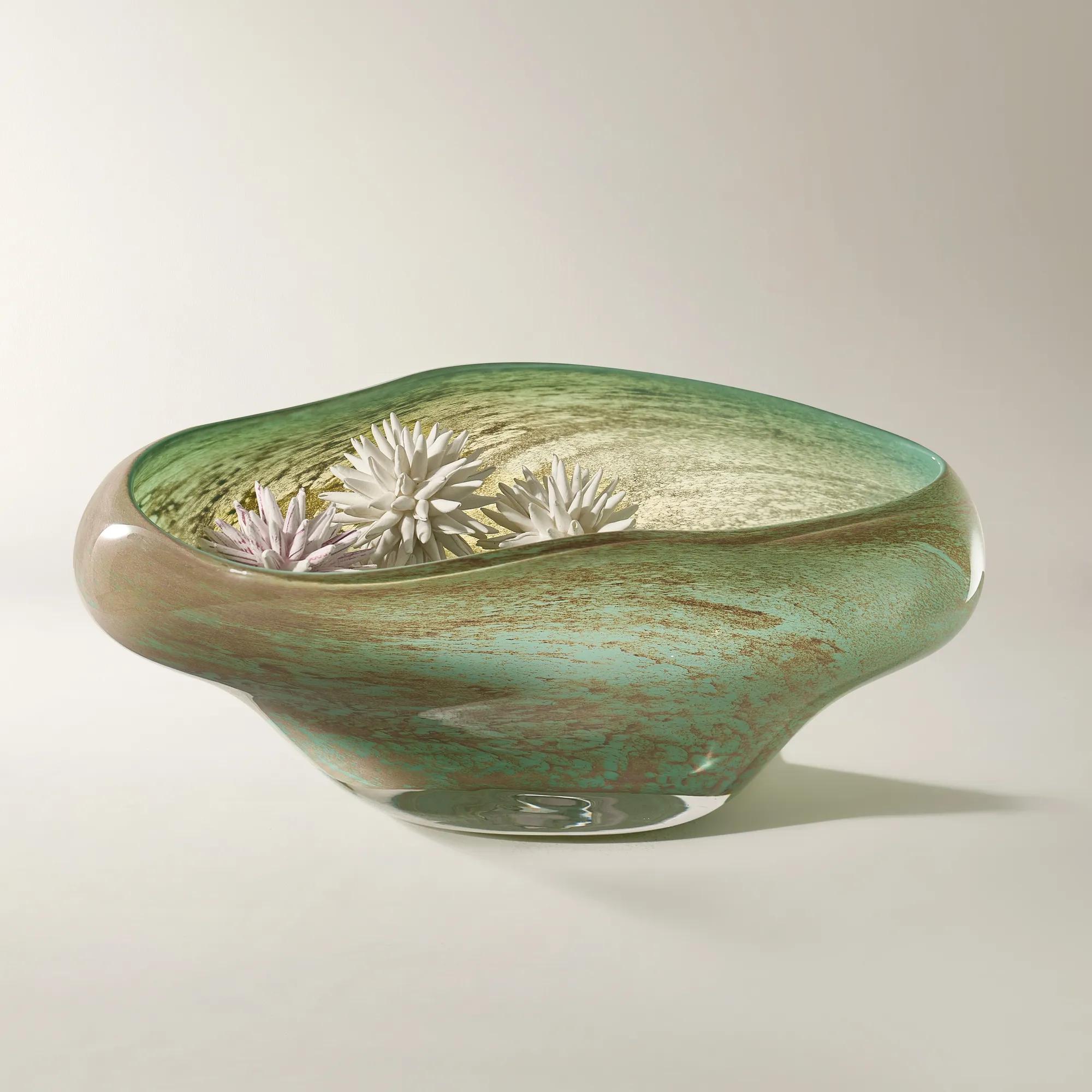
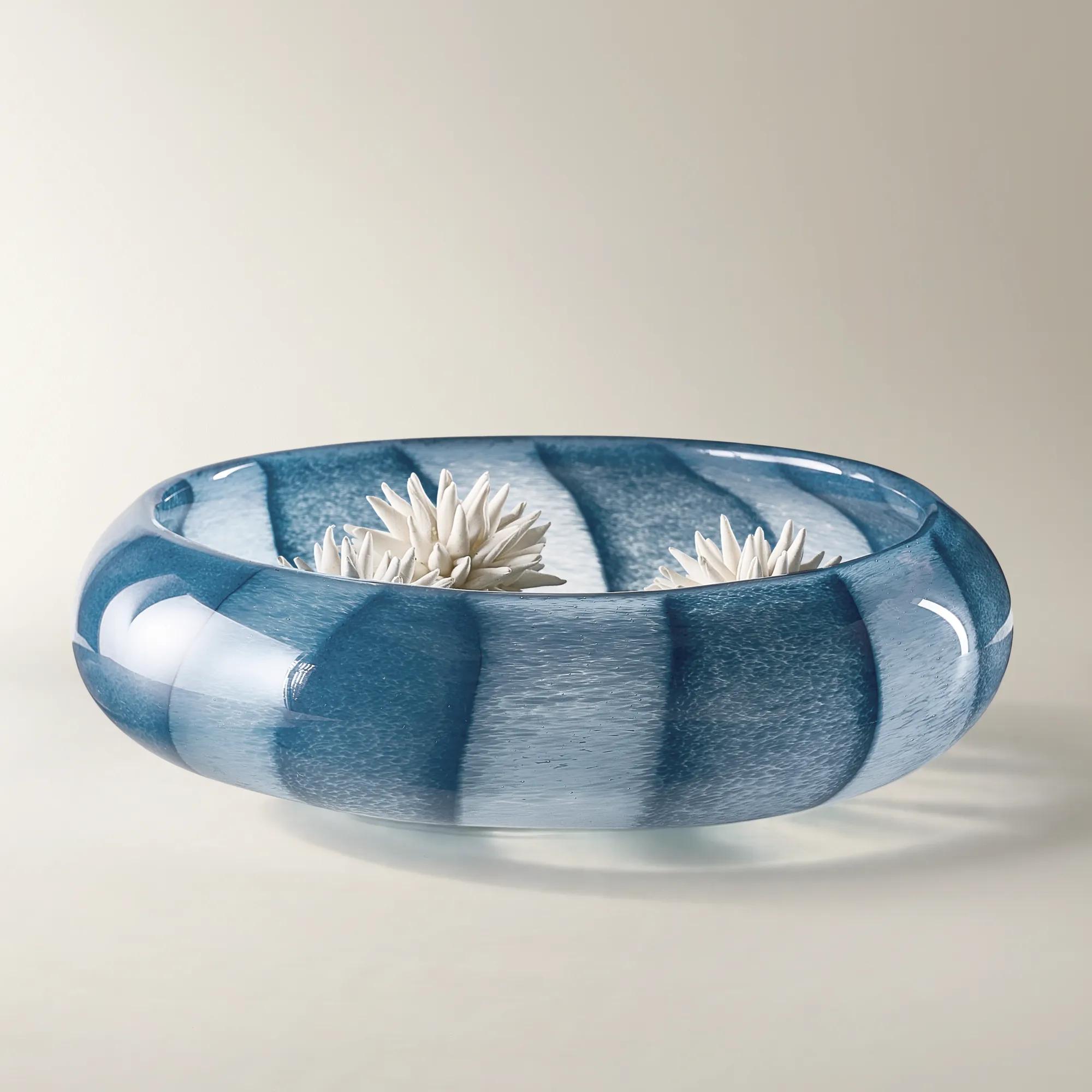 Jonah Mouth Blown Dusty Blue Glass Decorative Bowl 11.75" x 3.5"$89
A handblown glass bowl featuring dusty blue stripes and a sculptural, low rounded silhouette for decor.
Add To Cart -
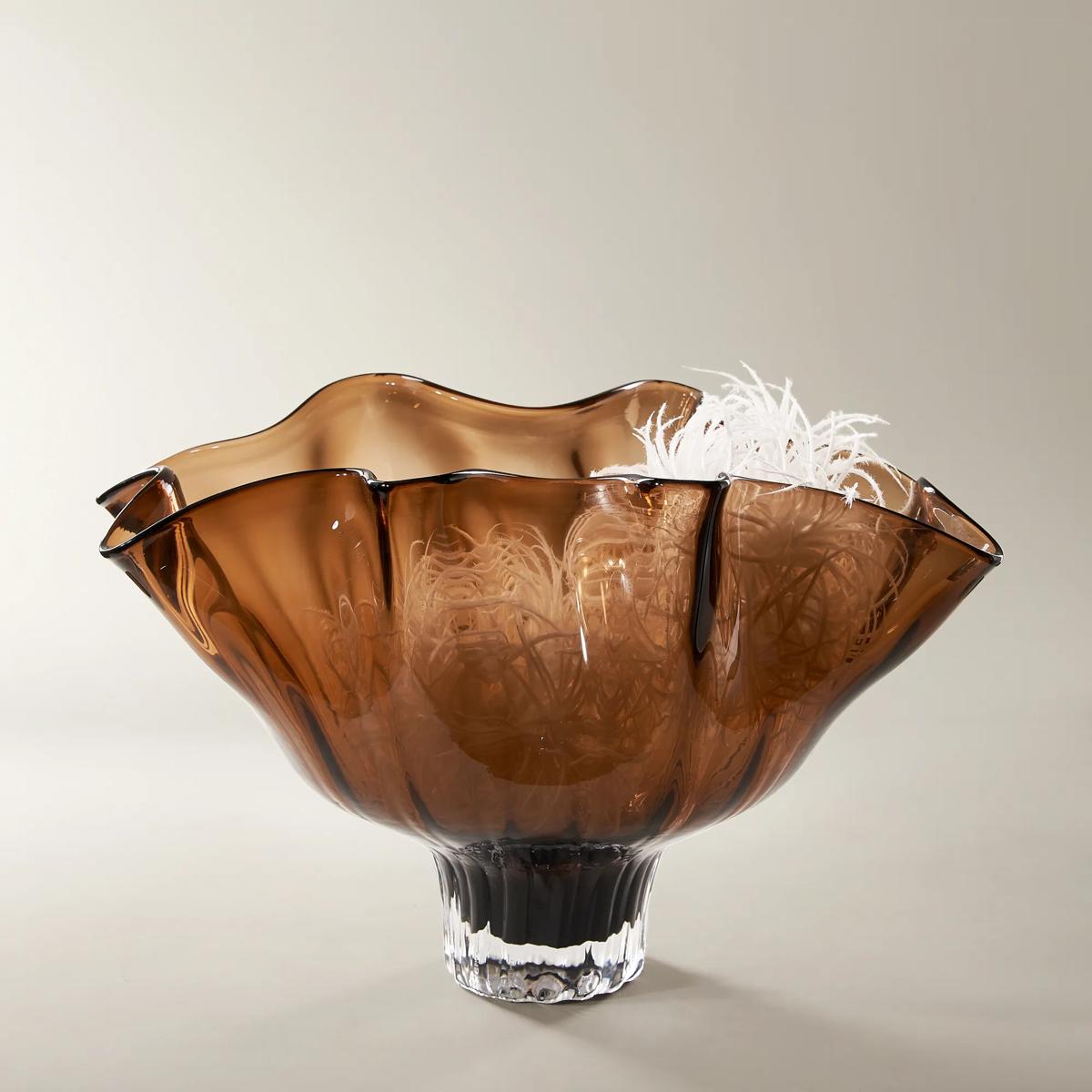
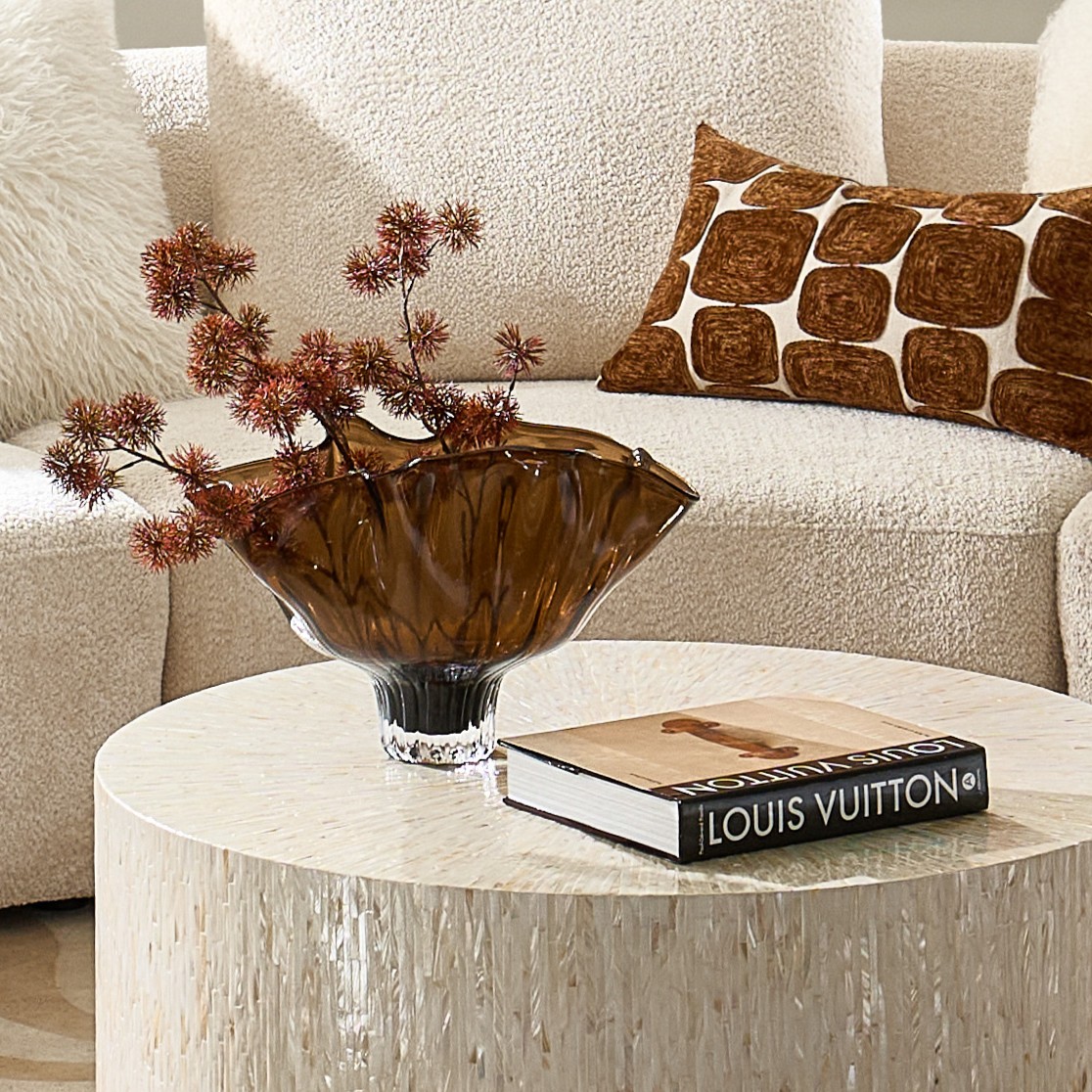 Coco Mouthblown Brown Glass Bowl 17" x 9.75"$139
A hand-blown brown glass bowl with an undulating rim and clear tapered base for sculptural elegance.
Add To Cart -
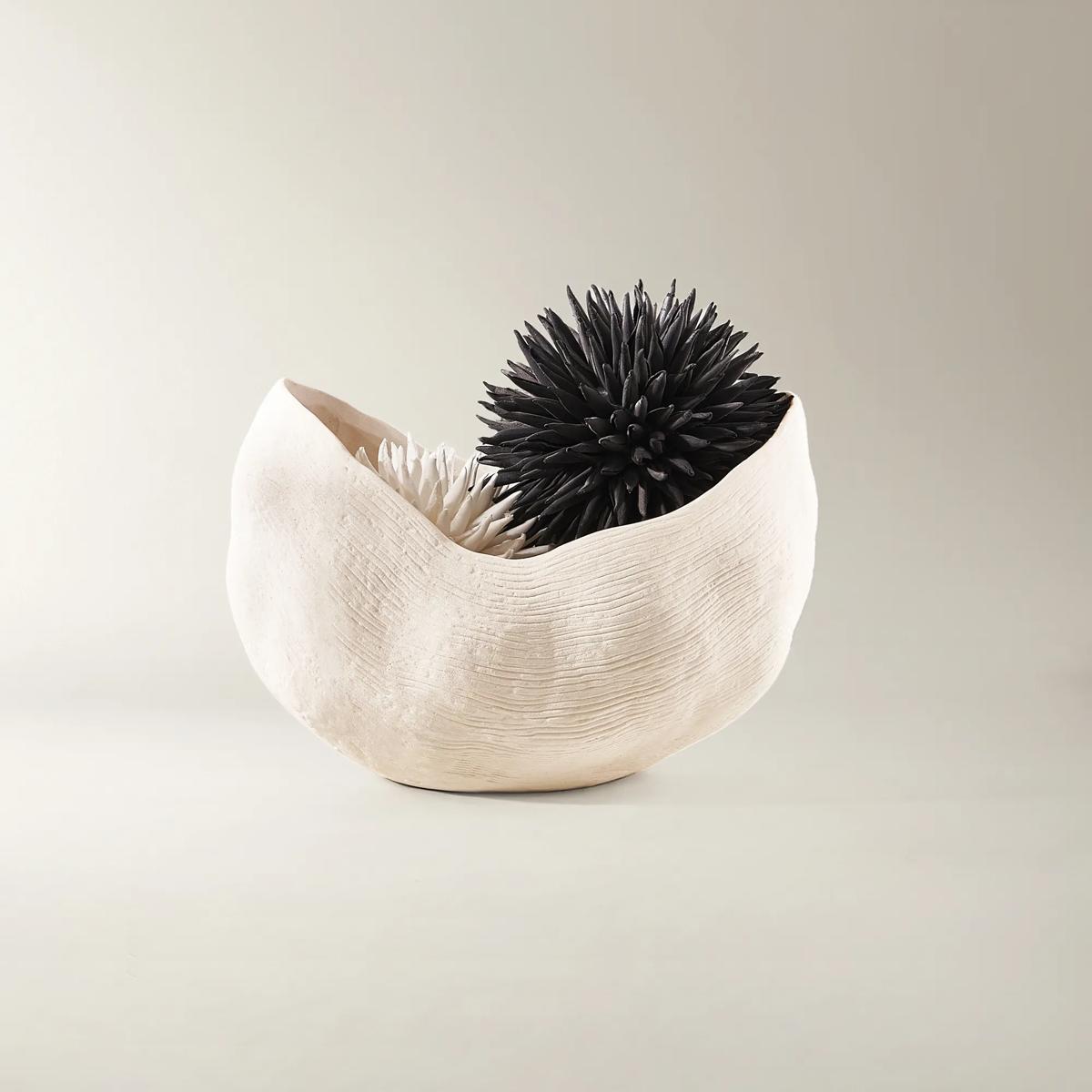 Baz Ivory Porcelain Bowl$119
A sculptural ivory porcelain bowl with a matte, textured finish and organic, free-flowing silhouette.
Add To Cart -
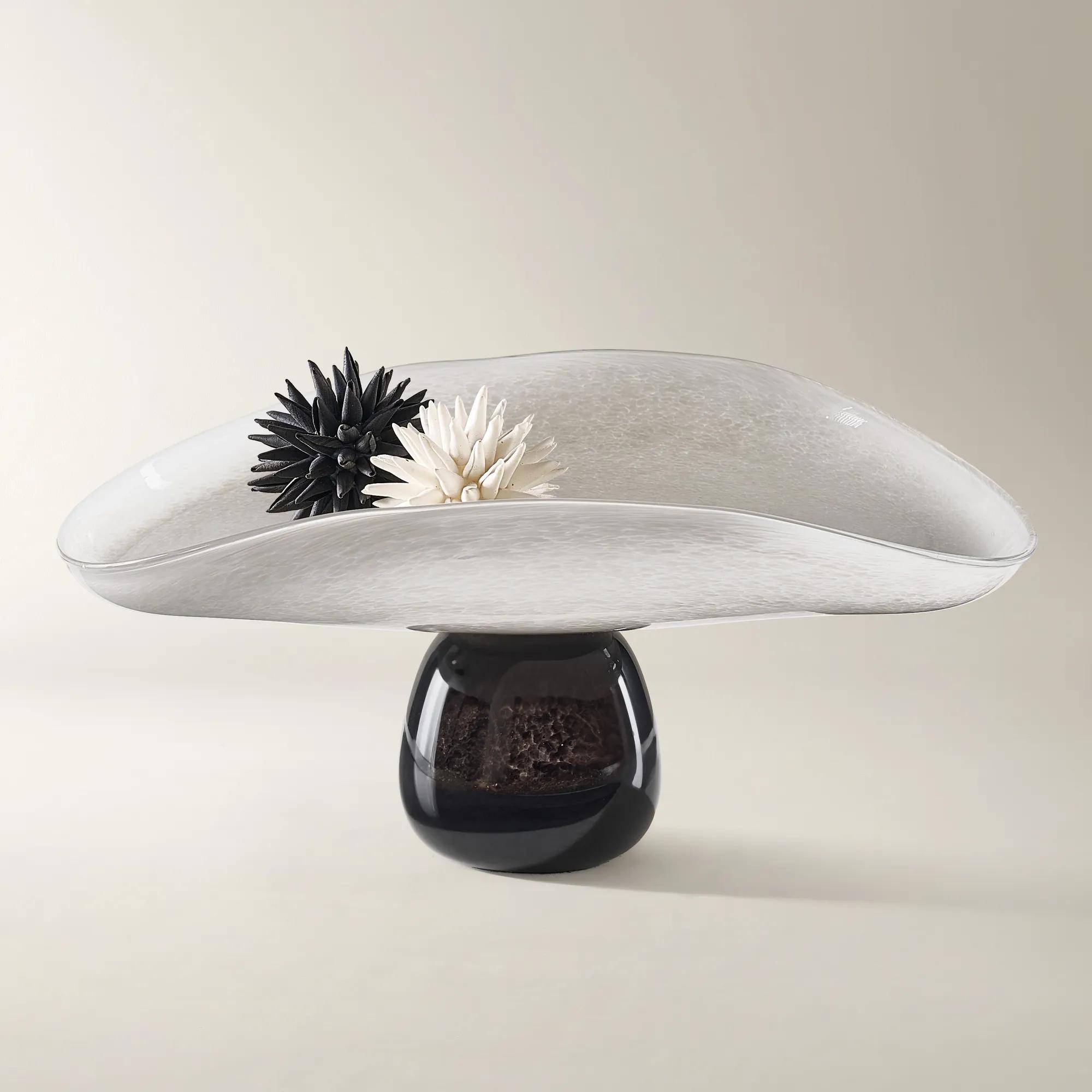 Elois Mouth Blown White Black Pedestal Bowl 14.5" x 7"$149
A handblown glass pedestal bowl featuring striking black and white contrast for a sculptural, modern accent.
Add To Cart -
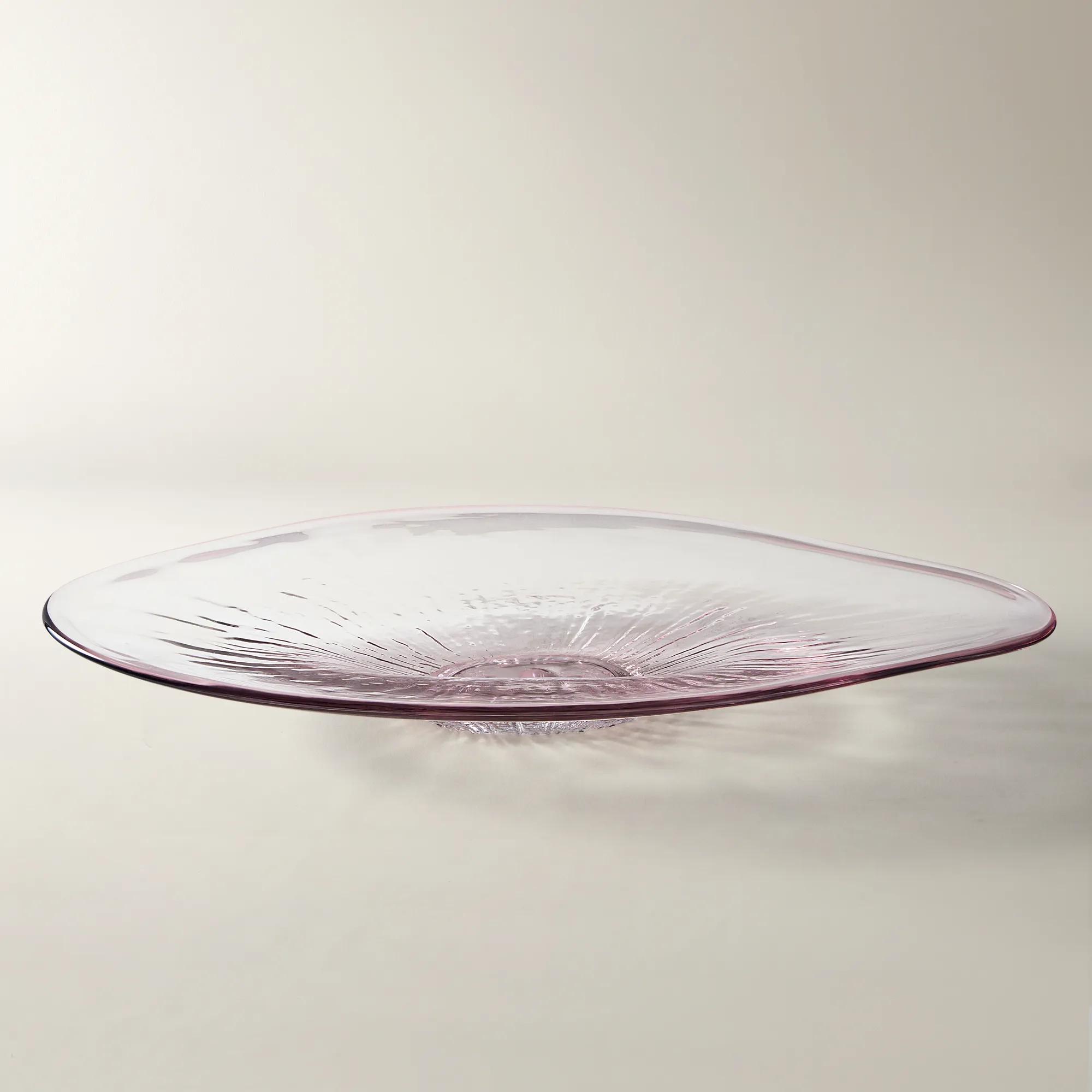 Cortina Decorative Bowl$129
A handblown glass bowl in an ethereal pink hue that brings artistic flair to modern interiors.
Add To Cart -
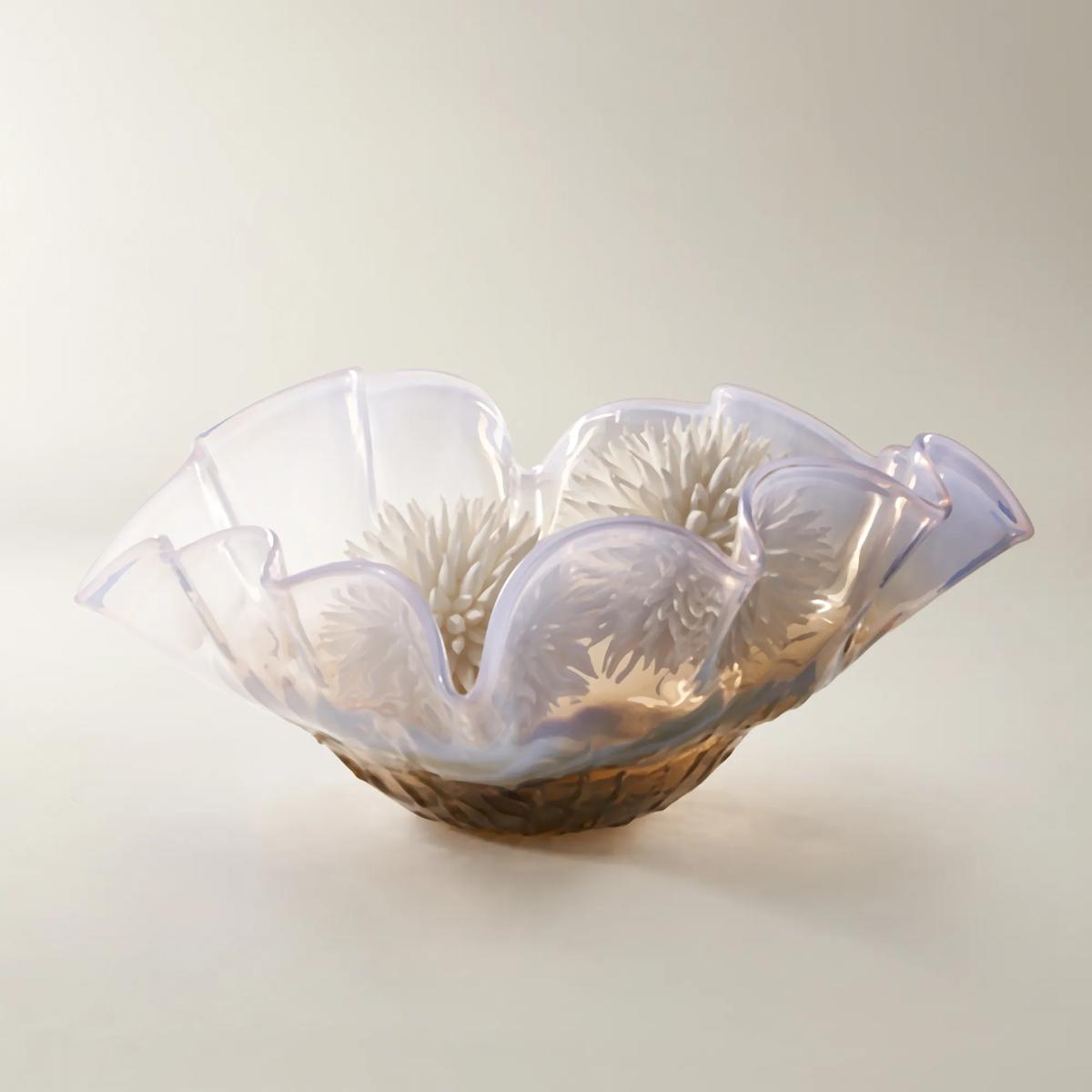
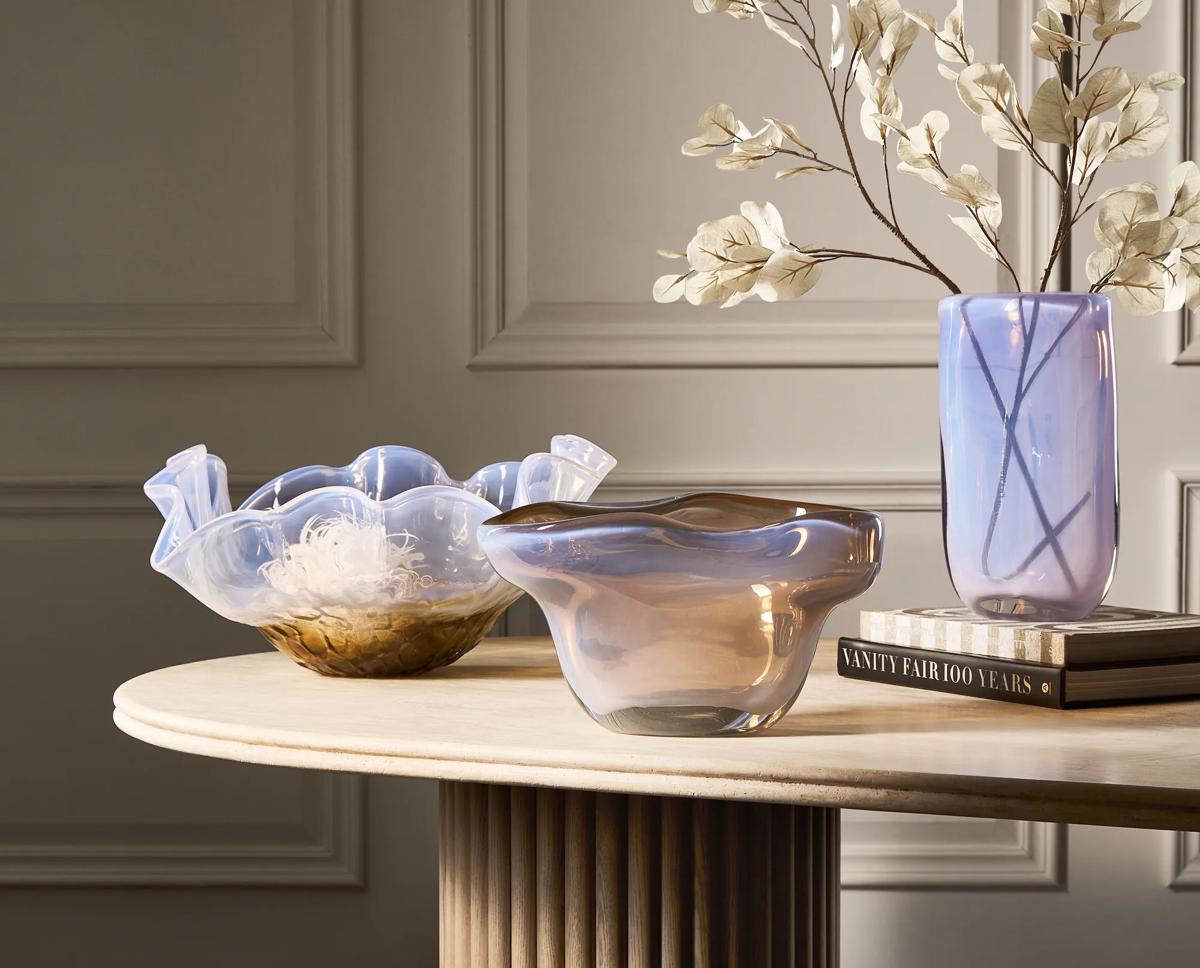 Glacier Glass Bowl$269
A hand-blown glass bowl featuring scalloped edges and swirling lavender and amber hues for artistic elegance.
Add To Cart -
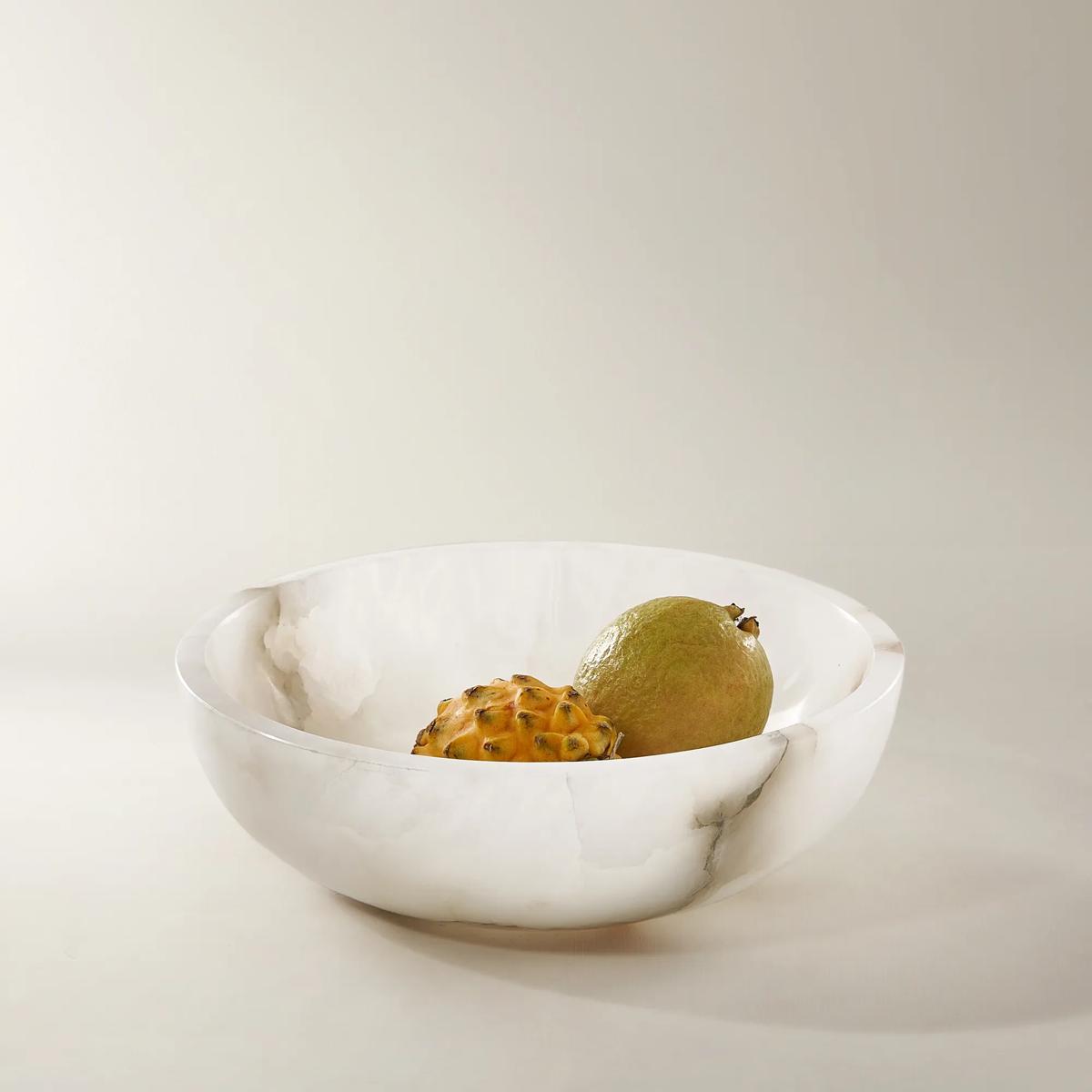 Alabaster Bowl$369
A hand-sculpted alabaster bowl featuring organic veining and soft, milky white translucence.
Add To Cart -
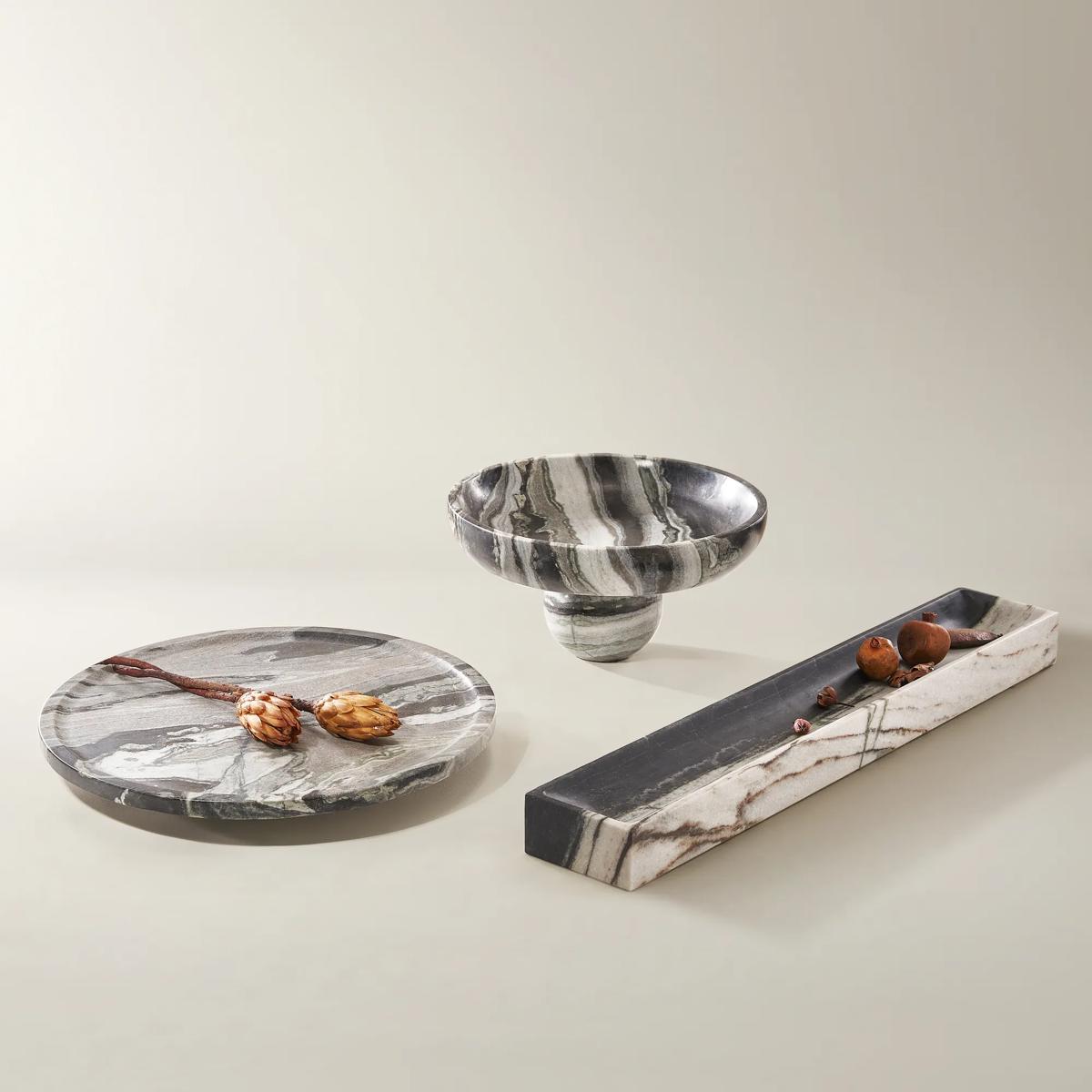
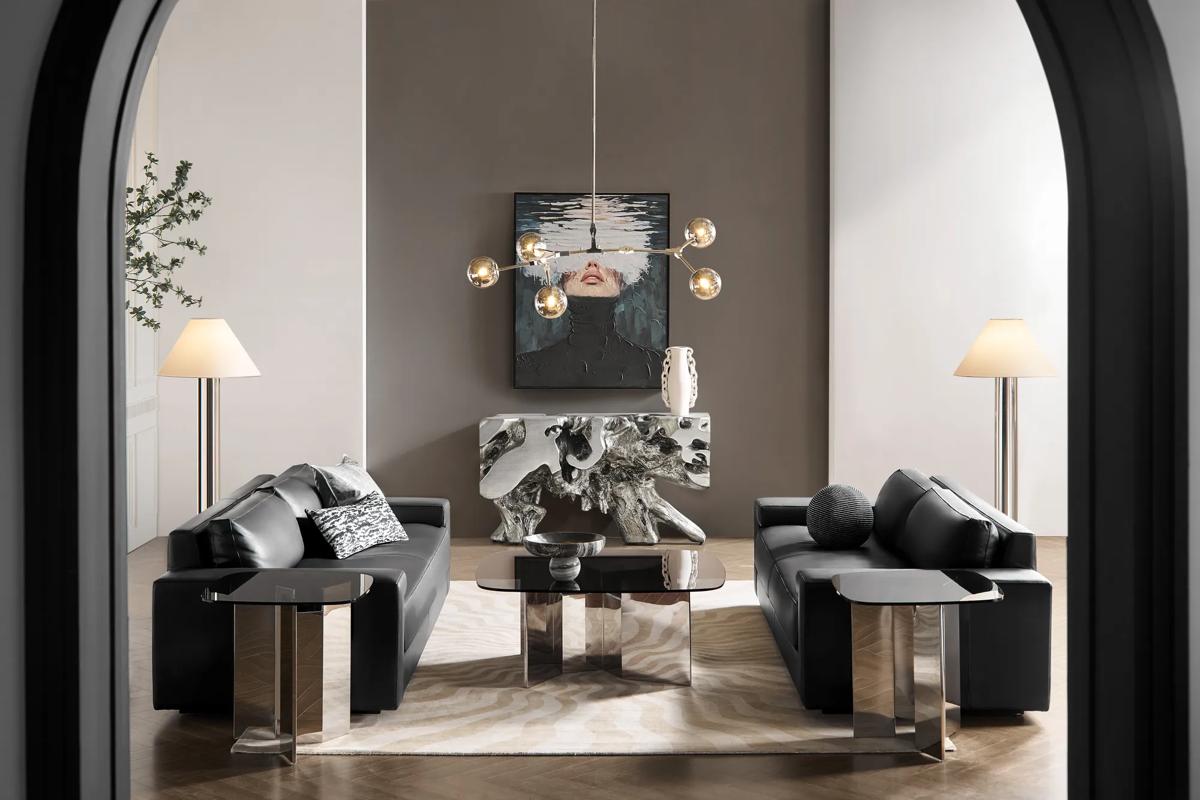 Luxe Marble Collection$149
A striking black marble decor collection featuring unique veining and elegant footed bowl, tray, and riser.
Add To Cart -
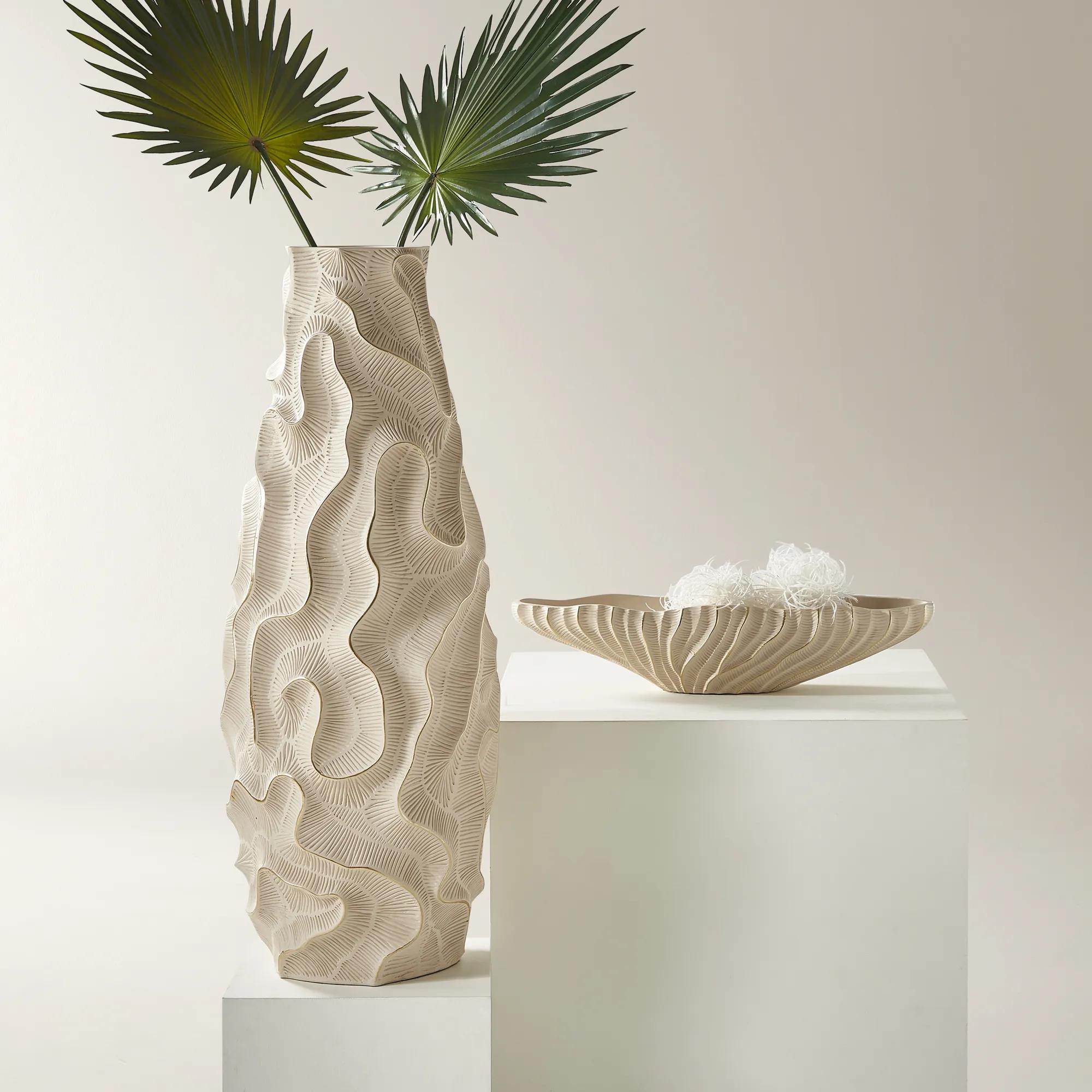
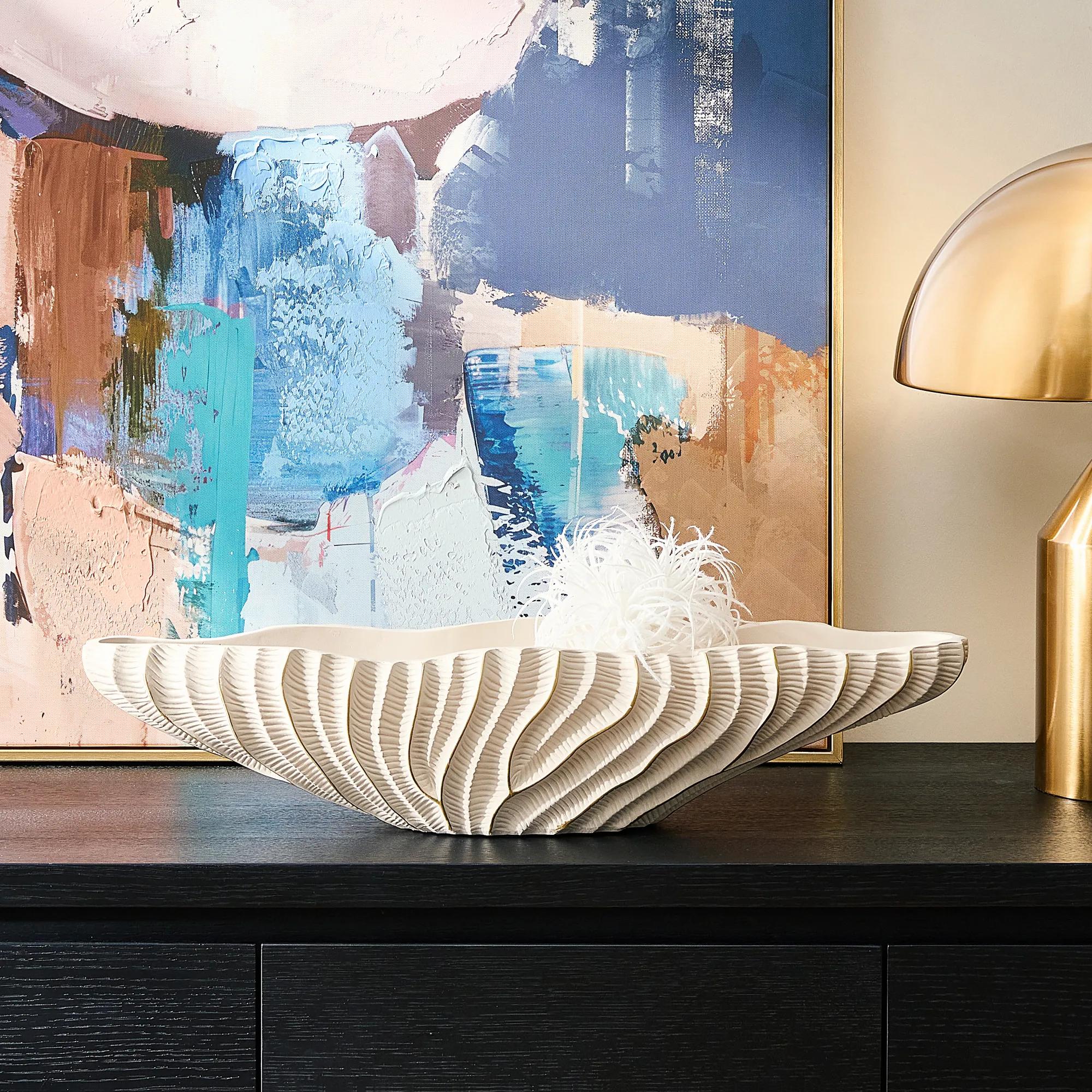 Rouche Ivory And Gold Etched Resin Floor Vase & Bowl$79
An ivory resin collection featuring sculptural, hand-etched textures and undulating organic contours.
Add To Cart -
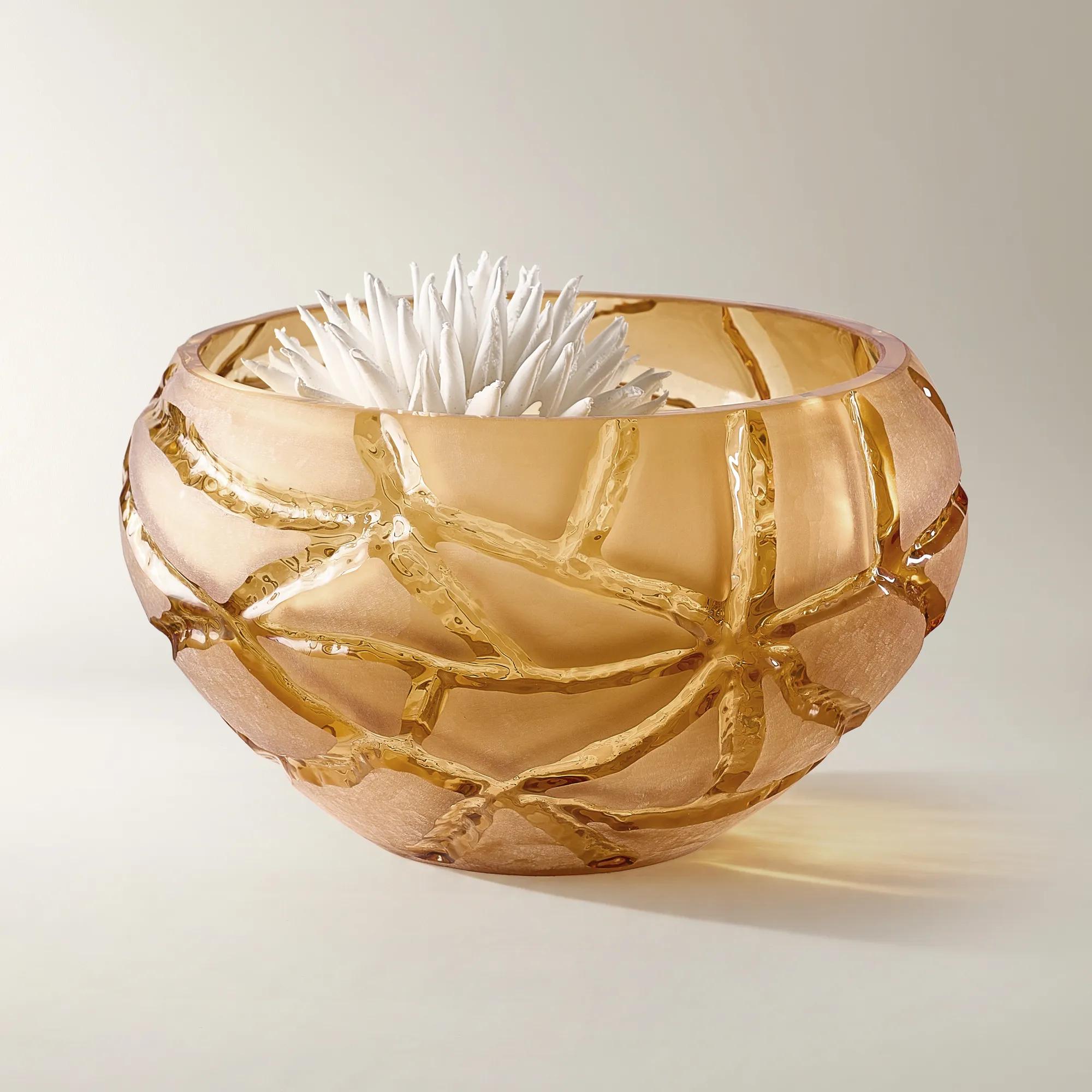 Rowen Mouth Blown Honey Gold Glass Decorative Bowl 11" x 6.25"$129
A handblown glass bowl in honey gold with a textured surface for a luminous, sculptural accent.
Add To Cart -
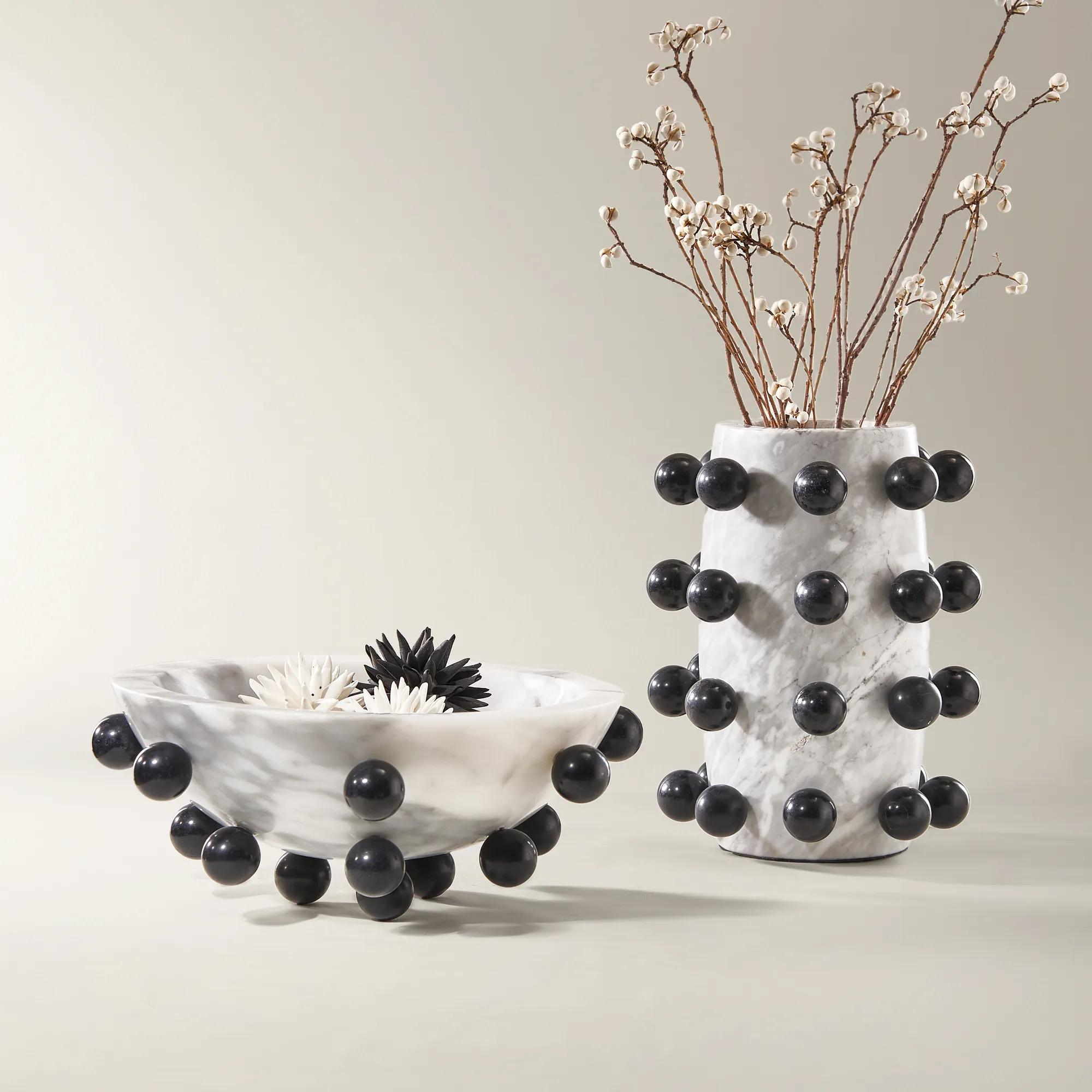 Borra Grey Black Marble Vase & Bowl$219
A sculptural grey marble accent featuring bold black orbs and unique natural veining for modern drama.
Add To Cart -
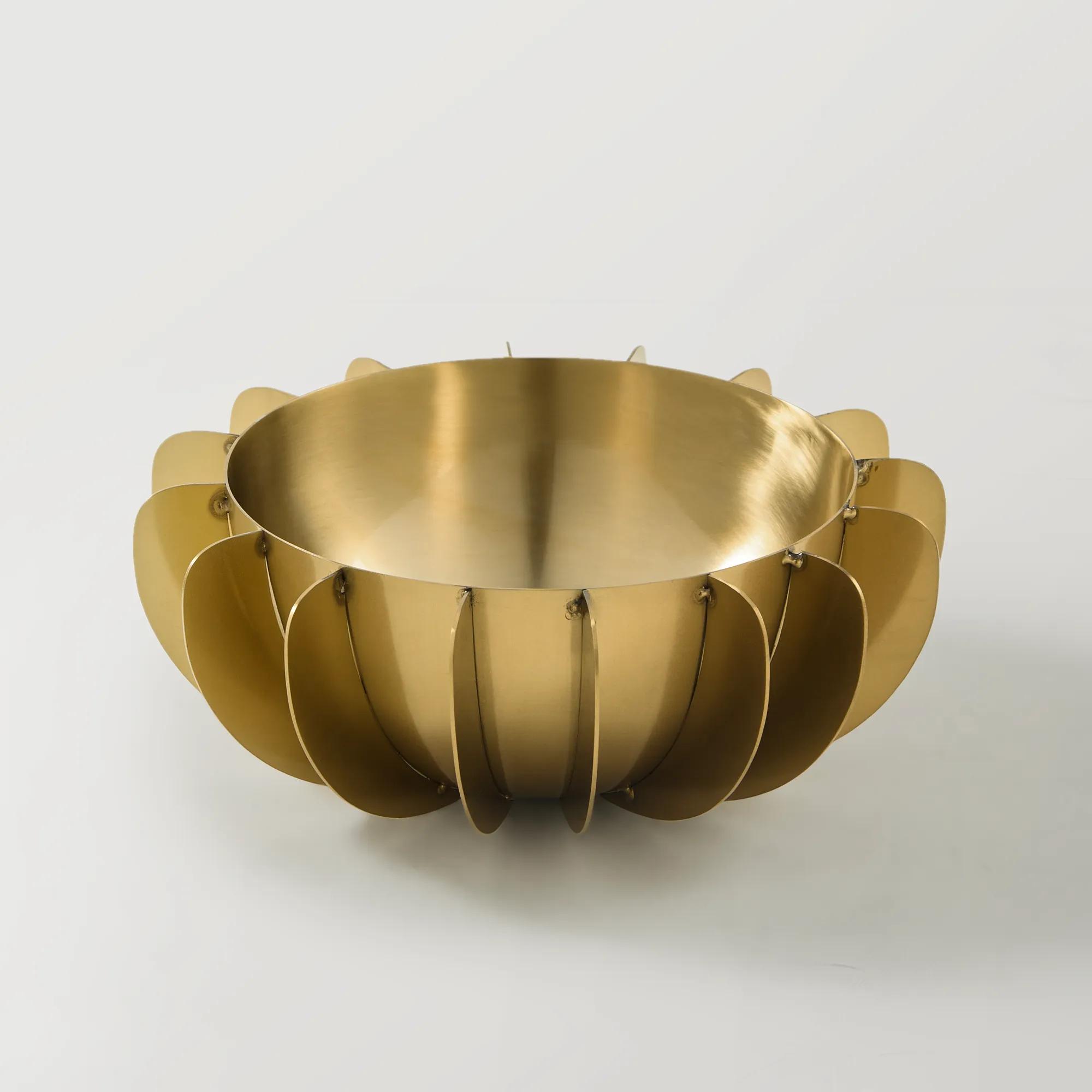
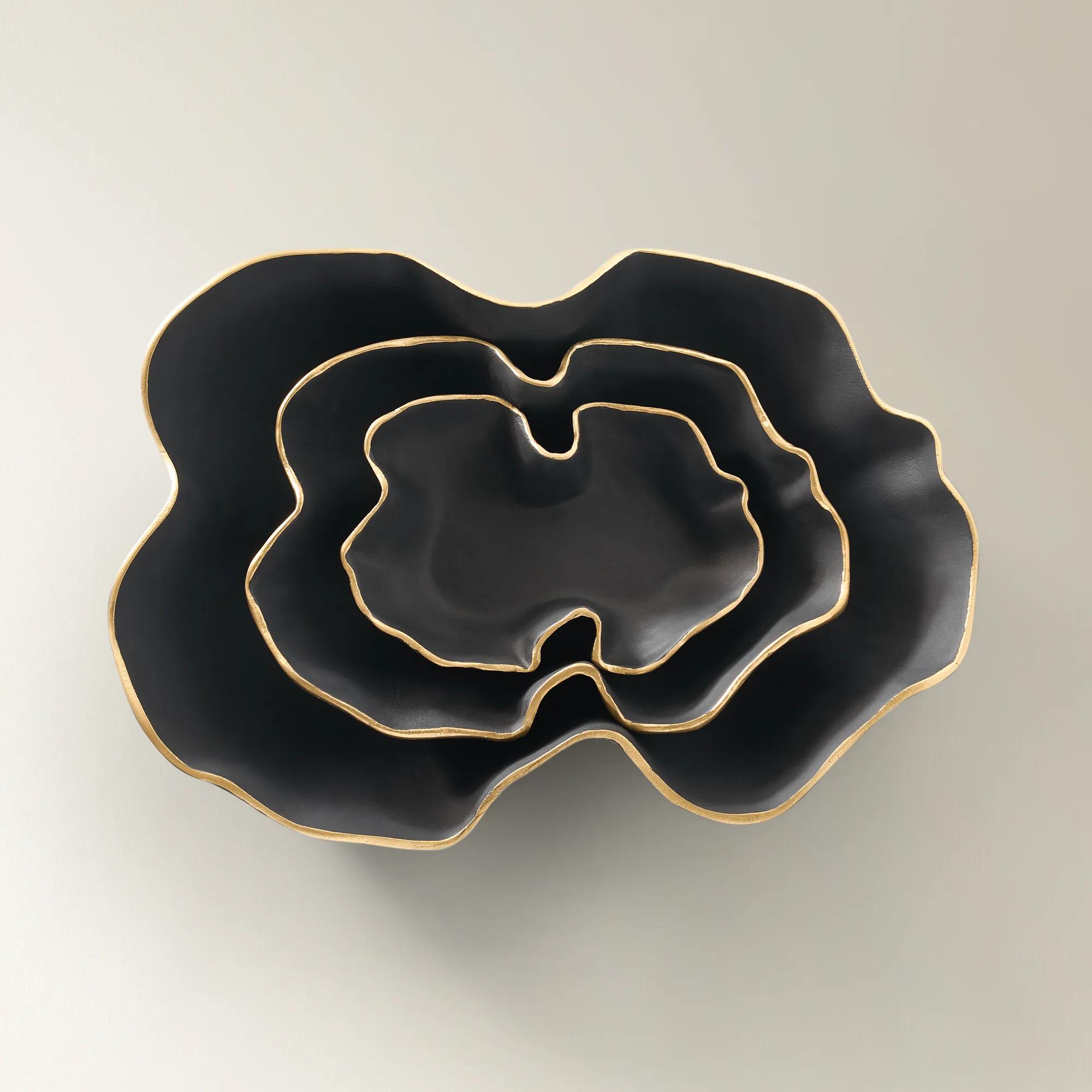
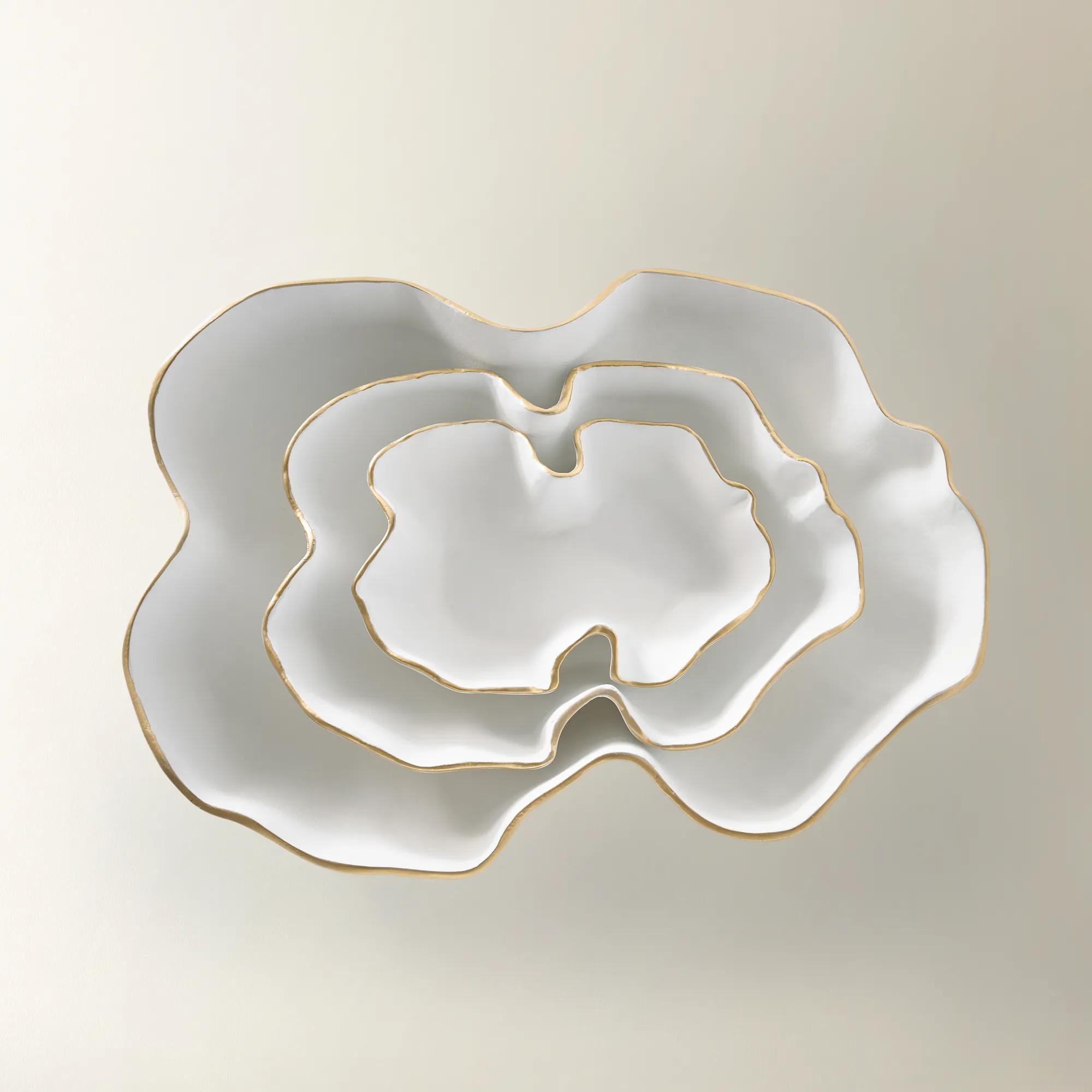
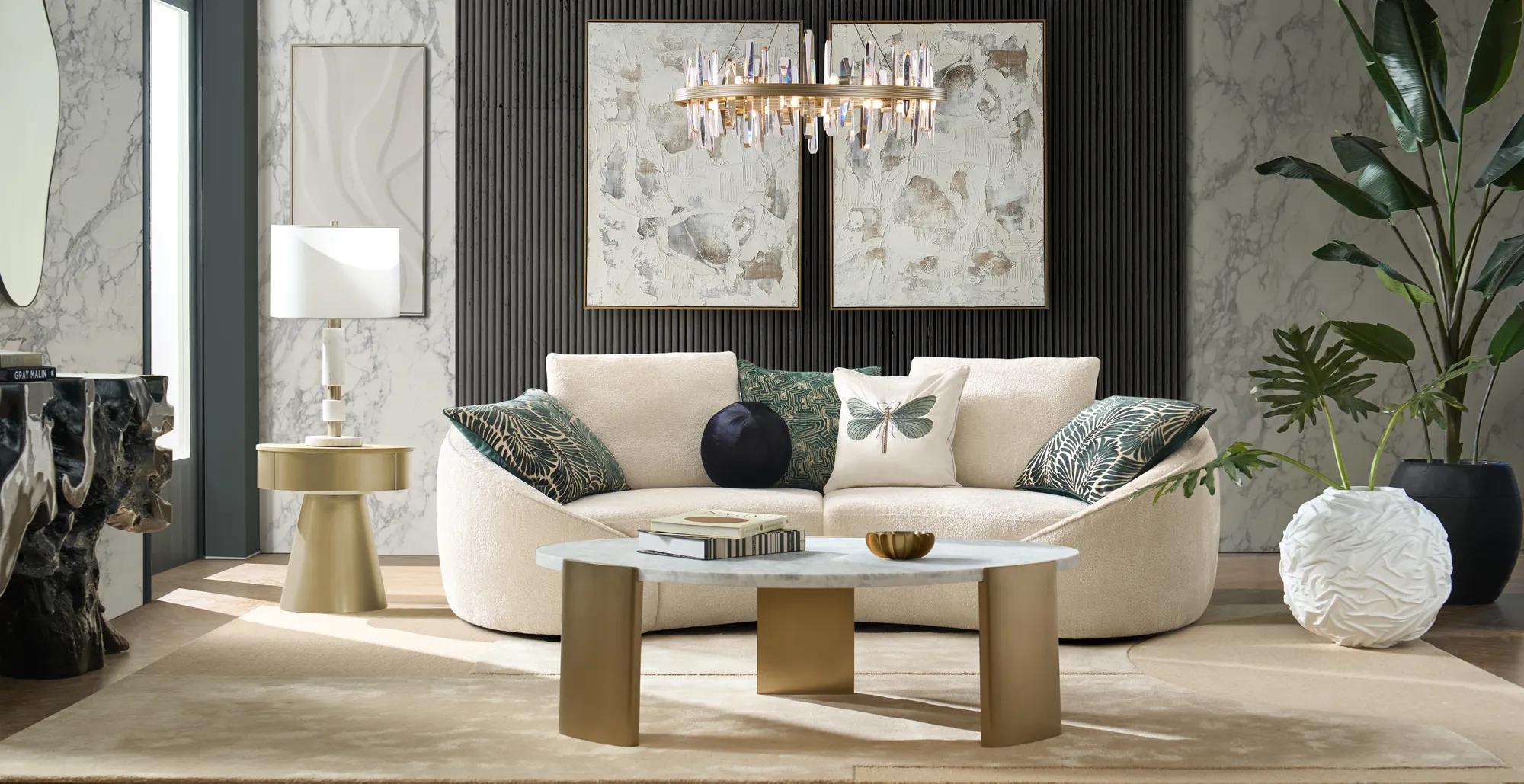 Mezza Collection$59
A gold-plated stainless steel decorative piece that brings timeless glamour and shine to your decor.
Add To Cart -
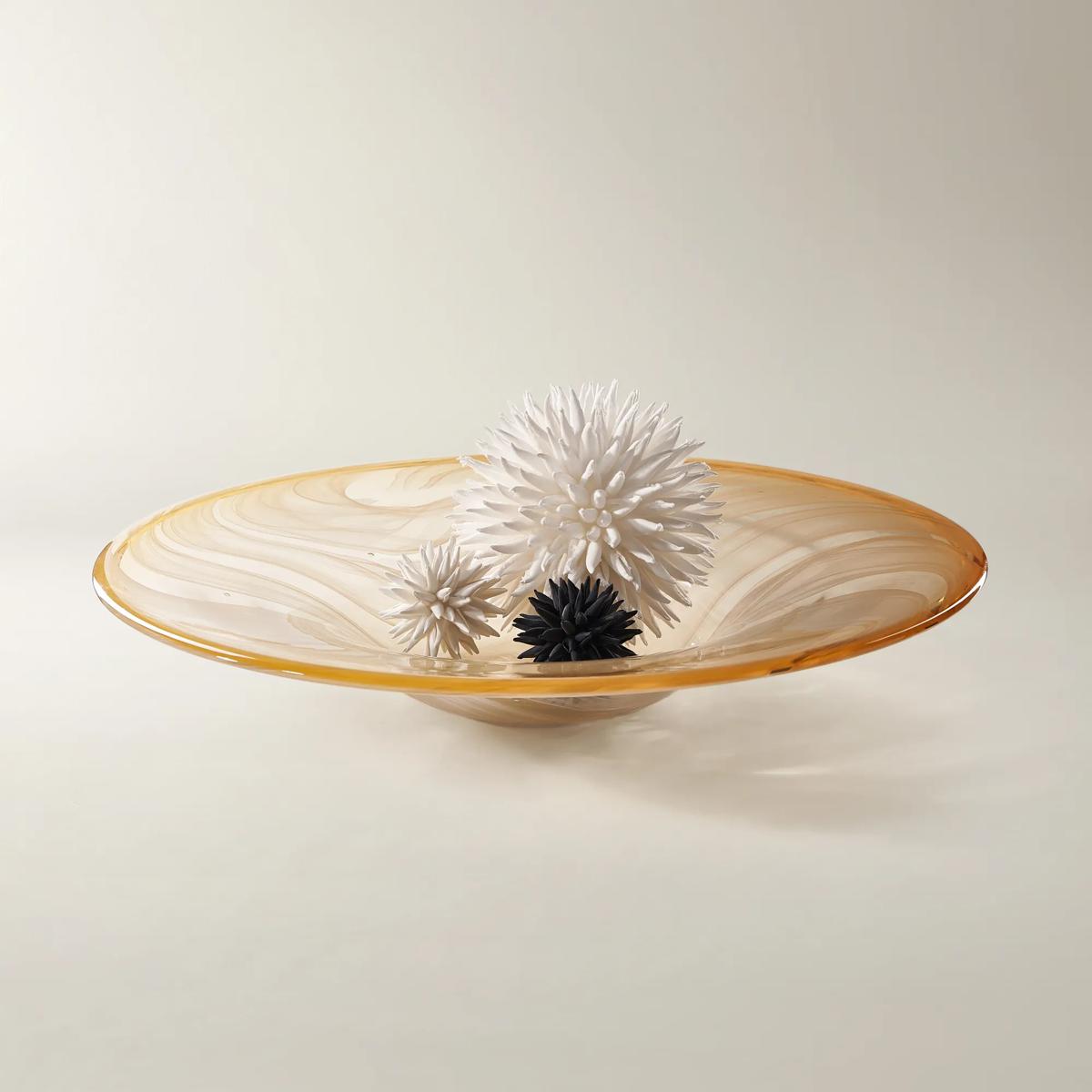
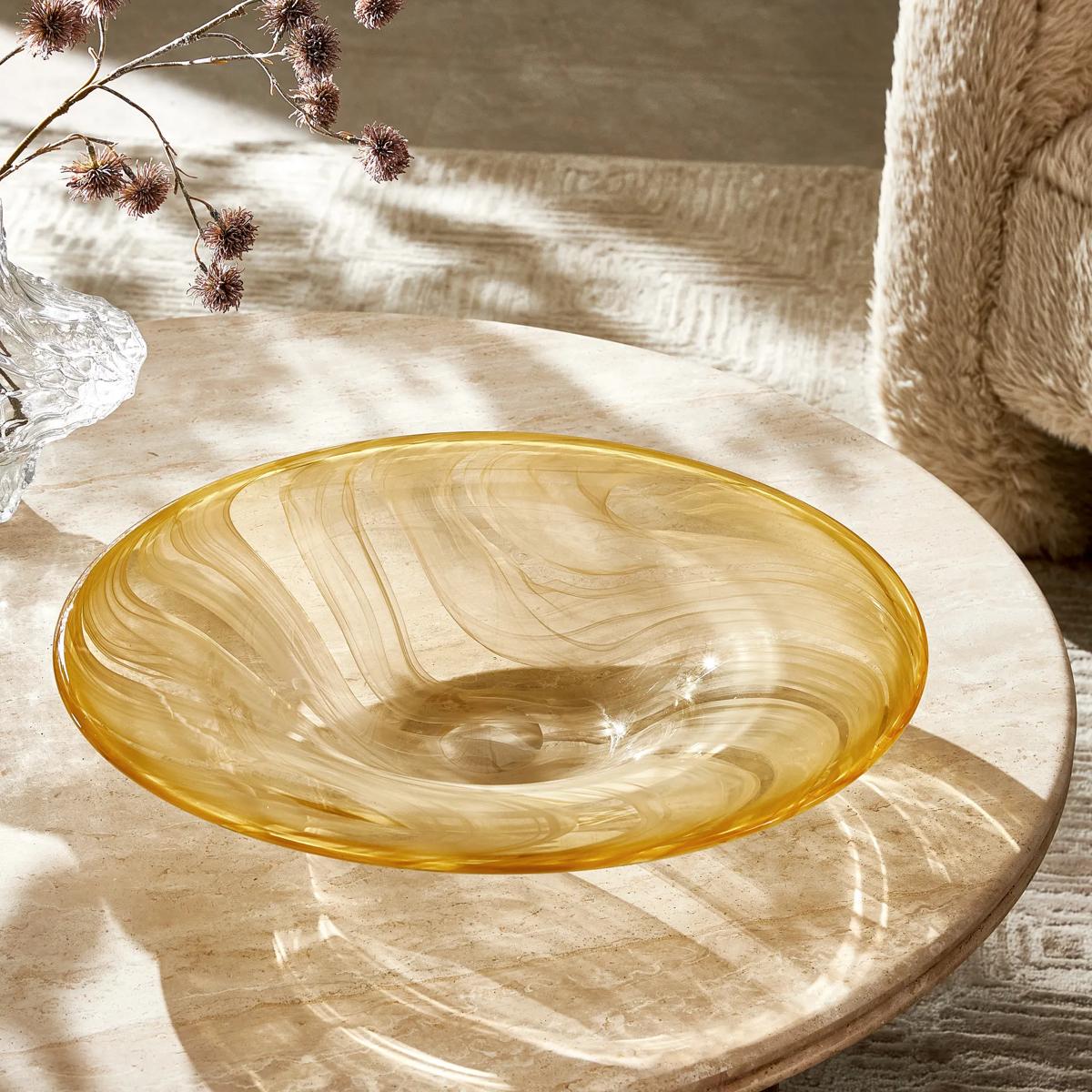 Paradis Glass Plate$239
A hand-blown amber glass plate featuring a swirling, organic design for a radiant decorative accent.
Add To Cart -
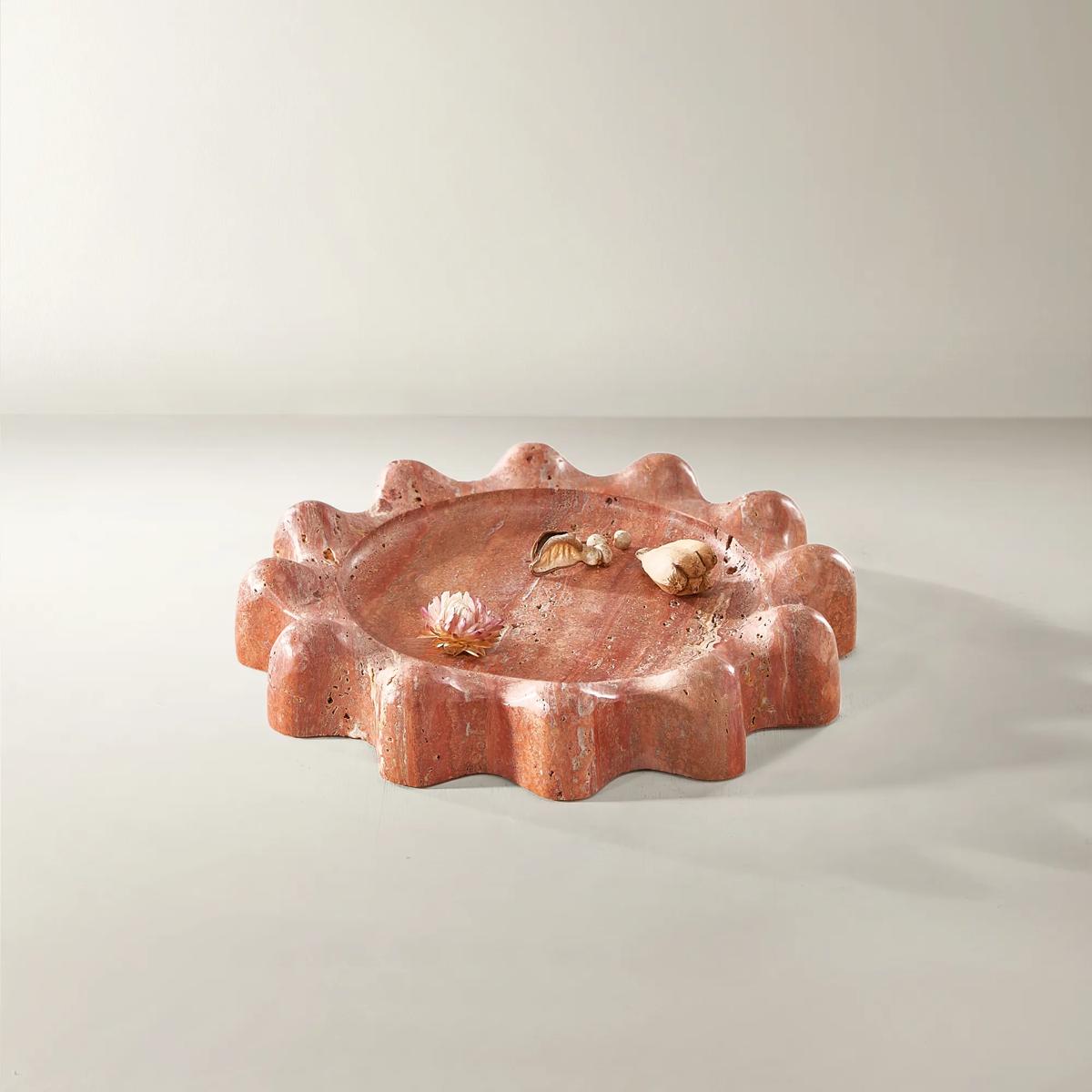 Flora Marble Catchall - Large$159
A hand-carved red travertine catchall with unique veining and undulating, flower-inspired edges.
Add To Cart -
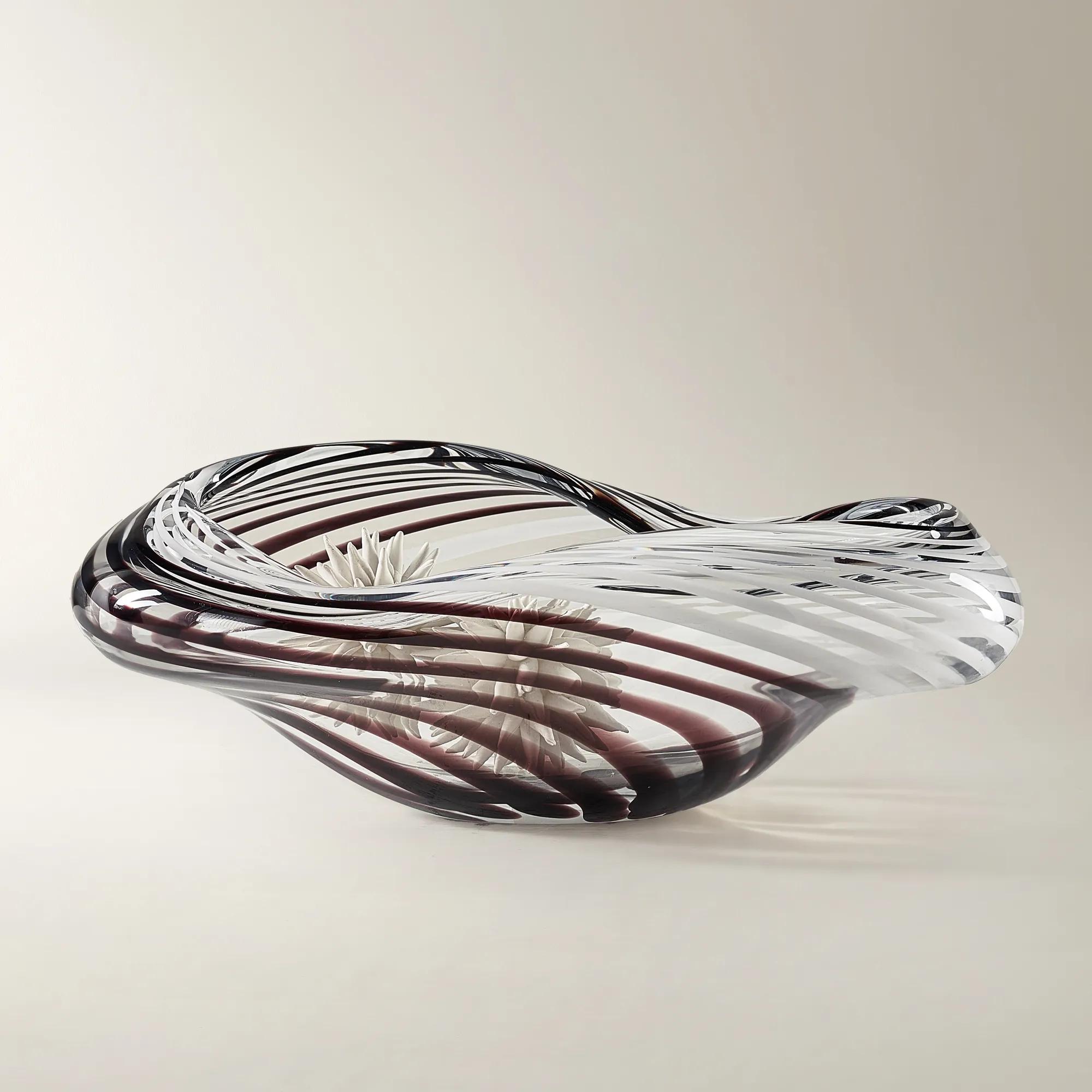 Optic Mouth Blown Black/White Glass Decorative Bowl 17.25" x 5.5"$99
A handblown glass bowl featuring charcoal stripes and a sculptural, Deco-inspired silhouette for decorative display.
Add To Cart -
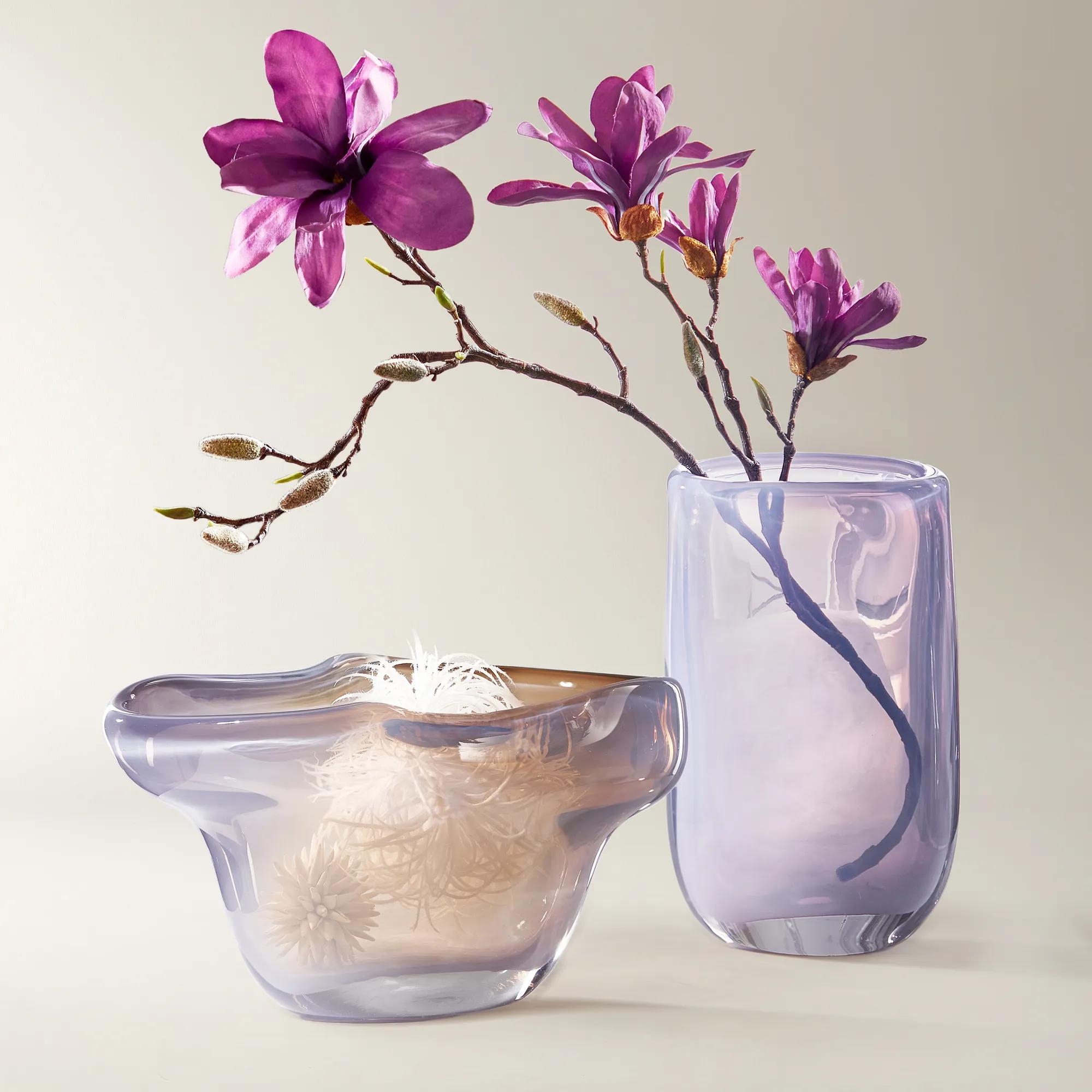
.jpeg?w=1200&h=1200) Aura Collection$189
Aura Collection$189A hand-blown glass accent in dreamy lavender, showcasing fluid curves and modern sculptural artistry.
Add To Cart -
.jpeg?w=1200&h=1200)
 Coral Ivory Porcelain Vase & Bowl$139
Coral Ivory Porcelain Vase & Bowl$139An ivory porcelain accent featuring flowing, coral-inspired curves for a modern, gallery-worthy display.
Add To Cart

Unique Handcrafted Decorative Bowls
Unique Handcrafted Decorative Bowls are more than mere accents—they are objets d’art that invite admiration and spark conversation. Each piece is a testament to artistry, transforming tabletops and consoles into curated showcases of texture, form, and individuality. Whether perched beneath a cascade of candlelight or anchoring a dramatic vignette, these sculptural vessels infuse every surface with intrigue and intention. Elevate your décor with bowls that celebrate the beauty of craftsmanship and the allure of the unexpected—where every curve and contour tells a story all its own.
Unique handcrafted decorative bowls bring the expressive beauty of the artisan’s hand into a room, transforming an often-overlooked surface into a moment of sculpture, texture, and intrigue. Unlike mass-produced accents with uniform silhouettes, handcrafted bowls may reveal subtle variations in shape, color, glaze, grain, or finish that make each piece feel collected rather than manufactured. A softly irregular rim can lend a ceramic bowl an organic, gallery-worthy presence, while a hand-turned wooden form introduces warmth through visible grain and naturally occurring tonal shifts. Blown glass creates another kind of drama, catching daylight with translucent color, rippled contours, or a luminous reflective finish. Stone, metal, and mixed-material designs can add visual weight and architectural polish, especially when their substantial forms are placed against quieter surfaces. These details are more than decorative flourishes; they establish the mood of a space. On a dining table, a sculptural bowl can anchor a layered tablescape without competing with the meal. On a console or entryway surface, it creates a graceful welcome and gives the eye a destination. On a coffee table, it can soften a composition of books, candles, and objets d’art with a striking central form. During the cooler months, richly toned wood, burnished metal, deep ceramic hues, and tactile finishes bring a sense of warmth and atmosphere indoors, while clear or softly colored glass keeps a room feeling luminous as natural light shifts. For a more commanding focal point, explore Large Handblown Decorative Bowls, where generous scale and artisanal glasswork create an unforgettable centerpiece.
When choosing a unique handcrafted decorative bowl, begin with the story you want the piece to tell and the surface it will inhabit. Scale is essential: a bowl should have enough presence to hold its own on a broad dining table or spacious console, yet remain proportionate to the furniture surrounding it. Measure the available width and depth, then consider the visual height of the bowl, including any raised base or sculptural contour. Low, wide bowls create a grounded, expansive impression and work beautifully on ottomans, coffee tables, and dining surfaces. Taller or more dimensional forms draw the eye upward and can enliven a narrow entry console, mantel, or shelving arrangement. Color and finish are equally important. A polished or mirror-like surface amplifies light and adds a touch of glamour, while matte ceramic, raw wood, or softly textured stone introduces a more tactile, organic counterpoint to lacquered furniture and reflective accessories. If the surrounding room already features bold pattern or saturated color, a bowl with an elegant neutral finish can provide visual breathing room. In a restrained room, a hand-painted surface, expressive glaze, dramatic black finish, or unexpected sculptural profile can become the defining accent. Material should reflect both aesthetic preference and practical use. Wood offers warmth and natural character, though it is best protected from prolonged moisture and excessive heat. Ceramic and stoneware bring satisfying substance and artistic variation, while glass creates an airy, light-catching effect that feels especially refined in a well-lit setting. Metal bowls lend sleek polish and can echo the finish of lighting, hardware, or framed artwork. Since handcrafted pieces may include intentional variations, slight differences in coloration, texture, or contour are part of their appeal and should be welcomed as evidence of individuality.
These bowls are designed to be styled with intention, but they leave room for your own imagination. Keep the interior empty when the silhouette itself deserves the spotlight, or fill a larger bowl with natural elements that complement its material and tone. Smooth stones, sculptural branches, dried botanicals, seasonal fruit, and decorative spheres can create dimension without obscuring the bowl’s artistry. For a refined arrangement, use objects in varied heights and textures, allowing the vessel to remain the visual anchor. A single dramatic branch can bring sculptural movement to an expansive form; a cluster of smaller objects can make a shallow bowl feel abundant and collected. In a dining setting, choose non-edible fillers for a long-lasting centerpiece, or leave the bowl open so its interior finish and craftsmanship remain visible. In an entryway, it can hold small everyday essentials while preserving an elevated sense of order. In a bedroom or dressing area, a compact bowl offers a graceful place for jewelry and keepsakes. Decorative bowls also make memorable gifts for hosts, newlyweds, design enthusiasts, recent movers, or anyone creating a home with a more personal point of view. Their versatility makes them especially thoughtful: the recipient can display one as a standalone work of art, style it seasonally, or incorporate it into a room that evolves over time. Look for a finish that complements the recipient’s surroundings, a scale suited to the space, and craftsmanship that feels distinctive rather than overly matched. Whether placed beneath a gleaming chandelier, layered among treasured objects, or given a place of honor on a dining table, a unique handcrafted decorative bowl adds artistry to the everyday and turns an ordinary surface into a scene with presence.
FAQs
A handcrafted bowl is shaped by skilled artisans, often using traditional techniques that celebrate the individuality of each piece. No two bowls are exactly alike—subtle variations in glaze, texture, and form add character and authenticity, making each bowl a true work of art that brings personality and soul to your home.
Handcrafted bowls are incredibly versatile—they can serve as captivating centerpieces on dining tables, accent pieces on consoles, or functional art on kitchen counters. Style them solo for a dramatic statement, or group them with other artisanal objects to create a layered, curated vignette that reflects your personal style.
Absolutely. A handcrafted bowl is a thoughtful and memorable gift, perfect for housewarmings, weddings, anniversaries, or milestone celebrations. Its uniqueness and artistry make it a cherished keepsake, ideal for anyone who values craftsmanship and expressive design.
Artisan-crafted decorative bowls can be made from a variety of luxurious materials, including handblown glass, fine ceramics, marble, natural wood, and hammered metals. Each material offers its own distinctive character—glass shimmers in the light, ceramics bring earthy warmth, and metals add a touch of gleaming sophistication.
To showcase the artistry of a handcrafted bowl, place it where light can accentuate its texture and color—such as near a window or under a spotlight. Pair it with complementary décor, like mirrored trays or sculptural candleholders, and let it shine as the focal point of your arrangement. The goal is to create a moment of visual intrigue that draws the eye and invites admiration.
.jpeg?w=3739&h=3739)
.jpeg?w=3401&h=3401)