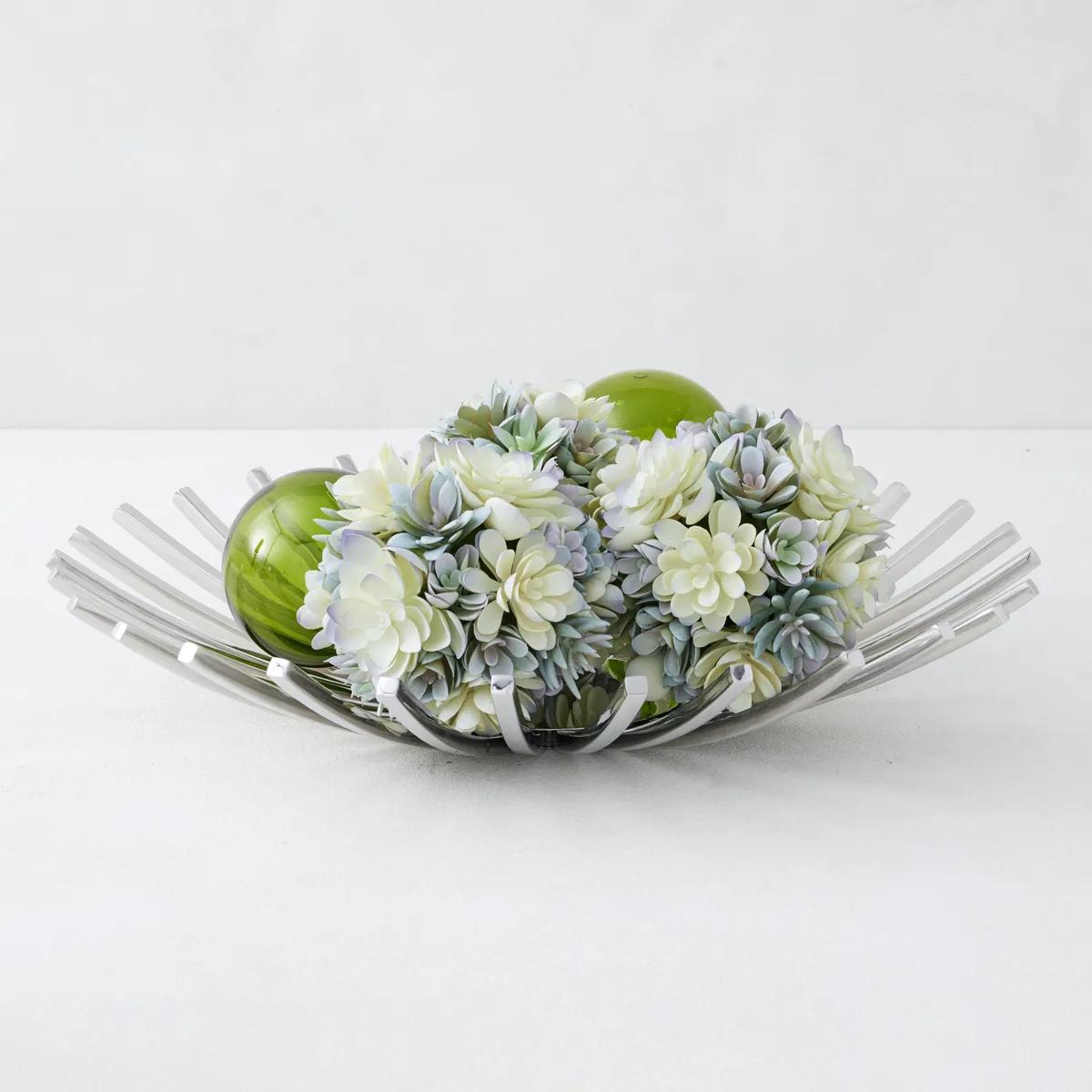
Decorative Bowls For Luxury Living Rooms
Decorative Bowls For Luxury Living Rooms
-
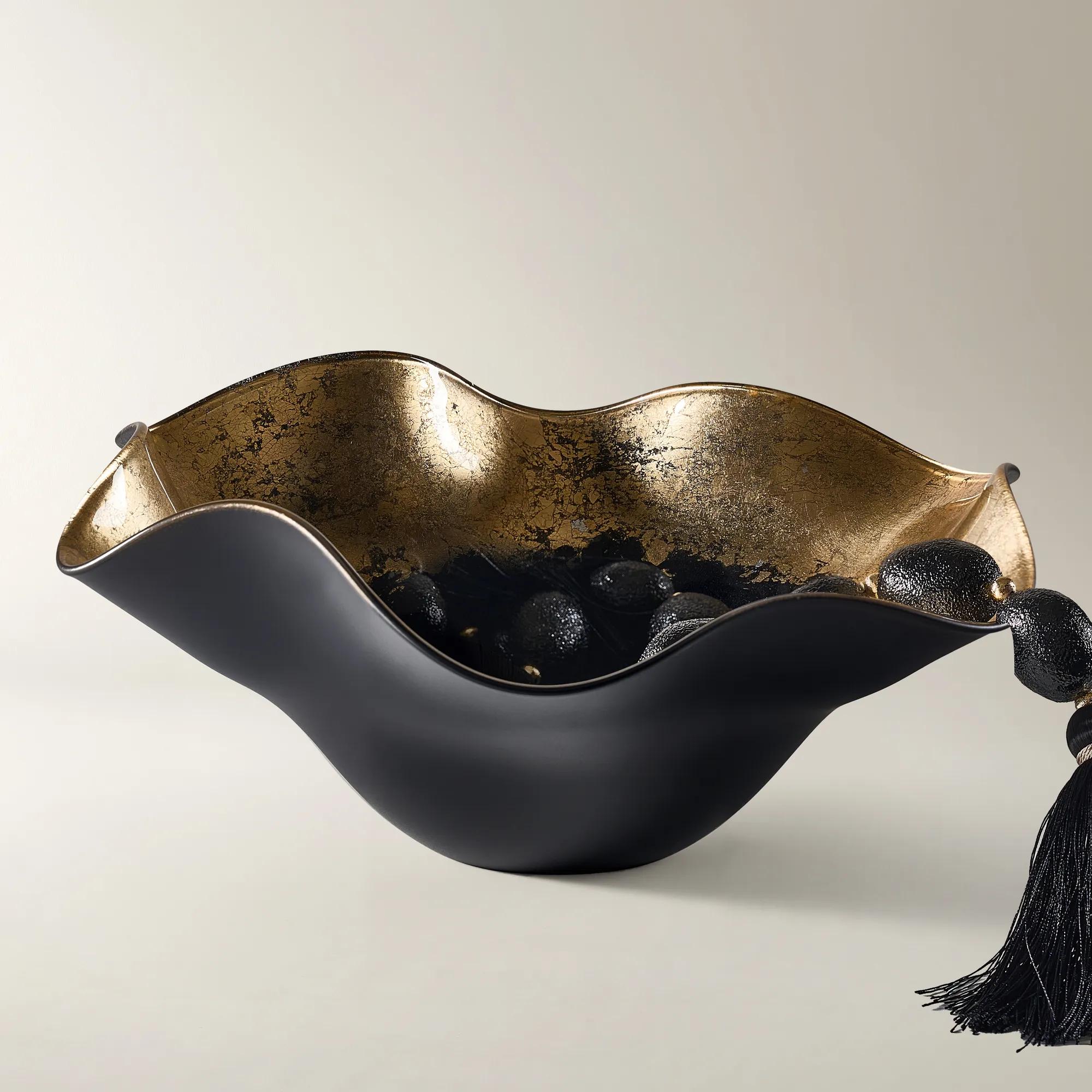
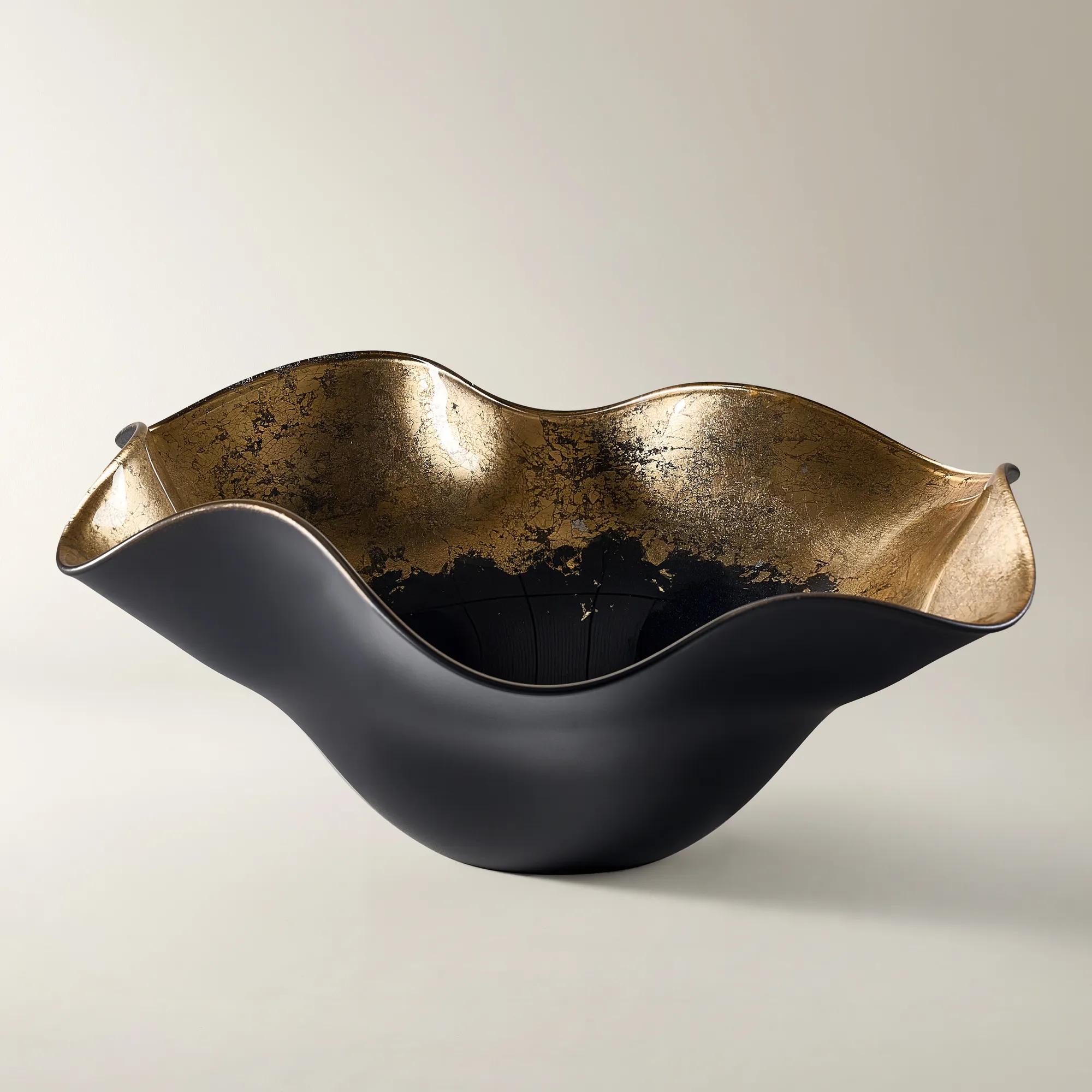 Goldie Mouth Blown Gold Black Glass Decorative Bowl 15.5" x 8.75"$199
A handblown glass bowl in soft gold and black with an organic, sculptural silhouette for modern decor.
Add To Cart -
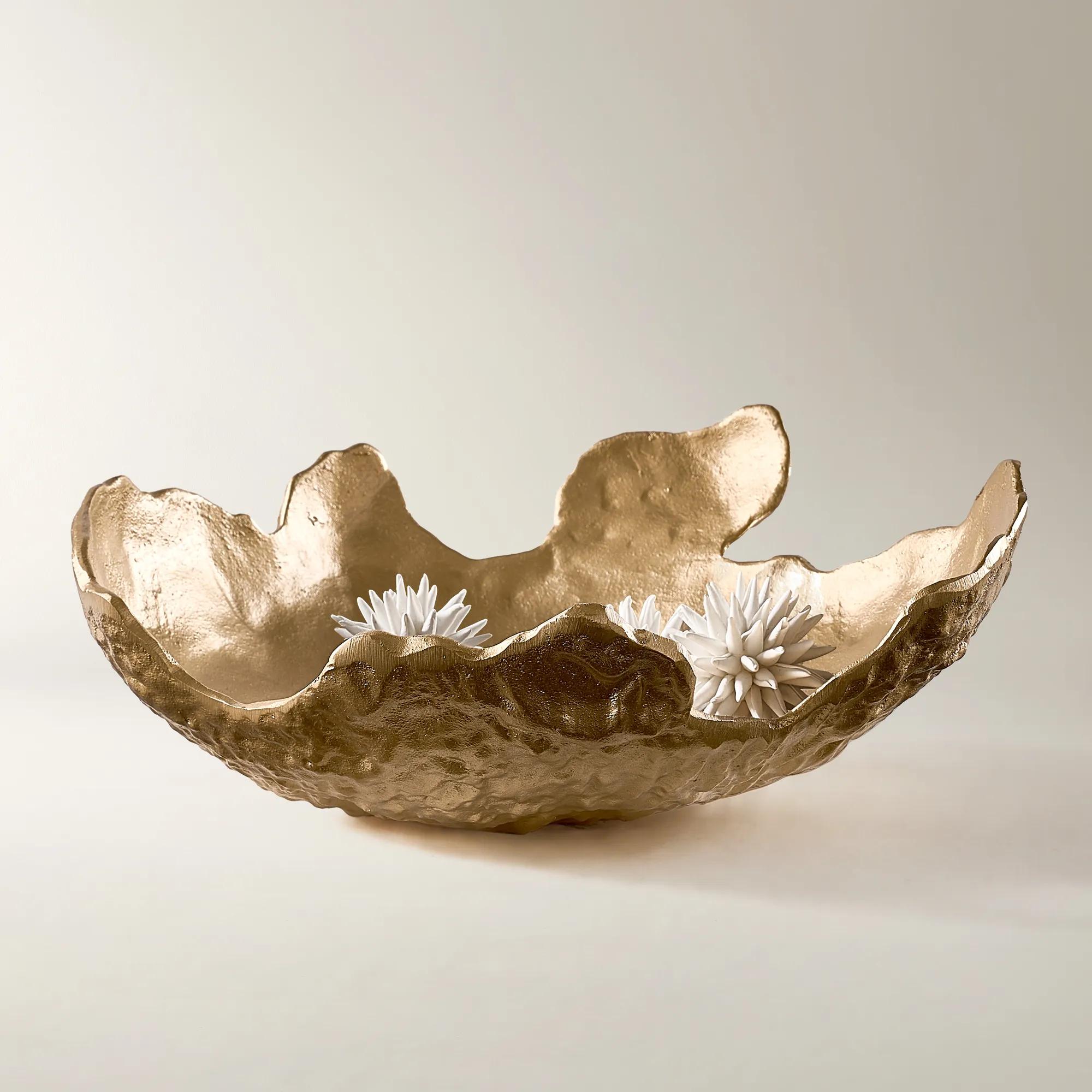 Crush Gold Aluminum Decorative Bowl 16" x 5.75"$169
A sculptural aluminum bowl with a soft gold finish and organic, crushed silhouette for modern decor.
Add To Cart -
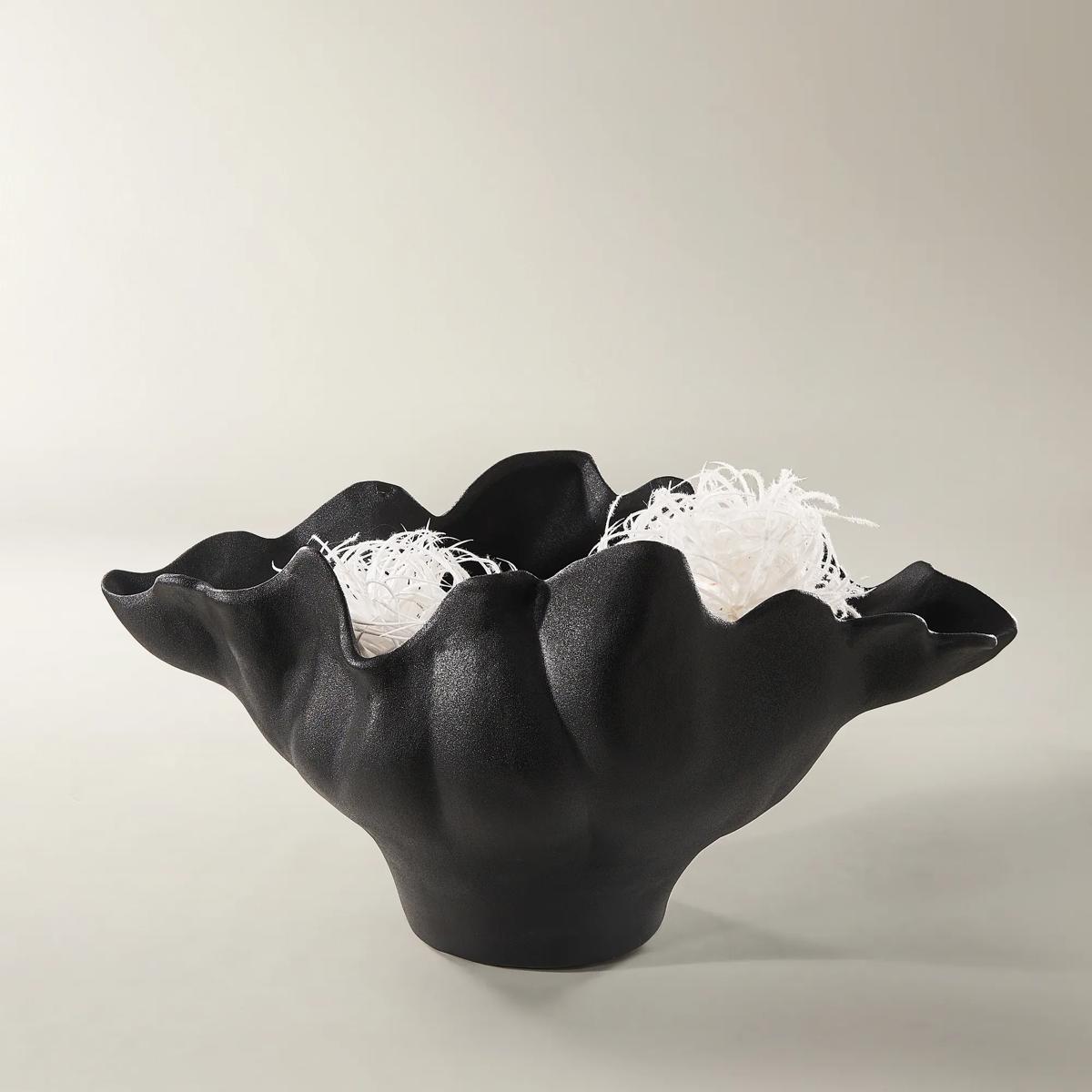
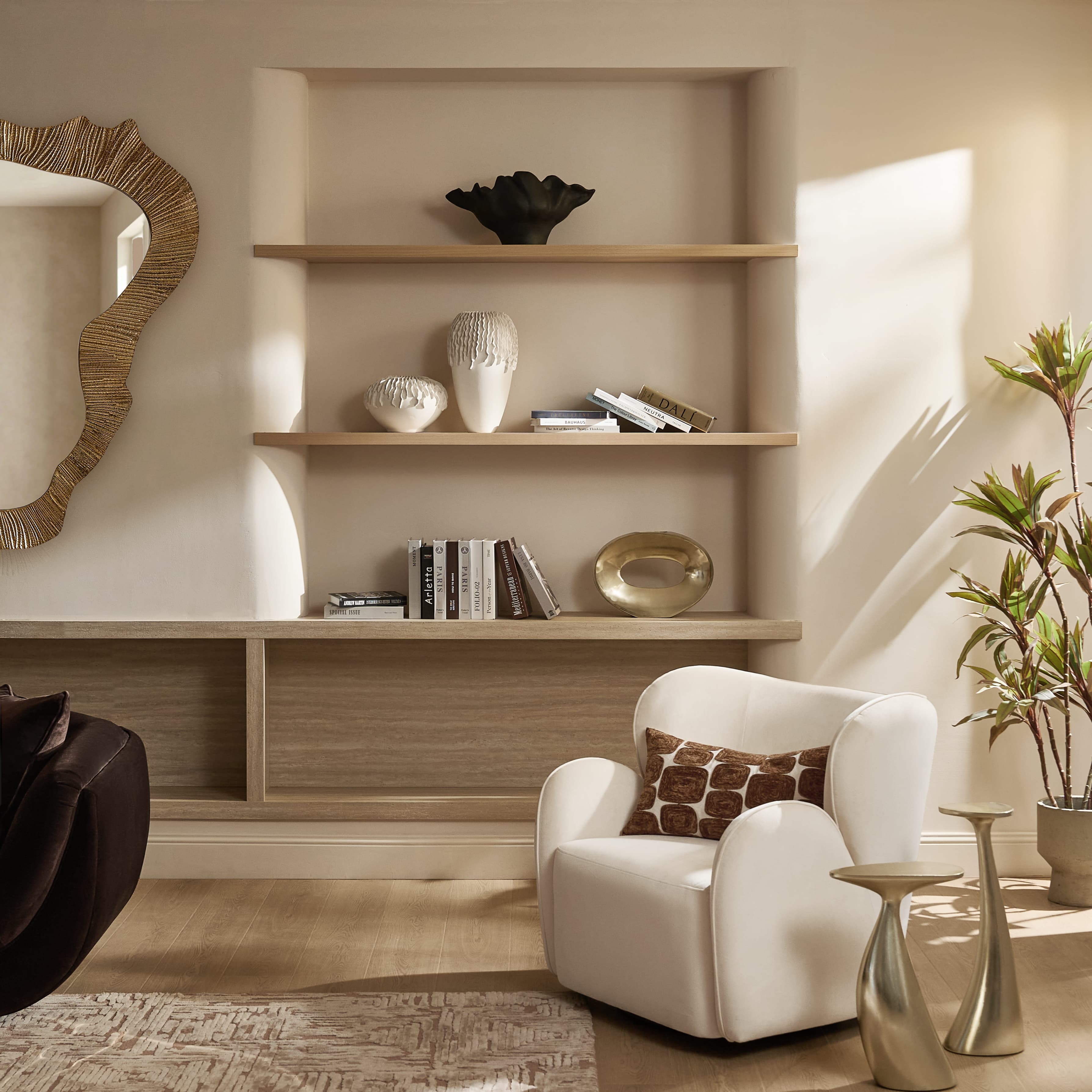 Ebba Black Porcelain Decorative Bowl 20.25" x 10.25"$199
A sculptural matte black porcelain bowl with undulating petal-like edges for bold, artistic elegance.
Add To Cart -
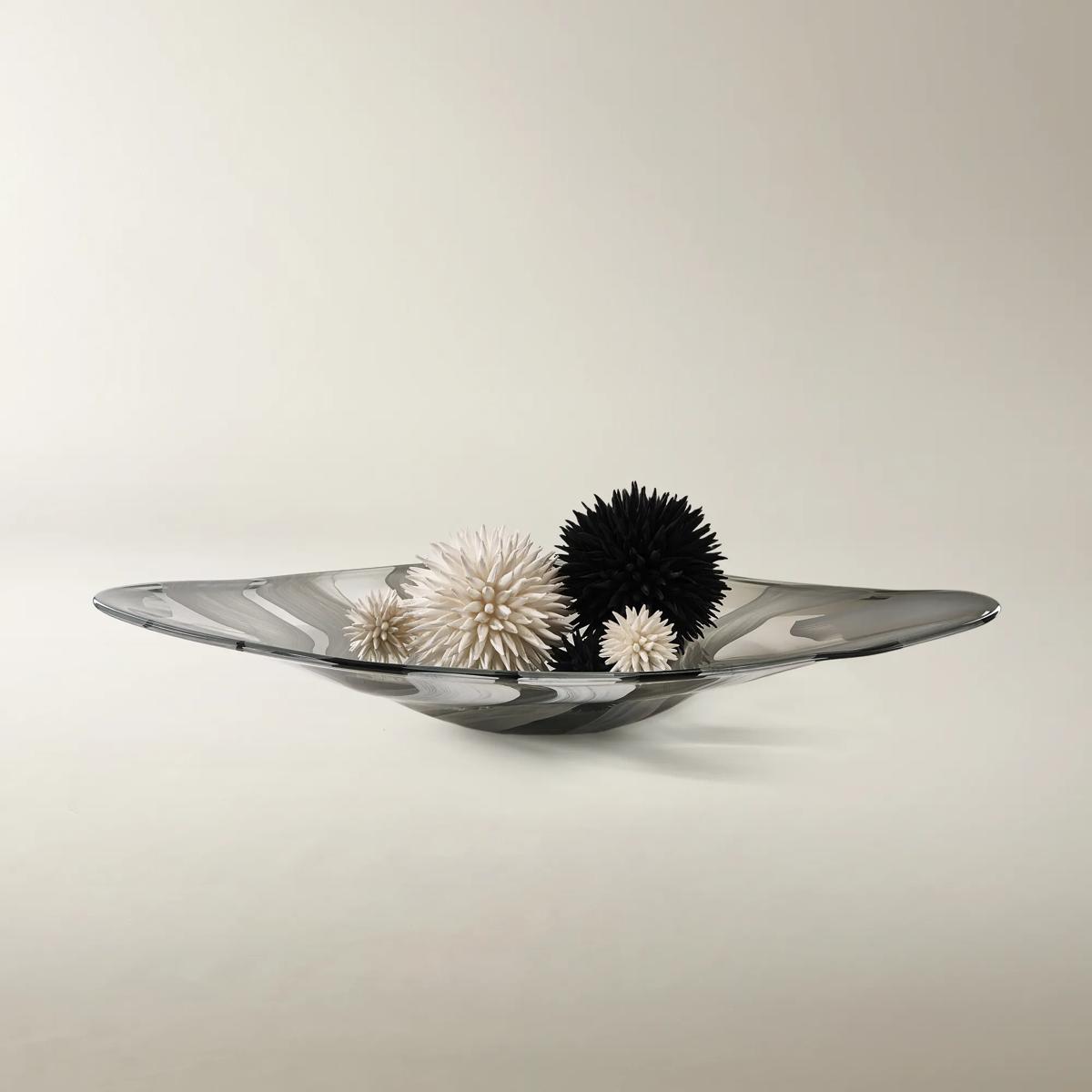
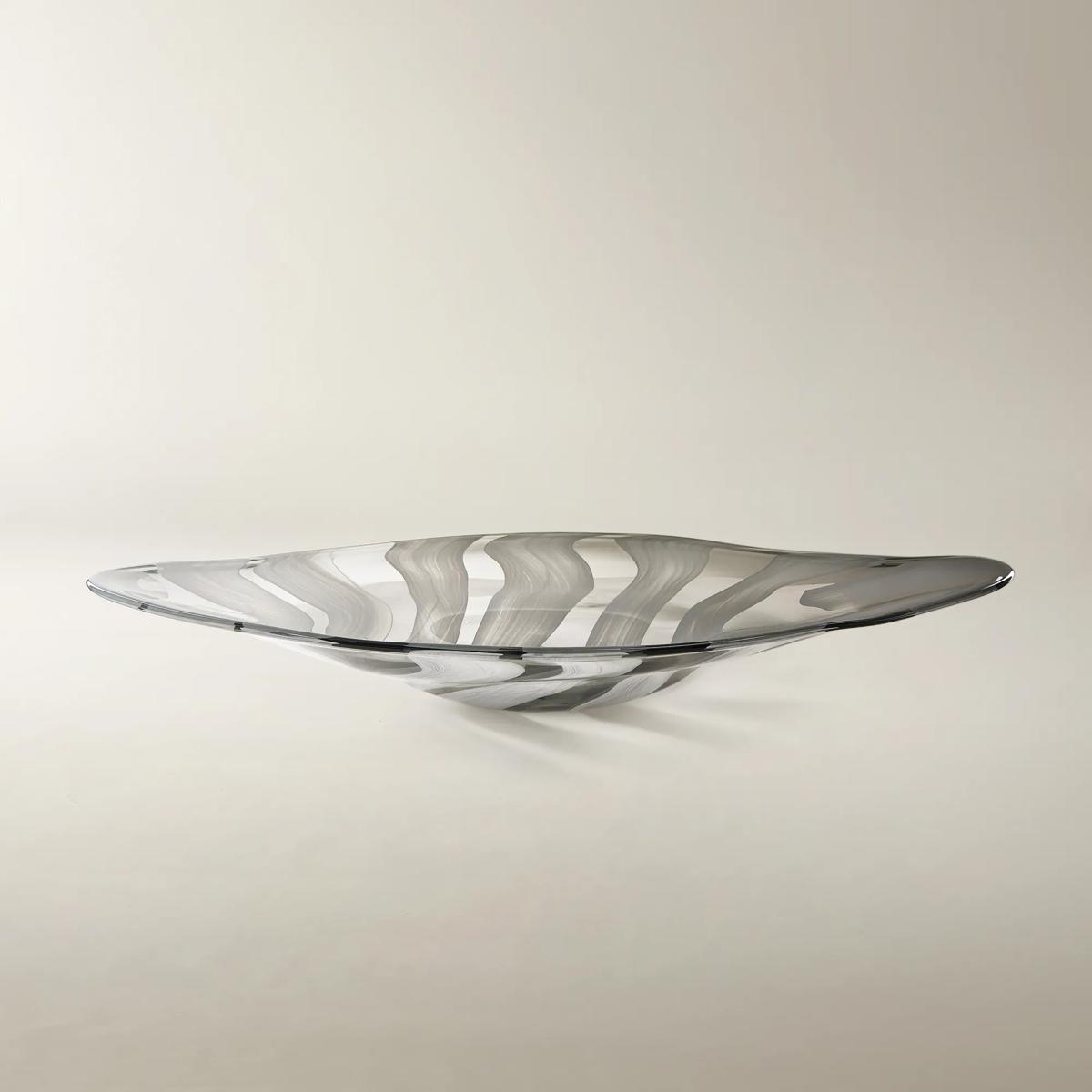 Zoya Glass Bowl$349
A hand-blown grey glass bowl with a marbled pattern and organic silhouette for modern decor.
Add To Cart -
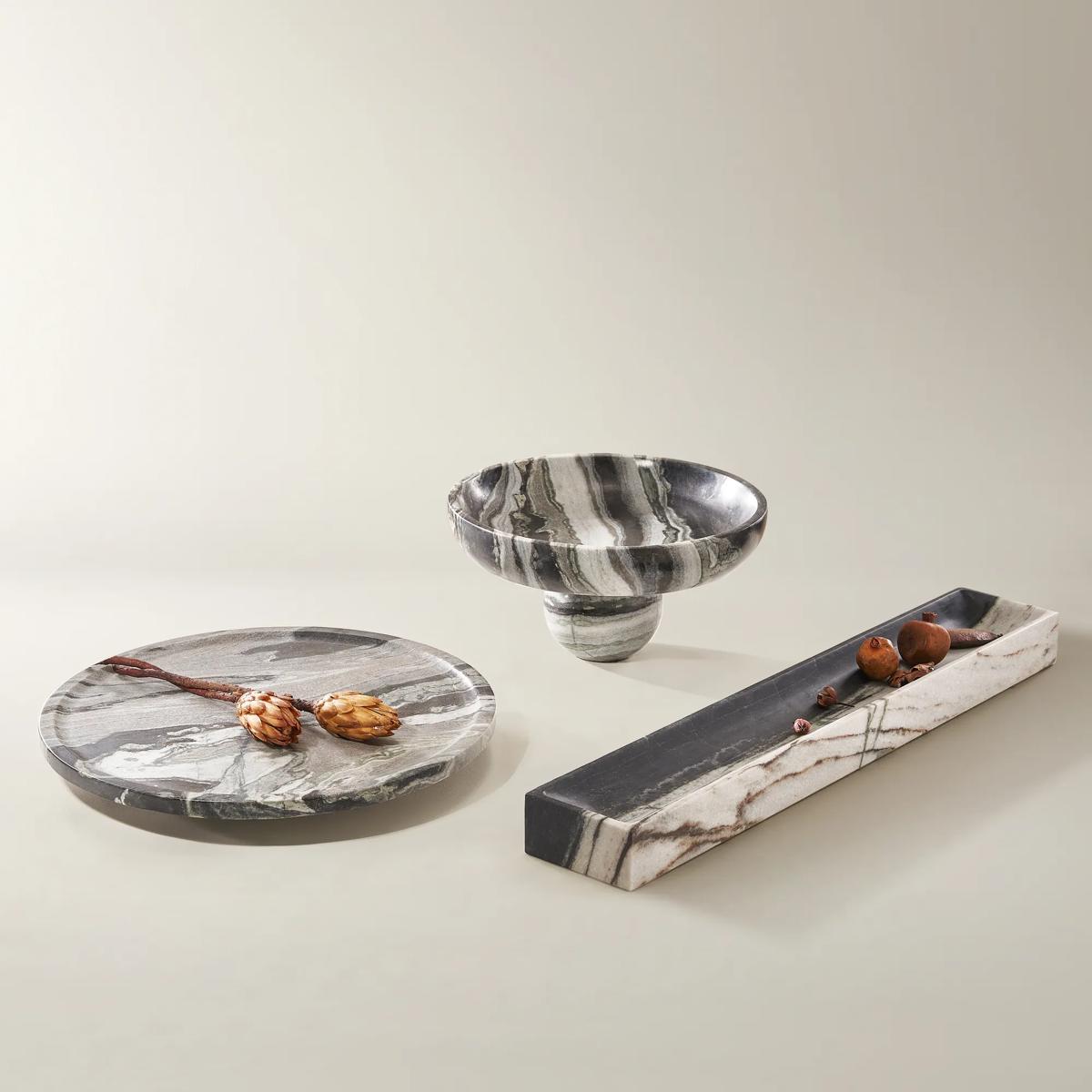
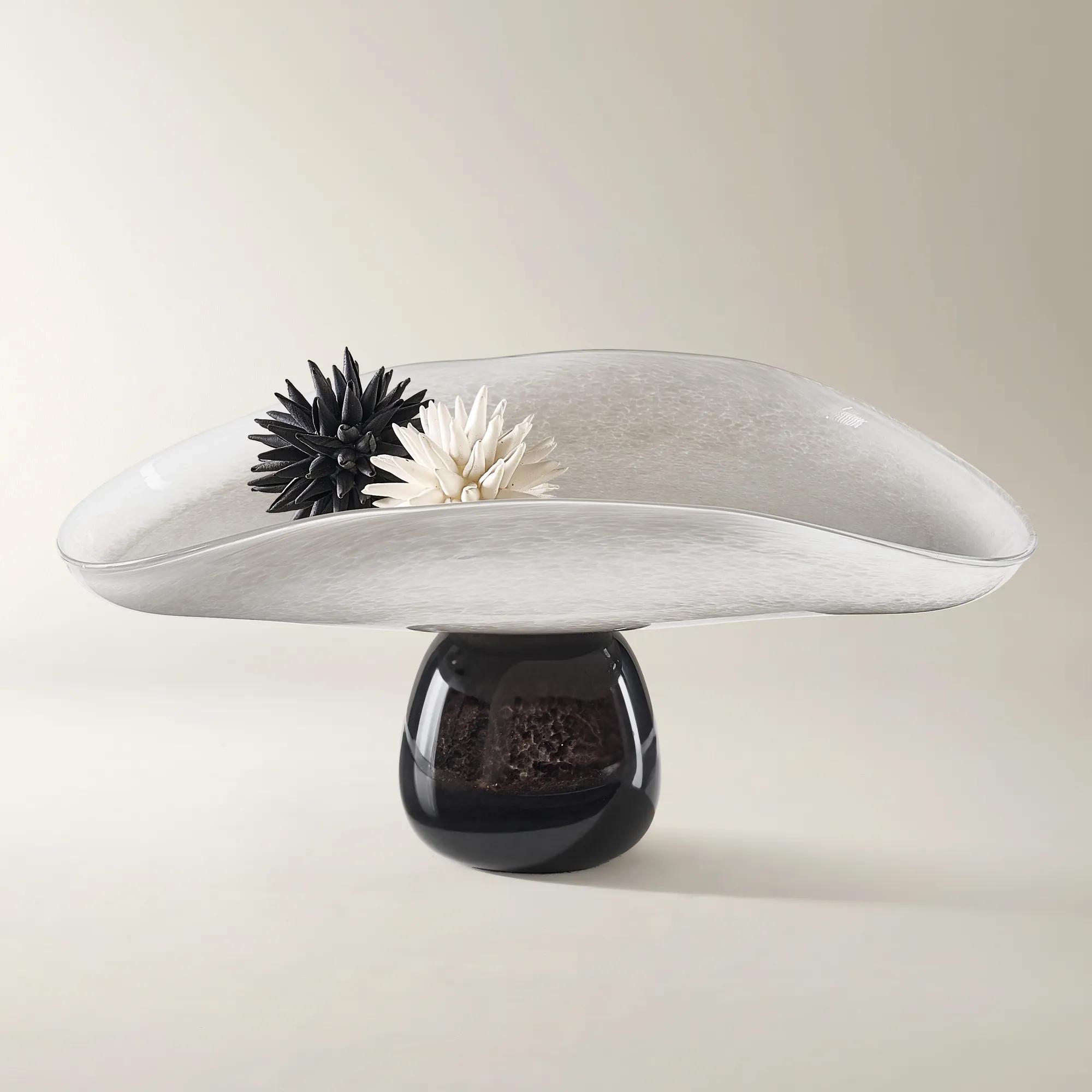 Elois Mouth Blown White Black Pedestal Bowl 14.5" x 7"$149
A handblown glass pedestal bowl featuring striking black and white contrast for a sculptural, modern accent.
Add To Cart -
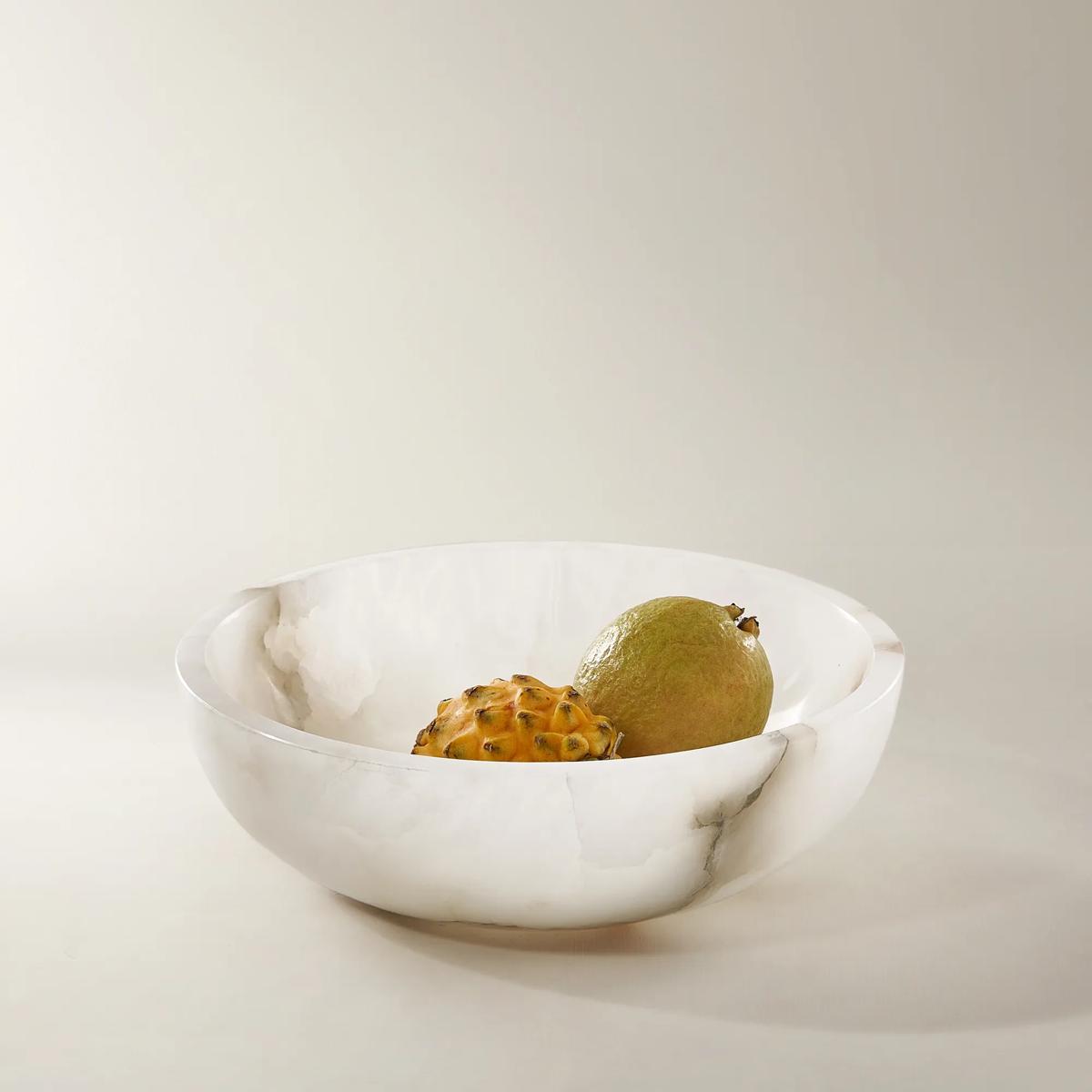 Alabaster Bowl$369
A hand-sculpted alabaster bowl featuring organic veining and soft, milky white translucence.
Add To Cart -
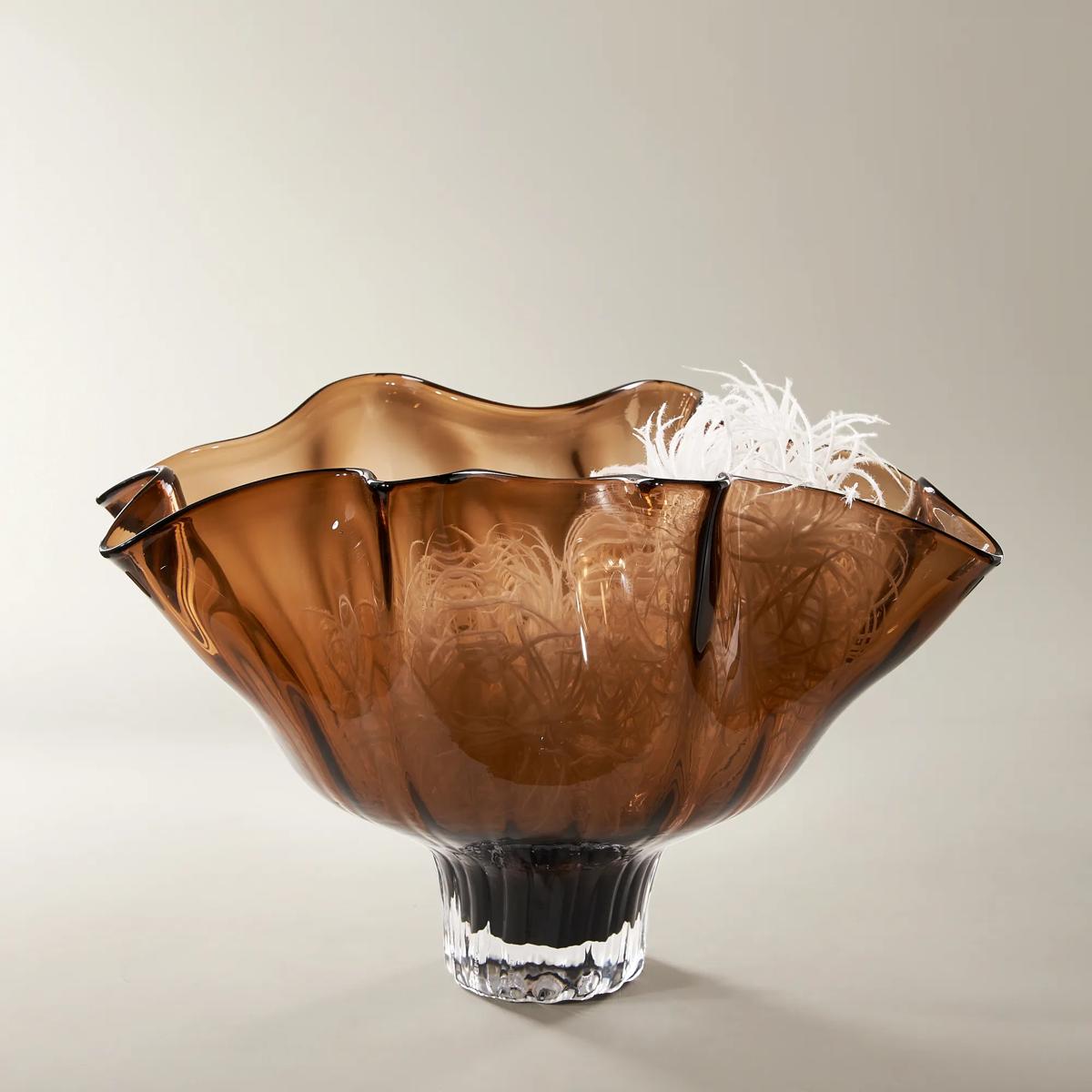
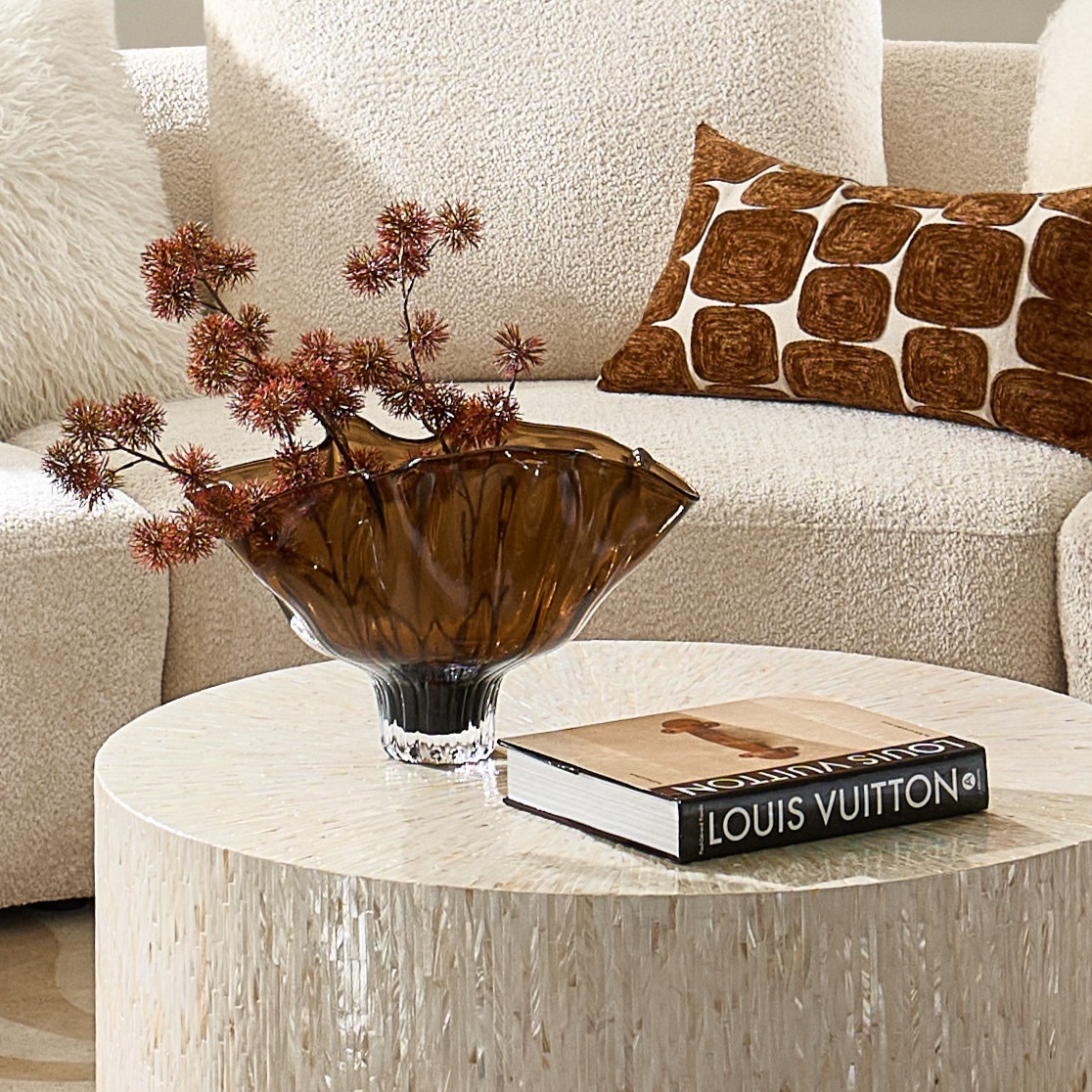 Coco Mouthblown Brown Glass Bowl 17" x 9.75"$139
A hand-blown brown glass bowl with an undulating rim and clear tapered base for sculptural elegance.
Add To Cart -
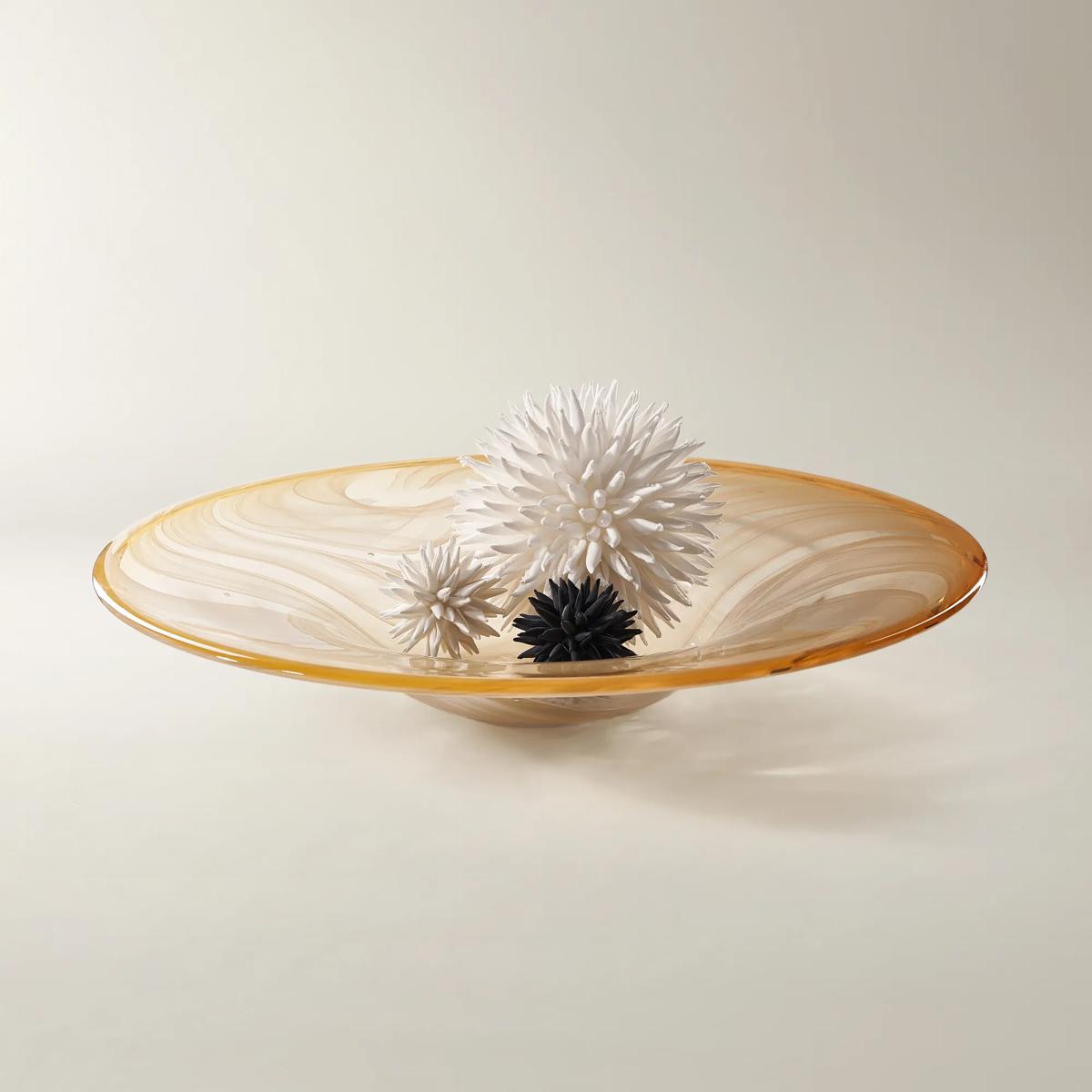
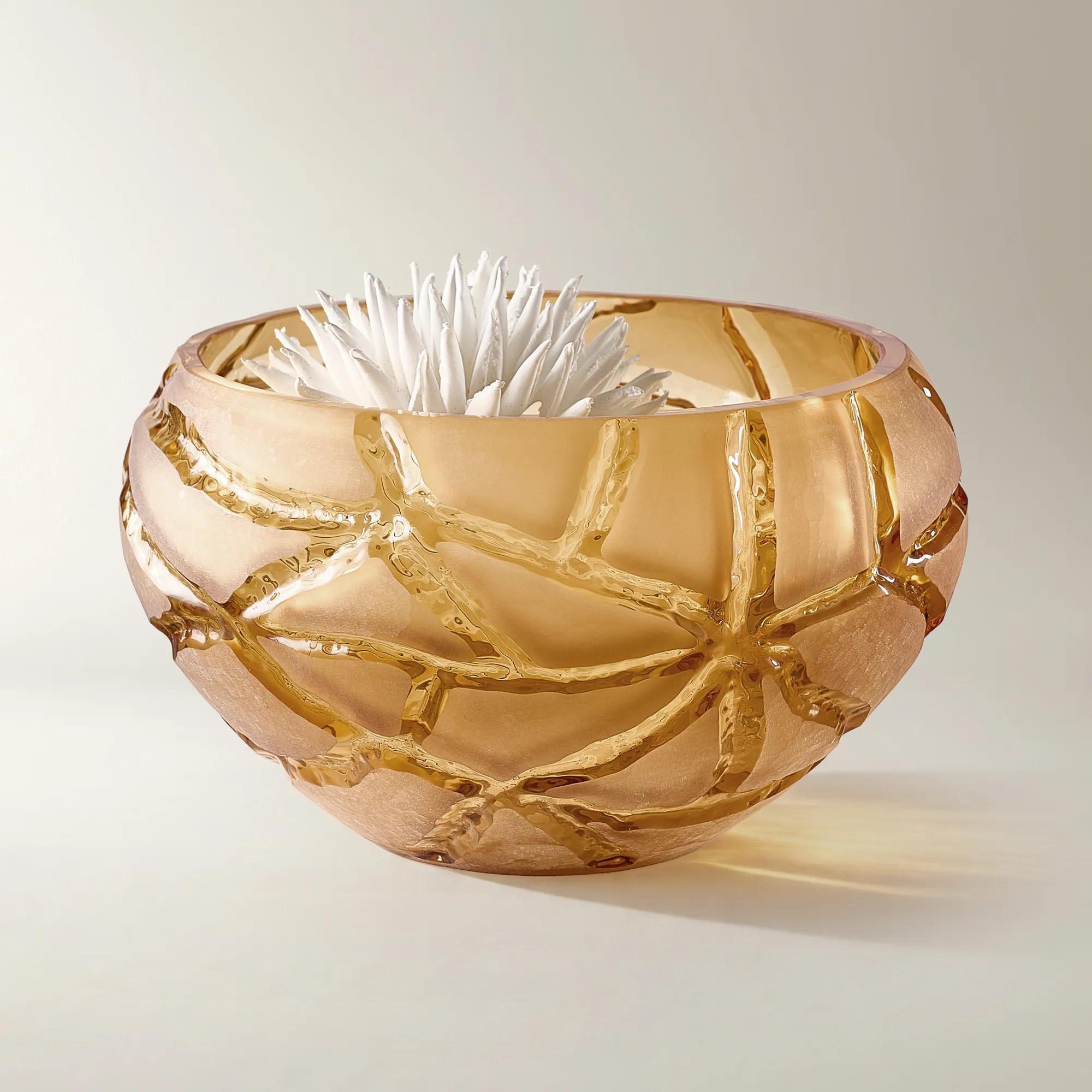 Rowen Mouth Blown Honey Gold Glass Decorative Bowl 11" x 6.25"$129
A handblown glass bowl in honey gold with a textured surface for a luminous, sculptural accent.
Add To Cart -
 Calla Mouth Blown Blue Glass Decorative Bowl 15.35" x 5.7"$79
A handblown blue glass bowl featuring unique curves and translucent artistry for striking decorative appeal.
Add To Cart -
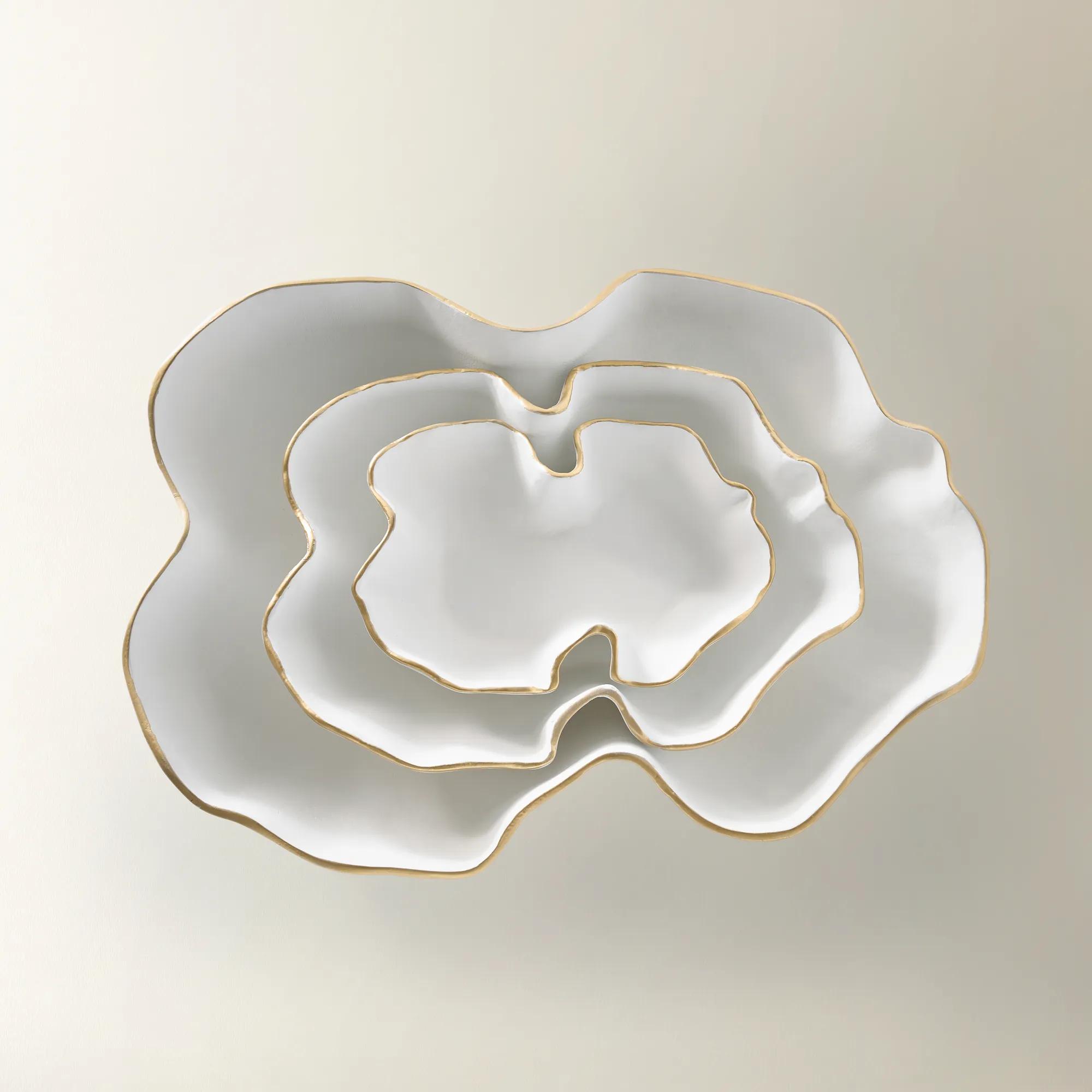 Lava White Gold Aluminum Decorative Nesting Bowls$99
A glossy white aluminum bowl with a golden rim, offering modern elegance for decorative display.
Add To Cart -
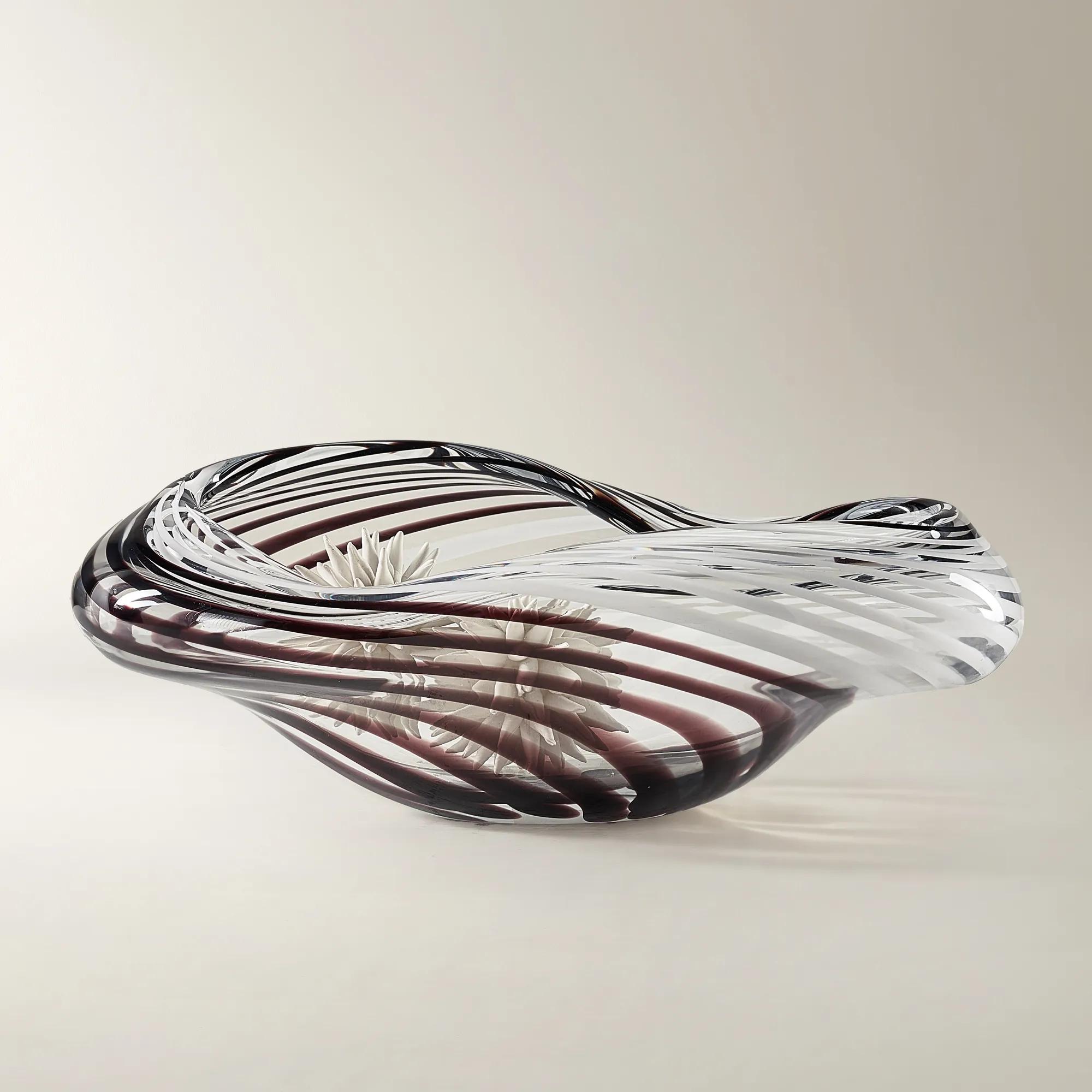 Optic Mouth Blown Black/White Glass Decorative Bowl 17.25" x 5.5"$99
A handblown glass bowl featuring charcoal stripes and a sculptural, Deco-inspired silhouette for decorative display.
Add To Cart -

 Collins Hand-Cast Gold Aluminum Decorative Pedestal Bowl 23.5" x 5"$79
A gold nickel-plated aluminum bowl with a rectangular pedestal base for striking decorative display.
Add To Cart -
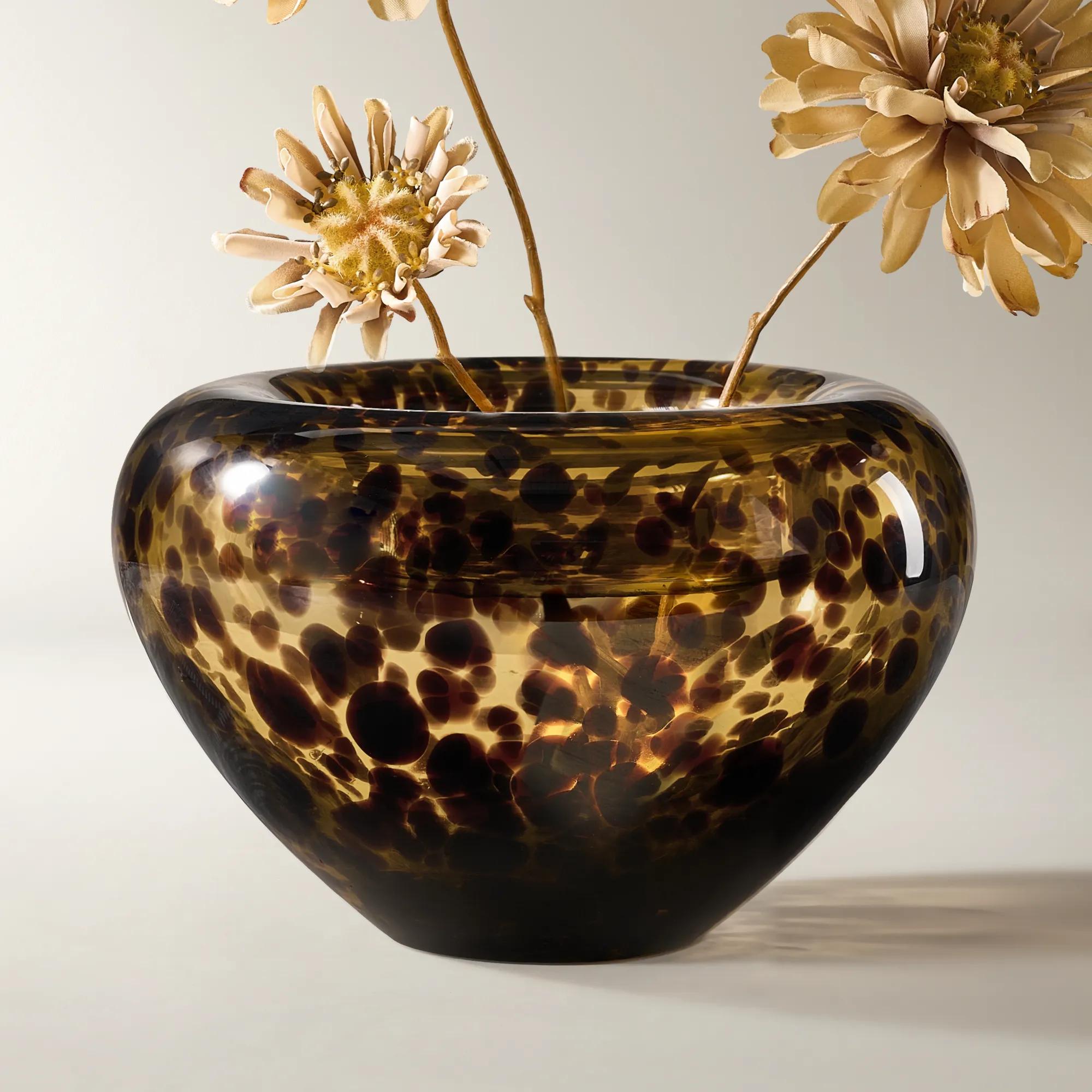 Tortoise Mouth Blown Brown Glass Decorative Bowl 8.25" x 4.25"$69
A handblown glass bowl featuring a warm brown tortoise pattern and a sculptural, rounded silhouette.
Add To Cart -
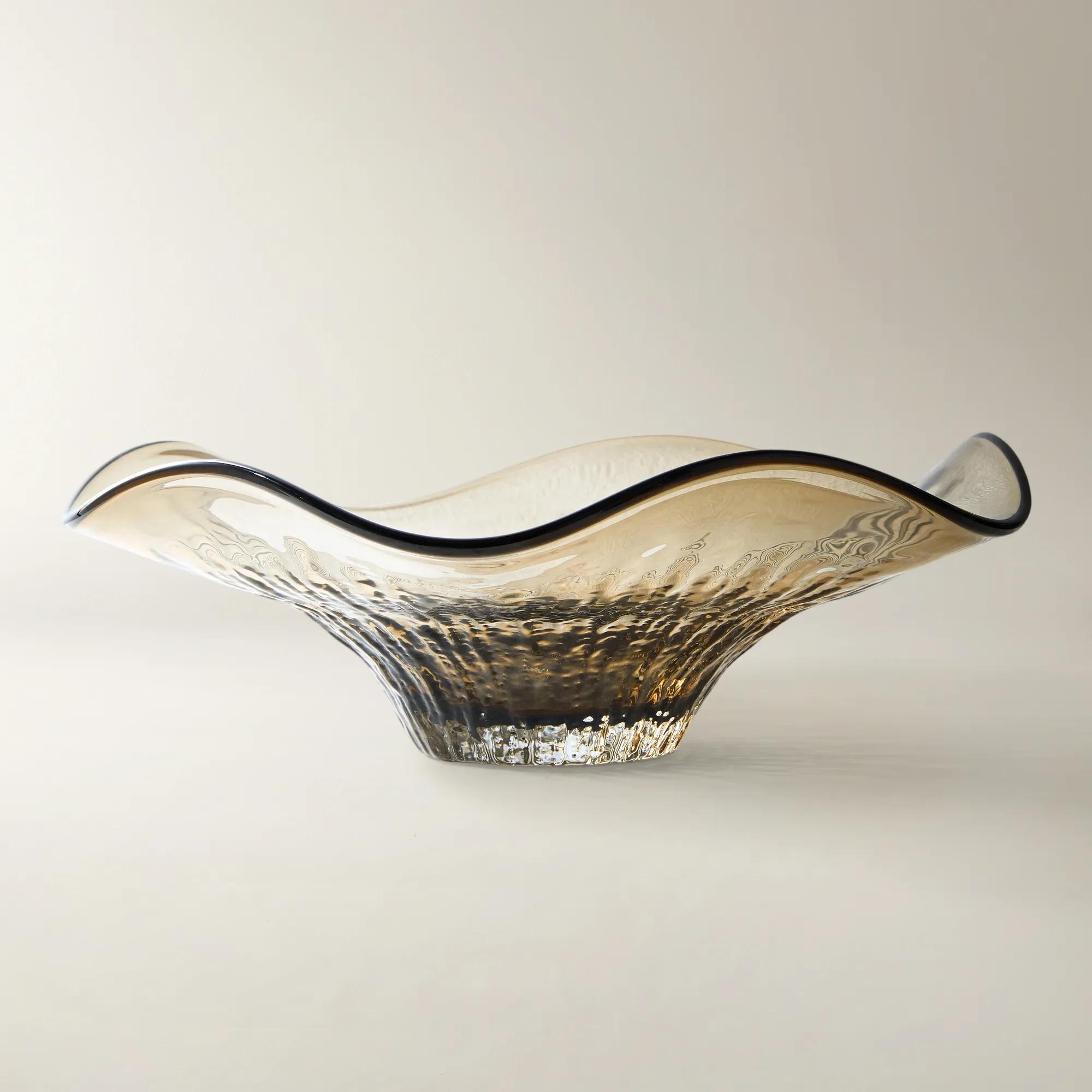 Corsi Brown Handblown Glass Decorative Bowl 15.35" x 5.1"$99
A hand-blown glass bowl in warm amber with organic shape and intricate textural details.
Add To Cart -
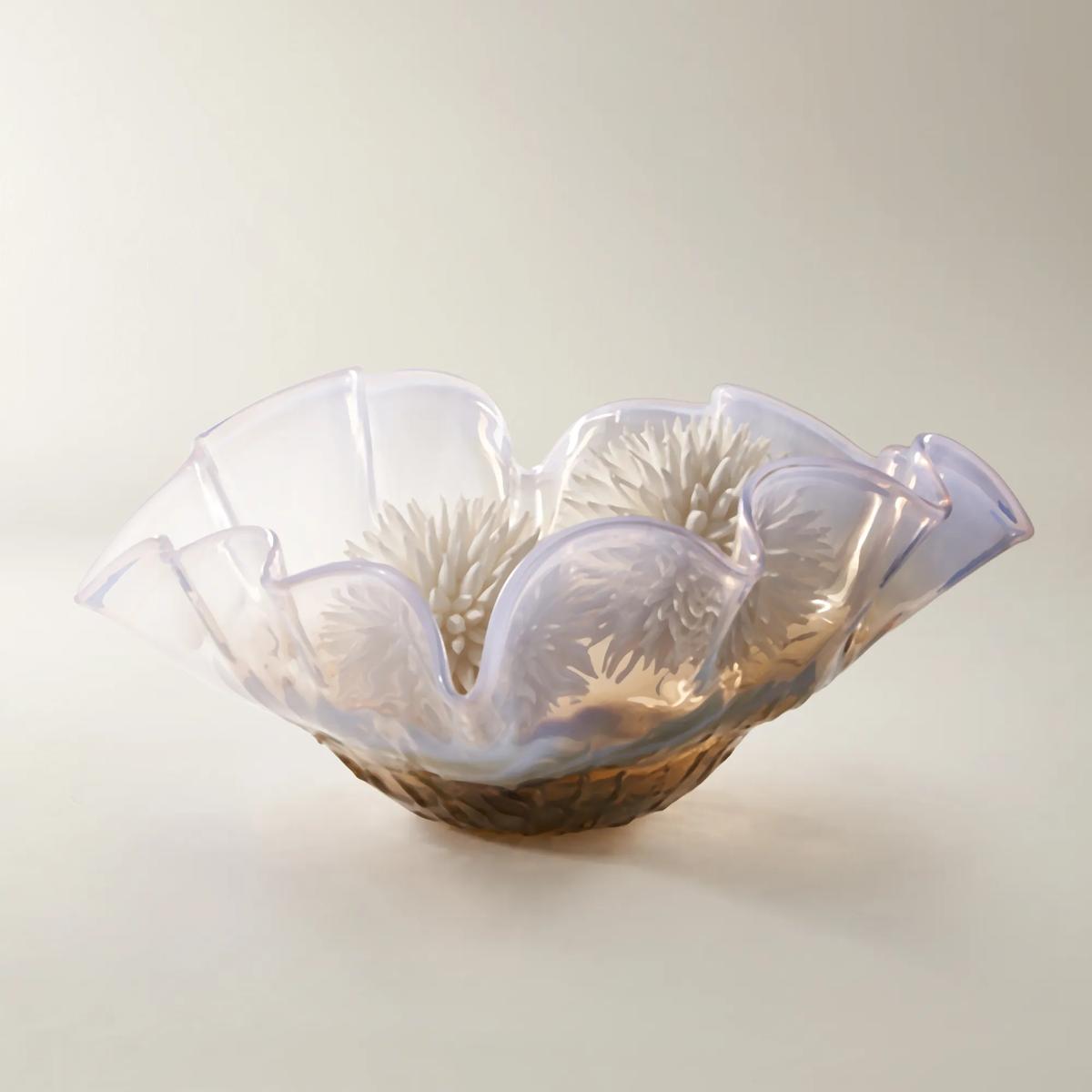
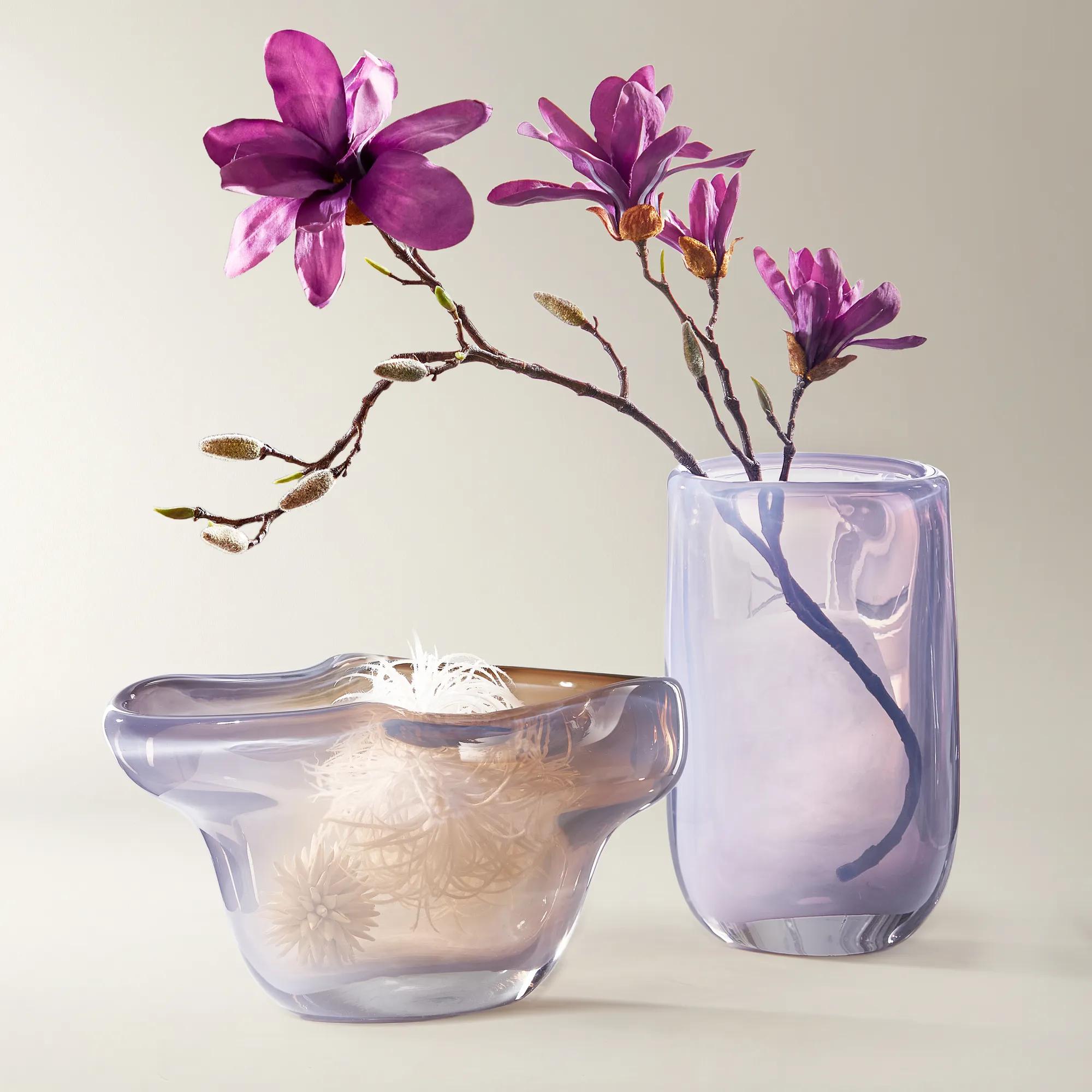
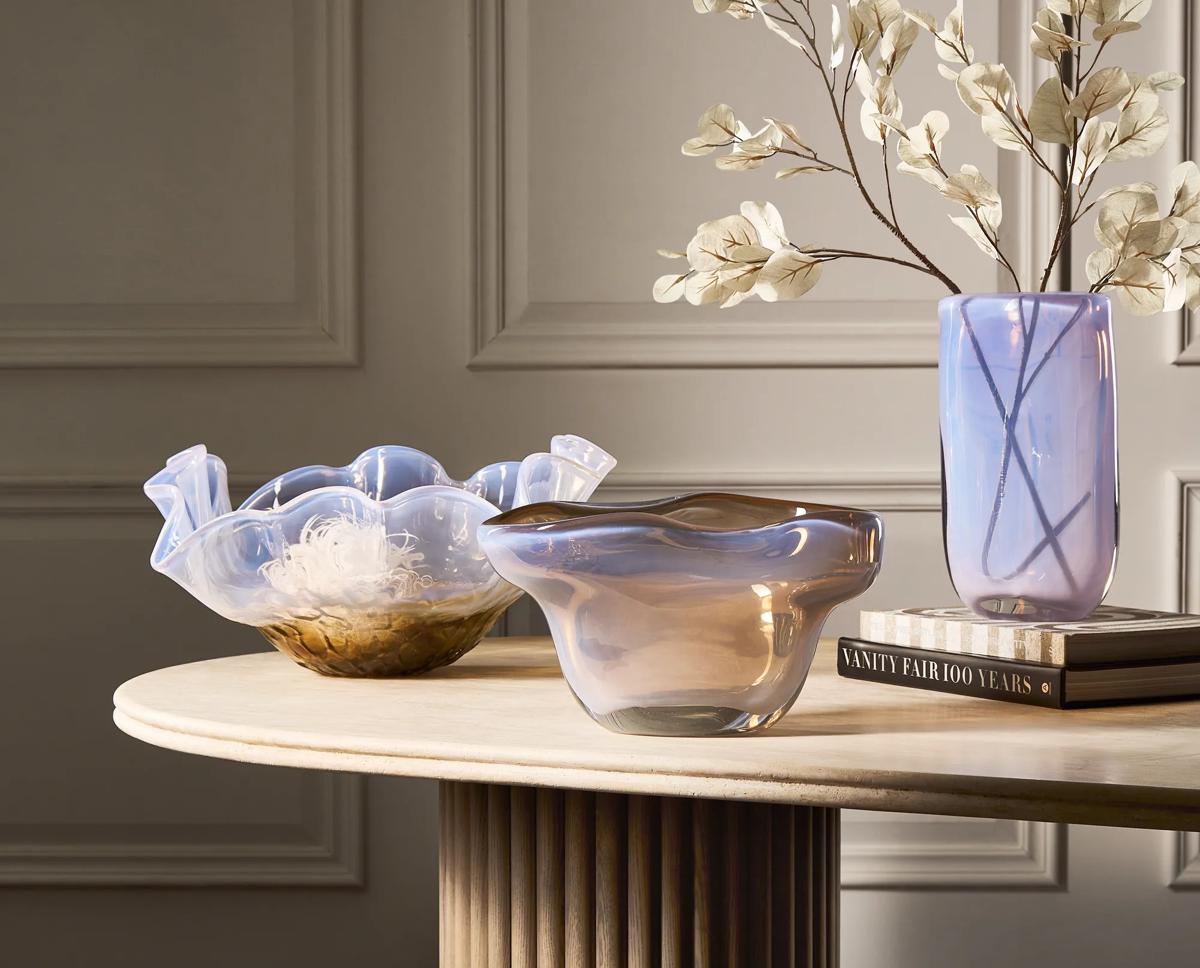 Glacier Glass Bowl$269
A hand-blown glass bowl featuring scalloped edges and swirling lavender and amber hues for artistic elegance.
Add To Cart -
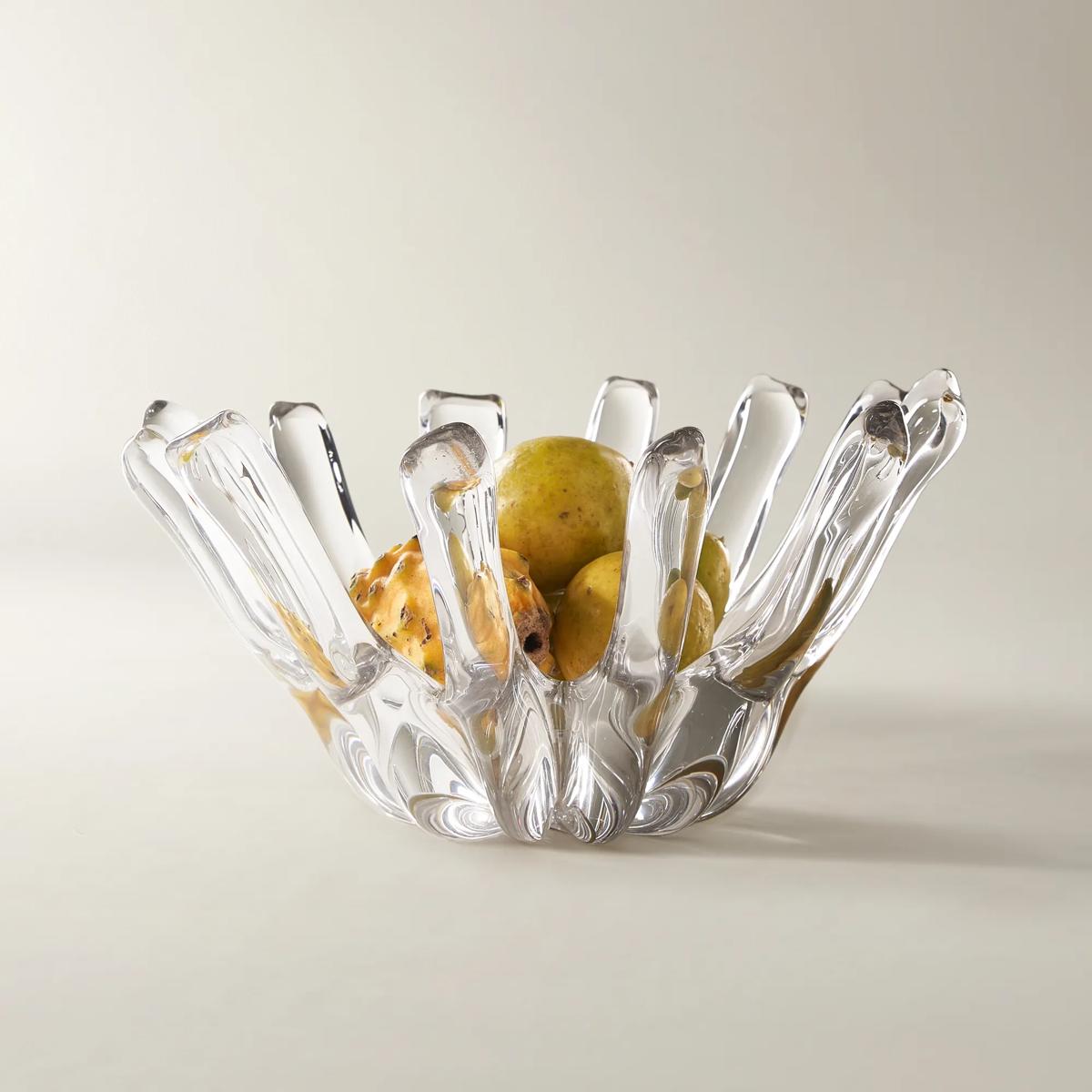
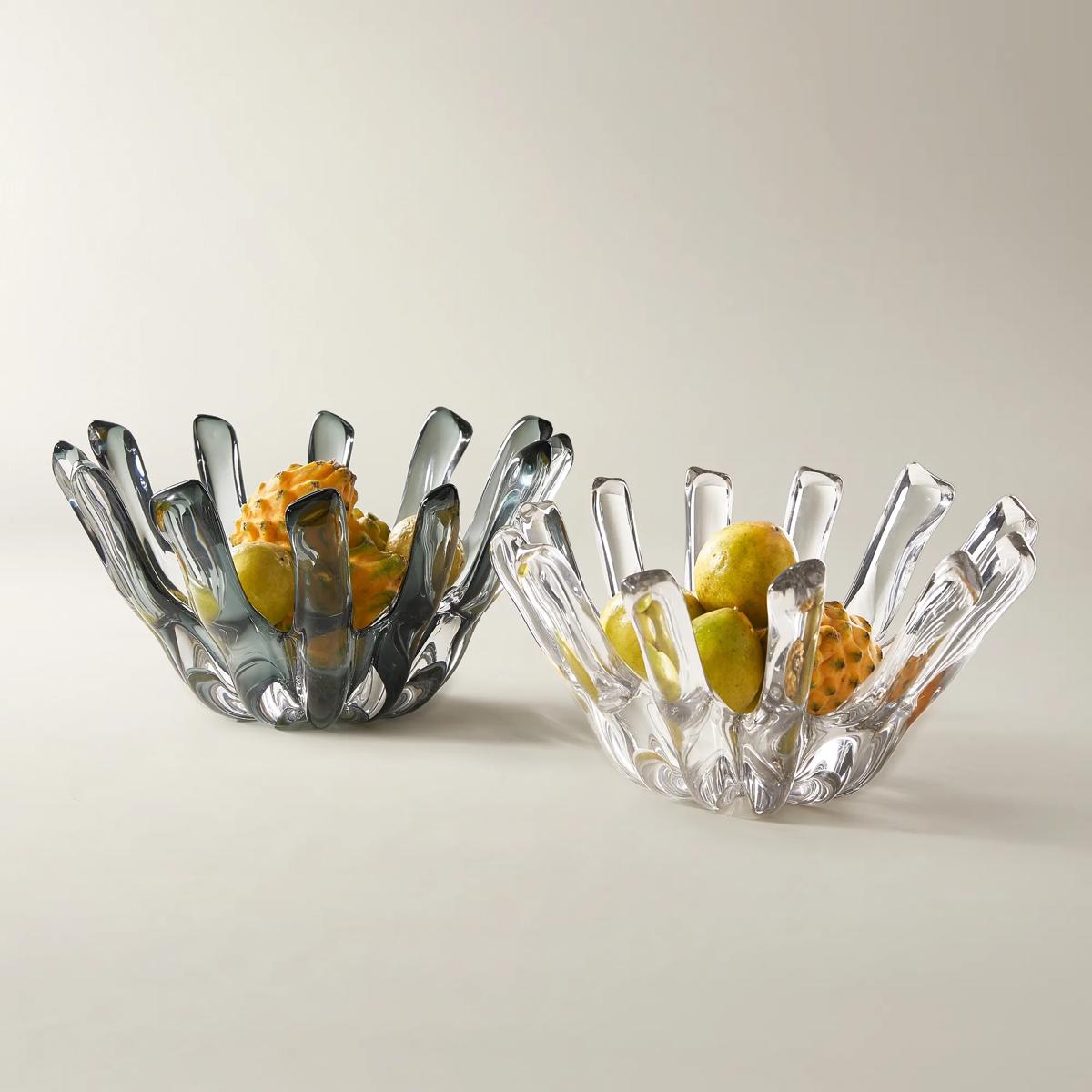 Bossa Clear Handblown Glass Decorative Bowl 13" x 7"$129
A hand-blown clear glass bowl featuring an expressive, sculptural form for modern decorative displays.
Add To Cart -
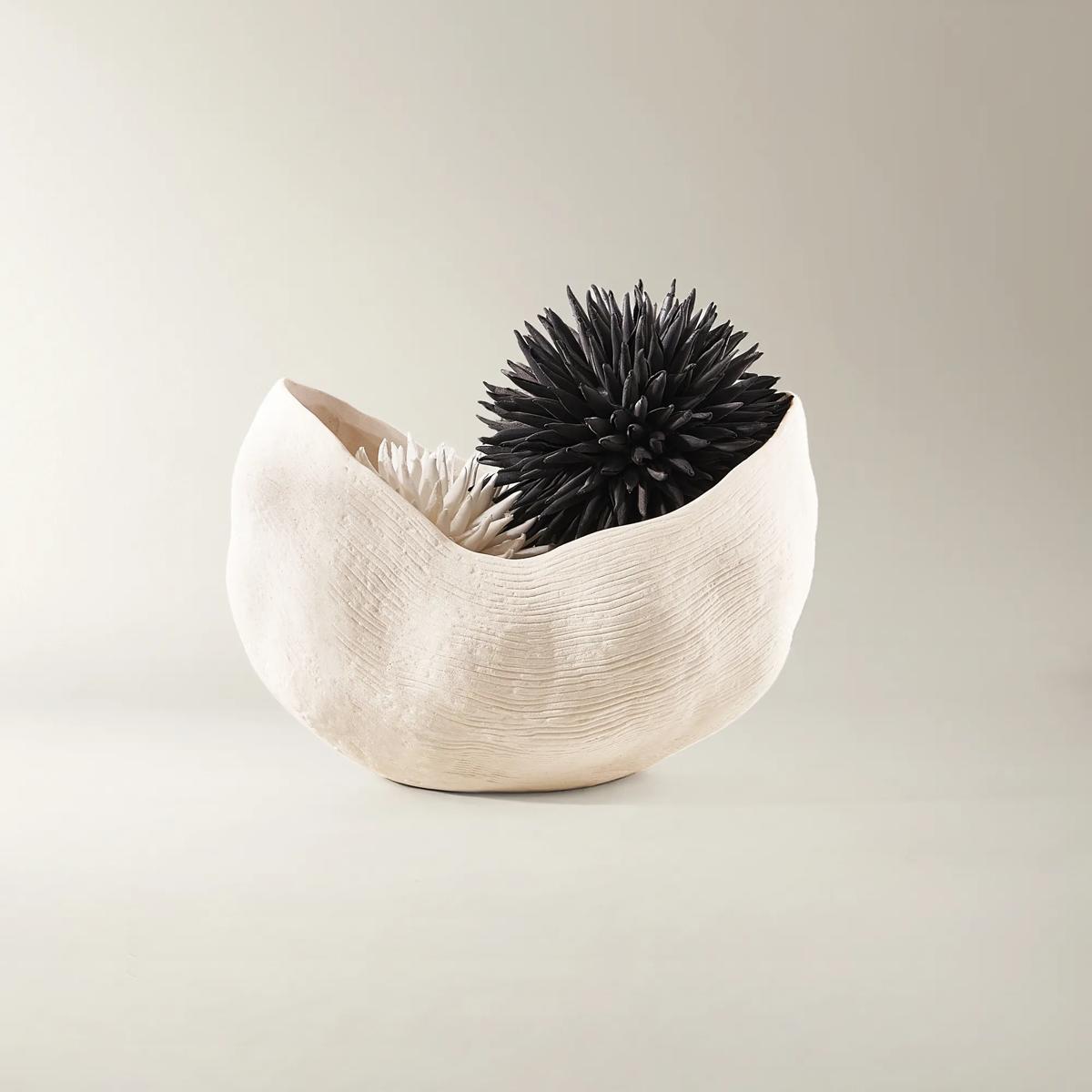 Baz Ivory Porcelain Bowl$119
A sculptural ivory porcelain bowl with a matte, textured finish and organic, free-flowing silhouette.
Add To Cart -
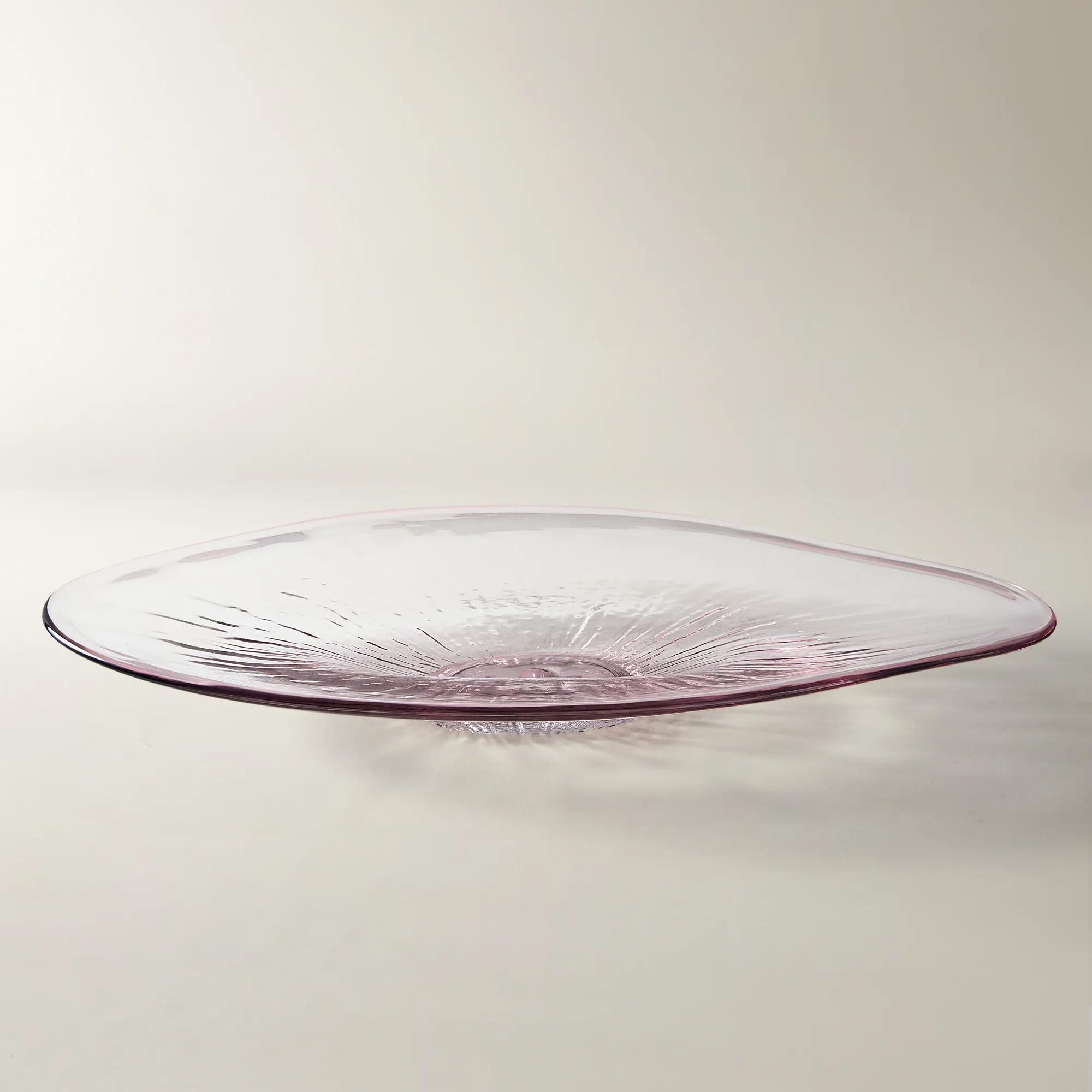 Cortina Decorative Bowl$129
A handblown glass bowl in an ethereal pink hue that brings artistic flair to modern interiors.
Add To Cart -
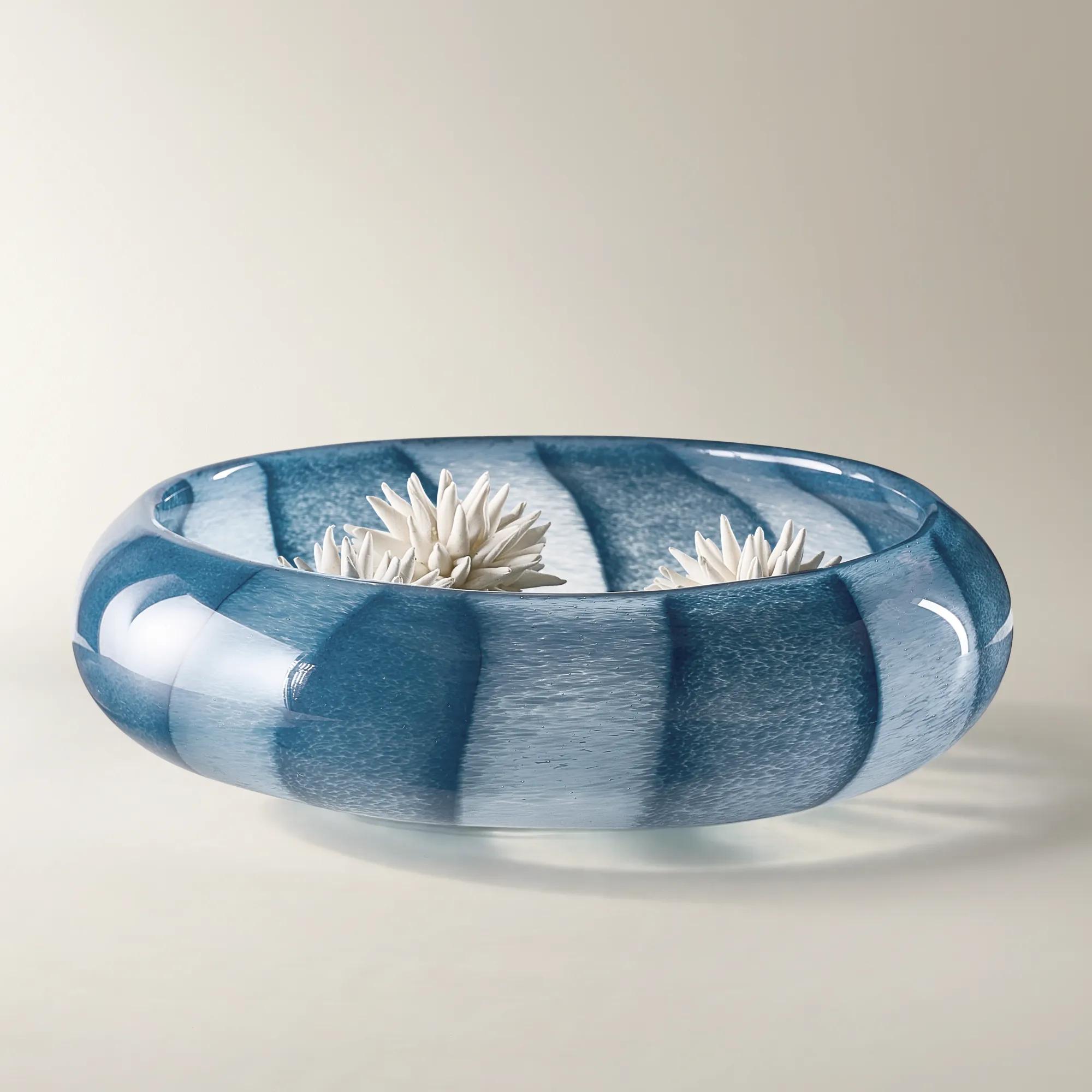 Jonah Mouth Blown Dusty Blue Glass Decorative Bowl 11.75" x 3.5"$89
A handblown glass bowl featuring dusty blue stripes and a sculptural, low rounded silhouette for decor.
Add To Cart -
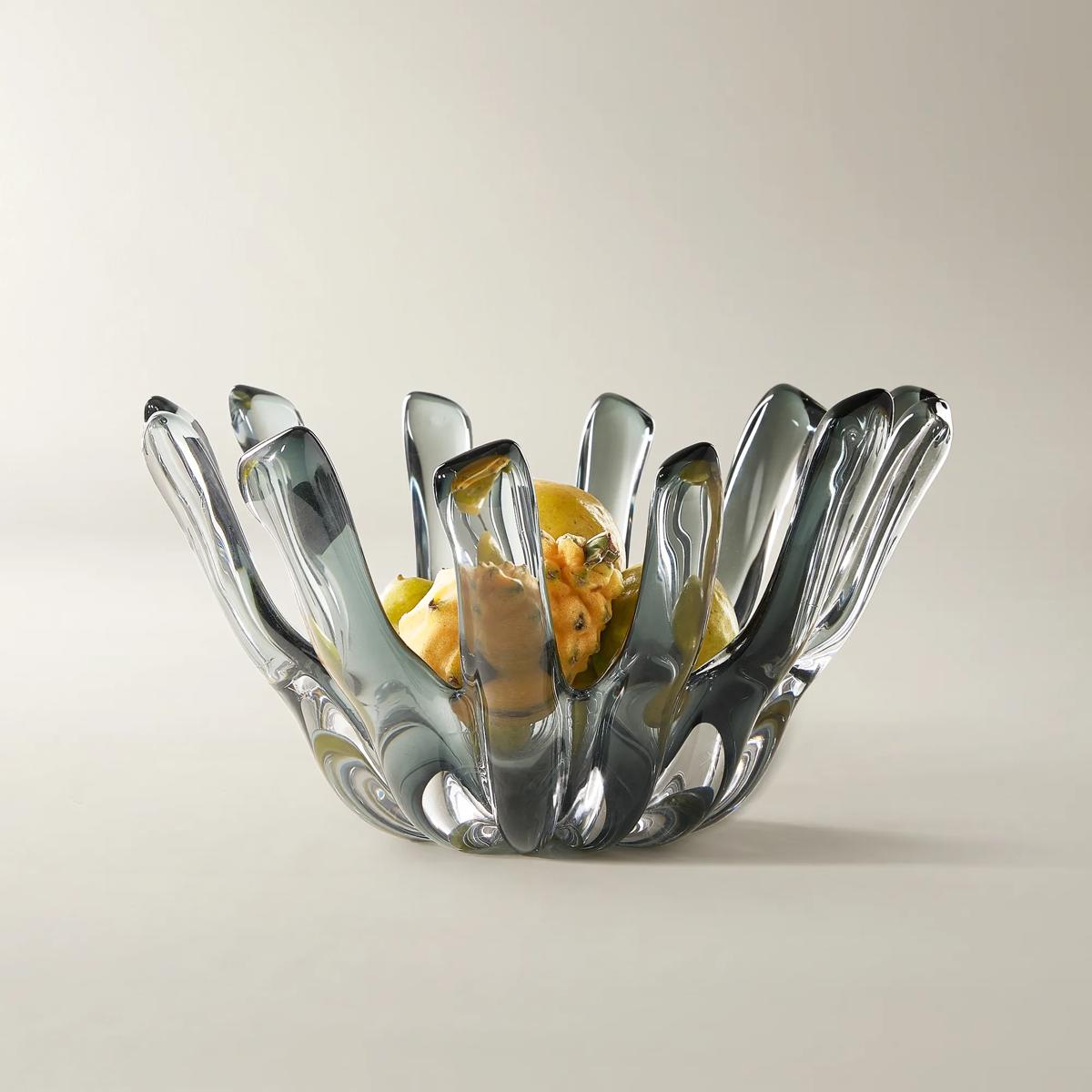 Bossa Smoke Handblown Glass Decorative Bowl 13" x 7"$129
A hand-blown smoky grey glass bowl featuring an expressive, sculptural design for modern decorative displays.
Add To Cart -
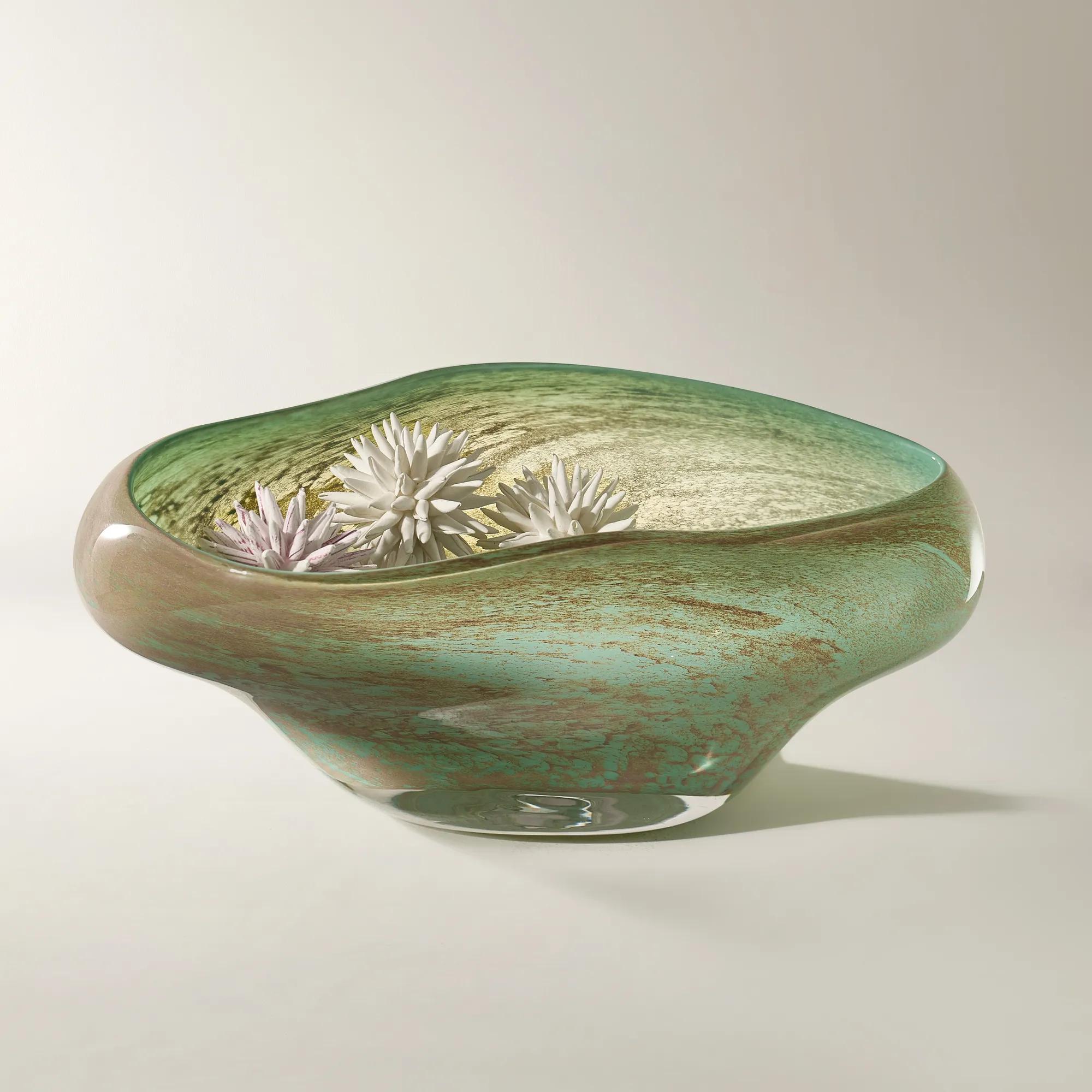
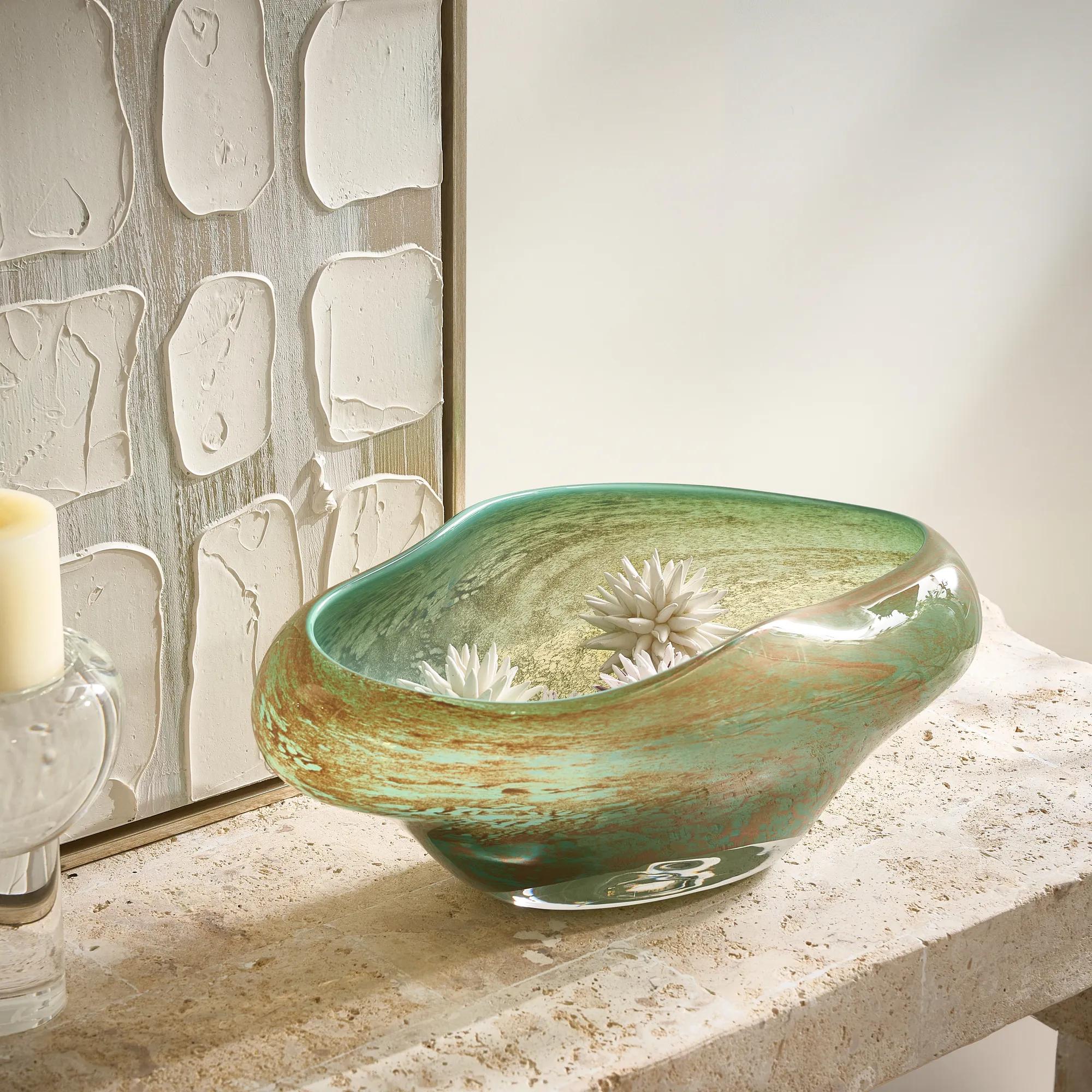 Green Mist Glass Bowl$179
A green glass bowl adding modern elegance to decorative displays.
Add To Cart -
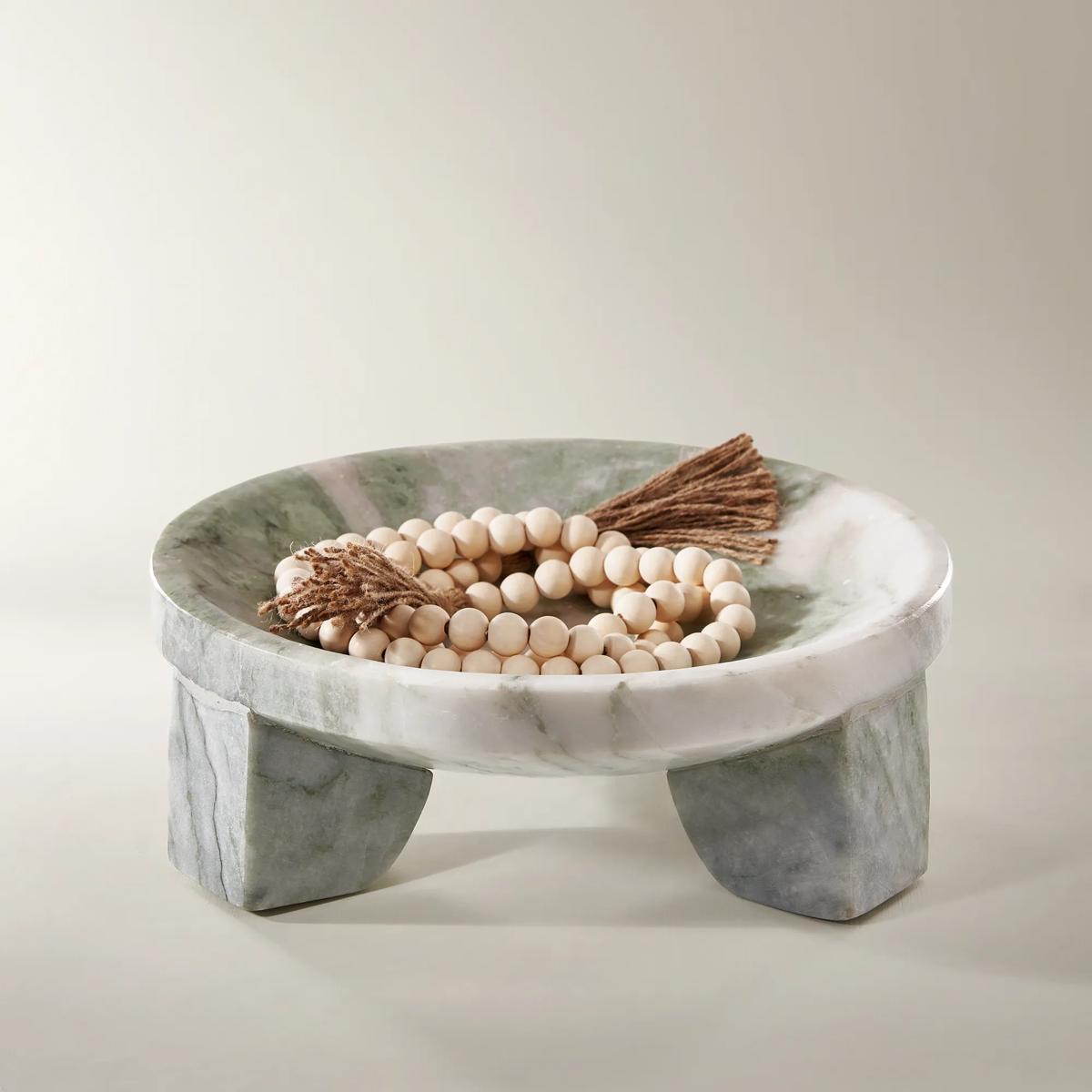
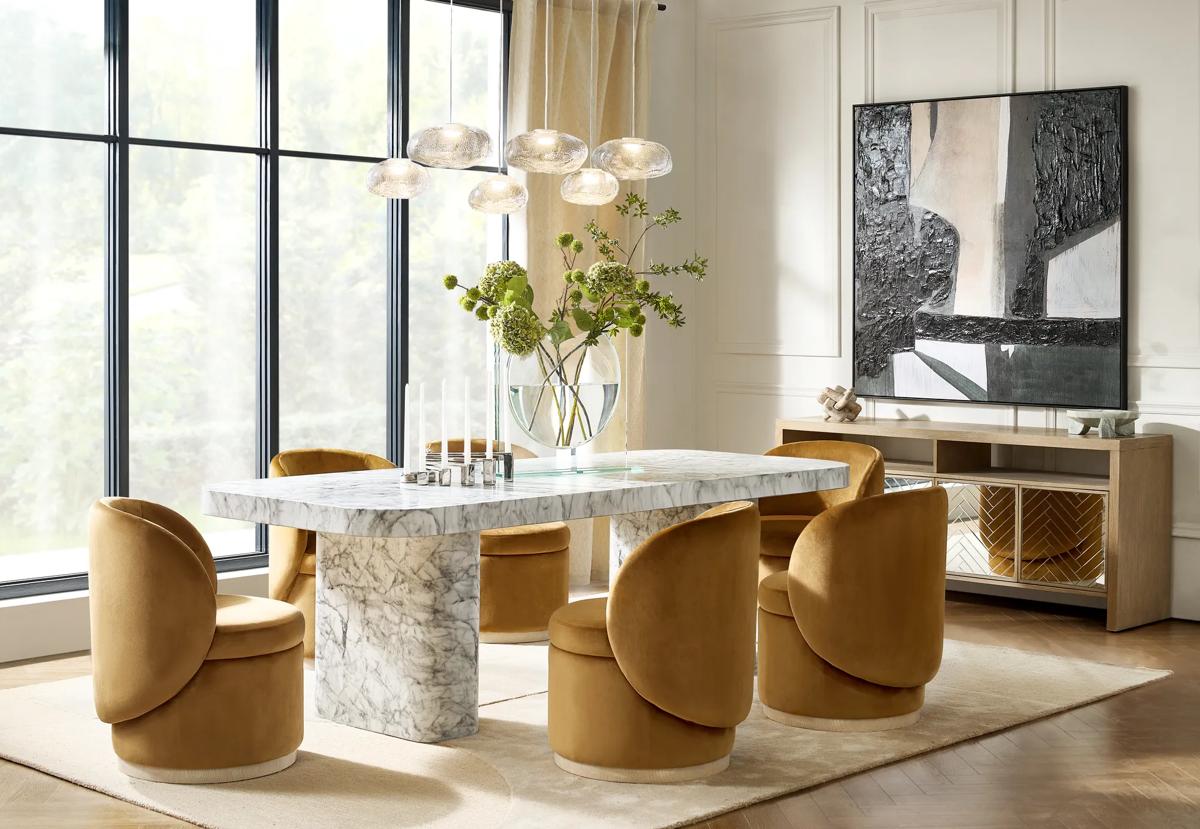 Light Green Marble Footed Bowl$199
A hand-carved onyx bowl featuring soft green marbling and sculptural feet for organic elegance.
Add To Cart -
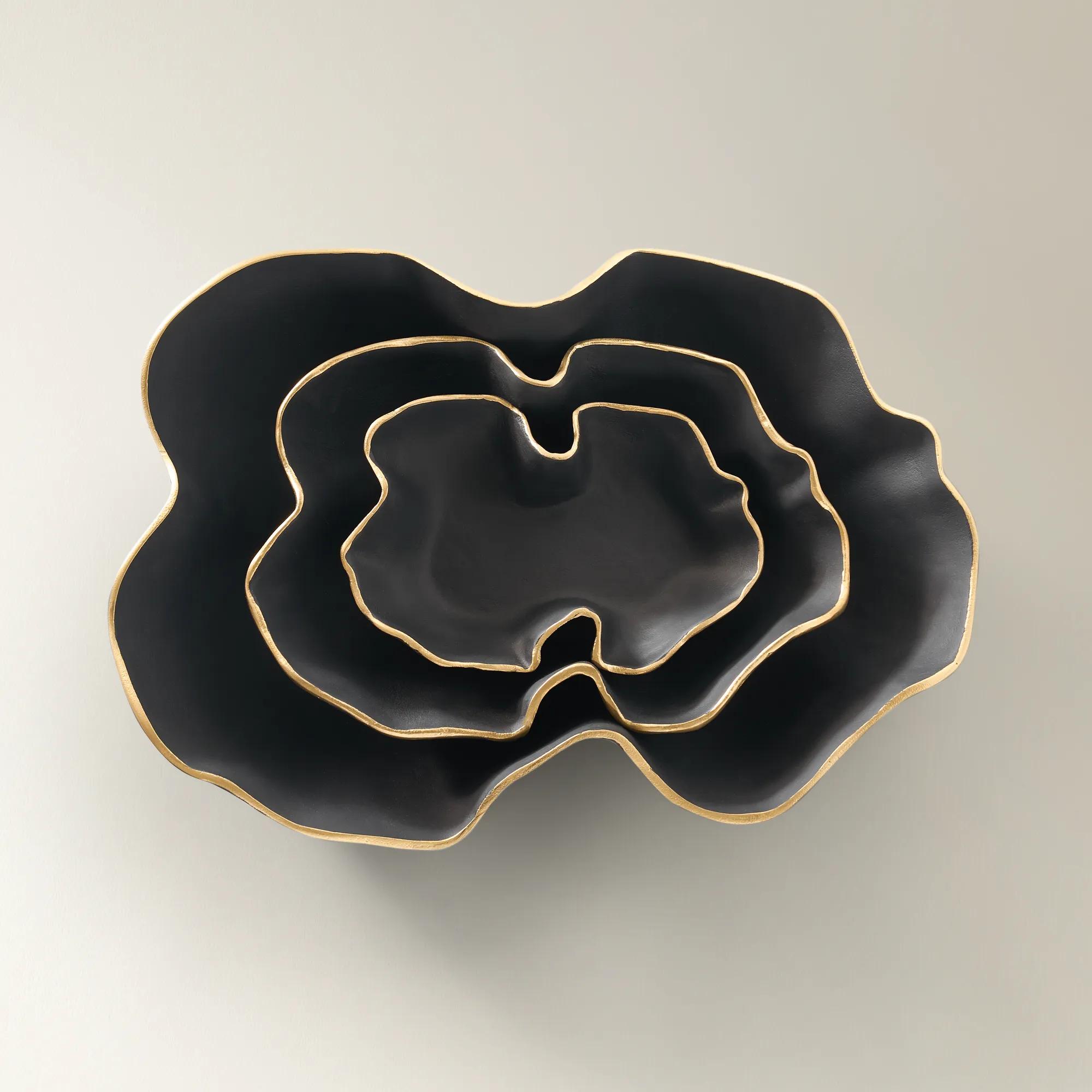 Lava Black Gold Aluminum Decorative Nesting Bowls$99
A deep black aluminum bowl with golden edges, featuring an organic shape inspired by volcanic rock.
Add To Cart -
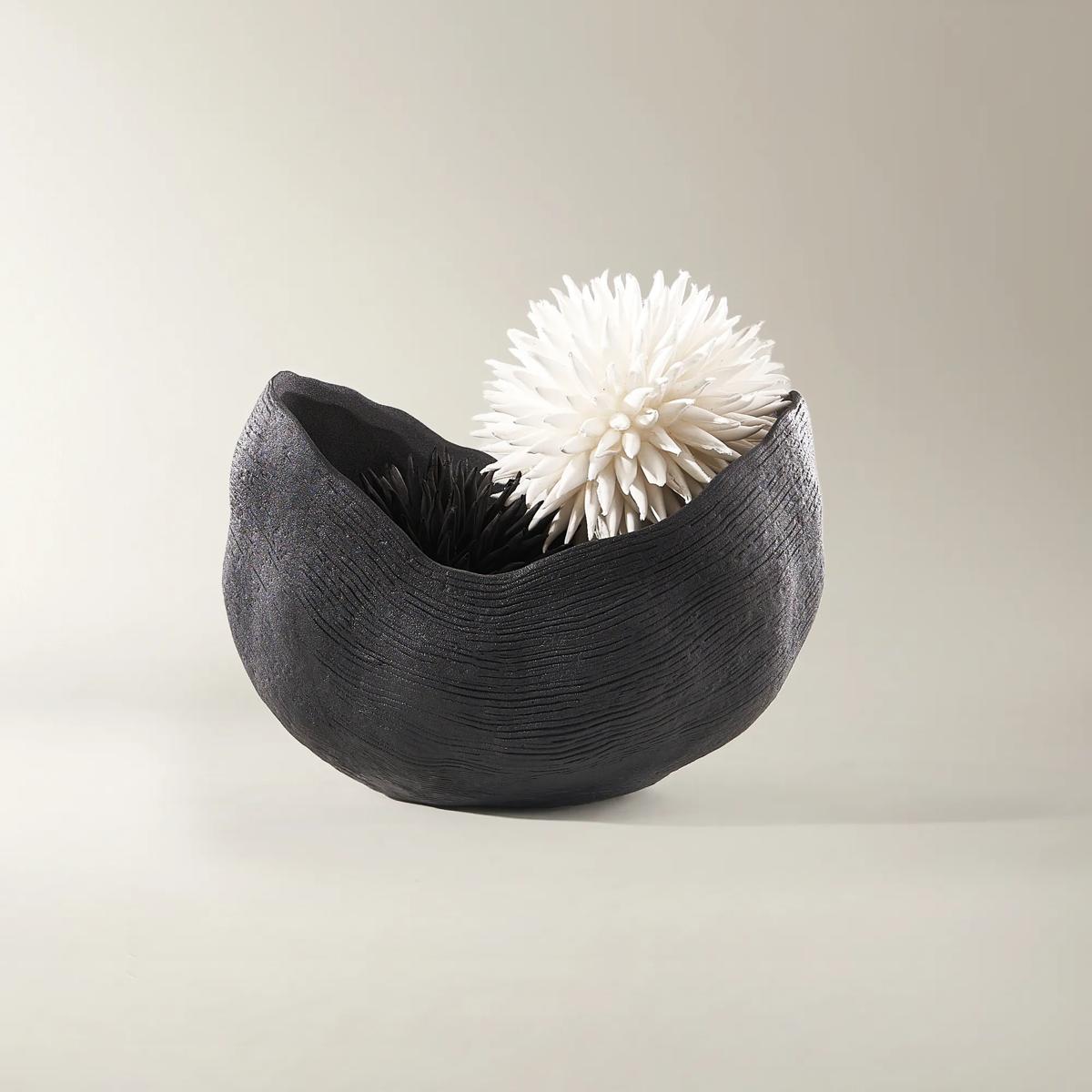 Baz Bowl - Black$119
A sculptural black porcelain bowl with a matte, ridged texture for bold, modern decor accents.
Add To Cart

Decorative Bowls For Luxury Living Rooms
Elevate your space with decorative bowls for luxury living rooms—where artistry meets indulgence in every curve and contour. These sculptural vessels are more than mere accents; they are curated statements, designed to captivate the eye and spark conversation. Whether poised atop a gleaming console or anchoring a dramatic coffee table vignette, each bowl infuses your living room with a sense of opulence and expressive flair. Let your home become a gallery of personal style, where every detail is an invitation to live boldly and beautifully.
Decorative bowls for luxury living rooms are sculptural accents that bring shape, texture, and a deliberate focal point to coffee tables, consoles, and display shelves. More than vessels, they introduce an artistic presence: a sweeping rim can echo the curve of a sofa, a fluted surface can sharpen an otherwise soft arrangement, and a gleaming interior can catch the light from a nearby lamp. Their appeal lies in the relationship between form and setting. Against dark wood, a pale stone bowl creates a striking contrast; on a glass table, textured metal adds visual weight without obscuring the table’s transparency. A broad, shallow silhouette feels expansive and architectural, while a deeper bowl with an irregular edge brings movement to a composed room. Decorative centerpiece bowls can remain empty when their contours deserve the attention, or hold a restrained arrangement that leaves the rim and interior visible. In a living room with sumptuous upholstery, patterned pillows, and expressive artwork, a bowl in a single rich finish provides a place for the eye to rest without surrendering drama. In a more restrained space, an exaggerated curve or reflective surface becomes the defining gesture. For a stronger emphasis on artistic form, sculptural accent bowls for living rooms bring attention to dimensional profiles, expressive edges, and the interplay of light and shadow. The most compelling arrangements give these shapes room to breathe. A low bowl beside a stack of oversized art books feels intentional because each element has a distinct role: the books create structure, the bowl introduces movement, and the surrounding tabletop allows both to register. This balance makes decorative bowls especially versatile in rooms designed for conversation, entertaining, or quiet evenings, where beauty belongs within reach rather than behind glass. Even a small accent bowl can lend a side table a finished presence when its proportions, finish, and placement connect with the larger room.
Materials give luxury decorative bowls much of their character, influencing not only appearance but also weight, durability, and care. Metal bowls can offer crisp contours, hammered texture, or fluid, folded-looking profiles that recall draped fabric. Aluminum allows for substantial-looking forms with comparatively manageable weight, while brass brings a warm metallic tone that may develop a patina when left unlacquered. Gold-tone and silver-tone finishes describe appearance rather than solid-metal composition, so material and finish details matter when considering how a bowl will age. Glass introduces a different expression, from clear surfaces that preserve an airy sightline to colored or textured glass that creates depth under ambient lighting. Glass bowls can be substantial and luminous, but their rims remain vulnerable to impact. Ceramic and porcelain support sculpted relief, expressive glazes, and richly varied surfaces; they feel particularly striking when a glossy interior contrasts with a matte exterior. Marble and other natural stones lend visual gravity, with veining that makes each piece’s pattern distinctive. Stone can be heavy, and porous surfaces may absorb moisture or stain unless properly treated and maintained. Resin can accommodate intricate sculptural shapes, though its finish and care requirements vary. Across these materials, longevity depends on the construction, surface treatment, placement, and handling rather than appearance alone. A polished finish may reveal fingerprints, while deeply textured surfaces can collect dust in their recesses. Gentle dusting with a clean, soft cloth is a sensible starting point, with any further cleaning guided by the care instructions for the material and finish. Abrasive pads and harsh cleaners can damage decorative surfaces, and soaking is unsuitable for many finishes. A protective pad beneath a heavy bowl can help shield a lacquered console or wood coffee table, provided the pad is compatible with that surface. Decorative bowls should not be assumed to be food-safe, watertight, dishwasher-safe, or suitable for candles; those uses require explicit confirmation. Preserving the finish and respecting the intended use keep a dramatic accent looking considered rather than worn by avoidable damage.
Scale determines how naturally a decorative bowl belongs in a luxury living room. Diameter, height, and depth all matter, particularly on tables that also accommodate drinks, books, or a tray. A wide bowl on a compact coffee table can overwhelm the surface even when its height is modest, while a tiny vessel may lose its presence on a long console beneath large artwork. An elongated silhouette can complement a rectangular tabletop, and a rounded bowl can soften angular furniture, although contrast often produces the more expressive result. On a console behind a sofa, a low profile preserves an open view across the room; on a spacious display shelf, a deeper sculptural form can create a stronger silhouette. Measuring the usable surface, including clearance around the bowl, helps preserve space for everyday living. Placement also changes the mood. Centering a bowl creates a formal focal point, while setting it slightly to one side beside books introduces an assured, collected feeling. Fillings work best when they support rather than conceal the design: a few decorative spheres can emphasize a generous curve, while leaving an intricate interior empty allows its craftsmanship to remain visible. Dried botanical materials may suit some vessels, but sharp stems, dyed fillers, and retained moisture can mark delicate surfaces. In homes with children or pets, a stable base and a position away from an exposed table edge deserve particular attention; substantial weight does not eliminate the risk of tipping or breakage. Decorative bowls also make thoughtful housewarming or wedding gifts for people who enjoy interiors, especially when the material and scale reflect the recipient’s home rather than an assumed style. A restrained metallic finish can connect with existing lighting, while a richly textured neutral can complement layered upholstery and art. Whether displayed as a singular object or within a carefully composed vignette, a decorative bowl gives a living room a tangible expression of personal taste: artful, tactile, and confident enough to command attention without competing with everything around it.
FAQs
Luxury decorative bowls often feature exquisite materials such as natural marble, hand-blown glass, polished metals, artisanal woods, and high-gloss acrylic. Each material brings its own unique character—marble offers cool refinement, glass provides vibrant color and light play, metals add a glamorous edge, and wood introduces organic warmth and texture.
Decorative bowls serve as sculptural focal points, adding layers of texture, color, and artistry to a living room. Whether displayed as a dramatic centerpiece on a coffee table or as a subtle accent on a bookshelf, these bowls create moments of visual intrigue and help set the mood—be it bold and modern or warm and inviting.
Absolutely. A luxury decorative bowl makes a thoughtful and memorable gift for housewarmings, weddings, anniversaries, or milestone celebrations. Their timeless appeal and versatility make them cherished additions to any home, especially for those who appreciate expressive design and artistic craftsmanship.
Decorative bowls can be styled as standalone art pieces, filled with sculptural orbs, high-end faux fruit, or seasonal botanicals. For a layered look, group bowls of varying sizes and materials on a console or shelf. Consider placing a dramatic bowl beneath a statement chandelier to amplify its impact, or use smaller bowls as accents within a curated vignette.
Yes, the versatility of decorative bowls allows them to elevate spaces throughout the home. They make stunning bedroom decorating accessories, add flair to dining tables, or serve as elegant catchalls in entryways. Their artistic presence and functional beauty make them a seamless addition to any room seeking a touch of luxury.