Decorative Bowls For Dining Room Tables
Decorative Bowls For Dining Room Tables
-
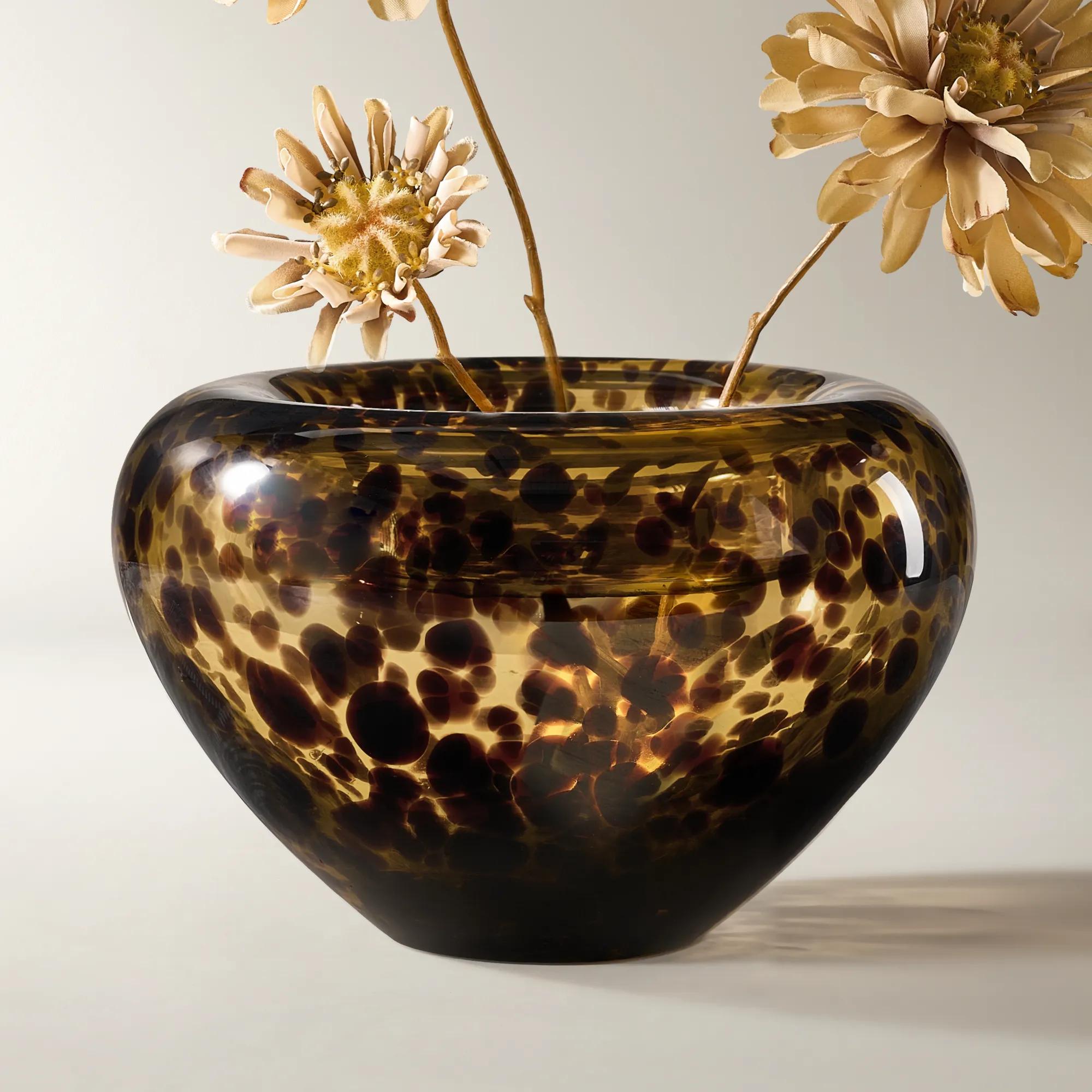 Tortoise Mouth Blown Brown Glass Decorative Bowl 8.25" x 4.25"$69
A handblown glass bowl featuring a warm brown tortoise pattern and a sculptural, rounded silhouette.
Add To Cart -
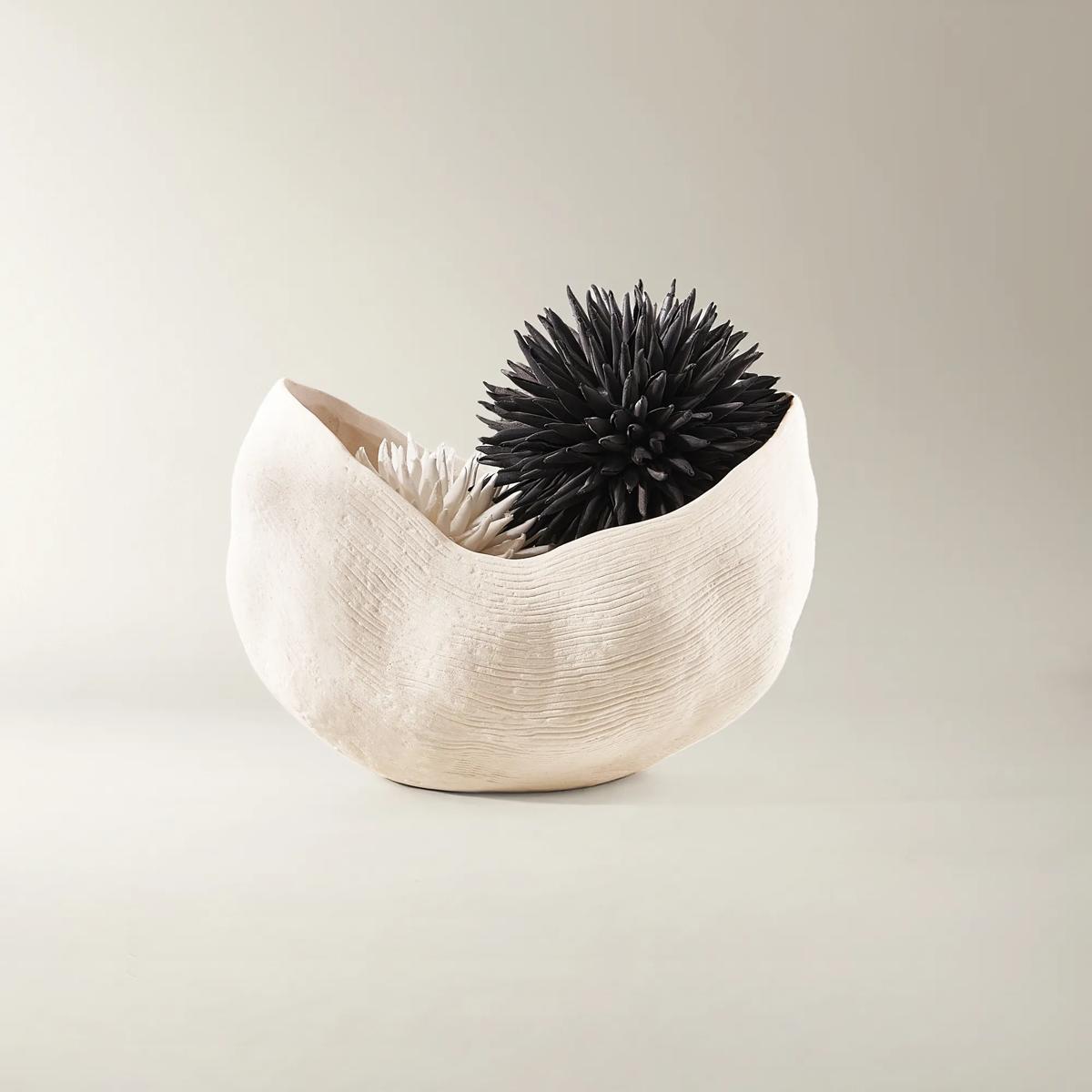 Baz Ivory Porcelain Bowl$119
A sculptural ivory porcelain bowl with a matte, textured finish and organic, free-flowing silhouette.
Add To Cart -
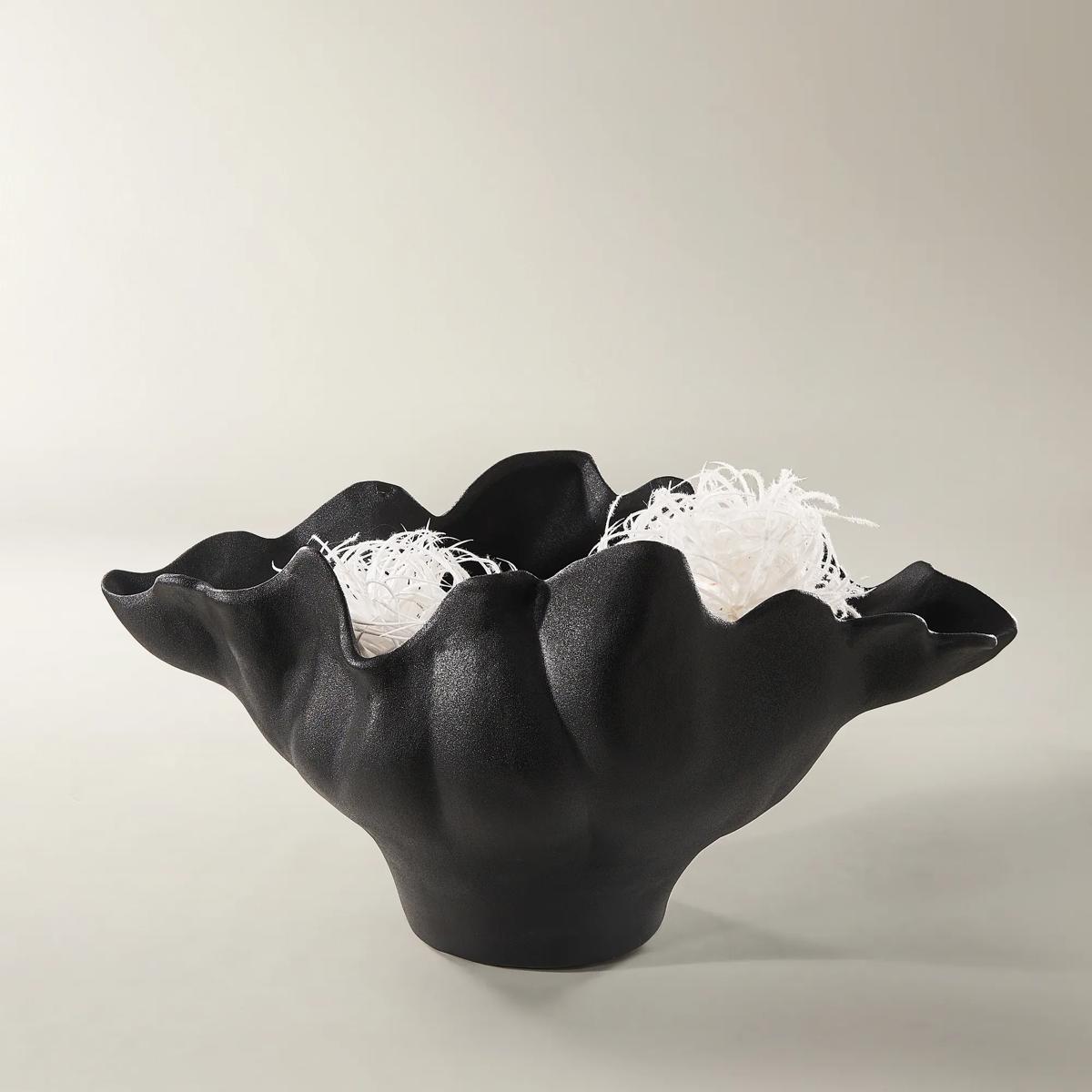
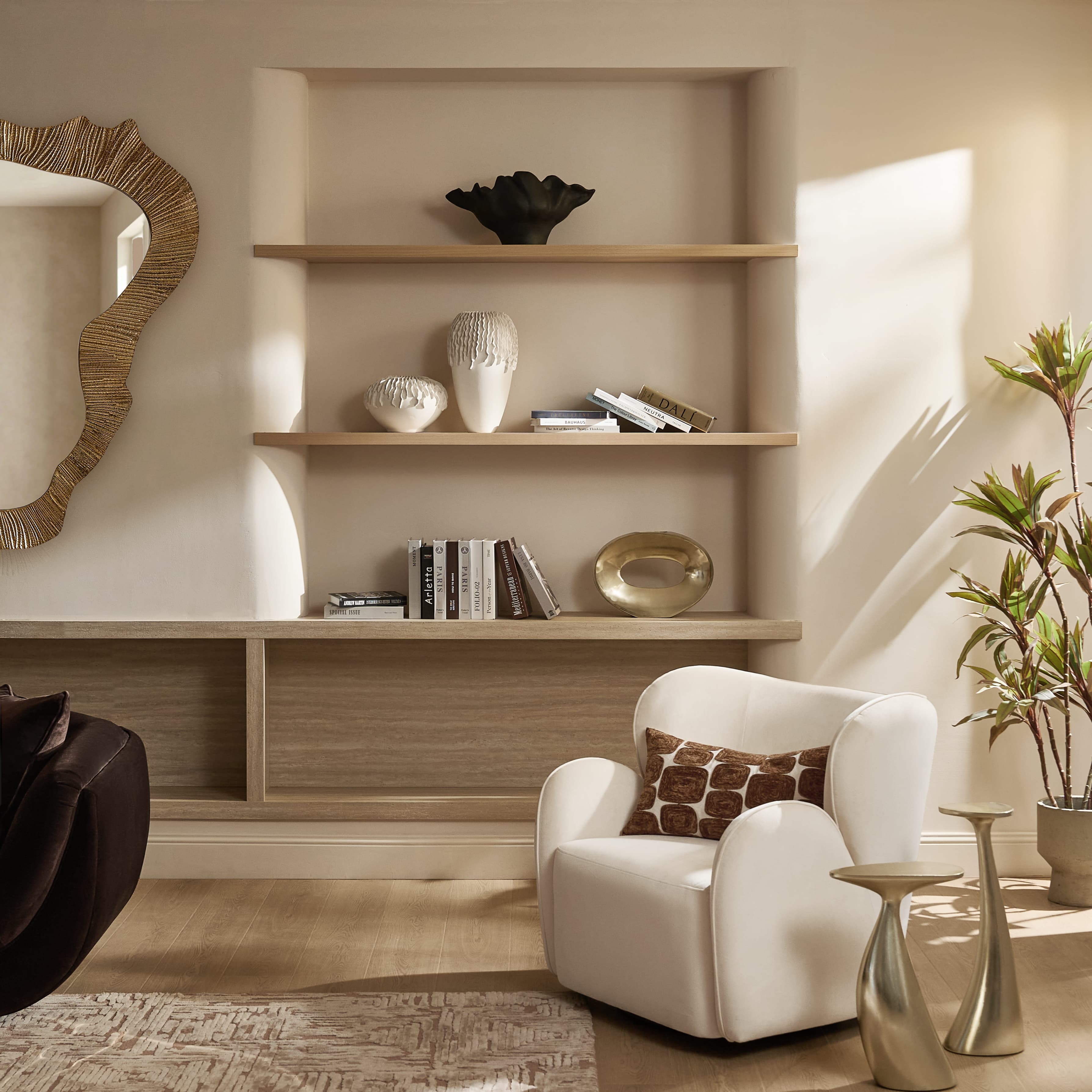 Ebba Black Porcelain Decorative Bowl 20.25" x 10.25"$199
A sculptural matte black porcelain bowl with undulating petal-like edges for bold, artistic elegance.
Add To Cart -
 Calla Mouth Blown Blue Glass Decorative Bowl 15.35" x 5.7"$79
A handblown blue glass bowl featuring unique curves and translucent artistry for striking decorative appeal.
Add To Cart -
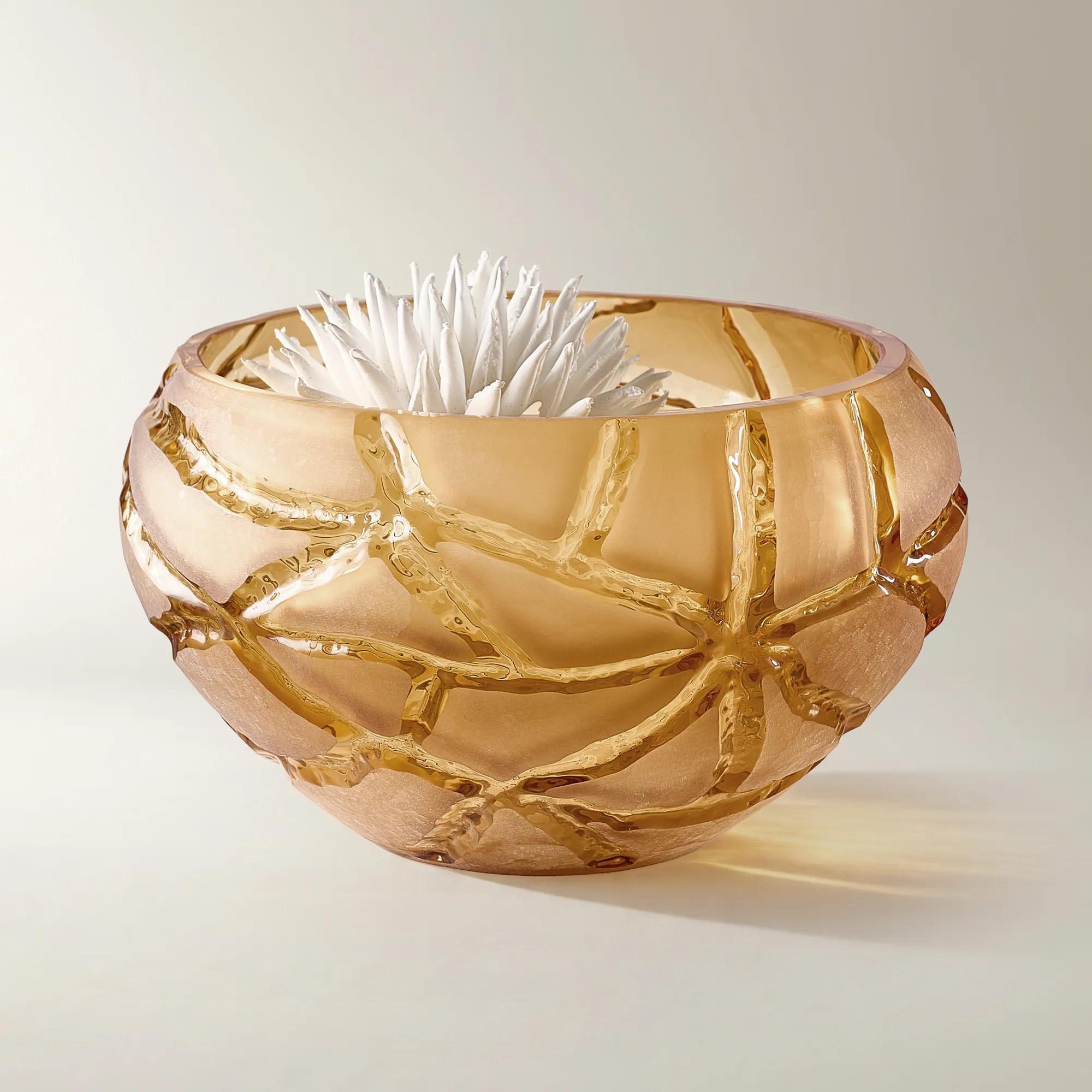 Rowen Mouth Blown Honey Gold Glass Decorative Bowl 11" x 6.25"$129
A handblown glass bowl in honey gold with a textured surface for a luminous, sculptural accent.
Add To Cart -
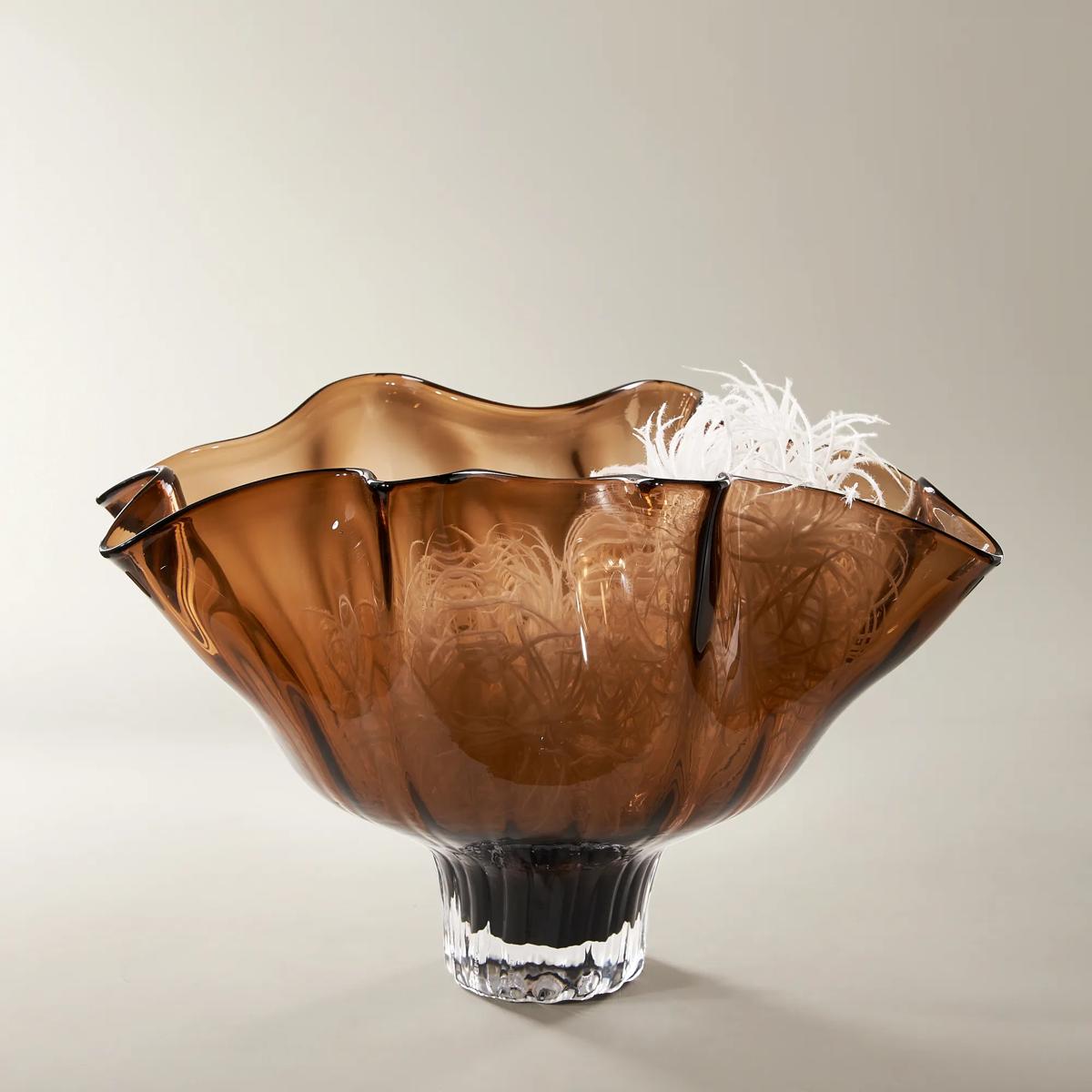
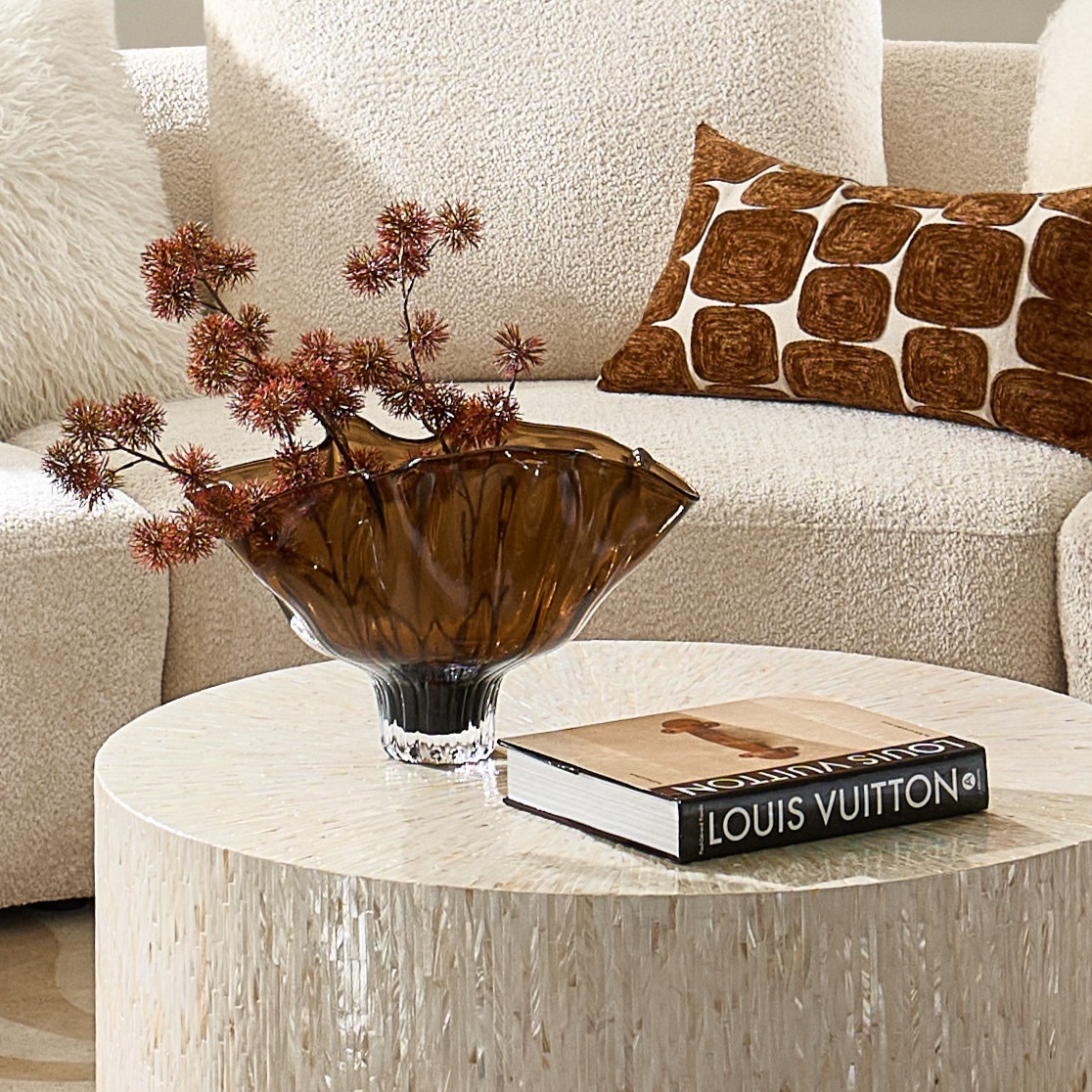 Coco Mouthblown Brown Glass Bowl 17" x 9.75"$139
A hand-blown brown glass bowl with an undulating rim and clear tapered base for sculptural elegance.
Add To Cart -
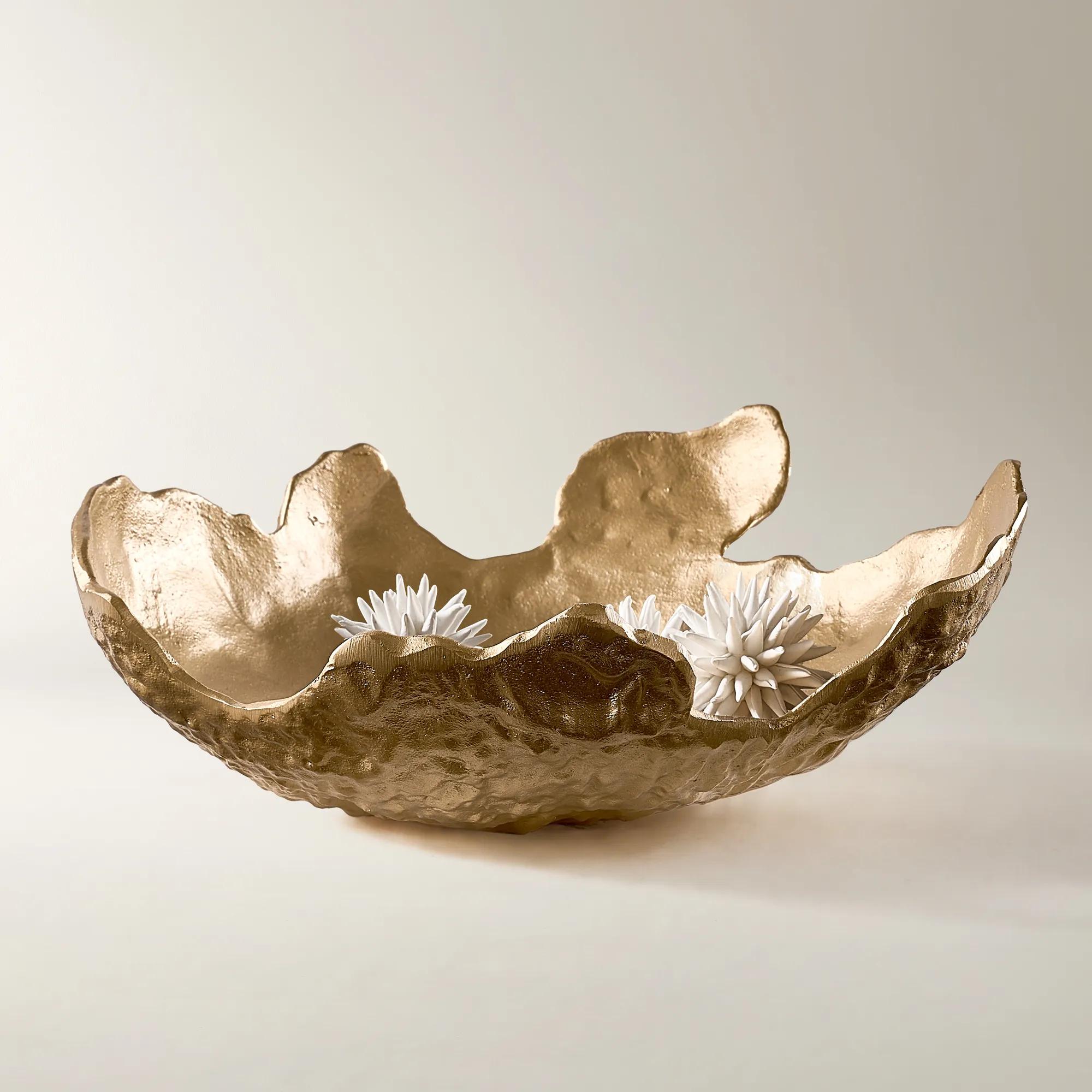 Crush Gold Aluminum Decorative Bowl 16" x 5.75"$169
A sculptural aluminum bowl with a soft gold finish and organic, crushed silhouette for modern decor.
Add To Cart -
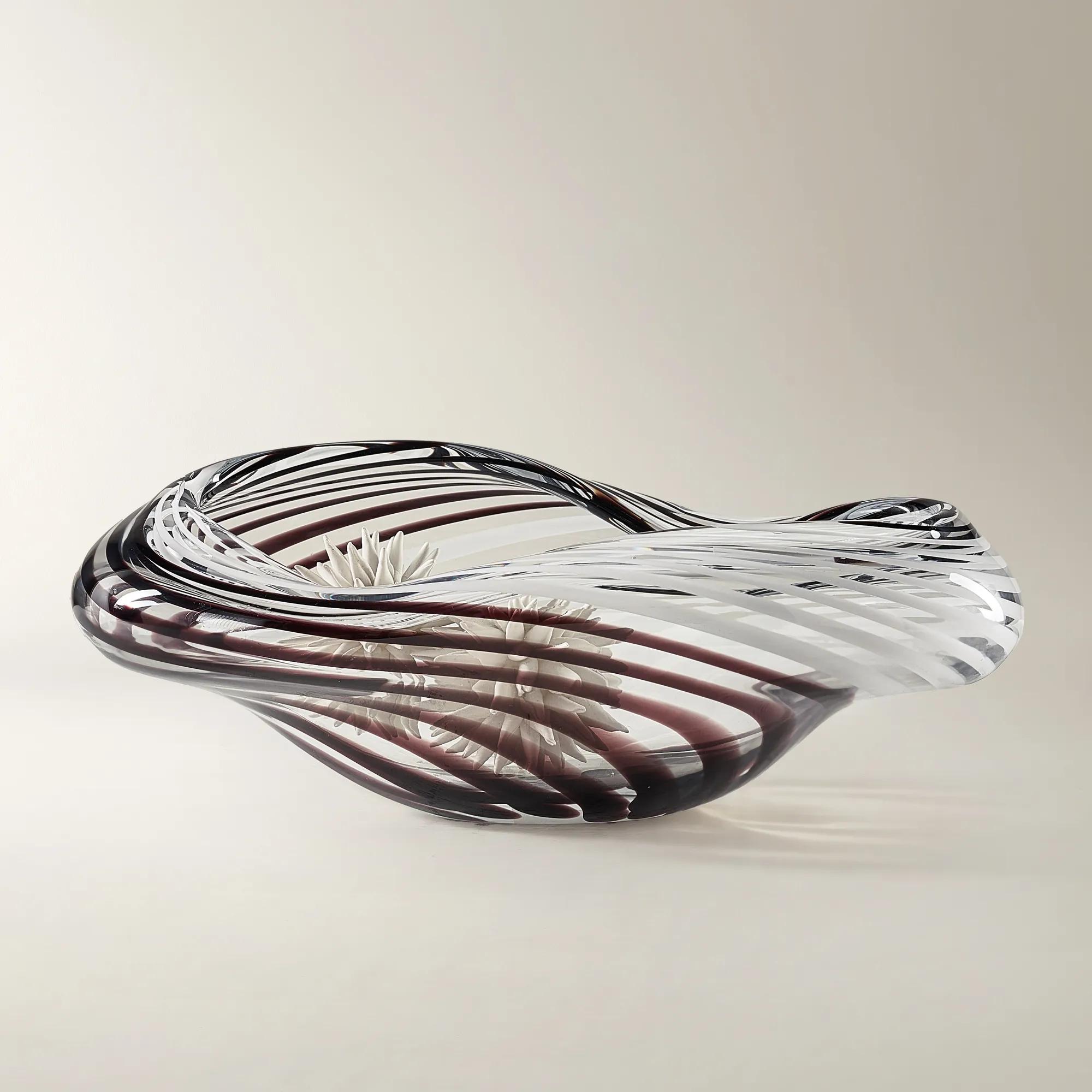 Optic Mouth Blown Black/White Glass Decorative Bowl 17.25" x 5.5"$99
A handblown glass bowl featuring charcoal stripes and a sculptural, Deco-inspired silhouette for decorative display.
Add To Cart -
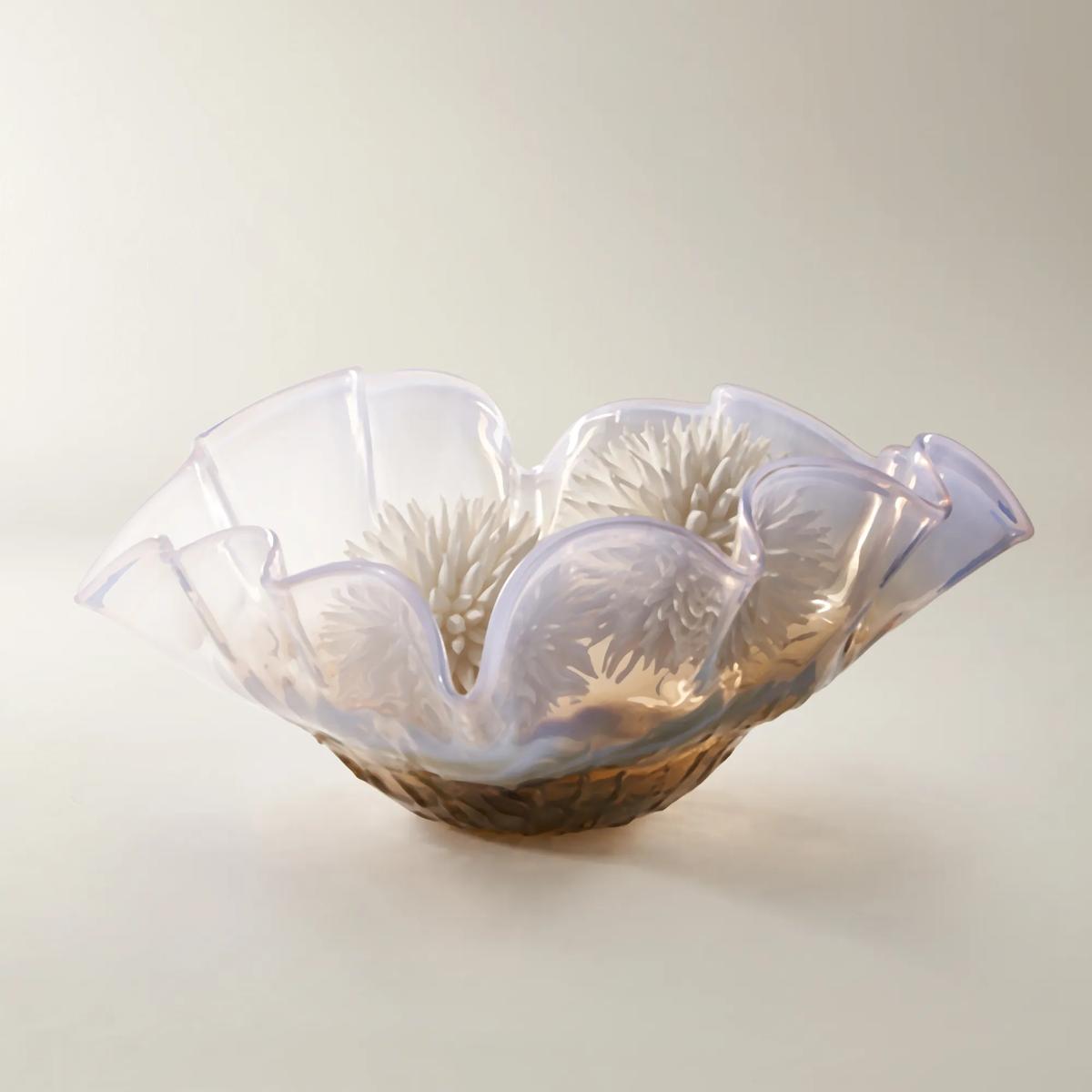
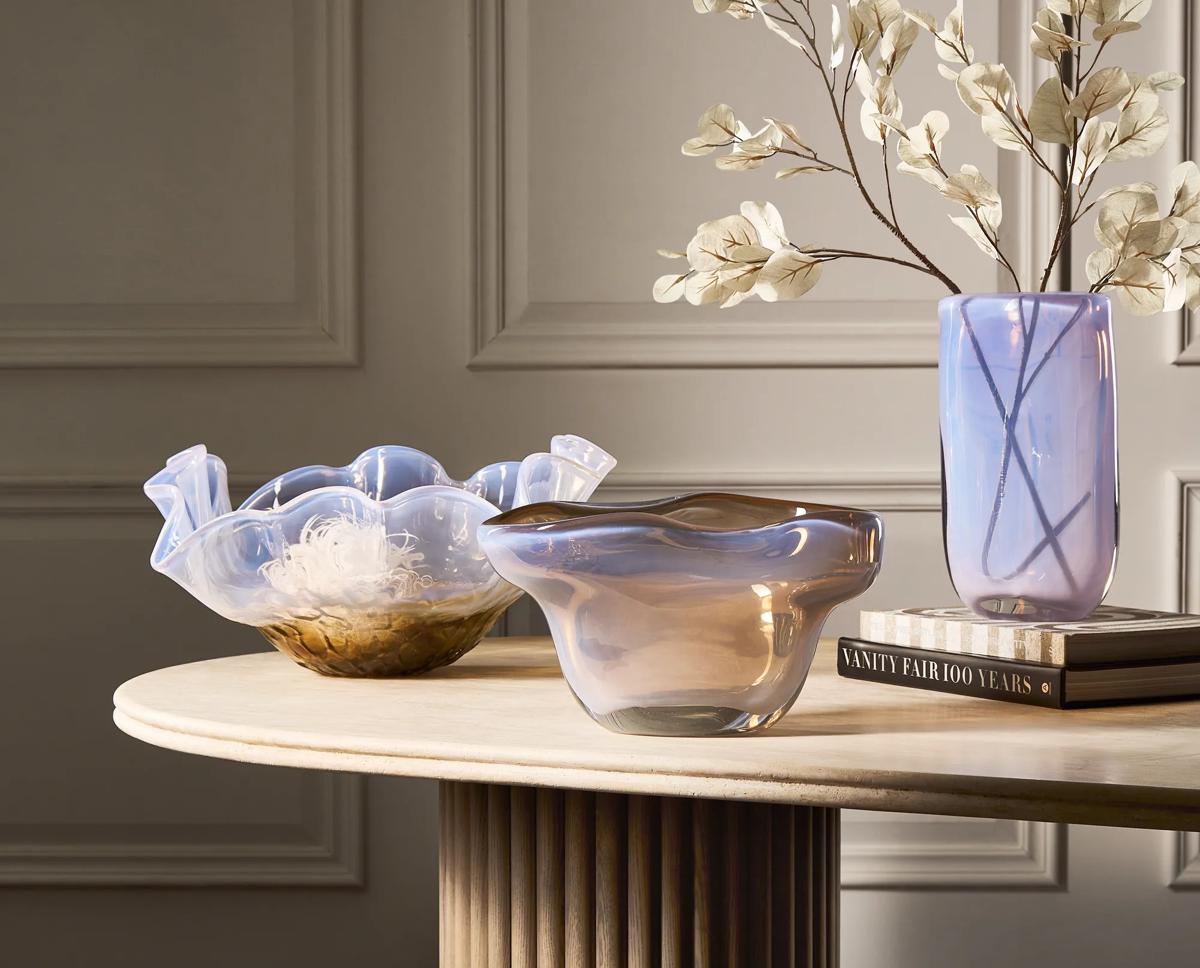 Glacier Glass Bowl$269
A hand-blown glass bowl featuring scalloped edges and swirling lavender and amber hues for artistic elegance.
Add To Cart -
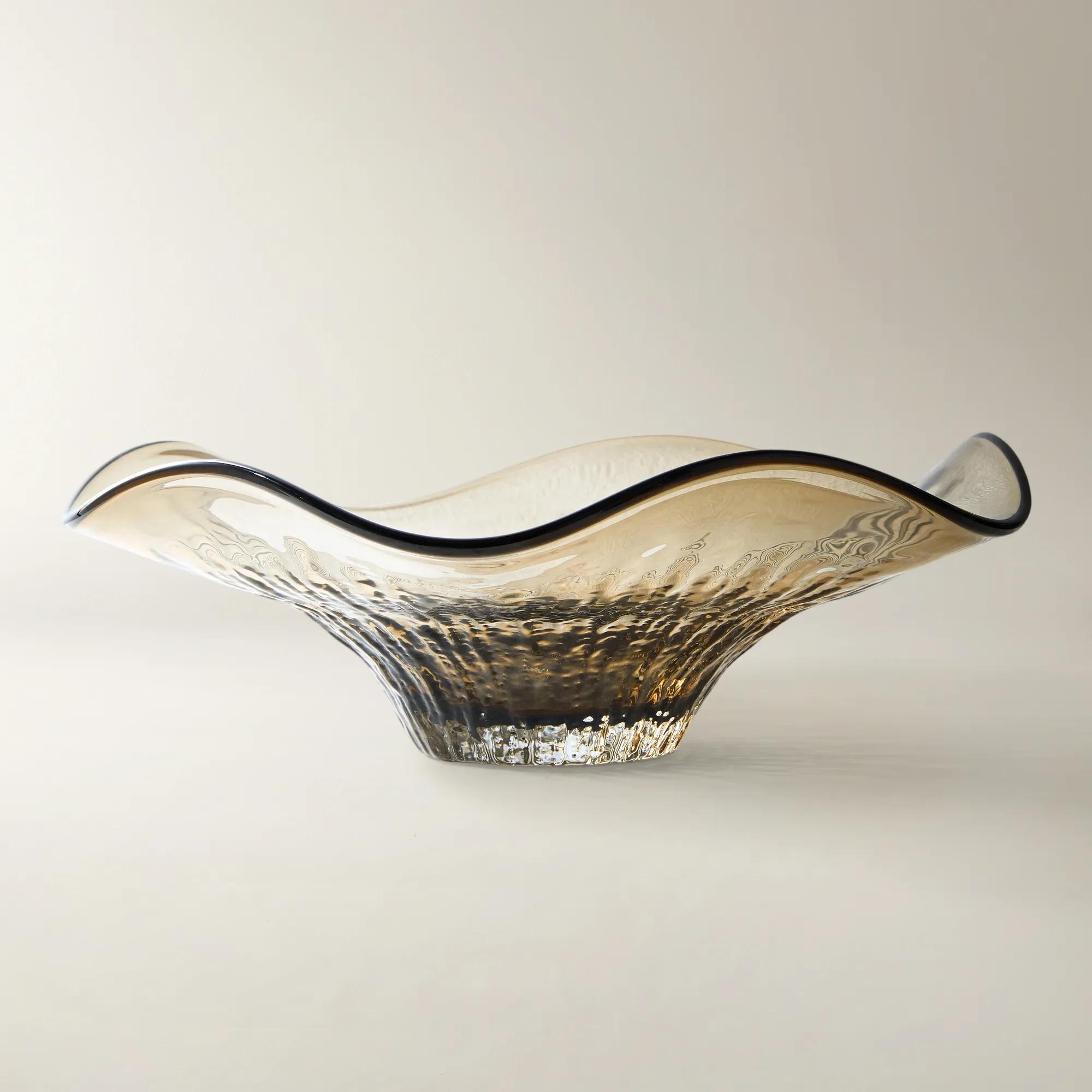 Corsi Brown Handblown Glass Decorative Bowl 15.35" x 5.1"$99
A hand-blown glass bowl in warm amber with organic shape and intricate textural details.
Add To Cart -
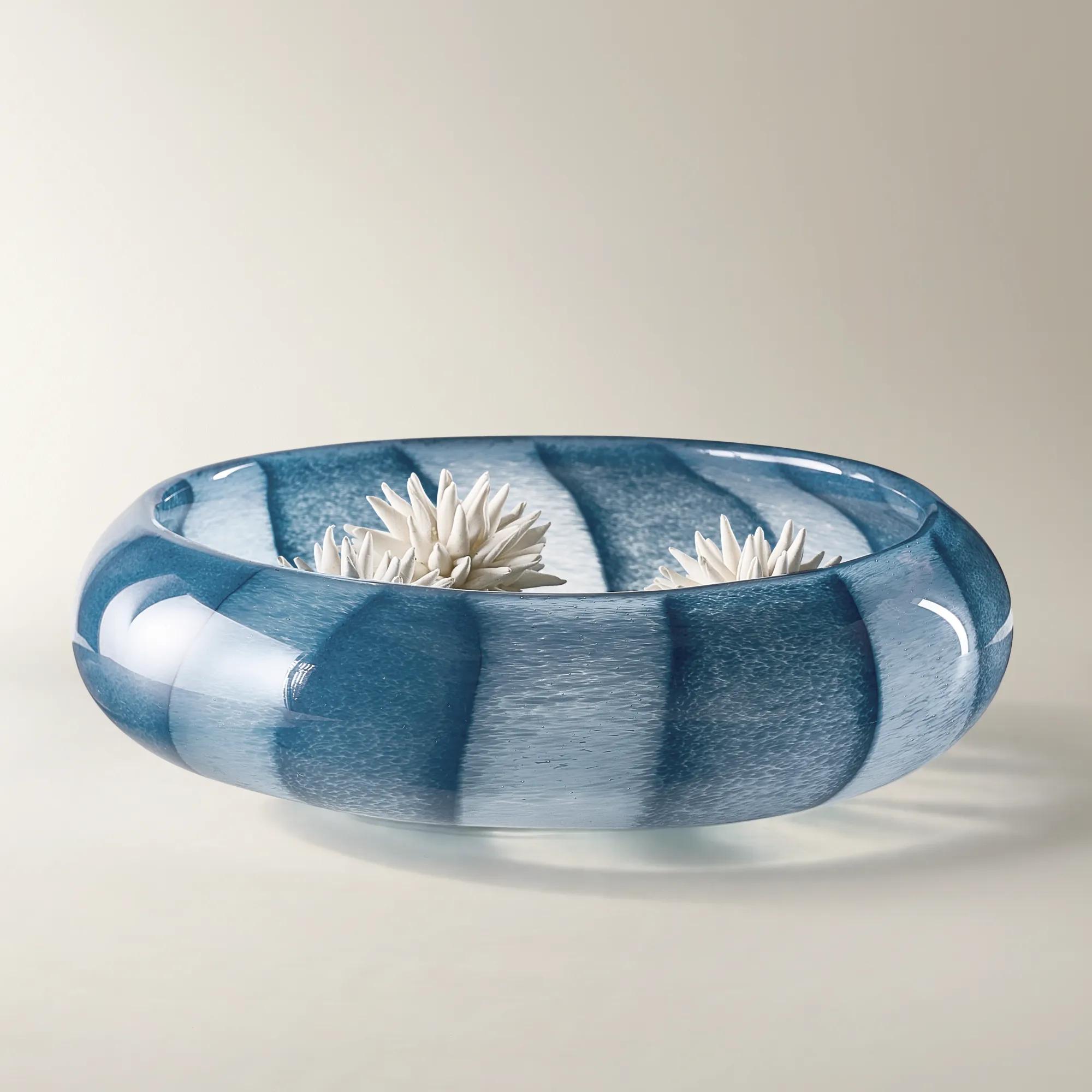 Jonah Mouth Blown Dusty Blue Glass Decorative Bowl 11.75" x 3.5"$89
A handblown glass bowl featuring dusty blue stripes and a sculptural, low rounded silhouette for decor.
Add To Cart -
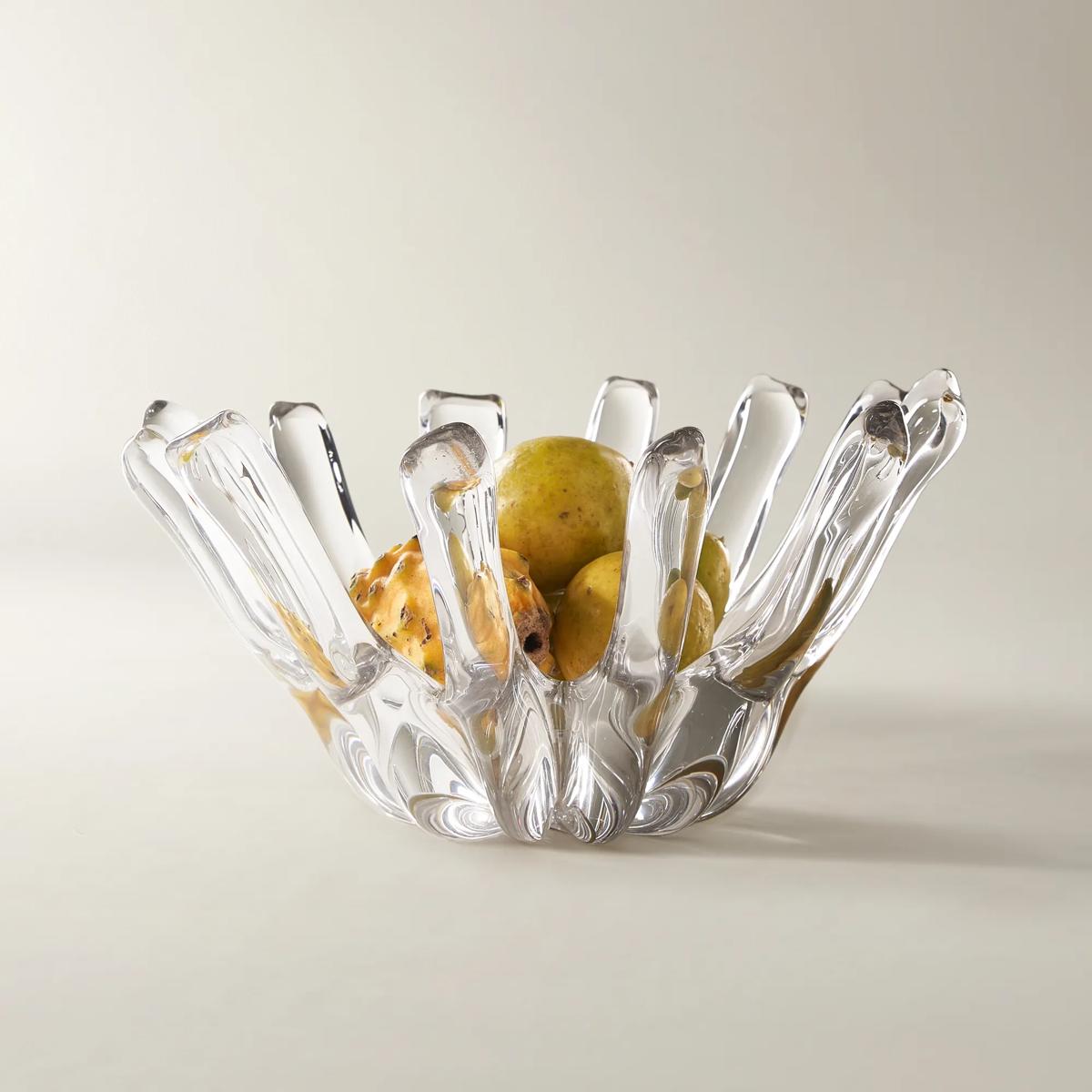
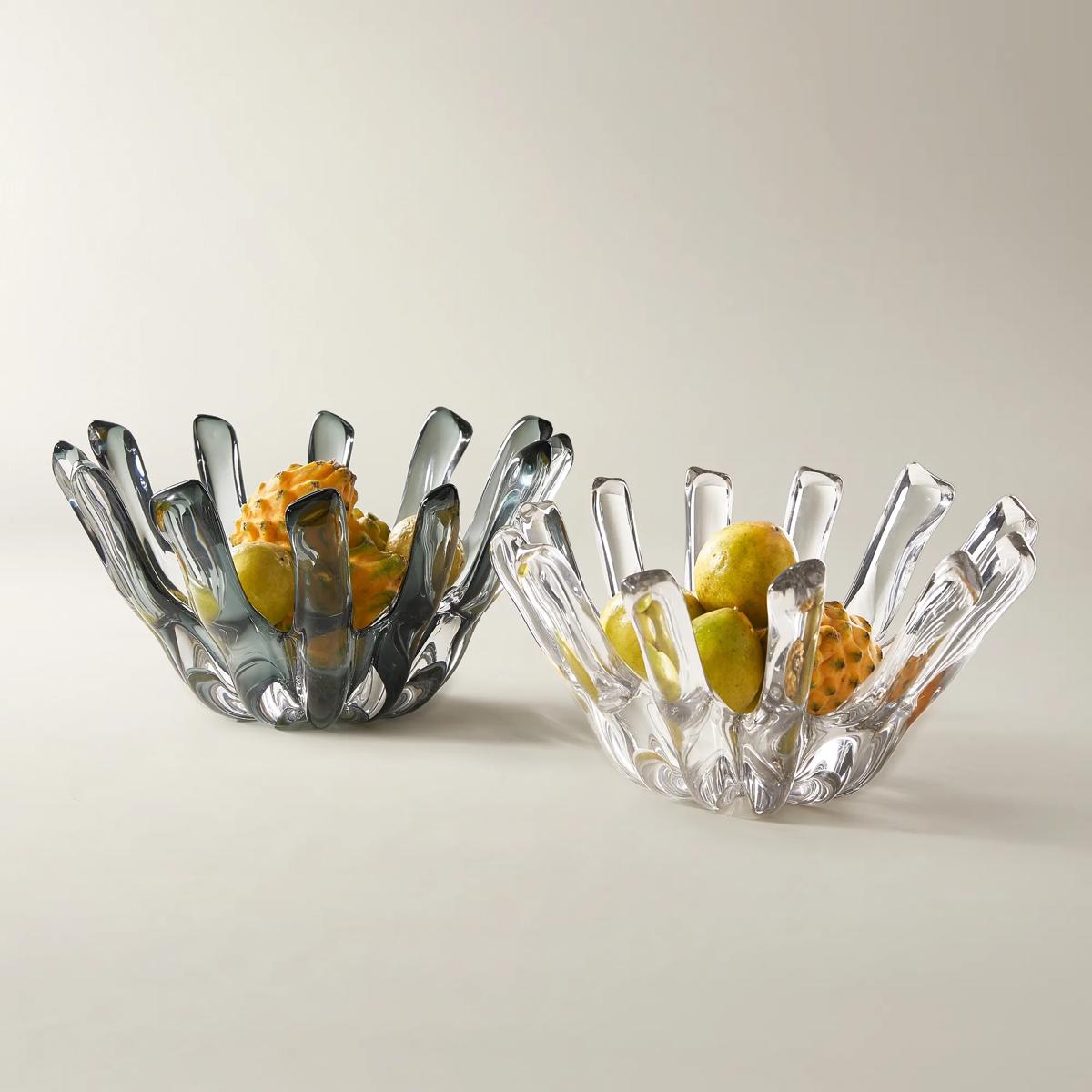 Bossa Clear Handblown Glass Decorative Bowl 13" x 7"$129
A hand-blown clear glass bowl featuring an expressive, sculptural form for modern decorative displays.
Add To Cart -
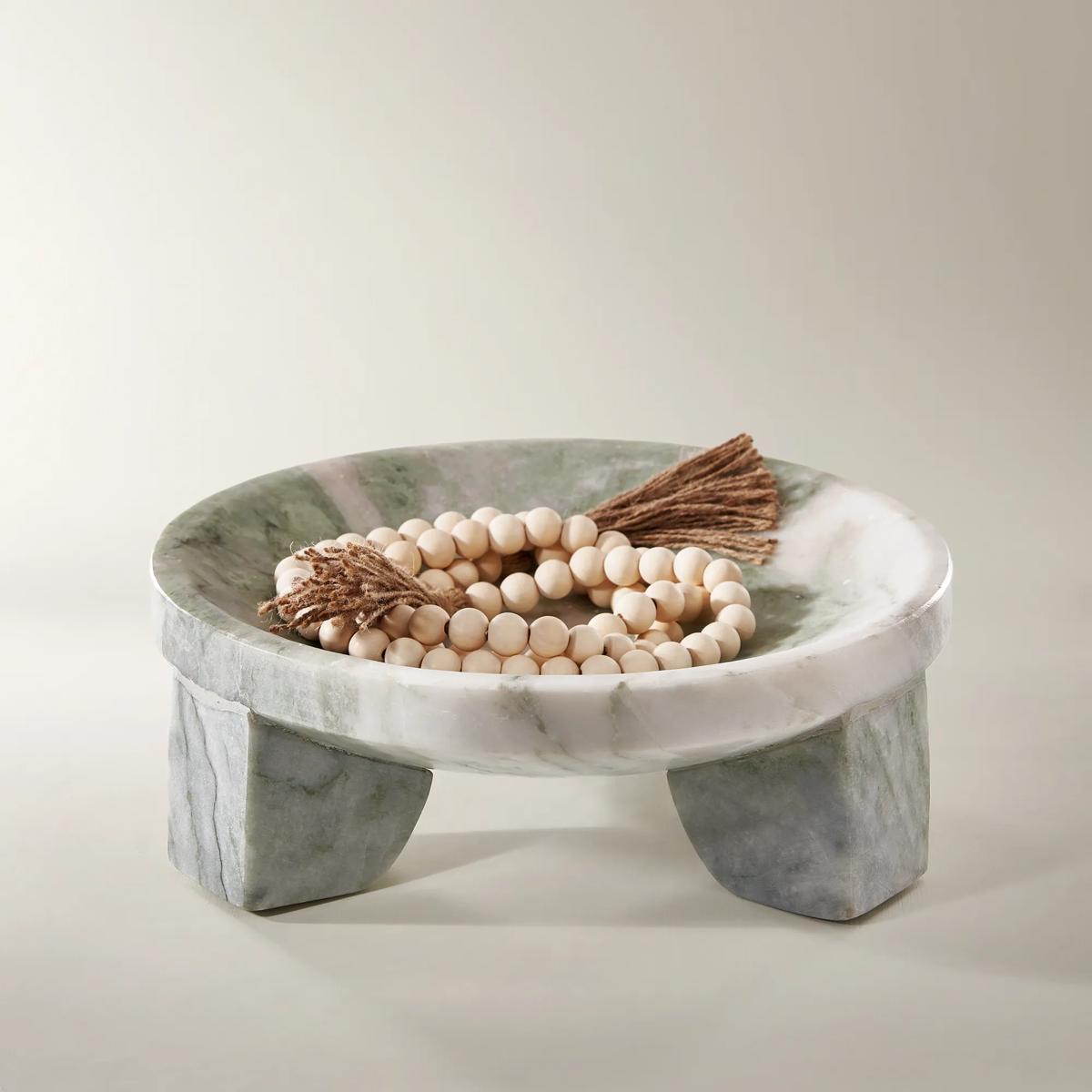
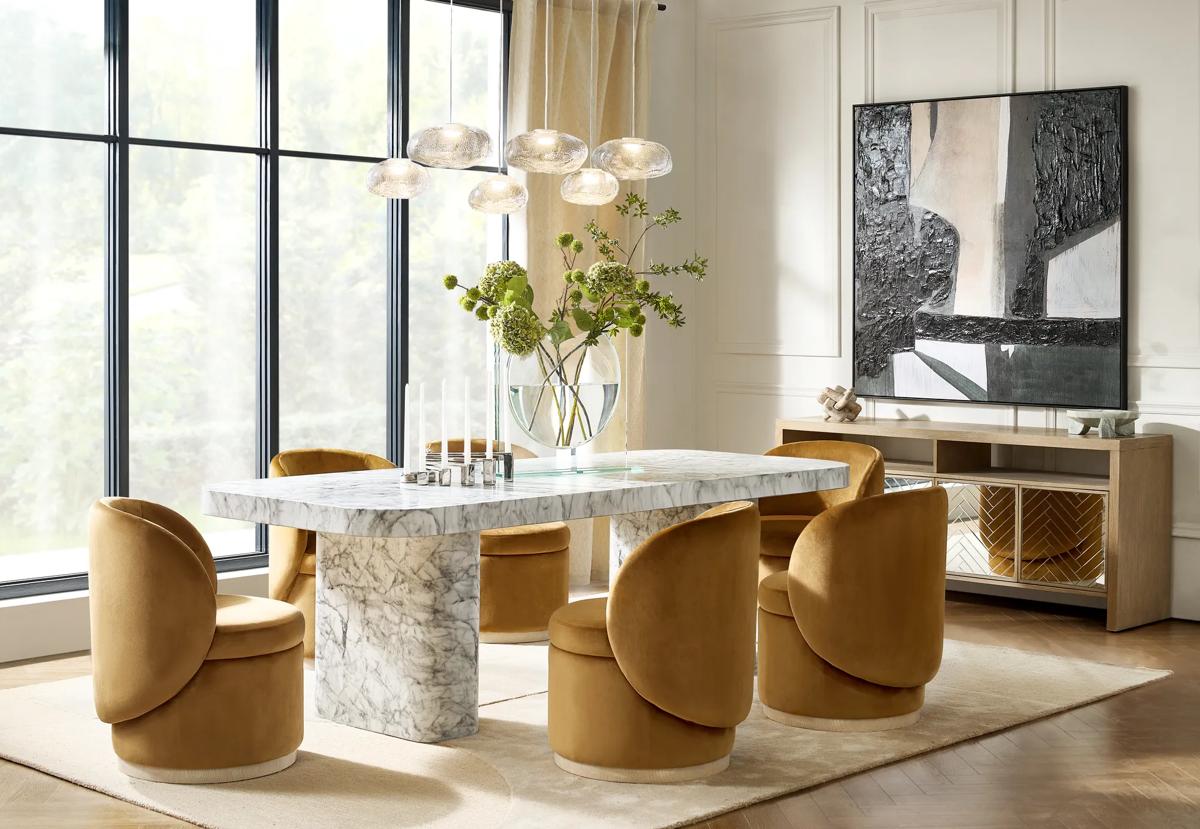 Light Green Marble Footed Bowl$199
A hand-carved onyx bowl featuring soft green marbling and sculptural feet for organic elegance.
Add To Cart -
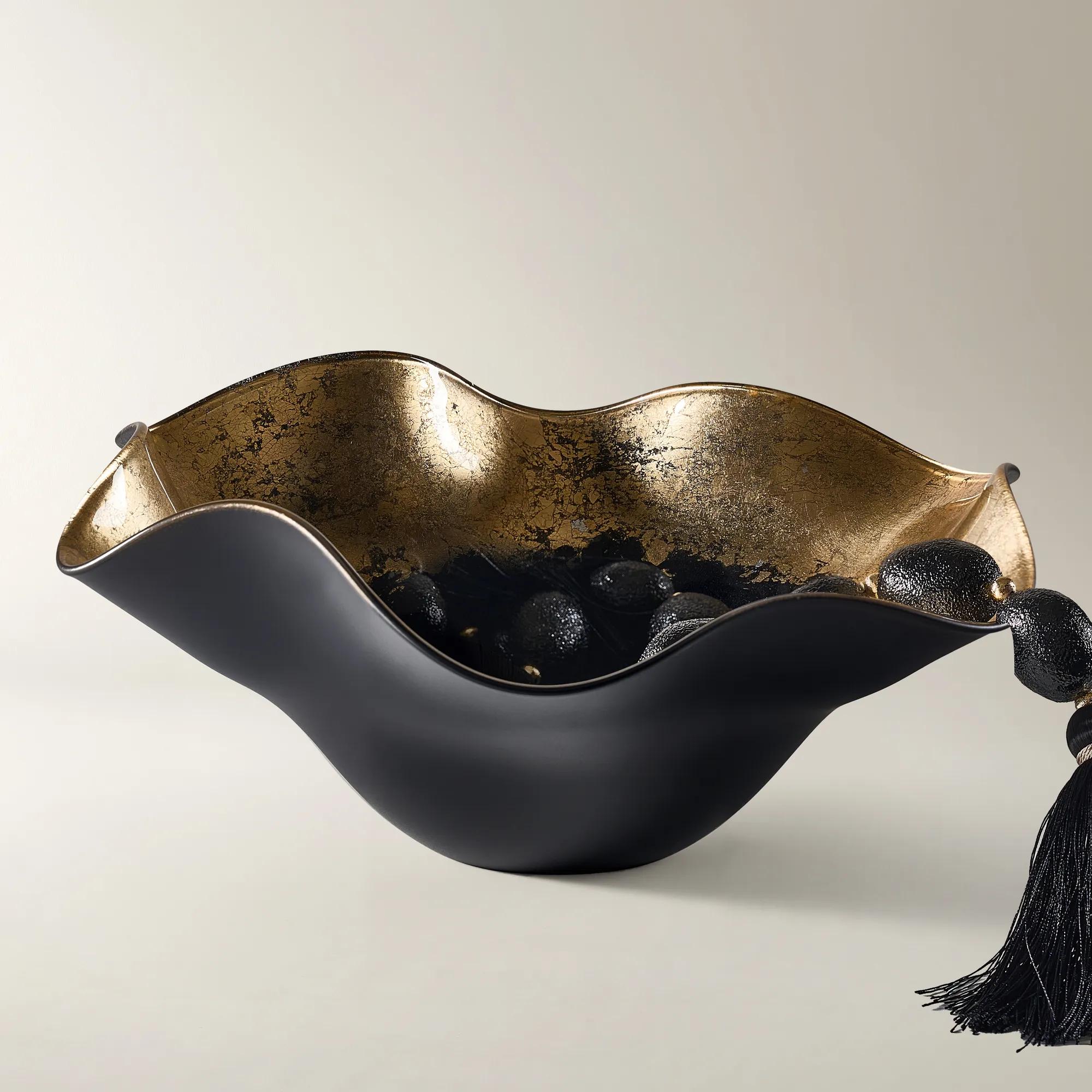
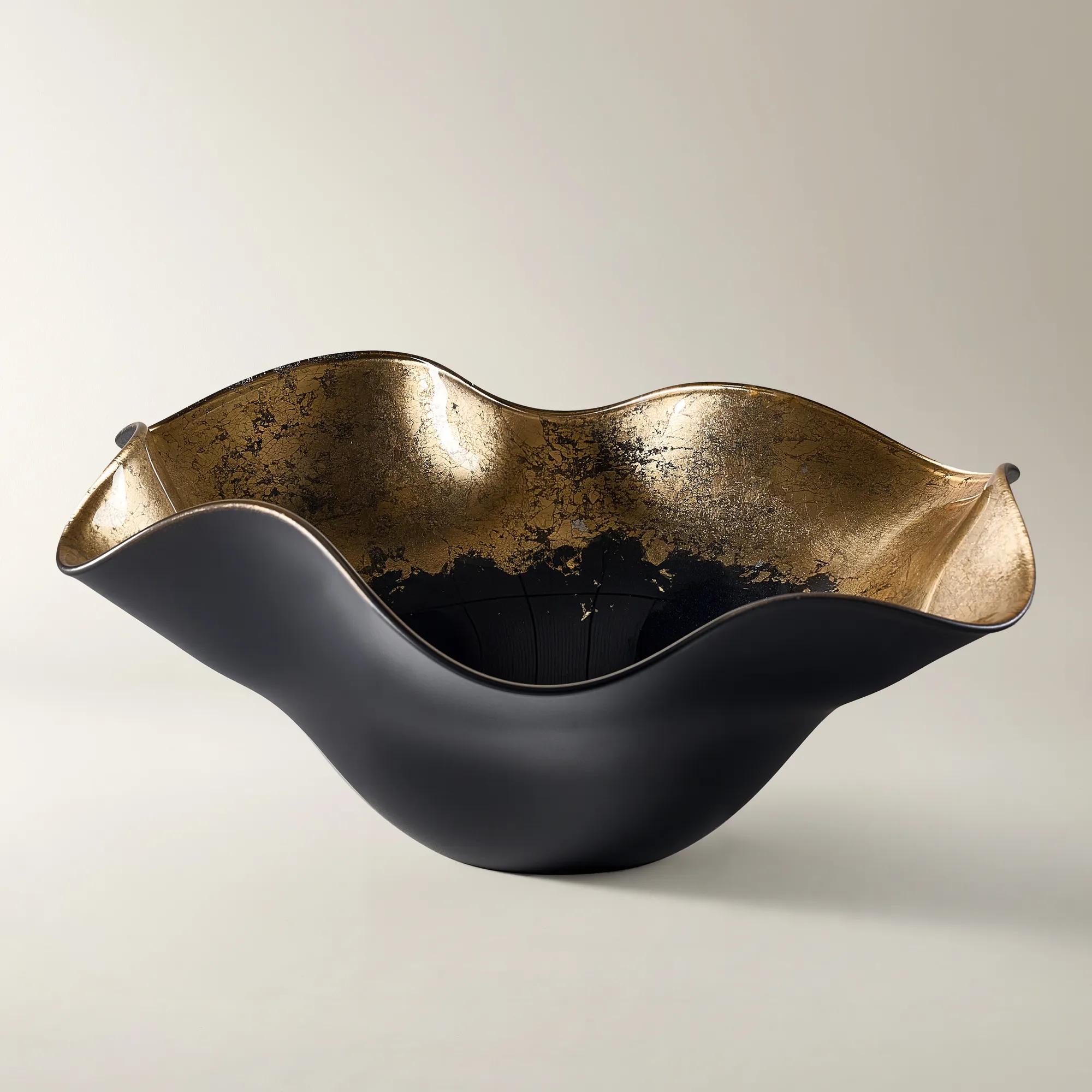 Goldie Mouth Blown Gold Black Glass Decorative Bowl 15.5" x 8.75"$199
A handblown glass bowl in soft gold and black with an organic, sculptural silhouette for modern decor.
Add To Cart -

 Collins Hand-Cast Gold Aluminum Decorative Pedestal Bowl 23.5" x 5"$79
A gold nickel-plated aluminum bowl with a rectangular pedestal base for striking decorative display.
Add To Cart -
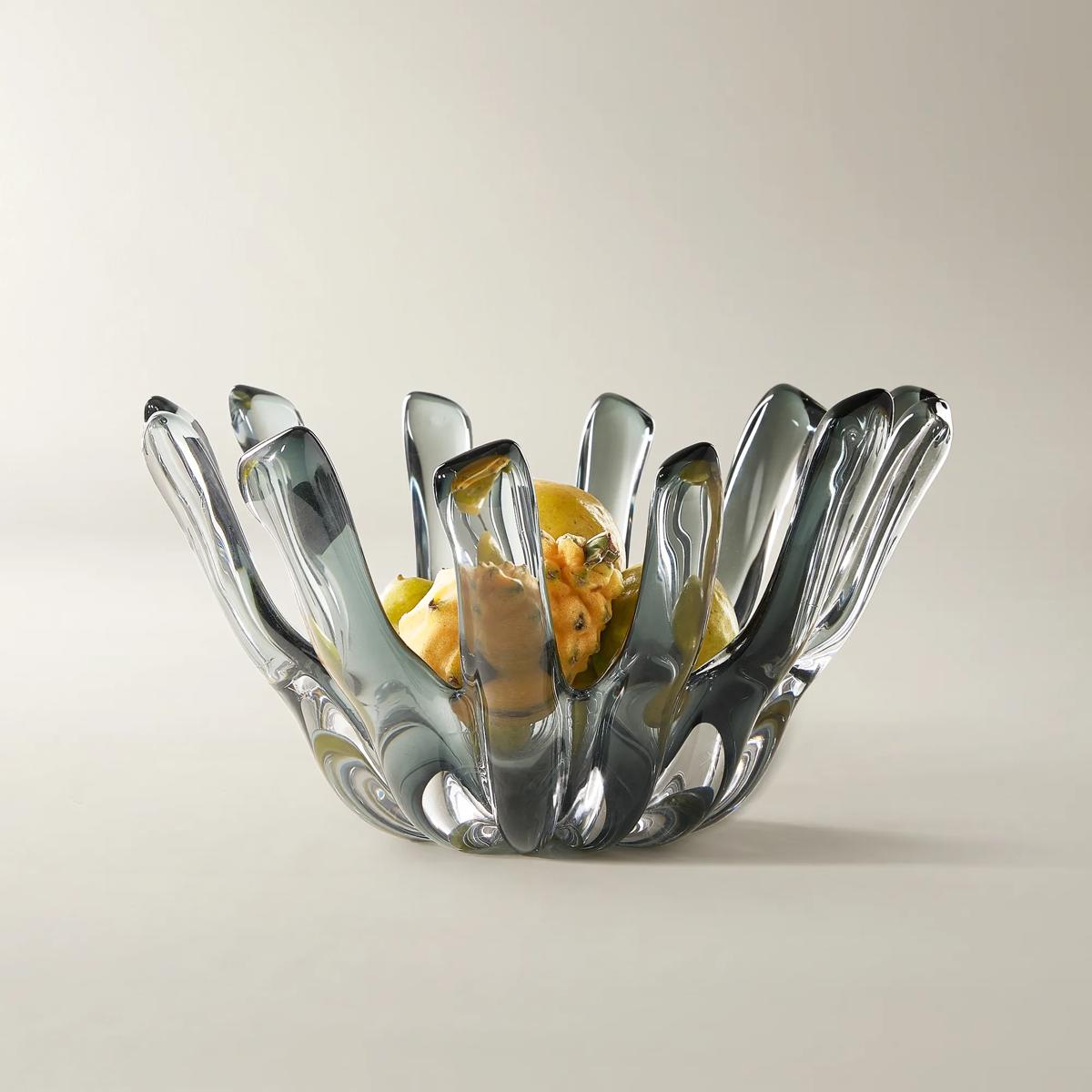 Bossa Smoke Handblown Glass Decorative Bowl 13" x 7"$129
A hand-blown smoky grey glass bowl featuring an expressive, sculptural design for modern decorative displays.
Add To Cart -
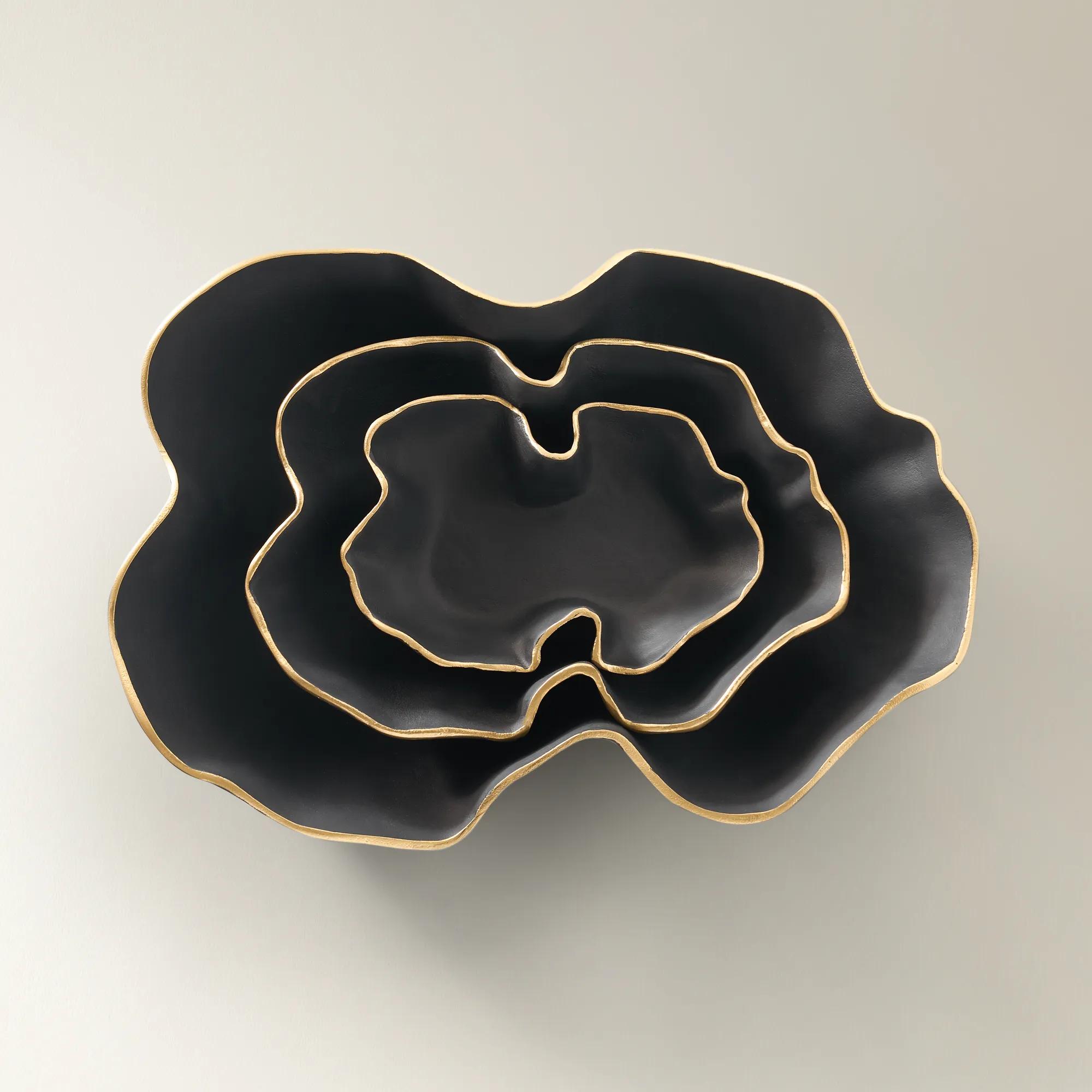 Lava Black Gold Aluminum Decorative Nesting Bowls$99
A deep black aluminum bowl with golden edges, featuring an organic shape inspired by volcanic rock.
Add To Cart -
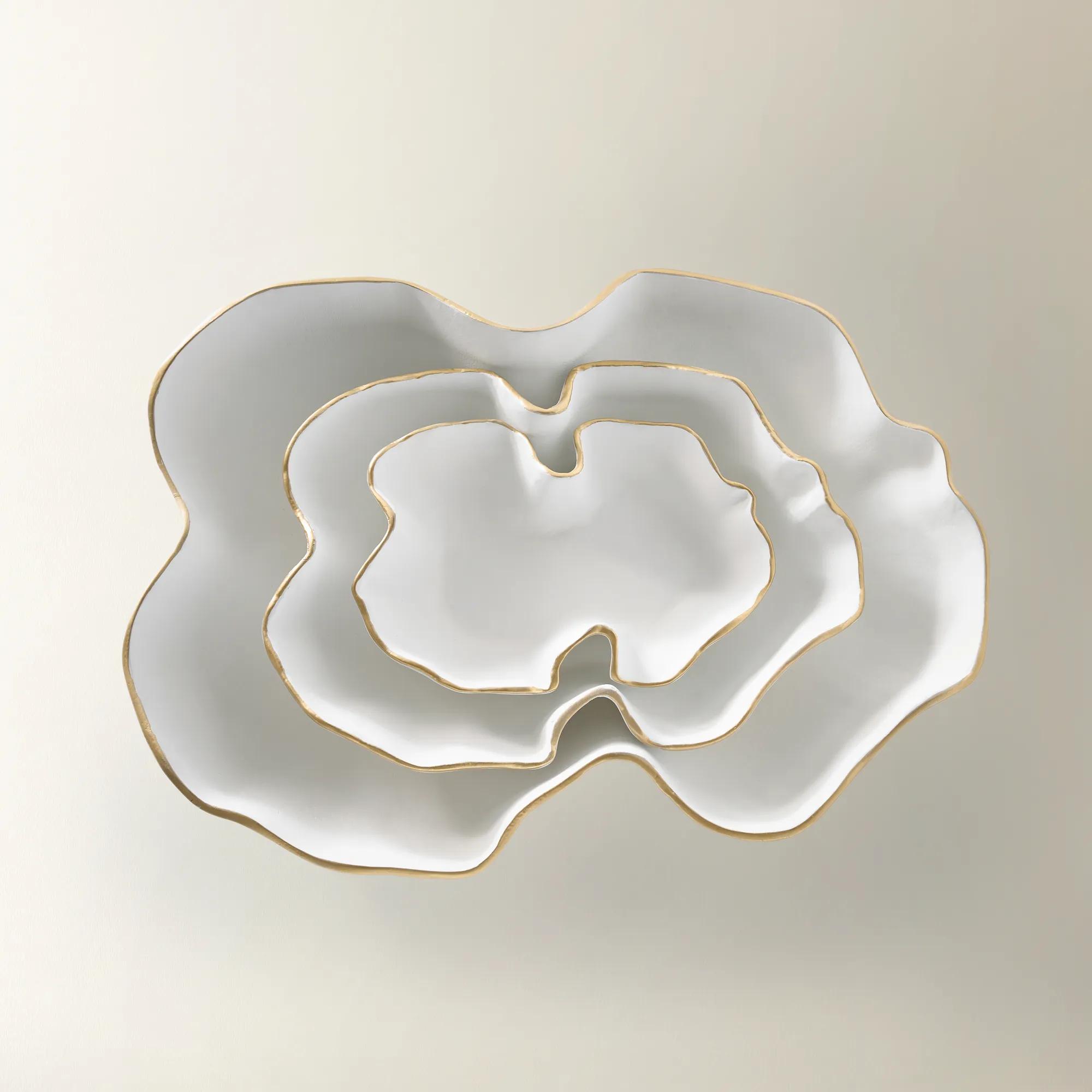 Lava White Gold Aluminum Decorative Nesting Bowls$39
A glossy white aluminum bowl with a golden rim, offering modern elegance for decorative display.
Add To Cart -
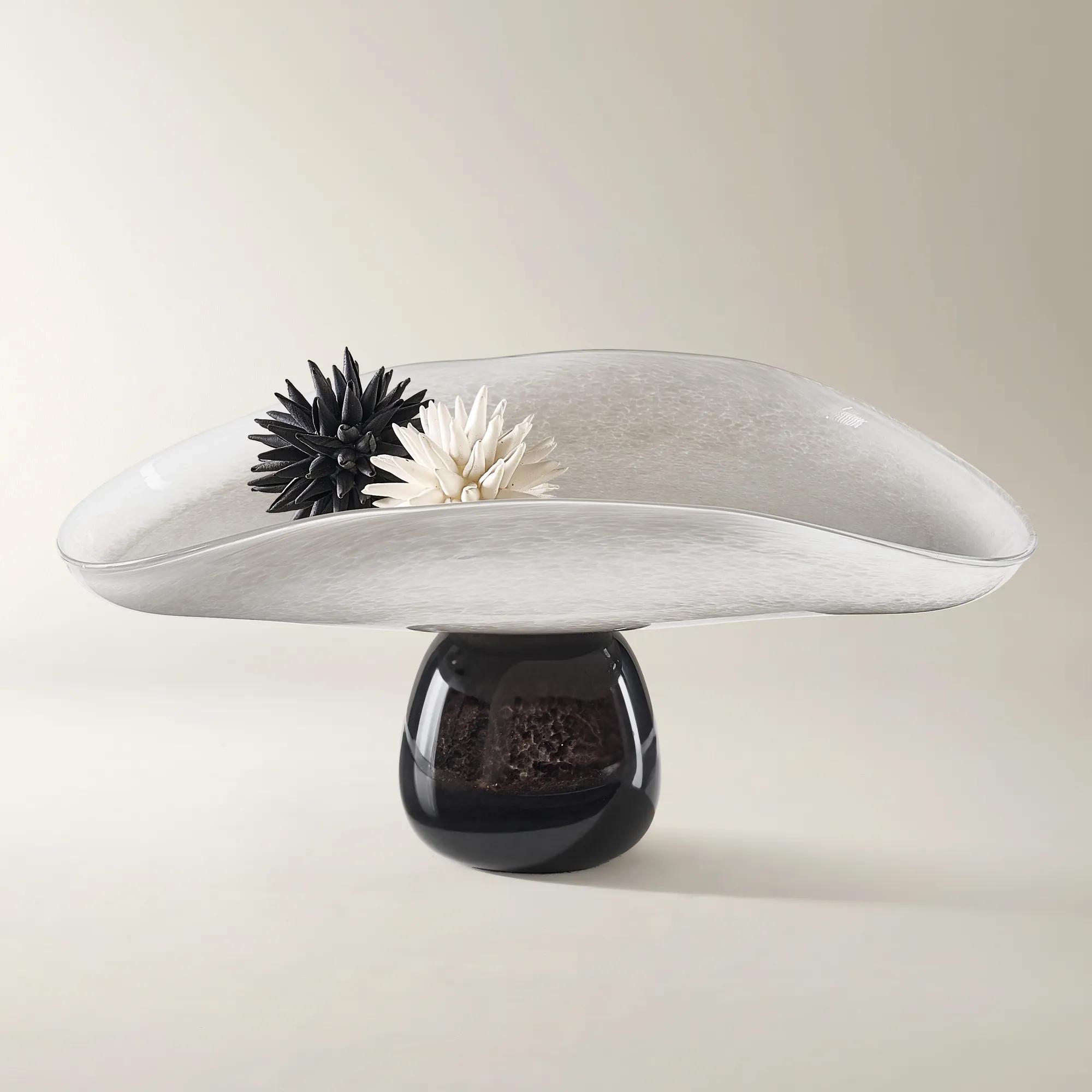 Elois Mouth Blown White Black Pedestal Bowl 14.5" x 7"$149
A handblown glass pedestal bowl featuring striking black and white contrast for a sculptural, modern accent.
Add To Cart -
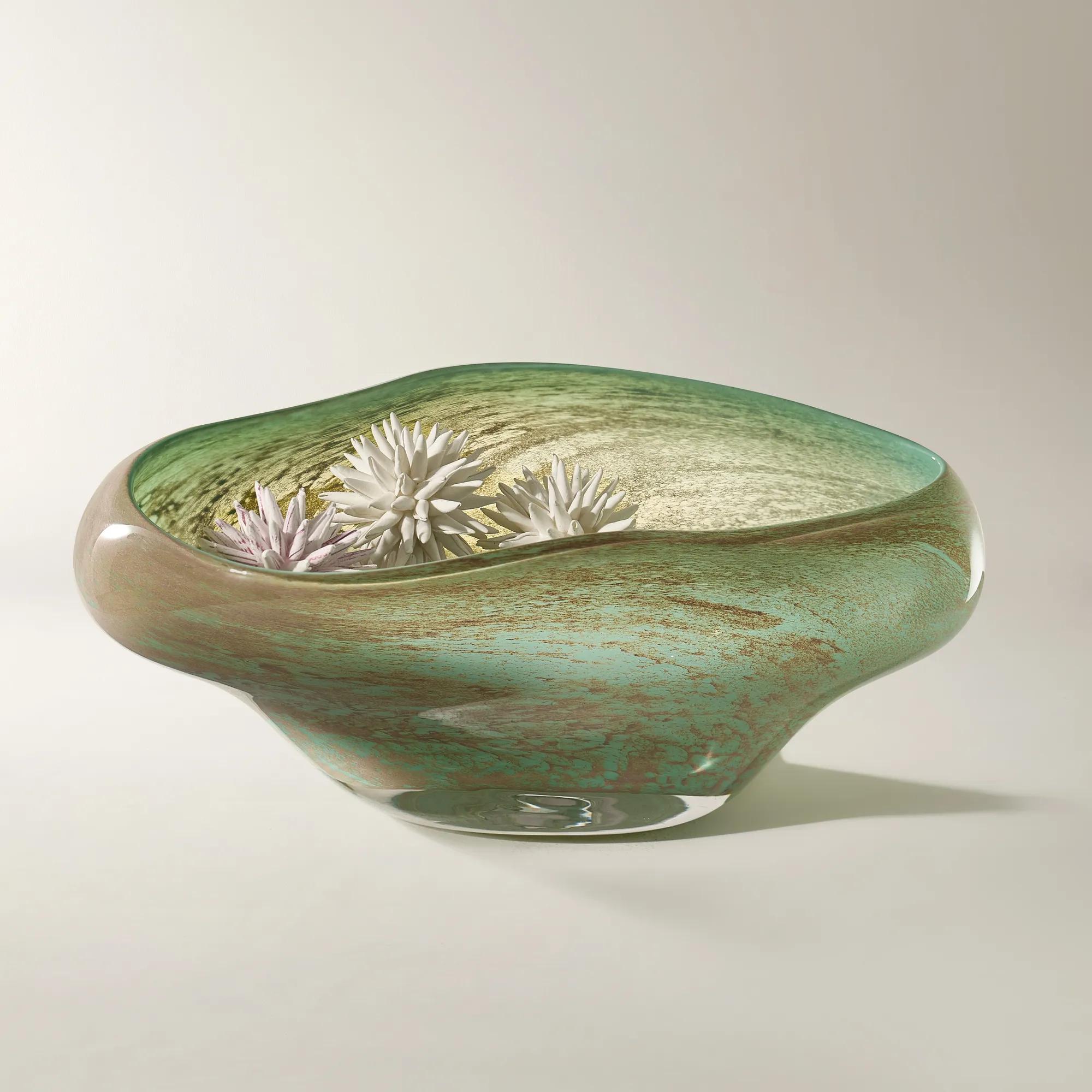
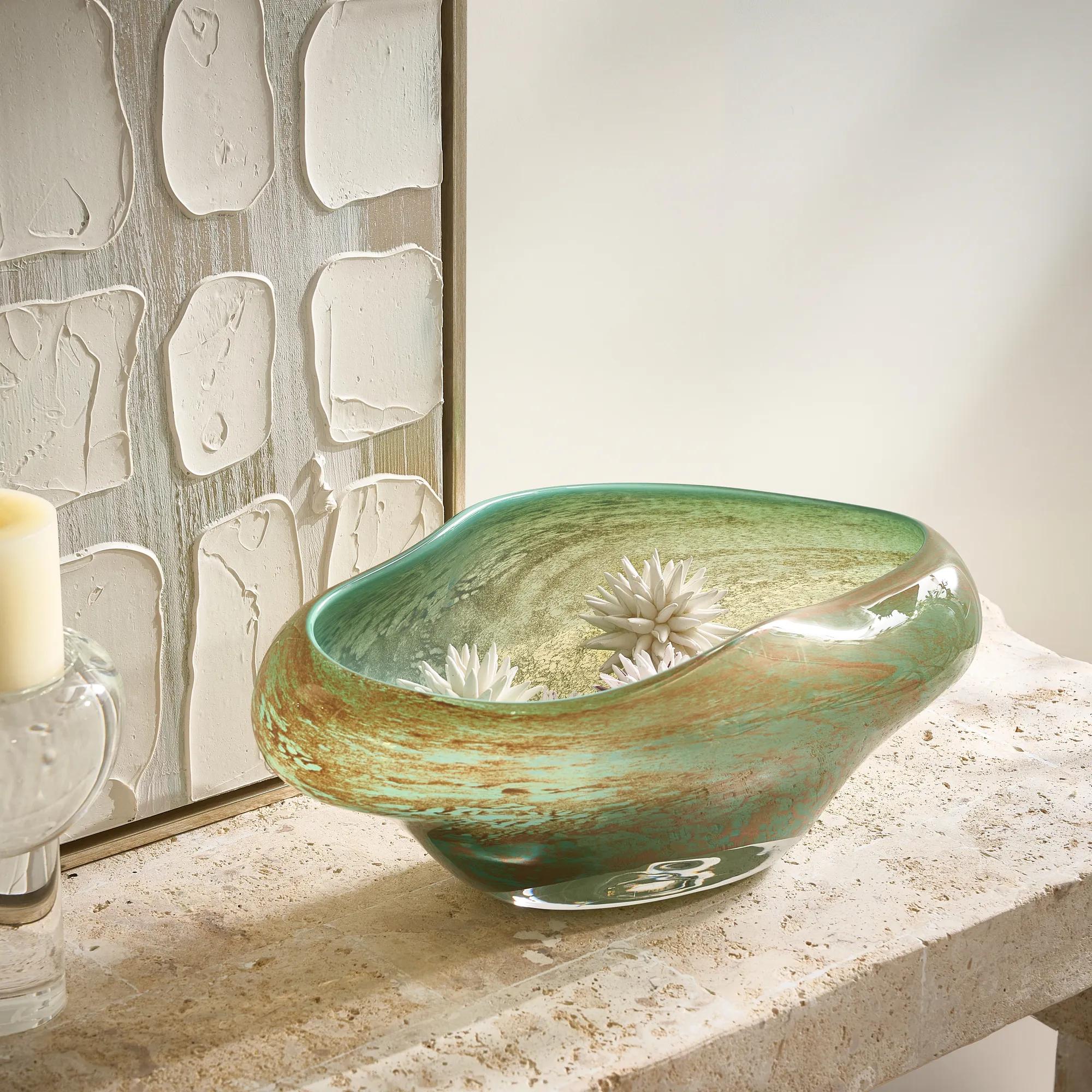 Green Mist Glass Bowl$179
A green glass bowl adding modern elegance to decorative displays.
Add To Cart -
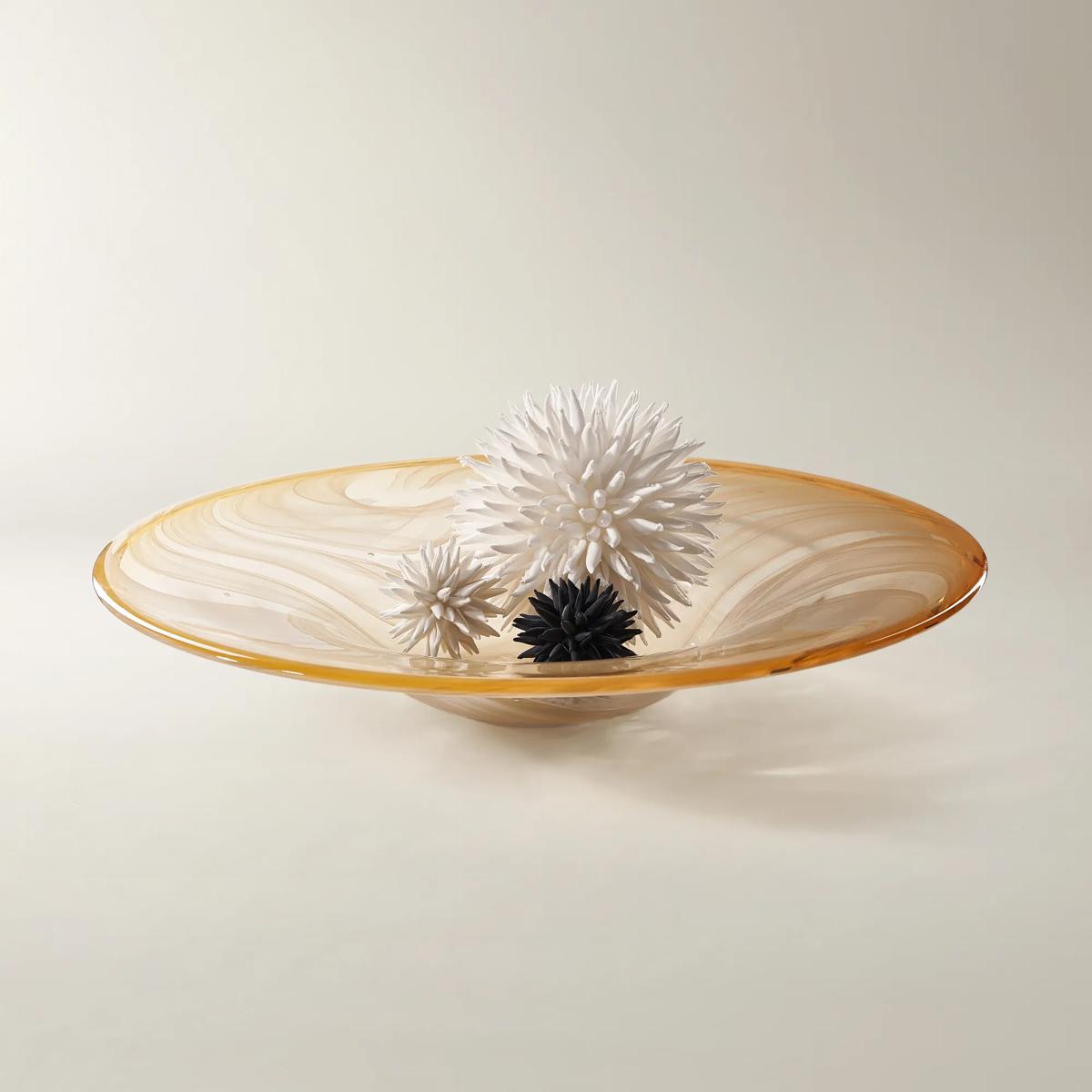
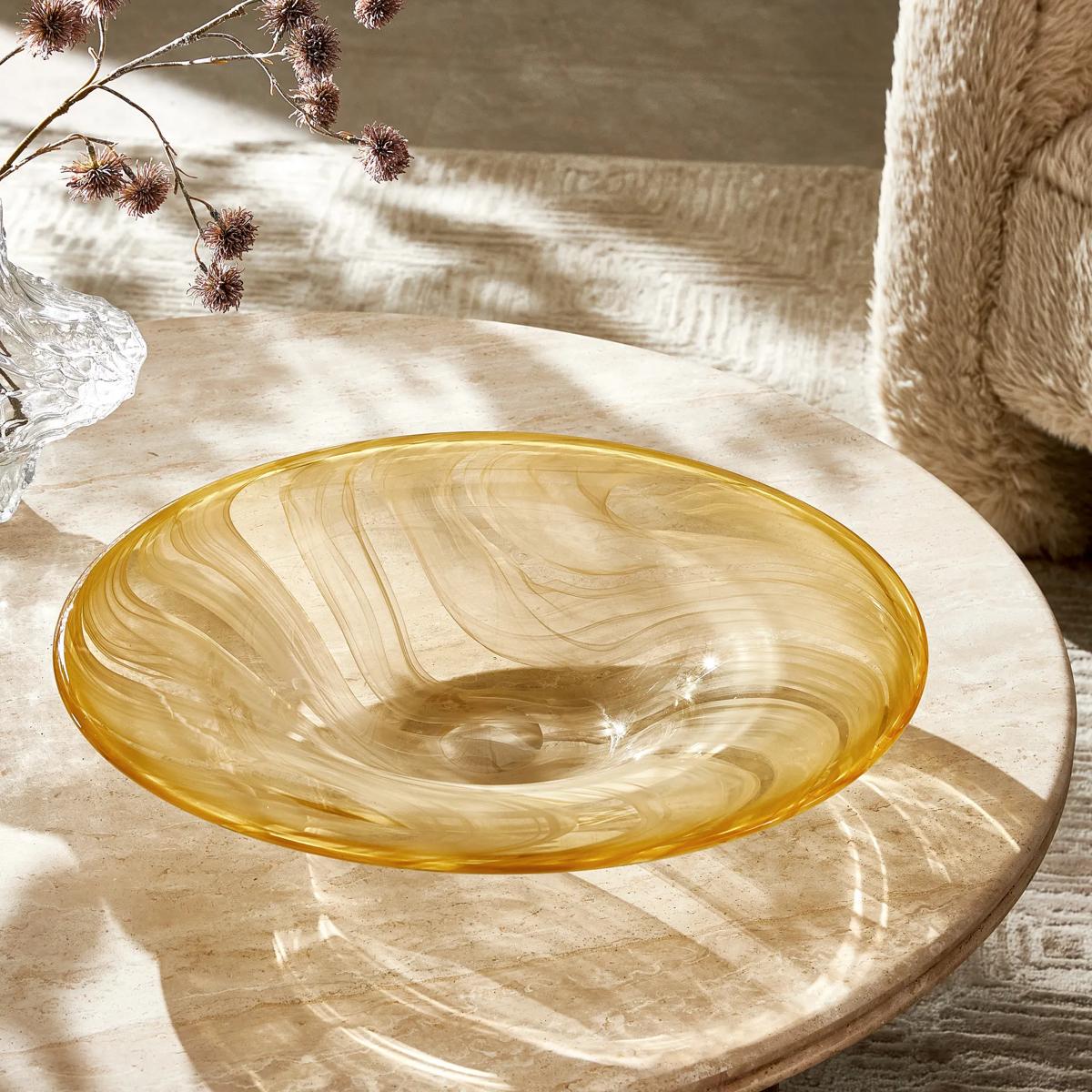 Paradis Glass Plate$239
A hand-blown amber glass plate featuring a swirling, organic design for a radiant decorative accent.
Add To Cart -
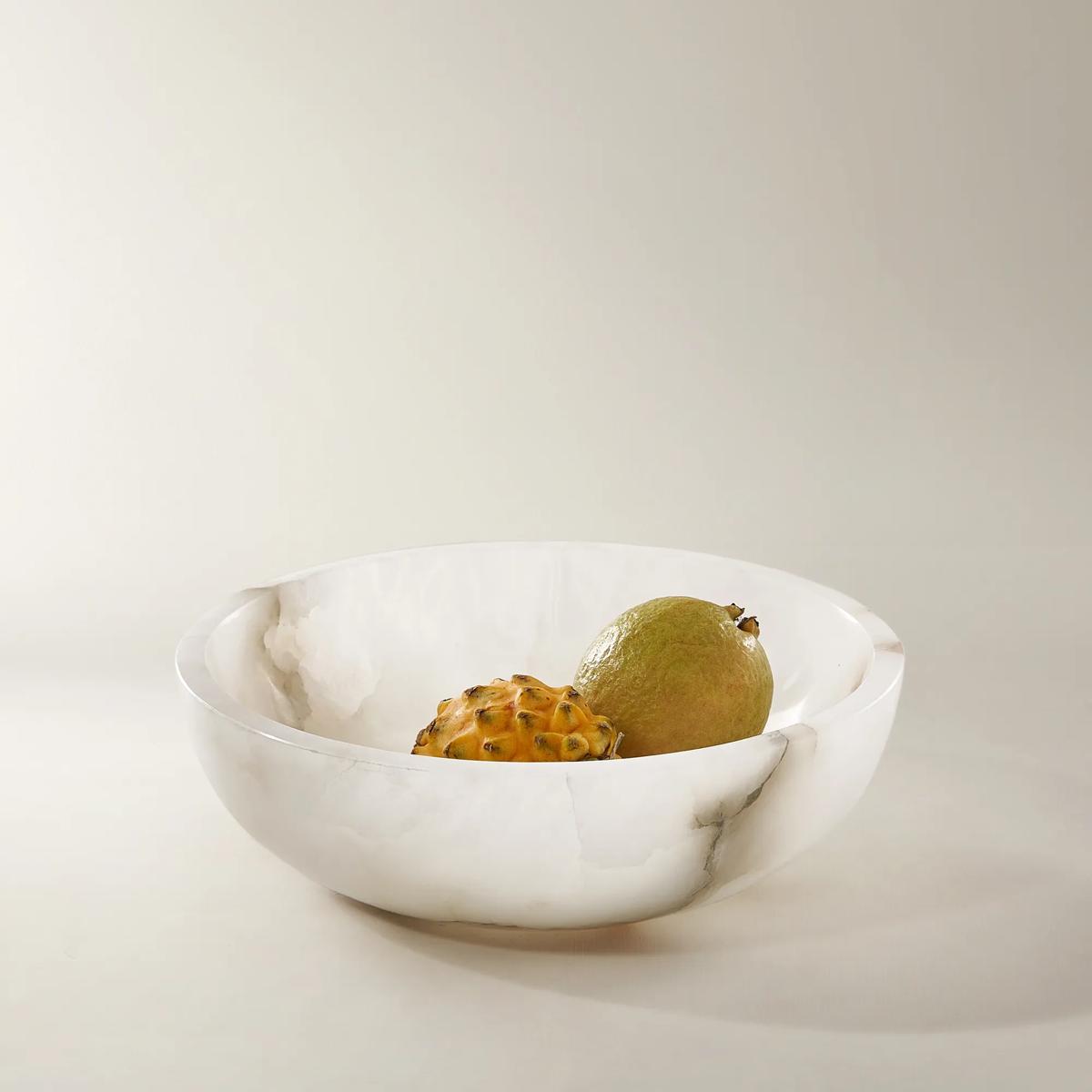 Alabaster Bowl$369
A hand-sculpted alabaster bowl featuring organic veining and soft, milky white translucence.
Add To Cart -
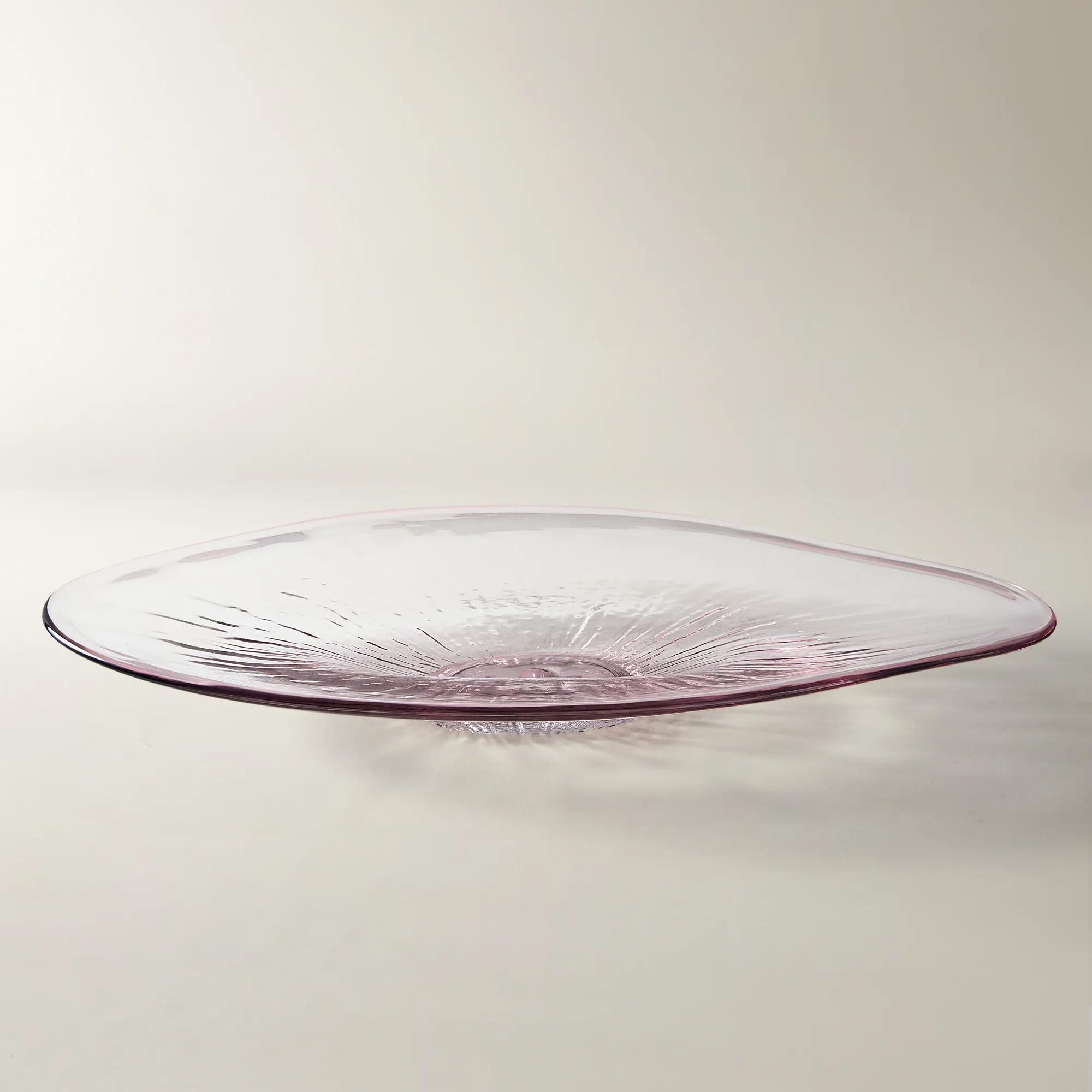 Cortina Decorative Bowl$129
A handblown glass bowl in an ethereal pink hue that brings artistic flair to modern interiors.
Add To Cart -
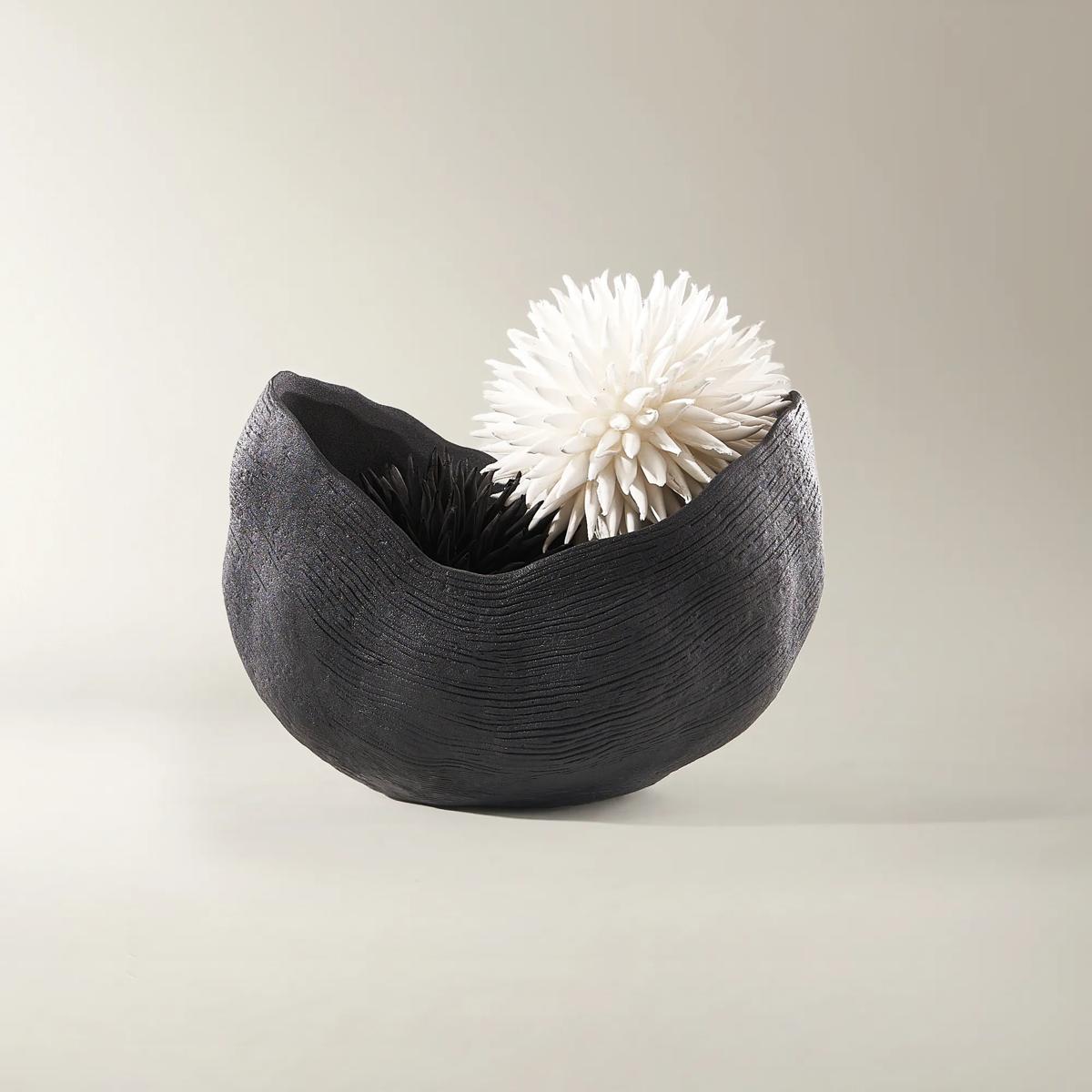 Baz Bowl - Black$119
A sculptural black porcelain bowl with a matte, ridged texture for bold, modern decor accents.
Add To Cart

Decorative Bowls For Dining Room Tables
Elevate your tablescape with decorative bowls for dining room tables—each one a captivating fusion of artistry and allure. These sculptural vessels do more than hold; they command attention, transforming everyday surfaces into curated showcases of style. Whether gleaming with metallic accents or swirling with vibrant hues, every bowl invites conversation and celebrates the drama of detail. Let your dining room become a gallery, where each centerpiece is a statement and every meal unfolds against a backdrop of inspired design.
Decorative bowls for dining room tables are ornamental vessels that create a central focal point through shape, material, color, and texture. Used empty as sculptural accents or filled with decorative objects, they give the dining surface a composed, expressive presence between meals. Unlike serving bowls, decorative bowls are not necessarily intended for food contact; their primary purpose is visual, and any food use should follow the piece’s stated suitability. Their appeal lies in the way a single form can transform a broad stretch of tabletop. A sweeping, shallow silhouette draws the eye across a polished surface, while a footed bowl introduces height and a sense of ceremony without requiring an elaborate arrangement. Materials establish distinct moods. Clear or tinted glass brings luminous depth, allowing the table beneath to remain part of the composition. Textured glass catches light along its contours, creating an interplay of shadow and brilliance. Ceramic offers a different kind of presence, with glazes that can appear liquid-smooth, softly matte, or richly dimensional. Metal lends crisp definition and reflective drama, whether its finish reads as warm, cool, brushed, or gleaming. Wood introduces visible grain and organic warmth, while stone contributes substantial weight and natural variation. These differences matter beyond appearance: weight, surface finish, and construction influence how a bowl feels, where it sits comfortably, and how it should be maintained. A dark bowl against pale marble creates a graphic focal point; a luminous vessel on a dark wood table provides a striking counterpoint. Against patterned upholstery or expressive wall art, a restrained bowl can give the eye somewhere to settle. In a quieter dining room, an irregular rim, deeply textured exterior, or exaggerated curve can supply the artistic tension. The most compelling choice feels connected to the room without disappearing into it, bringing enough distinction to make the table feel intentionally dressed.
Scale gives a dining table centerpiece its confidence. A bowl should have enough presence to hold its own against the tabletop, yet leave room for place settings, glassware, and comfortable conversation. Diameter alone does not tell the whole story: a broad rim, elevated base, or flared profile can make a bowl feel considerably larger than its interior capacity suggests. On a round table, a circular bowl often echoes the surrounding geometry and creates an inviting center visible from every seat. An oval or elongated silhouette can reinforce the length of a rectangular table, especially when a small round accent would feel visually isolated. Square tables can accommodate either a curved form that softens their angles or a more architectural shape that emphasizes them. Height deserves equal attention. A low bowl keeps sightlines open across an intimate dinner setting, while a taller pedestal silhouette brings a more formal presence to a spacious table. The surrounding chairs, chandelier, and room proportions all contribute to that balance. Beneath a dramatic light fixture, a quieter bowl can anchor the composition rather than compete with it. Where the overhead lighting is understated, a reflective finish or sculptural profile can become the principal flourish. Intended use also shapes the choice. A table used for daily meals benefits from a centerpiece that is easy to lift and relocate, with a stable base that rests securely on the surface. A dining table reserved for entertaining may accommodate a more substantial arrangement, provided it does not crowd serving dishes or place settings. Shallow interiors display decorative spheres and other accents openly; deeper forms conceal more of their contents and create a denser visual effect. An empty bowl can be equally expressive, particularly when its interior carries a distinctive glaze, sculpted detail, or rich metallic finish. Leaving that surface visible allows the craftsmanship and silhouette to carry the arrangement, rather than relying on filler to create interest.
Daily care preserves the finish that makes a decorative bowl so compelling. Material-specific instructions take priority, particularly when a design combines several materials or includes a painted, plated, mirrored, or textured surface. A soft cloth is often appropriate for routine dusting, while abrasive pads and harsh cleaners can scratch glass, dull polished surfaces, or damage decorative coatings. Ceramic should not automatically be treated as dishwasher-safe, and a metallic appearance does not necessarily mean a piece is solid metal. Wood and porous stone may be sensitive to moisture, oils, and staining; standing water and damp botanical arrangements require particular caution. Decorative bowls intended to hold fresh fruit or unwrapped food need explicit food-contact suitability, regardless of how smooth or substantial they appear. Protective backing or a suitable table protector can help safeguard delicate tabletops, though the underside should still be checked for grit before the bowl is moved. Lifting rather than sliding a heavy centerpiece helps protect both the vessel and the table. Durability also depends on placement: projecting edges and delicate rims deserve extra clearance in dining rooms where chairs, serving pieces, or small hands frequently approach the centerpiece. For a layered arrangement, complementary accents from Decor For Dining Tables can establish continuity through a shared finish, repeated curve, or contrasting texture. A pair of slender candleholders can frame a low bowl without overwhelming it, while a simple runner can define its place on an expansive table. Decorative bowls also make thoughtful housewarming or wedding gifts for people who enjoy entertaining and shaping a distinctive home. A versatile silhouette offers room for personal interpretation, whether the recipient prefers a dramatic standalone object or a carefully composed display. Chosen with attention to proportion, material, and daily use, a dining table bowl becomes more than an accessory: it gives the room a lasting focal point, equally expressive during a gathering and in the quiet moments between.
FAQs
Decorative bowls for dining room tables are often crafted from a variety of luxurious materials, including hand-blown glass, polished metals like brass or silver, artisanal ceramics, and even natural stone. Each material brings its own unique texture and visual impact, allowing you to curate a tablescape that feels both intentional and expressive.
To create a striking centerpiece, start by selecting a bowl style that complements your dining room’s aesthetic. Fill it with seasonal elements—such as citrus fruits, florals, or sculptural objects—or let the bowl stand alone as a sculptural statement. Layering with table runners or surrounding the bowl with candles can further enhance the visual drama.
Absolutely. Decorated bowls make exceptional gifts for housewarmings, weddings, anniversaries, or milestone celebrations. Their timeless appeal and versatility ensure they will be cherished and used in a variety of settings, making them a thoughtful and memorable present.
Yes, many decorative bowls are versatile enough to be displayed on consoles, coffee tables, or entryway credenzas. They can also serve as catch-alls for keys and jewelry, or be used to showcase collections of decorative objects, infusing artistry throughout your home.
A floating bowl can be filled with water and adorned with floating candles or fresh blooms, creating an ethereal, spa-like ambiance. This approach adds a sense of movement and tranquility to your dining table, especially when paired with soft, ambient lighting for a truly captivating effect.