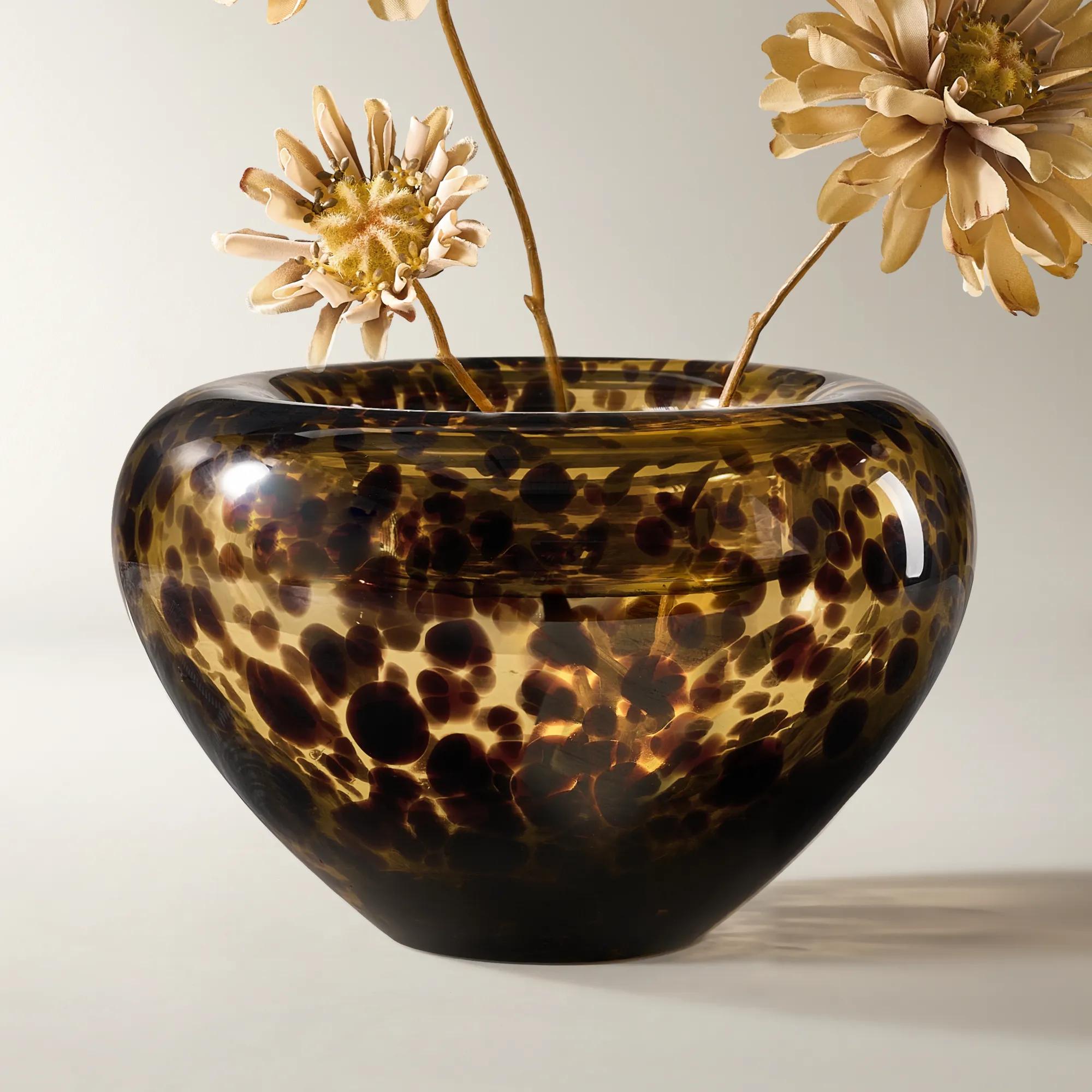
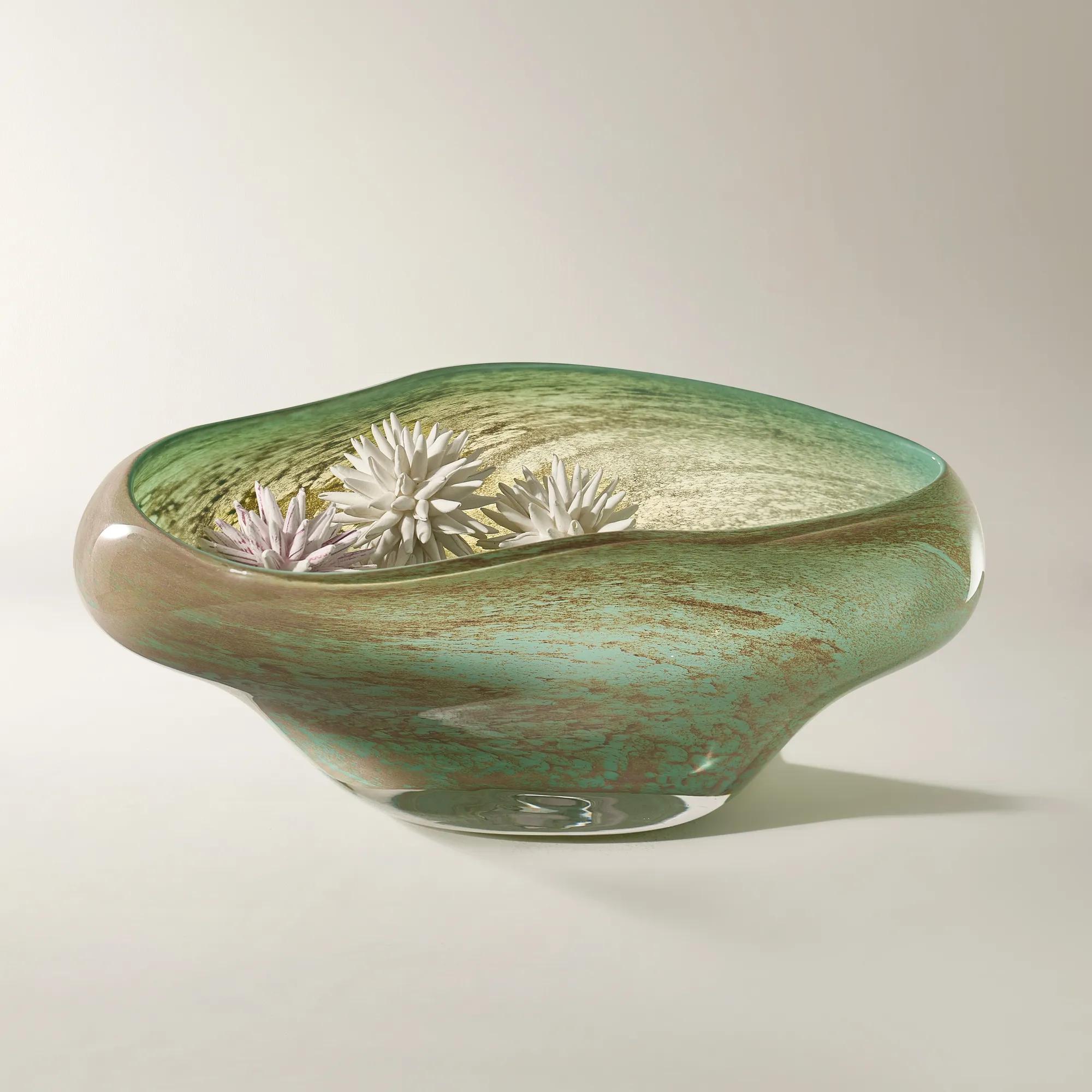
Unique Accent Bowls For Dining Rooms
Unique Accent Bowls For Dining Rooms
-
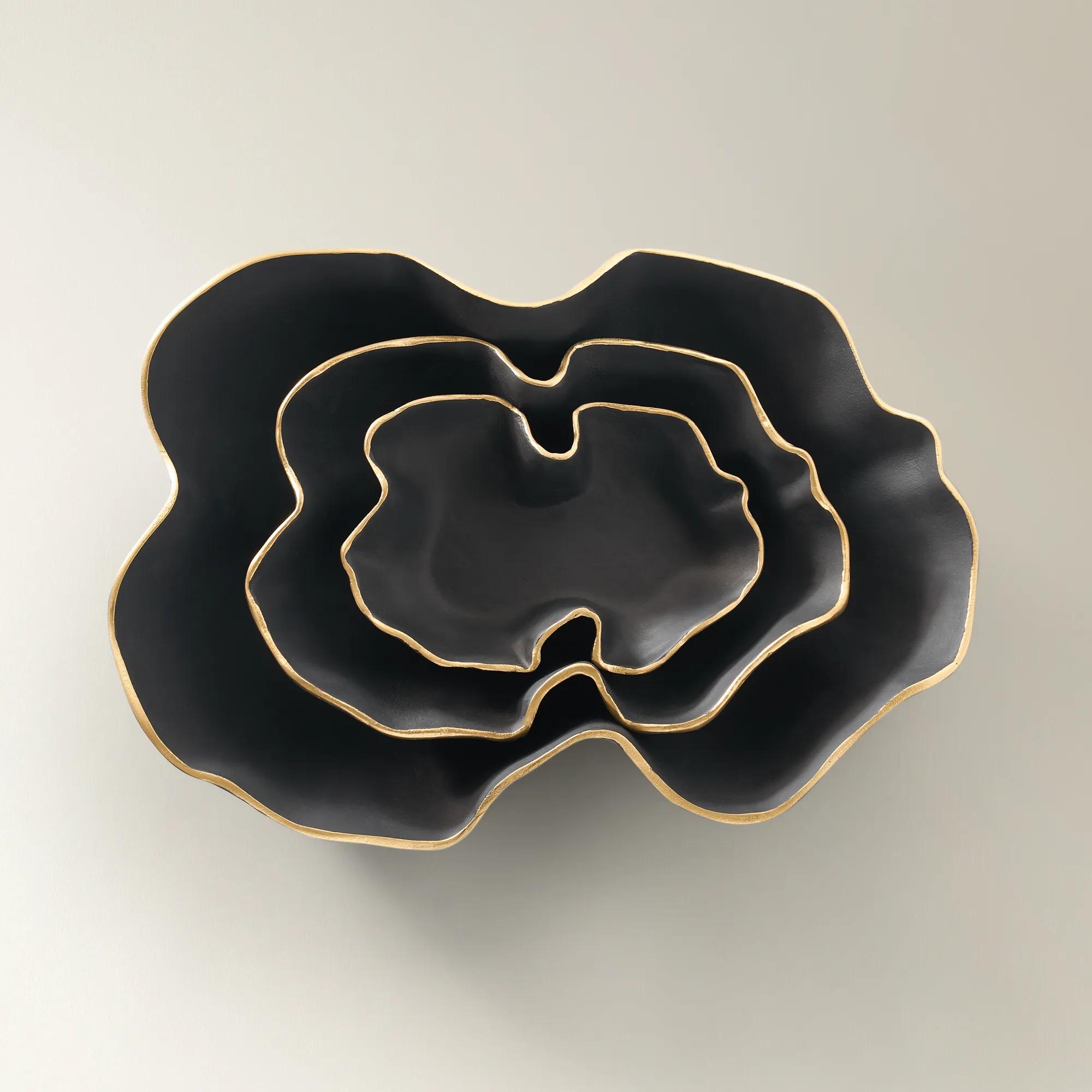 Lava Black Gold Aluminum Decorative Nesting Bowls$39
A deep black aluminum bowl with golden edges, featuring an organic, volcanic-inspired design for decorative display.
Add To Cart -
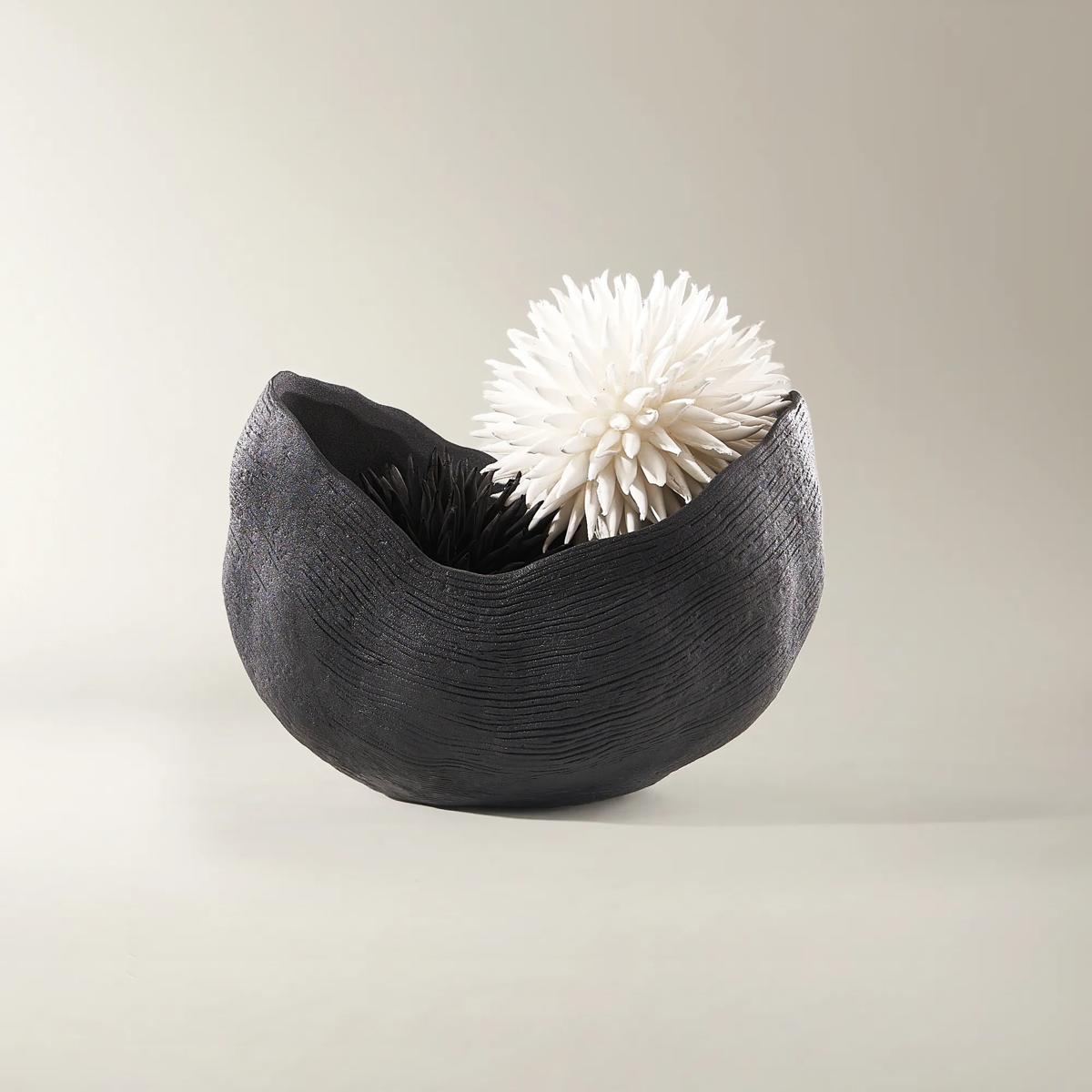 Baz Bowl - Black$119
A sculptural black porcelain bowl with a matte, ridged texture for bold, modern decor accents.
Add To Cart -
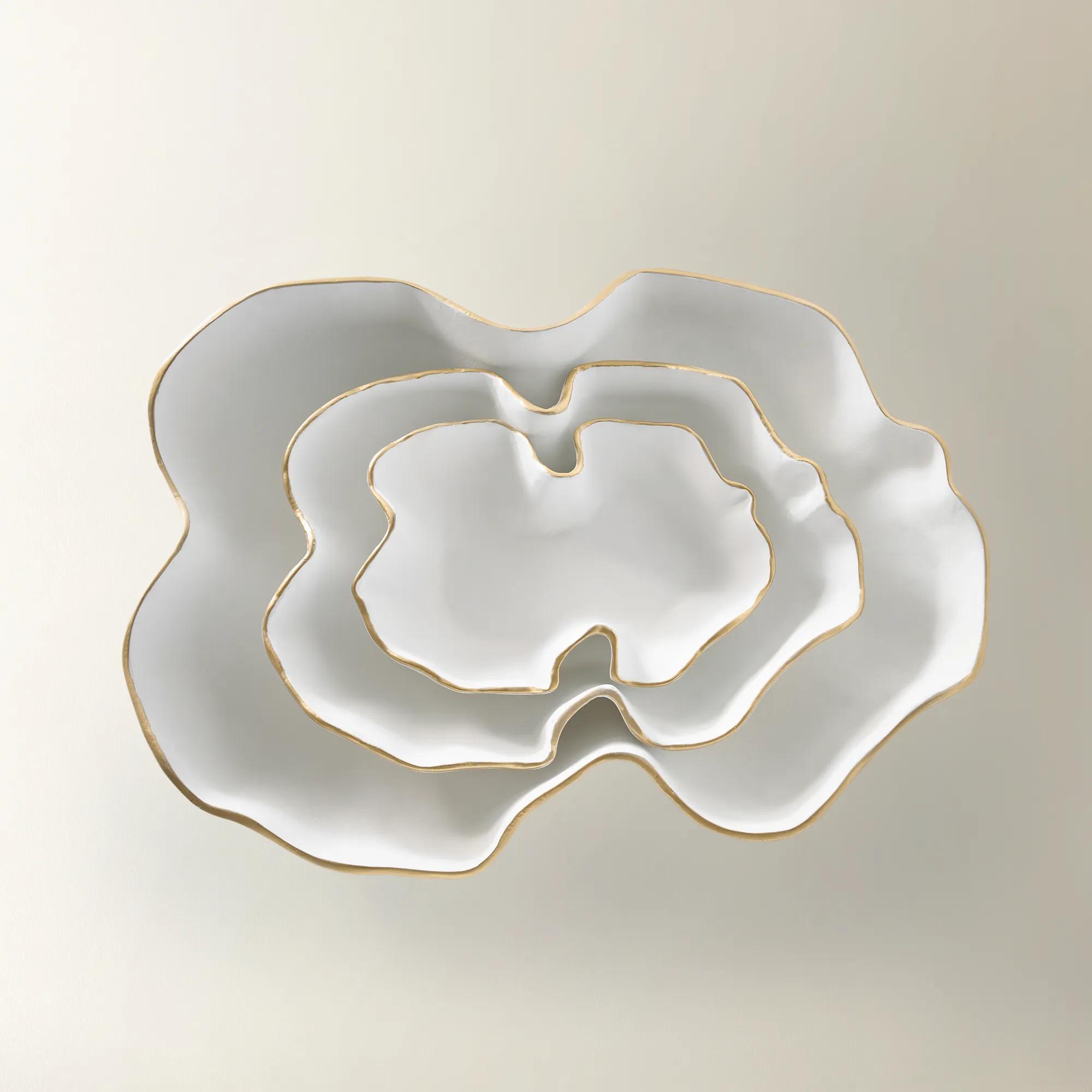 Lava White Gold Aluminum Decorative Nesting Bowls$39
A glossy white aluminum bowl with a golden rim, offering modern elegance for decorative display.
Add To Cart -
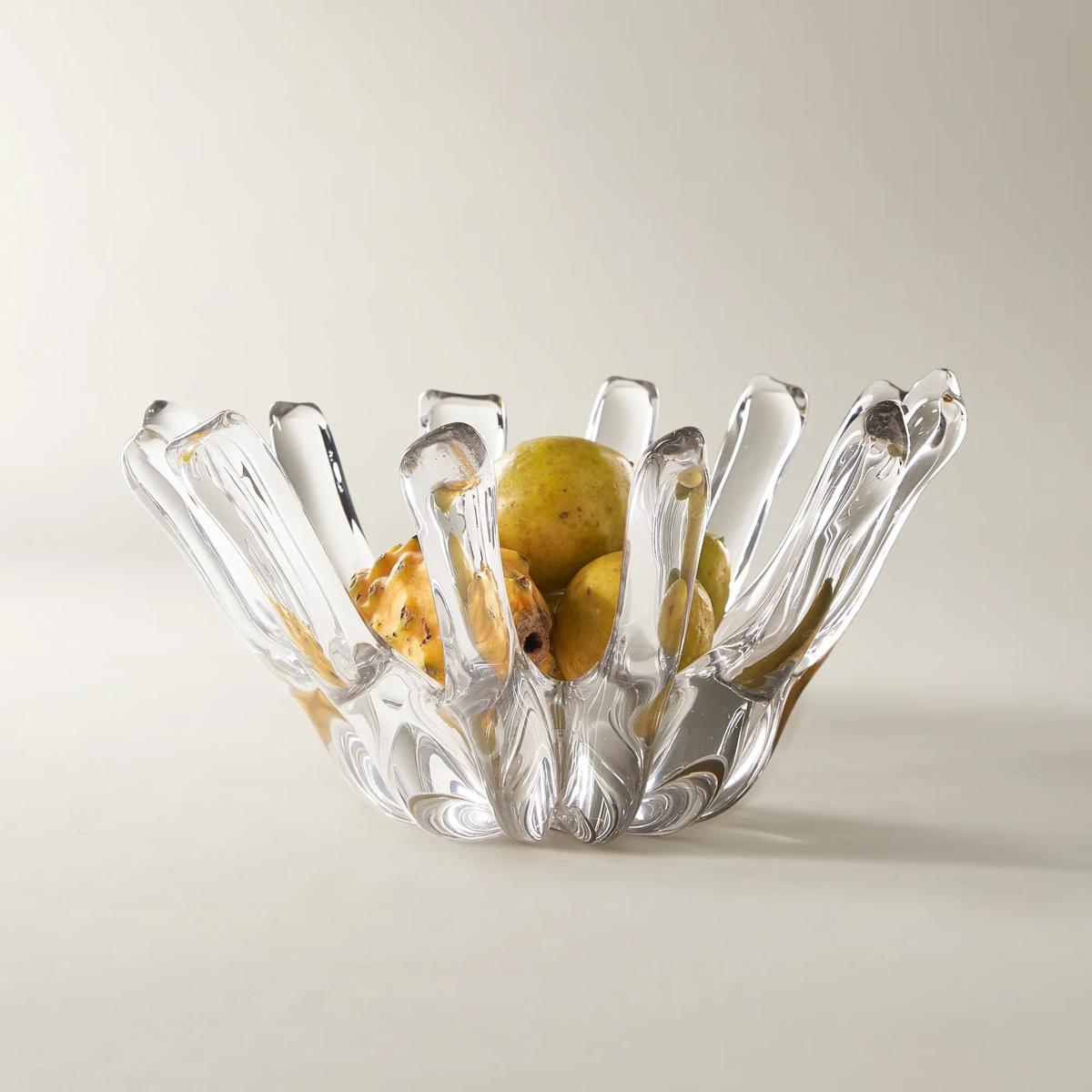
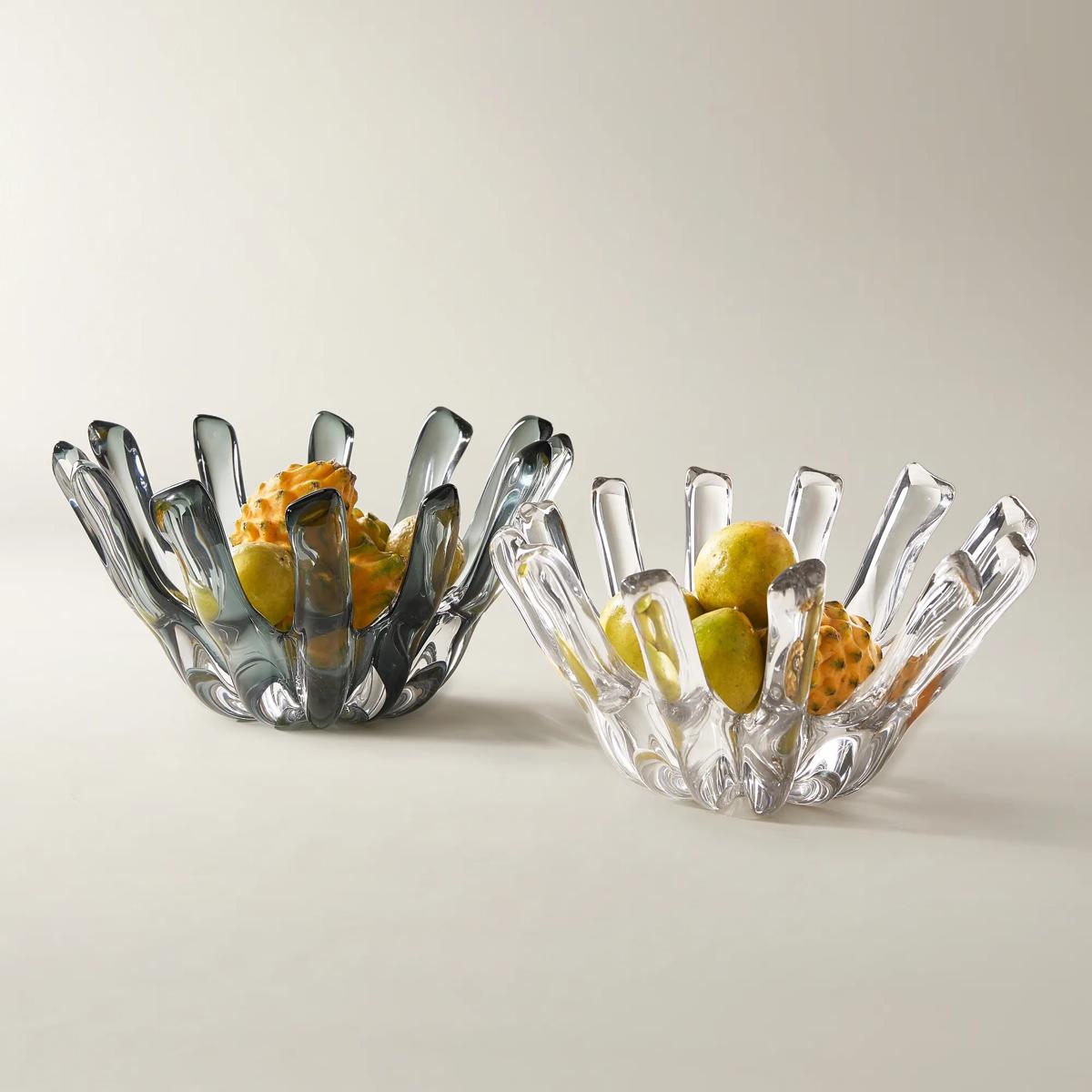 Bossa Clear Handblown Glass Decorative Bowl 13" x 7"$129
A hand-blown clear glass bowl featuring an expressive, sculptural form for modern decorative displays.
Add To Cart -
.jpeg?w=1200&h=1200)
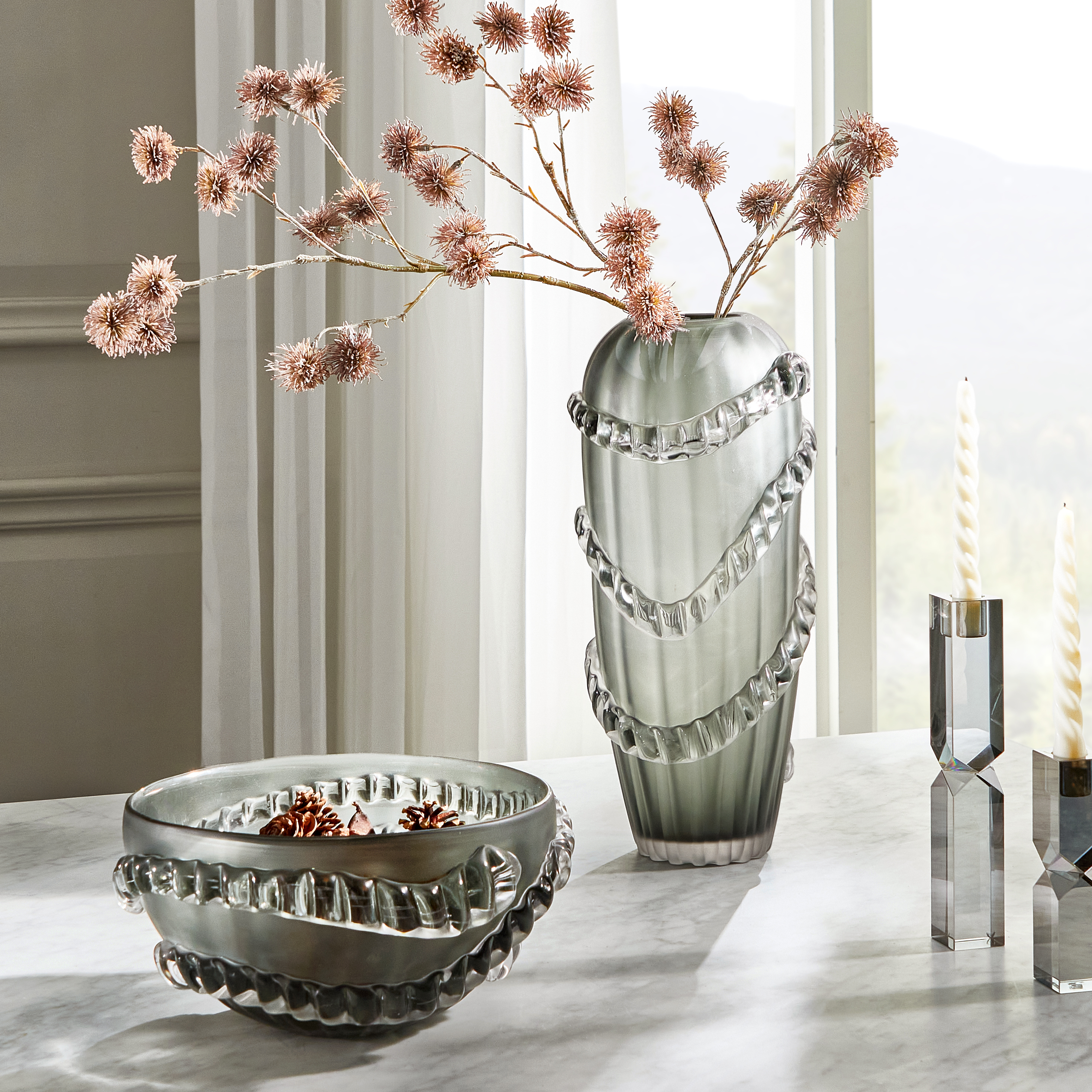 Helix Glass Collection$129
A hand-blown dark gray glass piece featuring fluted bodies and rippling sculptural ribbons for modern elegance.
Add To Cart -
.jpg?w=1200&h=1200) Calla Mouth Blown Blue Glass Decorative Bowl 15.35" x 5.7"$79
Calla Mouth Blown Blue Glass Decorative Bowl 15.35" x 5.7"$79A handblown blue glass bowl featuring unique curves and translucent artistry for striking decorative appeal.
Add To Cart -
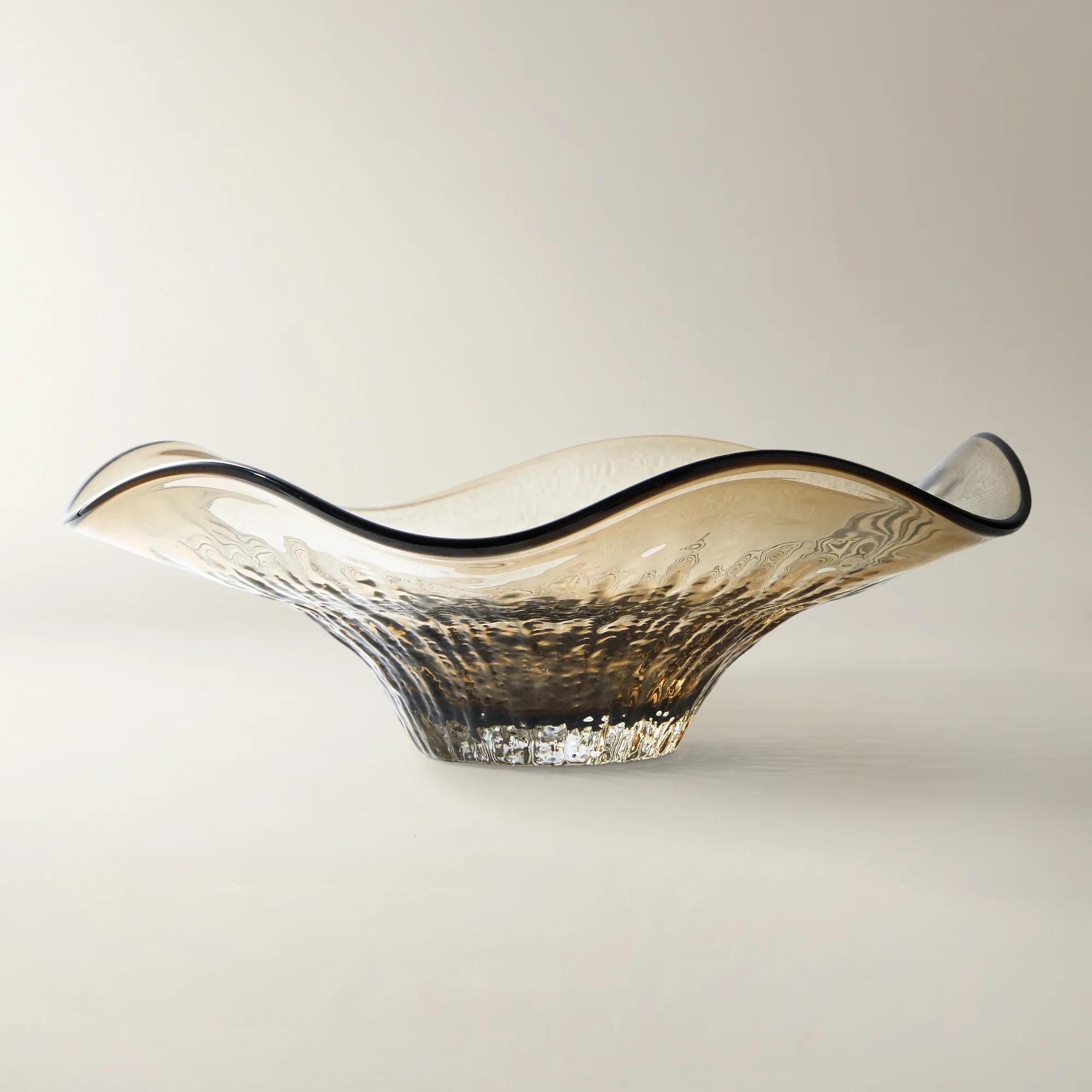 Corsi Brown Handblown Glass Decorative Bowl 15.35" x 5.1"$99
A hand-blown glass bowl in warm amber with organic shape and intricate textural details.
Add To Cart -
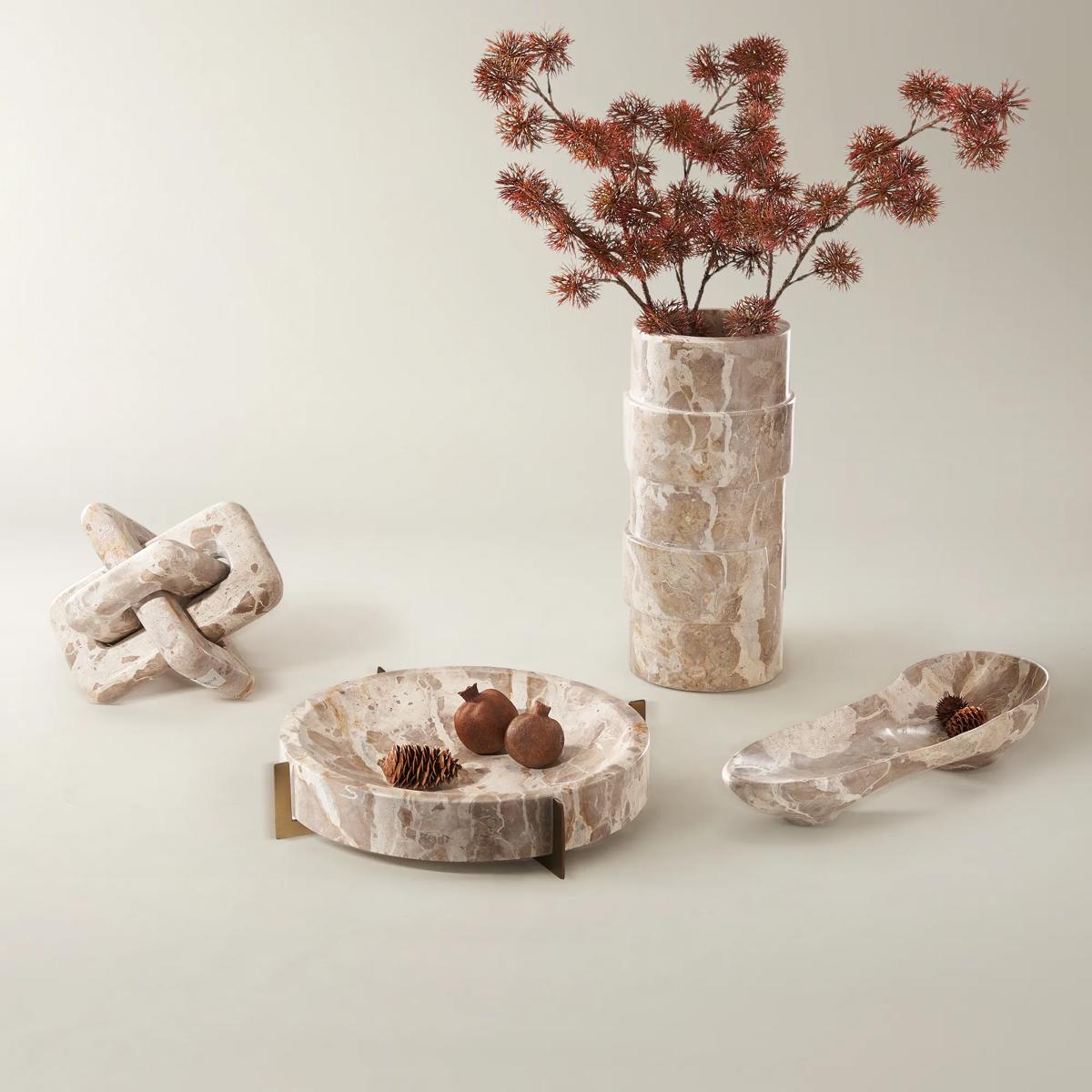
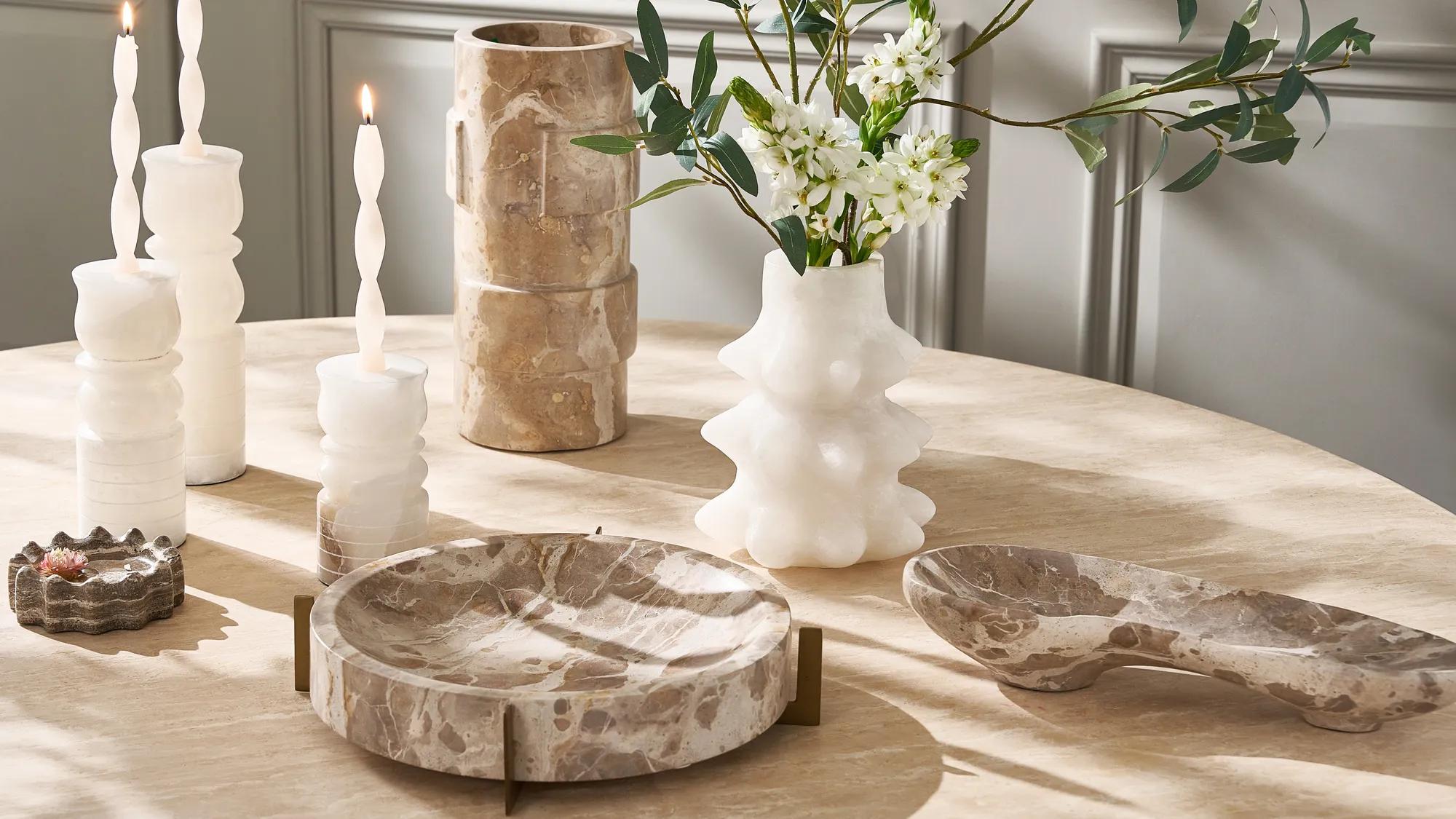 Neutral Marble Collection$129
A handcrafted marble decor collection featuring unique veining, natural neutral tones, and elegant metal accents.
Add To Cart -
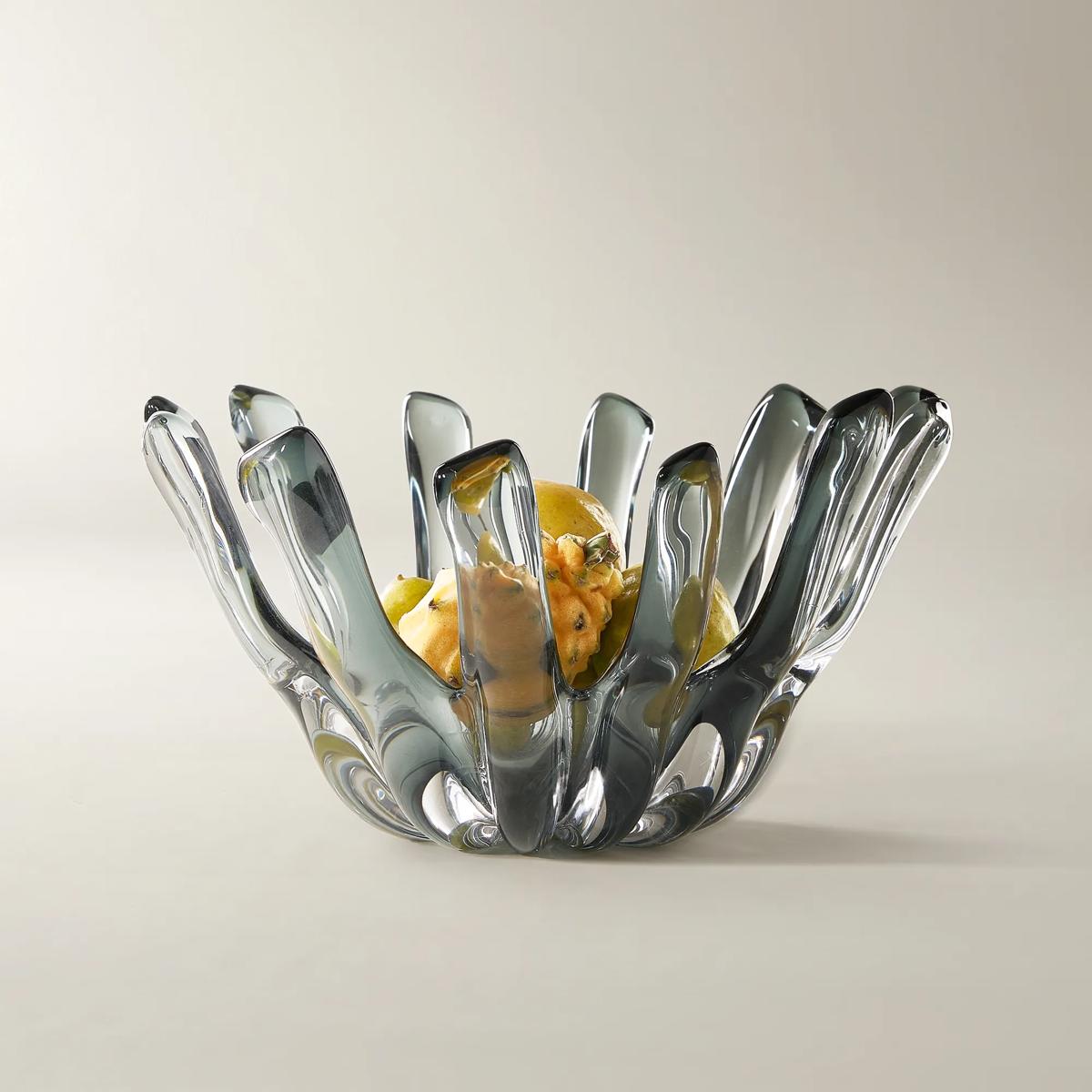 Bossa Smoke Handblown Glass Decorative Bowl 13" x 7"$129
A hand-blown smoky grey glass bowl featuring an expressive, sculptural design for modern decorative displays.
Add To Cart -
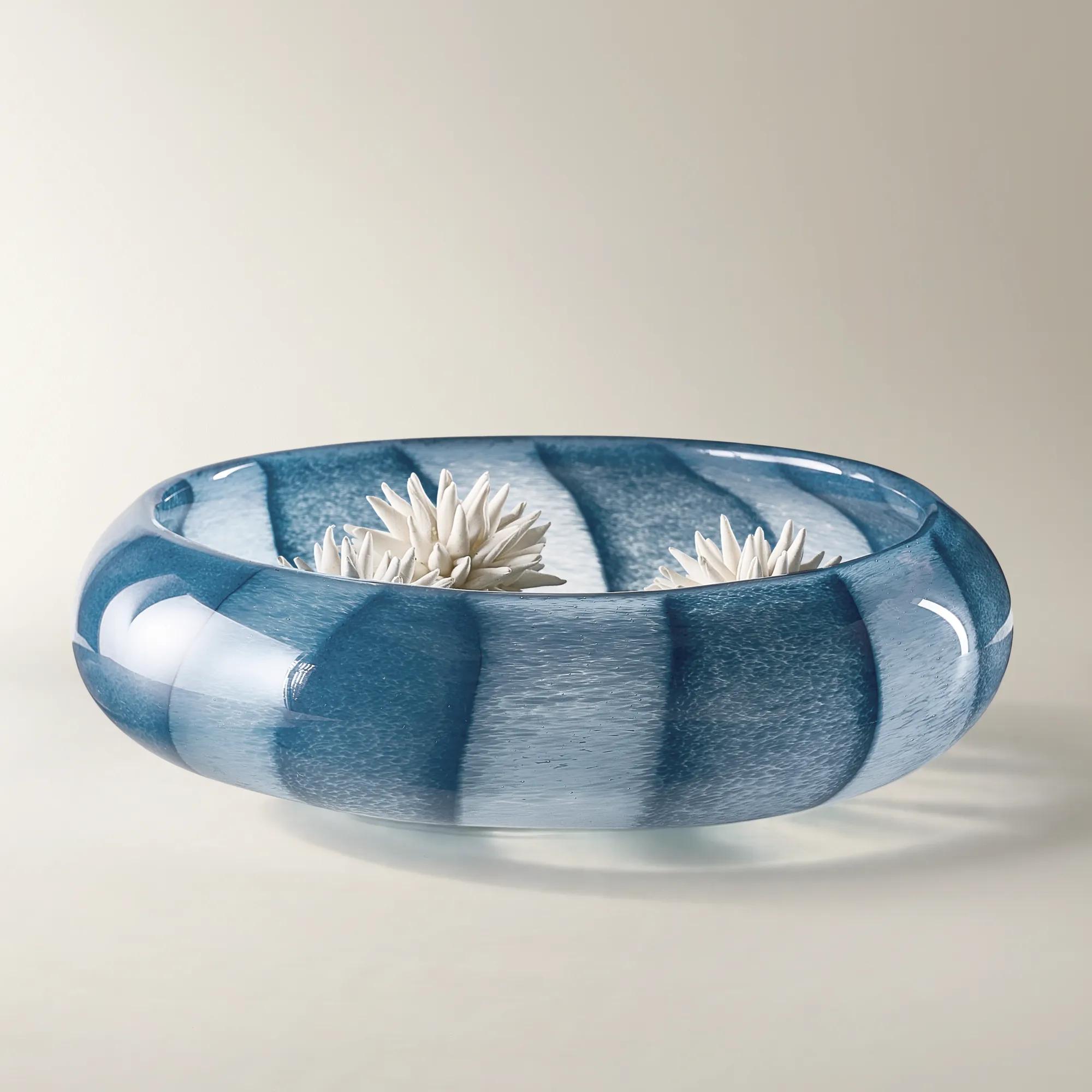 Jonah Mouth Blown Dusty Blue Glass Decorative Bowl 11.75" x 3.5"$89
A handblown glass bowl featuring dusty blue stripes and a sculptural, low rounded silhouette for decor.
Add To Cart -
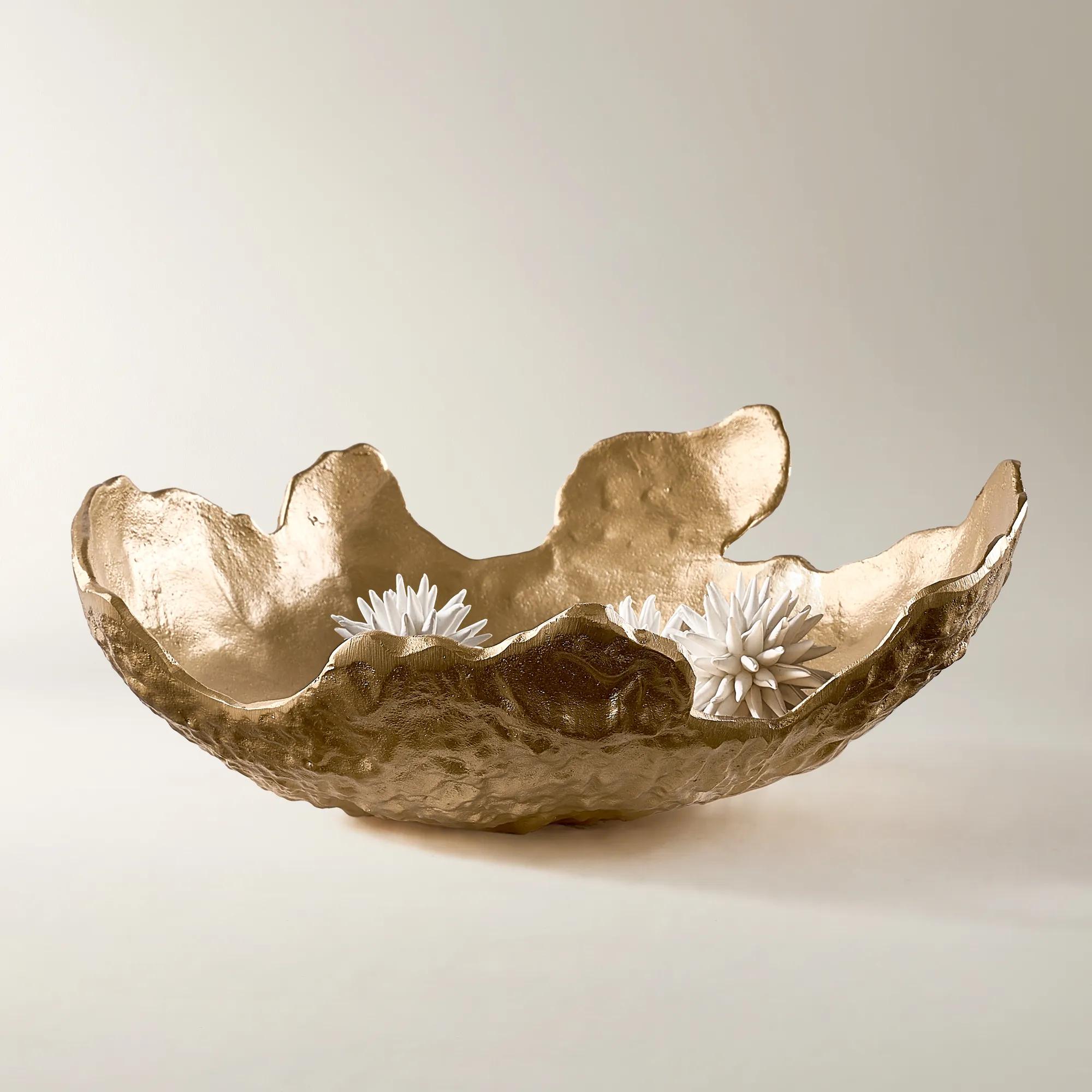 Crush Gold Aluminum Decorative Bowl 16" x 5.75"$169
A sculptural aluminum bowl with a soft gold finish and organic, crushed silhouette for modern decor.
Add To Cart -
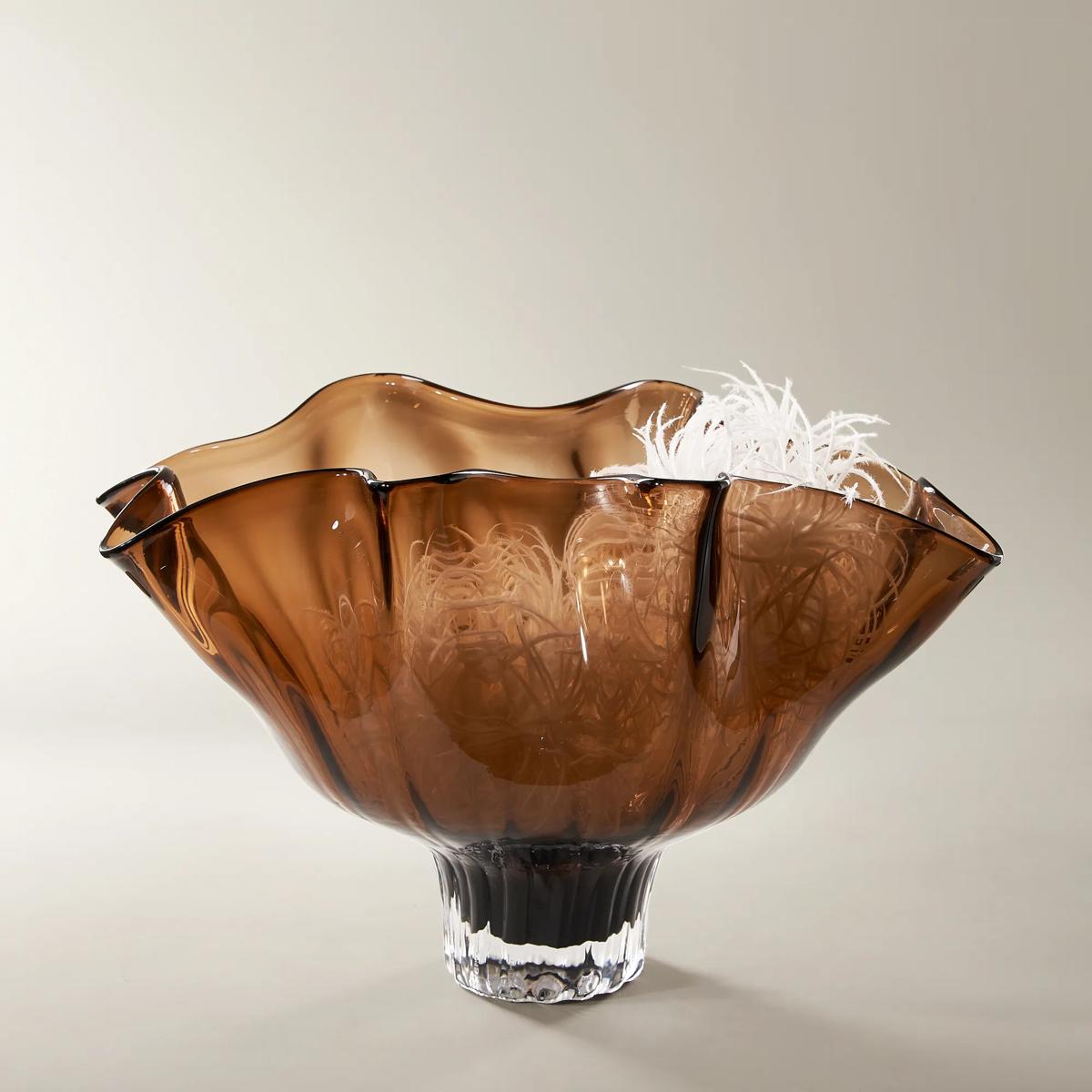
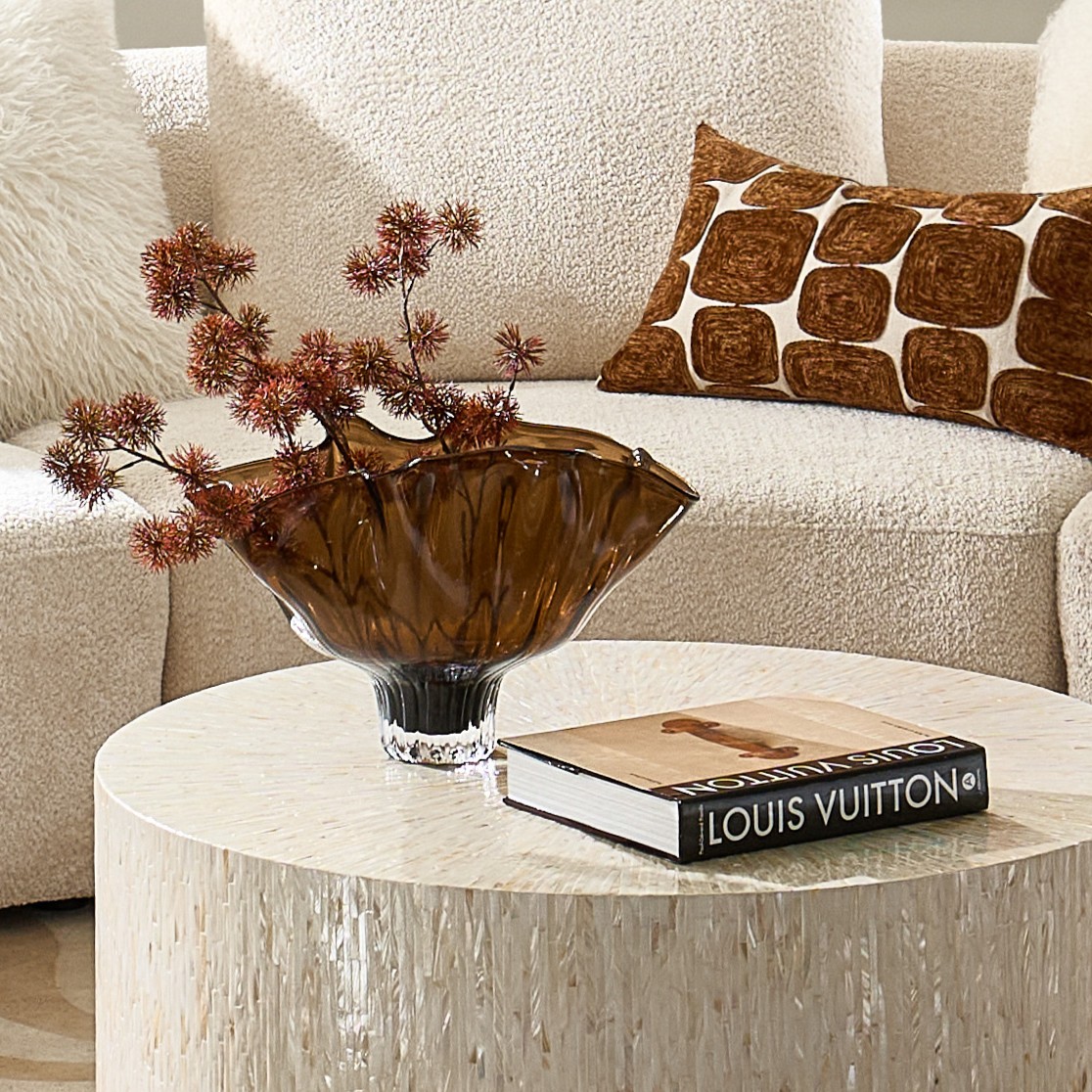 Coco Mouthblown Brown Glass Bowl 17" x 9.75"$139
A hand-blown brown glass bowl with an undulating rim and clear tapered base for sculptural elegance.
Add To Cart -
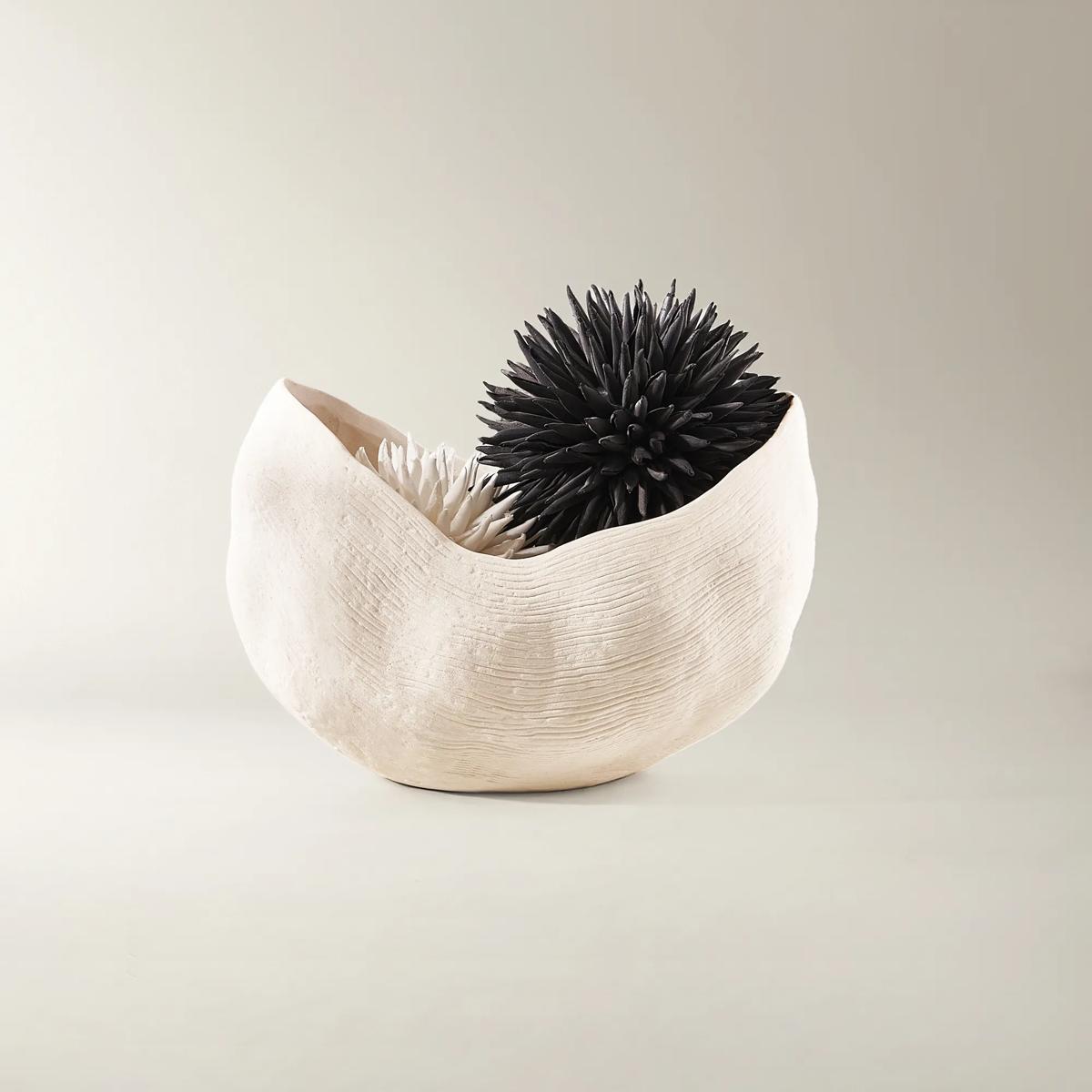 Baz Ivory Porcelain Bowl$119
A sculptural ivory porcelain bowl with a matte, textured finish and organic, free-flowing silhouette.
Add To Cart -
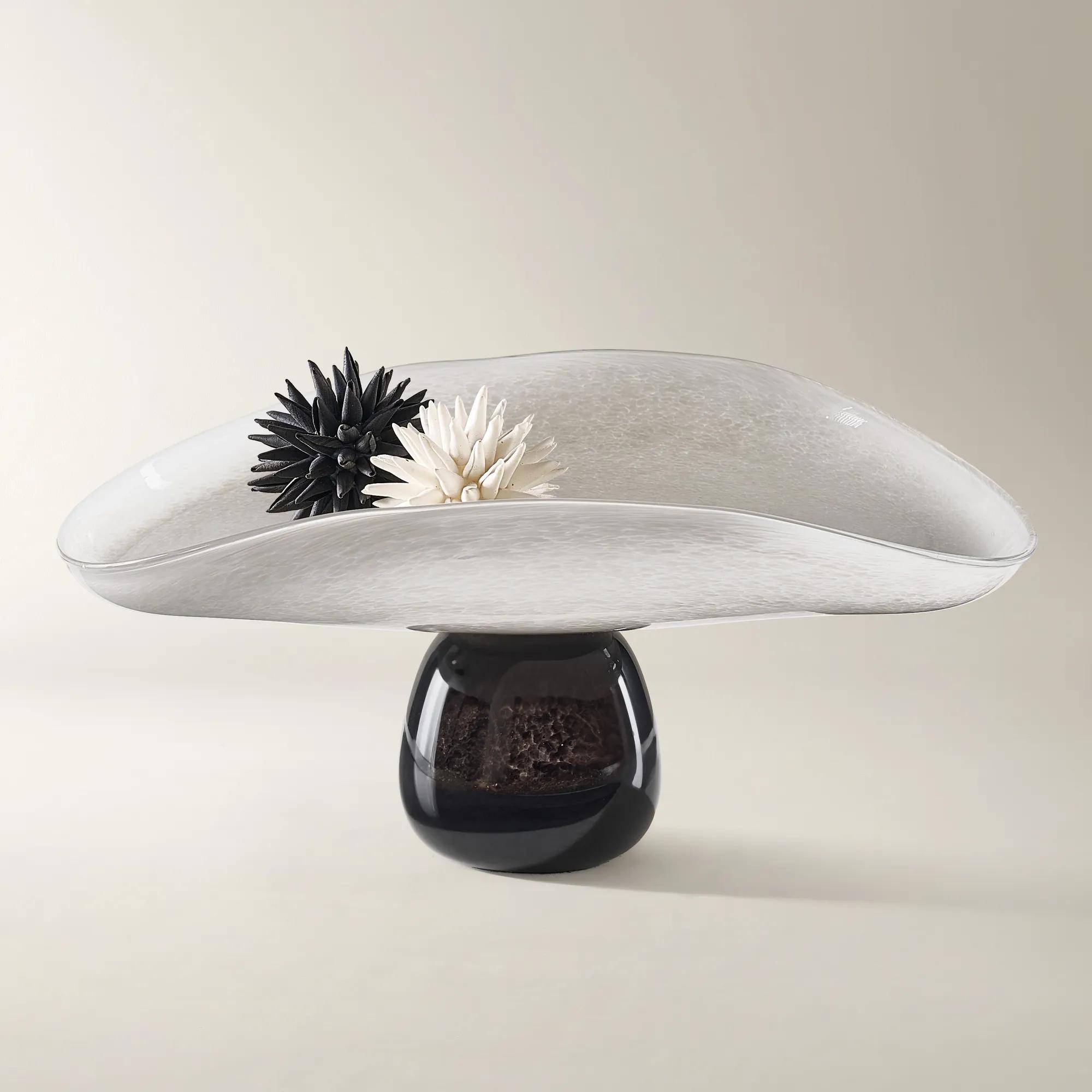 Elois Mouth Blown White Black Pedestal Bowl 14.5" x 7"$149
A handblown glass pedestal bowl featuring striking black and white contrast for a sculptural, modern accent.
Add To Cart -
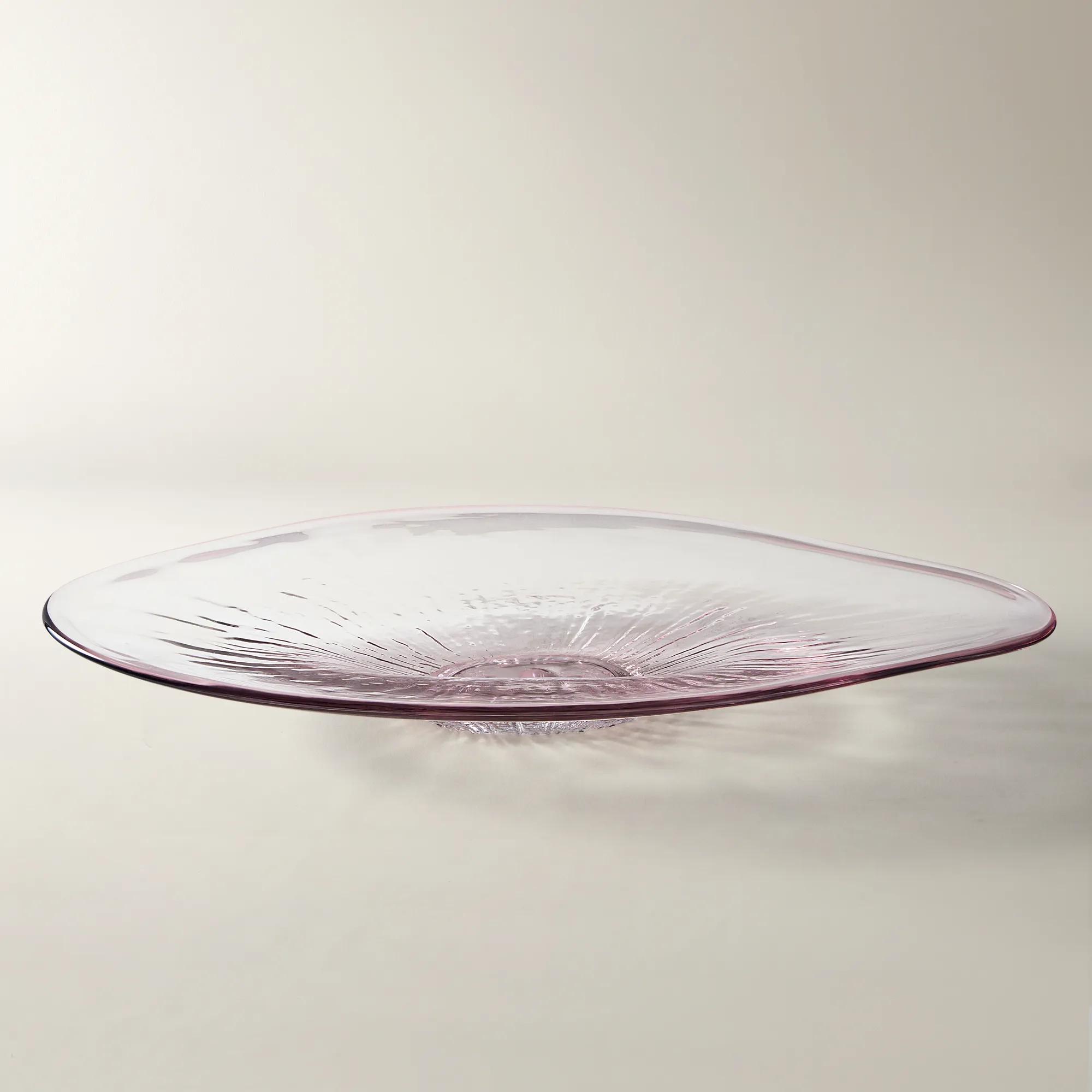 Cortina Decorative Bowl$129
A handblown glass bowl in an ethereal pink hue that brings artistic flair to modern interiors.
Add To Cart -
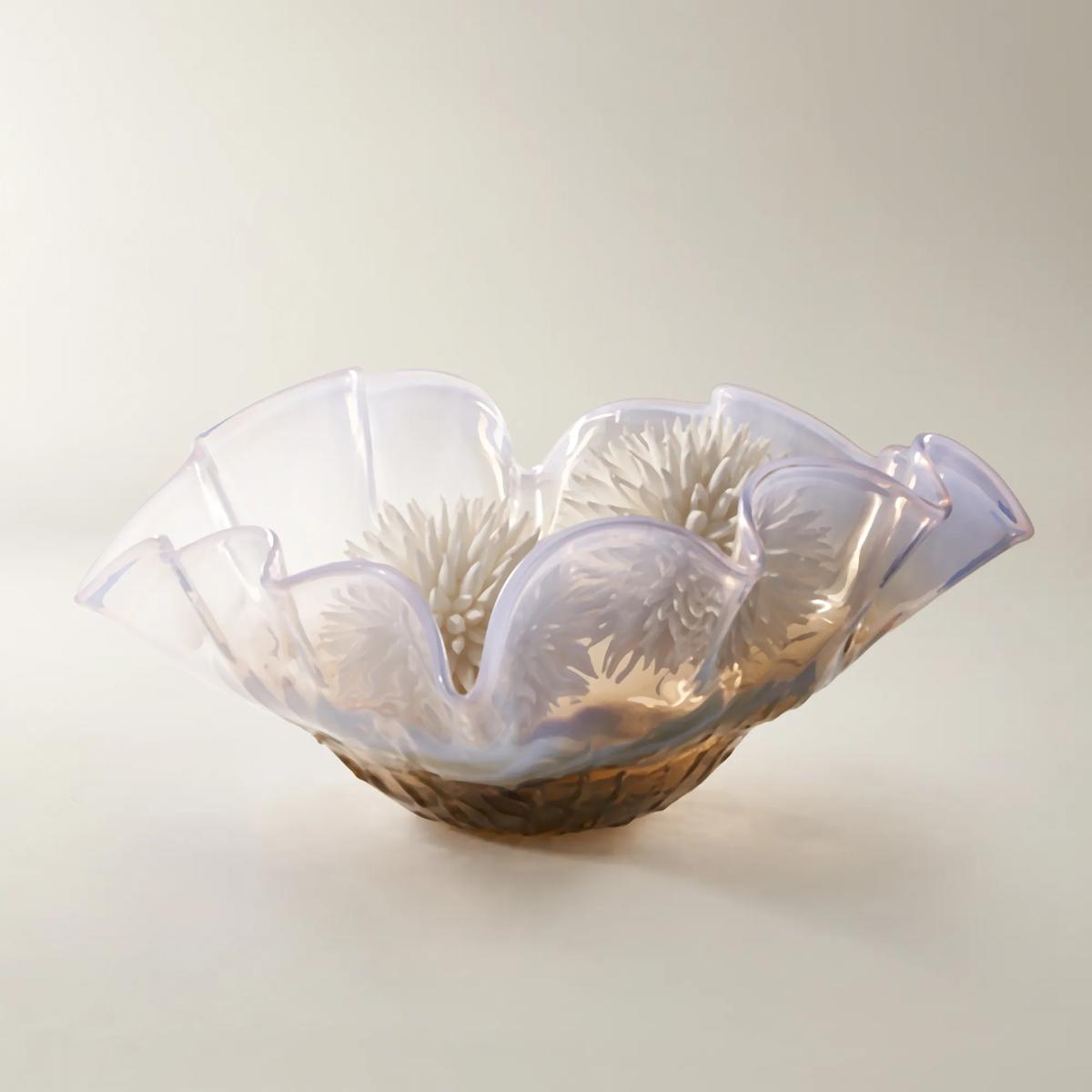
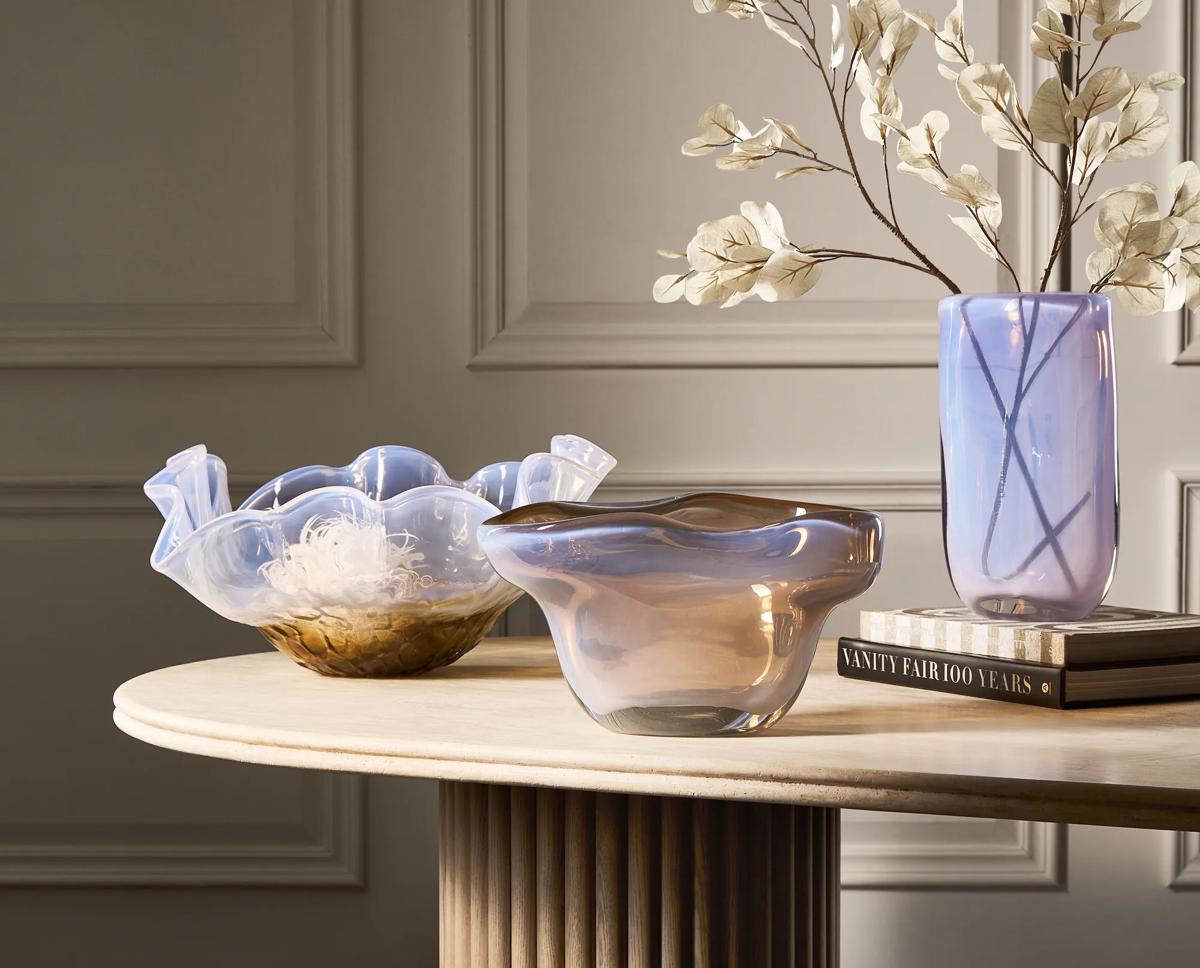 Glacier Glass Bowl$269
A hand-blown glass bowl featuring scalloped edges and swirling lavender and amber hues for artistic elegance.
Add To Cart -
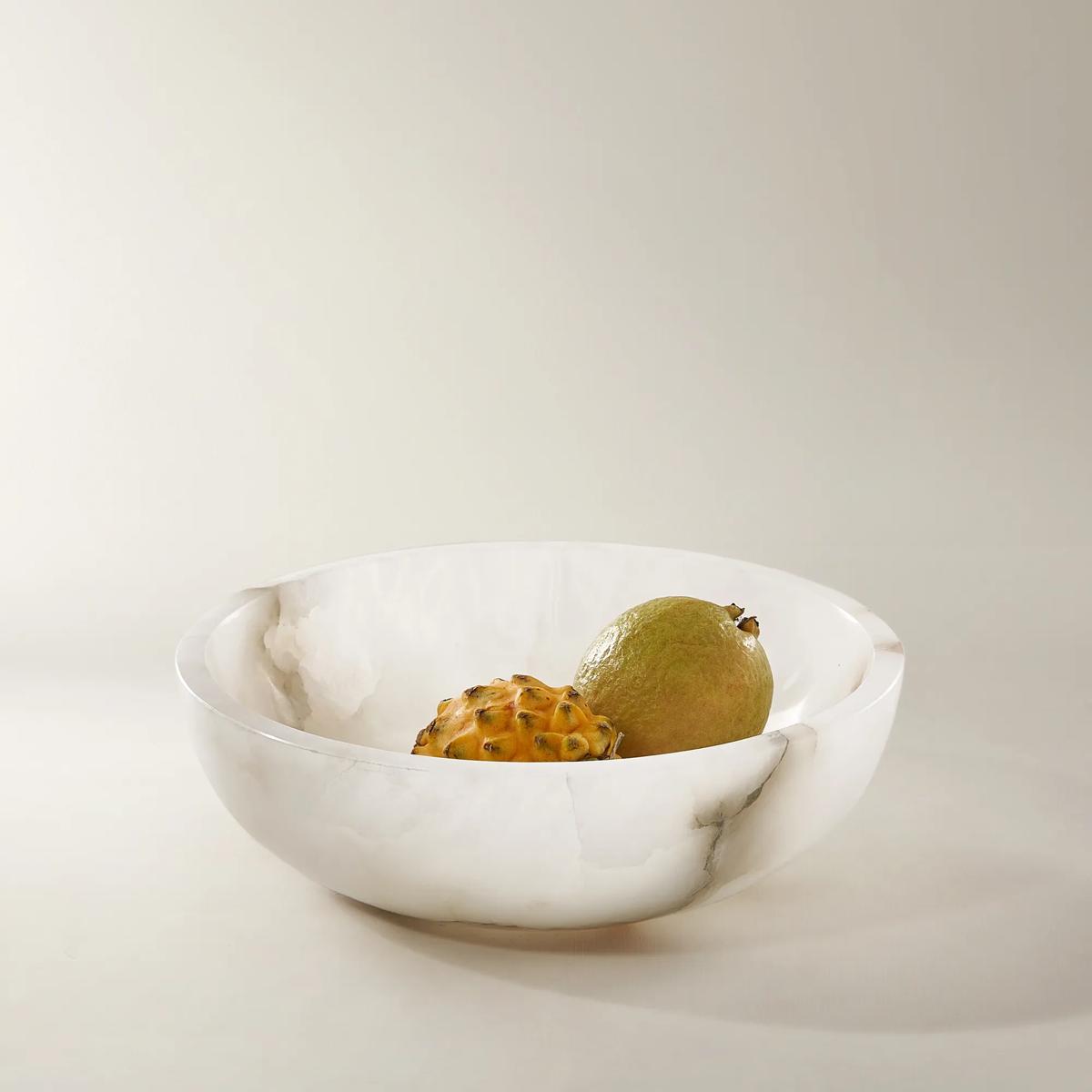 Alabaster Bowl$369
A hand-sculpted alabaster bowl featuring organic veining and soft, milky white translucence.
Add To Cart -
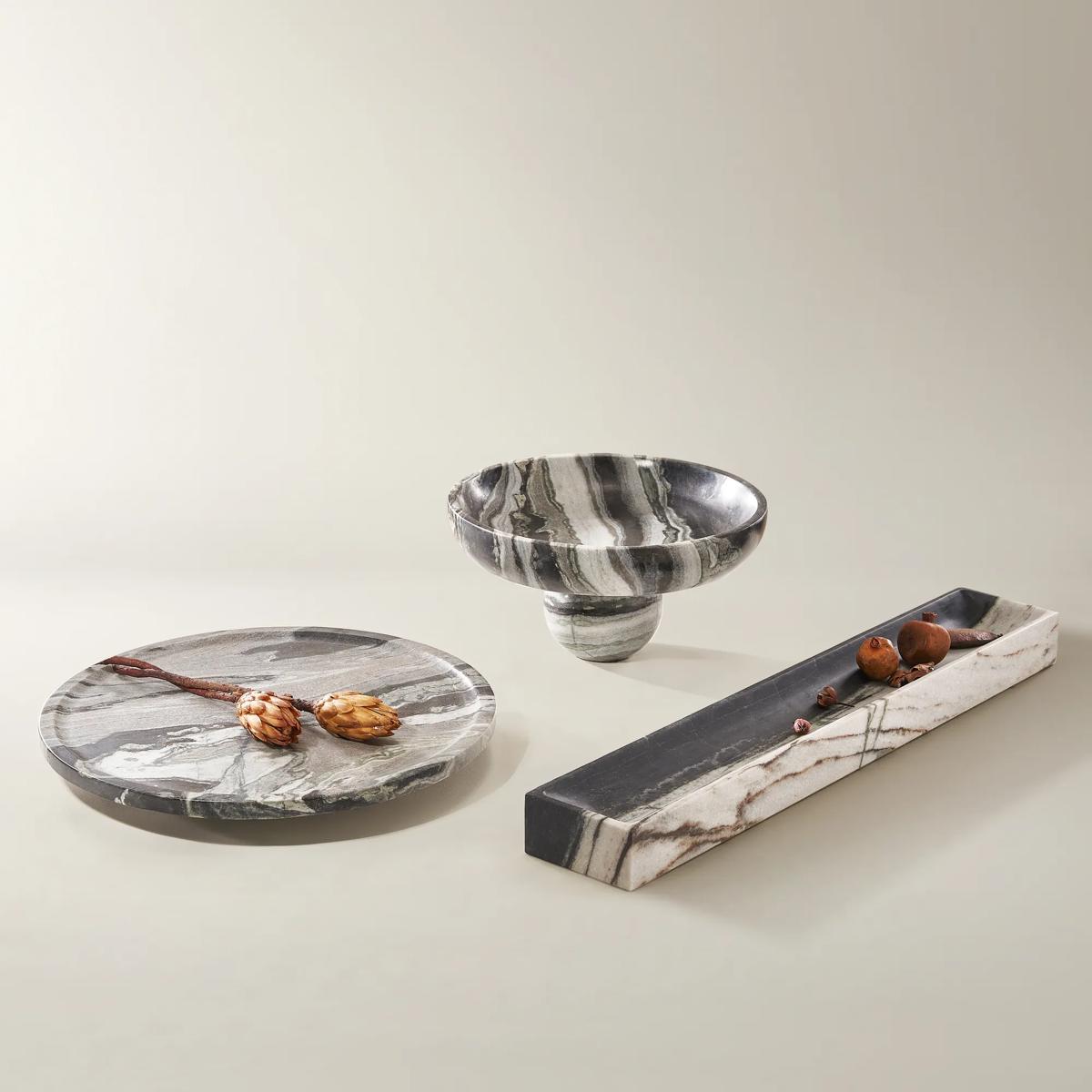
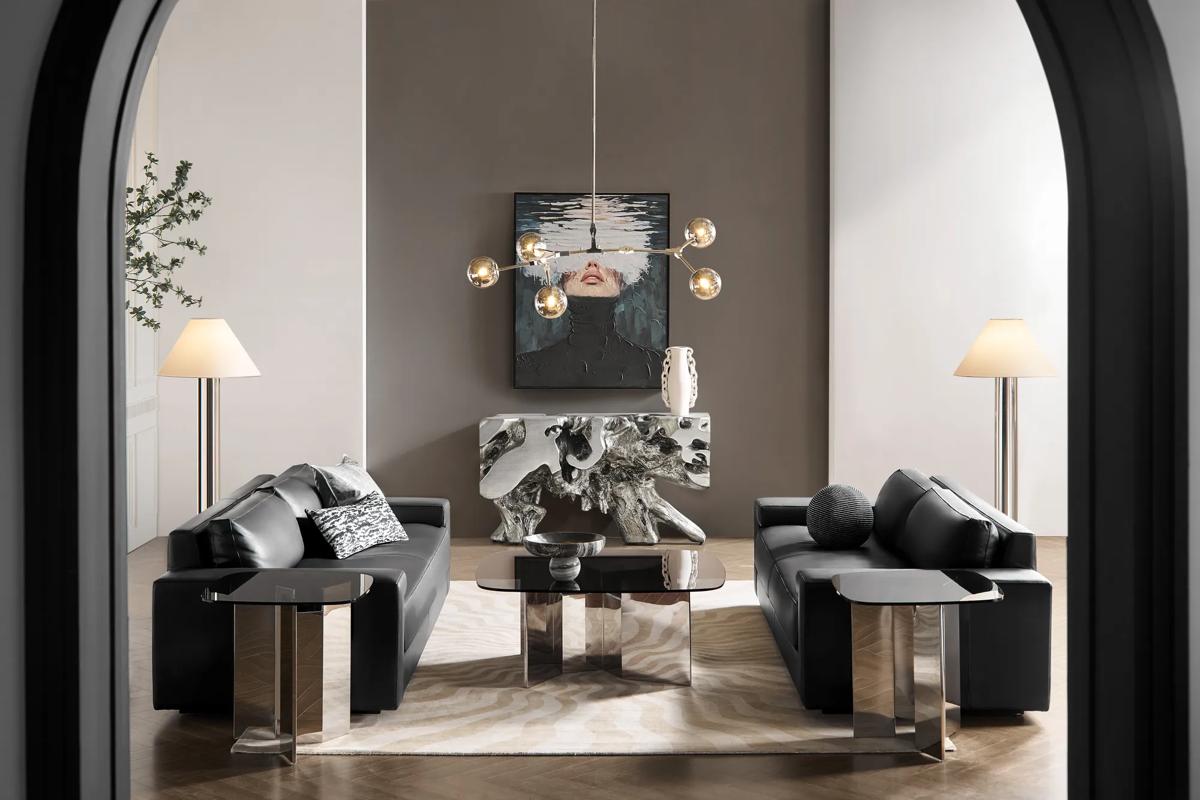 Luxe Marble Collection$149
A striking black marble decor collection featuring unique veining and elegant footed bowl, tray, and riser.
Add To Cart -
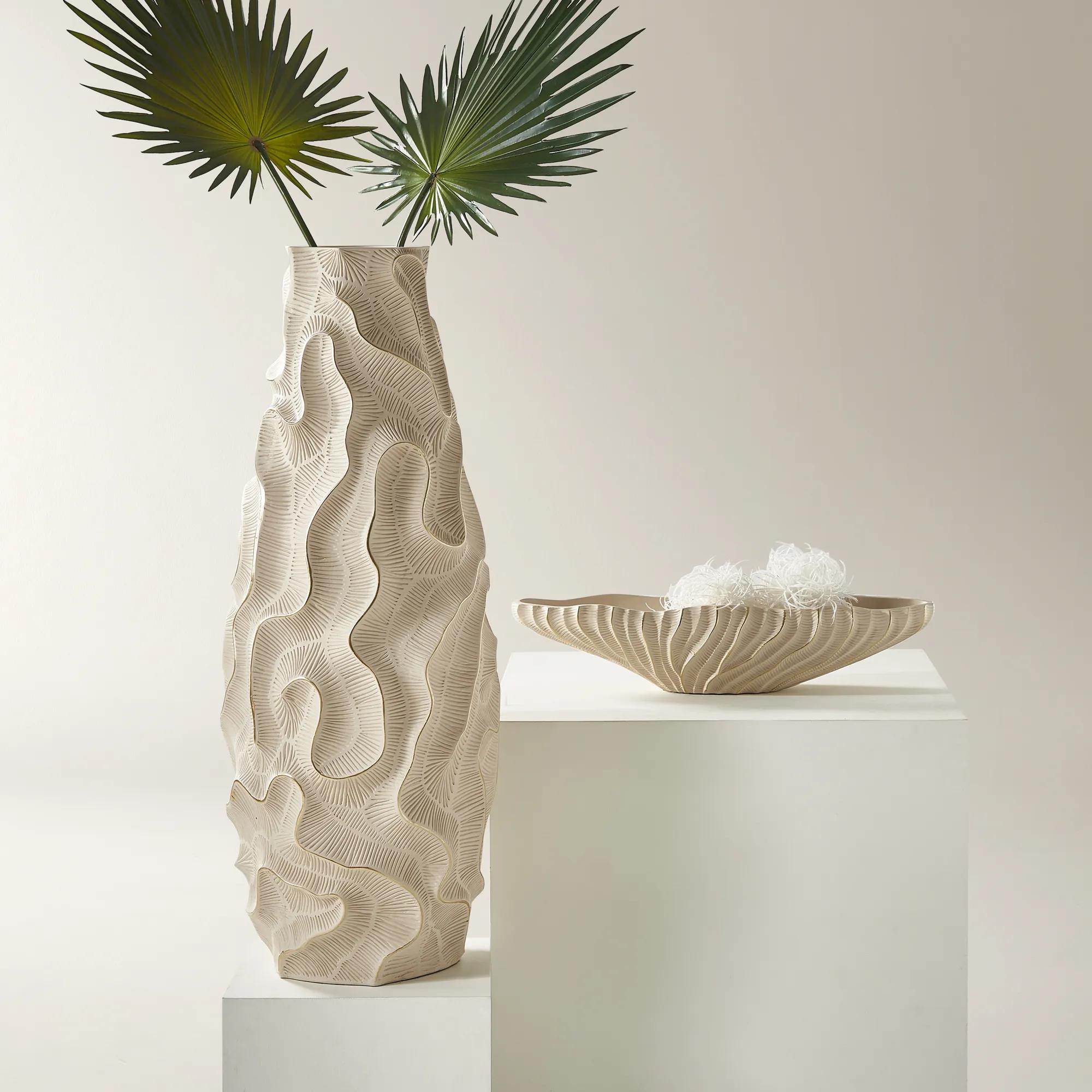
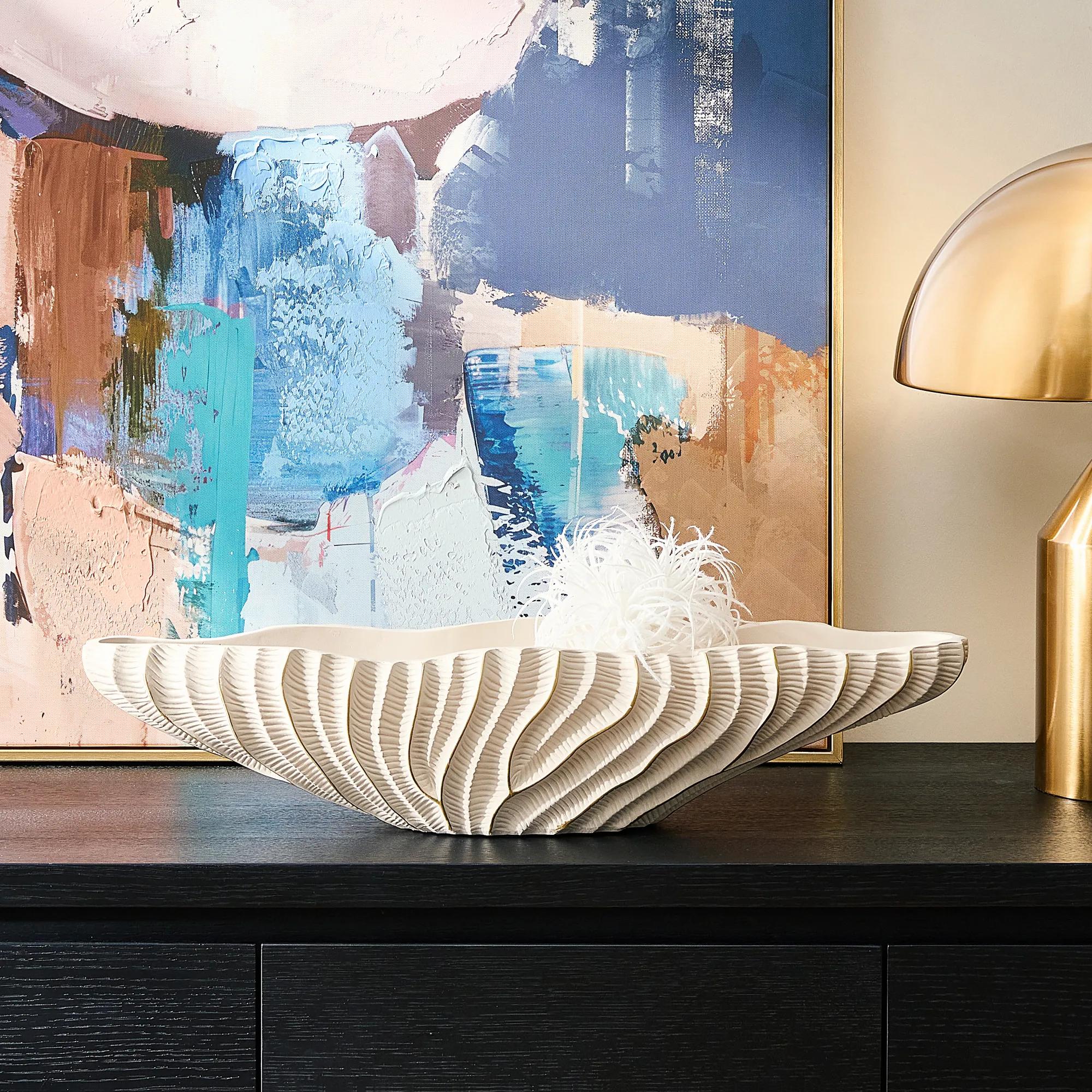 Rouche Ivory And Gold Etched Resin Floor Vase & Bowl$79
An ivory resin collection featuring sculptural, hand-etched textures and undulating organic contours.
Add To Cart -
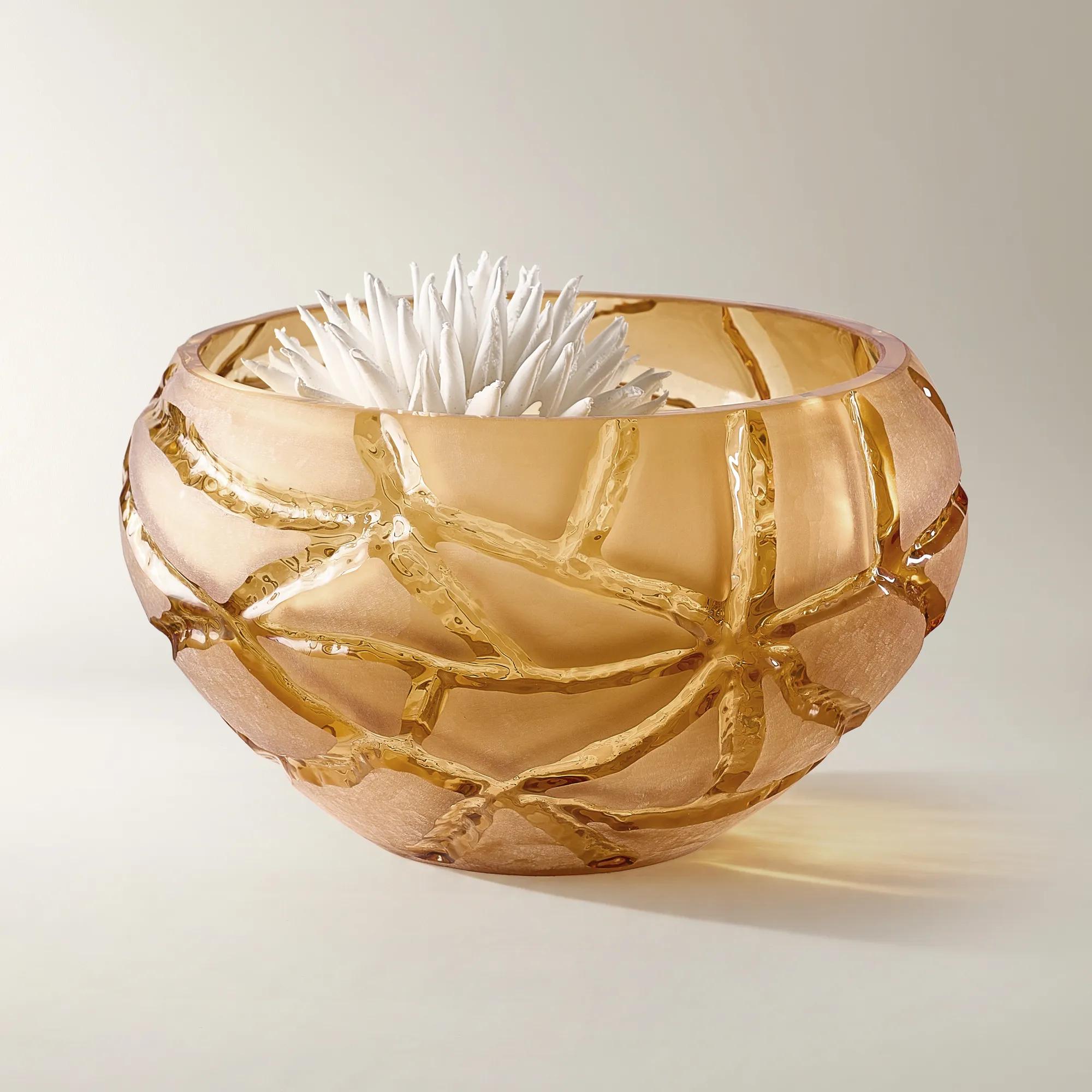 Rowen Mouth Blown Honey Gold Glass Decorative Bowl 11" x 6.25"$129
A handblown glass bowl in honey gold with a textured surface for a luminous, sculptural accent.
Add To Cart -
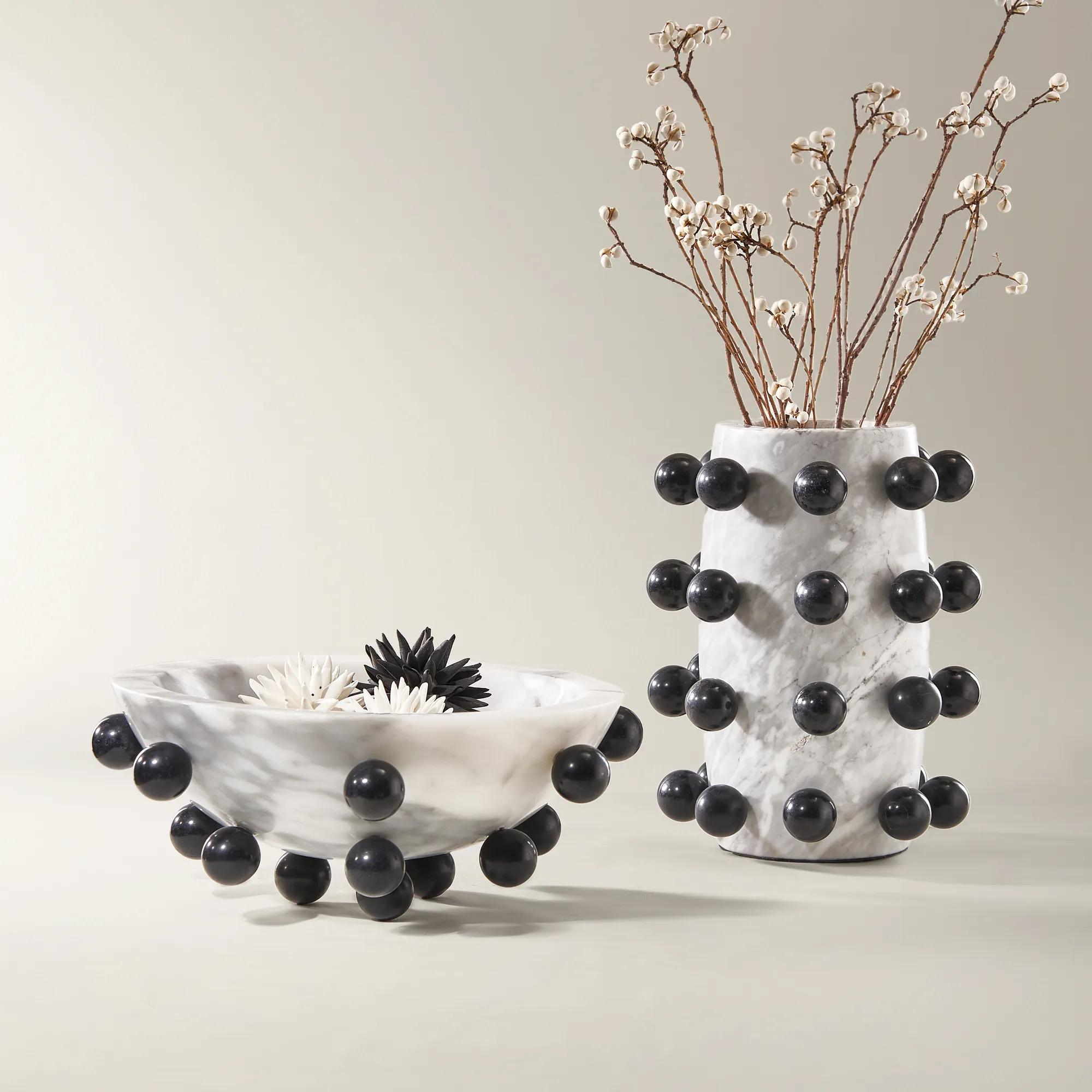 Borra Grey Black Marble Vase & Bowl$219
A sculptural grey marble accent featuring bold black orbs and unique natural veining for modern drama.
Add To Cart -
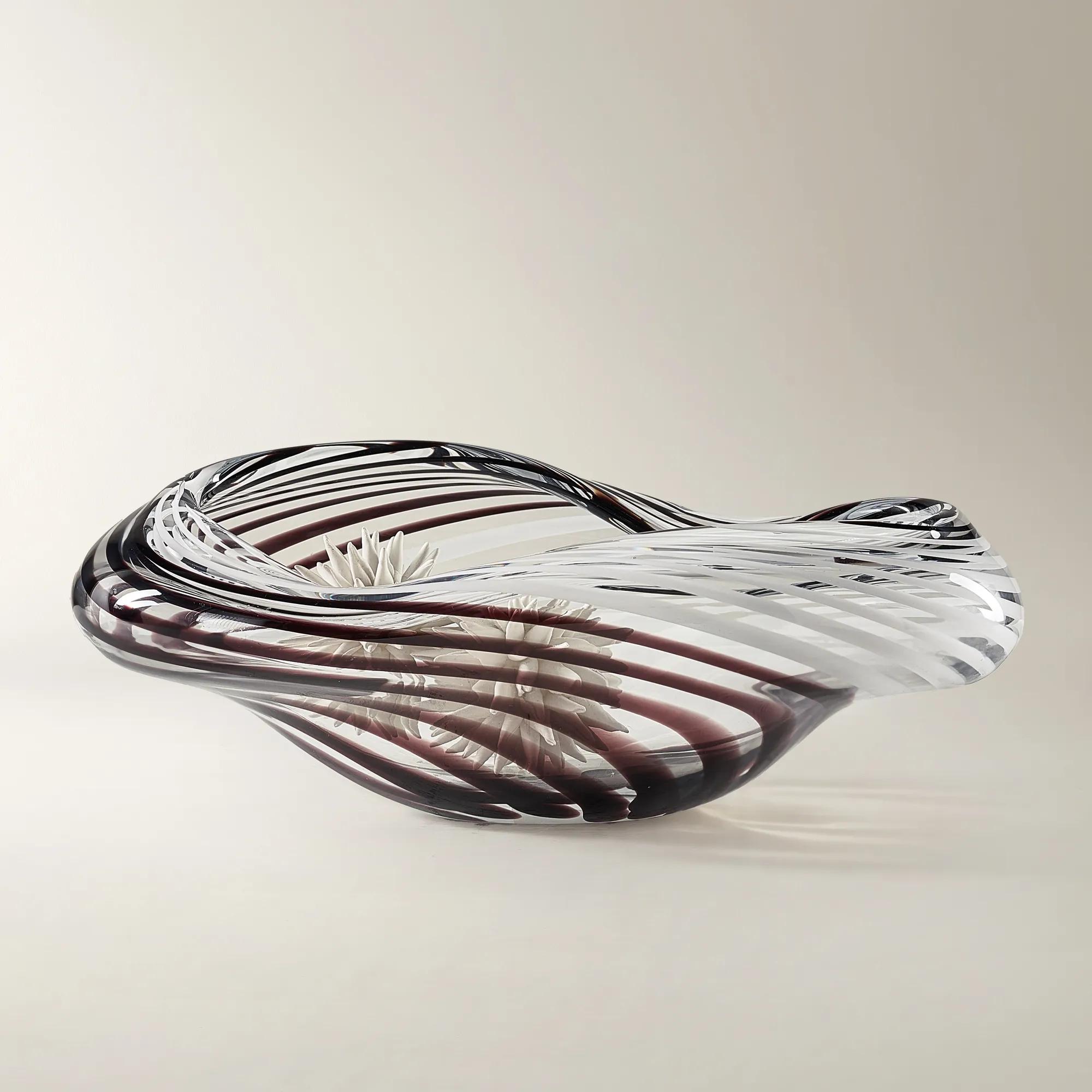 Optic Mouth Blown Black/White Glass Decorative Bowl 17.25" x 5.5"$99
A handblown glass bowl featuring charcoal stripes and a sculptural, Deco-inspired silhouette for decorative display.
Add To Cart -
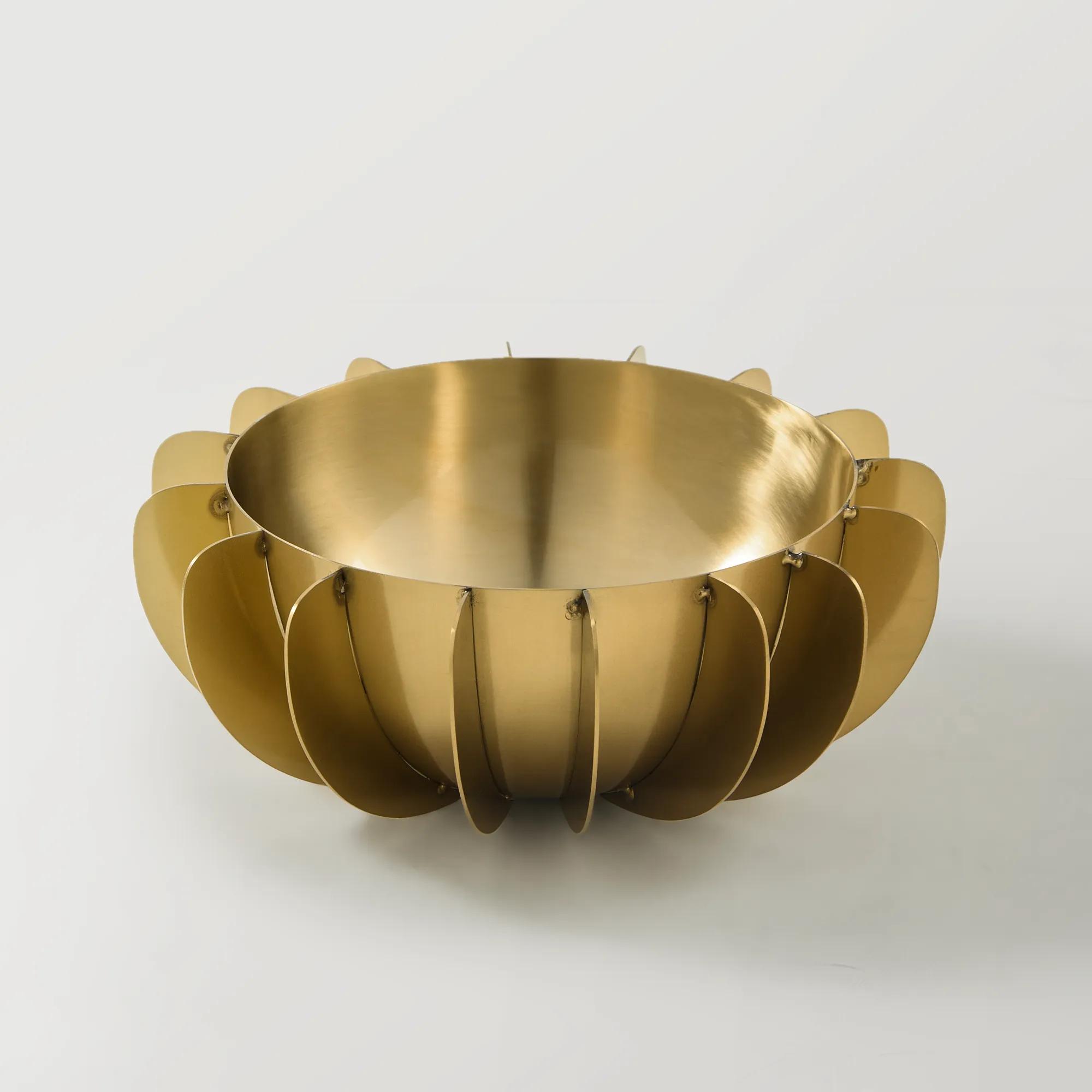
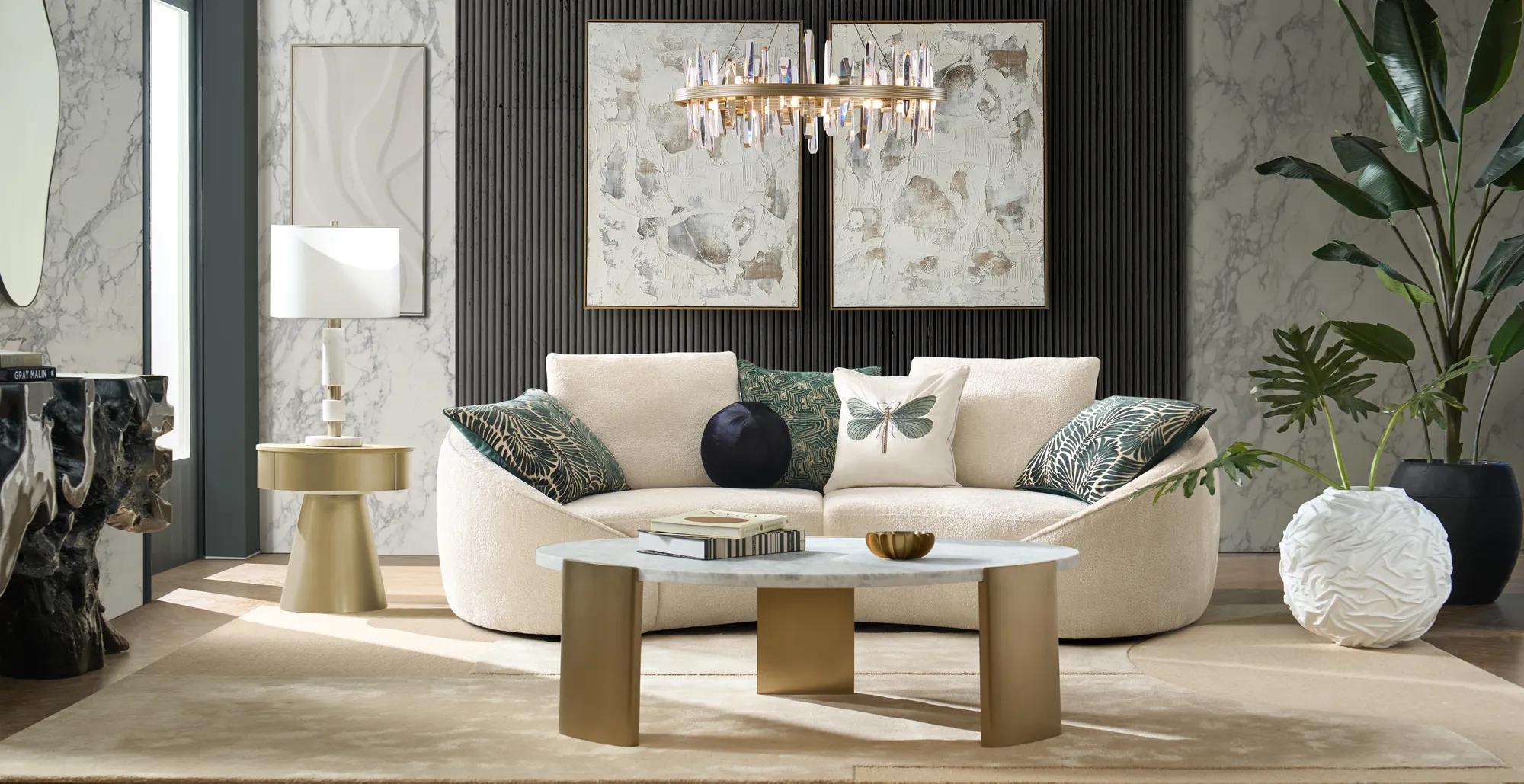 Mezza Collection$99
A gold-plated stainless steel decorative accent that brings timeless glamour and shine to any room.
Add To Cart -
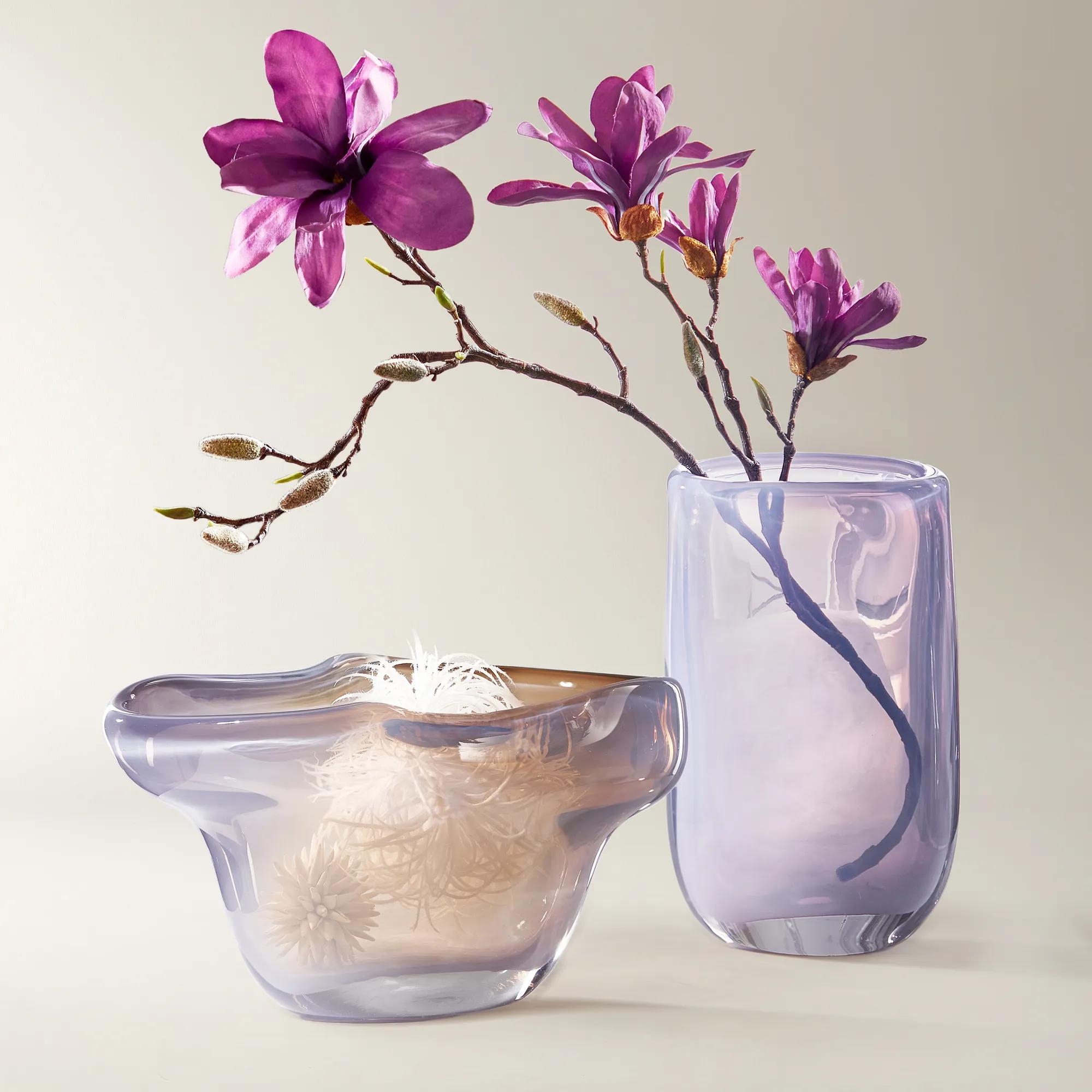
.jpeg?w=1200&h=1200) Aura Collection$189
Aura Collection$189A hand-blown glass accent in dreamy lavender, showcasing fluid curves and modern sculptural artistry.
Add To Cart

Unique Accent Bowls For Dining Rooms
Unique accent bowls for dining rooms are more than mere vessels—they are curated statements, poised to transform every tablescape into a gallery of personal expression. Whether nestled at the heart of a dramatic centerpiece or artfully displayed on a sideboard, these sculptural pieces invite intrigue and admiration. Each bowl is an invitation to layer texture, shimmer, and unexpected artistry into your dining ritual, ensuring that every gathering is imbued with a sense of occasion. Elevate your space with accent bowls that don’t just complement your décor—they command attention and celebrate the art of entertaining boldly.
Unique accent bowls for dining rooms bring sculptural shape, expressive texture, and a deliberate focal point to the spaces where people gather. Unlike a bowl chosen primarily for serving, an accent bowl is selected for its visual presence: the sweep of its rim, the depth of its interior, or the way its finish catches light beneath a chandelier. A broad, shallow silhouette can create a dramatic centerpiece without interrupting conversation across the table, while a raised foot or asymmetrical edge gives a sideboard display an architectural quality. These decorative objects have a long connection to the dining room, where vessels once valued chiefly for their function also became expressions of artistry and personal taste. That relationship between usefulness and beauty still shapes their appeal. Some bowls make their strongest impression empty, allowing a folded contour, rippled surface, or luminous interior to remain fully visible. Others frame a restrained arrangement of decorative spheres or wooden beads, adding dimension without concealing the vessel itself. The most compelling choice responds to the room rather than simply repeating it. Against a dark wood dining table, an ivory bowl introduces a crisp, sculptural contrast; on pale stone, a deep charcoal finish creates a rich visual anchor. A gleaming metallic interior can echo the warmth of brass lighting without requiring every accent to match. For rooms with patterned upholstery or richly veined surfaces, a bowl with a clear silhouette offers definition amid the detail. In a more restrained setting, an irregular rim or deeply textured exterior can supply the expressive gesture the room needs. Related Decorative Bowls For Dining Room Tables offer another way to explore the relationship between tabletop scale and decorative presence. Whether placed at the center of a table or composed beside artwork on a buffet, an accent bowl gives the eye somewhere to settle. Its appeal lies as much in the space around it as in the object itself: enough breathing room lets an unusual profile read as sculpture rather than another accessory.
Material gives a dining room accent bowl its character, influencing everything from reflected light to weight, durability, and everyday care. Ceramic and porcelain lend themselves to expressive forms, including fluted walls, generous curves, and surfaces that range from matte to glossy. A glazed finish can emphasize the movement of a sculpted edge, while an unglazed surface offers a quieter, tactile presence; both require thoughtful handling because rims and projecting details can chip if knocked. Glass introduces transparency and visual depth, allowing the tabletop beneath it to remain part of the composition. Clear glass feels especially dimensional beside opaque objects, while colored glass can draw a subtle thread from nearby upholstery or art. Fingerprints and dust may be more noticeable on polished surfaces, making gentle, regular cleaning important to their appearance. Metal bowls bring a different kind of drama, from softly brushed finishes to highly reflective interiors that gather the room’s light. Their resistance to breakage does not make every surface scratchproof, and plated or coated finishes may need particularly gentle care. Natural stone offers substantial weight and individual veining, qualities that can make even a simple shape feel commanding. Marble and other porous stones may stain or react to acidic substances, so suitability for food, liquids, and cleaning products should never be assumed. Wood contributes grain and warmth, creating a rich counterpoint to glass, lacquer, and metallic furniture, though prolonged moisture and excessive dryness can affect its surface or shape. Resin can support elaborate contours without the heft of some stone designs, but its care requirements and sensitivity to heat depend on its composition and finish. For any material, the maker’s instructions should determine cleaning methods. A soft cloth is often appropriate for routine dusting, while abrasive pads, harsh cleaners, soaking, and dishwasher use should be avoided unless expressly permitted. Protective pads beneath a stable base can help shield a dining table from scratches, particularly when the bowl is substantial or moved often.
Proportion determines whether a decorative centerpiece bowl feels assured or overwhelms its setting. The relevant dimensions include not only width and height but also the footprint of the base, the reach of an uneven rim, and the usable space left for dining. On a round table, a single generous bowl can reinforce the table’s shape while leaving a comfortable border for place settings. A long rectangular table may accommodate an elongated vessel or a low bowl positioned within a larger arrangement, provided plates, glasses, and serving dishes still have room. Visual weight matters, too: a thick stone bowl can command attention at a smaller size than a transparent glass vessel. For a table used every day, a centerpiece that is easy to lift and relocate makes the transition from display to dinner more graceful. Lower profiles generally preserve sightlines, while taller pedestal forms often have greater freedom on a console or sideboard. Nearby candleholders or a vase can introduce contrasting heights, but open flames and hot wax should remain safely separated from the bowl and its contents. Intended use deserves equal attention. A decorative bowl is not automatically food-safe, watertight, or suitable for hot dishes; direct contact with fruit, bread, or other foods is appropriate only when the piece is identified for that purpose. Decorative fillers should also suit the finish, since rough stones can scratch delicate interiors and dyed materials may transfer color. For households with children or pets, a stable base and placement away from edges are especially important, and heavy pieces are best kept where they are unlikely to be pulled or tipped. Accent bowls also make thoughtful housewarming or wedding gifts for people who enjoy interiors, particularly when their taste in color, texture, and entertaining is familiar. A recipient who favors dramatic tablescapes may appreciate a striking contour, while someone with a treasured dining table may value a vessel that complements its finish. Chosen with that sensitivity, the bowl becomes a lasting part of the room’s identity—an object with enough presence to hold attention, even when it holds nothing else.
FAQs
Accent bowls are transformative design elements that bring texture, color, and artistry to your dining space. Whether displayed as a centerpiece or layered among other decor, they create visual interest and set the tone for gatherings, making every meal feel like a curated experience.
Elegant accent bowls are crafted from a variety of luxurious materials, including hand-blown glass, polished metals, fine ceramics, marble, and even resin. Each material offers a distinct mood—glass provides luminous clarity, metal adds a gleaming edge, and ceramics introduce warmth and artisanal charm.
Absolutely. Accent bowls make thoughtful and memorable gifts for housewarmings, weddings, anniversaries, or holidays. Their versatility and expressive design ensure they’ll be cherished and displayed, adding a touch of artistry to the recipient’s home.
Pair accent bowls with complementary table linens, dramatic candleholders, or decorative trays to create a layered, cohesive look. Mixing materials and finishes—such as placing a metallic bowl on a wood table—adds depth and sophistication to your tablescape.
Yes, accent bowls are wonderfully versatile. Use them on console tables, buffets, or shelves to display seasonal decor, collect keepsakes, or simply as sculptural art pieces that enliven any room in your home.
.jpeg?w=3739&h=3739)