Home Accent Bowls
Home Accent Bowls
-
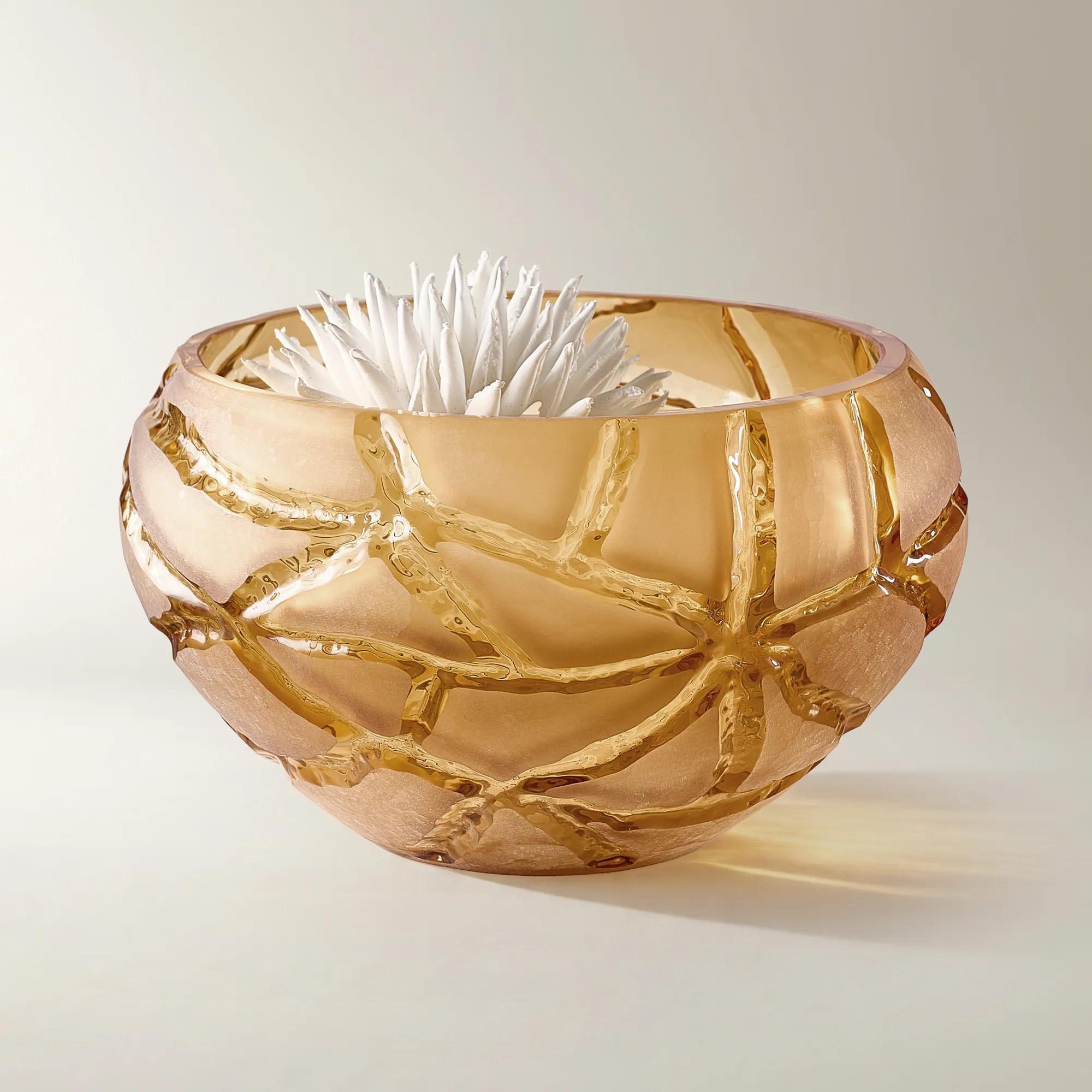 Rowen Mouth Blown Honey Gold Glass Decorative Bowl 11" x 6.25"$129
A handblown glass bowl in honey gold with a textured surface for a luminous, sculptural accent.
Add To Cart -
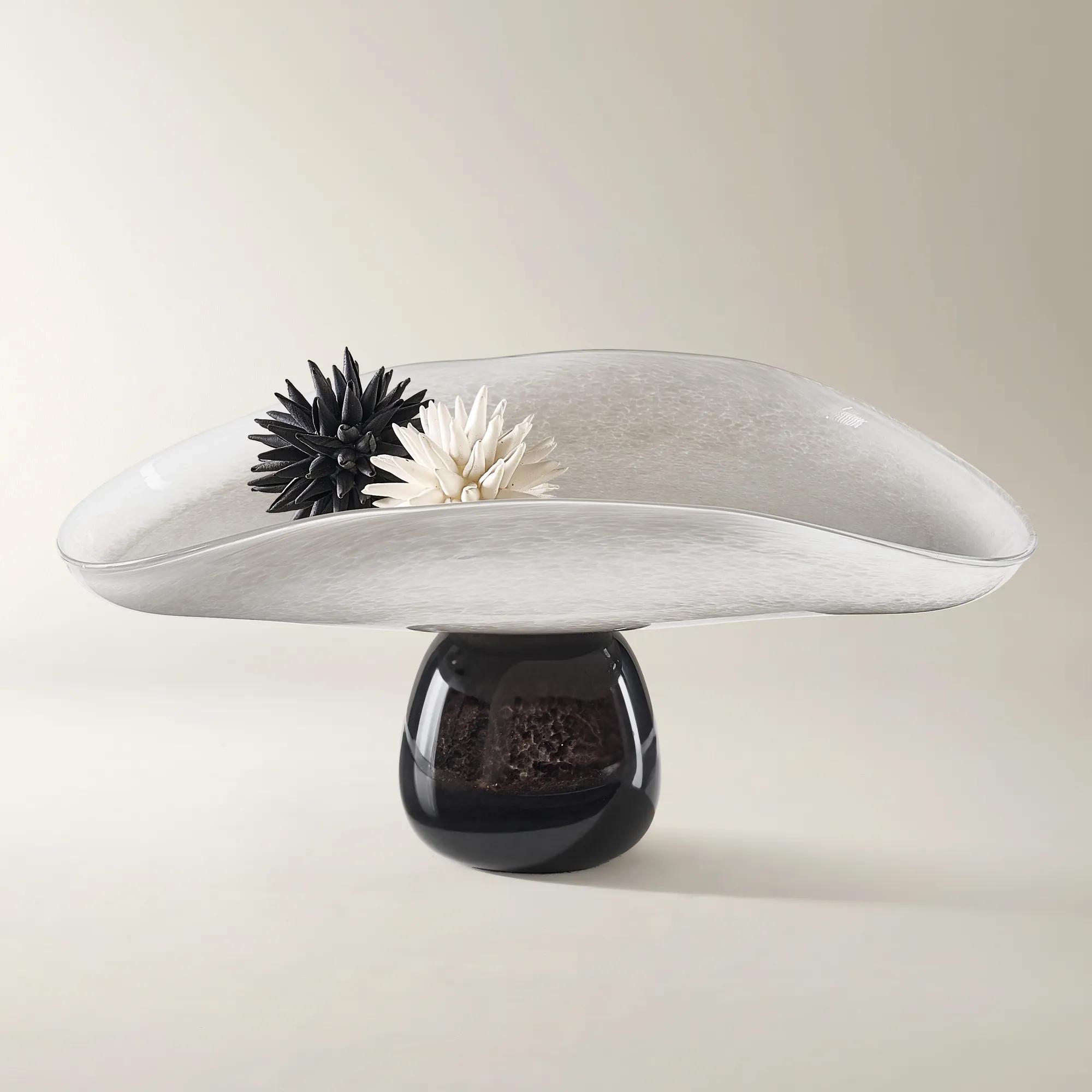 Elois Mouth Blown White Black Pedestal Bowl 14.5" x 7"$149
A handblown glass pedestal bowl featuring striking black and white contrast for a sculptural, modern accent.
Add To Cart -
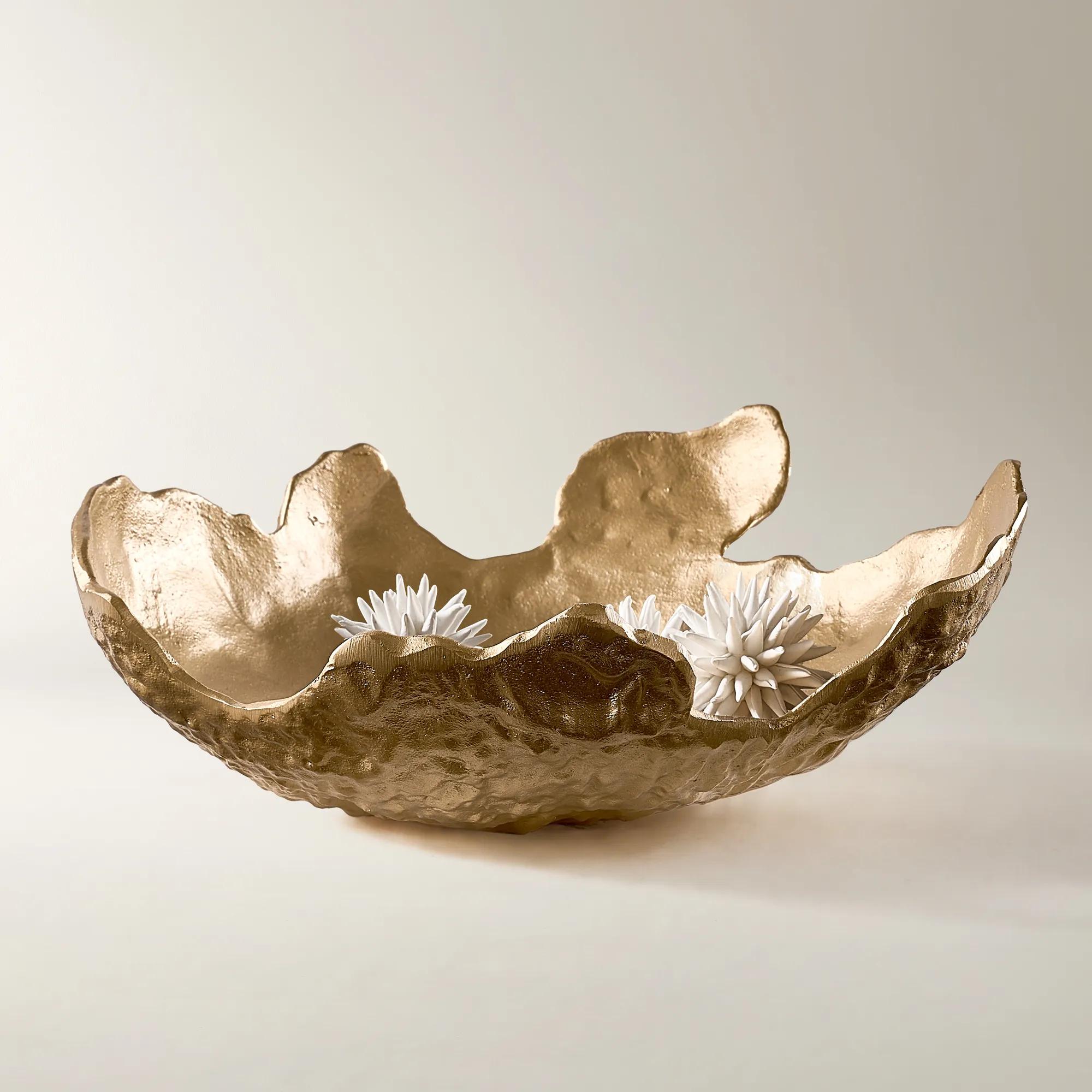 Crush Gold Aluminum Decorative Bowl 16" x 5.75"$169
A sculptural aluminum bowl with a soft gold finish and organic, crushed silhouette for modern decor.
Add To Cart -
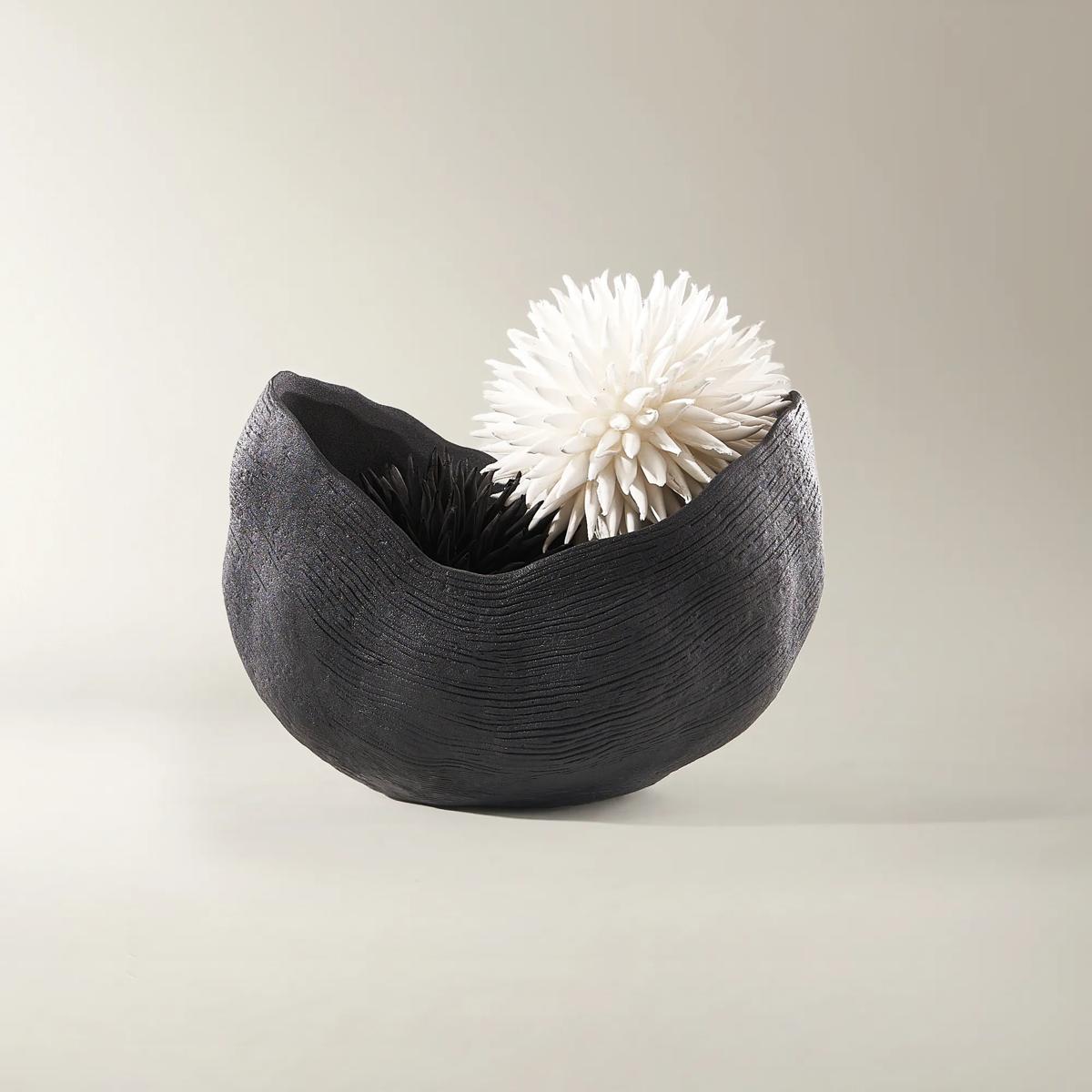 Baz Bowl - Black$119
A sculptural black porcelain bowl with a matte, ridged texture for bold, modern decor accents.
Add To Cart -
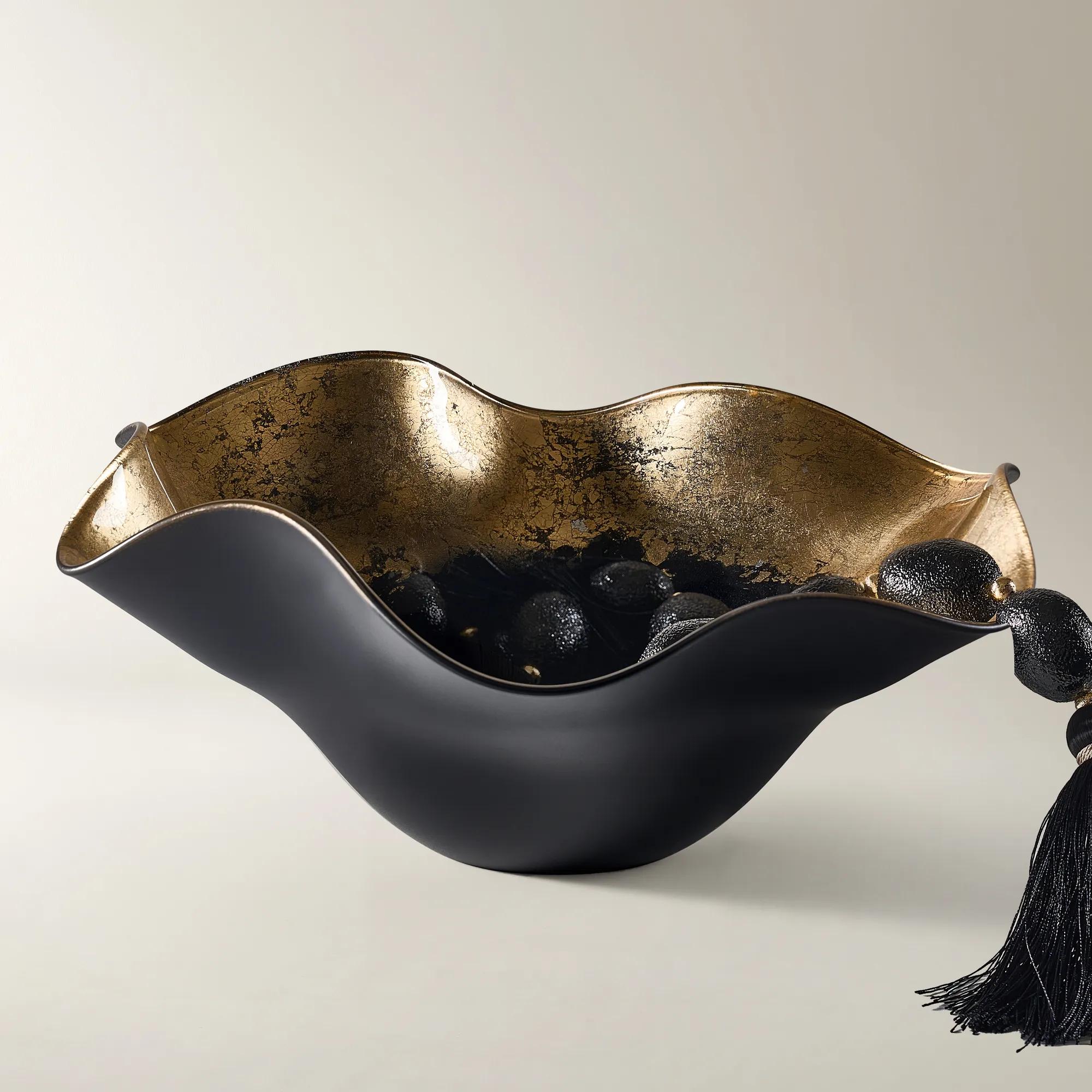
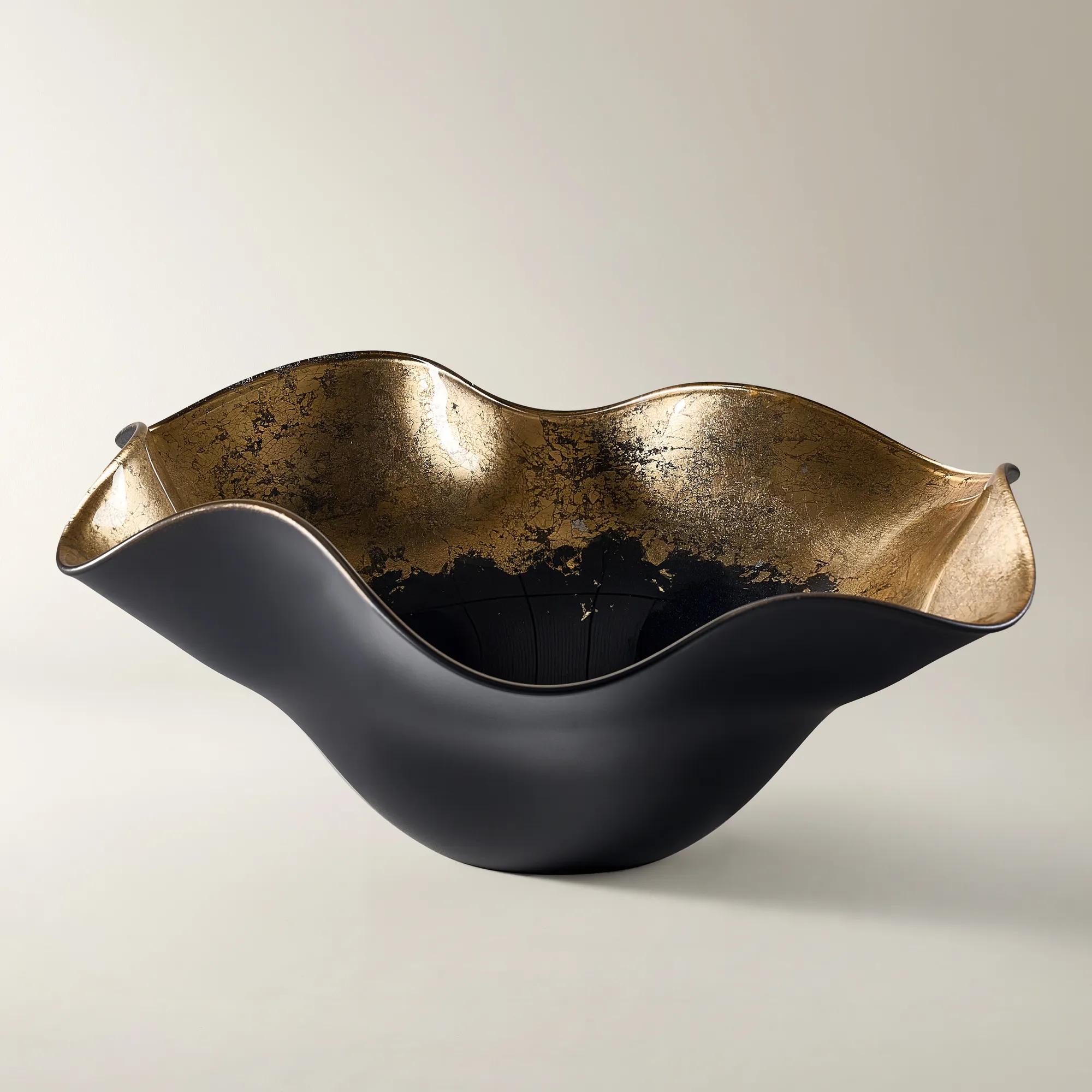 Goldie Mouth Blown Gold Black Glass Decorative Bowl 15.5" x 8.75"$199
A handblown glass bowl in soft gold and black with an organic, sculptural silhouette for modern decor.
Add To Cart -
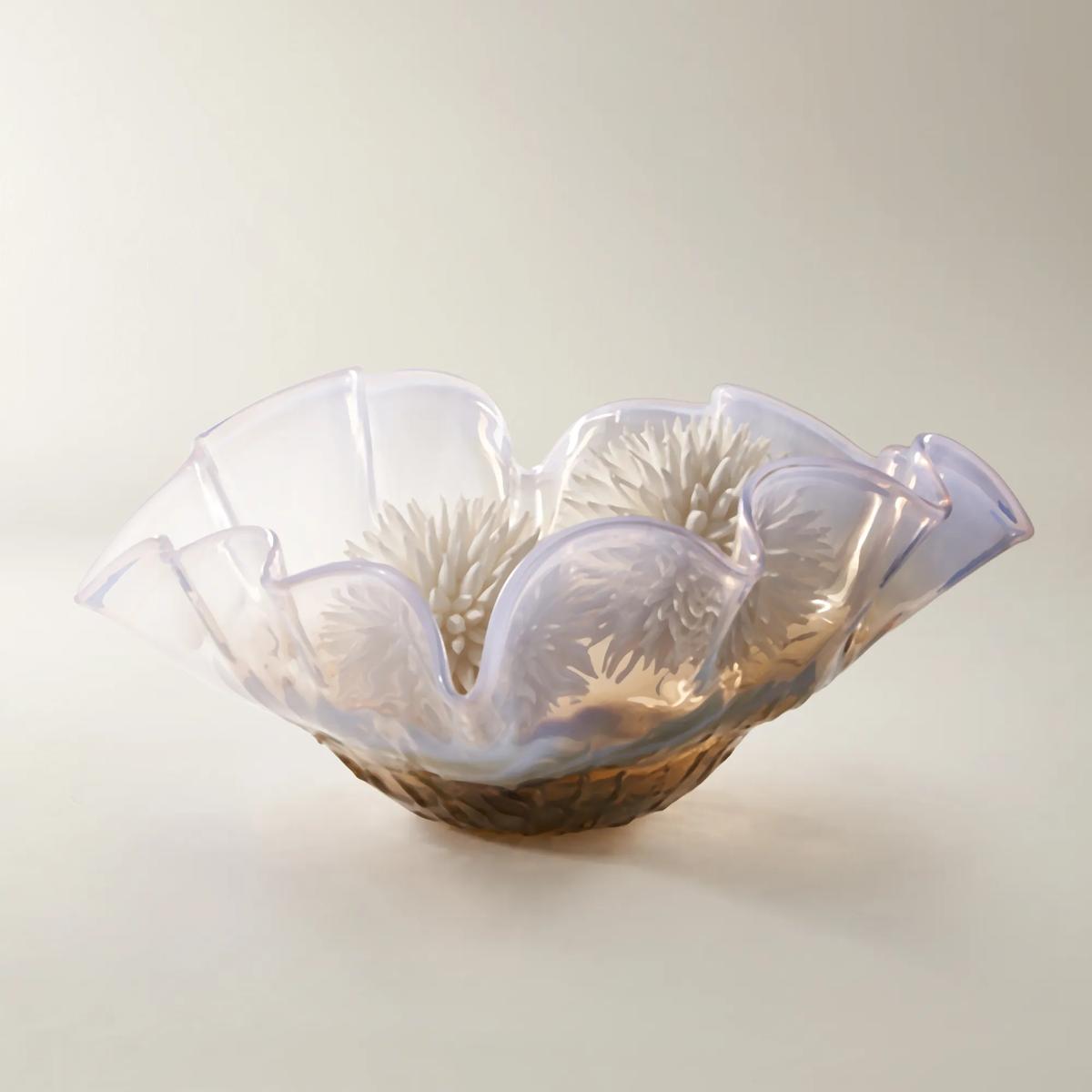
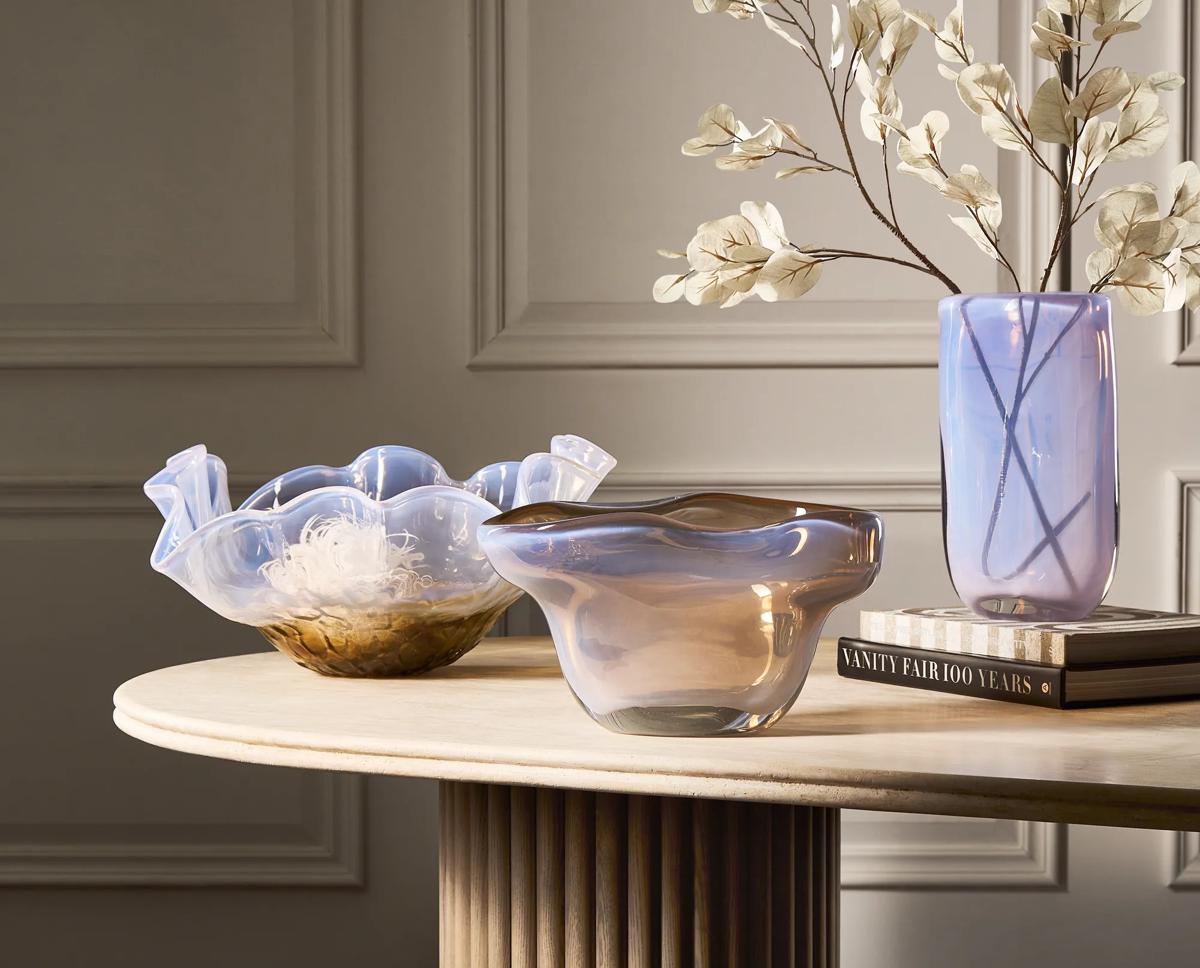 Glacier Glass Bowl$269
A hand-blown glass bowl featuring scalloped edges and swirling lavender and amber hues for artistic elegance.
Add To Cart -
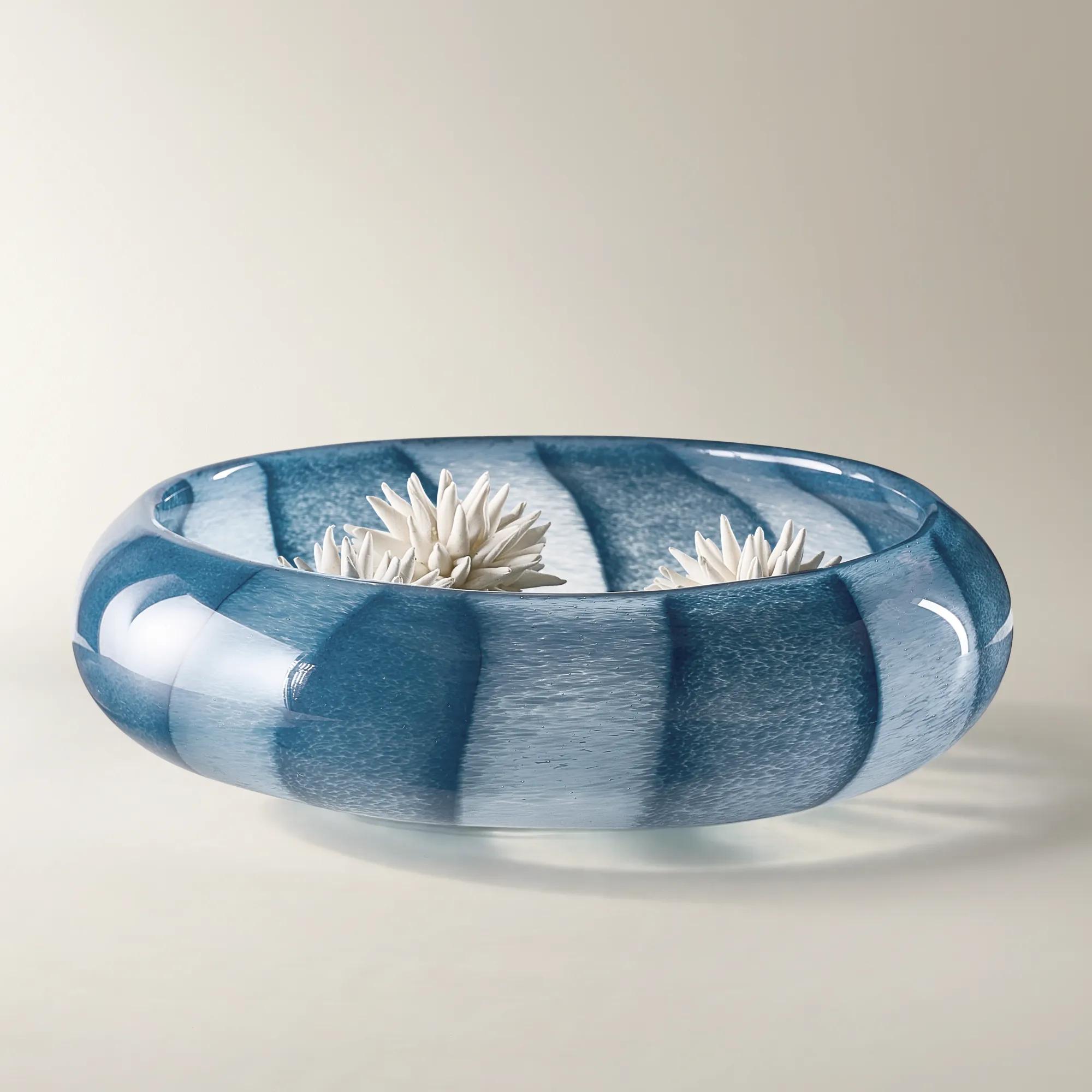 Jonah Mouth Blown Dusty Blue Glass Decorative Bowl 11.75" x 3.5"$89
A handblown glass bowl featuring dusty blue stripes and a sculptural, low rounded silhouette for decor.
Add To Cart -
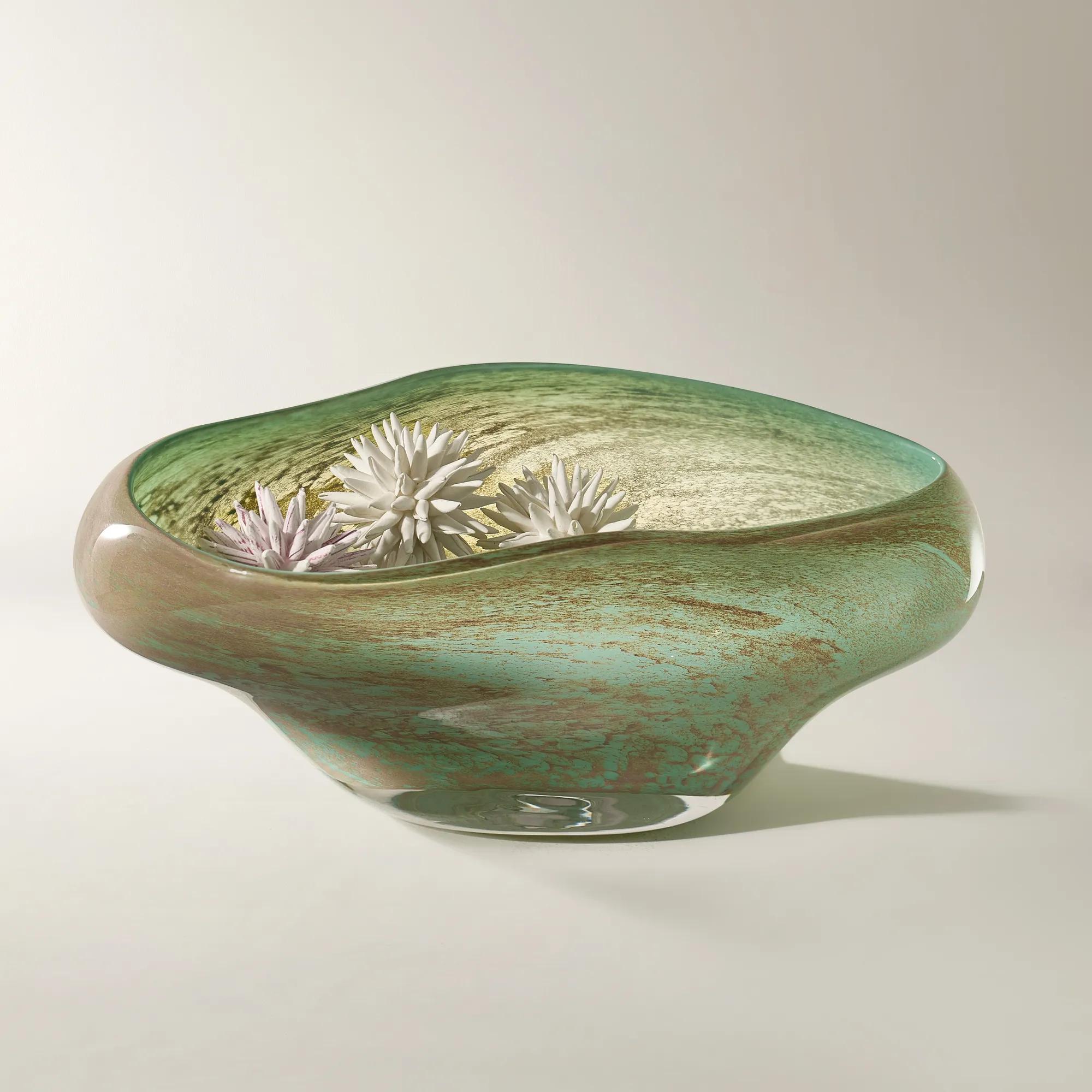
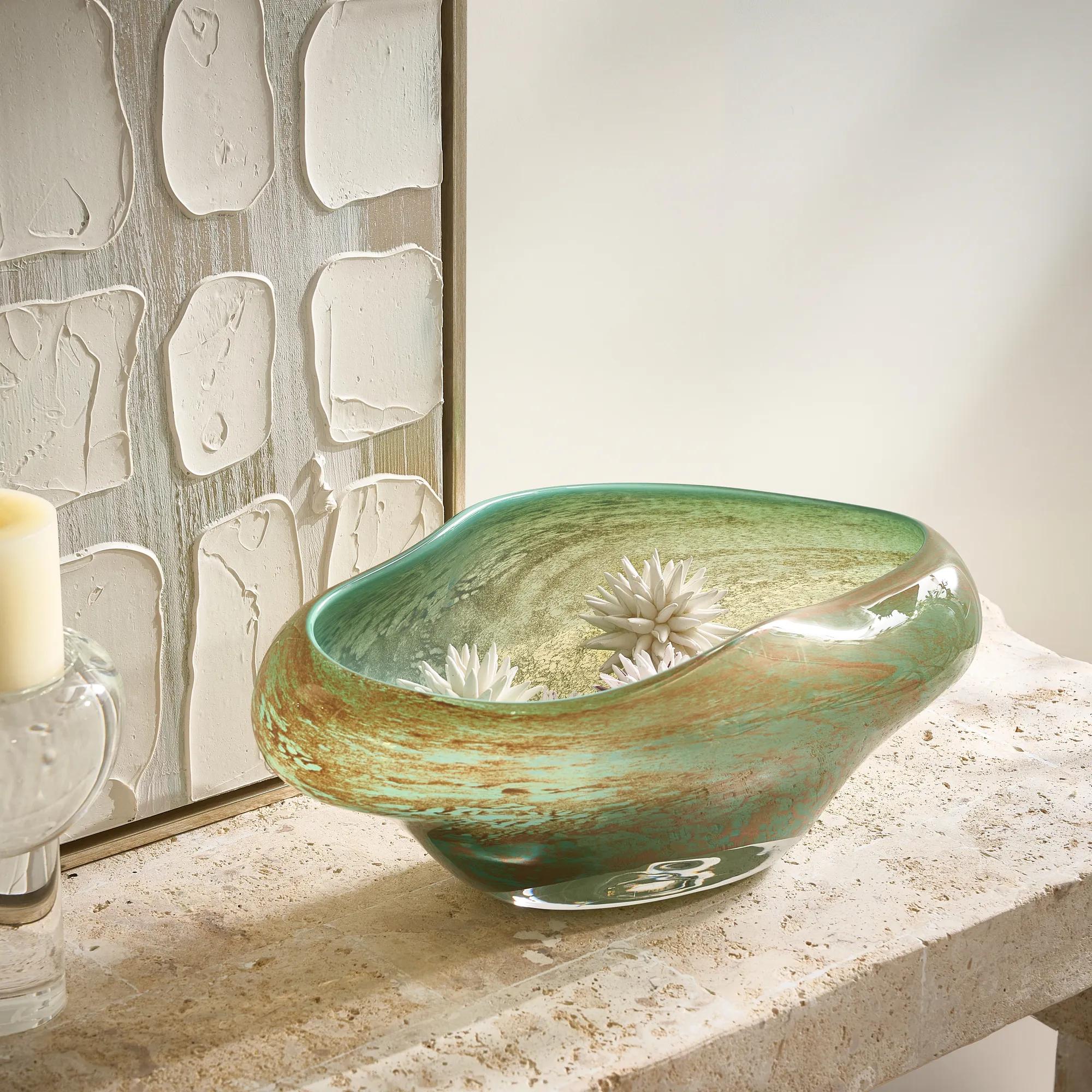 Green Mist Glass Bowl$179
A green glass bowl adding modern elegance to decorative displays.
Add To Cart -
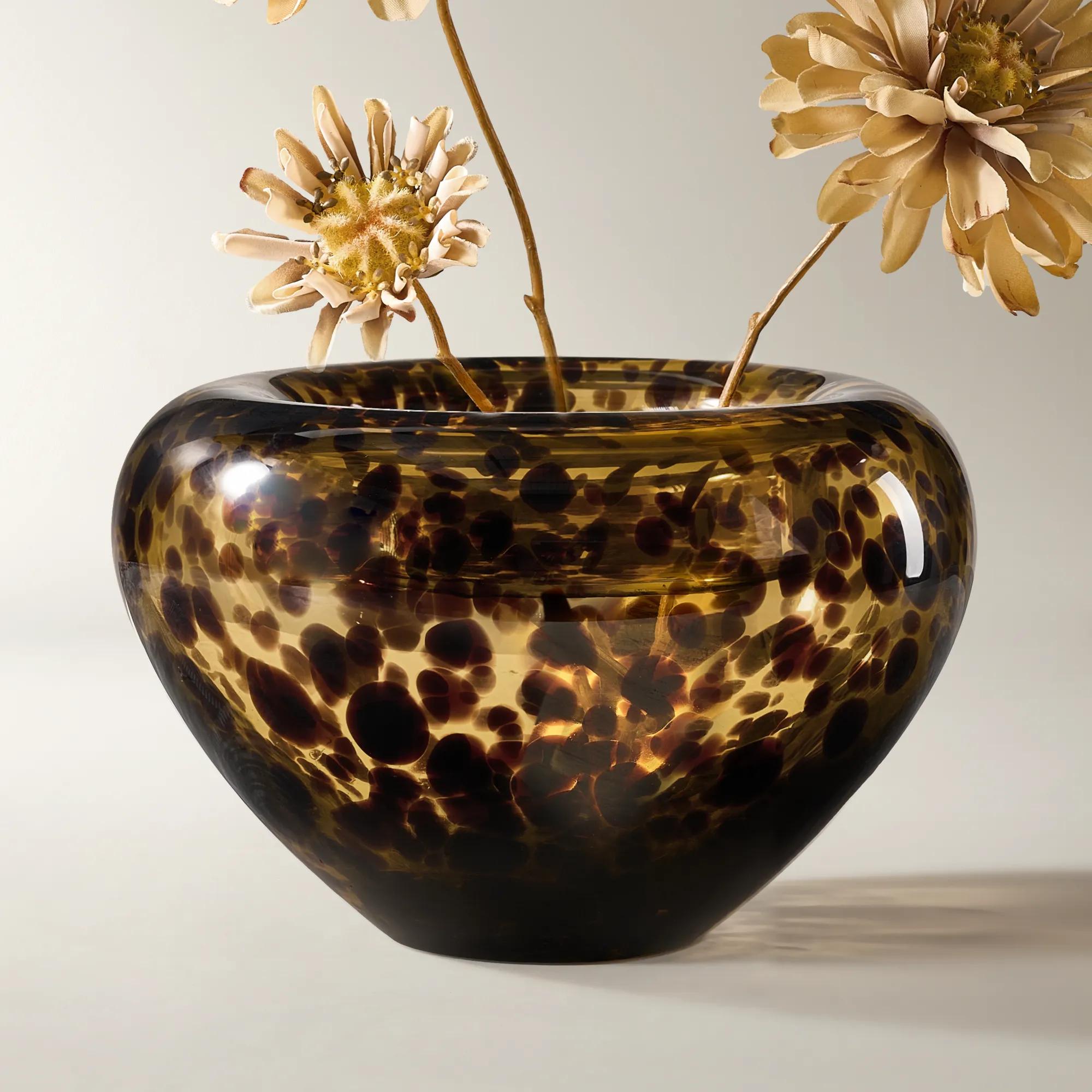 Tortoise Mouth Blown Brown Glass Decorative Bowl 8.25" x 4.25"$69
A handblown glass bowl featuring a warm brown tortoise pattern and a sculptural, rounded silhouette.
Add To Cart -
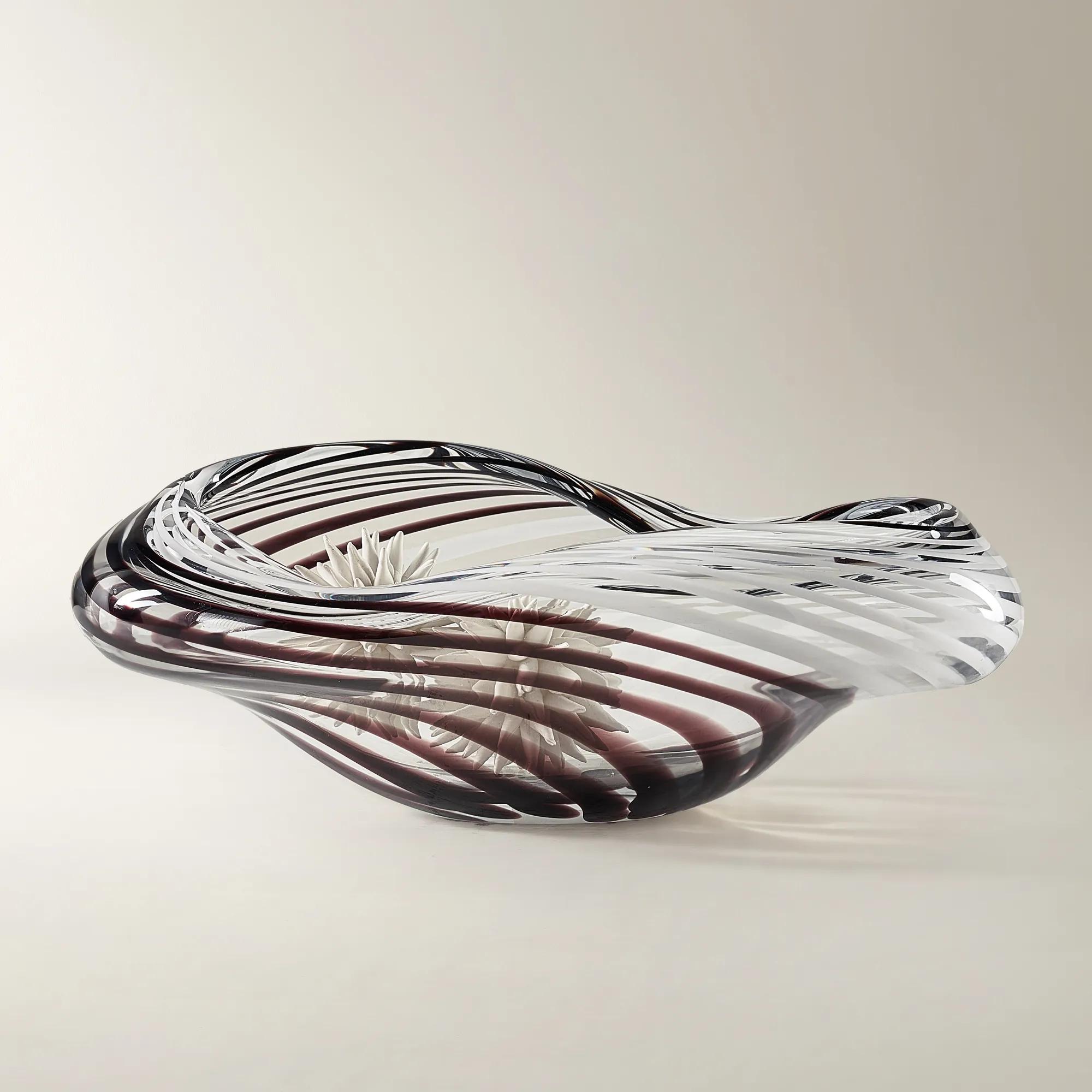 Optic Mouth Blown Black/White Glass Decorative Bowl 17.25" x 5.5"$99
A handblown glass bowl featuring charcoal stripes and a sculptural, Deco-inspired silhouette for decorative display.
Add To Cart -
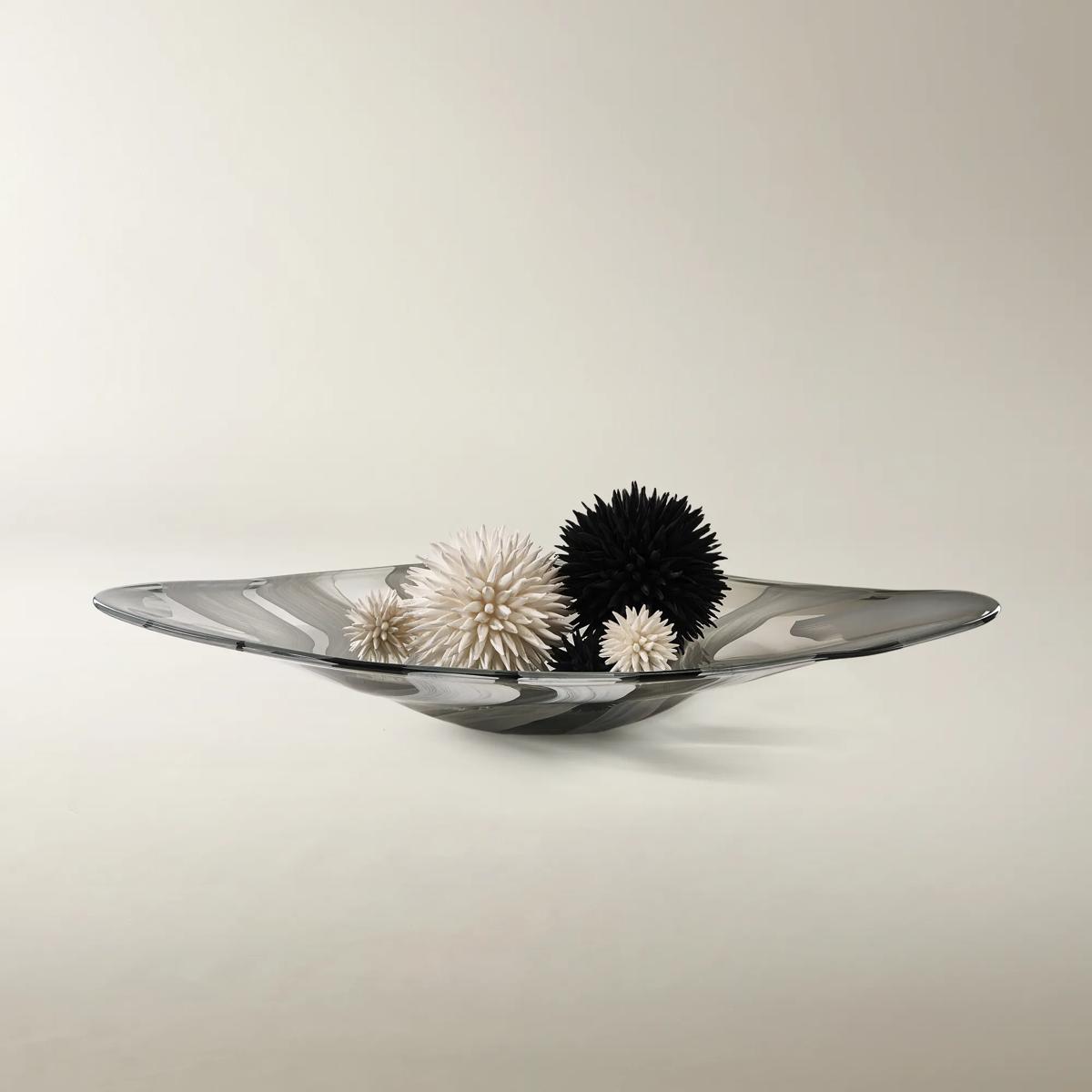
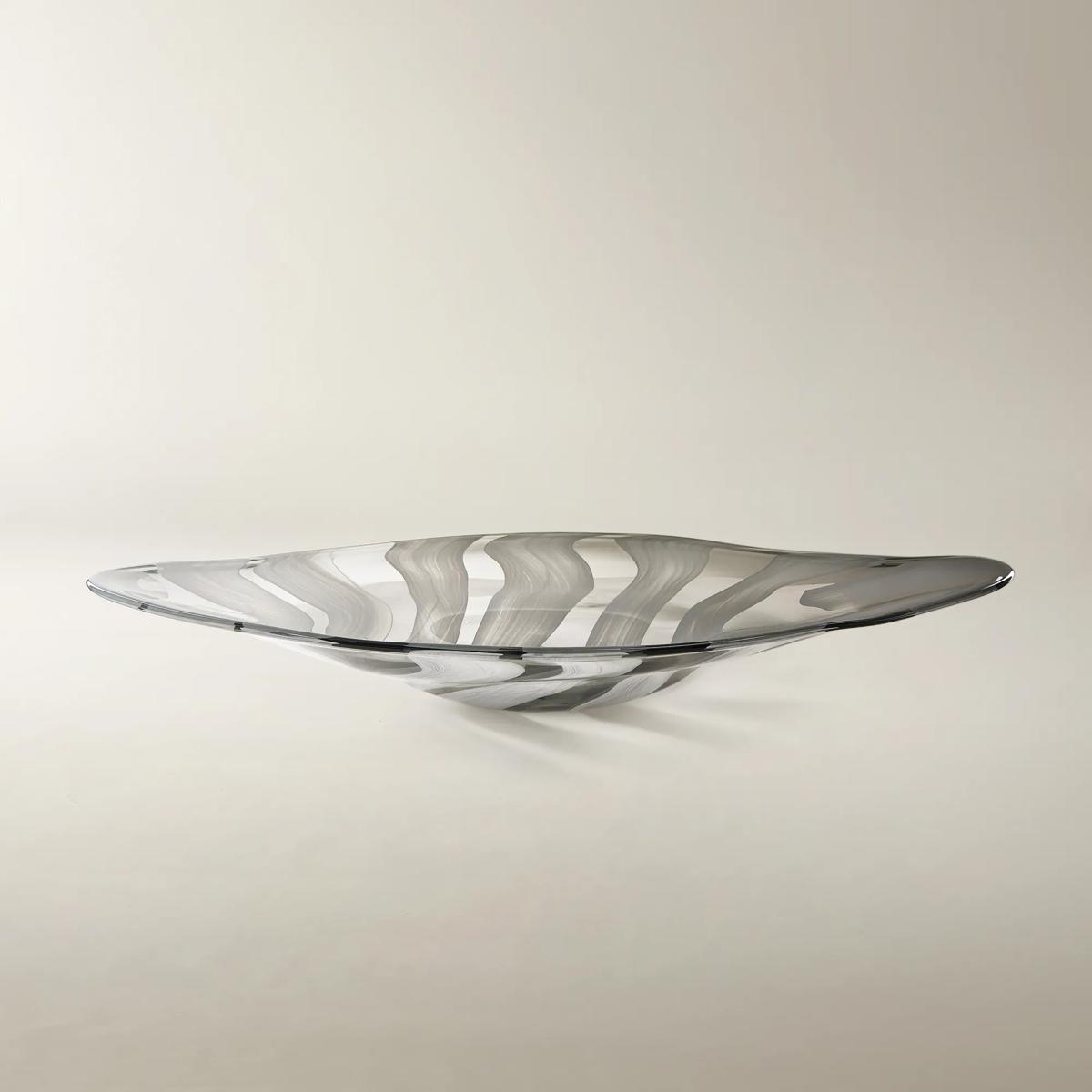 Zoya Glass Bowl$349
A hand-blown grey glass bowl with a marbled pattern and organic silhouette for modern decor.
Add To Cart -
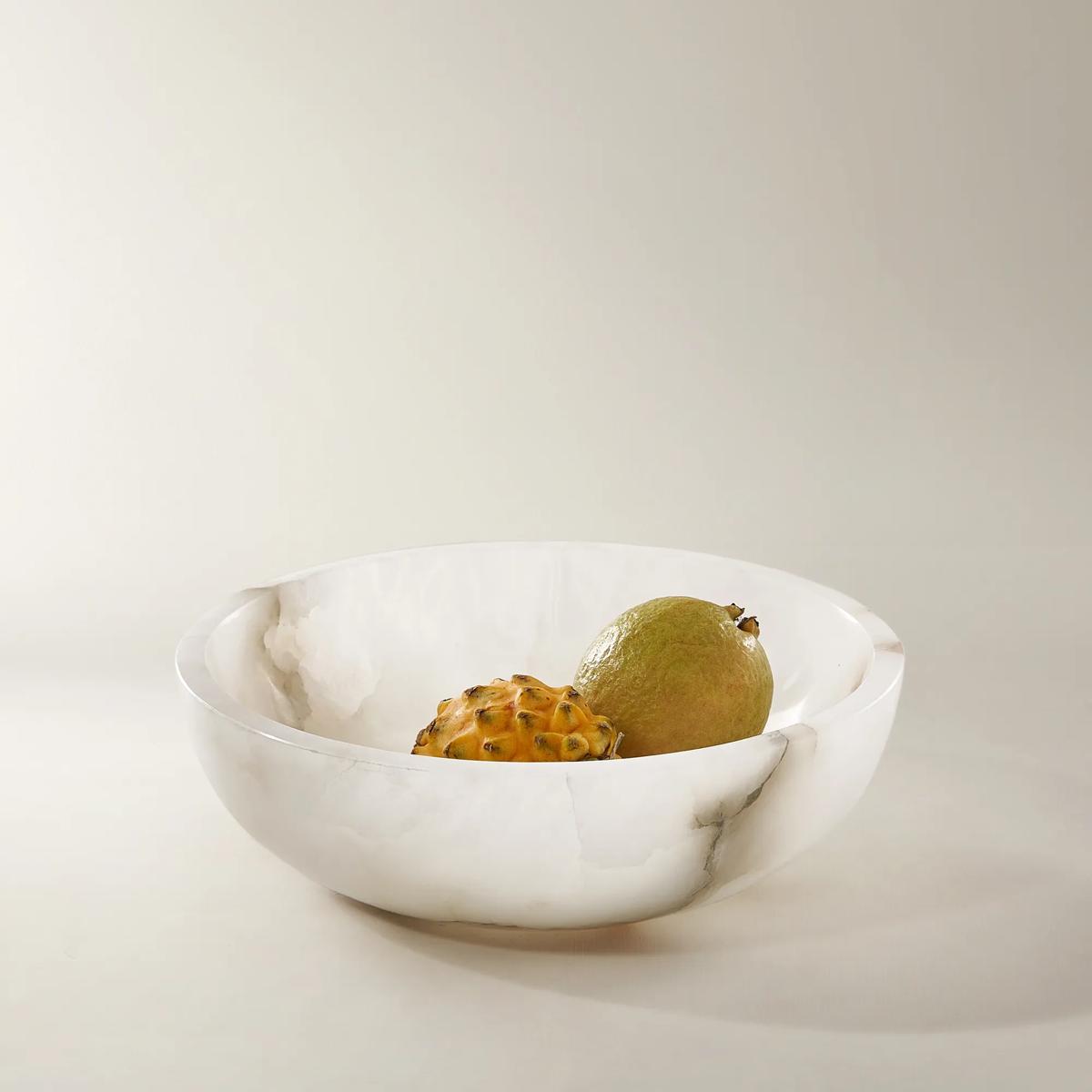 Alabaster Bowl$369
A hand-sculpted alabaster bowl featuring organic veining and soft, milky white translucence.
Add To Cart -
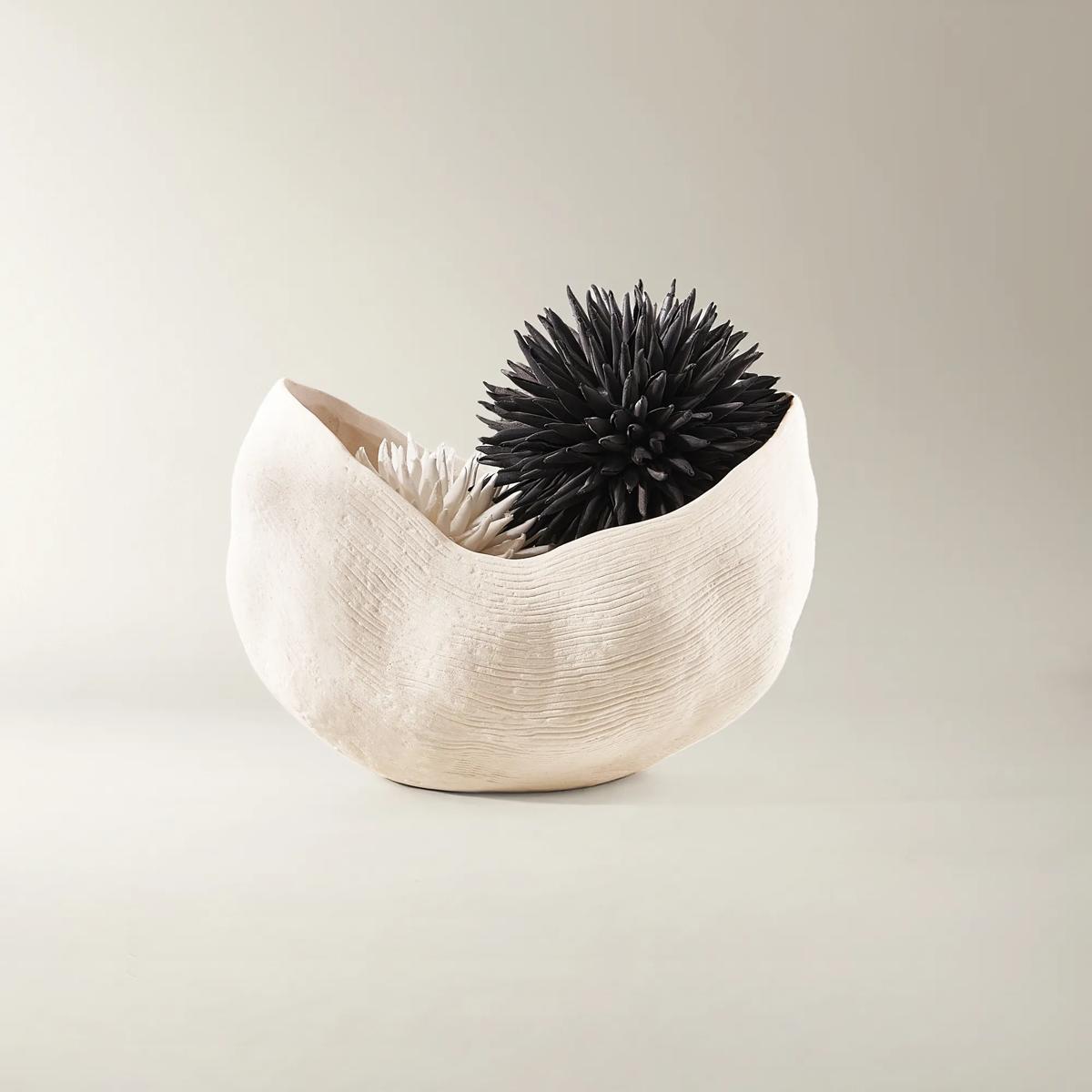 Baz Ivory Porcelain Bowl$119
A sculptural ivory porcelain bowl with a matte, textured finish and organic, free-flowing silhouette.
Add To Cart -
 Calla Mouth Blown Blue Glass Decorative Bowl 15.35" x 5.7"$79
A handblown blue glass bowl featuring unique curves and translucent artistry for striking decorative appeal.
Add To Cart -
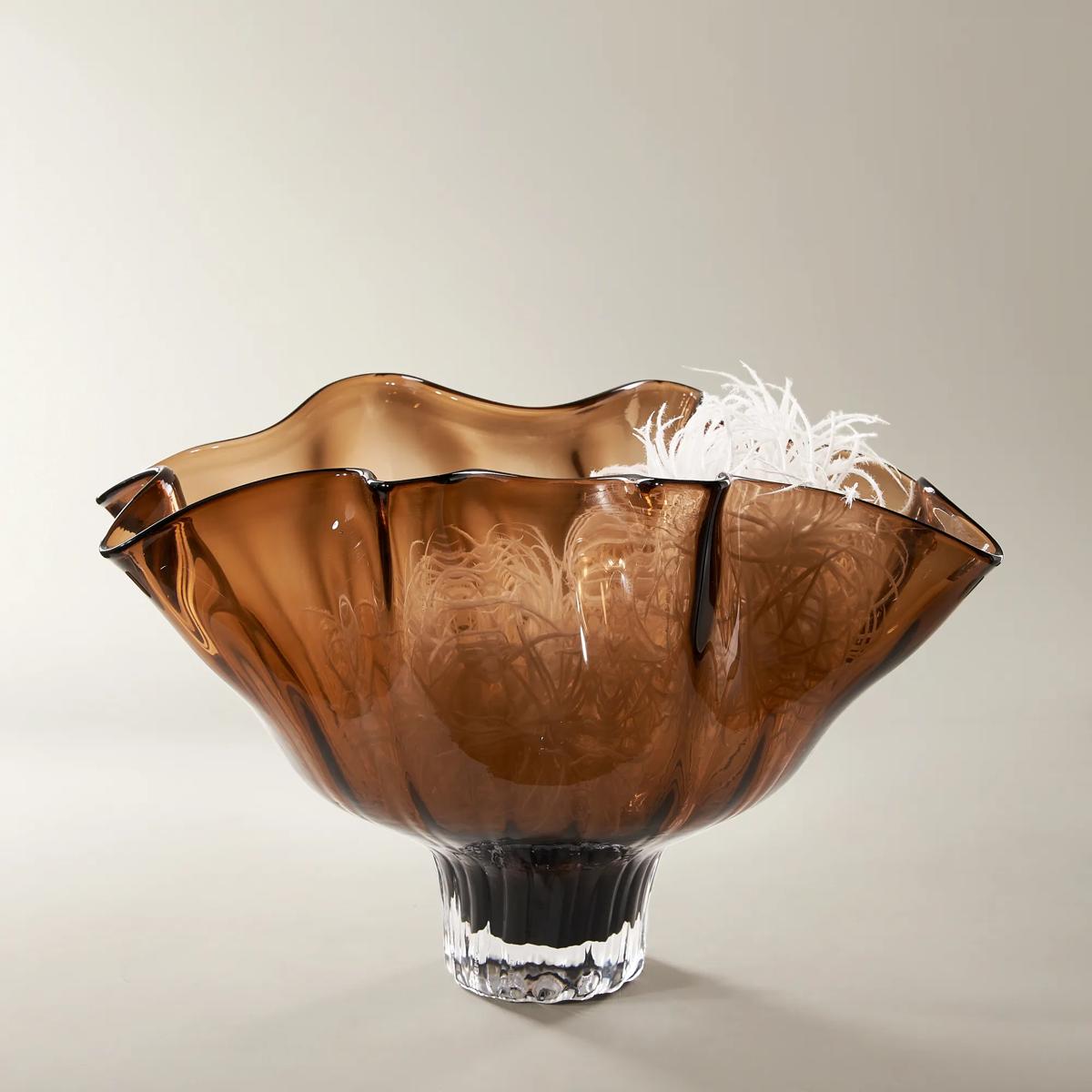
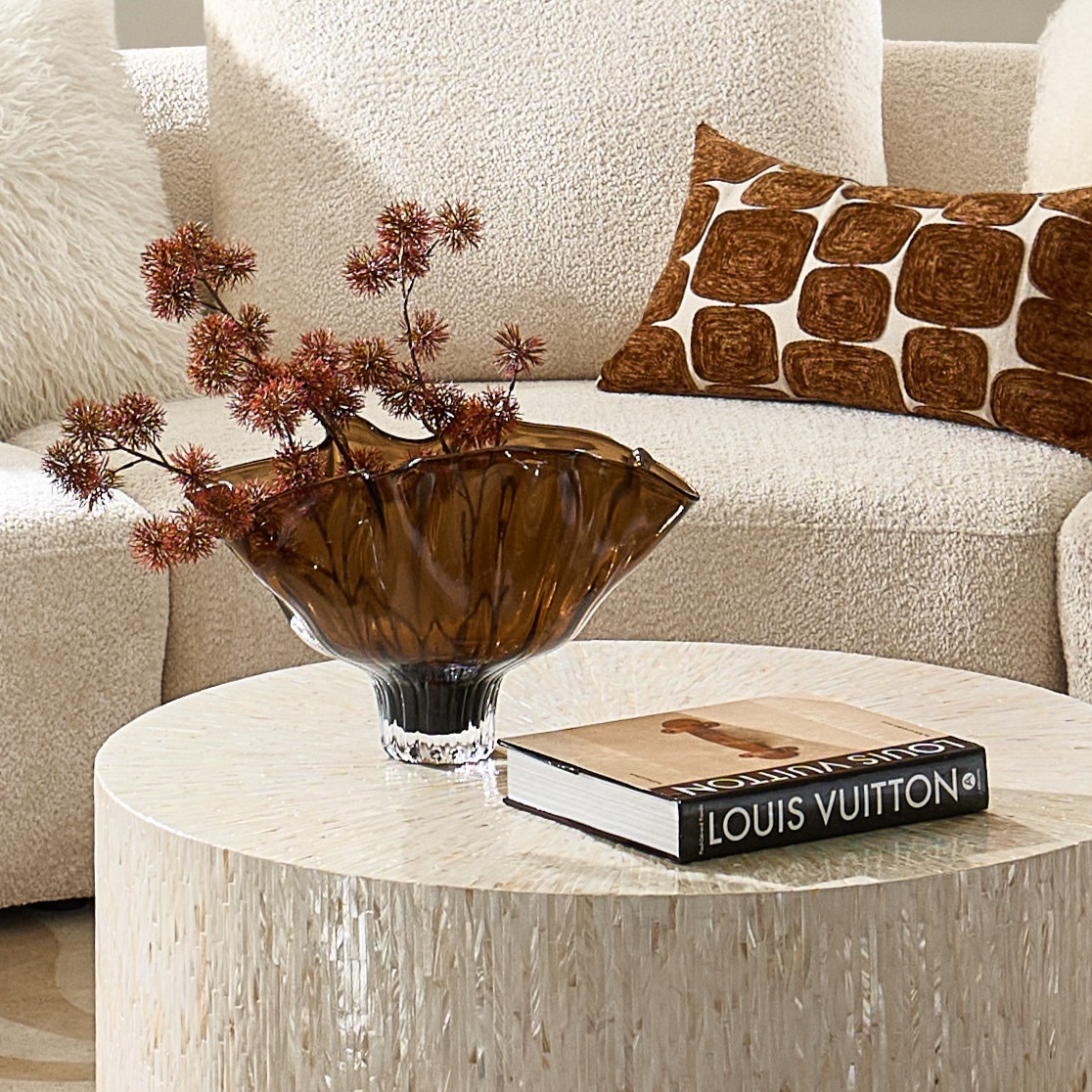 Coco Mouthblown Brown Glass Bowl 17" x 9.75"$139
A hand-blown brown glass bowl with an undulating rim and clear tapered base for sculptural elegance.
Add To Cart -
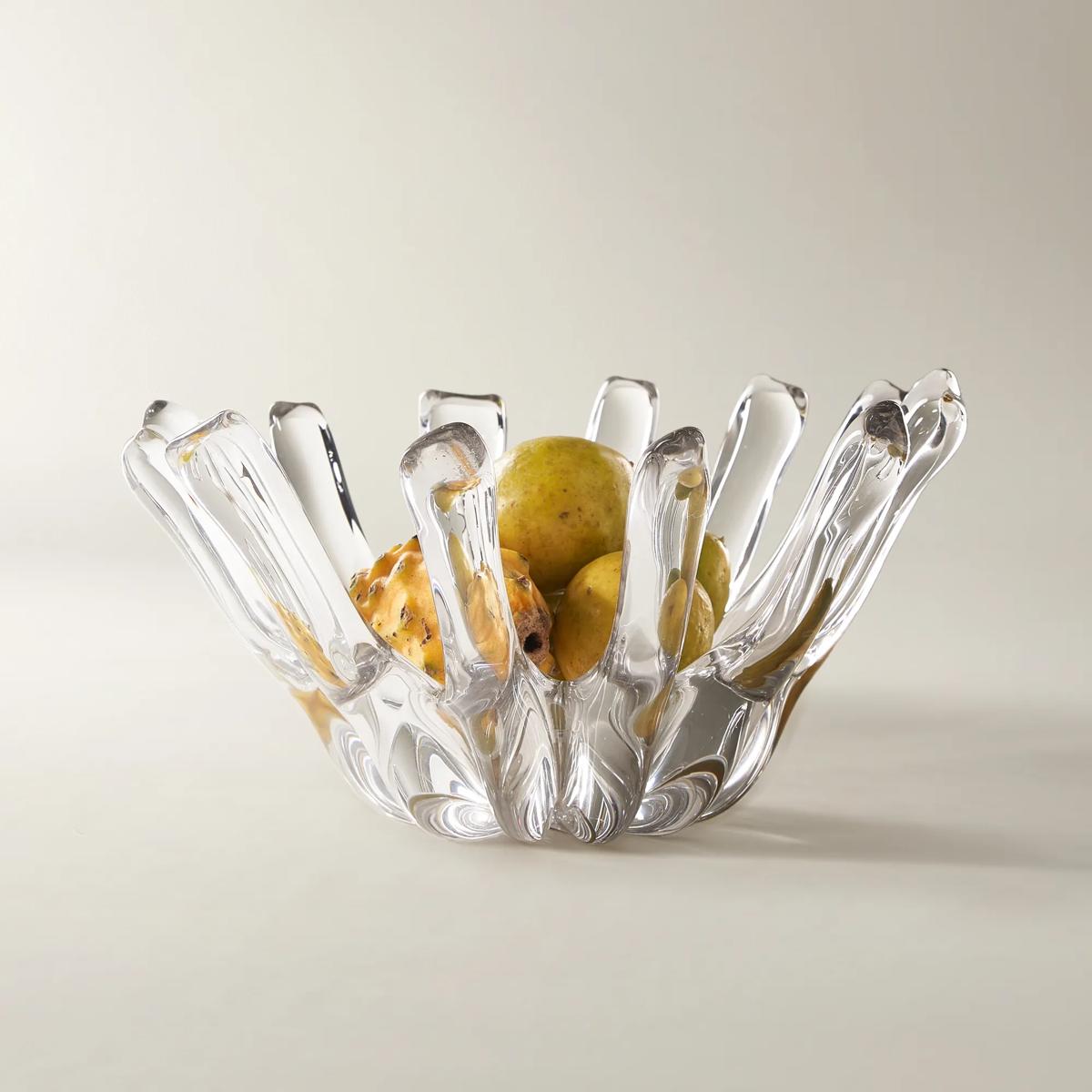
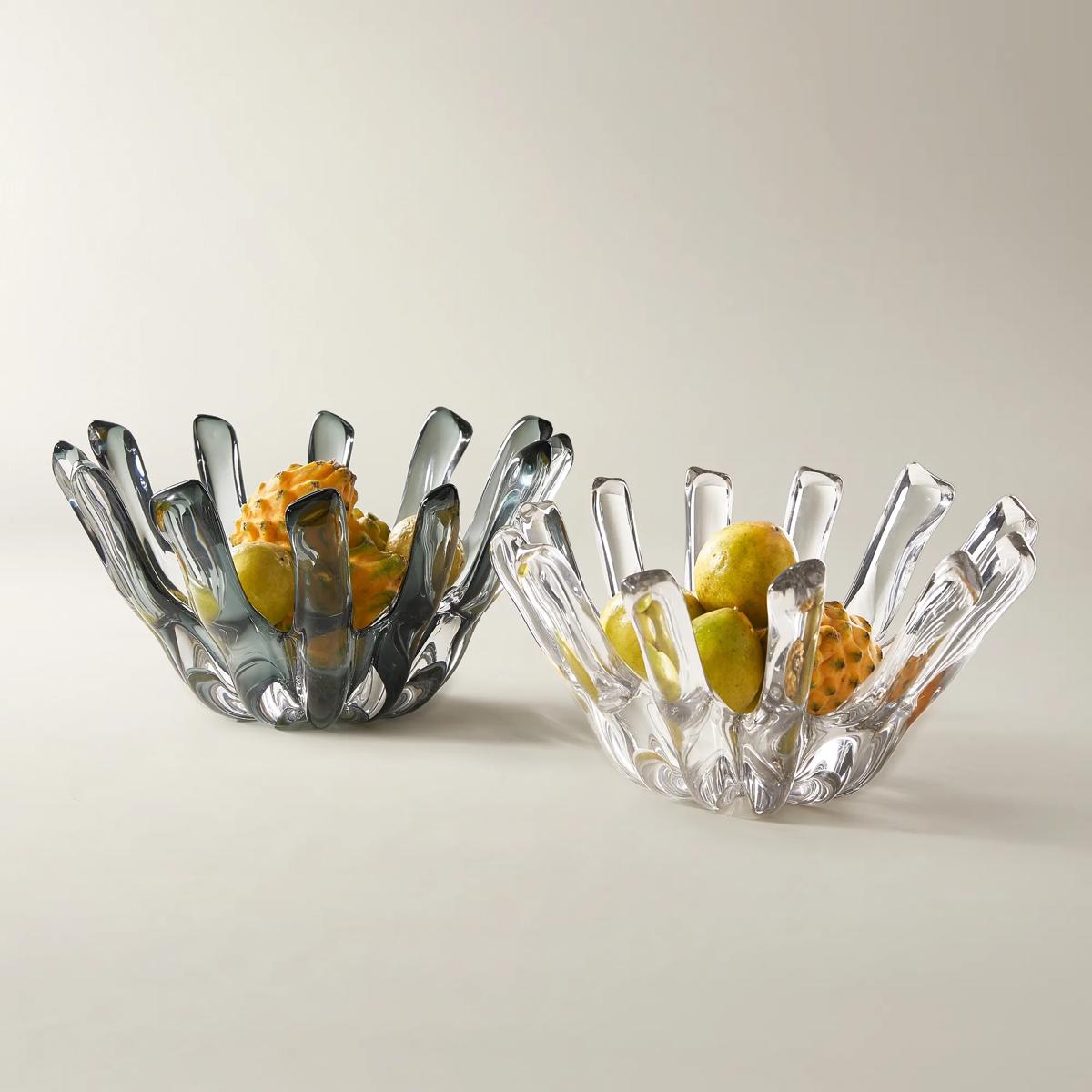 Bossa Clear Handblown Glass Decorative Bowl 13" x 7"$129
A hand-blown clear glass bowl featuring an expressive, sculptural form for modern decorative displays.
Add To Cart -
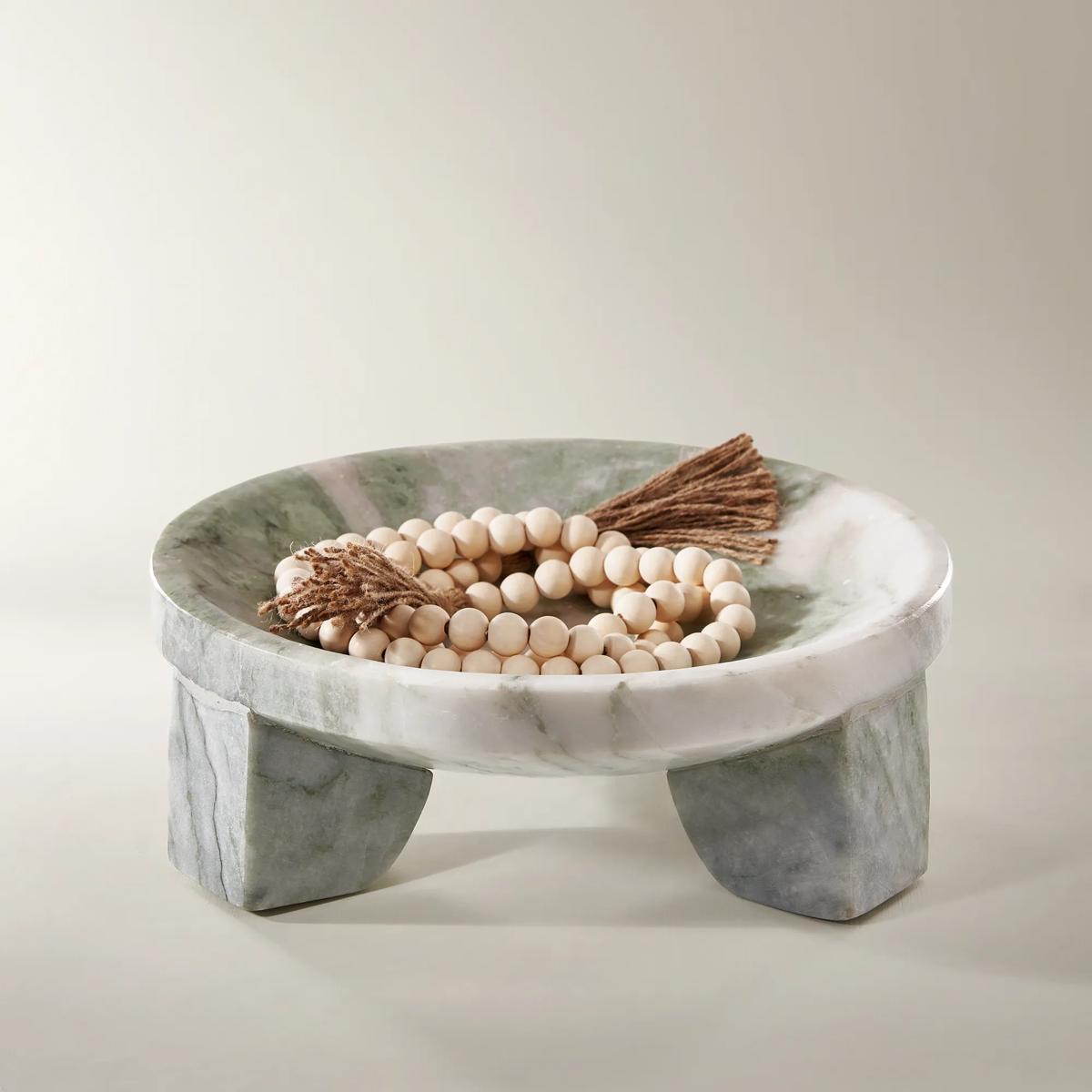
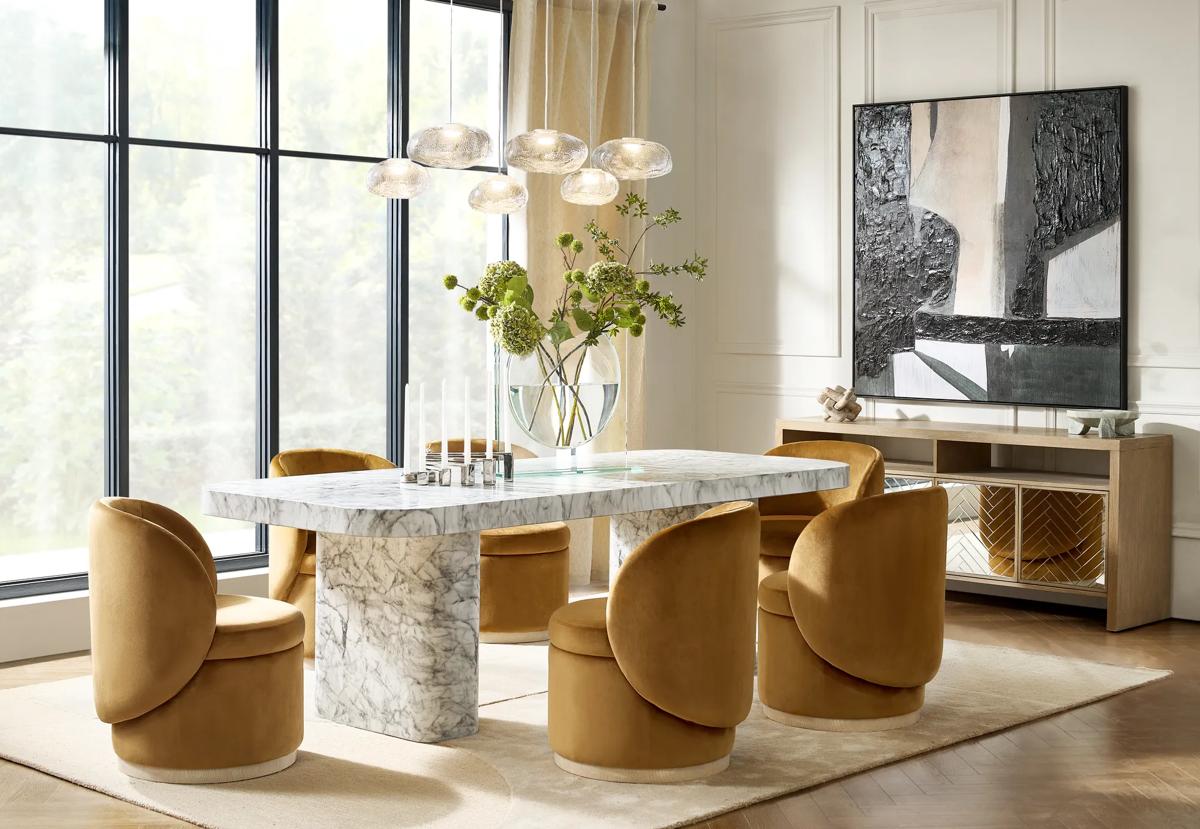 Light Green Marble Footed Bowl$199
A hand-carved onyx bowl featuring soft green marbling and sculptural feet for organic elegance.
Add To Cart -
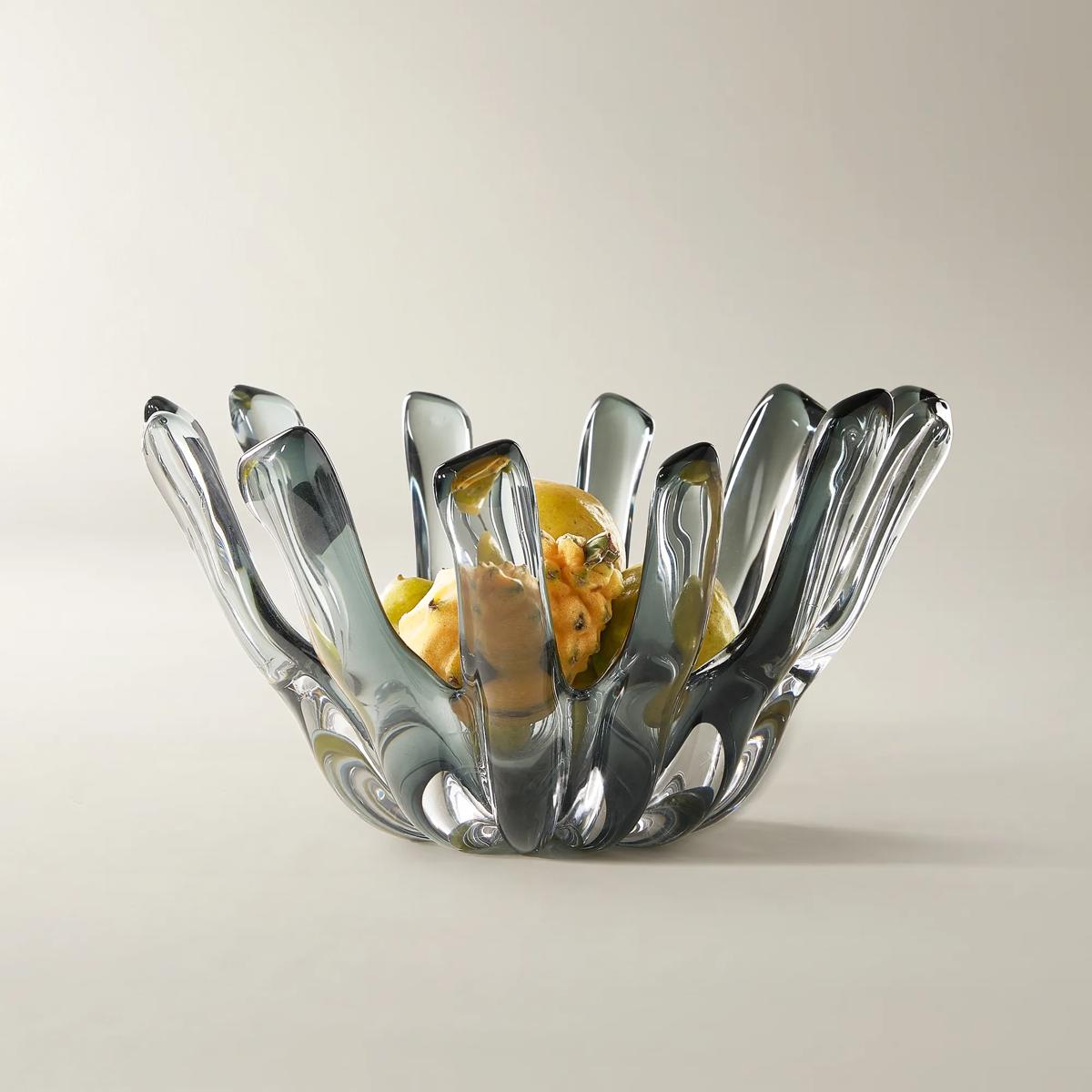 Bossa Smoke Handblown Glass Decorative Bowl 13" x 7"$129
A hand-blown smoky grey glass bowl featuring an expressive, sculptural design for modern decorative displays.
Add To Cart -
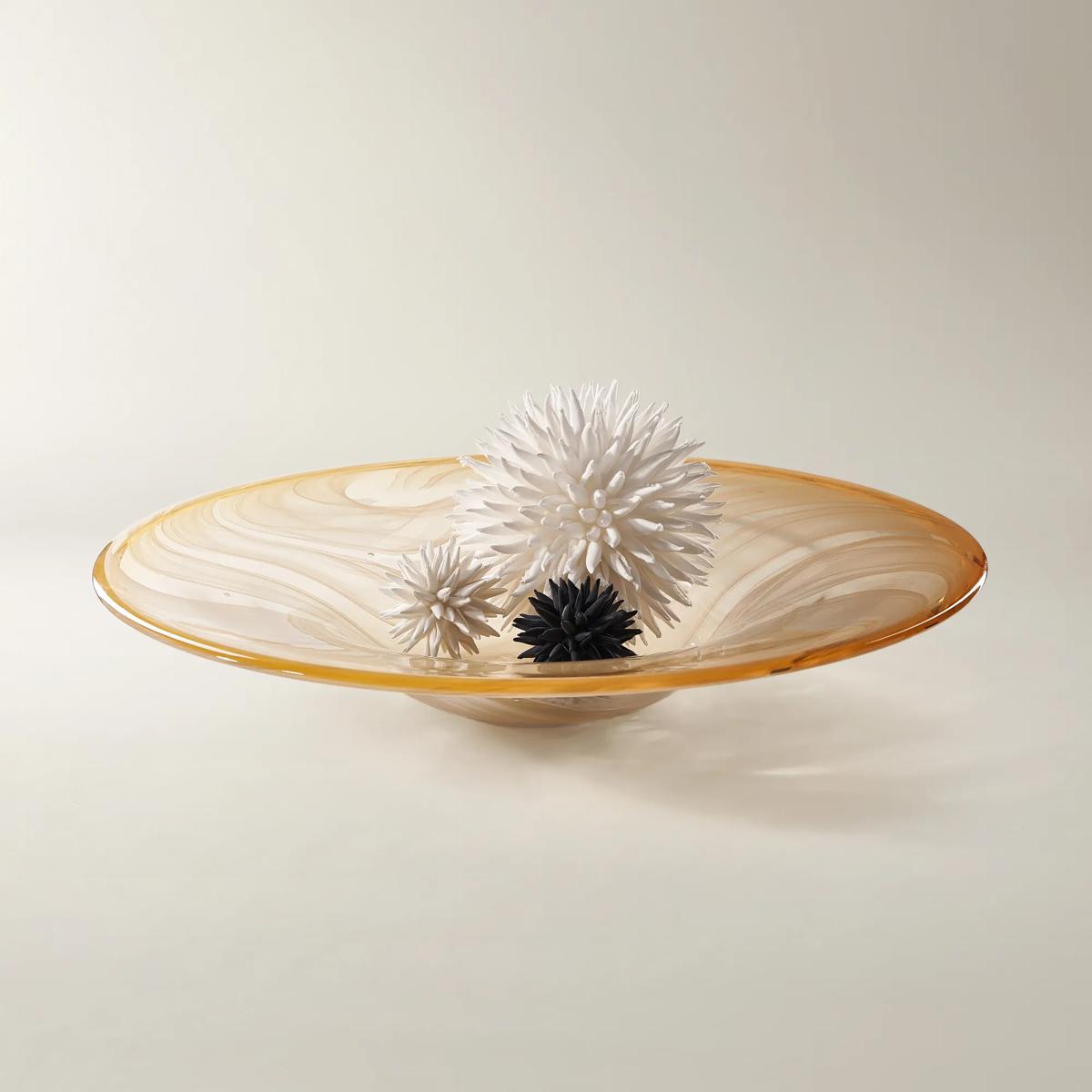
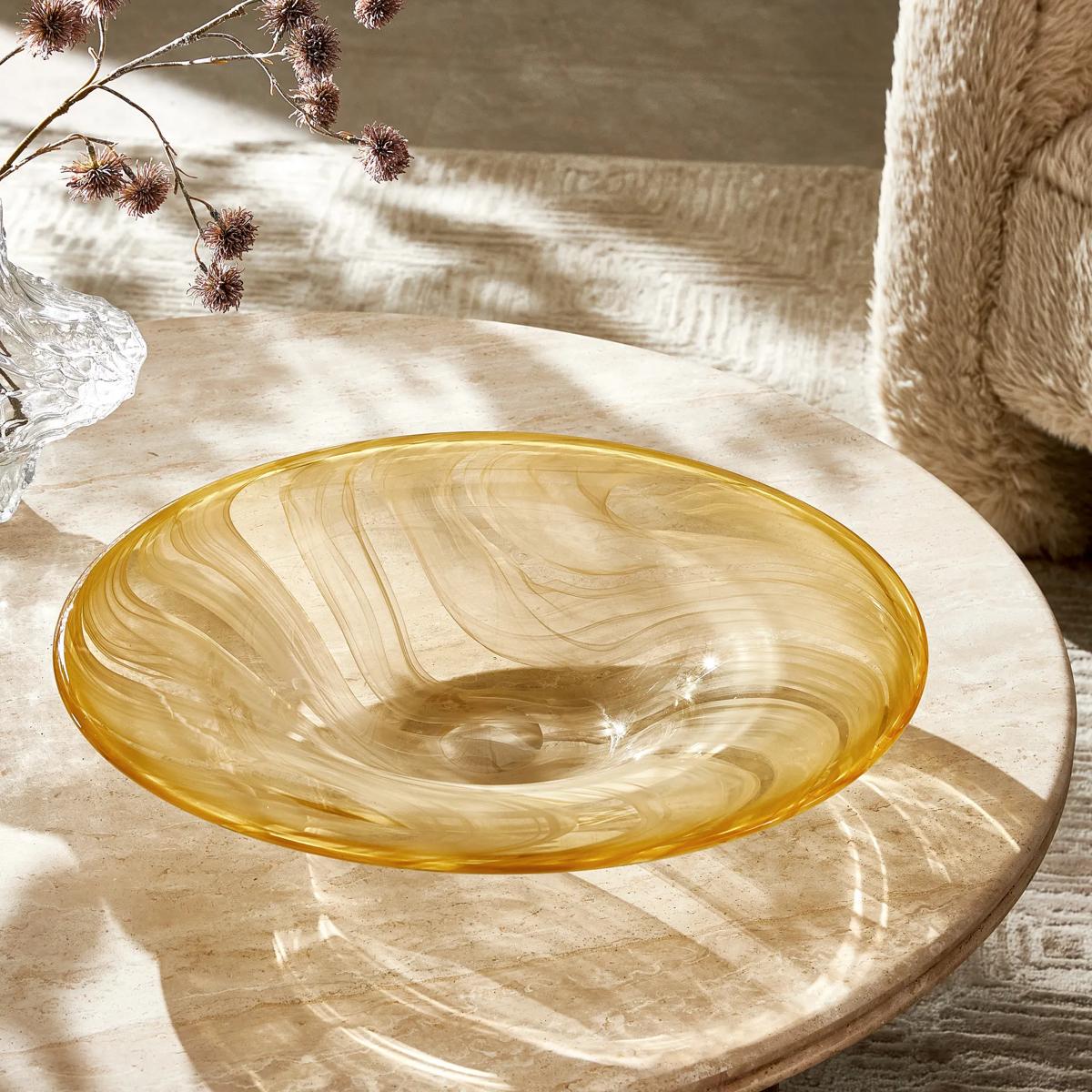 Paradis Glass Plate$239
A hand-blown amber glass plate featuring a swirling, organic design for a radiant decorative accent.
Add To Cart -
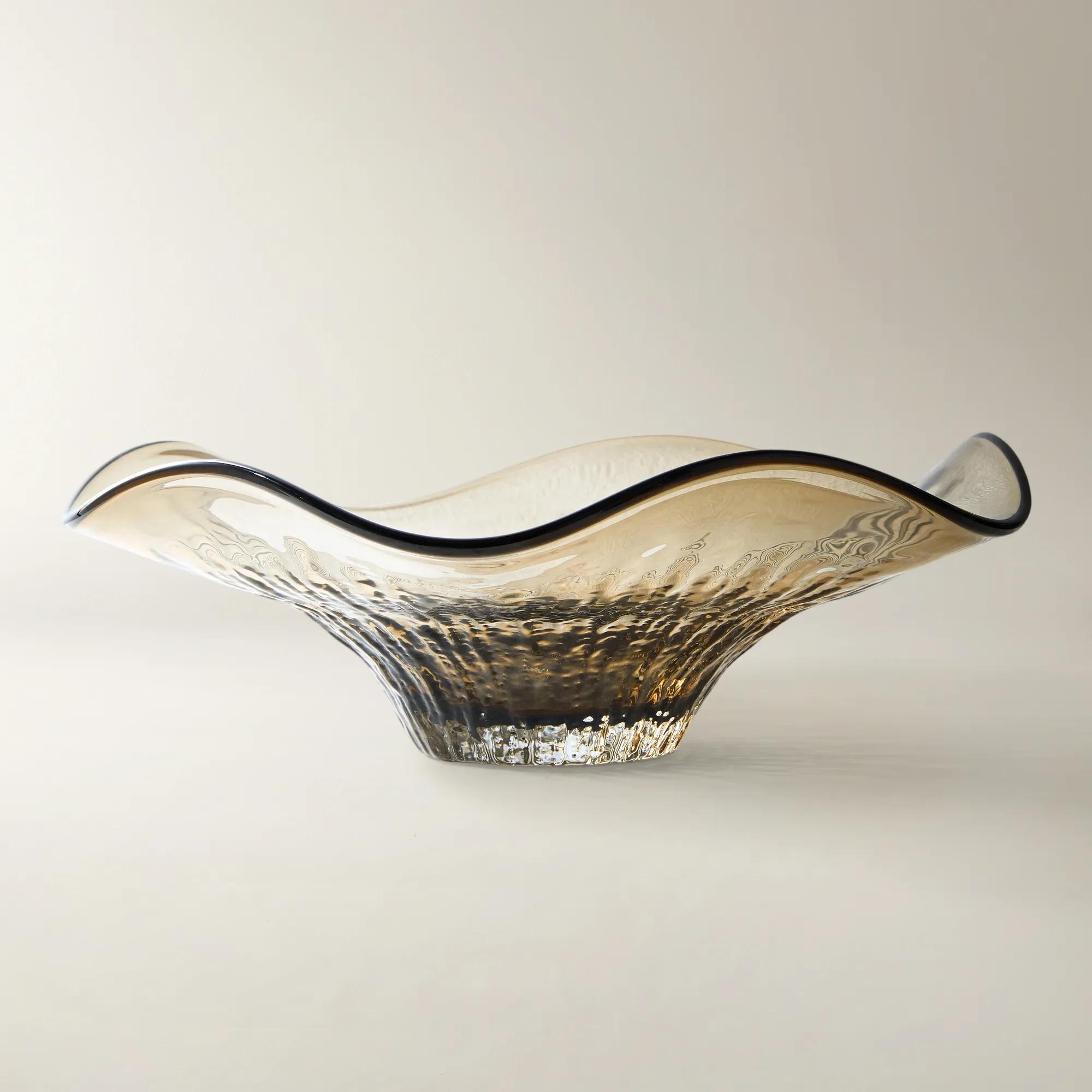 Corsi Brown Handblown Glass Decorative Bowl 15.35" x 5.1"$99
A hand-blown glass bowl in warm amber with organic shape and intricate textural details.
Add To Cart -
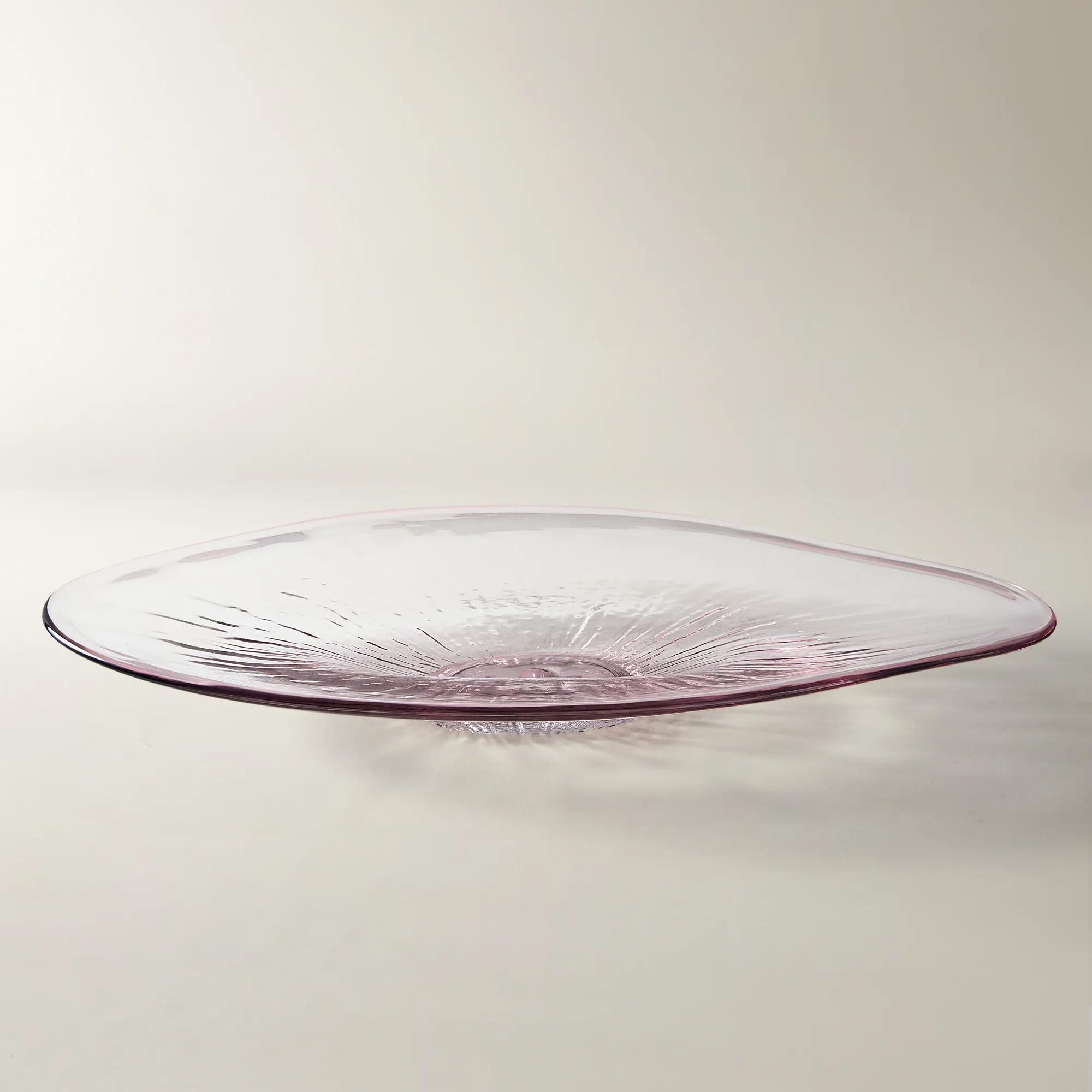 Cortina Decorative Bowl$129
A handblown glass bowl in an ethereal pink hue that brings artistic flair to modern interiors.
Add To Cart -
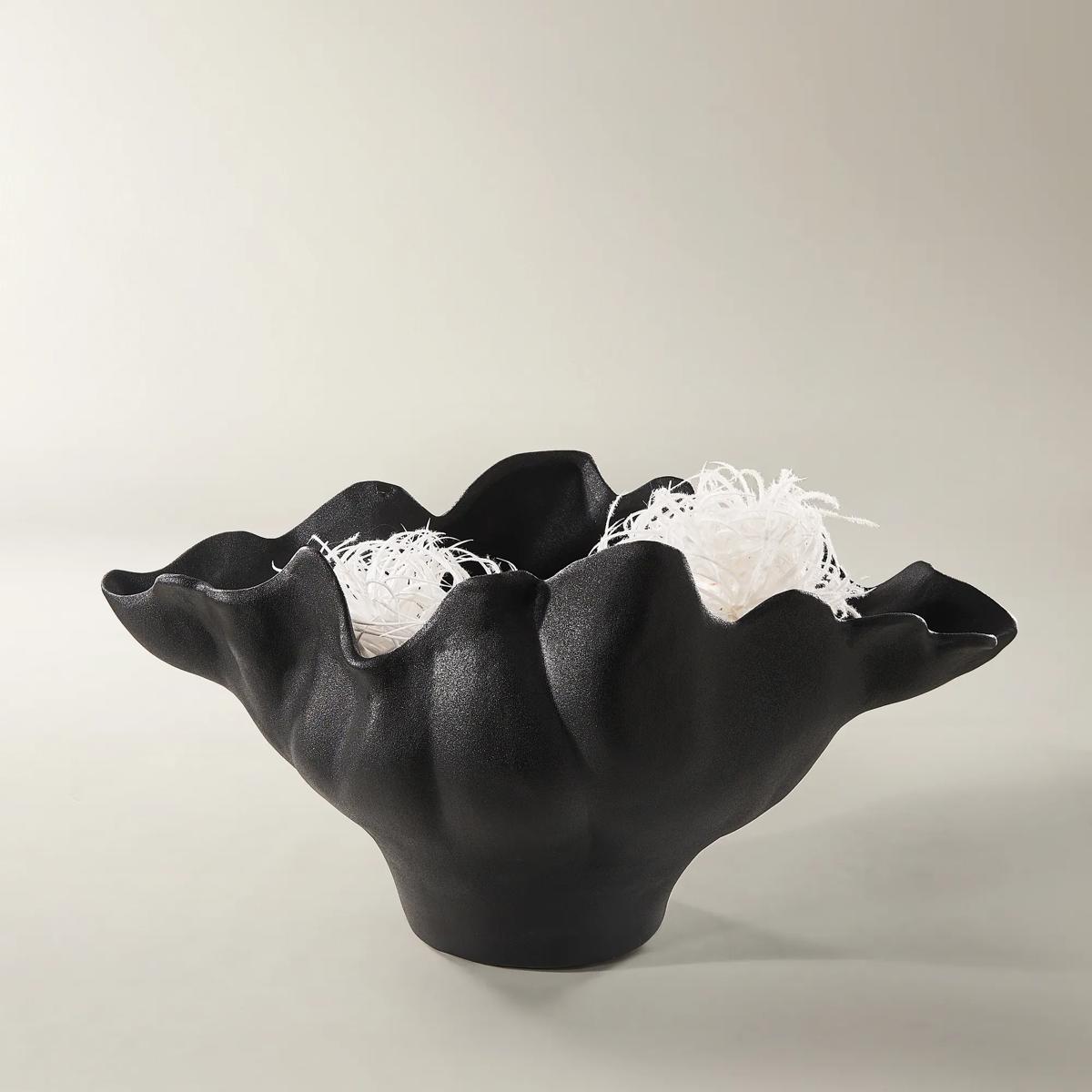
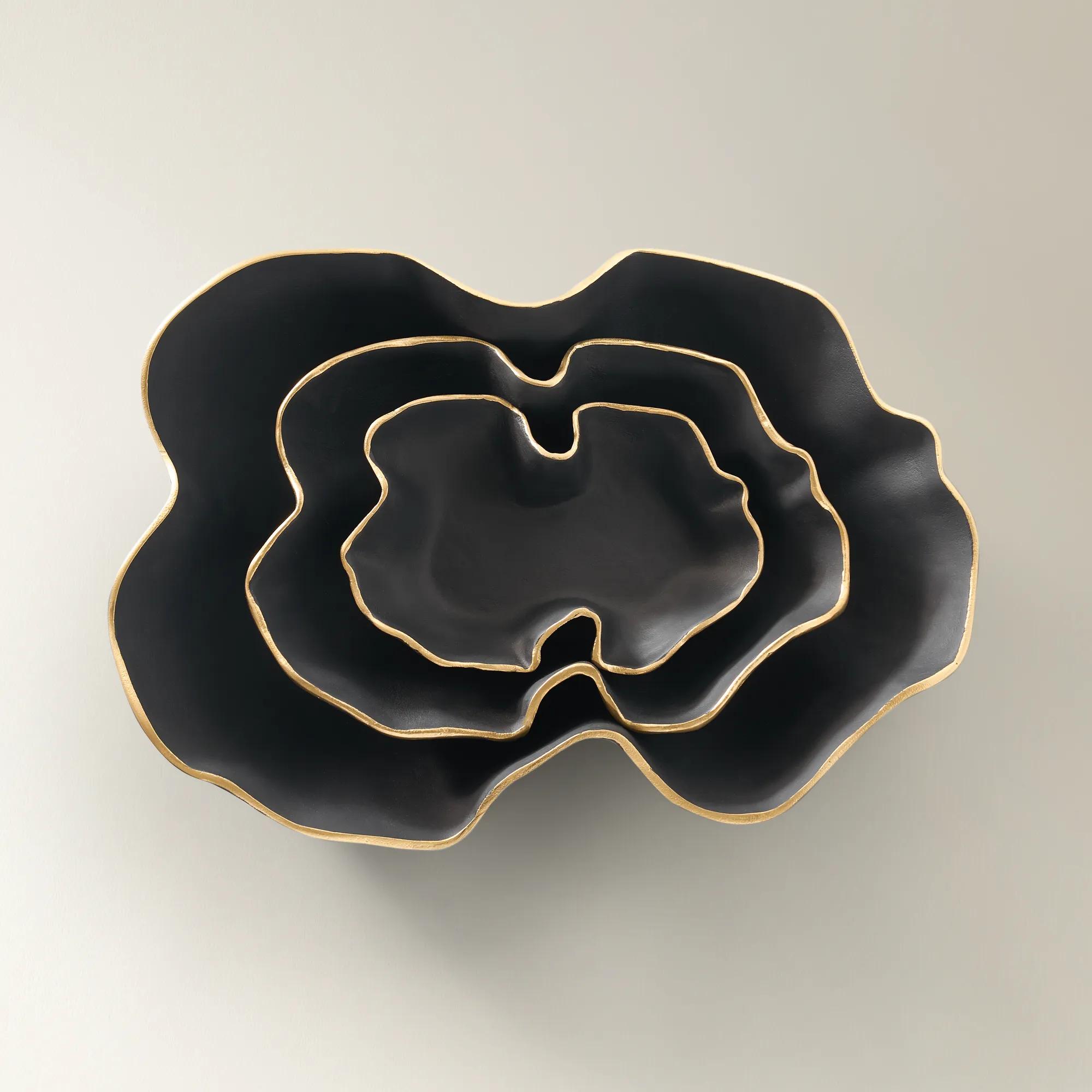
 Ebba Black Porcelain Decorative Bowl 20.25" x 10.25"$199
A sculptural matte black porcelain bowl with undulating petal-like edges for bold, artistic elegance.
Add To Cart -

 Collins Hand-Cast Gold Aluminum Decorative Pedestal Bowl 23.5" x 5"$79
A gold nickel-plated aluminum bowl with a rectangular pedestal base for striking decorative display.
Add To Cart -
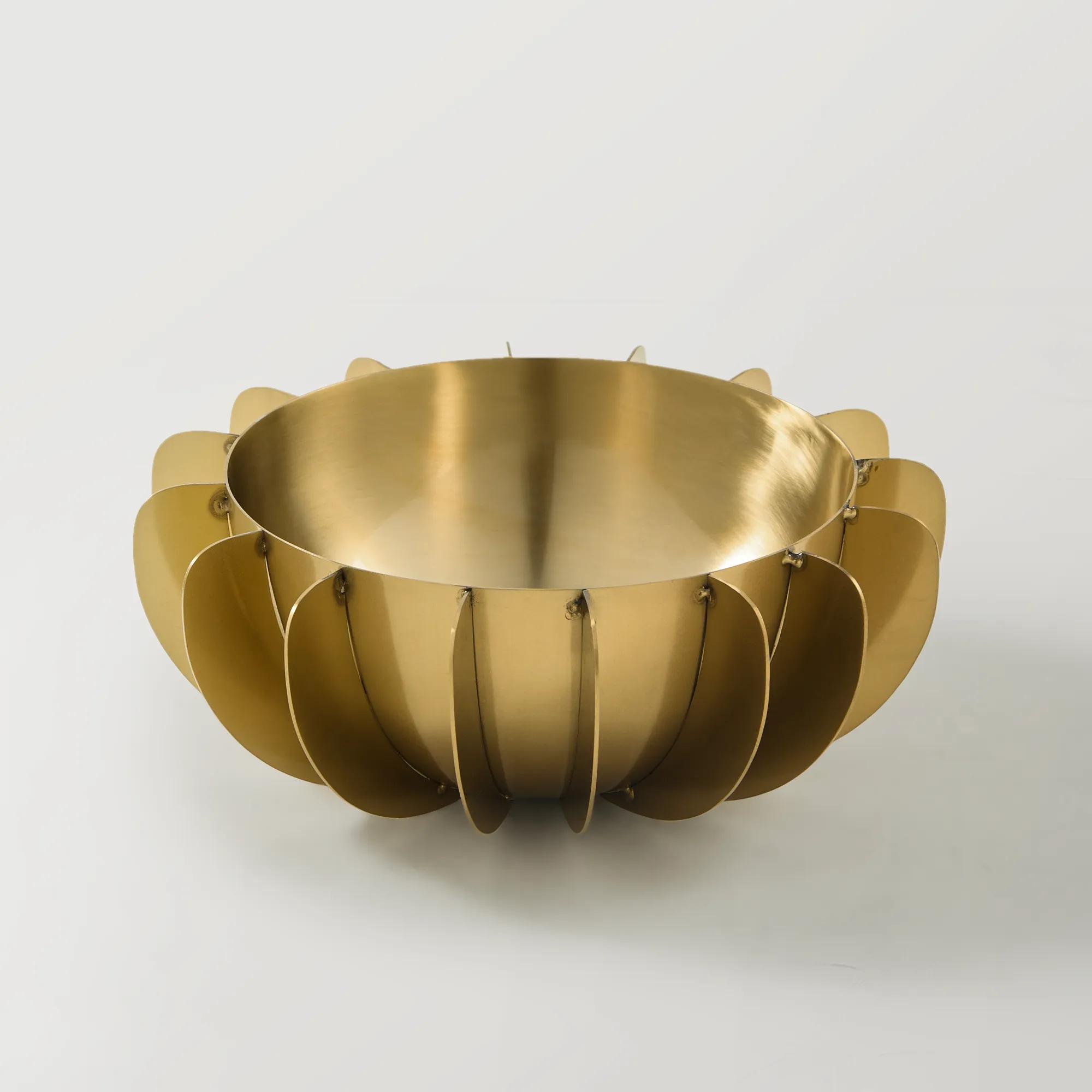
 Mezza Collection$99
A gold-plated stainless steel decorative accent that brings timeless glamour and shine to any room.
Add To Cart

Home Accent Bowls
Home Accent Bowls are the finishing touch that transforms a surface into a curated masterpiece. Each piece is an invitation to layer intrigue and artistry, catching the eye with sculptural silhouettes and shimmering finishes. Whether poised atop a console or gracing your dining table, these decorative bowls infuse every corner with a sense of occasion. Elevate your home’s story with vessels that celebrate both form and function, turning the everyday into something extraordinary.
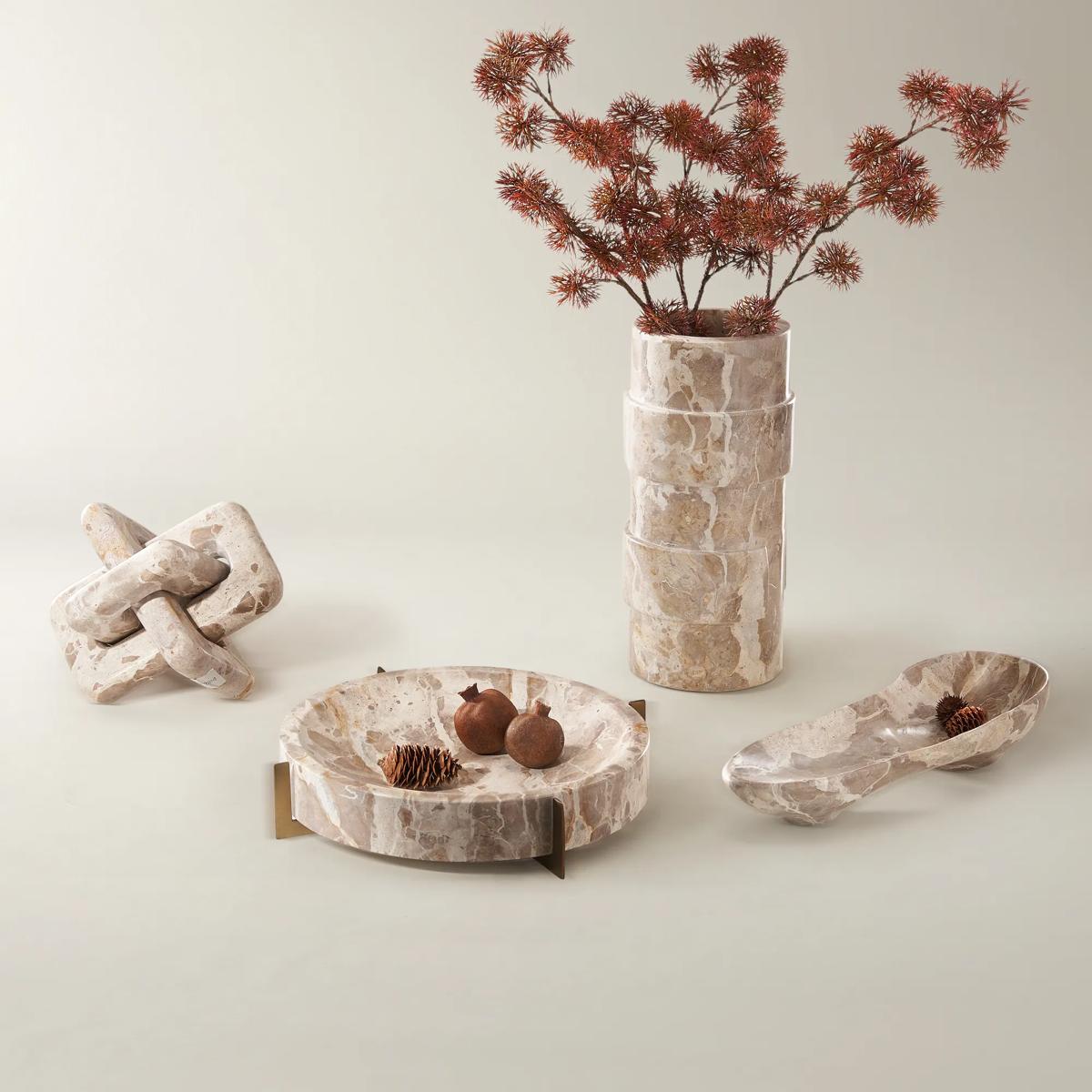
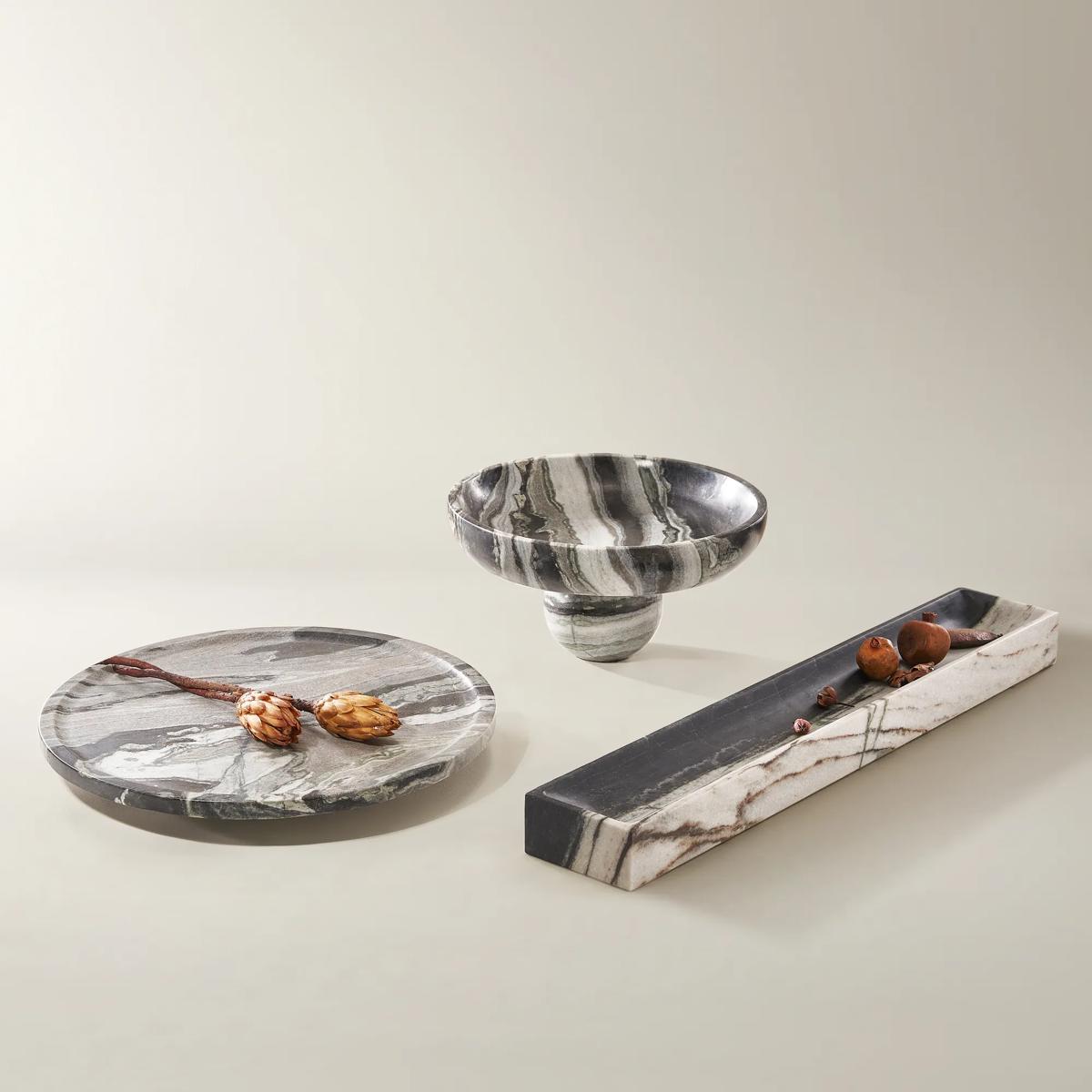
Home accent bowls are decorative vessels that bring shape, texture, and visual focus to coffee tables, consoles, dining tables, and shelves. Their appeal lies in the balance between sculpture and function: a sweeping rim can command attention on its own, while a shallow basin can gather small objects into a composed arrangement. Unlike everyday dinnerware, decorative bowls are selected primarily for their presence in a room, and their suitability for food, water, or frequent handling depends on their materials and intended use. Ceramic and stoneware offer substantial silhouettes, with surfaces ranging from softly textured matte finishes to luminous glazes that emphasize every curve. Glass introduces transparency and reflected light, allowing the surface beneath it to remain part of the composition. Clear glass can lend an airy counterpoint to a richly patterned tabletop, while colored or opaque glass creates a more concentrated accent. Metal brings crisp definition, whether the effect is polished and mirrorlike, softly brushed, or deliberately textured. The reflective character of Decorative Bowls For Metallic Accents can echo nearby hardware, lighting, or picture frames without requiring every finish in the room to match. Marble and other natural stones contribute weight and distinctive veining; wood brings grain and warmth that balance sleek lacquer, glass, and upholstery. Natural variation is part of the character of these materials, so differences in pattern and tone can make a decorative arrangement feel more expressive. Color also shapes the mood. An ivory bowl against dark wood highlights the outline, a black vessel creates definition on a pale console, and a metallic finish adds a flash of light among quieter surfaces. A smooth interior paired with a deeply textured exterior offers contrast within a single form. Whether the desired effect is restrained or theatrical, the strongest home accent bowls have a clear relationship to the surrounding furnishings while retaining enough individuality to draw the eye.
Scale determines whether a decorative bowl feels intentional or lost within its setting. Diameter, height, and the breadth of the opening all matter, along with the space needed around the base. A broad, low bowl can anchor a generous coffee table without interrupting conversation across the seating area. On a narrow entryway console, a smaller footprint leaves room for a lamp and an uncluttered place to set down a bag. A deep bowl has a different presence from a shallow dish, even when their widths are similar: depth creates volume and conceals contents, while an open profile puts the interior finish and any arrangement on display. On a dining table, a low centerpiece preserves sightlines and allows the surrounding place settings to remain the focus during a meal. A substantial sculptural bowl on a sideboard can stand alone, especially beneath large artwork, where its curves soften the geometry of the frame and furniture. Bookshelves benefit from bowls that leave breathing room above the rim rather than filling an entire compartment. Placement also changes how a finish reads. A gleaming surface near a lamp catches concentrated highlights; a matte vessel against mirrored furniture introduces a quieter texture. Decorative fillers can extend that conversation without obscuring the bowl itself. Smooth decorative spheres emphasize a rounded silhouette, while a few dried botanical stems laid within a broad basin create an organic line. A vessel with an intricate interior or dramatic asymmetrical edge may need nothing at all. For everyday organization, a shallow bowl near the door can contain keys, provided its finish tolerates contact with metal; a small bowl on a dresser can gather frequently worn accessories. Delicate interiors are better reserved for display than repeated contact with hard objects. Negative space remains part of the arrangement: an exposed sweep of tabletop around the bowl gives its outline definition and keeps a richly layered room from feeling crowded.
Material, construction, and finish influence how an accent bowl wears over time, making intended use as important as appearance. Ceramic, glass, and stone can chip or break when struck, particularly along thin rims or projecting details. A substantial base can improve stability, but weight alone does not make a bowl resistant to impact. Metal may withstand everyday handling differently, yet polished, plated, or painted surfaces can scratch, and some finishes may change with exposure to moisture. Wood responds to its environment and generally benefits from protection against prolonged dampness and direct heat. Natural stone may be porous or sensitive to acidic substances, depending on the stone and its treatment. Care should follow the maker’s instructions, with a soft, lint-free cloth often appropriate for routine dusting. Abrasive pads, harsh cleaners, and prolonged soaking can damage decorative finishes, while dishwasher use should be limited to pieces explicitly identified as dishwasher-safe. A bowl intended solely for display should not be assumed suitable for serving, even if its shape resembles a fruit bowl or serving dish. Direct food contact requires an explicit food-safe designation, and fresh floral arrangements require a vessel confirmed to hold water. Protective pads suitable for both the bowl and the furniture finish can help reduce scratching beneath a heavy base. These practical details preserve the expressive qualities that make accent bowls compelling gifts as well as personal purchases. For a housewarming or wedding, a generously proportioned bowl can become a lasting focal point in a shared living space. For a host or design enthusiast, a distinctive texture or sculptural profile can feel personal without requiring an exact match to existing decor. The recipient’s available surface space, preferred palette, and appetite for decorative detail provide a more meaningful starting point than size alone. A thoughtfully chosen bowl brings artistry into daily view, turning an otherwise open surface into a deliberate expression of the home’s character.
FAQs
To create a striking visual impact, layer home accent bowls with complementary textures and materials. Place a metallic or glass bowl atop a stack of art books, or fill a sculptural ceramic bowl with seasonal botanicals, decorative spheres, or natural elements. Consider grouping bowls of varying heights and finishes for a curated, gallery-inspired look that draws the eye and adds dimension to your space.
Popular materials for decorative accent bowls include gleaming metals like brass and silver, richly glazed ceramics, hand-blown glass, and natural woods. Each material brings its own mood—metals evoke glamour and light, ceramics offer artisanal charm, glass delivers luminous clarity, and wood introduces warmth and organic texture.
Absolutely. Accent bowls make thoughtful and memorable gifts for occasions such as housewarmings, weddings, anniversaries, or birthdays. Their versatility and artistry ensure they become cherished pieces, whether displayed as a centerpiece or used to hold treasured keepsakes.
During winter, accent bowls can infuse your home with warmth and elegance. Fill them with pinecones, shimmering ornaments, or candles to reflect the season’s spirit. Their reflective surfaces and sculptural forms help capture and amplify ambient light, creating a cozy, inviting atmosphere that feels both luxurious and comforting.
Yes, accent bowls are incredibly versatile and can elevate spaces throughout your home. Place one on a bedroom dresser to hold jewelry, in a hallway to collect keys, or in a bathroom for decorative soaps. Their artistic presence brings a touch of sophistication and order to any room.