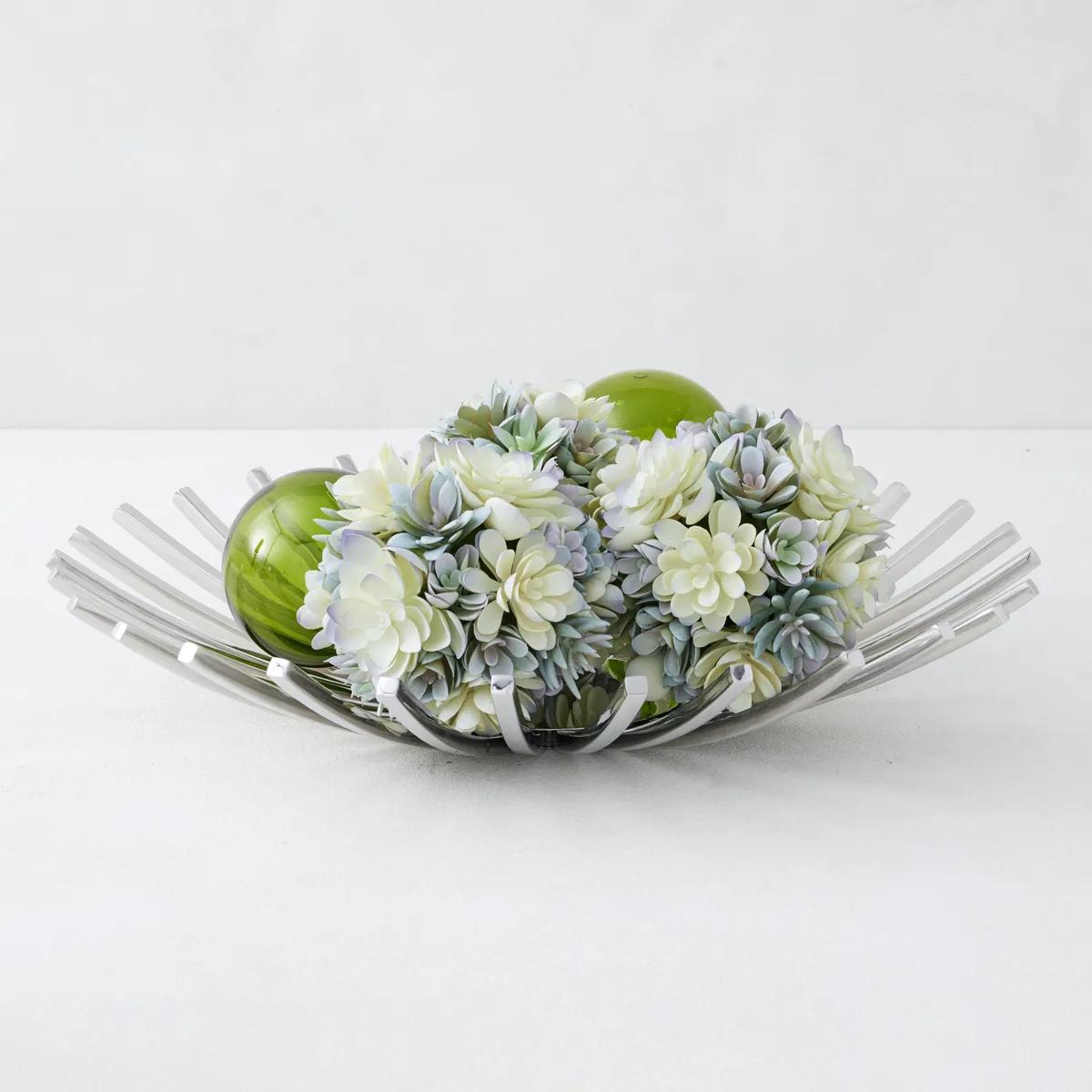
Decorative Fruit Bowls
Decorative Fruit Bowls
-

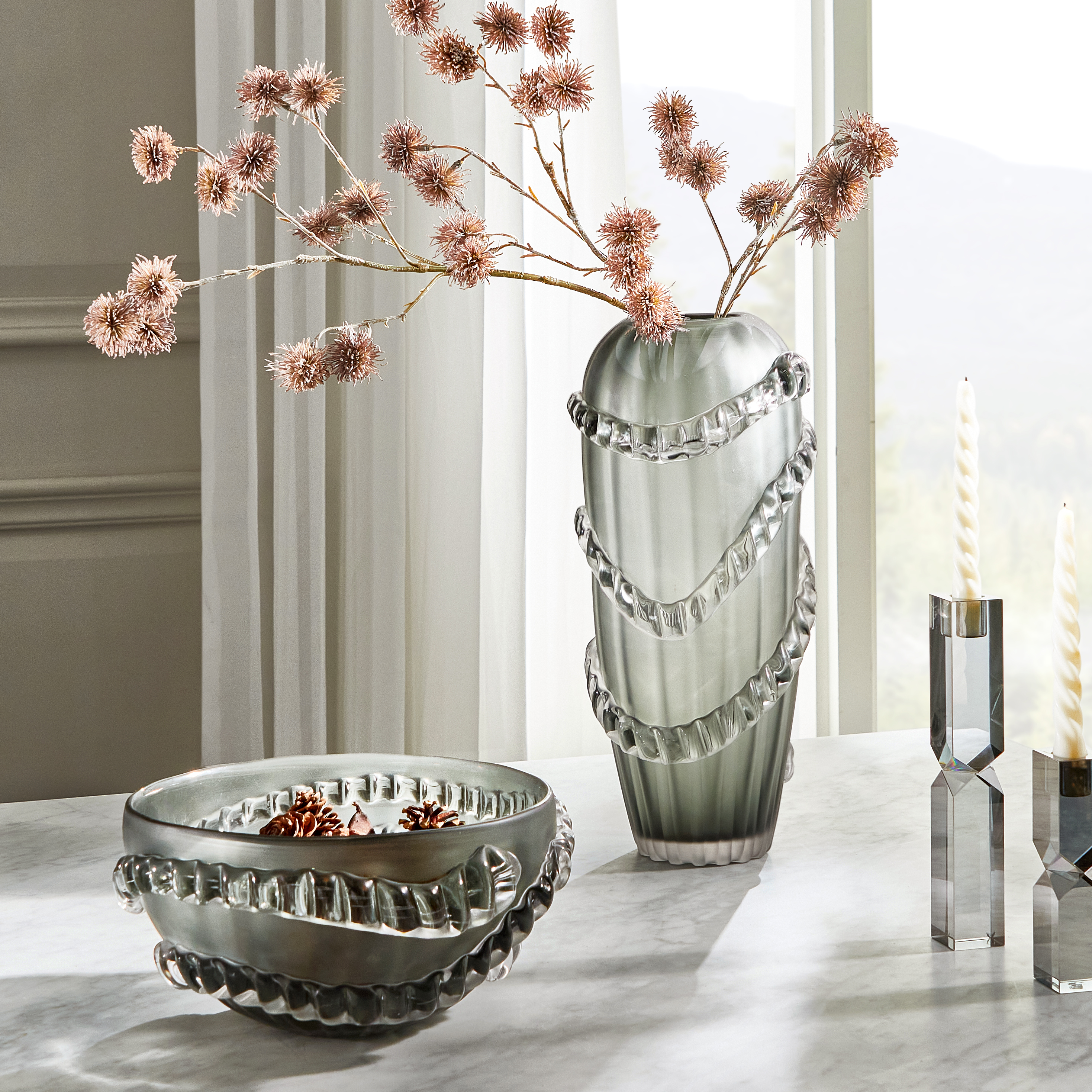 Helix Glass Collection$129
A hand-blown dark gray glass piece featuring fluted bodies and rippling sculptural ribbons for modern elegance.
Add To Cart -
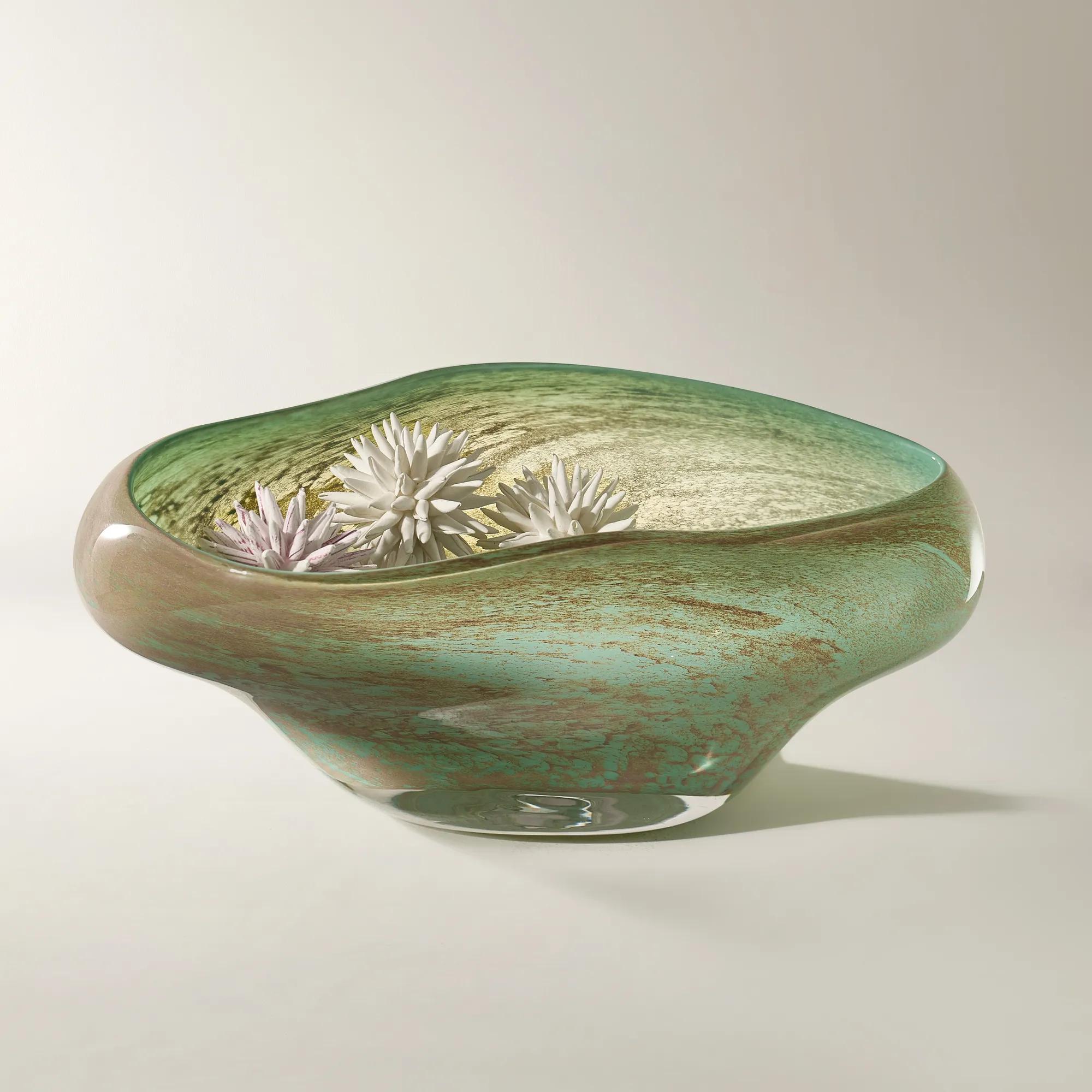
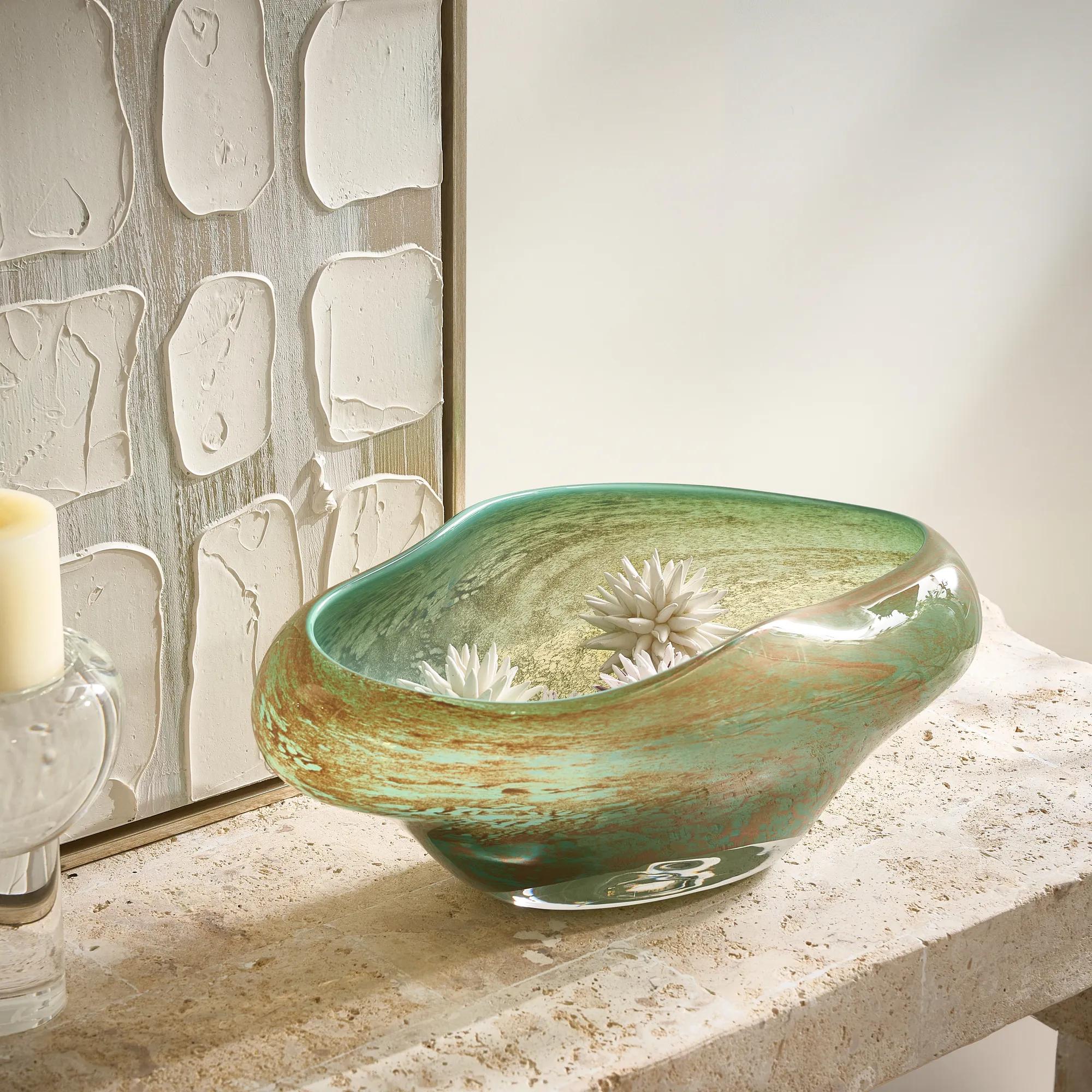 Green Mist Glass Bowl$179
A green glass bowl adding modern elegance to decorative displays.
Add To Cart -
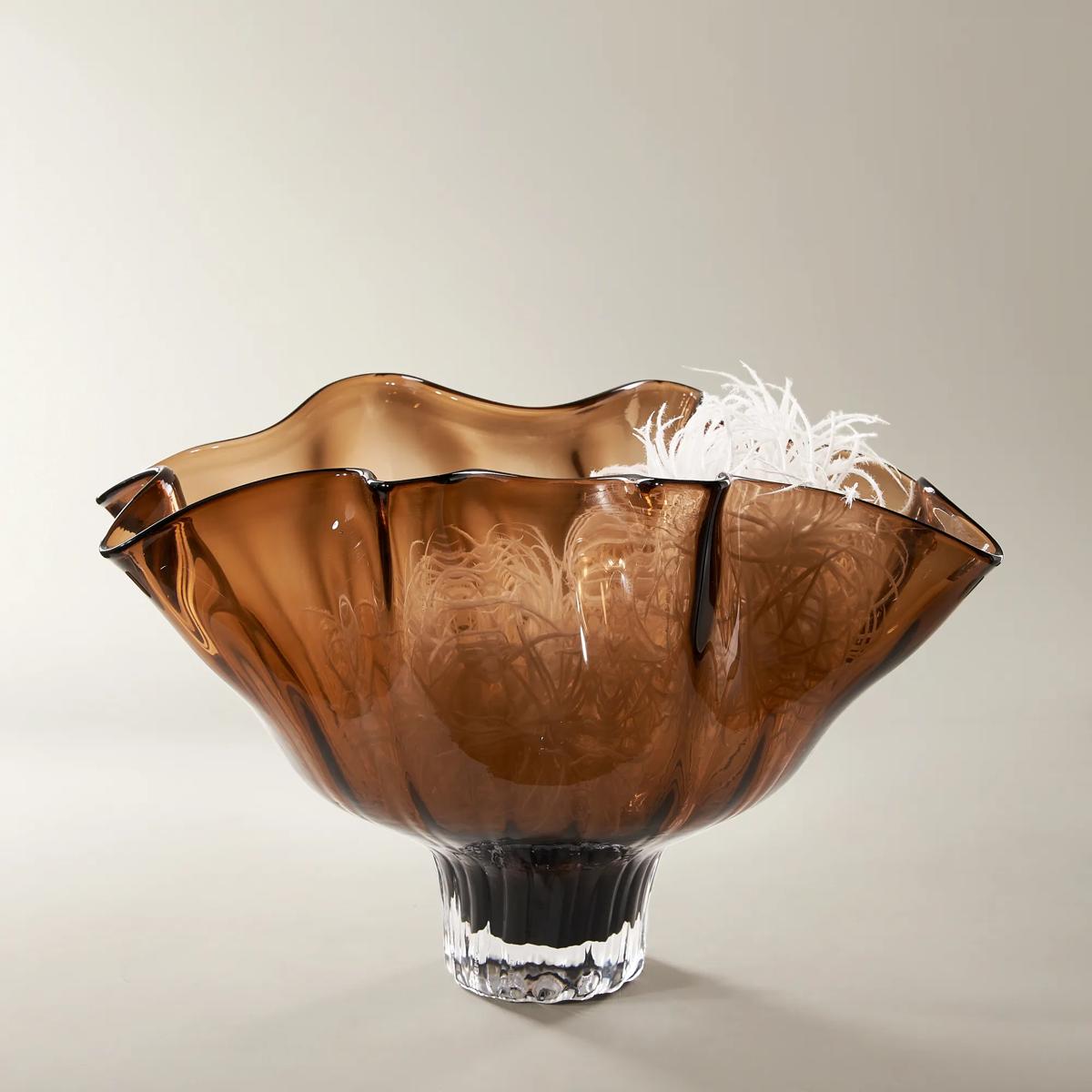
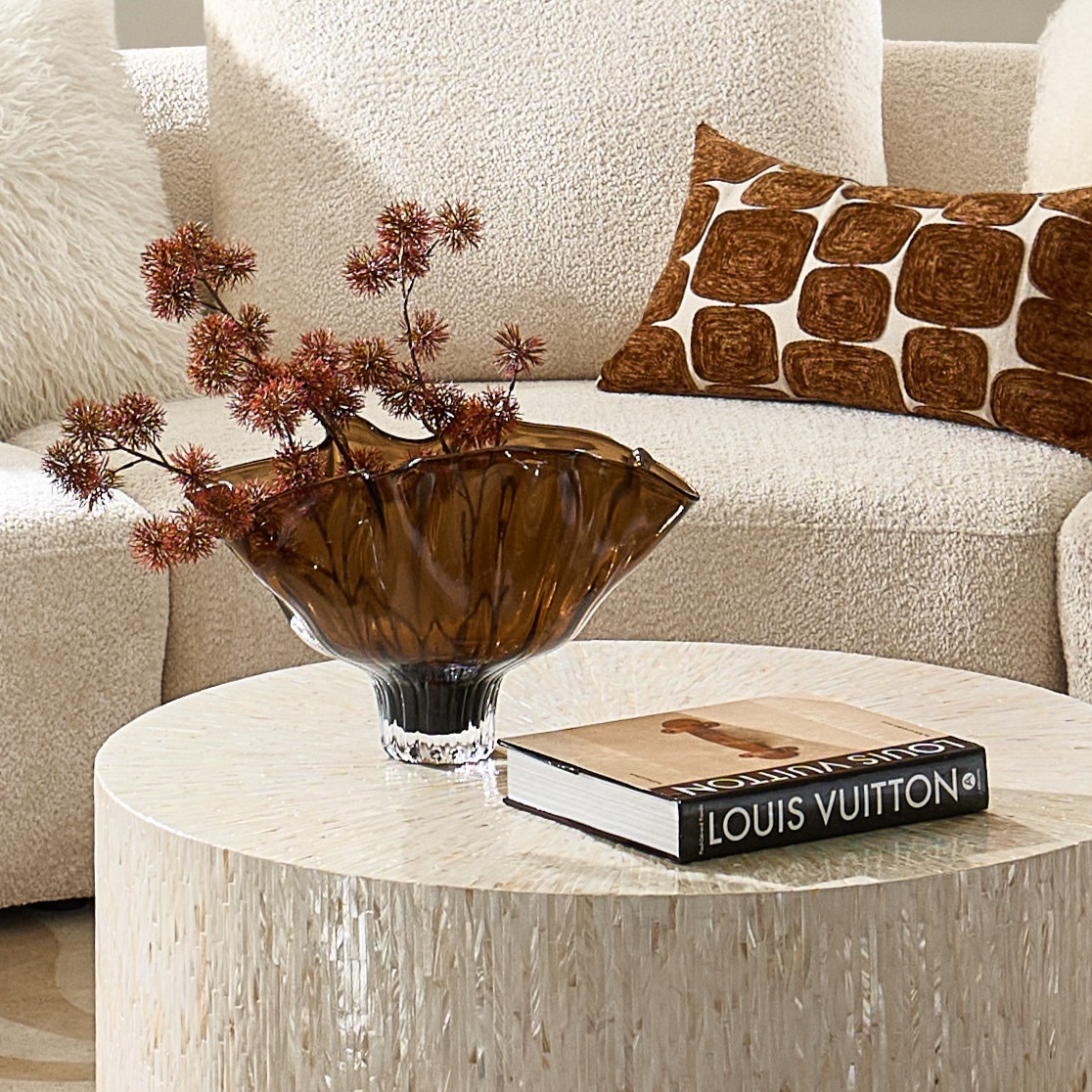 Coco Mouthblown Brown Glass Bowl 17" x 9.75"$139
A hand-blown brown glass bowl with an undulating rim and clear tapered base for sculptural elegance.
Add To Cart -
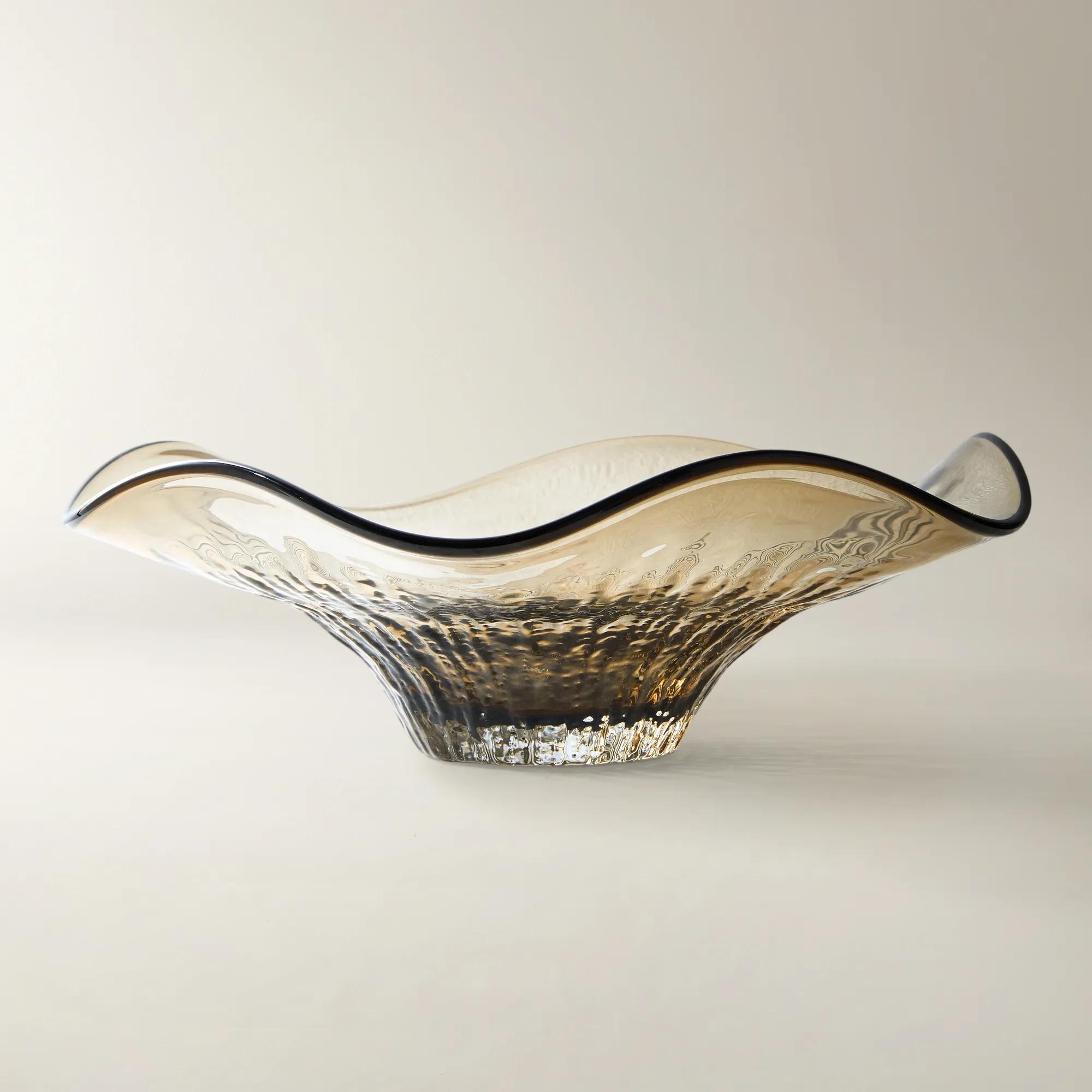 Corsi Brown Handblown Glass Decorative Bowl 15.35" x 5.1"$99
A hand-blown glass bowl in warm amber with organic shape and intricate textural details.
Add To Cart -
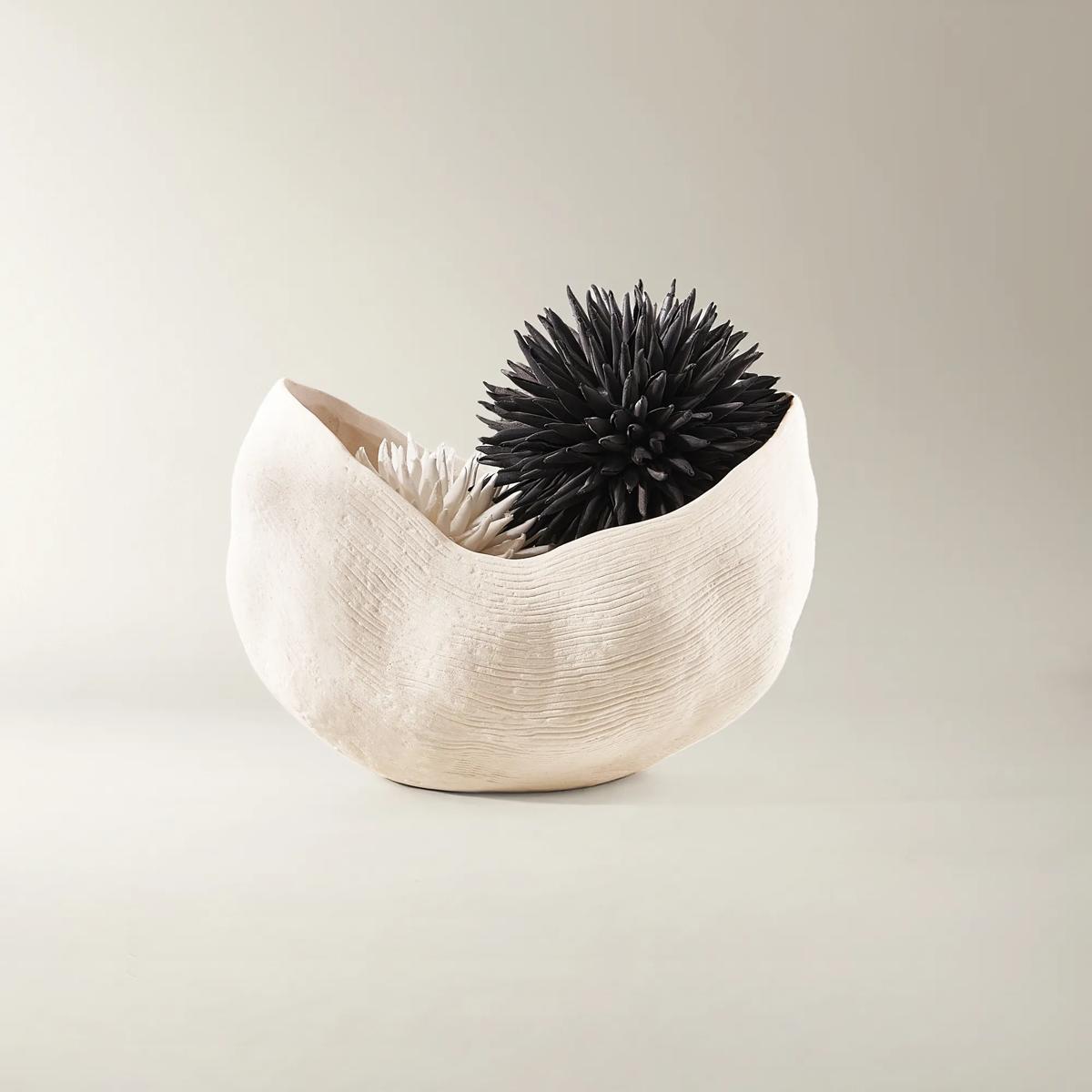 Baz Ivory Porcelain Bowl$119
A sculptural ivory porcelain bowl with a matte, textured finish and organic, free-flowing silhouette.
Add To Cart -
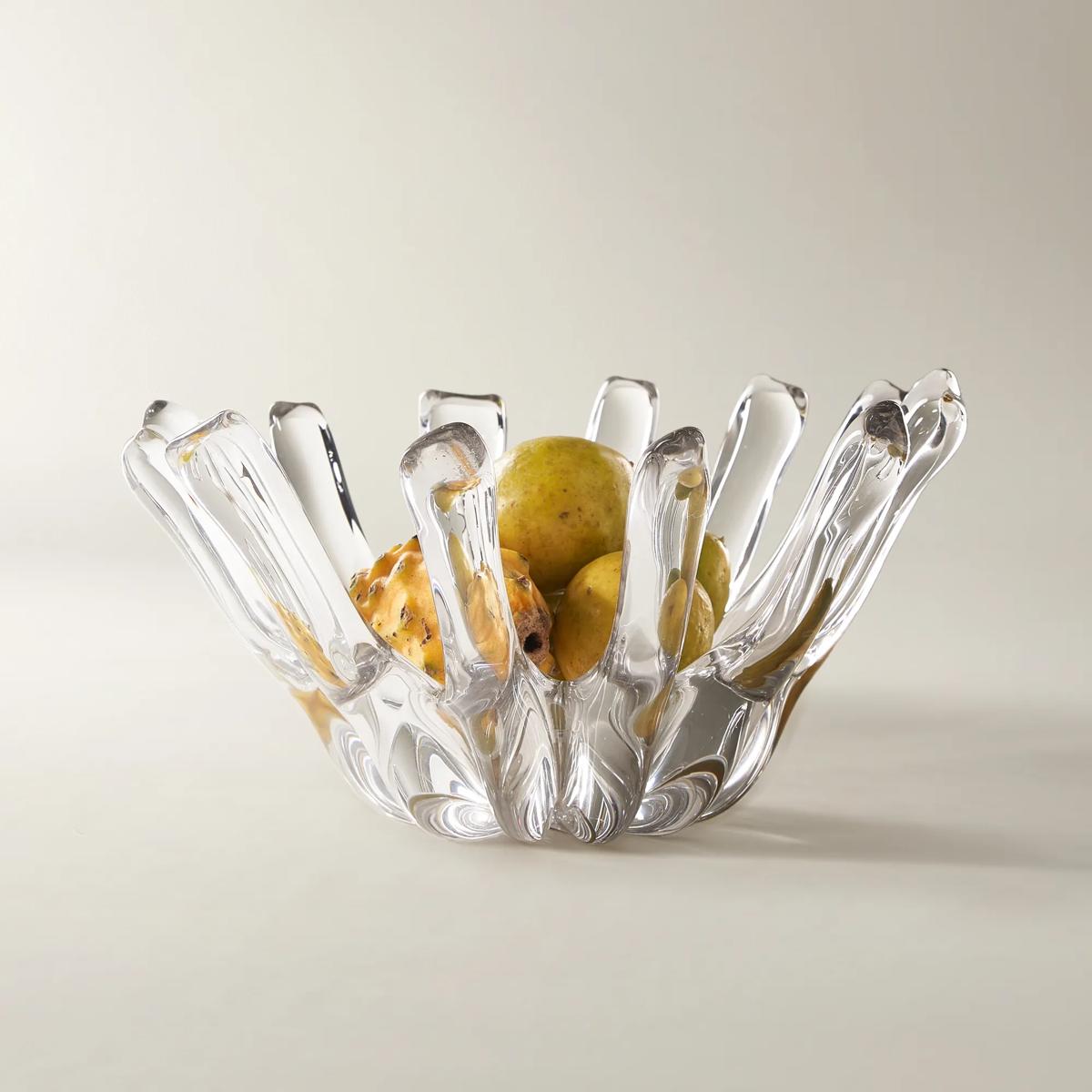
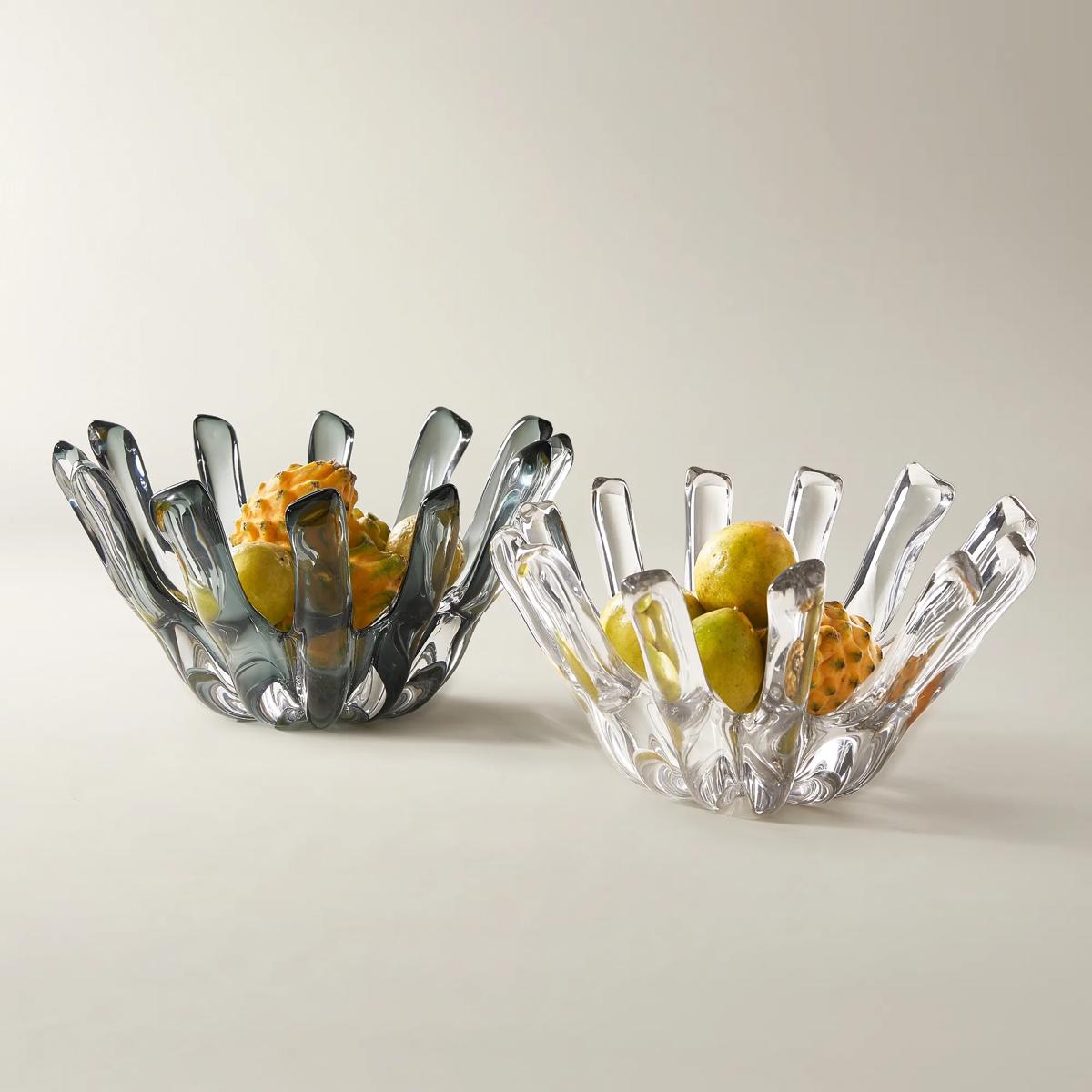 Bossa Clear Handblown Glass Decorative Bowl 13" x 7"$129
A hand-blown clear glass bowl featuring an expressive, sculptural form for modern decorative displays.
Add To Cart -
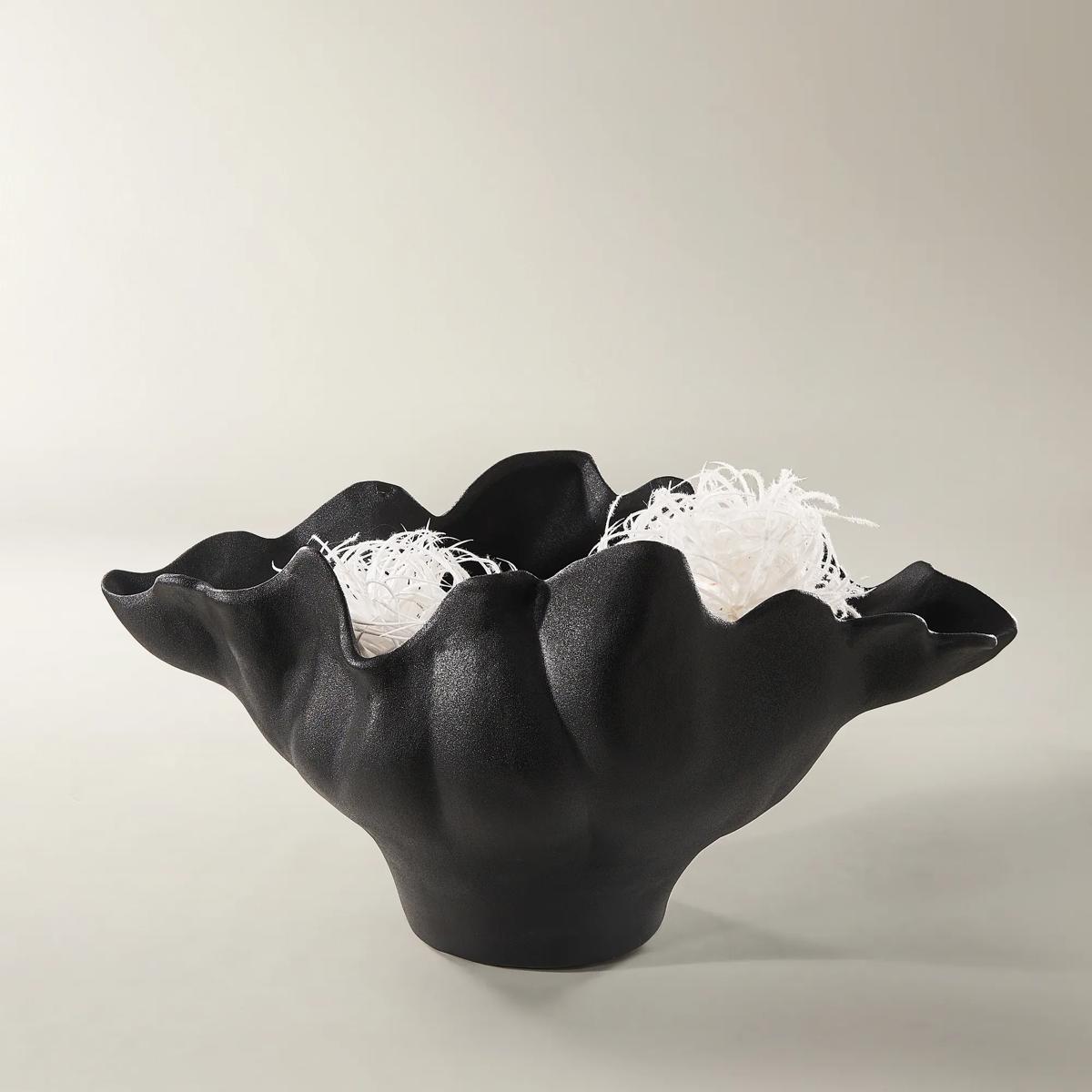
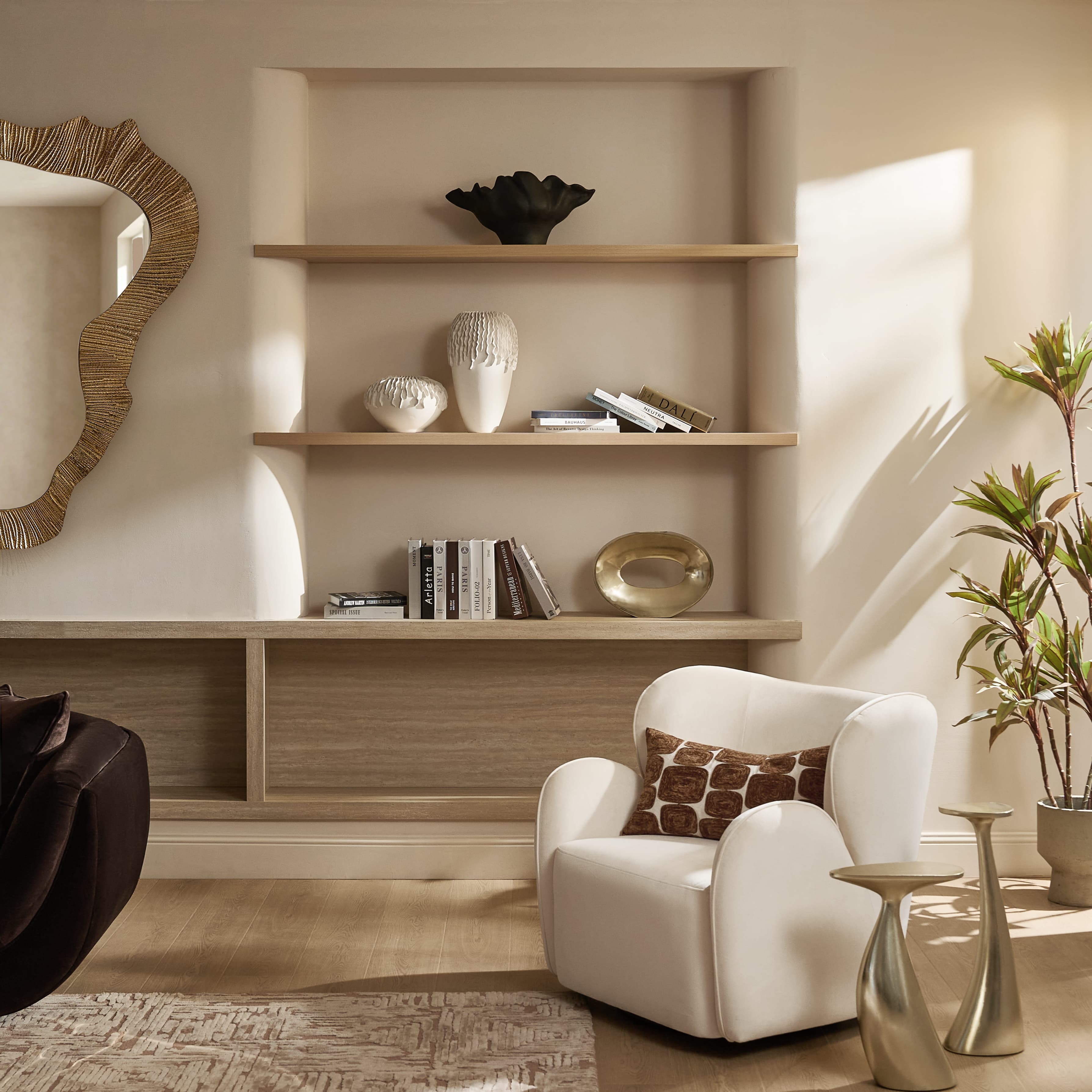 Ebba Black Porcelain Decorative Bowl 20.25" x 10.25"$199
A sculptural matte black porcelain bowl with undulating petal-like edges for bold, artistic elegance.
Add To Cart -
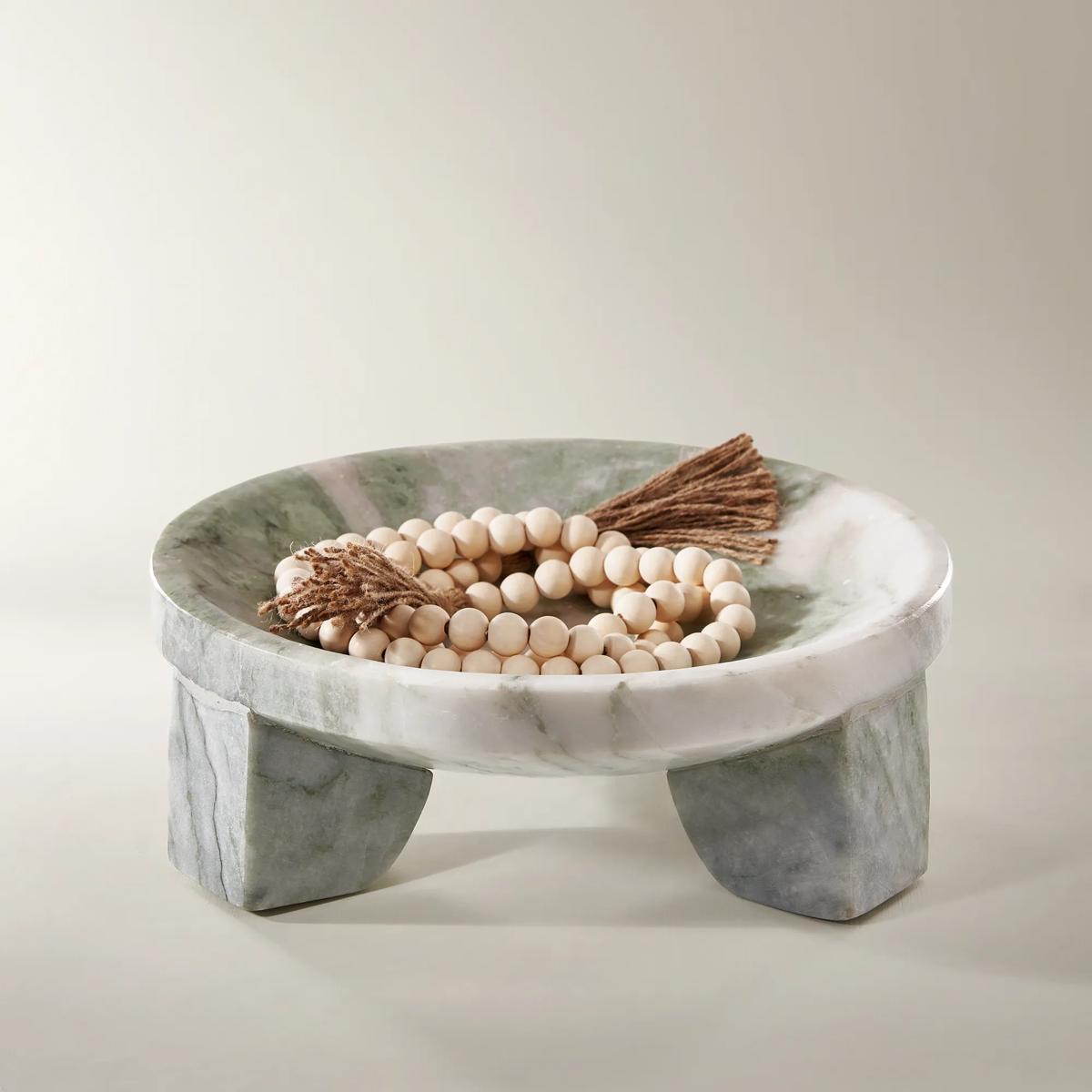
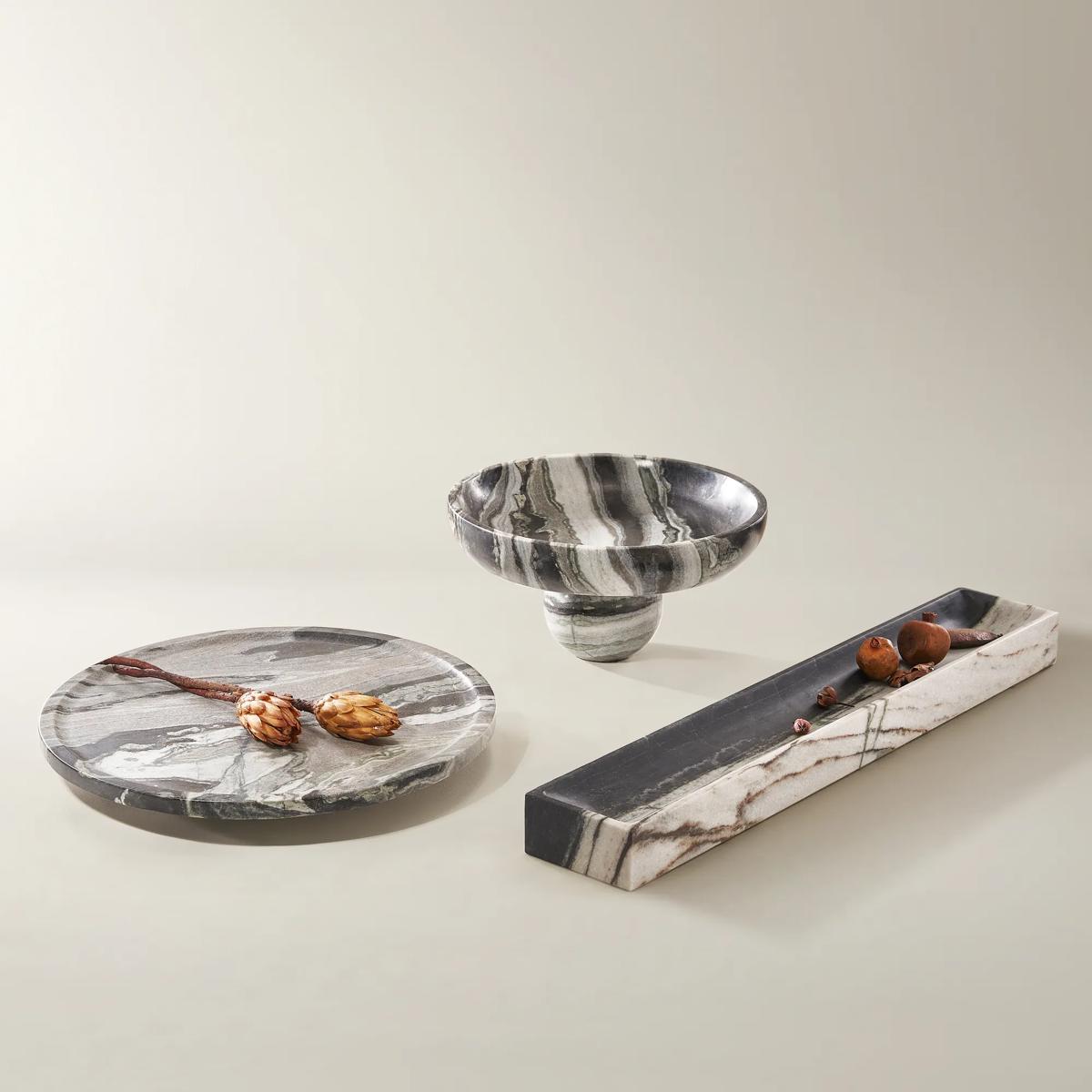
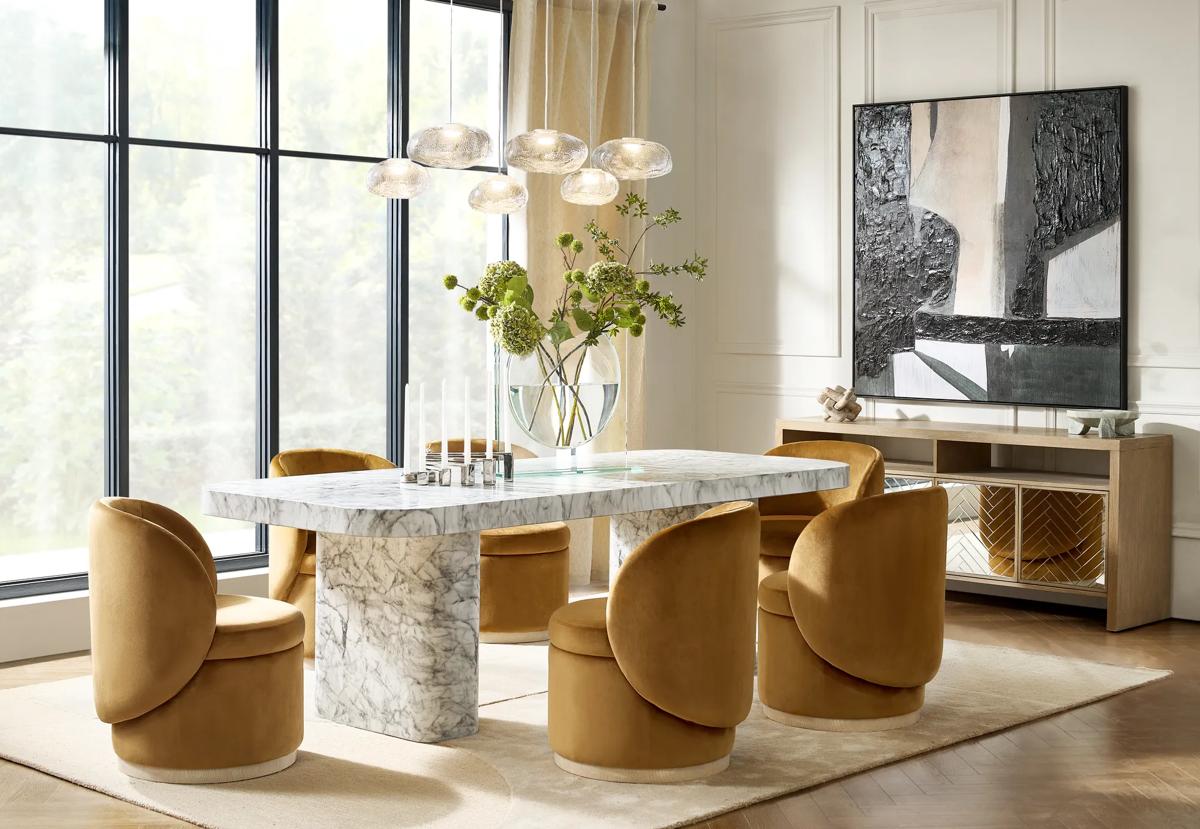 Light Green Marble Footed Bowl$199
A hand-carved onyx bowl featuring soft green marbling and sculptural feet for organic elegance.
Add To Cart -
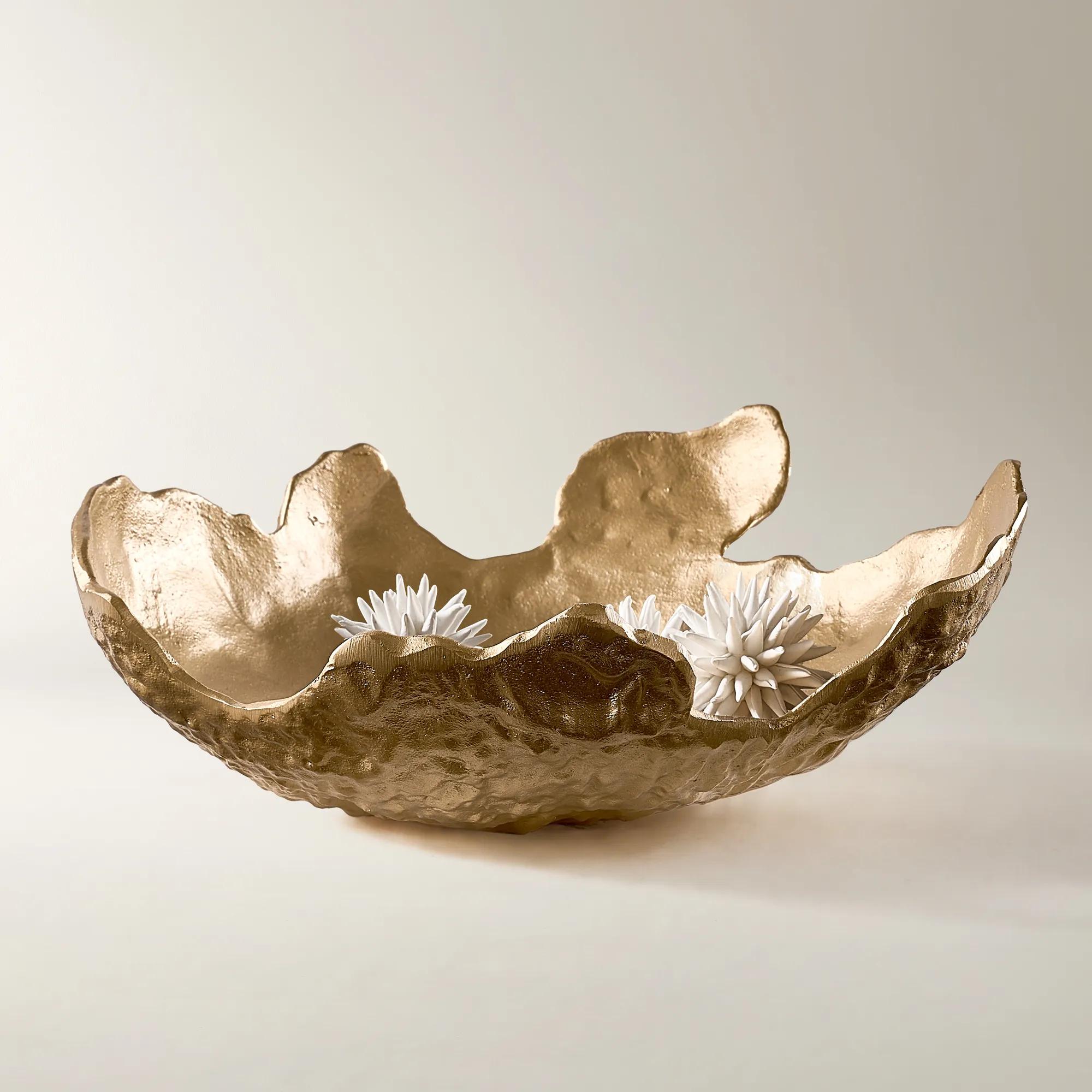 Crush Gold Aluminum Decorative Bowl 16" x 5.75"$169
A sculptural aluminum bowl with a soft gold finish and organic, crushed silhouette for modern decor.
Add To Cart -
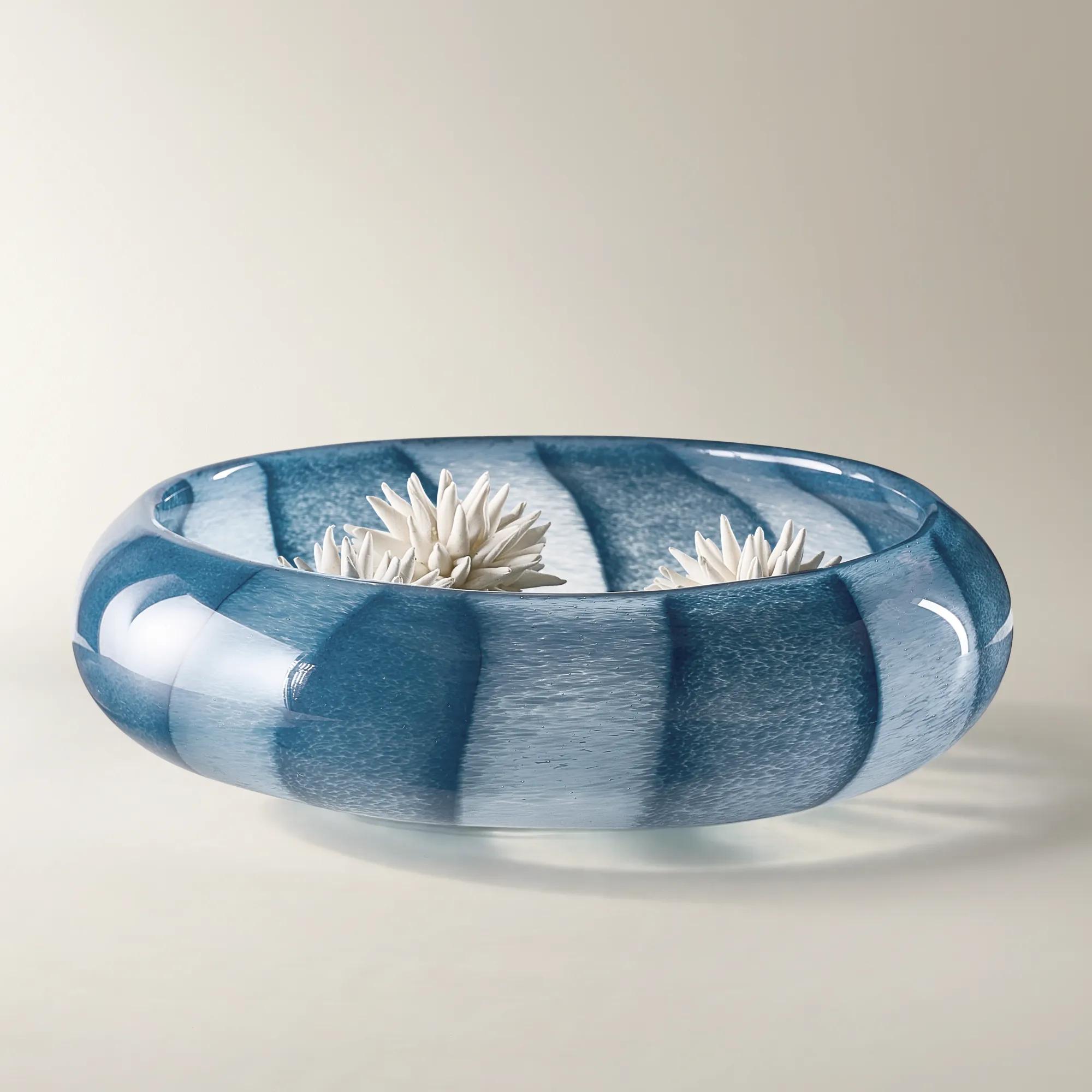 Jonah Mouth Blown Dusty Blue Glass Decorative Bowl 11.75" x 3.5"$89
A handblown glass bowl featuring dusty blue stripes and a sculptural, low rounded silhouette for decor.
Add To Cart -
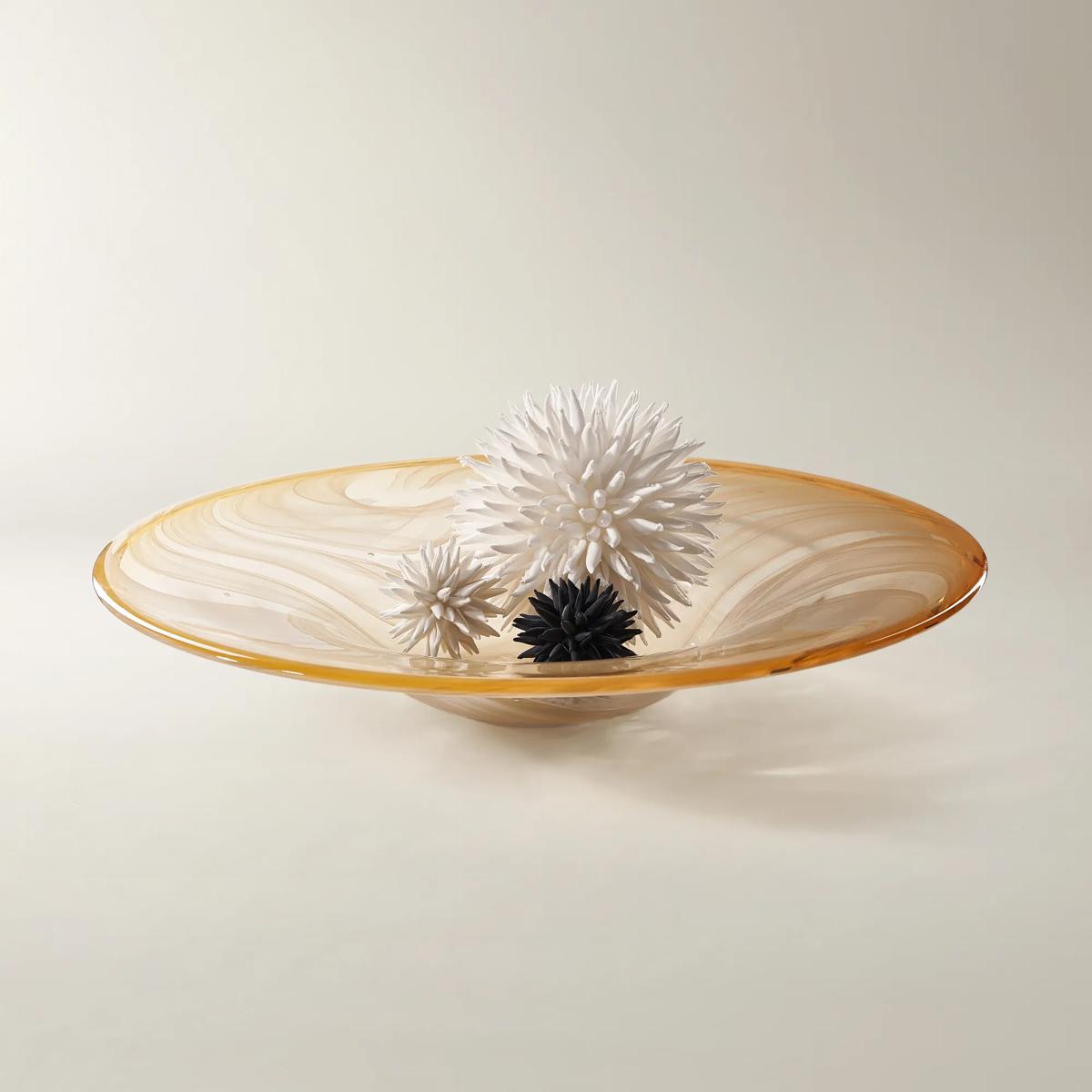
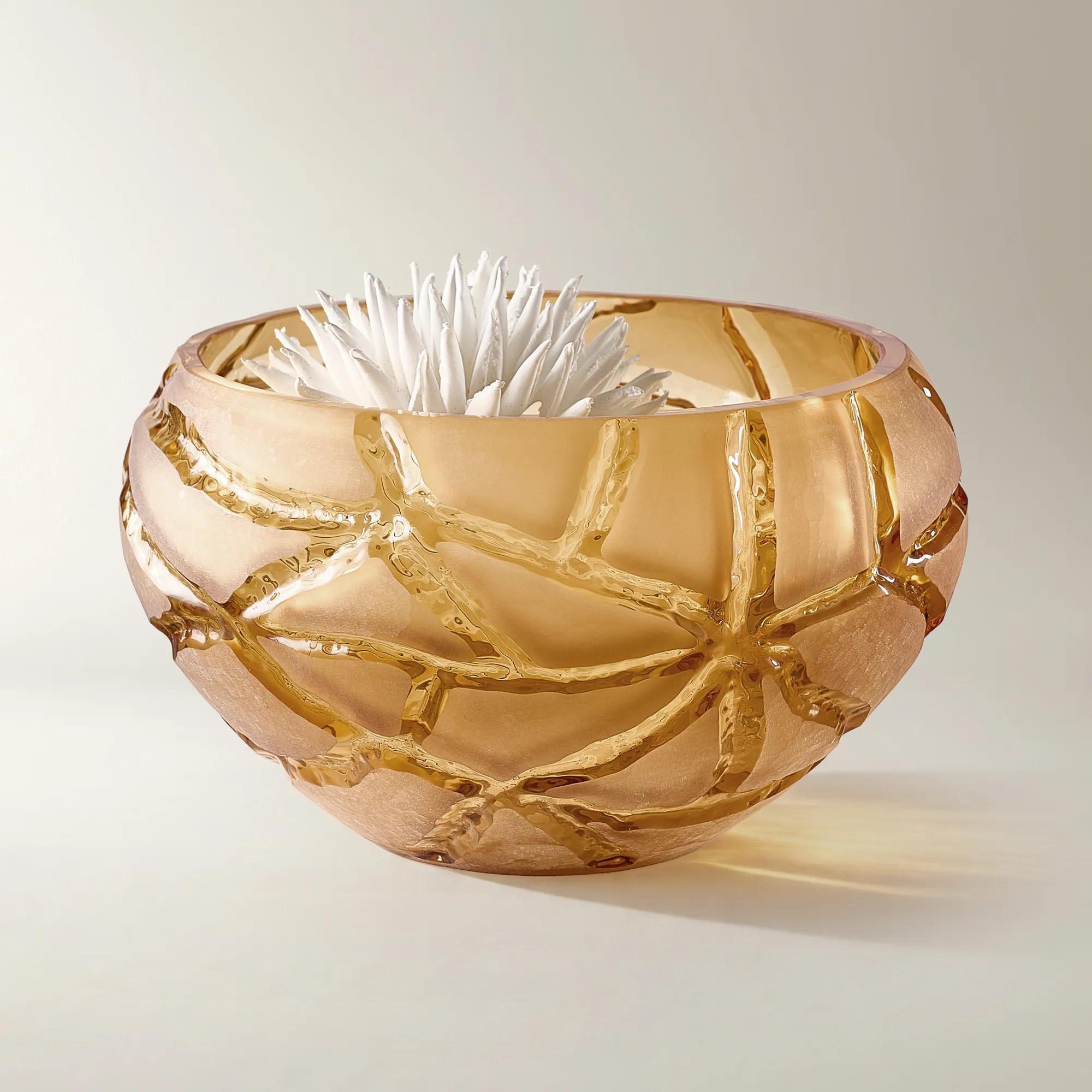 Rowen Mouth Blown Honey Gold Glass Decorative Bowl 11" x 6.25"$129
A handblown glass bowl in honey gold with a textured surface for a luminous, sculptural accent.
Add To Cart -
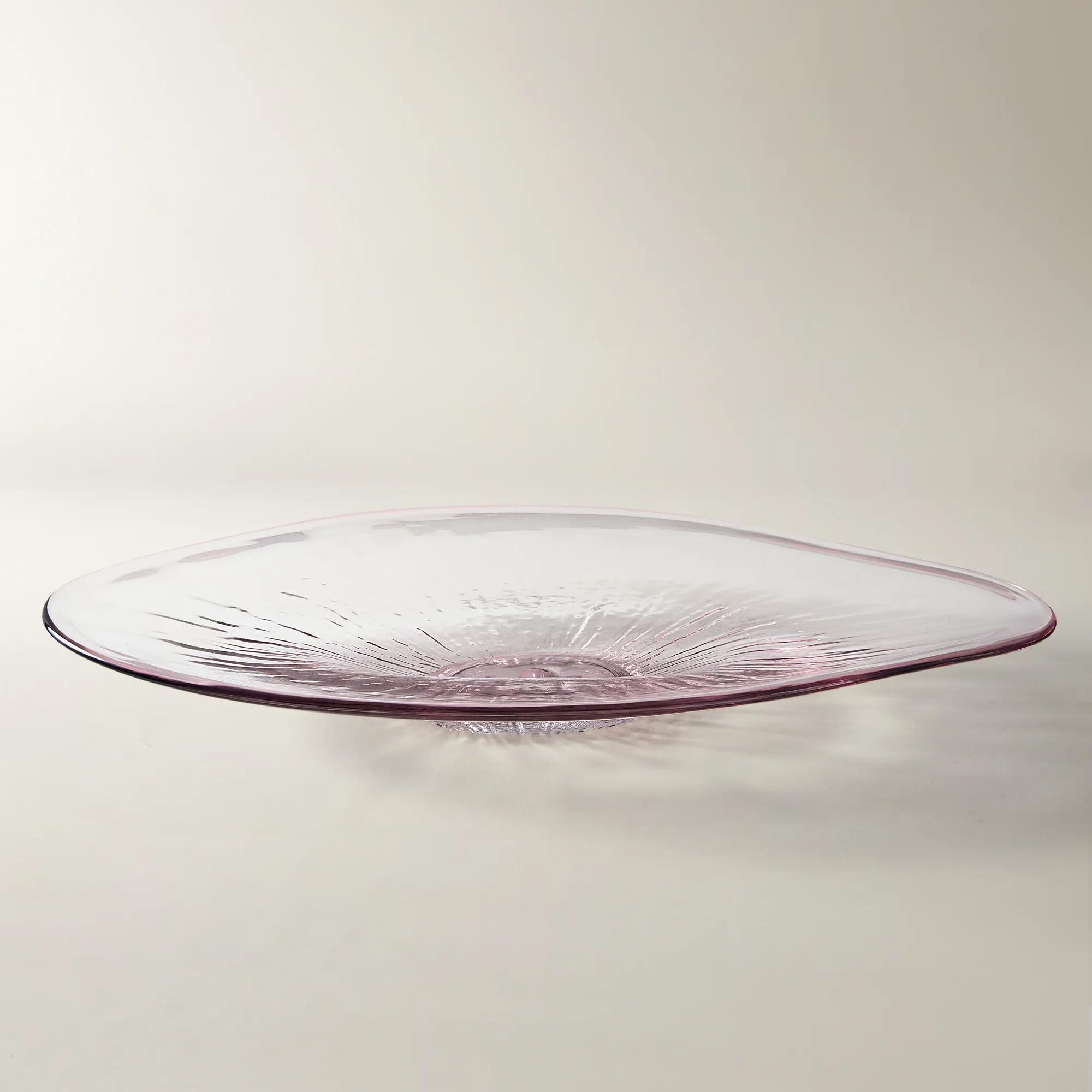 Cortina Decorative Bowl$129
A handblown glass bowl in an ethereal pink hue that brings artistic flair to modern interiors.
Add To Cart -
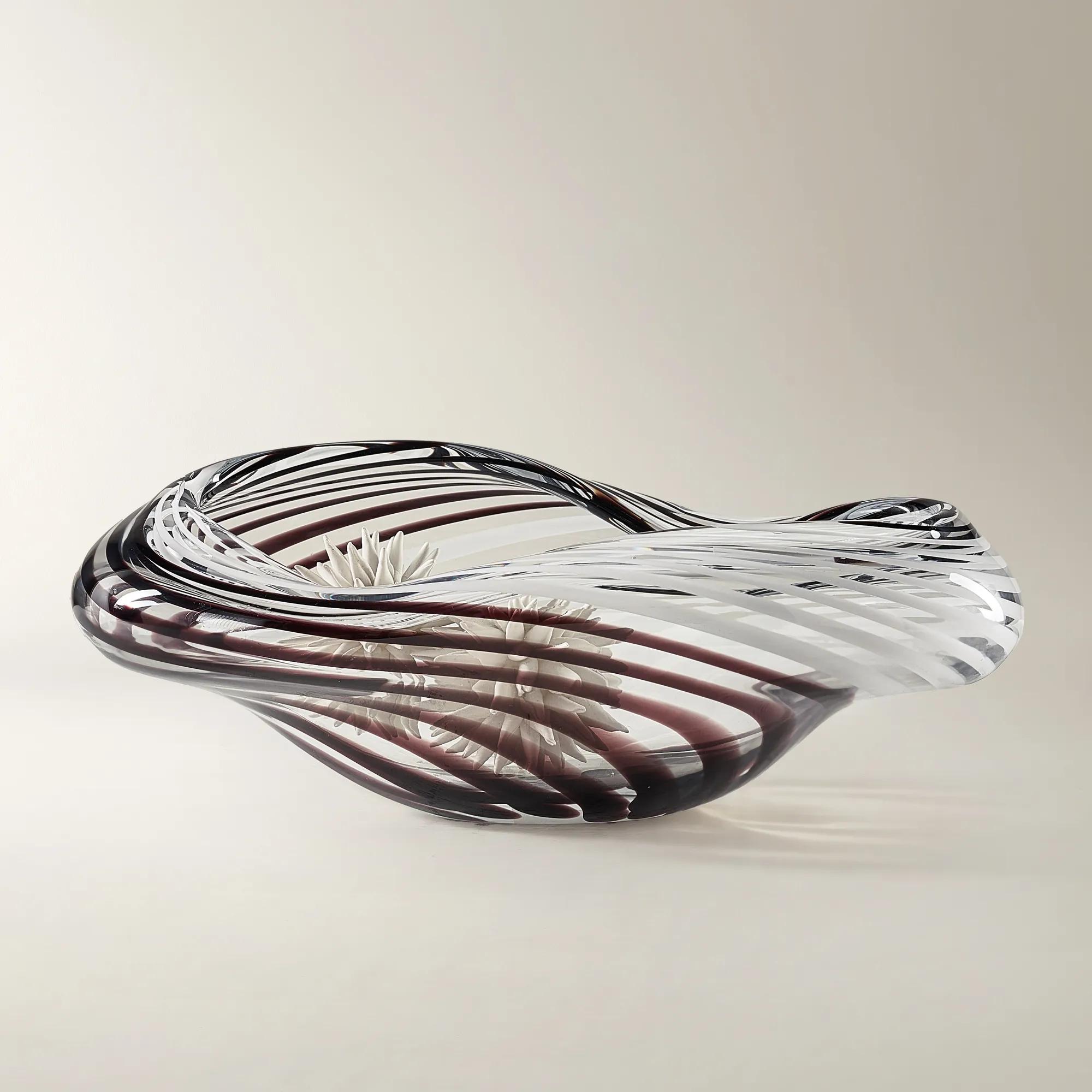 Optic Mouth Blown Black/White Glass Decorative Bowl 17.25" x 5.5"$99
A handblown glass bowl featuring charcoal stripes and a sculptural, Deco-inspired silhouette for decorative display.
Add To Cart -

 Collins Hand-Cast Gold Aluminum Decorative Pedestal Bowl 23.5" x 5"$79
A gold nickel-plated aluminum bowl with a rectangular pedestal base for striking decorative display.
Add To Cart -
 Calla Mouth Blown Blue Glass Decorative Bowl 15.35" x 5.7"$79
A handblown blue glass bowl featuring unique curves and translucent artistry for striking decorative appeal.
Add To Cart -
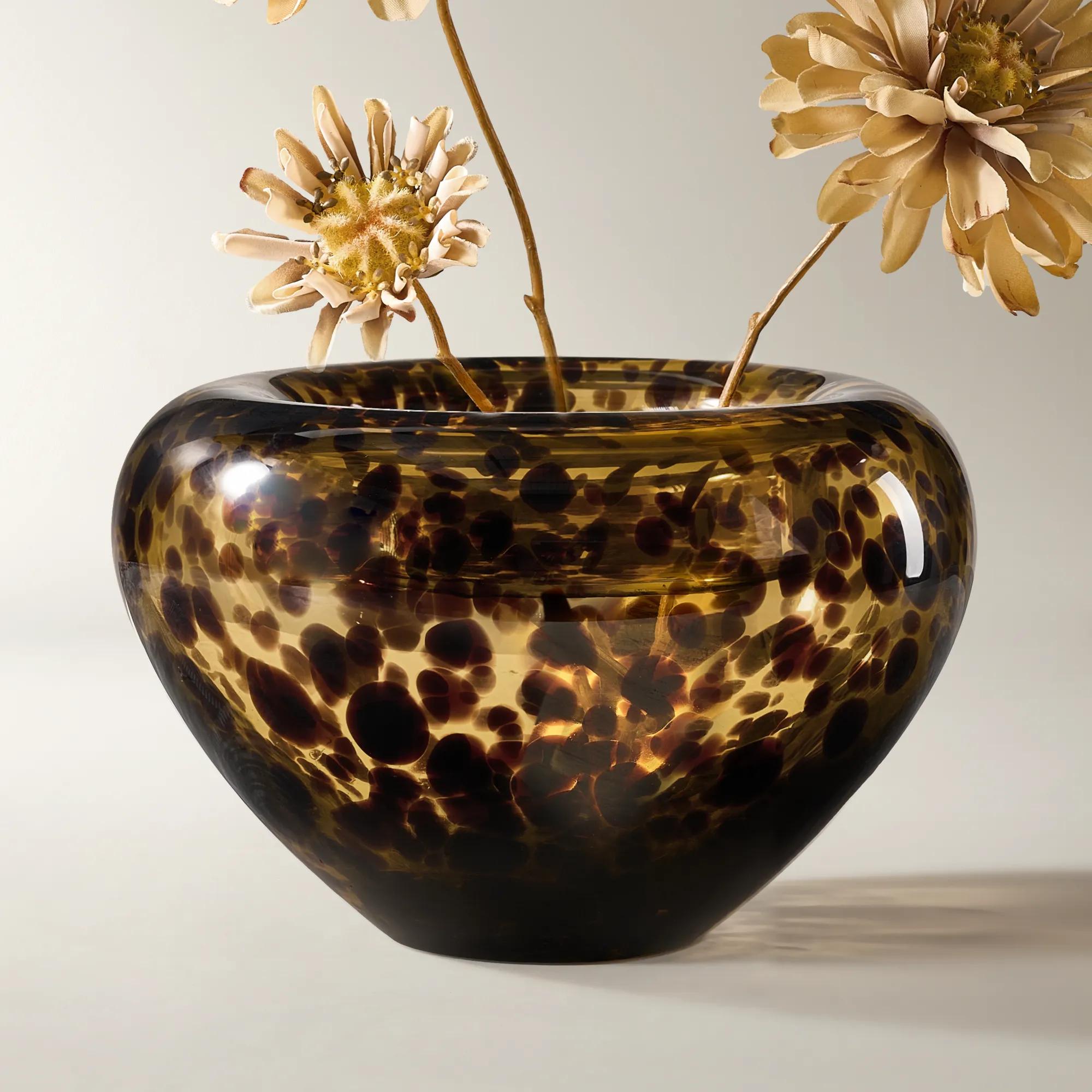 Tortoise Mouth Blown Brown Glass Decorative Bowl 8.25" x 4.25"$69
A handblown glass bowl featuring a warm brown tortoise pattern and a sculptural, rounded silhouette.
Add To Cart -
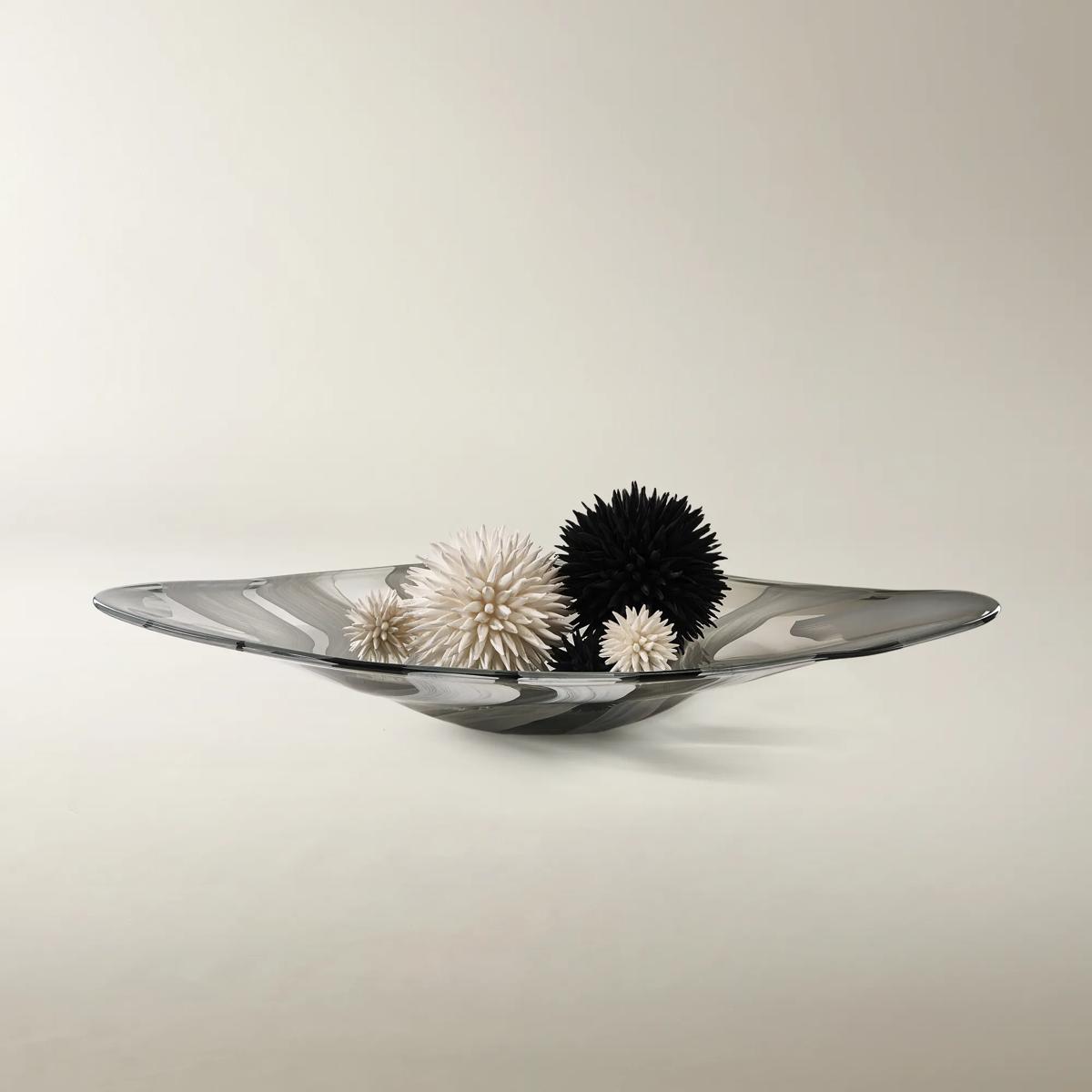
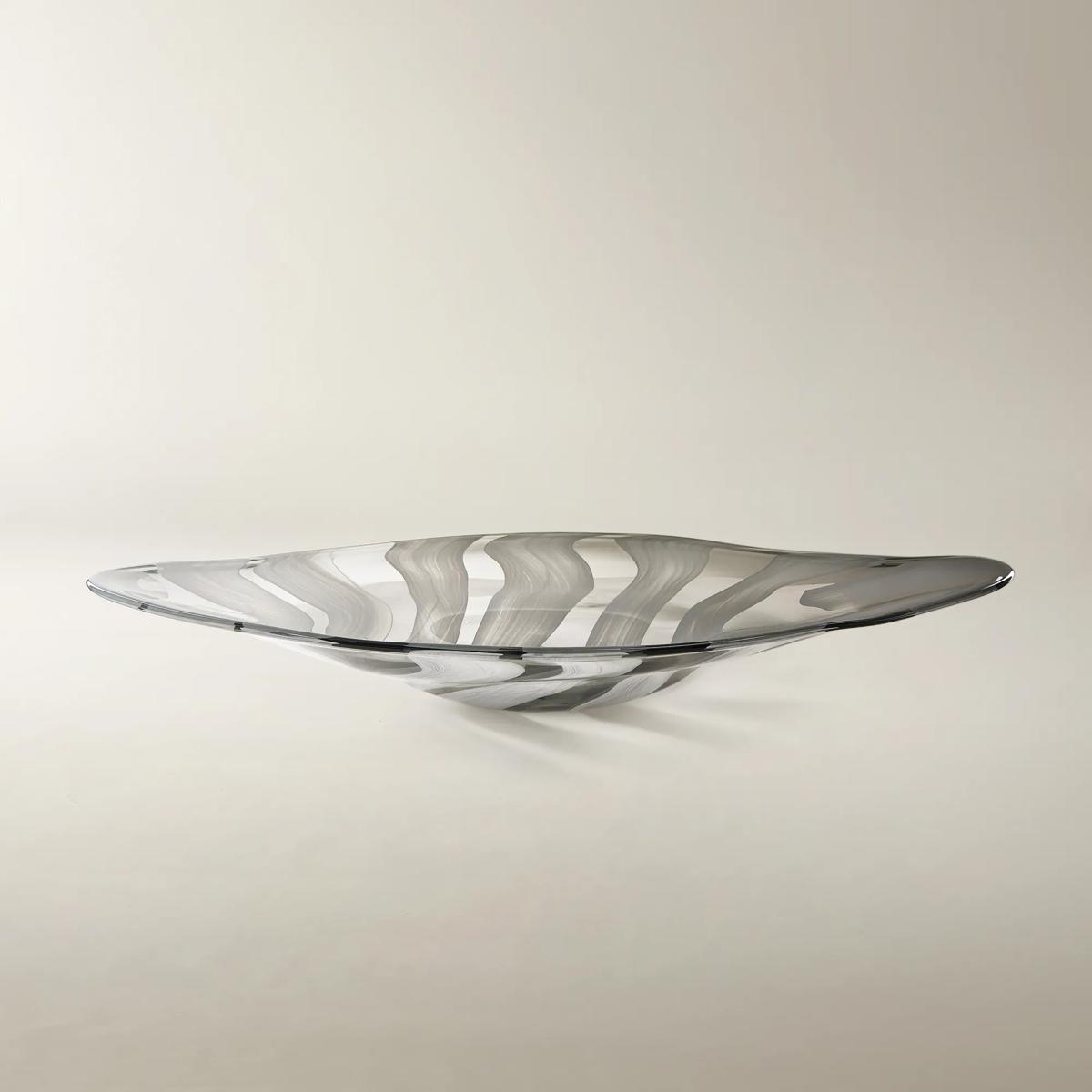 Zoya Glass Bowl$349
A hand-blown grey glass bowl with a marbled pattern and organic silhouette for modern decor.
Add To Cart -
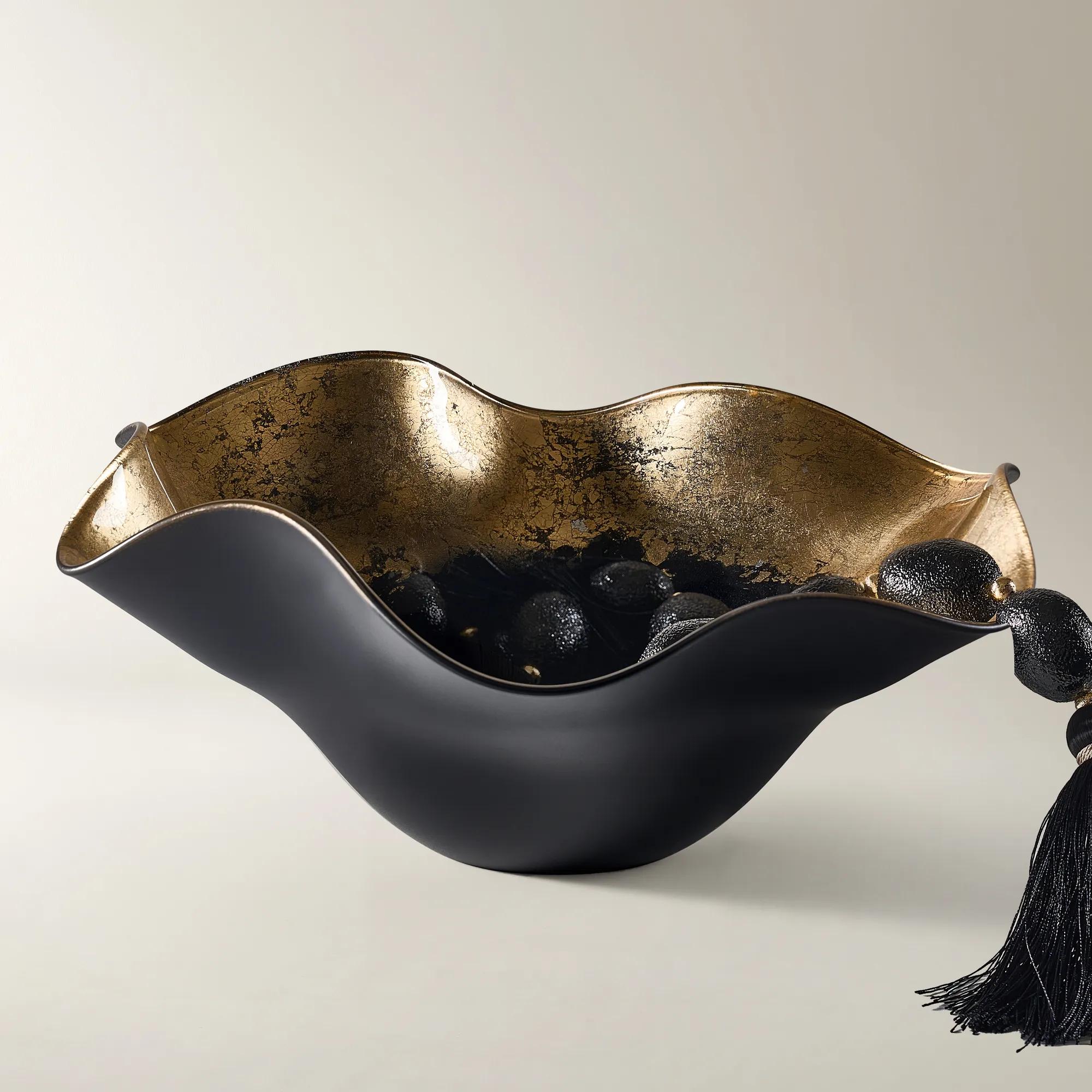
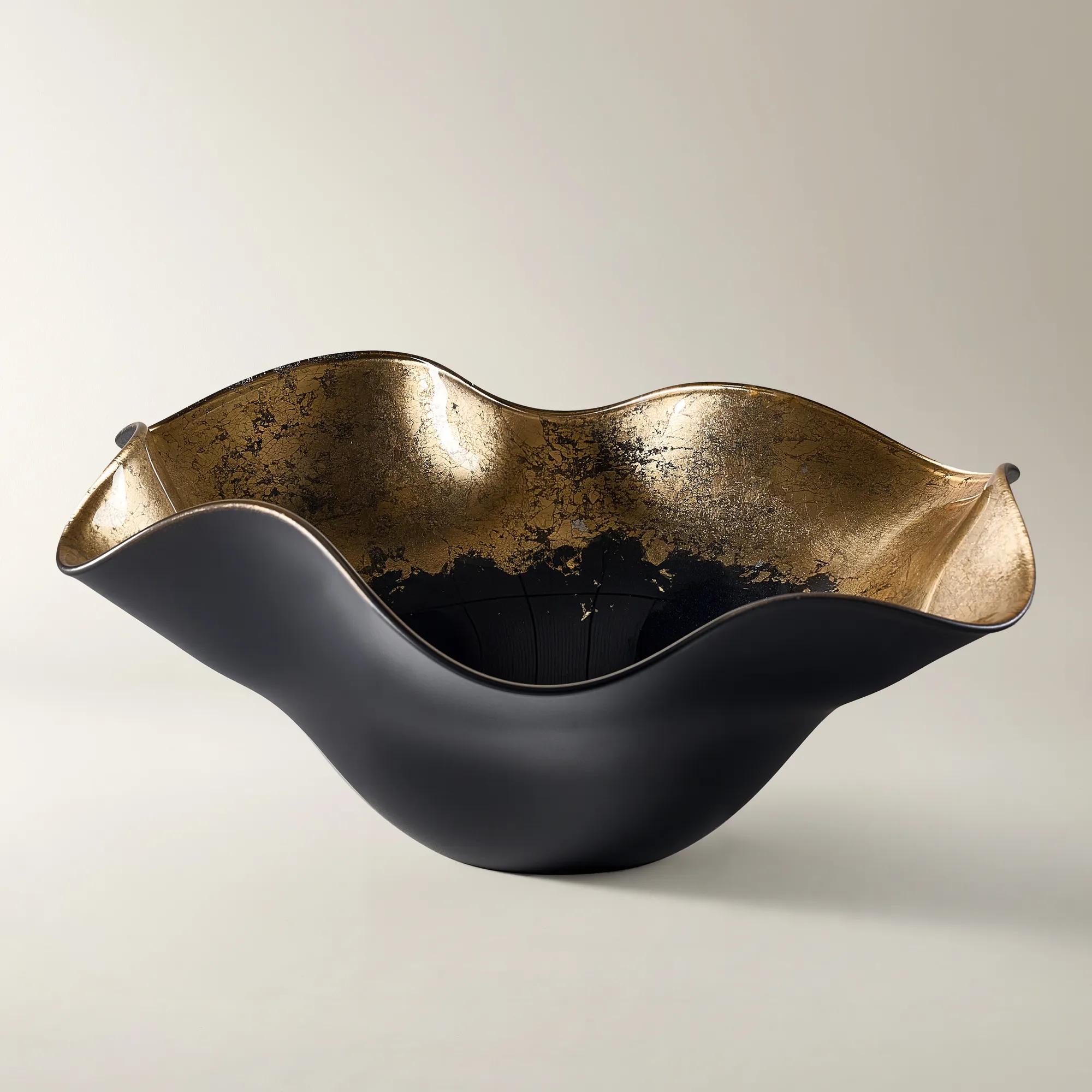 Goldie Mouth Blown Gold Black Glass Decorative Bowl 15.5" x 8.75"$199
A handblown glass bowl in soft gold and black with an organic, sculptural silhouette for modern decor.
Add To Cart -
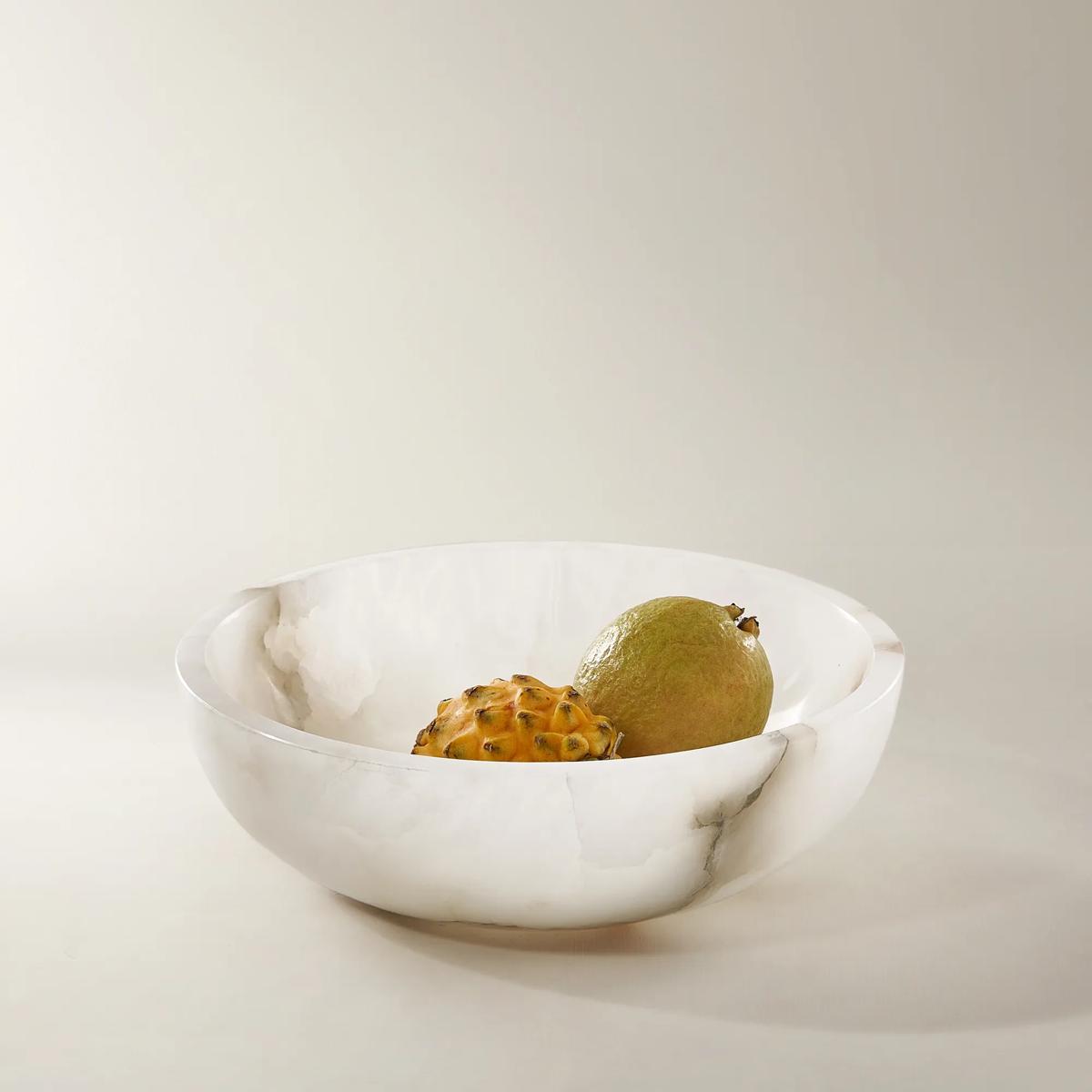 Alabaster Bowl$369
A hand-sculpted alabaster bowl featuring organic veining and soft, milky white translucence.
Add To Cart -
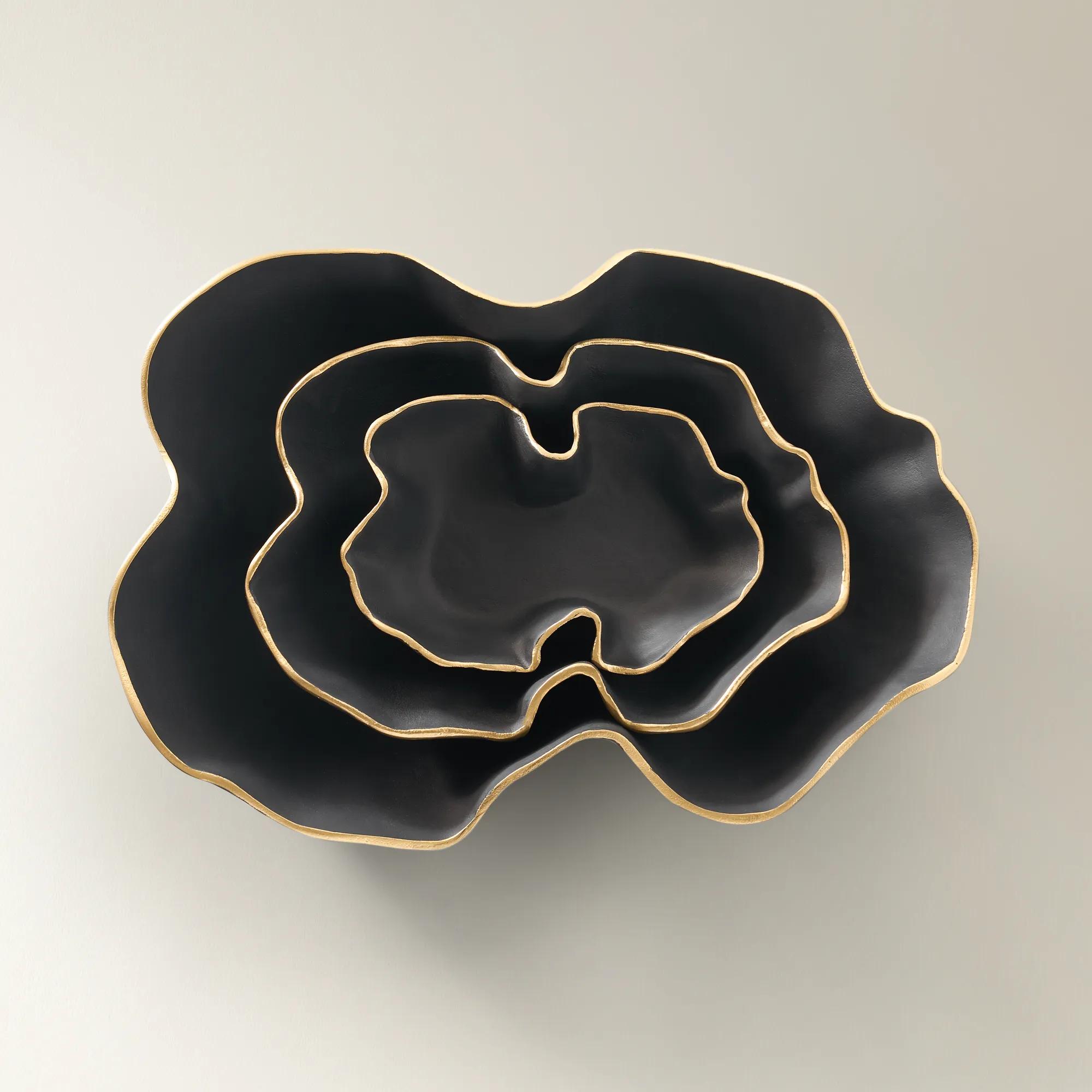 Lava Black Gold Aluminum Decorative Nesting Bowls$99
A deep black aluminum bowl with golden edges, featuring an organic shape inspired by volcanic rock.
Add To Cart -
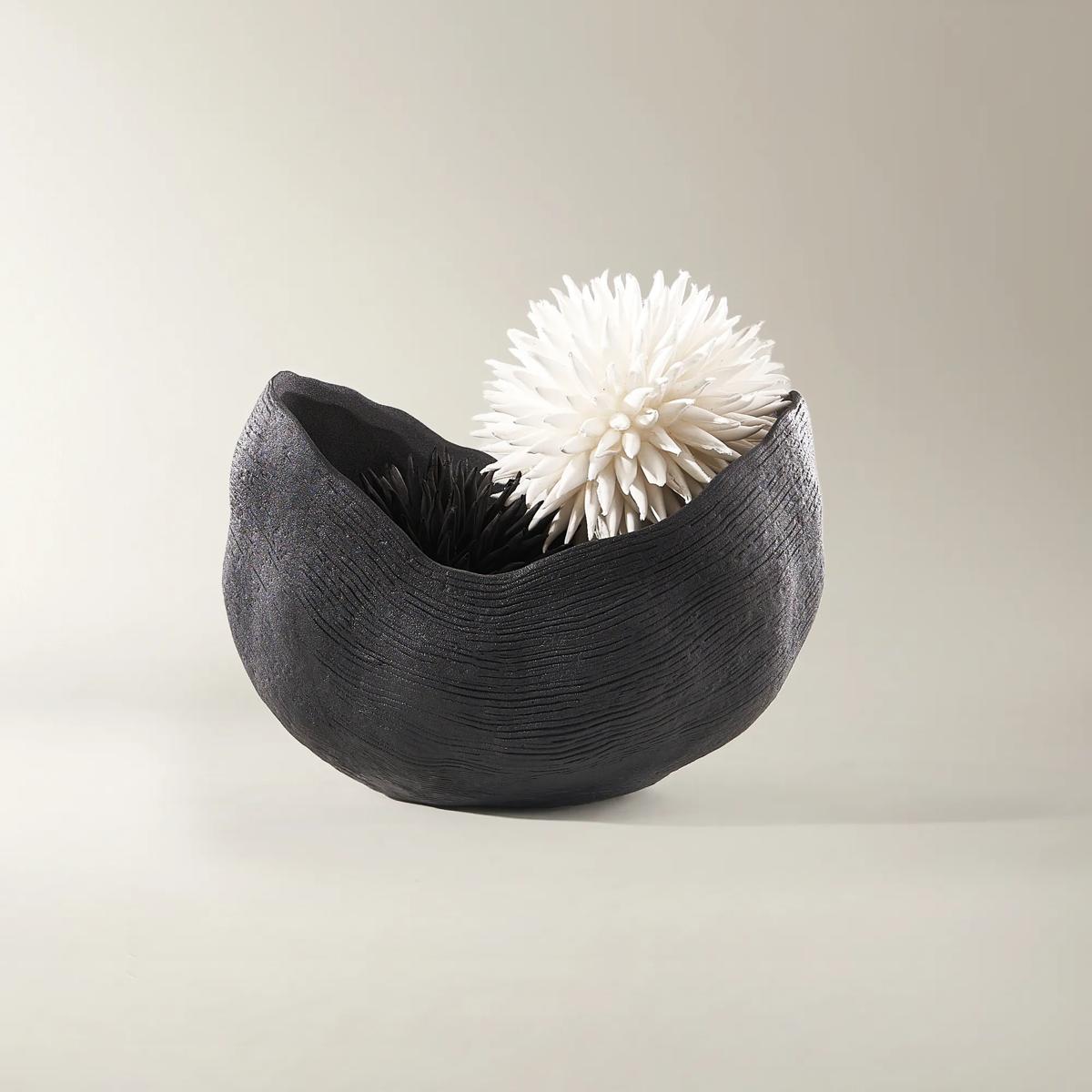 Baz Bowl - Black$119
A sculptural black porcelain bowl with a matte, ridged texture for bold, modern decor accents.
Add To Cart -
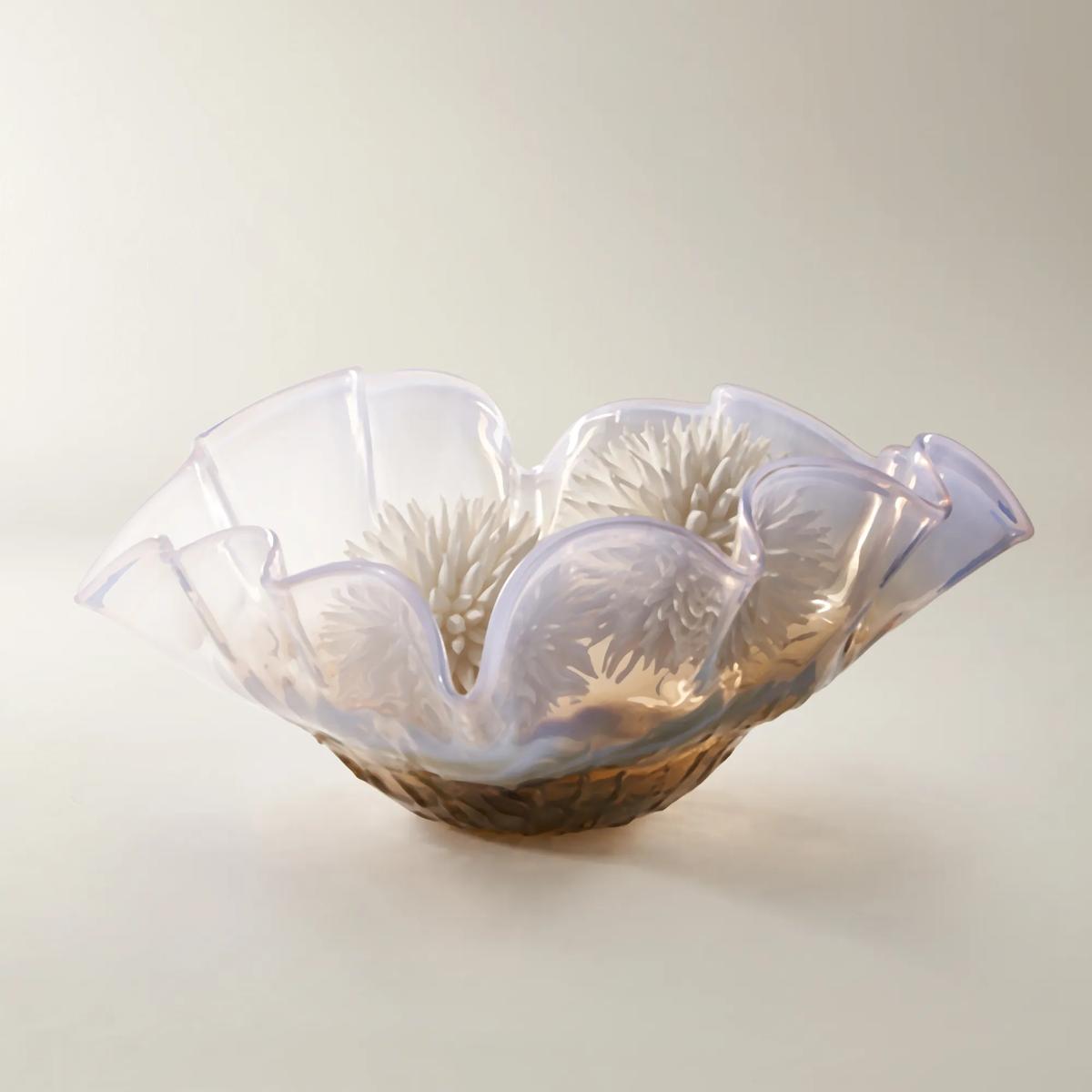
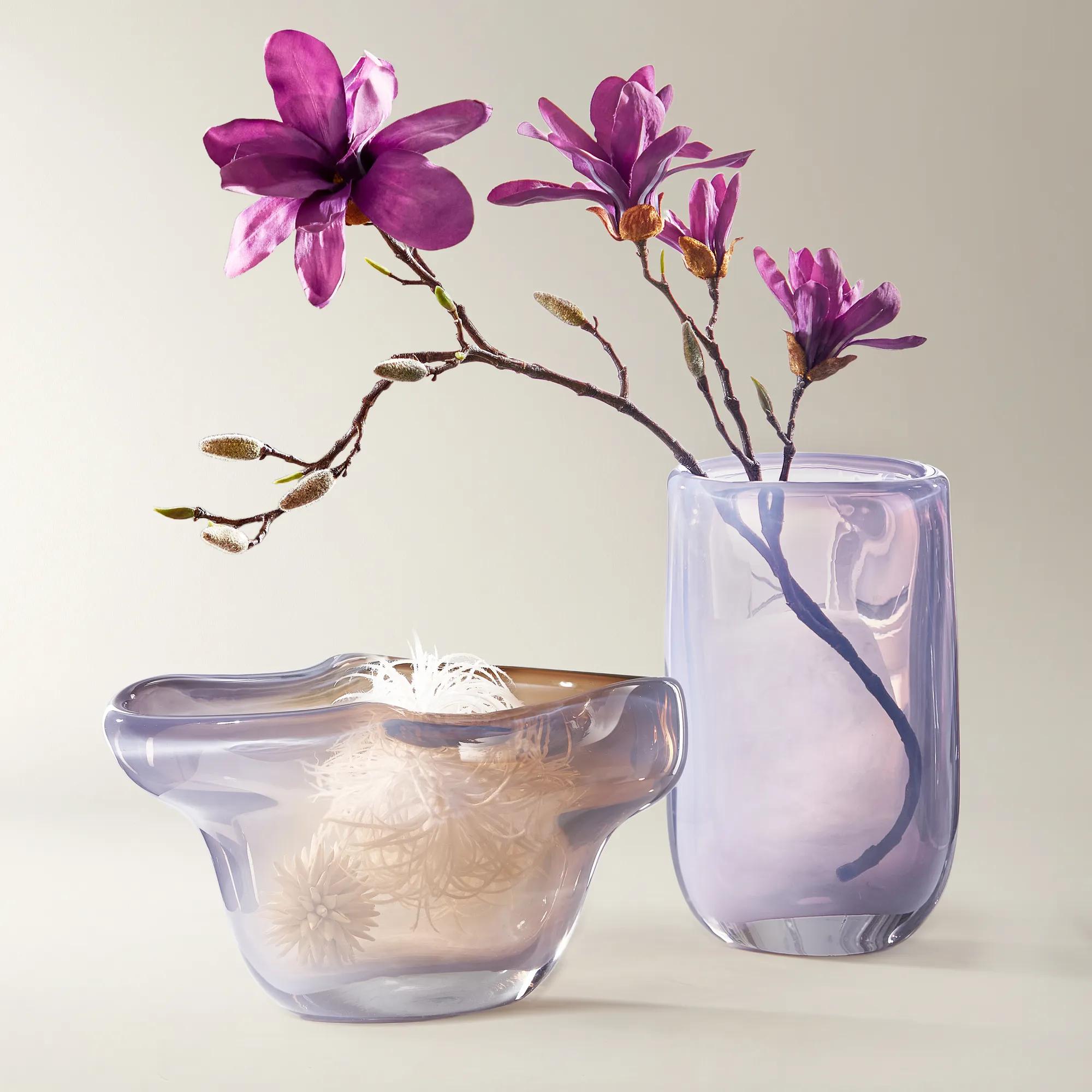
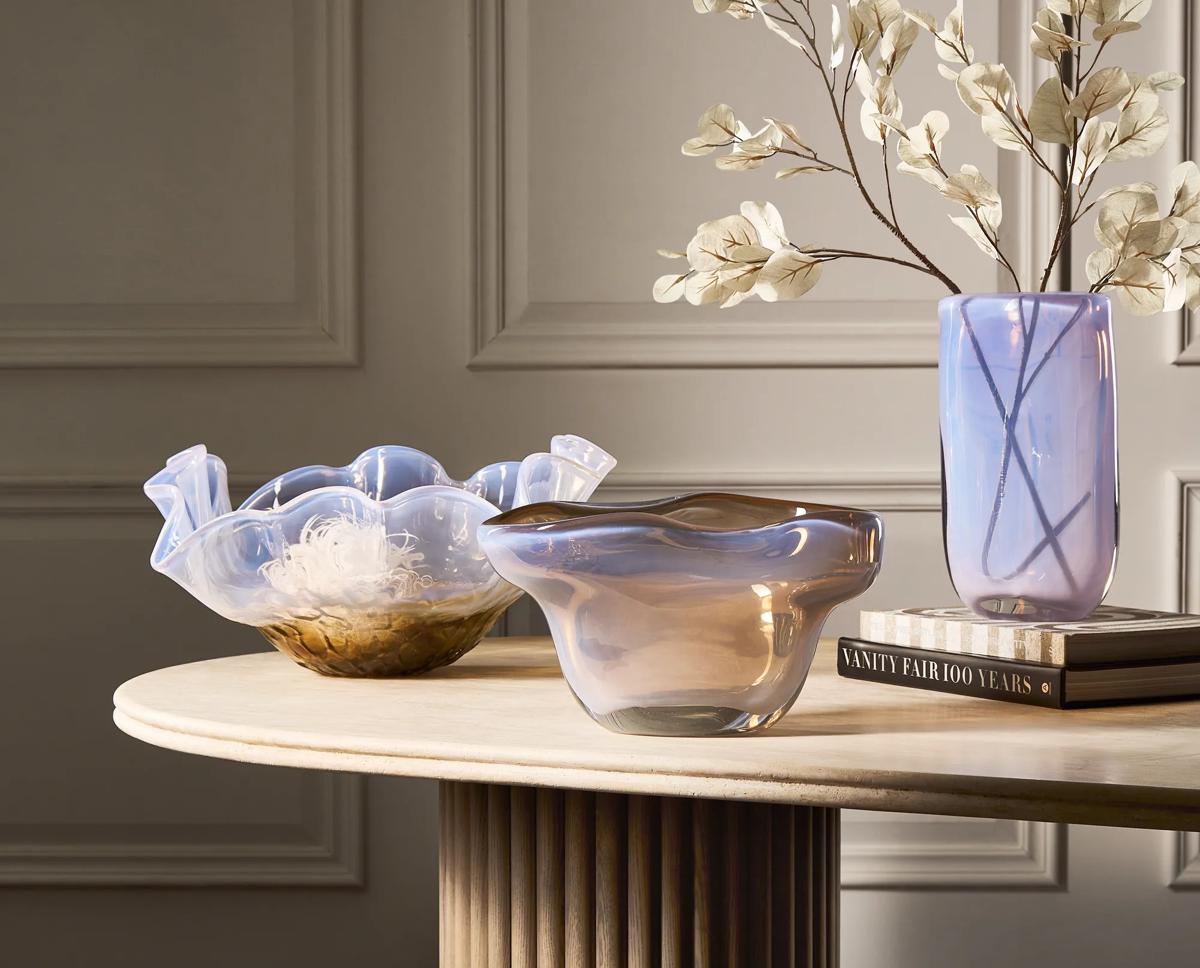 Glacier Glass Bowl$269
A hand-blown glass bowl featuring scalloped edges and swirling lavender and amber hues for artistic elegance.
Add To Cart -
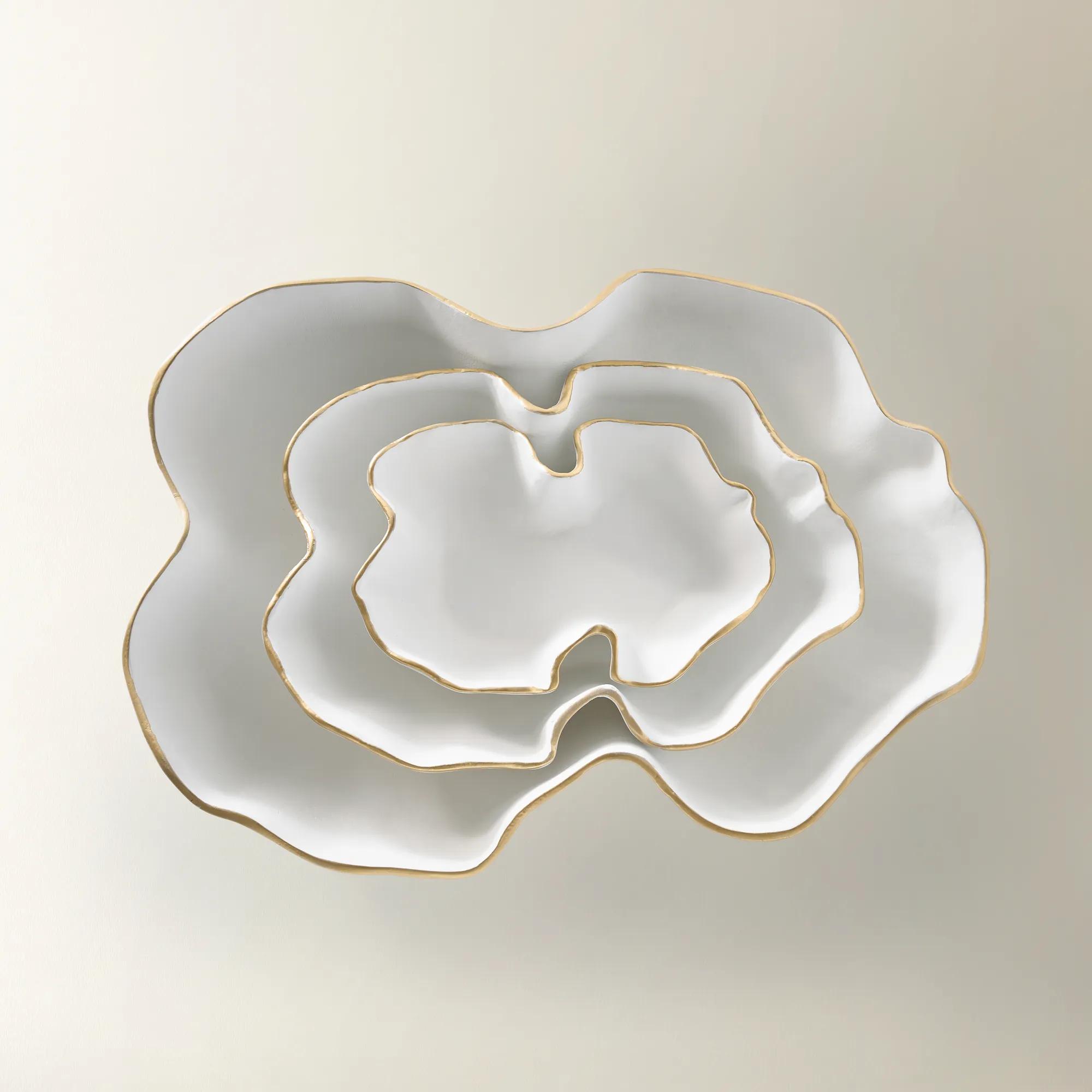 Lava White Gold Aluminum Decorative Nesting Bowls$39
A glossy white aluminum bowl with a golden rim, offering modern elegance for decorative display.
Add To Cart -

 Odessey Collection$99
A shiny silver porcelain accent piece perfect for adding modern elegance to any decorative display.
Add To Cart

Decorative Fruit Bowls
Decorative Fruit Bowls are the secret ingredient to a truly captivating tablescape, turning everyday abundance into an artful display. Each bowl is a sculptural centerpiece, designed to catch the light and spark conversation, whether brimming with vibrant citrus or left elegantly empty as a standalone statement. Embrace the transformative power of these exquisite vessels to elevate your kitchen island, dining table, or entryway console. With Decorative Fruit Bowls, your home becomes a gallery of taste and imagination—where even the simplest fruit is framed in luxury.
Decorative fruit bowls bring sculptural presence to the kitchen island, dining table, or breakfast nook while giving fresh fruit a beautifully defined place to gather. Unlike a bowl chosen only for capacity, a decorative fruit bowl contributes to the room even when it holds just a few lemons or a cluster of pears. Its silhouette, finish, and proportions become part of the composition: a low, sweeping form draws attention across a generous countertop, while a pedestal lifts color above the surface and gives an everyday arrangement the poise of a centerpiece. Glossy green apples against a dark interior create a graphic contrast; golden citrus in clear glass lets color take the lead. For a compact counter or café table, a bowl approximately 7 to 9 inches in diameter can provide an accent without crowding the surface. Larger bowls, often around 12 to 15 inches across, have the visual weight to anchor a dining table or broad island. These measurements are useful starting points rather than fixed rules, since depth, wall thickness, and the shape of the base affect usable capacity. A wide rim may look expansive while leaving a smaller well for fruit, and a deep bowl can hold more than its footprint suggests. On a table used for daily meals, a lower profile preserves conversation and leaves room for place settings. On an island, a substantial base helps the arrangement feel grounded without interfering with nearby preparation space. The most compelling choice responds to both the architecture of the room and the habits of the household. A frequently replenished bowl of apples calls for easy access, while a fruit bowl centerpiece on a formal dining table may place greater emphasis on an expressive outline and a carefully edited arrangement. Leaving a little of the interior visible allows the material to remain part of the display rather than disappearing beneath an abundant pile. Even empty, a well-proportioned bowl can hold its own beside a vase or a stack of linen napkins.
Material gives each decorative fruit bowl its distinctive mood, along with practical qualities that shape how it works in a home. Clear glass brings visual lightness to a substantial centerpiece, allowing the surface beneath it to remain visible. Cut or textured glass adds a more prismatic effect, catching light along patterned edges and lending a simple arrangement a jewel-like dimension. Glass can feel especially striking against richly grained wood or a lacquered table, although its weight and vulnerability to chips deserve consideration in busy spaces. Ceramic and porcelain offer a different kind of expression, from smooth, luminous glazes to dimensional surfaces that emphasize the bowl’s contours. Their durability depends on the material, construction, and finish; slender rims and projecting details generally need more protection from knocks than compact, substantial shapes. Metal fruit bowls can introduce a mirrorlike gleam, a softly brushed sheen, or a hammered texture that breaks light into small, irregular reflections. Openwork metal designs leave fruit visible from several angles and allow air to circulate, while solid forms create a bolder block of color or shine. Stainless steel is generally durable, but coatings and decorative finishes may require gentler handling than the underlying metal. Marble and other natural stone bring weight, cool tonal variation, and individual veining to a tabletop. Their substantial presence suits a large surface, though porous stone may stain, and marble can etch when exposed to acidic juice. Wood offers warmth and distinctive grain, creating a tactile counterpoint to polished stone counters, glass tables, or metallic accents. It also needs protection from prolonged moisture, which can affect its surface and shape. Across all materials, suitability for direct food contact depends on the specific finish and manufacturer’s designation, not appearance alone. A bowl described as decorative should never automatically be assumed food-safe. Whole fruit intended for eating belongs against a surface approved for that use; cut fruit and prepared foods require the appropriate food-safe serving vessel. That distinction preserves both the beauty of the piece and its intended function.
Living beautifully with decorative fruit bowls involves a balance of presentation, access, and care. A shallow arrangement keeps fruit easy to see and reach, while piling delicate pears or ripe peaches into a deep vessel can conceal bruising and put pressure on the fruit beneath. Smooth interiors are gentle against delicate skins; narrow wire supports or sharply textured surfaces merit closer attention when choosing what to display. Sound, dry fruit helps keep the arrangement fresh, and regular checks prevent a damaged piece from affecting its neighbors. For the bowl itself, care instructions should determine whether hand-washing, damp wiping, or another method is appropriate. Dishwasher safety cannot be assumed for glass, ceramic, metal, or any other material, particularly when a piece has metallic accents, applied decoration, or a specialized coating. Soft cloths and nonabrasive cleaning products help preserve lustrous surfaces, while thorough drying limits lingering moisture. Wood generally benefits from brief cleaning rather than soaking, and acidic cleaners are unsuitable for marble. A discreet, surface-appropriate protective pad beneath a heavy base can help safeguard a polished tabletop, provided it supports the bowl evenly. These practical details allow the decorative effect to feel effortless rather than precious. For households that keep fruit within reach, a stable, accessible bowl makes daily use part of the room’s design. For hosts, a dramatic centerpiece creates a focal point without requiring an elaborate floral arrangement. Decorative Serving Bowls offer another way to carry a sculptural line, texture, or finish across the table without repeating an identical silhouette. A fruit bowl also makes a thoughtful housewarming or wedding gift, particularly when its proportions suit the recipient’s space and its care requirements fit everyday life. Whether styled with a restrained grouping of citrus or a generous mix of shapes and colors, it turns a familiar household ritual into an expression of personal taste.
FAQs
Decorative fruit bowls are crafted from a variety of luxurious materials, each offering a distinct mood and style. Ceramic and porcelain bowls bring a refined, elegant touch with their glossy, hand-glazed finishes. Mango wood and other natural woods introduce warmth and artisanal texture, perfect for layering organic elements into your décor. Metal and wire bowls create a modern, sculptural statement while promoting airflow to keep fruit fresh. For those drawn to bold, contemporary design, stone and concrete bowls offer weight and presence, anchoring a space with their substantial silhouette.
A decorative fruit bowl is more than a functional vessel—it is a focal point that infuses your kitchen or dining area with artistry and personality. Placed on a kitchen island or dining table, it draws the eye and adds a sense of abundance and hospitality. Whether filled with fresh fruit, seasonal décor, or left elegantly empty, an artistic fruit bowl elevates the everyday, transforming your space into a gallery of self-expression.
Absolutely. A decorative bowl for fruit makes a thoughtful and stylish gift for housewarmings, weddings, or special occasions. Its versatility ensures it will be cherished and used in countless ways, from serving as a centerpiece to holding keys or treasured keepsakes. Choosing a design that reflects the recipient’s taste—whether minimalist, rustic, or glam—adds a personal touch that will be appreciated for years to come.
While fruit bowls decorative in design are naturally suited for displaying fresh produce, their versatility extends far beyond. Use them as dramatic vessels for floating candles, seasonal ornaments, or floral arrangements. In an entryway, a striking bowl can serve as an elegant catch-all for keys and mail. On a coffee table, it becomes a sculptural accent, filled with decorative objects or left empty to showcase its form.
Consider both the materials and the silhouette of the bowl. For modern or minimalist interiors, opt for stone, metal, or glass with clean lines. Traditional or eclectic spaces come alive with hand-glazed ceramics or intricately carved wood. Pedestal bowls add height and drama, while openwork designs introduce lightness and visual interest. Select a piece that resonates with your personal aesthetic and enhances the overall story of your home.