Elegant Fruit Bowls
Elegant Fruit Bowls
-
.jpeg?w=1200&h=1200)
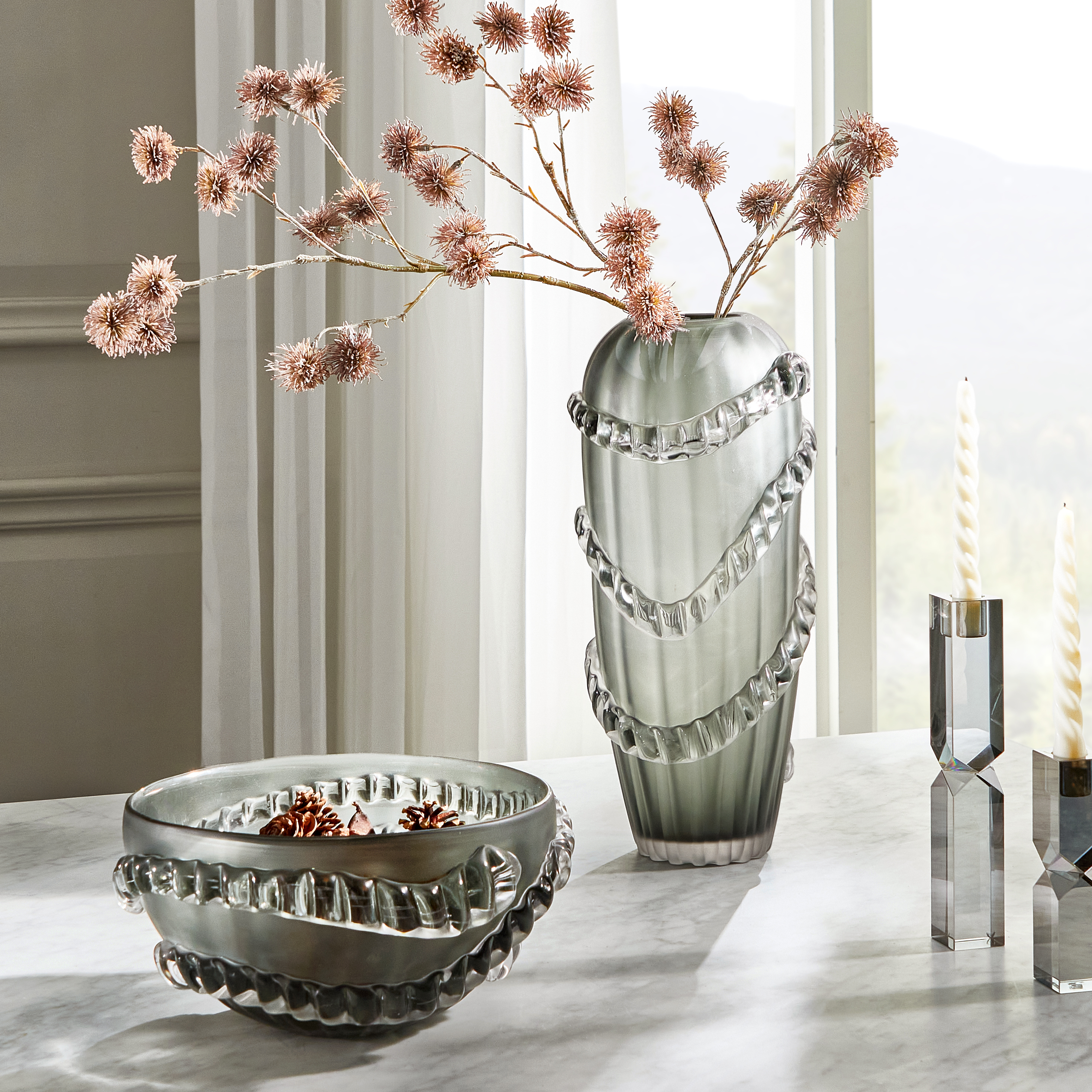 Helix Glass Collection$129
A hand-blown dark gray glass piece featuring fluted bodies and rippling sculptural ribbons for modern elegance.
Add To Cart -
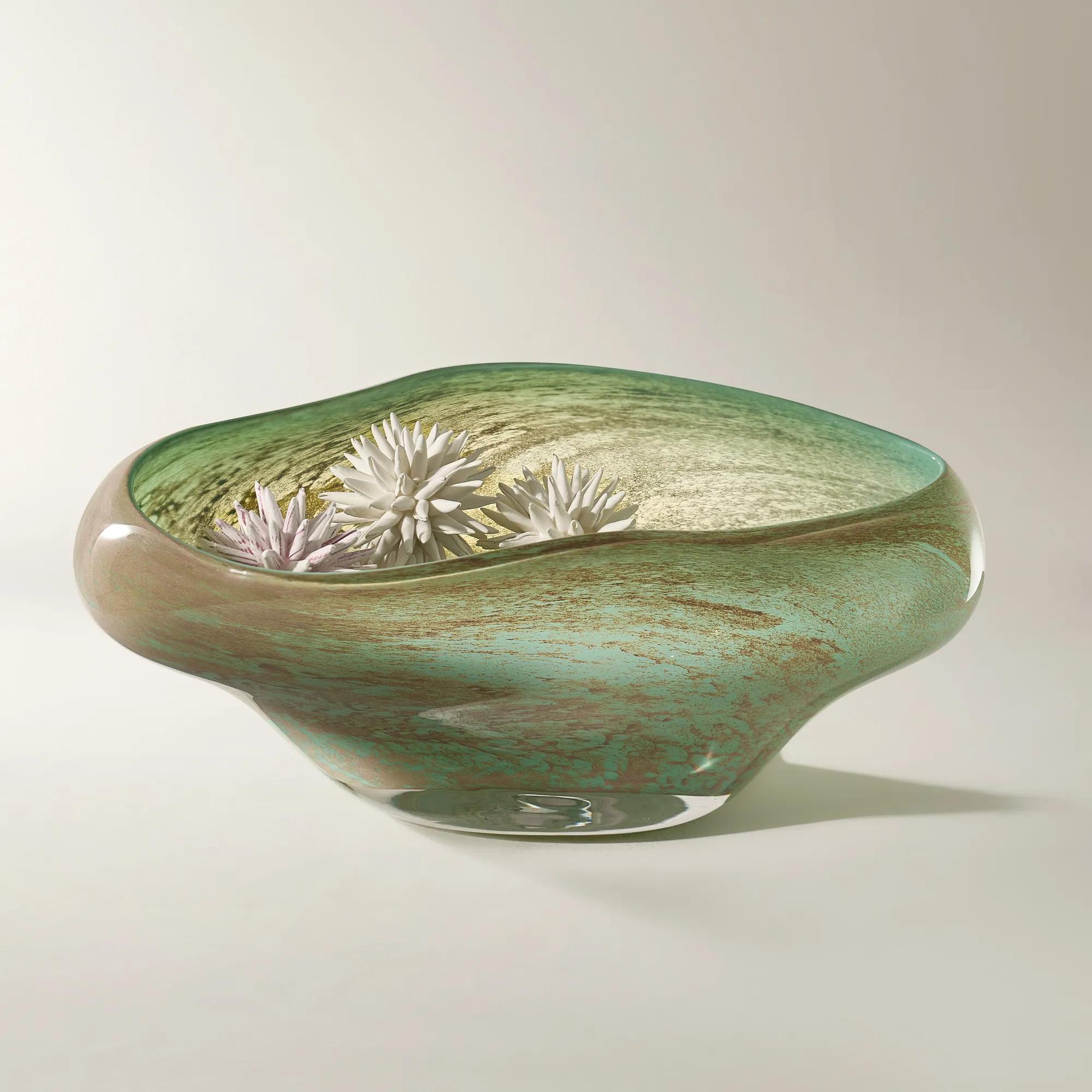
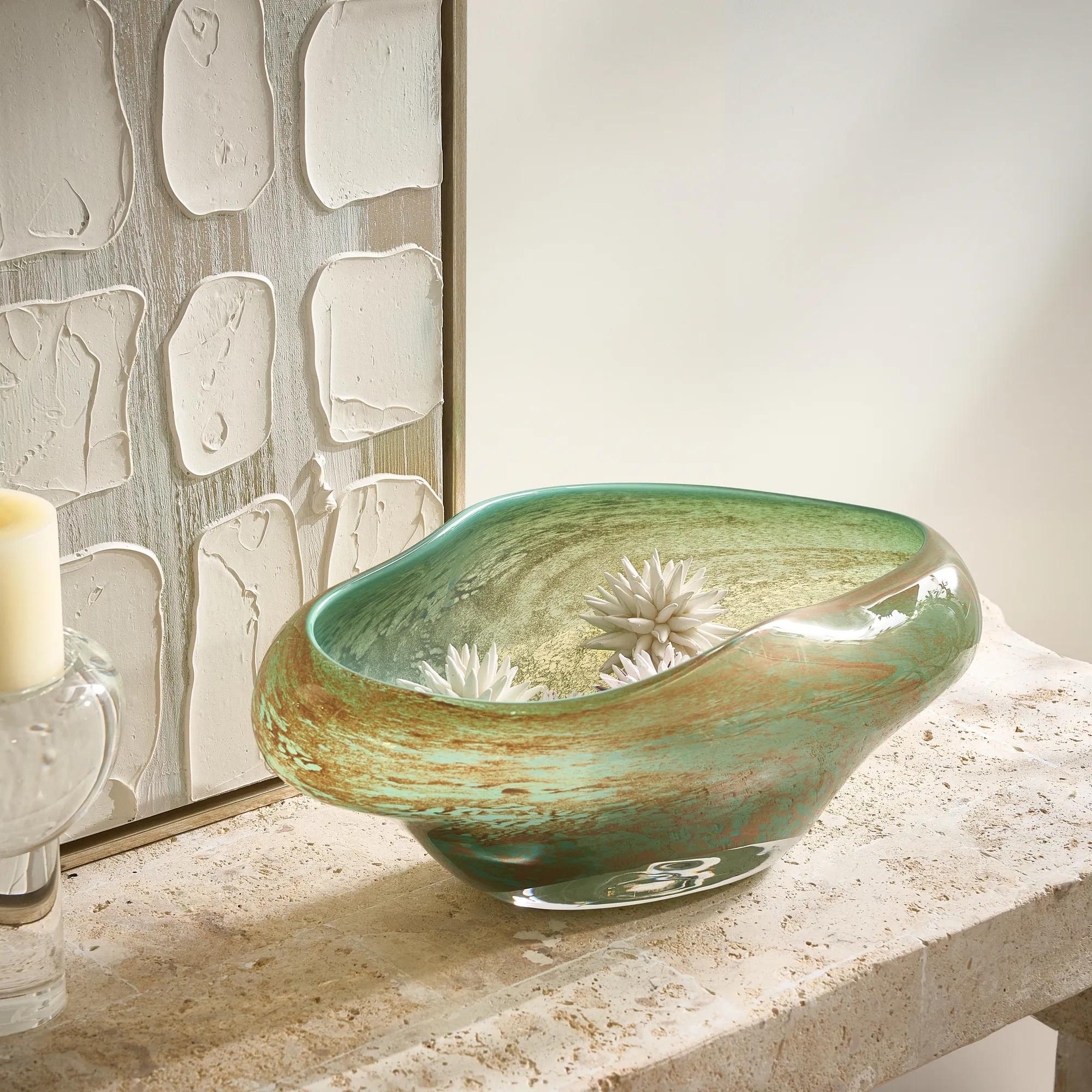 Green Mist Glass Bowl$179
A green glass bowl adding modern elegance to decorative displays.
Add To Cart -
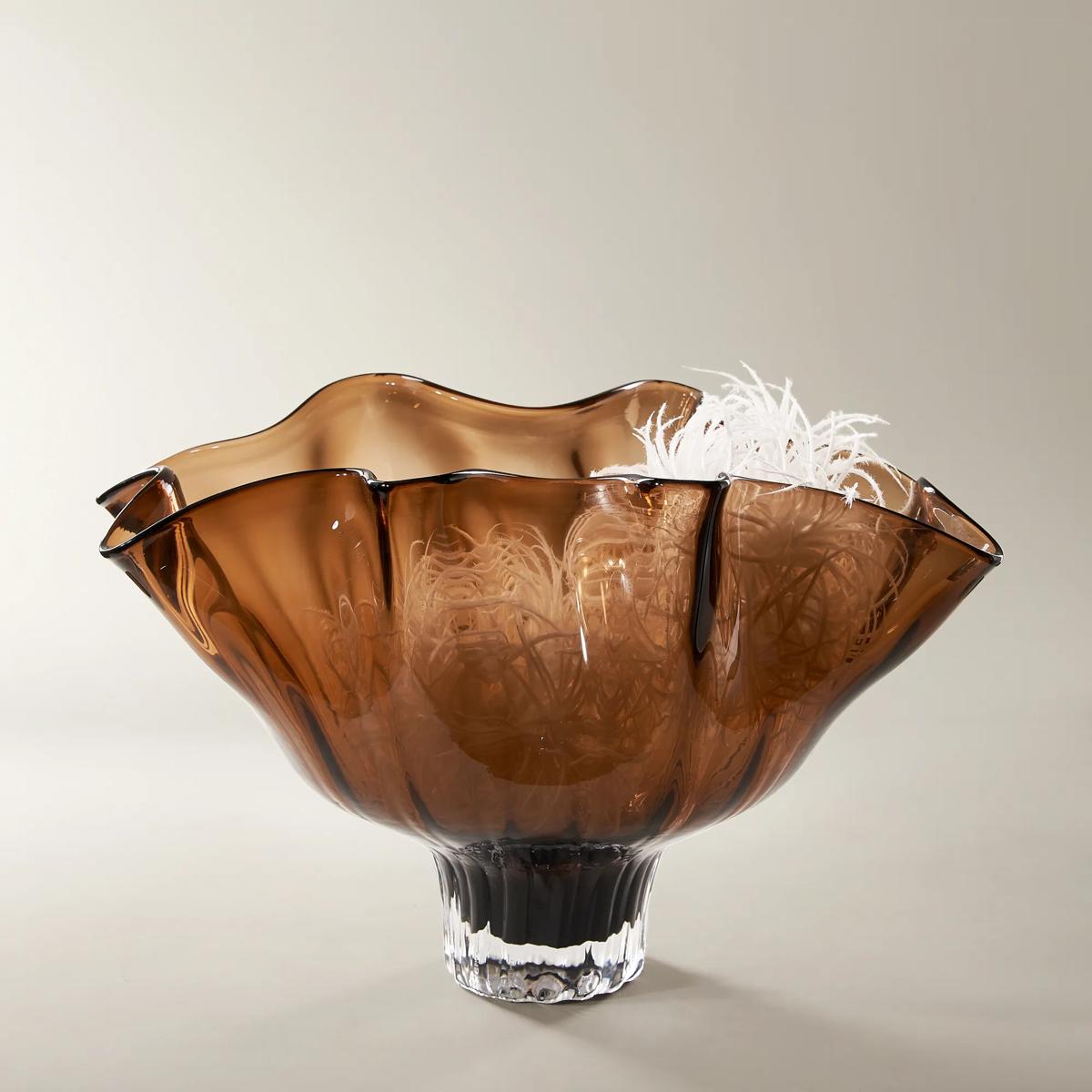
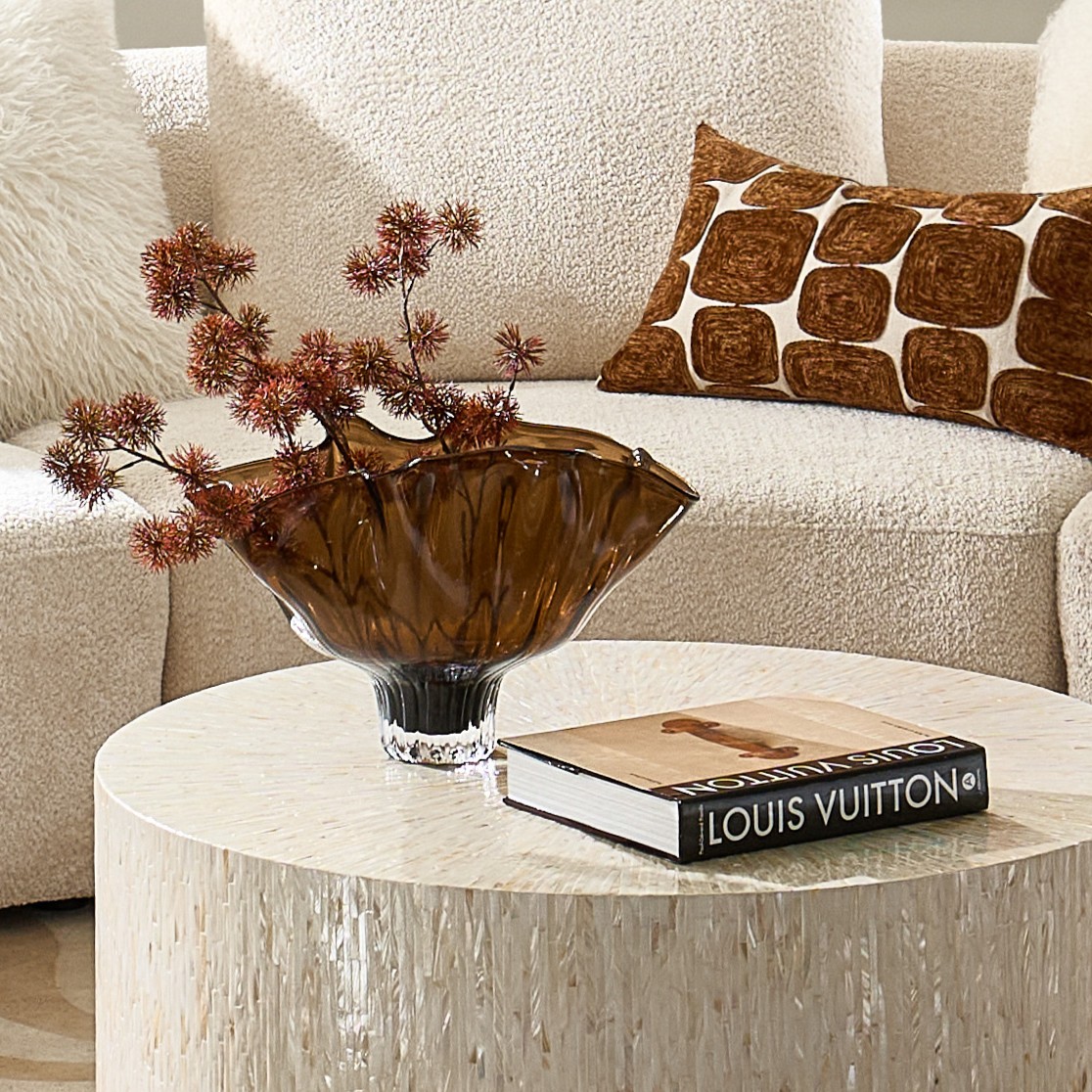 Coco Mouthblown Brown Glass Bowl 17" x 9.75"$139
A hand-blown brown glass bowl with an undulating rim and clear tapered base for sculptural elegance.
Add To Cart -
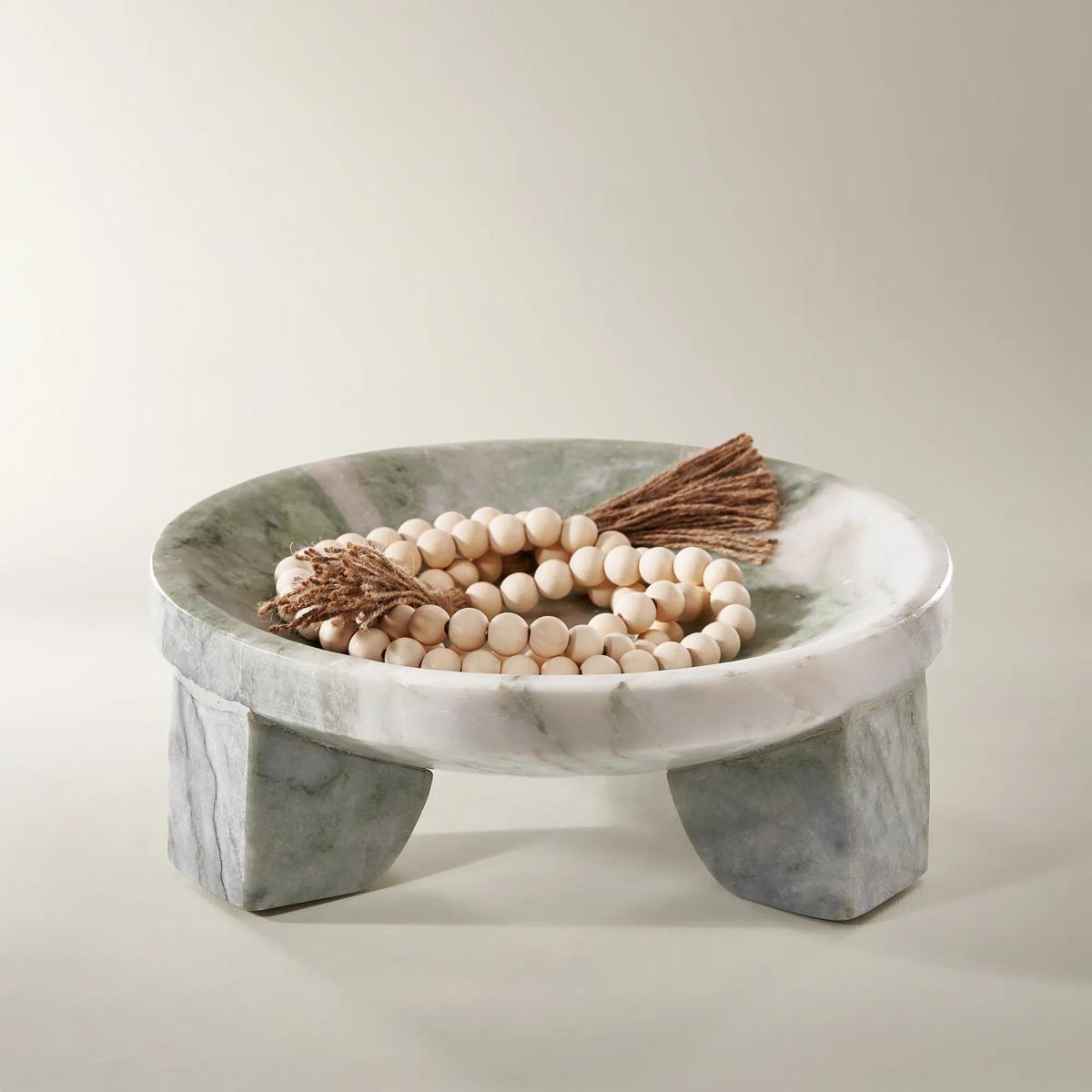
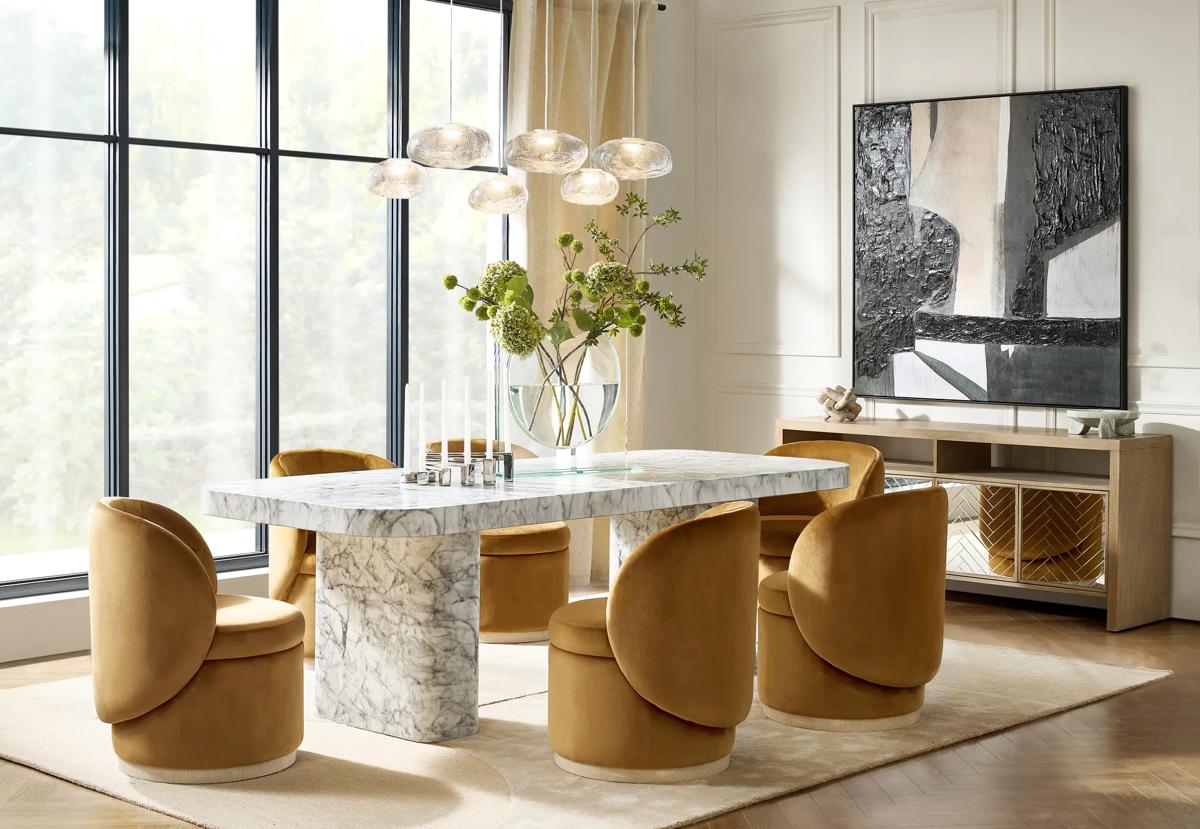 Light Green Marble Footed Bowl$199
A hand-carved onyx bowl featuring soft green marbling and sculptural feet for organic elegance.
Add To Cart -
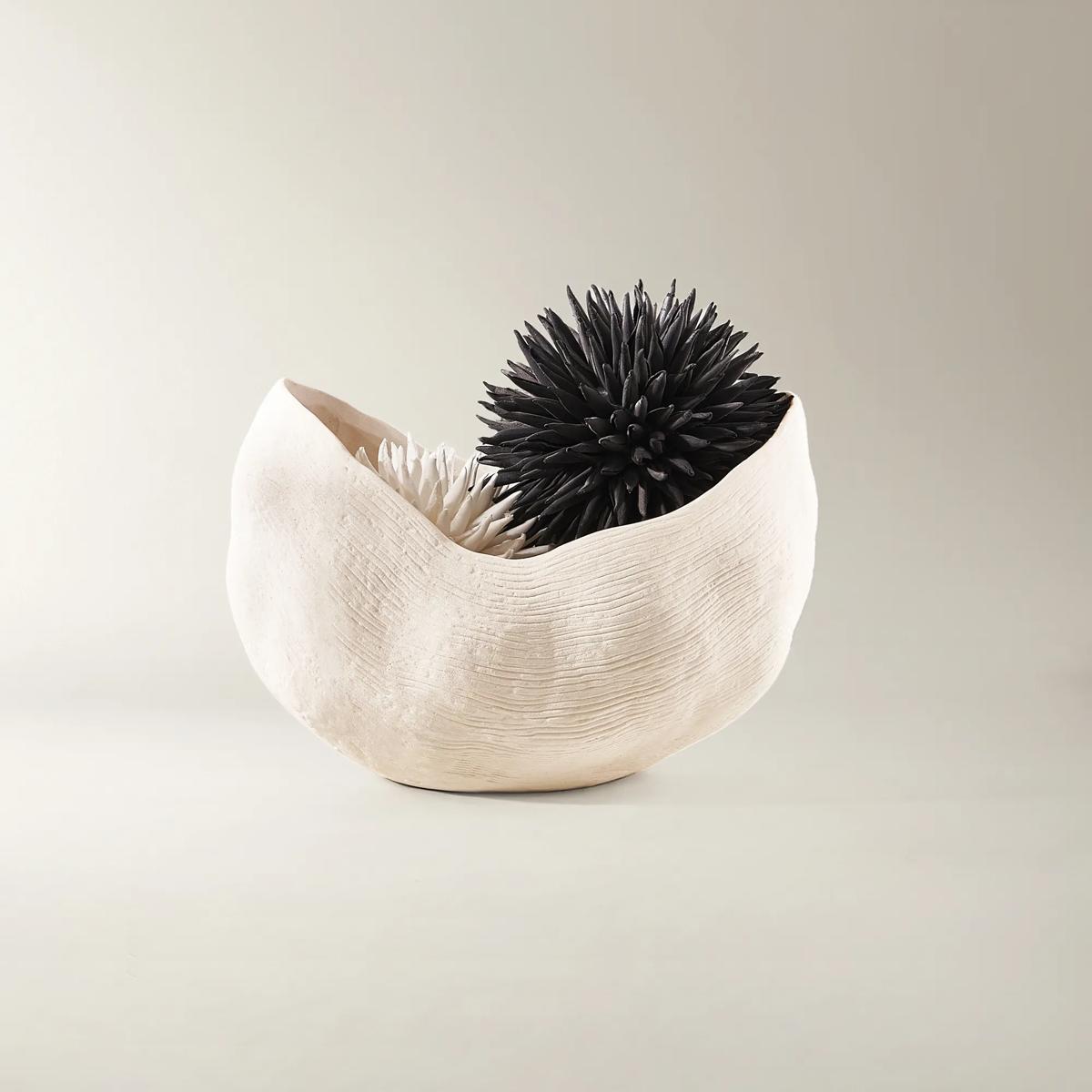 Baz Ivory Porcelain Bowl$119
A sculptural ivory porcelain bowl with a matte, textured finish and organic, free-flowing silhouette.
Add To Cart -
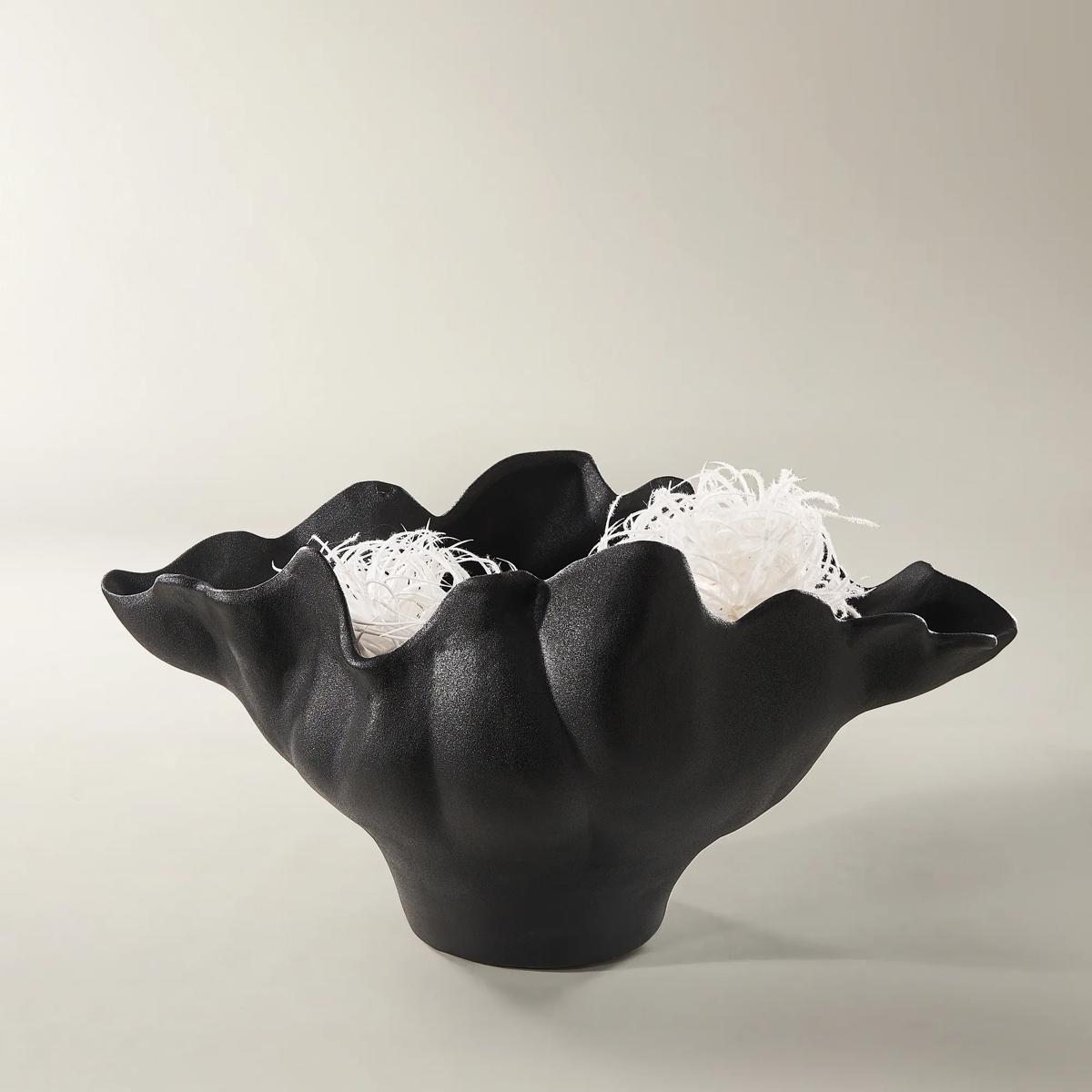
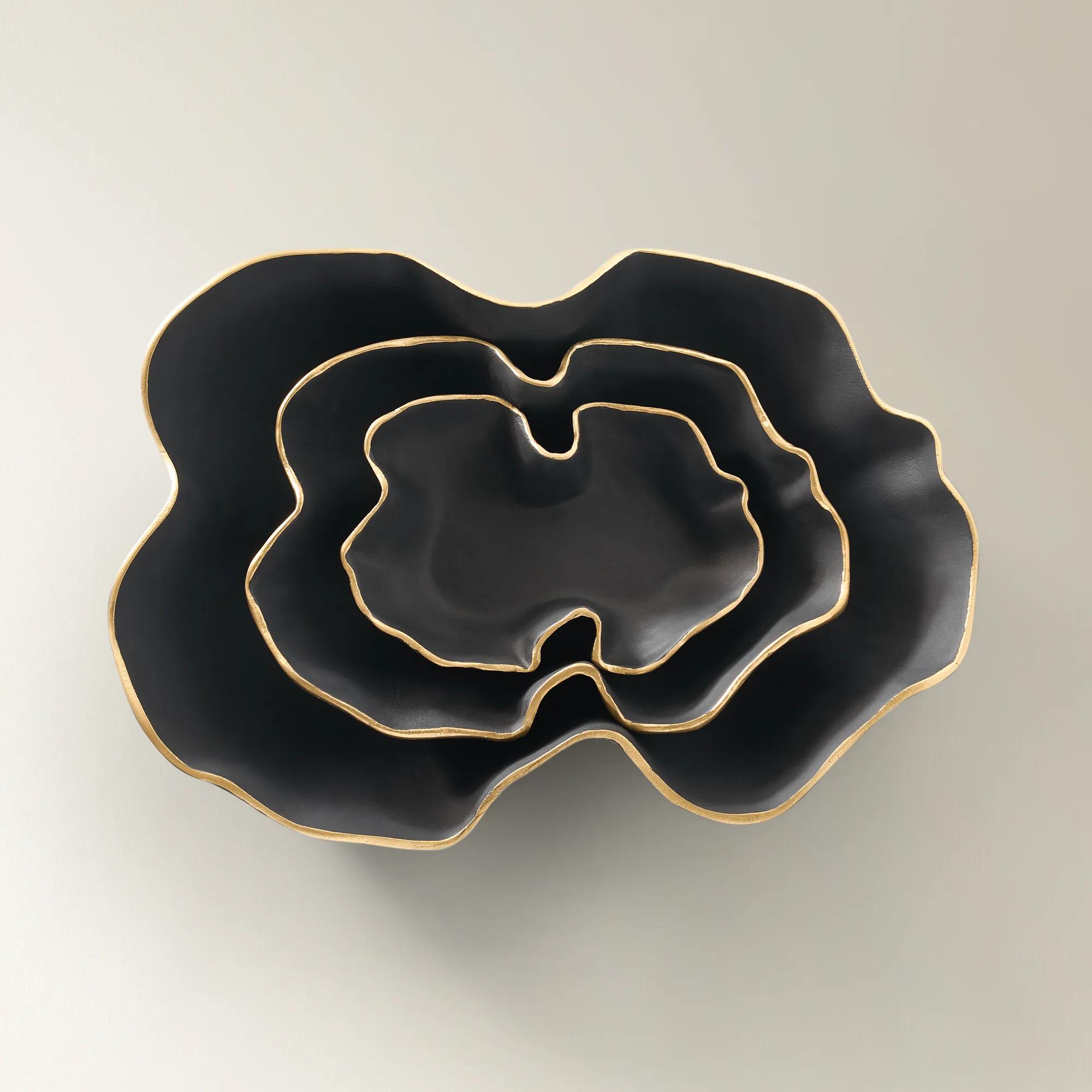
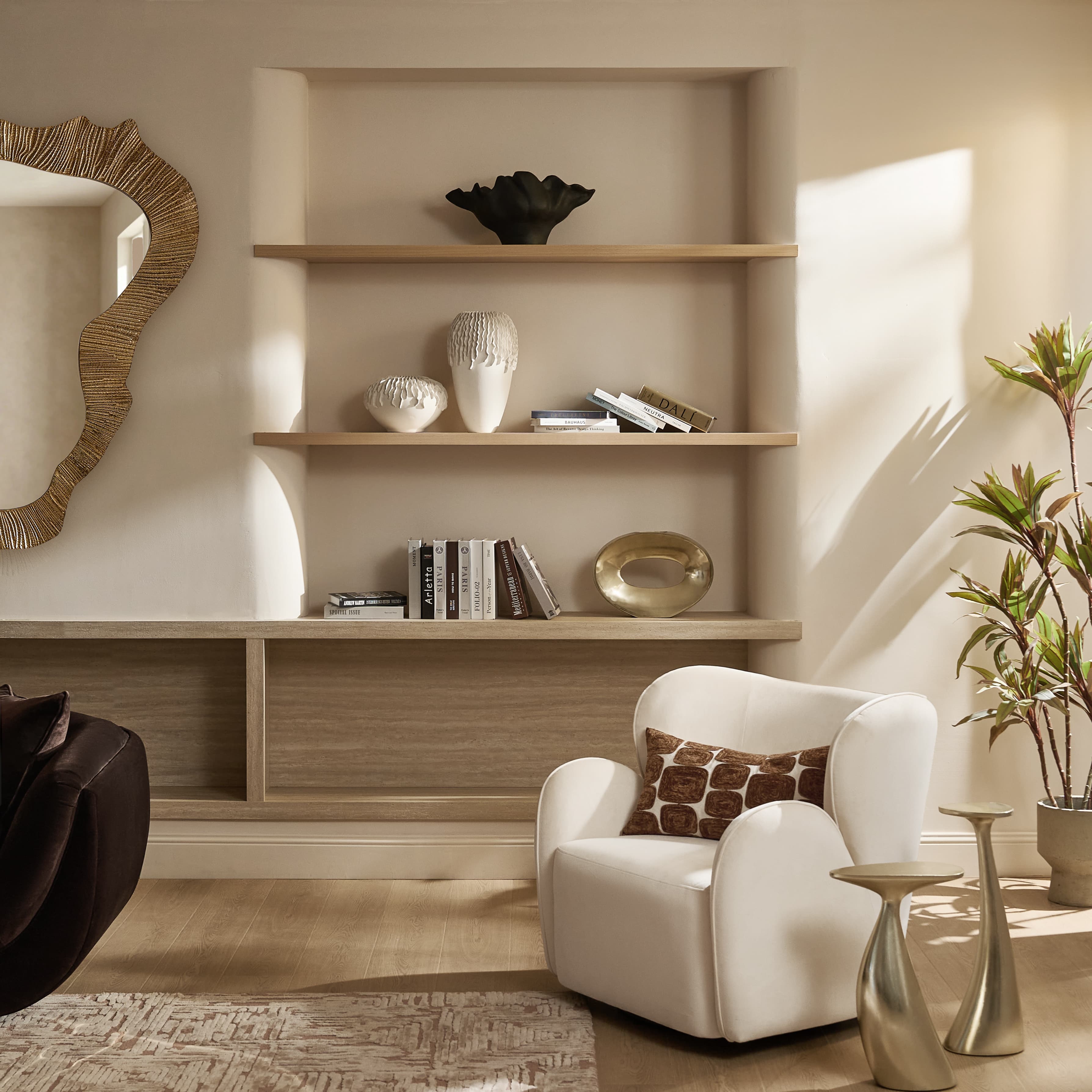 Ebba Black Porcelain Decorative Bowl 20.25" x 10.25"$199
A sculptural matte black porcelain bowl with undulating petal-like edges for bold, artistic elegance.
Add To Cart -
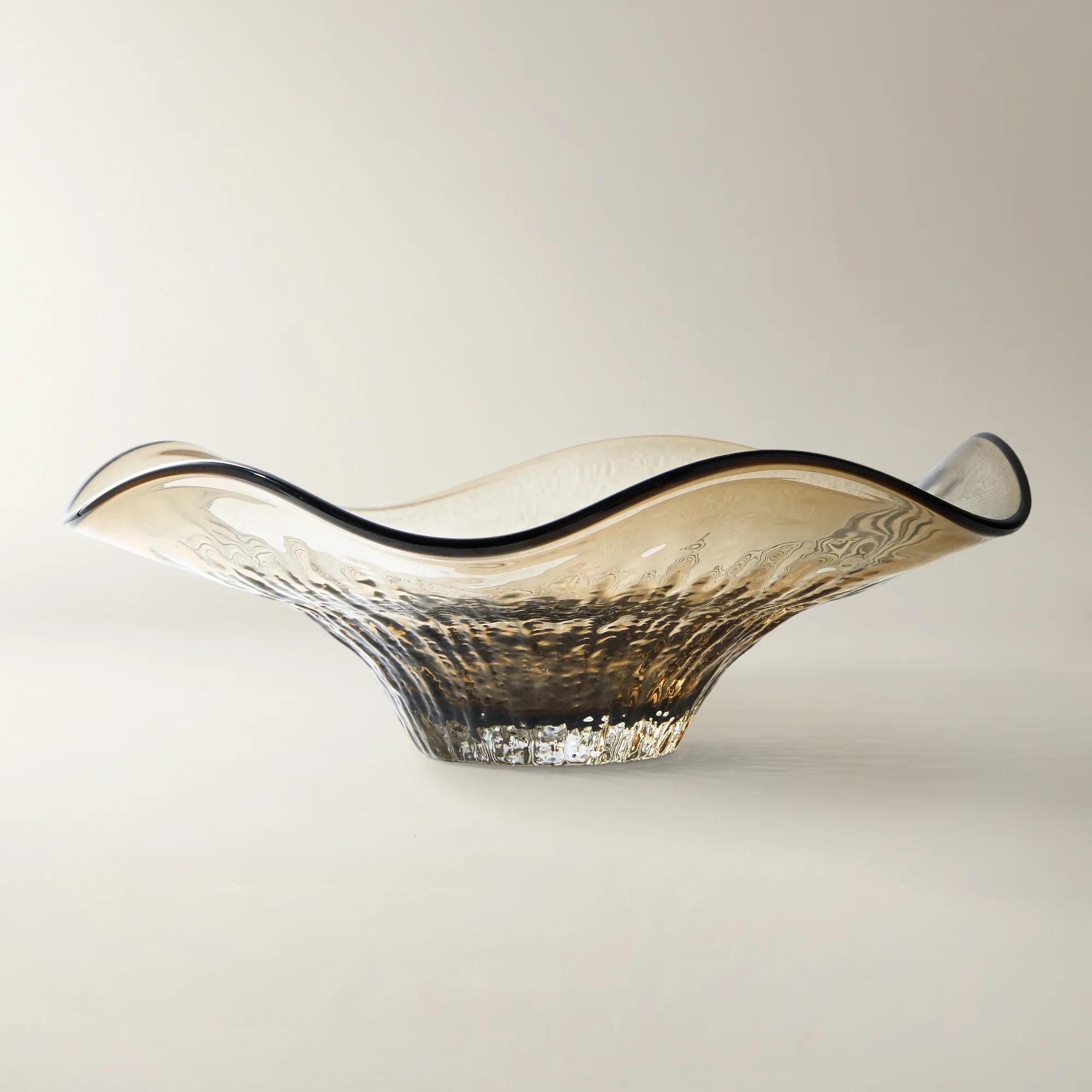 Corsi Brown Handblown Glass Decorative Bowl 15.35" x 5.1"$99
A hand-blown glass bowl in warm amber with organic shape and intricate textural details.
Add To Cart -
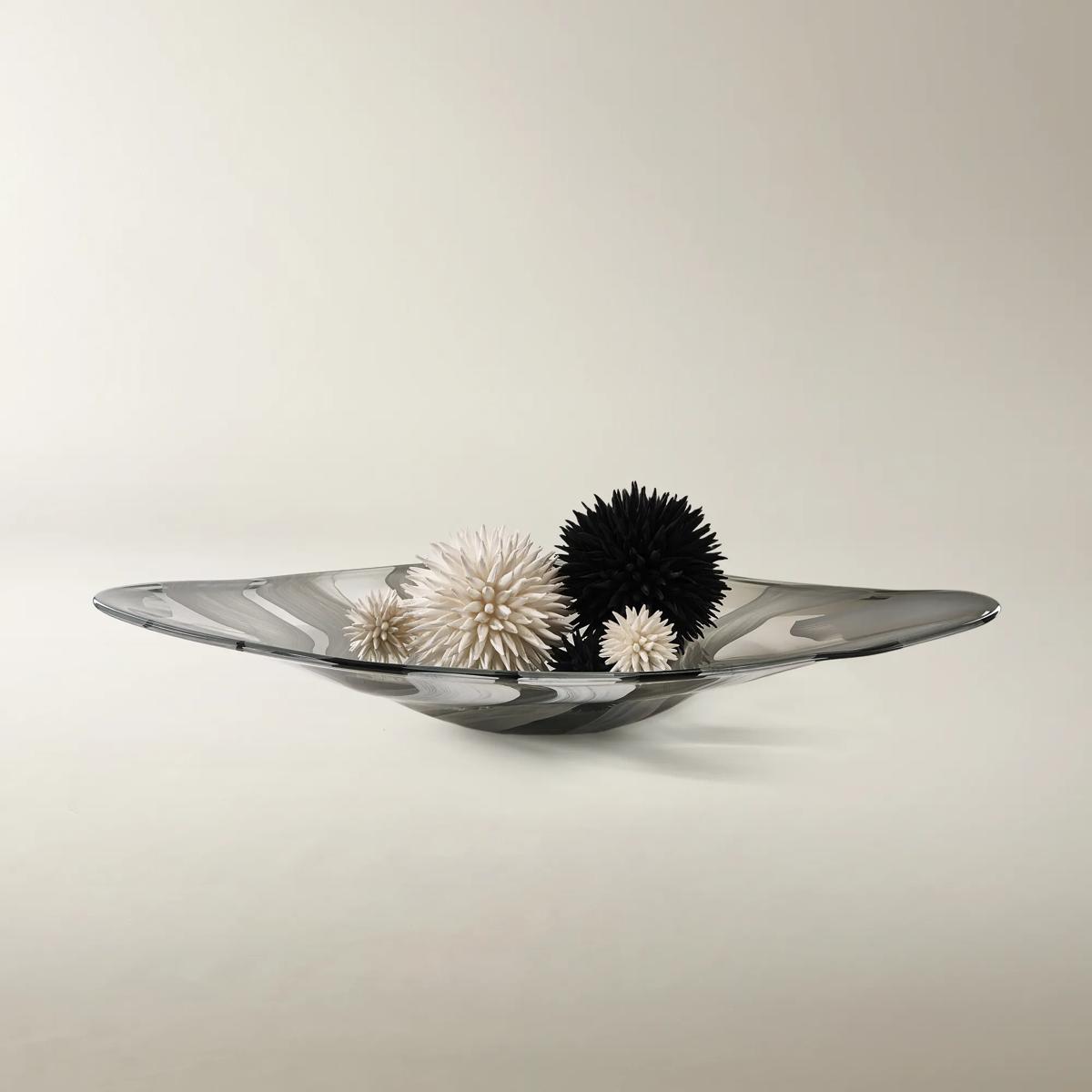
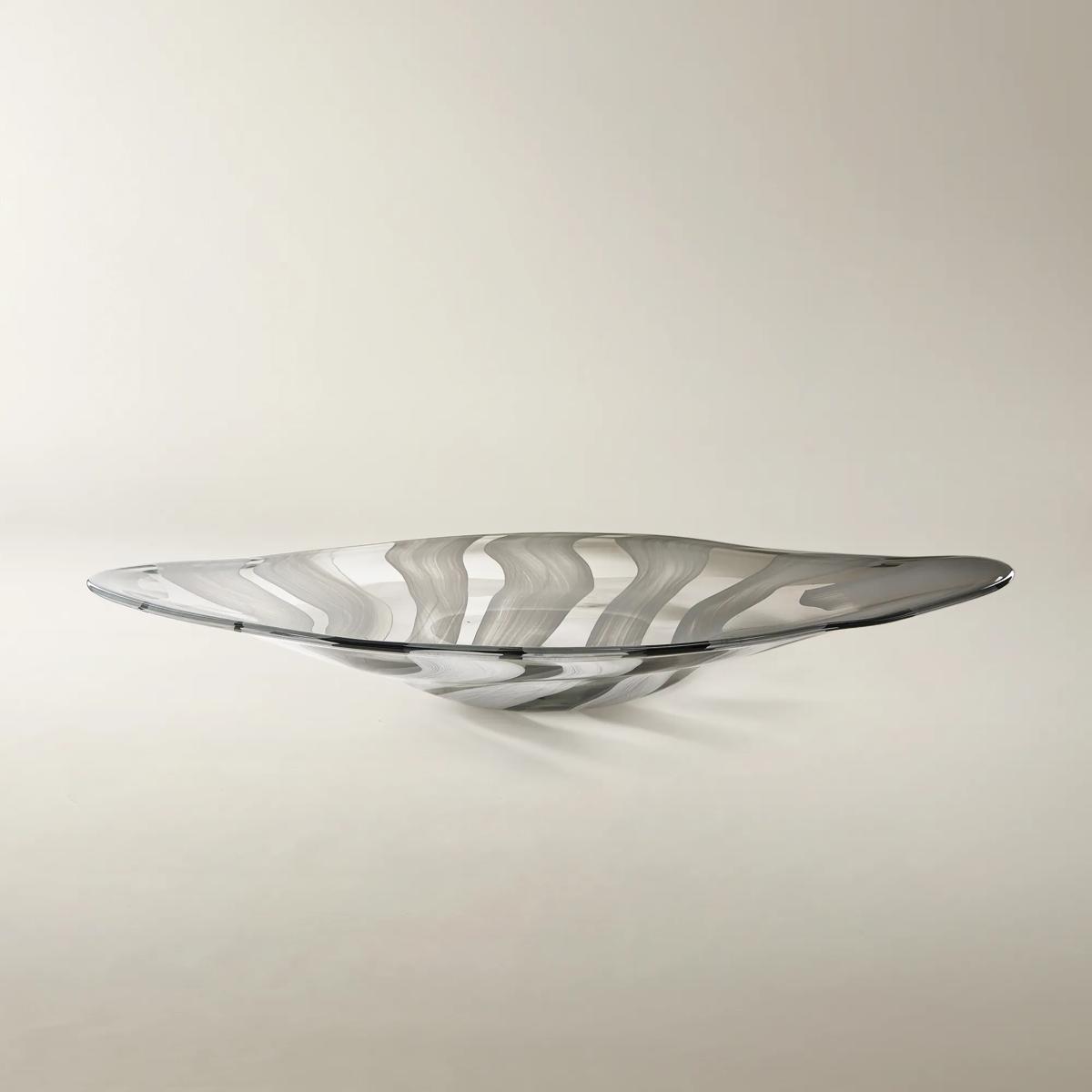 Zoya Glass Bowl$349
A hand-blown grey glass bowl with a marbled pattern and organic silhouette for modern decor.
Add To Cart -
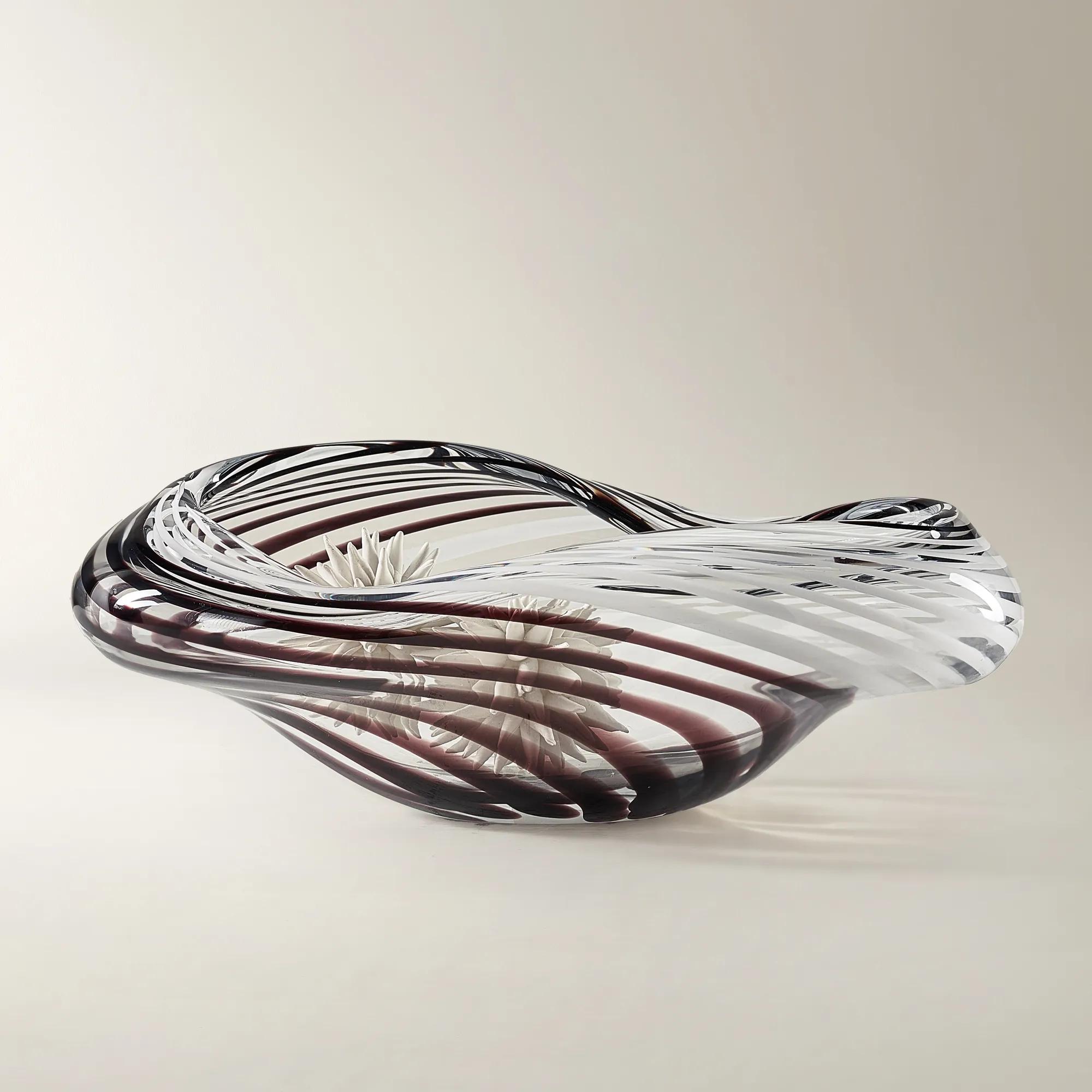 Optic Mouth Blown Black/White Glass Decorative Bowl 17.25" x 5.5"$99
A handblown glass bowl featuring charcoal stripes and a sculptural, Deco-inspired silhouette for decorative display.
Add To Cart -
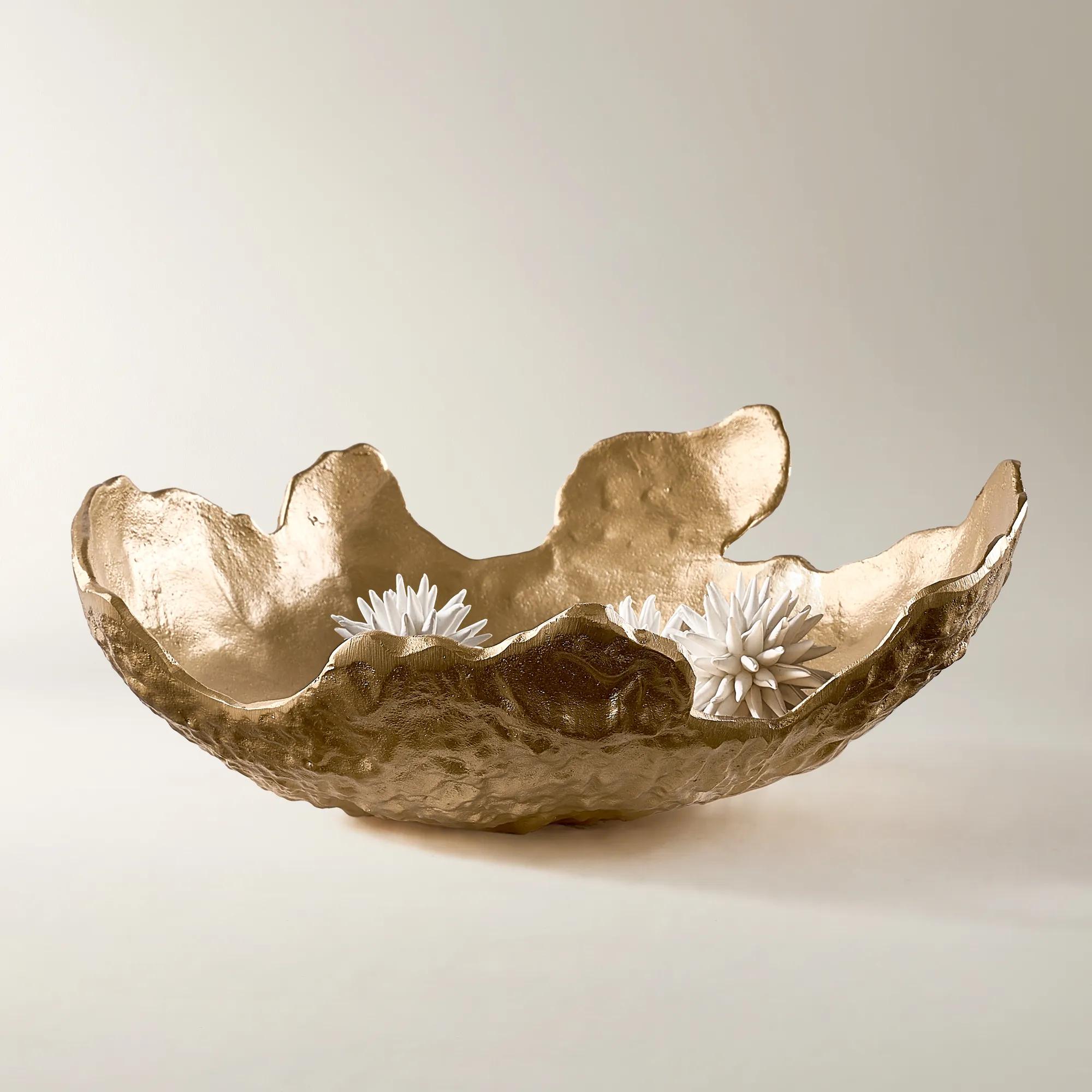 Crush Gold Aluminum Decorative Bowl 16" x 5.75"$169
A sculptural aluminum bowl with a soft gold finish and organic, crushed silhouette for modern decor.
Add To Cart -
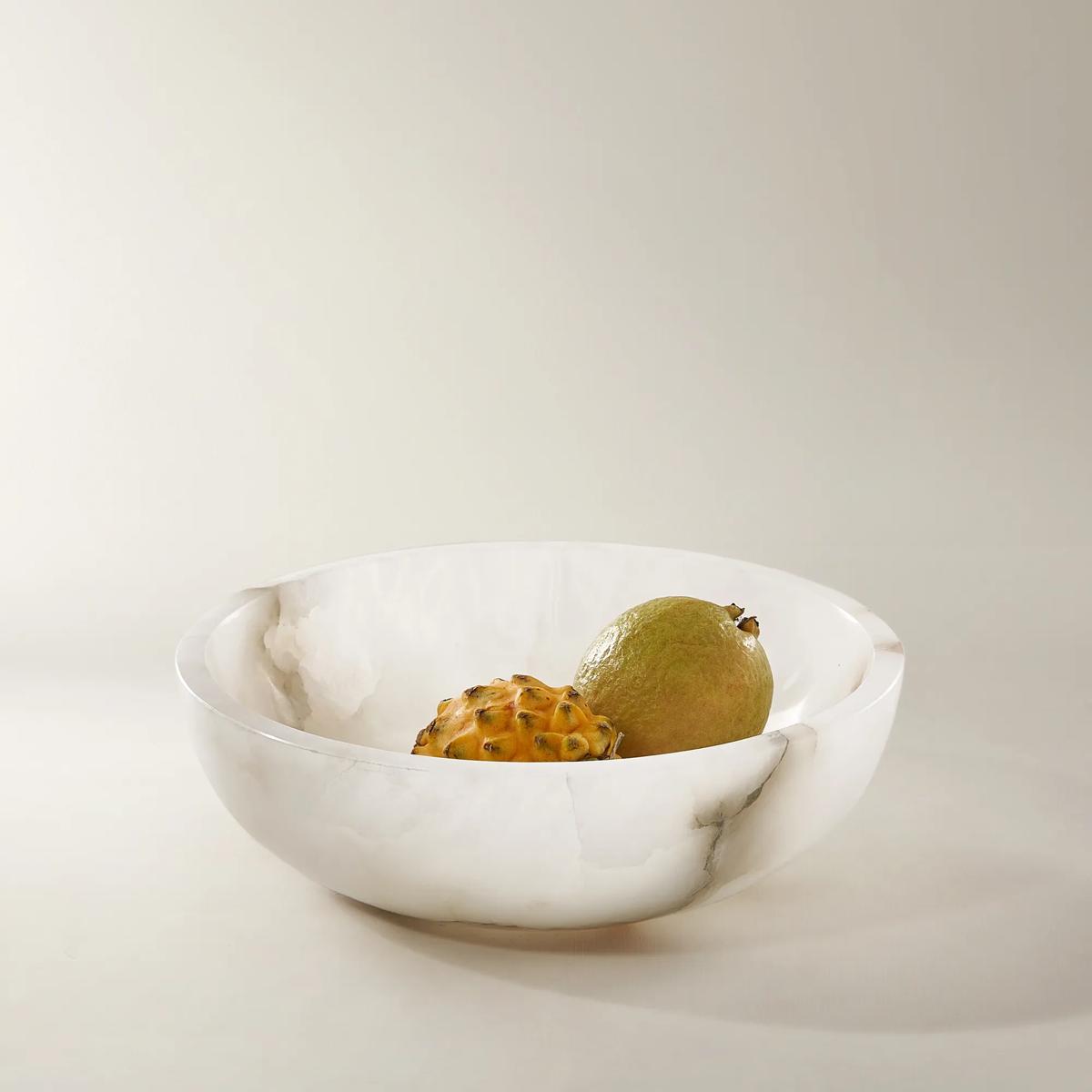 Alabaster Bowl$369
A hand-sculpted alabaster bowl featuring organic veining and soft, milky white translucence.
Add To Cart -
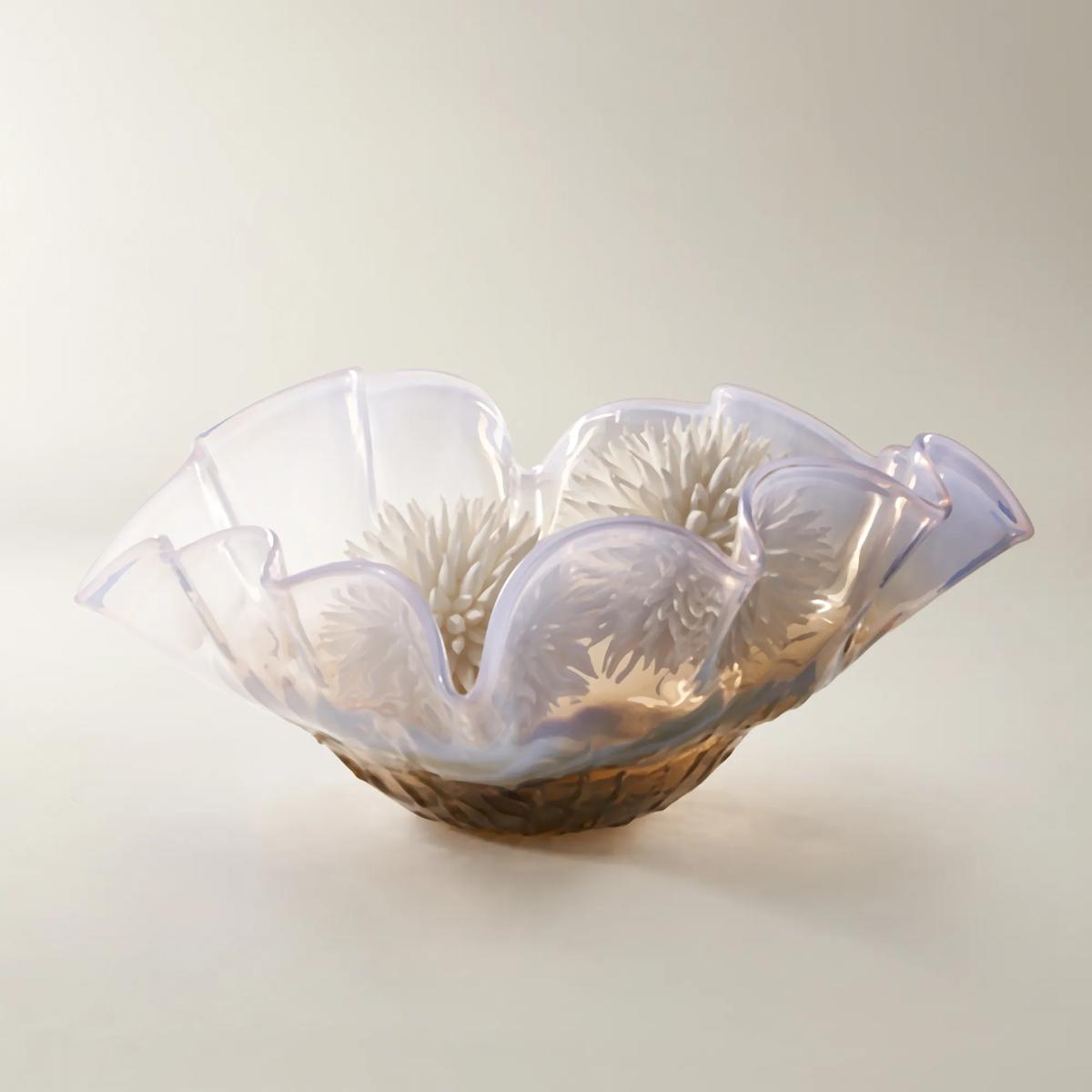
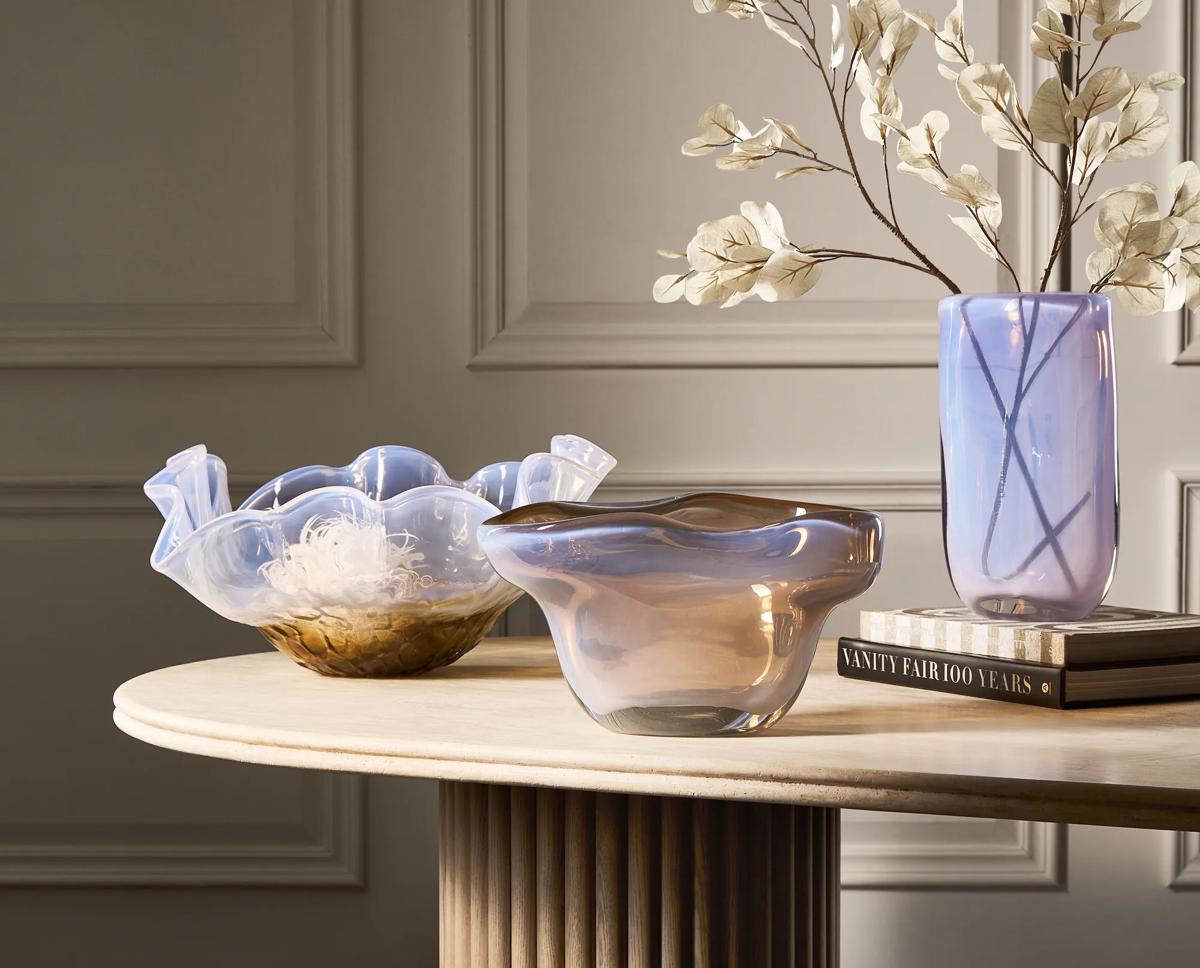 Glacier Glass Bowl$269
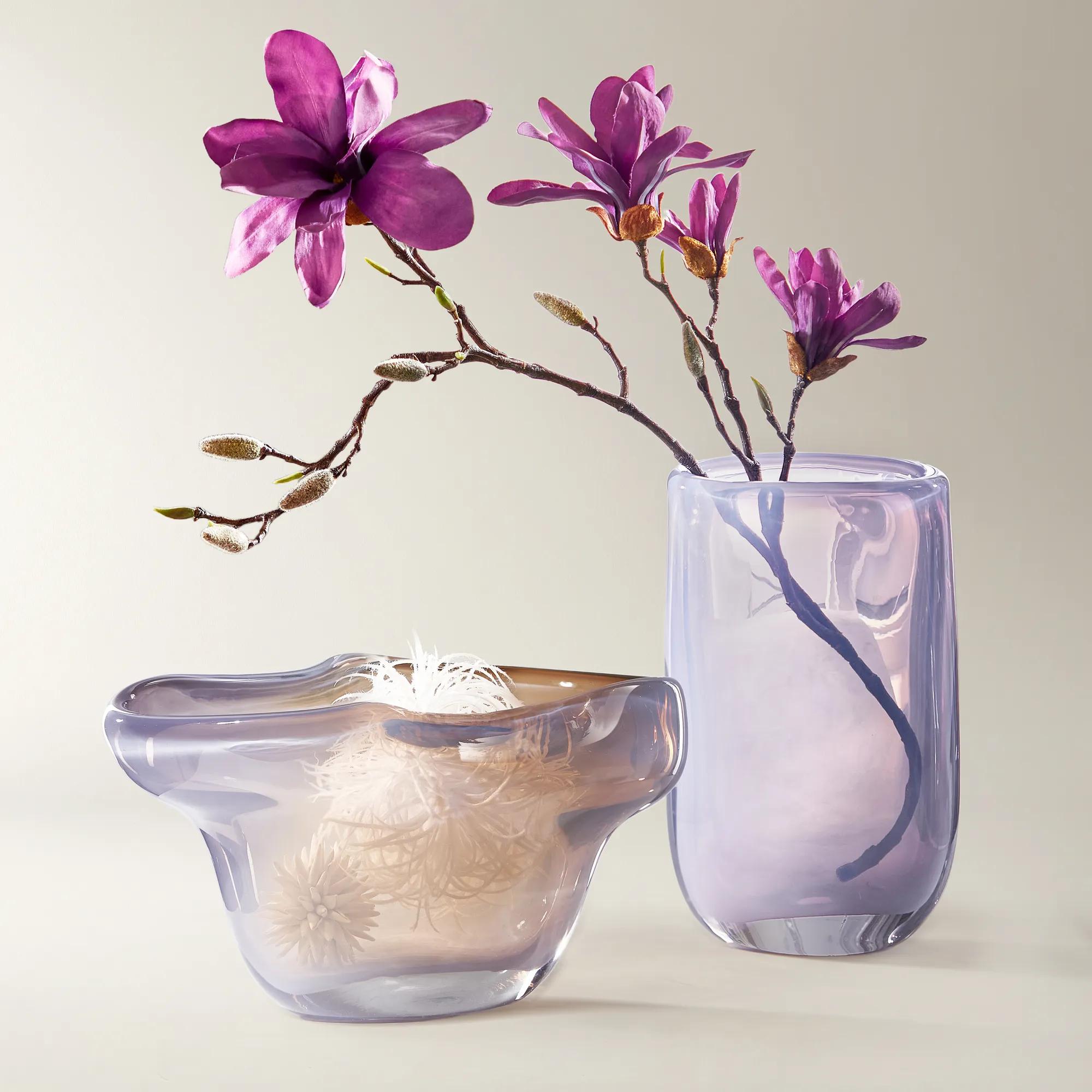
A hand-blown glass bowl featuring scalloped edges and swirling lavender and amber hues for artistic elegance.
Add To Cart -
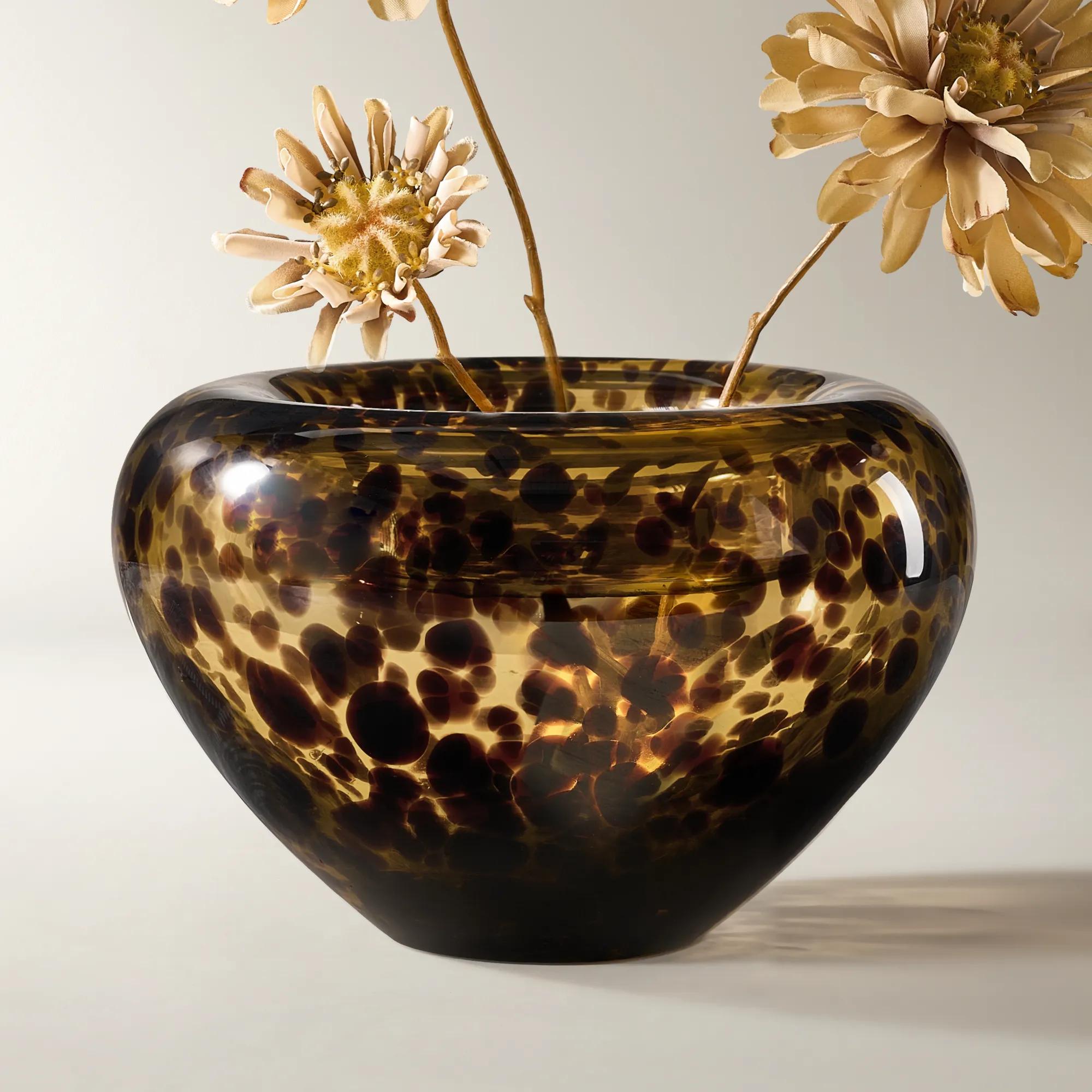 Tortoise Mouth Blown Brown Glass Decorative Bowl 8.25" x 4.25"$69
A handblown glass bowl featuring a warm brown tortoise pattern and a sculptural, rounded silhouette.
Add To Cart -
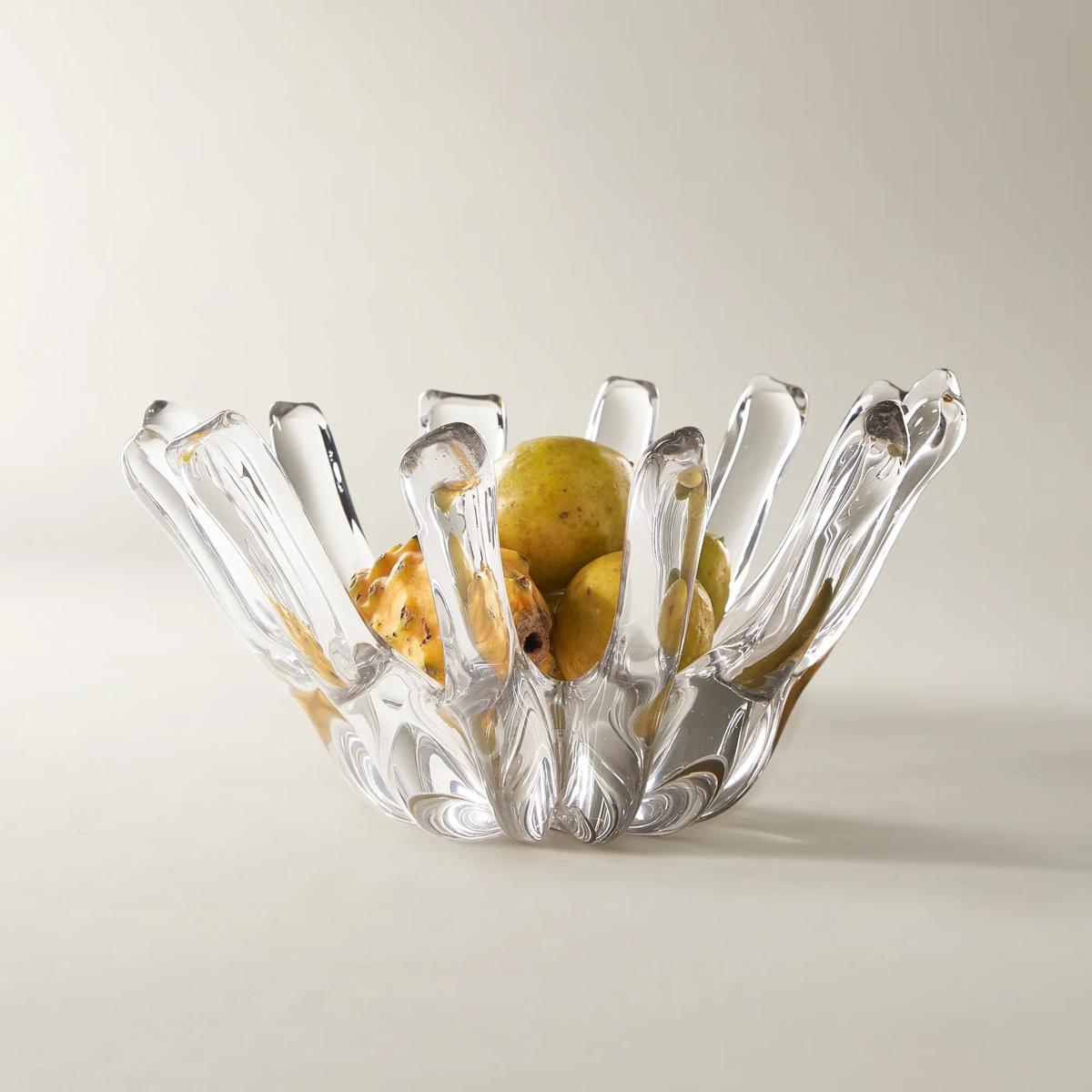
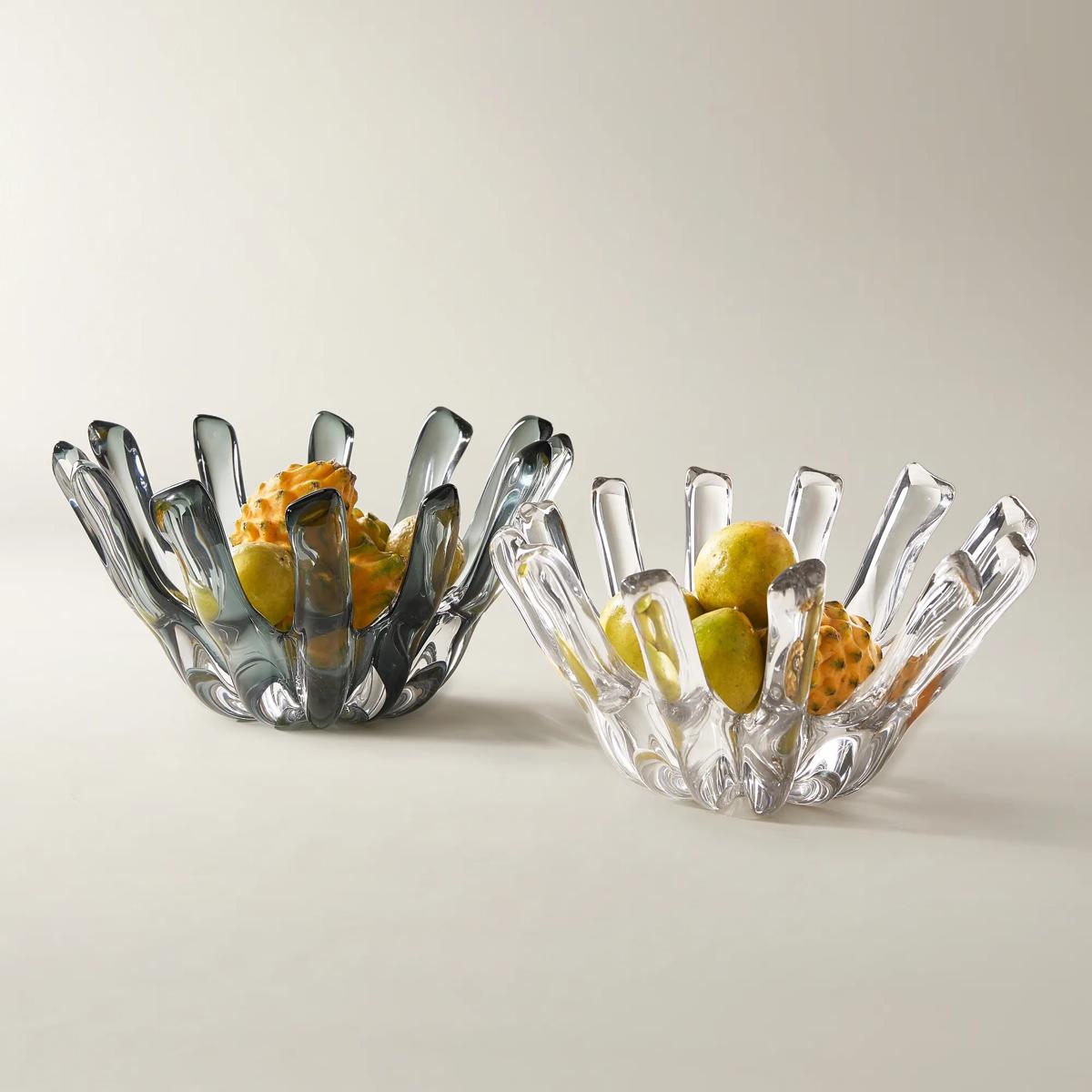 Bossa Clear Handblown Glass Decorative Bowl 13" x 7"$129
A hand-blown clear glass bowl featuring an expressive, sculptural form for modern decorative displays.
Add To Cart -
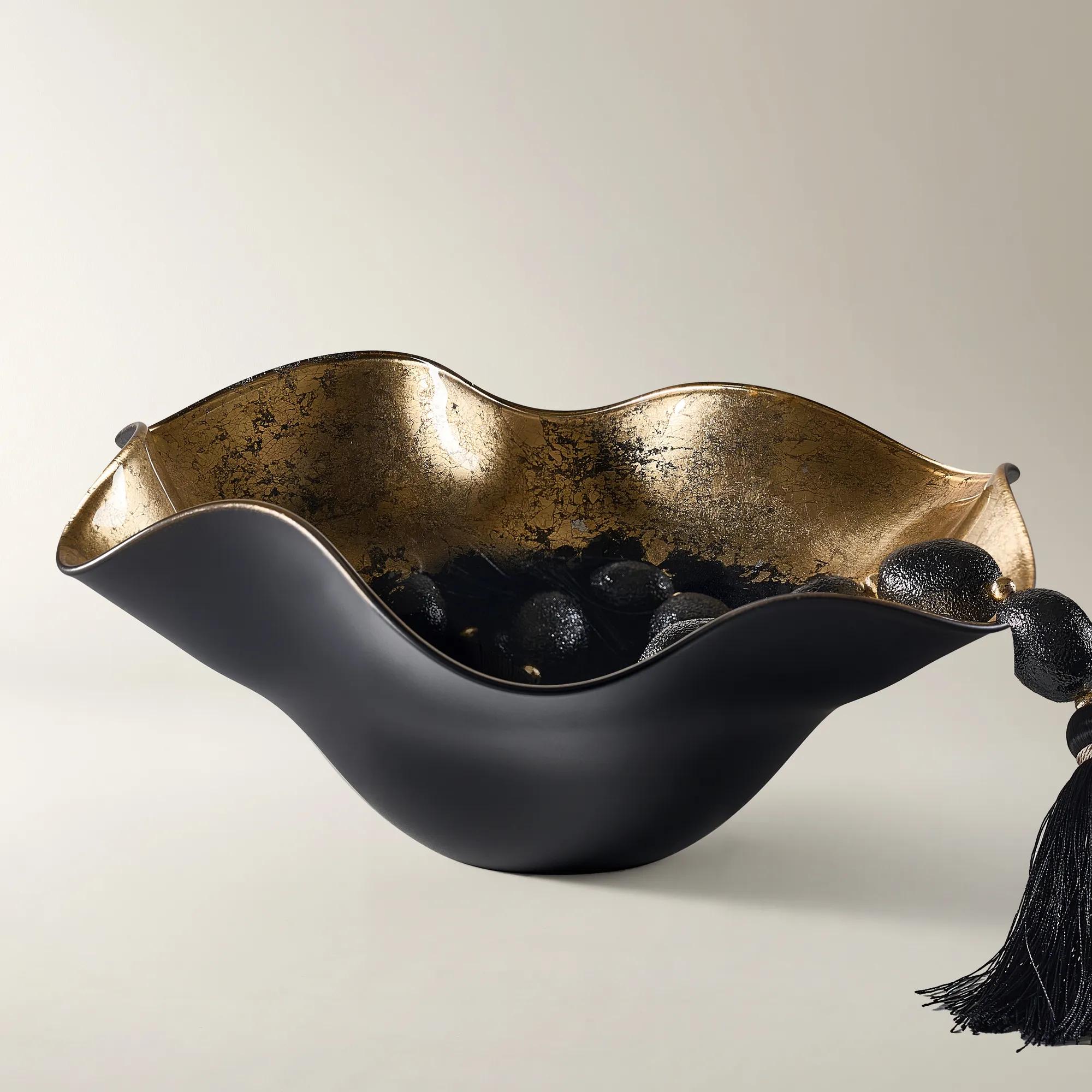
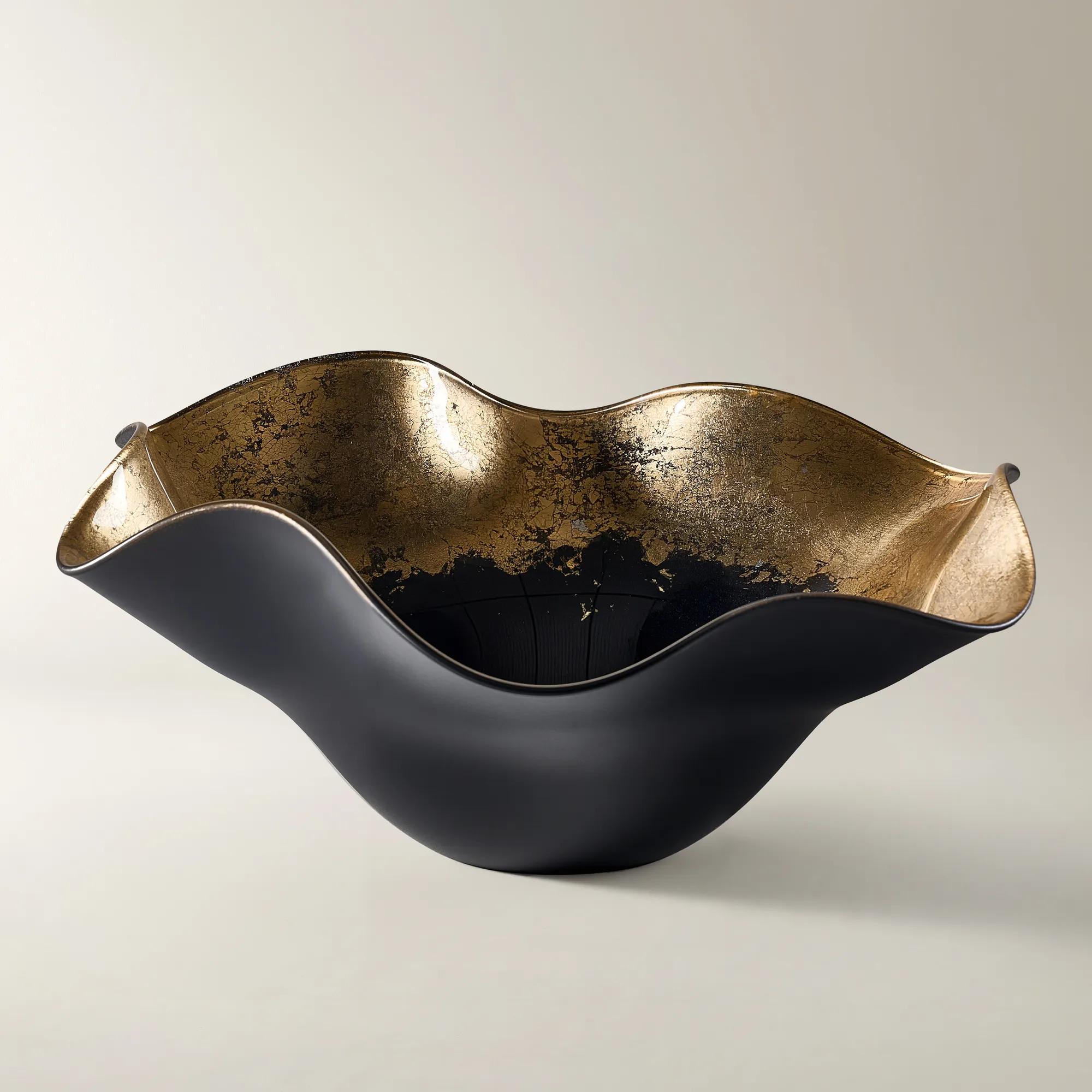 Goldie Mouth Blown Gold Black Glass Decorative Bowl 15.5" x 8.75"$199
A handblown glass bowl in soft gold and black with an organic, sculptural silhouette for modern decor.
Add To Cart -
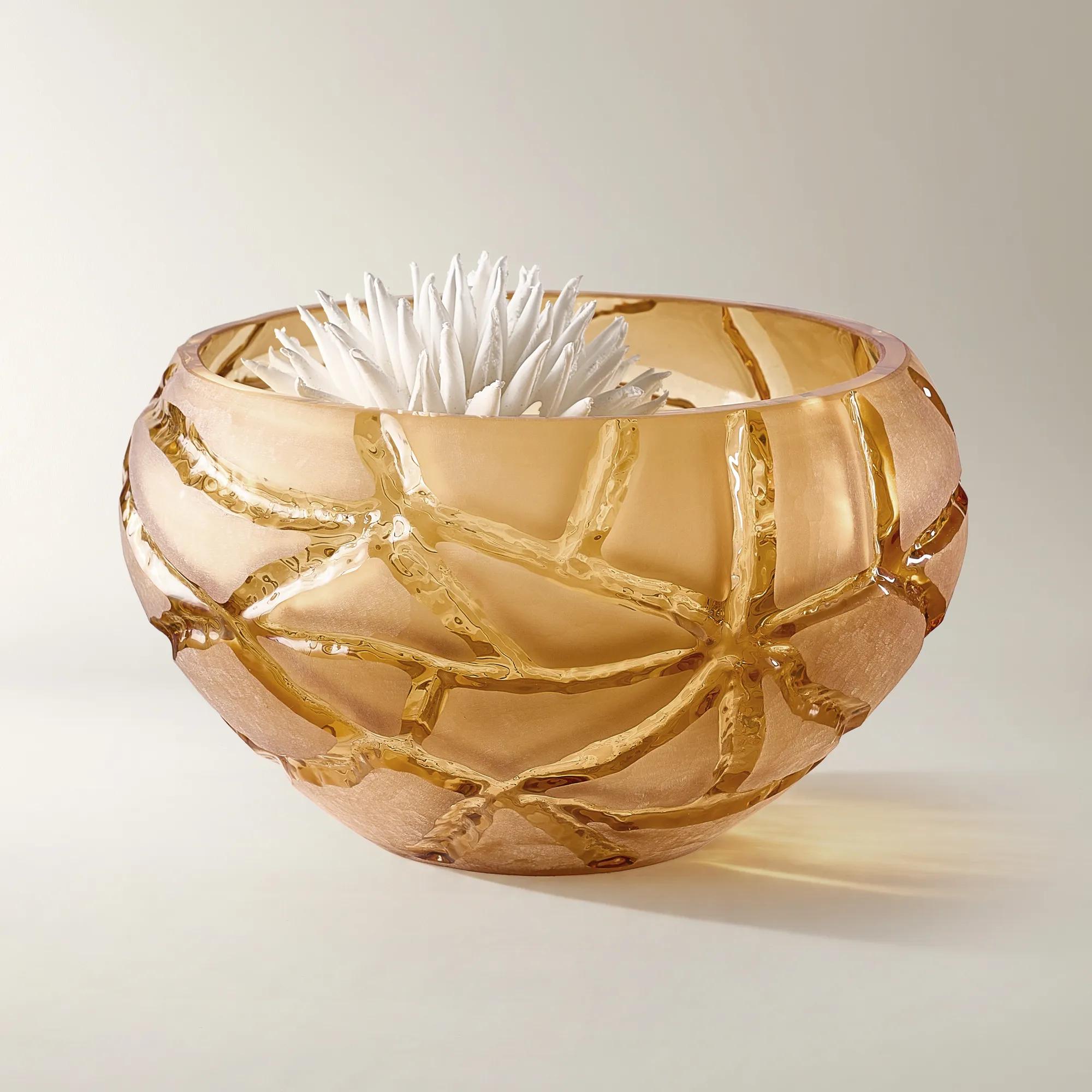 Rowen Mouth Blown Honey Gold Glass Decorative Bowl 11" x 6.25"$129
A handblown glass bowl in honey gold with a textured surface for a luminous, sculptural accent.
Add To Cart -
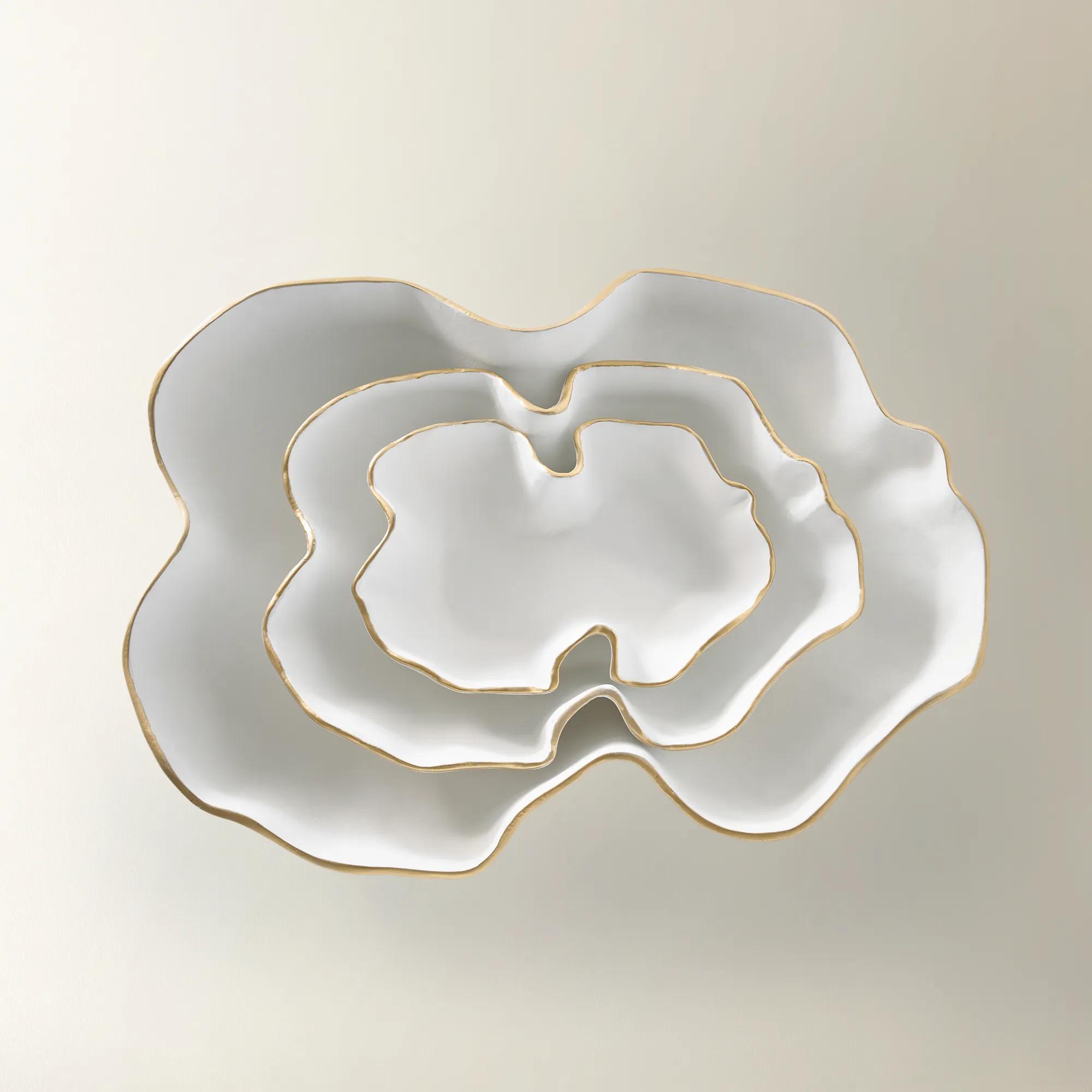 Lava White Gold Aluminum Decorative Nesting Bowls$99
A glossy white aluminum bowl with a golden rim, offering modern elegance for decorative display.
Add To Cart -
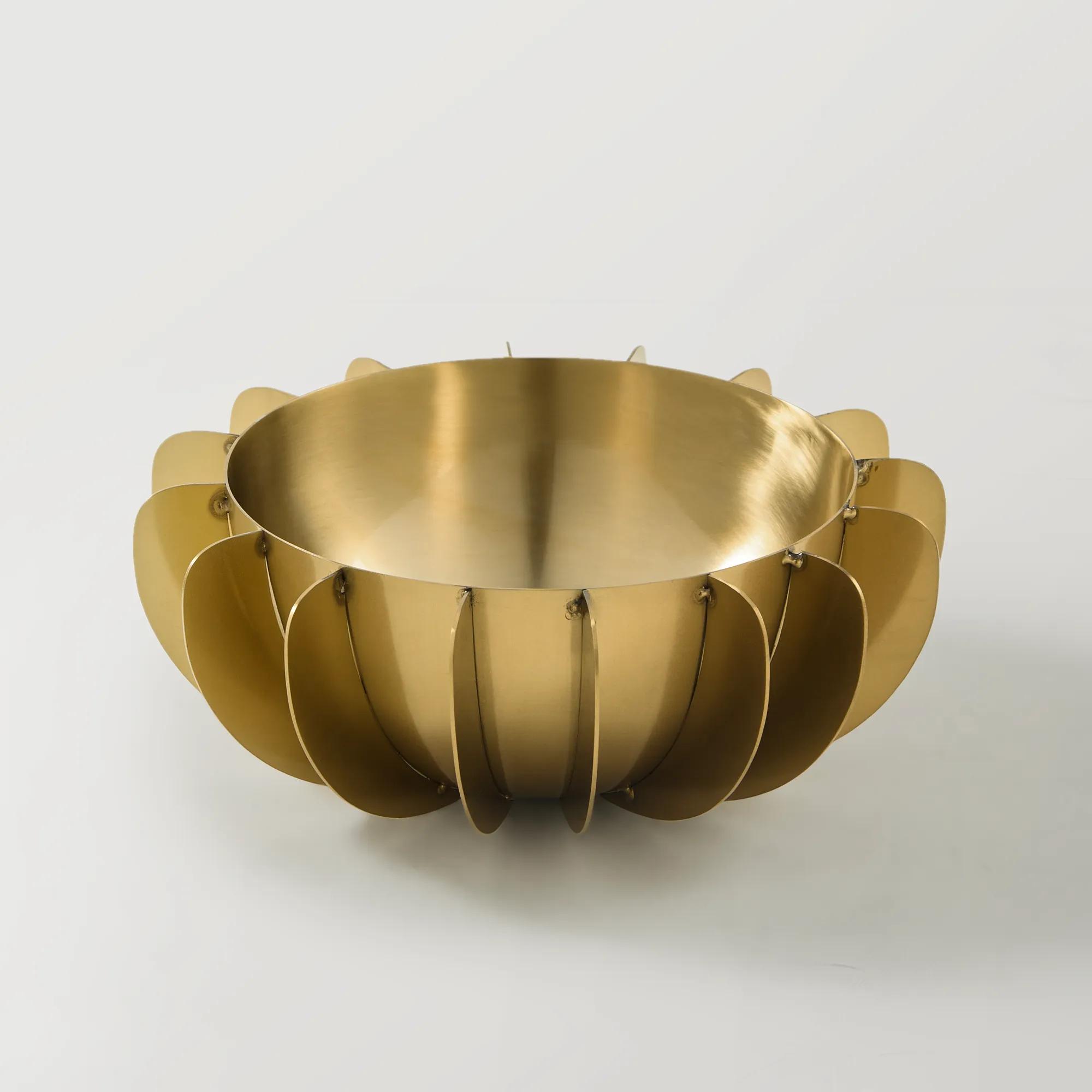
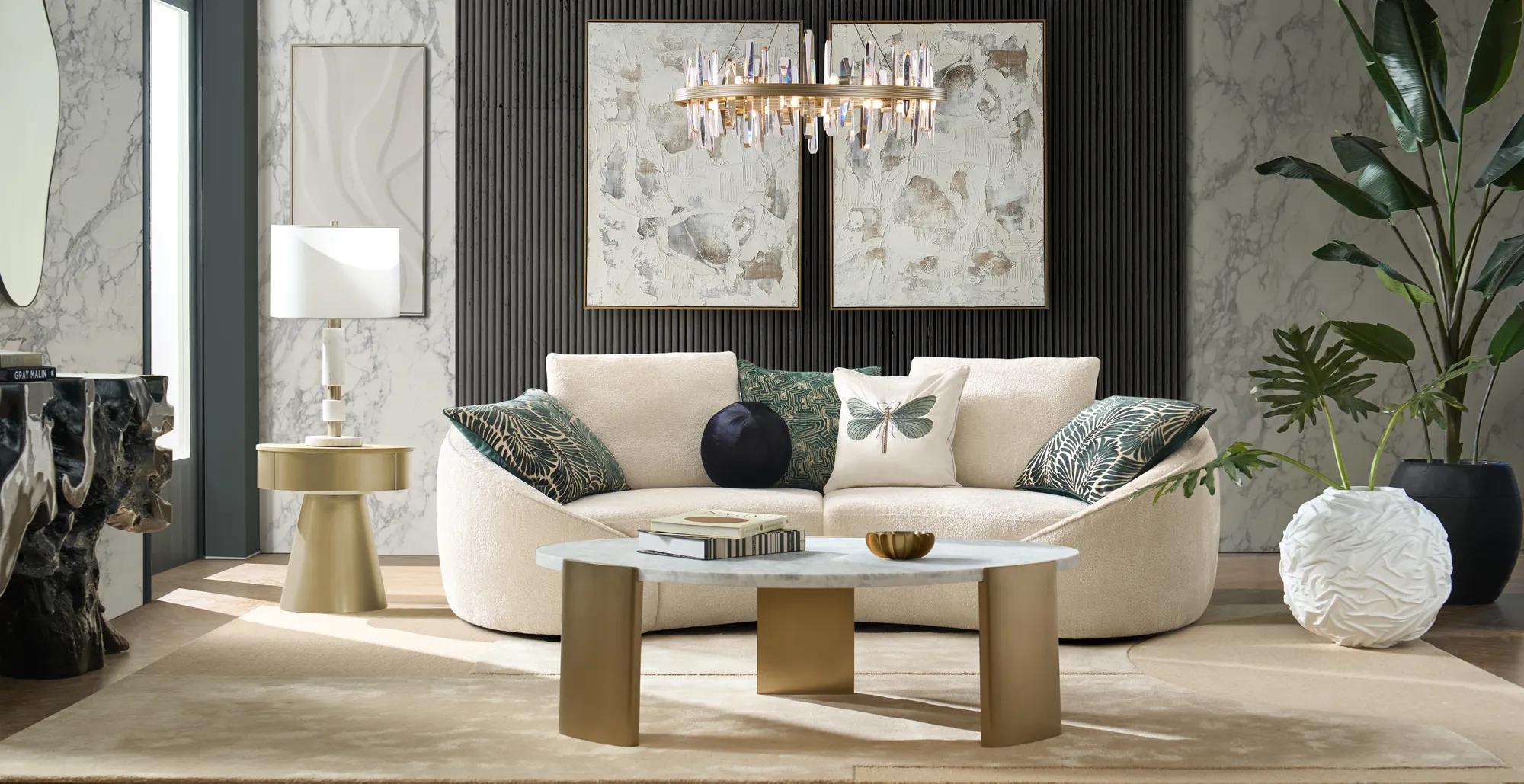 Mezza Collection$59
A gold-plated stainless steel decorative piece that brings timeless glamour and shine to your decor.
Add To Cart -
.jpg?w=1200&h=1200) Calla Mouth Blown Blue Glass Decorative Bowl 15.35" x 5.7"$79
Calla Mouth Blown Blue Glass Decorative Bowl 15.35" x 5.7"$79A handblown blue glass bowl featuring unique curves and translucent artistry for striking decorative appeal.
Add To Cart -
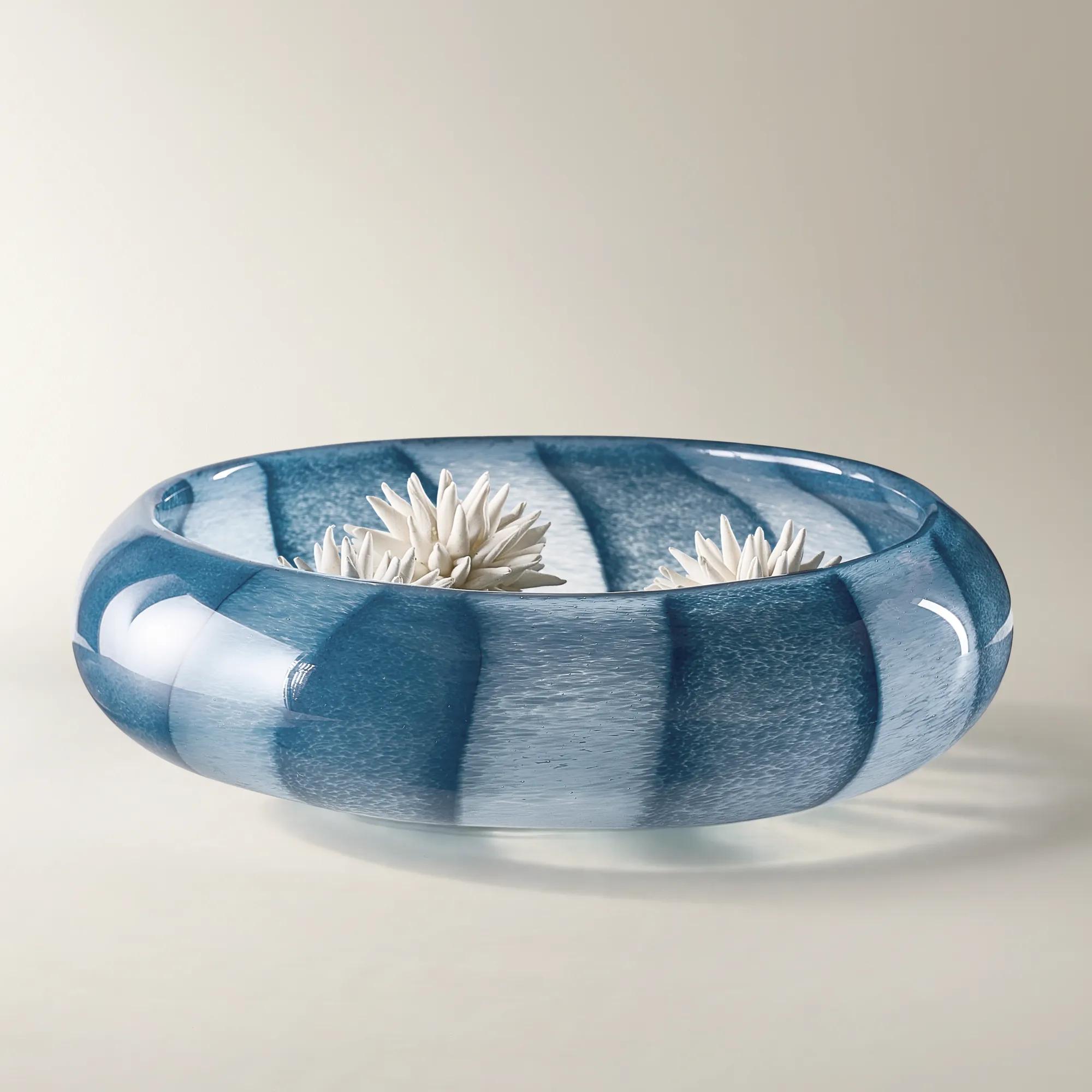 Jonah Mouth Blown Dusty Blue Glass Decorative Bowl 11.75" x 3.5"$89
A handblown glass bowl featuring dusty blue stripes and a sculptural, low rounded silhouette for decor.
Add To Cart -
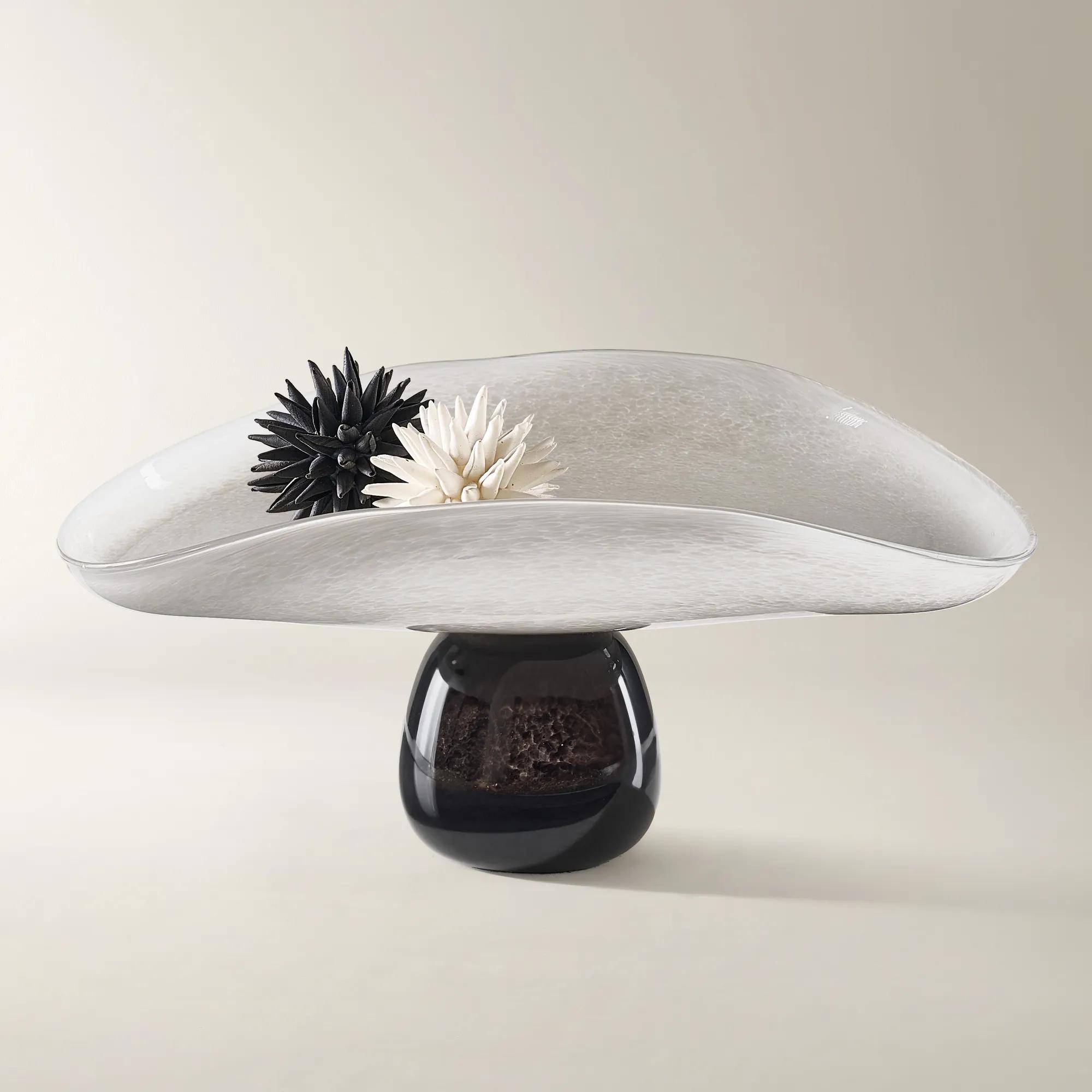 Elois Mouth Blown White Black Pedestal Bowl 14.5" x 7"$149
A handblown glass pedestal bowl featuring striking black and white contrast for a sculptural, modern accent.
Add To Cart -

 Collins Hand-Cast Gold Aluminum Decorative Pedestal Bowl 23.5" x 5"$79
A gold nickel-plated aluminum bowl with a rectangular pedestal base for striking decorative display.
Add To Cart -
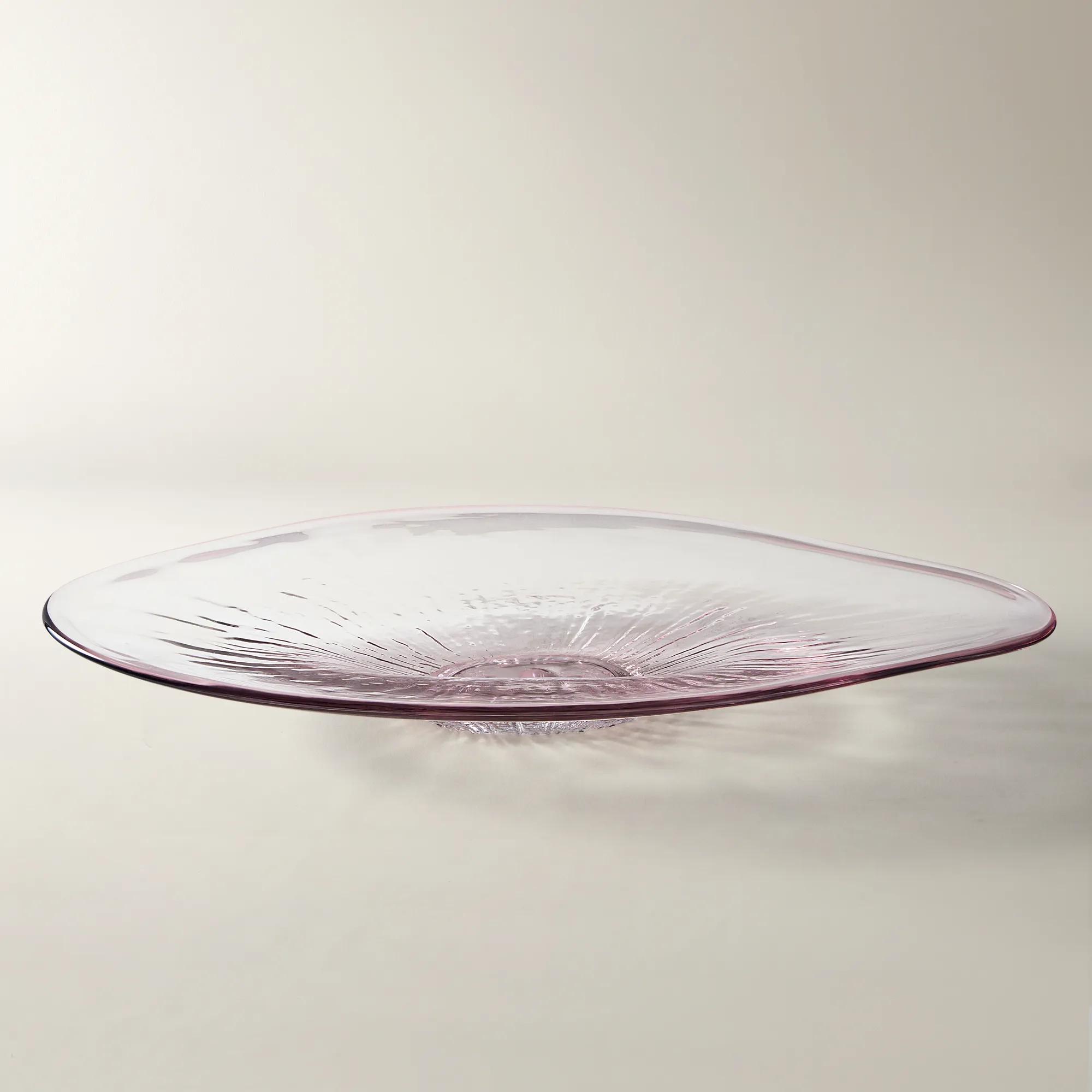 Cortina Decorative Bowl$129
A handblown glass bowl in an ethereal pink hue that brings artistic flair to modern interiors.
Add To Cart -
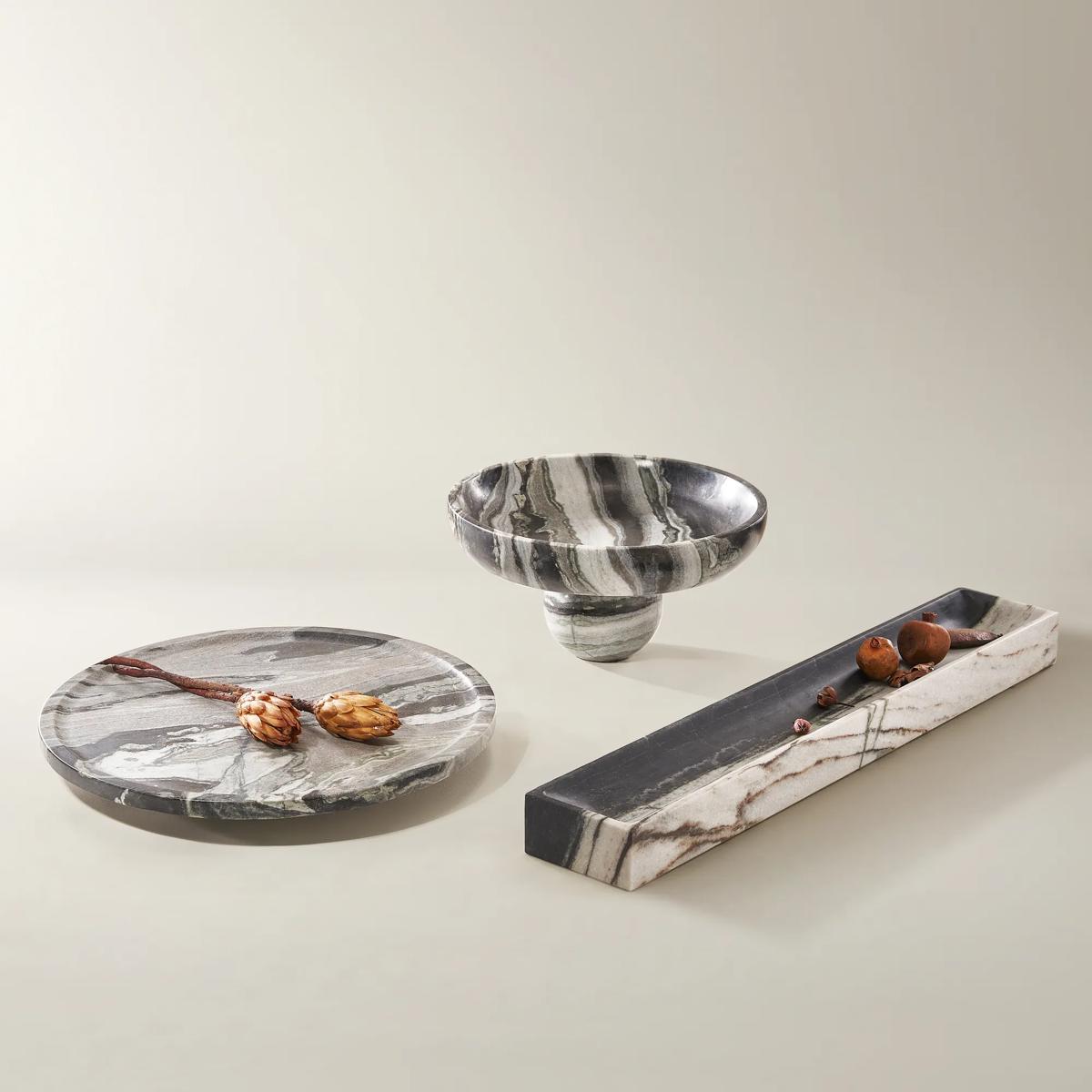
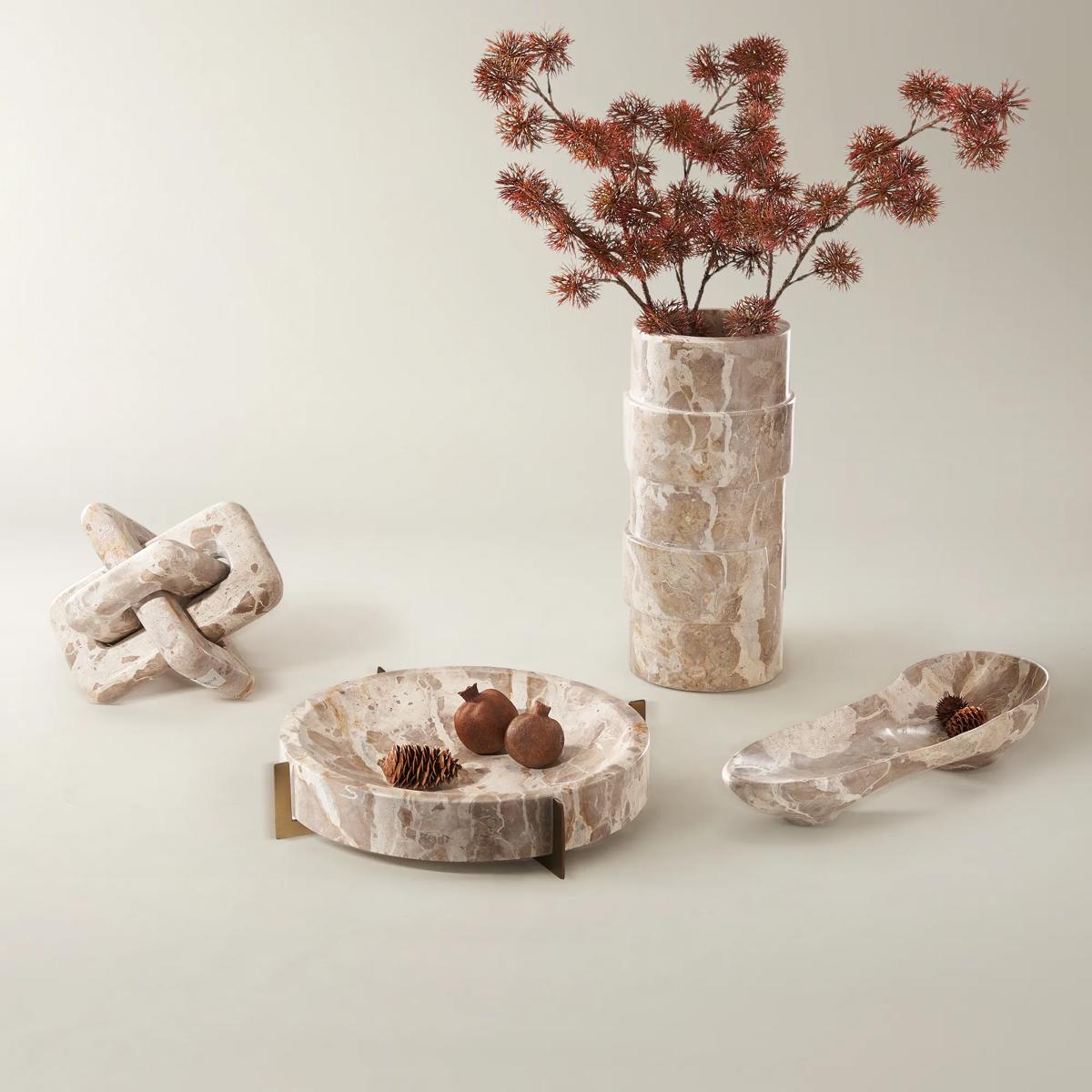
 Luxe Marble Collection$149
A striking black marble decor collection featuring unique veining and elegant footed bowl, tray, and riser.
Add To Cart

Elegant Fruit Bowls
Elevate your tablescape with Elegant Fruit Bowls that transform everyday moments into artful displays. Each silhouette is designed to capture the eye, turning a simple arrangement of fruit into a curated centerpiece brimming with sophistication. Whether poised on a marble countertop or gracing a formal dining table, these bowls invite drama and delight, infusing your space with an air of cultivated abundance. Let Elegant Fruit Bowls become the finishing touch that celebrates both beauty and bounty in your home.
Elegant fruit bowls bring a sense of occasion to one of the most familiar rituals in the home. Set on a kitchen island, dining table, entryway console, or bar cart, they transform fresh produce into a living arrangement of color, texture, and form. Instead of allowing apples, pears, citrus, or stone fruit to disappear into a cabinet or ordinary container, an elegant fruit bowl gives them a beautifully considered place in the room. The effect is especially striking when sculptural design meets the natural variation of produce: golden lemons glow against a dark surface, ruby pomegranates create a dramatic focal point, and green limes add a crisp flash of color to a neutral setting. These pieces are made for hosts who treat everyday details as part of the atmosphere, design enthusiasts who appreciate functional art, and anyone who wants a kitchen to feel more polished without sacrificing warmth. An elegant fruit bowl can also serve as a thoughtful housewarming, wedding, hostess, or holiday gift, particularly for someone who enjoys entertaining or takes pleasure in a beautifully styled home. During the warmer seasons, it can hold peaches, nectarines, cherries, and abundant citrus; as the weather cools, it transitions effortlessly to pears, apples, figs, and seasonal harvests. Left empty, a sculptural bowl remains a compelling accent, lending shape and dimension to a surface even between gatherings.
Material plays a defining role in both the mood and performance of an elegant fruit bowl. Marble and other natural stones bring cool weight, distinctive veining, and an unmistakable sense of luxury; because each surface carries its own pattern, no two pieces feel entirely alike. Their substantial presence works beautifully in contemporary kitchens, formal dining rooms, and richly layered interiors where a grounded centerpiece can balance gleaming metal, glass, or lacquered furnishings. Unsealed stone should be treated with care, since cut citrus, fruit juices, and oils may leave marks; using whole fruit or a protective liner helps preserve the finish. Handmade ceramic introduces a more artisanal character, with expressive color, subtle irregularity, and a tactile surface that makes even a simple bowl of oranges feel thoughtfully composed. Ceramic and open designs can also encourage airflow around produce, helping fruit remain fresher than it might in a crowded, enclosed container. Sculptural porcelain offers a lighter, refined presence and can double as standalone décor when not in use, while carved wood adds organic warmth through visible grain and a softer, more relaxed sensibility. Glass creates transparency and visual lightness, allowing the fruit itself to take center stage. Metallic finishes, meanwhile, bring reflective glamour and pair naturally with a dramatic dining setting; for a related way to introduce gleam and artistry throughout a vignette, explore Elegant Metallic Display Bowls. Each material tells a different story, from the serene richness of stone to the luminous drama of polished metal, making it worth considering how the bowl will complement the finishes already present in the room.
Scale, shape, and placement matter as much as material when choosing elegant fruit bowls. Before selecting a piece, measure the surface where it will live and consider the clearance needed around nearby appliances, place settings, or serving dishes. A broad, low bowl creates a generous display and is well suited to a kitchen island or dining table, while a taller or tiered silhouette makes use of vertical space and can separate different types of produce. Openwork forms offer an airy, architectural look and allow the contents to remain visible from across the room; solid bowls feel more substantial and can anchor a layered centerpiece with candlesticks, florals, or decorative objects. For everyday use, look for a stable base, a finish that suits the care you are comfortable providing, and a generous opening that makes it easy to remove fruit without bruising it. Avoid overfilling, since a crowded arrangement can conceal spoilage and restrict airflow. Keeping produce at varied heights creates a more artful composition, while a restrained palette—such as citrus in several tones or apples paired with pears—can make the display feel intentional rather than random. In a formal dining room, one carefully filled bowl can become the quiet centerpiece beneath pendant lighting; in an open kitchen, it can soften sleek cabinetry with a richly tactile note. The most successful choices balance beauty with real life, offering a graceful place for daily essentials while elevating the rhythm of meals, entertaining, and gathering. An elegant fruit bowl is more than a vessel: it is a small, expressive stage for nature’s color and abundance, ready to make the room feel finished from late summer through the cooler months.
.jpeg?w=3613&h=3613)
.jpeg?w=3401&h=3401)