Metal Decorative Pieces
Metal Decorative Pieces
-
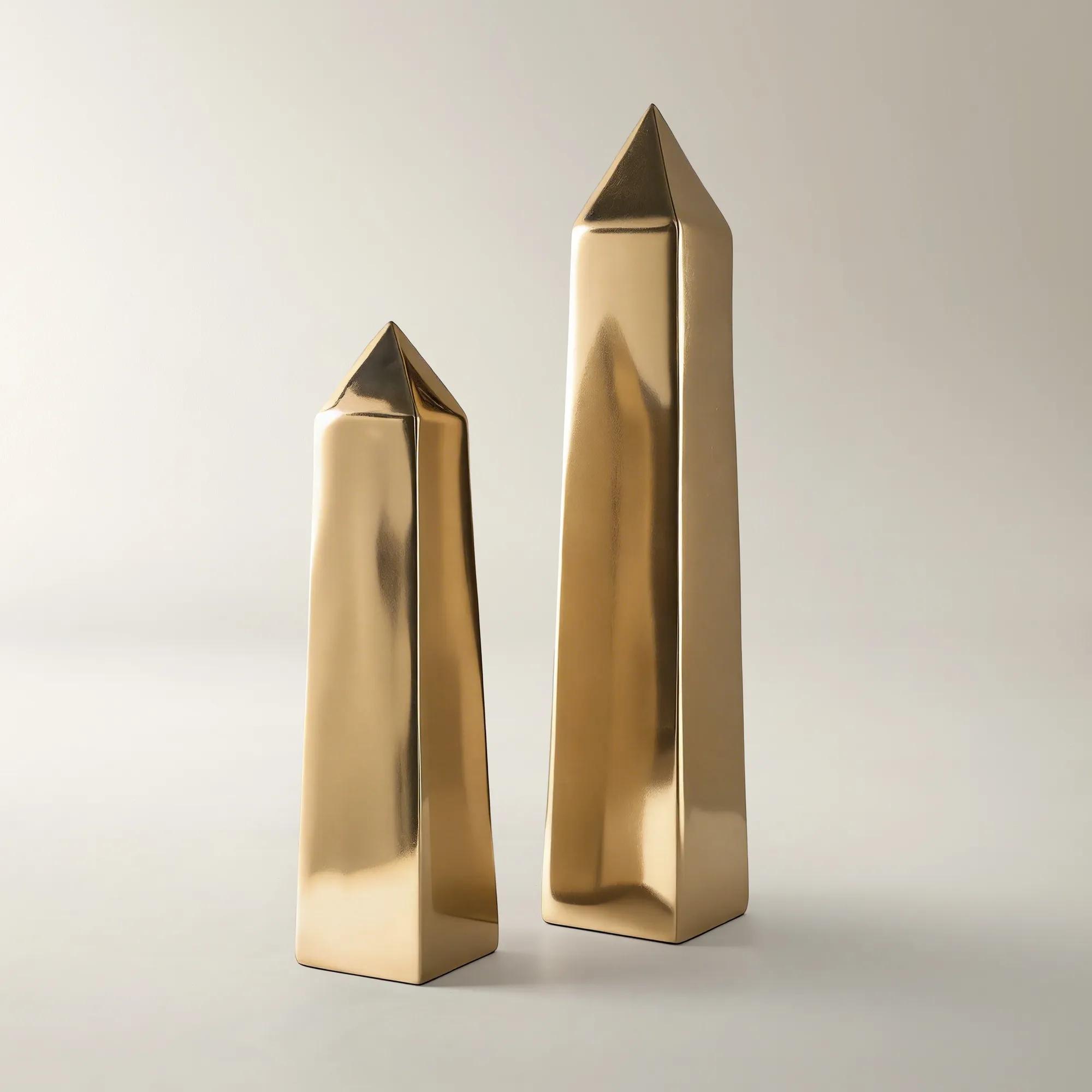
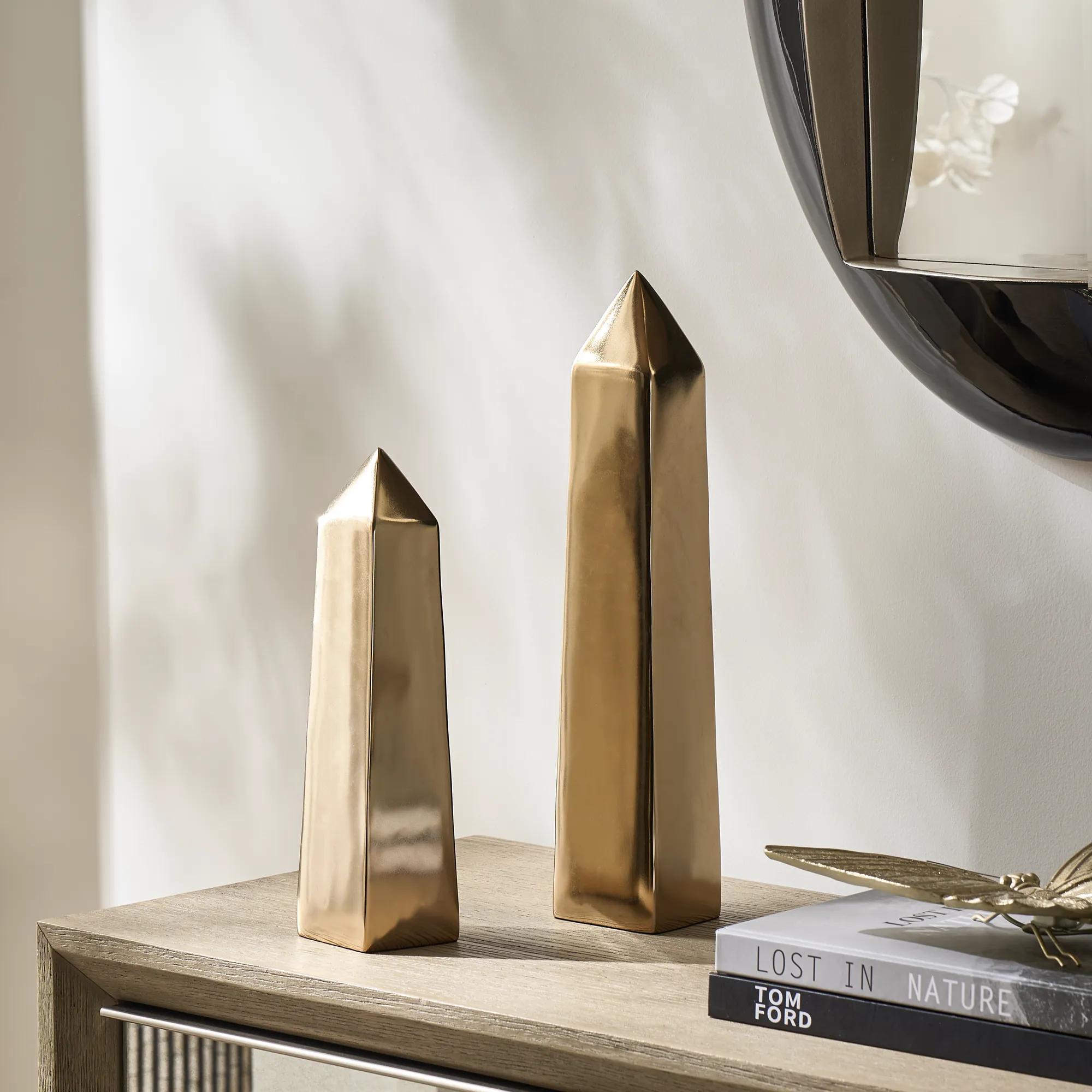 Golden Aluminum Obelisks$59
A sculptural aluminum accent in a soft gold finish that adds modern glamour and architectural drama.
Add To Cart -
 Glossy Fig Stainless Steel Decorative Ball 7.75"$59
A glossy fig-hued stainless steel ball that adds modern warmth and sculptural shine to any display.
Add To Cart -
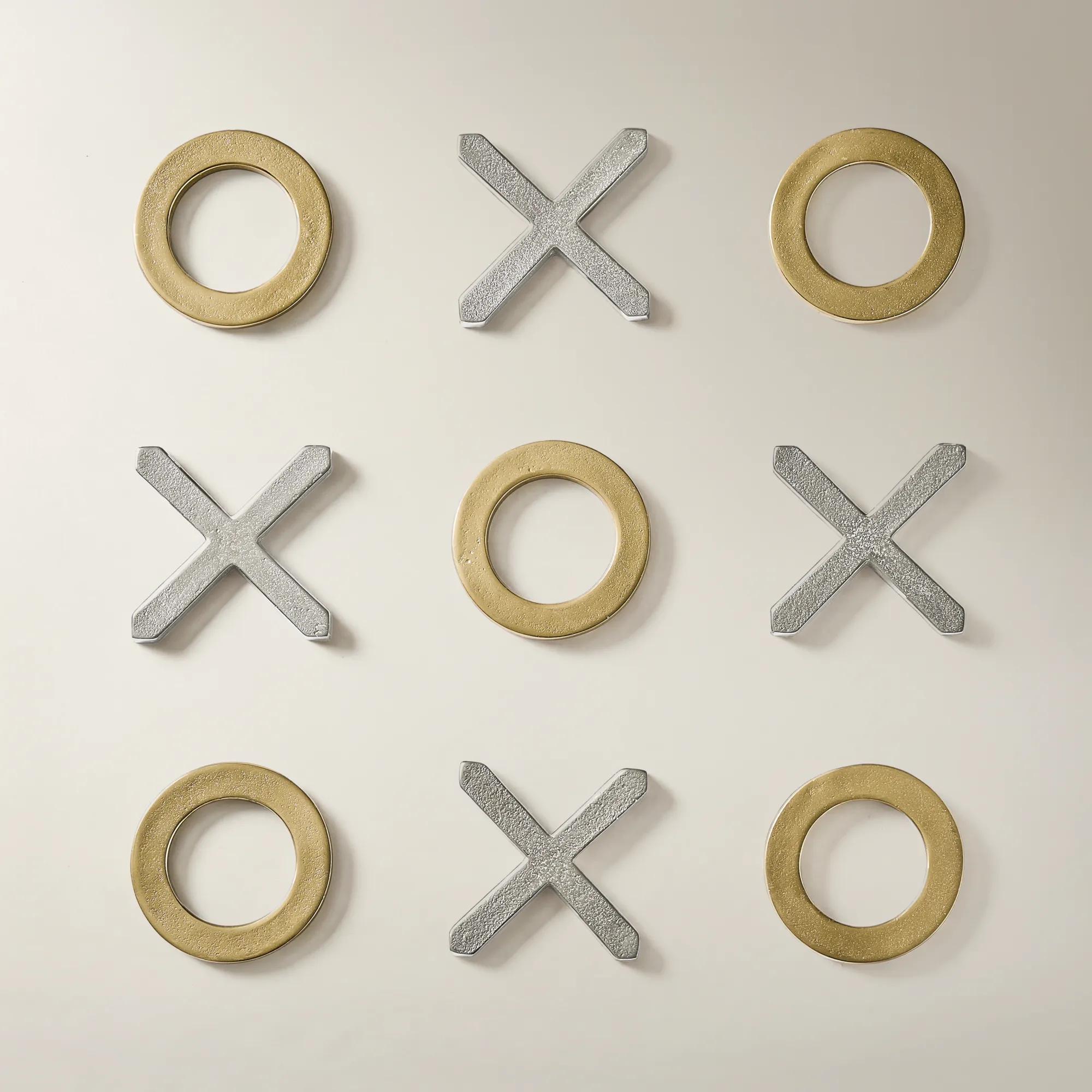 XOXO Gold Silver Aluminum Tic-Tac-Toe Game Pieces$69
A set of oversized gold and silver aluminum game pieces that adds playful, modern glamour to any space.
Add To Cart -
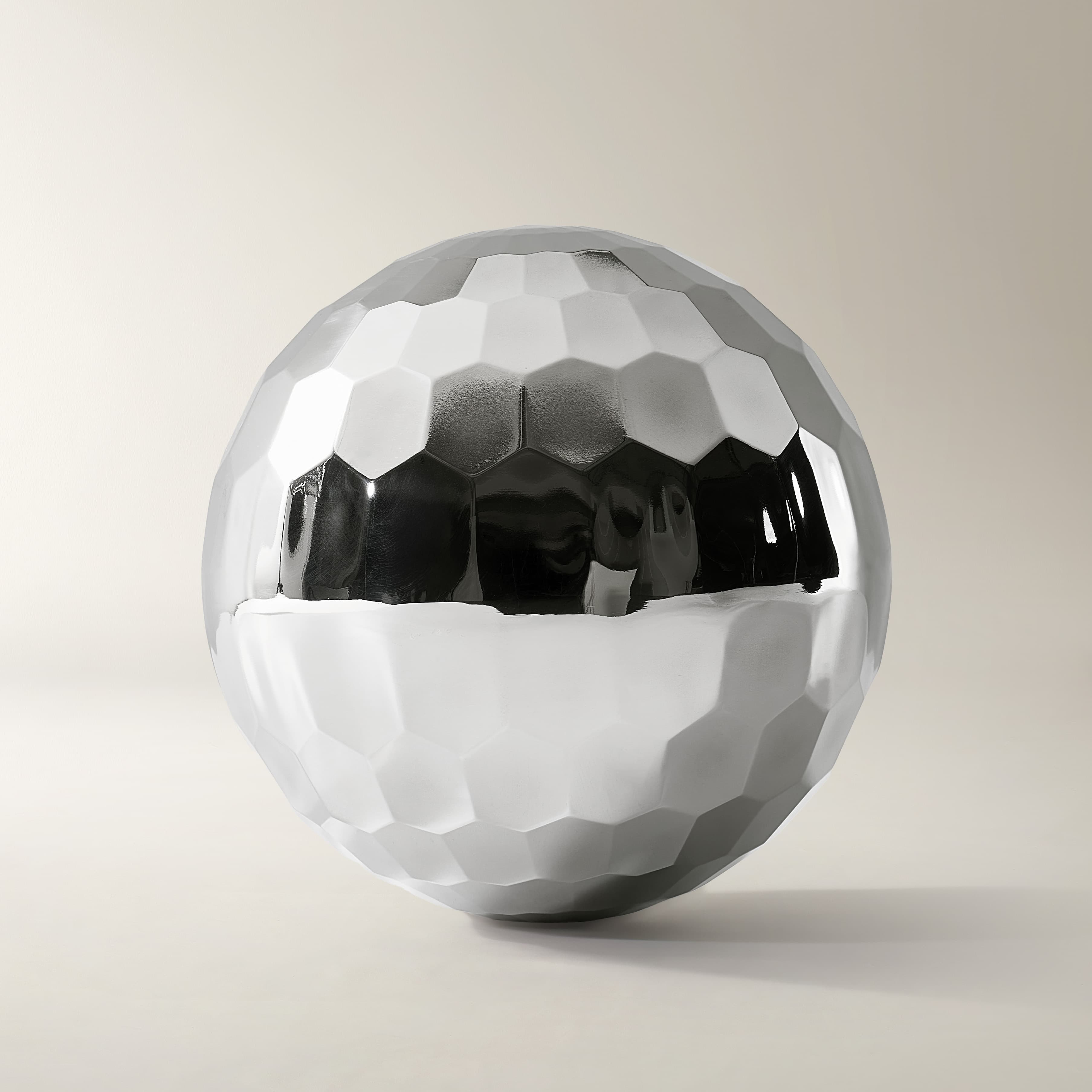 Disco Chrome Sphere Stainless Steel Decorative Object 9.75"$59
A polished chrome-finish stainless steel sphere adding sleek, reflective glamour to modern decorative displays.
Add To Cart -
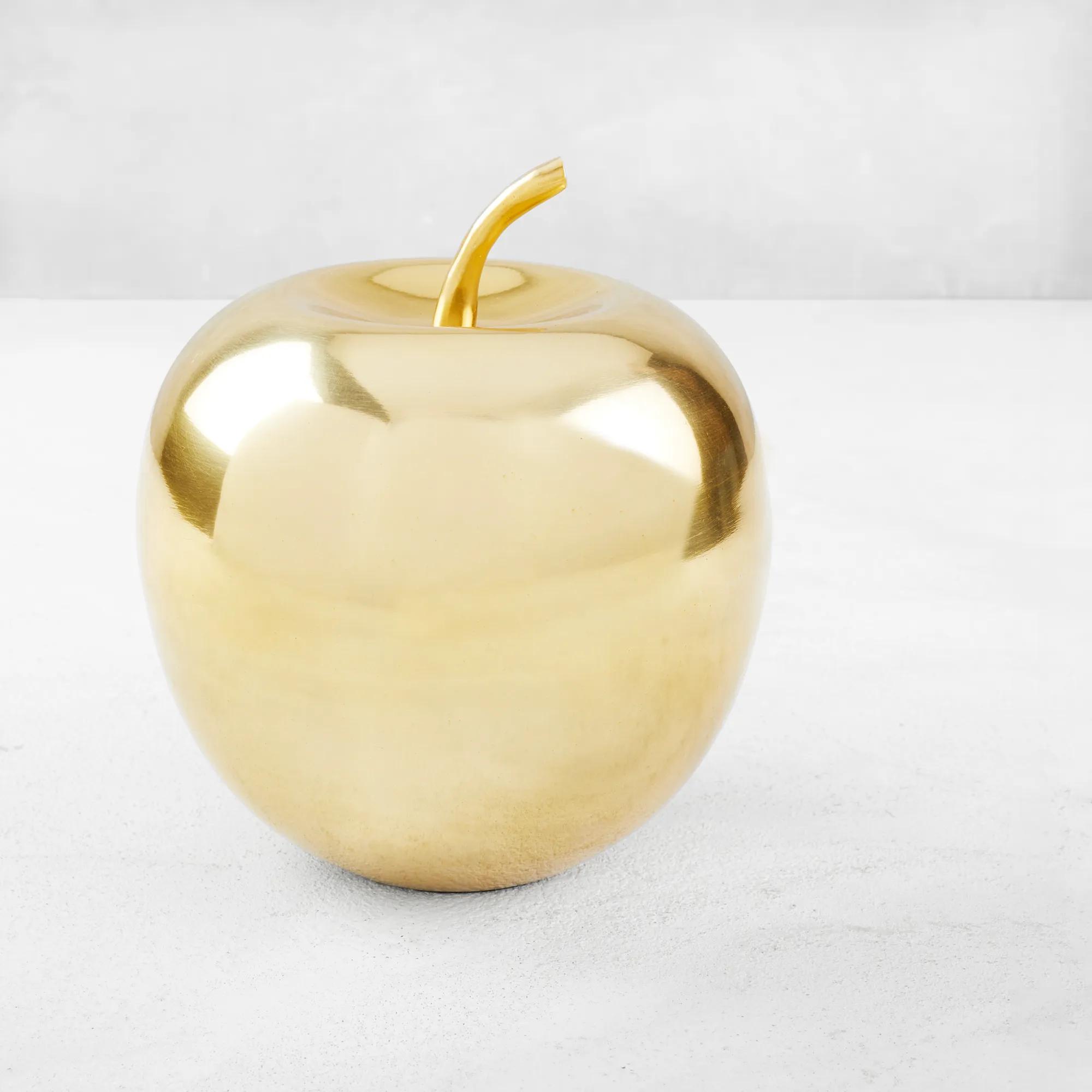
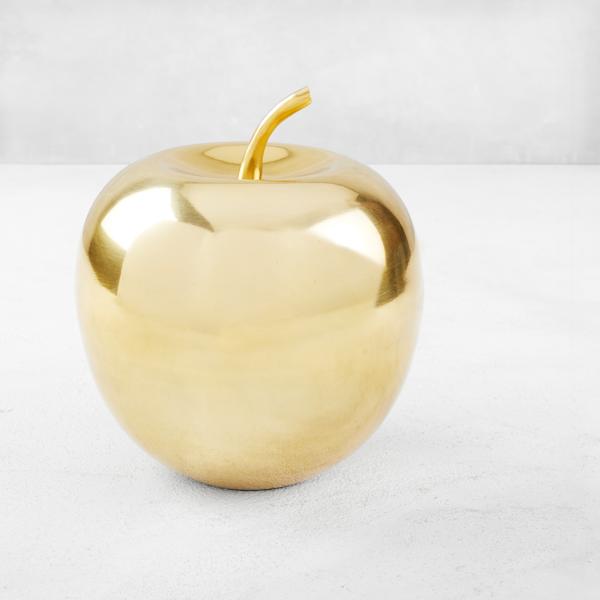 Gold Oversized Apple Aluminum Decorative Object 7.5"$69
A glamorous gold aluminum apple that adds a sophisticated statement to any décor.
Add To Cart -
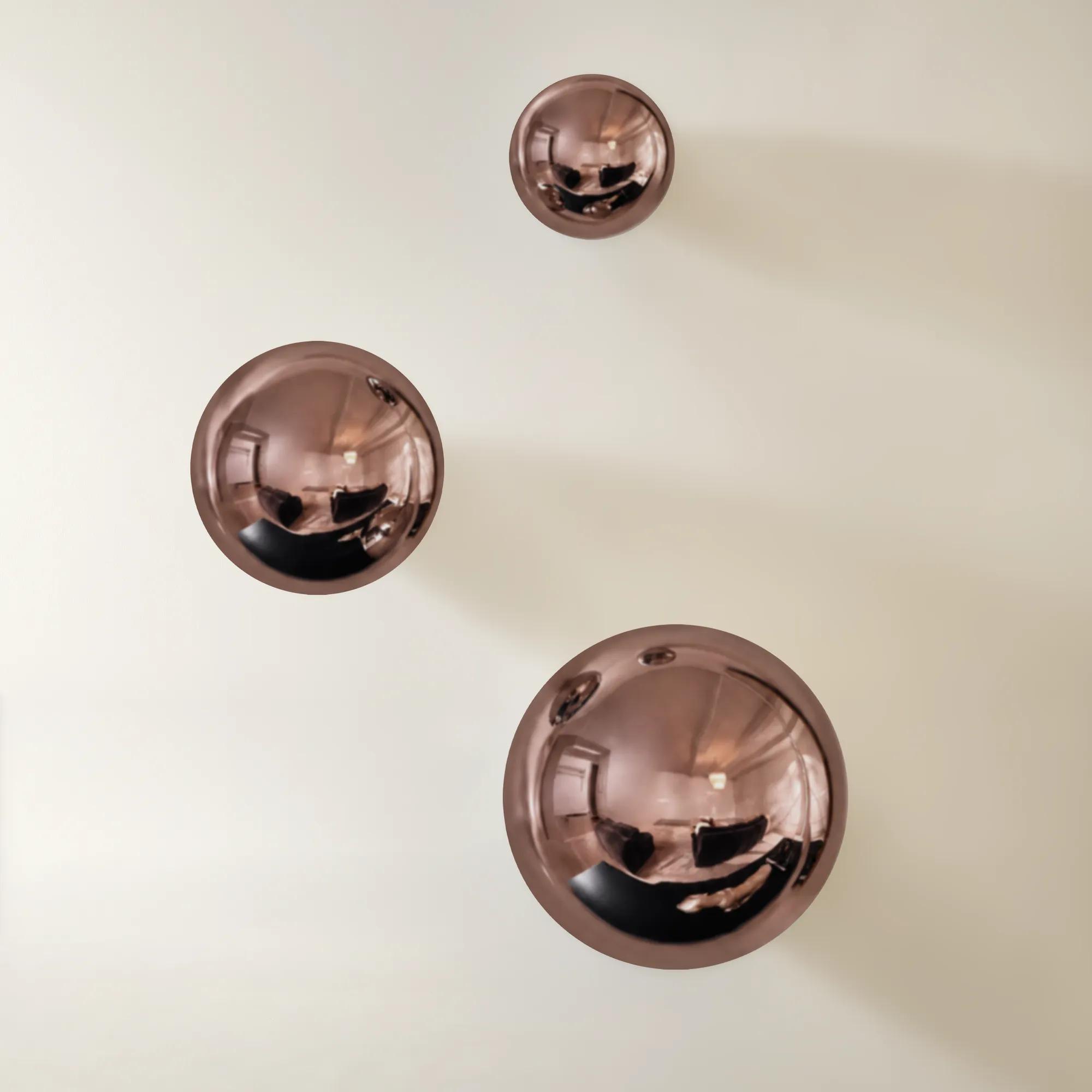
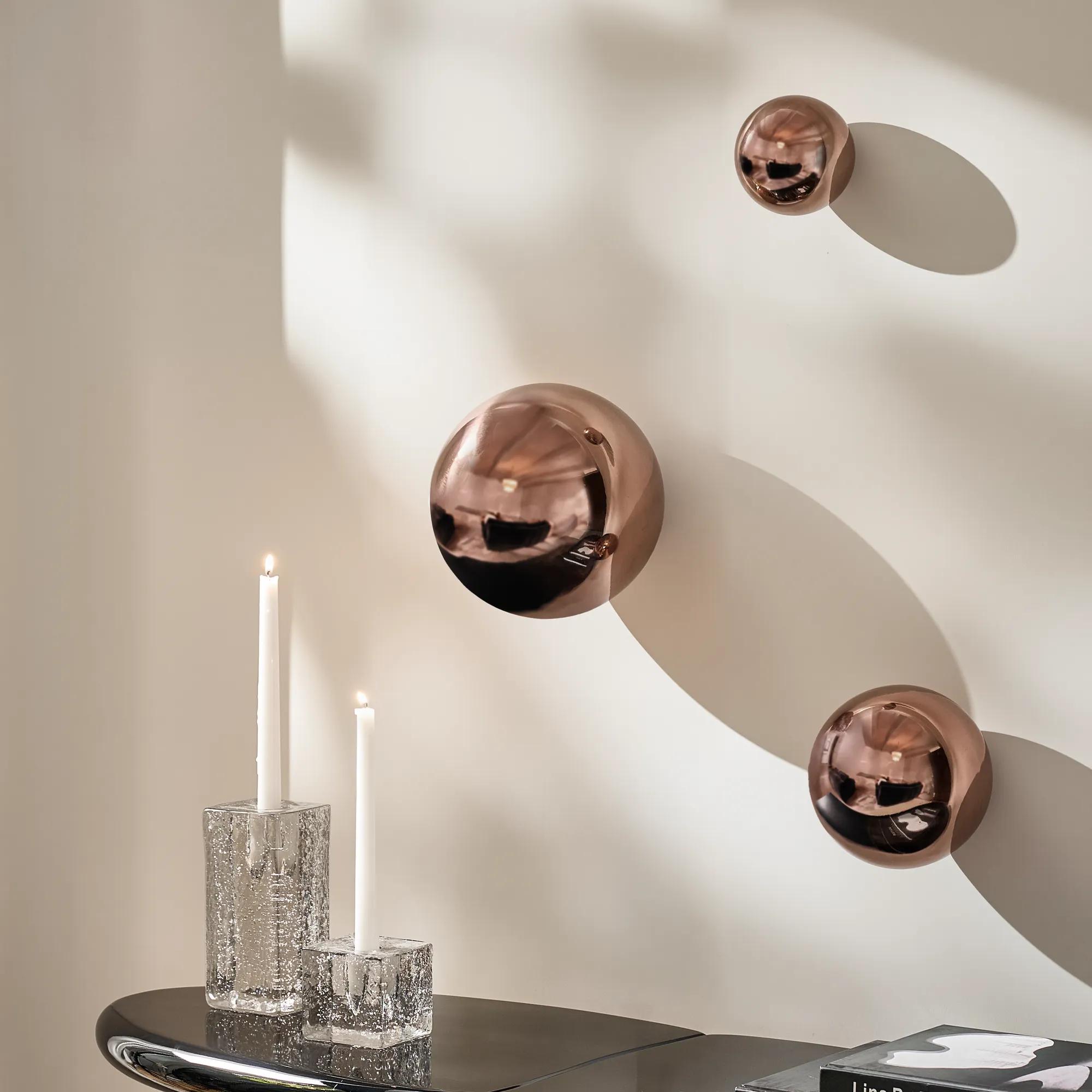 Bronze Spheres Stainless Steel Wall Decor Set of 3$129
A set of three polished bronze stainless steel spheres adds modern, sculptural shine to any wall.
Add To Cart -
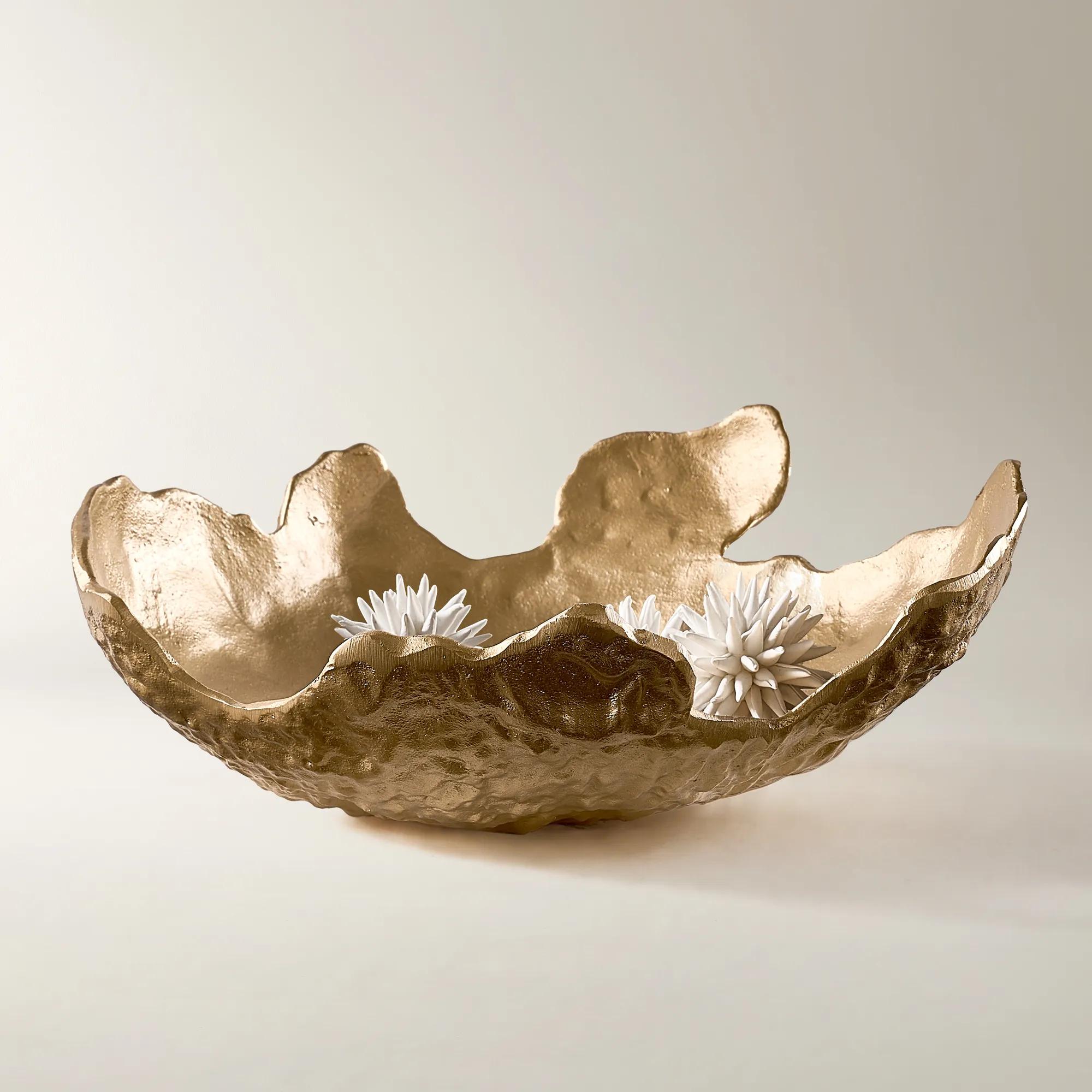 Crush Gold Aluminum Decorative Bowl 16" x 5.75"$169
A sculptural aluminum bowl with a soft gold finish and organic, crushed silhouette for modern decor.
Add To Cart -

 Collins Hand-Cast Gold Aluminum Decorative Pedestal Bowl 23.5" x 5"$79
A gold nickel-plated aluminum bowl with a rectangular pedestal base for striking decorative display.
Add To Cart -
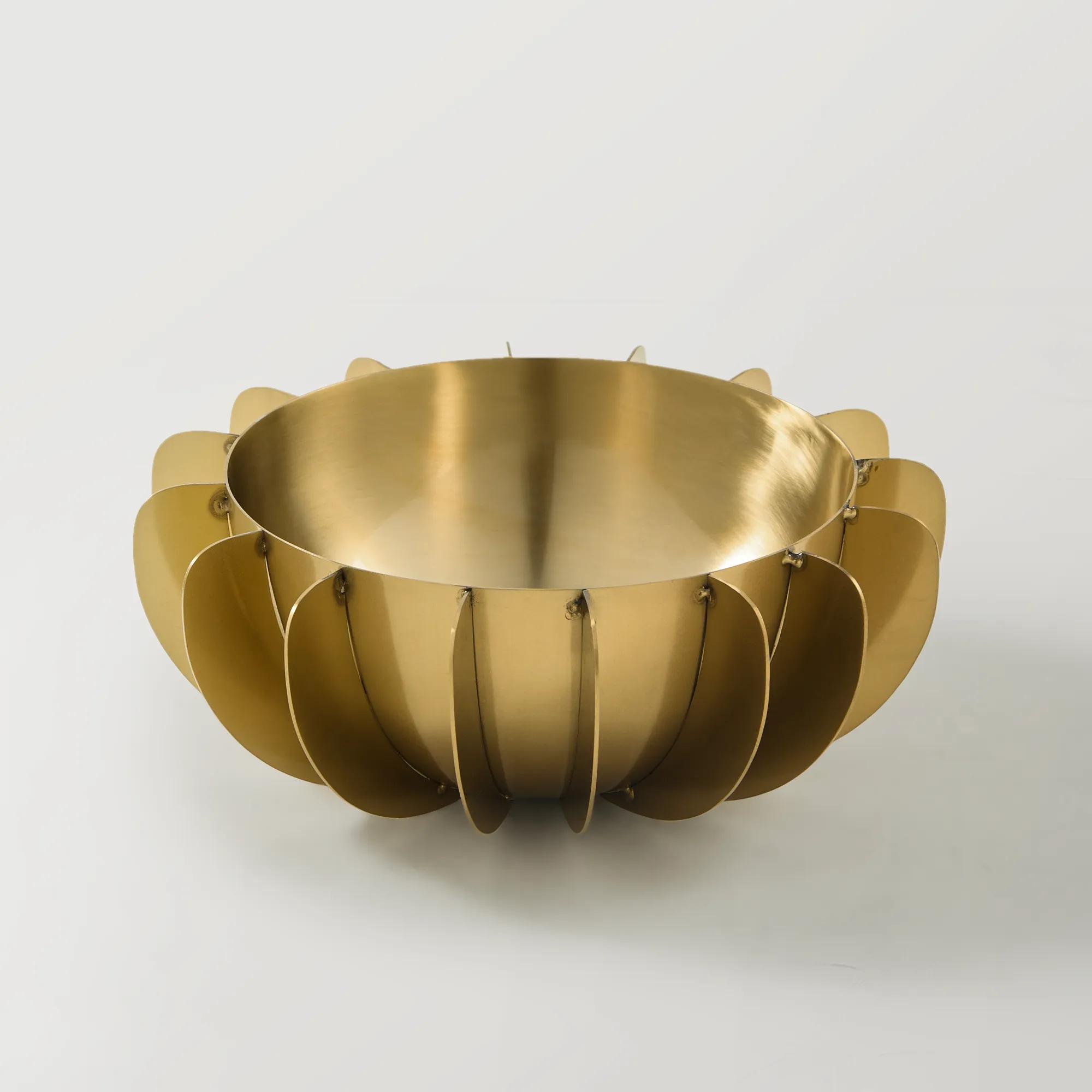
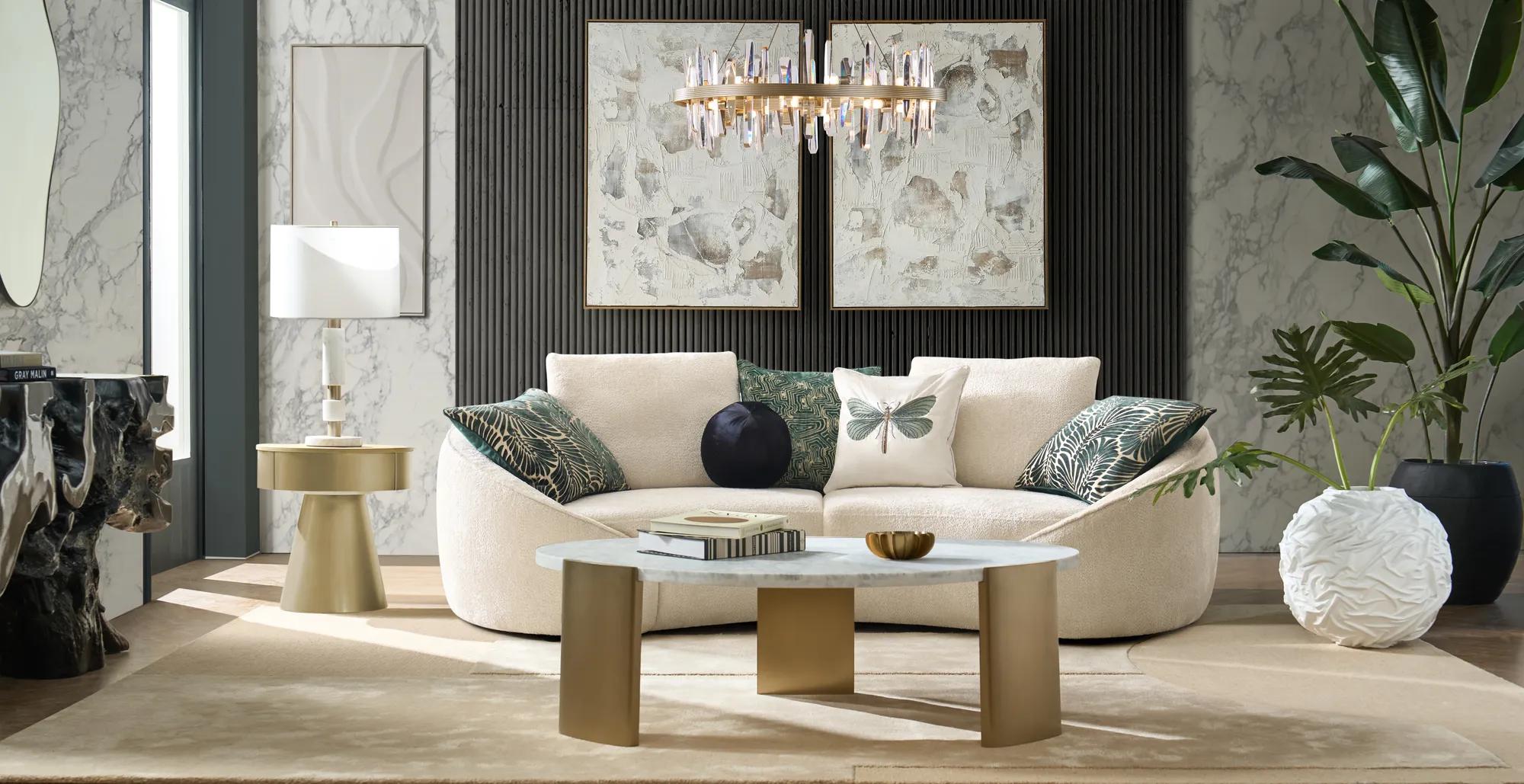 Mezza Collection$59
A gold-plated stainless steel decorative piece that brings timeless glamour and shine to your decor.
Add To Cart -
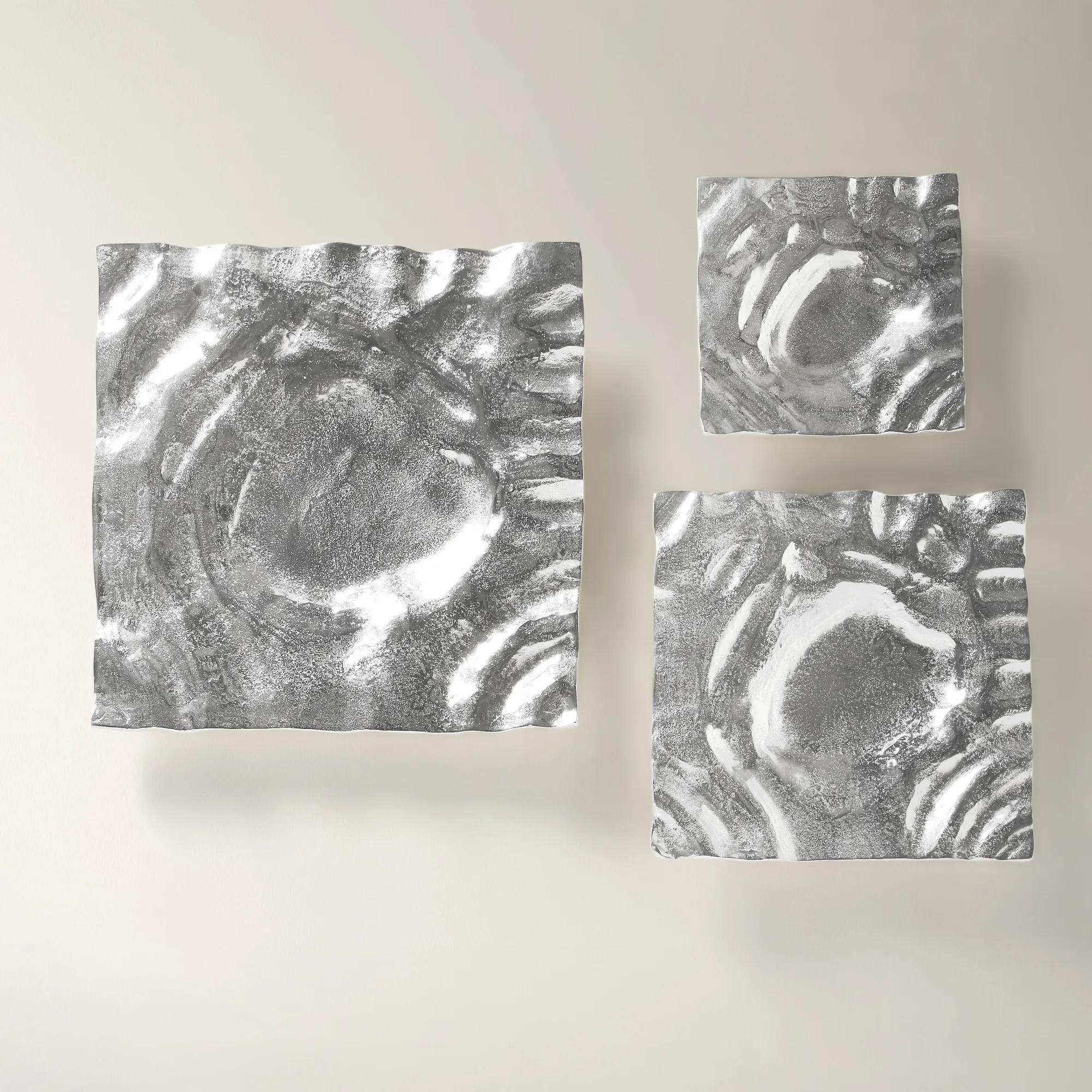
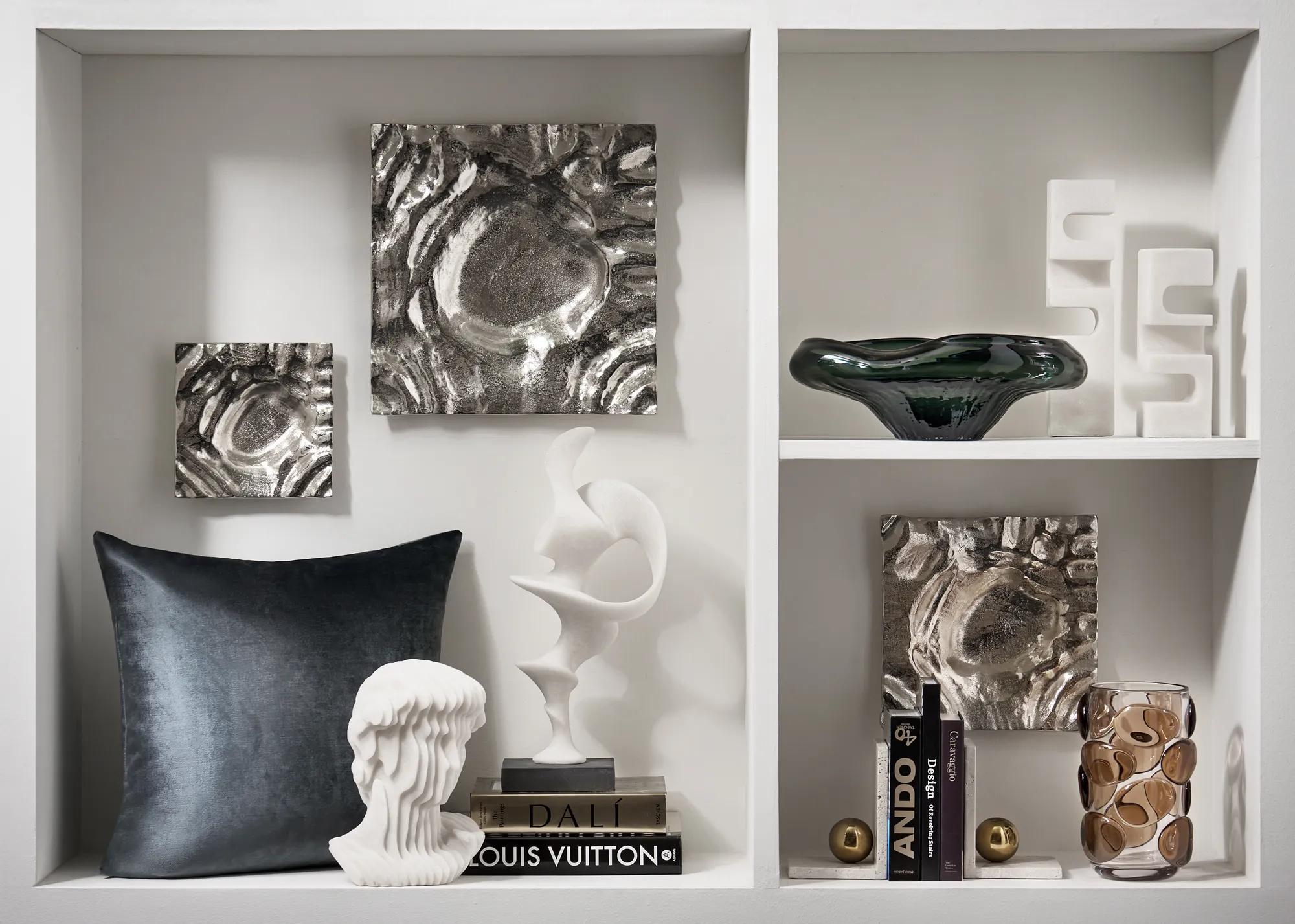 Cascade Wall Art - Set of 3$119
A set of three silver aluminum wall art pieces featuring textured surfaces that reflect and play with light.
Add To Cart -
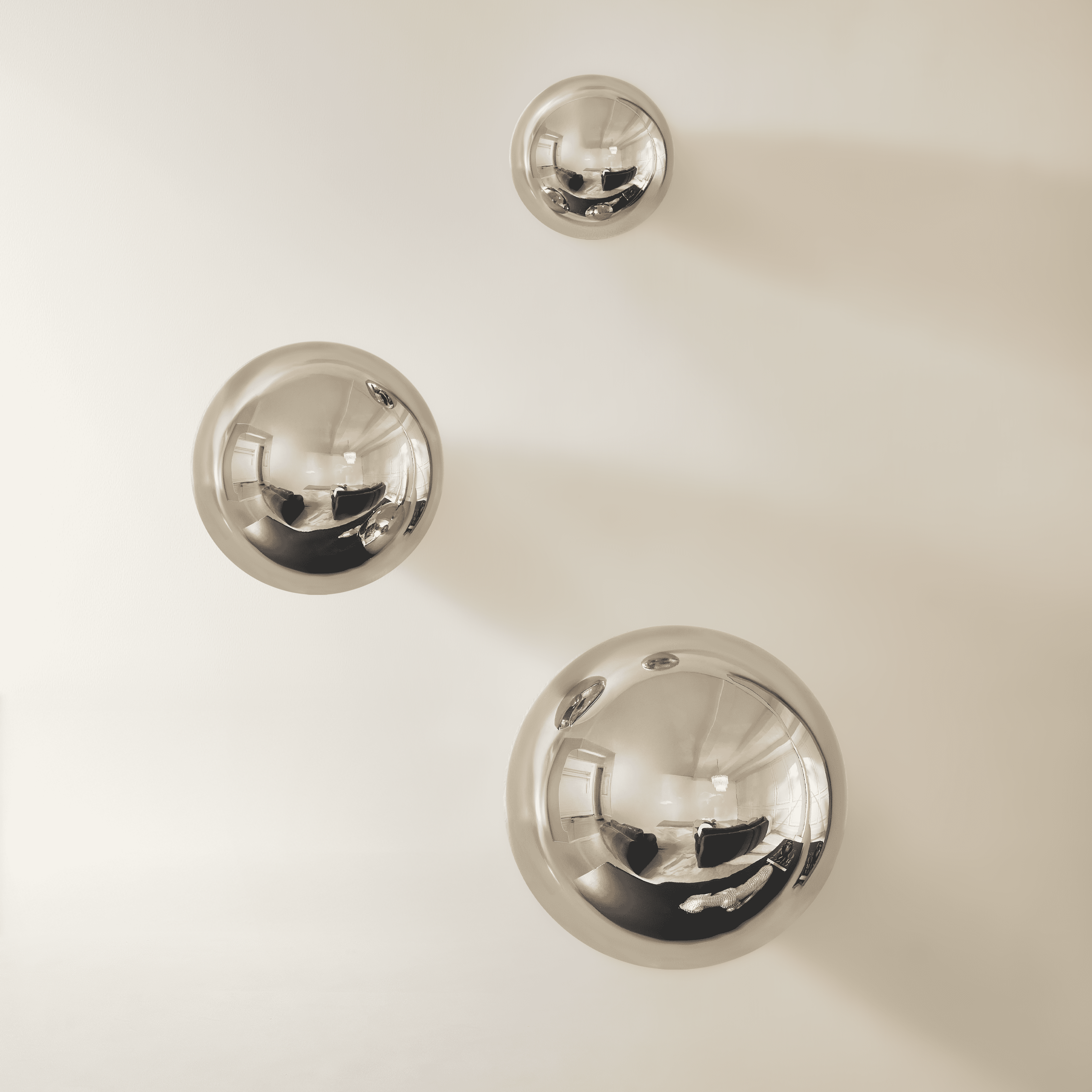
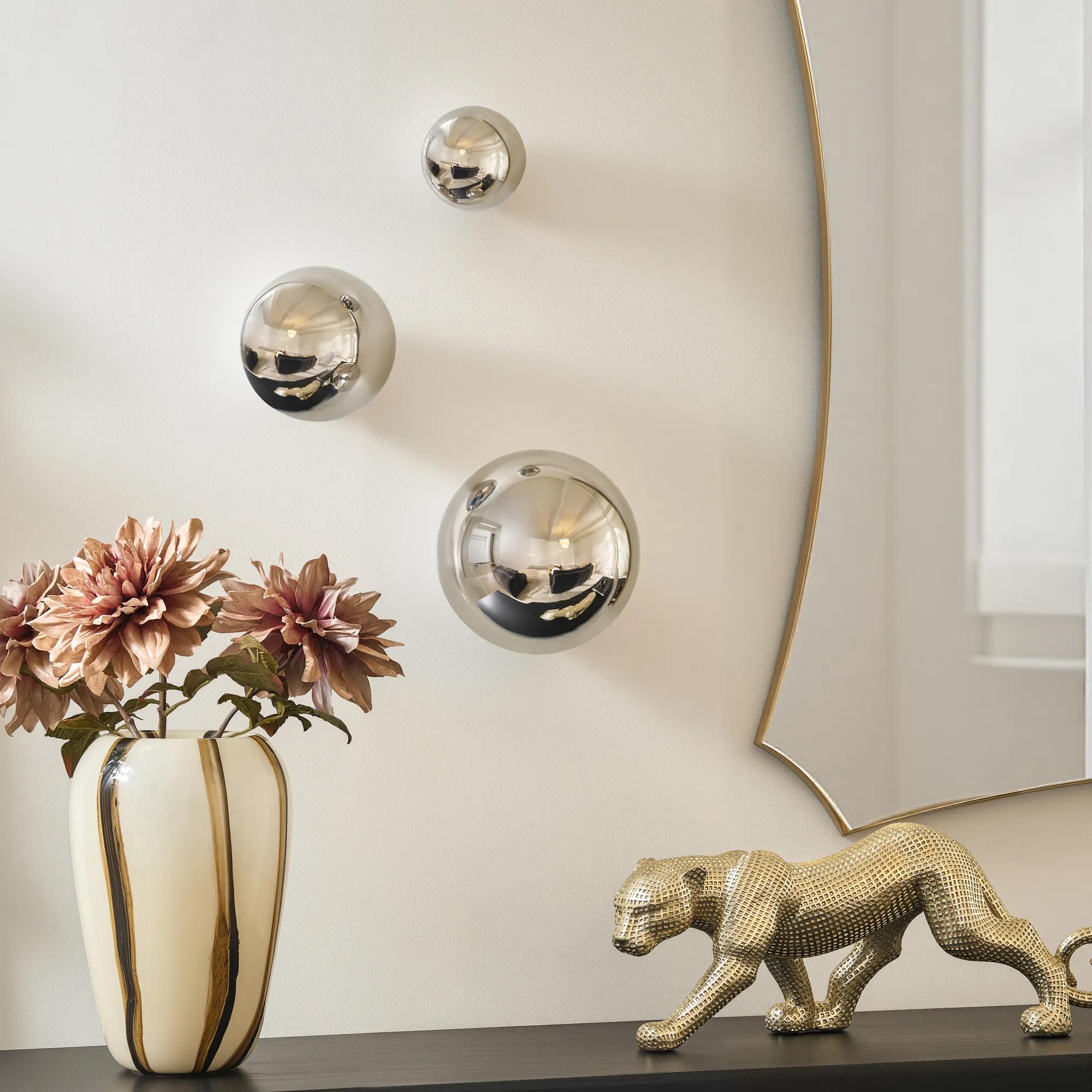 Chrome Spheres Stainless Steel Wall Decor Set of 3$129
A set of three polished chrome stainless steel spheres adds modern sculptural shine to any wall display.
Add To Cart -

 Baubles Turtledove Stainless Steel Wall Decor 39"$299
A sculptural stainless steel wall décor piece featuring an elegant turtledove finish.
Add To Cart -
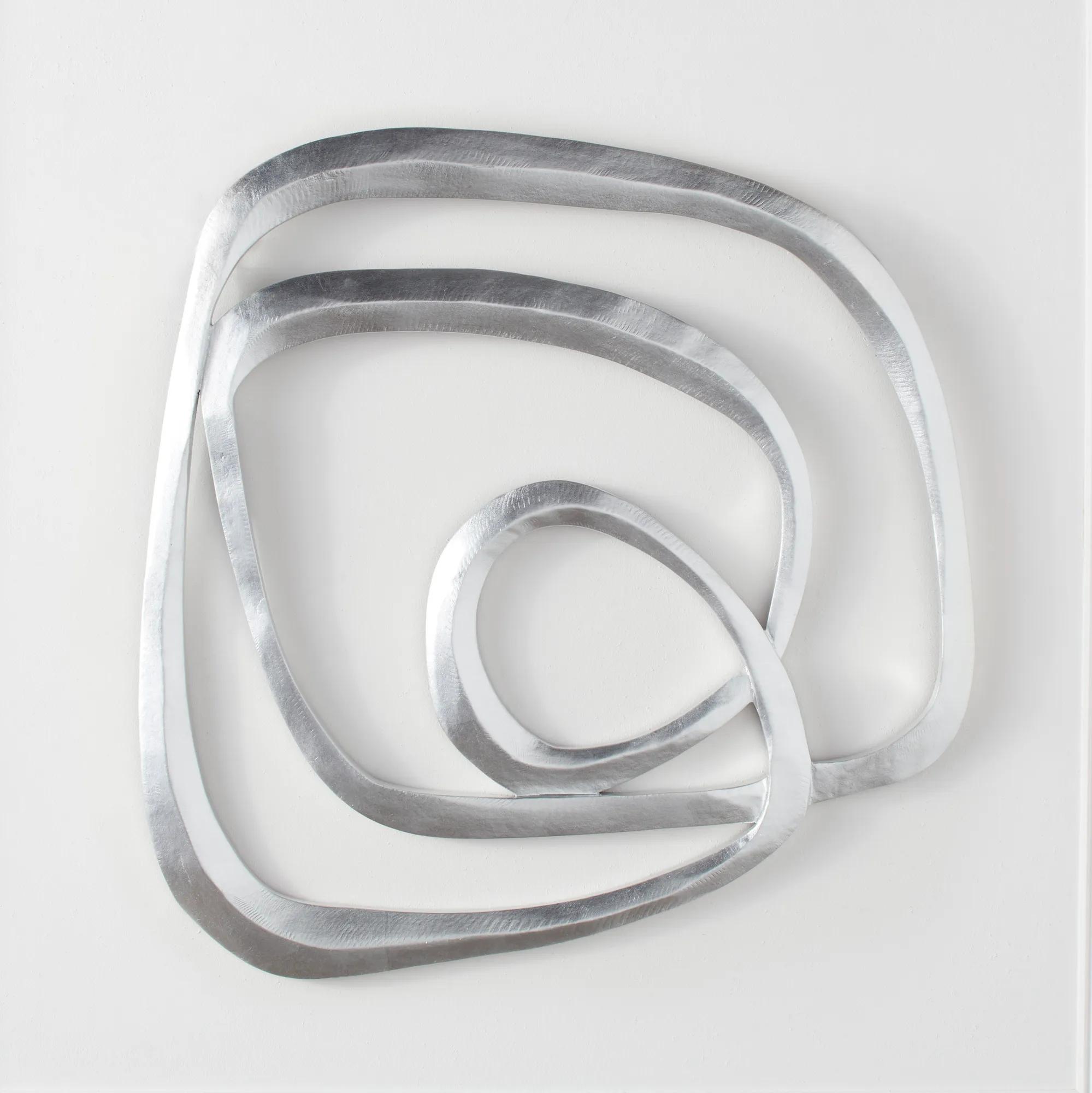
 Etched in Silver$229
An abstract hand-carved aluminum wall art featuring shimmering silver tones in a modern black alloy frame.
Add To Cart -
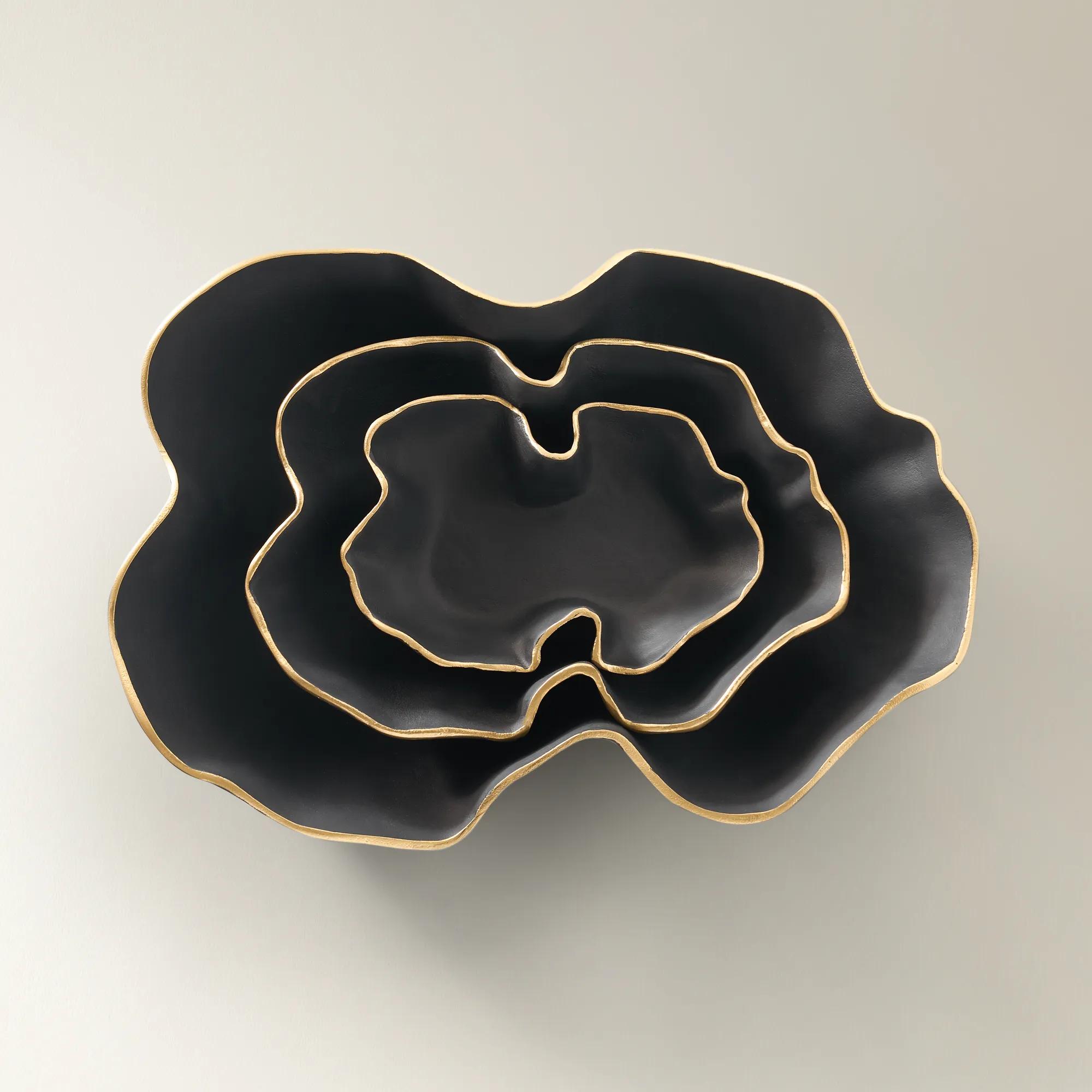 Lava Black Gold Aluminum Decorative Nesting Bowls$39
A deep black aluminum bowl with golden edges, featuring an organic, volcanic-inspired design for decorative display.
Add To Cart -

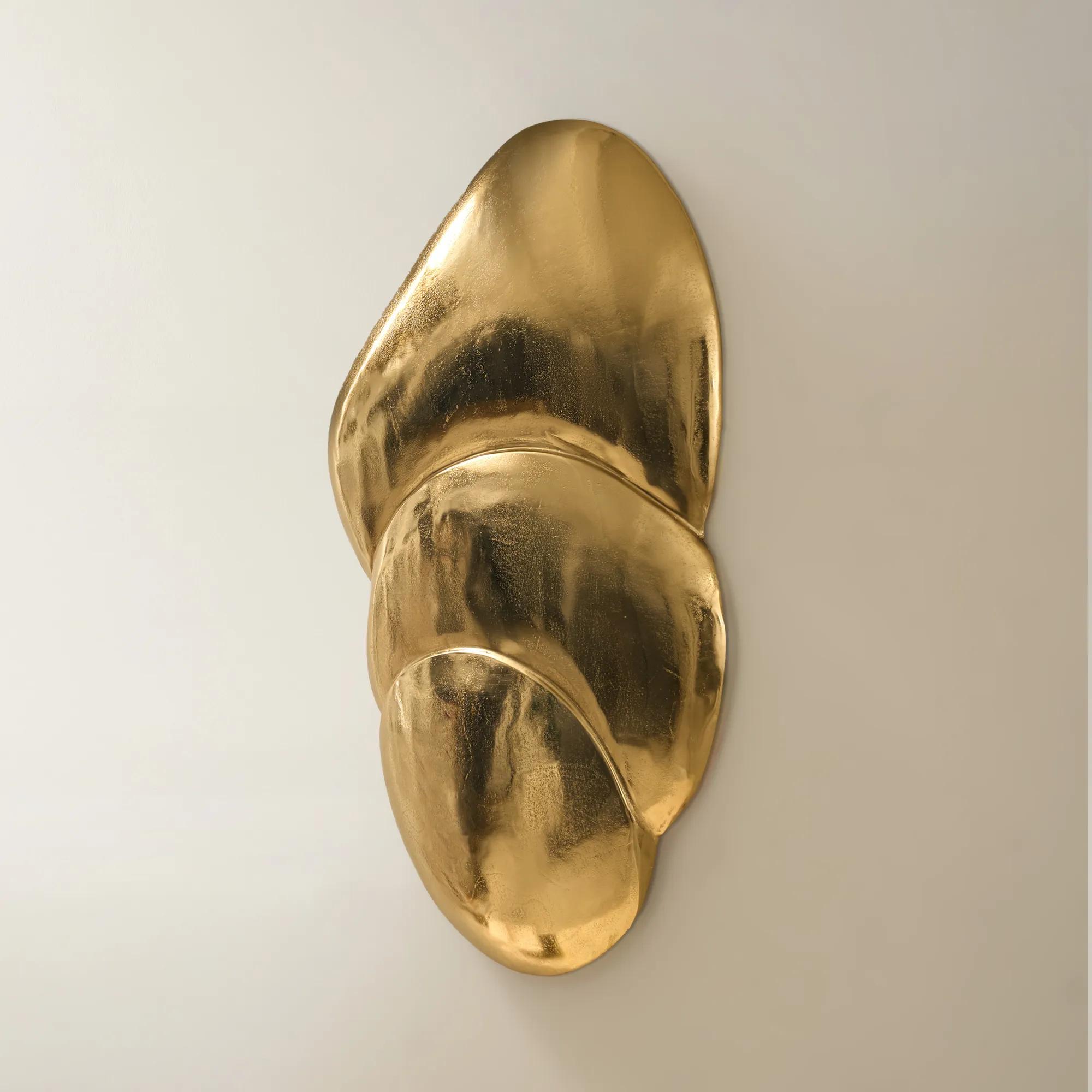 Echo Gold Handcrafted Aluminum Wall Decor 19" x 30"$169
A handcrafted gold aluminum wall sculpture with crisp definition and a polished, gallery-ready framed presentation.
Add To Cart -
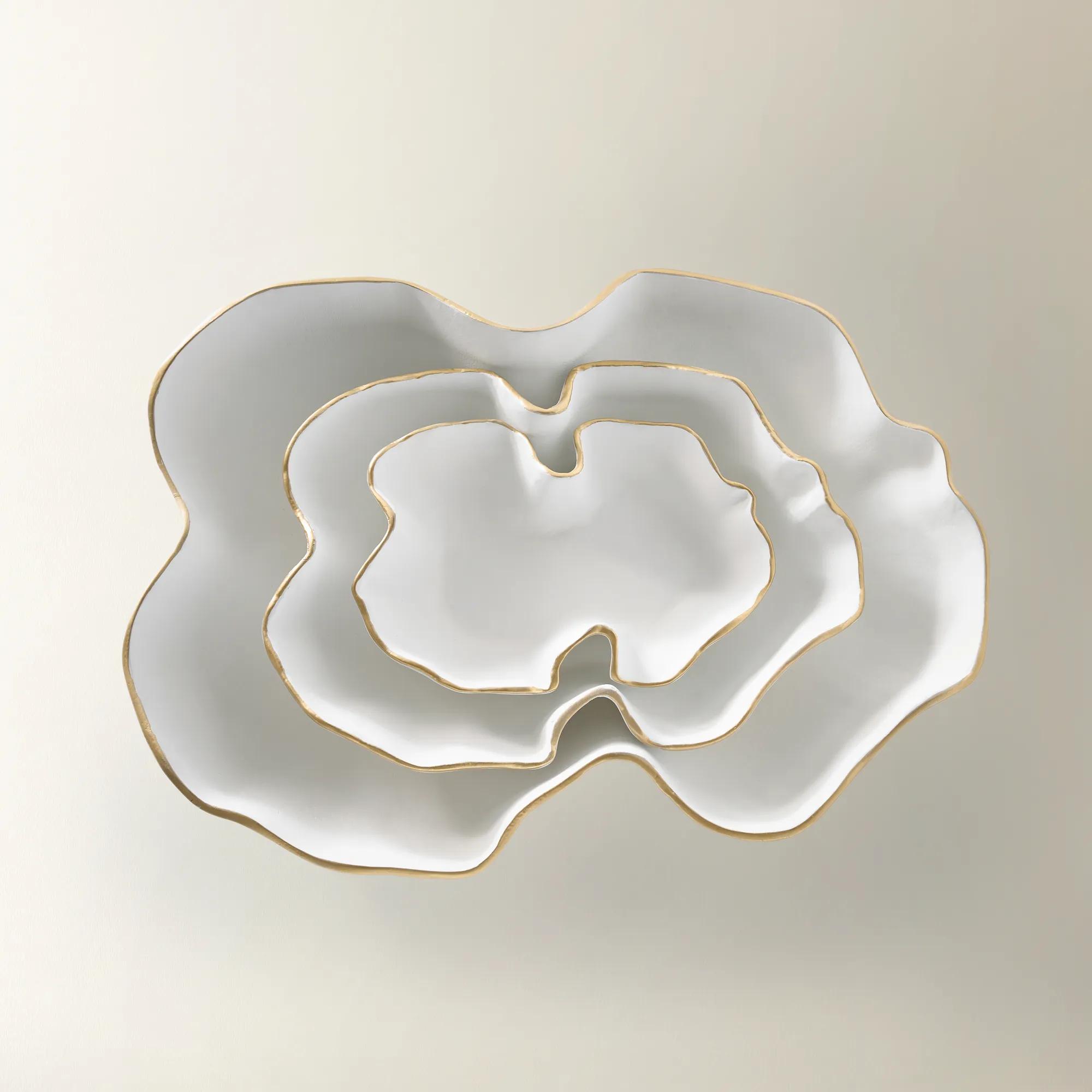 Lava White Gold Aluminum Decorative Nesting Bowls$39
A glossy white aluminum bowl with a golden rim, offering modern elegance for decorative display.
Add To Cart -
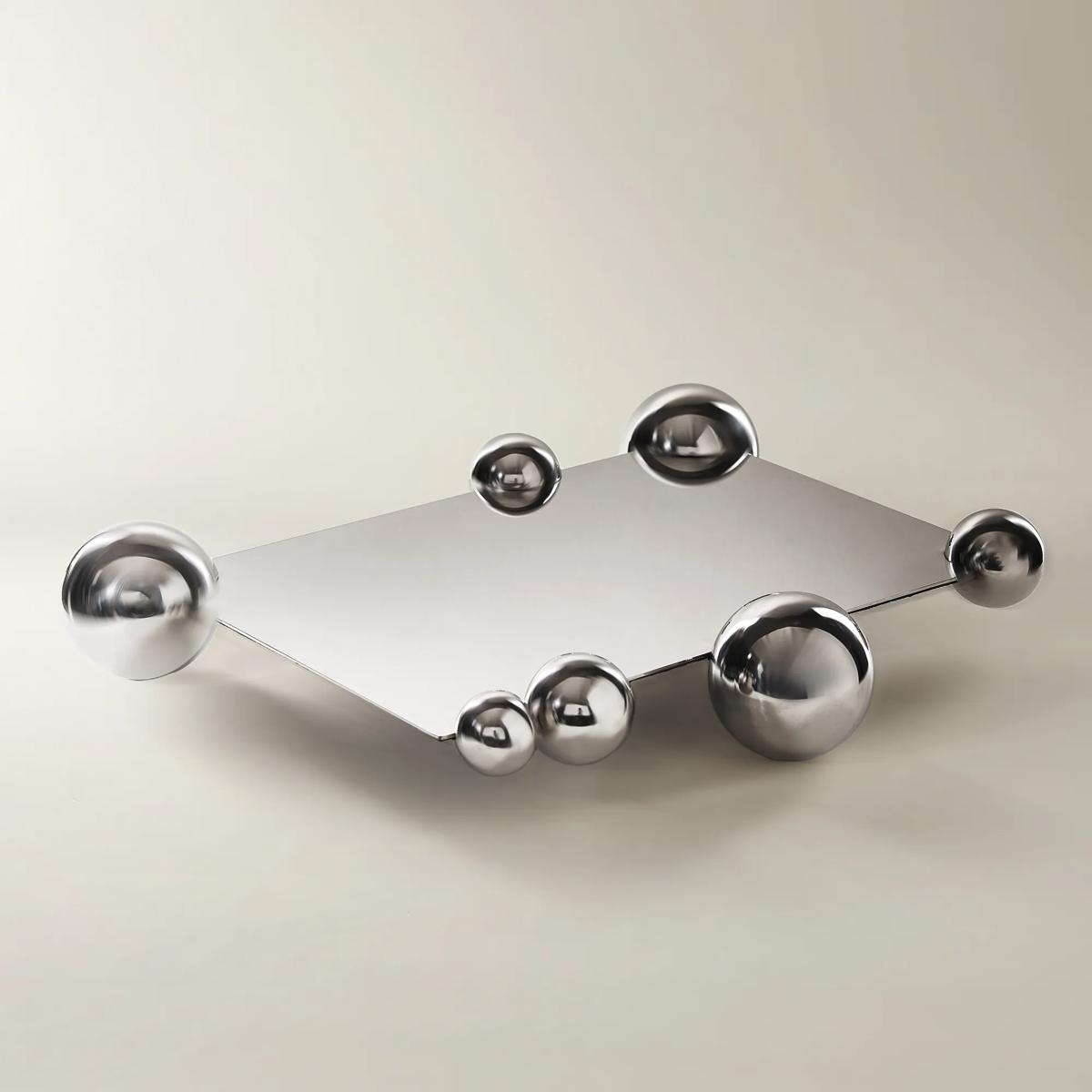 Chrome Bubble Silver Stainless Steel Serving Tray 13.25" x 3.25"$139
A polished stainless steel tray with sculptural bubble accents for a playful, modern entertaining statement.
Add To Cart -

 Oversized Cherries Black And Gold Resin Aluminum Decorative Object 17"$150
A striking gold and black aluminum accent piece that adds glamour and sophistication to any décor.
Add To Cart -
 Etched in Gold$229
A hand-carved gold copper artwork set in a sleek black alloy frame for modern contrast.
Add To Cart -
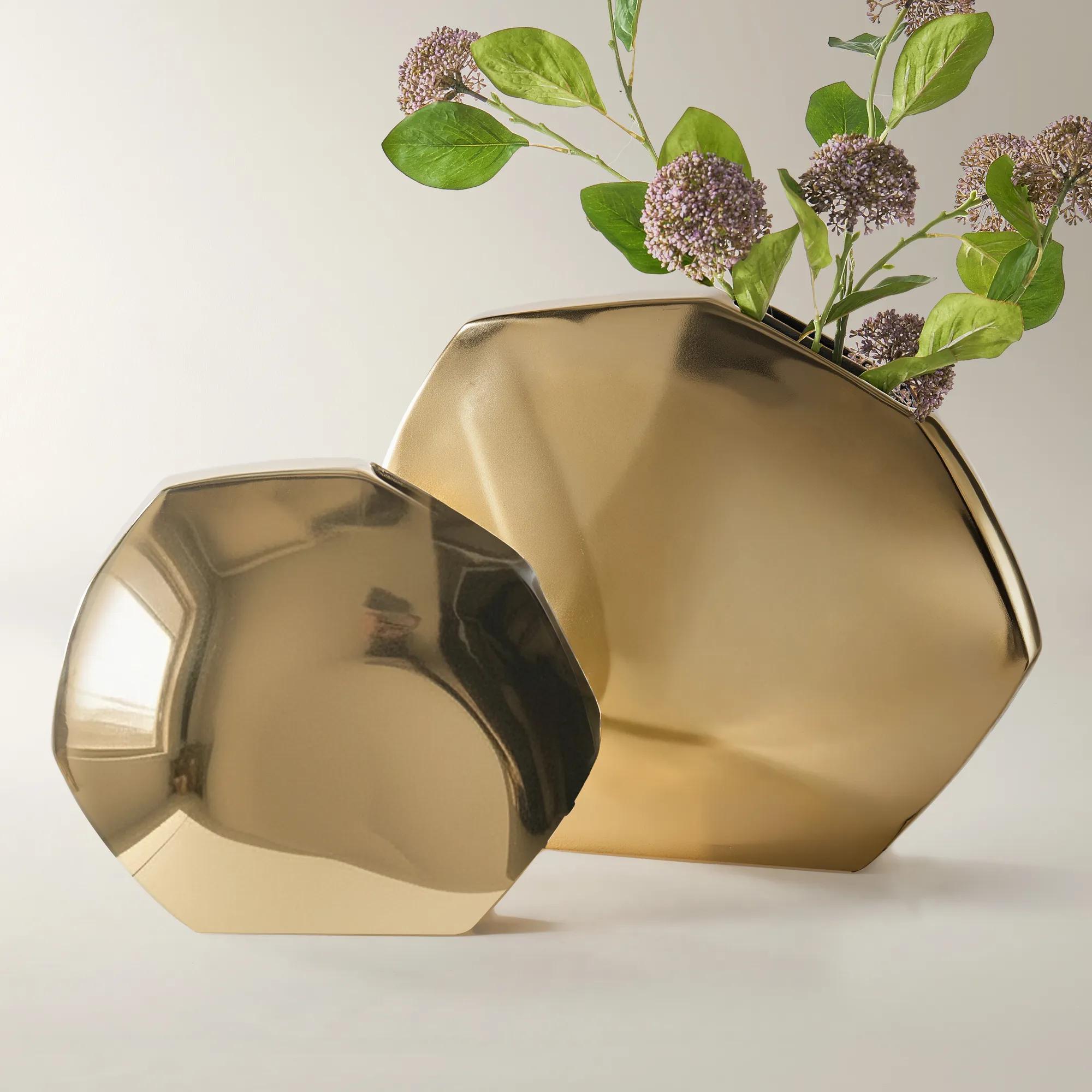 Gem Handcrafted Gold Aluminum Vases$169
A handcrafted aluminum vase with faceted gem geometry, polished gold finish, and slim slot opening.
Add To Cart -
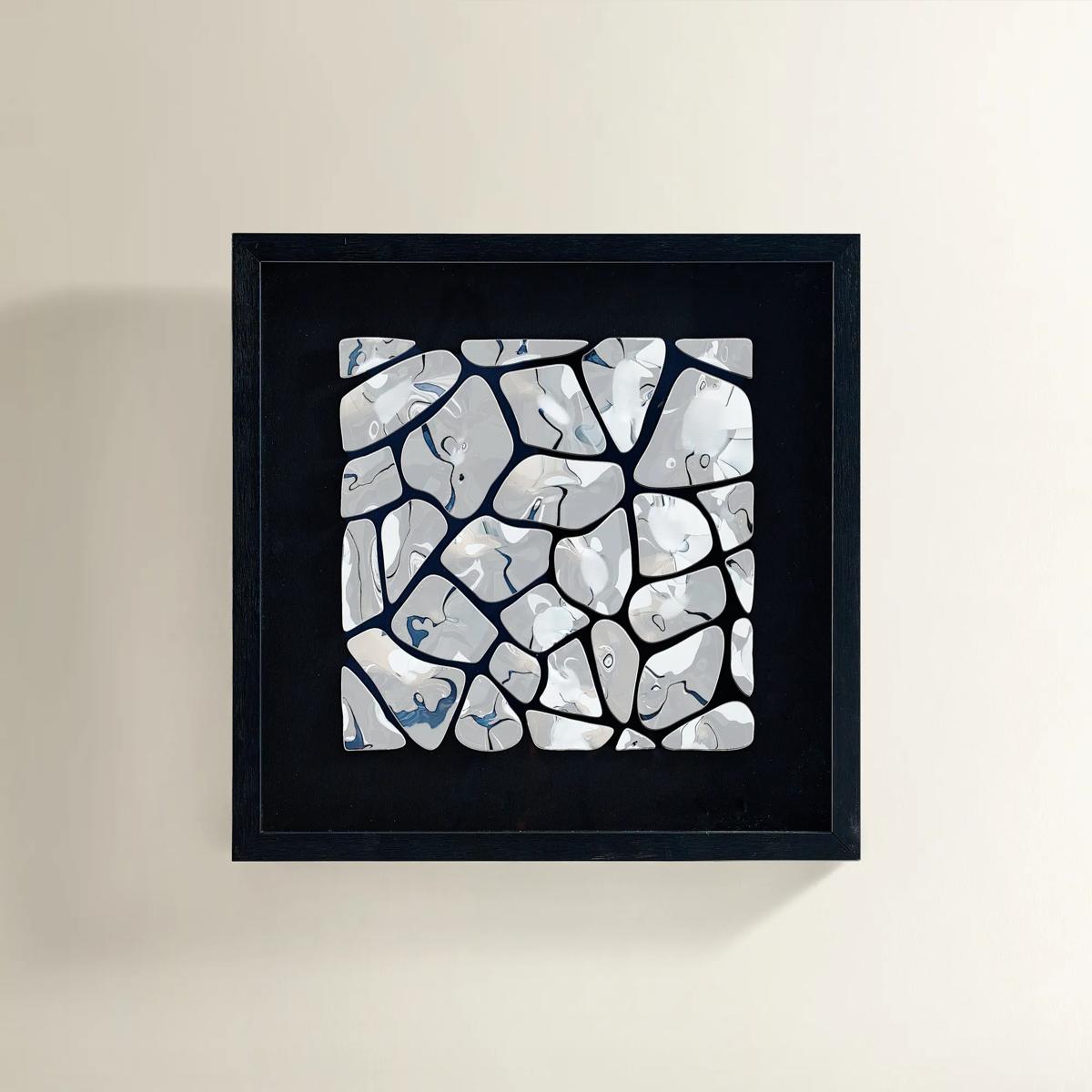 Reflect Silver And Black Shadowbox Art I$189
A dimensional metal wall art piece featuring polished silver and black forms in a sleek black frame.
Add To Cart -
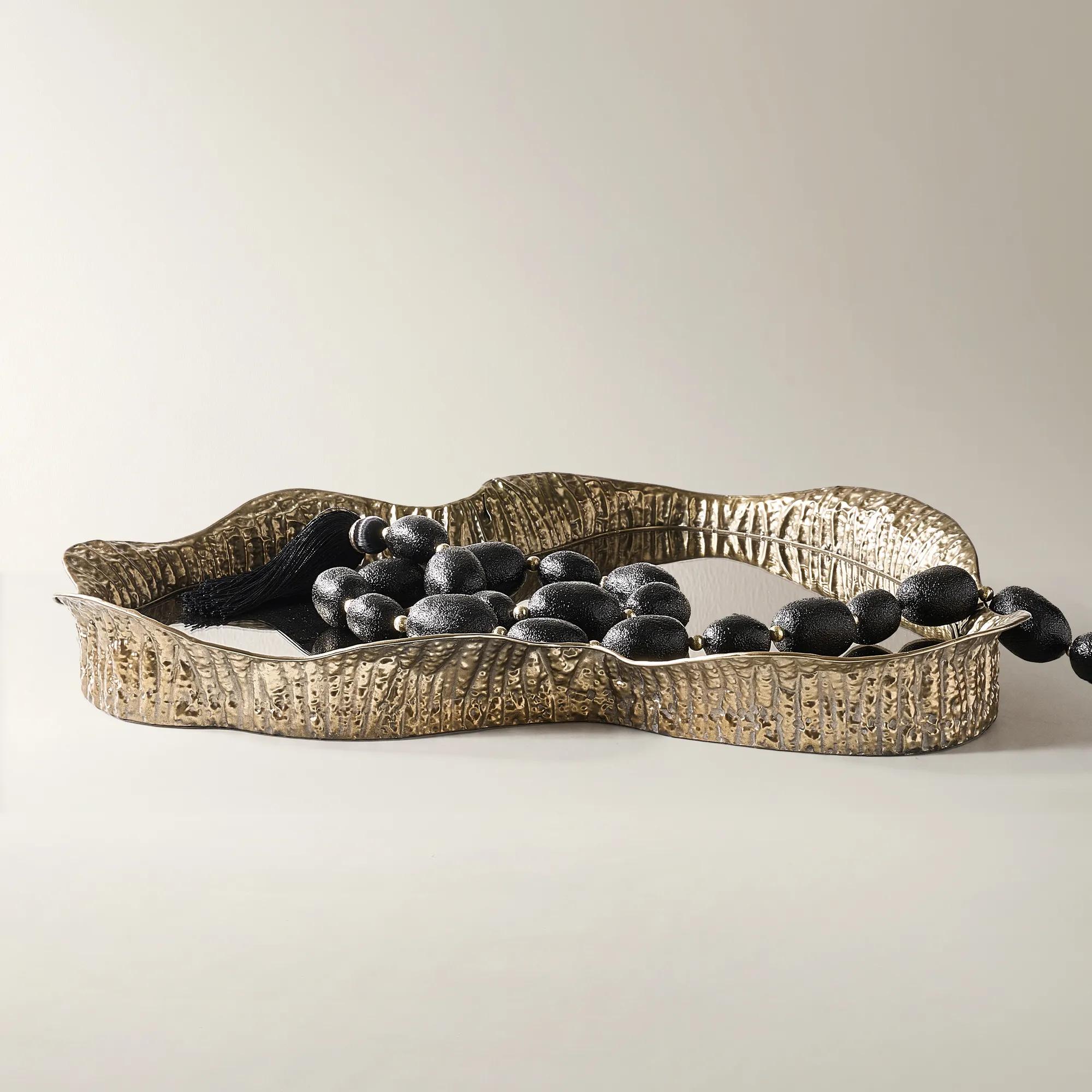 Cara Antique Gold Hand-Forged Iron Organic Shaped Amber Mirror Decorative Tray 21" x 23.5"$319
An antiqued gold iron tray with a bronze-tinted mirror surface for elegant, decorative display.
Add To Cart -
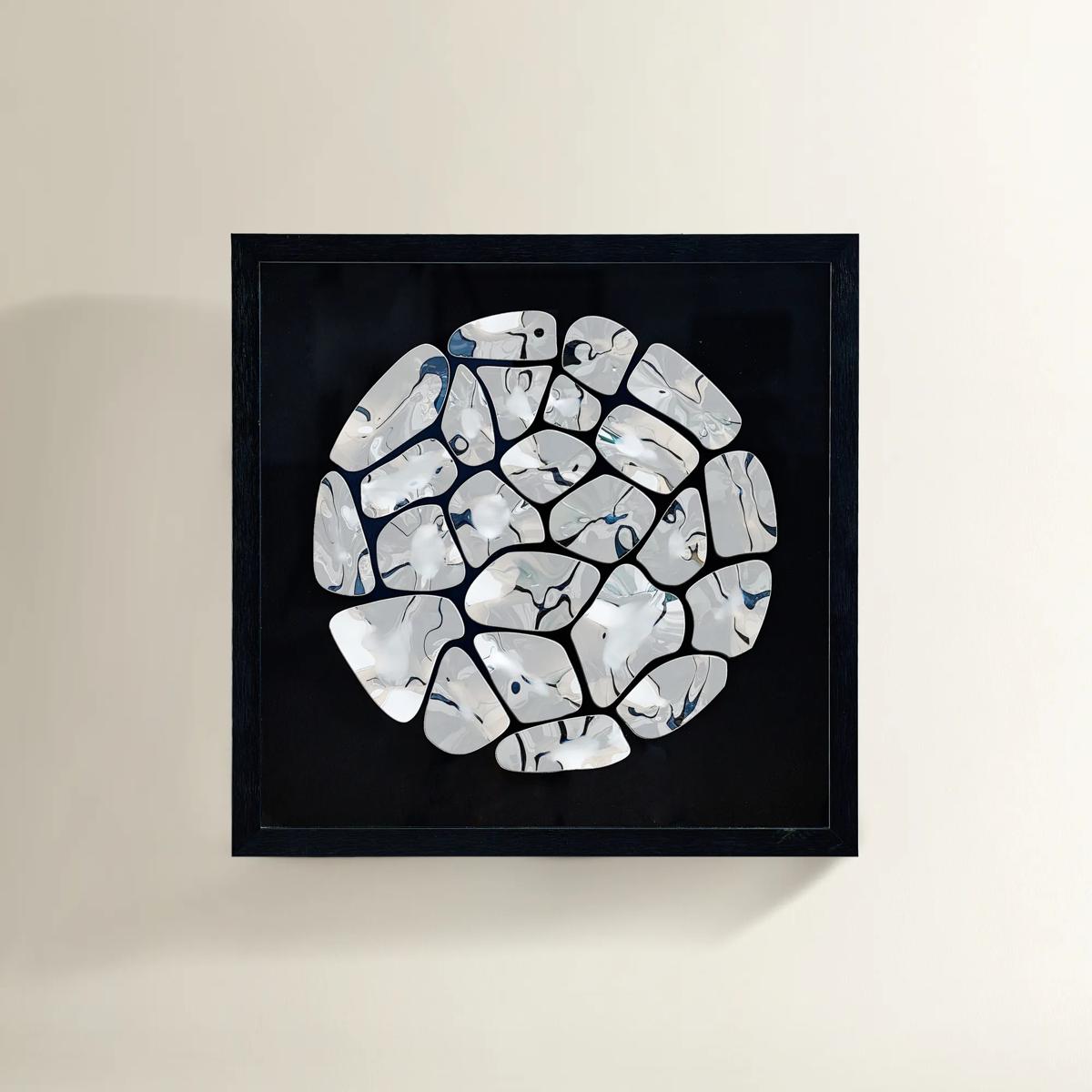
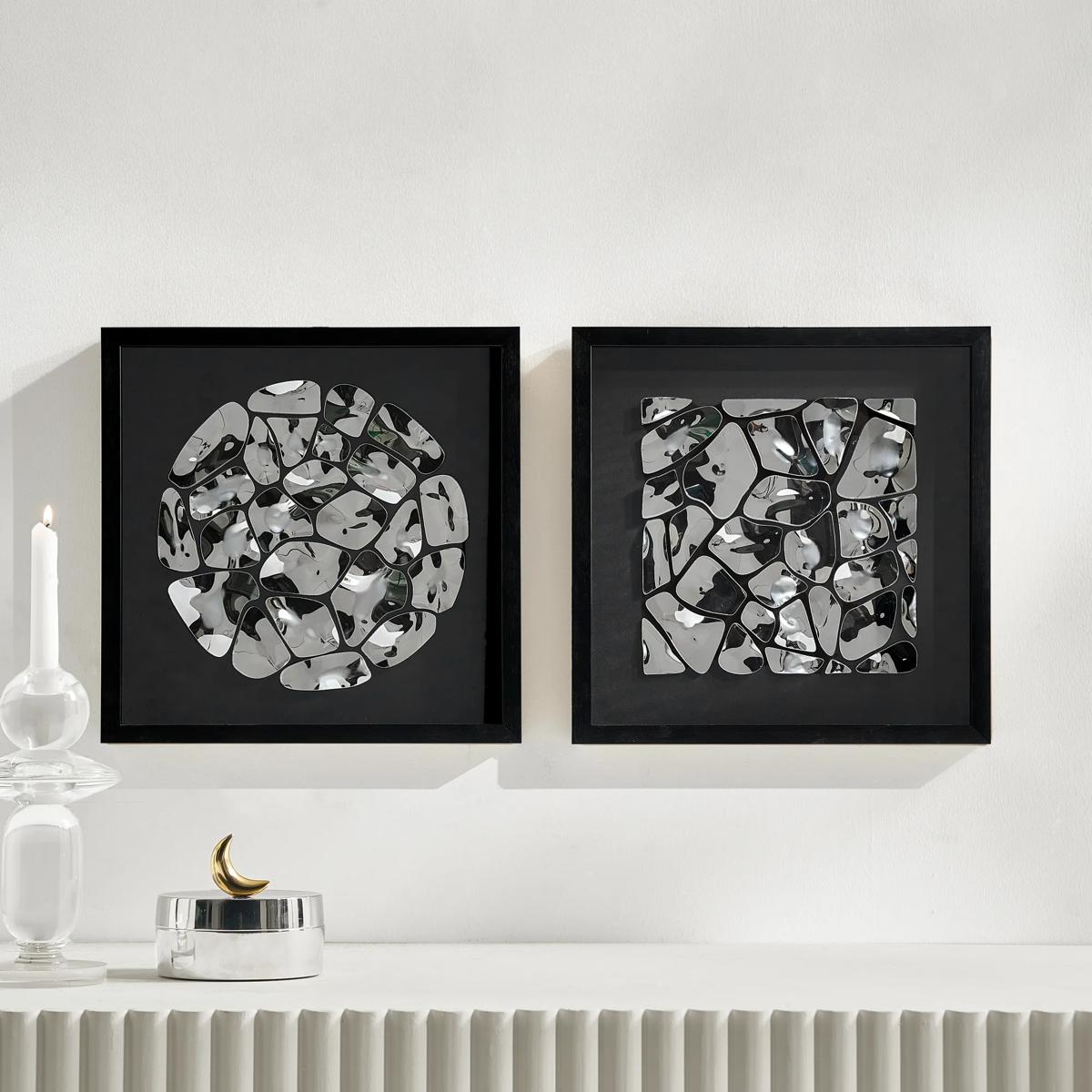 Reflect Silver And Black Shadowbox Art II$189
A dimensional metal wall art piece featuring polished silver and black forms in a sleek black frame.
Add To Cart -
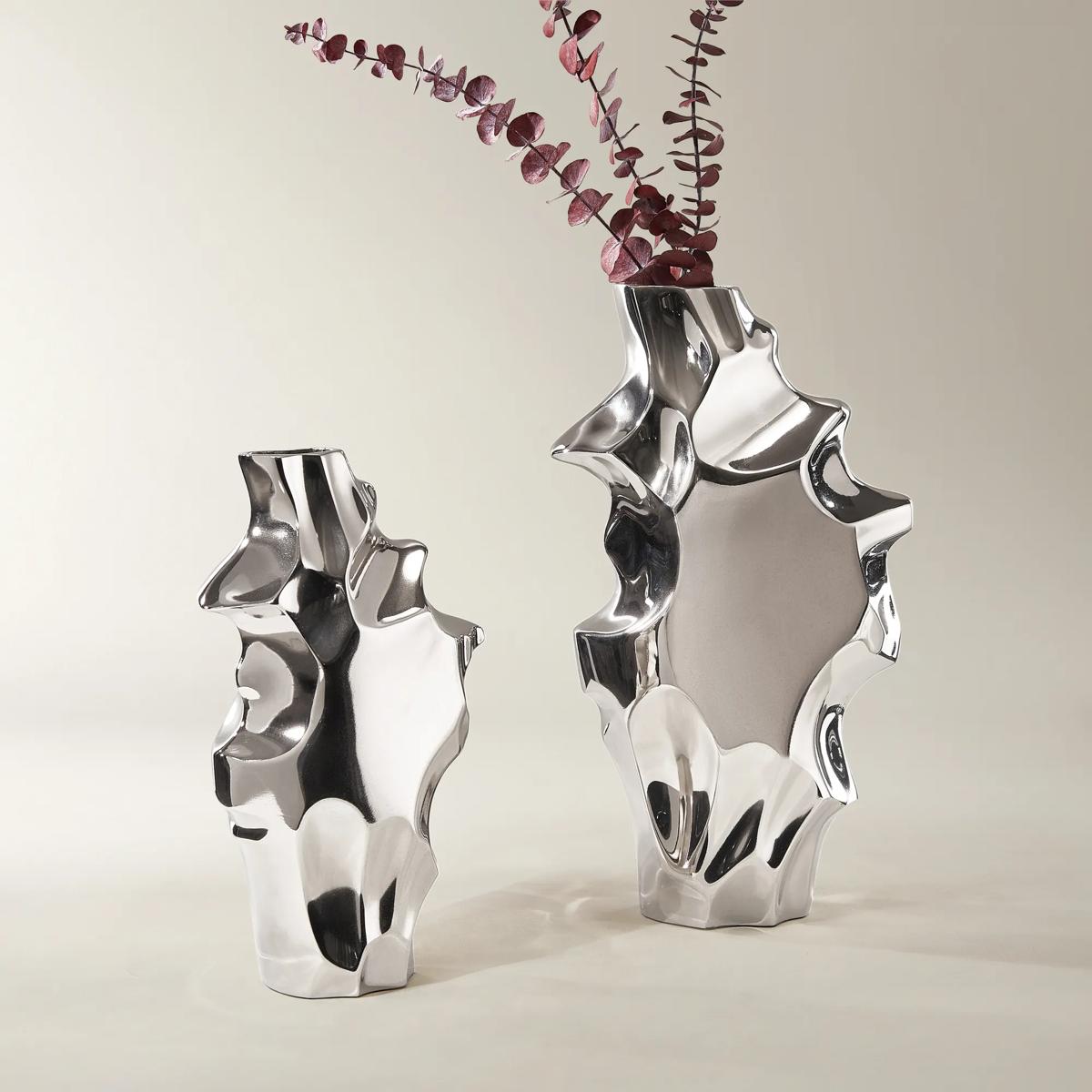
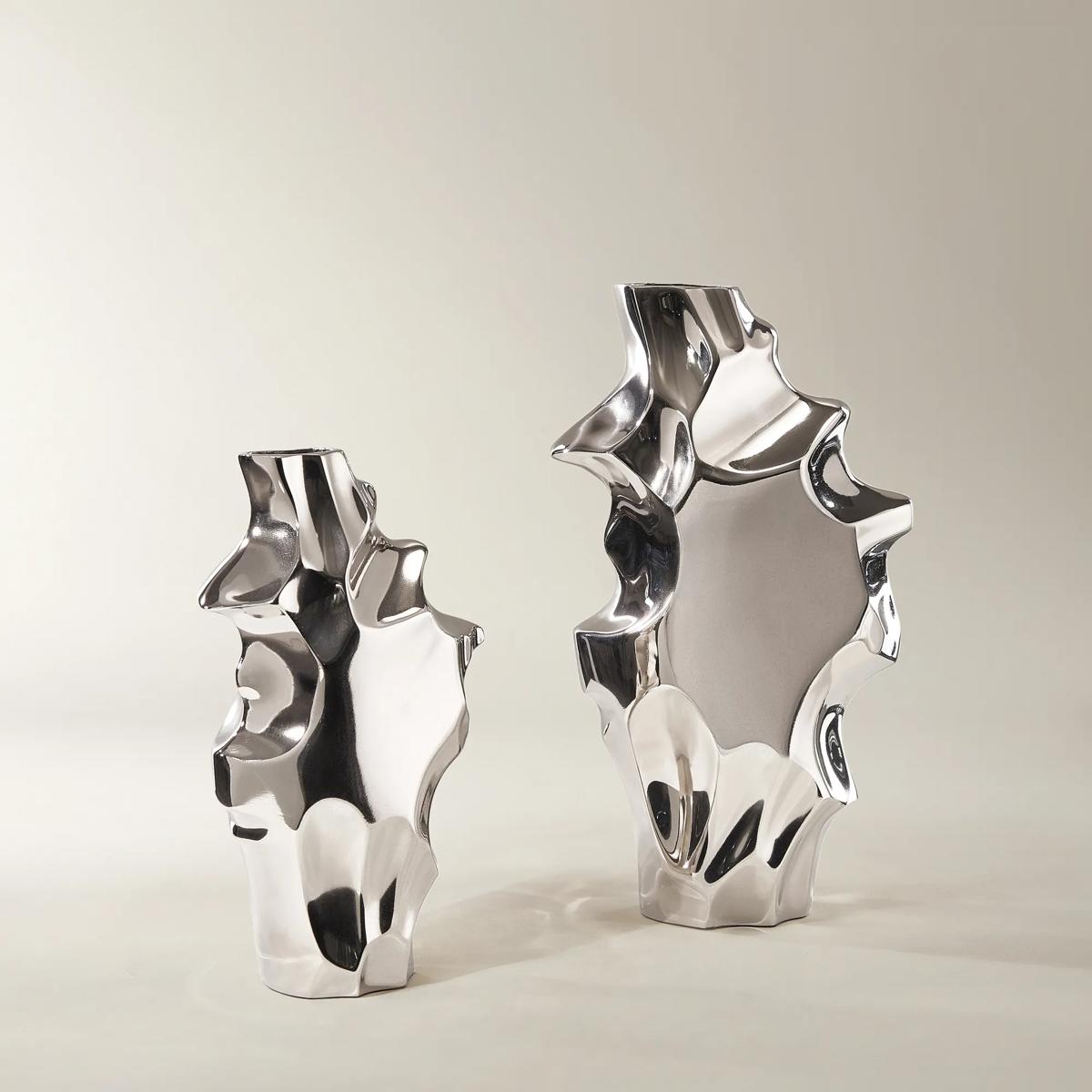 Sculpt Silver Aluminum Vases$69
A fluid, organic silhouette in lustrous silver aluminum brings modern artistry to any decor.
Add To Cart

Metal Decorative Pieces
Metal Decorative Pieces are the secret to transforming everyday spaces into striking works of art. Each sculpted form, shimmering finish, and bold silhouette captures the eye and ignites the imagination, infusing your home with a sense of drama and refined allure. Whether clustered on a mantel or commanding attention as a standalone accent, these pieces invite you to curate a story of modern opulence. Let your interiors gleam with personality and sophistication, as Metal Decorative Pieces become the jewelry that completes your room’s distinctive look.
Metal decorative pieces are sculptural home accents made from metal or finished with metallic surfaces, designed to bring shape, texture, and reflected light to a room. Their appeal lies in the tension between substance and silhouette: a substantial cast form can feel grounded and architectural, while an openwork design draws an airy outline against the space behind it. Abstract sculptures, geometric objects, figurative accents, and decorative vessels each offer a different expression, from fluid curves to sharply defined angles. On a console, a gleaming form can establish a dramatic first impression; within a bookcase, a textured metal accent introduces depth among paper, ceramics, and glass. Aluminum, iron, steel, brass, and copper are common materials in metal decor, each with its own character and practical considerations. Aluminum is generally lightweight, making it useful for larger forms that need visual presence without excessive weight. Iron often lends a more substantial feel, while brass and copper bring distinctive golden or reddish tones. The underlying material and the visible finish are not always the same: a brass-tone accent may have a plated or painted surface rather than solid brass construction. Material descriptions matter when considering weight, maintenance, and how a finish may change over time. Polished surfaces deliver crisp reflections and a jewel-like presence, brushed finishes soften the light, and hammered textures create a lively pattern of highlights and shadows. Matte black offers graphic definition, particularly against pale upholstery or light walls, while silver-tone finishes introduce a luminous contrast beside rich wood and saturated color. Some metals develop a natural patina; others have protective coatings intended to preserve their original appearance. That distinction helps determine whether an accent will retain a consistent finish or acquire a more nuanced surface with age. Whether the mood is boldly glamorous or artfully restrained, metal decorative objects give a composition a deliberate point of contrast, transforming an otherwise familiar surface into a setting with personality.
Scale and placement determine how that personality reads. A generous metal sculpture can anchor a broad entry console, while a compact accent brings definition to a narrow shelf without overwhelming the surrounding objects. Height, width, depth, and base dimensions all matter, especially when a silhouette extends beyond its support. A tall, slender form may occupy little surface area but still need ample clearance beneath shelving; a low, sweeping design may require more tabletop space than its height suggests. On a coffee table, a sculptural accent looks composed when it leaves room for everyday use and sits below seated sightlines. On a mantel, a distinctive shape gains presence against an uncluttered backdrop, particularly when its proportions relate to the artwork or mirror above it. Open metal forms are especially expressive where their contours remain visible, rather than disappearing into a densely arranged shelf. A polished object beside velvet creates a contrast between reflected light and plush texture; against a stone surface, a brushed or hammered finish adds another layer of tactile interest. Repeating a metallic tone in a lamp or frame can establish continuity without requiring every finish in the room to match. Warm and cool metals can also coexist beautifully when one takes the lead and the other appears as a measured accent. For compositions that extend beyond furniture, Decorative Metal Wall Accents carry that sculptural presence onto vertical surfaces, connecting the room’s tabletop details with its larger architectural rhythm. Wall-mounted decor requires hardware suited to both its weight and the wall material, while freestanding objects benefit from a level, stable surface. Protective pads can help prevent hard metal bases from marking wood, glass, or stone. Lighting completes the effect: a nearby lamp can reveal the irregular relief of a textured finish, while a mirror-finish surface may need positioning away from direct glare. With enough breathing room, even a single metal accent can hold attention without competing with the room around it.
Durability is part of metal’s appeal, but lasting beauty depends on the construction, finish, and intended setting. A decorative object may feel substantial without being designed to withstand frequent handling, and slender projections or delicate welded details deserve particular care. Metal surfaces can scratch, dent, tarnish, or corrode, depending on the material and exposure; a protective coating does not make every piece suitable for moisture or outdoor use. Indoor decorative accents are best treated as indoor pieces unless their specifications expressly support another setting. Bathrooms, covered patios, and areas near sinks introduce conditions that may affect certain finishes, so suitability matters as much as appearance. Everyday care usually begins with gentle dusting using a soft, dry cloth, following the manufacturer’s instructions for any additional cleaning. Abrasive pads, harsh household cleaners, and metal polishes can damage painted, plated, lacquered, or intentionally aged surfaces. Even a cleaner intended for brass may be inappropriate for a brass-tone finish or a lacquered brass object. If damp cleaning is permitted, promptly drying the surface helps limit water marks and moisture around seams. Moving an accent by its sturdy base rather than a slender extension can also help preserve its shape. Decorative bowls and vessels should not be assumed safe for food, water, candles, or plants unless they are specifically designated for those uses; their sculptural beauty may be their entire purpose. For collectors of contemporary design, metal accents offer an accessible way to express an interest in form, craftsmanship, and unusual textures. They can also make thoughtful housewarming, wedding, or host gifts when the recipient’s preferences are considered. A compact sculpture in a familiar metallic tone is easier to place than an oversized statement, while an expressive form can feel especially personal for someone who enjoys dramatic interiors. The most compelling choice reflects both the room and the person who inhabits it: an accent with the right proportions, a considered finish, and a silhouette that invites a second look. Metal decor brings that final note of artistry, giving everyday surroundings a richer, more intentional presence.
FAQs
Metal decorative pieces bring an unmistakable sense of luxury and artistry to any space. Their reflective surfaces capture and play with light, adding depth and drama, while their sculptural forms introduce movement and visual interest. Whether you prefer bold golds or subtle silvers, these accents instantly elevate the mood of a room, transforming everyday moments into experiences of beauty and surprise.
Metal decor is endlessly adaptable—pair warm brass or gold with rich velvets and candlelight in winter for a cozy, luminous effect, or combine cool silvers and chromes with crisp whites and fresh florals in spring for a look that feels airy and modern. Layering different metallic finishes can create a curated, collected ambiance that evolves with each season’s palette and mood.
Metal decorative pieces make thoughtful gifts for those who appreciate expressive design and luxurious details. They’re perfect for celebrating housewarmings, weddings, anniversaries, or milestone birthdays, and especially resonate with individuals who love to entertain or see their home as a canvas for personal expression.
Mixing metal finishes is an artful way to add depth and intrigue. Start by selecting a dominant metal as your foundation, then layer in one or two complementary tones for contrast. For example, pair warm golds with cool silvers or deep bronzes for a sophisticated, curated look. The key is to balance the finishes throughout your space, allowing each piece to shine without competing for attention.
Metal decorative accents pair beautifully with a range of materials and finishes. Luxe velvets, polished marble, glossy ceramics, and rich woods all provide tactile contrast that highlights the luster of metal. Incorporating textured fabrics or natural elements alongside metallic pieces can create a harmonious blend of glamour and warmth, making your space feel both inviting and elevated.