Metallic Home Accent Pieces
Metallic Home Accent Pieces
-
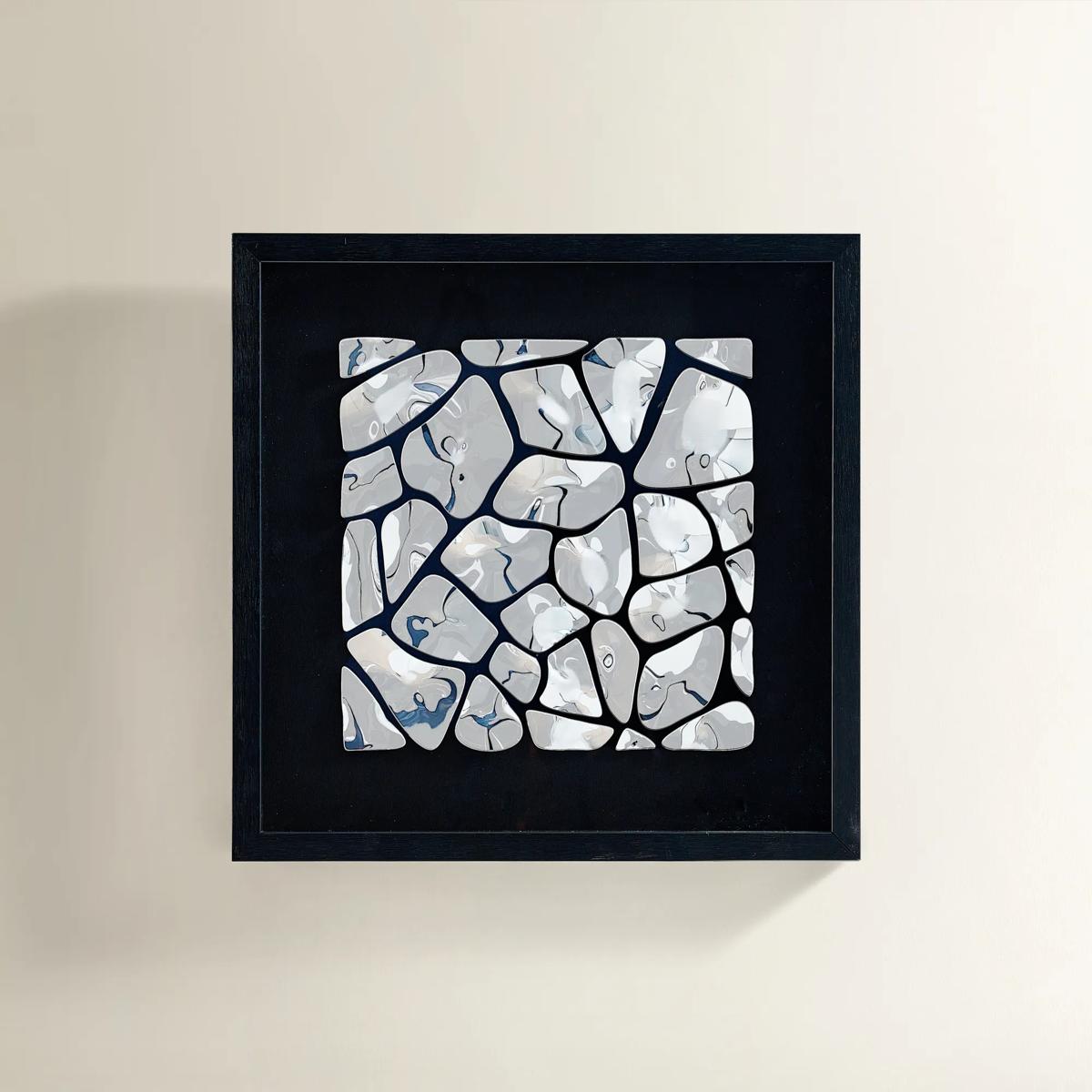 Reflect Silver And Black Shadowbox Art I$189
A dimensional metal wall art piece featuring polished silver and black forms in a sleek black frame.
Add To Cart -
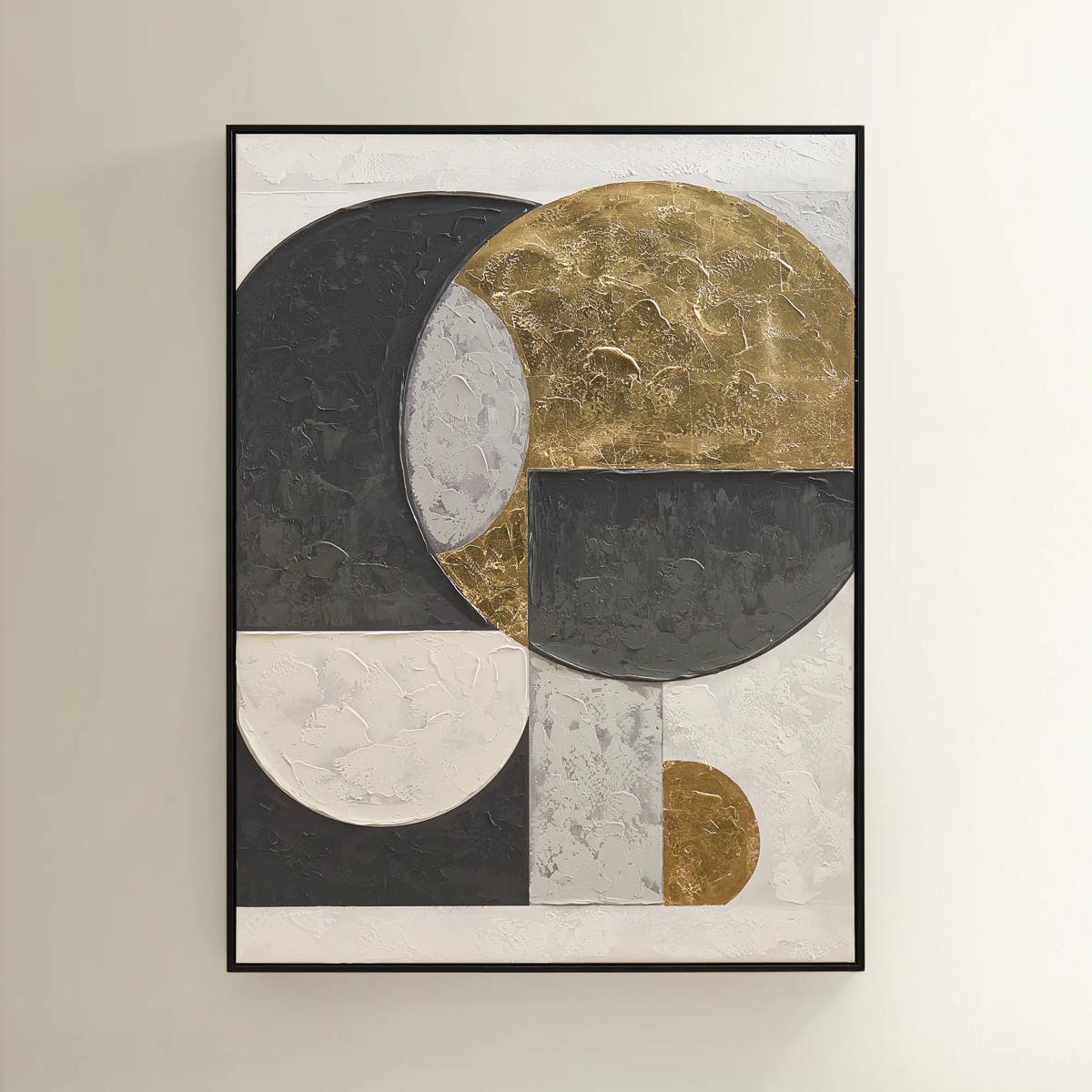
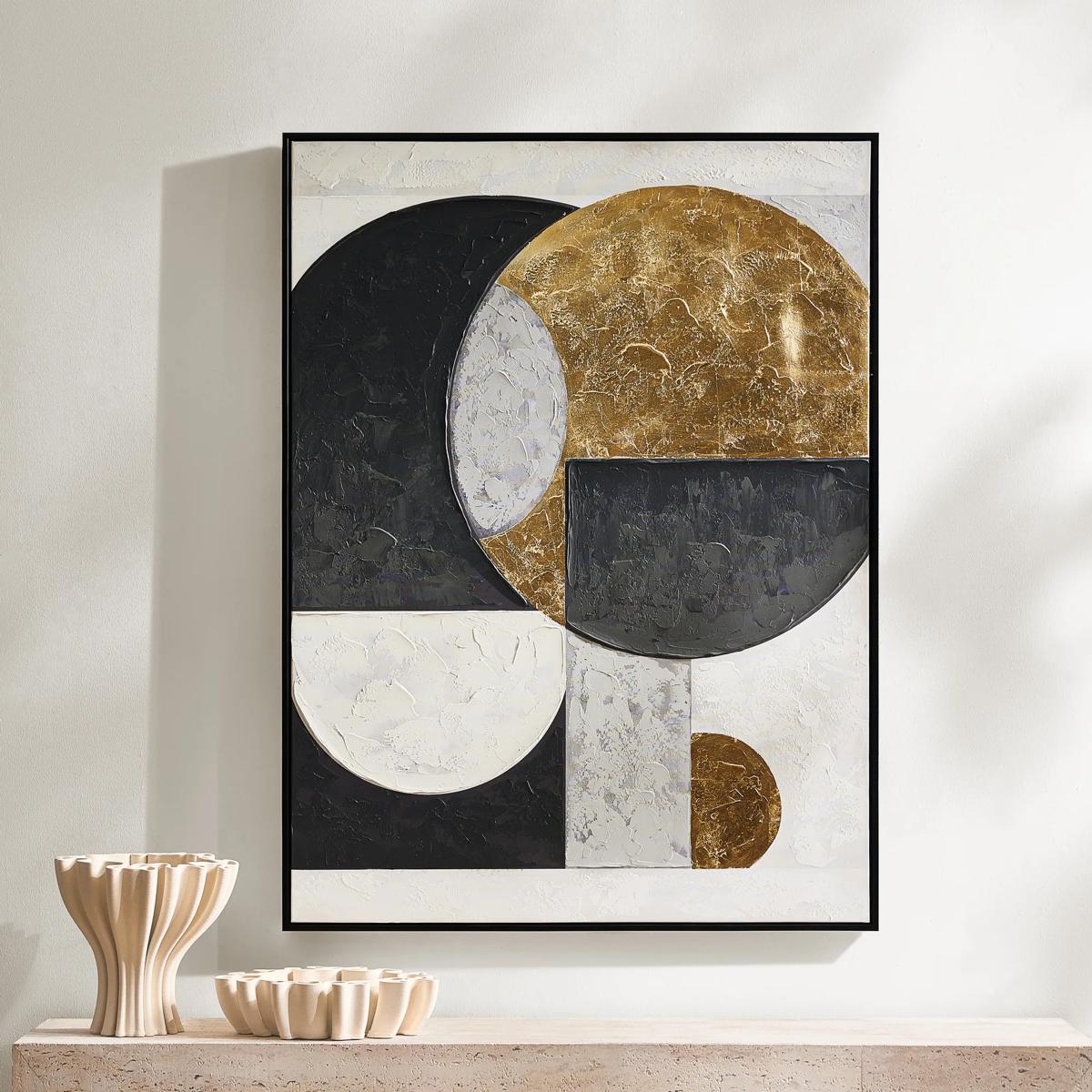 Eclipse Framed Gold Leaf Painted Wall Art 35.25" x 47.25"$449
A hand-painted canvas featuring bold black, grey, and gold geometric shapes with shimmering gold leaf accents.
Add To Cart -
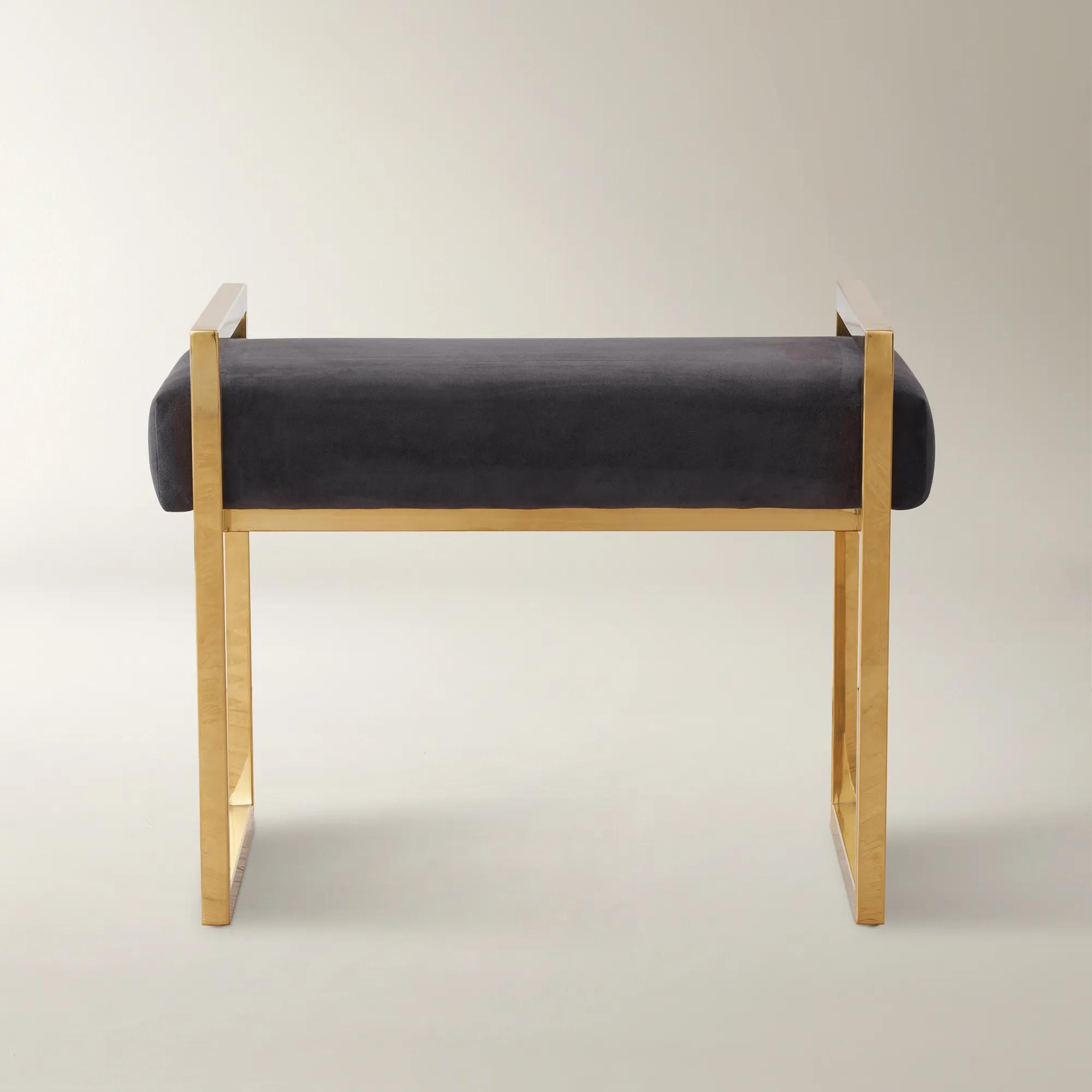
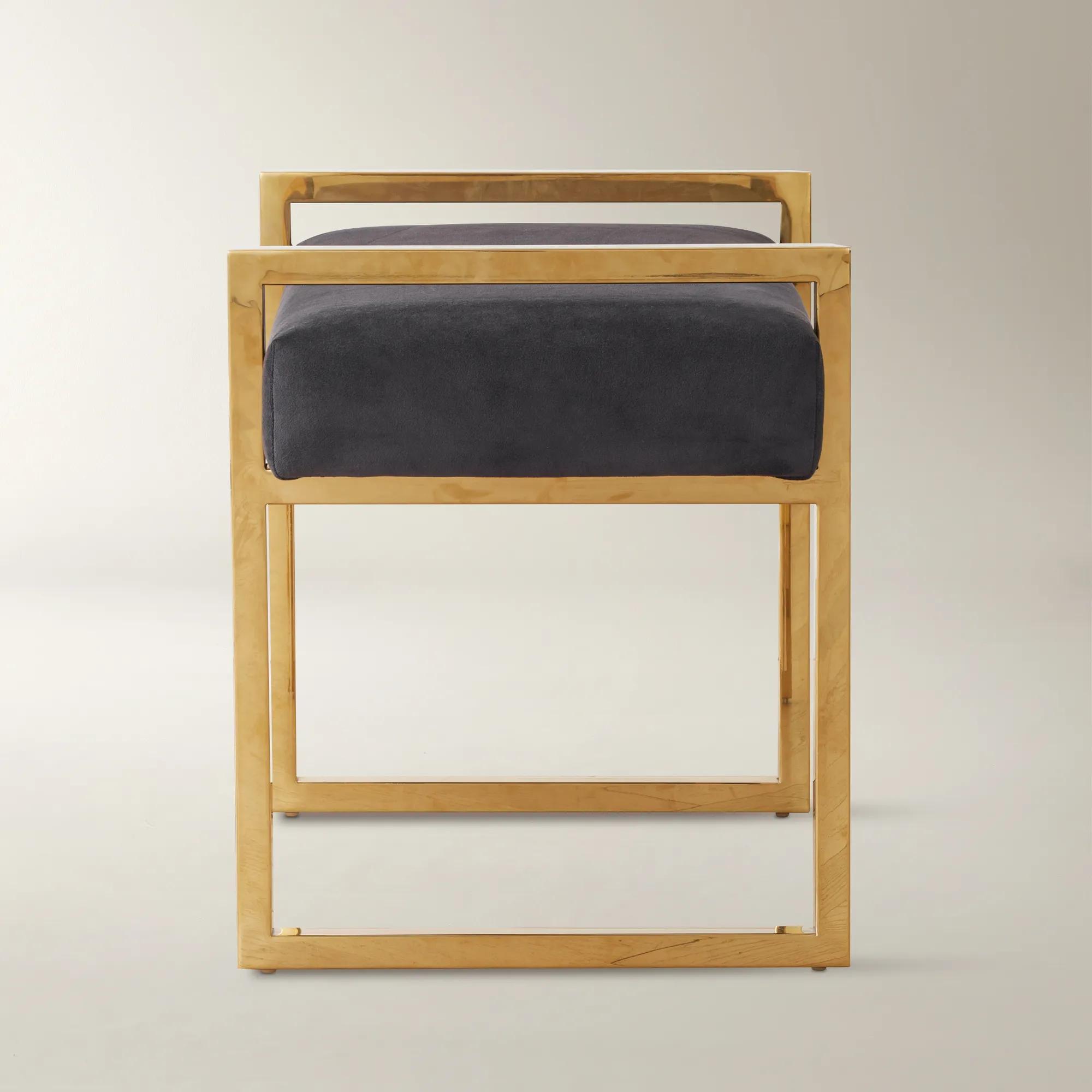 Clara Accent Stool$399
A plush black velvet seat rests on polished gold metal legs for a chic, modern accent piece.
Add To Cart -
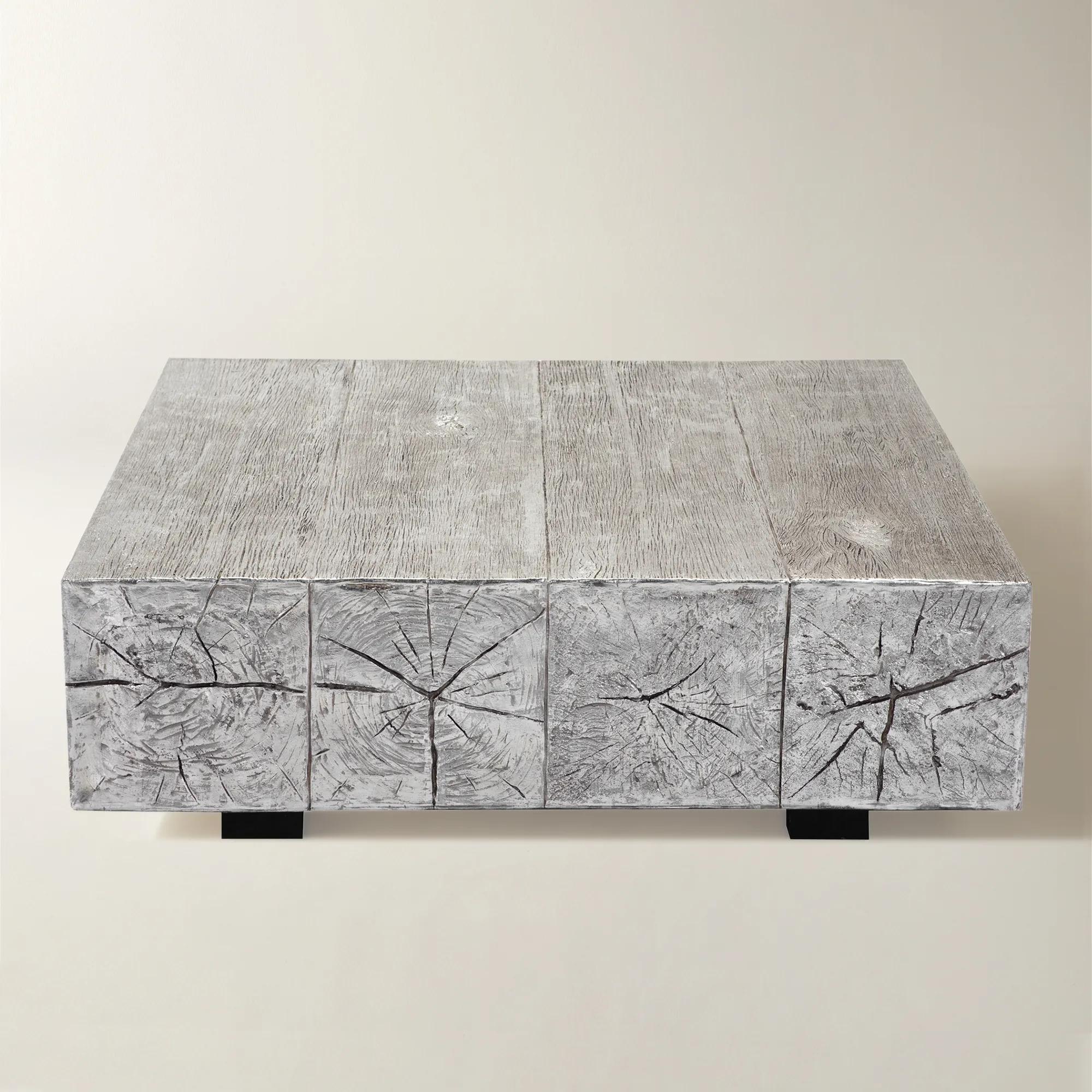
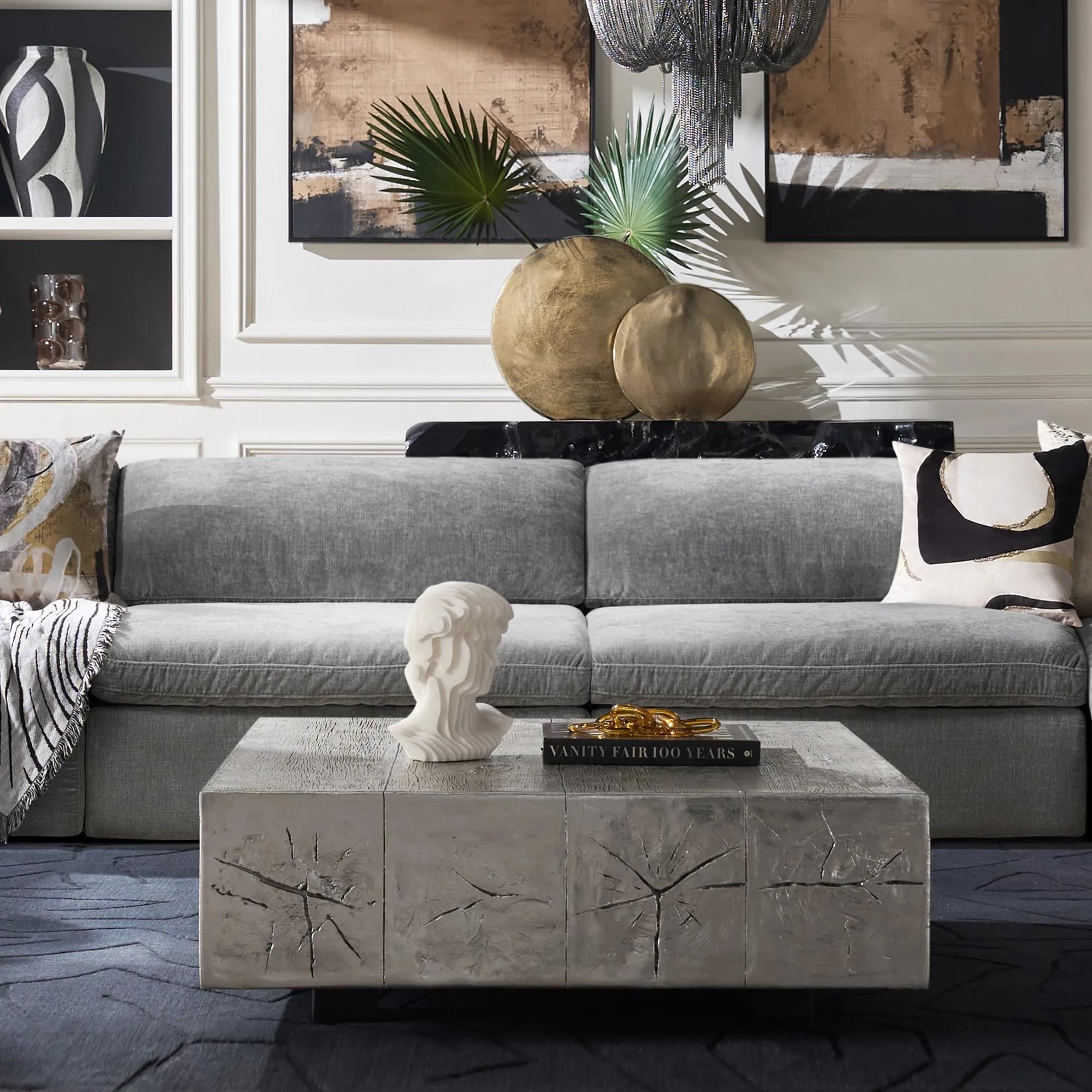 Timber Square Silver Resin Coffee Table (44")$1299
A hand-painted silver resin coffee table featuring authentic silver leaf and an antiqued, hand-rubbed oil finish.
Add To Cart -
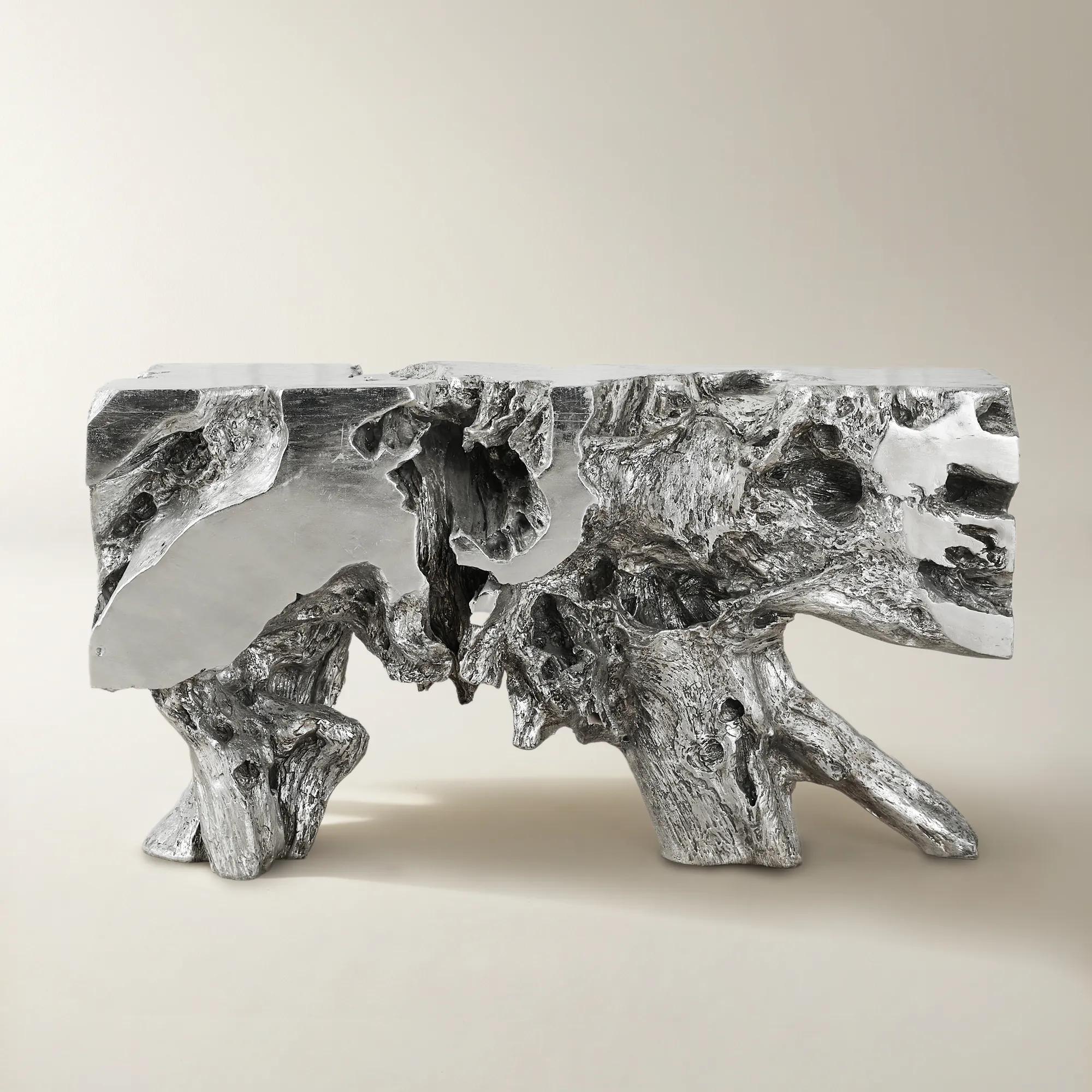
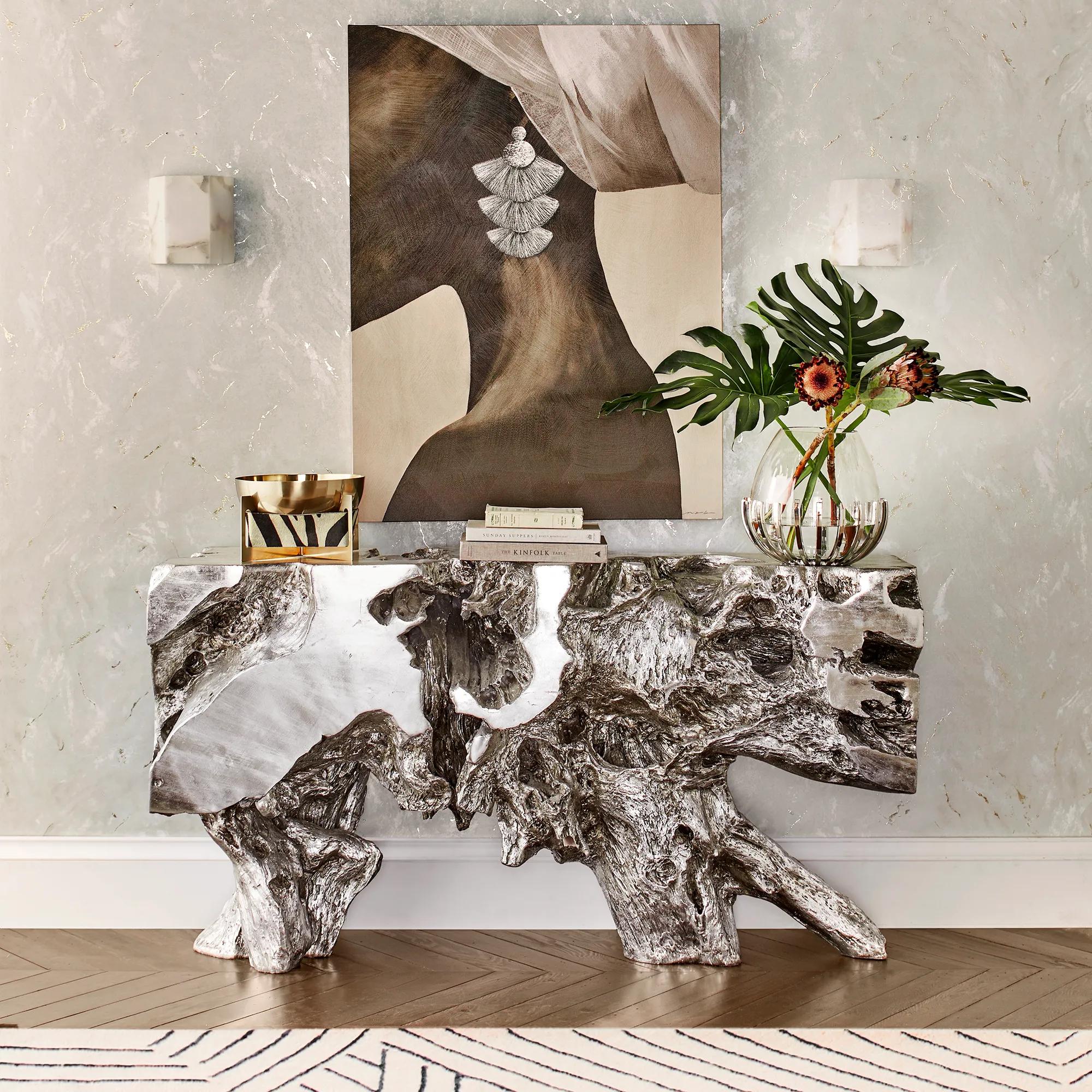 Sequoia Silver Resin Console Table (58")$1999
A sculptural console table featuring hand-applied silver leaf over resin and fiberglass with an iron core.
Add To Cart -
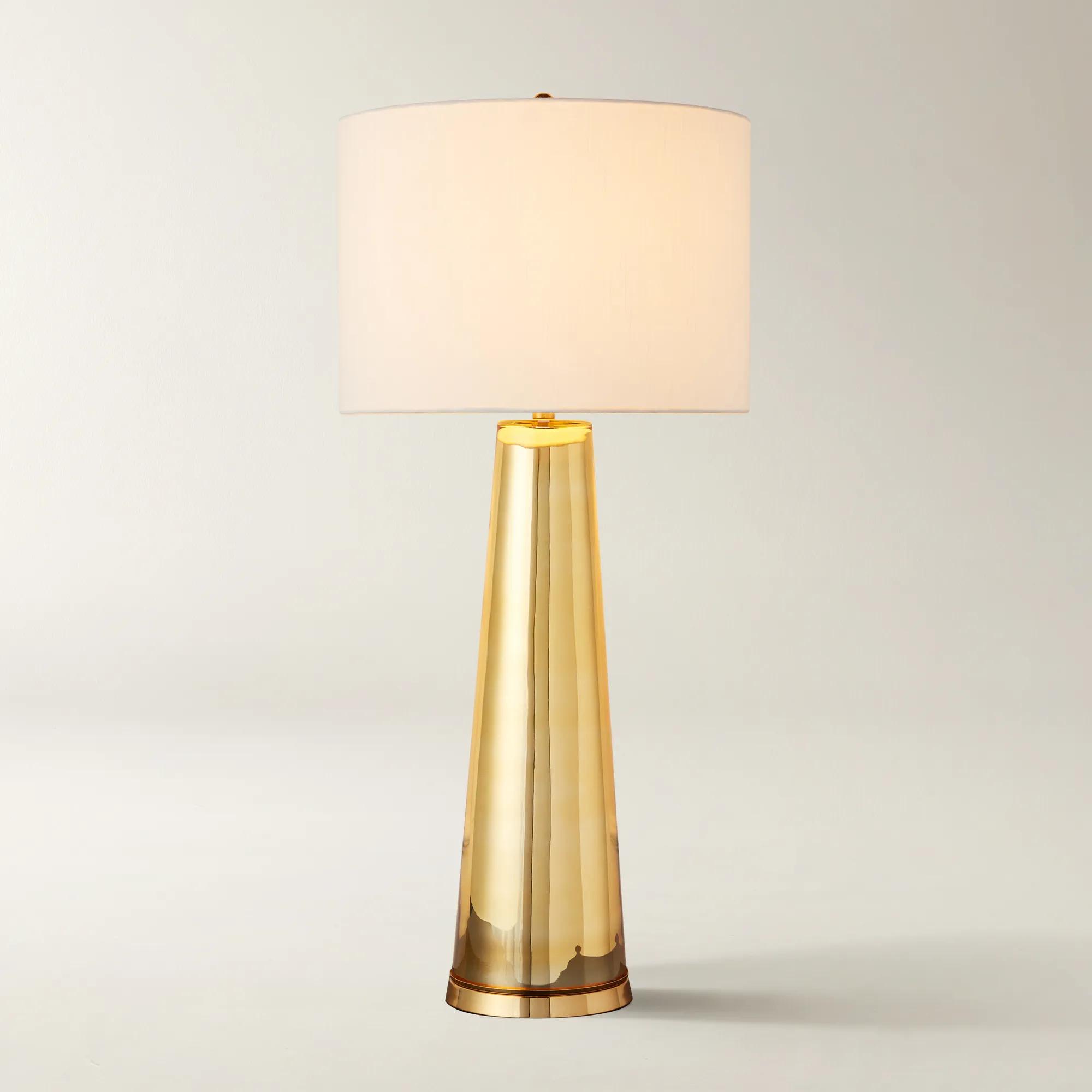
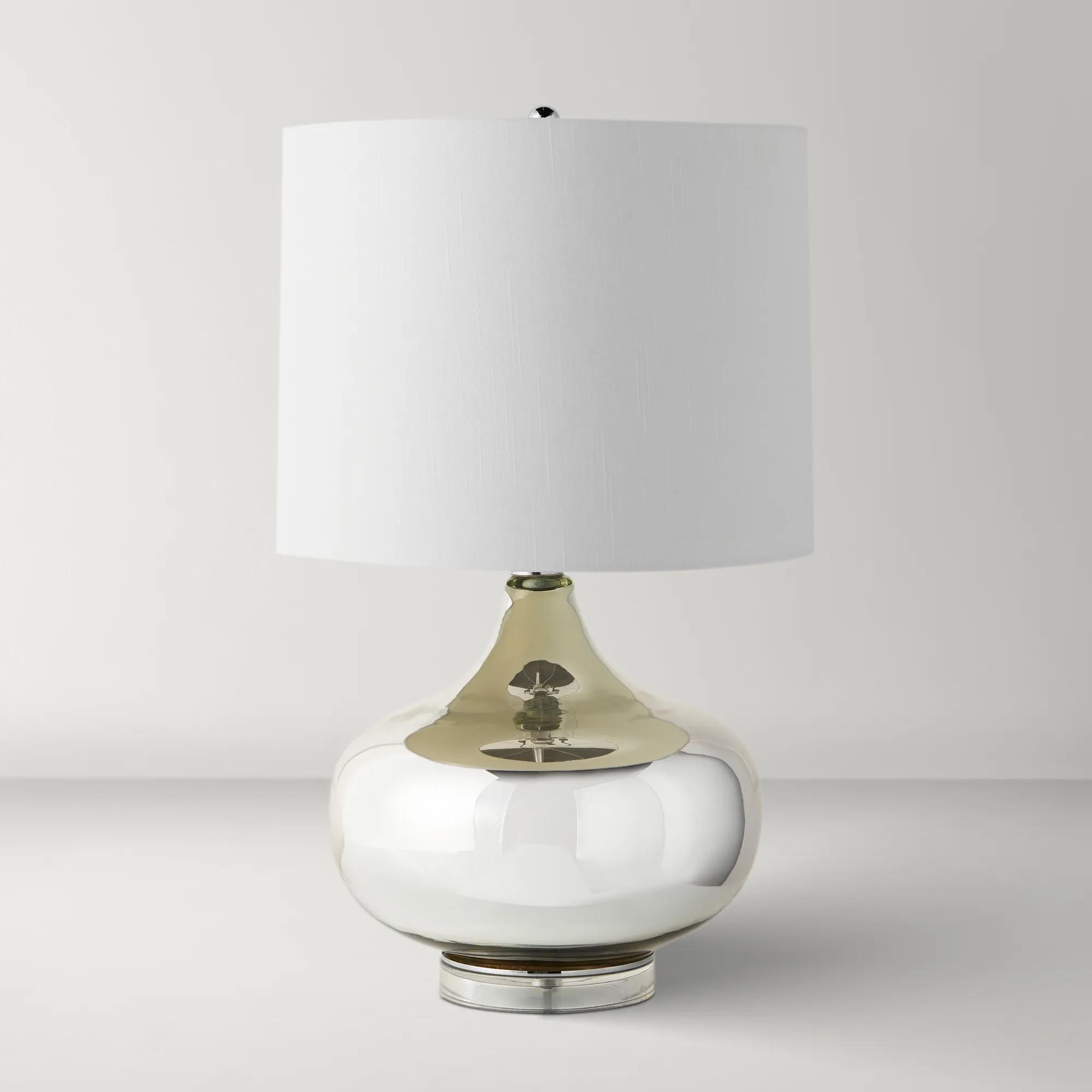
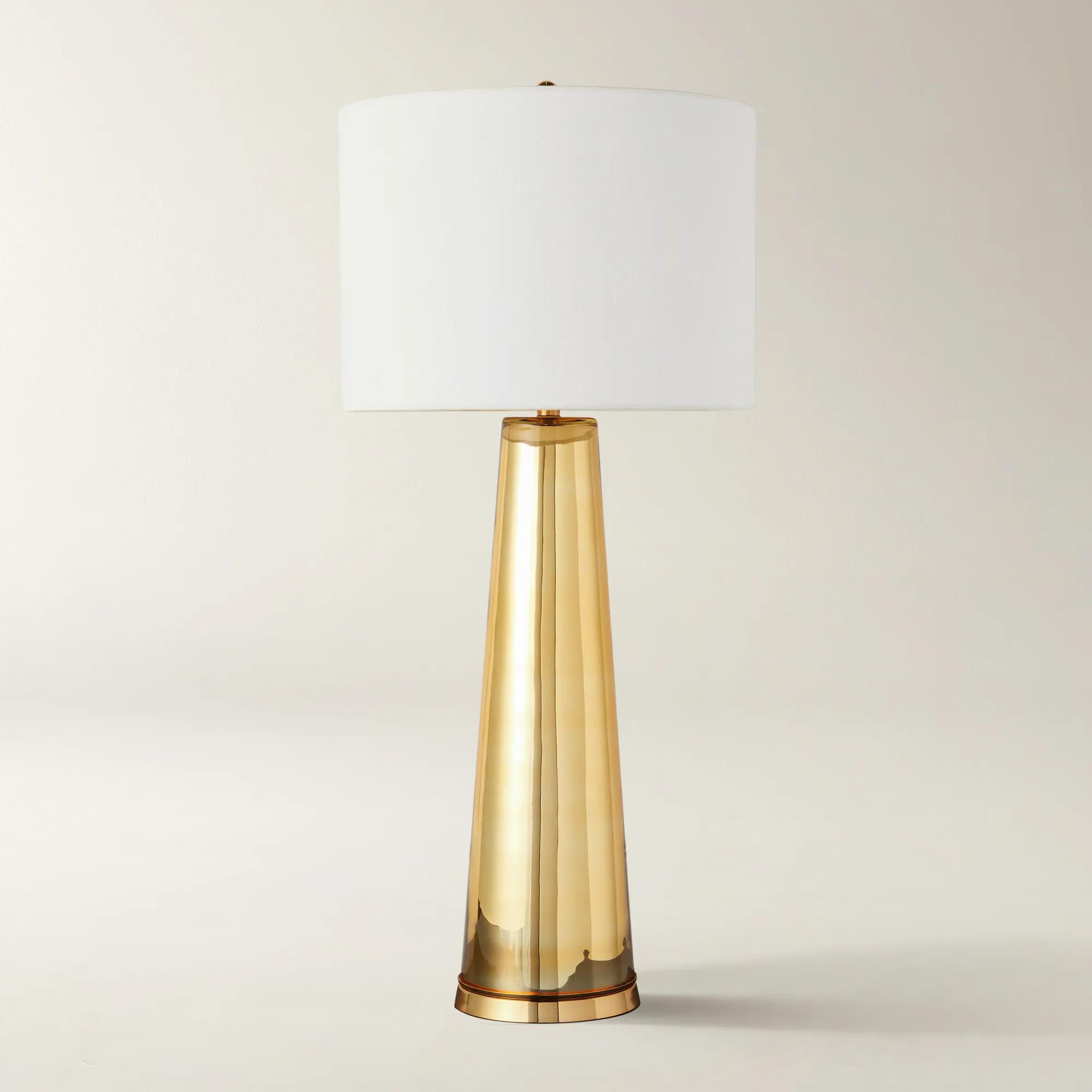 Century Gold Mirrored Glass Table Lamp 40"$299
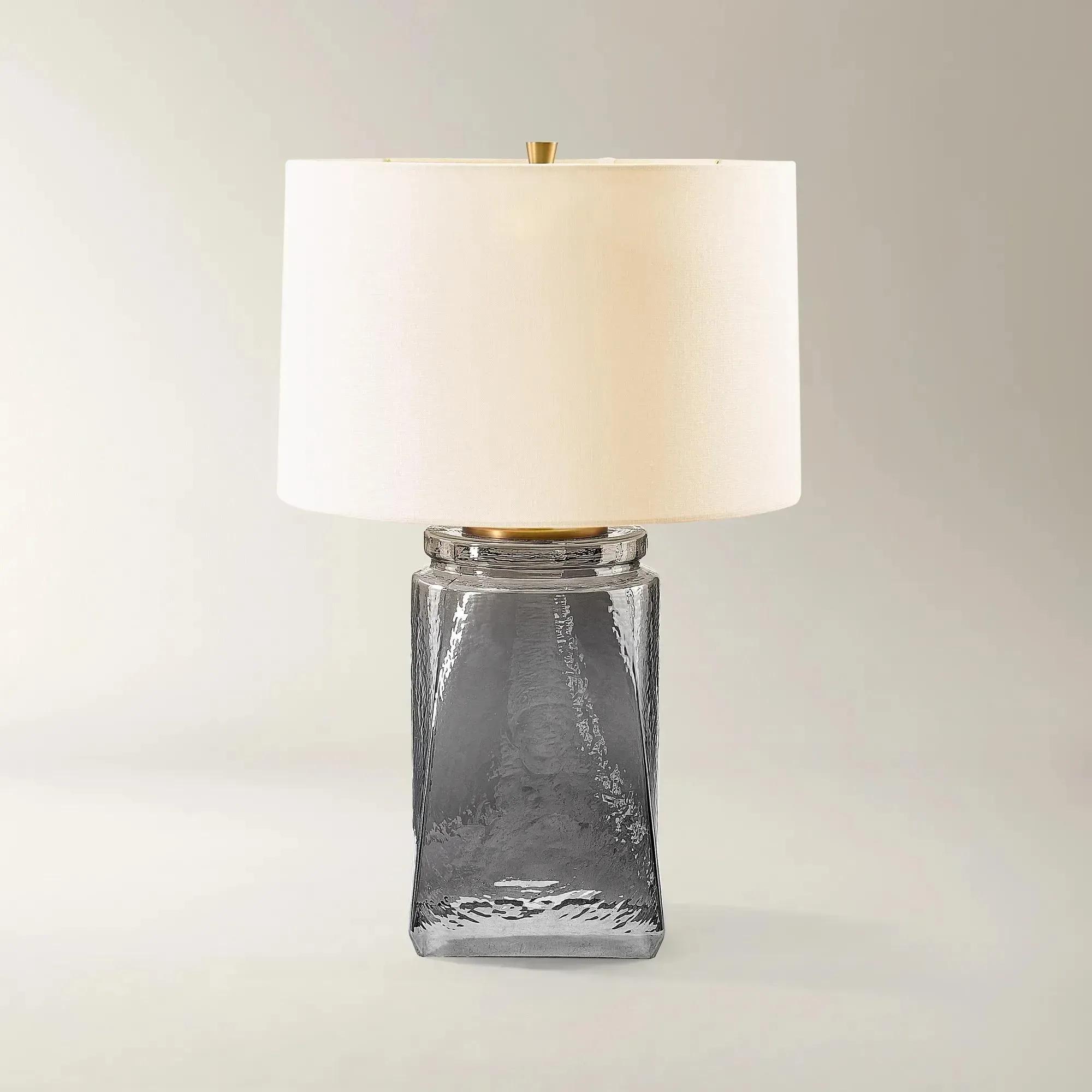
A modern lamp featuring a mirrored glass base and white drum shade, accented with gold or silver details.
Add To Cart -
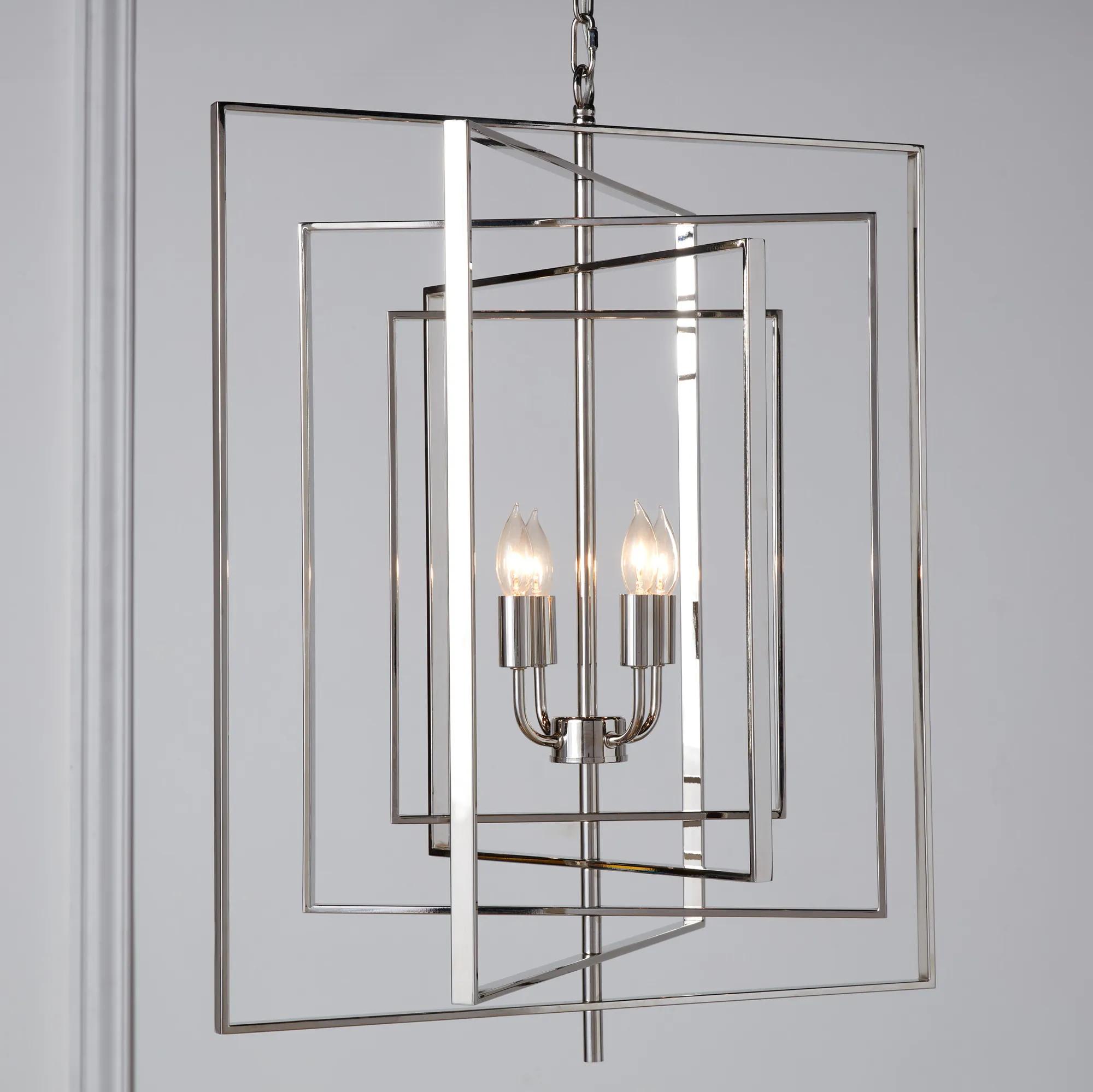
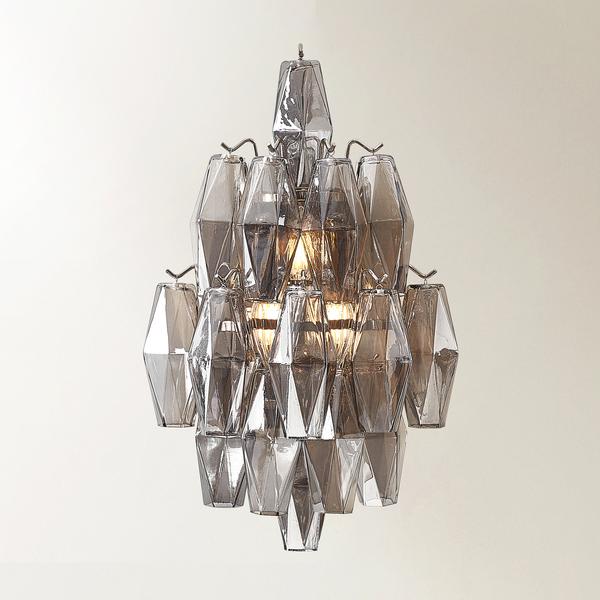
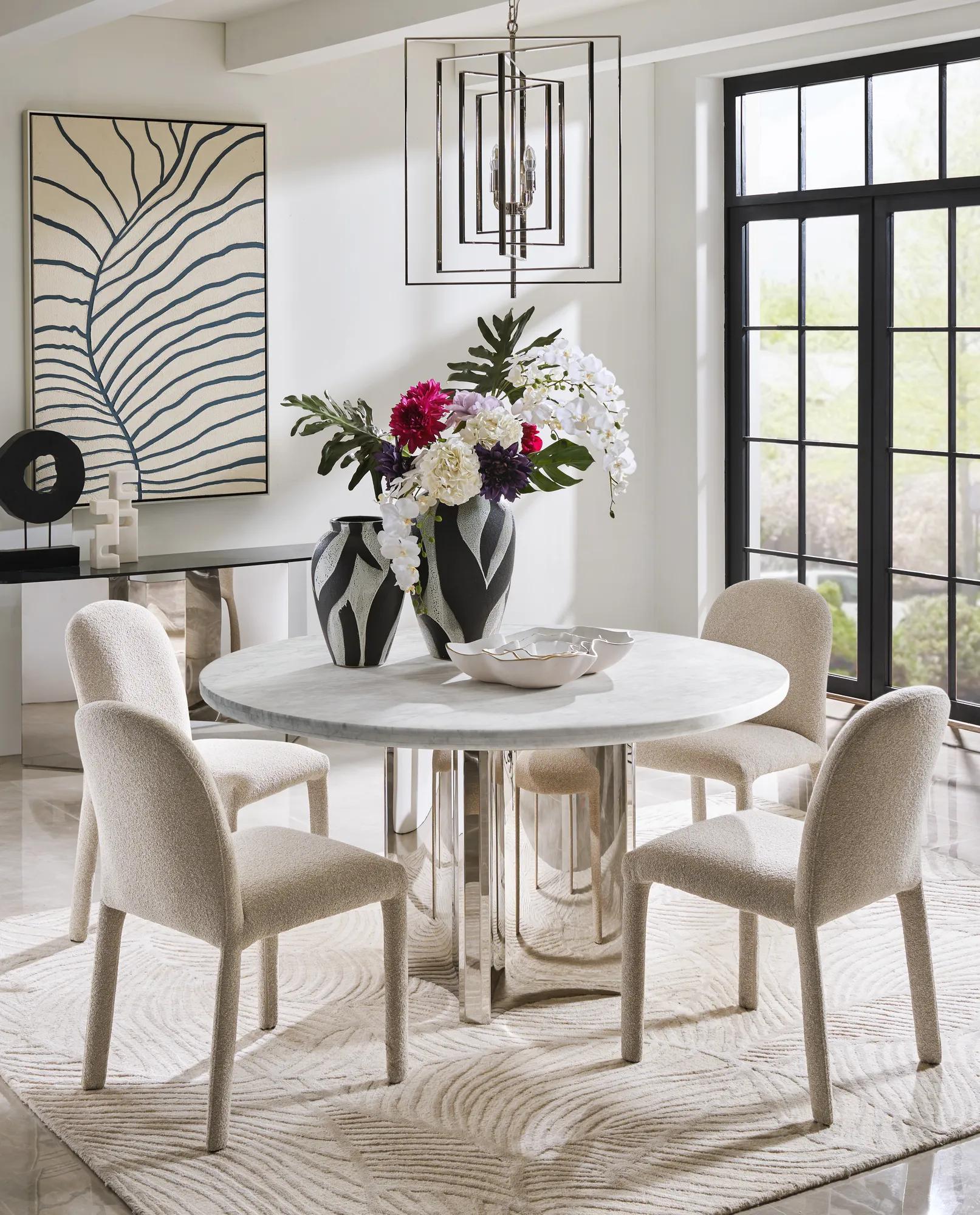 Hollis Chandelier$499
A polished nickel geometric chandelier with four lights, perfect for modern and minimal interiors.
Add To Cart -
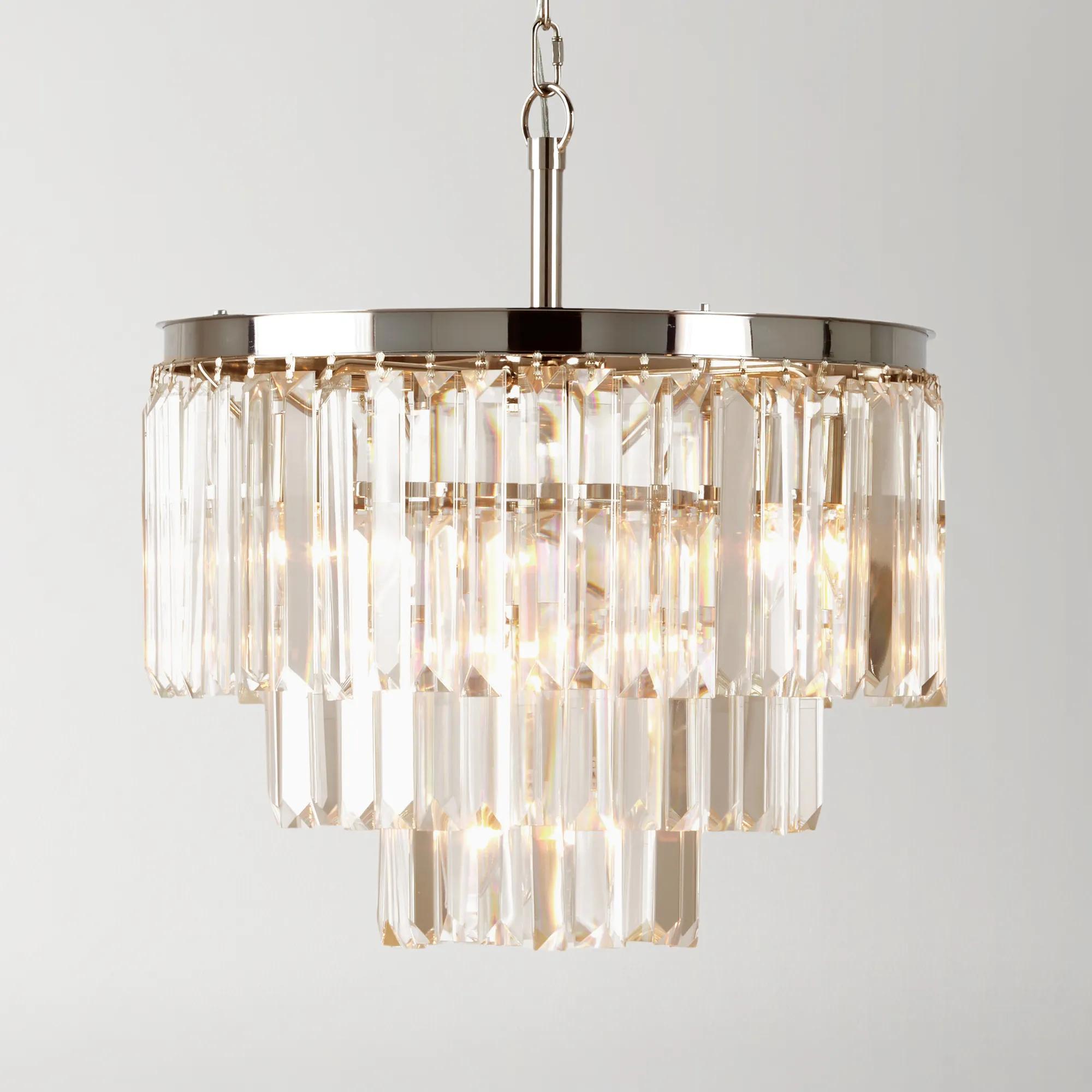 Luxe Chandelier$799
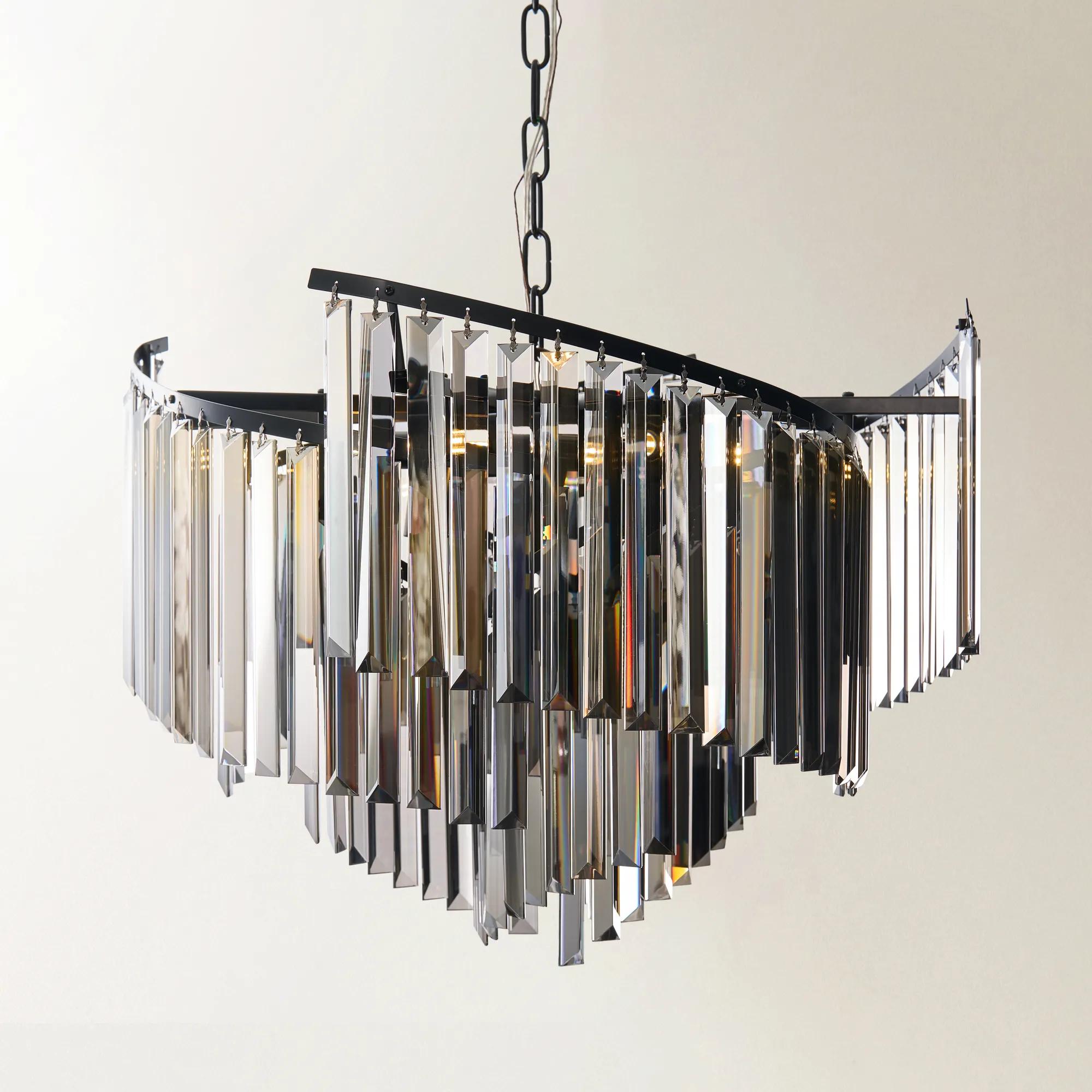
A glamorous chandelier featuring a nickel-plated iron frame and three tiers of faceted crystal accents.
Add To Cart -
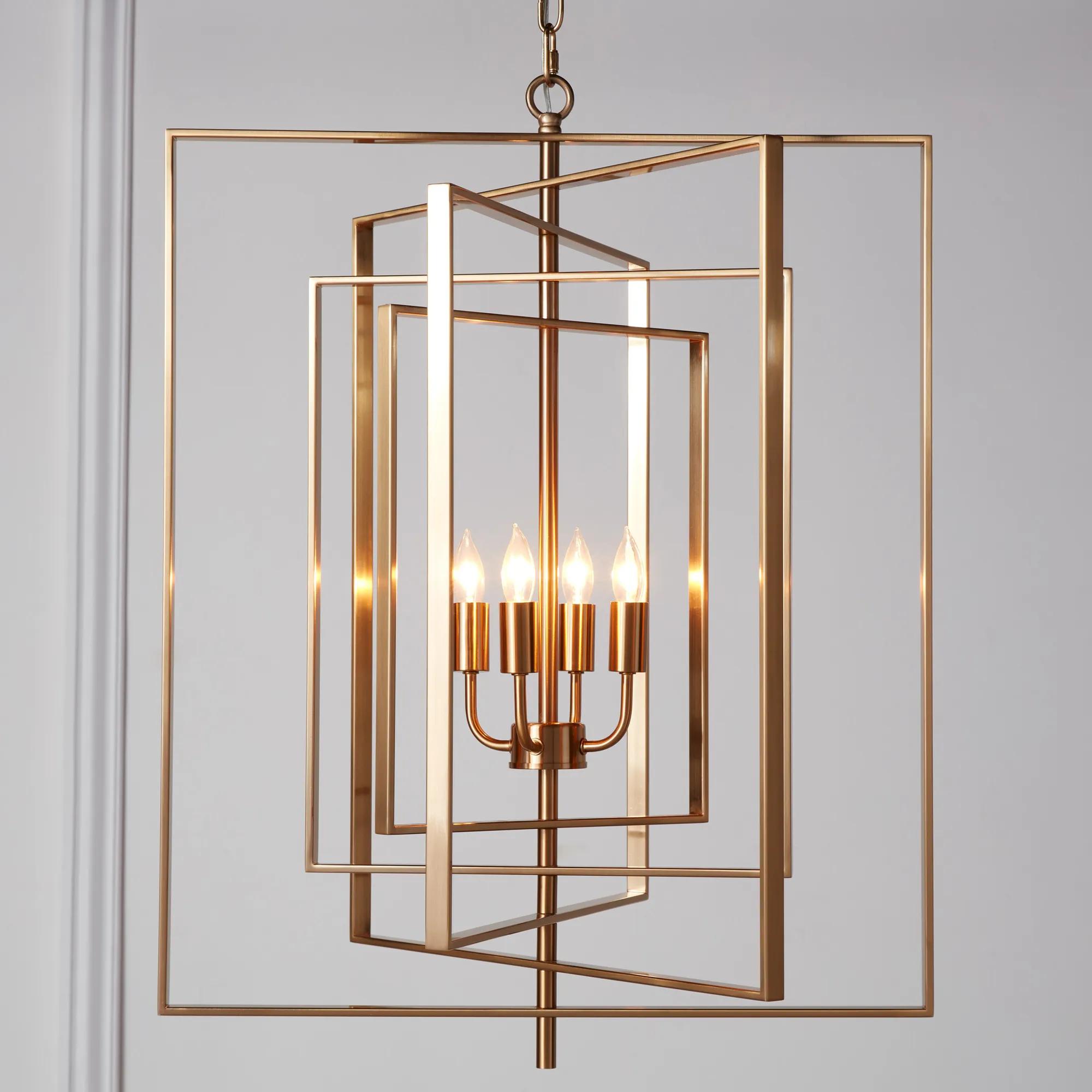 Hollis Chandelier$499
A geometric brass-finished iron chandelier with four lights, perfect for modern and minimal interiors.
Add To Cart -
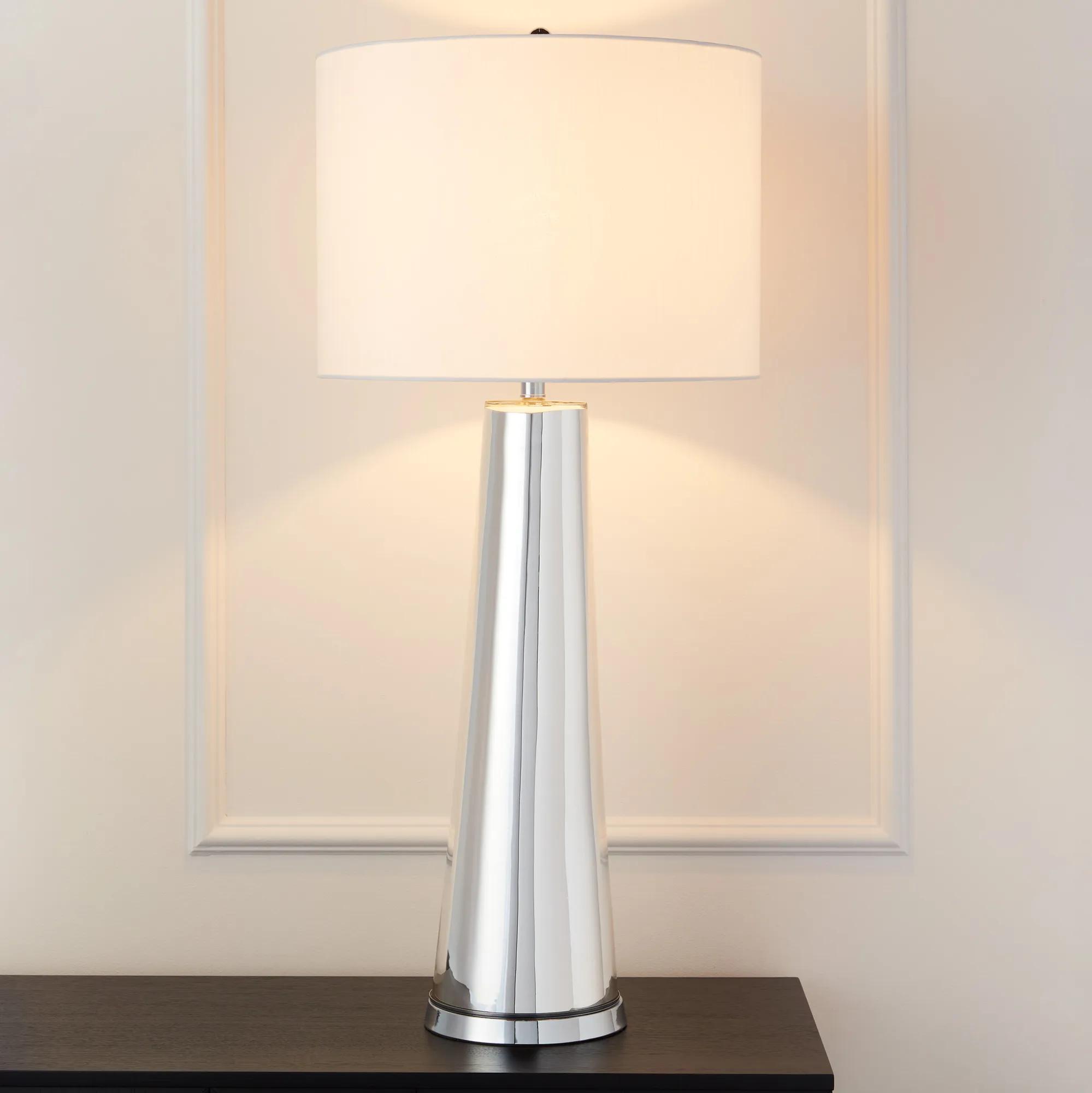 Century Silver Mirrored Glass Table Lamp 40"$299
A modern table lamp featuring a mirrored glass base and white drum shade with brushed chrome accents.
Add To Cart -
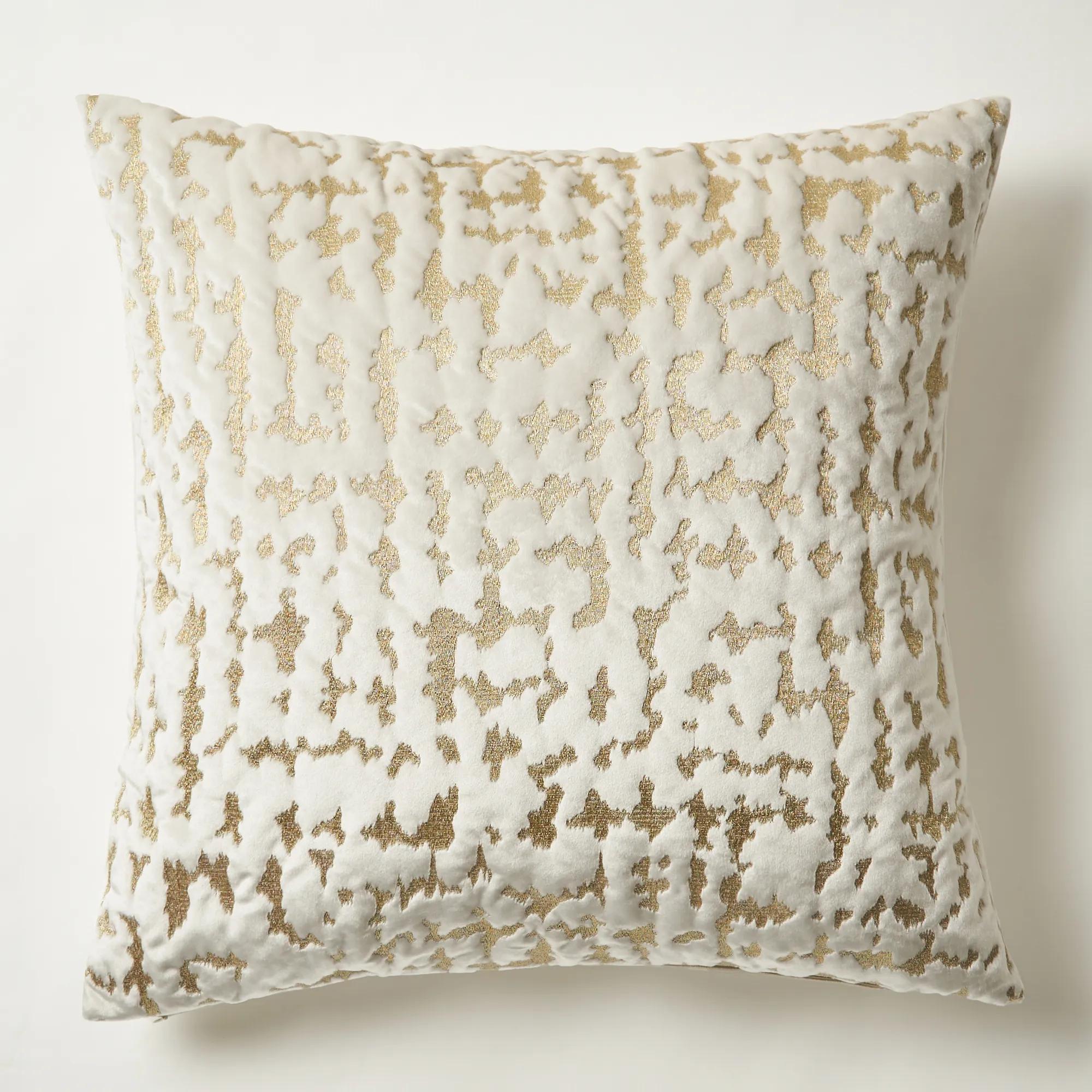
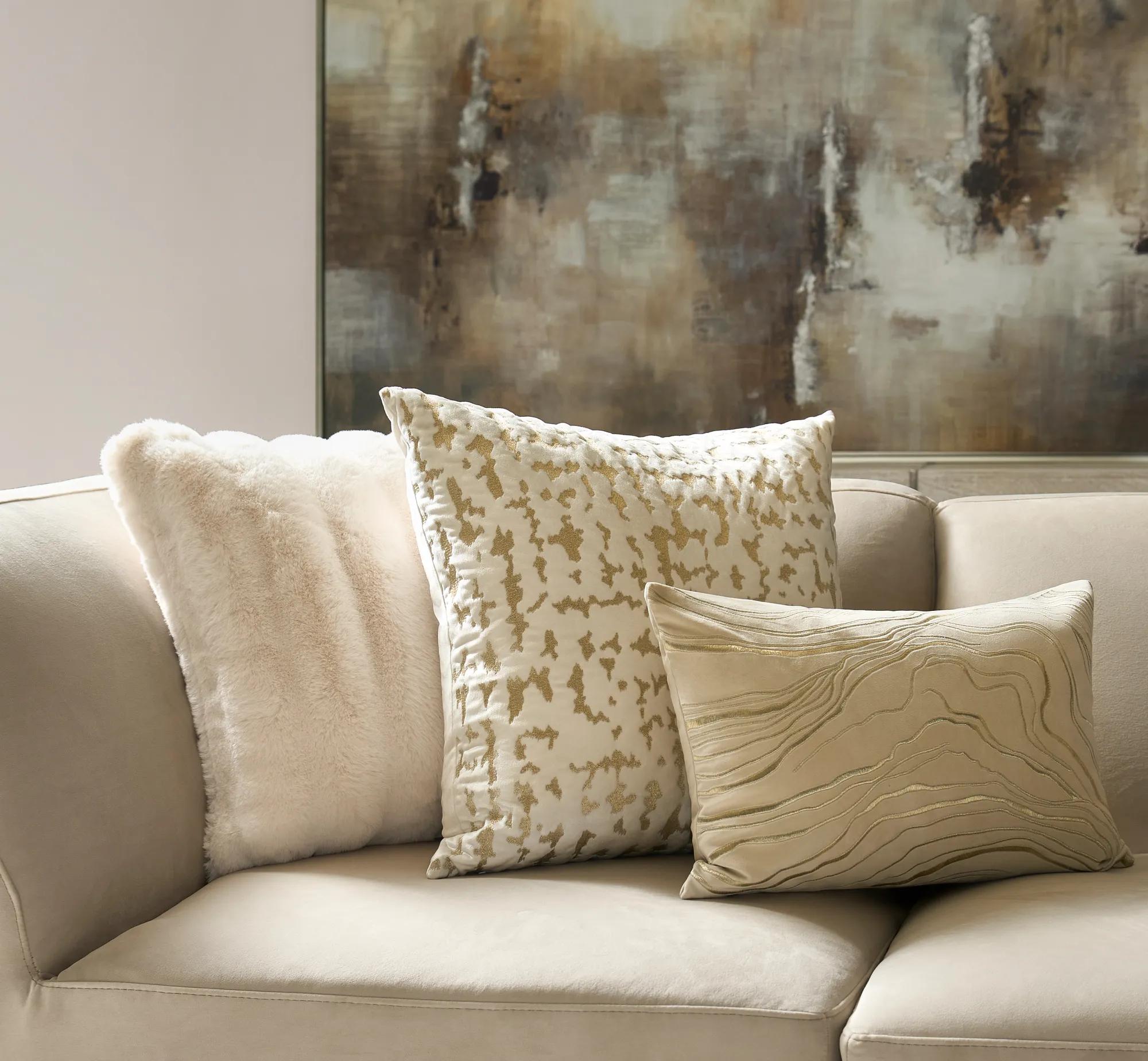 Solenne Embroidered Gold/Ivory Velvet Pillow 22" x 22"$89
An ivory velvet pillow with gold metallic 3D quilting and a plush feather down insert.
Add To Cart -
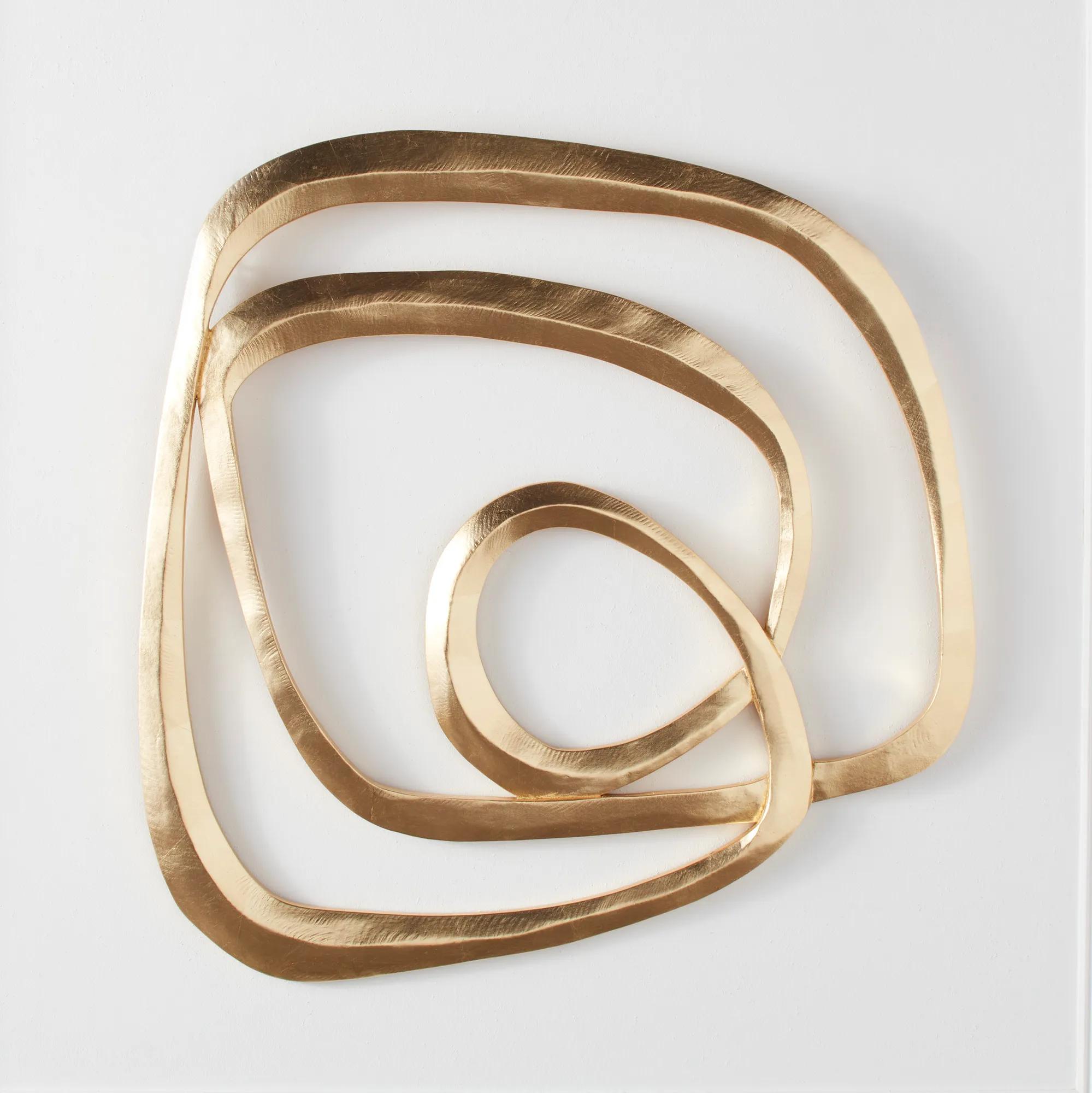 Infinity Gold Leaf Wood Wall Decor I 31.5" x 31.5"$299
A swirling wooden wall sculpture featuring a striking metallic gold finish for a bold decorative statement.
Add To Cart -
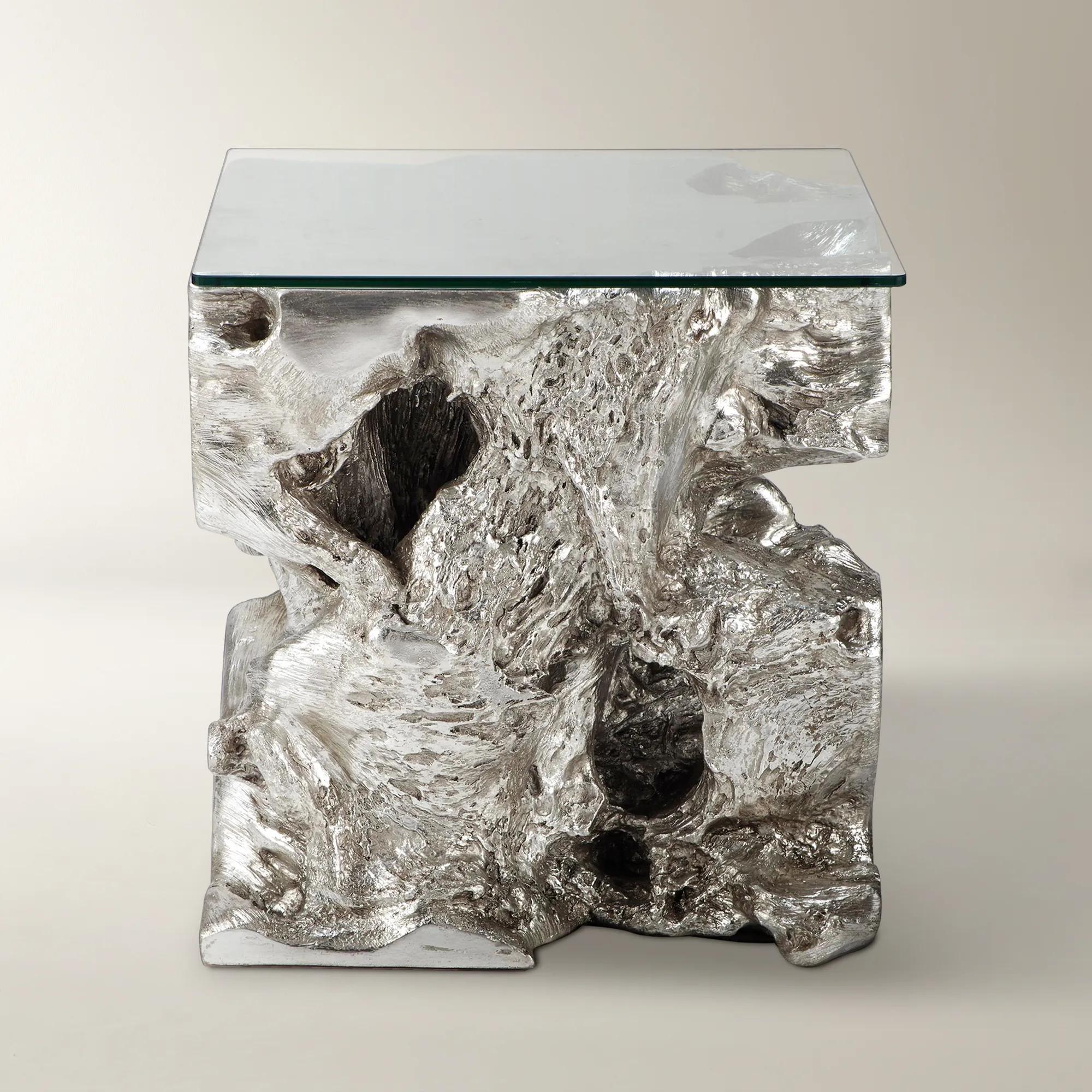 Sequoia Silver Resin End Table With Glass Top (22")$999
A sculptural end table featuring a silver leaf resin base and tempered glass top for modern elegance.
Add To Cart -
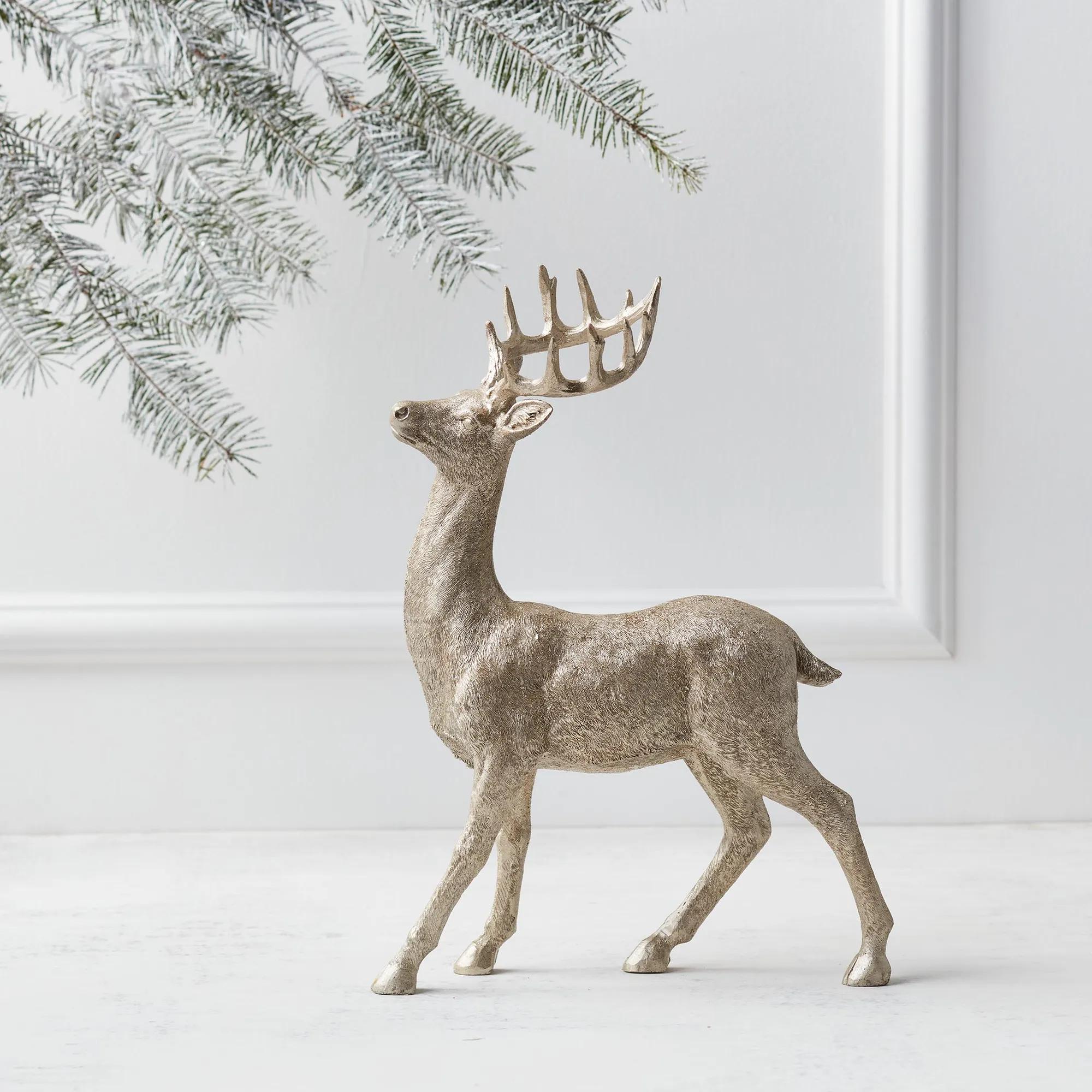
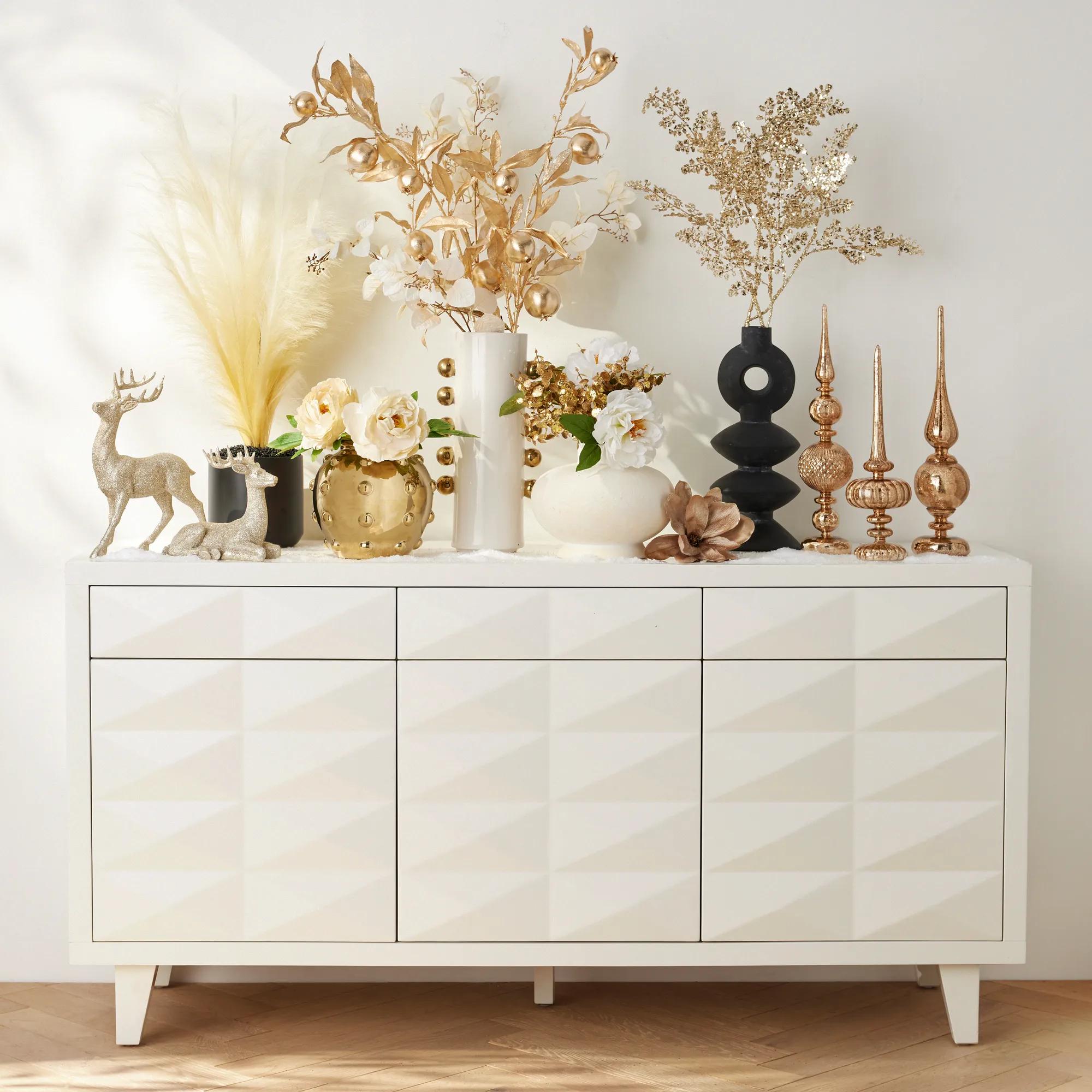 Majestic Deer Champagne Resin 14"$59
A pair of intricately detailed poly resin deer figures with a textured champagne metallic finish.
Add To Cart -
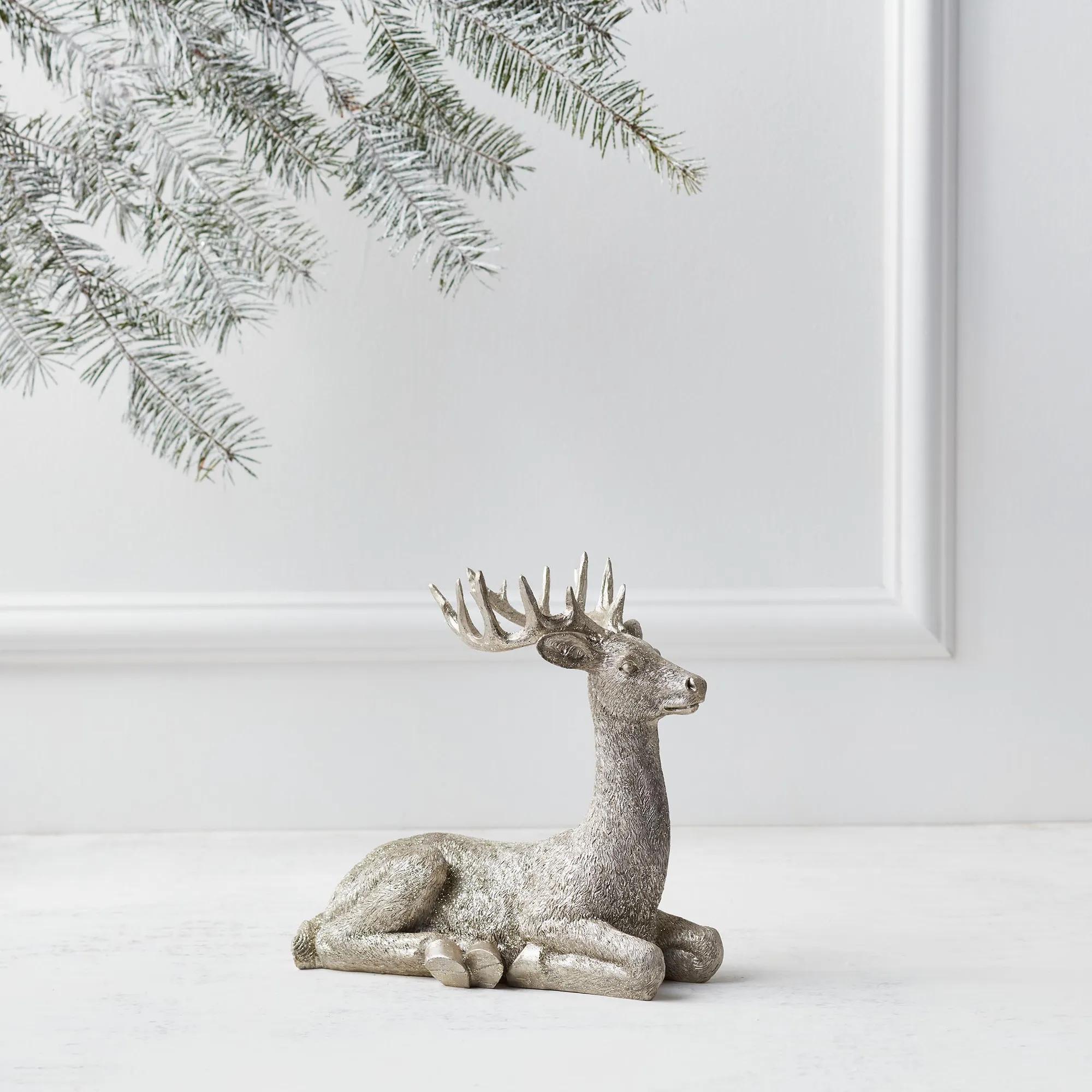 Majestic Deer Champagne Resin 8"$49
A pair of intricately detailed poly resin deer figures with a textured champagne metallic finish.
Add To Cart -
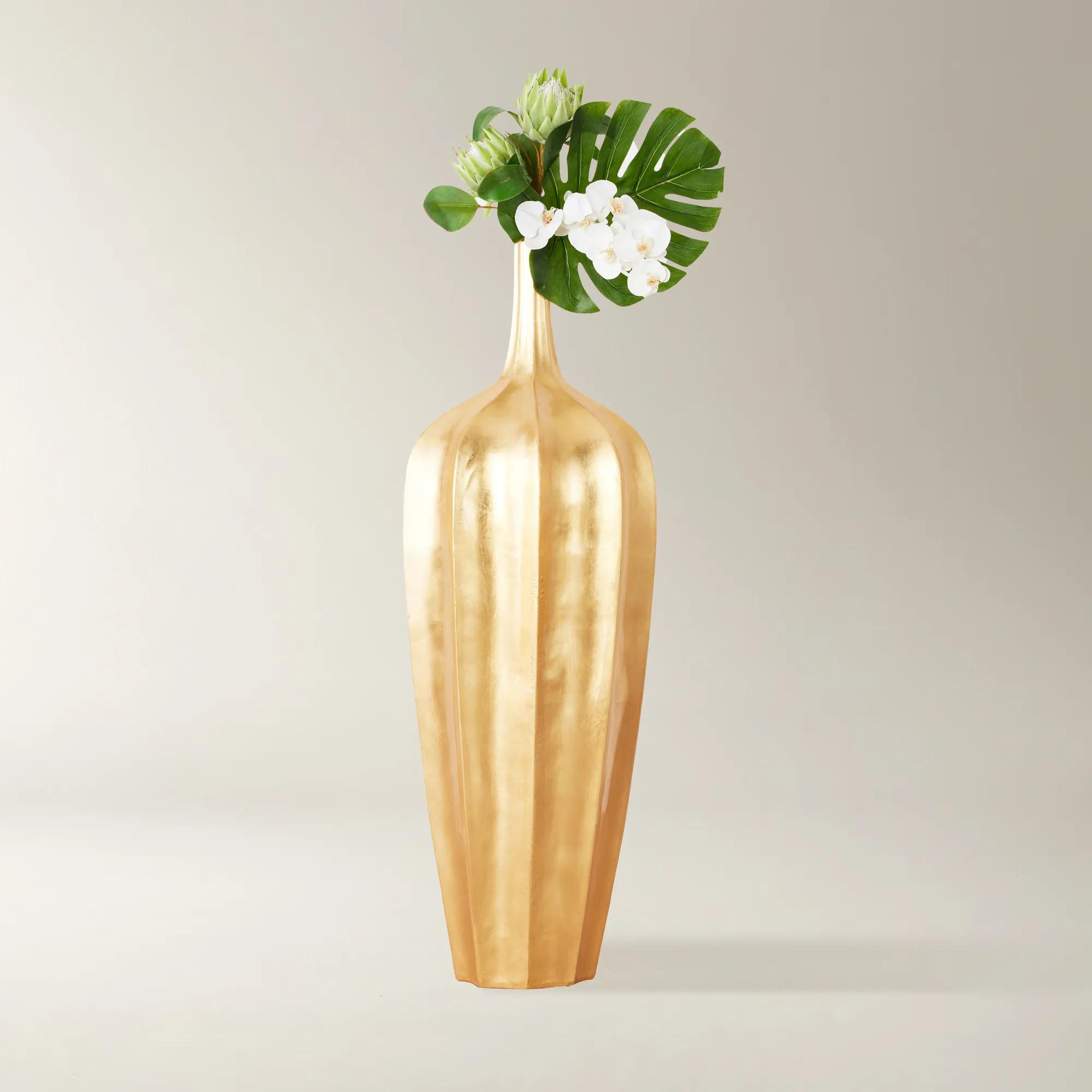 Accolade Gold Leaf Resin Floor Vase 48.75"$539
A fluted fiberglass vase featuring a lustrous gold foil finish for a striking decorative accent.
Add To Cart -
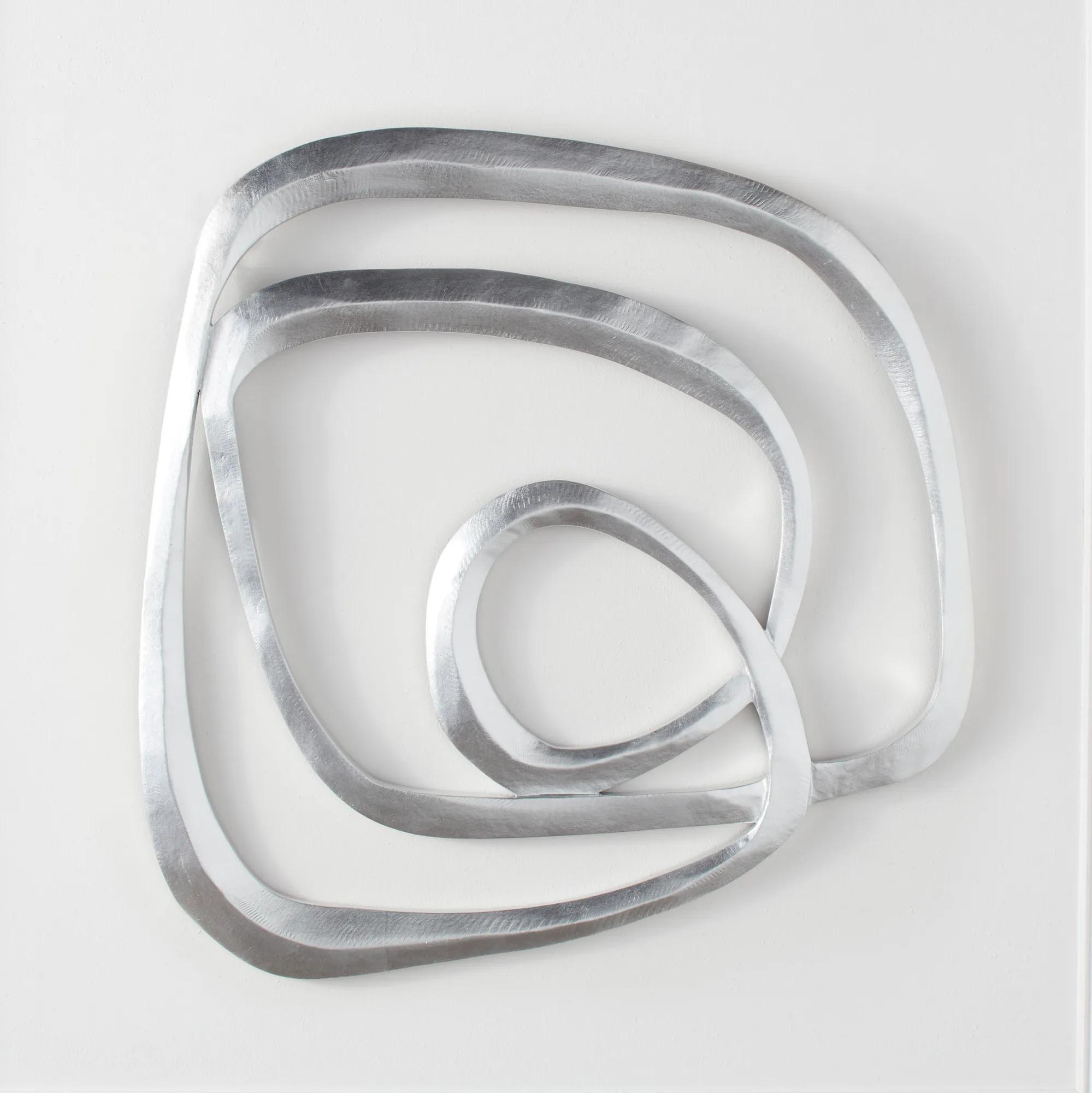 Infinity Silver Leaf Wood Wall Decor I 31.5" x 31.5"$299
A swirling wooden wall sculpture featuring a striking metallic silver finish for modern visual impact.
Add To Cart -
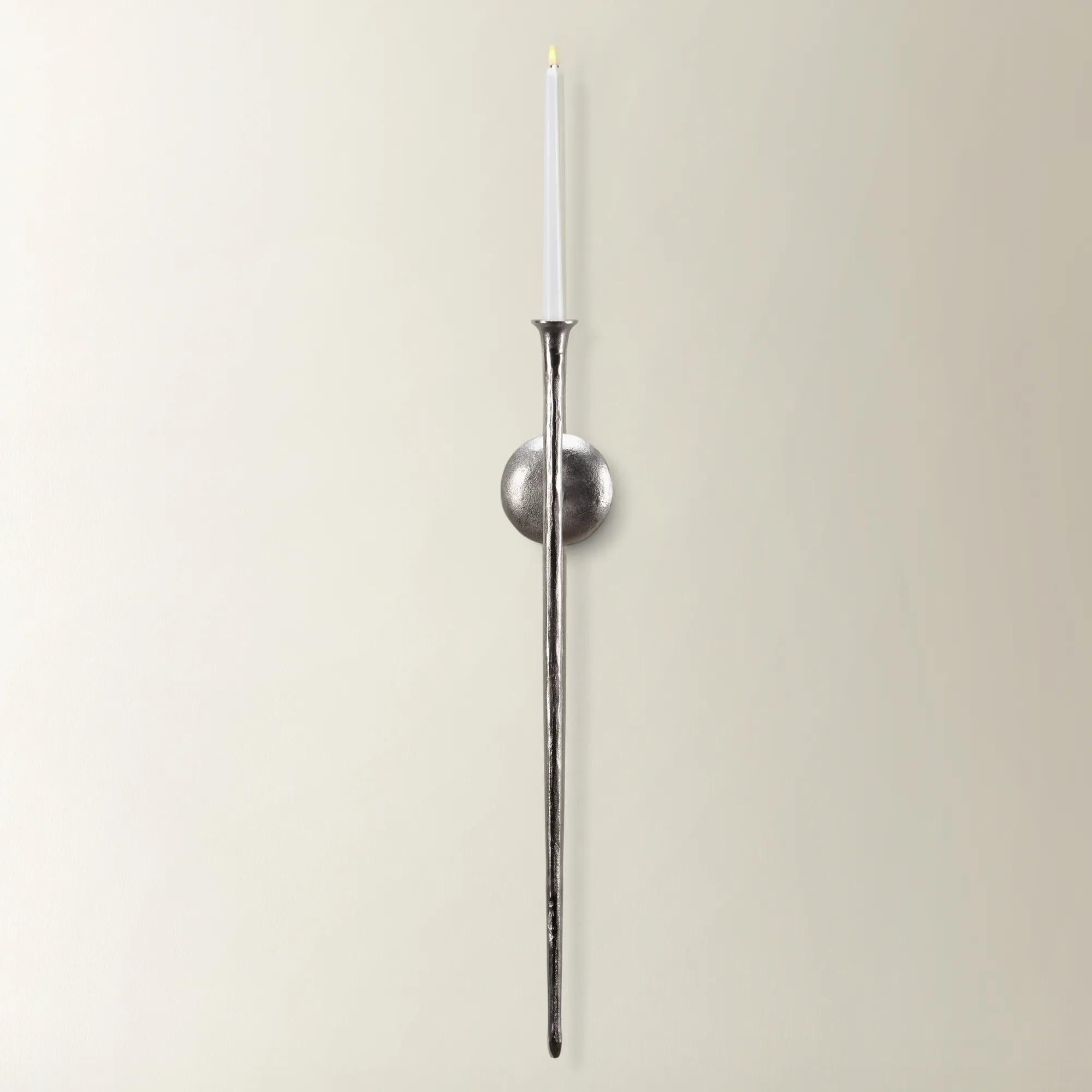
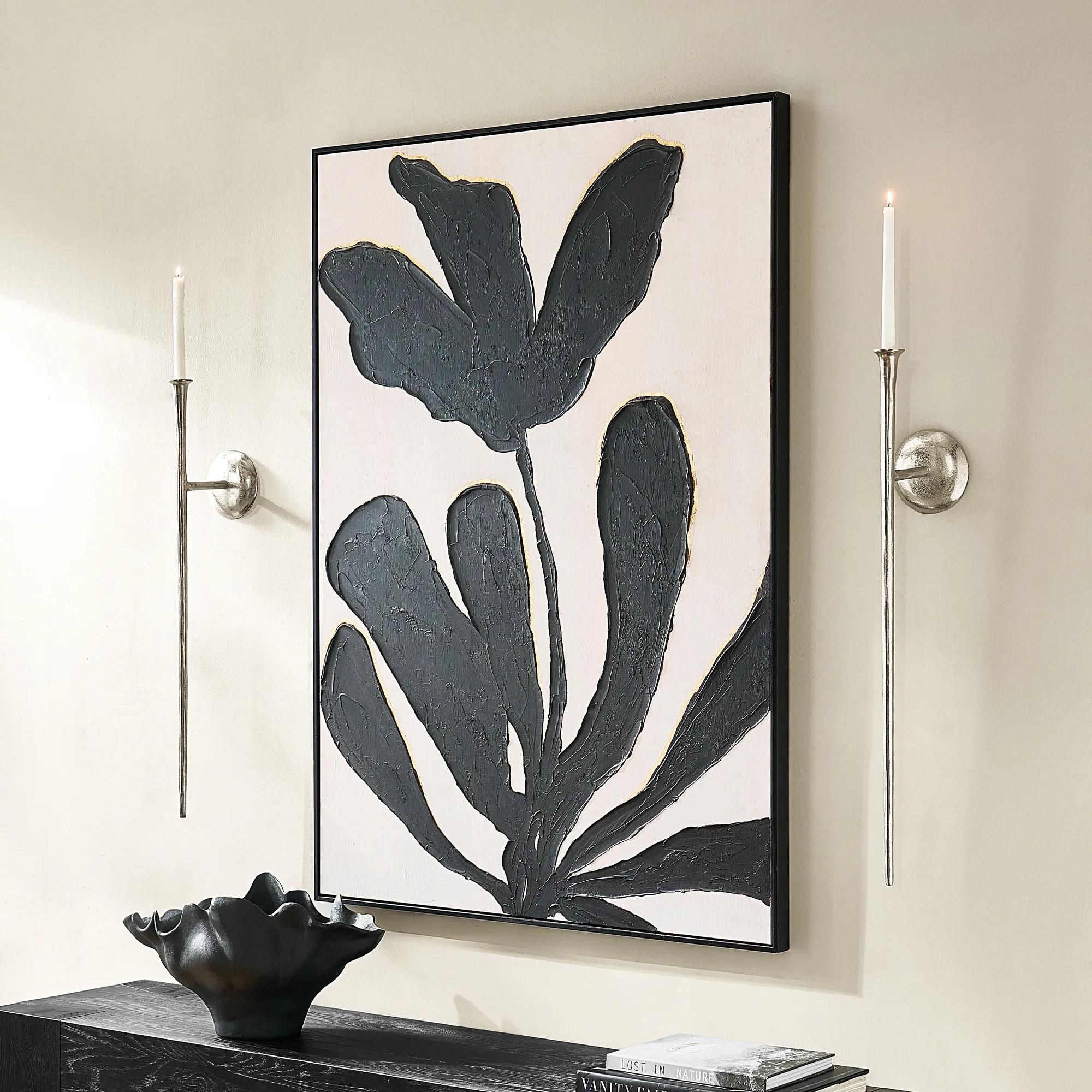 Aspar Silver Aluminum Candle Wall Sconce Large 33"$59
A slender metal wall sconce available in silver, gold, or black for elegant candlelit ambiance.
Add To Cart -
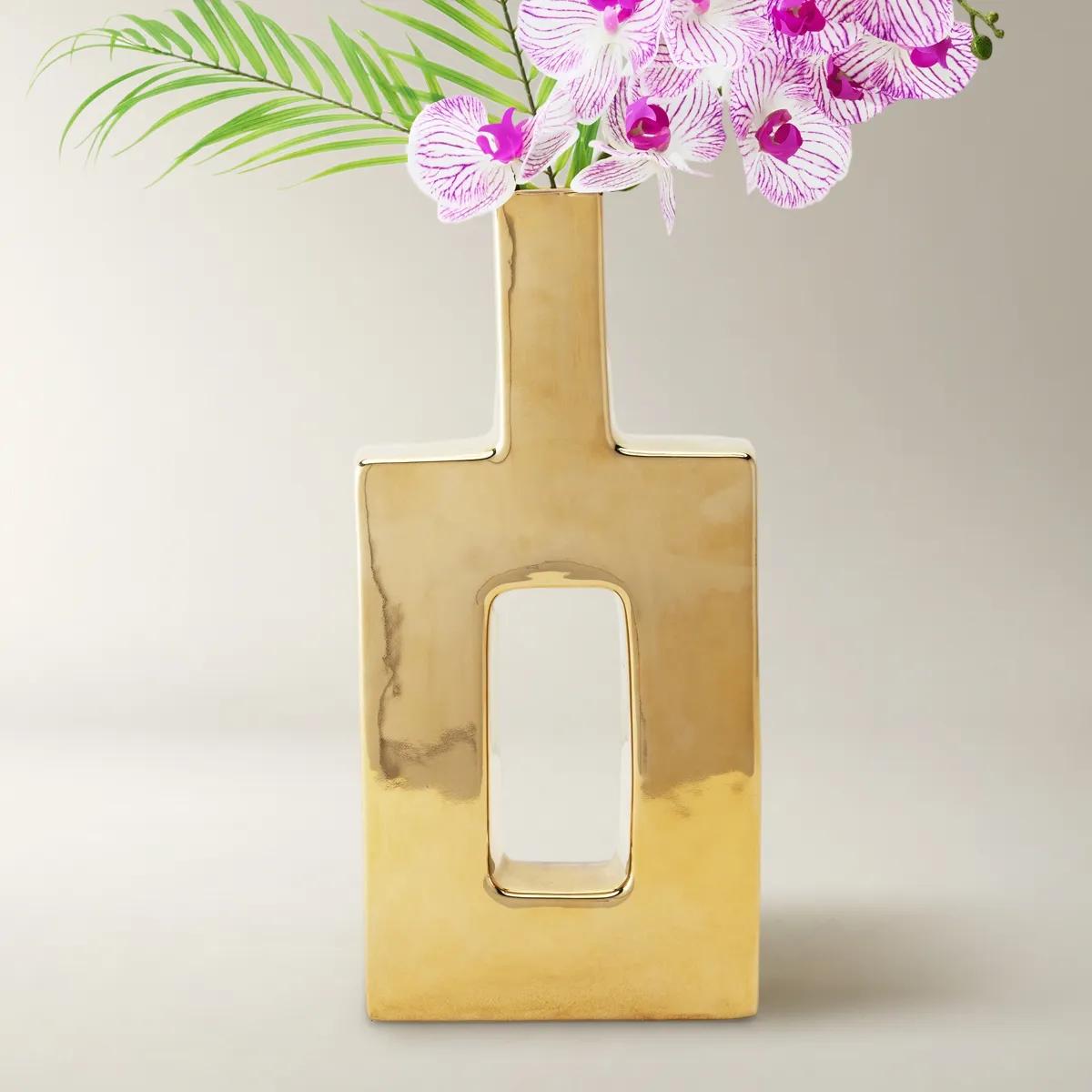 Miami Gold Ceramic High Gloss Vase 18.5"$69
A contemporary gold ceramic vase designed for decorative use or displaying faux foliage.
Add To Cart -
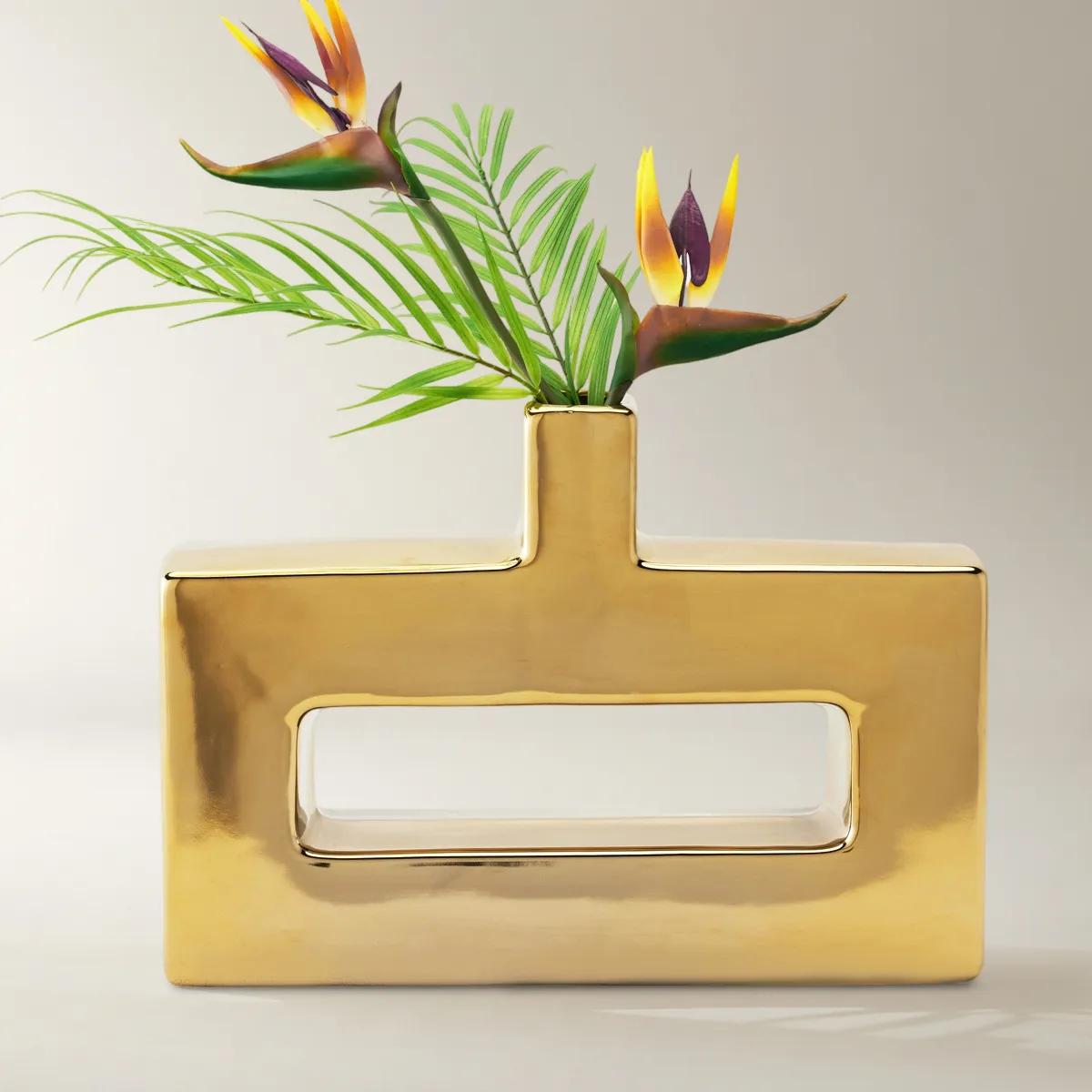 Miami Gold Ceramic High Gloss Vase 11.75"$69
A contemporary gold ceramic vase designed for decorative use as a sculptural accent or with foliage.
Add To Cart -
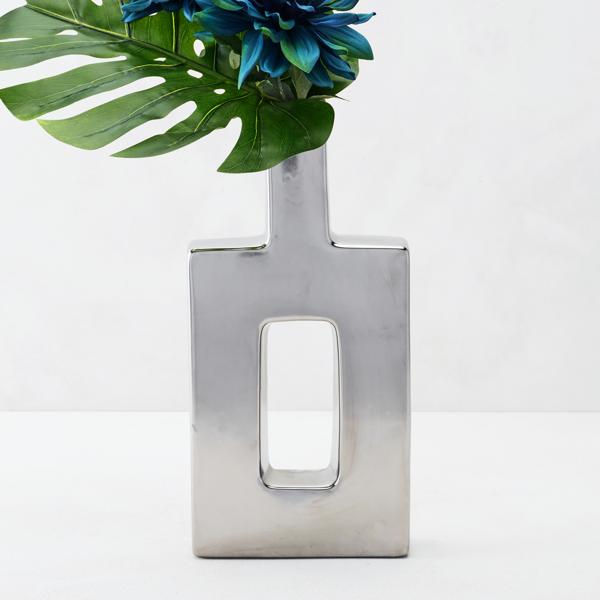
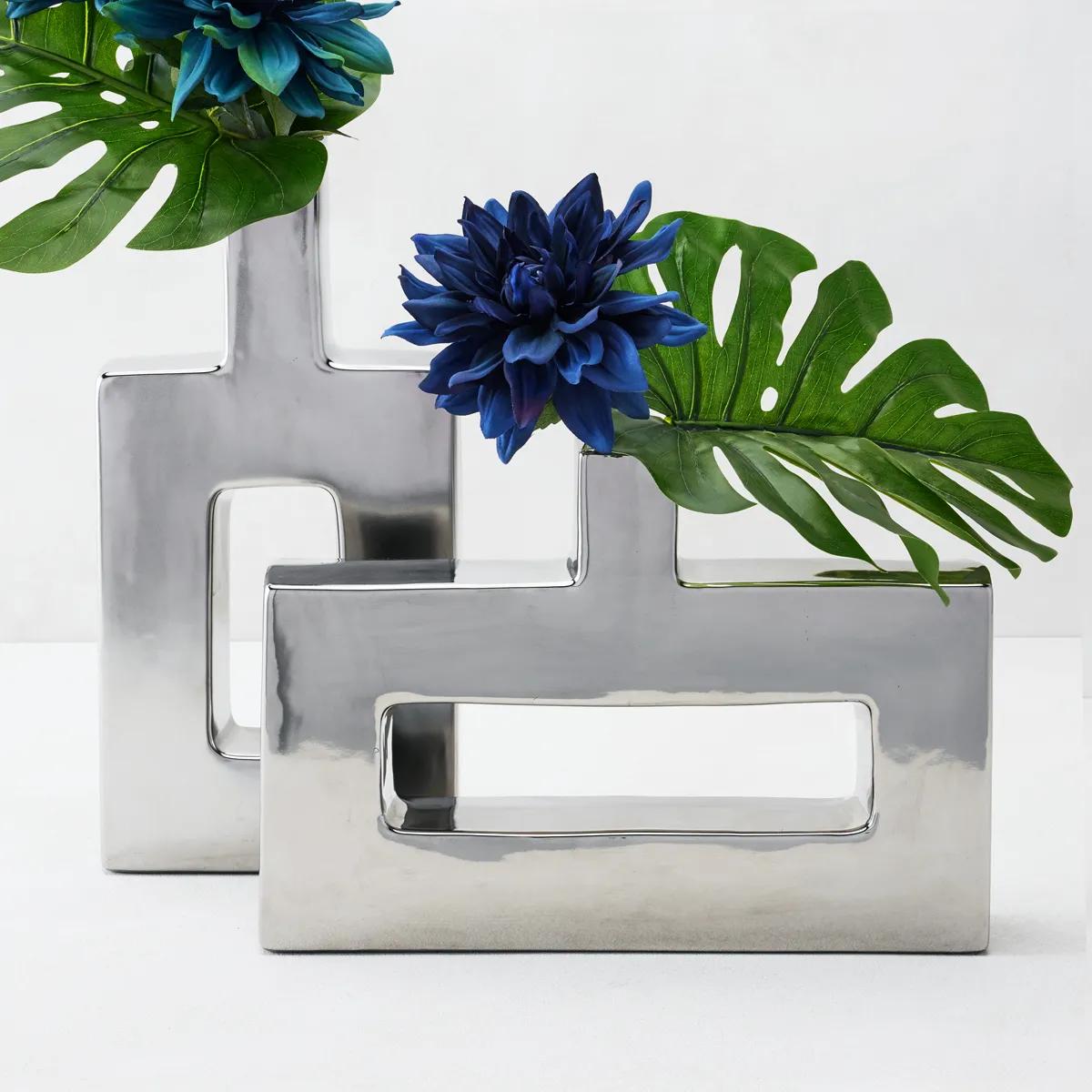 Miami Silver Ceramic High Gloss Vase 18.5"$69
A contemporary silver ceramic vase with a stylish gold glaze, perfect for decorative foliage or display.
Add To Cart -
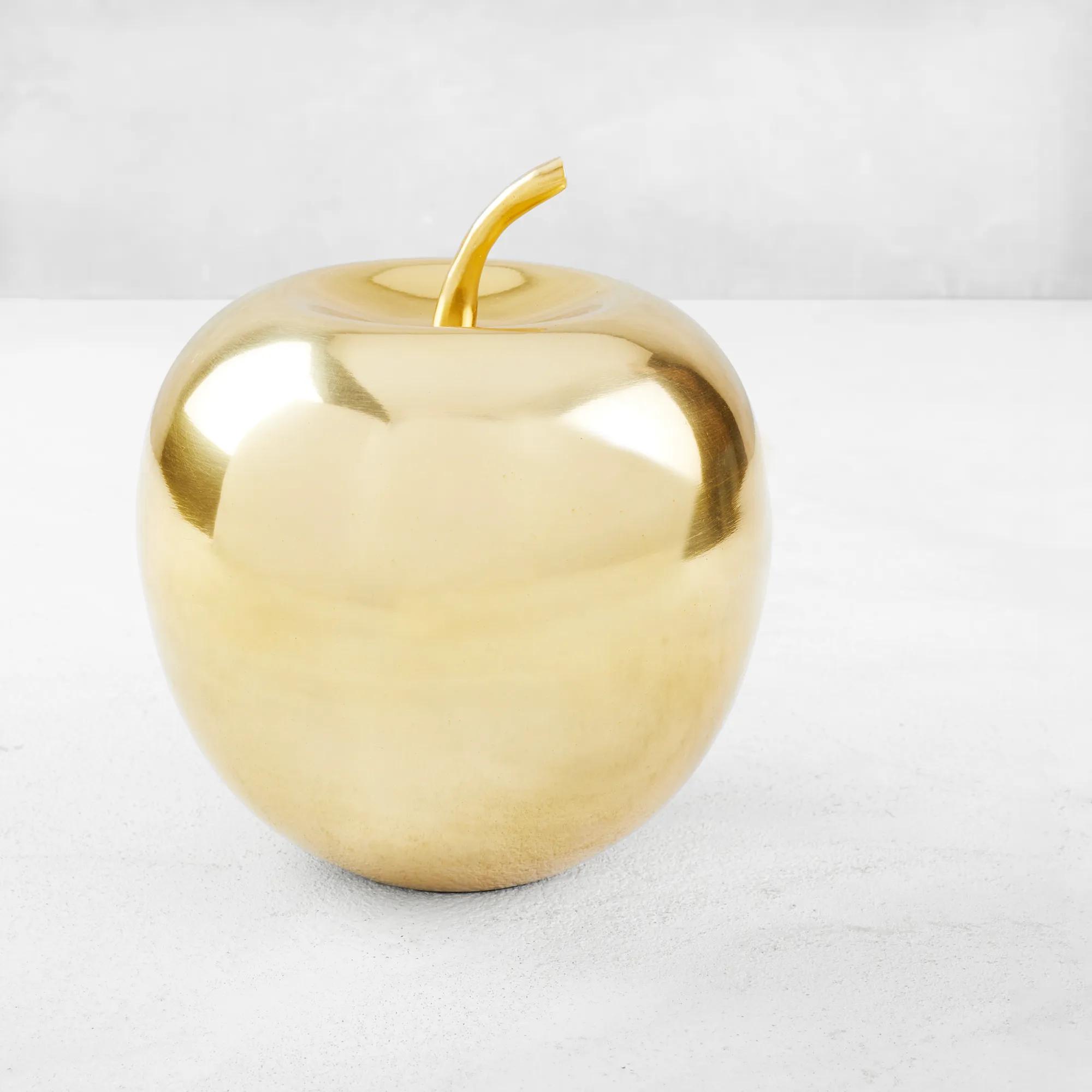
 Gold Oversized Apple Aluminum Decorative Object 7.5"$69
A glamorous gold aluminum apple that adds a sophisticated statement to any décor.
Add To Cart -
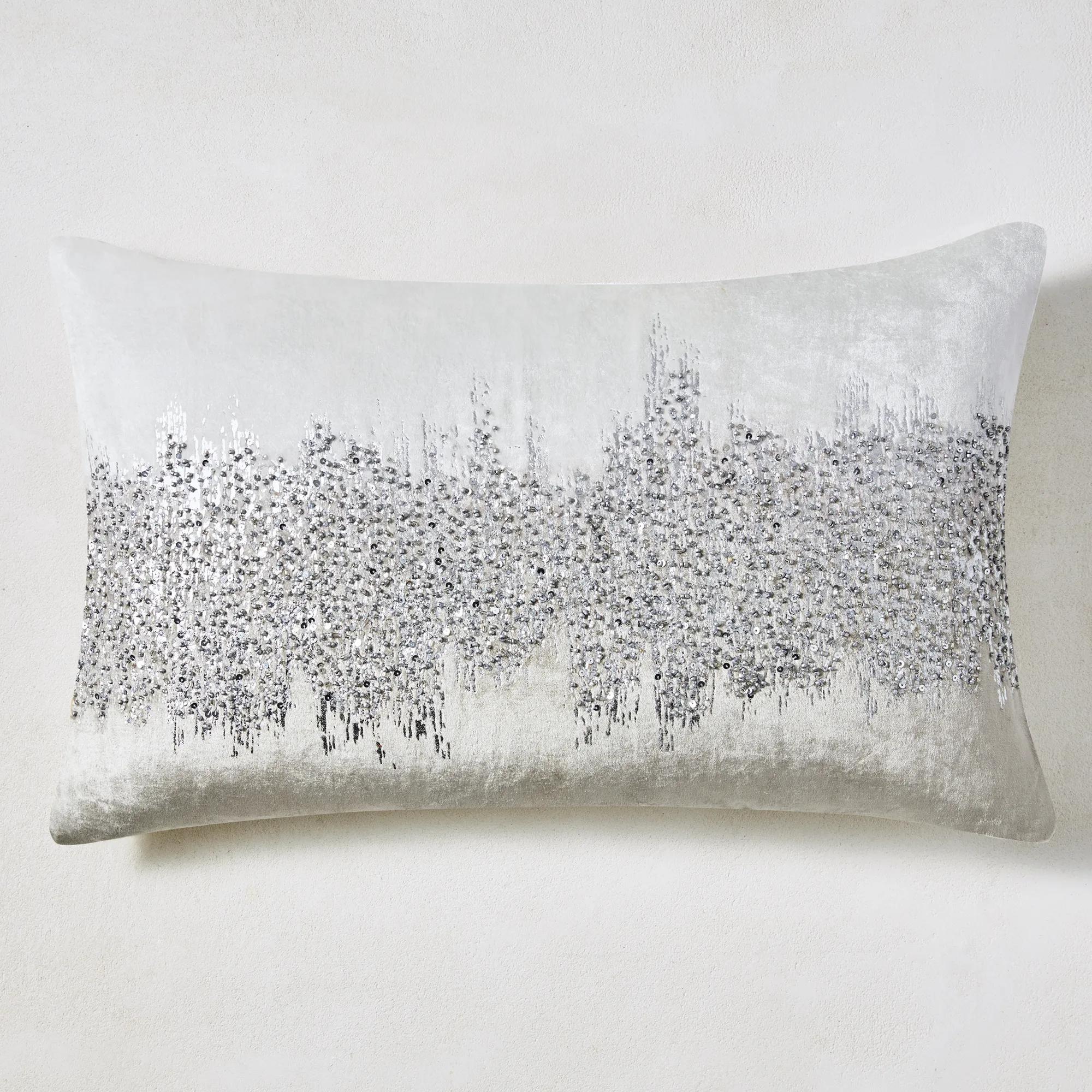 Joie De Vivre Lumbar Pillow 16" x 26" - Grey$99
A hand-dyed grey velvet lumbar pillow featuring metallic foil print and shimmering hand-beaded glass accents.
Add To Cart -
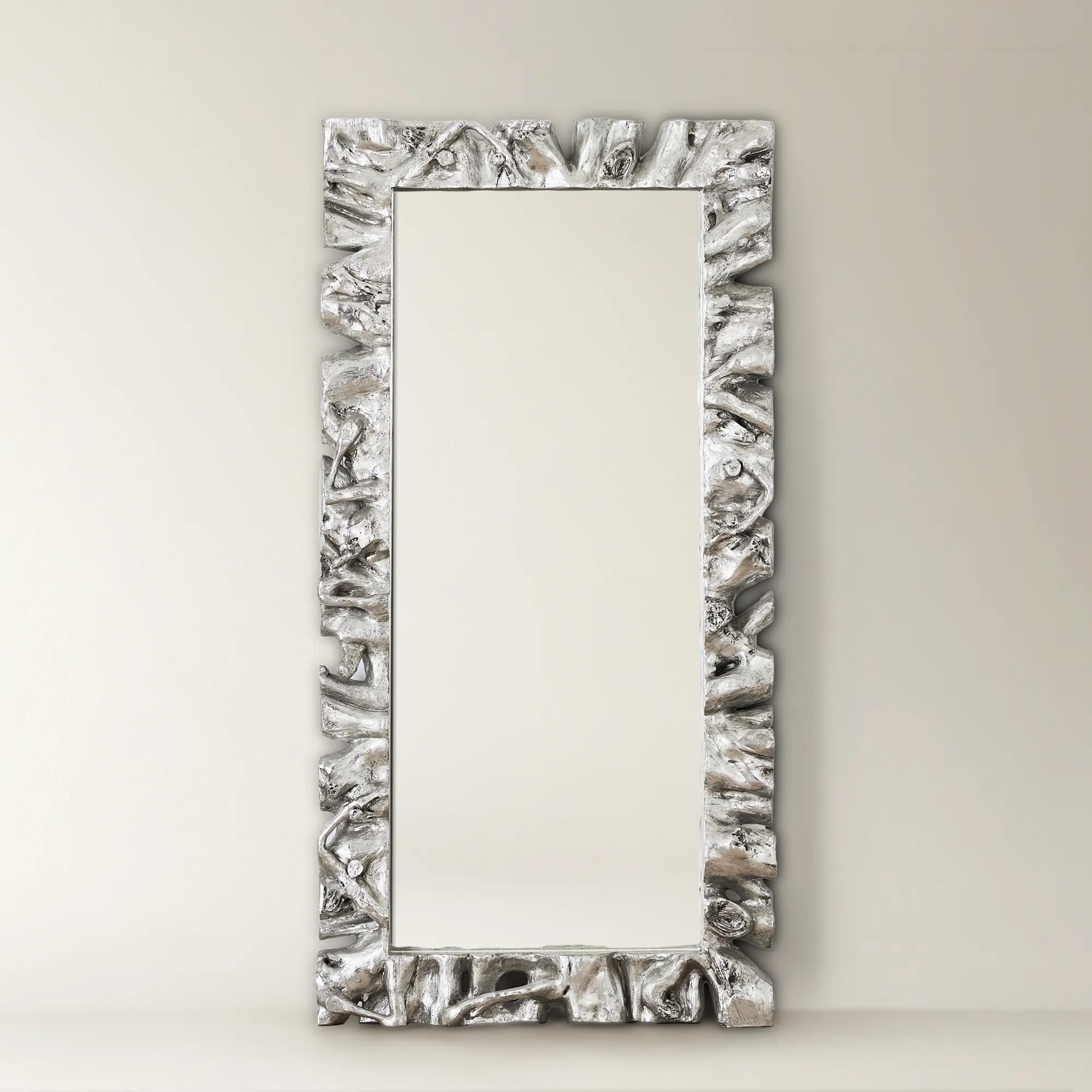 Sequoia Silver Resin Rectangular Floor Mirror 39'' x 78''$1399
A sculptural leaner mirror featuring acacia root-inspired fiber resin and a shimmering metallic leaf finish.
Add To Cart

Metallic Home Accent Pieces
Metallic home accent pieces are the secret to transforming everyday interiors into dazzling works of art. With their captivating gleam and sculptural allure, these accents infuse any room with a sense of opulence and drama. Whether you favor the warm glow of gold, the cool shimmer of silver, or the bold brilliance of chrome, each piece plays with light and reflection to create a rich, layered ambiance. Let your space radiate confidence and creativity—metallic home accent pieces invite you to paint your surroundings with bold strokes of glamour and sophistication.
Metallic home accent pieces bring reflective beauty, sculptural form, and a distinct sense of occasion to everyday interiors. Defined by their metal construction or metallic finish, these decorative accents span wall decor, tabletop sculptures, vessels, trays, candleholders, and textiles woven with luminous threads. Their appeal extends beyond shine: a hammered surface introduces rhythmic texture, a brushed finish offers a restrained gleam, and a highly polished surface reflects surrounding colors and light. Gold and brass tones lend richness to ivory upholstery, dark wood, and saturated jewel colors, while silver and chrome finishes create a crisp counterpoint to charcoal, glass, and lacquer. Bronze and antiqued finishes offer depth, with darker recesses that emphasize relief and contour. Each treatment creates a different mood, from the theatrical presence of an oversized abstract form to the intimate glow of a small accent beside a reading chair. Metallic home decor can feel architectural, expressive, or quietly luxurious depending on its silhouette and setting; it need not belong to a single decorating style. On an entry console, a sculptural arrangement gives the arrival space a deliberate focal point. Across a living room, glints of metal can connect a bookshelf, side table, and mantel without making every surface look identical. A dining room gains dimension when reflective accents sit against a matte wall or textured runner, allowing their outlines to remain as compelling as their finish. For an equally expressive emphasis on shape and material, Metal Decorative Pieces offer a complementary direction. The strongest arrangements leave room for the eye to appreciate individual forms: a generous curve, a slender vertical line, or an unexpected opening through an abstract silhouette. Rather than filling every gap, metallic accents give selected areas of the home more presence. They suit interiors built around dramatic contrast as readily as softer rooms that need one decisive note of brilliance. Even a largely neutral palette can acquire a richer identity through the interplay of gleaming surfaces, tactile fabrics, and thoughtfully chosen proportions.
Material and finish both influence how metallic accent decor looks, feels, and performs. Solid brass, aluminum, stainless steel, and iron have different characteristics, while metallic-finished glass, ceramic, resin, and other substrates can offer a similar visual effect with different weights and care requirements. A gold-colored surface does not necessarily indicate brass, just as a silver finish does not necessarily mean stainless steel; construction details are more informative than color alone. Aluminum is generally relatively lightweight, which can be useful for larger decorative forms, while iron often brings more substantial weight and a grounded presence. Unlacquered brass may develop a patina over time, whereas lacquered or plated surfaces require care that preserves their protective or decorative layer. Hammering, embossing, perforation, and openwork add another dimension, breaking up reflections and creating shadows that shift with the viewing angle. These distinctions matter when choosing accents for particular spaces. A narrow console calls for a footprint that leaves room for everyday movement, and a shelf arrangement benefits from enough clearance above and around the tallest form. On a dining table, low accents preserve conversation and sightlines; on a mantel, a taller silhouette can create an elegant relationship with the artwork above. Scale should relate to the surrounding furniture rather than the room alone. A small object may disappear on an expansive cabinet, while a broad decorative bowl can give that same surface a confident center of gravity. Metallic wall accents also deserve attention to depth, weight, and mounting requirements, particularly near passageways where projecting forms could intrude. Functional intentions should be considered separately from decorative appeal. A vessel should hold fresh flowers only if it is designed to contain water, and a decorative tray or bowl should not be assumed food-safe without explicit labeling. Candleholders must be suitable for the intended candle type and positioned according to their safety instructions. For households with children or pets, stable bases, secure placement, and distance from busy edges are especially valuable. Beauty feels more assured when the object belongs comfortably in the space and supports the way that space is used.
The most compelling metallic interiors balance reflection with texture. A polished accent against velvet gains definition from the fabric’s soft pile, while brushed metal alongside natural wood brings its grain into sharper focus. Stone, woven textiles, and matte ceramics provide visual pauses that let luminous finishes stand out without overwhelming the room. Mixed metals can be equally harmonious when one finish establishes the dominant note and another appears in smaller, intentional touches. Warm brass and cool silver, for example, can share a setting when their shapes or surface treatments create a connection. Exact matching is less important than a considered relationship among color, texture, and proportion. Lighting also shapes the result: a reflective object near a lamp may create a concentrated gleam, while a textured finish in indirect daylight reveals subtler highlights. Placement away from harsh glare helps preserve the detail that makes these accents distinctive. Ongoing care should follow the material and finish rather than a universal metal-cleaning routine. A soft, dry cloth is often appropriate for routine dusting, but abrasive pads, strong cleaners, and metal polish can damage plating, lacquer, or decorative coatings. Any damp cleaning should follow the manufacturer’s instructions, with thorough drying where permitted; prolonged moisture can affect vulnerable finishes or encourage corrosion on some metals. Metallic textiles may have separate washing or spot-cleaning requirements to protect decorative threads. Felt pads beneath suitable tabletop accents can help protect furniture, and lifting pieces rather than sliding them reduces the risk of scratches. Indoor decorative pieces should not be treated as outdoor accessories unless expressly rated for that use. With thoughtful selection and care, metallic accents offer enduring decorative versatility, moving from console to bookshelf as a room’s composition evolves. They also make expressive housewarming or wedding gifts for recipients who appreciate artful interiors, particularly when their preferred finish and available display space are considered. Whether chosen for a personal retreat or a gathering space, their lasting appeal lies in the tension between substance and light: tangible forms that give a room a more luminous, individual character.
FAQs
Metallic accent pieces infuse a space with a sense of drama and sophistication, reflecting light to create a dynamic, luminous environment. Whether you opt for gold, silver, or bronze, these accents add depth, contrast, and a touch of glamour to any room, transforming everyday living into an artful experience.
Layer metallic accents throughout your home for a curated, gallery-inspired look. Try grouping vases of varying metallic finishes on a coffee table, placing a gilded tray atop a plush ottoman, or using a sculptural metal object as a focal point on a bookshelf. Mixing metals and pairing them with rich textures like velvet or marble creates visual intrigue and a sense of collected artistry.
Absolutely. Metallic home accent pieces are remarkably versatile, complementing styles from modern and contemporary to eclectic and classic. The key is to select finishes and forms that harmonize with your existing decor—sleek chrome for a modern edge, warm brass for vintage appeal, or mixed metals for a bold, expressive statement.
Metallic accents are truly timeless and can be showcased throughout every season. In winter, they bring warmth and sparkle to cozy gatherings, while in summer, their reflective qualities capture and amplify natural light. Their adaptability makes them an enduring choice for year-round artistry in your home.
The interplay between metallic accents and a matte cover finish creates a captivating contrast—shimmering highlights against soft, understated backgrounds. This juxtaposition not only enhances the visual impact of each piece but also adds layers of texture and sophistication, making your decor feel both modern and thoughtfully designed.