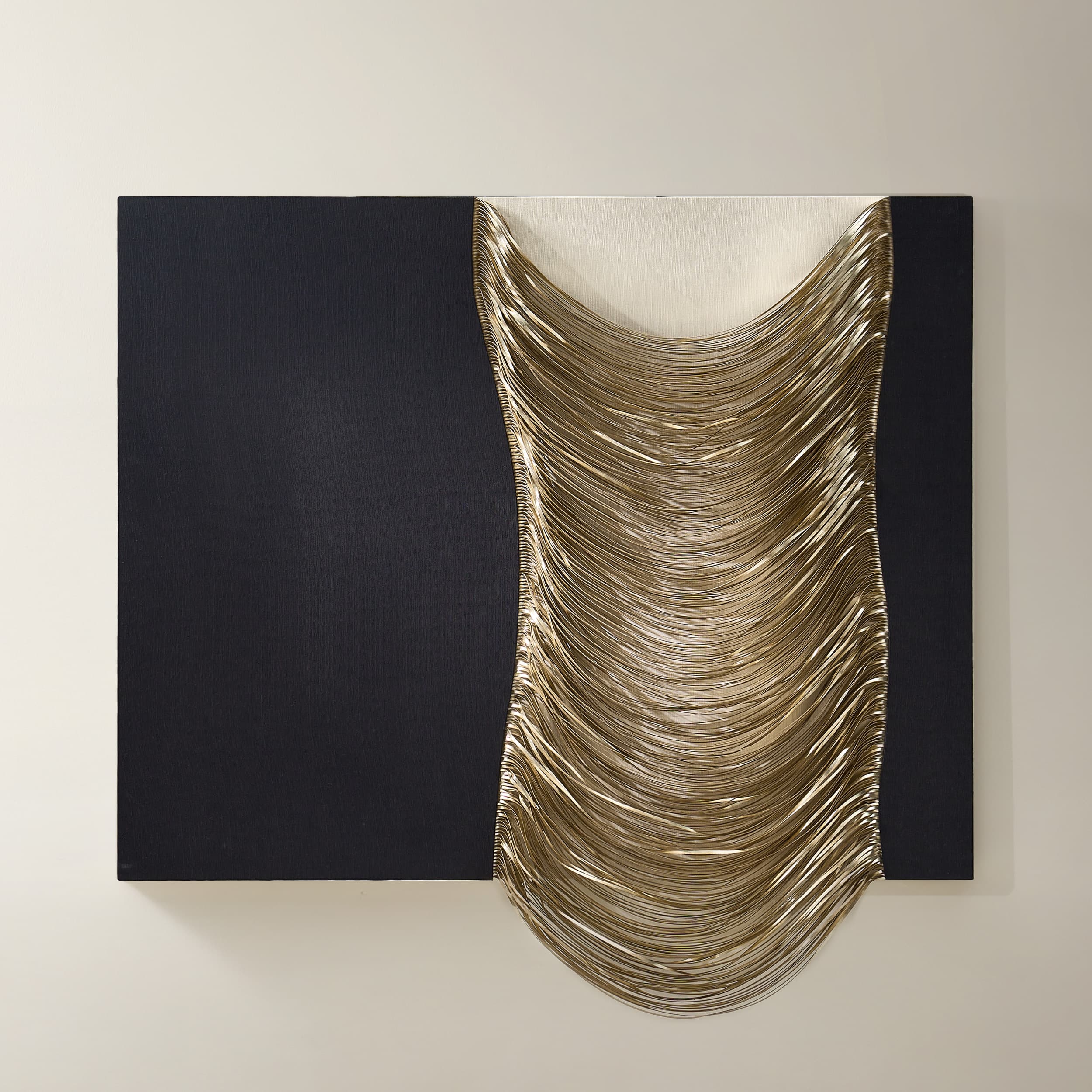
Decorative Metal Wall Panels
Decorative Metal Wall Panels
-

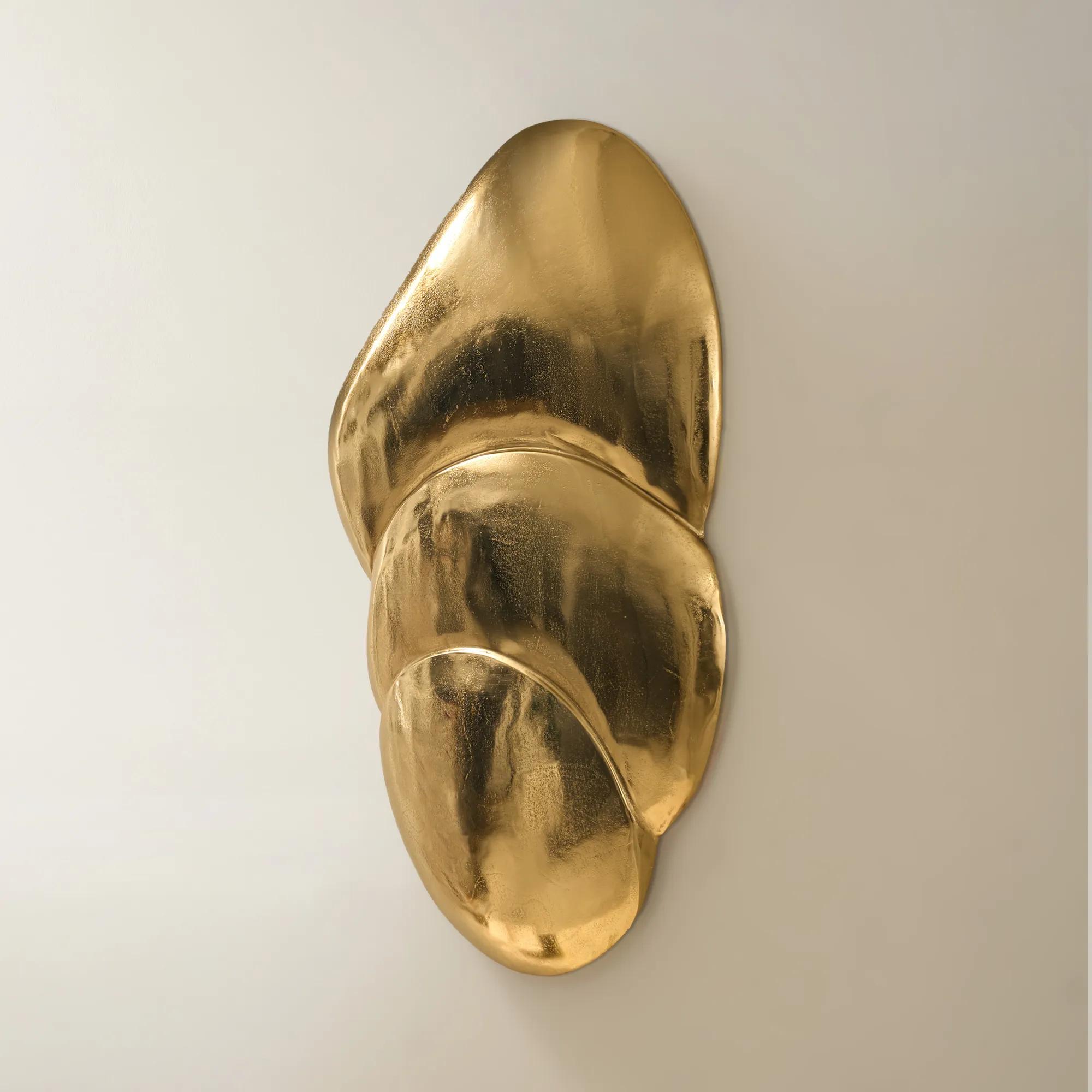 Echo Gold Handcrafted Aluminum Wall Decor 19" x 30"$169
A handcrafted gold aluminum wall sculpture with crisp definition and a polished, gallery-ready framed presentation.
Add To Cart -
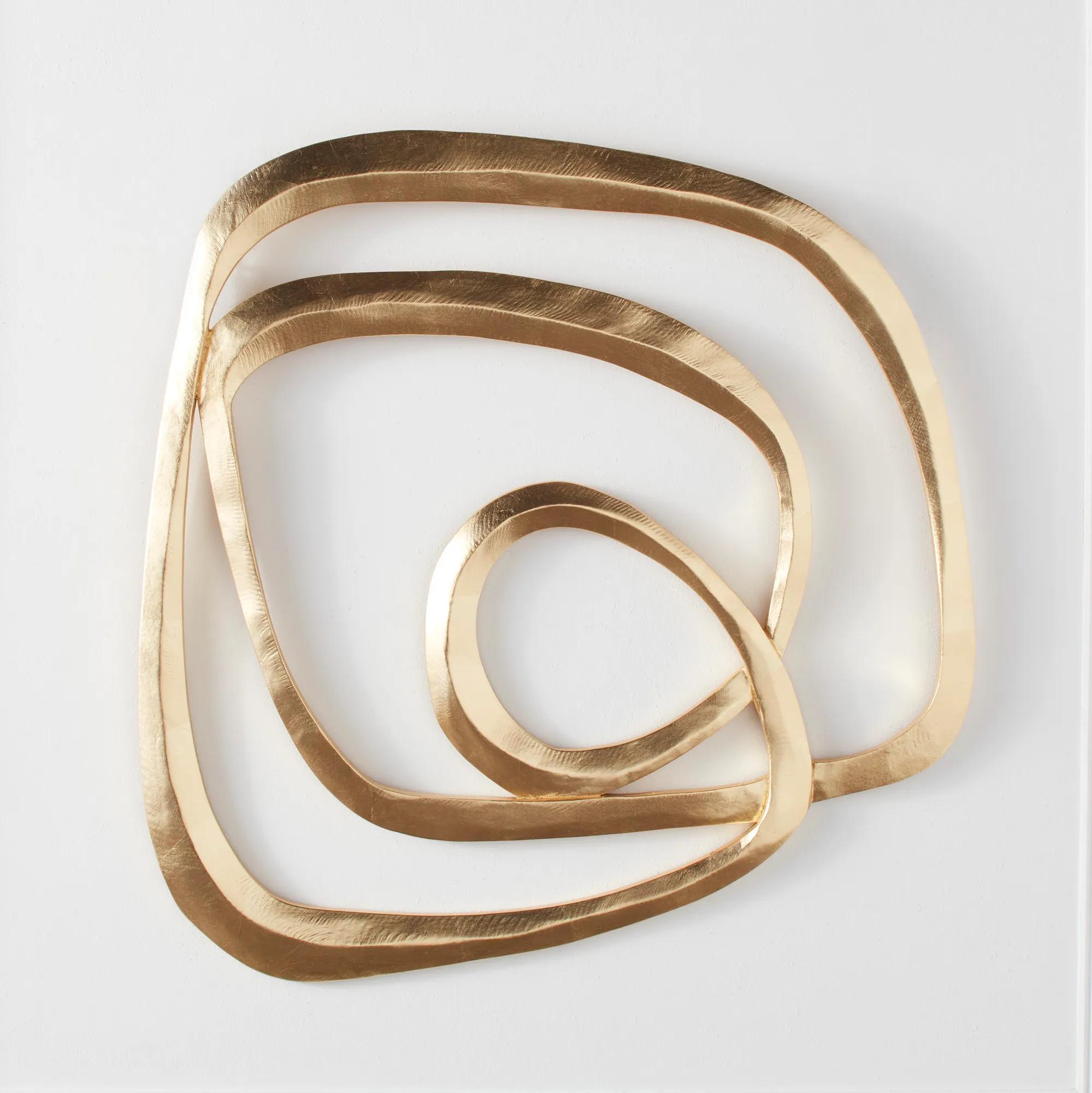
 Etched in Gold$229
A hand-carved gold copper artwork set in a sleek black alloy frame for modern contrast.
Add To Cart -
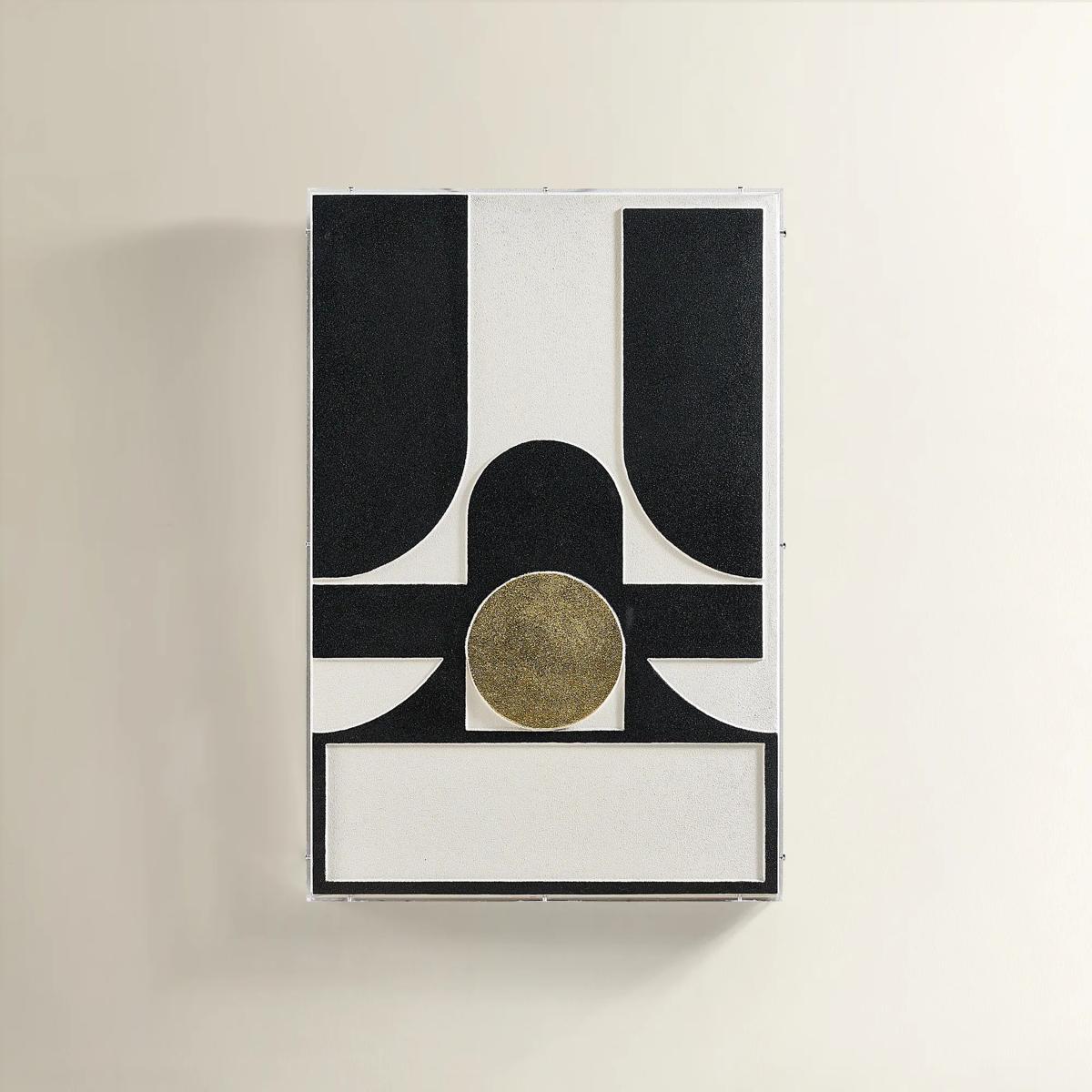
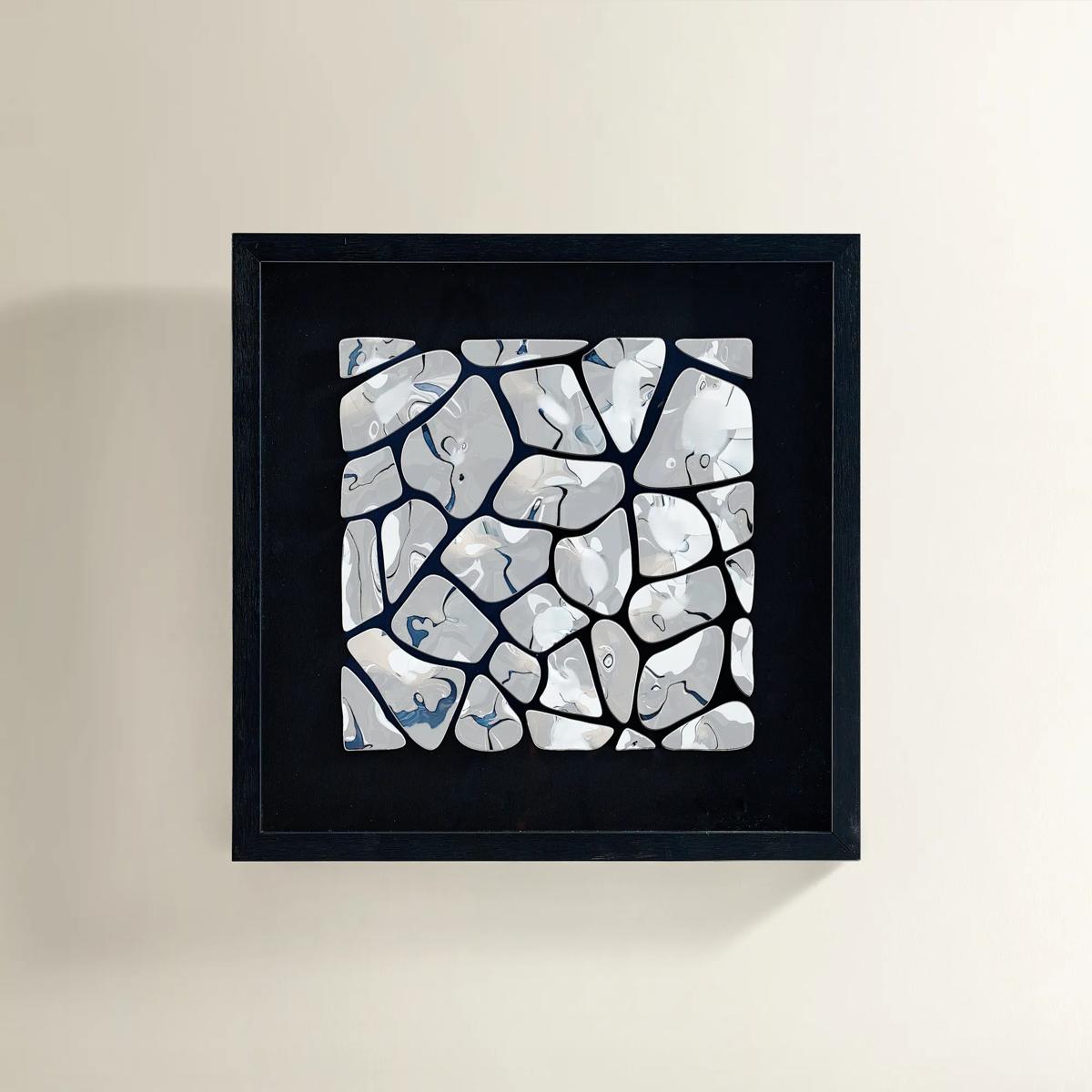 Reflect Silver And Black Shadowbox Art I$189
A dimensional metal wall art piece featuring polished silver and black forms in a sleek black frame.
Add To Cart -

 Checkered Wings Wall Art$199
A striking checkered wing-inspired wall art piece adding graphic drama to modern interiors.
Add To Cart -
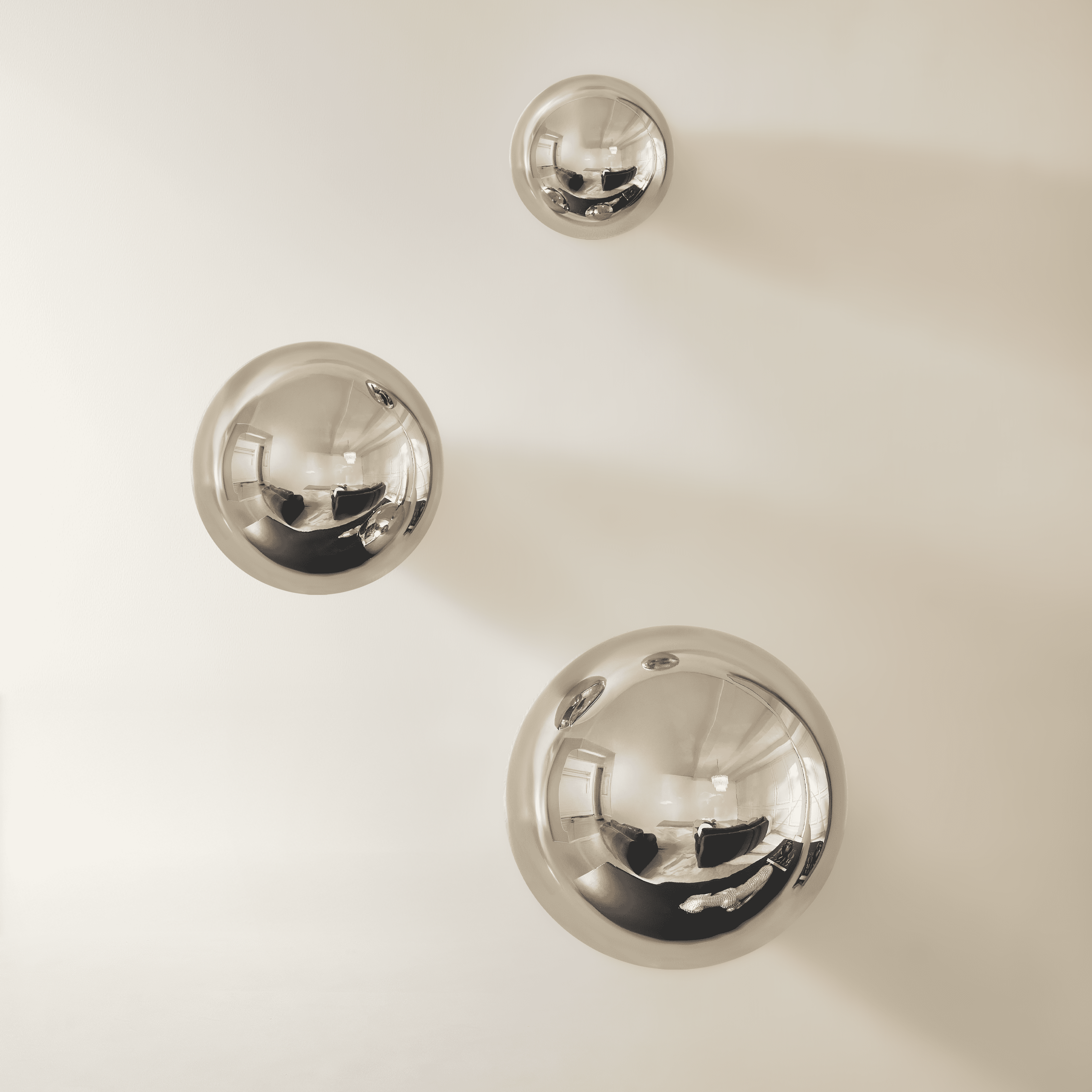
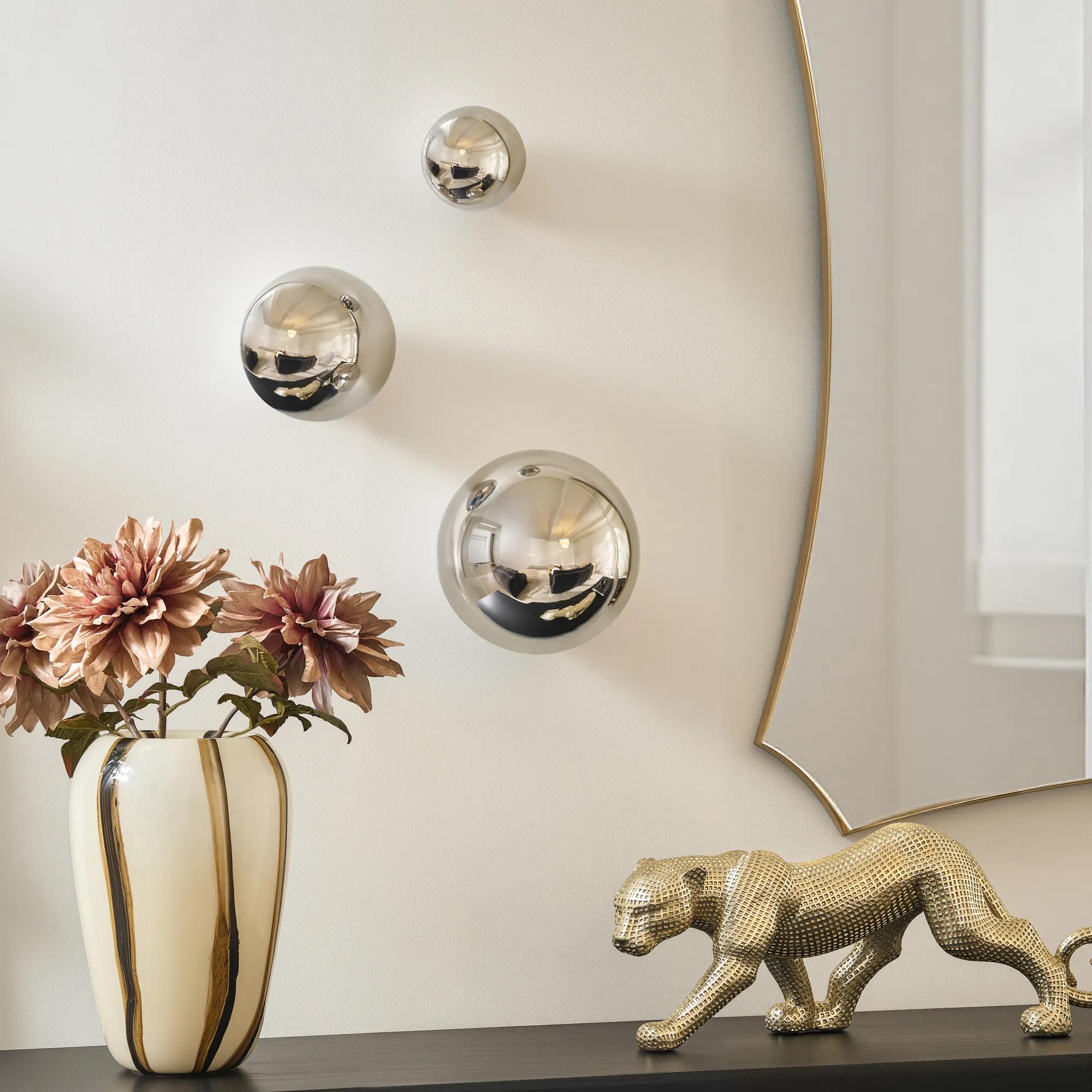 Chrome Spheres Stainless Steel Wall Decor Set of 3$129
A set of three polished chrome stainless steel spheres adds modern sculptural shine to any wall display.
Add To Cart -
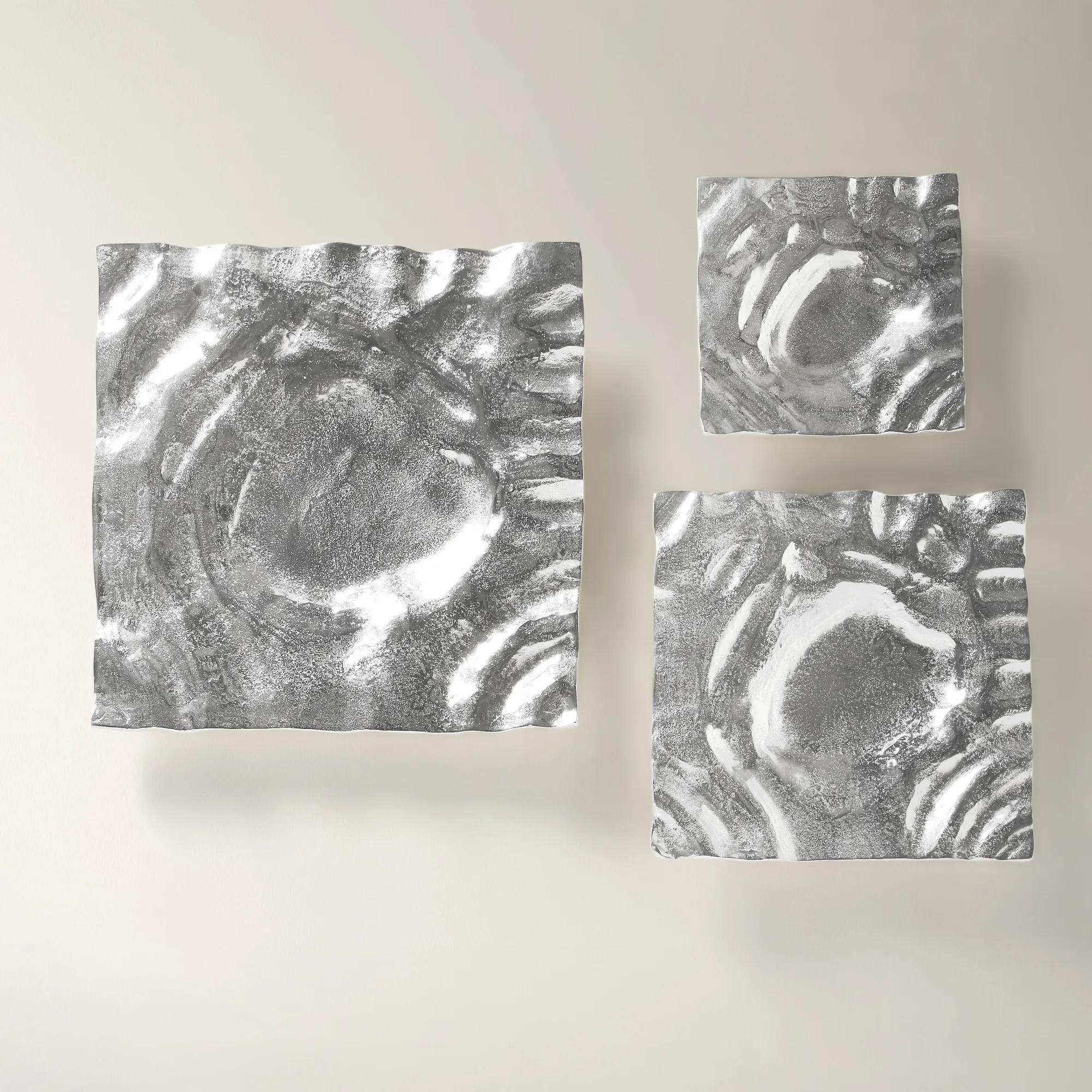
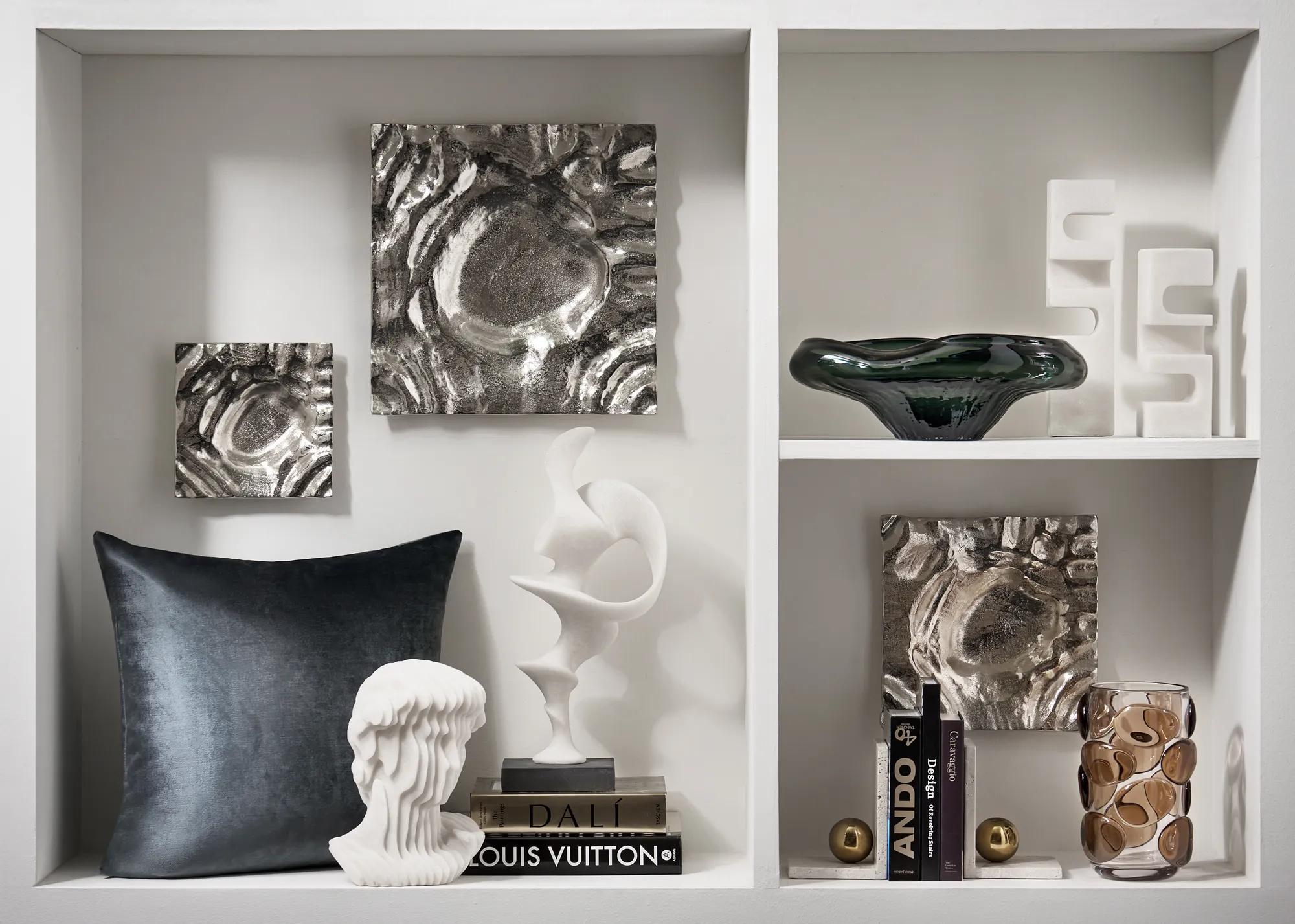 Cascade Wall Art - Set of 3$119
A set of three silver aluminum wall art pieces featuring textured surfaces that reflect and play with light.
Add To Cart -

 Baubles Turtledove Stainless Steel Wall Decor 39"$299
A sculptural stainless steel wall décor piece featuring an elegant turtledove finish.
Add To Cart -
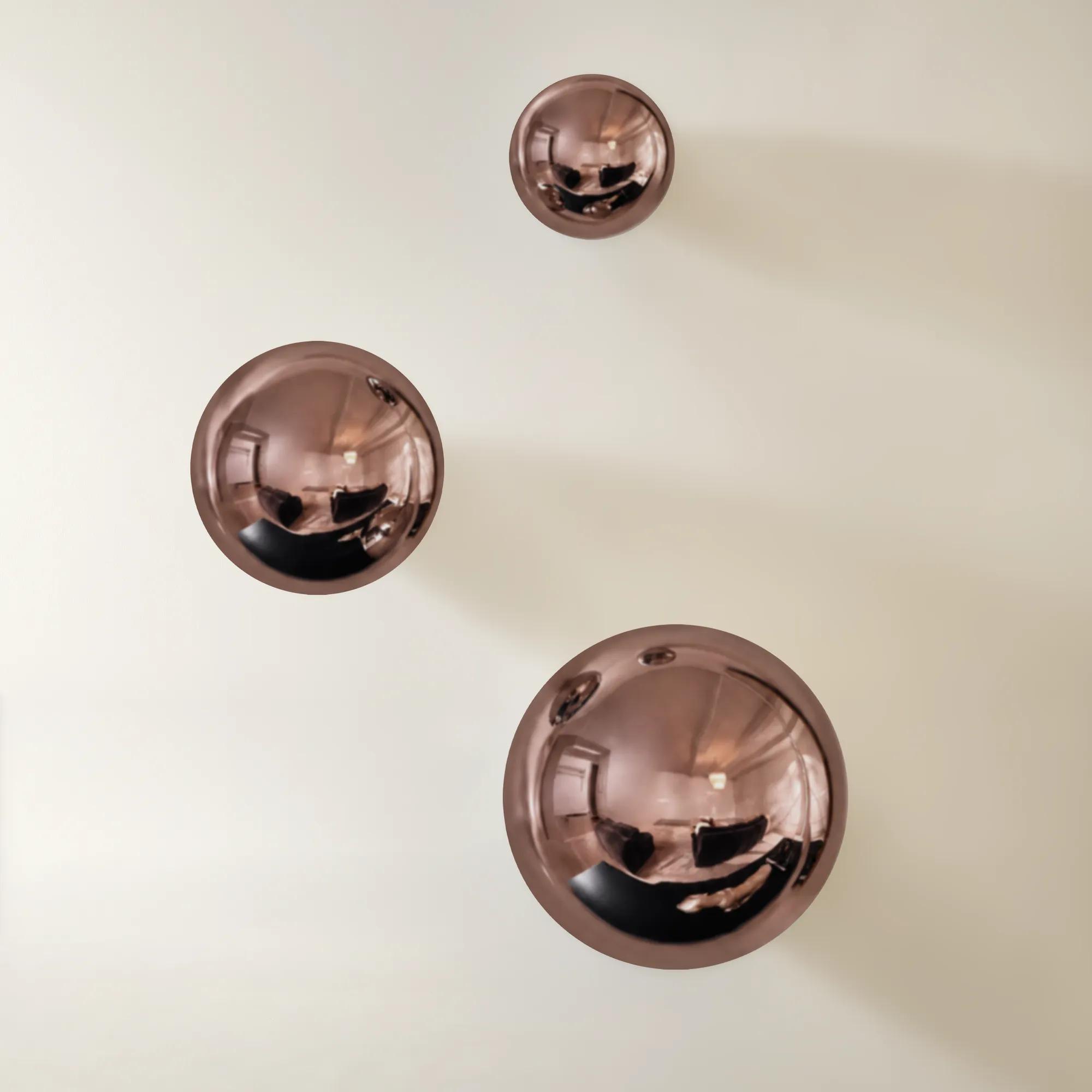
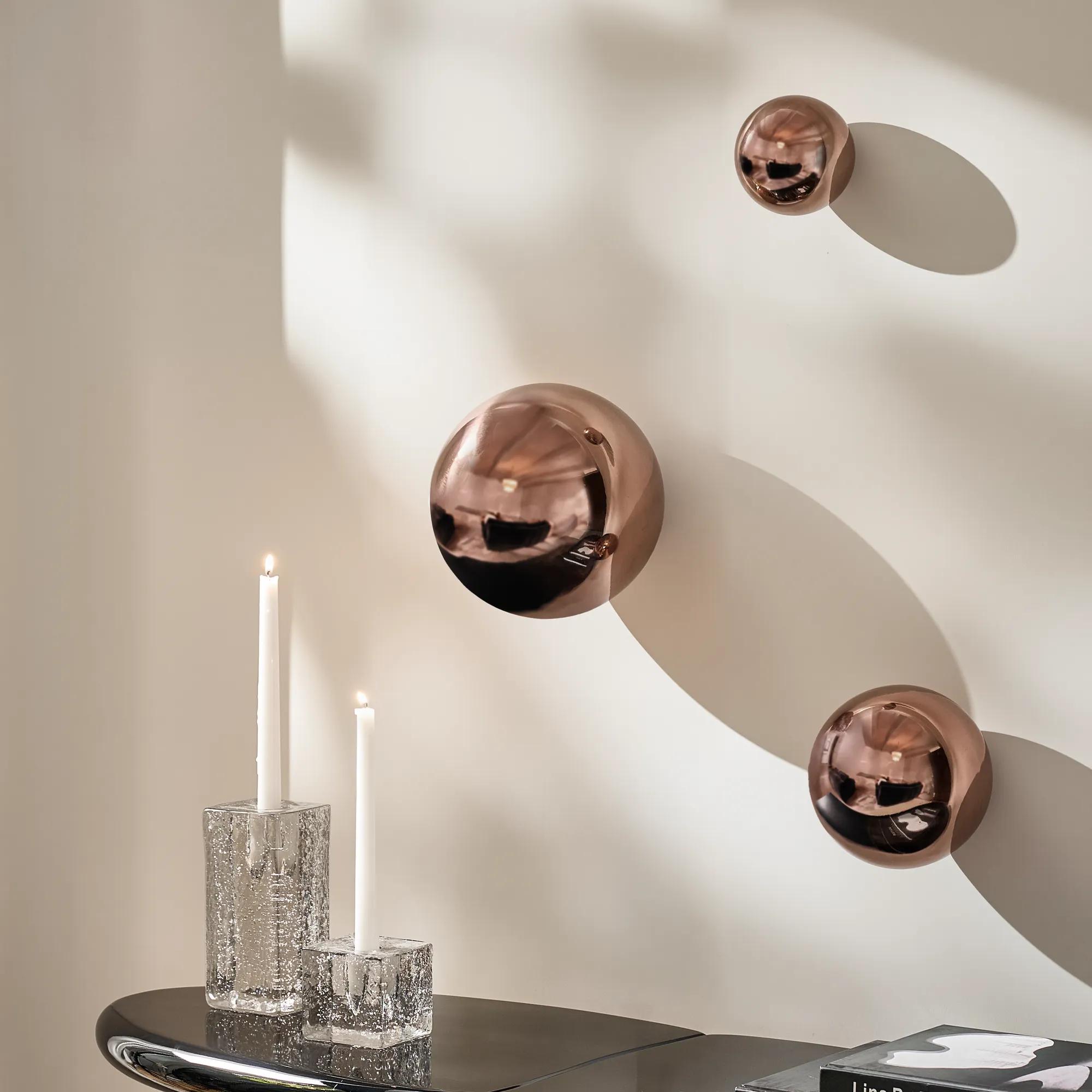 Bronze Spheres Stainless Steel Wall Decor Set of 3$129
A set of three polished bronze stainless steel spheres adds modern, sculptural shine to any wall.
Add To Cart -
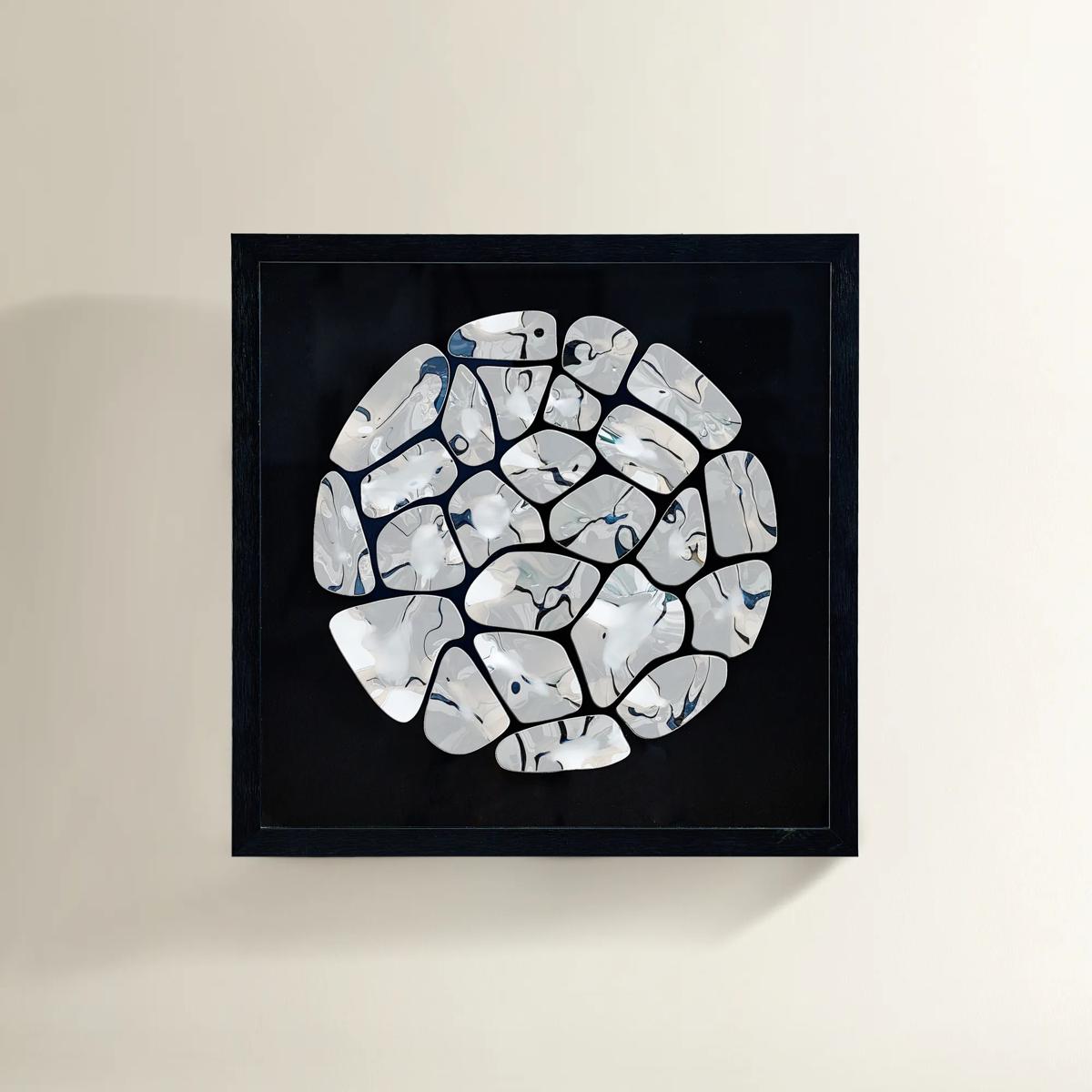
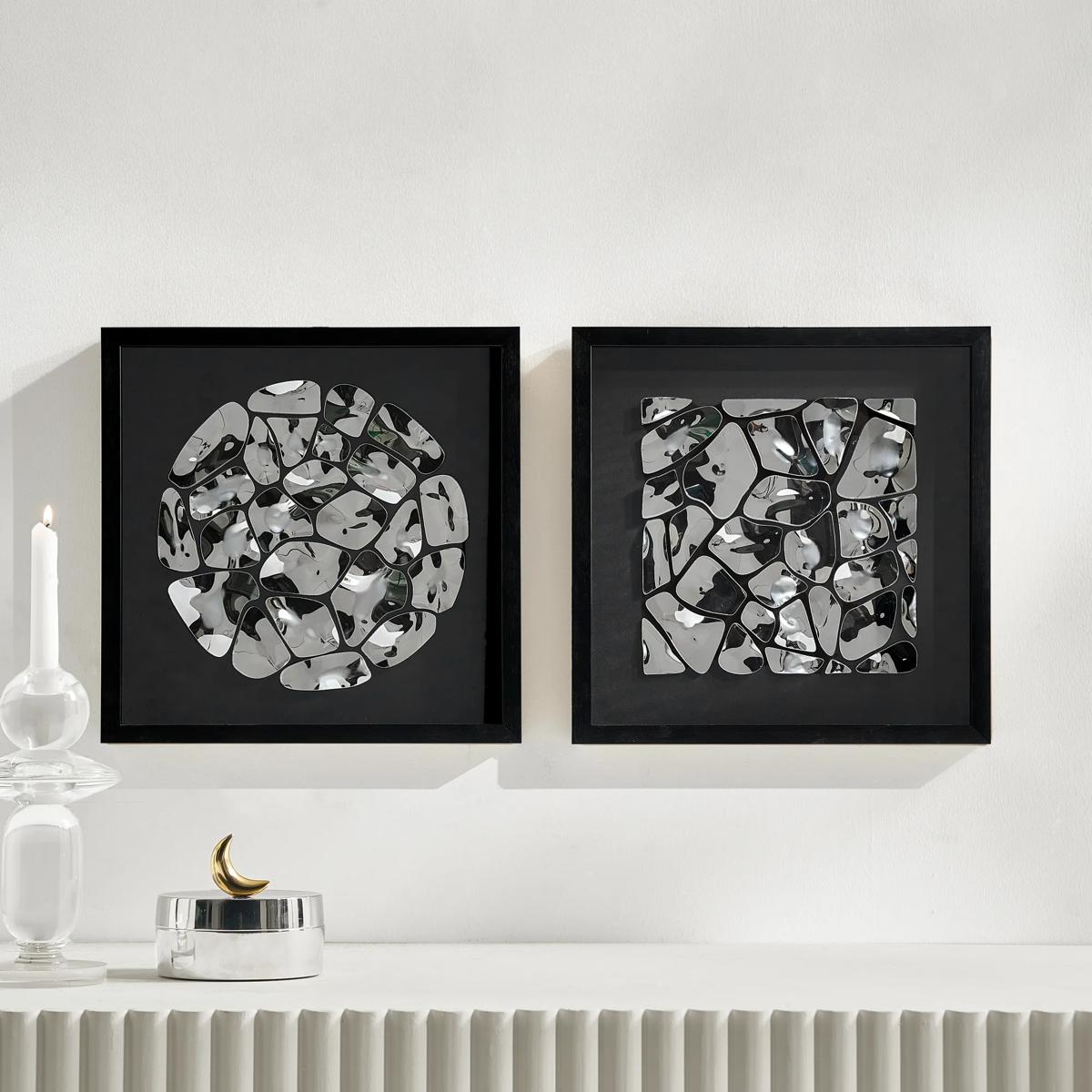 Reflect Silver And Black Shadowbox Art II$189
A dimensional metal wall art piece featuring polished silver and black forms in a sleek black frame.
Add To Cart -
 Etched in Silver$229
An abstract hand-carved aluminum wall art featuring shimmering silver tones in a modern black alloy frame.
Add To Cart

Decorative Metal Wall Panels
Explore decorative metal wall panels to bring dimension and an artful focal point to a living room, dining area, or entryway. When choosing metal wall decor, consider each panel’s scale, composition, and relationship to nearby furnishings. Allowing space around the piece gives its design room to command attention without competing with surrounding artwork.
Decorative metal wall panels are ornamental wall pieces that add texture, dimension, and artistic presence to an interior. Unlike a flat print, a metal composition interacts with light: raised edges cast delicate shadows, openwork patterns reveal the wall beneath, and reflective surfaces introduce flashes of brilliance as the viewing angle changes. The effect can be architectural or expressive, from a disciplined arrangement of geometric forms to an abstract composition that feels suspended in motion. Materials such as iron, steel, and aluminum each offer different possibilities for weight, construction, and surface treatment. Finish matters just as much as the underlying metal. A brushed surface creates a softer sheen, a polished finish amplifies reflected light, and a deliberately distressed treatment introduces depth and a sense of history. Gold-tone and brass-tone finishes lend warmth without necessarily indicating solid gold or brass construction; silver-tone surfaces offer a cooler, luminous counterpoint. Blackened metal can outline a striking silhouette against a pale wall, while a richly textured finish brings definition to a tonal room. These qualities allow decorative metal panels to complement modern, industrial, rustic, and glamorous interiors without making every space feel alike. Above a velvet sofa, sculptural metal wall art creates a compelling exchange between soft upholstery and crisp contours. Along an entry wall, a pierced panel can establish an artistic point of view while leaving the paint color visible through its design. In a dining room, a broad composition brings a sense of occasion to the space without occupying the tabletop. The most expressive arrangements connect material, shape, and finish to the atmosphere of the room, whether that means restrained geometry beside tailored furniture or sweeping metallic forms that echo the curves of a dramatic chandelier. Most decorative wall art serves a visual purpose rather than functioning as structural cladding, soundproofing, or a protective wall covering, distinctions worth confirming in the individual construction details.
Scale gives decorative metal wall panels their authority. A substantial piece can anchor a generous stretch of wall, while several smaller panels create rhythm across a longer surface. Above a sofa, bed, or console, the composition usually feels more connected when its overall width relates to the furniture beneath it rather than extending awkwardly beyond either side. Leaving visible wall around the arrangement allows intricate shapes and negative space to register clearly. In a narrow entry, a vertical design draws attention upward; over a low sideboard, a horizontal arrangement can emphasize the room’s breadth. Multiple panels offer room for personal expression, but their spacing becomes part of the artwork. Even intervals support a composed, architectural effect, while a deliberate asymmetrical arrangement introduces movement. Painter’s tape or paper templates can help establish the full footprint before any mounting holes are made, particularly when several pieces need to read as one composition. Depth deserves the same attention as height and width. A dimensional panel that looks exquisite above a console may project too far into a tight passage, and exposed edges should remain clear of frequent contact. Weight also varies with material, thickness, backing, and construction, so a large aluminum piece should not automatically be assumed lighter than every smaller steel design. Secure installation depends on the actual panel weight, its mounting points, the wall material, and appropriately rated hardware. Manufacturer instructions take precedence, and heavier or complex arrangements may call for professional installation. For renters, confirming wall-attachment rules before choosing a substantial composition helps avoid an unsuitable fit. Lighting further shapes the finished impression: a nearby sconce or carefully directed picture light can reveal layered surfaces, while a highly reflective finish opposite an intense light source may produce distracting glare. Viewed from the doorway and from a favorite seat, the panel should feel intentional from both perspectives, with surrounding furniture and lighting giving its silhouette room to command attention.
The lasting appeal of metal wall decor depends on both the finish and the setting. Metal is often valued for its ability to hold crisp shapes and sculptural detail, but durability is not identical across every material or surface treatment. Thin sections can bend, polished surfaces can scratch, and some metals or finishes may corrode when exposed to moisture. Decorative panels intended for indoor display should not be treated as outdoor art unless the manufacturer specifically rates them for that use. Bathrooms, covered patios, and locations close to steam or splashing water require particular attention to those specifications. In ordinary living spaces, gentle maintenance helps preserve the intended character. A soft, dry microfiber cloth or soft brush can lift dust from raised details and openwork without aggressively rubbing the surface. Any deeper cleaning should follow the care instructions for the particular finish; abrasive pads, harsh chemicals, and metal polishes can damage coatings or remove an intentional patina. Spraying cleaner directly onto the artwork can also leave moisture in seams and recesses. When repositioning a panel, supporting its frame or designated structural points rather than delicate decorative elements helps protect the composition. With those practical details considered, the aesthetic possibilities remain expansive. A homeowner building an art collection might choose metal for its contrast with canvas, ceramics, and woven textiles, while a designer may use repeated forms to connect adjoining rooms. For a broader exploration of sculptural silhouettes and metallic finishes, Decorative Metal Wall Accents offers a related direction for creating a layered wall composition. Metal artwork can also make a thoughtful housewarming or wedding gift when the recipient’s taste, wall dimensions, and mounting preferences are known. Its strongest expression comes from thoughtful contrast: a gleaming surface against matte paint, an organic outline beside precise cabinetry, or an airy openwork design above sumptuous upholstery. Rather than competing with every detail in the room, a well-proportioned panel establishes a focal point that gives surrounding textures and objects greater presence.
FAQs
Decorative metal wall panels bring sculptural depth and an artful interplay of light and shadow to your walls. Use them to introduce a striking focal point, echo metallic accents throughout the room, or give a restrained interior a more expressive point of view.
An entryway offers a dramatic first impression, while a dining room provides an elegant backdrop for sculptural wall decor. In a living room, style metal wall panels above a console or alongside a seating area to create a distinct visual moment. Let the surrounding furnishings support the composition rather than compete with it.
Begin with the mood you want to create. Warm metallic tones lend richness, cool metallic tones feel crisp and luminous, and darker finishes introduce graphic contrast. For a layered look, echo a finish already present in your lighting or decorative accents without making every detail match.
Balance the defined lines of metal wall decor with sumptuous upholstery, flowing drapery, or richly textured accents. Sculptural vases and expressive artwork can extend the artistic mood. Choose a few shared colors or shapes to give the room a cohesive rhythm while allowing each element its own presence.
A symmetrical arrangement creates a composed, gallery-inspired statement, while an asymmetrical grouping feels more expressive. Repeating a motif brings visual rhythm; varying the orientation, where the design allows, introduces movement. Establish one clear focal point so the arrangement reads as an intentional composition.