Decorative Wall Art Panels
Decorative Wall Art Panels
-
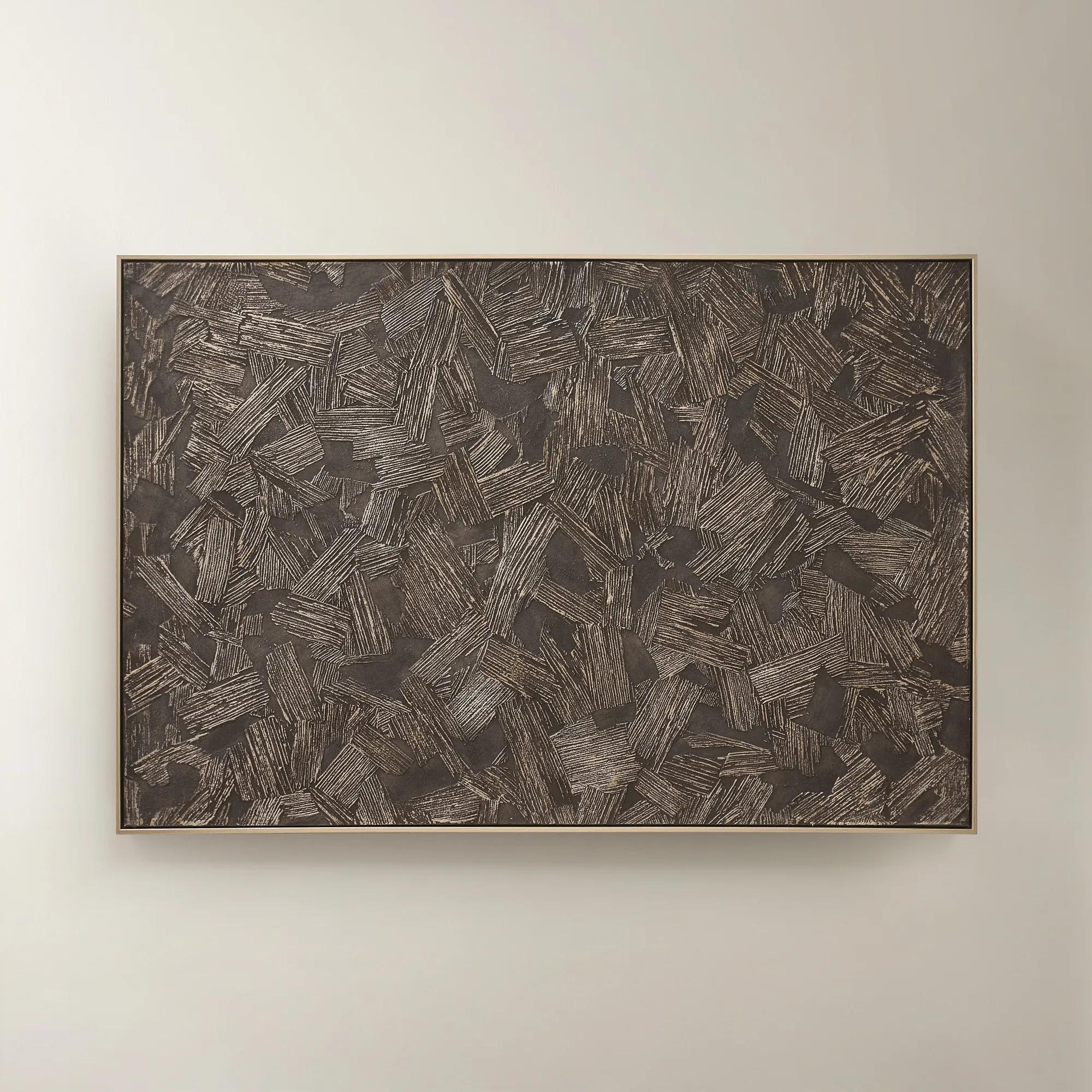
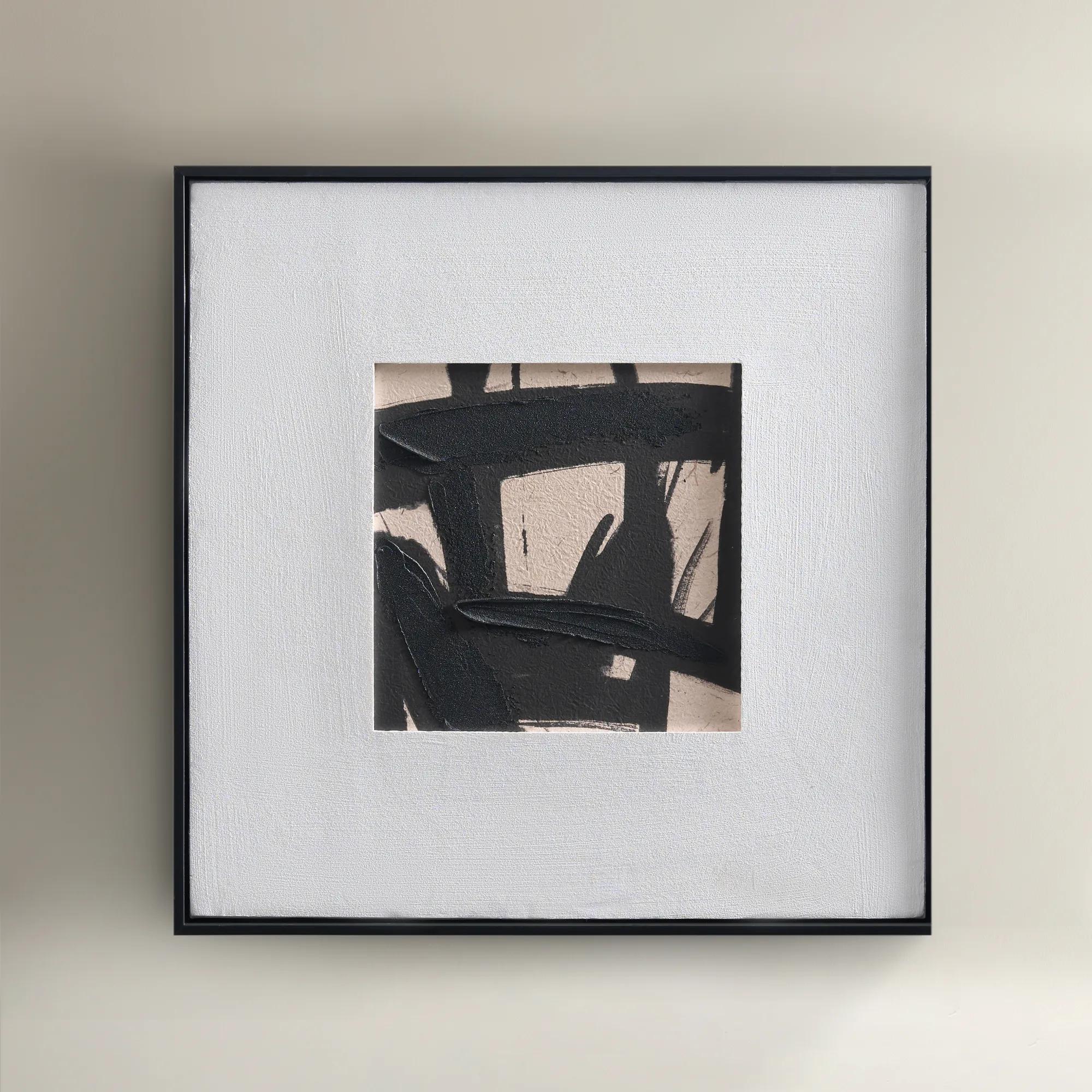
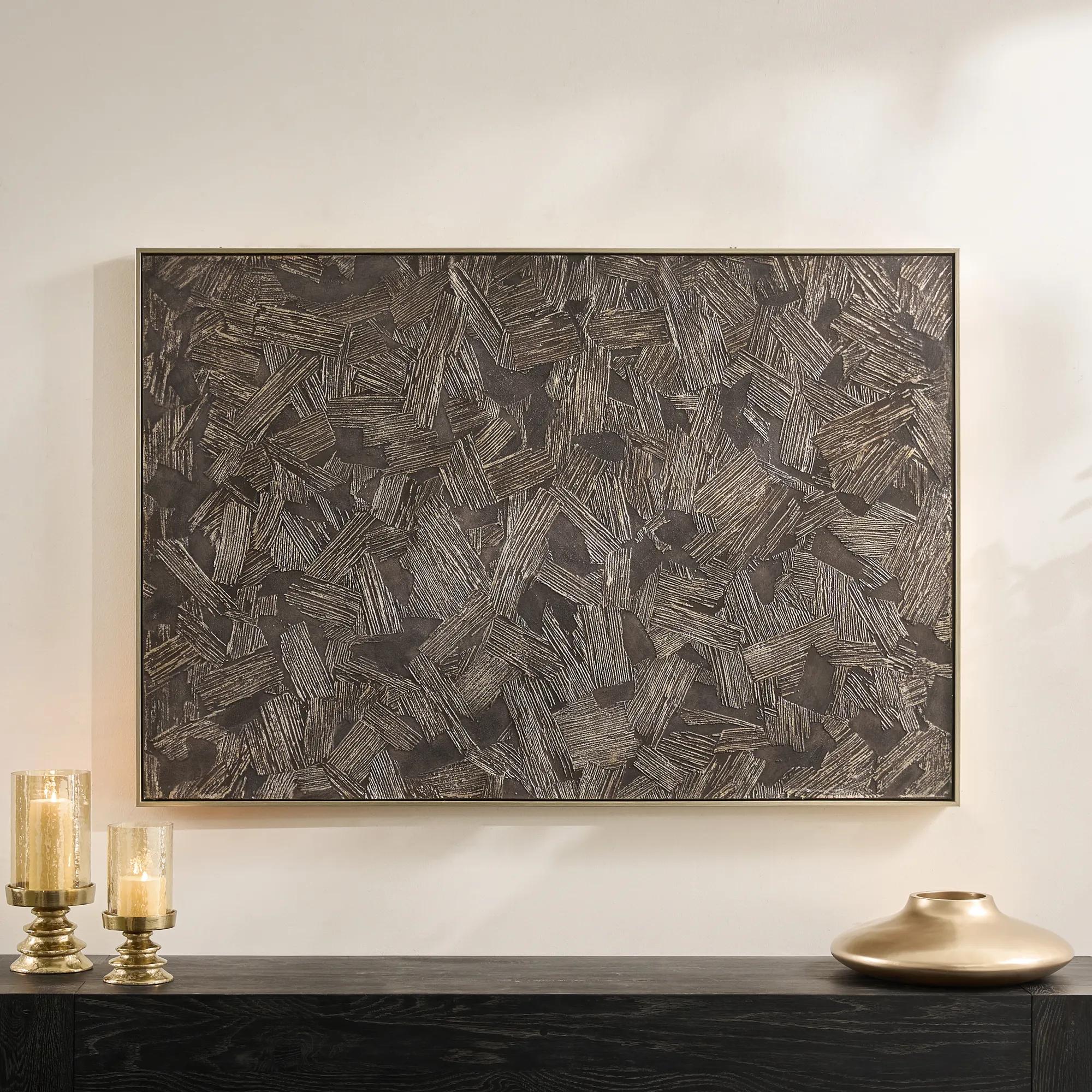 Etched in Darkness Dark Chocolate Wall Panel 53.5" x 36"$329
A hand-painted wrapped canvas features moody dark chocolate hues with champagne accents and a layered, textural finish.
Add To Cart -
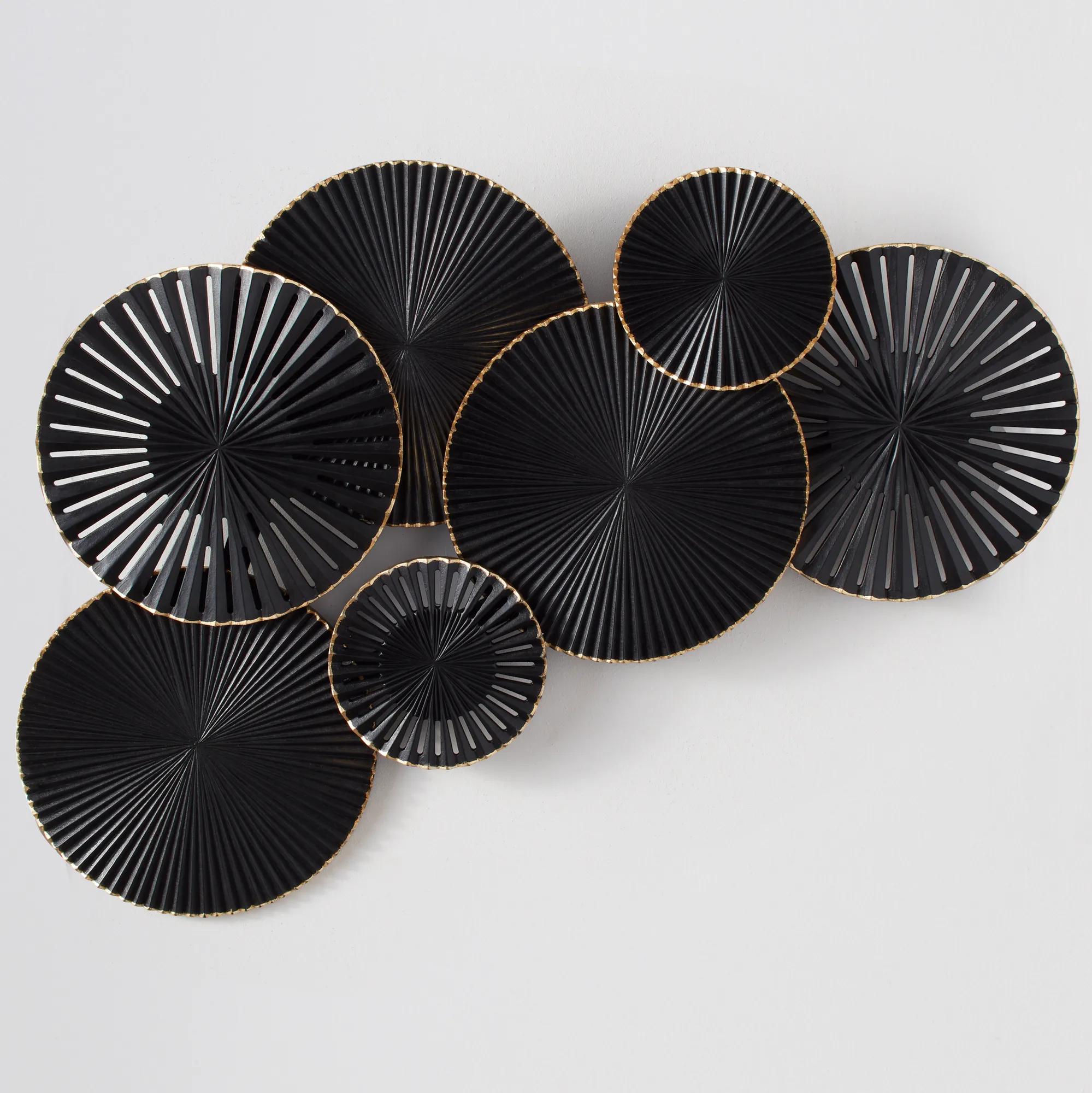
 Circa Black Carved Wood Dimensional Wall Panel 47.25" x 27.5"$499
A carved wood wall art panel in black and gold that adds abstract intrigue to any room.
Add To Cart -
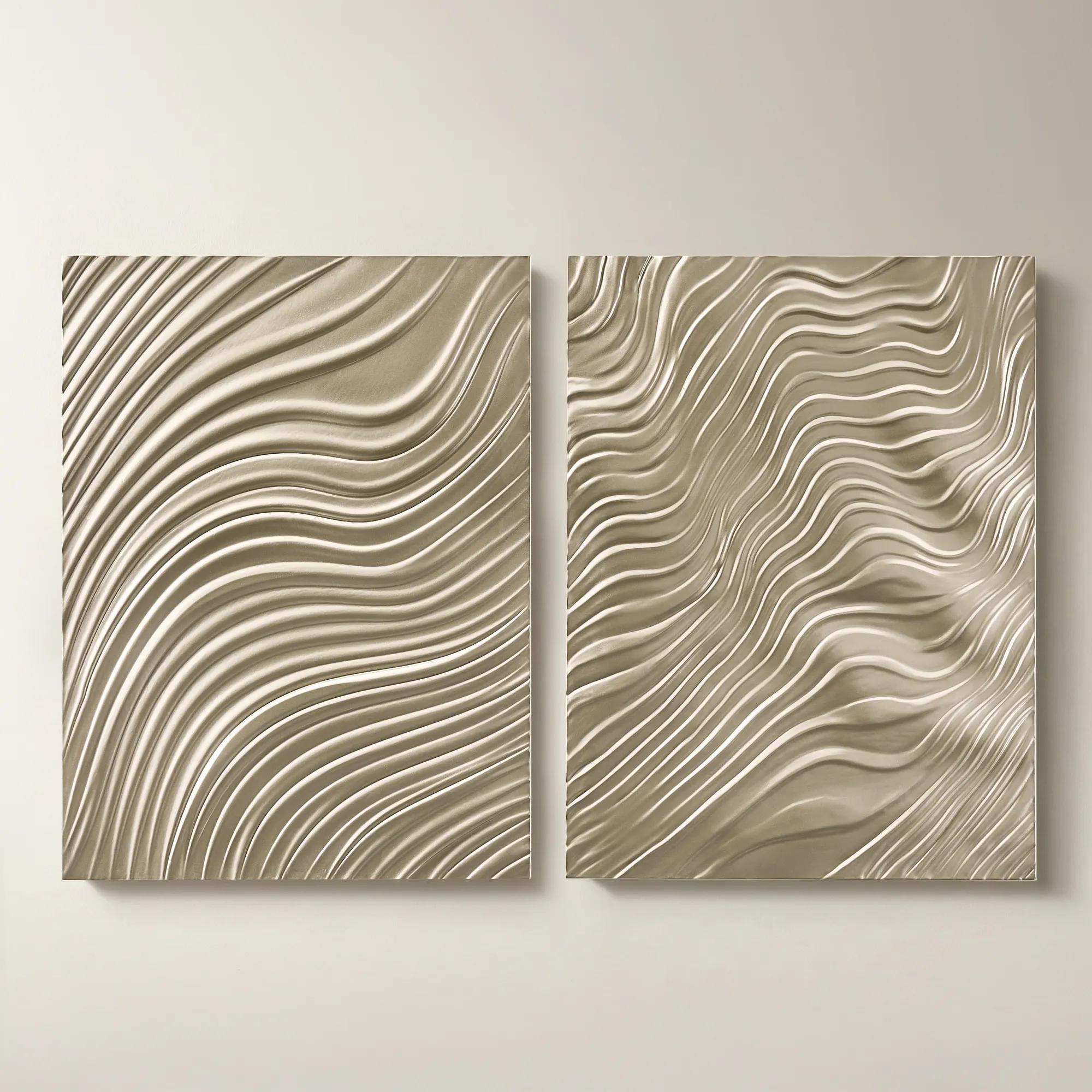
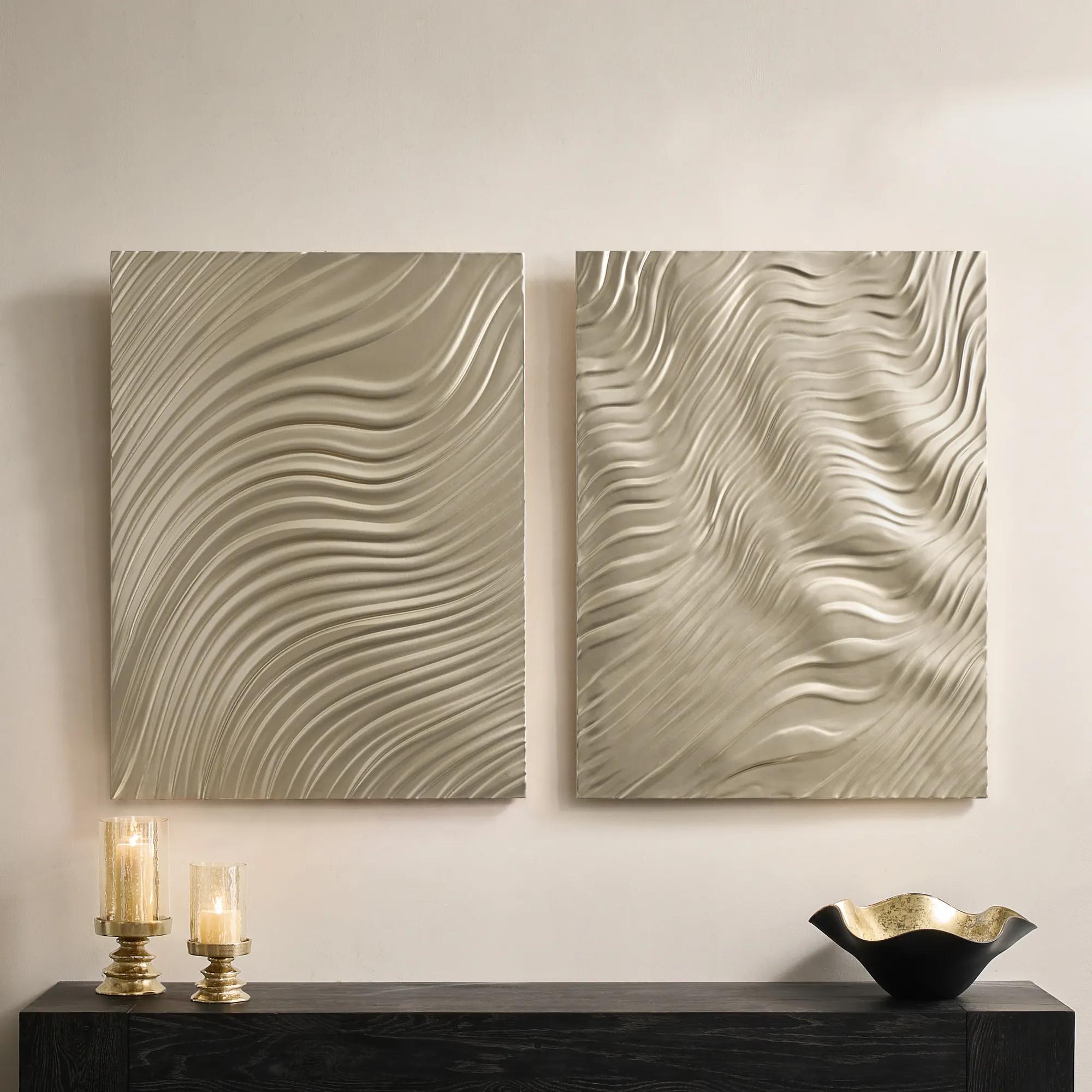 Mirage Champagne Carved Wood Wall Panels 30" x 40" Set of 2$799
A set of two intricately carved wood composite panels in a champagne finish with flowing 3D patterns.
Add To Cart -
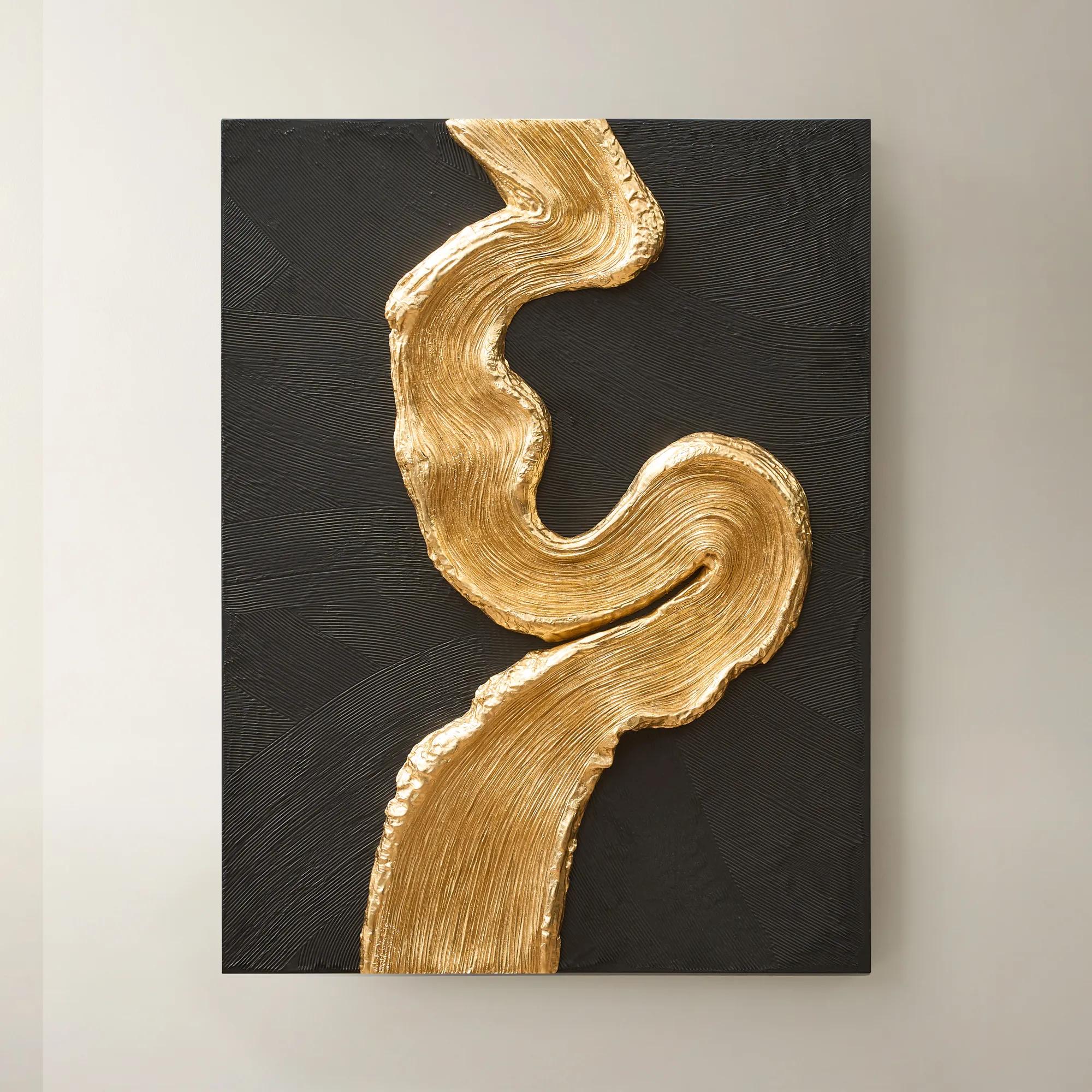
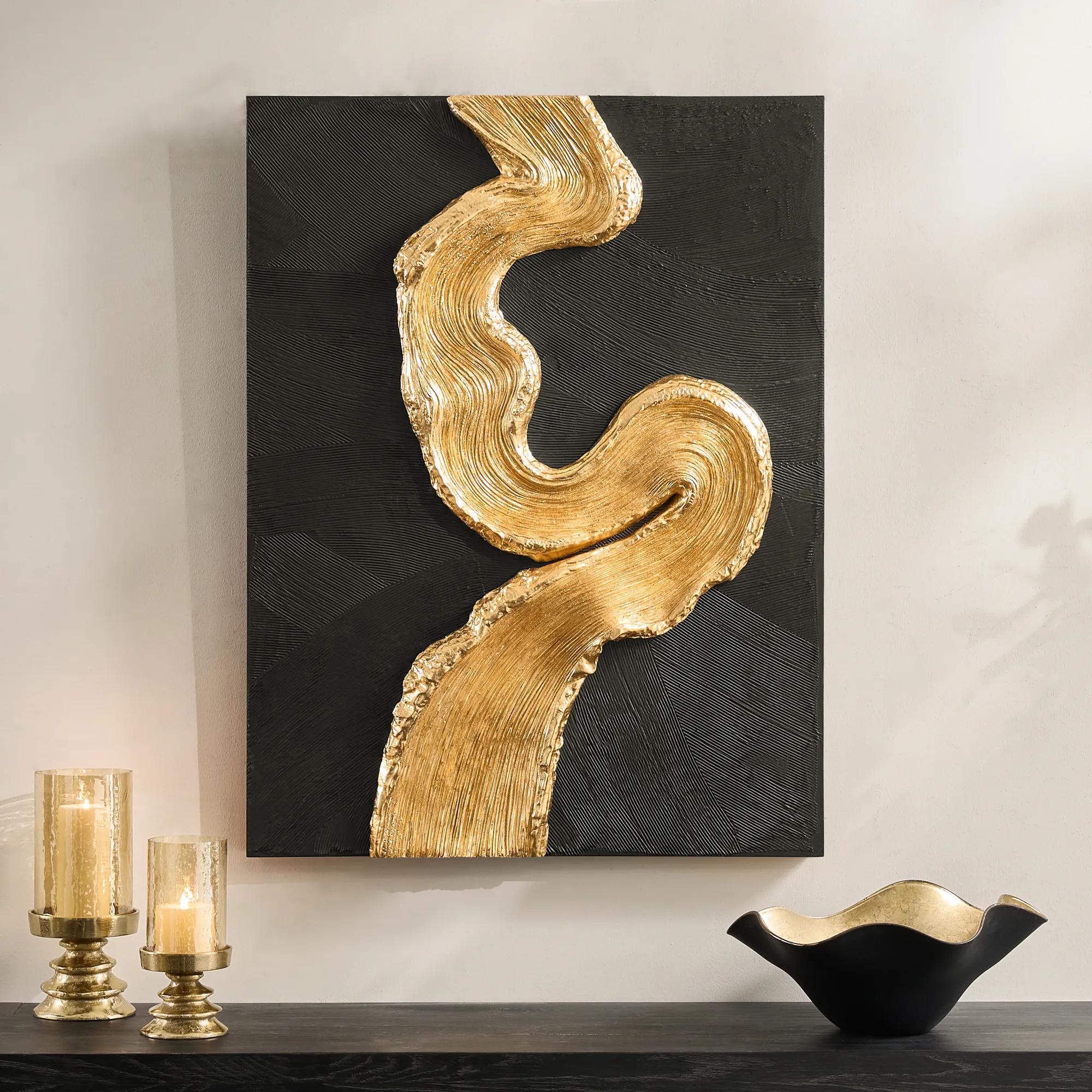 Gold Impasto Sculpted Resin Wall Panel 30" x 40"$499
A sculpted fiberglass resin wall panel featuring gold leaf detail and bold impasto texture on a black backdrop.
Add To Cart -
 Gilt Collage Gold Hand Crafted Wood Dimensional Wall Panel 30" x 60"$799
A glamorous gilt-finished collage wall panel bringing sculptural dimension and contemporary elegance to your decor.
Add To Cart -
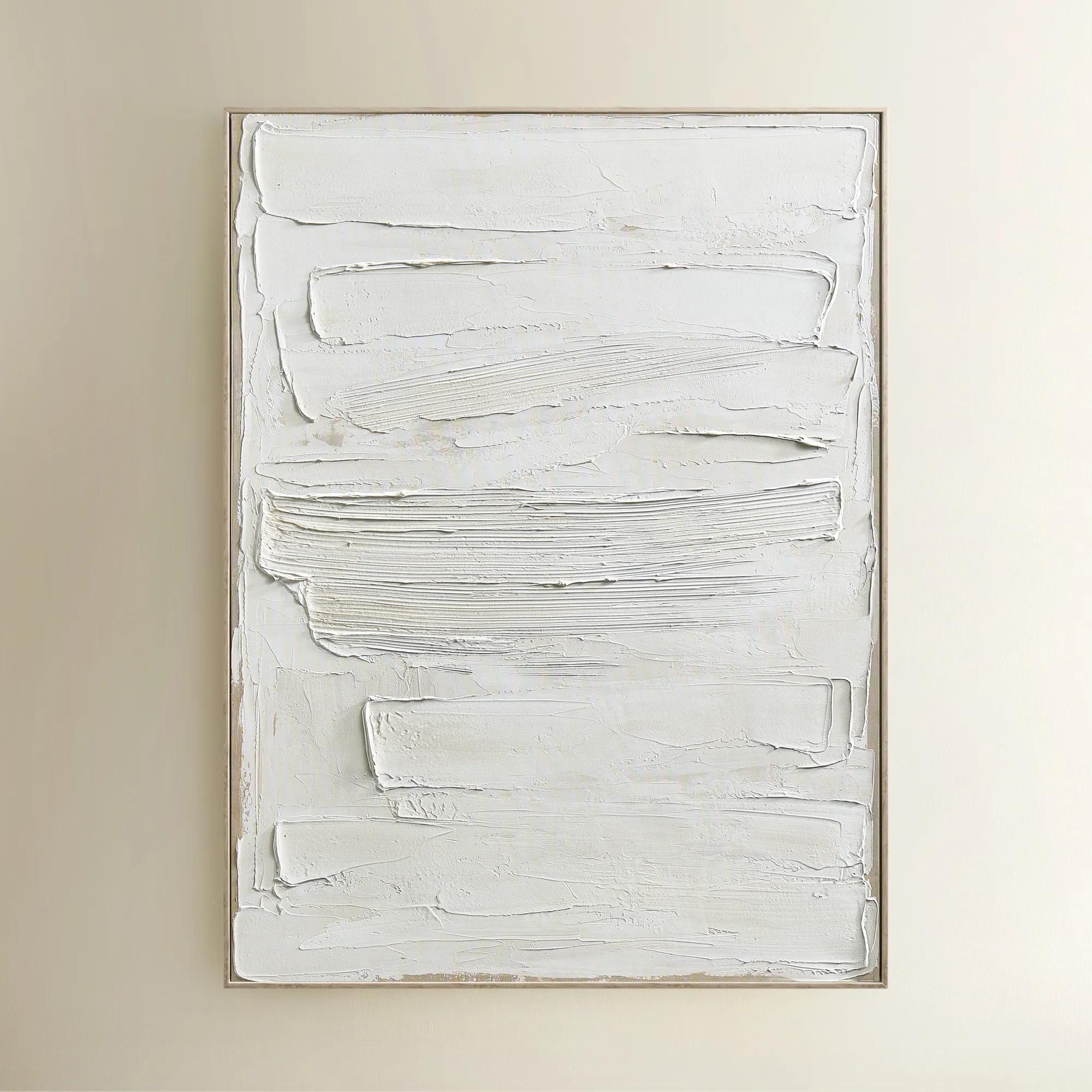
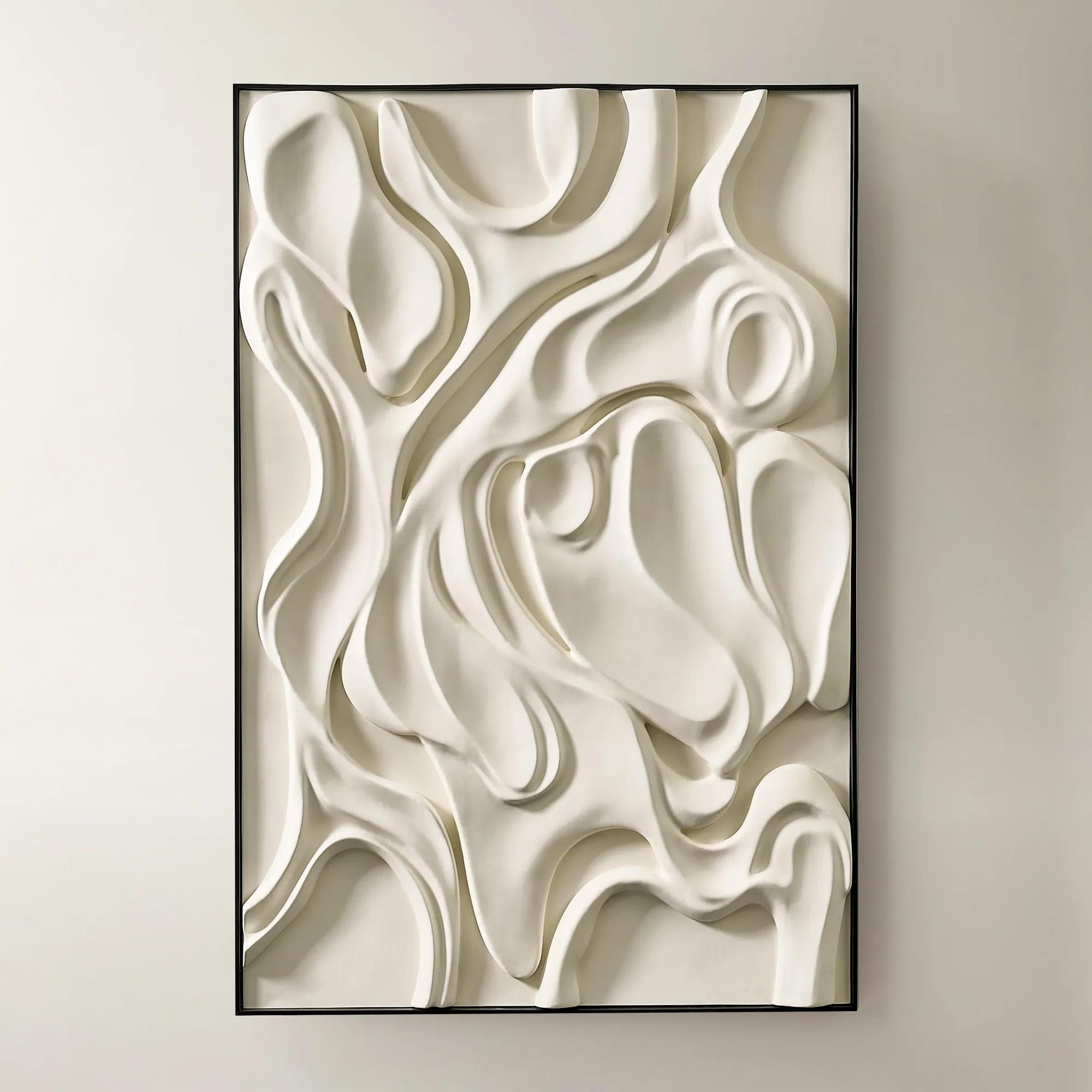 Overflow Alabaster Sculpted Resin Wall Panel 40" x 60"$699
An alabaster fiberglass resin wall panel with sculptural texture and a versatile black frame for modern spaces.
Add To Cart -
 Bella Champagne Draped Leather Wall Panel 50" x 40"$699
A sculptural wall panel featuring cascading black, champagne, and ivory leather over a fabric-wrapped MDF foundation.
Add To Cart -
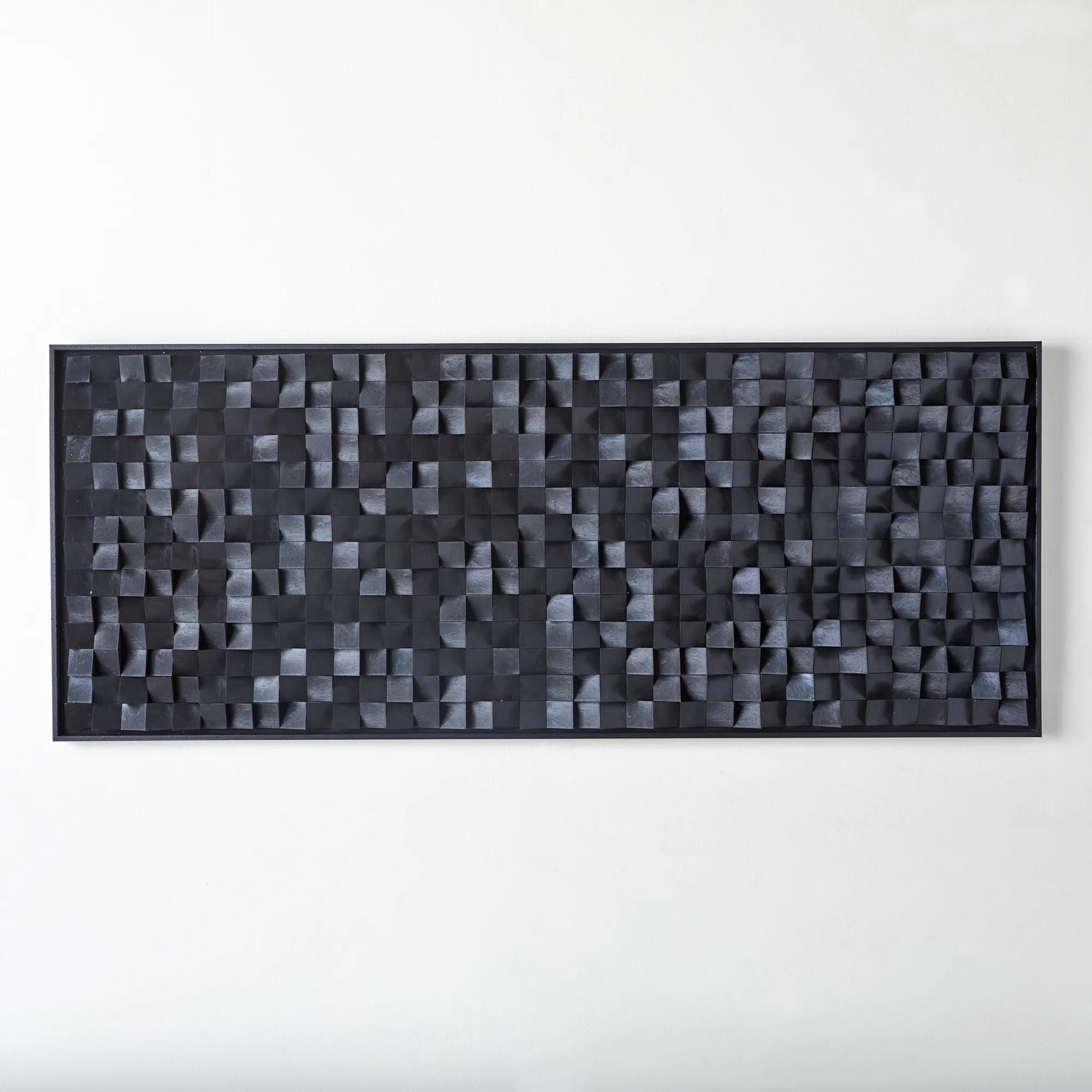 Nightfall Black Wood Dimenisonal Wall Panel 59" x 23.5"$599
An abstract wall art piece featuring cut black blocks in a sleek, low-profile black frame.
Add To Cart -
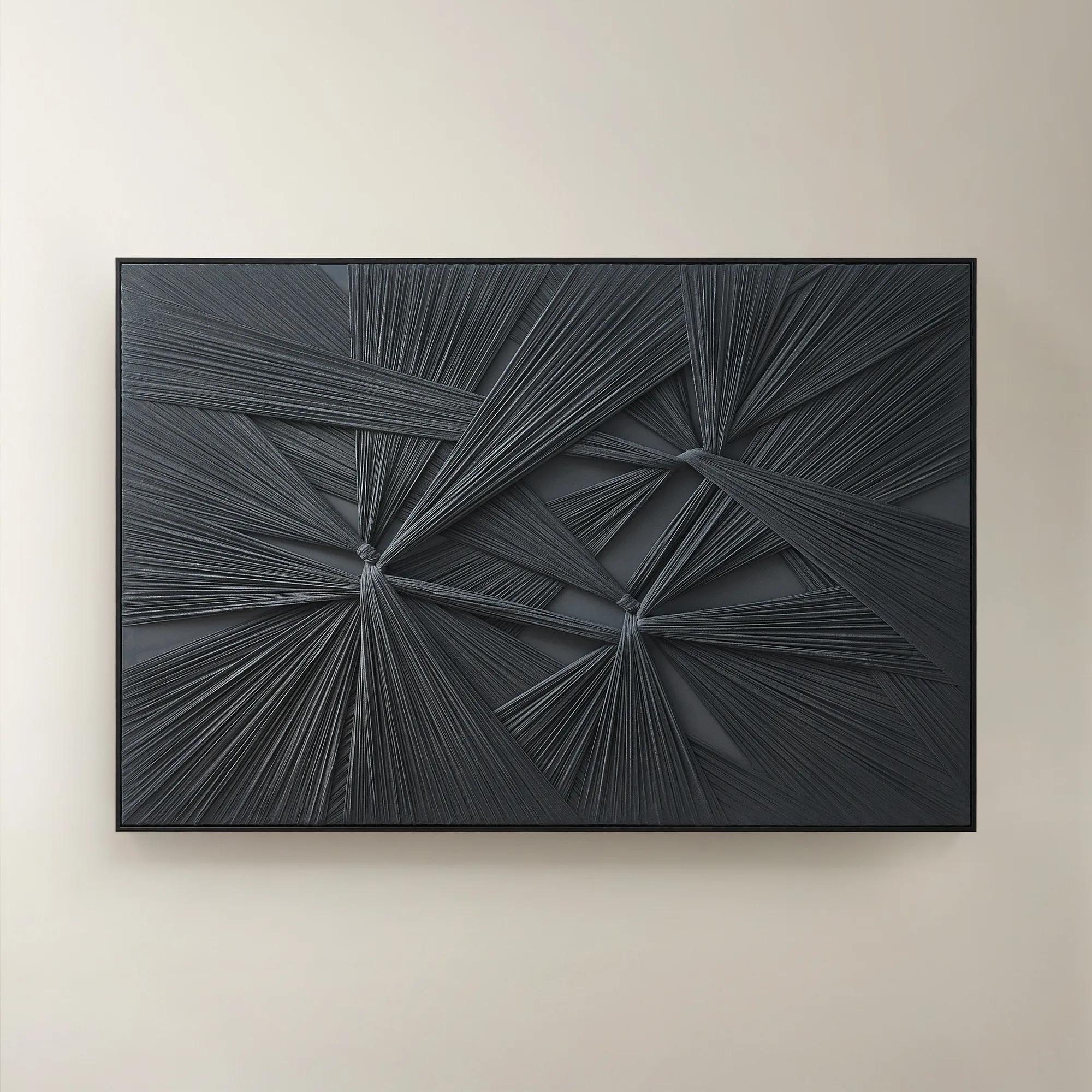 Grace in Dark Slate Hand-crafted Fabric Wall Art 70.75" x 47"$799
A hand-crafted textile wall art piece in dark slate, featuring sculptural texture and versatile display options.
Add To Cart -
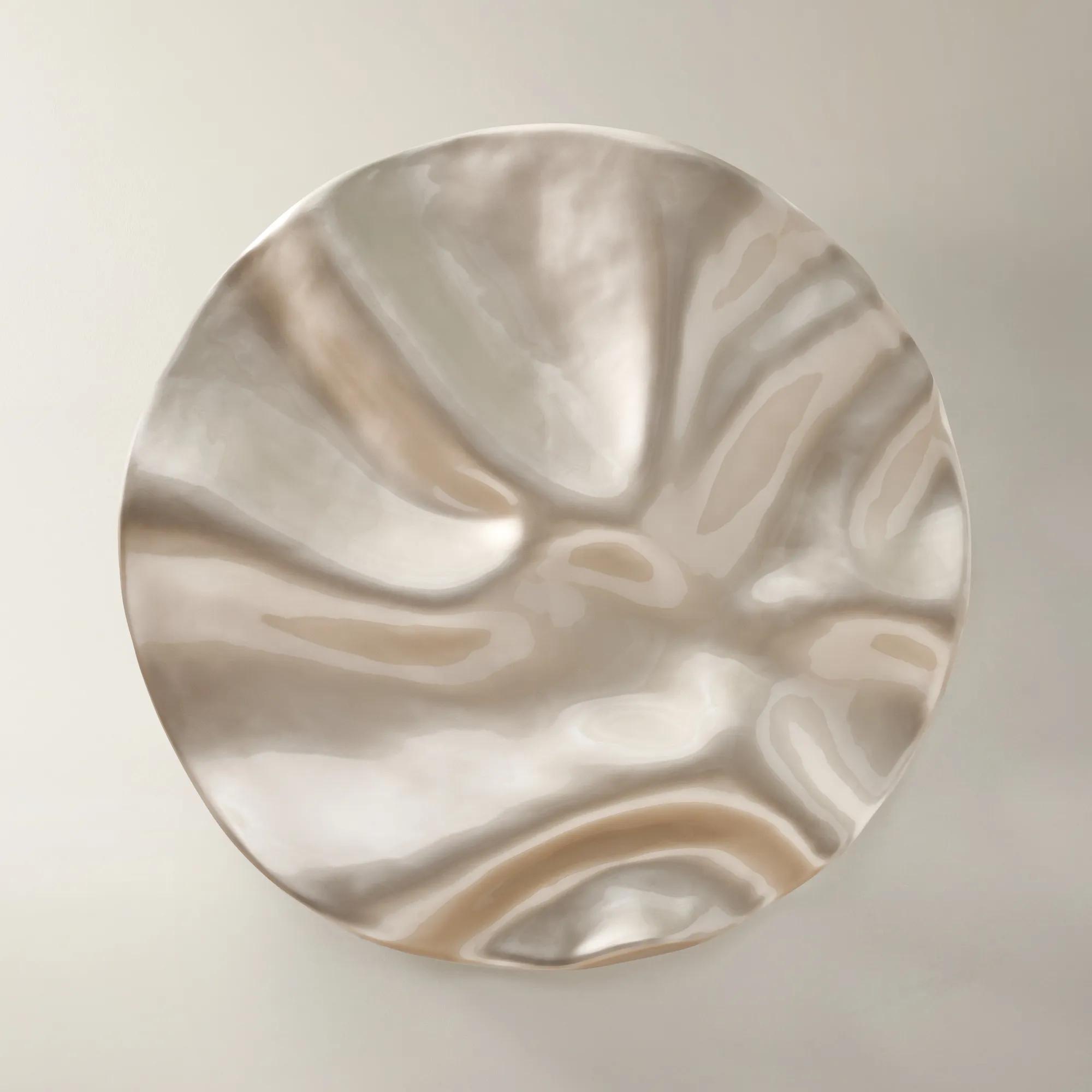
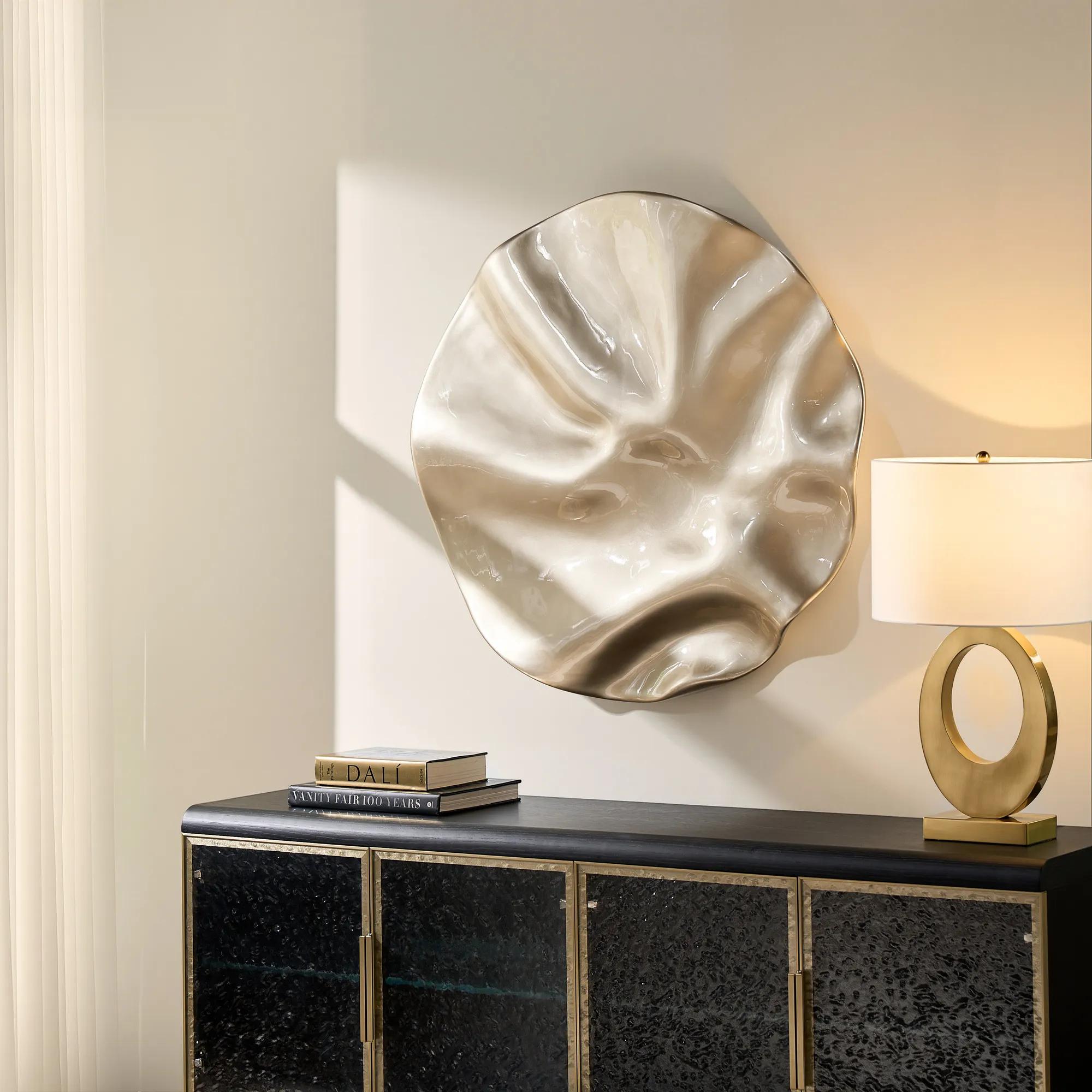 Moonlight Champagne Resin Round Wall Panel 39.75"$499
A luminous champagne-toned resin wall panel with a round silhouette and sculptural modern appeal.
Add To Cart -
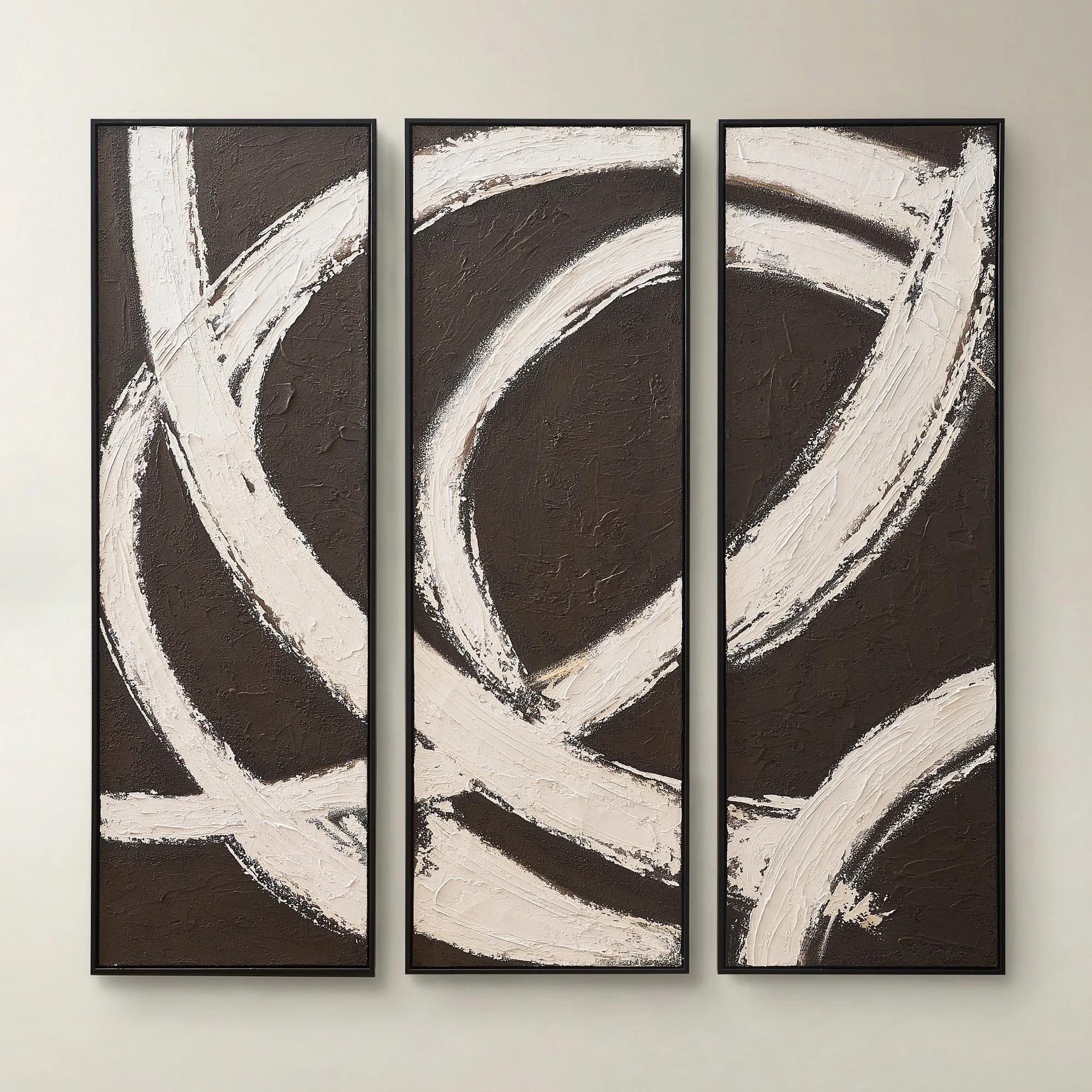
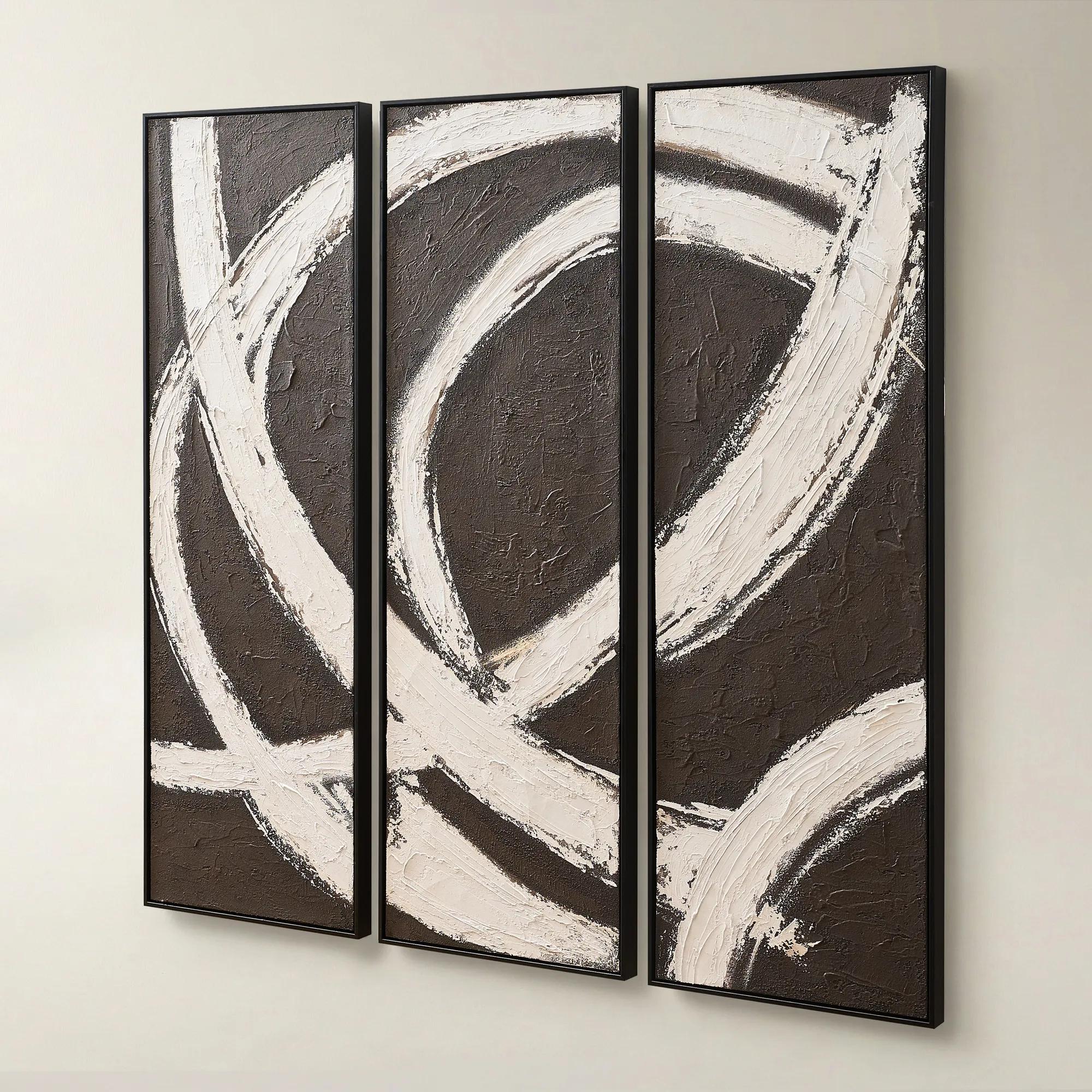 Spun in Coco Framed Painted Wall Art 20" x 60" Set of 3$499
A hand-painted triptych featuring dark chocolate and alabaster tones with rich texture and modern contrast.
Add To Cart -
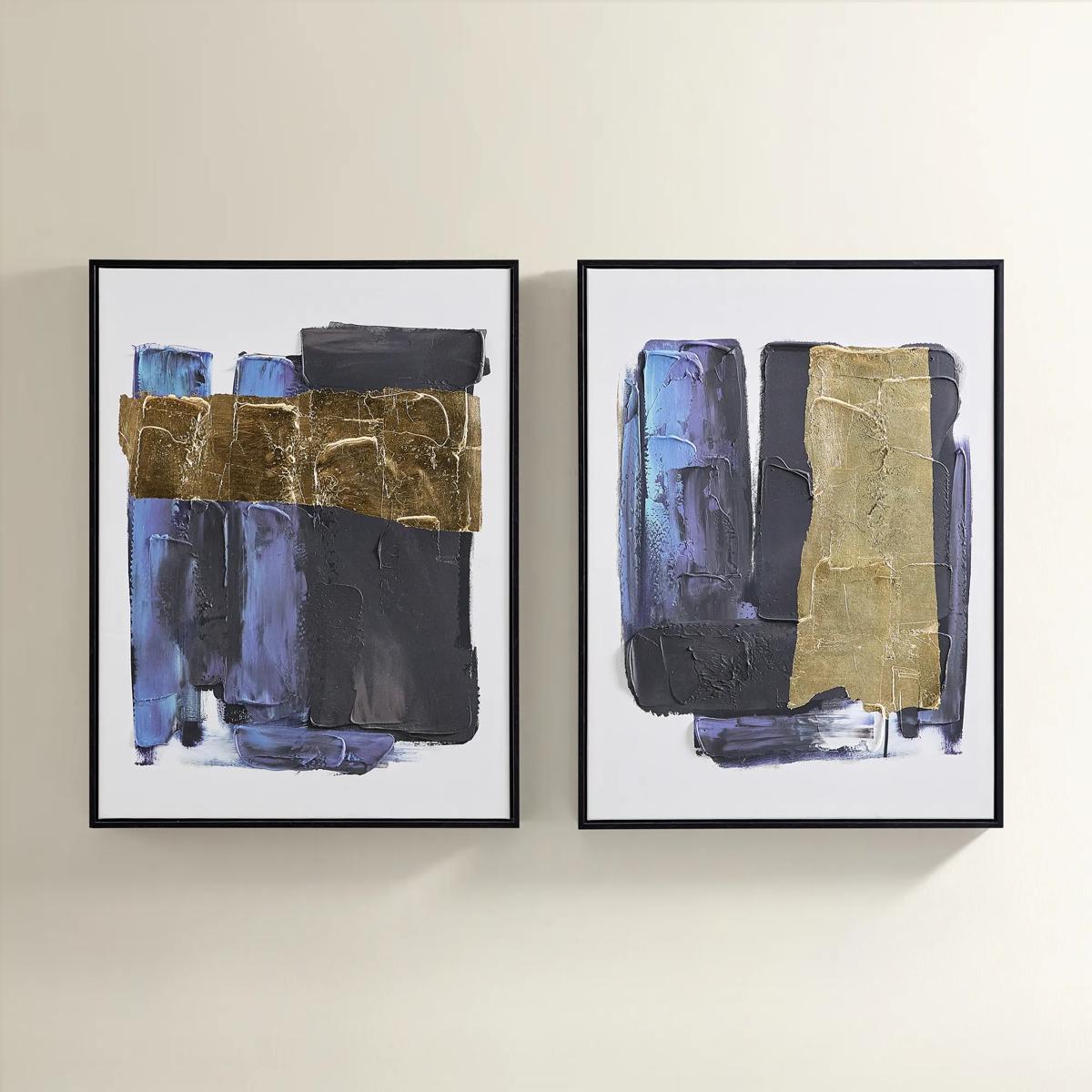
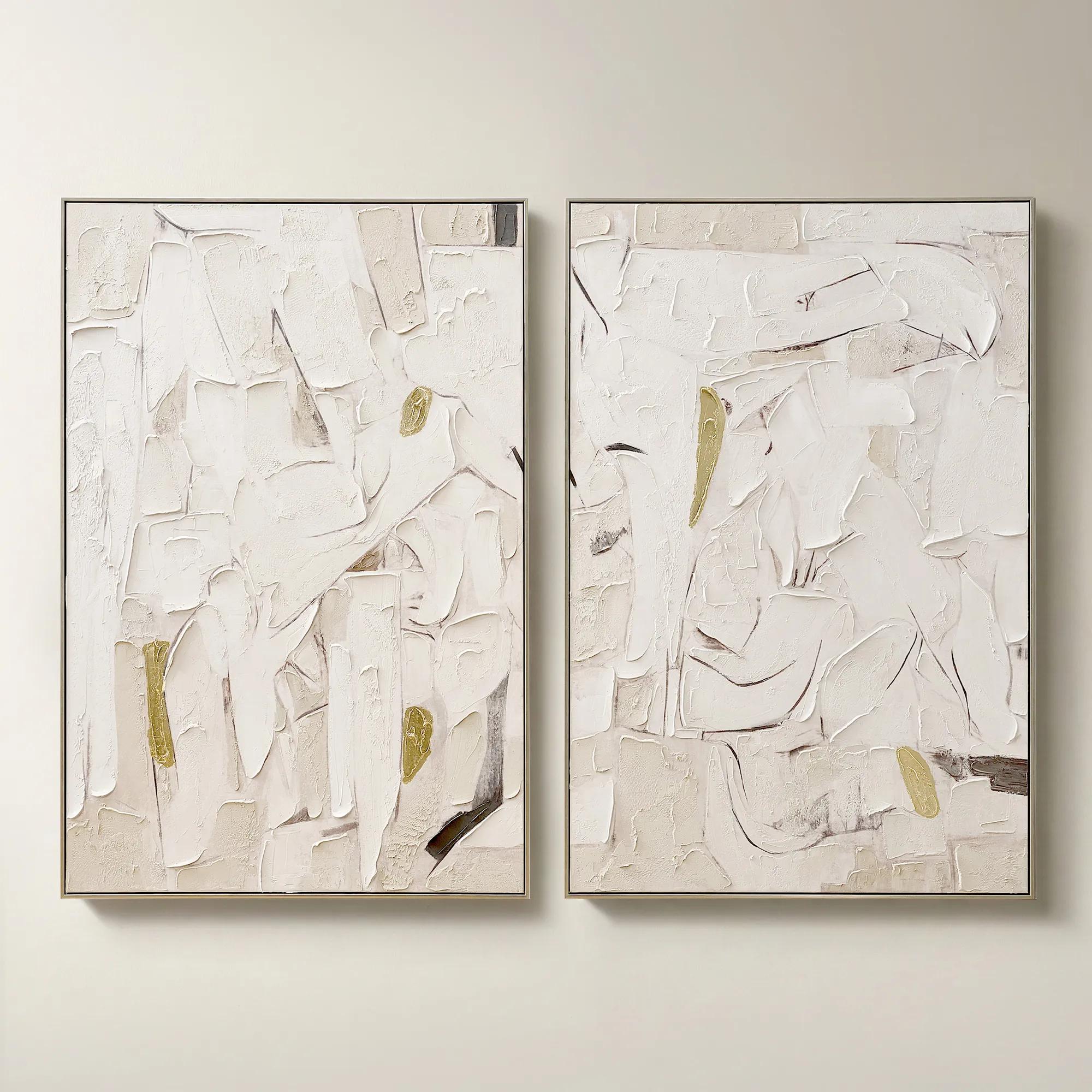 Beneath the Surface Framed Gold Leaf Painted Wall Art 40" x 60" Set of 2$799
A hand-painted abstract diptych featuring gold detailing and layered texture in alabaster and tawny hues.
Add To Cart -

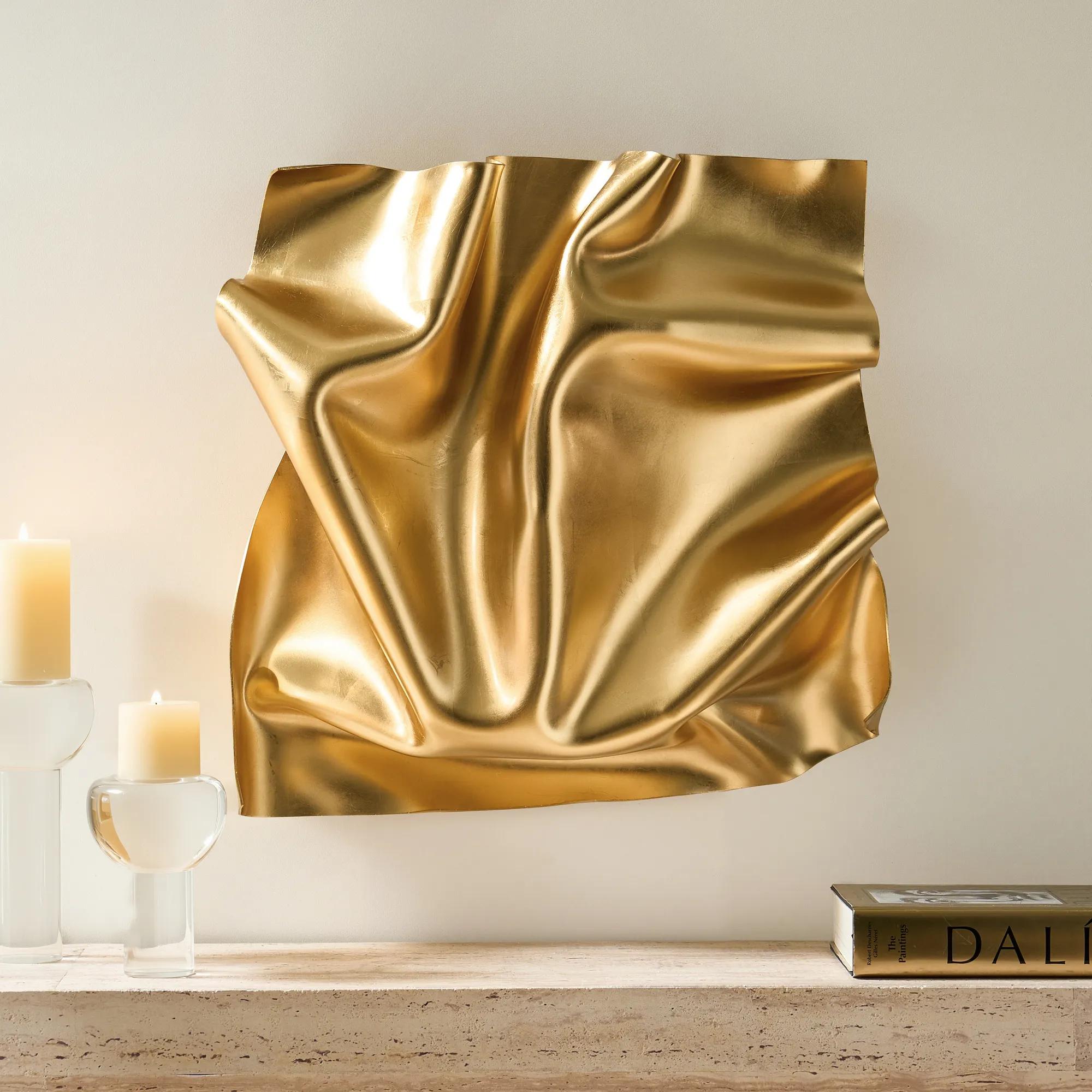 Surface Sculpted Gold Leaf Acrylic Wall Decor 23.6" x 23.6"$199
A dimensional acrylic wall panel features hand-applied gold leafing for a luminous, sculptural gallery effect.
Add To Cart -
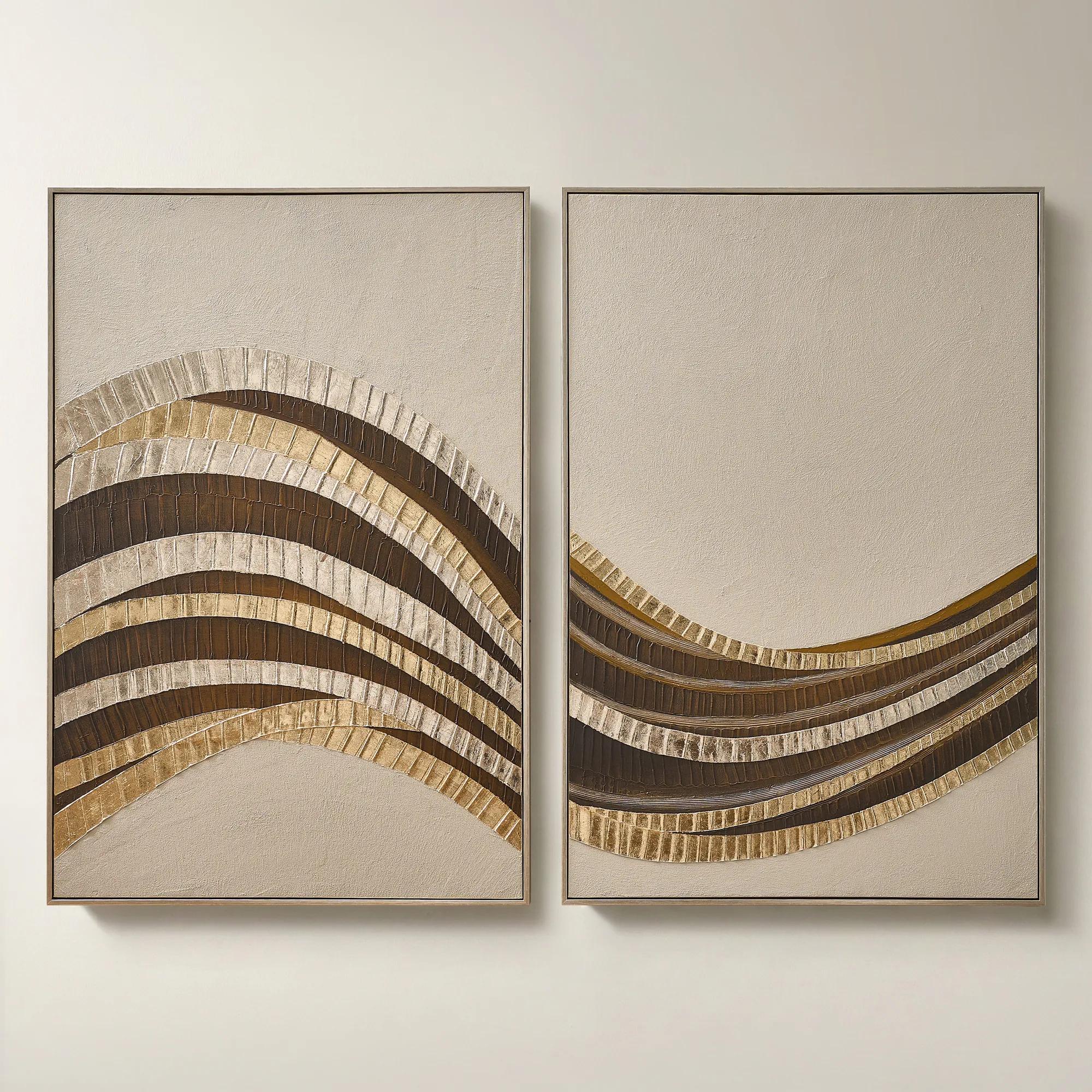 Stillness in Motion Framed Gold Leaf Painted Wall Art 40" x 60" Set of 2$899
A hand-painted abstract diptych with gold leaf accents, textured surface, and brushed champagne frames.
Add To Cart -
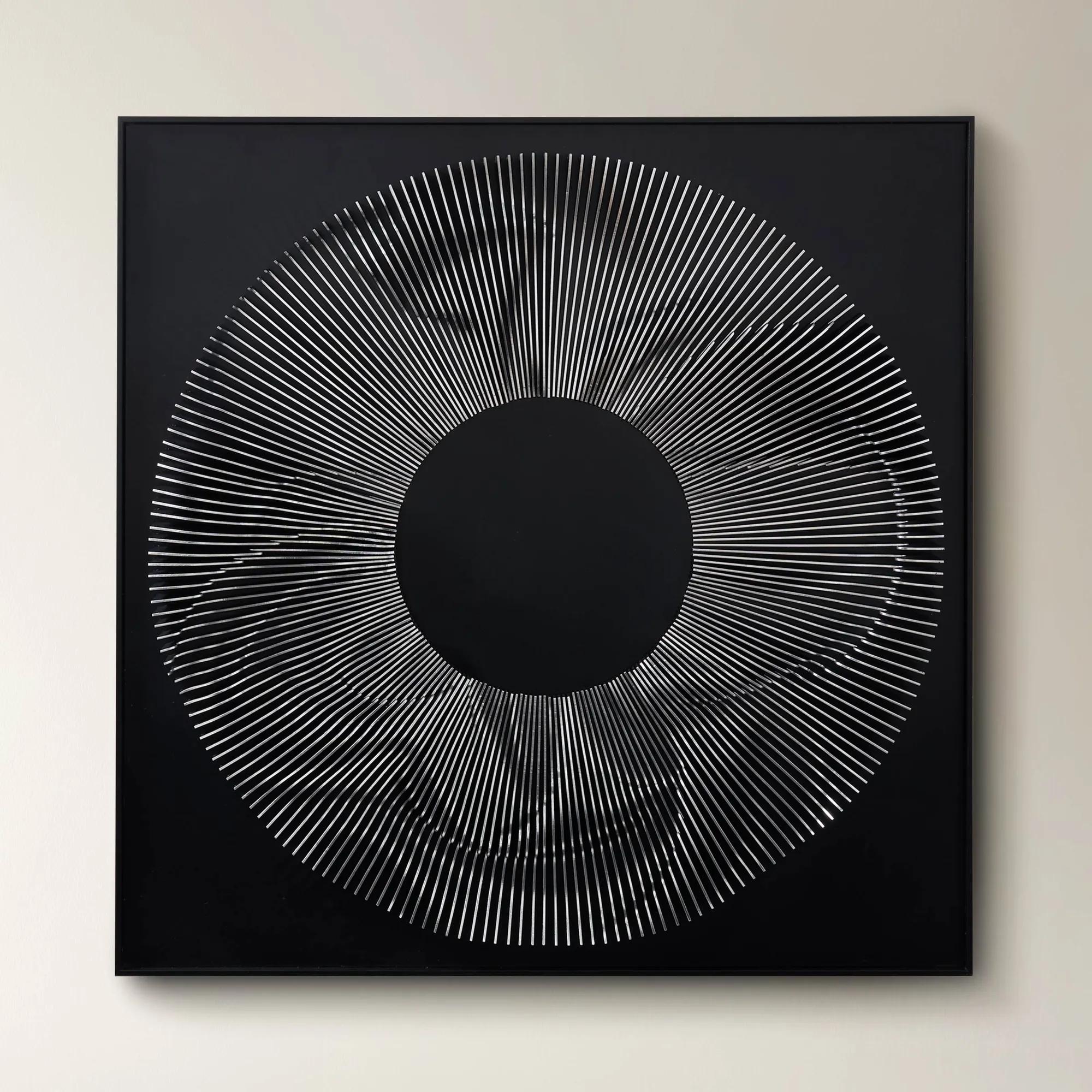 Efflorescence Wood Carving$799
A three-dimensional pine wood panel features a flowing carved motif in a striking silver finish.
Add To Cart -
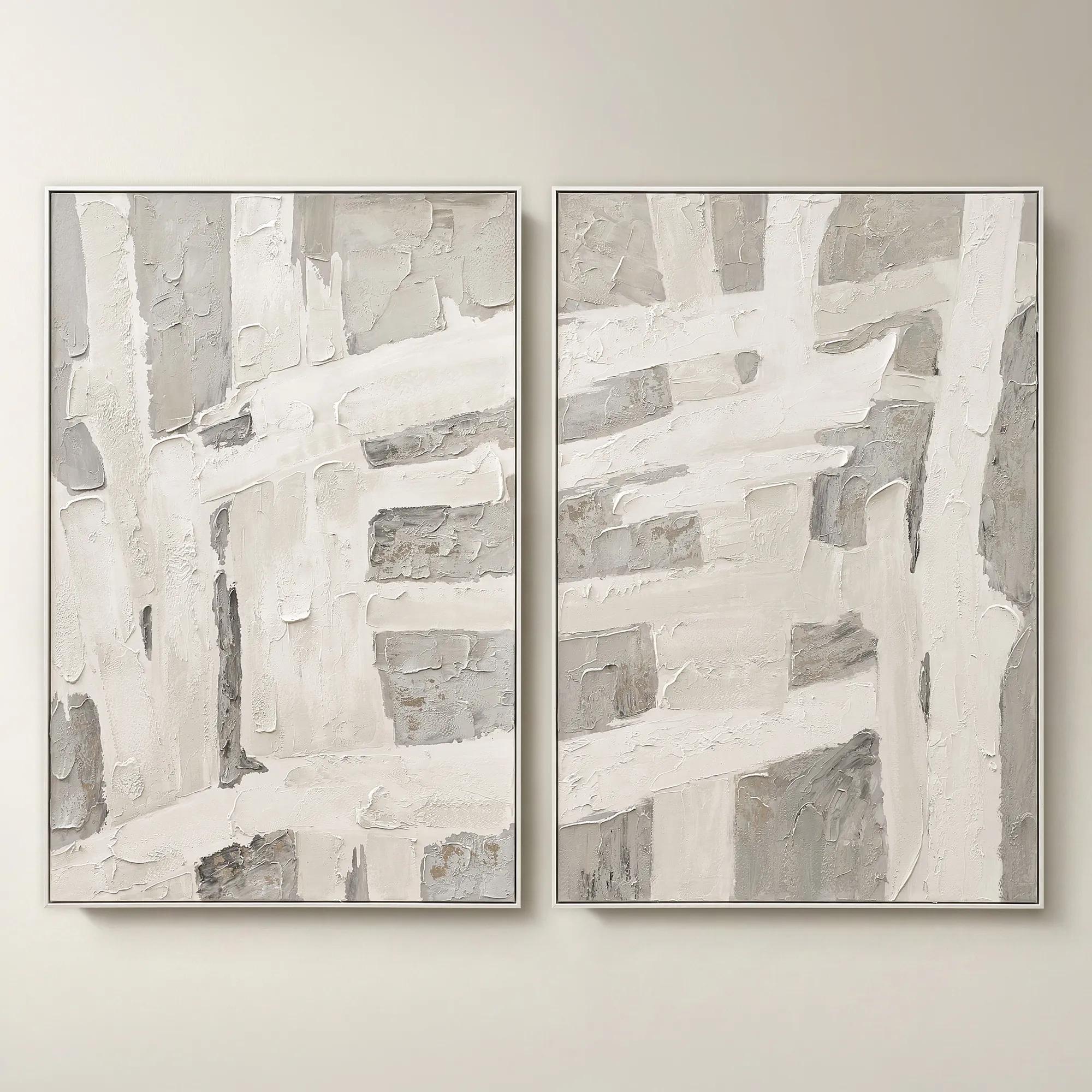 Traverse Framed Painted Wall Art 40" x 60" Set of 2$799
A hand-painted abstract diptych features champagne accents and soft grey, pearl, and alabaster tones in white frames.
Add To Cart -
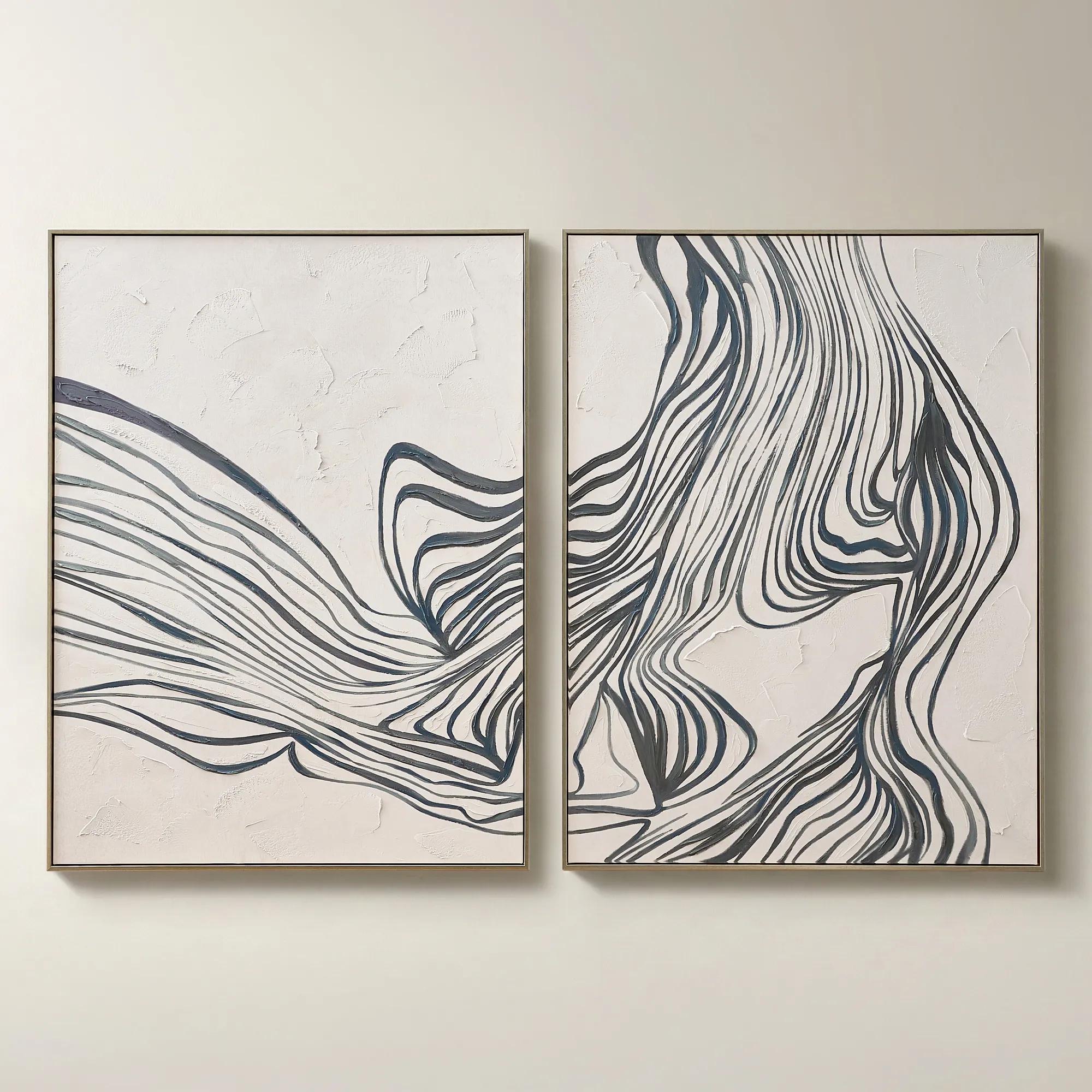
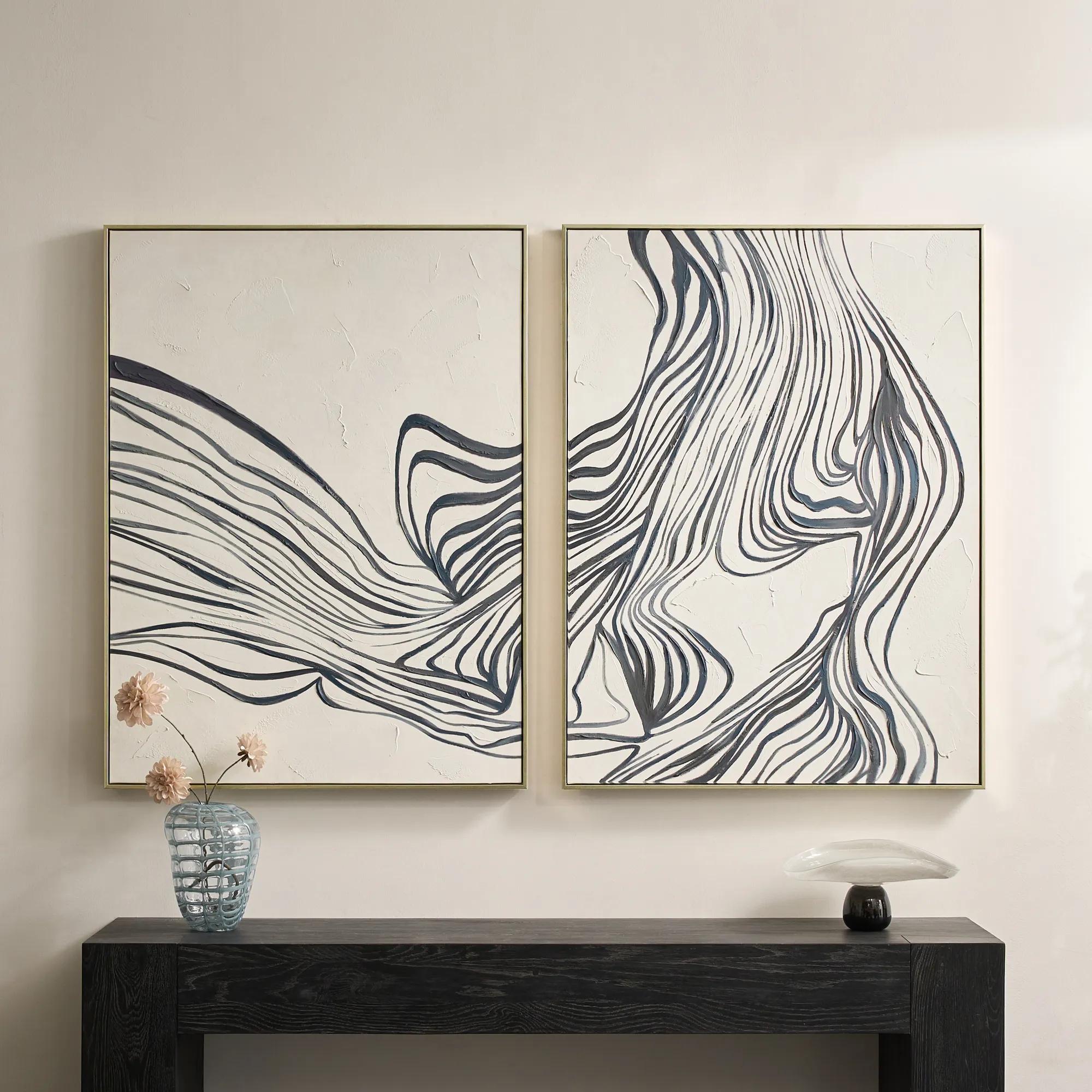 Rhythmic Framed Painted Wall Art 36" x 48" Set of 2$599
A hand-painted diptych featuring bold abstract stripes in dark slate and dusty blue with champagne frames.
Add To Cart -
 Relic Framed Painted Triptych Wall Art Set of 3$399
A hand-painted abstract triptych in deep navy and neutral tones, set in sleek black floater frames.
Add To Cart -
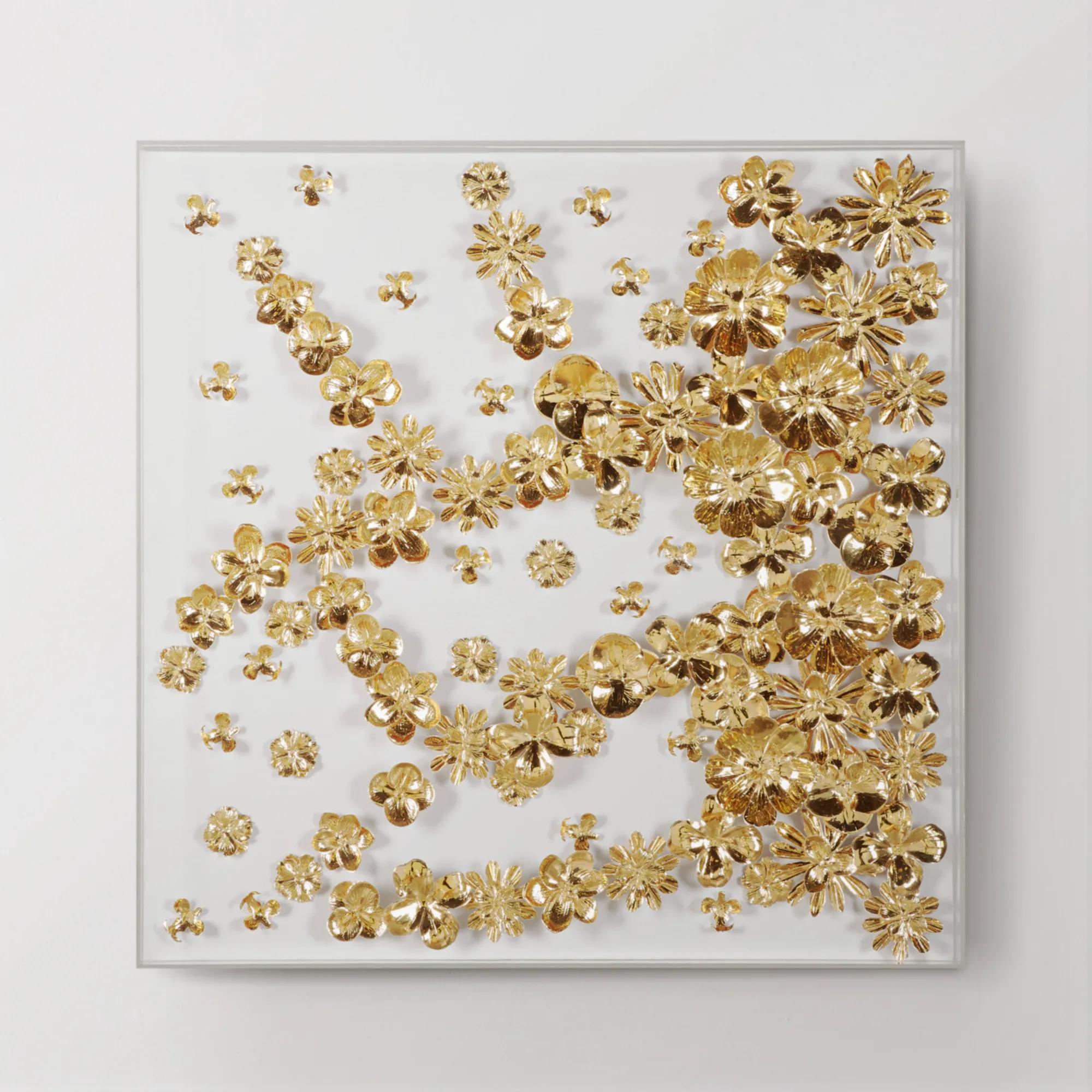
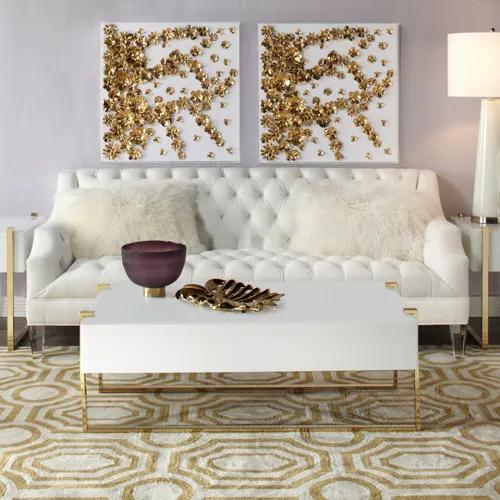 Gold Flora Handmade Foil Wall Decor in Acrylic 31" x 31"$499
A glam botanical wall art featuring handmade gold foil paper flowers on a white linen background.
Add To Cart -
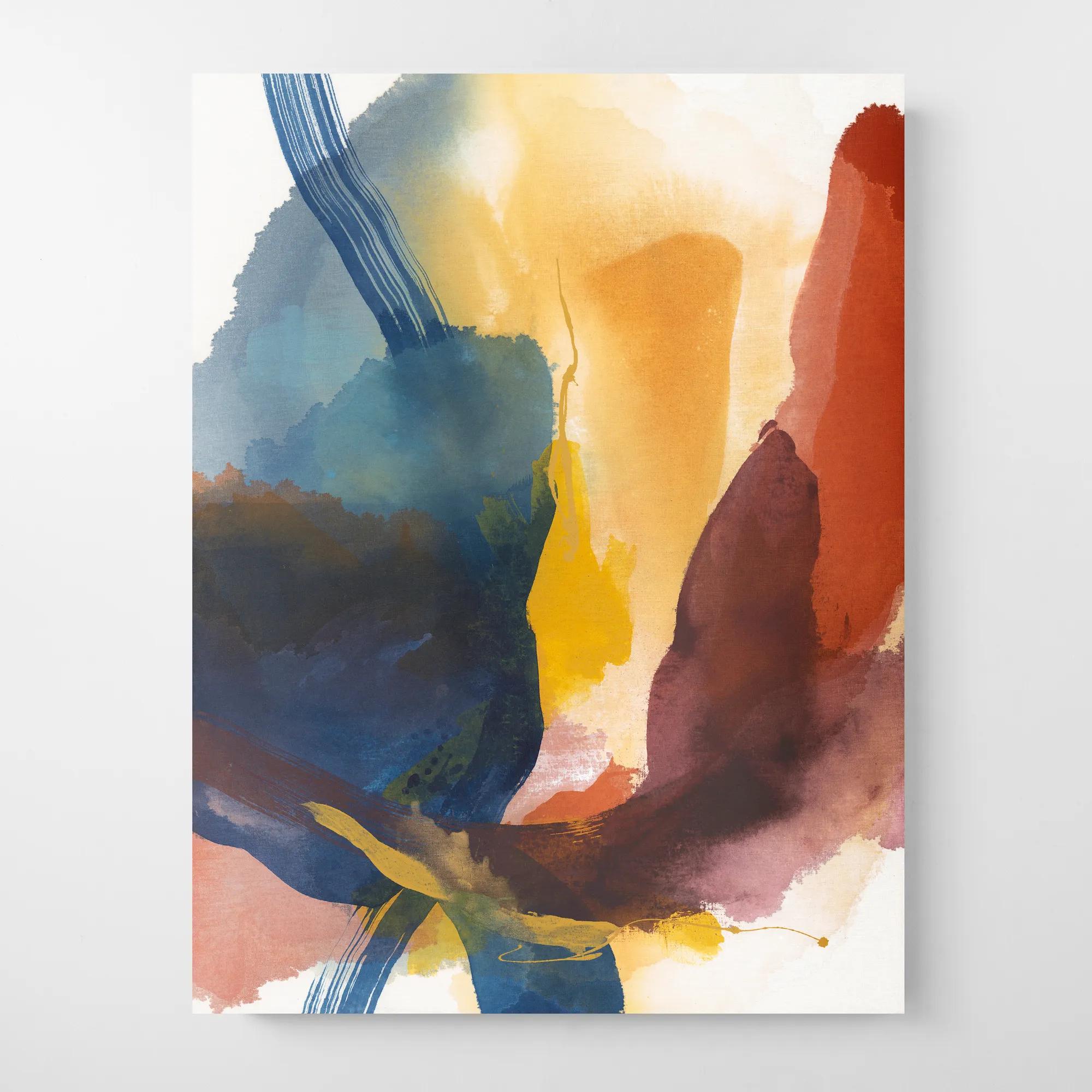
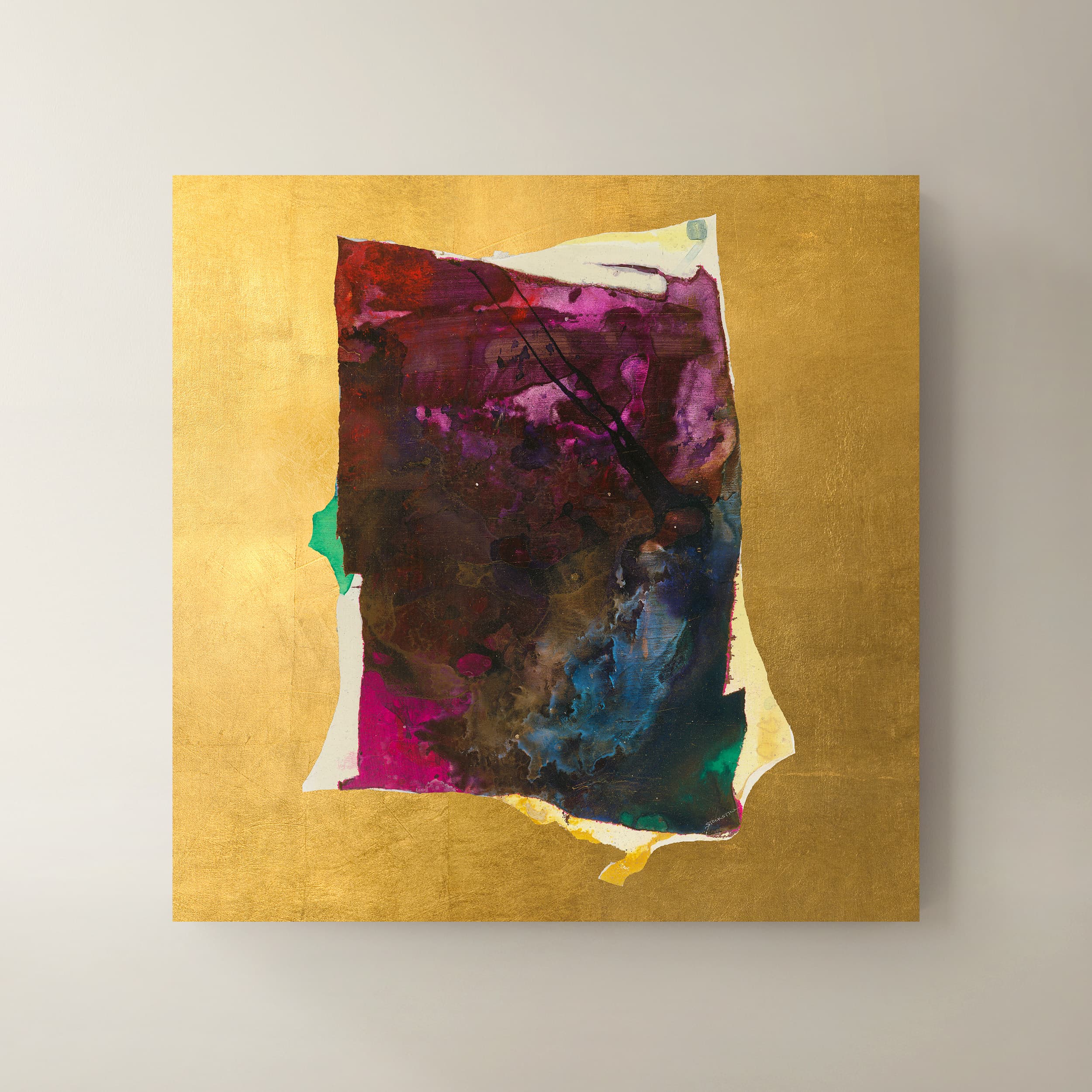 Supremo I Wall Art 40" x 40"$999
A multicolored canvas wall art piece adding contemporary visual interest to your interior.
Add To Cart -
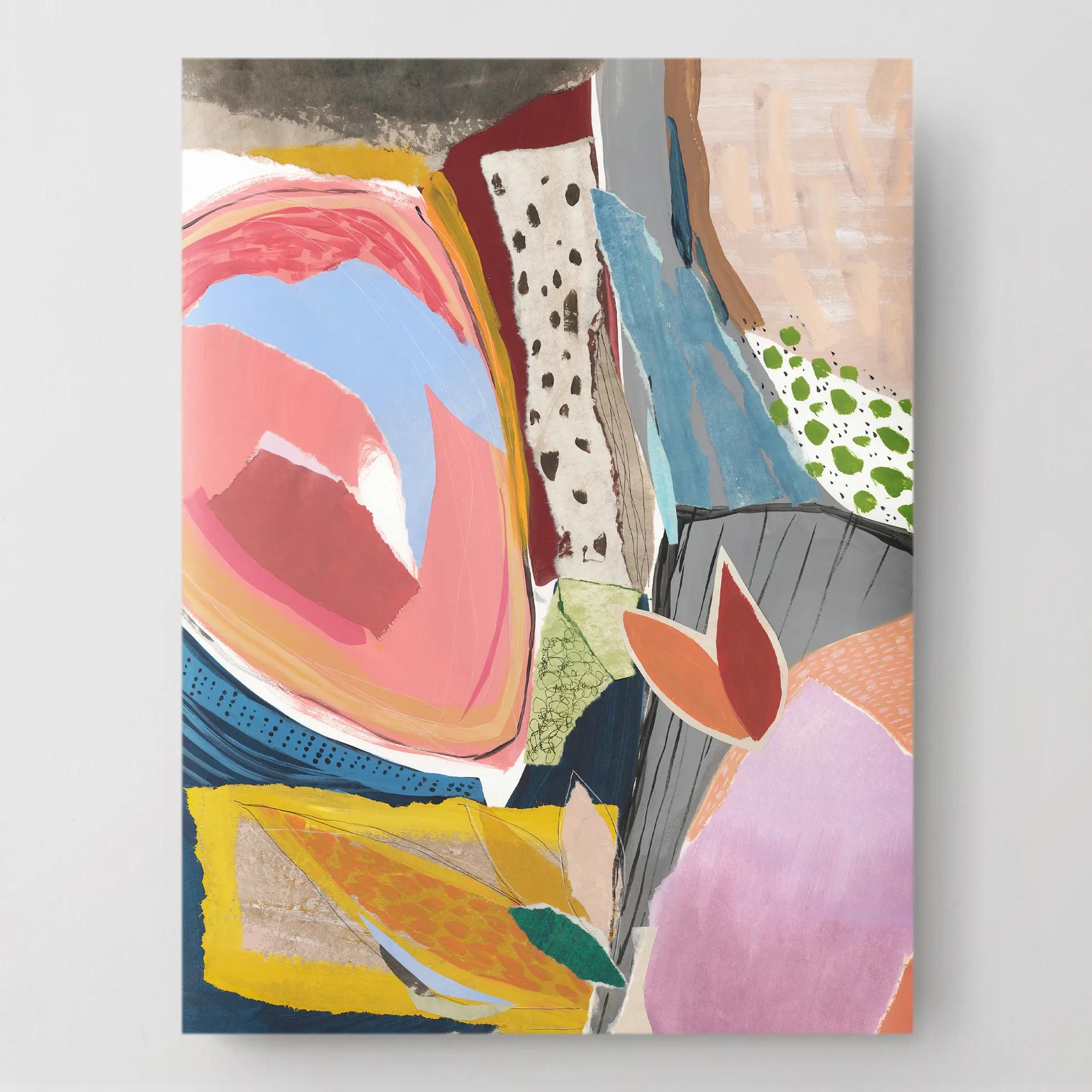
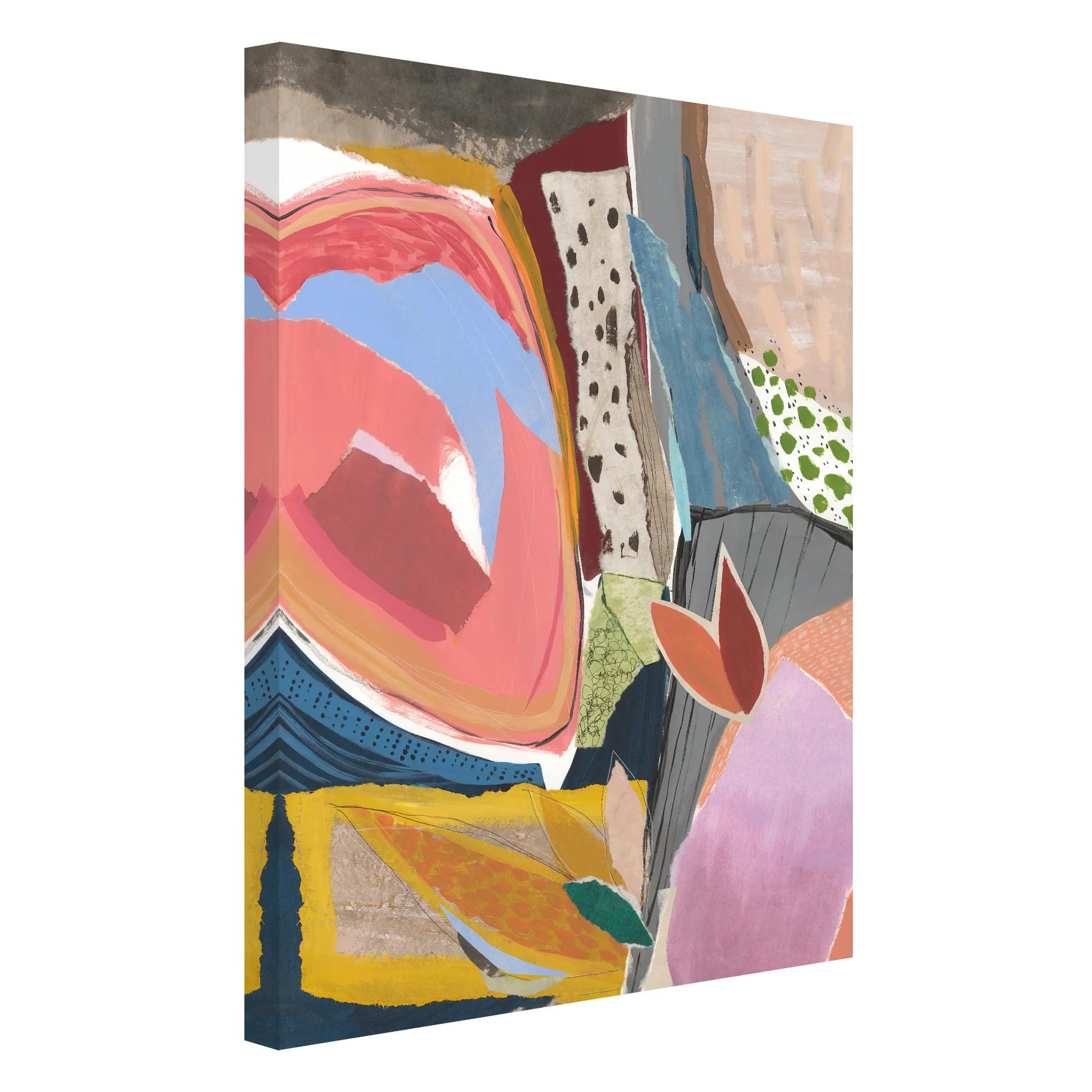 Sunday Vibes 1 Wall Art 30" x 40"$449
A gallery-wrapped canvas artwork featuring a hand-applied image brush gel finish for a textured look.
Add To Cart -
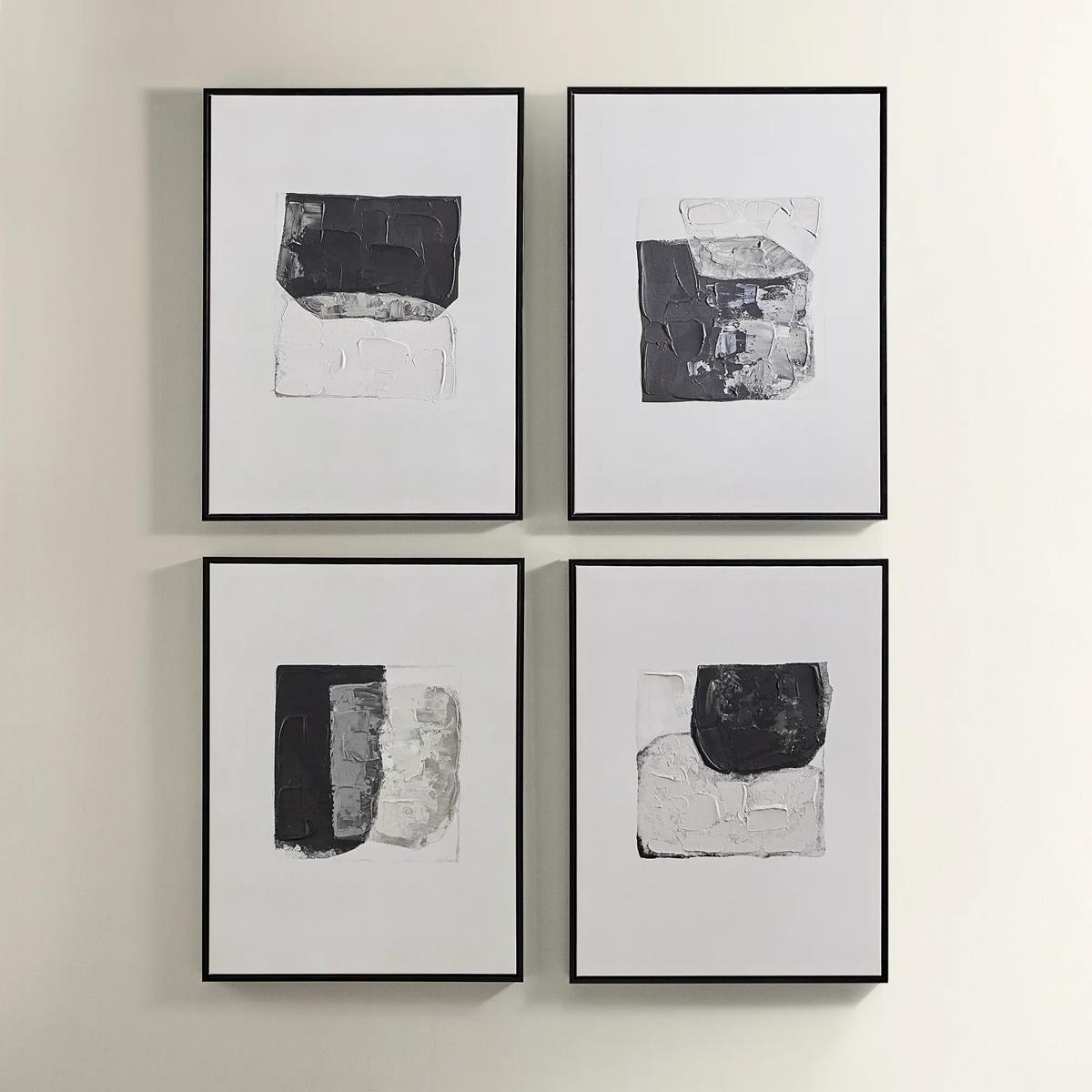
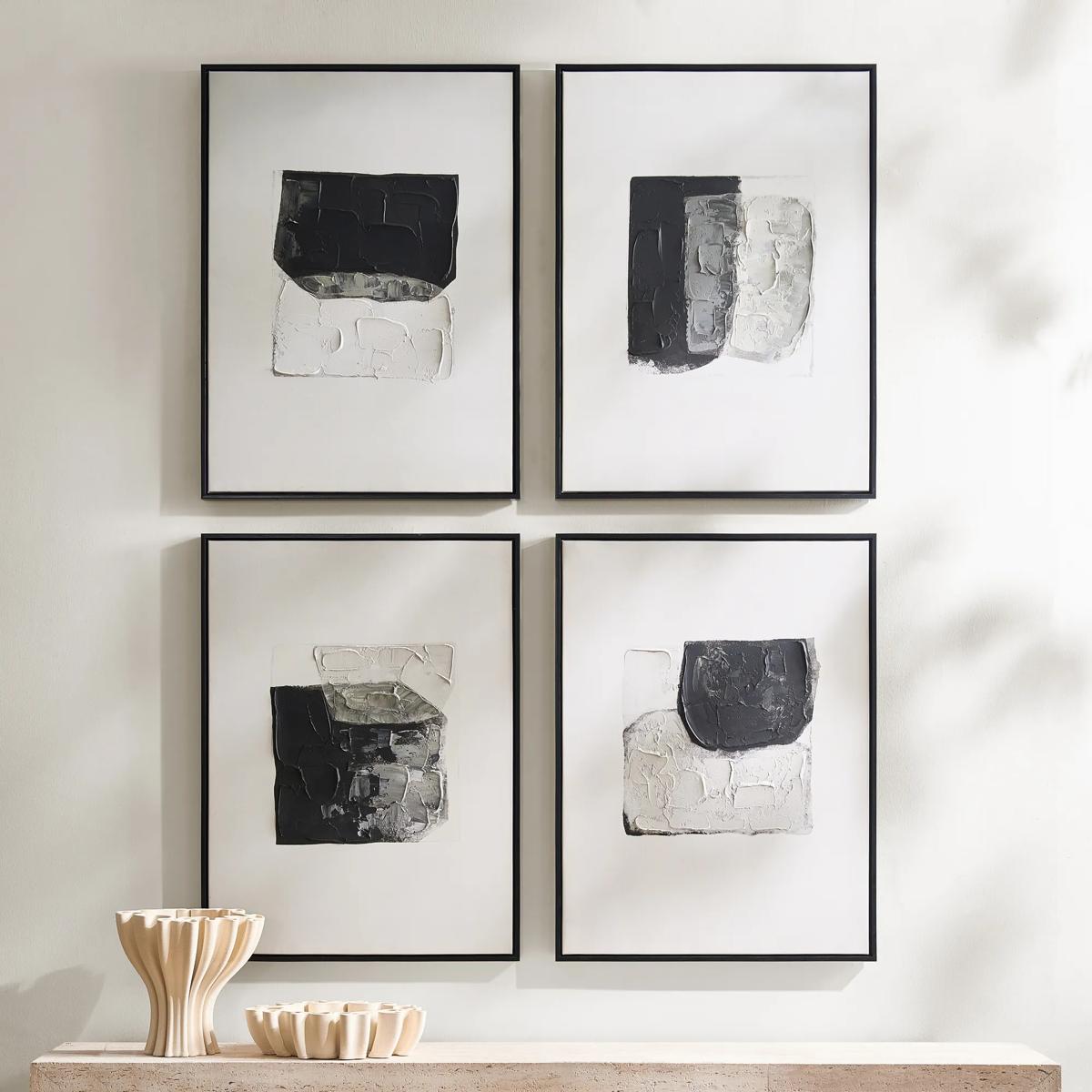 Shadows Framed Painted Wall Art Set of 4$299
A set of four hand-painted abstract canvases featuring black, white, and gold accents in black frames.
Add To Cart -
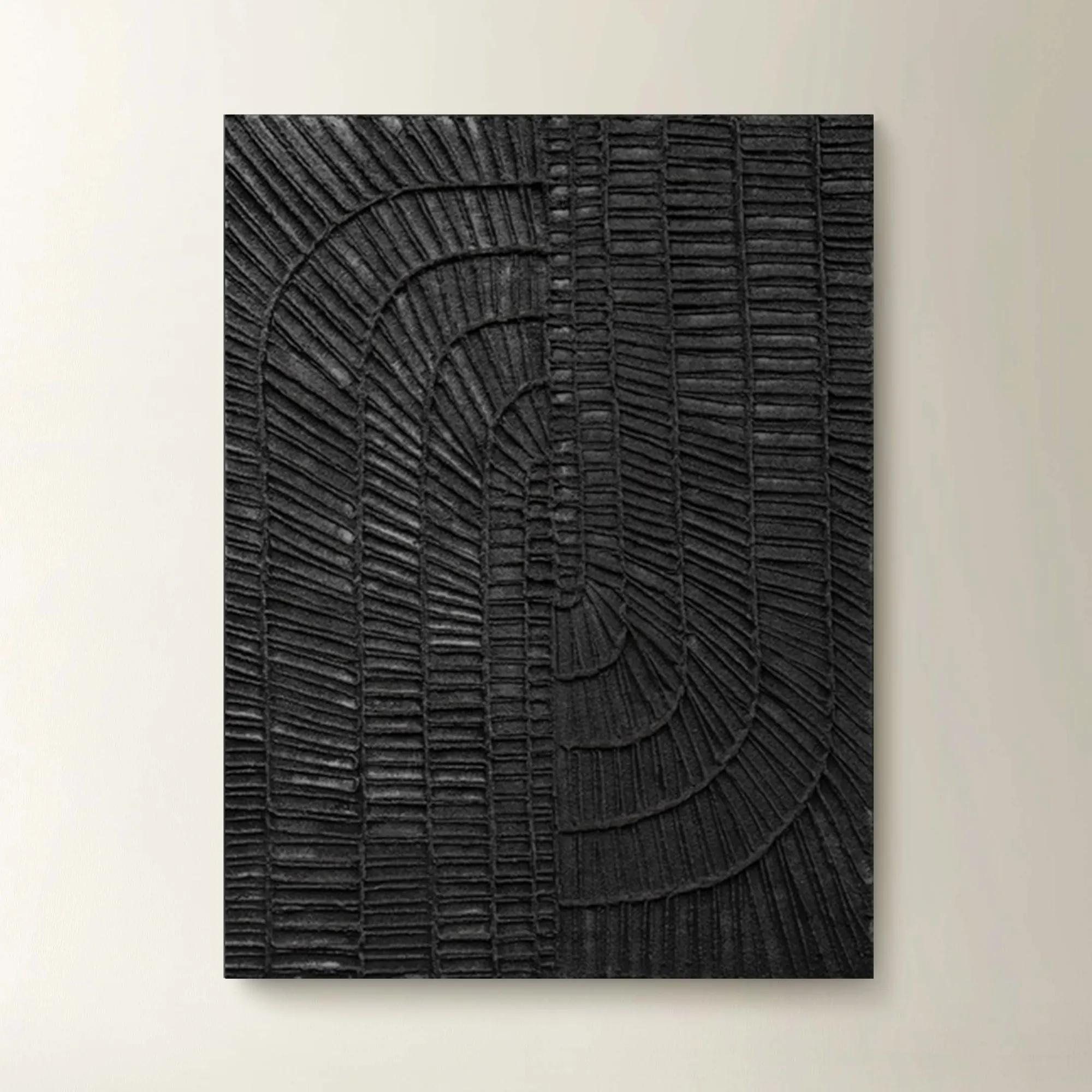 Textured Haze Black II Painted Wall Art 26" x 35"$499
A striking hand-painted black artwork featuring textured details for versatile vertical or horizontal display.
Add To Cart -
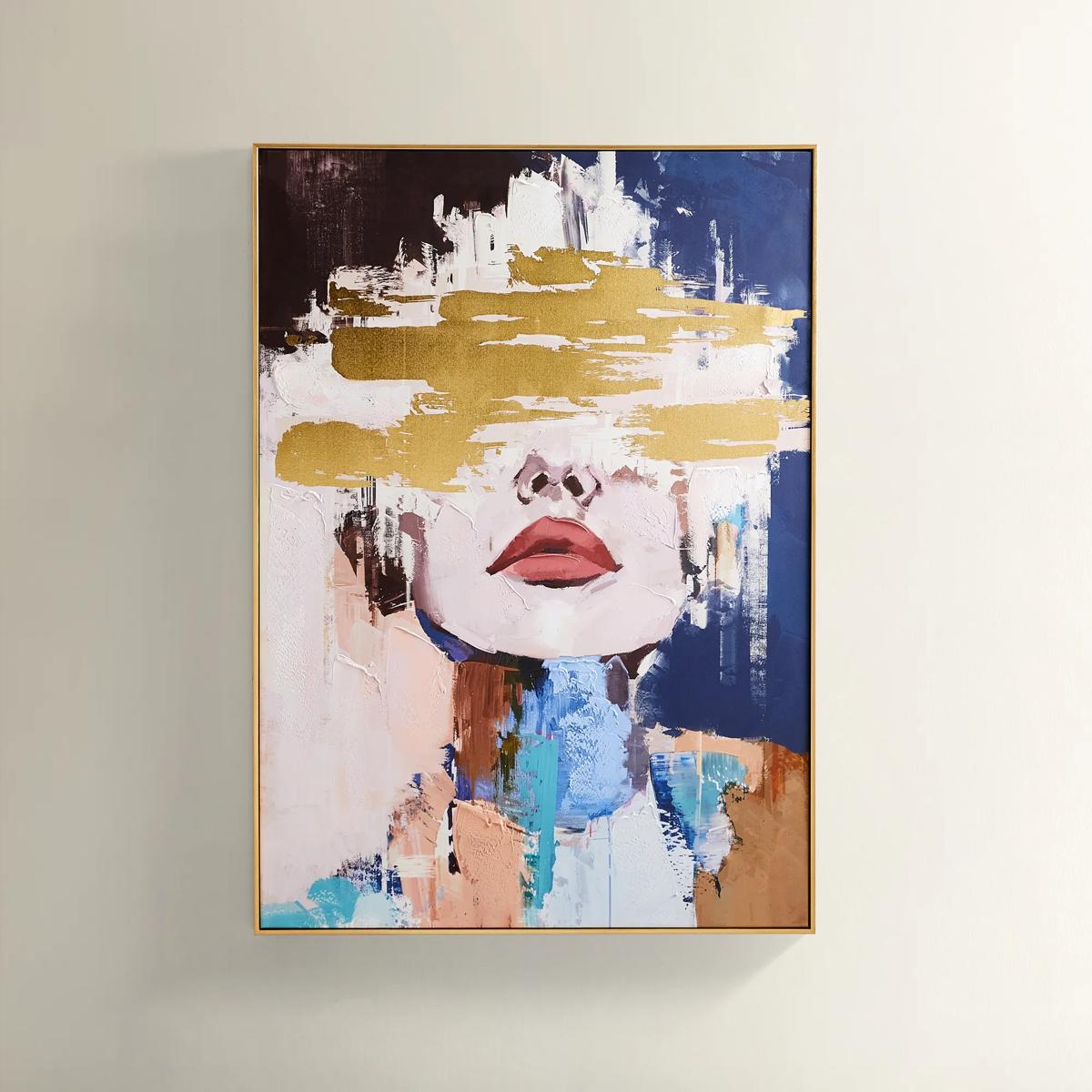
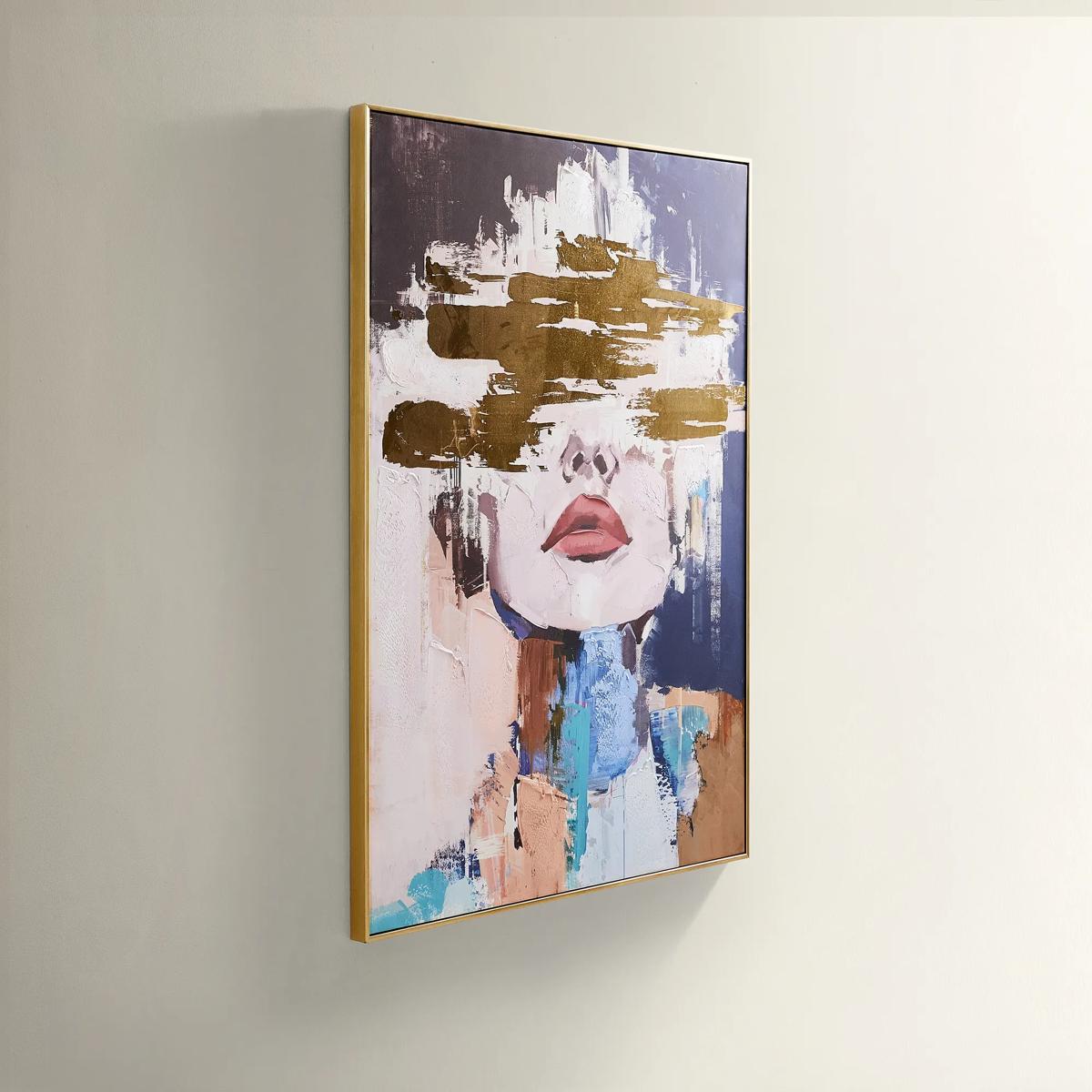 Waiting in Color Gold Foil Painted Wall Art 39.25" x 55"$499
A hand-painted abstract portrait in vivid blue, blush, and gold foil, framed in luxe gold.
Add To Cart

Decorative Wall Art Panels
Decorative Wall Art Panels transform blank walls into captivating masterpieces, infusing every room with a sense of drama and refined artistry. Each panel is more than mere décor; it’s an invitation to express your boldest vision and create a backdrop that dazzles with texture, color, and sculptural intrigue. Whether you seek to anchor a grand living space or add a touch of opulence to an intimate nook, these panels offer endless opportunities to curate visual stories that astonish and inspire. Elevate your home with Decorative Wall Art Panels that turn ordinary surfaces into extraordinary statements.
Decorative wall art panels are wall-mounted artworks that bring pattern, texture, and dimension to an interior, often through carved surfaces, sculptural relief, layered materials, or coordinated compositions. Unlike conventional prints, many panels extend beyond a flat image, allowing light and shadow to become part of the design. Some stand alone as a single focal point; others form a diptych, triptych, or larger arrangement with a rhythm that travels across the wall. They also differ from full-wall cladding: decorative art panels typically function as individual accents rather than a continuous architectural covering. Their appeal lies in that balance between artwork and architecture. A carved wood panel can introduce warmth beside a polished console, while dimensional metalwork creates a gleaming counterpoint to velvet upholstery. Wood and engineered wood lend themselves to geometric patterns, incised details, and painted finishes; metal supports crisp silhouettes, openwork, and reflective surfaces. Resin and molded composites can capture intricate relief, while textile-covered panels contribute a softer visual texture. Each material changes the mood of the composition, from quietly layered to boldly sculptural. In a living room, a substantial panel above the sofa can establish the room’s visual center without competing with every accent around it. In a dining room, a series of narrow panels can echo the length of the table and give the space a composed, gallery-like presence. An entryway benefits from artwork with enough depth and contrast to register at a glance, especially when paired with a console and a carefully placed lamp. For bedrooms and personal workspaces, tonal panels offer an expressive alternative to a busier arrangement of framed prints. Color need not be vivid to feel dramatic: ivory relief against a darker wall, brushed metal against matte paint, or richly grained wood against a pale backdrop can make texture the defining gesture. The result is artwork that contributes to the atmosphere of the room as much as its color palette.
Scale, spacing, and surface depth determine how decorative wall panels relate to the furniture beneath them and the architecture around them. A broad wall above a low sofa usually calls for a composition with enough width to feel connected to the seating area, while a slender section beside a doorway may be better suited to a vertical panel. Measuring the usable wall area, rather than the entire wall, helps account for windows, switches, shelving, and nearby furniture. For a multipanel arrangement, the overall measurement includes the gaps between pieces; those intervals can be as important to the finished composition as the panels themselves. Close spacing creates a unified statement, while wider spacing gives individual forms room to register. The relationship to surrounding furnishings matters, too. Artwork positioned too far above a console can feel detached, whereas a thoughtfully proportioned arrangement establishes a clear connection between the horizontal furniture line and the shapes above it. In hallways and other circulation areas, a panel’s projection from the wall deserves particular attention so that sculptural detail does not intrude into the path of movement. Lighting reveals another dimension of the design. Gentle illumination from the side can draw out carved ridges and recessed patterns, while highly reflective finishes may need placement away from harsh glare. Openwork panels allow the wall color behind them to participate in the artwork, making the backdrop part of the composition rather than an afterthought. The expressive geometry associated with Modern Art Wall Panels lends itself to interiors where sculptural furniture, strong silhouettes, and deliberate contrast already set the tone. A restrained palette can still support a richly detailed piece; repeating one finish from a nearby lamp or table helps create continuity without making every element match. Installation should suit both the artwork and the wall: panel weight, hanging hardware, wall construction, and manufacturer instructions determine whether studs or appropriate anchors are needed. Secure mounting is especially important for substantial pieces and arrangements placed above furniture.
Material and finish also shape how wall art panels perform over time. Solid wood can show natural grain variation and respond to changes in indoor humidity, while engineered wood offers a consistent substrate whose durability depends on its construction and protective finish. Metal panels may have painted, plated, polished, or intentionally distressed surfaces, each with different cleaning needs; a gleaming finish can reveal fingerprints more readily than a textured one. Resin relief can hold fine sculptural detail, although raised edges still require careful handling. Textile surfaces bring tactile richness but may collect dust differently from smooth materials. Routine care is usually most effective when it is gentle: a soft, dry cloth or soft brush can remove surface dust, including from recessed areas, without unnecessary abrasion. Water, furniture polish, solvents, and household cleaners should not be used unless the care instructions specifically permit them. Direct sunlight can alter some colors and finishes, and placement near a heat source may affect sensitive materials. A decorative panel should not be assumed suitable for a bathroom, covered patio, or other damp setting simply because it looks substantial; moisture resistance and outdoor suitability must be explicitly stated. Likewise, textured wood panels and upholstered artwork are not automatically acoustic treatments. Sound absorption or diffusion is a separate performance feature that requires product-specific information. These distinctions help keep the focus on the right intended use: adding visual depth, defining a focal point, and expressing a personal aesthetic. Decorative wall art panels suit homeowners who want a more architectural alternative to framed art, apartment dwellers seeking a concentrated statement, and design enthusiasts who enjoy mixing sculptural surfaces with textiles and furnishings. They can also make a thoughtful housewarming or wedding gift when the recipient’s taste, wall dimensions, and installation preferences are known. Whether the composition is a single carved form or a measured sequence of metallic reliefs, its lasting appeal comes from the conversation between material, light, and space—a wall given presence, not merely filled.
FAQs
Decorative wall art panels instantly elevate a room by introducing dimension, color, and visual intrigue. Whether you choose a piece with sculptural depth, metallic sheen, or bold abstract design, panels draw the eye and set the tone for the entire space. They can create a sense of drama, add warmth, or serve as a captivating focal point, transforming ordinary walls into extraordinary moments of self-expression.
Wall art panels are crafted from a variety of luxurious materials, each offering its own unique character. You might find panels made from hand-carved wood, gleaming metals, mirrored glass, or richly layered resins. Some designs incorporate mixed media, blending textures for a multidimensional effect that plays with light and shadow, perfect for creating an atmosphere of opulence and artistry.
Decorative wall art panels make an inspired gift for anyone who loves to express their personality through interior design. They’re especially cherished by new homeowners, newlyweds, art enthusiasts, or anyone looking to refresh their space with a touch of luxury and individuality. Gifting a panel is a thoughtful way to celebrate milestones or simply to honor someone’s unique taste and creative spirit.
To weave a cohesive design story, consider the mood and color palette you wish to evoke. Select panels that echo or contrast with your furniture and decor, creating intentional connections throughout the space. Grouping multiple panels can create a gallery effect, while a single statement piece can anchor a room. Trust your instincts and allow your choices to reflect your personality and vision.
Absolutely—decorative wall art panels are remarkably versatile and can enhance virtually any room, from dramatic living rooms and elegant dining spaces to serene bedrooms and even chic entryways. Their ability to transform a blank wall into a captivating focal point makes them a favorite for both grand and intimate spaces alike.