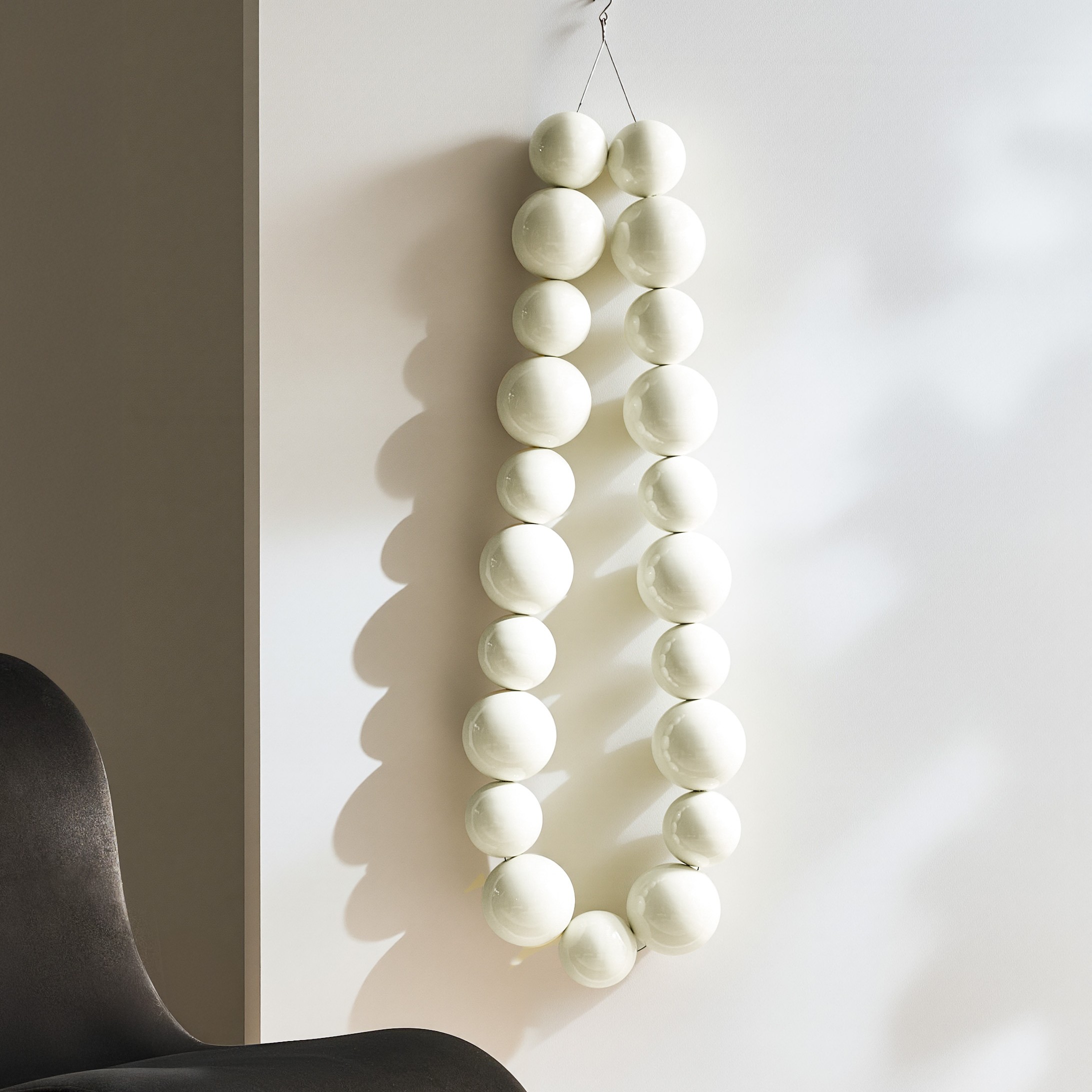
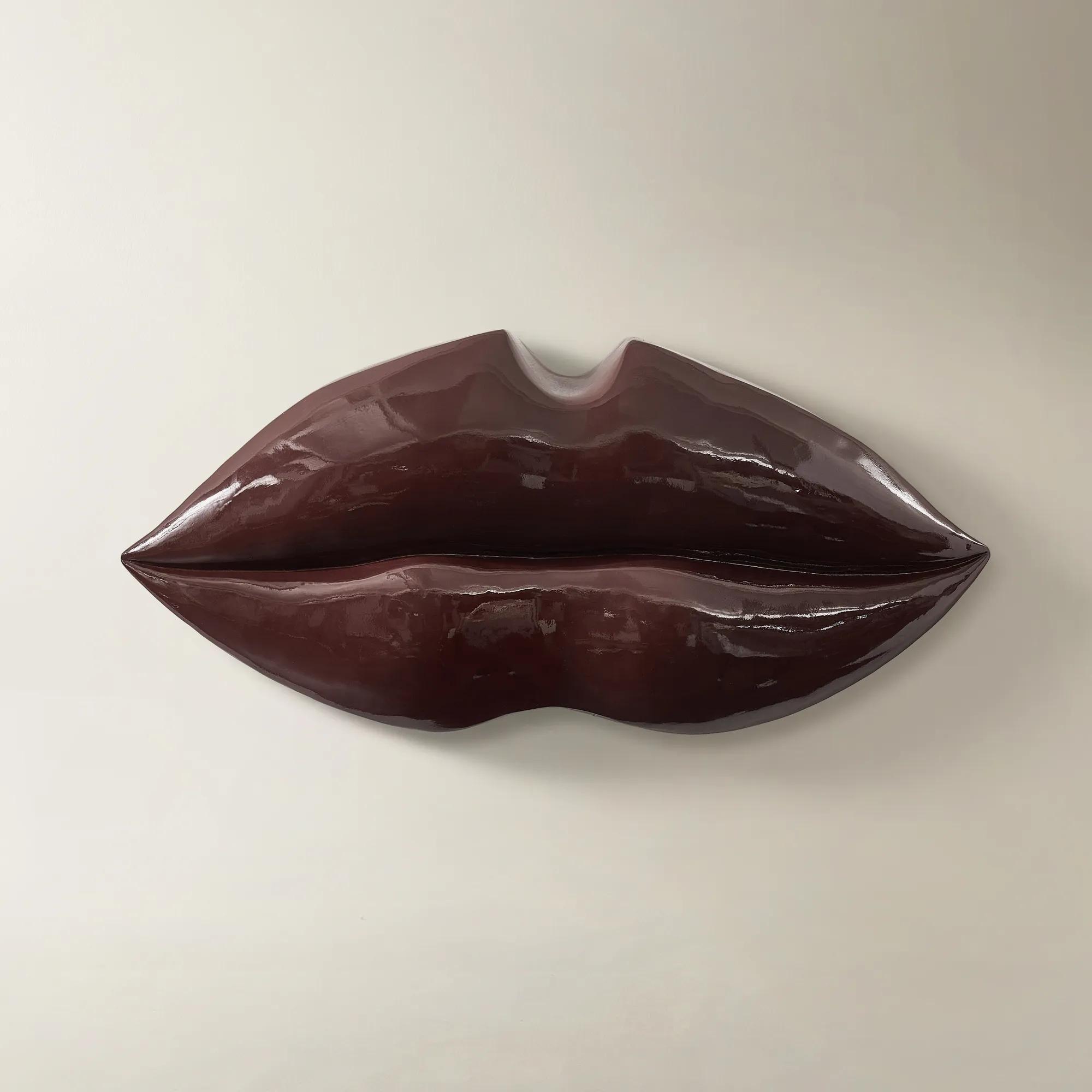
Decorative Wall Panels For Interiors
Decorative Wall Panels For Interiors
-
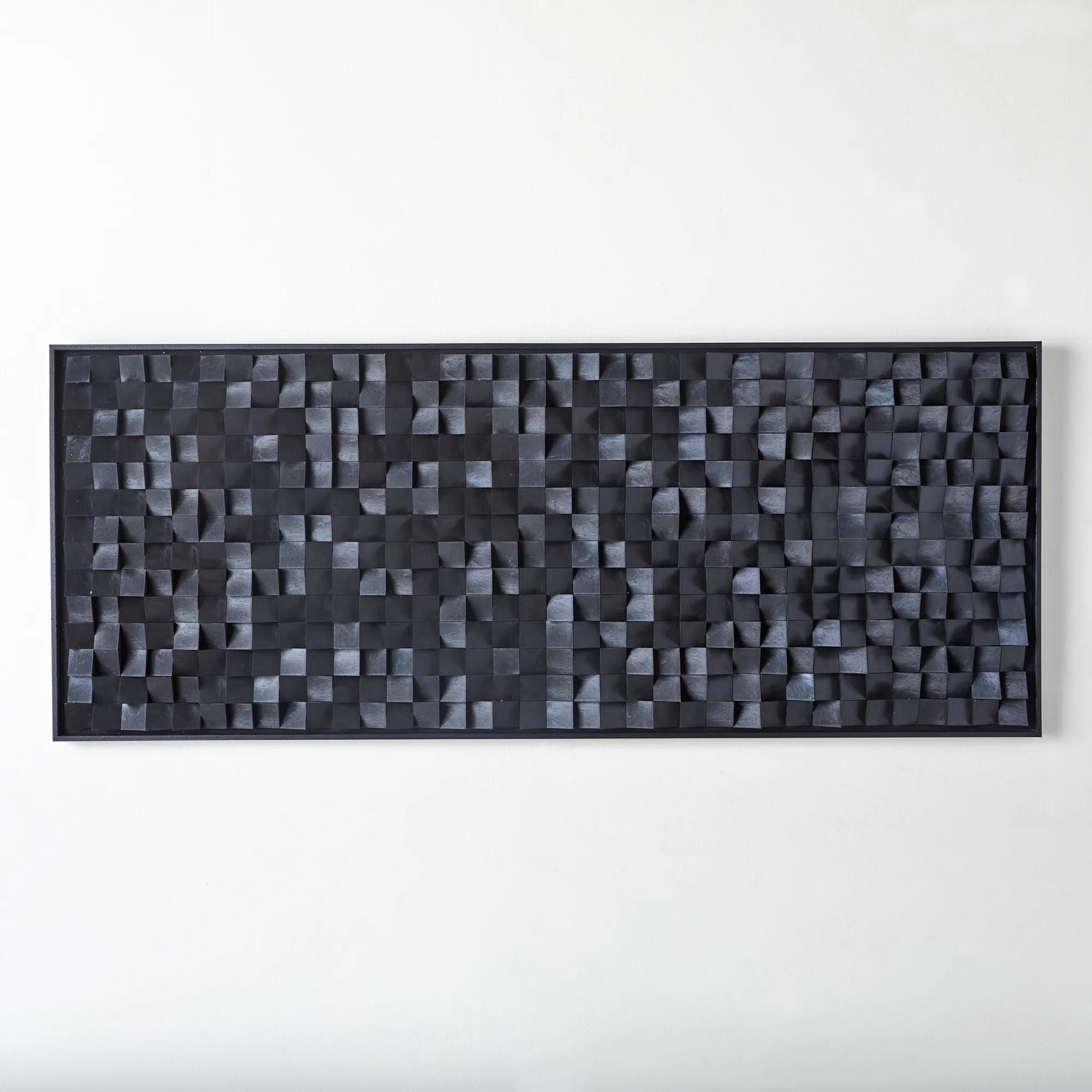 Nightfall Black Wood Dimenisonal Wall Panel 59" x 23.5"$599
An abstract wall art piece featuring cut black blocks in a sleek, low-profile black frame.
Add To Cart -
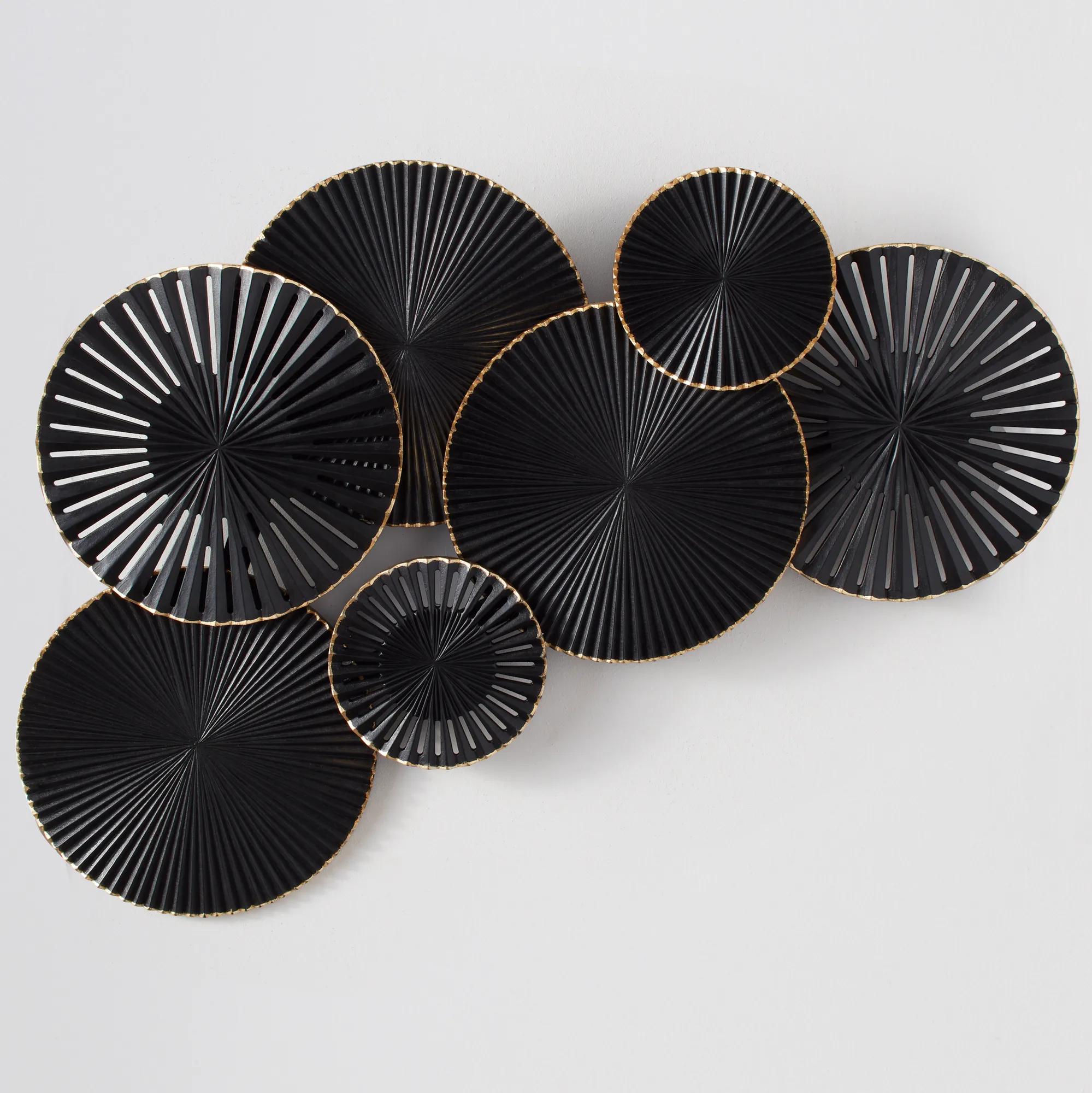
 Circa Black Carved Wood Dimensional Wall Panel 47.25" x 27.5"$499
A carved wood wall art panel in black and gold that adds abstract intrigue to any room.
Add To Cart -

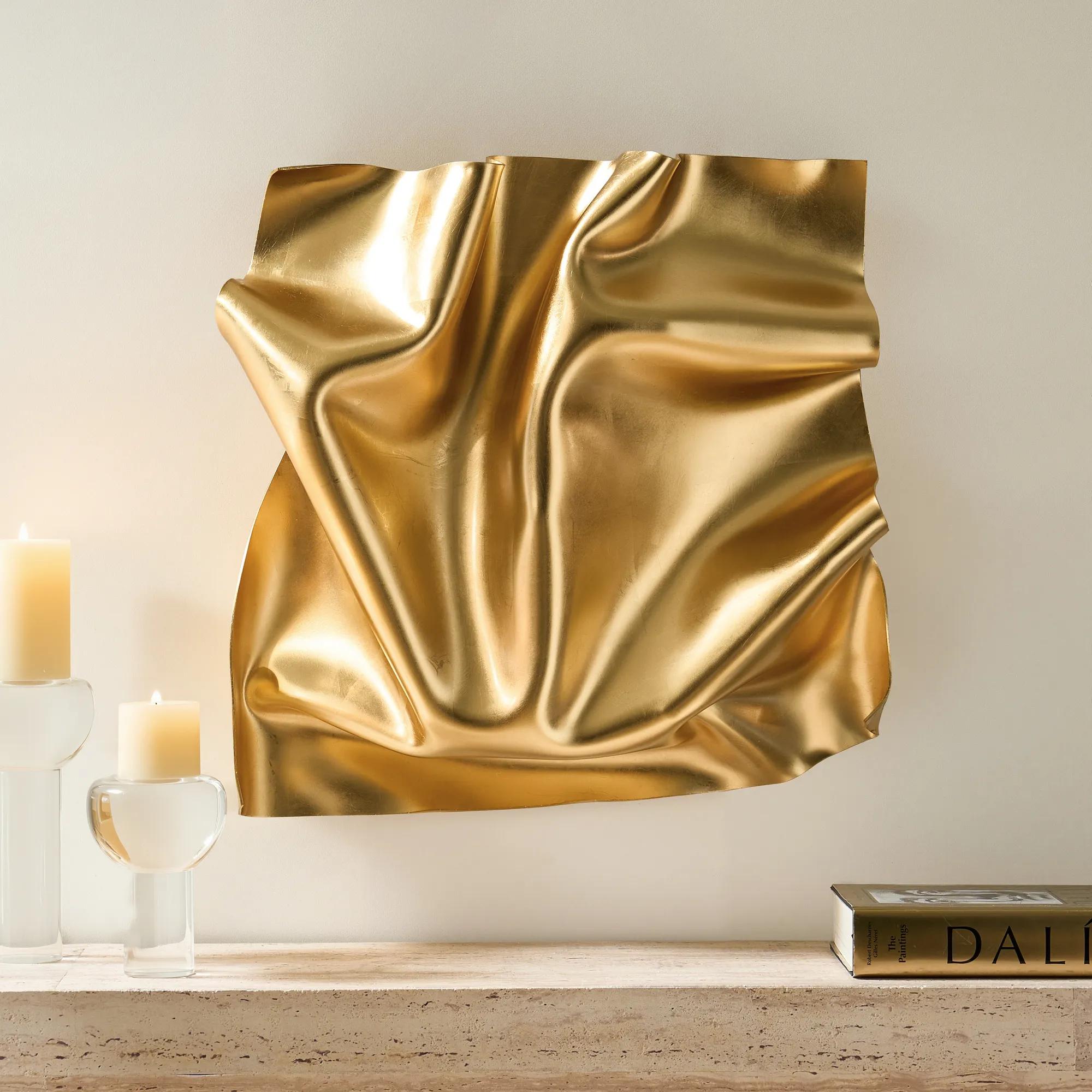 Surface Sculpted Gold Leaf Acrylic Wall Decor 23.6" x 23.6"$199
A dimensional acrylic wall panel features hand-applied gold leafing for a luminous, sculptural gallery effect.
Add To Cart -
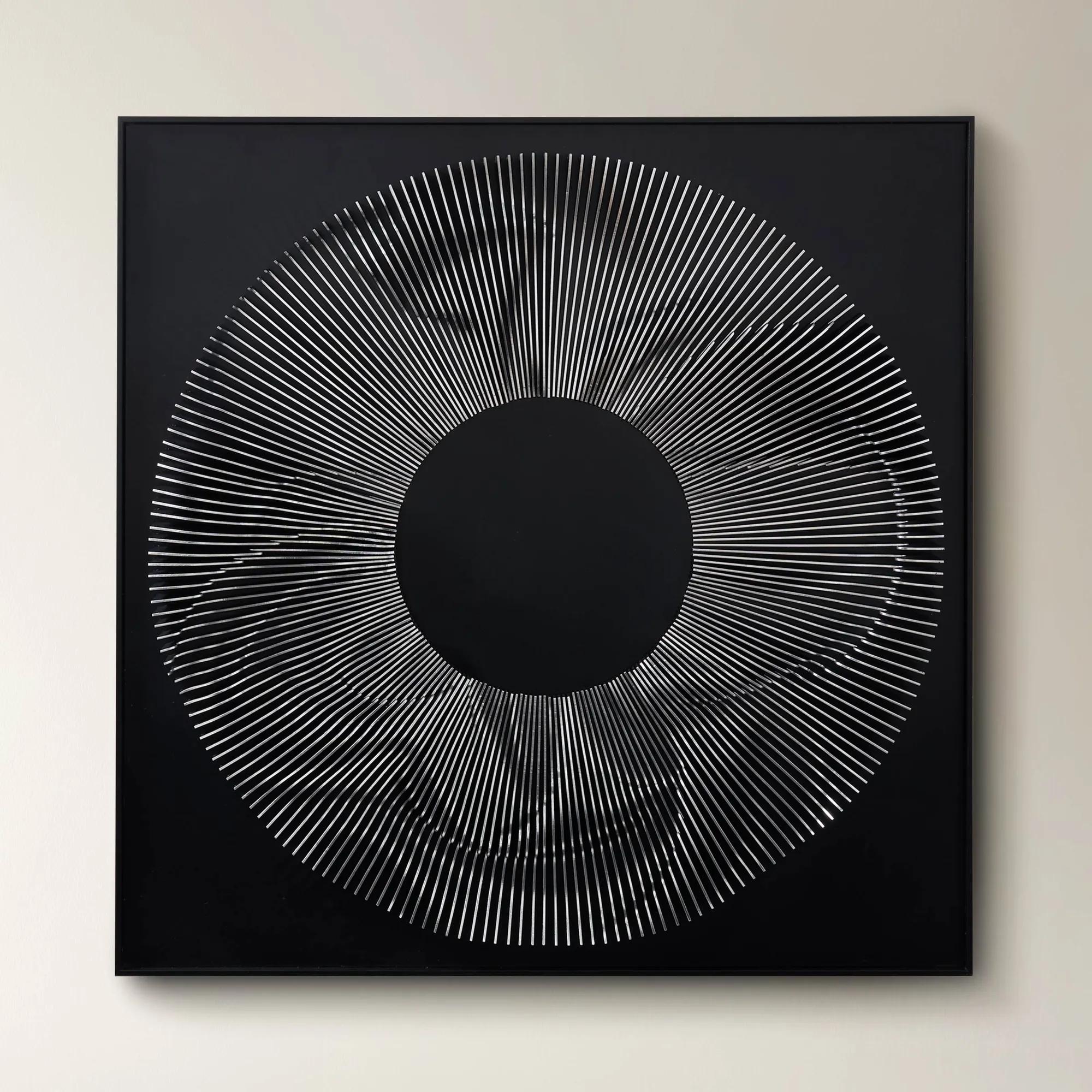 Efflorescence Wood Carving$799
A three-dimensional pine wood panel features a flowing carved motif in a striking silver finish.
Add To Cart -
 Gilt Collage Gold Hand Crafted Wood Dimensional Wall Panel 30" x 60"$799
A glamorous gilt-finished collage wall panel bringing sculptural dimension and contemporary elegance to your decor.
Add To Cart -
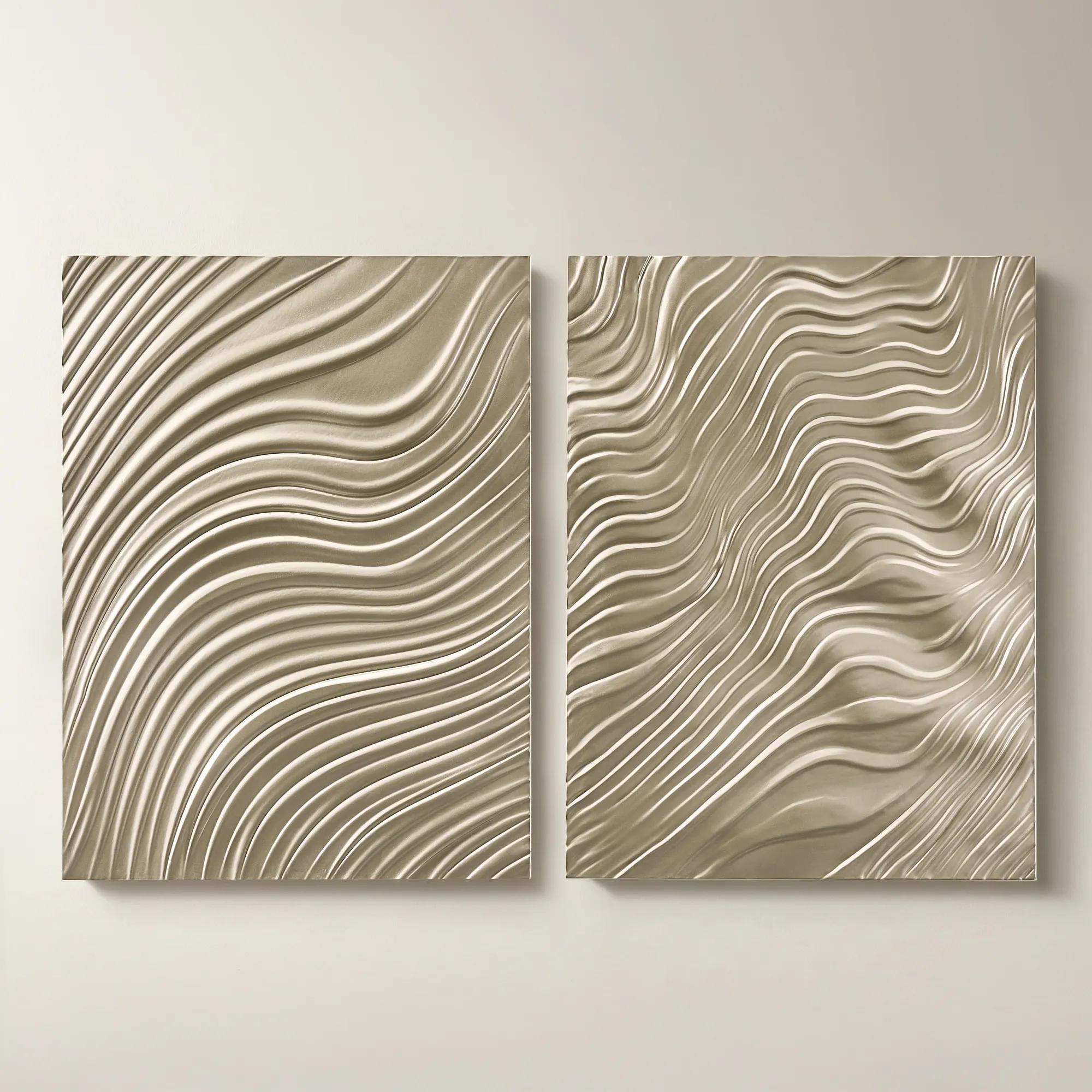
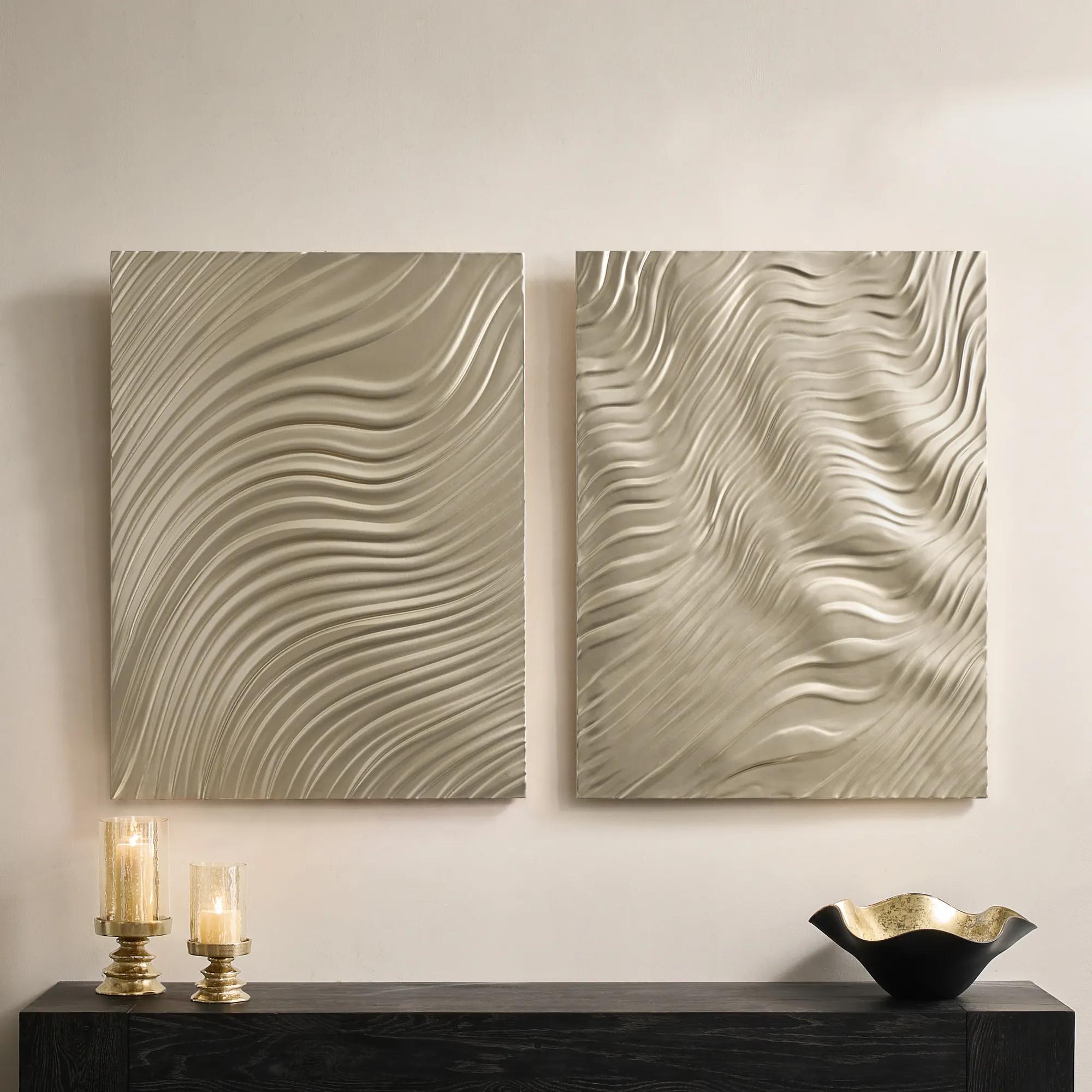 Mirage Champagne Carved Wood Wall Panels 30" x 40" Set of 2$799
A set of two intricately carved wood composite panels in a champagne finish with flowing 3D patterns.
Add To Cart -
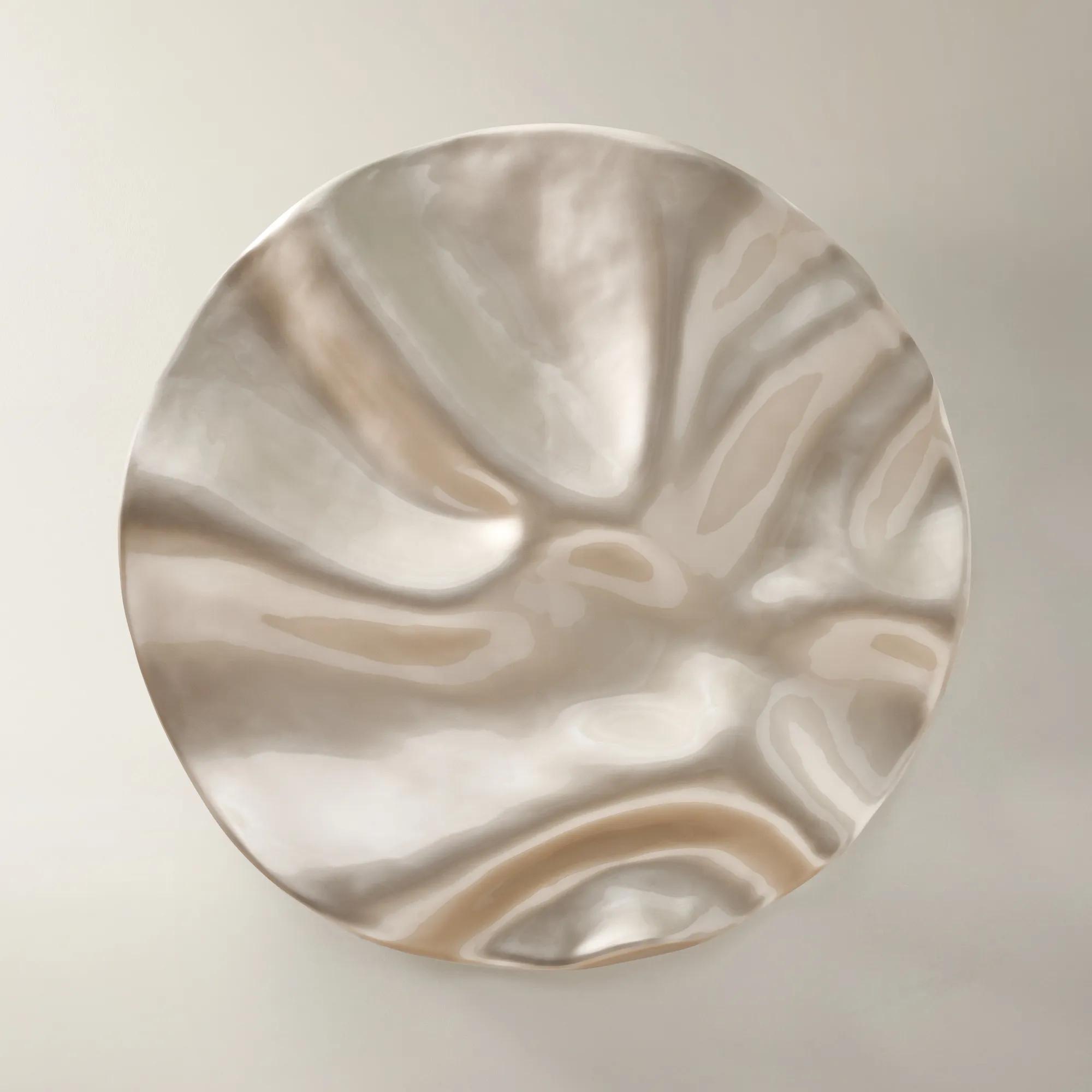
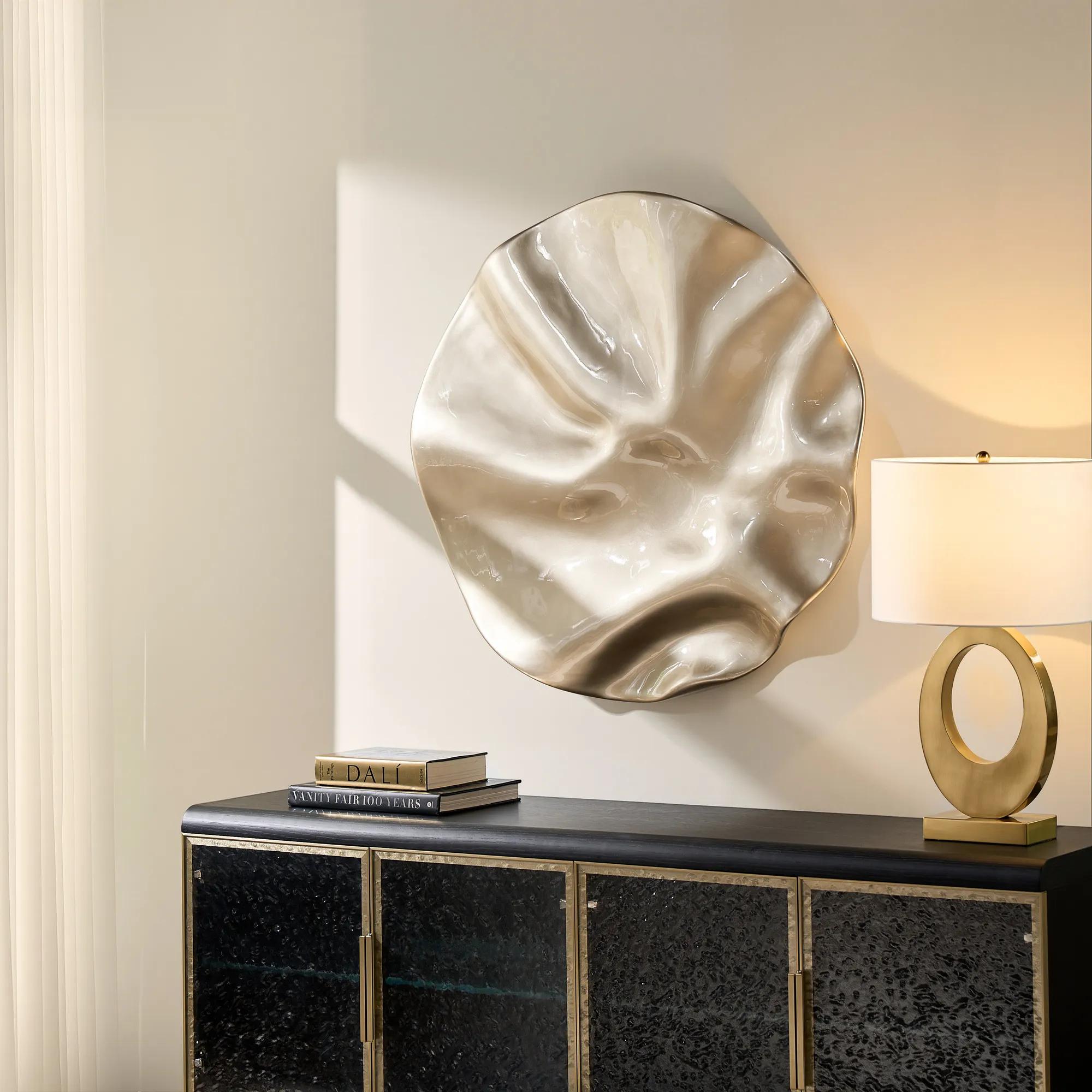 Moonlight Champagne Resin Round Wall Panel 39.75"$499
A luminous champagne-toned resin wall panel with a round silhouette and sculptural modern appeal.
Add To Cart -
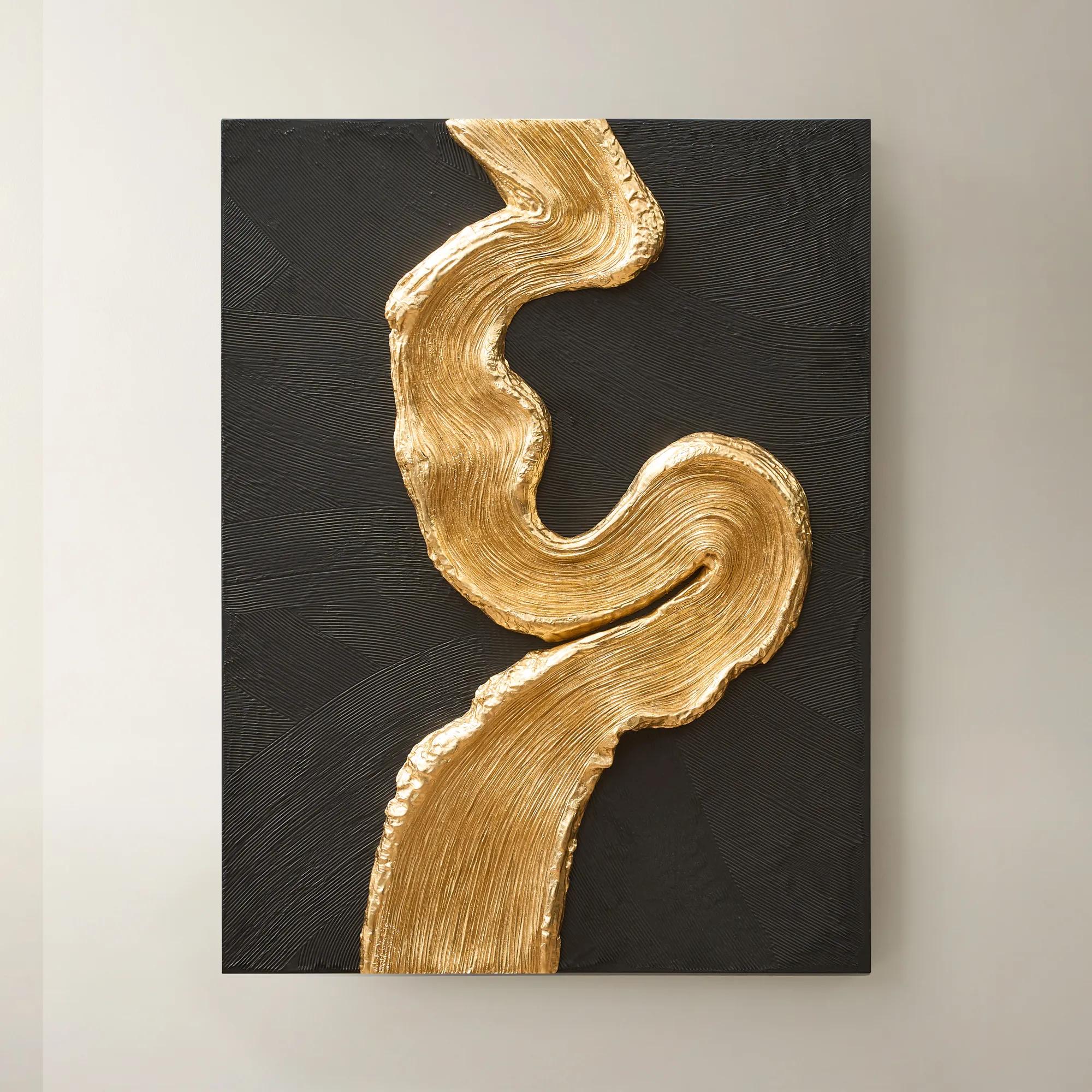
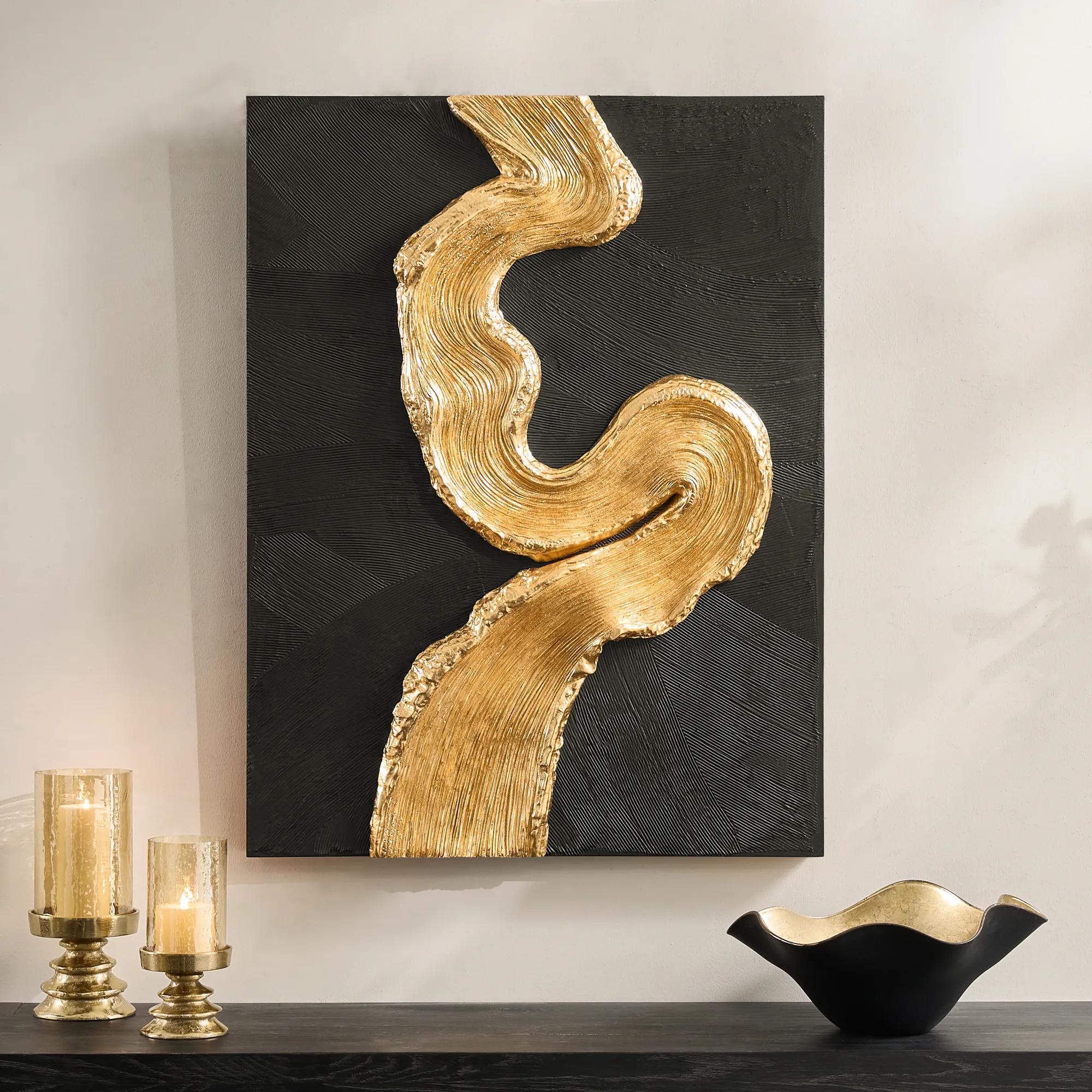 Gold Impasto Sculpted Resin Wall Panel 30" x 40"$499
A sculpted fiberglass resin wall panel featuring gold leaf detail and bold impasto texture on a black backdrop.
Add To Cart -
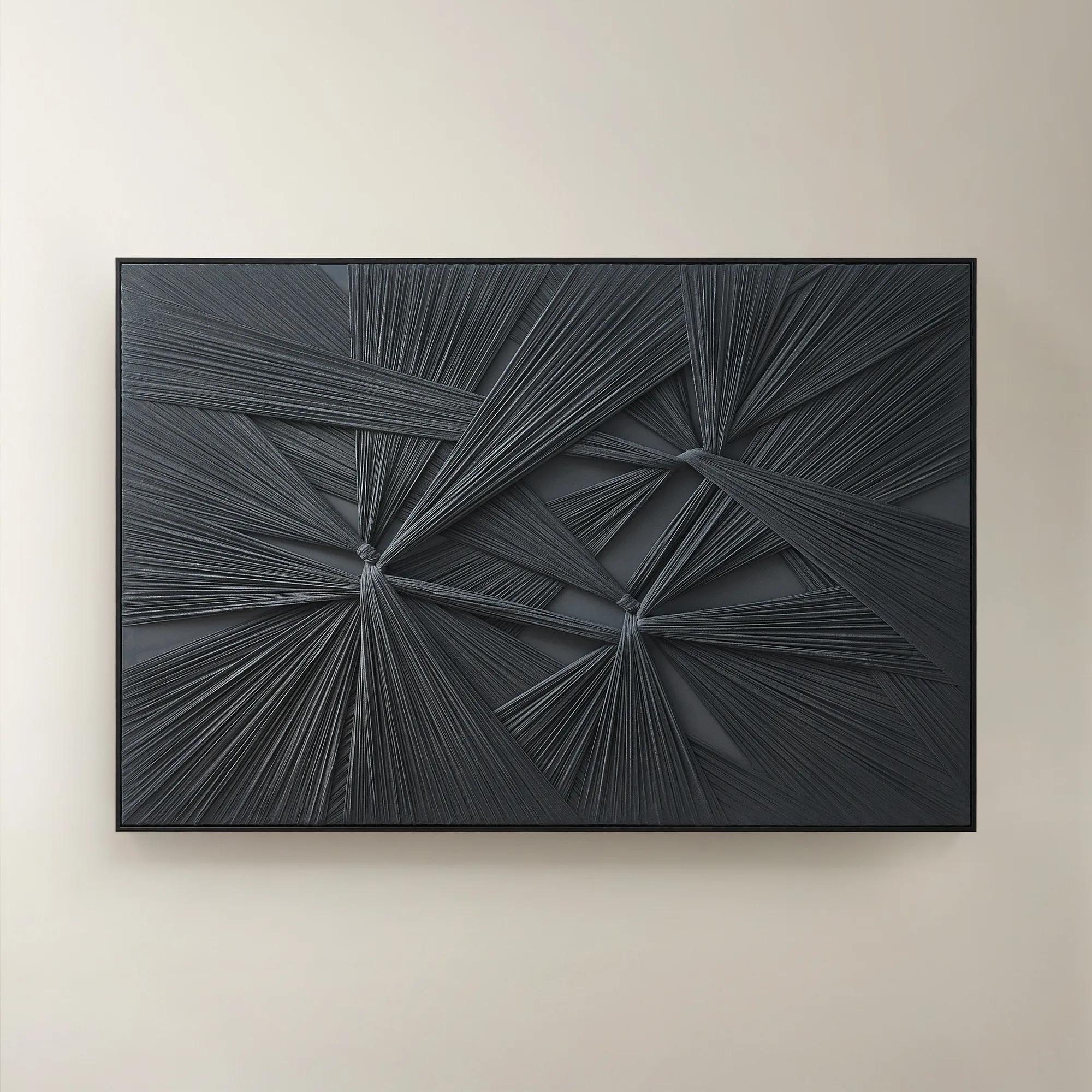 Grace in Dark Slate Hand-crafted Fabric Wall Art 70.75" x 47"$799
A hand-crafted textile wall art piece in dark slate, featuring sculptural texture and versatile display options.
Add To Cart -
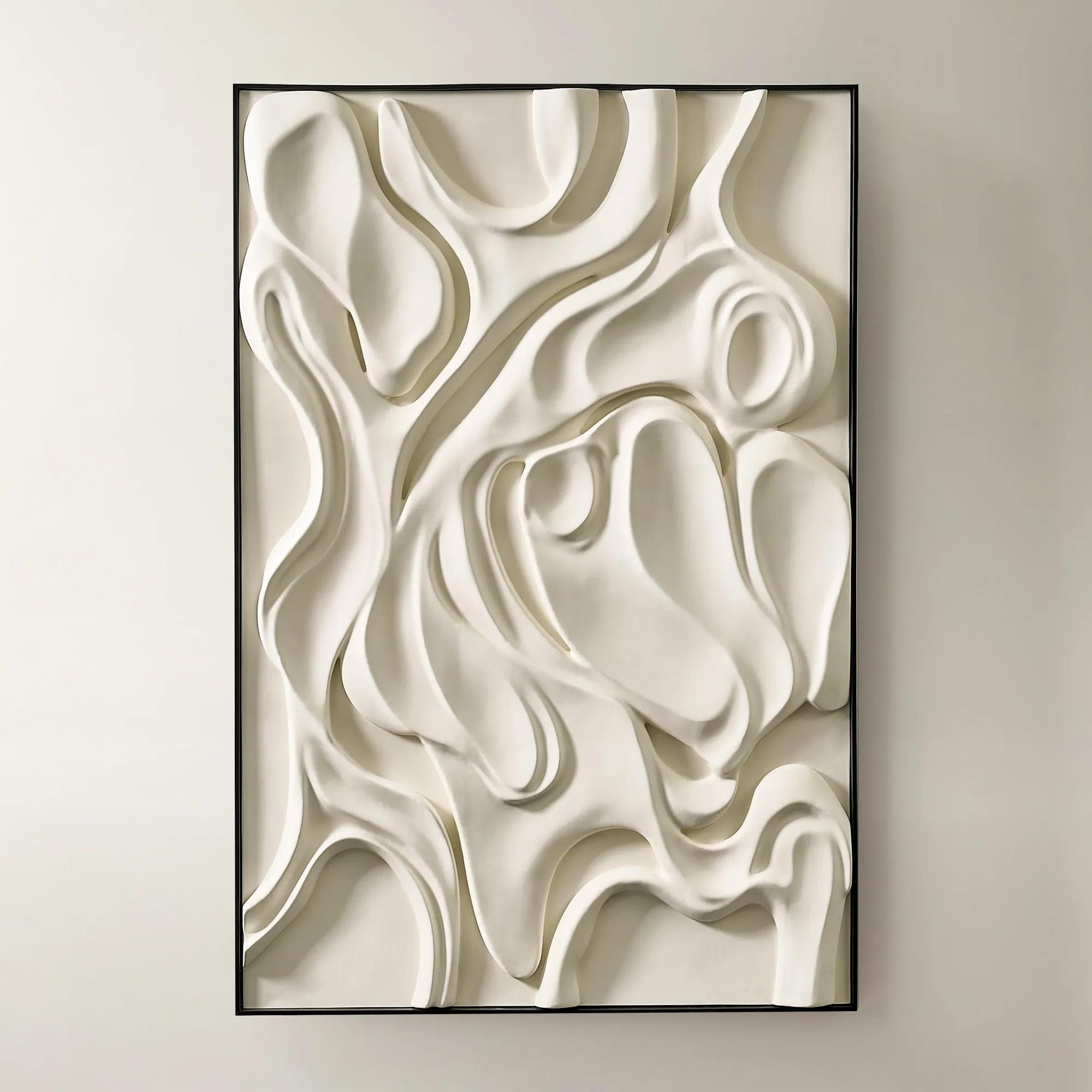 Overflow Alabaster Sculpted Resin Wall Panel 40" x 60"$699
An alabaster fiberglass resin wall panel with sculptural texture and a versatile black frame for modern spaces.
Add To Cart -
 Bella Champagne Draped Leather Wall Panel 50" x 40"$699
A sculptural wall panel featuring cascading black, champagne, and ivory leather over a fabric-wrapped MDF foundation.
Add To Cart -
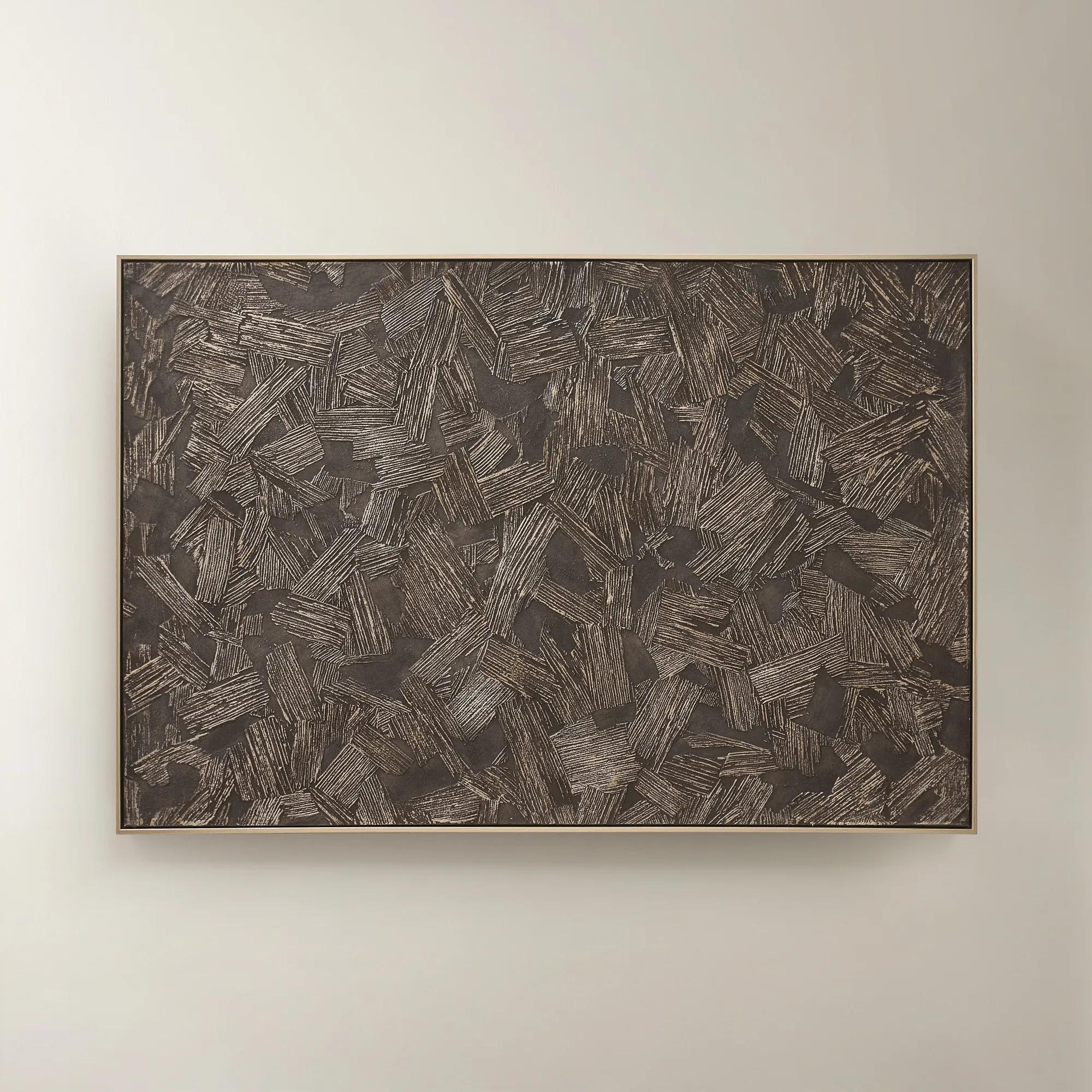
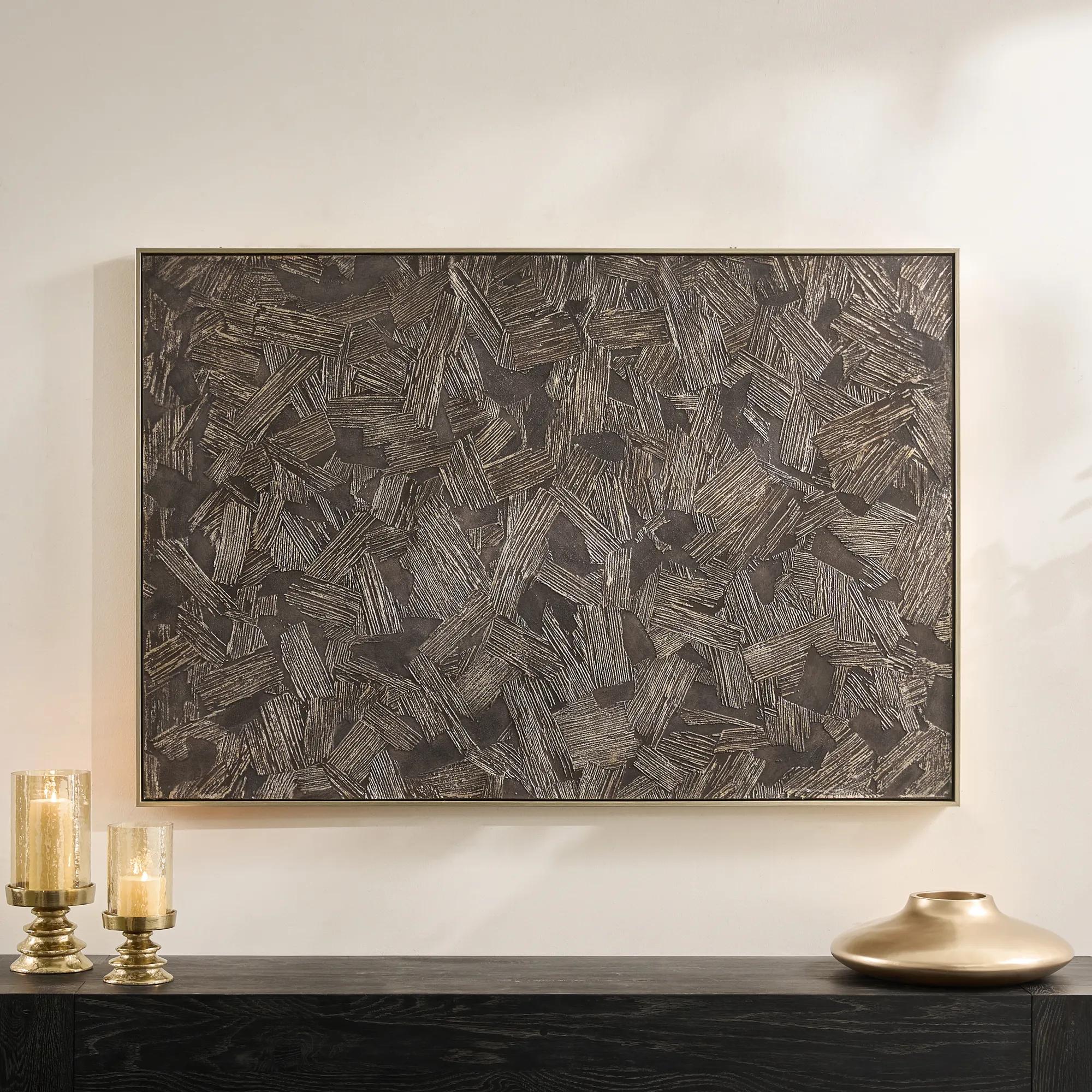 Etched in Darkness Dark Chocolate Wall Panel 53.5" x 36"$329
A hand-painted wrapped canvas features moody dark chocolate hues with champagne accents and a layered, textural finish.
Add To Cart -
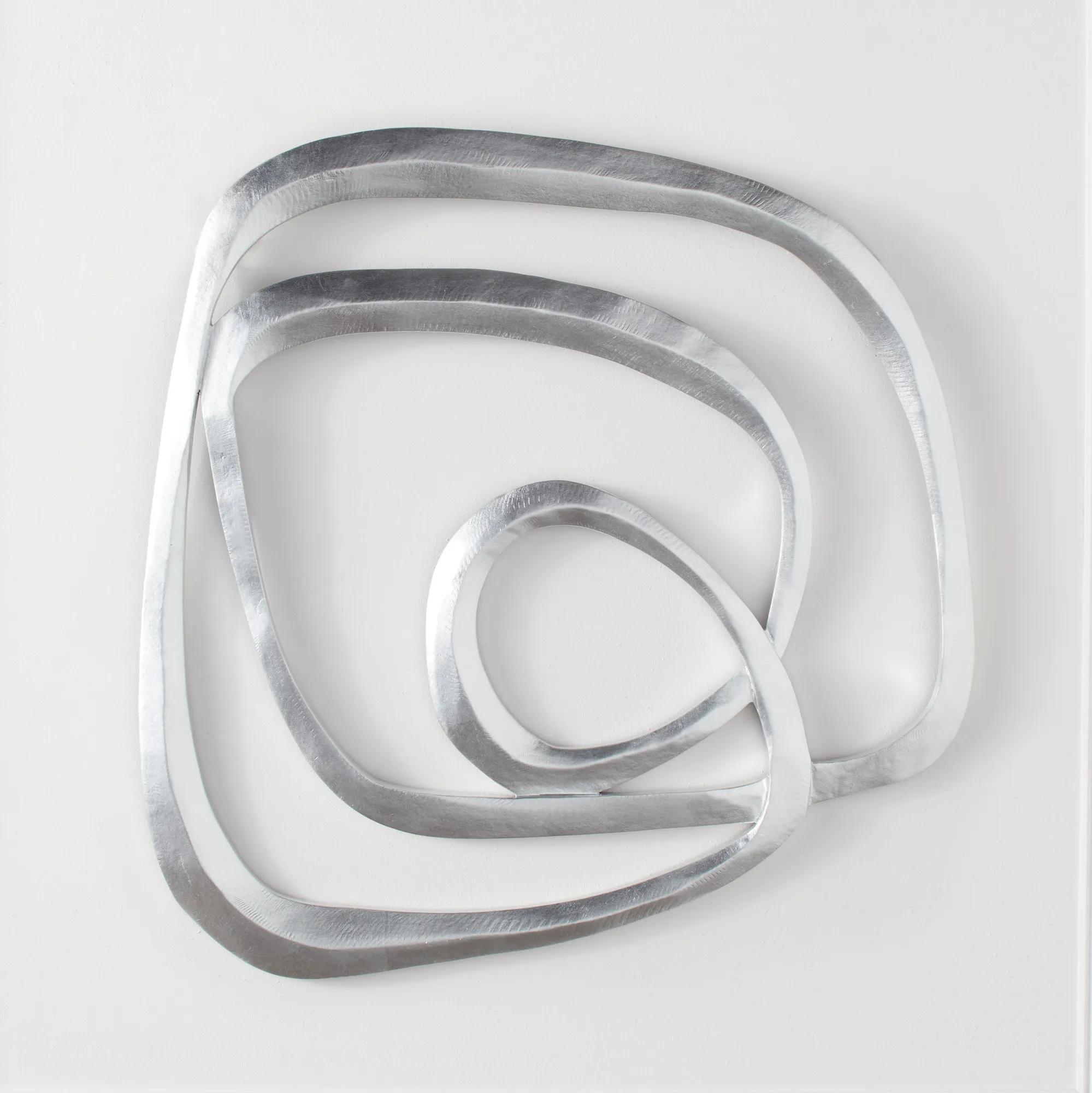 Infinity Silver Leaf Wood Wall Decor I 31.5" x 31.5"$299
A swirling wooden wall sculpture featuring a striking metallic silver finish for modern visual impact.
Add To Cart -
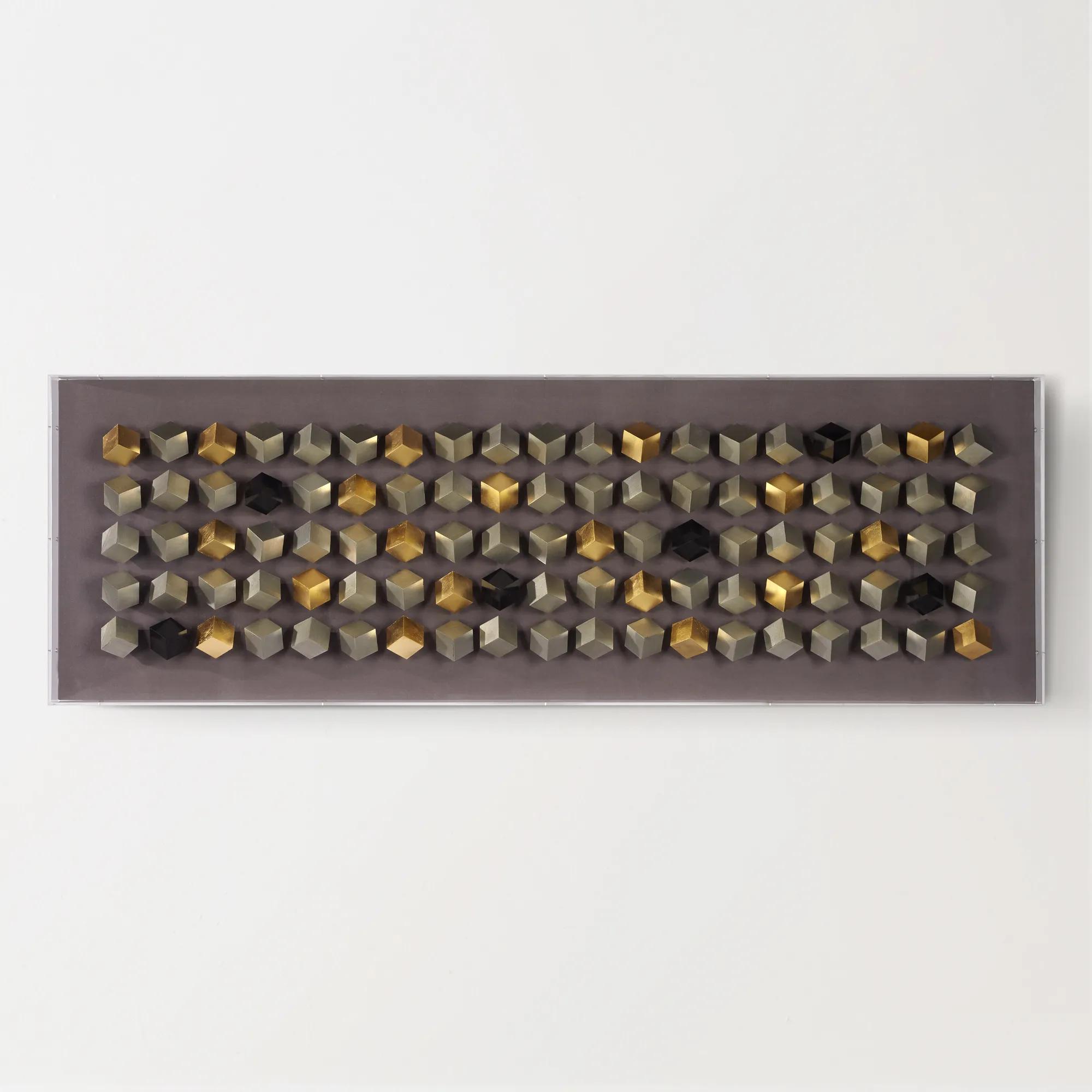
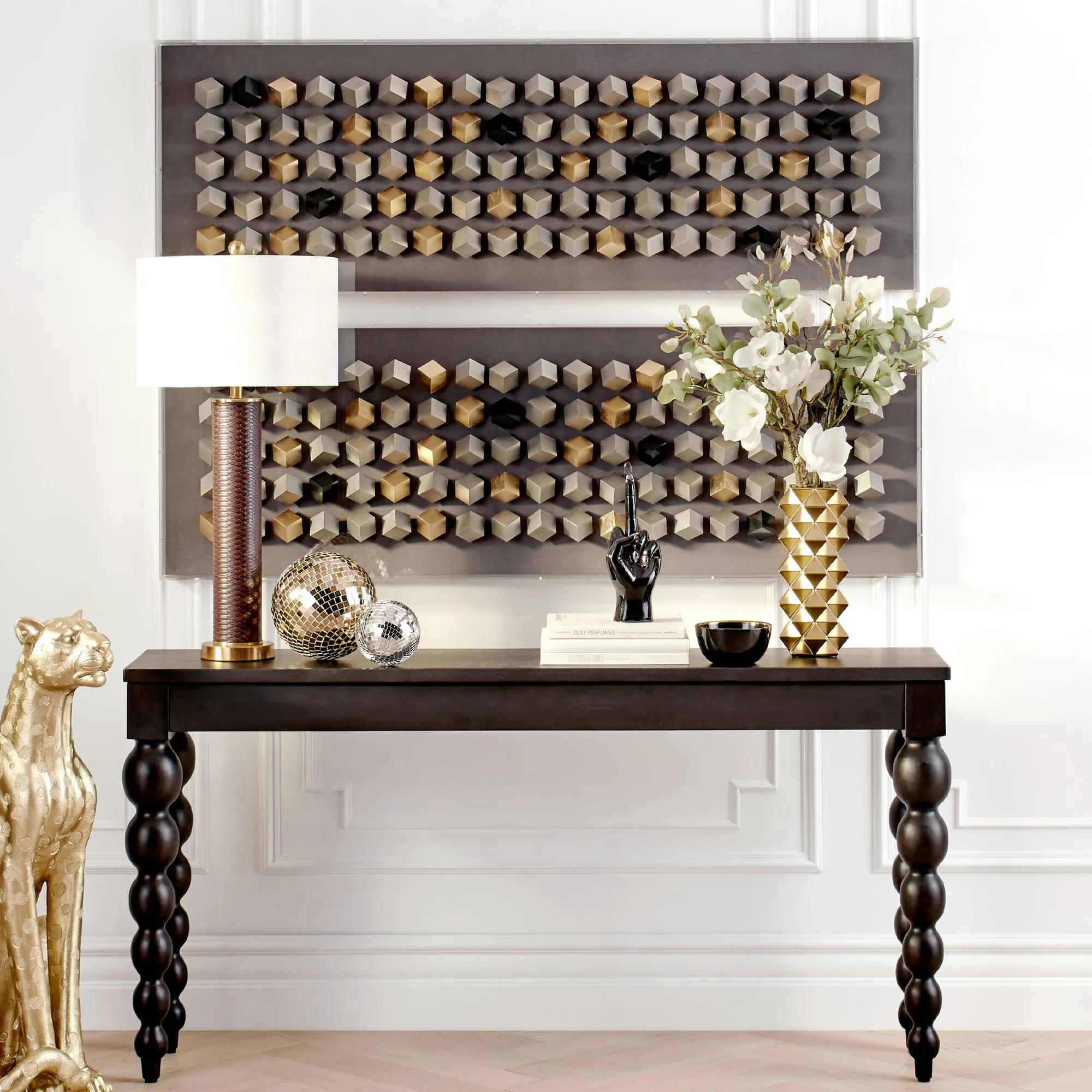 Cubic Array Dimensional Wall Decor in Acrylic 59" x 19.75"$599
A striking shadowbox wall art featuring a cubic, dimensional design with a tri-tone metallic finish.
Add To Cart -
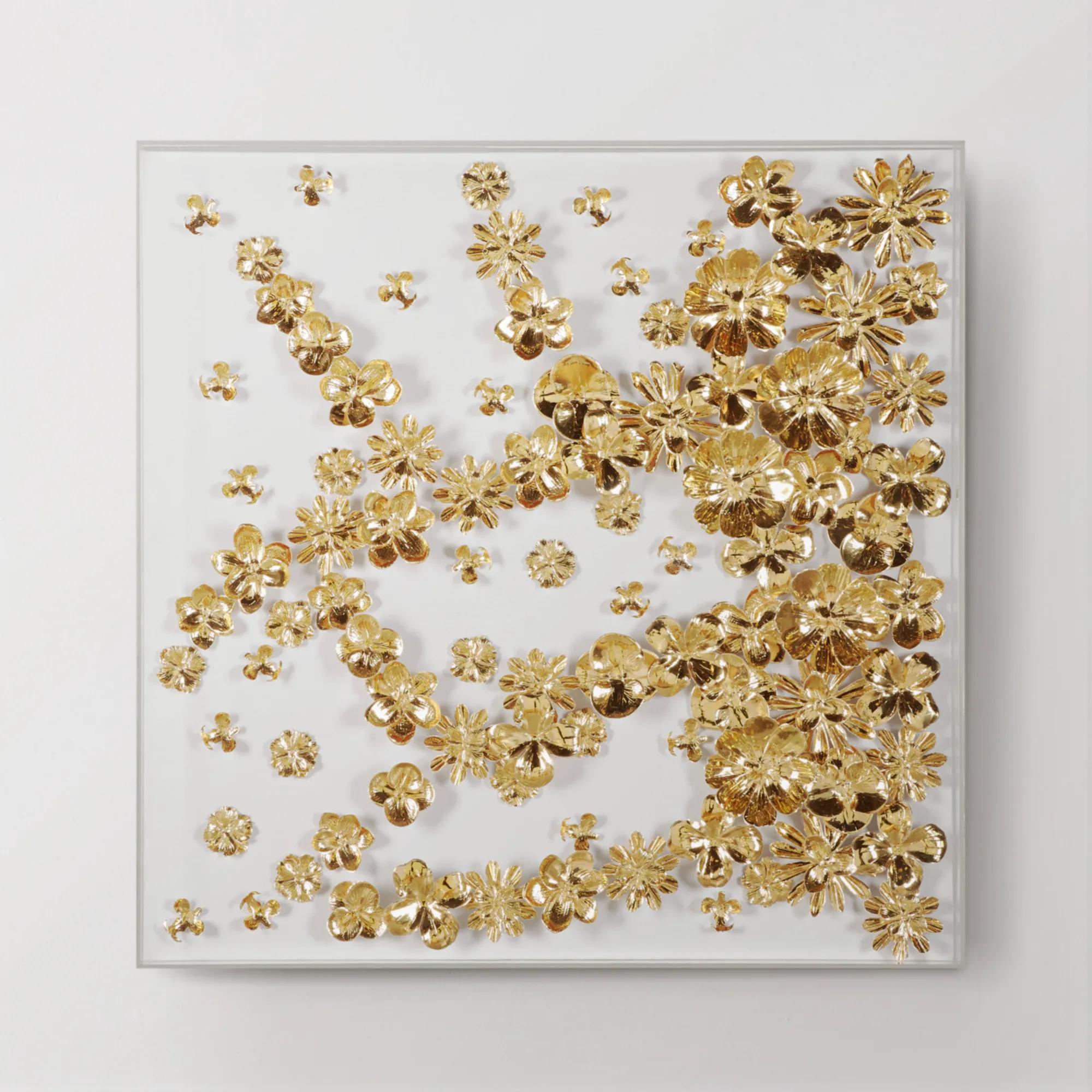
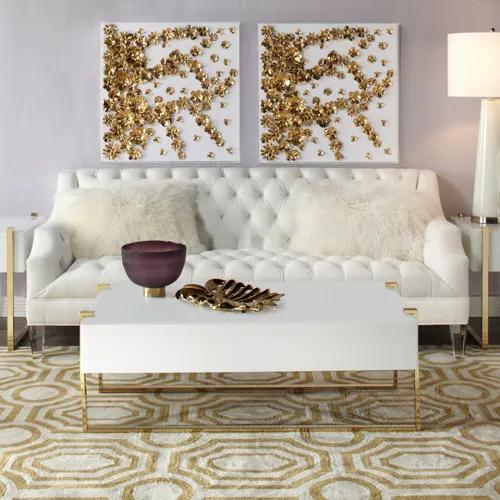 Gold Flora Handmade Foil Wall Decor in Acrylic 31" x 31"$499
A glam botanical wall art featuring handmade gold foil paper flowers on a white linen background.
Add To Cart -
 Infinity Gold Leaf Wood Wall Decor II 31.5" x 31.5"$299
A swirling wooden wall sculpture featuring a striking metallic gold finish for a modern statement.
Add To Cart -

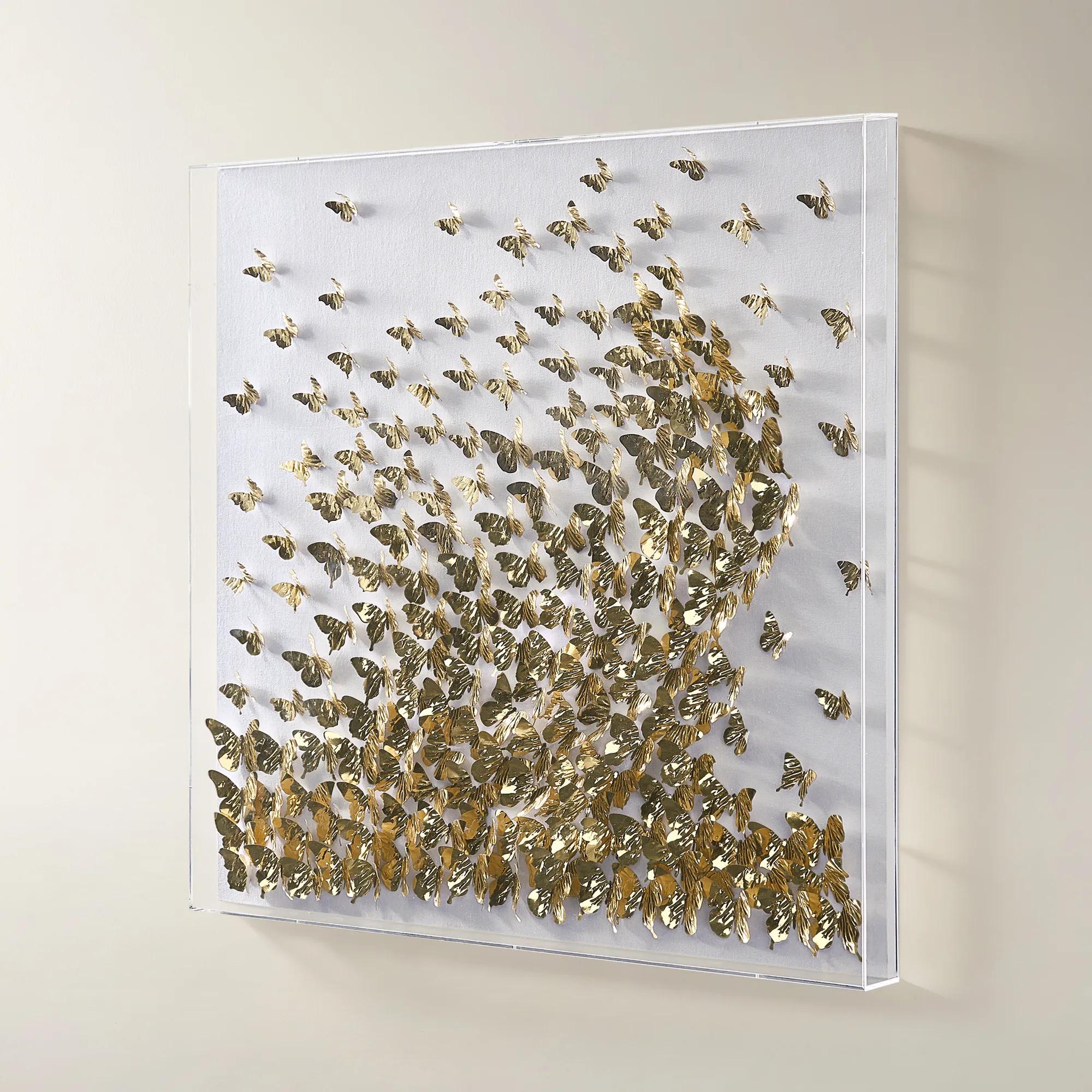 Butterfly Mist Handmade Gold Foil Wall Decor in Acrylic 39.25" x 39.25"$799
A sculptural wall art piece featuring handmade gold foil paper butterflies on linen, encased in a clear acrylic box.
Add To Cart -
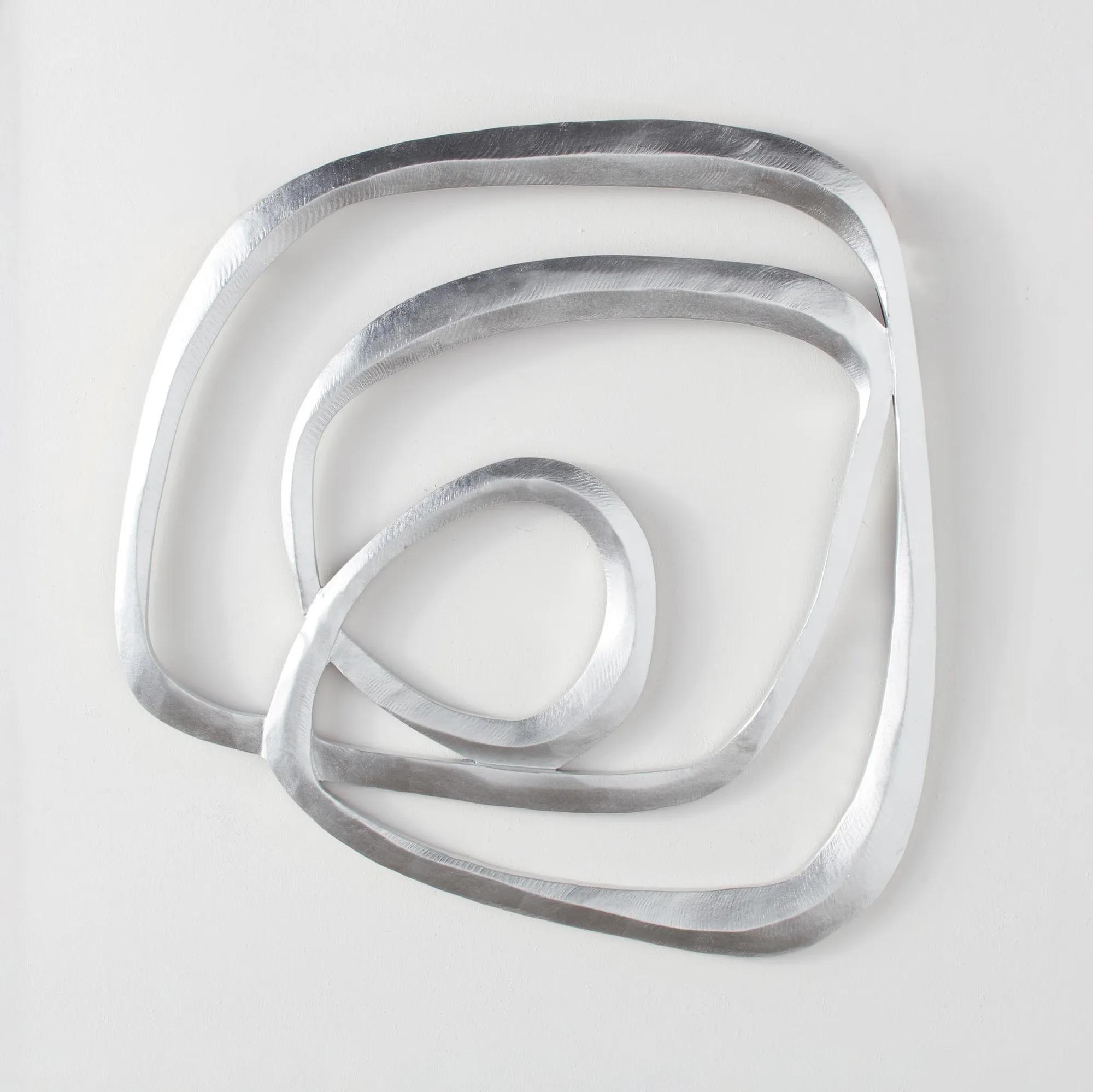 Infinity Silver Leaf Wood Wall Decor II 31.5" x 31.5"$299
A swirling wooden wall sculpture featuring a striking metallic silver finish for modern visual impact.
Add To Cart -

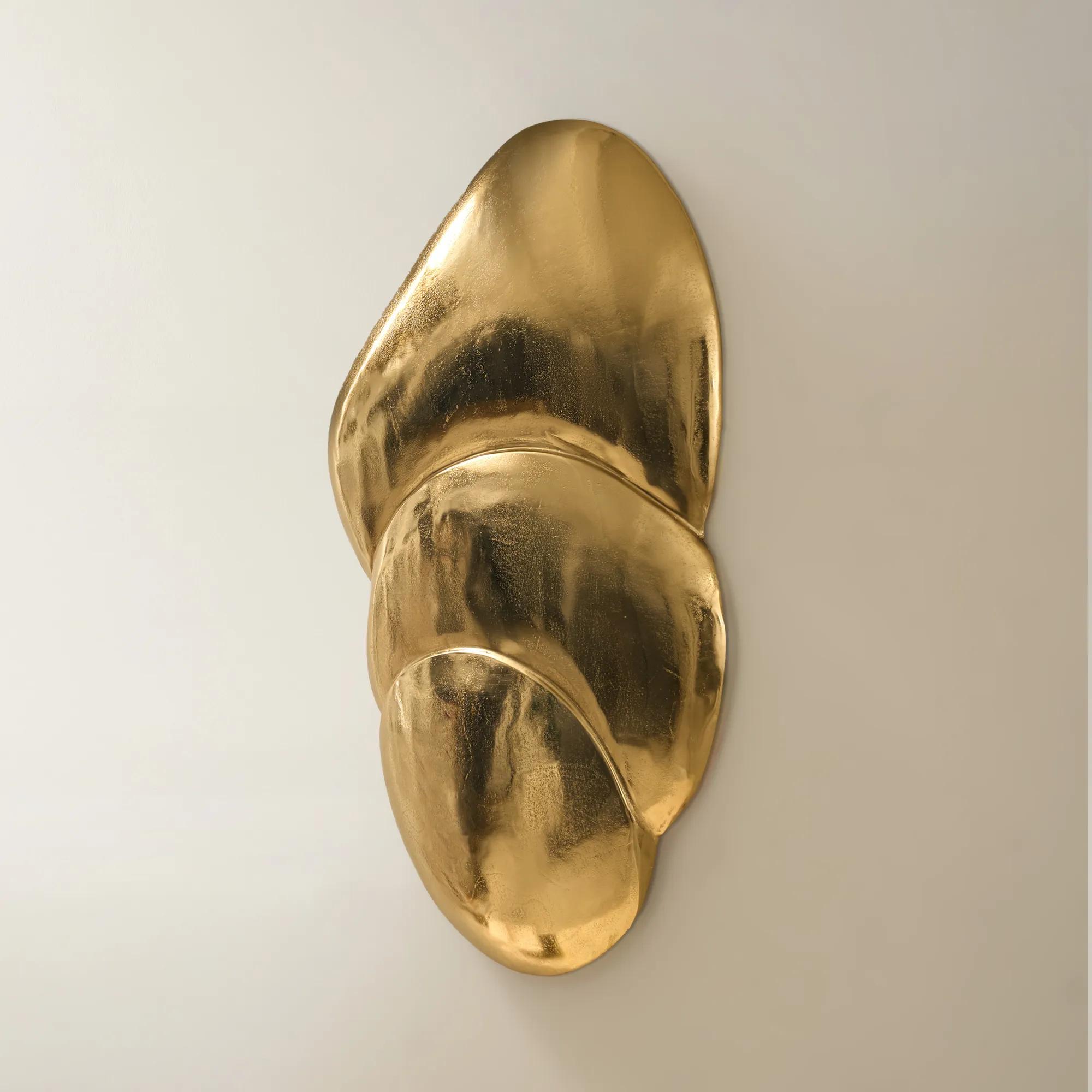 Echo Gold Handcrafted Aluminum Wall Decor 19" x 30"$169
A handcrafted gold aluminum wall sculpture with crisp definition and a polished, gallery-ready framed presentation.
Add To Cart -
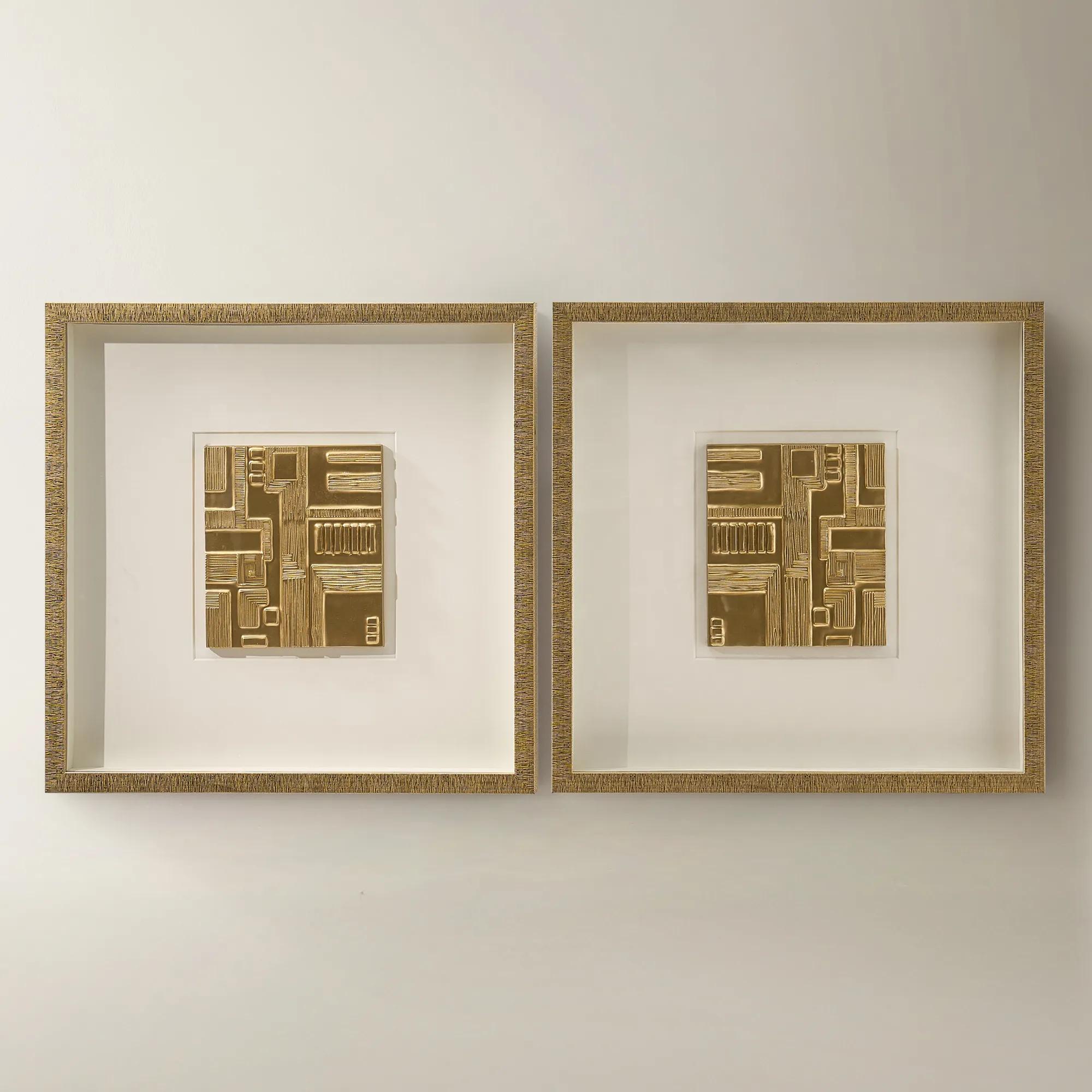
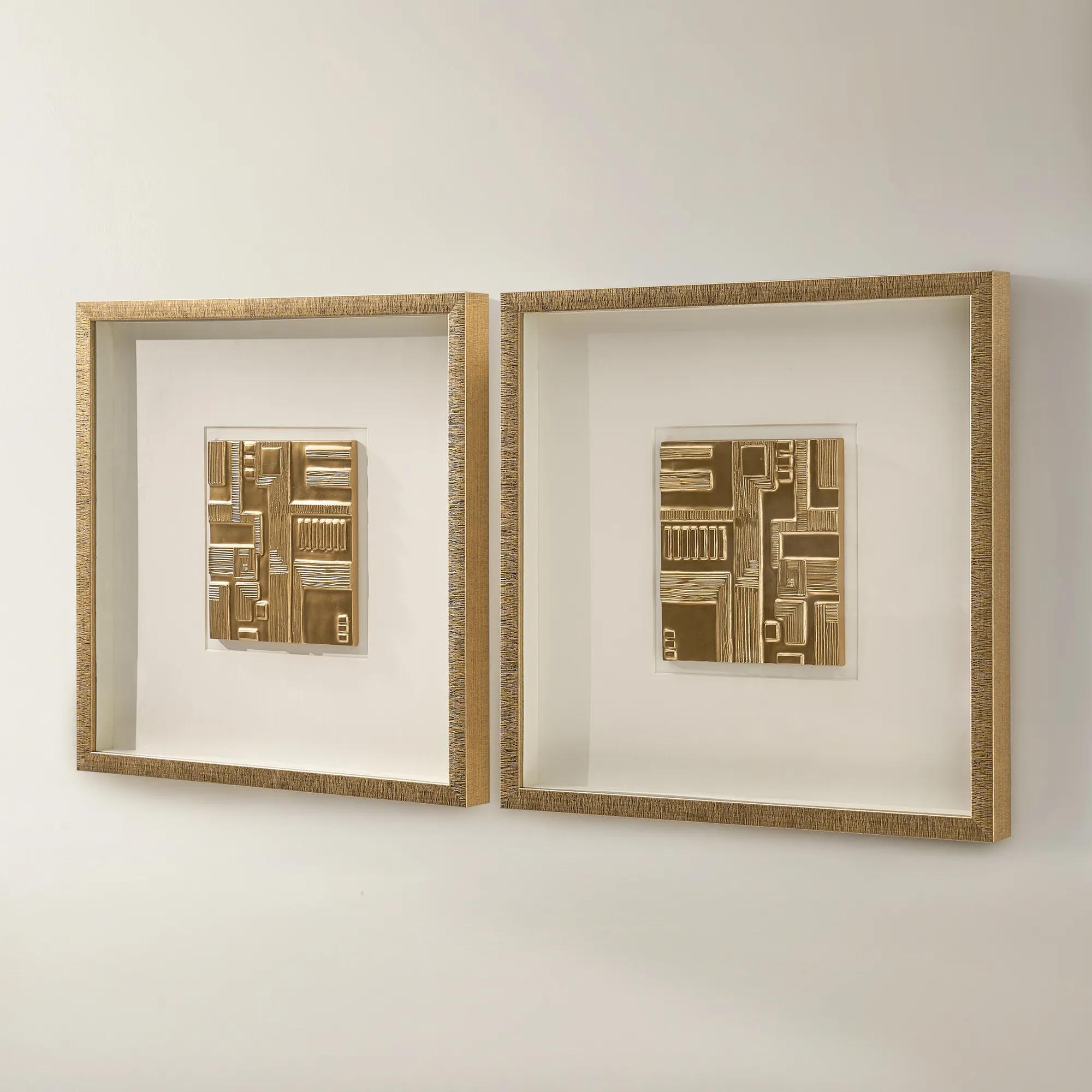 Ritual Framed Woodcarving Wall Decor Set of 2$329
A set of two gold-framed woodcarvings with ivory mats and dimensional relief for gallery-style wall decor.
Add To Cart -
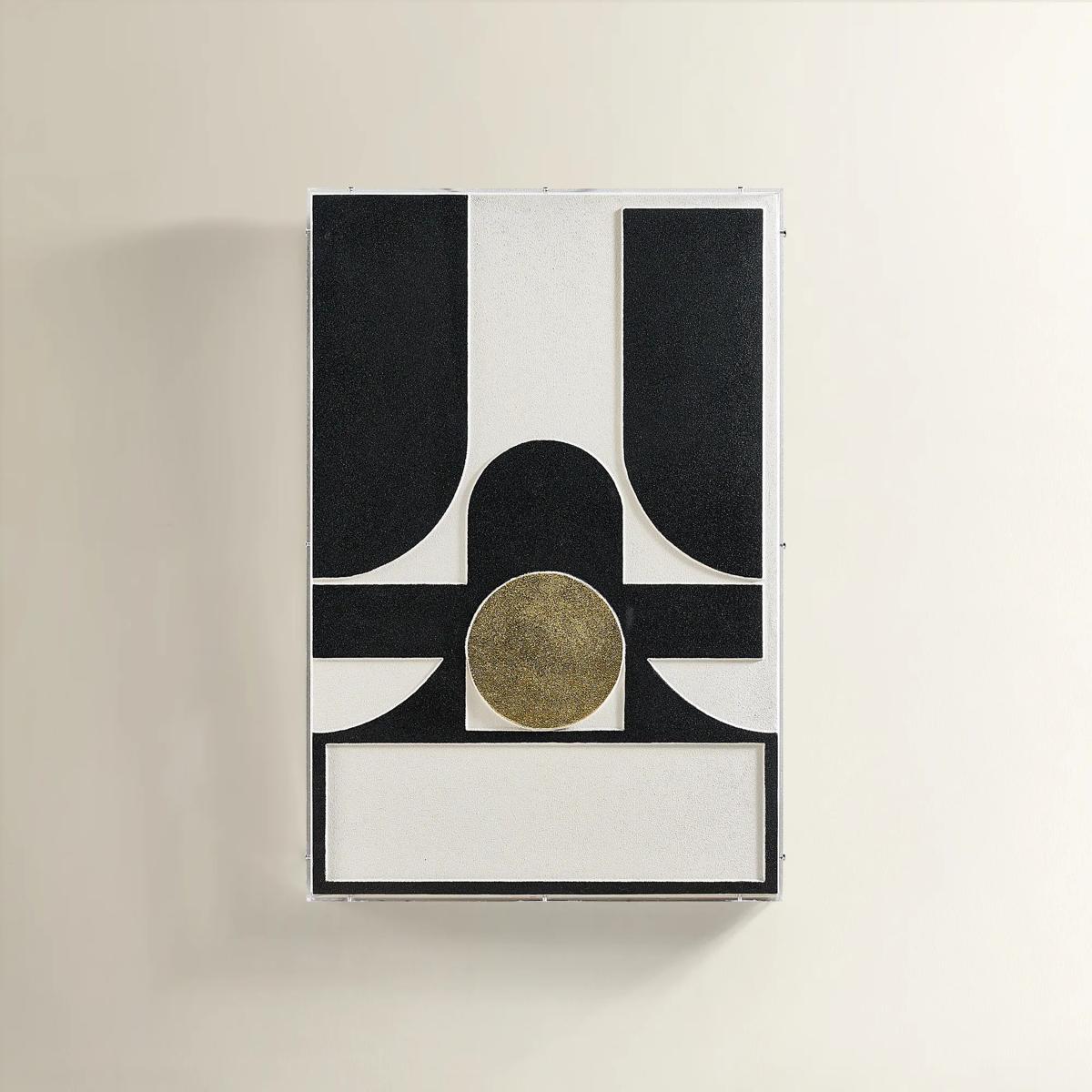
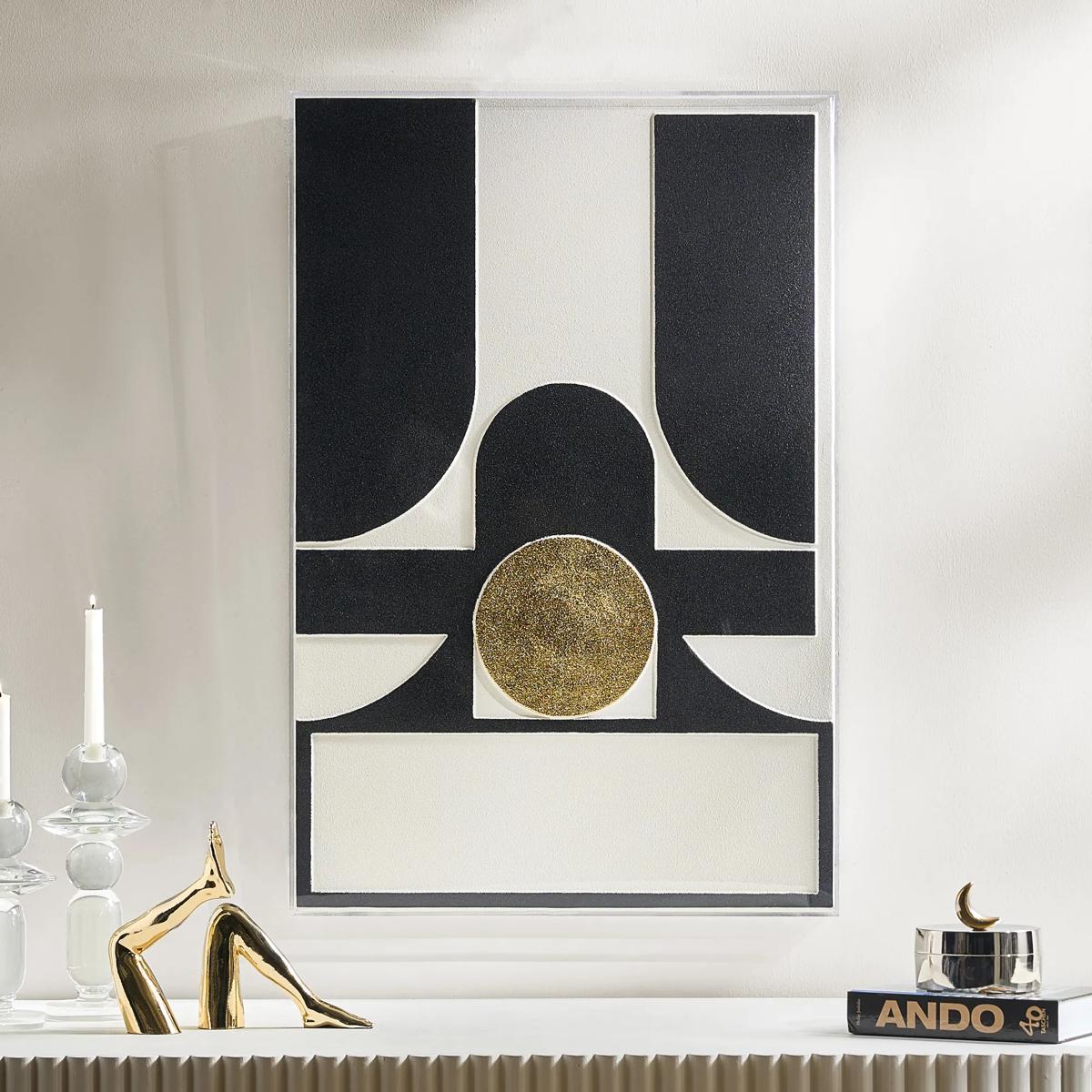 Siren Black And Gold Wall Decor in Acrylic 23.5" x 35.5"$299
A layered composition of black, ivory, and gold geometric forms set in a sleek acrylic shadow box.
Add To Cart -
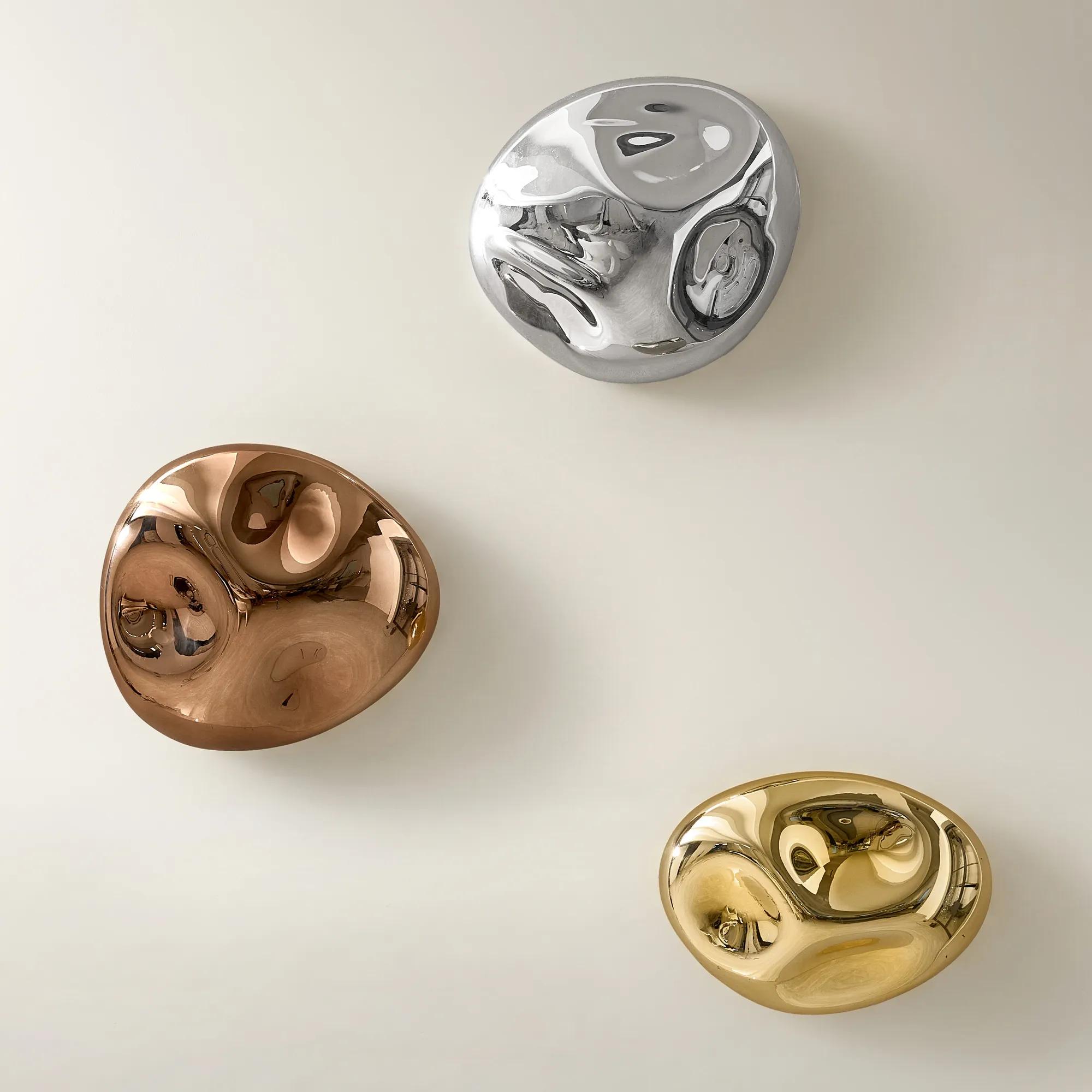
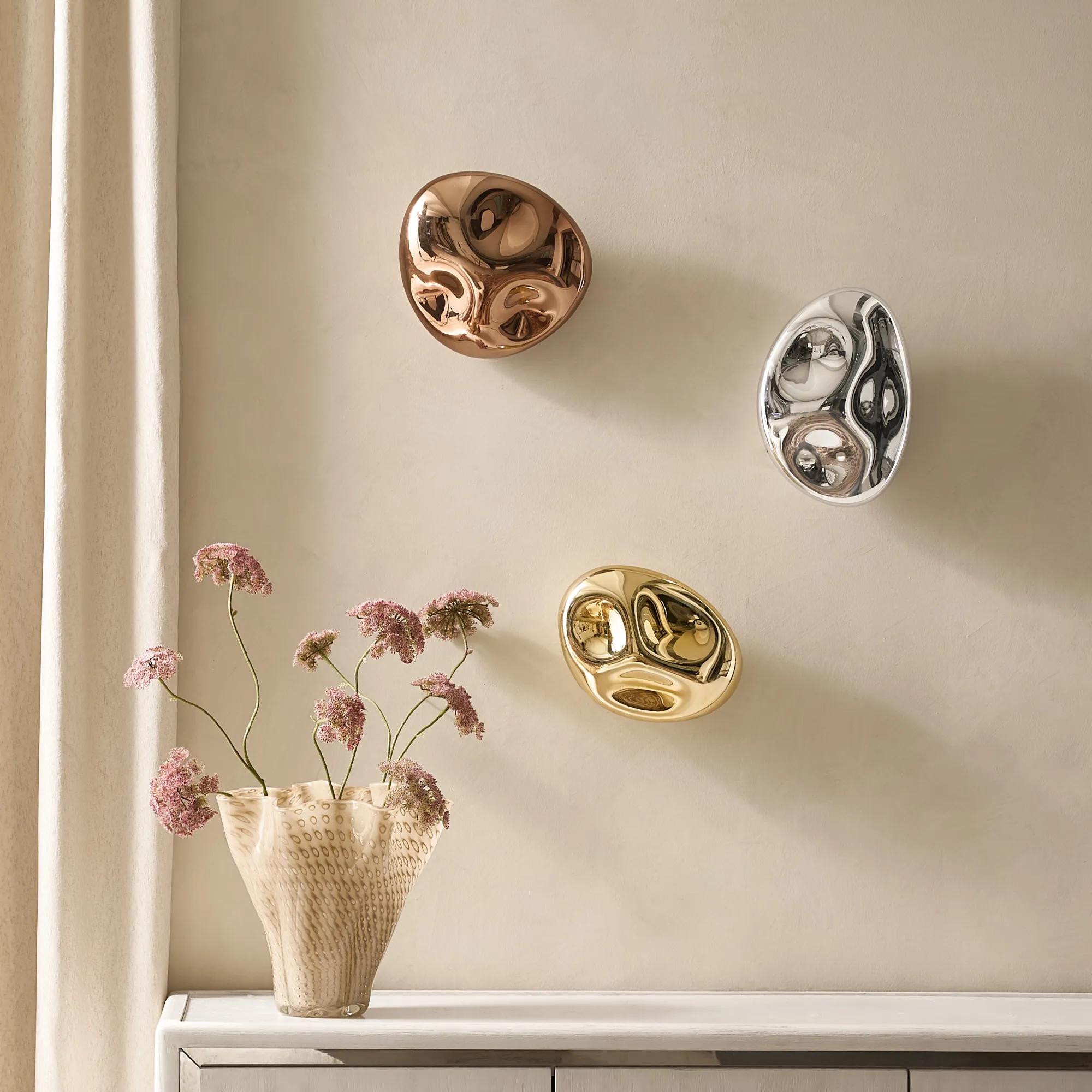 Nebula Electroplated Metallic Glass Wall Decor Set of 3$279
A set of three electroplated glass wall sculptures in polished silver, soft gold, and bronze tones.
Add To Cart -
 Etched in Gold$229
A hand-carved gold copper artwork set in a sleek black alloy frame for modern contrast.
Add To Cart -
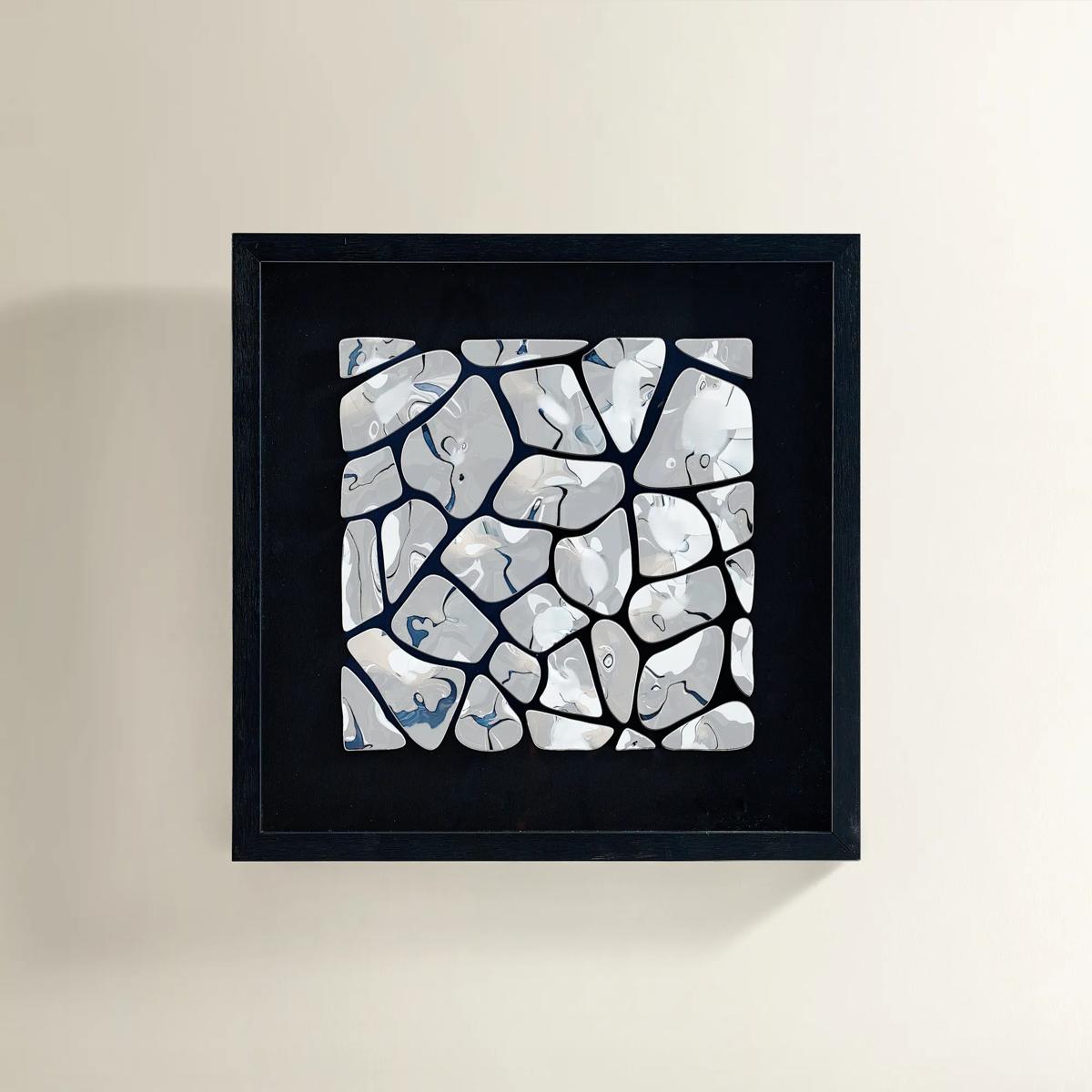 Reflect Silver And Black Shadowbox Art I$189
A dimensional metal wall art piece featuring polished silver and black forms in a sleek black frame.
Add To Cart

Decorative Wall Panels For Interiors
Explore decorative wall panels for interiors that turn a blank wall into an expressive focal point. Consider how each design’s scale and visual detail will complement your furniture, whether you’re framing a living room vignette or adding drama to an entryway. Choose a composition that gives the wall presence without overwhelming the room.
Decorative wall panels for interiors bring texture, dimension, and architectural character to a room, turning an unadorned surface into a deliberate design statement. Unlike flat artwork, panels introduce physical depth: carved patterns cast intricate shadows, raised geometric forms create sculptural movement, and open fretwork allows the wall color behind it to become part of the composition. Their effect can be intimate or expansive, from a single richly detailed panel above a console to a coordinated arrangement that anchors an entire seating area. Wood panels offer natural grain and warmth, while metal designs introduce crisp silhouettes and gleaming accents. Engineered wood, resin, and other molded materials can support elaborate relief patterns; mirrored details add reflected light and a sense of visual openness. Each material gives the same wall a different presence. A dark carved panel against a pale background feels graphic and dramatic, while a tonal design in ivory or soft gray draws attention through shadow rather than contrast. Fluted and slatted panels lend rhythmic structure, dimensional wave patterns suggest fluid movement, and ornate fretwork brings the delicacy of decorative screens to a vertical surface. Some interior wall panels function as individual hanging accents, while others are designed as connected sections of architectural cladding. That distinction shapes both their appearance and their intended use. In a living room, a sculptural arrangement can establish a focal point above a low sofa without introducing another competing color. Behind a dining table, an intricate panel adds depth to the setting and gives evening lighting a richly textured surface to illuminate. An entryway gains a memorable first impression from a bold panel paired with a streamlined console and a substantial lamp. These pieces suit interiors that welcome expression, whether the surrounding furniture is restrained enough to let the wall take center stage or equally dramatic in its curves, upholstery, and finish. The strongest compositions give the panel room to register, allowing its craftsmanship and silhouette to be appreciated rather than lost among too many neighboring accents.
Scale is central to the impact of decorative interior wall panels. A broad wall above a sectional calls for a different proportion than a narrow space between doorways, and a panel’s depth matters just as much as its height and width. Oversized designs create a unified focal point with fewer visual interruptions; smaller panels can form a pair, a vertical column, or a repeating composition with a measured architectural rhythm. For expansive walls, large decorative wall panels offer a commanding presence that can balance substantial furniture and generous ceiling heights. The most convincing fit relates to the furniture below and the open space around it, rather than simply filling every available inch. Above a sideboard, a centered arrangement with visible breathing room at either end feels intentional. In a bedroom, a panel positioned above the headboard can echo the bed’s width while leaving comfortable separation from pillows and bedding. Projecting designs deserve particular consideration near walkways, doors, and frequently used seating, where a deep relief or sharp edge may interfere with movement. Panel dimensions, weight, orientation, and included mounting hardware all influence suitability for a particular location. Hanging decorative panels generally require hardware appropriate to both their weight and the wall construction; architectural panels may use approved adhesives, mechanical fasteners, or a supporting framework, depending on the manufacturer’s specifications. A decorative hanging accent should not be treated as adhesive wall cladding unless it is expressly designed for that installation. Rental homes may also have restrictions on permanent finishes and wall alterations. Surface texture, existing trim, electrical outlets, and switches can affect how a larger installation fits. Lighting completes the composition: illumination from above or the side emphasizes relief, while mirrored and polished elements need thoughtful placement to avoid distracting glare. Slatted panels with acoustic backing can serve a functional purpose as well as a visual one, but sound absorption depends on the tested product and its installation. Decorative texture alone does not establish acoustic performance, and sound absorption is not the same as soundproofing.
Materials and finishes determine how a wall panel feels in the room and how it holds up to daily life. Solid wood and wood veneer bring distinctive grain patterns, with natural variation contributing to their character; their care requirements may include protection from excessive moisture and prolonged direct sunlight. Engineered wood, including MDF, can provide a smooth foundation for painted, carved, or routed designs, though suitability for humid spaces depends on the panel’s construction and finish. Molded resin and PVC panels can offer dimensional detail without the weight of some solid materials, but resistance to heat, moisture, and impact varies by product. Metal panels range from fine openwork to substantial sculptural forms, and their coatings influence whether they are appropriate near moisture or other demanding conditions. Mirrored elements add brilliance but require secure installation and careful handling, particularly around edges. For a powder room or a wall near a kitchen, an expressly suitable, cleanable finish matters more than appearance alone; decorative panels intended for dry interior spaces should not be assumed suitable for shower walls, backsplashes, or areas exposed to splashes. Routine care is usually modest, yet intricate surfaces reward a gentle approach. A soft cloth or soft-bristled brush can lift dust from grooves and openwork, while any cleaner should be compatible with the specific material and finish. Abrasive pads, excessive water, and harsh chemicals can damage coatings, cloud reflective surfaces, or affect wood-based construction. Secure mounting and placement away from frequent contact help preserve both the panel and the wall beneath it. In busy households, a durable finish and an elevated position can keep delicate details beyond the reach of pets and small children. For design enthusiasts, new homeowners, or someone refreshing a favorite room, a decorative panel can also make a thoughtful housewarming or milestone gift when the recipient’s style, wall dimensions, and installation preferences are known. Its appeal lies in the lasting presence it brings to a familiar space: a textured backdrop for shared dinners, a sculptural counterpoint to sumptuous upholstery, or a gleaming accent that lends ceremony to an everyday entrance. Carefully matched to its setting, a wall panel becomes part of the room’s architecture and identity, giving personal expression a tangible, beautifully detailed form.
FAQs
Decorative wall panels are wall accents that introduce pattern, texture, or sculptural detail to an interior. Whether arranged as a dramatic focal point or woven into a layered composition, they turn a bare wall into an expressive part of the room’s design.
Look to the shapes and visual rhythms already present in your room. Geometric designs complement modern interiors with crisp definition, while flowing motifs bring a softer, more artistic sensibility. For a glamorous composition, choose a design that echoes a distinctive detail in your furnishings without repeating every element.
Decorative wall panels can create an inviting focal point in an entryway, lend a dining room a gallery-like atmosphere, or introduce a sculptural backdrop in a living room. Choose a wall that deserves a deliberate design moment, then let the surrounding furnishings frame the composition.
Give the arrangement a clear visual lead: let expressive wall panels take center stage, with artwork or a mirror playing a supporting role. Connect the pieces through a shared color, shape, or design motif. Leaving open wall space between accents allows each detail to feel intentional rather than crowded.
For a richly layered look, pair decorative wall panels with a wall color in a related tone and introduce contrast through your furnishings. For greater drama, set the panels against a contrasting backdrop. Echo one element of their design in a rug, accent pillow, or decorative object to carry the composition through the room.