Decor For Artful Interiors
Decor For Artful Interiors
-
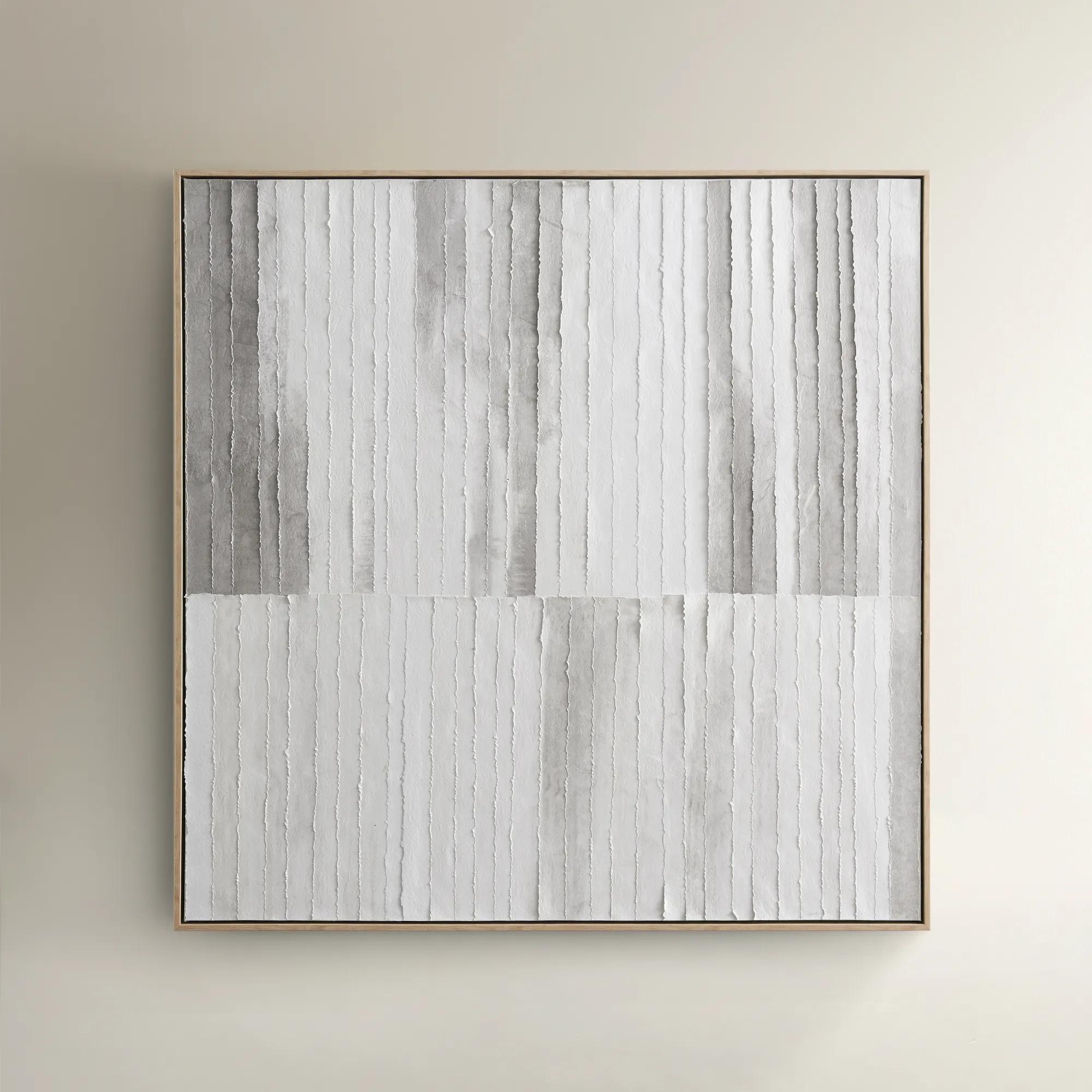
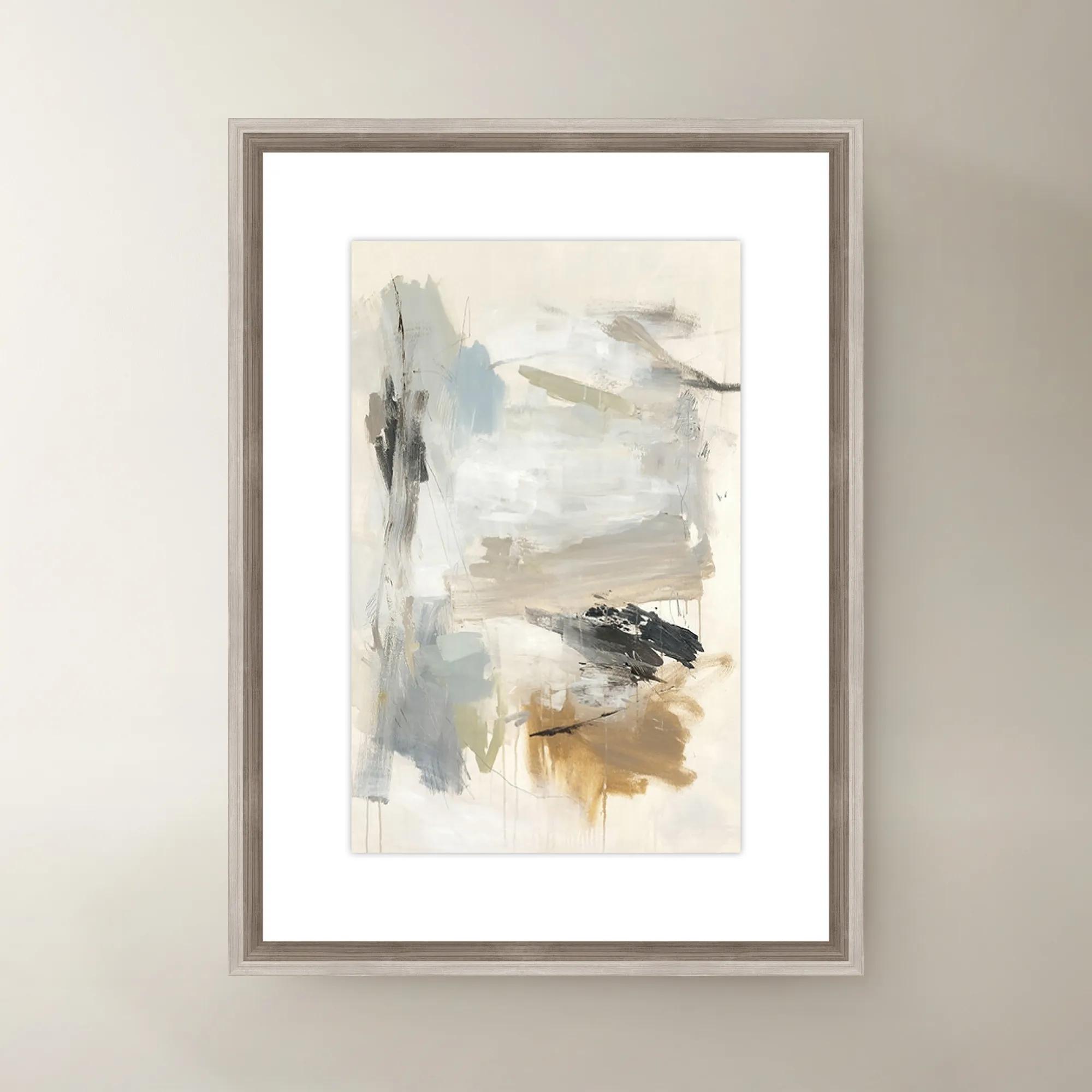
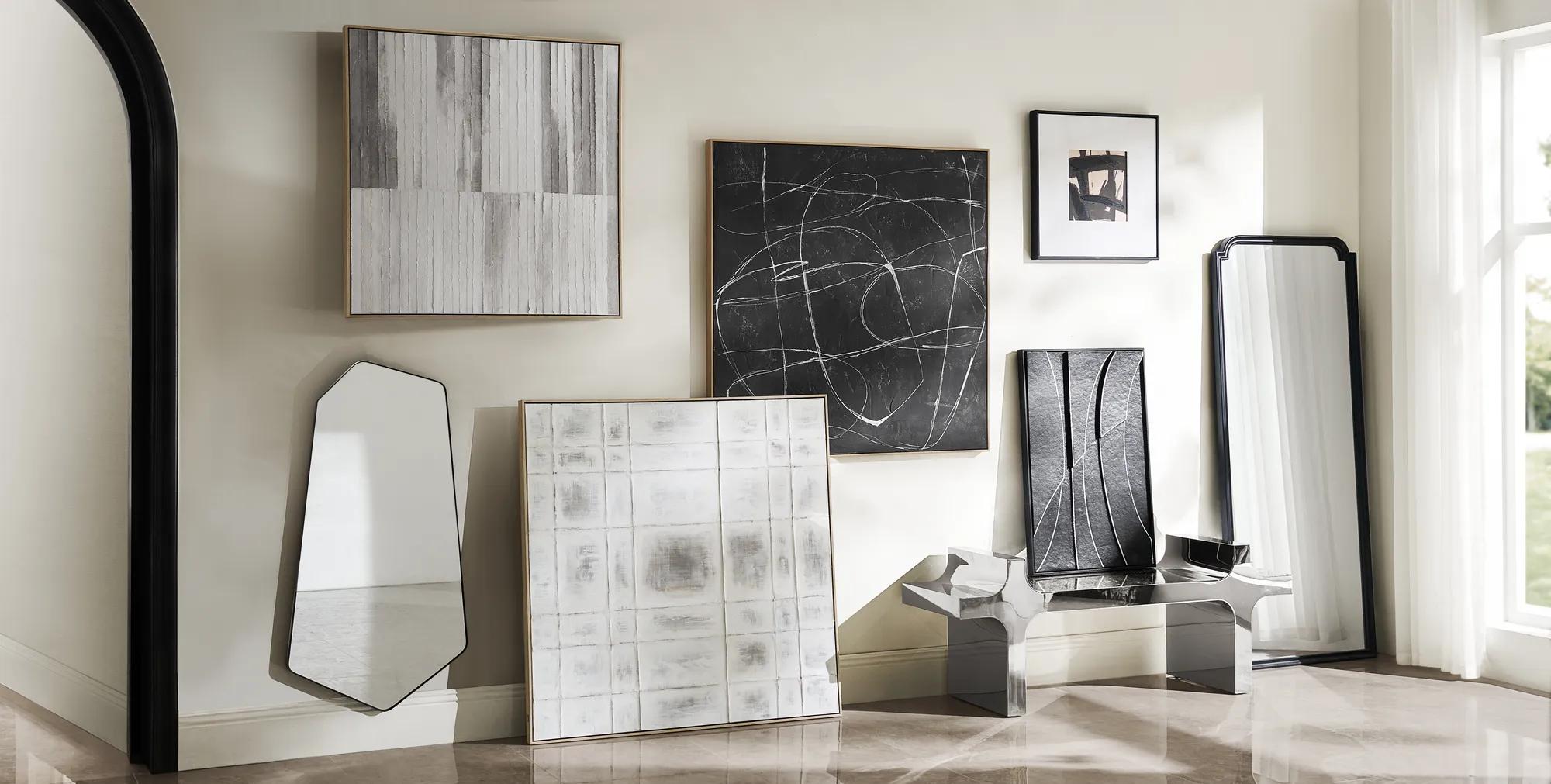 Morning Mist Paper Art$329
A hand-painted canvas featuring rhythmic grey lines in a textured, whitewashed floater frame for serene style.
Add To Cart -
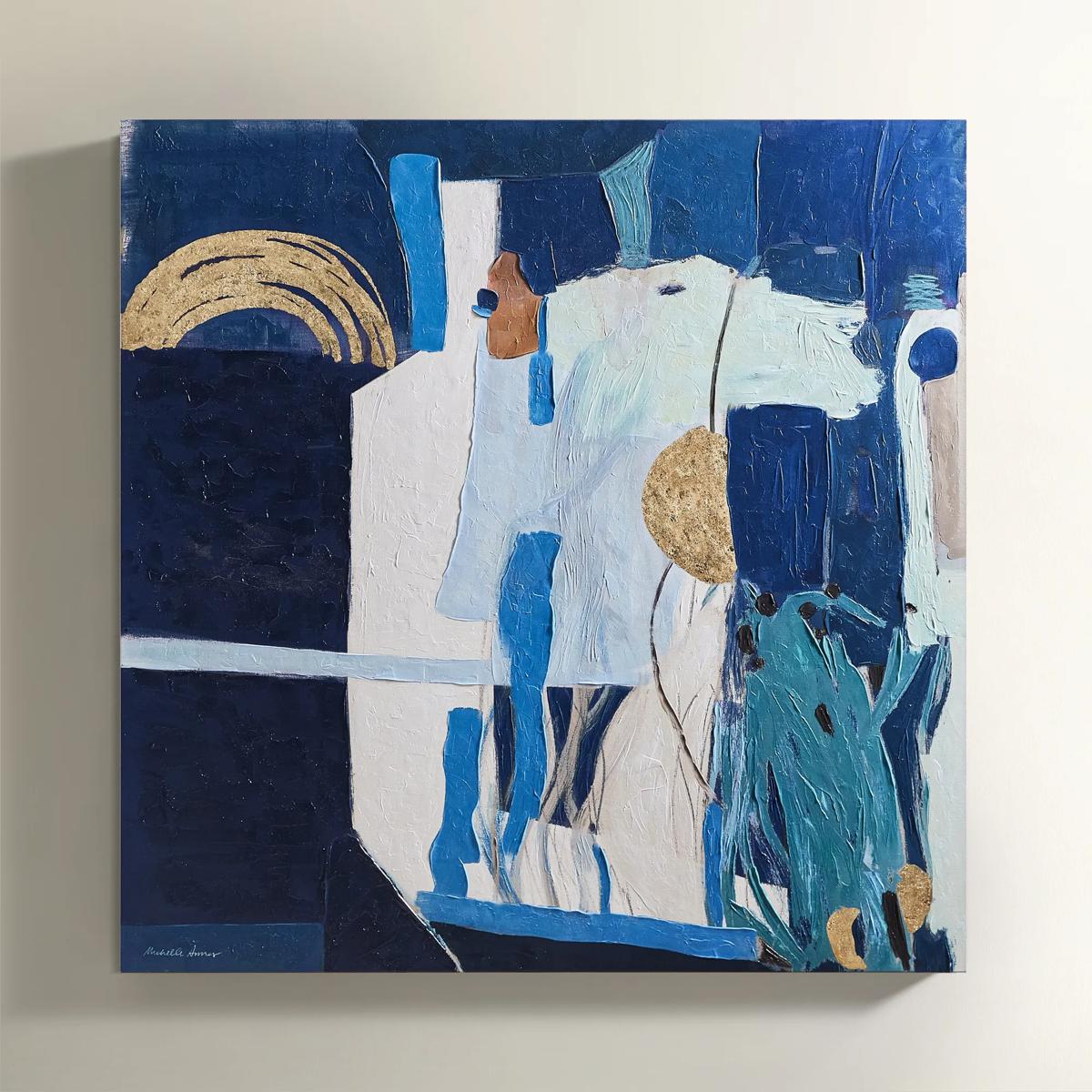
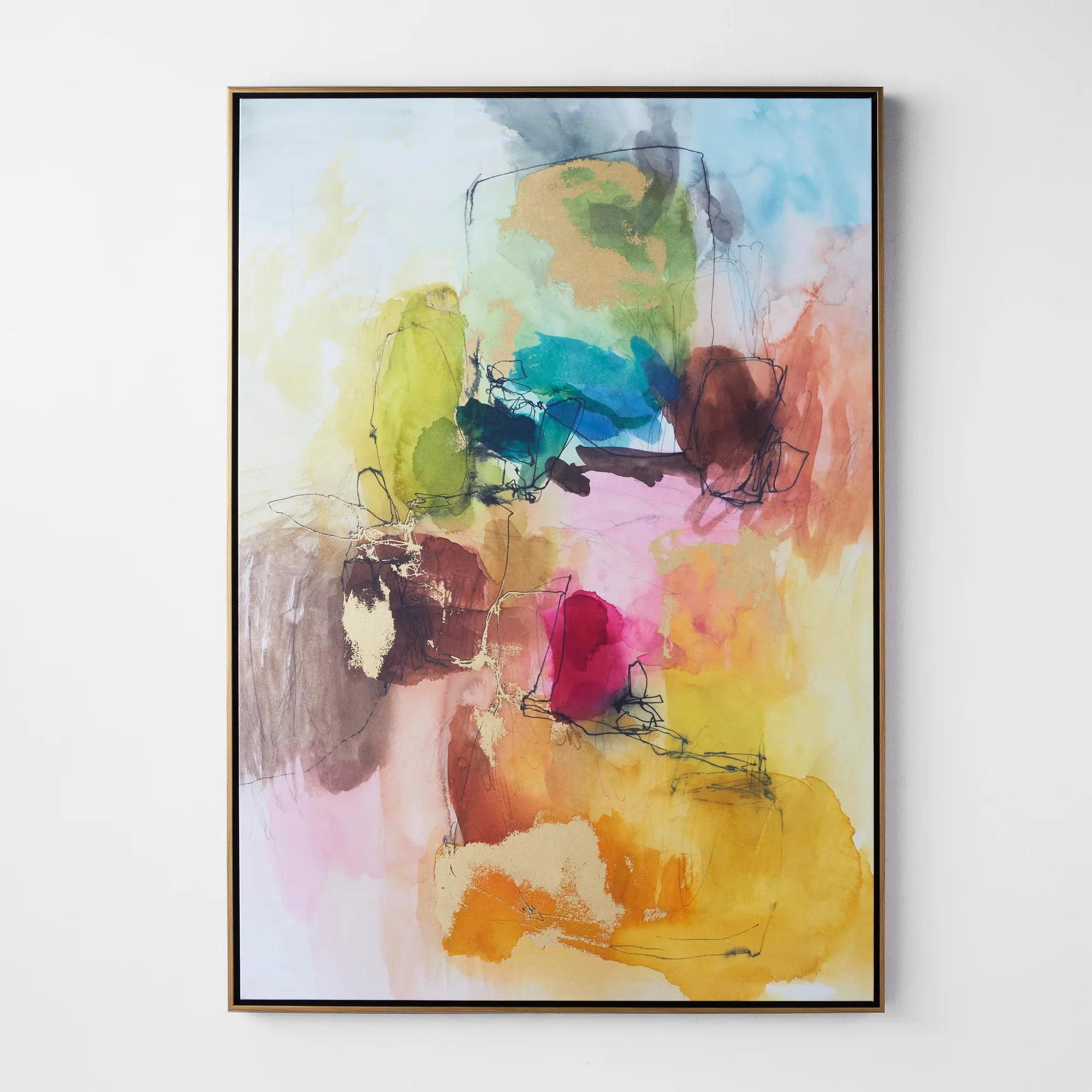
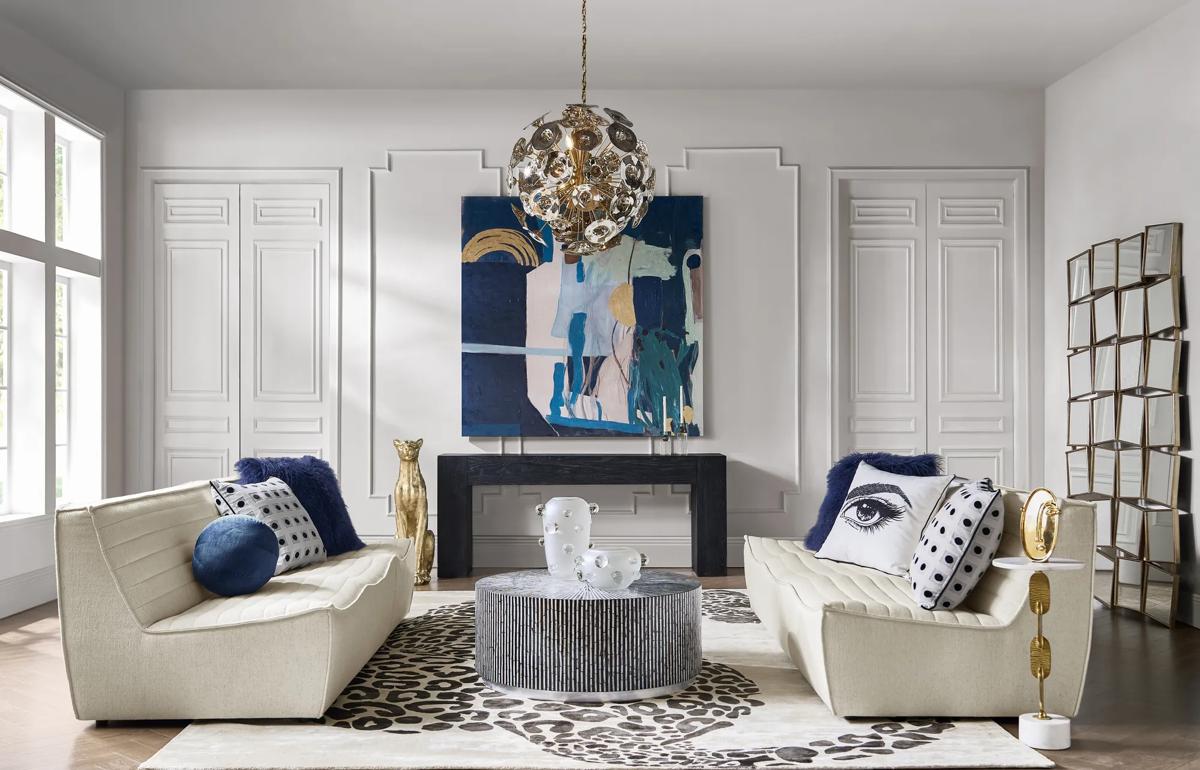 In Flux Painting$699
A hand-embellished canvas artwork featuring deep teal, green, ivory, and gold in a black Art Deco frame.
Add To Cart -
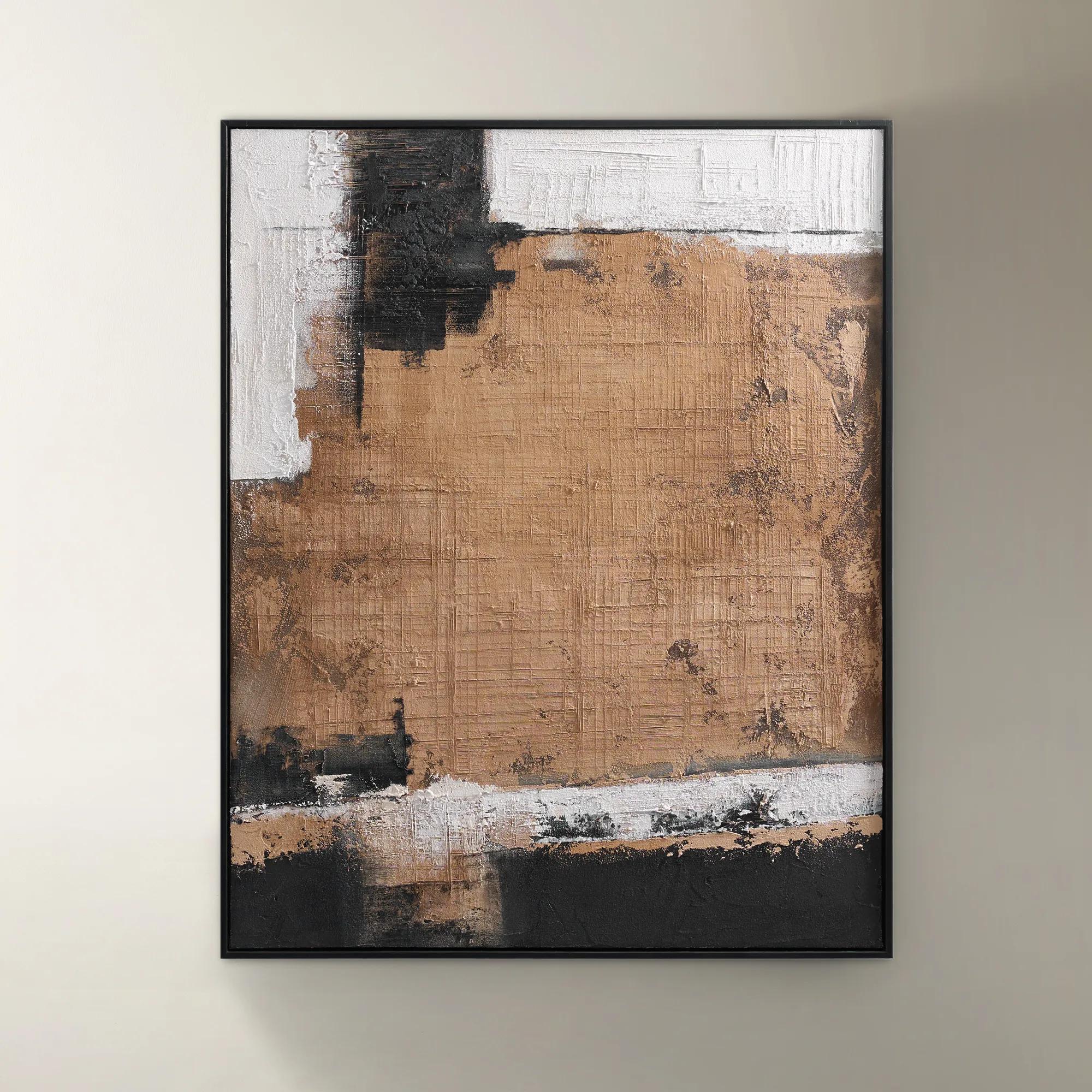
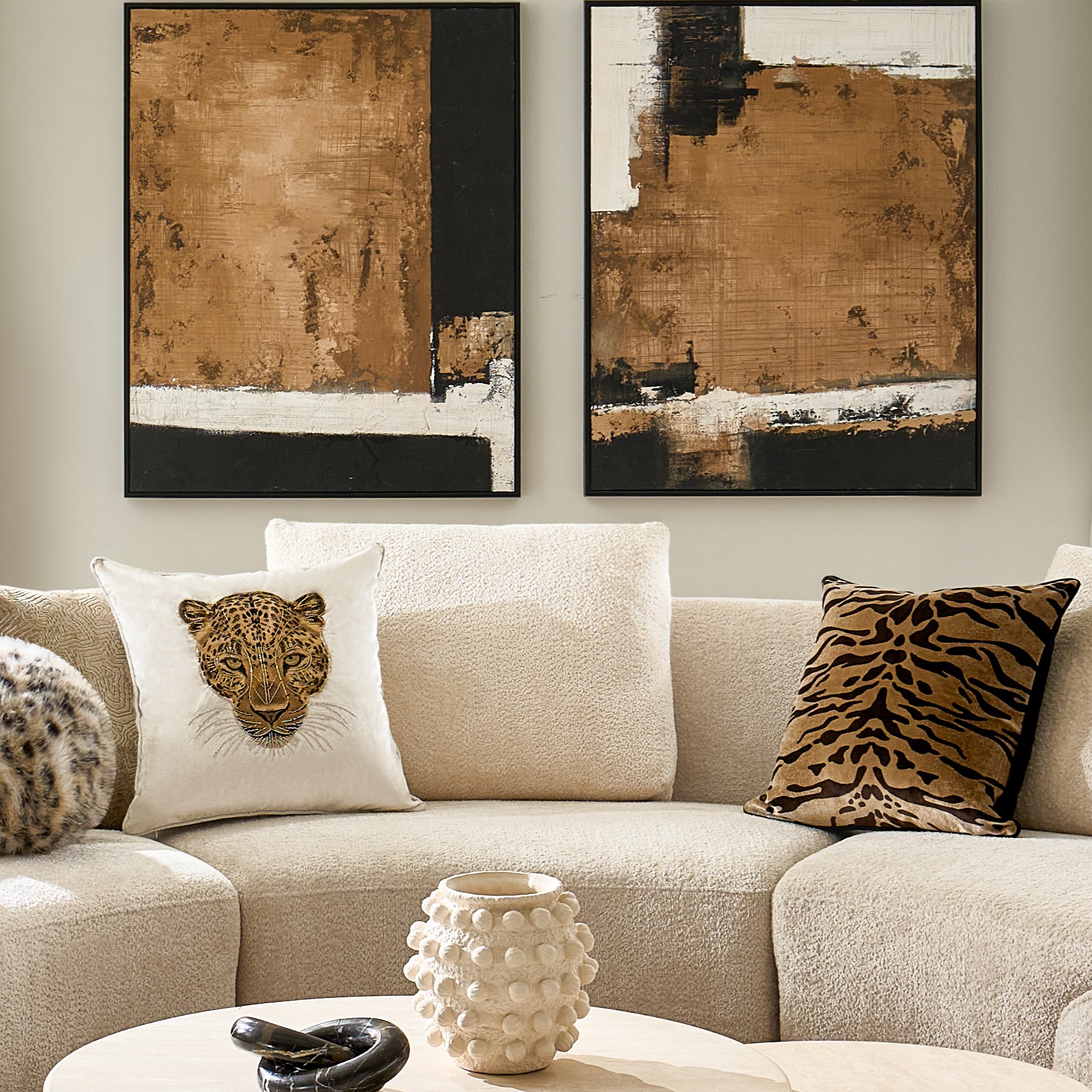 Drift Framed Painted Wall Art II 39.4" x 31.5"$299
A hand-painted canvas in brown, featuring bold texture and color interplay within a sleek black floater frame.
Add To Cart -
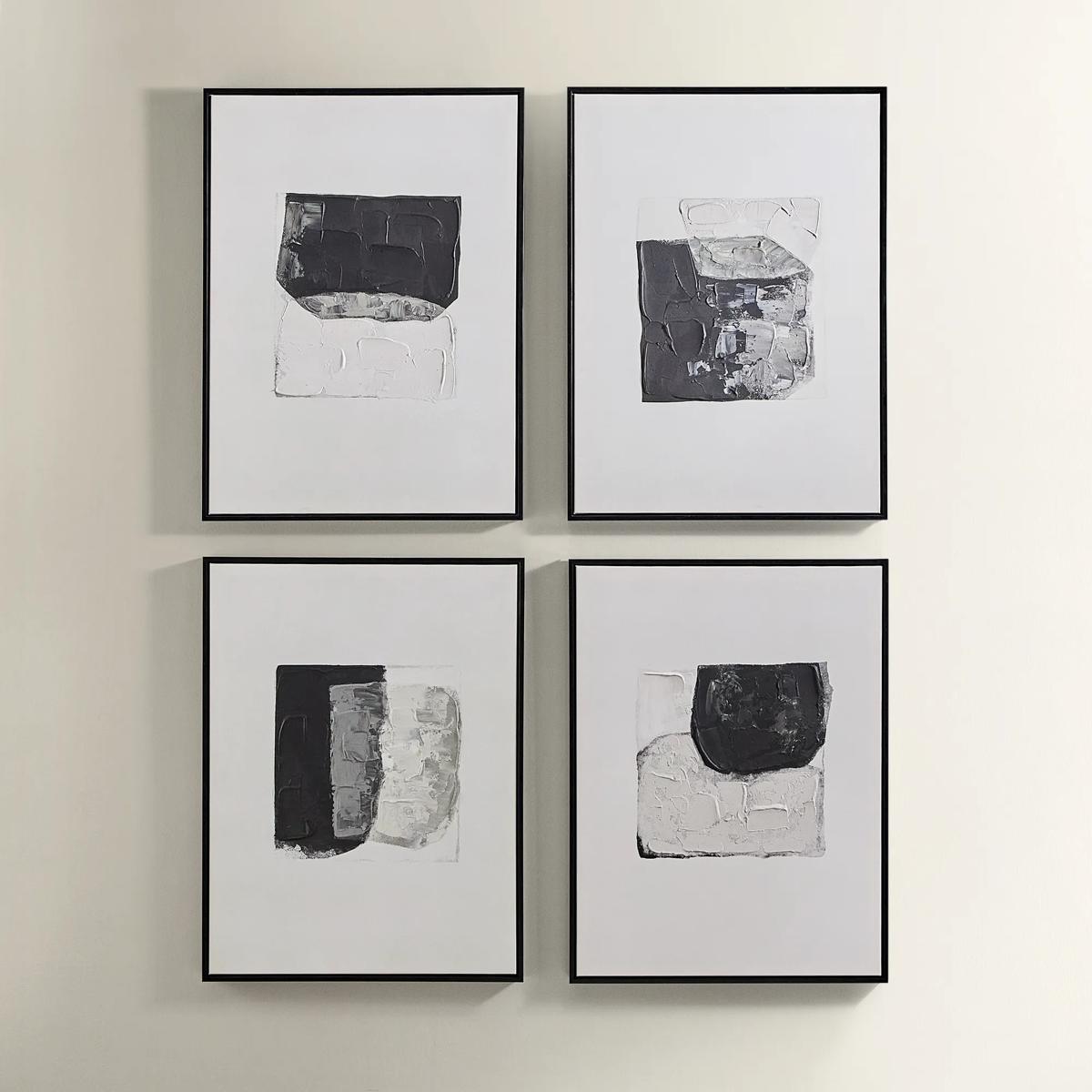
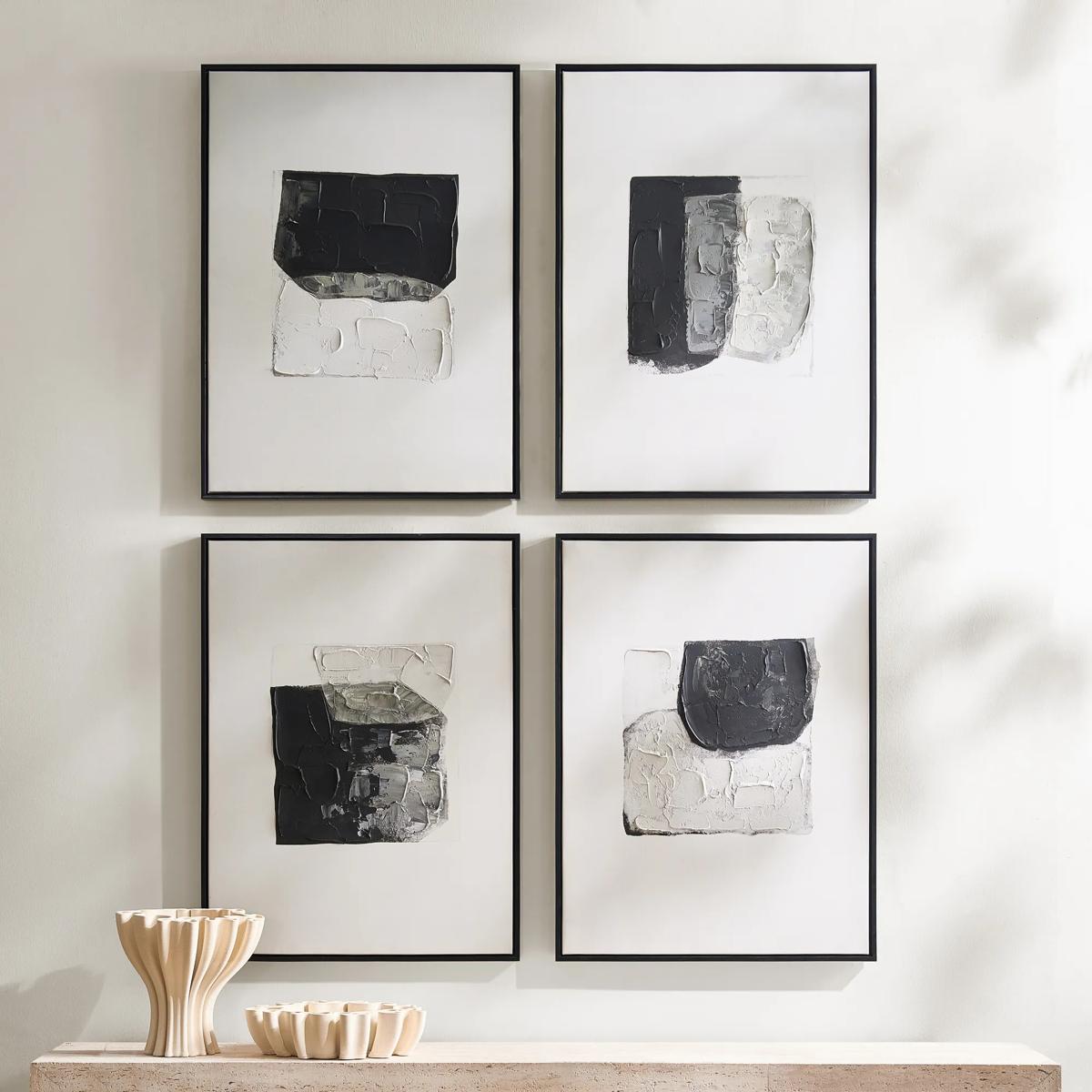 Shadows Framed Painted Wall Art Set of 4$299
A set of four hand-painted abstract canvases featuring black, white, and gold accents in black frames.
Add To Cart -
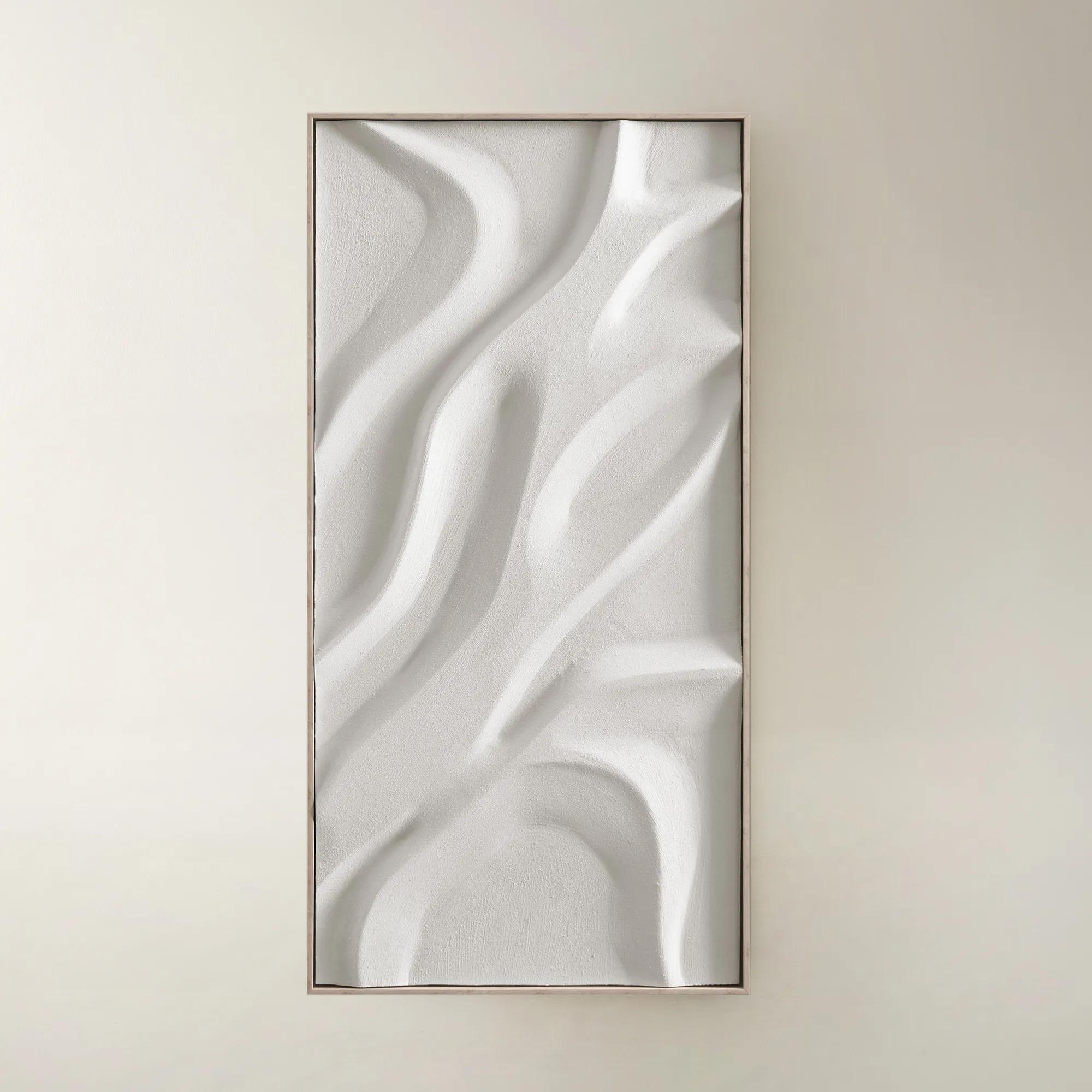
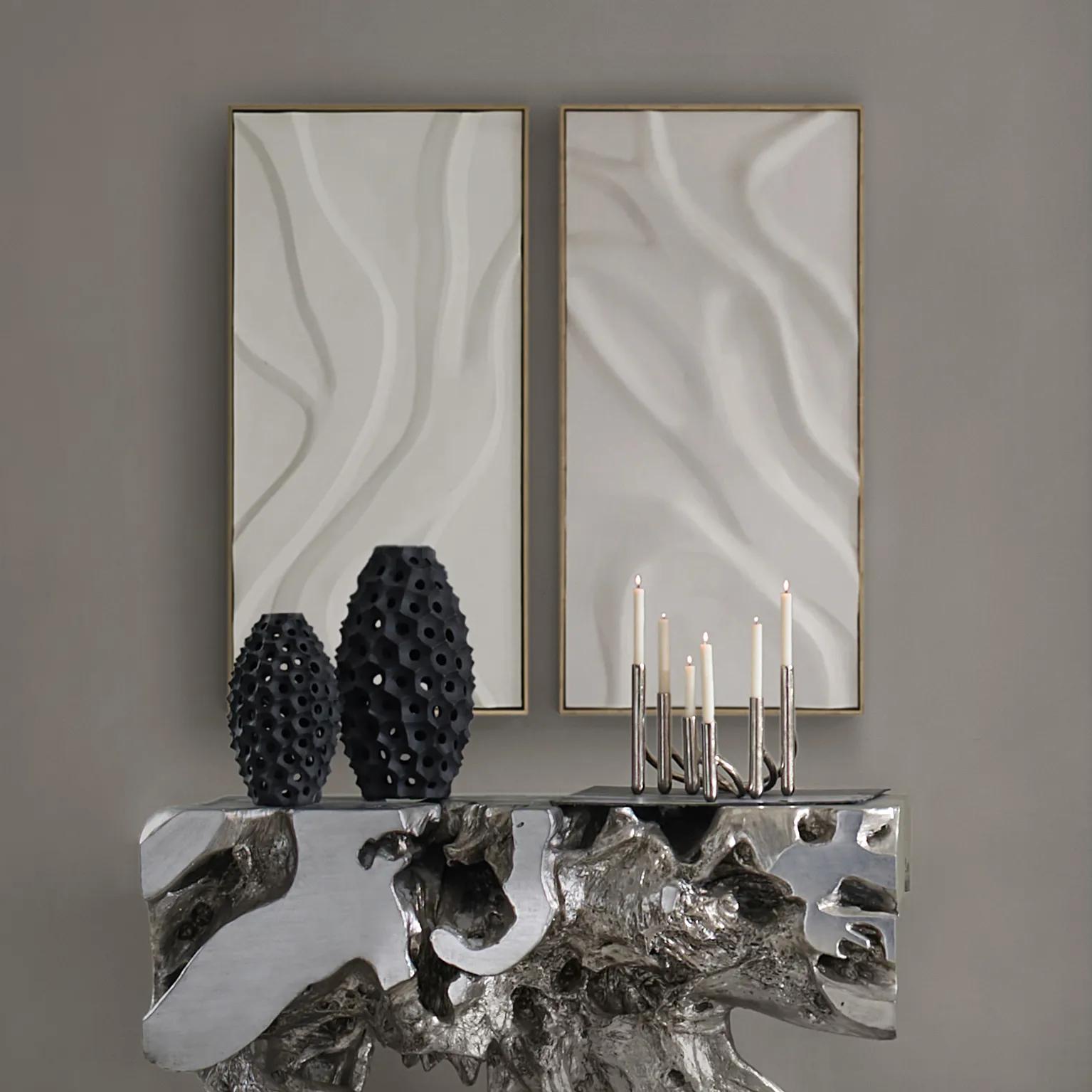 Au Lait Framed Painted Wall Art II 47.2" x 23.6"$199
A serene hand-painted canvas in beige, set in a warm whitewash floater frame for modern interiors.
Add To Cart -
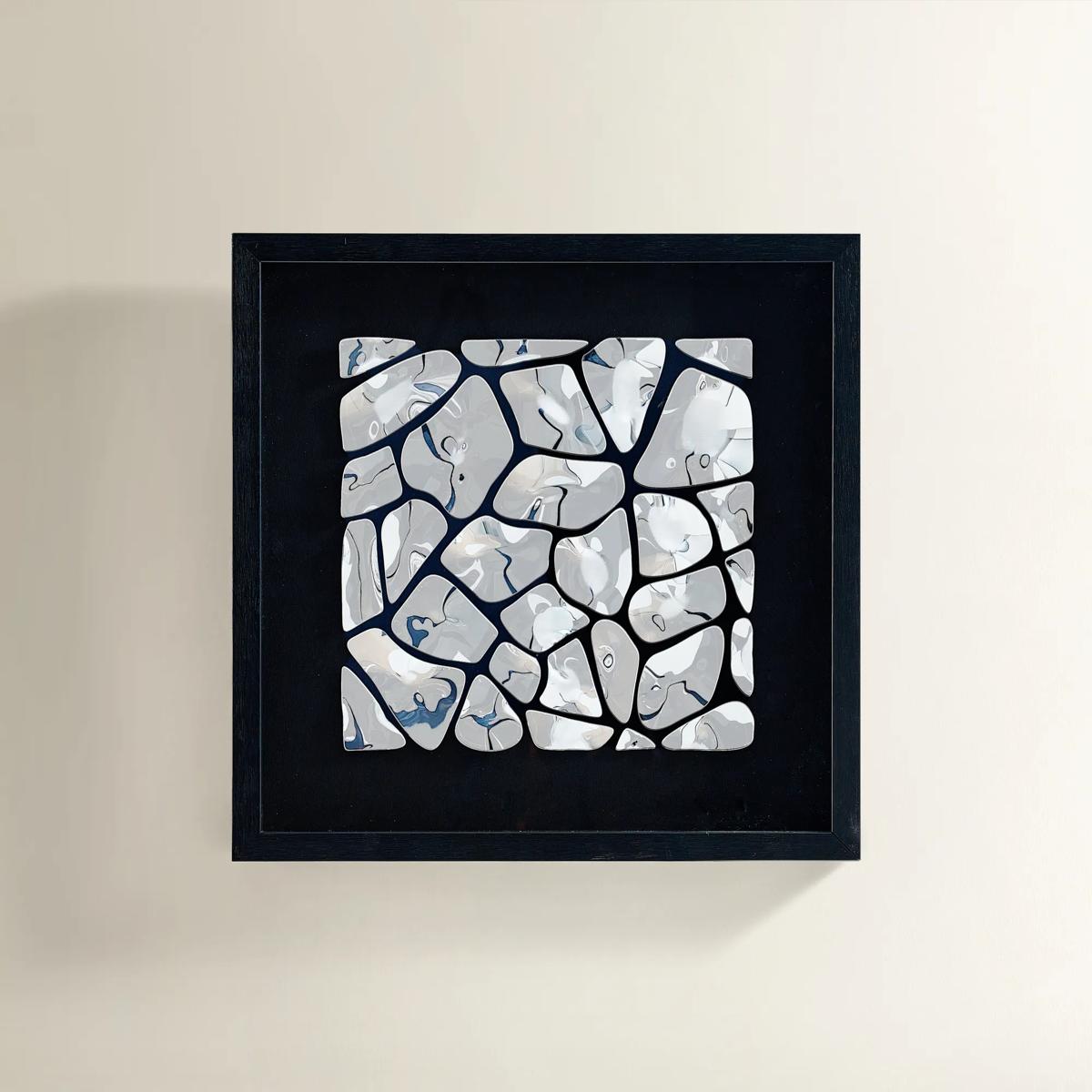 Reflect Silver And Black Shadowbox Art I$189
A dimensional metal wall art piece featuring polished silver and black forms in a sleek black frame.
Add To Cart -
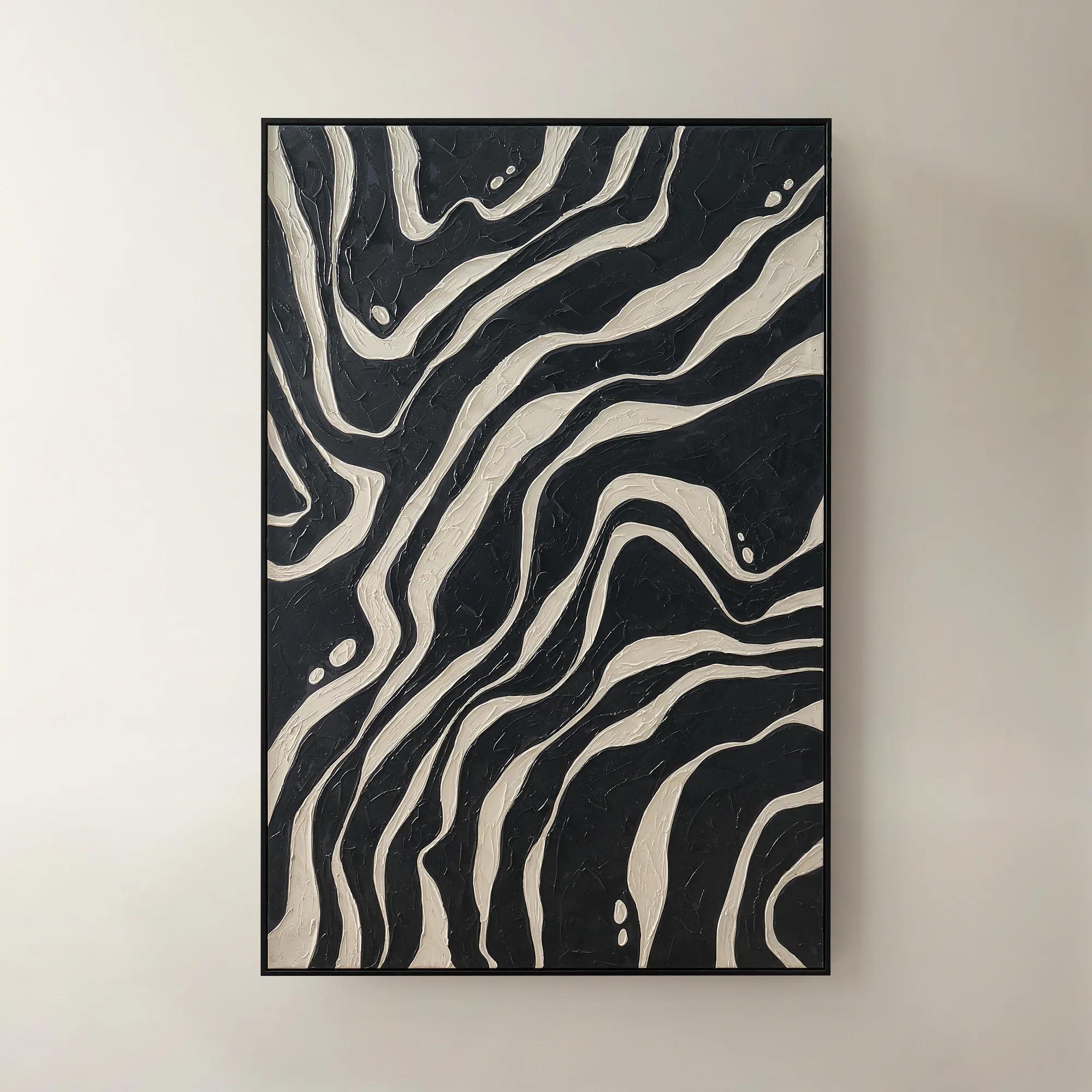
 Grounded Painting$699
A hand-painted abstract canvas featuring black, cream, and earth tones in a sleek black floater frame.
Add To Cart -
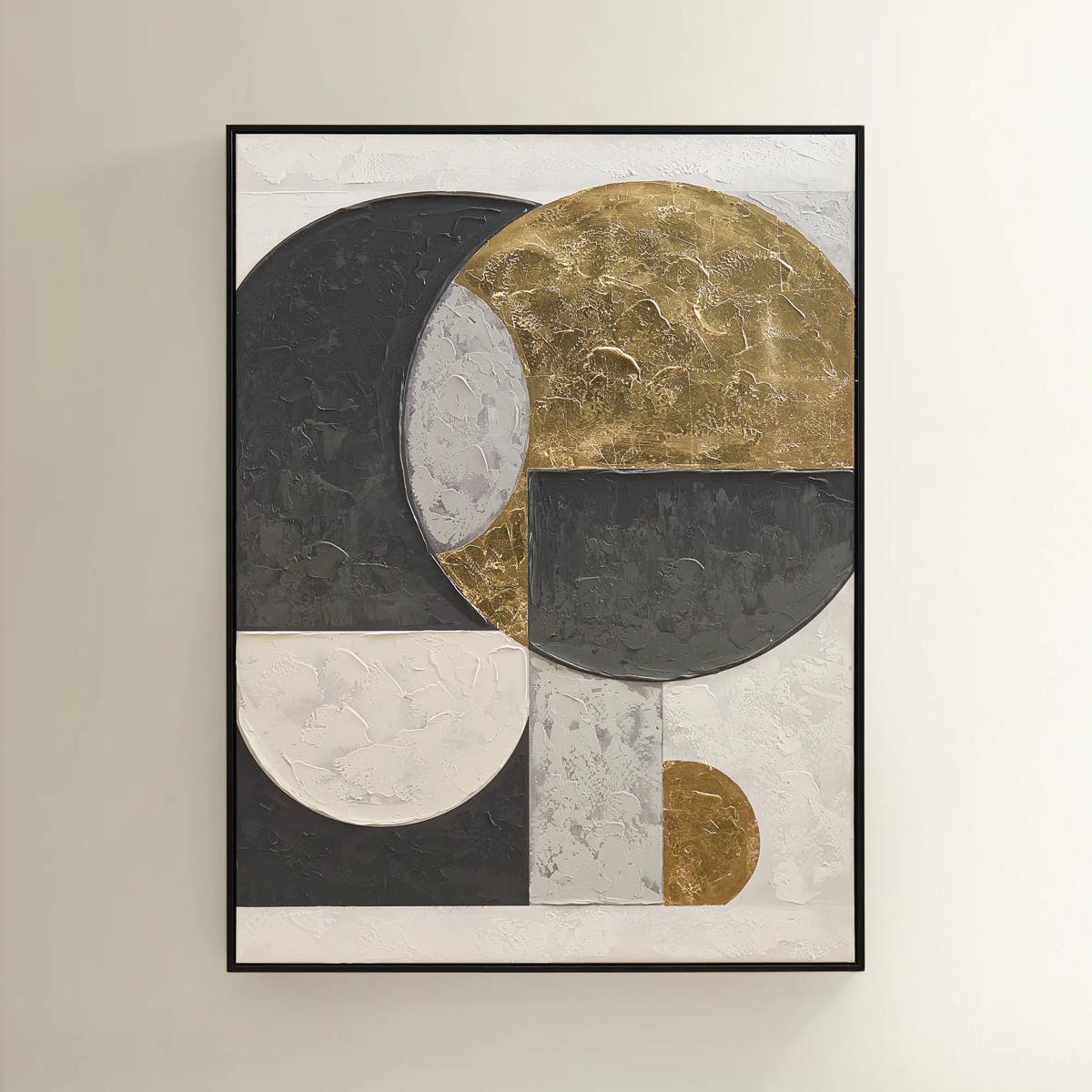
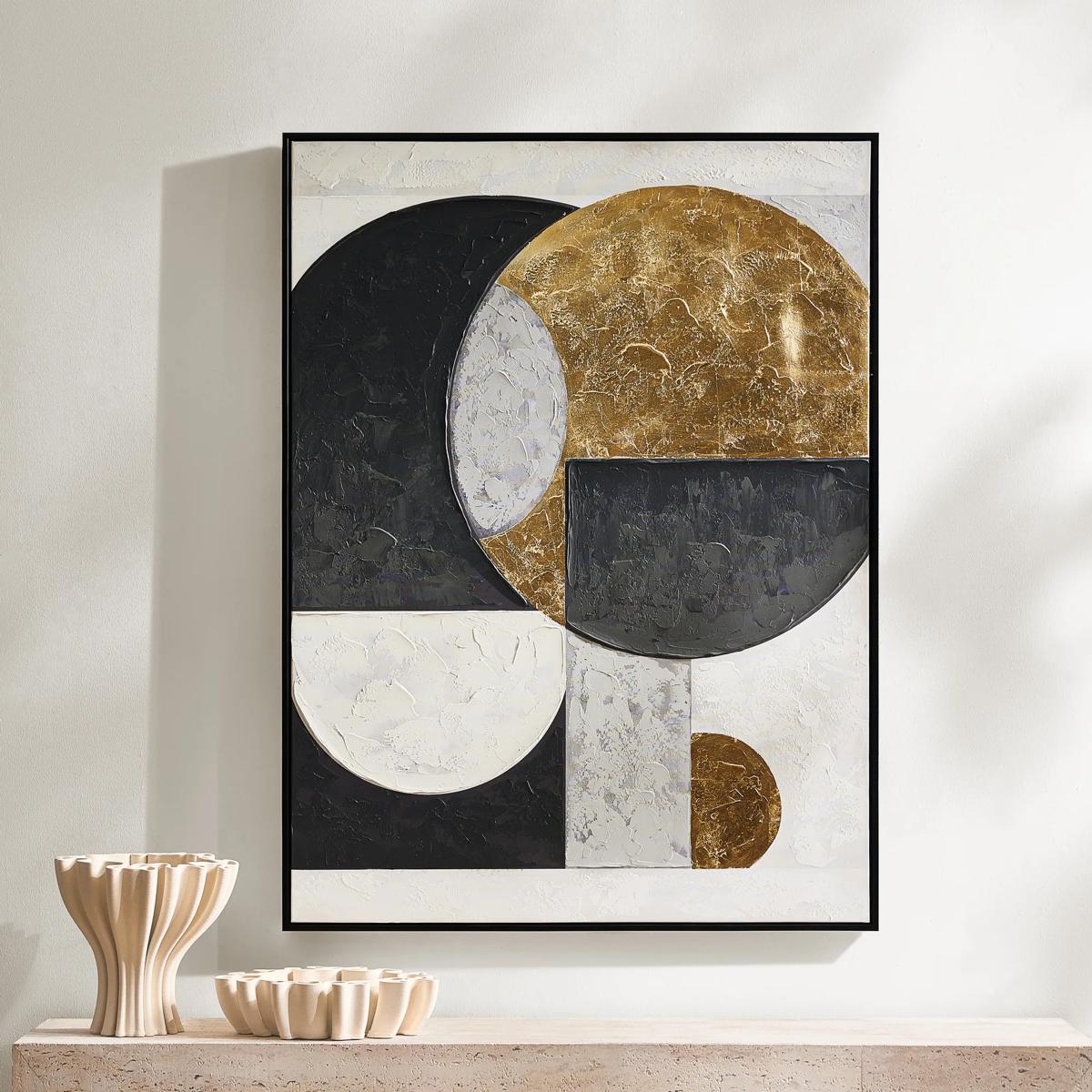 Eclipse Framed Gold Leaf Painted Wall Art 35.25" x 47.25"$449
A hand-painted canvas featuring bold black, grey, and gold geometric shapes with shimmering gold leaf accents.
Add To Cart -

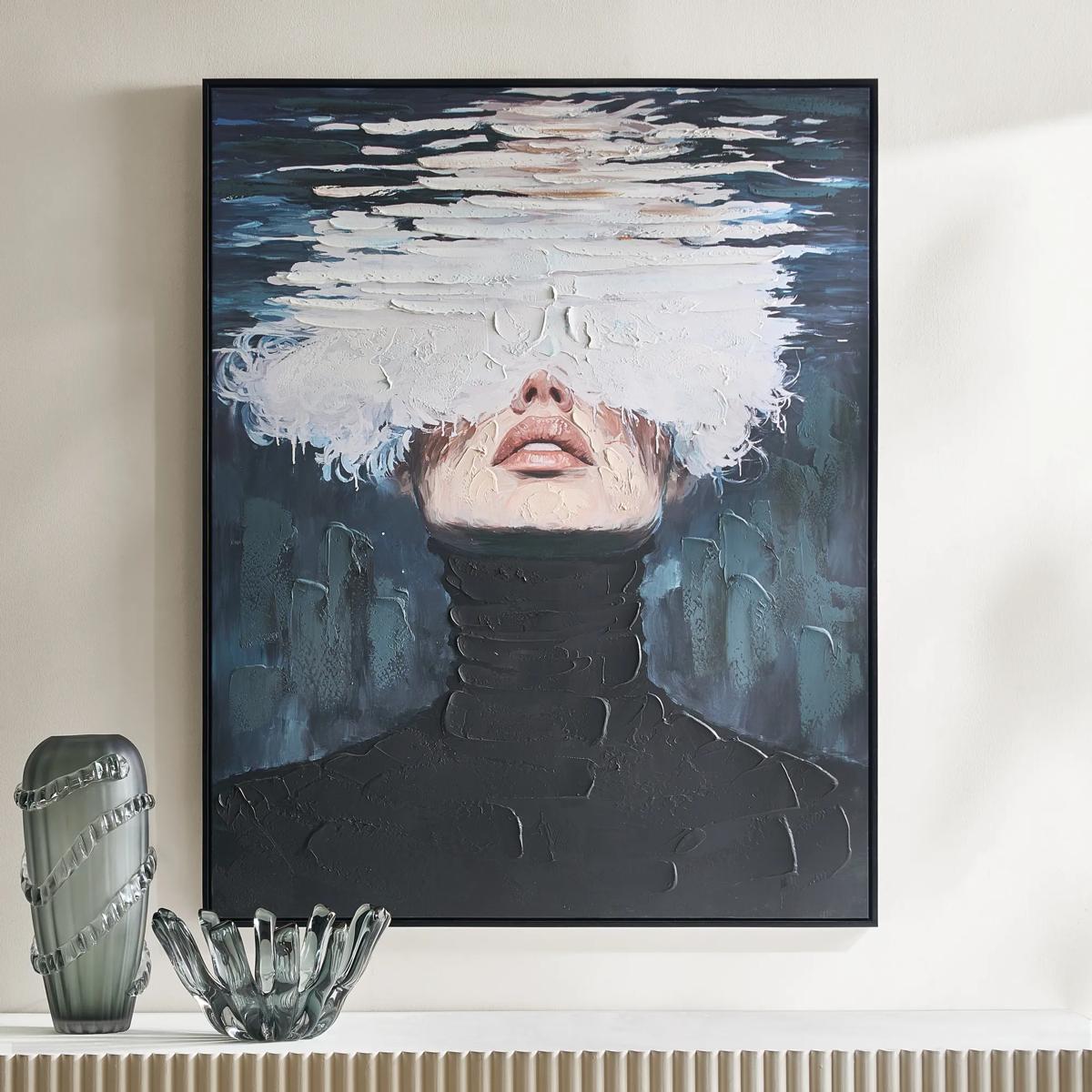 Submerged Framed Painted Wall Art 40" x 50"$599
A hand-painted canvas featuring a surreal portrait in black, blue, and white with a black floater frame.
Add To Cart -
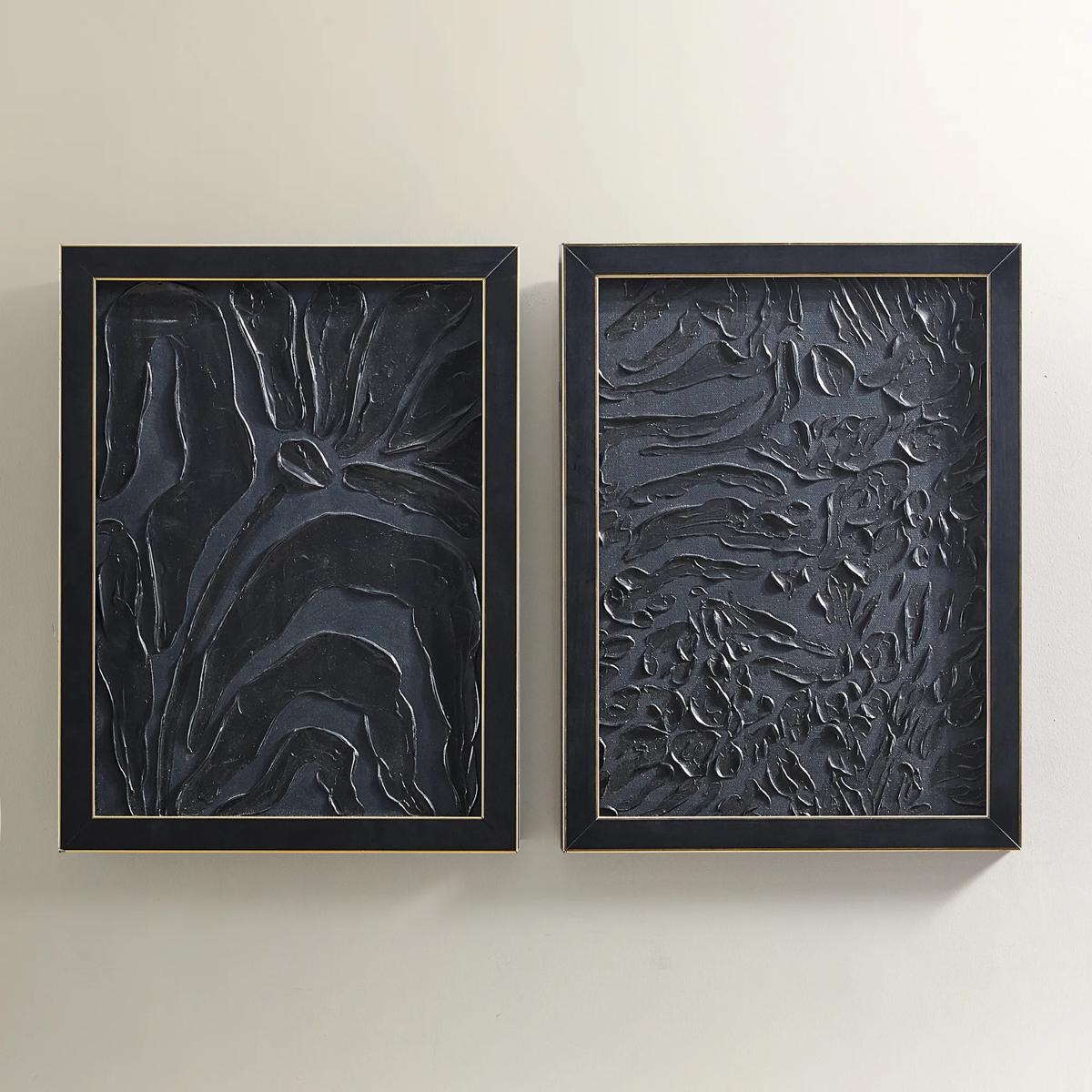
 Midnight Animal Painting - Set of 2$119
A set of hand-embellished canvas artworks in black and gold frames, adding depth and warmth to interiors.
Add To Cart -
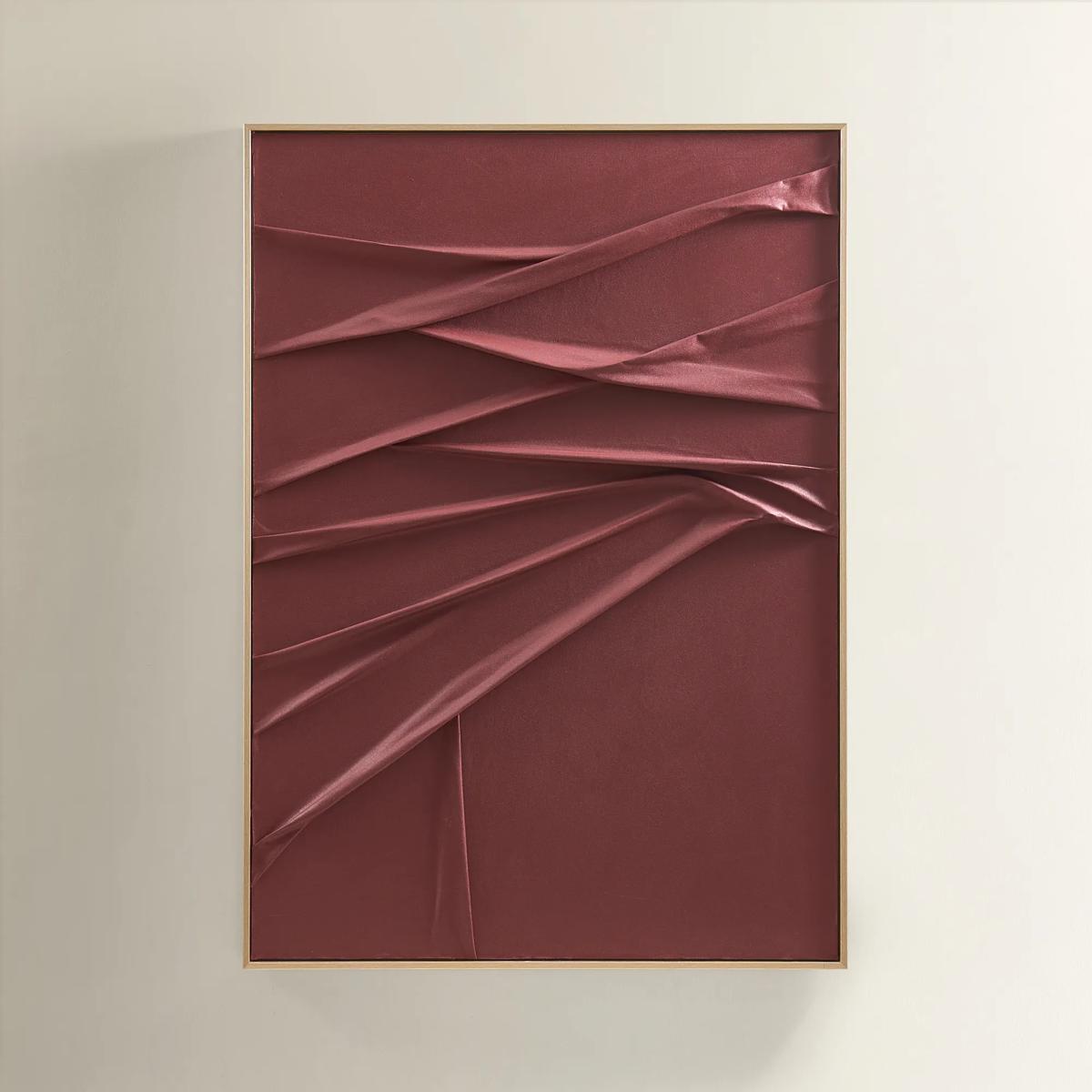
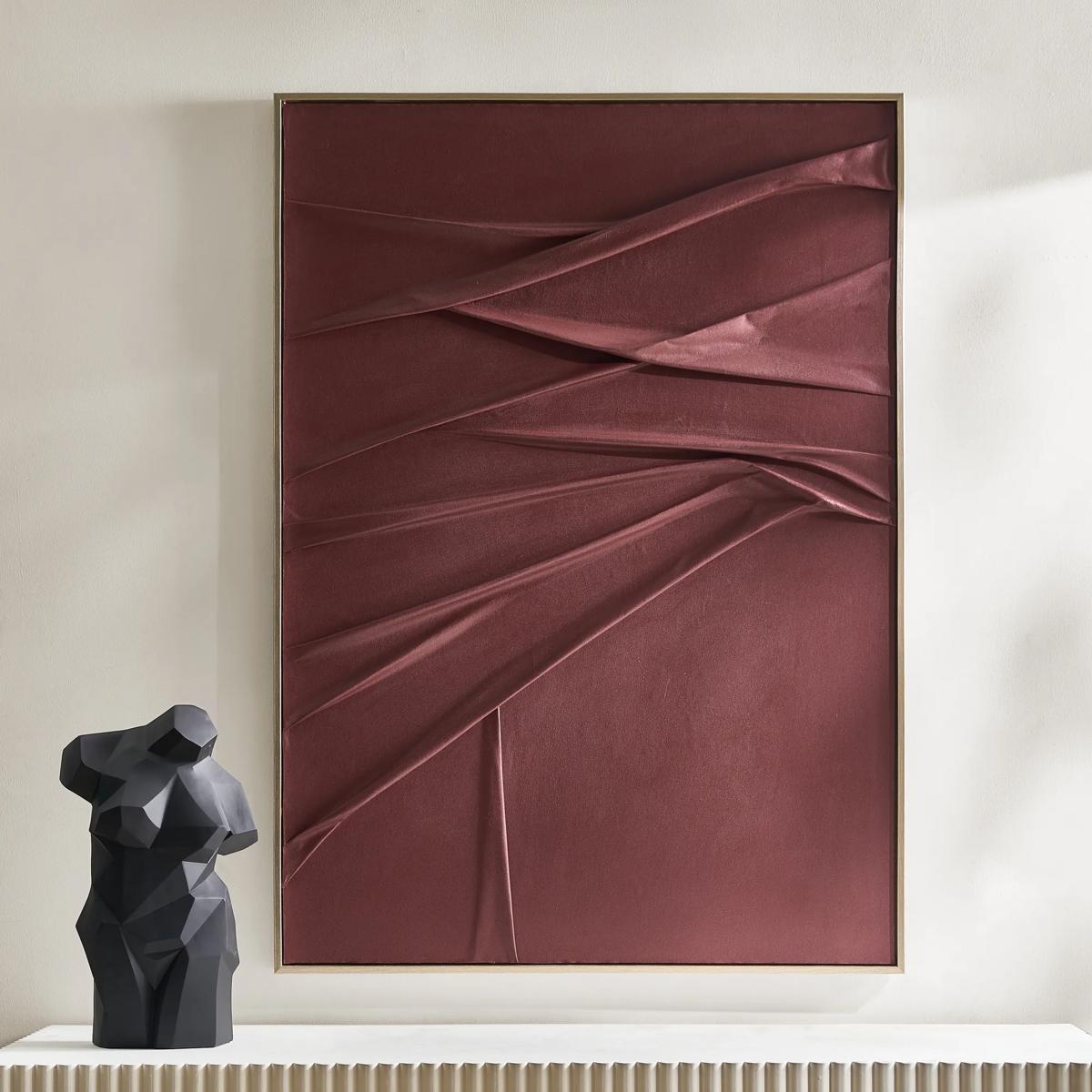 Crimson Painting$599
A handcrafted burgundy canvas artwork with sculptural folds, framed in champagne for a dramatic, textured effect.
Add To Cart -
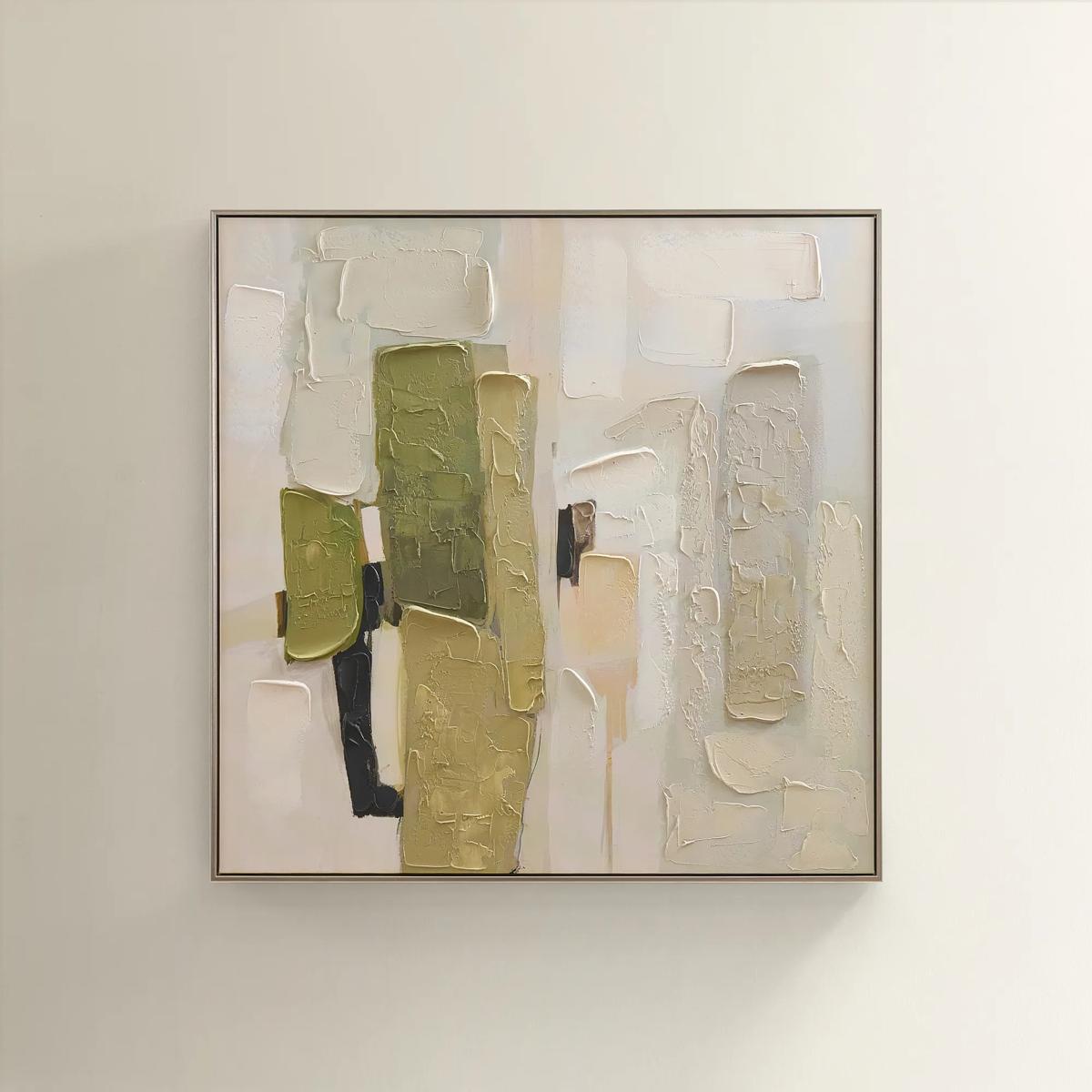 Verde Crush Framed Painted Wall Art 39.25" x 39.25"$349
A hand-painted abstract canvas featuring rich green tones, layered neutrals, and a champagne floater frame.
Add To Cart -
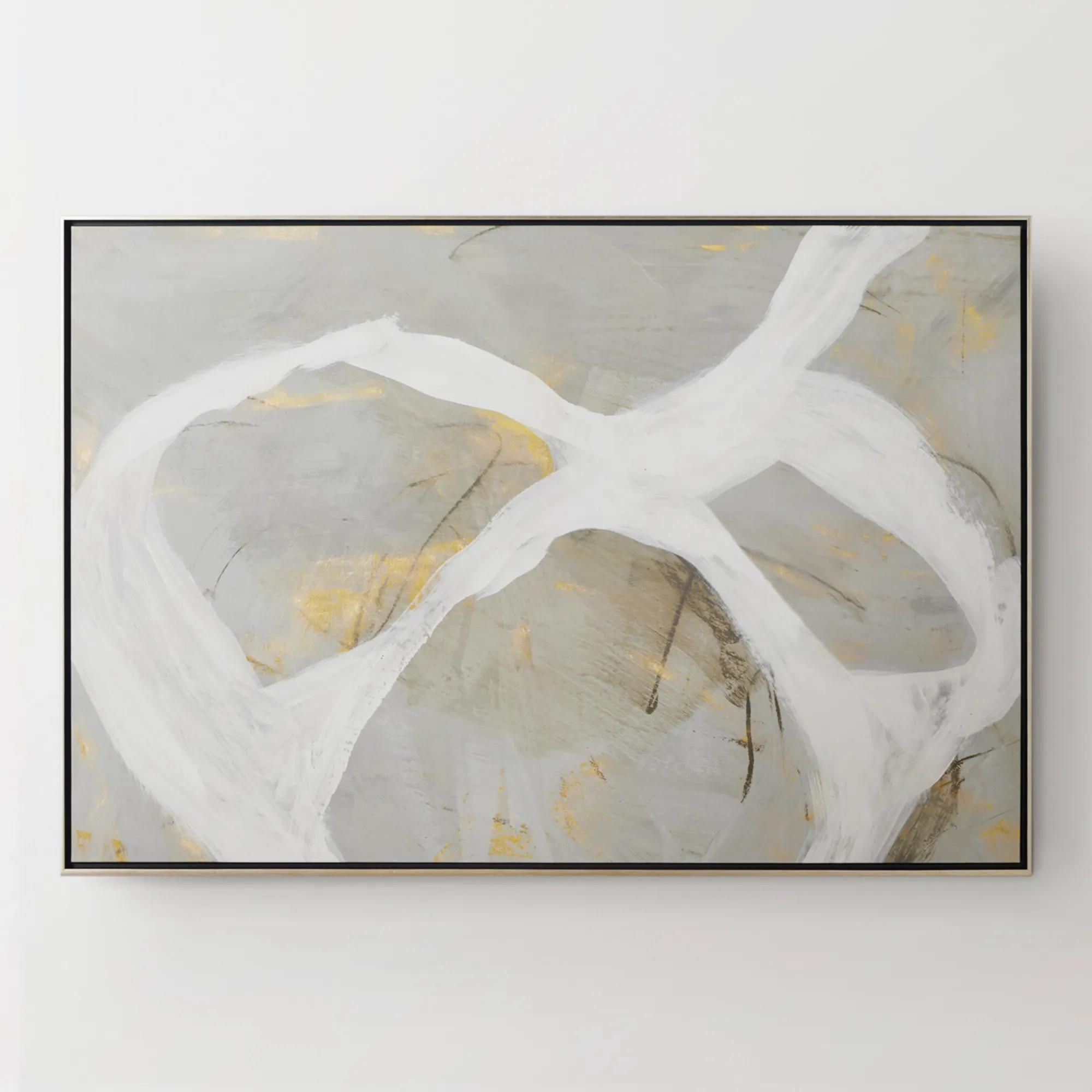
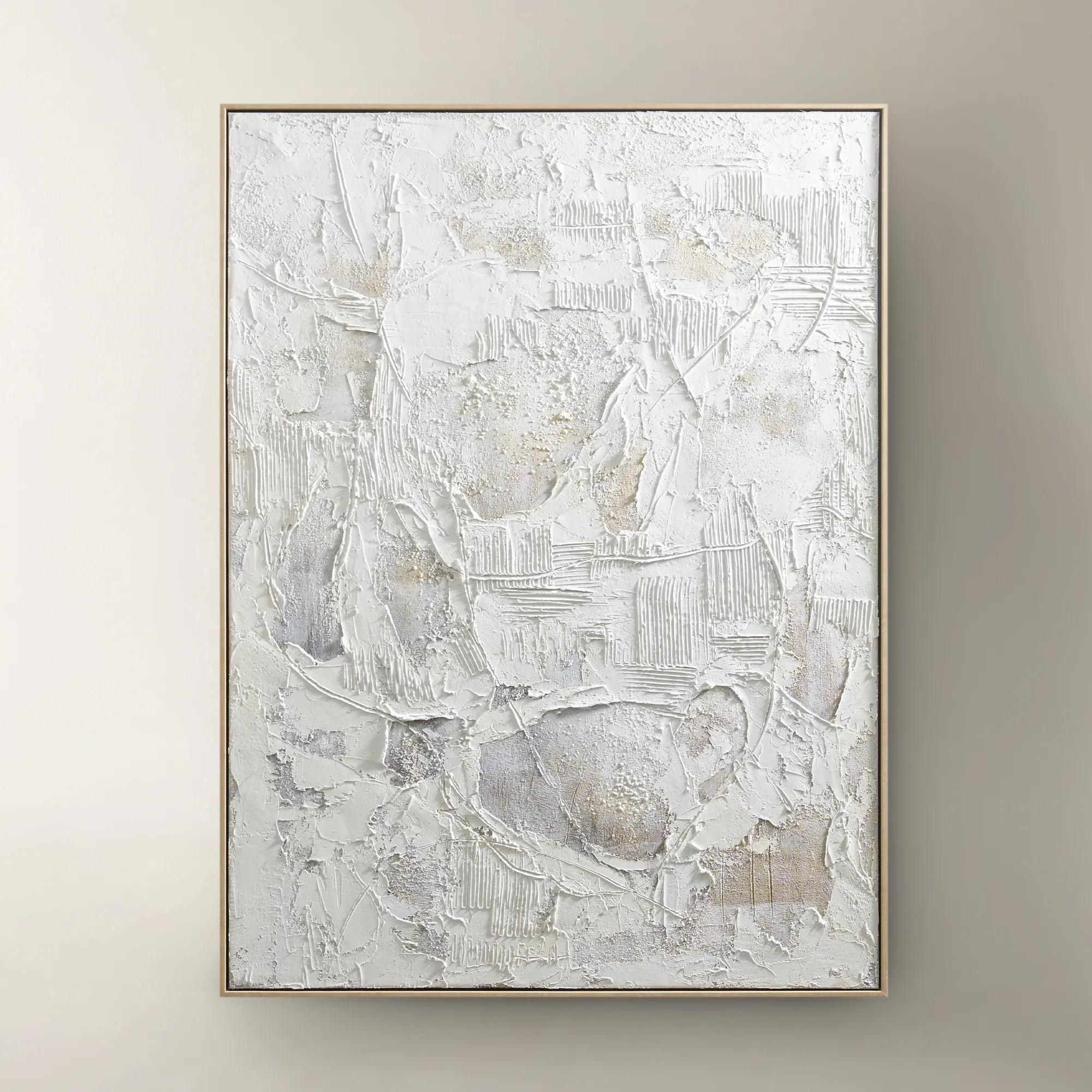
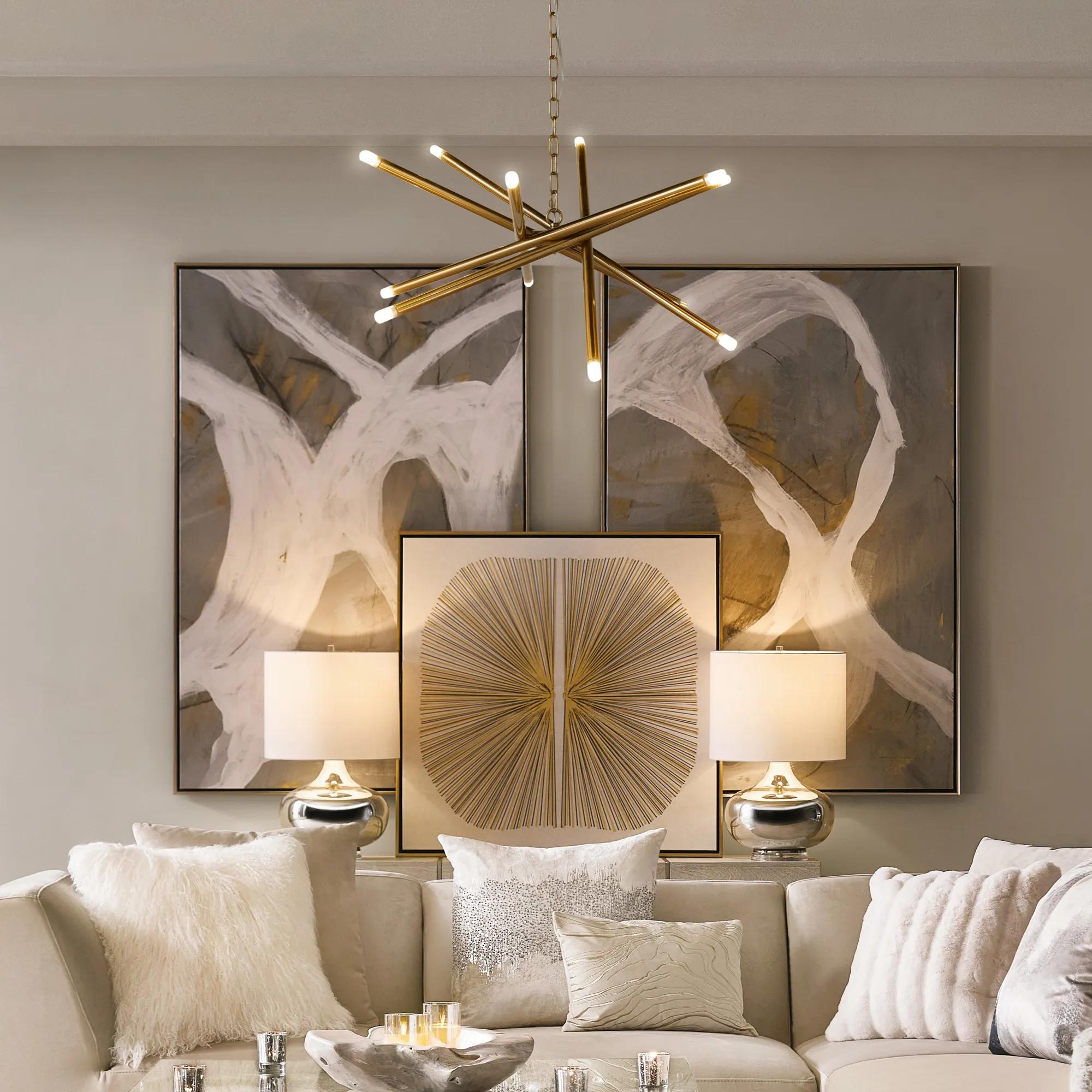 Les Series Framed Painted Wall Art I 61" x 41"$1099
An abstract canvas artwork featuring bold brushstrokes, hand-applied gold accents, and a silver floater frame.
Add To Cart -
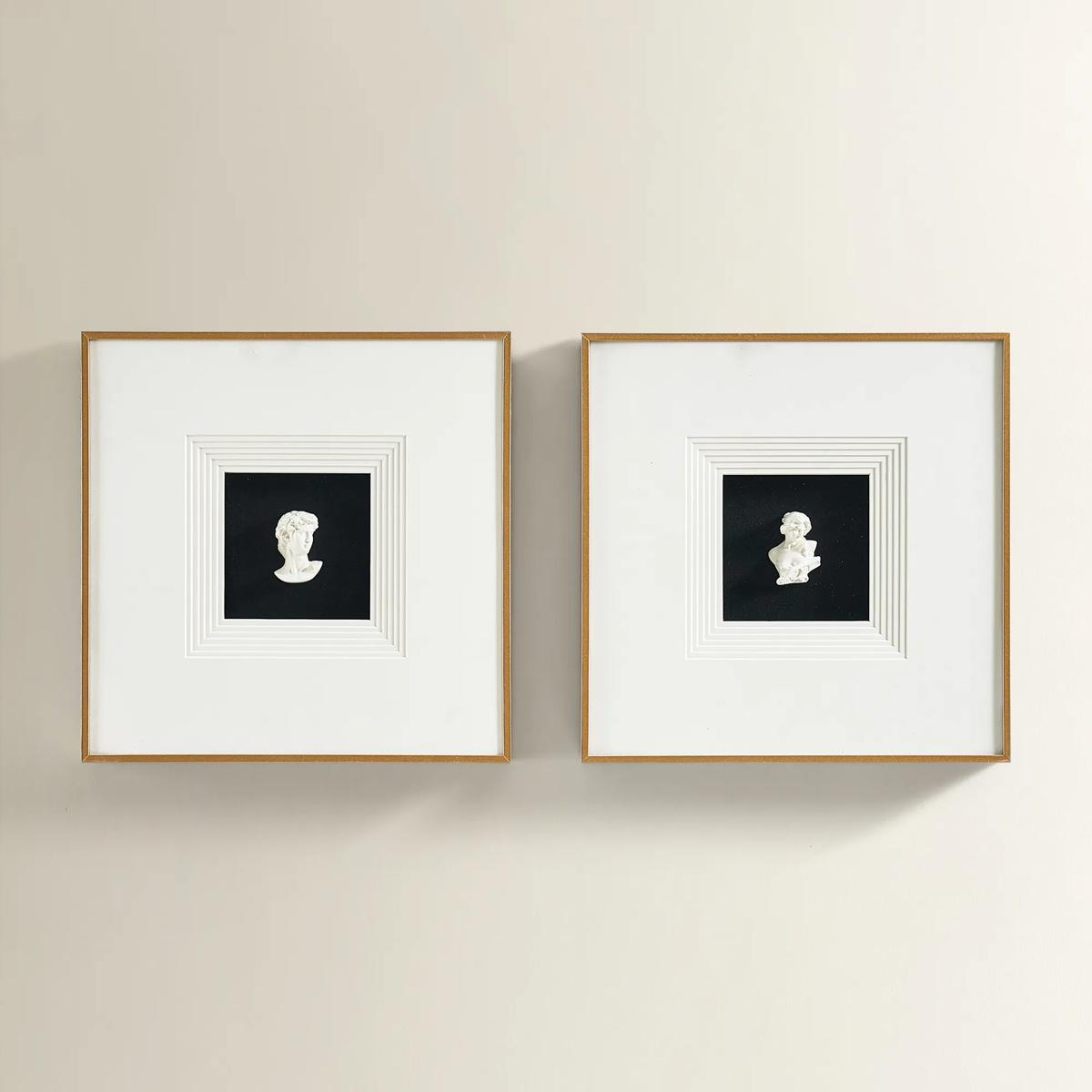
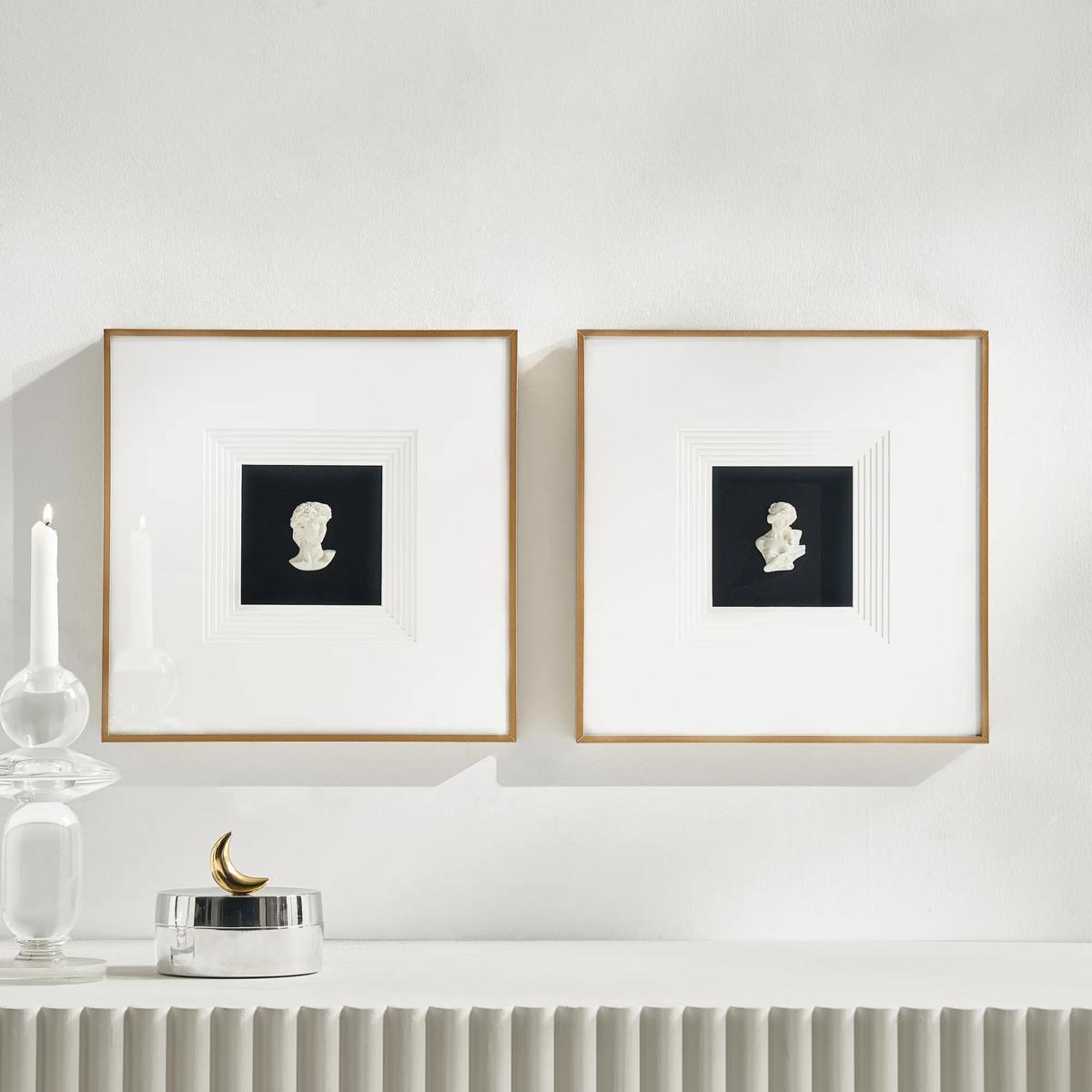 Classics Framed Plaster Wall Decor Set of 2$149
A set of two plaster portrait wall art pieces in black and ivory with sleek aluminum frames.
Add To Cart -
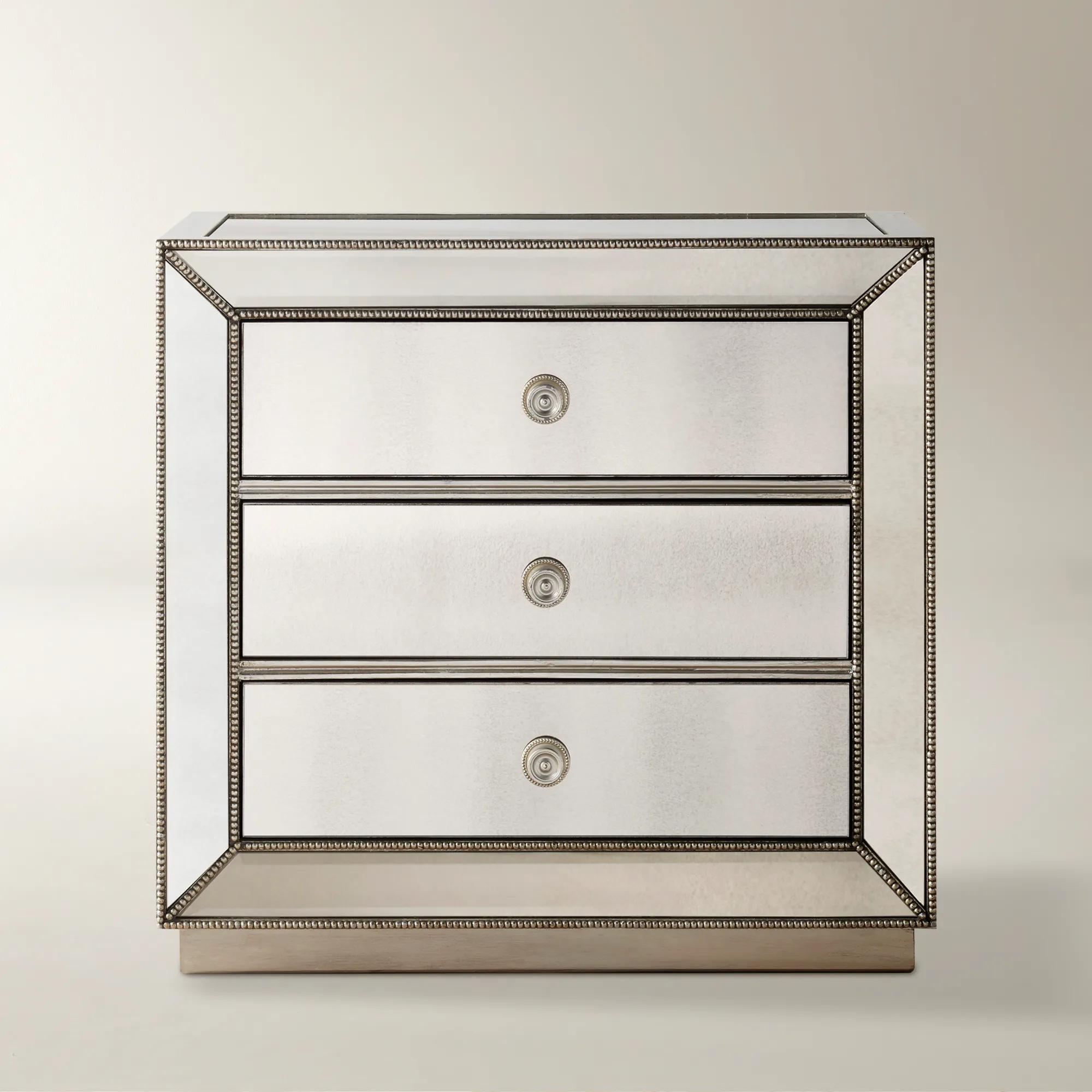
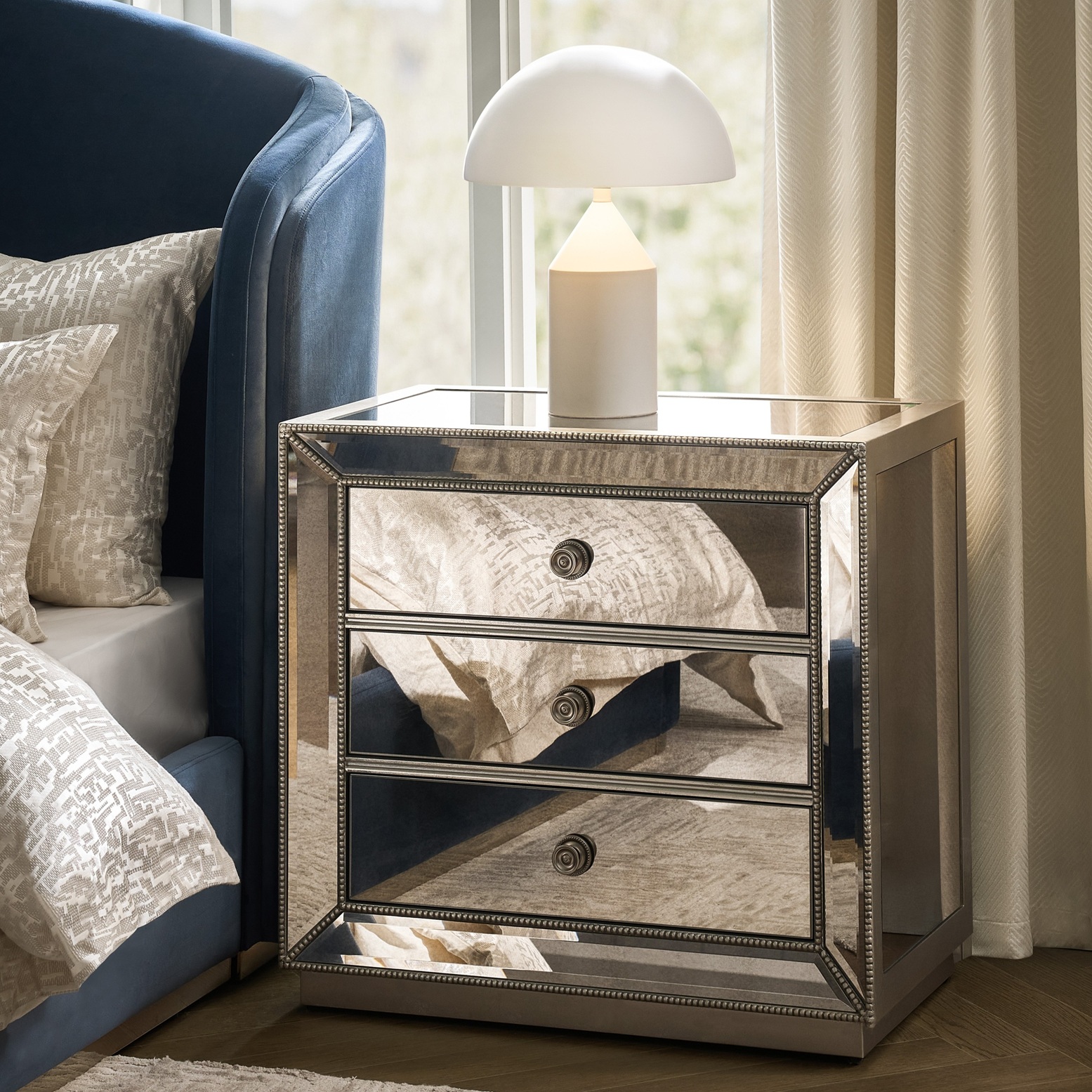 Omni Mirrored Silver 3-Drawer Nightstand (32")$1299
A glamorous chest featuring antiqued mirrored panels, hand-applied silver-leaf finish, and beaded trim.
Add To Cart -
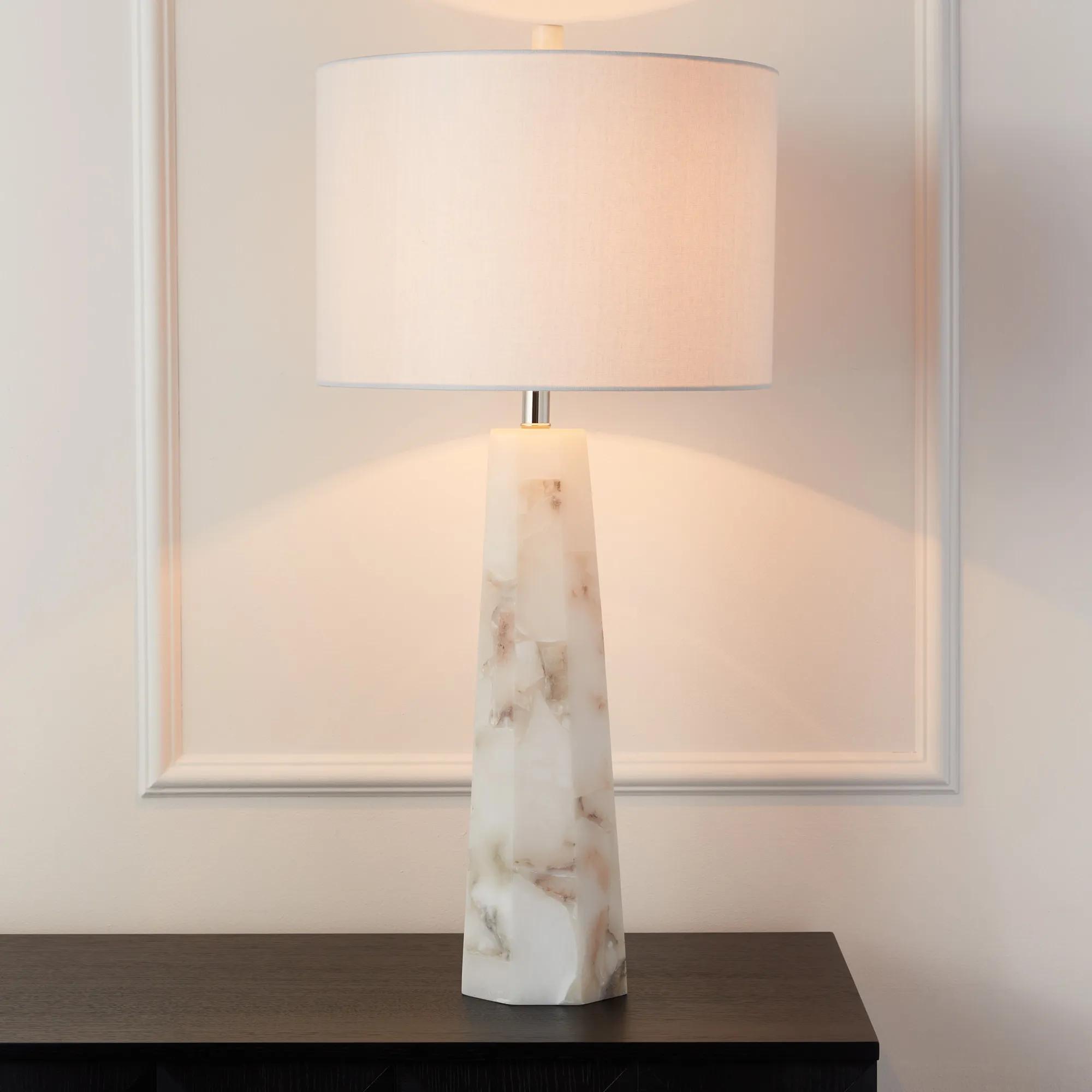 Aurora Alabaster Table Lamp 34"$499
An alabaster stone lamp with a tapered silhouette, white linen shade, and matching alabaster finial.
Add To Cart -
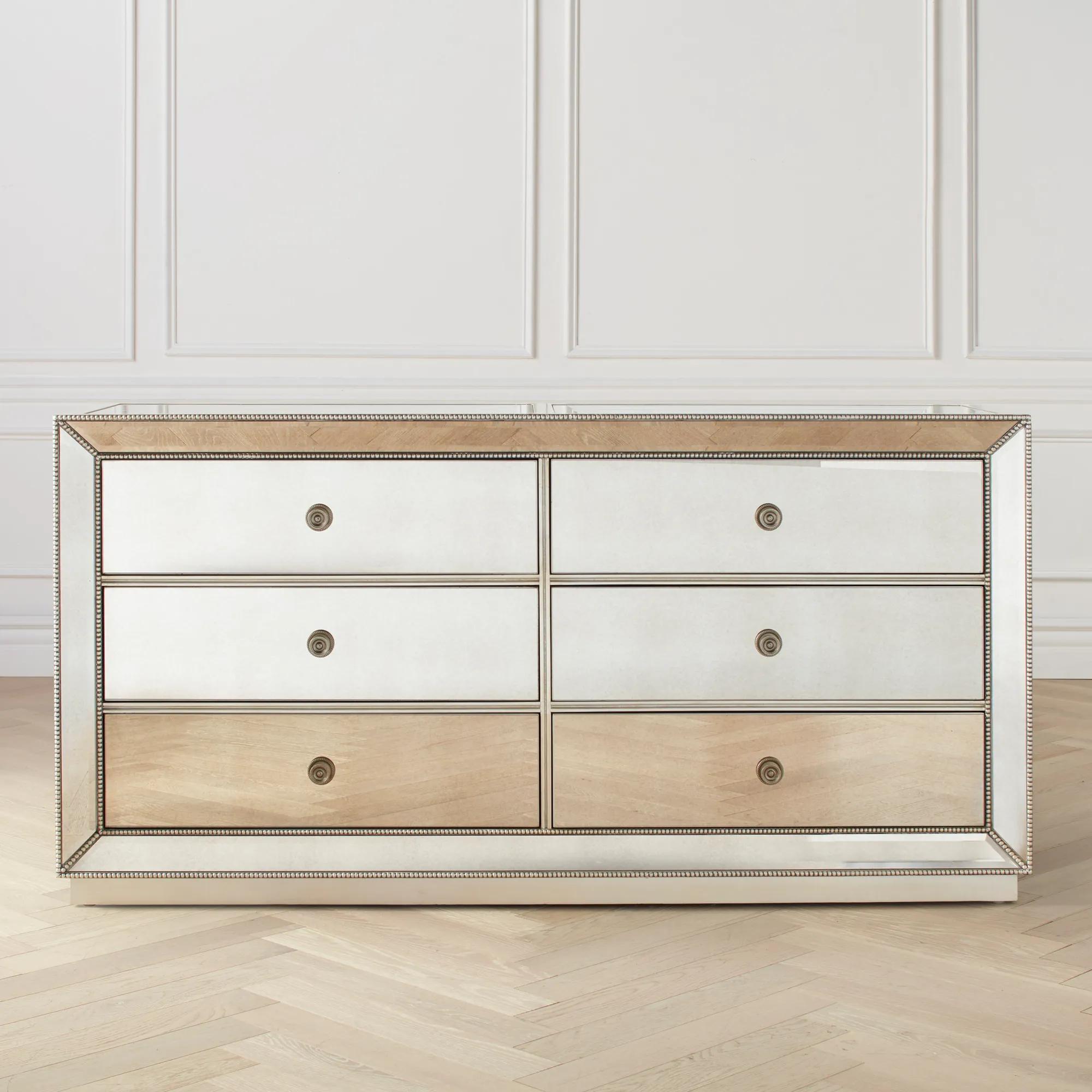 Omni Mirrored Silver 6-Drawer Dresser (72")$2599
A hand-applied silver-leaf chest with antiqued mirrored panels and beaded trim for dramatic bedroom shine.
Add To Cart -
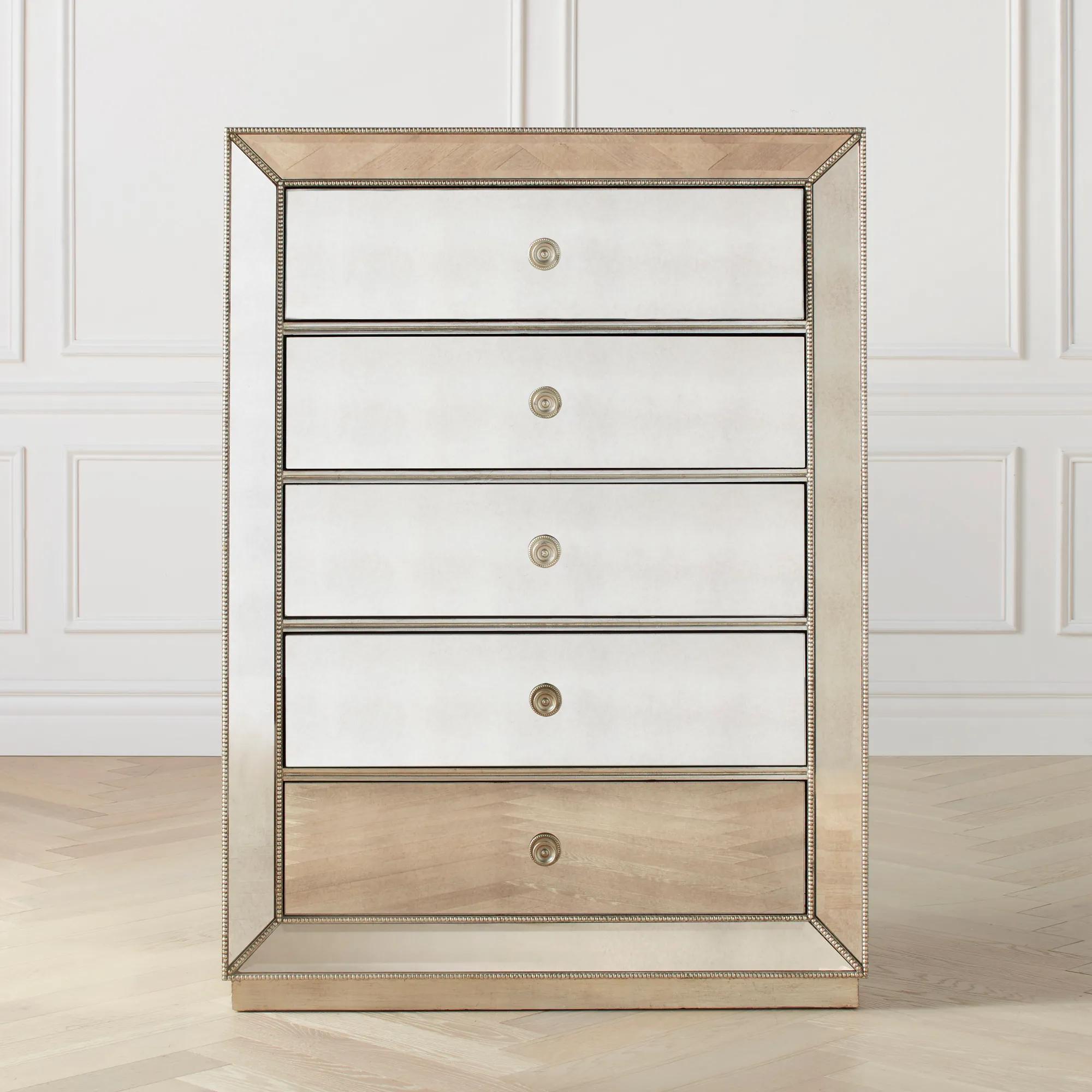
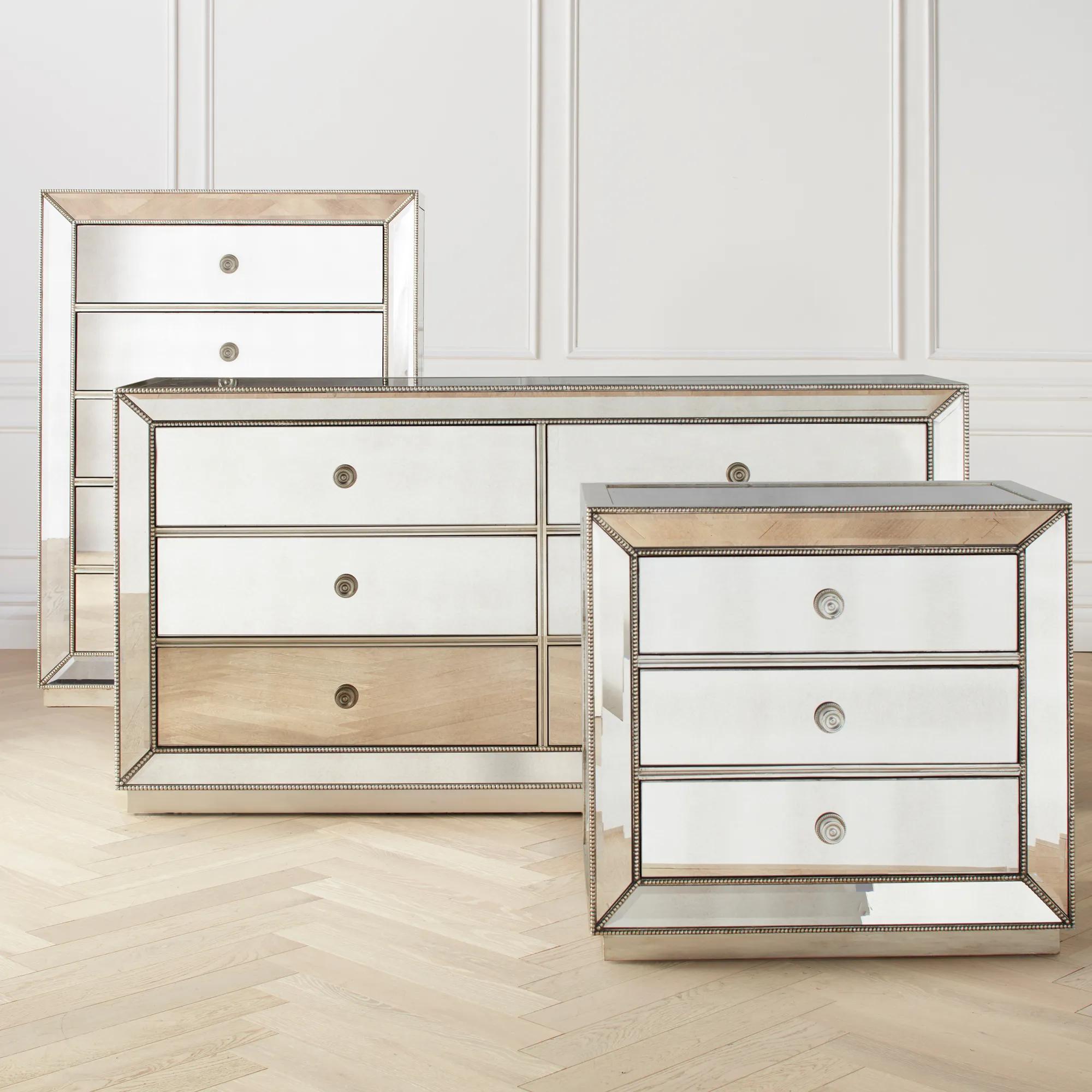 Omni Mirrored Silver 5-Drawer Tall Dresser (40")$2199
A dramatic chest featuring antiqued mirrored panels, hand-applied silver-leaf finish, and kiln-dried hardwood construction.
Add To Cart -
 Infinity Gold Leaf Wood Wall Decor I 31.5" x 31.5"$299
A swirling wooden wall sculpture featuring a striking metallic gold finish for a bold decorative statement.
Add To Cart -
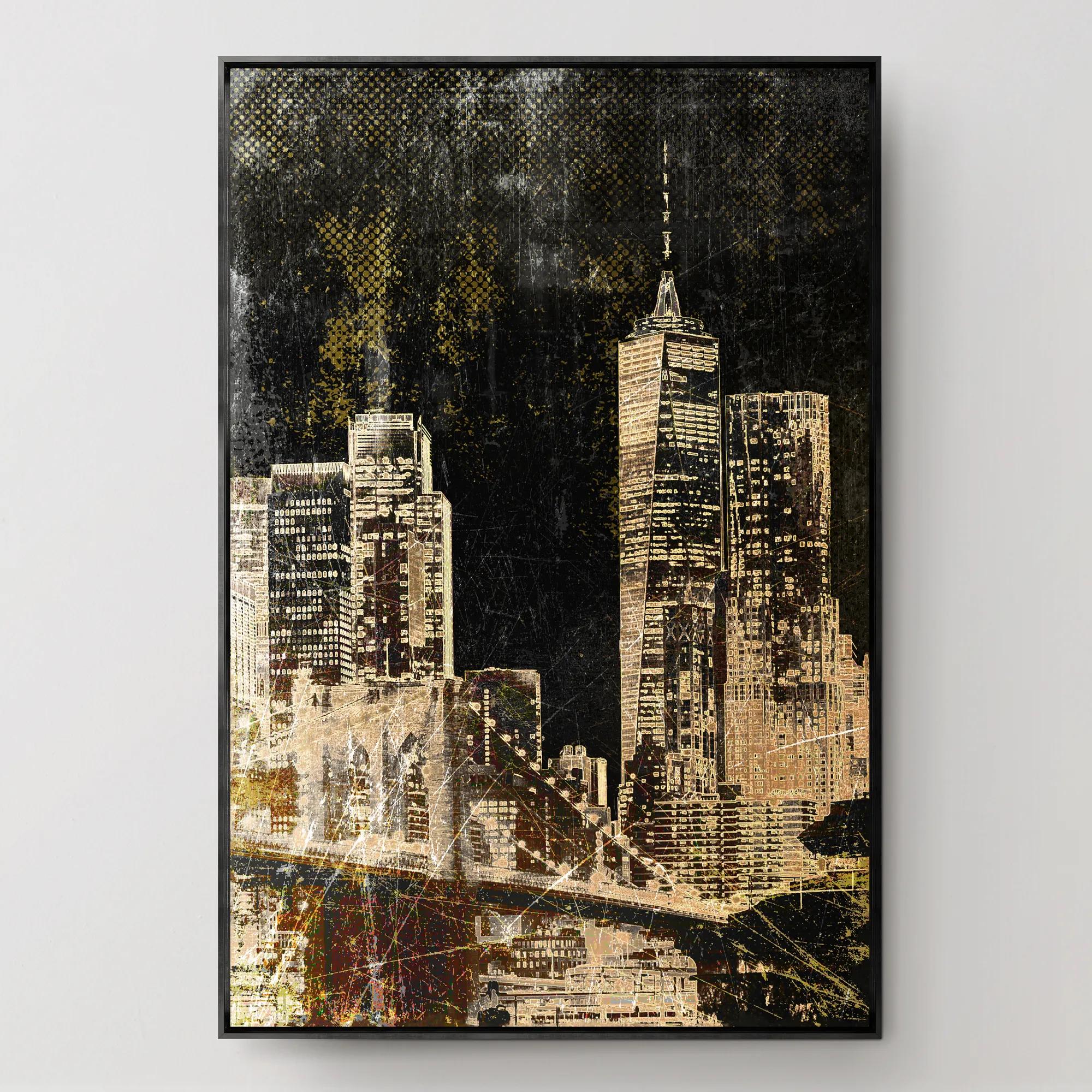
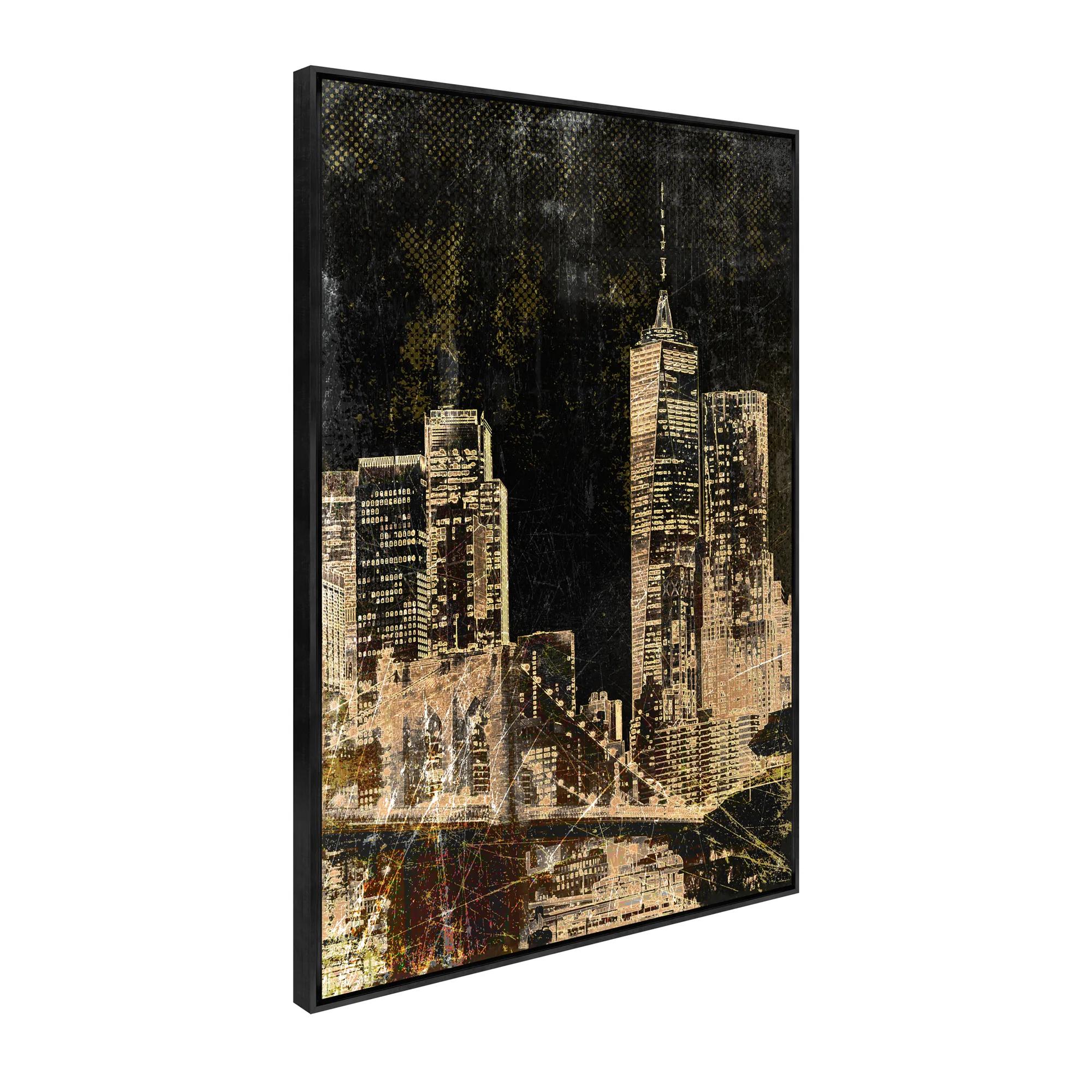 New York Lights Framed Wall Art 30" x 45"$649
A gallery-wrapped canvas artwork featuring a hand-applied gel finish and sleek black floater frame.
Add To Cart -
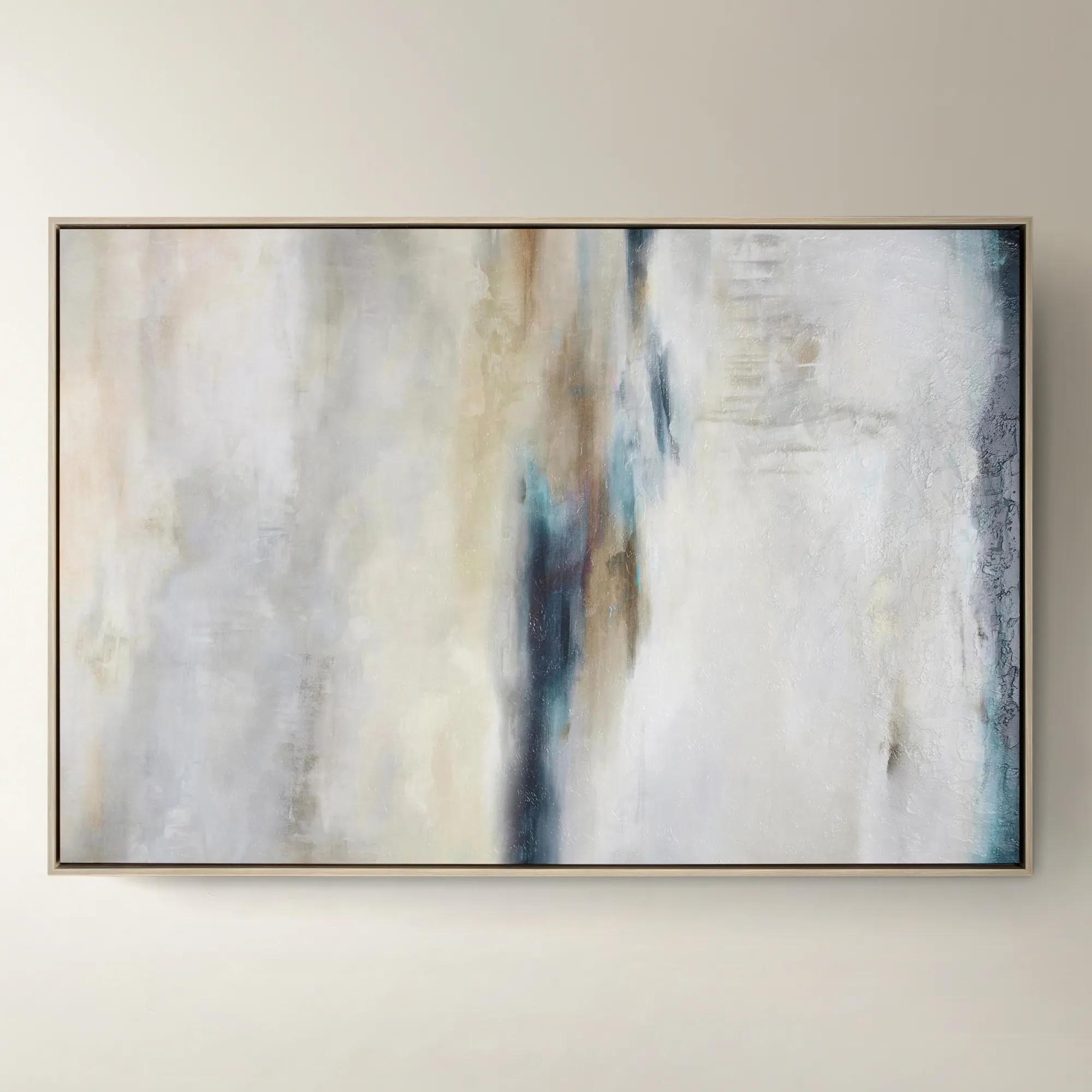
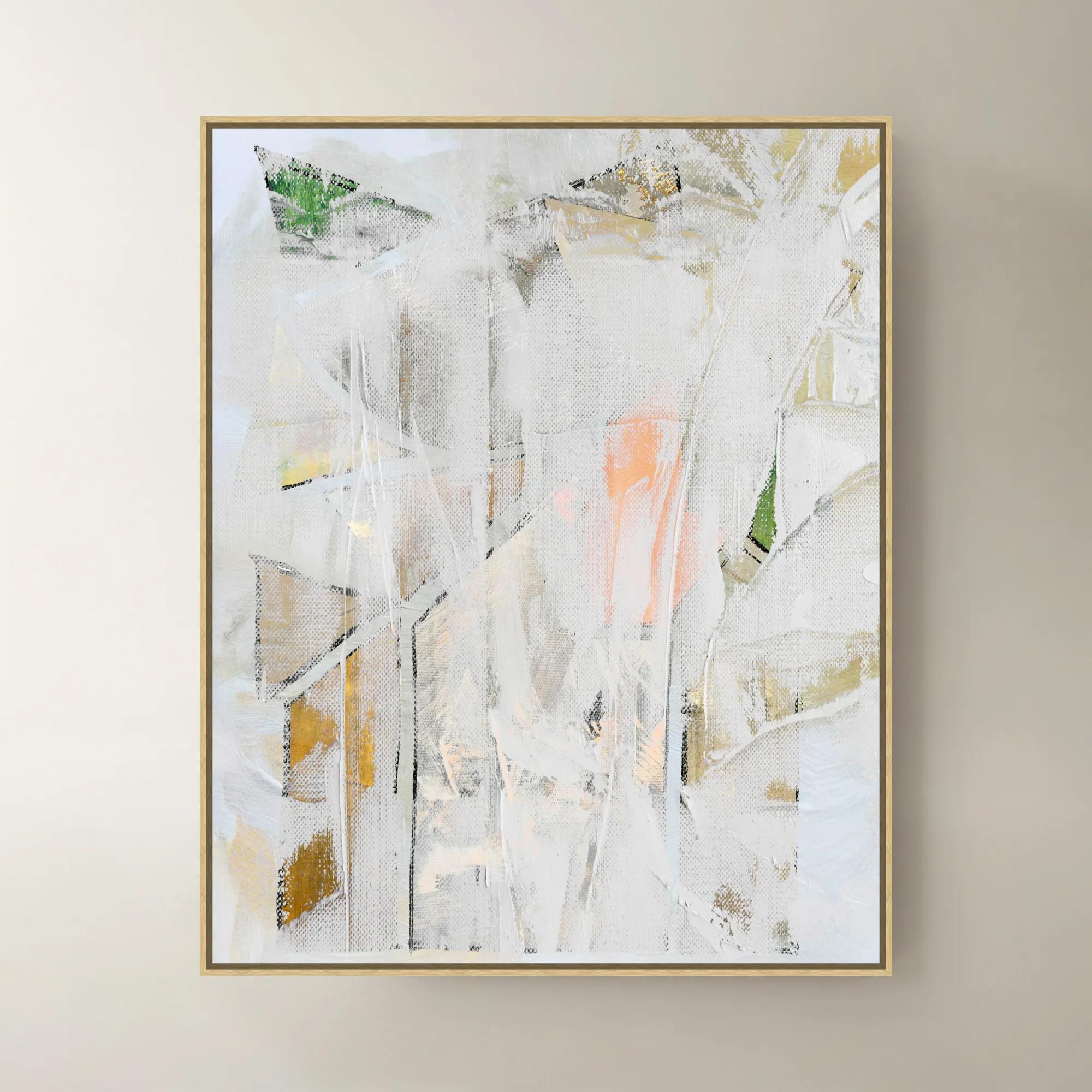
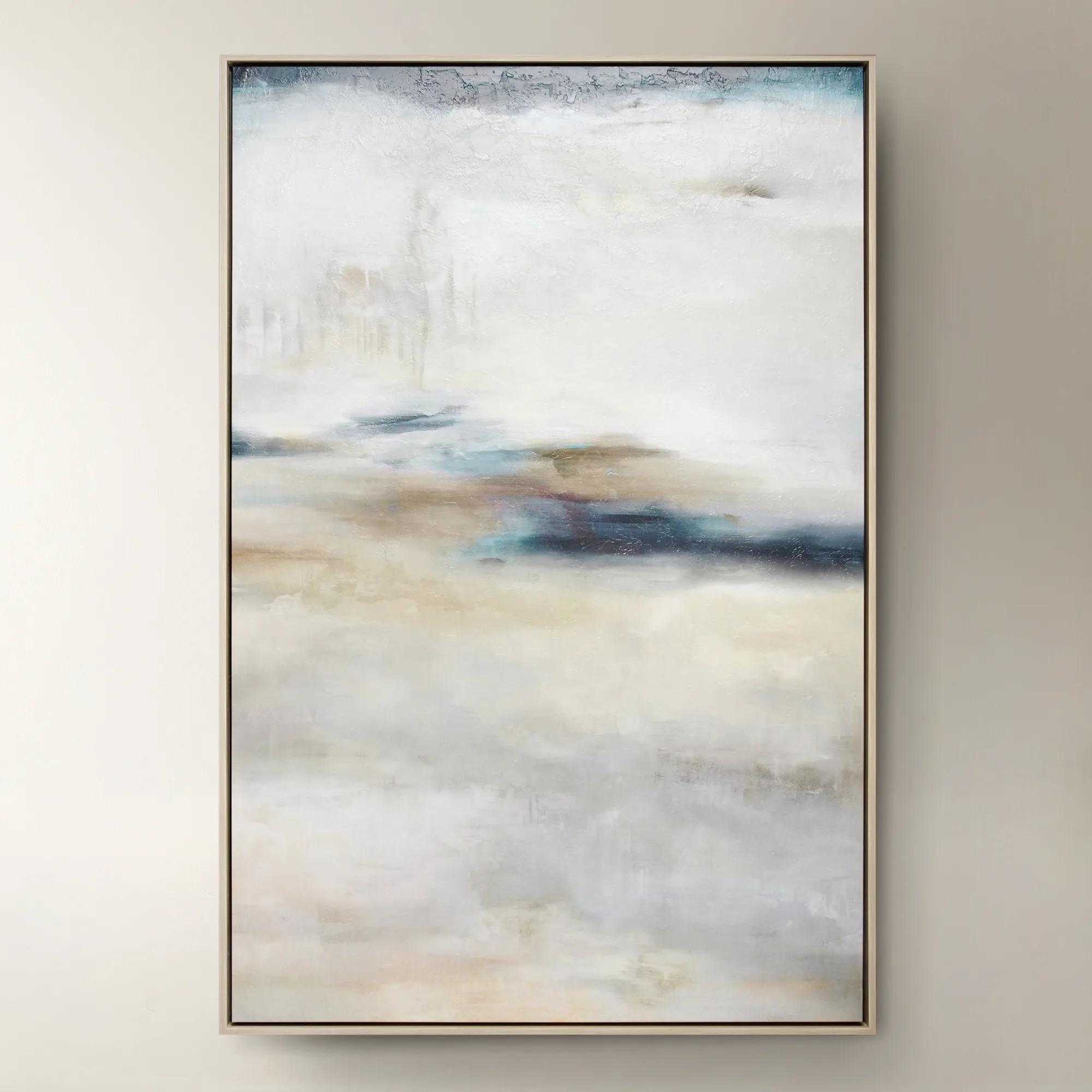 Forward Looking$1299
A softly layered abstract canvas print with a gel finish, set in a natural-hued floater frame.
Add To Cart -
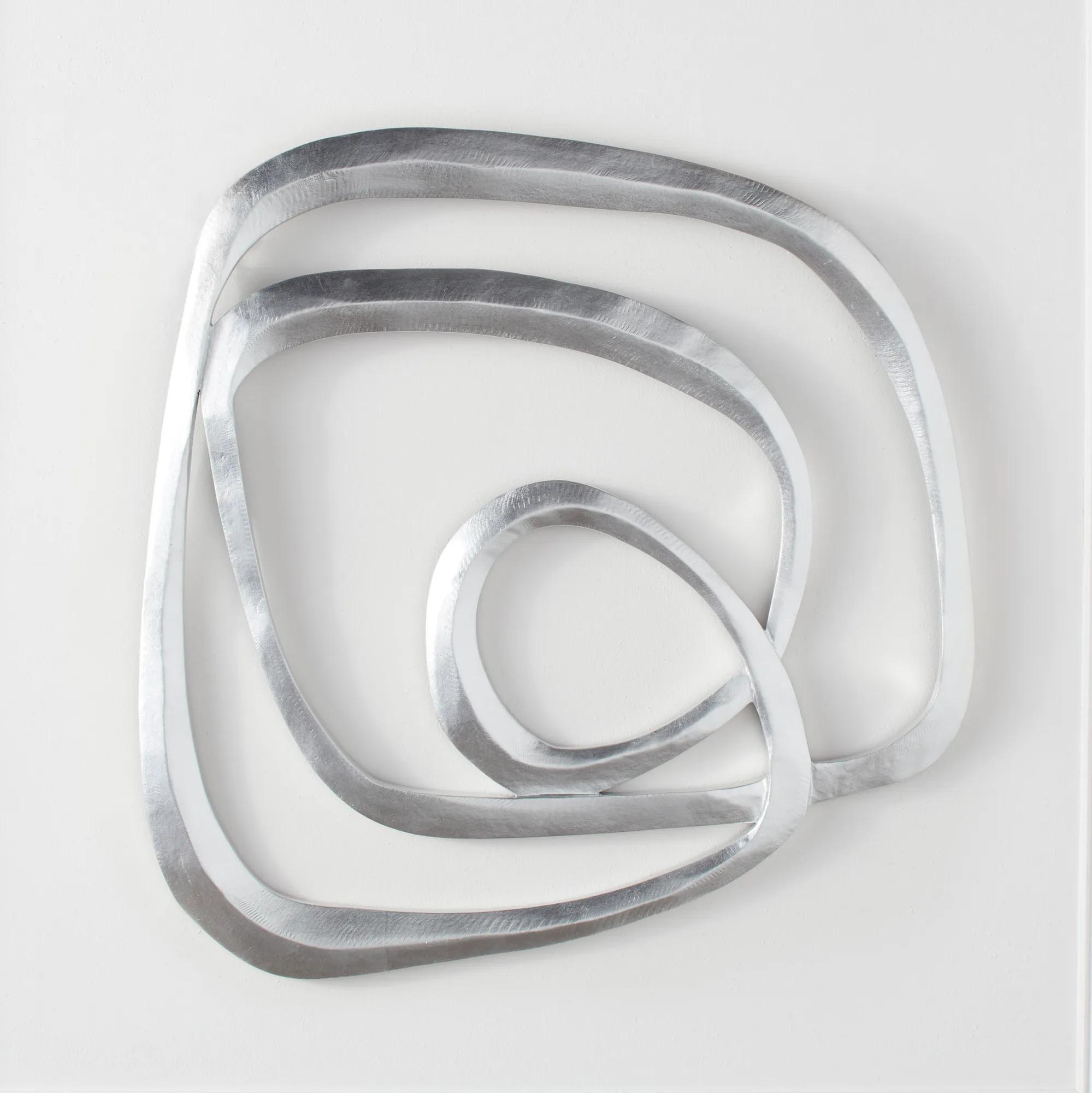 Infinity Silver Leaf Wood Wall Decor I 31.5" x 31.5"$299
A swirling wooden wall sculpture featuring a striking metallic silver finish for modern visual impact.
Add To Cart -
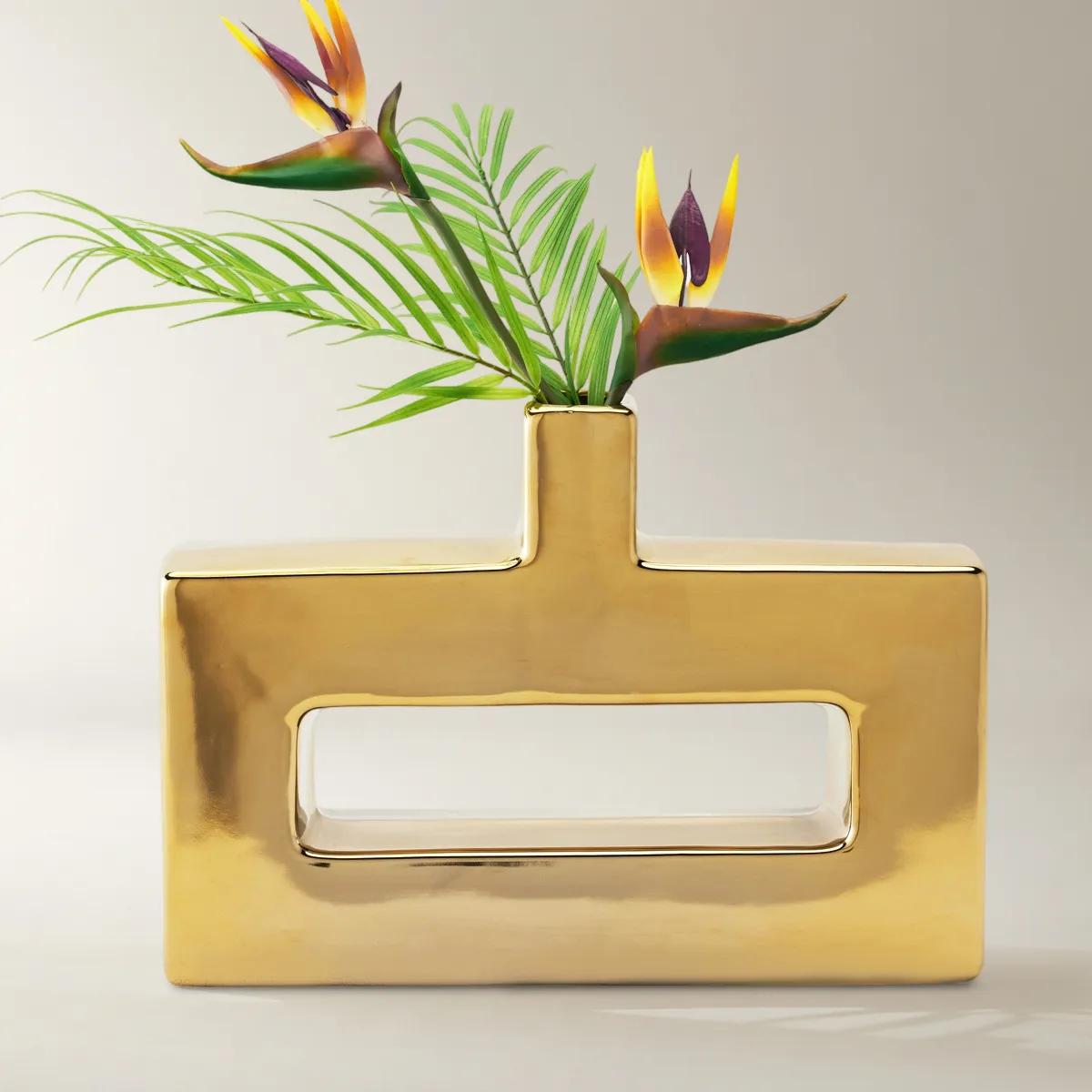 Miami Gold Ceramic High Gloss Vase 11.75"$69
A contemporary gold ceramic vase designed for decorative use as a sculptural accent or with foliage.
Add To Cart -
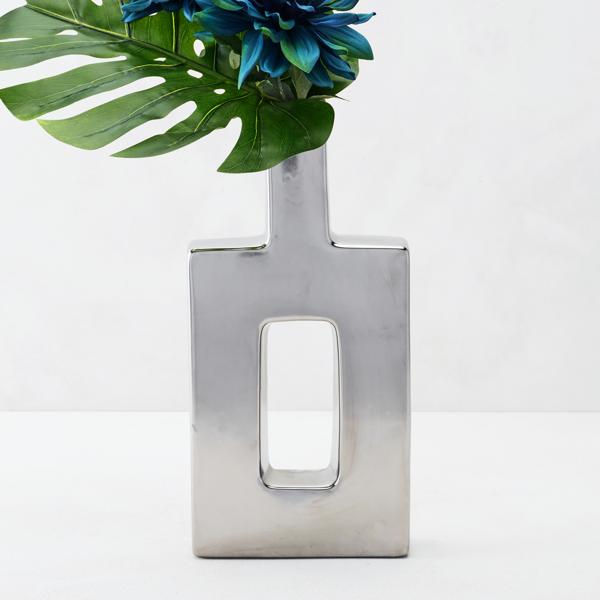
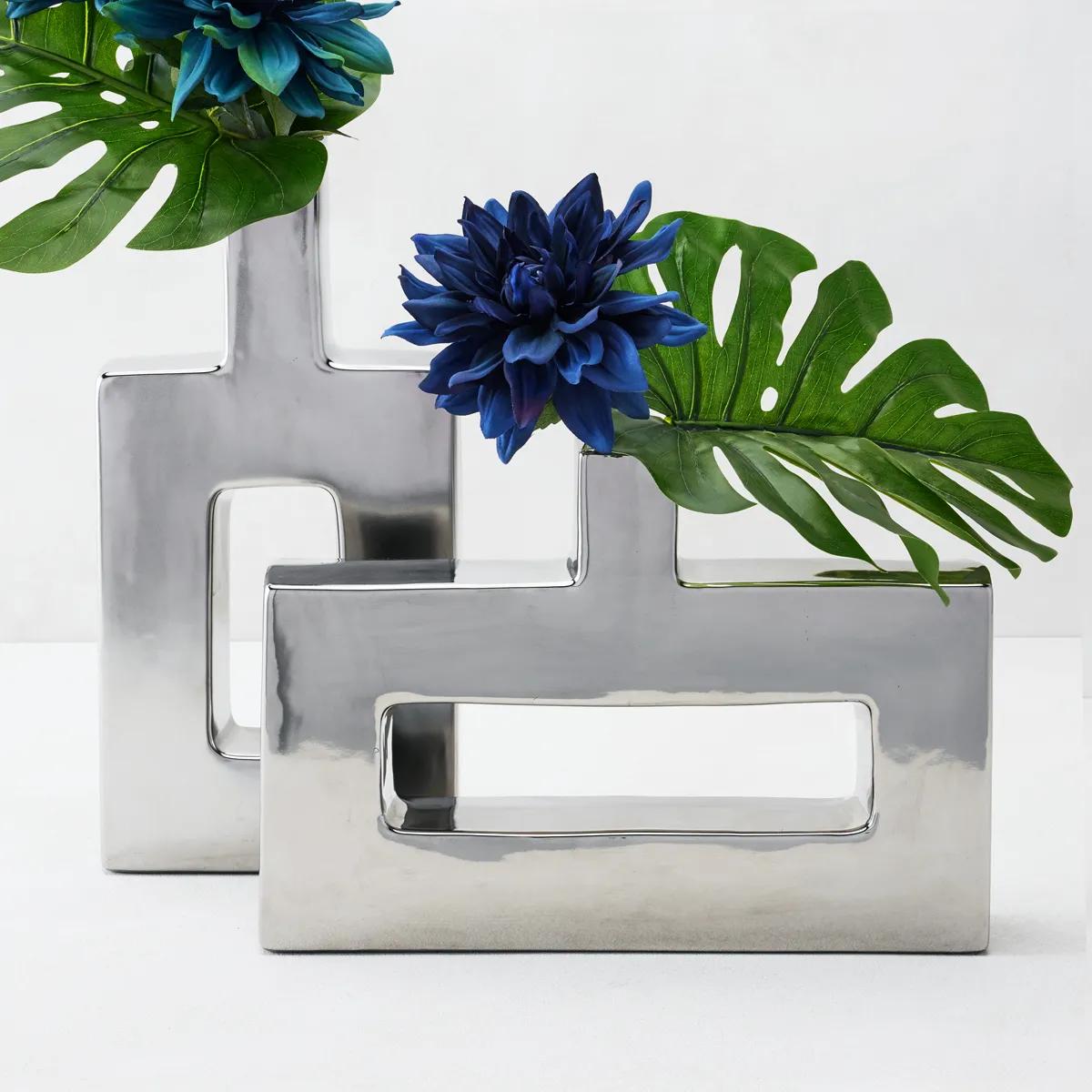 Miami Silver Ceramic High Gloss Vase 18.5"$69
A contemporary silver ceramic vase with a stylish gold glaze, perfect for decorative foliage or display.
Add To Cart

Decor For Artful Interiors
Step into a world where every detail is a brushstroke and every accent tells a story—Decor for Artful Interiors is your invitation to curate spaces that dazzle with personality and panache. Here, the ordinary transforms into the extraordinary, as sculptural forms, radiant finishes, and sumptuous textures converge to create rooms that pulse with creative energy. Whether you’re drawn to bold statements or subtle flourishes, each piece in this collection invites you to compose your own masterpiece—layering drama, intrigue, and unmistakable style into every corner of your home.
Decor for artful interiors brings sculptural form, expressive color, and richly layered surfaces into everyday living spaces. Rooted in the relationship between art and atmosphere, this approach treats decorative accents as part of a room’s composition rather than an afterthought. A sweeping curve can soften the lines of a tailored sofa; a gleaming finish can draw daylight into a shadowed corner; a textured surface can give a restrained palette unexpected depth. The result is a home with a distinct point of view, whether the setting is a dramatic living room, an intimate bedroom, or an entryway that makes an immediate impression. Sculptural objects, decorative vessels, mirrors, wall art, and tactile textiles each contribute something different: silhouette, reflection, movement, softness, or a compelling focal point. Their impact comes from how they relate to the architecture and to one another. In a room with expansive walls and tall ceilings, generous proportions help decor feel intentional rather than lost. Along a shallow console or a compact bedside surface, a more contained arrangement preserves room for daily rituals while still expressing personality. Color can establish that connection without making every element match. A trace of smoky blue in artwork might reappear in glass, while a warm metallic detail can echo a frame across the room. For interiors already rich with pattern, a quieter sculptural shape gives the eye somewhere to rest. Against pale upholstery and clean architectural lines, a daring silhouette or saturated accent introduces welcome tension. Artful home decor is especially suited to people who collect through instinct, appreciate unusual forms, or want their surroundings to reflect interests beyond a single decorating style. It can accommodate inherited treasures beside contemporary accents, polished glamour beside organic texture, and personal mementos within an otherwise carefully edited room. That freedom is central to its appeal: a space can feel cohesive without surrendering the details that make it unmistakably personal.
Materials shape both the visual character of decorative accessories and the way they perform in a home. Glass lends translucence and luminous color, with an appearance that shifts as daylight gives way to evening illumination. Ceramic can offer crisp, glazed shine or a more tactile, matte surface, making it equally compelling in graphic arrangements and softer, tonal rooms. Metal introduces definition through slender profiles, substantial forms, and finishes that range from softly brushed to highly reflective. Stone brings weight and natural variation, while wood adds warmth through grain and subtle differences in tone. Textiles contribute another dimension, particularly when plush pile, embroidery, or dimensional weaving contrasts with sleek furniture. These qualities are worth considering alongside practical requirements. A decorative vessel is not necessarily watertight, so fresh floral arrangements call for a design specifically intended to hold water or an appropriate liner. Porous materials and delicate finishes may need protection from moisture, oils, and prolonged sunlight; decorative trays should not be assumed suitable for direct food contact unless their care information confirms it. Dimensions matter just as much as material. On a dining table used for conversation, lower profiles can maintain clear sightlines, while a taller arrangement may feel more at home on a sideboard. A broad sculptural accent needs a stable surface with enough depth to support its full base, not merely enough space for its most visible outline. Wall decor requires hardware suited to its weight and the wall’s construction, and heavier mirrors deserve particular attention to secure installation. Durability depends on placement as well as construction: narrow ledges, busy passageways, and surfaces within reach of children or pets are less forgiving places for fragile forms. For routine care, follow the material-specific instructions and favor gentle handling over aggressive polishing. A soft cloth is often appropriate for dusting, but abrasive cleaners can dull or scratch sensitive finishes. Thoughtful placement and consistent care preserve the details that make expressive decor so captivating.
The most compelling rooms let decorative accents participate in everyday life without crowding it. In a living room, an arrangement on a coffee table can combine contrasting heights and textures while leaving generous space for drinks, a book, or an evening gathered with friends. On open shelving, a few substantial forms can bring more clarity than rows of small objects, particularly when their silhouettes are visible against the background. Negative space is not the absence of expression; it allows a distinctive contour, a richly worked surface, or a striking color to register fully. Bedrooms often benefit from a gentler rhythm, with tactile accents and softly reflective details that create intimacy without feeling subdued. An entryway can carry more visual drama, using strong scale and an arresting shape to establish the mood before the rest of the home comes into view. In a home office or creative workspace, decorative elements can introduce inspiration while leaving working surfaces functional. For spaces devoted to making and displaying creative work, Decor for Art Studios offers a related perspective on surroundings with an expressive point of view. Throughout the home, the balance between display and daily use helps determine which accents feel truly at ease. A household that entertains frequently may favor arrangements that can be moved gracefully when a console becomes a serving surface. Someone building a collection over time may prefer a recurring material or color family that welcomes new discoveries without demanding a complete redesign. During the cooler months, deeper tones, plush textures, and reflective finishes can lend familiar rooms a more enveloping atmosphere, yet remain relevant beyond the season. Decorative accessories can also make thoughtful housewarming, wedding, or host gifts when chosen with the recipient’s taste and available space in mind. A manageable scale and straightforward care requirements make a gift easier to incorporate, while distinctive craftsmanship gives it lasting presence. Whether selected for a new home or added to a beloved room, decor for artful interiors gives personal expression a tangible form—through surfaces that invite a closer look, shapes that command attention, and details that make daily surroundings feel extraordinary.
FAQs
Artful decor is characterized by expressive design, bold materials, and striking forms that transform ordinary rooms into captivating spaces. These pieces serve as focal points, conversation starters, and reflections of personal taste, often blending sculptural shapes, luxurious textures, and gleaming finishes to create a curated, gallery-like atmosphere.
Begin by selecting one or two statement pieces—such as a dramatic vase, a sculptural bowl, or a textured wall hanging—and let them anchor your design. Layer in complementary accents with varying heights, finishes, and materials, but leave enough negative space for each object to shine. Balance is key: allow your boldest items to take center stage while supporting them with subtler touches that enhance the overall mood.
Absolutely. Artful decor makes a sophisticated and memorable gift, especially during the holidays when homes are dressed for celebration. Choose pieces that reflect the recipient’s personality—perhaps a shimmering candleholder for the entertainer, or a hand-painted tray for the collector. These gifts become cherished additions to their home and serve as lasting reminders of your thoughtful gesture.
Opt for materials that exude luxury and artistry, such as hand-blown glass, polished metals, marble, velvet, and artisan ceramics. These choices not only offer visual intrigue but also introduce tactile richness and a sense of craftsmanship that elevates the entire space.
Refresh your vignettes seasonally by rotating decor pieces, introducing new textures, or experimenting with color palettes. In winter, layer in plush throws and metallic accents; in spring, swap in vibrant ceramics or botanical motifs. This ongoing curation ensures your interiors remain dynamic and inspiring, reflecting both the changing seasons and your evolving style.