Art For Elegant Home Decor
Art For Elegant Home Decor
-
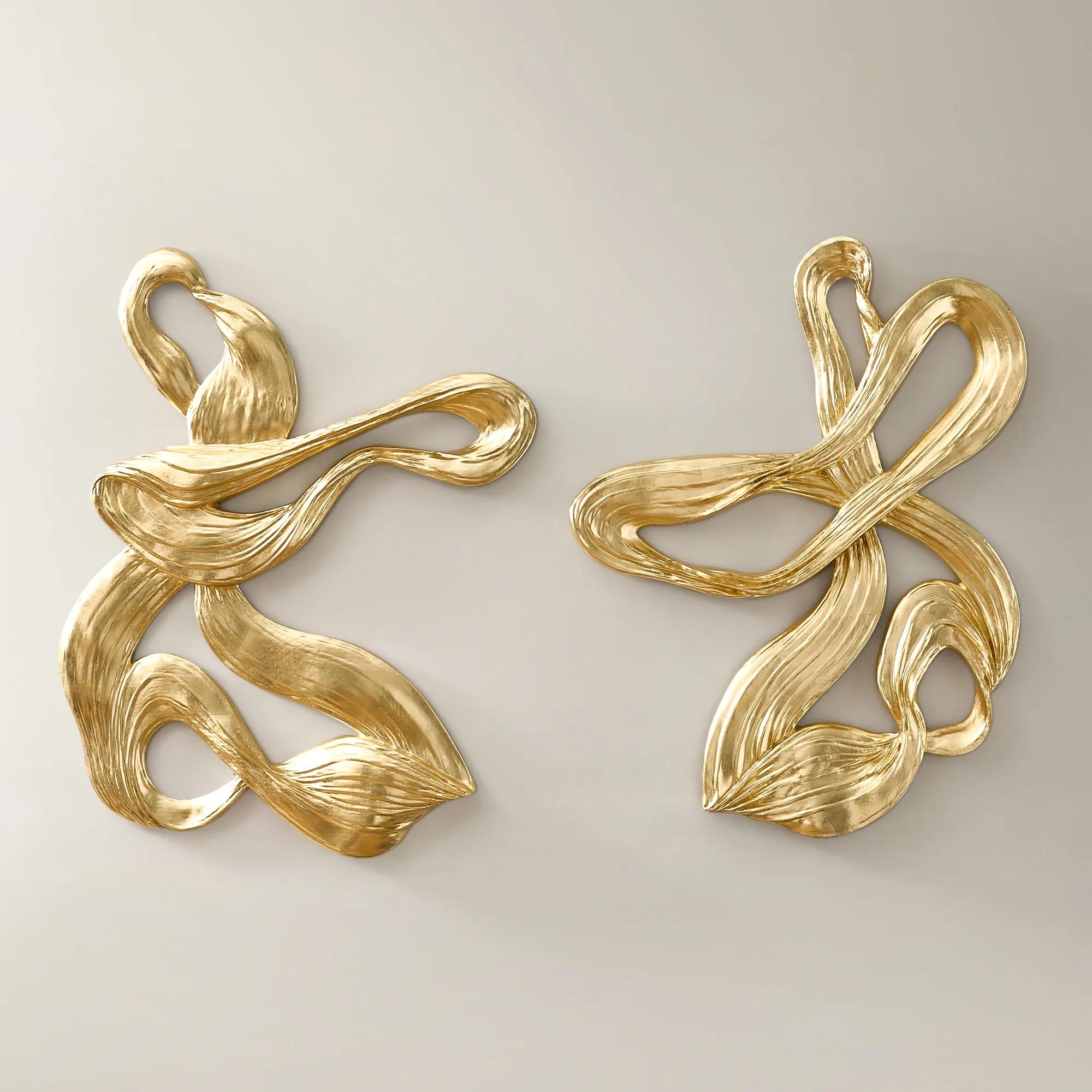
 Infinity Gold Leaf Wood Wall Decor I 31.5" x 31.5"$299
A swirling wooden wall sculpture featuring a striking metallic gold finish for a bold decorative statement.
Add To Cart -
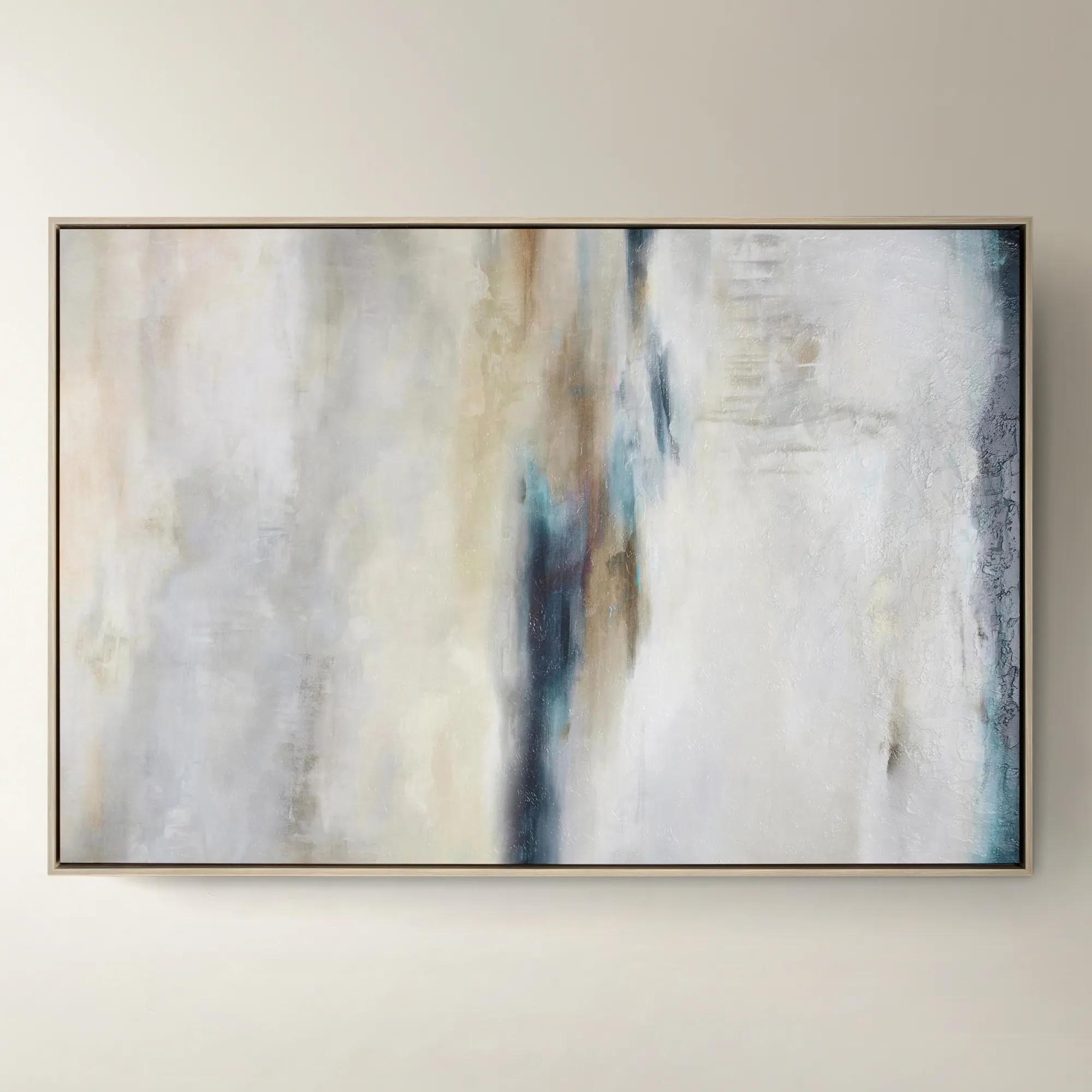
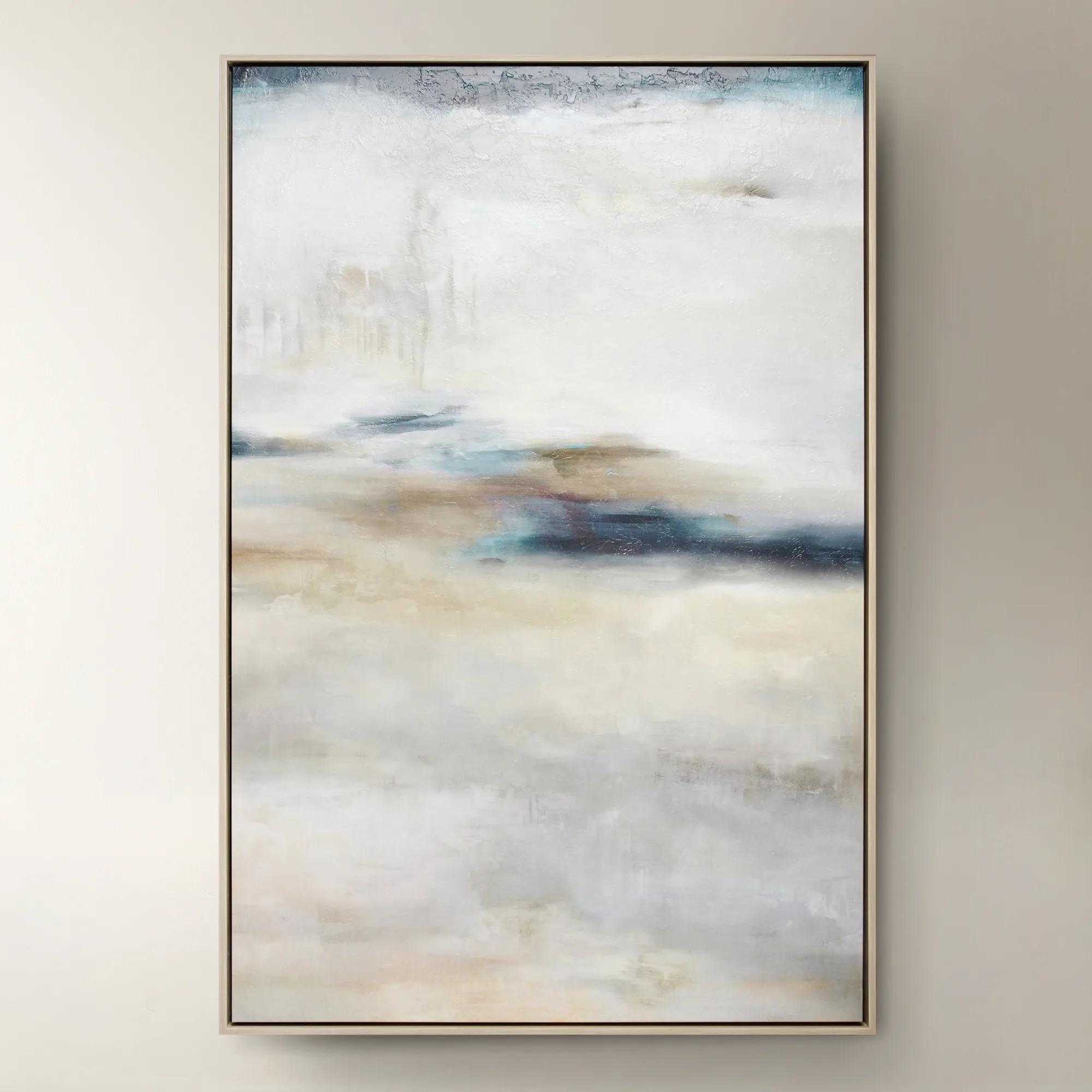 Forward Looking$1299
A softly layered abstract canvas print with a gel finish, set in a natural-hued floater frame.
Add To Cart -
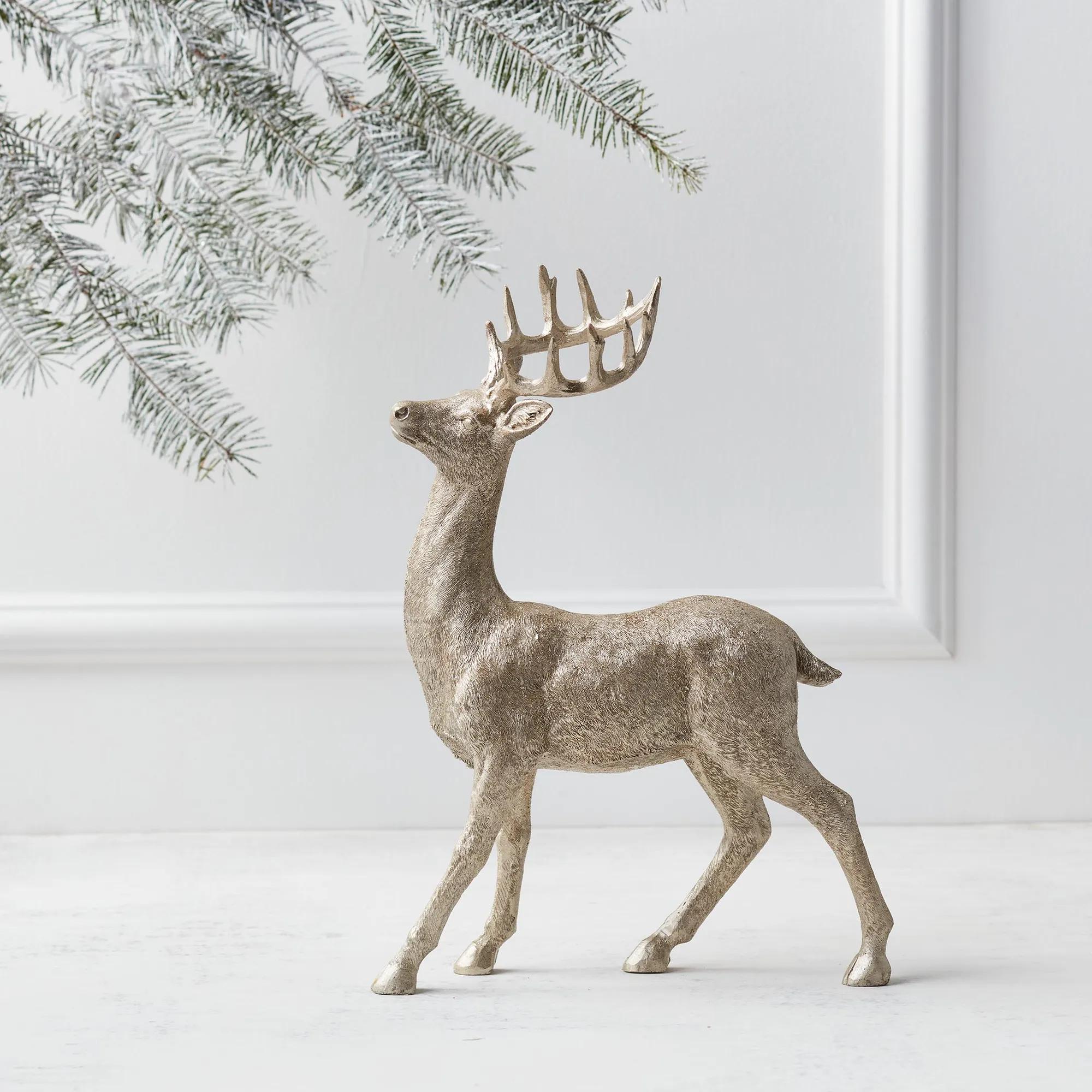
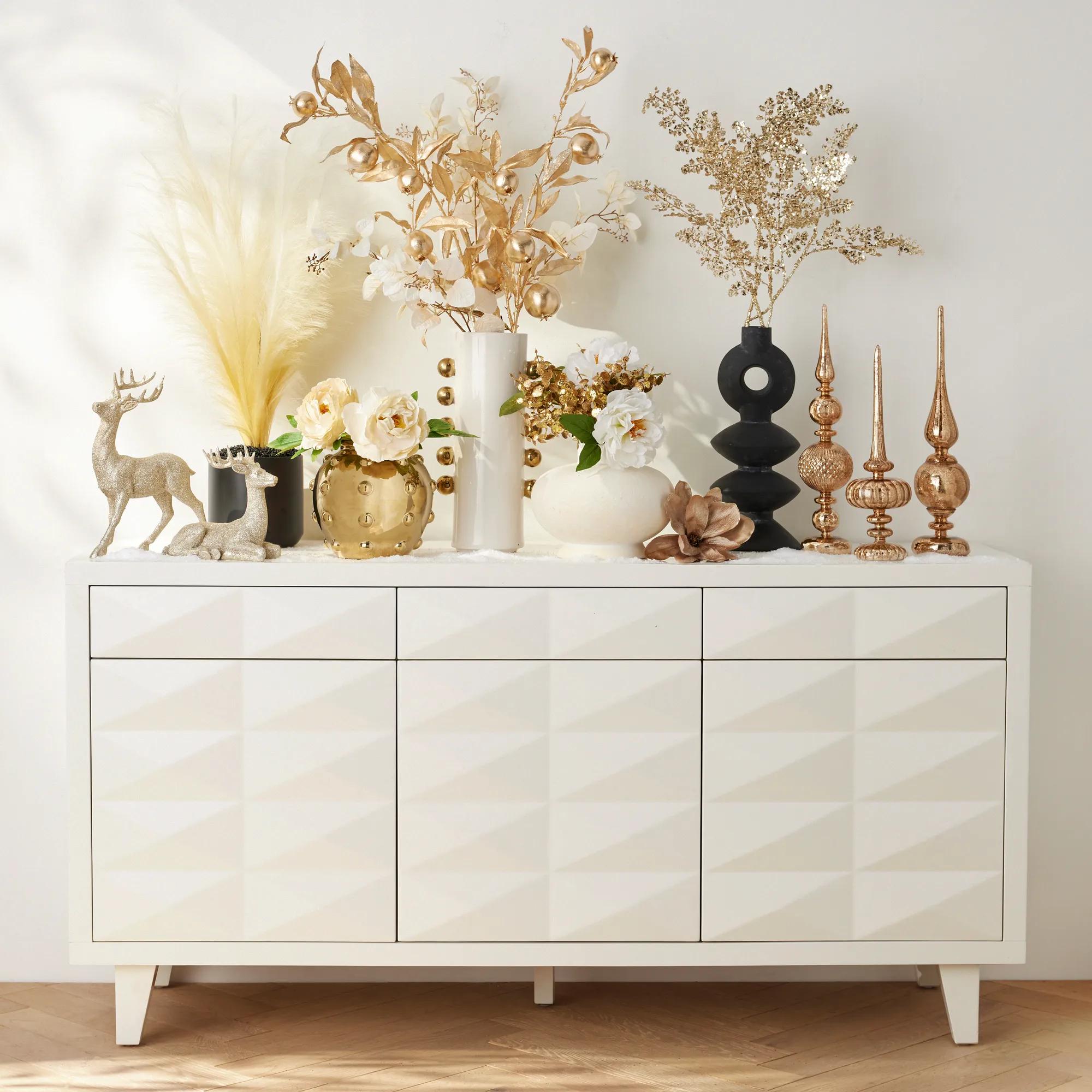 Majestic Deer Champagne Resin 14"$59
A pair of intricately detailed poly resin deer figures with a textured champagne metallic finish.
Add To Cart -
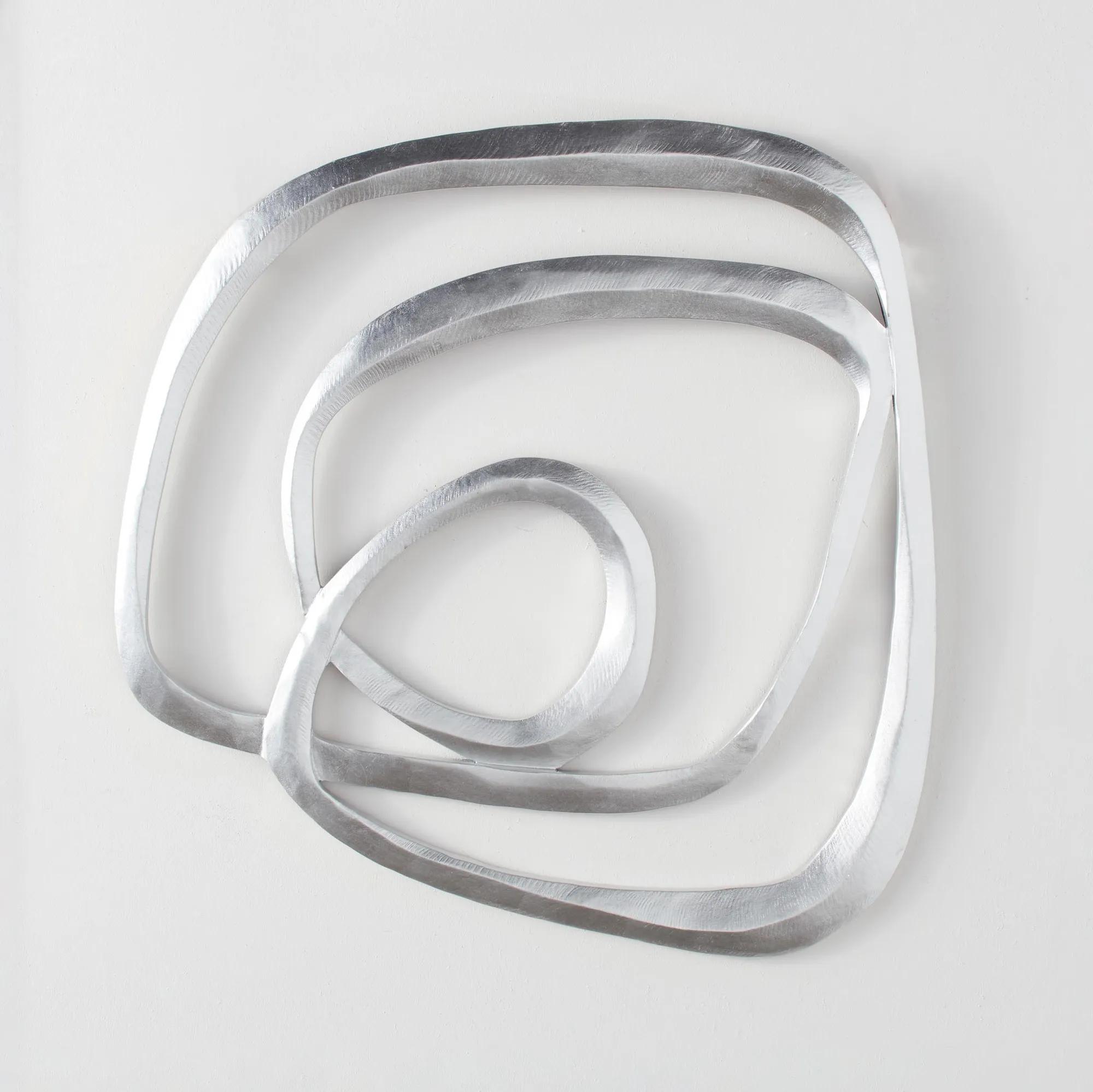
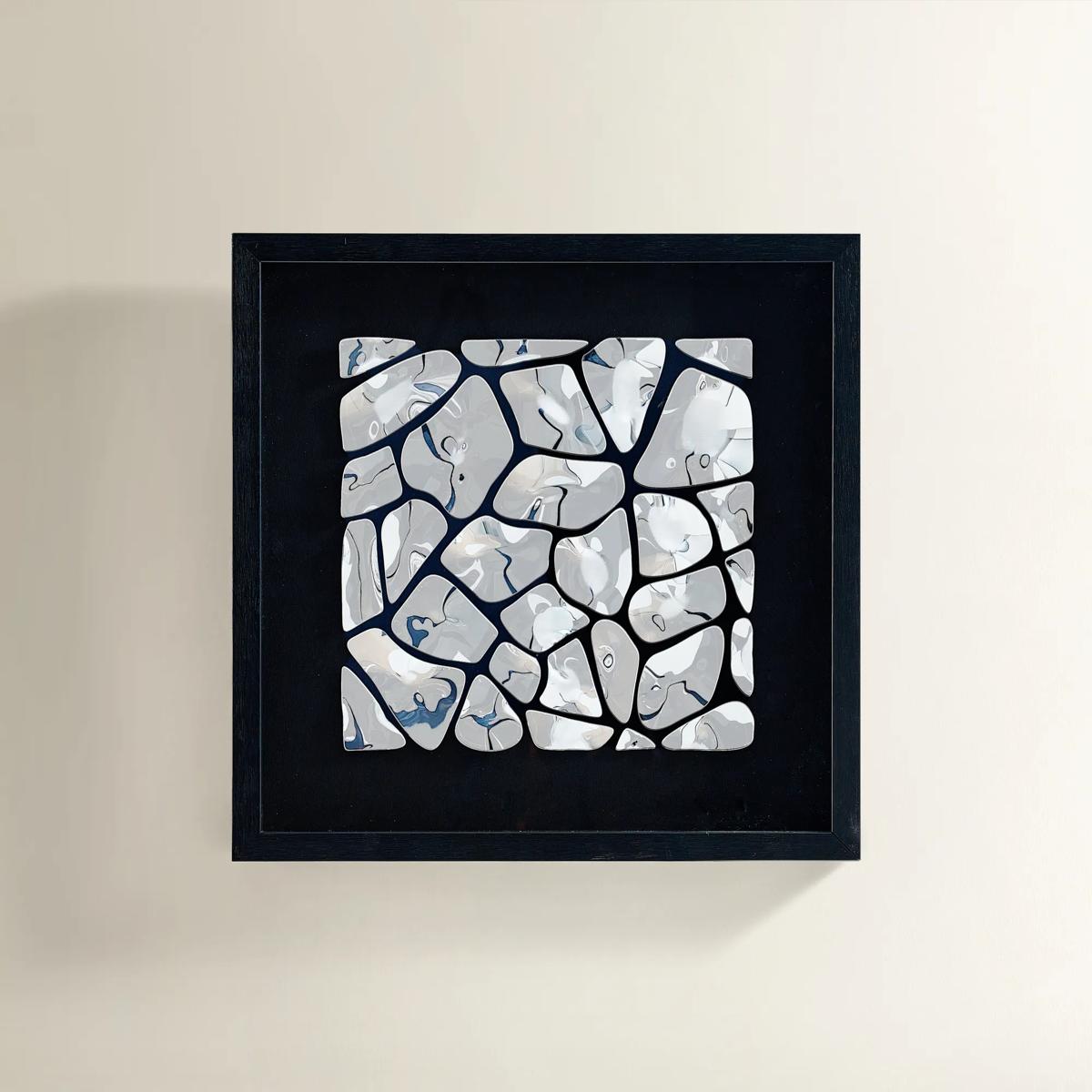
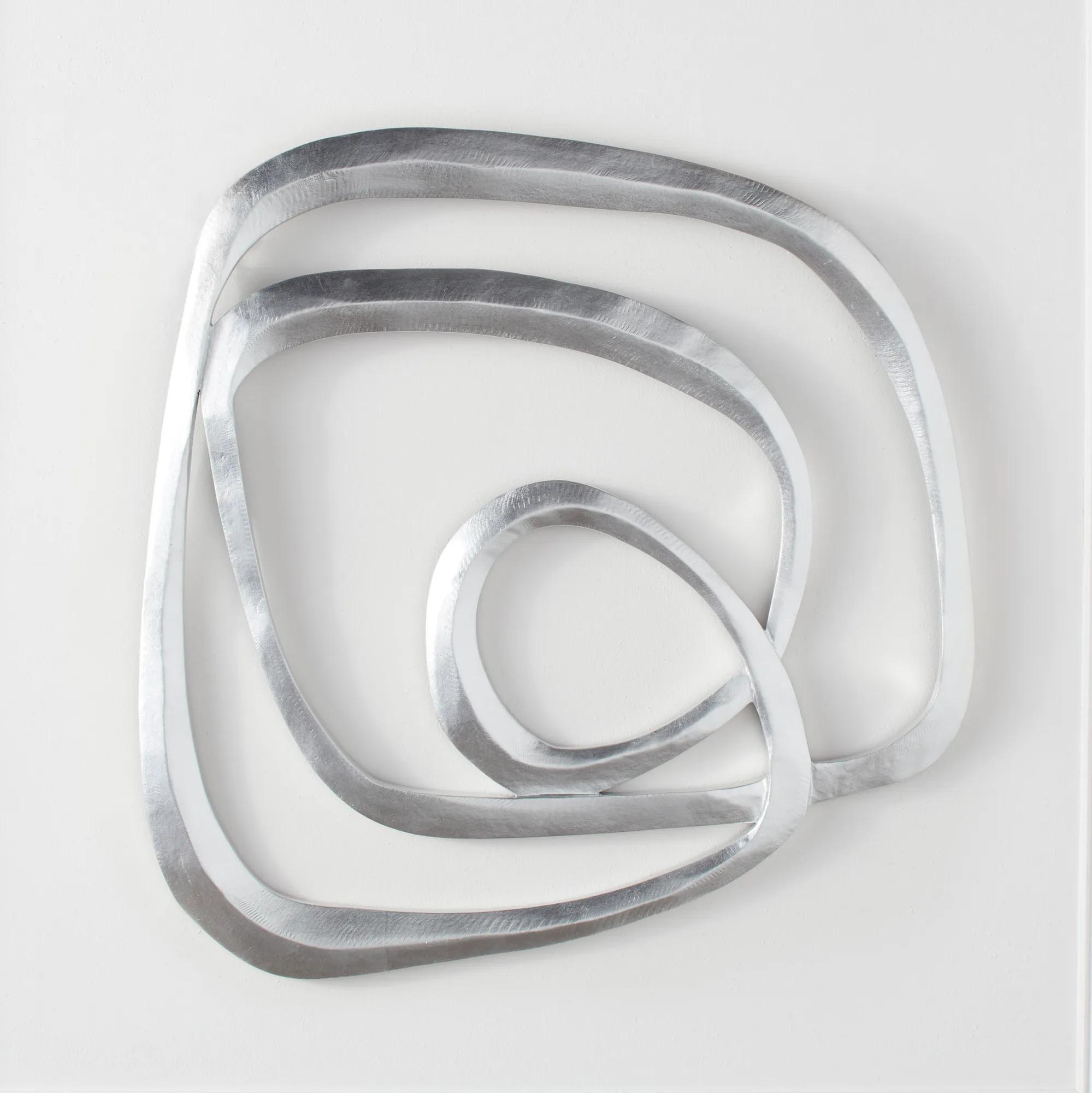 Infinity Silver Leaf Wood Wall Decor I 31.5" x 31.5"$299
A swirling wooden wall sculpture featuring a striking metallic silver finish for modern visual impact.
Add To Cart -
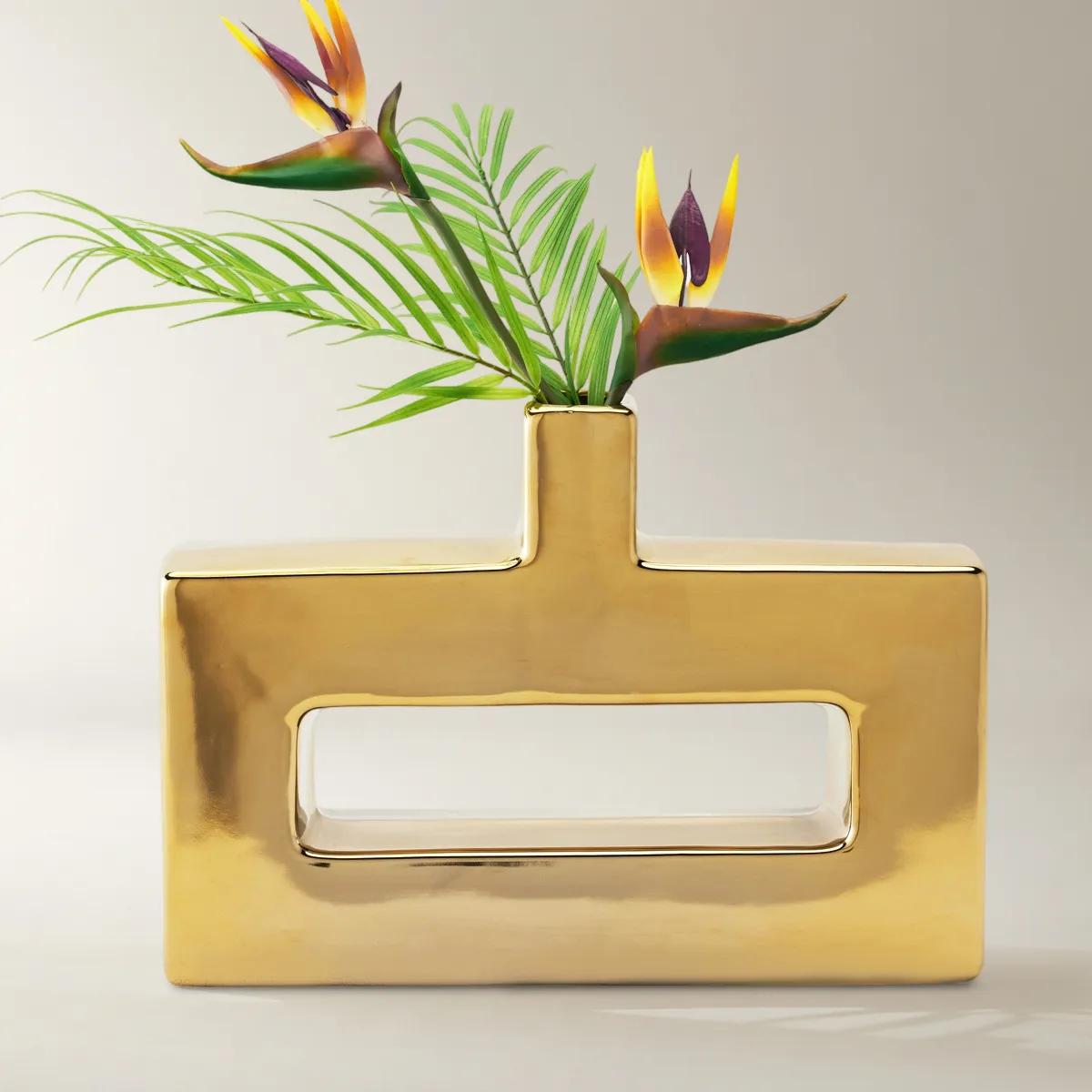 Miami Gold Ceramic High Gloss Vase 11.75"$69
A contemporary gold ceramic vase designed for decorative use as a sculptural accent or with foliage.
Add To Cart -
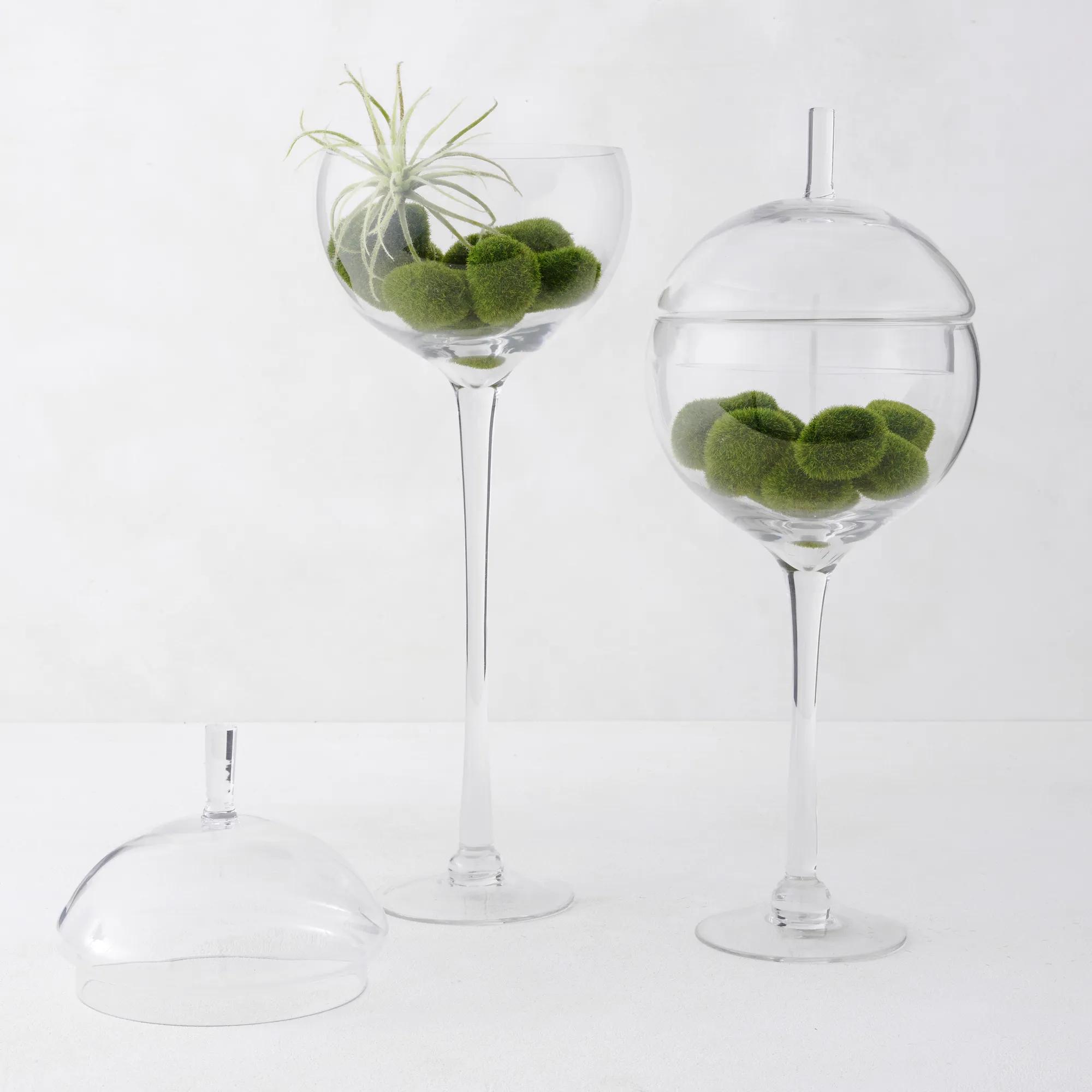 Jules Glass Decorative Canisters$99
A shapely mouthblown glass canister perfect for displaying cherished objects as decorative art.
Add To Cart -
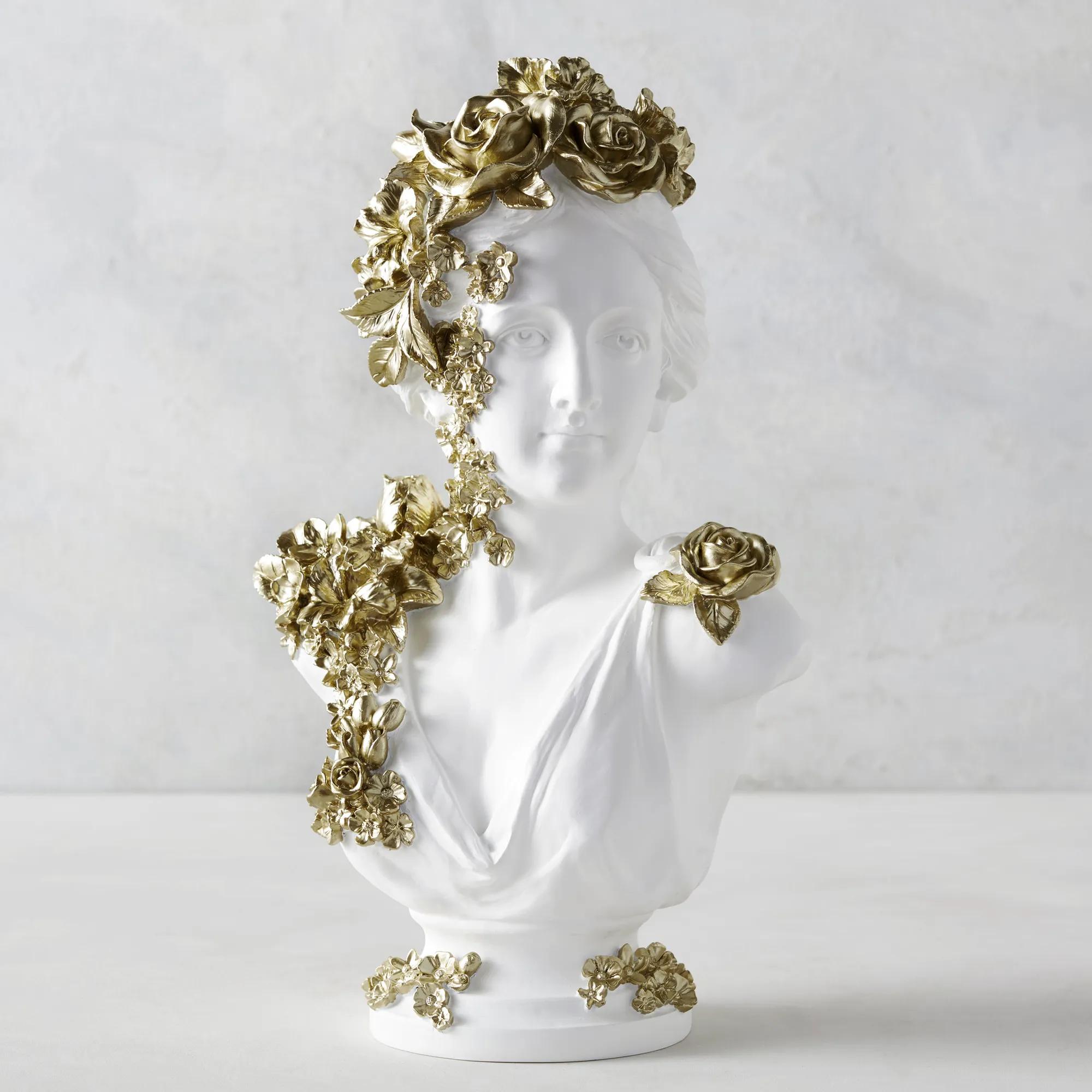 Gold Floral Bust Resin Decorative Object 16.5"$79
A striking resin bust adorned with intricate gold floral embellishments for a bold decorative accent.
Add To Cart -
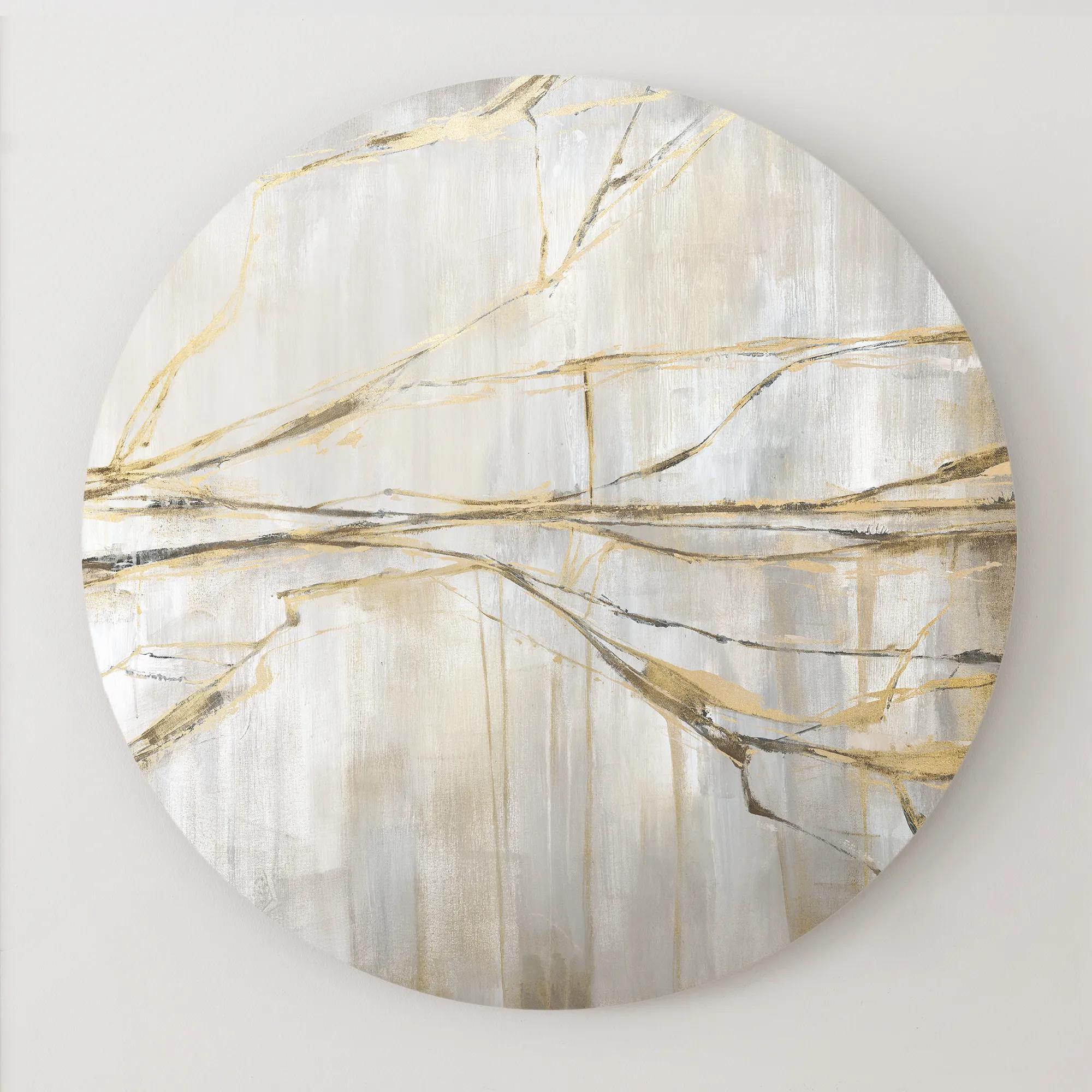
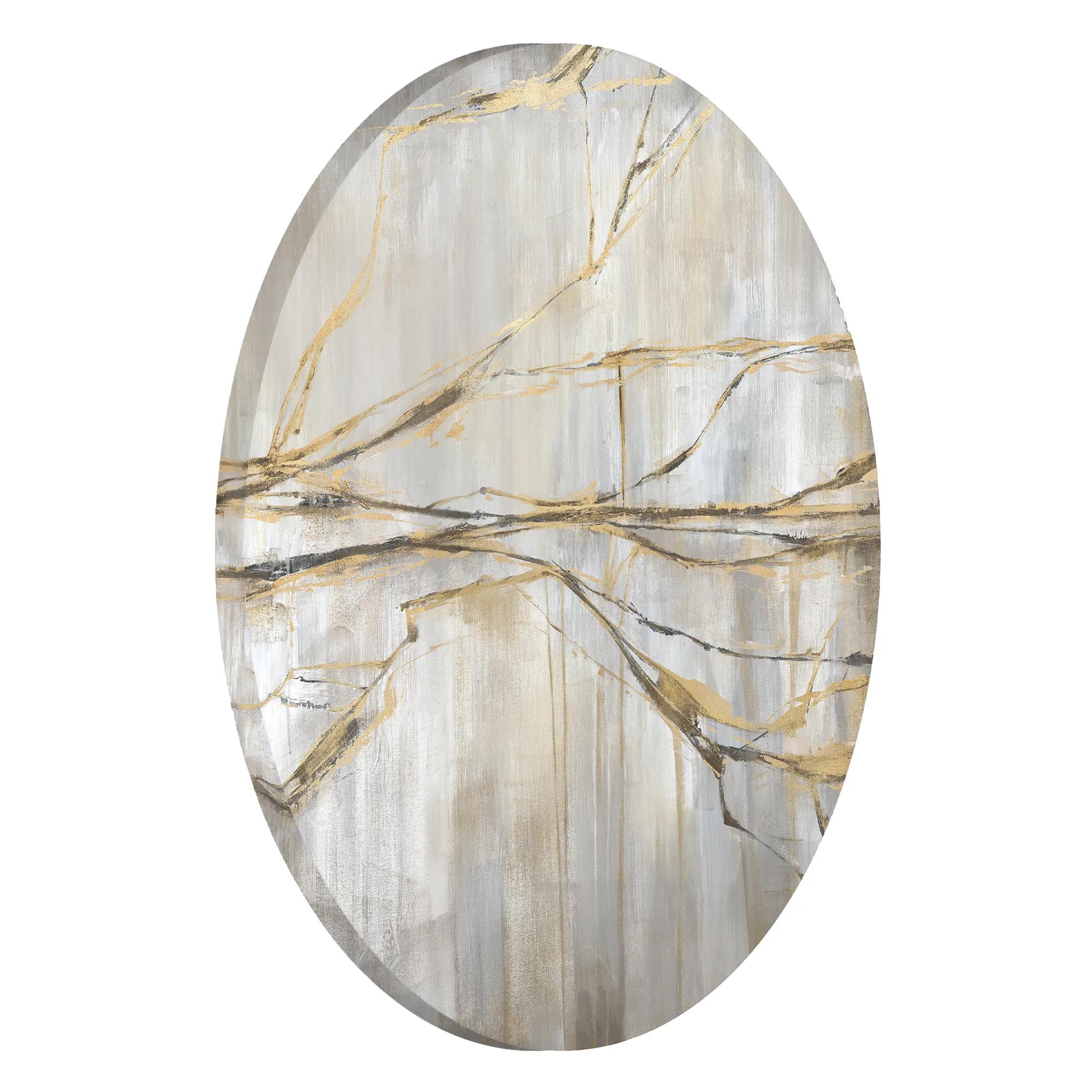 Lightening Crashes Round Wall Art 30"$899
A hand-textured circular linen canvas featuring a gallery-wrapped design for versatile wall display.
Add To Cart -
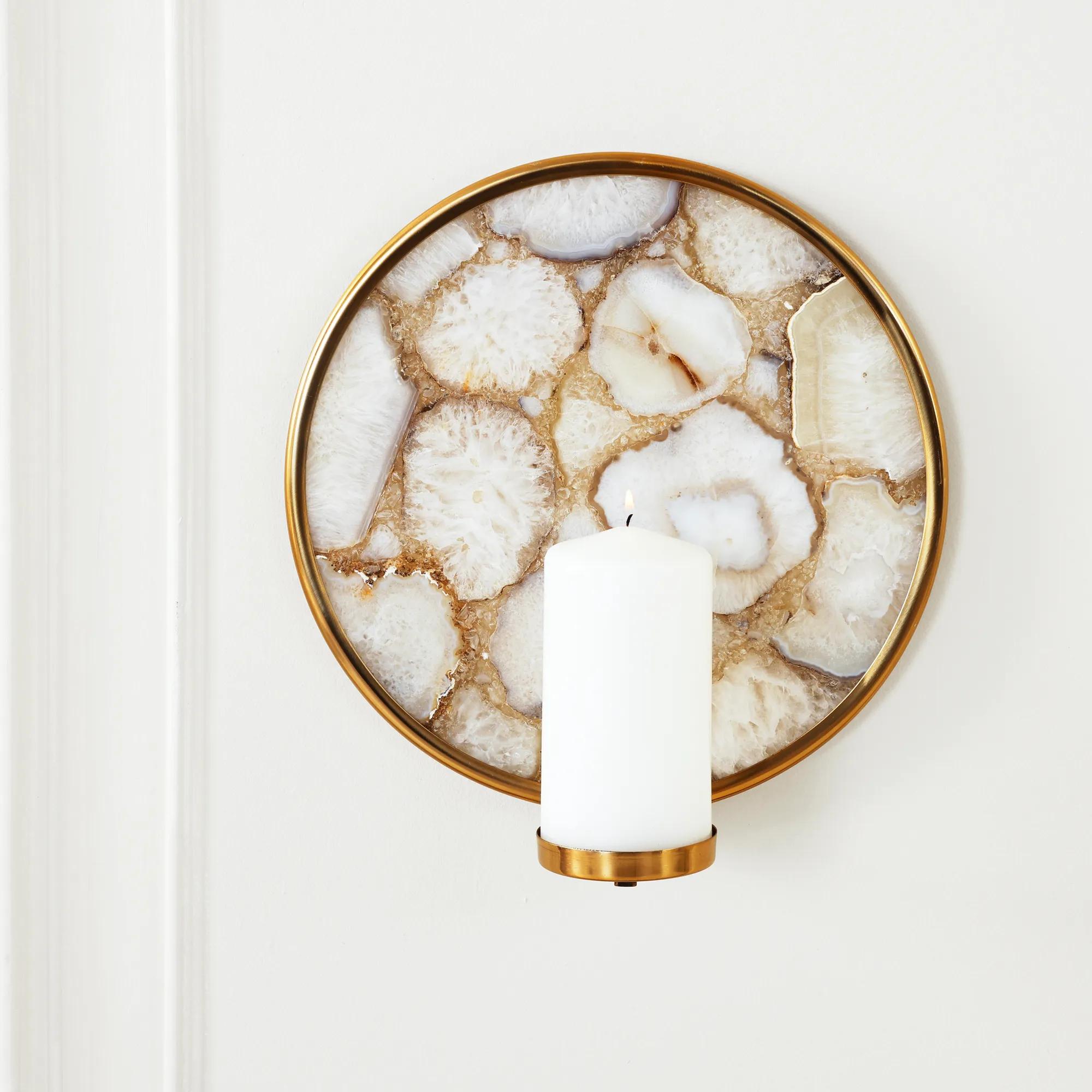 Diego Sconce$179
A neutral-toned agate sconce framed in gold, blending artistic elegance with functional lighting.
Add To Cart -
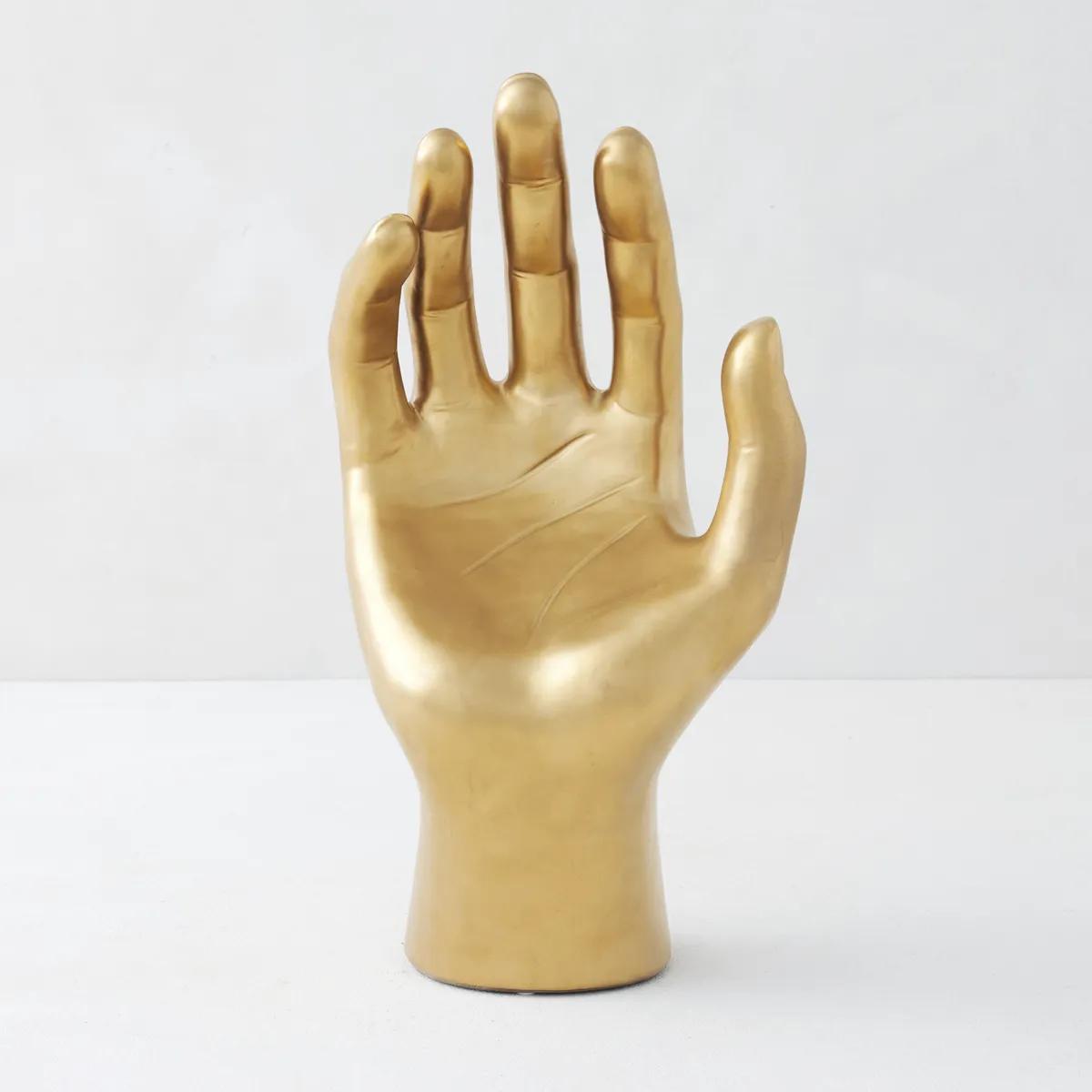
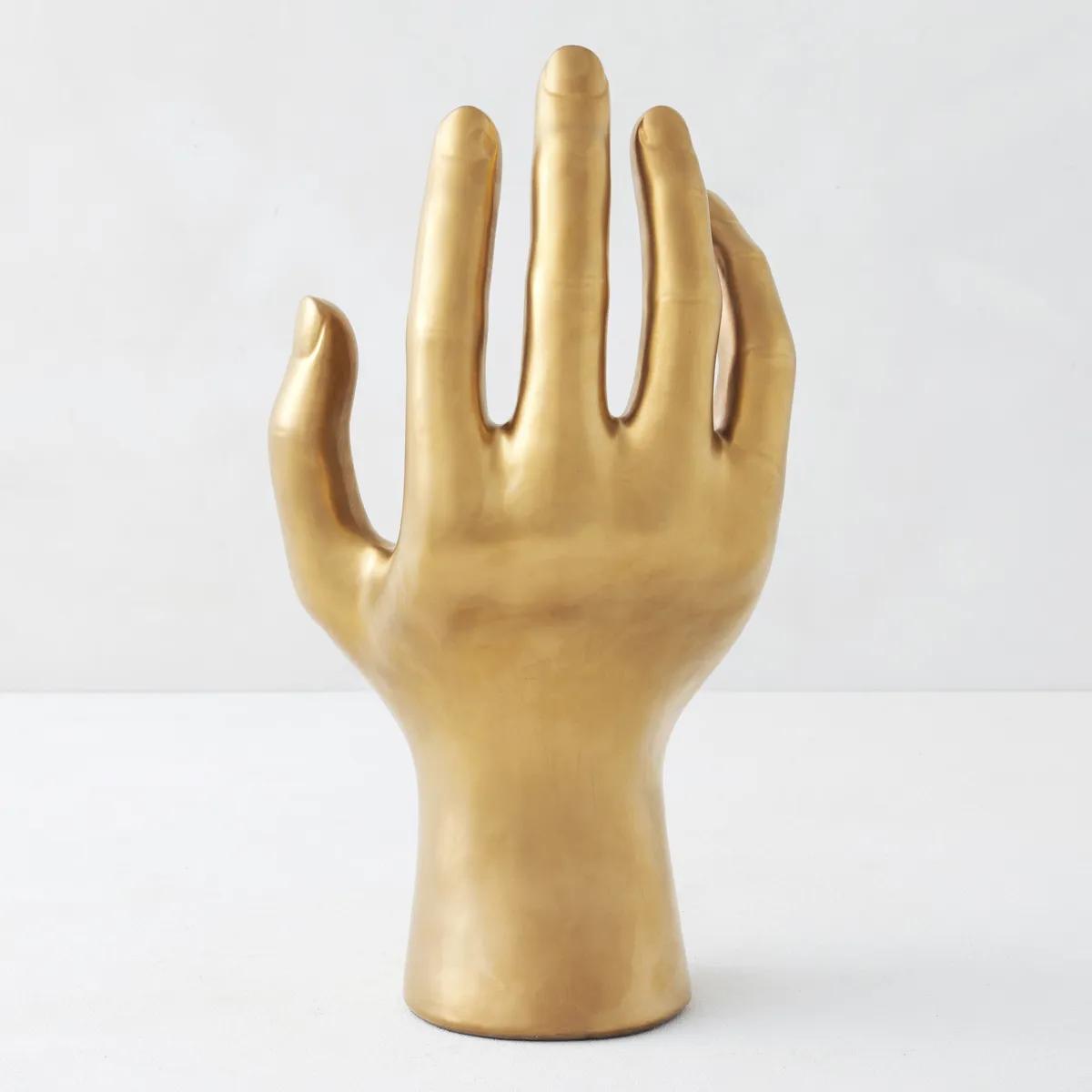 Ceramic Hand Metallic Gold Decorative Object 17.75"$69
A striking ceramic sculpture with a metallic gold finish, perfect for displaying jewelry or as decor.
Add To Cart -
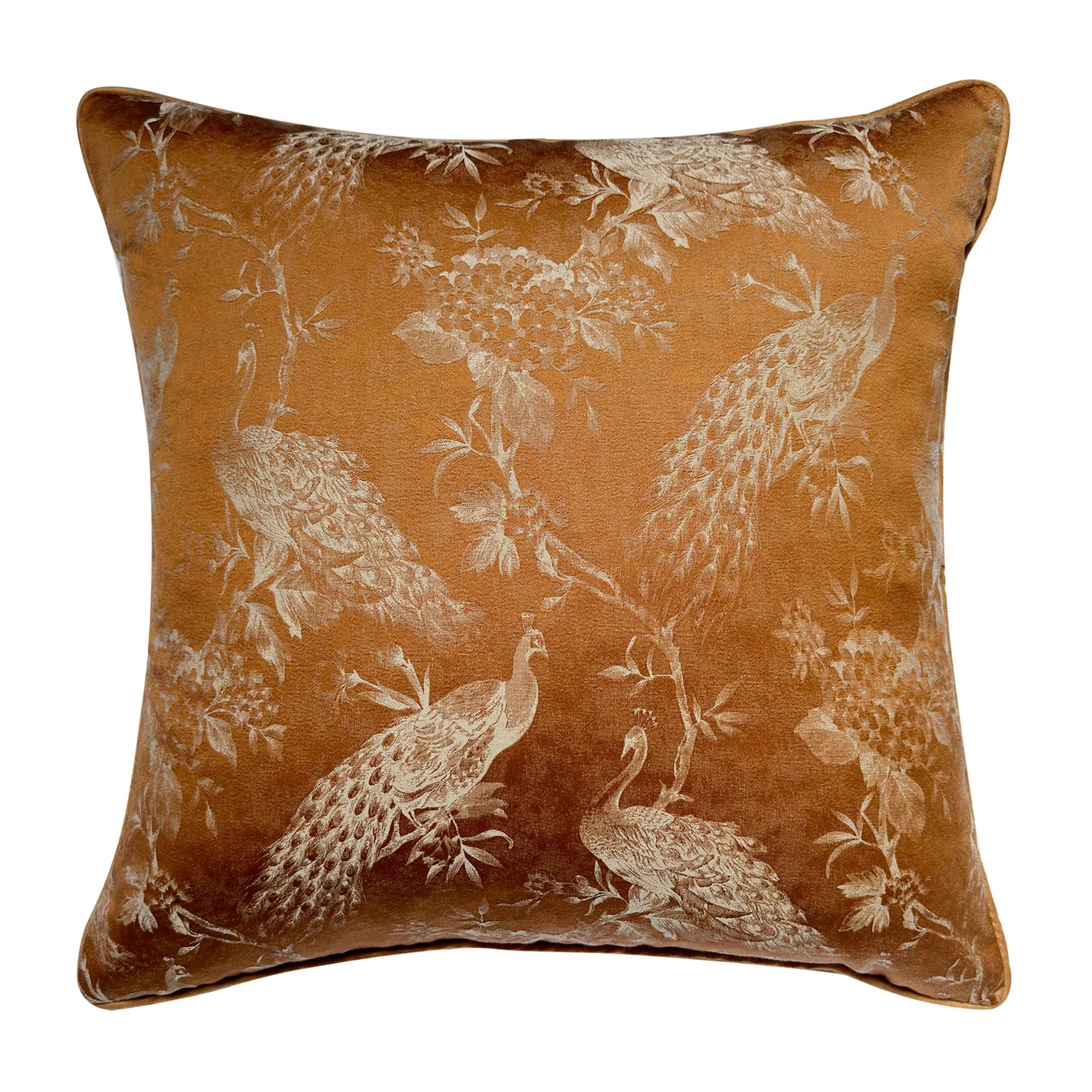
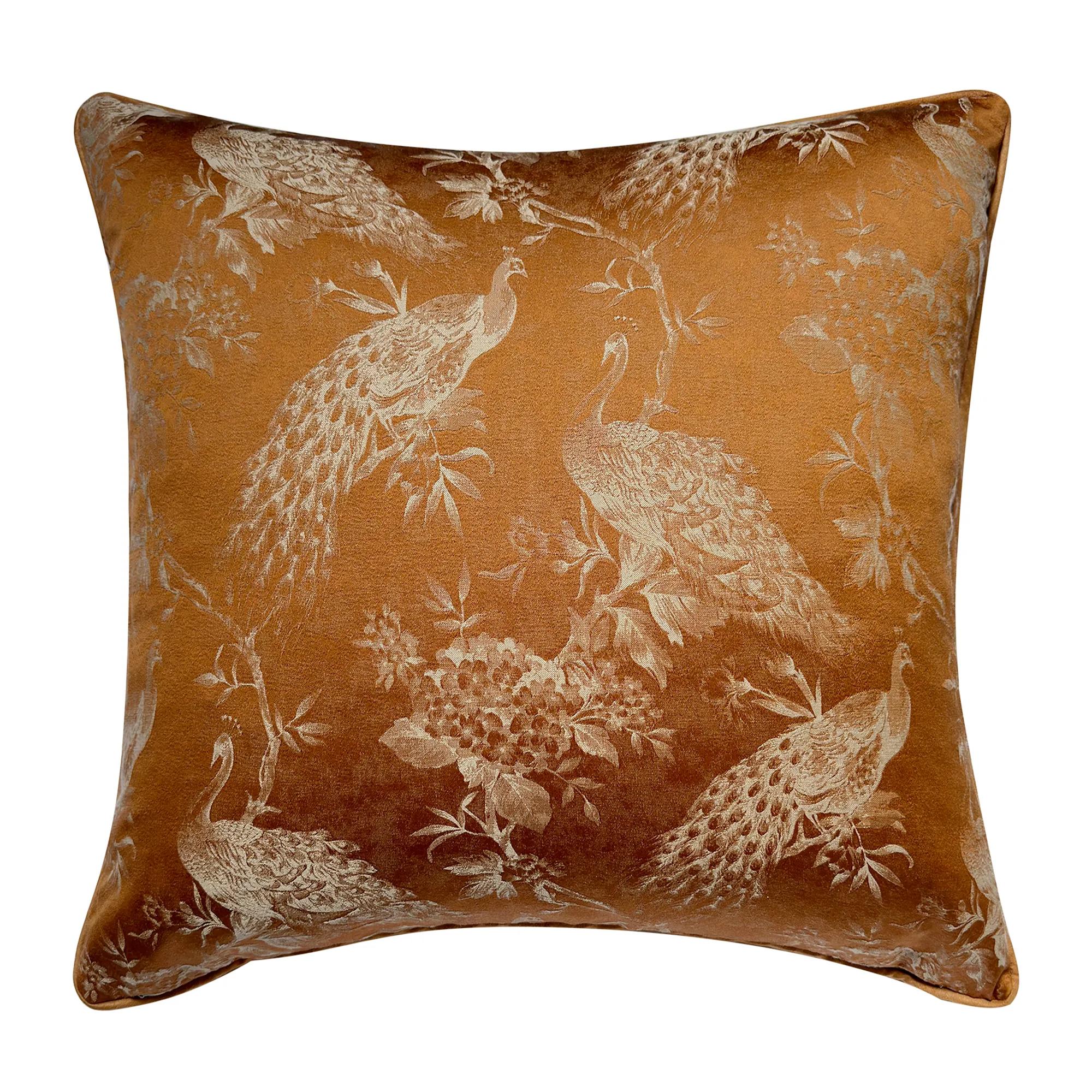 Peacock Copper Jacquard Pillow 20" x 20"$99
A handmade copper jacquard pillow featuring an antique peacock pattern and plush feather down insert.
Add To Cart -
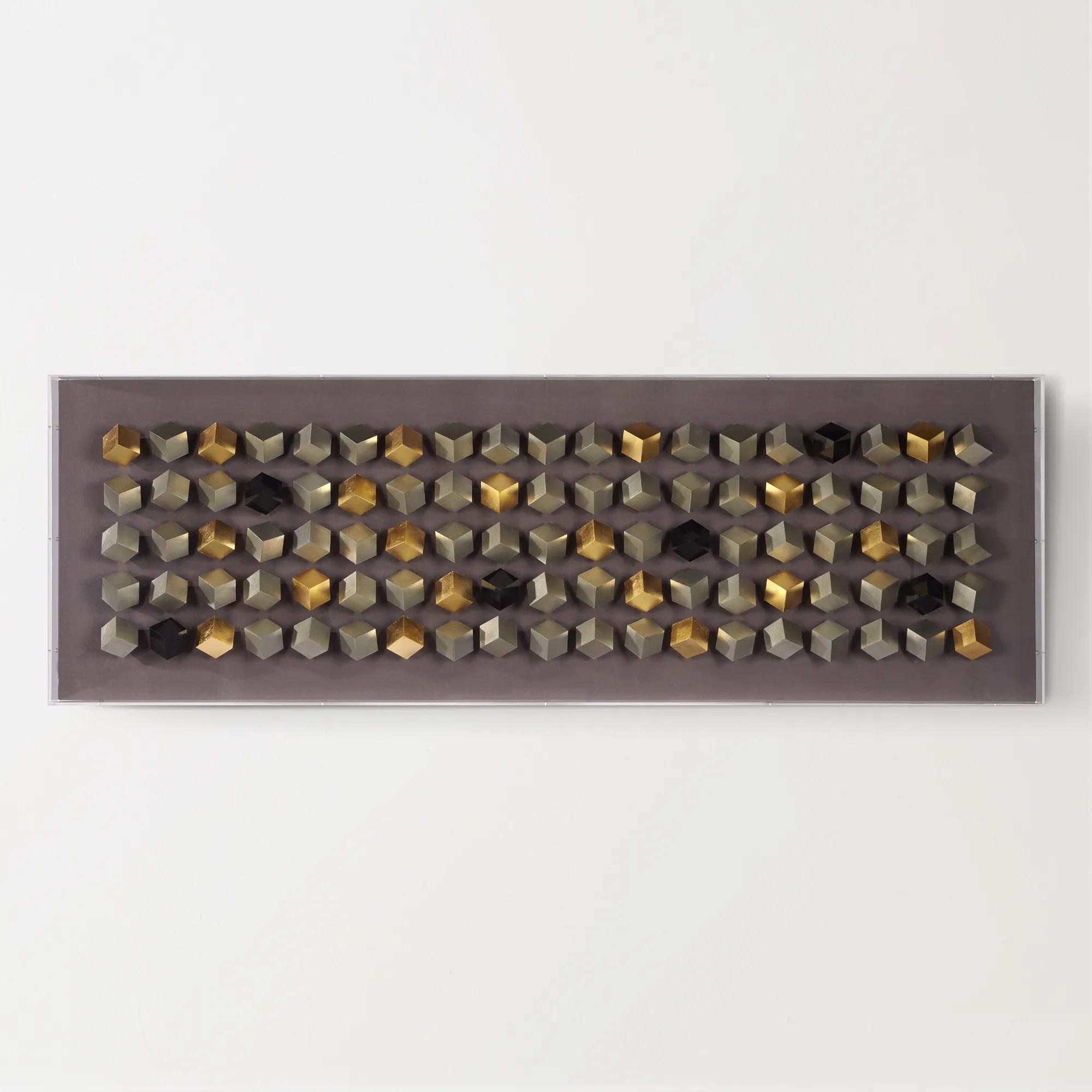
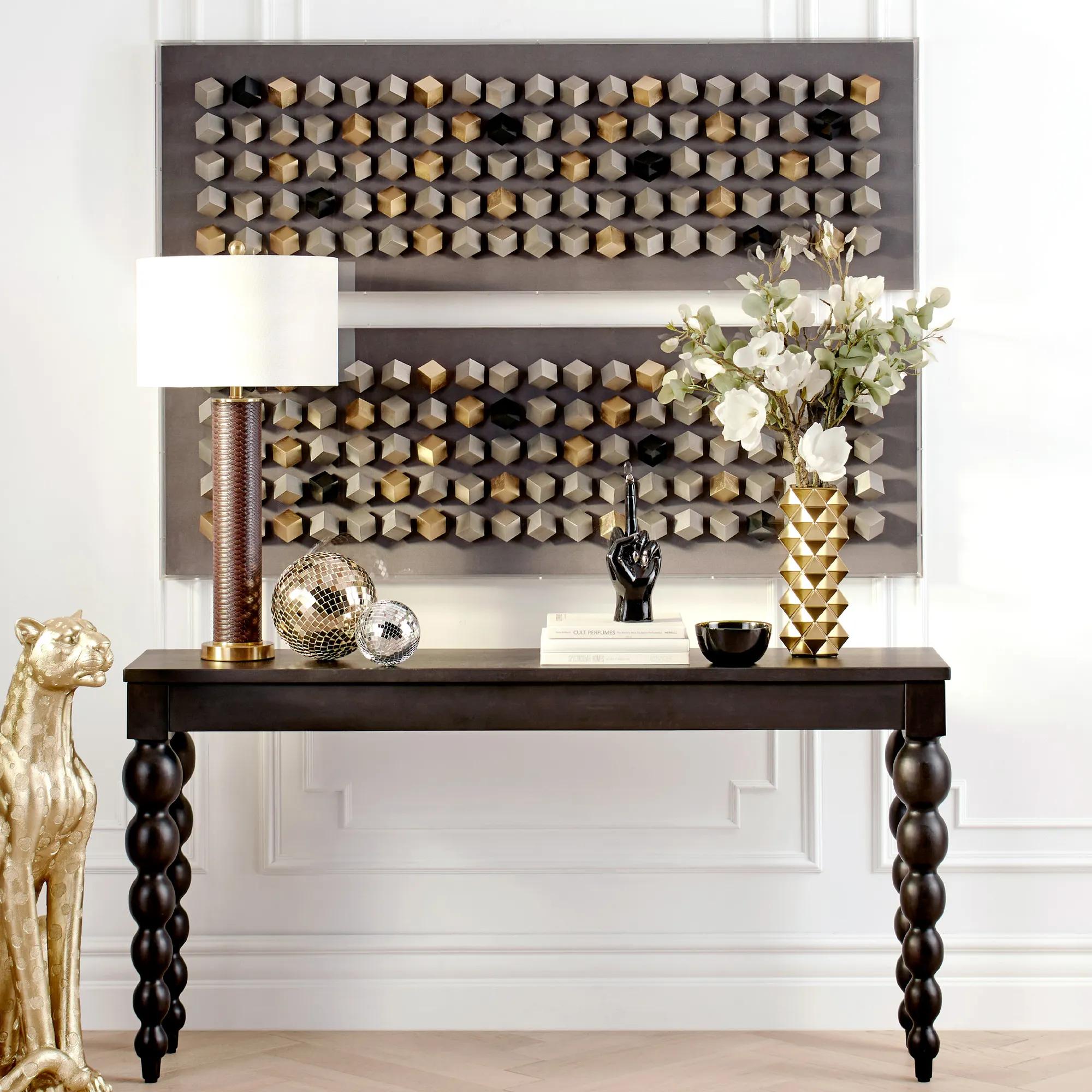 Cubic Array Dimensional Wall Decor in Acrylic 59" x 19.75"$599
A striking shadowbox wall art featuring a cubic, dimensional design with a tri-tone metallic finish.
Add To Cart -
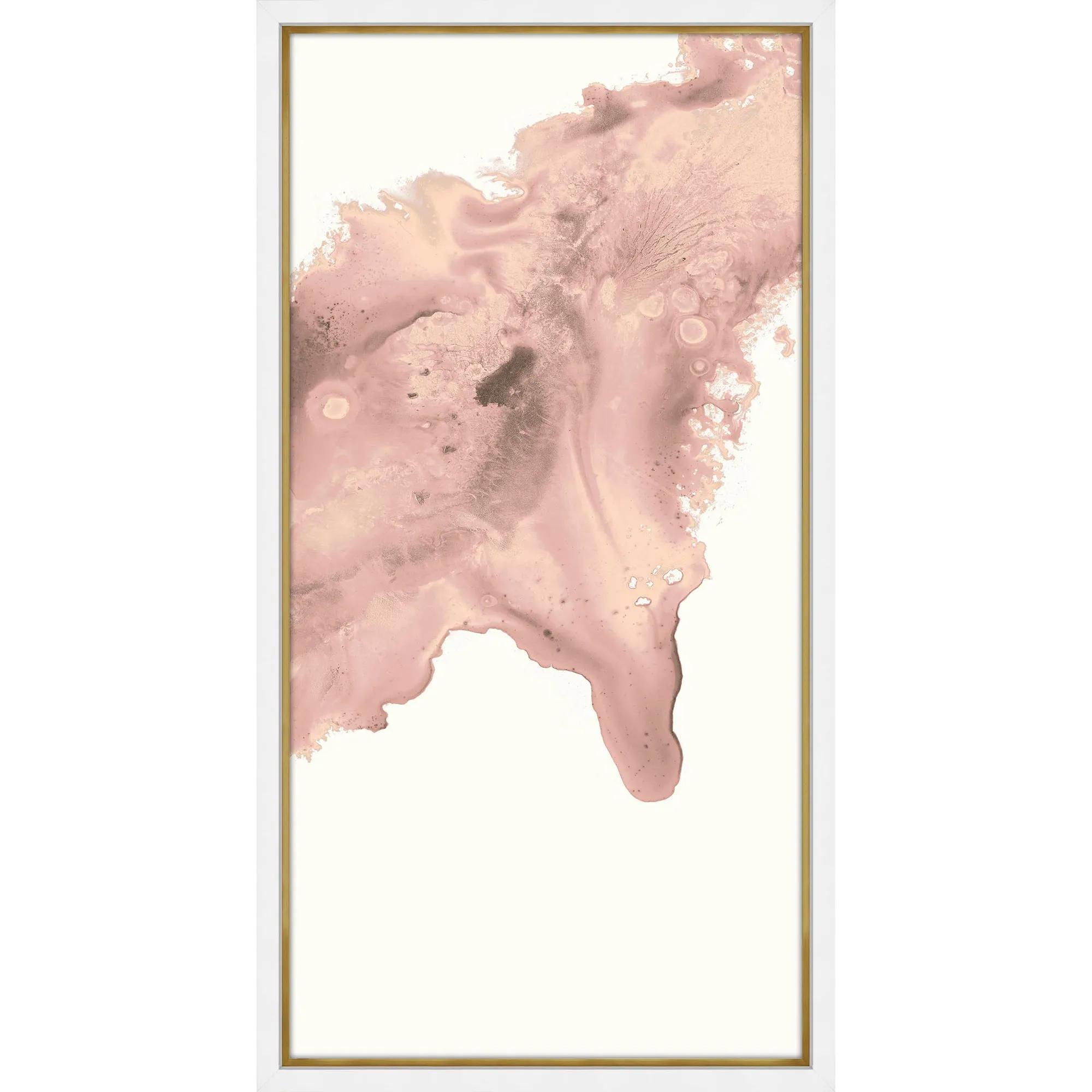
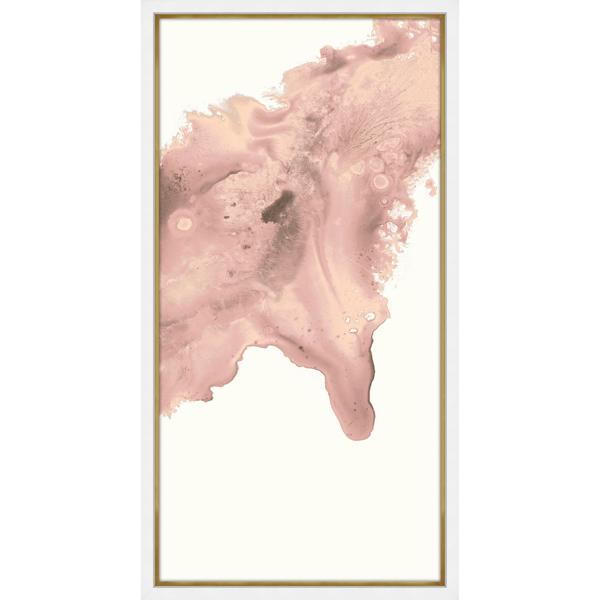 Blush Conduit 2 Framed Wall Art 24" x 48"$849
A striking abstract print on pearl paper, elegantly framed in gold and matte white for modern appeal.
Add To Cart -
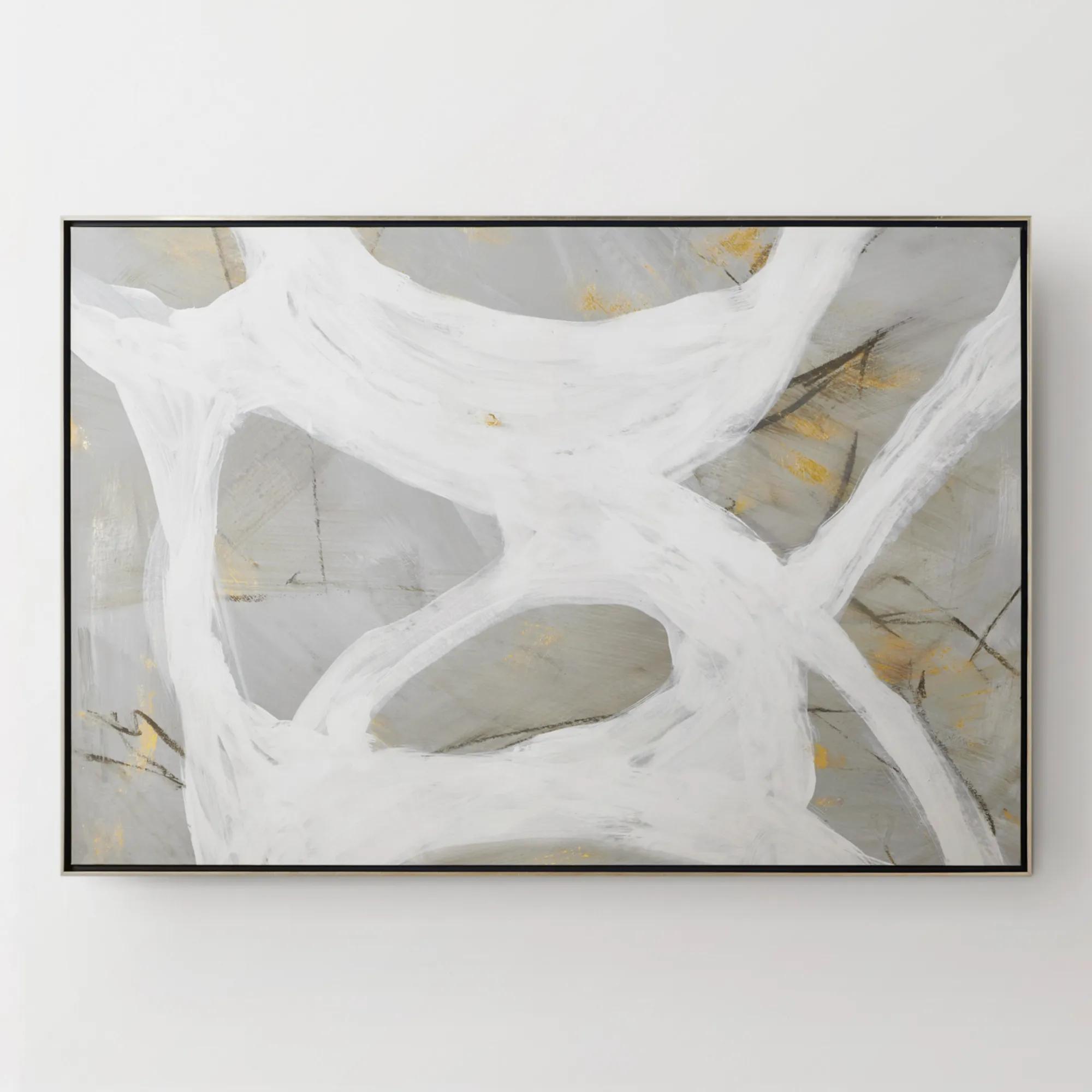
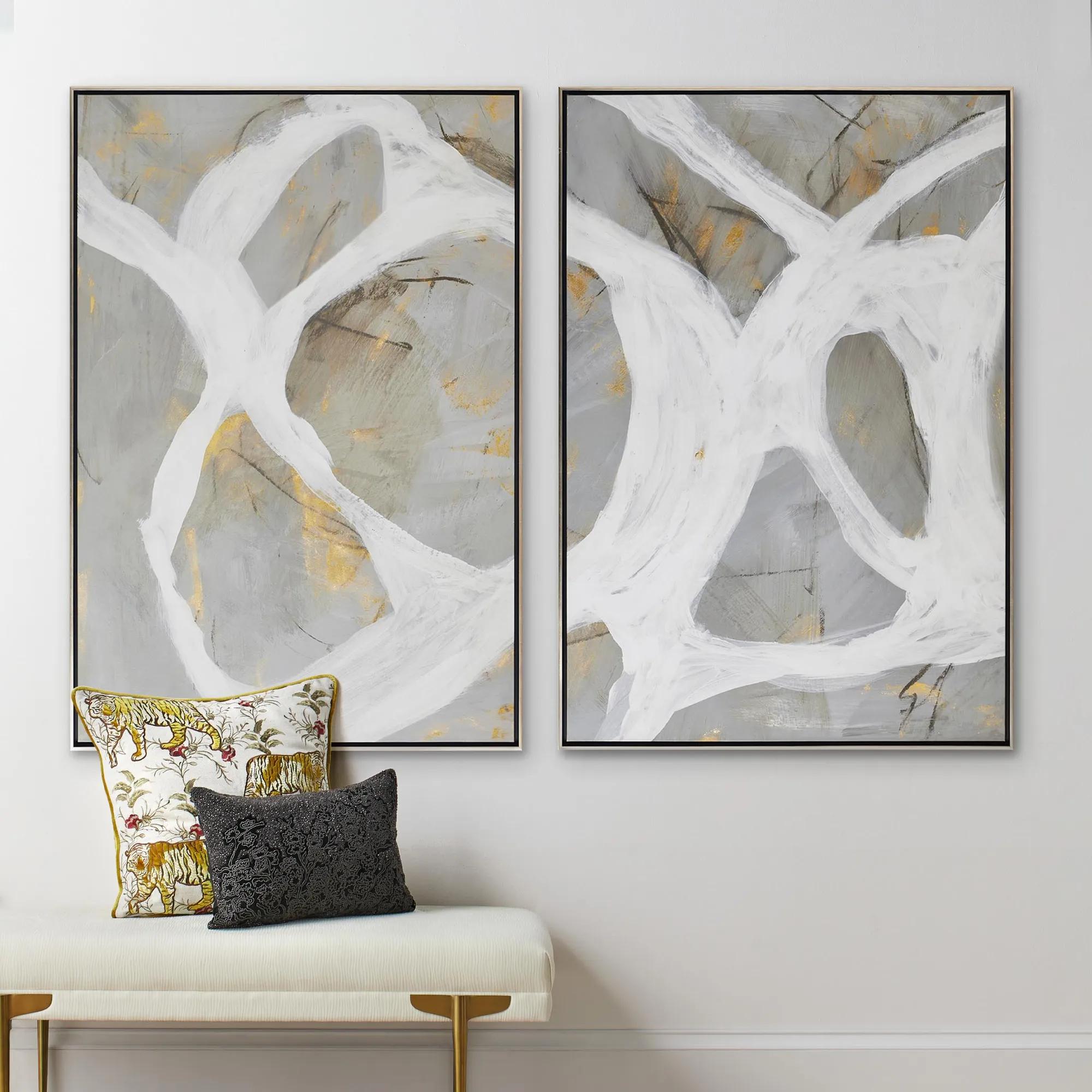 Les Series Framed Painted Wall Art II 61" x 41"$1099
An abstract canvas artwork featuring bold brushstrokes, hand-applied gold accents, and a silver floater frame.
Add To Cart -
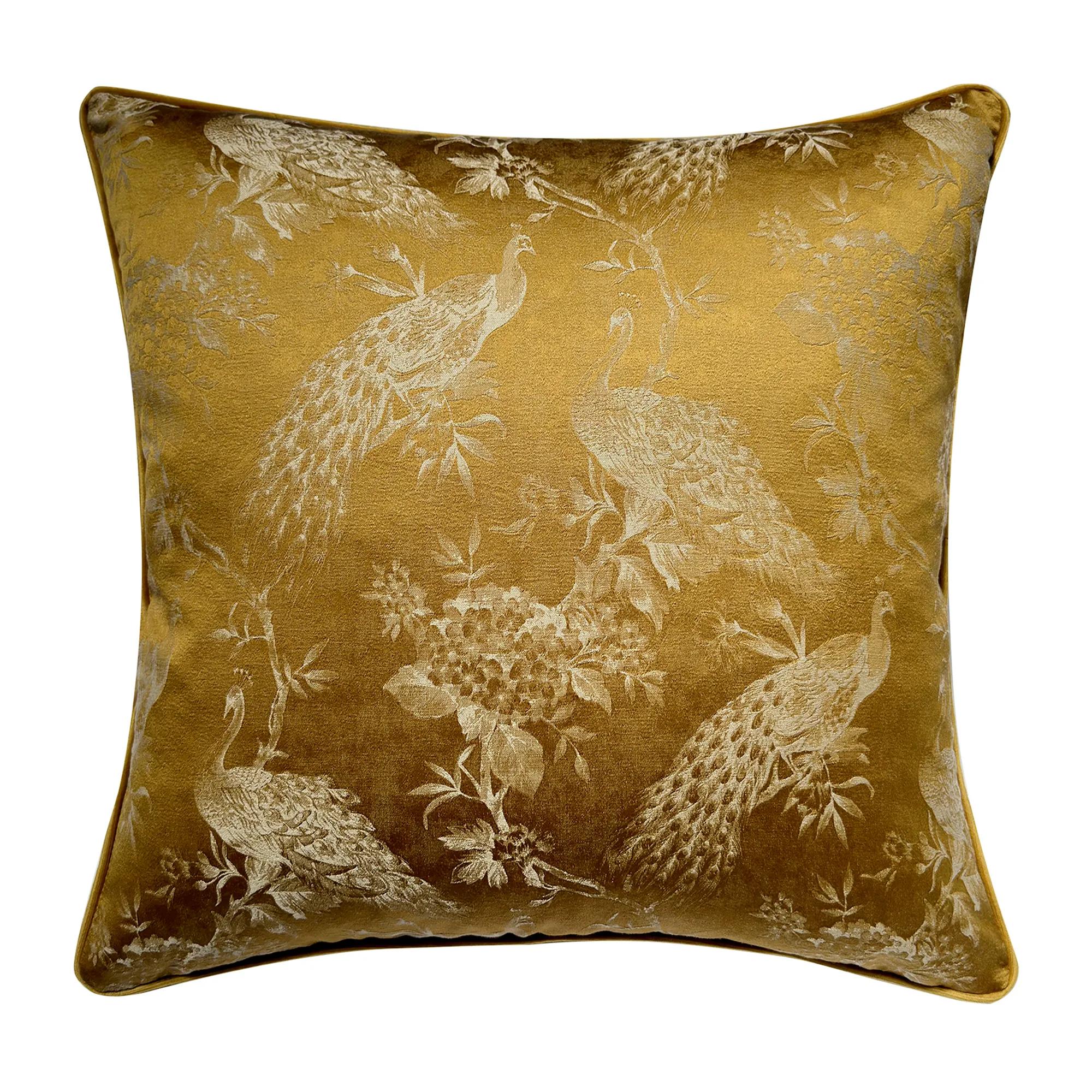 Peacock Mustard Yellow Jacquard Pillow 20" x 20"$99
A mustard jacquard pillow featuring an antique peacock pattern, solid piping, and a plush feather-down insert.
Add To Cart -
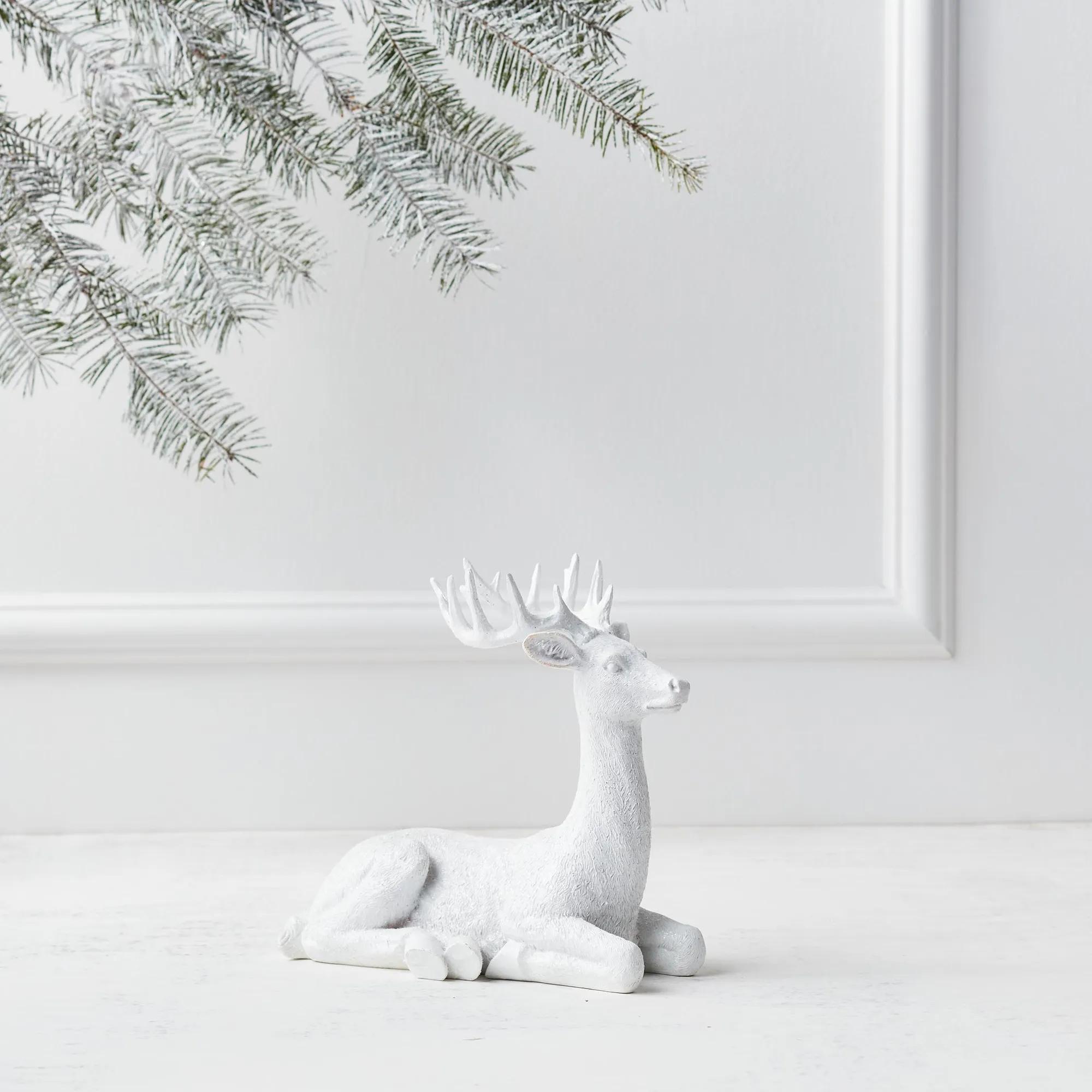
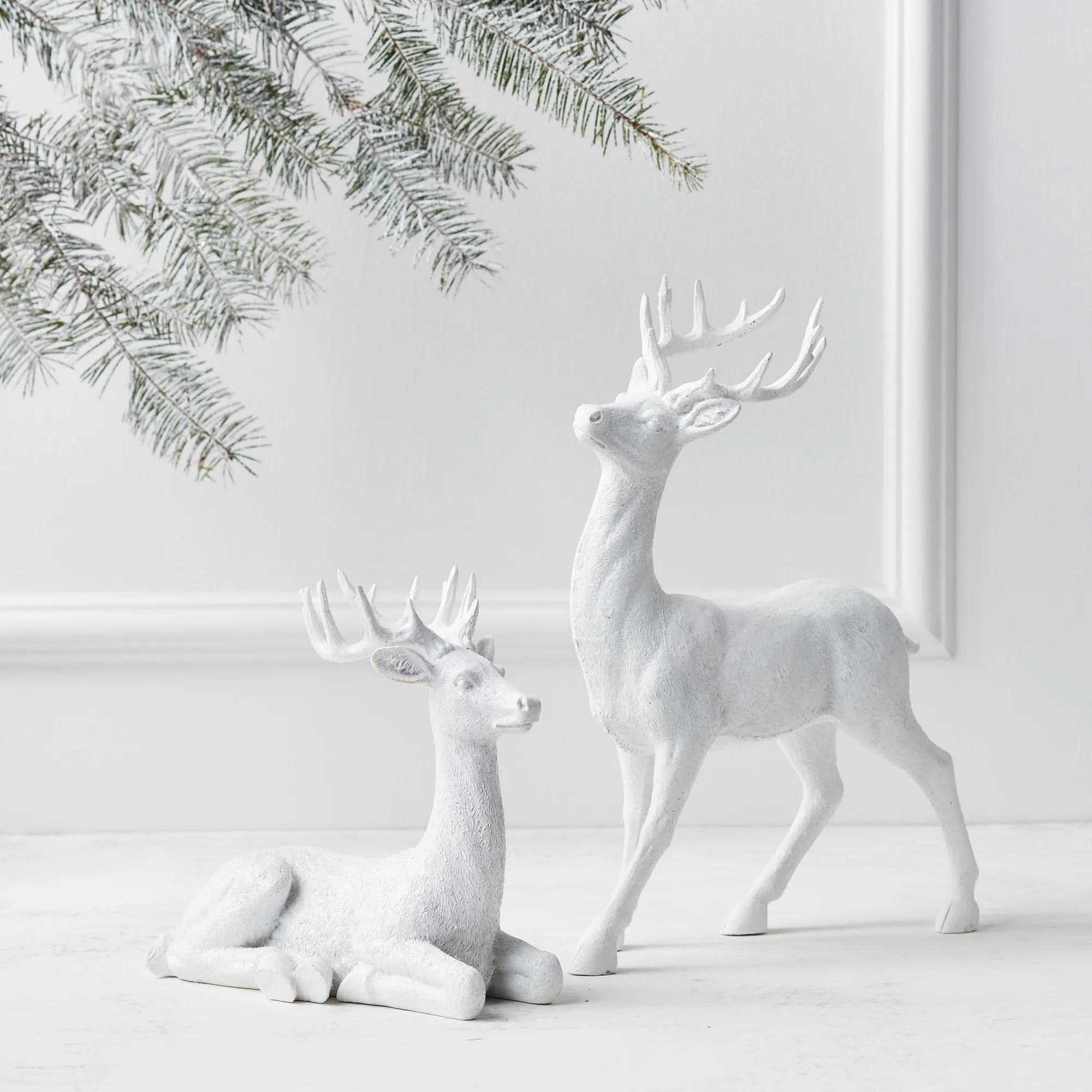 Majestic Deer White Resin 8"$49
A pair of intricately detailed white poly resin deer figures adorned with textured layers of sparkling glitter.
Add To Cart -
 Gilded Wings Feather Shadowbox 30" x 40"$399
A striking display of hand-painted feathers on black linen, elegantly framed in a gold shadowbox.
Add To Cart -
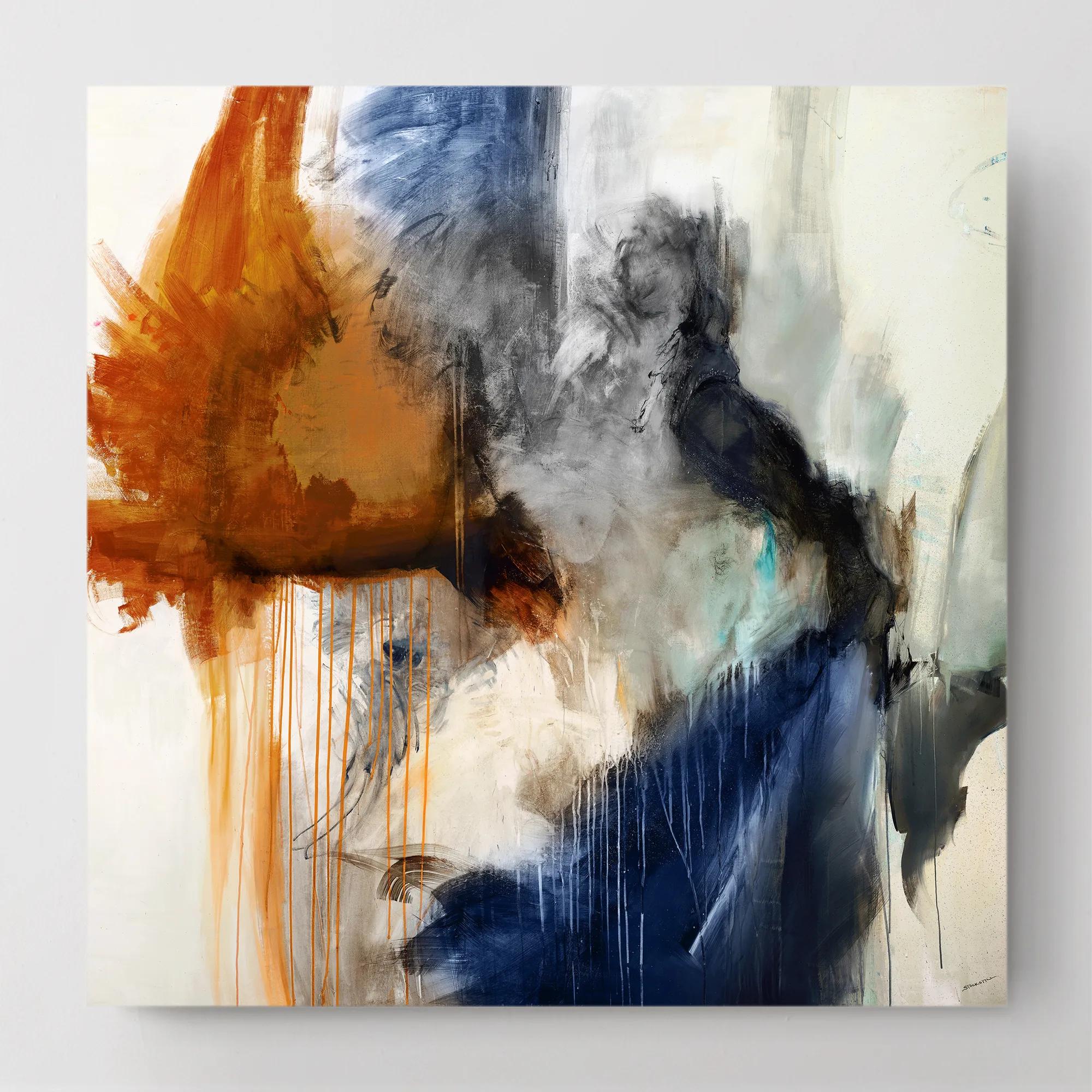
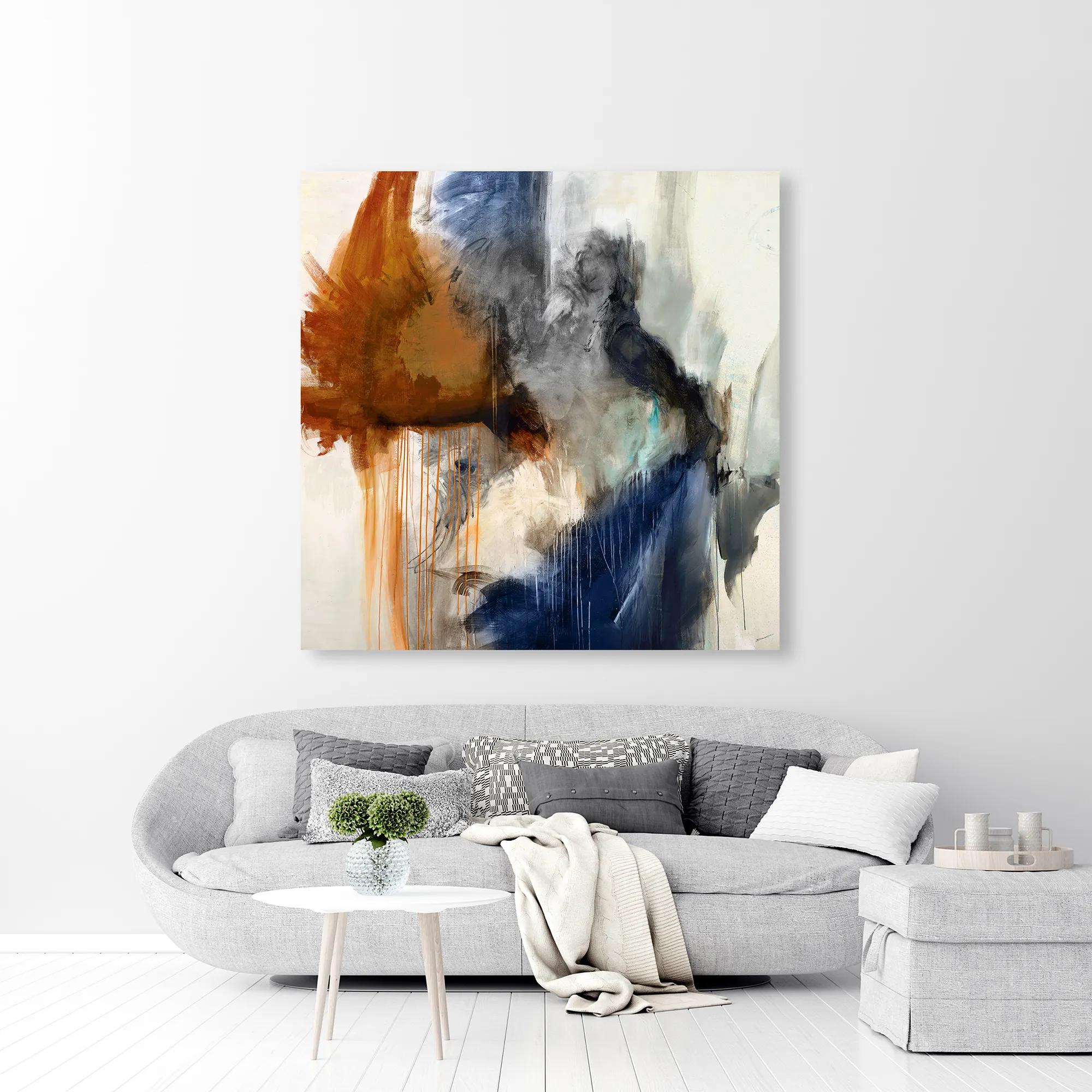 Swoon 6 Wall Art 54" x 54"$899
A gallery-wrapped canvas featuring a hand-applied image brush gel finish for a textured, artistic look.
Add To Cart -
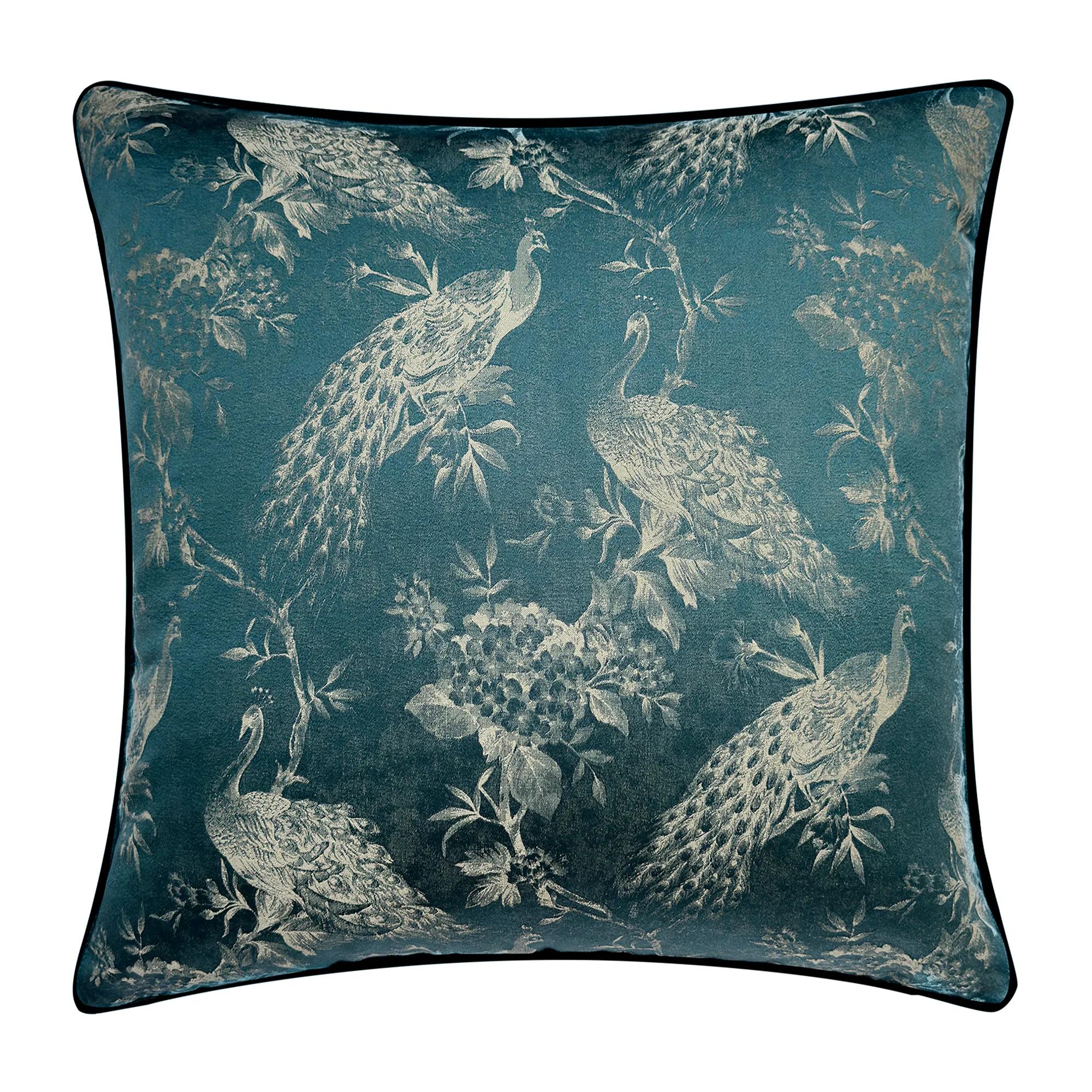
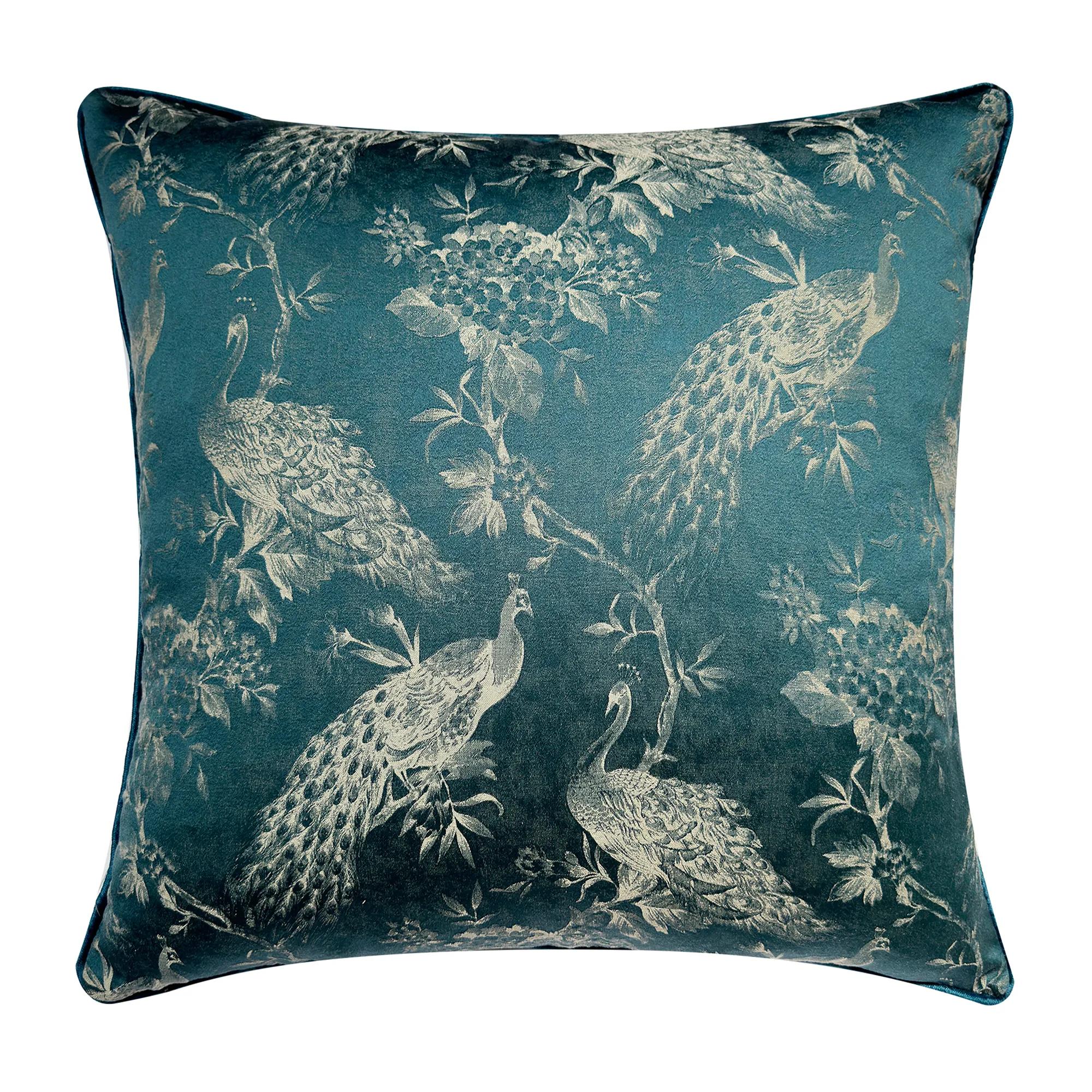 Peacock Teal Jacquard Pillow 20" x 20"$99
A teal jacquard pillow featuring an antique peacock pattern, plush feather down insert, and removable cover.
Add To Cart -
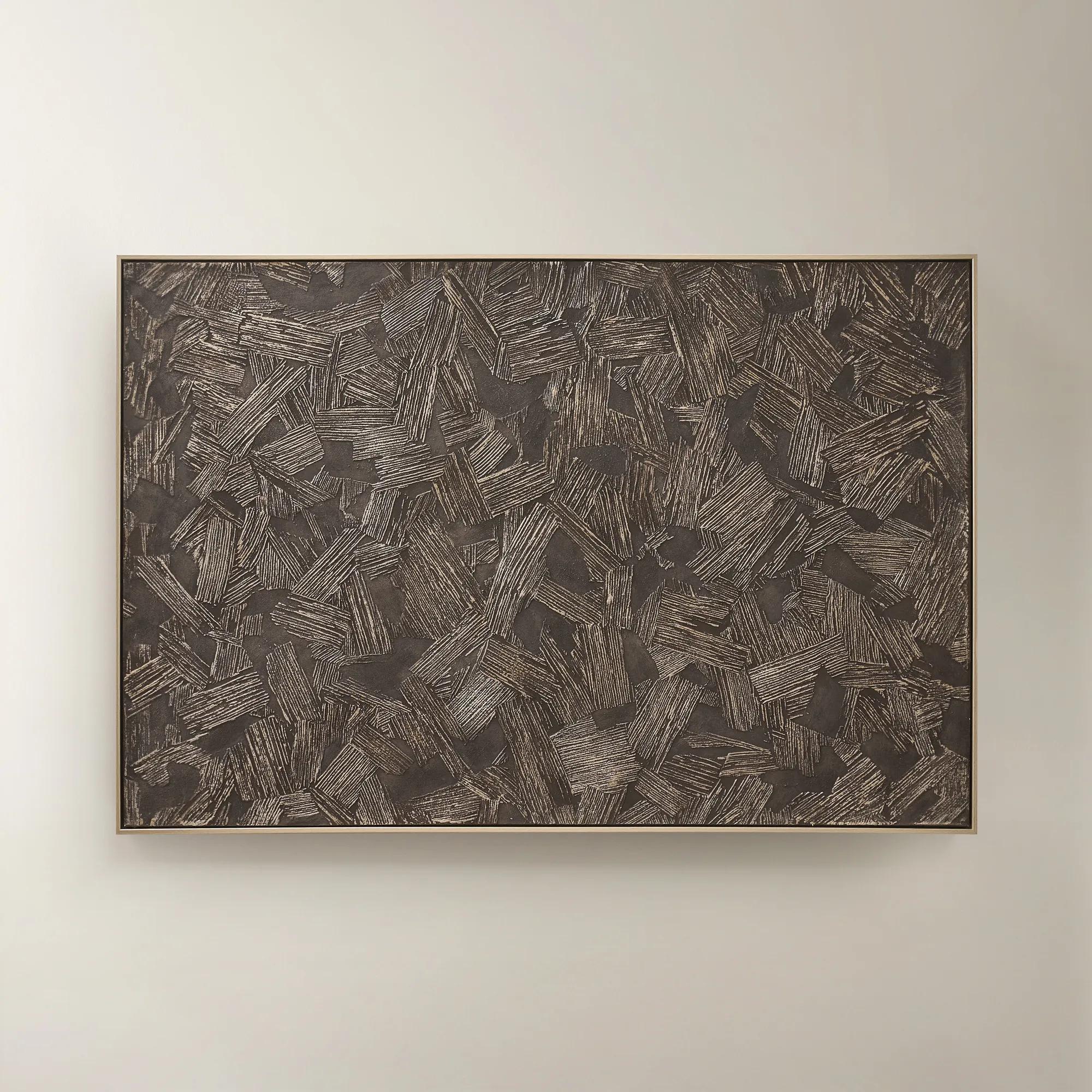
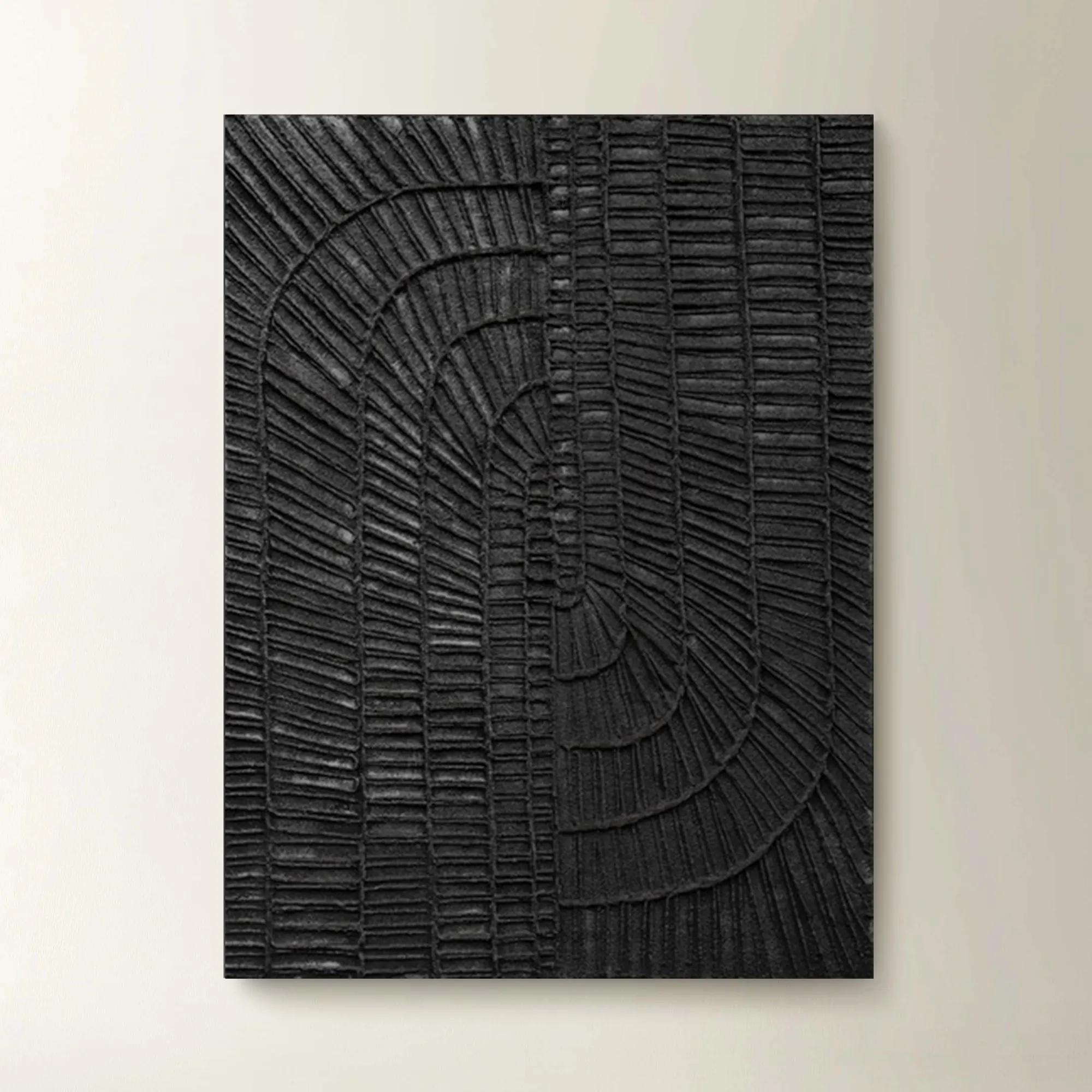 Textured Haze Black II Painted Wall Art 26" x 35"$499
A striking hand-painted black artwork featuring textured details for versatile vertical or horizontal display.
Add To Cart -
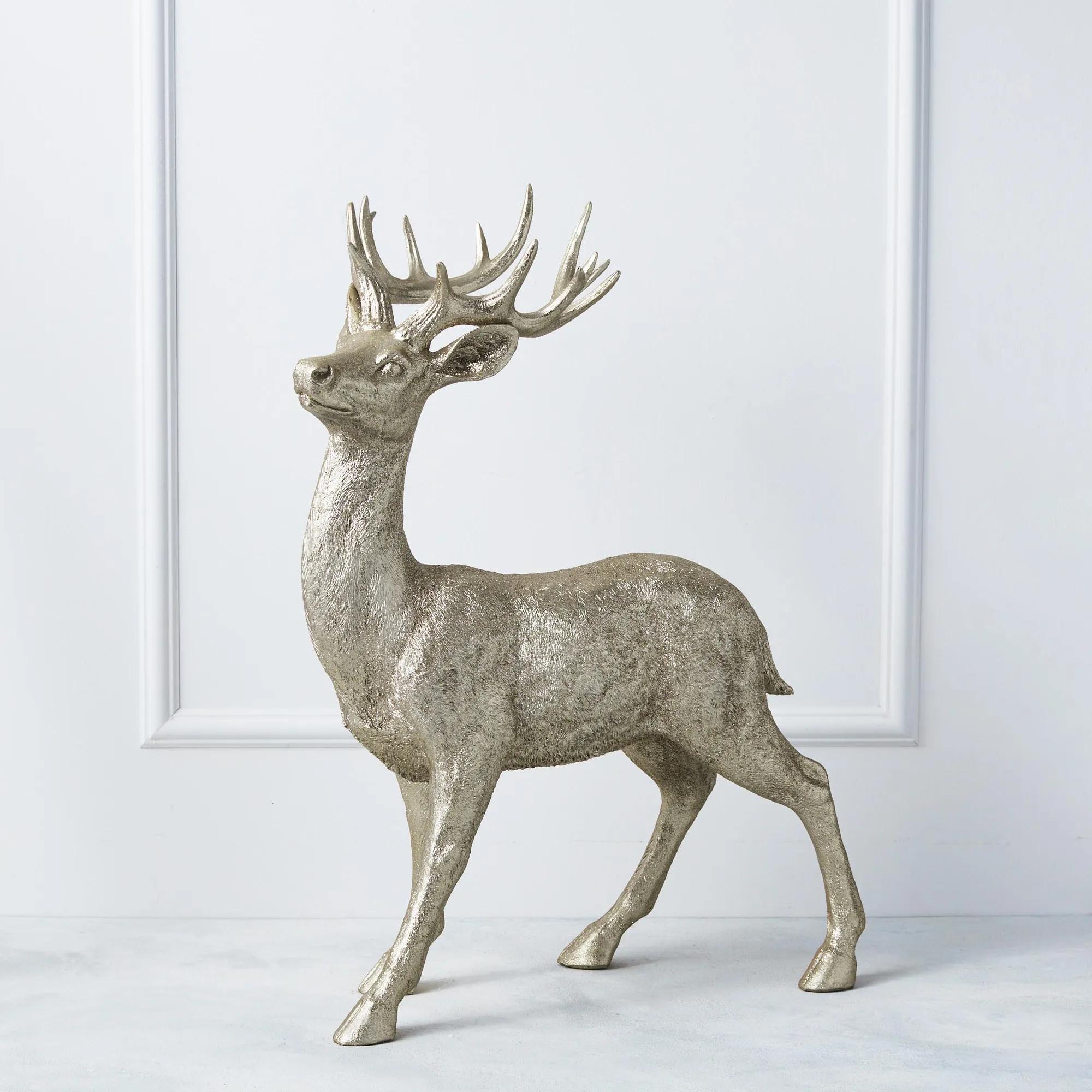
 Majestic Deer Champagne Resin 32"$239
A pair of intricately detailed champagne poly resin deer figures with elegant textured layers and graceful antlers.
Add To Cart -
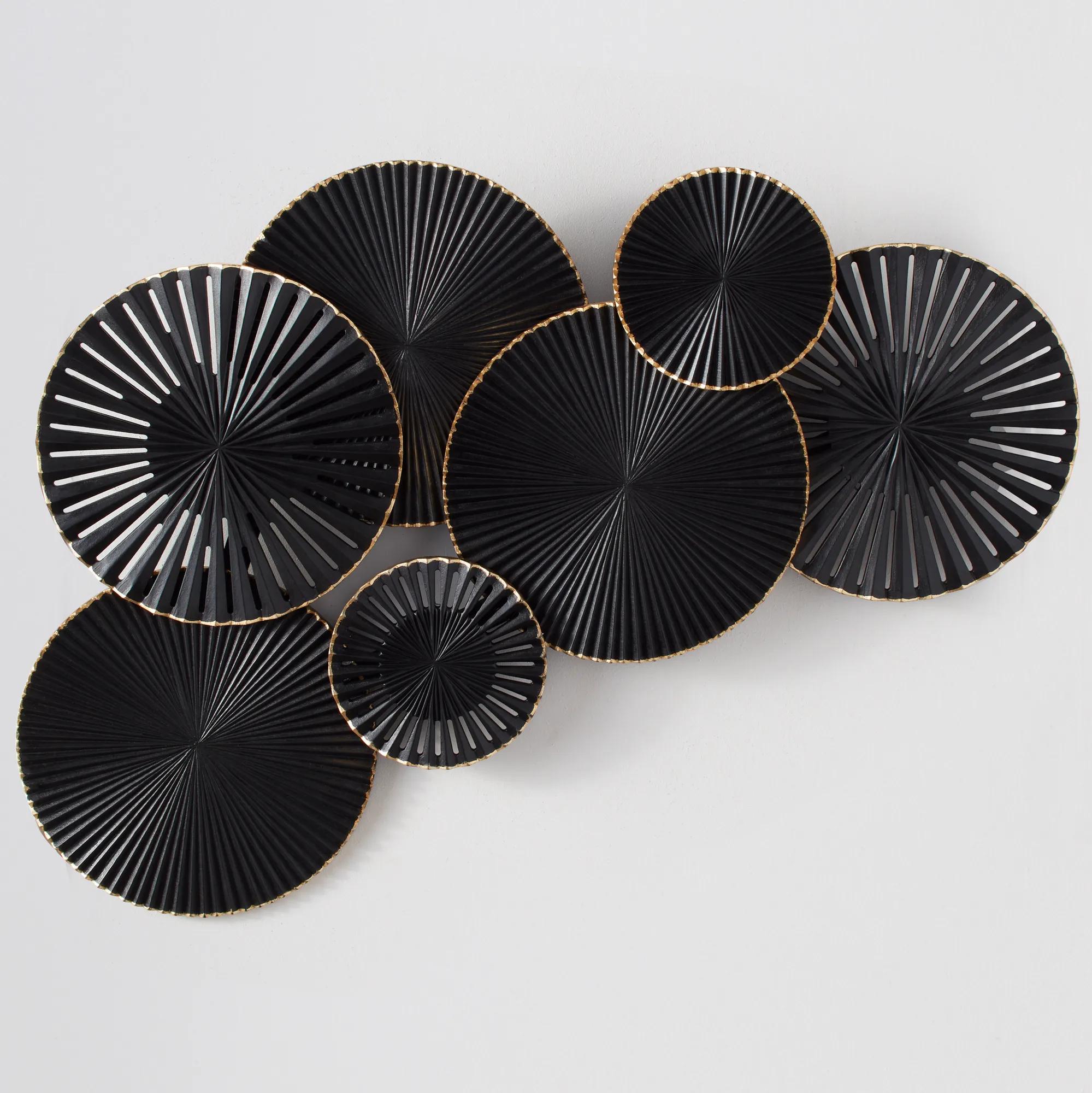
 Circa Black Carved Wood Dimensional Wall Panel 47.25" x 27.5"$499
A carved wood wall art panel in black and gold that adds abstract intrigue to any room.
Add To Cart -
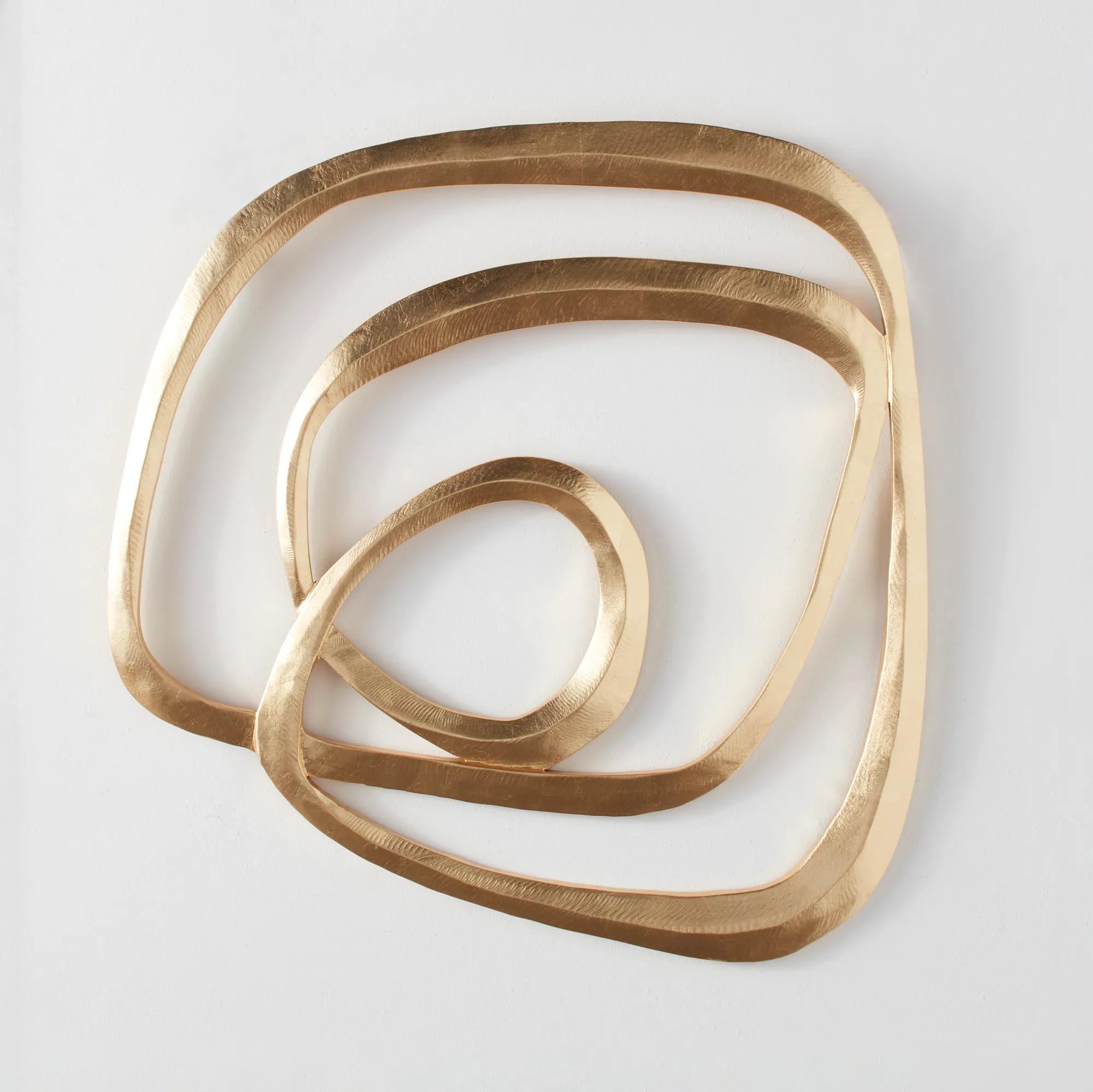 Infinity Gold Leaf Wood Wall Decor II 31.5" x 31.5"$299
A swirling wooden wall sculpture featuring a striking metallic gold finish for a modern statement.
Add To Cart -
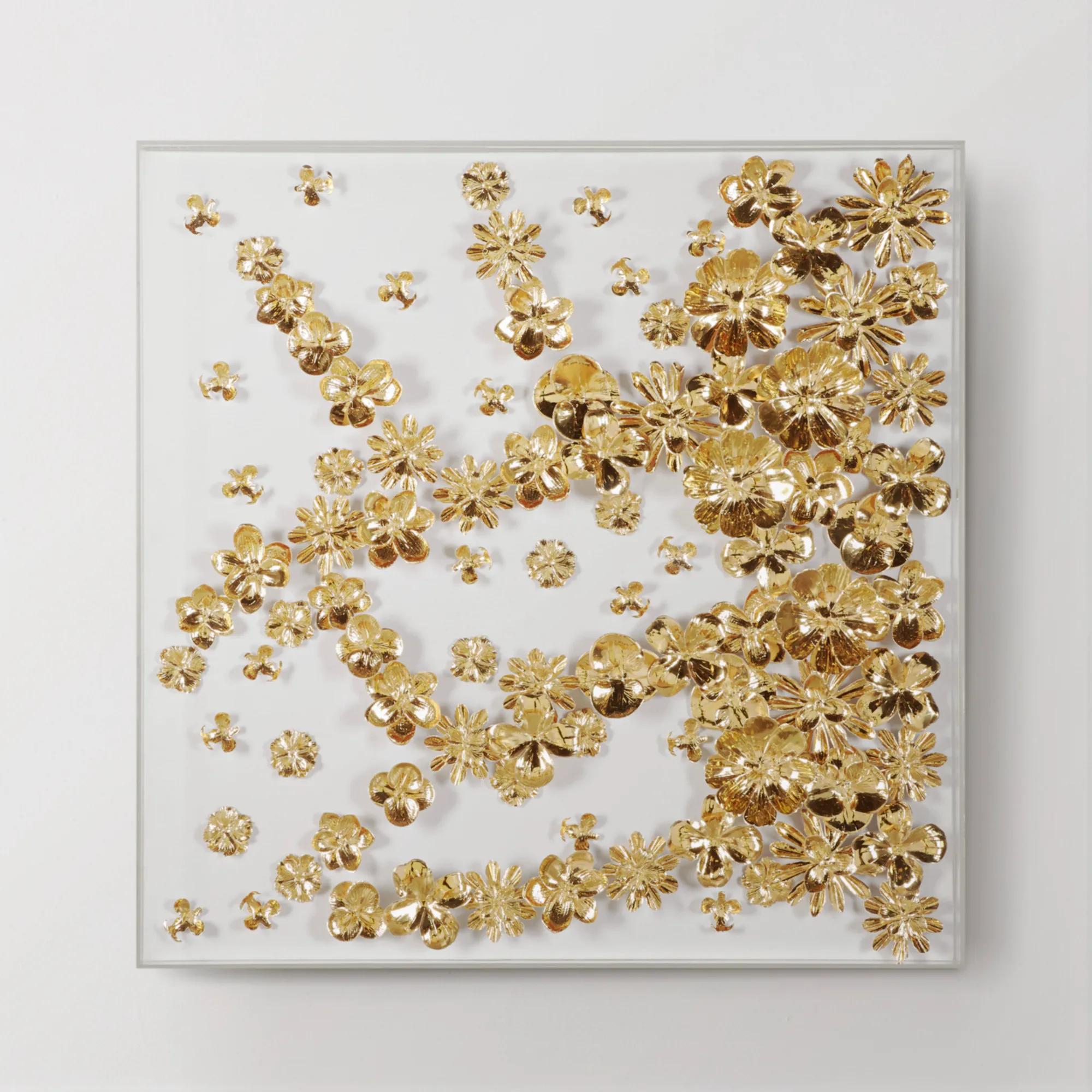
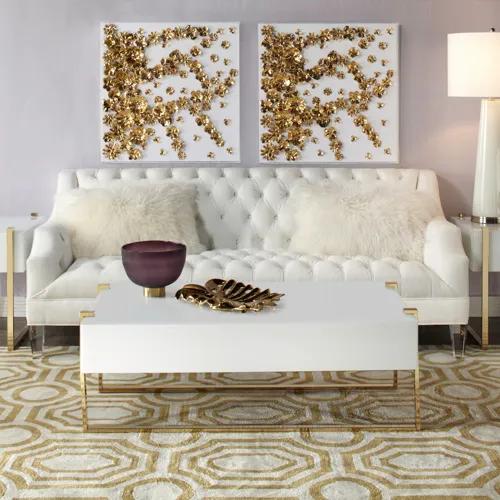 Gold Flora Handmade Foil Wall Decor in Acrylic 31" x 31"$499
A glam botanical wall art featuring handmade gold foil paper flowers on a white linen background.
Add To Cart

Art For Elegant Home Decor
Art for Elegant Home Decor is more than an accent—it’s the soul of a sophisticated space, transforming blank walls into breathtaking statements. Each piece is a curated expression of style, inviting intrigue and awe with every glance. Whether your aesthetic leans toward the timeless or the avant-garde, discover artwork that elevates your surroundings with a whisper of opulence and a flourish of imagination. Let your home become a gallery where every canvas, print, or sculpture tells a story of artistry and allure—crafted to inspire, captivate, and enchant at every turn.
Art for elegant home decor brings expressive color, refined texture, and a sense of intention to a room through oversized abstract canvases, framed prints, dimensional wall art, and sculptural accents. Elegance comes from the relationship between the artwork and its surroundings: the sweep of a painted line against a tailored sofa, the glimmer of a gold-toned frame beside dark wood, or the quiet depth of a tonal composition above a richly upholstered bed. Abstract art can introduce movement and drama, while botanical imagery, architectural studies, and classic figurative subjects lend a more recognizable narrative. Black-and-white photography offers crisp contrast, particularly in interiors with polished metal, glass, and plush textiles. A palette of ivory, charcoal, and warm metallics creates a composed backdrop without feeling restrained; saturated blue, emerald, or burgundy can give an otherwise neutral room a deliberate point of intensity. The most compelling selections do more than match nearby cushions or upholstery. They echo a shape, repeat an accent color, or introduce an unexpected note that makes the entire space feel more personal. In a living room, a generous canvas can establish the visual rhythm above a sofa. In a dining room, a framed composition can bring depth to the wall behind a sideboard, giving evening gatherings an atmosphere that feels considered and intimate. An entryway offers another opportunity for expressive art, where a striking image above a console creates a memorable arrival without competing with the architecture. For spaces centered on conversation and entertaining, Elegant Living Room Wall Art connects a room’s furnishings with a distinctive artistic focal point. Whether the mood is luminous and expansive or richly layered, artwork gives elegant interiors something furniture alone cannot provide: a point of view. That expression can feel theatrical, contemplative, romantic, or architectural, allowing a beautifully appointed home to reflect the people who live there rather than a prescribed decorating formula.
Materials and presentation shape how decorative art looks, feels, and performs in a home. Canvas has a visible woven character that lends softness to an image, and a gallery-wrapped format carries the artwork around the edges for a finished appearance without an outer frame. A floating frame creates a narrow space around the canvas, emphasizing its depth and giving the composition an architectural outline. Paper prints often benefit from matting, which introduces visual breathing room between the image and the frame while helping keep the paper away from glazing when properly assembled. Glass provides a clear, substantial surface; acrylic glazing is lighter and more resistant to shattering, although it can scratch more easily and requires appropriate cleaning. Neither material should be assumed to provide ultraviolet protection unless that feature is specified. Wood frames contribute warmth, metal frames offer a precise silhouette, and gold-toned finishes bring a luminous accent that can complement brass details without requiring every finish in the room to match. Textured surfaces and raised embellishments change with the angle of light, creating subtle shadows that a flat image cannot. Scale matters just as much as material. The listed dimensions should be checked to determine whether they describe the image alone or the complete framed piece, especially when artwork must fit between sconces, beneath molding, or above furniture. Over a broad sofa, artwork spanning roughly two-thirds to three-quarters of the furniture’s width often feels balanced, though the composition and surrounding wall space can justify a different proportion. A single expansive piece delivers an uninterrupted statement, while a pair or coordinated grouping introduces repetition and rhythm. Generous spacing around the arrangement lets each element retain its presence. In a bedroom, softer tonal transitions can complement sumptuous bedding without becoming visually demanding. Along a hallway, related sizes or finishes can create continuity even when the subjects differ. Sculptural art offers another dimension, bringing contour and shadow to a console, shelf, or pedestal where its profile can be appreciated from more than one angle.
Lasting beauty depends on choosing artwork for the conditions of its intended setting and caring for each surface appropriately. Direct sunlight can fade pigments and paper over time, so a wall with filtered or indirect light is generally a better setting for treasured artwork than one receiving prolonged sun exposure. Damp rooms, splashes, cooking residue, and abrupt changes in humidity can affect paper, canvas, frames, and adhesives; art intended for a bathroom or kitchen should be evaluated for those conditions rather than selected by appearance alone. Durability varies with the construction, medium, protective finishes, and handling, not simply with whether a piece is framed. Light dusting with a clean, soft cloth is suitable for many frame surfaces, but textured finishes and delicate embellishments may need a gentler approach. Painted canvas, exposed paper, and raised decorative surfaces should not be wiped with household cleaners or a damp cloth unless the care instructions specifically permit it. For glazed artwork, a suitable cleaner applied to the cloth rather than sprayed directly onto the frame helps keep liquid from seeping beneath the edges; acrylic requires products that will not cloud or abrade its surface. Secure installation is equally important. The weight of the complete piece, wall construction, and mounting hardware should guide the hanging method, with professional installation worth considering for oversized or particularly heavy artwork. Freestanding sculpture belongs on a stable surface with enough clearance to protect projecting details, especially in homes with children or pets. These practical considerations preserve the visual pleasure of art chosen for everyday living. Decorative art also makes a thoughtful housewarming, wedding, or milestone gift when the recipient’s style, available wall space, and preferred palette are understood. A restrained botanical print may suit someone who loves classical detailing, while an expressive abstract composition can resonate with a collector of bold shapes and rich color. The strongest choice feels connected to its recipient and its setting, bringing character to a familiar room and turning an overlooked wall or surface into a place worth lingering over.
FAQs
Selecting art that harmonizes with your existing color palette is a sophisticated way to create a cohesive and inviting atmosphere. Consider picking artwork that features accent colors already present in your space, or opt for pieces that introduce a bold contrast for dramatic effect. Metallics, neutrals, or soft washes of color can add depth without overwhelming the room, while vibrant hues can act as striking focal points. Trust your instincts and let your personal style guide you—art should enhance and elevate your décor, not simply match it.
Elevate your space by experimenting with placement and grouping. Try creating a gallery wall with a mix of frames and mediums for an eclectic, curated feel, or let a single oversized piece take center stage above a mantel or sofa. For added drama, lean large-scale art against a wall or atop a console table. Layering art with mirrors or metallic accents can amplify light and add dimension, while sculptural pieces bring a tactile, three-dimensional element to your décor.
Absolutely—art is a luxurious and thoughtful gift that can commemorate milestones, celebrate new beginnings, or simply bring beauty into someone’s daily life. When choosing art as a gift, consider the recipient’s taste, the mood of their home, and what story you want the piece to tell. Whether it’s a romantic abstract for an anniversary or a bold statement piece for a housewarming, gifting art is a way to share inspiration and create lasting memories.
Art has the power to transform the mood of any space. In a living room, a serene landscape or abstract can evoke calm and relaxation, while dynamic, colorful pieces can energize and inspire. In dining areas, art with rich textures and warm tones can create an inviting, luxurious ambiance perfect for entertaining. Consider the lighting and architectural features of your room—artwork that reflects or enhances these elements will set the tone and elevate the entire environment.
Blending various styles—such as contemporary abstracts with classic portraits or sculptural pieces—can create a layered, gallery-worthy effect. Focus on a unifying element, like a common color, frame finish, or theme, to tie the collection together. Don’t be afraid to play with scale and orientation; juxtaposing large and small works adds visual interest. Ultimately, mixing styles is about expressing your personality and curating a space that feels both intentional and artfully eclectic.