Decor For Art Studios
Decor For Art Studios
-
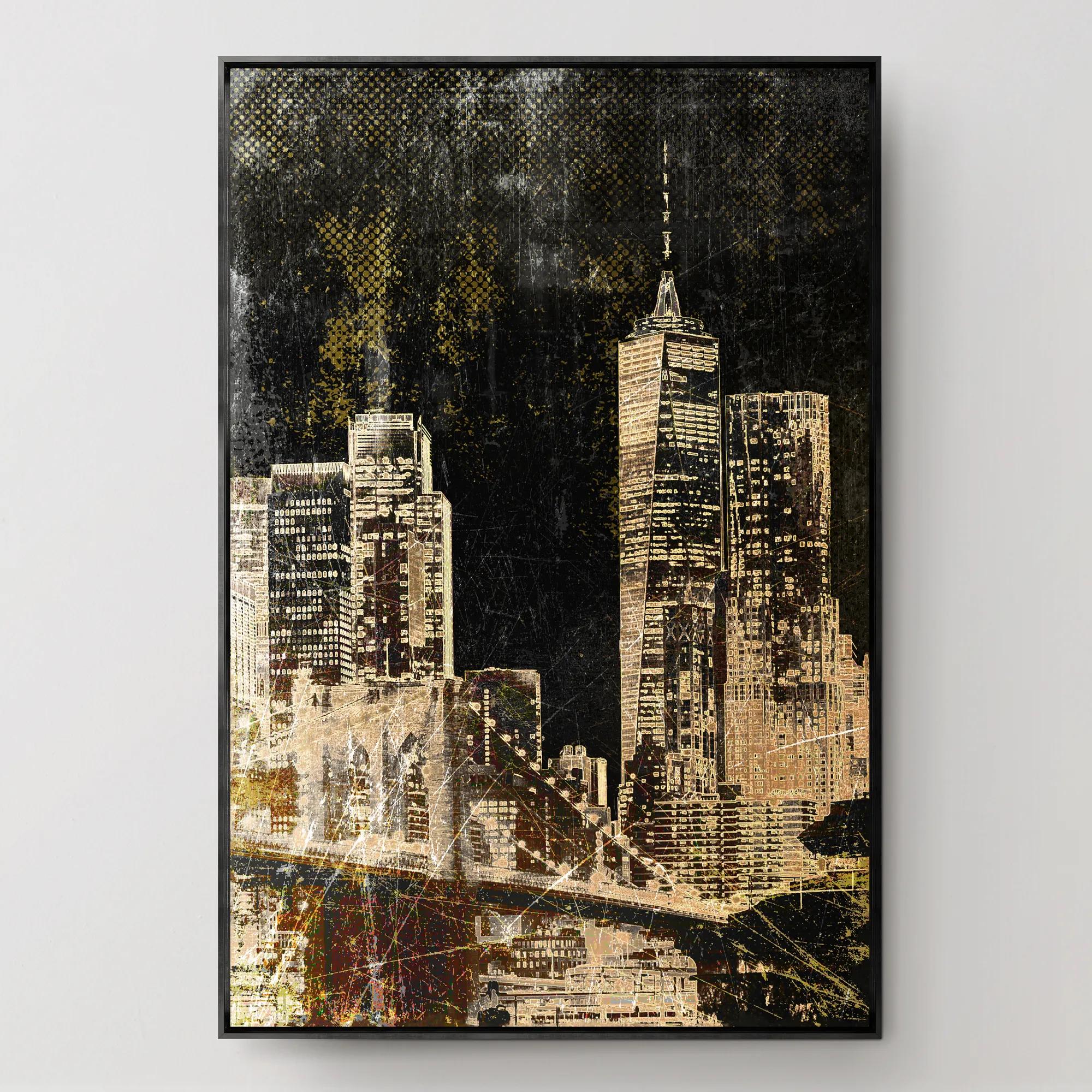
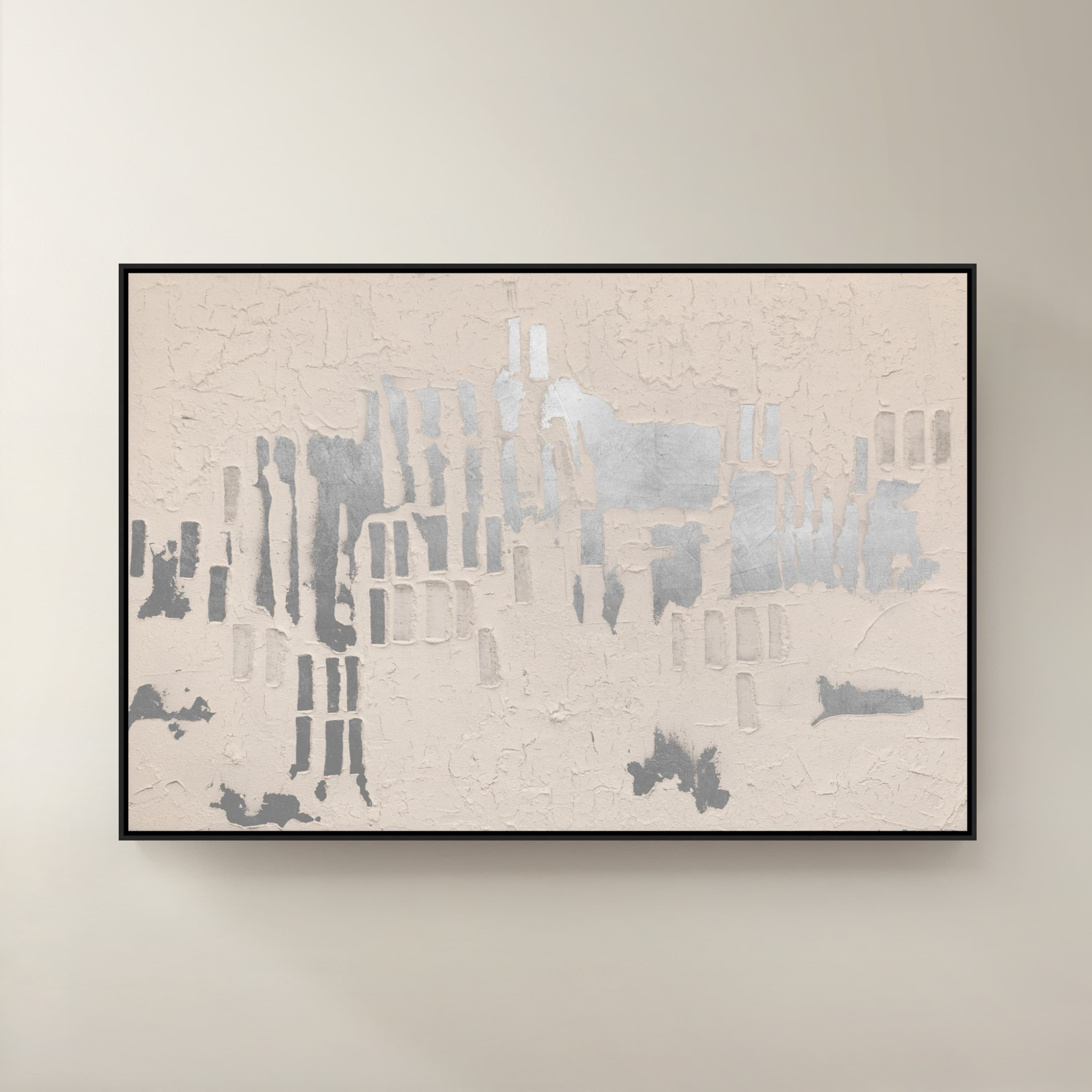
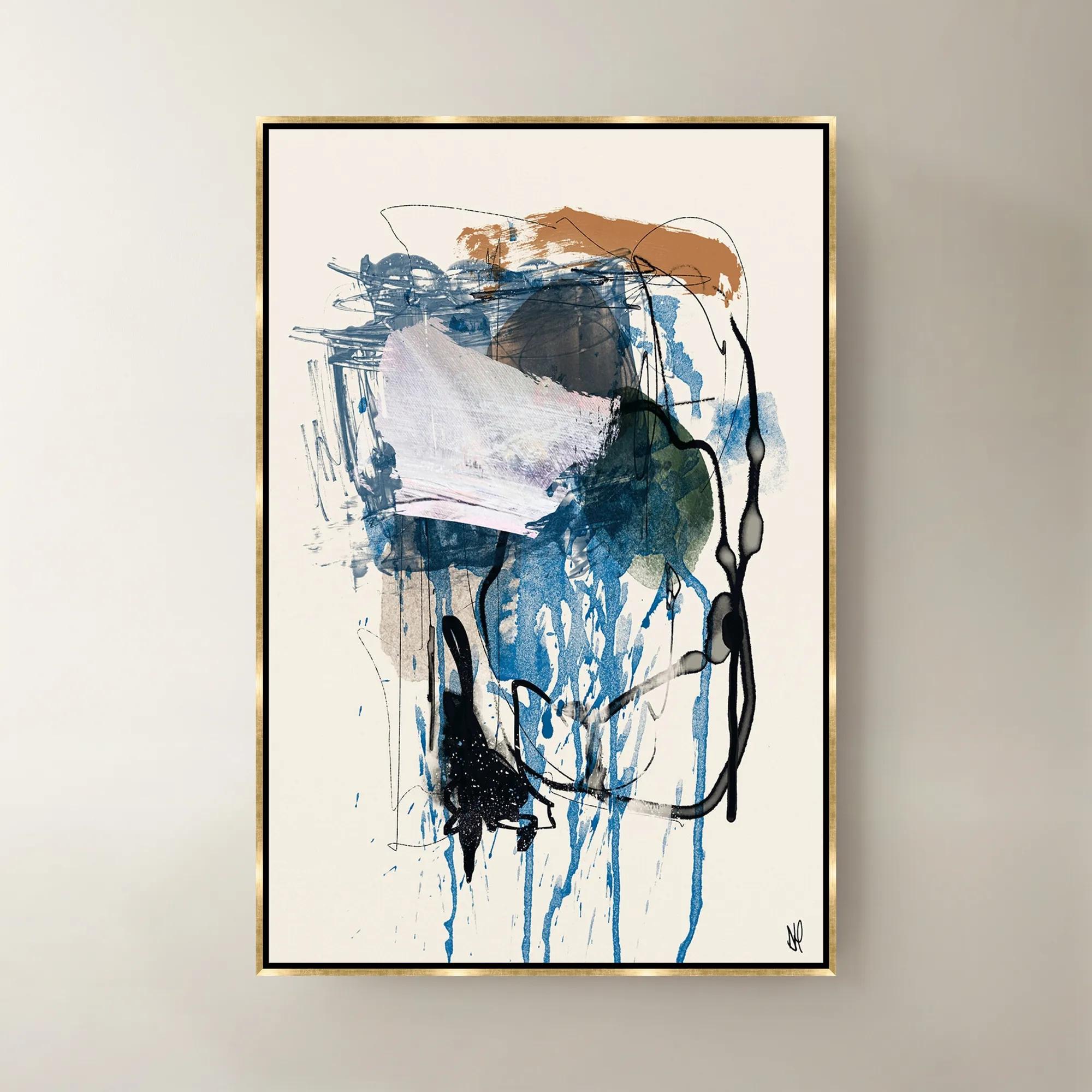
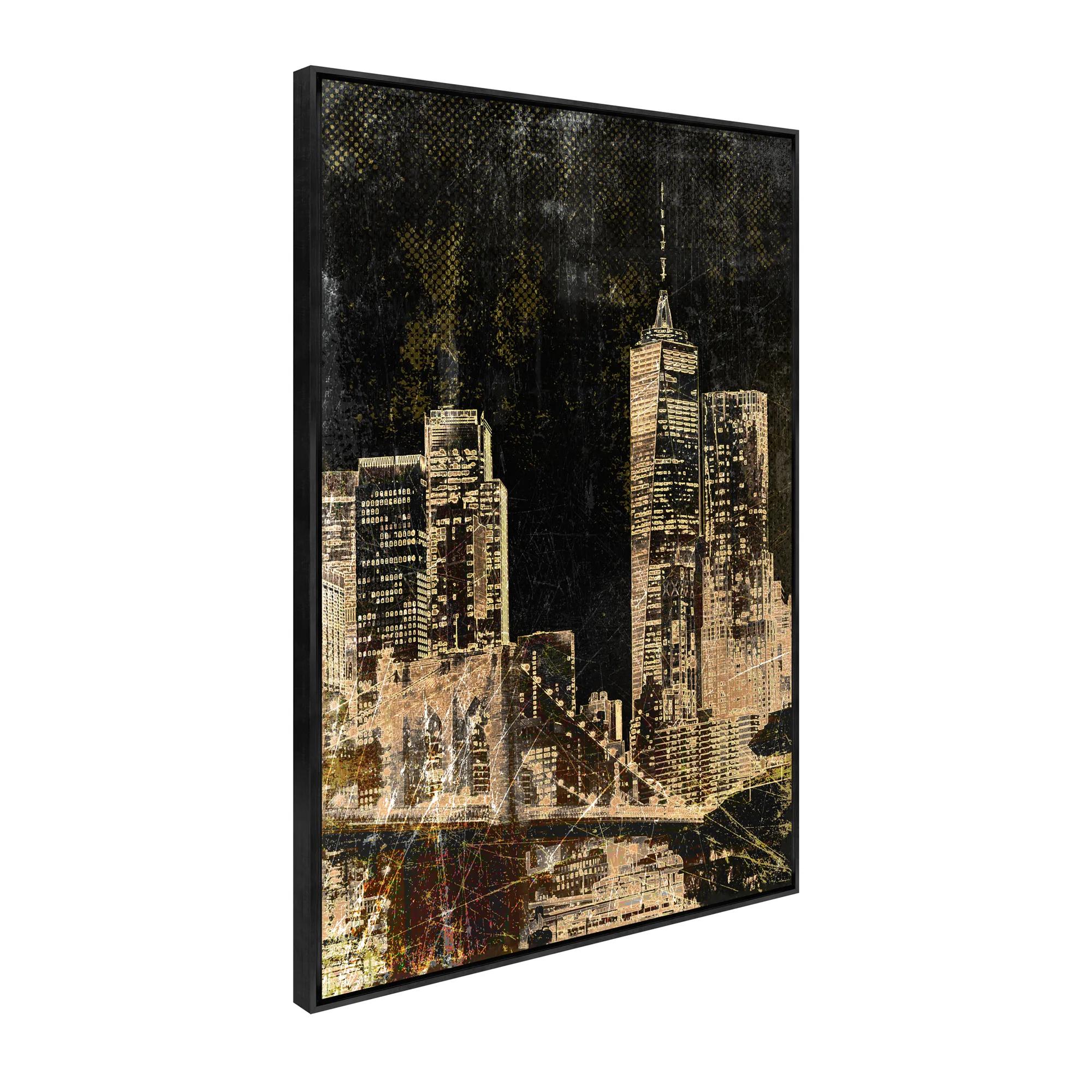 New York Lights Framed Wall Art 30" x 45"$649
A gallery-wrapped canvas artwork featuring a hand-applied gel finish and sleek black floater frame.
Add To Cart -
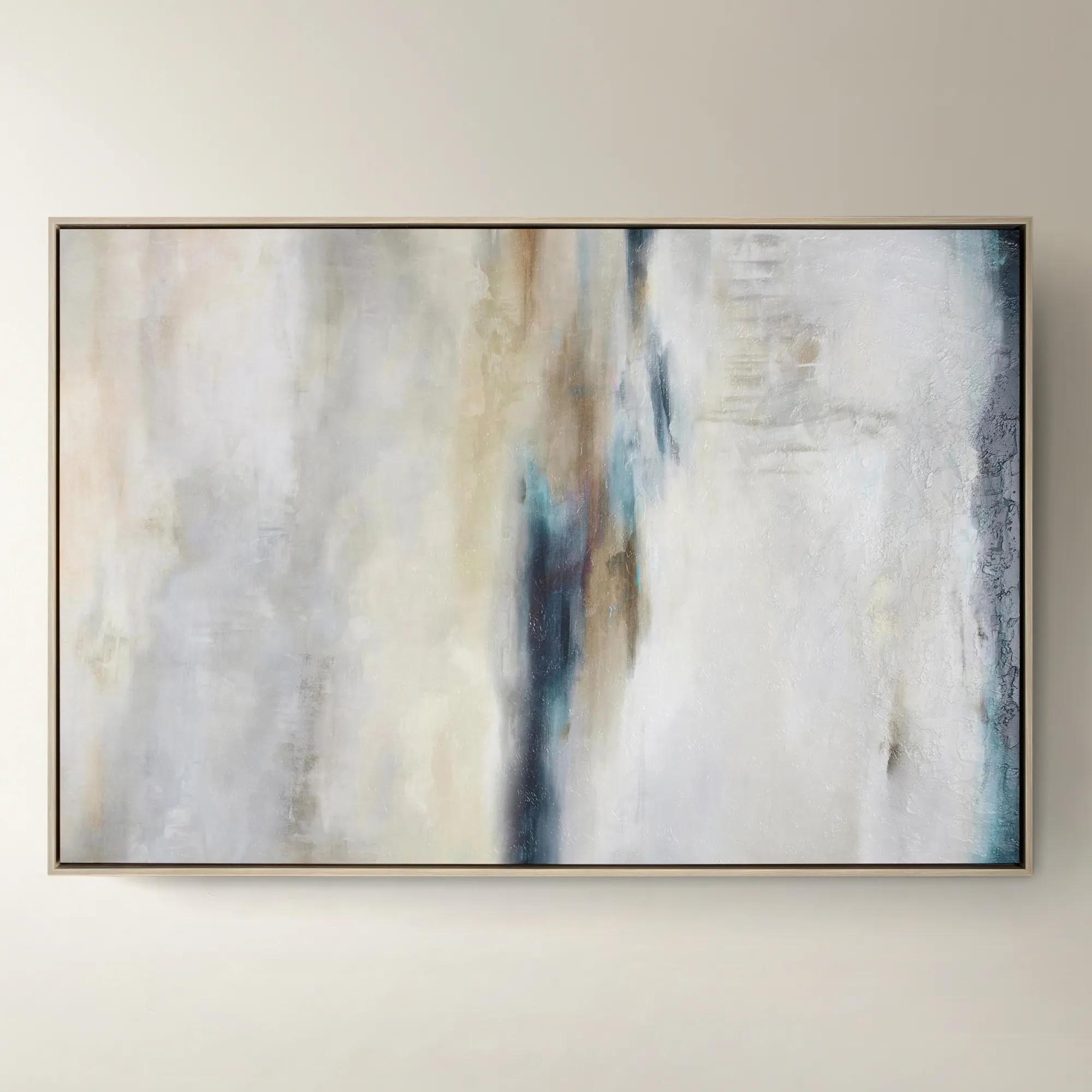
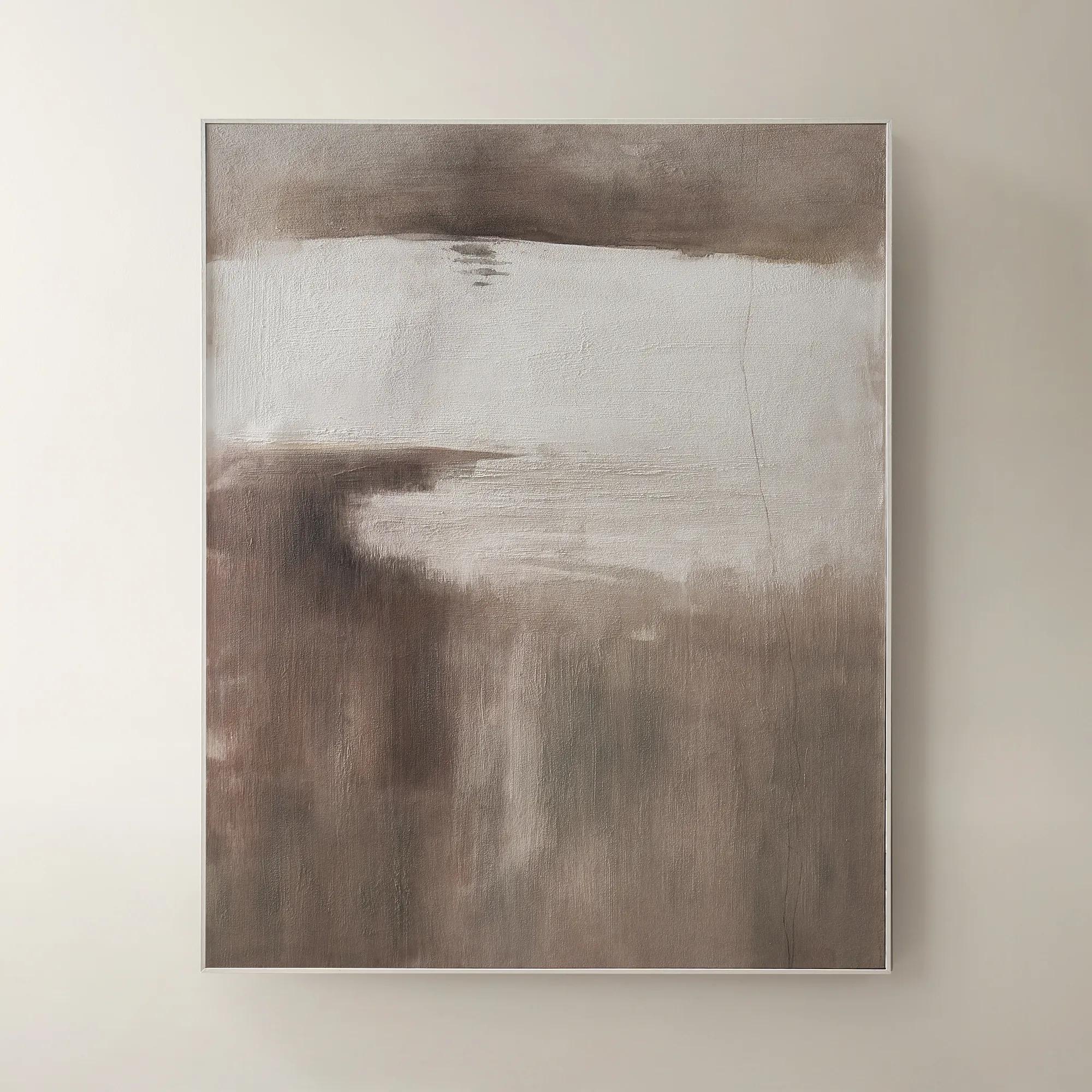
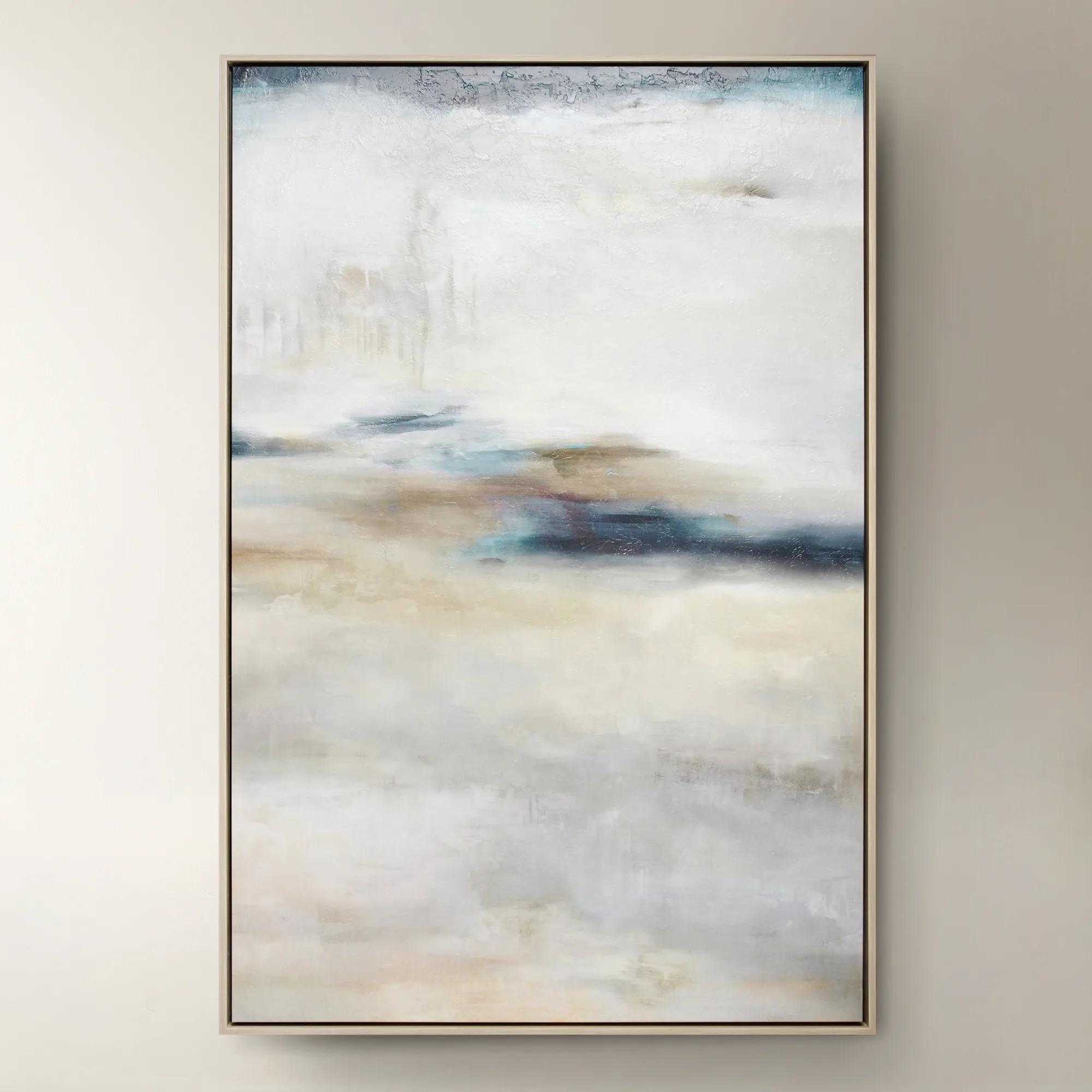 Forward Looking$1299
A softly layered abstract canvas print with a gel finish, set in a natural-hued floater frame.
Add To Cart -
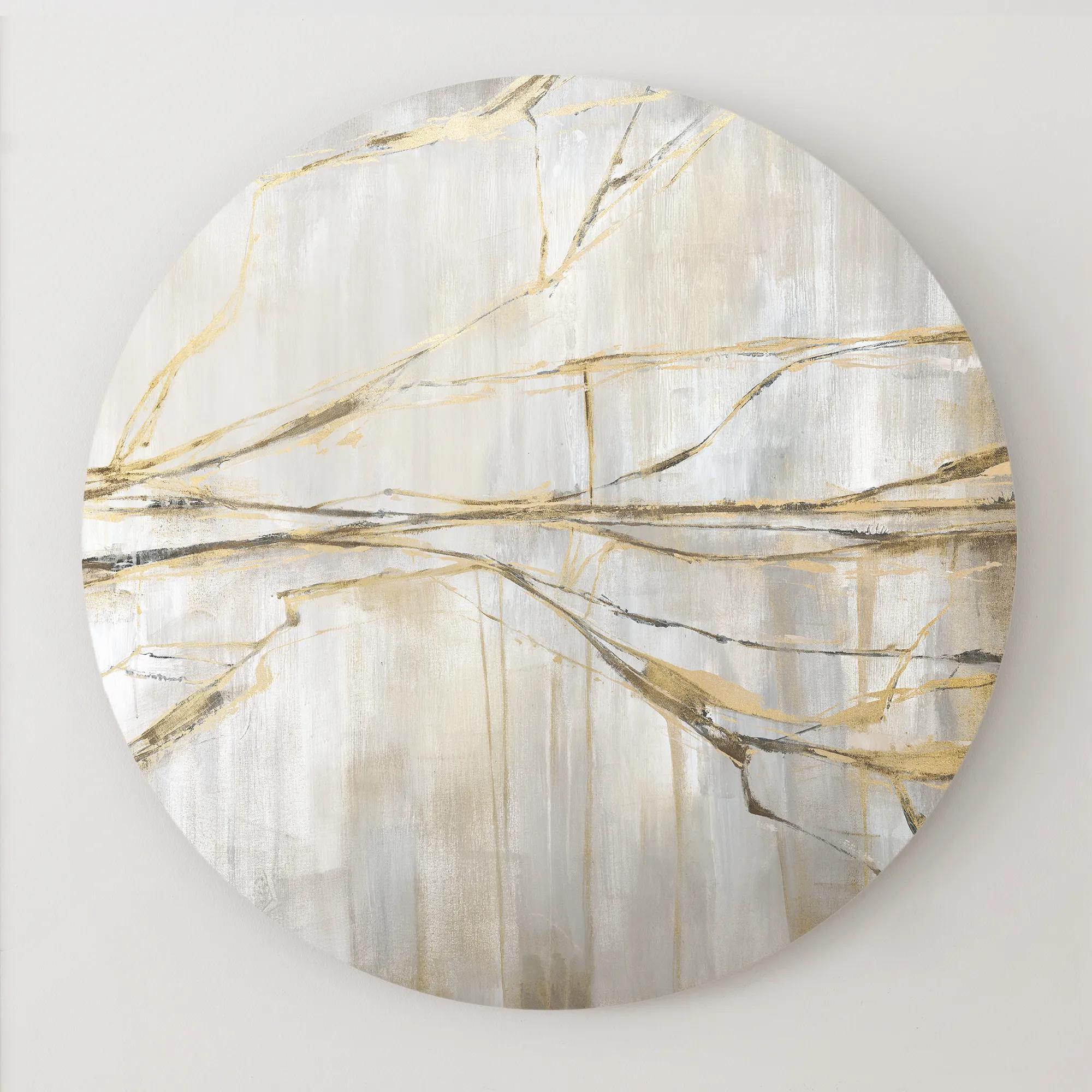
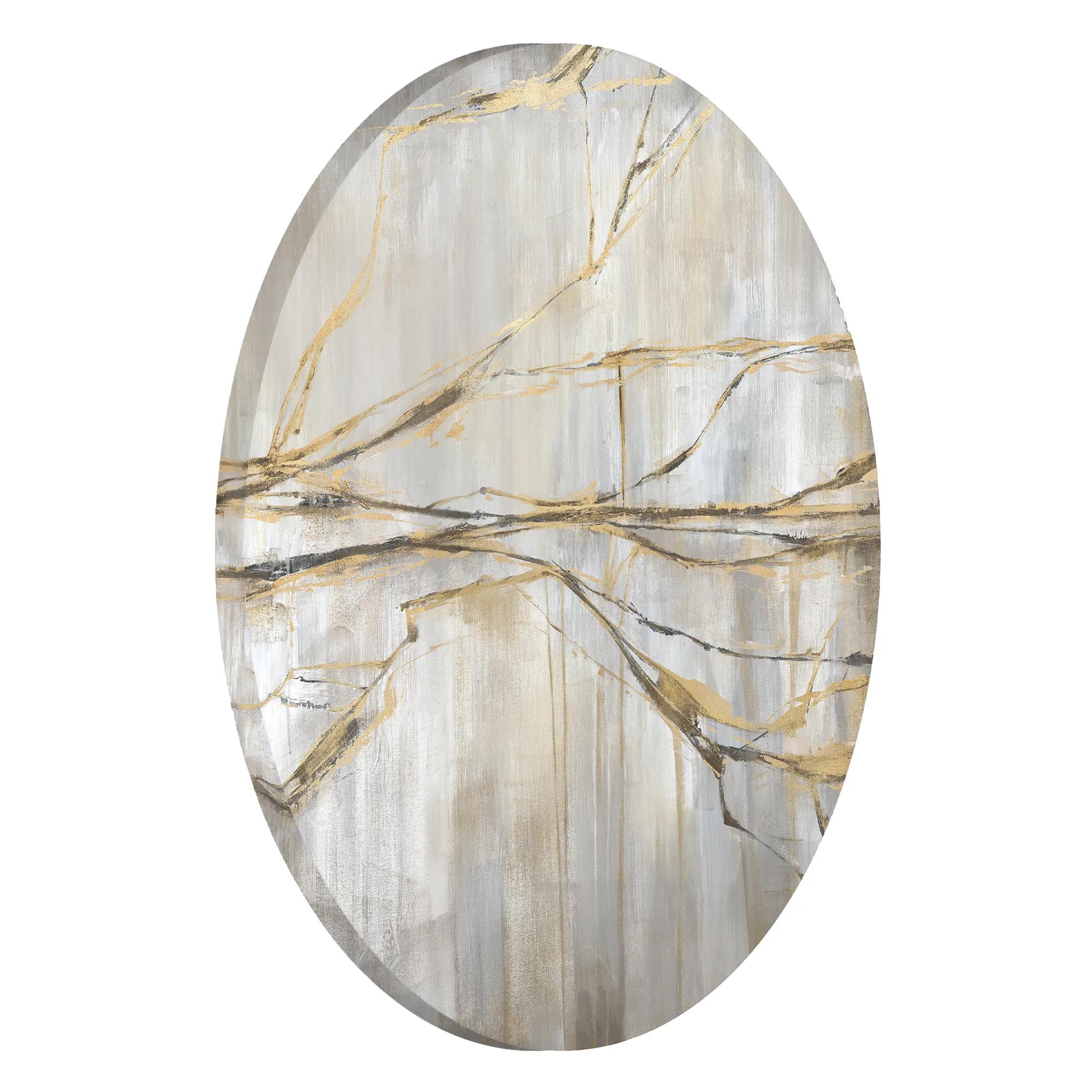 Lightening Crashes Round Wall Art 30"$899
A hand-textured circular linen canvas featuring a gallery-wrapped design for versatile wall display.
Add To Cart -
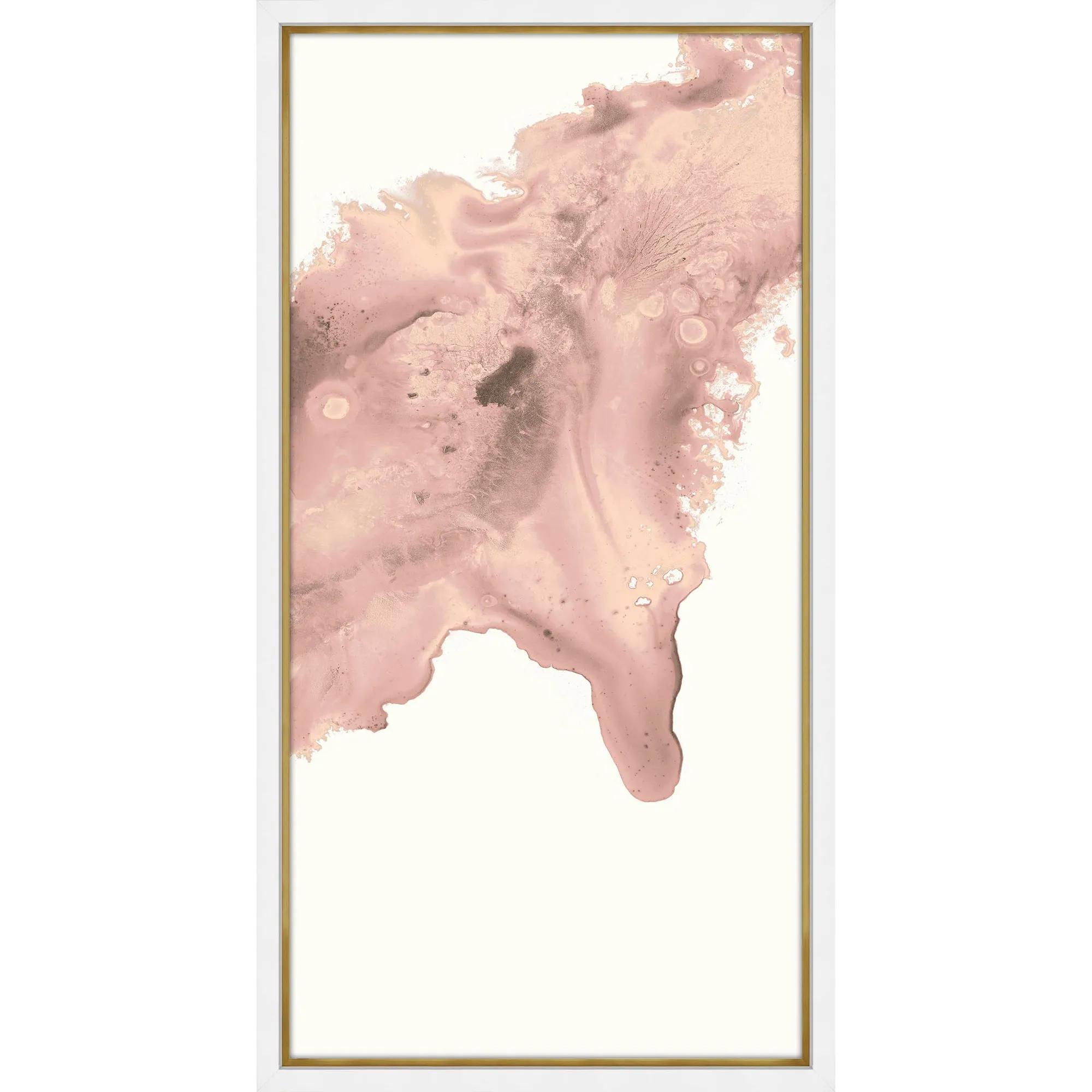
 Blush Conduit 2 Framed Wall Art 24" x 48"$849
A striking abstract print on pearl paper, elegantly framed in gold and matte white for modern appeal.
Add To Cart -
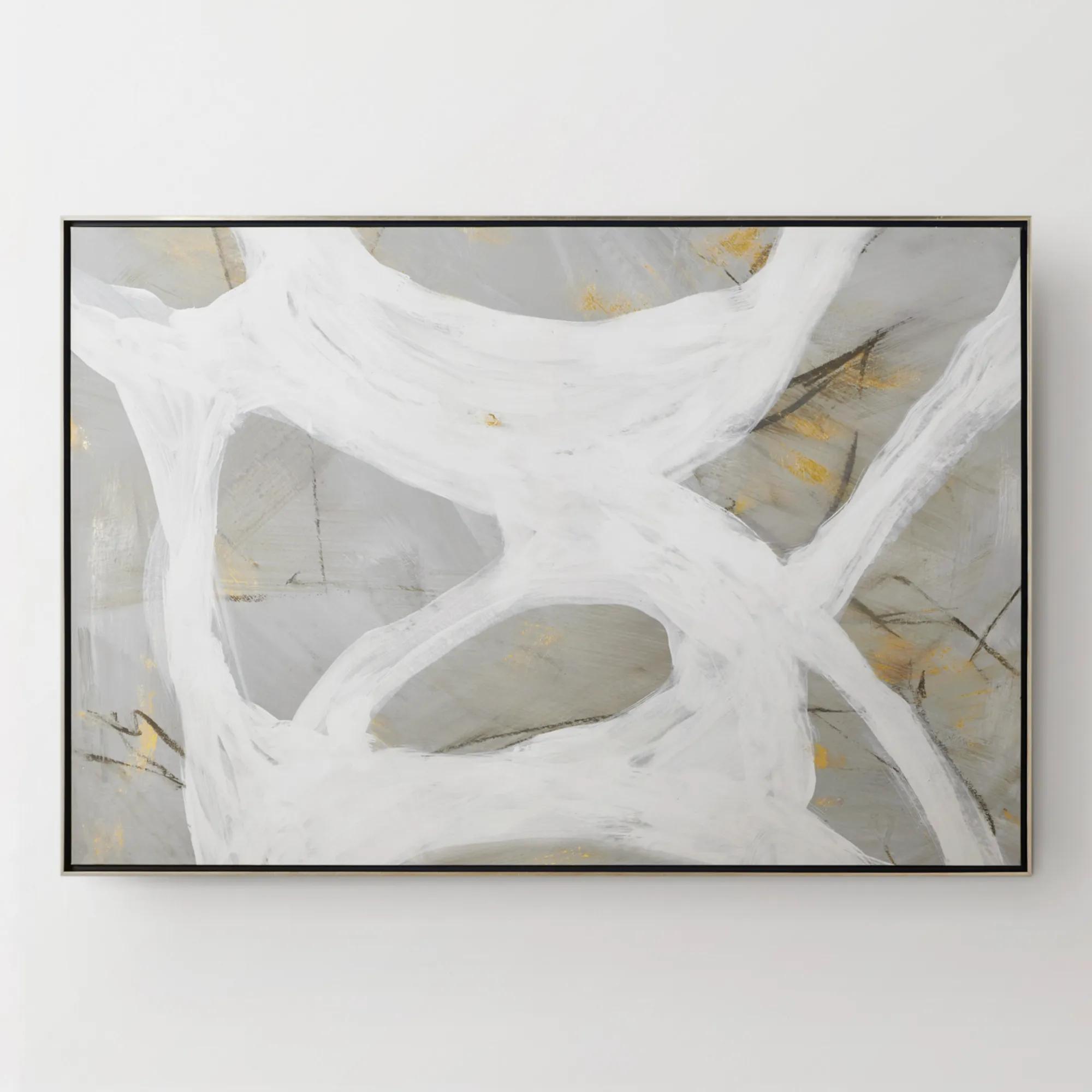
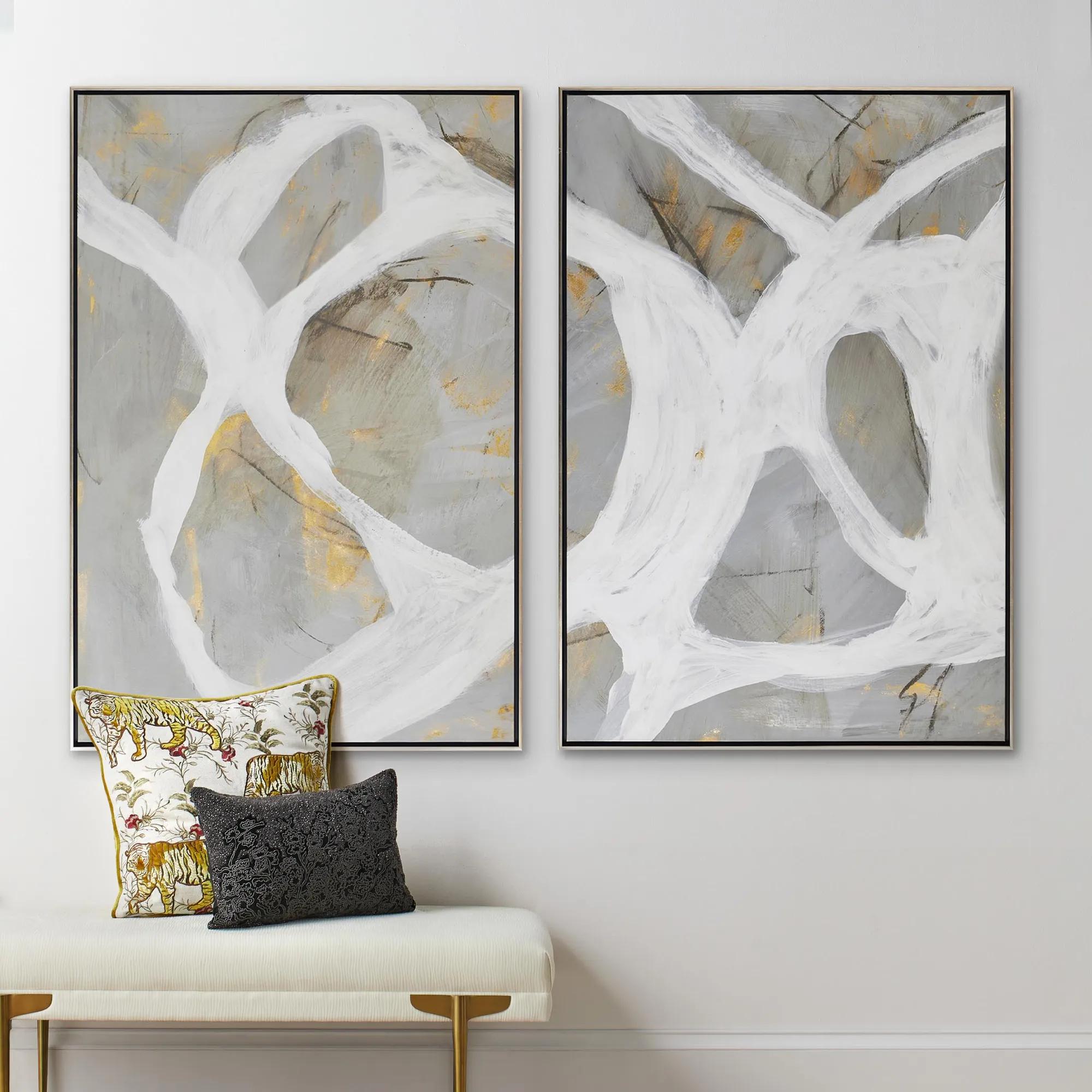 Les Series Framed Painted Wall Art II 61" x 41"$1099
An abstract canvas artwork featuring bold brushstrokes, hand-applied gold accents, and a silver floater frame.
Add To Cart -
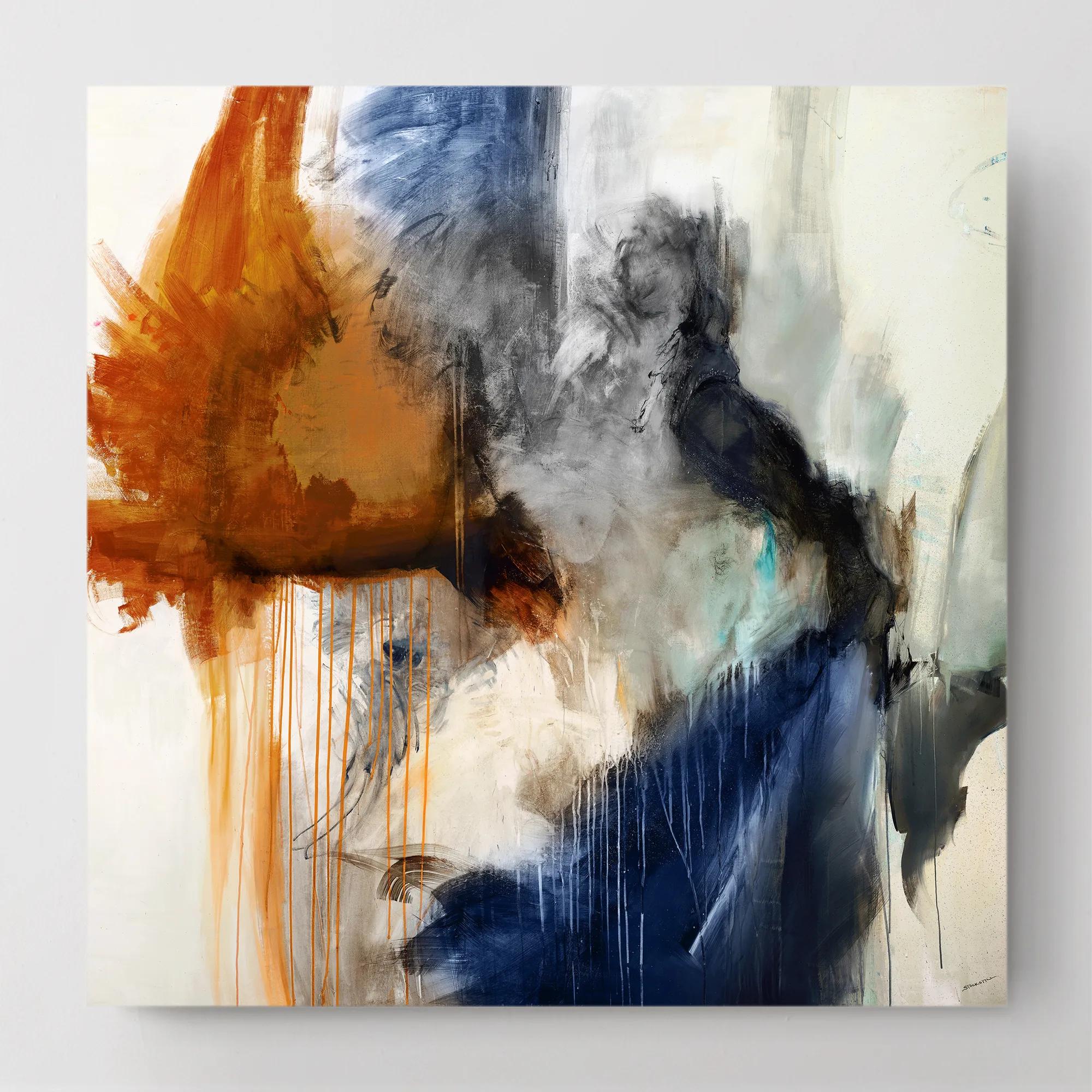
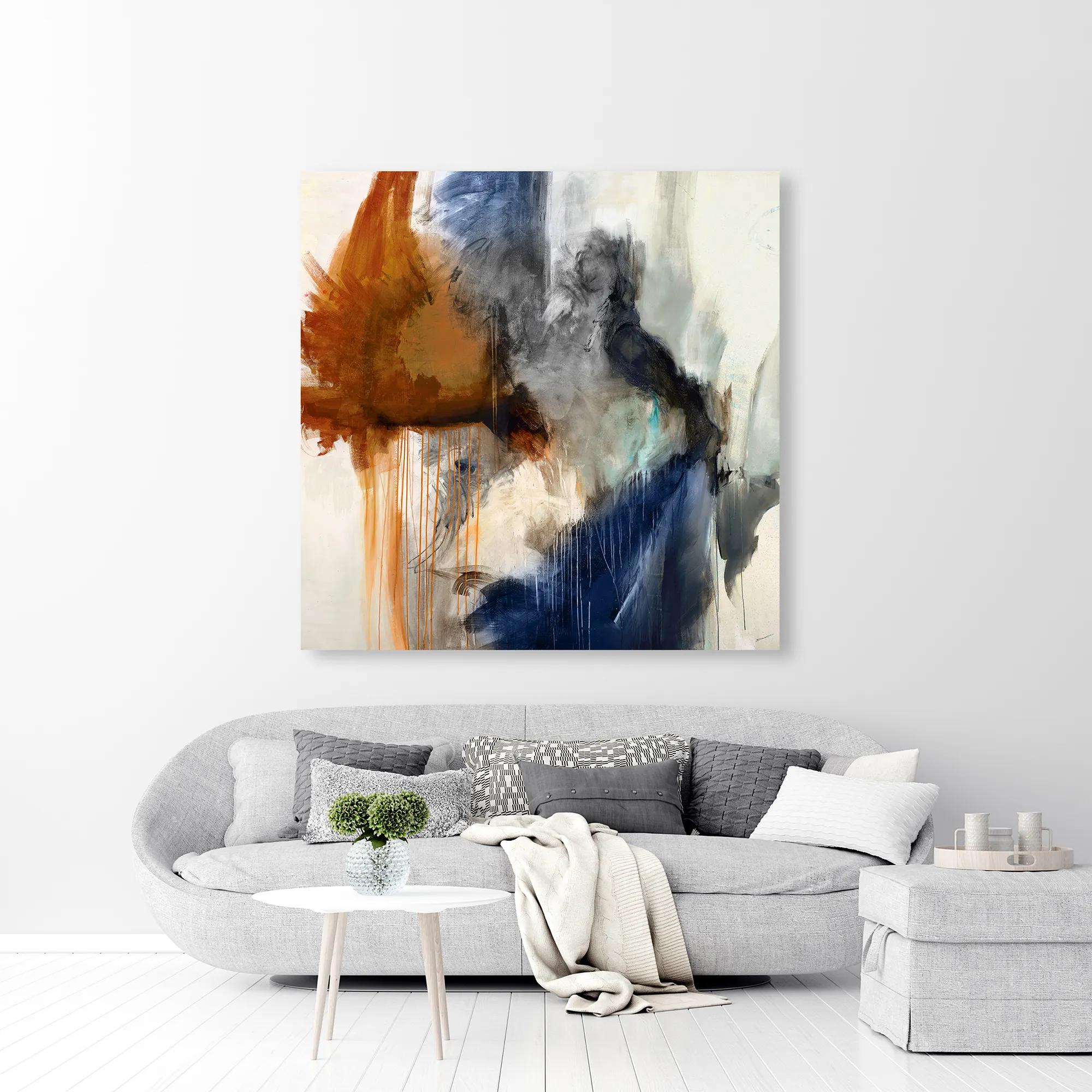 Swoon 6 Wall Art 54" x 54"$899
A gallery-wrapped canvas featuring a hand-applied image brush gel finish for a textured, artistic look.
Add To Cart -
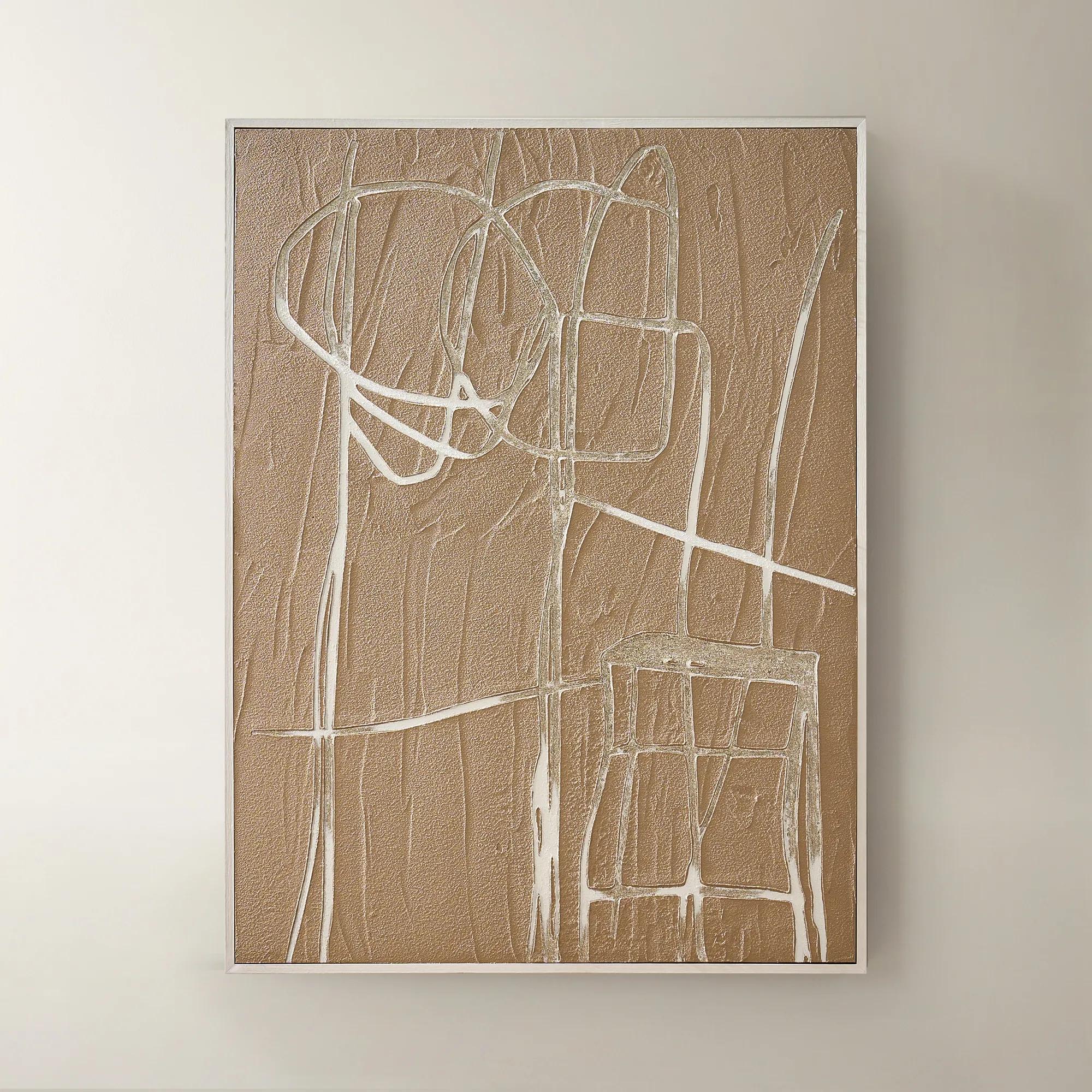
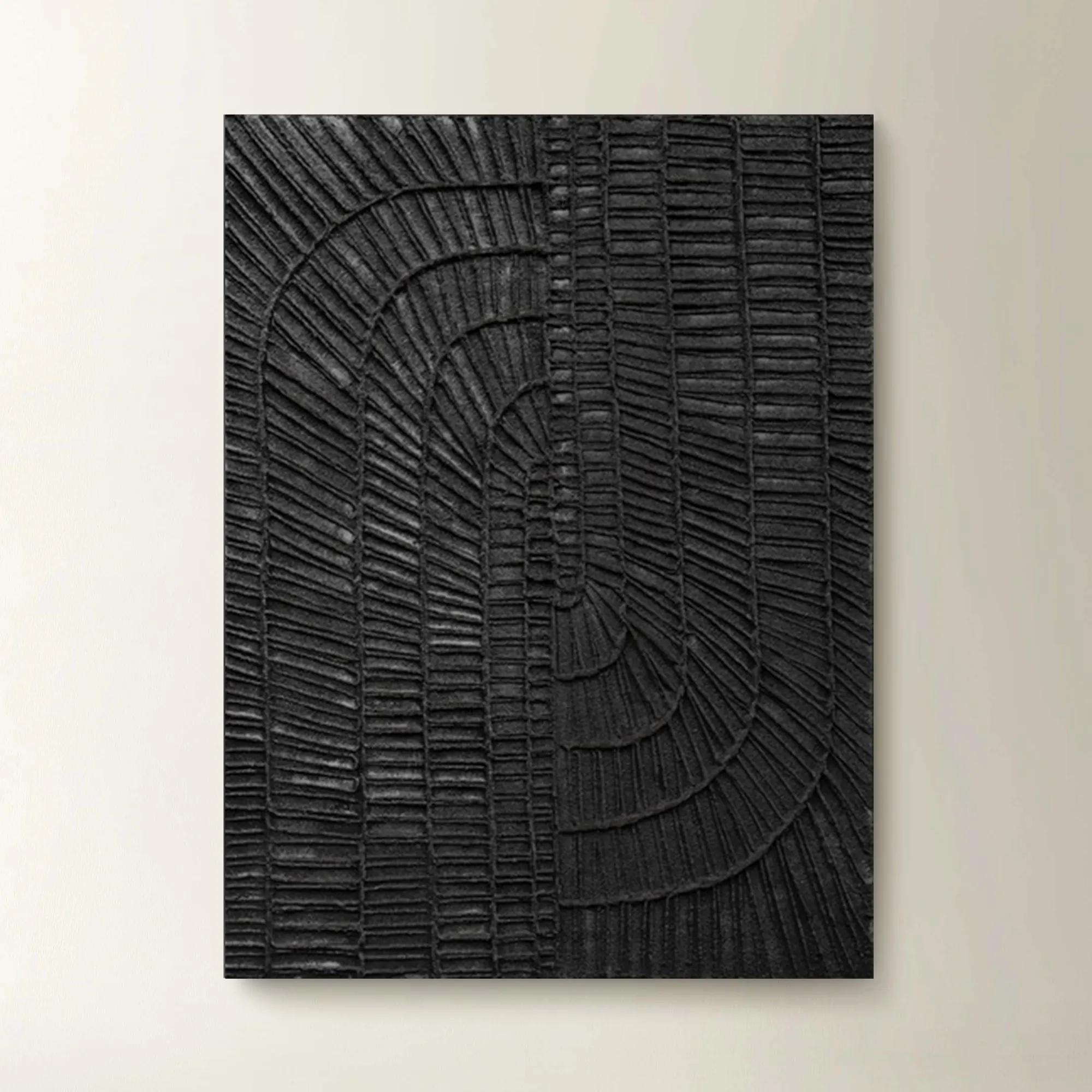 Textured Haze Black II Painted Wall Art 26" x 35"$499
A striking hand-painted black artwork featuring textured details for versatile vertical or horizontal display.
Add To Cart -
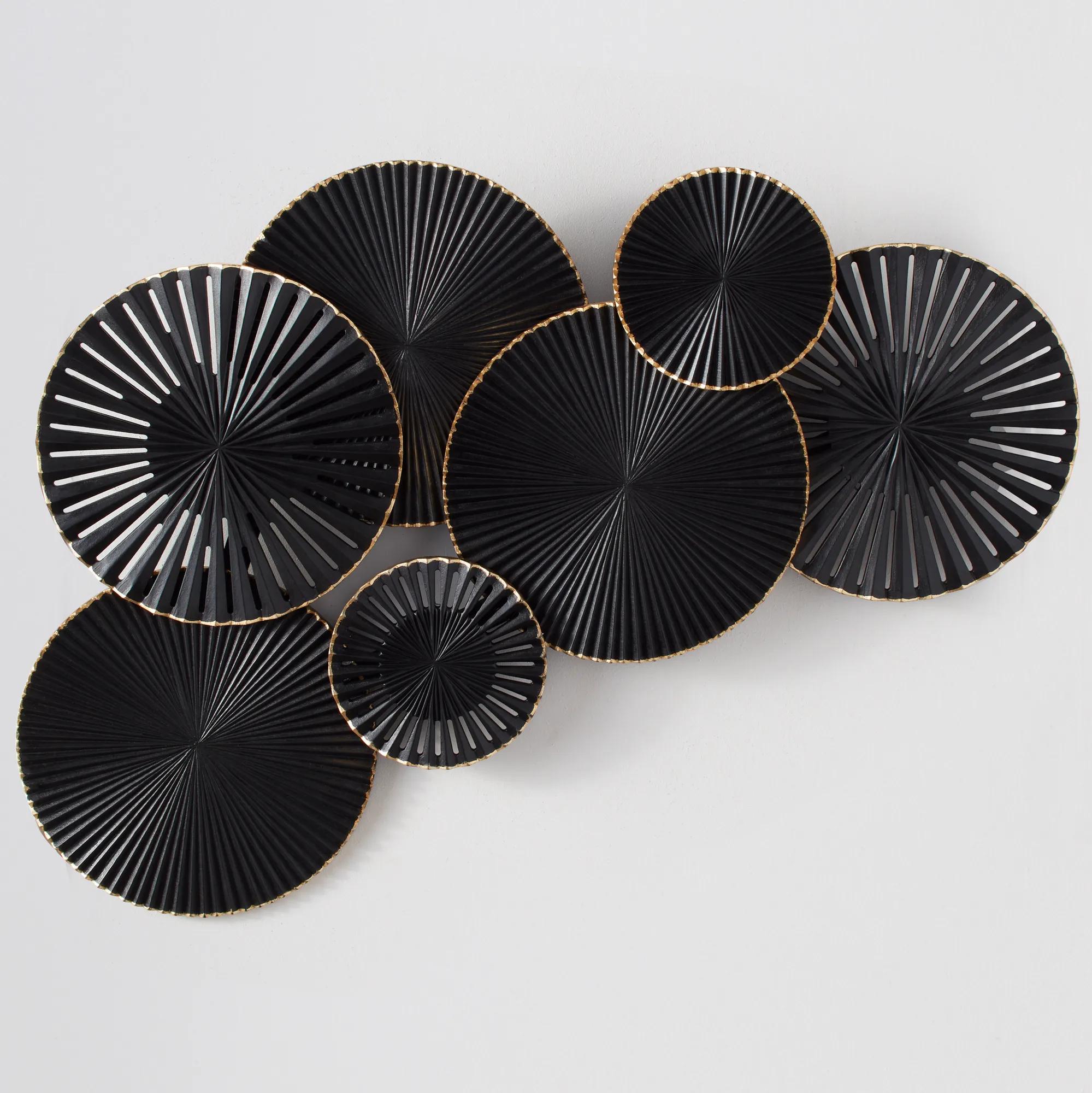
 Circa Black Carved Wood Dimensional Wall Panel 47.25" x 27.5"$499
A carved wood wall art panel in black and gold that adds abstract intrigue to any room.
Add To Cart -
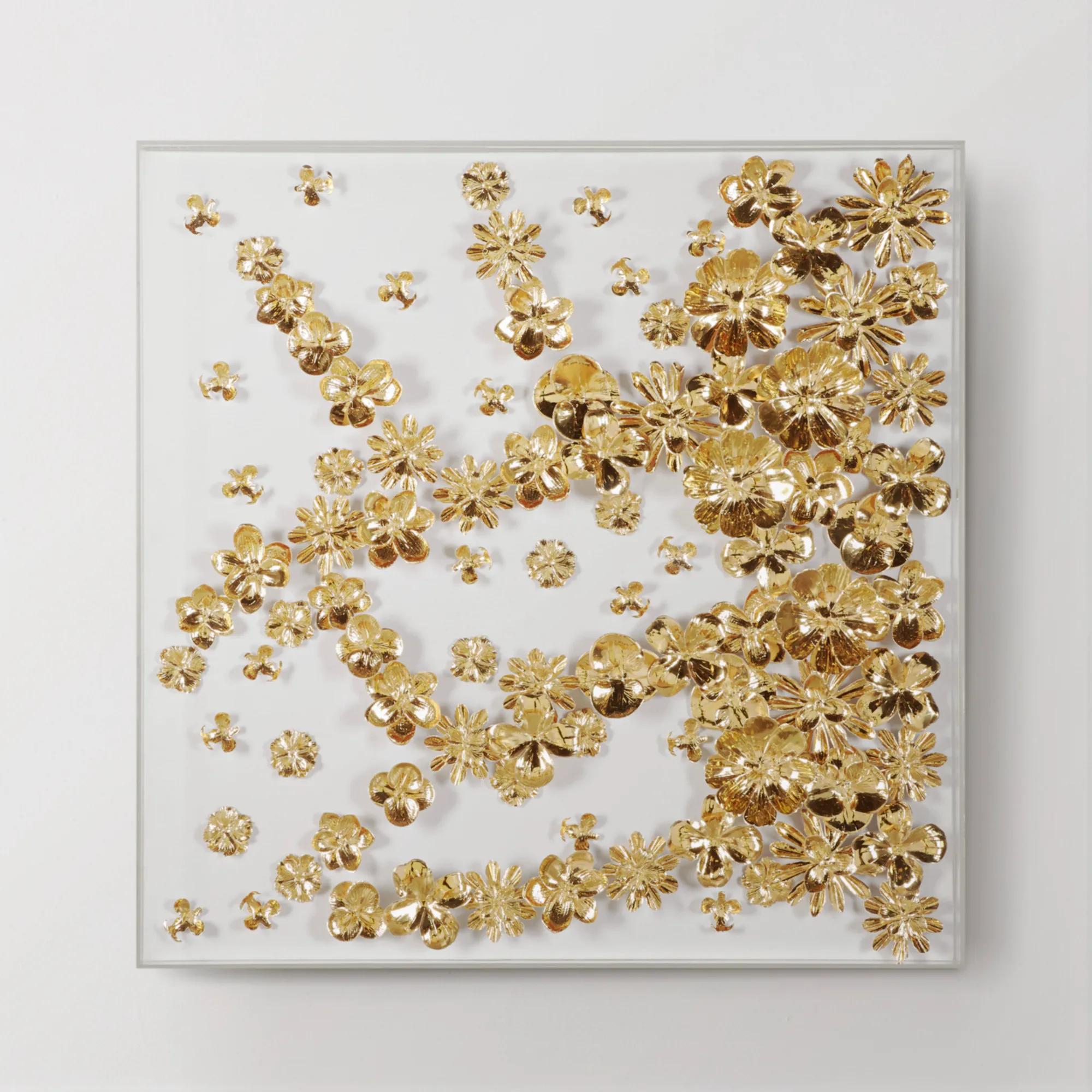
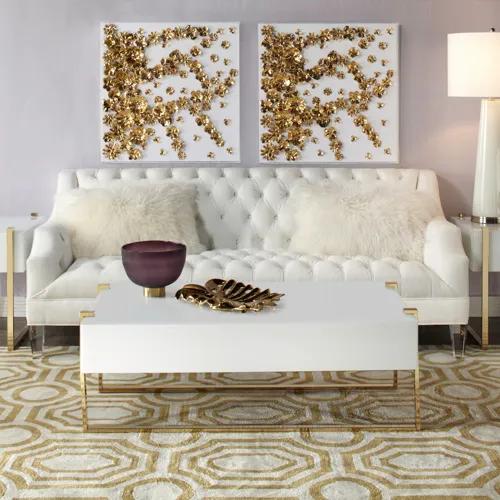 Gold Flora Handmade Foil Wall Decor in Acrylic 31" x 31"$499
A glam botanical wall art featuring handmade gold foil paper flowers on a white linen background.
Add To Cart -
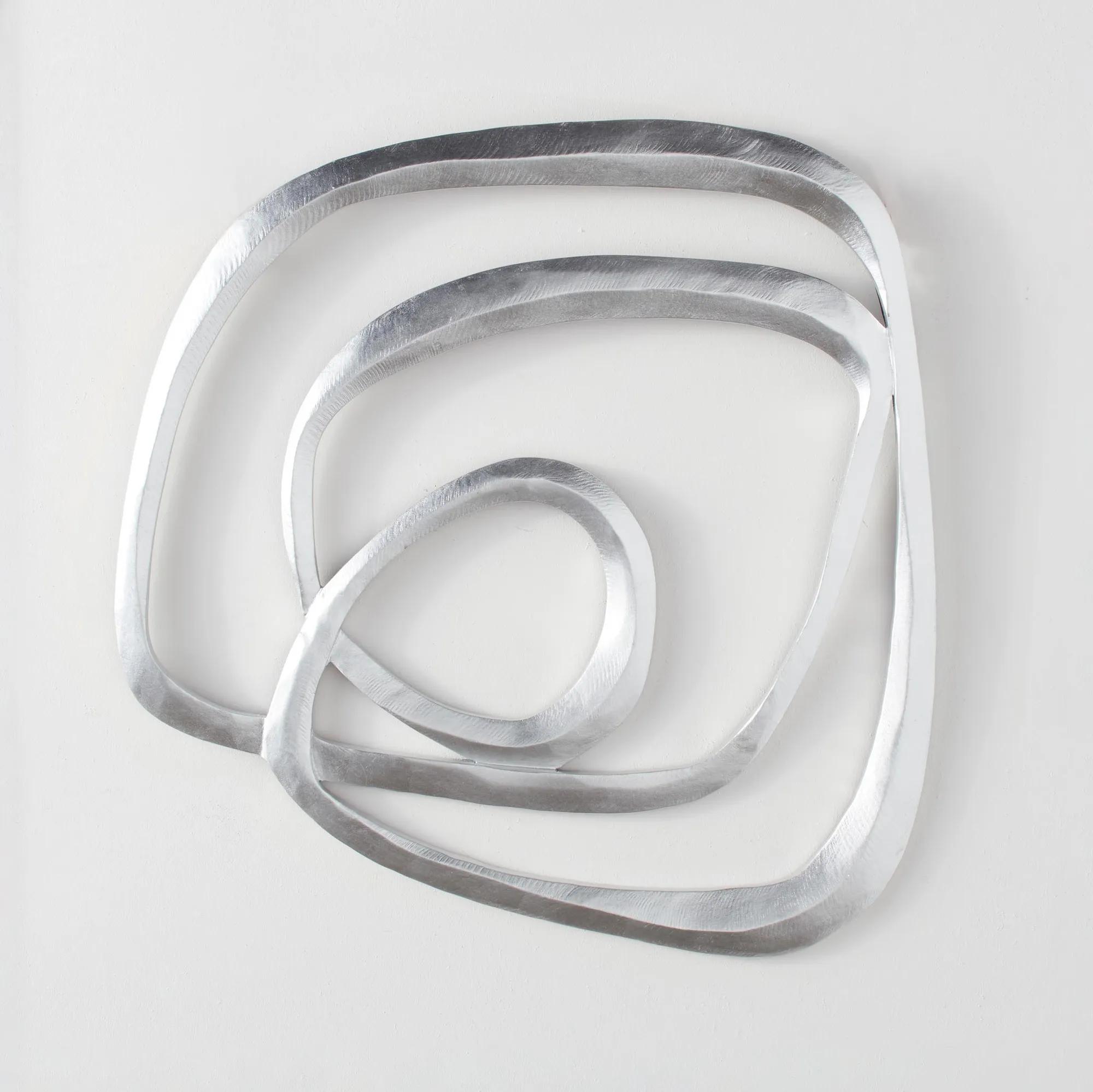 Infinity Silver Leaf Wood Wall Decor II 31.5" x 31.5"$299
A swirling wooden wall sculpture featuring a striking metallic silver finish for modern visual impact.
Add To Cart -
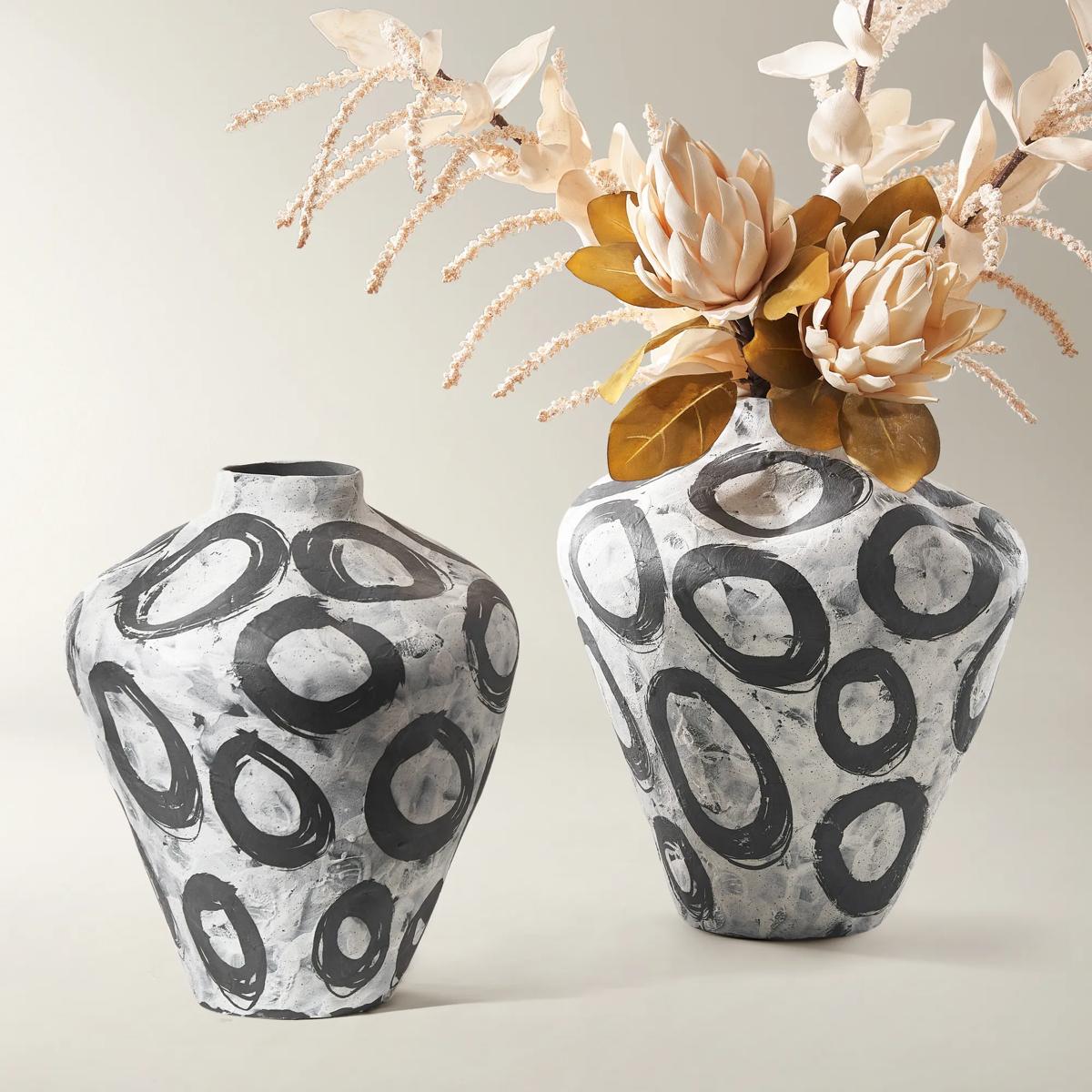
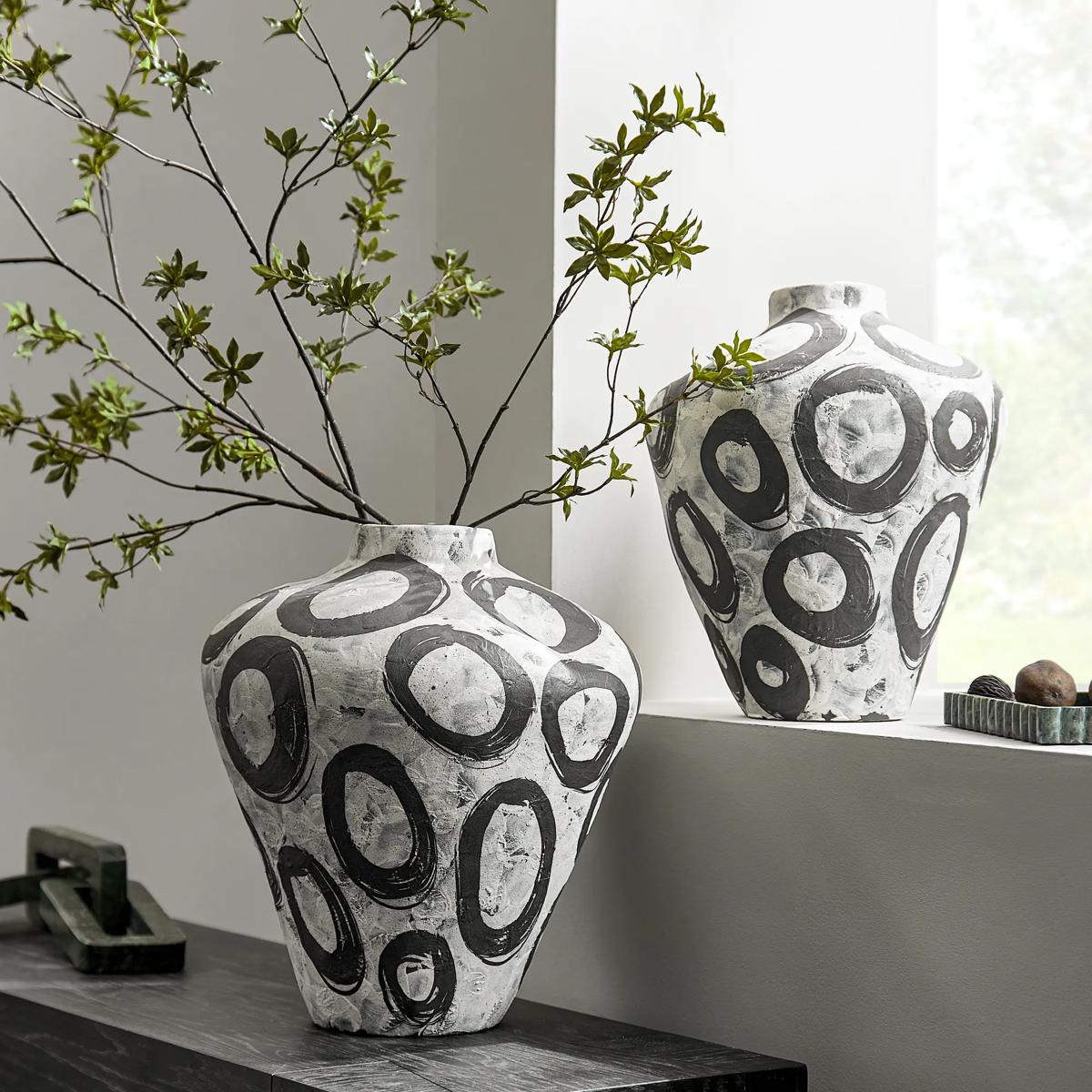 Stone Porcelain Vase$239
A sculptural porcelain vase featuring hand-painted black and white circular brushwork with a matte stone-like texture.
Add To Cart -
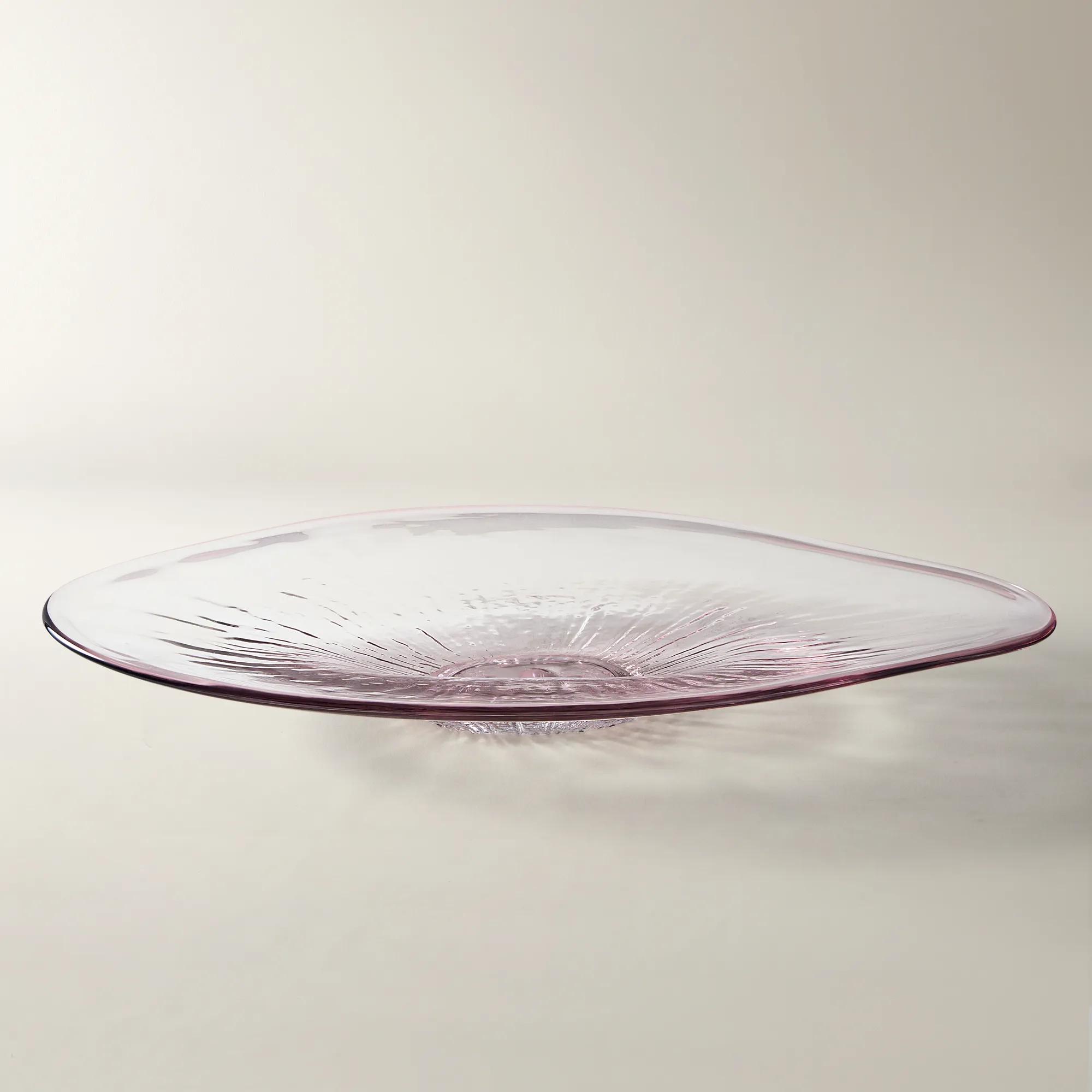 Cortina Decorative Bowl$129
A handblown glass bowl in an ethereal pink hue that brings artistic flair to modern interiors.
Add To Cart -
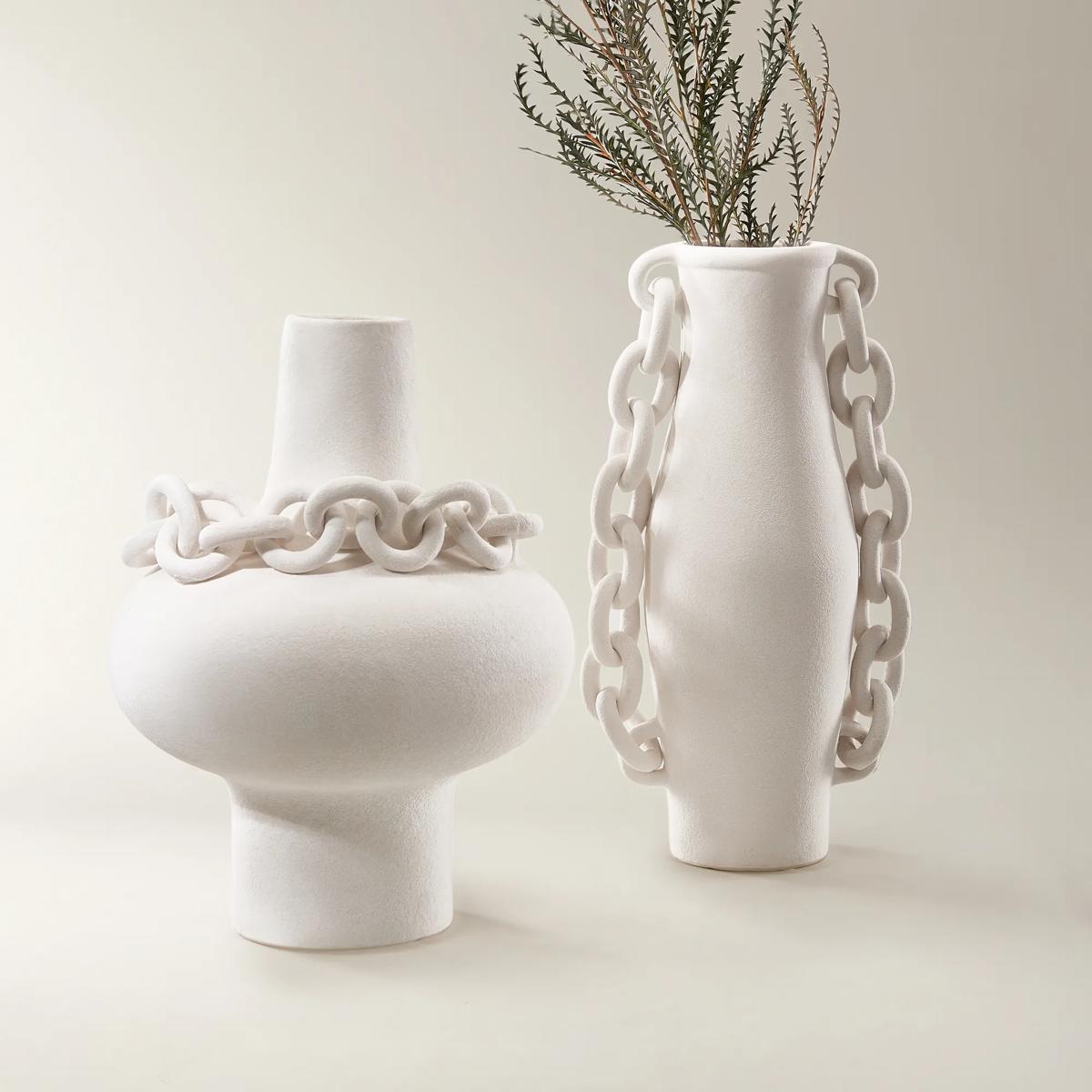
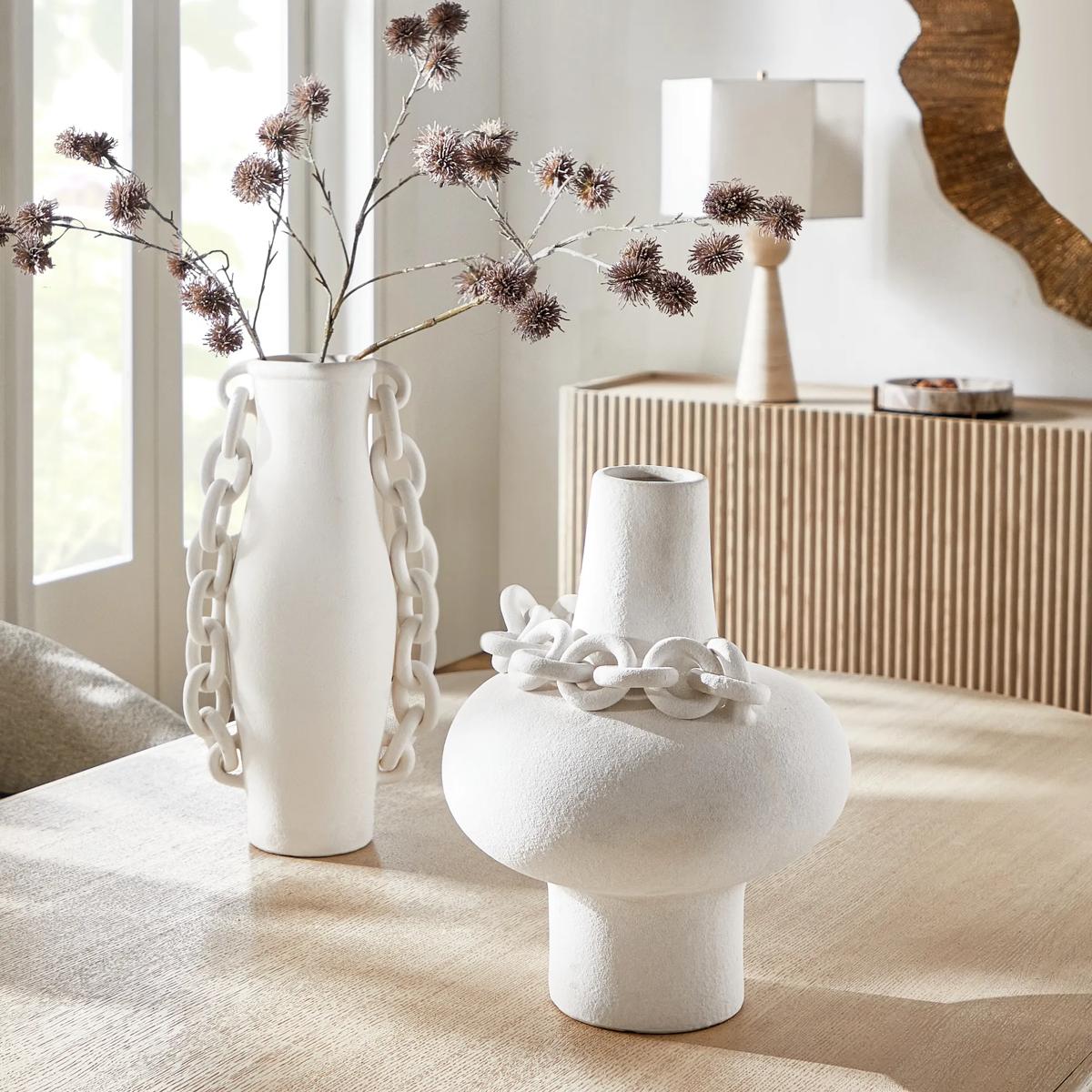 Links Stoneware Vases$119
A sculptural matte white stoneware vase featuring bold chain-link details for modern, artful texture.
Add To Cart -
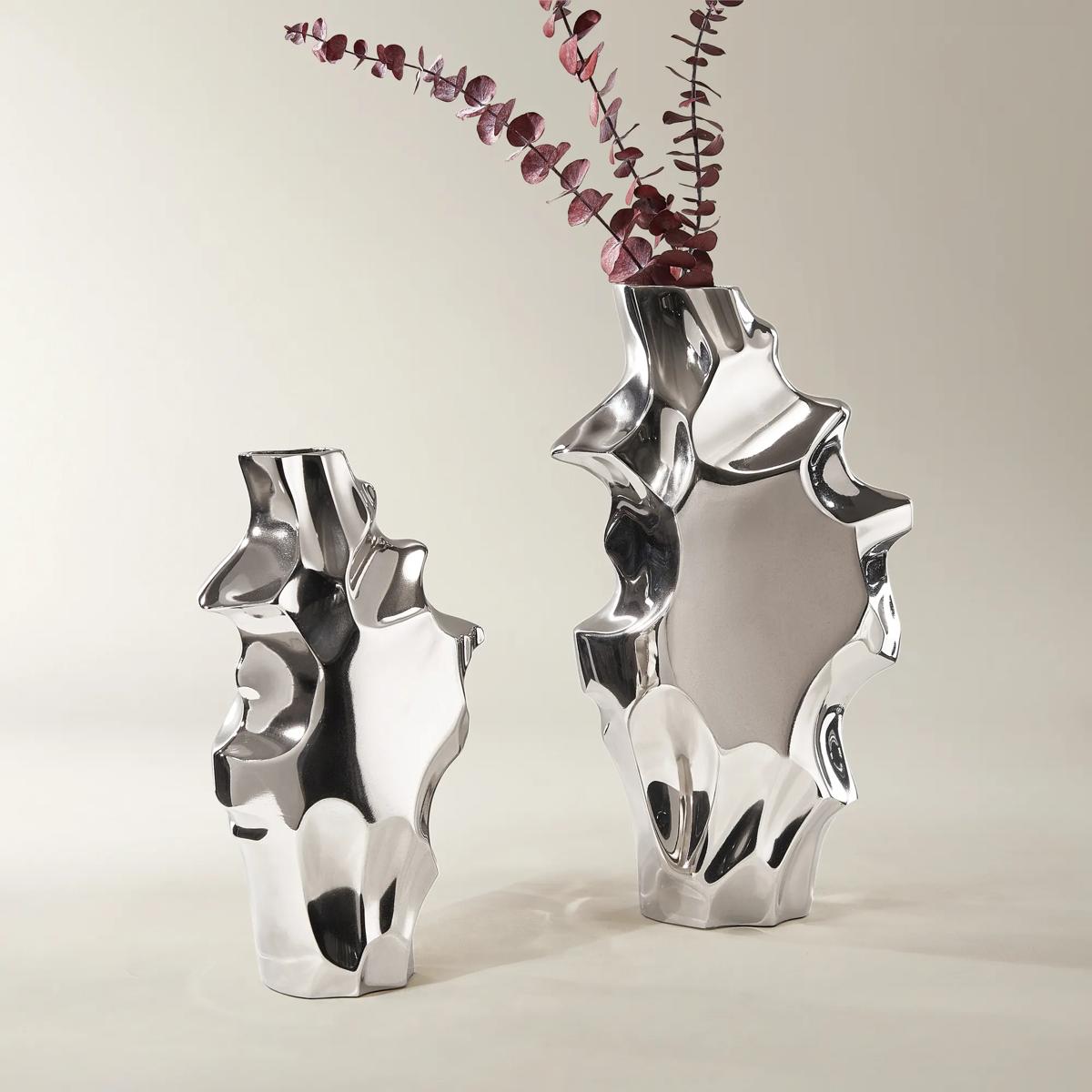
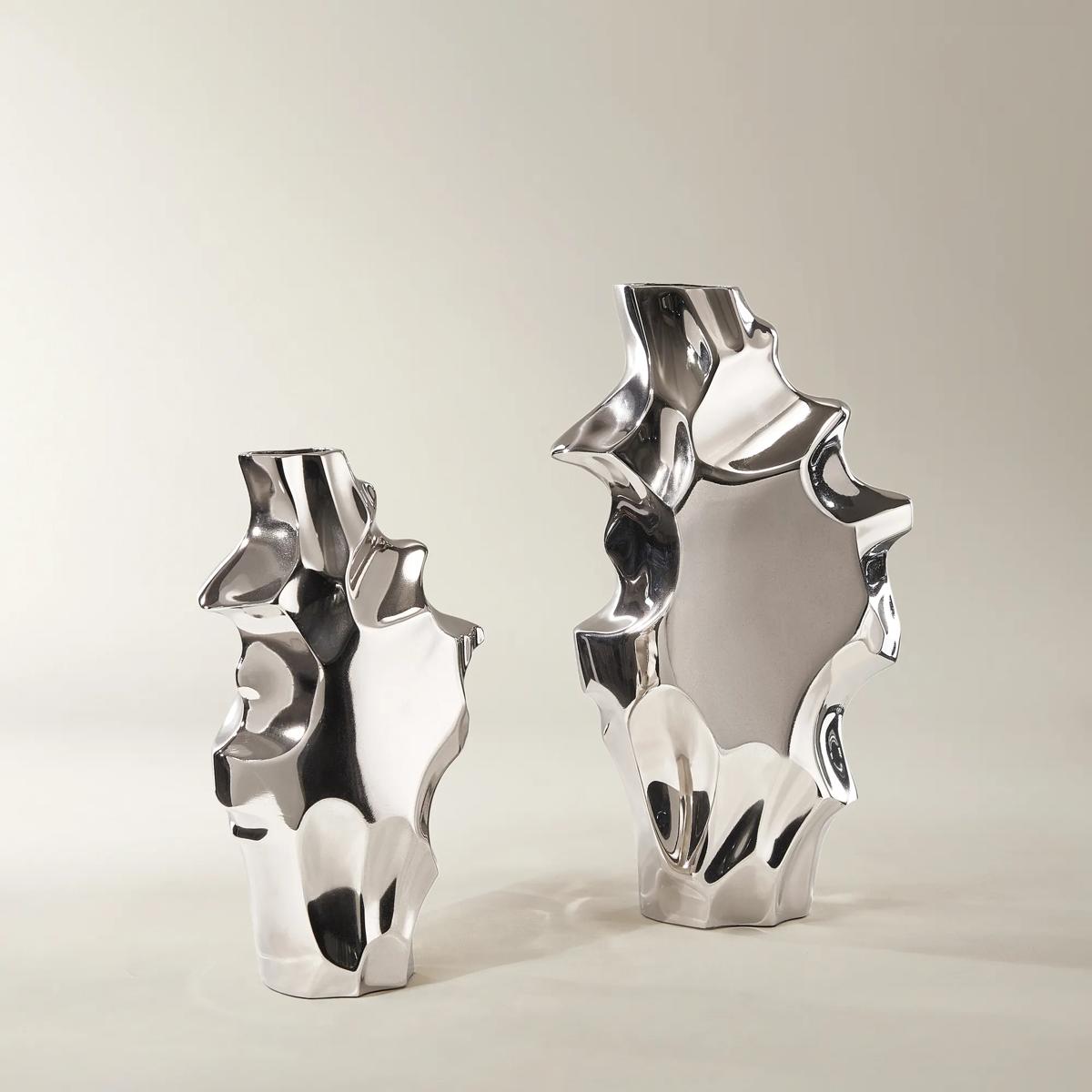 Sculpt Silver Aluminum Vases$69
A fluid, organic silhouette in lustrous silver aluminum brings modern artistry to any decor.
Add To Cart -
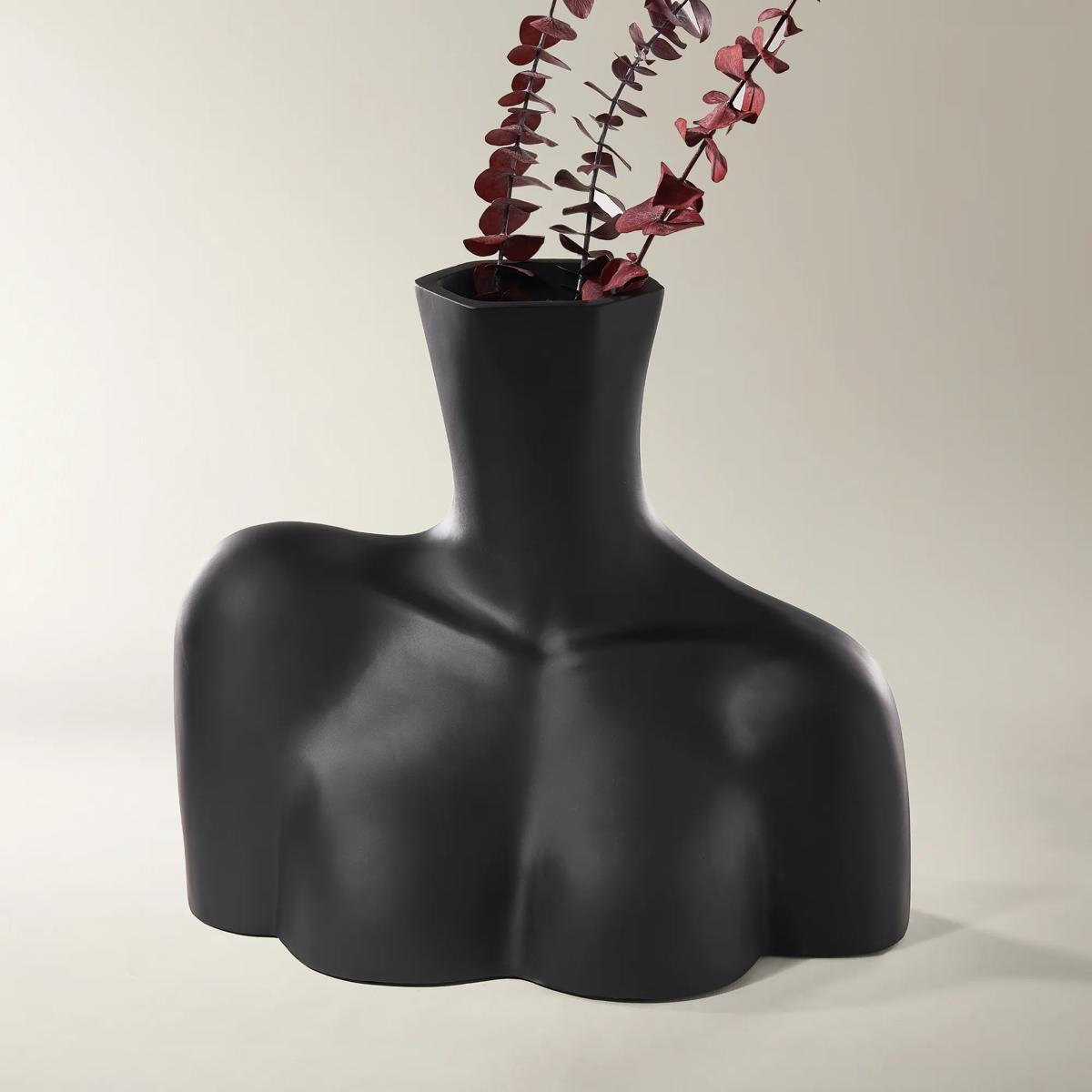 Figure Black Resin Vase 11.25"$79
A sculptural matte black resin vase that reimagines the human form as bold, modern decor.
Add To Cart -
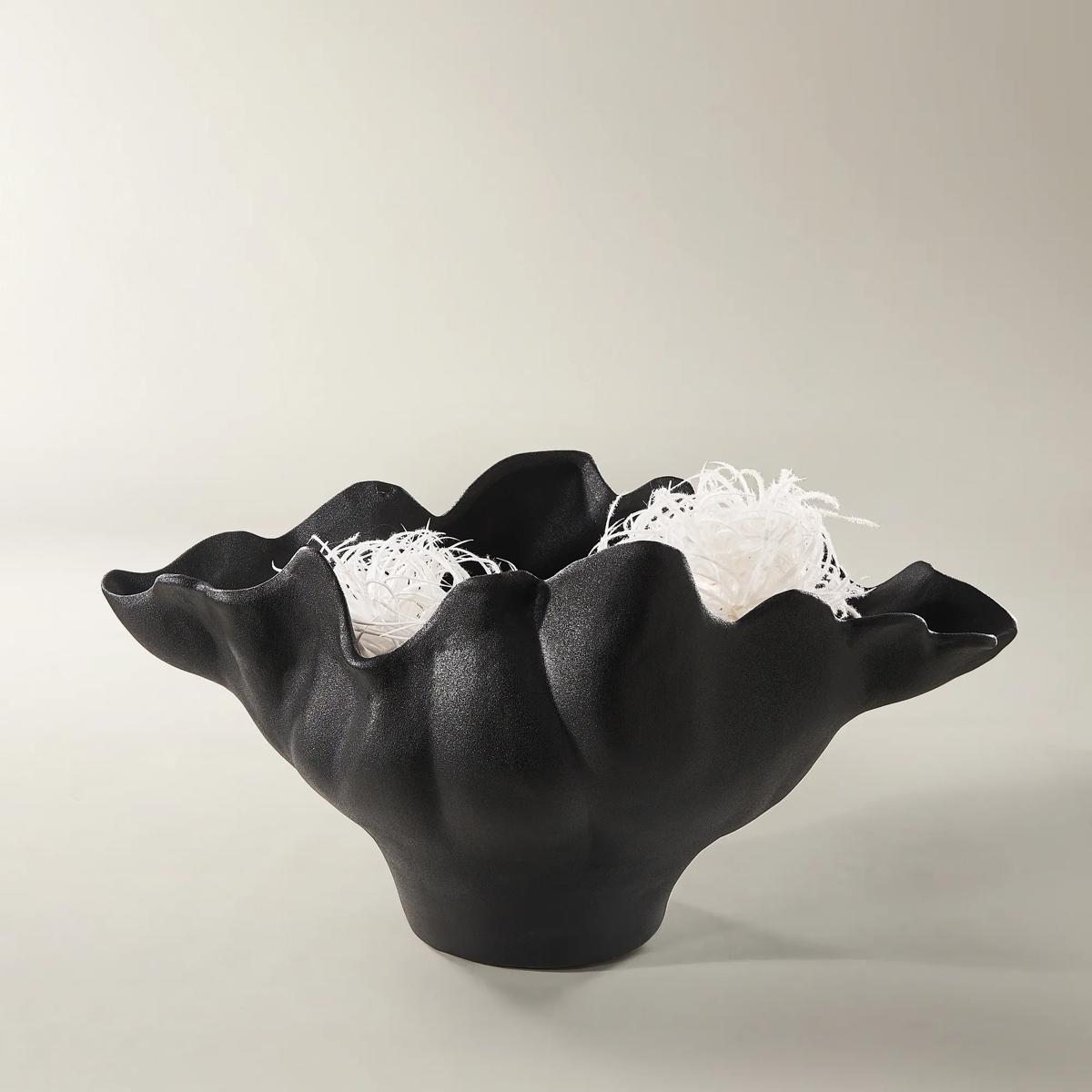
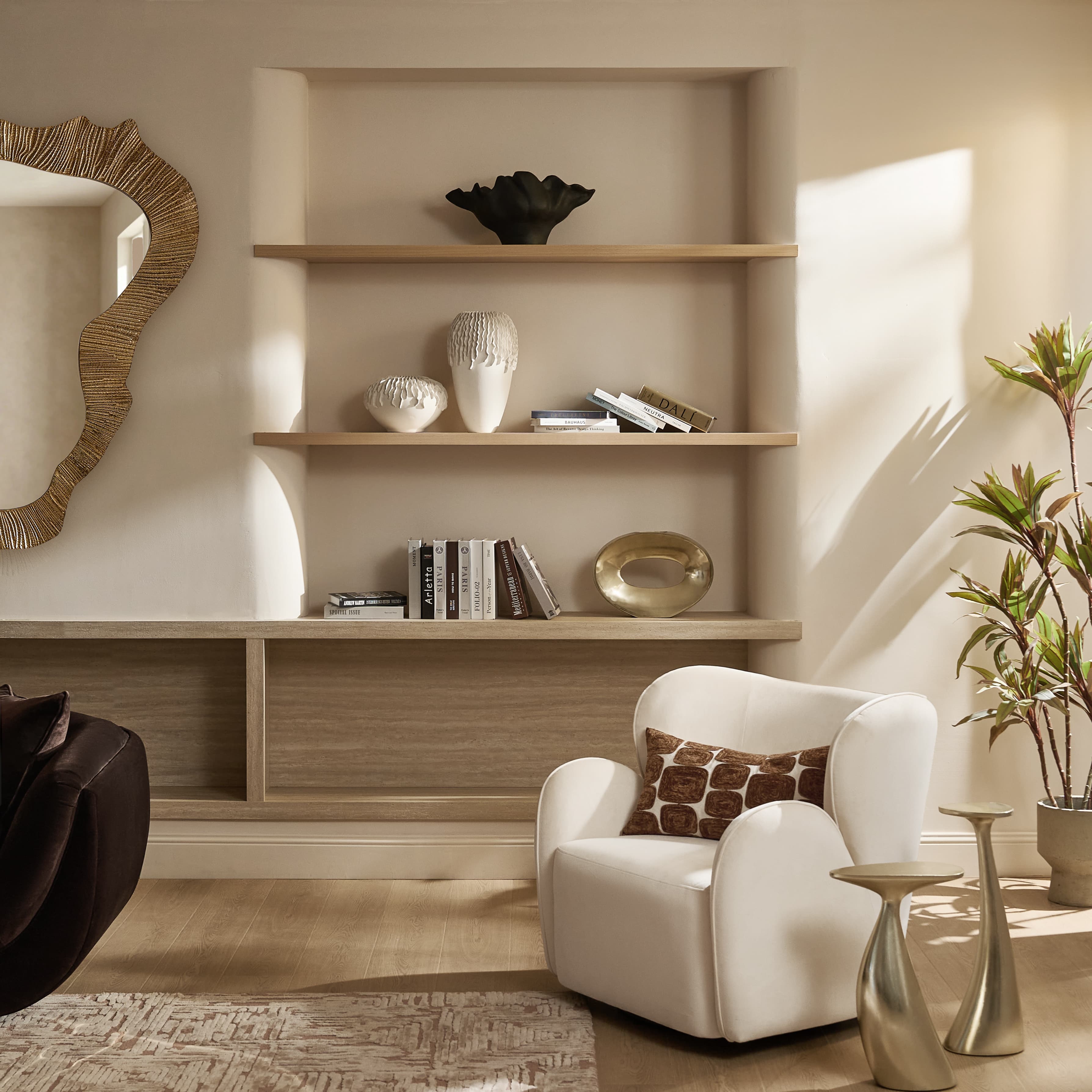 Ebba Black Porcelain Decorative Bowl 20.25" x 10.25"$199
A sculptural matte black porcelain bowl with undulating petal-like edges for bold, artistic elegance.
Add To Cart -
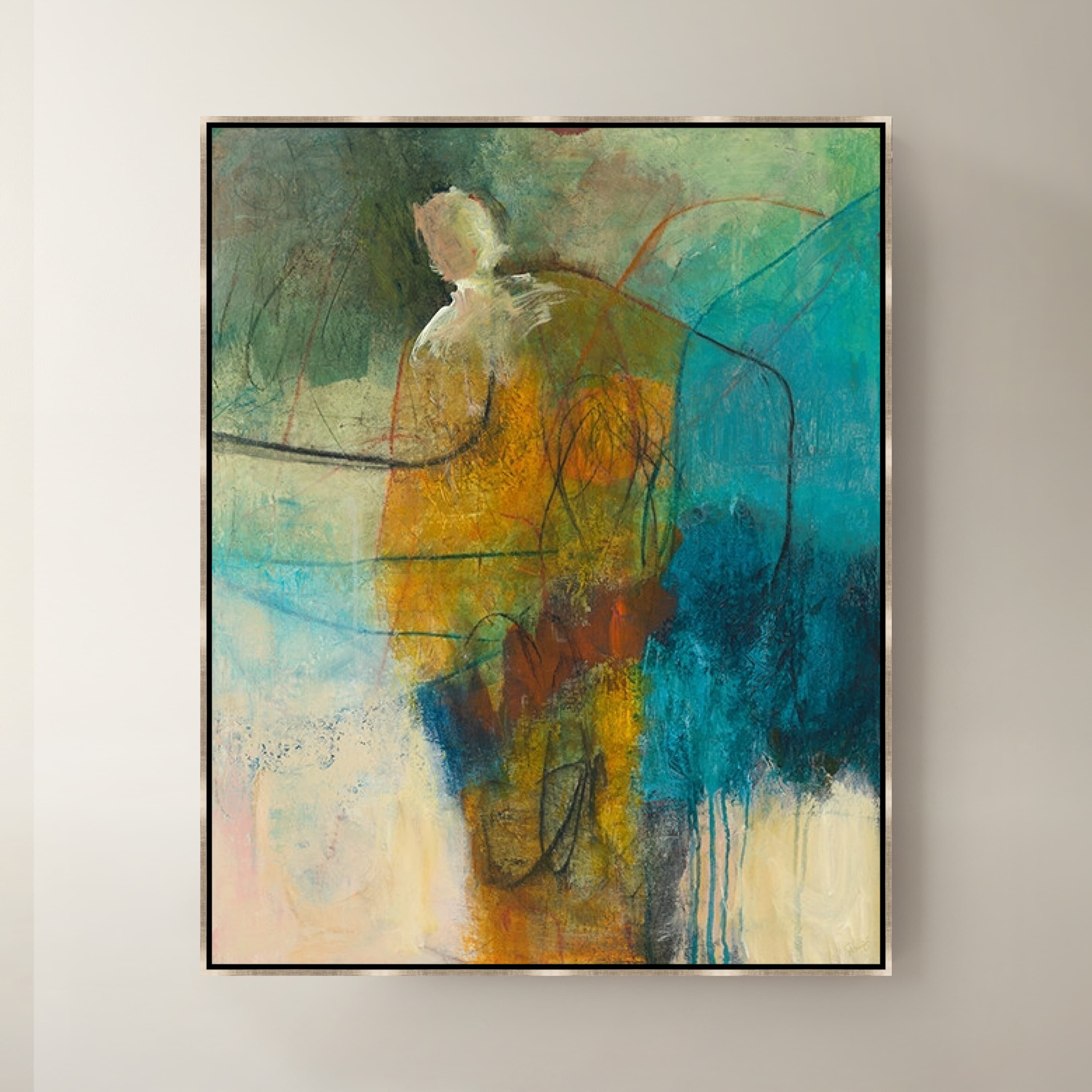
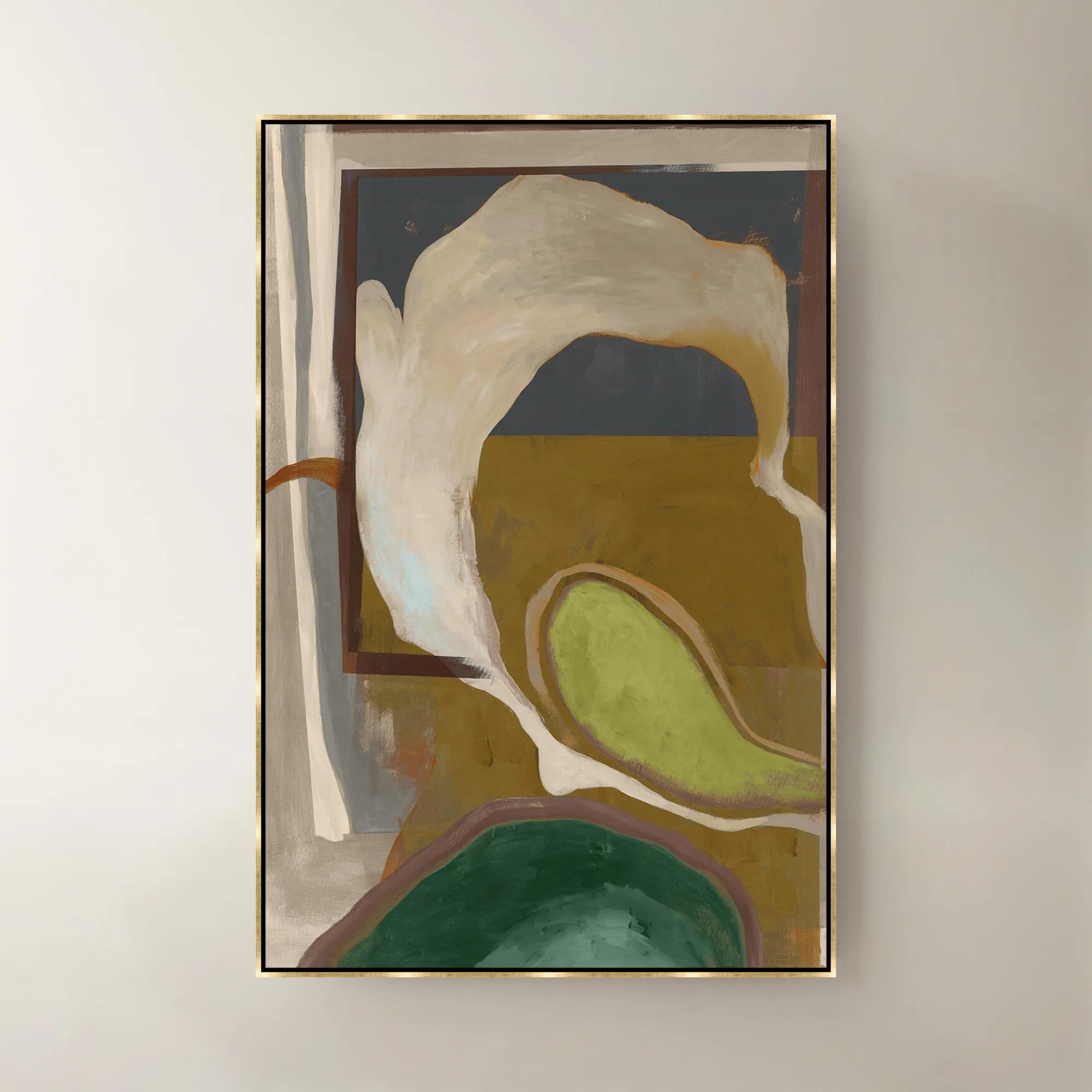
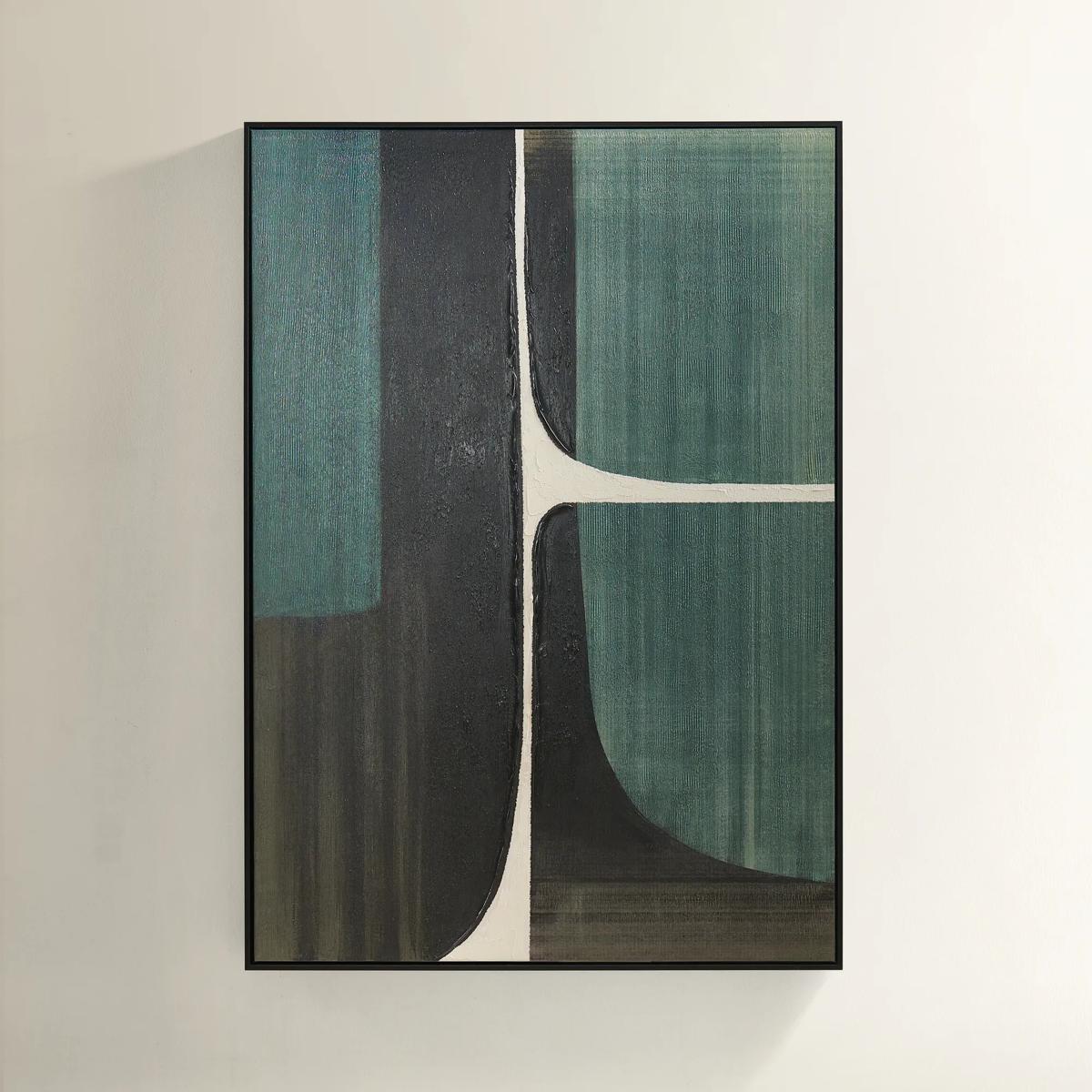 Plains Framed Painted Wall Art 39.25" x 55"$499
A hand-painted abstract canvas in forest green, ivory, and black with a sleek black floater frame.
Add To Cart -
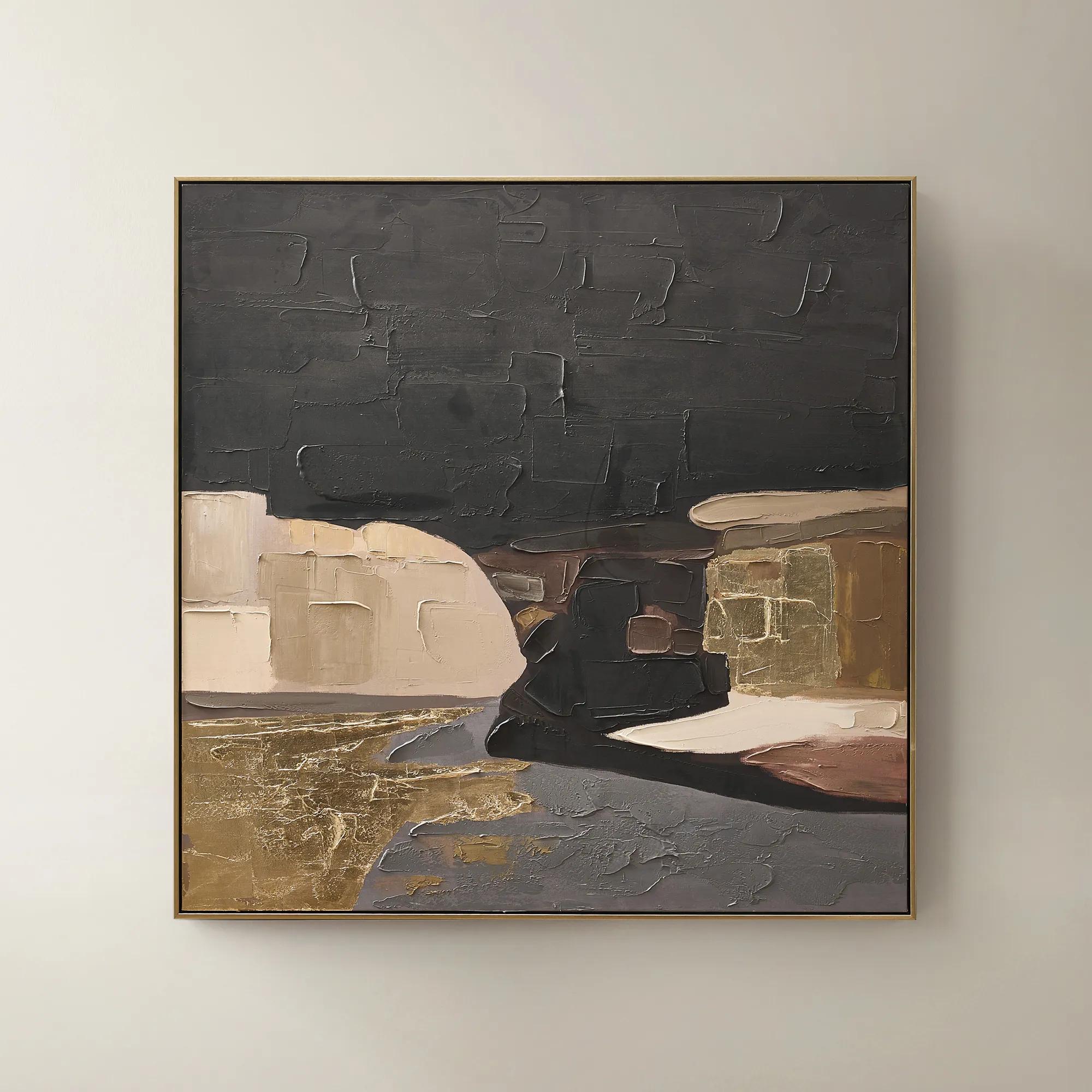 Obscured Light Framed Gold Leaf Painted Wall Art 48" x 48"$499
A hand-painted canvas with gold leaf accents and a black-gold frame in dramatic neutral tones.
Add To Cart -
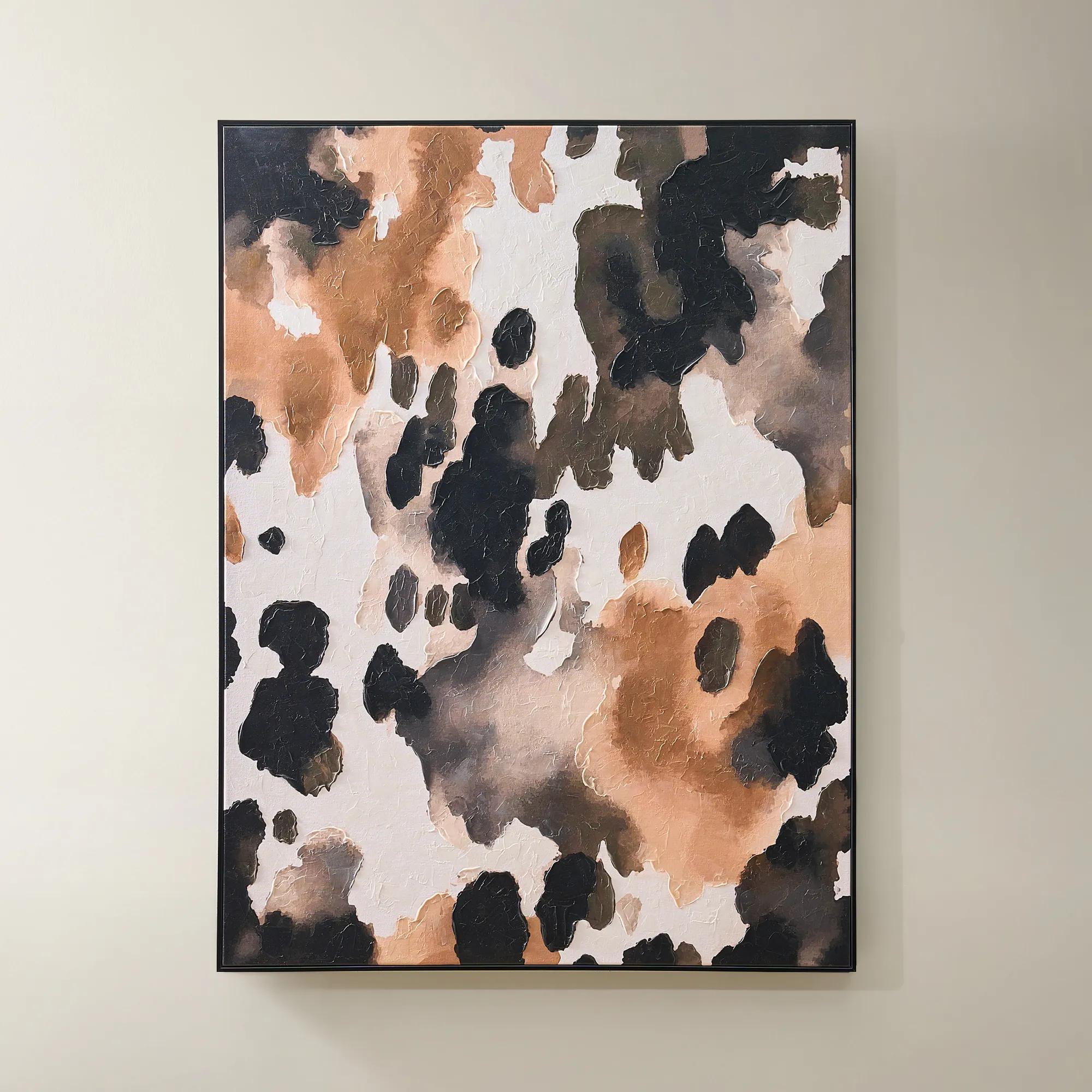
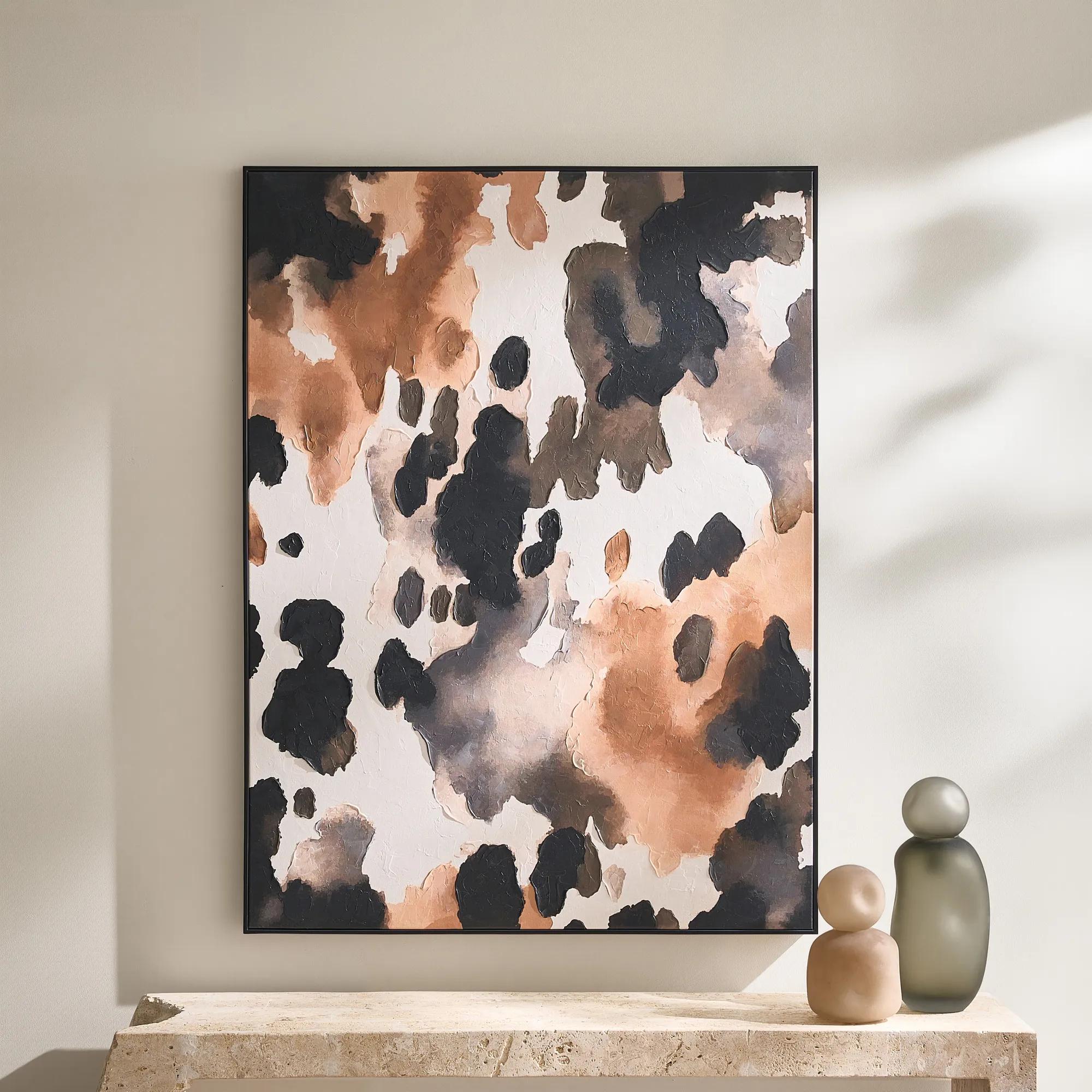 Wilder Framed Painted Wall Art 36" x 48"$499
An abstract hand-painted canvas featuring inky black, taupe, ivory, and coral hues in a sleek black frame.
Add To Cart -
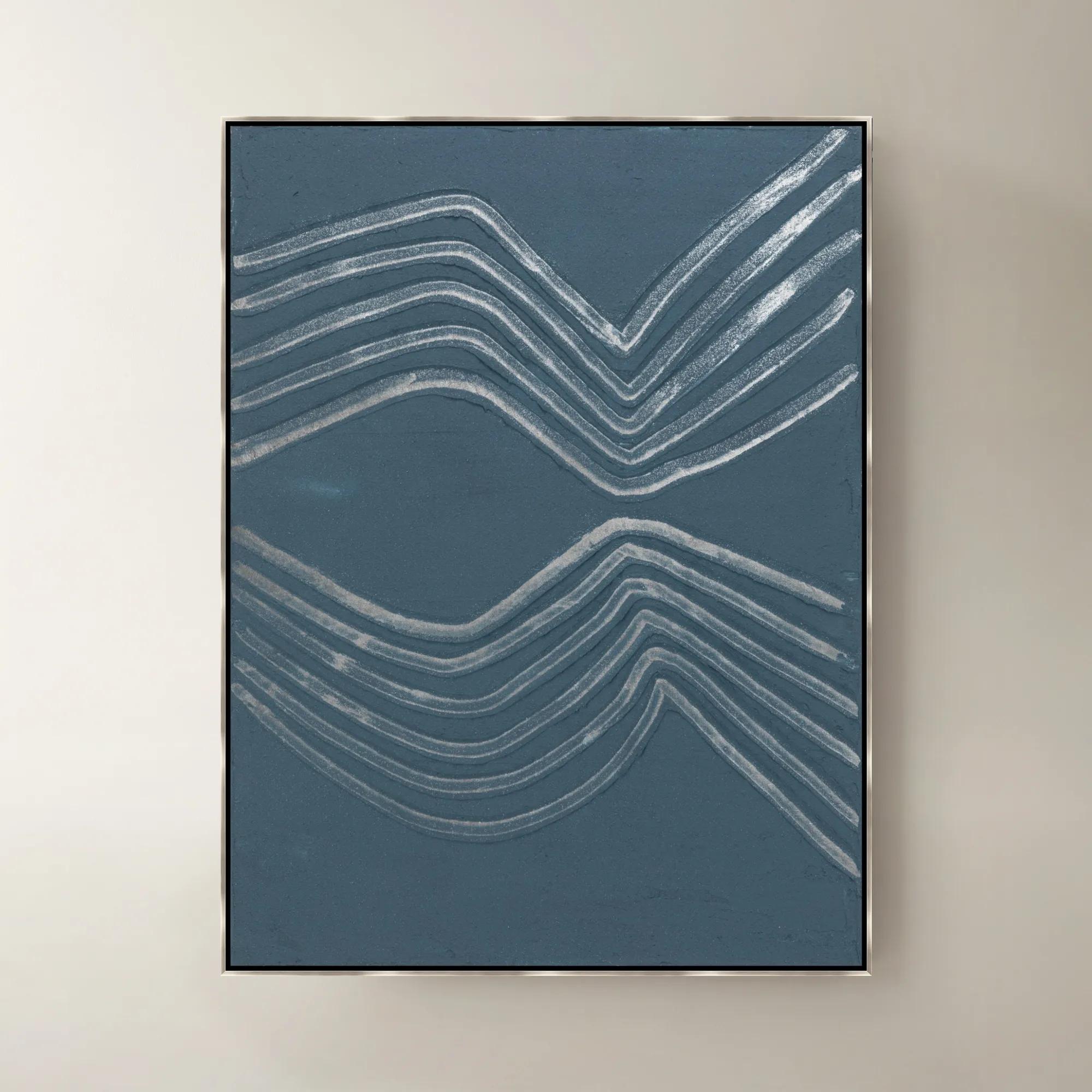
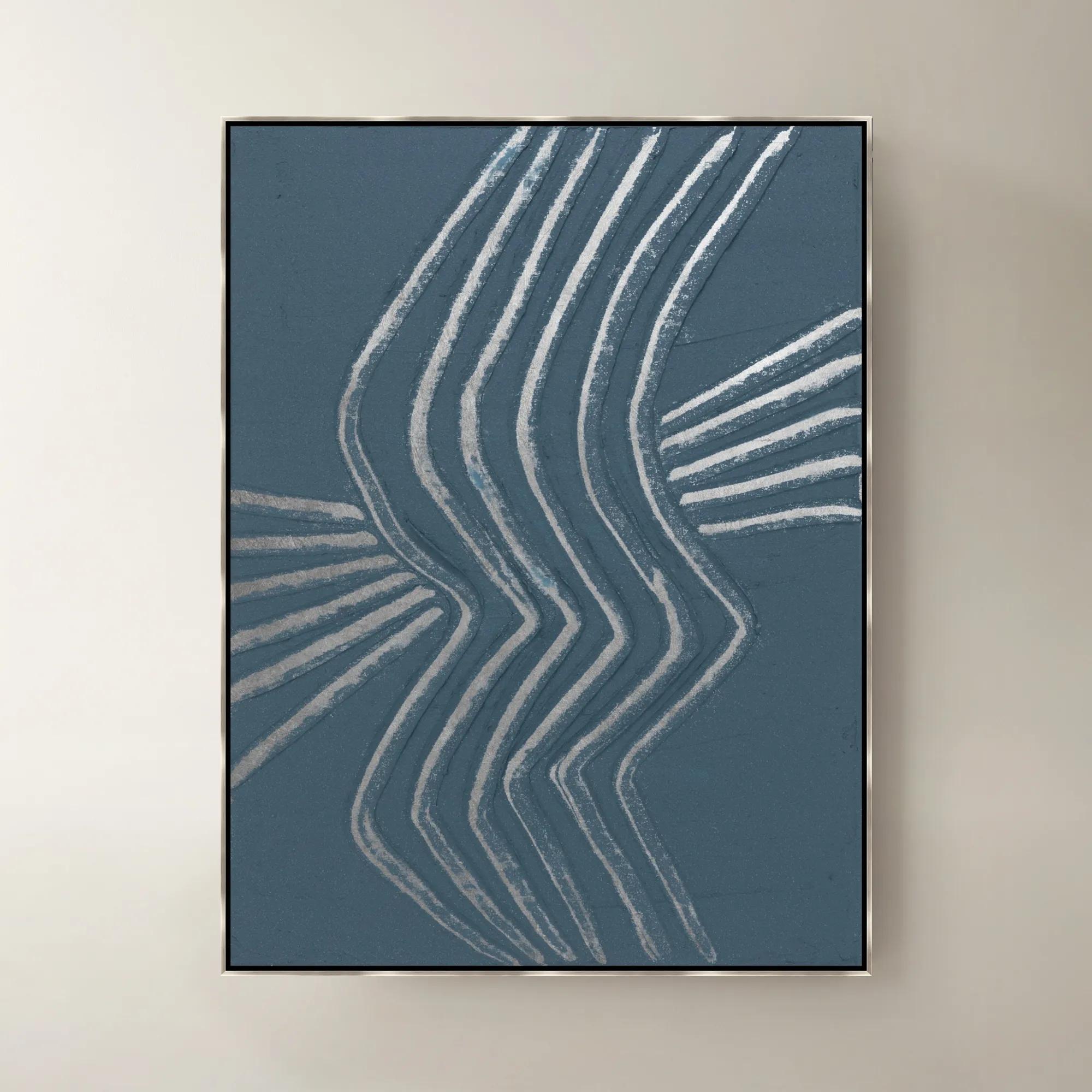
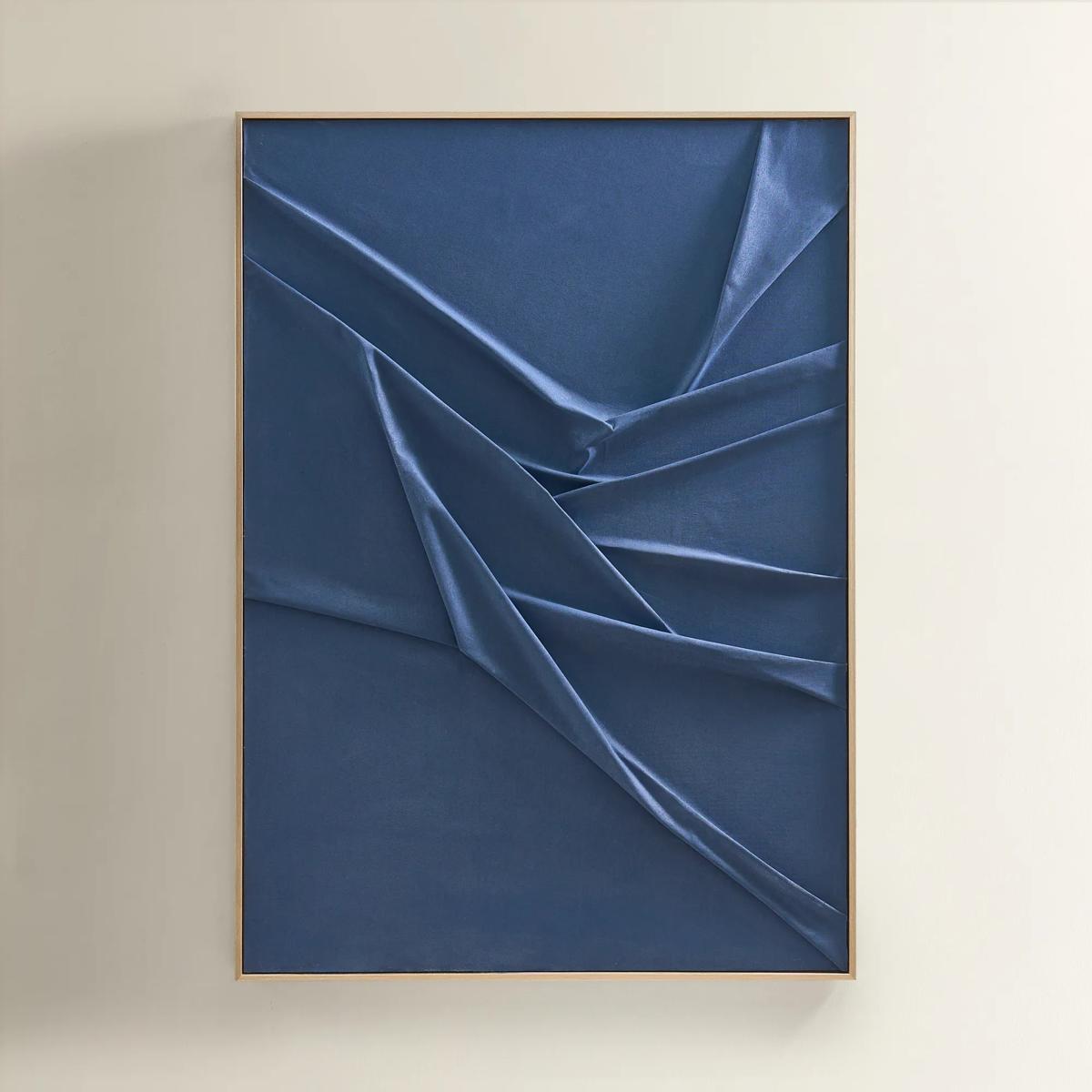 Deep Sea Painting$599
A hand-sculpted navy canvas with dimensional folds, framed in soft champagne for modern, serene elegance.
Add To Cart -
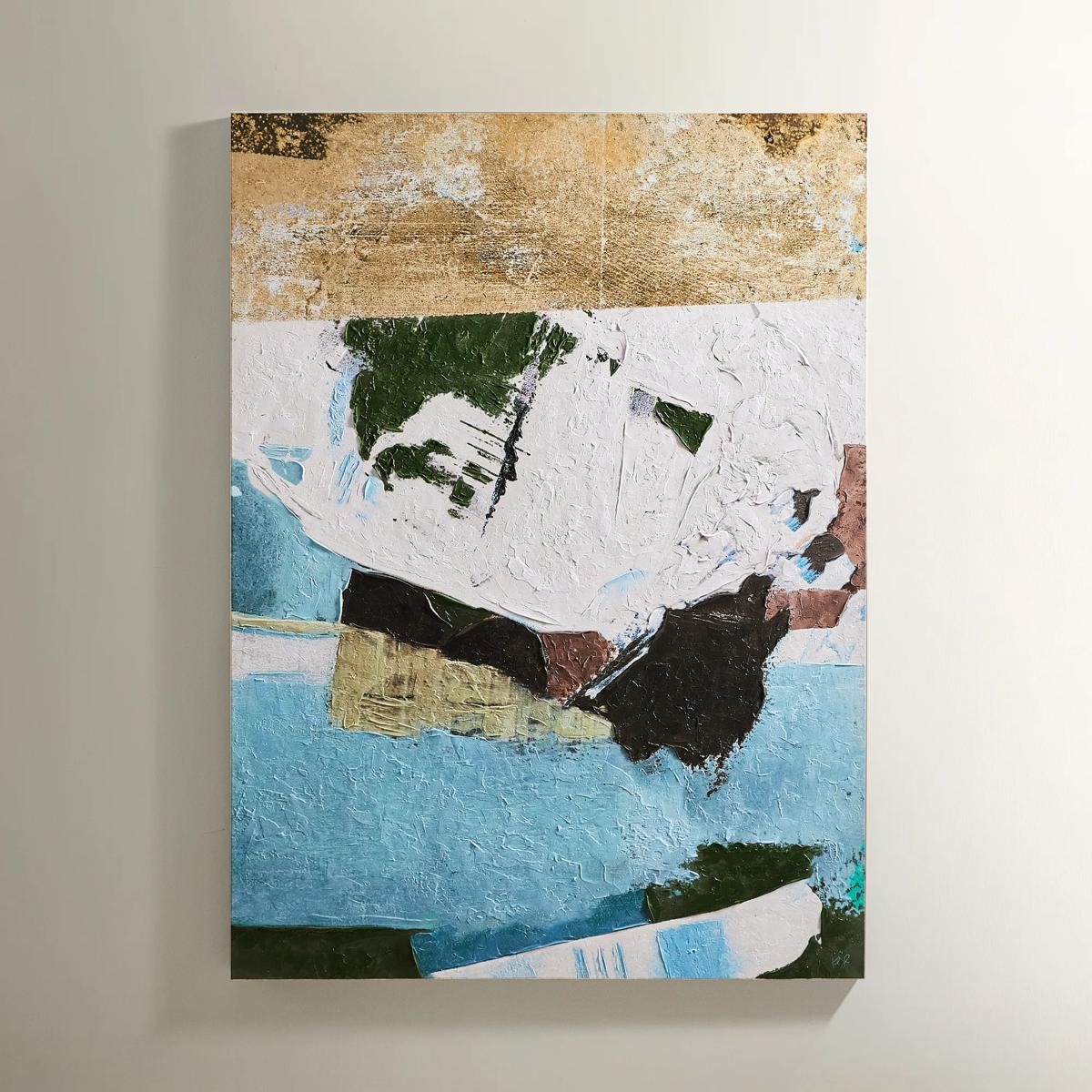 Cadence Painting$599
A hand-embellished canvas artwork featuring textured olive, gold, and ivory strokes in a black and gold frame.
Add To Cart -
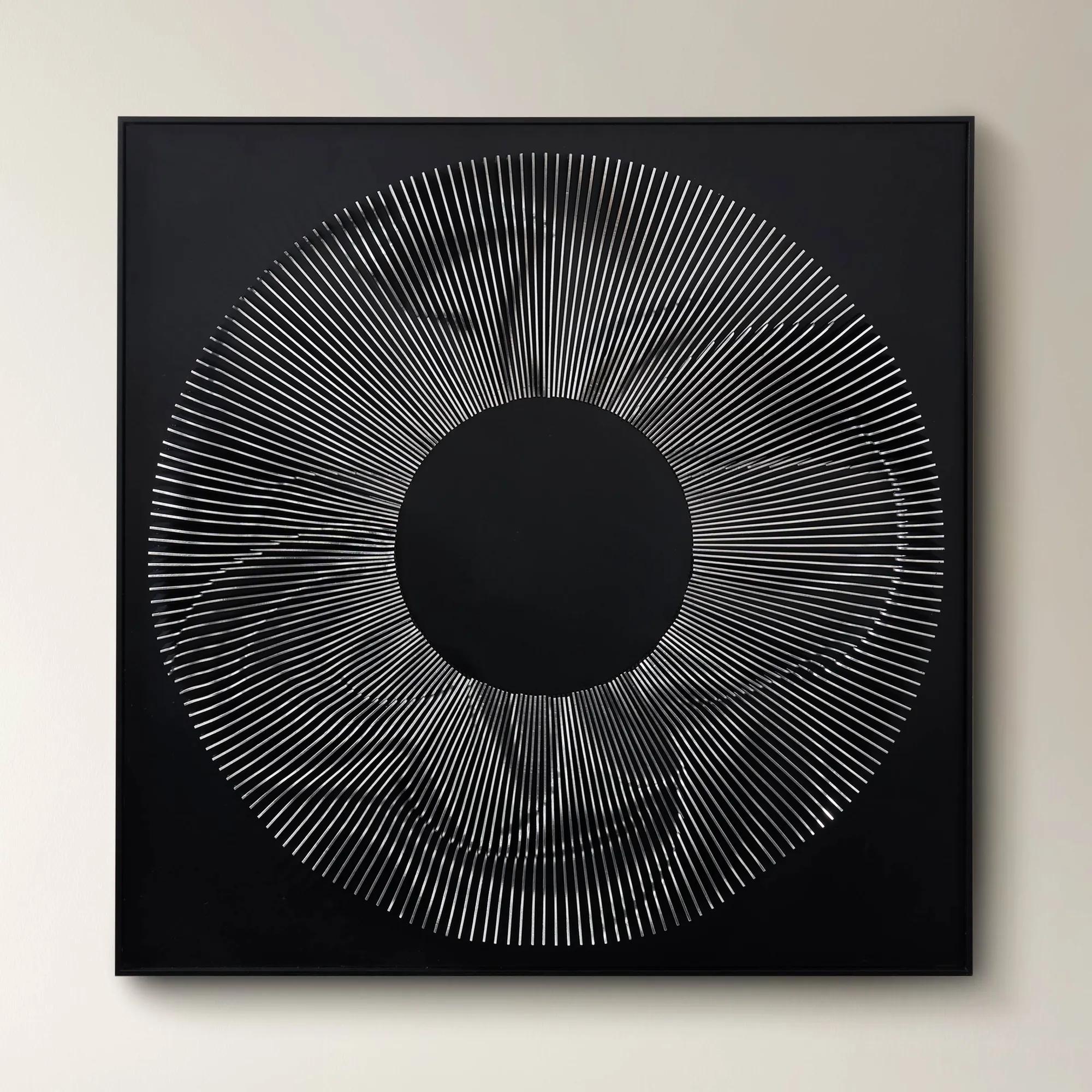 Efflorescence Wood Carving$799
A three-dimensional pine wood panel features a flowing carved motif in a striking silver finish.
Add To Cart -
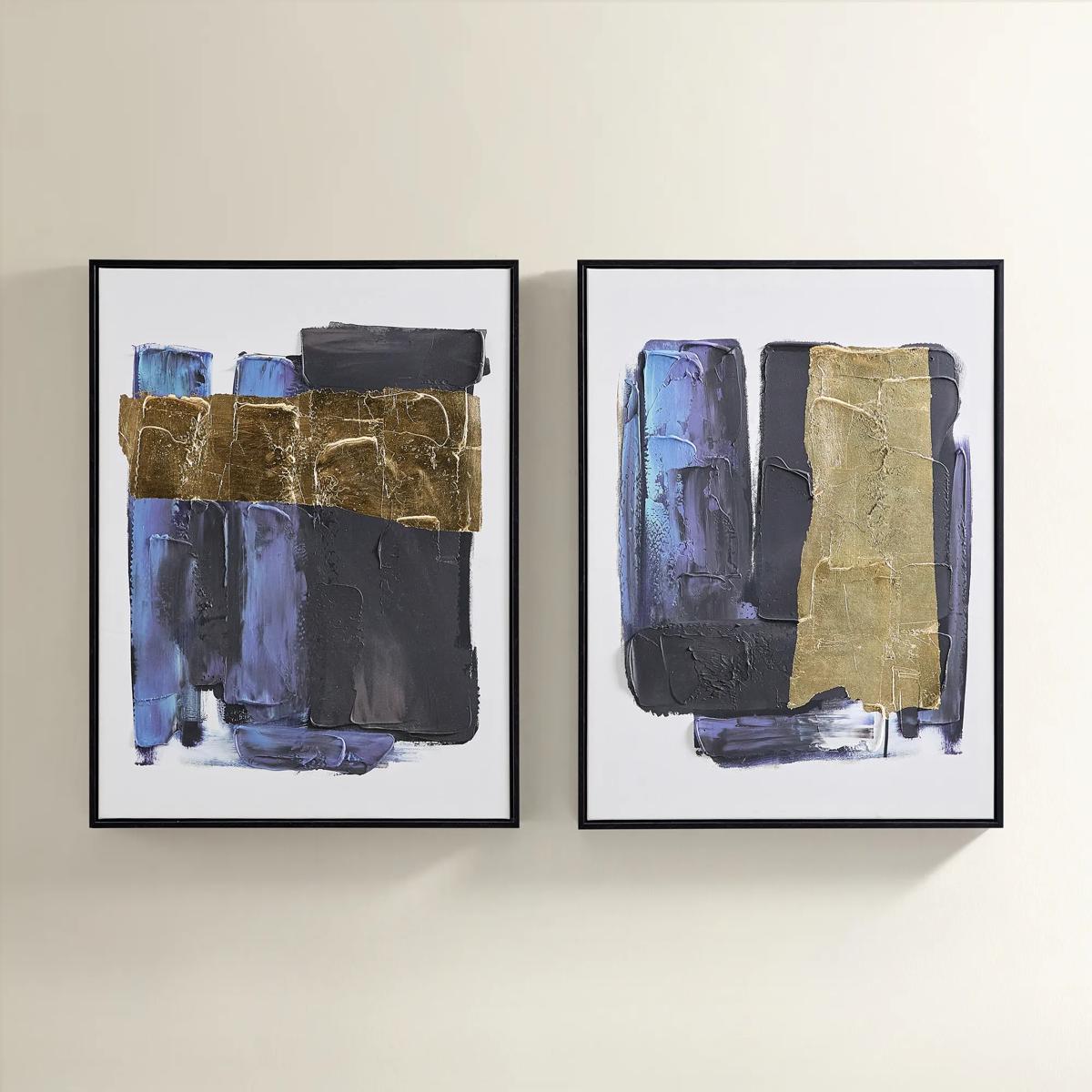
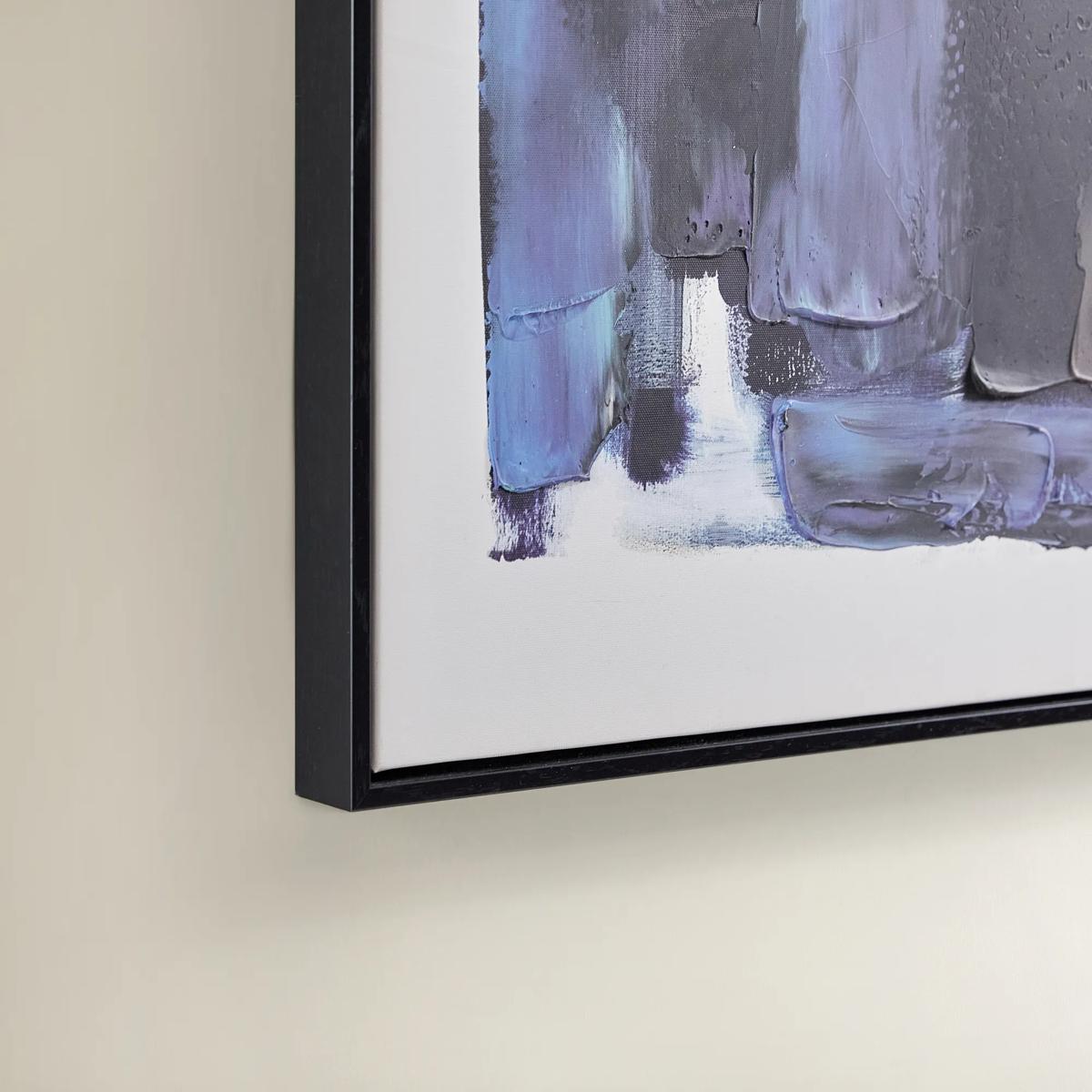 Deep Thoughts Gold Leaf Painted Wall Art Set of 2$199
A set of two hand-painted abstract canvases in blue and gold leaf, framed in sleek black.
Add To Cart -
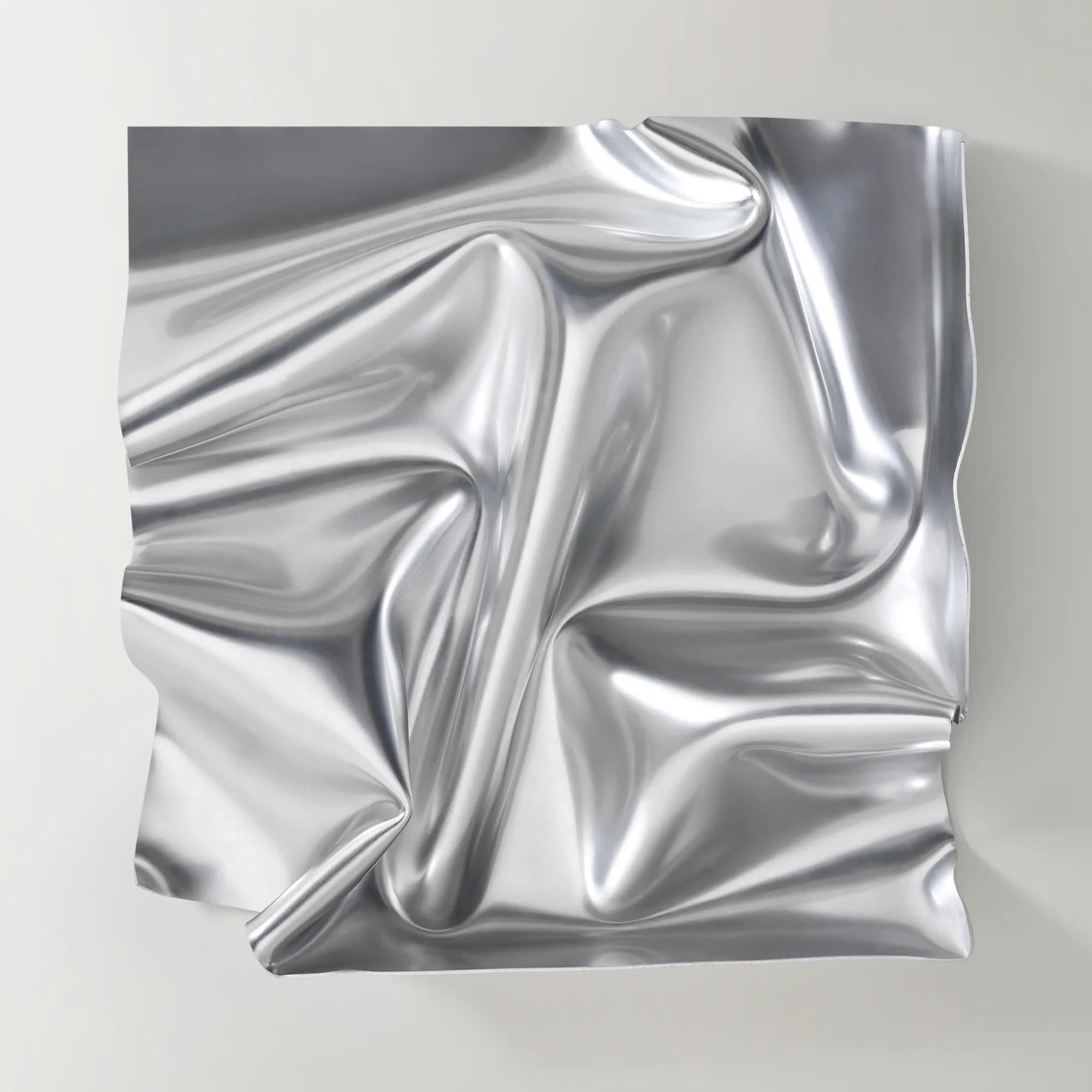
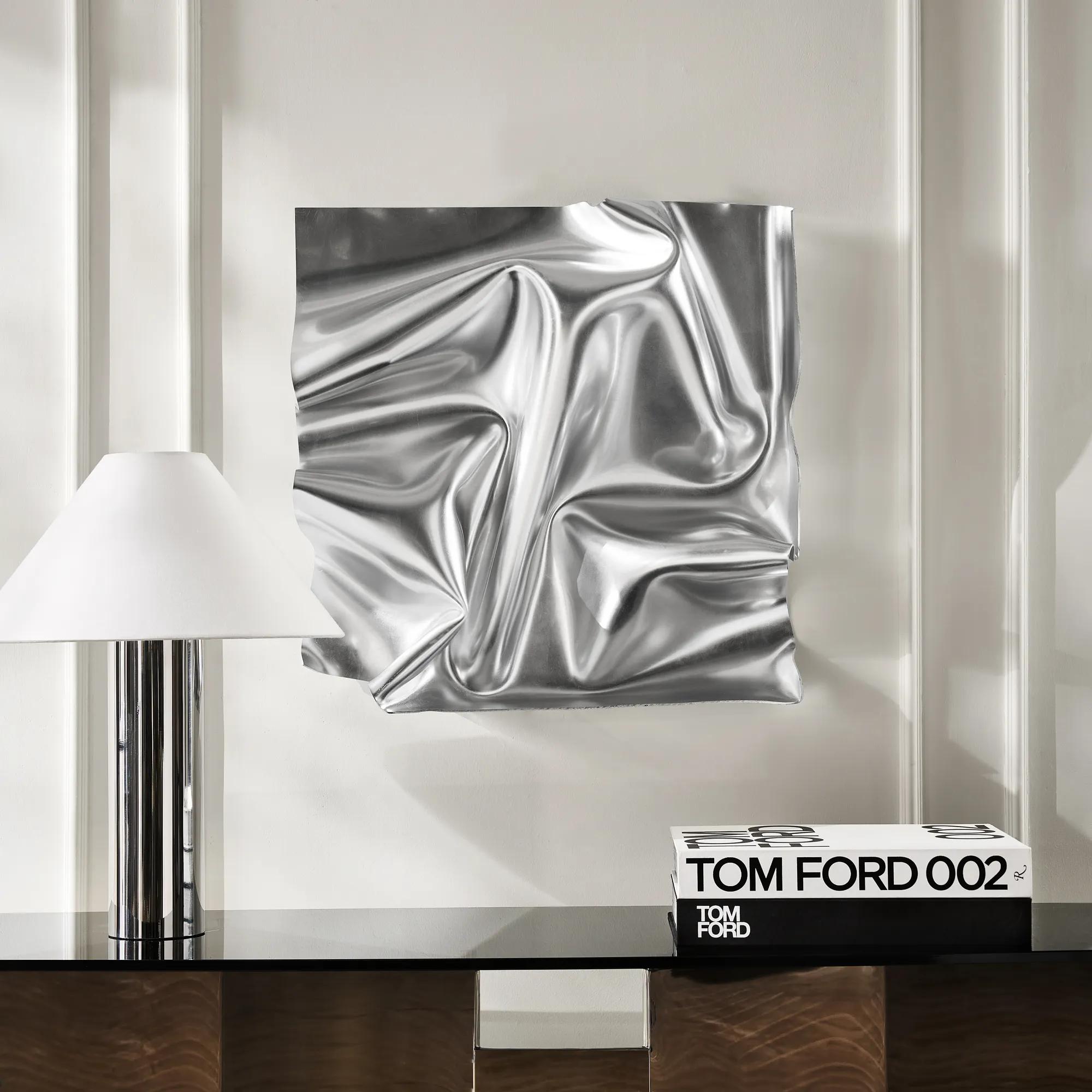 Surface Sculpted Silver Leaf Acrylic Wall Decor 23.6" x 23.6"$189
A striking acrylic wall piece featuring fluid, reflective silver shapes for dramatic, modern visual impact.
Add To Cart

Decor For Art Studios
In the world of creative expression, every brushstroke and burst of inspiration deserves a stage as captivating as the art itself. Decor for Art Studios transforms blank walls and open spaces into immersive sanctuaries of imagination, where bold textures, luminous accents, and sculptural forms ignite possibility at every turn. Here, artistry extends beyond the canvas—each piece is curated to elevate your studio’s ambiance, inviting you to dream bigger, create fearlessly, and surround yourself with beauty that fuels your craft. Let your workspace become a gallery of self-expression, where every detail inspires the next masterpiece.
Decor for art studios brings visual expression and working comfort into the same space, shaping a setting where creative work feels both personal and purposeful. The most compelling studio interiors balance inspiration with breathing room: a considered palette, layered lighting, thoughtfully scaled furnishings, and decorative details that leave the art itself room to speak. For a painter, illustrator, photographer, or mixed-media artist, the surroundings can become part of the creative rhythm—a rich texture that sparks a new composition, a sculptural silhouette that changes character in afternoon light, or a restrained backdrop that makes an unexpected color feel electric. Studio decor need not compete with a work in progress to make an impression. Warm whites, soft grays, and other quiet wall colors can provide a useful foundation for evaluating color relationships, while deeper tones introduce intimacy in areas devoted to sketching, reading, or conversation. Gleaming accents lend dimension, although their placement matters around reflective artwork and screens. Matte surfaces often feel calmer near the main work area, where glare can interrupt concentration. That balance is especially meaningful in a home art studio, where a creative corner may share space with everyday living. Repeating a finish or color from the adjoining room creates continuity without erasing the studio’s identity. In a dedicated workspace, a more expressive decorative palette can establish a distinct atmosphere from the moment someone enters. There is something deeply inviting about a studio that reveals its artist gradually: an intriguing arrangement visible from the doorway, an interplay of textures closer in, and a few personal details discovered only when seated. The effect comes from choosing decor with intention rather than filling every available surface. For shoppers exploring art studio decor, the strongest starting point is the relationship between the pieces, the room, and the work made there. Scale, surface finish, color, and ease of care deserve as much attention as visual appeal. Beautiful surroundings earn their place when they support the artist’s habits and still feel inspiring after a full day of making.
Lighting, storage, and furnishings give an art studio its underlying structure, and their decorative character helps determine whether the room feels composed or crowded. Natural light can make a workspace feel expansive, but its intensity and direction shift throughout the day. Adjustable task lighting supports close work, while softer ambient illumination brings warmth to the surrounding space during the cooler months and into evening sessions. When comparing lighting, brightness, adjustability, glare control, and color rendering are meaningful purchase considerations, particularly for artists who make careful judgments about pigments, textiles, or printed images. A high color-rendering index can help colors appear more faithful, though no single light source replaces checking finished work under its intended viewing conditions. Decorative lighting works best as a complement to that practical foundation, lending atmosphere without casting distracting shadows across the working surface. Storage has a similarly dual role. Closed storage can quiet the visual bustle of supplies, while open display keeps selected materials and sources of inspiration within view. Dimensions matter beyond the footprint: depth, clearance, access, and weight capacity all influence how comfortably a piece will function. Mobile furnishings may suit a studio that shifts between projects, provided their construction and locking mechanisms are appropriate for the intended use. In a compact room, vertical storage and wall decor can preserve valuable floor area, but adequate installation and wall support remain essential. Materials also deserve close attention. Sealed, wipeable surfaces are often easier to maintain around the incidental marks of creative work; porous finishes and delicate textiles may be better suited to a separate seating or display area. Care instructions should guide any cleaning, especially where paint, ink, or clay dust may be present. The familiar moment of stepping back from a canvas illustrates why layout matters so much: an artist needs room to see the whole composition, not simply enough room to stand at the work surface. Art studio furnishings and decor should preserve those sightlines and pathways. A generous-looking room is not necessarily a large one; it is often a room where proportions have been considered and every decorative gesture has space to register.
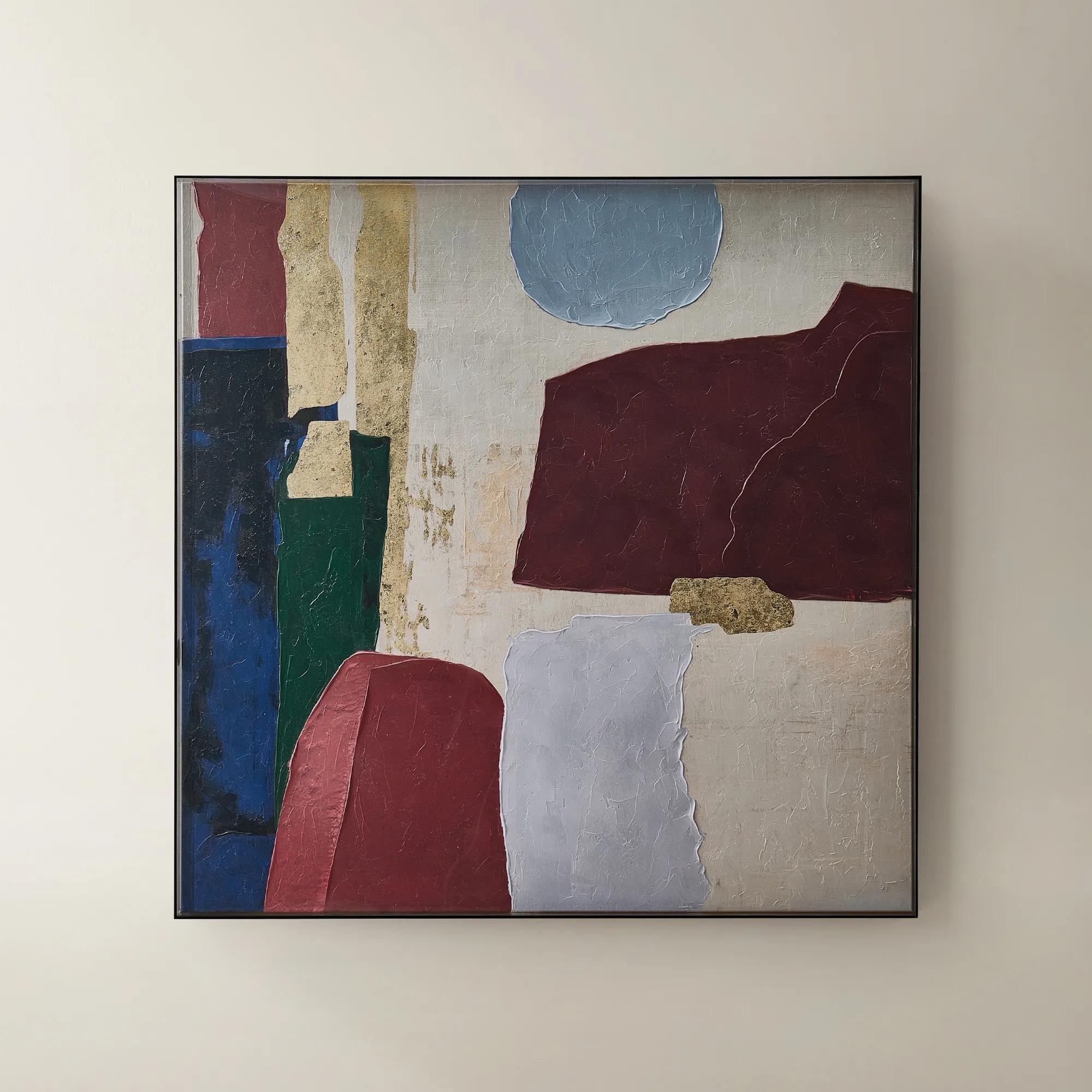
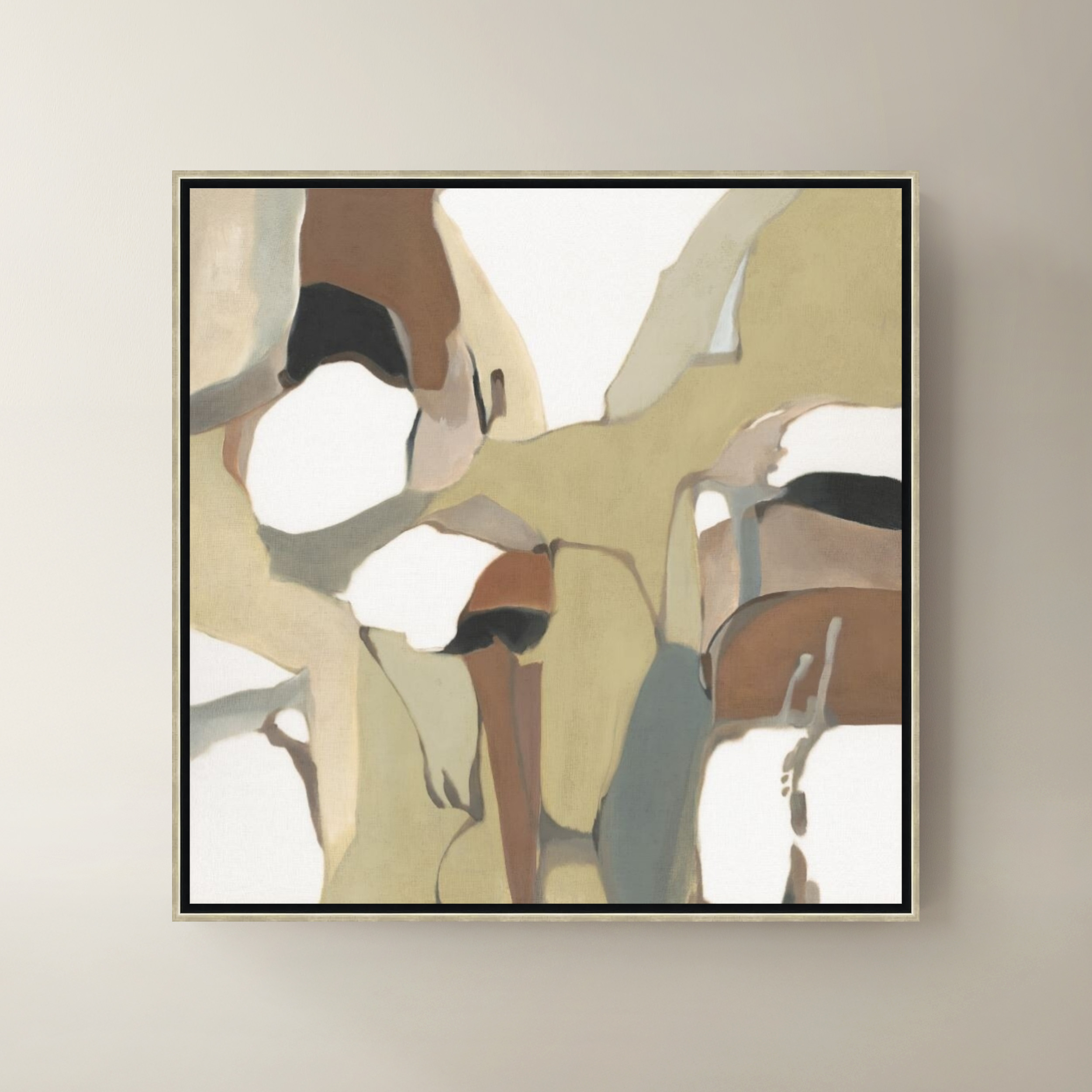
Wall decor introduces another layer of expression, connecting the studio’s working purpose with the artist’s broader visual interests. Abstract forms can bring movement to a quiet interior, while architectural lines or tonal compositions establish a more measured mood. The relationship to the artist’s own work is worth considering: complementary pieces may create harmony, while deliberate contrasts can encourage a fresh way of looking. A collection of Modern Wall Art For Studios offers a visual starting point for defining that atmosphere, whether the setting is a private creative retreat or a polished space where clients view finished work. Size and placement are central to the effect. Larger compositions need sufficient wall area and viewing distance to feel resolved, while smaller arrangements benefit from a clear relationship in spacing, tone, or shape. Framing and finishes can echo details elsewhere in the room without making every element match. Any purchased artwork should also be considered in relation to sunlight, humidity, and the materials used in the studio; sensitive pieces may need separation from direct exposure or active production areas. Beyond the walls, texture gives the space a tactile richness that photographs rarely capture fully. A contrast between smooth and softly textured surfaces can make even a restrained palette feel layered, particularly in a seating area reserved for reviewing ideas or welcoming visitors. Artists working from home, design students establishing their first dedicated workspace, and creative professionals refreshing an established studio may each approach these choices differently. Some need flexibility and compact proportions; others prioritize a distinctive setting for consultations, portfolio presentations, or quiet reflection between projects. Studio decor can also make a thoughtful gift for a graduate, a creative partner, or someone celebrating a new workspace, especially when chosen with their palette, available space, and preferred materials in mind. Personal taste matters more than a generalized idea of what an artist’s room should look like. The most enduring choices acknowledge the way someone actually creates—their need for clarity, their appetite for color, their affection for a dramatic detail—and give those instincts a beautiful setting.
FAQs
Decor that inspires creativity often features bold colors, intriguing textures, and sculptural forms. Items like statement lighting, tactile rugs, and reflective accents can energize the space, while unique wall art and decorative storage pieces encourage a sense of artistry and order. Choose pieces that evoke emotion and invite curiosity to transform your studio into a sanctuary for inspiration.
Art studio decor makes a thoughtful gift for artists of all disciplines, from painters and illustrators to writers and designers. It’s also ideal for students embarking on creative studies, professionals setting up a new workspace, or anyone passionate about expressing themselves through art. Gifting studio decor is a meaningful way to support and celebrate the creative journeys of those you admire.
Lighting plays a pivotal role in both function and mood. Opt for adjustable fixtures that provide ample illumination for detailed work, complemented by sculptural lamps or pendant lights that add drama and elegance. Layered lighting, such as a mix of overhead, task, and accent lights, creates depth and allows you to tailor the ambiance to your artistic needs.
Express your individuality by curating decor that resonates with your artistic vision. Mix and match textures, experiment with color palettes, and display objects that hold personal meaning or spark joy. Incorporate statement pieces—like a dramatic mirror or a distinctive vase—that reflect your taste and serve as focal points within the studio.
Seasonal transitions offer a chance to refresh your studio’s atmosphere. In autumn, layer in plush throws, warm metallics, and moody hues to create a cozy, inviting environment. Rotate in new decorative accents or artwork that reflect the changing light and colors outside, keeping your creative space dynamic and inspiring throughout the year.