Gifts For Art Studio Owners
Gifts For Art Studio Owners
-
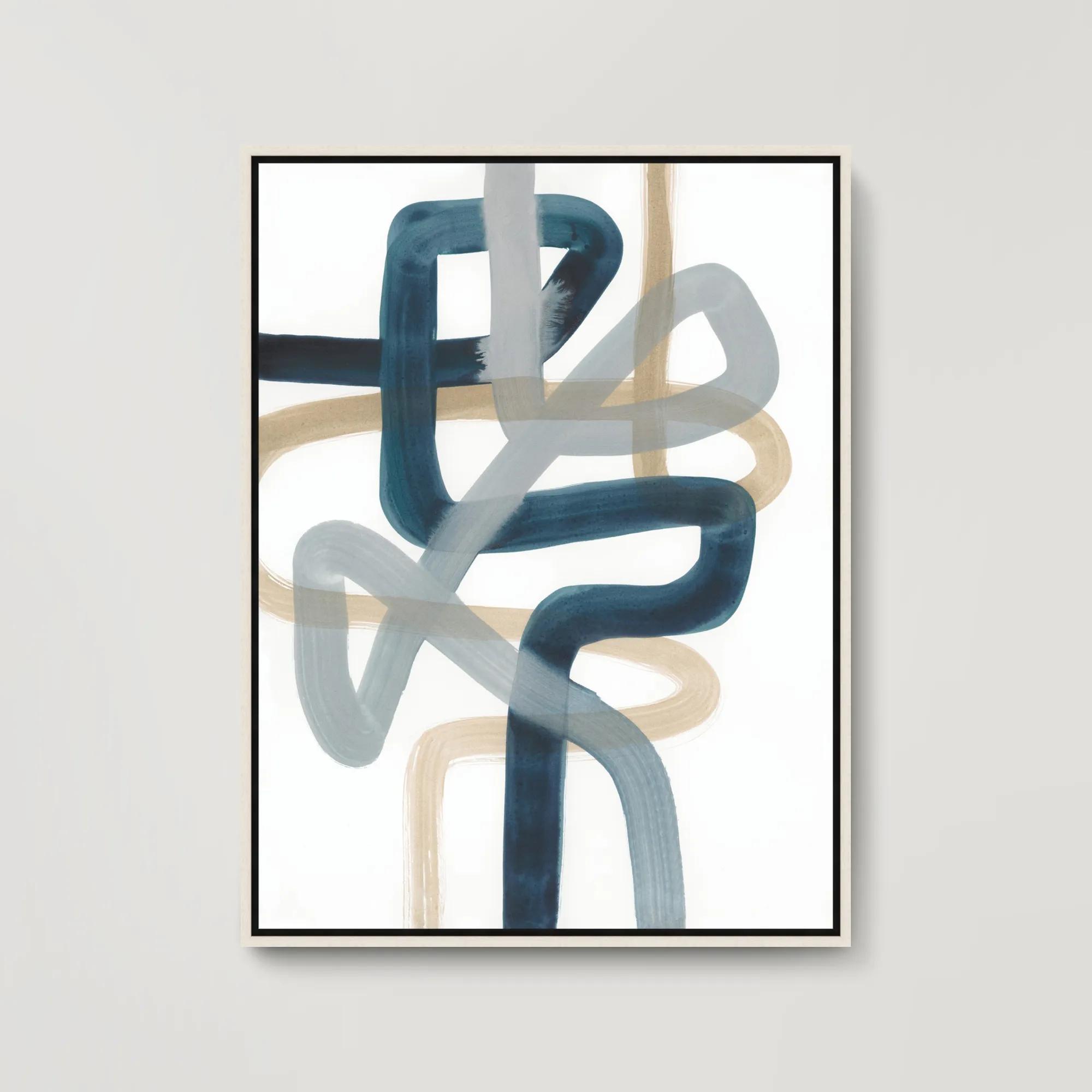
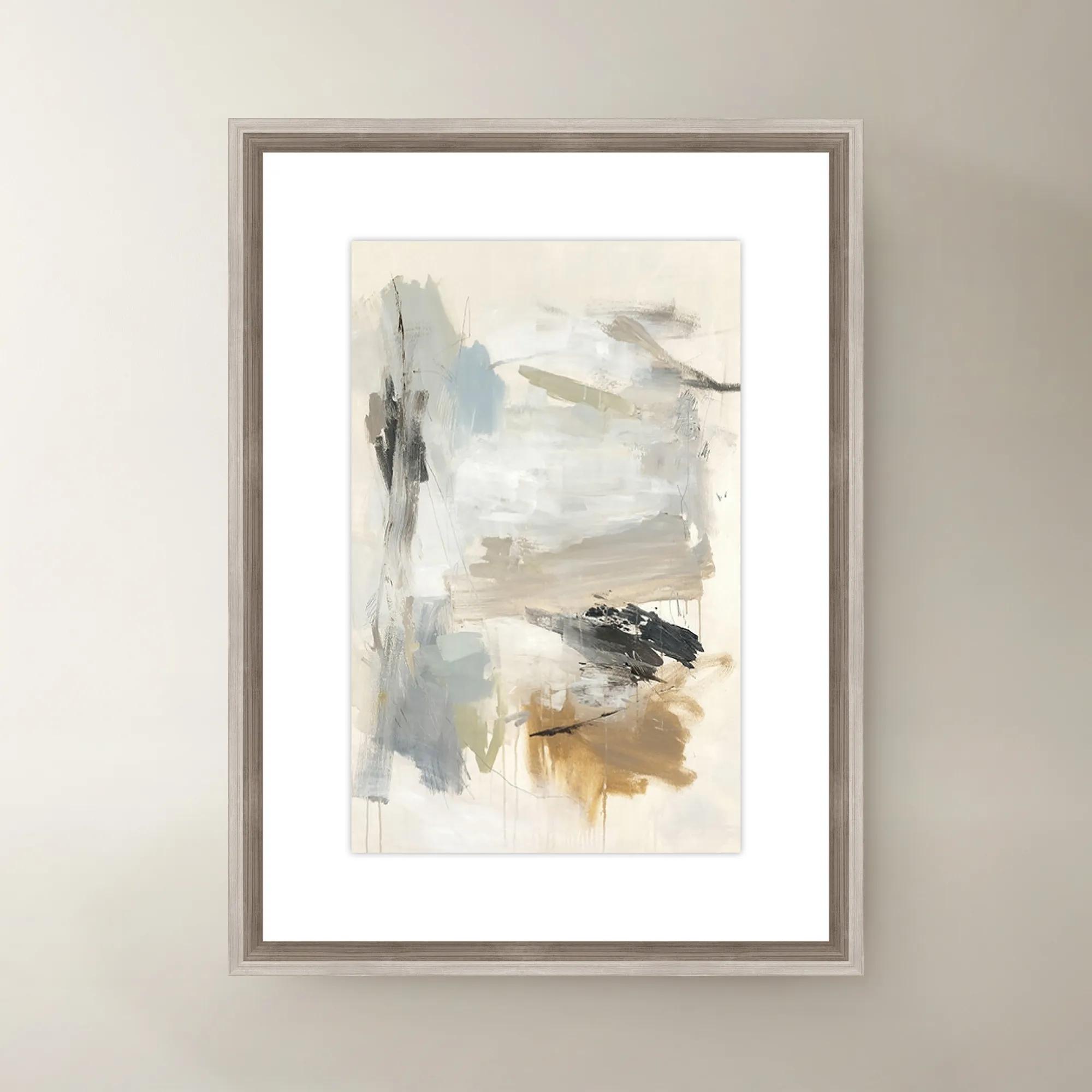
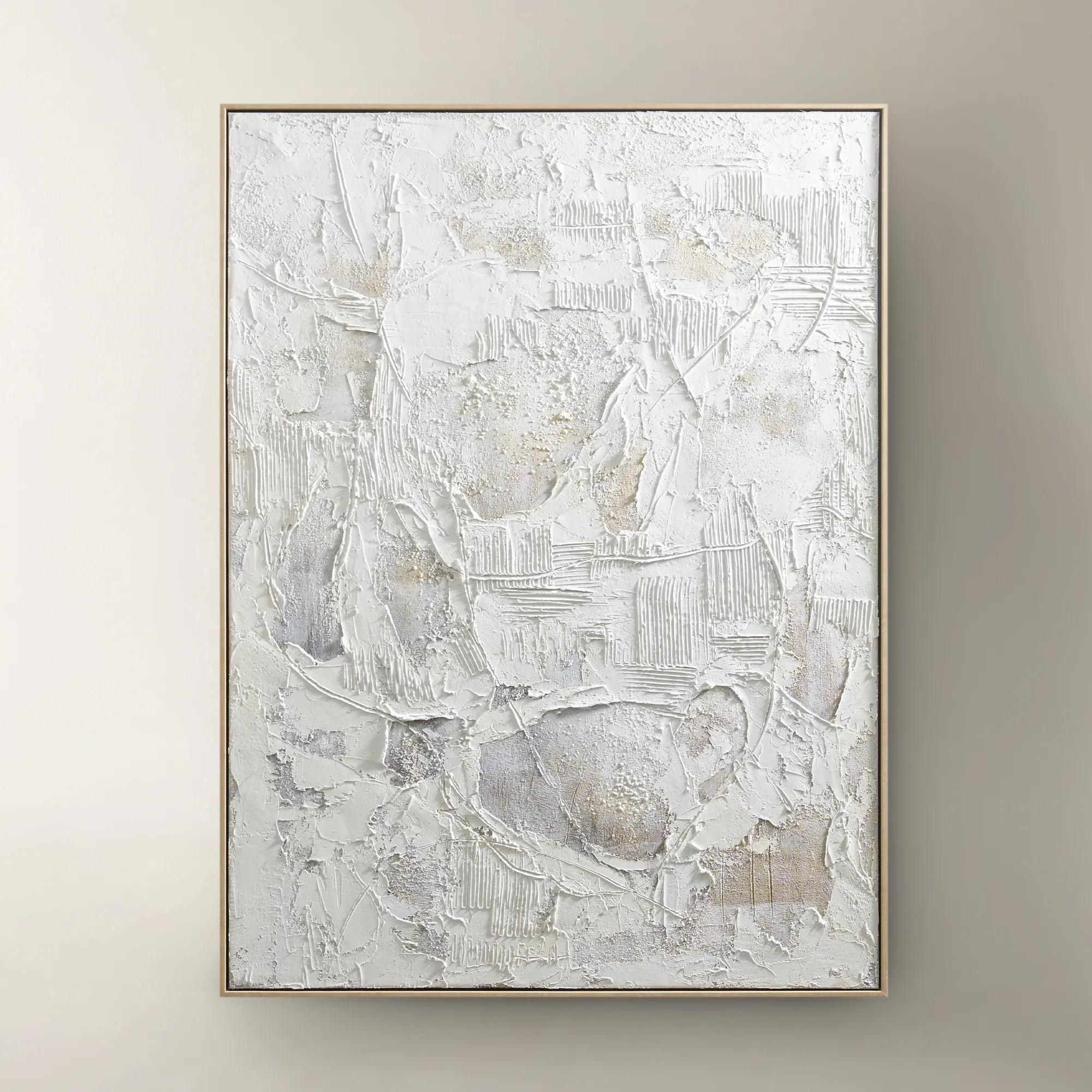
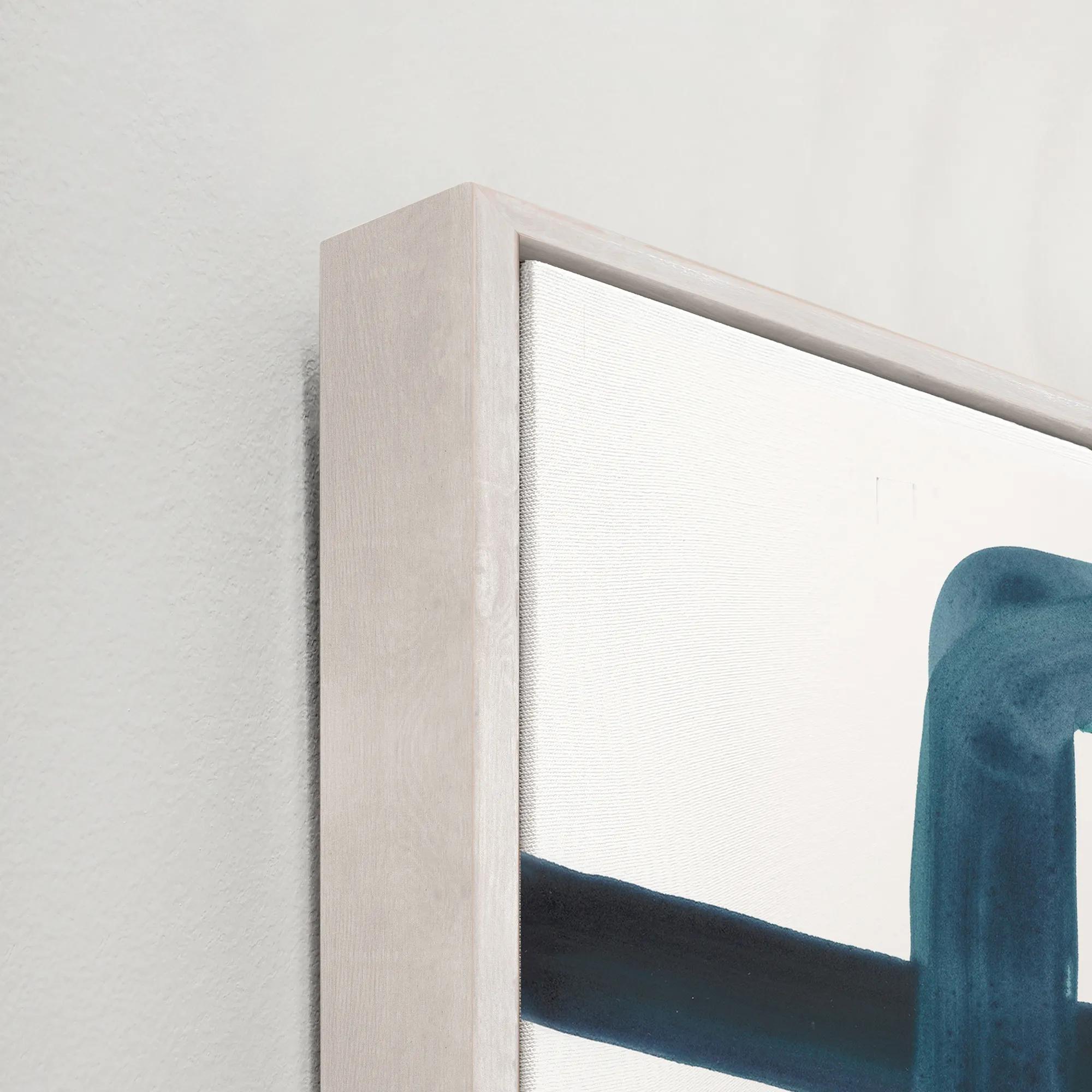 Looped In I Framed Wall Art 31.5" x 41.5"$699
A gallery-wrapped abstract canvas featuring hand-applied brush gel and a sleek white floater frame.
Add To Cart -
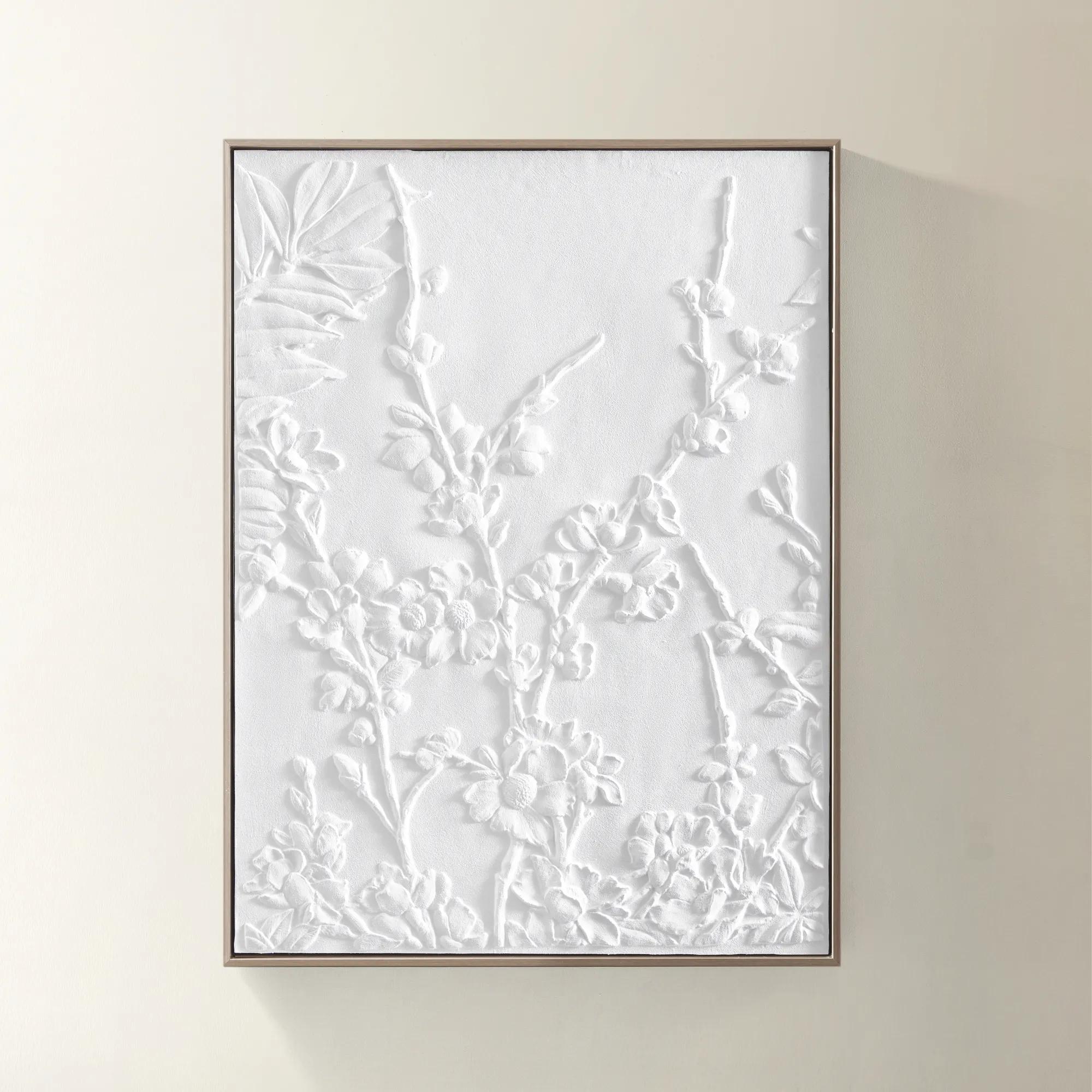
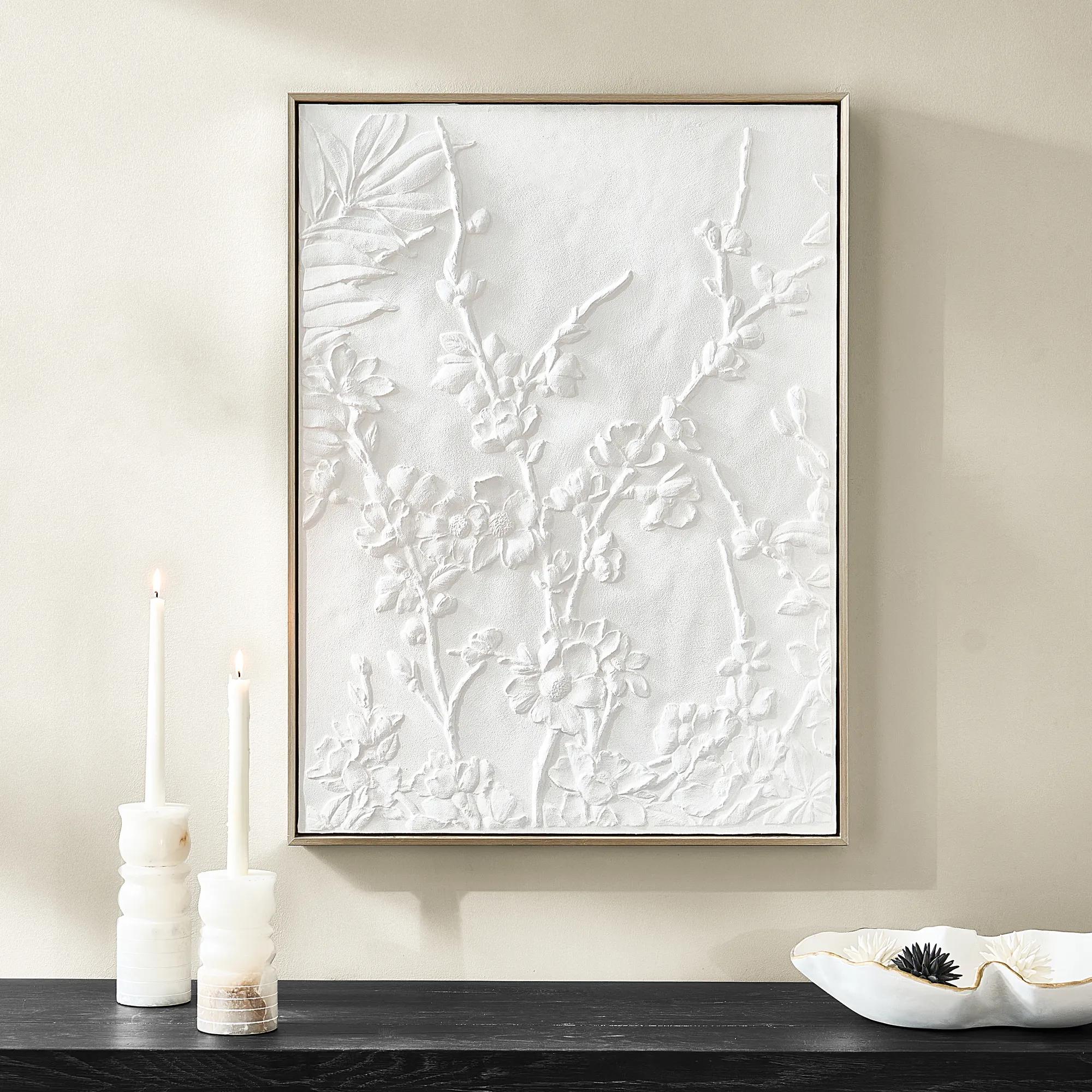 Allegro Framed Painted Wall Art 31.5" x 23.6"$109
A hand-painted canvas featuring textured floral motifs, framed in a warm champagne finish for subtle sophistication.
Add To Cart -
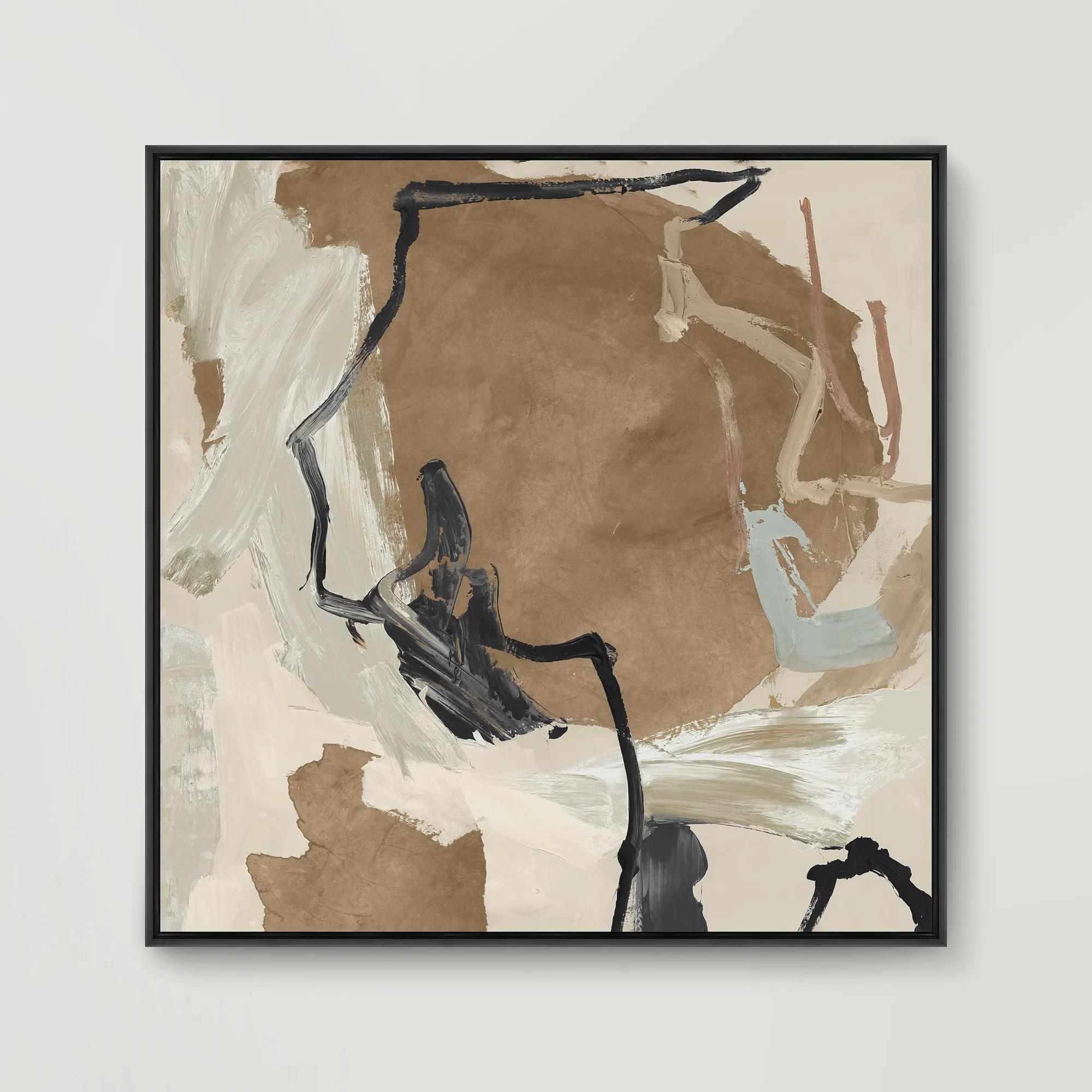
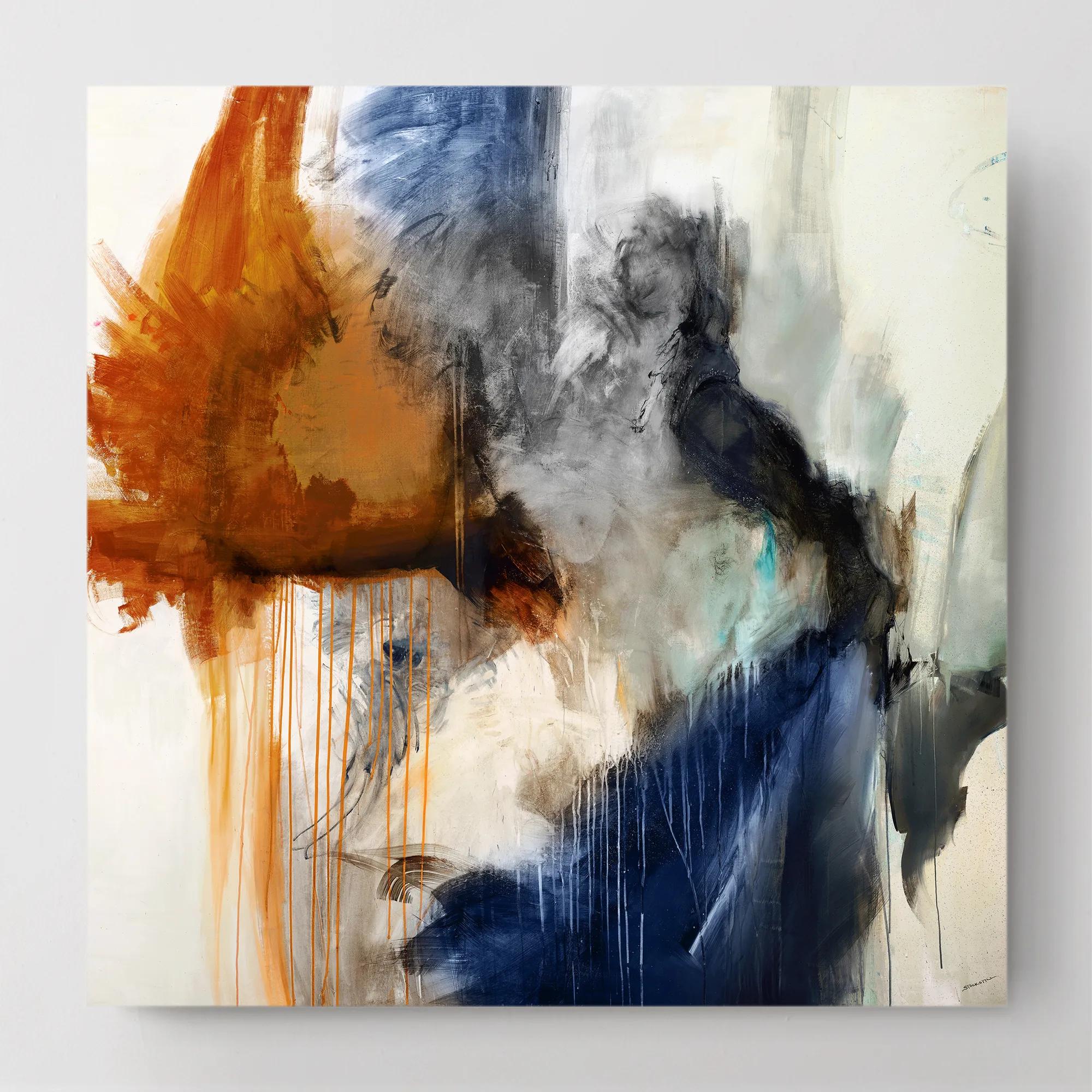
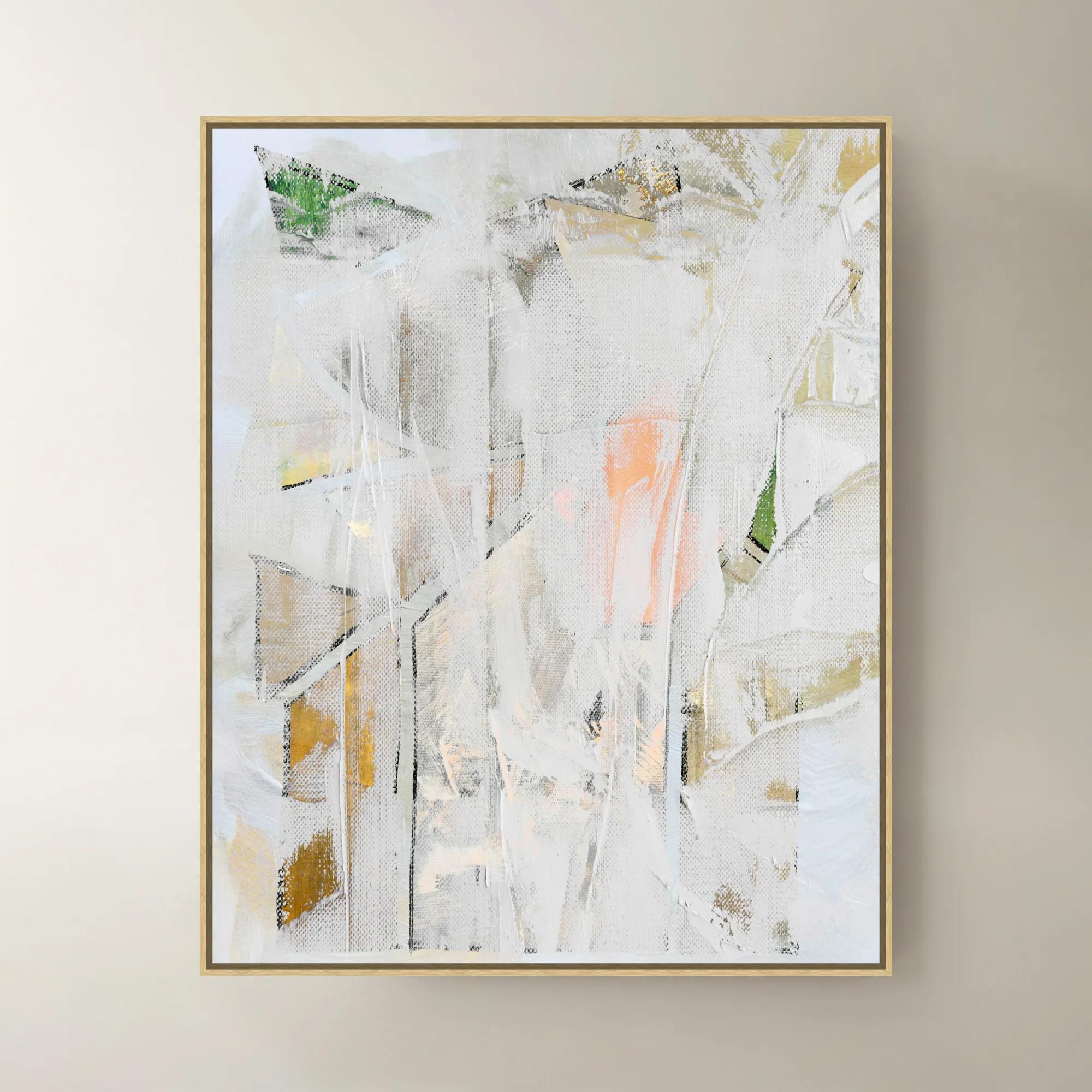
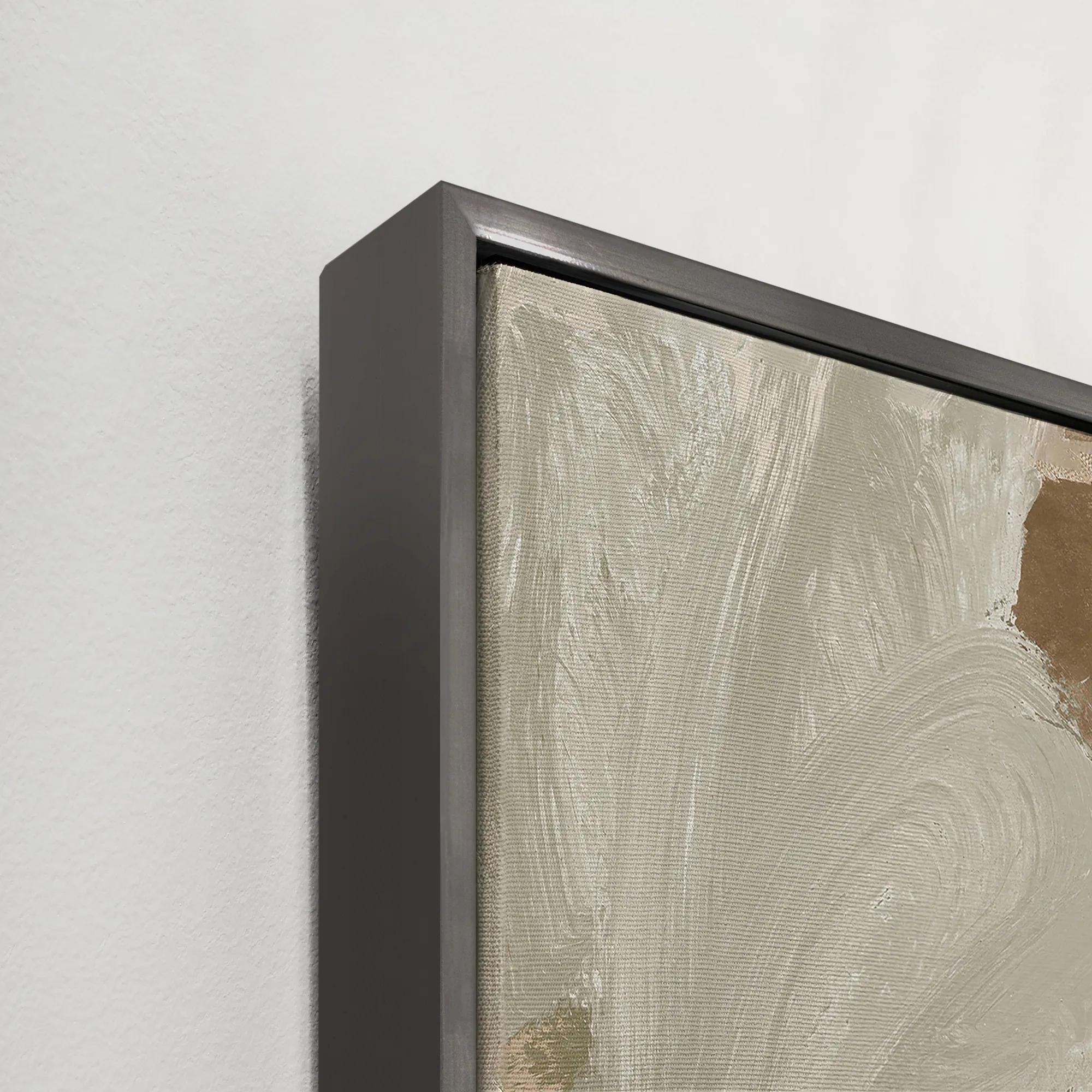 Borderlands IV Framed Wall Art 31.5" x 31.5"$499
A gallery-wrapped canvas artwork with a hand-applied brush gel finish in a sleek gray floater frame.
Add To Cart -
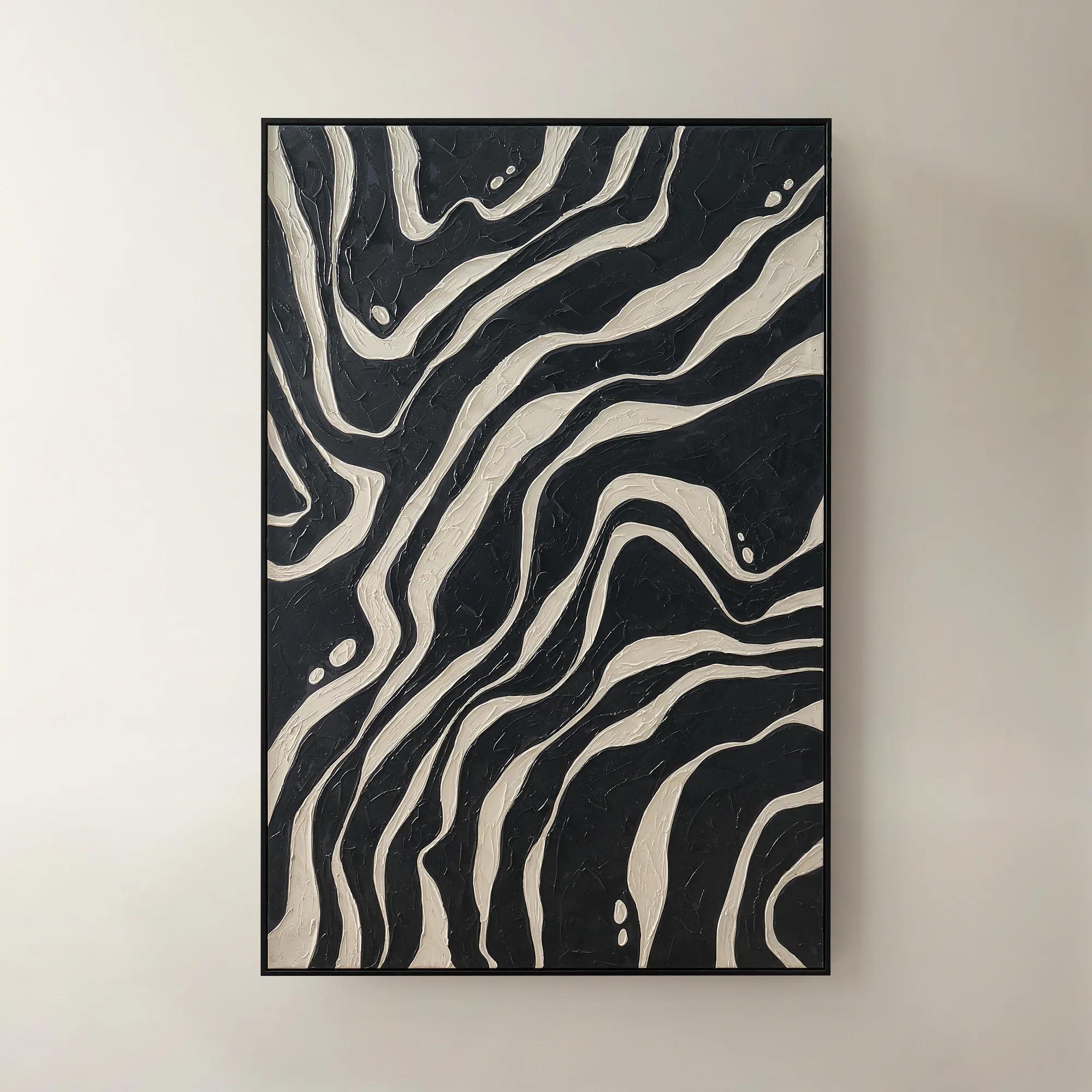
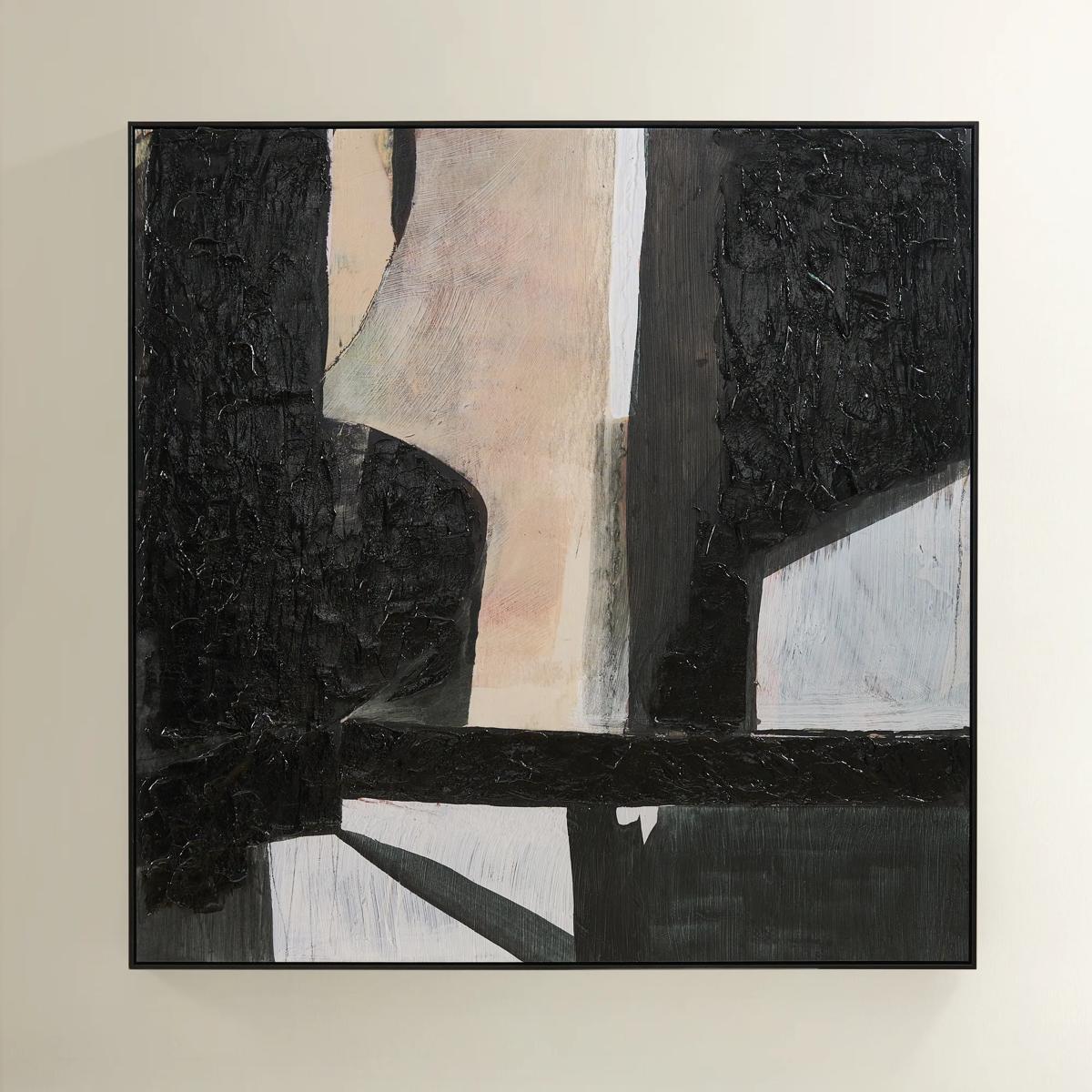 Grounded Painting$699
A hand-painted abstract canvas featuring black, cream, and earth tones in a sleek black floater frame.
Add To Cart -
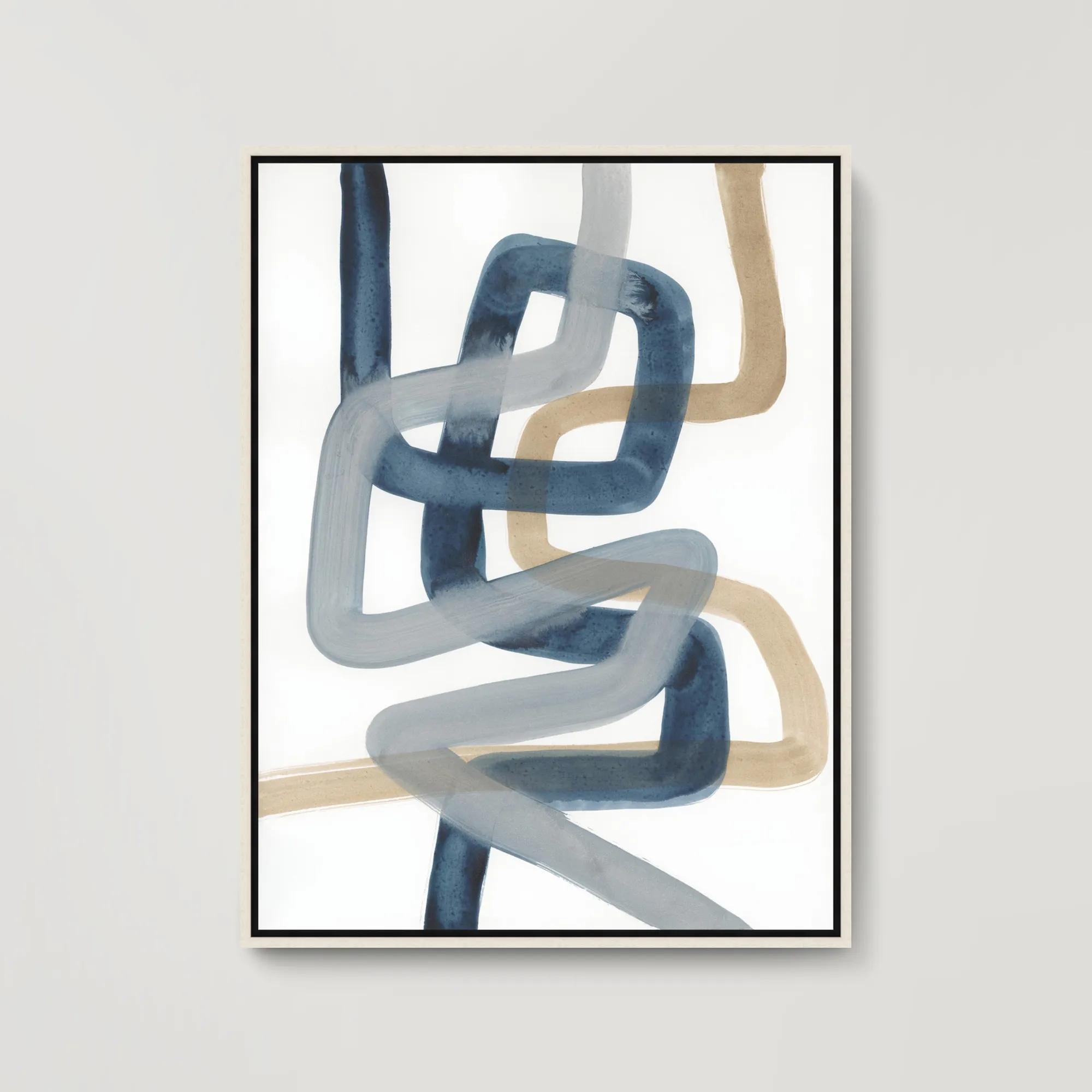 Looped In II Framed Wall Art 31.5" x 41.5"$699
A gallery-wrapped abstract canvas with hand-applied brush gel finish, set in a sleek white floater frame.
Add To Cart -
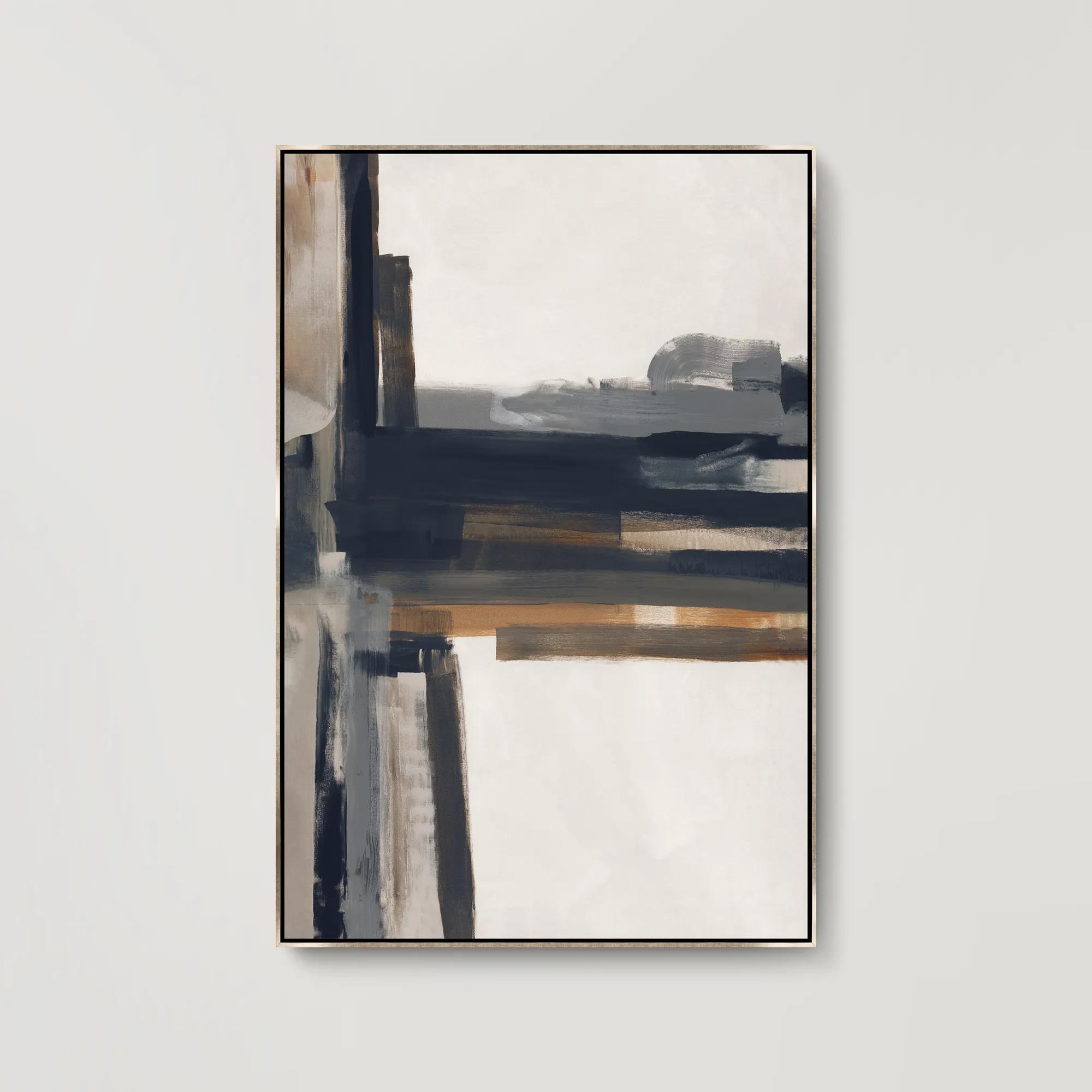
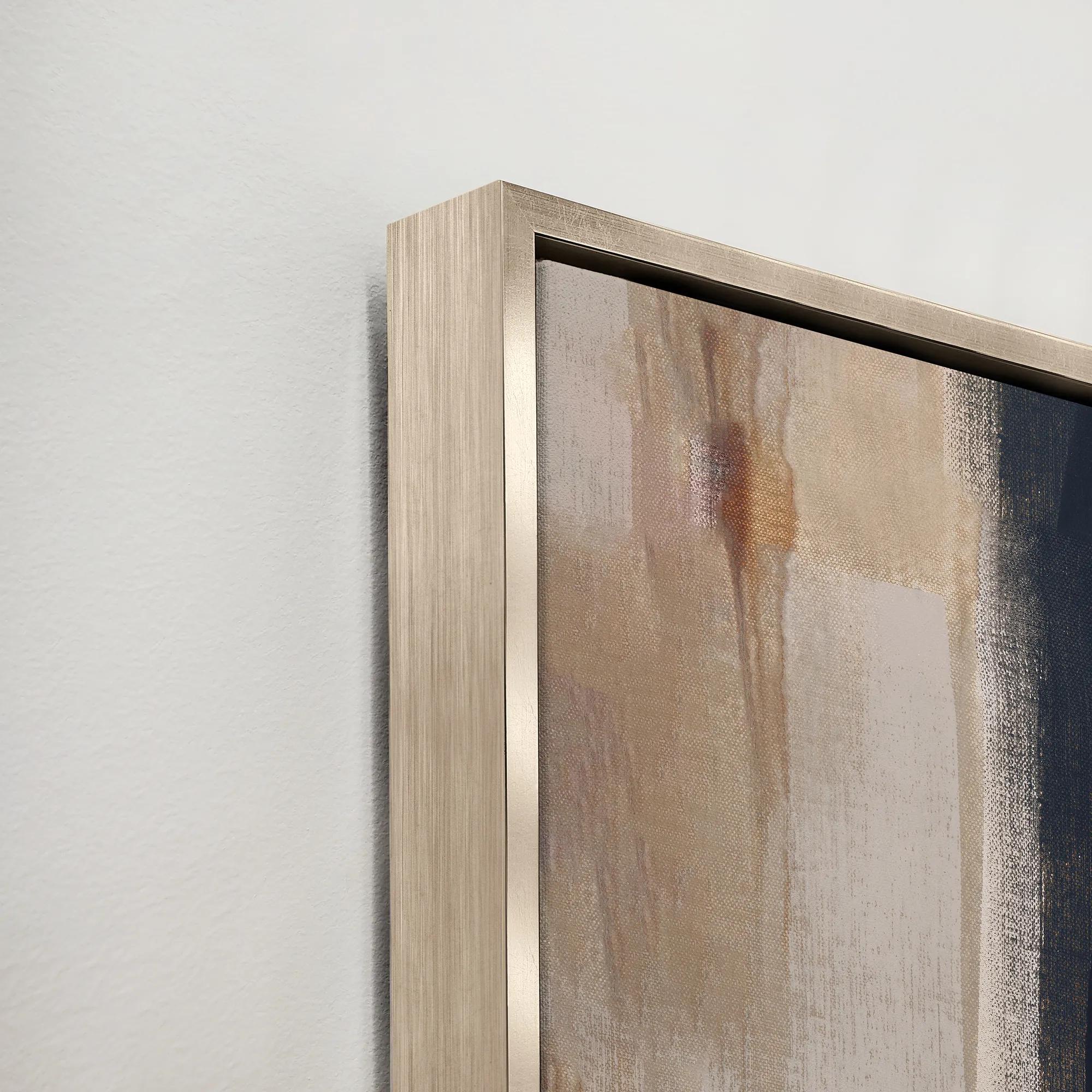 Imposing Construct I Framed Wall Art 41.5" x 61.5"$949
A gallery-wrapped abstract canvas featuring hand-applied brush gel and set in a sleek silver floater frame.
Add To Cart -
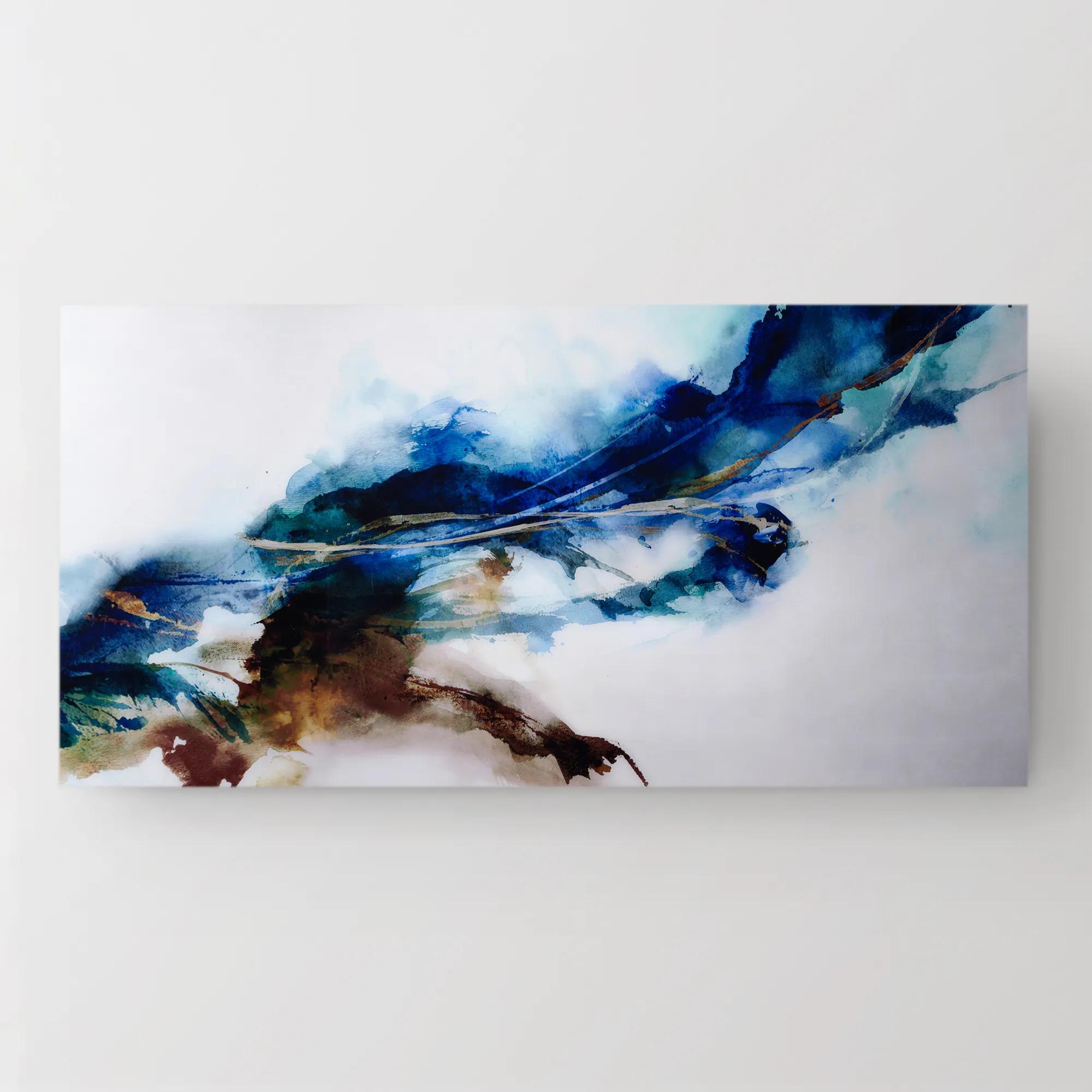 Cerulean Movement Acrylic Art 72" x 36"$1299
A vibrant abstract artwork printed on high-gloss acrylic, infusing your space with dynamic energy and movement.
Add To Cart -
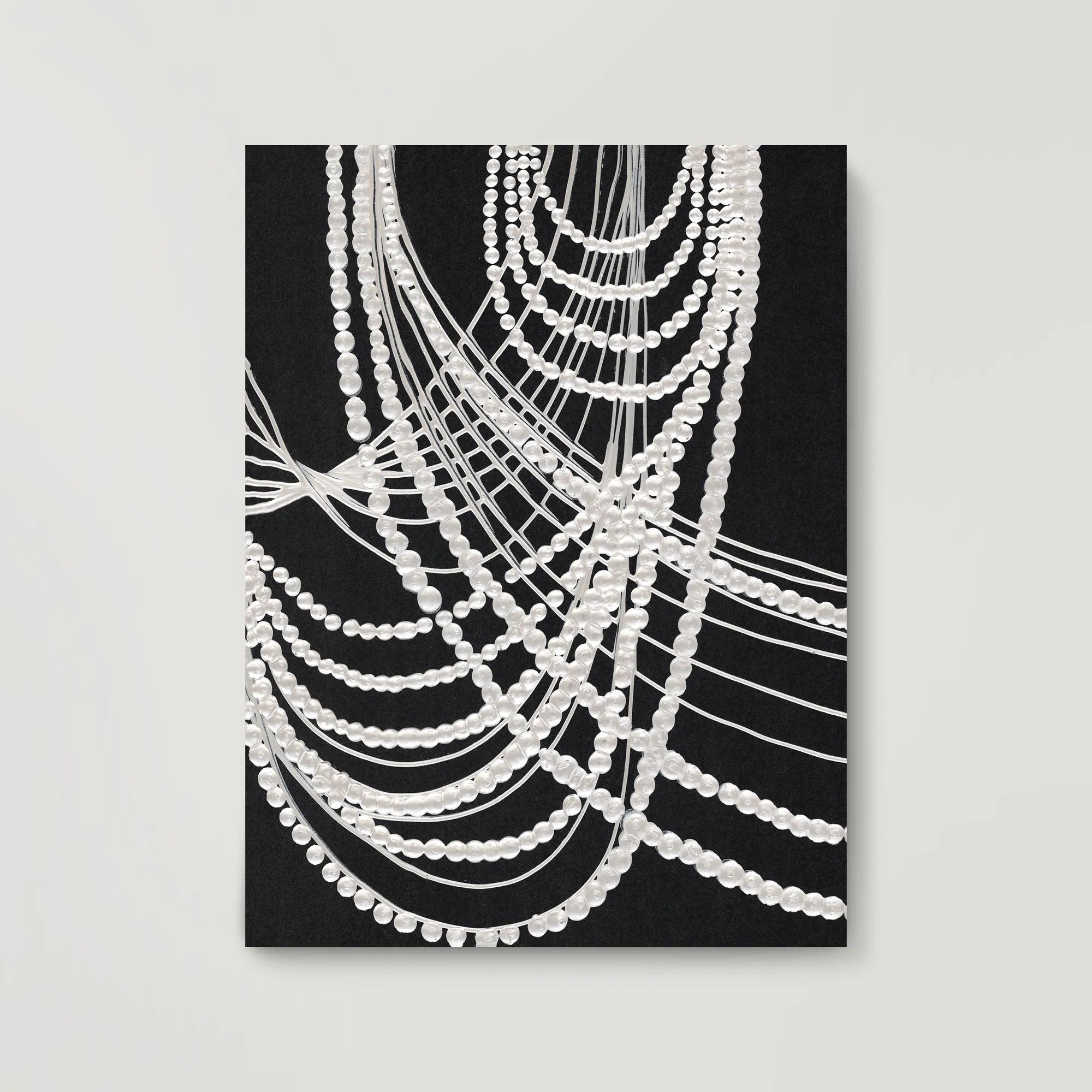 Dripping Pearls Painted Wall Art 36" x 48"$949
A striking hand-painted abstract artwork featuring layered acrylic and watercolor textures in a modern design.
Add To Cart -
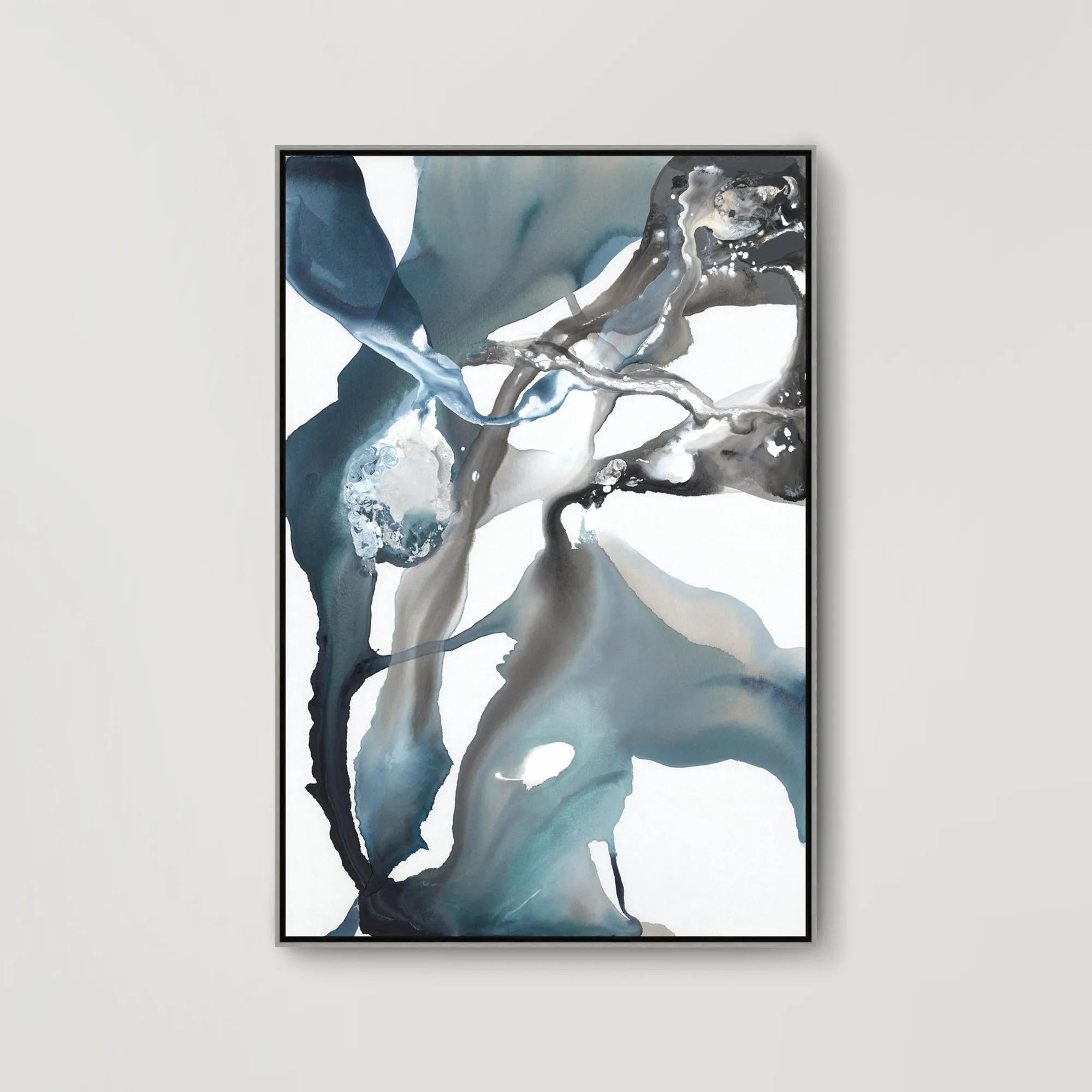
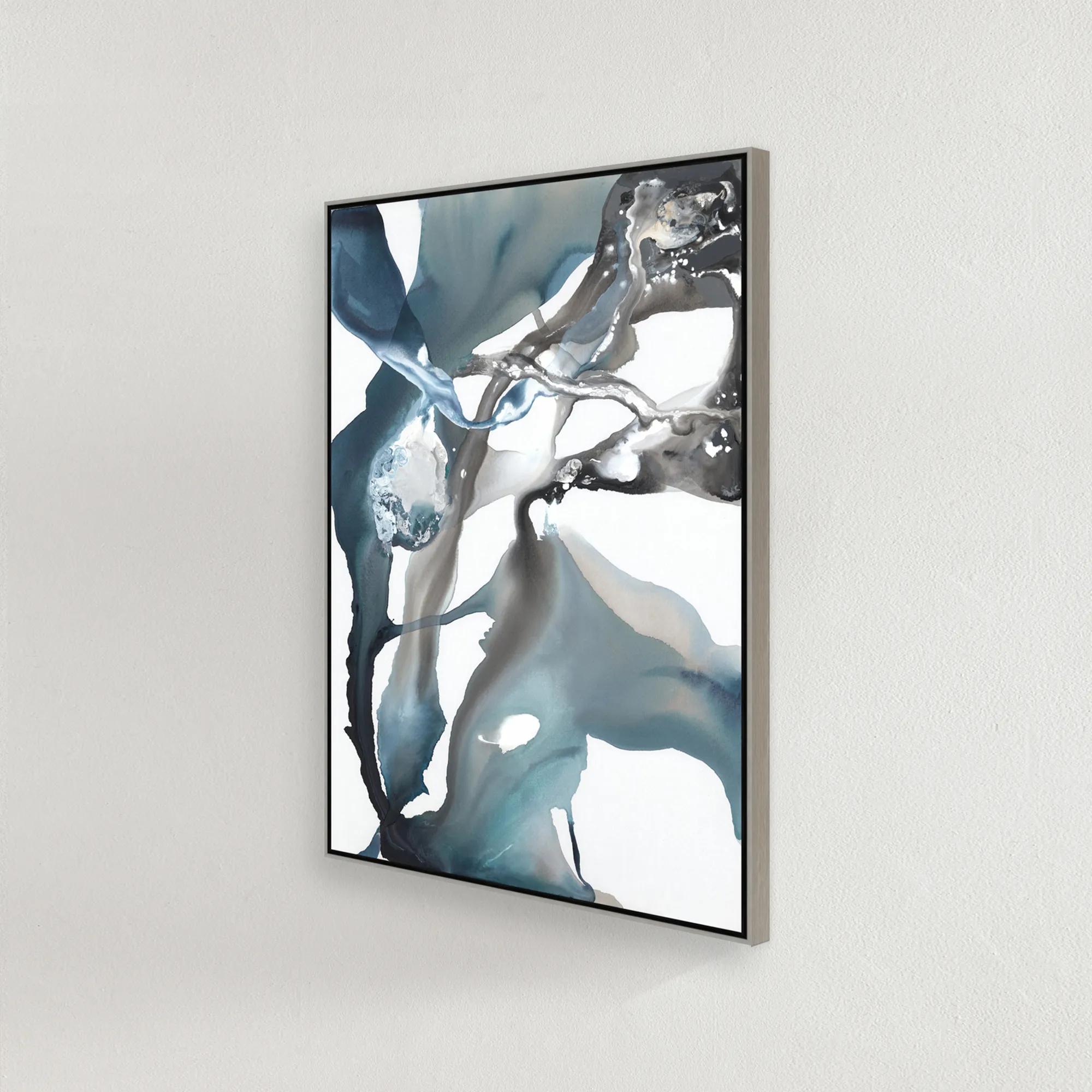 Cool Cascade Framed Wall Art 37.5" x 55.5"$849
A gallery-wrapped canvas artwork featuring expressive colors, hand-applied brush gel, and a gunmetal floater frame.
Add To Cart -
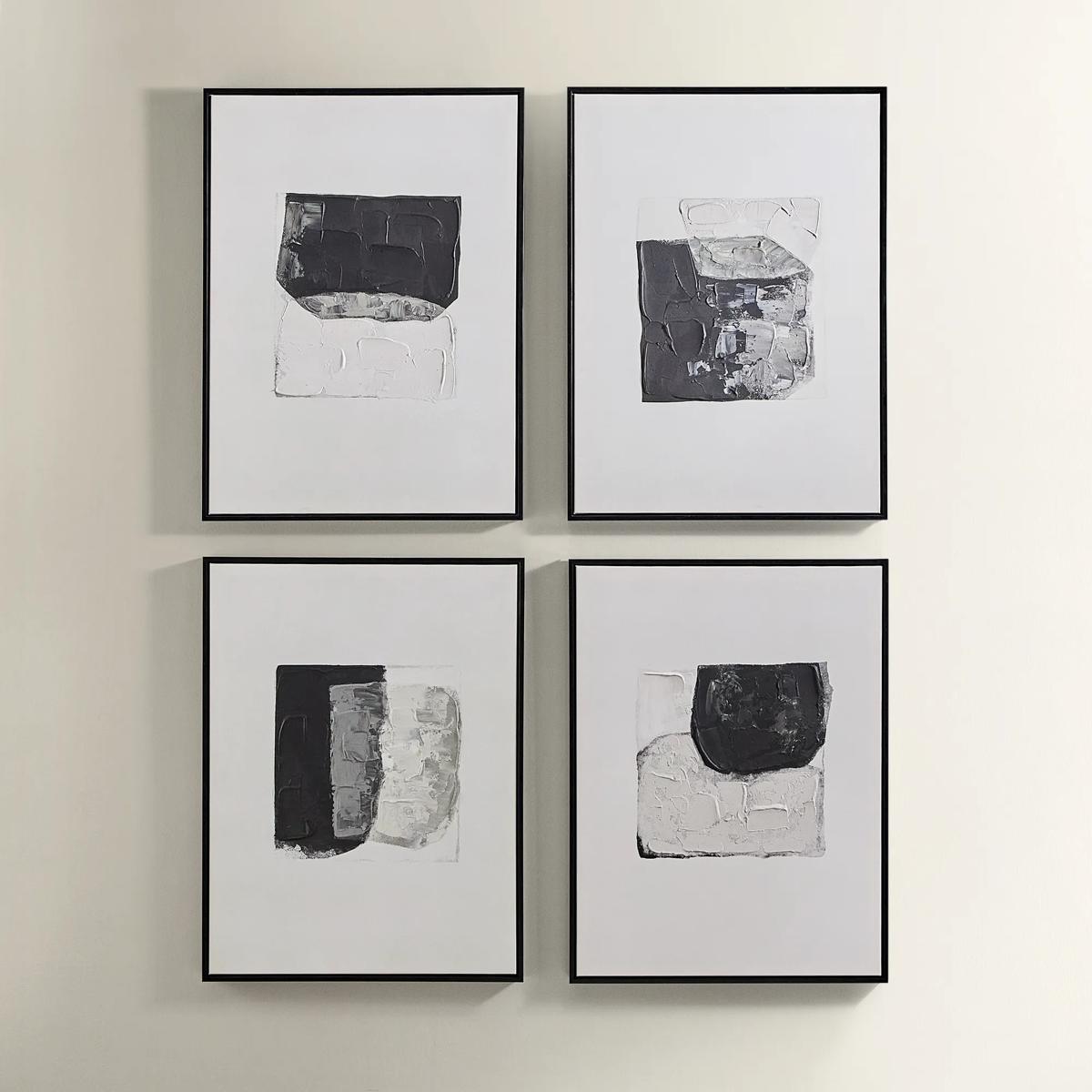
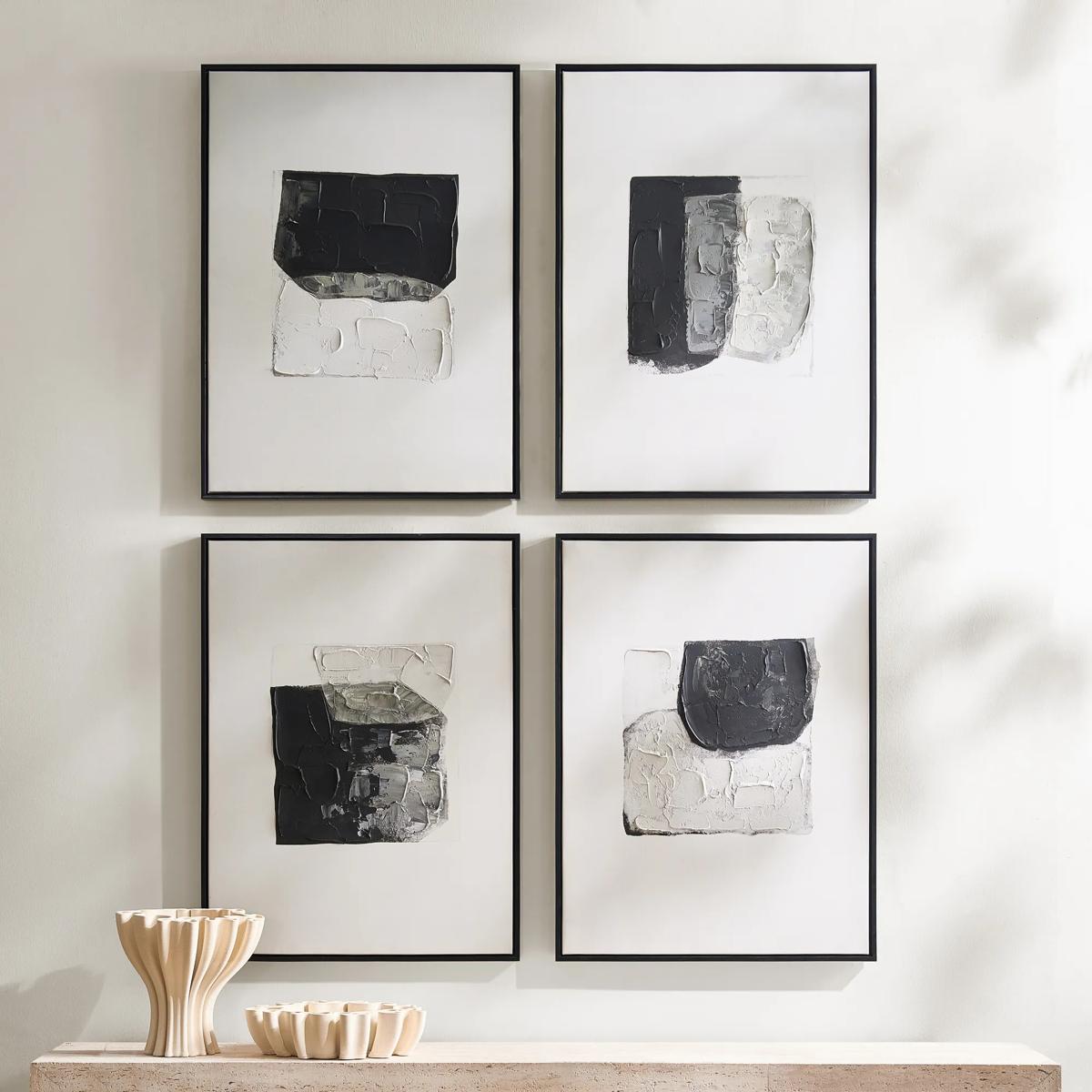 Shadows Framed Painted Wall Art Set of 4$299
A set of four hand-painted abstract canvases featuring black, white, and gold accents in black frames.
Add To Cart -
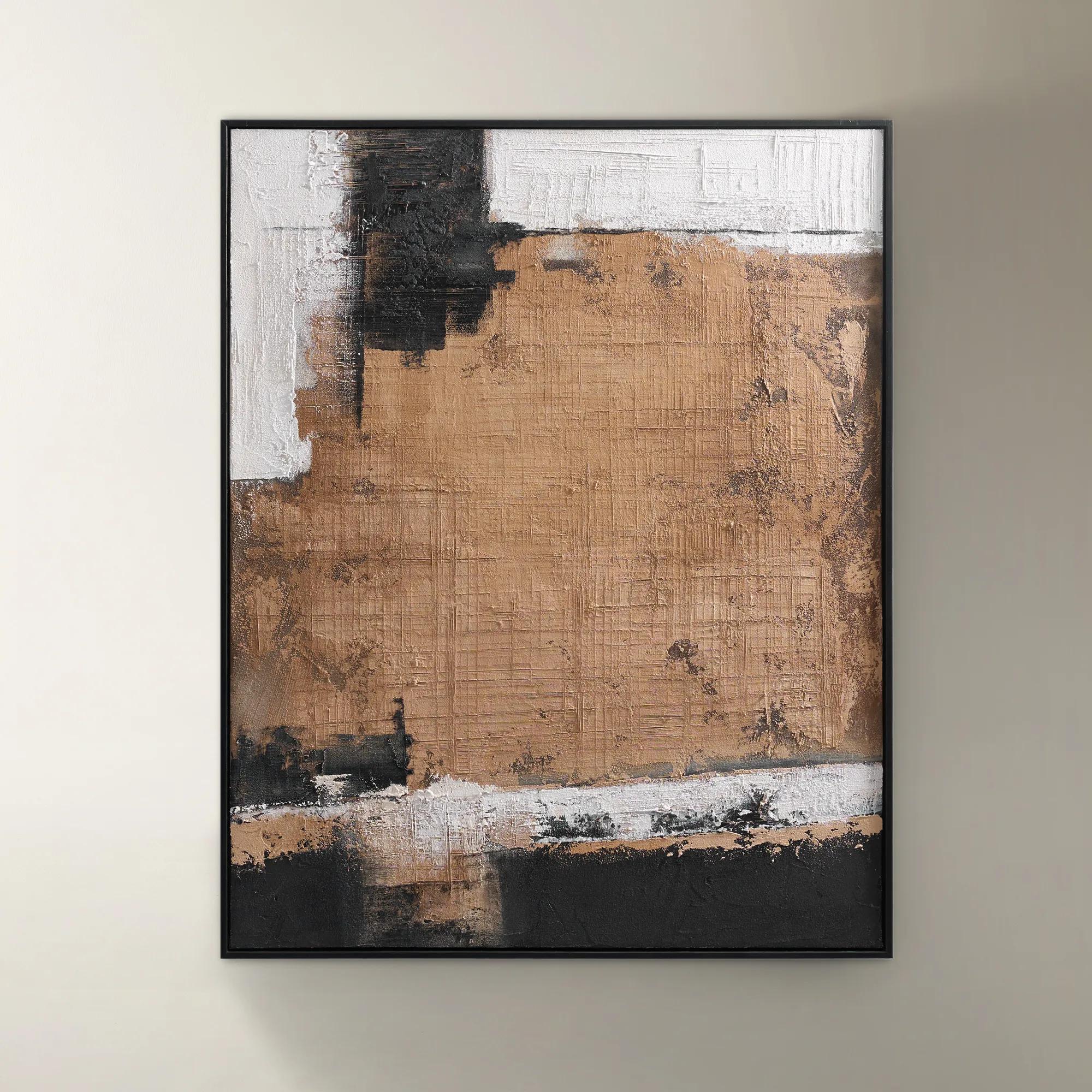
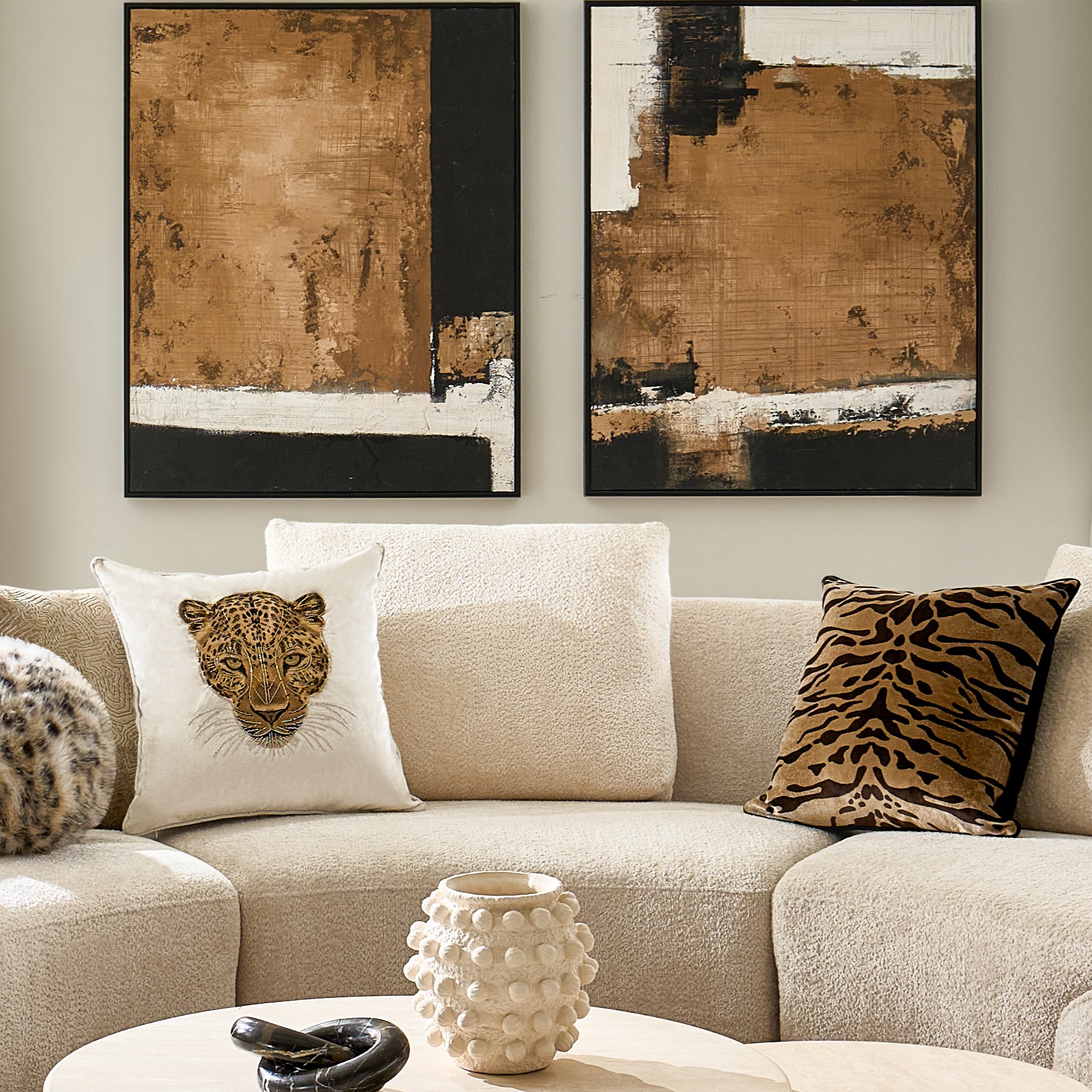 Drift Framed Painted Wall Art II 39.4" x 31.5"$299
A hand-painted canvas in brown, featuring bold texture and color interplay within a sleek black floater frame.
Add To Cart -
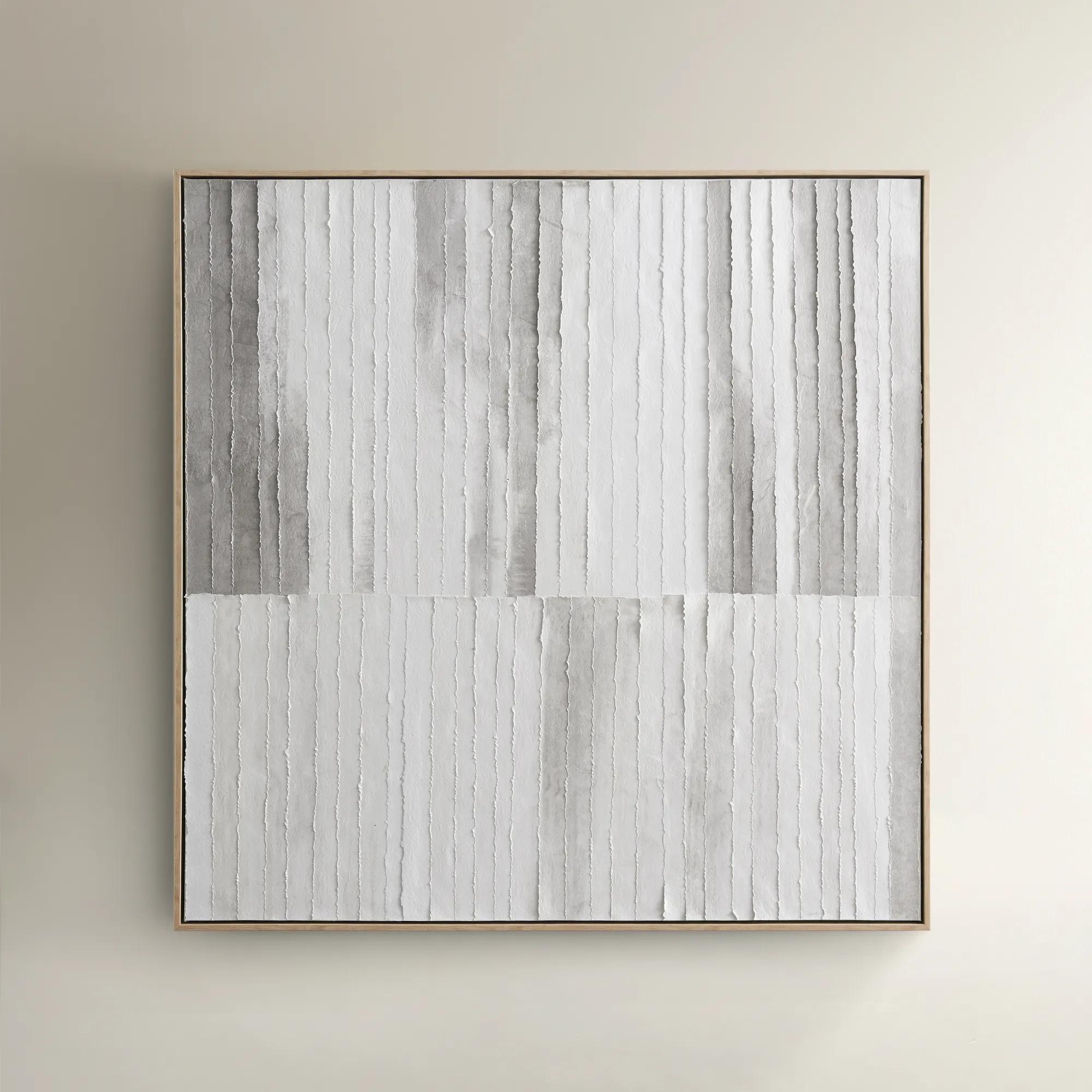
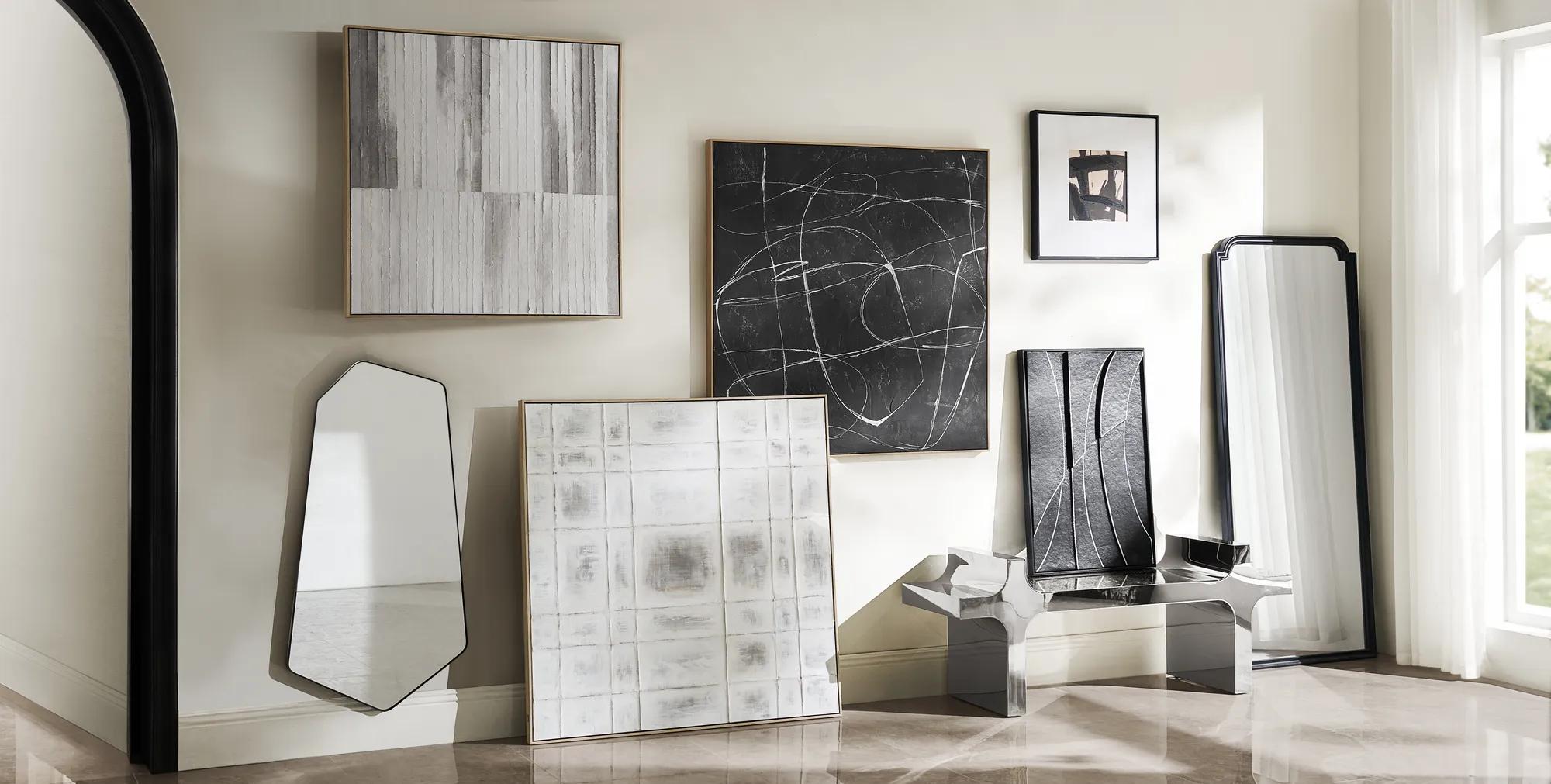 Morning Mist Paper Art$329
A hand-painted canvas featuring rhythmic grey lines in a textured, whitewashed floater frame for serene style.
Add To Cart -
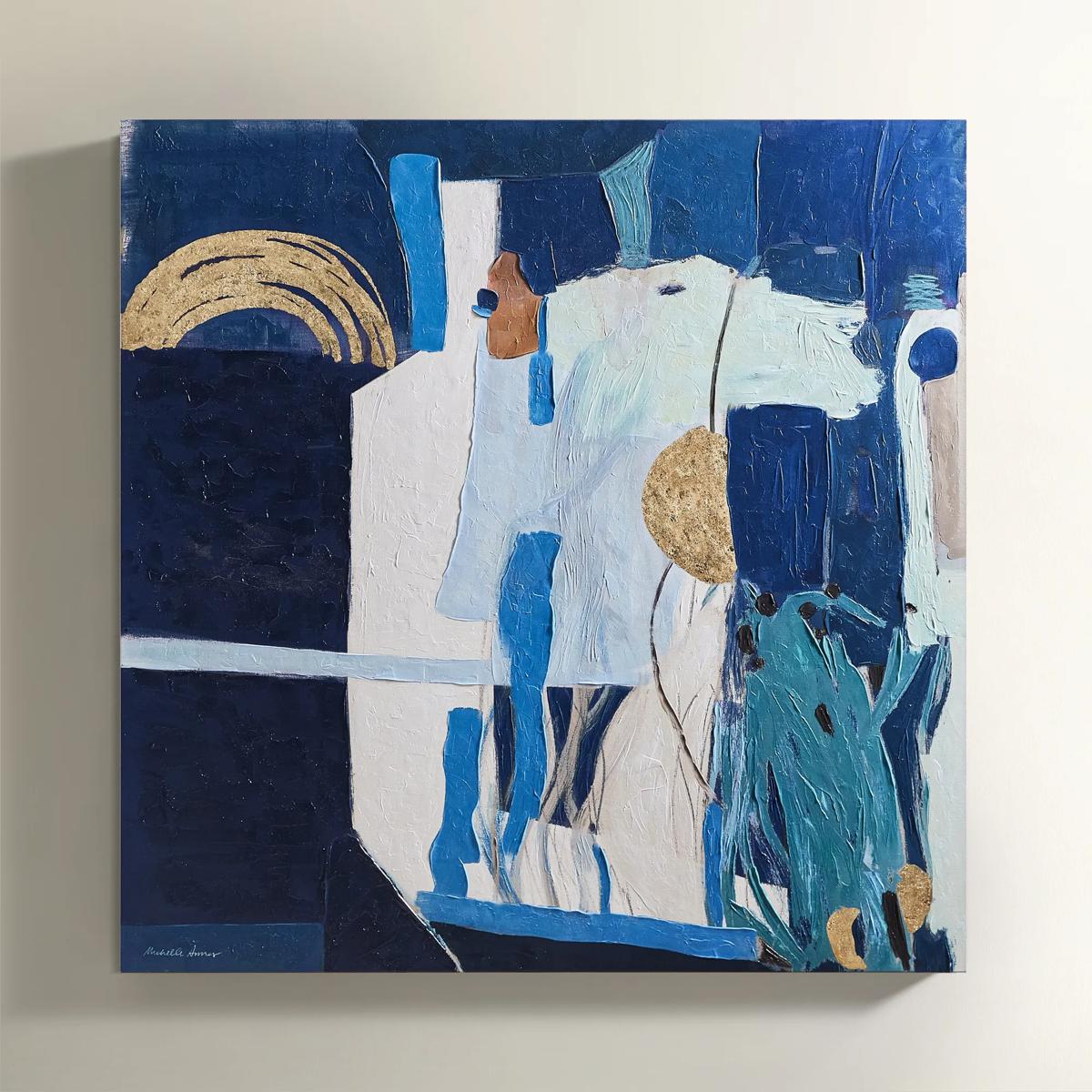
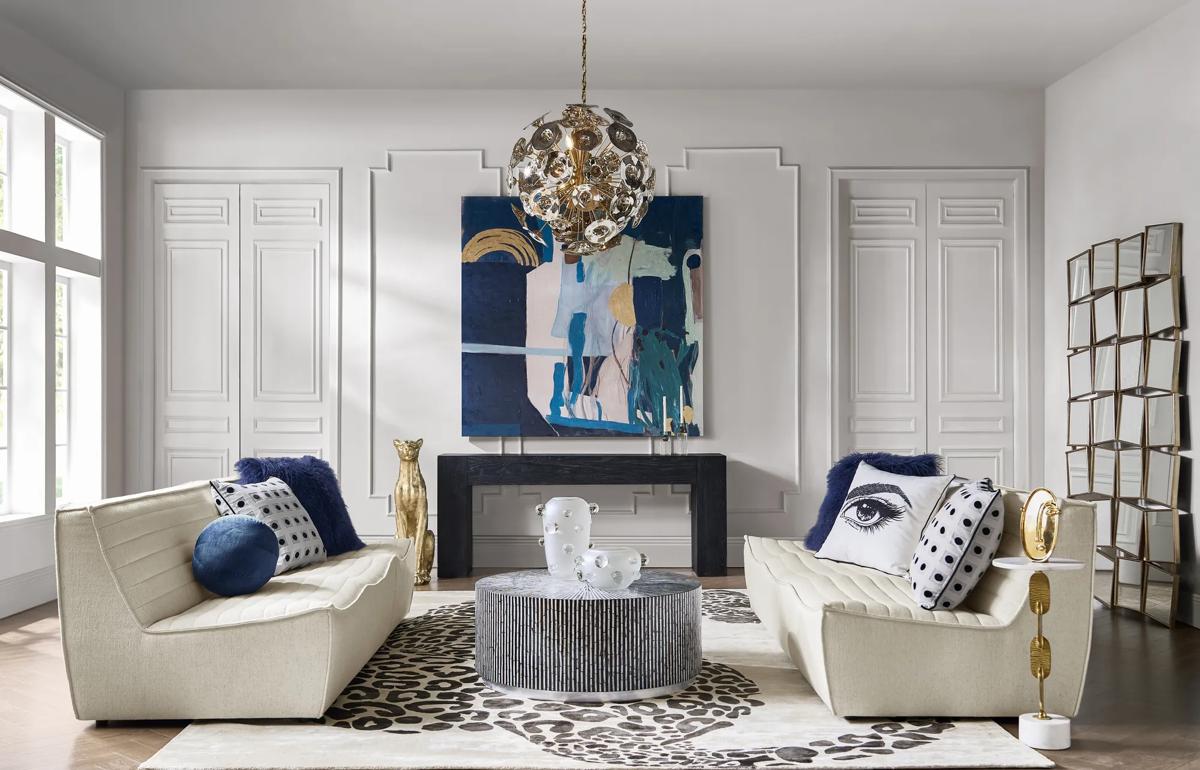 In Flux Painting$699
A hand-embellished canvas artwork featuring deep teal, green, ivory, and gold in a black Art Deco frame.
Add To Cart -
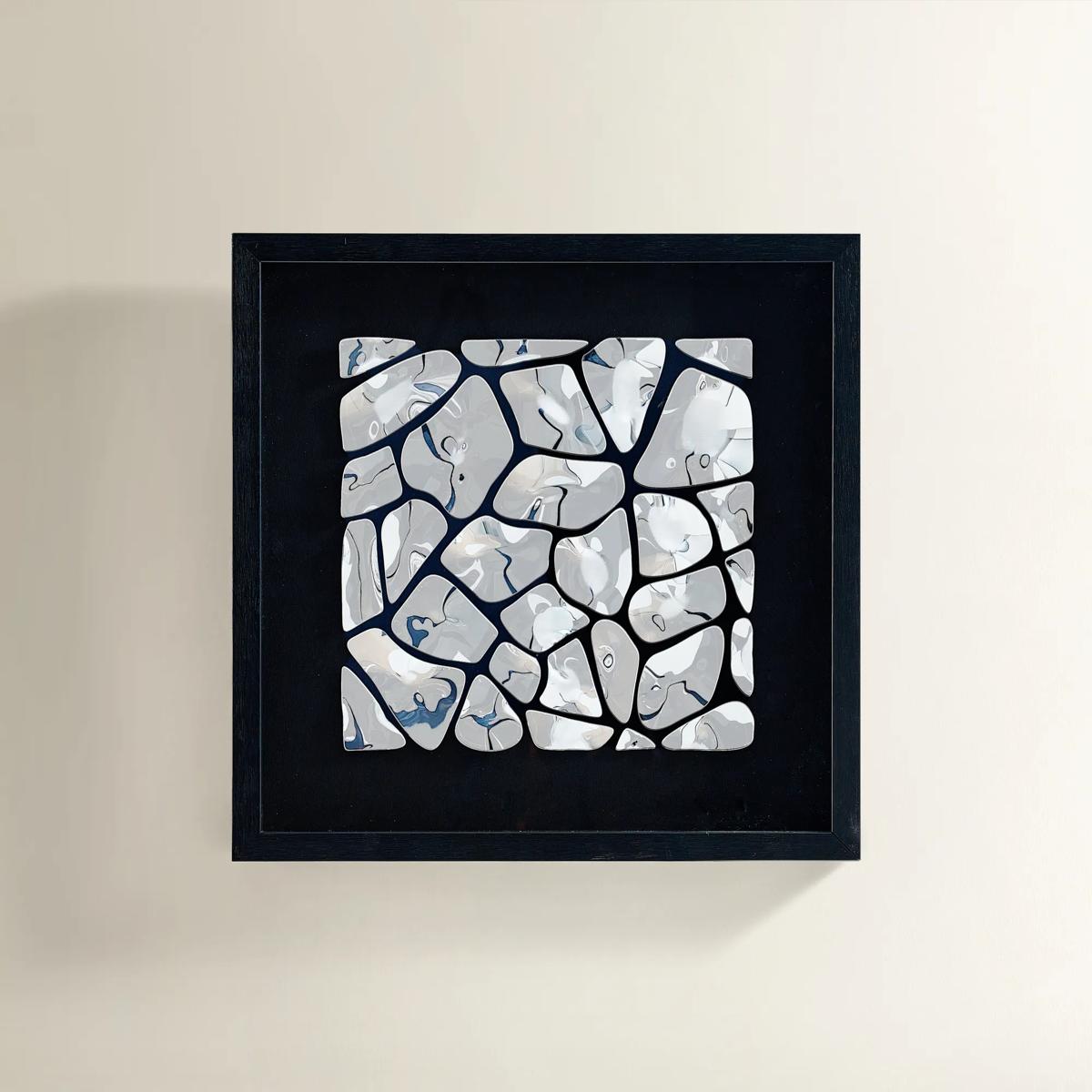 Reflect Silver And Black Shadowbox Art I$189
A dimensional metal wall art piece featuring polished silver and black forms in a sleek black frame.
Add To Cart -
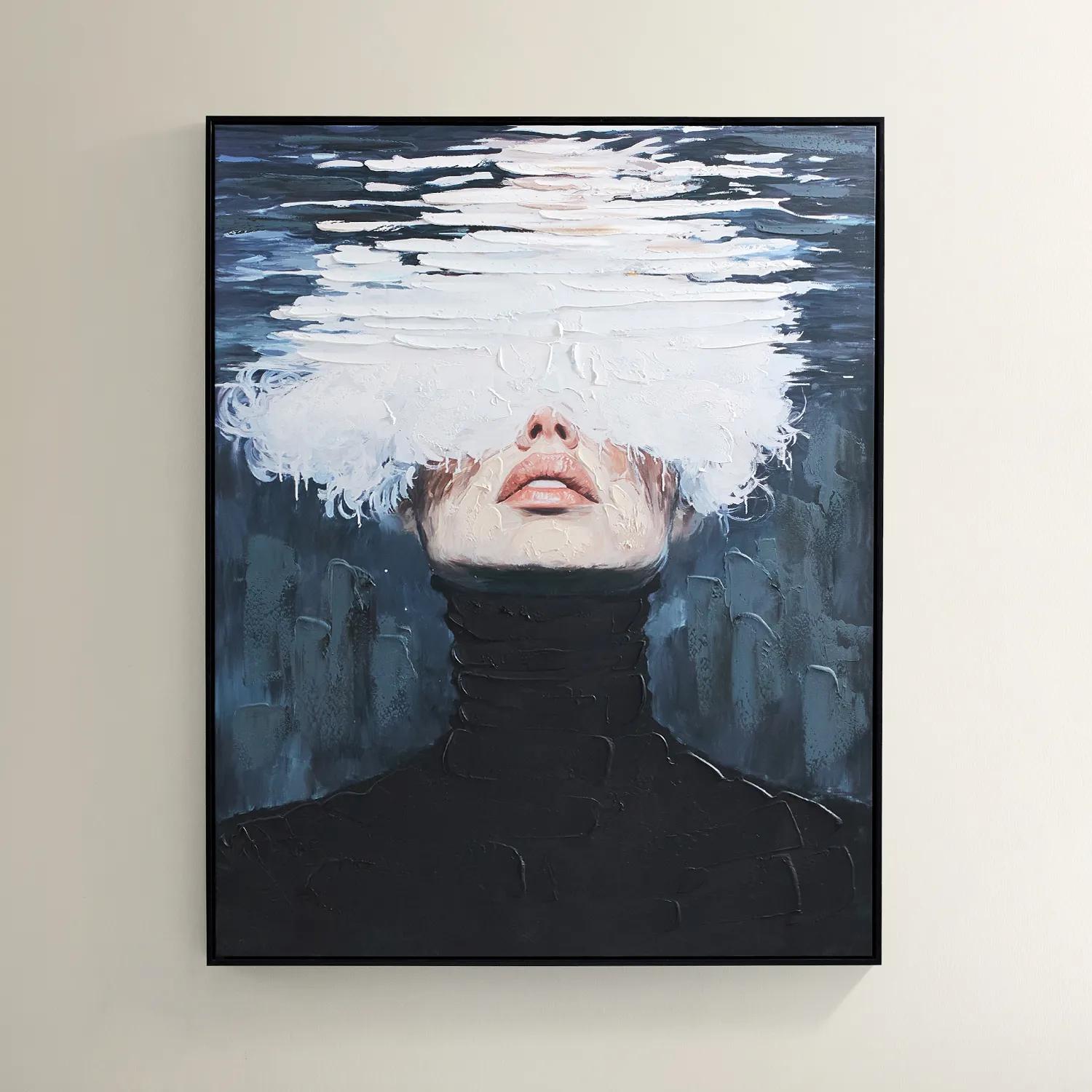
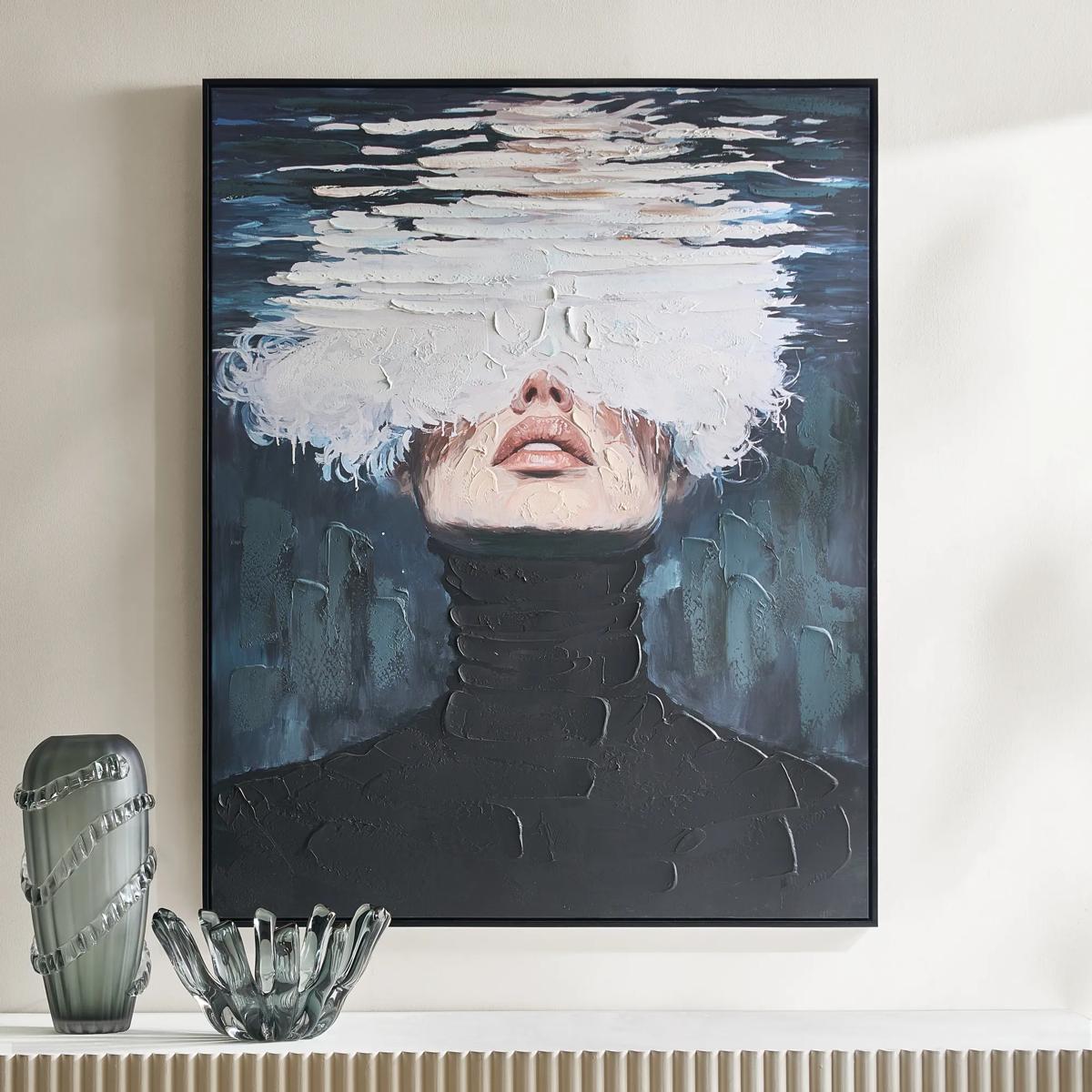 Submerged Framed Painted Wall Art 40" x 50"$599
A hand-painted canvas featuring a surreal portrait in black, blue, and white with a black floater frame.
Add To Cart

Gifts For Art Studio Owners
Gifts for art studio owners demand more than the ordinary—they call for inspiration wrapped in elegance, creativity elevated to a statement. Here, every selection is a celebration of artistic vision, designed to transform the everyday workspace into a gallery of possibility. Whether you’re seeking to spark imagination or honor their passion for expressive design, these gifts for art studio owners are curated to infuse their sanctuary with drama, sophistication, and a flourish of the unexpected. Because in the world of artistry, every detail is an opportunity to dazzle.
Gifts for art studio owners bring a distinctive kind of beauty to a space where ideas become tangible. The most thoughtful choices support the way an artist works while honoring the visual language that makes the studio unmistakably theirs. Lighting, sculptural decor, decorative storage, and accent furnishings can each serve that purpose, lending presence to a client-facing room or creating a more composed setting around an active workspace. An art studio often holds several identities at once: a place for concentrated practice, a backdrop for photographing finished work, and a destination where collectors or students encounter the artist’s perspective. A gift that belongs in that environment should feel expressive without competing with the art. Strong silhouettes, tactile surfaces, and considered proportions offer visual interest that does not depend on matching a particular painting or palette. A gleaming metallic accent can introduce a deliberate flash of contrast beside raw wood, while a ceramic form can echo the curves and irregularities of handmade work. Glass lends transparency and reflected light; richly grained wood brings depth to a room dominated by smooth walls and stretched canvas. These materials create different moods, making the recipient’s aesthetic more important than a broad notion of what an artist ought to enjoy. For a painter with saturated canvases, restrained finishes may give the work breathing room. For someone whose practice centers on monochrome photography or architectural drawing, a daring sculptural gesture can become a compelling counterpoint. Gifts for a studio opening, an anniversary of an independent practice, or a completed exhibition can celebrate both creative achievement and the room that made it possible. Unlike specialized tools, which depend on intimate knowledge of an artist’s preferred medium and technique, thoughtfully proportioned decor and furnishings can acknowledge the larger life of the studio. Their appeal lies in that balance: personal enough to feel considered, versatile enough to become part of the recipient’s evolving surroundings, and beautiful enough to hold attention long after the occasion.
Lighting is an especially useful category of gifts for artists and studio owners because its role extends from close work to the presentation of finished pieces. A workspace light with an adjustable direction can help illuminate detailed drawing or tabletop tasks, while ambient lighting gives a reception area a softer, more inviting character. These functions are related but not interchangeable. For color-sensitive work, published specifications matter: a high color rendering index, often expressed as CRI, indicates more faithful color rendering under that light, while color temperature describes whether the illumination appears warmer or cooler. A daylight designation alone does not establish color accuracy, and even well-specified lighting requires thoughtful placement to limit glare and distracting shadows. Decorative lighting can contribute beautifully to the studio’s atmosphere without being treated as a substitute for a dedicated task light. Scale matters just as much as finish. A broad shade may suit a generous seating area yet overwhelm a narrow work surface; a floor-standing form needs a stable position beyond the path of moving canvases, stools, and visitors. The same attention to fit makes accent furniture feel intentional. A compact surface beside a consultation chair can hold reference books or a visitor’s personal belongings, while seating with a supportive shape can make conversations about commissions more comfortable. Upholstery belongs most naturally in clean meeting or reflection areas rather than beside splashing pigment or airborne clay dust. Durable construction, secure joints, appropriate weight capacity, and care requirements are worth considering wherever furniture will receive frequent use. In a teaching studio or other heavily used setting, the manufacturer’s intended-use guidance is particularly important; residential furniture should not automatically be assumed suitable for commercial demands. Smooth, accessible surfaces can simplify routine cleaning, though easy care depends on the actual finish rather than appearance alone. A mirrored surface may create luminous depth near an entry, but it will also reveal fingerprints and may reflect an unwanted light source toward an easel. Beautiful studio gifts earn their place when those practical details support, rather than interrupt, the owner’s daily rhythm.
Decorative storage and display accents offer another way to give an art studio greater definition without prescribing how its owner should create. Trays, boxes, and vessels can gather the small belongings that accumulate around an entry, desk, or consultation area, turning visual clutter into a more deliberate arrangement. Their intended use matters: a decorative vessel is not necessarily watertight, and an ornamental container should not be assumed suitable for solvents, wet brushes, food, or other demanding applications. Materials deserve the same discernment. Glazed ceramic may be easier to wipe than an unglazed, textured surface, but it can still chip if placed beside frequently handled equipment. Glass and mirror-finish accents have a crisp, luminous presence in display areas, where they are less exposed to accidental knocks. Natural stone contributes dramatic veining and substantial weight, though some varieties are porous or sensitive to acidic spills. Wood and metal finishes vary widely in their resistance to moisture, abrasion, and cleaning products. Care should follow the manufacturer’s directions, with soft cloths and compatible cleaners rather than the aggressive products sometimes used on studio tools. Display pieces also benefit from a sense of proportion: a single substantial form can hold its own on a spacious console, whereas a smaller composition may suit a shallow shelf without crowding framed work. Keeping pathways and working surfaces clear preserves room for the movements that art requires, from stepping back to assess a composition to carrying a freshly finished piece across the studio. For owners whose creative identity extends into their living spaces, Gifts For Creative Homeowners offers a related expression of that same appreciation for artful surroundings. In either setting, a successful gift respects the recipient’s authorship. It does not attempt to finish the room on their behalf; it introduces a texture, reflection, silhouette, or moment of comfort they can make their own. Whether received by an established artist, a new studio proprietor, or an instructor welcoming a growing community, that thoughtful addition can make the space feel more assured, more hospitable, and more deeply connected to the work within it.
FAQs
A truly meaningful gift for an art studio owner is one that honors their creative process and personal style. Thoughtful selections—like unique tools, organizational pieces, or décor that inspires—demonstrate an understanding of their artistic journey and bring both beauty and functionality to their space.
Consider the artist’s preferred palette, materials, and the overall mood of their studio. Opt for items that enhance their chosen aesthetic, whether it’s bold and dramatic or elegantly understated. Sculptural accents, statement lighting, or artful storage solutions can seamlessly blend with their creative environment while adding a touch of luxury.
Absolutely. Gifts that introduce new materials, techniques, or perspectives—such as innovative tools or inspirational decorative pieces—can invigorate the creative process. Even a striking mirror or a plush rug can shift the energy of the studio, encouraging fresh ideas and experimentation.
Gifts that celebrate artistry and enhance the studio environment are universally appreciated, regardless of experience level. Think versatile tools, elegant organizers, or décor that reflects their passion for creativity. These items can support daily practice while elevating the overall ambiance of the studio.
Personalization can be achieved by selecting items that resonate with the recipient’s artistic style, favorite colors, or preferred mediums. Consider gifting something that aligns with their current projects or aspirations, or choose a piece that adds a signature touch to their creative sanctuary.