Art Gifts For Interior Design Students
Art Gifts For Interior Design Students
-
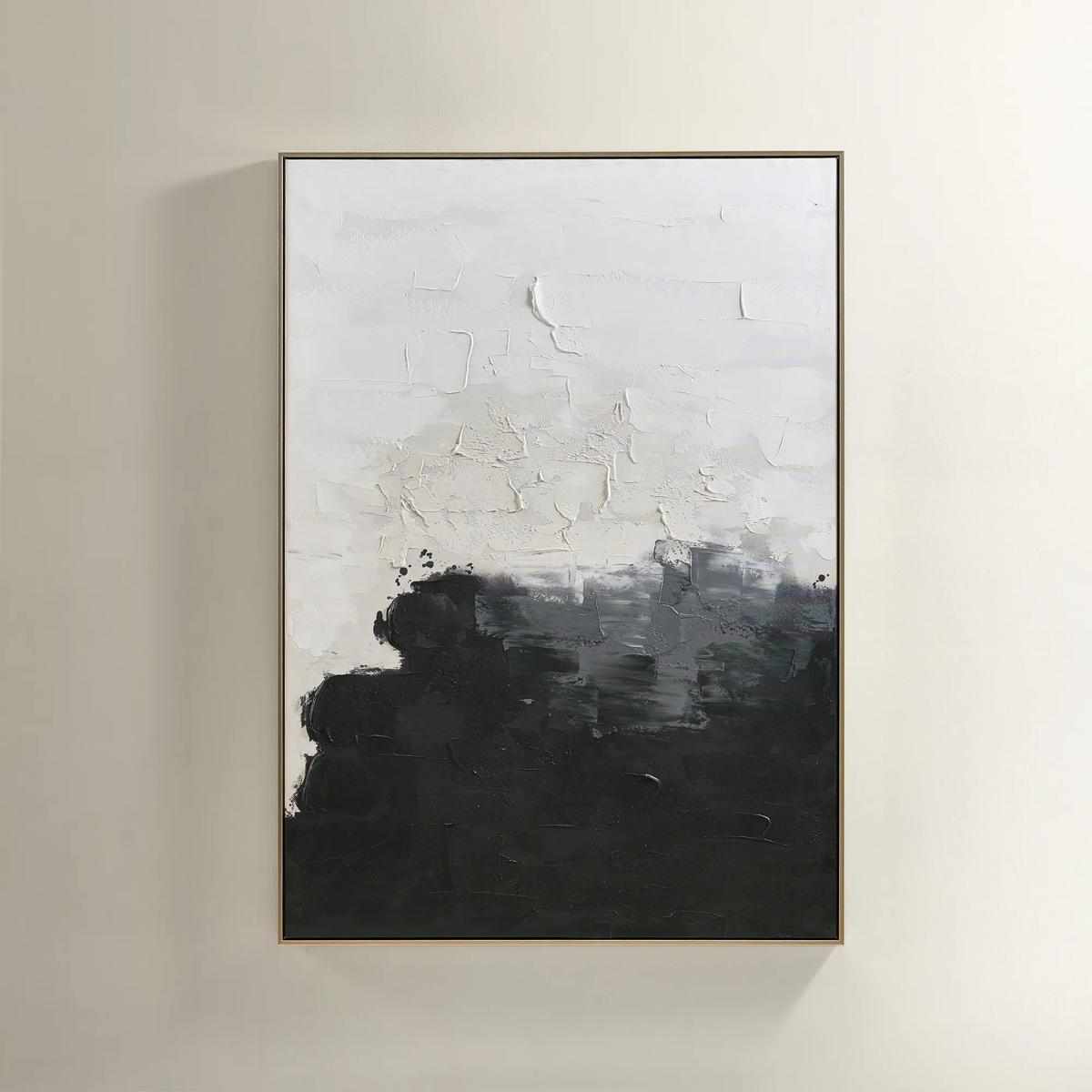
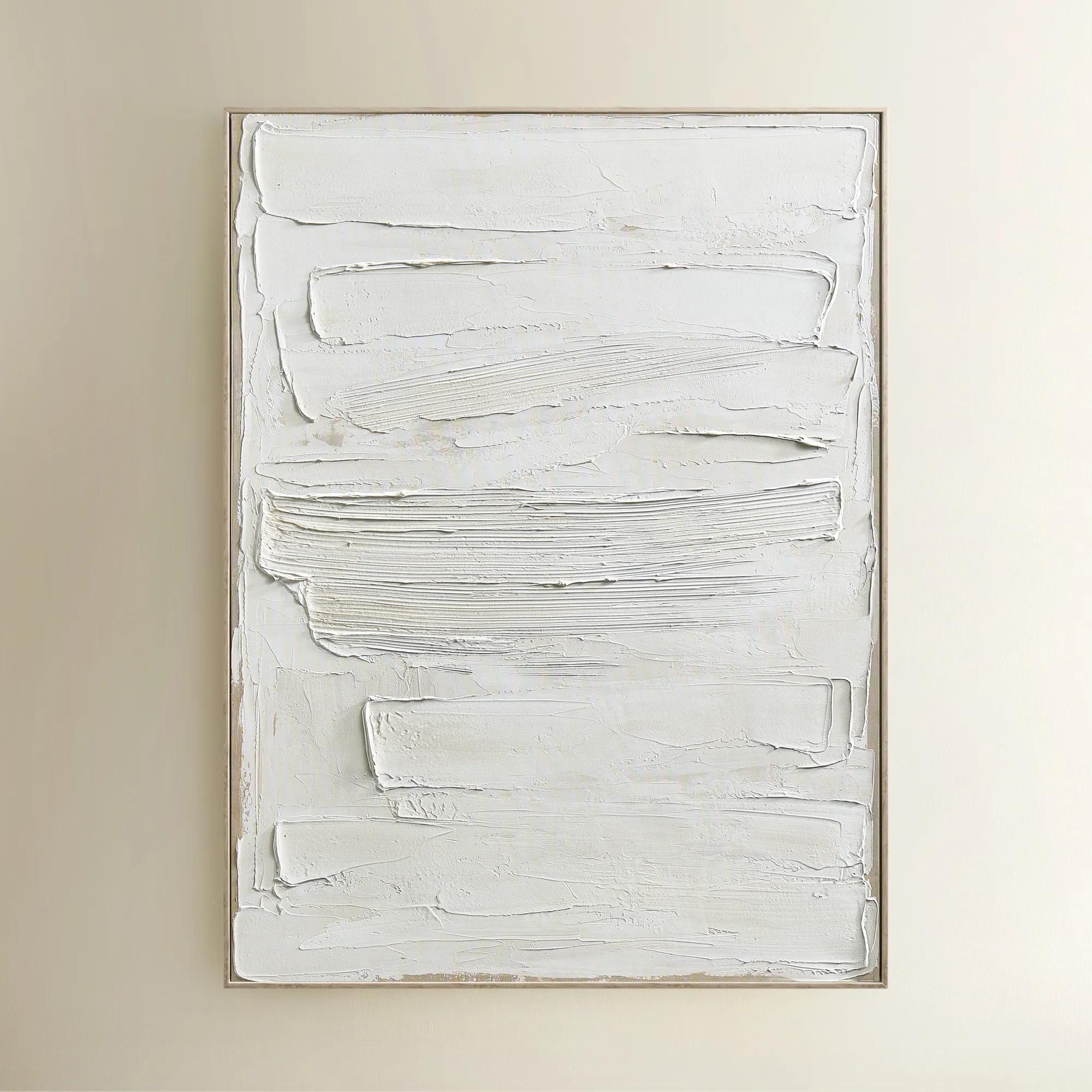
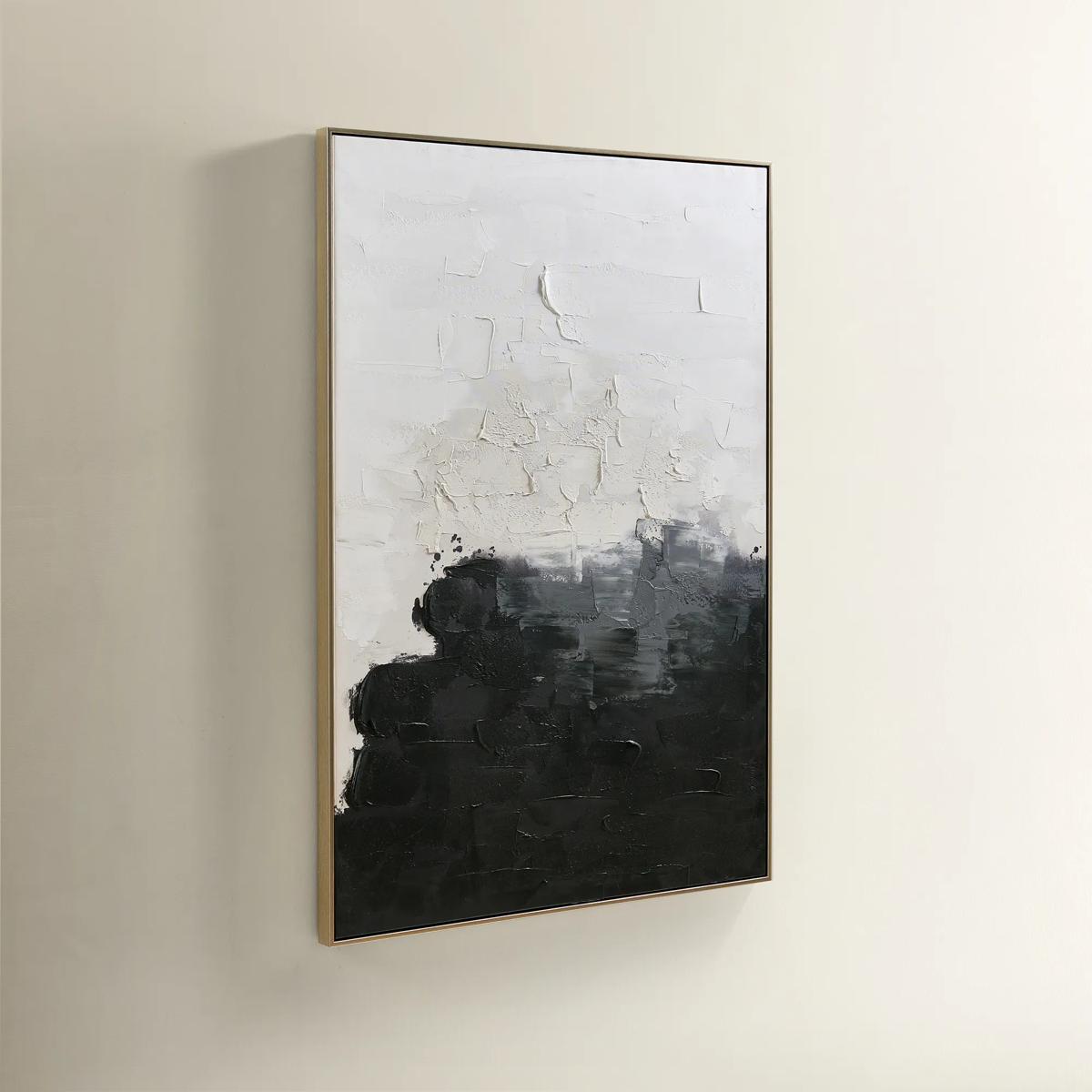 No Rush Painted Wall Art 39.25" x 55"$499
A hand-painted canvas featuring textured strokes of white, ivory, and charcoal in a natural wood frame.
Add To Cart -

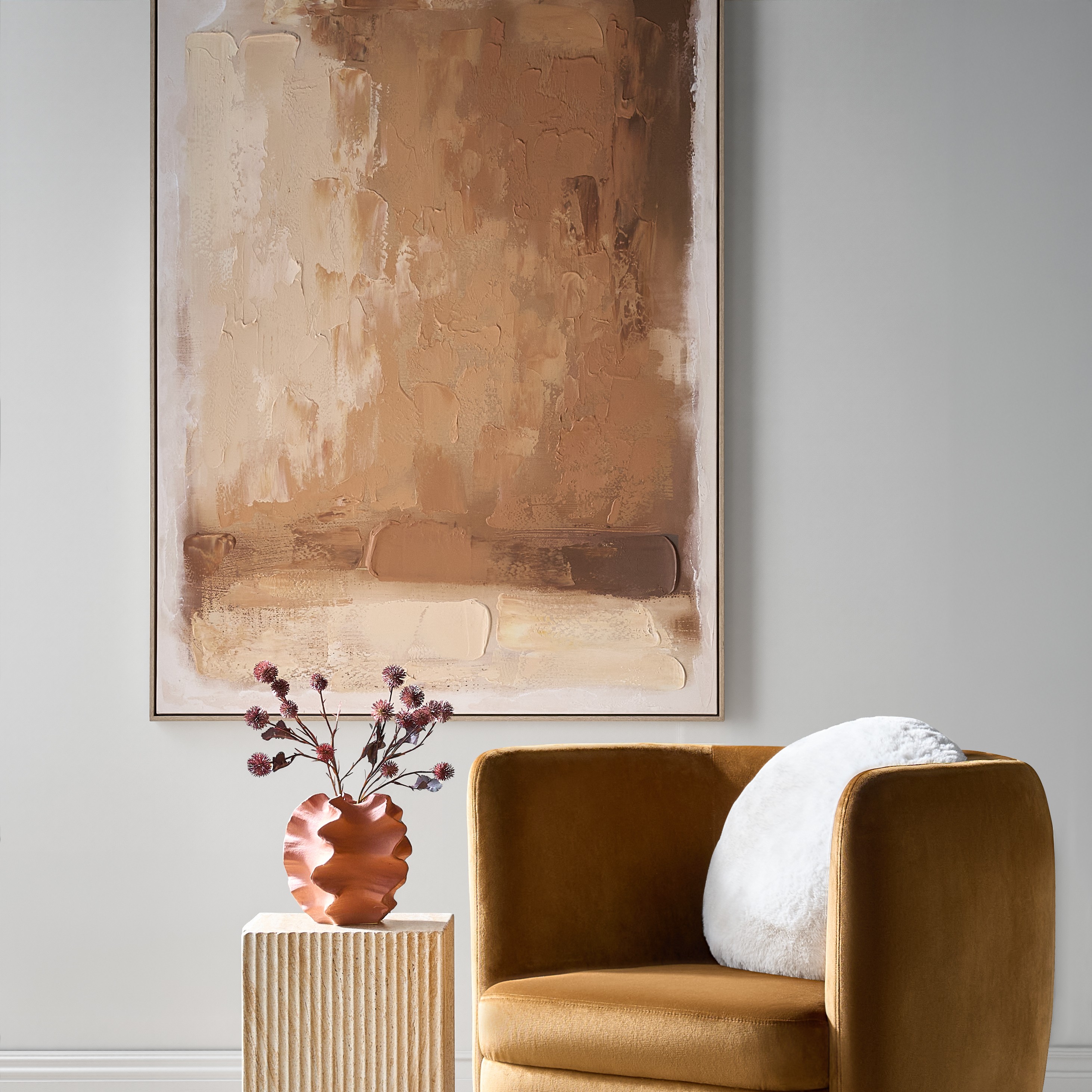 Ember Glow Framed Painted Wall Art 39.25" x 55"$499
A hand-painted abstract canvas blending ochre, terracotta, and golden clay hues in a light natural frame.
Add To Cart -
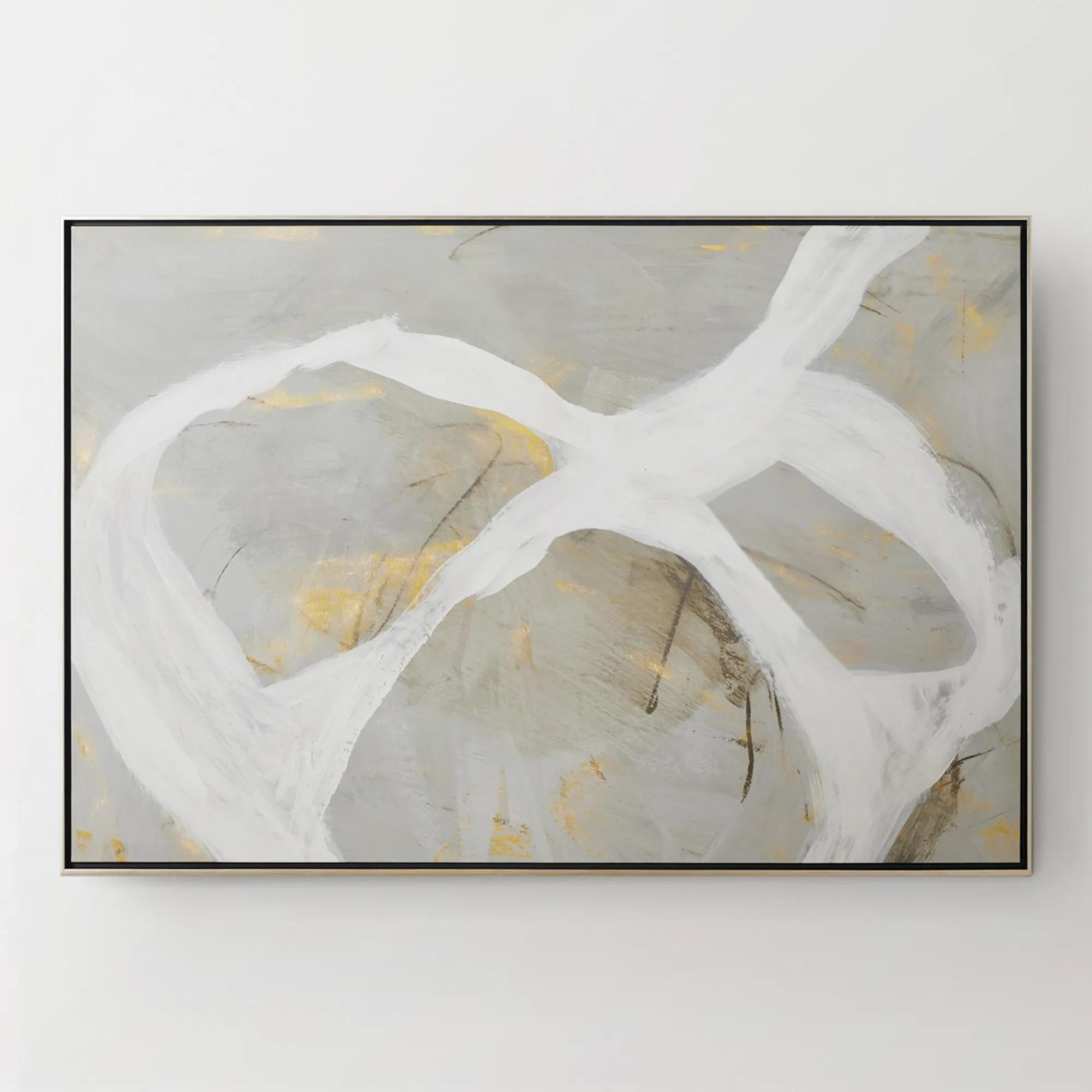
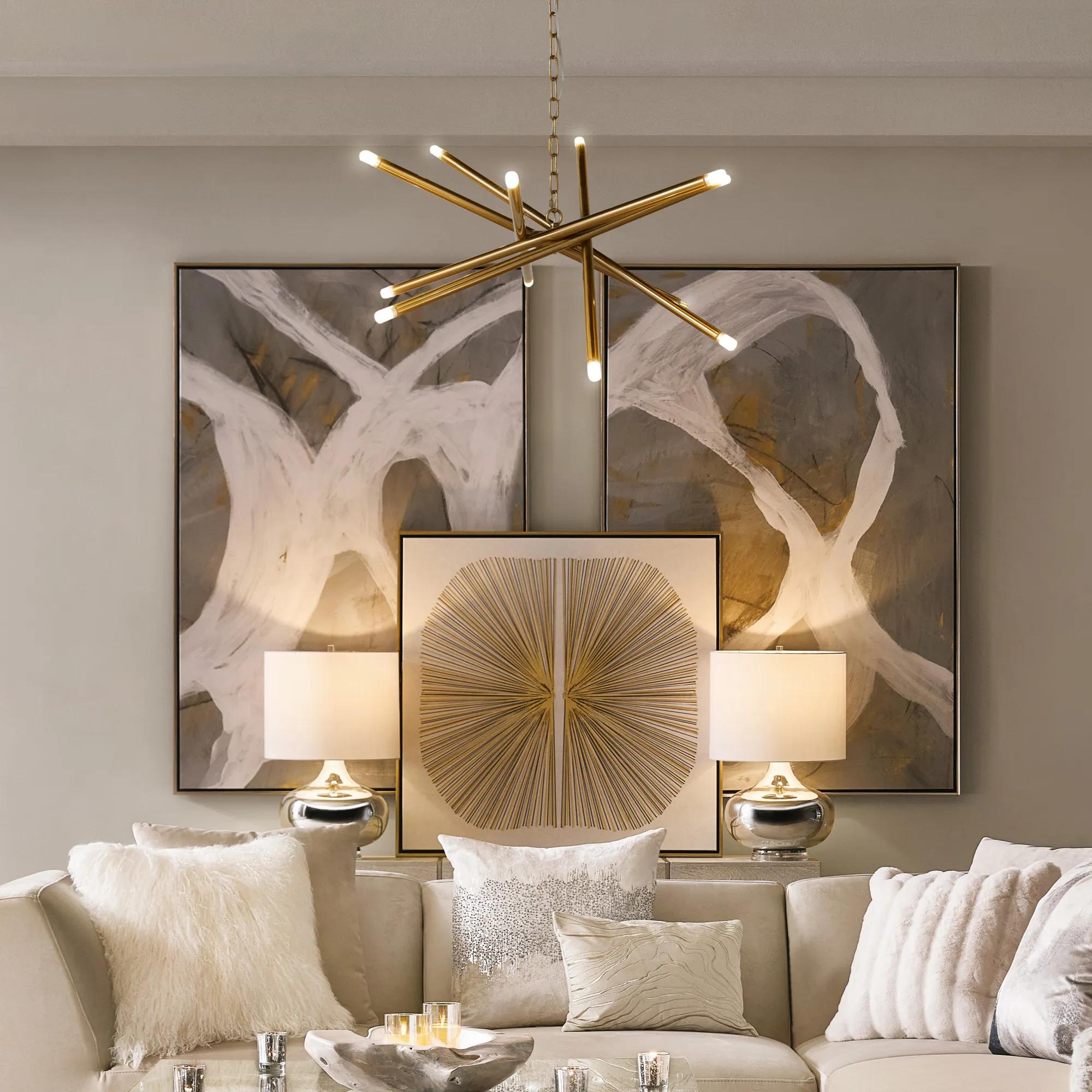 Les Series Framed Painted Wall Art I 61" x 41"$1099
An abstract canvas artwork featuring bold brushstrokes, hand-applied gold accents, and a silver floater frame.
Add To Cart -
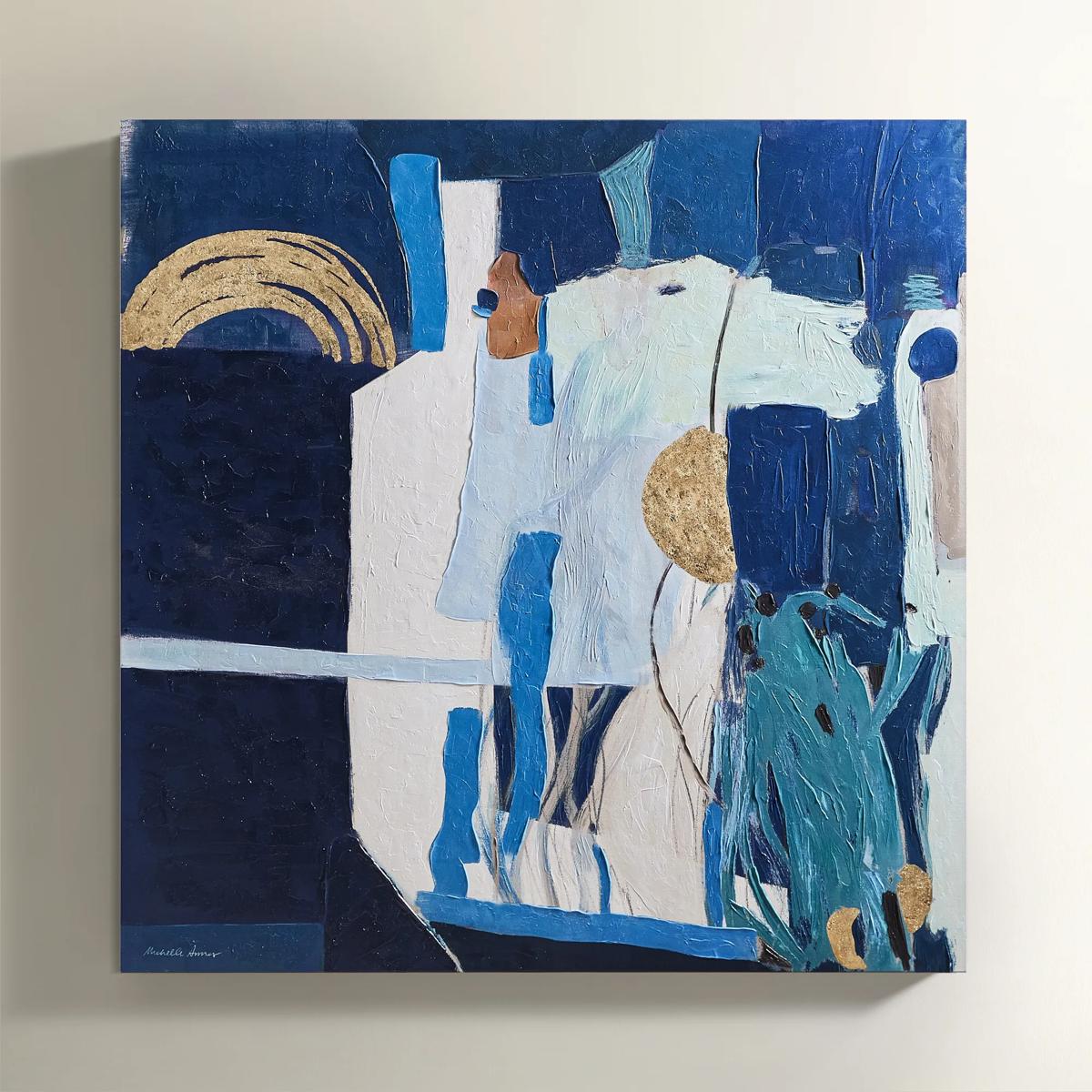
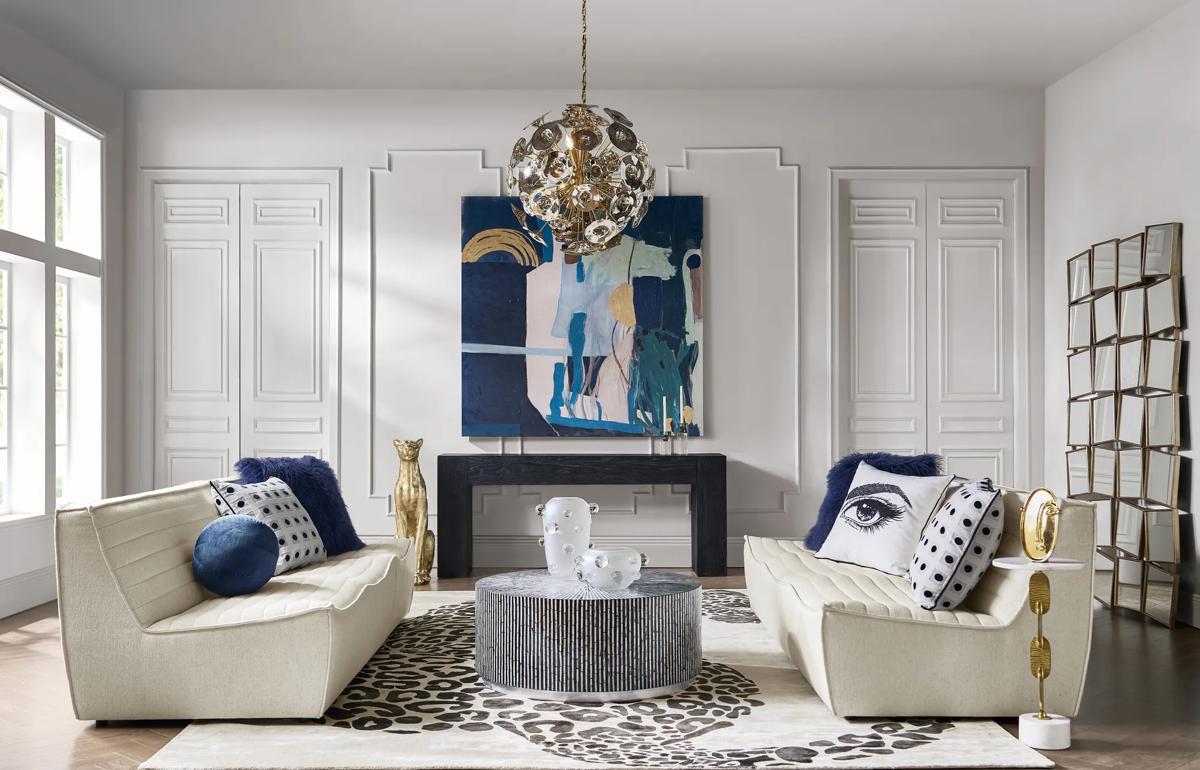 In Flux Painting$699
A hand-embellished canvas artwork featuring deep teal, green, ivory, and gold in a black Art Deco frame.
Add To Cart -
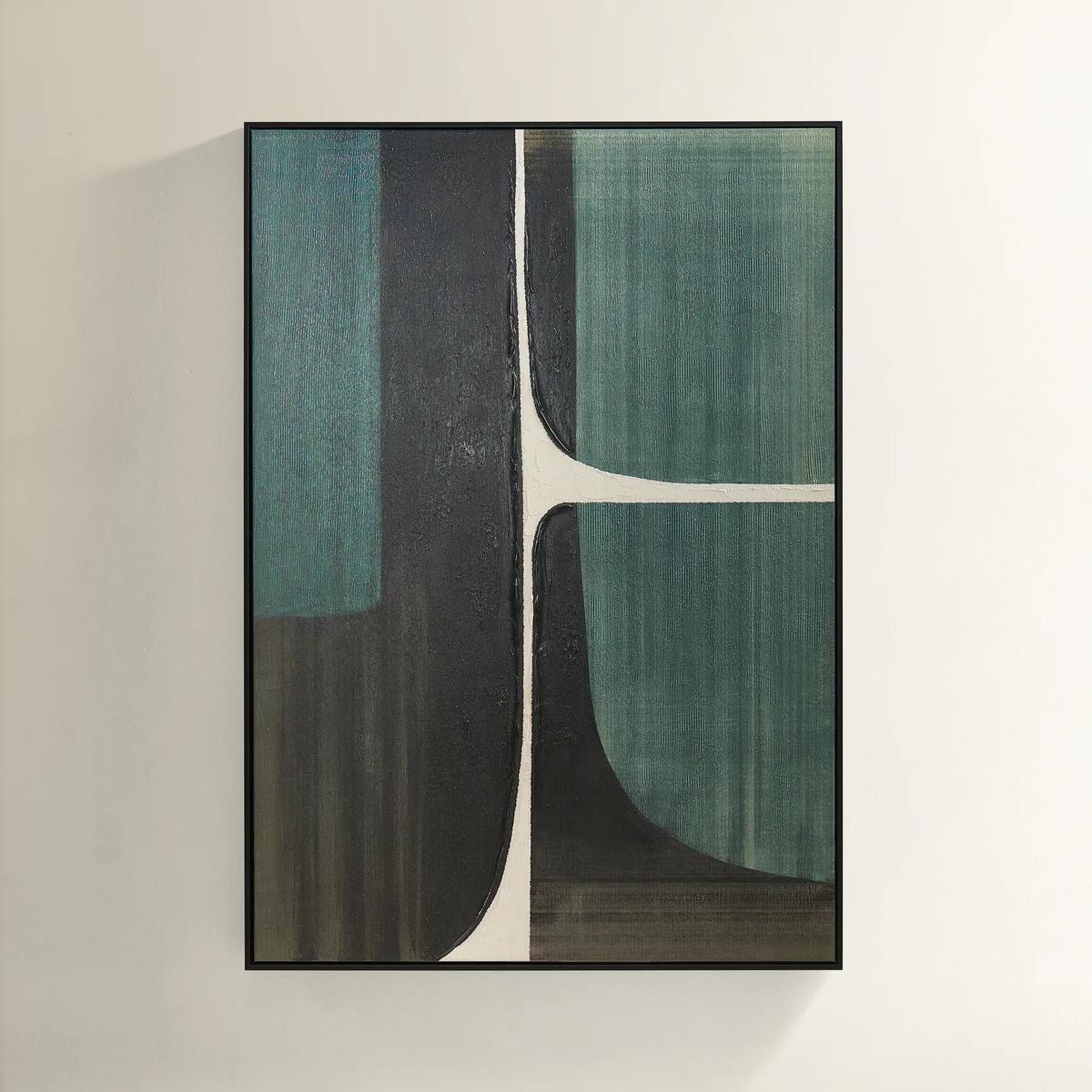 Plains Framed Painted Wall Art 39.25" x 55"$499
A hand-painted abstract canvas in forest green, ivory, and black with a sleek black floater frame.
Add To Cart -
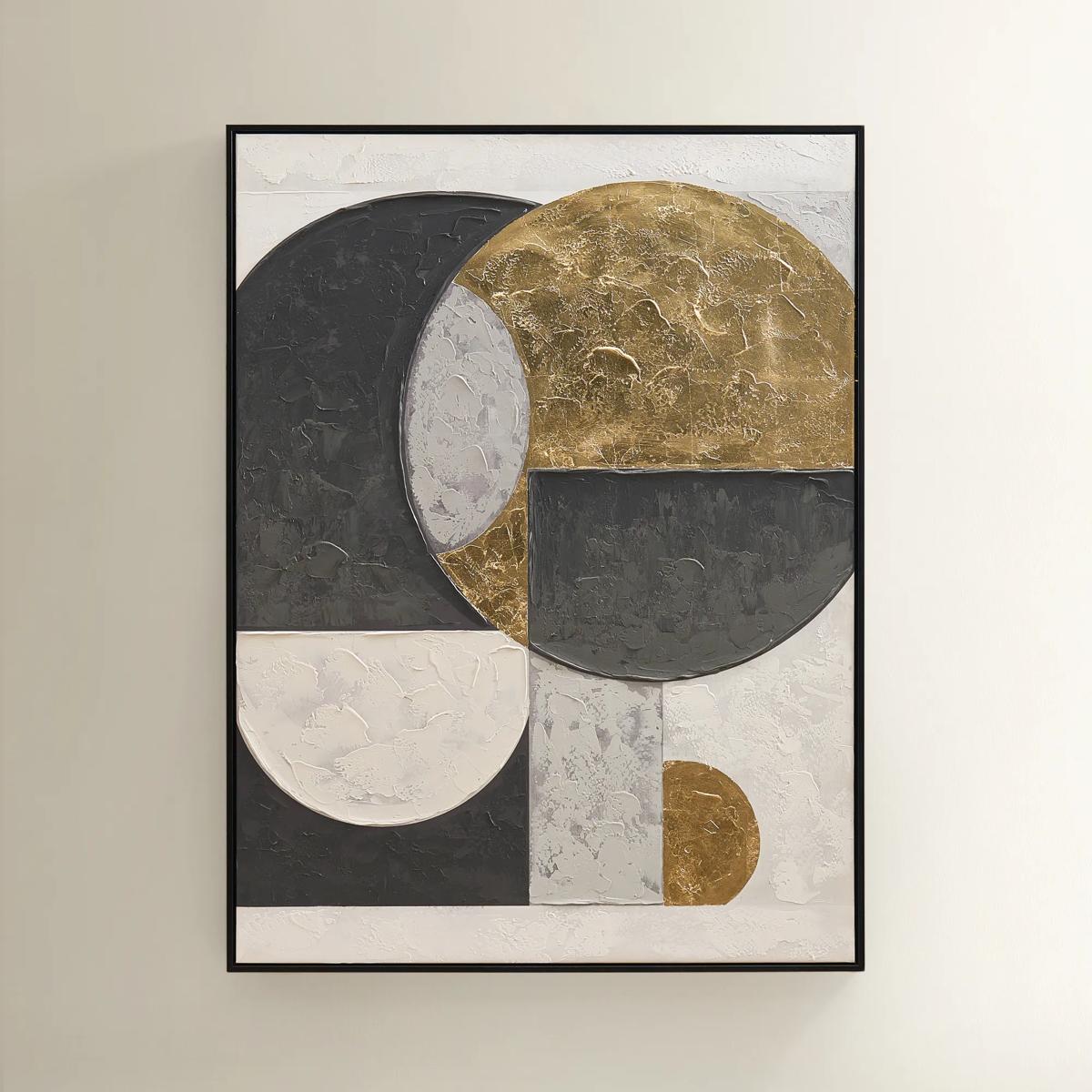
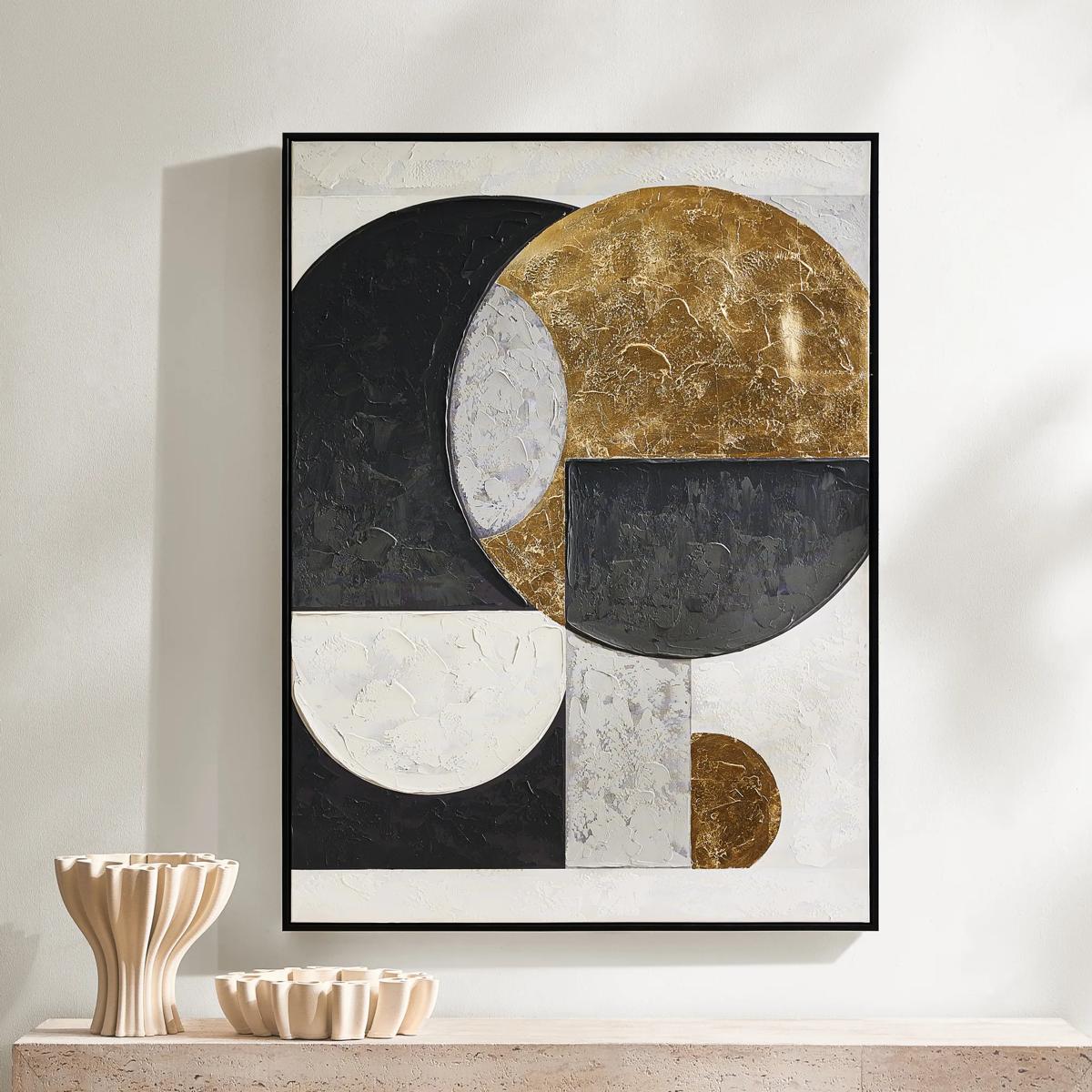 Eclipse Framed Gold Leaf Painted Wall Art 35.25" x 47.25"$449
A hand-painted canvas featuring bold black, grey, and gold geometric shapes with shimmering gold leaf accents.
Add To Cart -

 Shift Framed Painted Wall Art 39.4" x 59"$499
A hand-painted canvas featuring bold black and beige contrasts with textured layers in a sleek black frame.
Add To Cart -
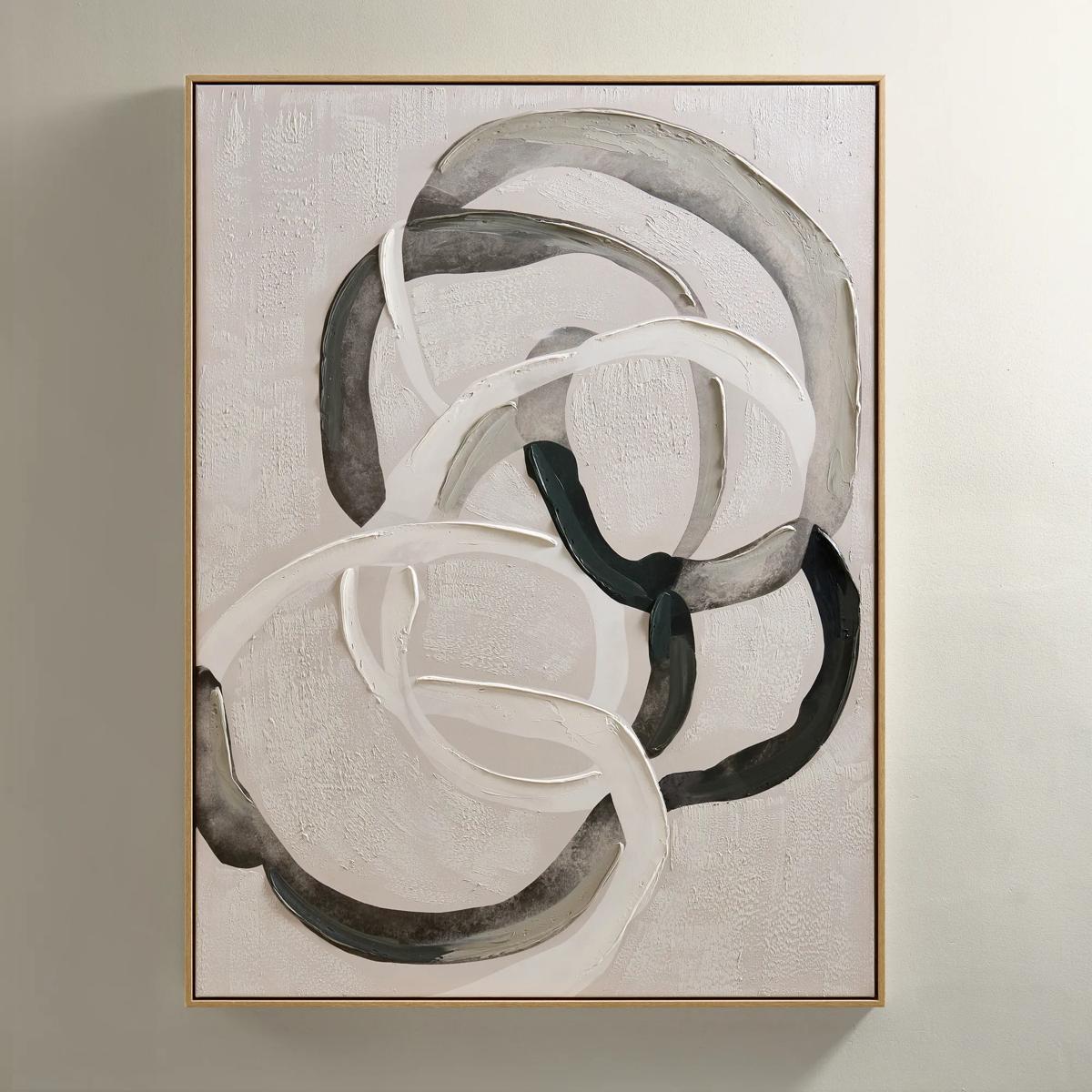
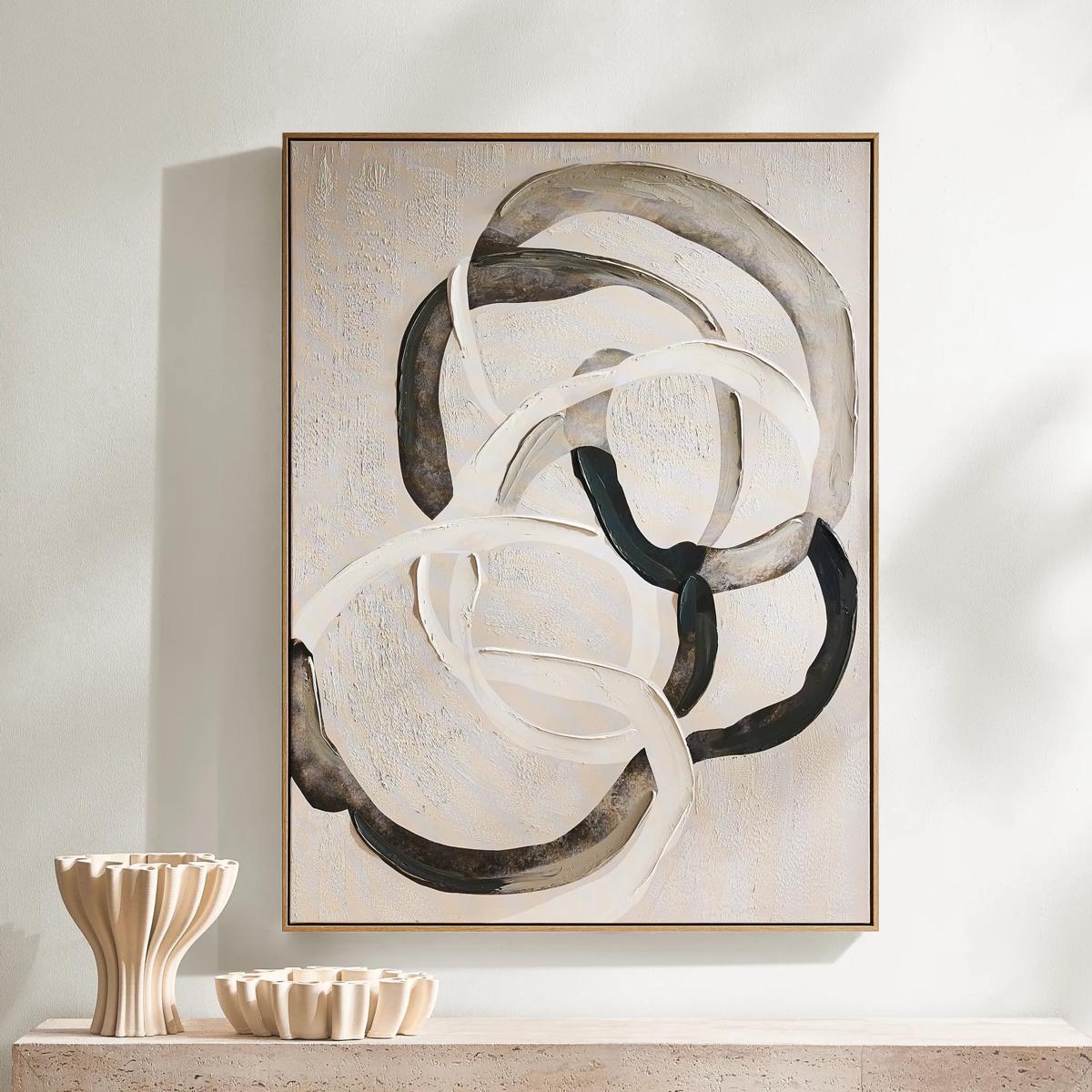 Round About Framed Painted Wall Art 35.25" x 47.25"$349
An abstract hand-painted canvas with tonal whites, charcoals, and taupes in a light wood floater frame.
Add To Cart -
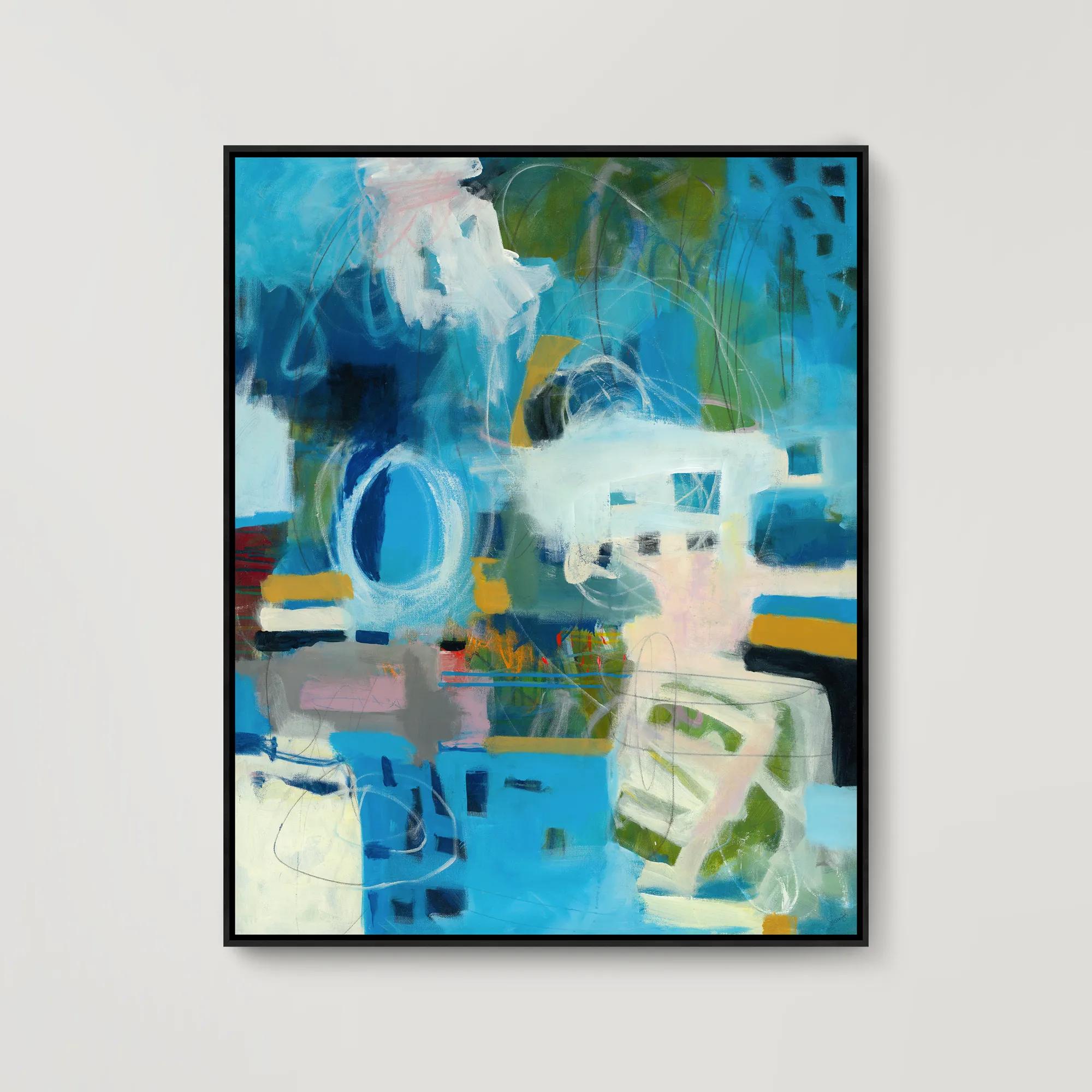
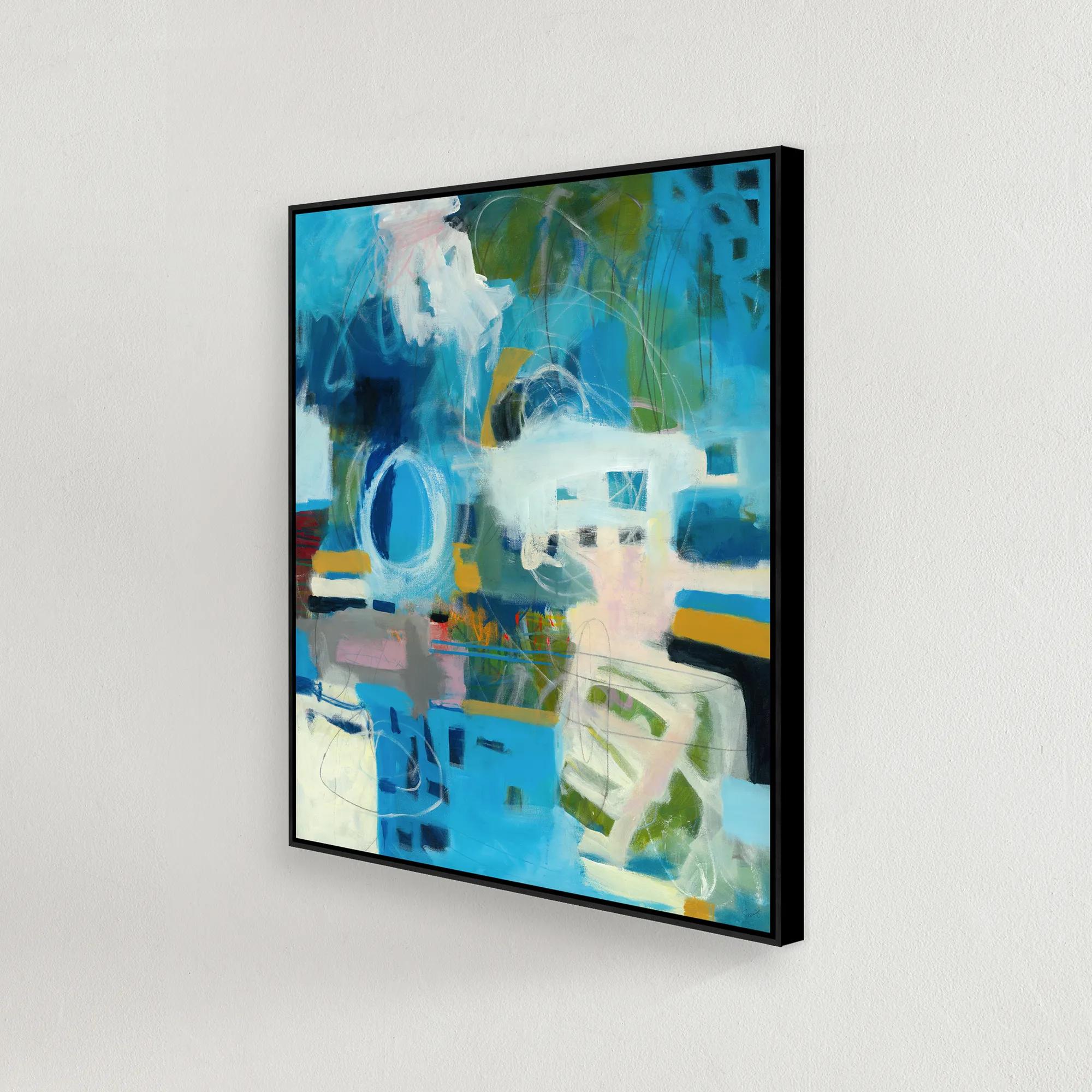 Just Across the Boarder Framed Wall Art 37.5" x 46.5"$749
A gallery-wrapped canvas artwork with hand-applied gel finish, set in a sleek black floater frame.
Add To Cart -
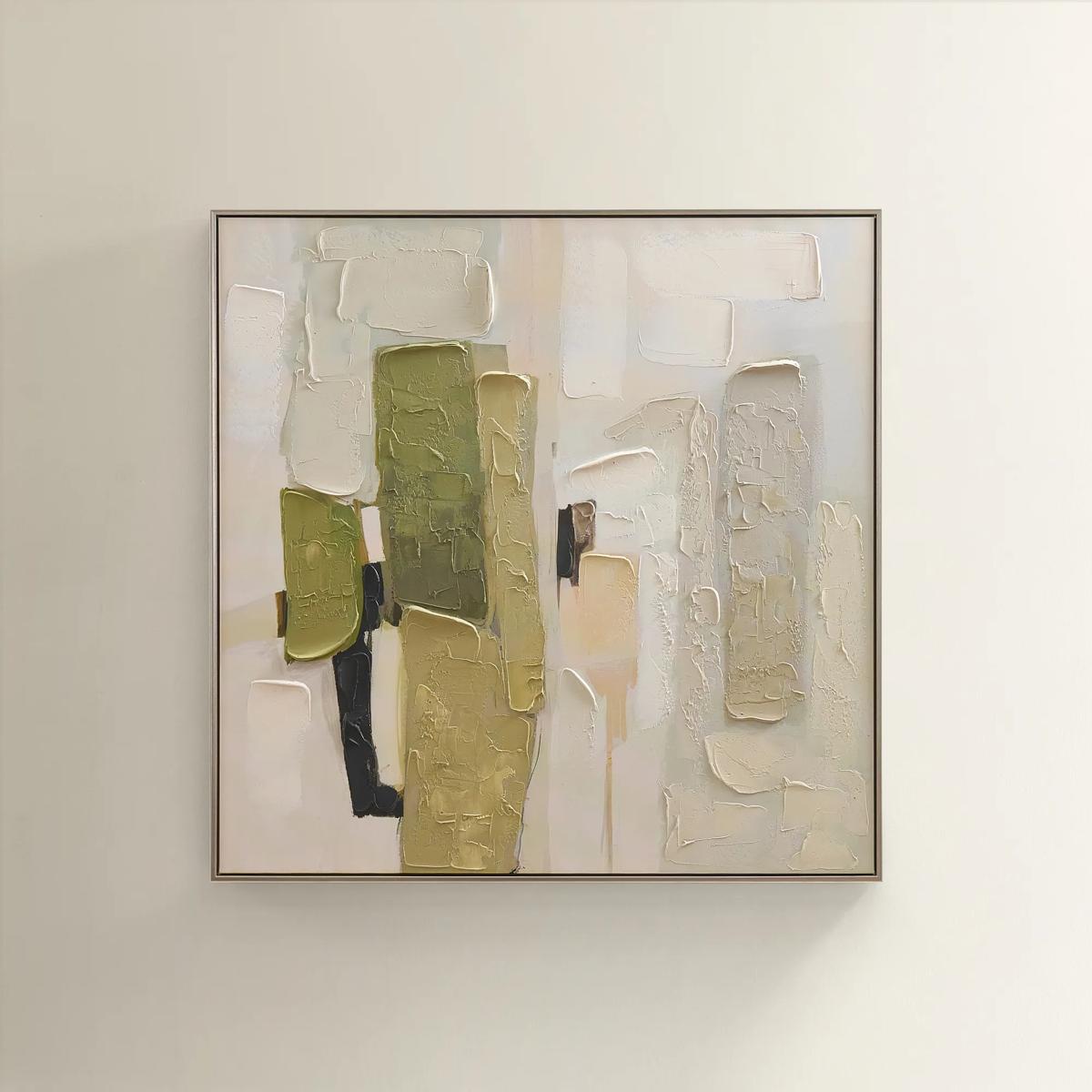 Verde Crush Framed Painted Wall Art 39.25" x 39.25"$349
A hand-painted abstract canvas featuring rich green tones, layered neutrals, and a champagne floater frame.
Add To Cart -
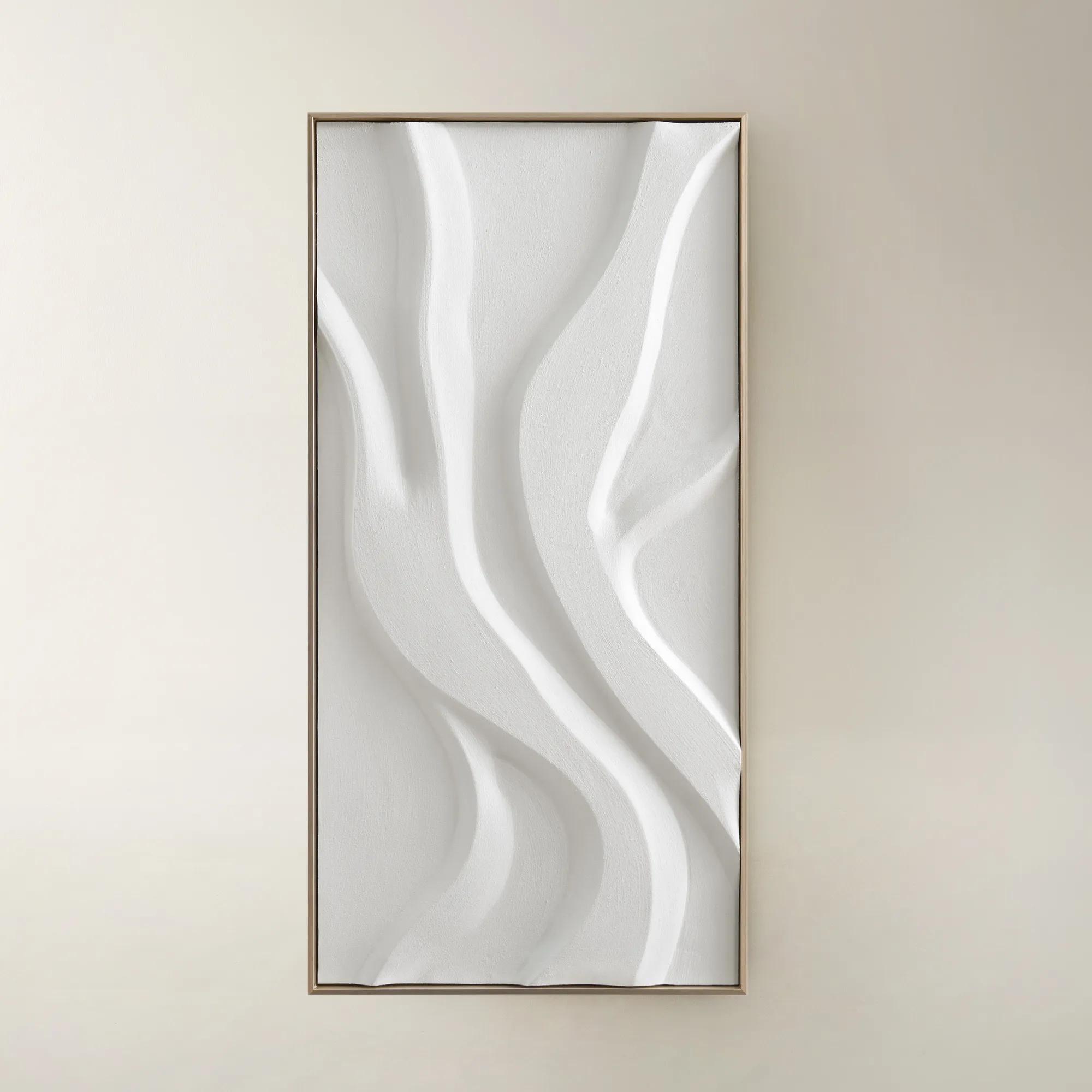
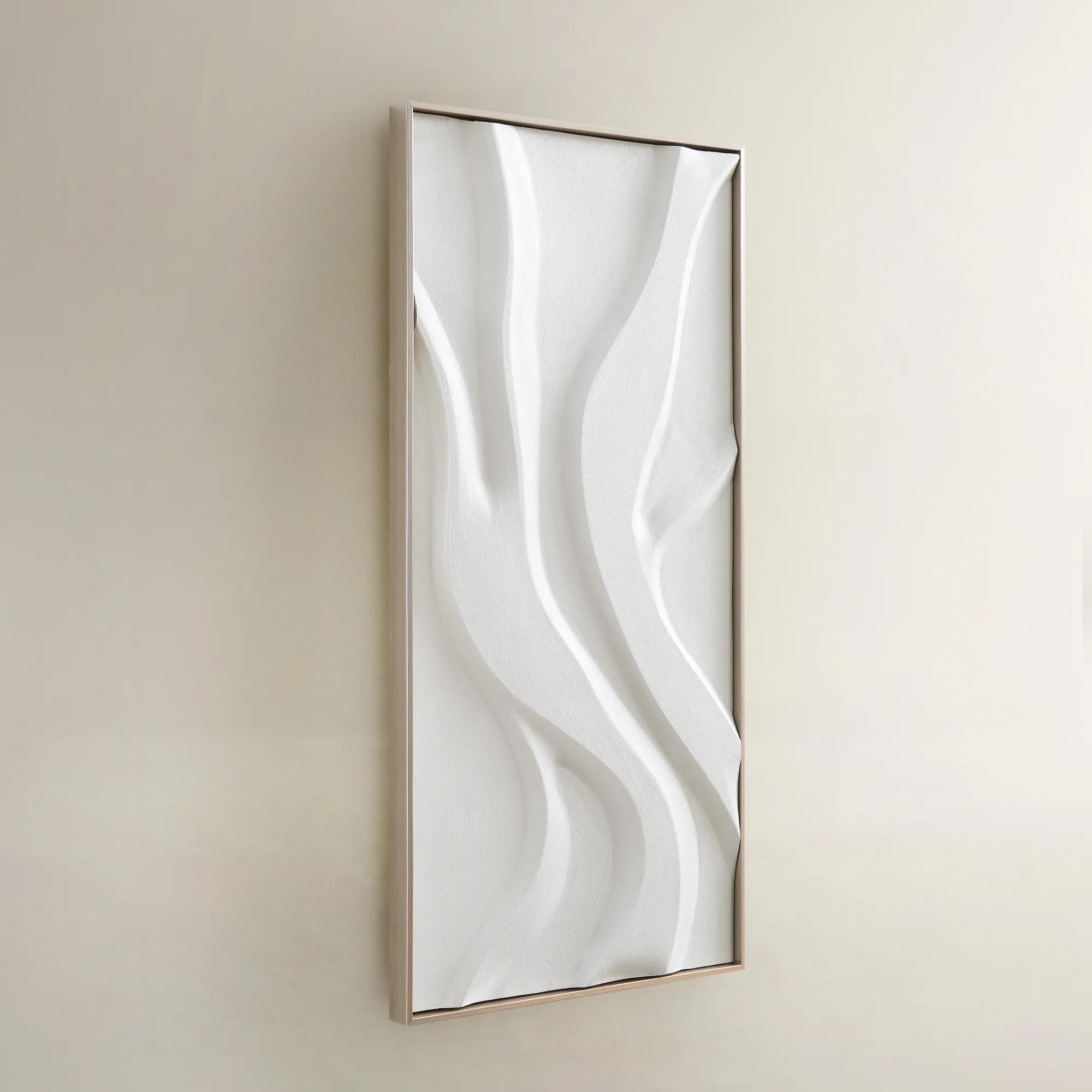 Au Lait Framed Painted Wall Art I 47.2" x 23.6"$199
An organic hand-painted canvas featuring flowing white forms in a warm champagne finish floater frame.
Add To Cart -
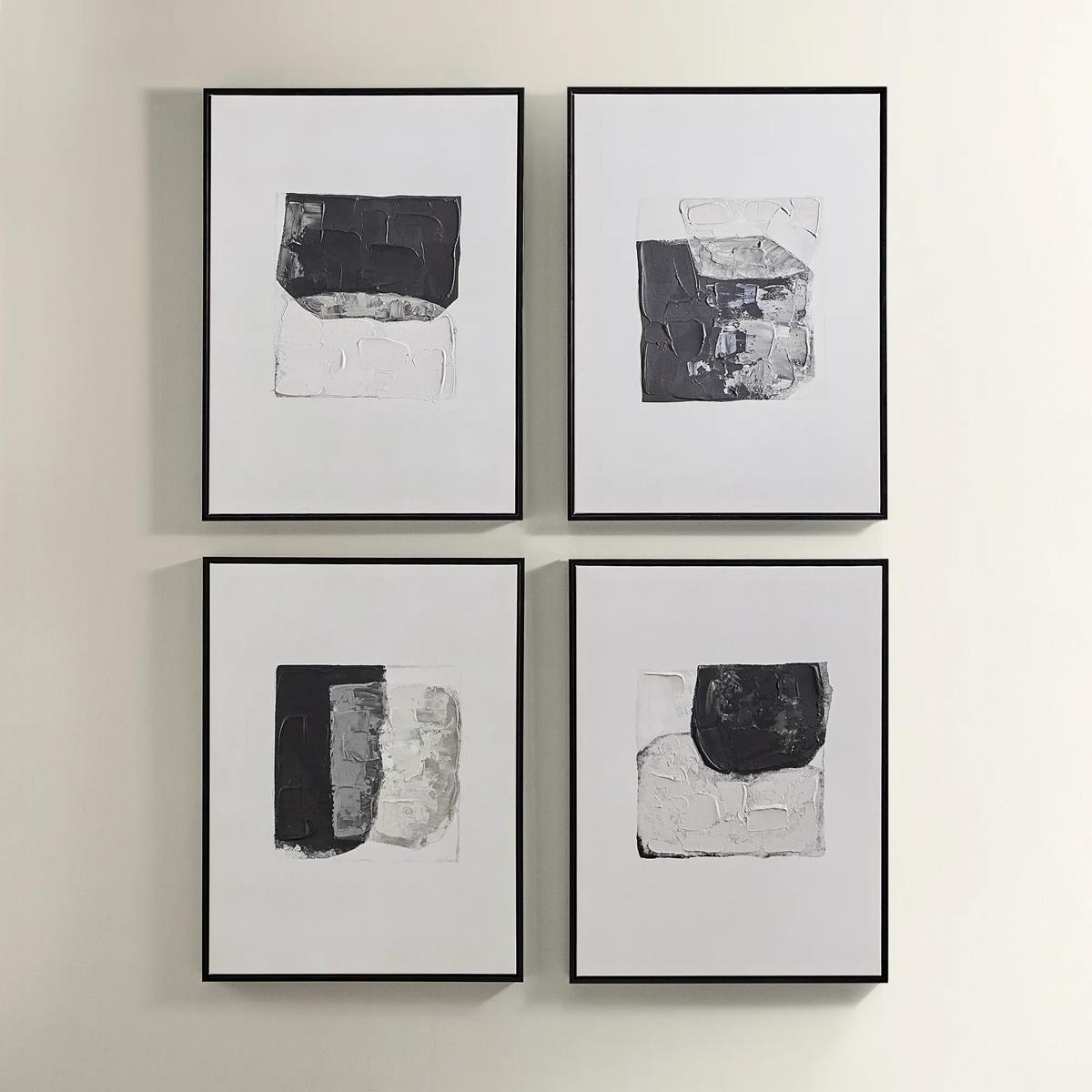
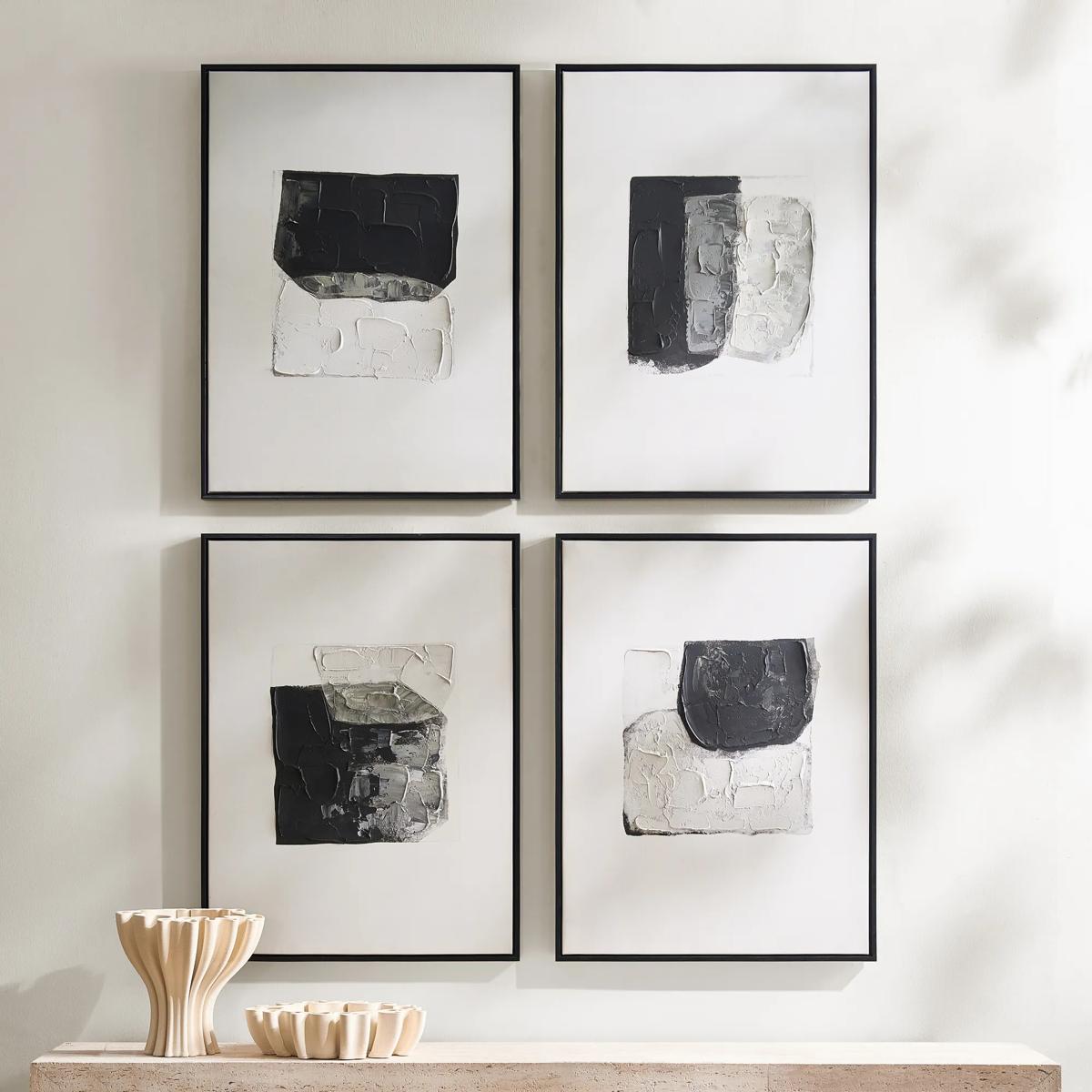 Shadows Framed Painted Wall Art Set of 4$299
A set of four hand-painted abstract canvases featuring black, white, and gold accents in black frames.
Add To Cart -
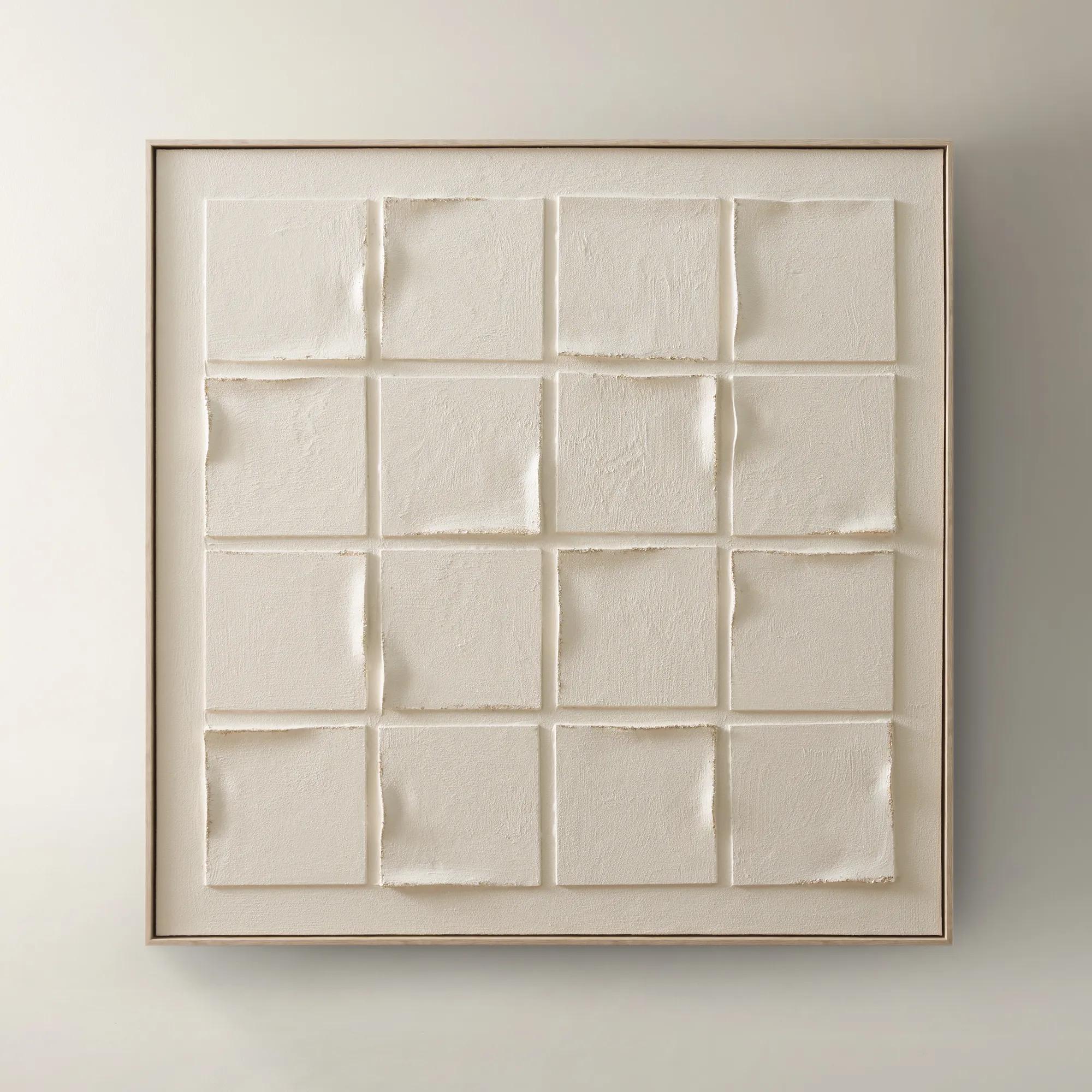 Gaze Framed Painted Wall Art 39.4" x 40"$329
A hand-painted canvas featuring subtle beige tones and textured depth in a warm whitewash floater frame.
Add To Cart -
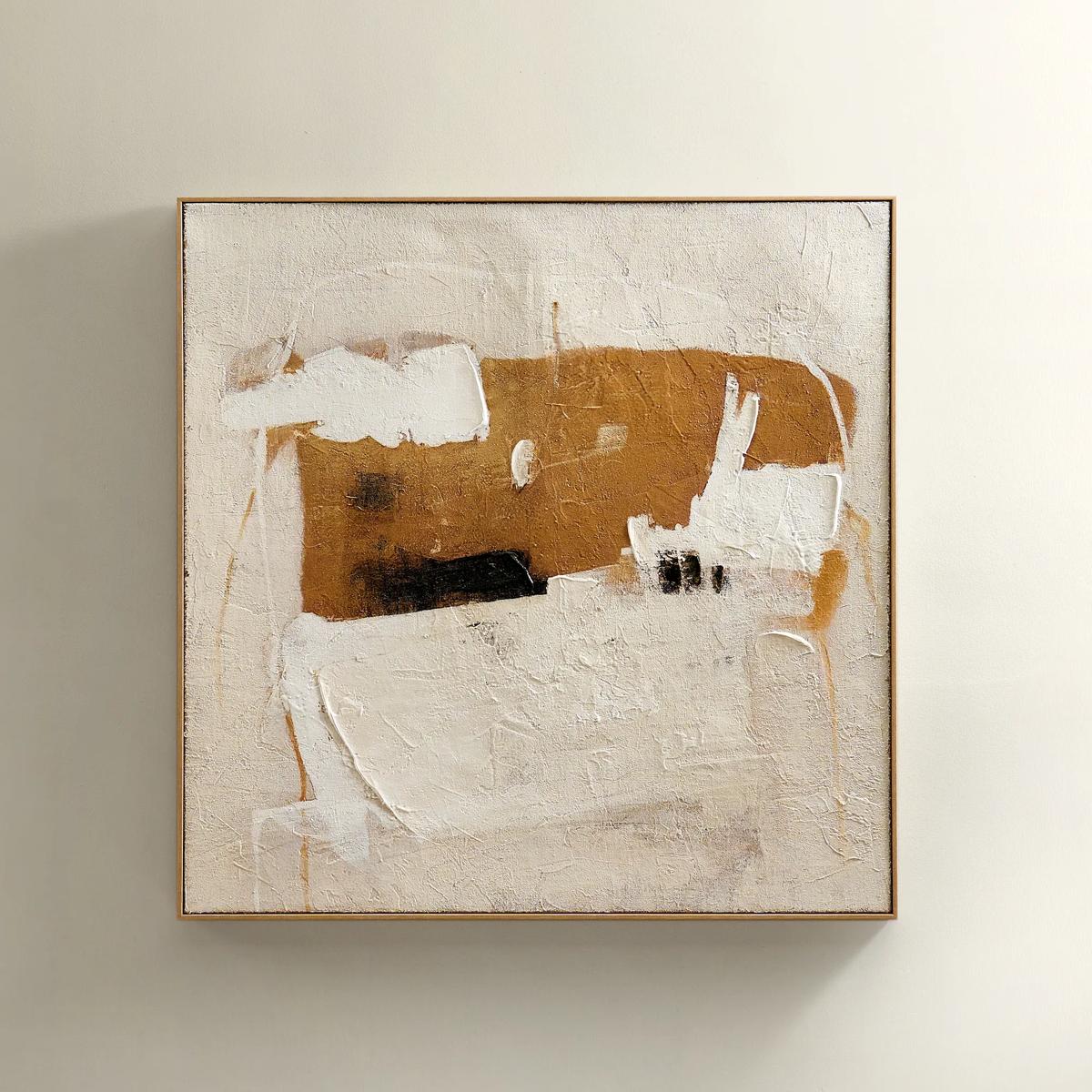 Instinct Framed Painted Wall Art 39.25" x 39.25"$349
An abstract hand-painted artwork featuring warm neutrals and black strokes on hessian with a light natural frame.
Add To Cart -
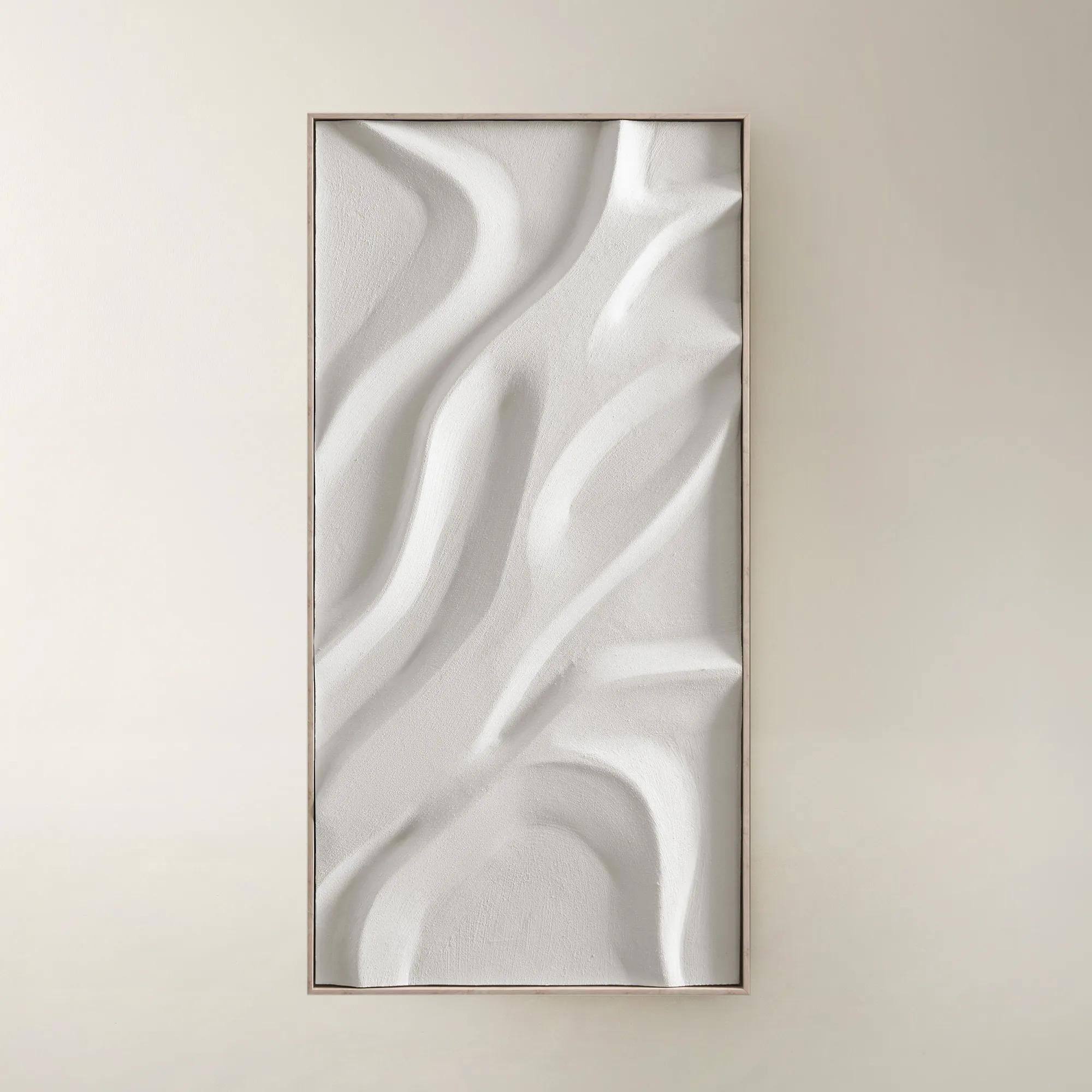
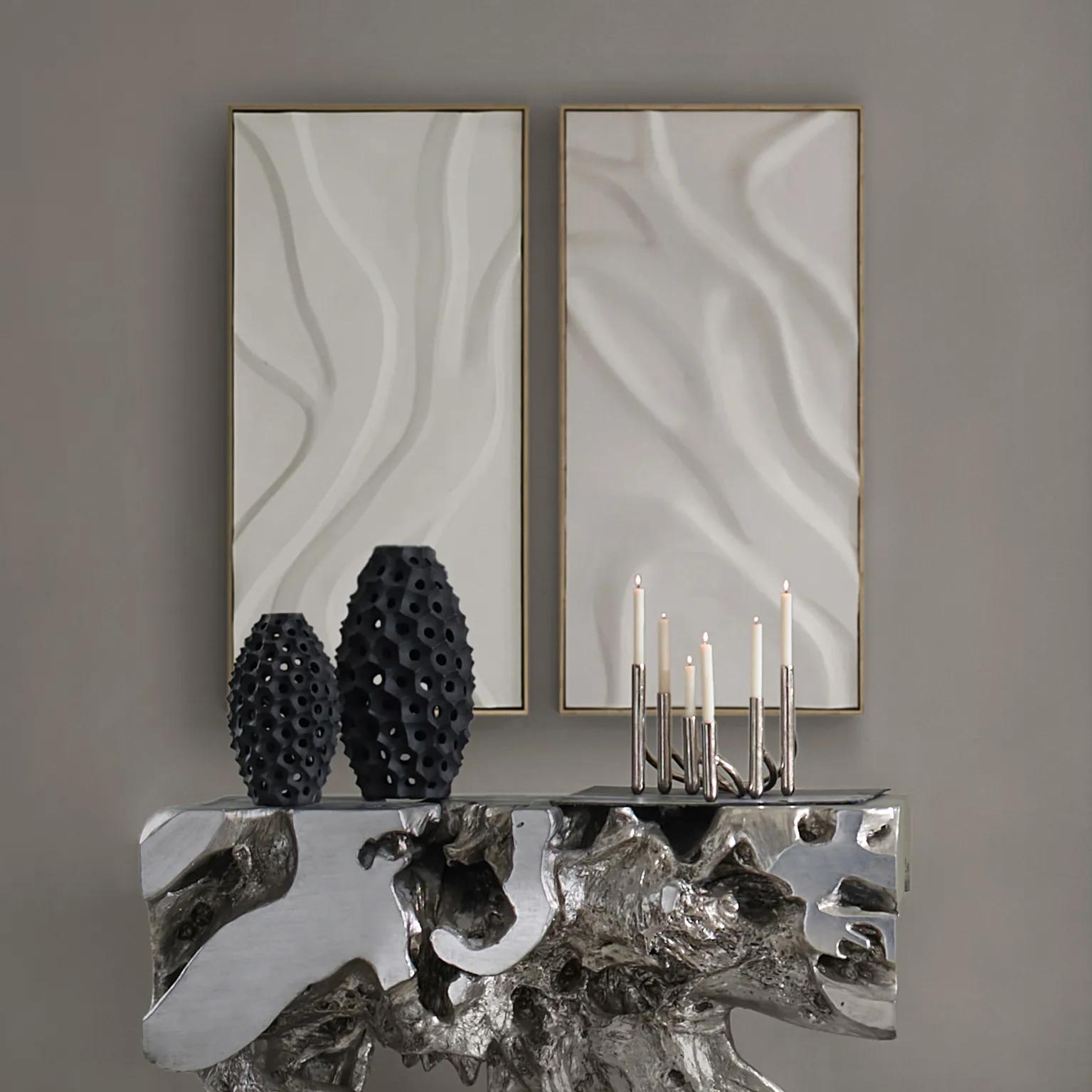 Au Lait Framed Painted Wall Art II 47.2" x 23.6"$199
A serene hand-painted canvas in beige, set in a warm whitewash floater frame for modern interiors.
Add To Cart -
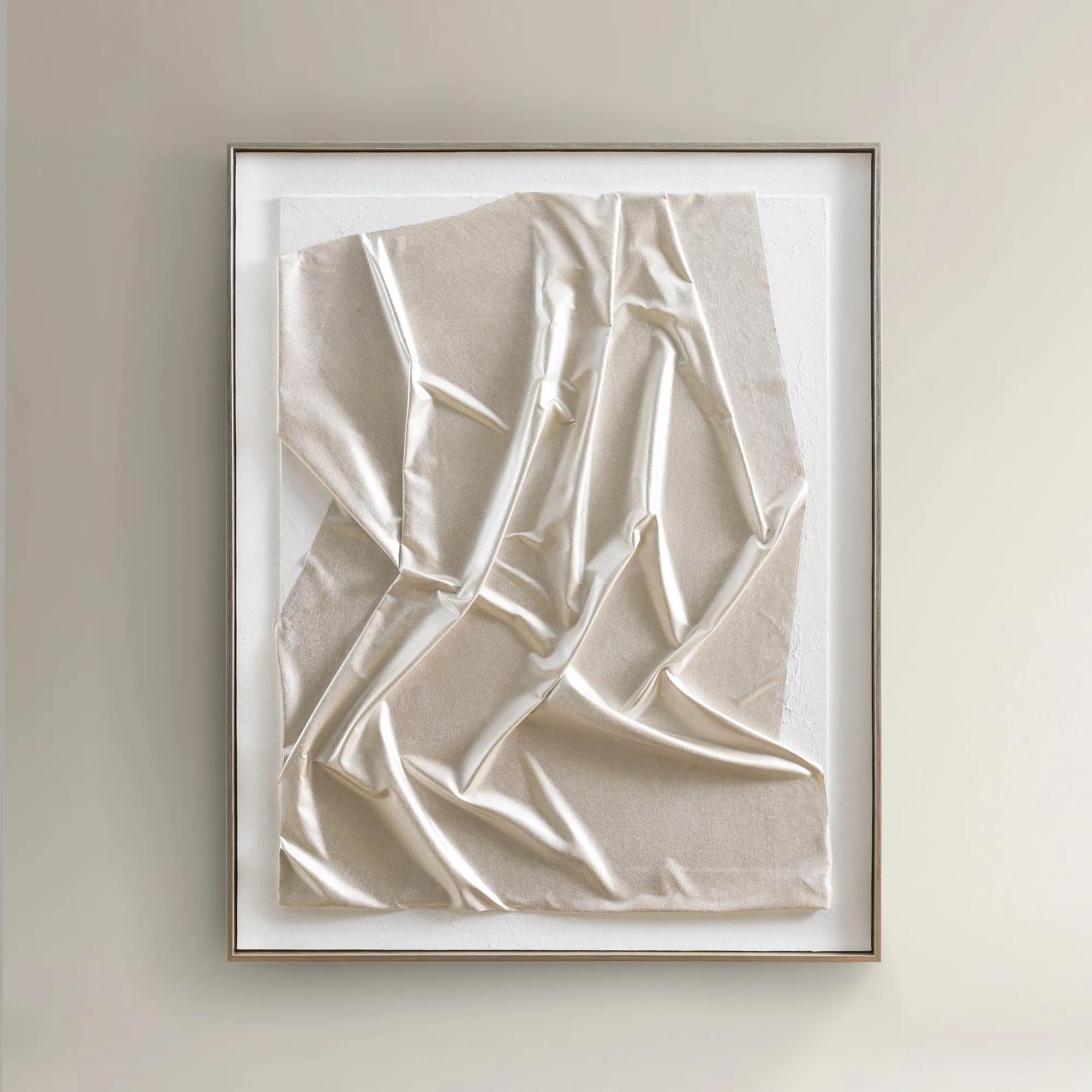
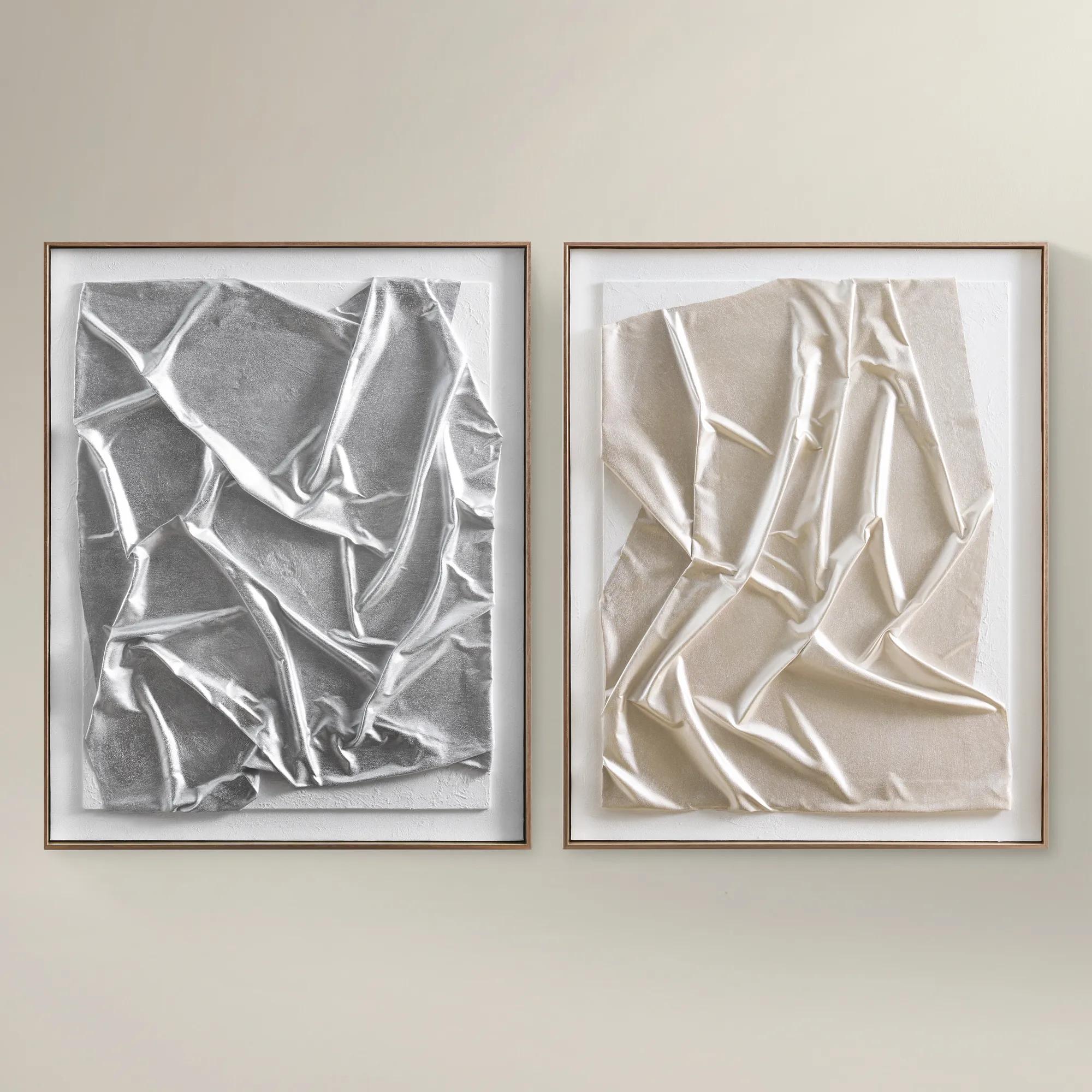 In the Mood Framed Painted Wall Art 31.5" x 39.5"$199
A hand-painted gold canvas artwork featuring textured surfaces and fluid forms in a champagne floater frame.
Add To Cart -
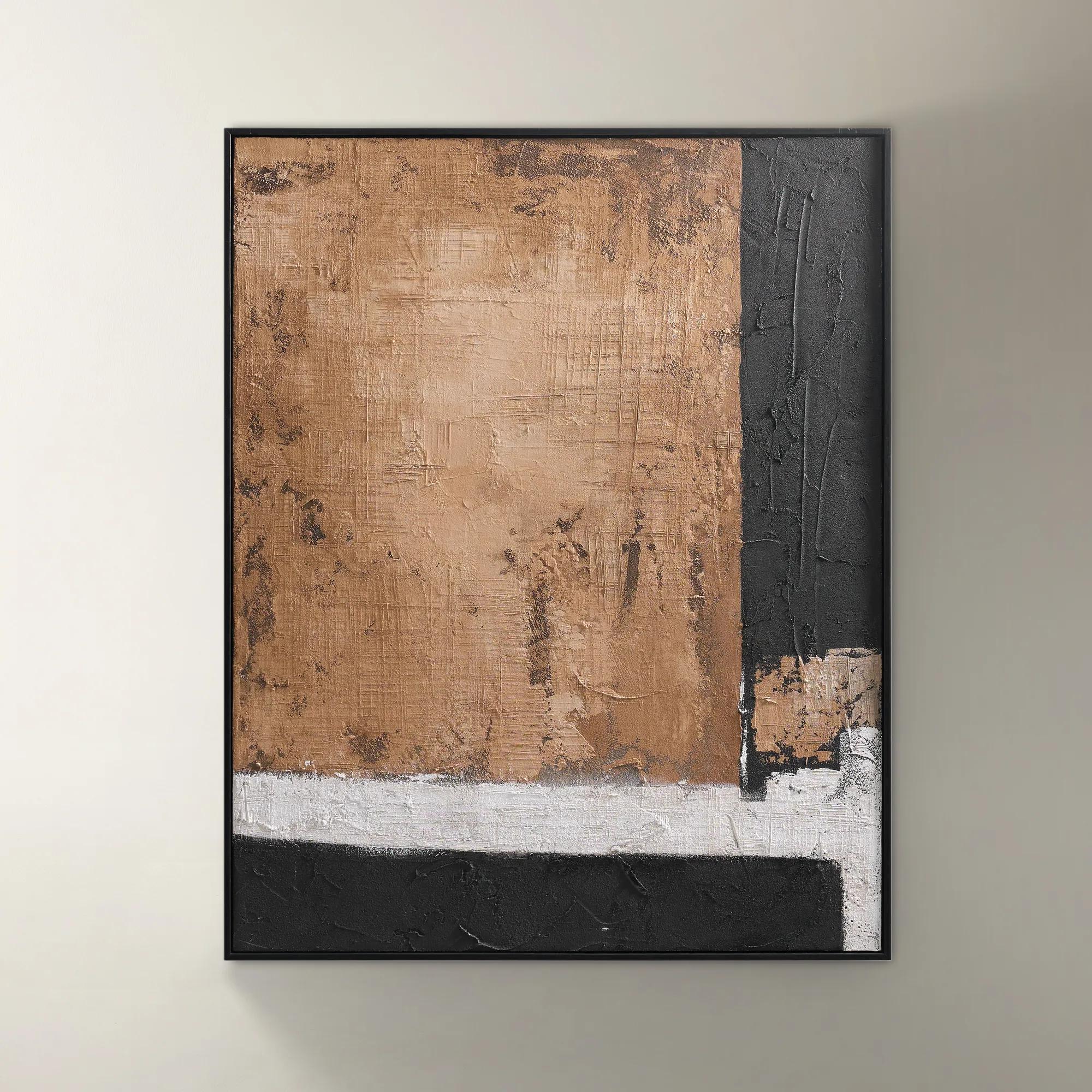 Drift Framed Painted Wall Art I 39.4" x 31.5"$299
A bold hand-painted abstract artwork featuring layered brown tones in a sleek black floater frame.
Add To Cart -
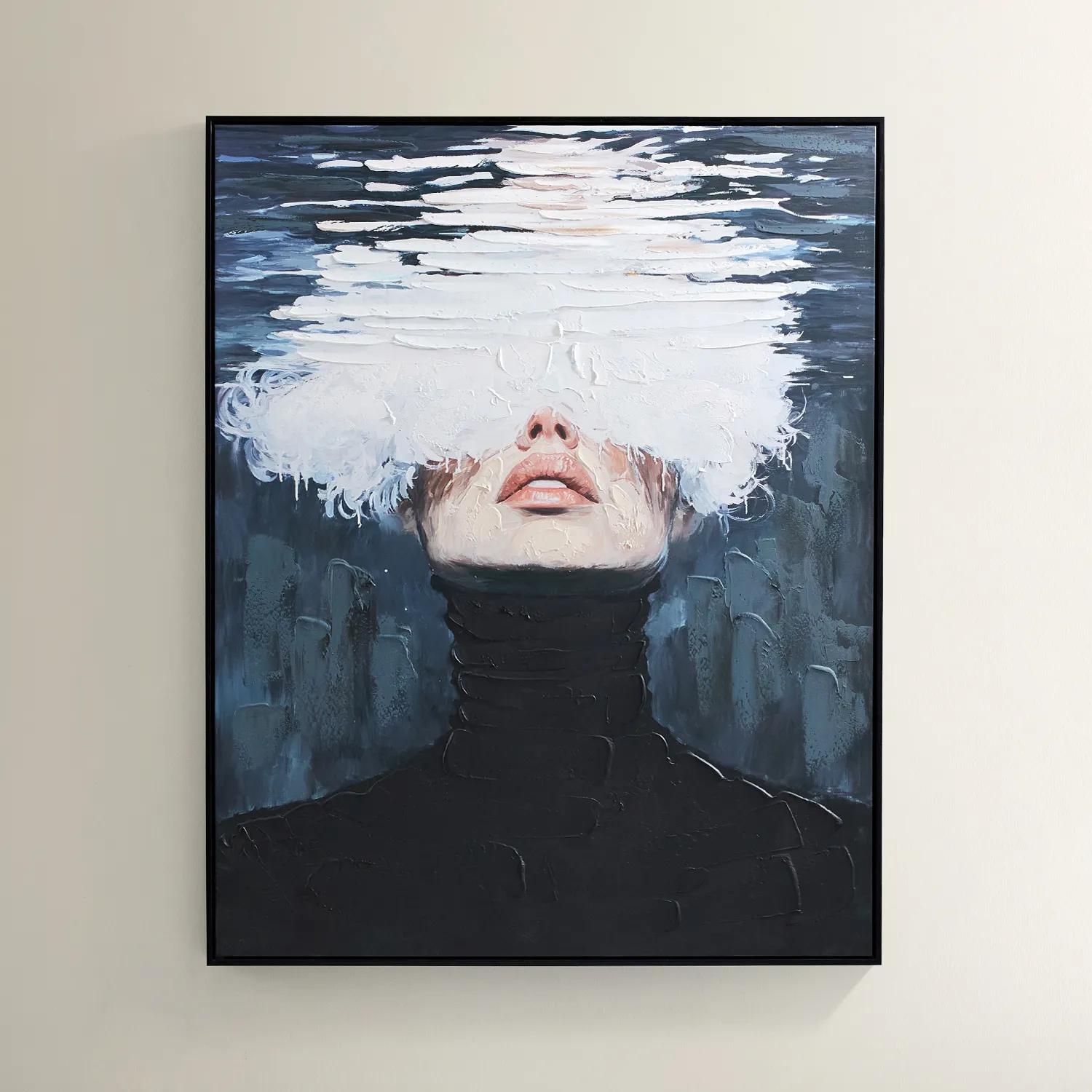
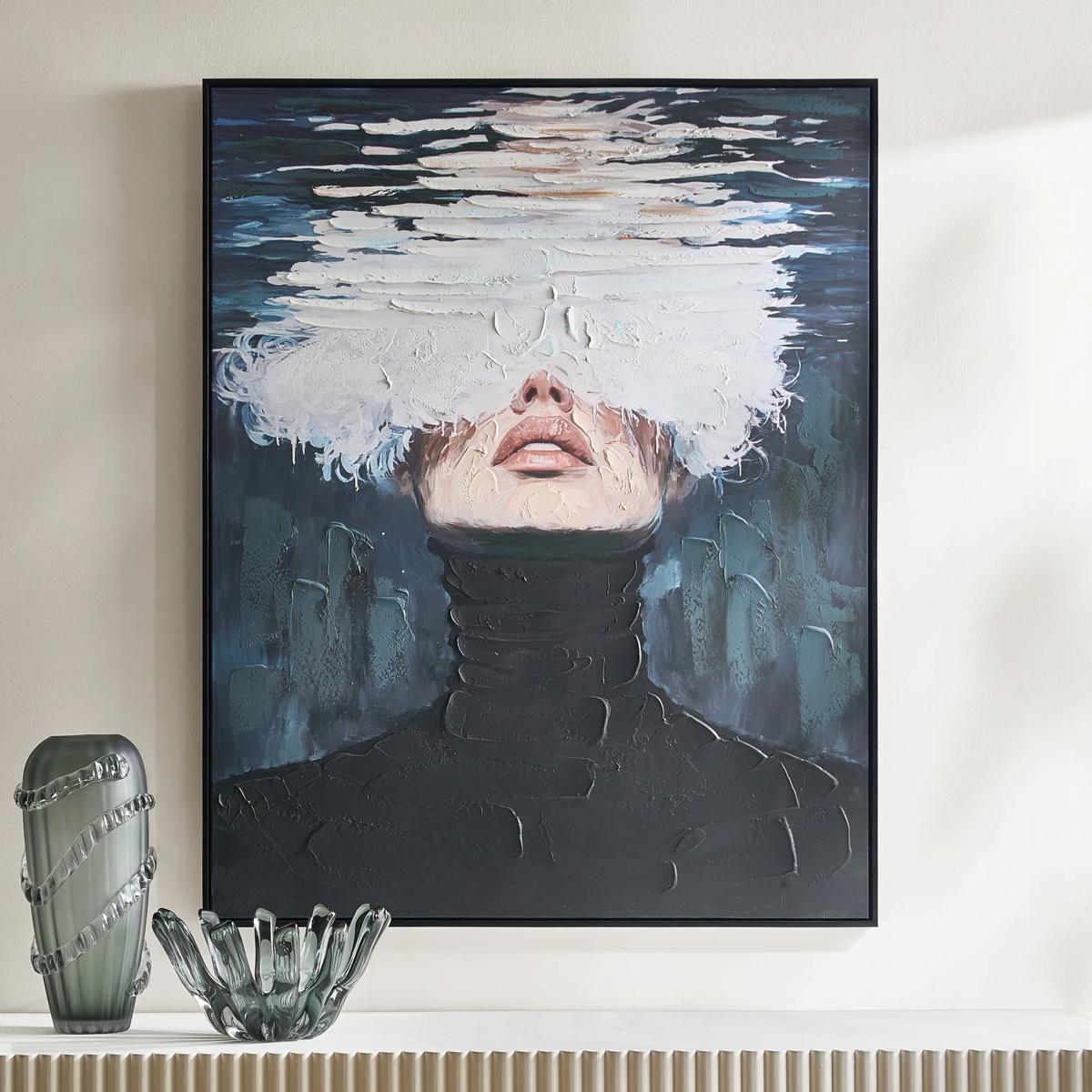 Submerged Framed Painted Wall Art 40" x 50"$599
A hand-painted canvas featuring a surreal portrait in black, blue, and white with a black floater frame.
Add To Cart -
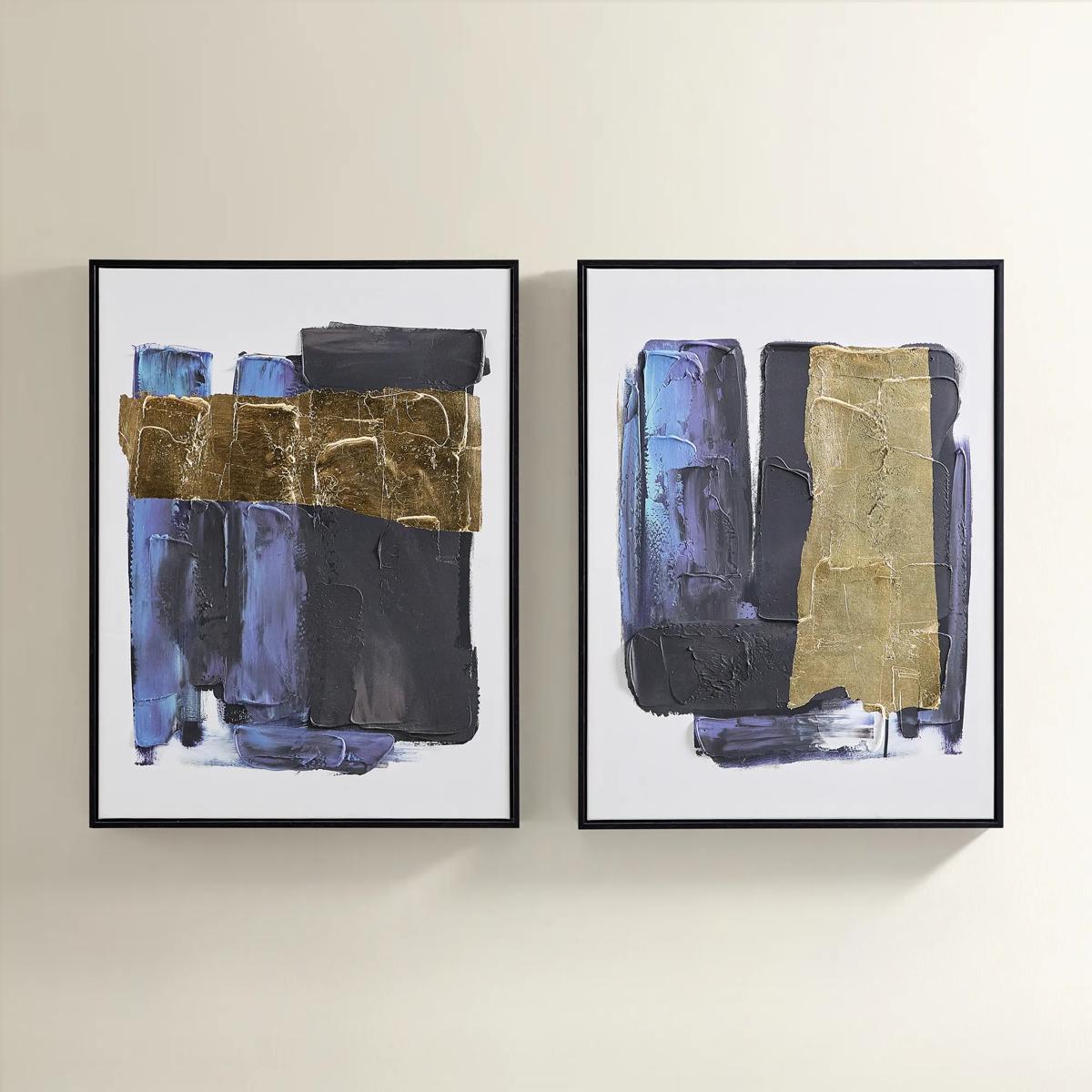
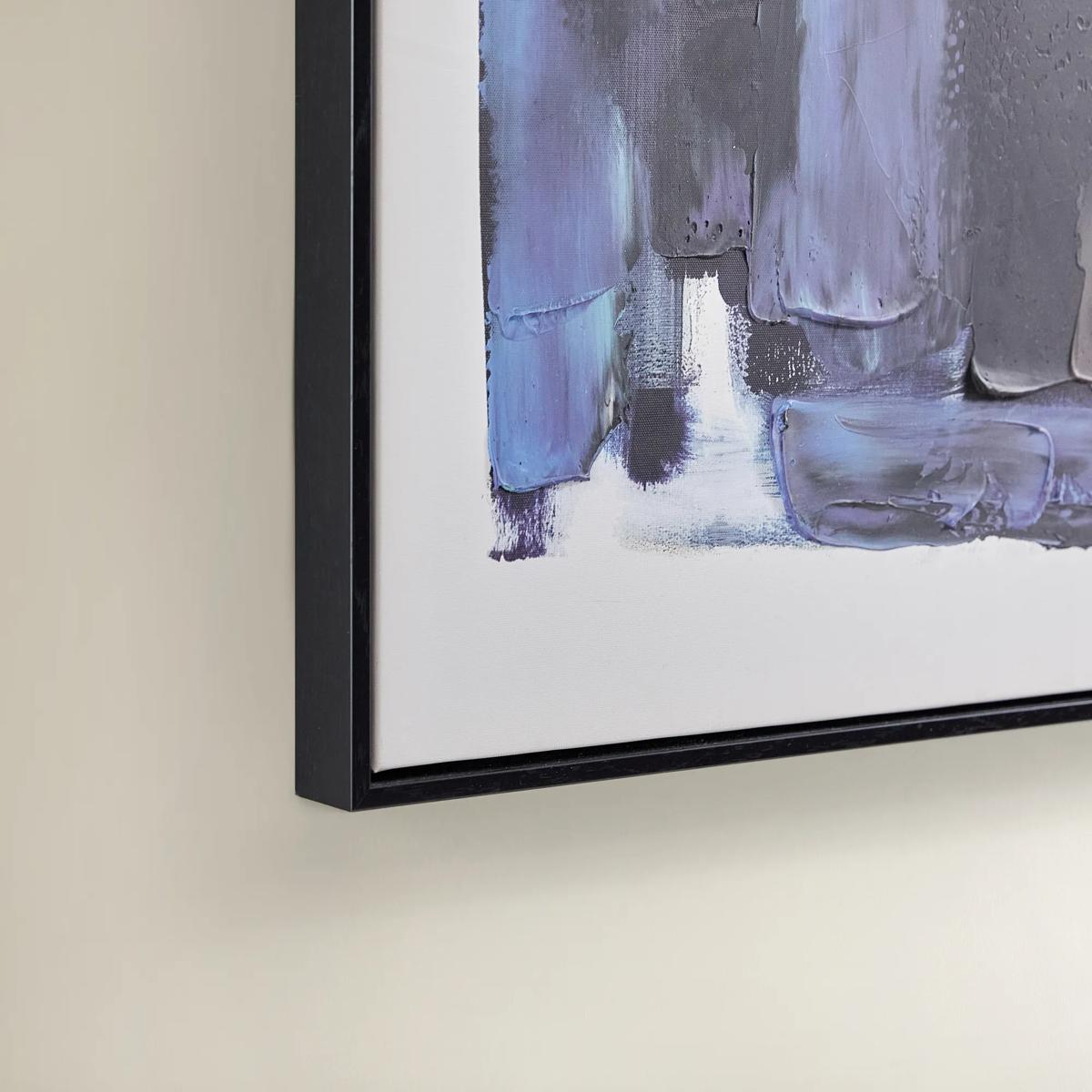 Deep Thoughts Gold Leaf Painted Wall Art Set of 2$199
A set of two hand-painted abstract canvases in blue and gold leaf, framed in sleek black.
Add To Cart -
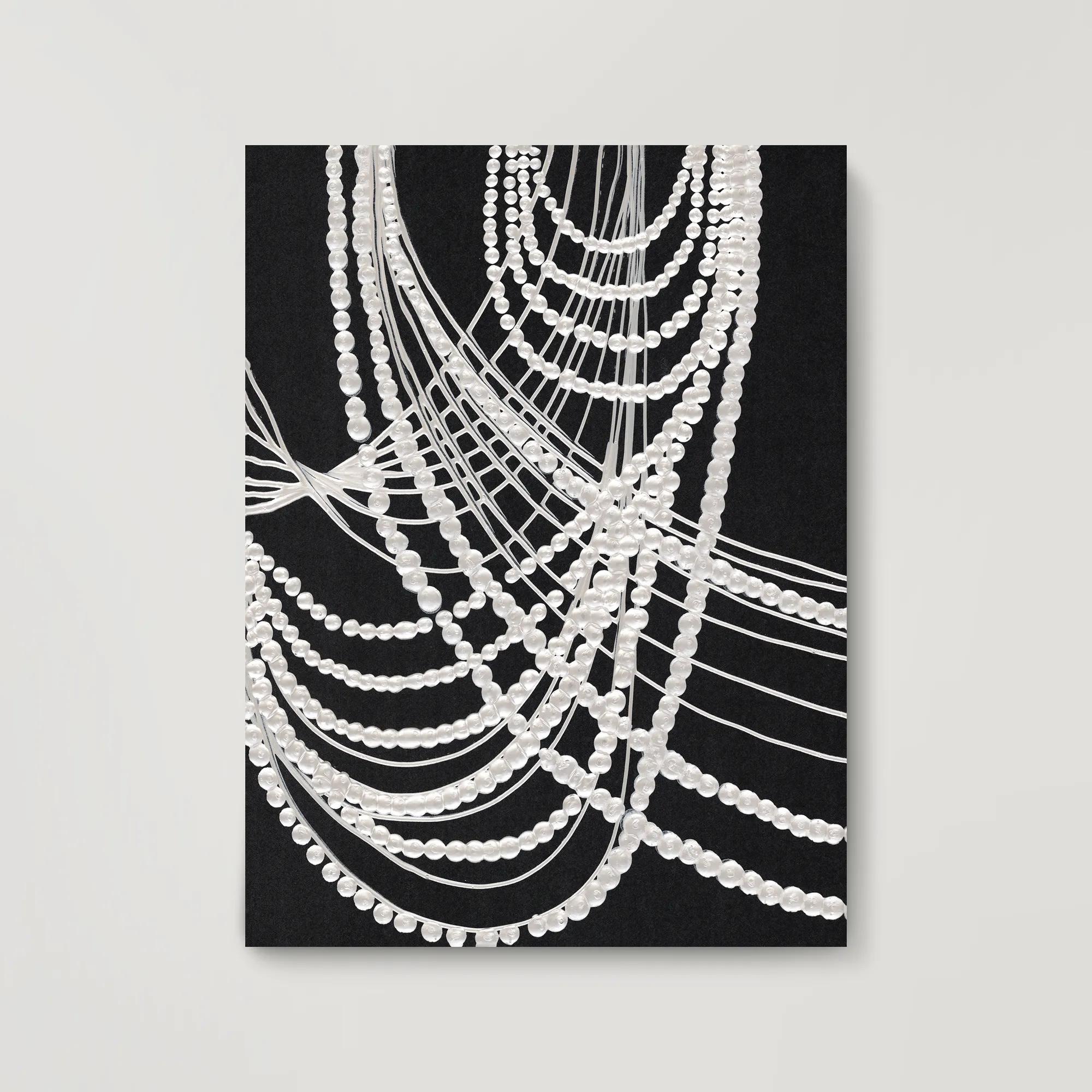 Dripping Pearls Painted Wall Art 36" x 48"$949
A striking hand-painted abstract artwork featuring layered acrylic and watercolor textures in a modern design.
Add To Cart -
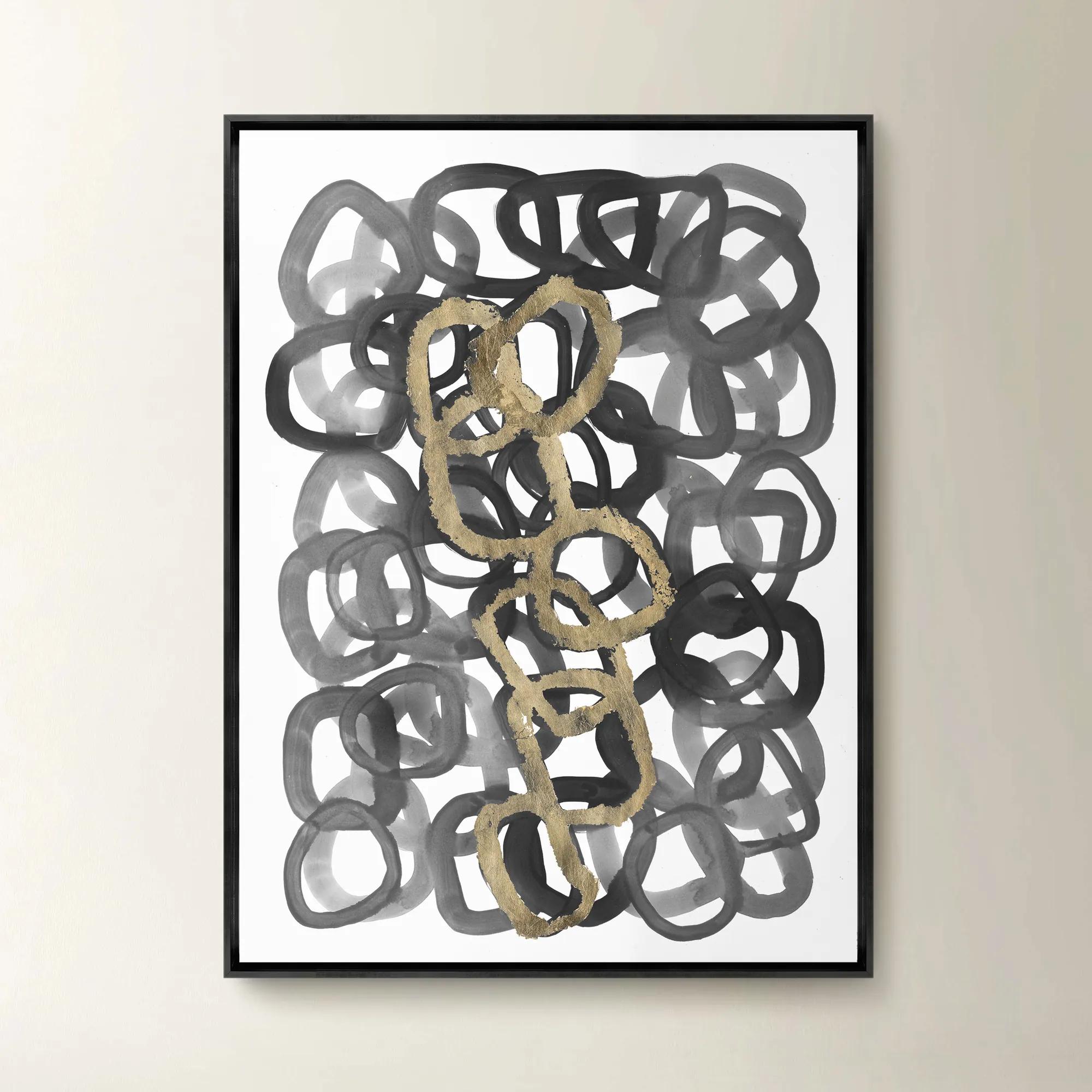
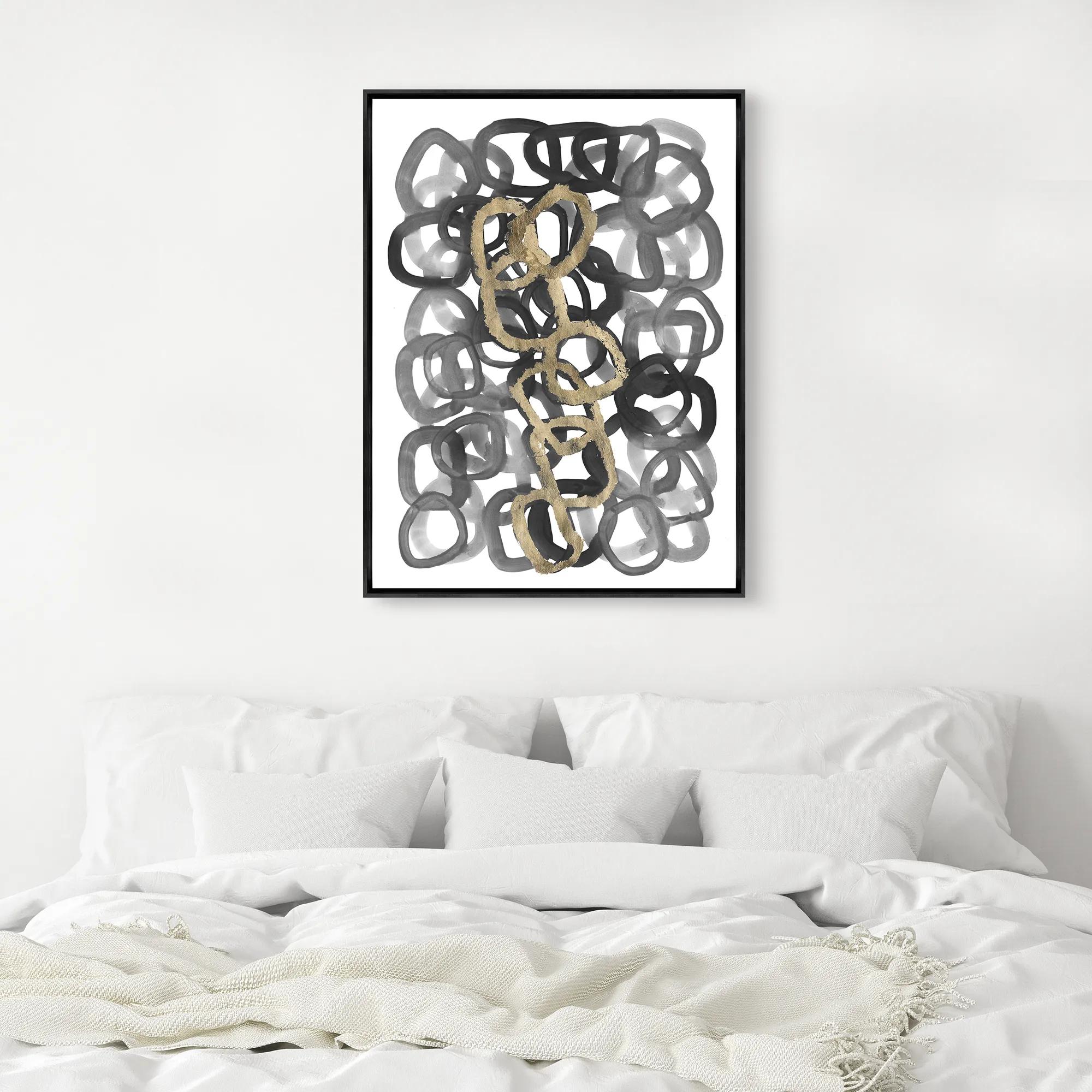 Unbroken Framed Wall Art 26" x 35"$499
A gallery-wrapped canvas artwork with a hand-applied gel finish, set in a sleek black floater frame.
Add To Cart -
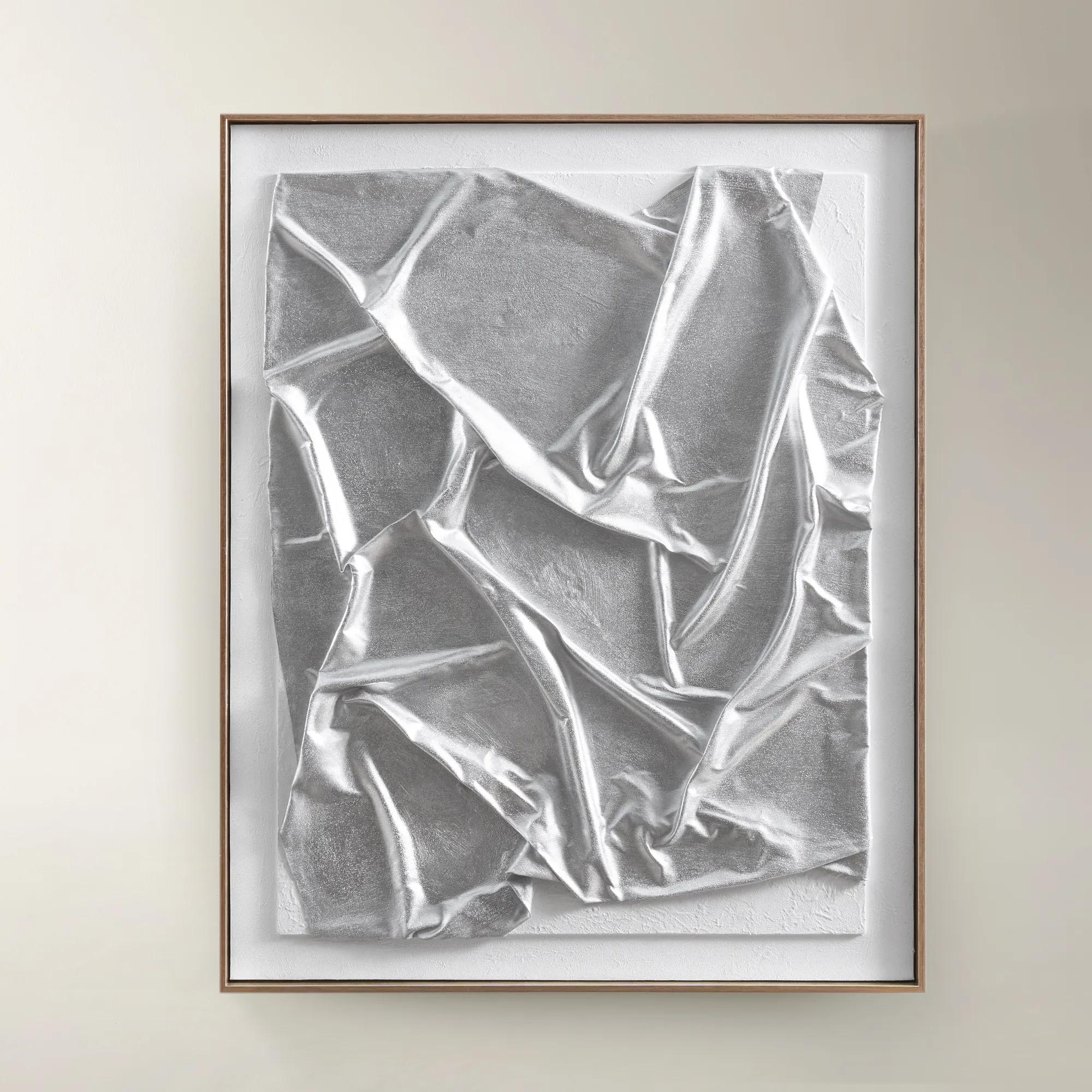 In the Mood Framed Painted Wall Art 31.5" x 39.5"$199
A hand-painted abstract canvas in shimmering silver tones, set in a warm champagne floater frame.
Add To Cart -
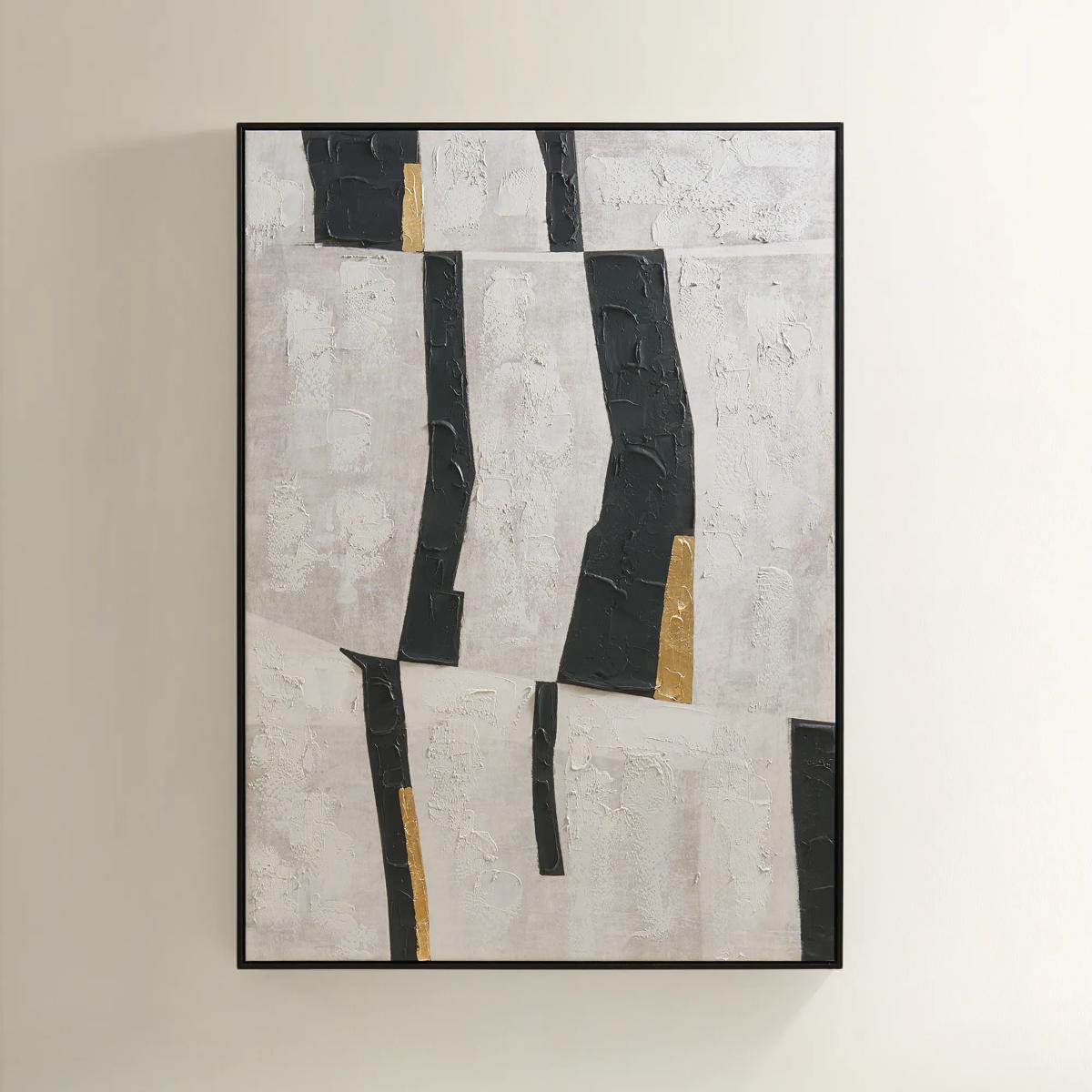
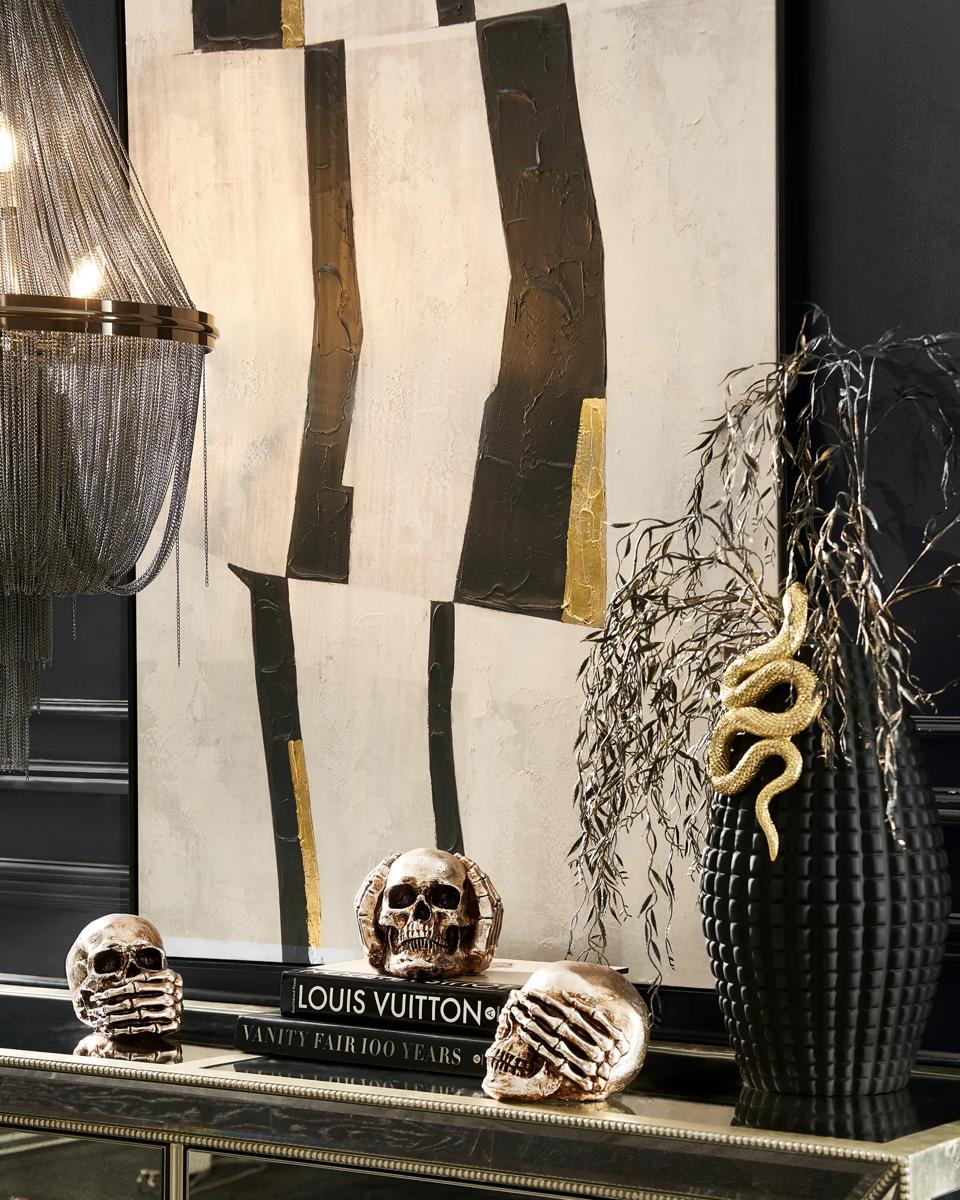 Into the Groove Painting$449
A modern abstract canvas featuring black, gray, and gold leaf accents in a sleek black floater frame.
Add To Cart -
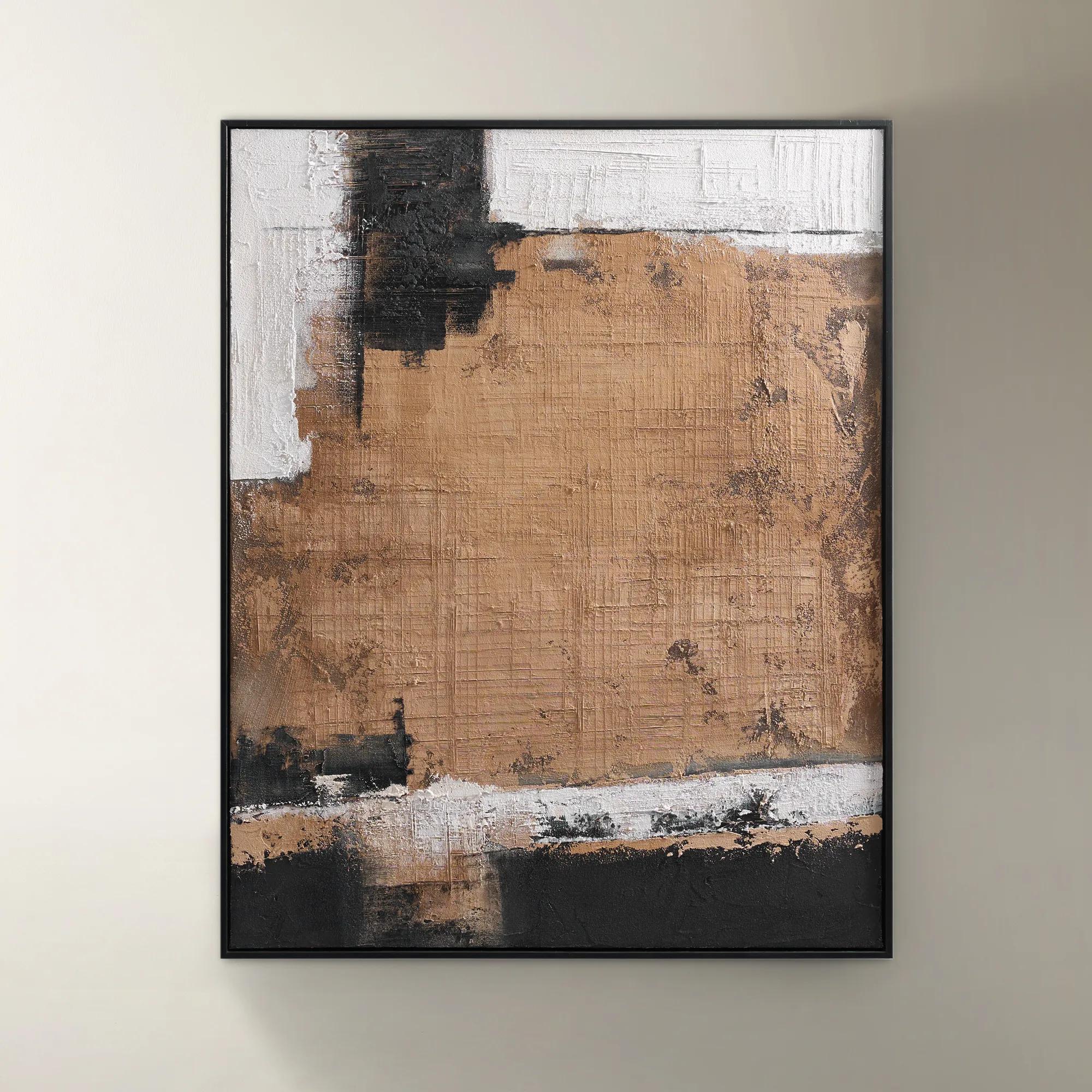
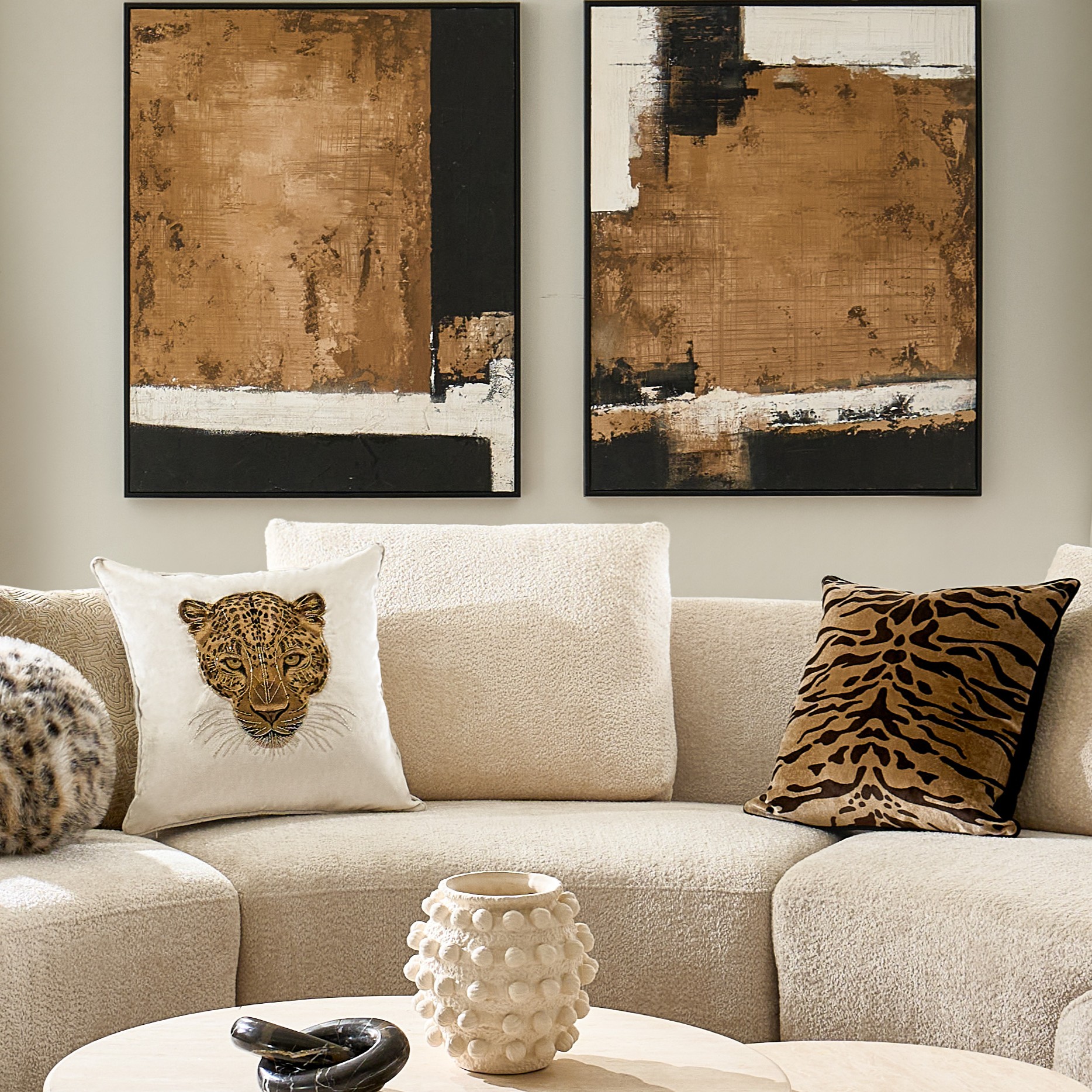 Drift Framed Painted Wall Art II 39.4" x 31.5"$299
A hand-painted canvas in brown, featuring bold texture and color interplay within a sleek black floater frame.
Add To Cart

Art Gifts For Interior Design Students
Art Gifts for Interior Design Students are more than thoughtful gestures—they’re invitations to ignite imagination and celebrate creative ambition. Each curated treasure is chosen to inspire bold visions, spark artistic exploration, and elevate the everyday studio into a sanctuary of self-expression. Whether destined for a budding tastemaker or a visionary in the making, these gifts transform blank spaces into vibrant stories, empowering future designers to paint their world with confidence and flair.
Art gifts for interior design students pair visual inspiration with something meaningful to live with: expressive wall art, sculptural accents, and decorative objects that bring composition, color, and texture into everyday view. For someone learning to shape interiors, an artwork is more than a finishing touch. It can establish a palette, introduce a contrasting material, or give an otherwise restrained space its defining gesture. A sweeping abstract composition might echo the movement of a curved chair, while a graphic black-and-white piece can lend structure to a desk area crowded with samples and sketches. These relationships make art a particularly thoughtful gift for an emerging designer, whether the recipient is beginning a degree, completing a demanding studio course, or preparing a first professional portfolio. The strongest choices acknowledge an individual point of view rather than prescribing a complete decorating style. Someone drawn to architectural precision may appreciate disciplined geometry and crisp framing; a student fascinated by expressive interiors may gravitate toward layered color, luminous surfaces, or organic forms. Neither approach requires a large room. A single work above a writing desk can create a compelling focal point, and a sculptural object on a narrow shelf can give a compact living area a more deliberate composition. In a shared apartment, art also offers a personal signature without requiring agreement on every furnishing. Its colors can connect existing pieces, while its silhouette or surface introduces an element of surprise. For students who spend hours translating ideas into floor plans and presentations, living with art offers another kind of visual engagement: noticing how an edge casts a shadow, how negative space holds a composition together, or how one saturated hue changes the colors beside it. The gift becomes part of an evolving visual vocabulary, with a presence that feels personal rather than purely academic. It celebrates both the student's creative ambitions and the pleasure of inhabiting a space that reflects them.
Material and construction influence how an art gift looks, feels, and holds up in a student's home. Canvas can lend an image tactile depth, while a work on paper may take on a more tailored character through its mat and frame. Glazing introduces another consideration: reflections can affect visibility opposite a window or beneath a bright task light, so the intended placement matters as much as the image itself. A slender frame keeps the composition visually light; a substantial profile gives it greater architectural weight. With dimensional art, ceramic, glass, metal, and resin each offer distinct effects, from a softly modeled surface to a gleaming highlight or a sharply defined contour. Durability depends on the particular construction and finish, not simply the material name. Glass and ceramic can be vulnerable to knocks, polished finishes may reveal fingerprints, and projecting details deserve extra protection when a piece is packed for a move. A stable base is especially valuable on shelving near a busy work surface, where rolled drawings, laptops, and material samples compete for room. Scale should account for the entire object, including its frame or base, as well as the space around it. A generous artwork needs enough uninterrupted wall to read as a composition, while a smaller piece can feel intentional above a compact desk or within a carefully spaced arrangement. Weight and hanging requirements matter in rented rooms, where wall construction and lease restrictions may limit installation options. Hardware should suit both the artwork and the wall, following the relevant instructions. Care is equally specific: manufacturer guidance should take precedence, particularly for textured surfaces, metallic finishes, and protective glazing. Gentle dusting may suit many decorative objects, but moisture, abrasives, or household cleaners can damage others. Keeping sensitive works away from direct sunlight and damp areas can help preserve their appearance. These practical details support the artistry, allowing an expressive gift to remain a pleasure rather than become another project to manage.
The most memorable art gifts for interior design students leave room for discovery. A recipient does not need a fully furnished apartment or a settled design identity to appreciate a piece with a compelling line, an intriguing surface, or a beautifully resolved palette. In fact, a thoughtfully chosen artwork can move through several chapters: displayed above a study desk, placed within a first apartment's living area, then incorporated into a more mature interior as tastes develop. Manageable dimensions and a form that can be packed securely are useful considerations for students who relocate between school, internships, and home. Freestanding art offers flexibility where wall space is limited, provided its weight and footprint suit the intended surface; wall art can preserve valuable desk space while bringing expression to an otherwise overlooked area. For parents, relatives, friends, and mentors, these gifts recognize creative dedication without trying to replace specialized tools or coursework supplies that may need to meet exact program requirements. Familiarity with the student's favorite colors, saved interiors, or preferred materials provides a more personal starting point than assumptions about what every designer should own. A restrained palette can be just as expressive as a dramatic sweep of color when it reflects the recipient's sensibility. Graduation is an especially fitting occasion to mark that individuality, and graduation gifts for art students offer a related perspective on celebrating creative achievement through art and design. The same thoughtfulness suits a birthday, a move into a first apartment, or the completion of a significant school project. A brief personal note explaining the choice can deepen its meaning: perhaps the composition recalls a favorite architectural detail, or the finish echoes a material explored in a recent presentation. That connection gives the object a story beyond its appearance. As the student's interiors become more assured, the piece can remain a reminder of when someone recognized that developing vision and gave it something beautiful to grow around.
FAQs
A thoughtful art gift for an interior design student is one that fuels their passion for creativity and self-expression. Consider items that inspire new perspectives, such as subscriptions to design magazines, tickets to art exhibitions, or beautifully crafted tools that elevate their daily practice. Gifts that blend functionality with artistry—like sculptural desk accessories or unique decor accents—are especially meaningful, as they become part of the student’s creative environment and process.
Art gifts can nurture an interior design student’s education by exposing them to new styles, mediums, and techniques. Experiences like workshops or museum tours deepen their understanding of design history and current trends, while quality supplies and decor help them experiment and refine their skills. These gifts encourage exploration, foster inspiration, and provide practical resources that support both academic projects and personal growth.
Absolutely—art-themed accessories are a stylish way for students to express their individuality and passion for design. Whether it’s jewelry inspired by famous art movements or a statement tote featuring iconic prints, these pieces allow students to carry their creative identity into every aspect of their day. Such accessories are not only visually striking but also serve as conversation starters and sources of daily inspiration.
Experiences such as gallery visits, art workshops, or guided museum tours are invaluable because they immerse students in the world of art and design beyond the classroom. These opportunities expose them to innovative works, diverse perspectives, and influential artists, sparking ideas that can shape their own creative journey. Engaging directly with art in real-world settings fosters critical thinking and a deeper appreciation for craftsmanship and style.
Art gifts such as vibrant prints, elegant lighting, or sculptural organizers can transform a student’s workspace into a haven of inspiration. These pieces set the tone for creativity, encourage focus, and make even the most routine tasks feel elevated. By surrounding themselves with objects that reflect their taste and ambition, students cultivate an environment that supports both productivity and artistic exploration.