Furniture Gifts For Interior Designers
Furniture Gifts For Interior Designers
-
 Lucia Ivory Performance Chenille Swivel Desk Chair$499
A beige texture weave desk chair featuring a brass-plated metal base and adjustable gas lift for comfort.
Add To Cart -

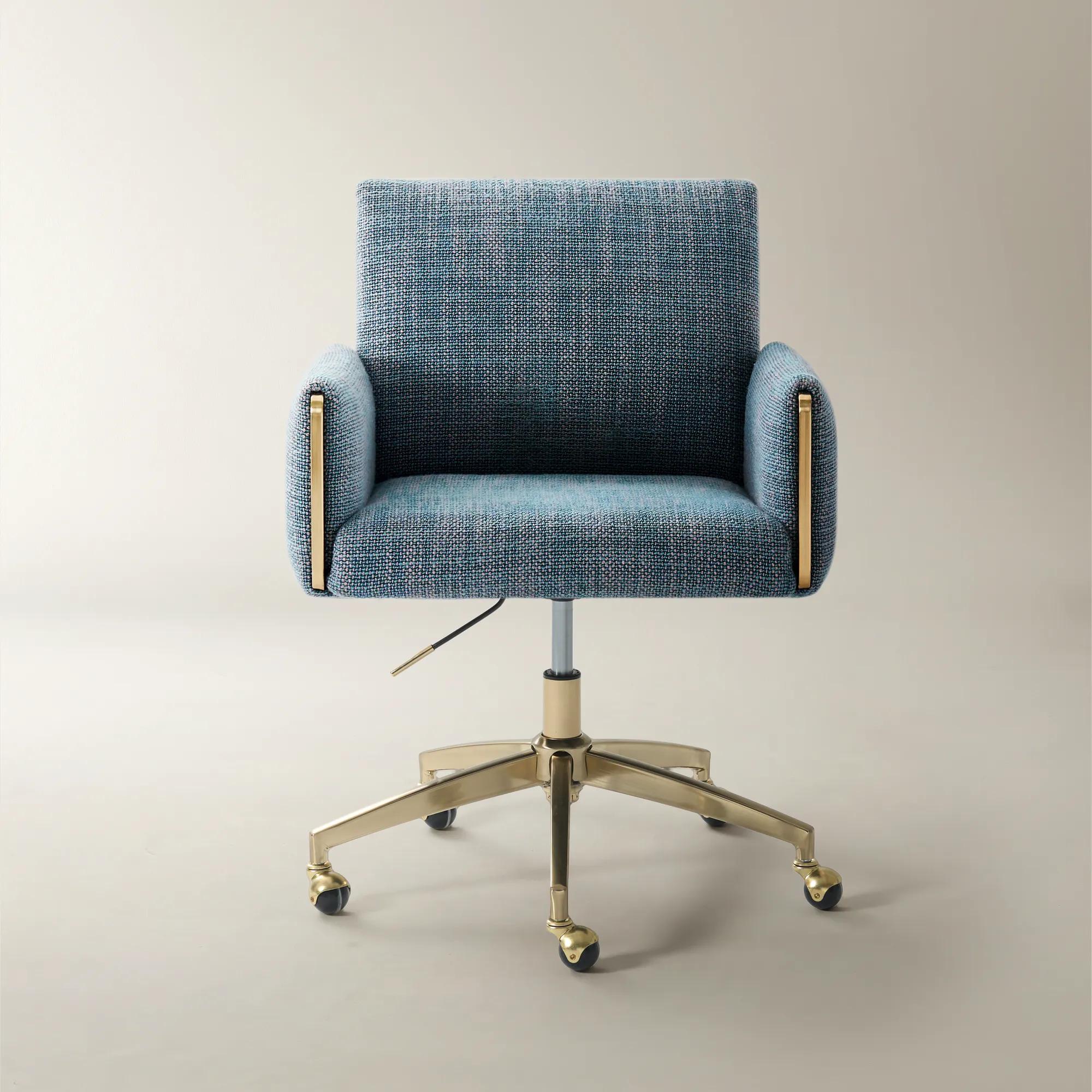 Lucia Peacock Performance Chenille Swivel Desk Chair$499
A peacock blue desk chair featuring textured polyester upholstery, brass-plated metal base, and adjustable comfort.
Add To Cart -
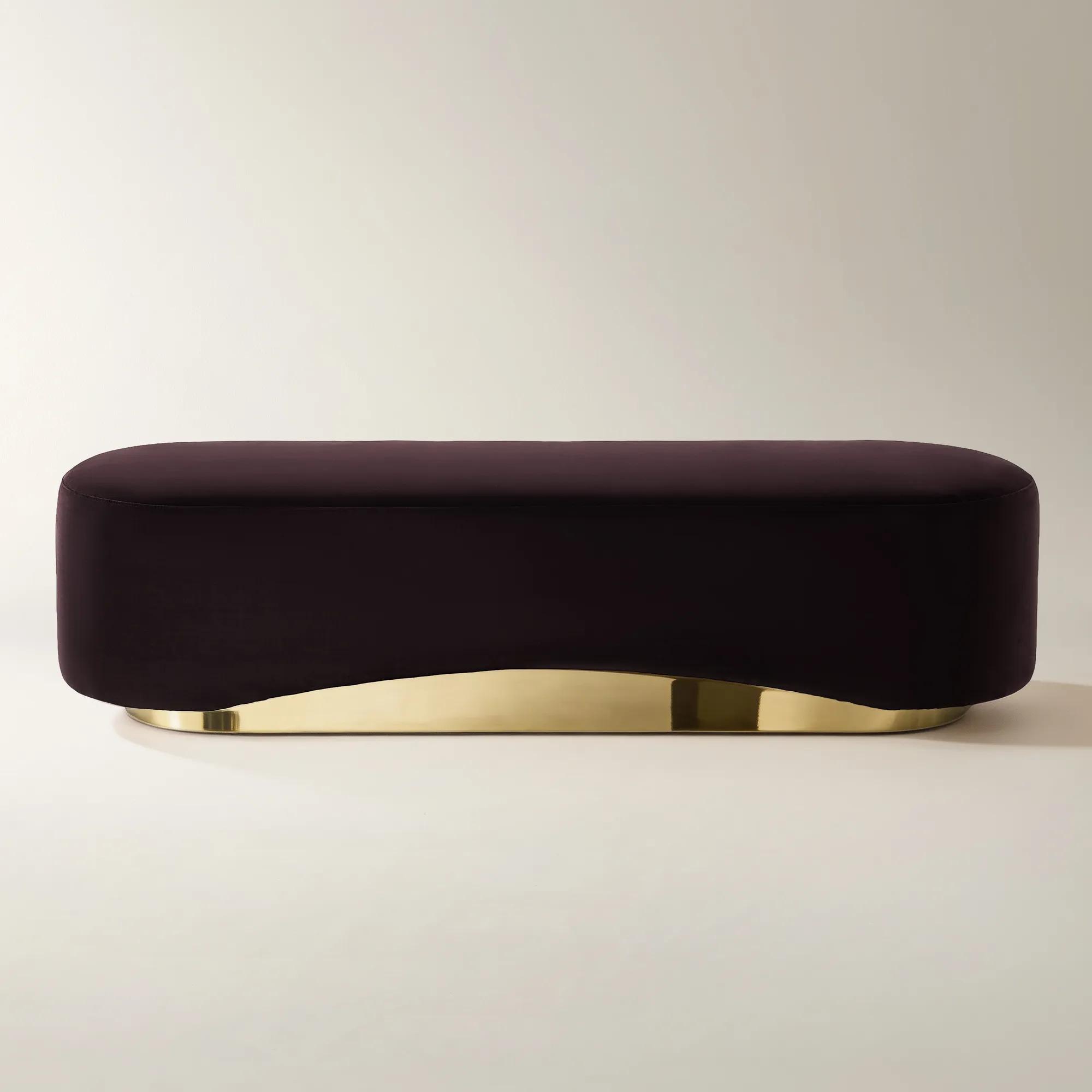 Kendra Fig Velvet Bench (70.47")$799
A plush fig velvet bench with an elongated oval silhouette and a polished gold stainless steel base.
Add To Cart -
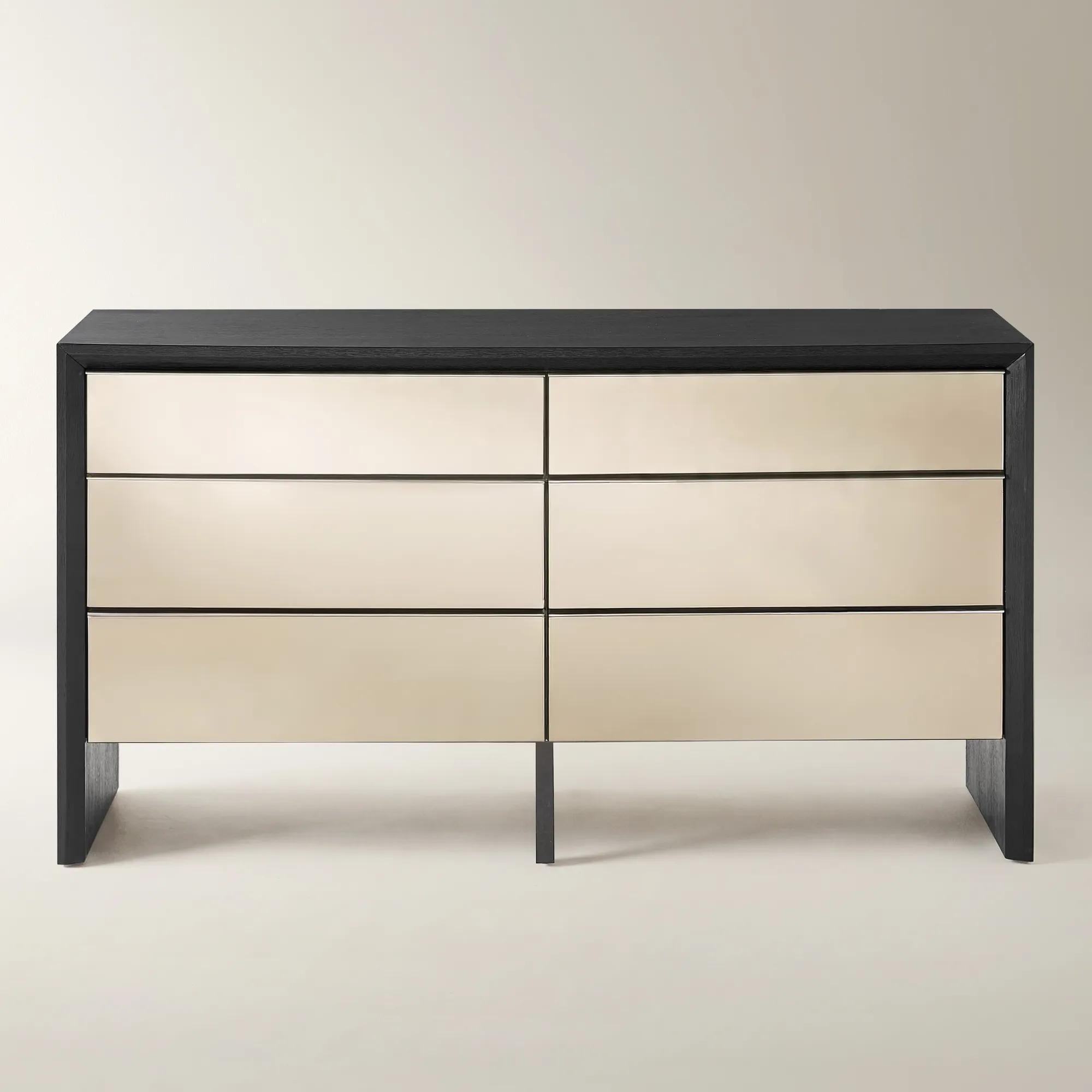
 Glimmer Mirrored 2-Drawer Black Oak Desk (62")$1499
A modern black oak veneer desk featuring bronze mirrored soft-close drawers with velvet-lined interiors for elegant storage.
Add To Cart -
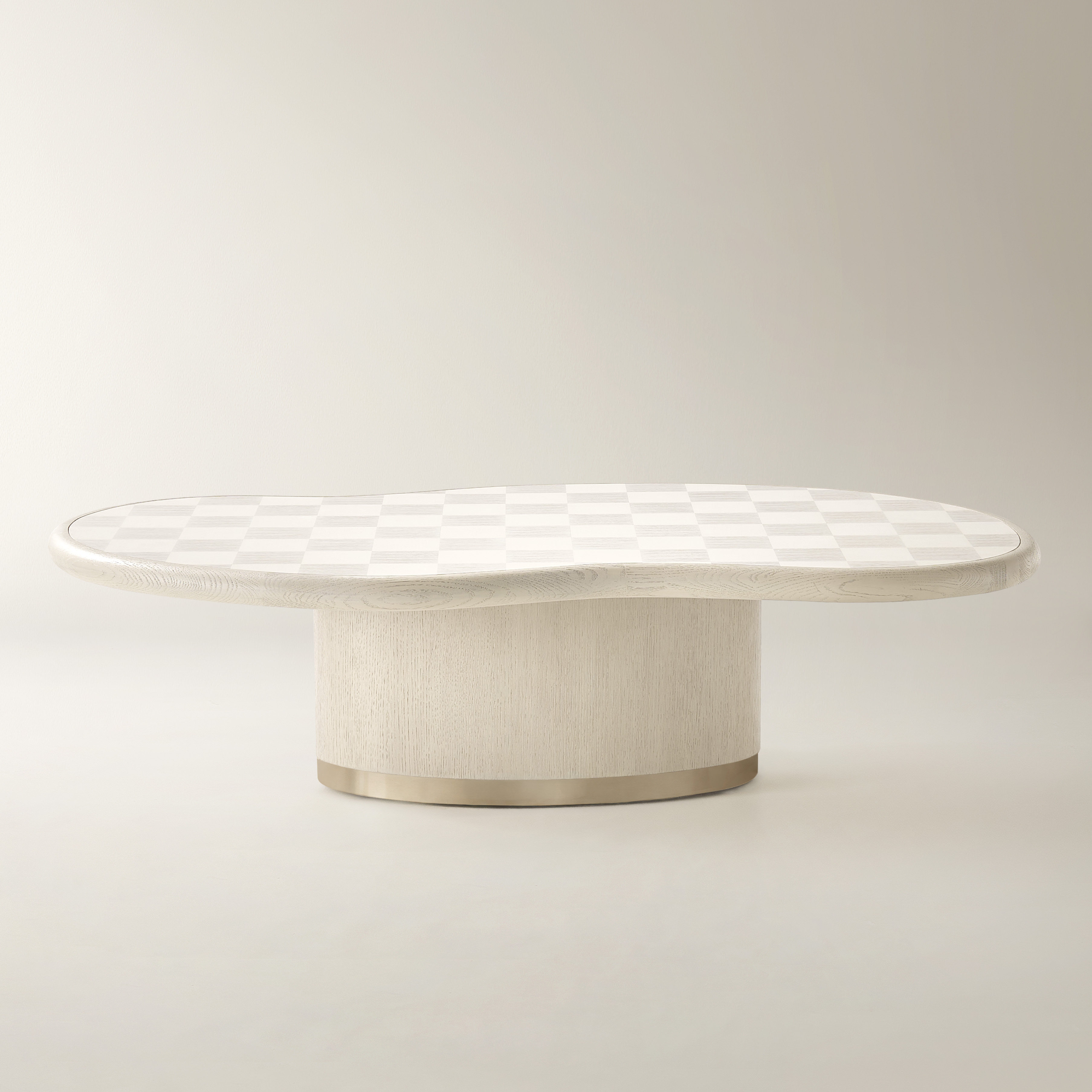 Vetra Checkerboard Oak and Maple Coffee Table (60")$1299
A sculptural coffee table featuring a hand-arranged oak and maple checkerboard top with gold-accented base.
Add To Cart -
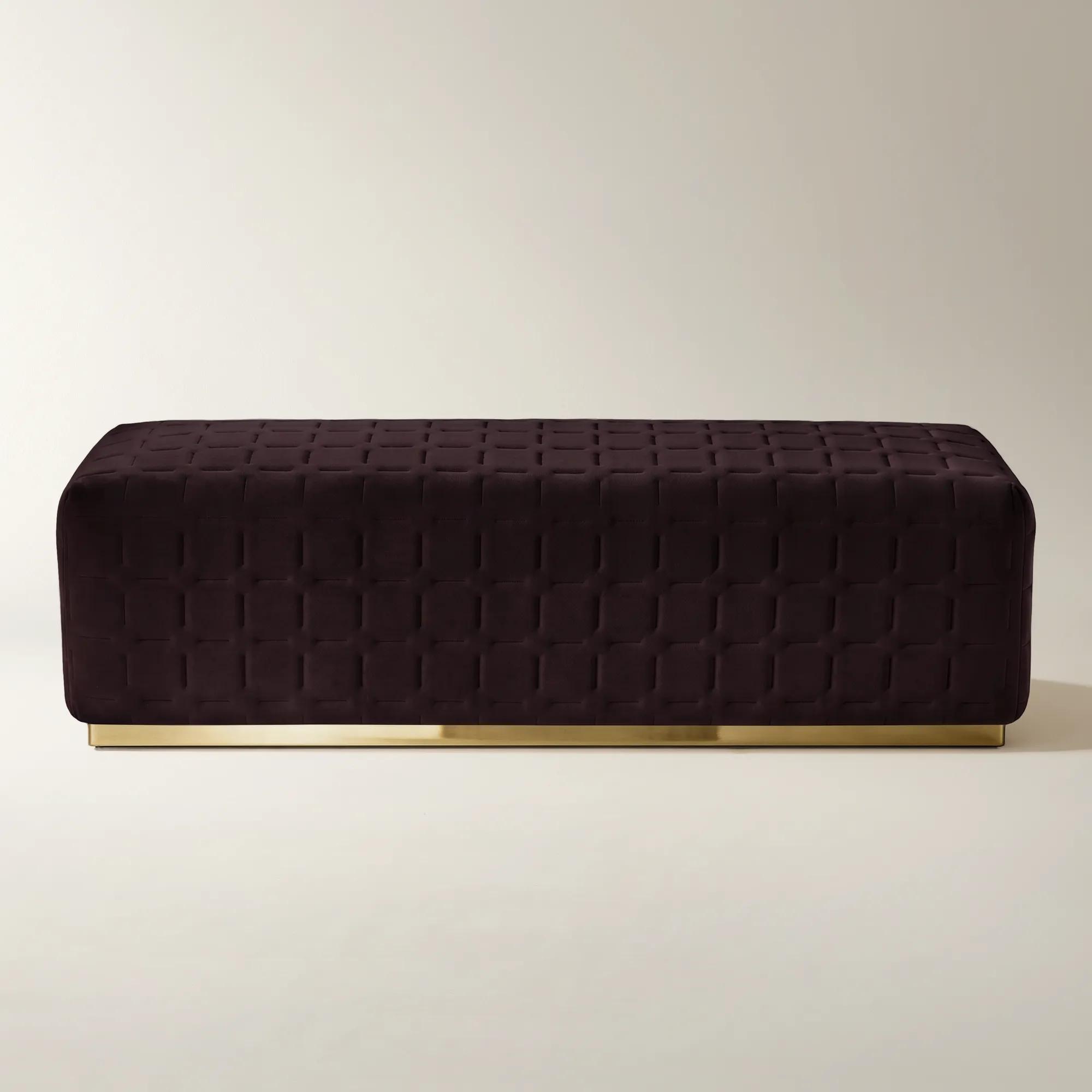
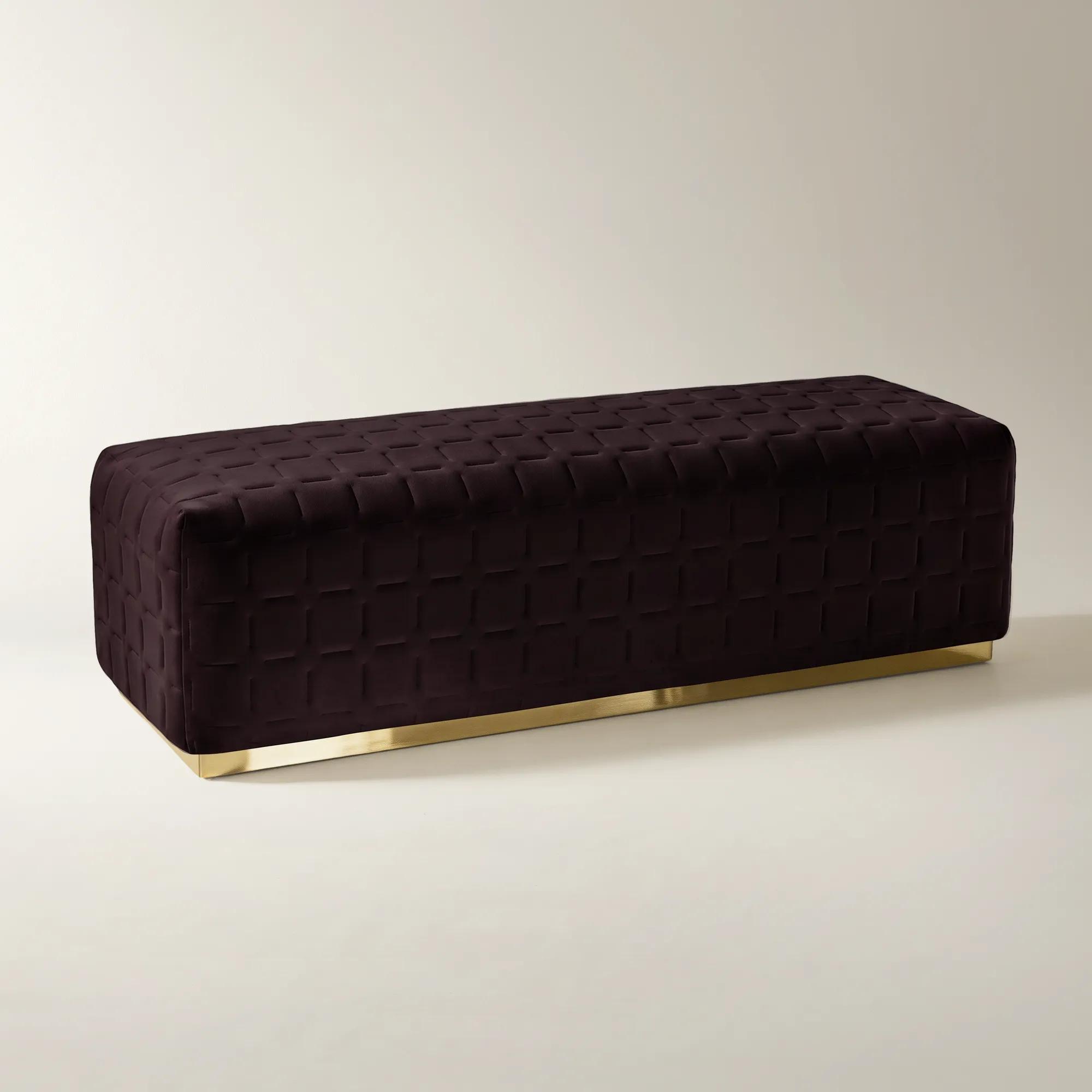 Vanta Quilted Fig Velvet Bench (64.6")$899
A plush fig velvet bench featuring checker quilted tufting and a sleek gold stainless steel base.
Add To Cart -

 Nia Lacquered Turtle Dove Wood Desk (62")$1099
A modern desk featuring a soft turtle dove lacquer finish, cylindrical legs, and engineered wood construction.
Add To Cart -
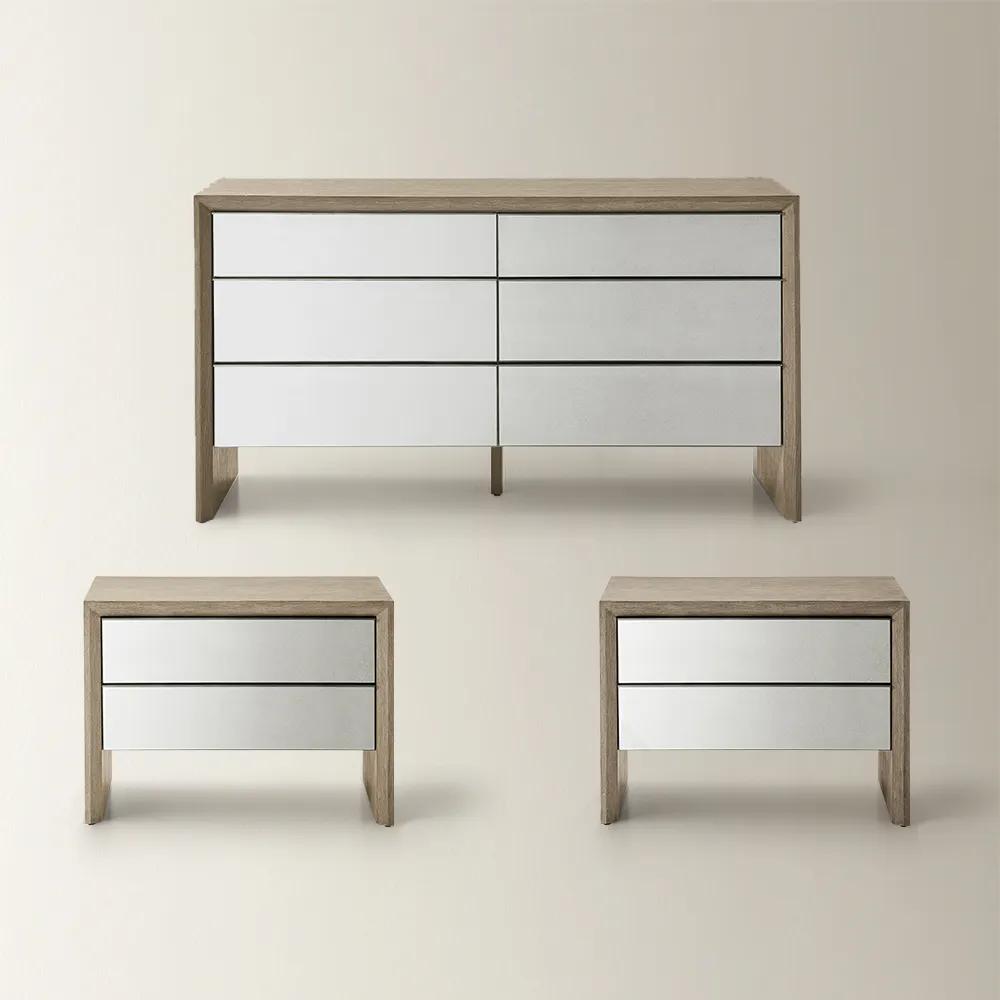
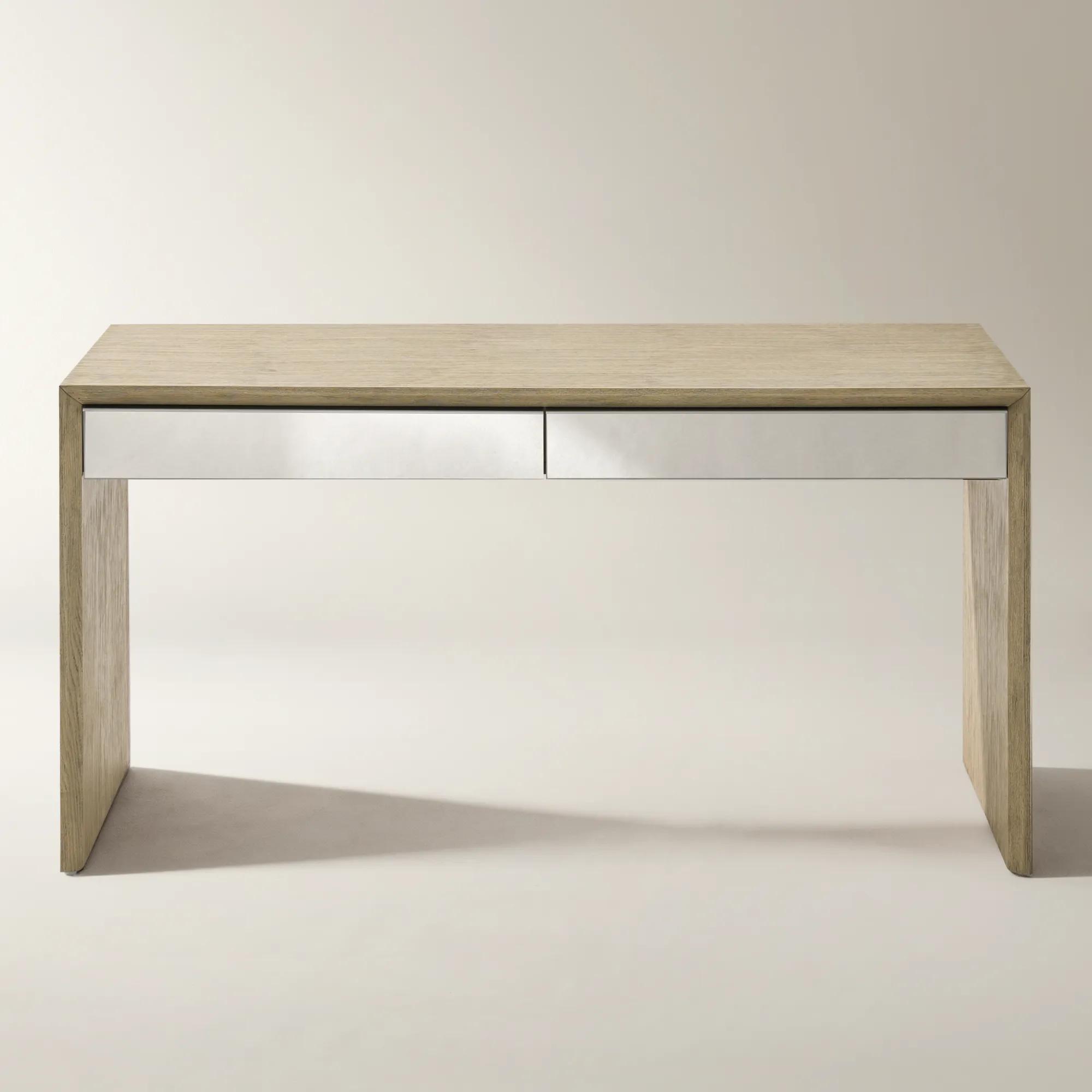 Glimmer Mirrored 2-Drawer Sea Drift Oak Desk (62")$1499
A two-tone oak veneer desk featuring antique mirrored soft-close drawers with velvet-lined interiors for refined style.
Add To Cart -
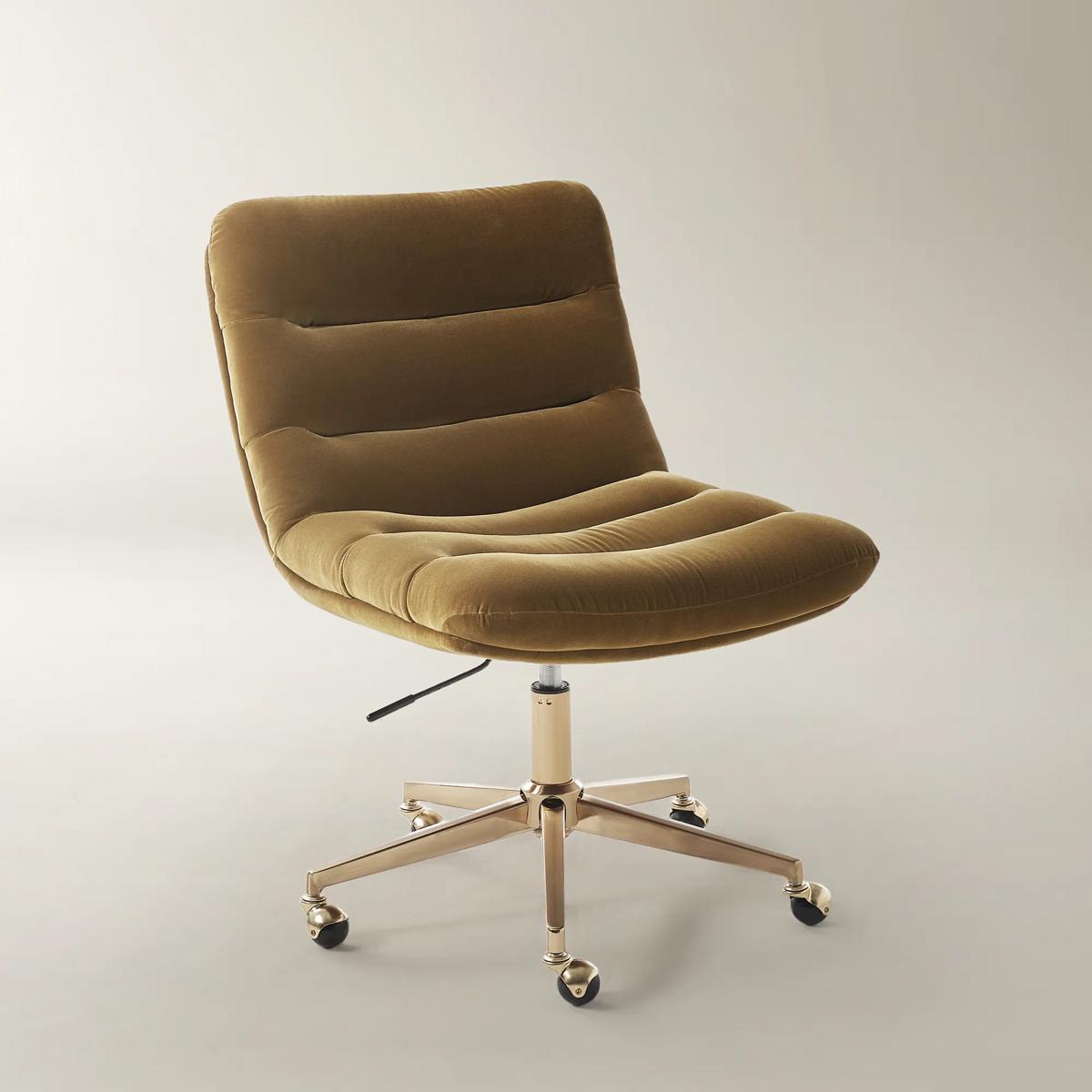
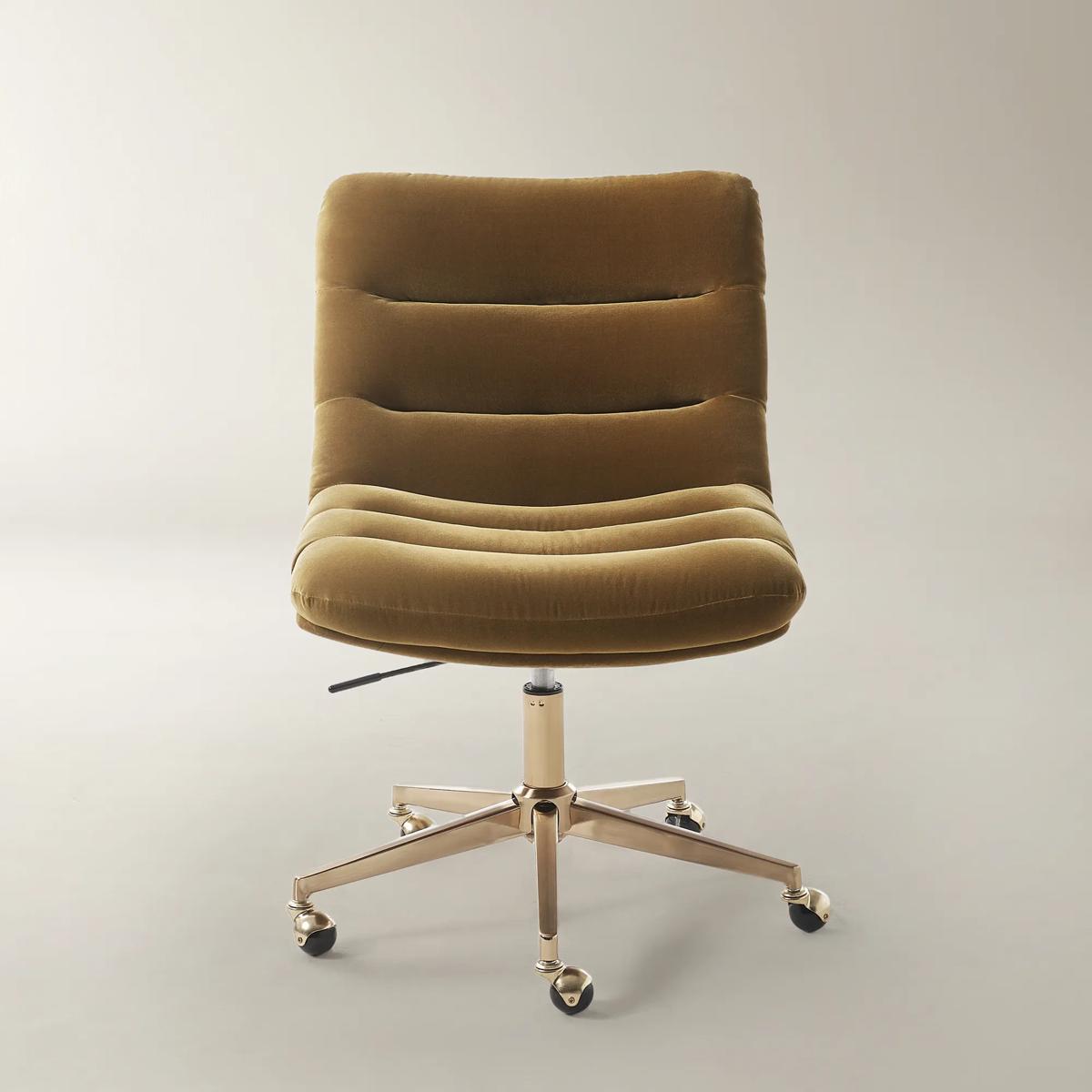 Serena Roasted Pecan Velvet Swivel Desk Chair$399
A brown velvet desk chair featuring adjustable tilt, brass-plated base, and smooth swivel wheels for comfort.
Add To Cart -
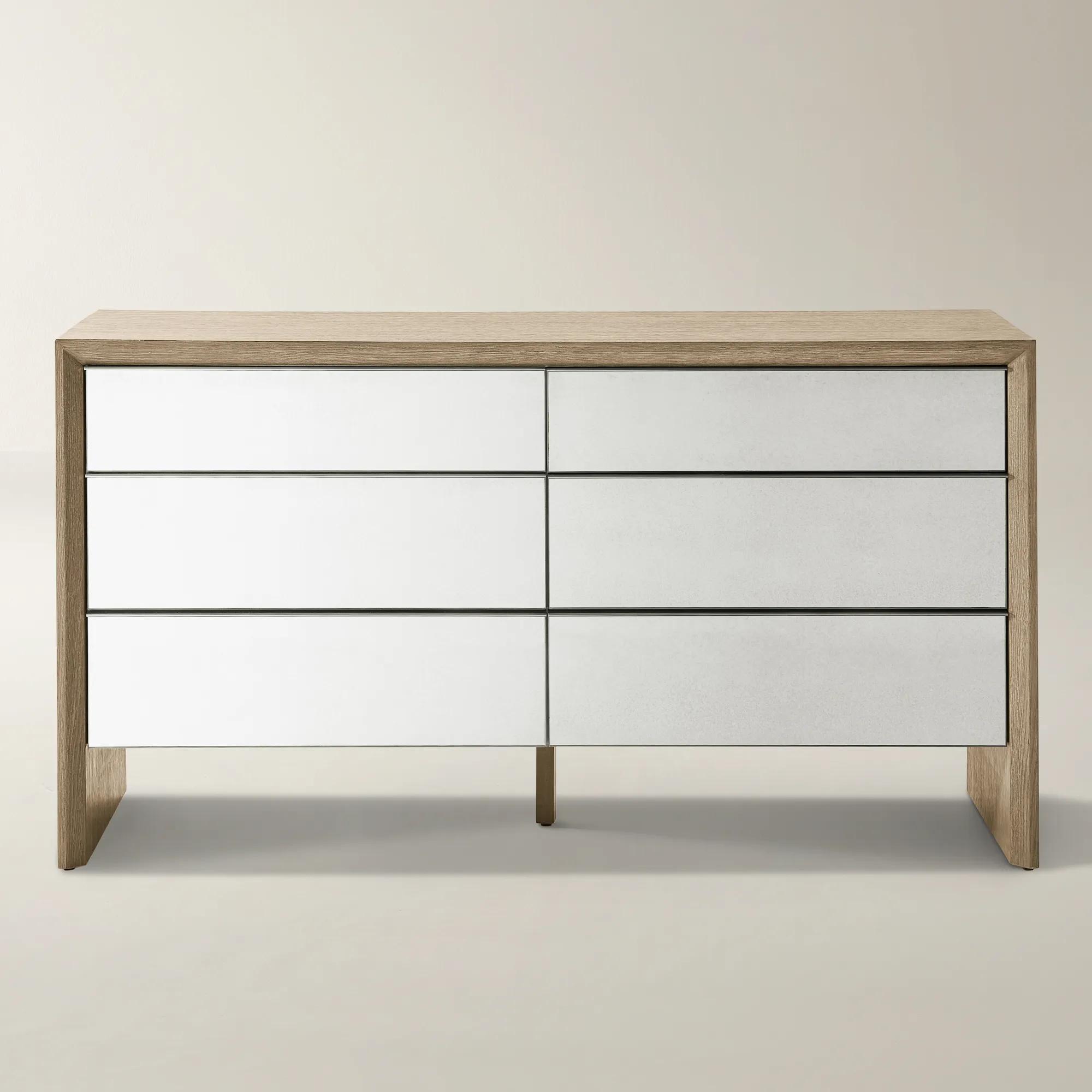
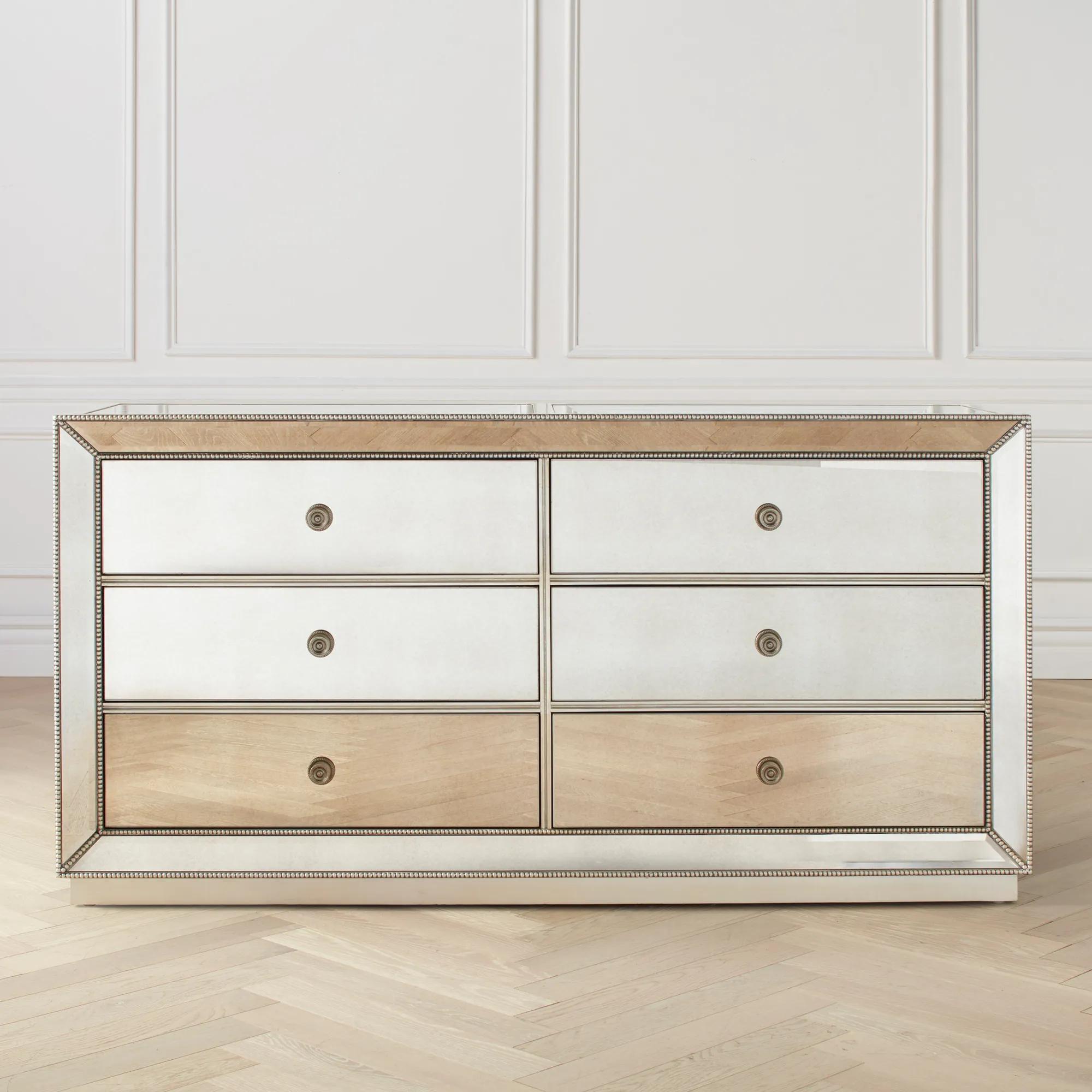 Omni Mirrored Silver 6-Drawer Dresser (72")$2599
A hand-applied silver-leaf chest with antiqued mirrored panels and beaded trim for dramatic bedroom shine.
Add To Cart -
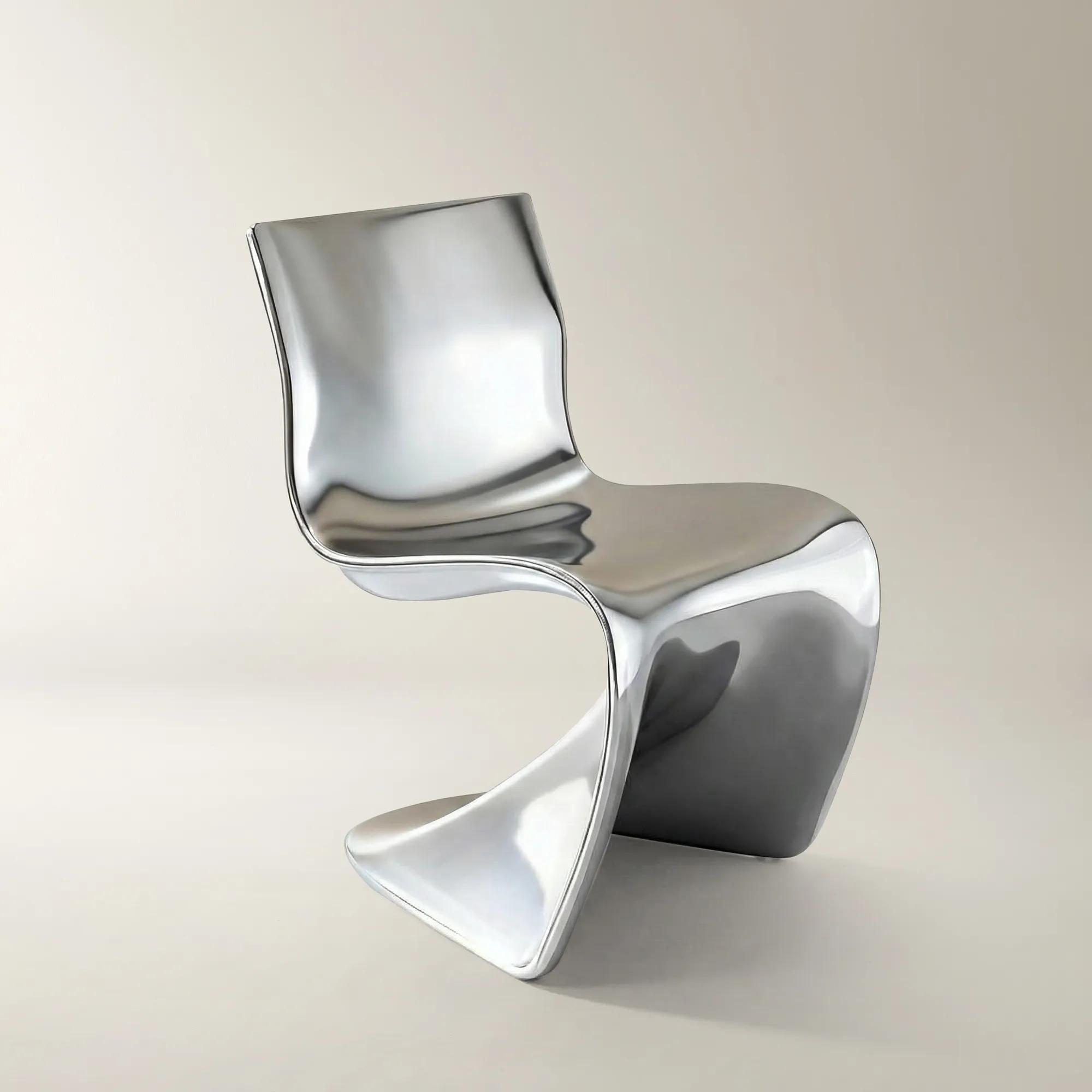
 Sasha Chrome Dining Chair$899
A sculptural accent chair crafted from polished chrome-finished fiberglass for a sleek, modern statement.
Add To Cart -
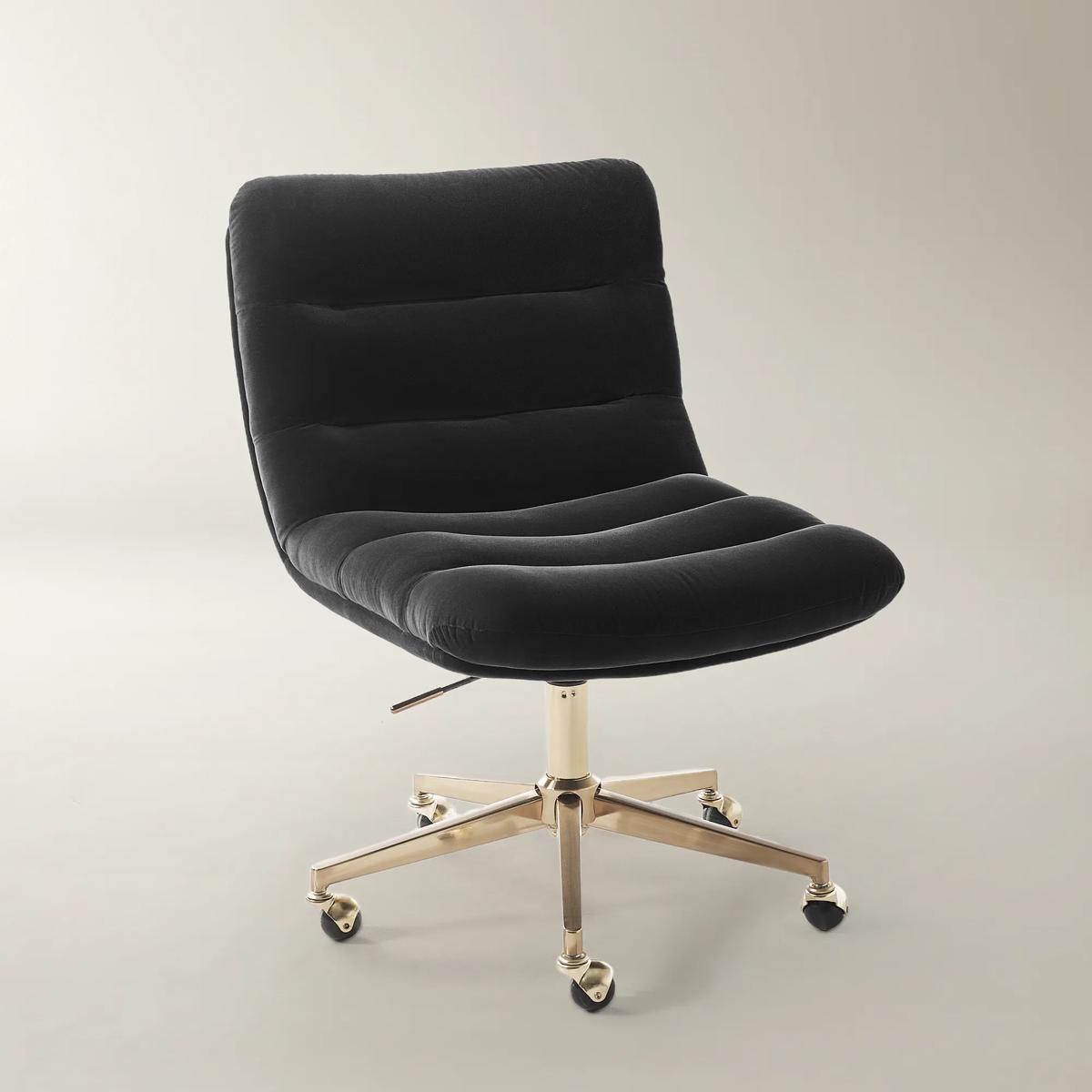 Serena Charcoal Velvet Swivel Desk Chair$399
A charcoal velvet office chair with plush foam cushioning, brass-plated metal base, and adjustable swivel design.
Add To Cart -
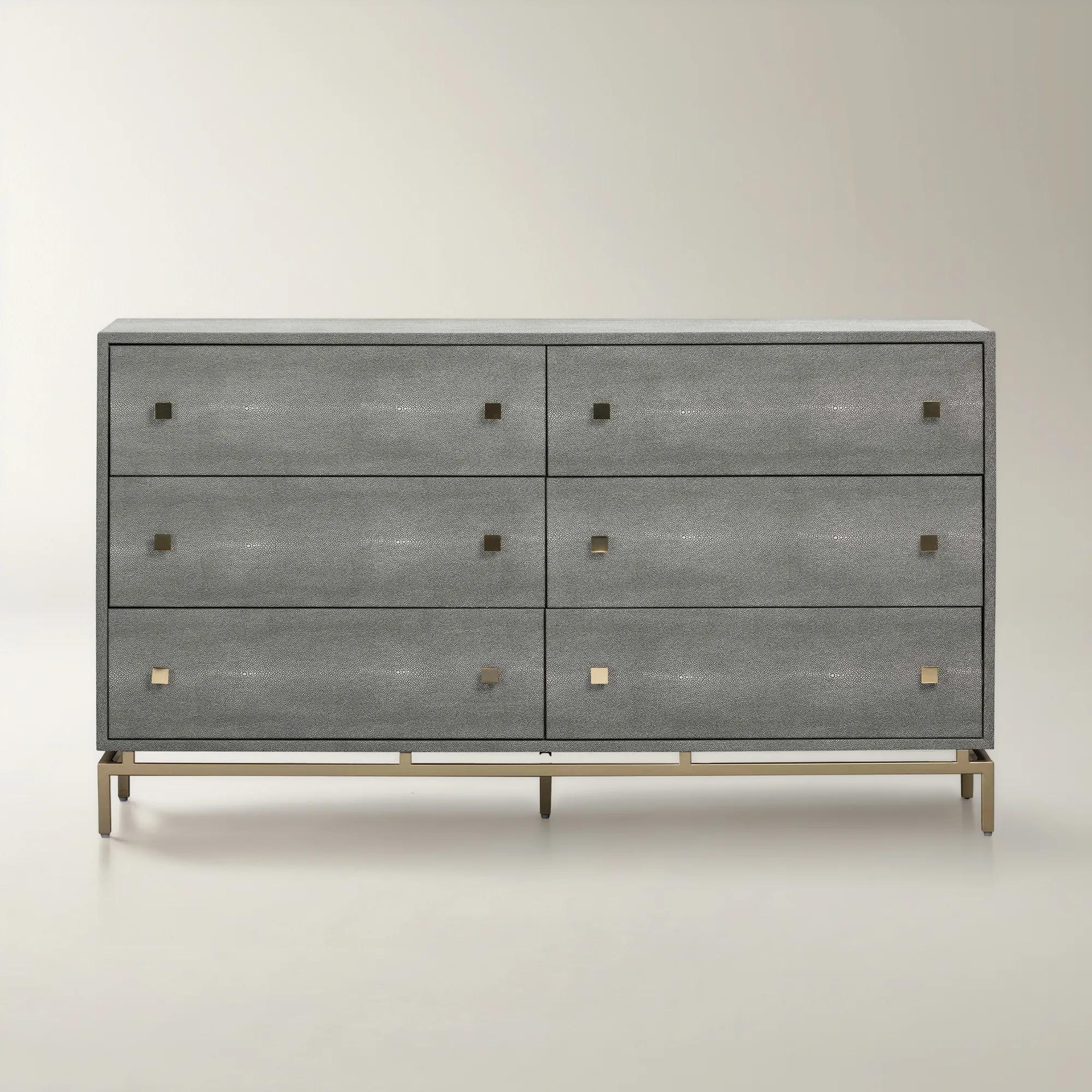
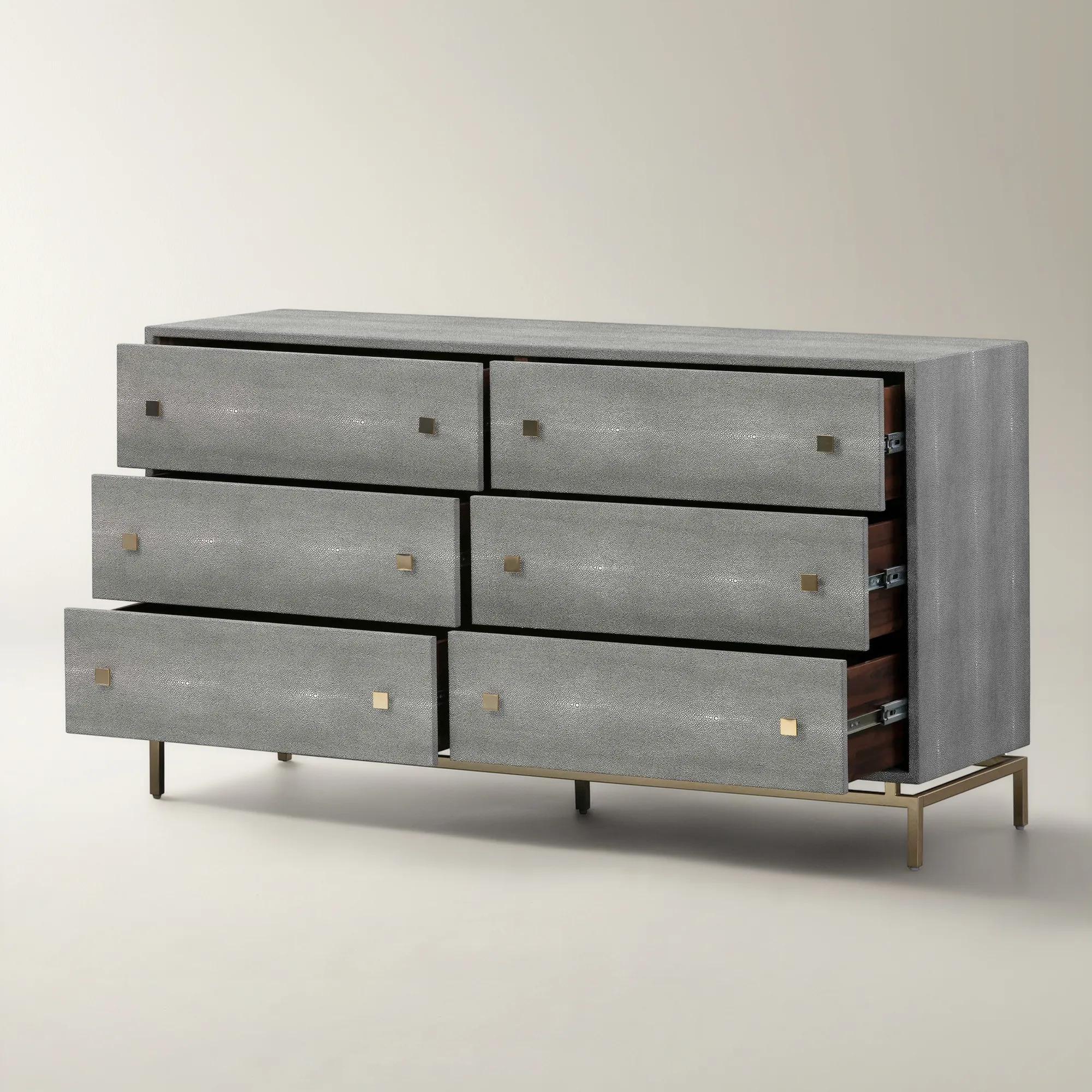 Misha Grey Shagreen 6-Drawer Dresser (57")$2249
A modern dresser featuring faux shagreen texture, brass-finished base, and six drawers with cherry wood interiors.
Add To Cart -
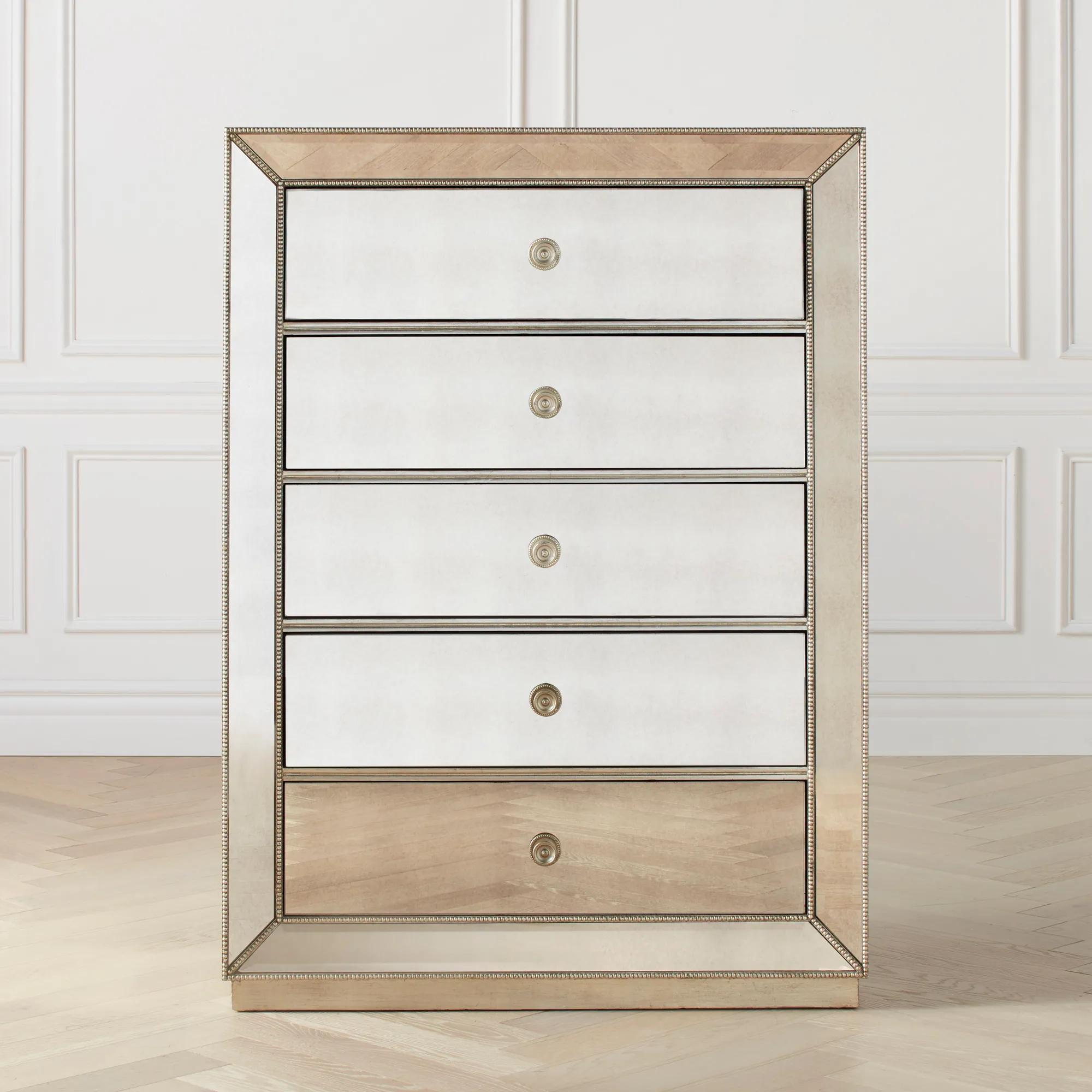
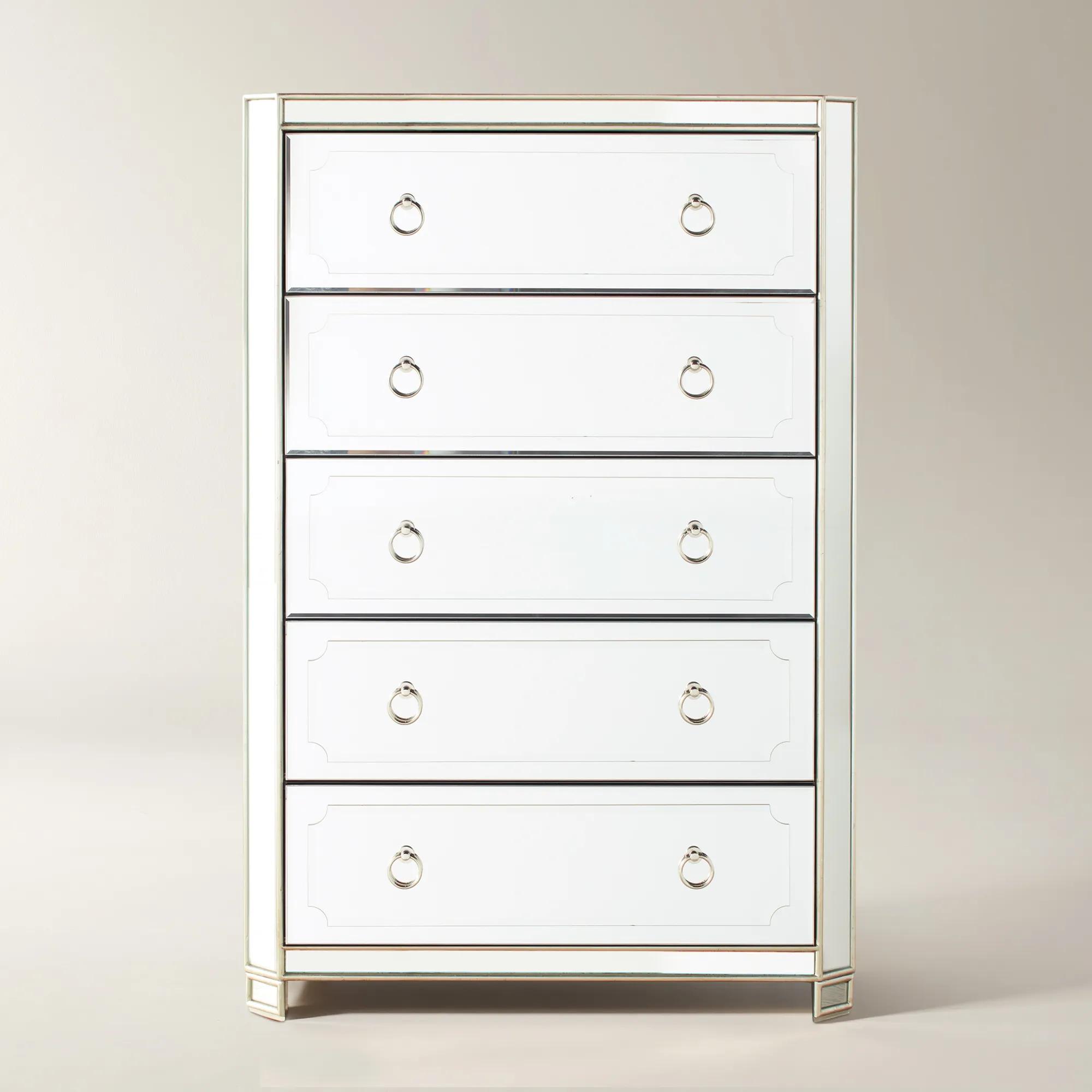
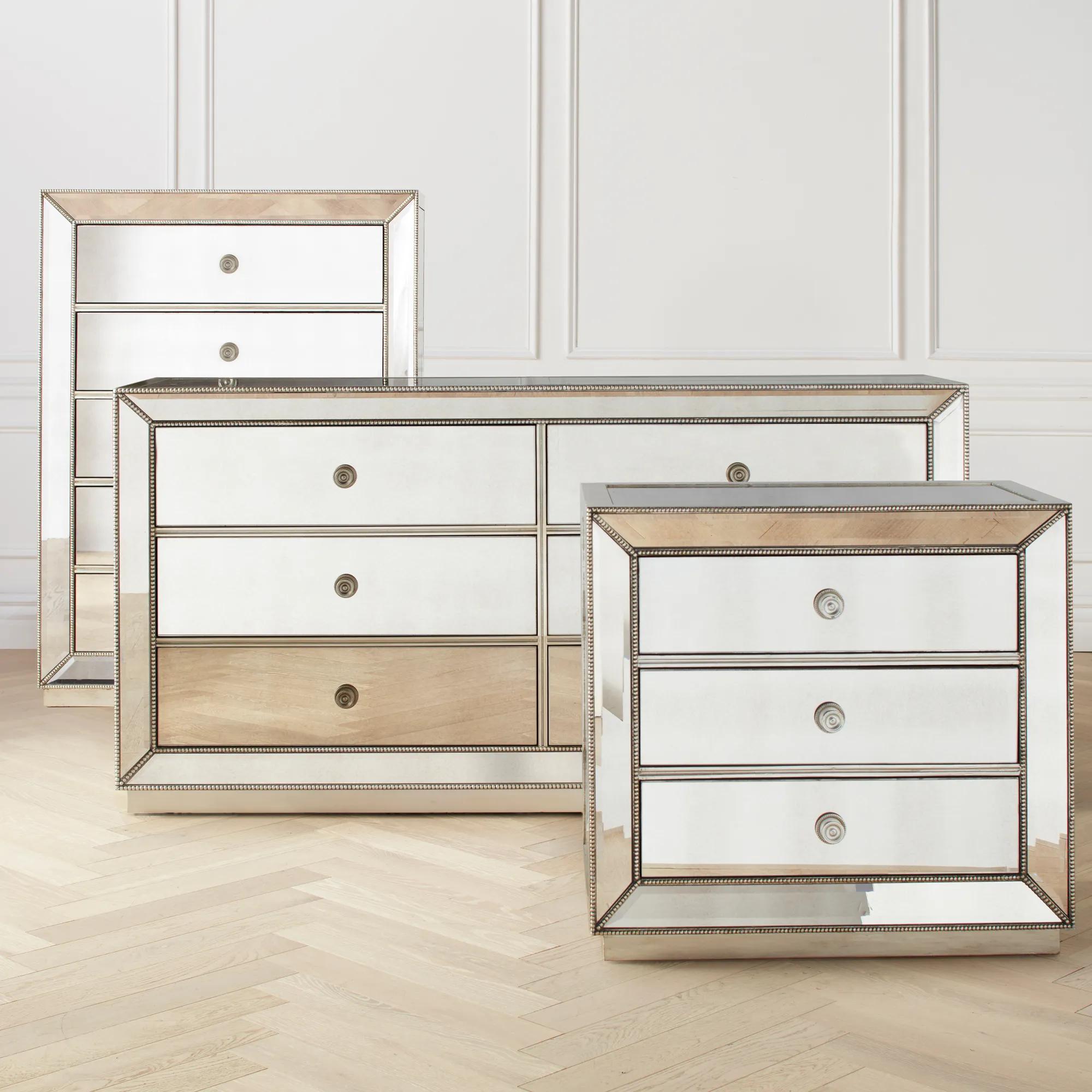 Omni Mirrored Silver 5-Drawer Tall Dresser (40")$2199
A dramatic chest featuring antiqued mirrored panels, hand-applied silver-leaf finish, and kiln-dried hardwood construction.
Add To Cart -
 Fleece Fluted Gray Velvet Stool (15.55'')$229
A plush grey velvet stool with a unique ribbed texture, perfect for versatile, cozy seating or decor.
Add To Cart -
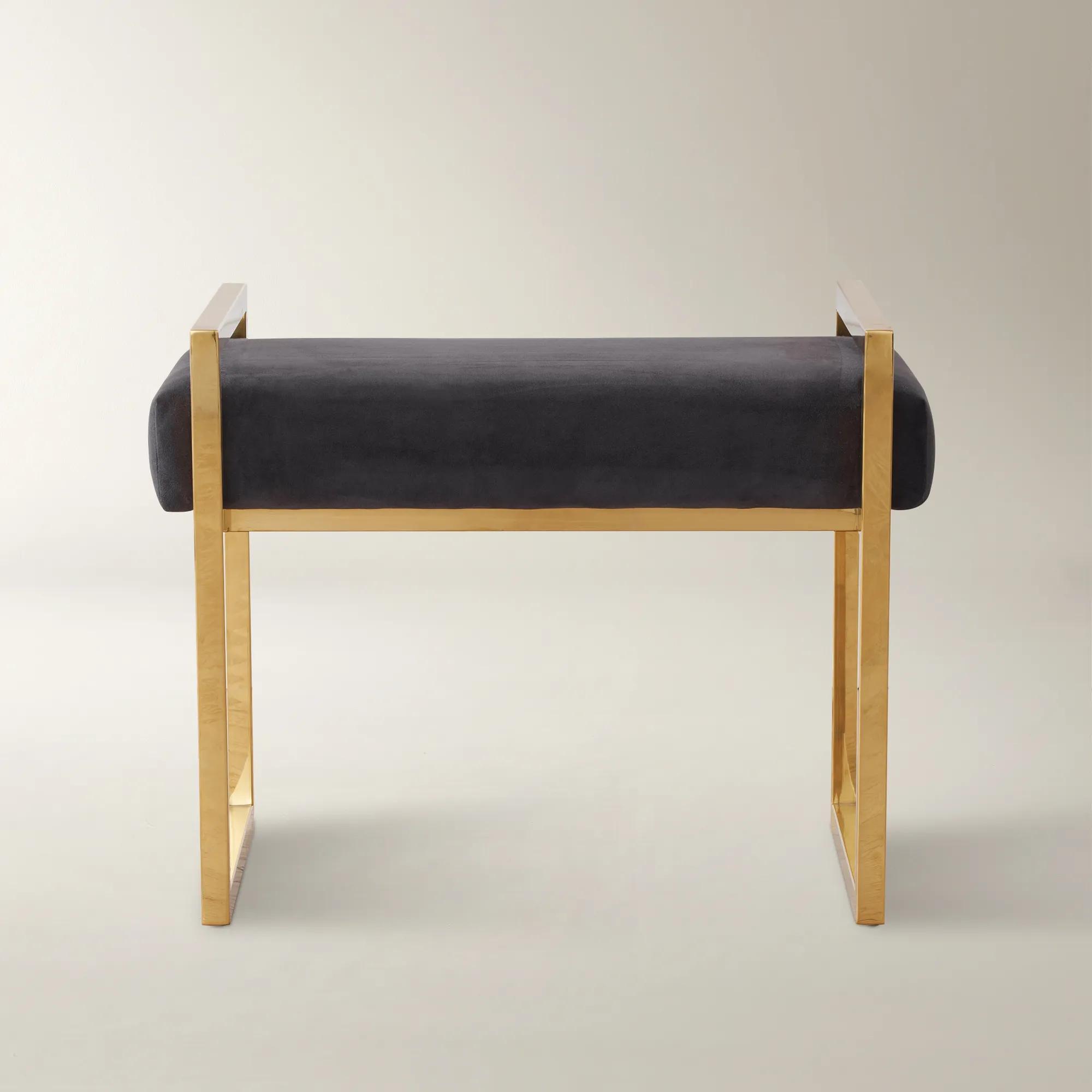
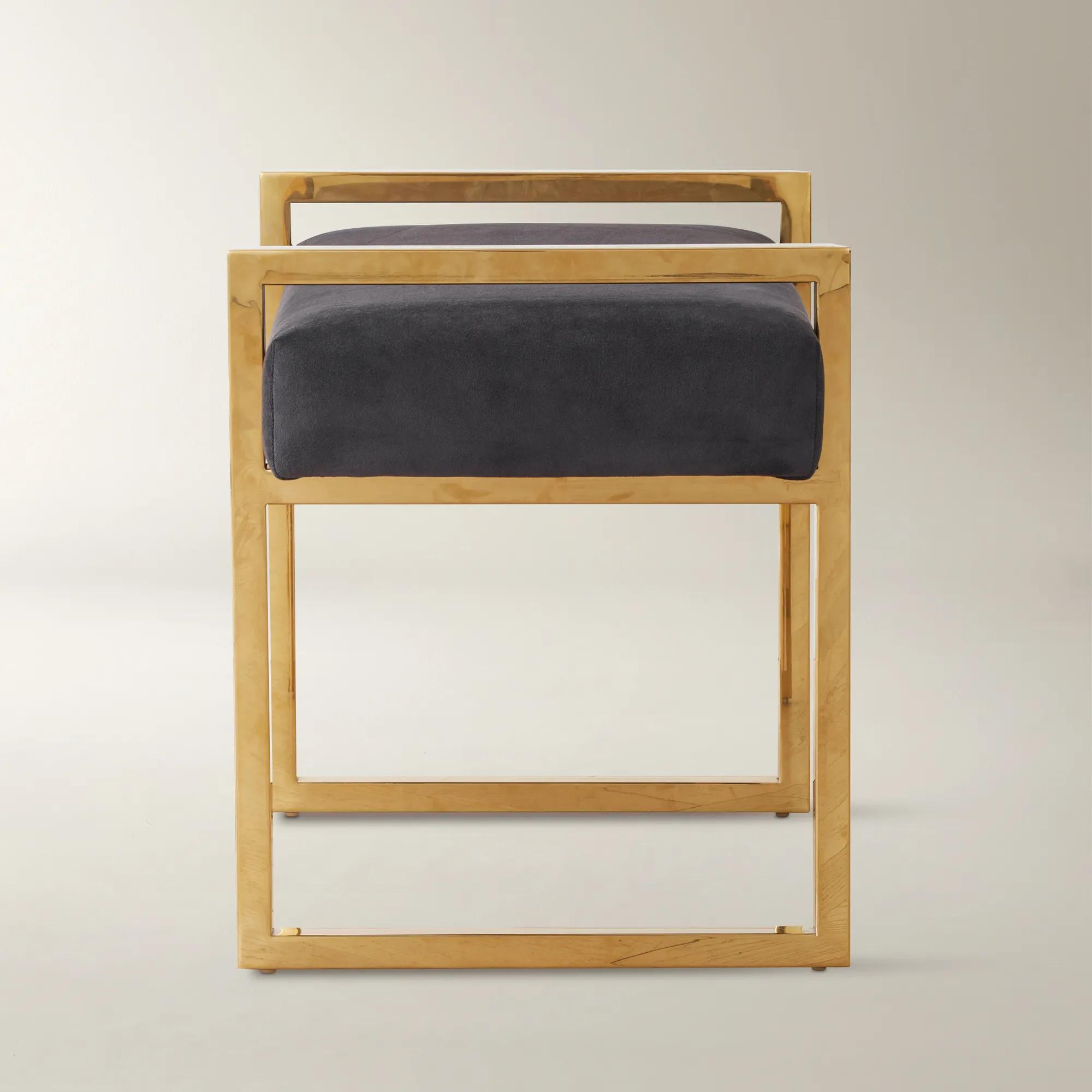 Clara Accent Stool$399
A plush black velvet seat rests on polished gold metal legs for a chic, modern accent piece.
Add To Cart -
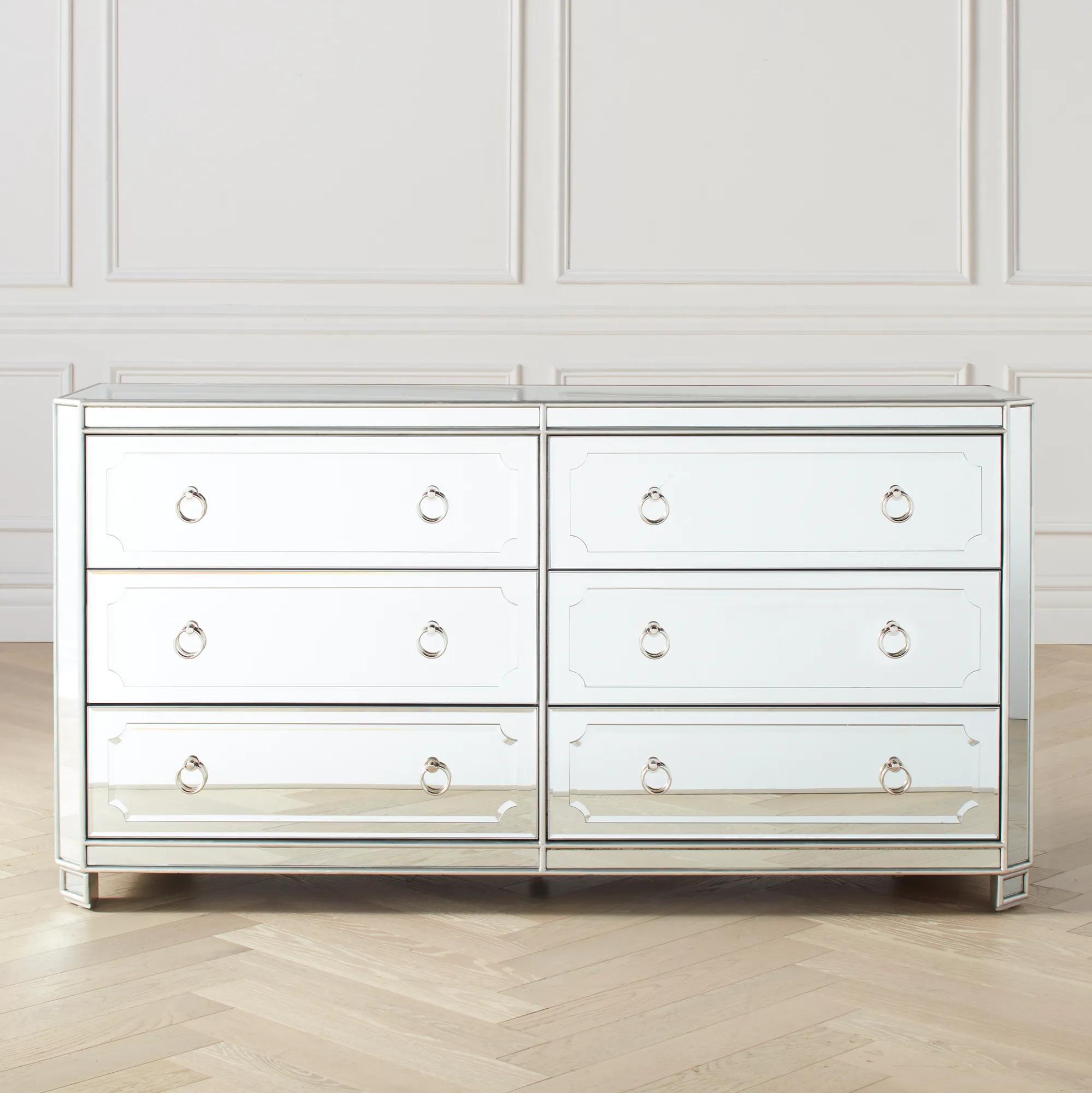
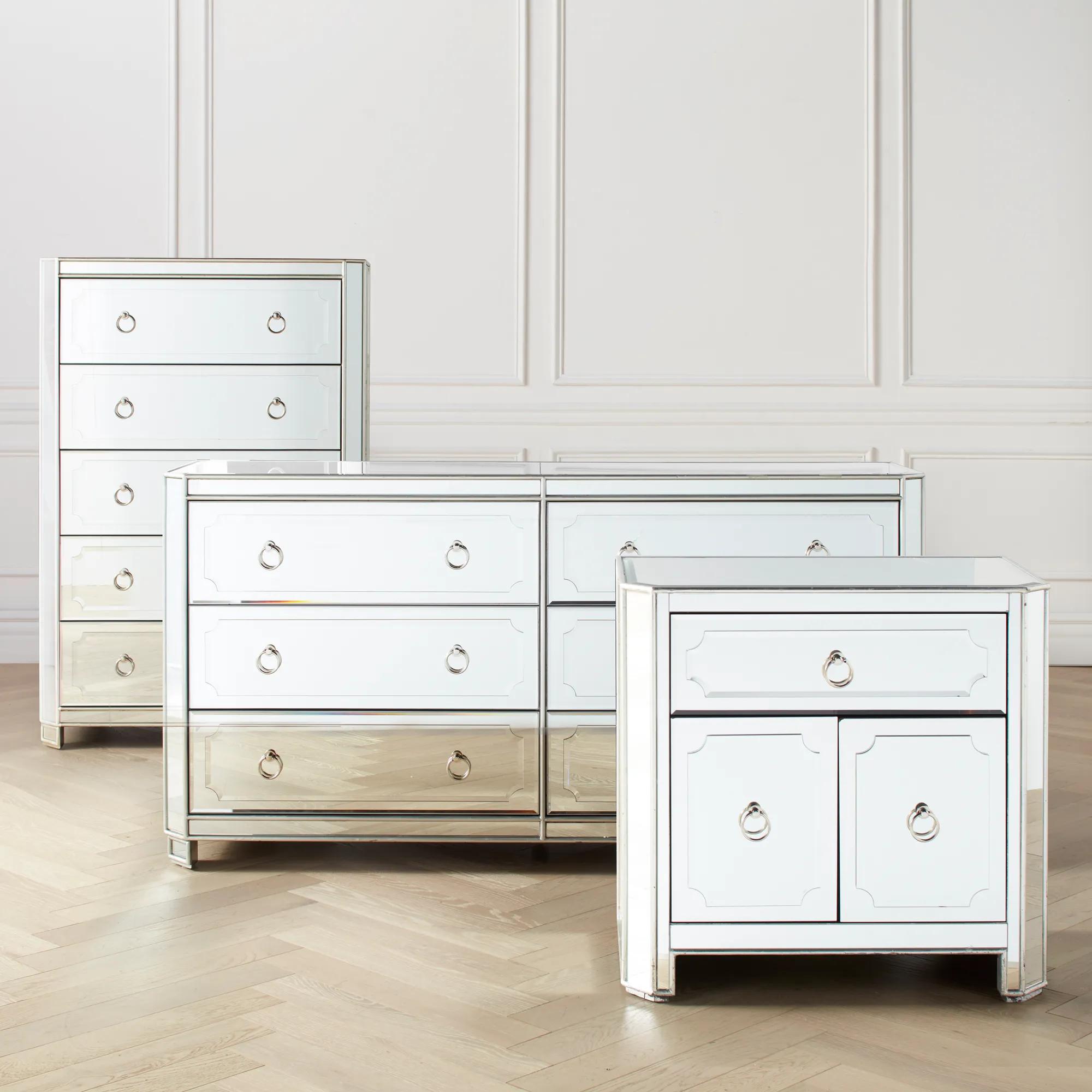 Simplicity Mirrored Silver 6-Drawer Dresser (66")$2299
A glamorous chest featuring beveled mirrored panels, hand-applied silver-leaf trim, and polished nickel hardware.
Add To Cart -
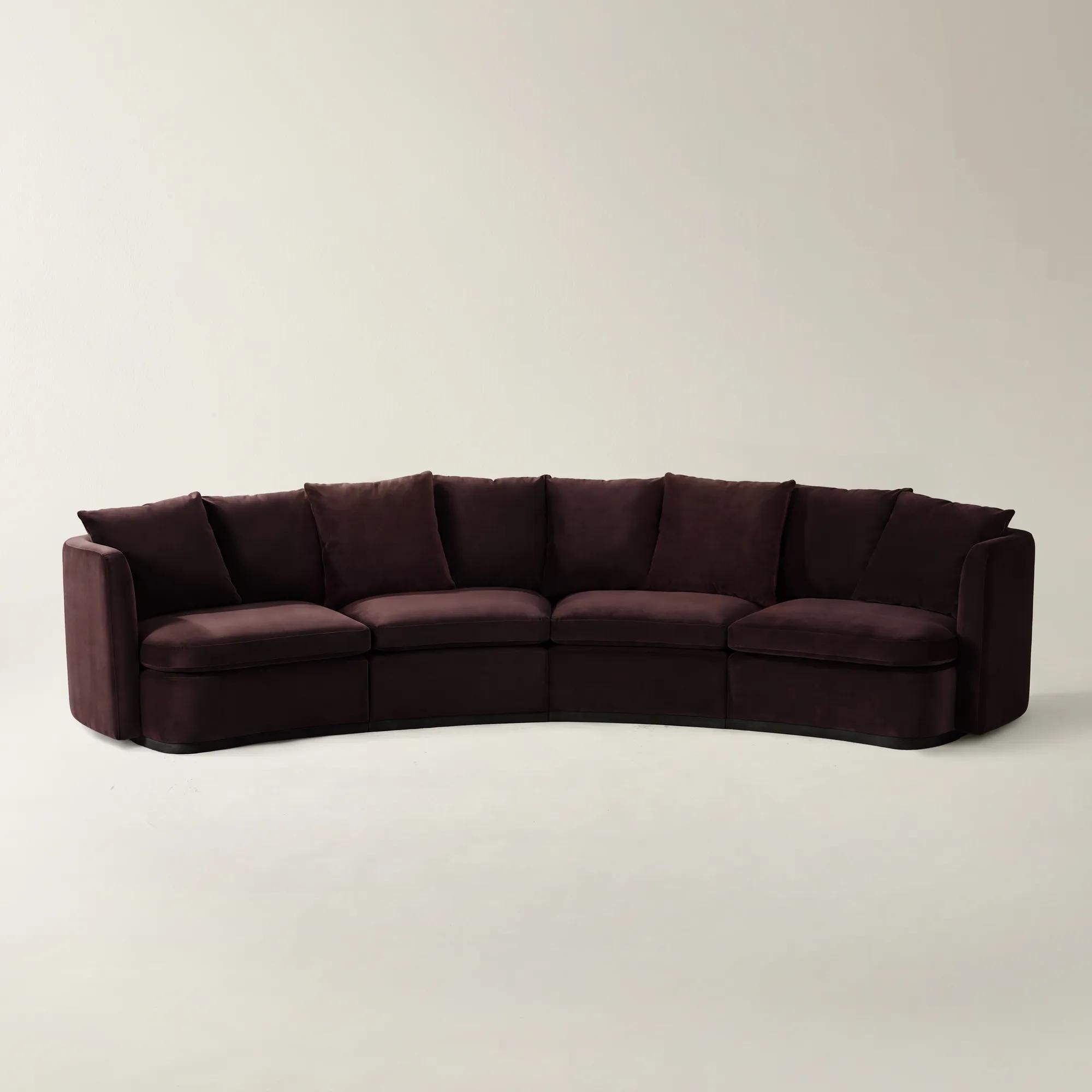
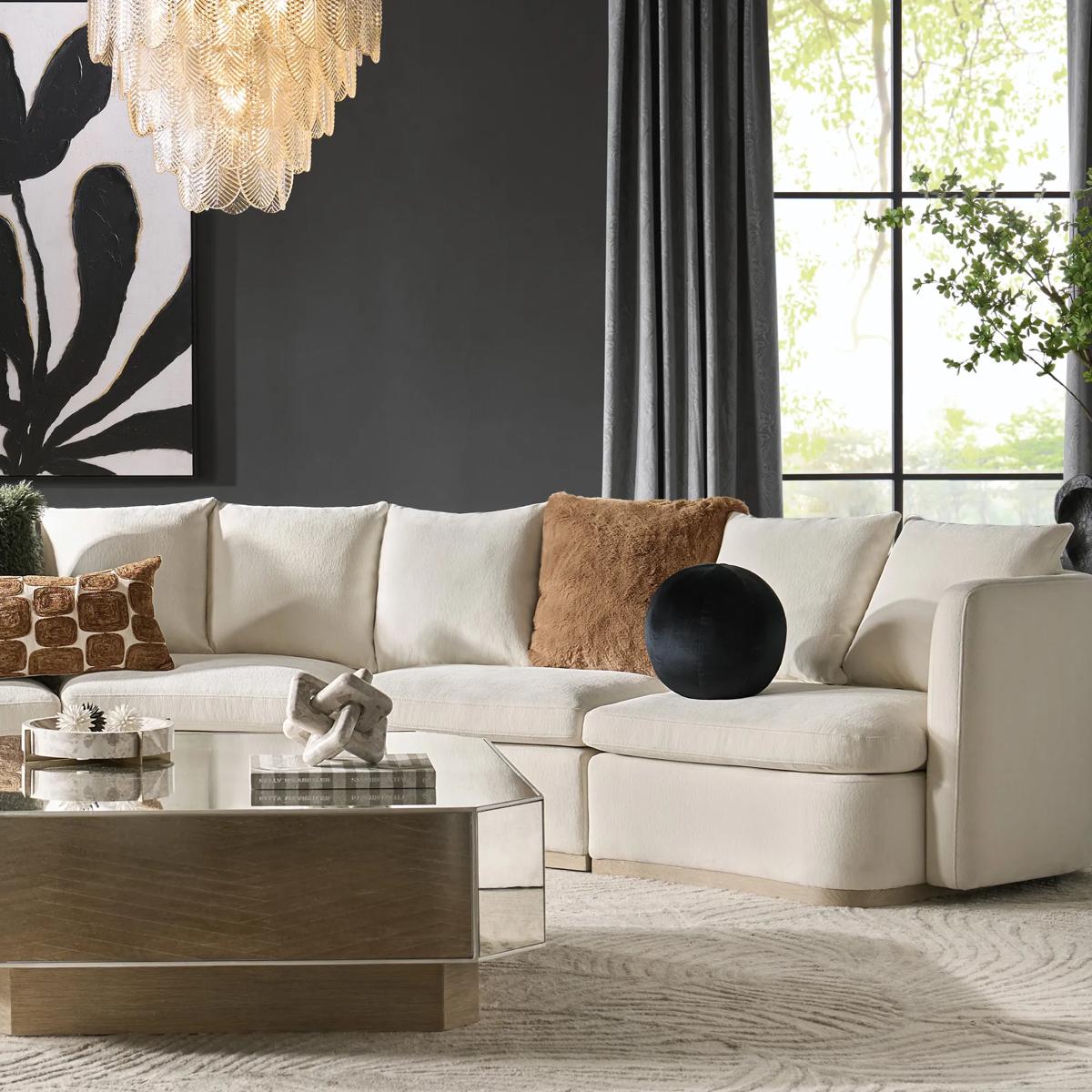 Stria 4-Piece Fig Velvet Sectional Sofa$4499
A sculptural fig velvet sectional with curved lines, layered foam-and-down cushioning, and modular connectors for comfort.
Add To Cart -
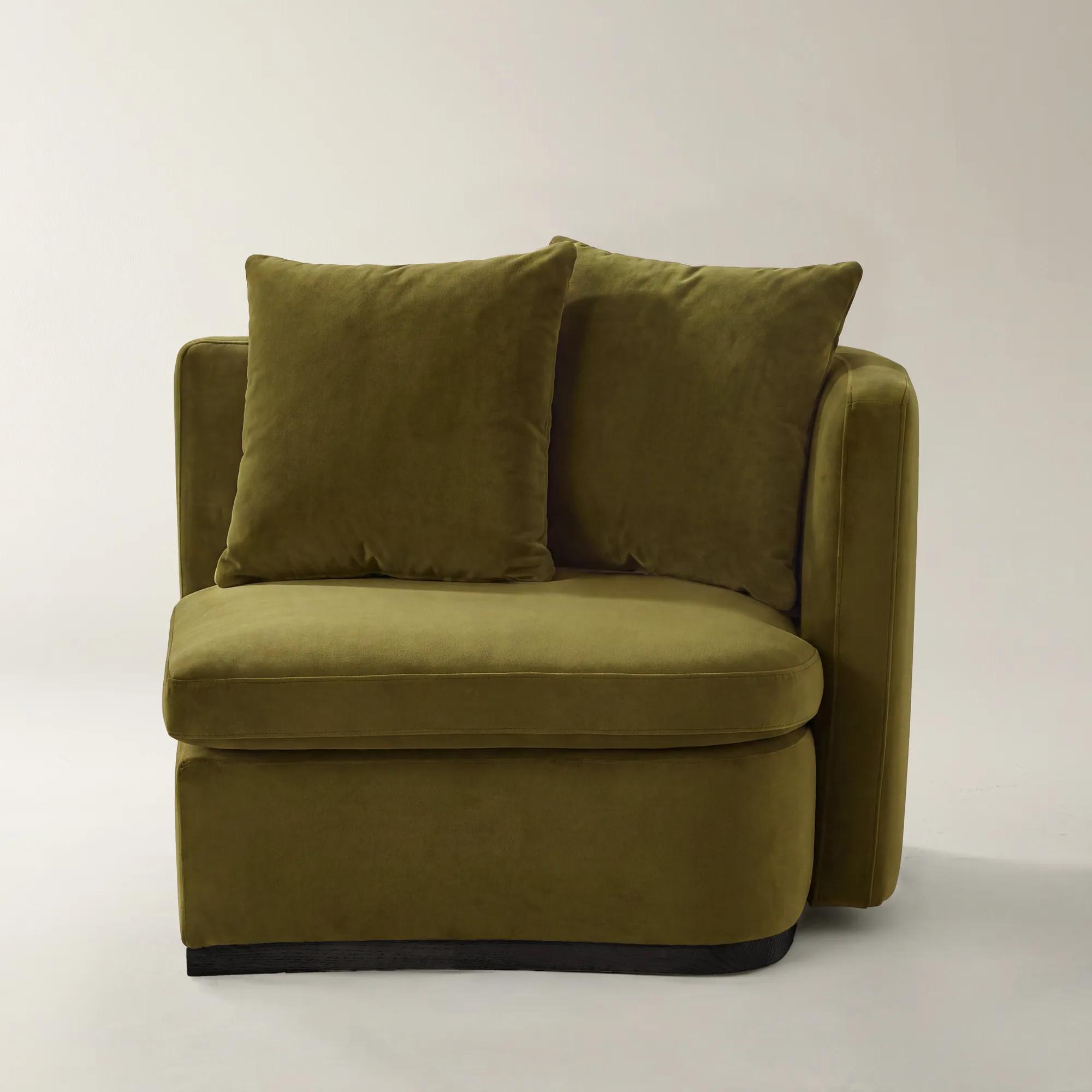 Stria Deep Olive Velvet Right-Arm Chair$1199
A sculptural deep olive velvet chair with curved styling, layered cushioning, and a kiln-dried wood frame.
Add To Cart -
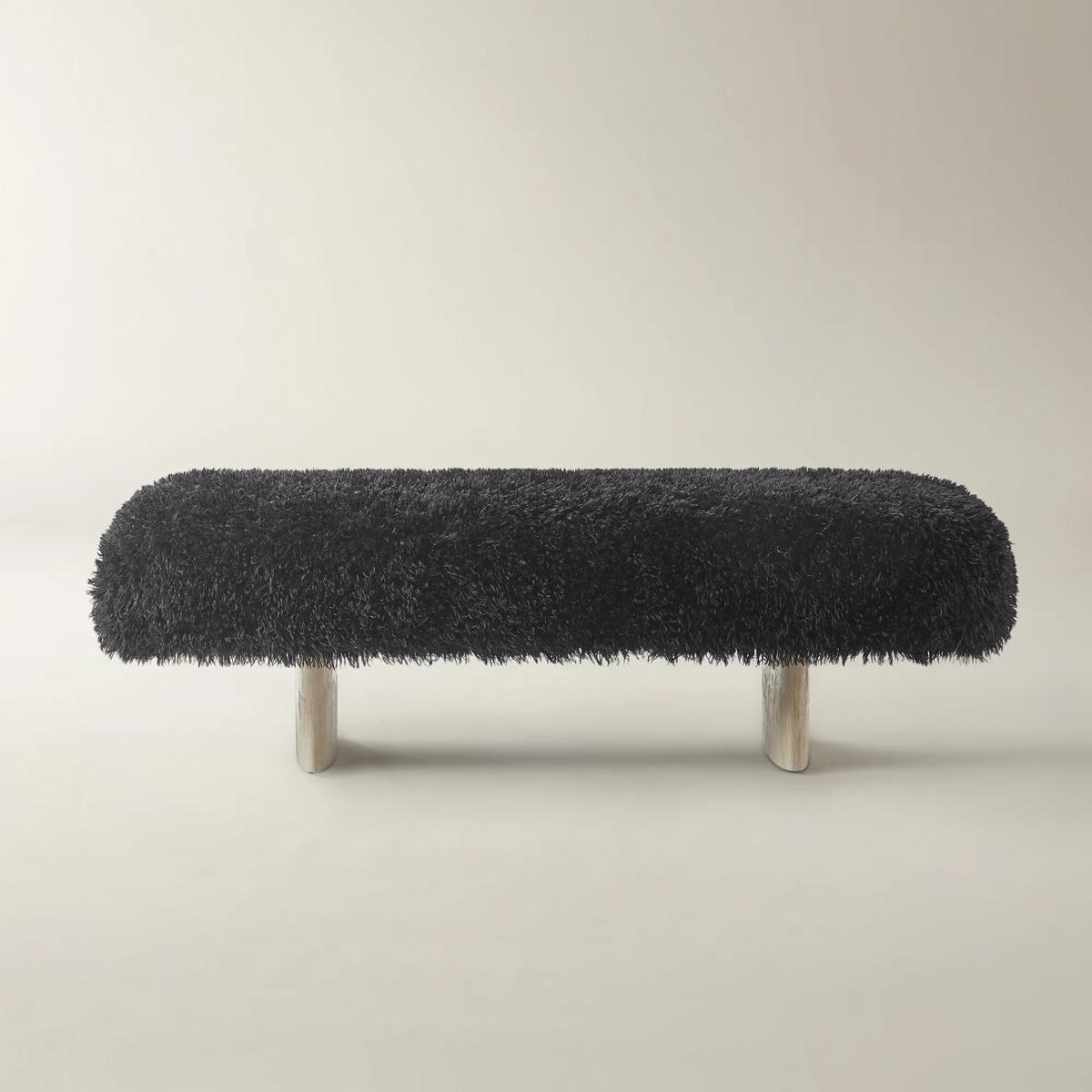 Micah Black Mongolian Fur Bench With Rubberwood Legs (62.6")$699
A striking black faux Mongolian fur bench with solid rubberwood legs for plush comfort and modern edge.
Add To Cart -

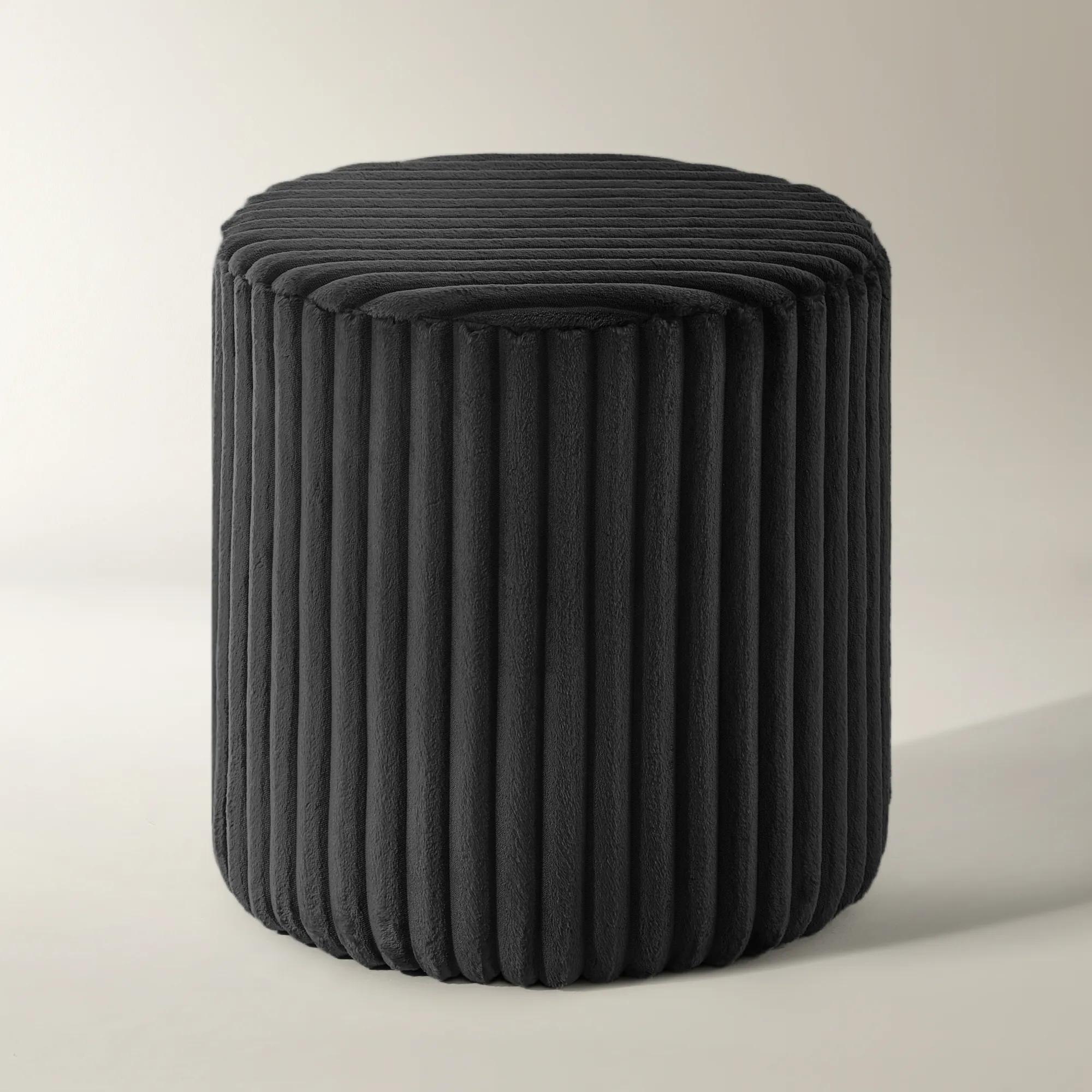 Fleece Fluted Black Velvet Stool (15.55'')$229
A plush black ribbed velvet stool offering versatile seating and cozy texture for any modern space.
Add To Cart -
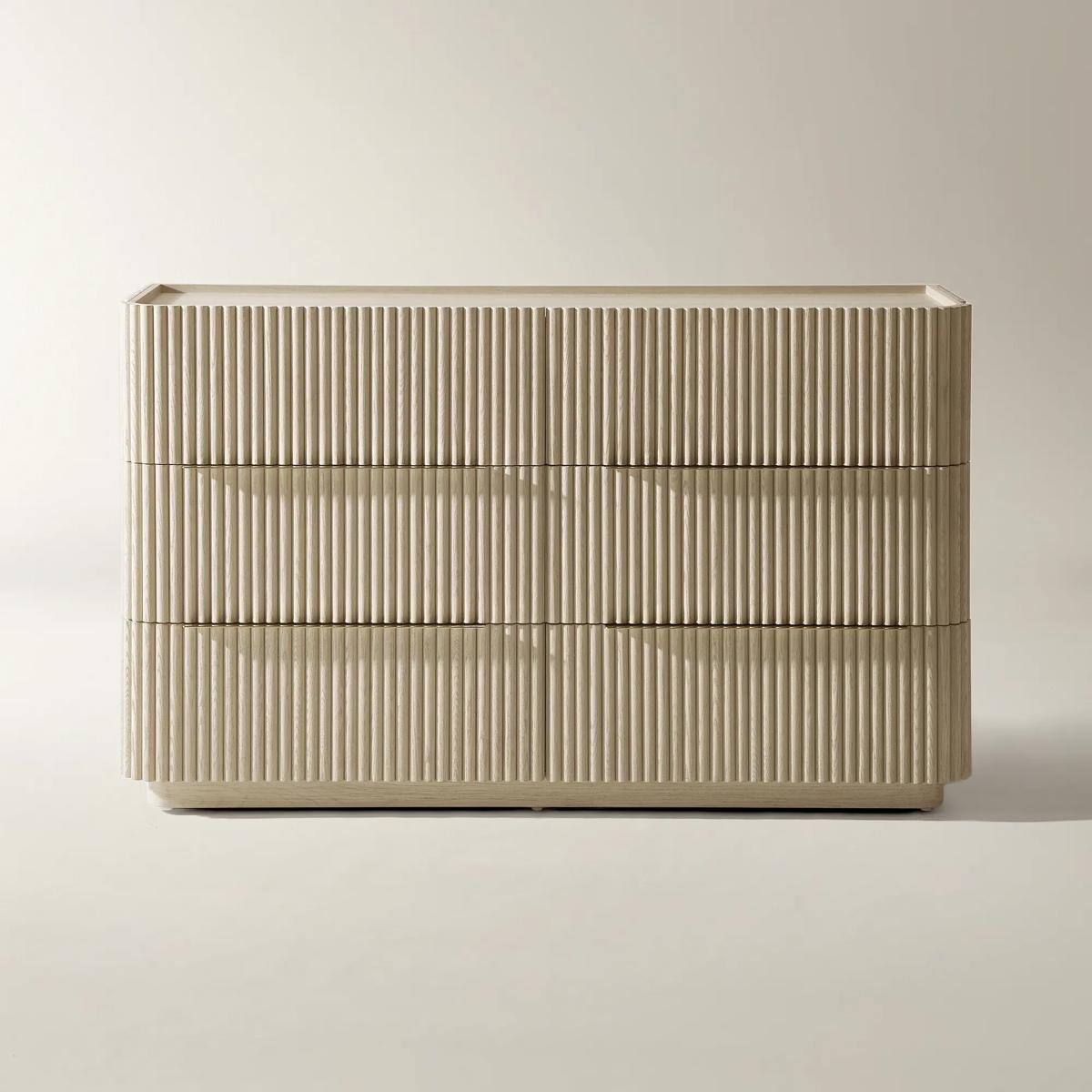
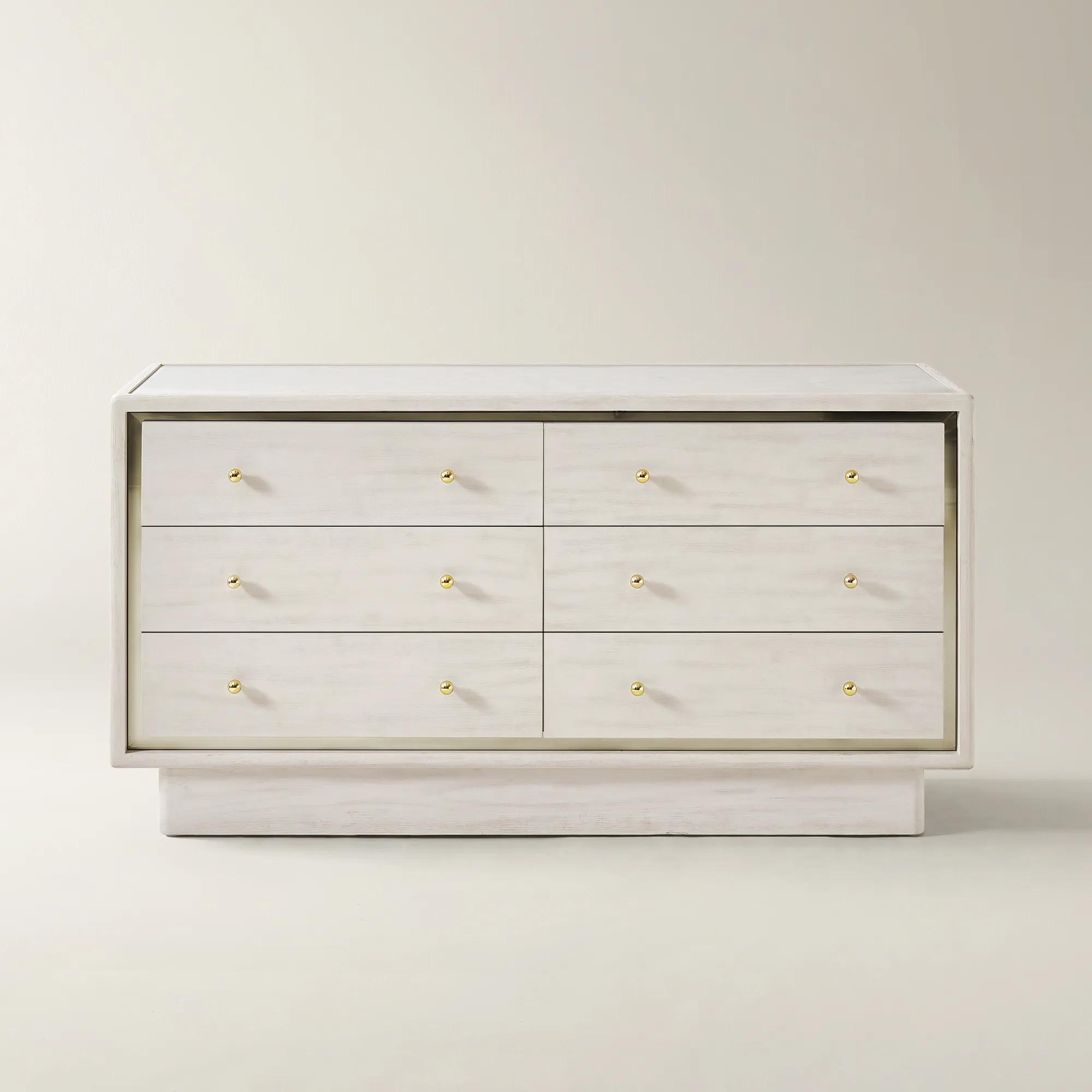
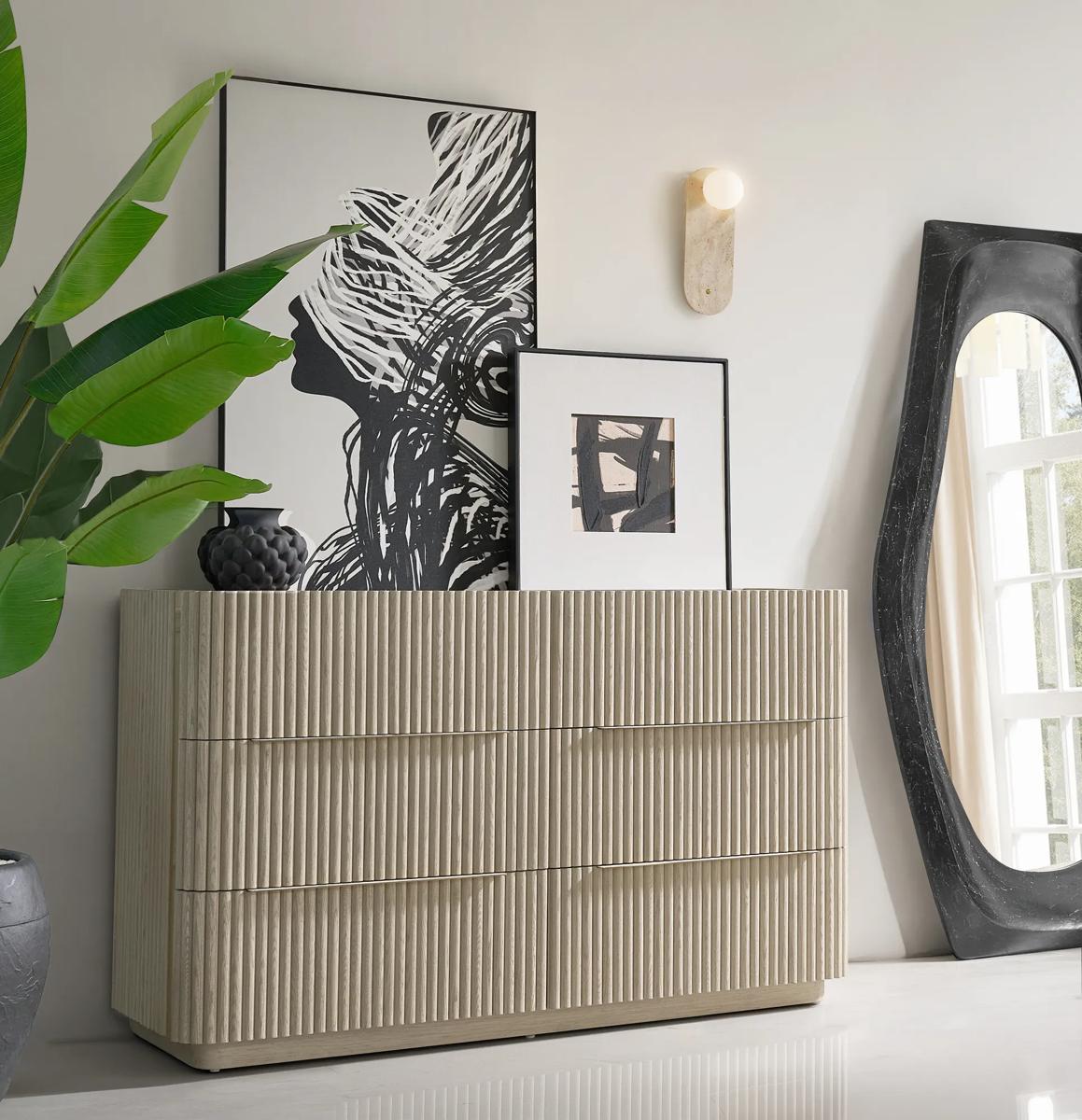 Stria Reeded White Oak 6-Drawer Dresser (64.5")$2599
A sculptural dresser crafted from solid oak with fluted detailing, gold-plated trim, and soft-close drawers.
Add To Cart -
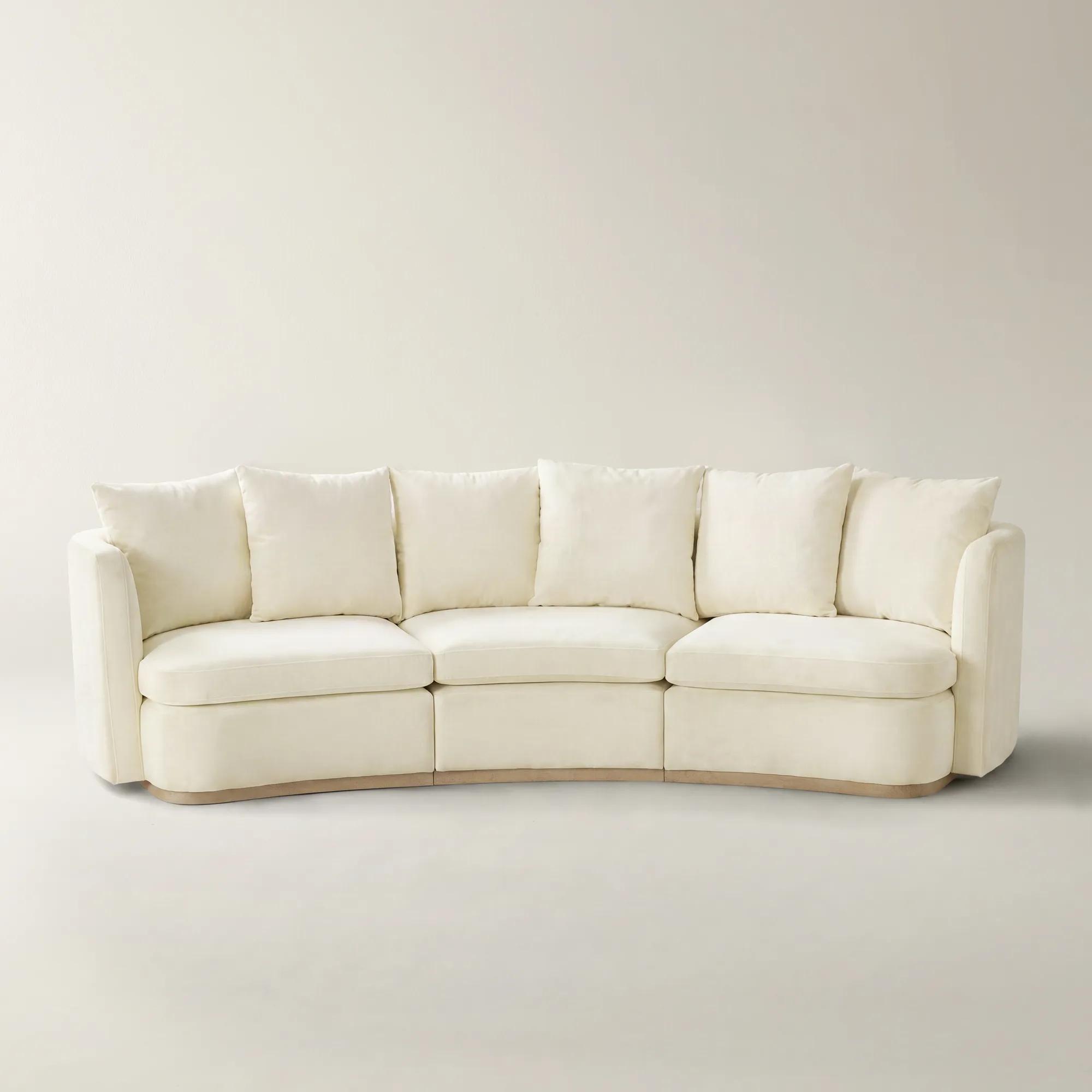 Stria 3-Piece Cloud Velvet Sectional Sofa$3399
A sculptural cloud velvet sectional with a curved silhouette, modular design, layered cushioning, and oak base.
Add To Cart -
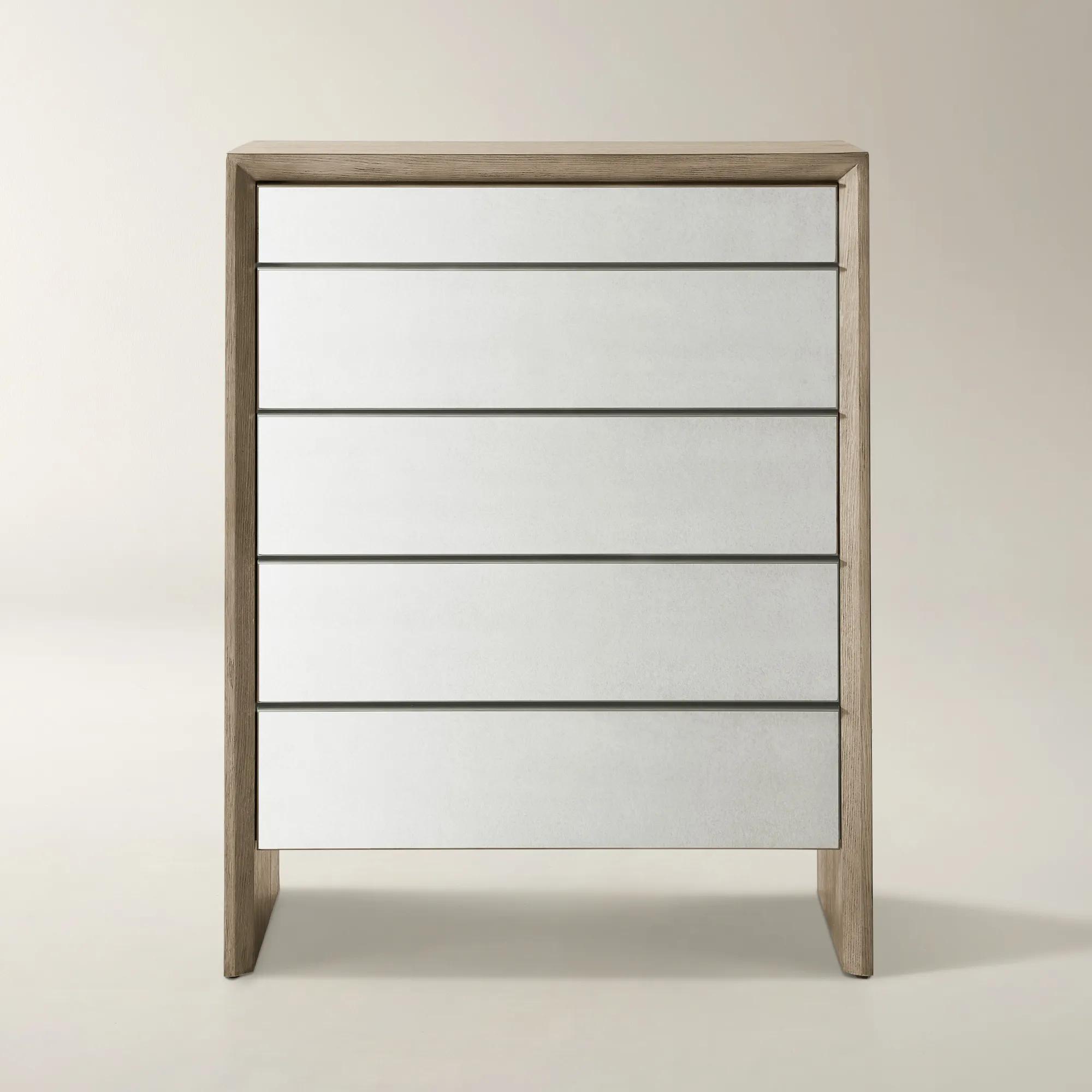
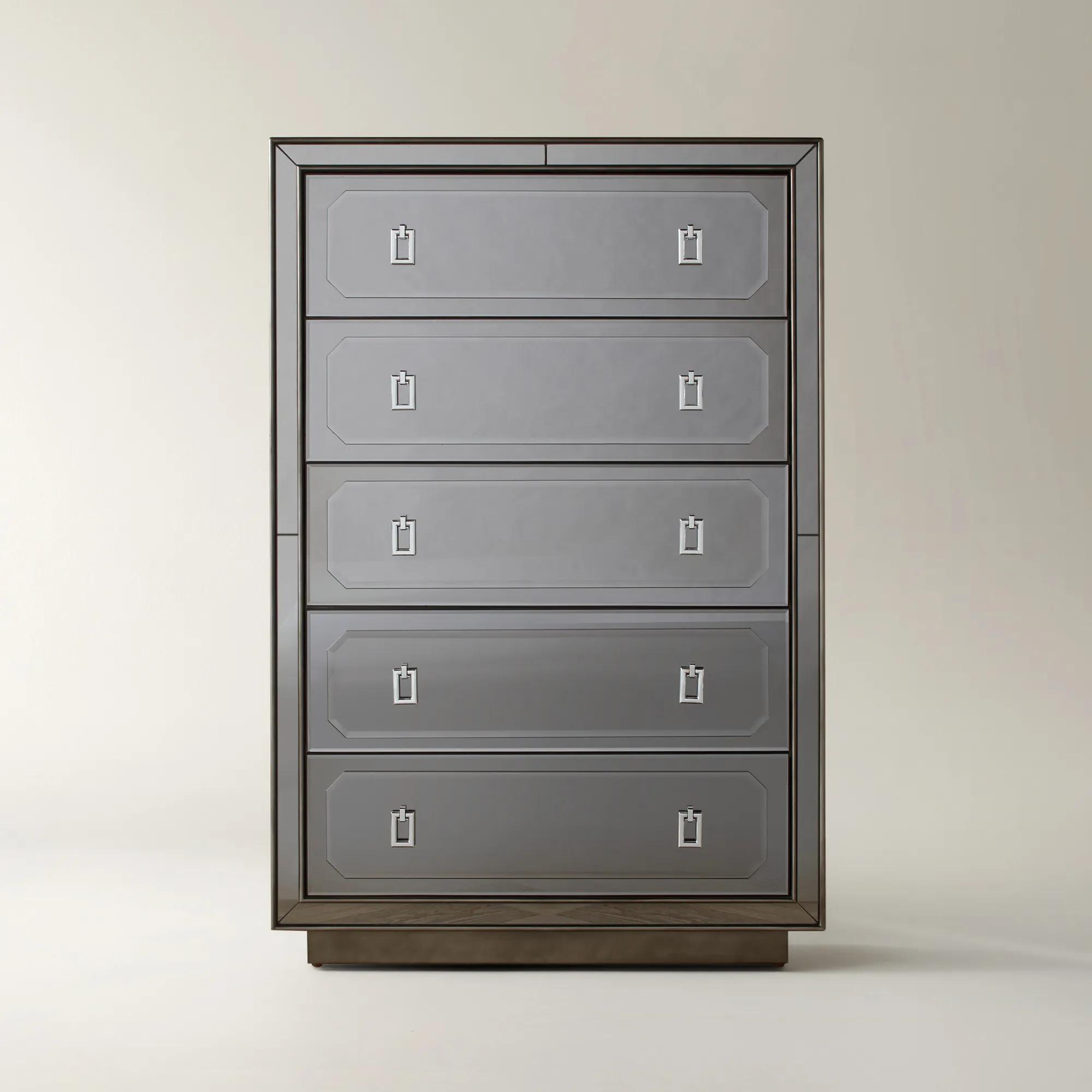 Maddox Mirrored Grey 5-Drawer Tall Dresser (36")$2099
A modern chest featuring beveled mirror panels, graphite finish, and polished nickel hardware for sleek sophistication.
Add To Cart

Furniture Gifts For Interior Designers
Furniture Gifts For Interior Designers are more than thoughtful gestures—they are curated invitations to indulge in artistry, ignite inspiration, and transform every space into a masterpiece. Each piece is handpicked for those who see the world through a lens of possibility, where every silhouette sparks imagination and every finish tells a story. Celebrate the visionaries who shape our interiors with gifts that mirror their passion for bold design, refined luxury, and the endless pursuit of beauty. Elevate their creative journey with statement furnishings destined to become the centerpiece of their next unforgettable room.
Furniture gifts for interior designers bring an appreciation for form, proportion, and materials into something that can become part of a beautifully composed room. Sculptural accent tables, expressive seating, refined benches, and thoughtfully scaled storage are especially compelling because they offer both visual presence and a clear purpose. The strongest choices feel considered from every angle: a graceful base beneath a substantial tabletop, upholstery that softens an architectural silhouette, or a gleaming finish that draws light into a quiet corner. For someone who spends the day creating spaces for others, a furniture gift can recognize a distinctive point of view while contributing something meaningful to a personal retreat or working studio. A compact occasional table might give a reading chair a polished companion; an upholstered bench can bring a tailored finish to the foot of a bed or provide a welcoming seat in an entry. These smaller furnishings often leave more room for personal interpretation than a large piece that determines an entire layout. Interior designers also tend to notice the relationship between an object and its surroundings, making scale and negative space as important as decorative detail. A dramatic pedestal can hold its own beside generous seating, while a slender frame may sit more comfortably in a room already rich with pattern and art. Gifts with a distinctive silhouette can acknowledge a designer’s creative confidence without requiring an exact match to existing furnishings. Color offers another layer of expression, from luminous pale tones that highlight sculptural contours to deep hues that lend upholstery a sumptuous presence. The appeal lies in a balance of artistry and usefulness: furniture that earns its place in daily life while making the room feel more personal. Whether marking a professional milestone, celebrating a new home, or thanking a designer for a completed project, that balance gives the gesture lasting relevance.
Materials shape both the character of a furniture gift and the experience of living with it. Wood brings grain, warmth, and natural variation to a composition, while metal can introduce a crisp outline, a burnished glow, or a striking contrast against soft upholstery. Glass lends visual lightness where a room needs breathing space, though fingerprints and exposed edges deserve consideration in busy settings. Stone offers distinctive veining and substantial presence, with care requirements that vary by material and finish. Upholstered pieces create a different kind of luxury: velvet catches the light as its pile changes direction, textured weaves add dimension, and smoother fabrics can emphasize a beautifully drawn curve. Fiber content, construction, and the stated care instructions matter as much as appearance, particularly for seating intended for frequent use. A designer’s studio may need upholstery suited to regular visitors, while a bedroom accent seat might serve a quieter, more occasional role. Durability is best understood through the whole piece, including frame construction, joints, surface finish, and any stated weight capacity, rather than through material alone. Solid wood, veneers, metals, and upholstered components each have different strengths and maintenance needs; none should be judged solely by its label. Manufacturer guidance should determine cleaning methods, with particular attention to moisture, abrasive products, direct sunlight, and appropriate protection beneath objects placed on a surface. Fit is equally specific. Overall dimensions help establish a footprint, but seat height, tabletop height, arm clearance, and doorways affect how comfortably furniture functions in a real room. Beside a sofa, a table should sit within comfortable reach without interrupting circulation. Near a desk or vanity, a chair needs suitable clearance and a seat proportion that supports its intended use. Even a petite gift deserves these details, since a few inches can change the balance of a vignette or the ease of moving through a space. Practical compatibility allows an expressive design to feel integrated rather than imposed.
A memorable furniture gift reflects how an interior designer actually lives and works, not simply the profession on a business card. Someone who regularly reviews fabric samples and finish palettes may appreciate an occasional surface that keeps a meeting area composed, while a designer with a dedicated reading corner may value seating that invites time with an architecture book. In an entry, a bench can create a graceful pause between arrival and the rest of the home; in a dressing area, an accent seat brings comfort and a deliberate decorative gesture. Flexible furnishings are particularly thoughtful when the recipient enjoys rearranging rooms, although dimensions, weight, and intended use still determine how easily a piece can move between settings. A compact table may transition from bedside to lounge area, but seating should never be assumed to function as a step stool or support weight beyond its stated capacity. Indoor furniture also should not be treated as outdoor furniture unless its specifications expressly allow that use. These distinctions protect both the gift and the experience it is meant to create. Personal taste remains central: a designer who favors polished surfaces and dramatic contrast may respond differently from one drawn to tactile upholstery and softly rounded forms. Familiarity with the recipient’s own interiors offers a more reliable starting point than assumptions based on a single client project. When the gift is substantial or highly expressive, confirming the dimensions and finish preferences beforehand preserves the pleasure of the gesture without asking the recipient to redesign a room around it. For gestures that extend beyond furniture, unique gifts for interior designers offer another way to acknowledge an individual creative sensibility. Furniture carries a special intimacy, becoming part of where someone sits, gathers, reads, or welcomes others. A well-considered piece honors that intimacy with compelling form, appropriate function, and details that reward a discerning eye. The result is more than a decorative statement: it is a lasting place for the recipient’s own style to unfold.
FAQs
An ideal furniture gift for an interior designer balances striking aesthetics with versatility. Designers appreciate pieces that offer bold visual impact, unique materials, and the flexibility to complement a range of styles. Thoughtful details—like sculptural lines, luxe finishes, or multifunctional features—make these gifts both inspiring and practical, serving as creative tools in their design journey.
Pay attention to the designer’s signature aesthetic—whether they gravitate toward modern glam, classic elegance, or eclectic drama. Select pieces with distinctive character, rich textures, or statement-making silhouettes that echo their taste. When in doubt, opt for timeless materials like marble, mirrored glass, or sumptuous fabrics, which adapt beautifully to various design schemes.
Absolutely. Many furniture gifts are versatile enough to enhance both a designer’s own home and the spaces they curate for clients. Accent pieces such as side tables, ottomans, or decorative chairs can serve as showpieces in a studio, office, or living area, providing inspiration and functionality wherever they’re placed.
Interior designers often value pieces that provide a dramatic focal point or add layers of texture to a room. Consider gifting accent chairs with sculptural forms, gleaming bar carts, or sophisticated console tables. Items that offer flexibility—like nesting tables or modular seating—are also highly appreciated for their adaptability in various design projects.
A furniture gift from zgallerie.com can serve as a wellspring of inspiration, introducing fresh materials, bold finishes, and unexpected silhouettes to a designer’s repertoire. Such pieces encourage experimentation, spark new ideas, and help designers craft spaces that are both luxurious and deeply personal.