Christmas Gifts For Interior Designers
Christmas Gifts For Interior Designers
-
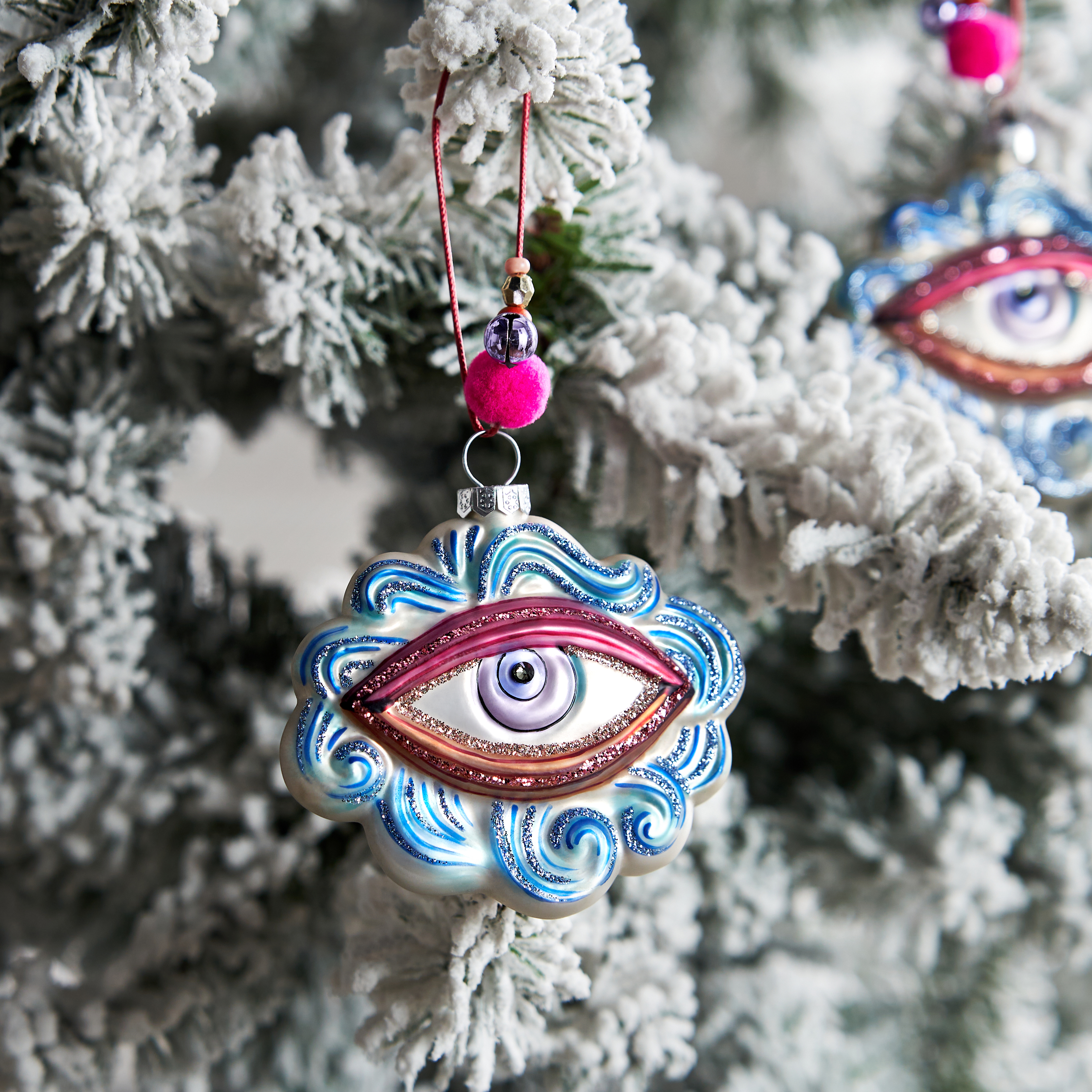
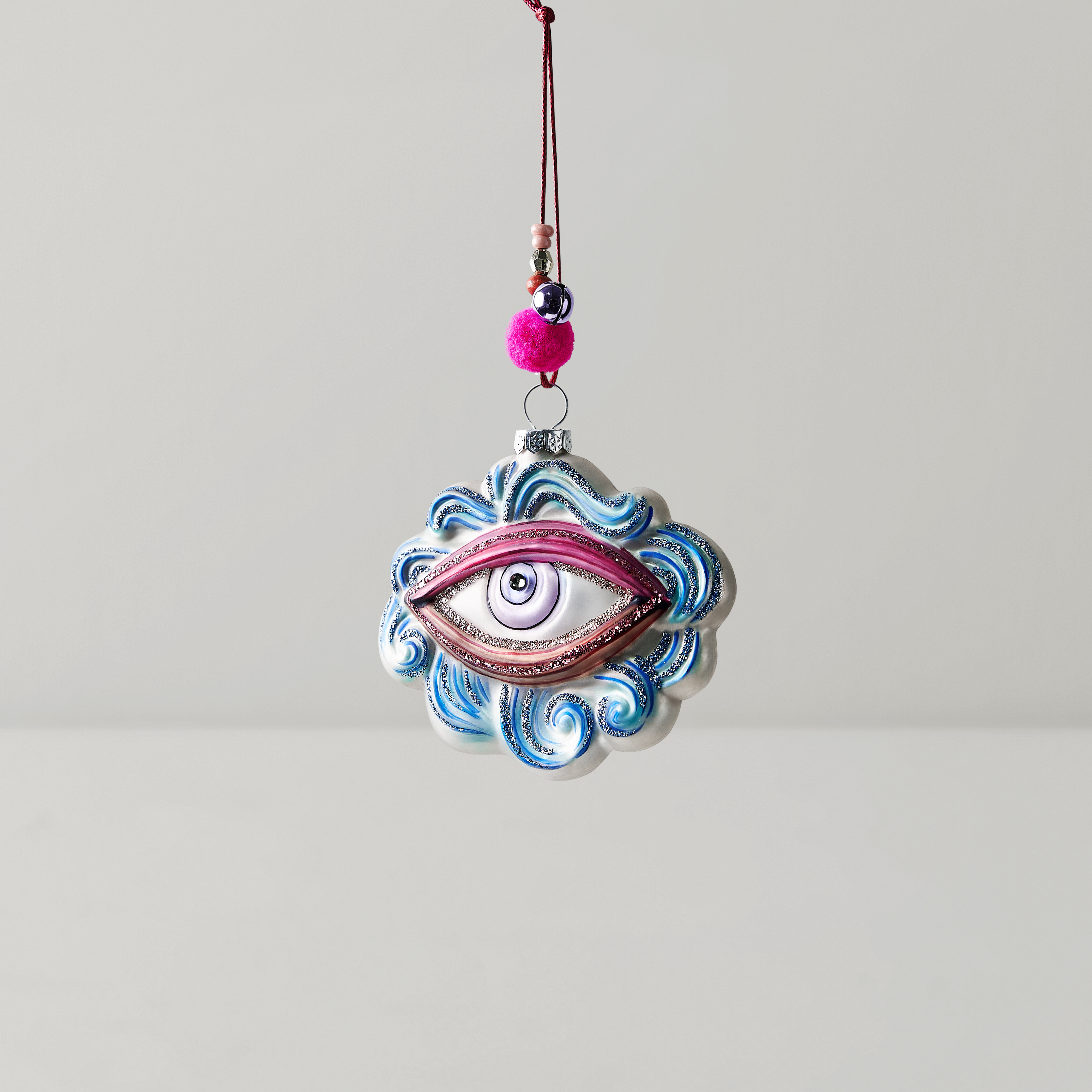 Ethereal Eye Ornament$36
An enchanting glass ornament featuring a mystical eye design for a unique holiday tree accent.
Add To Cart -
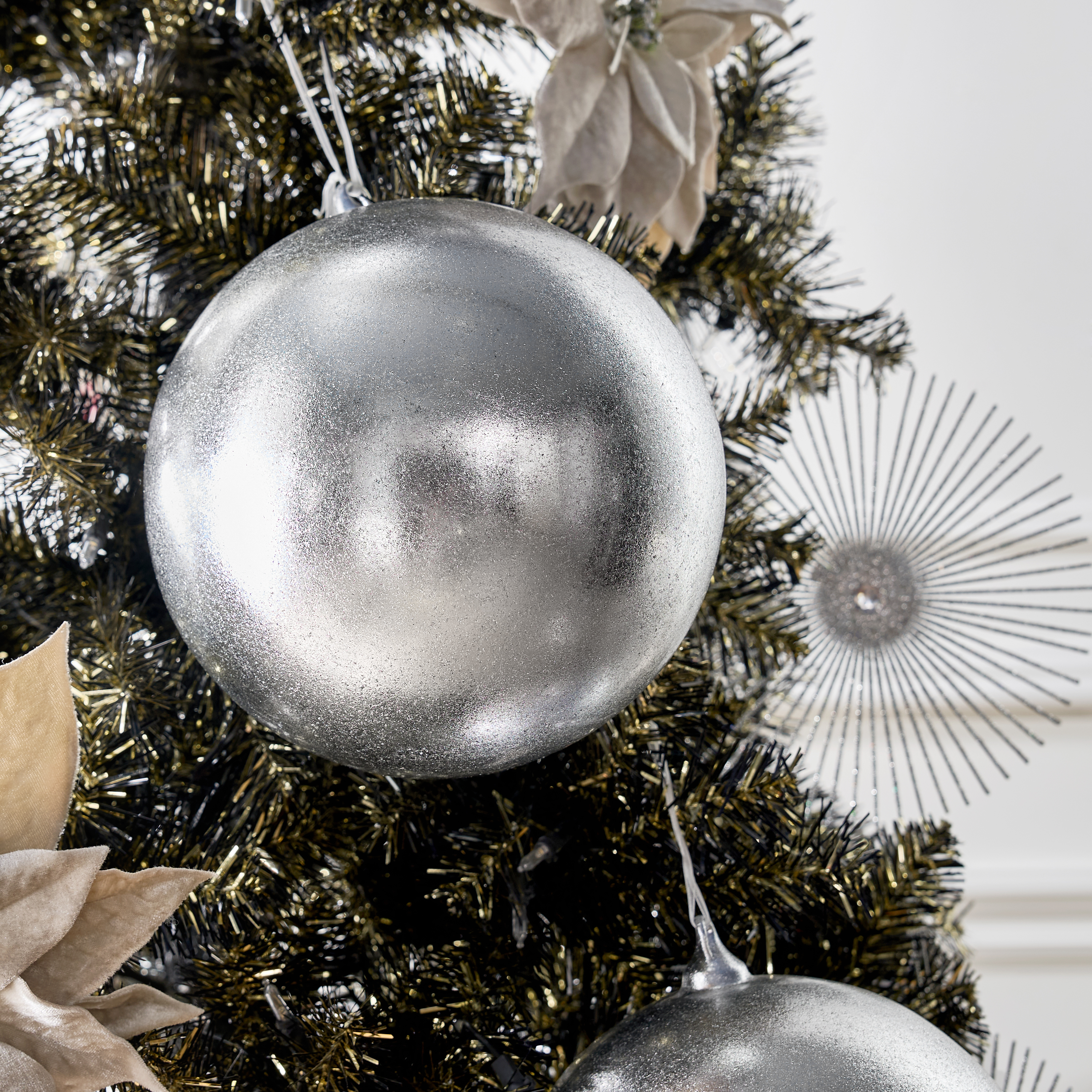
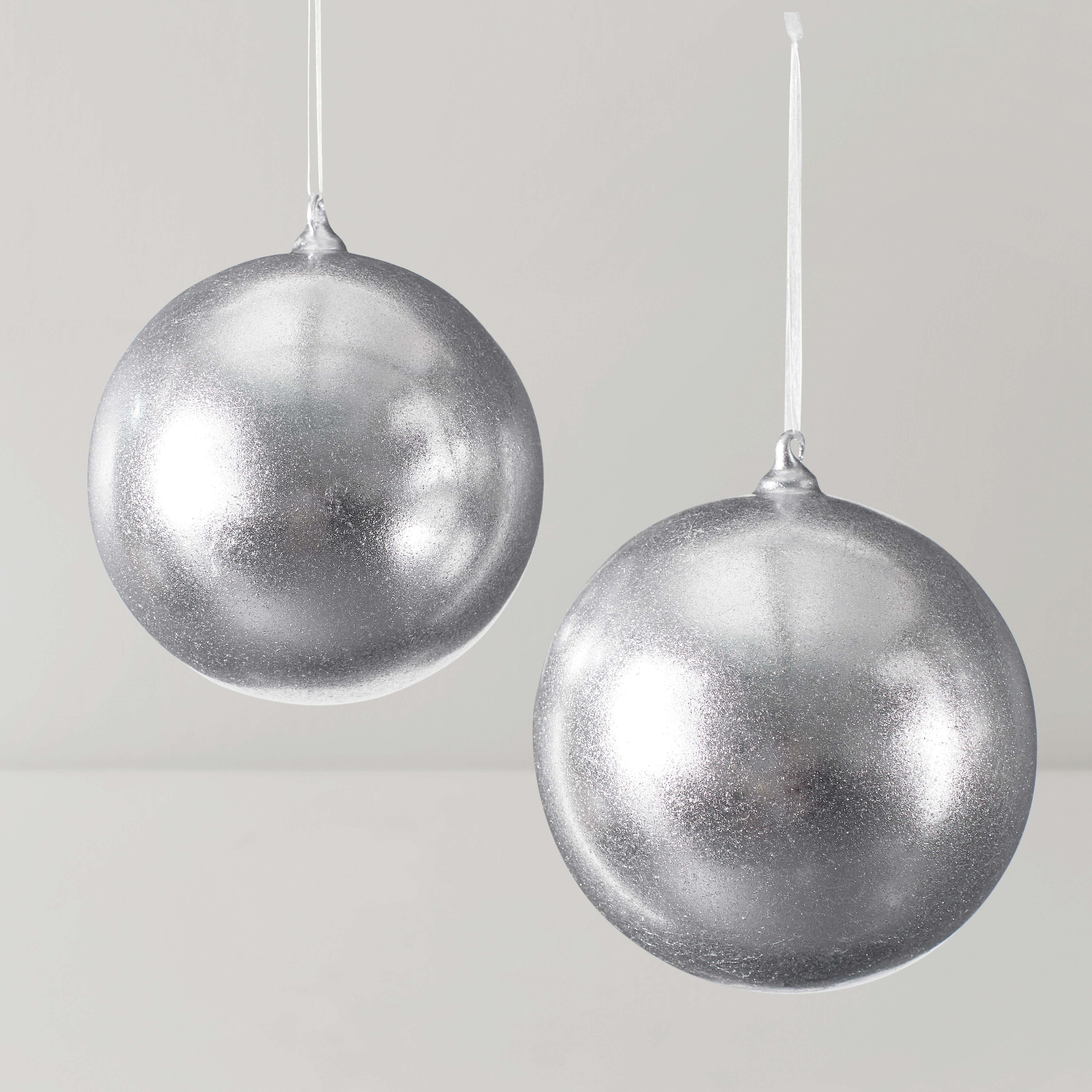 Oversized Silver Ornament 8" - Set of 2$79
A set of two oversized glass ornaments in a striking metallic silver finish for dramatic holiday decor.
Add To Cart -
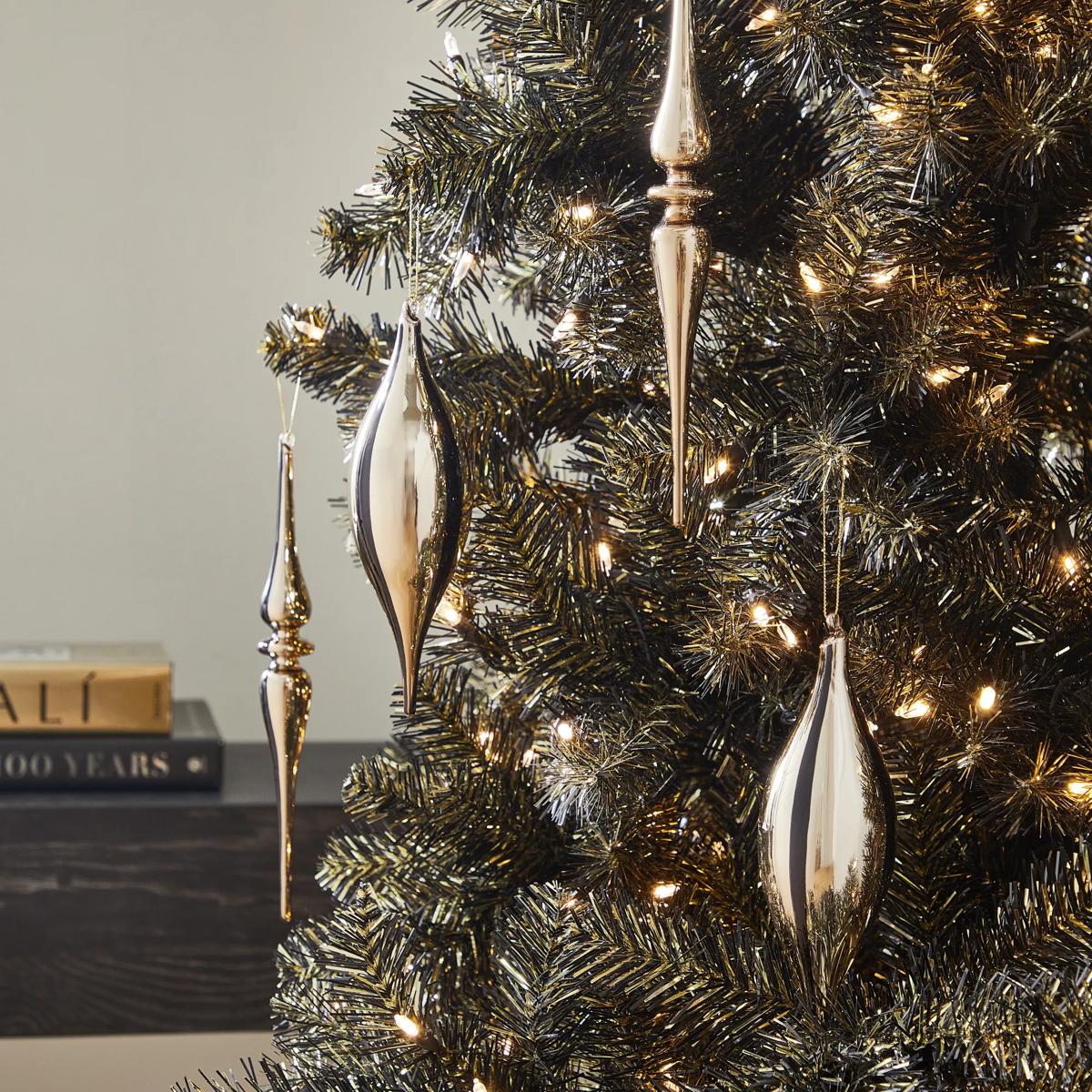
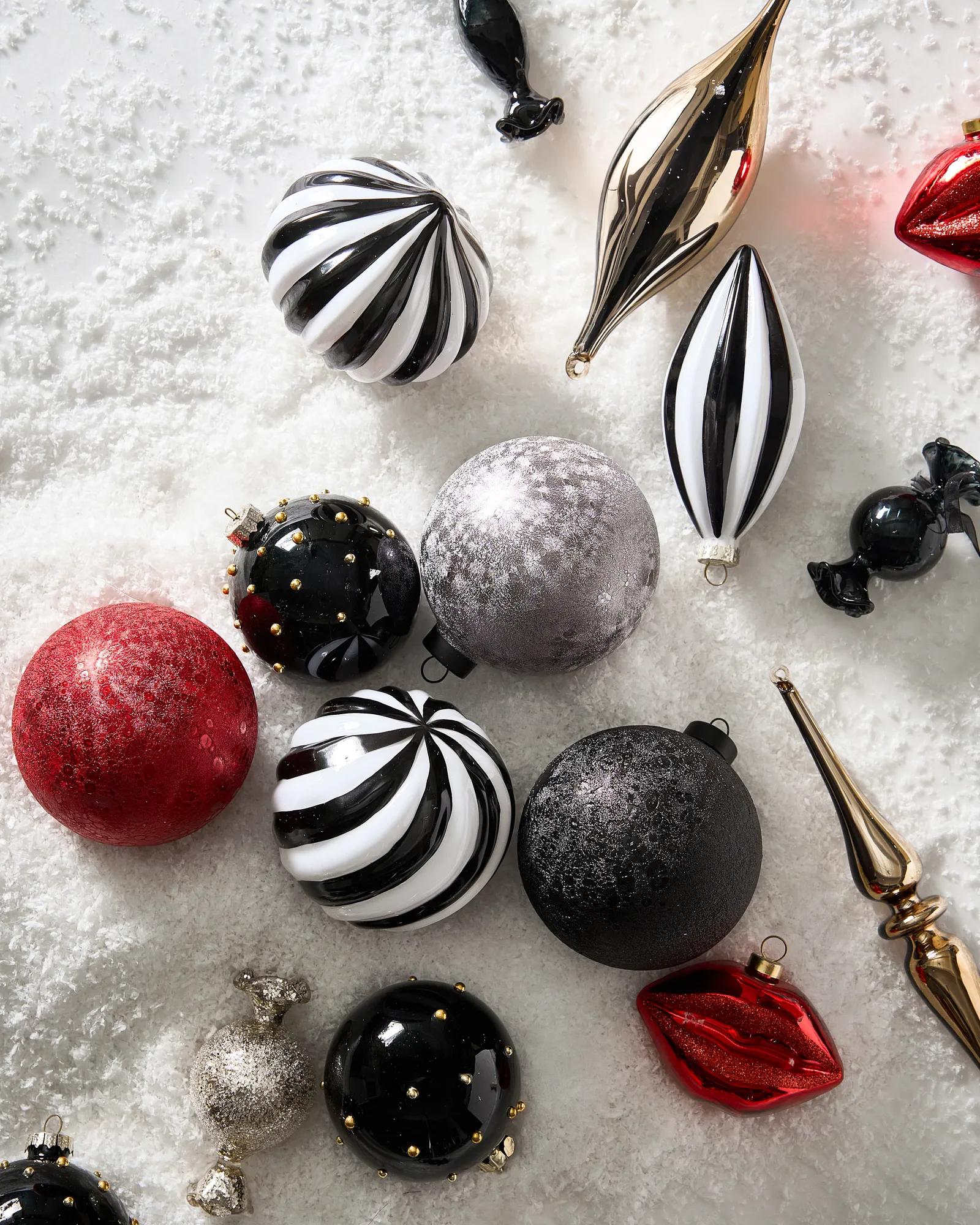 Gold Stripe Finial Ornament - Set of 4$69
A set of four gold and black glass finial ornaments with a sleek, high-contrast metallic finish.
Add To Cart -
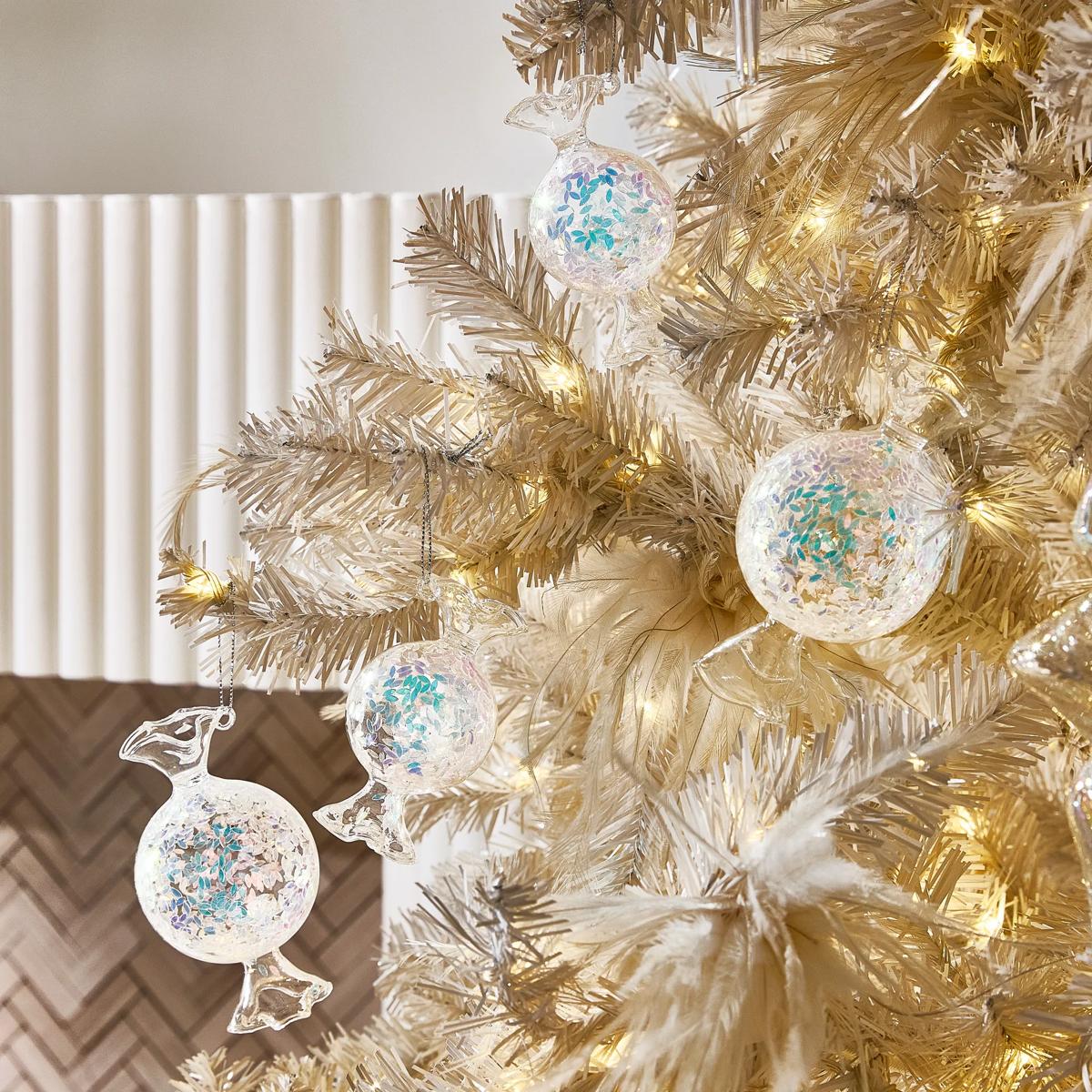
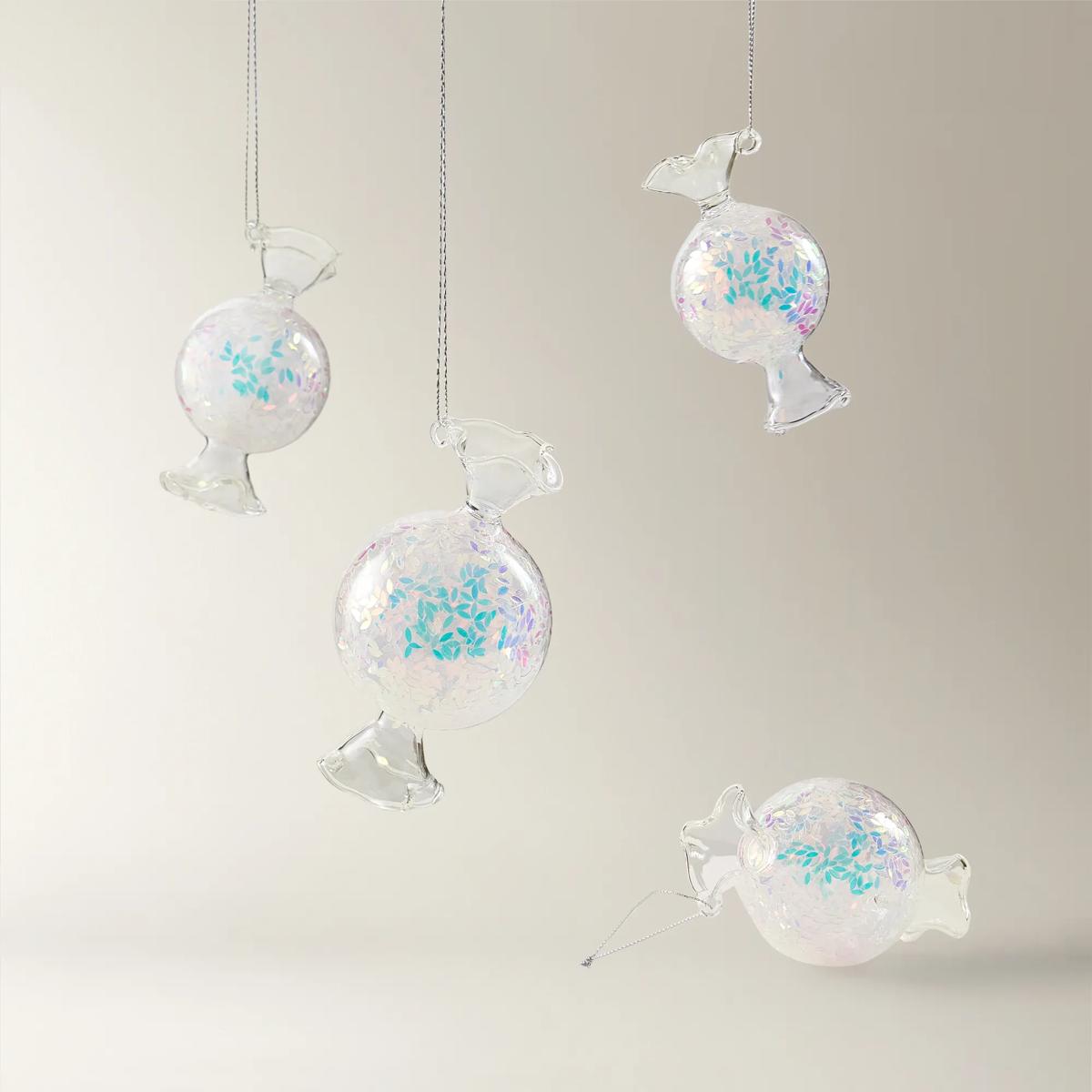 Iridescent Glass Candy Ornament - Set of 4$49
A set of iridescent glass ornaments featuring whimsical candy shapes that shimmer with a rainbow-like glow.
Add To Cart -
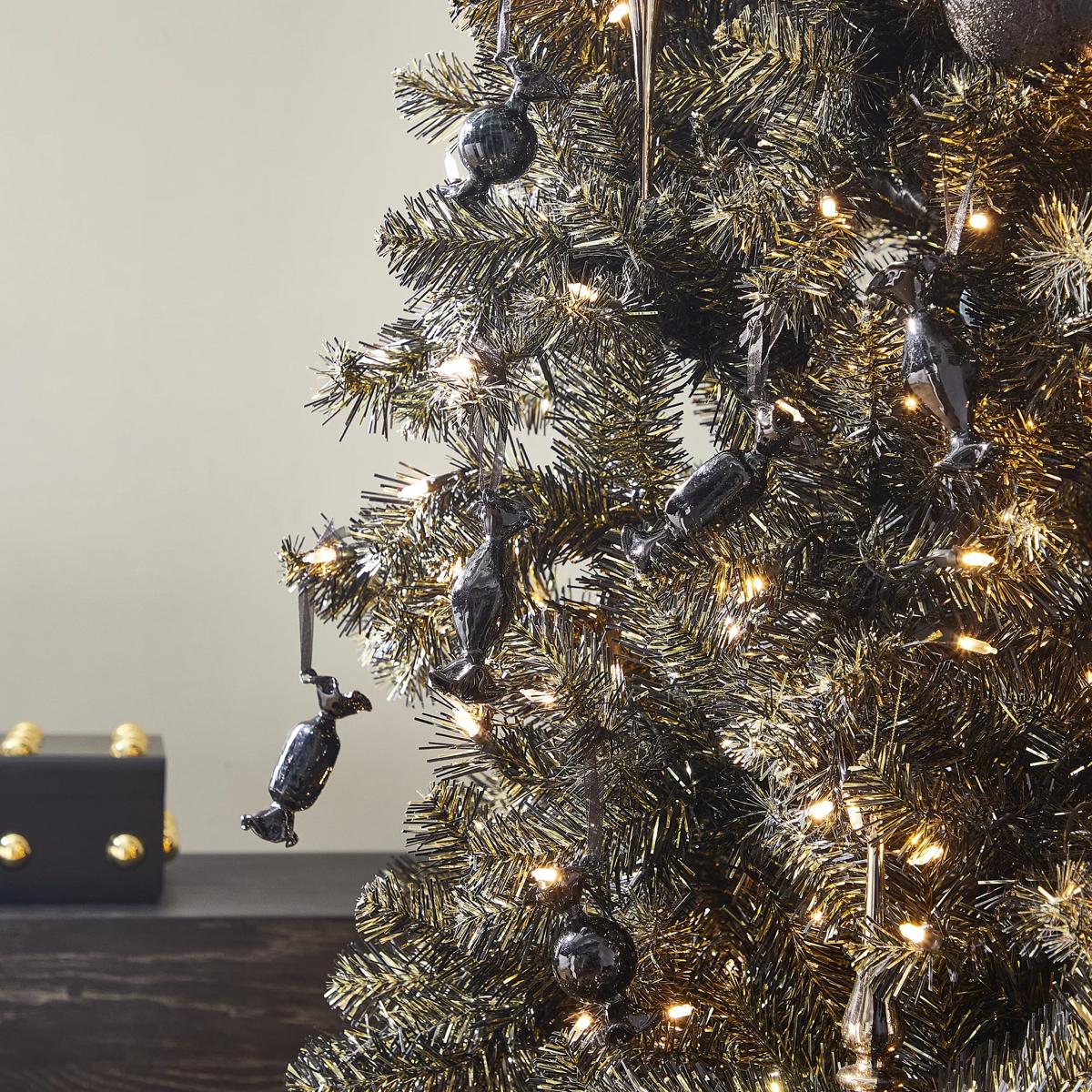
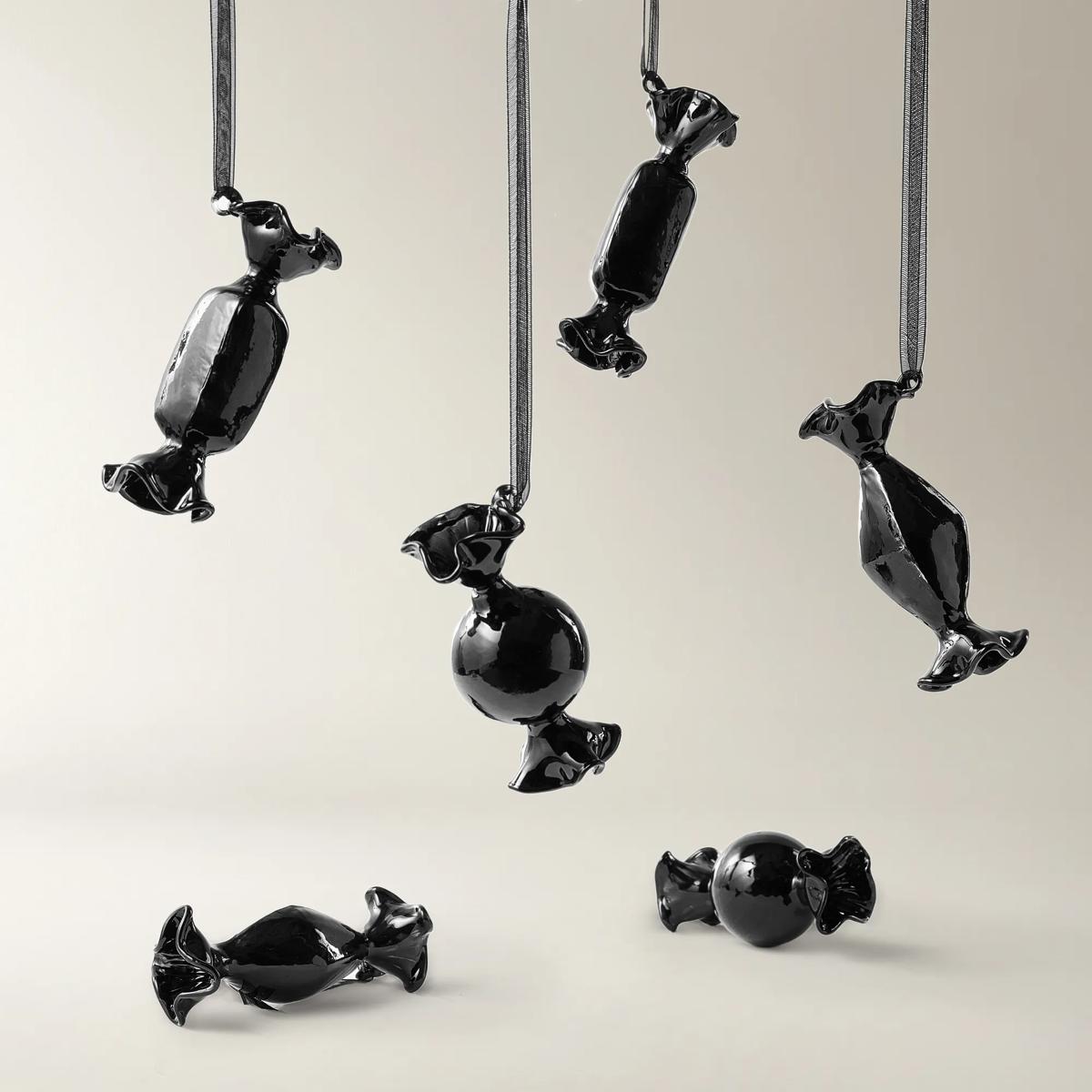 Black Glass Candy Ornament - Set of 6$39
A set of six glossy black glass ornaments shaped like wrapped candies for a modern, playful holiday touch.
Add To Cart -
 Confetti Glitter Ornament - Set of 6$49
A set of six blue glass ornaments drenched in multicolored confetti glitter for festive sparkle.
Add To Cart -
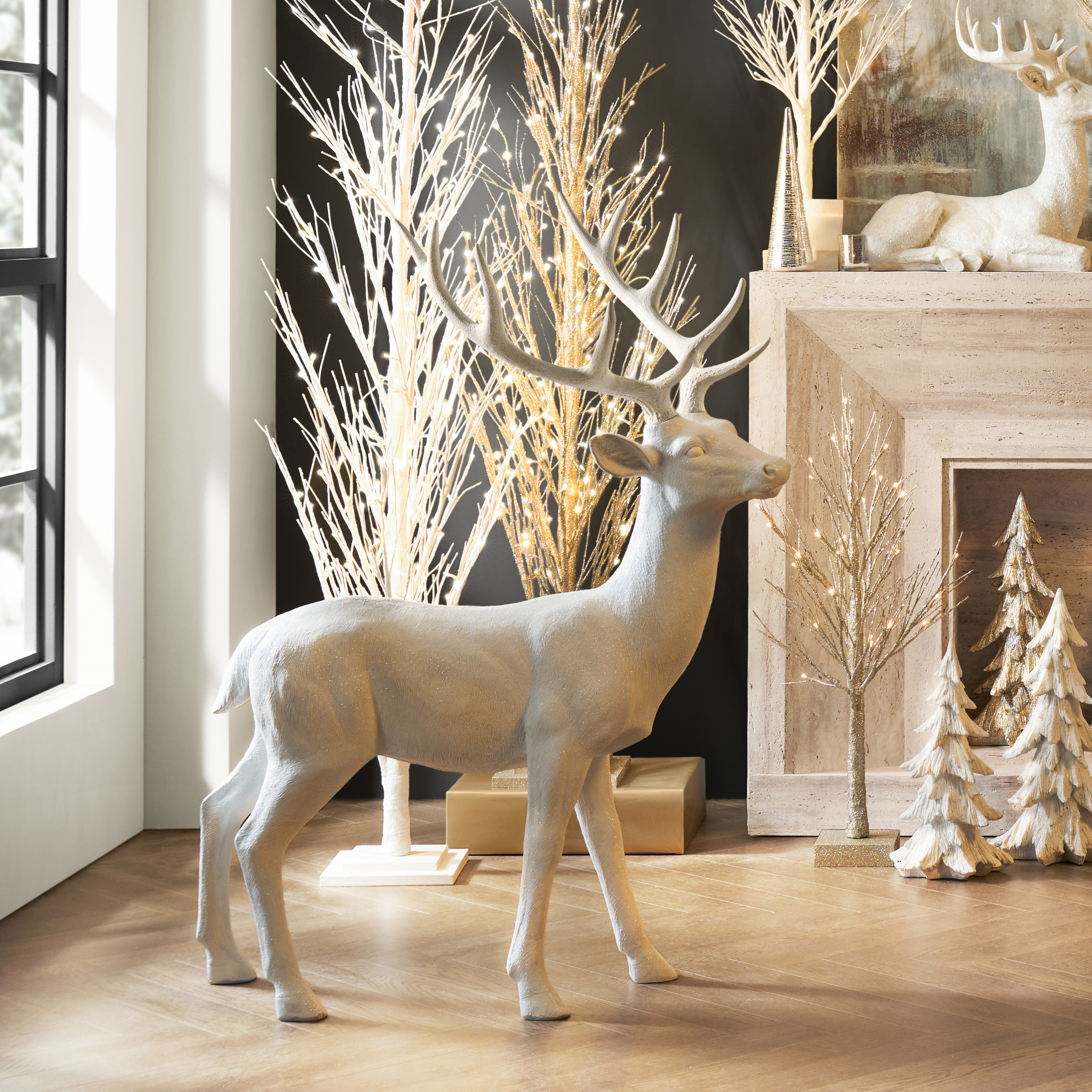
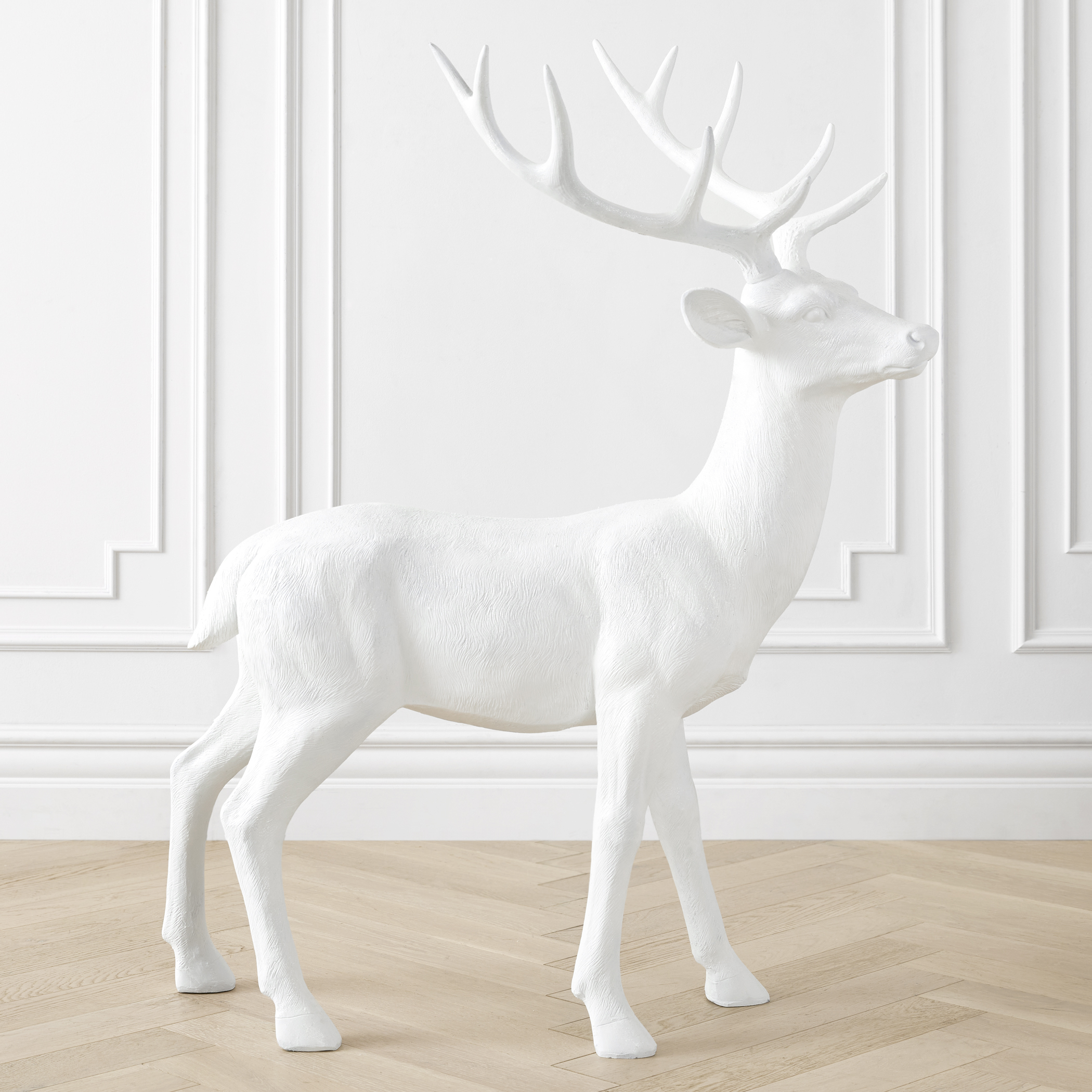 Majestic Deer White Resin 48.75"$799
A modern white polyresin deer statue that adds festive elegance to your holiday décor.
Add To Cart -

 Iridescent Black Glass Ornament - Set of 6$59
A set of six iridescent black-blue glass ornaments with sculptural shapes and rainbow-like reflections.
Add To Cart -
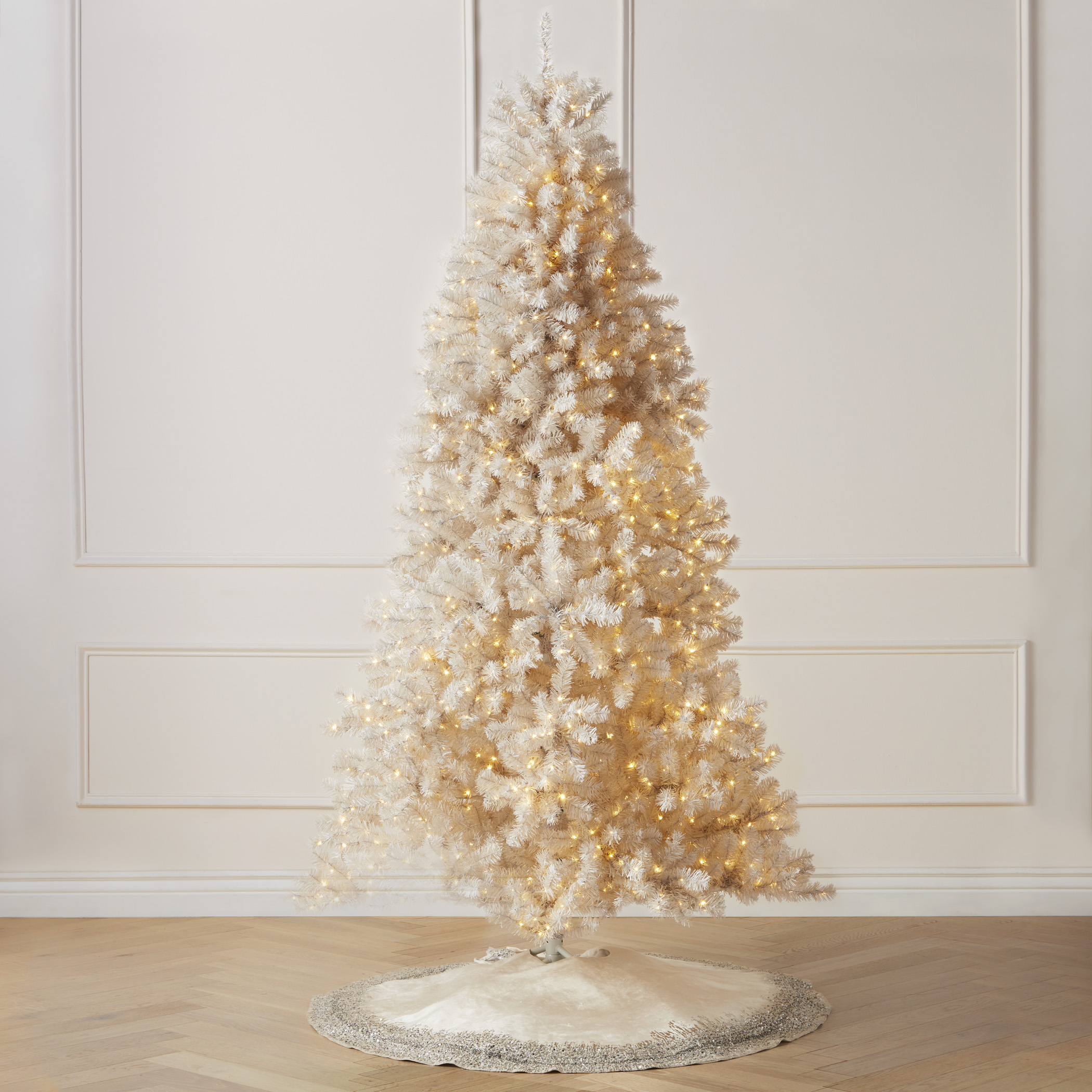 Pre-Lit Spruce Tree 7'5"$699
A bright white faux spruce tree pre-lit with warm white LED bulbs for festive holiday ambiance.
Add To Cart -
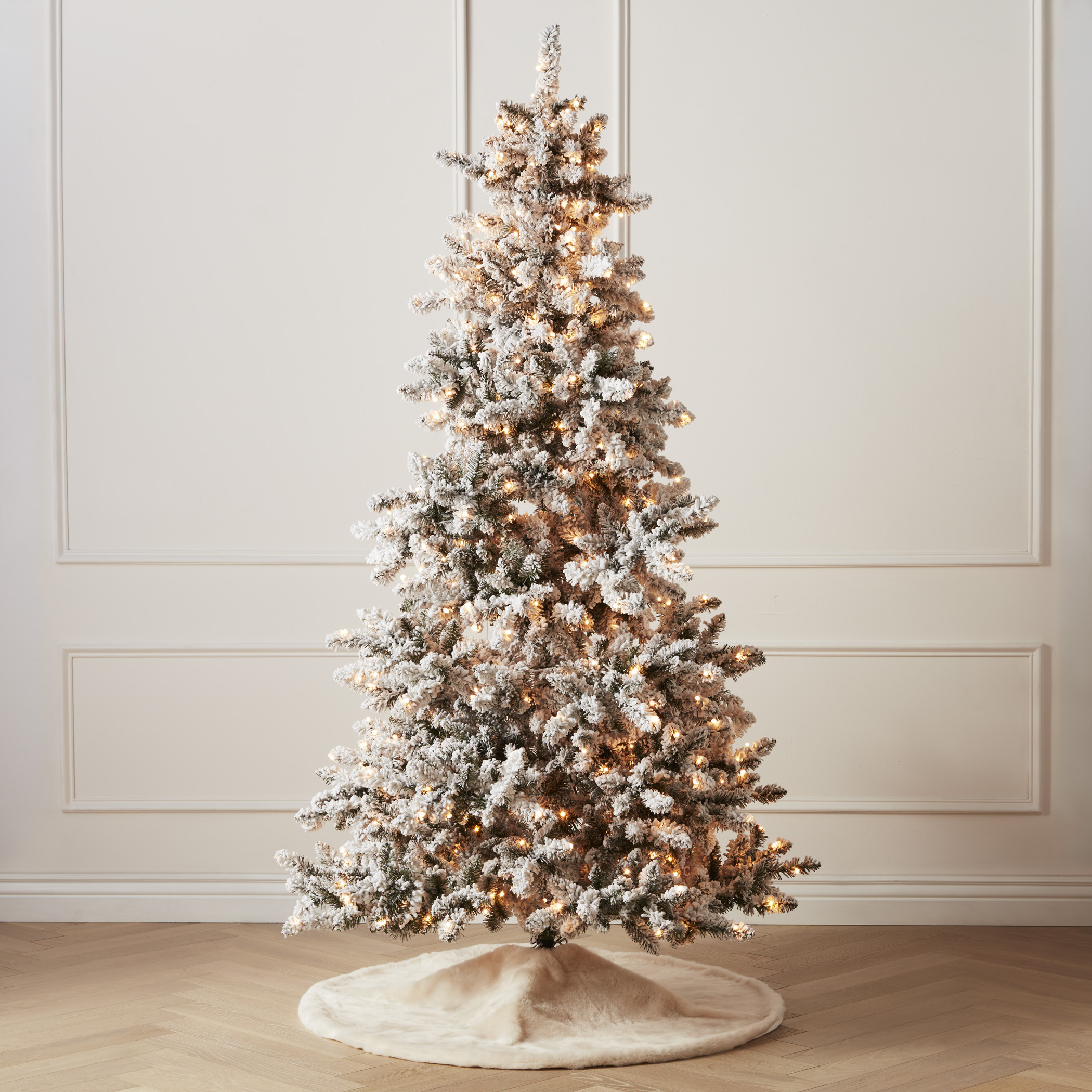
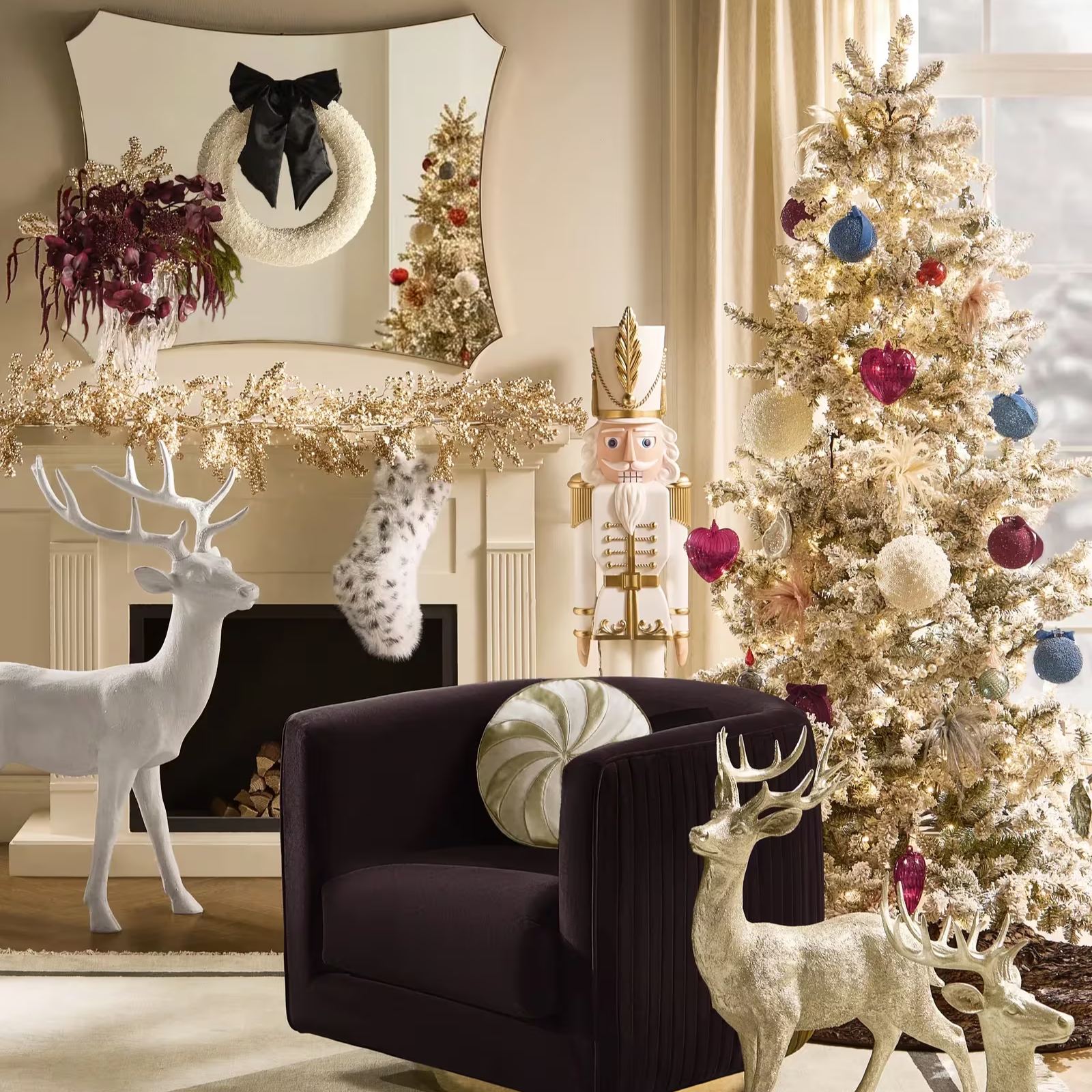 Pre-Lit LED Green Flocked Spruce Tree 7.5'$759
A snow-dusted faux spruce tree pre-lit with warm white LED bulbs for festive holiday ambiance.
Add To Cart -
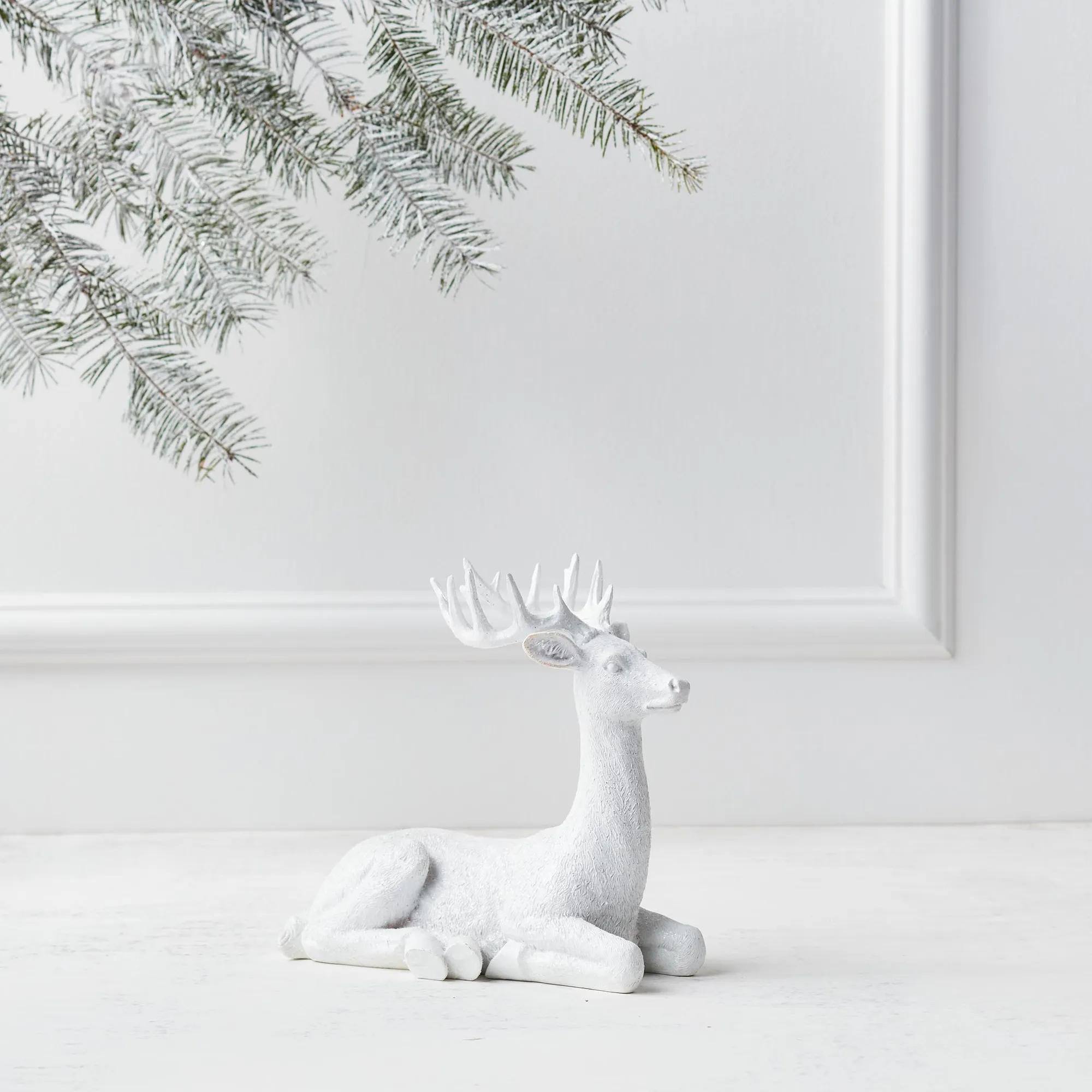
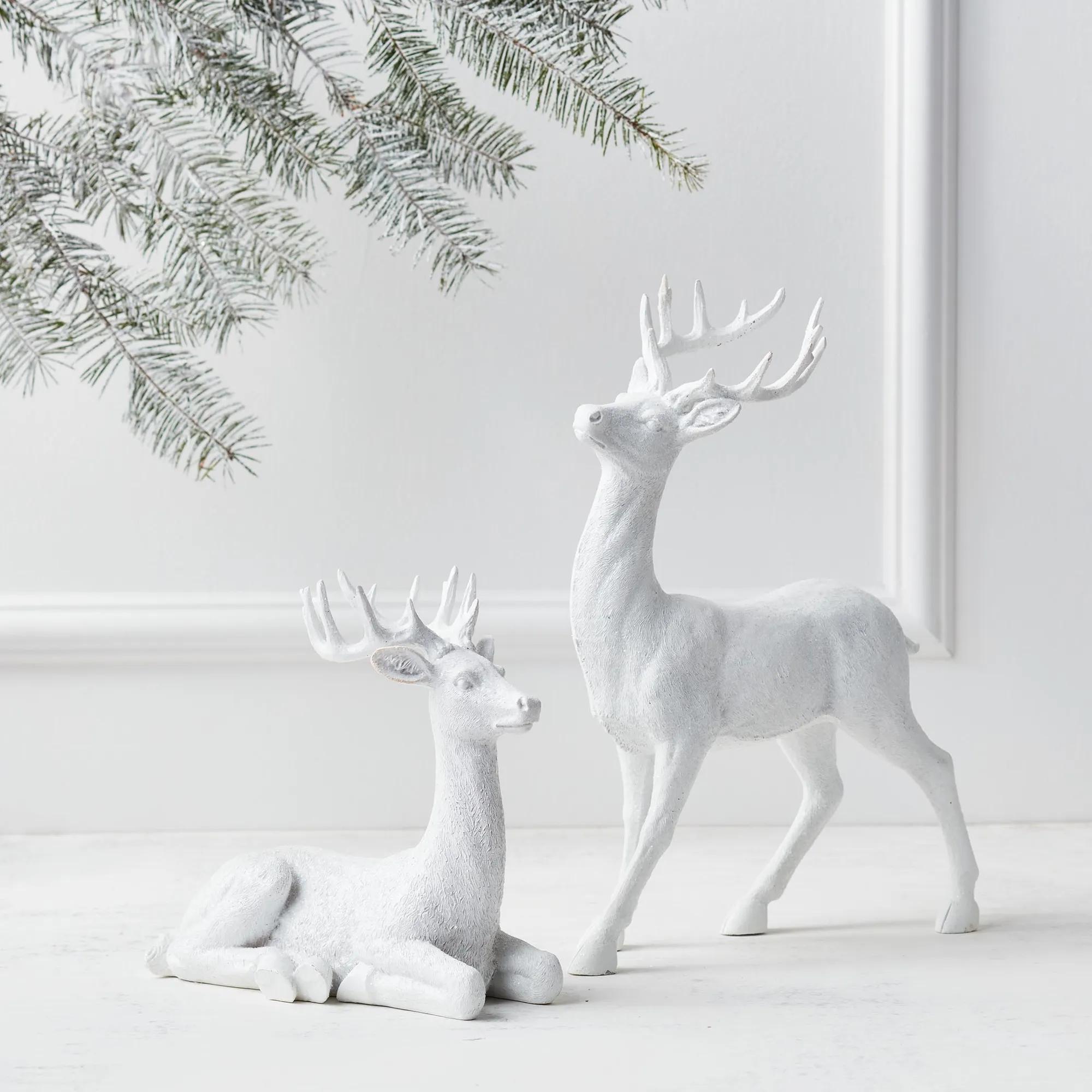 Majestic Deer White Resin 8"$49
A pair of intricately detailed white poly resin deer figures adorned with textured layers of sparkling glitter.
Add To Cart -
 Fashion Black Resin Glitter Globe 5.25"$59
A black water-filled globe with LED light, featuring sparkling glitter for a festive decorative touch.
Add To Cart -
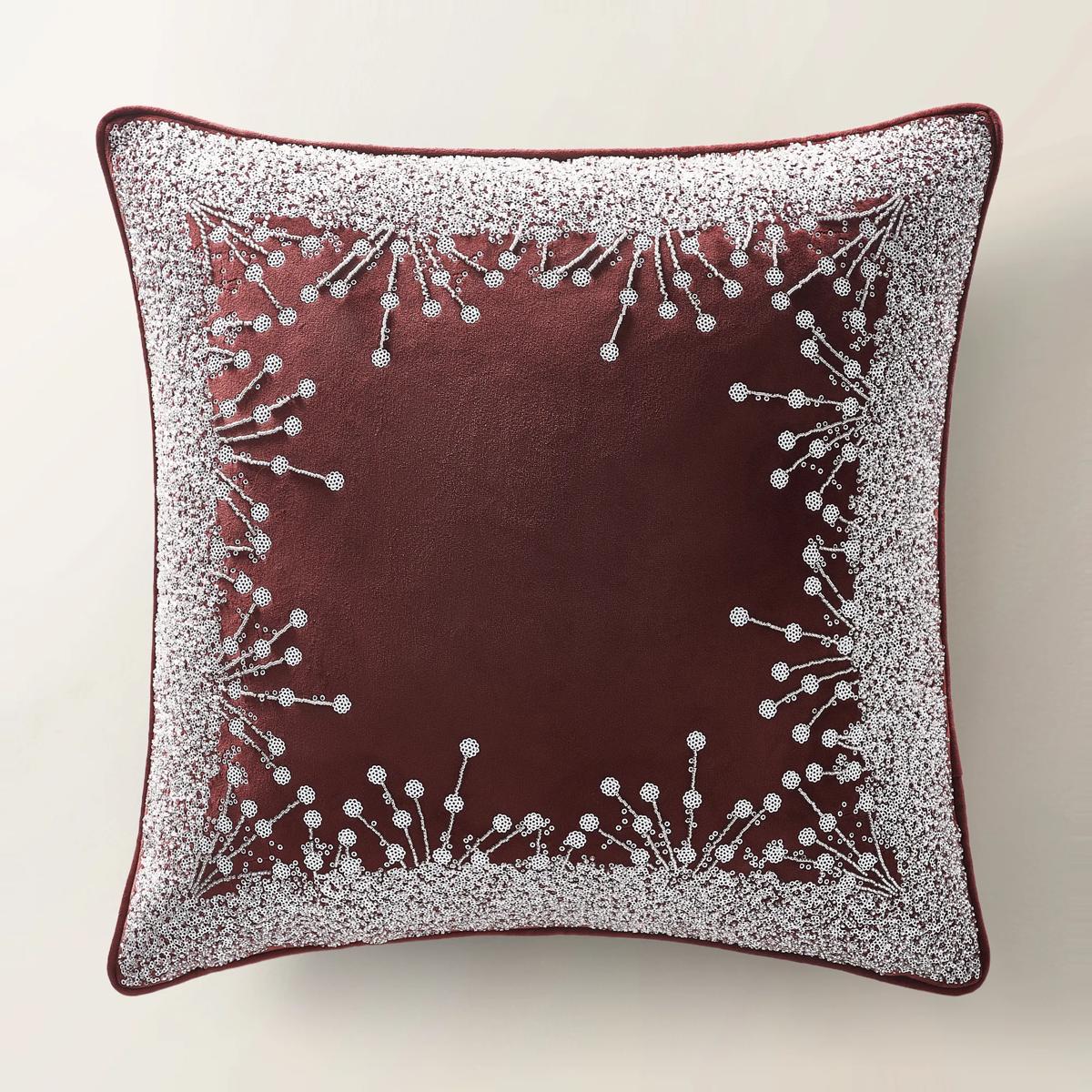 Grace Holiday Pillow 20" - Burgundy$89
A burgundy velvet pillow featuring intricate embroidery and hand-applied beading for festive seasonal elegance.
Add To Cart -
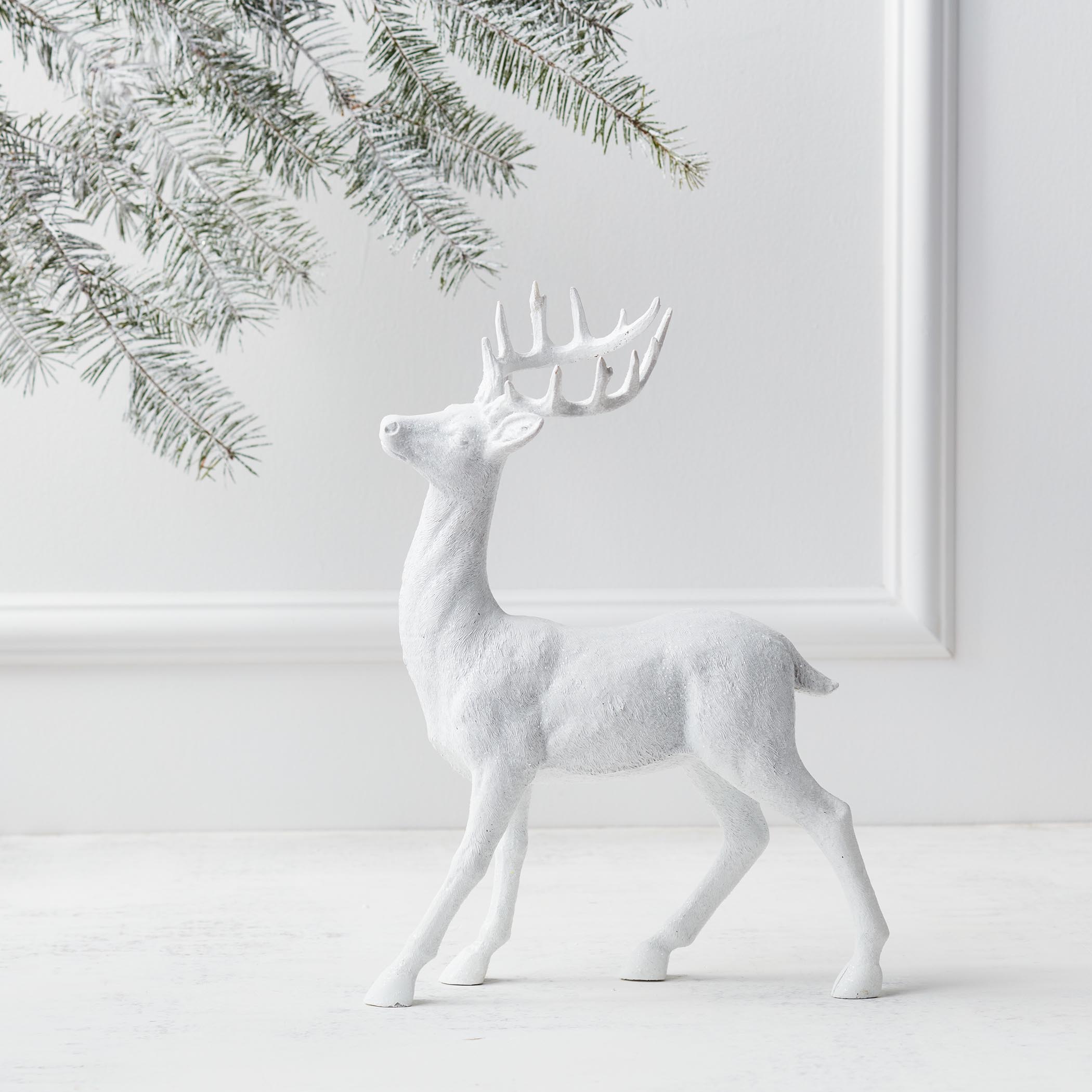 Majestic Deer White Resin 14"$59
A pair of intricately detailed white poly resin deer figures adorned with textured layers of glitter.
Add To Cart -
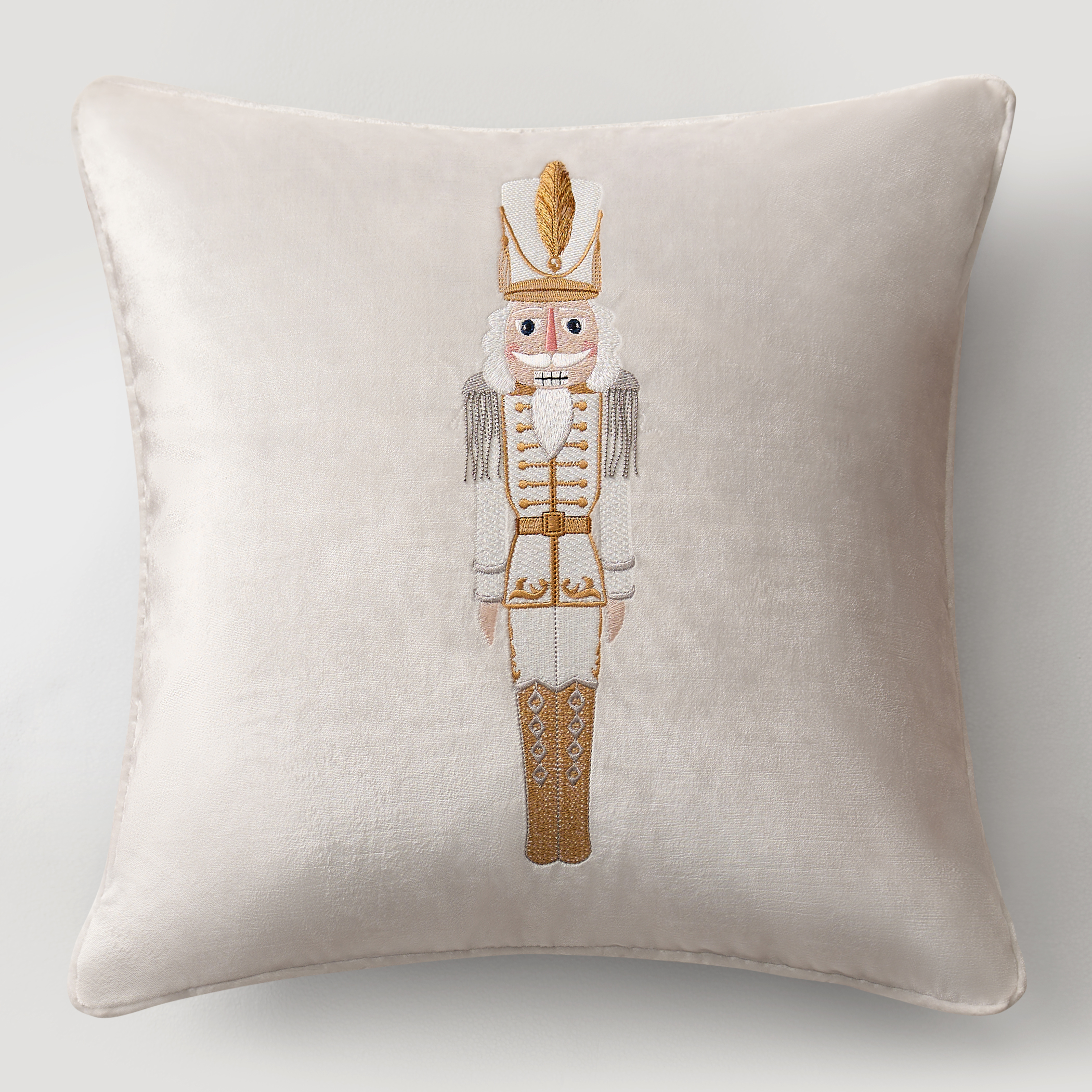
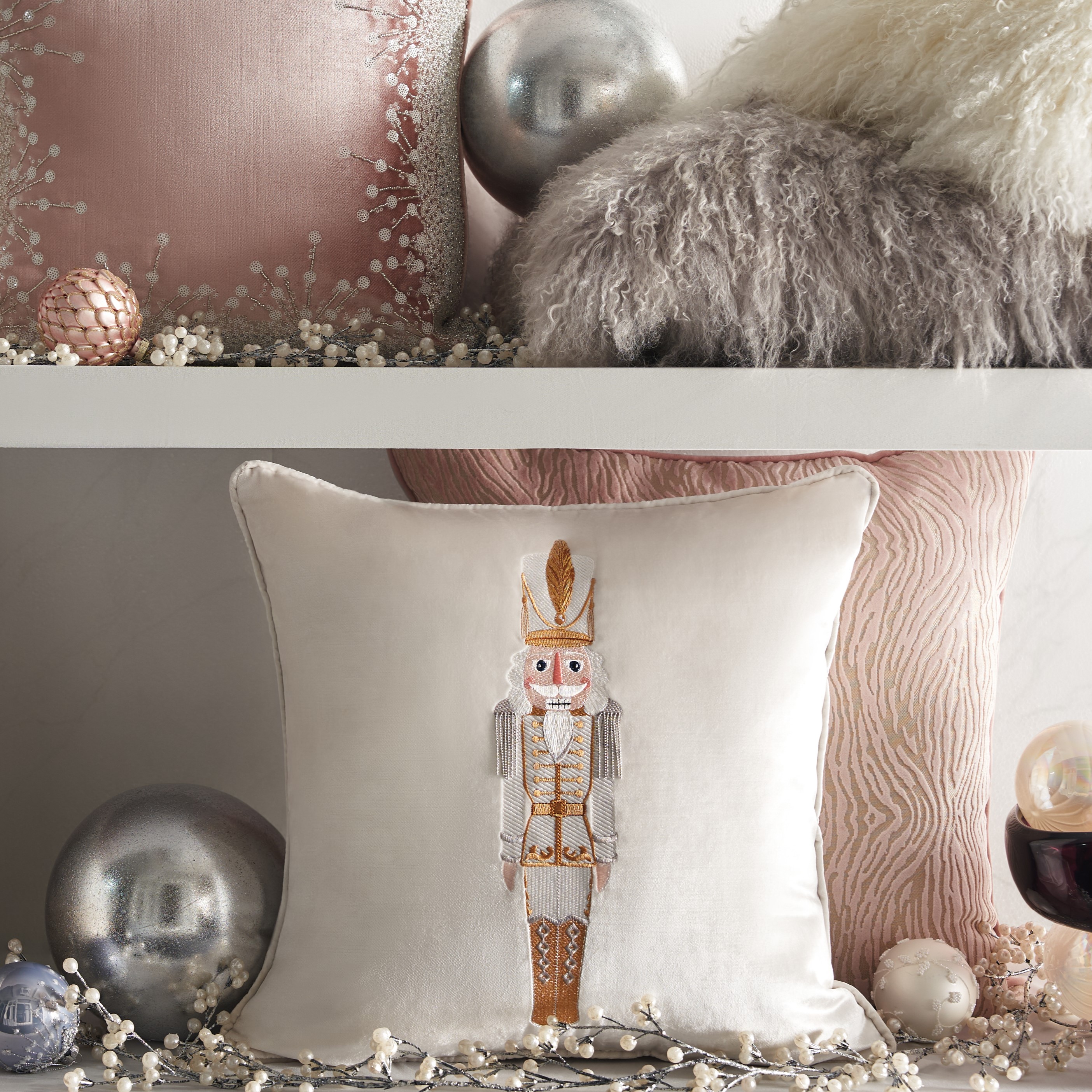 Nutcracker Embroidered Pearl White Velvet Holiday Pillow 20" x 20"$89
A pearl velvet pillow featuring an embroidered nutcracker with metallic details for festive holiday charm.
Add To Cart -
 Celeste Metallic Faux Fur Stocking - Graphite$59
A graphite metallic faux fur stocking with a plush velvet back for a chic, shimmery holiday accent.
Add To Cart -

 Celeste Metallic Fur Tree Skirt 48" - Graphite$99
A moody graphite metallic faux fur tree skirt with an ultra-soft finish and sculptural, modern appeal.
Add To Cart -

 Starlit Holiday Stocking$69
A plush charcoal velvet stocking hand-embroidered with shimmering gold stars for a glamorous holiday accent.
Add To Cart -
 Celeste Metallic Faux Fur Stocking - Bronze$59
A bronze metallic faux fur stocking with a luxe velvet back, adding shimmer and softness to holiday décor.
Add To Cart -

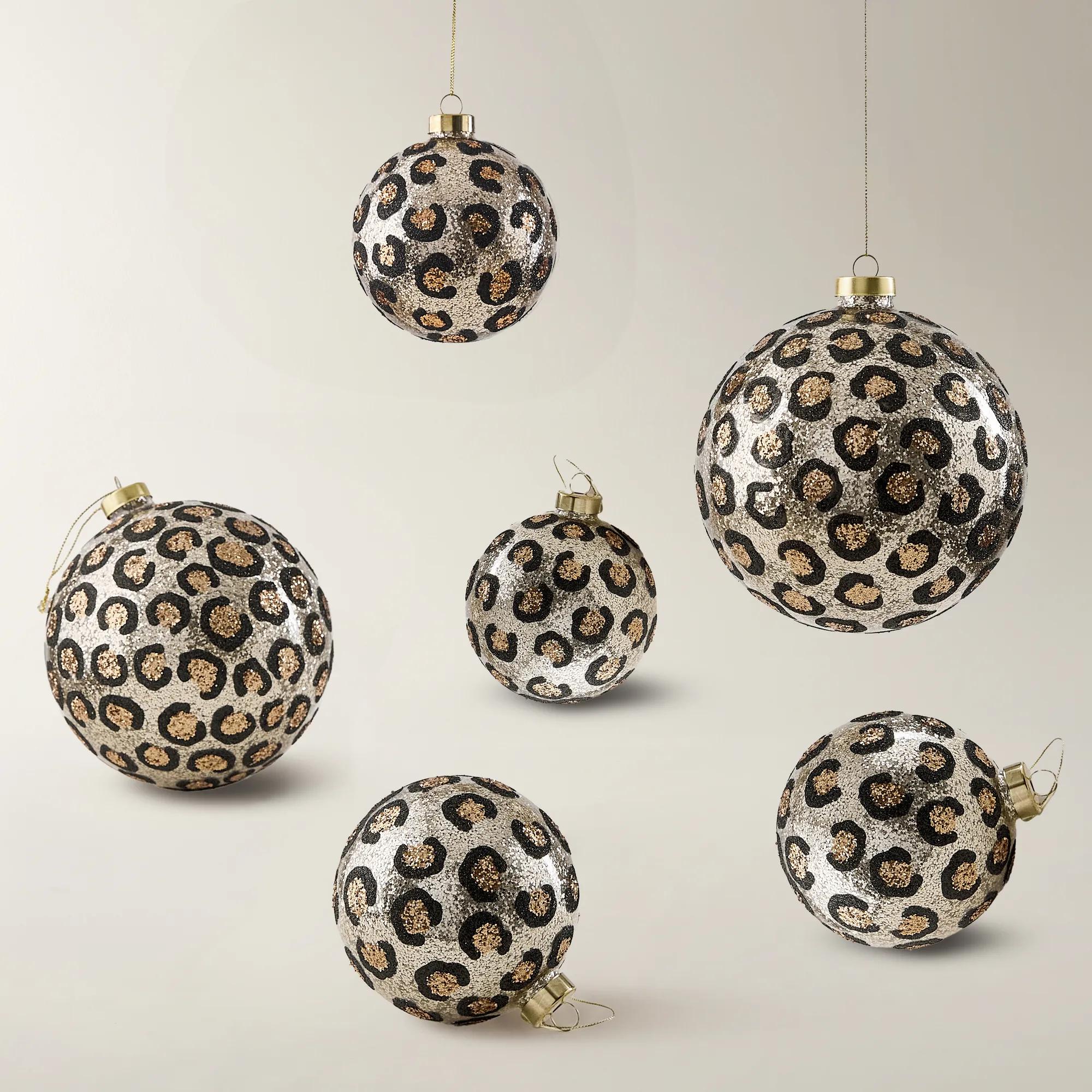 Leopard Print Glitter Glass Ornaments Sets$59
A set of glass ornaments featuring champagne, gold, and black leopard print with sparkling glitter accents.
Add To Cart -

 Large Ruby Glass Heart Ornaments Set of 2$49
A set of two blown glass heart ornaments in rich ruby red adds romantic charm to holiday décor.
Add To Cart -
 Parfum Bottle & Handbag Glossy Black Ceramic Ornaments Set of 4$39
A set of four glossy black ceramic ornaments featuring playful parfum bottle and handbag designs for modern holiday decor.
Add To Cart -
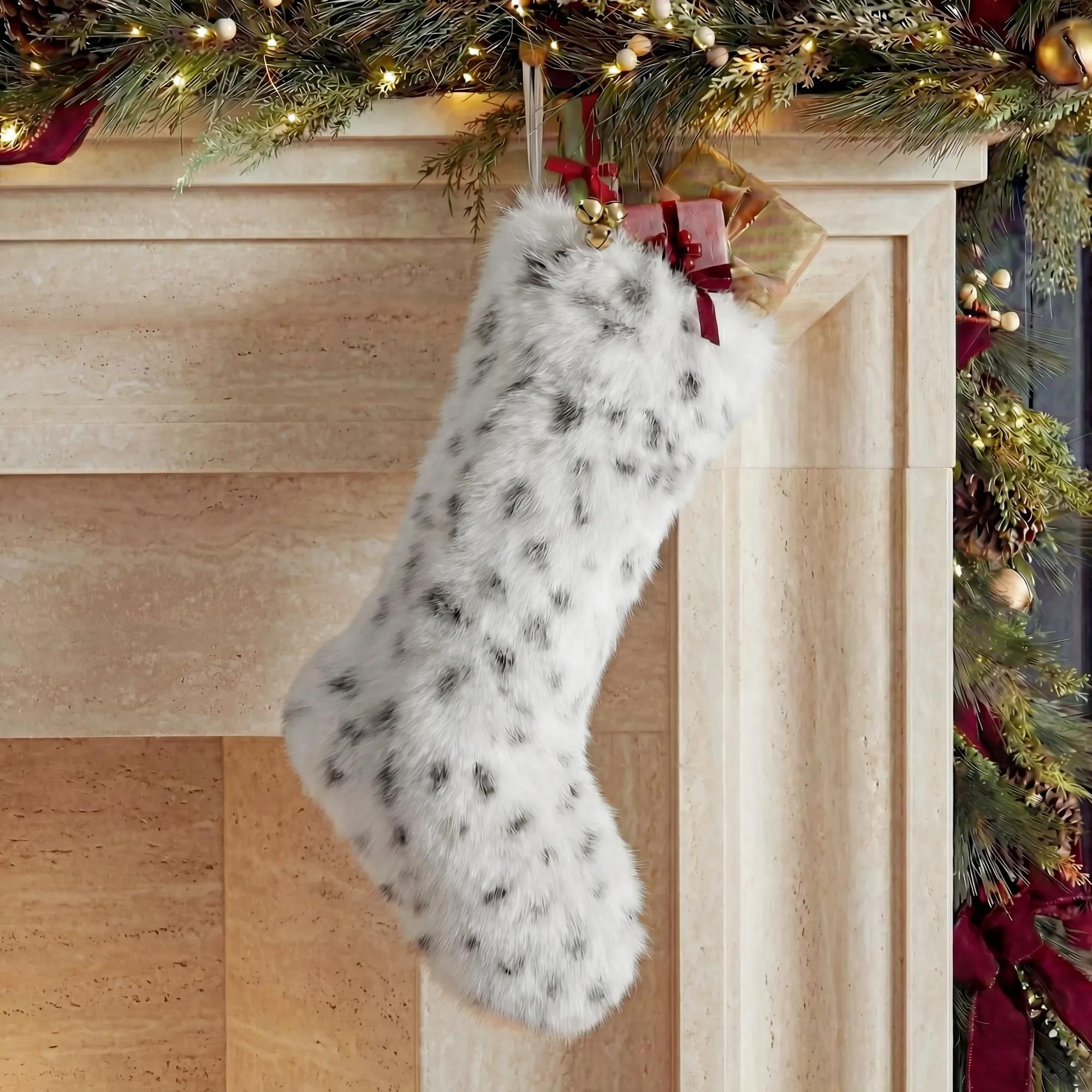
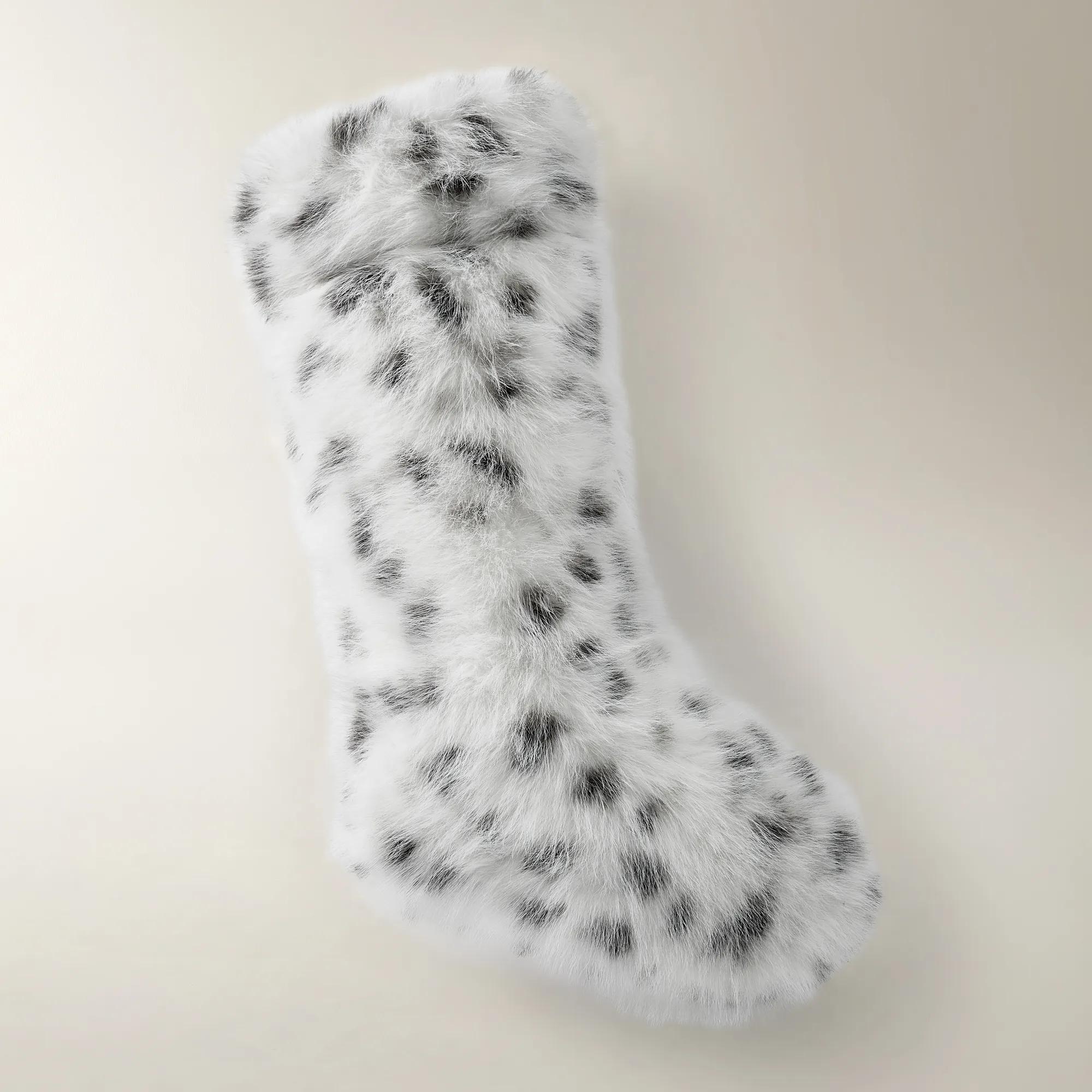 Snow Leopard White/Black Faux Fur Christmas Stocking 19.5"$69
A plush white and black faux fur stocking featuring a dramatic snow leopard print and convenient hanging loop.
Add To Cart -

 White Feathered Peacock Clip Ornament 22" Set of 2$69
A set of white feather and sequin peacock ornaments with convenient clip attachments for festive décor.
Add To Cart

Christmas Gifts For Interior Designers
Christmas gifts for interior designers demand more than the ordinary—they call for objects of intrigue, artistry, and undeniable allure. For the visionary who transforms every space into a spectacle, each present should be as inspired as their imagination. Discover sculptural accents, luminous décor, and treasures that spark creative reverie—pieces destined to elevate their next masterpiece. When only the extraordinary will do, Christmas gifts for interior designers become more than a gesture; they become a celebration of bold vision and exquisite taste.
Christmas gifts for interior designers often center on sculptural home accents, expressive wall art, decorative lighting, elegant serving pieces, and richly textured textiles—objects that combine visual impact with everyday purpose. For someone who notices the curve of a chair arm or the way light moves across a glazed surface, a meaningful gift begins with considered design. Shape, proportion, finish, and texture carry more significance than a familiar holiday motif. A beautifully formed vessel can bring movement to a console even without flowers, while an artful tray can give a scattered arrangement of personal objects a deliberate composition. These are gifts for people who understand that a room’s character often emerges through its smallest decisions. They suit established designers, emerging professionals, design students, and creative collaborators whose appreciation for interiors extends well beyond the workday. In a personal living room, an expressive accent offers the pleasure of arranging something entirely for themselves; in a studio, it can lend warmth to a meeting area or provide a striking backdrop for material samples. The strongest choices acknowledge the recipient’s visual language without trying to furnish an entire room on their behalf. Someone drawn to dramatic contrast may appreciate a deep-toned accent with a gleaming finish, while a designer who favors tonal interiors may respond to dimensional texture, translucent glass, or the subtle variation of natural stone. Scale matters just as much as color. An accent intended for a narrow bookshelf needs a different footprint from one destined for an expansive entry table, and a decorative silhouette should leave room for the objects surrounding it. Christmas gifting becomes especially personal when it reflects a detail already present in the recipient’s work: a recurring metallic finish, an affection for organic forms, or a fascination with oversized gestures. That connection makes the gift feel observant rather than prescriptive, offering a new element for an evolving interior instead of dictating its final appearance. Even a compact accent can have considerable presence when its proportions and finish invite a closer look.
Materials give design-minded gifts much of their appeal, but they also determine where an object belongs and how it will age. Glass can introduce luminous depth to a shelf or tabletop, with clear, colored, and textured surfaces creating distinctly different effects. Ceramic brings opportunities for expressive glaze and sculptural form, while metal adds crisp definition through brushed, polished, or antiqued finishes. Natural stone offers weight and individual veining, qualities that can make a modestly scaled accent feel substantial. Those differences are worth considering in relation to the recipient’s space. A weighty decorative object needs a stable surface, and a textured base may benefit from protective pads on delicate furniture. A vessel meant to hold fresh arrangements should be identified as water-safe; a decorative piece without that designation is better treated as an object of form or used with suitable dry stems. Serving pieces deserve the same distinction between display and function, with food-contact suitability and care instructions taking priority over appearance alone. For designers who enjoy entertaining, a well-proportioned tray can organize glassware or anchor a tabletop arrangement, provided its construction supports the intended use. Textiles bring another kind of richness, softening the edges of a room through pile, weave, and drape. A throw should feel inviting against the skin as well as look compelling over an upholstered arm, while decorative pillows need dimensions that complement the seating rather than crowd it. Fiber content, removable covers, and cleaning requirements influence how comfortably these accents fit into daily life, especially in homes with children or pets. Gentle care helps preserve the details that made the gift distinctive: a soft cloth for many decorative surfaces, protection from prolonged direct sunlight where recommended, and avoidance of abrasive cleaners on delicate finishes. Stone may be vulnerable to acidic spills, and plated or lacquered surfaces can require different treatment from solid metal. Product-specific instructions remain the best reference. Durability is not simply a matter of choosing the heaviest material; it comes from matching construction, finish, and maintenance needs to the way the recipient actually lives.
The most memorable Christmas gifts for interior designers leave space for creativity. A decorative accent that can move between a mantel, a bookcase, and a bedside table gives its recipient several ways to experiment, while an unusual texture can become the starting point for an entirely new arrangement. This flexibility is particularly valuable for professionals whose homes and studios evolve as their interests change. Rather than matching every existing finish, a gift can introduce a deliberate contrast: a lustrous surface beside matte pottery, a rounded form against architectural lines, or a richly woven textile on smooth upholstery. Lighting has its own expressive role, shaping atmosphere as much as appearance. When considering a lighting gift, its overall dimensions, shade proportions, placement requirements, and compatible bulb specifications matter alongside the silhouette; a dramatic form should still suit the table, outlet access, and intended use. Wall art calls for similar attention to available space and personal taste, since subject matter and framing can be more intimate choices than a movable tabletop accent. Gifts with a less fixed placement often offer greater freedom when the recipient’s floor plan or preferences are unfamiliar. For a designer celebrating a new studio, a polished accent for a client-facing space can recognize the occasion without becoming purely work-related. For a mentor or longtime collaborator, a piece chosen around a shared appreciation for material or craftsmanship carries a more personal resonance. Christmas provides the occasion, but the gift need not depend on seasonal display; its appeal can continue through everyday rituals, quiet evenings, and gatherings at home. For celebrations beyond the holidays, the Luxury Gifts for Interior Designers collection offers another setting for this thoughtful approach to design-minded giving. A successful gift ultimately feels like an invitation: to rearrange a favorite corner, explore an unexpected combination, or enjoy a beautiful object without a client brief attached. It honors the recipient’s trained eye while giving their imagination something new to work with.
FAQs
A meaningful gift for an interior designer is one that aligns with their passion for artistry, craftsmanship, and expressive living. Thoughtful choices—such as unique decor accents, elegant tools of the trade, or experiences that foster creative growth—demonstrate a deep understanding of their love for detail and design. Gifts that inspire new ideas or help them refresh their creative process are especially cherished.
Interior designers often gravitate toward materials and finishes that evoke luxury and character, such as hand-blown glass, polished metals, rich velvets, and sculptural ceramics. These elements not only add visual interest but also introduce tactile richness and depth to any space, making them ideal components for a memorable gift.
To choose a gift that resonates with a designer’s aesthetic, consider their signature color palettes, the mood they create in their projects, and the types of pieces they favor—whether they lean toward bold statement pieces or subtle, layered accents. Observing their previous work or the ambiance of their own space can offer valuable clues for a gift that feels both personal and inspired.
Absolutely. Experiential gifts like workshops, masterclasses, or conference passes are highly valued by interior designers who are passionate about expanding their knowledge and staying ahead of trends. Such gifts not only support their professional development but also signal your appreciation for their dedication to the craft.
Presentation is essential when gifting to an interior designer, as they are naturally attuned to aesthetics and detail. Thoughtful wrapping, elegant packaging, and a personalized note can elevate the entire gifting experience, transforming it into a memorable moment that reflects both your appreciation and the designer’s refined sensibilities.