Decor For Commercial Spaces
Decor For Commercial Spaces
-
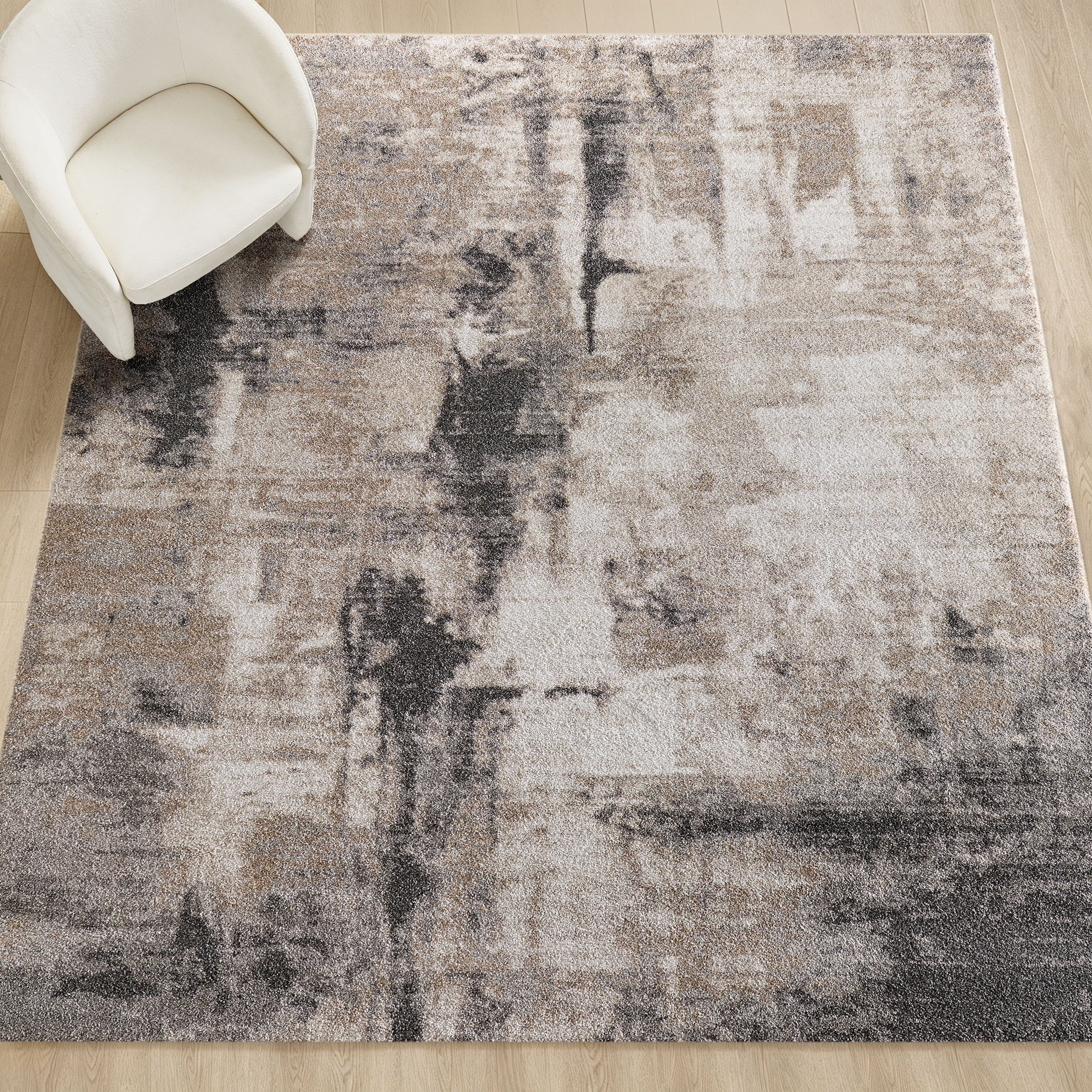
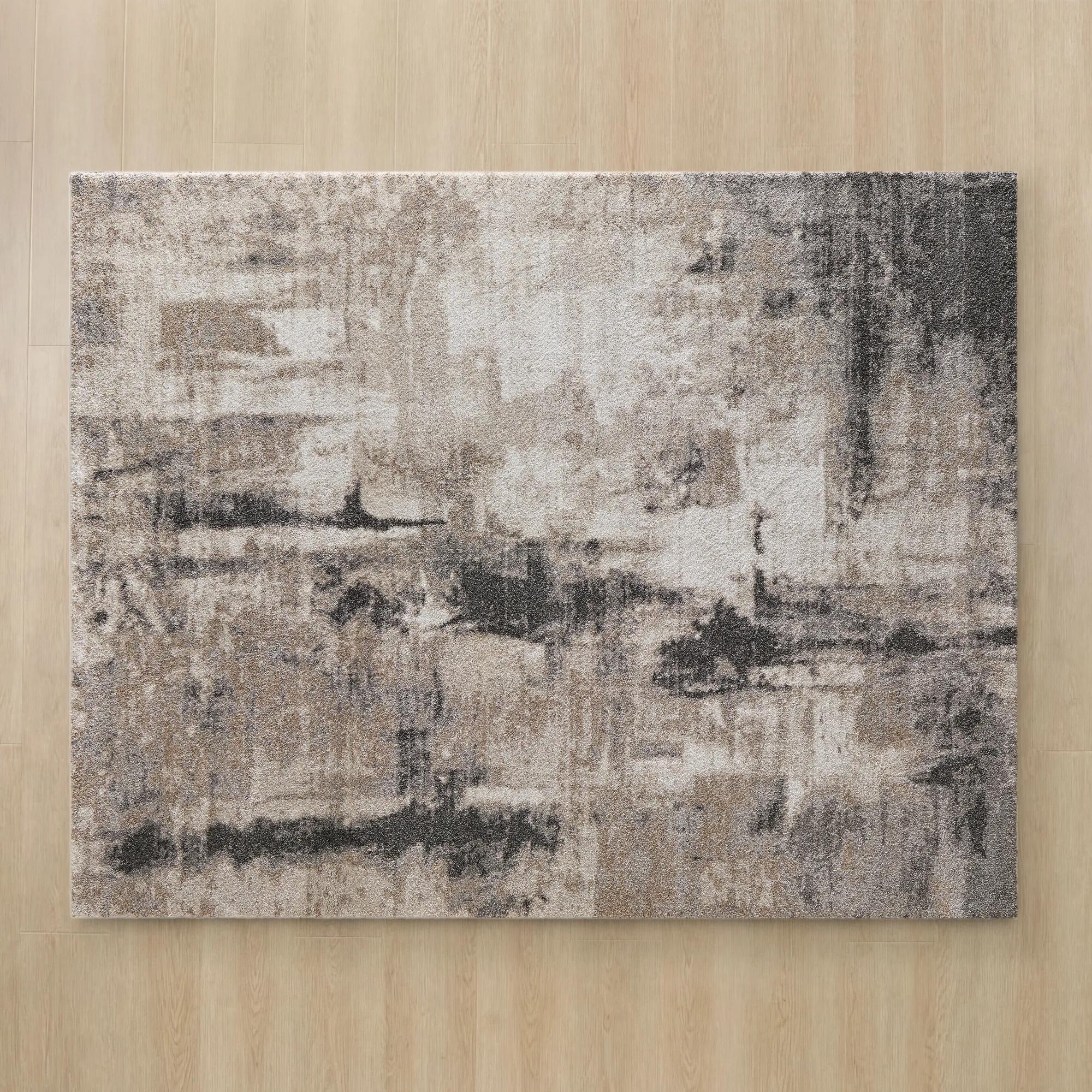 Atlas Abstract Grey/Taupe/Ivory/Charcoal Performance Power Loomed Rug$399
An abstract rug in grey, taupe, ivory, and charcoal with a plush, stain-resistant polypropylene blend.
Add To Cart -
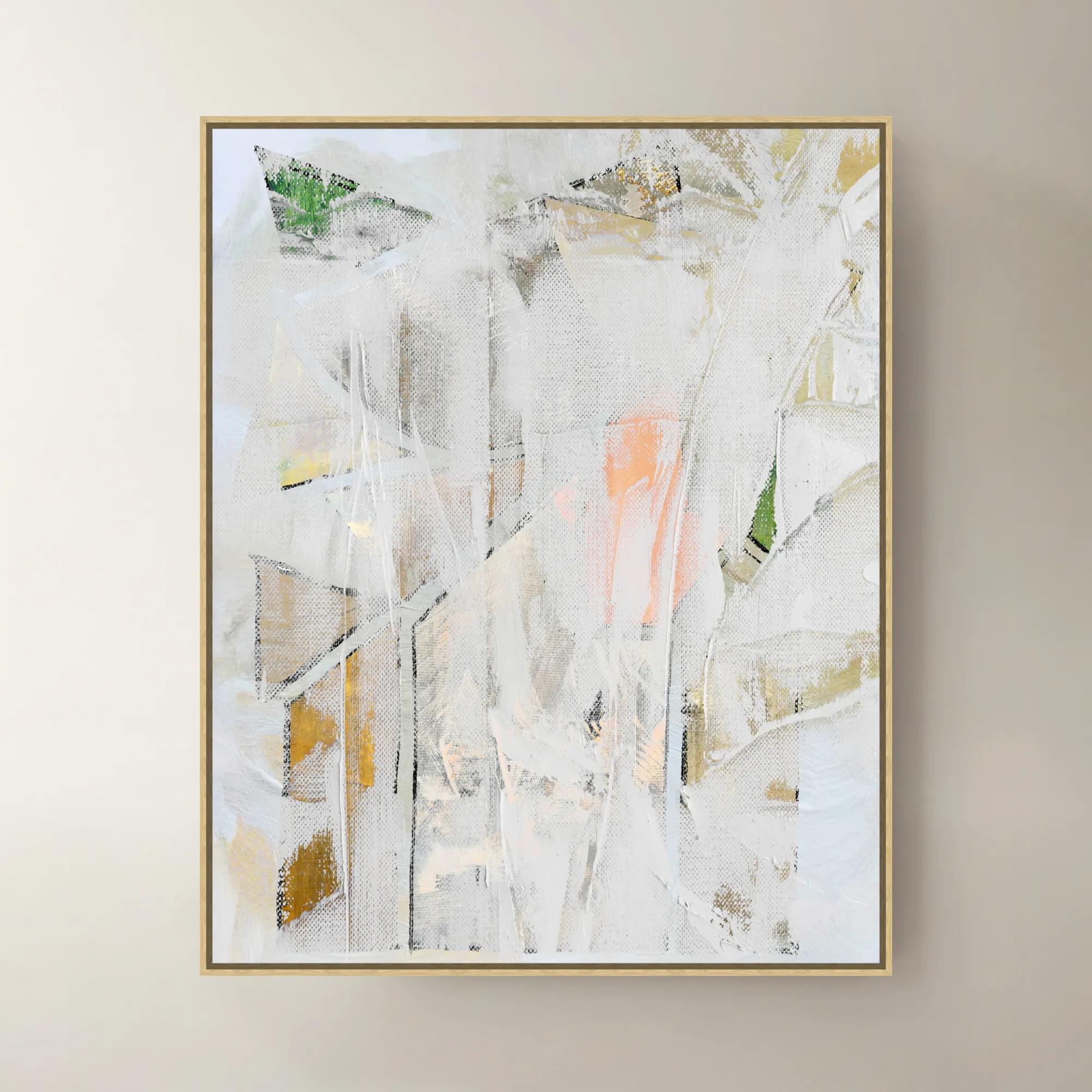
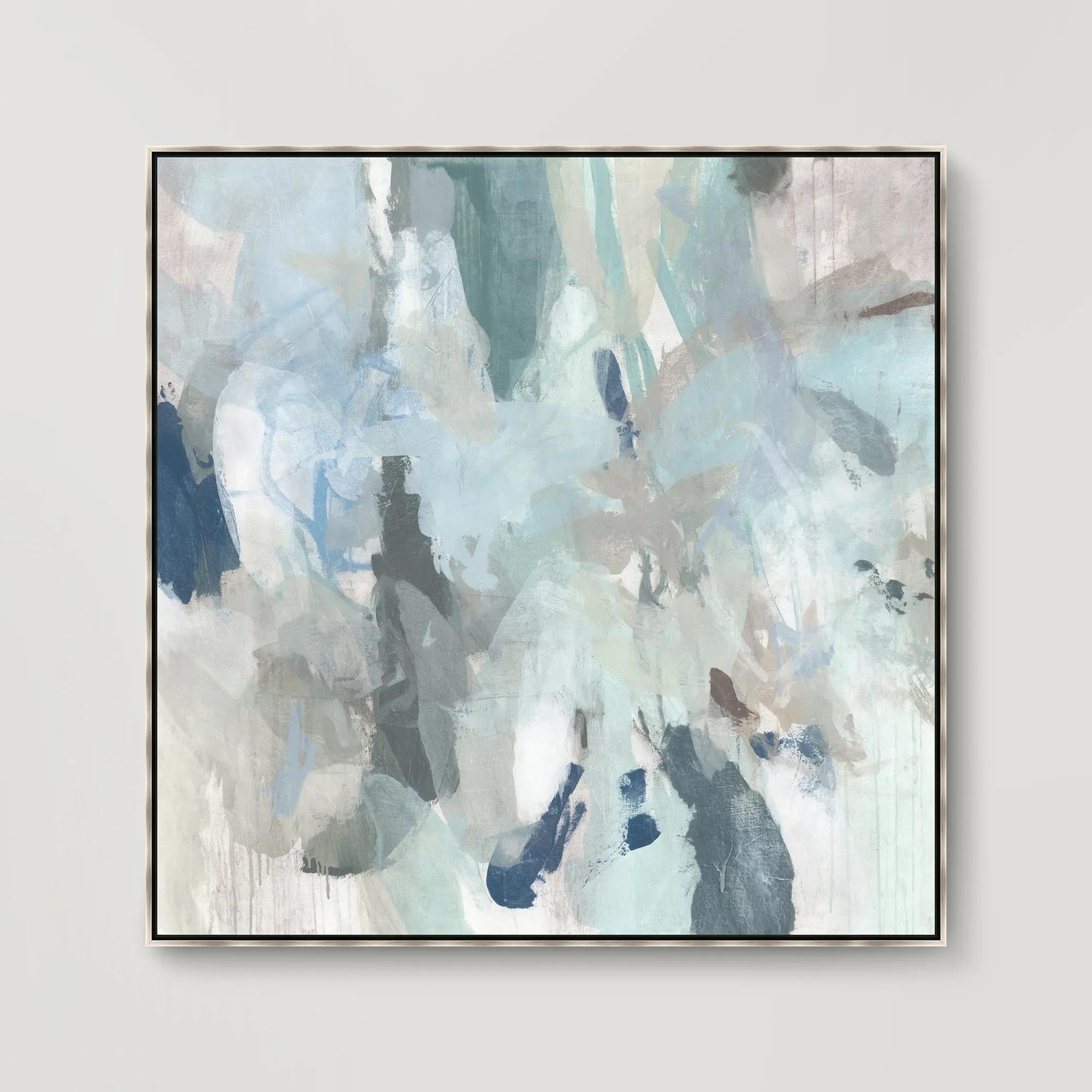
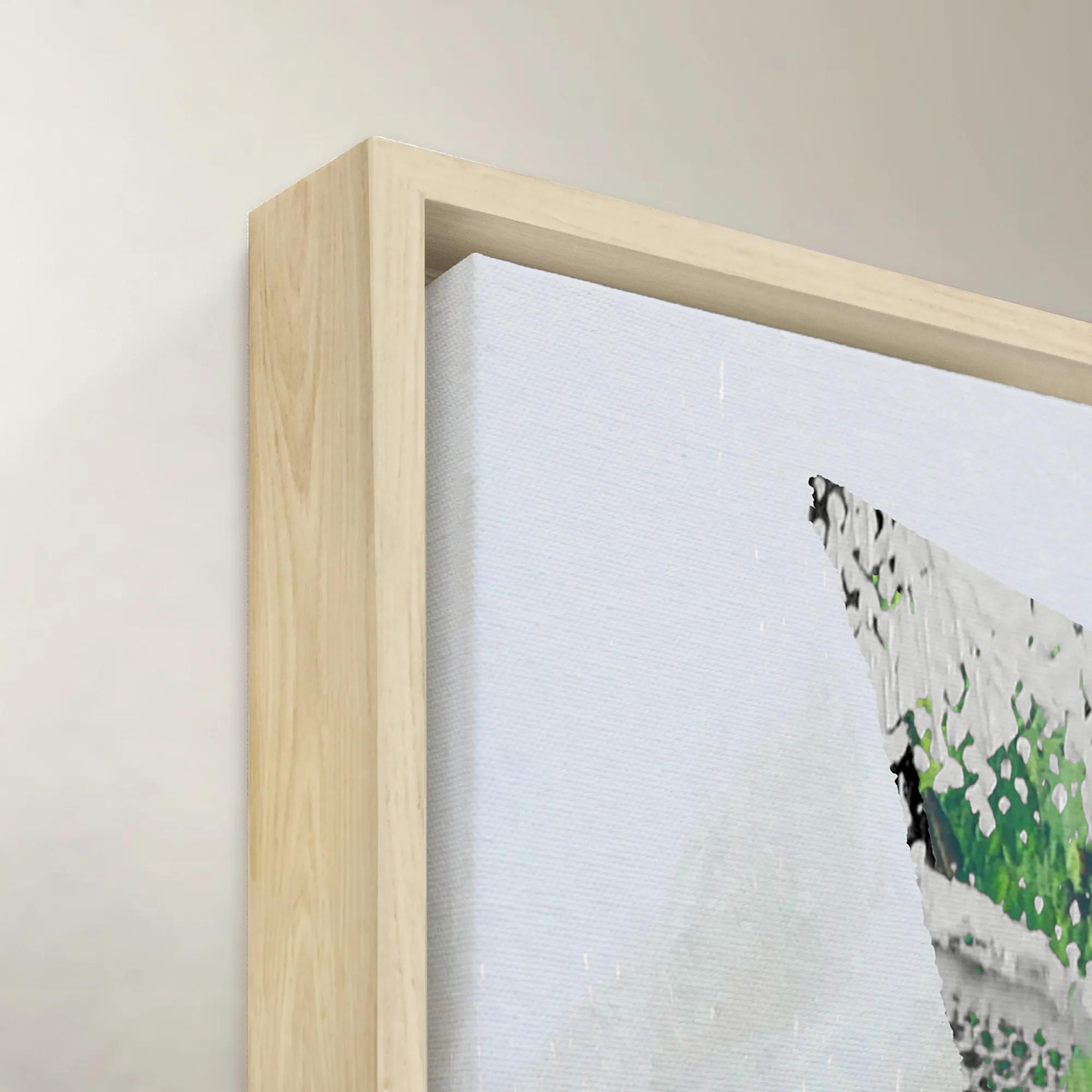 Builder Framed Wall Art 40" x 40"$1199
An inspiring art piece by Nikki Chu, blending modern design with her signature creative flair.
Add To Cart -
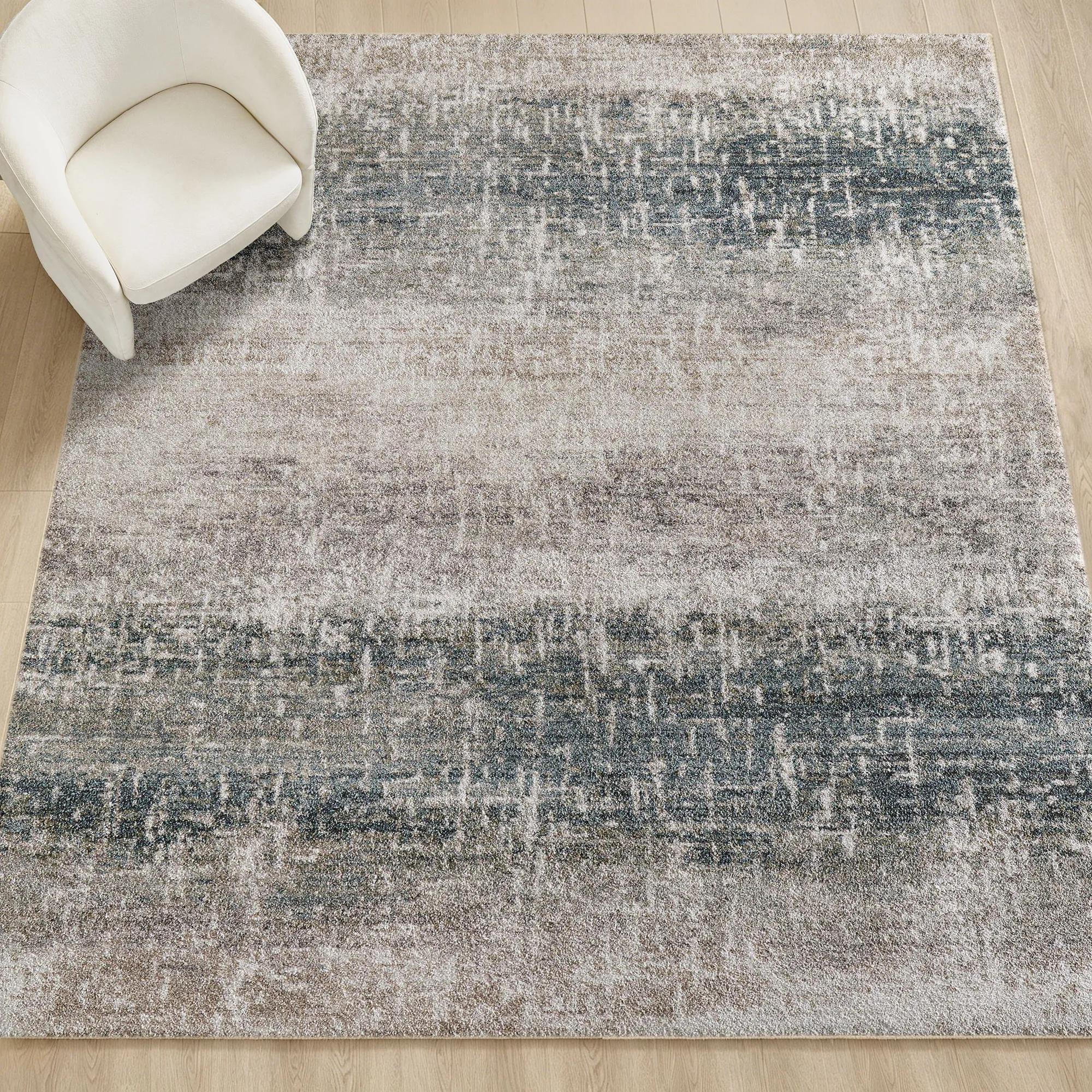
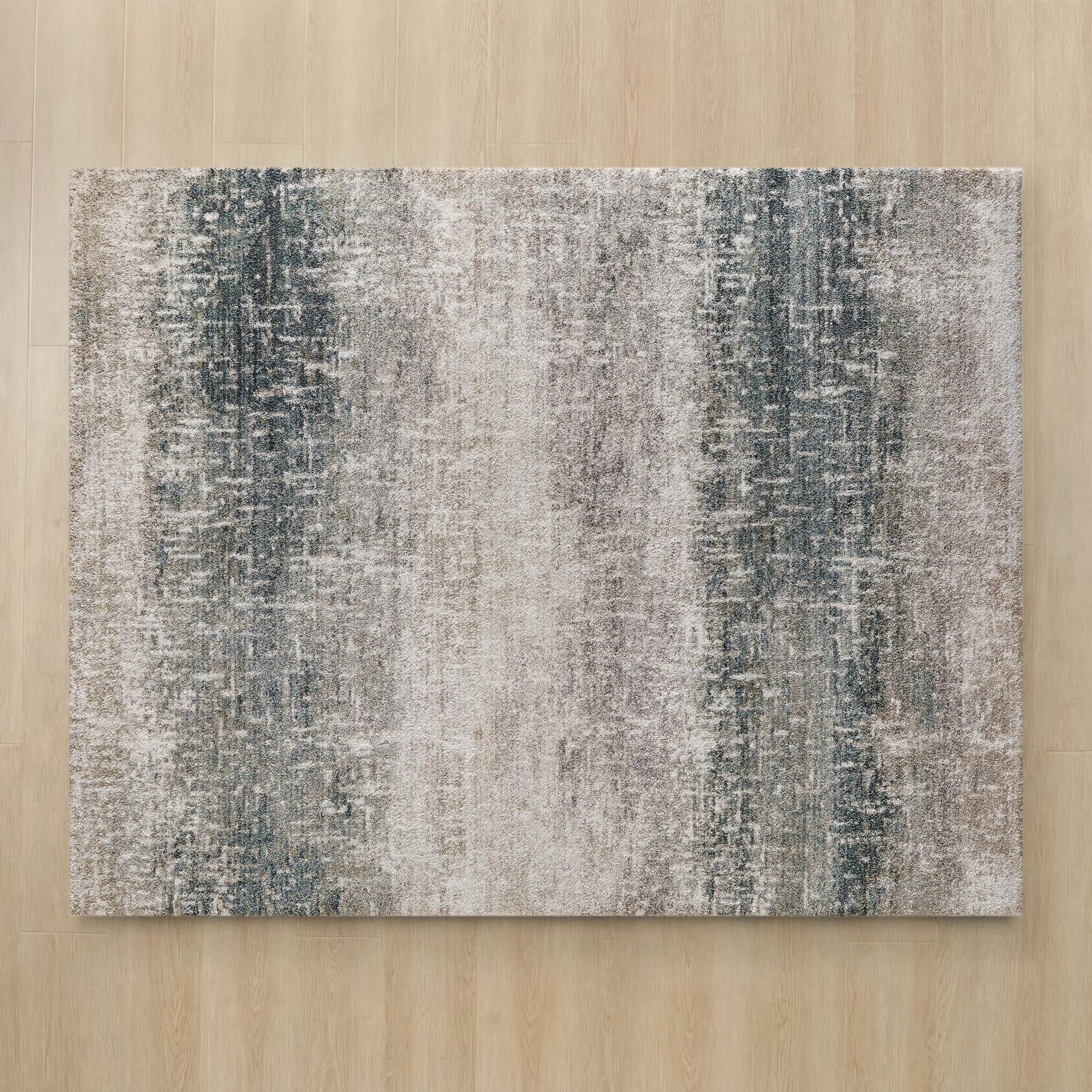 Collier Taupe/Grey/Blue/Green Performance Power Loomed Rug$399
An abstract rug in taupe, grey, blue, and green with a plush, stain-resistant polypropylene-polyester blend.
Add To Cart -
 Grand Strawberry Gold And Black Resin Decorative Object 20.25"$129
A bold resin decorative accent in black and gold, adding whimsical elegance to any modern space.
Add To Cart -
.jpg?w=1200&h=1200) Cubism Black Resin Floor Totem 65"$329
Cubism Black Resin Floor Totem 65"$329A sculptural black resin totem with stacked geometric forms and brushed gold accents creates drama.
Add To Cart -
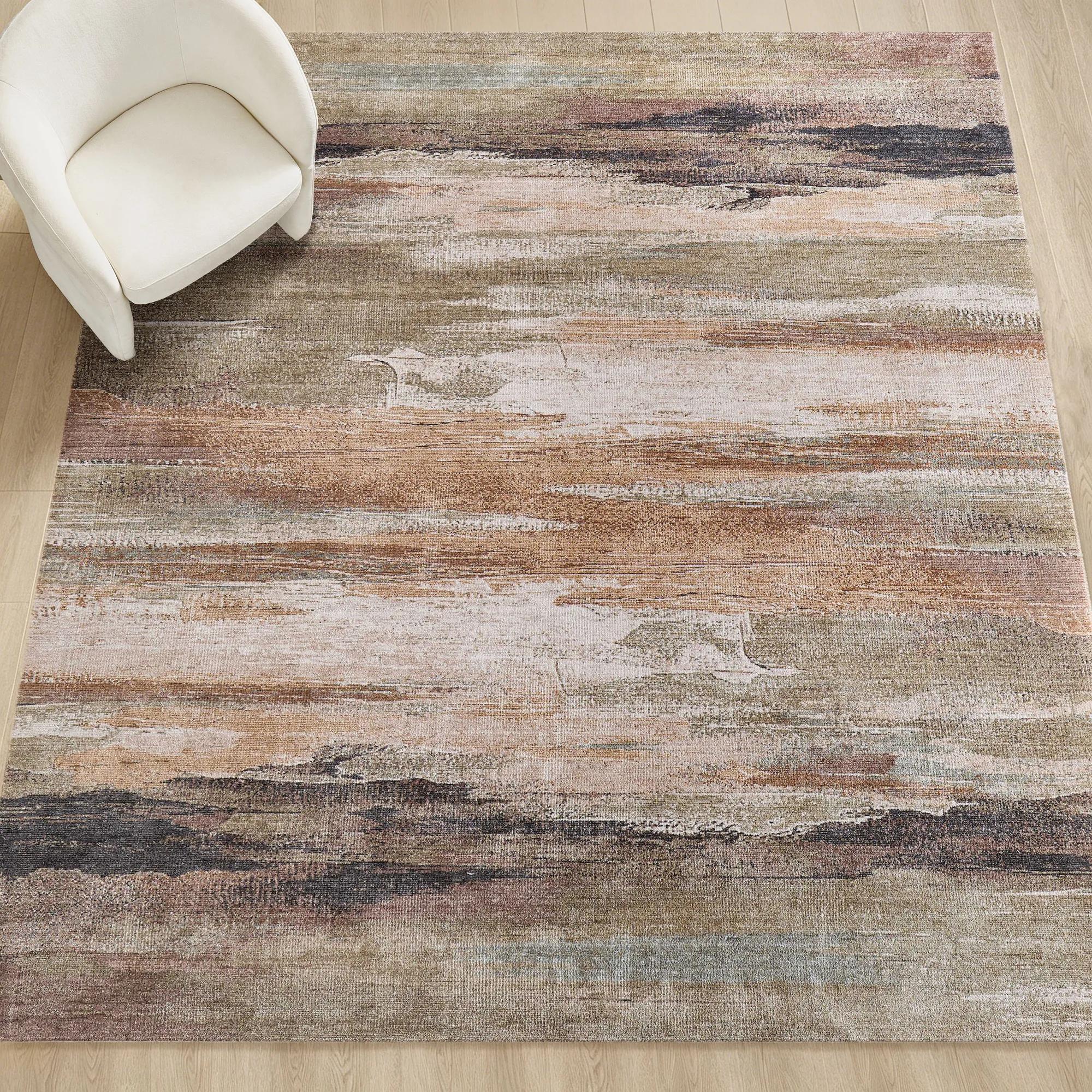
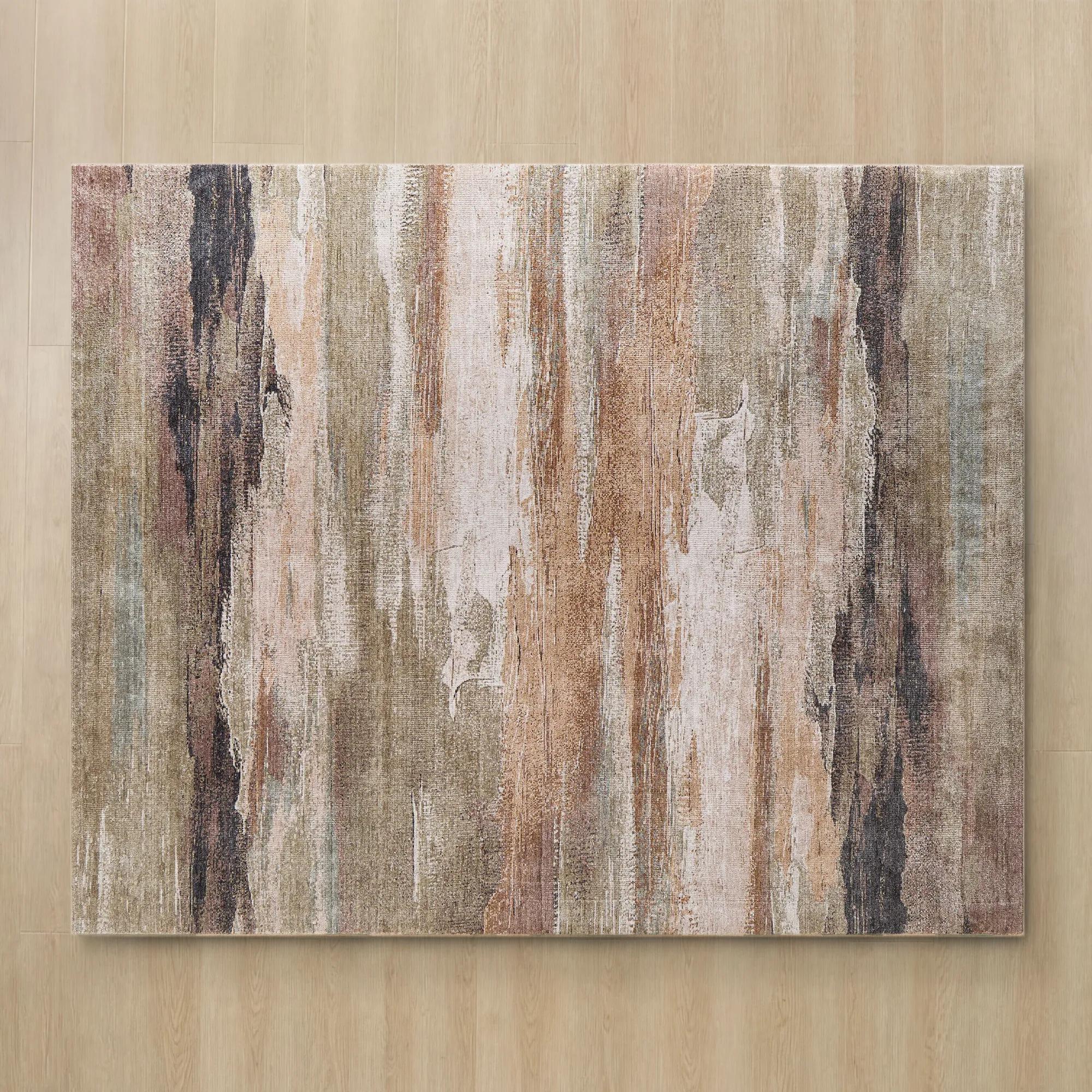 Sedona Rust/Beige/Moss Green/Charocal/Blue Performance Power Loomed Rug$1999
A power-loomed polyester rug featuring a rich abstract pattern in rust, beige, moss green, charcoal, and blue.
Add To Cart -
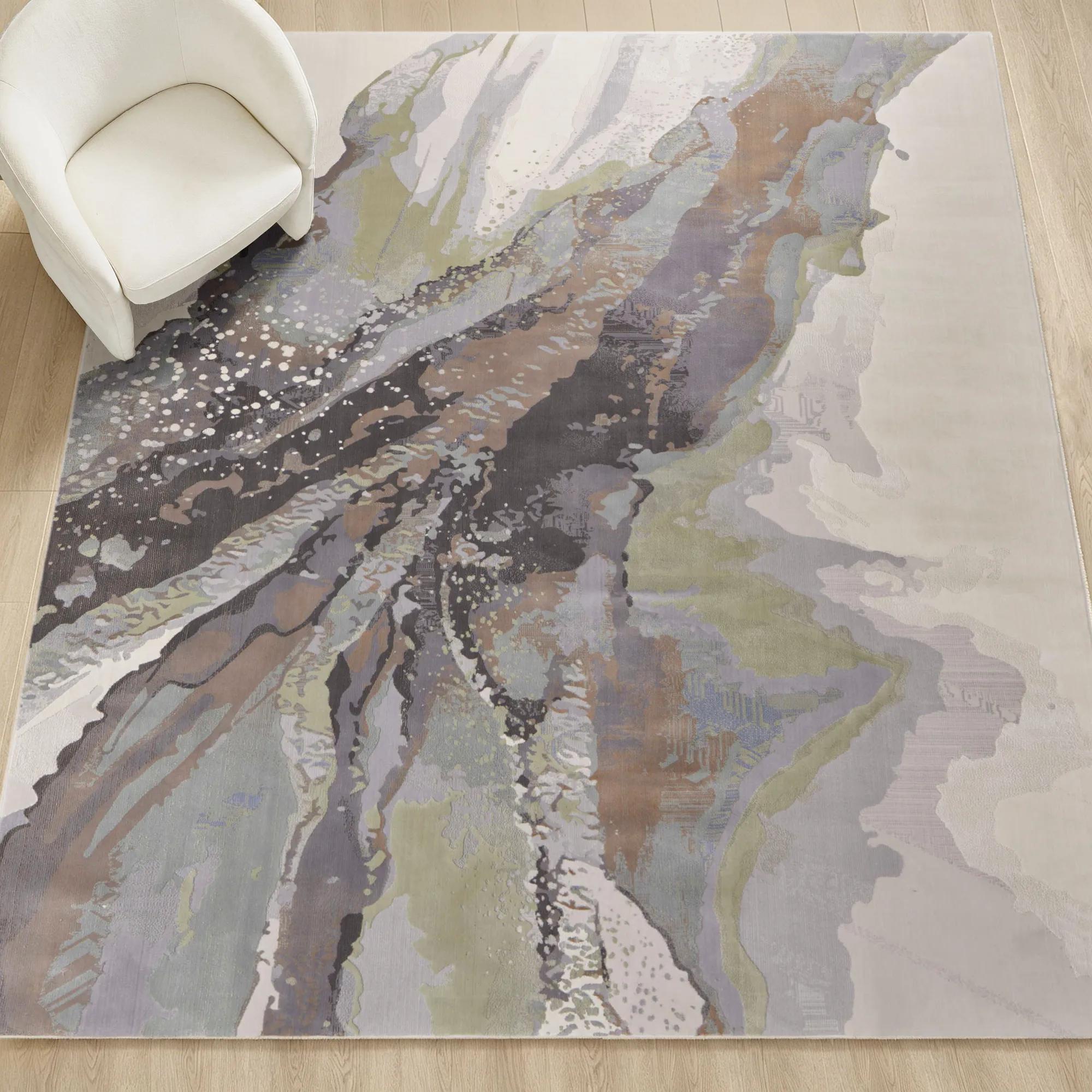
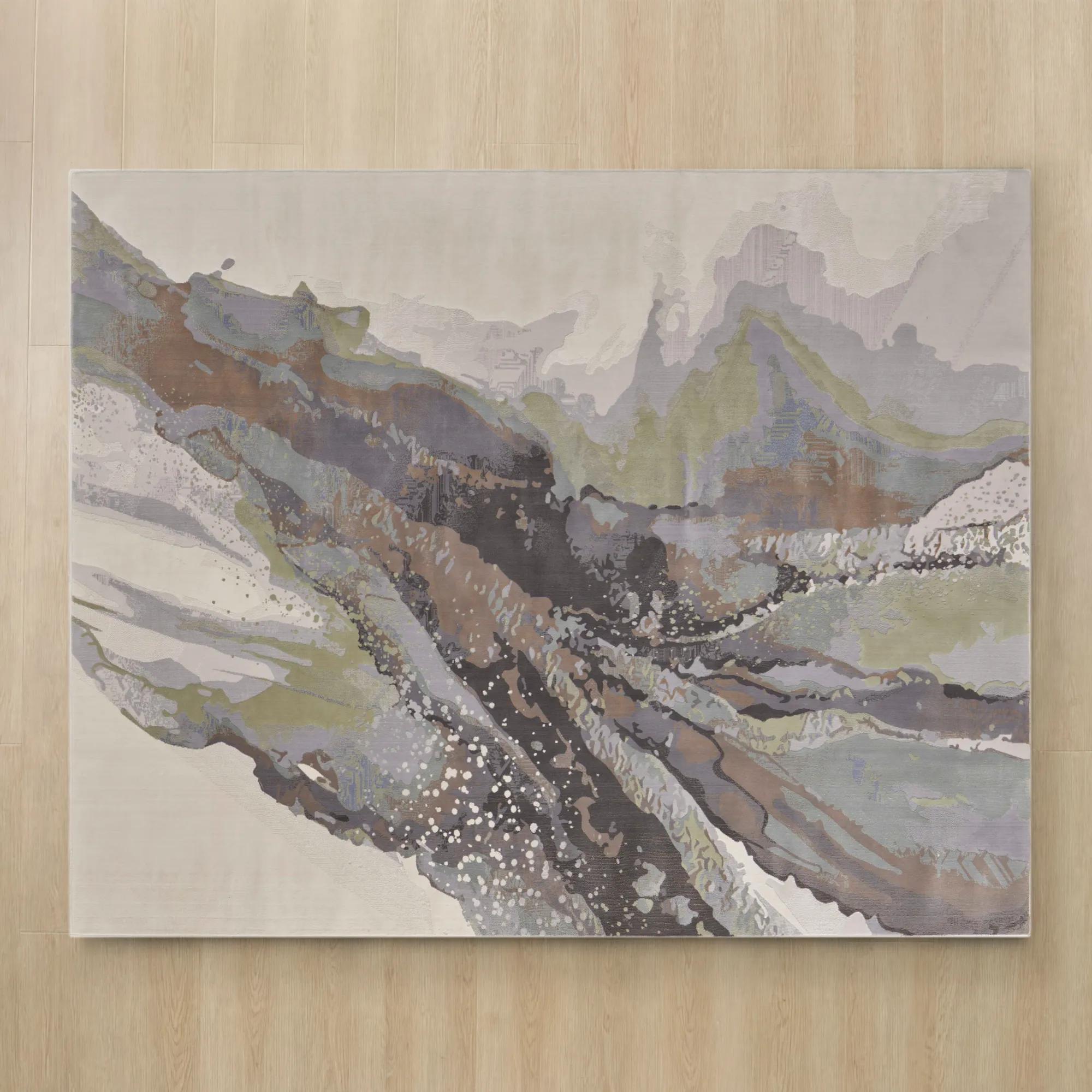 Nerissa Abstract Ivory/Grey/Blue/Green Performance Power Loomed Rug$949
An abstract rug in ivory, grey, blue, and green with a textured, stain-resistant polypropylene-polyester blend.
Add To Cart -
 XOXO Gold Silver Aluminum Tic-Tac-Toe Game Pieces$69
A set of oversized gold and silver aluminum game pieces that adds playful, modern glamour to any space.
Add To Cart -
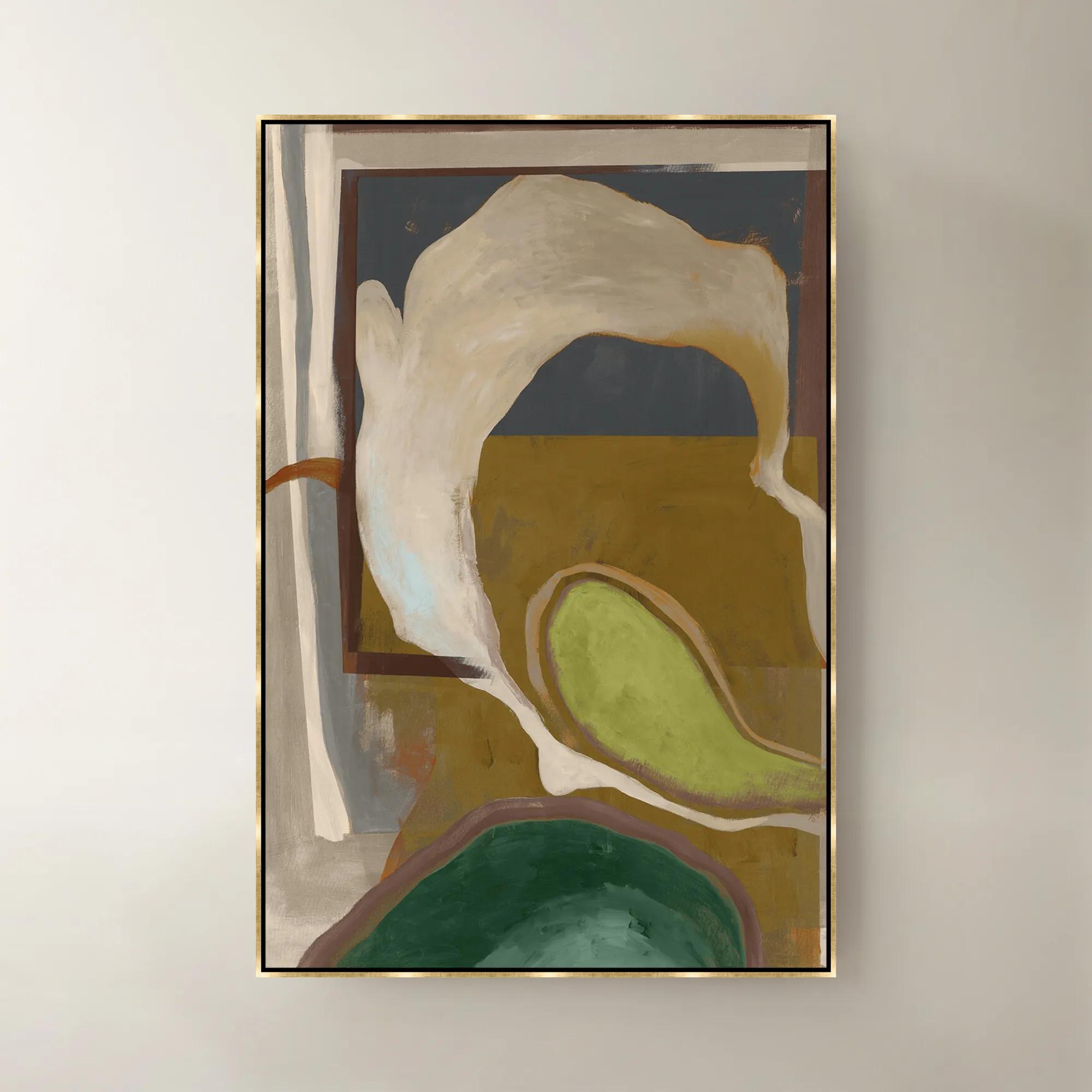 Olive Pearl Framed Wall Art 40"W x 60"$1099
A sophisticated green framed canvas artwork bringing layered color and modern elegance to your walls.
Add To Cart -
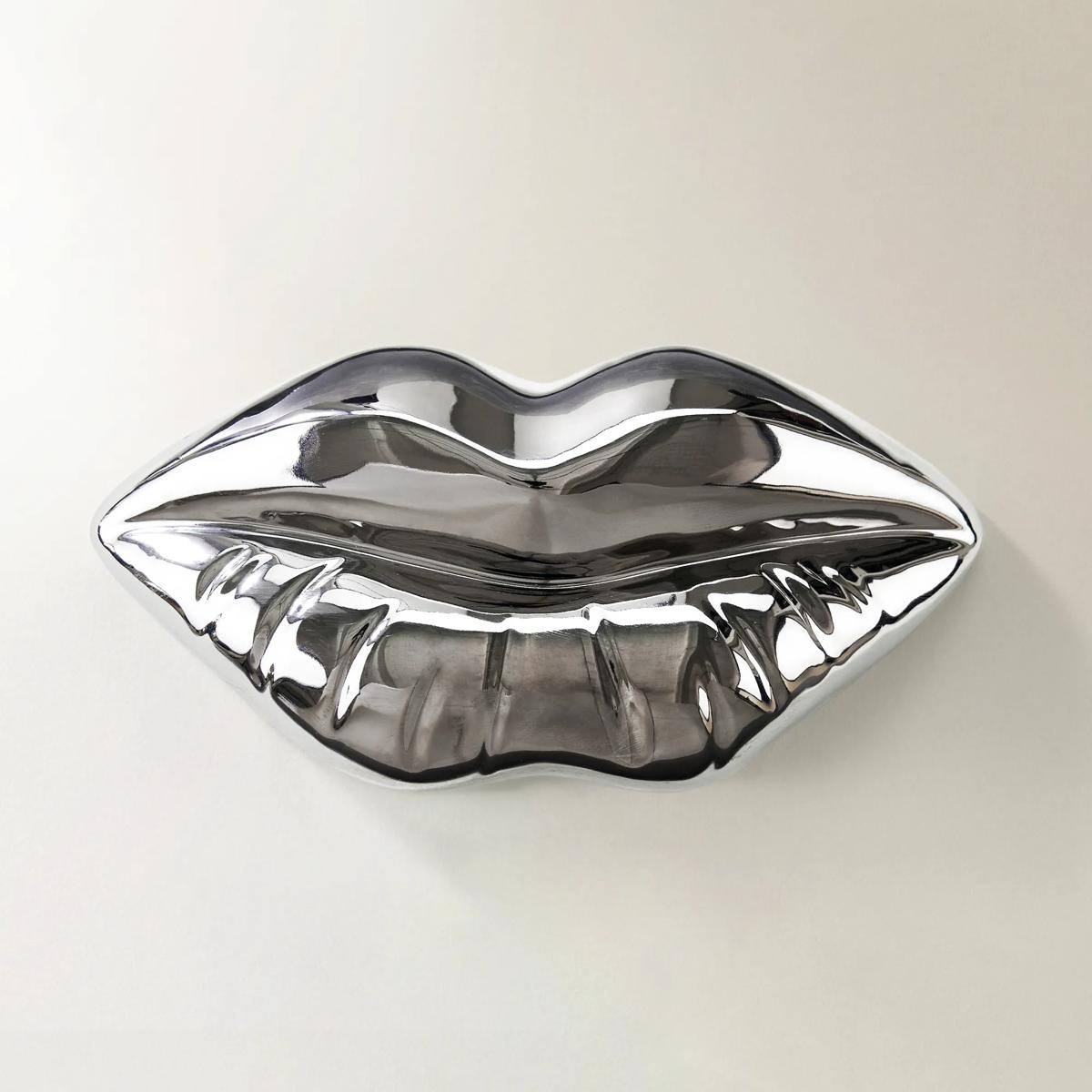 Chrome Lips Ceramic Decorative Object 5.25"$29
A high-shine silver ceramic sculpture that adds modern pop art flair and playful sophistication to any space.
Add To Cart -
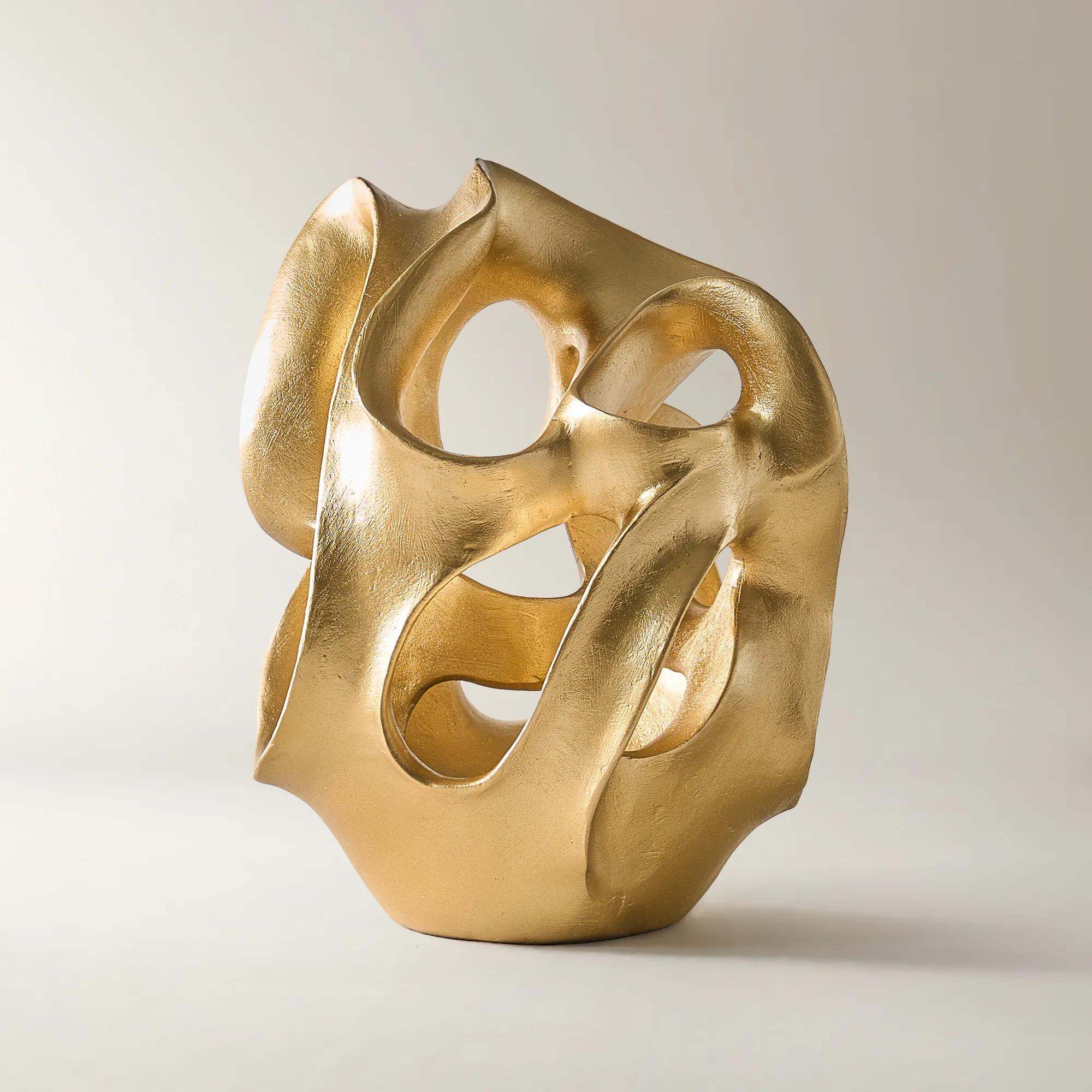
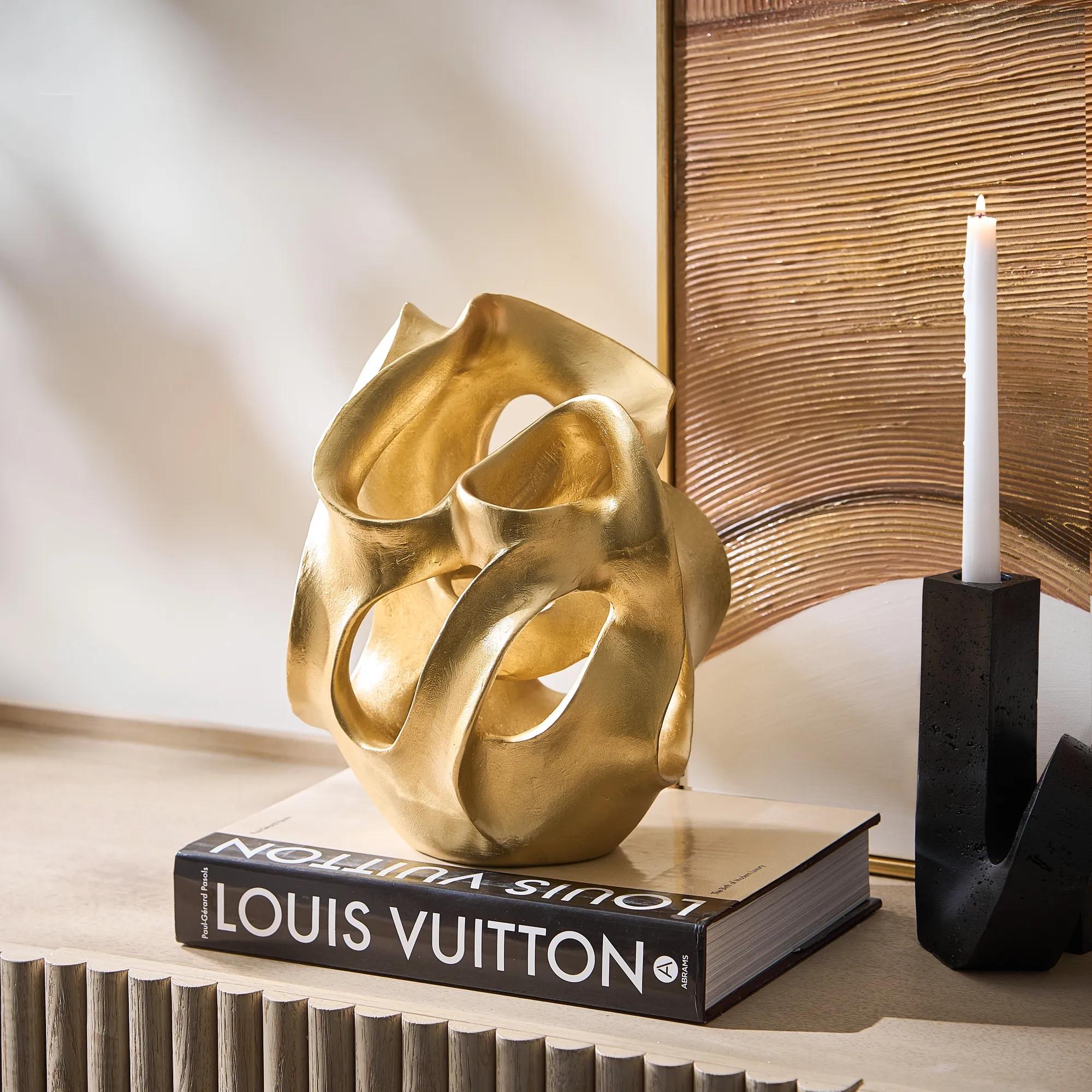 Payal Gold Resin Decorative Object 12"$99
A gold-finished resin sculpture with a fluid open silhouette adds architectural elegance and organic movement.
Add To Cart -
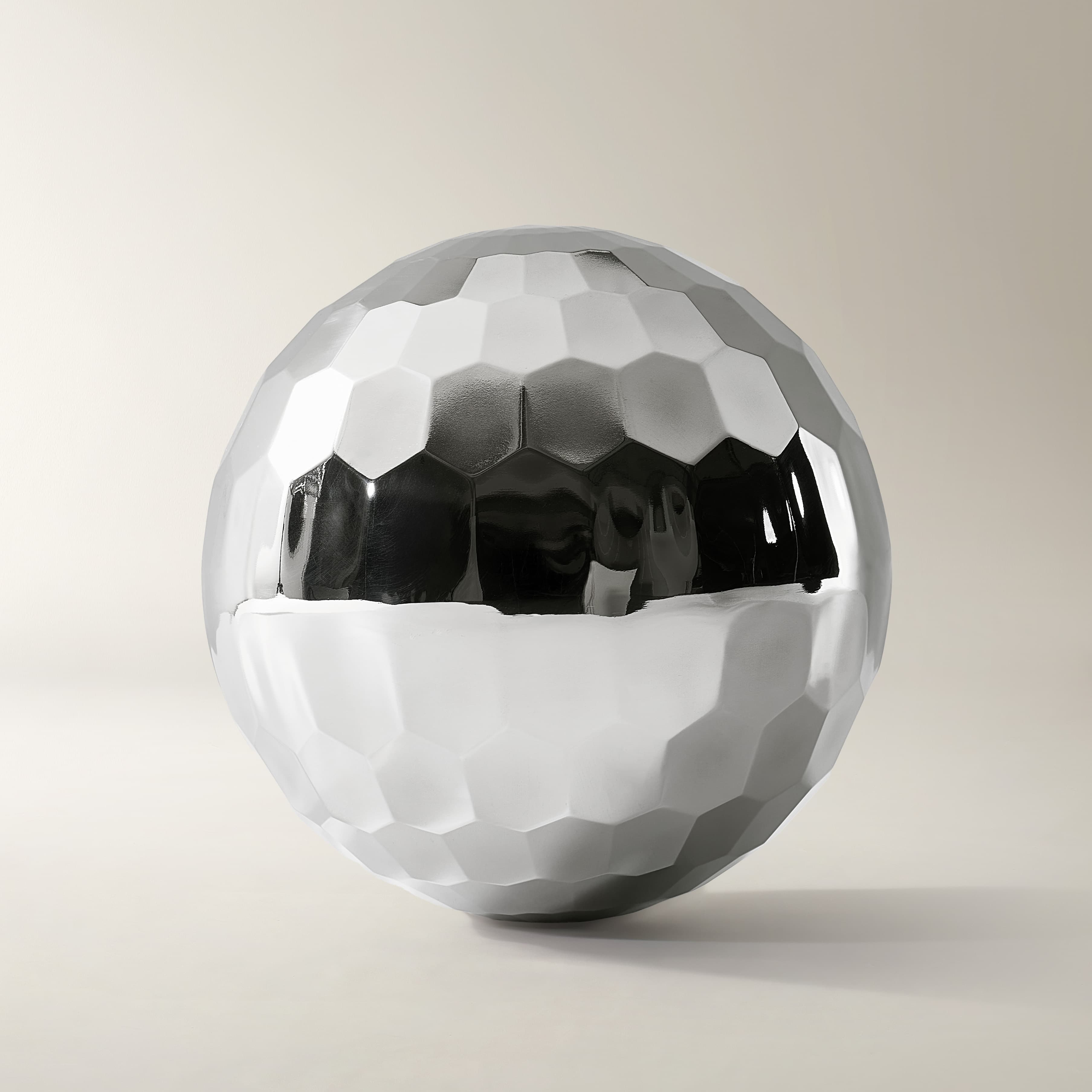 Disco Chrome Sphere Stainless Steel Decorative Object 9.75"$59
A polished chrome-finish stainless steel sphere adding sleek, reflective glamour to modern decorative displays.
Add To Cart -
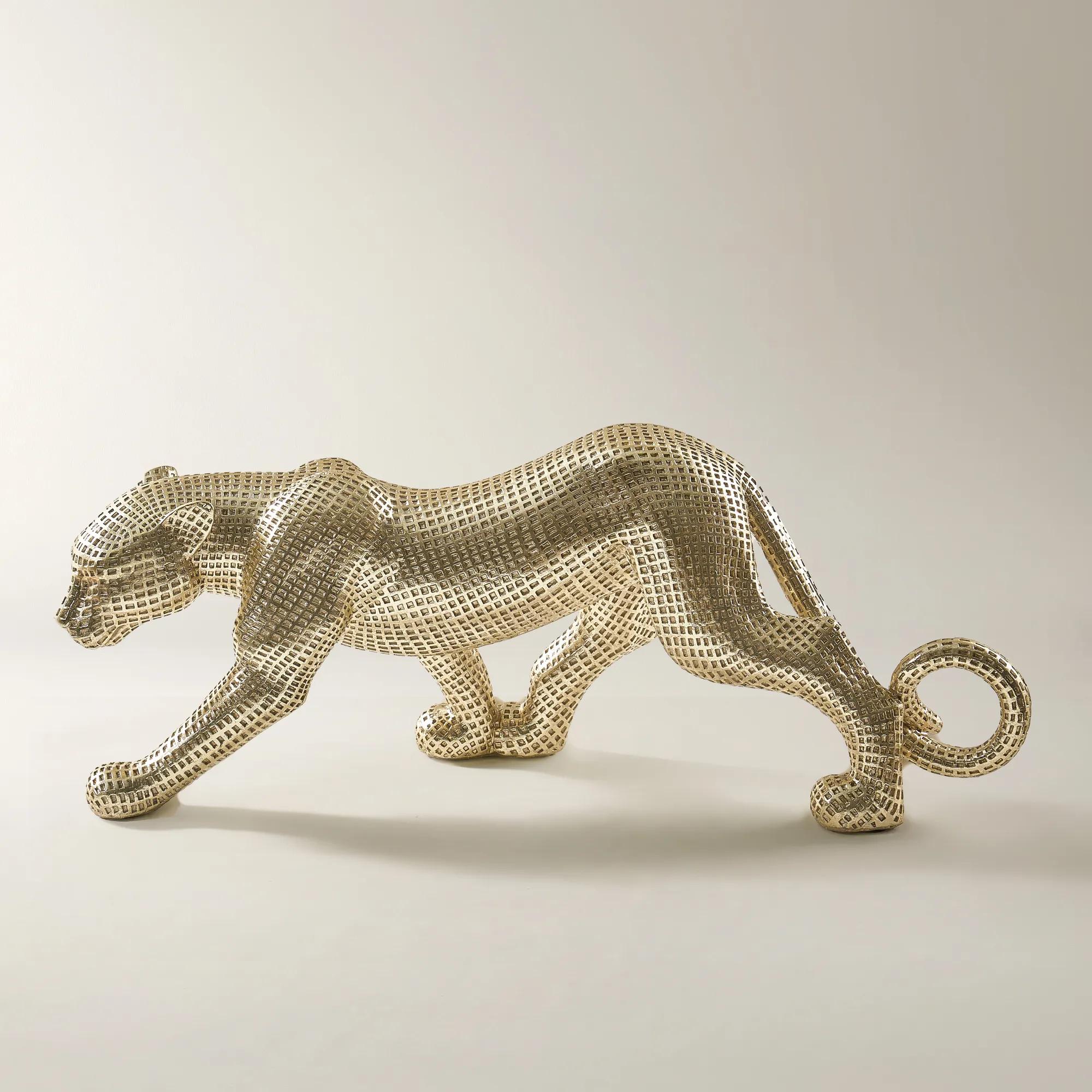
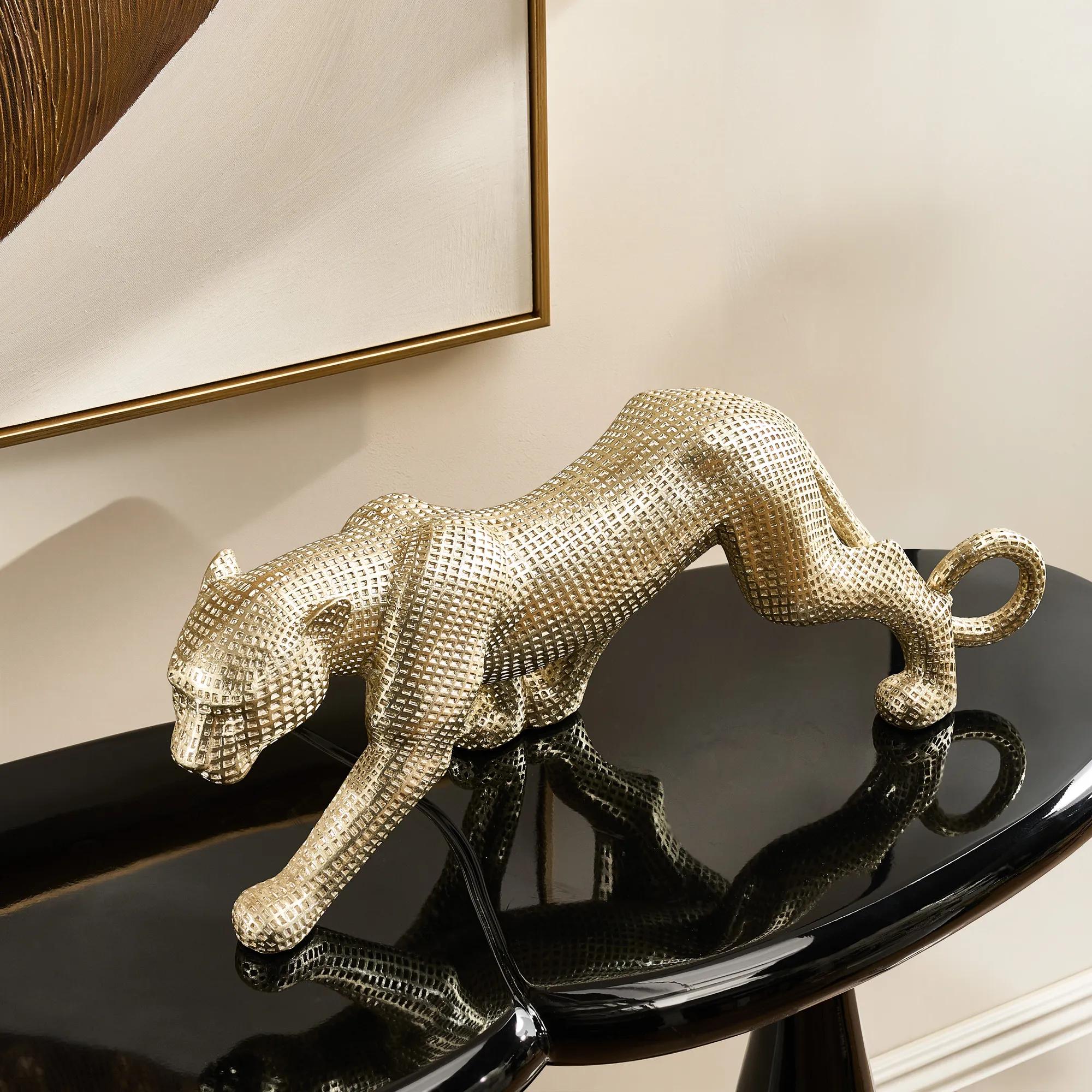 Pardus Champagne Resin Decorative Object 20.5" x 8"$79
A sculptural feline decor piece cast in champagne-finished resin with intricate grid texturing and sleek lines.
Add To Cart -
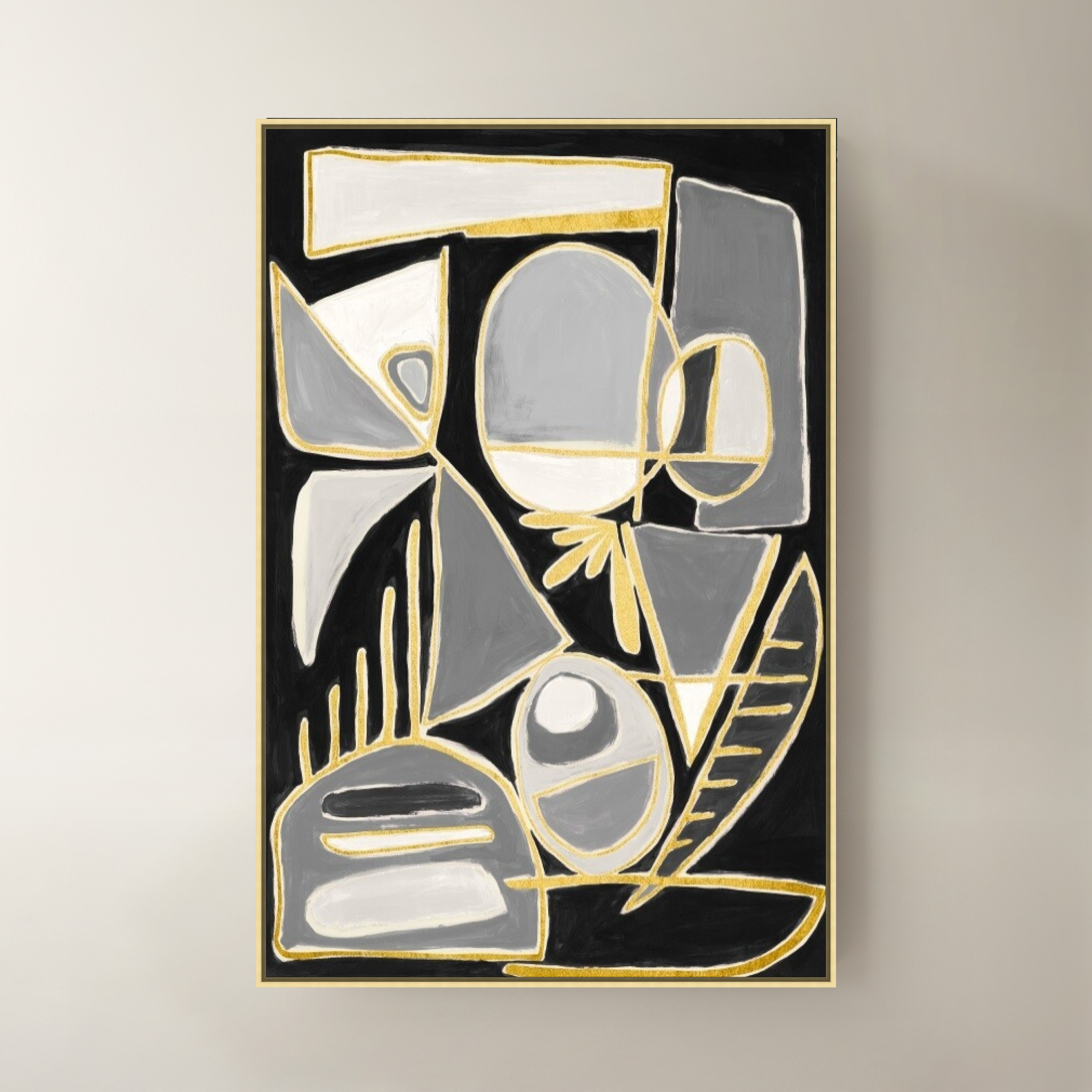
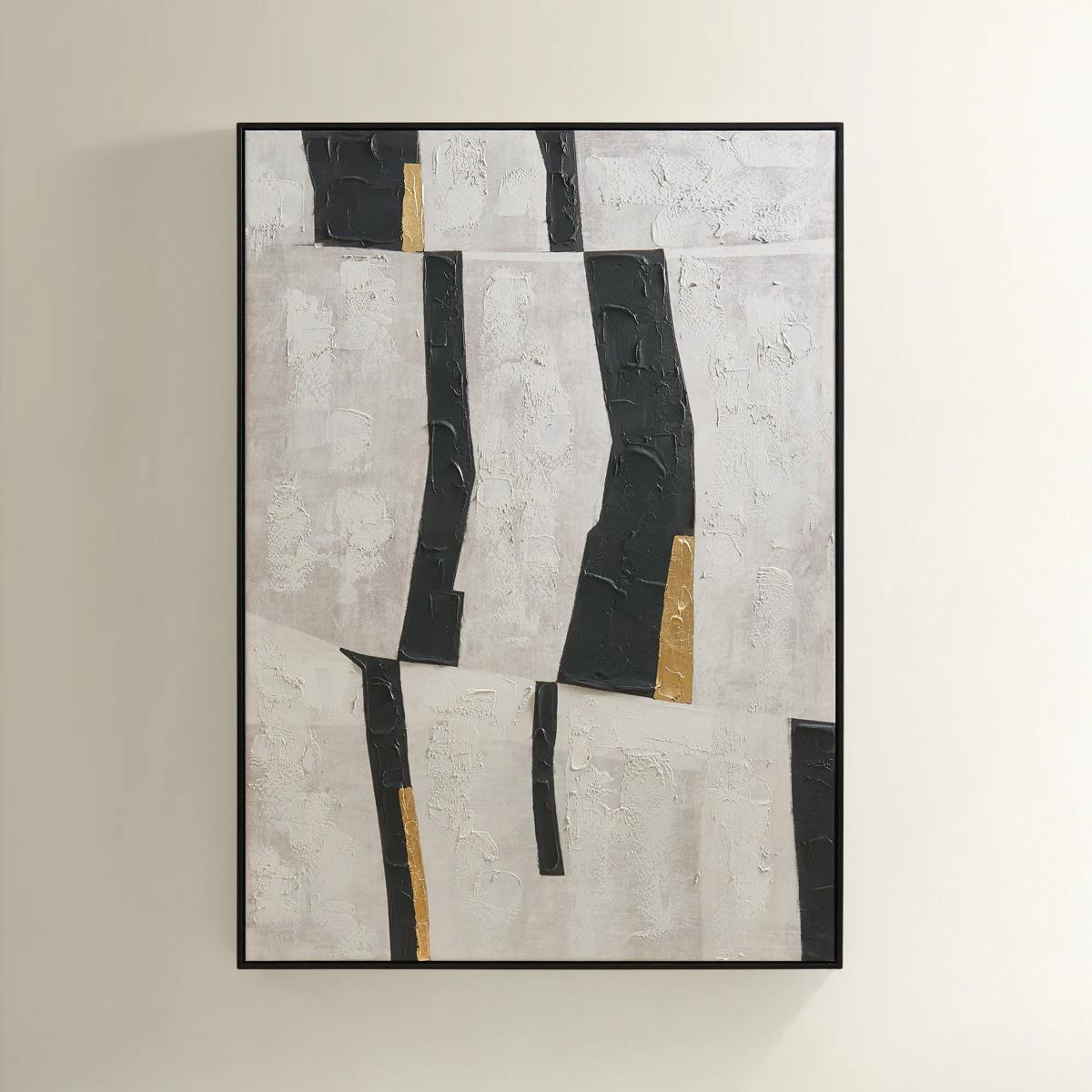
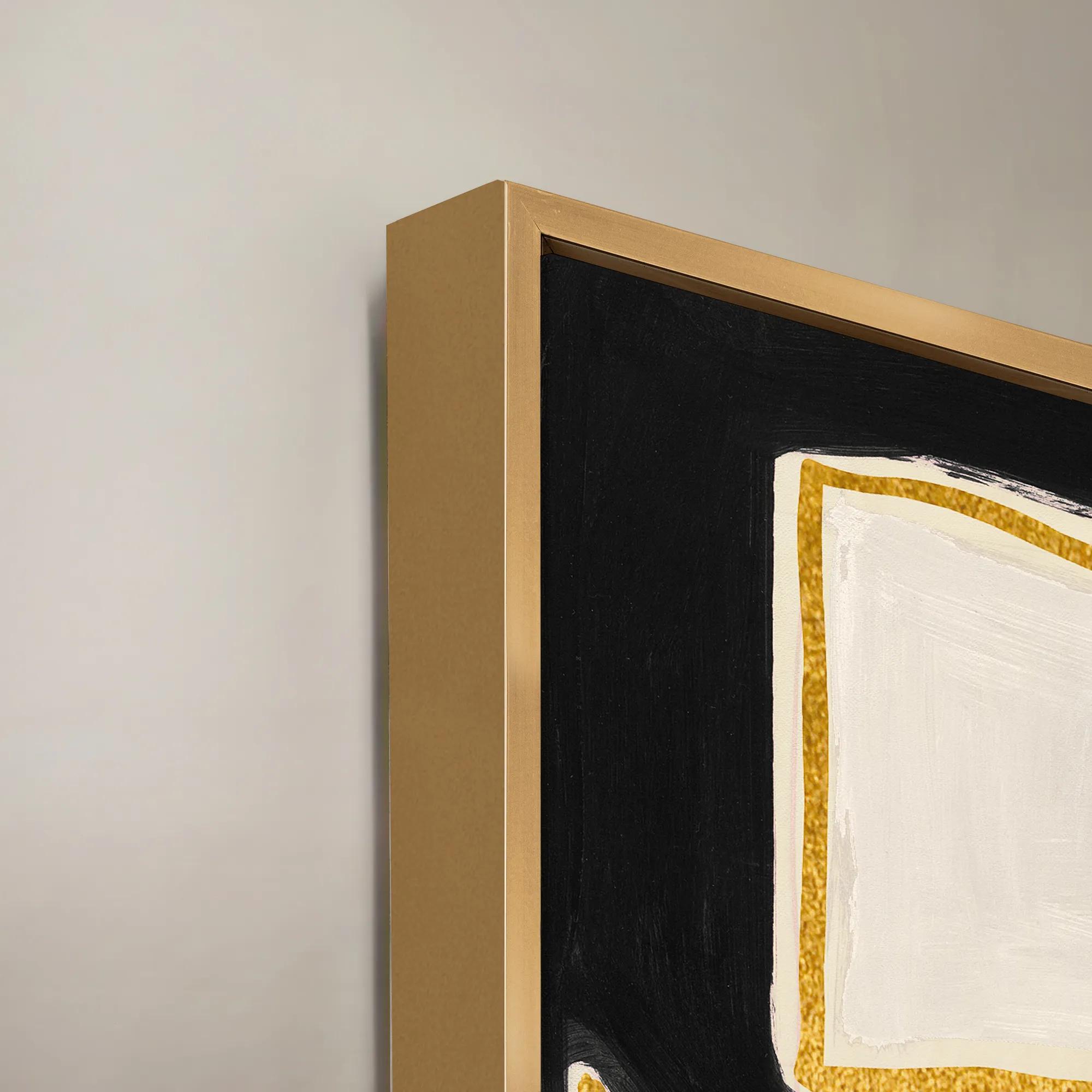 Shuffle City III Framed Wall Art 40" x 60"$1199
A dramatic black canvas wall artwork presented in a refined frame for contemporary interiors.
Add To Cart -
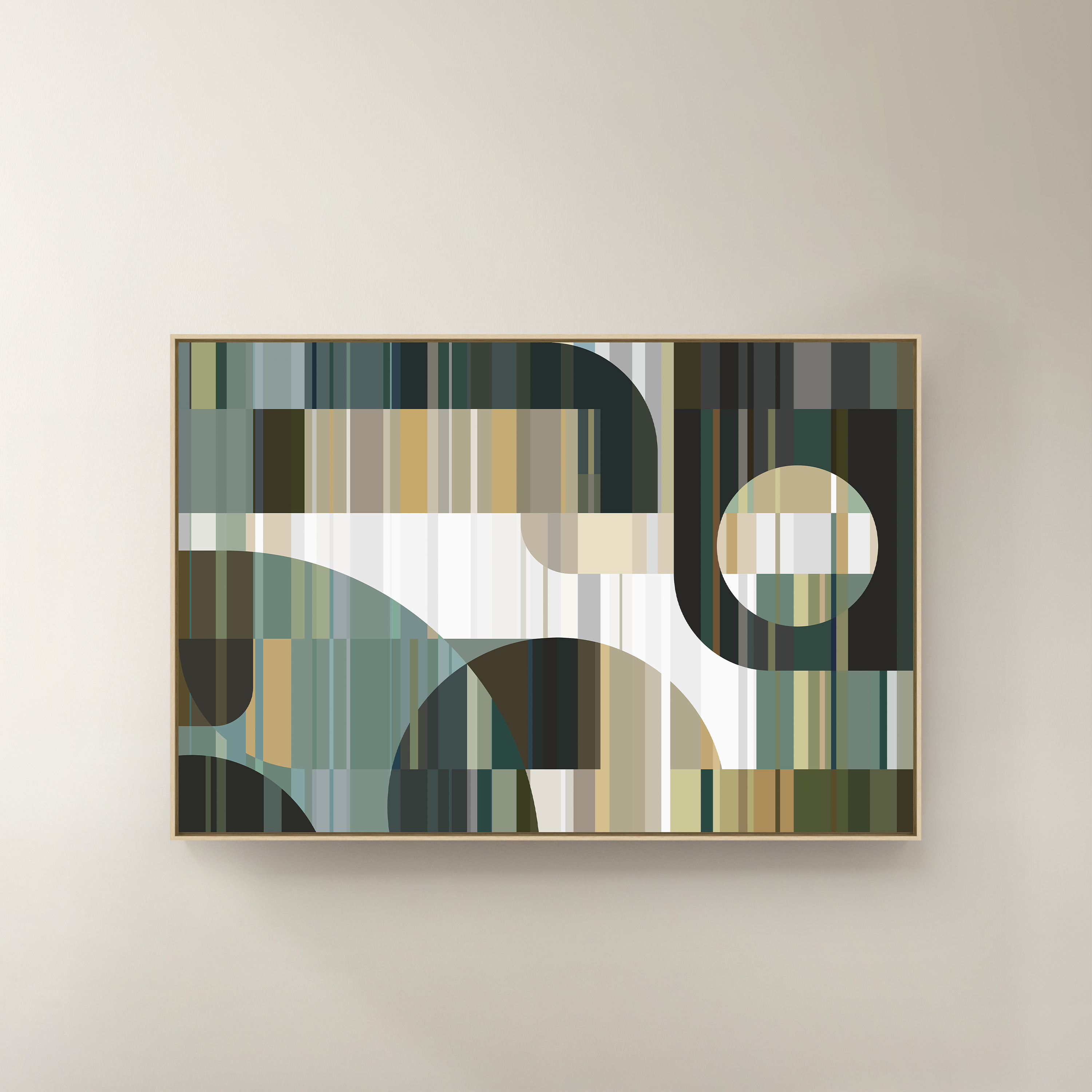
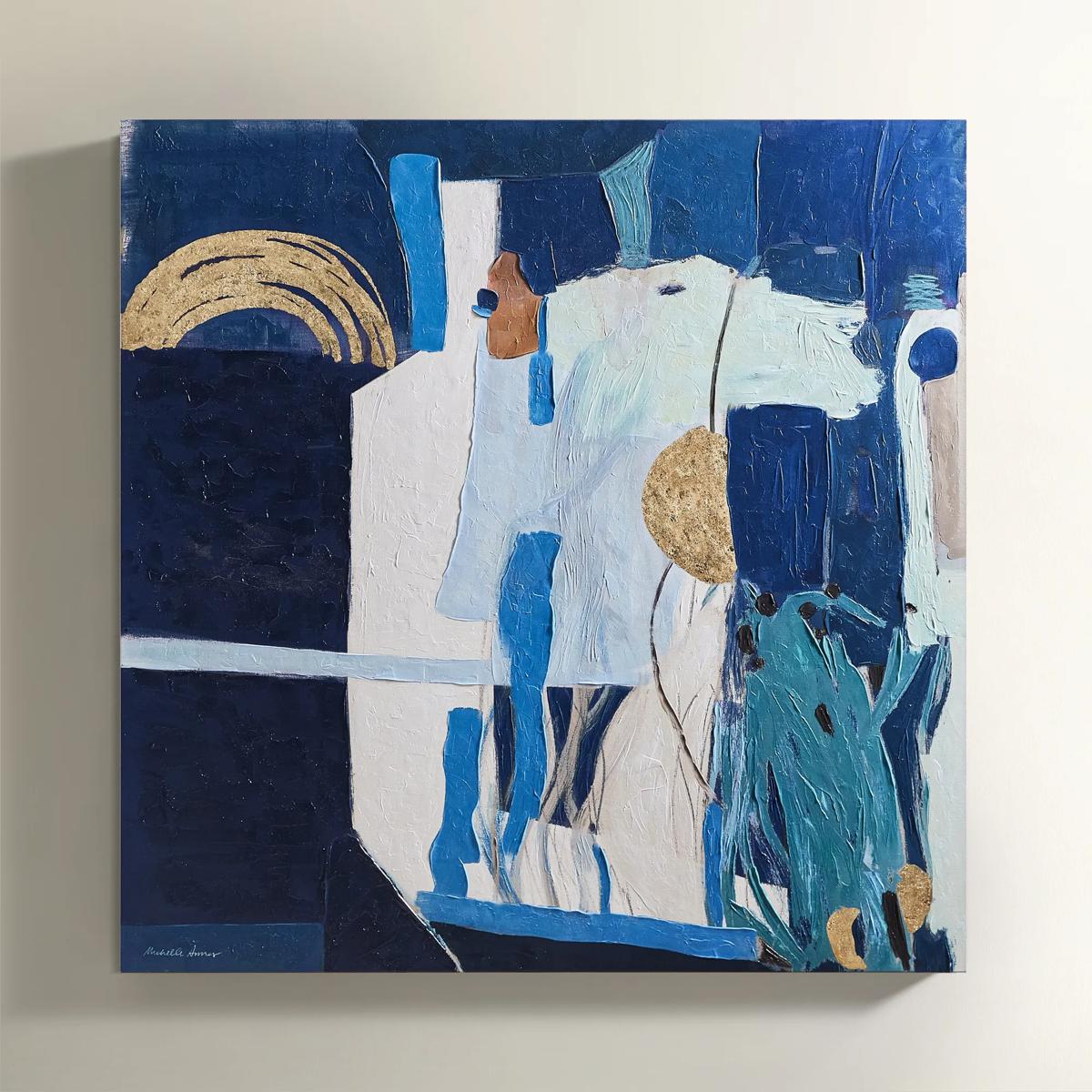
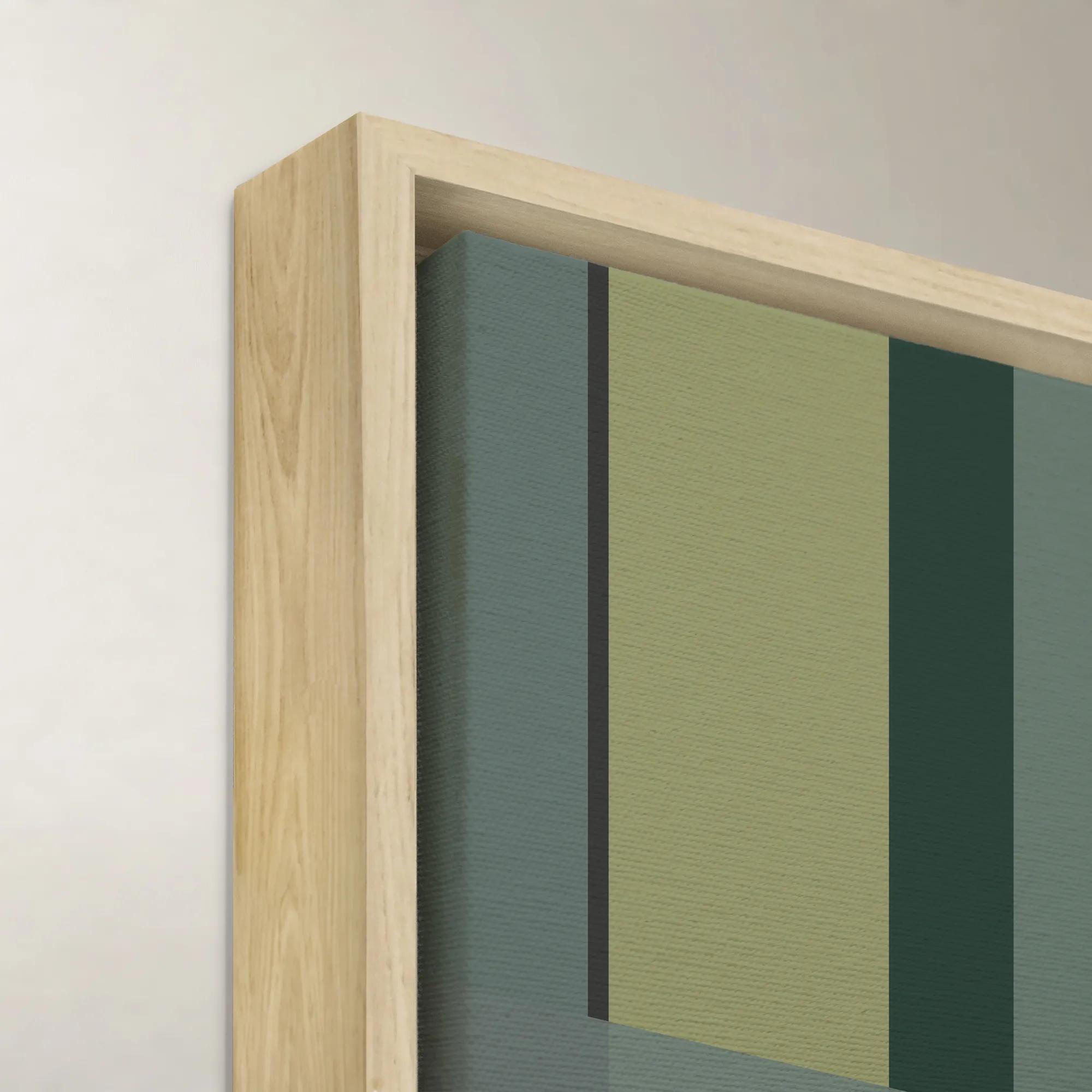 Cool Intersecting Forms II Framed Wall Art 60" x 40"$1099
A framed canvas wall artwork featuring cool-toned intersecting forms in a multicolored abstract composition.
Add To Cart -
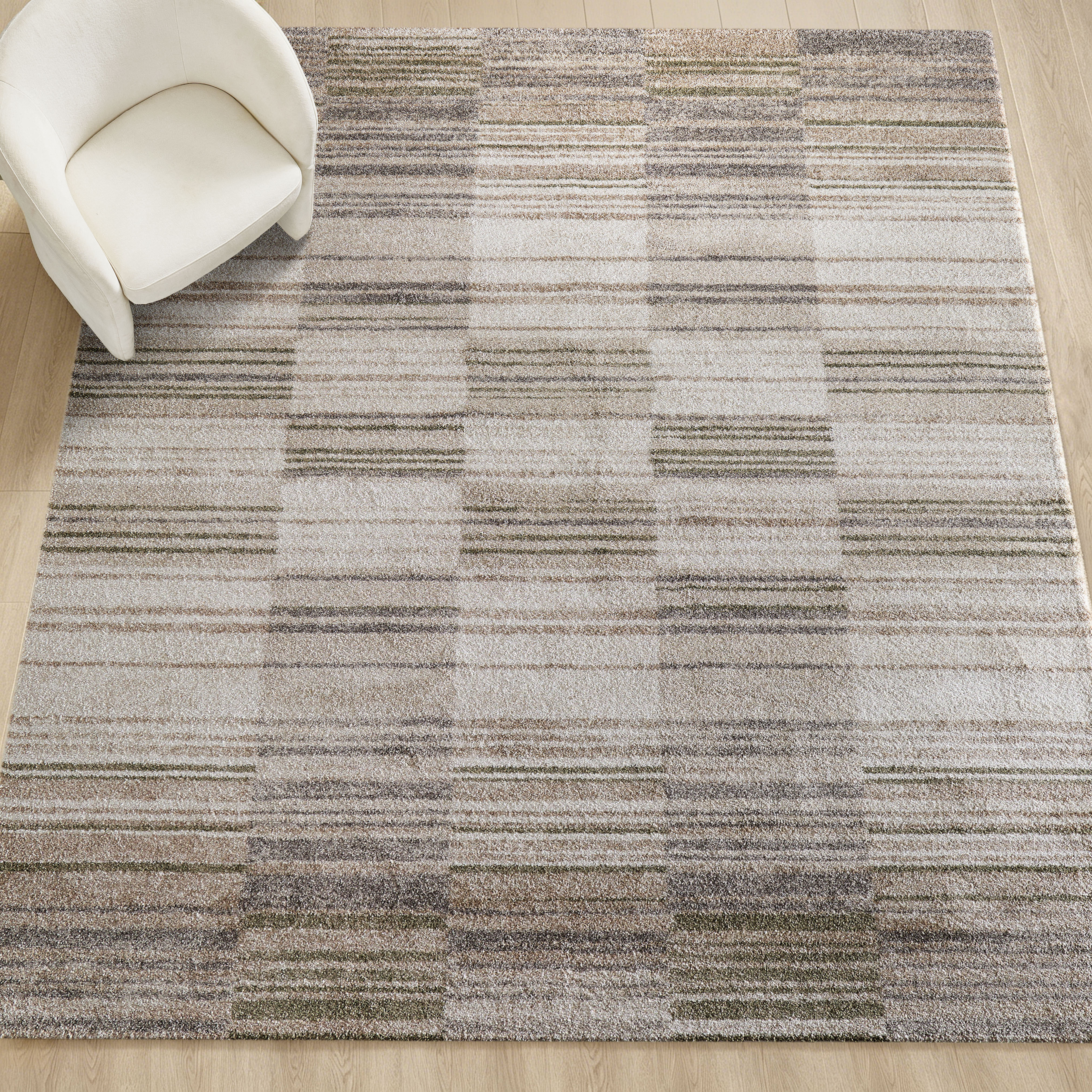
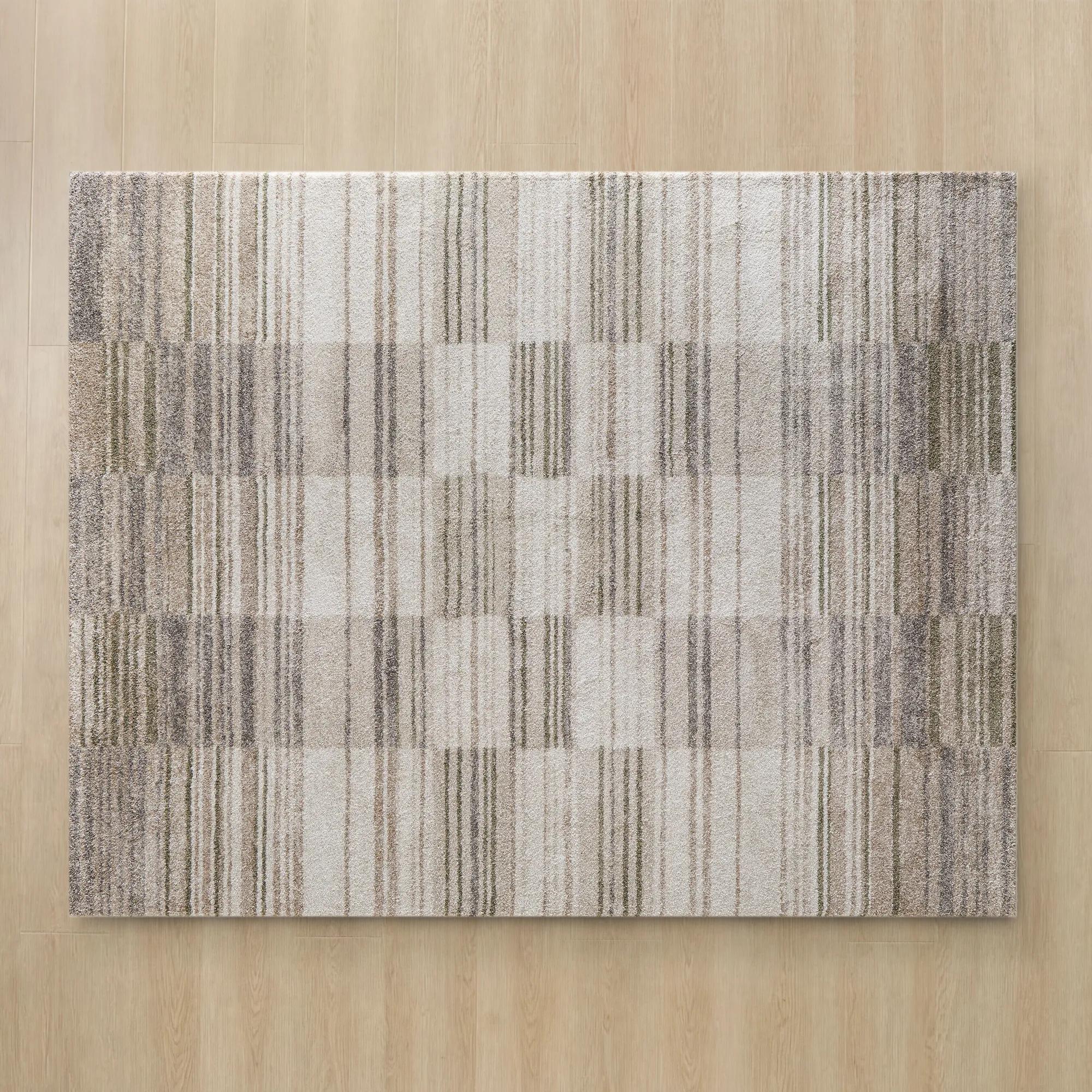 Checka Grey/Tan/Ivory/Soft Green Performance Power Loomed Rug$1649
A plush, power-loomed rug featuring a soft check pattern in grey, tan, ivory, and green.
Add To Cart -
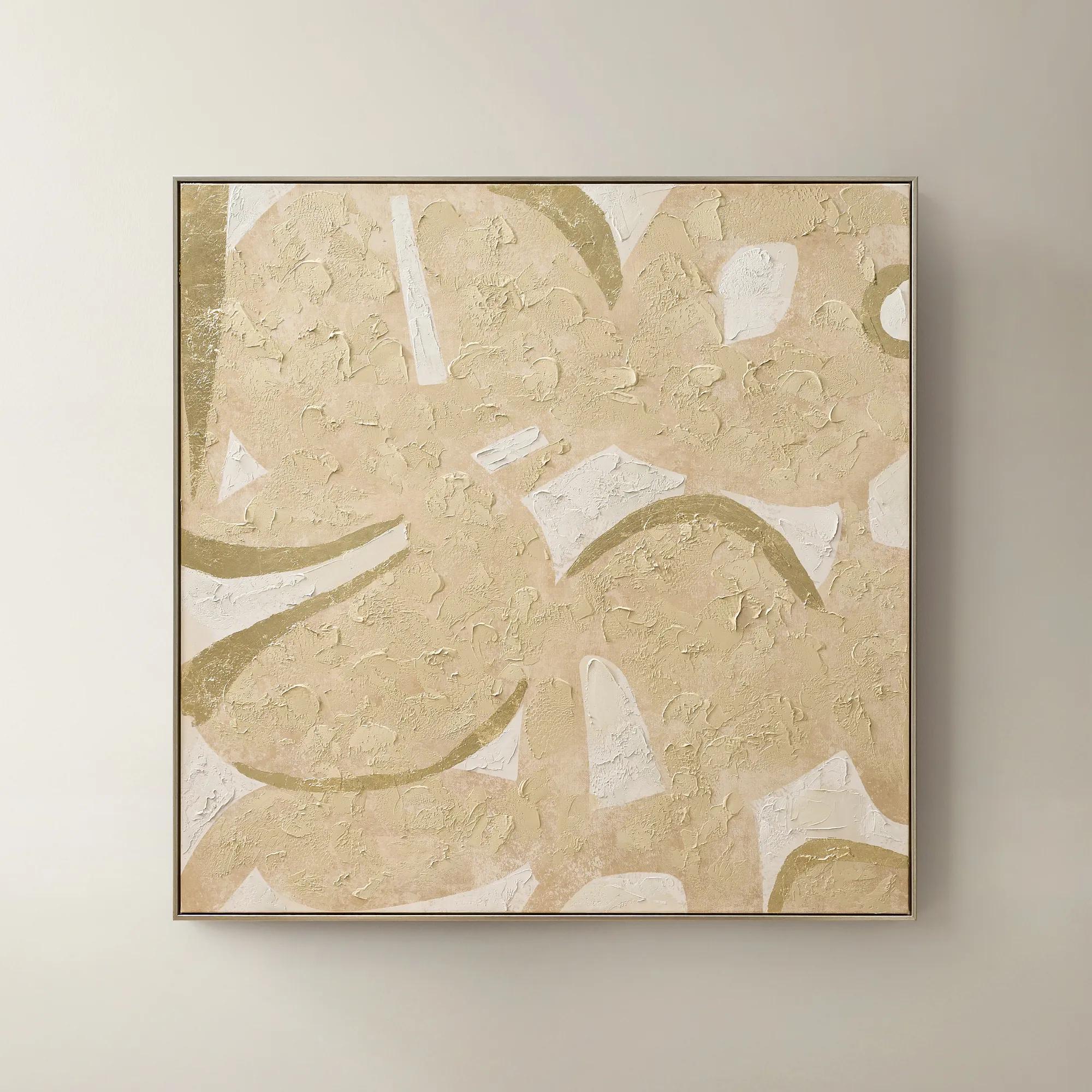
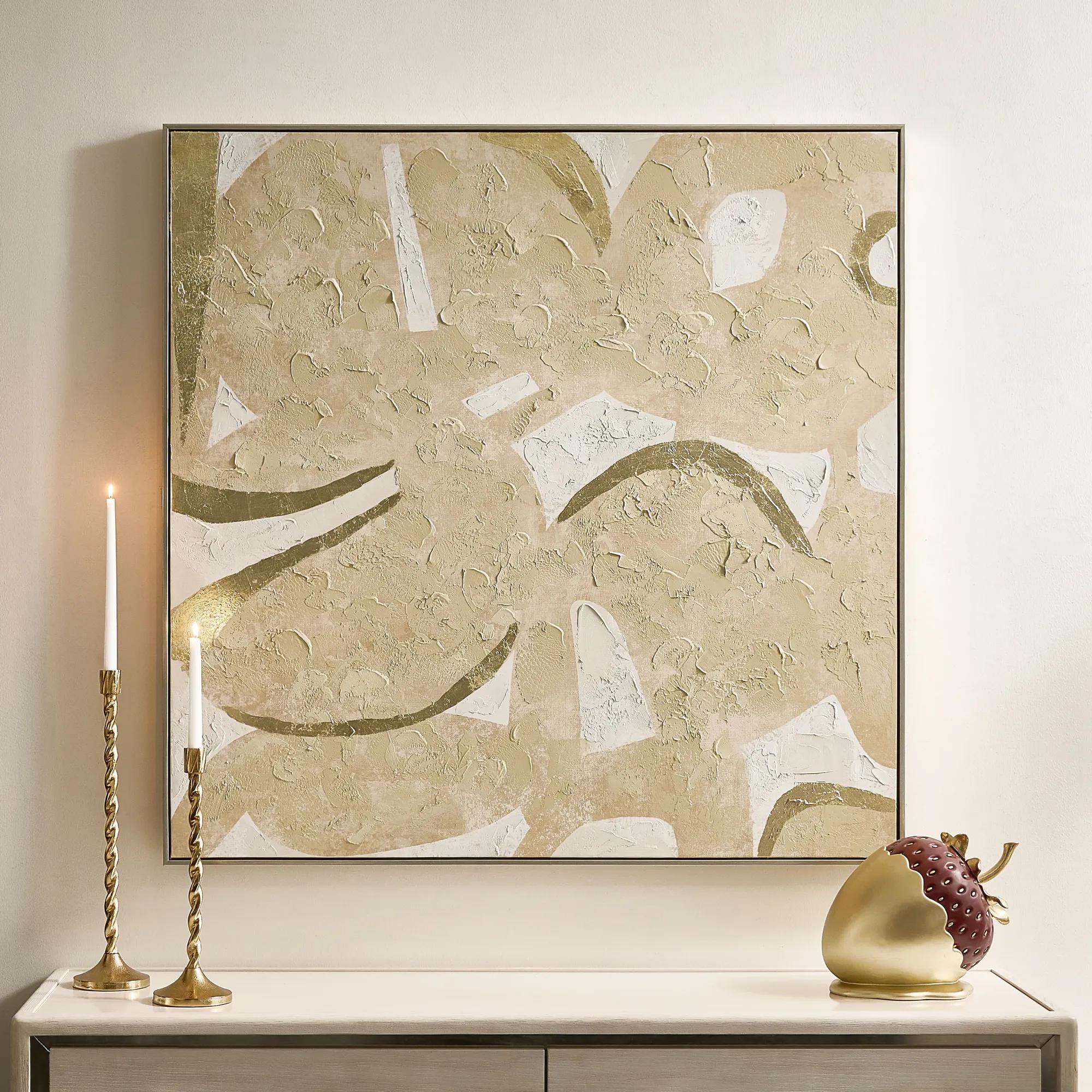 Golden Maize Framed Painted Wall Art 48" x 48"$399
A hand-painted canvas with champagne leafing and butter cream tones adds warmth and modern sophistication.
Add To Cart -

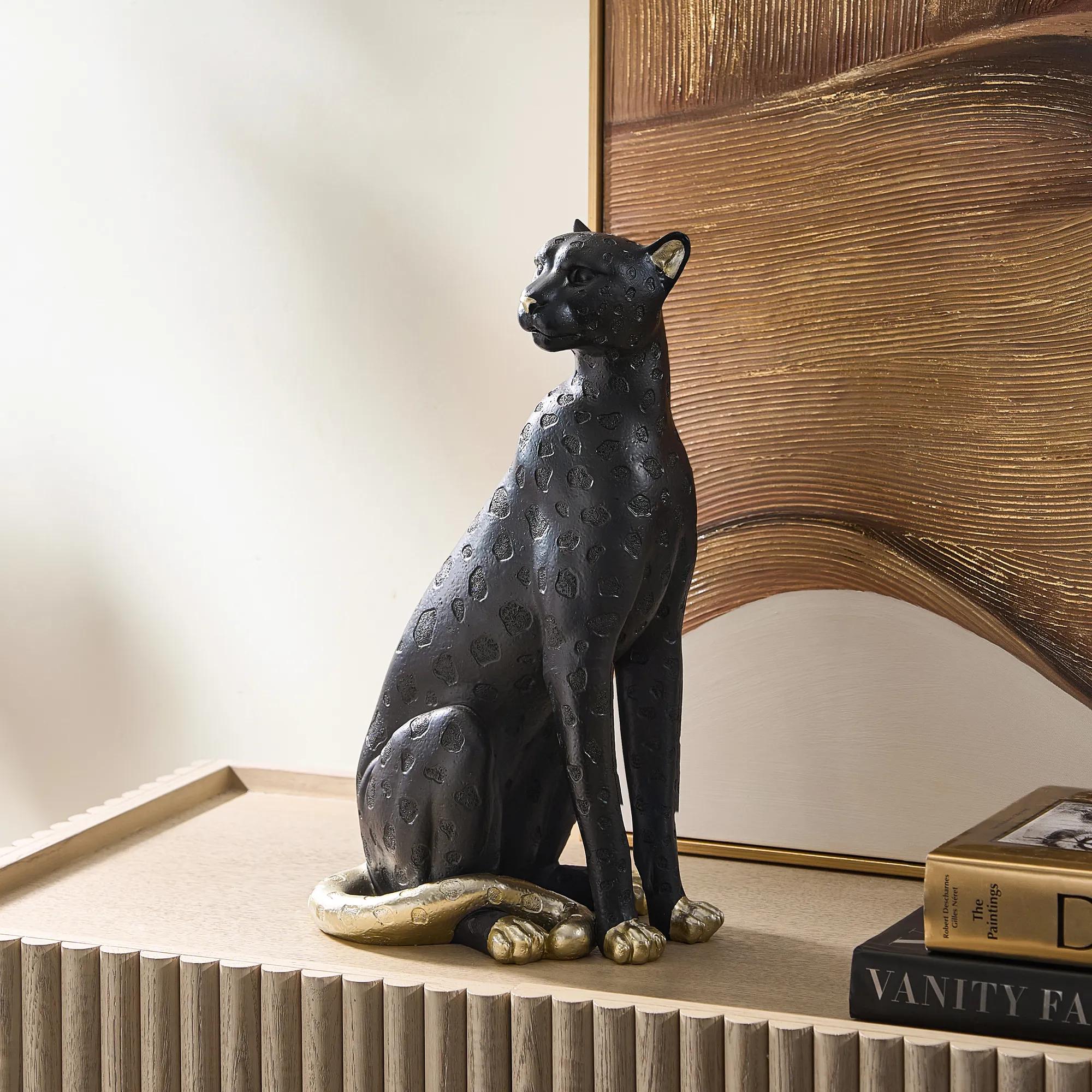 Midnight Leo Black And Gold Resin Object 17.75"$149
A sculpted black resin leopard with gilded gold accents adds bold, artistic glamour to any space.
Add To Cart -
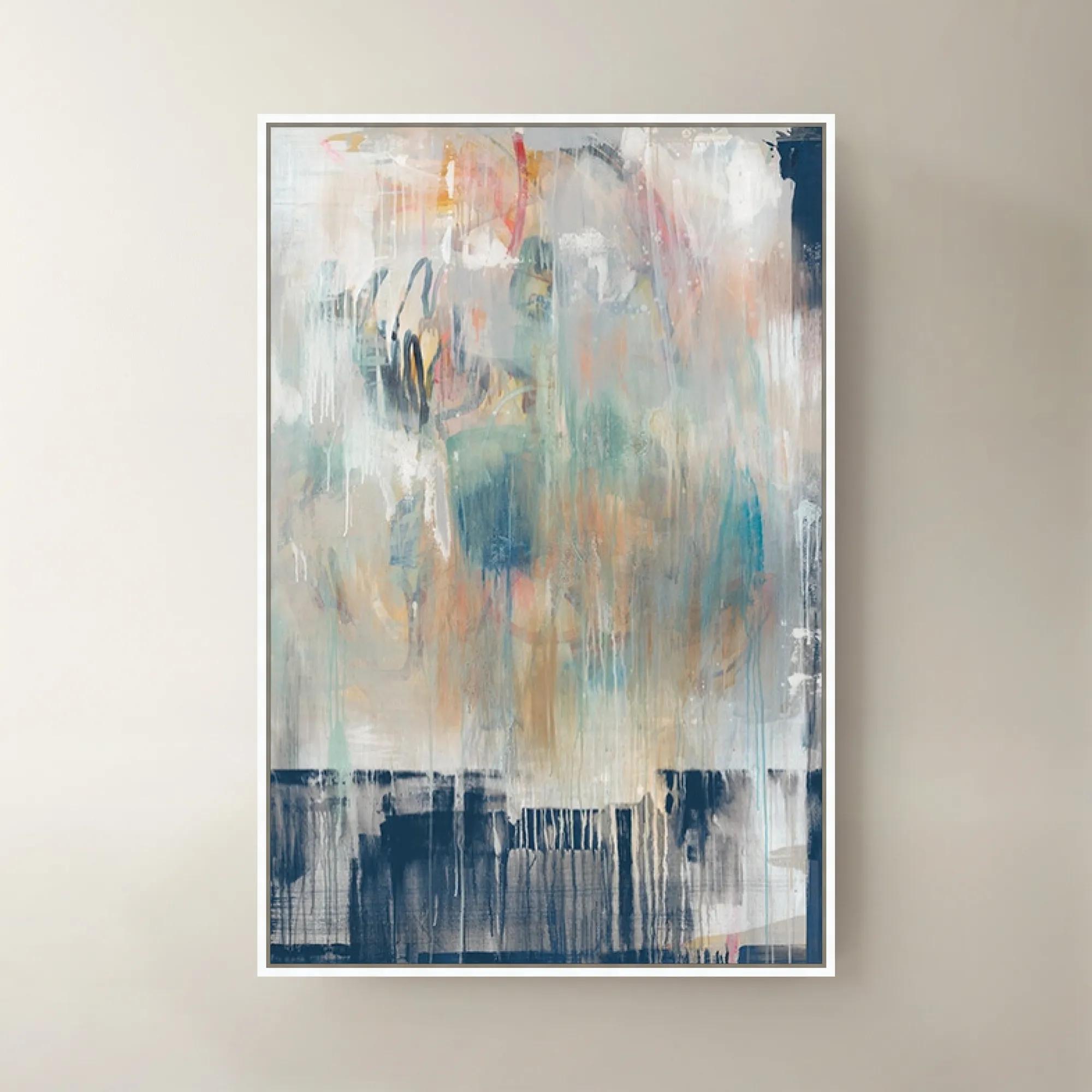
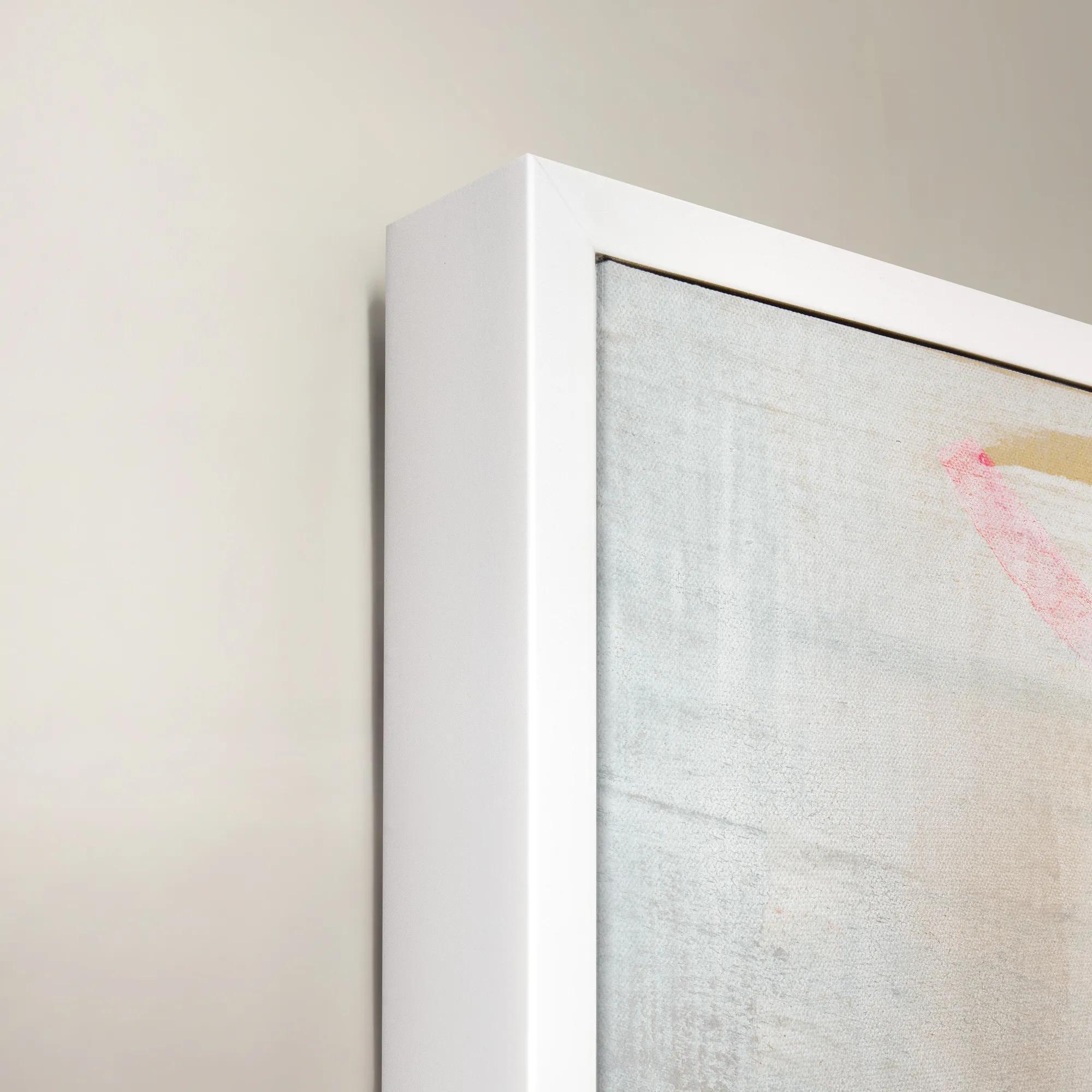 Disrepair III Framed Wall Art 40" x 60"$1099
A multicolored canvas wall artwork in a framed presentation, bringing expressive contemporary character to interiors.
Add To Cart -
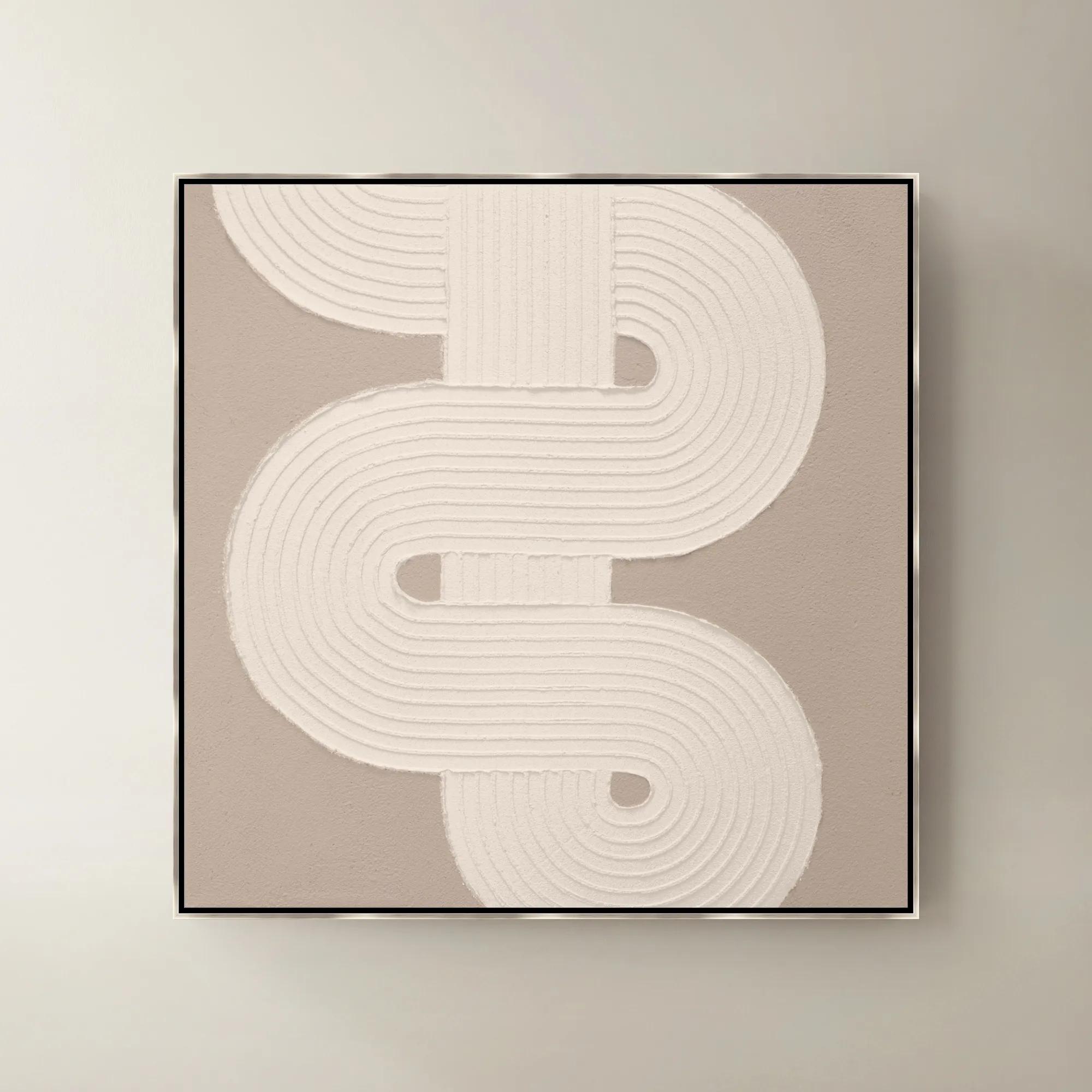
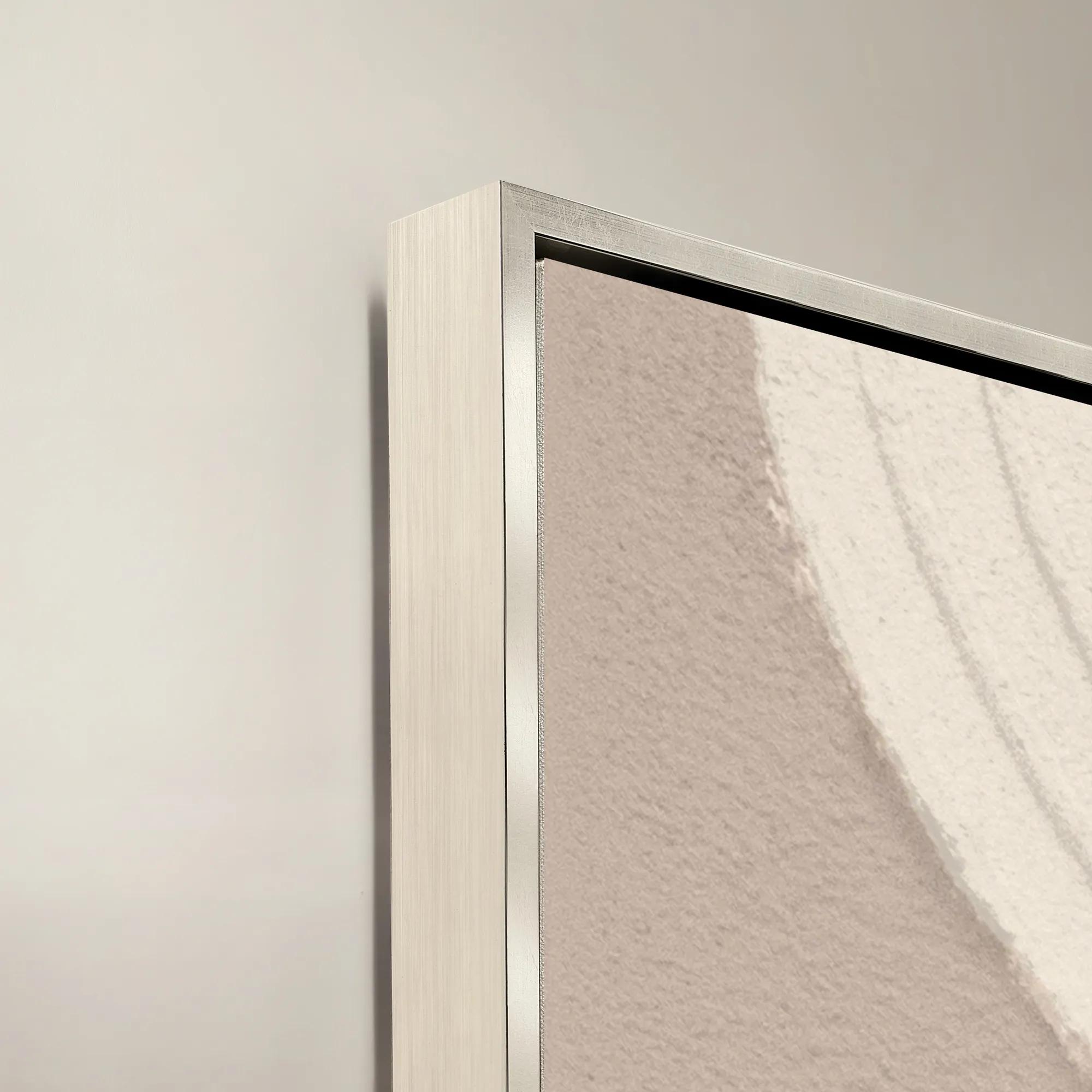 Sacred Geometry V Framed Painted Wall Art 40" x 40"$1099
A striking abstract art piece featuring bold geometric patterns for a modern, sophisticated touch.
Add To Cart -
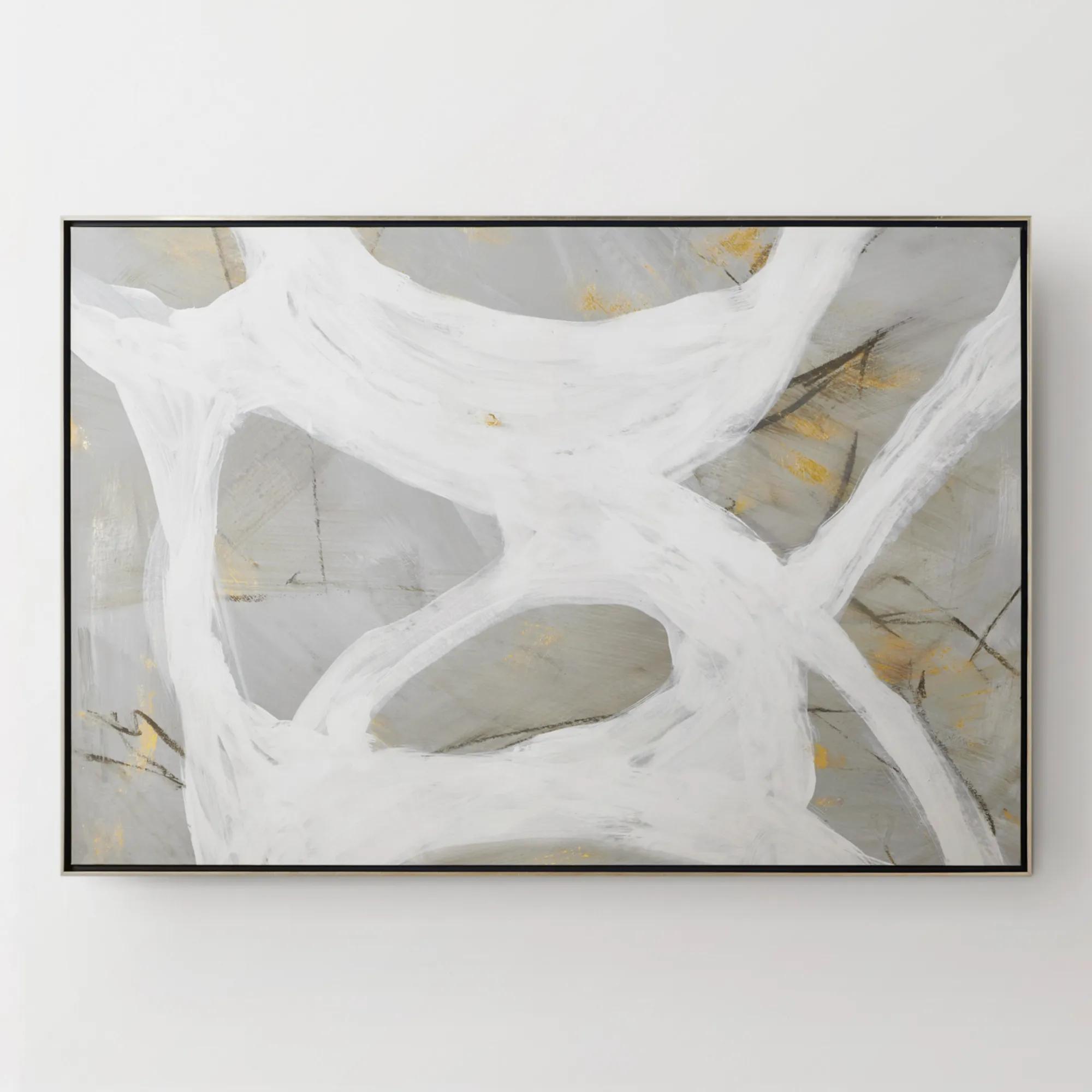
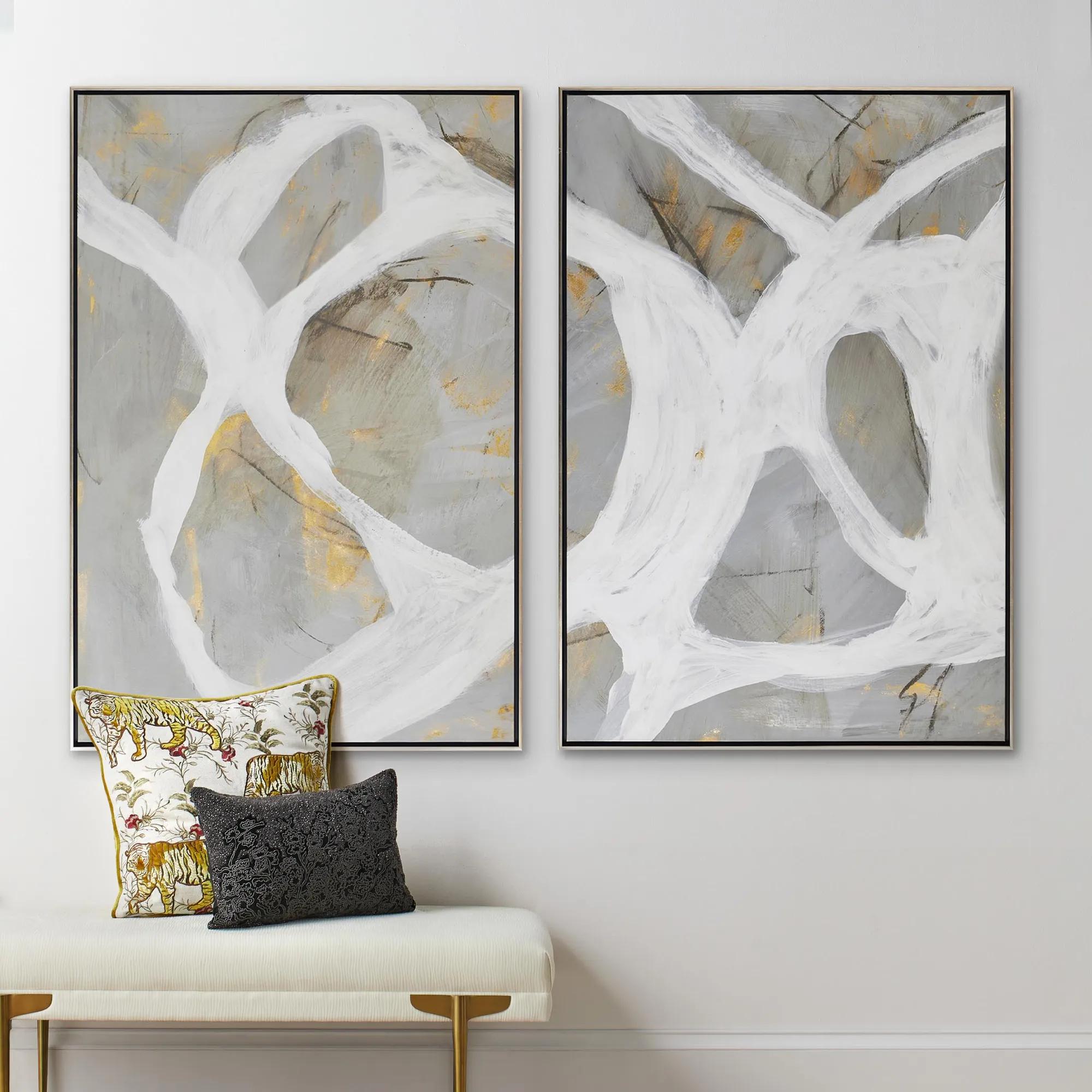 Les Series Framed Painted Wall Art II 61" x 41"$1099
An abstract canvas artwork featuring bold brushstrokes, hand-applied gold accents, and a silver floater frame.
Add To Cart -
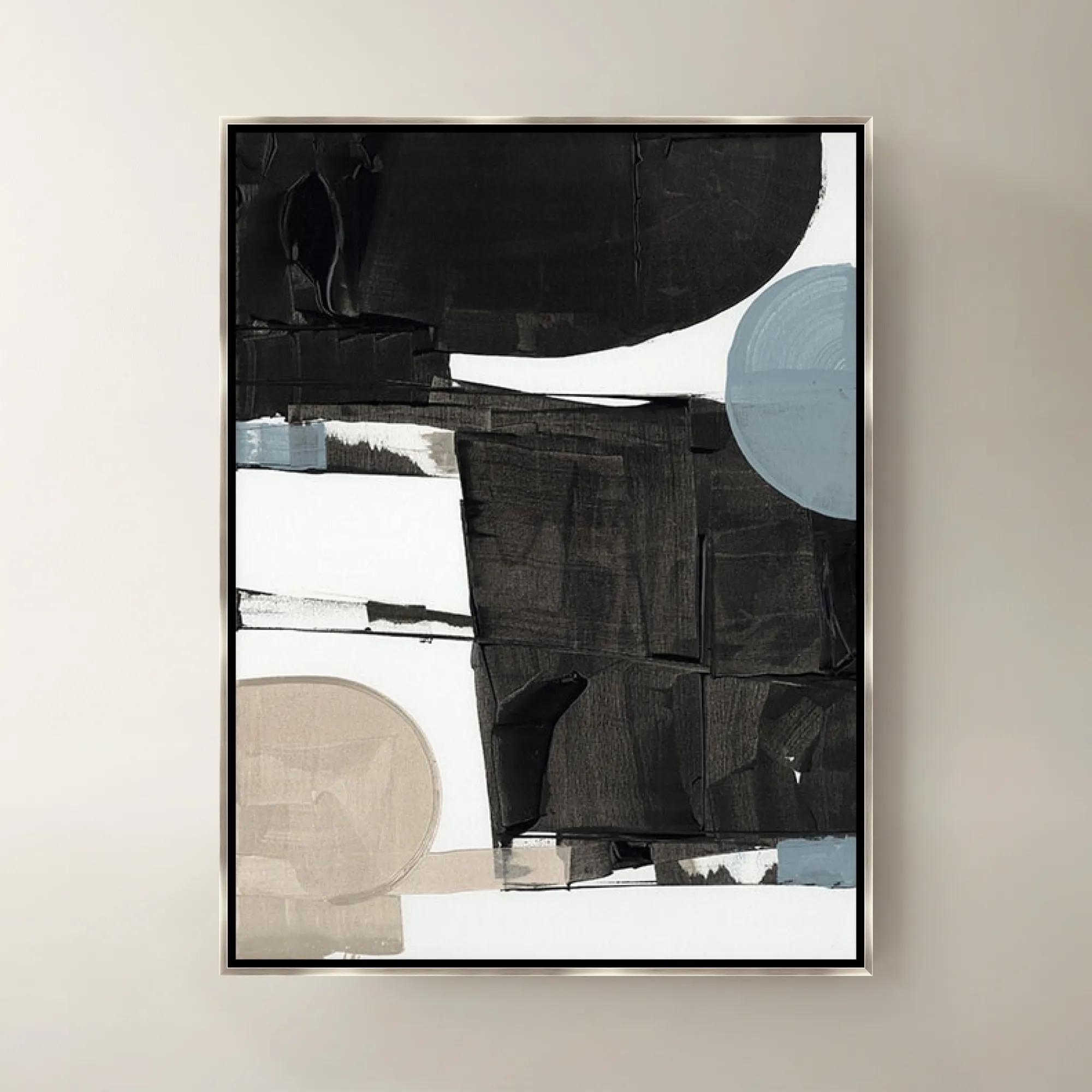
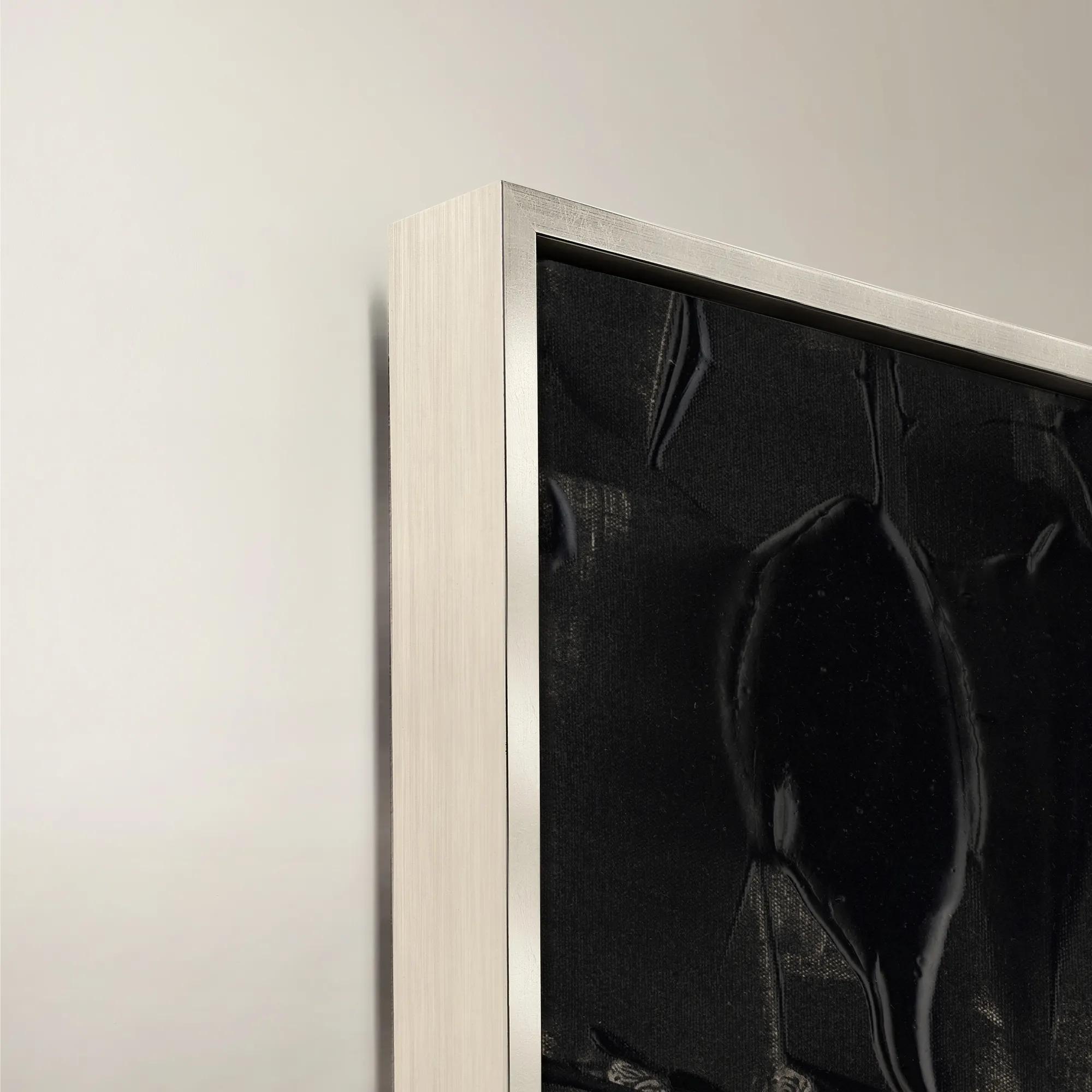 Blanc de Blancs II Framed Wall Art 24" x 30"$519
A sophisticated black canvas artwork presented in a refined frame, bringing modern elegance to your walls.
Add To Cart -
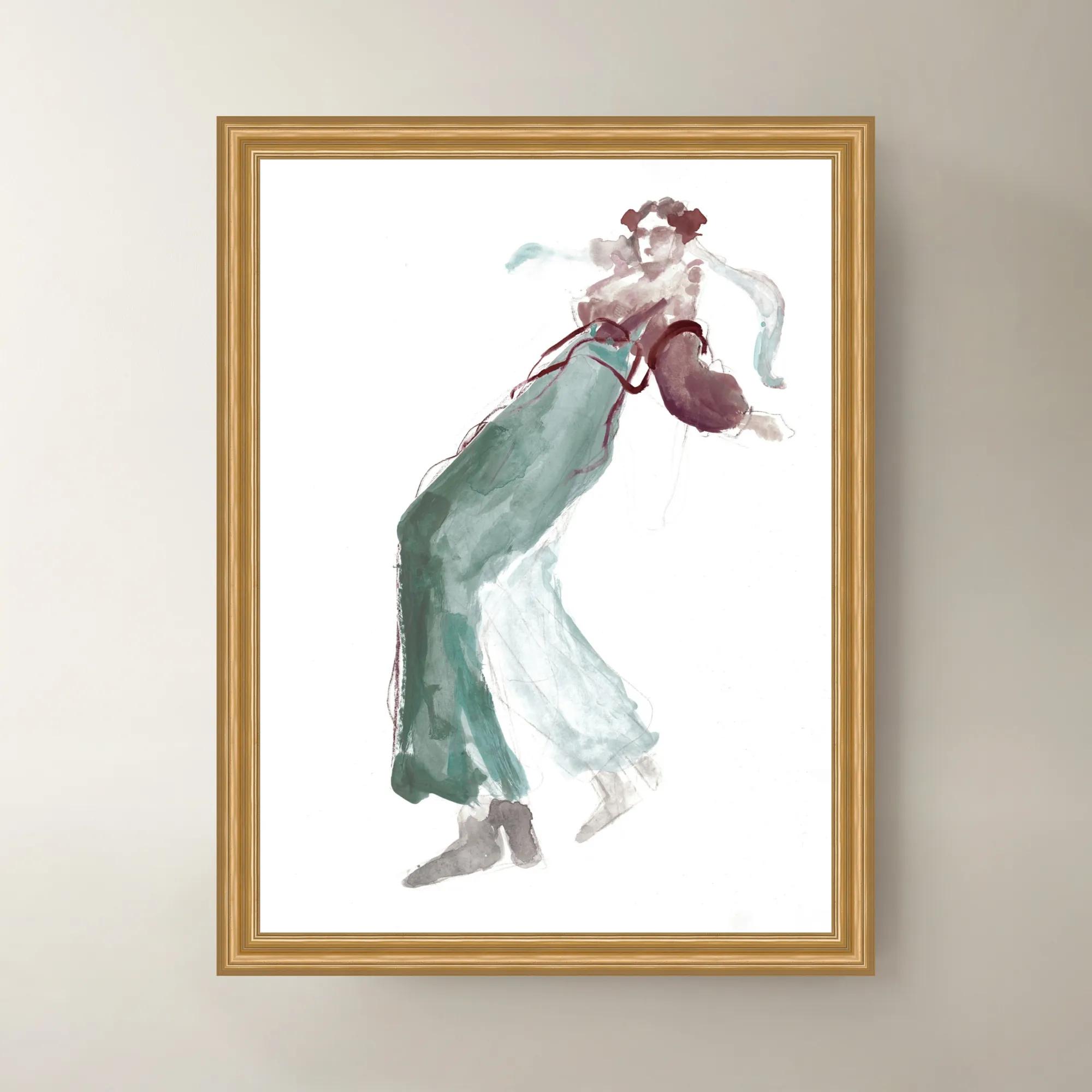
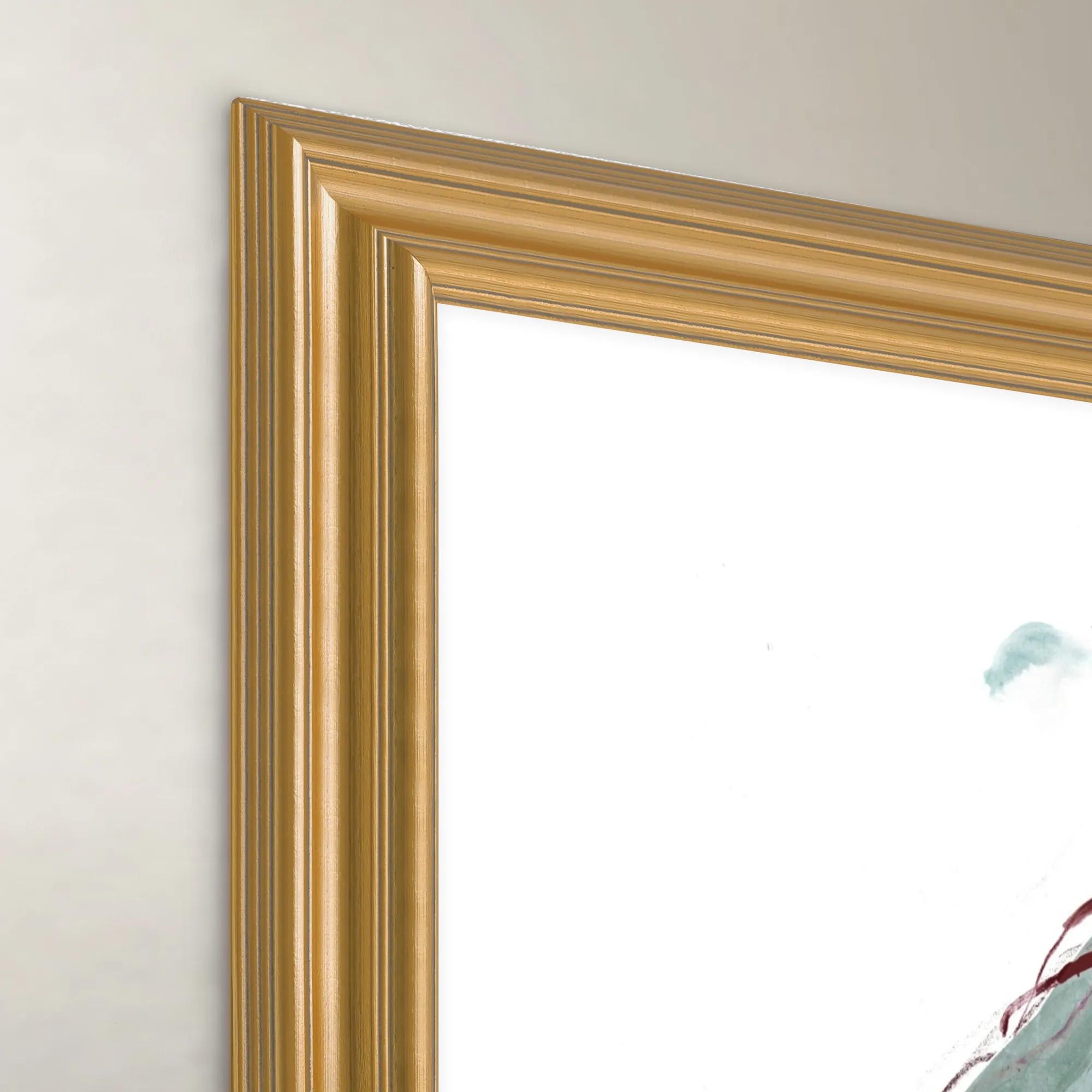 A Le Mode II Framed Wall Art 30" x 40"$799
A green canvas wall art piece presented in a sleek frame.
Add To Cart -
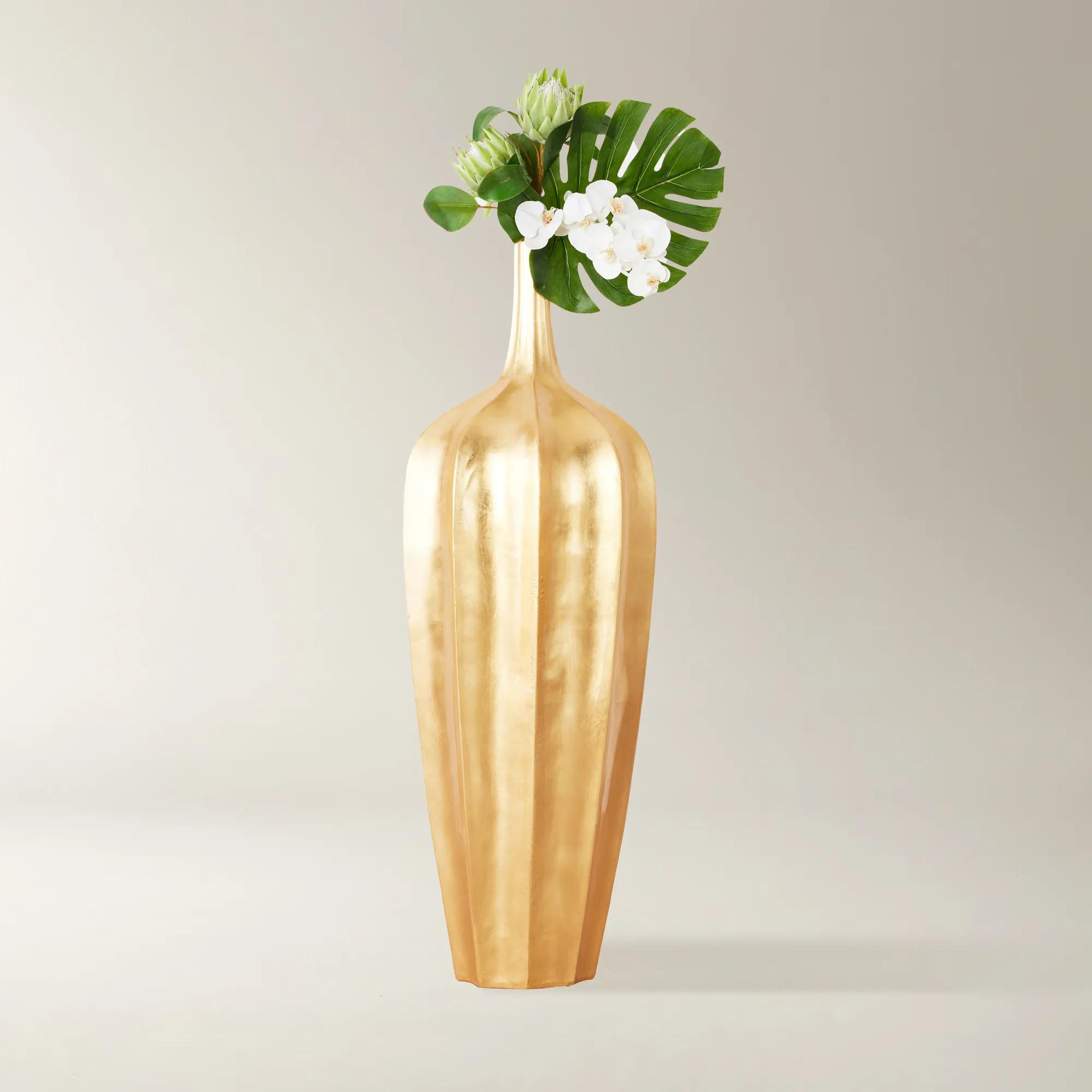 Accolade Gold Leaf Resin Floor Vase 48.75"$539
A fluted fiberglass vase featuring a lustrous gold foil finish for a striking decorative accent.
Add To Cart

Decor For Commercial Spaces
Elevate your business environment into a destination with Decor for Commercial Spaces that dares to inspire. Every detail, from sculptural accents to gleaming surfaces, is an opportunity to spark conversation and capture imagination. Whether curating a boutique hotel lobby or designing an unforgettable office lounge, discover statement pieces that transform the ordinary into the extraordinary. With Z Gallerie’s signature flair for drama and artistry, your commercial space becomes more than functional—it becomes a canvas for bold expression and lasting impression.
Decor for commercial spaces should do more than fill an empty room—it should introduce the atmosphere your business wants people to remember. In a reception area, boutique, restaurant, studio, office, or hospitality setting, every visible detail contributes to the story of the brand, from the first impression at the entrance to the final glimpse guests take before they leave. Choose pieces with a point of view: sculptural forms that create a memorable focal point, reflective finishes that send light across a darker interior, and tactile materials that make a space feel considered rather than strictly functional. A well-appointed lobby may call for a dramatic arrangement that welcomes visitors with confidence, while a private office benefits from layered accents that feel polished without becoming distracting. Retail environments can use decorative elements to guide the eye toward featured merchandise, and restaurants can use artful styling to give dining areas a sense of occasion. Even compact commercial spaces can feel expansive when scale is handled thoughtfully. One substantial statement can have more impact than a crowded collection of smaller accents, particularly when it is framed by open space, tonal walls, or carefully directed lighting. For a cohesive look, begin with the character of the business—sleek and architectural, warm and inviting, richly glamorous, or expressive and eclectic—then select finishes and forms that reinforce that identity throughout the room.
When choosing decor for commercial spaces, balance visual drama with the realities of daily use. Consider the traffic pattern, the amount of natural light, the height of the ceiling, and the distance from entrances, workstations, dining areas, or customer-facing displays. Finishes should complement the demands of the setting, while furnishings and decorative elements should be positioned so pathways remain clear and the room feels effortless to navigate. In high-traffic areas, favor substantial construction, stable silhouettes, and materials that can be maintained without losing their luster. In open-plan offices, decorative screens, textured wall treatments, and carefully arranged furnishings can help define zones while softening the visual and acoustic intensity of a large room. Layered lighting is equally transformative: ambient illumination creates an inviting base, task lighting supports concentration, and sculptural fixtures or illuminated accents establish a signature moment above a reception desk, conference table, bar, or lounge. Natural elements bring another dimension to commercial interiors. Greenery, organic textures, wood tones, stone-inspired surfaces, and softly irregular forms can temper polished architecture and create a more restorative environment during the cooler months, when people often spend more time indoors. Sound deserves attention as well; plush textiles, upholstered surfaces, and dimensional wall decor can help absorb echo and make conversations feel more comfortable. For branded environments, use color, geometry, and material language as subtle extensions of the visual identity rather than relying on repetition alone. A restrained palette with one gleaming accent may feel more elevated than an interior filled with competing logos, while a bold tonal composition can turn a waiting area or showroom into a memorable brand encounter.
The most successful commercial interiors feel personal, even when they serve a broad audience. A design firm may select dramatic accents for a client presentation area, a property manager may refresh a shared lounge before a new season of residents arrives, or a small business owner may use expressive decor to make a new storefront feel established from its first day. These pieces can also be thoughtful gifts for a business opening, office milestone, client appreciation gesture, or team celebration—particularly when the style is versatile enough to enhance a reception area, conference room, lounge, or hospitality suite. Look for scale and finish that will remain compelling as the environment evolves, allowing the decor to work alongside changing artwork, seasonal arrangements, and updated brand colors. Broad, adaptable tones can anchor a room through early fall and into the cooler months, while metallic accents, smoky neutrals, deep jewel tones, and tactile surfaces add warmth without tying the setting to a single occasion. For businesses that move between commercial and residential styling, the same design instincts apply: create contrast, establish rhythm, and give the eye a place to rest. Explore Decor for Contemporary Living Spaces for additional inspiration on bringing sculptural detail, luminous finishes, and layered sophistication into interiors of every kind. With the right balance of artistry, durability, scale, and purpose, commercial decor can transform an ordinary workplace or customer-facing setting into a destination—one that feels polished at the threshold, comfortable in use, and unmistakably its own.
FAQs
When curating décor for commercial environments, focus on creating a cohesive narrative that reflects the brand’s identity and purpose. Consider the mood you wish to evoke—whether it’s inviting sophistication for a hotel lobby or energizing creativity for a collaborative workspace. Pay close attention to materials, finishes, and textures that complement the architecture and lighting of the space. Opt for pieces that balance durability with artistry, ensuring they will withstand daily use while making a memorable visual impact.
Décor has the power to transform the energy of a commercial space, setting the tone for every interaction. Sculptural accents, statement lighting, and thoughtfully placed artwork can inspire creativity, foster relaxation, or convey professionalism. By layering textures and integrating bold, expressive elements, you create an environment that feels both functional and extraordinary—one that leaves a lasting impression on clients, guests, and employees alike.
Décor selections for commercial spaces are often made by a collaborative team that may include business owners, interior designers, architects, and facility managers. Each brings a unique perspective, balancing practical needs with creative vision to ensure the final result aligns with the brand’s values and the intended experience for visitors and staff.
Absolutely. A carefully chosen décor piece—such as an artful vase, a sophisticated tray, or a unique sculpture—can serve as a meaningful and memorable gift for business partners or valued clients. These pieces not only elevate their workspace but also symbolize appreciation and a shared commitment to excellence in design.
Seasonal shifts offer an opportunity to refresh commercial spaces with new colors, textures, and accents. In autumn, for example, incorporating warm metallics, plush textiles, and rich, earthy tones can create a welcoming atmosphere that resonates with the season’s natural beauty. Rotating décor elements in tune with the calendar keeps the environment dynamic and engaging for everyone who enters.

.jpeg?w=4217&h=4217)