Decor For Contemporary Living Spaces
Decor For Contemporary Living Spaces
-
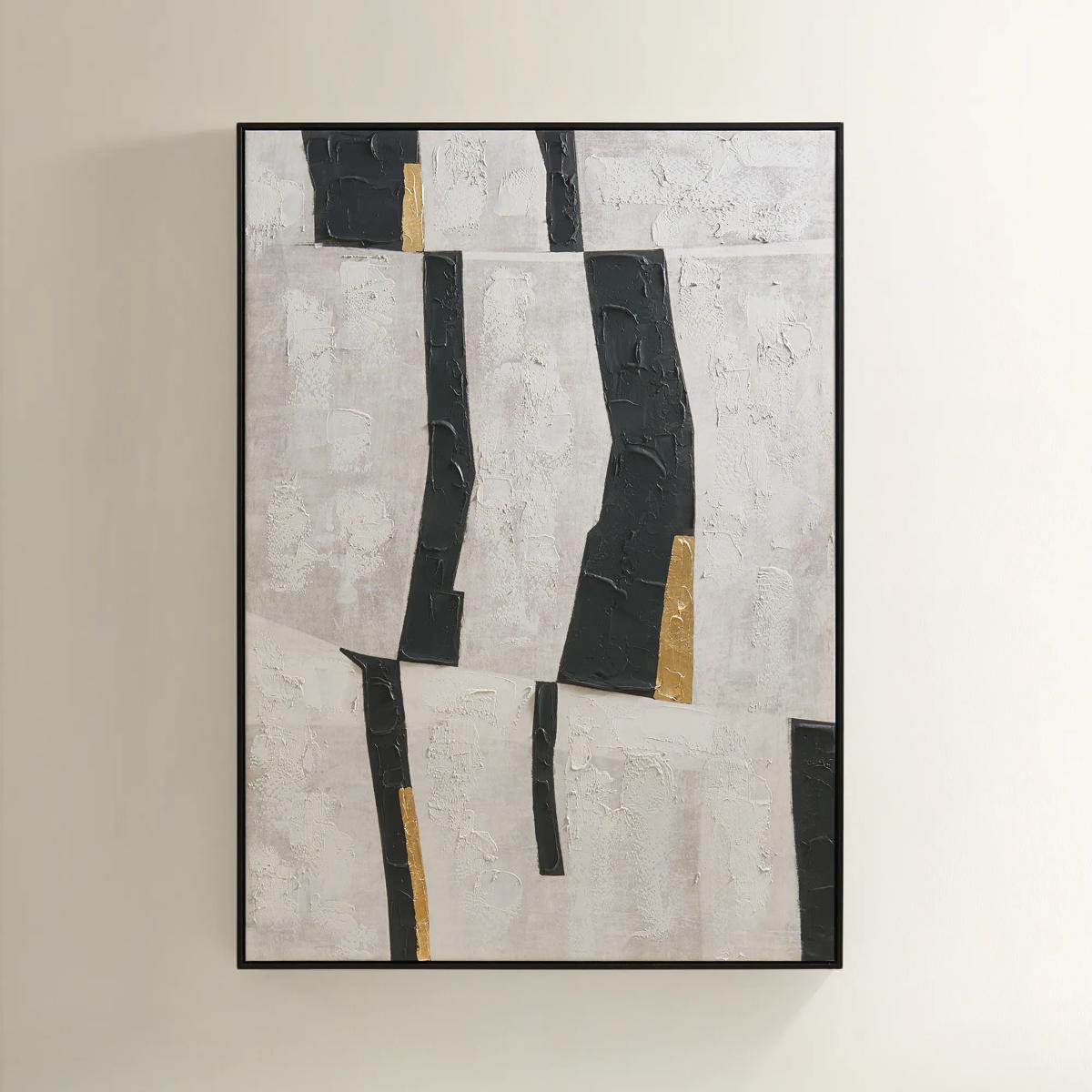
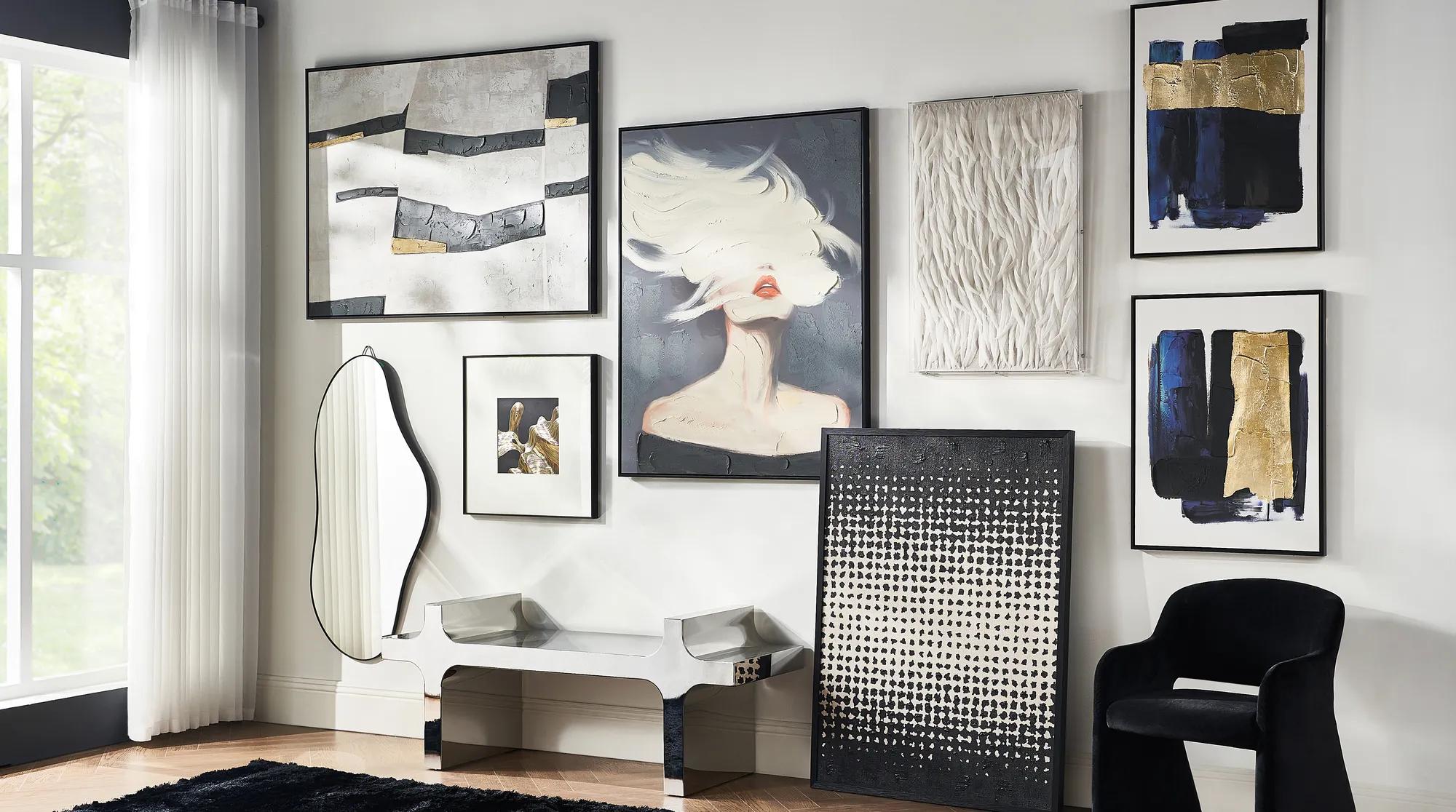
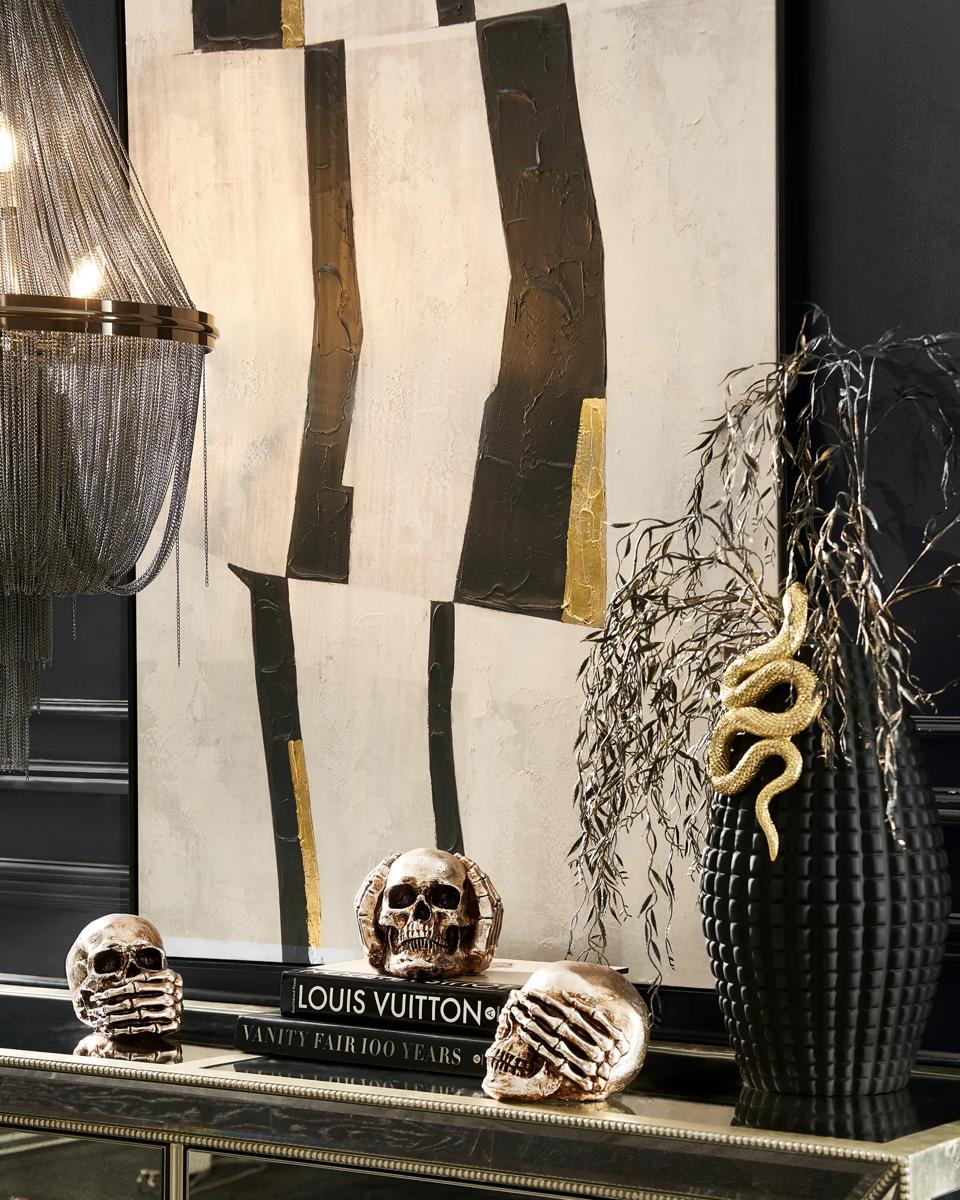 Into the Groove Painting$449
A modern abstract canvas featuring black, gray, and gold leaf accents in a sleek black floater frame.
Add To Cart -
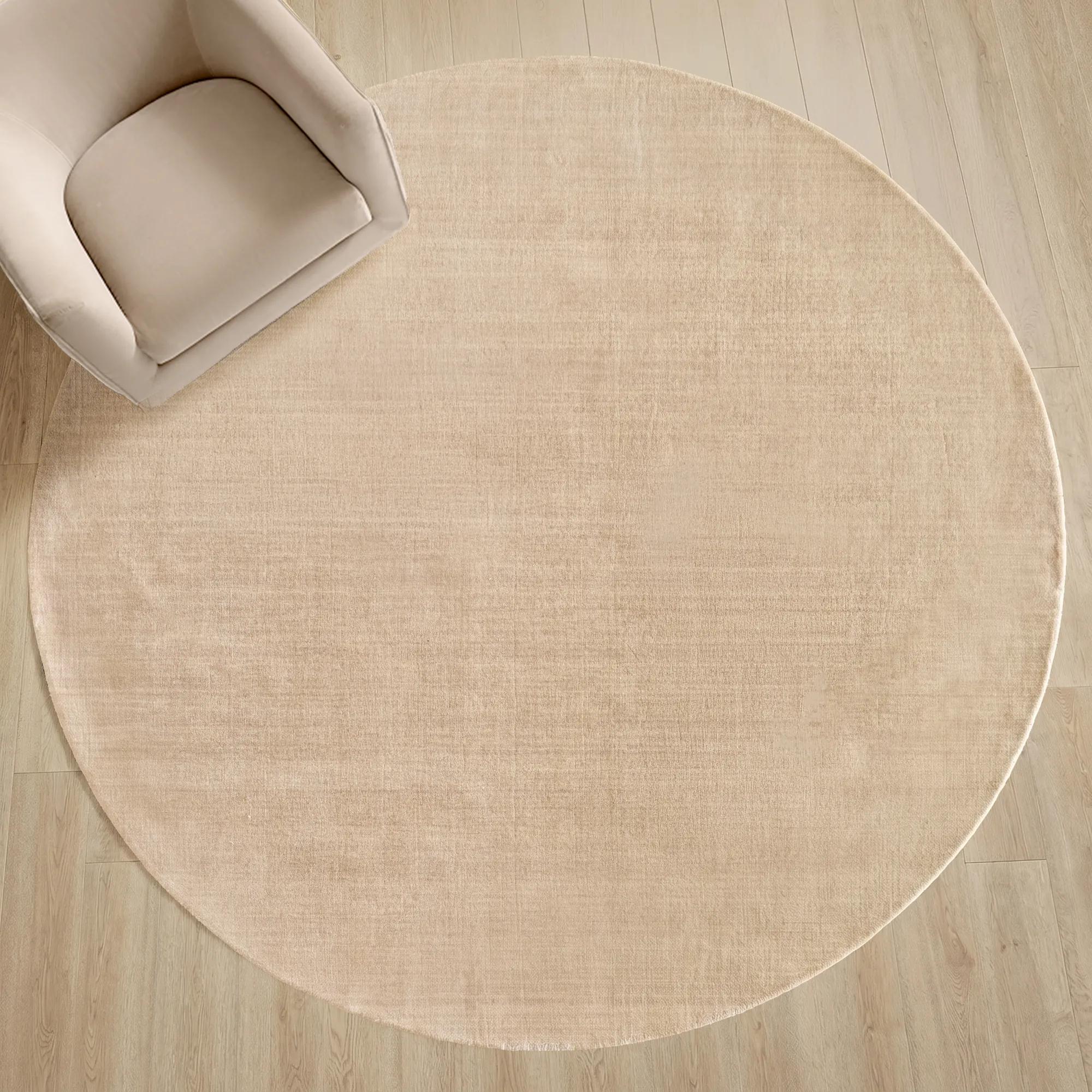 Juni Hand Woven Heathered Warm Beige Round Rug$1399
A handwoven round wool rug in heathered warm beige, offering refined texture and everyday durability.
Add To Cart -
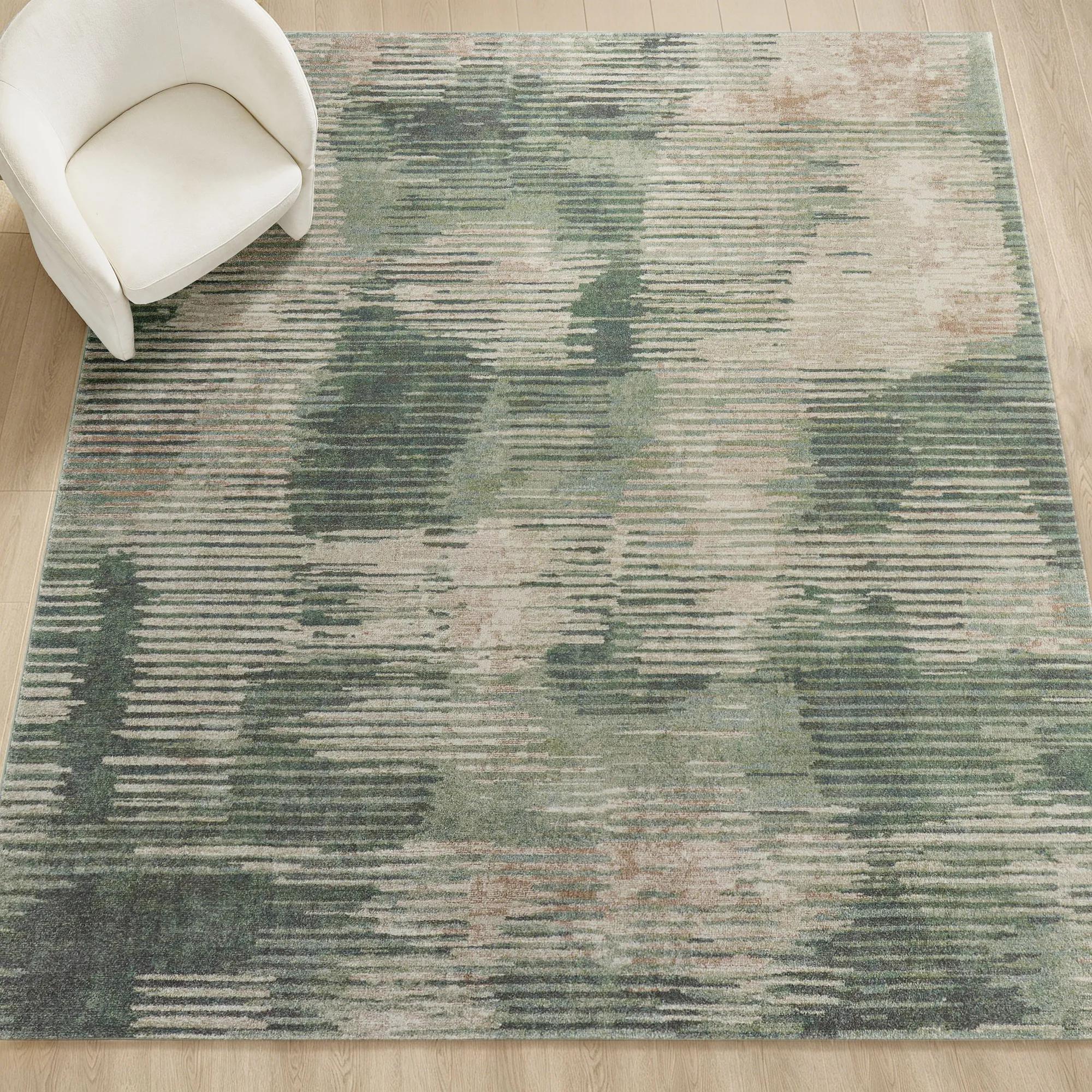
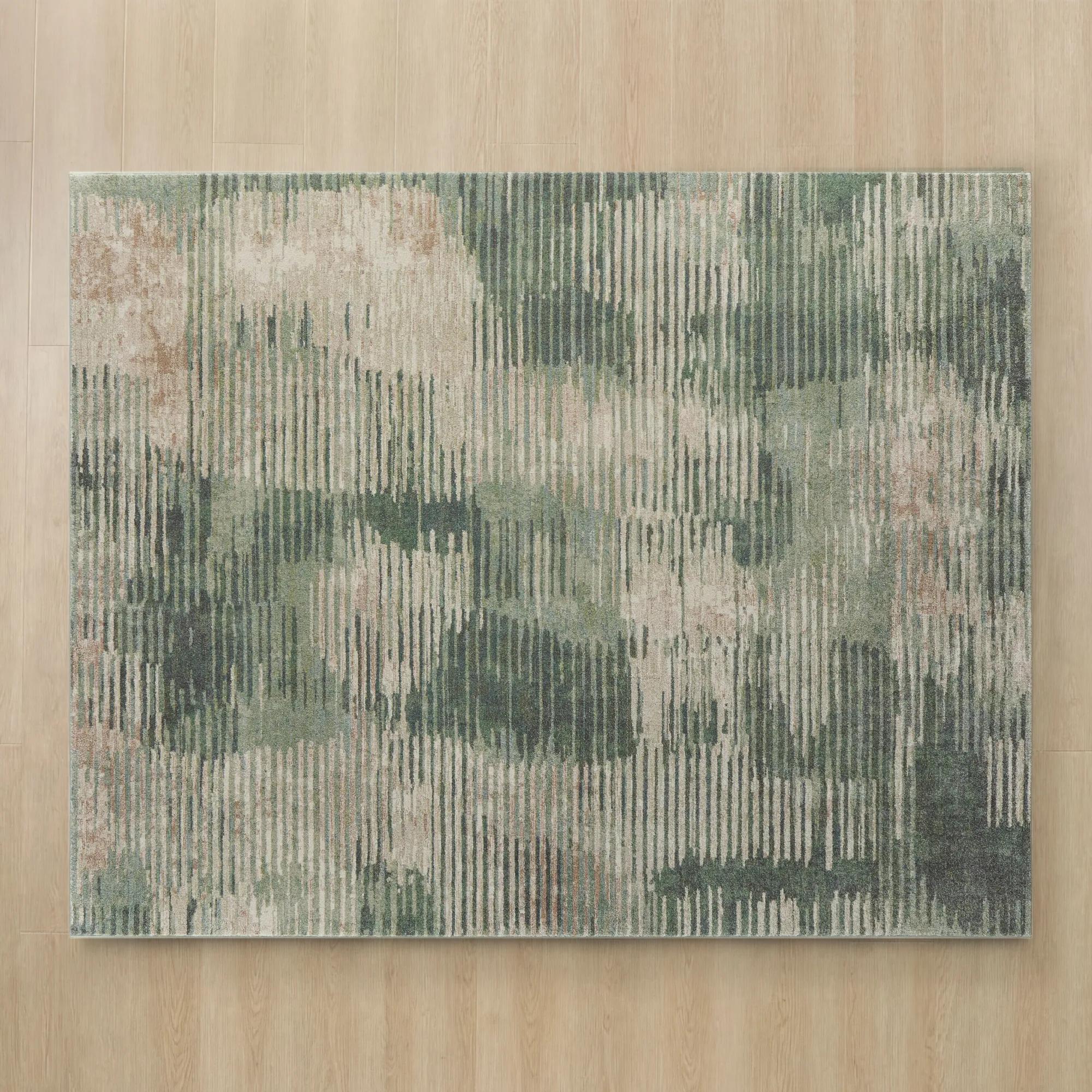 Sylvan Green/Beige Power Loomed Rug$689
A contemporary rug featuring a smoked olive green and beige organic pattern with a soft, power-loomed polypropylene pile.
Add To Cart -
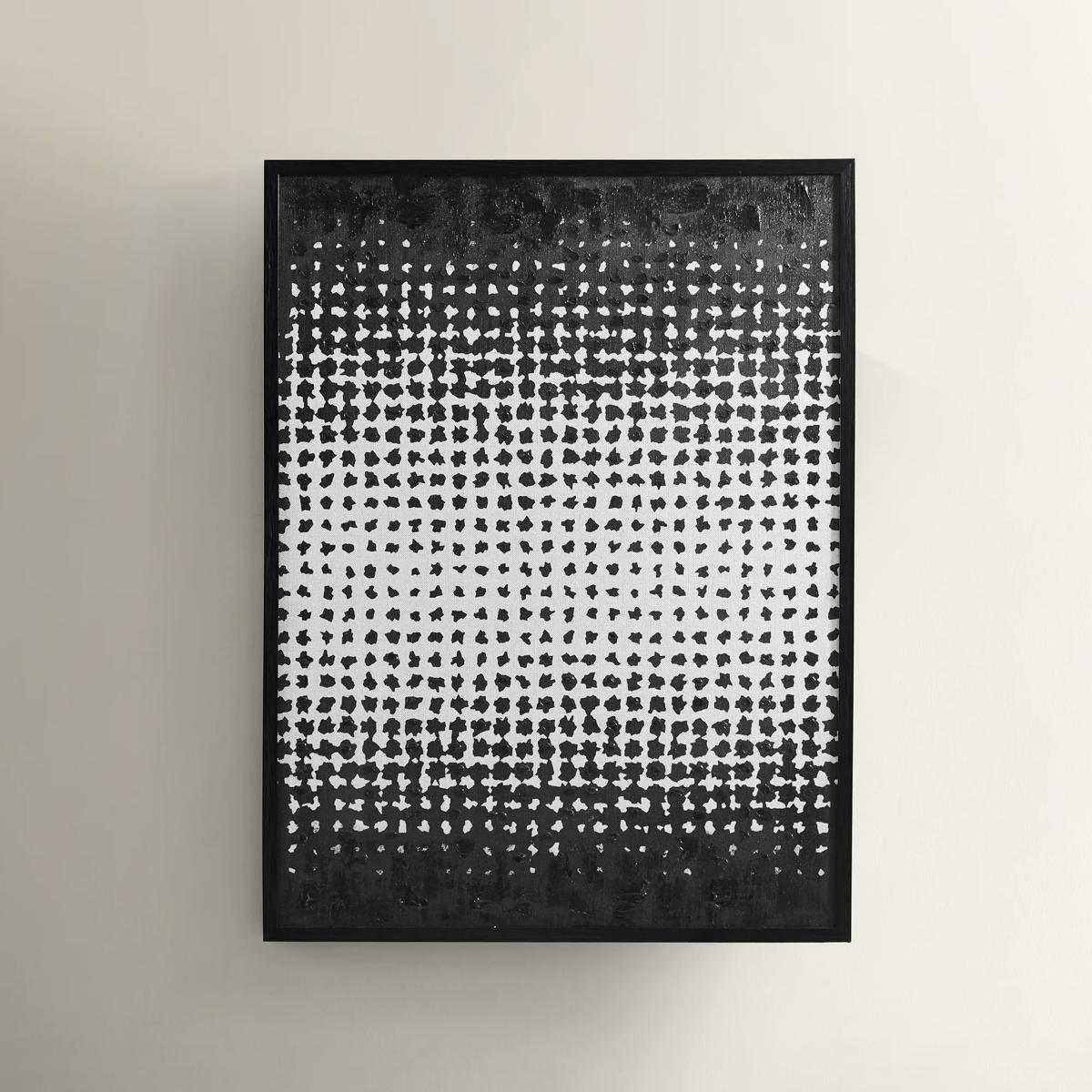
 In Time Painting$399
A hand-painted linen canvas featuring cream and black dots in a modern, minimalist geometric pattern.
Add To Cart -
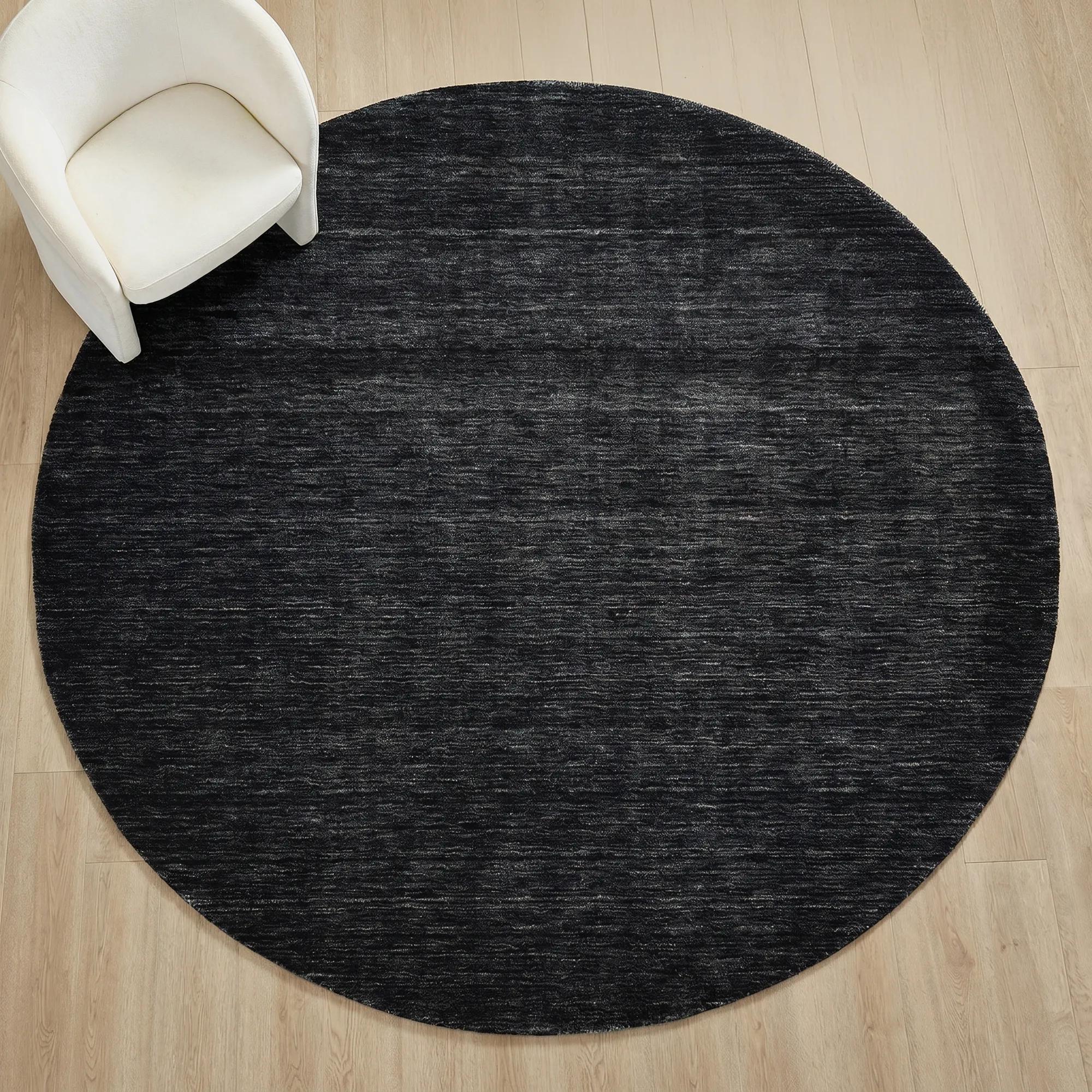 Juni Hand Woven Heathered Black Rug$799
A handwoven round wool rug in heathered black, offering durable texture and moody, contemporary style.
Add To Cart -
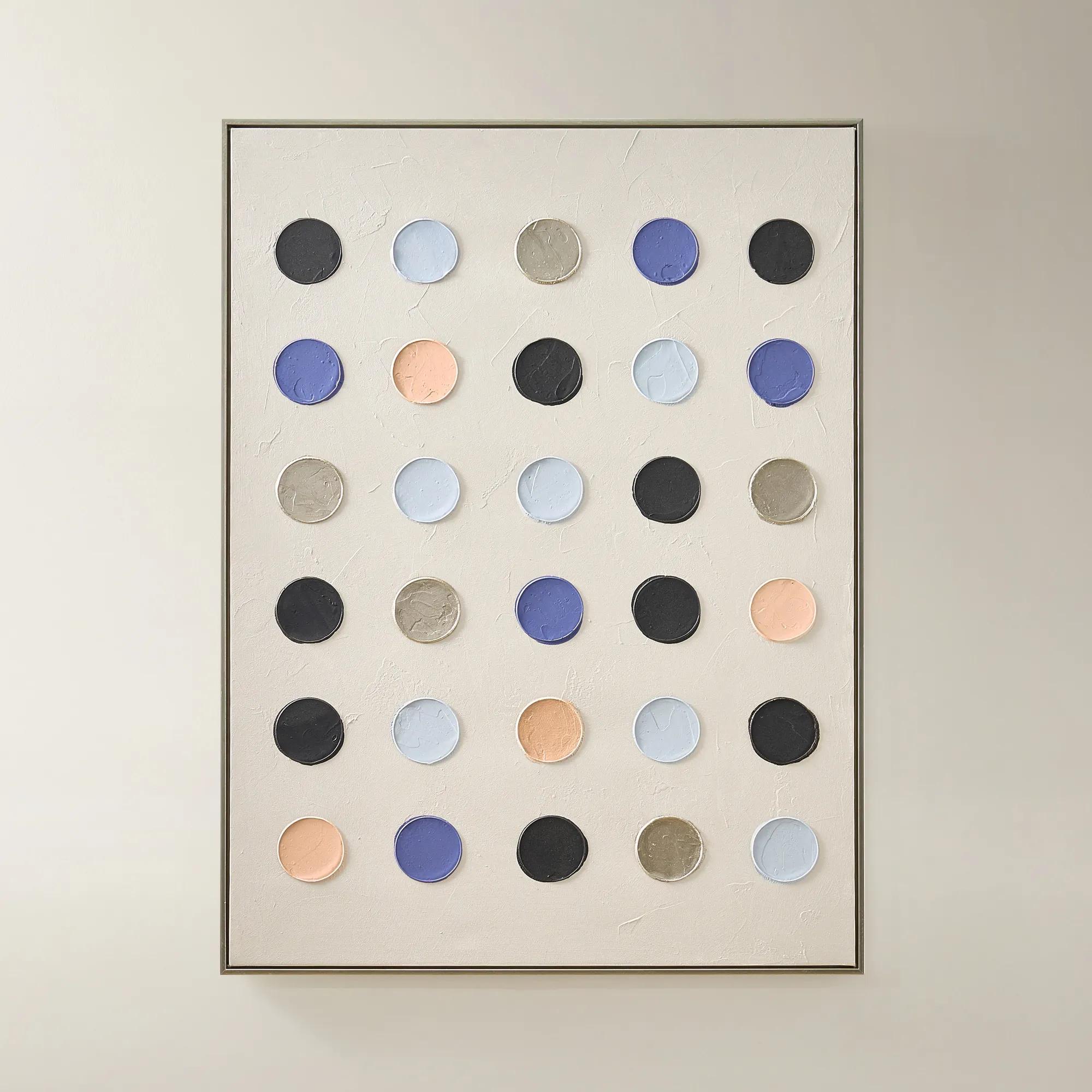
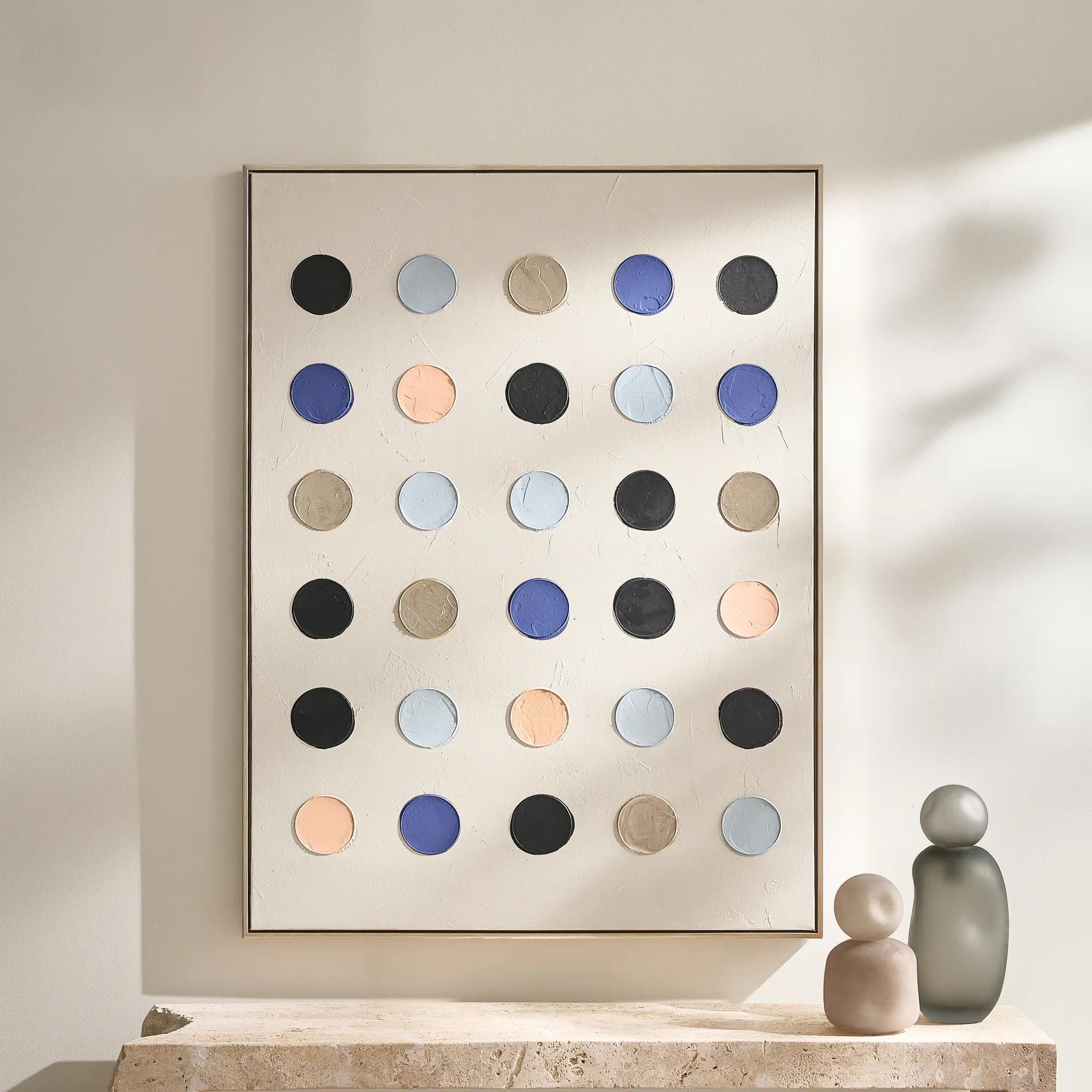 Polka Dot Framed Painted Wall Art 35" x 47"$299
A multicolored polka dot painting on framed canvas, bringing playful modern artistry to your walls.
Add To Cart -
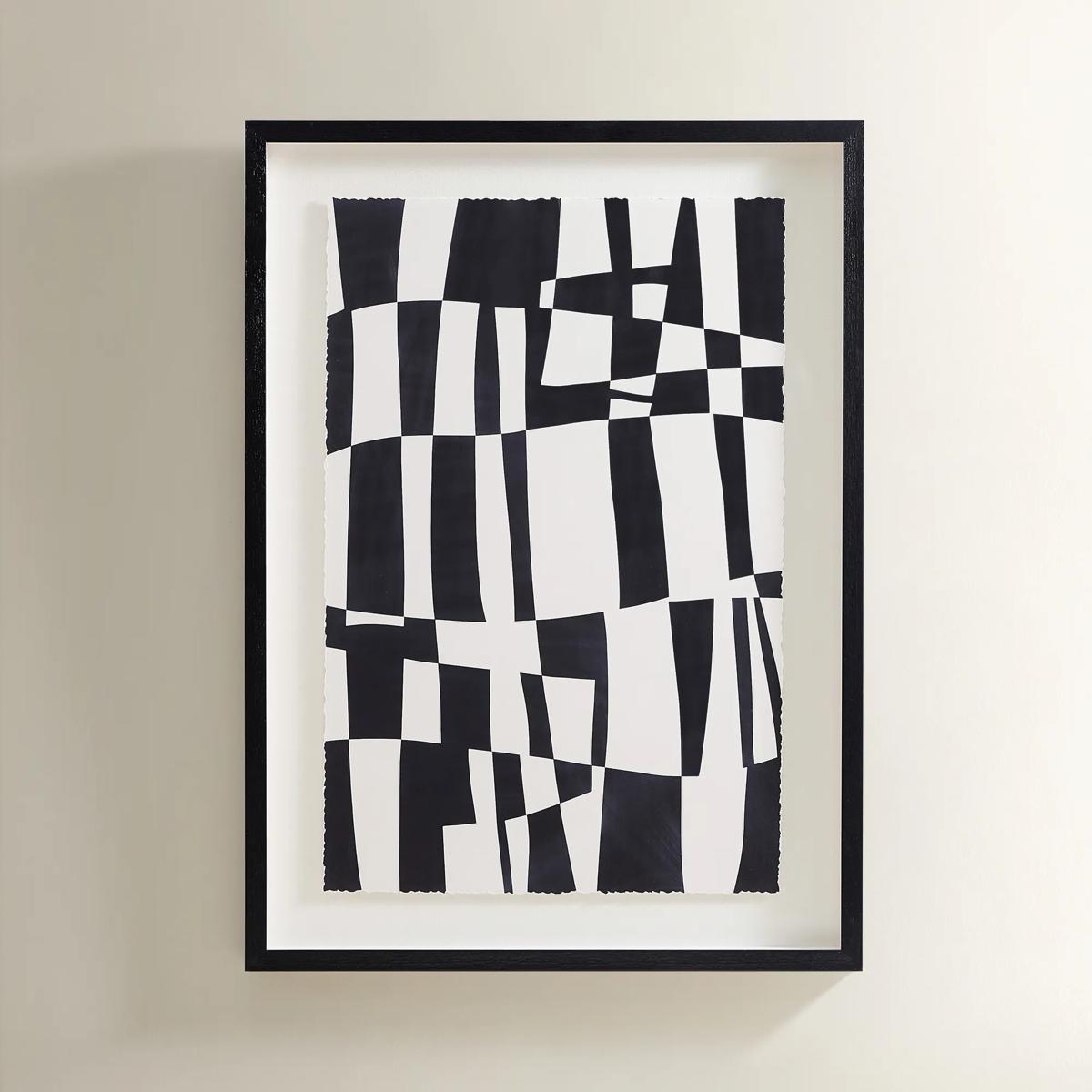 Matrix Art$369
A striking black and white abstract grid print set in a sleek black polyresin frame.
Add To Cart -
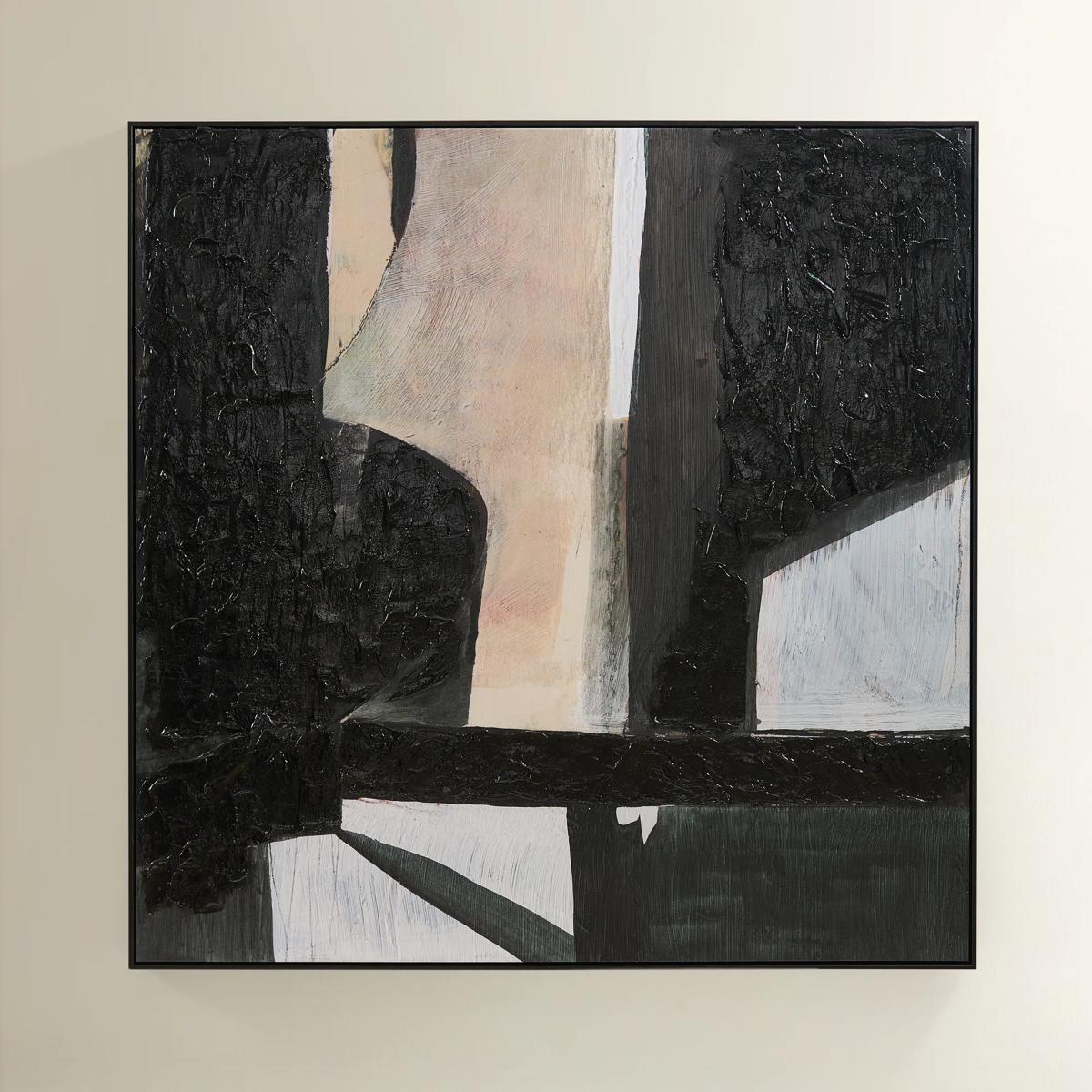 Grounded Painting$699
A hand-painted abstract canvas featuring black, cream, and earth tones in a sleek black floater frame.
Add To Cart -
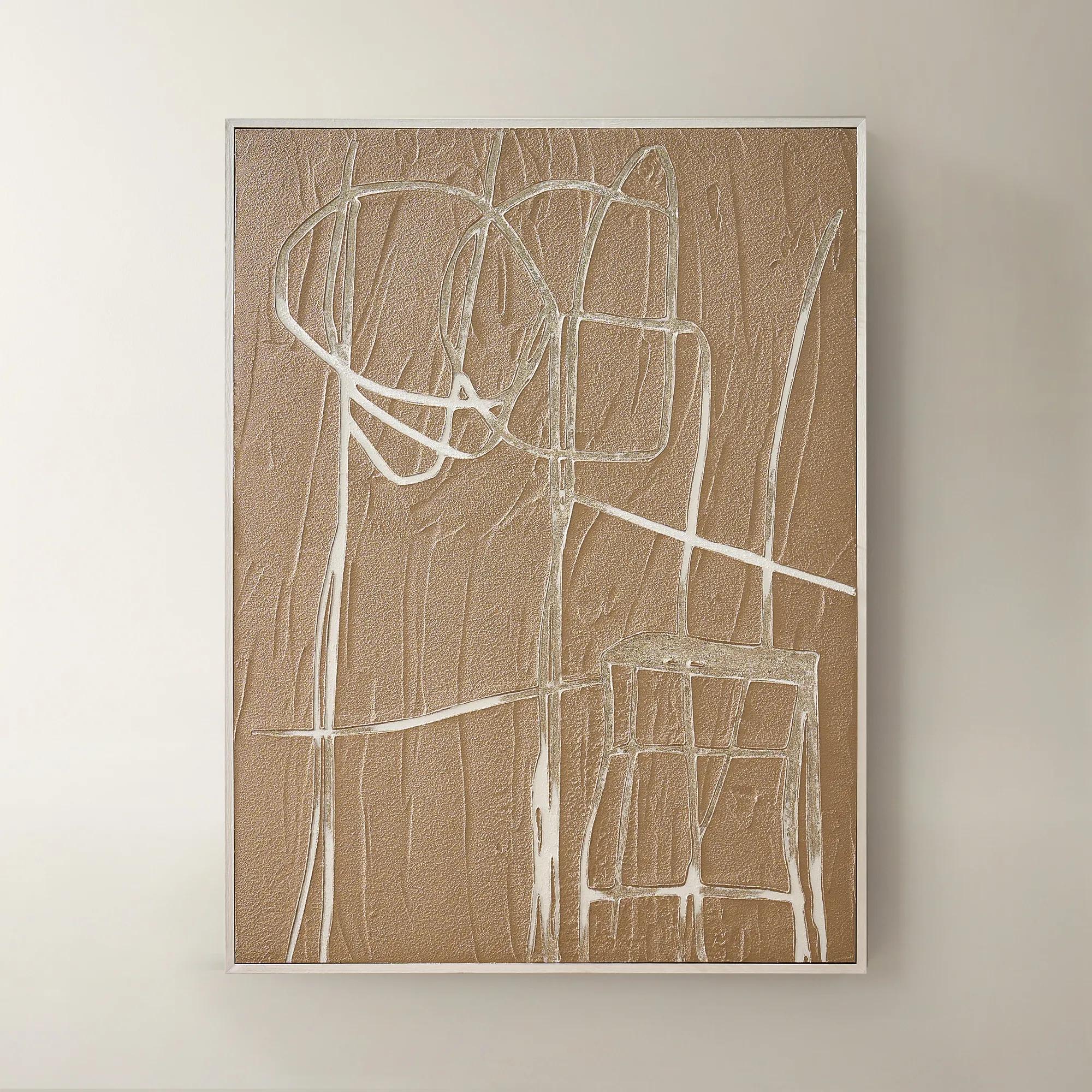
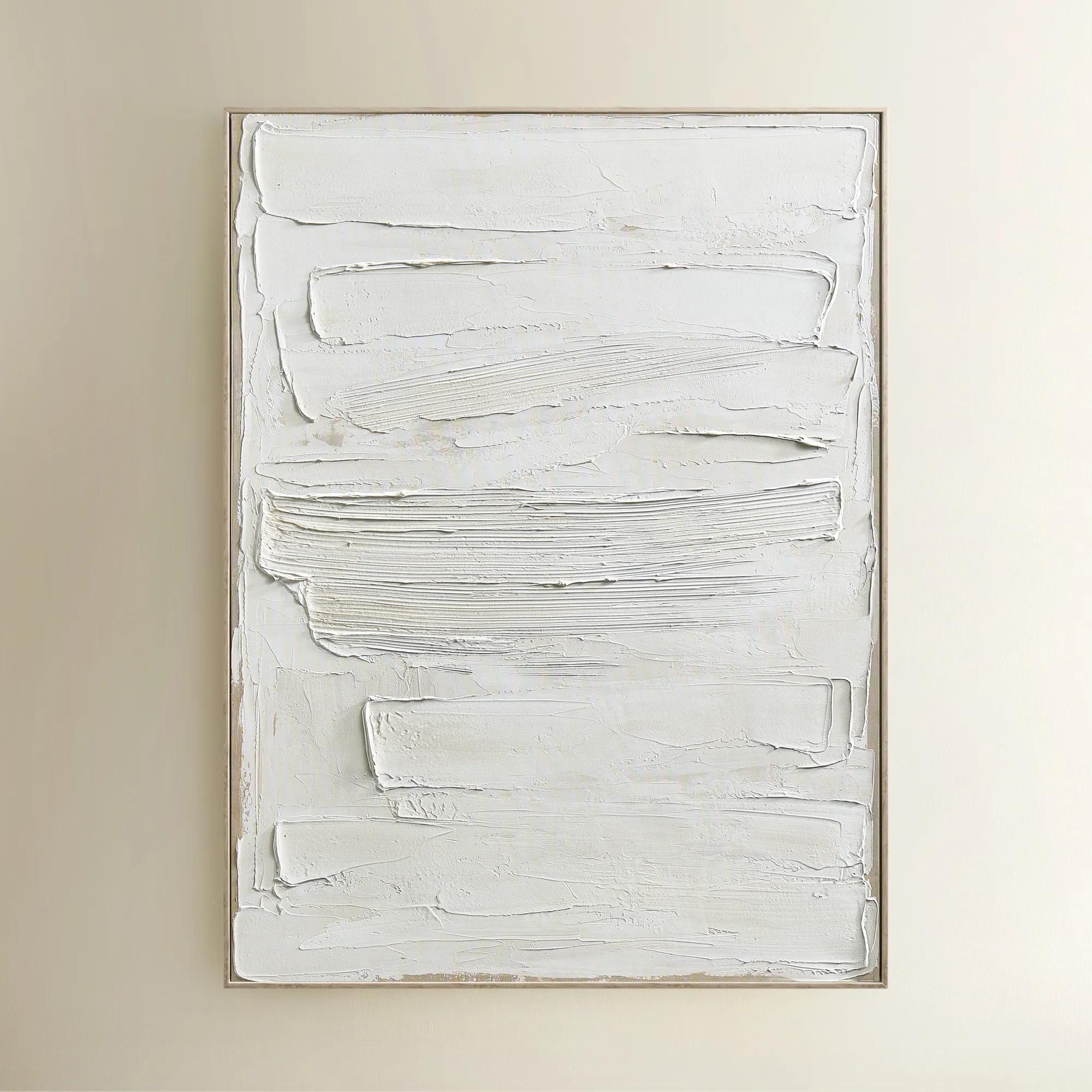
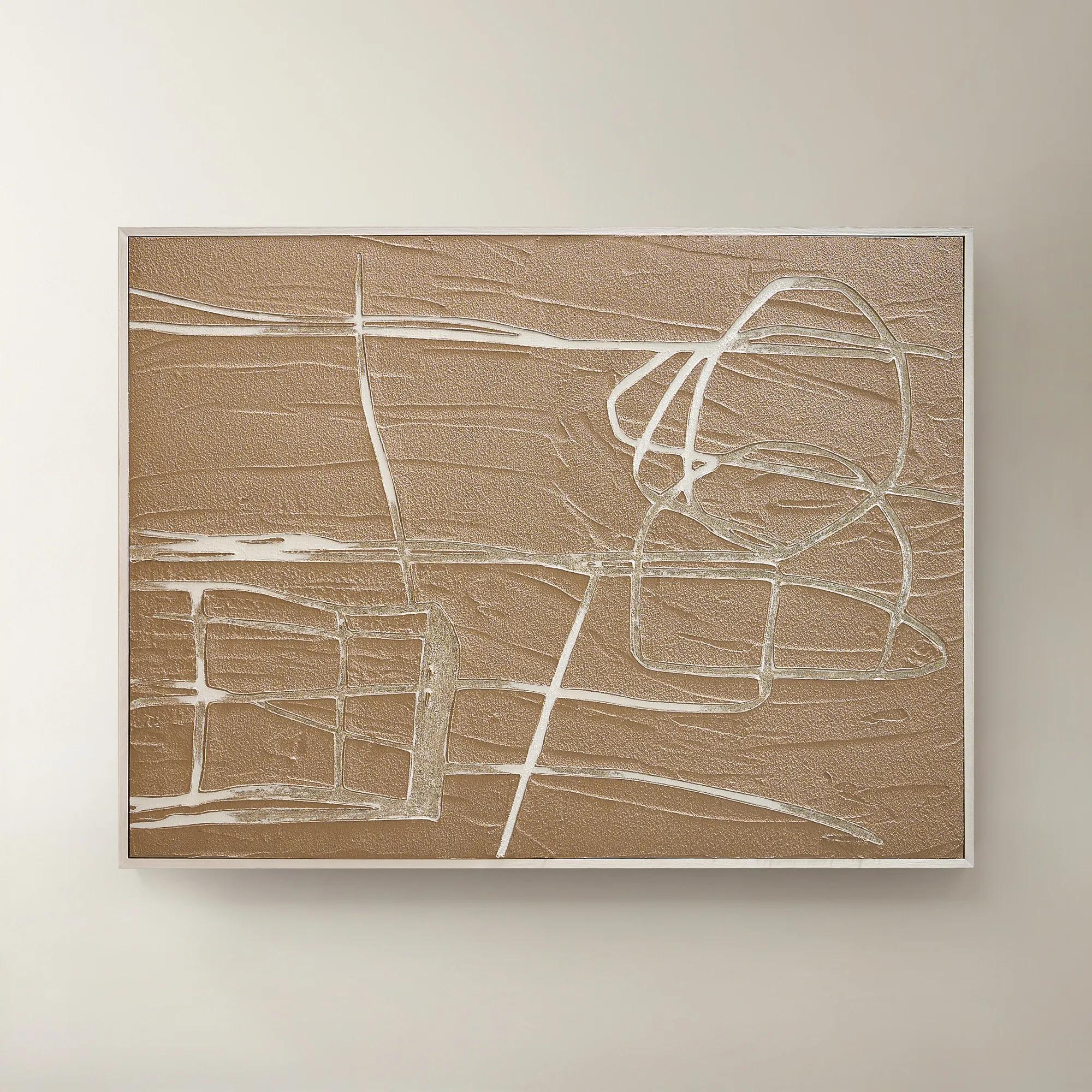 Linear Sand Framed Painted Wall Art 35" x 47"$369
A contemporary sand-toned painted canvas artwork framed for sophisticated modern interiors.
Add To Cart -
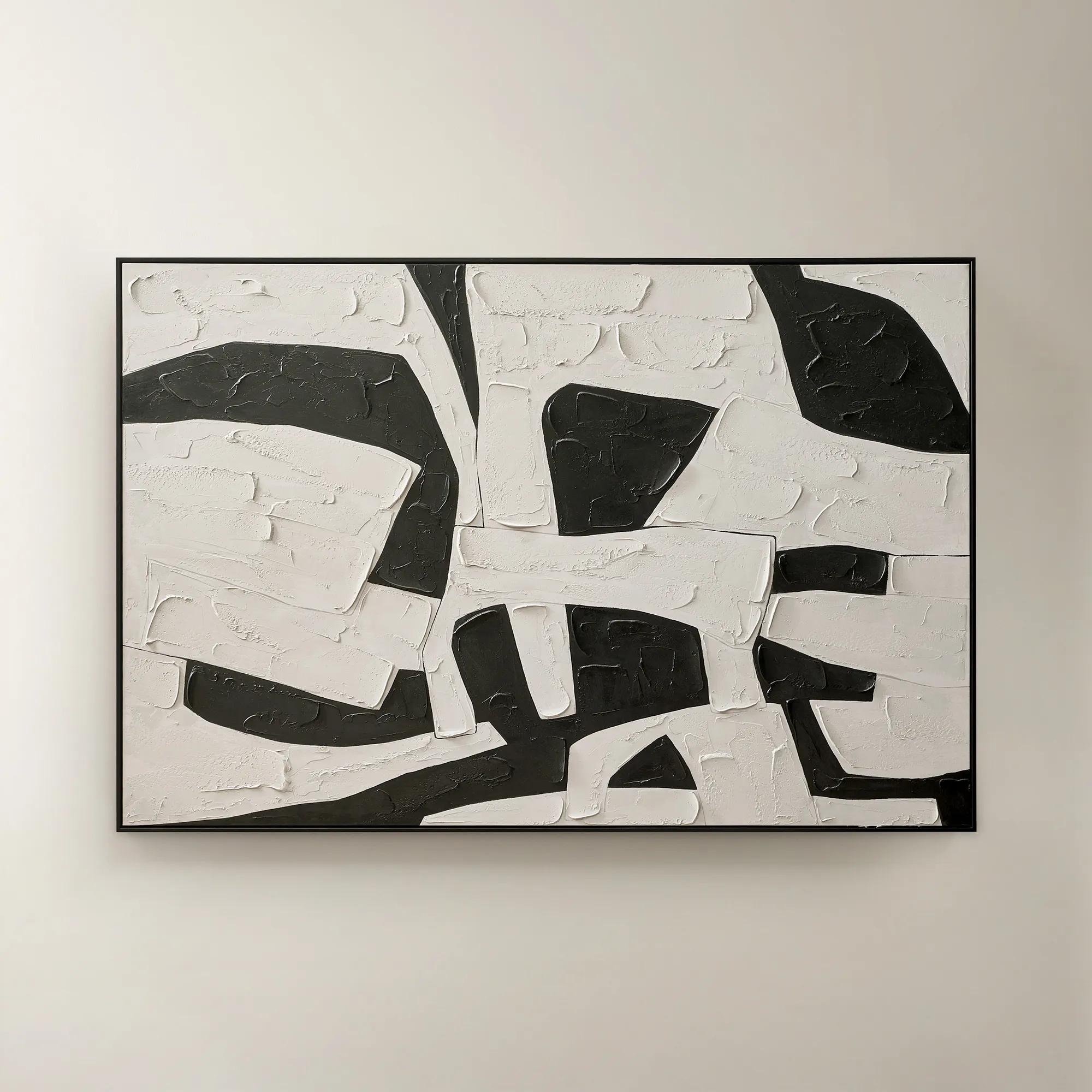 Space Between Shadows Framed Painted Wall Art 72" x 48"$799
A hand-painted abstract canvas featuring bold alabaster and black geometric forms in a sleek black frame.
Add To Cart -
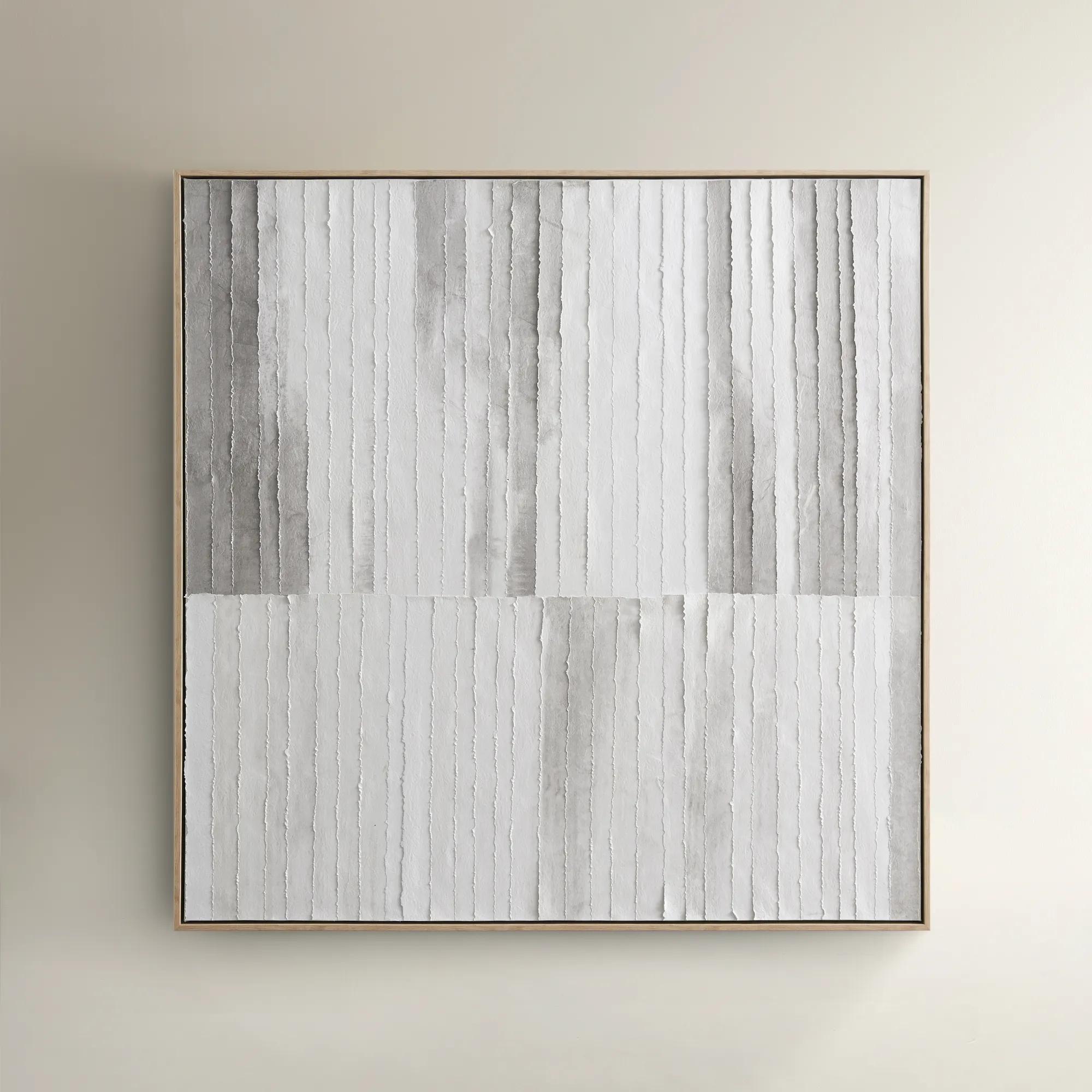
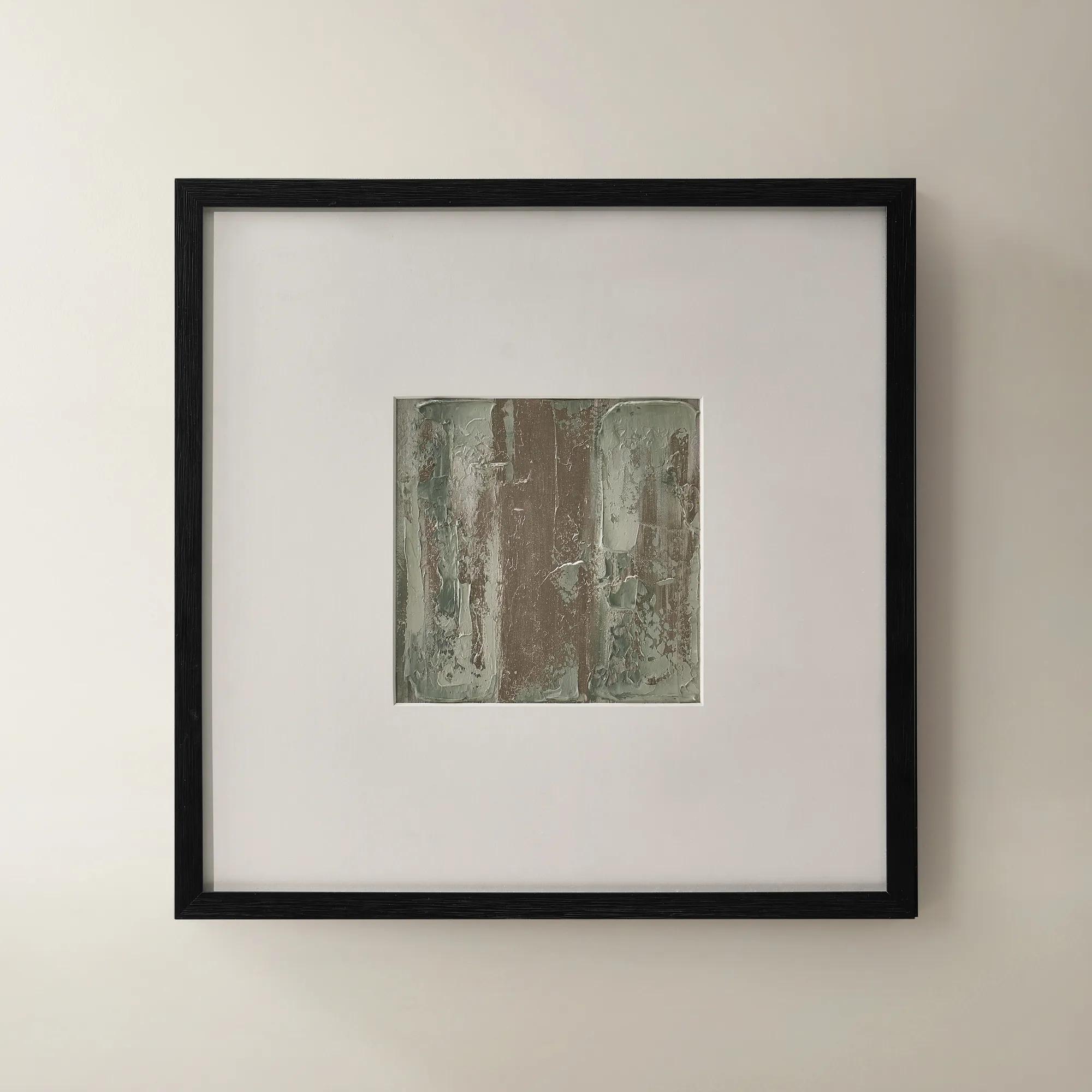
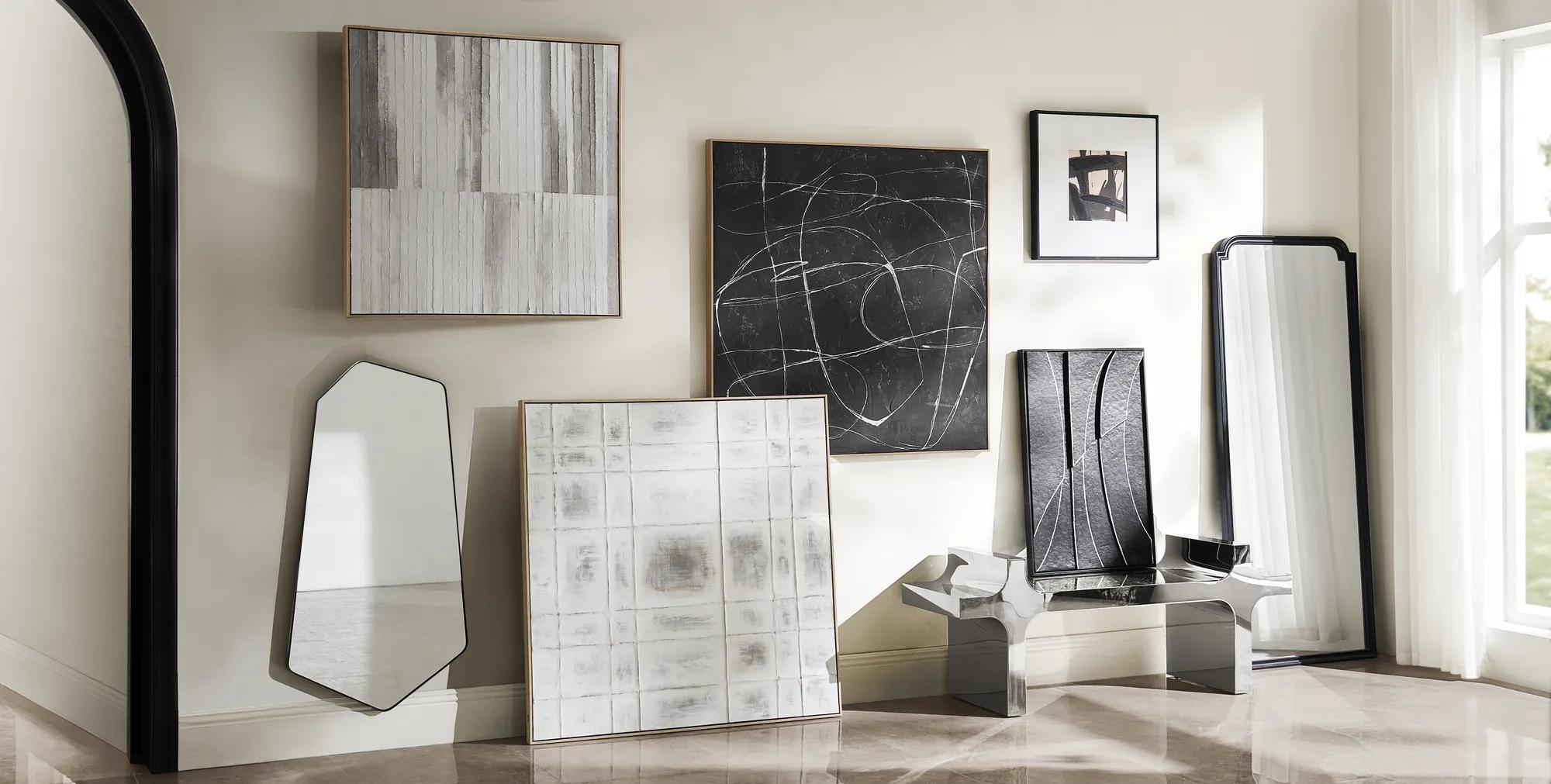 Morning Mist Paper Art$329
A hand-painted canvas featuring rhythmic grey lines in a textured, whitewashed floater frame for serene style.
Add To Cart -
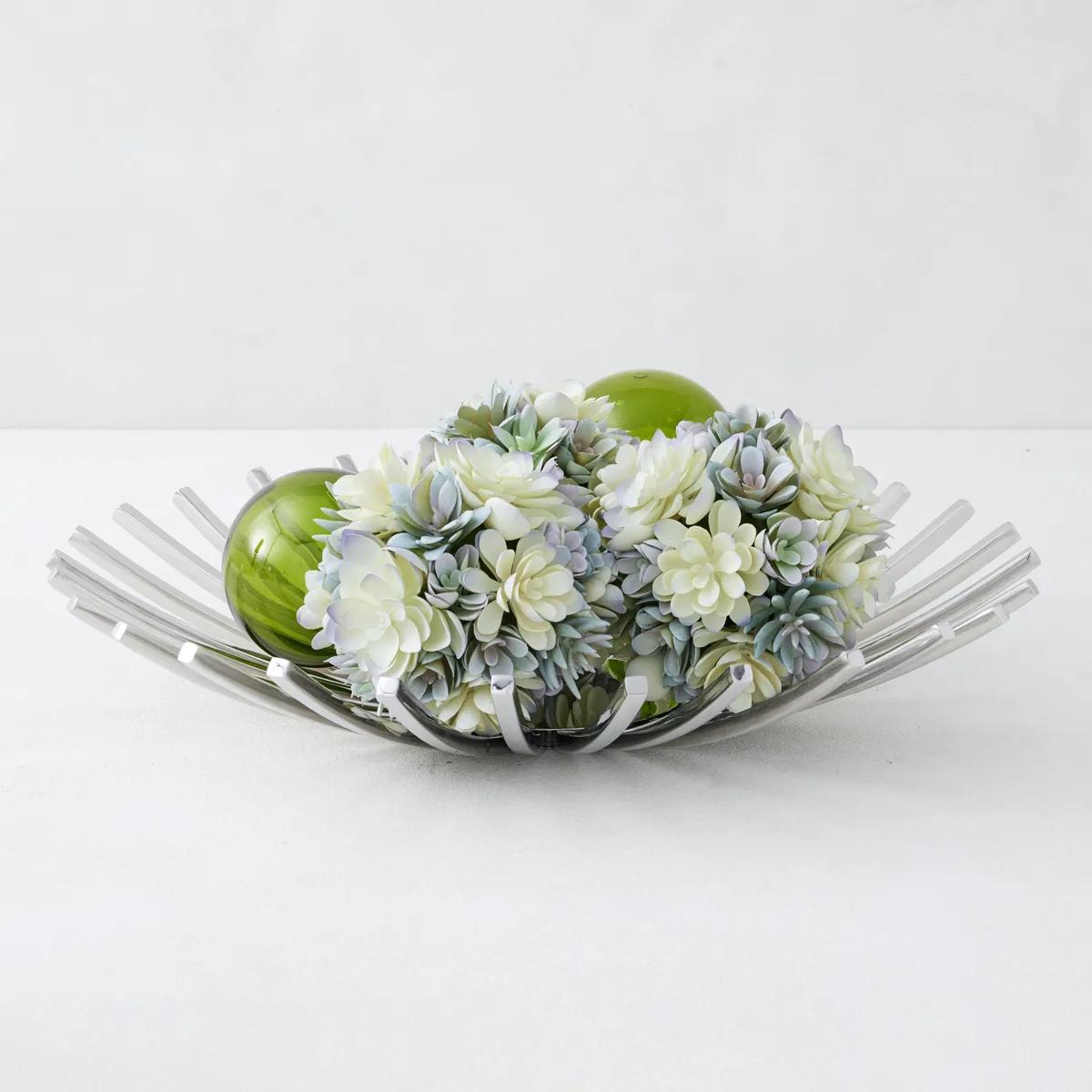
 Jupiter Plate$129
A polished stainless steel plate that adds modern brightness to any contemporary decor arrangement.
Add To Cart -
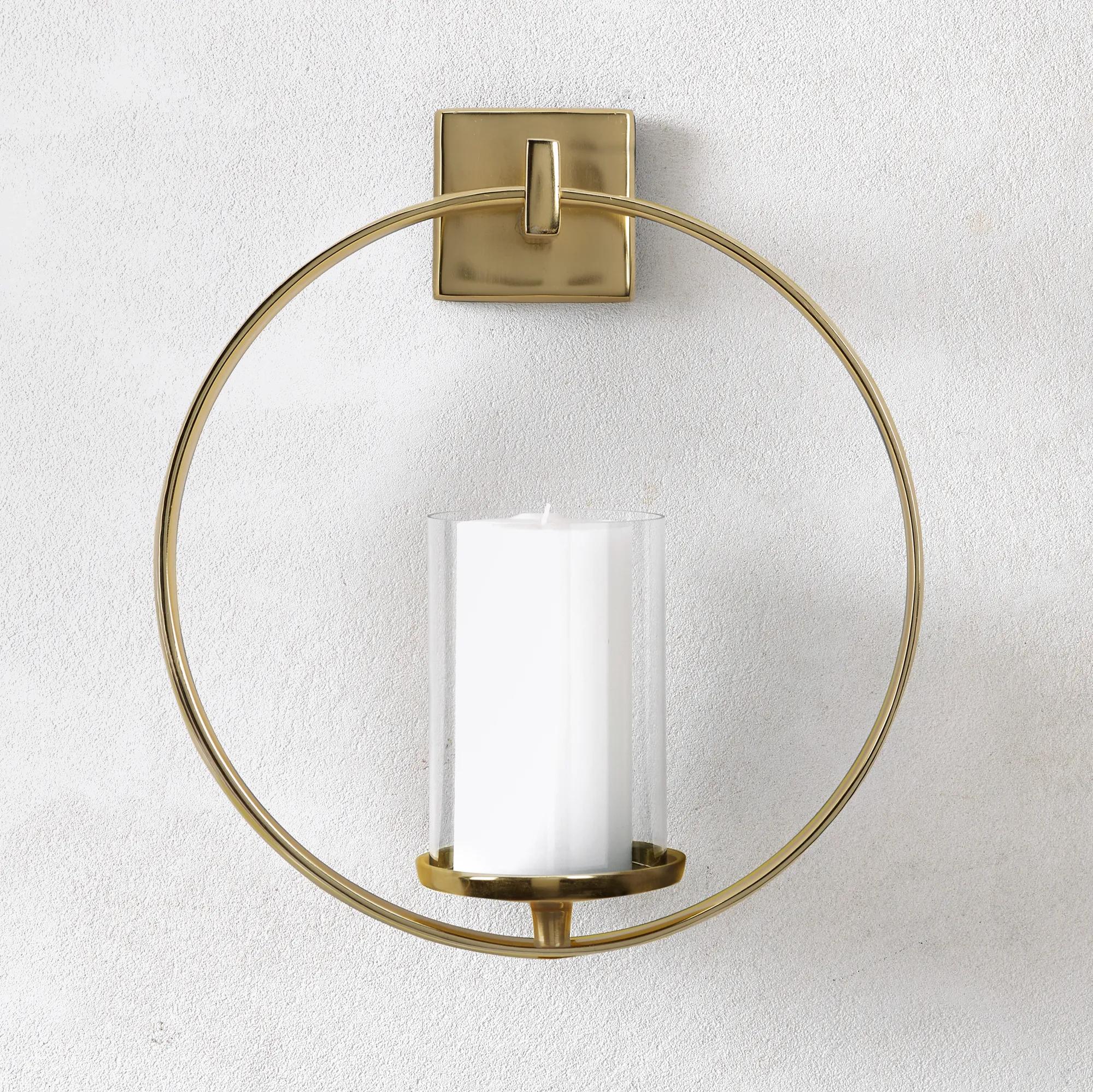
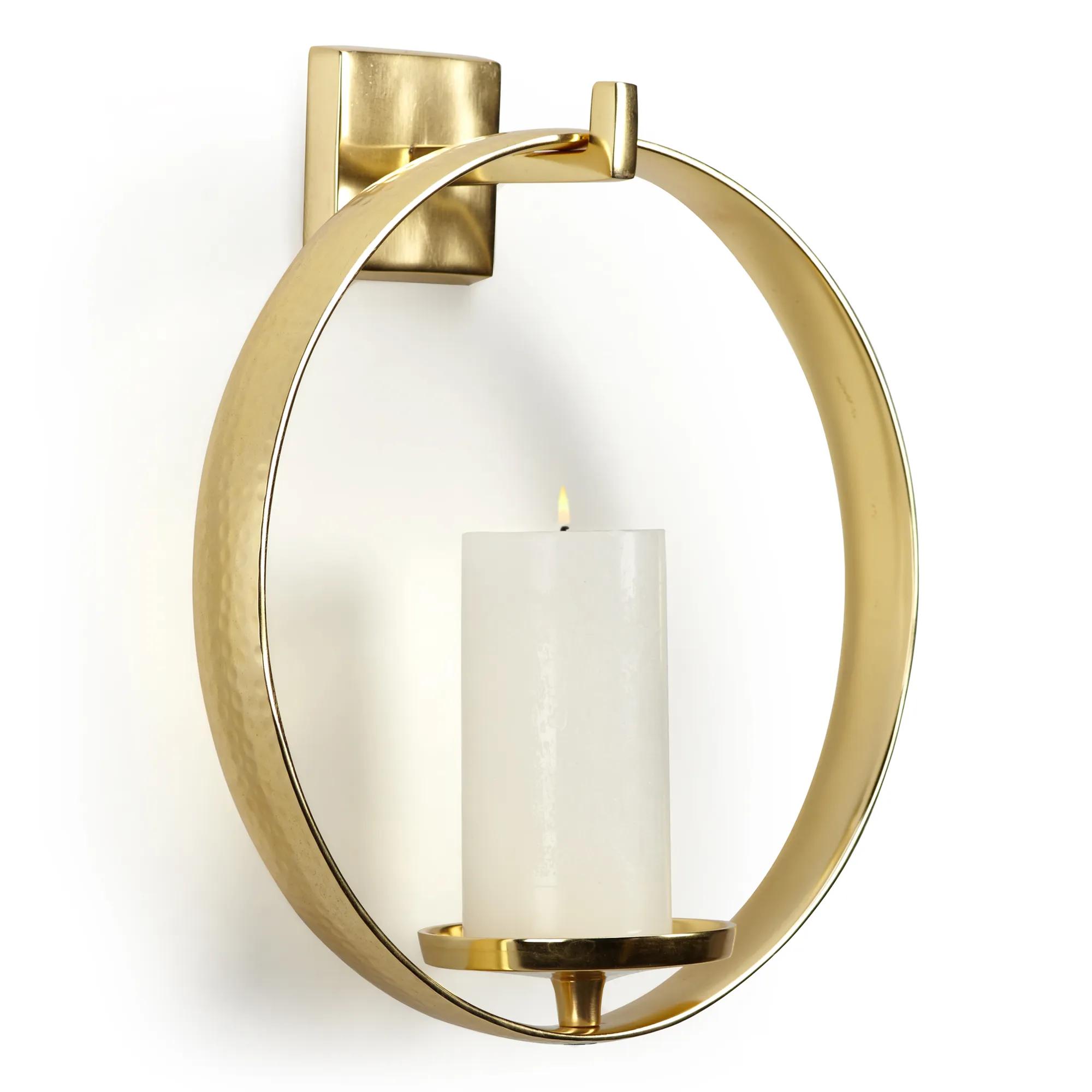 Cirque Hanging Sconce$79
A sleek aluminum wall sconce with a metallic finish, available in silver, gold, or black.
Add To Cart -
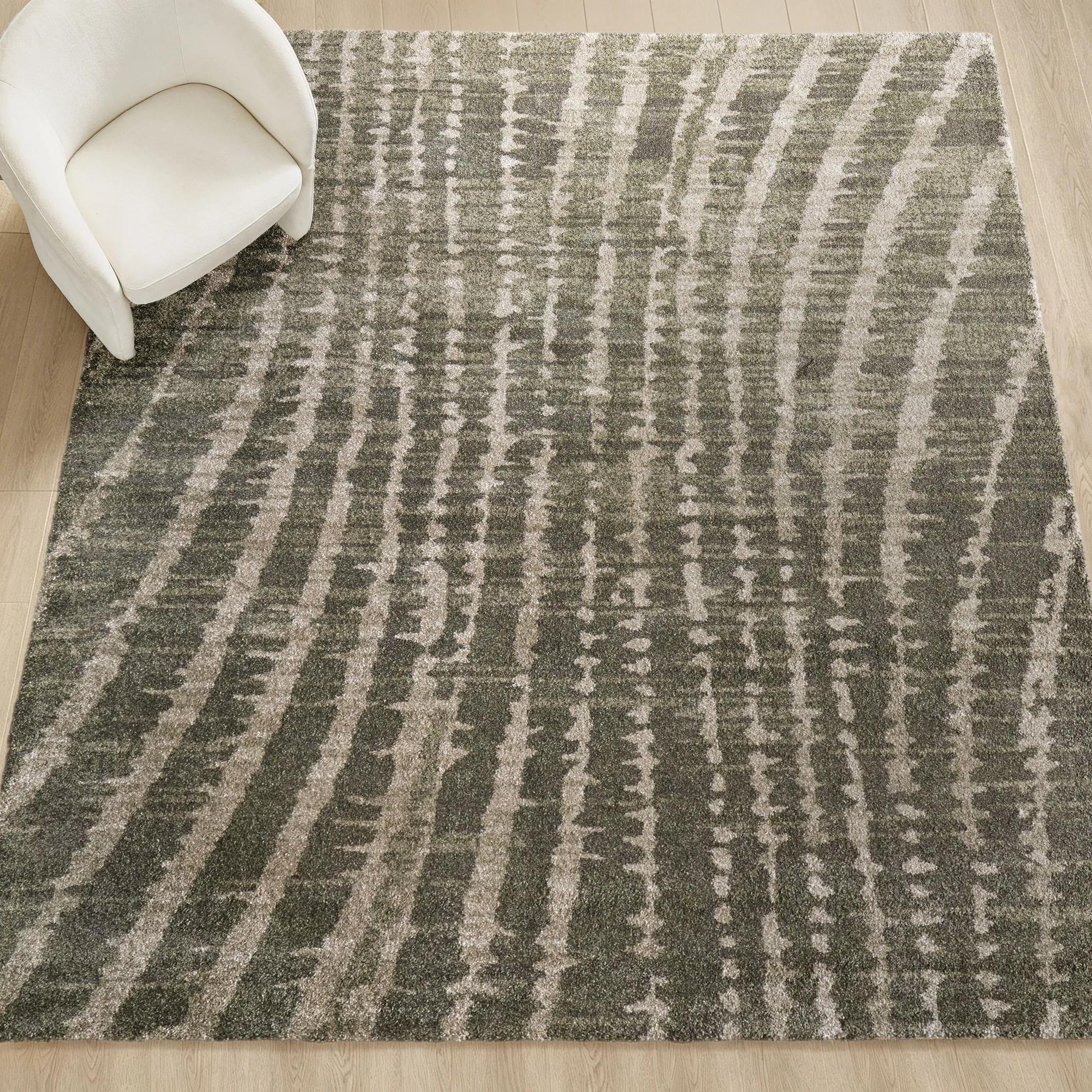
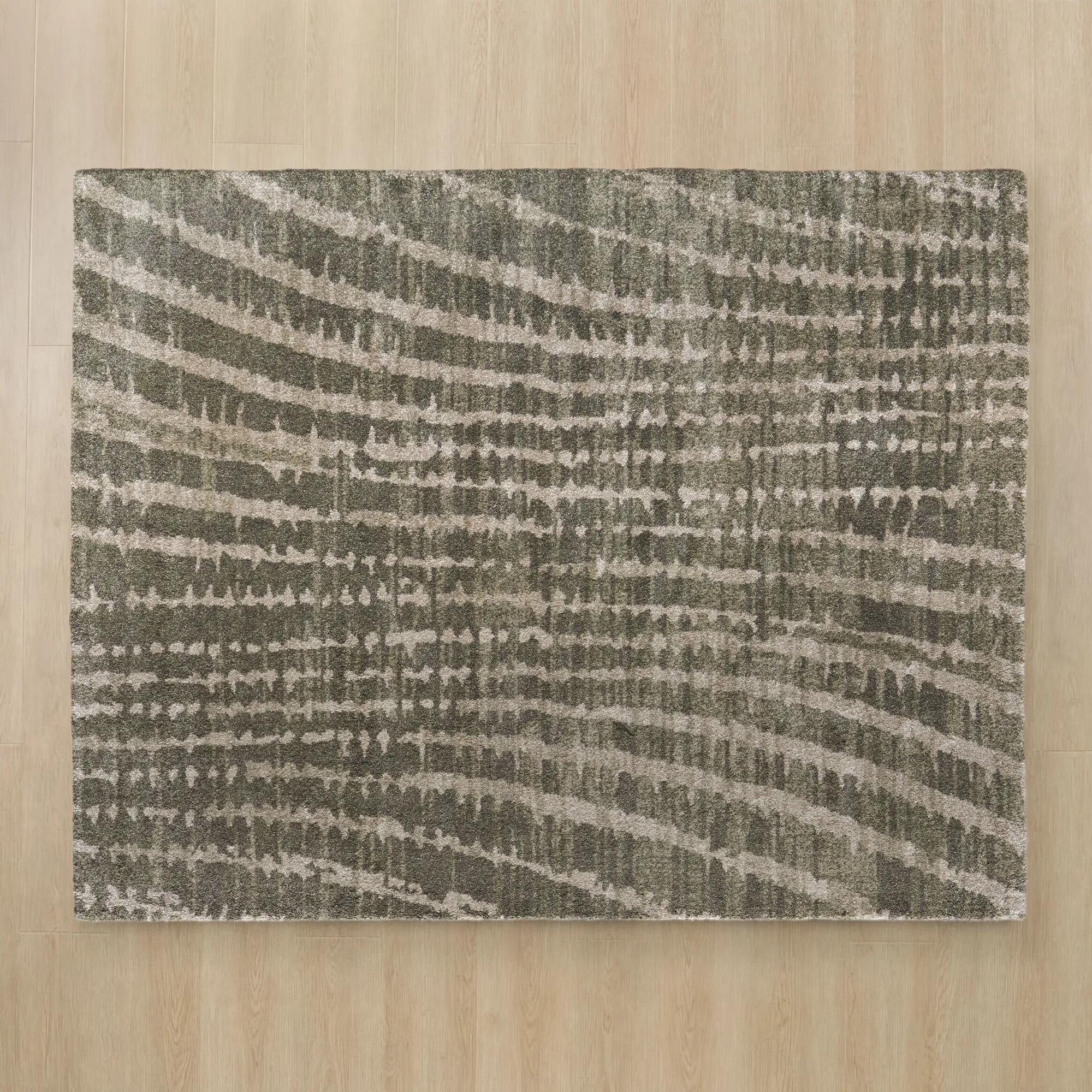 Tempo Green/Grey/Beige Performance Power Loomed Rug$1349
An abstract charcoal grey and beige rug with plush, power-loomed polypropylene and polyester construction.
Add To Cart -
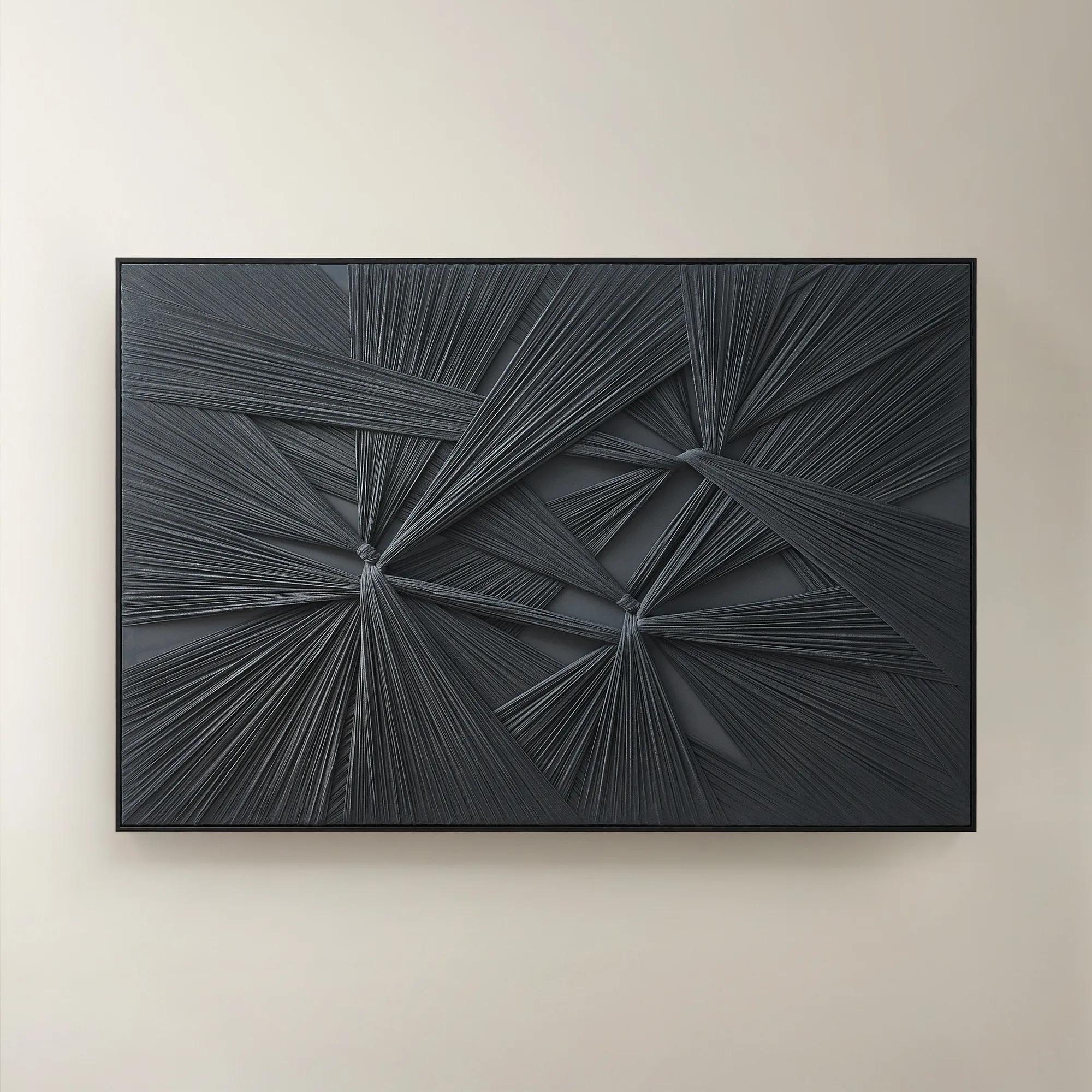 Grace in Dark Slate Hand-crafted Fabric Wall Art 70.75" x 47"$799
A hand-crafted textile wall art piece in dark slate, featuring sculptural texture and versatile display options.
Add To Cart -
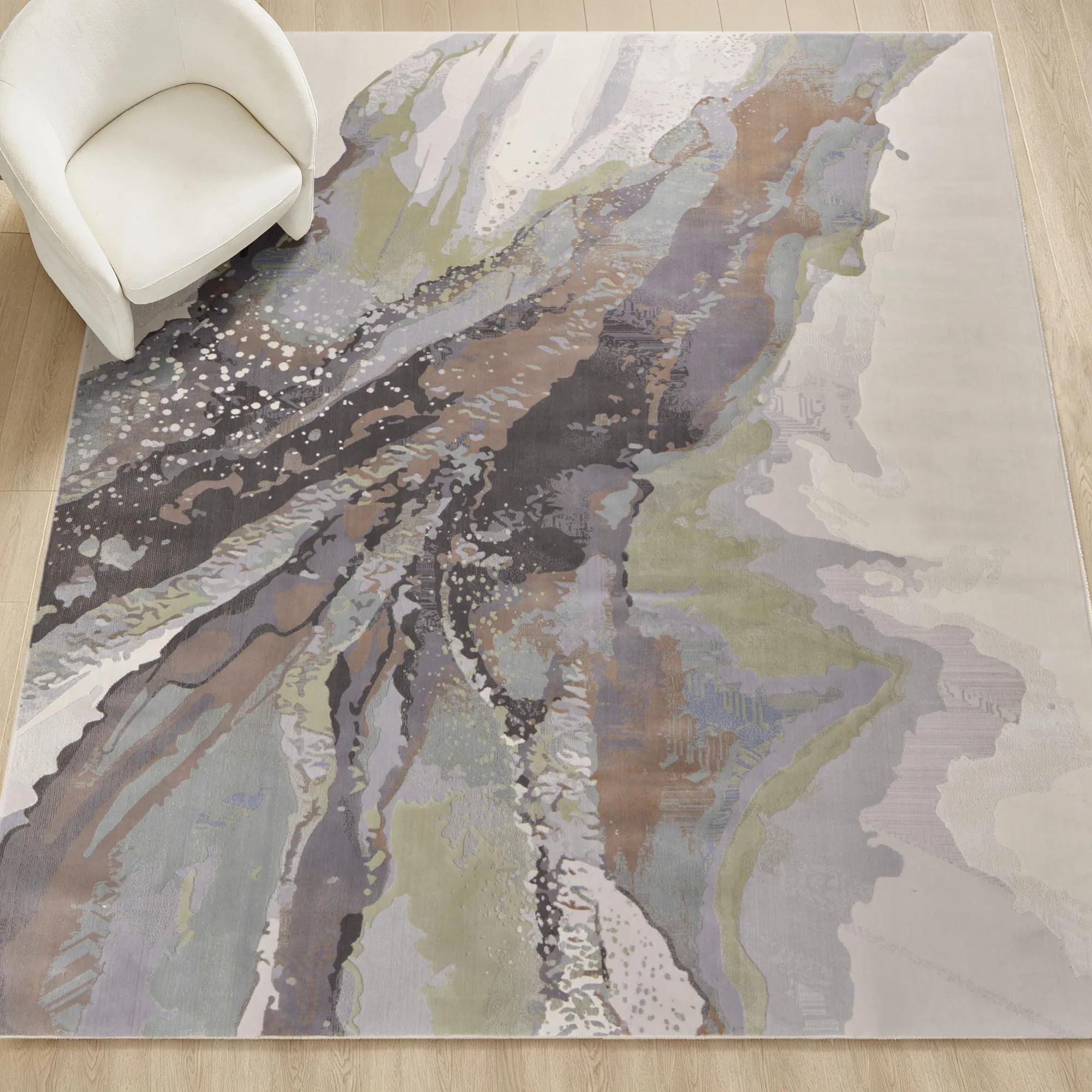
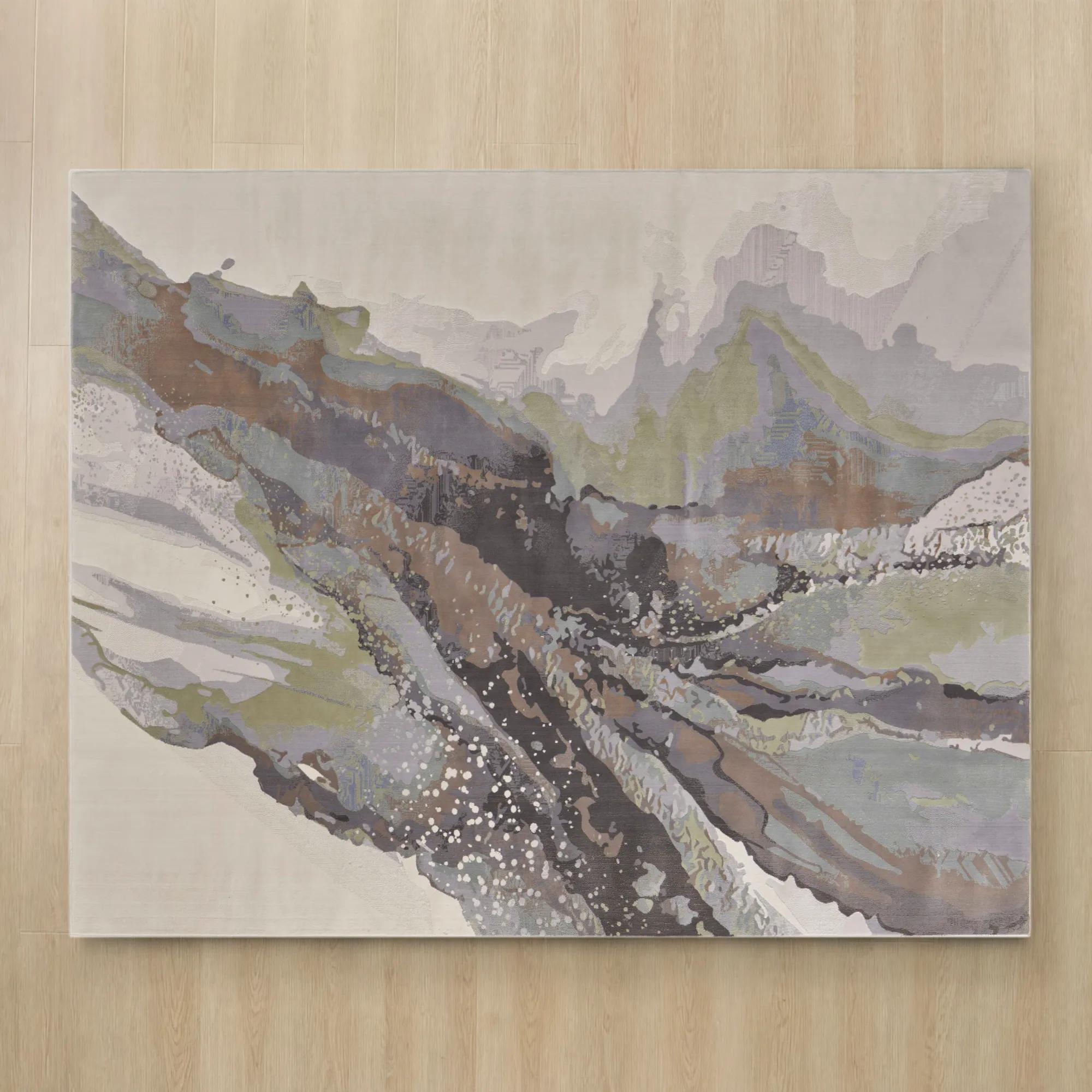 Nerissa Abstract Ivory/Grey/Blue/Green Performance Power Loomed Rug$449
An abstract rug in ivory, grey, blue, and green with a textured, stain-resistant polypropylene-polyester blend.
Add To Cart -
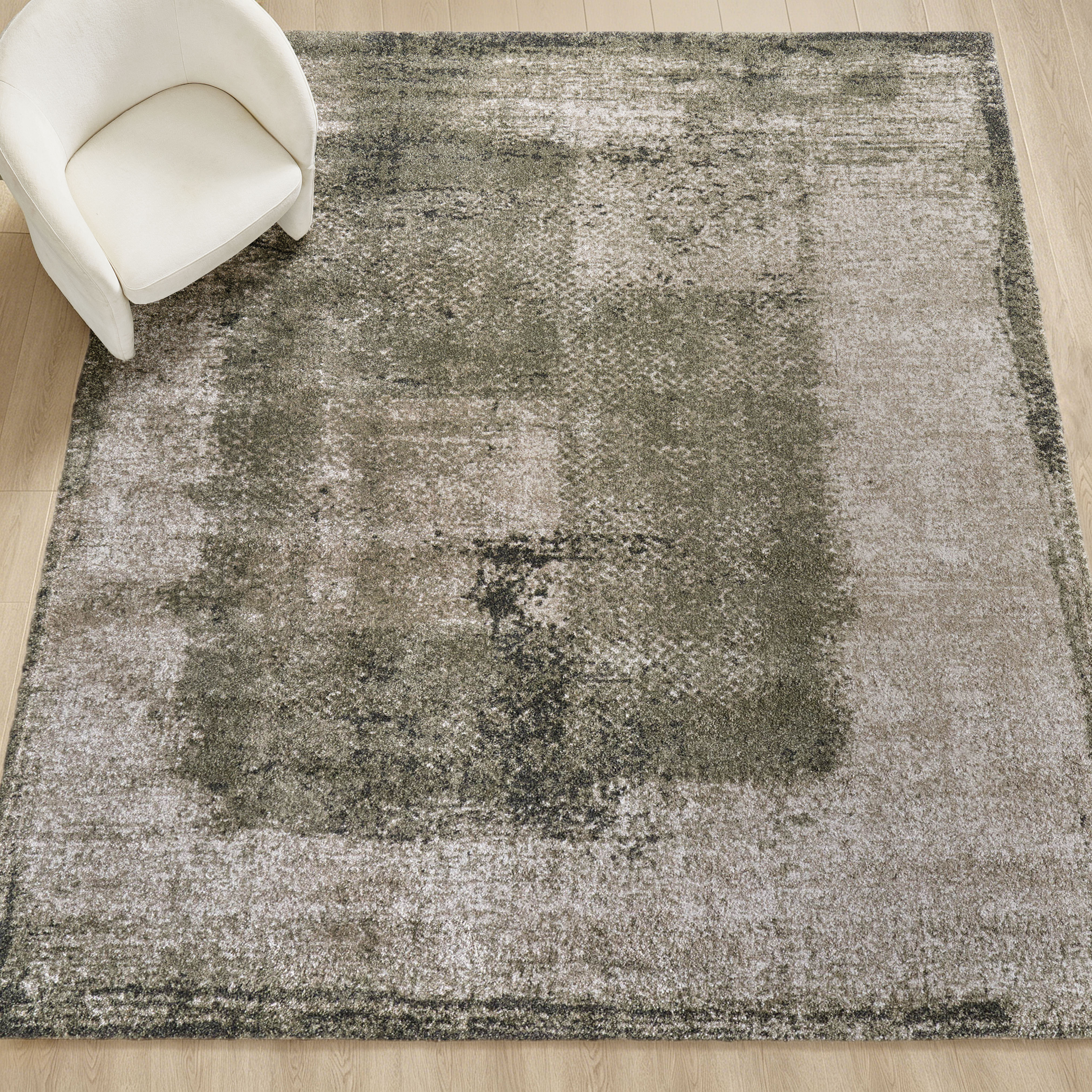
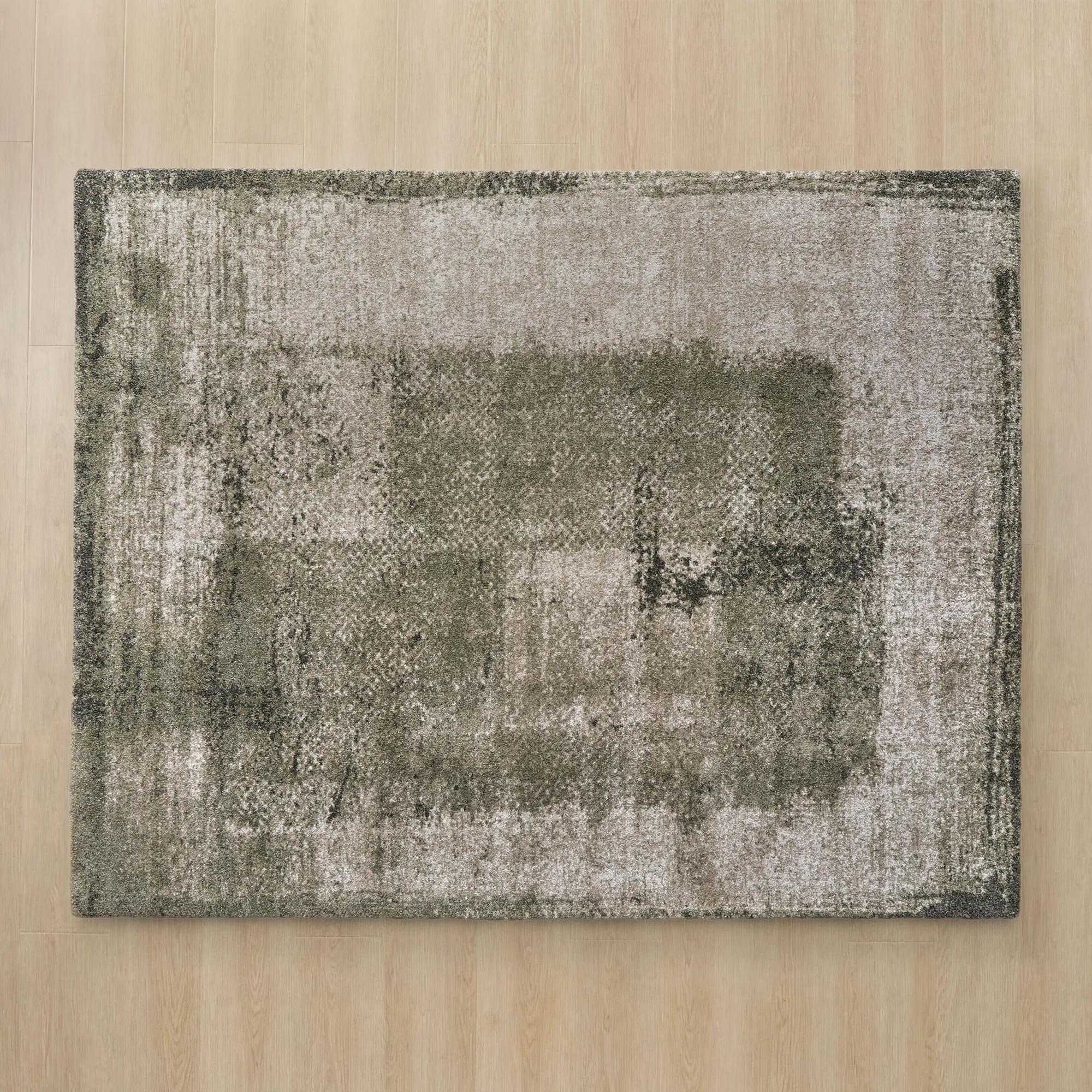 Irving Abstract Moss Green/Beige/Grey Performance Power Loomed Rug$849
An abstract rug in moss green, beige, and grey with plush, durable power-loomed polypropylene and polyester.
Add To Cart -
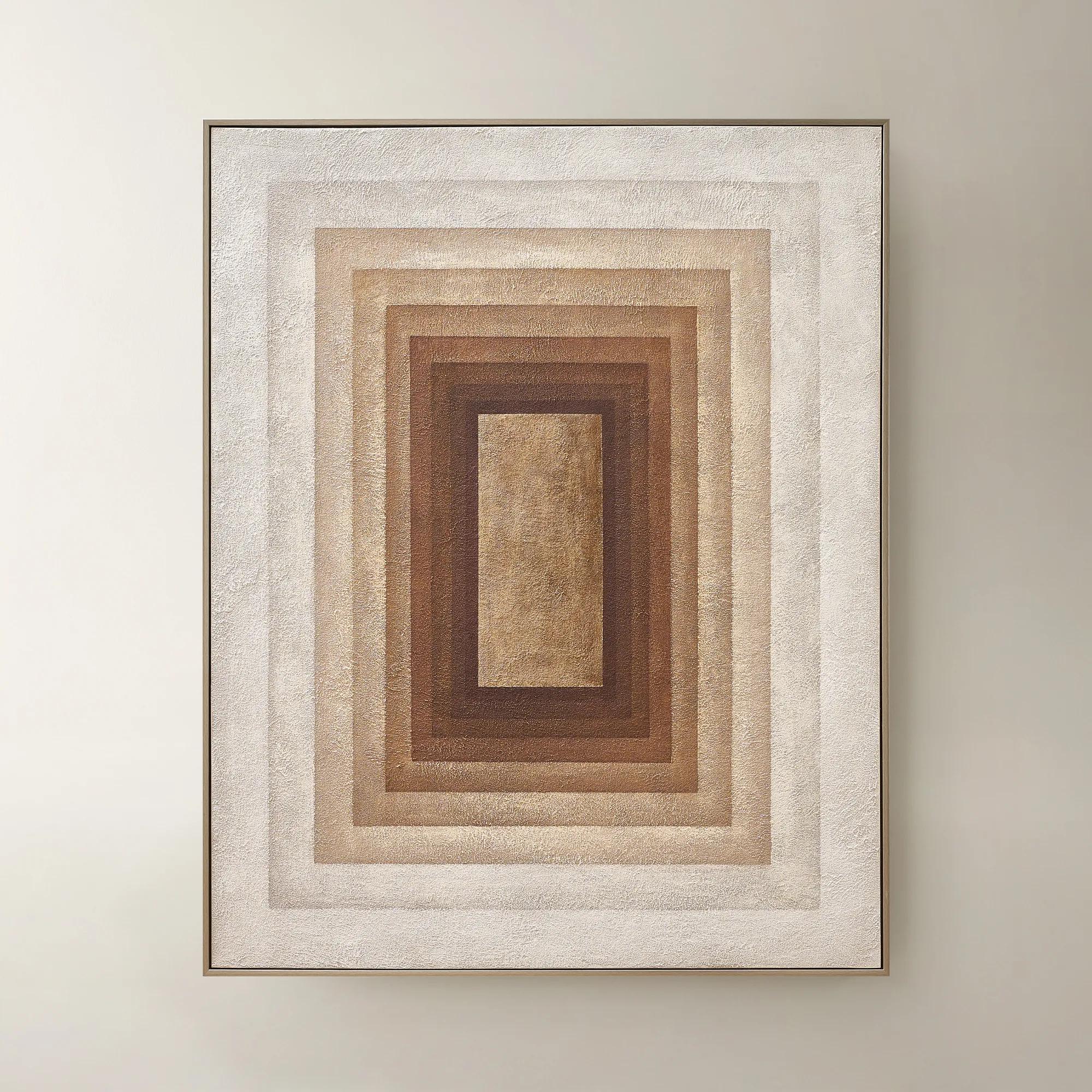 Monochrome Drift Framed Painted Wall Art 60" x 48"$699
A hand-painted abstract canvas with champagne leafing, featuring cocoa and gold tones in modern geometric design.
Add To Cart -
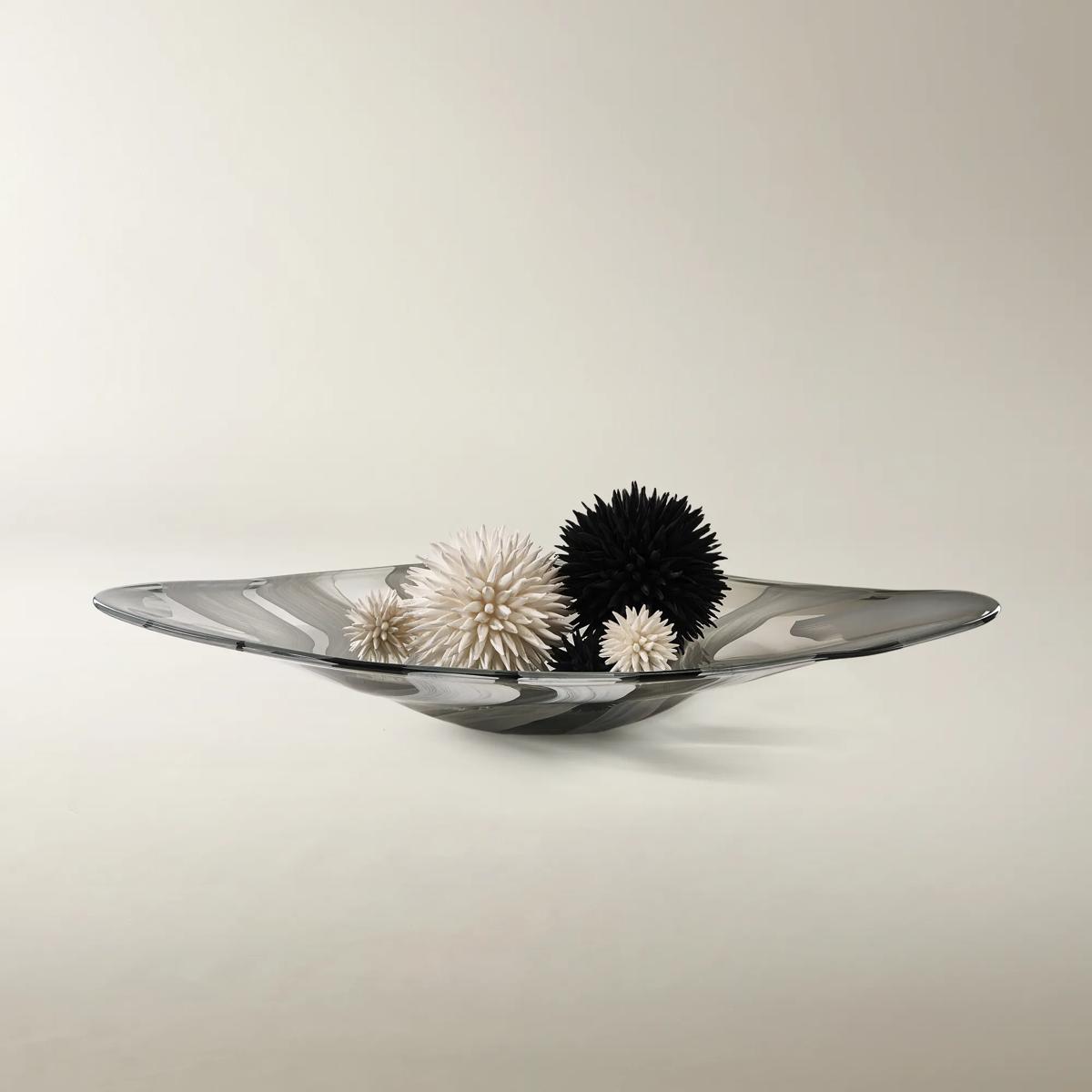
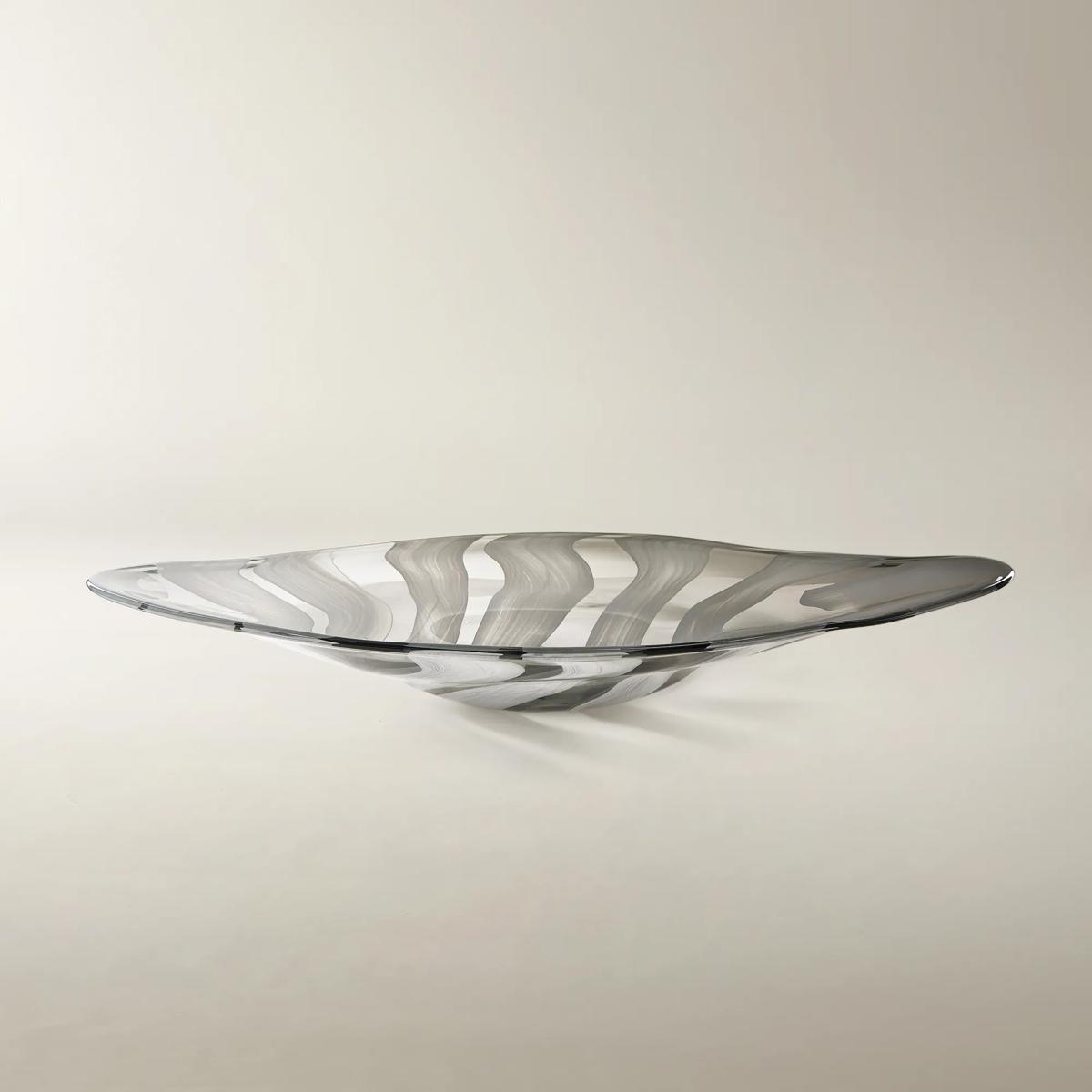 Zoya Glass Bowl$349
A hand-blown grey glass bowl with a marbled pattern and organic silhouette for modern decor.
Add To Cart -
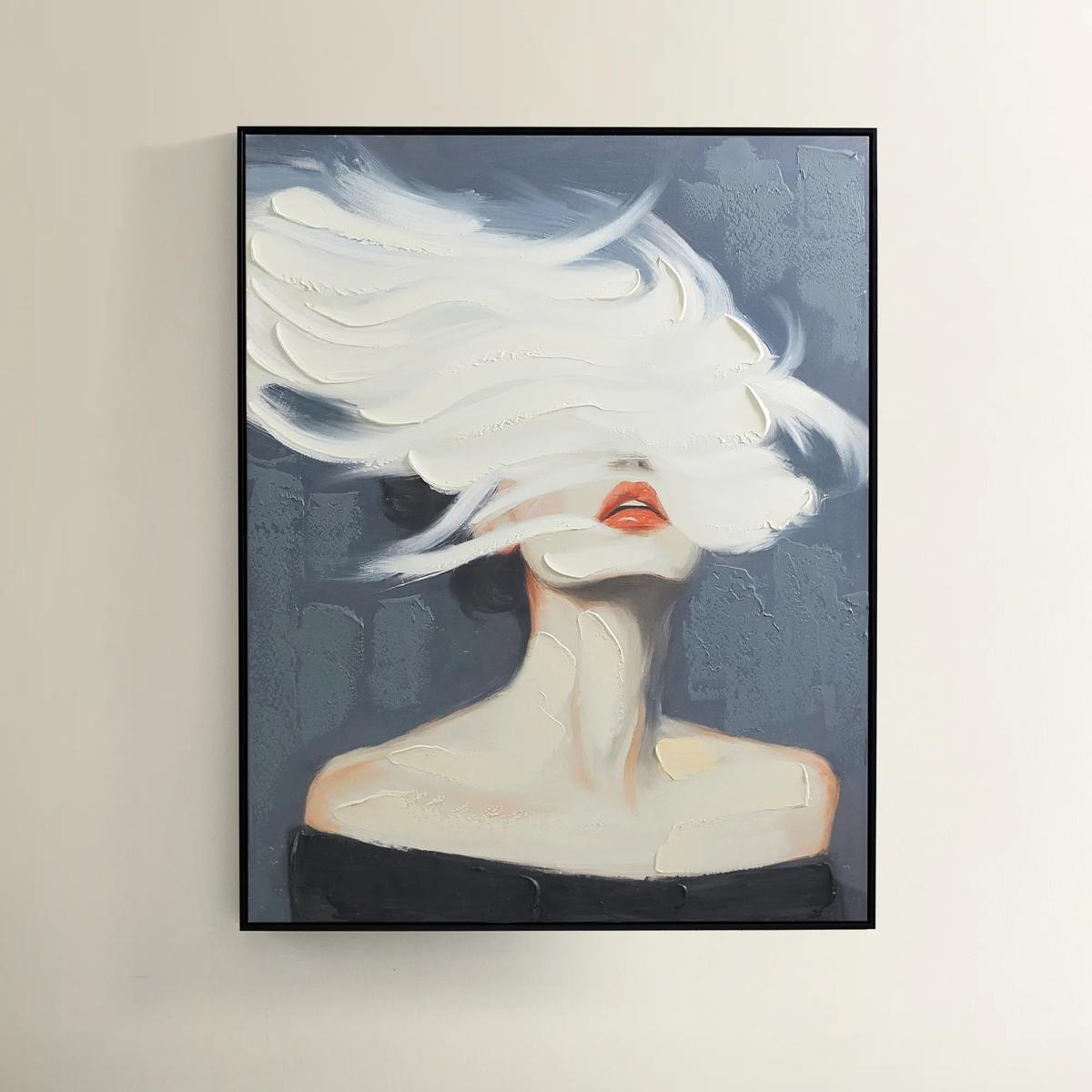
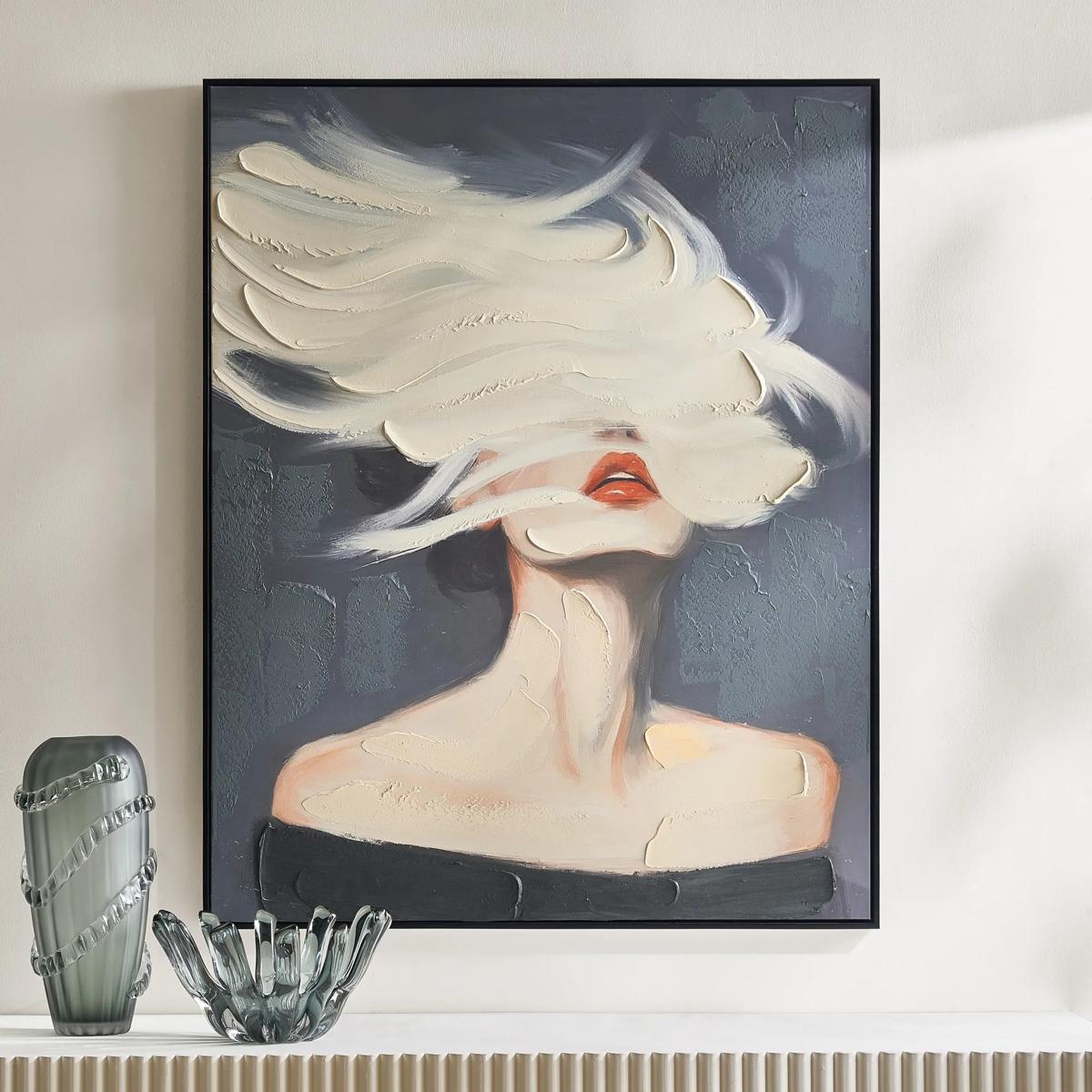 Daydreamer Painting$599
A hand-painted canvas portrait with sculptural white brushstrokes, bold red lips, and a sleek black frame.
Add To Cart -
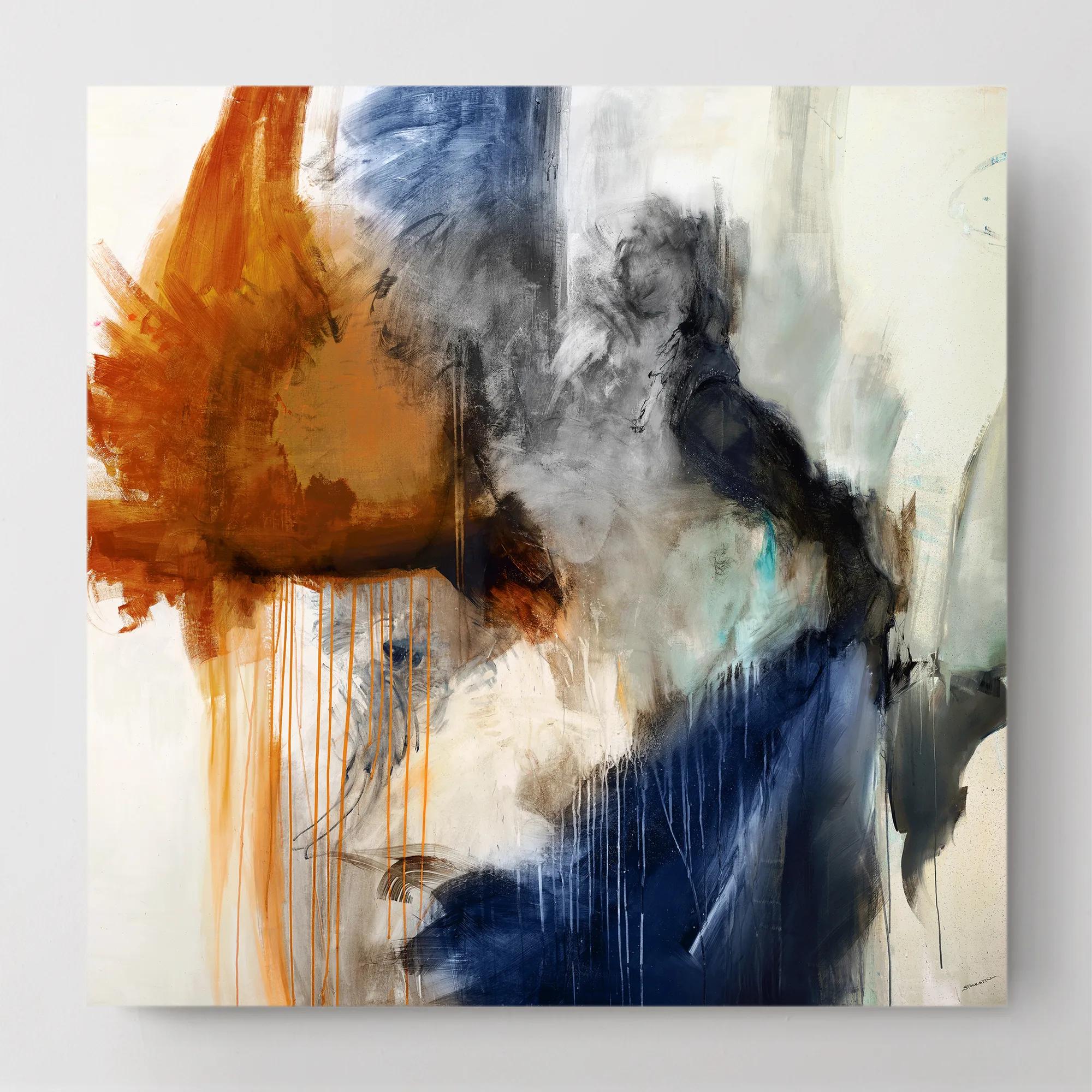
 Remix Art$699
A vibrant multicolored canvas artwork adding contemporary visual interest to modern interiors.
Add To Cart -
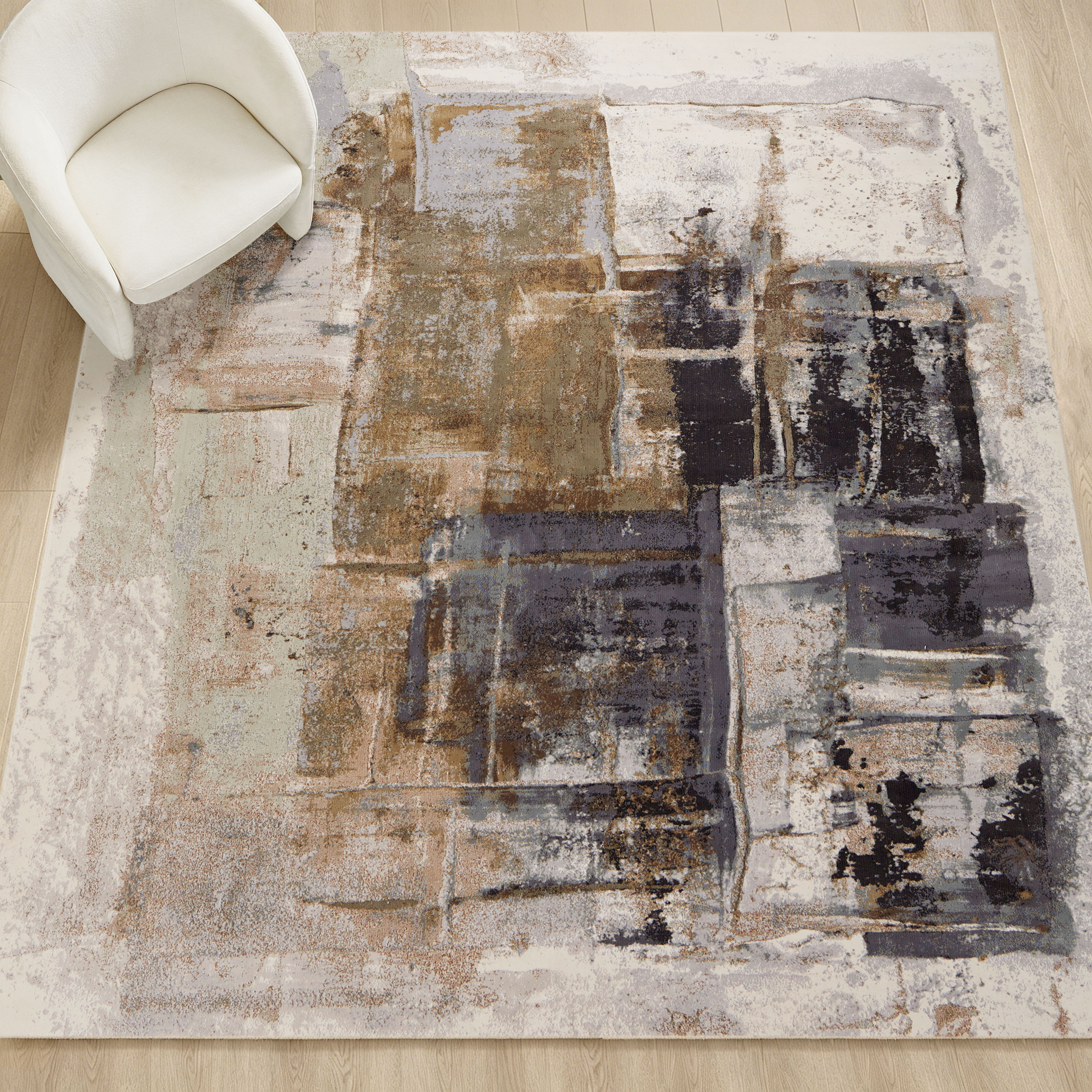
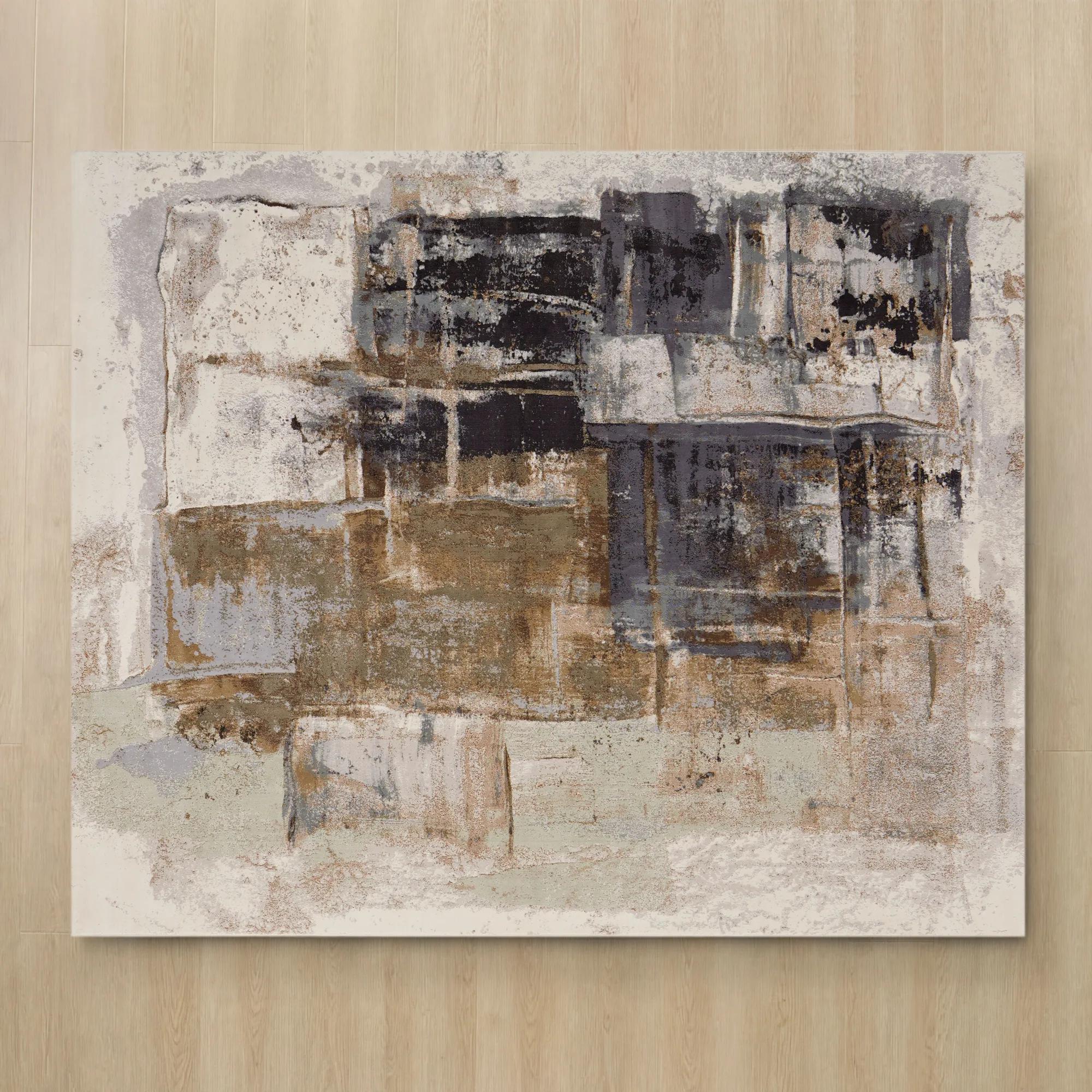 Gaia Abstract Grey/Charcoal/Ivory/Gold/Blue Performance Power Loomed Rug$1749
An abstract rug in grey, charcoal, ivory, gold, and blue with a soft, stain-resistant performance blend.
Add To Cart -
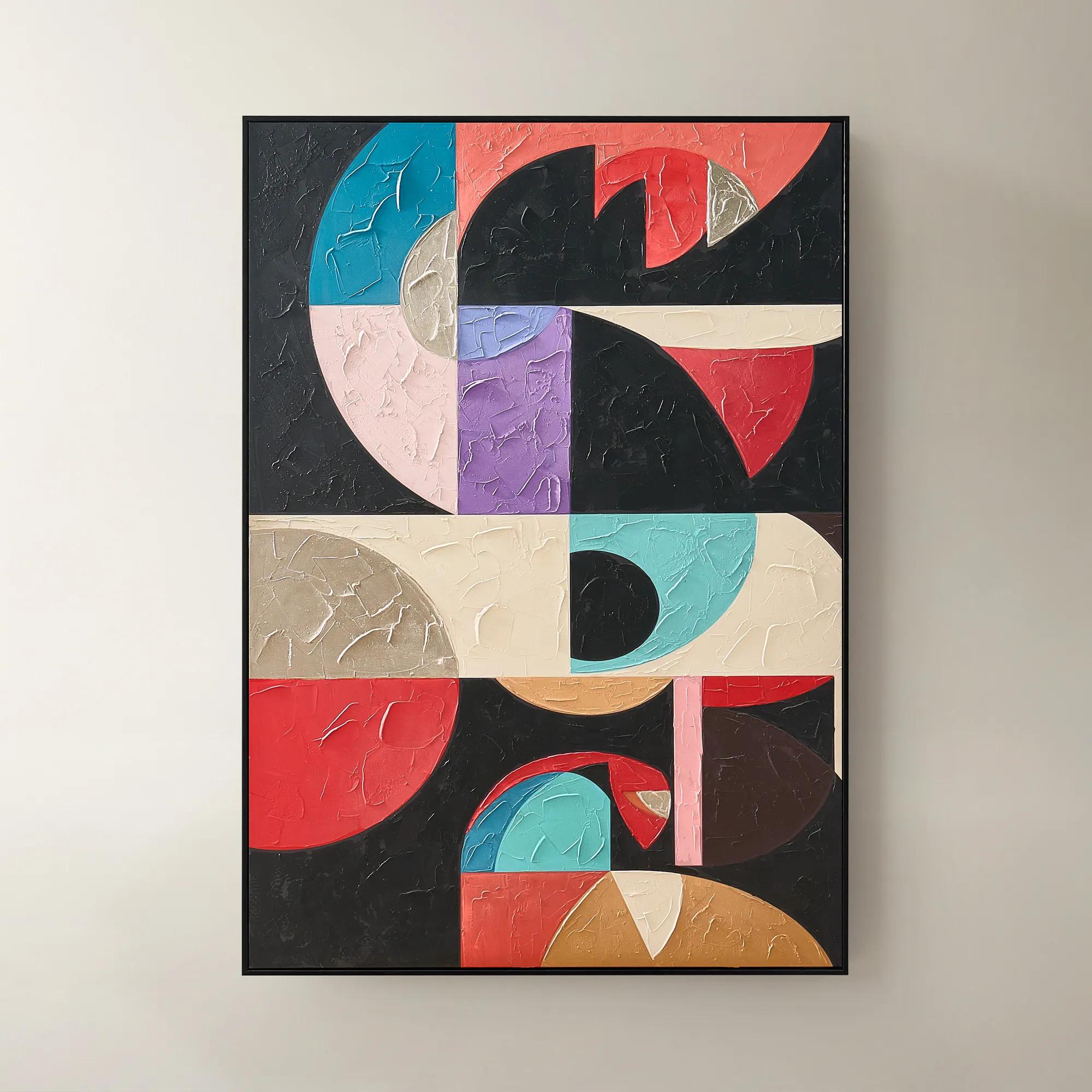
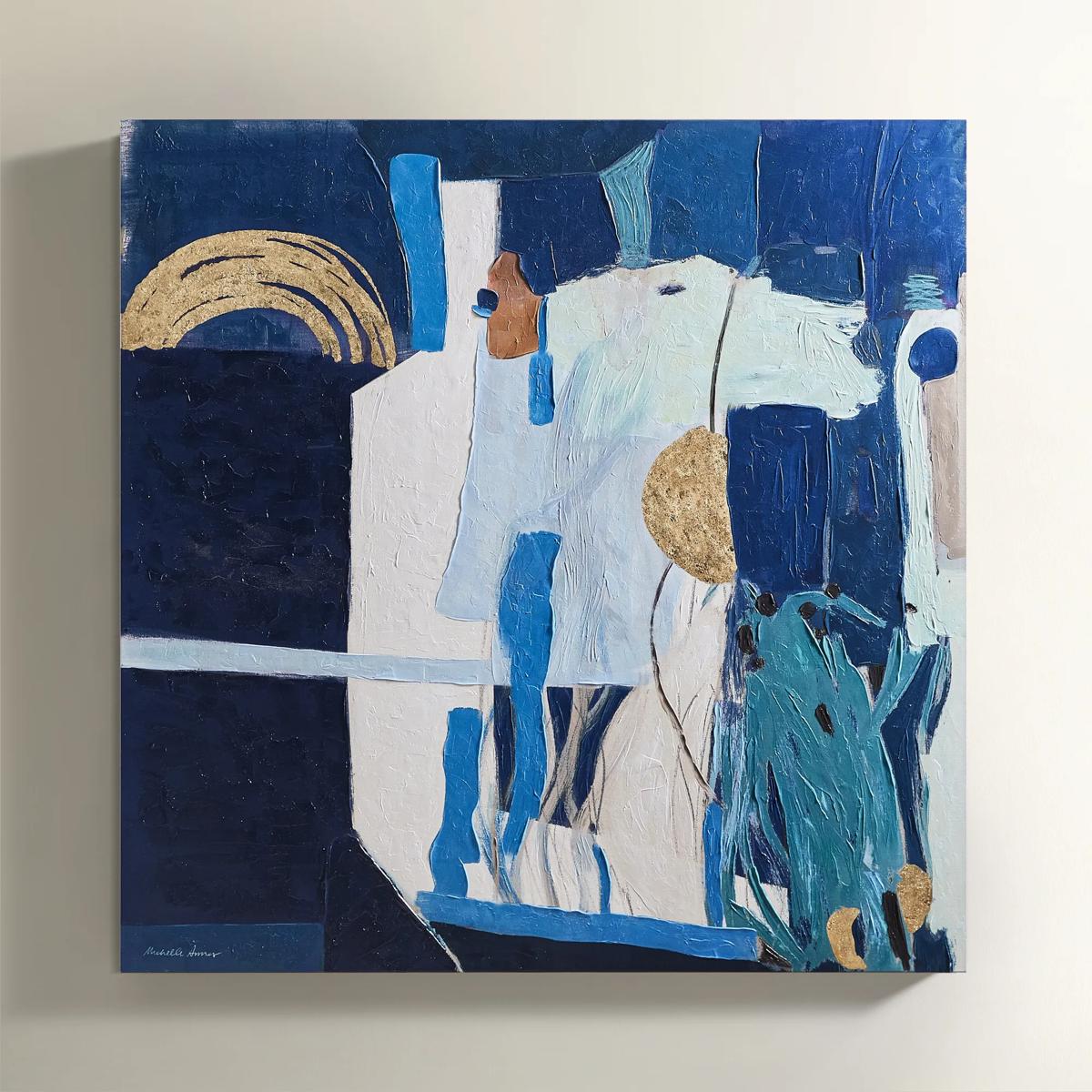
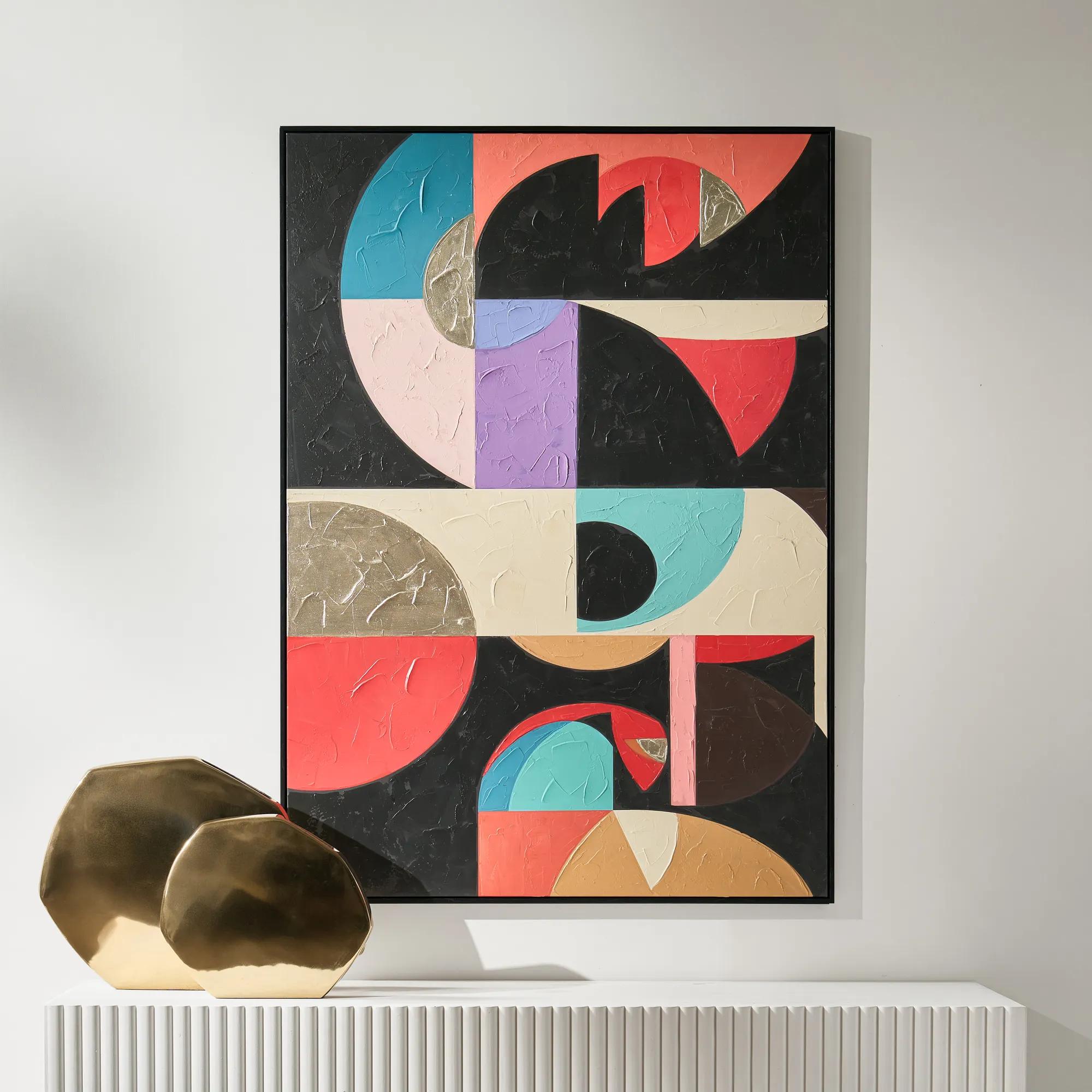 Labyrinth Art$499
A striking multicolored canvas artwork adding contemporary dimension to modern interiors.
Add To Cart -

 Miami Gold Ceramic High Gloss Vase 18.5"$69
A contemporary gold ceramic vase designed for decorative use or displaying faux foliage.
Add To Cart

Decor For Contemporary Living Spaces
Step into a world where every detail dazzles and every accent tells your story—Decor for Contemporary Living Spaces is your invitation to reimagine the art of modern living. Here, sculptural silhouettes mingle with luminous finishes, transforming rooms into curated galleries of self-expression. From bold statement pieces to subtle touches of glamour, each element is designed to elevate the everyday into the extraordinary. Discover how texture, color, and form can ignite conversation and infuse your home with a sense of wonder—because in a contemporary space, decor isn’t just an accessory; it’s the soul of the room.
Decor for contemporary living spaces pairs clean lines and open compositions with expressive materials, sculptural shapes, and a balance of beauty and everyday function. Contemporary design evolves with changing tastes rather than belonging to a single historical period; modern design, by contrast, generally refers to movements rooted in the early to mid-20th century. That distinction leaves contemporary interiors room for personality: a sweep of metallic shine, an oversized abstract composition, or a richly textured accent can give an otherwise restrained setting its signature. Contemporary home decor is not defined by bare surfaces or an absence of ornament. Its appeal comes from giving exceptional details space to register. A broad ceramic silhouette against a pale wall can feel as dramatic as an intricate arrangement, while a dark, reflective finish introduces depth without requiring a room full of accessories. Decorative objects, wall art, mirrors, pillows, throws, and rugs help establish this visual language, connecting the architecture of a room with the people who inhabit it. In a living area with a low-profile sofa, generous artwork can draw the eye upward and bring balance to the seating arrangement. In an open-plan home, related colors and finishes can carry a sense of continuity from a conversation area to a dining space without making every detail match. Ivory, charcoal, taupe, and soft gray offer a composed foundation, while saturated jewel tones and gleaming accents introduce a more theatrical mood. Contrast matters as much as color: a smooth vessel beside a tactile textile, a curved form against a linear console, or a luminous mirror above a matte surface gives the room dimension. The result is a contemporary living space that feels considered rather than crowded, with enough visual breathing room for each artistic gesture to have presence. For apartment dwellers and homeowners alike, these decorative layers offer a way to express a distinctive point of view without changing the room’s architecture or replacing its largest furnishings.
Materials give contemporary decor much of its character, and their practical qualities are as important as their appearance. Ceramic and stone bring visual weight and subtle surface variation; glass offers translucence or a polished gleam; metal introduces definition through slender profiles, textured surfaces, or reflective finishes. Natural variations in stone, wood grain, and handcrafted surfaces can enrich a composition, though the character and care requirements depend on the individual material and finish. Textiles contribute another kind of depth. Velvet catches light across its pile, woven fabrics create quieter texture, and raised patterns add dimension to a tonal palette. In a frequently used living room, fiber content, construction, and cleaning instructions deserve attention alongside color. A decorative pillow intended for daily lounging has different demands than an accent reserved for a formal sitting area, and a rug beneath an active seating group needs to suit the household’s foot traffic. Homes shared with children or pets may benefit from washable covers or performance-oriented fabrics when those features are specified. Scale also changes how decor feels and functions. A substantial floor accent needs clearance from walkways, while objects on a coffee table should leave space for drinks and conversation. Rugs generally create a more cohesive seating area when their dimensions relate to the furniture grouping rather than leaving a small island at the center. Wall decor should be proportionate to the surface beneath it, with its weight matched to suitable mounting hardware and the wall’s construction. A mirror can redirect existing light and expand a room’s visual depth, but its placement also determines what it reflects. Care preserves these effects: soft cloths help limit abrasion on delicate finishes, spills on textiles warrant prompt attention according to the care label, and stone or plated surfaces may require specialized cleaning methods. Decorative vessels are not necessarily watertight unless identified as such. Attention to these details allows beautiful materials to remain part of daily life rather than becoming objects too delicate to enjoy.
The most compelling contemporary living room decor feels connected to how a space is actually used. A room designed for conversation benefits from arrangements that leave sightlines open, with taller accents placed where they will not interrupt the view between seats. A reading corner gains intimacy from a sumptuous throw and a restrained grouping of objects with contrasting shapes. On a console behind a sofa, a broad sculptural form can create a focal point without turning the surface into a crowded display. For a household that entertains, decorative trays can bring smaller accents into a cohesive composition while preserving usable tabletop space; their suitability for serving depends on their materials and stated purpose. In compact rooms, a repeated accent color can create cohesion across a few carefully chosen surfaces, while larger rooms can support more generous artwork and broader gestures of texture. Personal collections belong comfortably within this approach. A meaningful object, a favorite art subject, or a distinctive color can become the thread that connects the room, with quieter surrounding pieces allowing it to stand out. The expressive perspective of Decor for Artful Interiors complements this balance of composition and individuality, particularly in spaces where art informs the palette and decorative forms have a sculptural presence. Contemporary accents can also make thoughtful housewarming or wedding gifts when they reflect the recipient’s taste and the scale of the home. Smaller decorative objects and versatile textiles may be easier to place than expansive wall pieces, especially when a room’s measurements are unknown. Whether furnishing a first apartment, refining a shared living area, or giving an established room a more distinctive character, the strongest choices share a sense of intention. Their colors speak to one another, their materials invite a closer look, and their proportions respect the room around them. Contemporary decor brings polish without erasing personality, creating living spaces with the clarity to feel composed and the drama to feel unmistakably individual.
FAQs
Contemporary decor is characterized by clean lines, bold yet balanced color palettes, and an artful mix of textures and materials. It emphasizes open layouts, geometric or organic forms, and a curated approach to accessories that allows each piece to shine. The result is a space that feels both sophisticated and inviting, encouraging personal expression through thoughtful design choices.
Layering a variety of textures is key to creating depth and warmth in contemporary interiors. Combine materials like velvet, linen, and leather with natural elements such as wood or stone. Add plush throws, tactile rugs, and sculptural accents to create visual interest and a sense of comfort, ensuring the space feels dynamic yet harmonious.
Infuse personality by selecting statement pieces—such as bold artwork, dramatic lighting, or uniquely shaped mirrors—that reflect your individual style. Incorporate personal mementos, curated books, or a gallery wall to tell your story. Mixing in unexpected color pops or avant-garde accessories can also create a memorable, expressive atmosphere.
Absolutely. Contemporary decor makes for inspired gifting, especially for housewarmings, weddings, or milestone celebrations. Choose versatile pieces like sculptural vases, textured throws, or distinctive accent objects that complement a variety of styles, ensuring your gift feels both thoughtful and timeless.
Lighting is transformative in contemporary design. Opt for statement fixtures—such as sleek floor lamps or sculptural chandeliers—that not only illuminate but also serve as focal points. Layer ambient, task, and accent lighting to create a flexible, inviting environment that adapts to every occasion and accentuates your decor’s artistry.