Decor For Corporate Offices
Decor For Corporate Offices
-
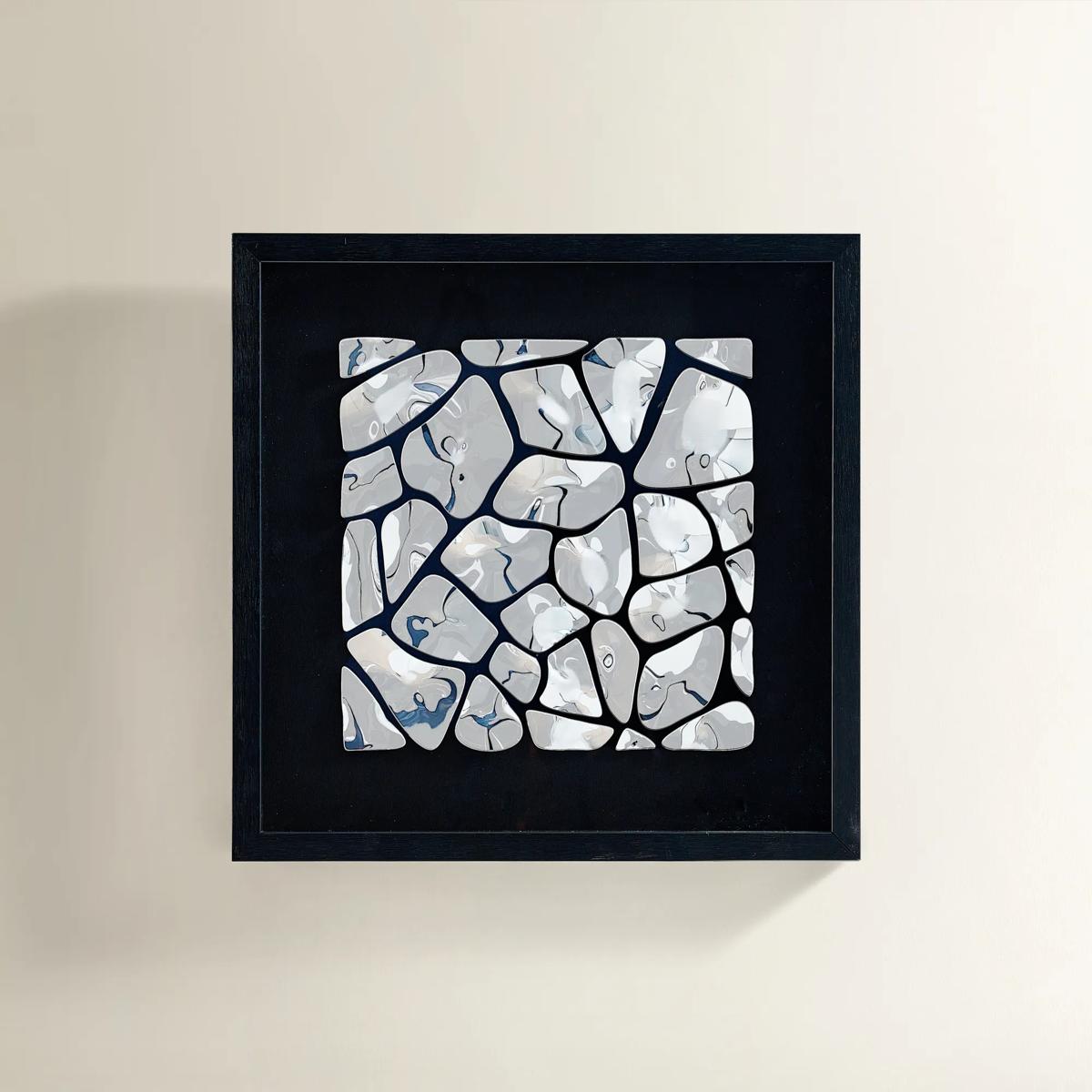 Reflect Silver And Black Shadowbox Art I$189
A dimensional metal wall art piece featuring polished silver and black forms in a sleek black frame.
Add To Cart -
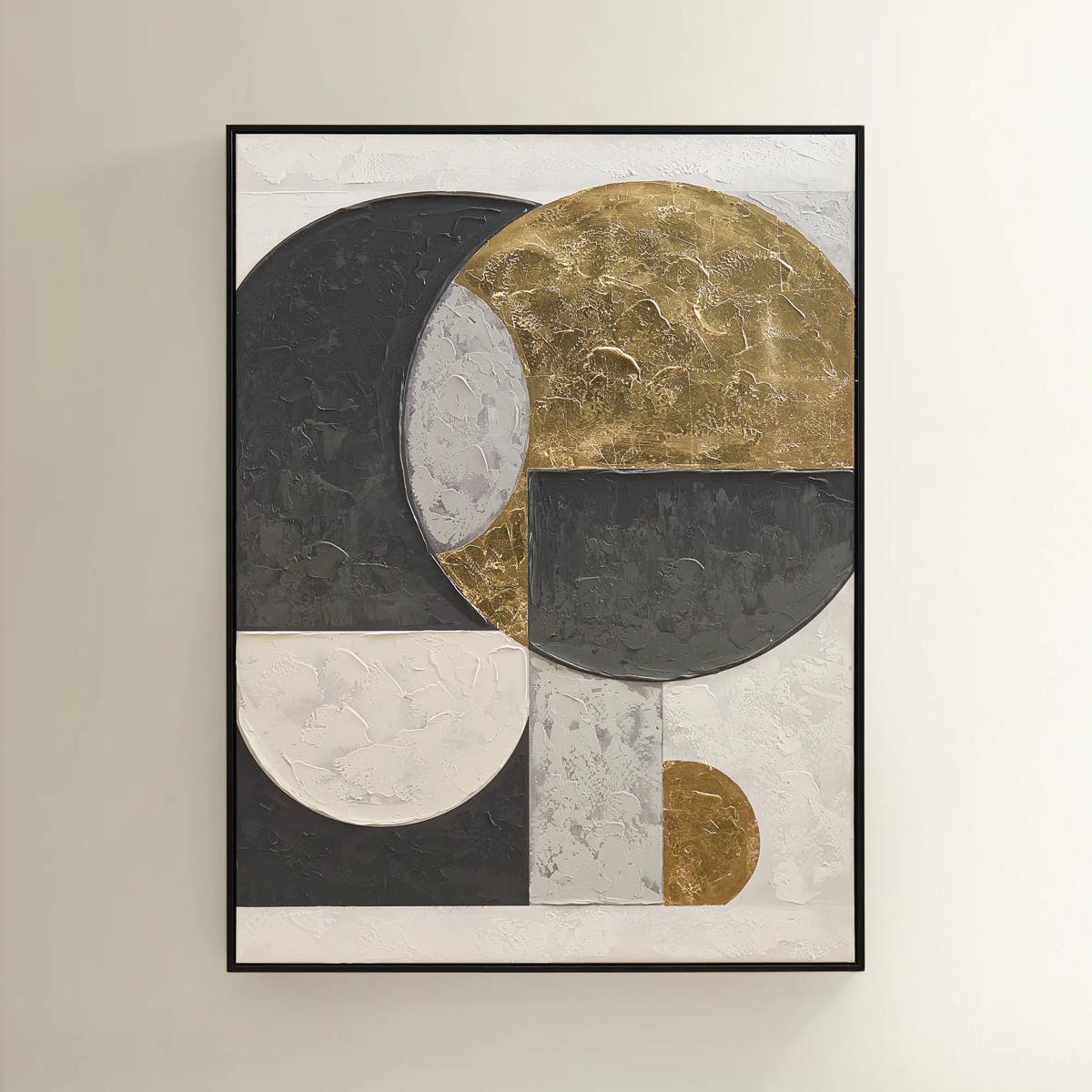
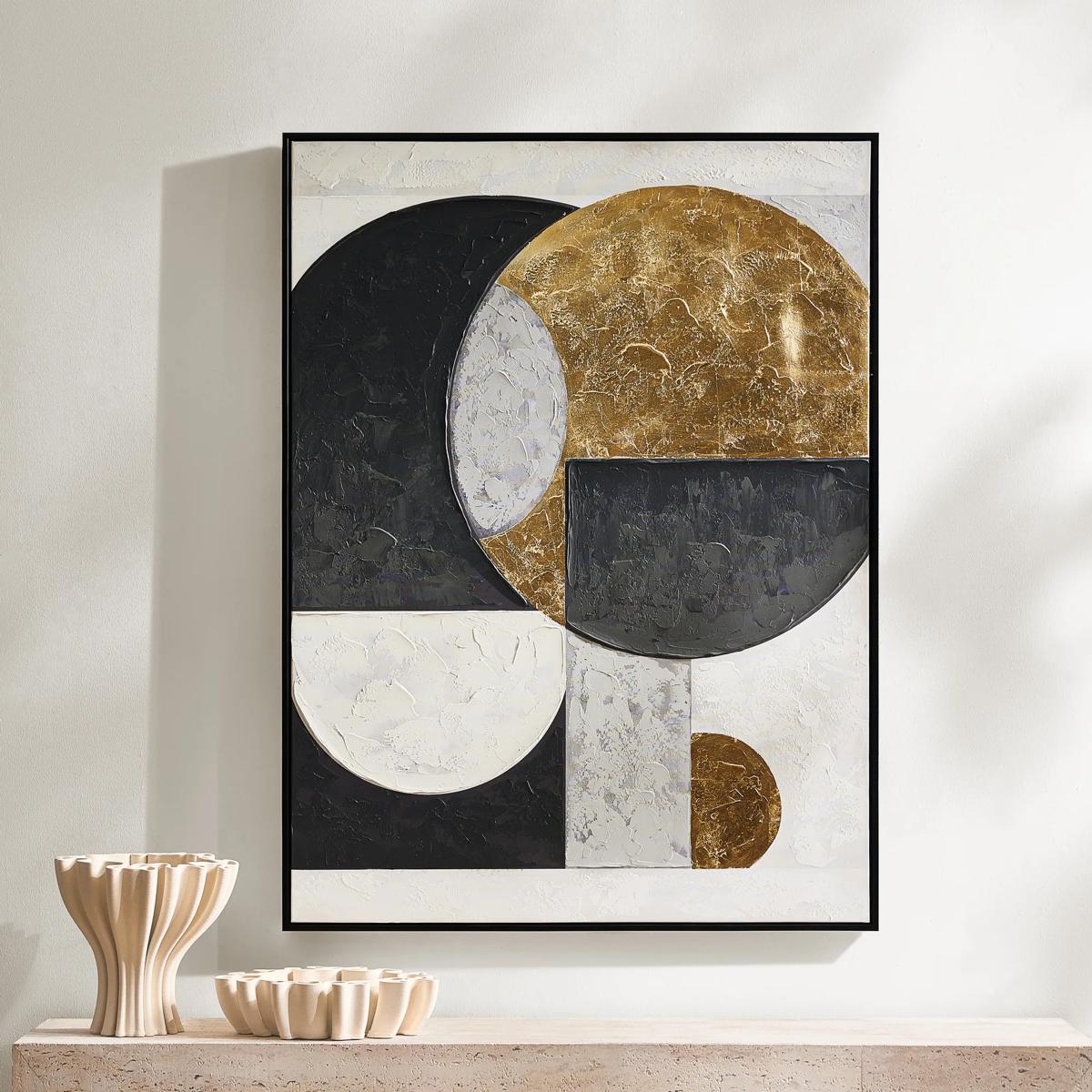 Eclipse Framed Gold Leaf Painted Wall Art 35.25" x 47.25"$449
A hand-painted canvas featuring bold black, grey, and gold geometric shapes with shimmering gold leaf accents.
Add To Cart -
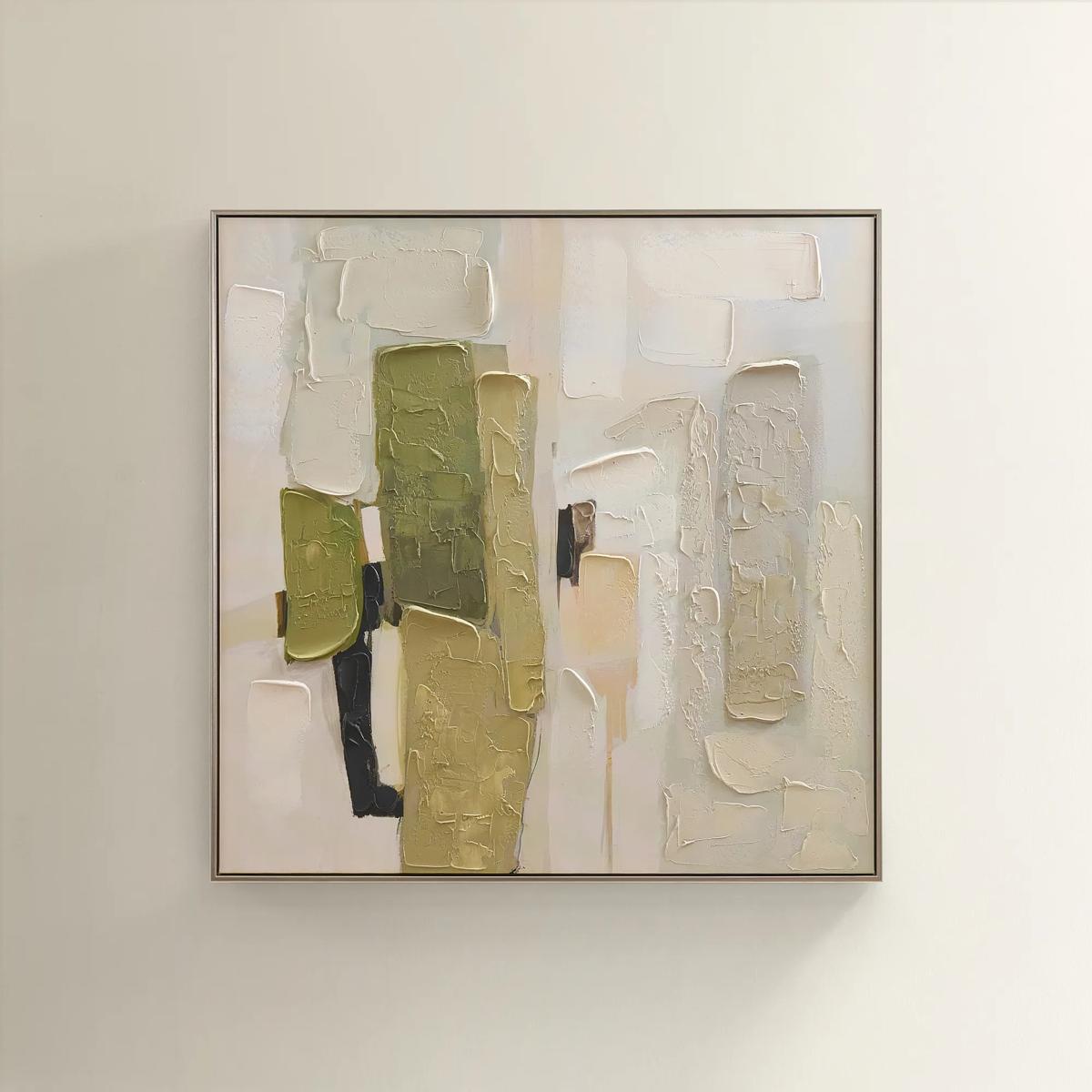 Verde Crush Framed Painted Wall Art 39.25" x 39.25"$349
A hand-painted abstract canvas featuring rich green tones, layered neutrals, and a champagne floater frame.
Add To Cart -
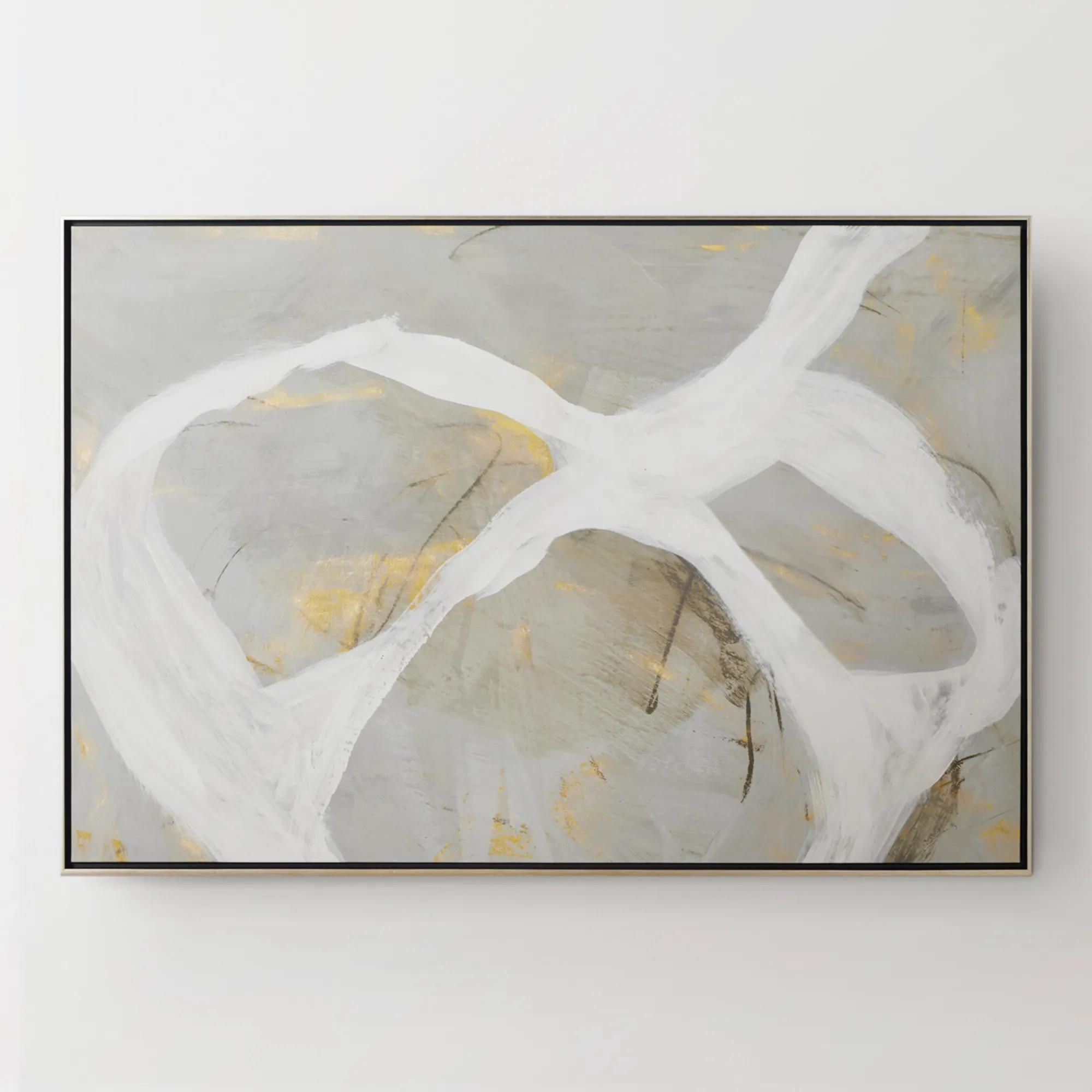
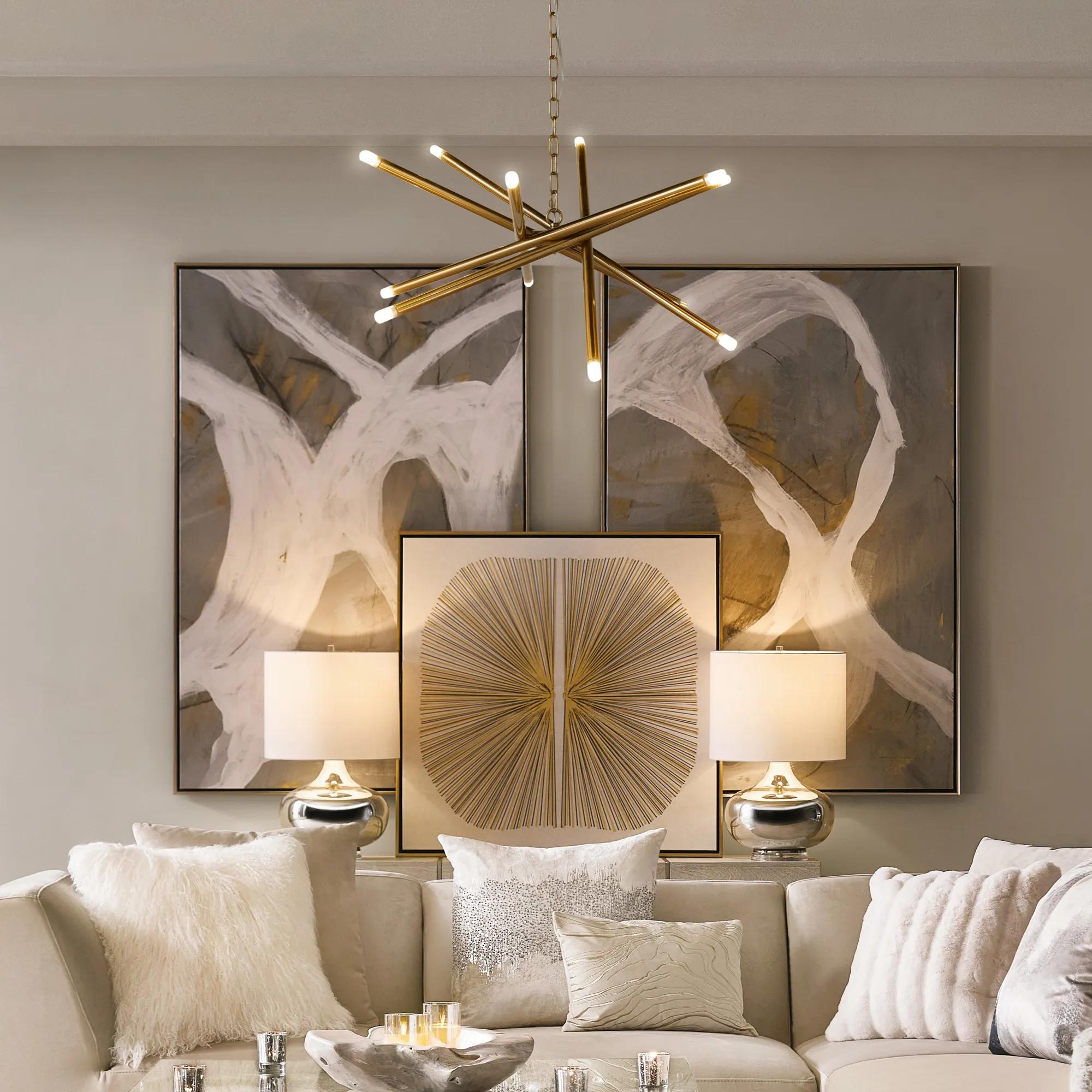 Les Series Framed Painted Wall Art I 61" x 41"$1099
An abstract canvas artwork featuring bold brushstrokes, hand-applied gold accents, and a silver floater frame.
Add To Cart -
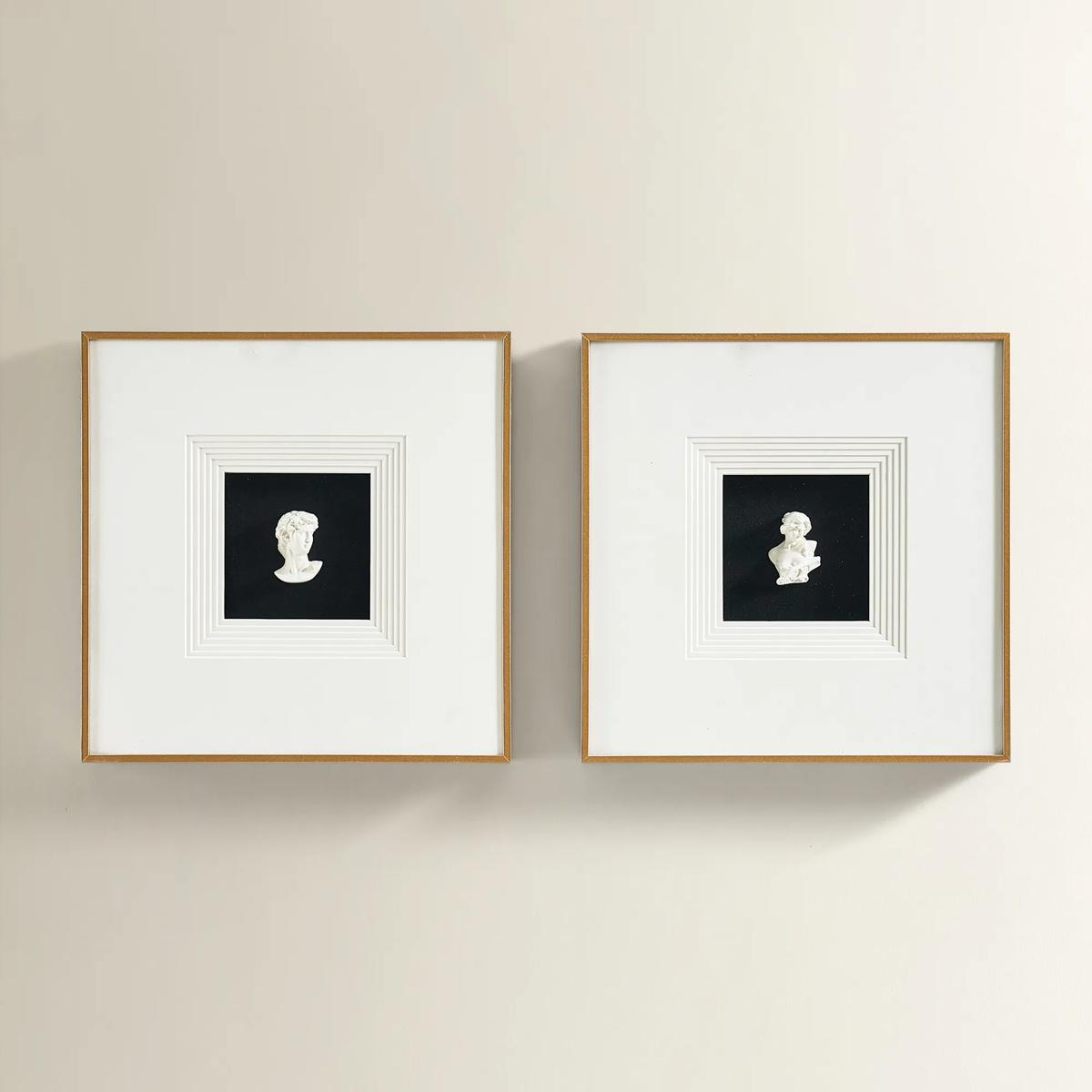
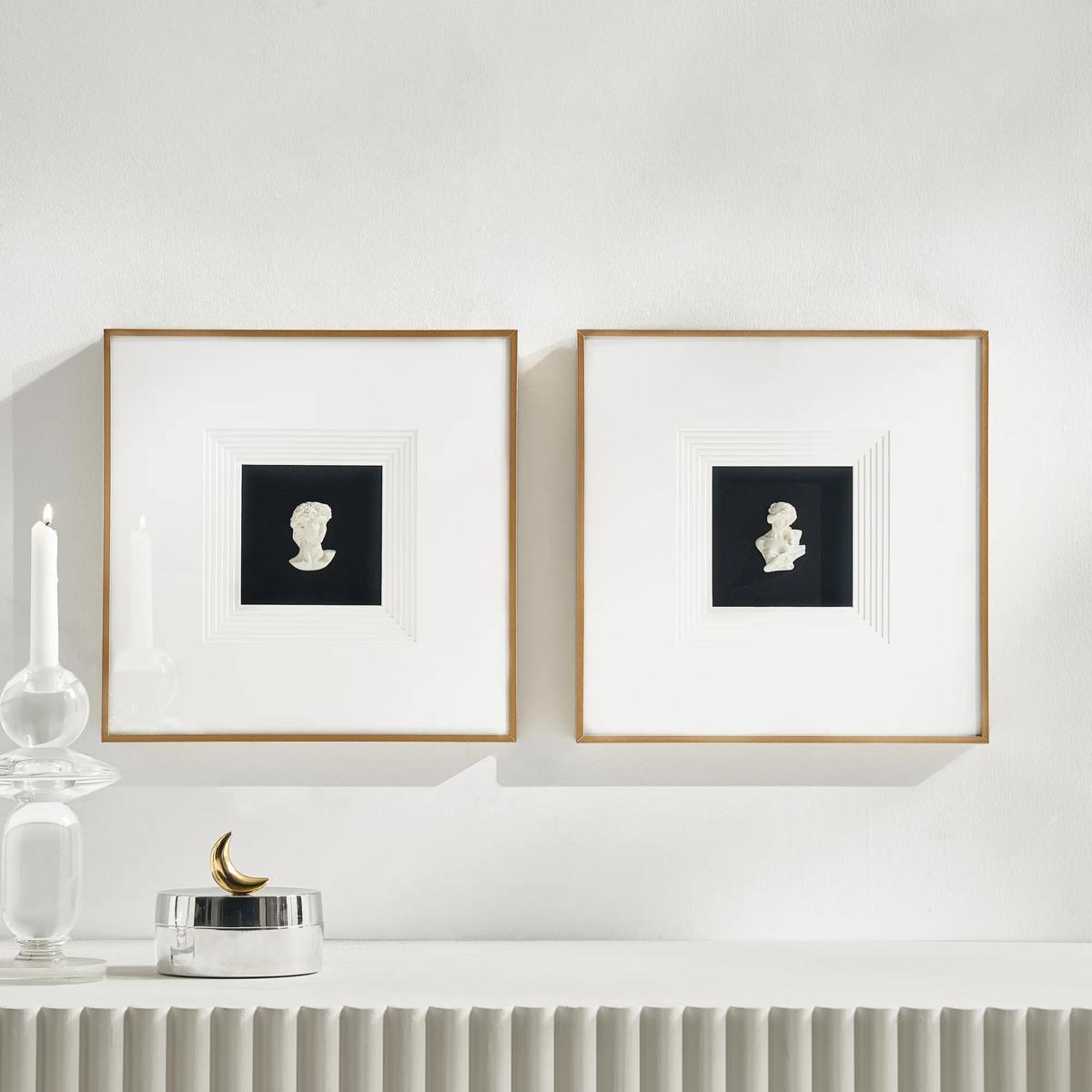 Classics Framed Plaster Wall Decor Set of 2$149
A set of two plaster portrait wall art pieces in black and ivory with sleek aluminum frames.
Add To Cart -
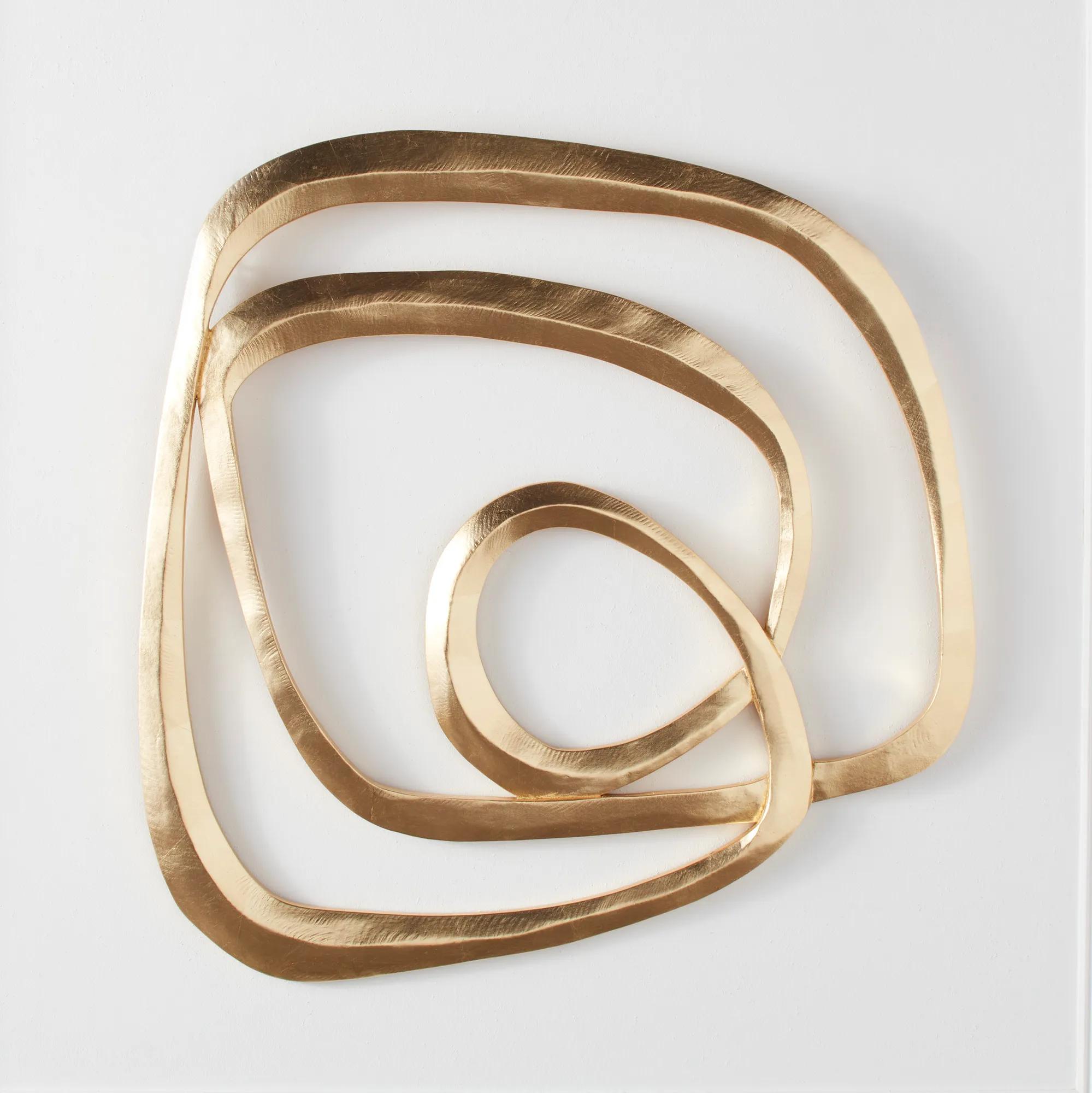 Infinity Gold Leaf Wood Wall Decor I 31.5" x 31.5"$299
A swirling wooden wall sculpture featuring a striking metallic gold finish for a bold decorative statement.
Add To Cart -
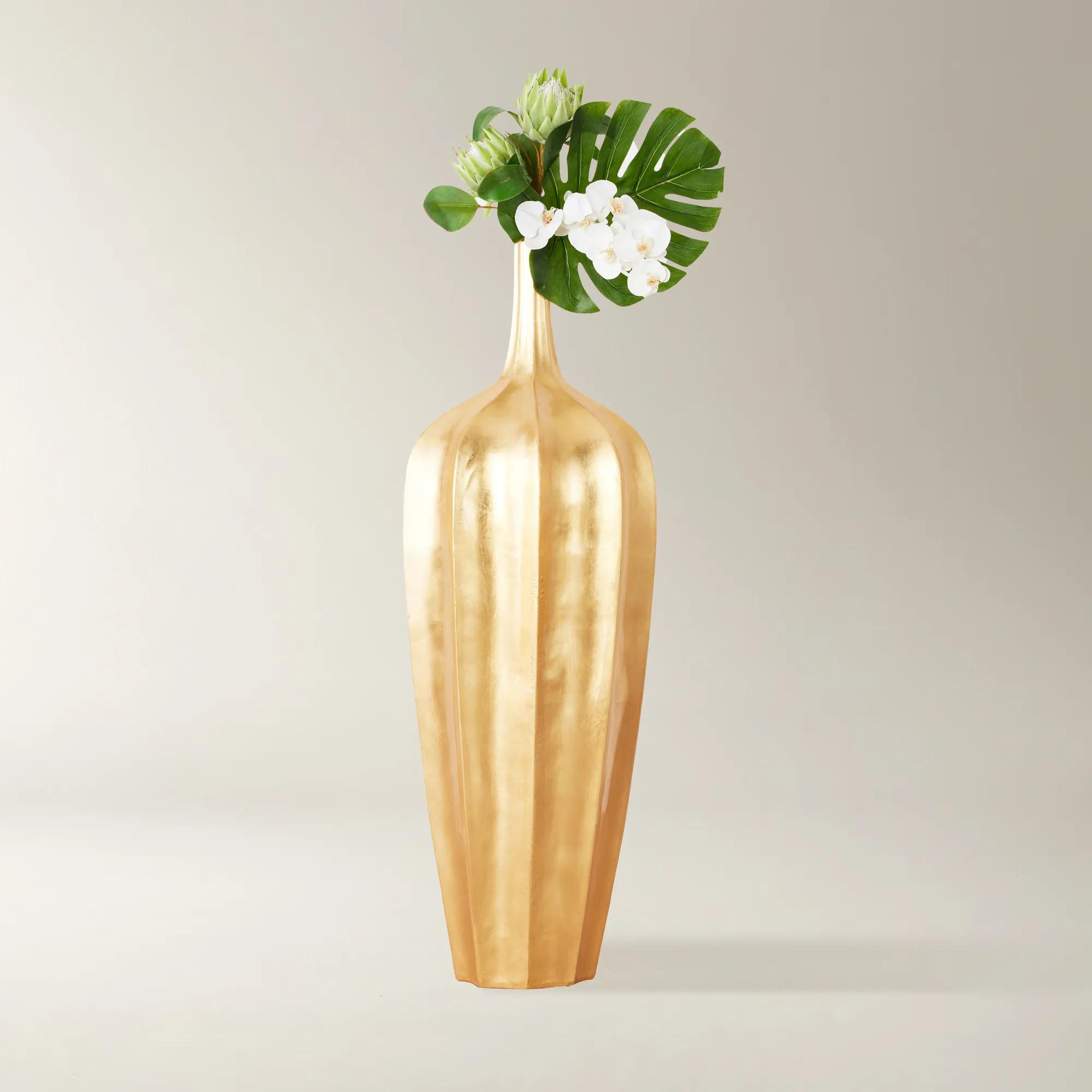 Accolade Gold Leaf Resin Floor Vase 48.75"$539
A fluted fiberglass vase featuring a lustrous gold foil finish for a striking decorative accent.
Add To Cart -
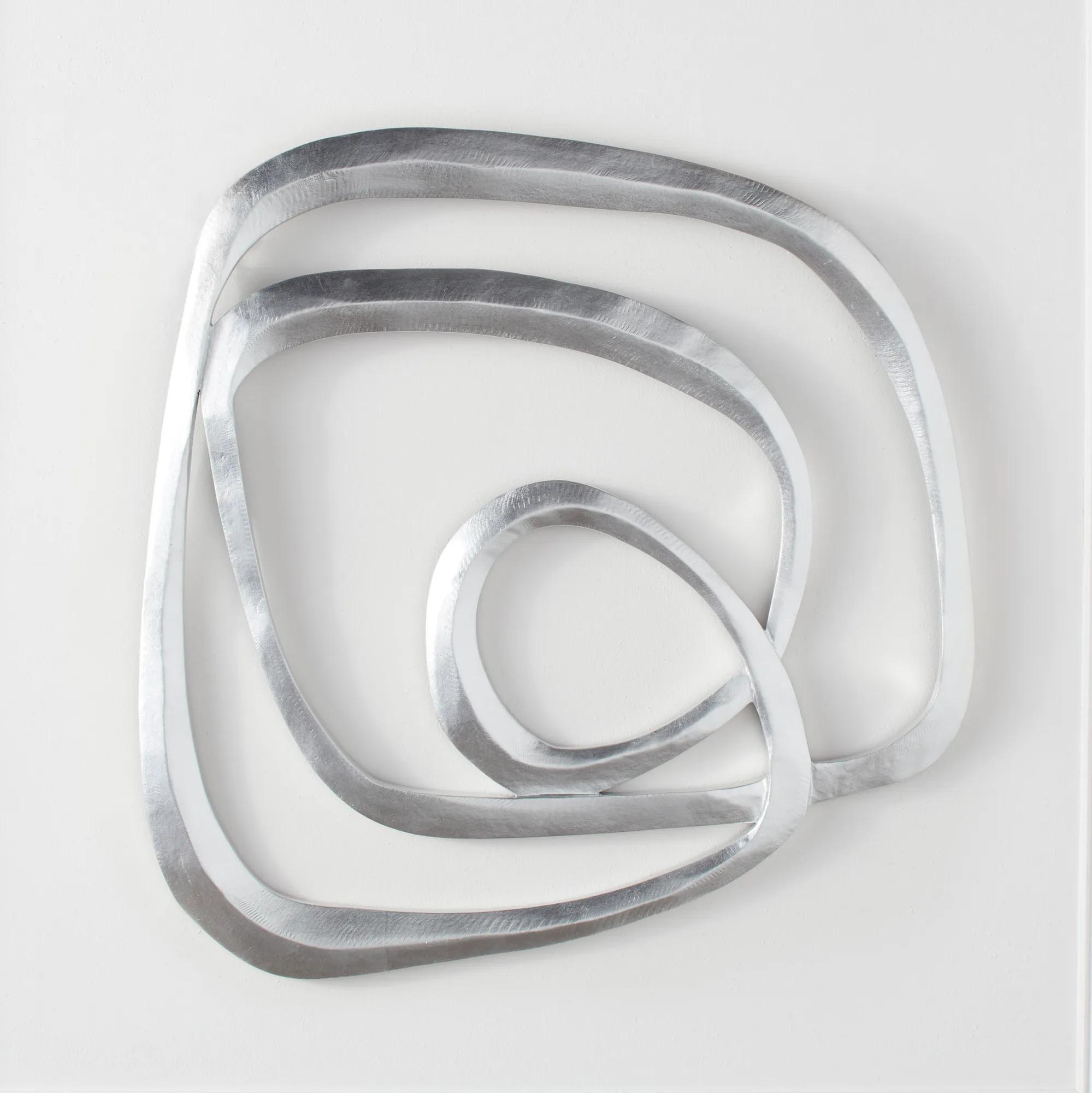 Infinity Silver Leaf Wood Wall Decor I 31.5" x 31.5"$299
A swirling wooden wall sculpture featuring a striking metallic silver finish for modern visual impact.
Add To Cart -
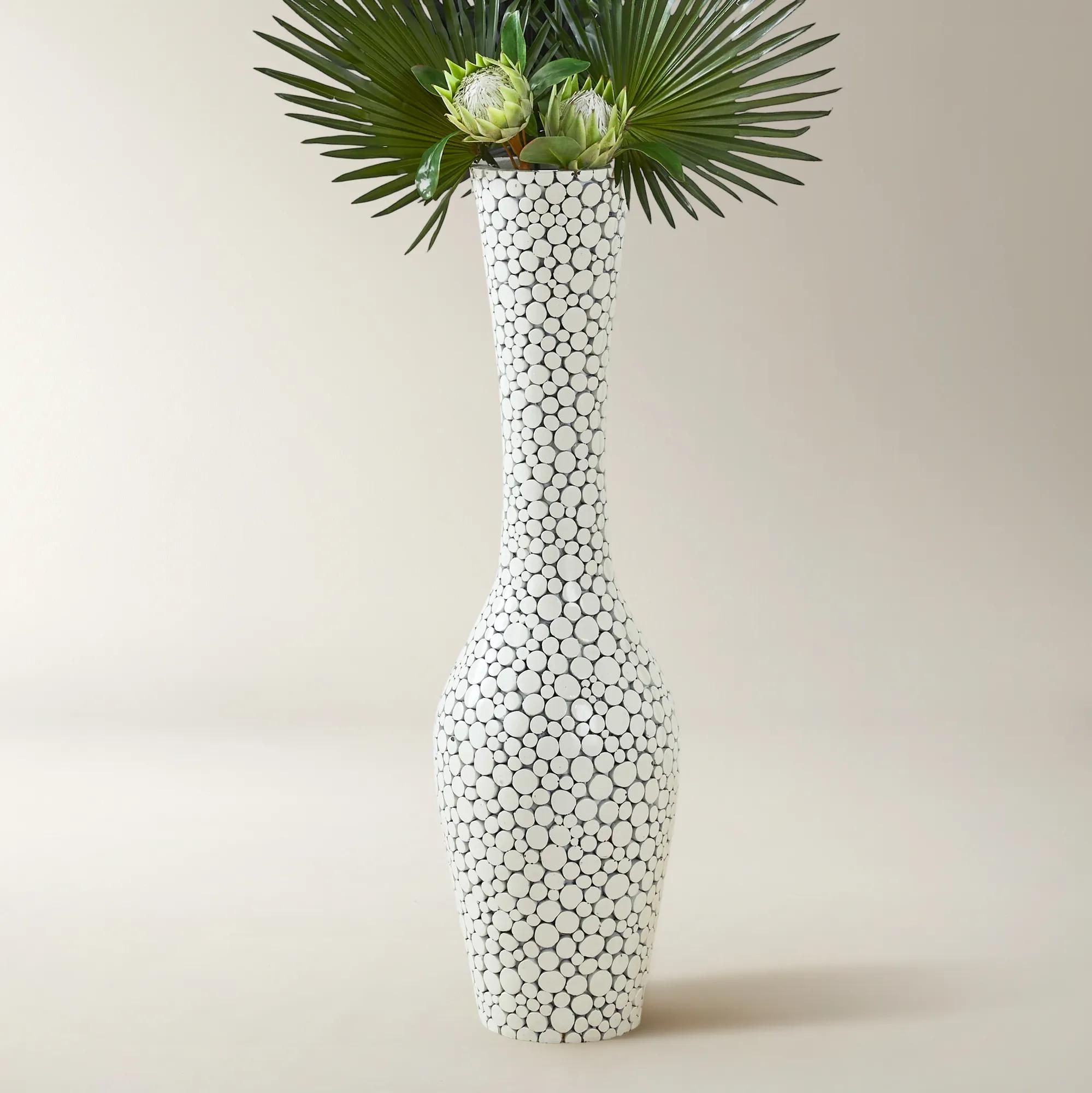 Oslo Floor Vase$299
A contemporary floor vase featuring hand-applied wood accents and a glossy white fiberglass base.
Add To Cart -
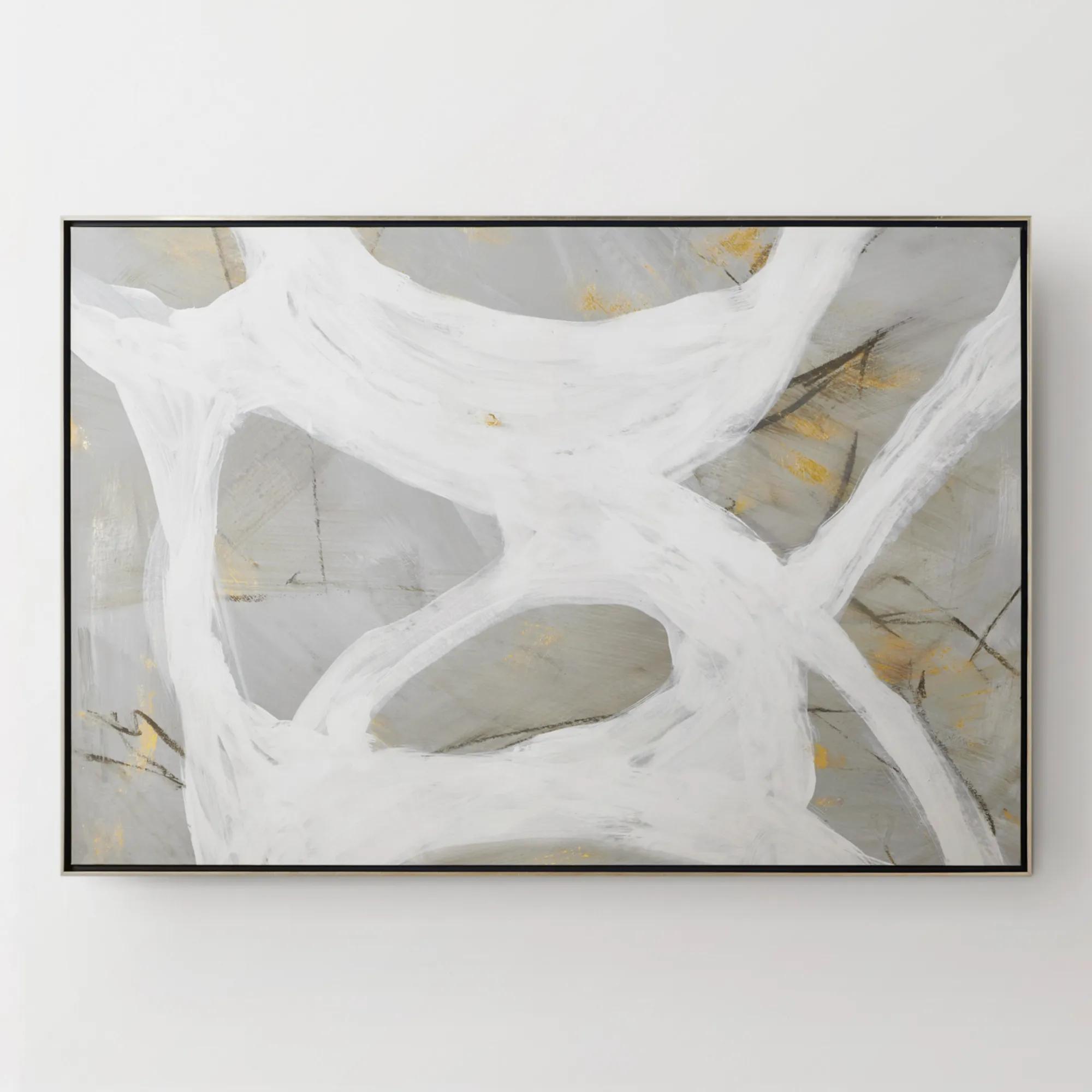
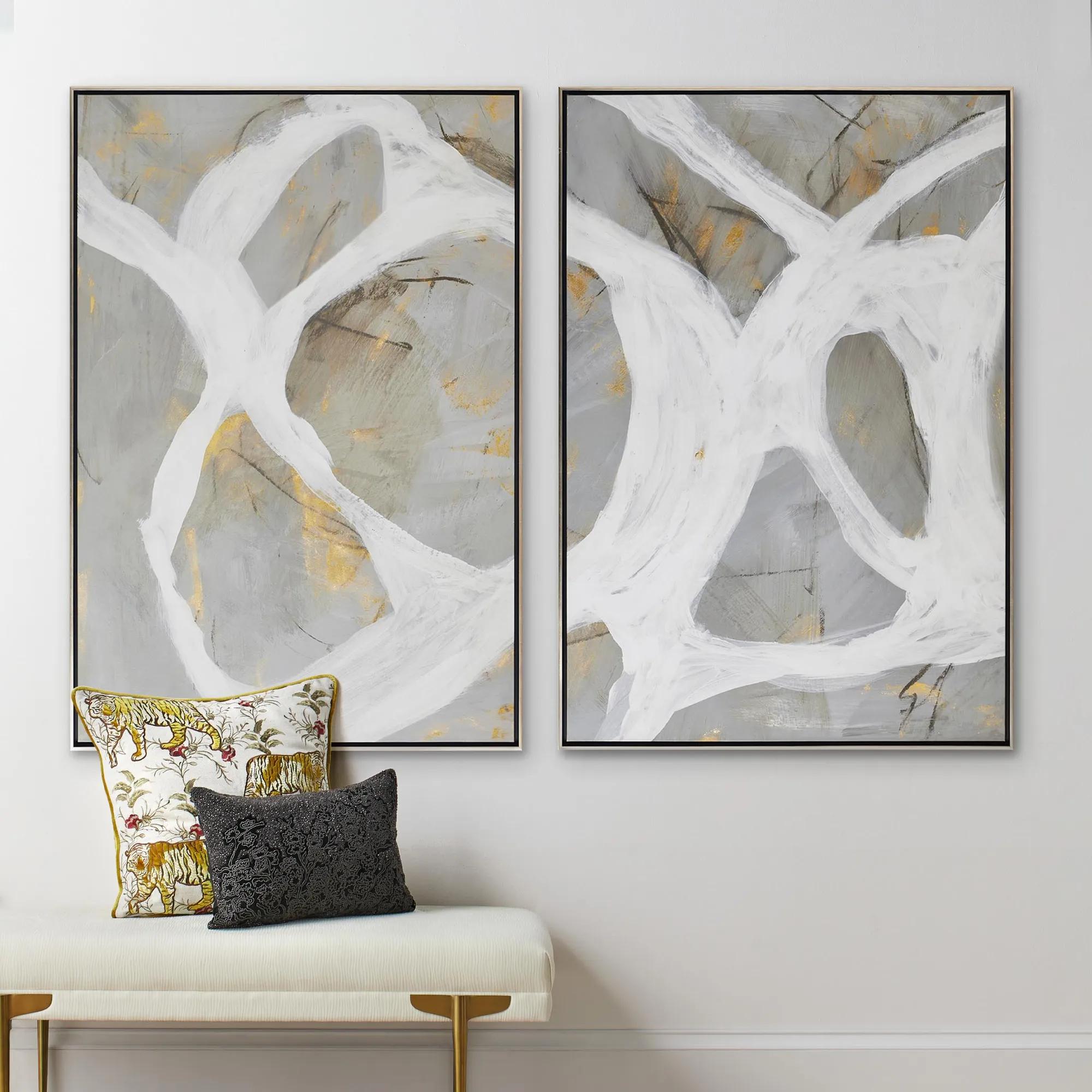 Les Series Framed Painted Wall Art II 61" x 41"$1099
An abstract canvas artwork featuring bold brushstrokes, hand-applied gold accents, and a silver floater frame.
Add To Cart -
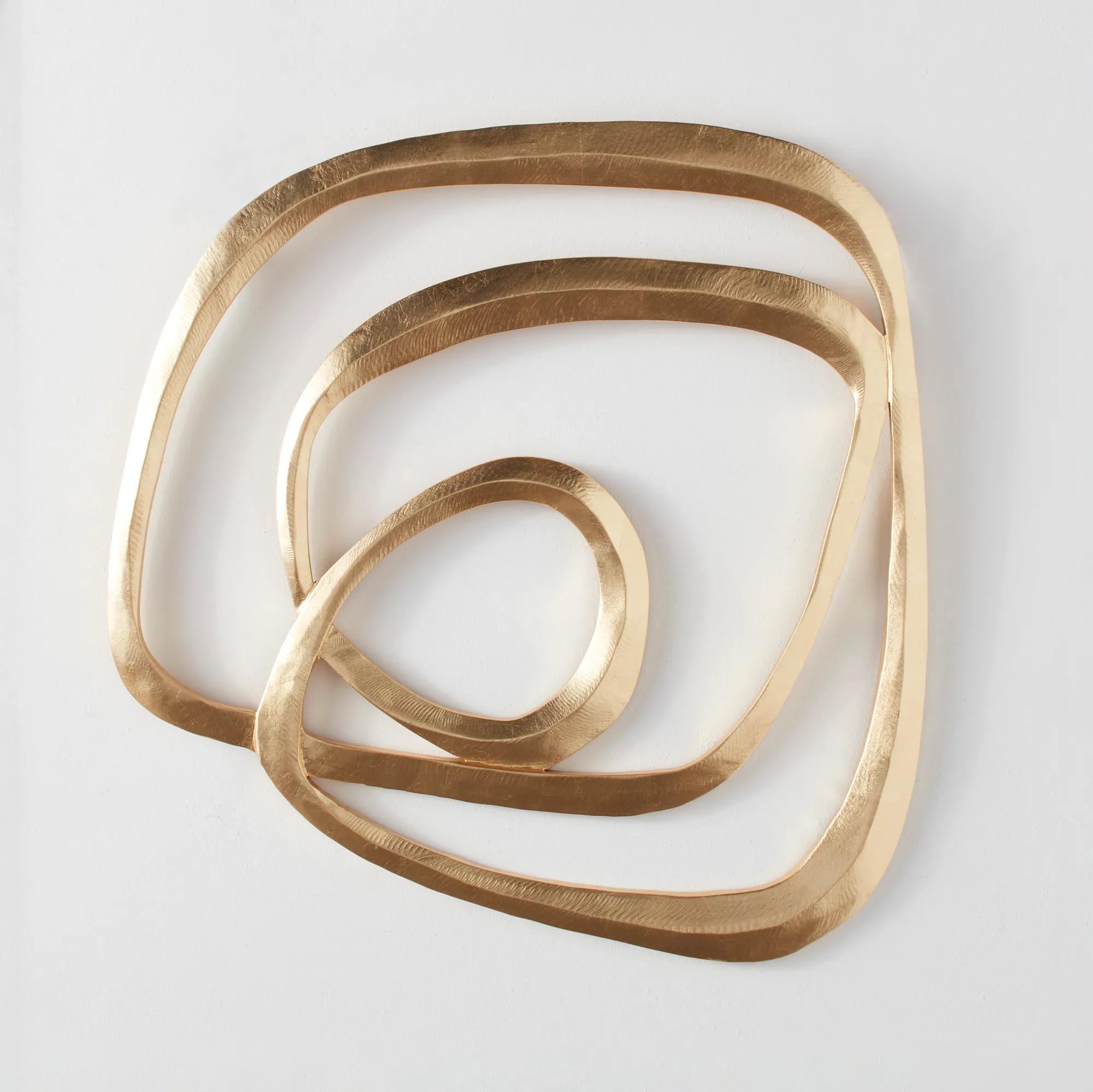 Infinity Gold Leaf Wood Wall Decor II 31.5" x 31.5"$299
A swirling wooden wall sculpture featuring a striking metallic gold finish for a modern statement.
Add To Cart -
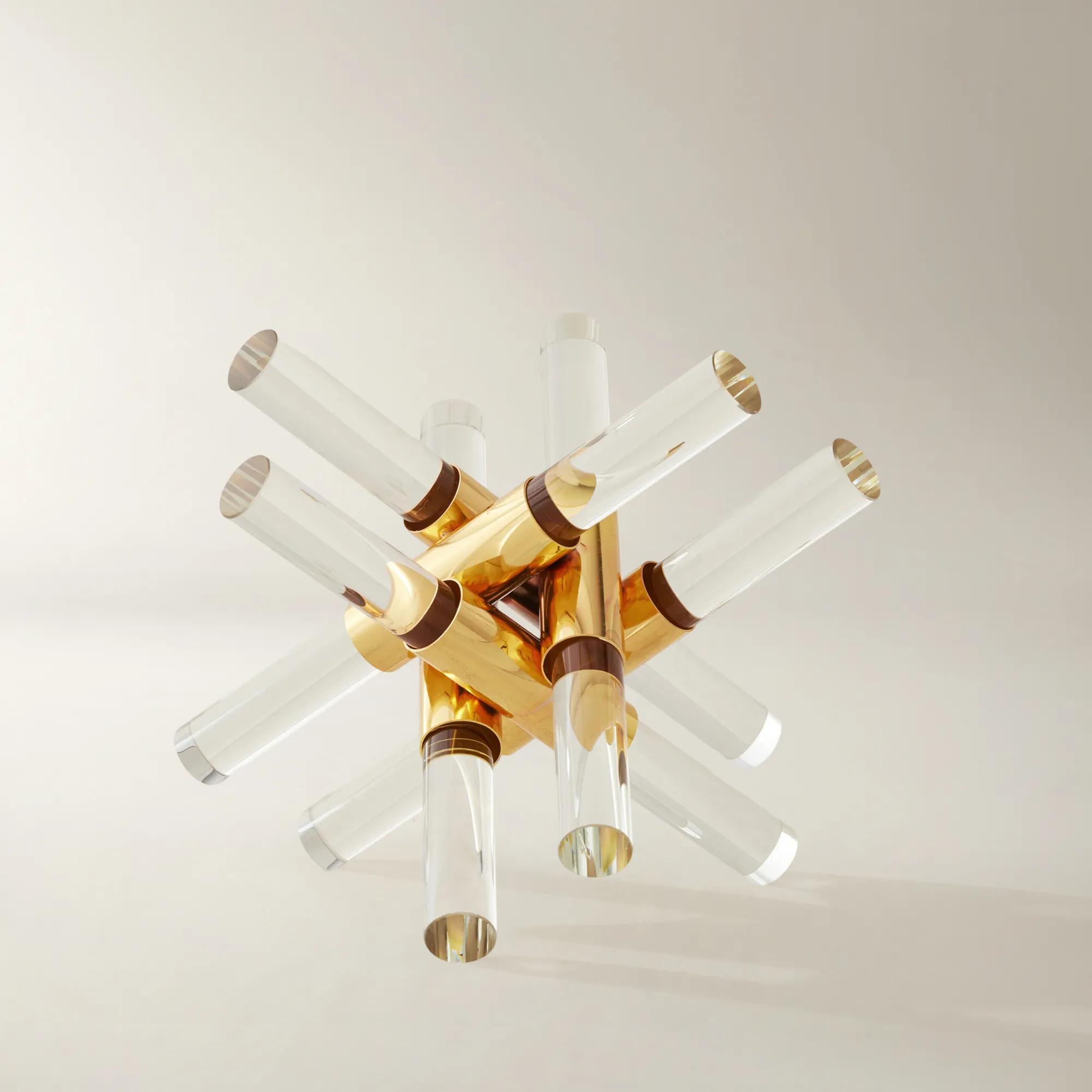
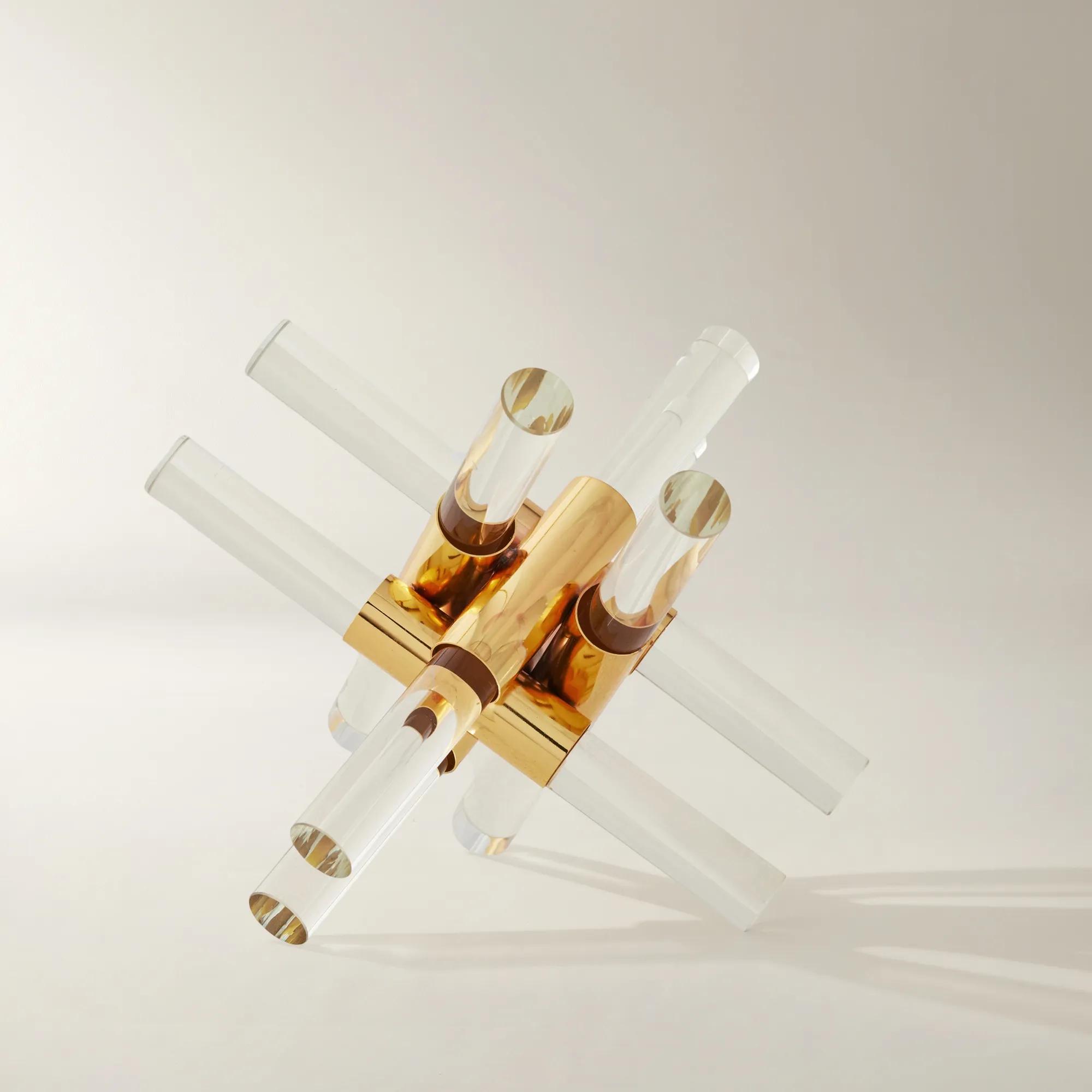 Crystal Glass And Gold Metal Decorative Object 8"$59
A striking decorative accent featuring clear glass rods and gold metal detailing for modern elegance.
Add To Cart -
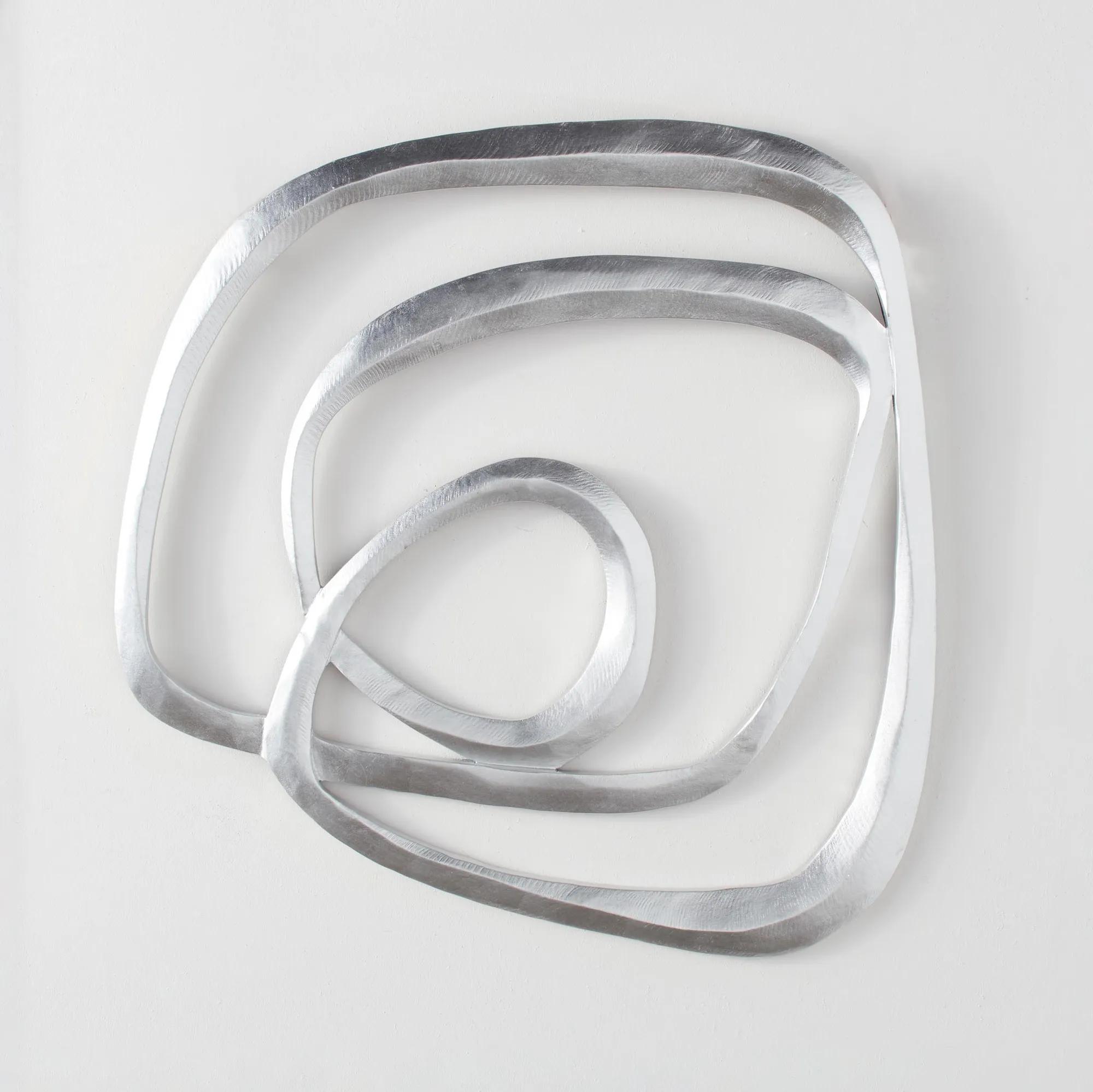 Infinity Silver Leaf Wood Wall Decor II 31.5" x 31.5"$299
A swirling wooden wall sculpture featuring a striking metallic silver finish for modern visual impact.
Add To Cart -
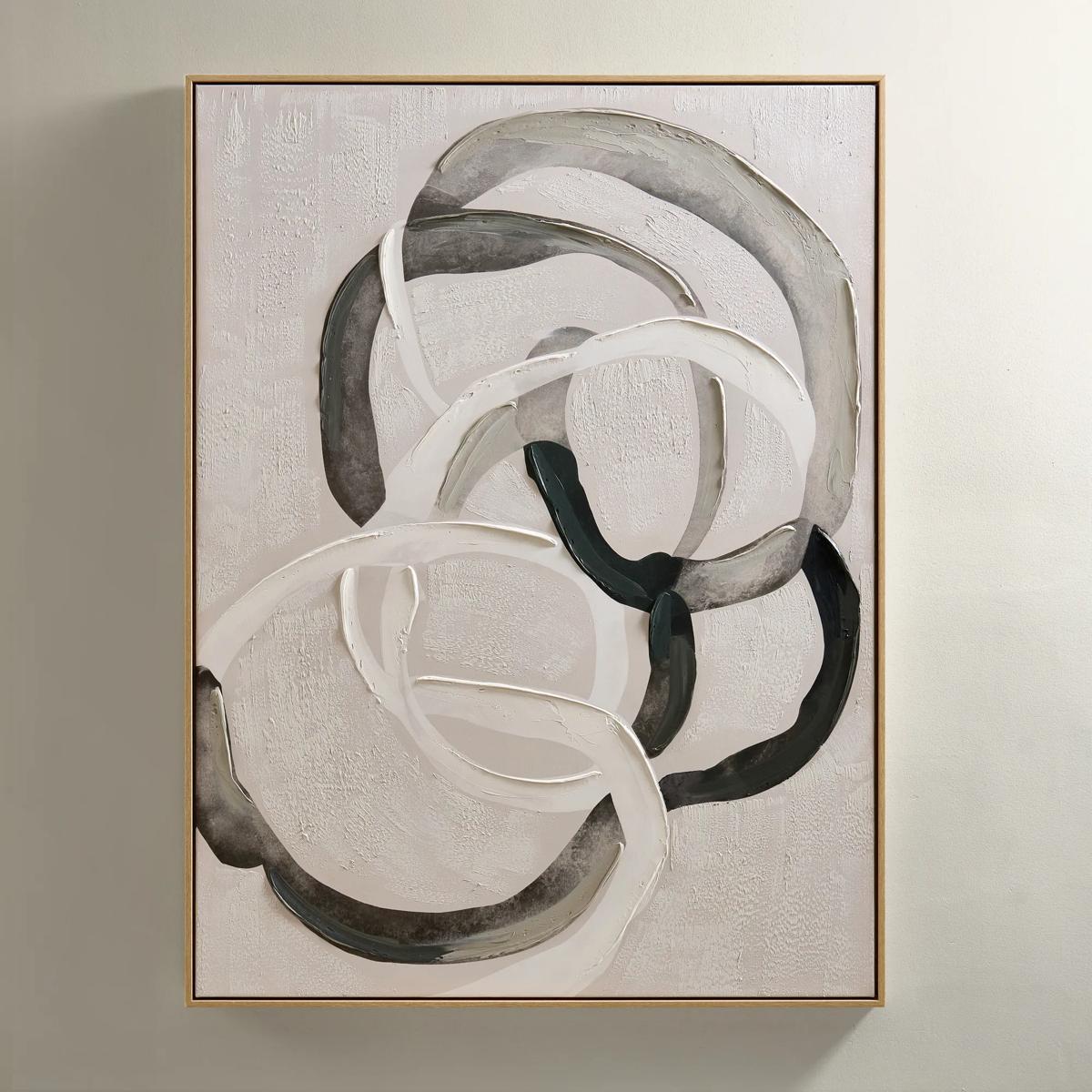
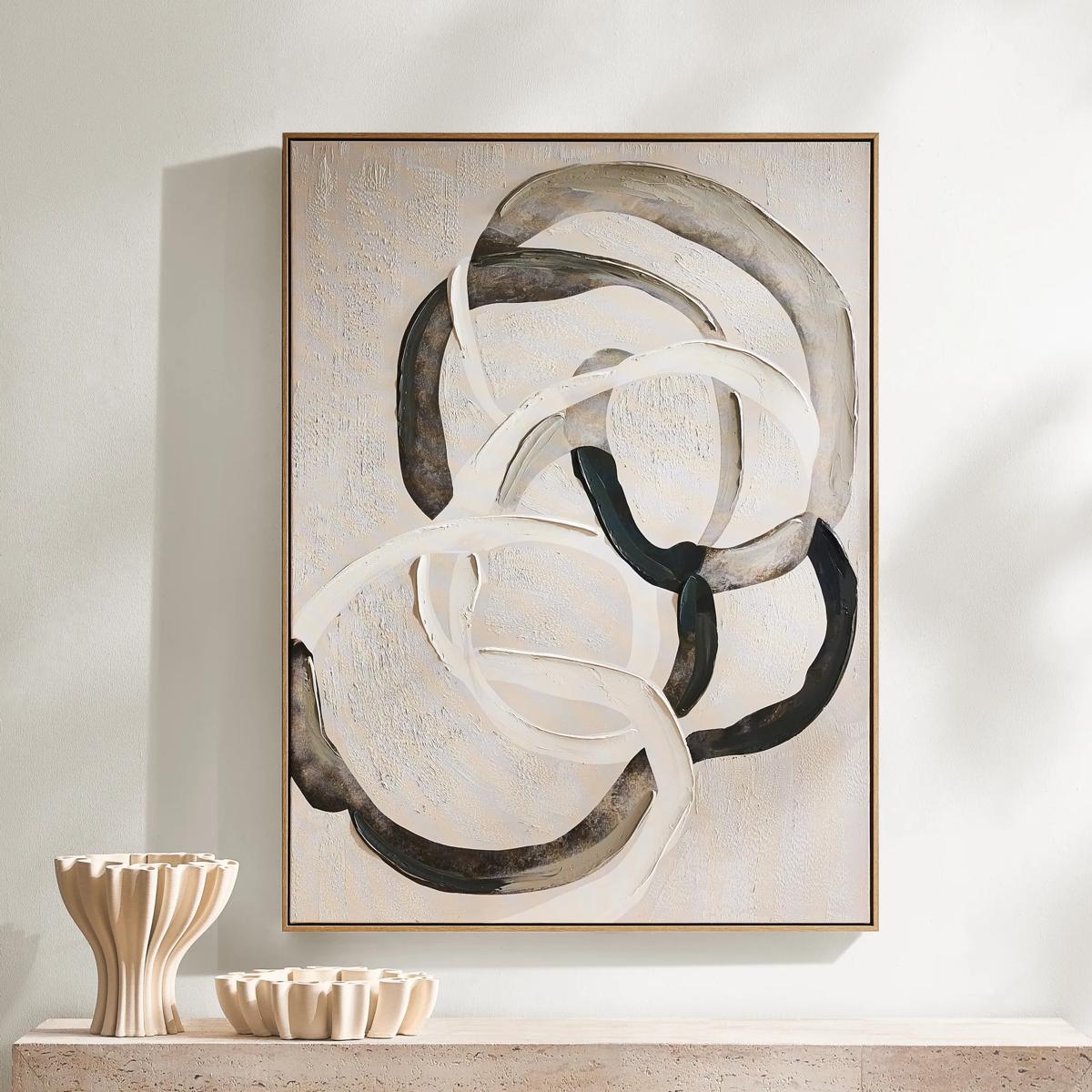 Round About Framed Painted Wall Art 35.25" x 47.25"$349
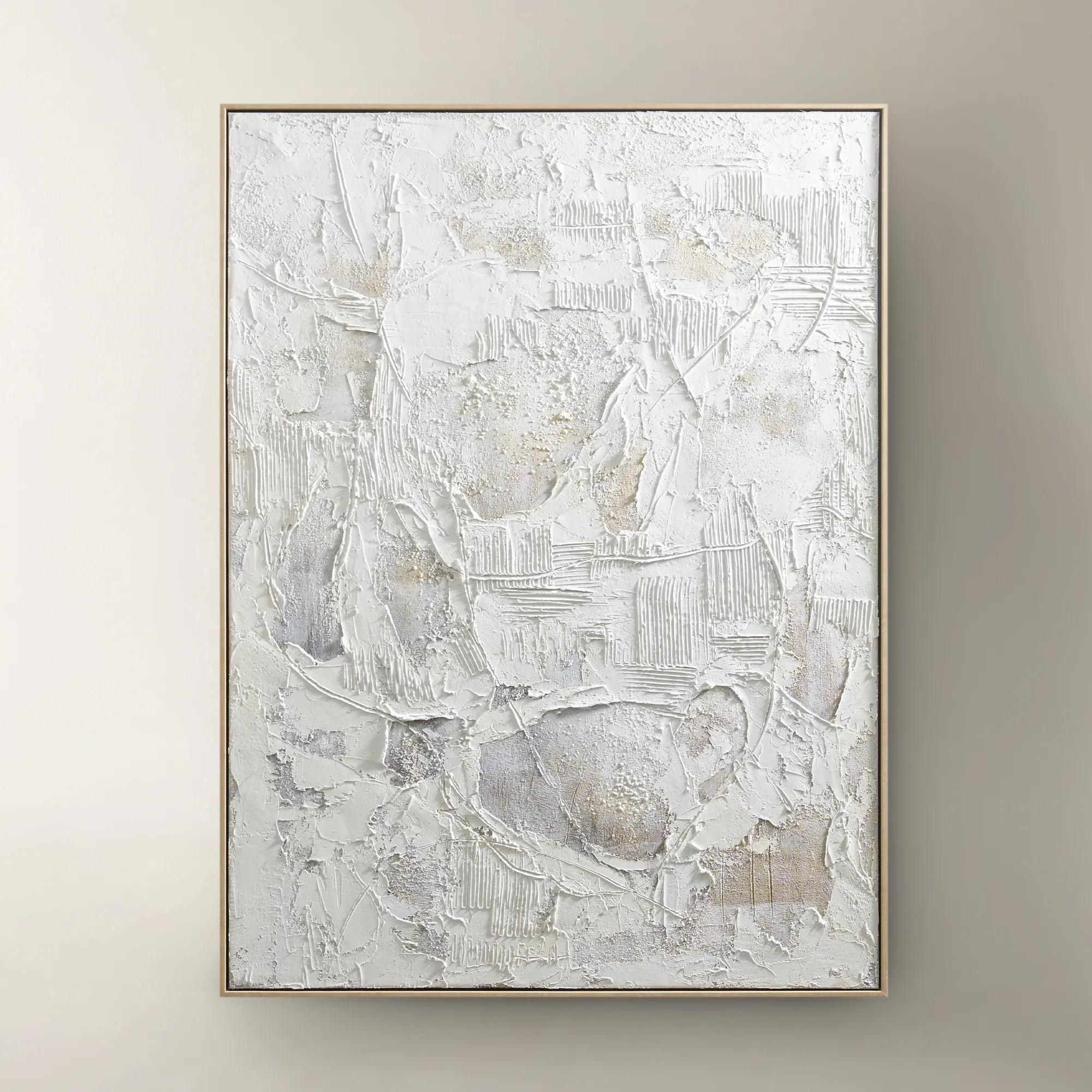
An abstract hand-painted canvas with tonal whites, charcoals, and taupes in a light wood floater frame.
Add To Cart -
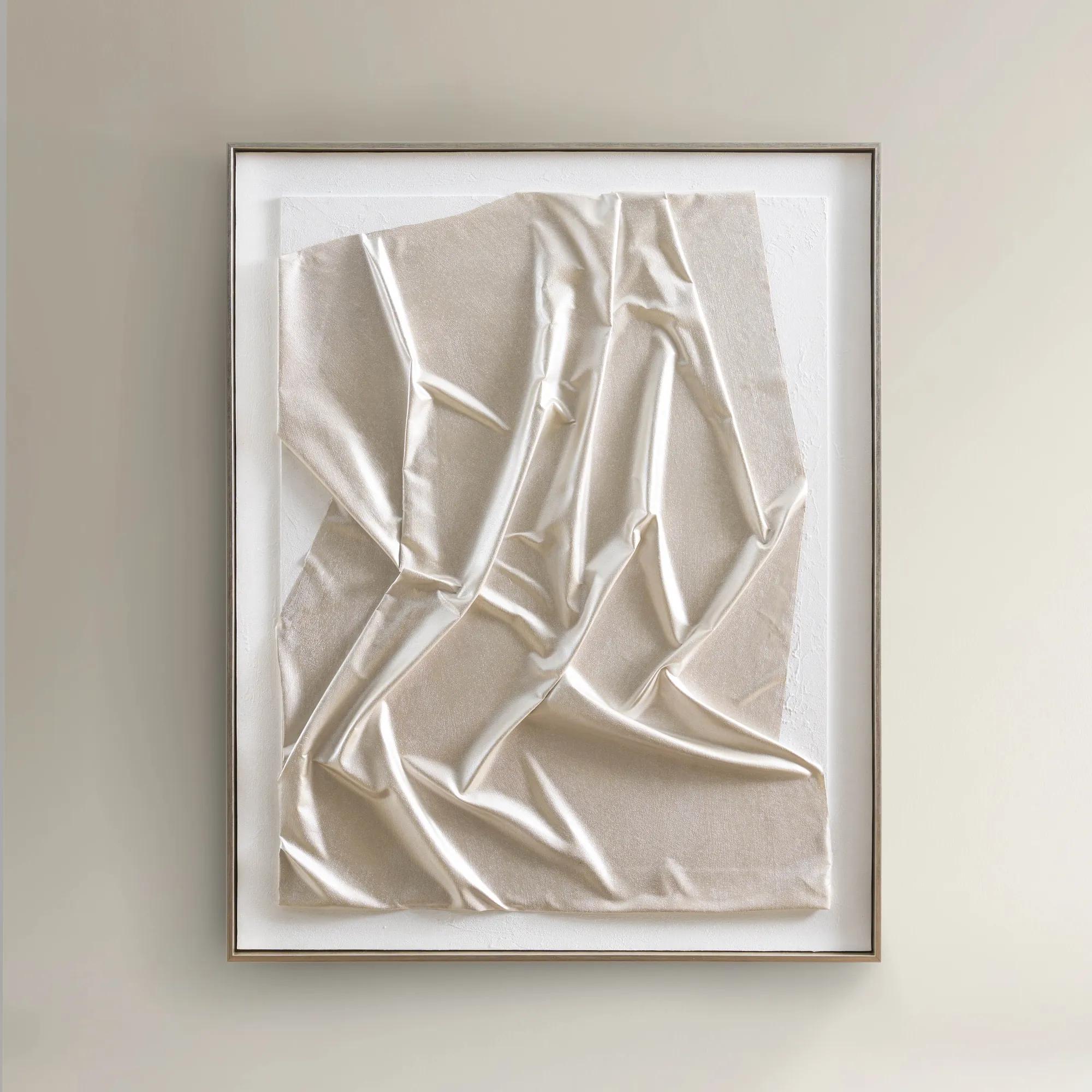 In the Mood Framed Painted Wall Art 31.5" x 39.5"$199
A hand-painted gold canvas artwork featuring textured surfaces and fluid forms in a champagne floater frame.
Add To Cart -
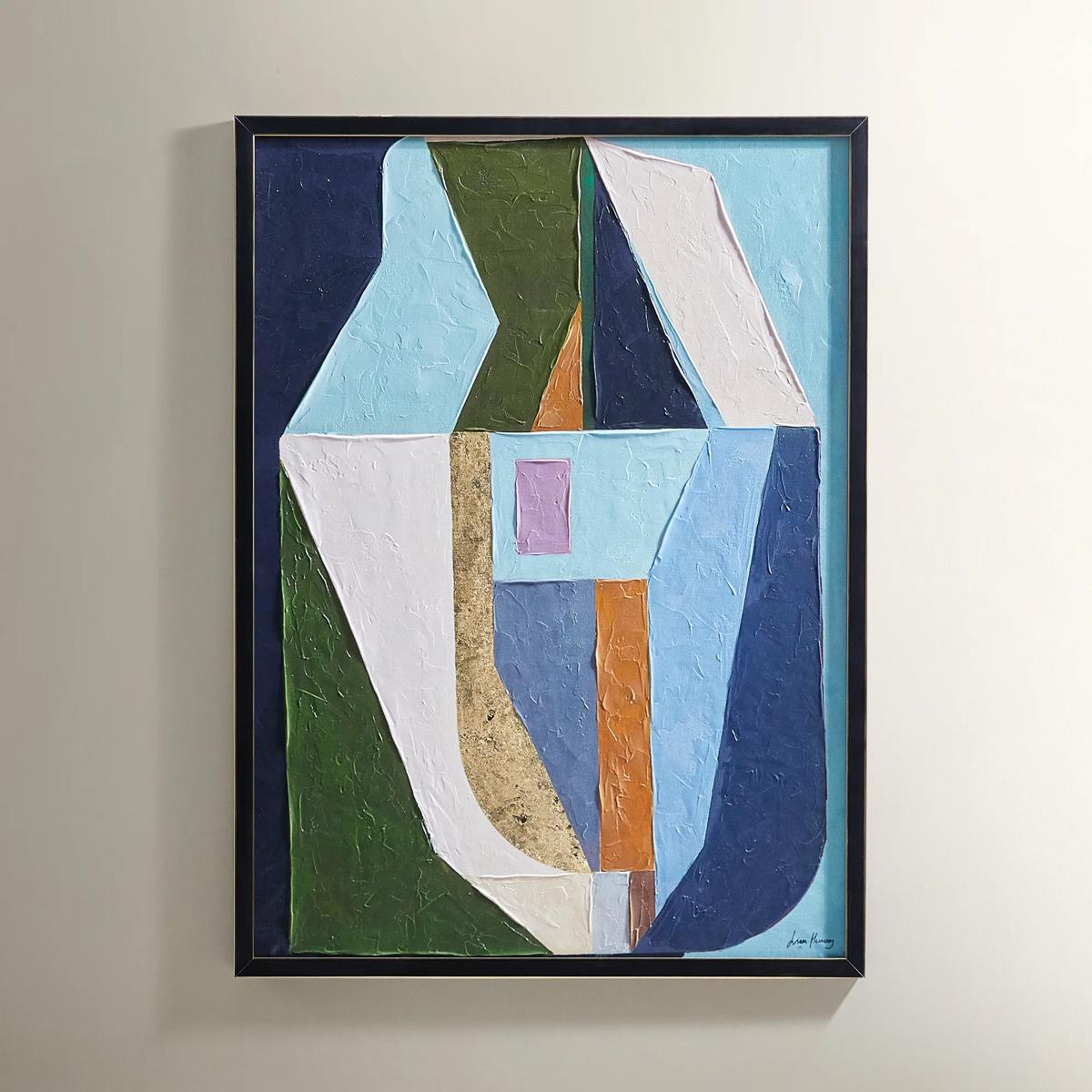 Thought Provoking Painting 2$249
A hand-embellished canvas artwork featuring textured strokes in deep blue, olive green, and gold accents.
Add To Cart -
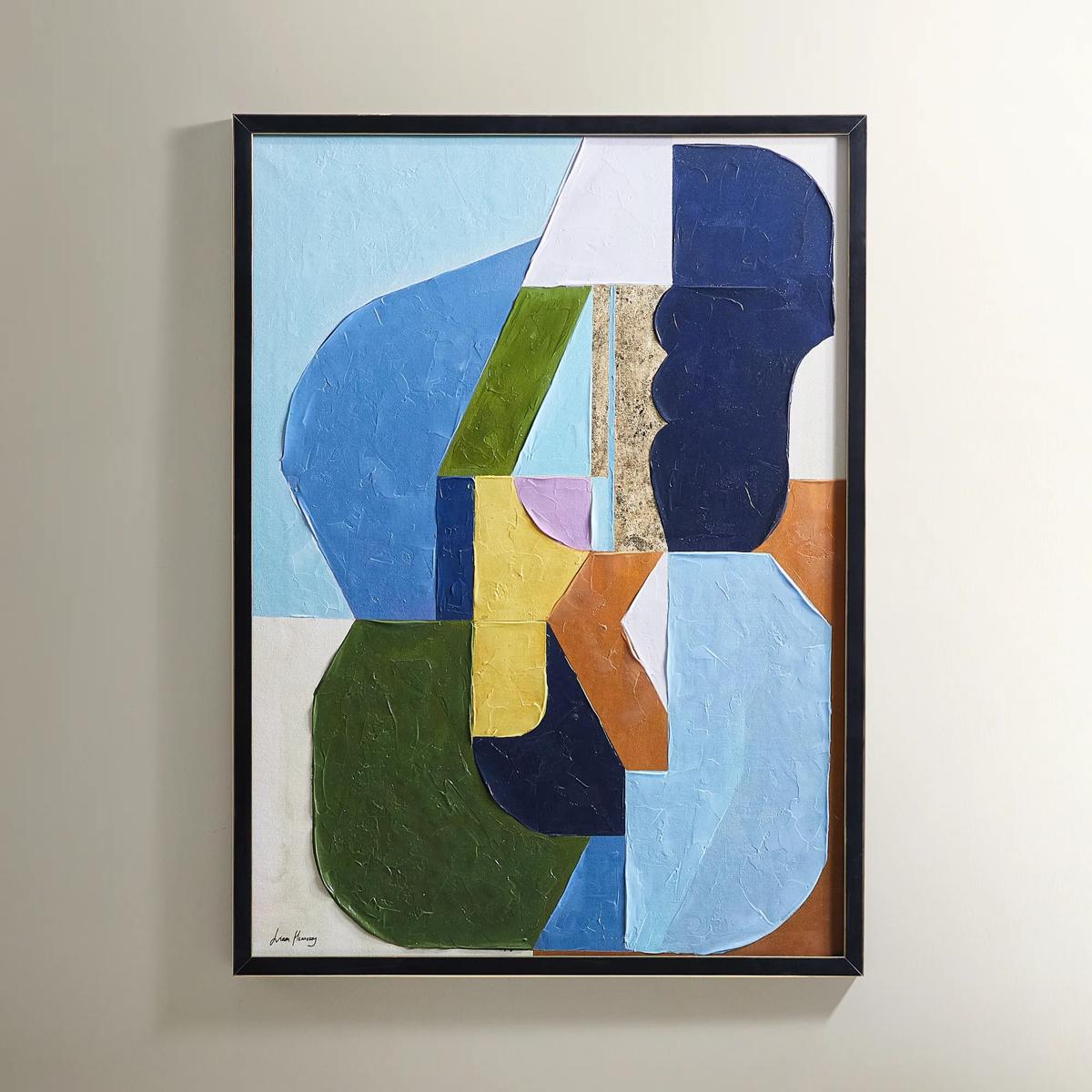
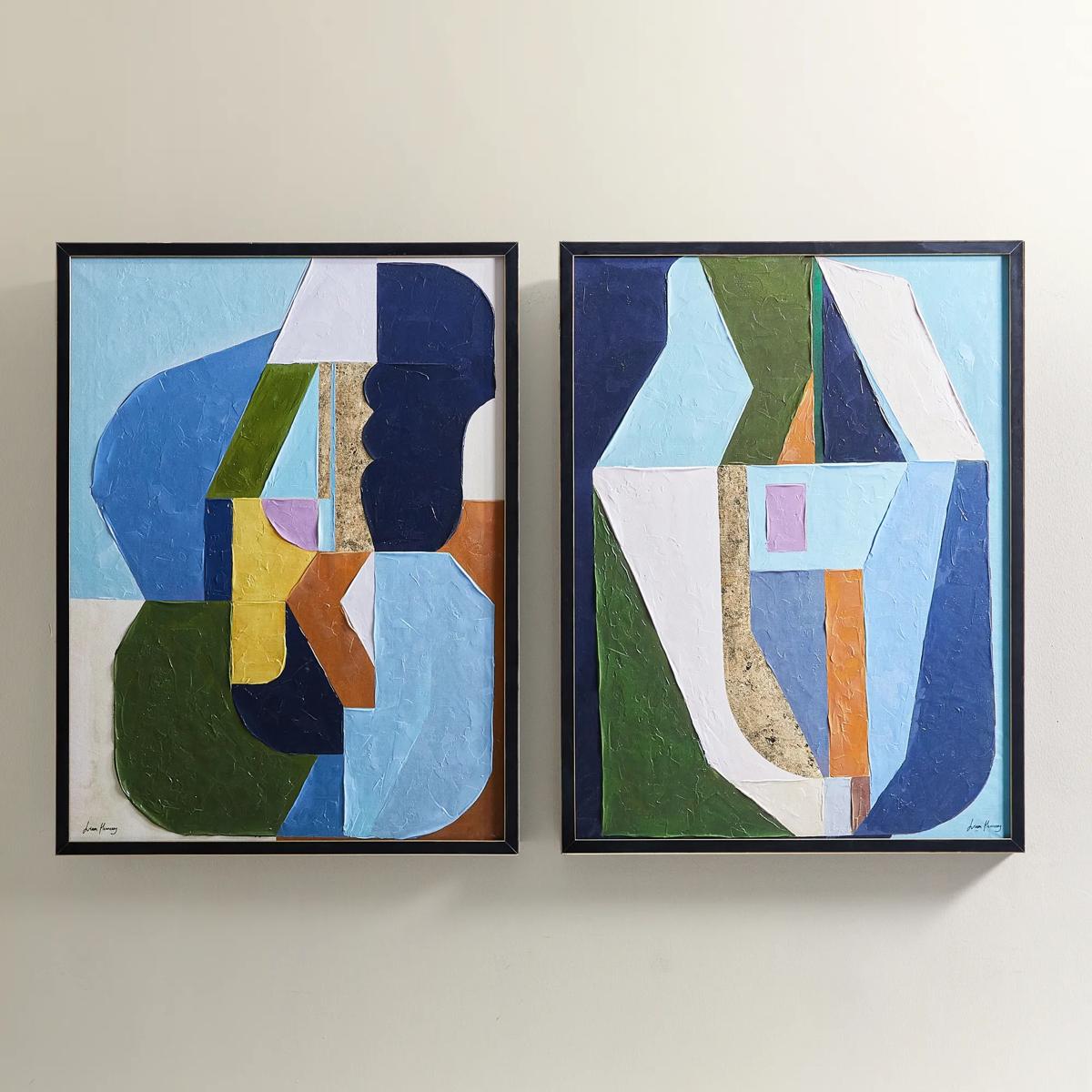 Thought Provoking Painting 1$249
A hand-embellished canvas artwork featuring textured strokes in deep blue, olive green, and gold accents.
Add To Cart -
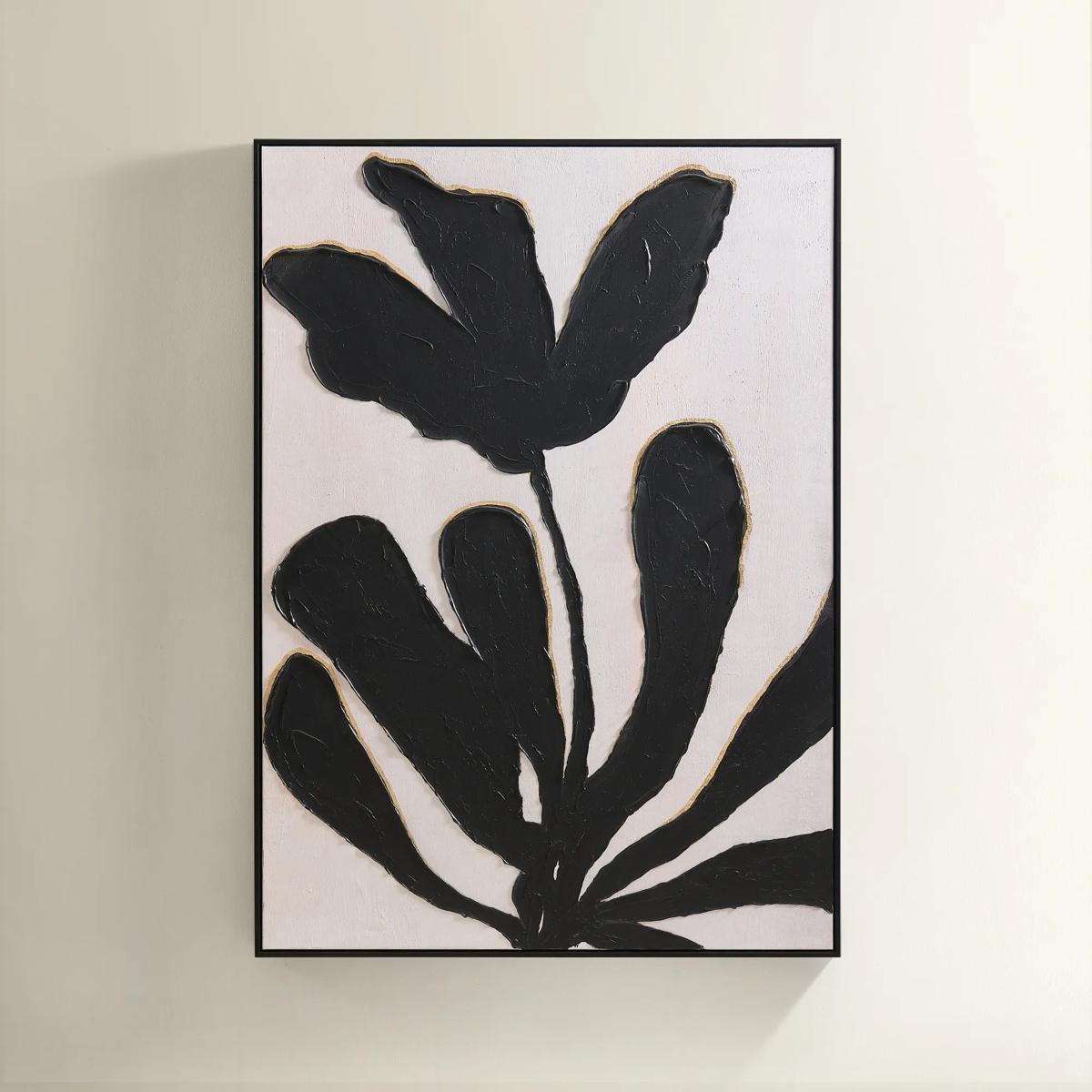
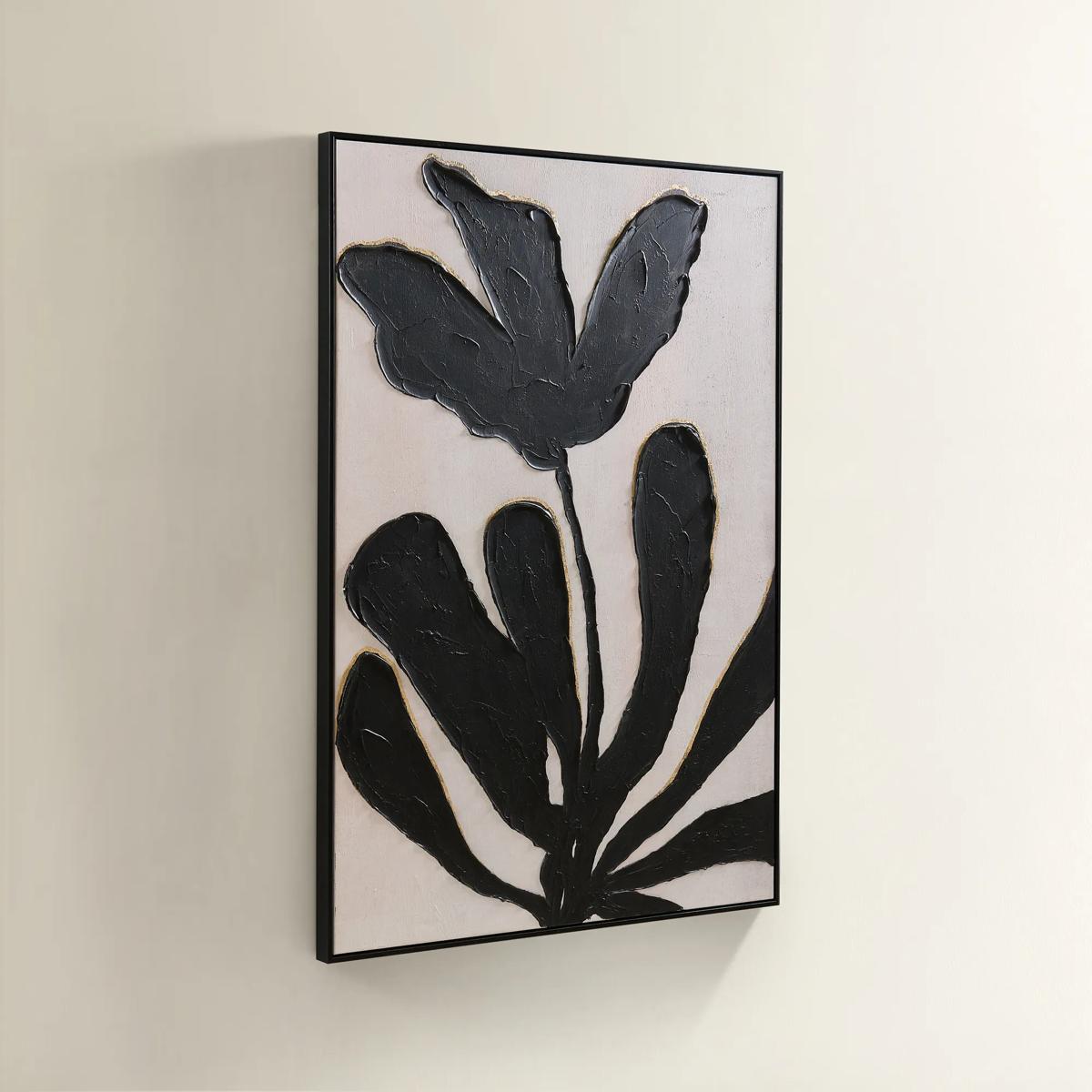 First Bloom Framed Painted Wall Art 39.25" x 55"$499
A hand-painted canvas featuring black abstract leaves and gold leafing on an ivory background in a black frame.
Add To Cart -
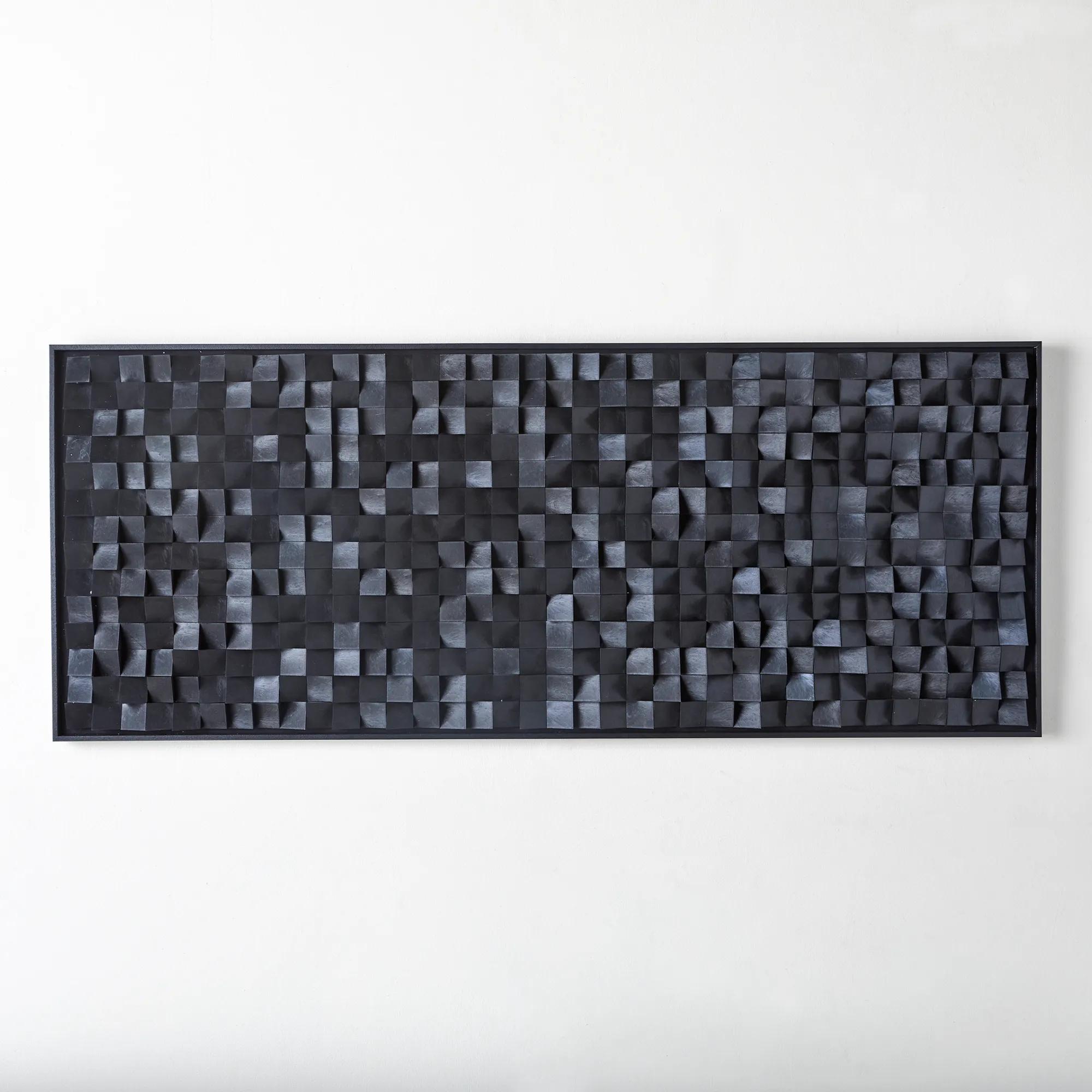 Nightfall Black Wood Dimenisonal Wall Panel 59" x 23.5"$599
An abstract wall art piece featuring cut black blocks in a sleek, low-profile black frame.
Add To Cart -
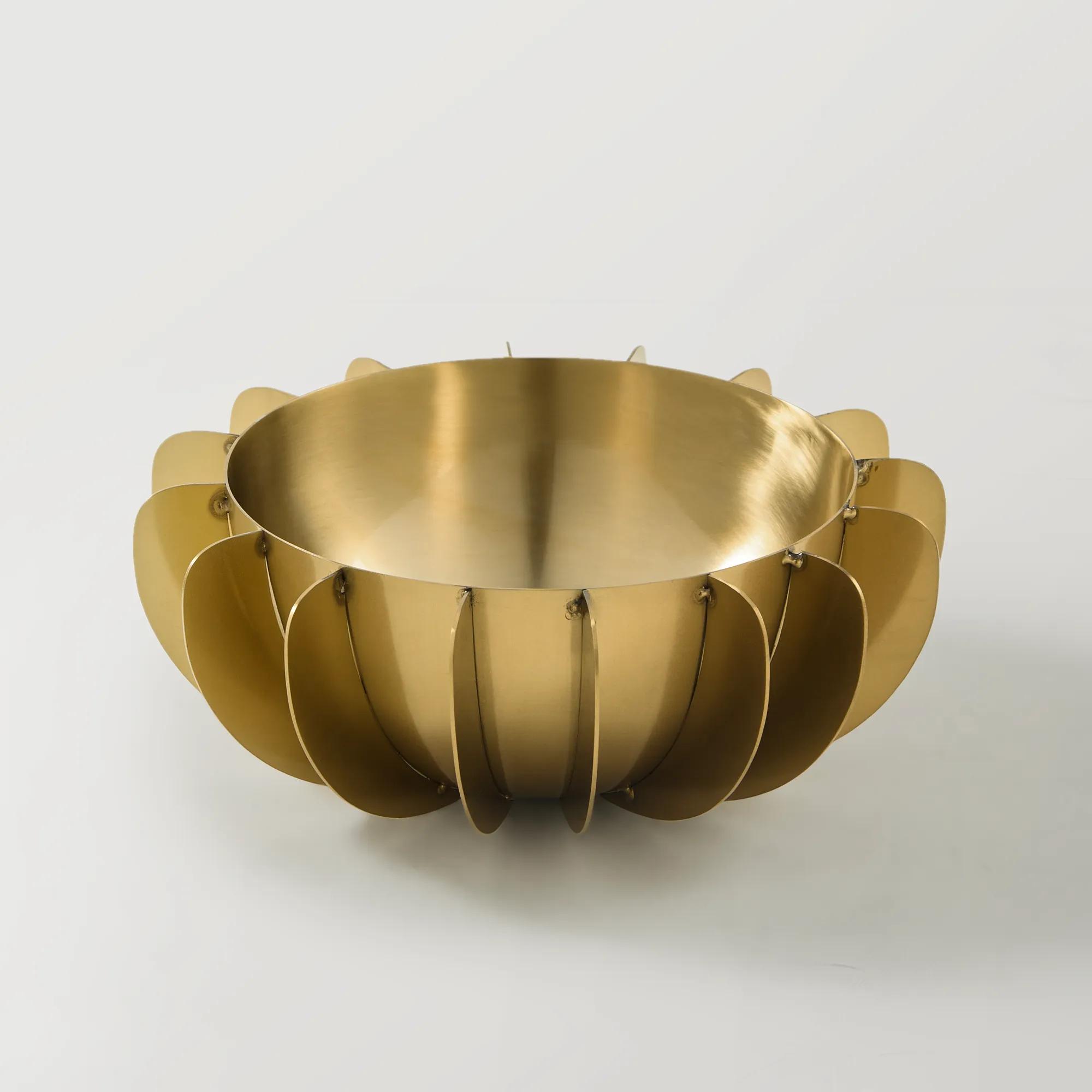
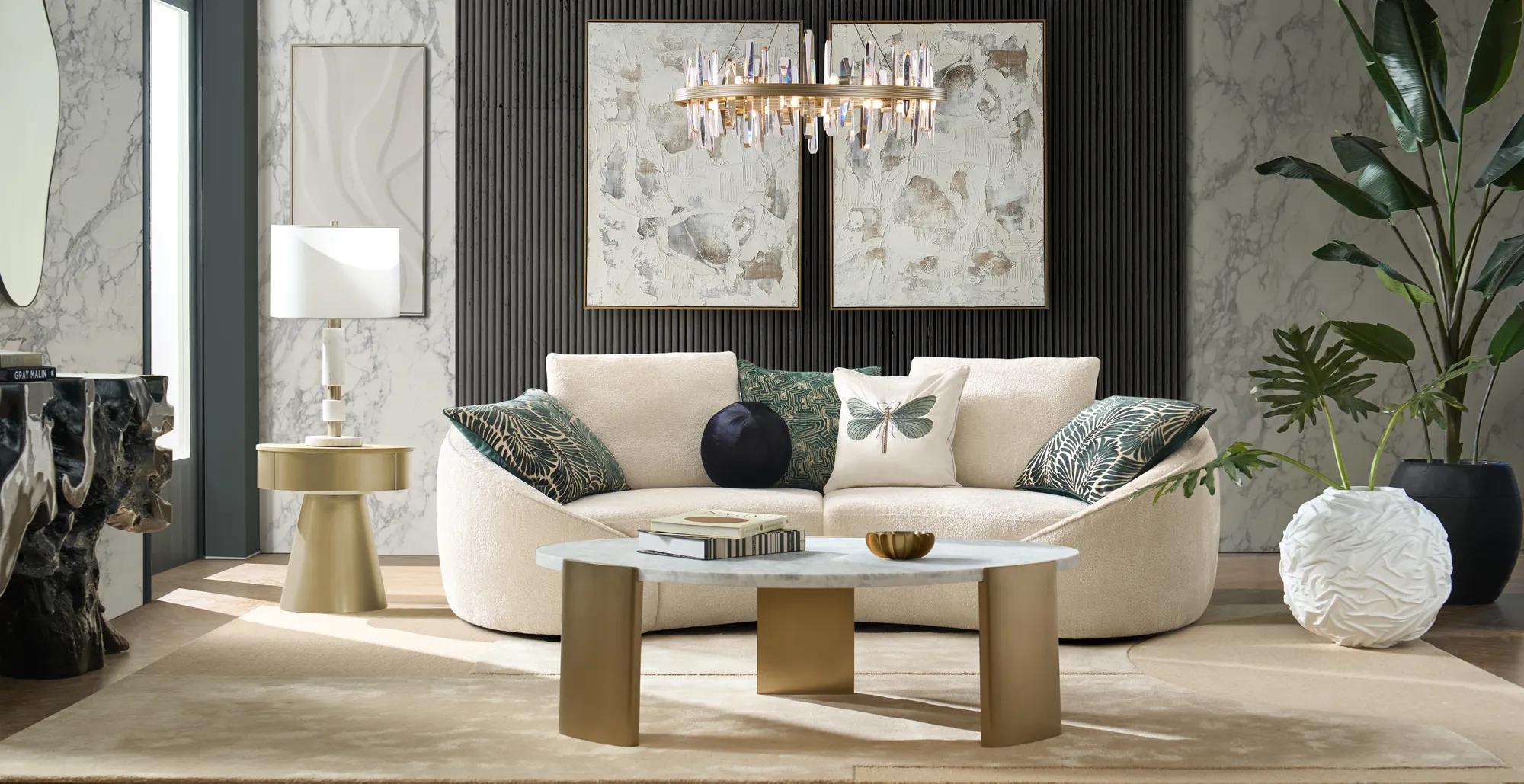 Mezza Collection$59
A gold-plated stainless steel decorative piece that brings timeless glamour and shine to your decor.
Add To Cart -
.jpeg?w=1200&h=1200)
 Coral Ivory Porcelain Vase & Bowl$139
Coral Ivory Porcelain Vase & Bowl$139An ivory porcelain accent featuring flowing, coral-inspired curves for a modern, gallery-worthy display.
Add To Cart -
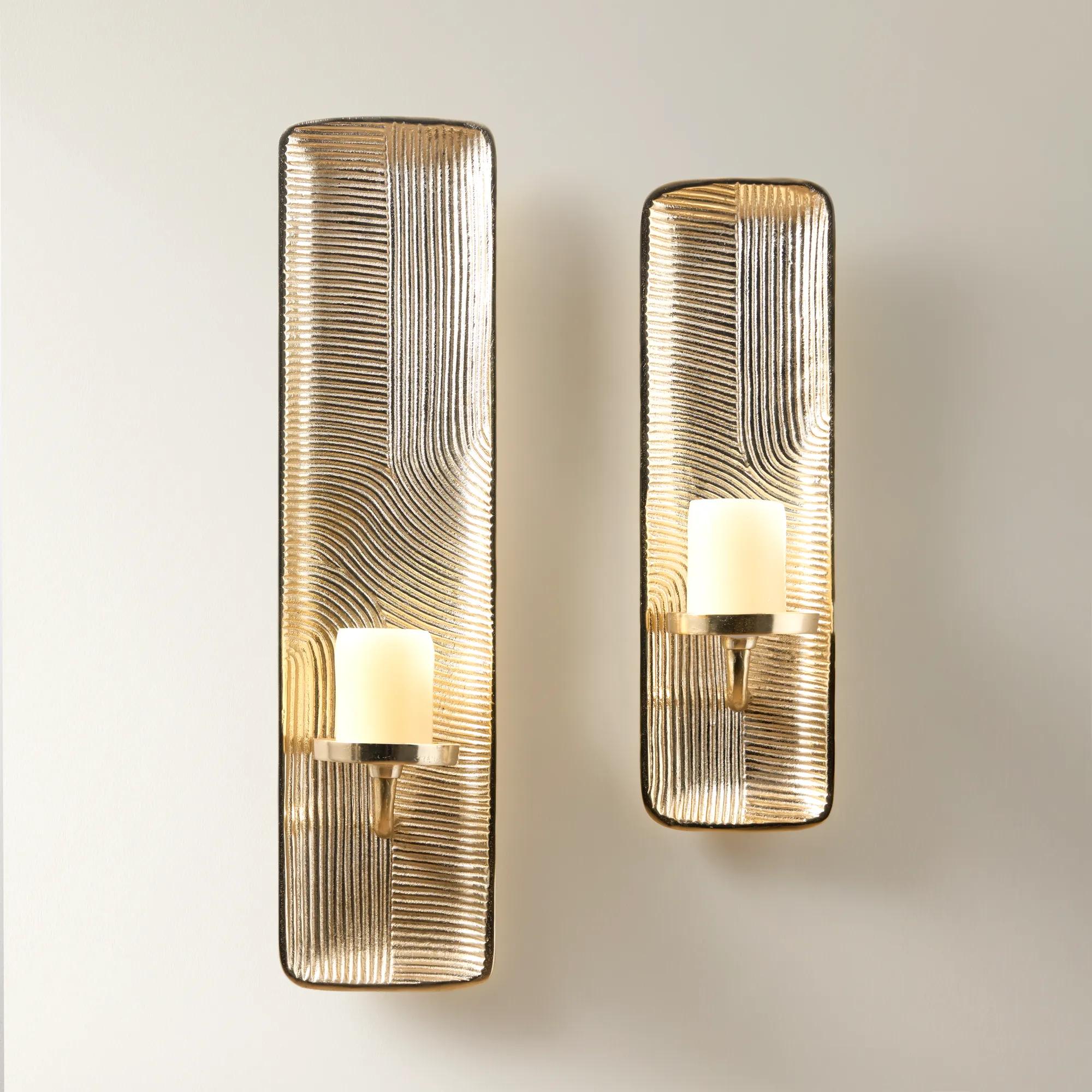
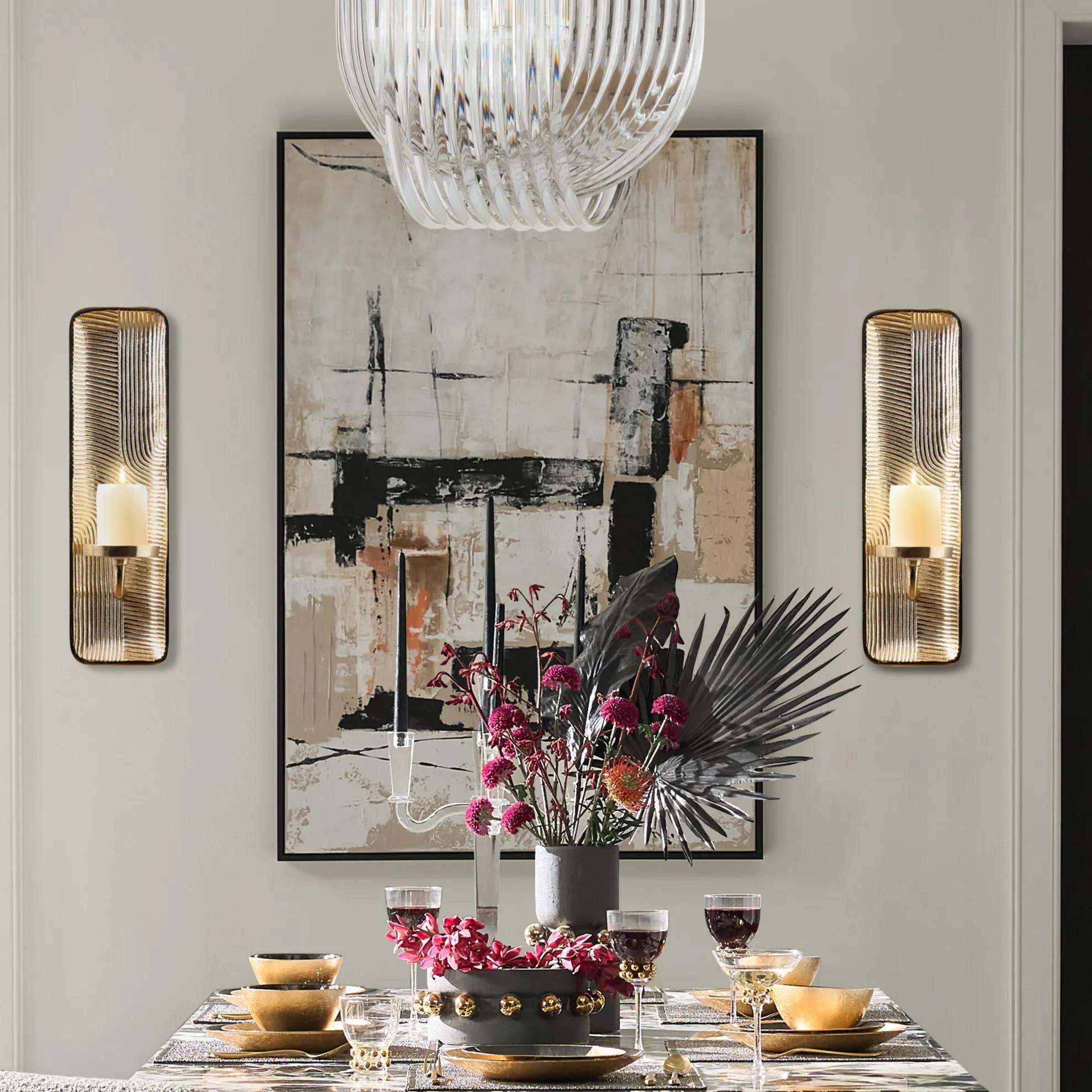 Ando Gold Aluminum Wall Sconces$99
A hand-wrought gold aluminum sconce that adds understated elegance and ambient candlelit glow to any space.
Add To Cart -
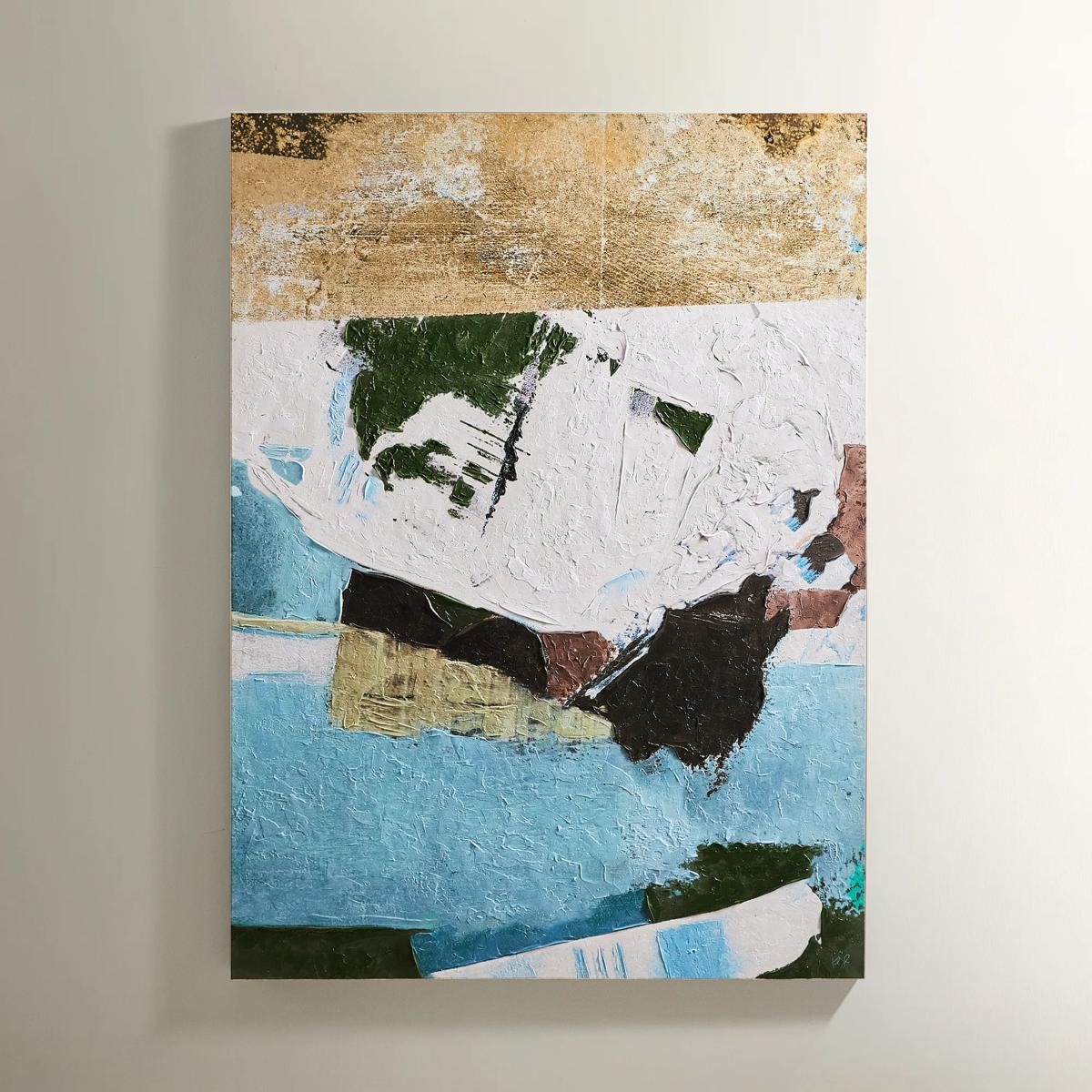 Cadence Painting$599
A hand-embellished canvas artwork featuring textured olive, gold, and ivory strokes in a black and gold frame.
Add To Cart -
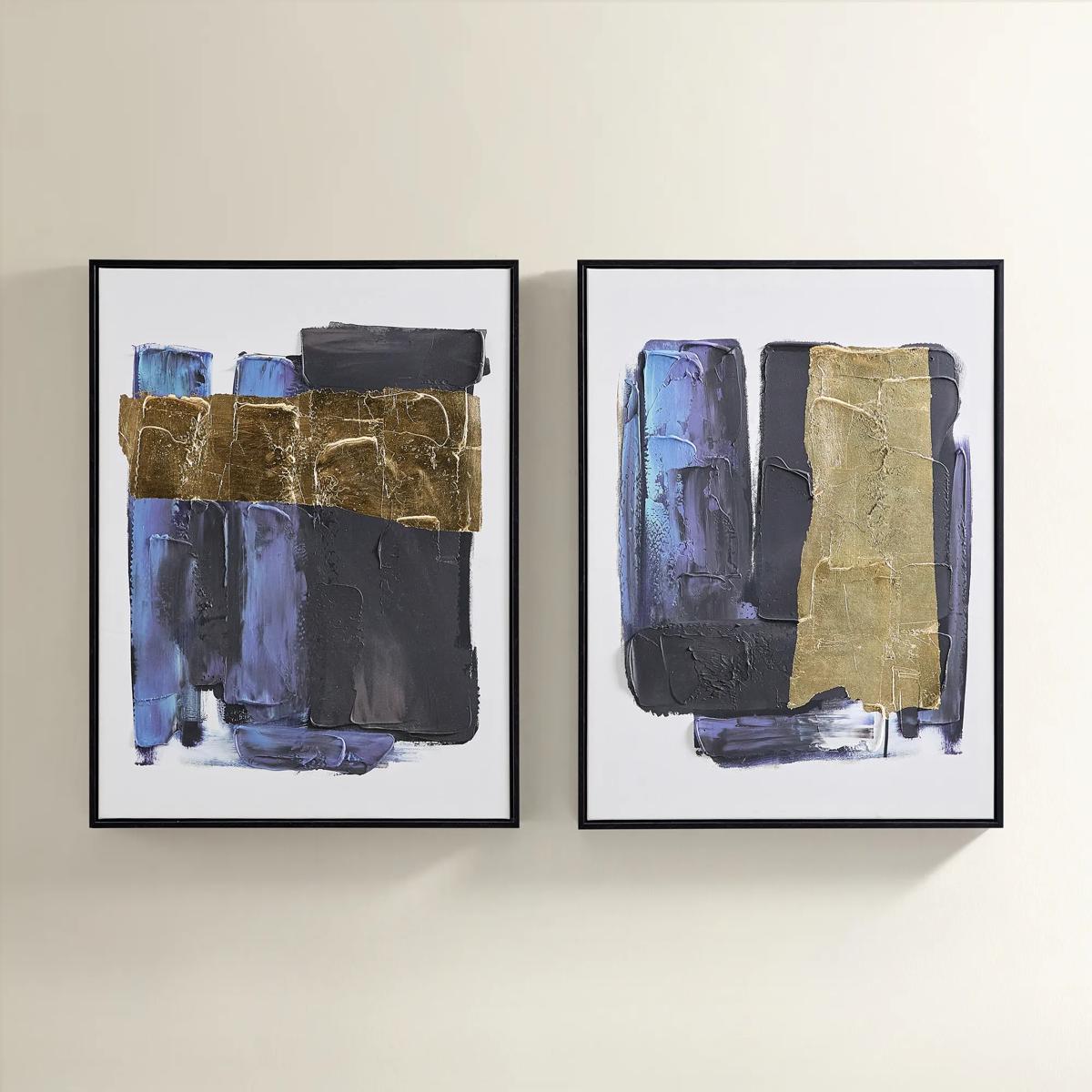
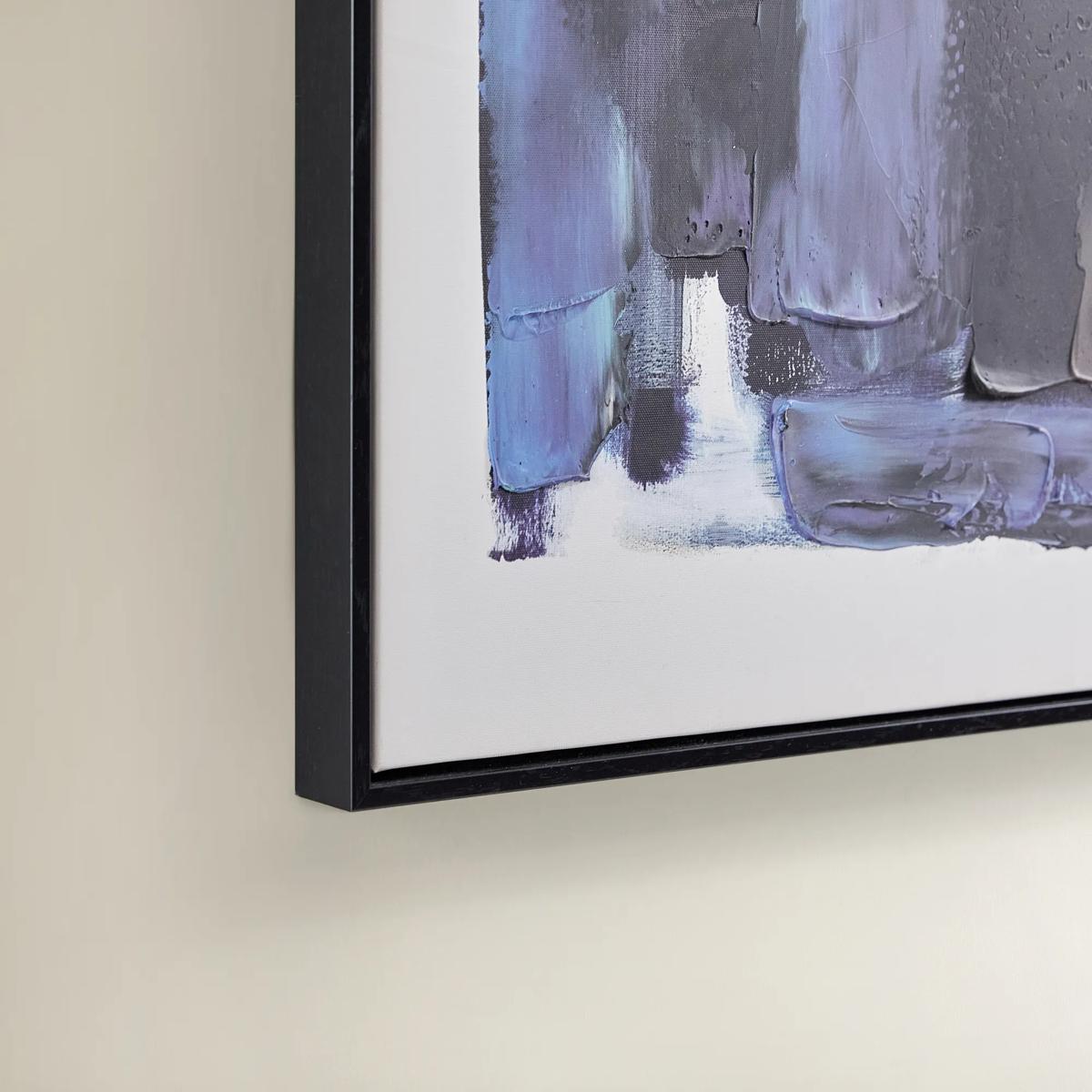 Deep Thoughts Gold Leaf Painted Wall Art Set of 2$199
A set of two hand-painted abstract canvases in blue and gold leaf, framed in sleek black.
Add To Cart

Decor For Corporate Offices
Elevate your workspace from ordinary to extraordinary with Decor for Corporate Offices—a curated celebration of artistry and ambition. Every piece is chosen to inspire confidence, spark creativity, and transform the everyday boardroom into a stage for bold ideas. Whether you seek sculptural accents that command attention or refined details that whisper sophistication, discover décor that turns professional environments into showcases of vision and style. Paint your office in the language of luxury, where every detail becomes an invitation to achieve greatness.
Decor for corporate offices brings together wall art, decorative accents, lighting, greenery, and textiles to create workplaces that feel professional, welcoming, and distinctly expressive. Beyond filling an empty wall or finishing a reception desk, these elements give a company’s surroundings a recognizable visual character. A dramatic abstract composition can introduce a creative business before the first conversation begins; a restrained arrangement of sculptural objects can give an executive suite presence without distracting from its purpose. The most compelling corporate office decor balances that sense of identity with the realities of a shared workplace: clear circulation, comfortable sightlines, practical surfaces, and room for people to work. In reception areas, generous artwork and a thoughtfully proportioned mirror can establish an expansive first impression, while a textured rug helps define a seating arrangement within a larger lobby. Conference rooms benefit from visual interest that holds its own against a long table without competing with presentations or screens. Employee lounges offer space for a softer expression, with tactile fabrics, organic shapes, and botanical accents that contrast with the geometry of desks and monitors. Color ties these different settings together. Soft blue, muted green, ivory, and charcoal create a composed backdrop; touches of gold, amber, or deep jewel tones introduce warmth and distinction. Rather than repeating a company’s logo throughout the building, decor can echo its palette, architectural lines, or creative spirit in more nuanced ways. A technology office might favor crisp silhouettes and reflective accents, while a client-facing consulting space might lean toward layered neutrals and substantial materials. These are aesthetic directions, not rigid rules: the goal is an environment that feels coherent from the elevator landing to the private meeting room. For office managers, business owners, facilities teams, and interior designers, decorative pieces offer a way to shape that experience without allowing ornament to overwhelm the work happening around it.
Materials give office accessories much of their character, but their suitability matters as much as their appearance. Glass and mirror-finish surfaces lend lightness and gleam to a console or credenza, especially when balanced with matte ceramics, richly grained wood, or stone. Polished metal adds a precise highlight, while woven textures and upholstered accents soften rooms dominated by hard surfaces. In high-touch areas, finishes that tolerate the intended cleaning routine are more practical than delicate surfaces requiring frequent specialized attention. A reception accent within reach of bags and coat sleeves needs greater stability than an object displayed in a protected niche. Likewise, a substantial ceramic vessel may make a striking focal point, but weight alone does not make a breakable object appropriate for a narrow walkway. Dimensions, placement, and care requirements deserve close attention in any shared setting. Oversized wall decor needs sufficient wall space, suitable mounting hardware, and installation appropriate to both its weight and the wall construction. A mirror should reflect something intentional, such as artwork or architectural detail, rather than confidential screens, cluttered storage, or a bright window that creates glare. Table lighting can add a warmer layer to a lounge or private office, but it should complement required workplace illumination, with cords kept clear of circulation routes. Rugs and soft furnishings can help soften the sound of conversation and movement, although decorative textiles are not a substitute for tested acoustic treatments where speech privacy or significant noise reduction is required. Low-profile rugs with secure, compatible backing are worth considering where rolling chairs, door clearance, and trip risks influence fit. Any piece intended for frequent shared use should be evaluated for the setting’s durability, accessibility, fire-safety, and maintenance requirements; a residential look does not establish commercial suitability. Routine care also protects the finished effect. Dusting with an appropriate soft cloth, addressing spills promptly, and following material-specific cleaning instructions help preserve surfaces without relying on harsh products that may damage coatings or discolor fabric. Keeping delicate finishes away from repeated handling and direct sunlight, where recommended, can reduce visible wear and fading.
Corporate office decorating also has a quieter role: making spaces designed around schedules and screens feel more considered. Biophilic elements, including living plants, botanical imagery, and natural wood finishes, introduce references to the outdoors that can make a workplace feel less austere. Living greenery requires suitable light, watering, and ongoing care, while artificial foliage offers a botanical silhouette where daylight or maintenance support is limited, though it still needs regular dusting. In a windowless meeting room, an organic sculptural form or landscape-inspired artwork can provide visual relief without taking over valuable tabletop space. At individual workstations, a compact decorative accent can express personality while leaving room for documents, equipment, and an unobstructed view of colleagues. Shared surfaces call for more restraint: a low arrangement on a conference credenza offers texture and depth without interrupting eye contact across the table. The same attention to proportion makes bookshelves and open storage feel intentional. A few objects with varied heights, balanced by unfilled space, read more clearly than a dense collection of small ornaments, particularly in the background of video calls. Executive office decor can carry greater drama through large-scale art, luminous finishes, and deeper color, while breakout areas may benefit from rounded forms and more relaxed textures. These differences allow each room to serve its purpose within a consistent visual language. For businesses extending that language into hospitality areas, showrooms, or other client-facing environments, Decor for Commercial Spaces offers a related perspective on furnishing a polished professional setting. Decorative accessories can also mark a professional milestone, such as a promotion, a new office, or a business opening, when chosen with the recipient’s taste, workspace dimensions, and company gift policies in mind. An enduring palette and an expressive silhouette generally feel more personal than a heavily themed gesture. Across private offices and expansive headquarters alike, the strongest decorative choices combine artistry with purpose: a luminous welcome, a composed backdrop for conversation, and details that reward a closer look without demanding attention from every corner.
FAQs
To evoke a sense of sophistication in a corporate office, opt for decorative accents that blend luxury with artistry. Sculptural objects in metallic finishes, abstract art pieces, and elegant vases add a refined edge, while statement mirrors and curated book collections can create visual interest and depth. Incorporating greenery or botanicals—real or exquisitely crafted—brings a touch of vitality and warmth, balancing the sleekness of modern office furnishings.
Thoughtfully chosen office décor can have a transformative effect on mood and productivity. Artful pieces and textured accents stimulate the senses and spark creative thinking, while a harmonious color palette and strategic lighting foster focus and clarity. When employees and guests are surrounded by inspiring, well-appointed spaces, it elevates the daily experience and encourages a culture of innovation.
Absolutely—each office environment has its own unique energy and purpose, and décor should complement that. For executive suites, opt for luxurious materials and bold statement pieces that convey authority and vision. Creative studios benefit from vibrant artwork and playful accents that encourage imagination. Reception areas shine with welcoming touches like lush botanicals and sculptural décor, setting the tone for every visitor who enters.
Decorative office accents make exceptional gifts, especially when chosen with the recipient’s style and workspace in mind. A sophisticated desk sculpture, elegant tray, or distinctive vase can serve as a lasting symbol of appreciation and partnership. Such gifts not only enhance the recipient’s environment but also reflect a thoughtful attention to detail and a shared appreciation for artistry.
Refreshing office décor with seasonal touches—such as autumnal hues, textured throws, or metallic accents—can reinvigorate the workspace and echo the beauty of the changing seasons. These subtle shifts in color and materiality create a dynamic environment that feels current and engaging, fostering a sense of excitement and renewal throughout the year.