
Modern Furniture For Offices
Modern Furniture For Offices
-

 Stria Reeded White Oak Open Bookcase (80")$2699
A modern open bookcase featuring vertical reeded white oak, soft gold metal trim, and five spacious shelves.
Add To Cart -
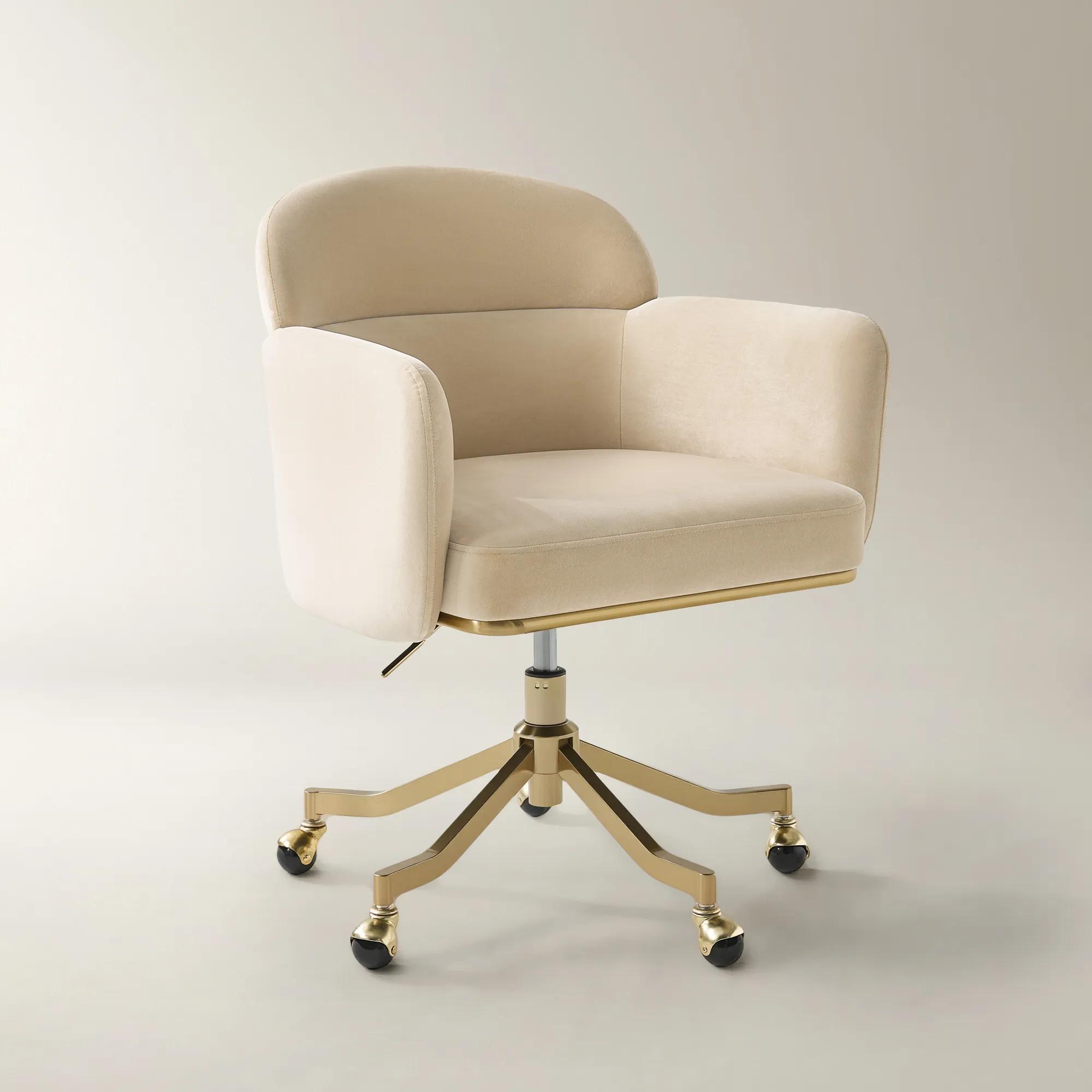 Paige Oatmeal Velvet Swivel Desk Chair$399
An oatmeal velvet swivel chair with adjustable height, ergonomic design, and a polished metal base with casters.
Add To Cart -
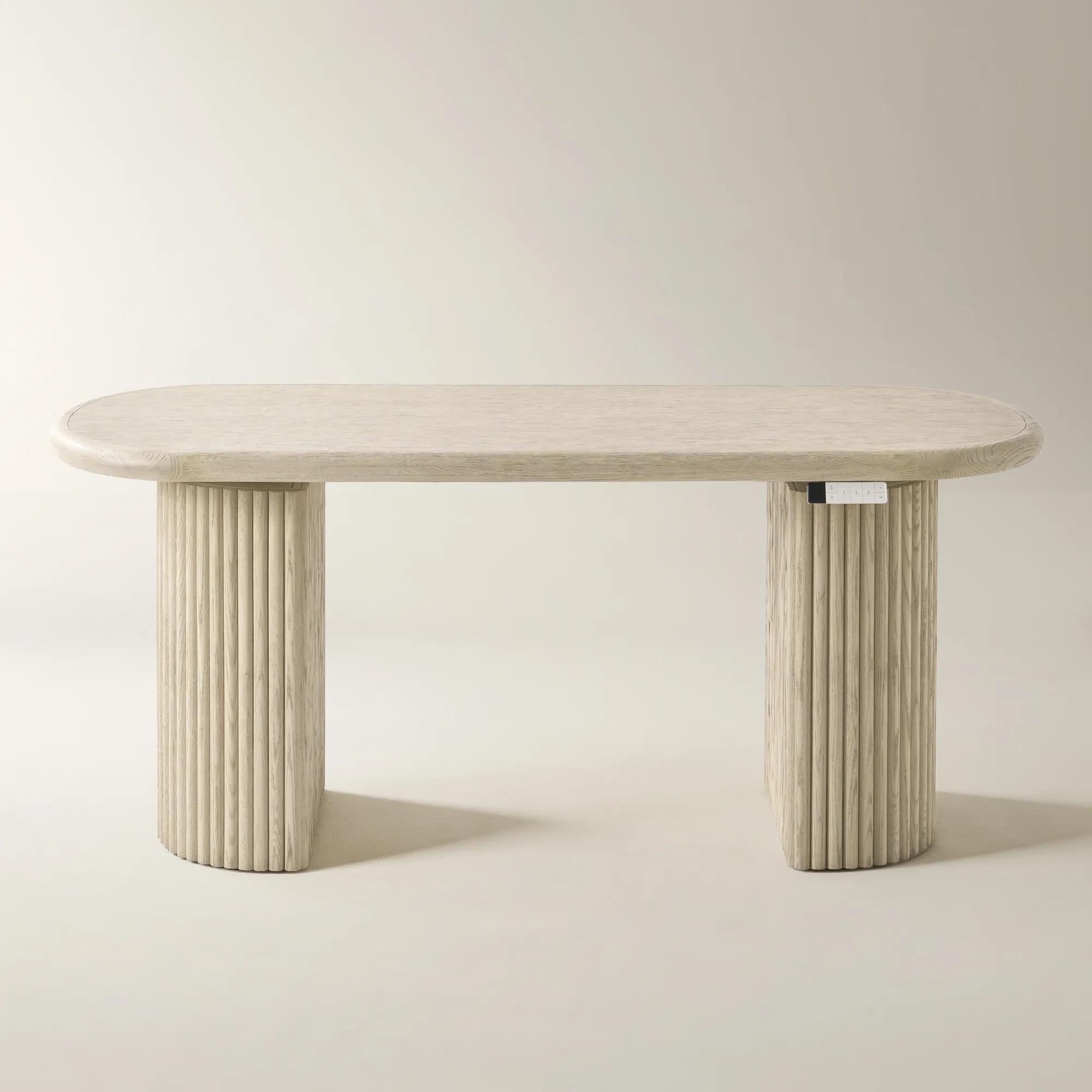 Stria Oval Reeded White Oak Electric Lift Desk (68")$2199
A white oak desk with vertical reeded texture, soft gold accents, and dual-motor electric lift functionality.
Add To Cart -
 Vetra Checkerboard Oak and Maple Desk with Drawer (71")$2399
A modern desk featuring a hand-arranged oak and maple checkerboard veneer, gold accents, and a concealed drawer.
Add To Cart -
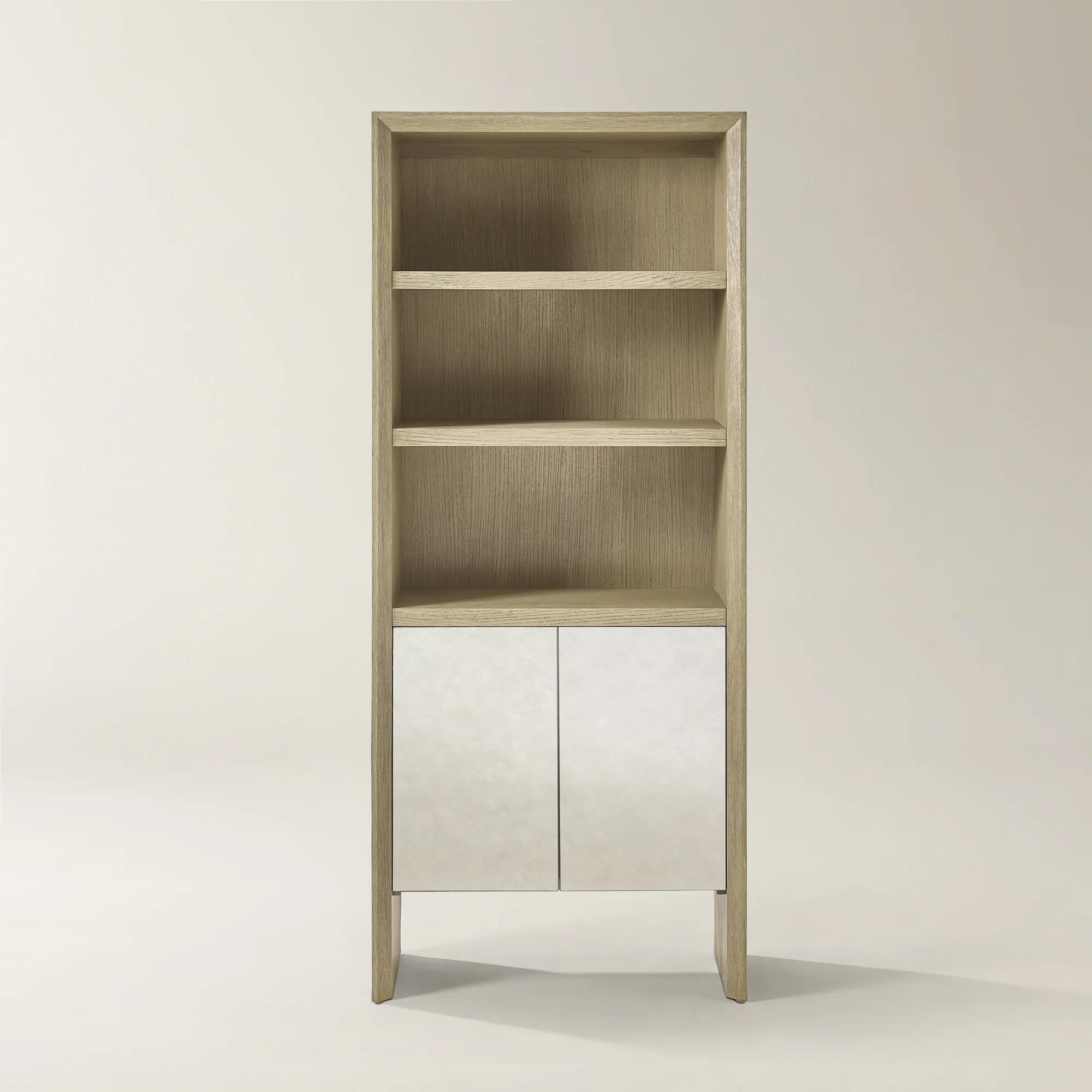
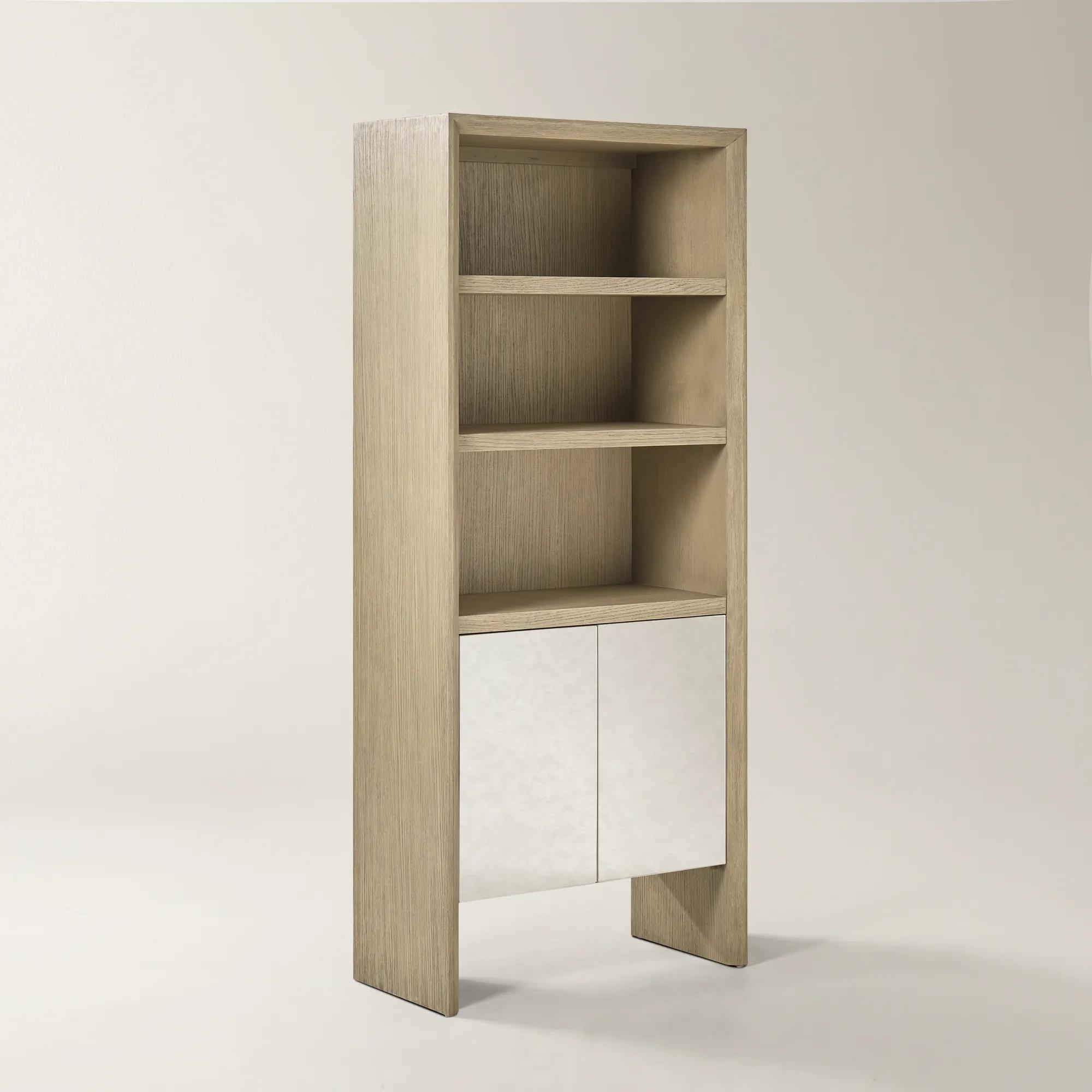 Glimmer Mirrored Sea Drift Oak Bookcase (80")$2599
A two-tone oak bookcase featuring antique mirrored doors, open shelving, and soft-close concealed storage.
Add To Cart -

 Nia Lacquered Turtle Dove Wood Desk (62")$1099
A modern desk featuring a soft turtle dove lacquer finish, cylindrical legs, and engineered wood construction.
Add To Cart -

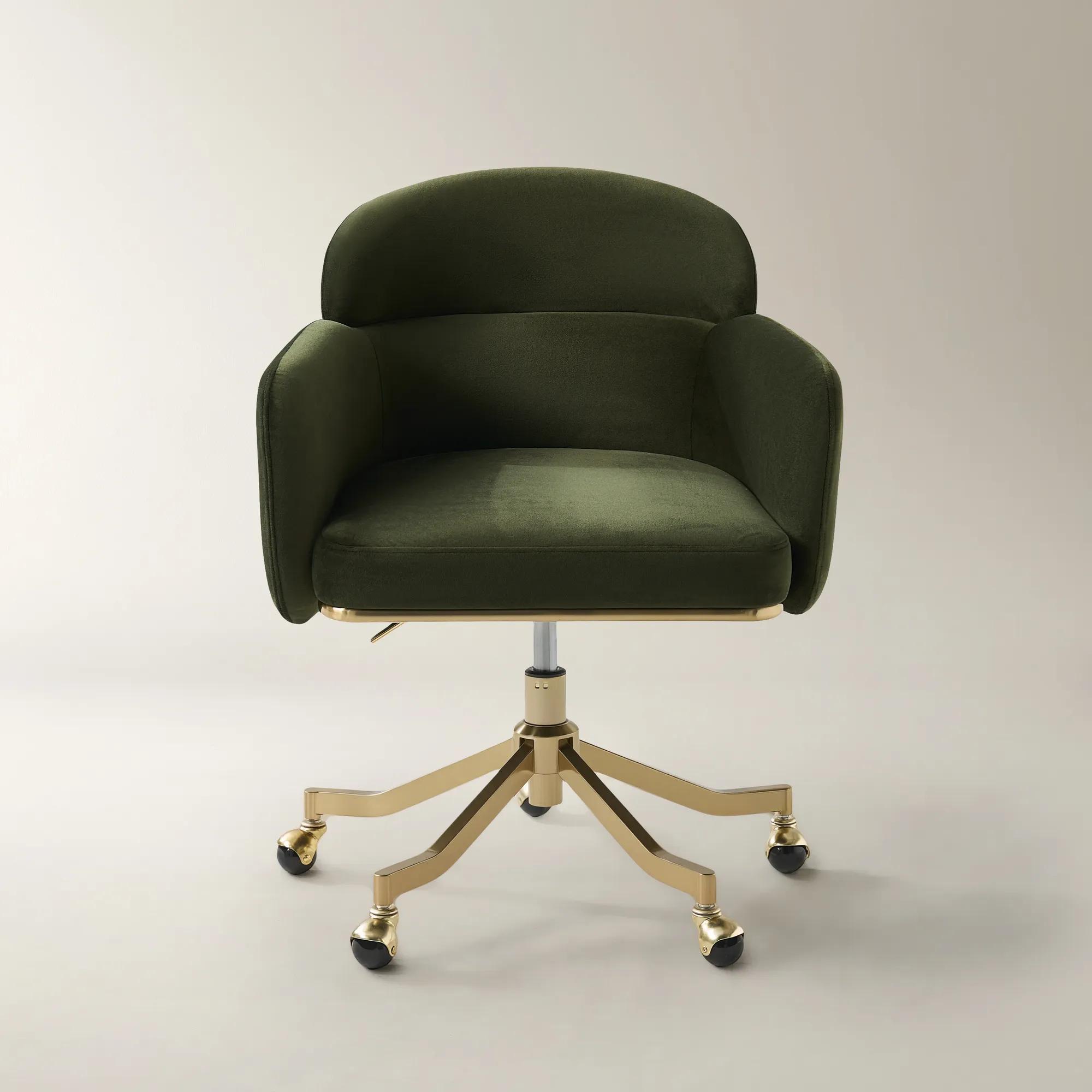 Paige Jade Green Velvet Swivel Desk Chair$399
A jade green velvet swivel chair featuring ergonomic design, adjustable height, and a glossy metal base with casters.
Add To Cart -
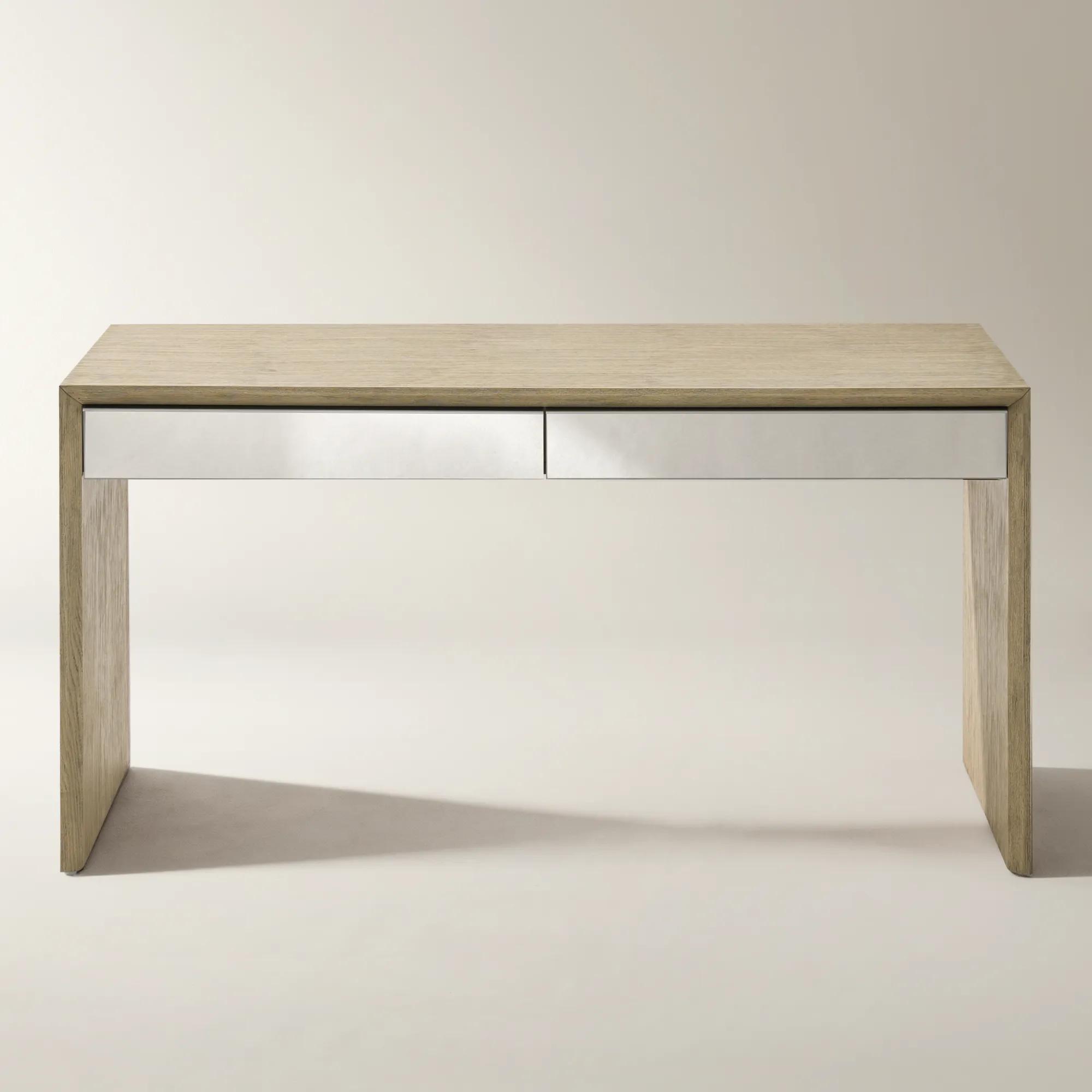 Glimmer Mirrored 2-Drawer Sea Drift Oak Desk (62")$1499
A two-tone oak veneer desk featuring antique mirrored soft-close drawers with velvet-lined interiors for refined style.
Add To Cart -
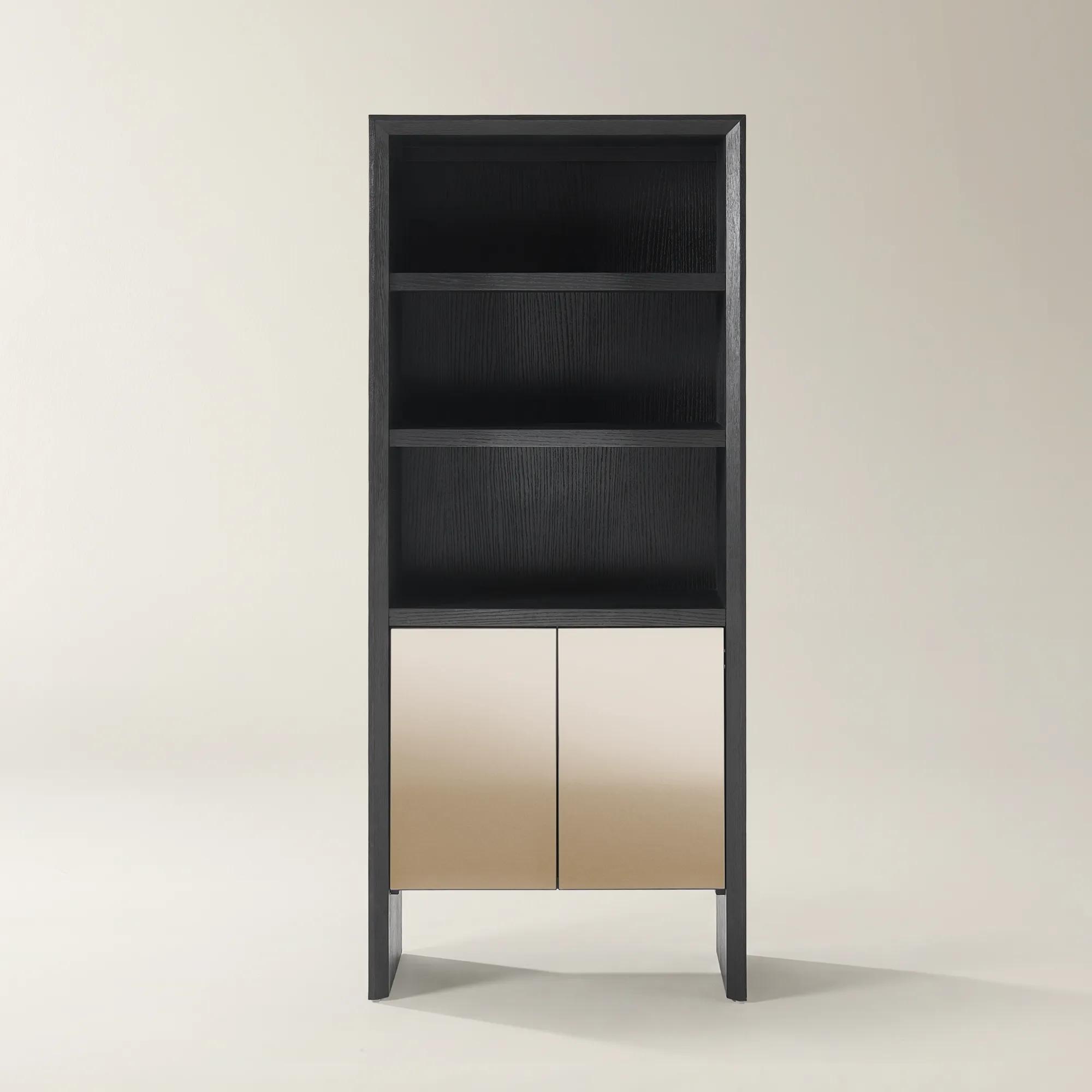
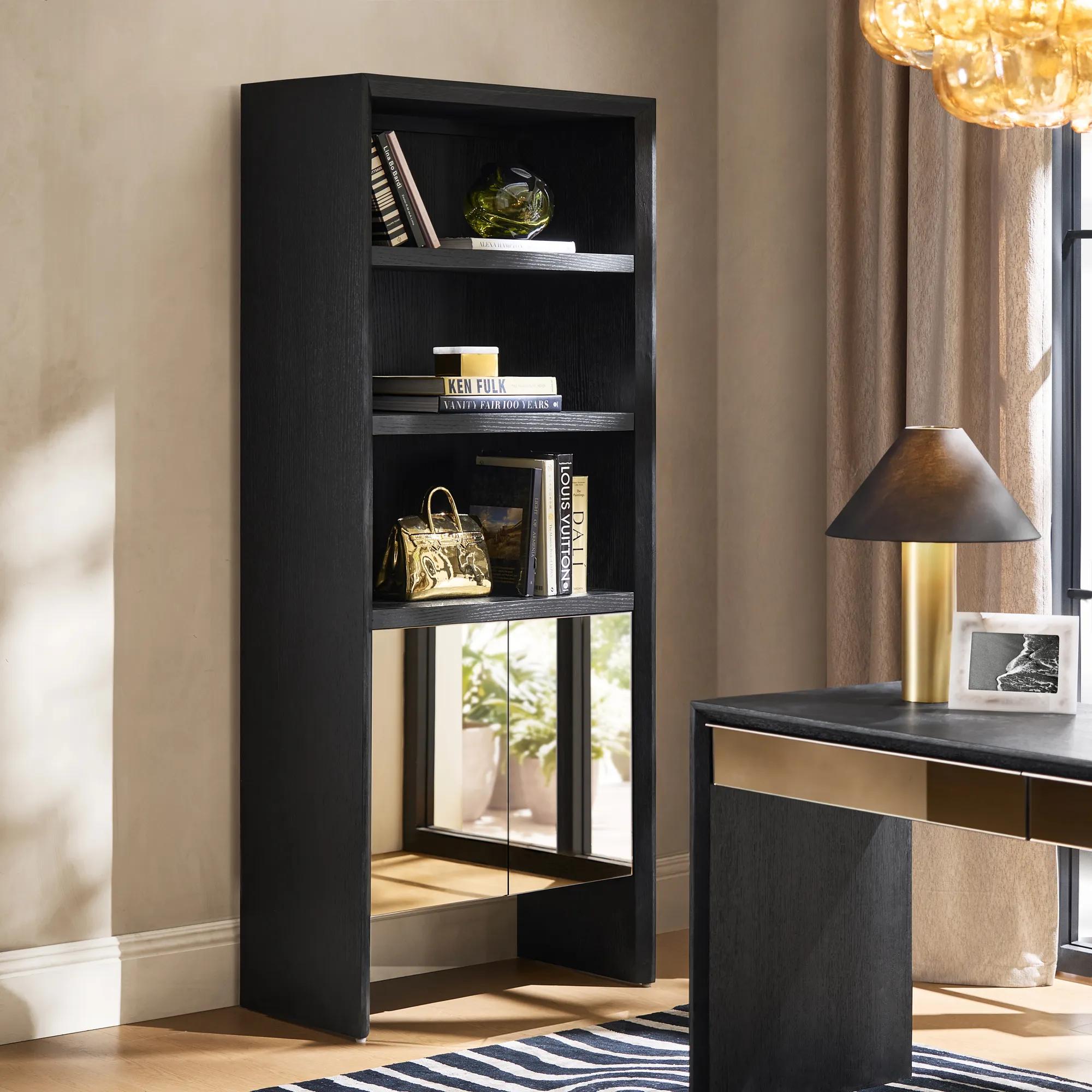 Glimmer Mirrored Black Oak Bookcase (80")$2599
A modern black oak bookcase featuring bronze mirrored doors, open shelving, and soft-close concealed storage.
Add To Cart -
 Stria Reeded White Oak Bookcase (80")$2999
A modern bookcase featuring vertical reeded white oak, soft gold metal accents, and both open and concealed storage.
Add To Cart -
 Glimmer Mirrored 2-Drawer Black Oak Desk (62")$1499
A modern black oak veneer desk featuring bronze mirrored soft-close drawers with velvet-lined interiors for elegant storage.
Add To Cart -
 Lucia Ivory Performance Chenille Swivel Desk Chair$499
A beige texture weave desk chair featuring a brass-plated metal base and adjustable gas lift for comfort.
Add To Cart -
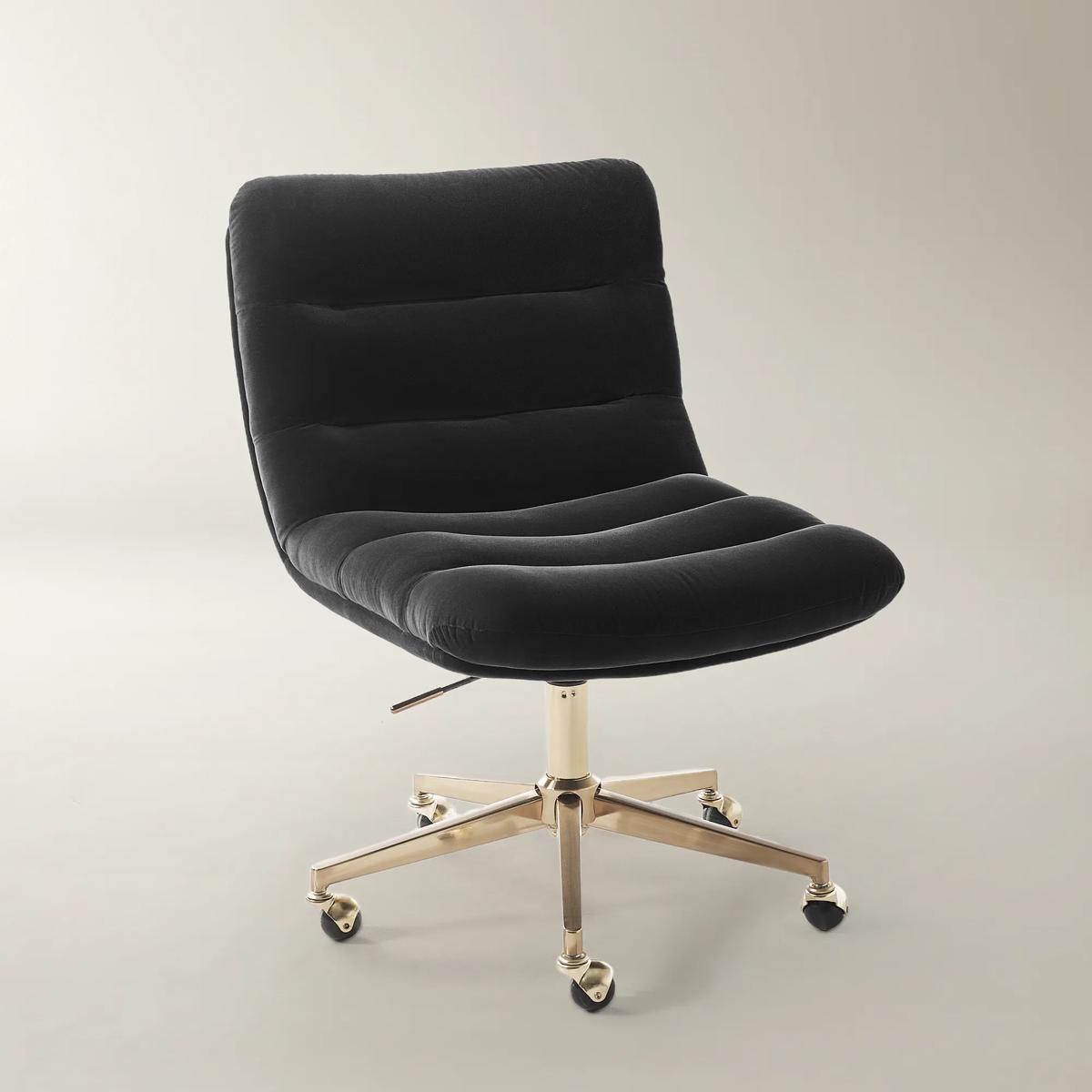 Serena Charcoal Velvet Swivel Desk Chair$399
A charcoal velvet office chair with plush foam cushioning, brass-plated metal base, and adjustable swivel design.
Add To Cart -

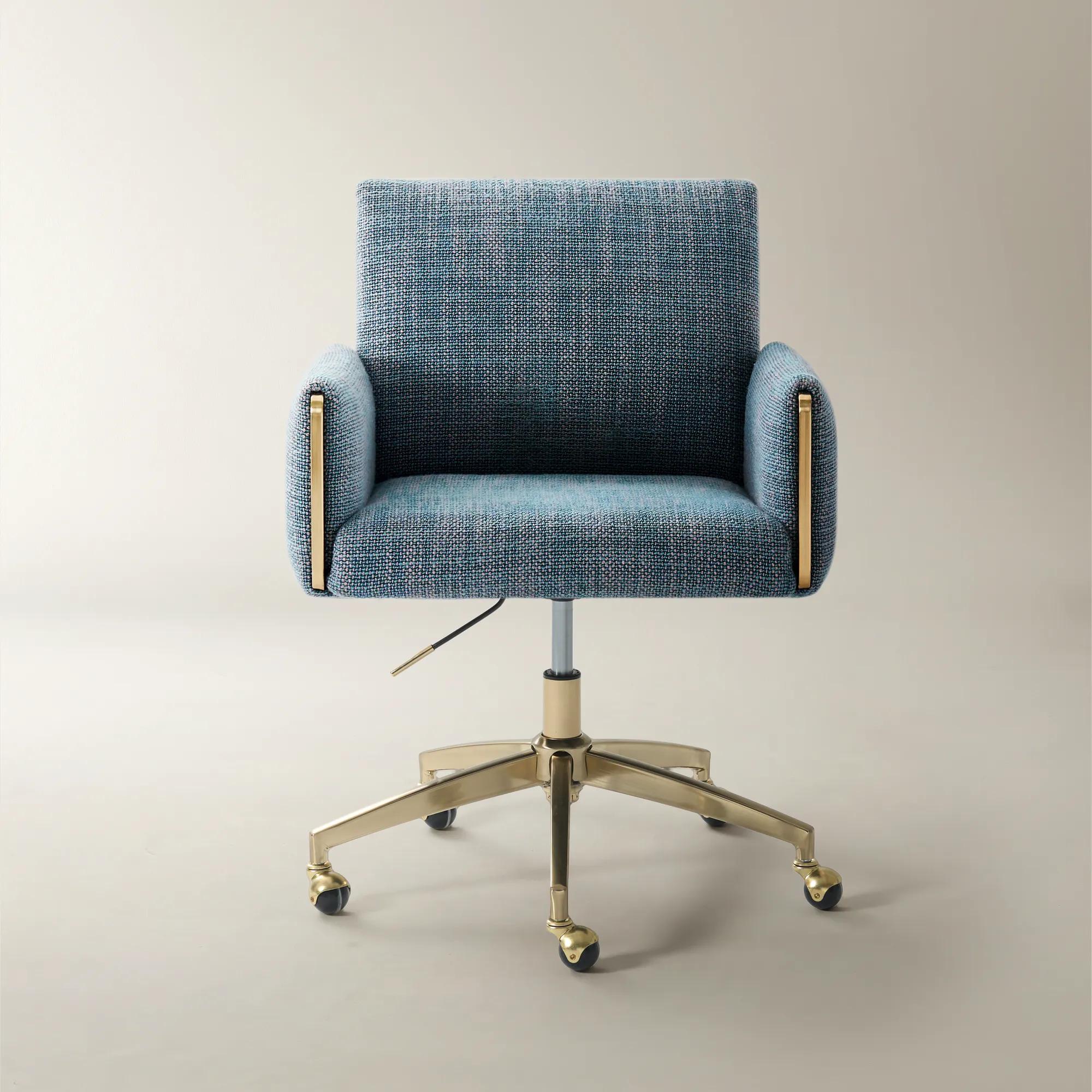 Lucia Peacock Performance Chenille Swivel Desk Chair$499
A peacock blue desk chair featuring textured polyester upholstery, brass-plated metal base, and adjustable comfort.
Add To Cart -
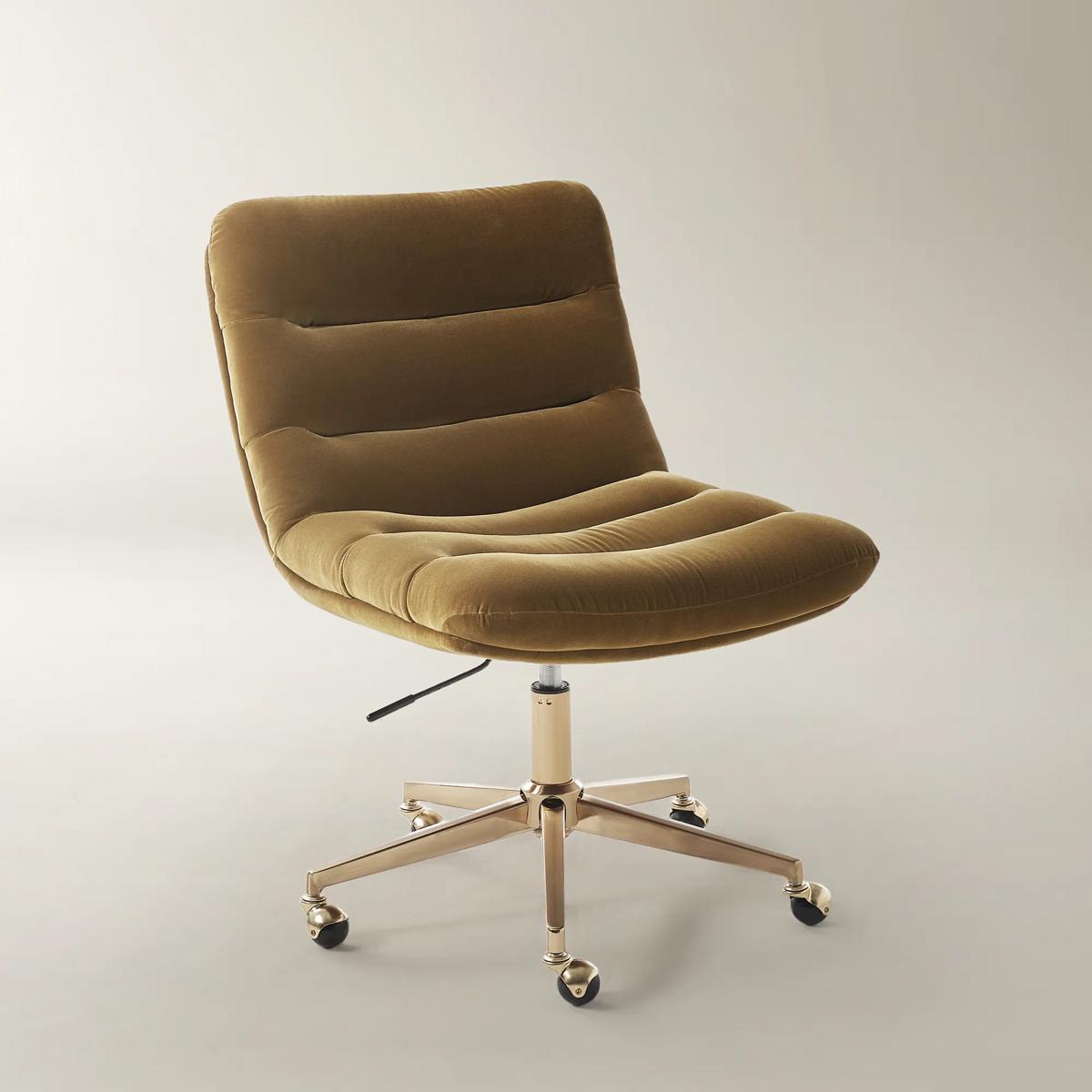
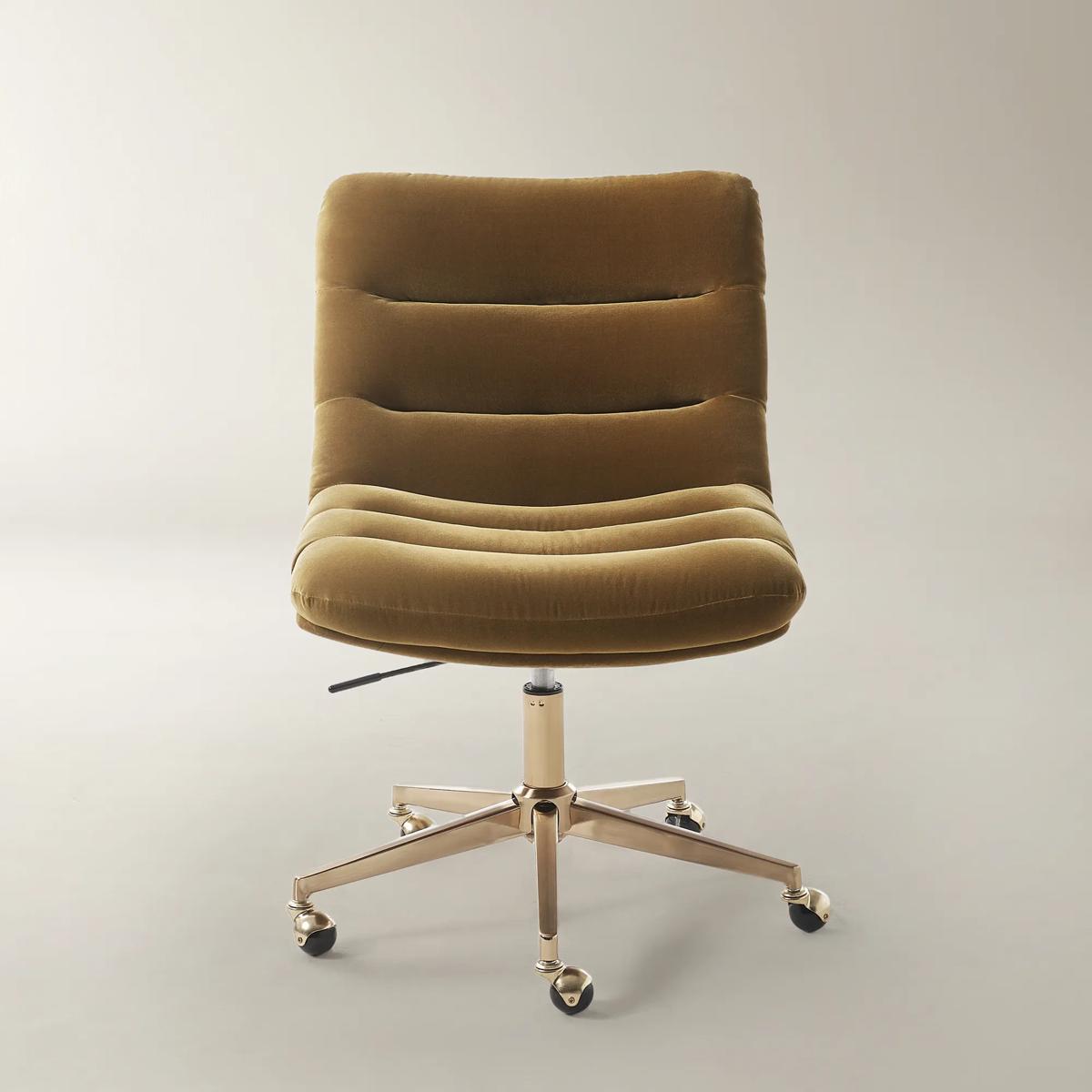 Serena Roasted Pecan Velvet Swivel Desk Chair$399
A brown velvet desk chair featuring adjustable tilt, brass-plated base, and smooth swivel wheels for comfort.
Add To Cart

Modern Furniture For Offices
Explore modern furniture for offices to give your workspace a polished, expressive point of view. Consider silhouettes and finishes alongside practical priorities such as room dimensions, work-surface needs, and seating comfort. Whether you’re furnishing a dedicated study or defining a work area within a shared room, choose pieces that balance visual presence with comfortable space to move.
Modern furniture for offices brings architectural lines, purposeful storage, and considered comfort into spaces where ideas take shape. Desks, office chairs, credenzas, and shelving establish the foundation, while sculptural silhouettes and expressive finishes give the room its character. The result can feel polished without becoming impersonal: a richly grained wood surface softens a sharply tailored workspace, a gleaming metal frame introduces definition, and an upholstered chair adds depth against a restrained backdrop. These furnishings suit a range of settings, from a dedicated home office and a creative studio to a private executive office or a client-facing consultation room. Their intended use should shape the composition. A desk reserved for correspondence needs a different footprint than a workstation supporting two monitors, reference materials, and daily paperwork. Someone who sketches or reviews large documents may appreciate a generous, uninterrupted surface, while a compact writing desk can give a living room alcove a distinct professional identity. Where a workspace shares its setting with dining or entertaining, furniture with finished backs and concealed storage helps it remain composed beyond working hours. Scale matters as much as style. Measure the room, entryways, and the route furniture must travel, then account for a chair pulled away from the desk, cabinet doors swung open, and comfortable passage around each piece. A substantial desk can anchor an expansive room, but an open base or a visually lighter glass surface may preserve breathing room in tighter quarters. Positioning also influences everyday ease: nearby outlets reduce trailing cords, a desk set away from direct glare makes screens easier to read, and accessible storage keeps frequently used materials close. A floating arrangement, with the desk facing into the room, creates a confident focal point; a wall-facing arrangement can leave more open floor space for movement or guest seating. In either setting, the strongest design gives practical needs an intentional place rather than treating them as an afterthought.
Comfort deserves the same attention as the furniture’s profile. A beautifully proportioned office chair should suit both the person using it and the work being done, with seat height, seat depth, back support, and arm placement considered together. For extended computer work, look for adjustable features that allow feet to rest securely on the floor or a footrest, shoulders to relax, and forearms to reach the work surface without lifting or stretching. Armrests should fit beneath the desk when needed, and the chair’s base should move comfortably within the available footprint. The collection of stylish desk chairs for offices brings seating into the overall design conversation, where upholstery, shape, and finish matter alongside fit. A sculptural accent chair may provide elegant seating for a brief conversation, but it is not automatically a substitute for an adjustable task chair during a full workday. Similarly, a height-adjustable workstation, when selected, should accommodate the user’s seated and standing positions and have a stated weight capacity appropriate for the equipment it supports. Materials introduce another layer of distinction. Solid wood offers natural grain variation and can develop character with use, while wood veneer provides a real-wood surface over a supporting core; either benefits from protection against moisture and prolonged direct sunlight. Lacquered finishes create a sleek, reflective effect, though their appearance depends on careful handling and suitable cleaning methods. Glass lends visual openness and makes a striking partner for sculptural metalwork, but fingerprints and visible cables deserve consideration. Metal frames can give a desk a crisp outline, with stability determined by construction and connections rather than appearance alone. Upholstery brings tactile richness to a room that might otherwise feel dominated by screens and hard surfaces. Textured fabric, velvet, and leather each create a different mood and require different care. Performance claims, cleaning instructions, and suitability for frequent use should be checked for the particular material rather than inferred from its look.
Storage gives modern office furniture much of its staying power, turning daily necessities into an orderly backdrop for work. Closed cabinets can conceal supplies and paperwork, drawers can separate small essentials, and open shelves can display reference books alongside a few expressive objects. A low credenza offers a strong horizontal line behind a desk while keeping the room’s upper walls visually open. Taller shelving makes use of vertical space, provided its dimensions suit the room and it is secured according to the manufacturer’s instructions. Match storage to what it will hold: letter- and legal-size documents need appropriate filing dimensions, larger equipment requires adequate shelf depth and load capacity, and sensitive records may call for a locking compartment. Enclosed equipment also needs the ventilation specified by its manufacturer. Cable openings and accessible power connections help preserve clean sightlines without making daily setup cumbersome. Durability is equally practical. A home office used occasionally has different demands from a shared workplace with frequent visitors, repeated chair movement, and constant surface use. For professional settings, verify commercial-use suitability, weight limits, and applicable warranty terms rather than assuming residential furniture is designed for the same traffic. Protect desk surfaces with coasters and a suitable writing pad, blot spills promptly, and follow finish-specific care instructions before applying cleaners or polish. Dust gently, avoid abrasive tools, and use upholstery cleaning methods appropriate to the fabric. Compatible chair casters or a suitable floor mat can help protect flooring while supporting smooth movement. With those details addressed, the room can carry more personality: a confident contrast of dark wood and luminous metal, plush seating beside a crisp desk, or a balanced grouping of enclosed and open storage. Modern office furniture feels most distinctive when its beauty remains connected to daily life—supporting focused work, welcoming conversation, and giving professional ambition a setting with unmistakable presence.
FAQs
Modern furniture for offices pairs clean lines with expressive materials and sculptural details. Think streamlined desks, tailored seating, and architectural storage pieces elevated by polished metal, glass, or richly grained wood. The look feels intentional and refined, with distinctive silhouettes giving the office its own artistic identity.
Glass, wood, metal, and lacquer create a striking foundation for modern office furniture. Pair a richly grained desk with gleaming metallic accents for contrast, or layer a glass surface with velvet-upholstered seating for a more glamorous composition. Mixing matte and reflective finishes adds depth without relying on elaborate ornamentation.
Begin with an expressive focal point, such as a sculptural desk or an upholstered chair in a jewel tone. Introduce polished brass or chrome accents, then frame the setting with dramatic artwork and distinctive lighting. Repeat a finish or color across select pieces to make the glamour feel deliberate rather than competing.
Credenzas, closed-door cabinets, and open bookcases can all complement a modern office. Look for architectural profiles, distinctive hardware, or textured fronts that make storage part of the design story. Style open shelves with a considered mix of books, sculptural objects, and decorative boxes for an artfully composed display.
Black, ivory, and warm wood tones create a sophisticated backdrop for modern office furniture. For more drama, introduce emerald, sapphire, or charcoal through upholstery and accent pieces. Metallic finishes add a luminous counterpoint, while a recurring accent color connects the desk, seating, and surrounding decor into a cohesive composition.


