Accent Chairs For Modern Home Office
Accent Chairs For Modern Home Office
-
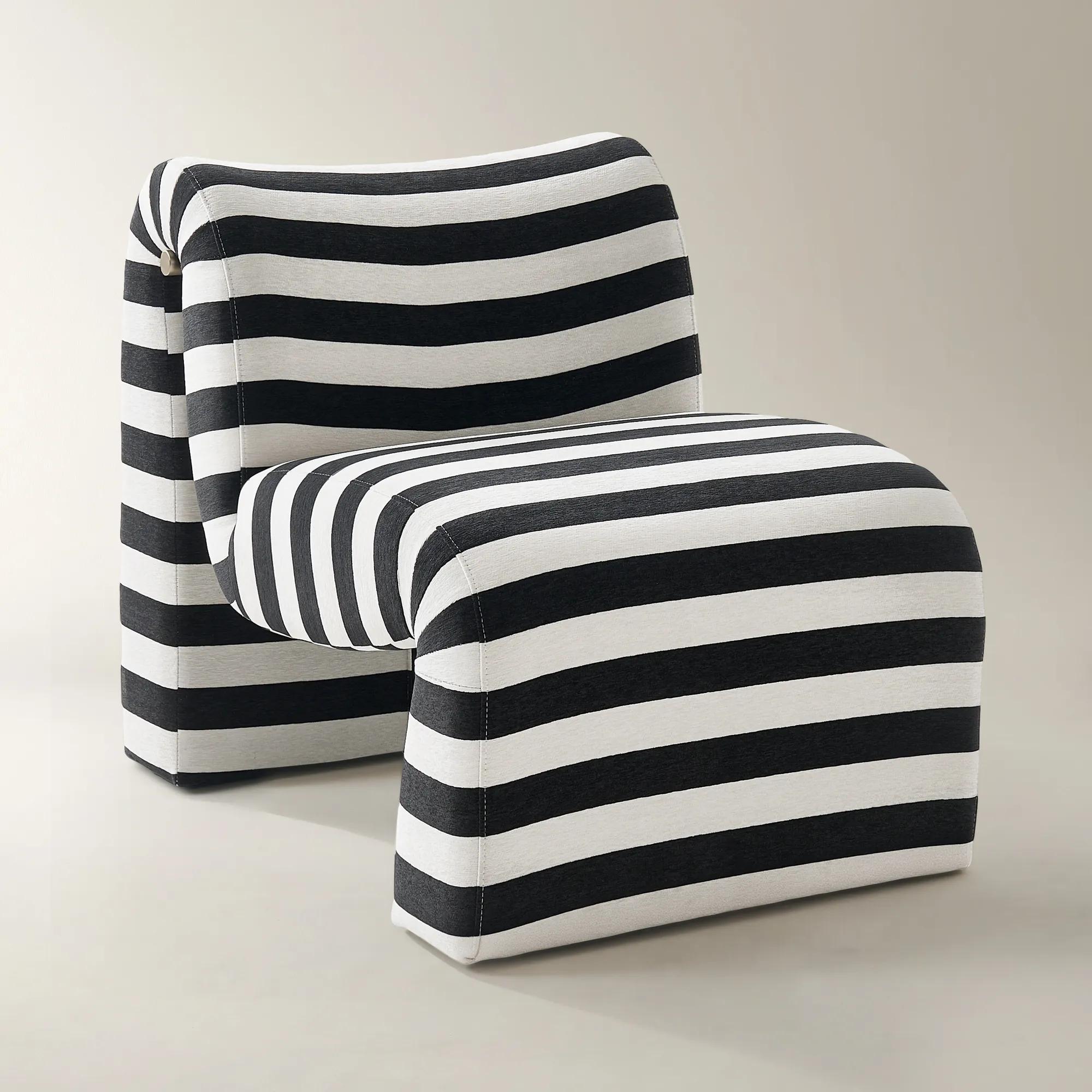 Cora Stripe Chenille Accent Chair$899
A bold black-and-white striped accent chair featuring water-repellent chenille and a gold stainless-steel inlay.
Add To Cart -
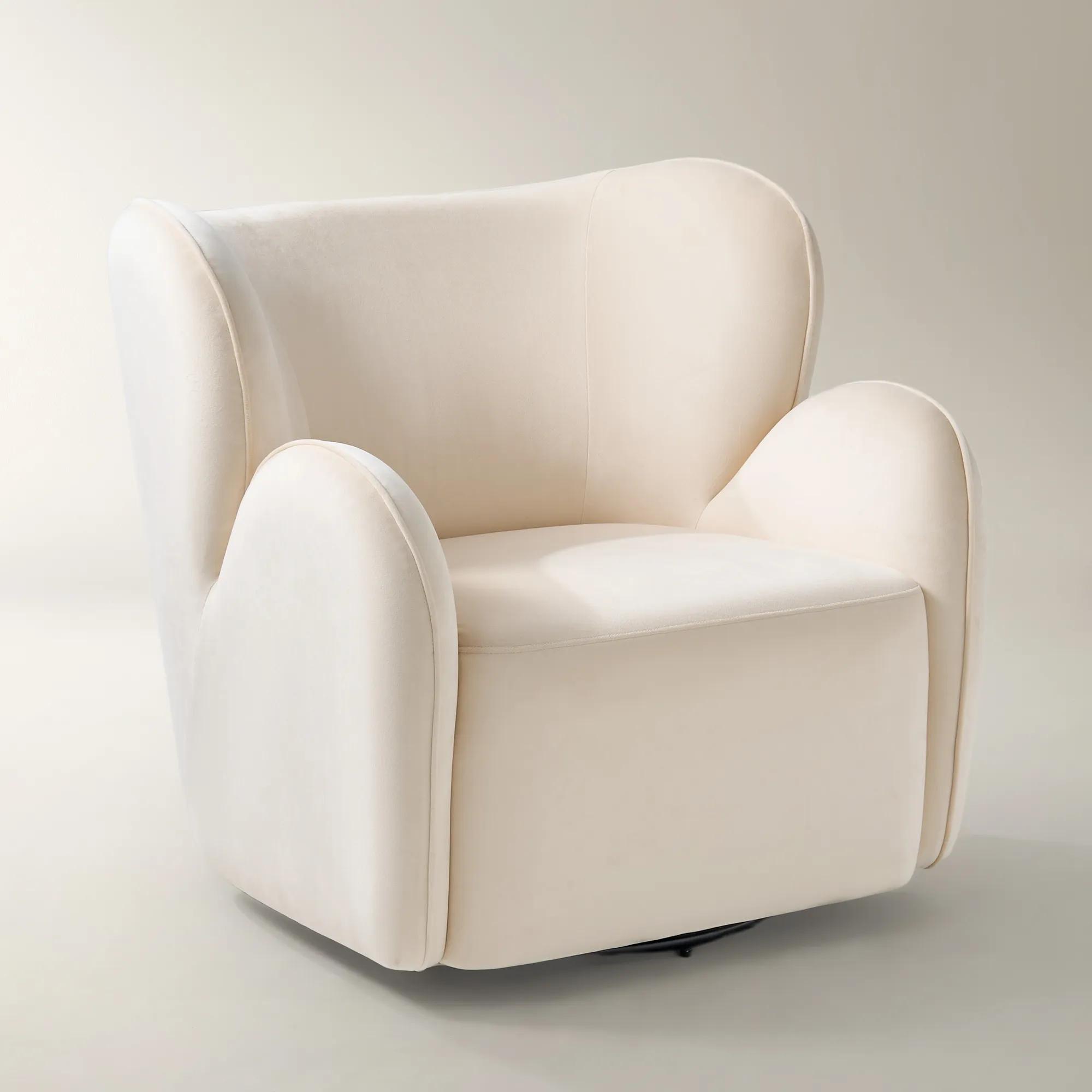
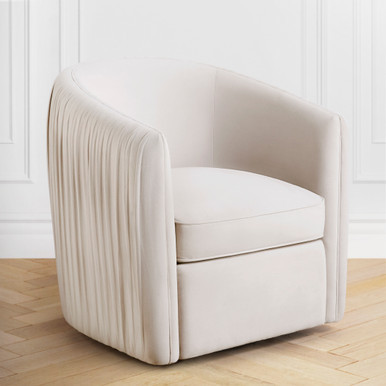
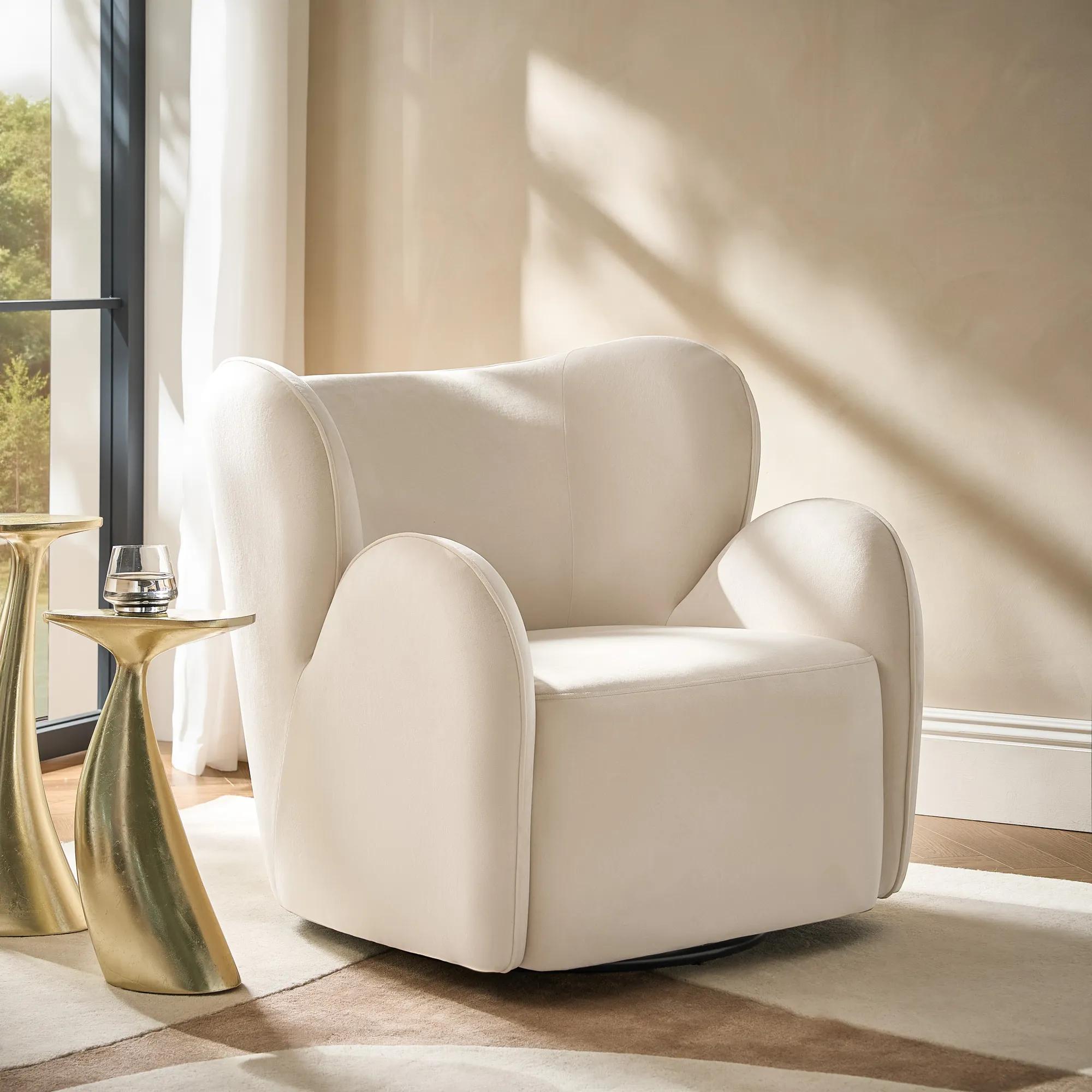 Ceres Ivory Velvet Swivel Accent Chair$799
An ivory velvet accent chair featuring a curved silhouette, 360° swivel, and plush, supportive cushioning.
Add To Cart -
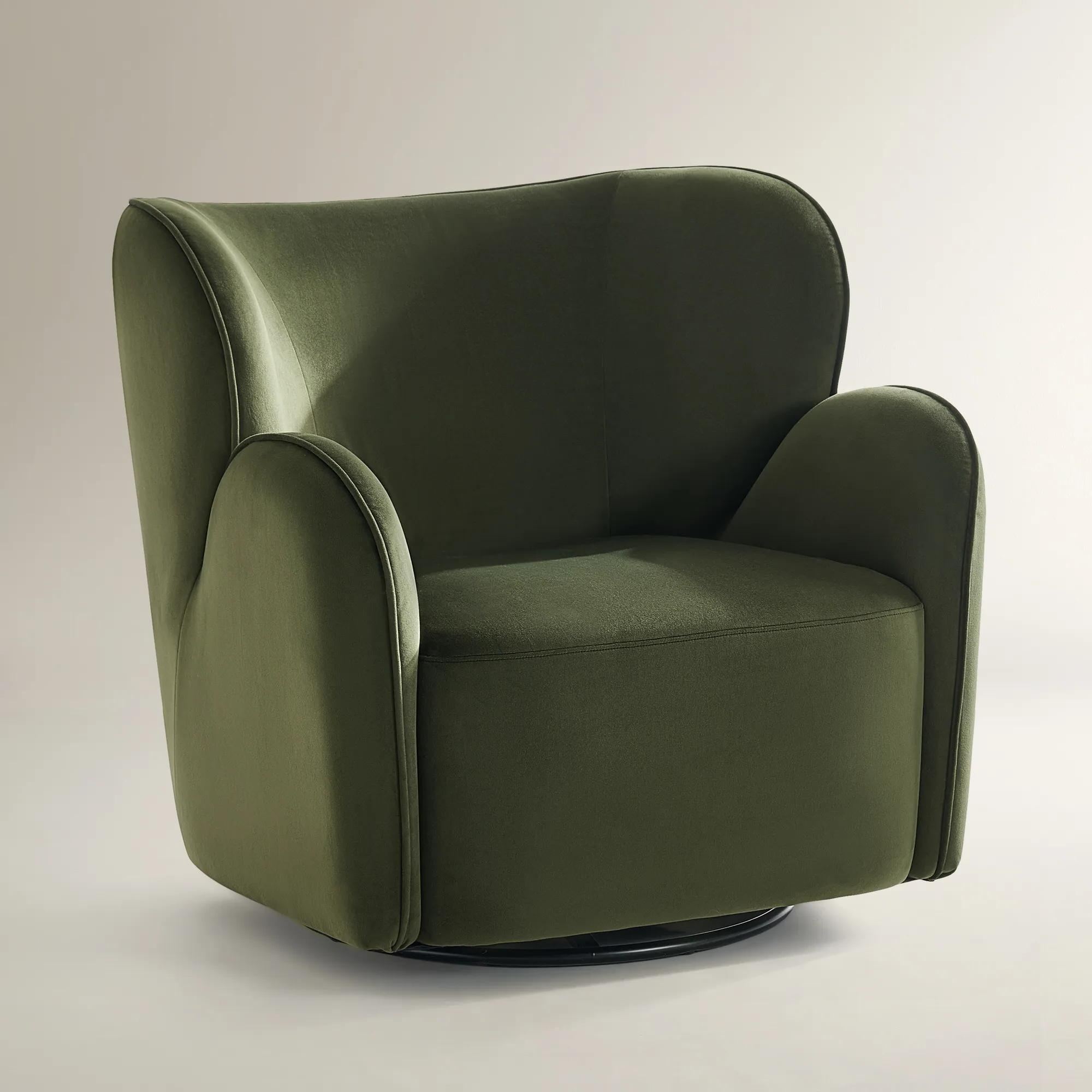
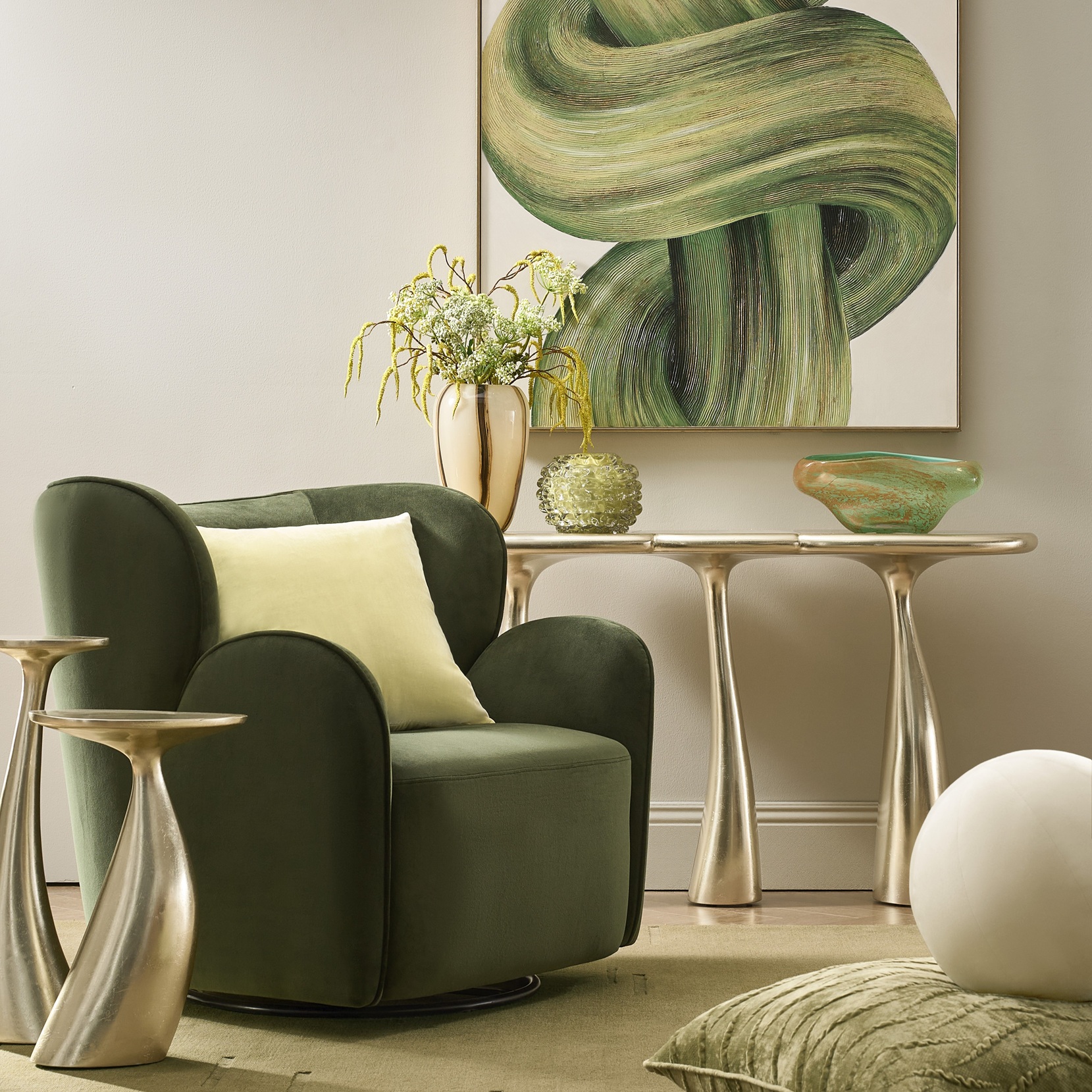 Ceres Jade Green Velvet Swivel Accent Chair$799
A plush jade green velvet chair with a curved silhouette, 360° swivel, and supportive foam cushioning.
Add To Cart -
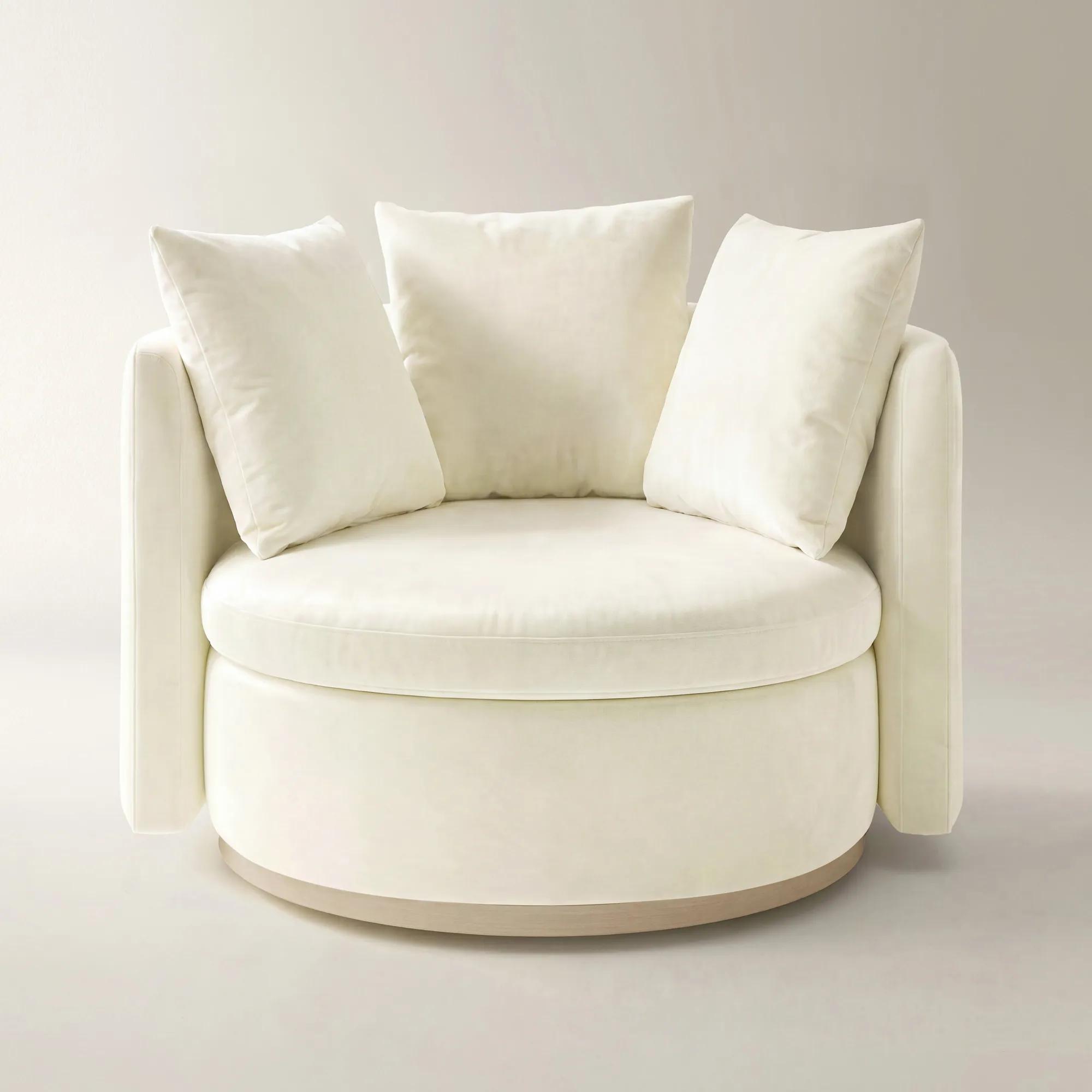
 Stria Cloud Velvet Swivel Accent Chair$1499
A sculptural cloud-velvet accent chair with enveloping curves, layered cushioning, and a concealed 360-degree swivel base.
Add To Cart -
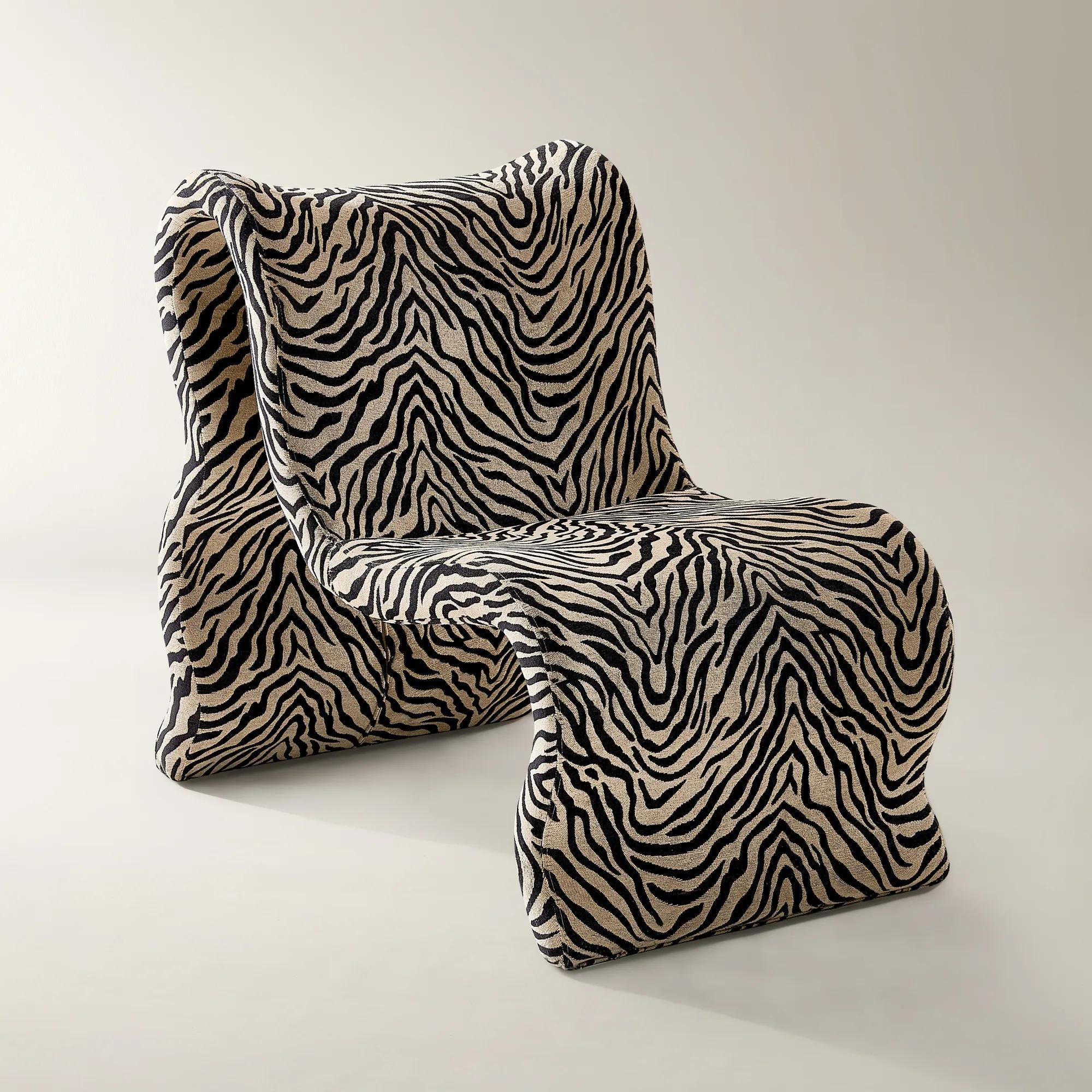
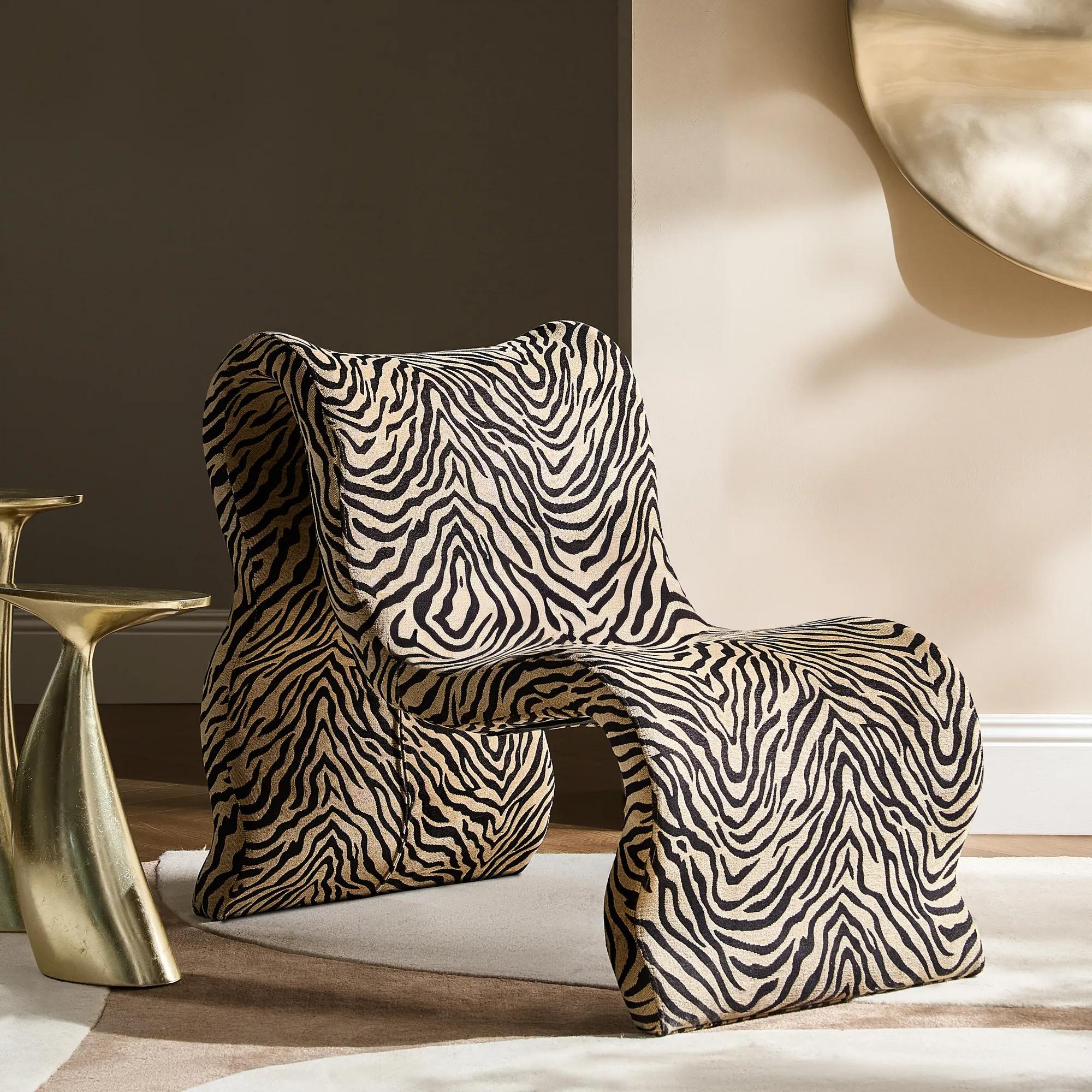 Romy Zebra Chenille Accent Chair$999
A sculptural accent chair featuring bold zebra-print chenille upholstery and a continuous wave-like silhouette.
Add To Cart -
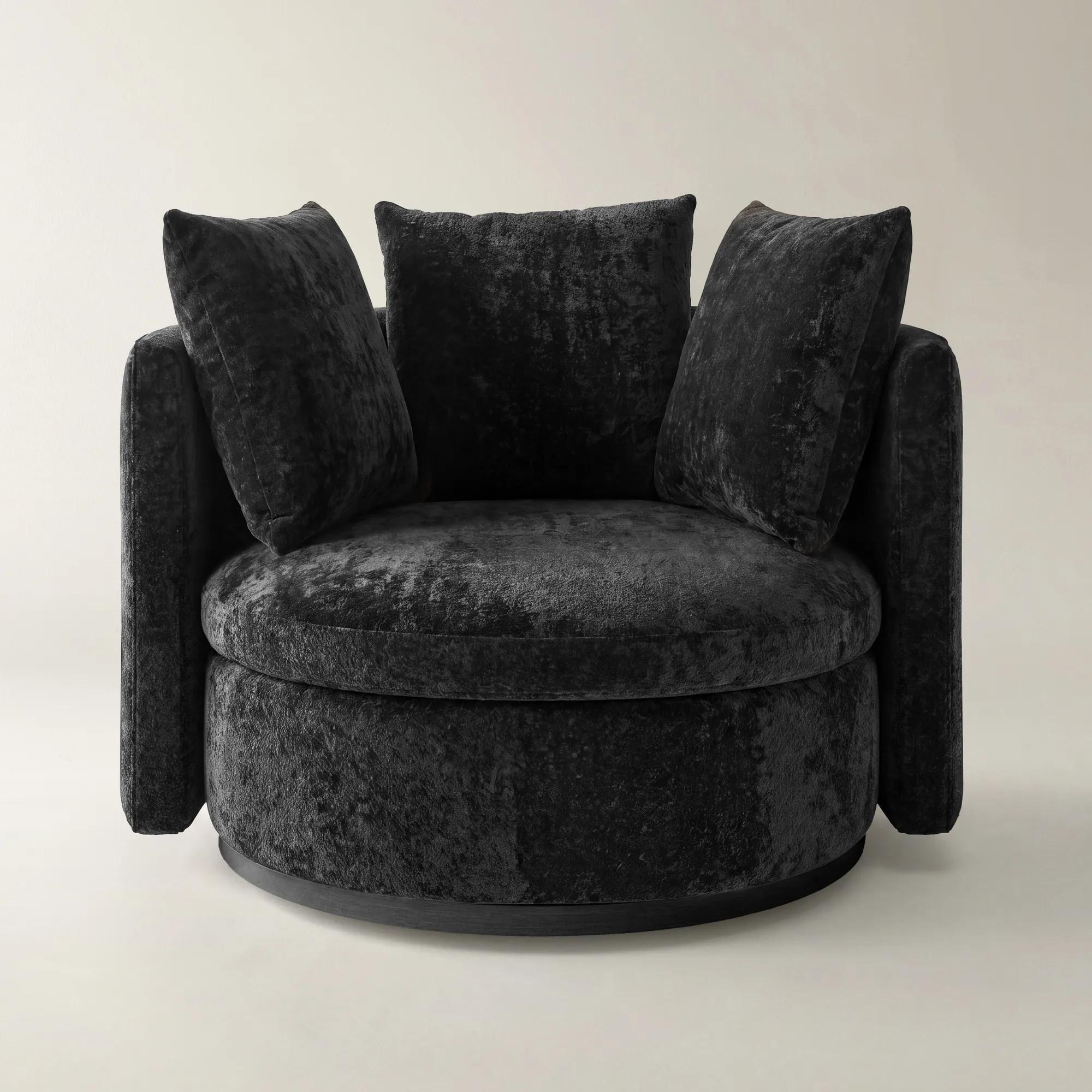 Stria Black Chenille Swivel Accent Chair$1599
A black chenille accent chair with enveloping curves, foam-and-down comfort, and a concealed 360-degree swivel.
Add To Cart -
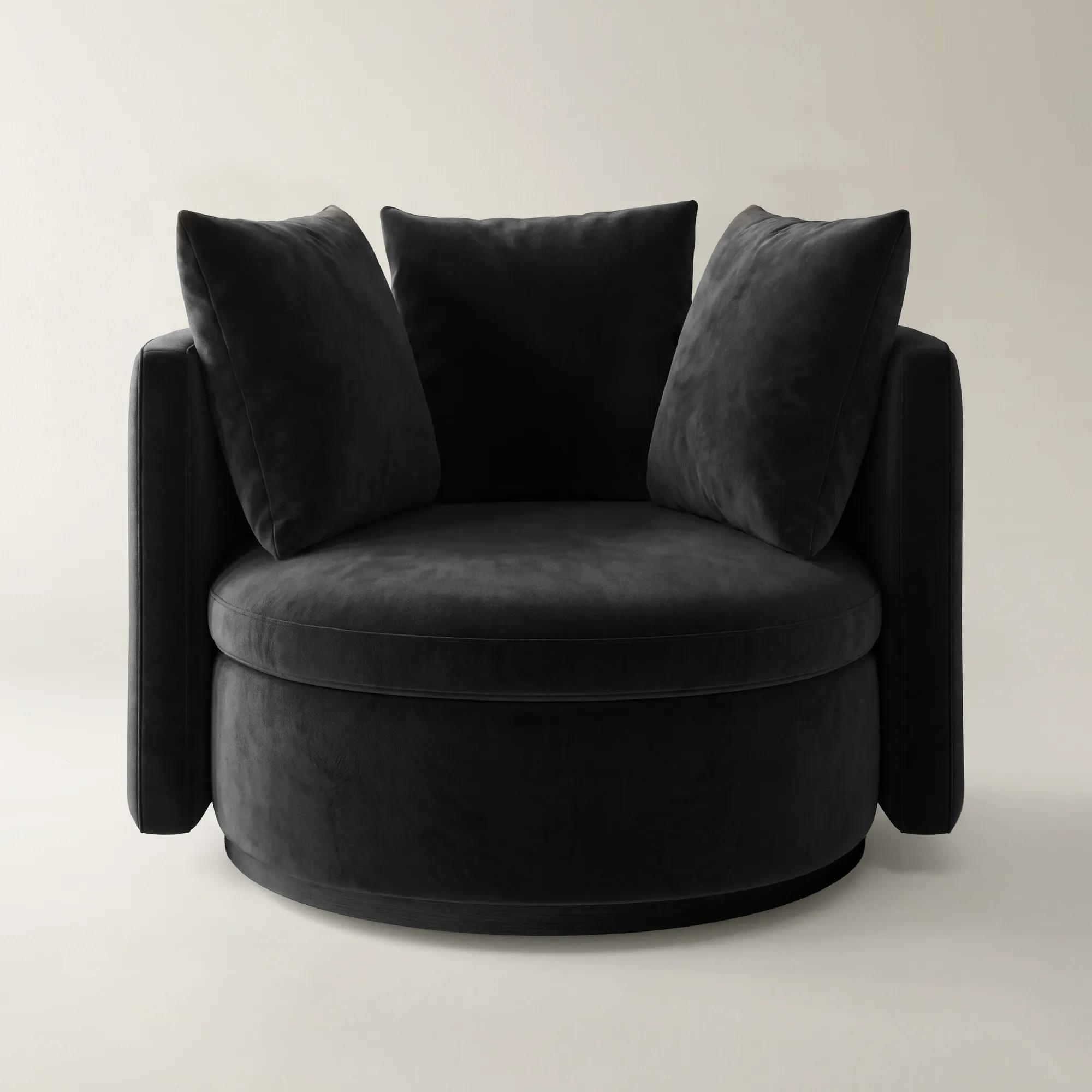
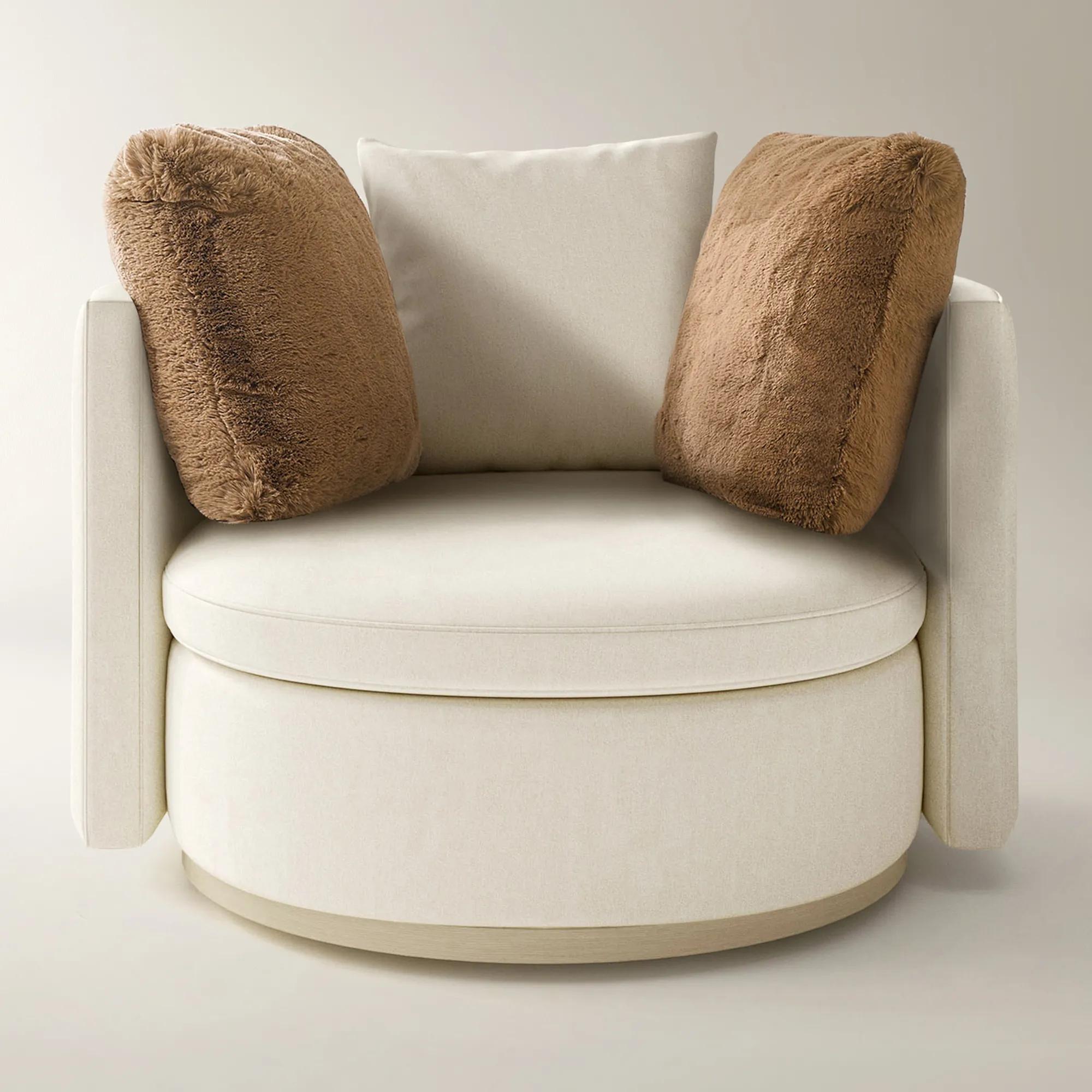 Stria Charcoal Velvet Swivel Accent Chair$1499
A sculptural charcoal velvet accent chair with enveloping curves, layered cushioning, and a concealed 360-degree swivel.
Add To Cart -
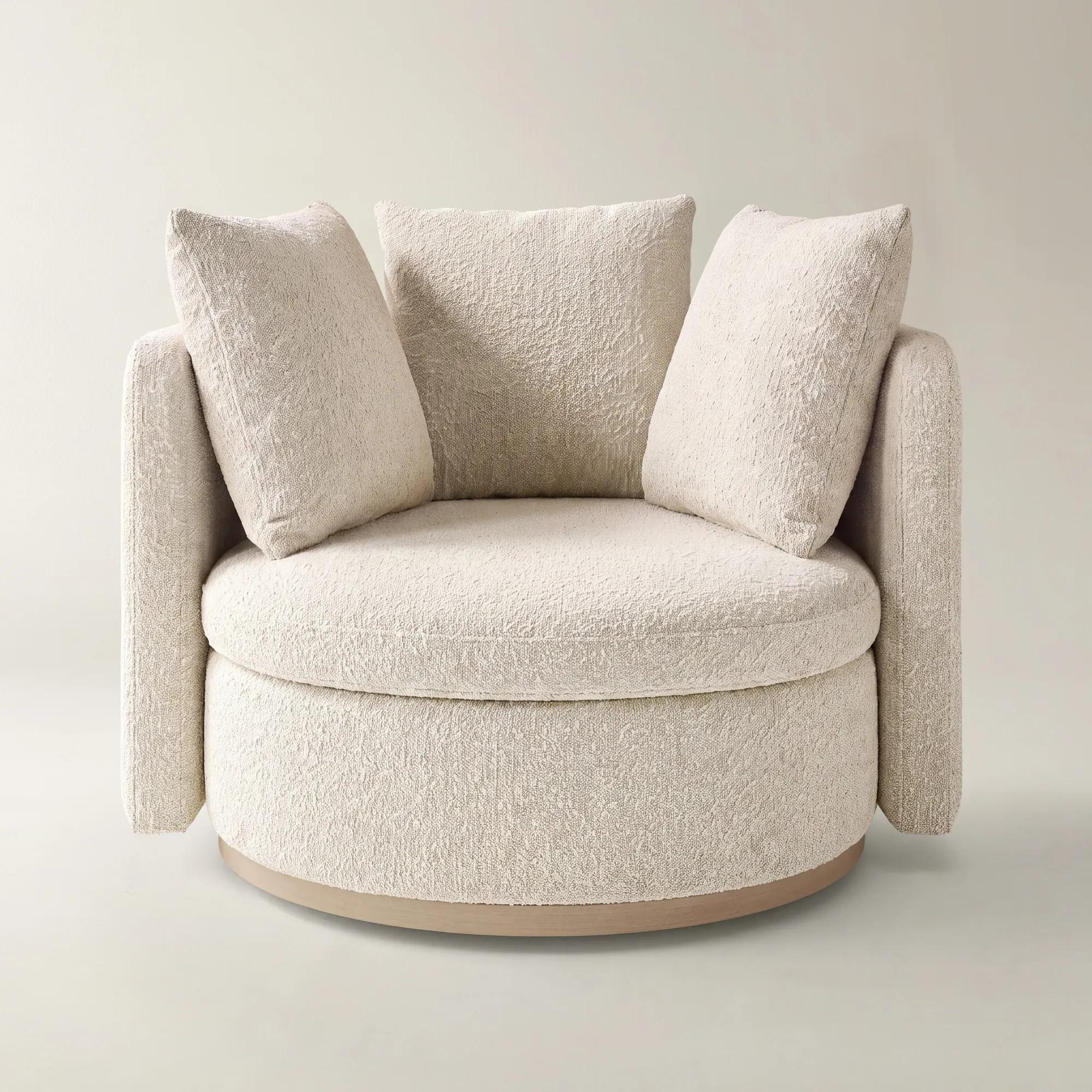 Stria Ivory Performance Boucle Swivel Accent Chair$1599
An ivory performance bouclé accent chair with enveloping curves, layered comfort, and a concealed 360-degree swivel.
Add To Cart -
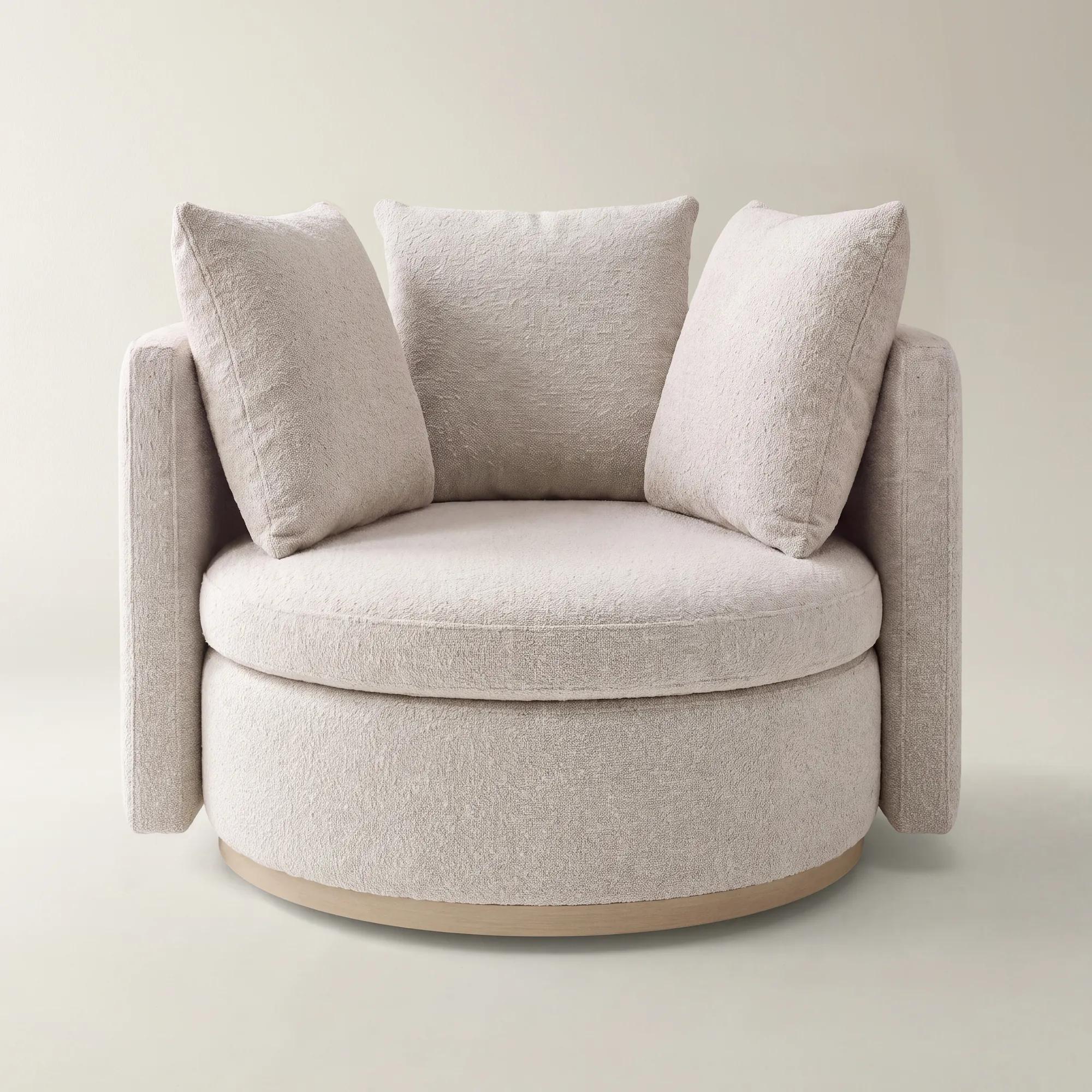 Stria Ivory Performance Boucle Swivel Accent Chair$1599
An ivory performance bouclé accent chair with enveloping curves, layered comfort, and a concealed 360-degree swivel.
Add To Cart -
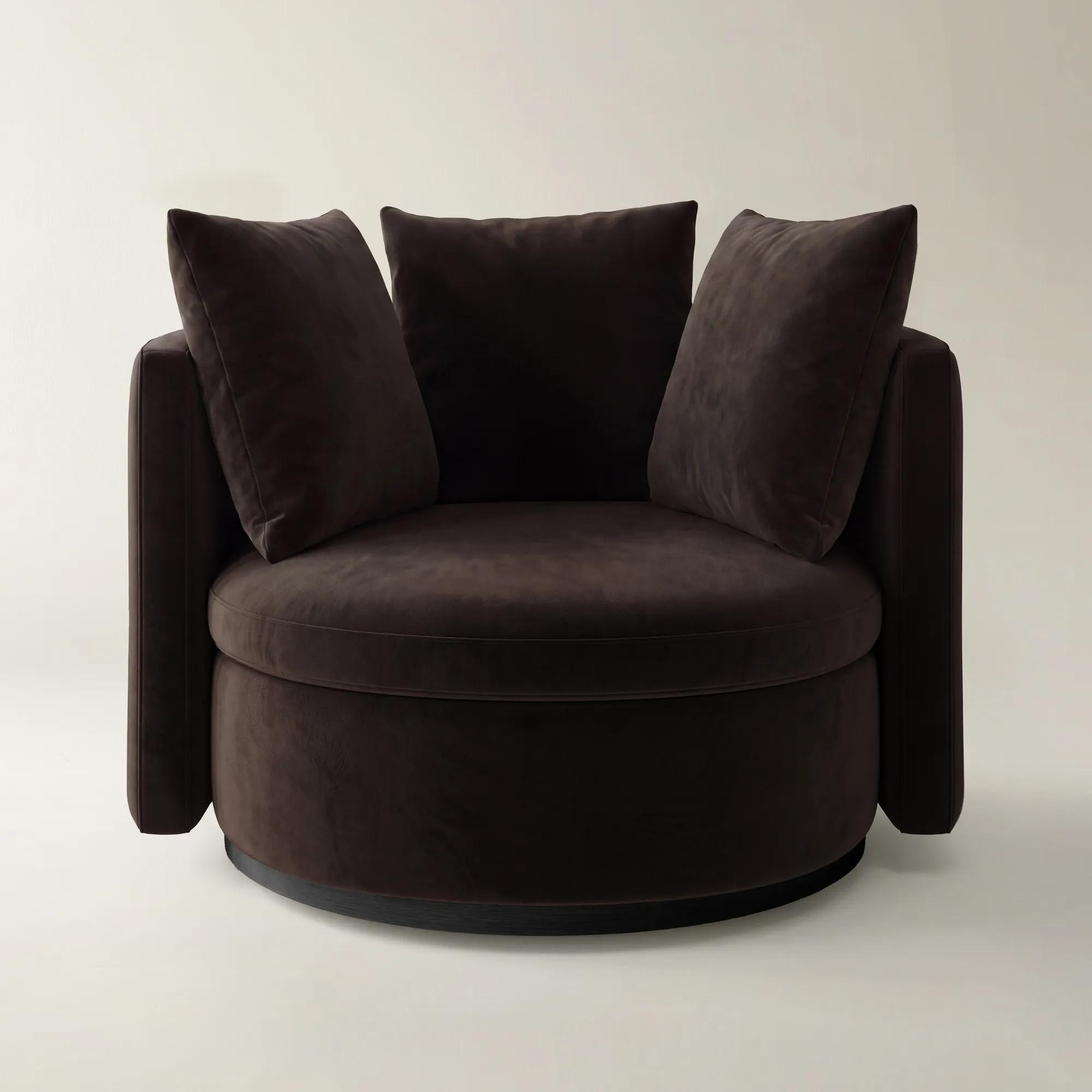 Stria Dark Chocolate Velvet Swivel Accent Chair$1499
A dark chocolate velvet accent chair with enveloping curves, plush cushioning, and a concealed 360-degree swivel.
Add To Cart -
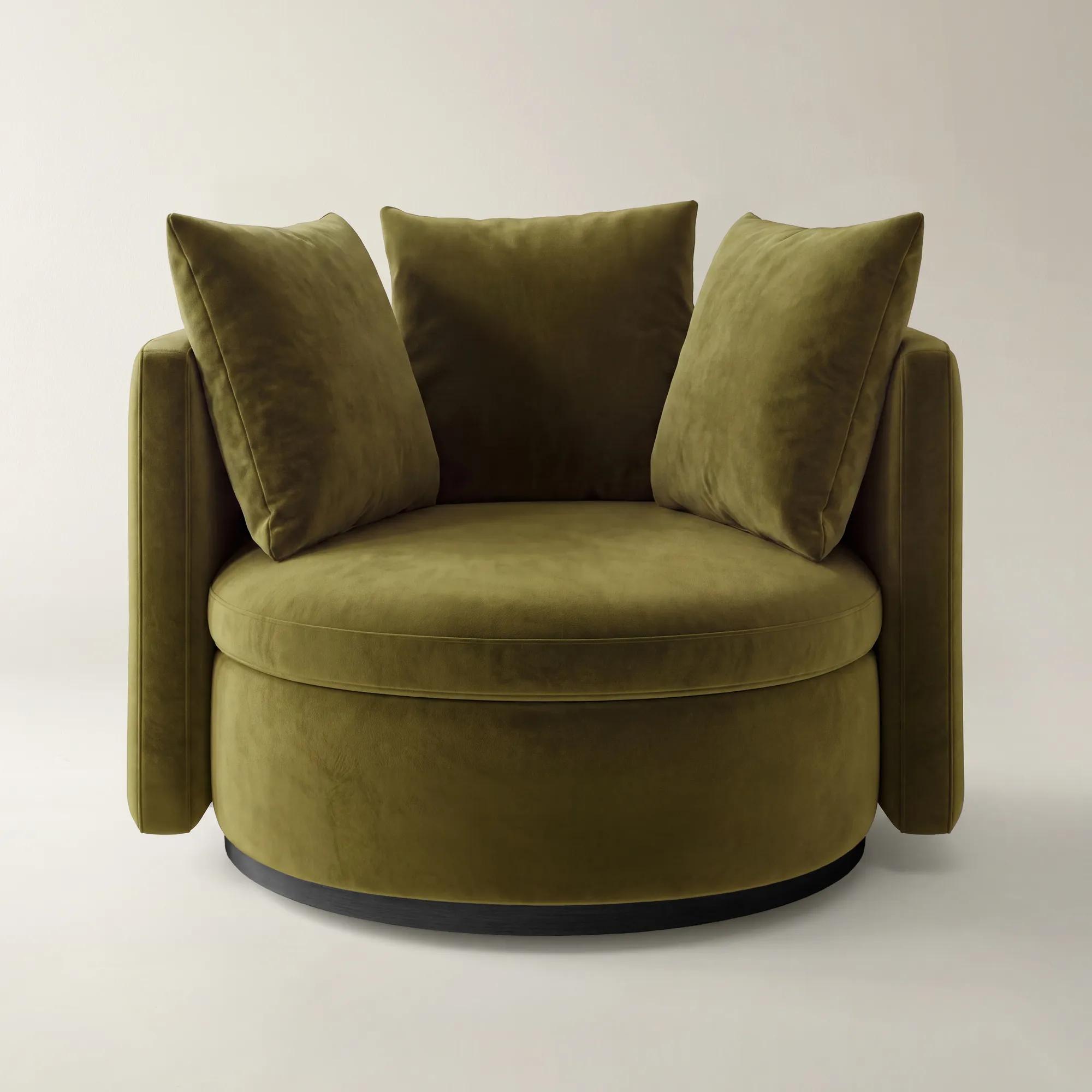 Stria Deep Olive Velvet Swivel Accent Chair$1499
A deep olive velvet accent chair with enveloping curves, layered cushioning, and a concealed 360-degree swivel base.
Add To Cart -
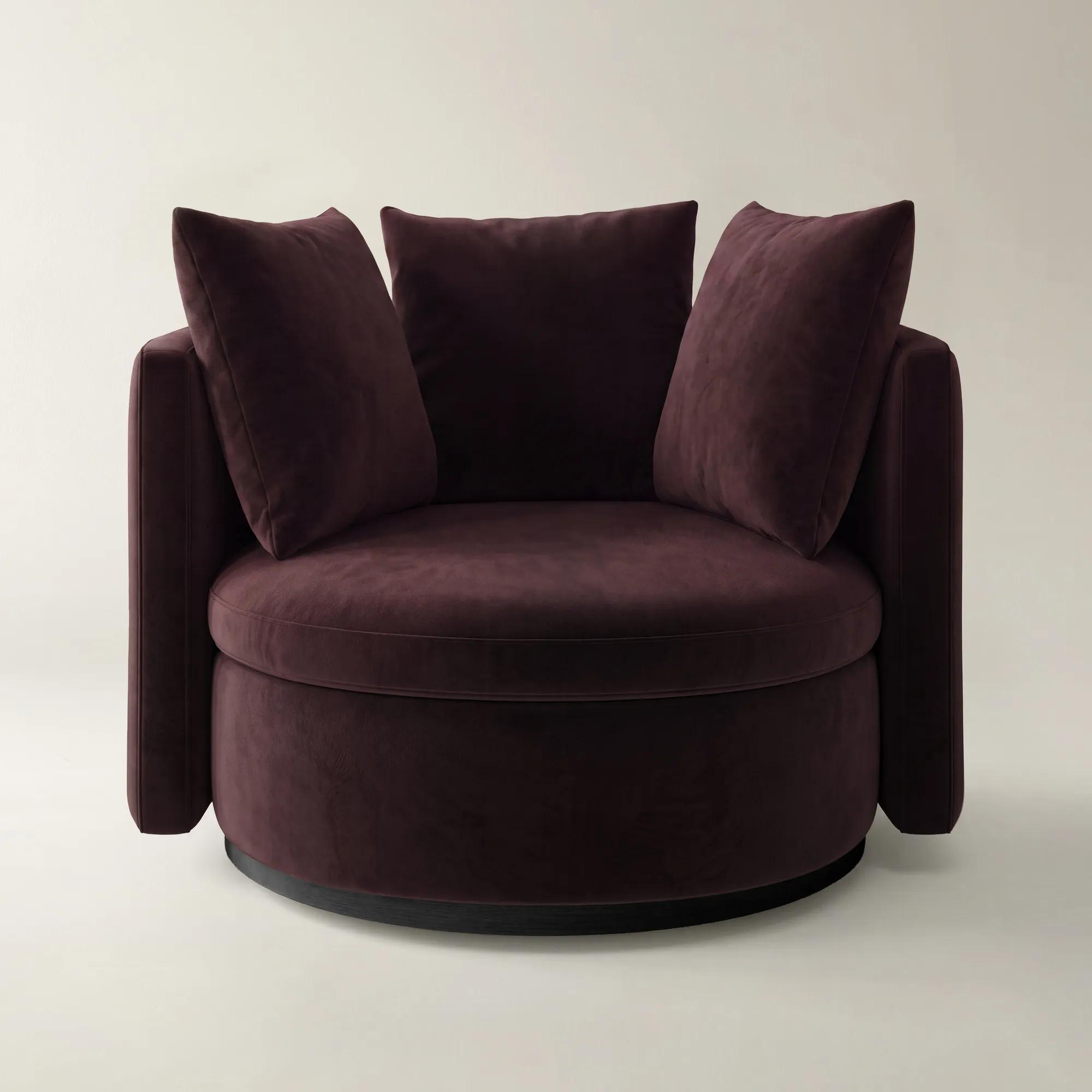 Stria Fig Velvet Swivel Accent Chair$1499
A fig velvet chair with a sculptural wraparound silhouette, layered foam comfort, and concealed 360-degree swivel.
Add To Cart -
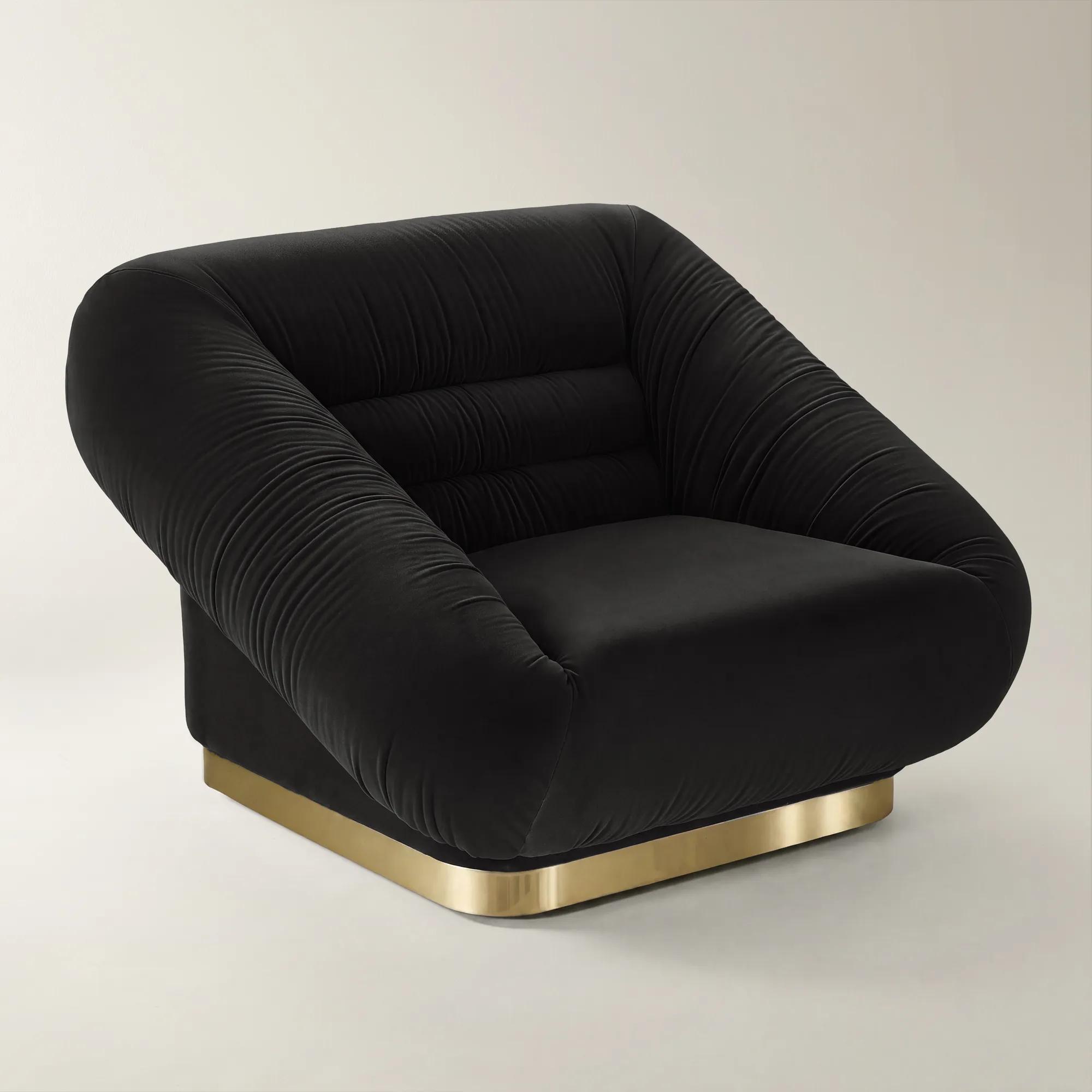
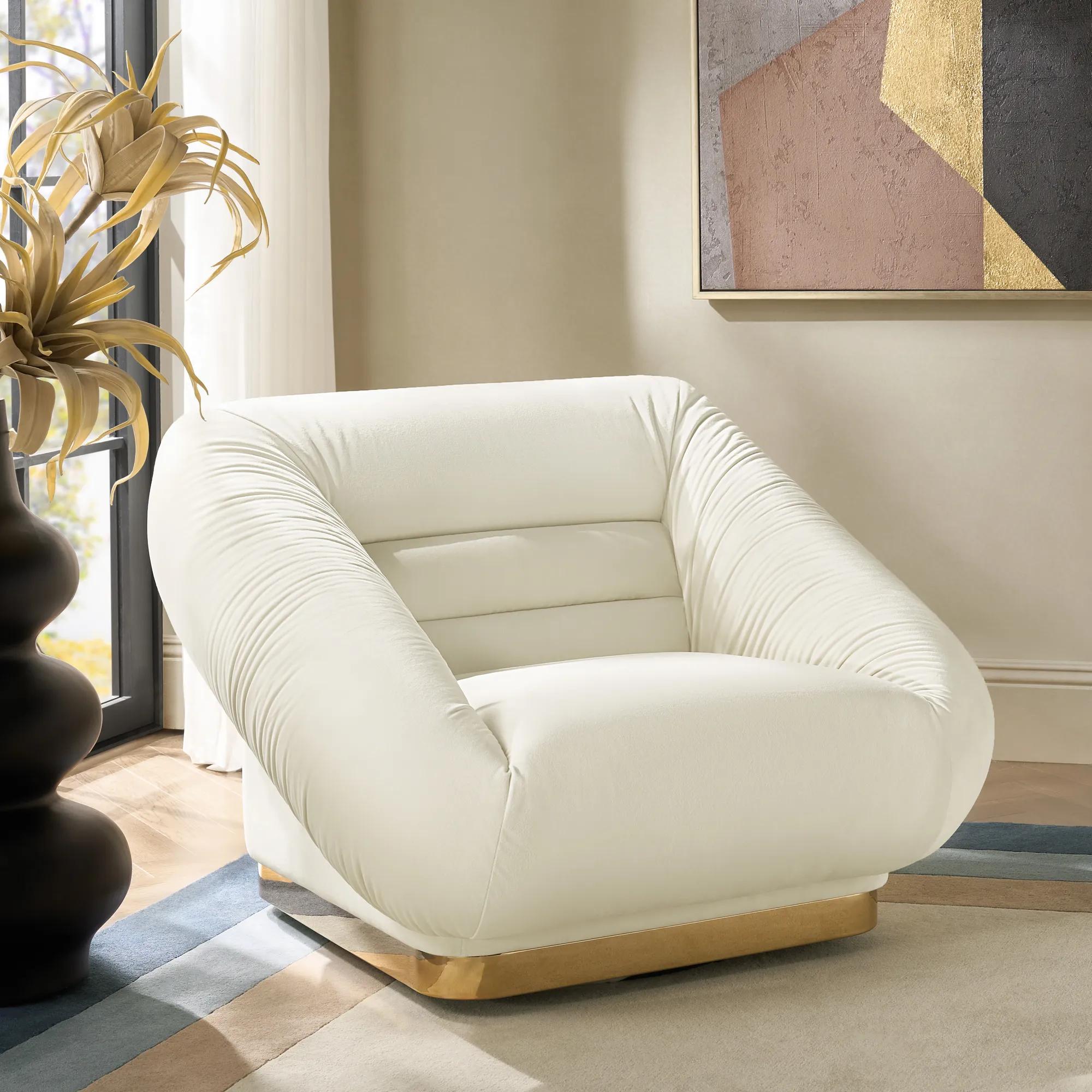 Dover Charcoal Velvet Swivel Accent Chair$1299
A sculptural charcoal velvet accent chair with gathered upholstery, a soft gold–finished stainless steel base, and smooth 360° swivel.
Add To Cart -
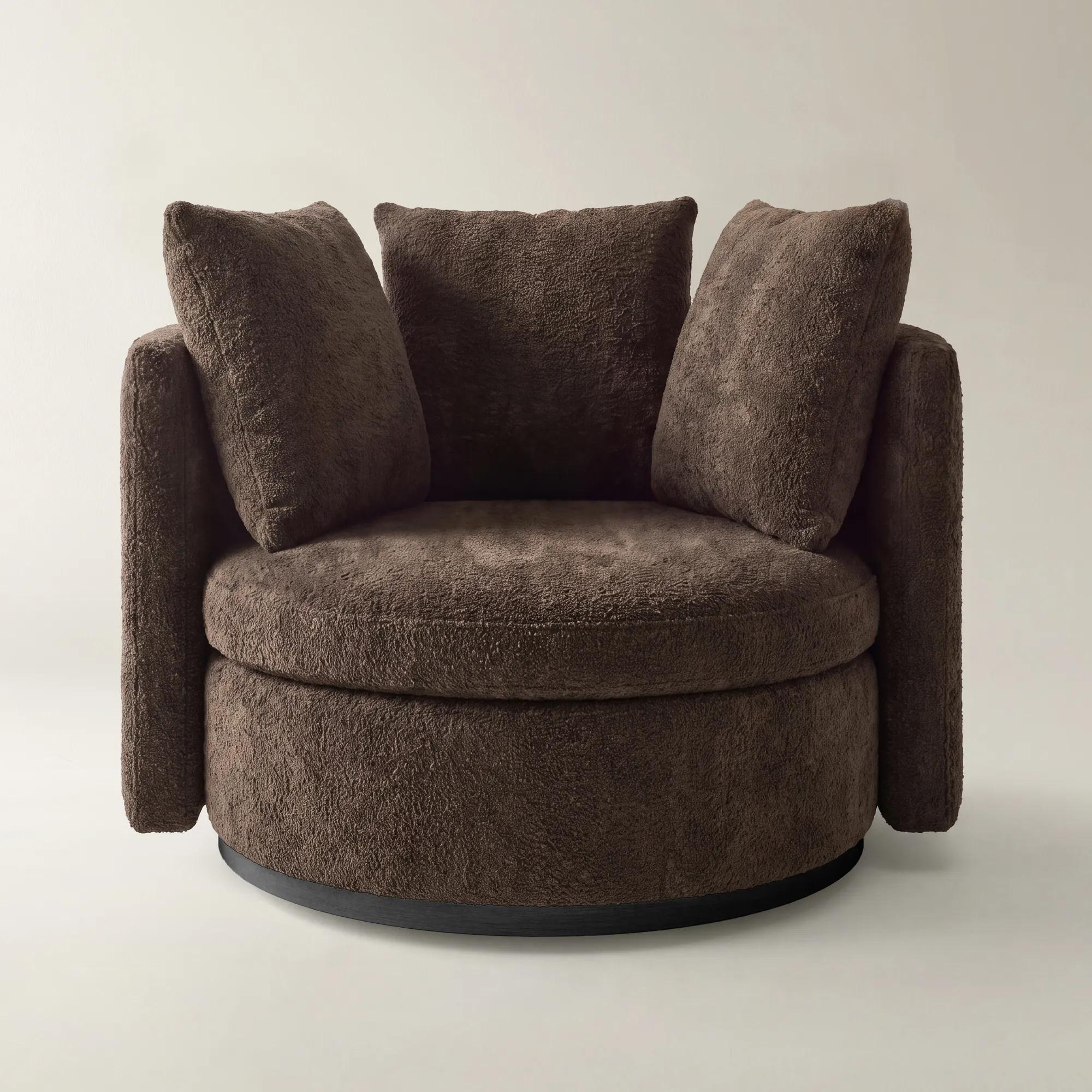 Stria Dark Chocolate Chenille Swivel Accent Chair$1599
A dark chocolate chenille accent chair featuring enveloping curves, layered cushioning, and a concealed 360-degree swivel.
Add To Cart -
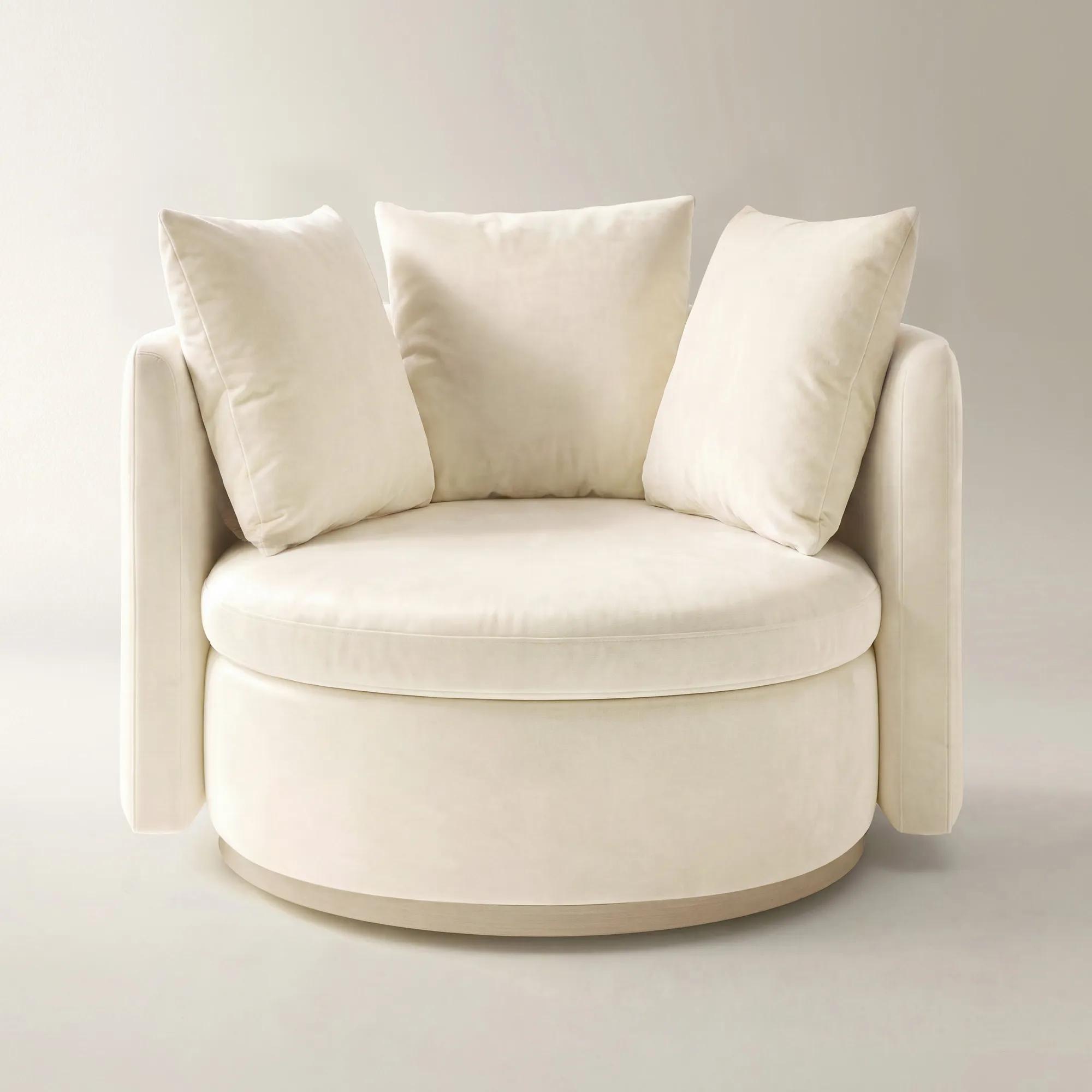 Stria Oatmeal Velvet Swivel Accent Chair$1499
An oatmeal velvet accent chair featuring enveloping curves, layered cushioning, and a concealed 360-degree swivel base.
Add To Cart -
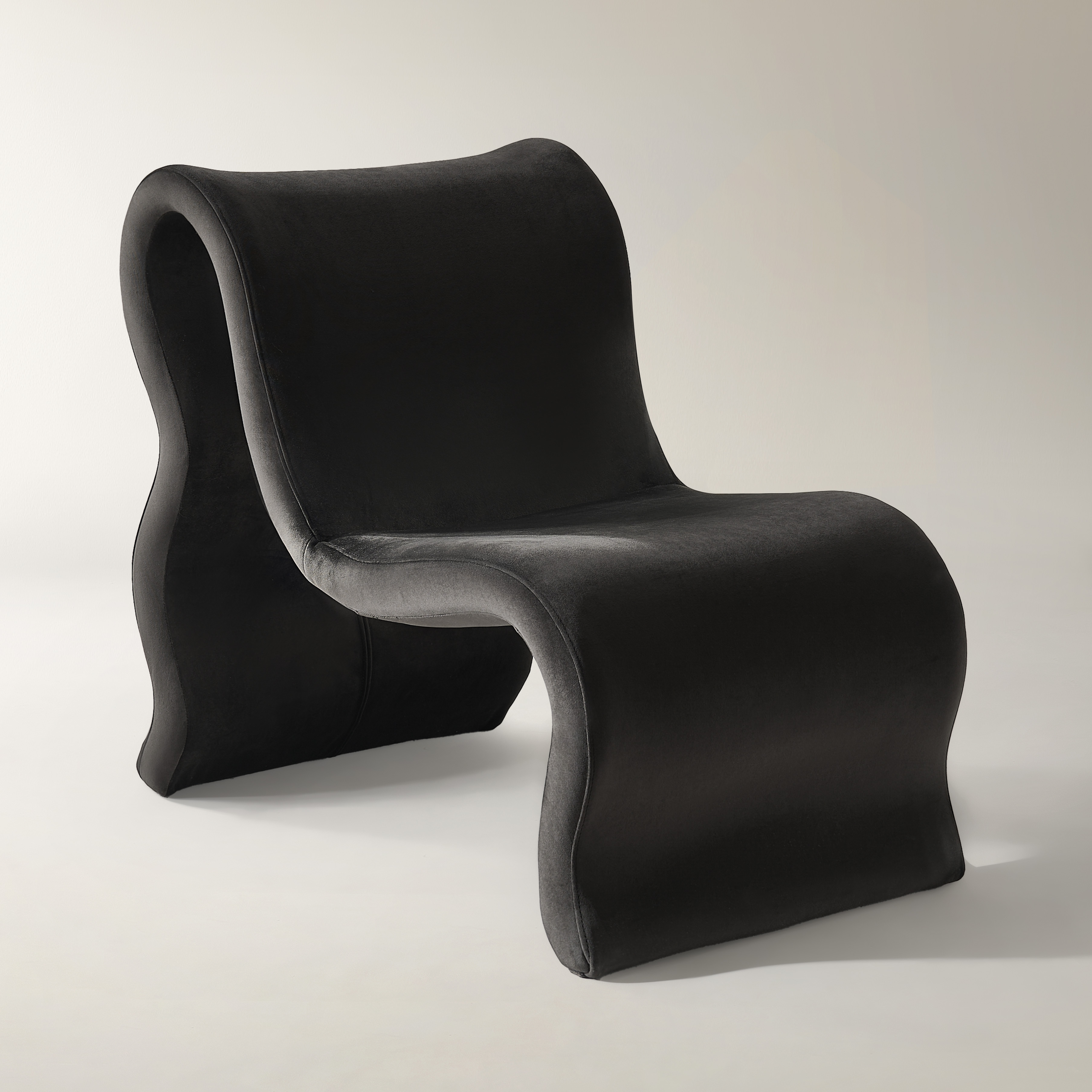 Romy Charcoal Velvet Accent Chair$999
A sculptural accent chair in charcoal velvet with a wave-like silhouette and full foam construction.
Add To Cart -
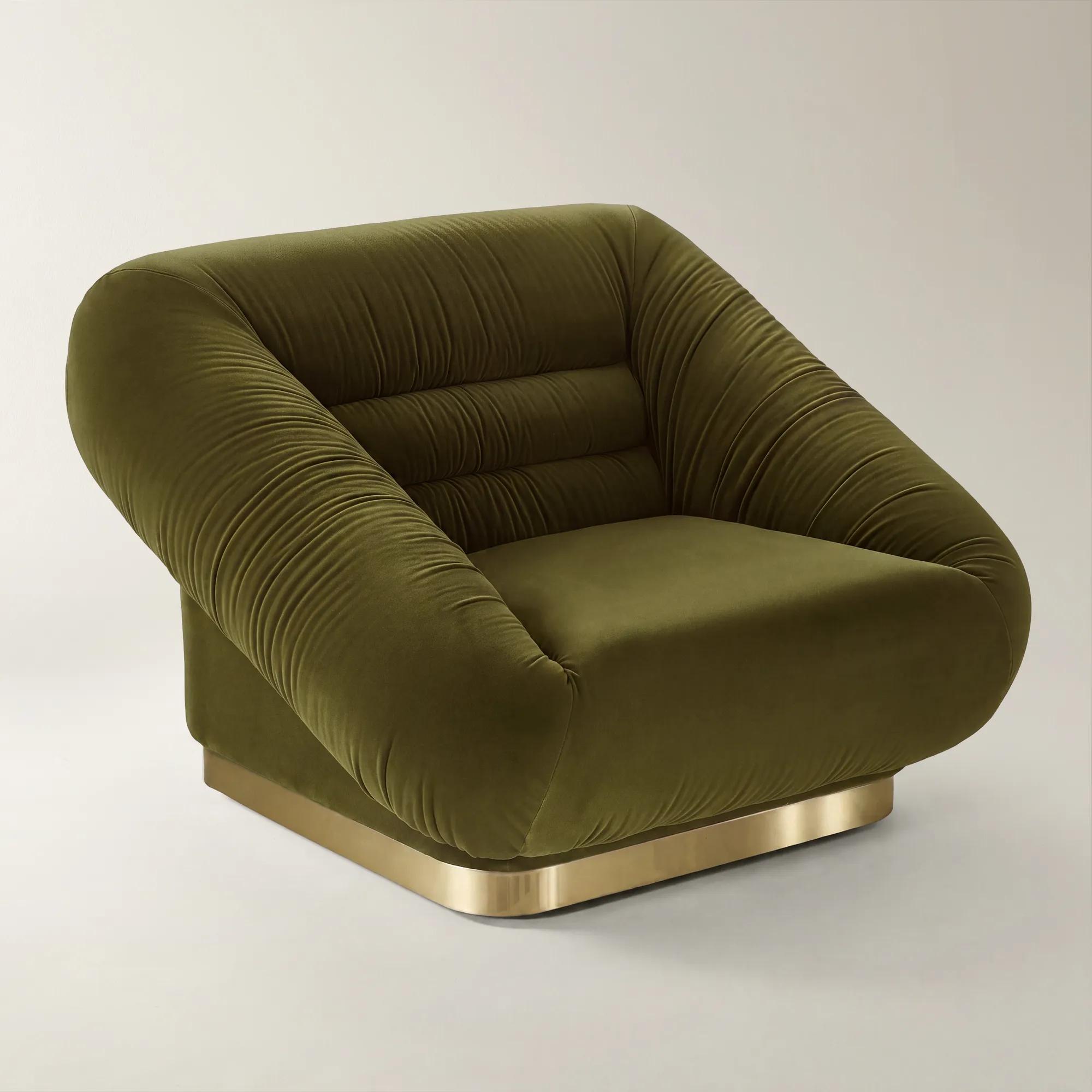
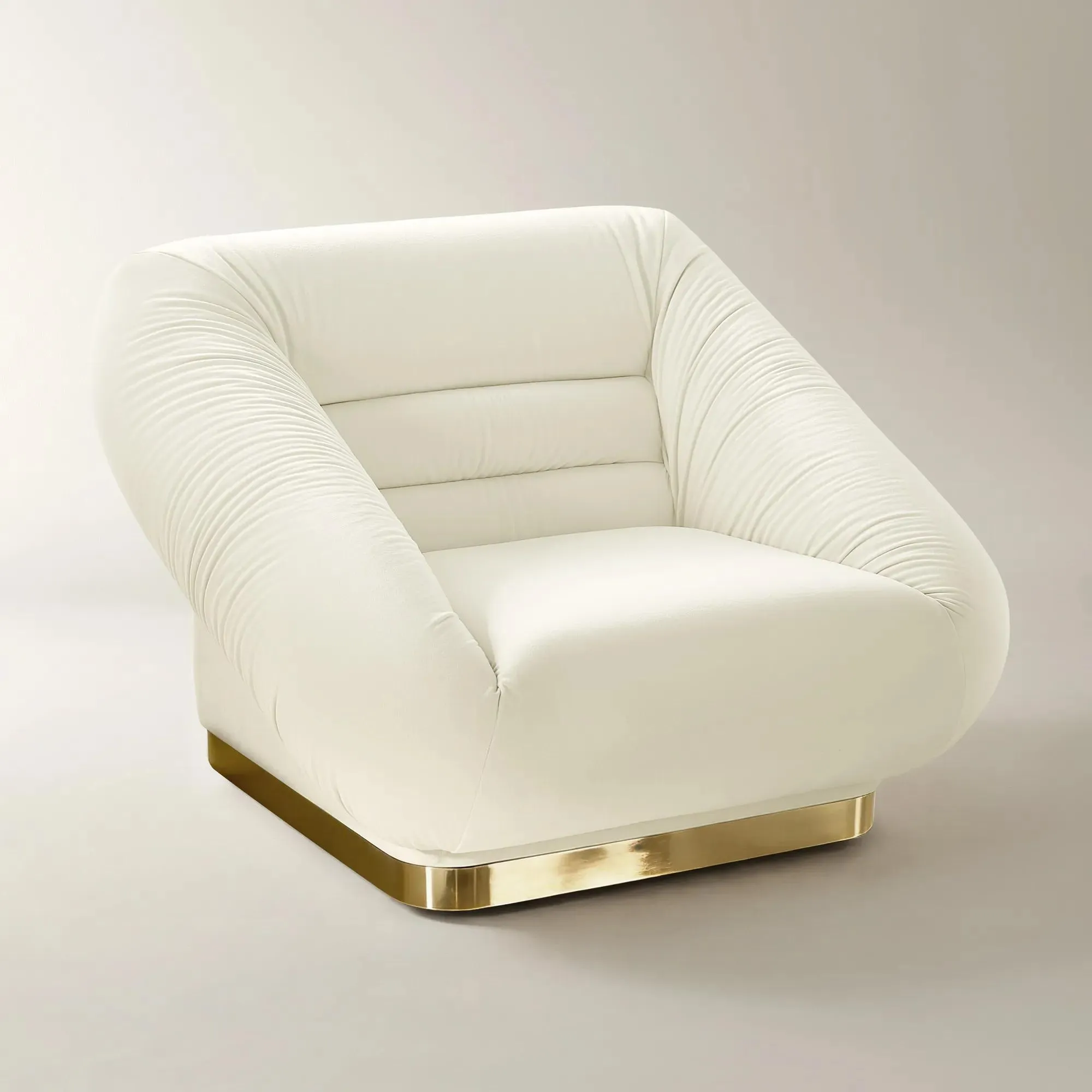 Dover Deep Olive Velvet Swivel Accent Chair$1299
A sculptural deep olive velvet chair with gathered upholstery, soft gold trim, and smooth 360-degree swivel functionality.
Add To Cart -
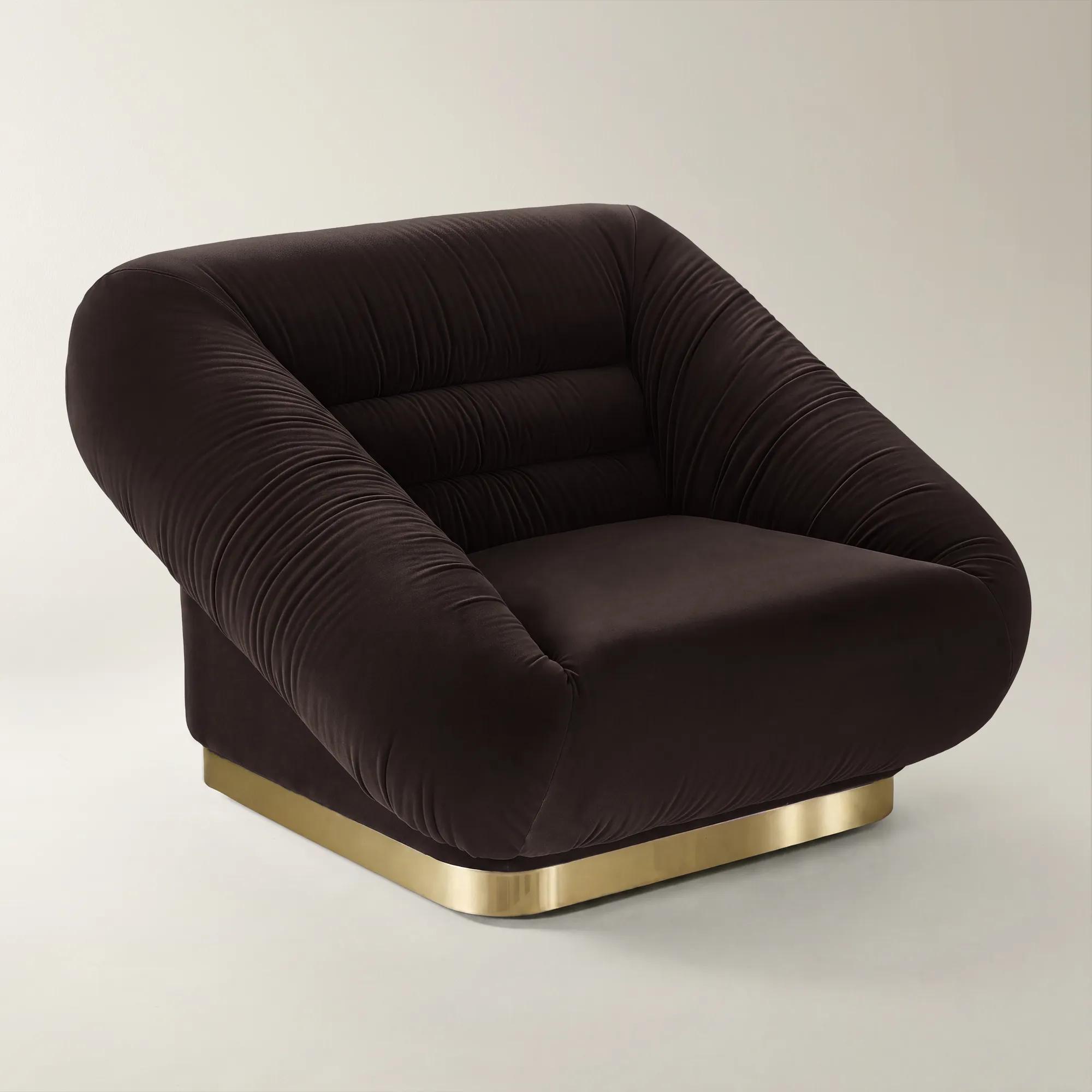 Dover Dark Chocolate Velvet Swivel Accent Chair$1299
A dark chocolate velvet accent chair with a sculptural silhouette, 360° swivel, and soft gold-finished trim.
Add To Cart -
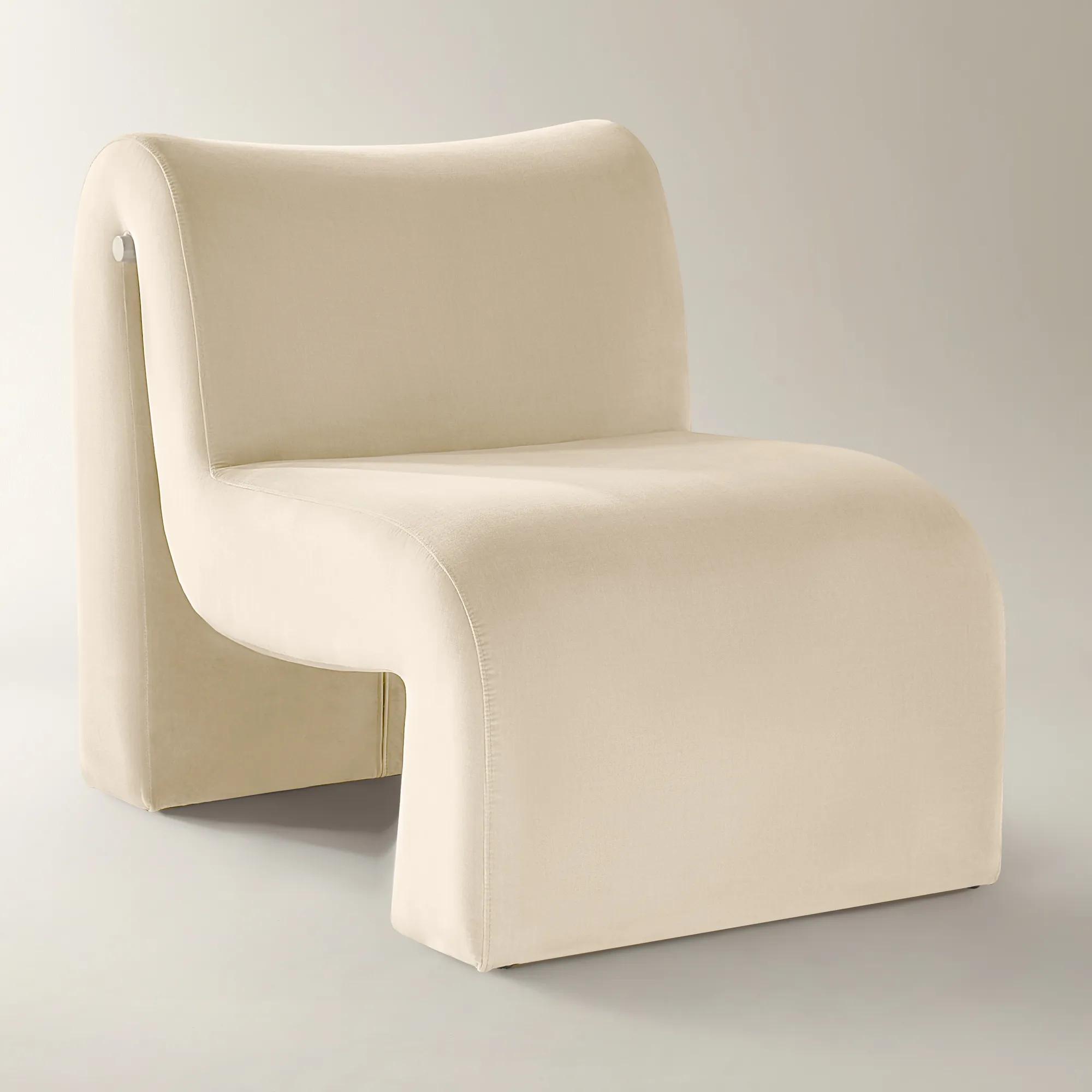 Cora Ivory Velvet Accent Chair$899
A sculpted ivory velvet chair featuring a continuous curved silhouette and a gold stainless-steel accent.
Add To Cart -
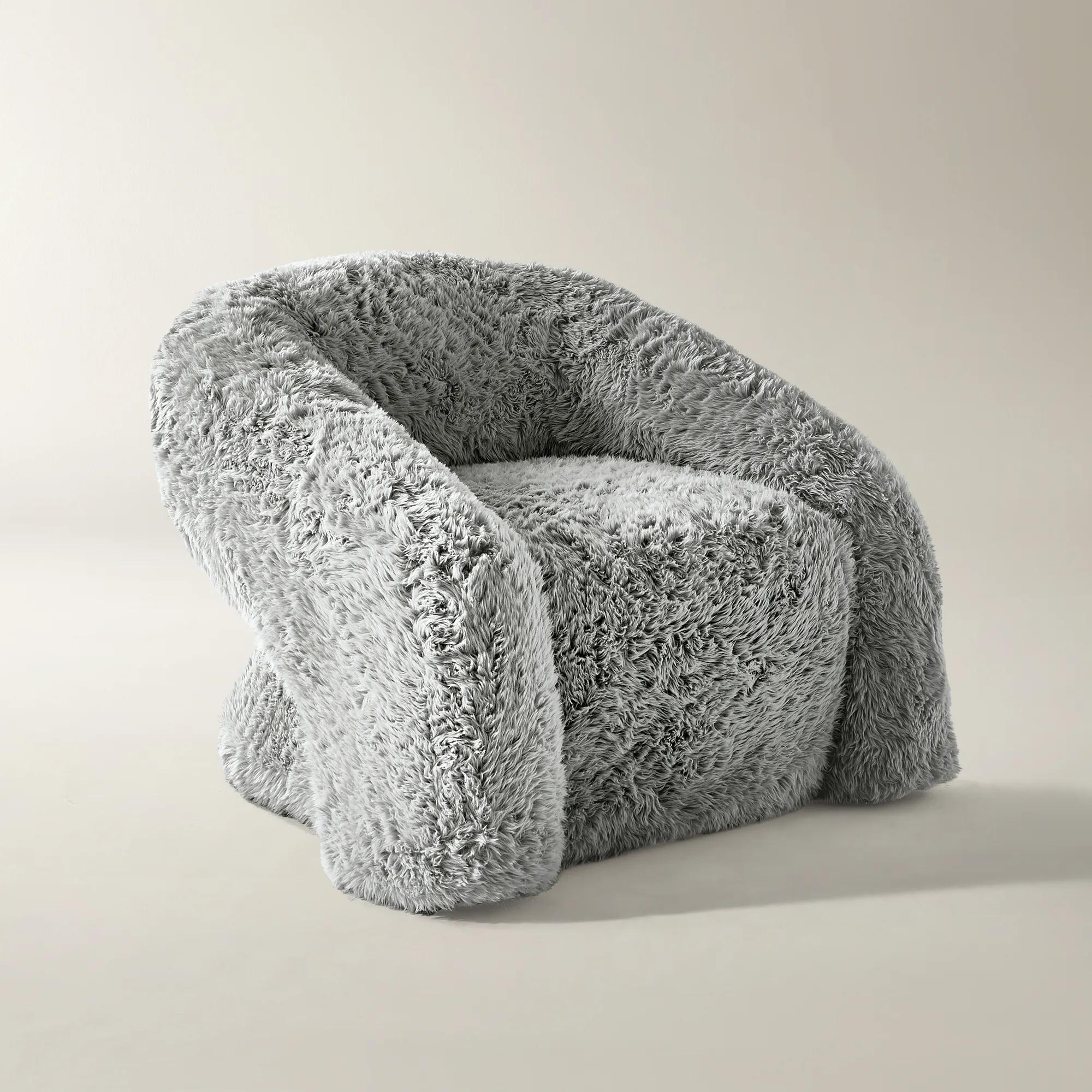
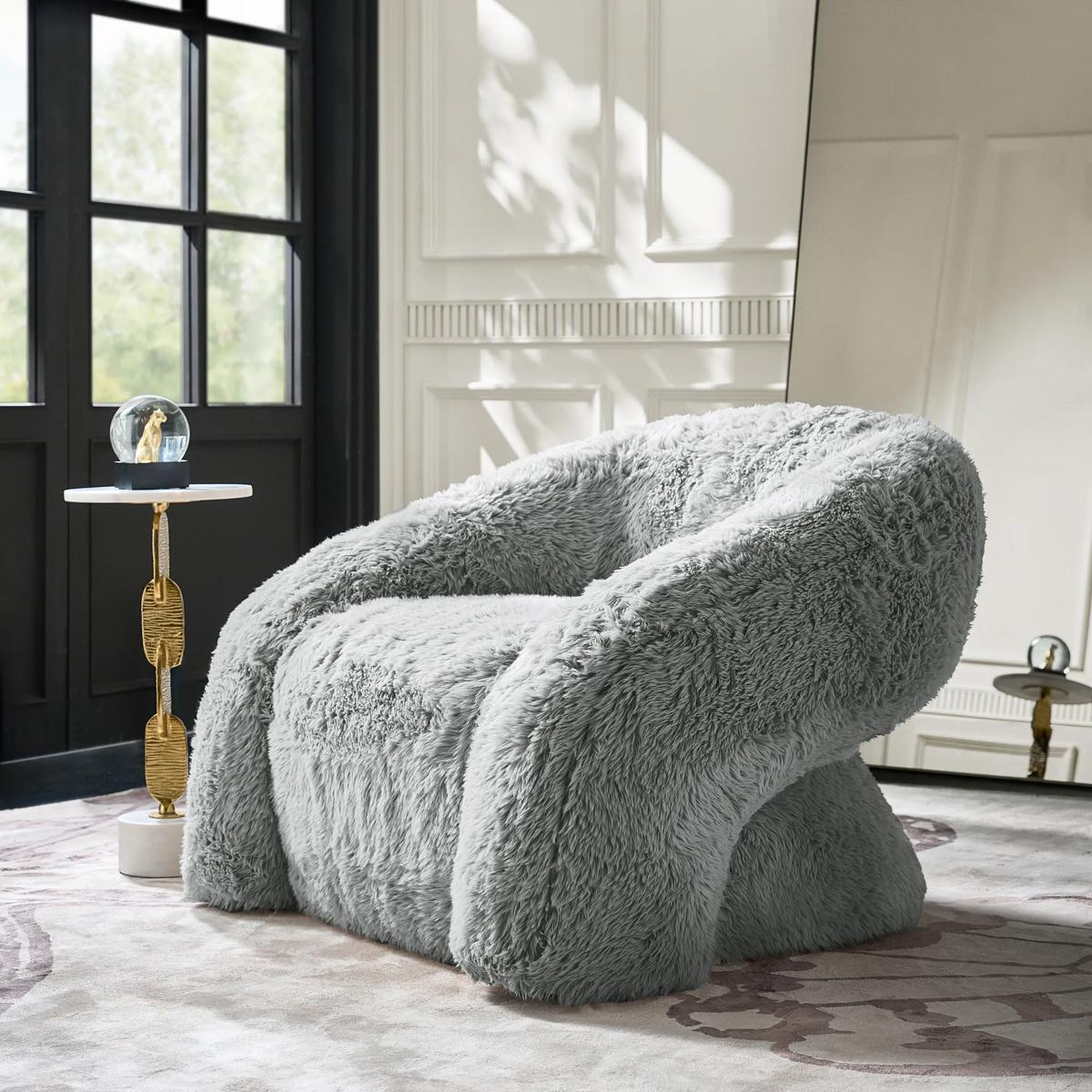 Misha Shadow Faux Fur Accent Chair$799
A cozy gray faux fur chair featuring high-resiliency foam and a sculptural, low-profile silhouette.
Add To Cart -
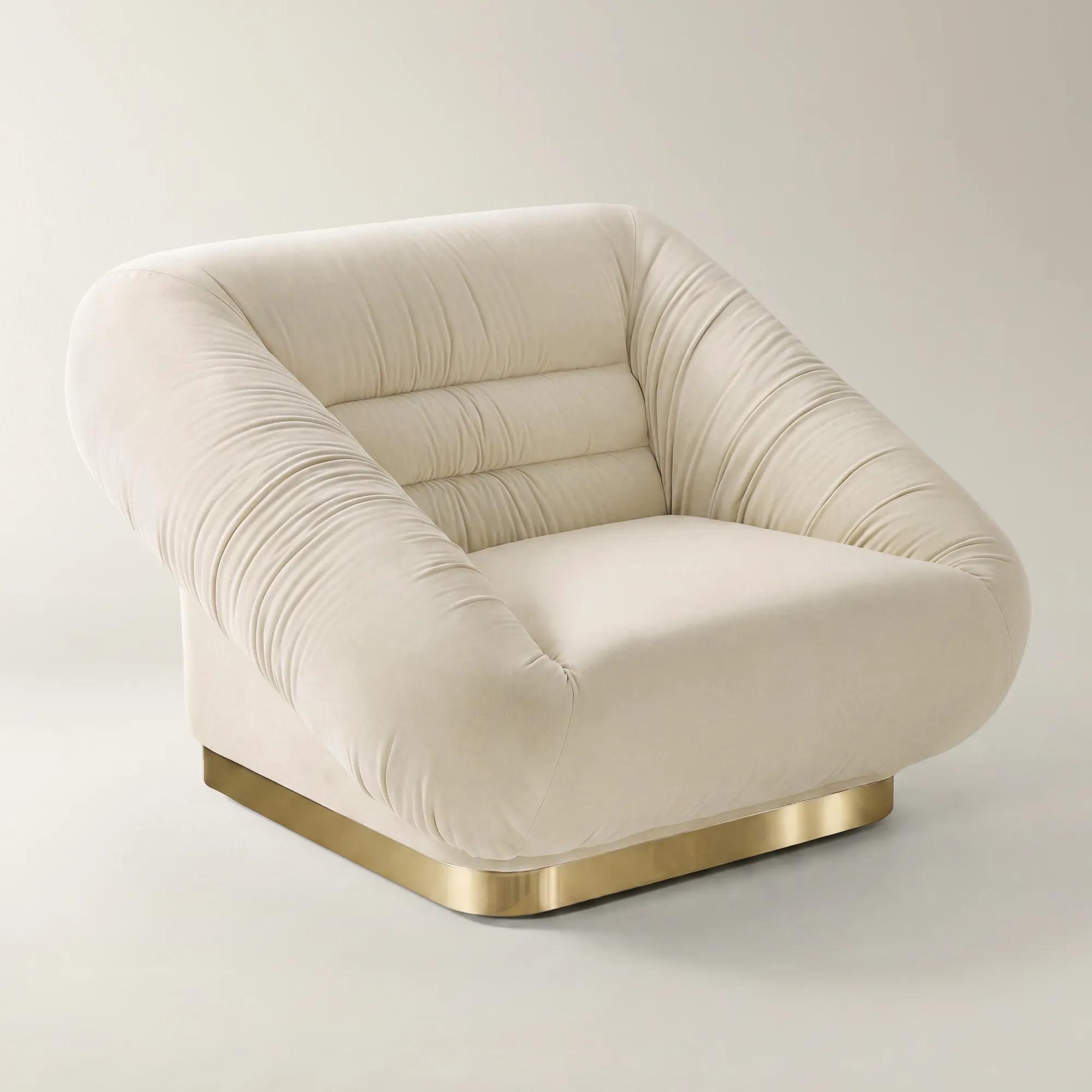 Dover Oatmeal Velvet Swivel Accent Chair$1299
A sculptural oatmeal velvet accent chair with gathered upholstery, a soft gold stainless steel base, and smooth 360-degree swivel functionality.
Add To Cart -
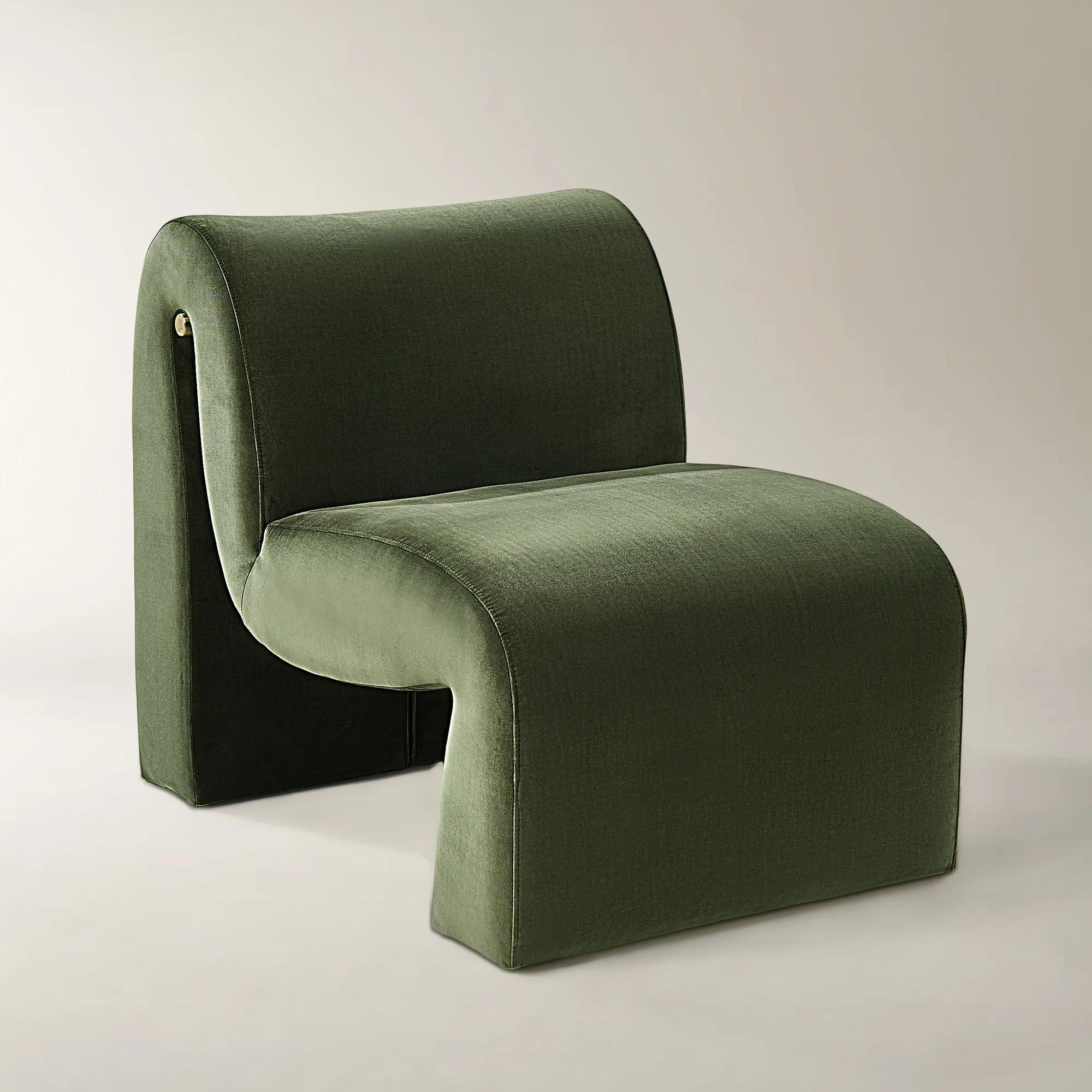
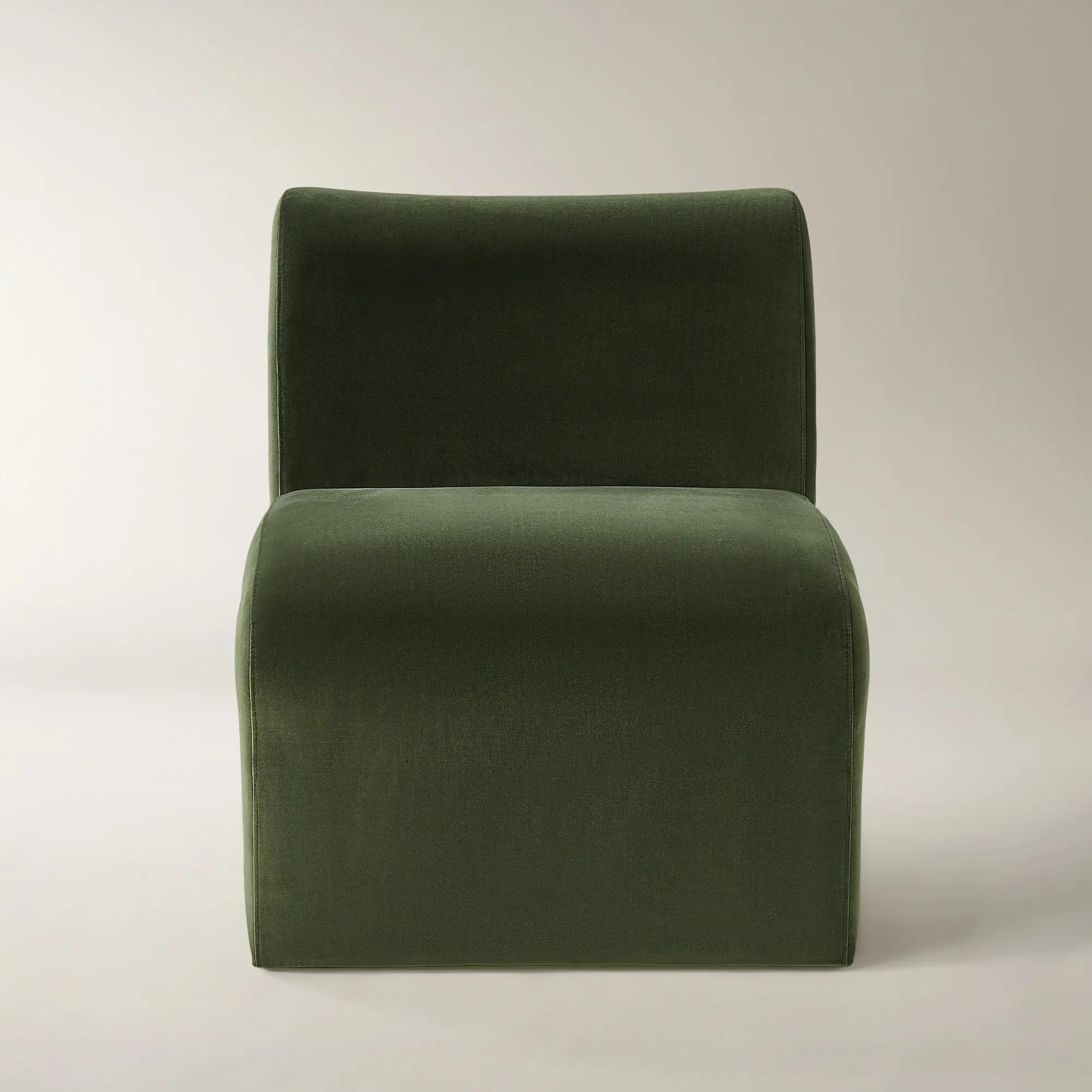 Cora Jade Green Velvet Accent Chair$899
A sculpted accent chair in jade green velvet with a gold stainless-steel inlay for refined glamour.
Add To Cart -
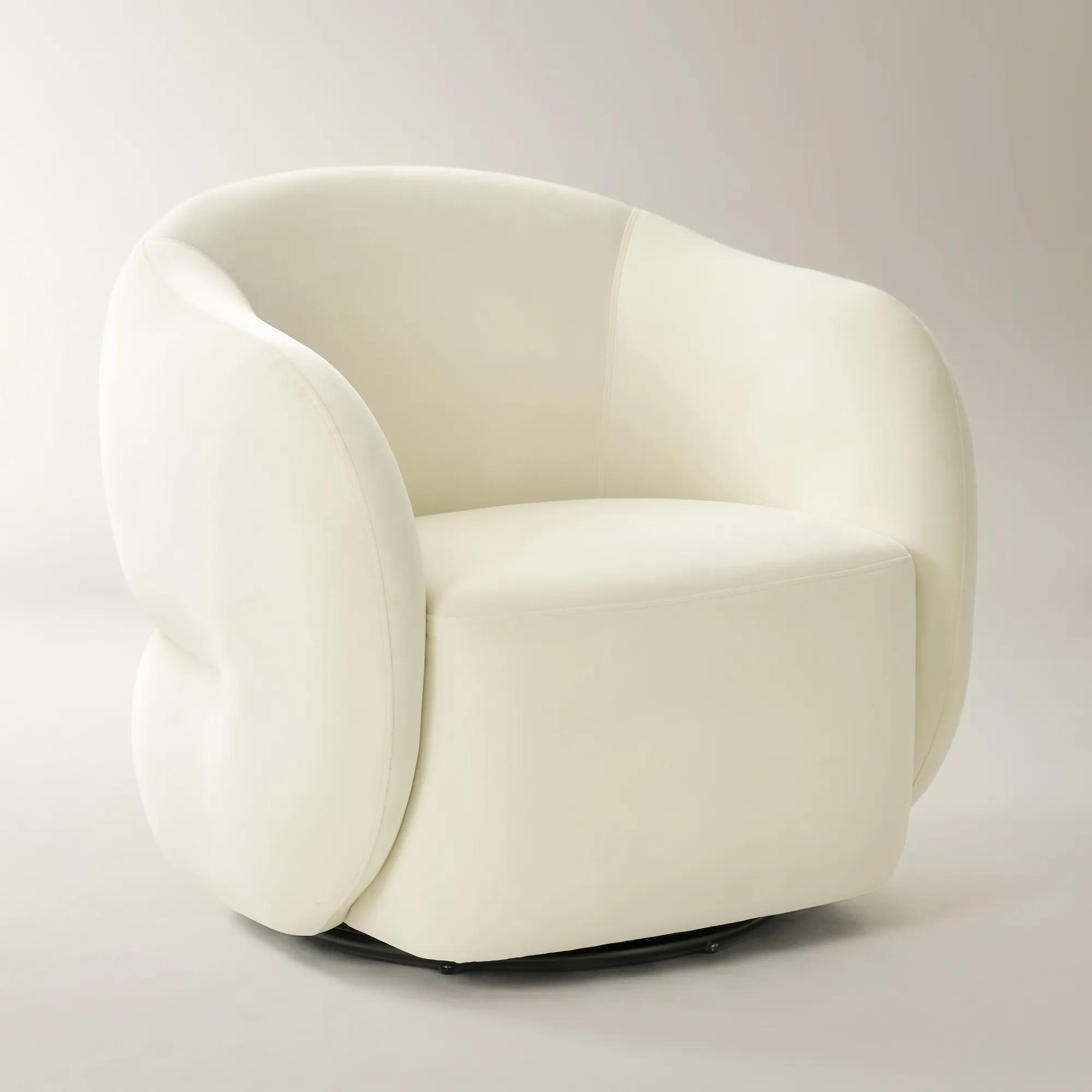
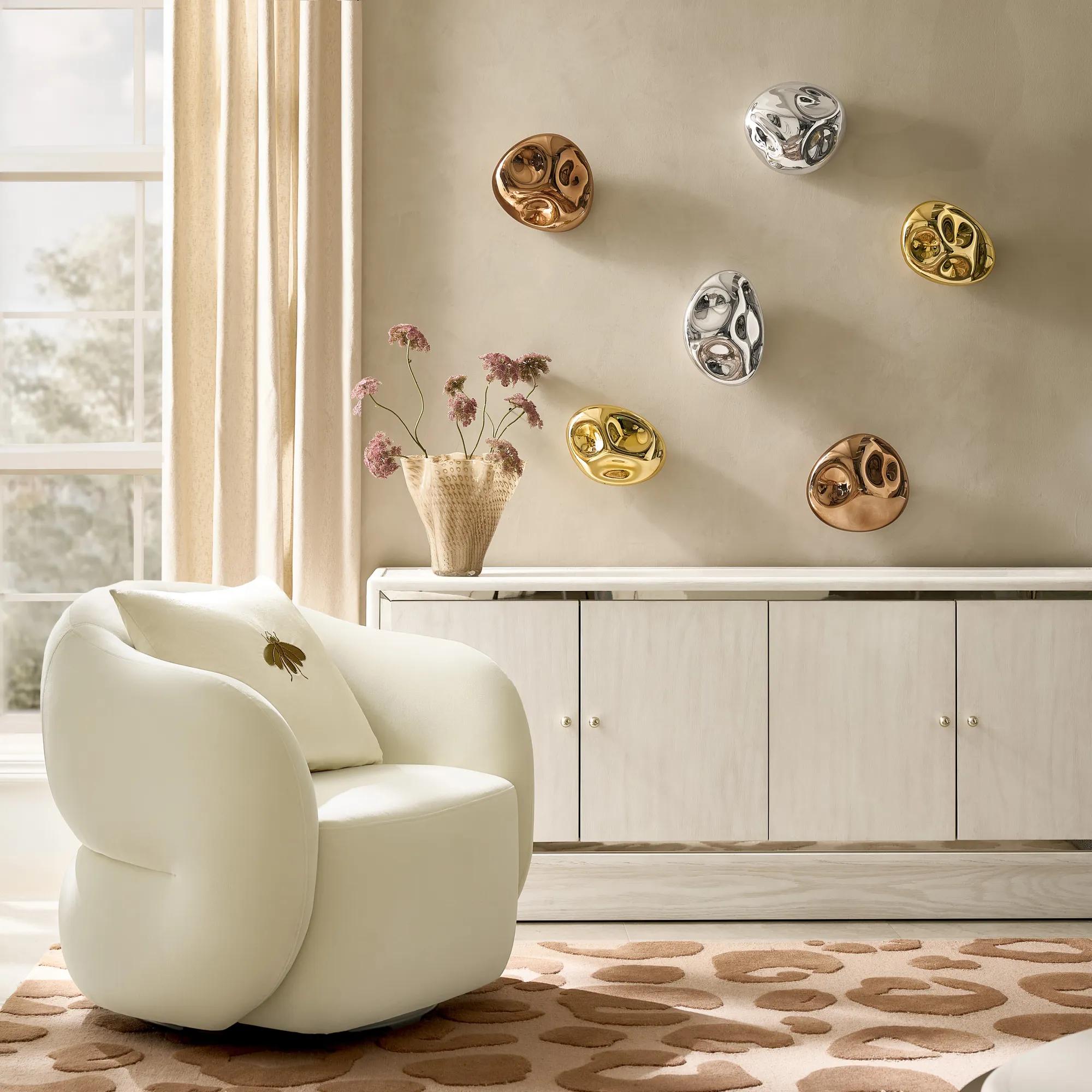 Sierra Cloud Velvet Swivel Accent Chair$899
A plush velvet accent chair featuring a wraparound back, fluid curves, and smooth 360° swivel base.
Add To Cart -
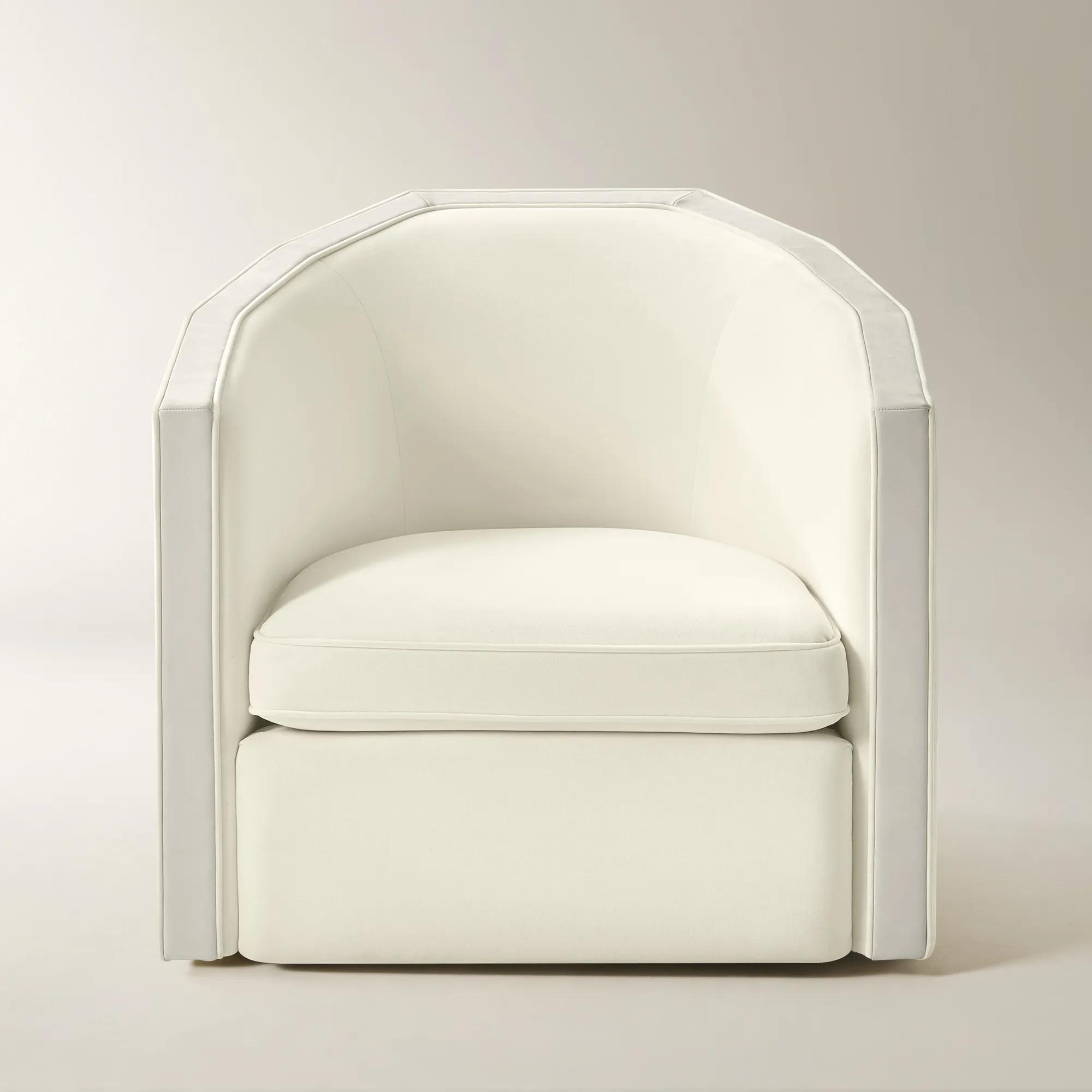 Vesper Cloud Velvet With Leather Swivel Accent Chair$999
A modern accent chair featuring cloud velvet upholstery, tonal leather trim, and a smooth 360° swivel base.
Add To Cart

Accent Chairs For Modern Home Office
Accent chairs for modern home office transform the everyday workspace into a sanctuary of style and self-expression. Imagine sculptural silhouettes and sumptuous fabrics inviting you to linger, where each chair is more than a seat—it’s a statement. Whether you crave drama with bold lines or seek sophistication through luxe textures, these accent chairs elevate productivity with a flourish of artistry. Redefine your home office as a canvas for creativity, where every detail inspires ambition and every moment is steeped in elegance.
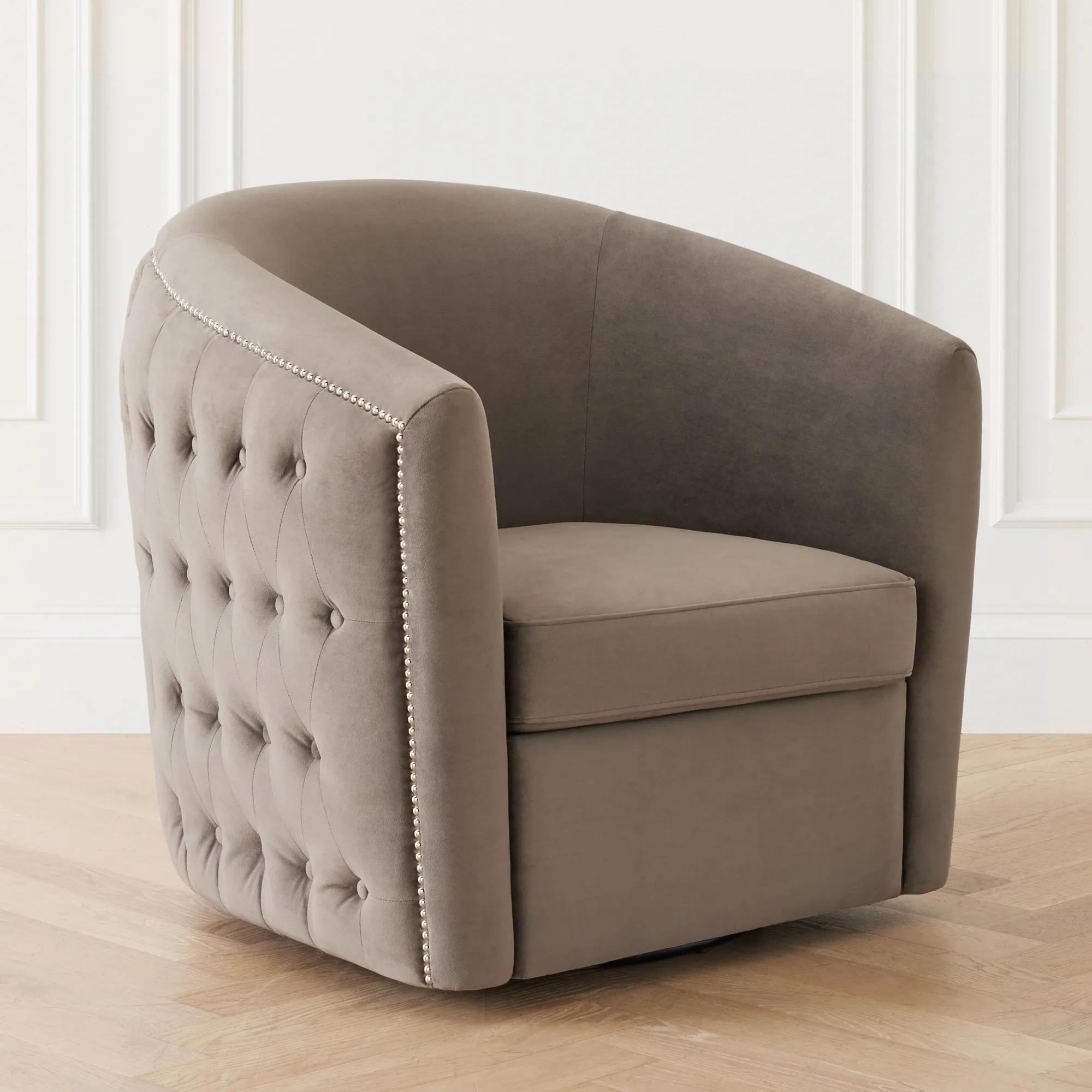
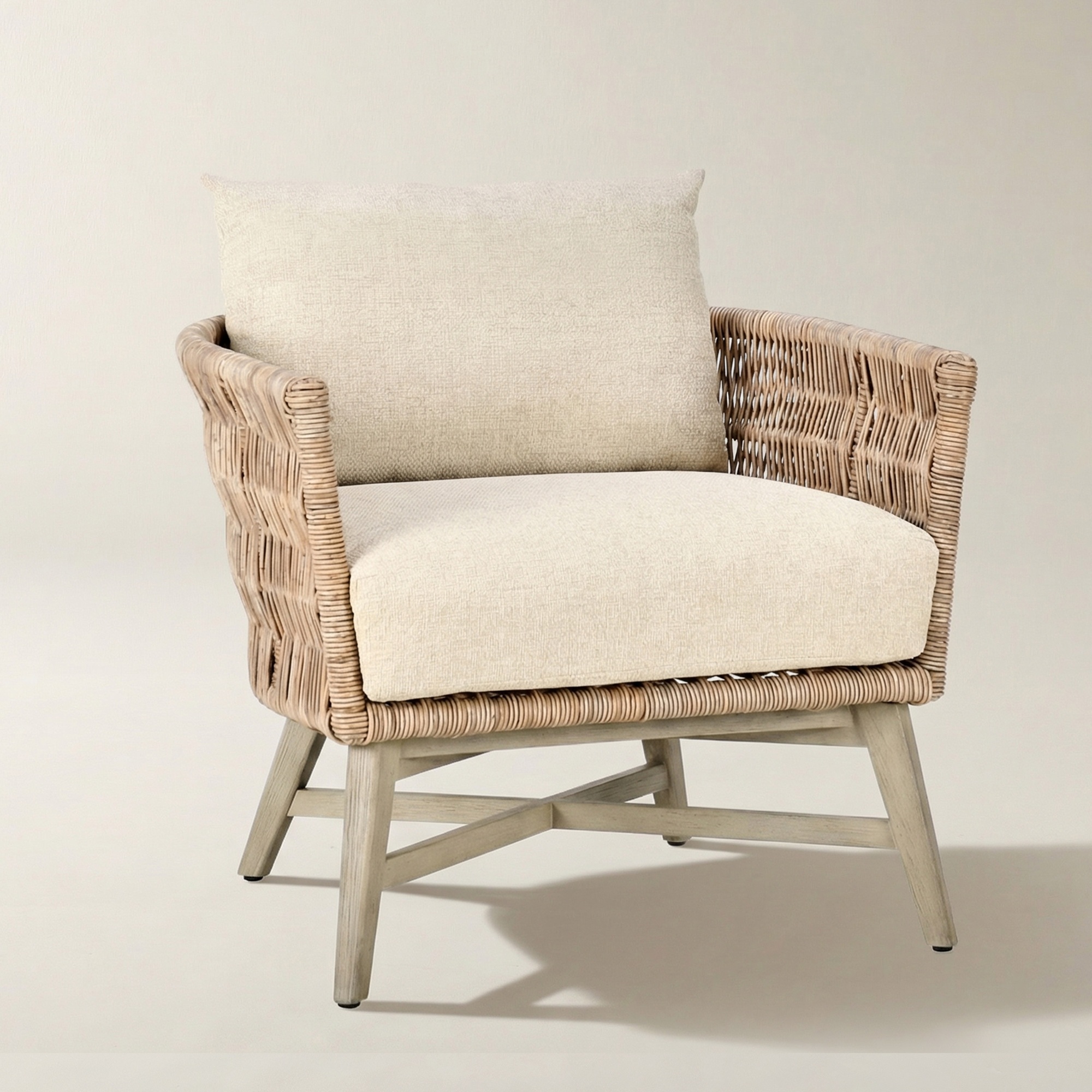
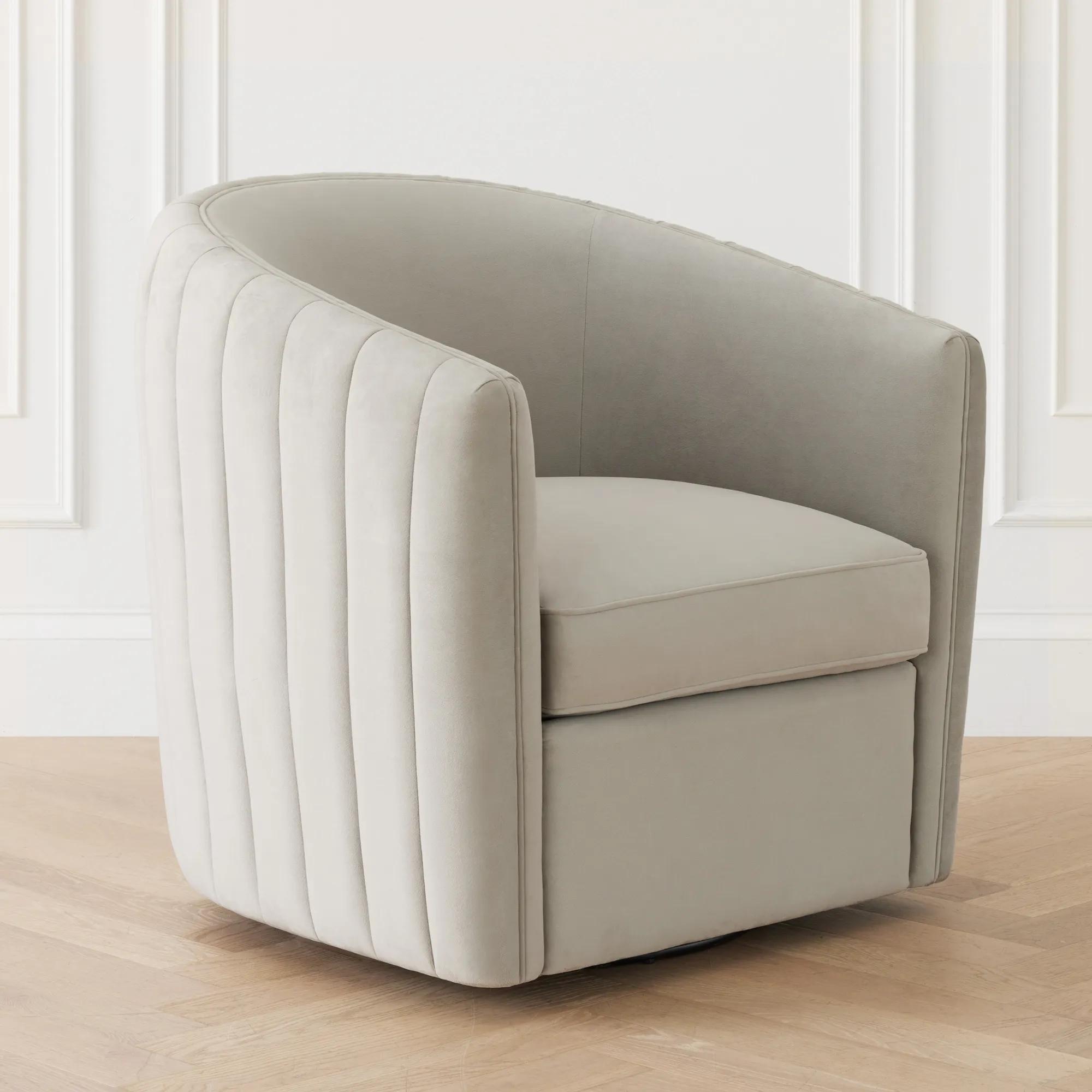
Accent chairs for a modern home office bring sculptural presence and upholstered comfort to a space often defined by straight-edged desks, shelving, and screens. Designed primarily for guest seating, reading, and shorter breaks from the desk, these chairs create a second place to settle without making the room feel like an extension of the living room. A curved back can soften the geometry of a substantial workstation, while an exposed metal base introduces a gleam against matte cabinetry or a richly patterned rug. For a consultant welcoming a client, an armchair beside the desk makes conversation feel more considered than a seat pulled in from another room. For a writer or designer, a chair near a bookcase provides a distinct spot to review a manuscript, study samples, or gather ideas away from the monitor. The strongest silhouettes hold their own visually without overwhelming the work area: a barrel chair offers an enveloping outline, an open-arm design reveals more of the surrounding floor, and a tailored high back gives a quiet corner a confident focal point. Upholstery and proportion determine whether the effect feels restrained, theatrical, or somewhere between. Ivory texture against dark wood creates luminous contrast; saturated velvet adds depth beside polished metal; warm leather brings a grounded counterpoint to glass and lacquer. An accent chair can also give a video-call background dimension, particularly when its shape is visible against a simple wall or an edited arrangement of artwork. In a multipurpose room, its character matters from every angle, including the back and sides seen from a doorway. Rather than disappearing into the office, the chair becomes part of its identity: a welcoming gesture for visitors and a personal retreat for the person who works there. Even a compact footprint can carry considerable presence when the silhouette, fabric, and surrounding space are thoughtfully balanced.
Material choice shapes both the atmosphere and the experience of home office accent seating. Velvet catches light across its pile, lending a chair depth and a sense of movement; gentle shading and pressure marks can be part of that surface’s character. Bouclé creates a more dimensional texture, with loops that make a pale neutral feel richly layered rather than plain, though those loops may be vulnerable to snagging from jewelry or pets’ claws. Closely woven upholstery offers a tailored appearance, while chenille introduces a softer surface with its own directional texture. Performance fabrics may be worth considering in frequently used workspaces, but stain resistance, cleaning methods, and wear characteristics depend on the particular textile rather than the category name alone. Leather brings a smooth, substantial finish that can develop character with use; its care requirements and response to scratches vary by type and finish. Beneath the upholstery, frame construction, joinery, suspension, and cushion composition influence how a chair feels and holds its shape. A firm seat can make brief meetings and getting up feel more supported, while a deeper, softer seat invites reading or an unhurried phone call. Neither is inherently better; the distinction is how the chair will be used. Someone who regularly reviews printed documents may appreciate supportive arms and an upright back, while a creative professional taking occasional screen breaks may prefer a more relaxed pitch. Removable cushions or covers can simplify certain maintenance tasks when their construction and care instructions permit. Routine care generally starts with gentle vacuuming using an appropriate upholstery attachment, prompt attention to spills, and cleaning products approved for the material. Rubbing a spill or saturating upholstery can damage the surface or leave a mark, so the manufacturer’s directions matter. Positioning also plays a role in preserving the finish: prolonged direct sunlight can affect some fabrics and leathers, and repeated contact with a rough desk edge can wear an arm. A chair chosen for its striking surface should also suit the everyday habits of the room.
Fit is what allows a dramatic chair to feel effortless in a working space. Overall width and depth establish its footprint, but seat height, usable seat depth, back angle, and arm height determine how comfortably someone can sit, rise, and interact with nearby furniture. A petite chair may look elegant beside a narrow writing desk yet feel restrictive to a taller guest; an expansive lounge silhouette may offer generous seating while leaving too little passage between the desk and bookcase. Allow room for the chair to be occupied, not simply placed, with space for knees, movement, and an unobstructed route through the office. If the chair will tuck beneath a desk, compare the arm height with the clearance beneath the desktop, including any apron or drawer. A swivel base can make it easier to turn between a conversation area and a work surface, but the surrounding furniture must accommodate the chair’s rotation. Stationary legs establish a more fixed arrangement, and floor protection should be appropriate for both the leg design and the flooring. For full workdays at a computer, an accent chair is generally better treated as secondary seating unless its dimensions and support meet the user’s needs; it should not be assumed to provide the adjustability of an ergonomic task chair. Its most compelling role is often beside the desk rather than behind it. A small table within reach gives a guest somewhere to set a glass, while a reading lamp makes a dedicated review corner more useful. For related seating across private studies and shared work areas, explore Accent Chairs For Office Spaces with the same attention to comfort, proportion, and presence. Repeating one finish or color from the desk can unify the room, while a contrasting upholstery texture keeps the arrangement expressive. The result is a home office with professional composure and a distinctly personal point of view, where seating contributes as much to the room’s character as the art on its walls.
FAQs
Modern home office accent chairs are often crafted from luxurious materials such as velvet, faux leather, and richly textured fabrics. These materials not only provide comfort and durability but also introduce a sense of sophistication and artistry to your workspace. Metallic or wood accents on chair legs and arms can further enhance the overall aesthetic, blending seamlessly with contemporary office décor.
An accent chair serves as a dramatic focal point, infusing your home office with personality and style. Whether you prefer a sculptural silhouette or a plush, inviting seat, the right chair can create a sense of warmth, inspire creativity, and set a distinct mood for your daily routine. It’s an effortless way to elevate the space from merely functional to truly expressive.
A decorative office chair makes a thoughtful and memorable gift for anyone who values both comfort and design in their workspace. Creative professionals, entrepreneurs, students, or anyone working from home will appreciate a chair that not only supports productivity but also reflects their unique taste and elevates their environment.
Current trends favor bold jewel tones such as emerald, sapphire, and deep garnet, as well as timeless neutrals like ivory, charcoal, and taupe. These hues can be paired with metallic finishes or glossy black accents to create a look that is both contemporary and luxurious, perfectly suited for a modern home office.
Styling an accent chair is an opportunity to layer in texture and visual interest. Pair a velvet chair with a metallic side table, drape a faux fur throw over the back, or add a graphic pillow for a pop of pattern. Consider the chair’s silhouette and color in relation to your desk, rug, and lighting to ensure a harmonious and striking composition.