
Stylish Desk Chairs For Home
Stylish Desk Chairs For Home
-
 Lucia Ivory Performance Chenille Swivel Desk Chair$499
A beige texture weave desk chair featuring a brass-plated metal base and adjustable gas lift for comfort.
Add To Cart -
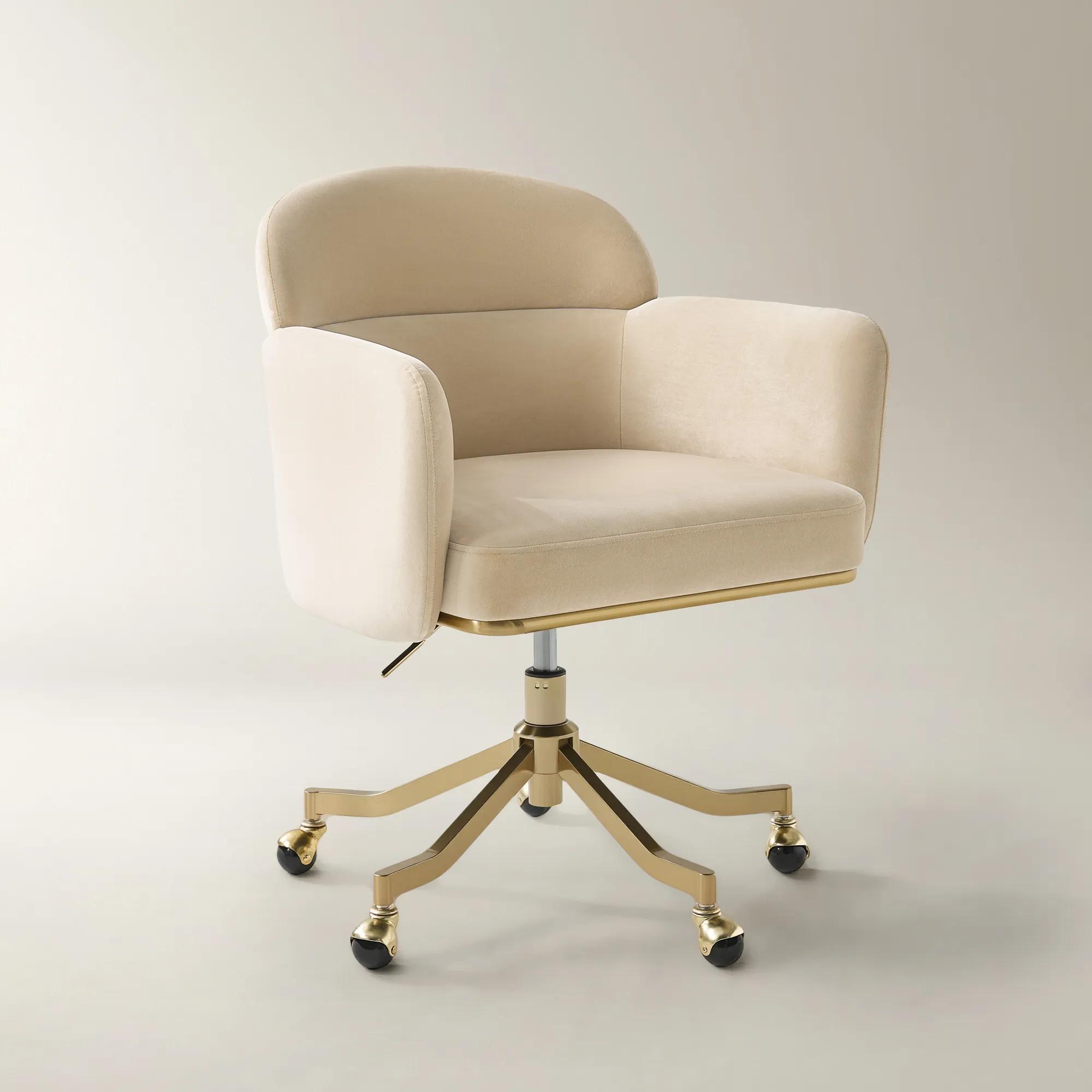 Paige Oatmeal Velvet Swivel Desk Chair$399
An oatmeal velvet swivel chair with adjustable height, ergonomic design, and a polished metal base with casters.
Add To Cart -
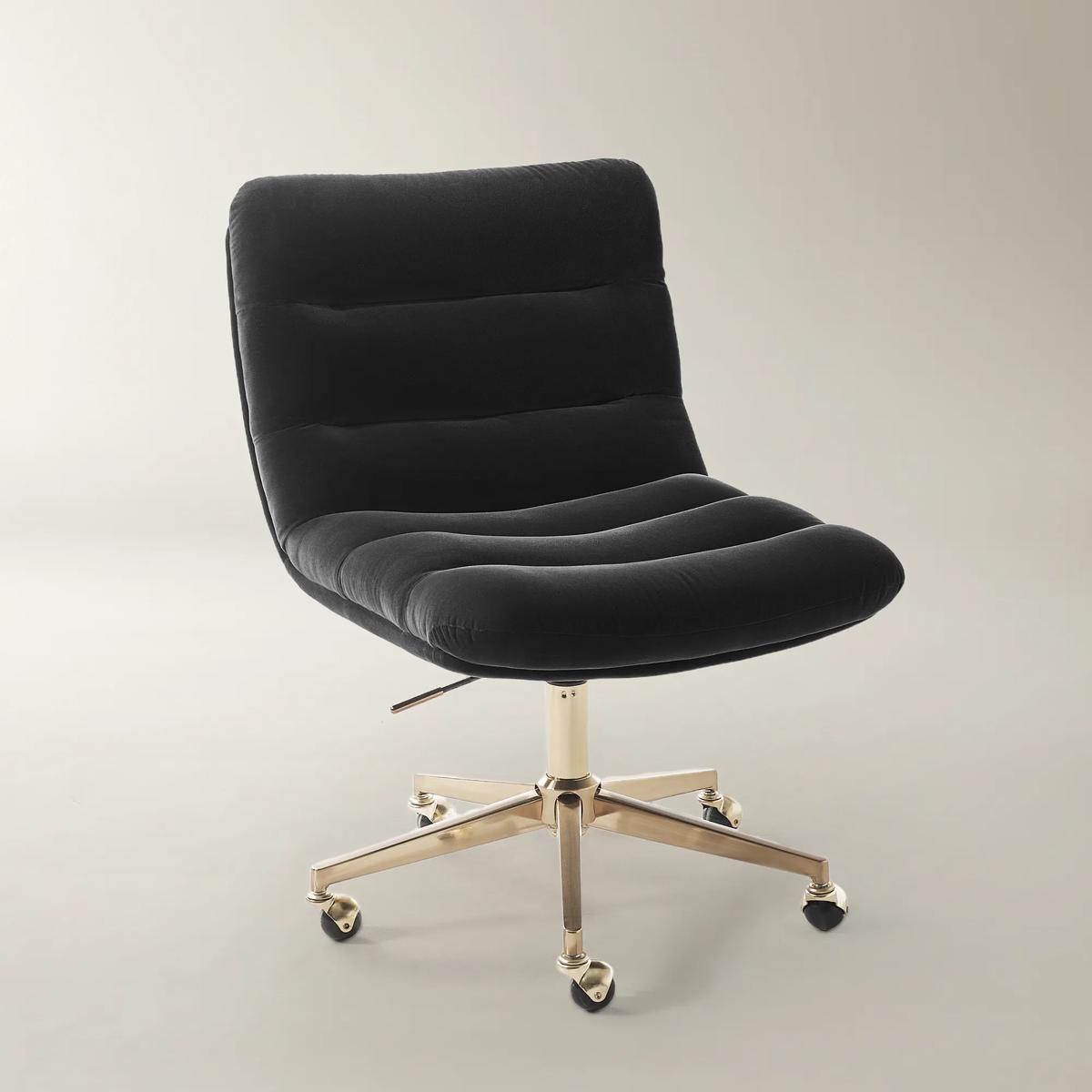 Serena Charcoal Velvet Swivel Desk Chair$399
A charcoal velvet office chair with plush foam cushioning, brass-plated metal base, and adjustable swivel design.
Add To Cart -

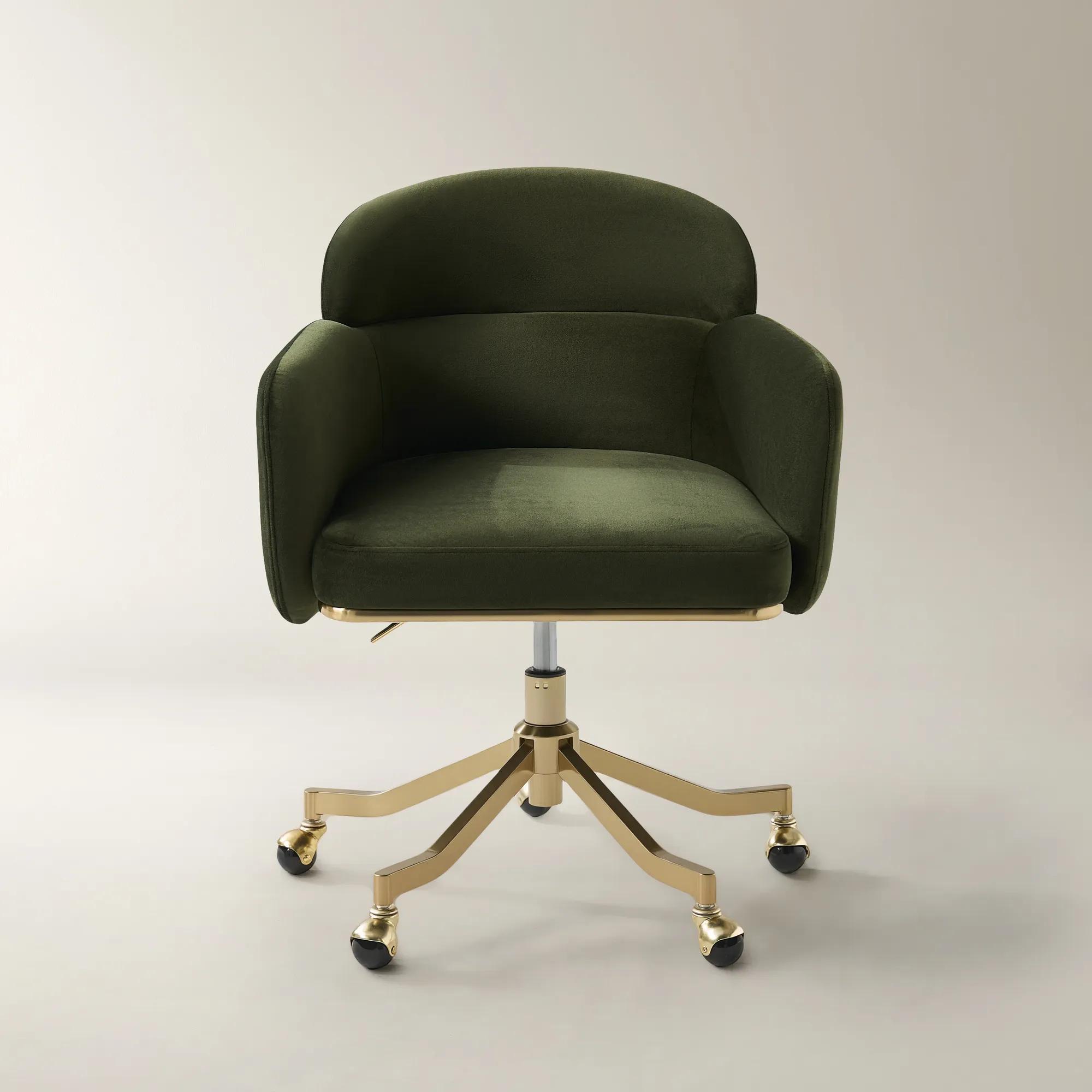 Paige Jade Green Velvet Swivel Desk Chair$399
A jade green velvet swivel chair featuring ergonomic design, adjustable height, and a glossy metal base with casters.
Add To Cart -

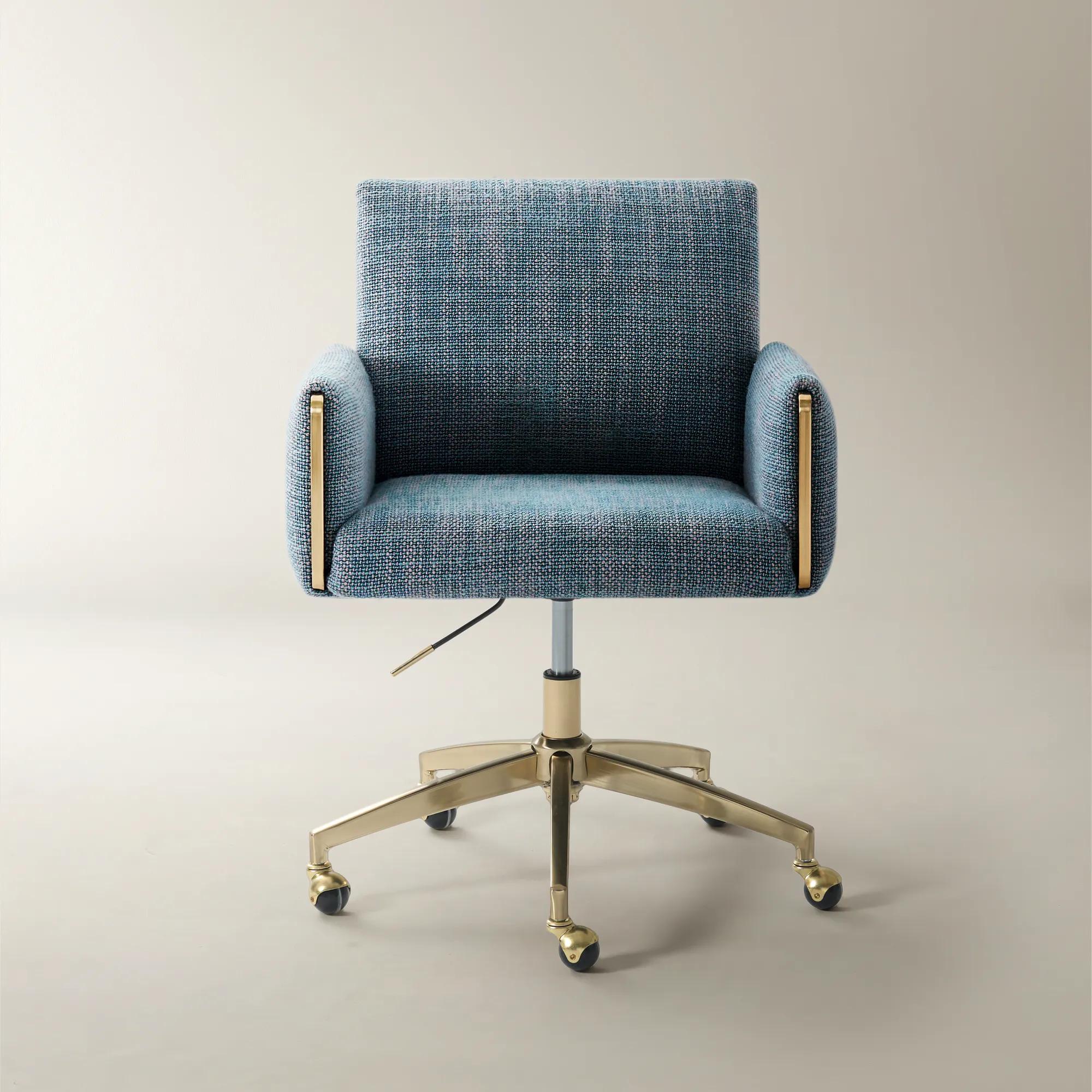 Lucia Peacock Performance Chenille Swivel Desk Chair$499
A peacock blue desk chair featuring textured polyester upholstery, brass-plated metal base, and adjustable comfort.
Add To Cart -
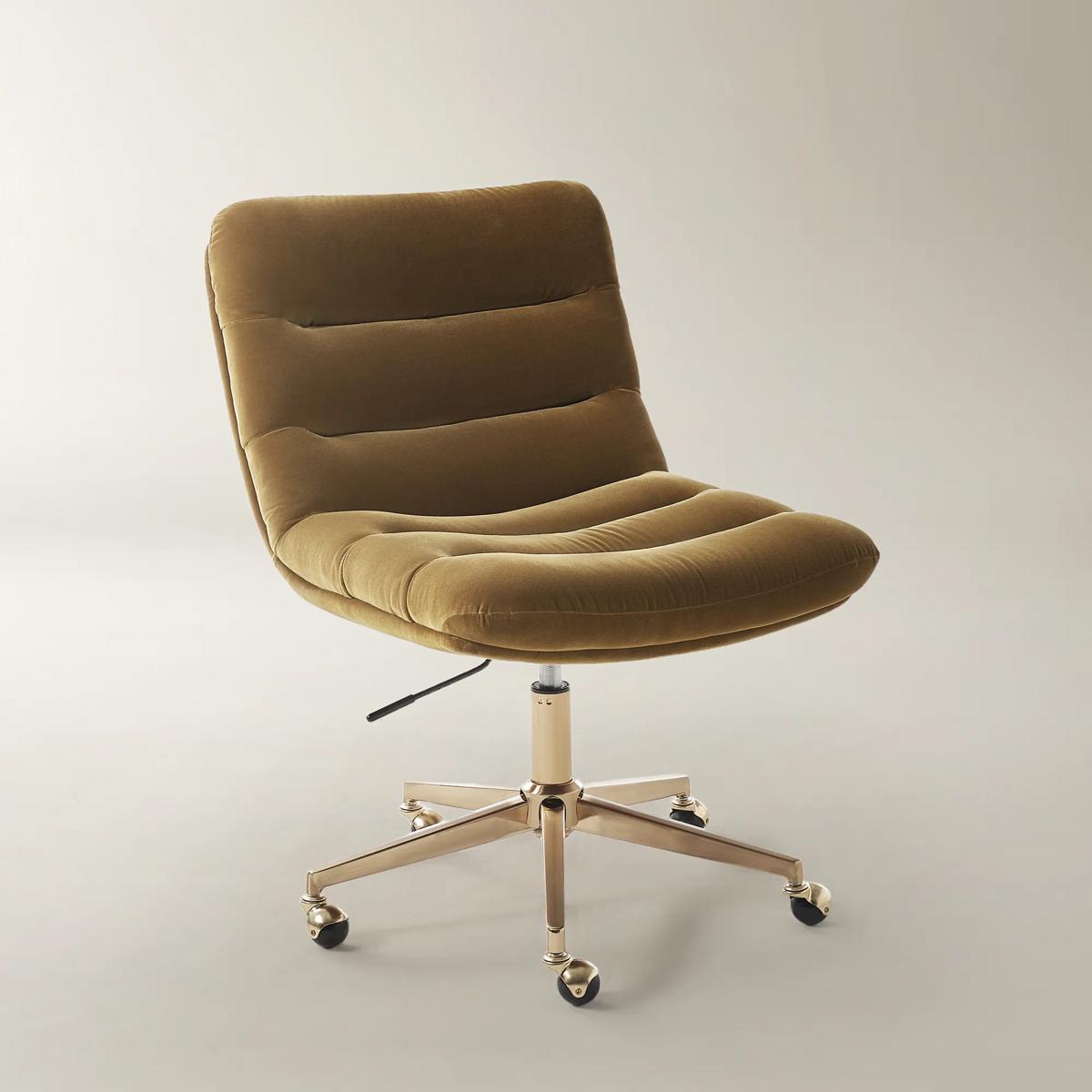
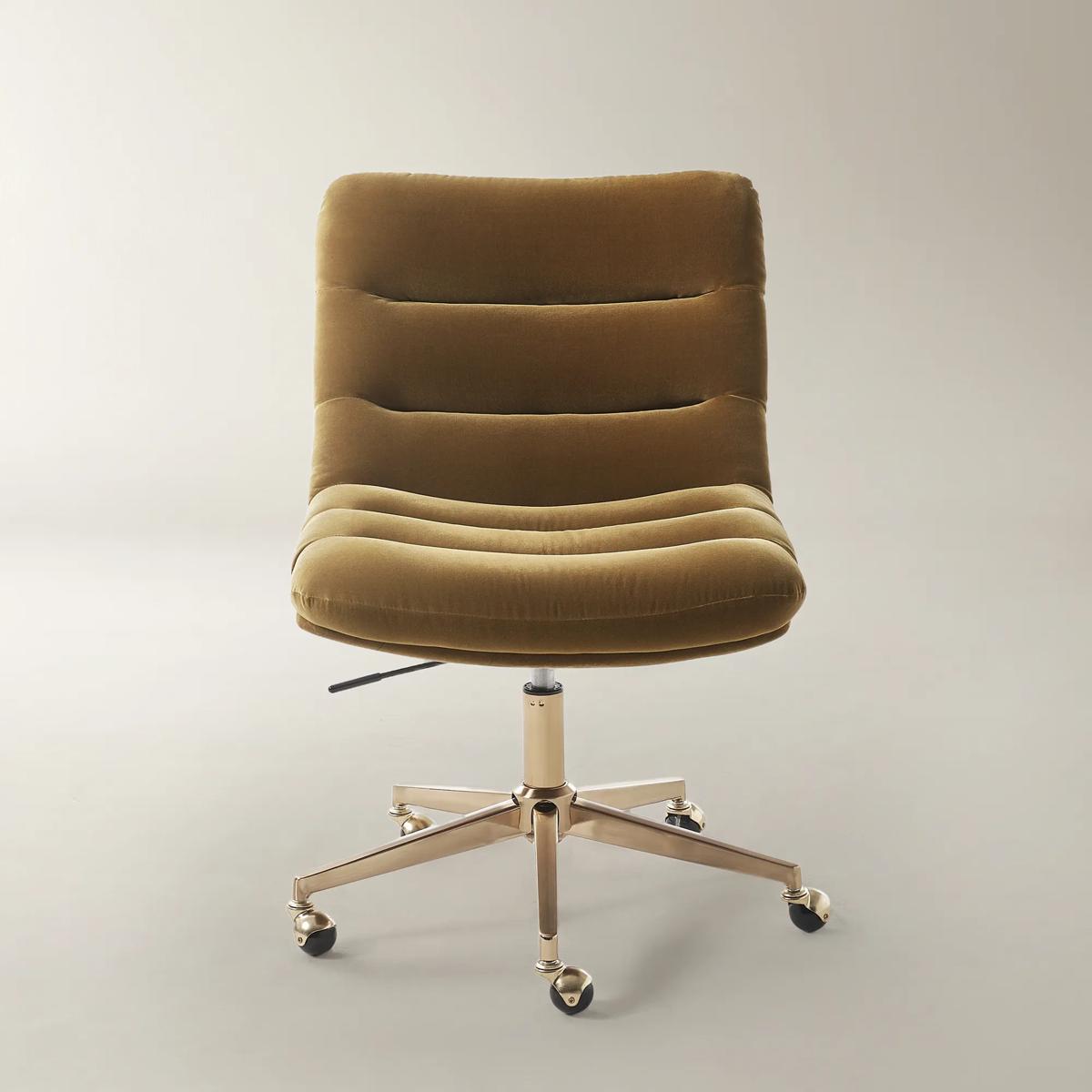 Serena Roasted Pecan Velvet Swivel Desk Chair$399
A brown velvet desk chair featuring adjustable tilt, brass-plated base, and smooth swivel wheels for comfort.
Add To Cart

Stylish Desk Chairs For Home
Explore stylish desk chairs for home that bring a considered finishing touch to your workspace. Discover seating with an expressive point of view, and compare silhouettes, proportions, and design details to complement your desk and surrounding decor. Whether furnishing a dedicated home office or a workspace within a living area, choose a chair that balances everyday purpose with a bold sense of style.
Stylish desk chairs for home bring expressive design and everyday comfort to the same seat, balancing upholstery, silhouette, and finish with the support a workspace requires. The most suitable choice depends on how long the chair will be used, the proportions of the desk, and the atmosphere of the surrounding room. In a dedicated home office, a sculptural chair can hold its own beside a substantial desk and framed artwork. In a living room workspace, its shape and materials become part of a larger composition, visible alongside a sofa, lighting, and decorative accents. A curved back softens the geometry of a rectangular desk, while tailored upholstery lends polish to an otherwise spare corner. Velvet introduces depth through its light-catching pile, creating subtle variations in color as the chair turns. Rich jewel tones give a neutral room a concentrated touch of drama; ivory, taupe, and gray allow texture and shape to take the lead. Woven upholstery offers a different expression, from finely textured fabrics that feel restrained and architectural to more dimensional weaves with a tactile presence. Performance fabrics may be useful in frequently used spaces, though stain resistance and cleaning requirements depend on the particular textile. Leather brings a smooth, substantial character and may develop a patina with use, while faux leather offers a similar visual direction with its own care needs and wear characteristics. Mesh favors airflow and a lighter appearance, particularly where a fully upholstered back would feel visually dense. Wood details introduce warmth, and polished or brushed metal can connect the chair to nearby hardware and lighting. A gold-toned base creates a gleaming accent beneath a dark seat; a silver-toned finish gives pale upholstery a crisp outline. These choices are most compelling when they feel intentional rather than perfectly matched. Repeating one finish or color elsewhere in the room gives an expressive home office chair a sense of belonging without diminishing its individuality.
Comfort becomes especially important when a beautiful workspace is also the setting for concentrated work. A chair used briefly for correspondence has different demands from one occupied through hours of meetings, writing, or design projects. Plush upholstery can feel inviting, but cushioning alone does not determine support; seat depth, back shape, arm placement, and adjustment range all influence how naturally the body settles. For workspaces used throughout the day, comfortable desk chairs for home deserve as much consideration as the desk itself. An appropriate seat height allows feet to rest on the floor or a suitable footrest, with shoulders relaxed and forearms positioned comfortably at the work surface. Seat depth should leave space behind the knees rather than pressing into them, and a supportive back should suit the sitter’s proportions. Adjustable height is particularly useful when more than one person shares a workspace. Where available, adjustable lumbar support, armrests, and tilt settings offer additional ways to refine the fit, although individual comfort varies. The relationship between chair and desk matters just as much as the chair’s dimensions in isolation. A generous seat may look magnificent beside a broad writing desk yet feel crowded beneath a narrow console. Fixed arms can provide an elegant frame around the seat, but their height must clear the underside of the desktop or apron if the chair needs to tuck in. Armless designs create a cleaner outline and can work well where space is limited. Swivel movement makes it easier to turn between a desk and nearby shelving without repeatedly repositioning the entire chair. Casters suit workspaces that require frequent movement, provided they are appropriate for the flooring; rugs, hard surfaces, and protective chair mats each affect rolling resistance. Stationary bases offer a composed alternative for occasional desk use when movement is less important. Enough room behind the desk for sitting down, turning, and standing keeps even a dramatic chair from making the workspace feel confined.
Materials and construction shape how a stylish desk chair lives beyond its first impression. Stable joints, neatly finished seams, securely attached upholstery, and a base suited to the chair’s intended use are meaningful details, especially in a workspace used daily. Manufacturer weight limits, assembly directions, and care instructions help establish whether a design fits the household’s needs. Fabric choice deserves particular attention when the desk is shared, used for creative projects, or positioned near pets. A textured weave may disguise minor marks, while a pale, smooth upholstery can make spills more noticeable; neither appearance alone reveals how easily a material will clean. Regular gentle vacuuming with an upholstery attachment helps remove dust, and spills are generally best blotted promptly rather than rubbed, followed by the cleaning method specified for the fabric. Velvet may show pressure marks or changes in pile direction, so its care instructions matter as much as its sumptuous appearance. Leather should be maintained with products approved for its finish, while faux leather requires its own recommended cleaning approach rather than being treated as genuine leather. Metal and wood components also benefit from finish-appropriate care, avoiding abrasive products that could dull their surfaces. Placement affects longevity as well: prolonged direct sunlight can alter some upholstery colors, and repeated contact with a desk edge can wear arms or fabric. For a remote professional, a design-conscious student, or someone establishing a creative studio at home, the right chair supports both practical routines and a personal point of view. It can also be a thoughtful gift for a new home office, provided the recipient’s desk measurements, seating preferences, and daily habits are known. A desk chair is an intimate piece of furniture, experienced through touch and movement as much as sight. The strongest choice feels considered from every angle: expressive enough to enrich the room, proportioned to its setting, and comfortable for the work that happens there.
FAQs
Look for sculptural silhouettes, expressive curves, or tailored detailing. A curved desk chair introduces a softer, artful note, while a sharply defined profile creates a more architectural mood. Choose a design with a distinct point of view to make your workspace feel as considered as the rest of your home.
Decide whether your desk chair should anchor the palette or introduce a dramatic accent. Ivory, charcoal, and warm neutrals create a composed foundation, while a rich jewel tone brings depth and personality. Echo the chair’s color in artwork or a decorative accent to give the room a deliberate, layered feel.
Your desk and chair can complement each other without matching. Pair a visually restrained desk with an expressive chair, or balance an ornate desk with a more tailored silhouette. A shared undertone or recurring design detail creates cohesion while leaving room for contrast.
Give the eye a clear focal point. If your rug or wallpaper features an intricate pattern, consider a desk chair with a solid color and distinctive shape. If the chair carries the pattern, keep nearby accents more restrained and repeat one of its hues elsewhere for a richly composed setting.
Treat the desk chair as part of the room’s furniture story rather than a separate office element. Draw inspiration from the curves, colors, or decorative details already present in the space. Finish the workspace with expressive artwork and a sculptural lamp so the entire vignette feels intentional.


