Modern Furniture For Professionals
Modern Furniture For Professionals
-
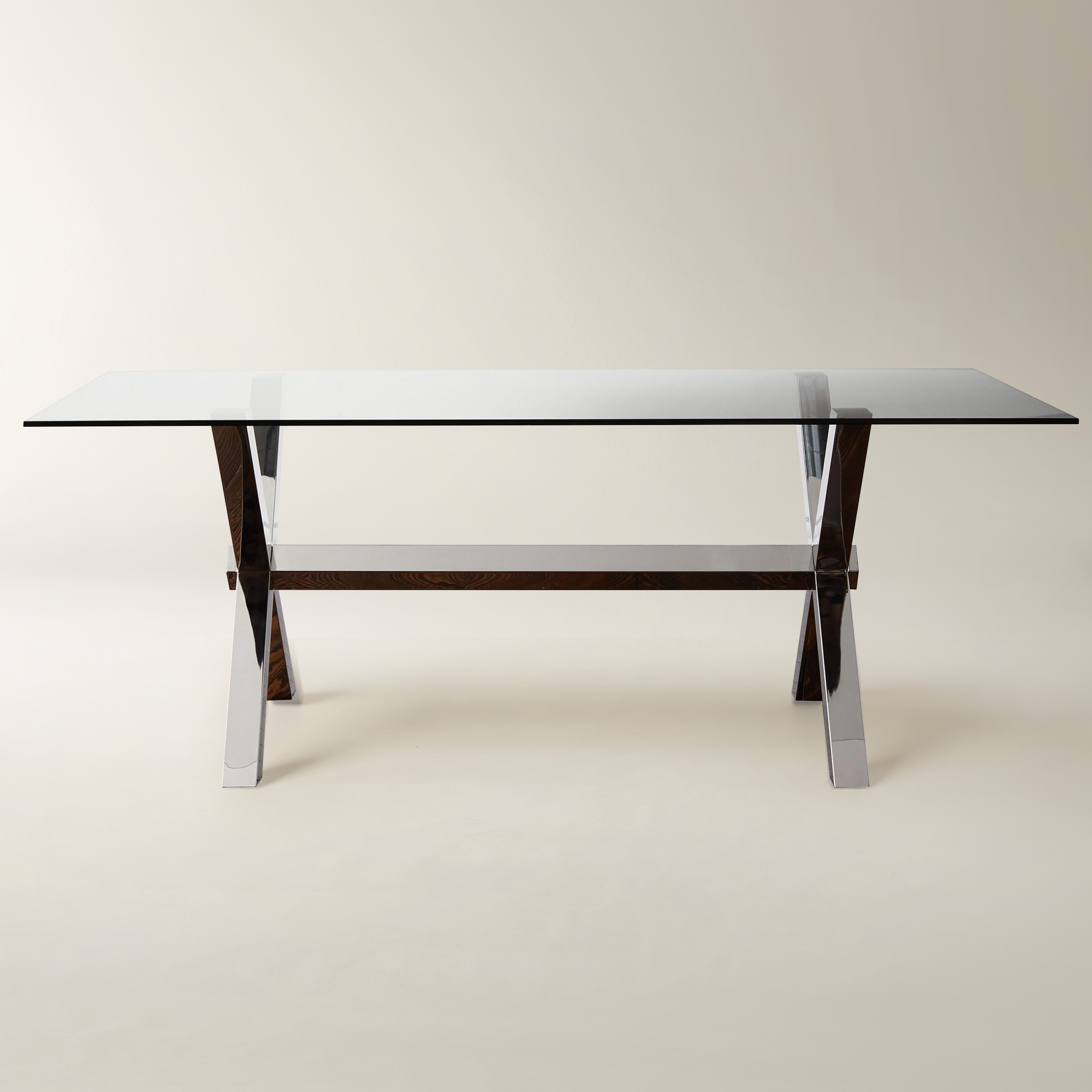
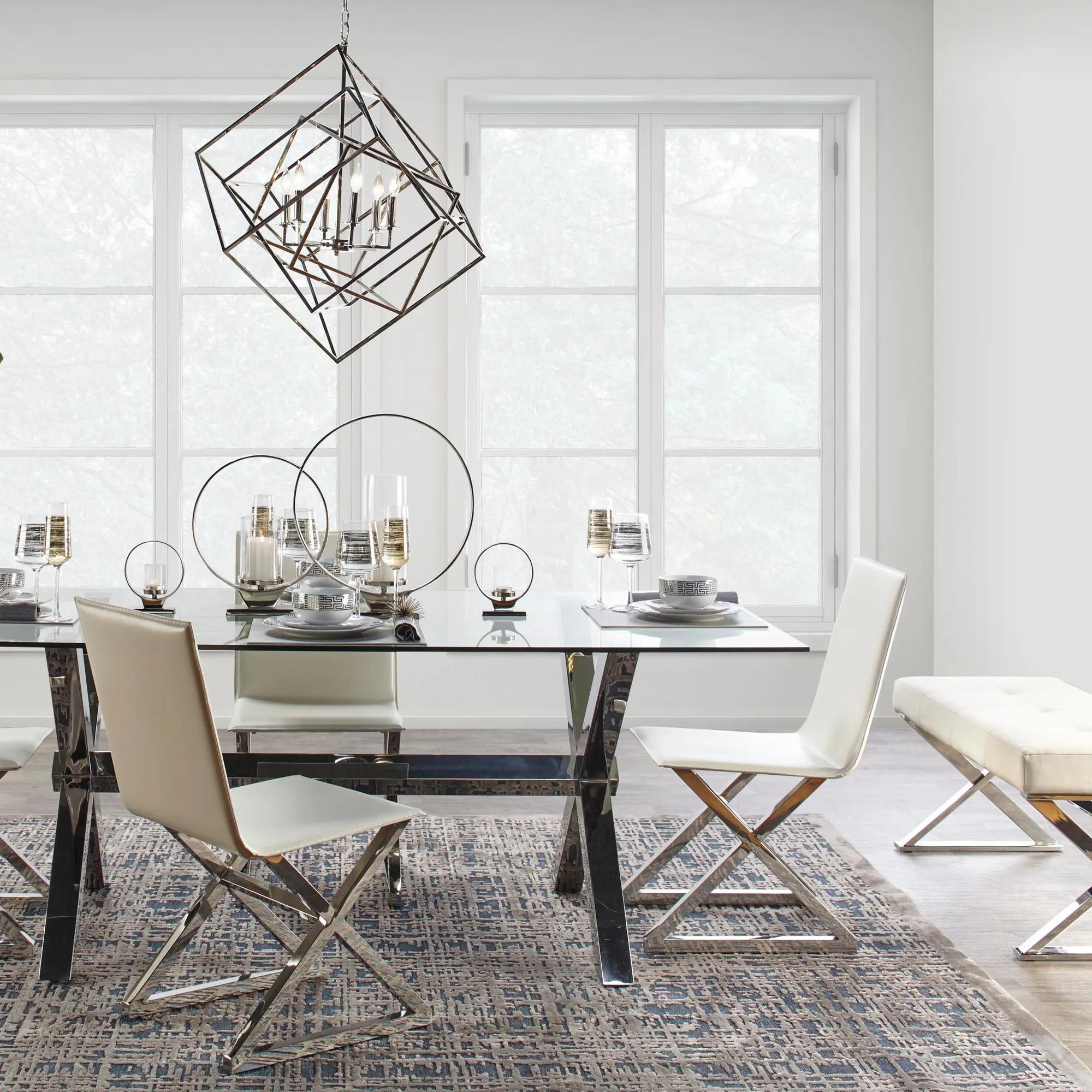 Axis Rectangular Silver Dining Table With Glass Top (78")$1199
A contemporary dining table featuring a polished stainless steel base and durable tempered glass top.
Add To Cart -
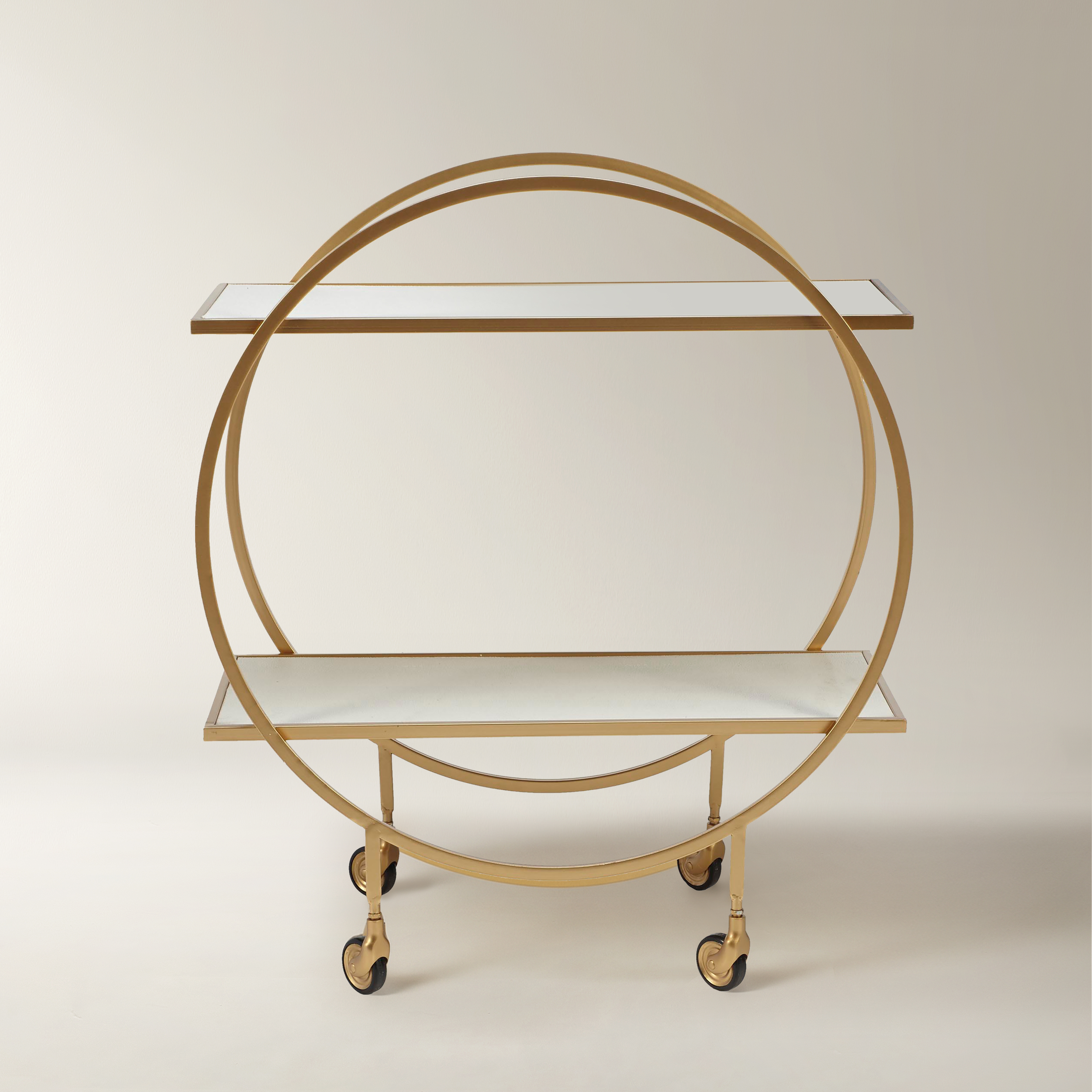
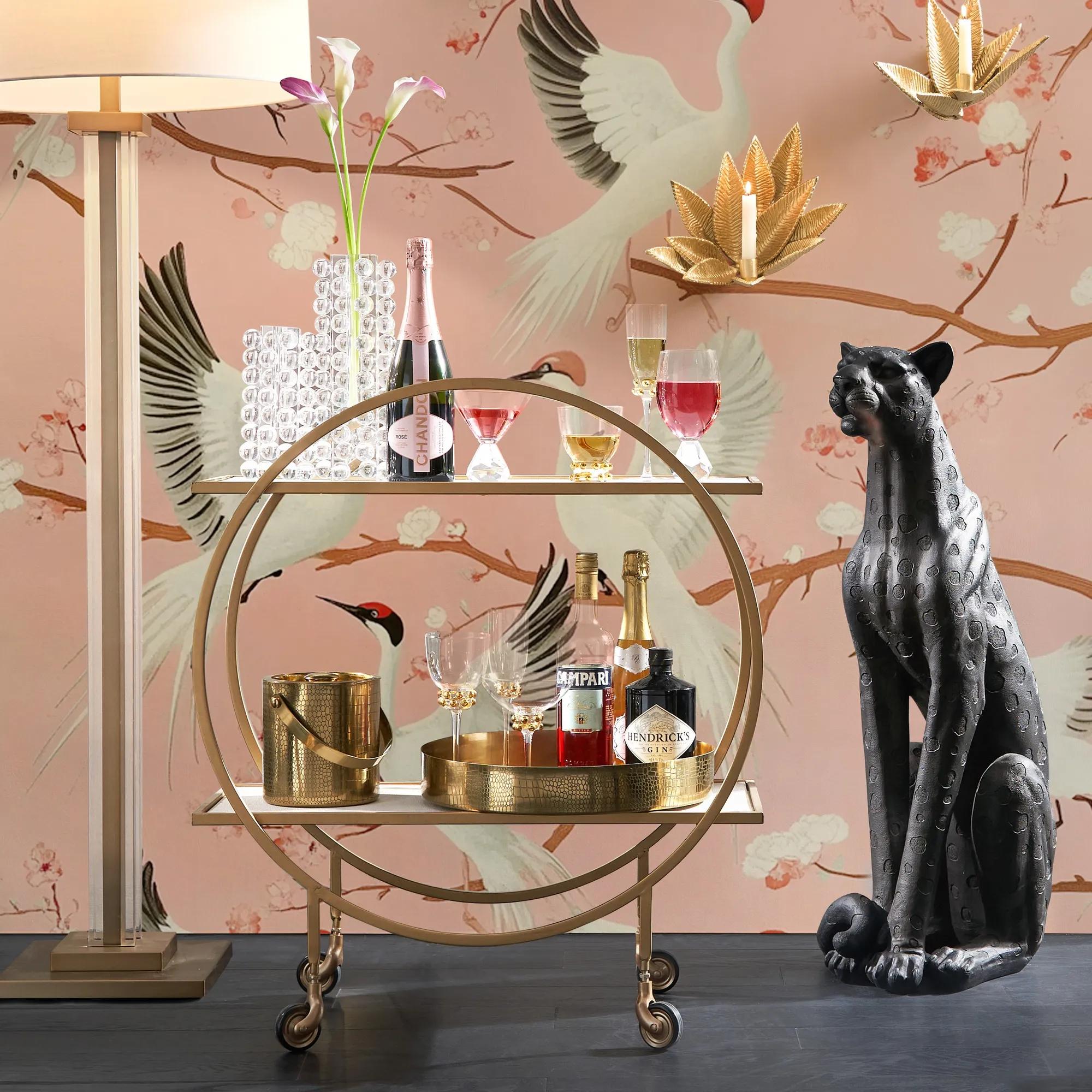 Russo Gold Metal 2-Tier Bar Carts (28")$349
A Deco-inspired bar cart featuring a metallic gold metal frame and white faux leather trays on casters.
Add To Cart -
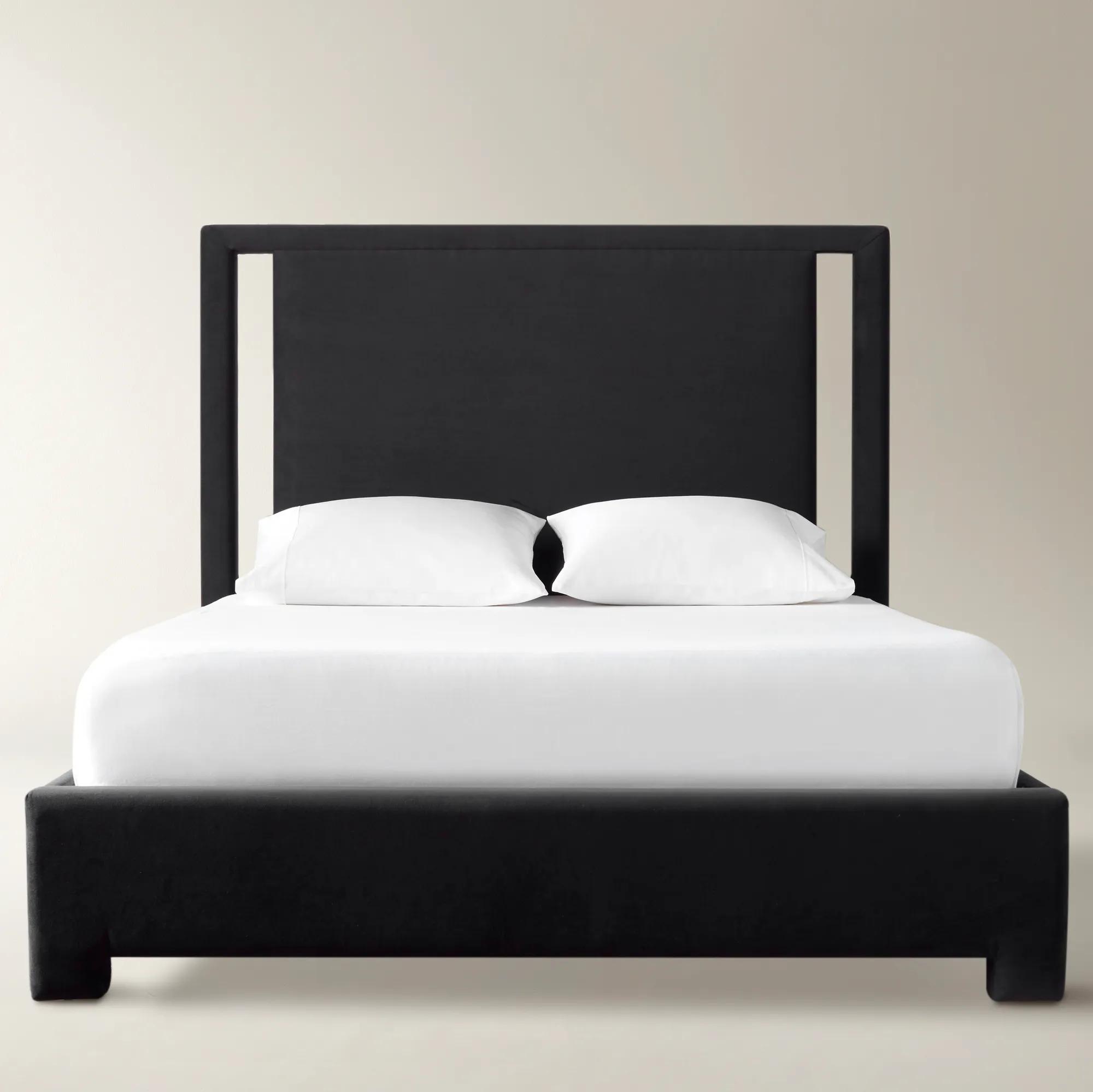
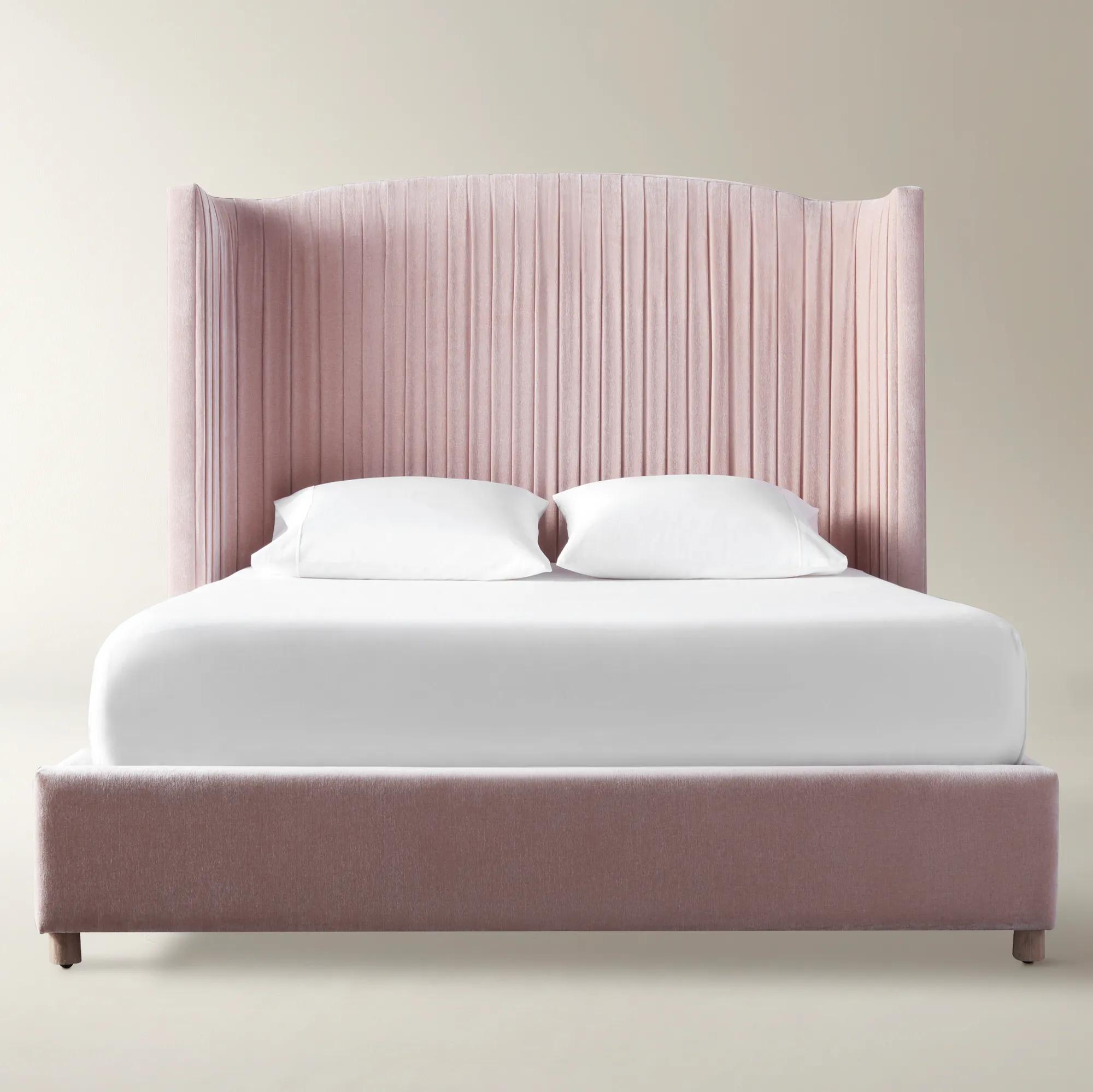
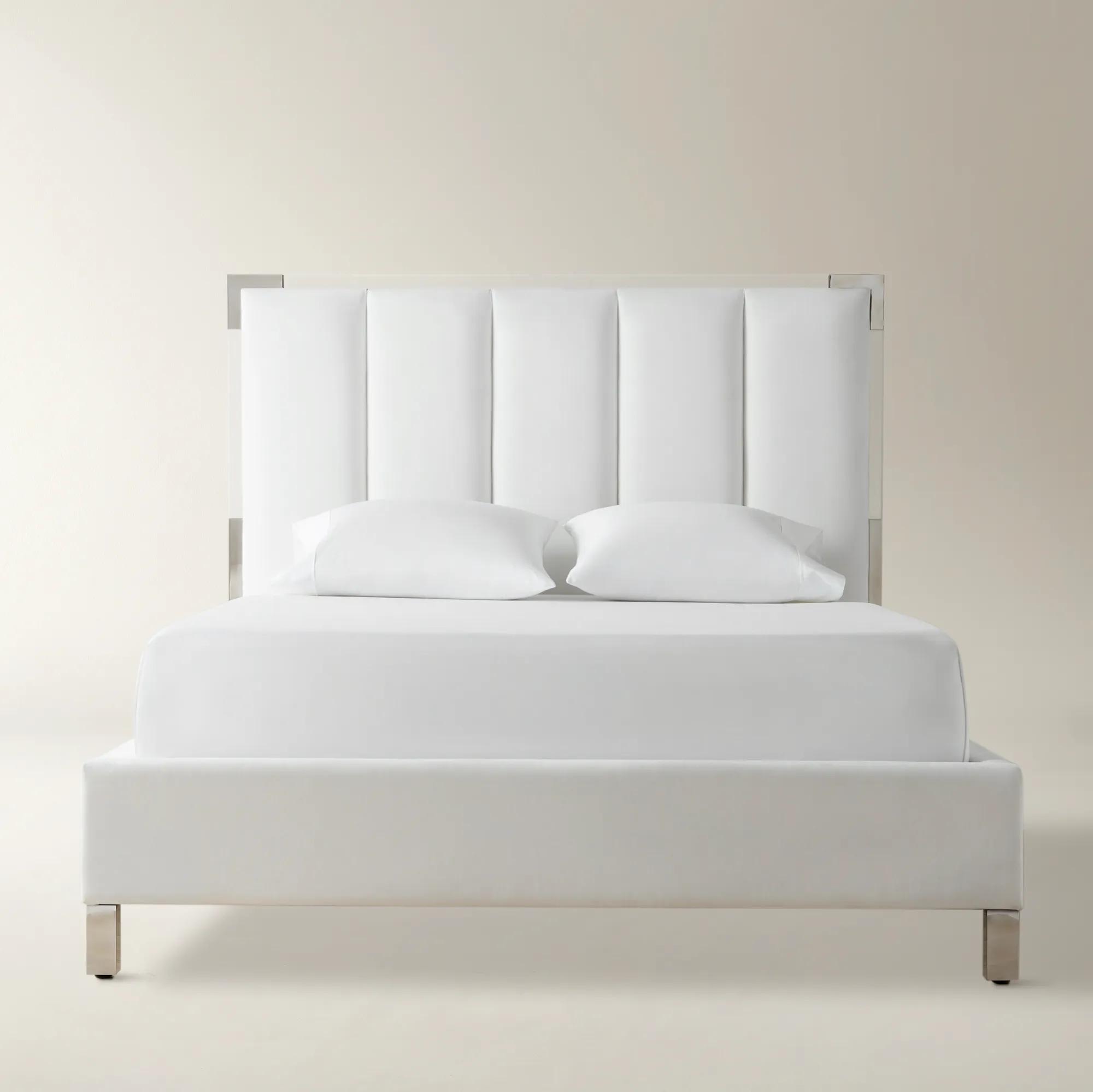 Emory Bed$2399
A modern bed featuring channel tufting, acrylic frame, and stainless steel accents in plush velvet upholstery.
Add To Cart -
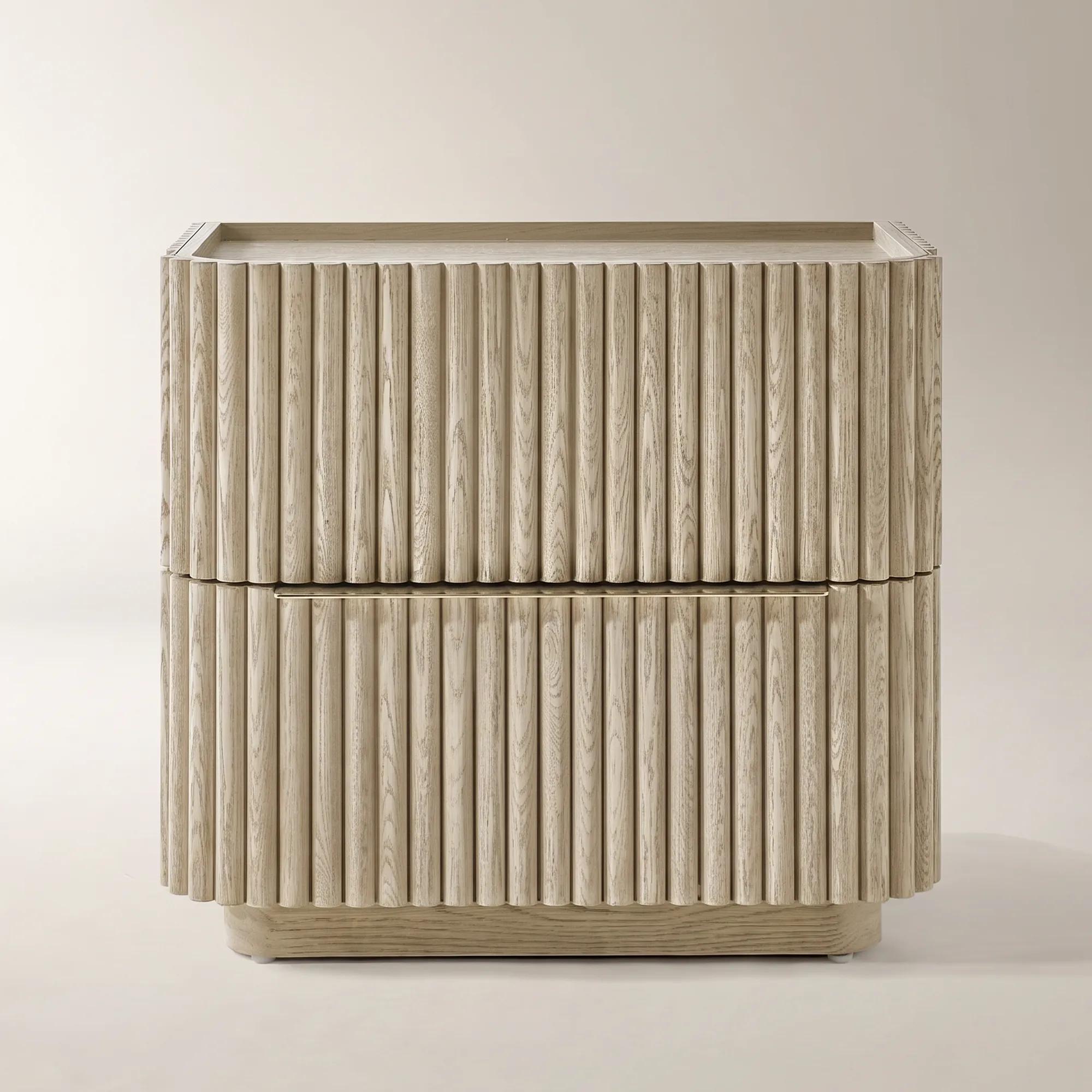
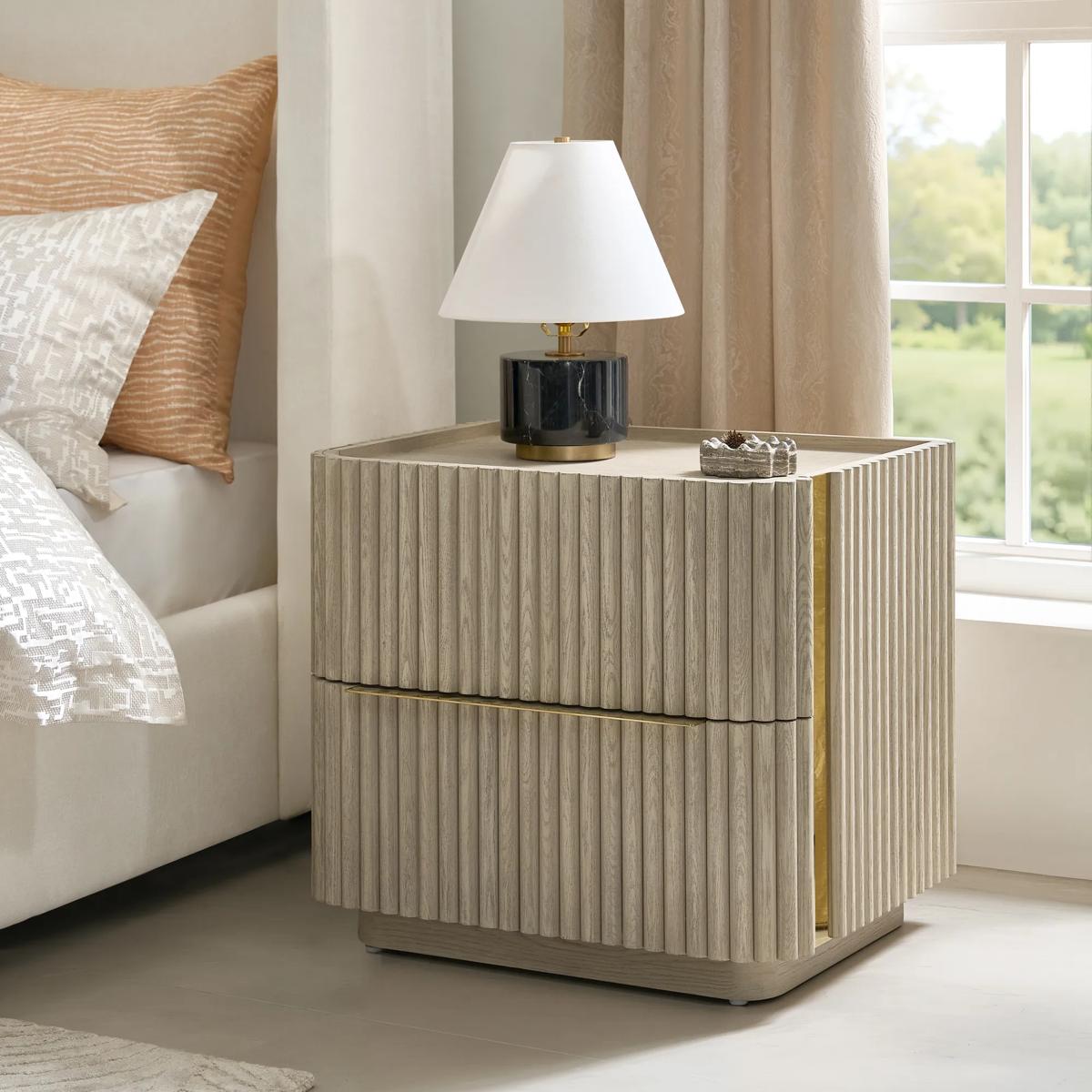 Stria Reeded White Oak 2-Drawer Nightstand (26")$999
A sculptural oak nightstand with reeded wood details, gold-plated trim, and soft-close felt-lined drawers.
Add To Cart -
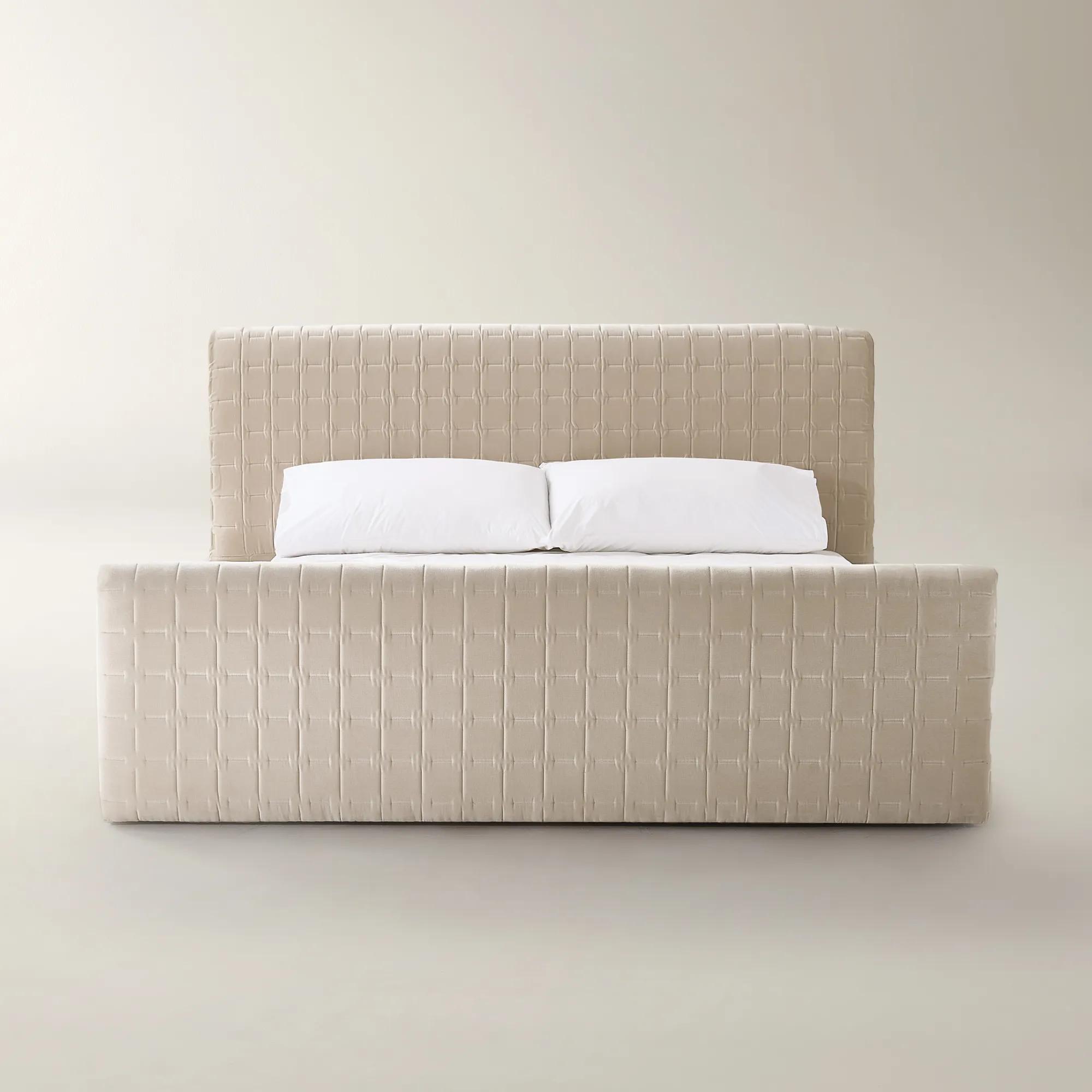
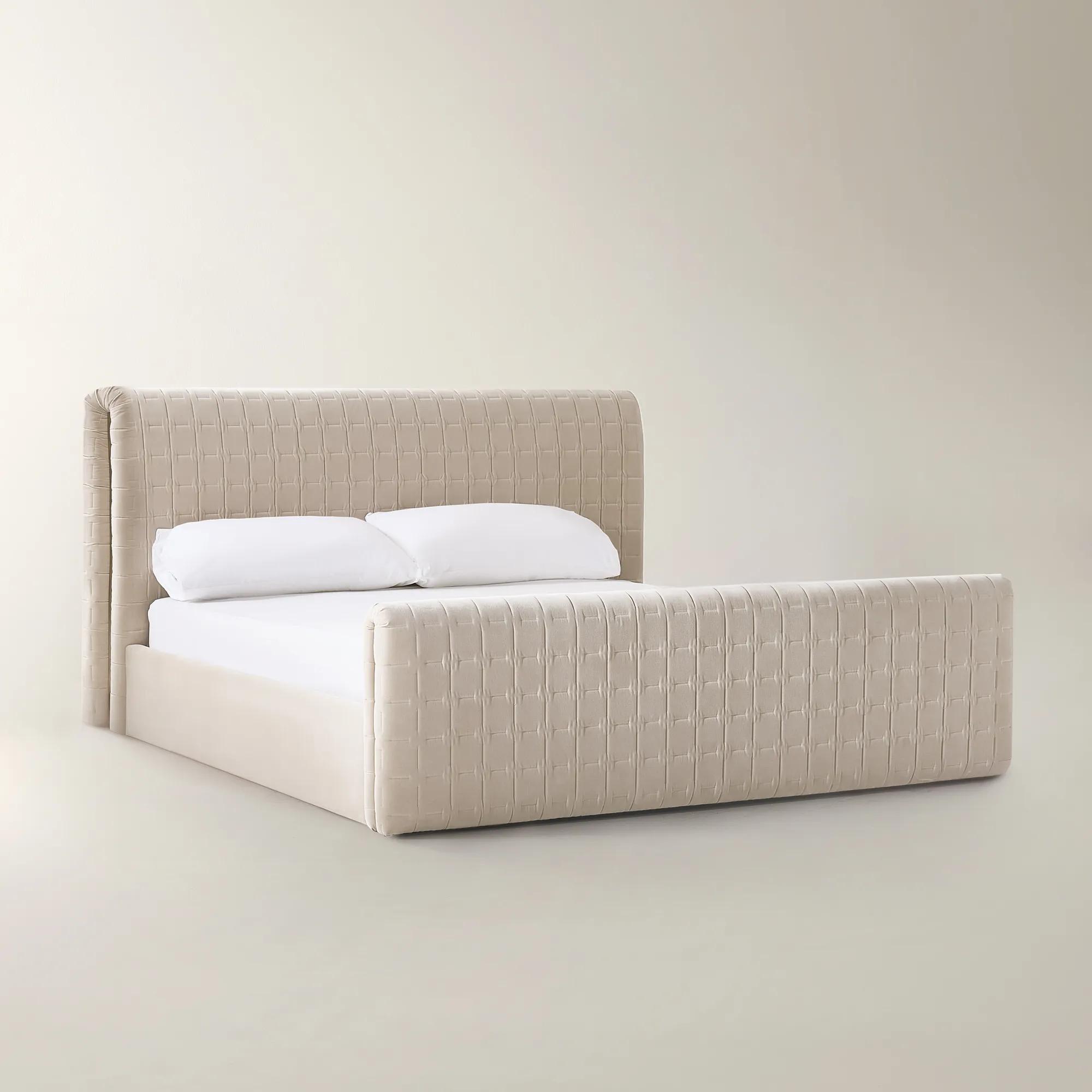 Vanta Oatmeal Velvet Upholstered King Platform Bed$2499
An oatmeal velvet-upholstered bed featuring a checker-quilted headboard and elegant gold-toned metal inlays.
Add To Cart -
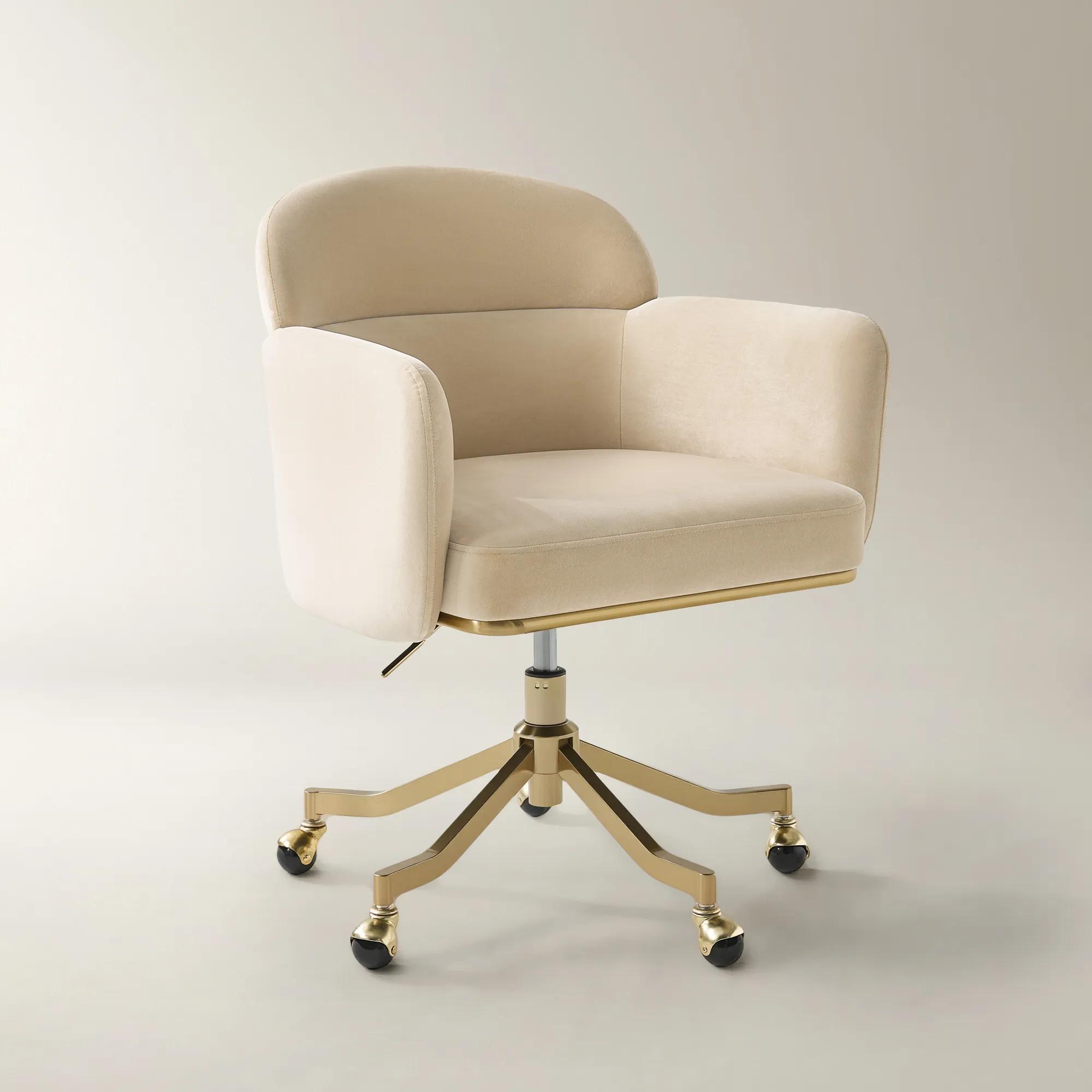 Paige Oatmeal Velvet Swivel Desk Chair$399
An oatmeal velvet swivel chair with adjustable height, ergonomic design, and a polished metal base with casters.
Add To Cart -
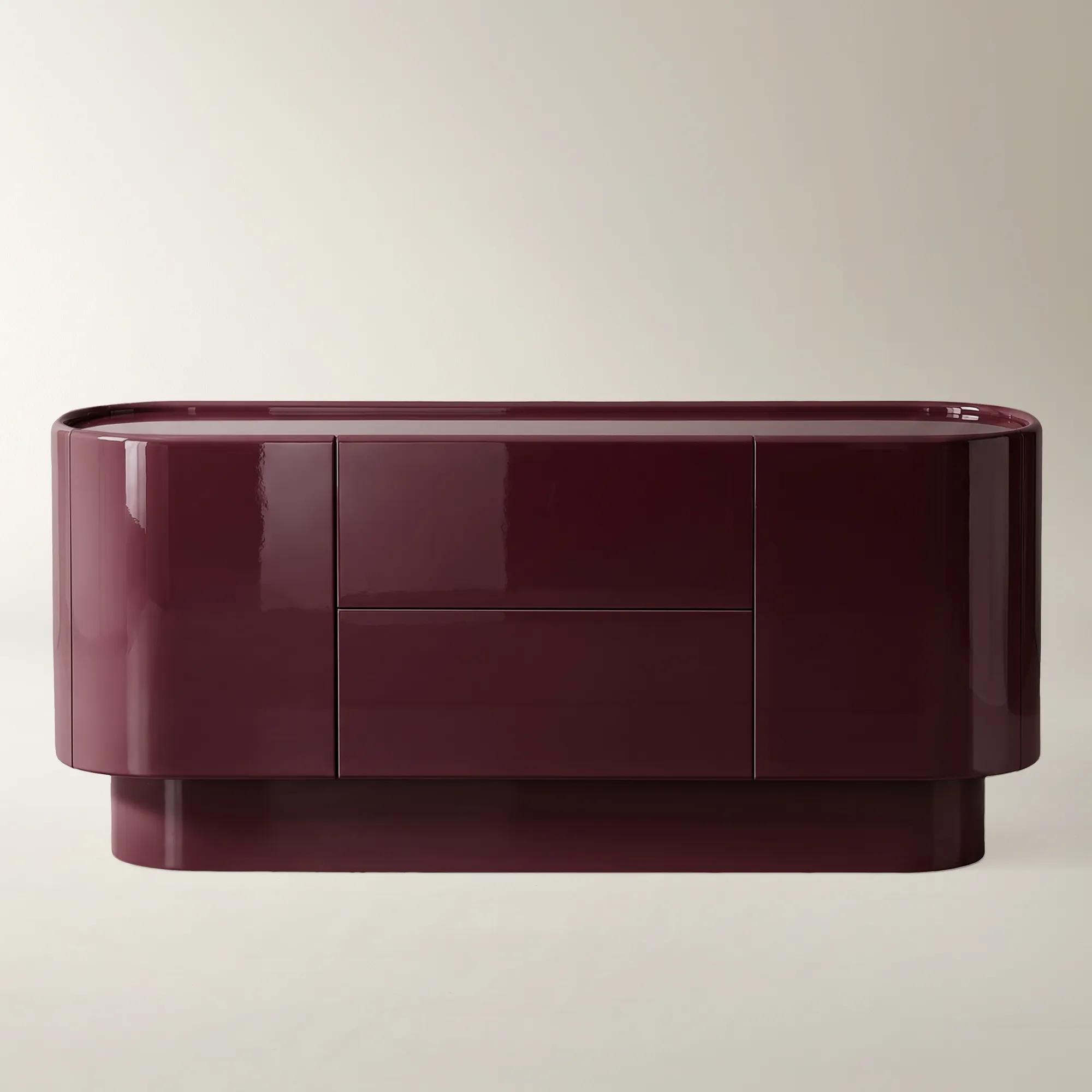 Velar Lacquered Ox Blood Buffet With Glass Top (70")$2099
A sculptural ox blood buffet featuring high-gloss lacquer, back-painted glass top, and illuminated mirrored storage.
Add To Cart -
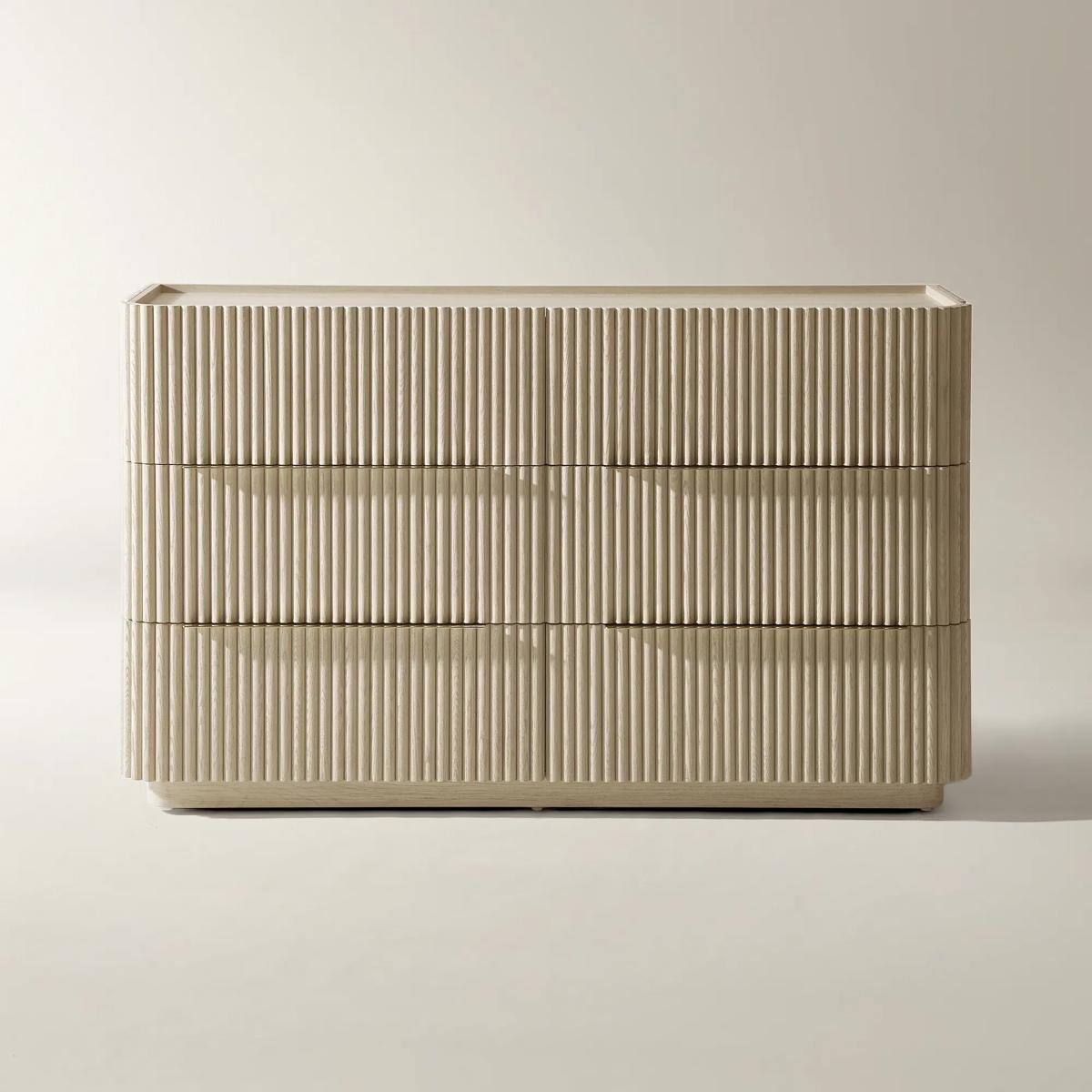
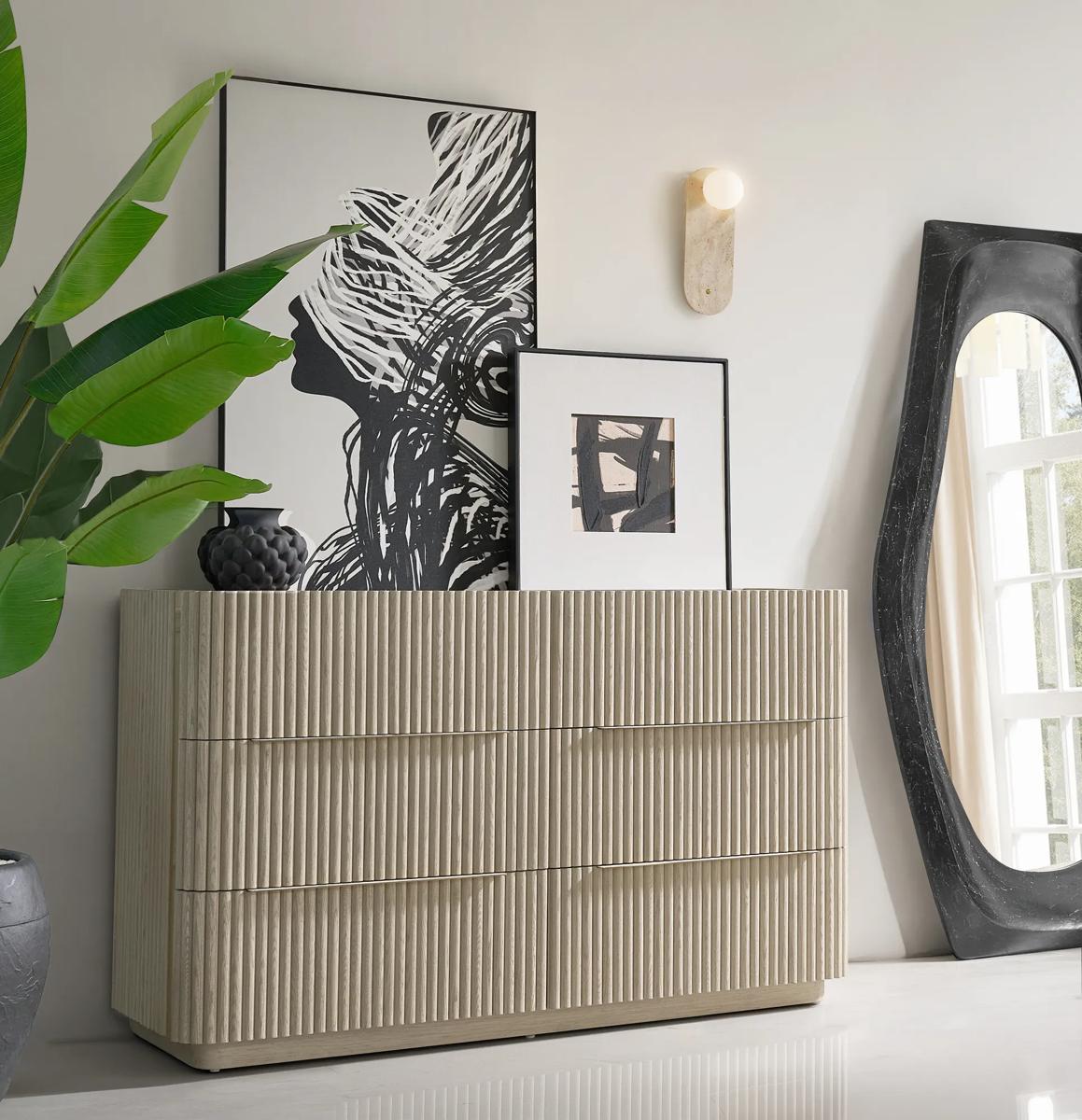 Stria Reeded White Oak 6-Drawer Dresser (64.5")$2599
A sculptural dresser crafted from solid oak with fluted detailing, gold-plated trim, and soft-close drawers.
Add To Cart -
 Vetra Checkerboard Oak and Maple Desk with Drawer (71")$2399
A modern desk featuring a hand-arranged oak and maple checkerboard veneer, gold accents, and a concealed drawer.
Add To Cart -

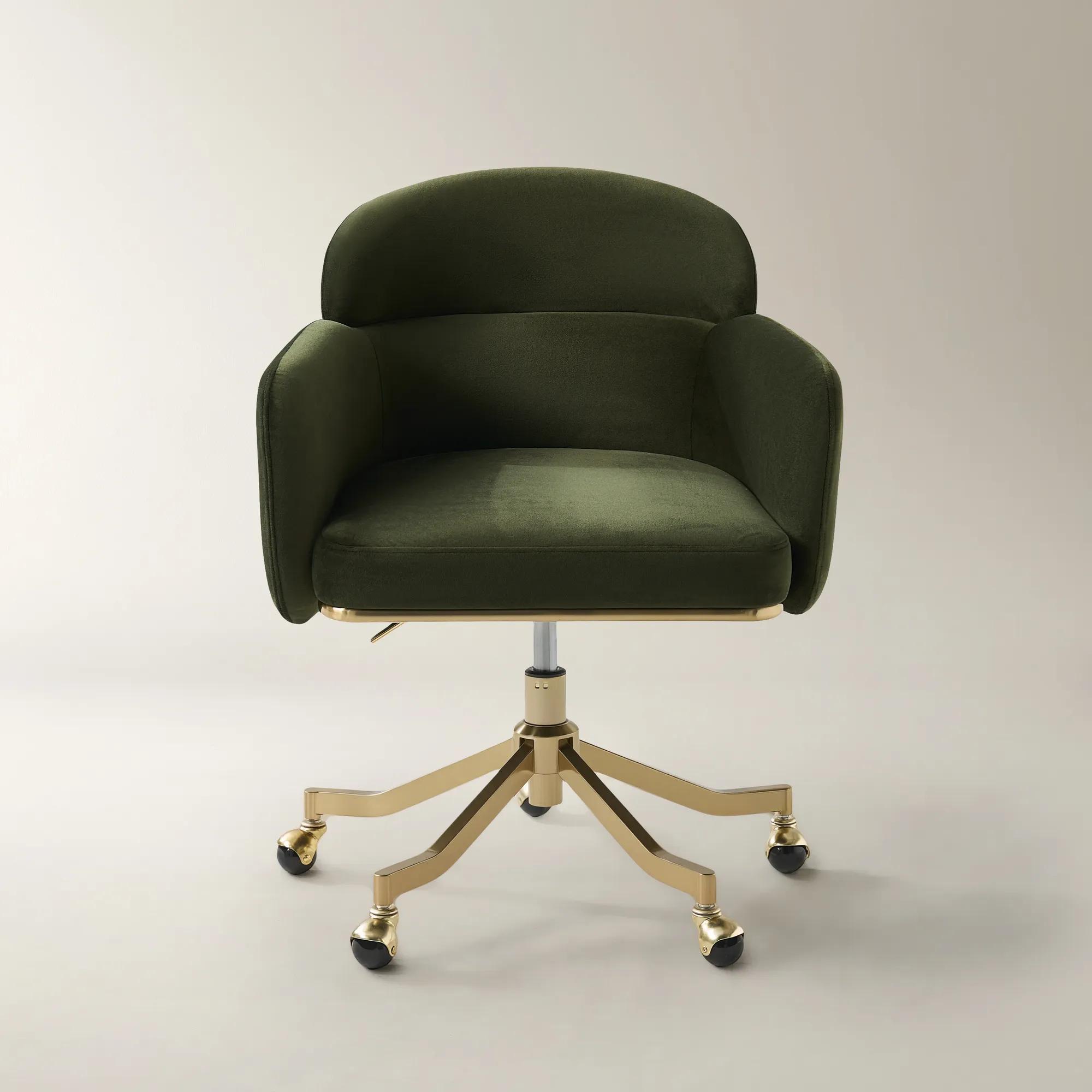 Paige Jade Green Velvet Swivel Desk Chair$399
A jade green velvet swivel chair featuring ergonomic design, adjustable height, and a glossy metal base with casters.
Add To Cart -
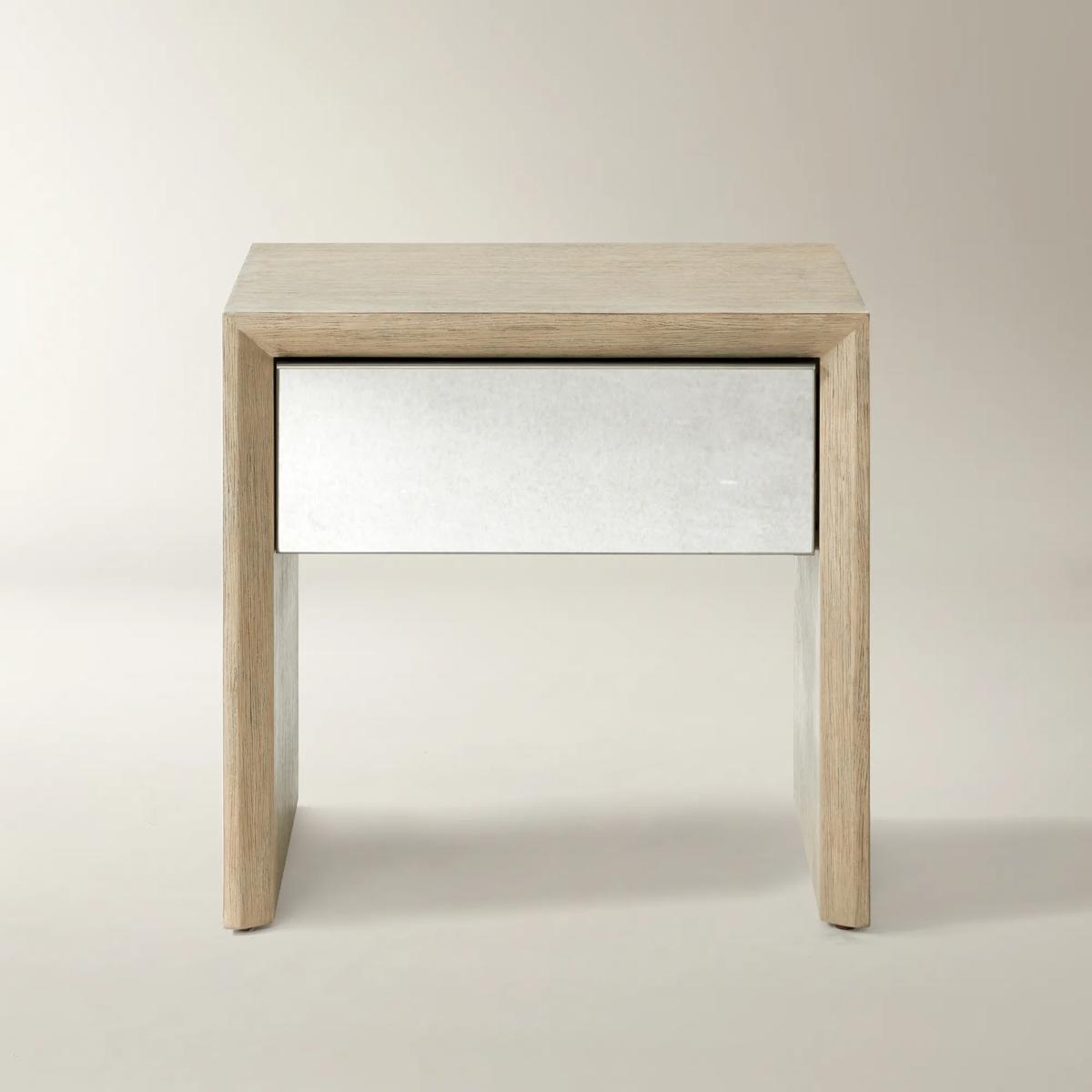 Glimmer Mirrored Seadrift Oak 1-Drawer Nightstand (23")$549
A sophisticated nightstand featuring a sea drift oak veneer frame and antique mirror-faced soft-close drawers.
Add To Cart -
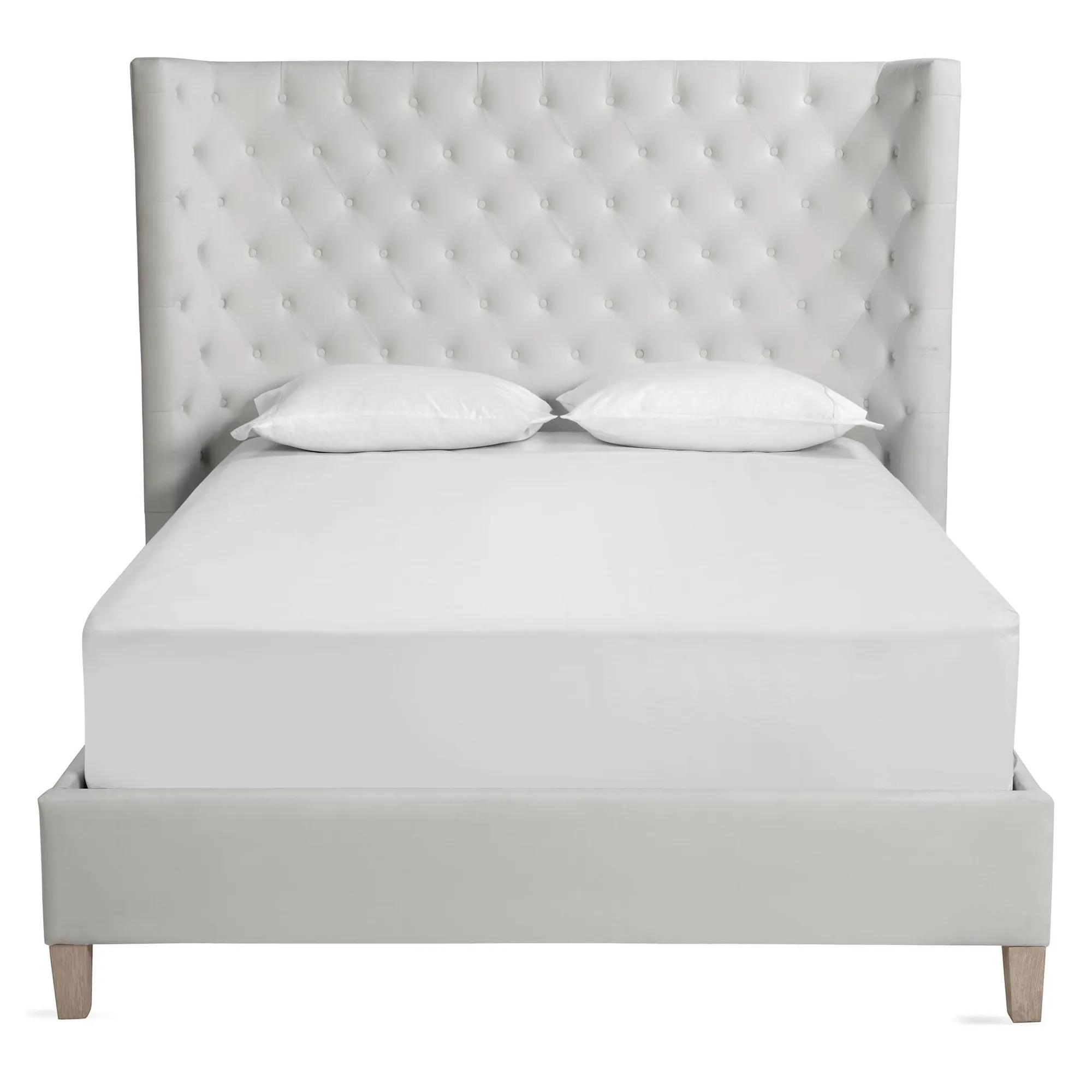
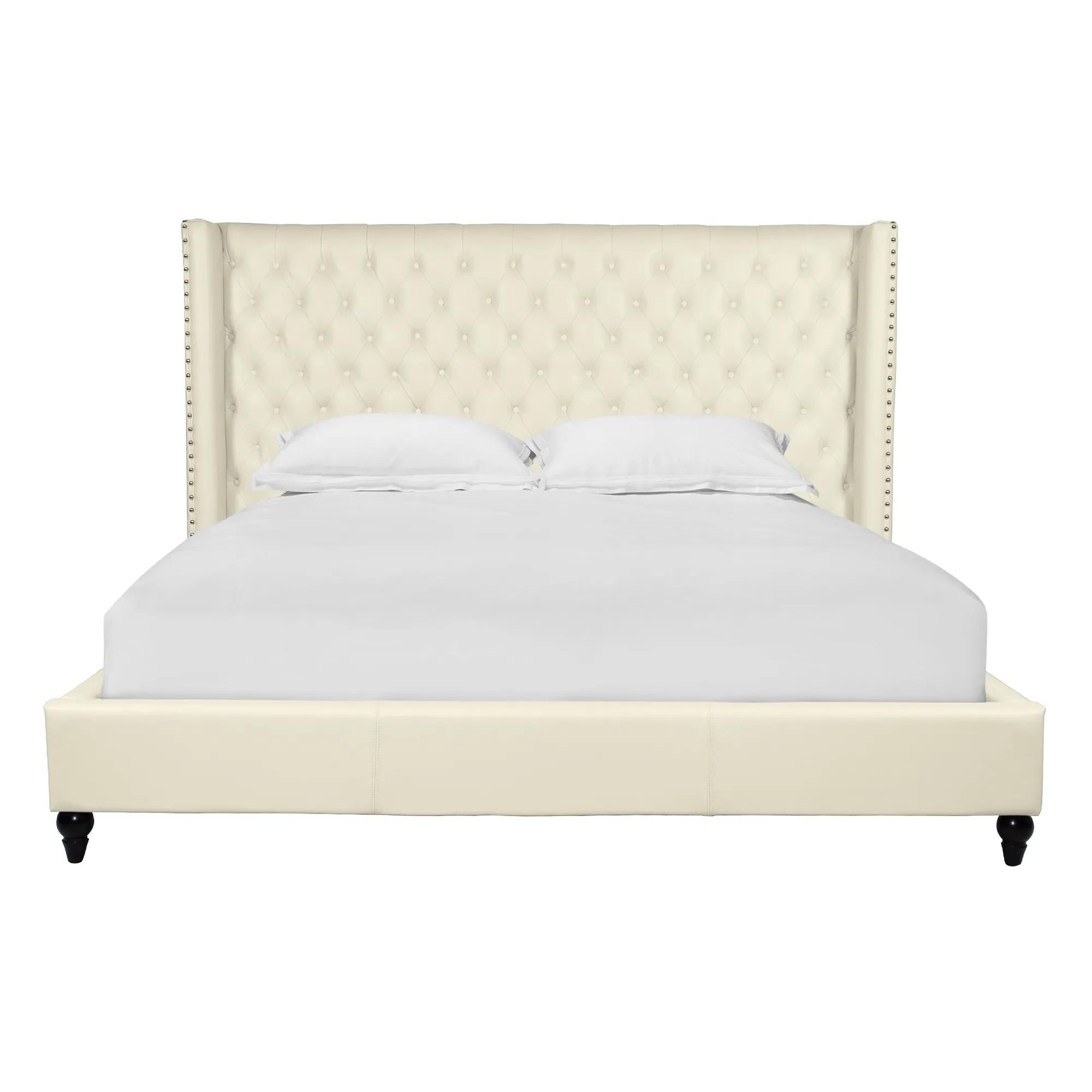
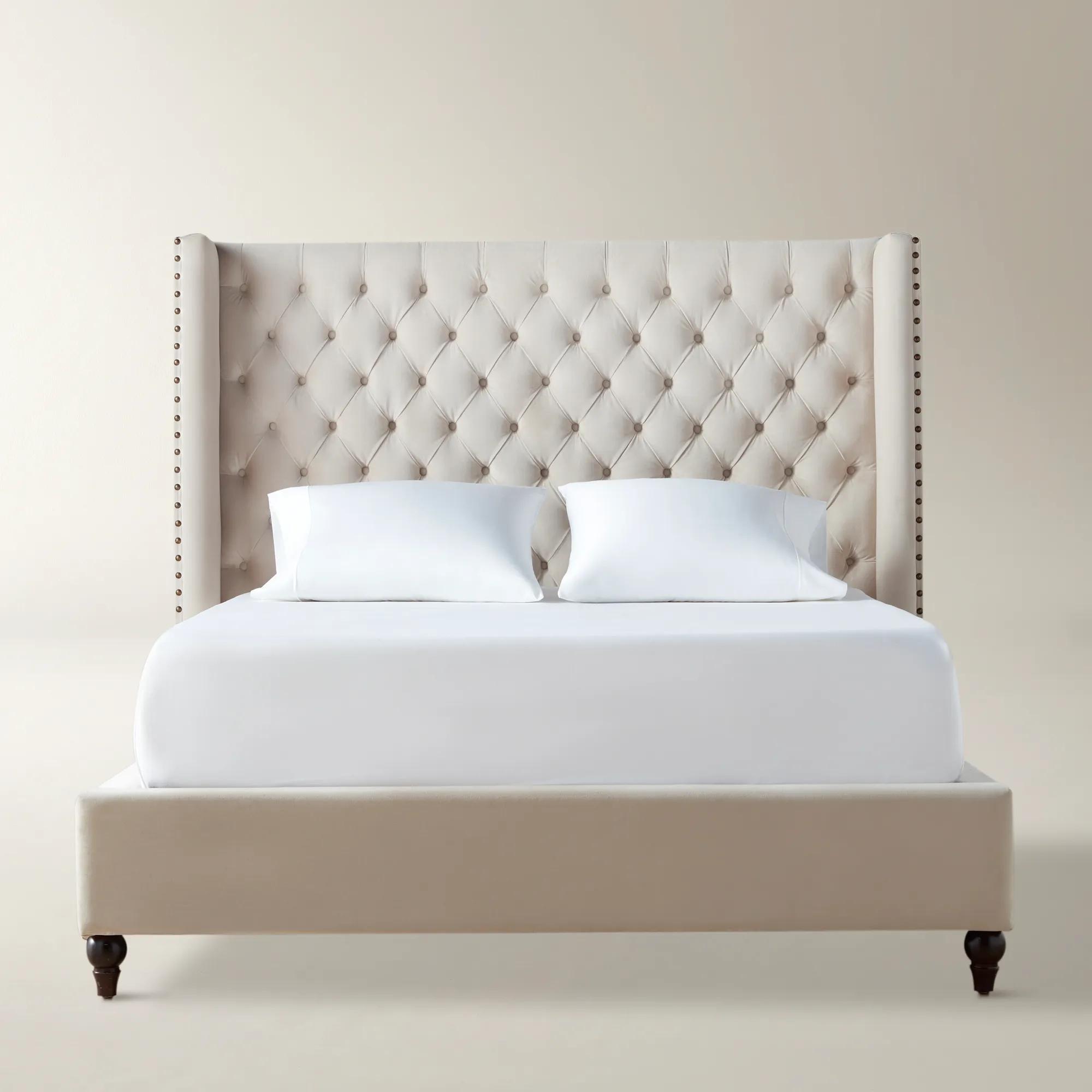
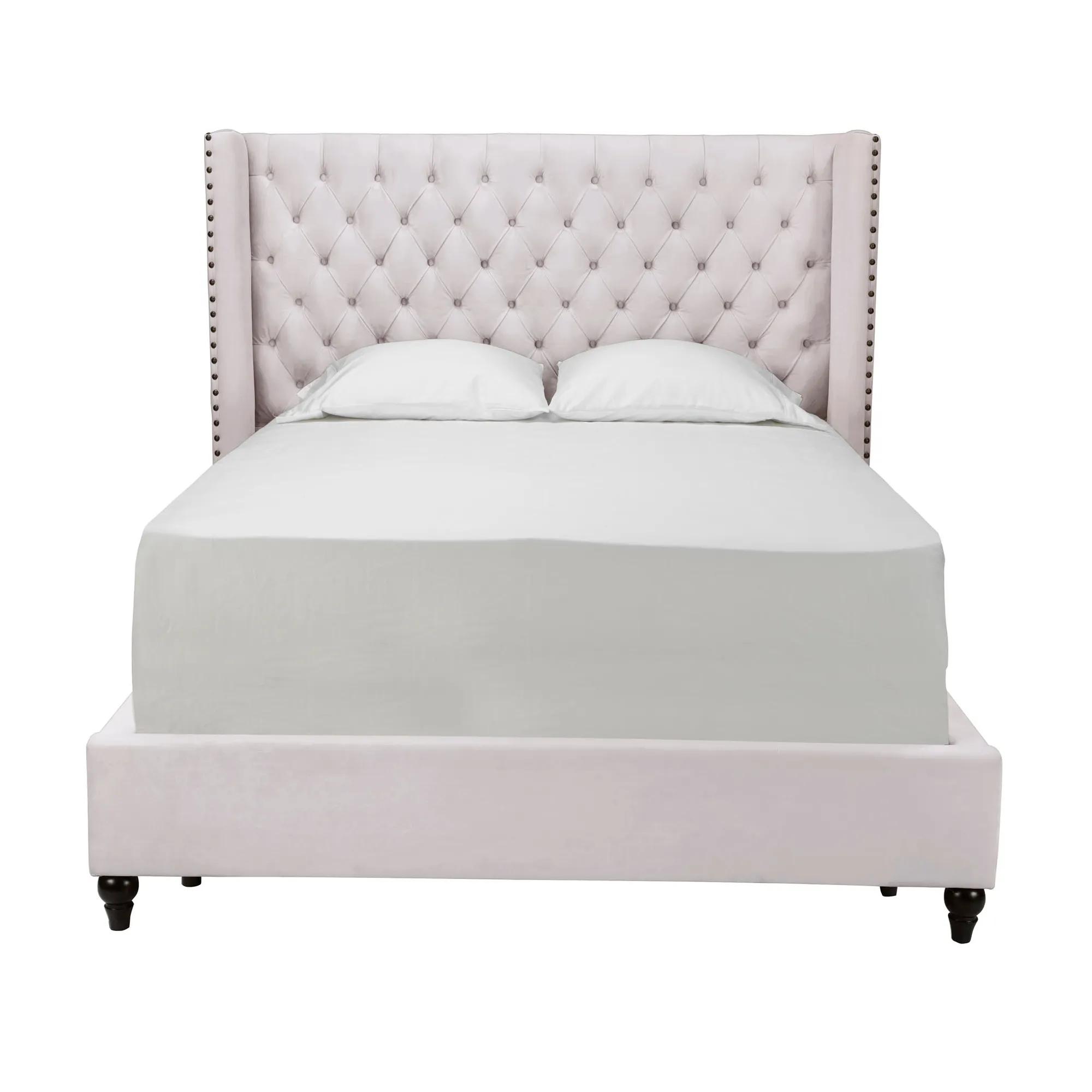
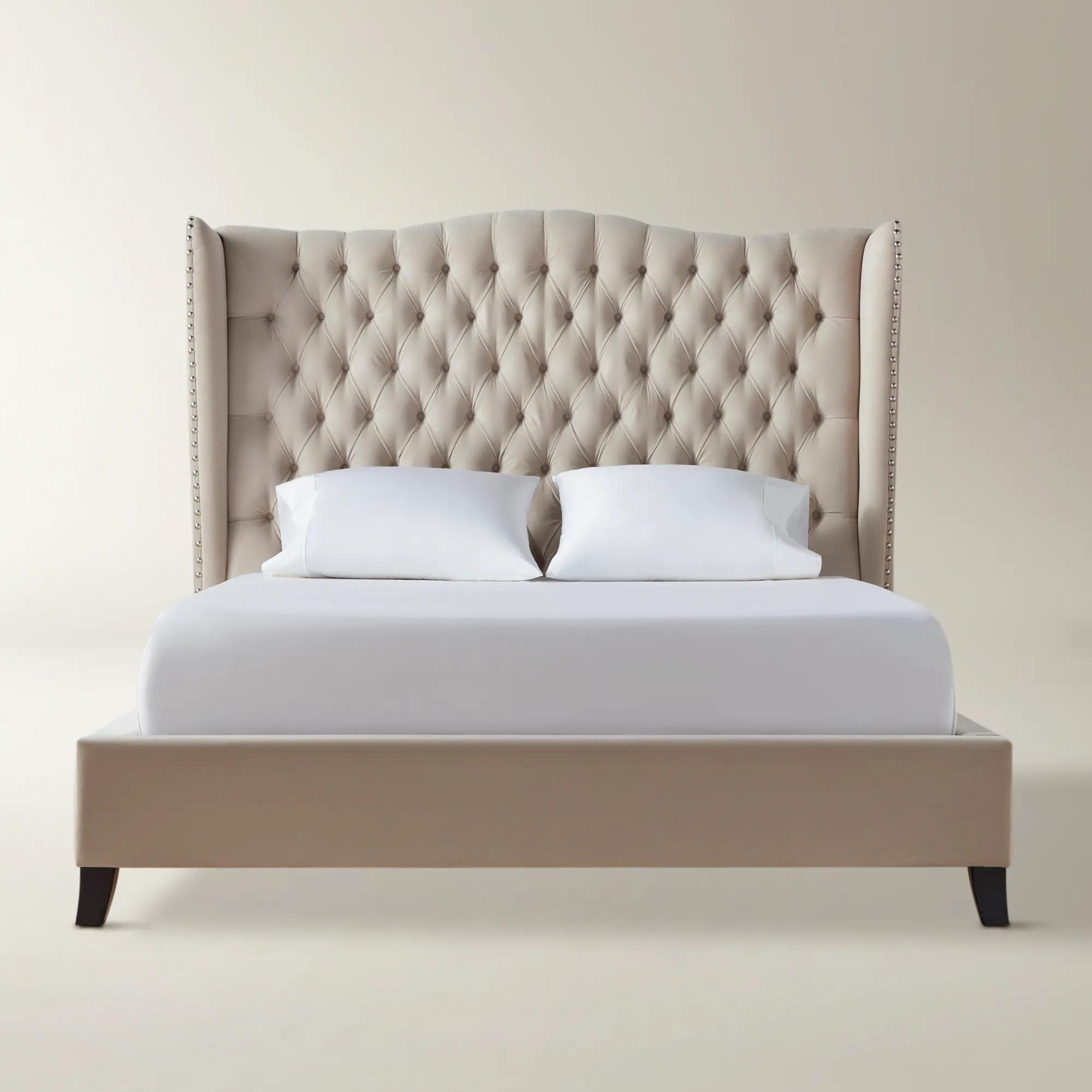
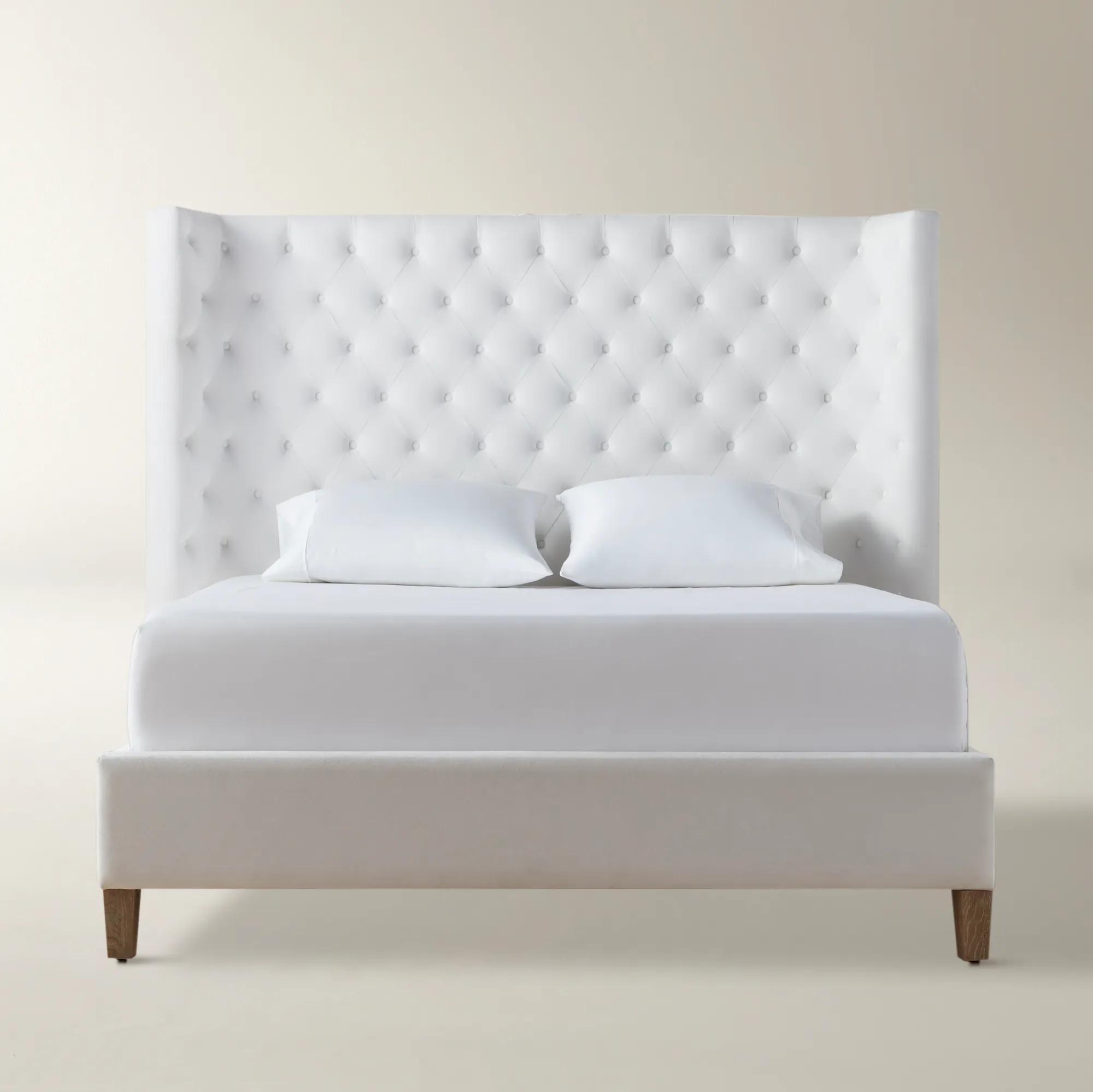
 Stria Ivory Performance Chenille Upholstered Queen Platform Bed$2299
An ivory chenille wingback bed with plush upholstery and a hand-finished solid oak base for modern comfort.
Add To Cart -

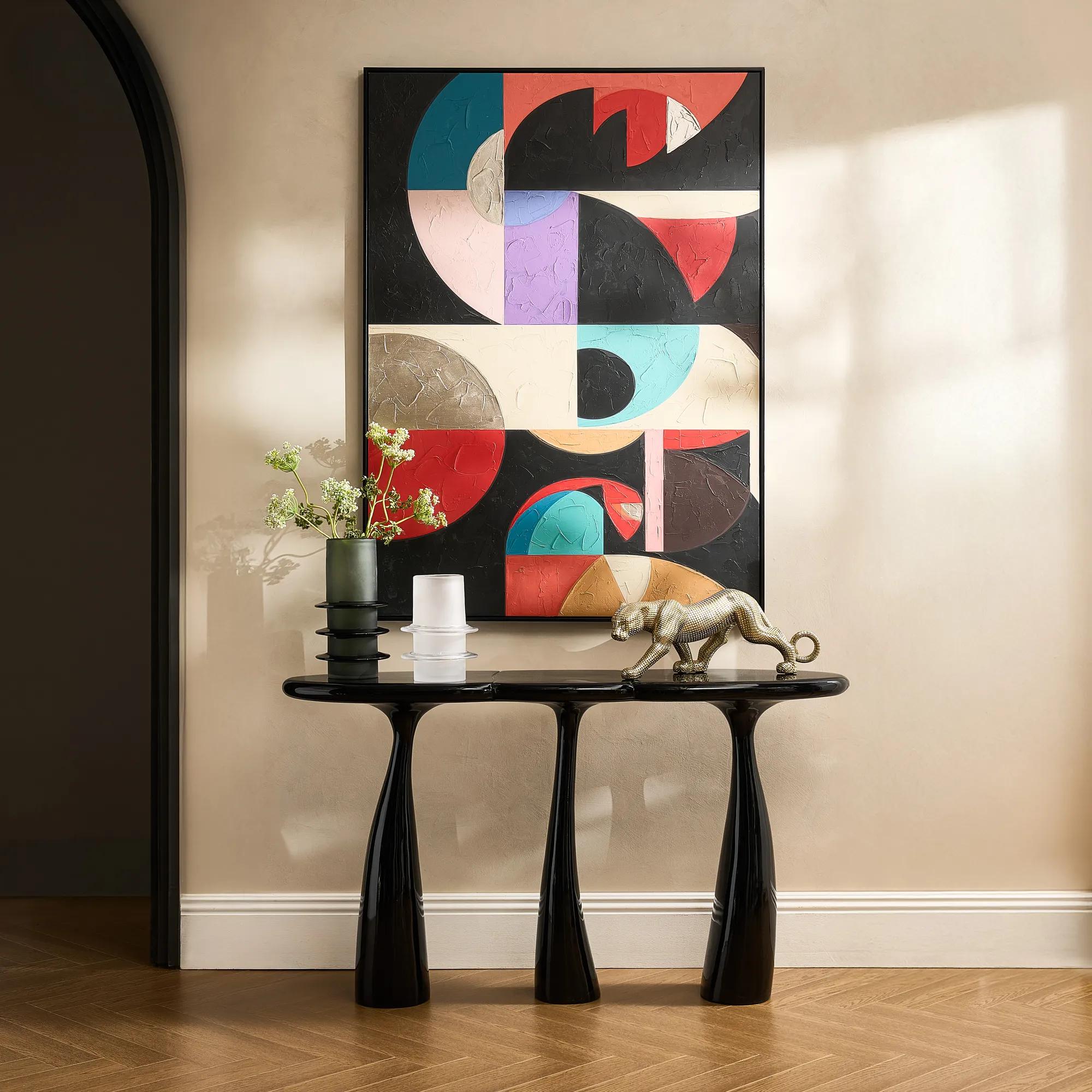 Thalia Glossy Black Console Table (52.4")$999
A sculptural console table crafted from glossy black fiberglass with seamless curves and a mirror-like finish.
Add To Cart -
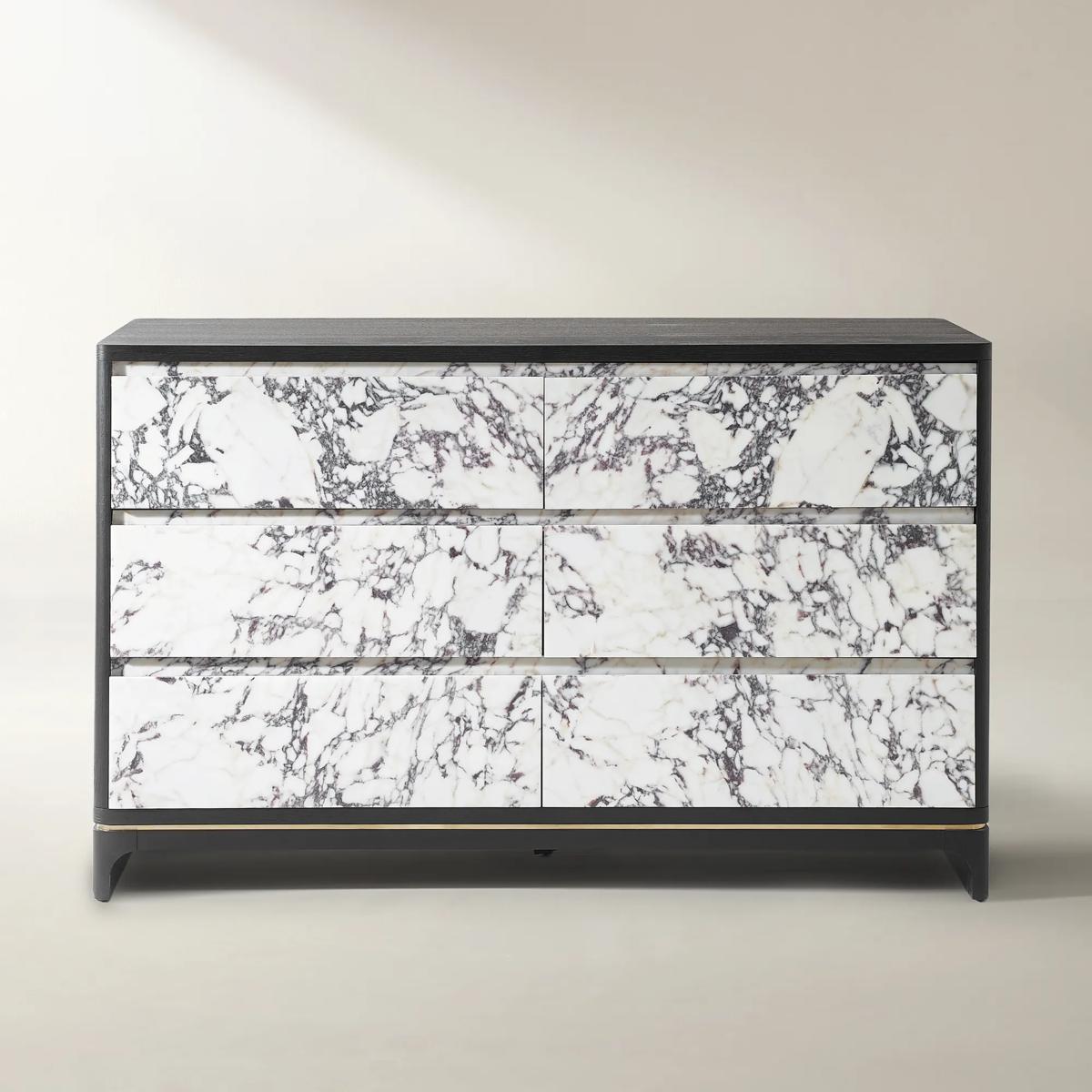 Vanta Black Oak And Calacatta Marble 6-Drawer Dresser (66")$2899
A striking dresser featuring genuine Calacatta Viola marble fronts and matte black oak veneer for modern luxury.
Add To Cart -
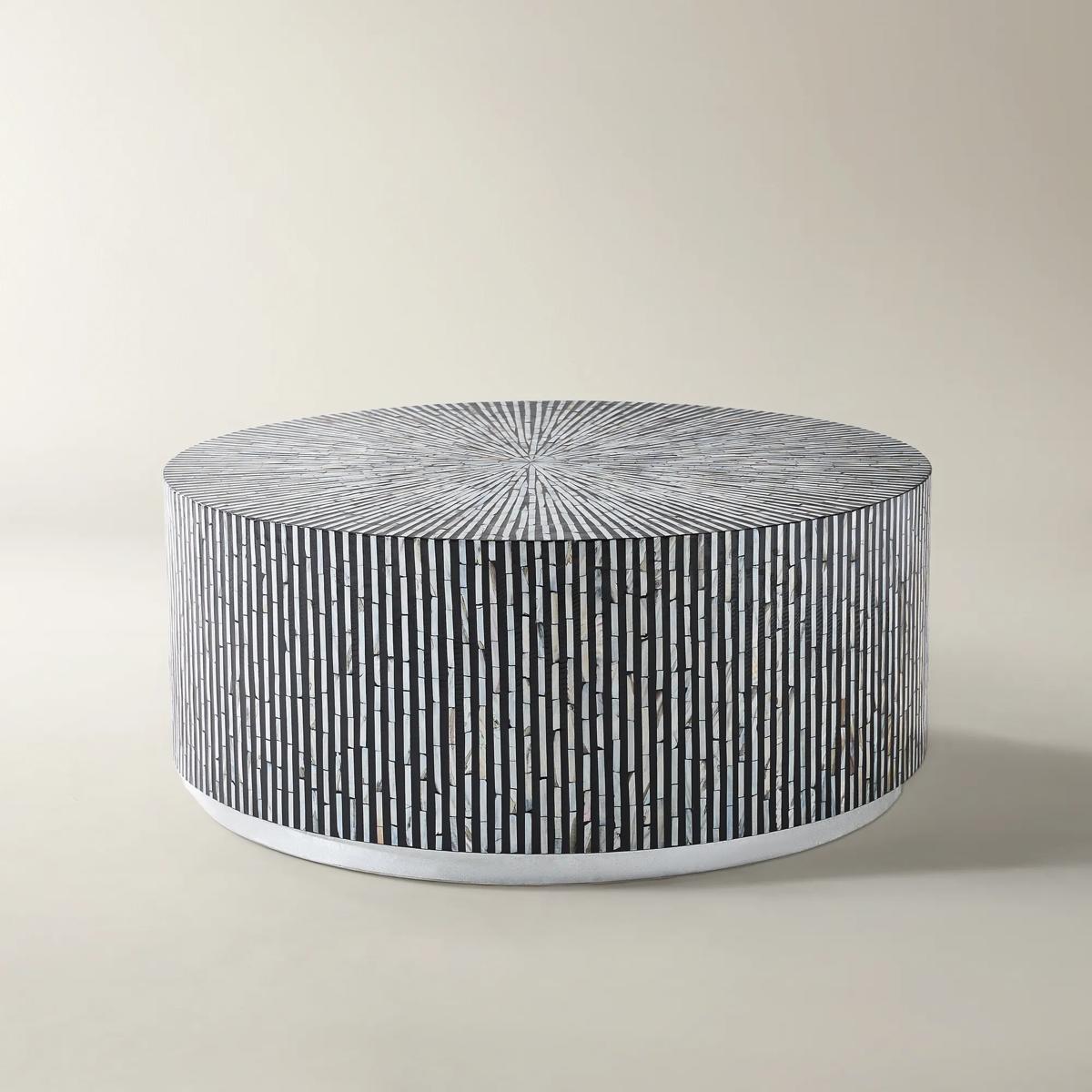
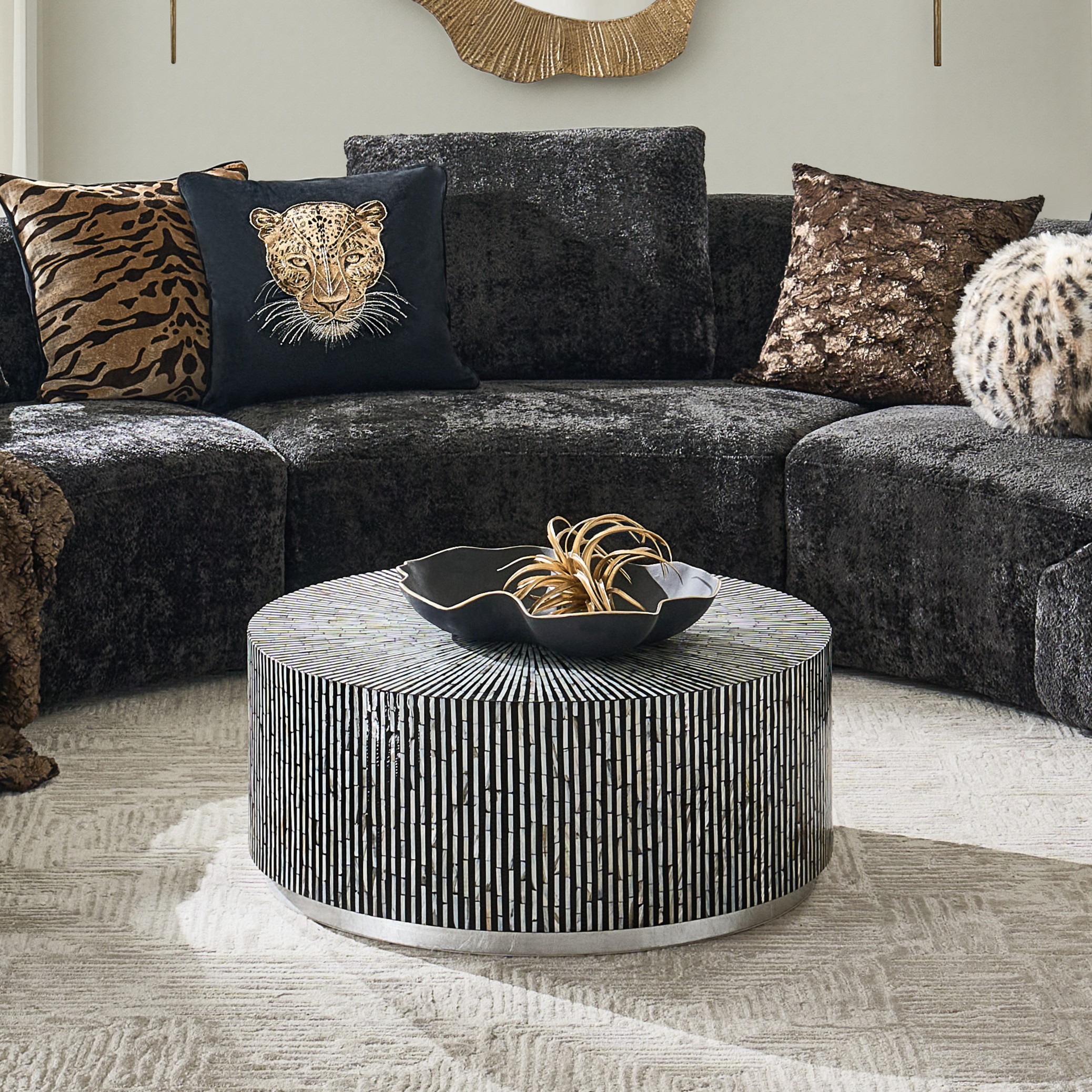 Marina Round Mosaic Black Coffee Table (35.8")$799
A handcrafted round coffee table featuring iridescent mother-of-pearl inlay and a silver leaf base.
Add To Cart -
Stria Ivory Performance Chenille Upholstered King Platform Bed$2499
An ivory chenille wingback bed with plush upholstery and a hand-finished solid oak base for modern comfort.
Add To Cart -

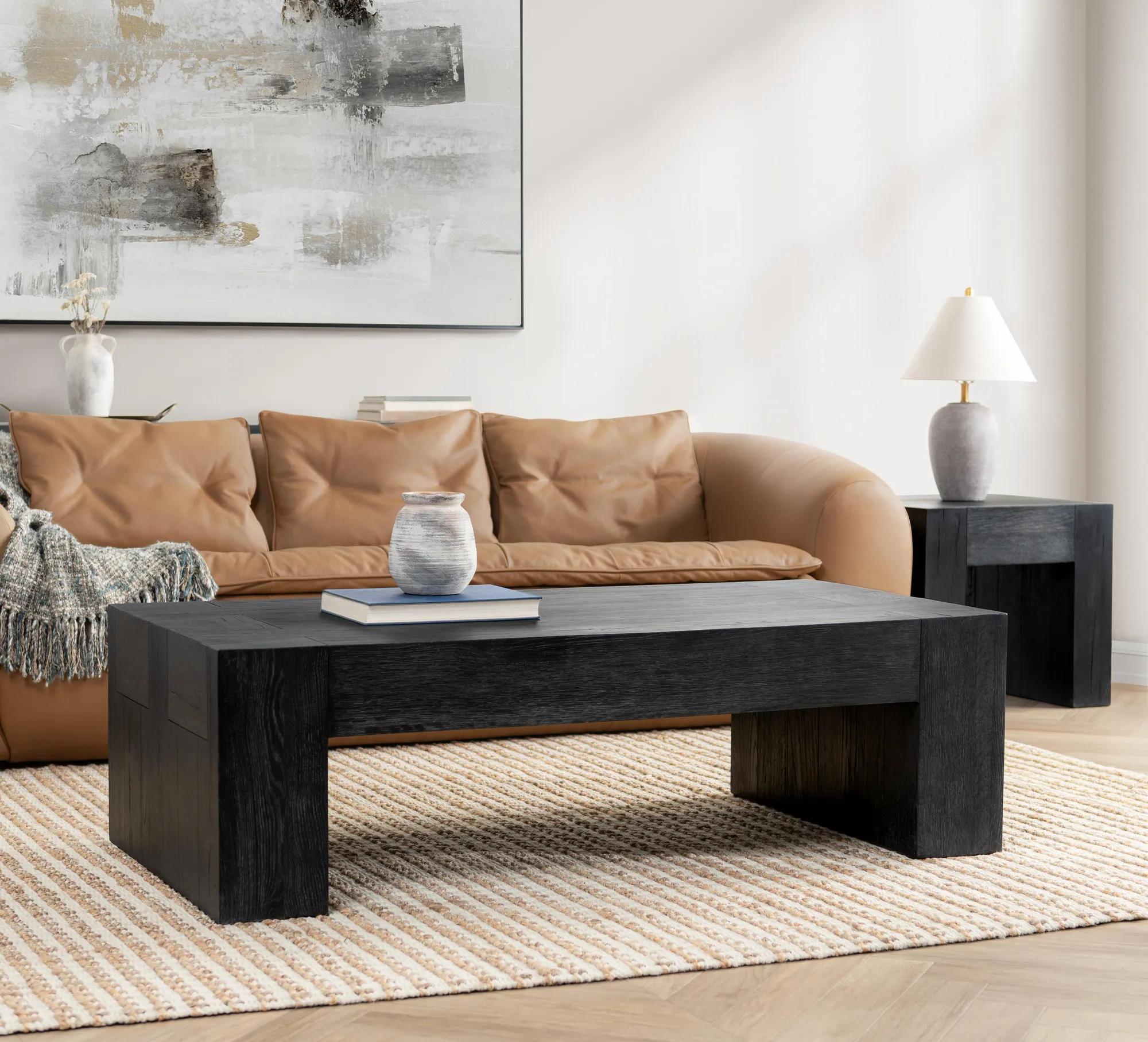 Bristol Rectangular Black Oak Coffee Table (60")$2099
A handcrafted black reclaimed oak coffee table featuring natural wood cracks and modern dovetail joints.
Add To Cart -
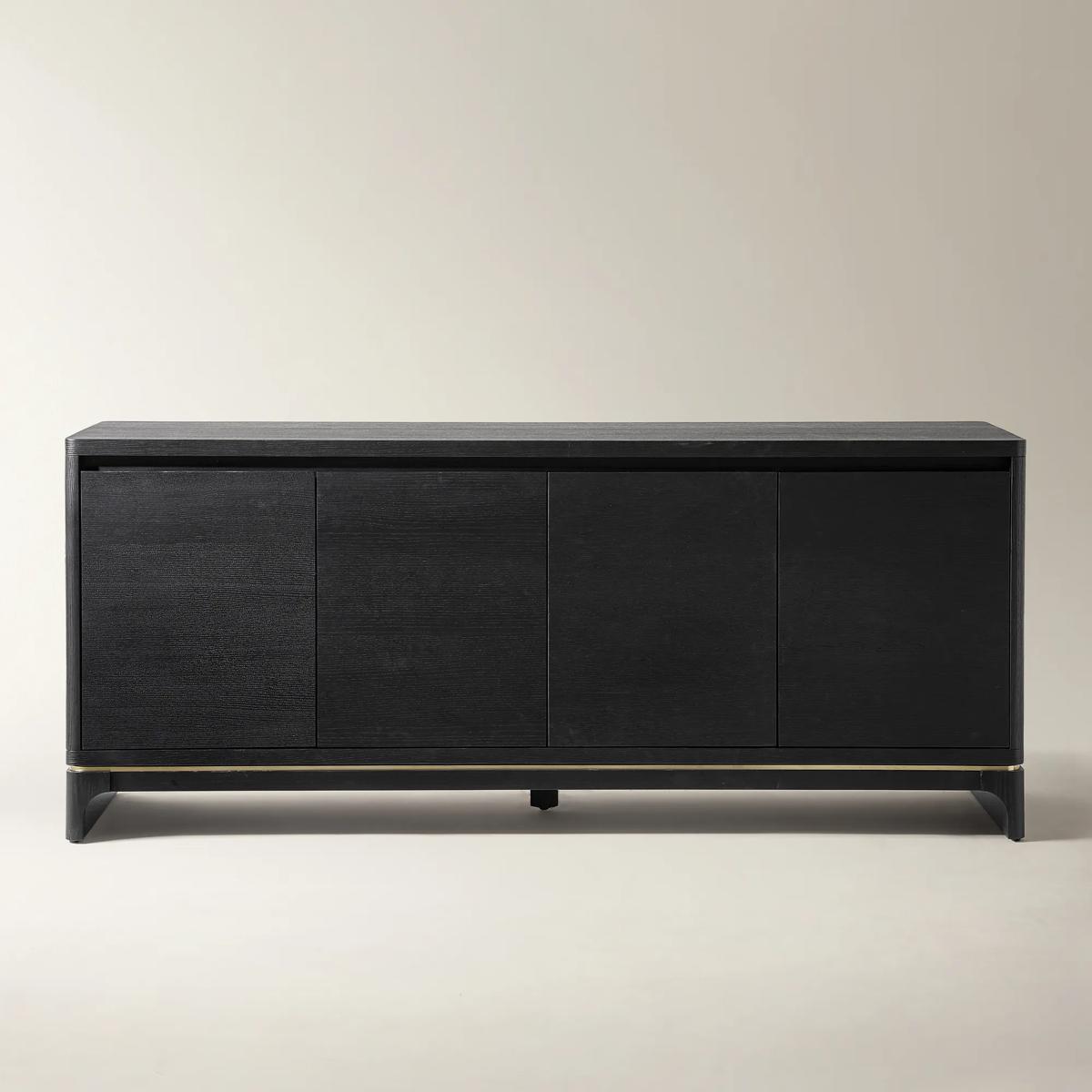
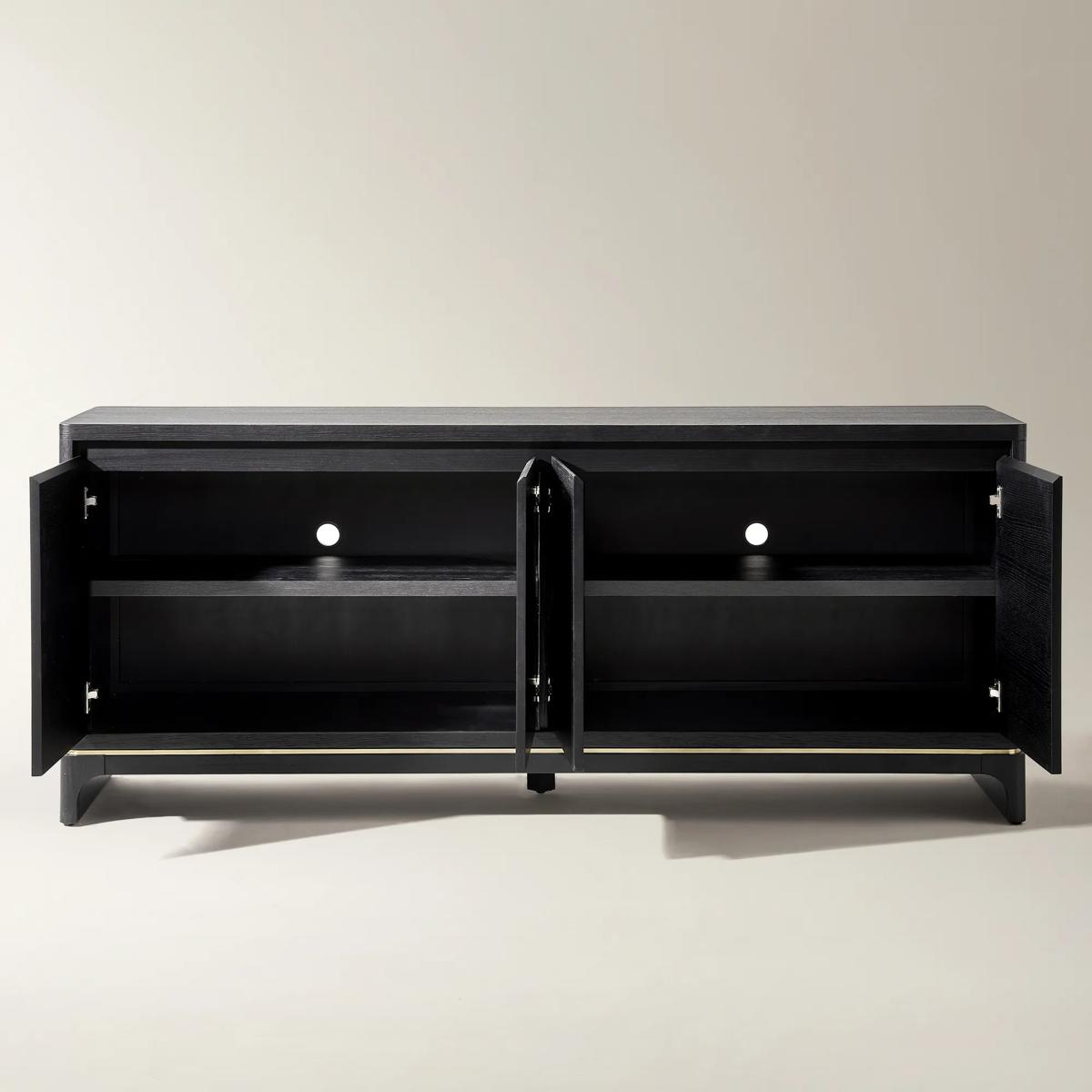 Vanta Black Oak Buffet (72")$1999
A matte black oak sideboard with gold stainless steel trim and concealed pulls for modern, elegant storage.
Add To Cart -
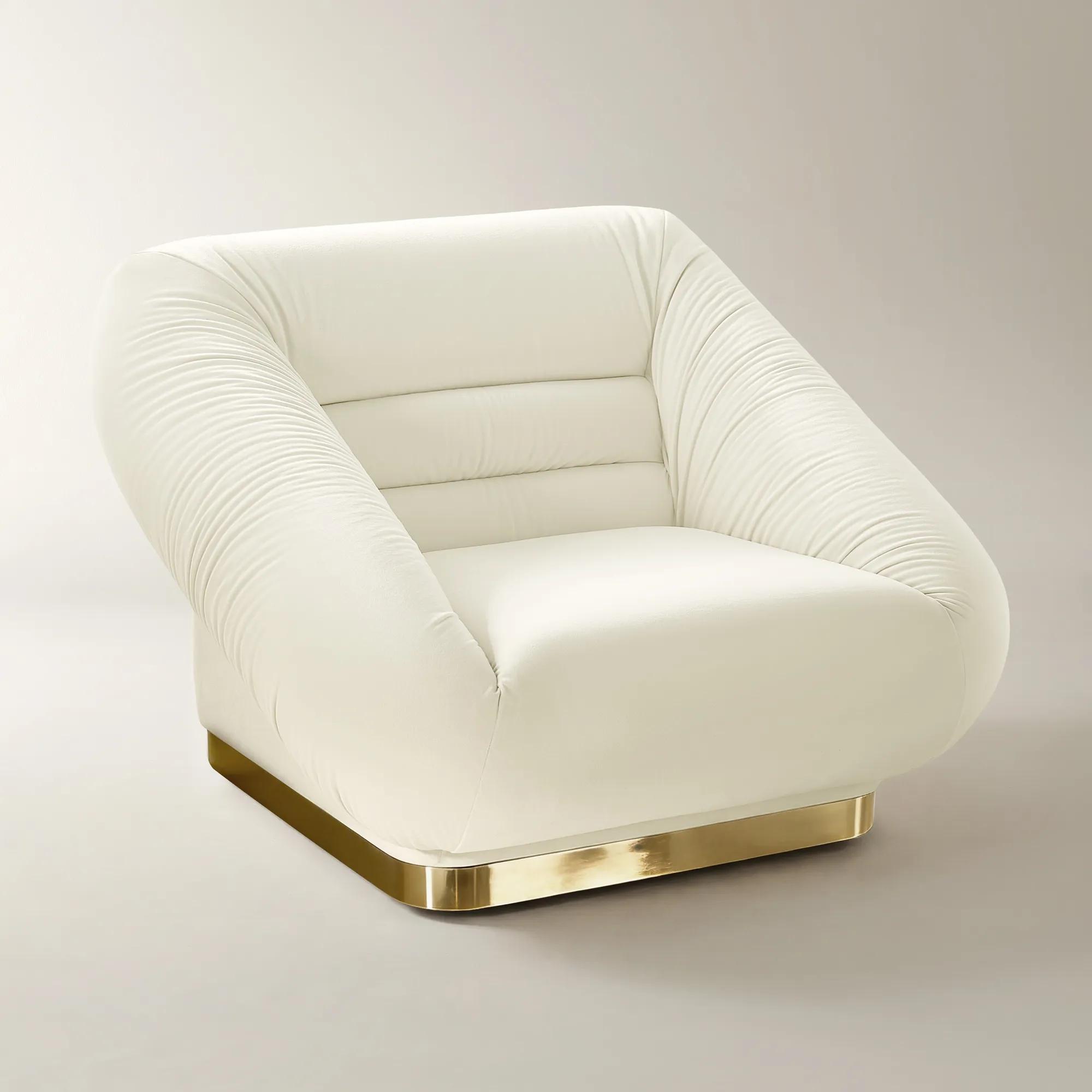 Dover Cloud Velvet Swivel Accent Chair$1299
A sculptural accent chair in cloud velvet with a gold-trimmed base and smooth 360° swivel function.
Add To Cart -
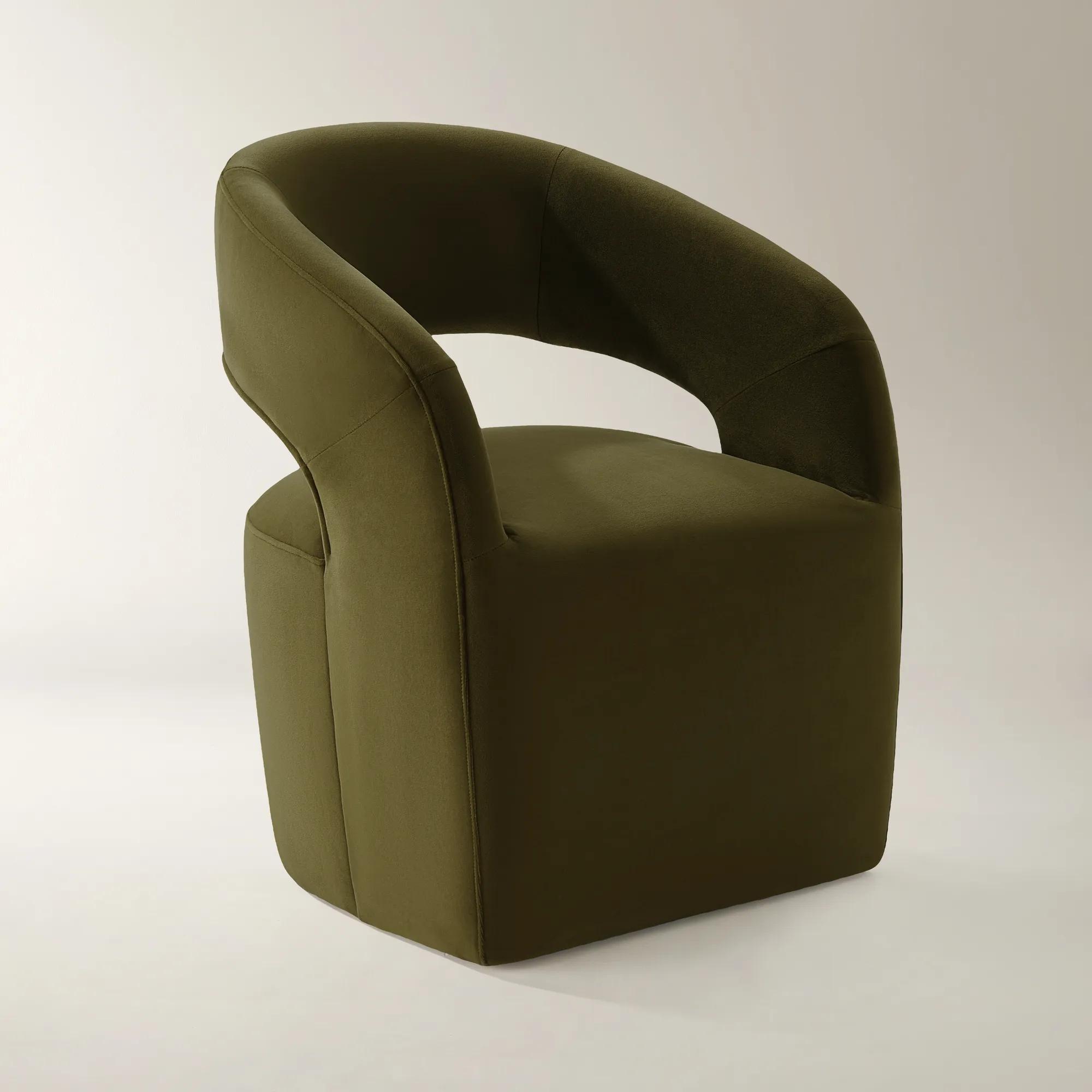 Harrison Deep Olive Velvet Dining Chair$499
A sculptural dining chair in deep olive velvet with a curved back, integrated arms, and plush feather-blend comfort.
Add To Cart -
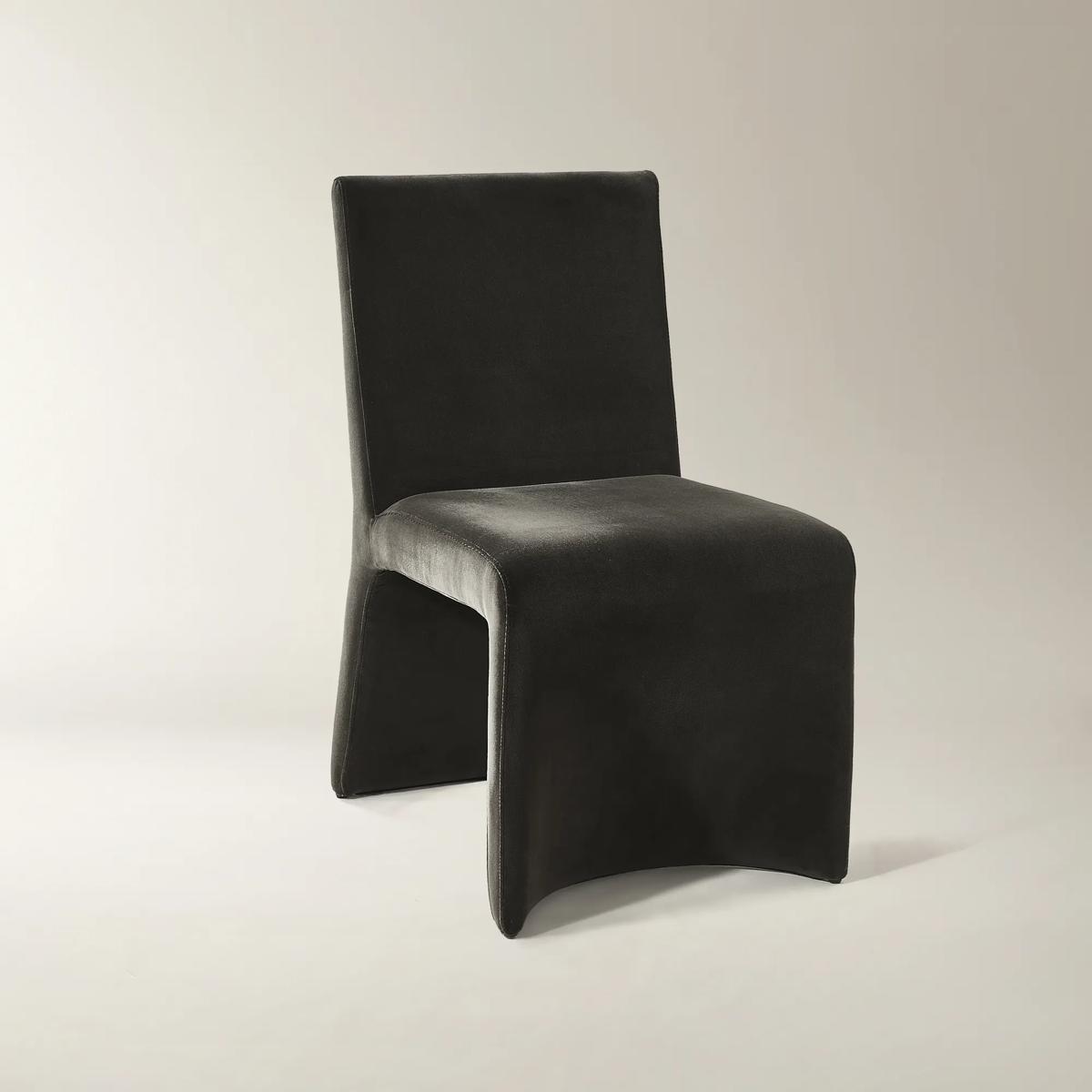
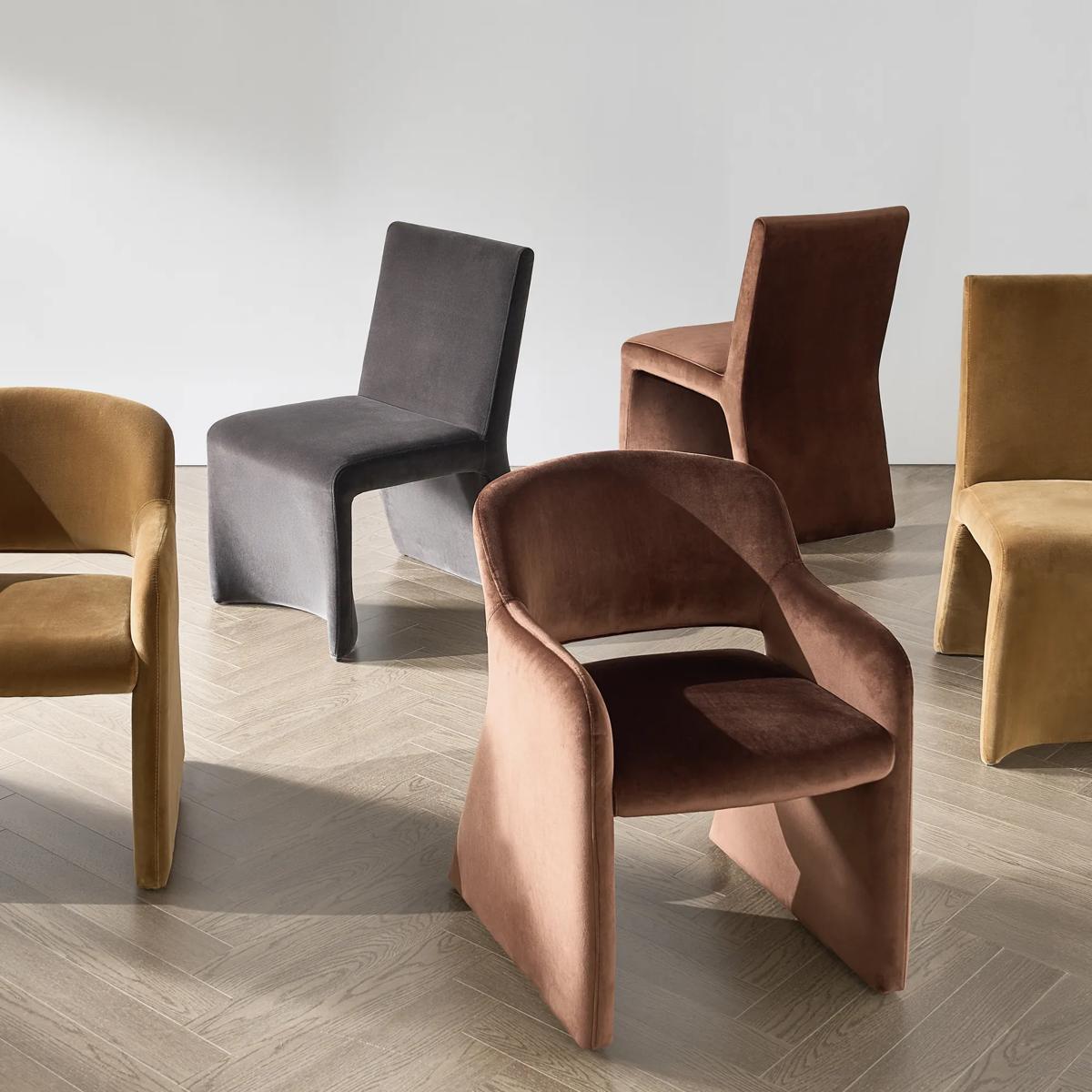 Elara Charcoal Velvet Dining Chair Set Of 2$799
A pair of charcoal velvet dining chairs featuring curved ergonomic silhouettes, plush upholstery, and hand-crafted details.
Add To Cart -

 Cairo Mactan Stone Console Table (63")$1799
A hand-carved Mactan stone console table featuring a raw chiseled edge and natural tonal variations.
Add To Cart -
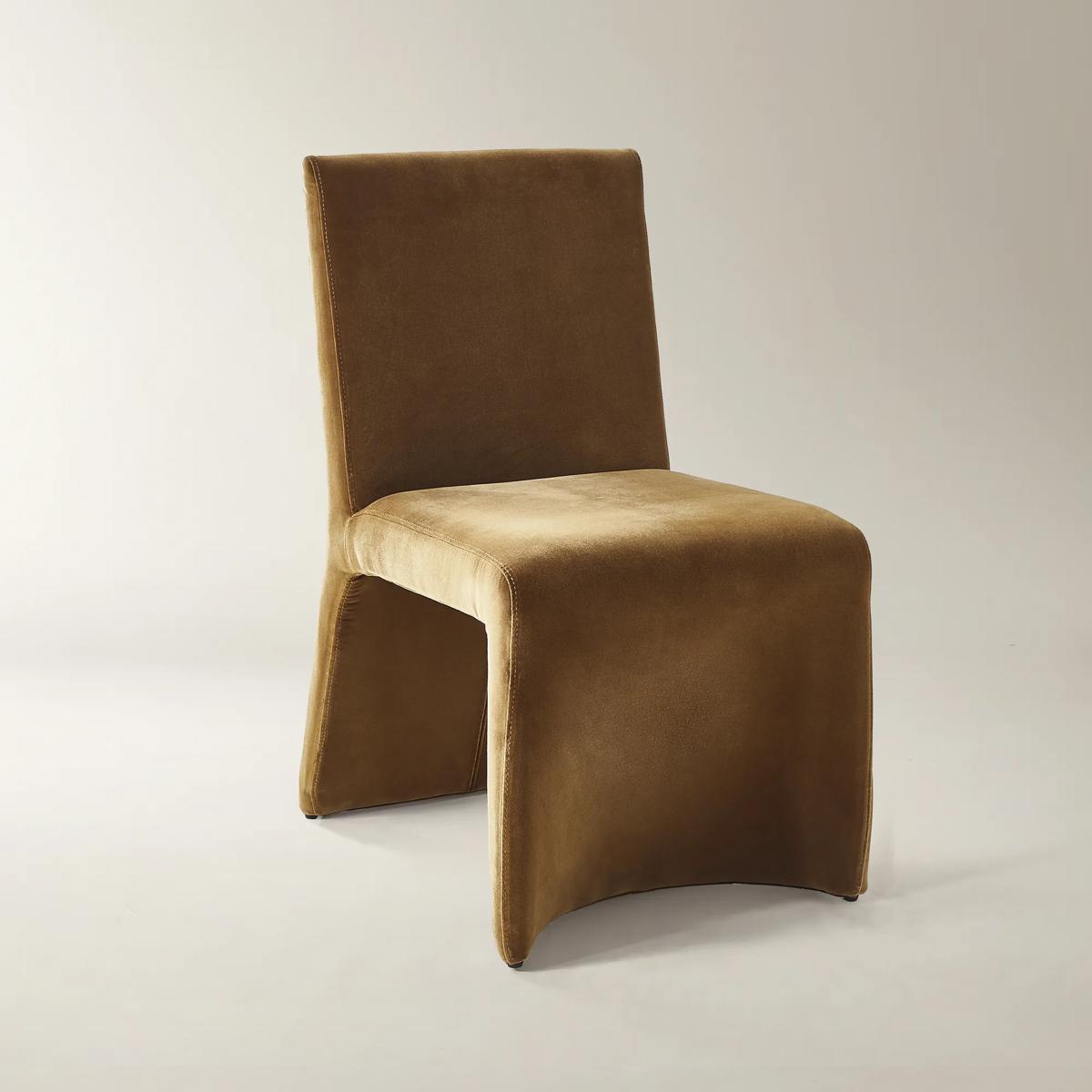 Elara Roasted Pecan Velvet Dining Chair Set Of 2$799
A pair of mustard velvet dining chairs featuring curved ergonomic silhouettes and hand-upholstered, reinforced construction.
Add To Cart -
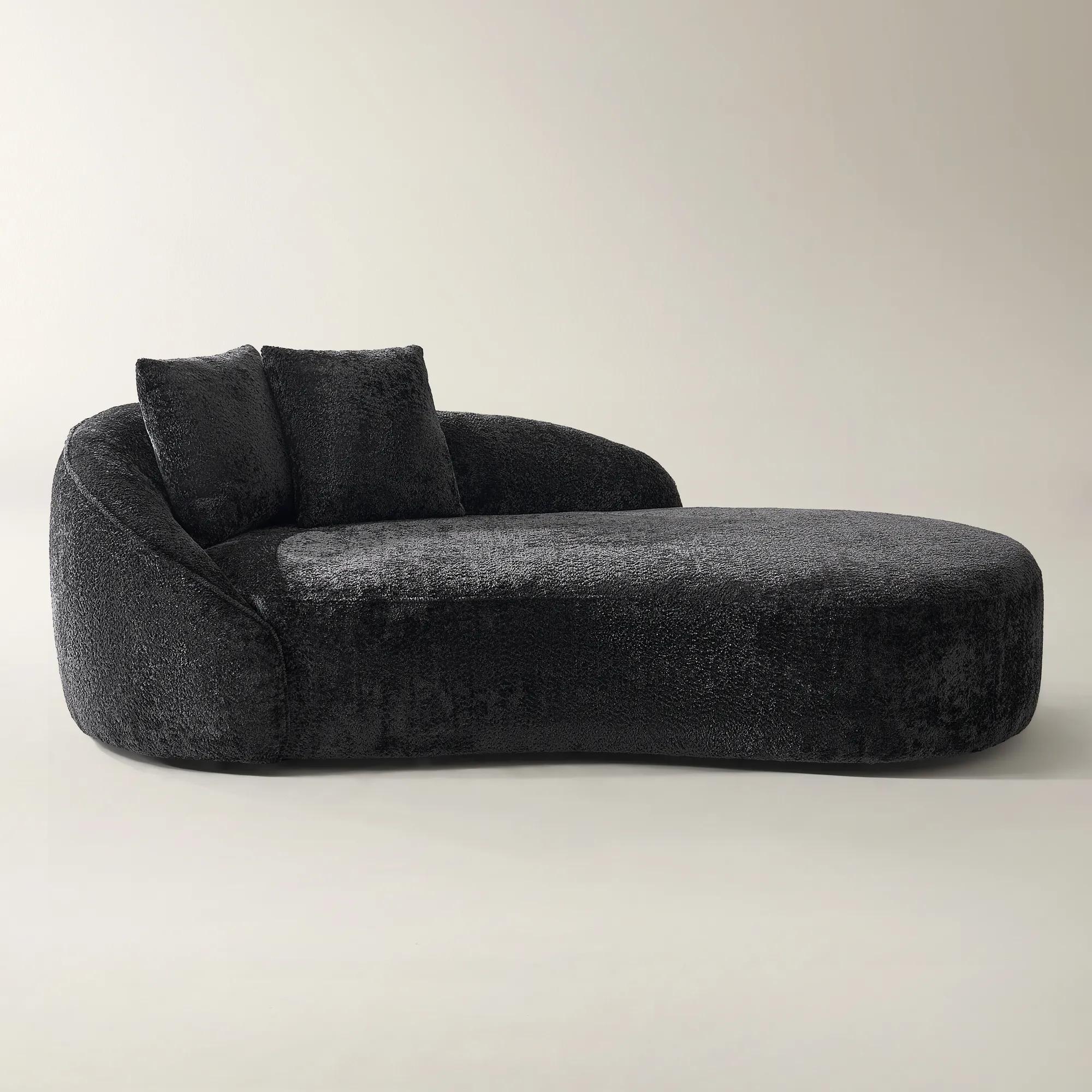 Irene Black Chenille Chaise$1899
A sculptural chaise in charcoal chenille with high-resiliency foam cushions and artisan hand-finished details.
Add To Cart

Modern Furniture For Professionals
Modern furniture for professionals transforms the workspace into a stage for ambition and artistry. Here, sleek silhouettes and refined finishes converge to create environments that inspire confidence and spark creativity. Every piece is designed to elevate the daily grind, infusing the office with an air of sophistication and intention. Whether commanding attention in a corner office or setting the tone in a creative studio, modern furniture for professionals turns every moment at work into an expression of personal style and success.
Modern furniture for professionals brings together architectural lines, comfortable proportions, and purposeful storage to create workspaces with presence. Its defining qualities are clarity of form, thoughtful scale, and materials that feel as compelling as they look, from richly grained wood to polished metal and softly textured upholstery. In a home office, private practice, or creative studio, these furnishings establish an atmosphere that supports concentration while expressing personal taste. A broad desktop gives a consultant room to review documents beside a monitor; a sculptural cabinet allows an architect to conceal samples without losing the room’s visual rhythm. For professionals whose workspace shares a living room or bedroom, furniture with a finished appearance on every visible side can make the transition between work and home feel deliberate rather than improvised. Desks, supportive office seating, bookcases, and enclosed storage form the foundation, while lounge seating and occasional tables introduce a more conversational mood where space allows. The strongest arrangements balance visual drama with the realities of the working day: a clear surface for focused tasks, accessible storage for frequently used materials, and enough breathing room to move comfortably. A gleaming desk base can lend definition to a quiet corner, while a deep wood finish gives a larger office a sense of permanence. Upholstered seating softens hard architectural edges and creates a welcoming place for a colleague or client to settle in. These choices suit remote employees, entrepreneurs, executives, designers, and anyone who wants a working environment that feels considered rather than anonymous. Modern does not have to mean stark. Curved silhouettes, tactile fabrics, and expressive grain can bring warmth to precise geometry, creating a room that looks composed during a video meeting and remains inviting after the laptop closes. The result is professional furniture that serves both the work and the person behind it, with practical details supporting an unmistakably individual point of view.
Fit deserves as much attention as finish, particularly when a workspace must accommodate long stretches at a desk or serve several purposes throughout the day. Before choosing office furniture, measure the room, doorways, delivery path, and usable wall space, then account for chair movement, open drawers, and cabinet doors. A desk that fits against a wall may still overwhelm the room once a chair is pulled out. Desktop depth should accommodate the intended equipment and allow a comfortable viewing distance from the screen; width should reflect whether the work involves a single laptop, multiple monitors, or paper-intensive projects. For an L-shaped arrangement, confirm which direction the return extends and whether it leaves a natural route through the room. Legroom, armrest clearance, and access to outlets matter just as much as the silhouette. When comparing seating for extended computer work, look beyond plush upholstery to adjustable seat height, appropriate seat depth, back support, and compatibility with the desk. A decorative accent chair can make a graceful impression in a reception area or reading corner, but it should not be assumed to provide the adjustments needed for a full workday. Where a height-adjustable desk is being considered, check its adjustment range, weight capacity, and stability against the equipment it will hold. Cable openings and concealed routing, when included, can preserve a polished appearance without making power connections difficult to reach. Storage should follow the work: shallow drawers for small essentials, appropriately sized compartments for documents, and sturdy shelving for books or reference materials. Check stated shelf capacities before arranging heavy volumes, and follow anchoring instructions for taller furniture. In client-facing settings, consider accessibility, cleaning needs, and whether furnishings are designated for the intended level of use; residential construction does not automatically establish suitability for a busy commercial office. A beautifully proportioned workspace earns its elegance through these details, allowing a bold profile or luminous finish to stand out without compromising comfort, circulation, or the practical demands of a professional routine.
Materials shape both the atmosphere of modern office furniture and the attention it needs over time. Solid wood offers distinctive grain and natural variation, while wood veneer can deliver richly patterned surfaces over a supporting core; durability depends on the underlying construction, finish, and care rather than the material name alone. Metal frames introduce crisp definition and can visually lighten a substantial desk or storage piece. Glass and mirrored surfaces catch daylight with striking clarity, although fingerprints and reflected glare deserve consideration near screens and windows. A lacquered finish creates a smooth, dramatic plane, but sliding equipment or rough accessories across it may cause visible marks. Protective pads beneath desktop objects, coasters under drinks, and prompt attention to spills help preserve the surface, provided they are compatible with the finish. Routine care should follow the manufacturer’s directions, using recommended cleaning methods rather than assuming one spray is suitable for wood, glass, metal, and upholstery alike. For seating, consider how the fabric will respond to daily contact, clothing dyes, pets, and occasional refreshments. Velvet brings depth and a shifting play of light, while textured weaves add dimension; any stain-resistance or performance claims should be verified in the material specifications. Leather and leather alternatives require different care, so confirm the upholstery composition before choosing a cleaner or conditioner. Direct sunlight, nearby heat sources, and fluctuating humidity can also affect certain finishes and materials. Beyond maintenance, a cohesive palette helps the office feel connected to the rest of the interior: warm wood beside brushed metal, pale upholstery against a dark cabinet, or a restrained mirrored accent that draws light into a shaded corner. For a related expression of polished working interiors, Upscale Furniture For Professionals offers another perspective on spaces where presence and purpose meet. Furniture can also mark a meaningful professional milestone, such as a new practice or dedicated home office, though larger gifts are best chosen with the recipient’s dimensions, work habits, and aesthetic preferences in mind. Whether furnishing a compact study or a spacious executive setting, lasting appeal comes from the balance of expressive design, considered construction, and everyday usability—a workspace with enough character to inspire and enough substance to support the day ahead.
FAQs
Modern furniture for professionals is characterized by bold, sculptural forms, luxurious materials, and a seamless blend of function and artistry. These pieces are designed to make a statement while supporting productivity, often featuring innovative finishes, plush upholstery, and architectural lines that elevate both workspaces and living areas.
Modern furniture transforms a workspace by infusing it with personality, sophistication, and comfort. Thoughtfully chosen pieces—such as a dramatic desk, a sumptuous accent chair, or a gleaming lamp—create an environment that inspires creativity and focus, making daily routines feel extraordinary.
Modern furniture makes a memorable gift for professionals at any stage of their career—whether it’s a recent graduate setting up their first apartment, an entrepreneur designing a home office, or a colleague seeking to refresh their living space. These pieces offer both practical function and a touch of everyday luxury.
Modern professional furniture often features a mix of sumptuous fabrics like velvet or chenille, high-gloss lacquers, tempered glass, polished metals, and richly grained woods. These materials are selected for their visual impact, tactile appeal, and ability to complement a wide range of interior styles.
To achieve a cohesive look, choose a unifying color palette and repeat key materials or finishes throughout your space. Pair statement pieces—such as a sculptural desk or plush seating—with complementary accents like metallic lighting or textured rugs. Layering these elements creates an atmosphere that is both harmonious and boldly expressive.