Living Room Furniture For Professionals
Living Room Furniture For Professionals
-
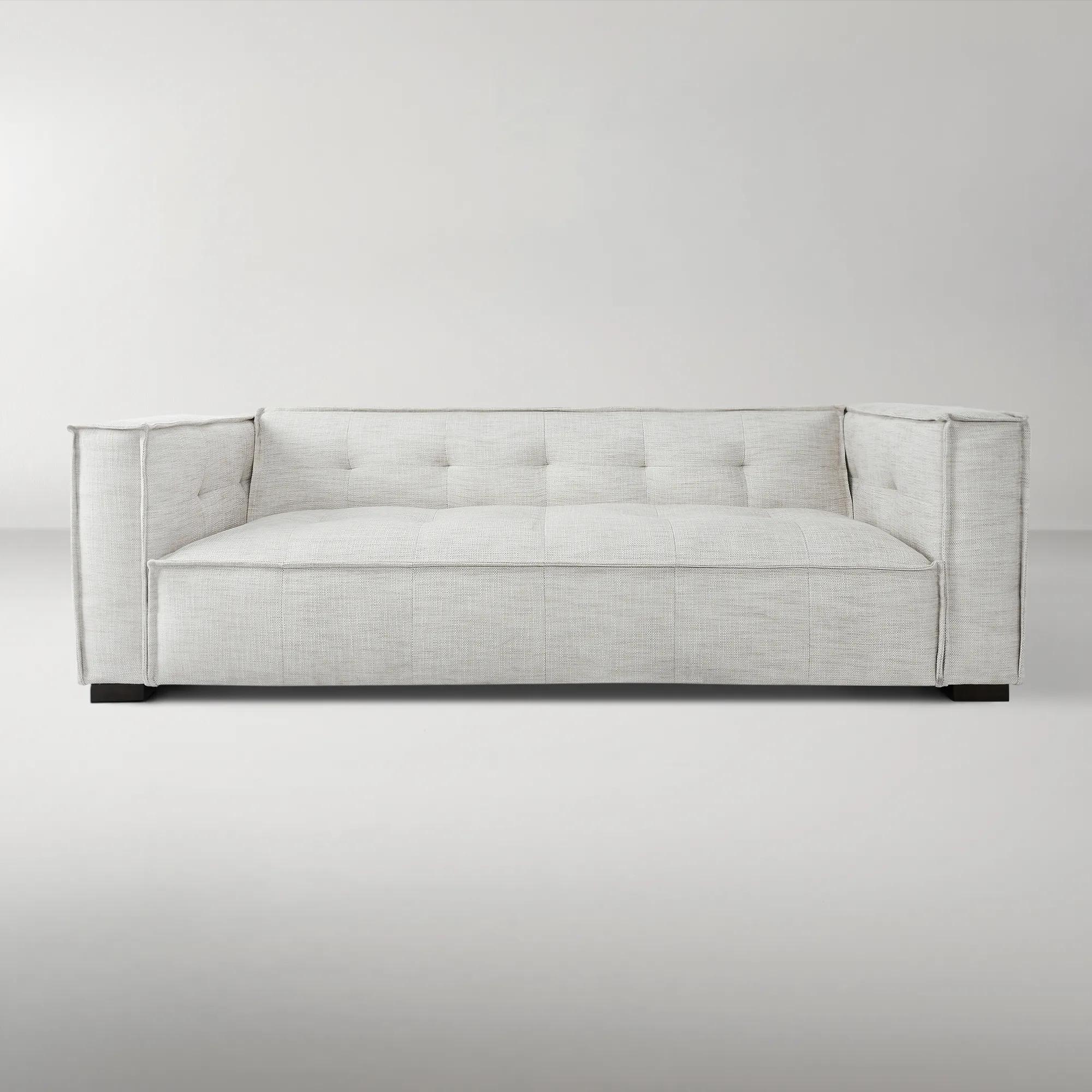
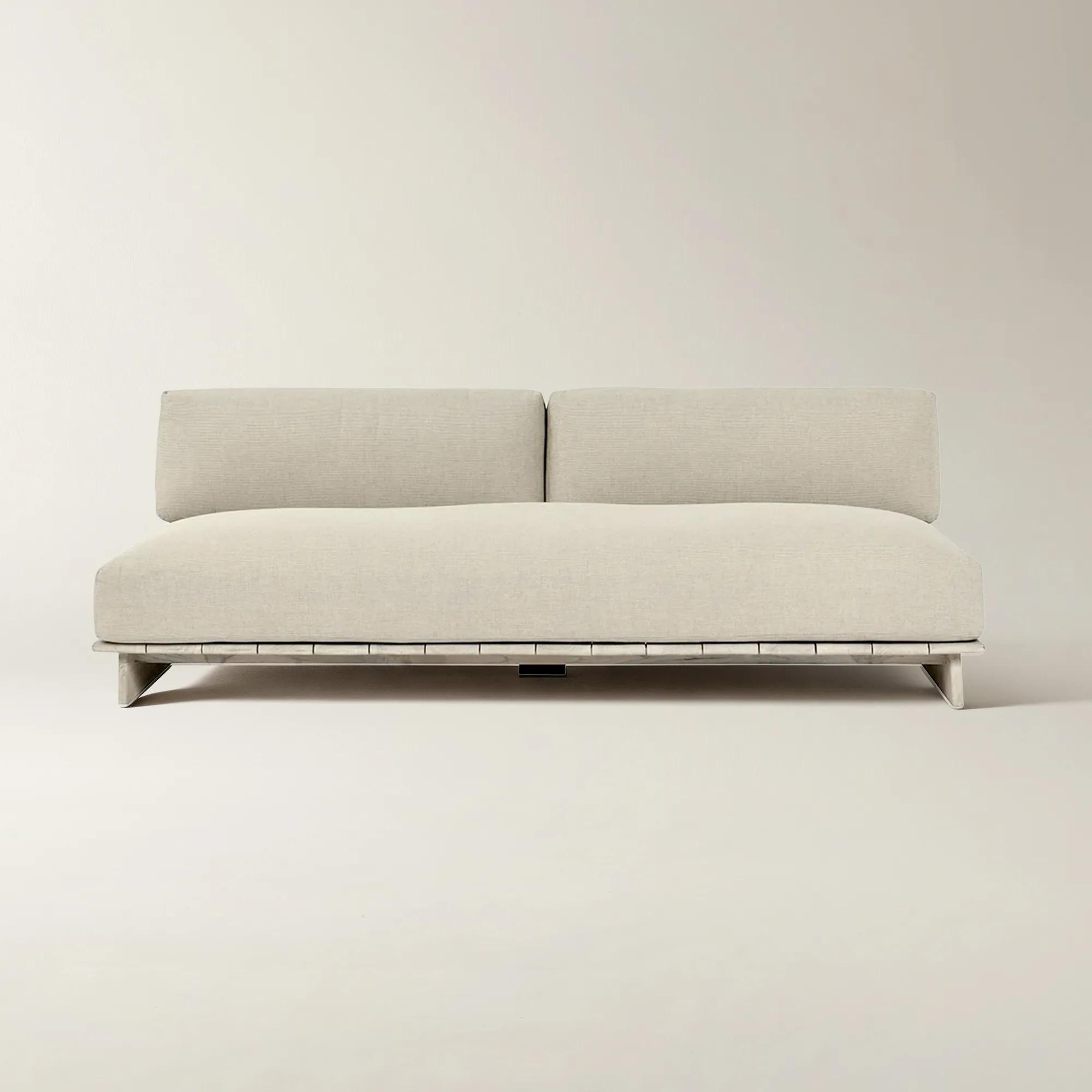
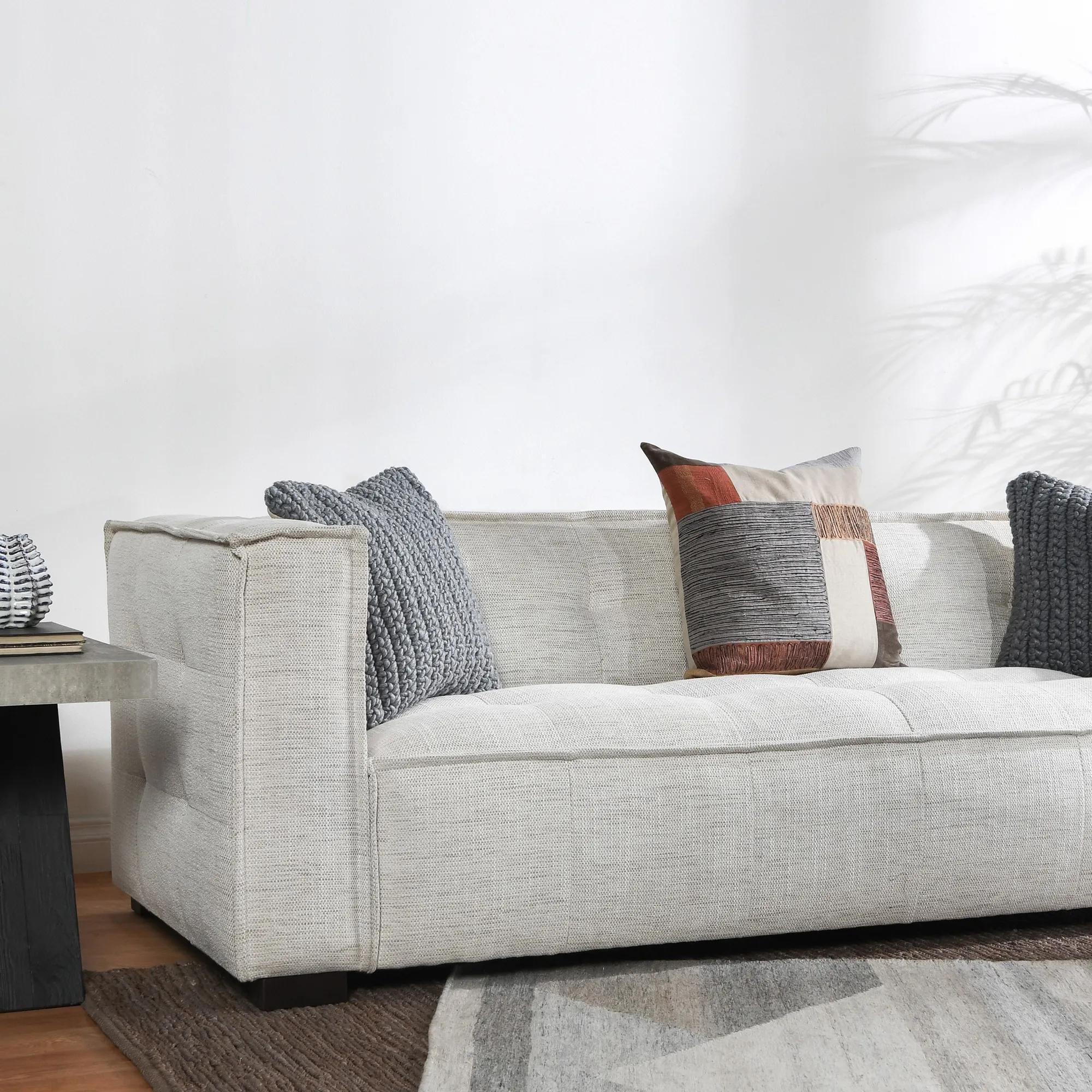 Element Box-Tufted Beige Sofa$2599
A transitional beige sofa handcrafted with a polyester blend and pine wood legs, seating up to four.
Add To Cart -
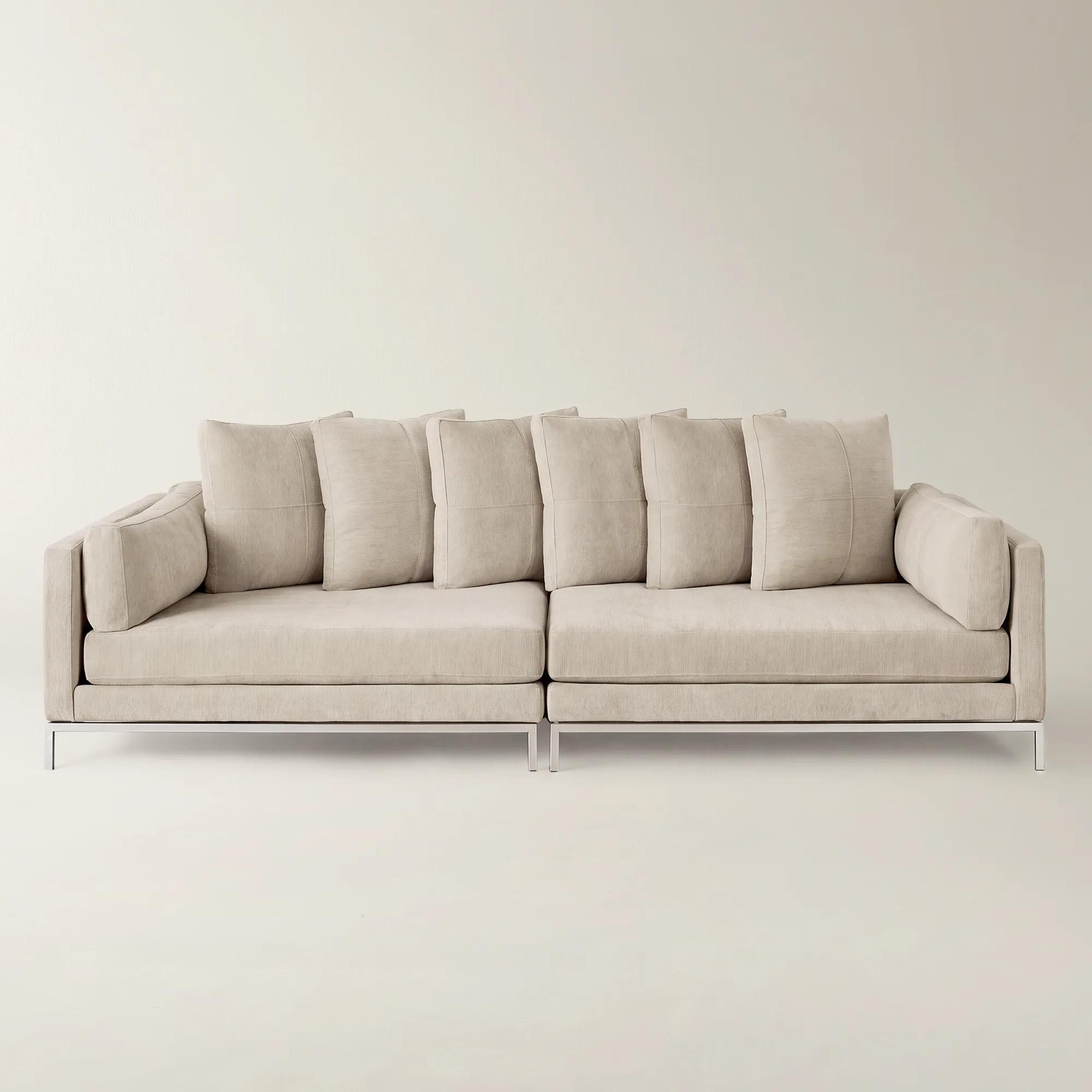
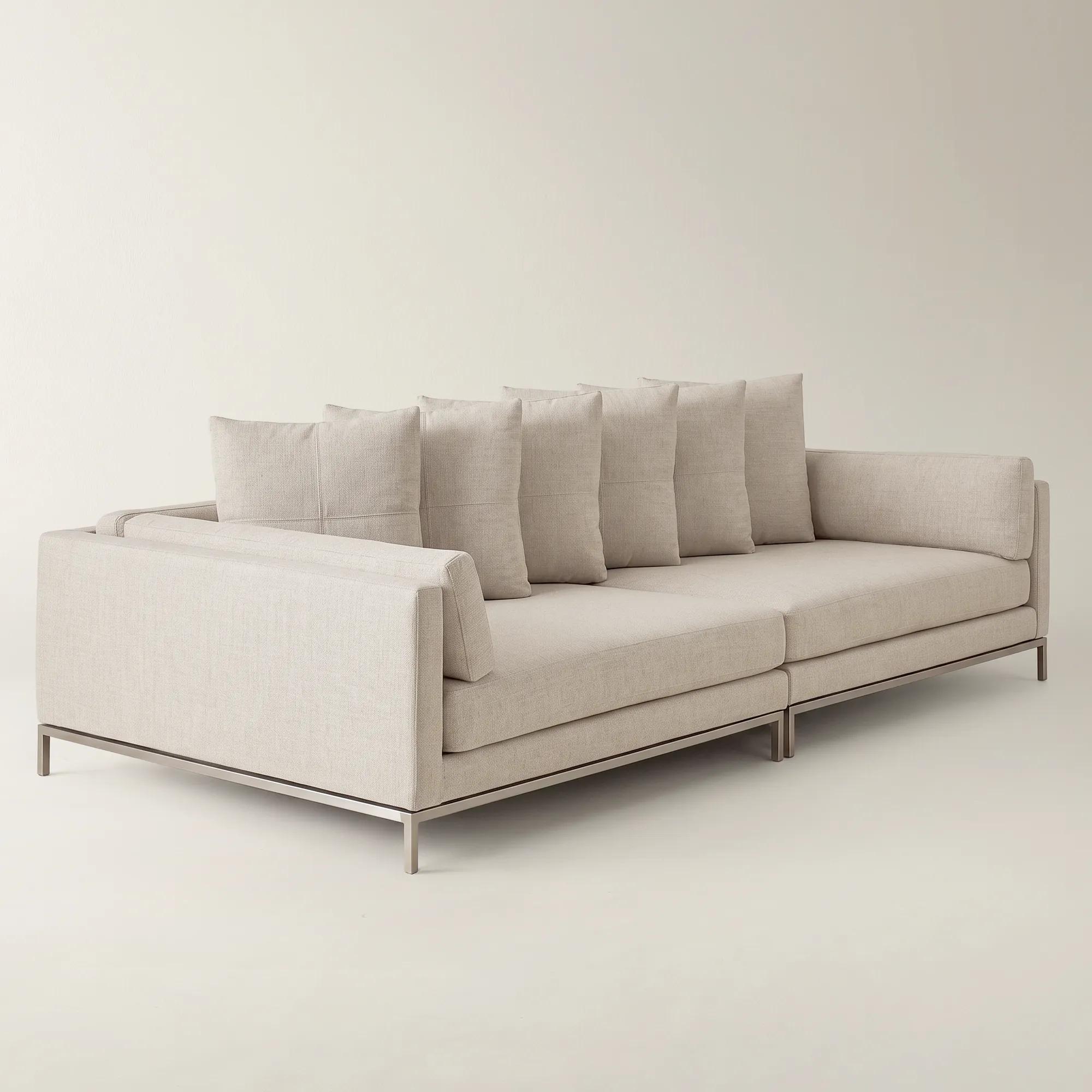 Ventura 2-Piece Square Snow Chenille Sectional Sofa$4299
A modern snow chenille sectional with a floating stainless-steel base, plush feather-filled pillows, and versatile configurations.
Add To Cart -
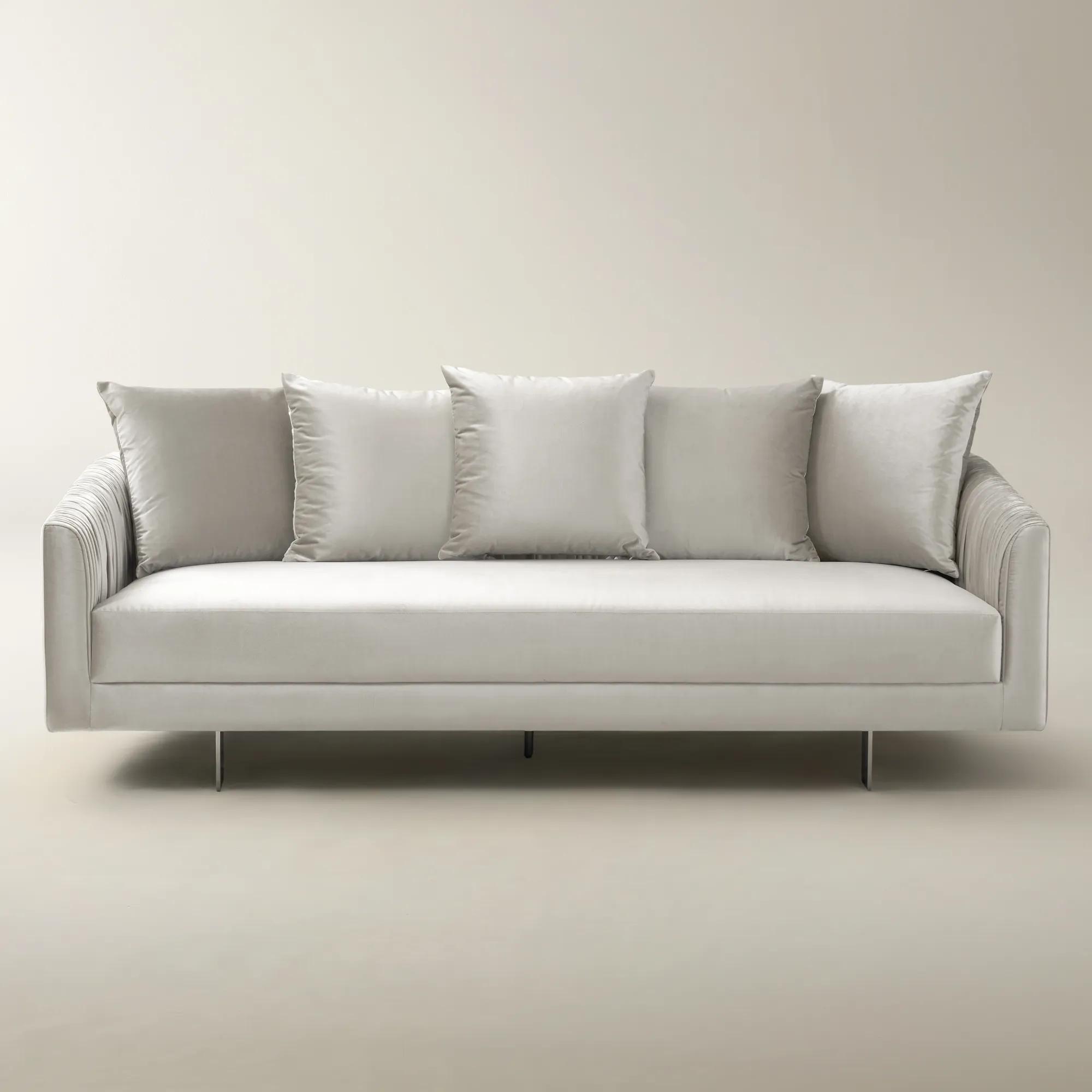
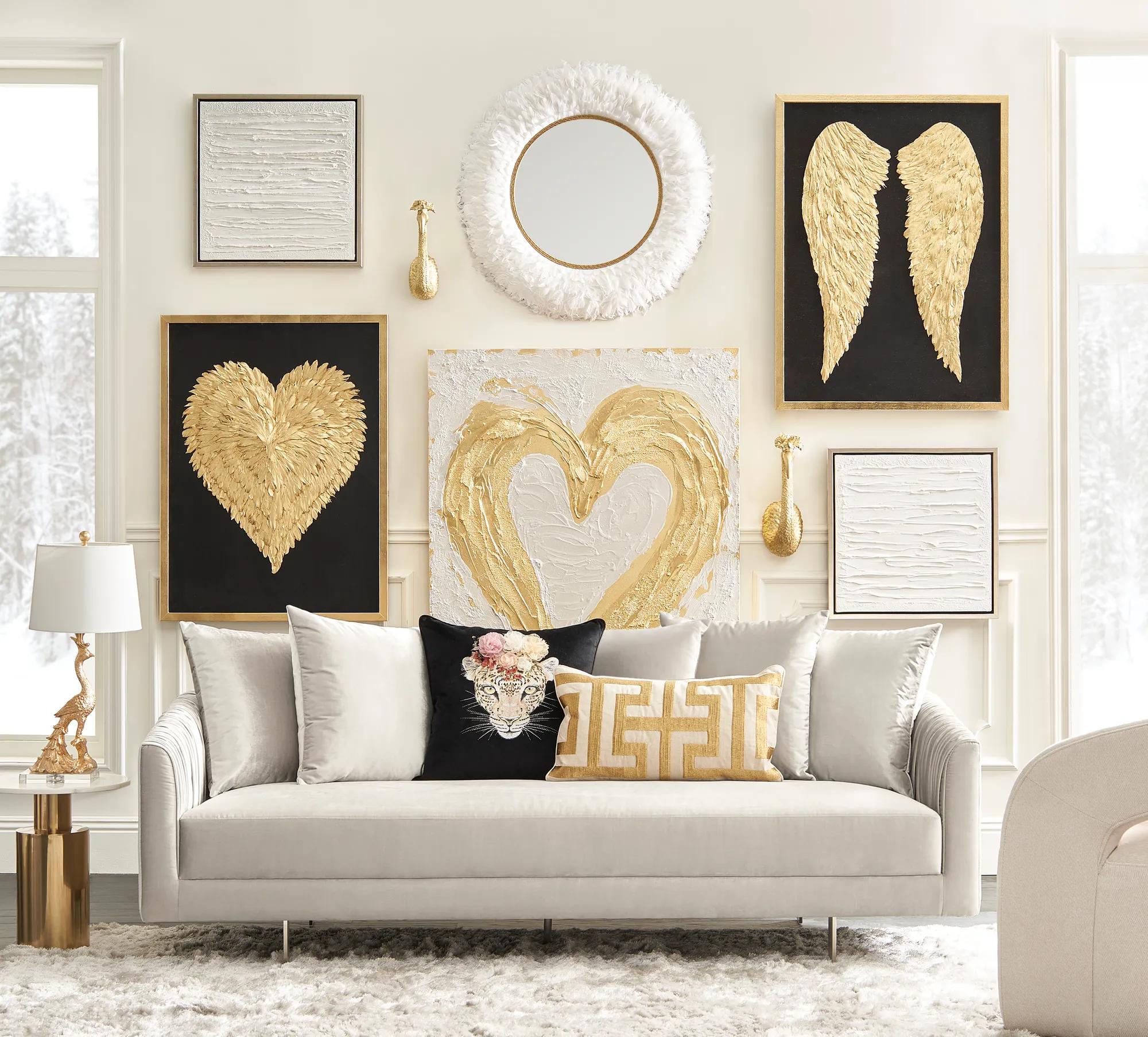 Isabel Softgrey Velvet Sofa$2599
A luxurious hand-tufted sofa with plush feather and foam cushions, nickel-brushed legs, and five pillows.
Add To Cart -
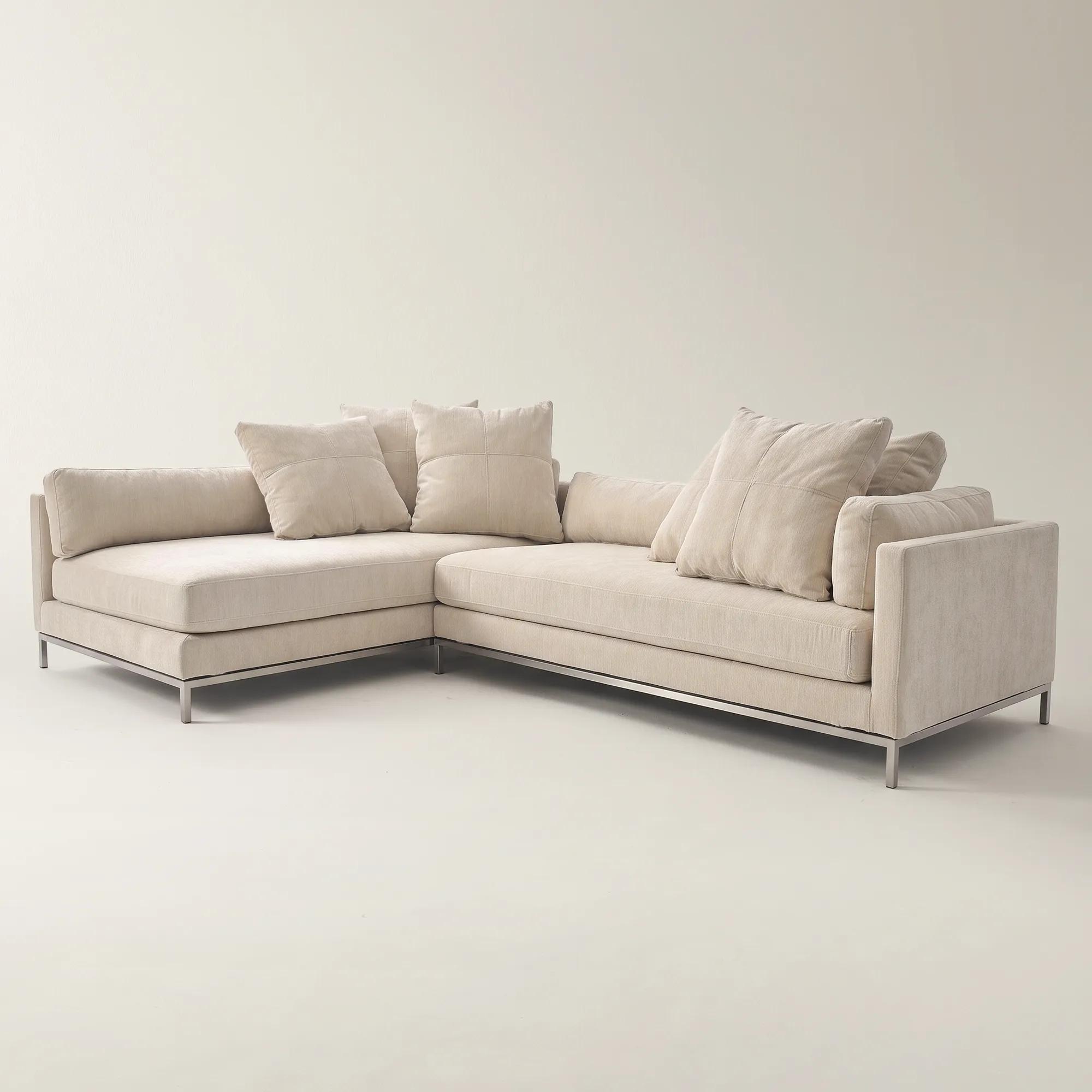
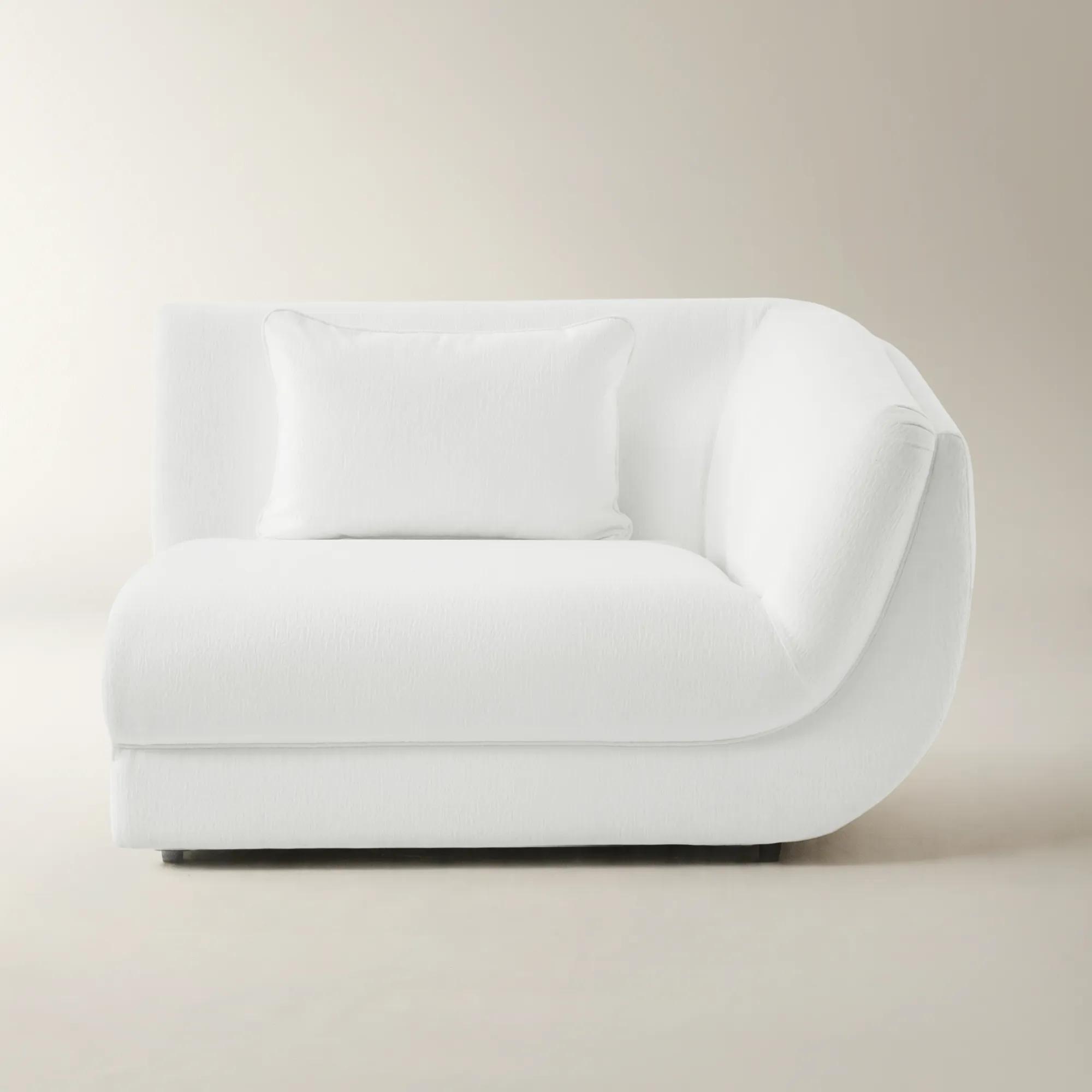
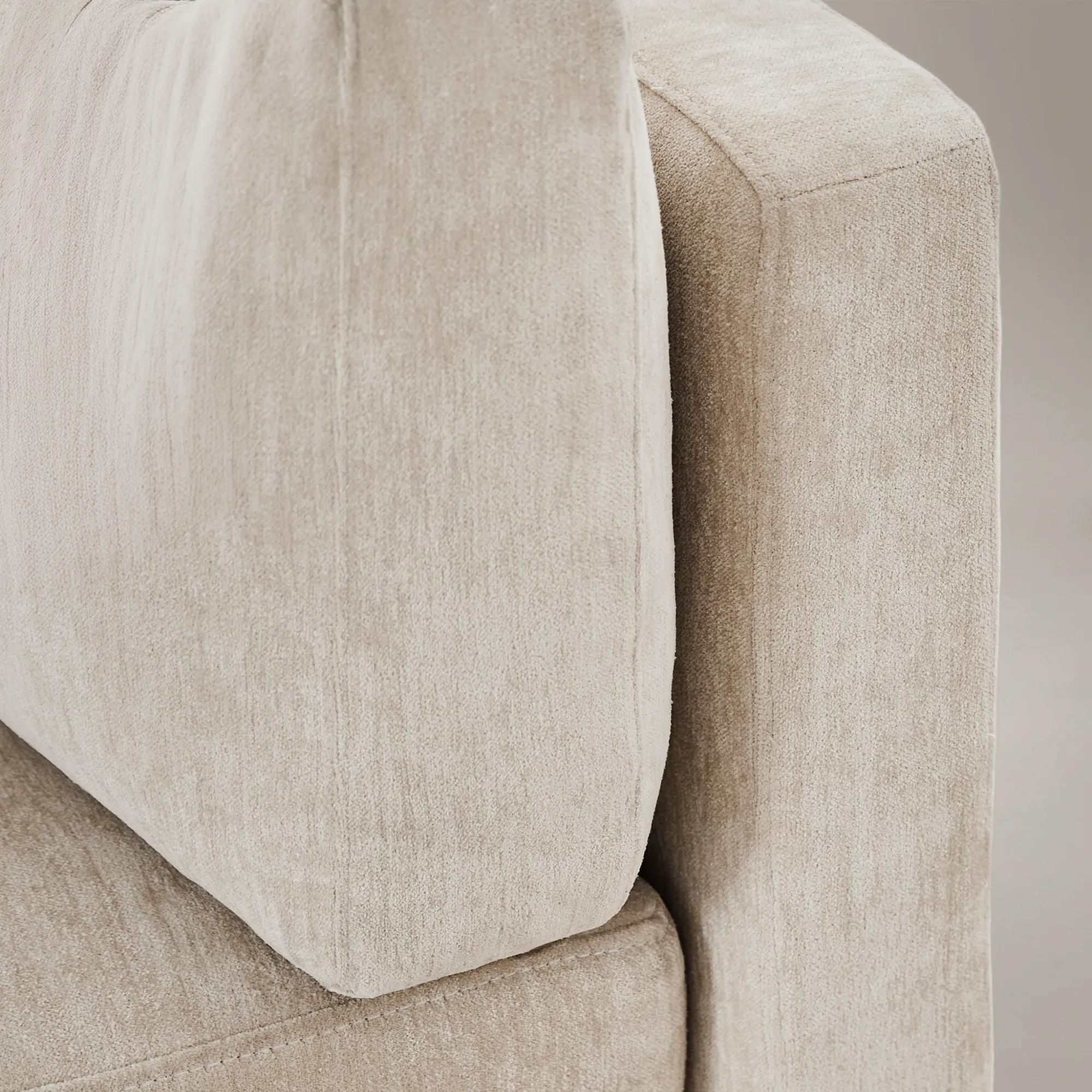 Ventura 2-Piece L-Shaped Snow Chenille Sectional Sofa With Right-Arm Chair$4099
A modern Snow chenille sectional with plush feather-filled cushions, streamlined metal base, and versatile L-shaped comfort.
Add To Cart -
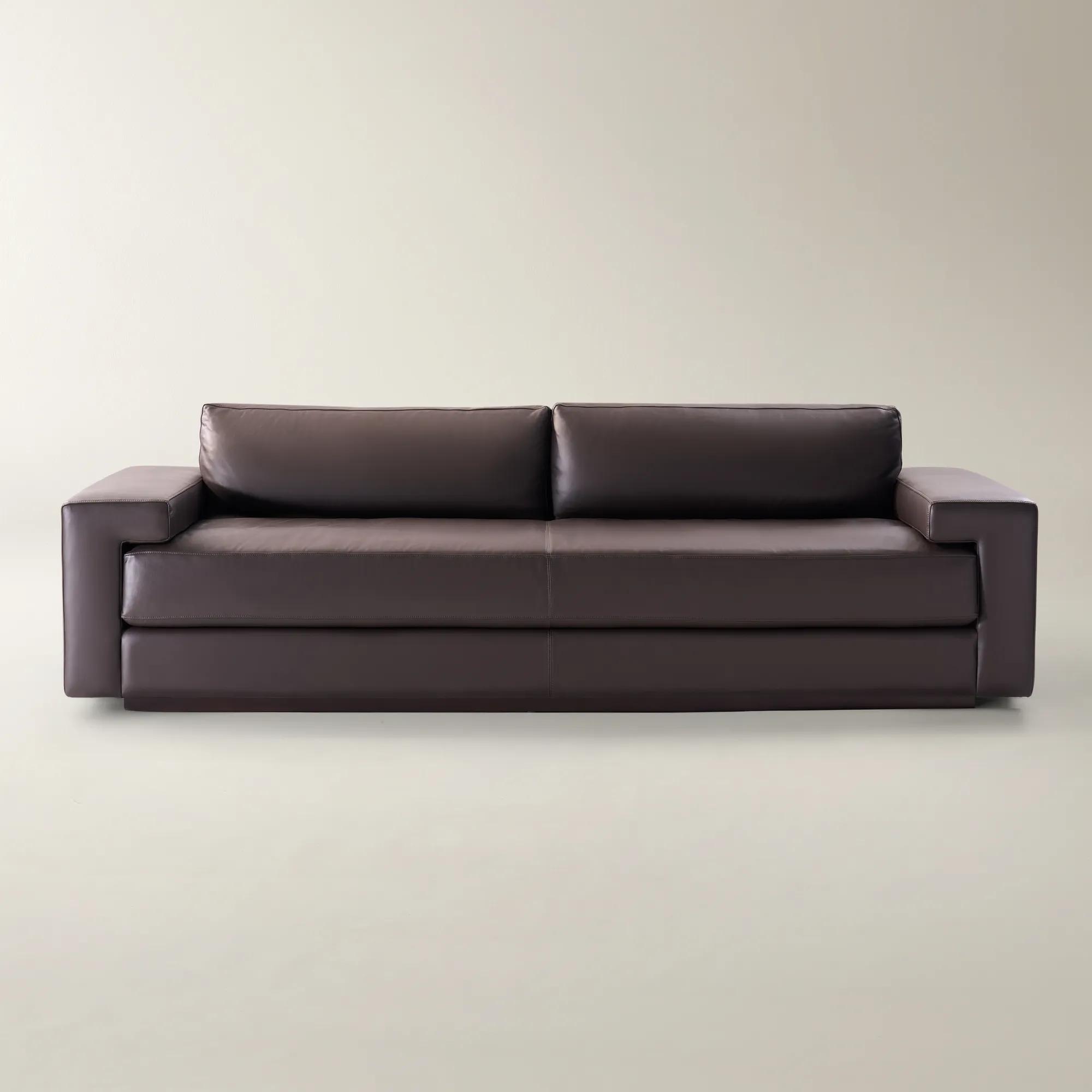
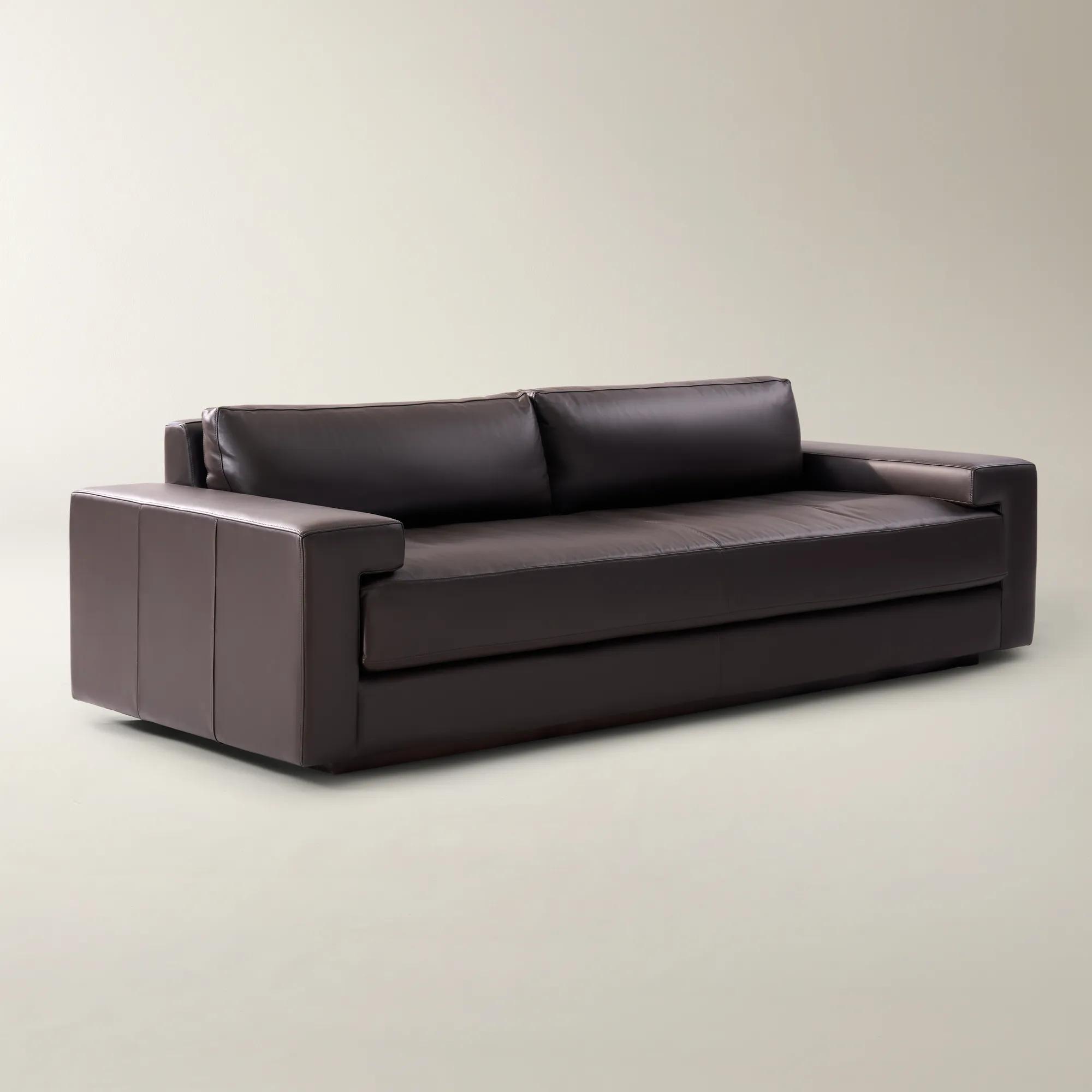 Ariel Brown Leather Sofa$4599
A sleek, hand-upholstered sofa in top-grain leather with plush feather and foam cushions for comfort.
Add To Cart -
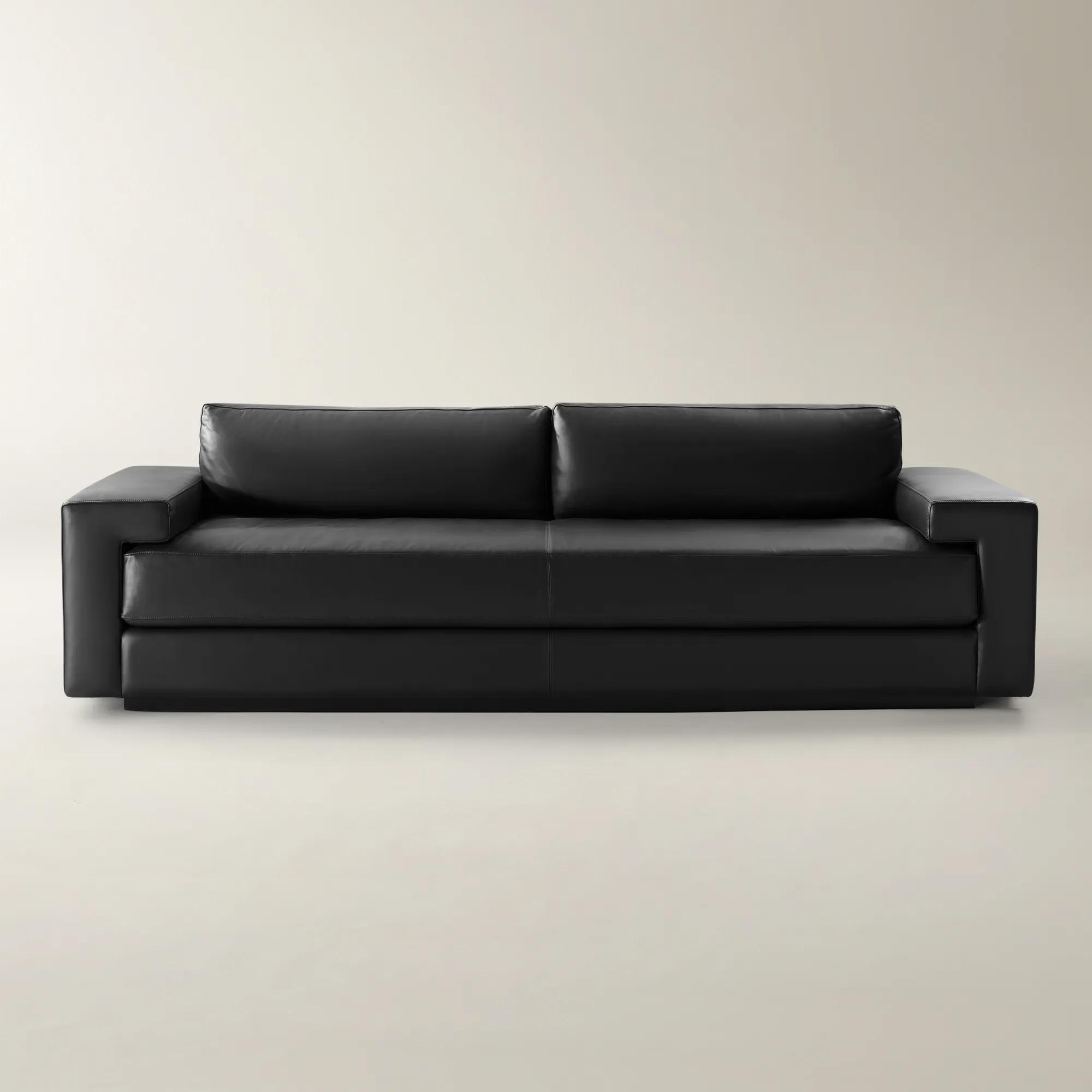 Ariel Black Leather Sofa$4599
A sleek, top-grain leather sofa with plush feather and foam cushions on a kiln-dried rubberwood frame.
Add To Cart -
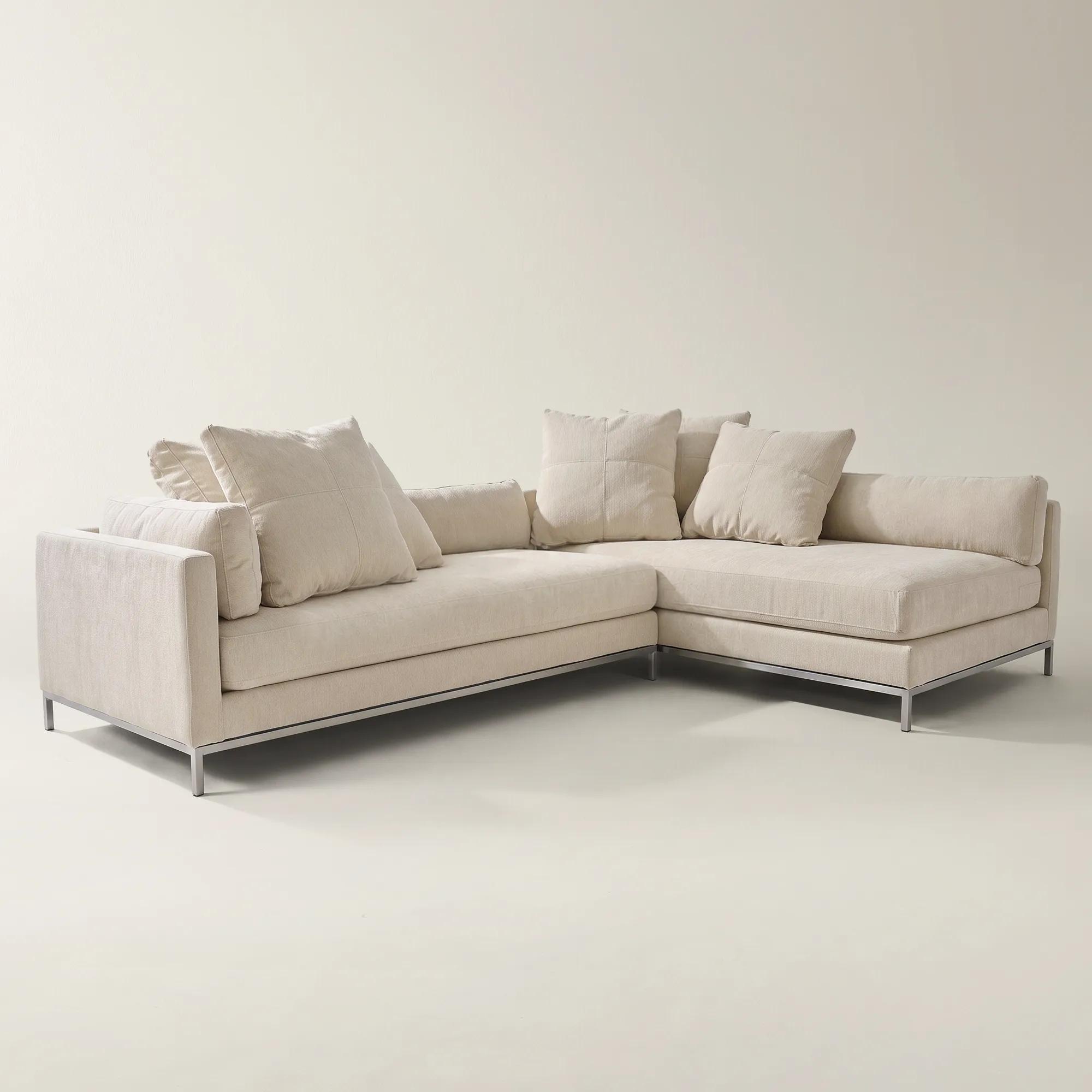 Ventura 2-Piece L-Shaped Snow Chenille Sectional Sofa With Left-Arm Chair$4099
A modern Snow chenille sectional with plush feather-filled pillows, supportive cushioning, and a stainless-steel base.
Add To Cart -
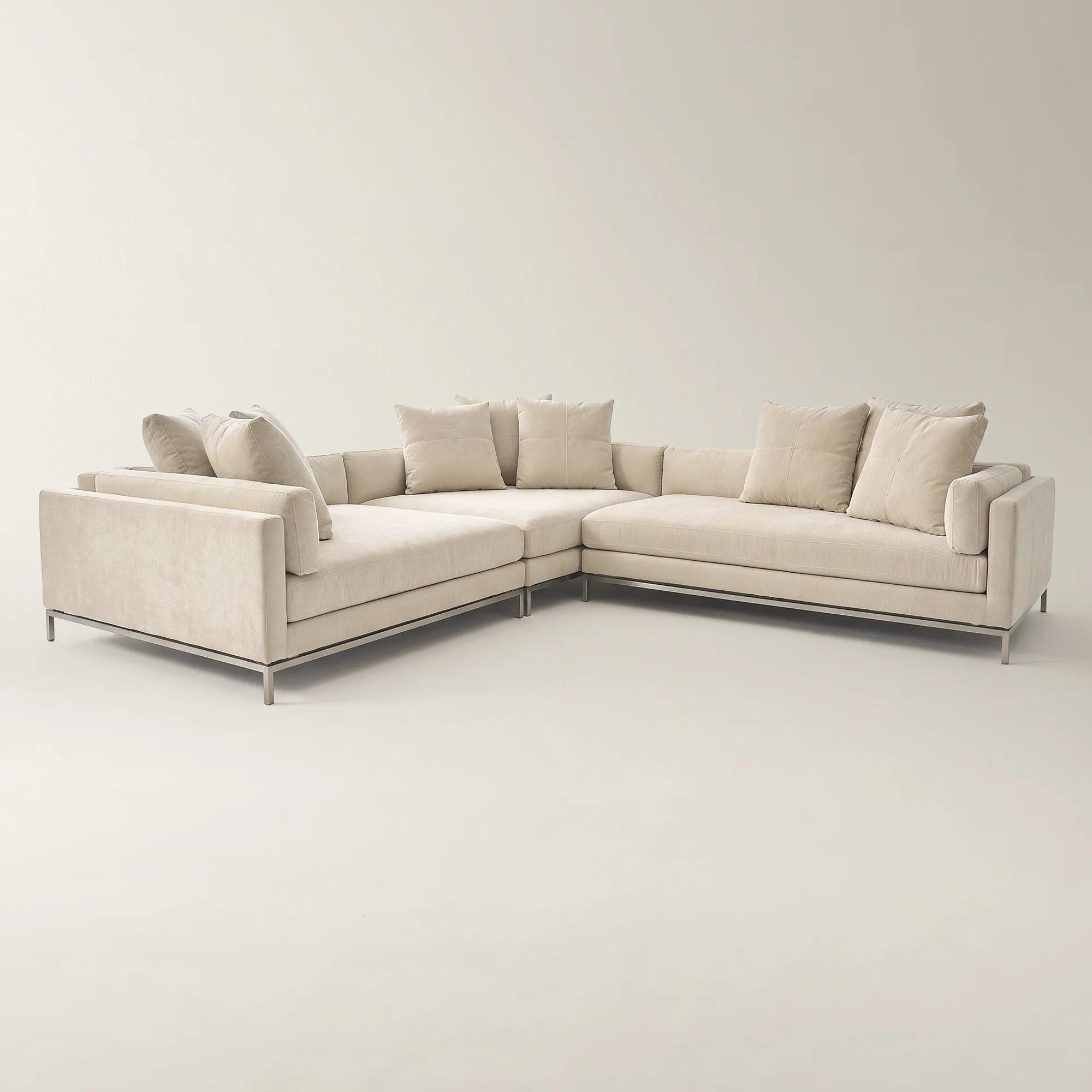 Ventura 3-Piece L-Shaped Snow Chenille Sectional Sofa With Right-Arm Chair$5999
A snow chenille sectional with a streamlined floating silhouette, plush feather-filled cushions, and versatile L-shaped seating.
Add To Cart -
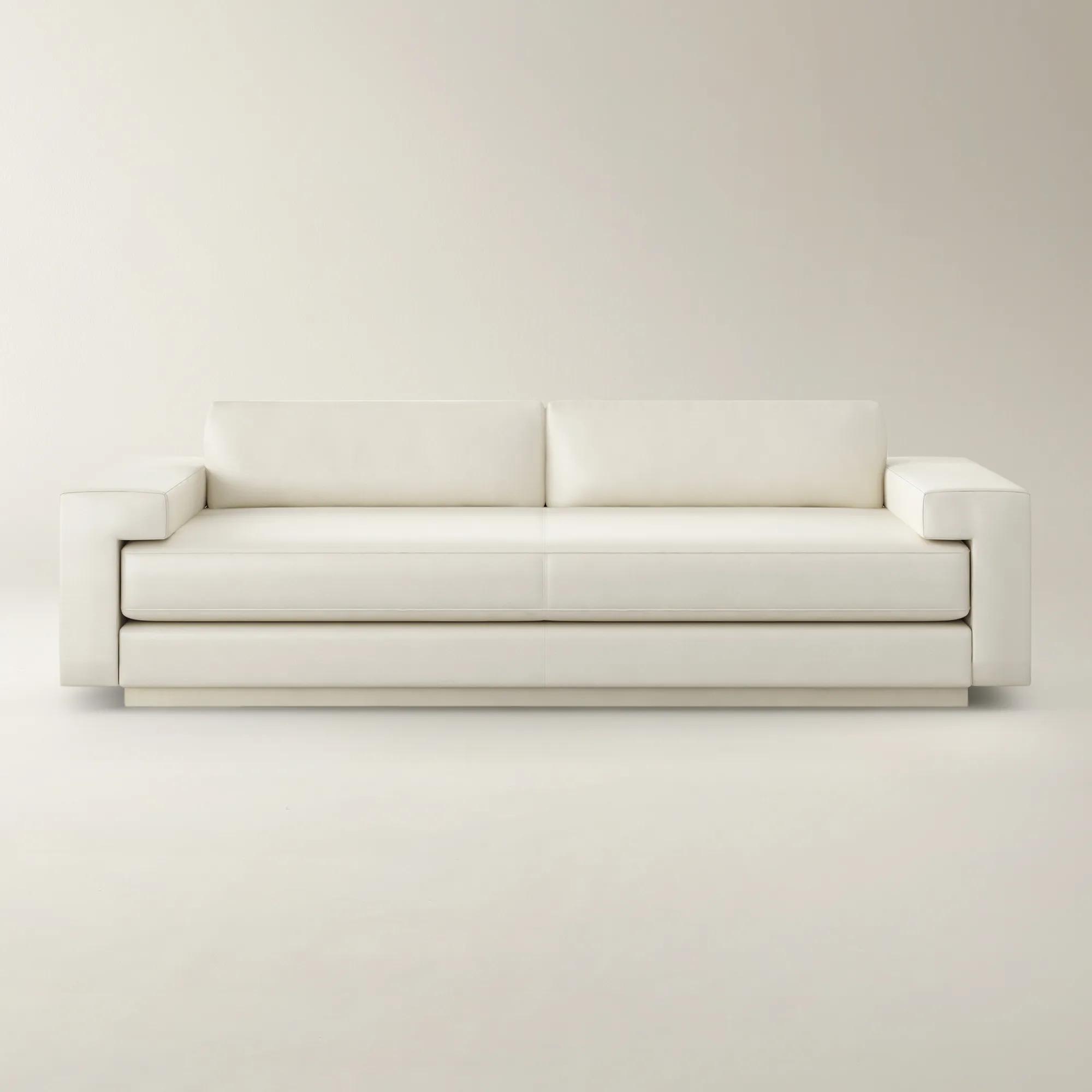 Ariel White Leather Sofa$4599
A sleek, hand-upholstered sofa in top-grain leather with plush feather and foam cushions for comfort.
Add To Cart -
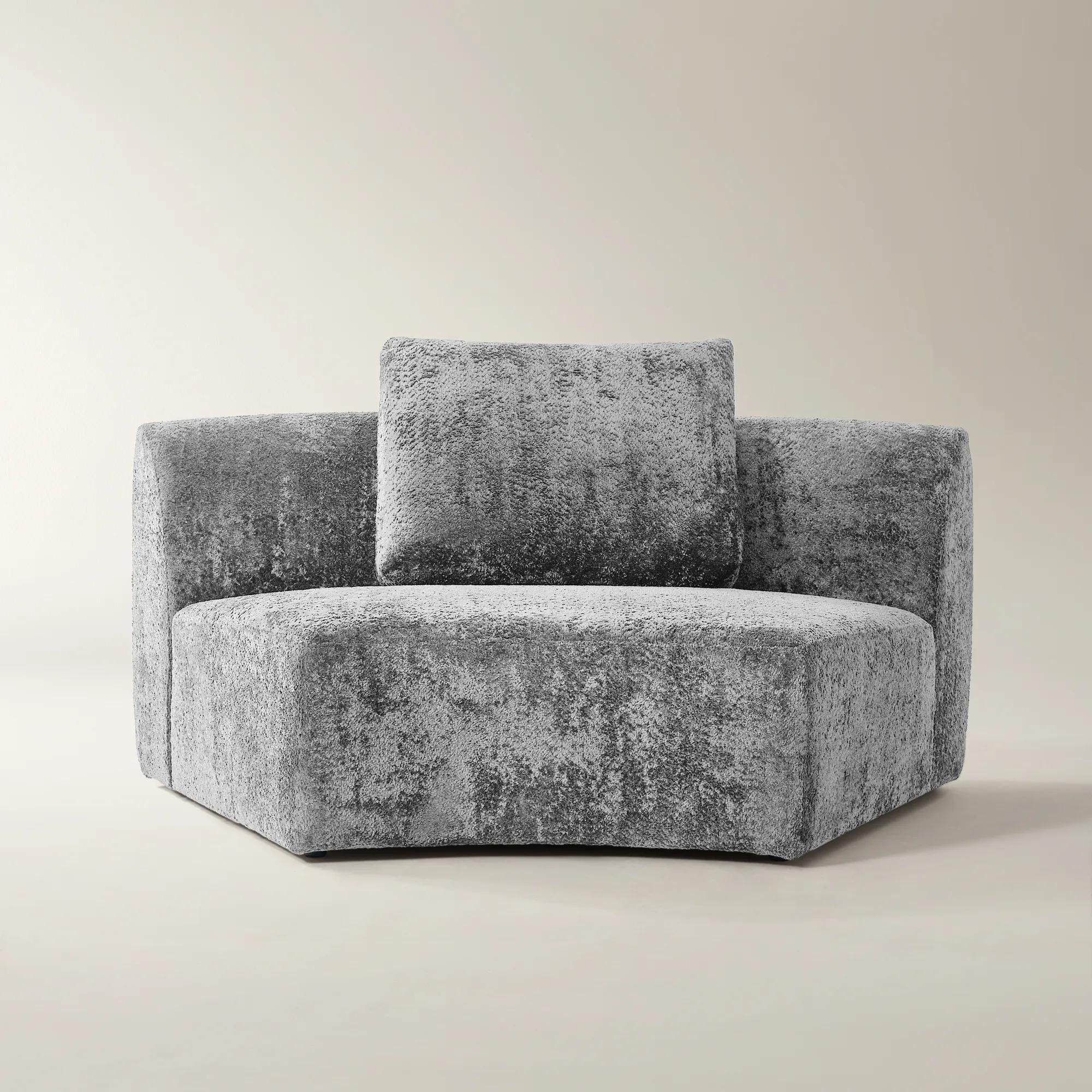
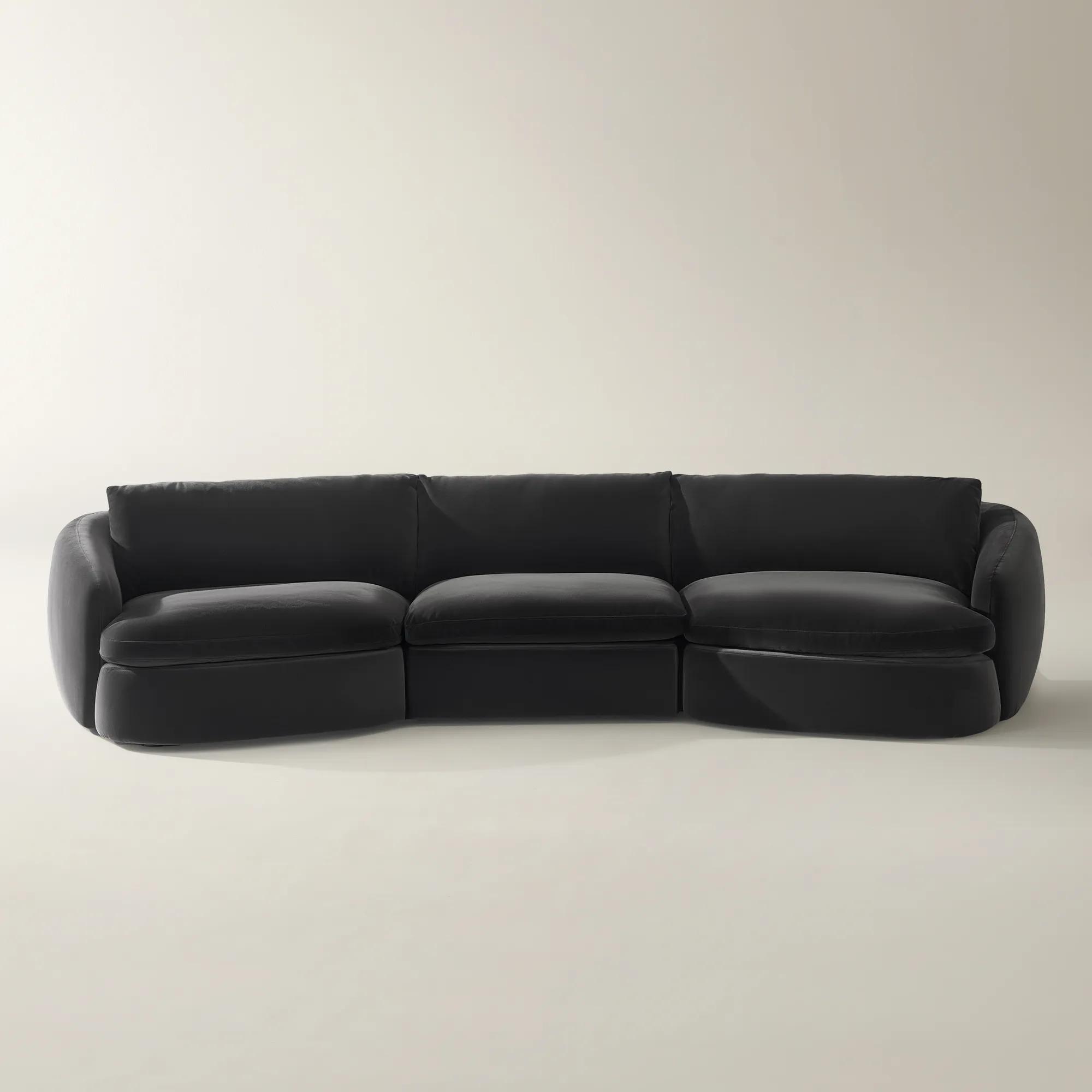 Sabrina 3-Piece Charcoal Velvet Sectional$3699
A charcoal velvet modular sofa featuring a curved silhouette, feather-blend cushions, and hand-built craftsmanship.
Add To Cart -
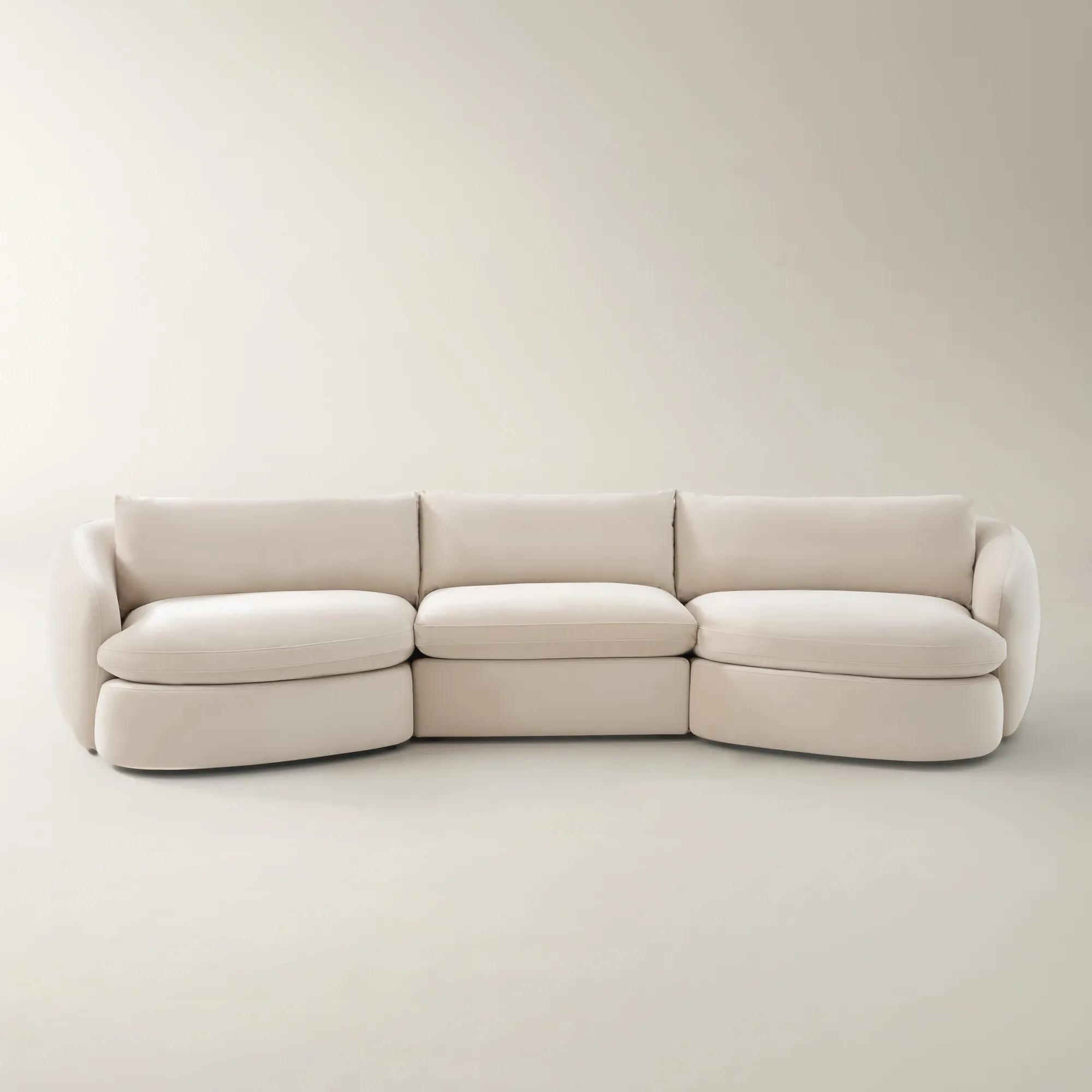 Sabrina 3-Piece Oatmeal Velvet Sectional$3699
A curved oatmeal velvet sofa featuring plush feather-blend cushions and modular design for customizable comfort.
Add To Cart -
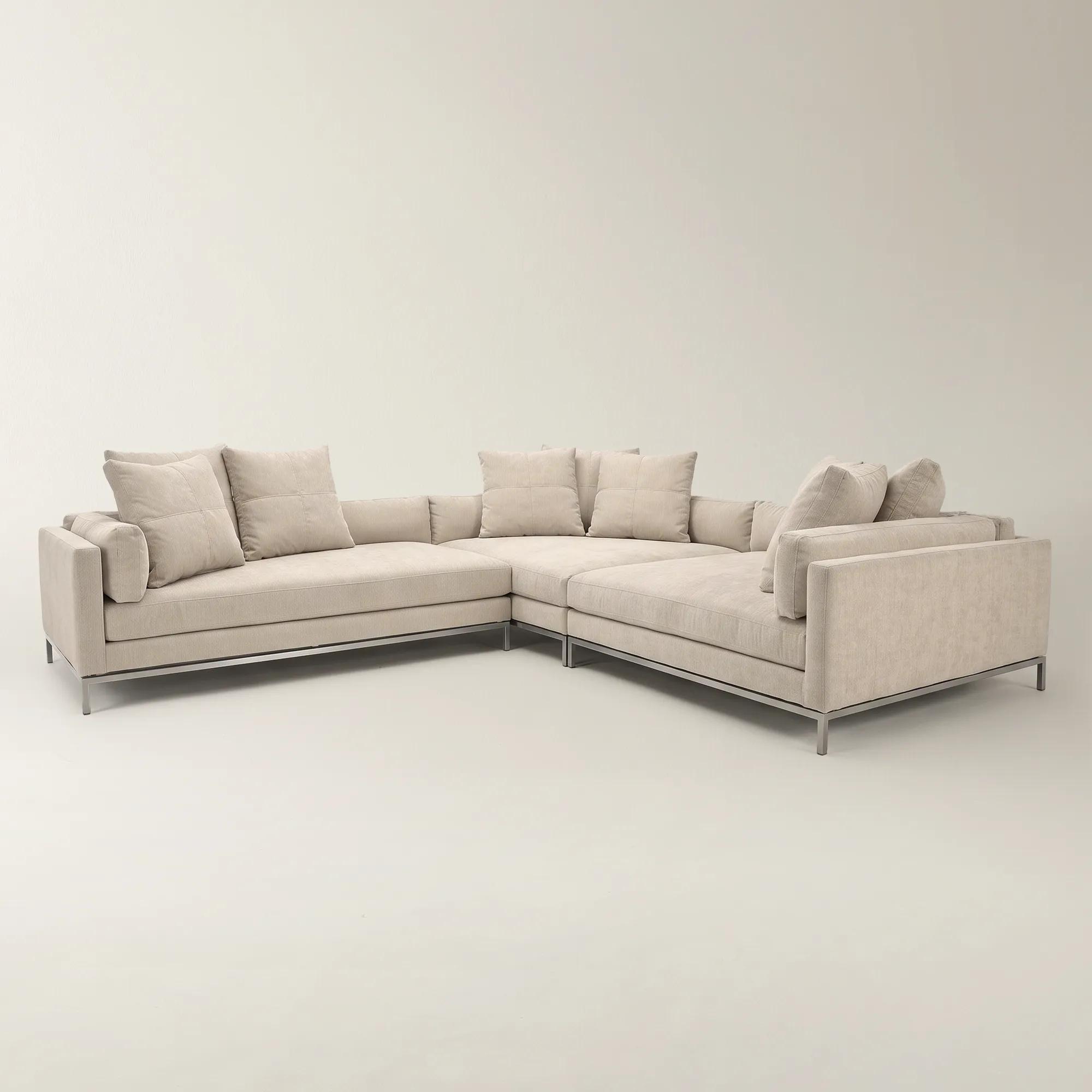 Ventura 3-Piece L-Shaped Snow Chenille Sectional Sofa With Left-Arm Chair$5999
A modern Snow chenille sectional with a stainless-steel base, plush feather pillows, and deep-seated comfort.
Add To Cart -
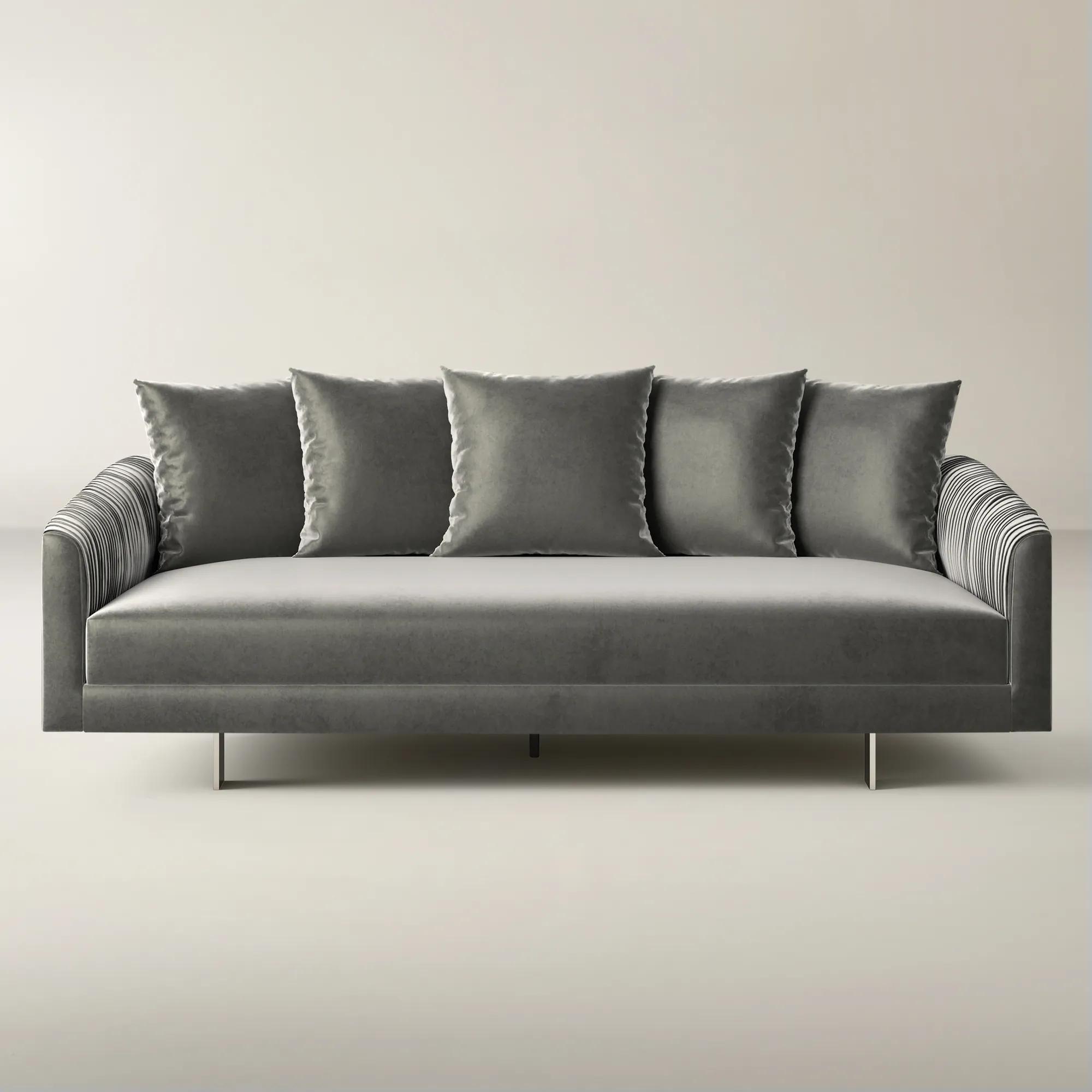 Isabel Ottergrey Velvet Sofa$2599
A luxurious hand-tufted sofa with plush feather-filled cushions, nickel-brushed stainless steel legs, and five decorative pillows.
Add To Cart -
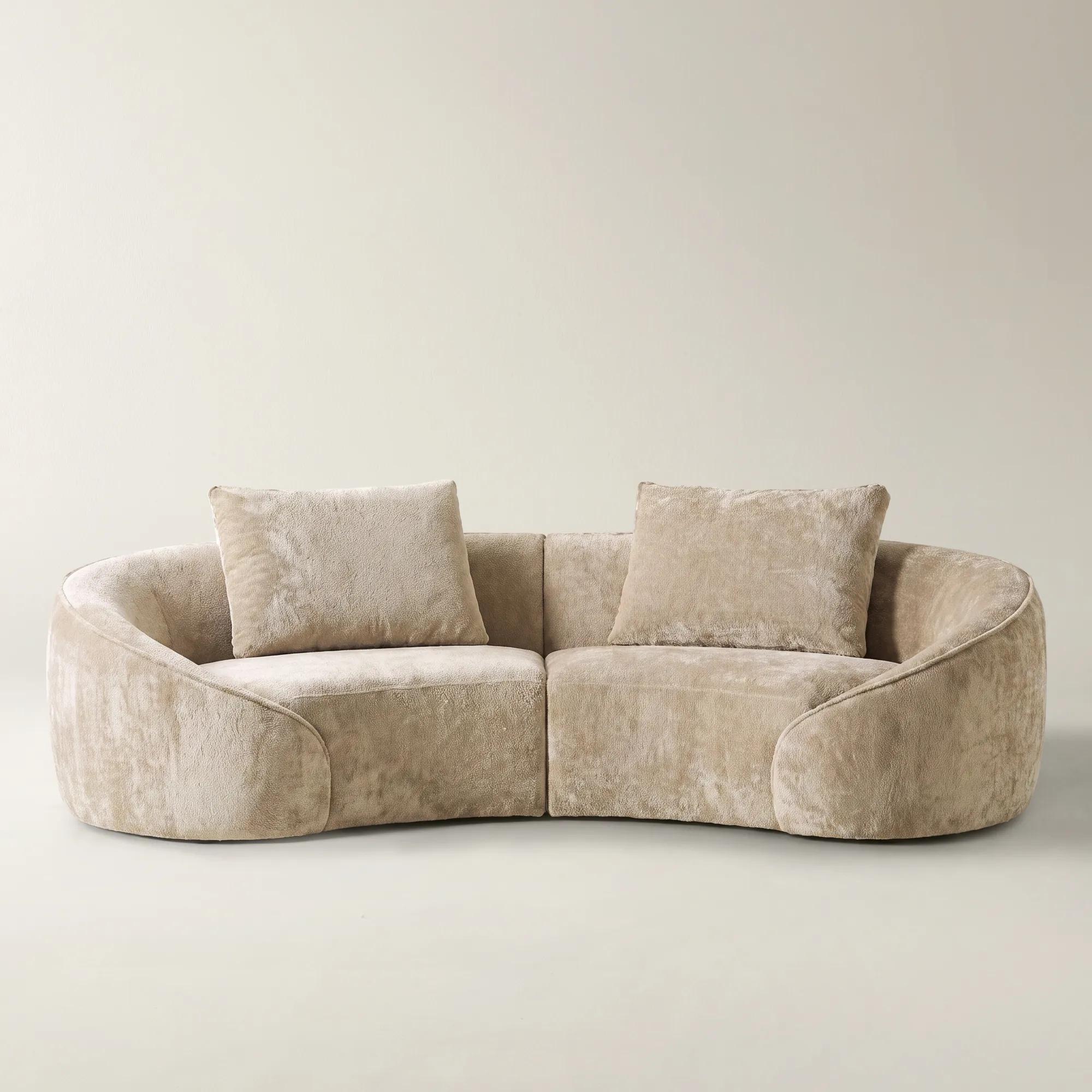
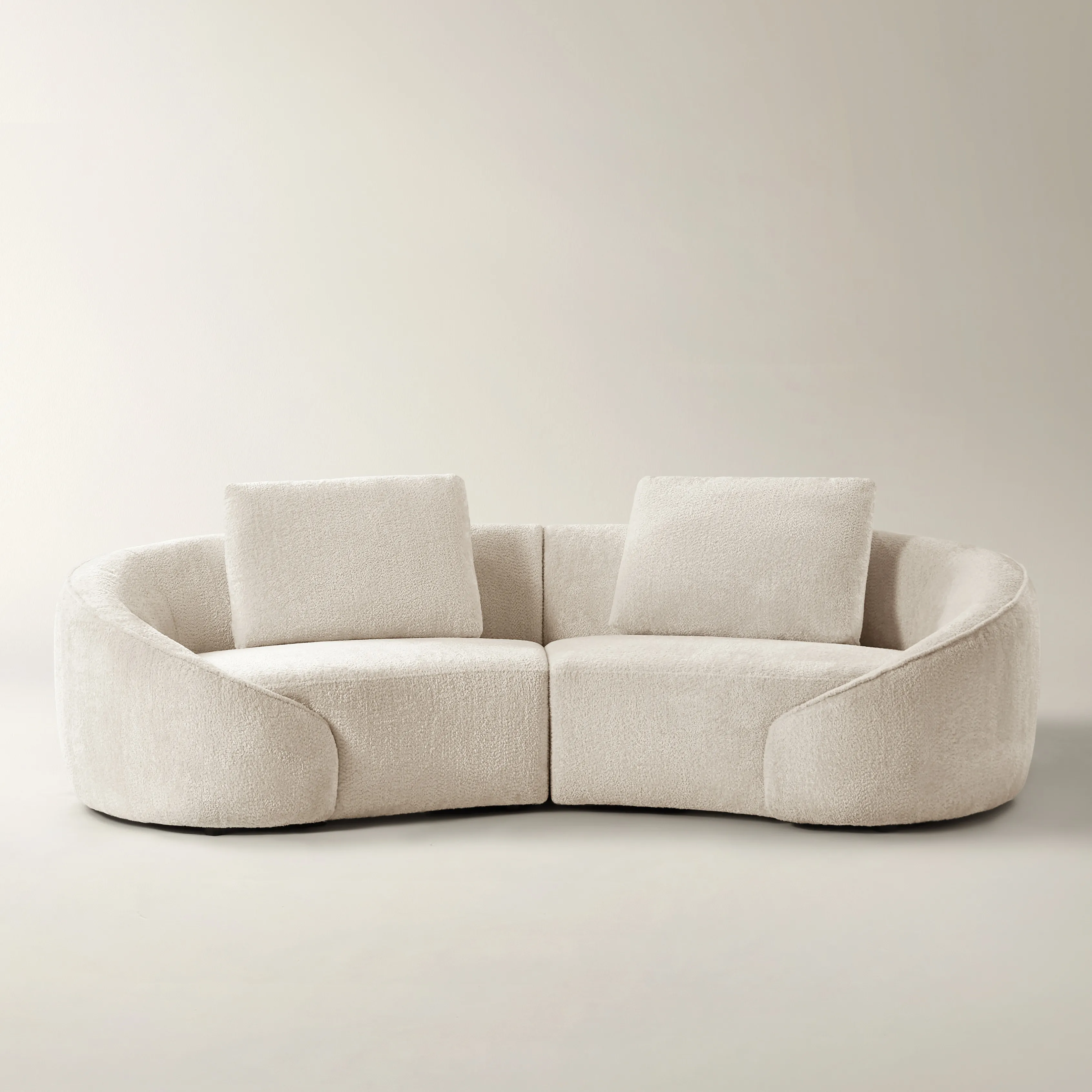 Irene 2-Piece Light Brown Chenille Sectional Sofa$2699
A sculptural light brown chenille sectional featuring high-resiliency foam cushions and artisan hand-finished upholstery.
Add To Cart -
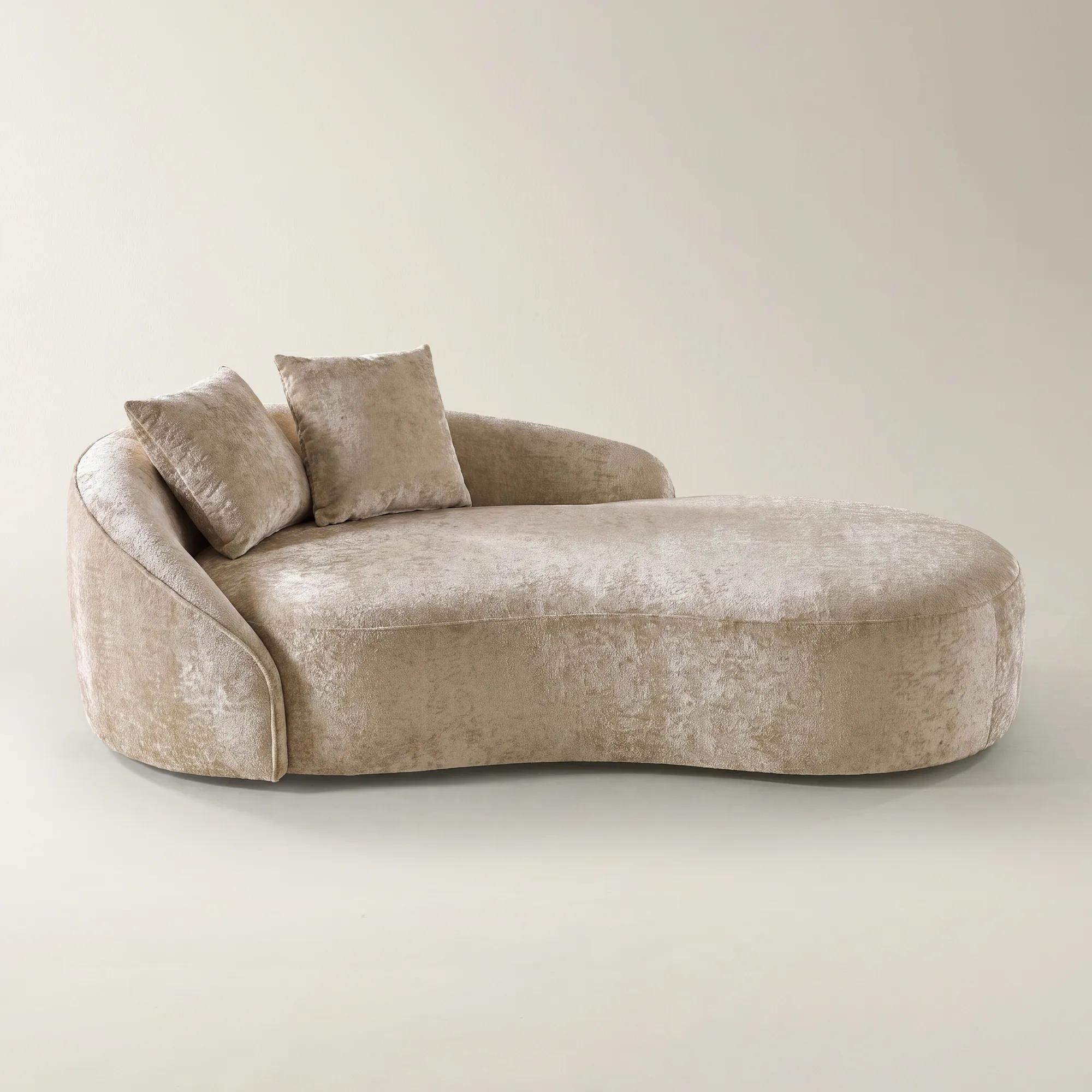 Irene Light Brown Chenille Chaise$1899
A sculptural light brown chenille chaise featuring hand-finished upholstery and high-resiliency foam cushions for lasting comfort.
Add To Cart -
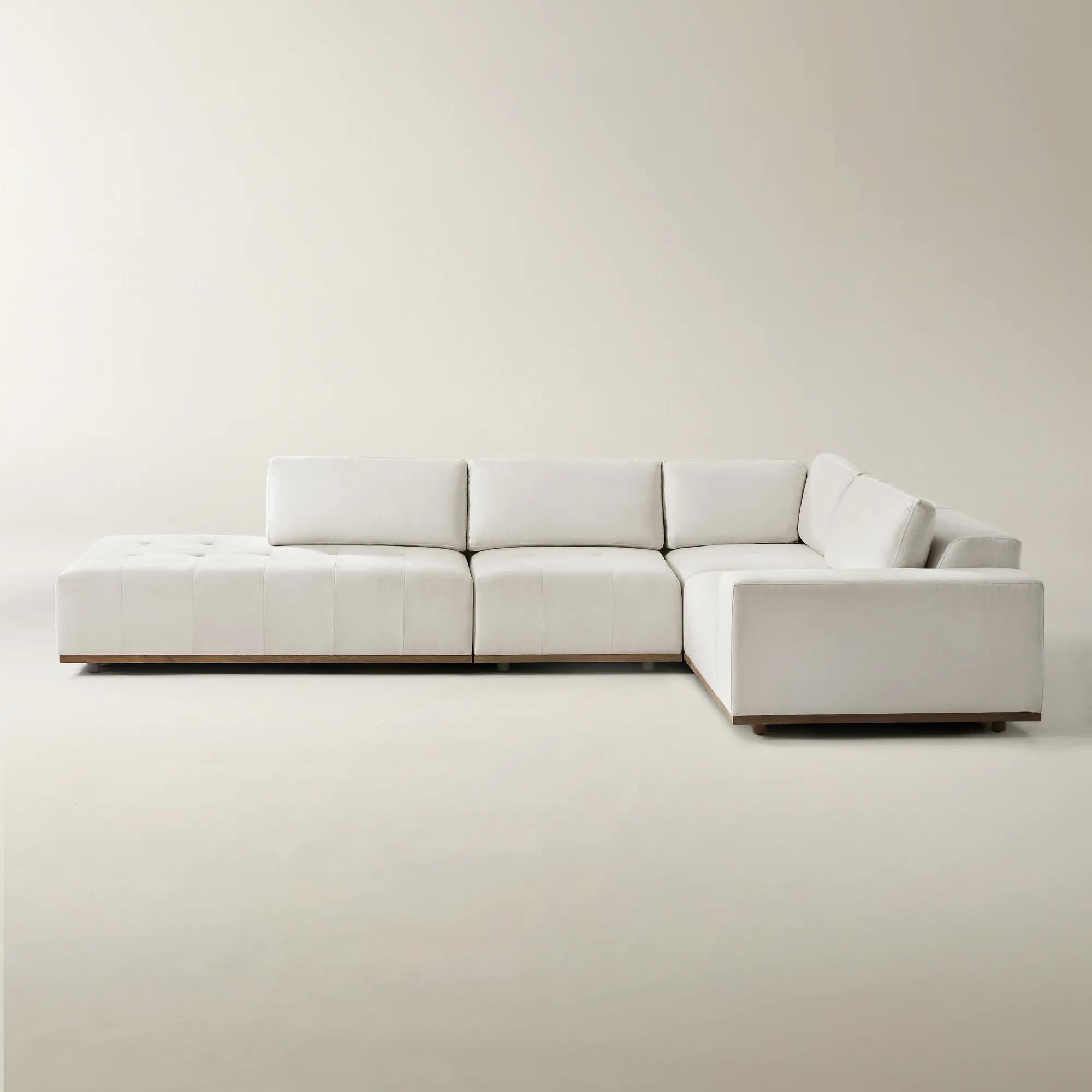 Carlos 4-Piece L-Shaped Oyster Linen Sectional Sofa$5899
A hand-tufted sectional with luxurious linen-blend upholstery, natural grey legs, and plush duck feather cushions.
Add To Cart -
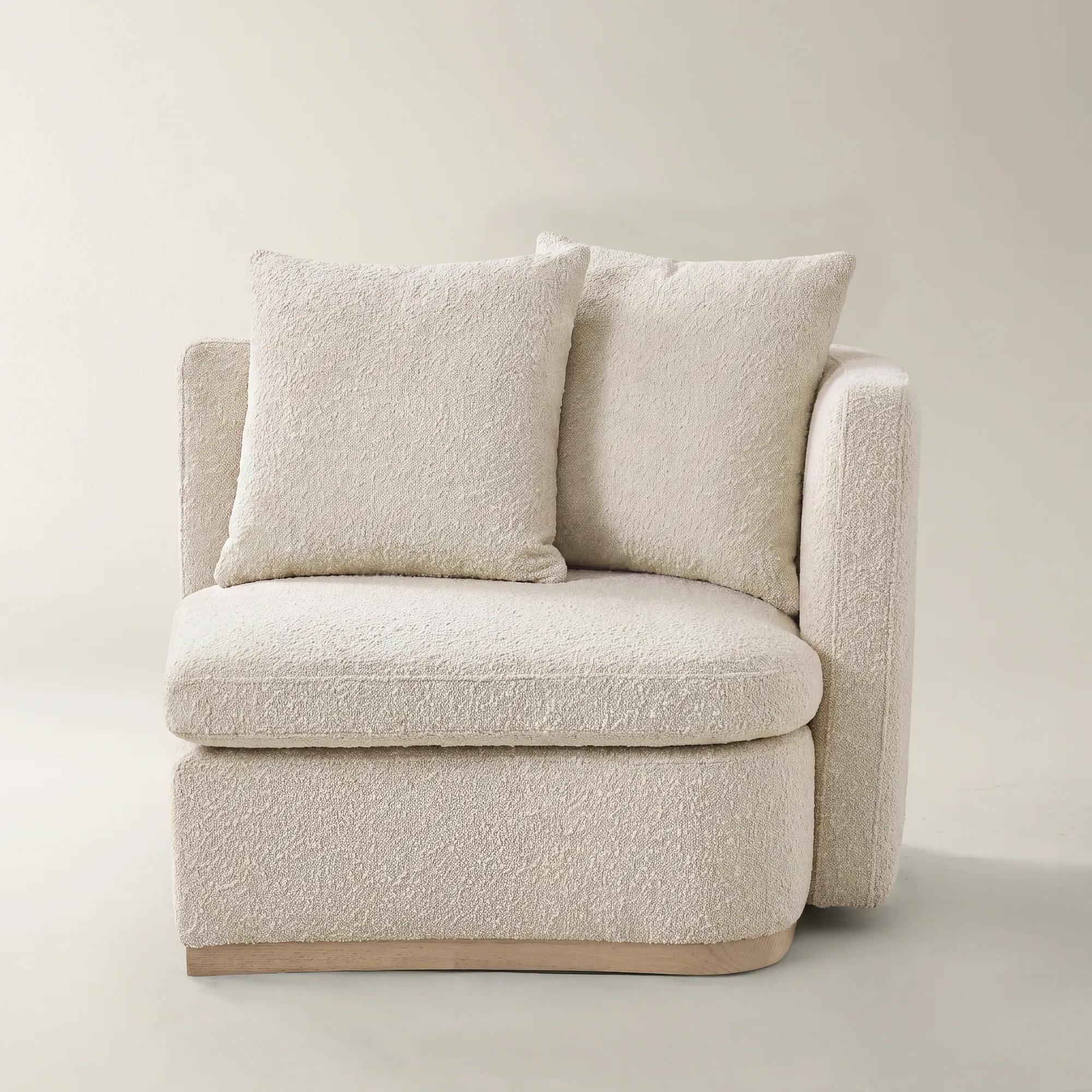
 Asheville Beige Boucle Sofa$2399
A light grey boucle sofa with feather-filled cushions, removable slipcover, and kiln-dried solid oak feet.
Add To Cart -
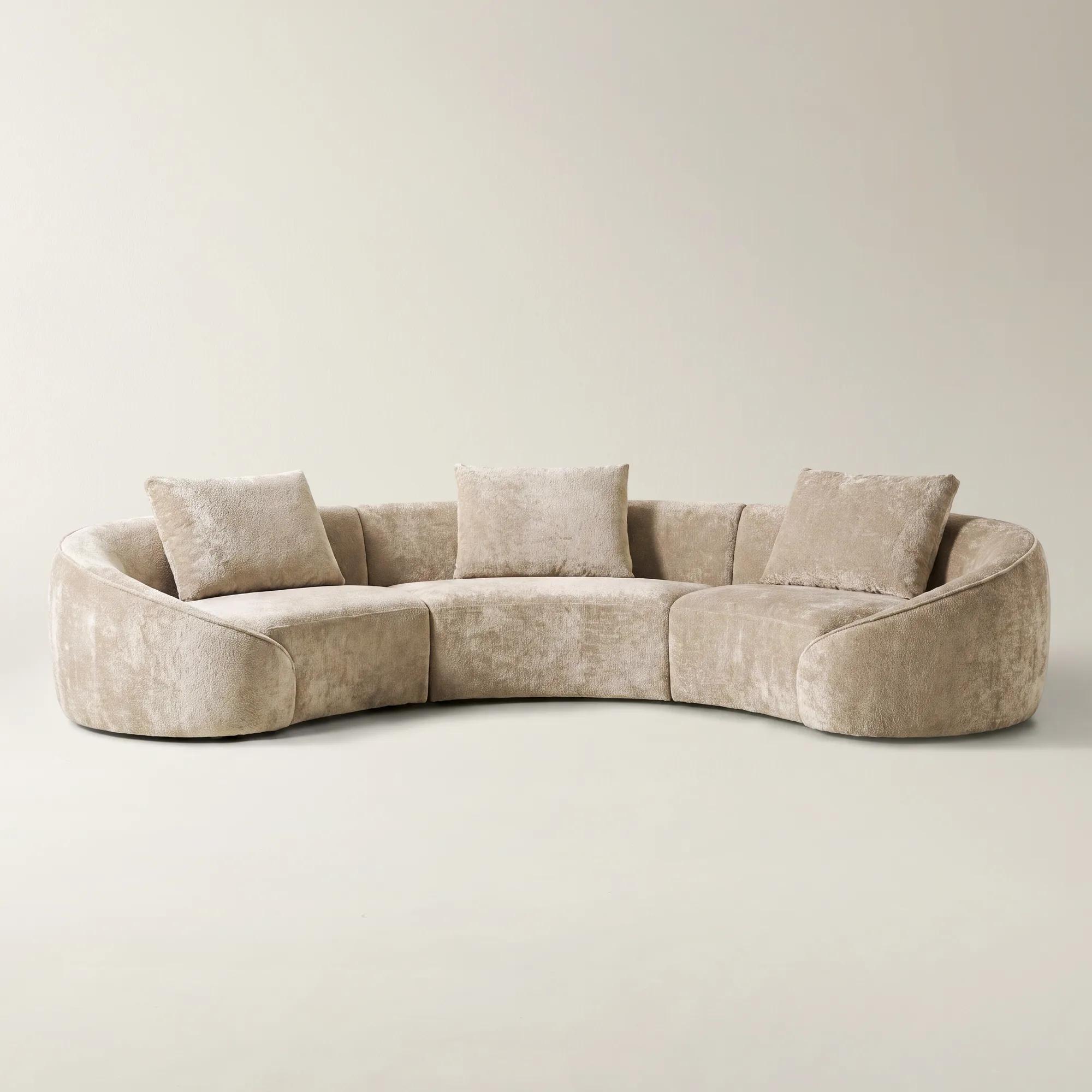
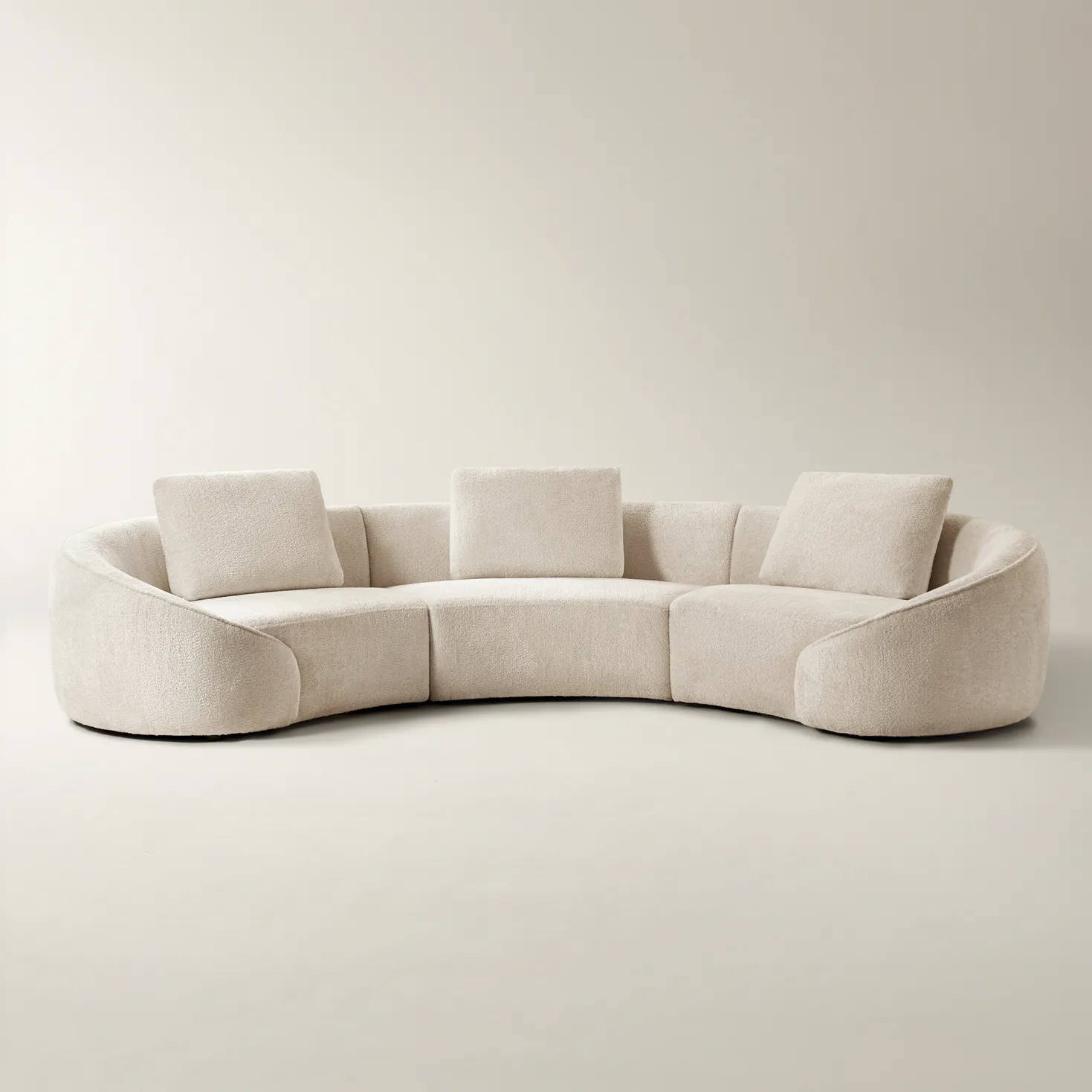 Irene 3-Piece Light Brown Chenille Sectional Sofa$3899
A sculptural light brown chenille sectional featuring high-resiliency foam cushions and artisan hand-finished upholstery.
Add To Cart -
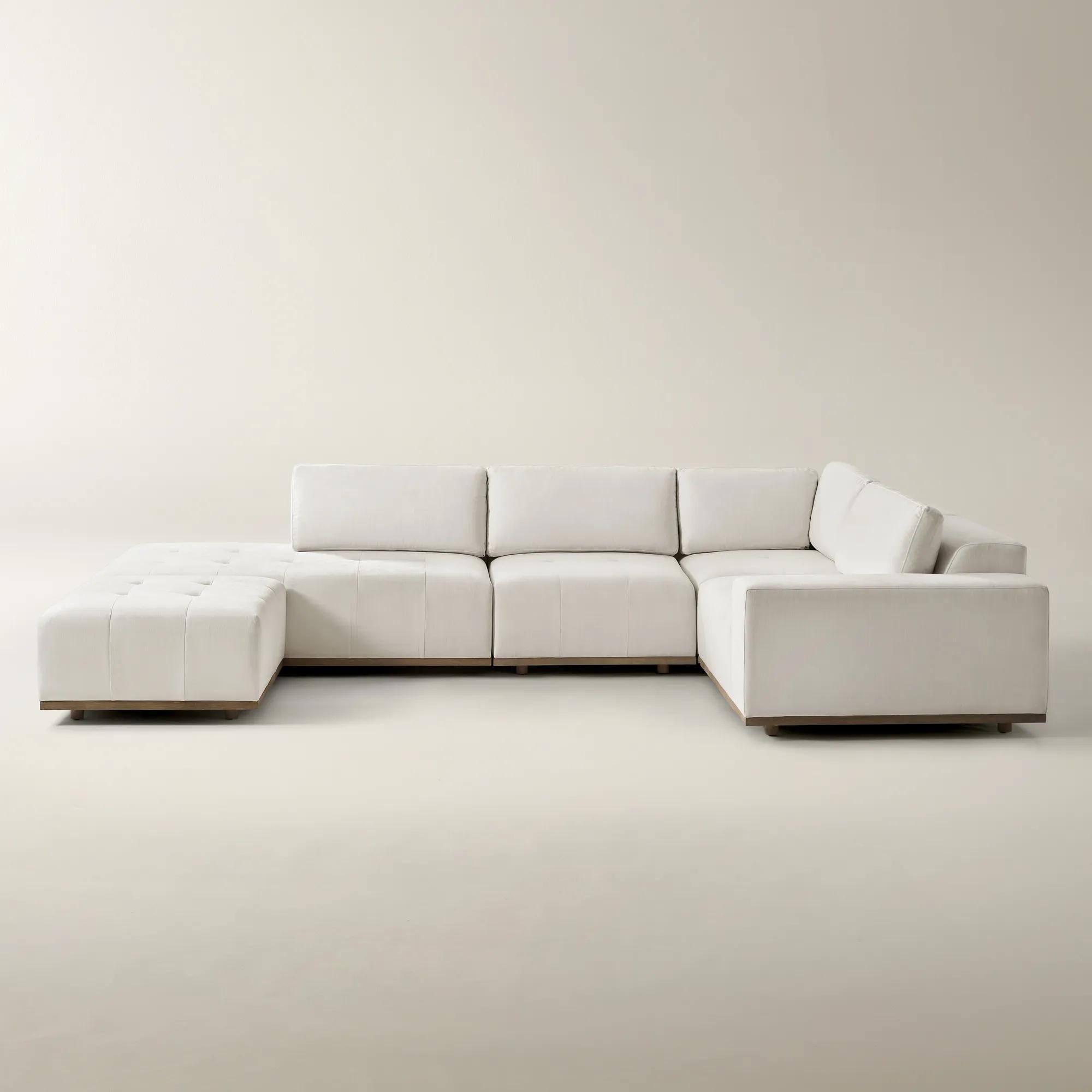
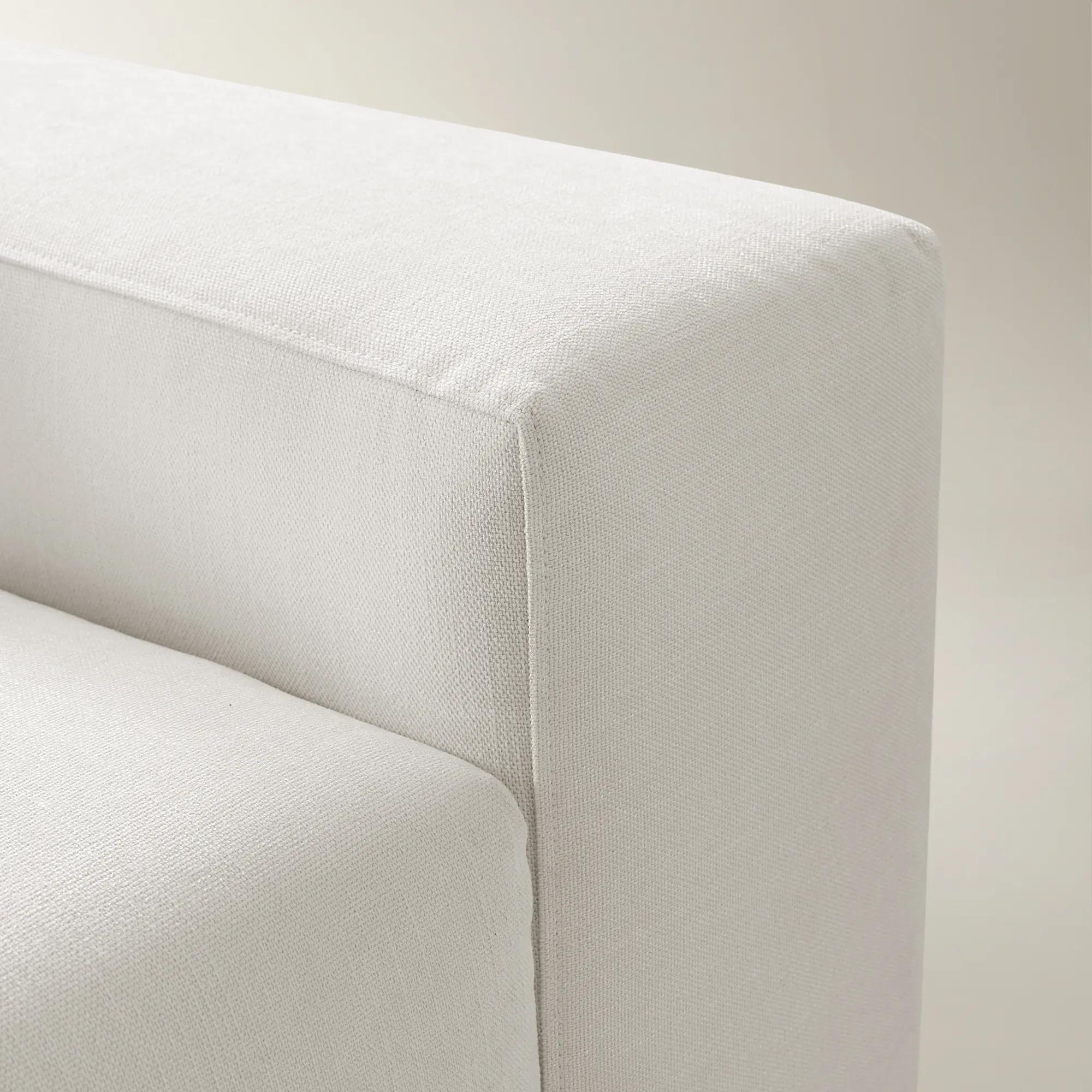 Carlos 5-Piece L-Shaped Oyster Linen Sectional Sofa$6849
A hand-tufted sectional with luxurious linen-blend upholstery and a kiln-dried rubberwood frame for refined comfort.
Add To Cart -
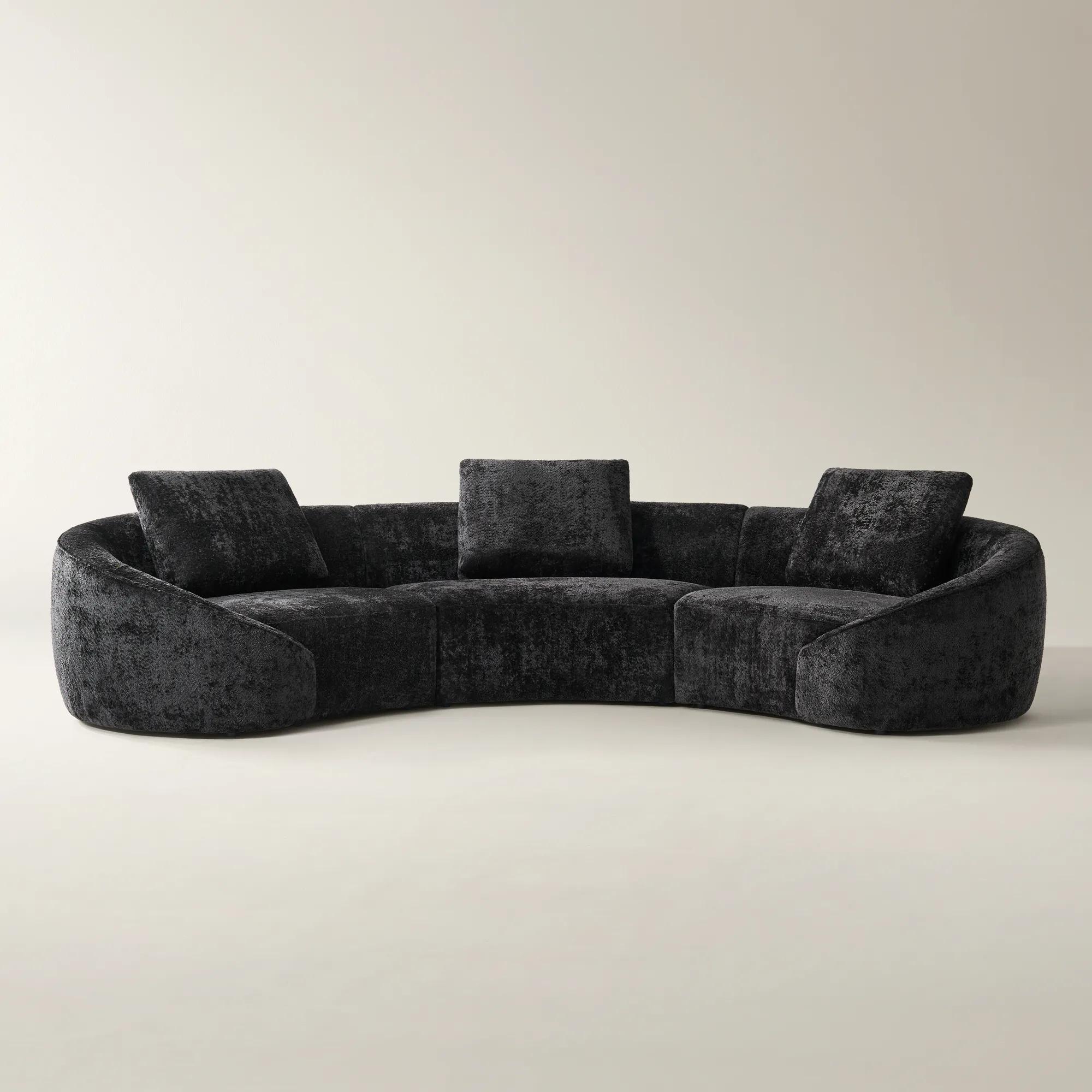 Irene 3-Piece Black Chenille Sectional$3899
A modern curved sectional upholstered in plush utopia sand chenille with high-density foam cushioning for comfort.
Add To Cart -
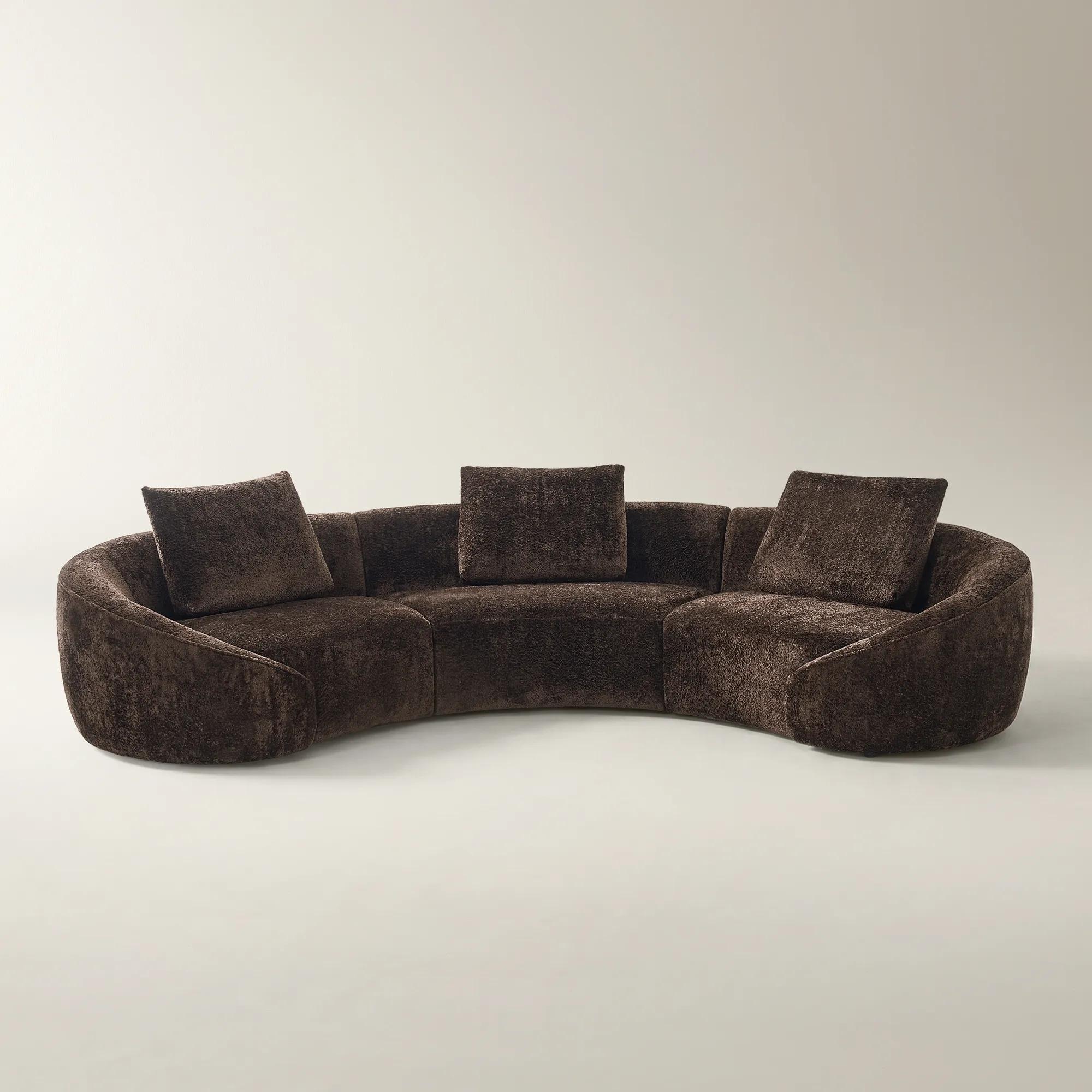 Irene 3-Piece Dark Chocolate Chenille Sectional Sofa$3899
A sculptural, hand-finished sectional wrapped in dark chocolate chenille with plush foam cushions and accent pillows.
Add To Cart -
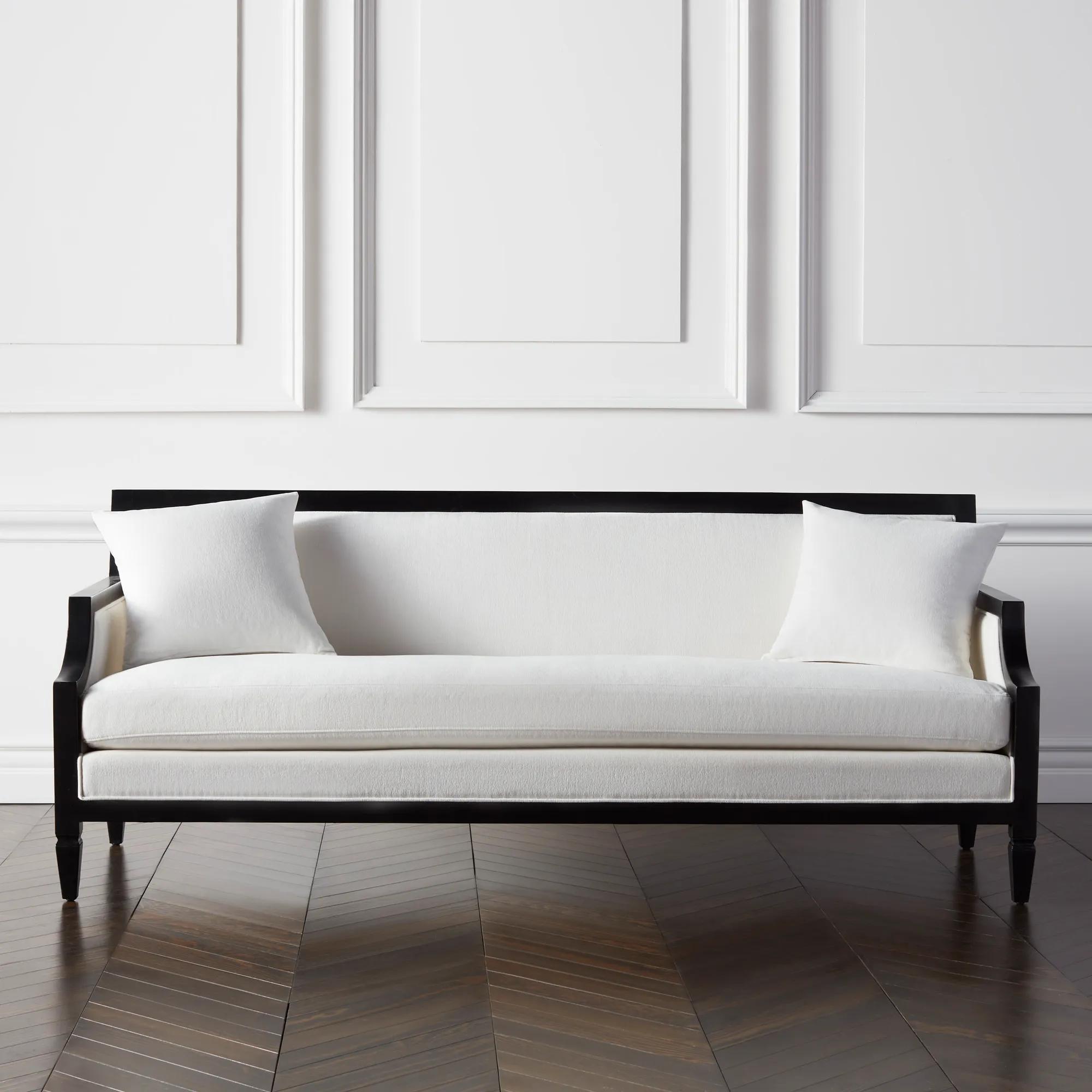
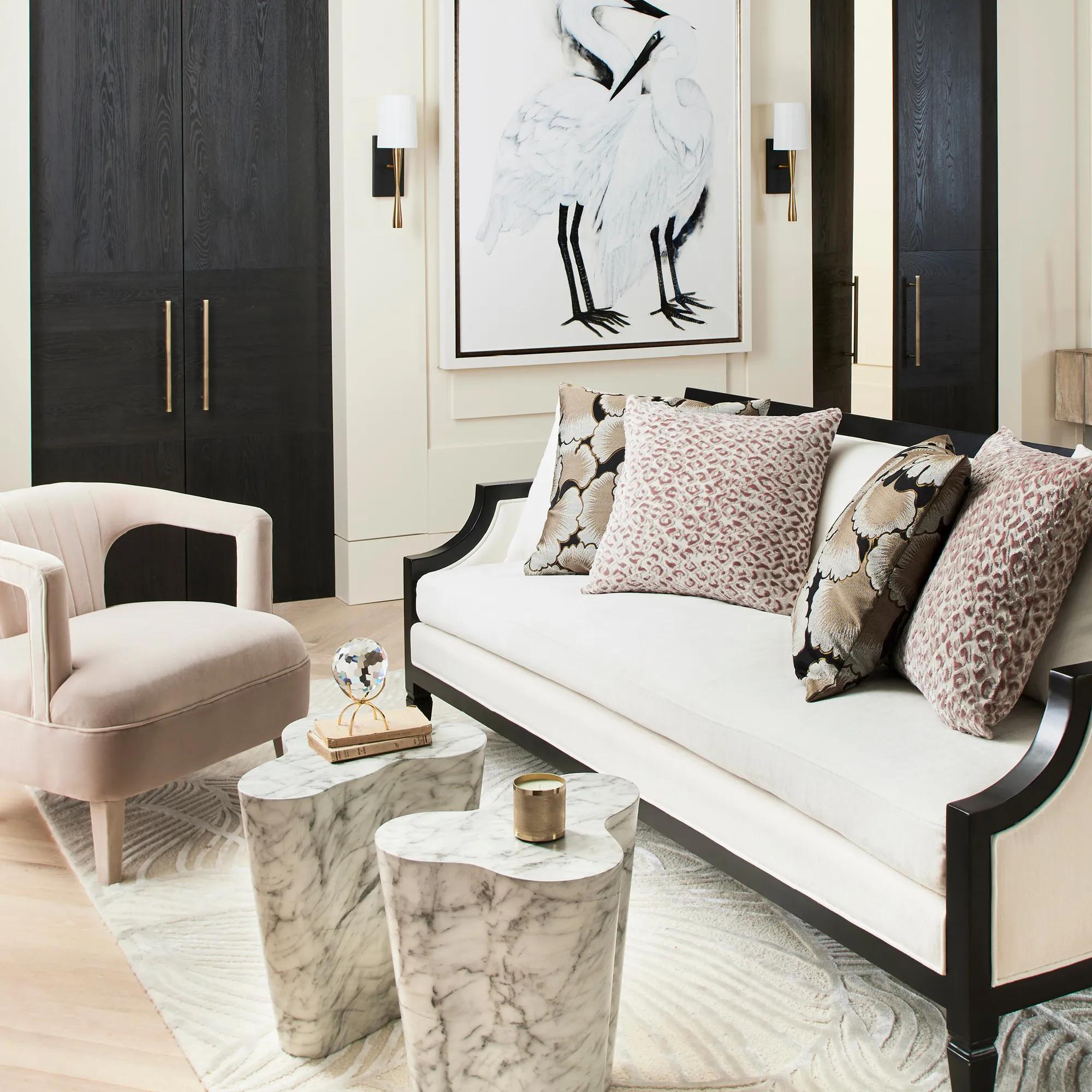 Kayla Sofa$3149
A plush, modern sofa featuring notched arms, matte black wood frame, and Kenley Chenille Snow upholstery.
Add To Cart -
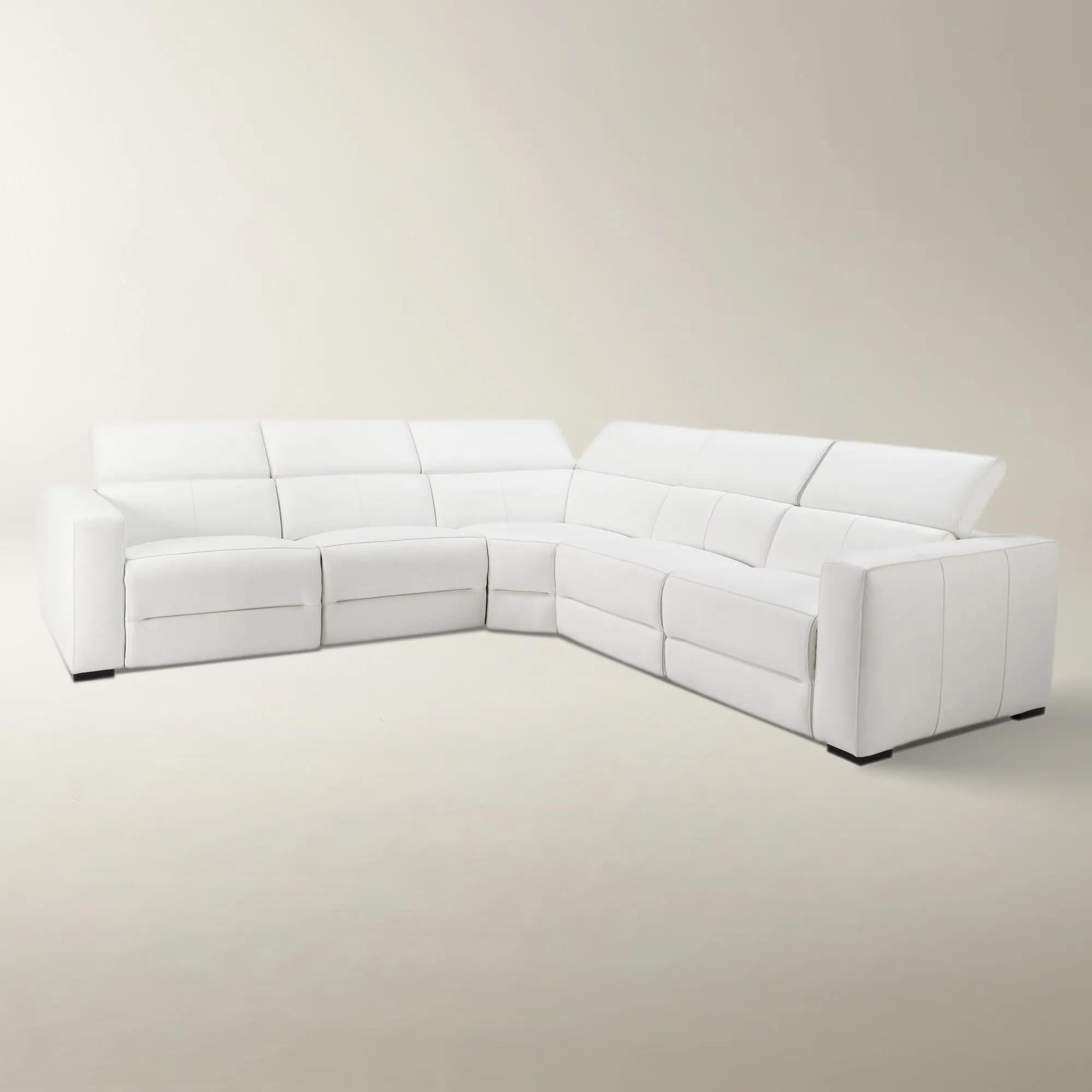
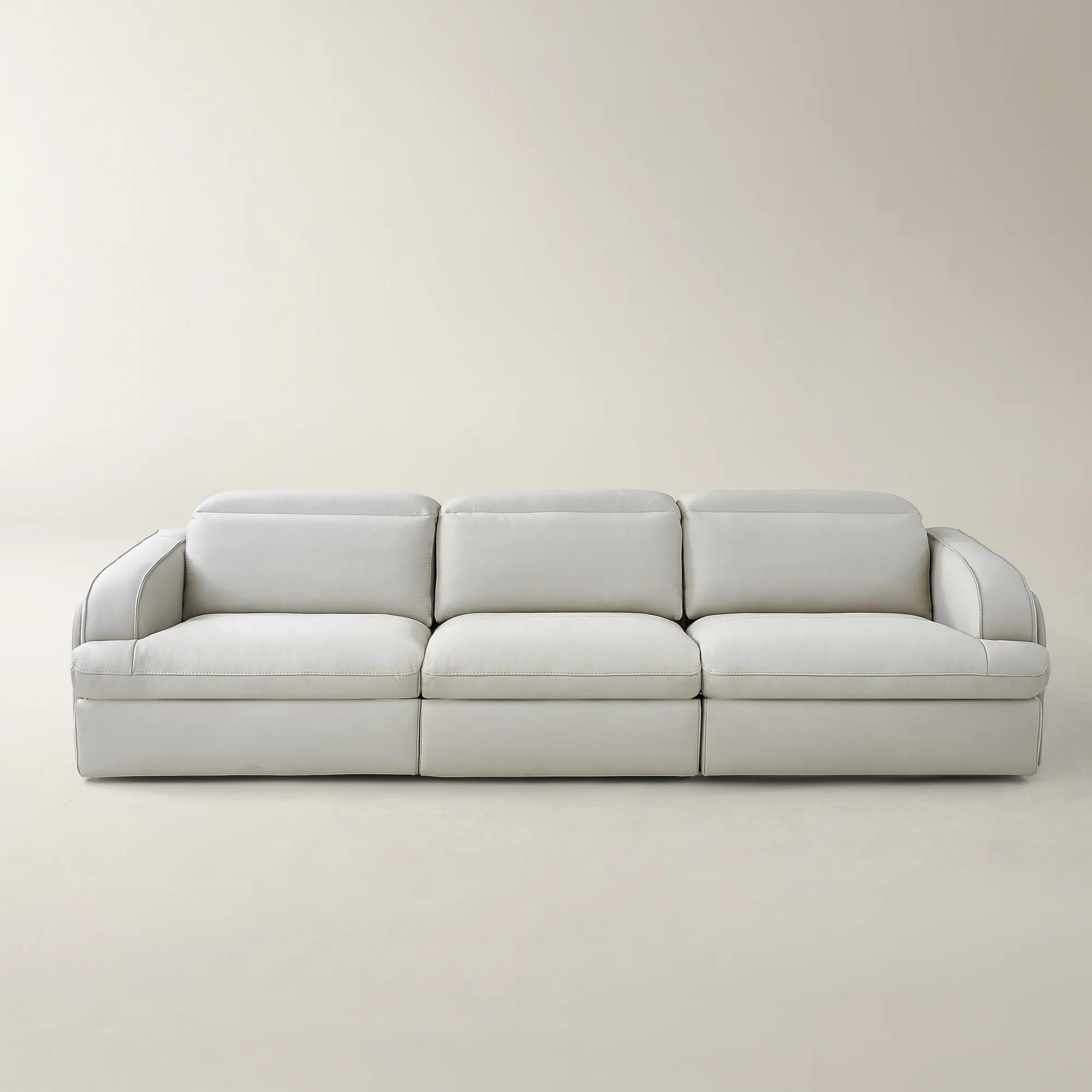
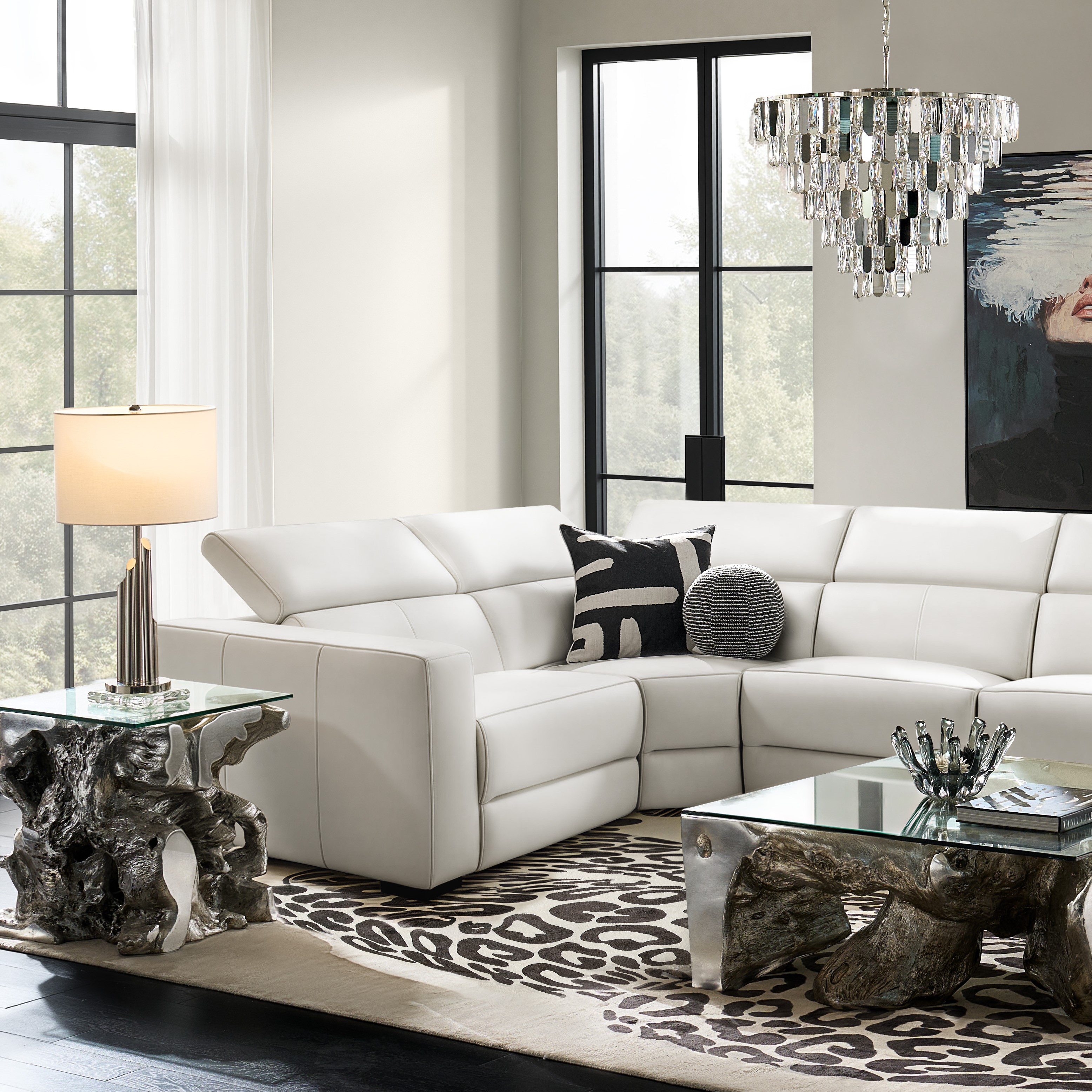 Verona 5-Piece Reclining White Leather Sectional Sofa$7199
A modern sectional upholstered in supple white semi-aniline leather with adjustable headrests and power-reclining seats.
Add To Cart -
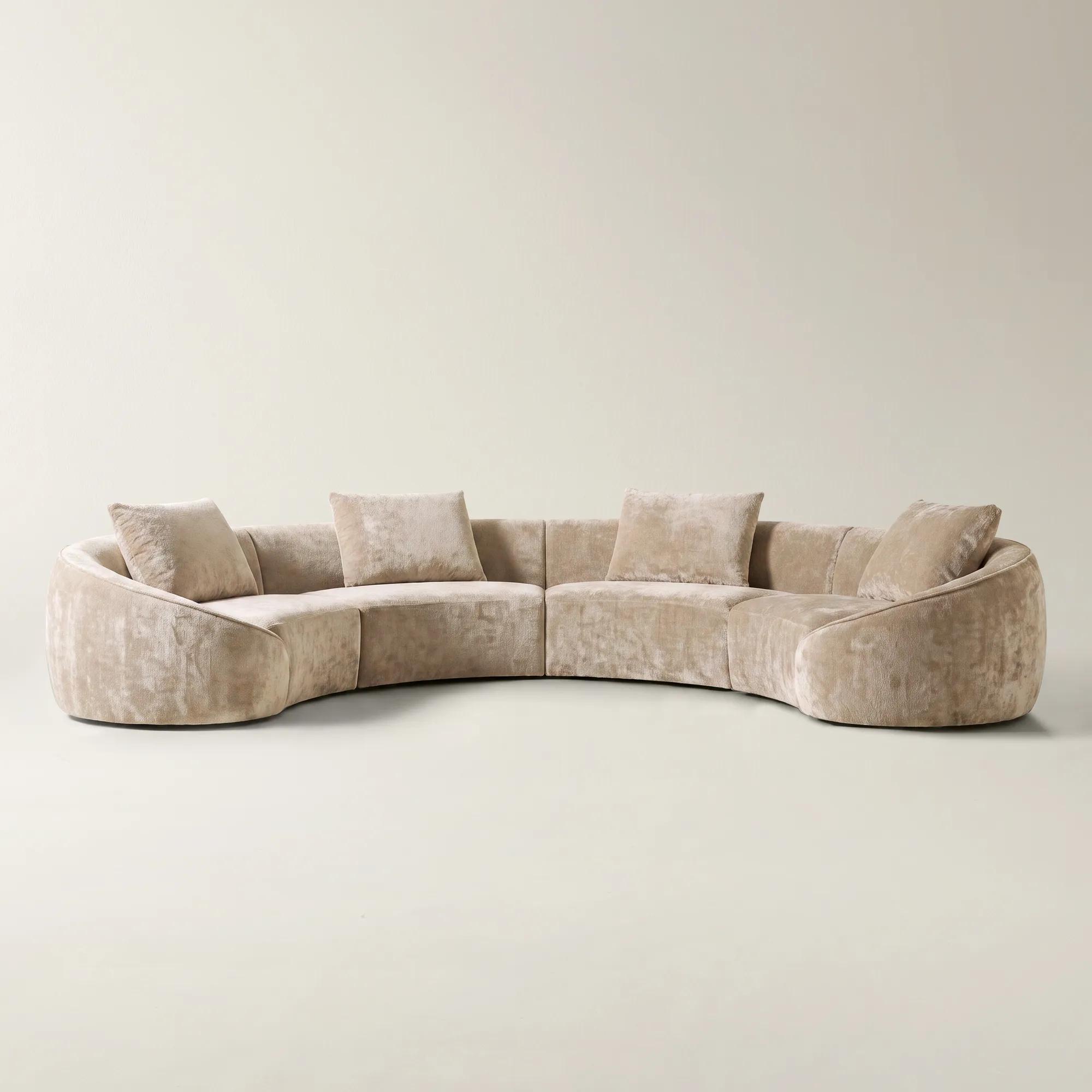
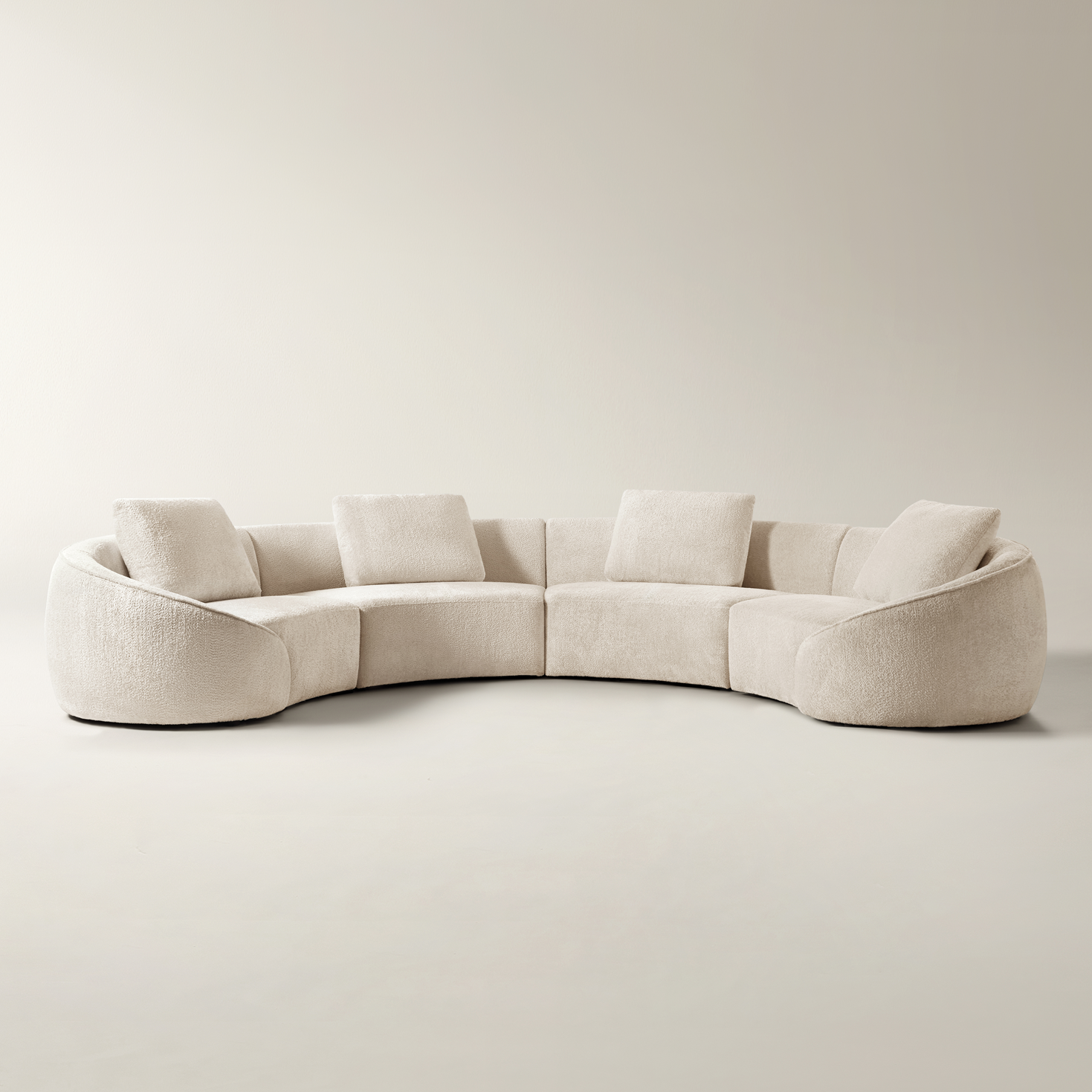 Irene 4-Piece Light Brown Chenille Sectional Sofa$4999
A sculptural light brown chenille sectional with high-resiliency foam cushions and hand-finished artisan detailing.
Add To Cart

Living Room Furniture For Professionals
Living Room Furniture for Professionals transforms every gathering into an occasion and every solo moment into a sanctuary of style. Imagine a space that radiates confidence—where sculptural silhouettes, refined textures, and daring design choices converge to create an atmosphere as ambitious as your aspirations. Here, sophistication meets statement-making artistry, inviting you to curate a living room that reflects your drive and celebrates your individuality. Elevate your daily rituals with pieces that command attention and inspire conversation—because in the world of professionals, even downtime deserves a touch of drama.
Living room furniture for professionals combines comfortable seating, considered proportions, and distinctive design for spaces that support both personal downtime and a polished welcome. A beautifully composed living room can be a retreat after a demanding day, a setting for conversation with colleagues, or a graceful extension of a home office. Sofas, accent chairs, coffee tables, consoles, and media storage each contribute to that balance, giving the room purpose without allowing work to define its character. A tailored sofa establishes a confident foundation, while a sculptural chair introduces the kind of artistic tension that makes an interior memorable. For professionals who occasionally welcome clients at home, seating arranged around a central table creates a conversational setting that feels more personal than a desk-centered meeting. In an apartment, a compact sofa with slender arms can preserve valuable seating space without overwhelming the floor plan; in a larger living area, a generously scaled sectional can define a gathering zone distinct from a workspace. Fit depends on more than overall width. Seat depth affects whether a piece feels upright and conversational or enveloping and lounge-worthy, while seat height and cushion firmness influence how comfortably someone can sit down and stand up. The relationship between pieces matters just as much: a coffee table should remain within comfortable reach, and chairs need enough surrounding space for movement rather than merely fitting into an empty corner. Doorways, elevators, stair turns, and delivery access deserve the same attention as the finished arrangement. For professionals whose living rooms serve several purposes, movable accent tables and enclosed storage help the room transition gracefully from a brief video call to an evening of entertaining. A laptop may rest on an occasional table for a short task, but extended work calls for an appropriately positioned desk and supportive task chair. The appeal of this furniture lies in its versatility: it accommodates the rhythms of a working life while preserving the richness, comfort, and individuality of a home.
Materials give that versatility its substance, shaping how furniture looks, feels, and wears through repeated use. Velvet brings dimensional color and a soft, light-catching surface to upholstered seating, lending even a restrained silhouette a sense of occasion. Its pile can show shifts in shading, pressure marks, or impressions from regular use, so the upholstery’s care requirements matter as much as its initial appearance. Tightly woven fabrics offer a more tailored texture, while leather introduces depth and character that can evolve over time; maintenance varies with the leather type and finish. Where performance upholstery is specified, documented stain-resistance and cleaning information are more useful than broad promises of effortless care. Performance fabric is not necessarily stain-proof, waterproof, or suitable for every cleaning method. For a living room that regularly hosts guests, details such as upholstery abrasion testing, cushion construction, and frame joinery help clarify how a piece is intended to perform. Solid wood, engineered wood, metal, and combinations of these materials can all serve different structural roles, making construction details more revealing than a material name alone. Stone and glass tabletops create luminous surfaces, but they also call for thoughtful handling: coasters protect against moisture and heat, and lifting rather than dragging decorative objects helps reduce scratches. Some natural stones require sealing or special cleaners, while wood finishes benefit from prompt attention to spills and protection from sustained direct sunlight. Upholstered pieces should be cleaned according to their care labels, with any permitted cleaner tested discreetly before broader use. These considerations become especially important when furniture moves beyond residential use. A private office lounge, consulting room, or public reception area may require commercial-use approval, documented durability testing, or compliance with applicable fire and accessibility requirements. Residential styling alone does not establish commercial suitability. Where integrated charging or power is offered, electrical specifications and cable routing also deserve review. A handsome room should feel effortless to inhabit, but that ease begins with materials and construction suited to the people, setting, and frequency of use.
Visual confidence comes from the conversation between these functional choices and the room’s more expressive details. A low-profile sofa in a saturated neutral can anchor gleaming metal accents, while a curved chair softens the geometry of a rectangular table or architectural shelving. Rich upholstery beside a glass surface creates contrast without visual heaviness; a substantial wood console brings warmth and composure to a wall of art. Professionals furnishing a first independent home may favor pieces that can adapt to a future floor plan, while established households may place greater emphasis on generous seating, layered textures, and dedicated space for entertaining. For an early-career home taking shape around both ambition and individual taste, Furniture For Young Professionals provides a related furniture perspective. Across different stages of life, a cohesive living room need not depend on matching every finish or silhouette. Repeated tones, complementary proportions, and a deliberate mix of matte and reflective surfaces can create continuity with far more personality. Closed storage keeps paperwork, charging accessories, and media components from competing with decorative objects, while open shelving gives books and collected pieces room to become part of the composition. In homes where the living room appears behind video calls, a carefully placed console or cabinet can create an intentional backdrop without making the space resemble an office set. Furniture placement can also preserve privacy by keeping work materials out of the main seating area and separating a home office entrance from a conversational grouping. For frequent hosts, additional accent seating offers flexibility without requiring every chair to face a screen; for quieter households, a deep lounge seat beside a well-proportioned table creates an inviting place to read. The strongest arrangements reflect actual habits rather than an imagined lifestyle. With comfortable proportions, appropriate materials, and a few daring silhouettes, living room furniture gives professional life a setting that is composed but never impersonal, expressive without sacrificing the pleasure of coming home.
FAQs
Professionals should seek living room furniture that seamlessly fuses sophisticated design with practical durability. Prioritize pieces crafted from high-quality materials such as genuine leather, hardwood, or performance upholstery for a luxurious feel and lasting resilience. Look for ergonomic details, supportive cushions, and finishes that withstand frequent use, ensuring the space remains both inviting and refined during client meetings or after-hours relaxation.
Living room furniture with thoughtful design can transform a home into a sanctuary of productivity and creativity. Opt for seating that offers both comfort and structure—such as a tailored armchair or a supportive sectional—creating an environment that encourages focus during virtual meetings while providing a chic backdrop for video calls. Multi-functional tables and elegant storage solutions also help maintain a clutter-free, inspiring atmosphere.
For high-traffic environments, materials like top-grain leather, performance fabrics, solid hardwoods, and metal accents are ideal. These finishes offer superior durability and are designed to maintain their appearance even with frequent use, making them perfect for professionals who entertain clients or host gatherings in their living rooms.
Contemporary and modern styles—characterized by clean lines, sleek silhouettes, and understated elegance—project a polished, professional aesthetic. Incorporating statement pieces with metallic accents, marble details, or sculptural forms can further elevate the space, creating an environment that feels both inviting and impressive to colleagues and guests alike.
Absolutely. Gifting a statement piece of living room furniture is a memorable way to celebrate a professional achievement or new beginning. Whether it’s a luxurious accent chair, a distinctive coffee table, or a plush rug, these pieces serve as daily reminders of success and encouragement, adding both beauty and meaning to the recipient’s living space.