Designer Living Room Furniture Sales
Designer Living Room Furniture Sales
-
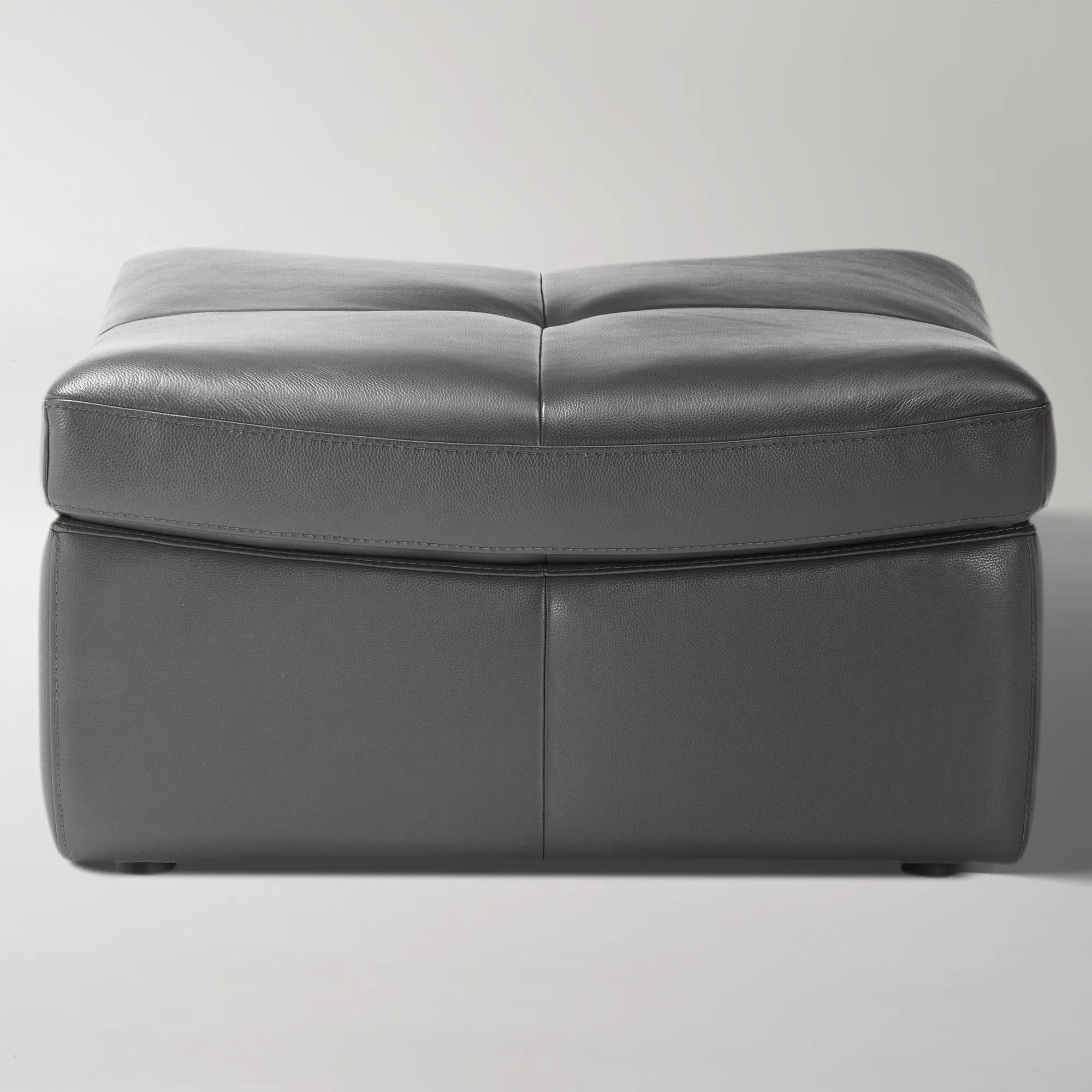 Convo Charcoal Leather Ottoman$849
A modular sectional in charcoal semi-aniline leather with kiln-dried hardwood frames and gently curved seats.
Add To Cart -
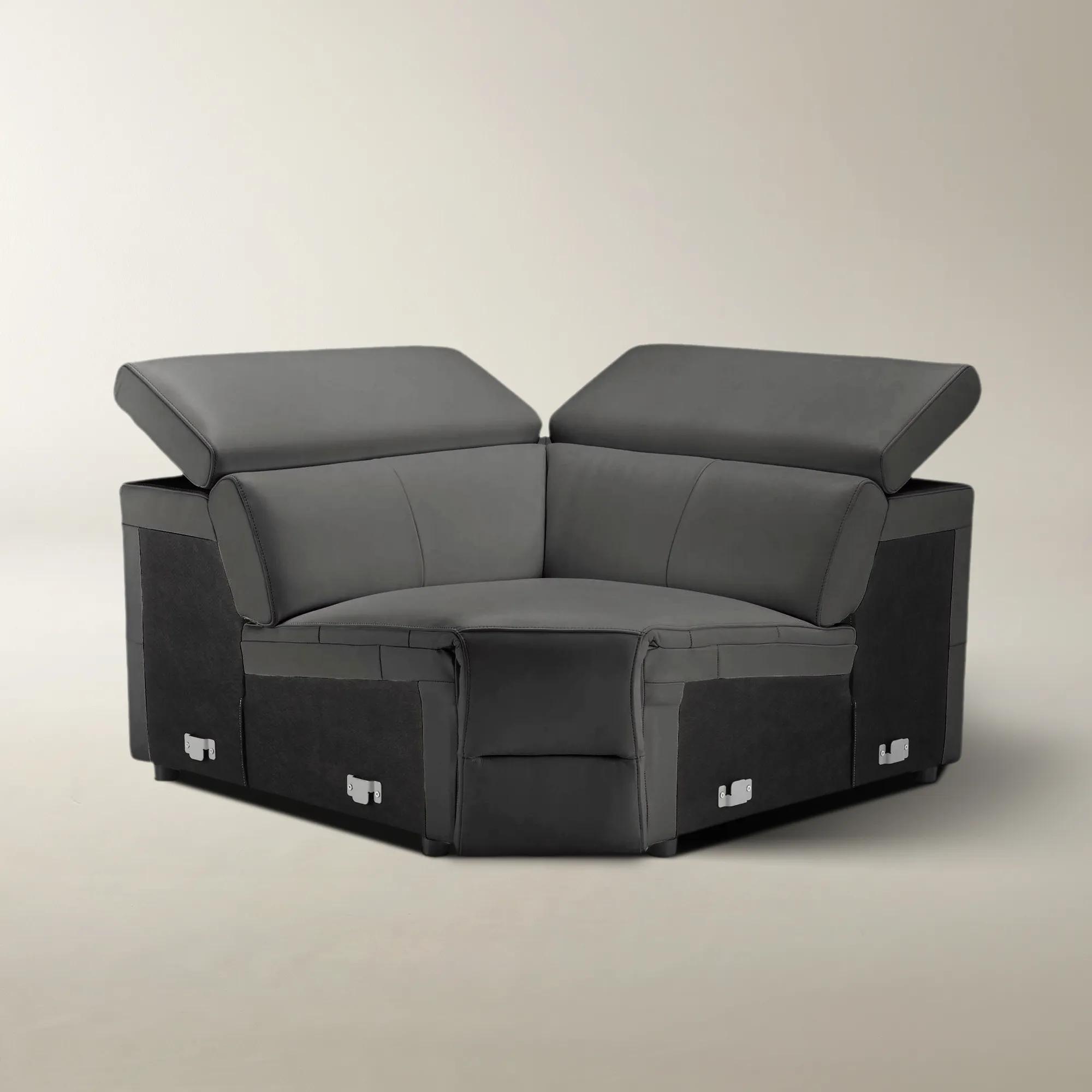
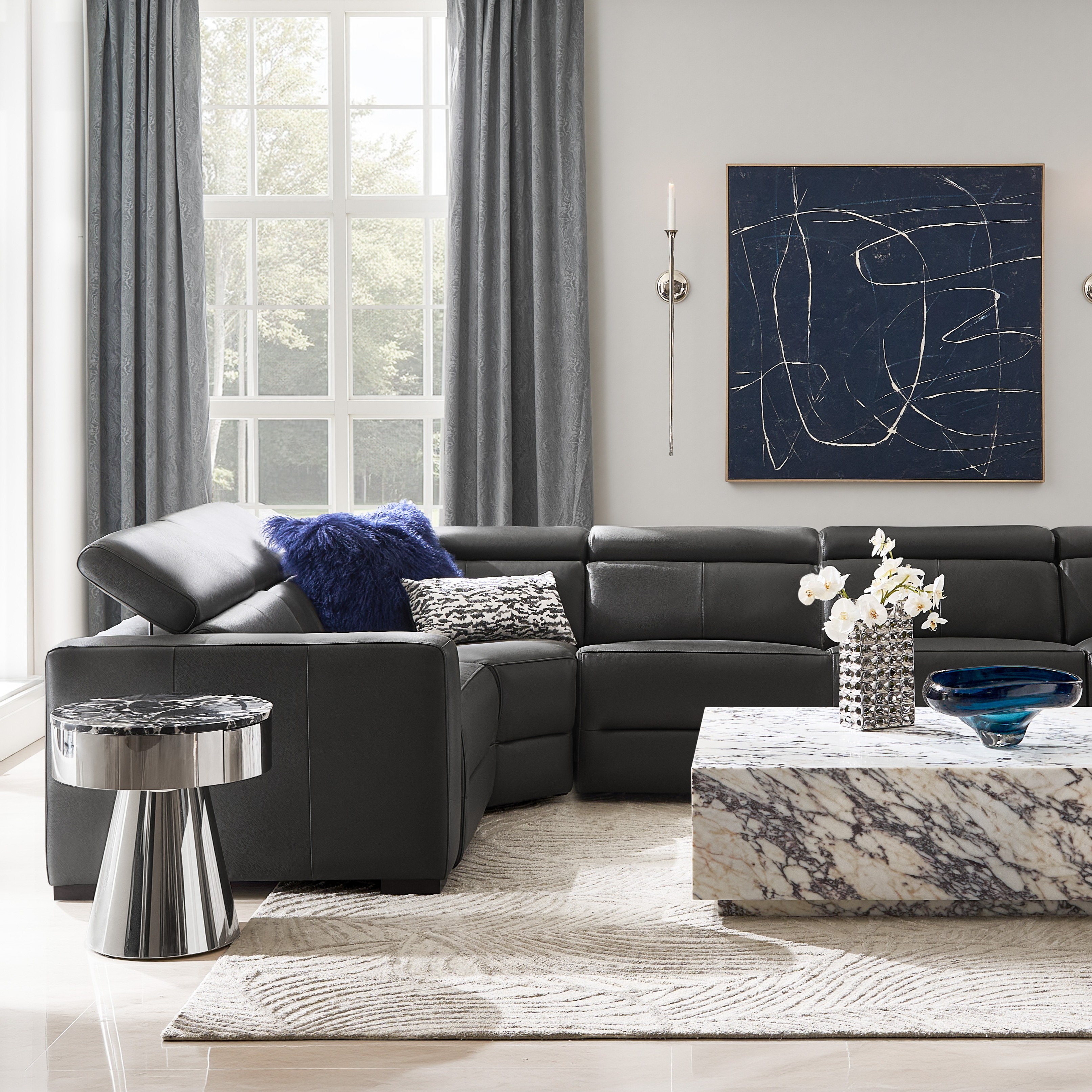 Verona Charcoal Leather Corner Chair With Power$1499
A modern charcoal sectional upholstered in supple semi-aniline leather with adjustable headrests and optional power recline.
Add To Cart -
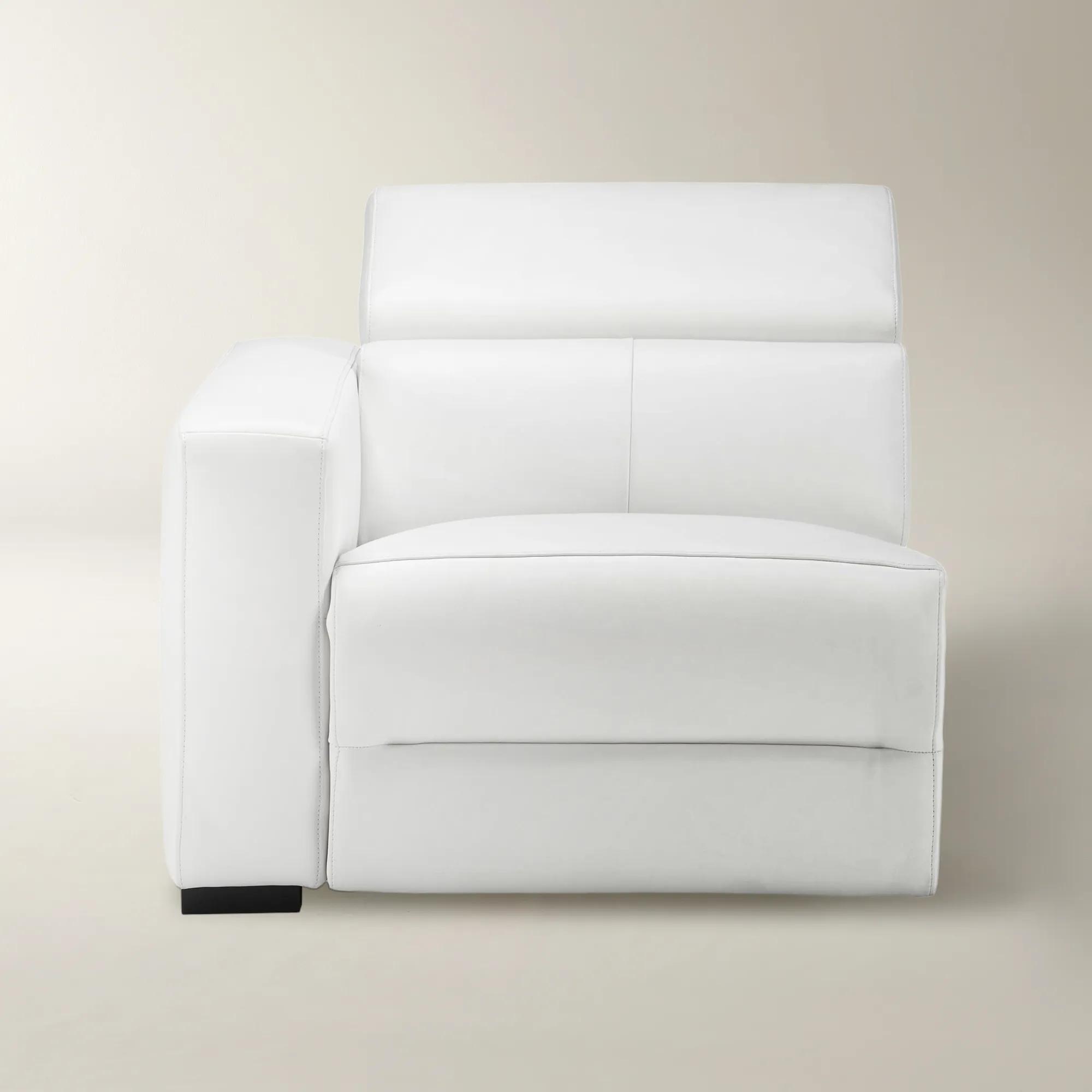
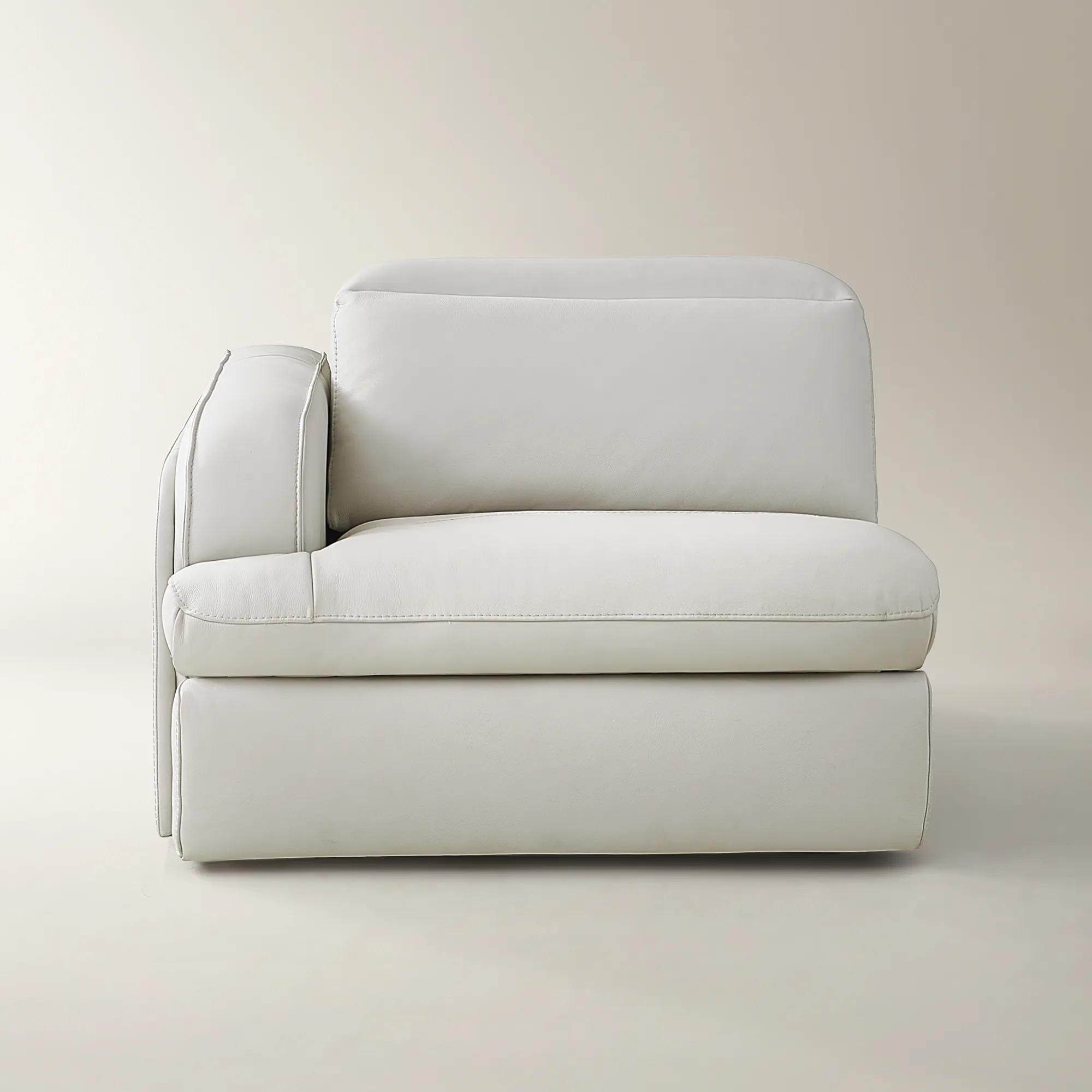
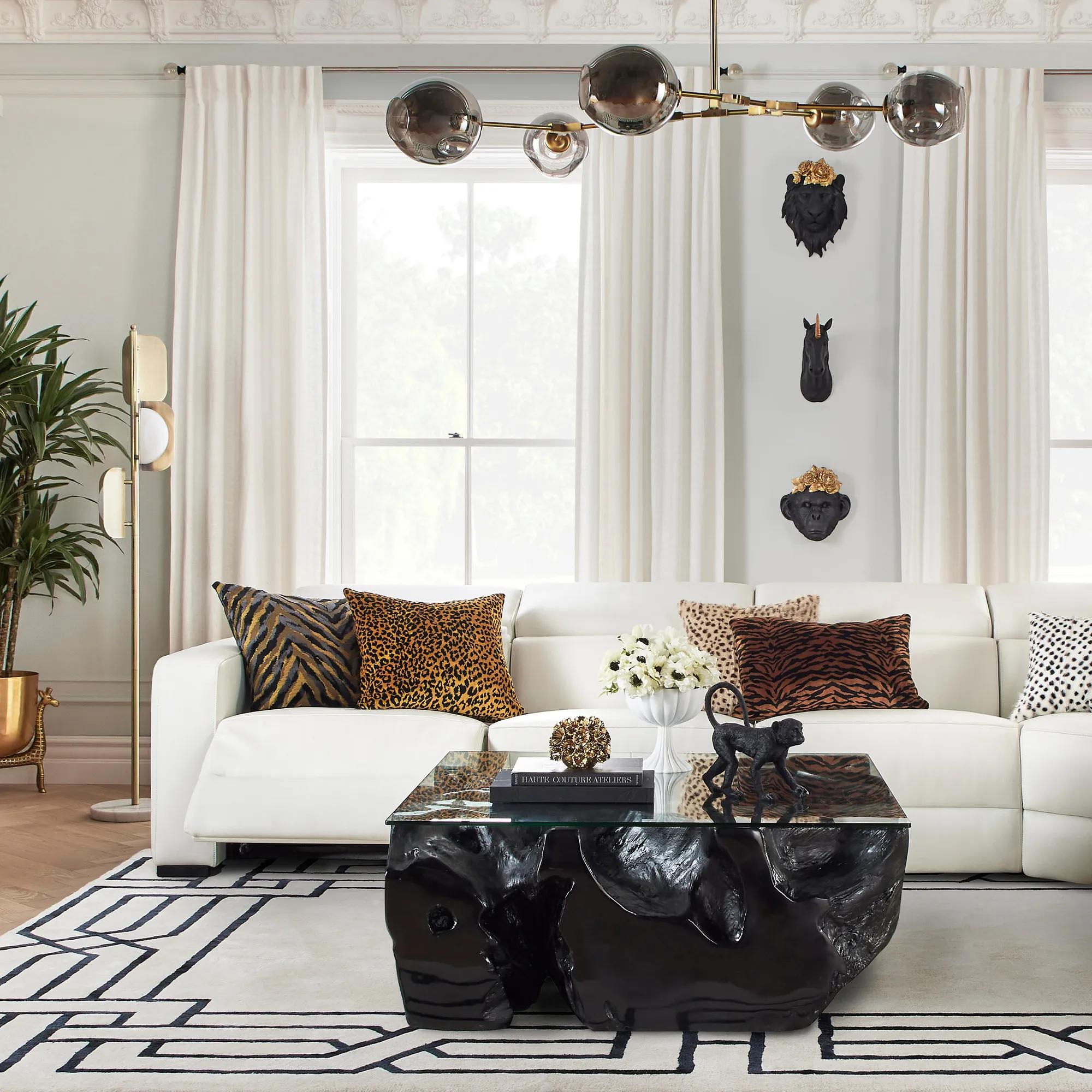 Verona White Leather Left Arm Chair$1299
A modern white sectional upholstered in supple semi-aniline leather with adjustable headrests and power-reclining seats.
Add To Cart -
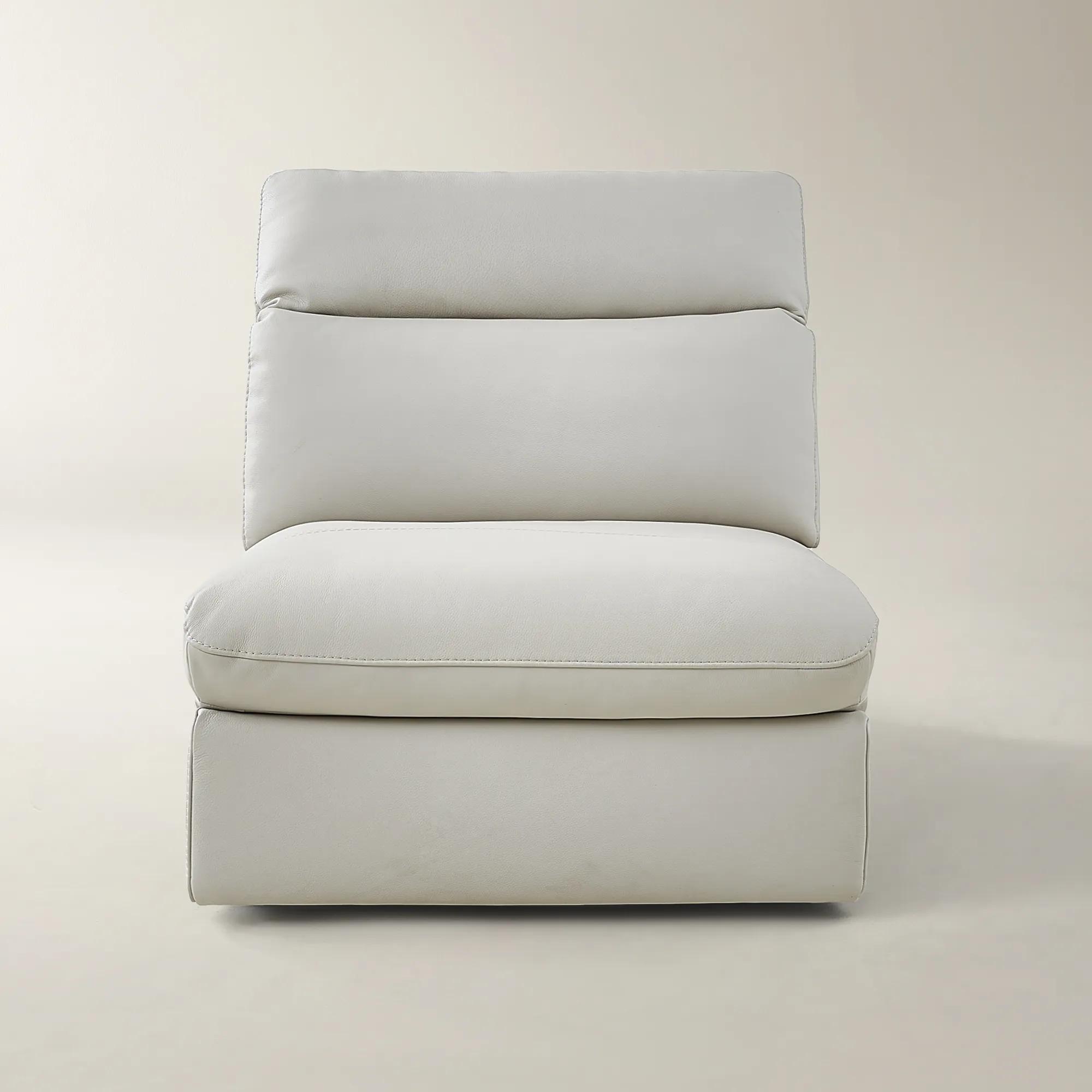
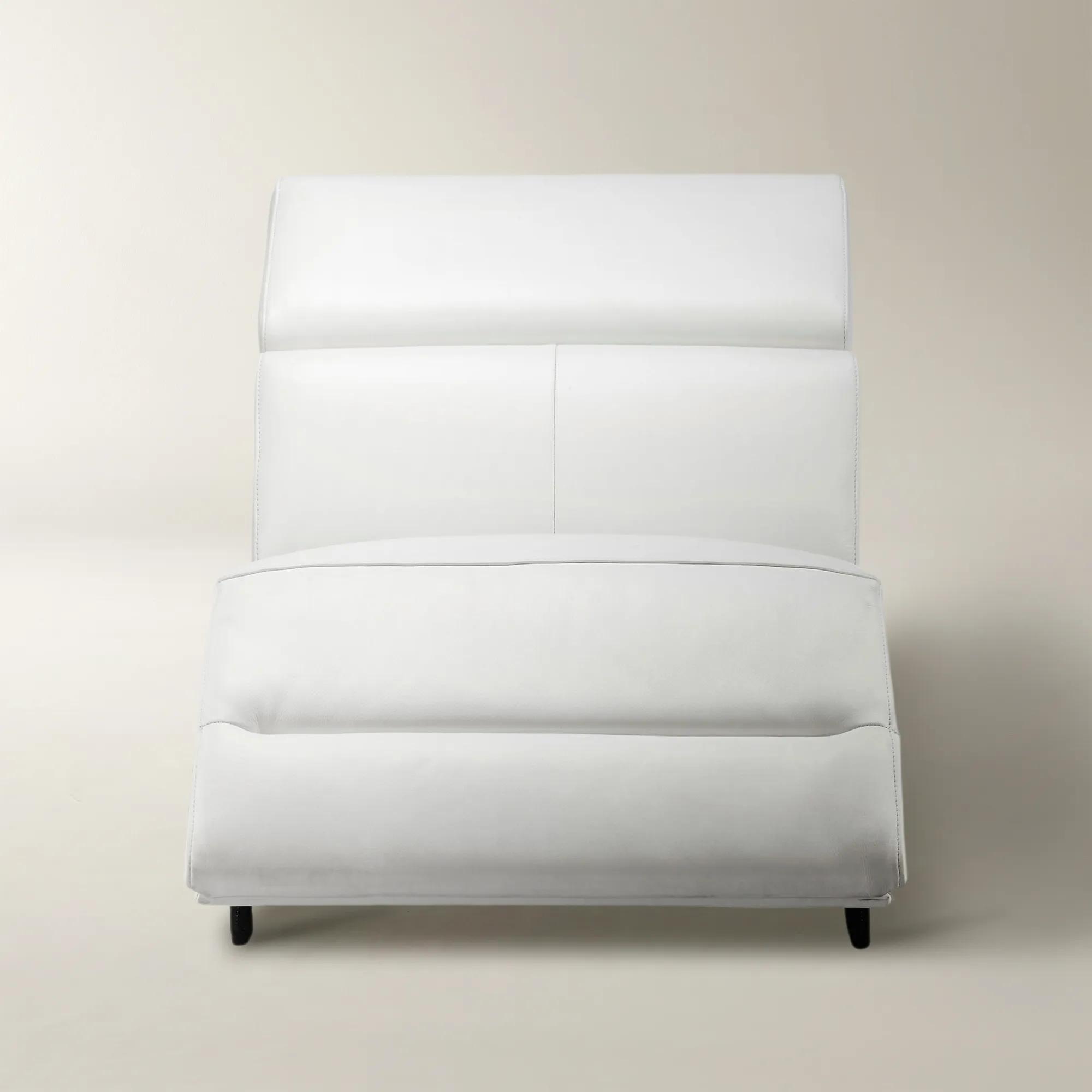 Verona Reclining White Leather Armless Chair With Power$1249
A modern white sectional upholstered in supple semi-aniline leather with adjustable headrests and power-reclining options.
Add To Cart -
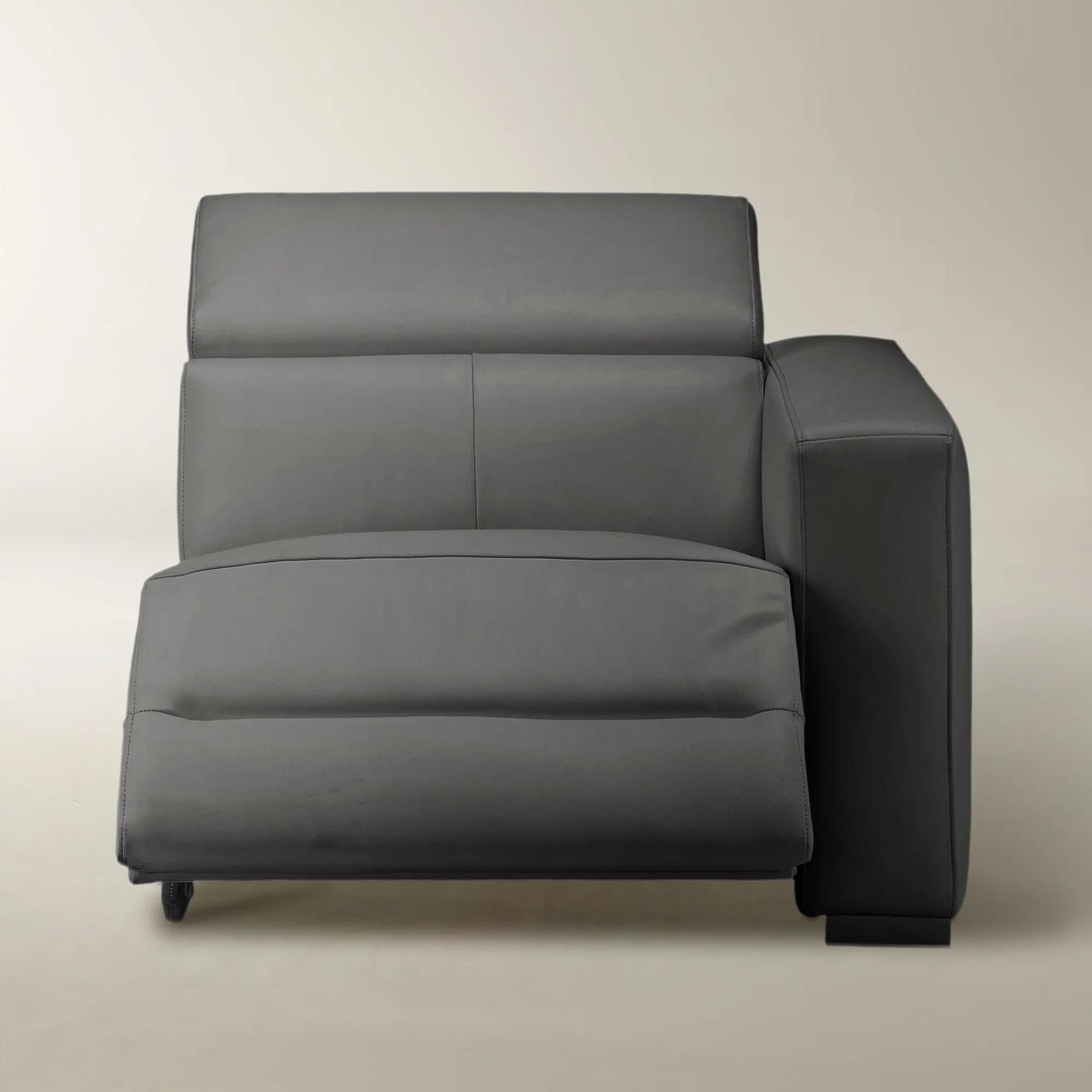 Verona Reclining Charcoal Leather Right Arm Chair With Power$1499
A charcoal semi-aniline leather sectional with adjustable headrests and optional power-reclining seats for comfort.
Add To Cart -
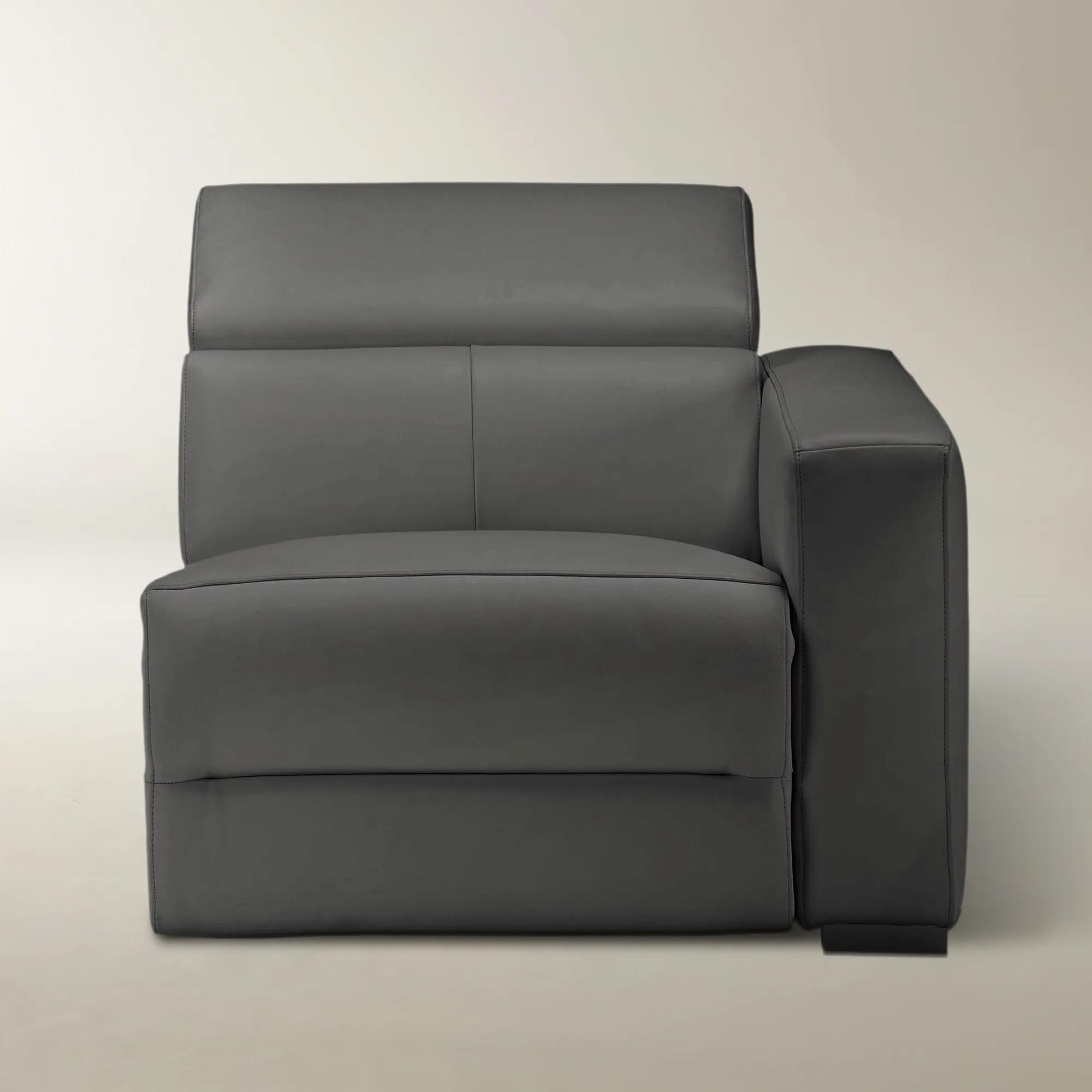 Verona Charcoal Leather Right Arm Chair$1299
A modern charcoal sectional upholstered in supple semi-aniline leather with adjustable headrests and optional power recline.
Add To Cart -
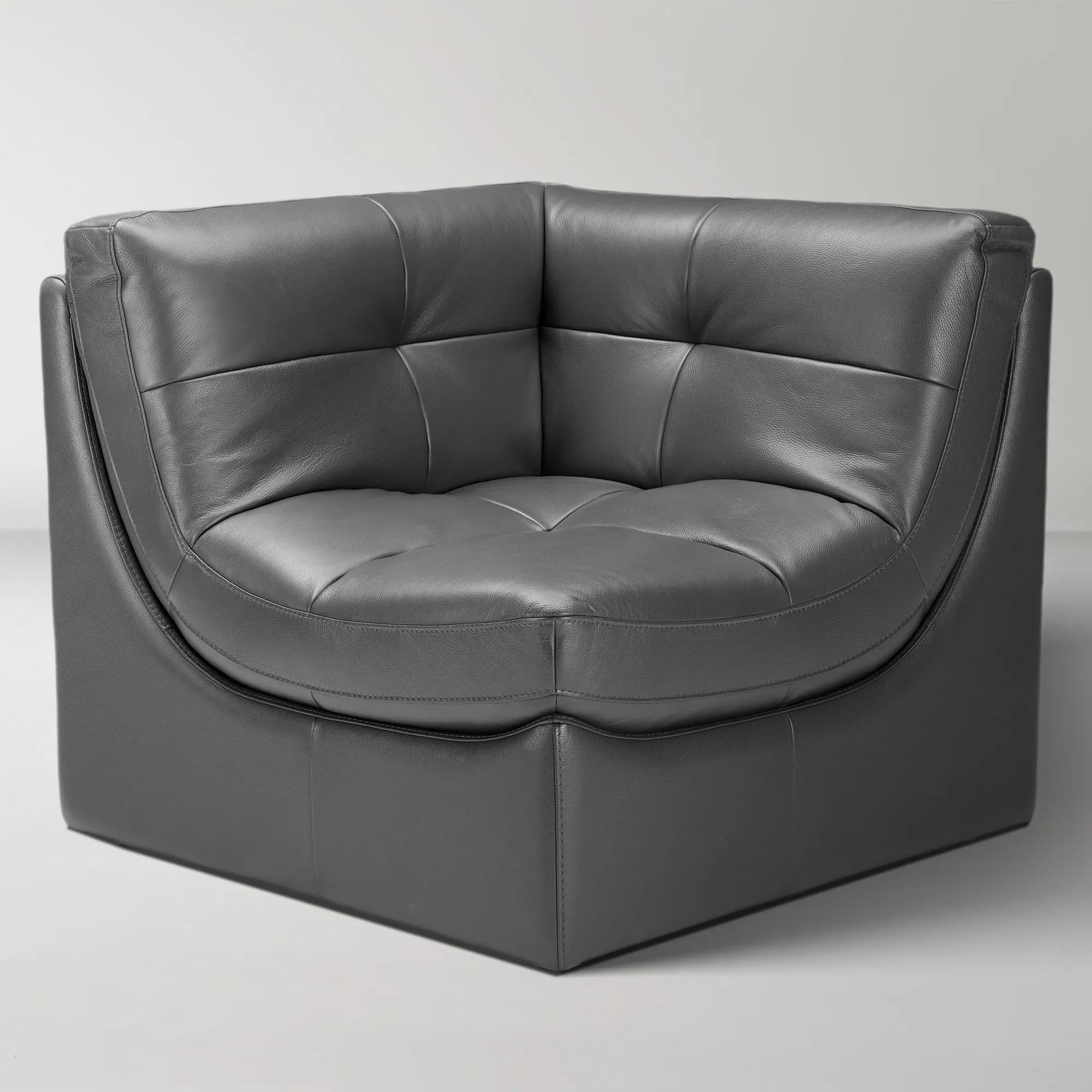
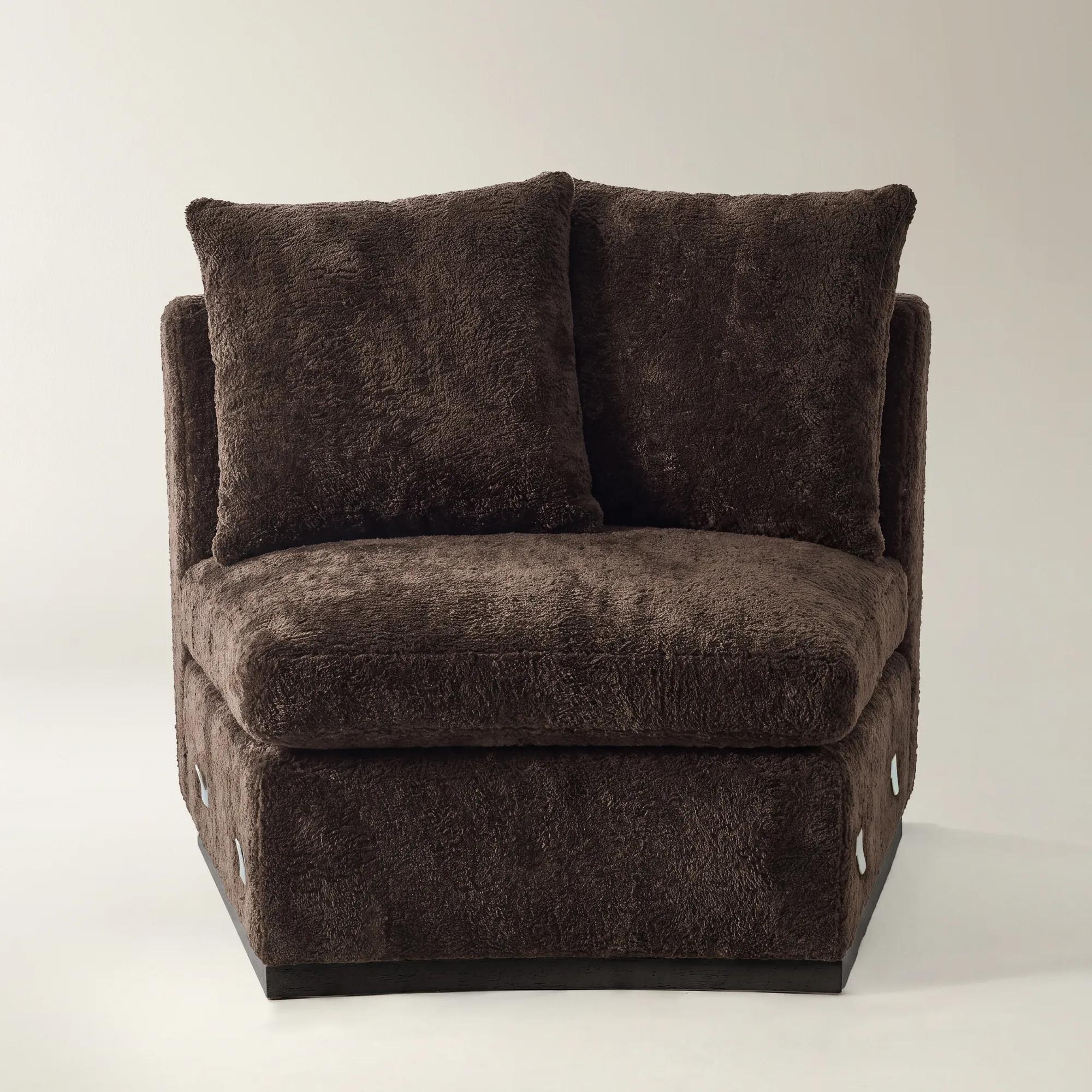
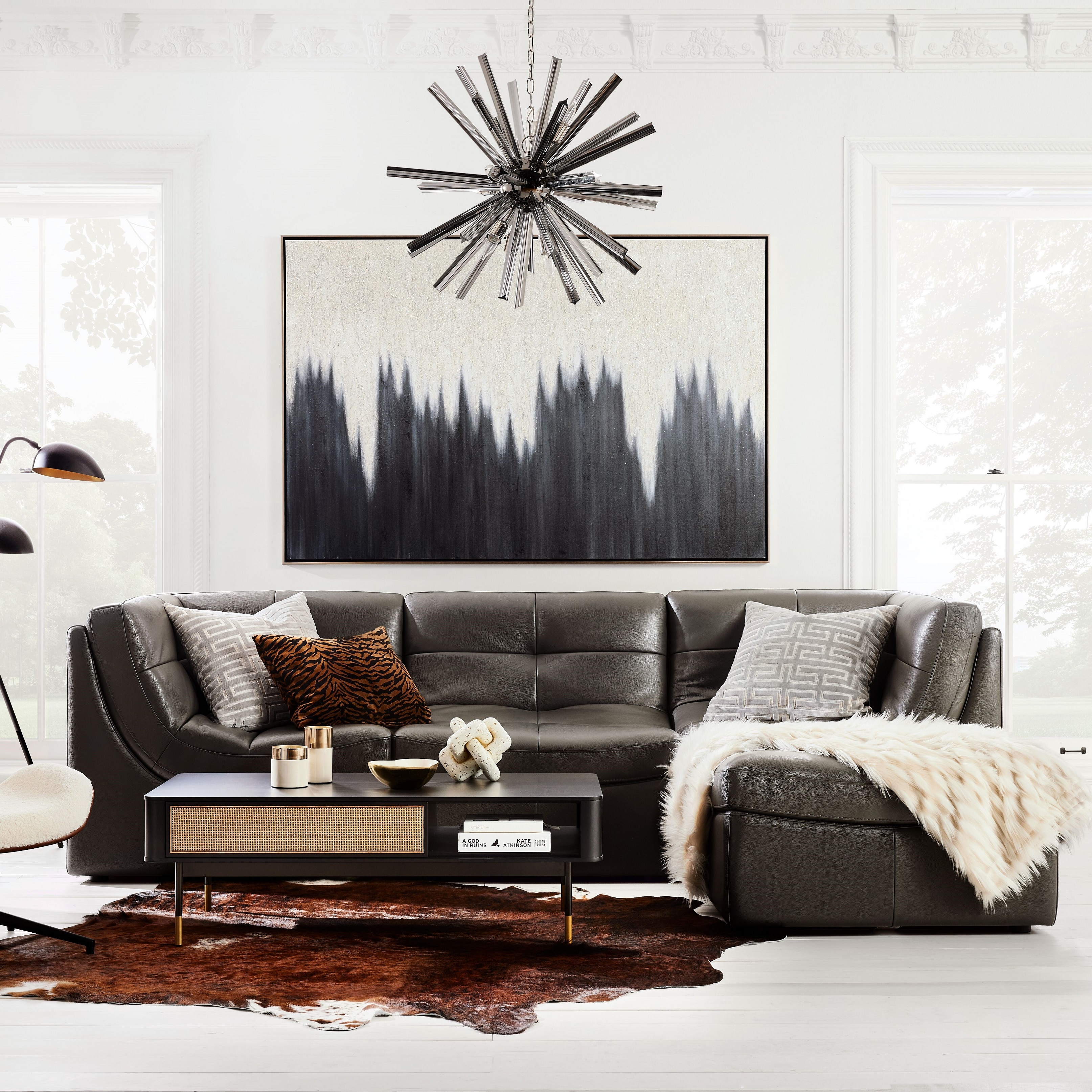 Convo Charcoal Leather Corner Chair$1399
A modular sectional featuring kiln-dried hardwood frames and charcoal semi-aniline leather upholstery for modern versatility.
Add To Cart -
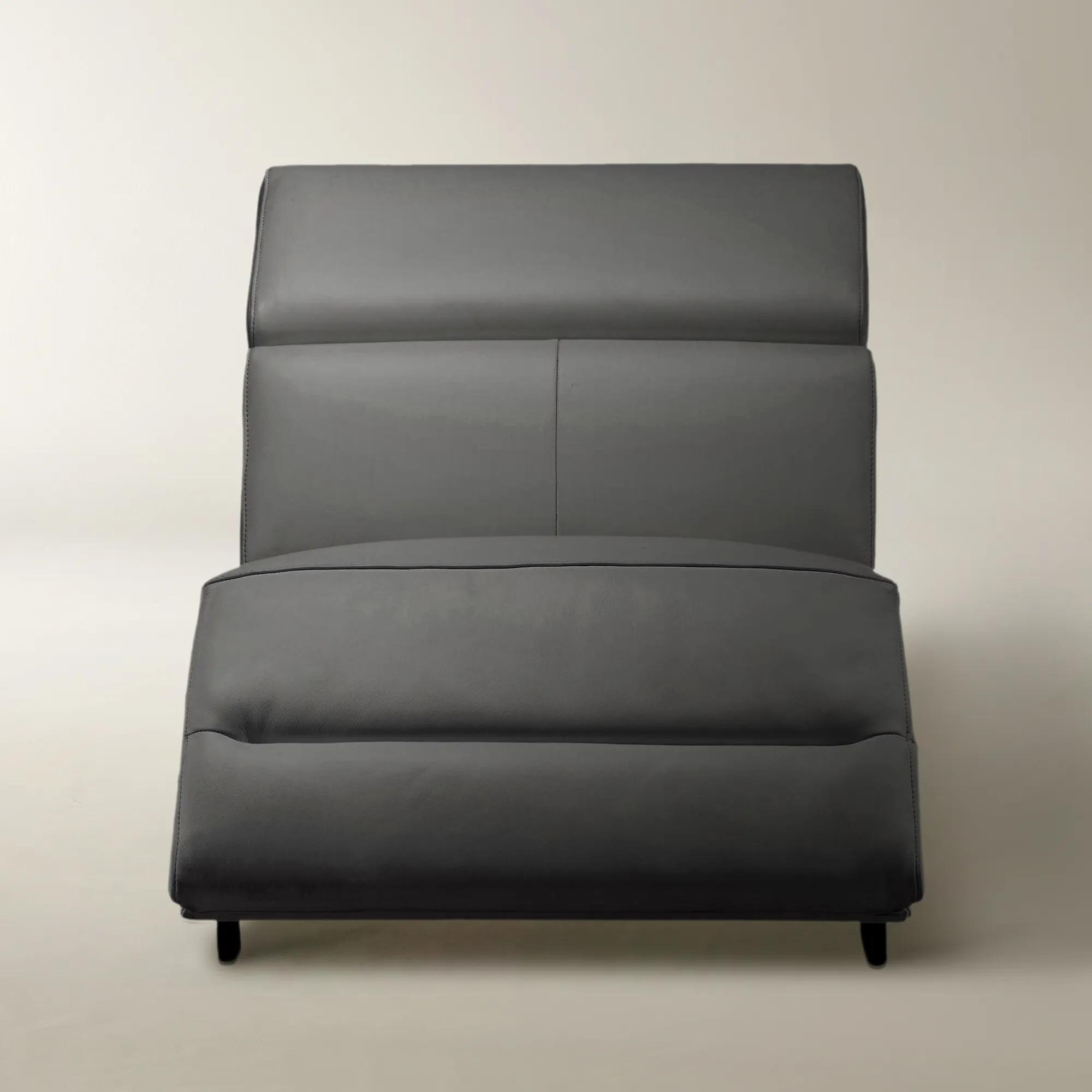 Verona Reclining Charcoal Leather Armless Chair With Power$1249
A charcoal semi-aniline leather sectional with adjustable headrests, power-reclining seats, and kiln-dried hardwood frame.
Add To Cart -
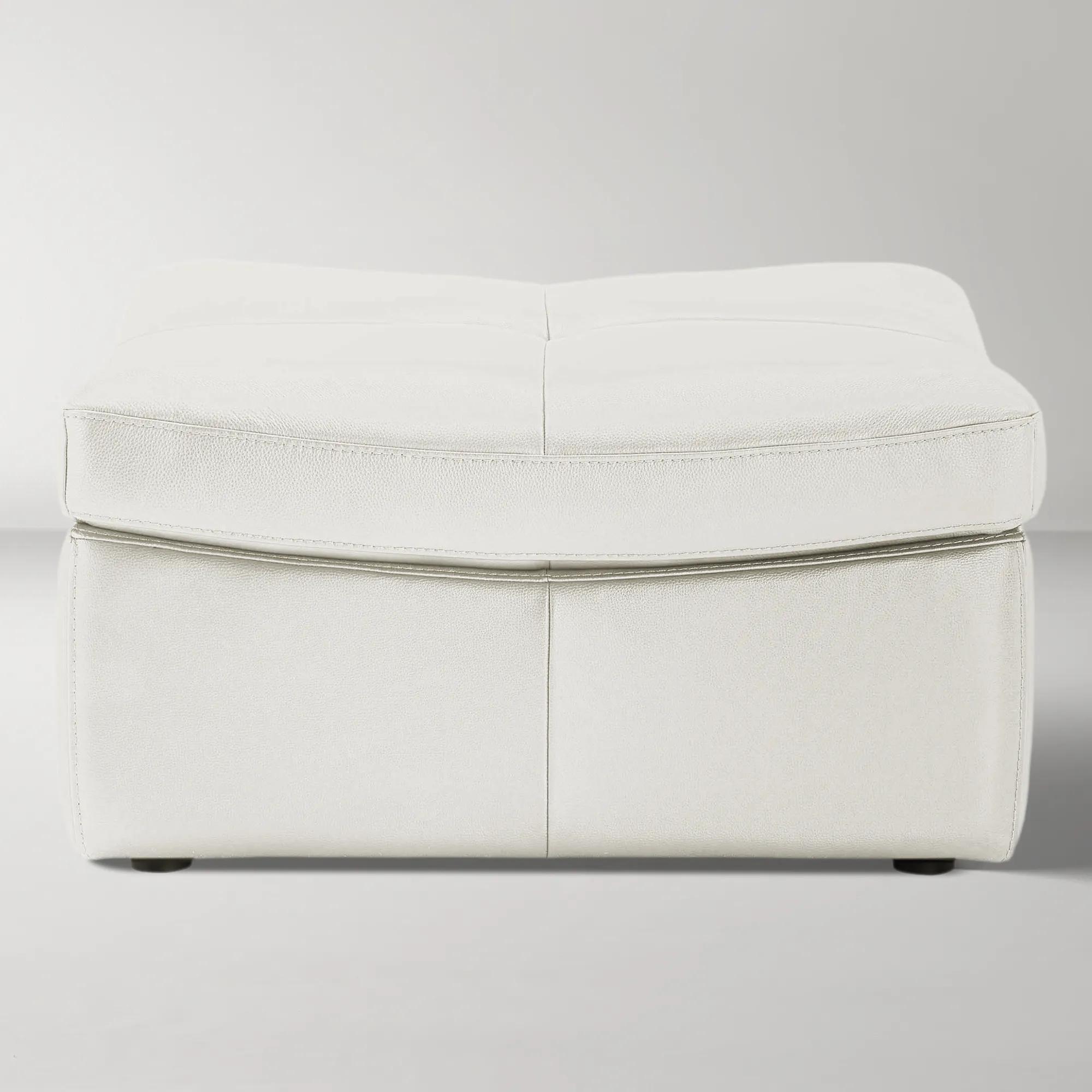 Convo White Leather Ottoman$849
A modular sectional with kiln-dried hardwood frame and charcoal semi-aniline leather upholstery for modern versatility.
Add To Cart -
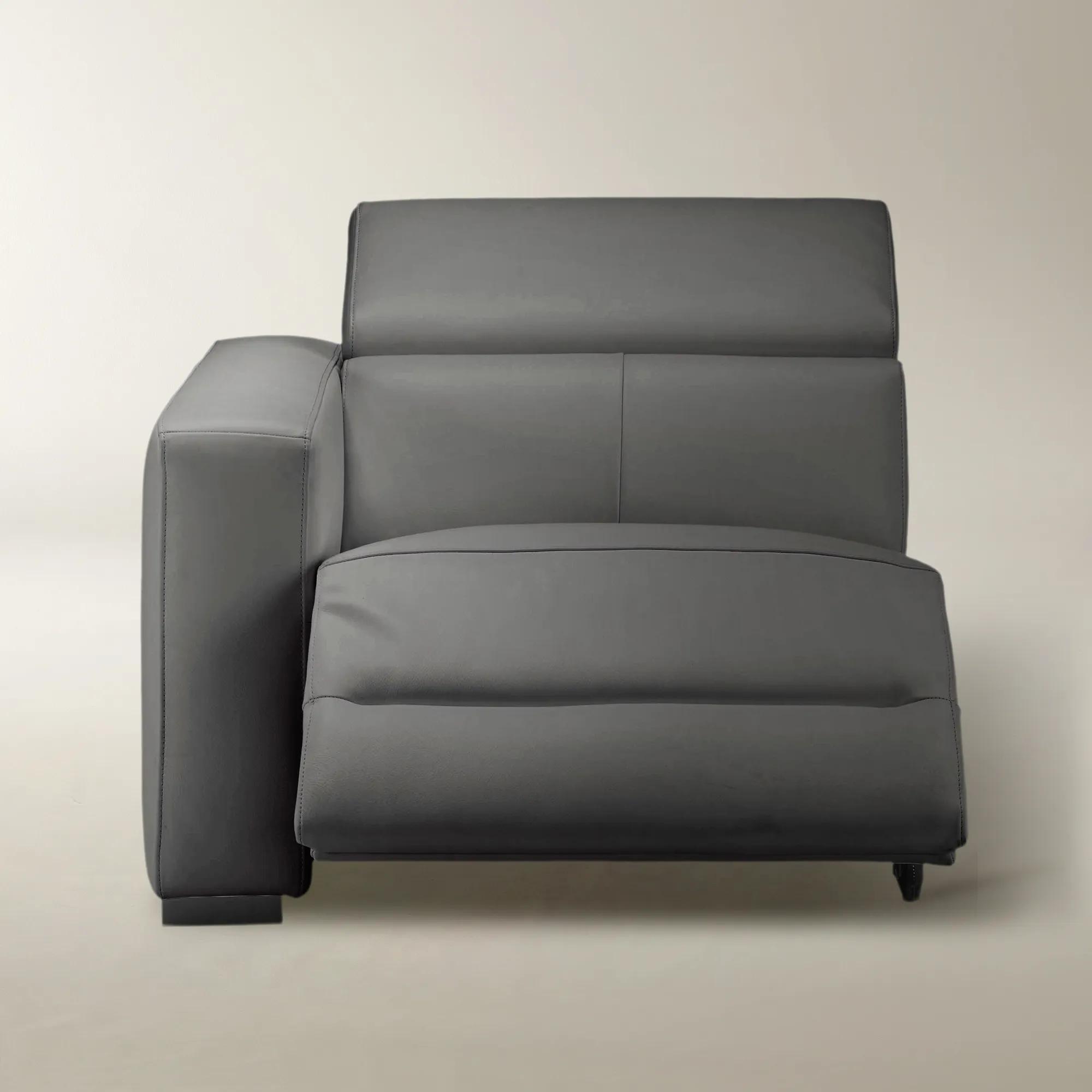 Verona Reclining Charcoal Leather Left Arm Chair With Power$1499
A charcoal semi-aniline leather sectional with adjustable headrests, power-reclining seats, and kiln-dried hardwood frame.
Add To Cart -
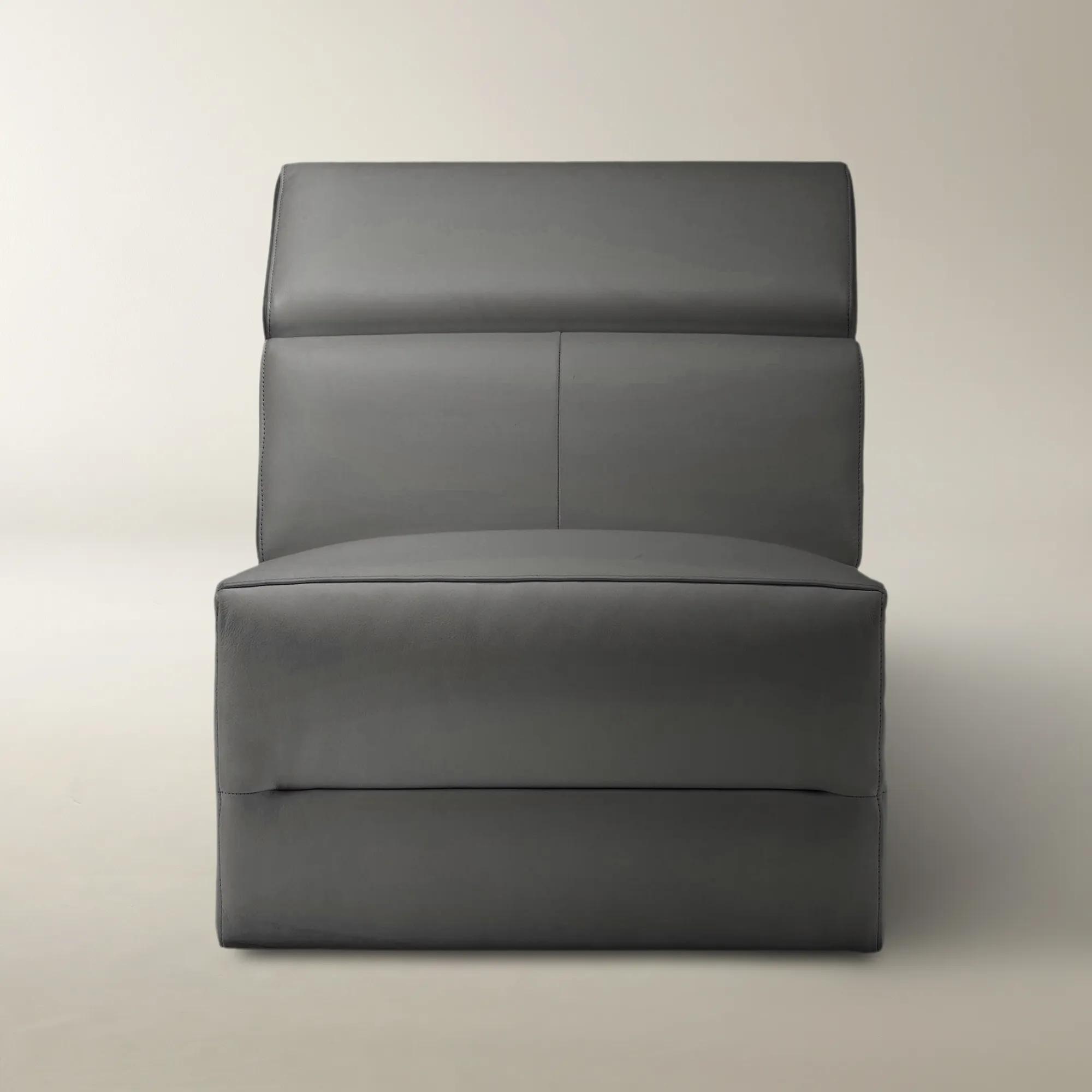 Verona Charcoal Leather Armless Chair$1099
A charcoal semi-aniline leather sectional featuring adjustable headrests and optional power-reclining seats for comfort.
Add To Cart -
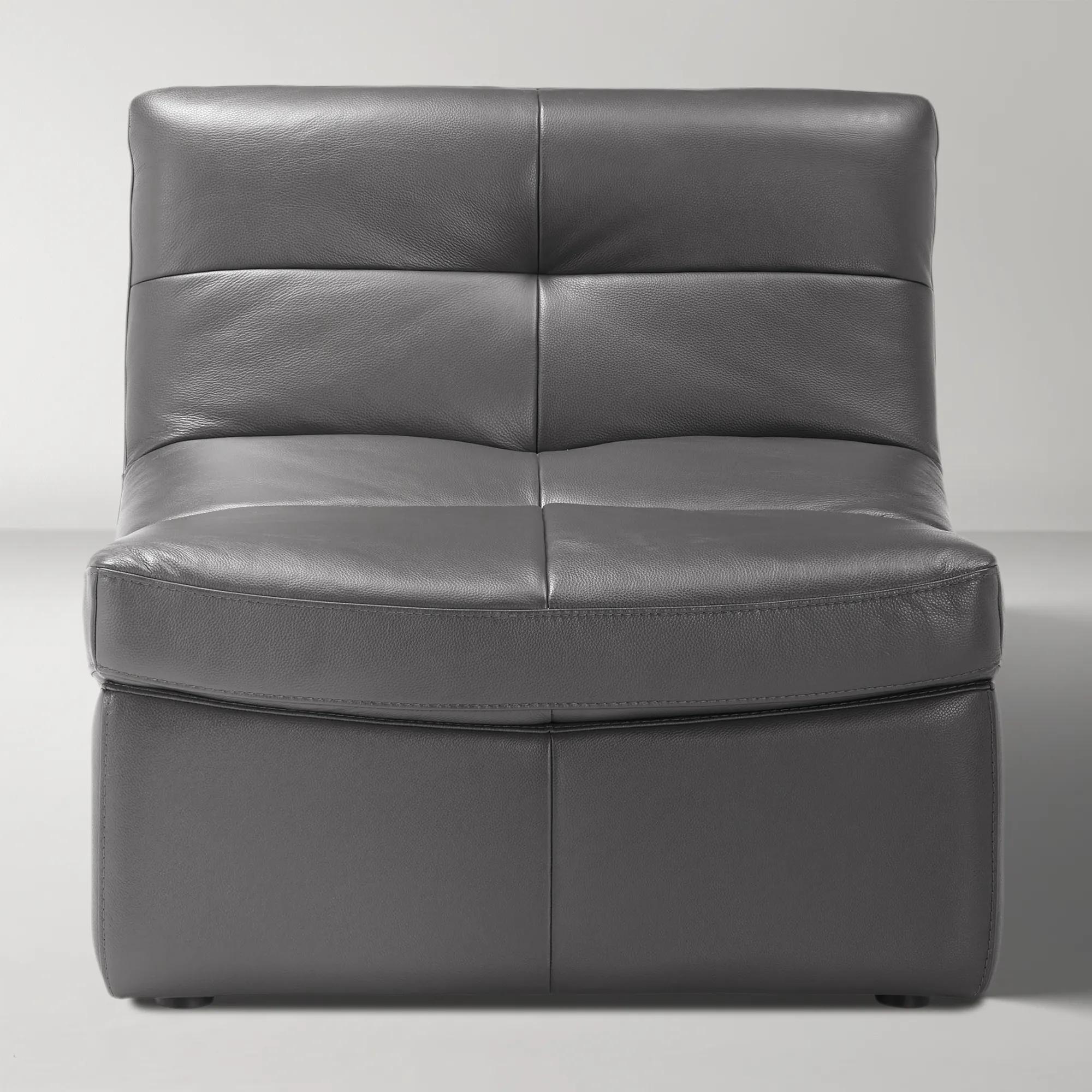
.jpg?w=1200&h=1200) Convo Charcoal Leather Armless Chair$1199
Convo Charcoal Leather Armless Chair$1199A modular sectional with kiln-dried hardwood frame and charcoal semi-aniline leather upholstery for modern versatility.
Add To Cart -
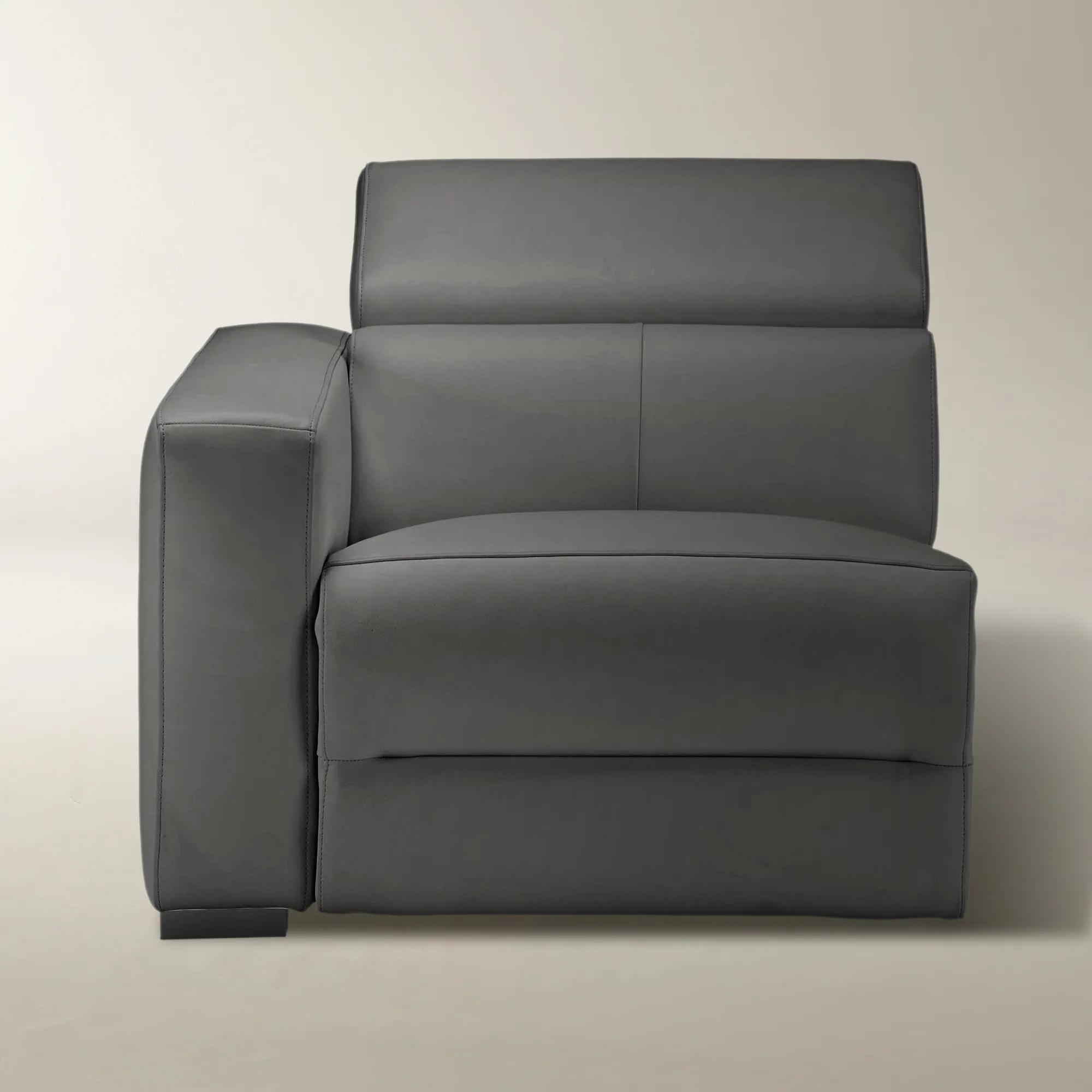 Verona Charcoal Leather Left Arm Chair$1299
A charcoal semi-aniline leather sectional with adjustable headrests, power-reclining seats, and kiln-dried hardwood frame.
Add To Cart -
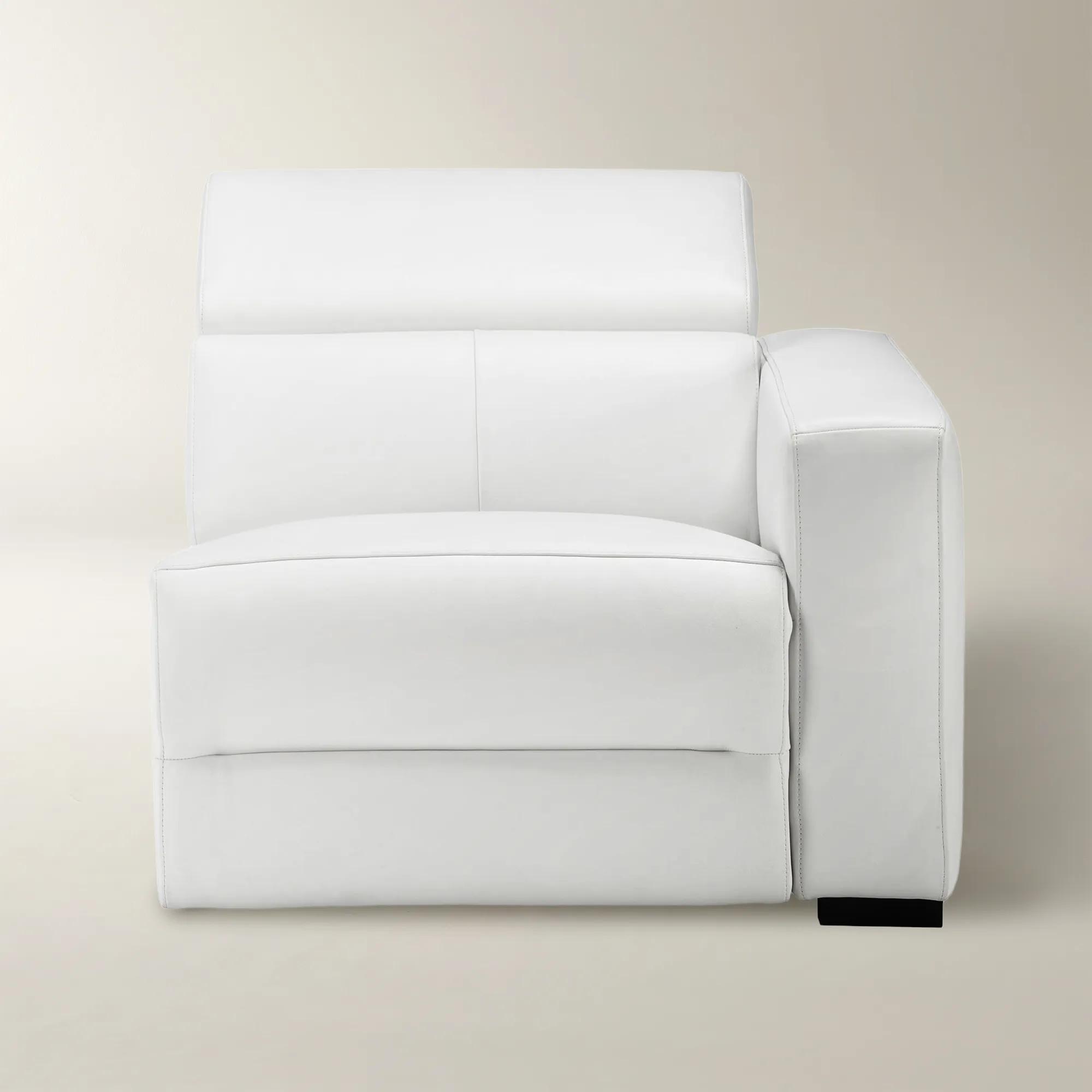 Verona White Leather Right Arm Chair$1299
A modern white sectional upholstered in supple semi-aniline leather with adjustable headrests and power-reclining options.
Add To Cart -
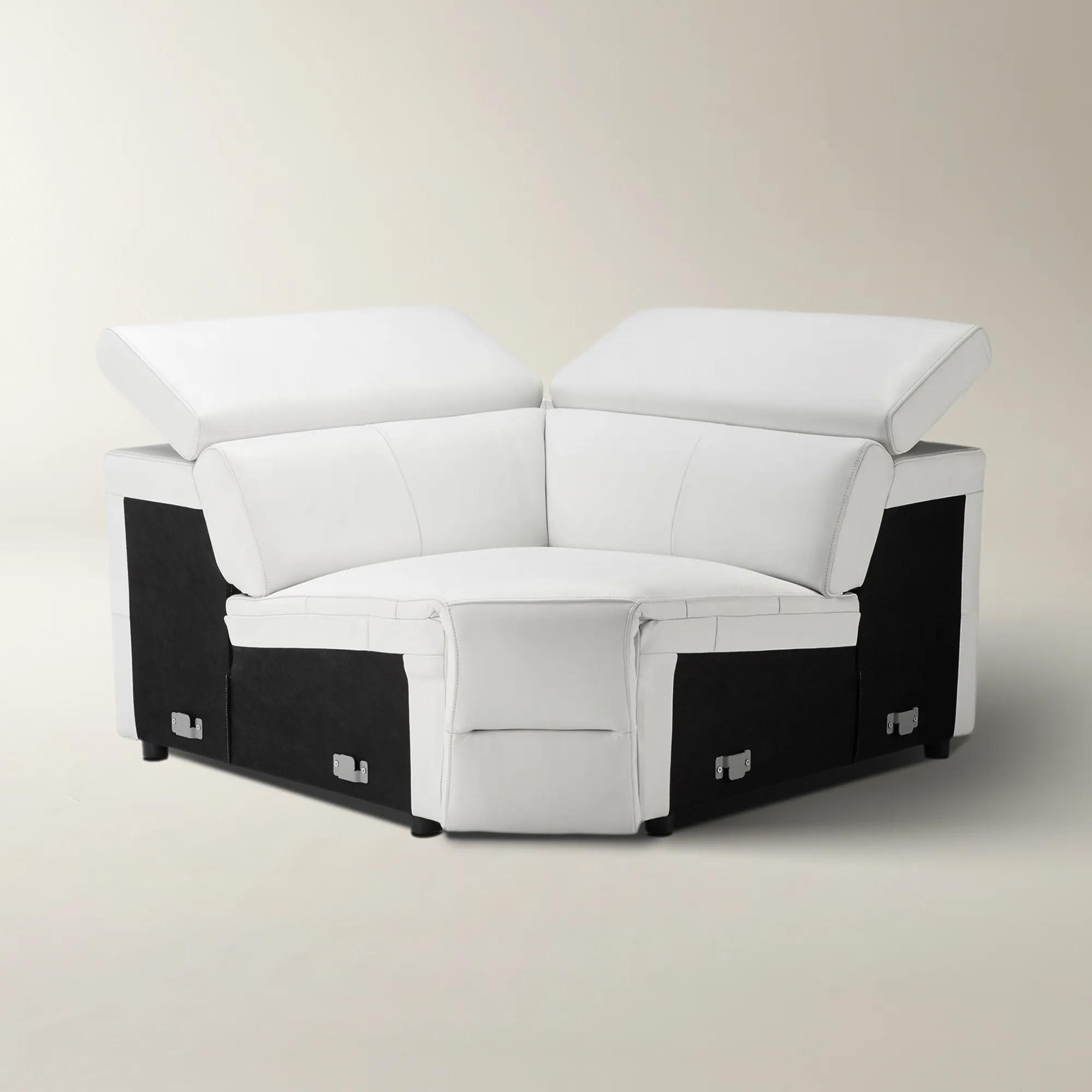 Verona White Leather Corner Chair With Power$1499
A modern sectional upholstered in supple white semi-aniline leather with adjustable headrests and power-reclining seats.
Add To Cart -
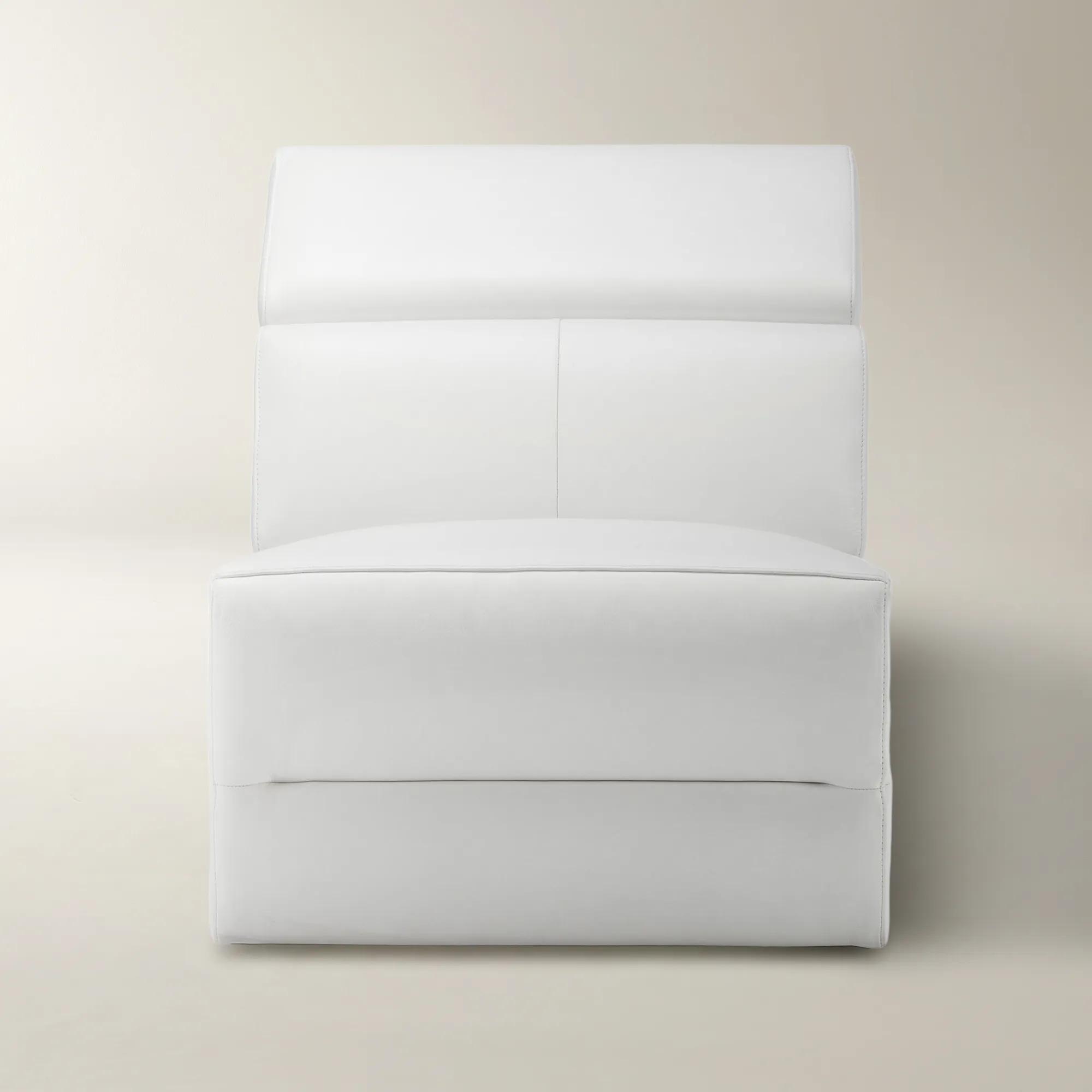 Verona White Leather Armless Chair$1099
A modern sectional upholstered in supple white semi-aniline leather with adjustable headrests and power-reclining options.
Add To Cart -
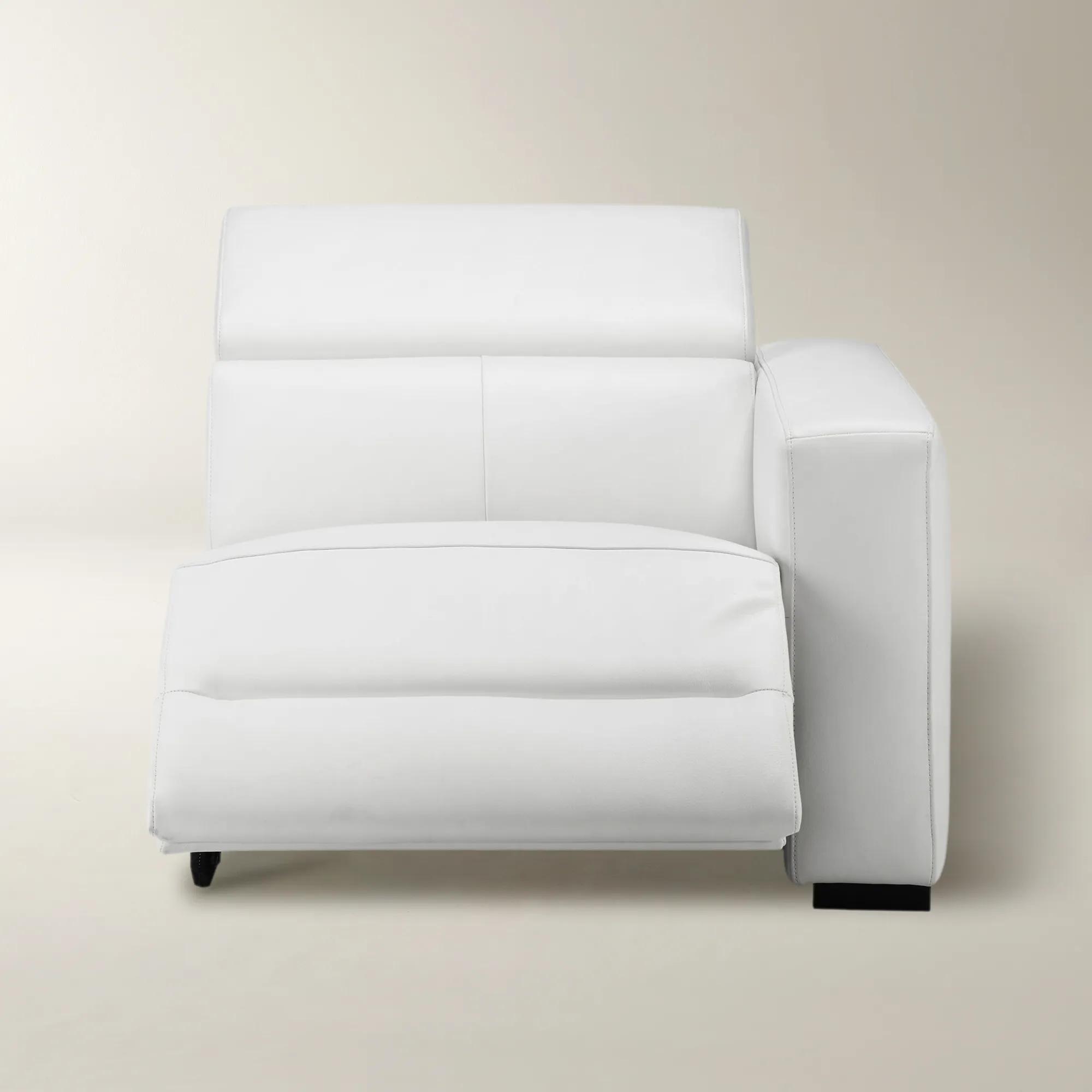 Verona Reclining White Leather Right Arm Chair With Power$1499
A modern white sectional upholstered in supple semi-aniline leather with adjustable headrests and power-reclining options.
Add To Cart -
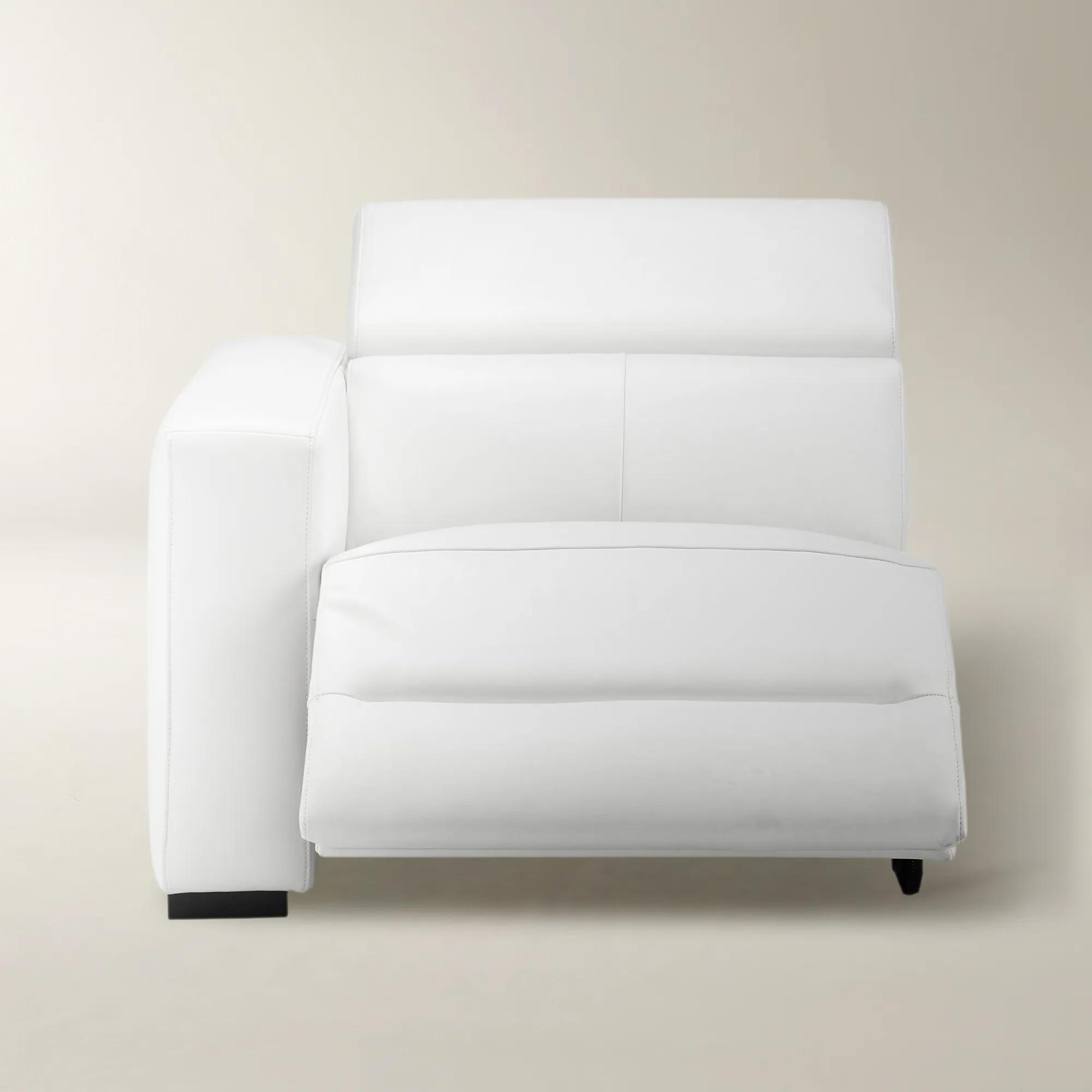 Verona Reclining White Leather Left Arm Chair With Power$1499
A modern white sectional upholstered in supple semi-aniline leather with adjustable headrests and power-reclining seats.
Add To Cart -
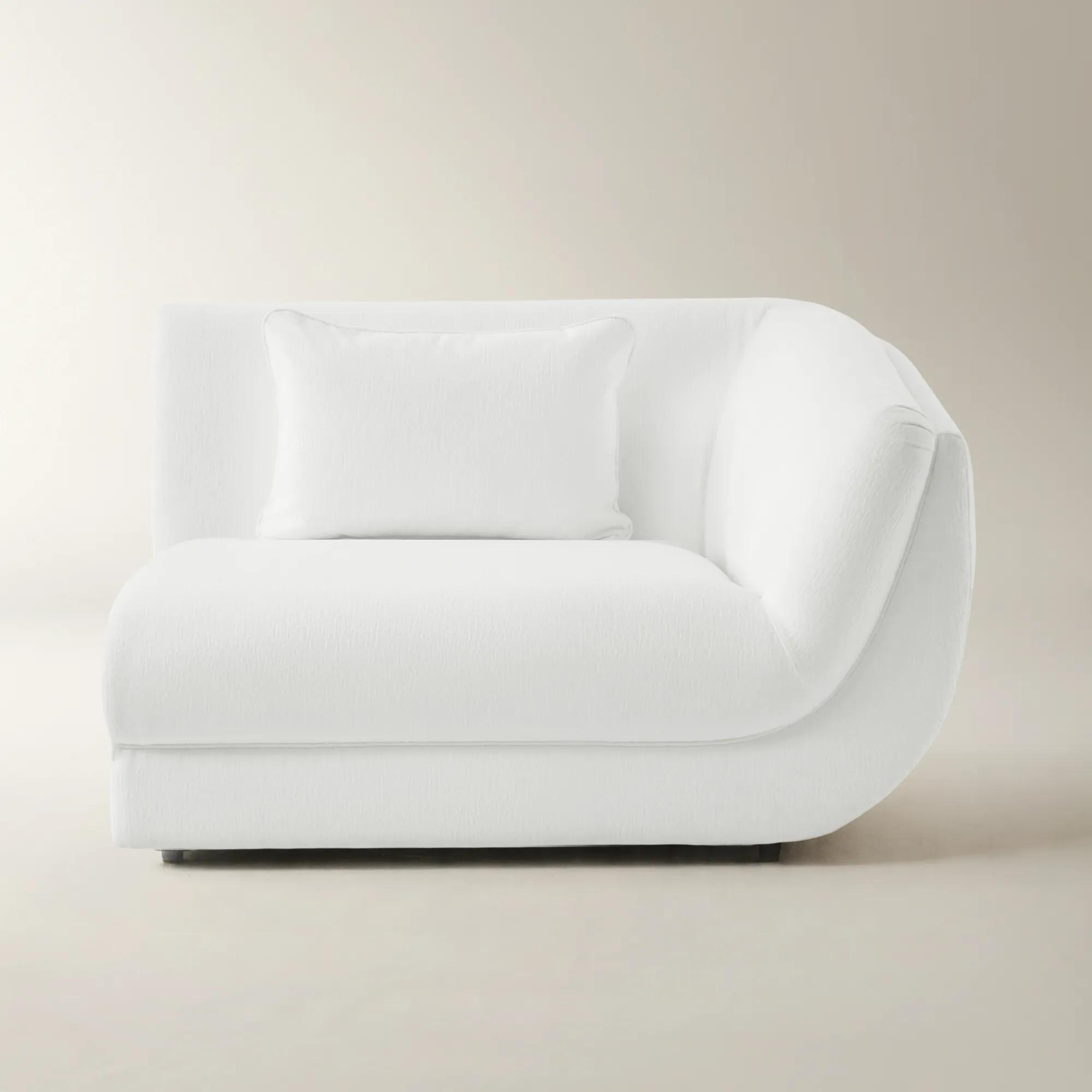
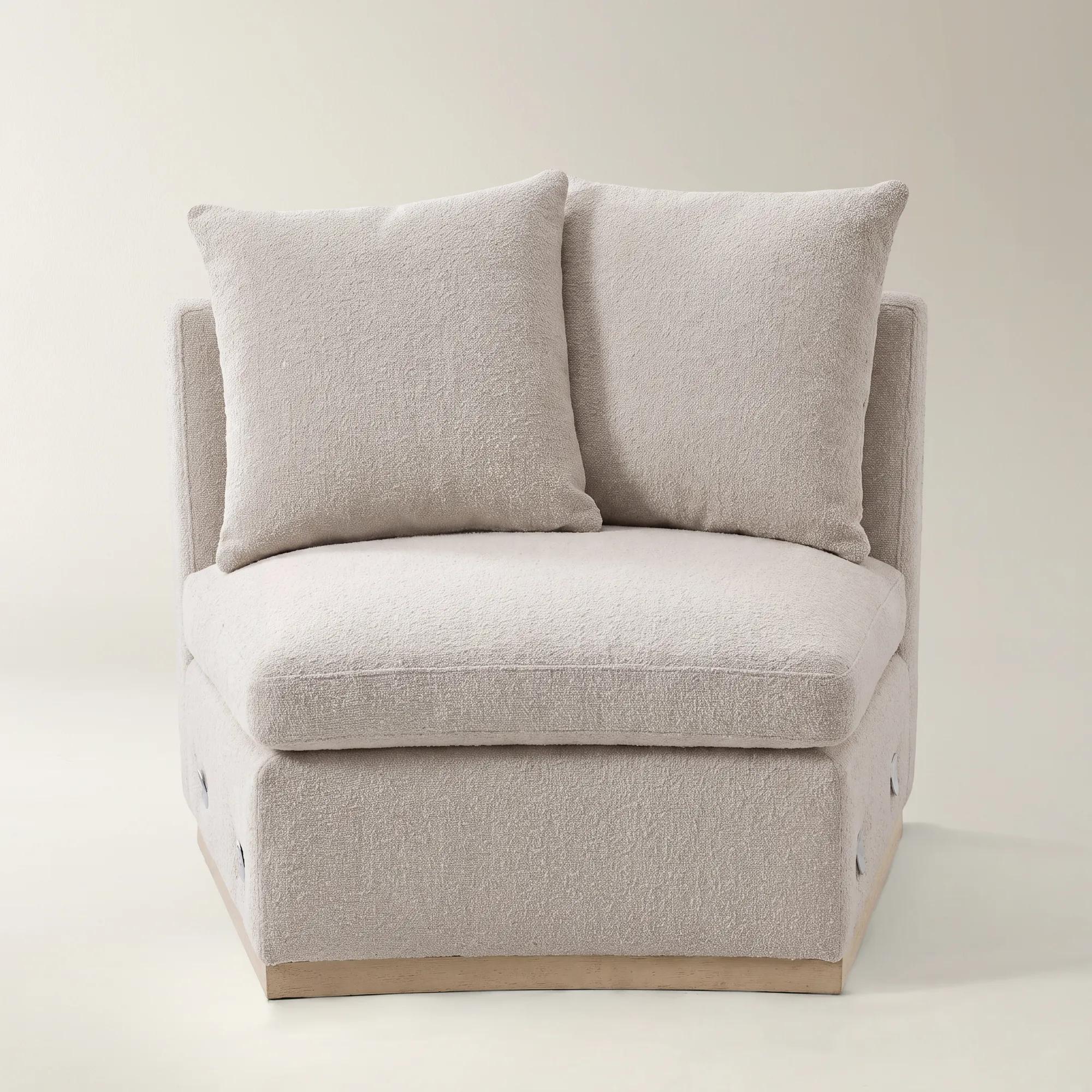
 Convo White Leather Corner Chair$1399
A modular sectional featuring kiln-dried hardwood frames and charcoal semi-aniline leather upholstery for modern versatility.
Add To Cart -
 Convo White Leather Armless Chair$1199
A modular sectional in charcoal semi-aniline leather with kiln-dried hardwood frames and gently curved seats.
Add To Cart -
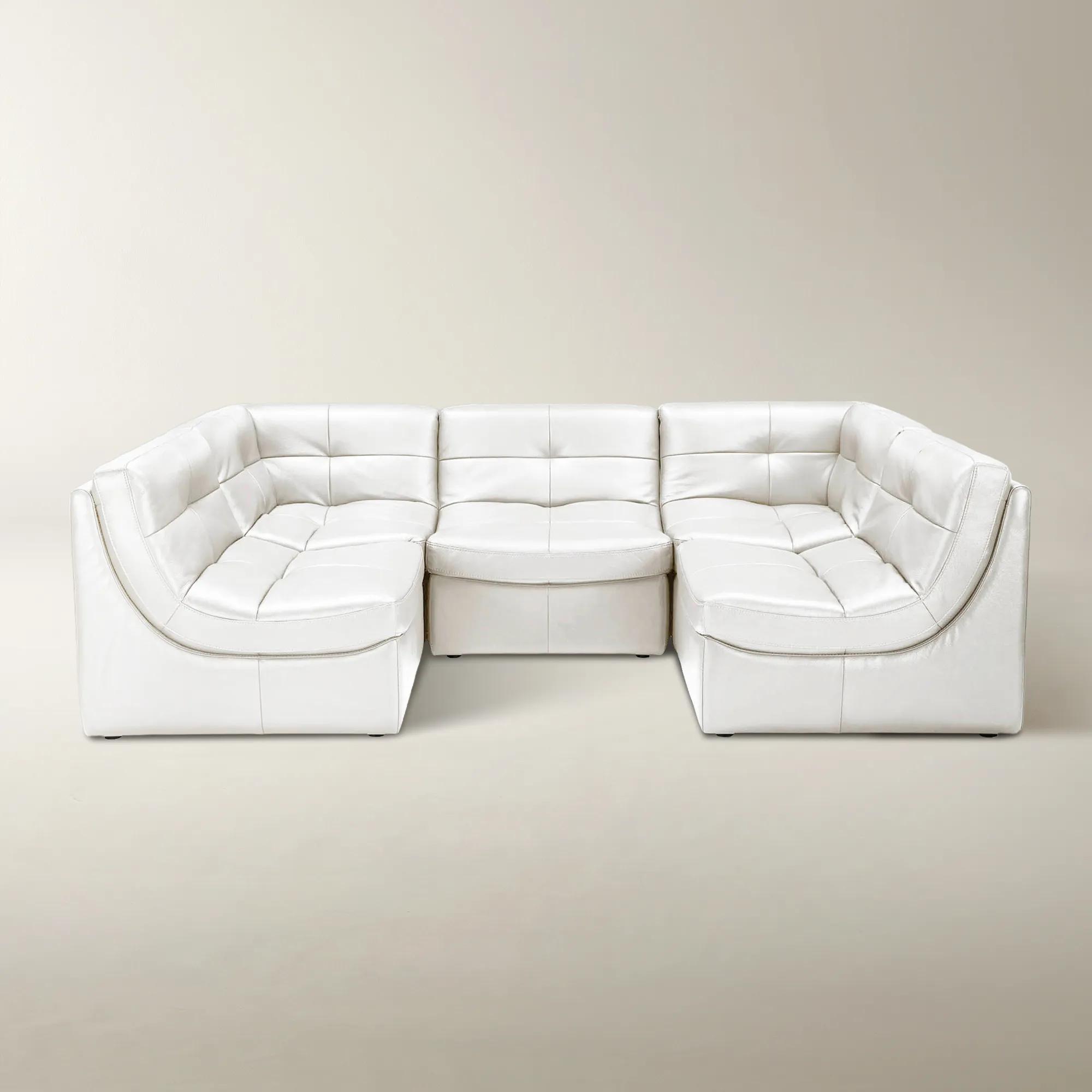 Convo 5-Piece U- Shaped White Leather Sectional Sofa$6399
A modular sectional featuring gently curved seats and charcoal semi-aniline leather upholstery for modern versatility.
Add To Cart -
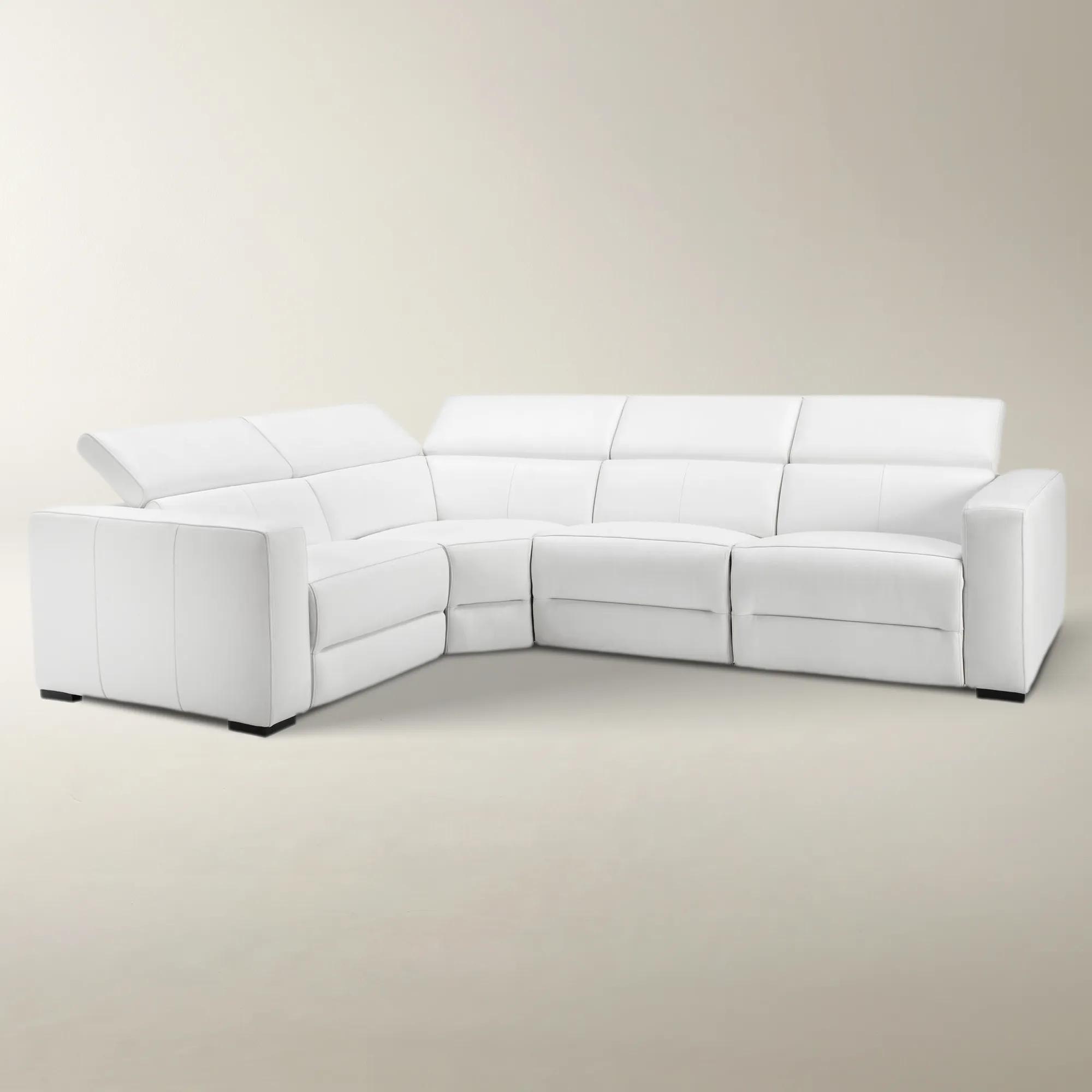 Verona 4-Piece L-Shaped Reclining White Leather Sectional Sofa With Left-Arm$5499
A modern sectional upholstered in supple white semi-aniline leather with adjustable headrests and power-reclining seats.
Add To Cart -
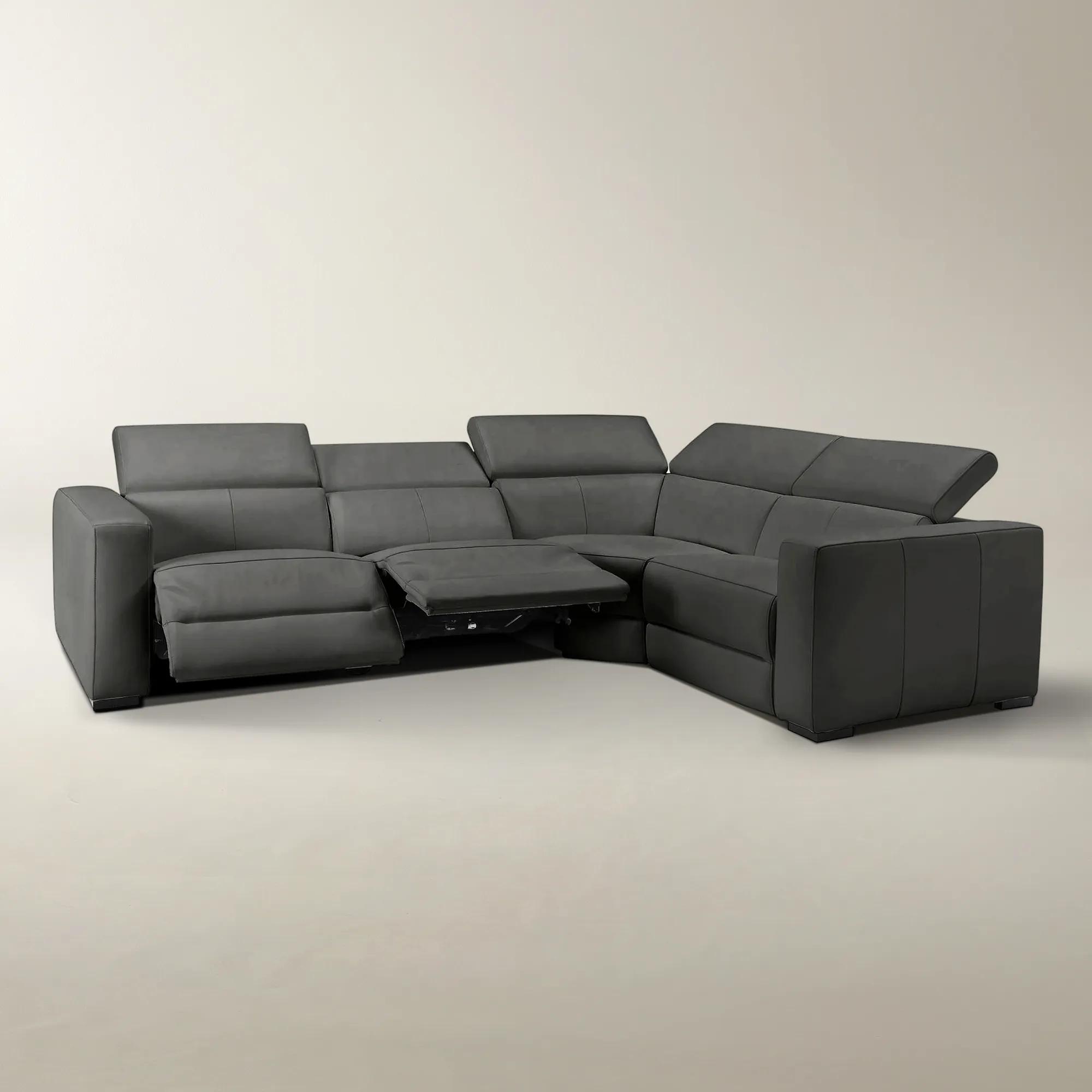
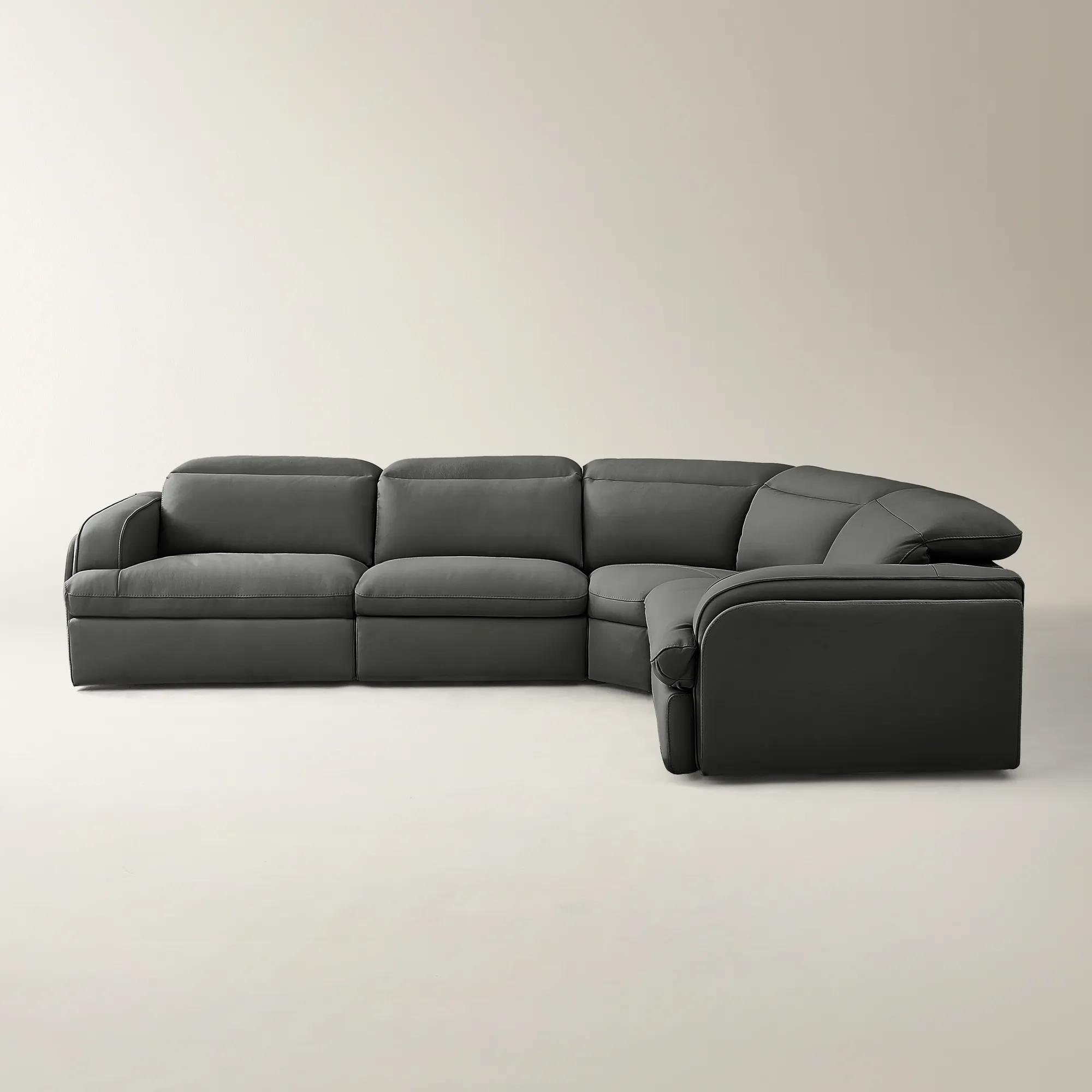
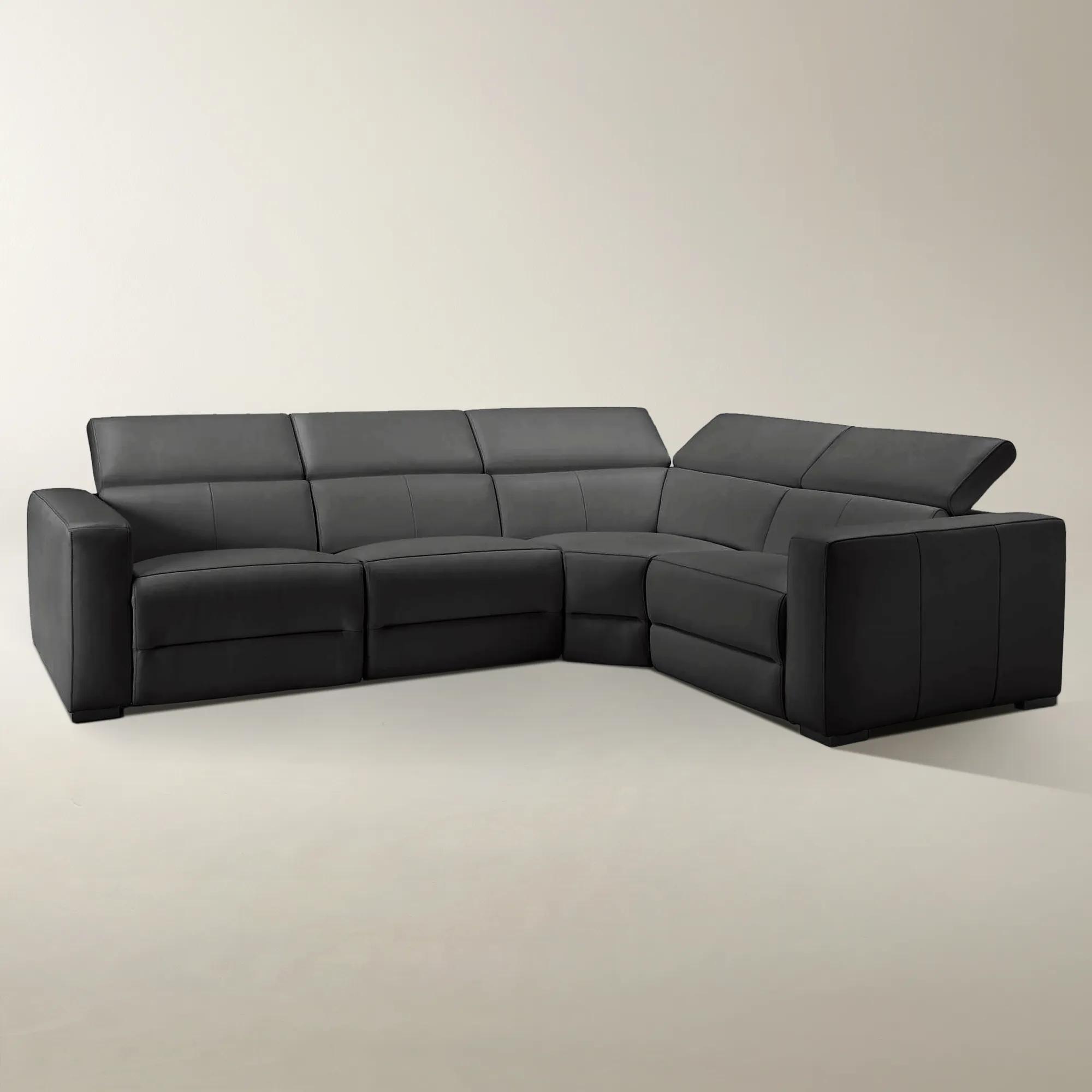 Verona 4-Piece L-Shaped Reclining Charcoal Leather Sectional Sofa With Right-Arm$5499
A charcoal semi-aniline leather sectional featuring adjustable headrests, power-reclining seats, and kiln-dried hardwood frame.
Add To Cart -
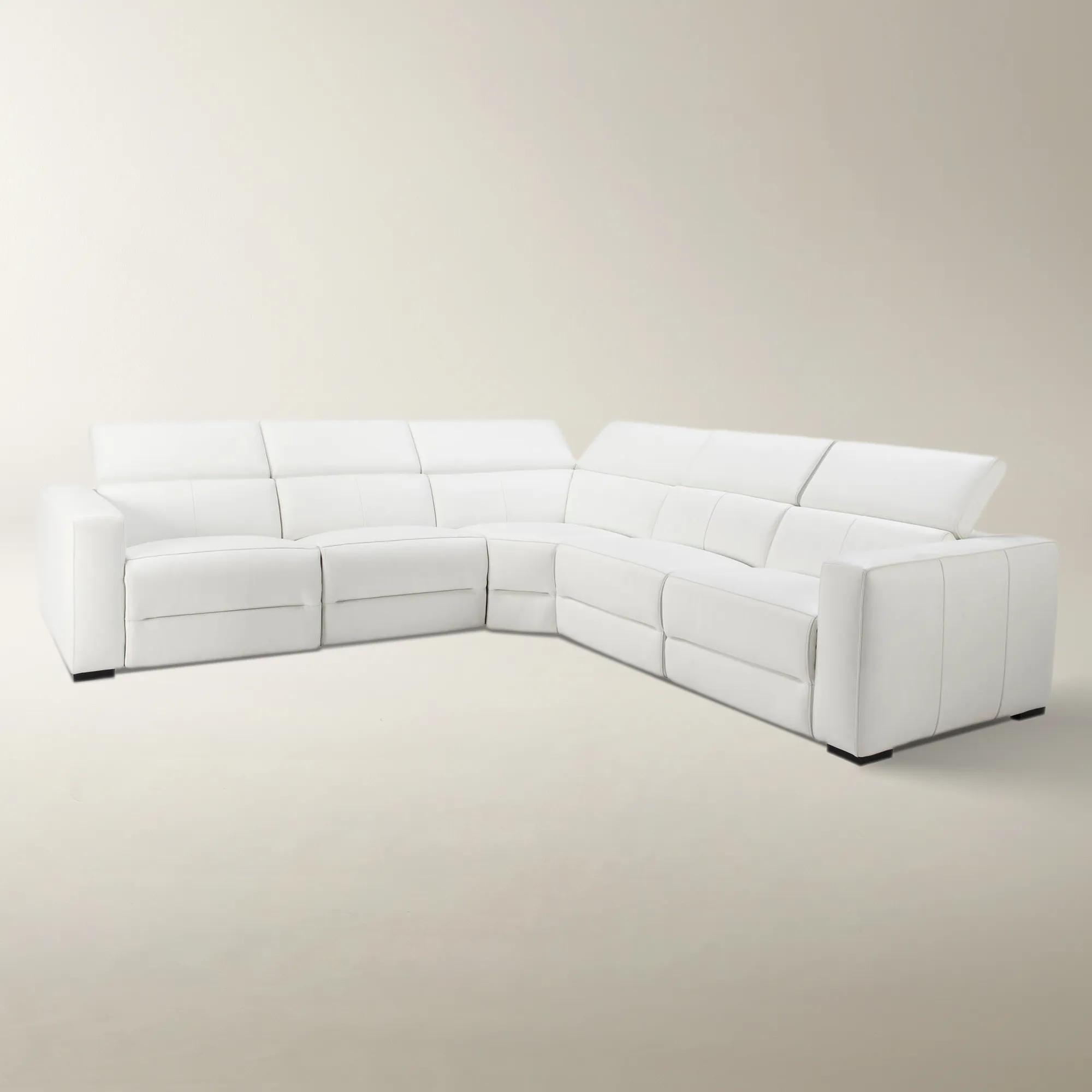
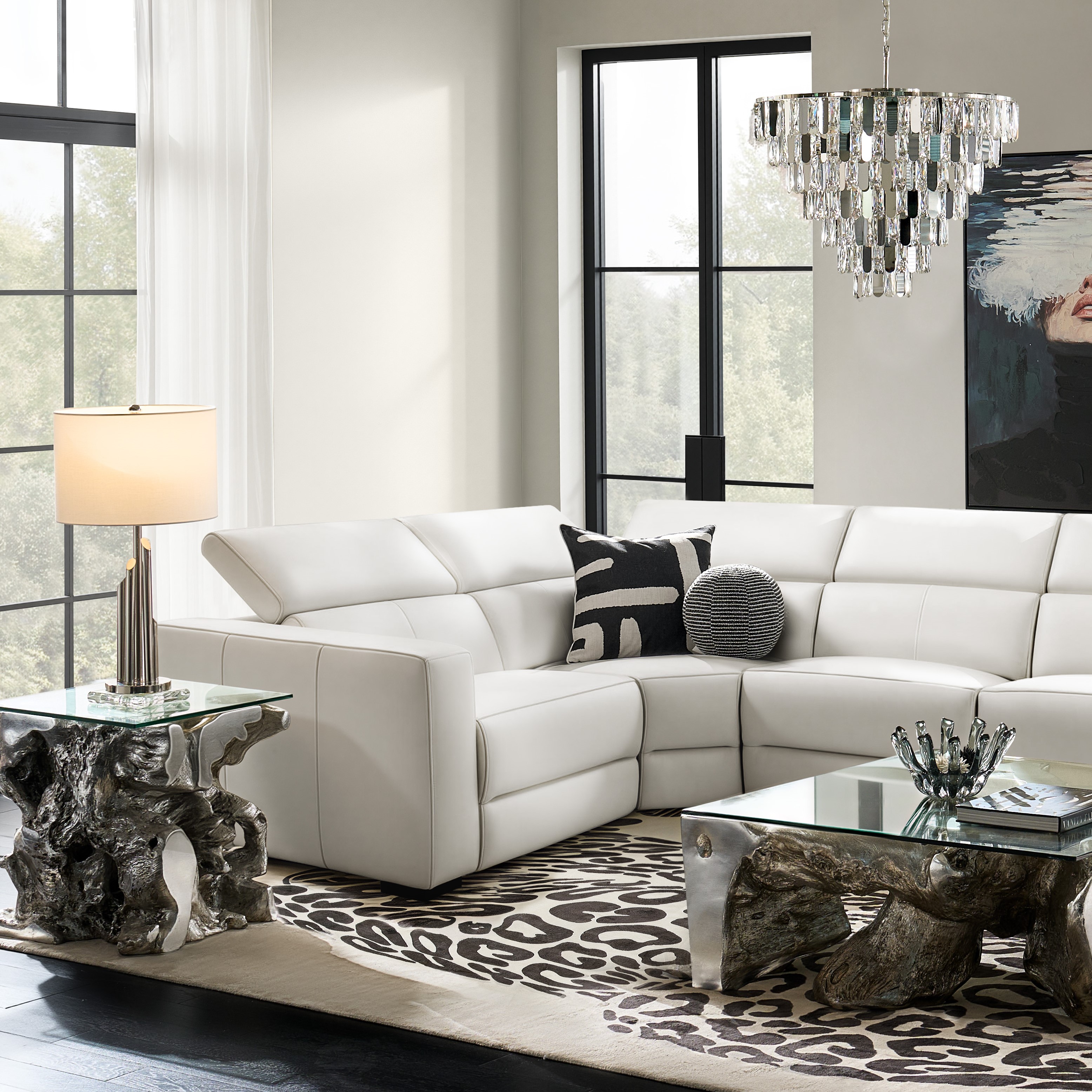 Verona 5-Piece Reclining White Leather Sectional Sofa$6799
A modern sectional upholstered in supple white semi-aniline leather with adjustable headrests and power-reclining seats.
Add To Cart

Designer Living Room Furniture Sales
Shop designer living room furniture on sale at Z Gallerie for expressive silhouettes and glamorous focal points. Discover furniture to anchor your seating arrangement or bring a dramatic accent to an existing space, comparing dimensions, finishes, and sale prices to find pieces that complement your room’s proportions and your personal style.
Designer living room furniture brings an unmistakable sense of intention to the space where daily life and entertaining meet. A generous sofa establishes the room’s rhythm; a sculptural chair introduces a different line; a beautifully proportioned coffee table gives the composition a center. Together, these elements create more than a coordinated interior. They express a point of view, whether that means luminous neutrals with gleaming metallic accents, deep jewel tones against dark wood, or sweeping curves balanced by crisp architectural shapes. The most compelling rooms allow contrast to do some of the work. Sumptuous upholstery feels richer beside a smooth stone surface, while a glass tabletop gives a substantial seating arrangement visual breathing room. Velvet offers depth and a distinctive play of light, with its pile shifting in appearance as the viewing angle changes. Woven fabrics introduce a more textured dimension, and leather can lend definition through its natural grain and tailored presence. Each material contributes a different mood, but its suitability also depends on how the room is used. A living room that hosts animated conversation, movie nights, and frequent visitors asks something different of its furniture than a formal sitting area reserved for quieter gatherings. Upholstery texture, cushion support, surface finish, and ease of maintenance all deserve a place in the design conversation. Color works best when considered across the entire room rather than in isolation: an ivory sofa might draw warmth from a wood floor, while a saturated accent chair can pick up a single shade from an expressive artwork. Matching every finish is not necessary. Repeating a tone, curve, or material in a few deliberate places creates continuity without sacrificing character. Even understated palettes can carry extraordinary presence when scale, texture, and silhouette are thoughtfully balanced. Designer living room furniture is especially appealing to anyone who wants a home that feels personal rather than prescribed, with substantial everyday pieces that make space for a little theatricality.
Proportion gives that expressive vision its foundation. Furniture should feel generous enough for its purpose without overwhelming the architecture or interrupting the way people move through the room. In an open living area, a substantial seating arrangement can define the gathering space without the need for a physical divider. In a smaller apartment, an elevated base, slender arms, or an open table frame can preserve sightlines and keep the composition from feeling crowded. Overall dimensions tell only part of the story. Seat depth affects whether a sofa feels upright and conversational or encourages a more relaxed posture, while seat height and cushion firmness influence how comfortably someone can sit down and stand up. Tall household members may appreciate additional depth; others may prefer a shallower seat that lets their feet rest easily on the floor. For a central seating piece with a strong design presence, Designer Collection Living Room Sofas offers a focused place to consider the silhouette that will anchor the room. The surrounding furniture should support that choice rather than compete with it. A coffee table needs a comfortable relationship to the seating, with enough space around it for movement and a height suited to reaching a drink or setting down a book. Side tables bring useful surfaces closer to individual seats, particularly when guests are gathered across a larger arrangement. Accent chairs can turn slightly toward a sofa to encourage conversation instead of lining every wall. In rooms with expansive windows or striking artwork, lower-profile furniture may preserve the view; where the architecture is quieter, a dramatic back or curved form can supply the focal point. Delivery access matters as much as the final placement, especially in homes with narrow doorways, tight stair turns, or elevators. Checking the full dimensions, including any removable components specified by the manufacturer, helps connect an ambitious design choice with the realities of the space. The result is a room that feels composed from every angle and comfortable in the moments that actually unfold there.
Lasting appeal comes from the relationship between beautiful materials, thoughtful construction, and care suited to the finish. Upholstered seating earns its place through repeated use, so frame construction, suspension, cushion composition, and fabric characteristics are worth considering alongside the outward design. A softer cushion can offer an inviting, enveloping feel, while a firmer cushion may better suit someone who prefers more defined support; neither sensation alone establishes durability. Households with children, pets, or frequent overnight visitors may place greater importance on clearly stated upholstery performance, removable covers where specified, and care requirements that fit their routines. Fabric labeled for particular stain resistance or cleaning methods should still be treated according to the manufacturer’s directions, since treatments and fiber blends vary. Regular vacuuming with an appropriate upholstery attachment helps remove dust and debris, and rotating or turning cushions, when their construction allows it, can help distribute wear. Spills call for prompt attention using the recommended method rather than vigorous rubbing or an improvised cleaner. Wood, stone, glass, and metallic finishes also have distinct needs. Coasters and protective pads help reduce direct contact with moisture, heat, and abrasive objects; cleaners should be selected for the actual surface, not simply its appearance. Natural stone may require specific sealing or maintenance, while mirrored and high-gloss surfaces benefit from gentle handling that protects their reflective character. Placement can influence longevity, too, since prolonged direct sunlight may alter some upholstery colors and finishes. These practical details do not diminish the pleasure of a dramatic interior. They protect the qualities that made the furniture desirable in the first place: the sweep of an arm, the depth of a fabric, the warmth of a tabletop, the gleam of a carefully chosen accent. A room intended for lively hosting might pair supportive seating with several accessible surfaces, while a personal retreat may center on a deeply comfortable chair and a table within easy reach. With materials and proportions matched to real habits, designer living room furniture can deliver both visual distinction and an enduring sense of ease.
FAQs
Look for distinctive silhouettes, expressive materials, and thoughtful detailing that give your room a clear point of view. Sculptural sofas, channel-tufted accent chairs, and coffee tables with polished metal or stone surfaces can anchor a glamorous composition. Let a cohesive palette guide your selections while contrasting textures add depth.
Begin with one commanding piece, such as a sumptuous upholstered sofa or an artful coffee table, and build your design around its character. Repeat a finish, color, or curved line across other furnishings to establish continuity. The goal is a collected composition—not a room where every piece matches.
Velvet lends upholstery a luminous surface with captivating shifts in tone, while bouclé creates a richly textured, tactile statement. Leather introduces a sleek, tailored mood, and woven fabrics offer subtle visual depth. Choose the texture that expresses your style, then layer it with contrasting pillows and throws for added dimension.
Yes—contrasting eras can give a living room an expressive, personal identity. Pair a streamlined sofa with a vintage-inspired accent chair, or place a sculptural contemporary table beside a traditionally tufted seat. Connect the pieces through a shared color or finish so their differences feel deliberate and artfully composed.
Accent furniture introduces moments of artistry beyond the sofa. A gleaming side table can echo metallic details throughout the room, while a sculptural chair brings movement to a composition of clean lines. An expressive console creates a stage for oversized artwork, luminous lighting, and carefully chosen decorative objects.