Designer Fabric Sofas
Designer Fabric Sofas
-
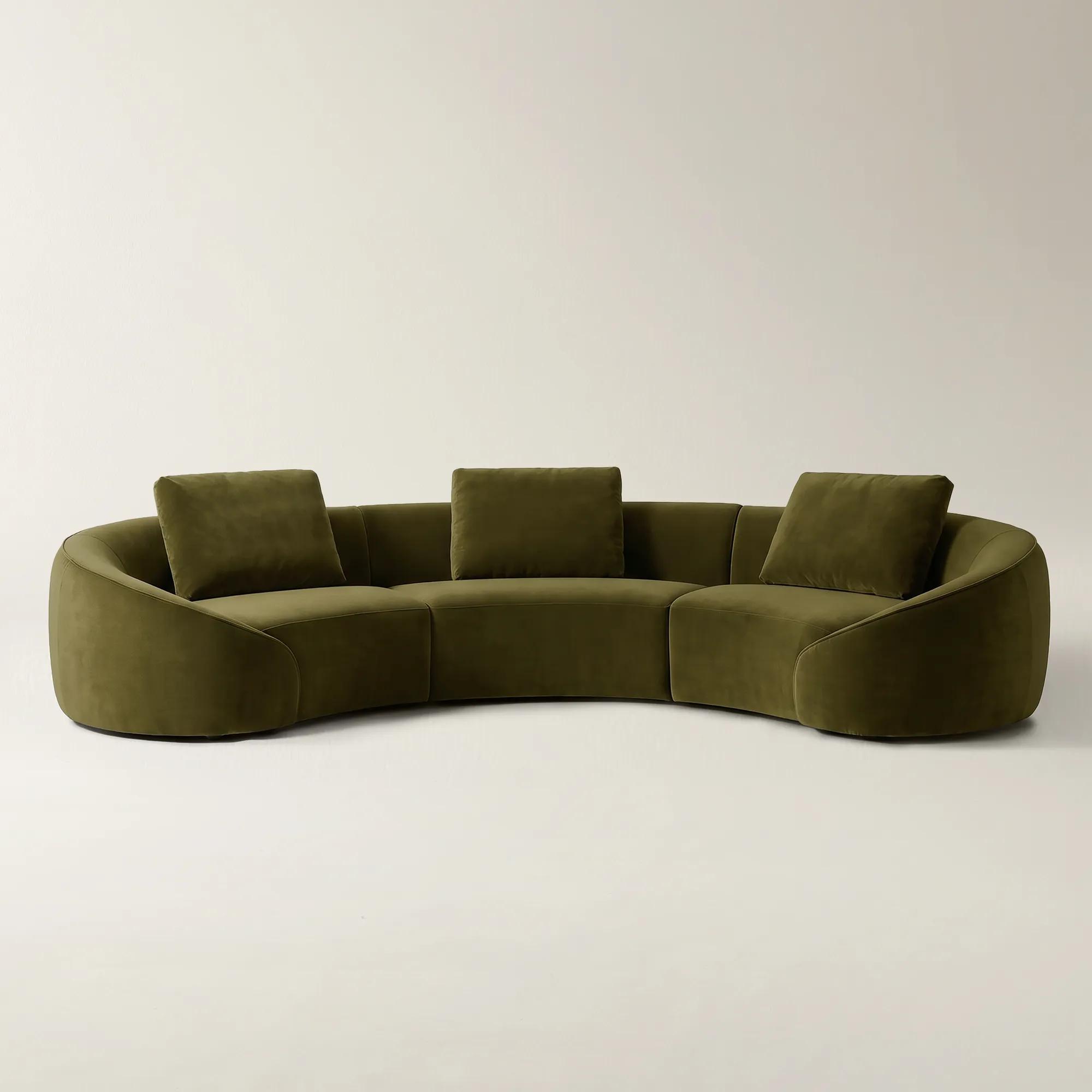
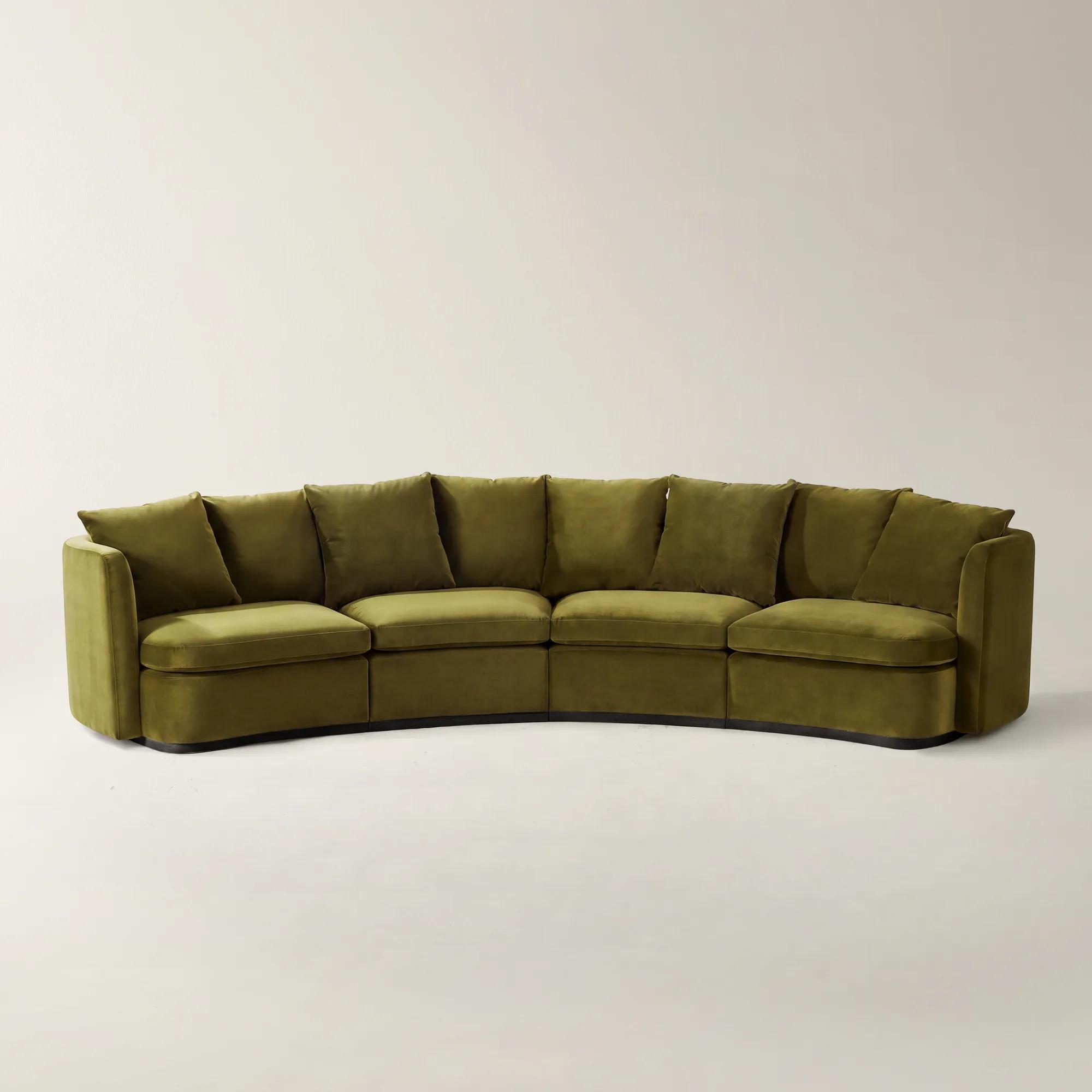
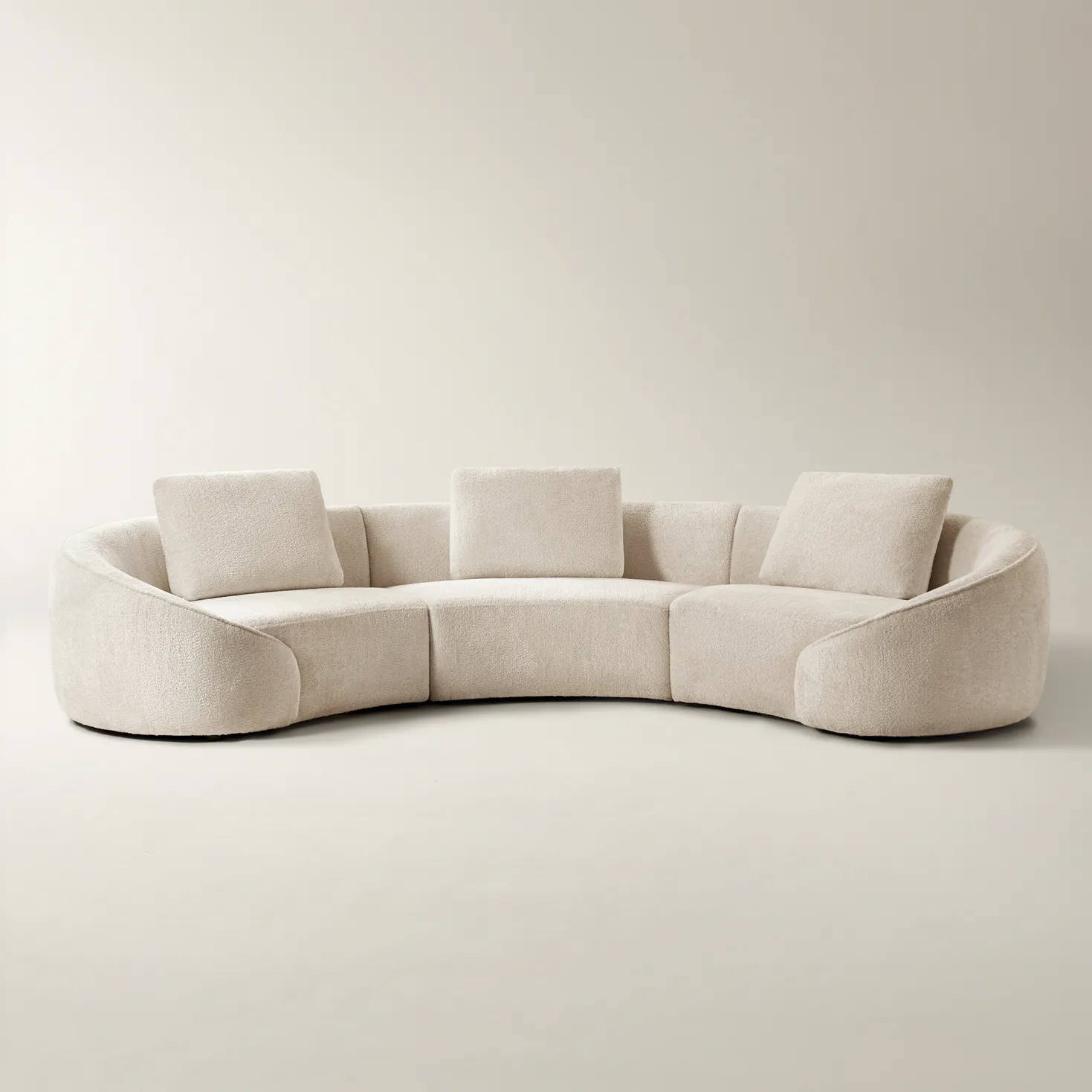 Irene 3-Piece Deep Olive Velvet Sectional Sofa$3899
A sculptural deep olive velvet sectional featuring high-resiliency foam cushions and hand-finished artisan detailing.
Add To Cart -
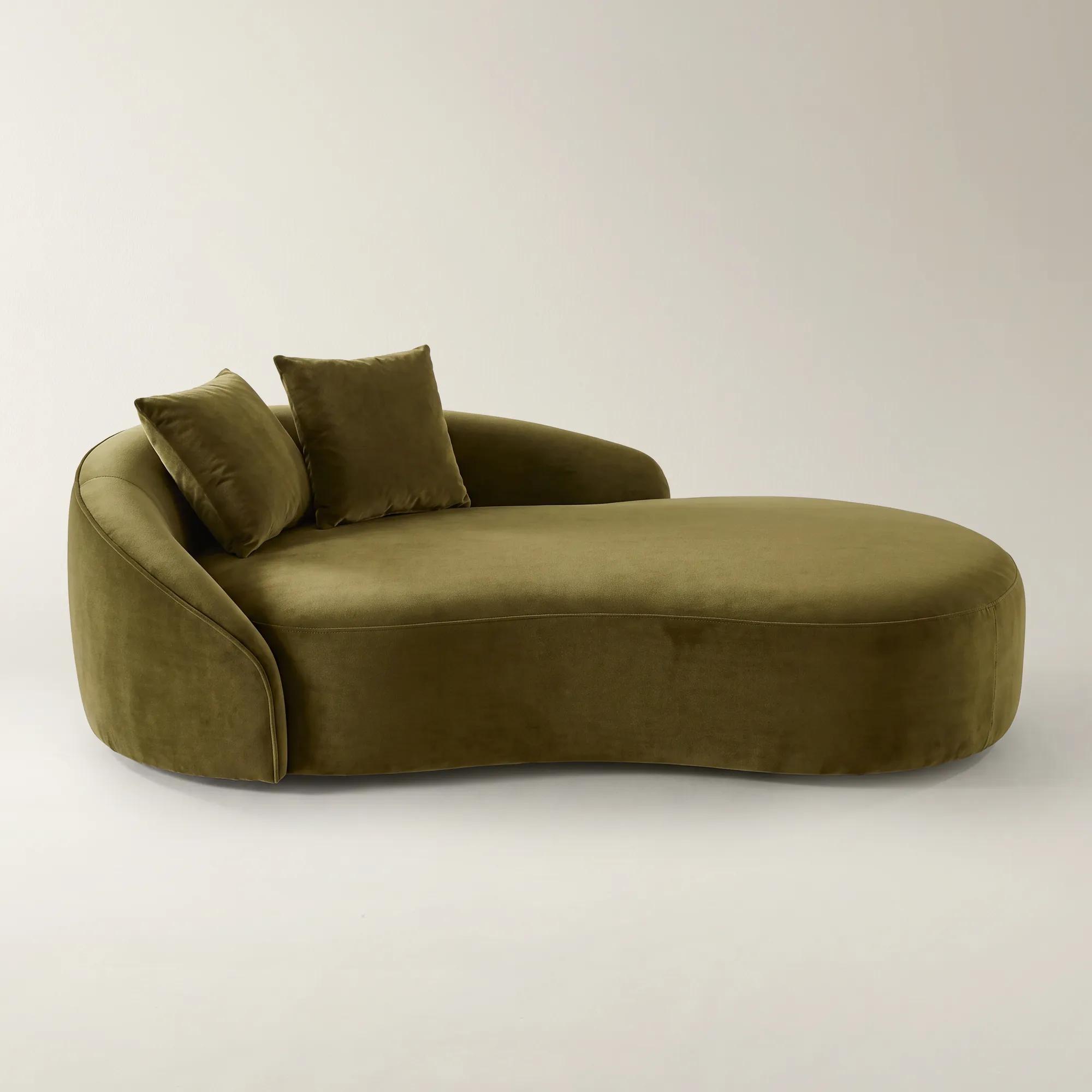
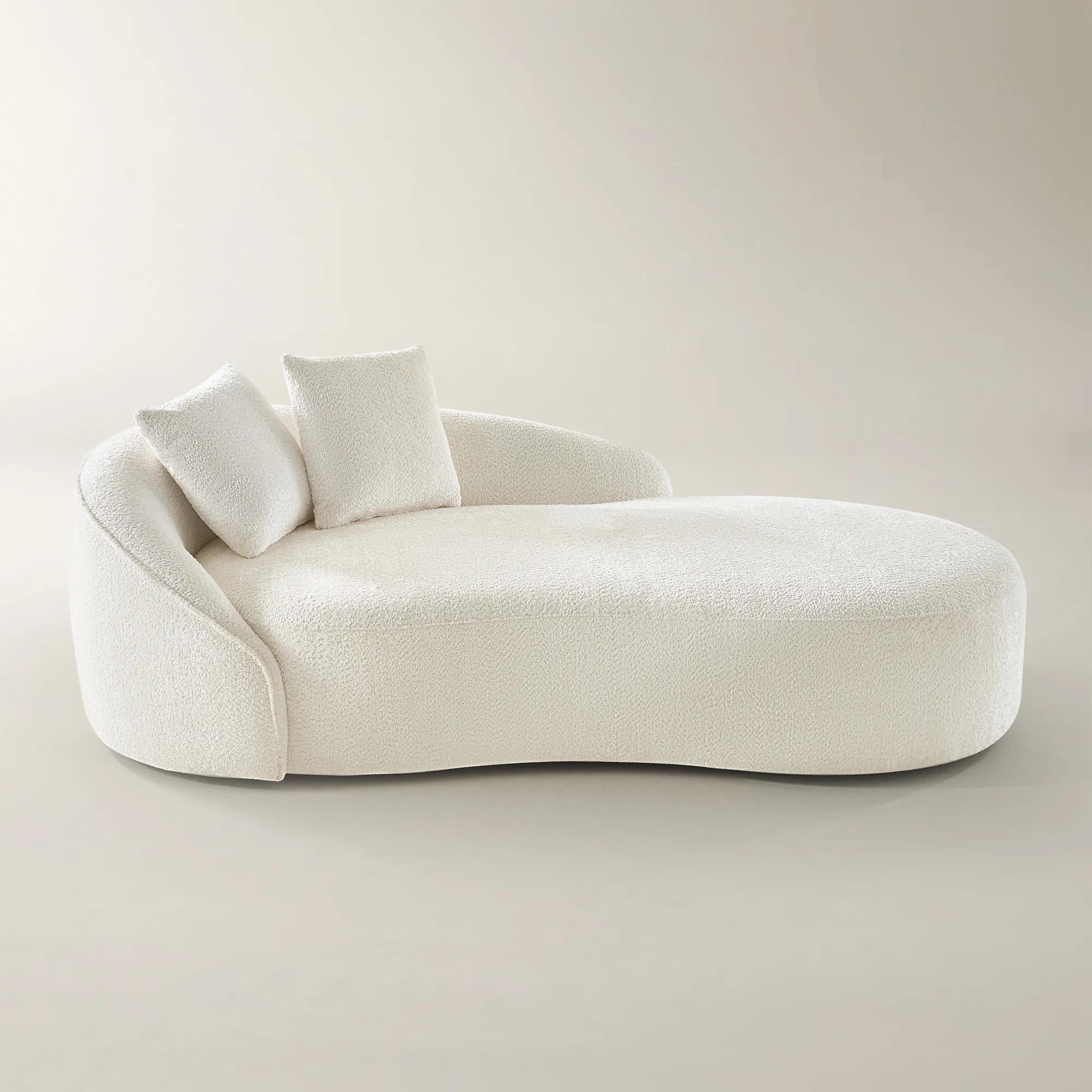 Irene Deep Olive Velvet Chaise$1899
A sculptural deep olive velvet chaise featuring high-resiliency foam cushions and artisan hand-finished upholstery.
Add To Cart -
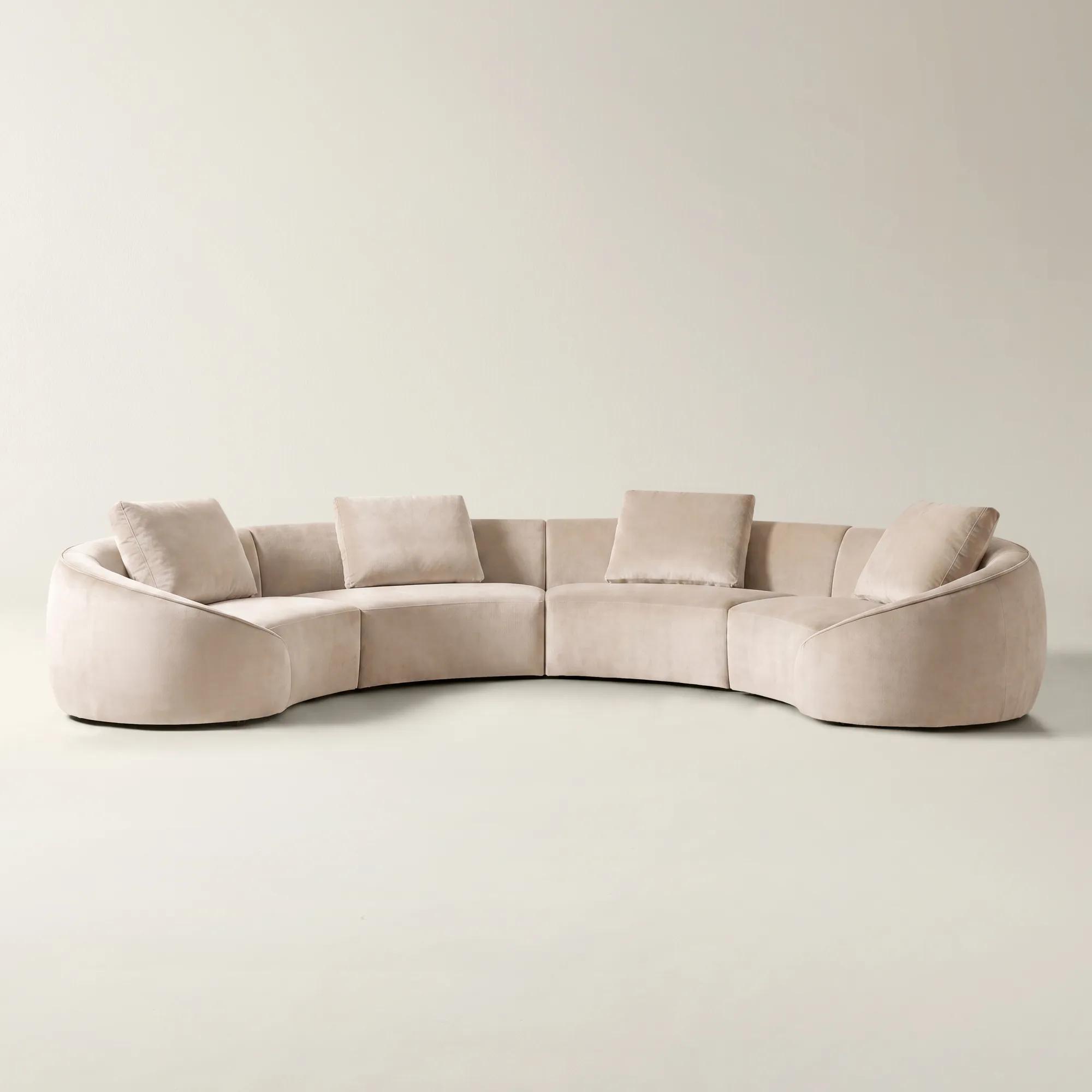 Irene 4-Piece Simply Taupe Velvet Sectional Sofa$4999
A sculptural taupe velvet sectional featuring high-resiliency foam cushions and hand-finished artisan upholstery.
Add To Cart -
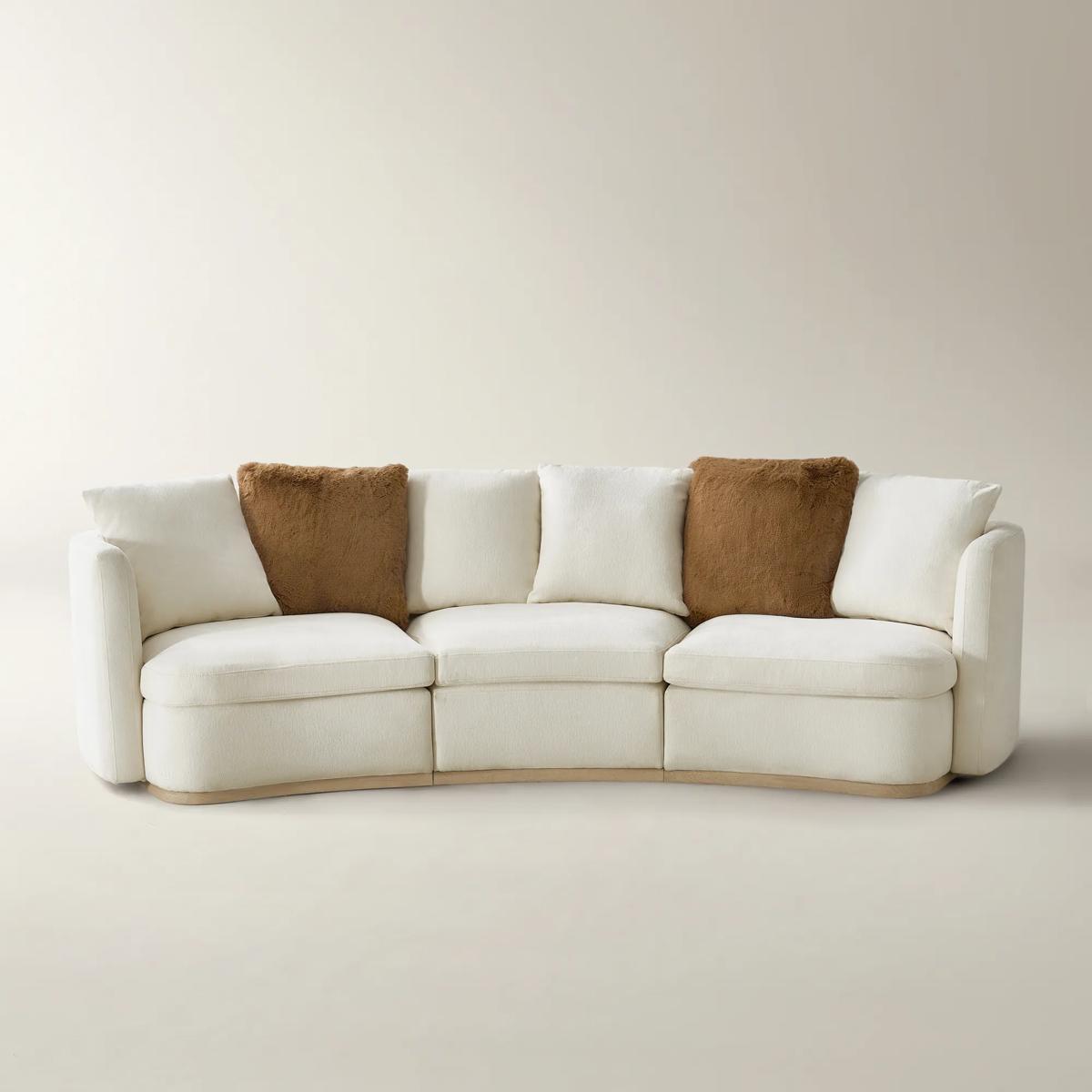 Stria 3-Piece Ivory Chenille Sectional Sofa$3399
An ivory chenille sofa featuring a sculptural curved design, triple-layer cushioning, and a kiln-dried oak frame.
Add To Cart -
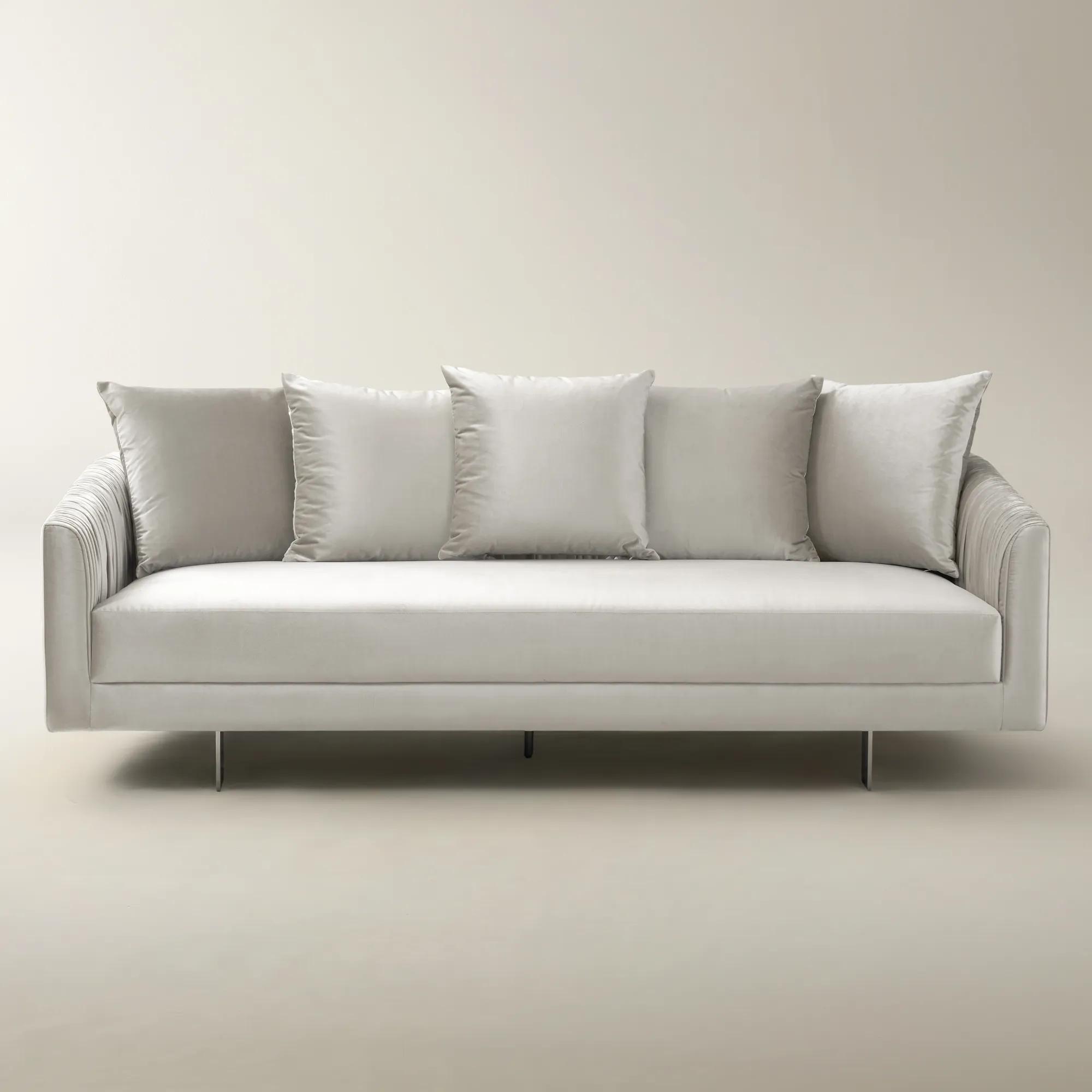
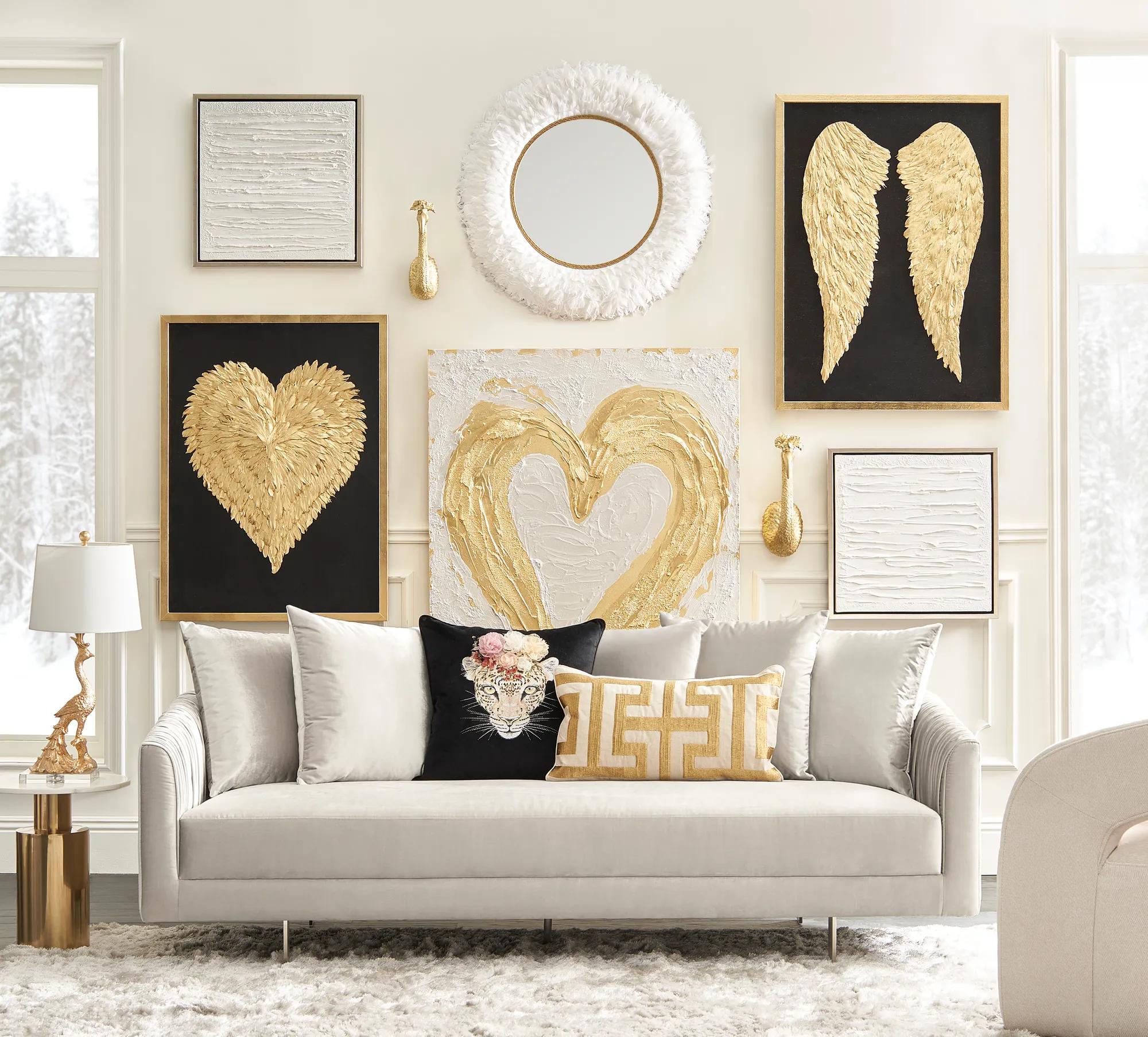 Isabel Softgrey Velvet Sofa$2599
A luxurious hand-tufted sofa with plush feather and foam cushions, nickel-brushed legs, and five pillows.
Add To Cart -
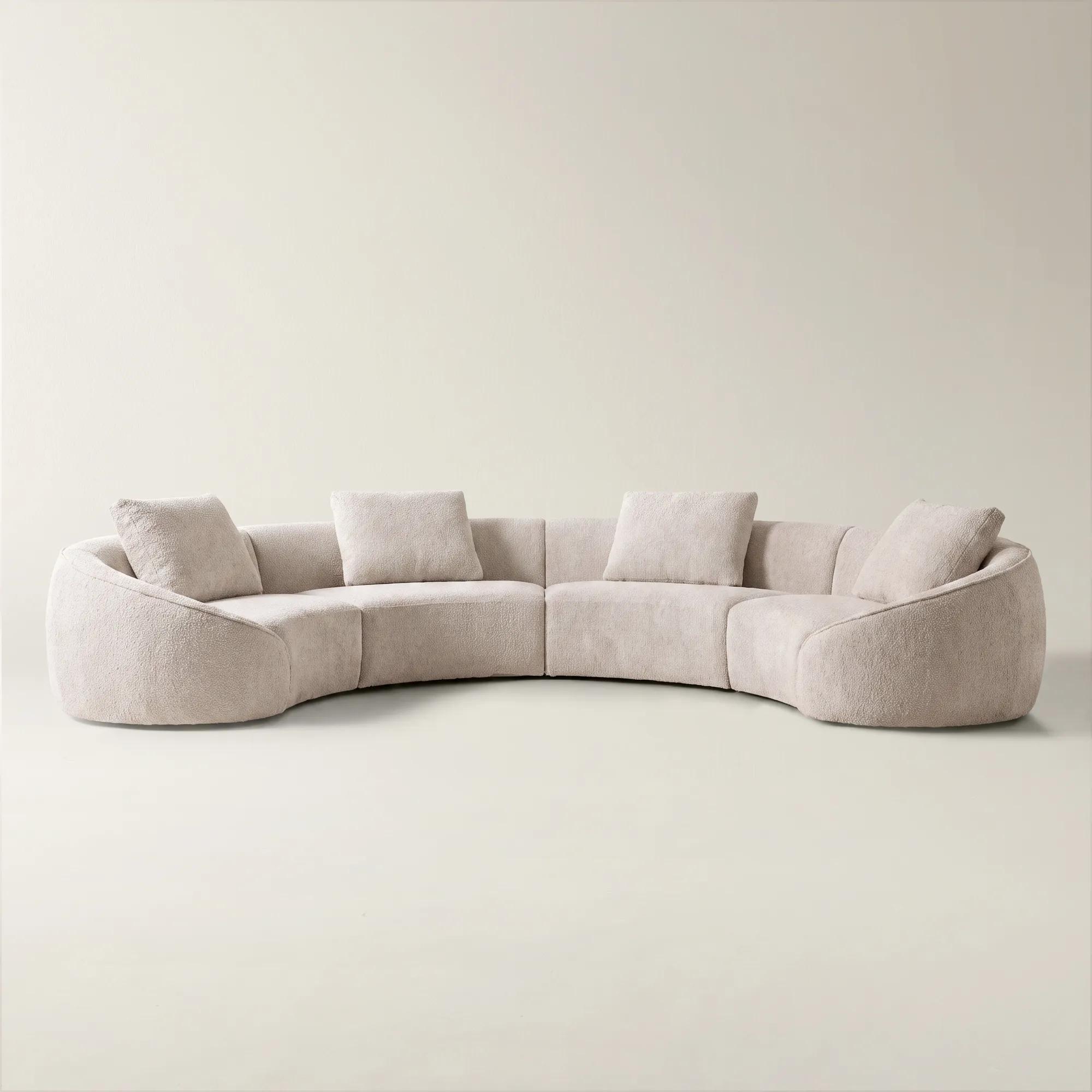
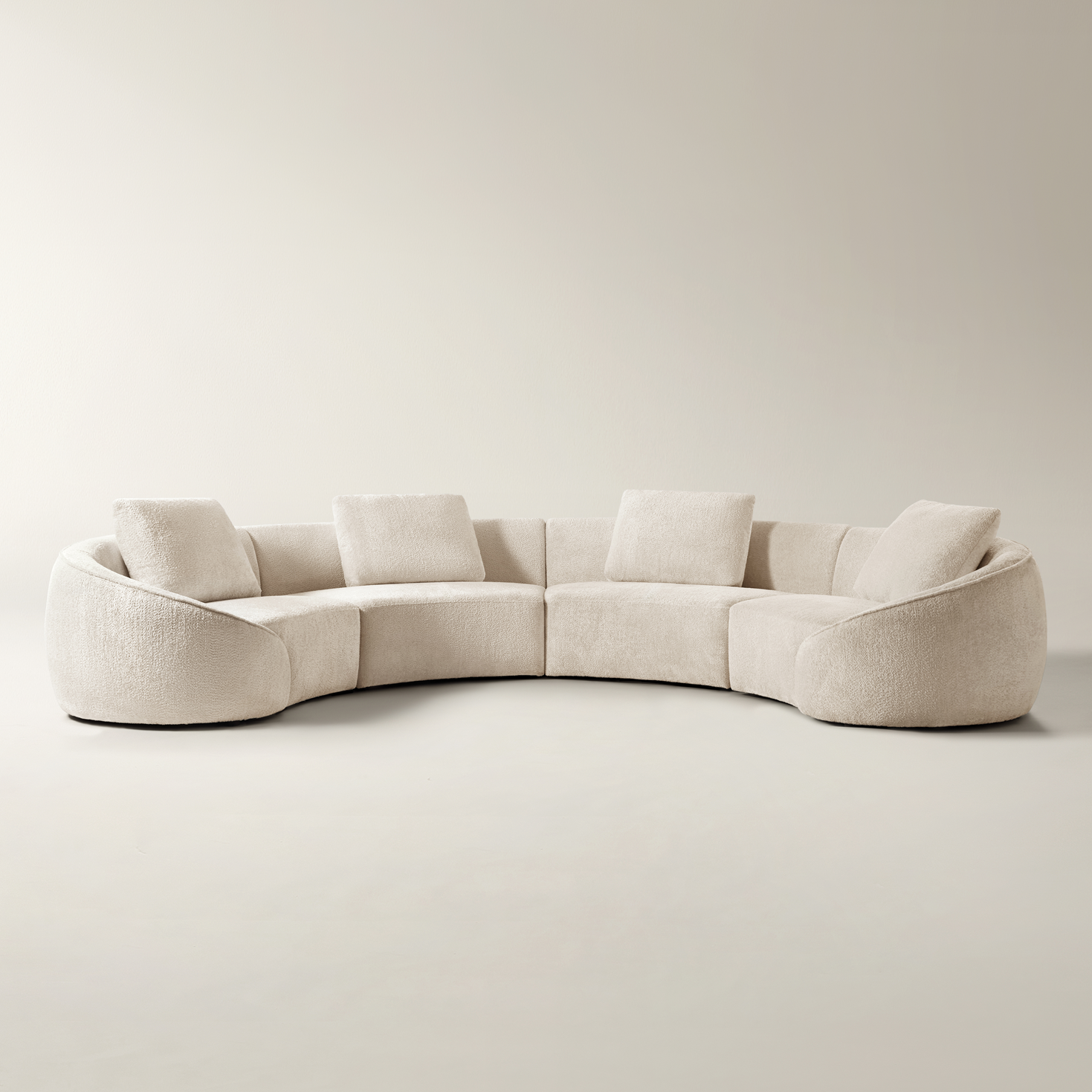 Irene 4-Piece Ivory Performance Boucle Sectional Sofa$5199
An inviting ivory performance boucle sectional featuring sculptural curves, high-resiliency foam, and artisan hand-finished upholstery.
Add To Cart -

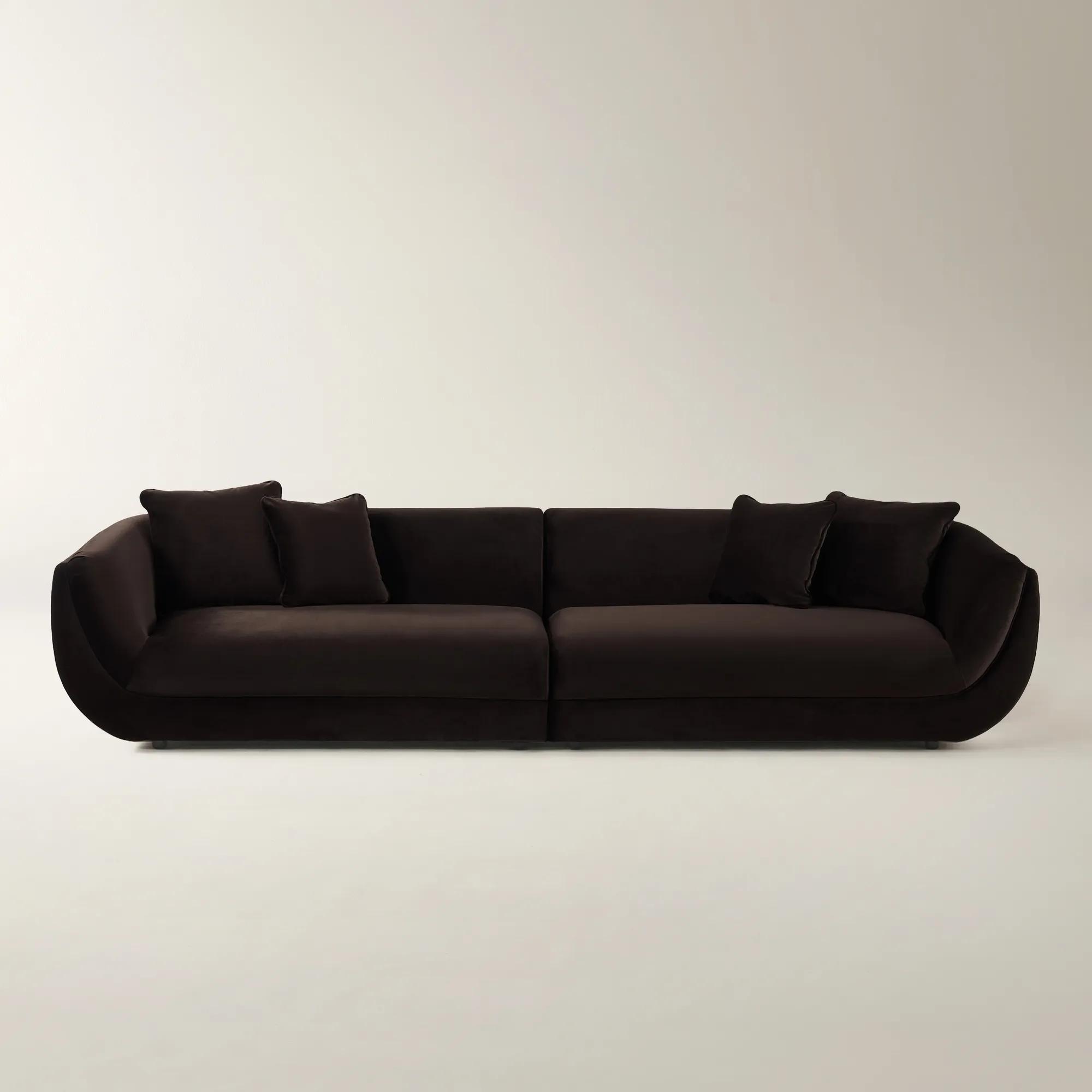
 Curvia 2-Piece Dark Chocolate Velvet Grand Sectional Sofa$2899
A modular sectional wrapped in dark chocolate velvet, featuring sculptural curves and deep, plush lounge seating.
Add To Cart -
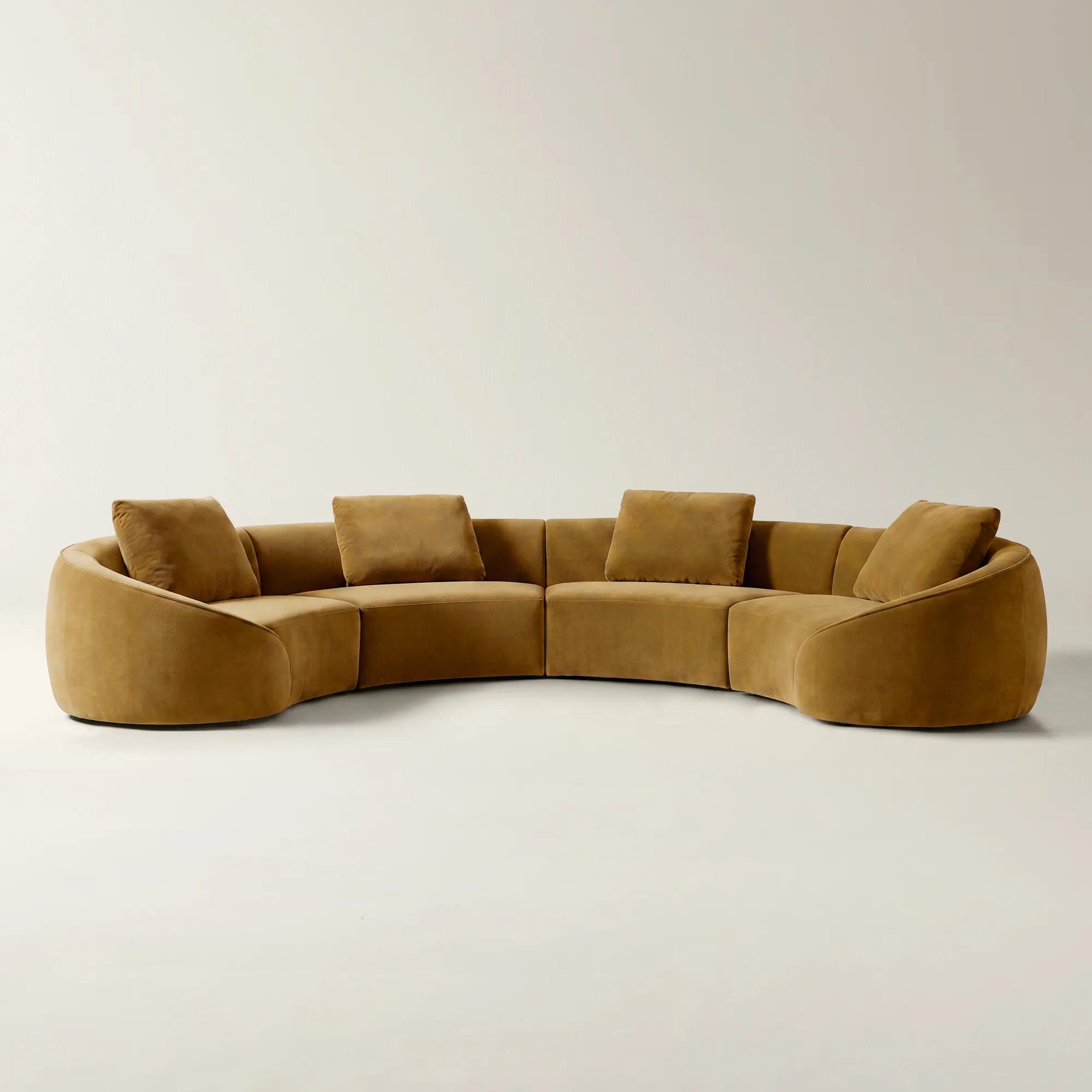 Irene 4-Piece Roasted Pecan Velvet Sectional Sofa$4999
A sculptural, hand-finished sectional sofa upholstered in roasted pecan velvet with high-resiliency foam cushions.
Add To Cart -
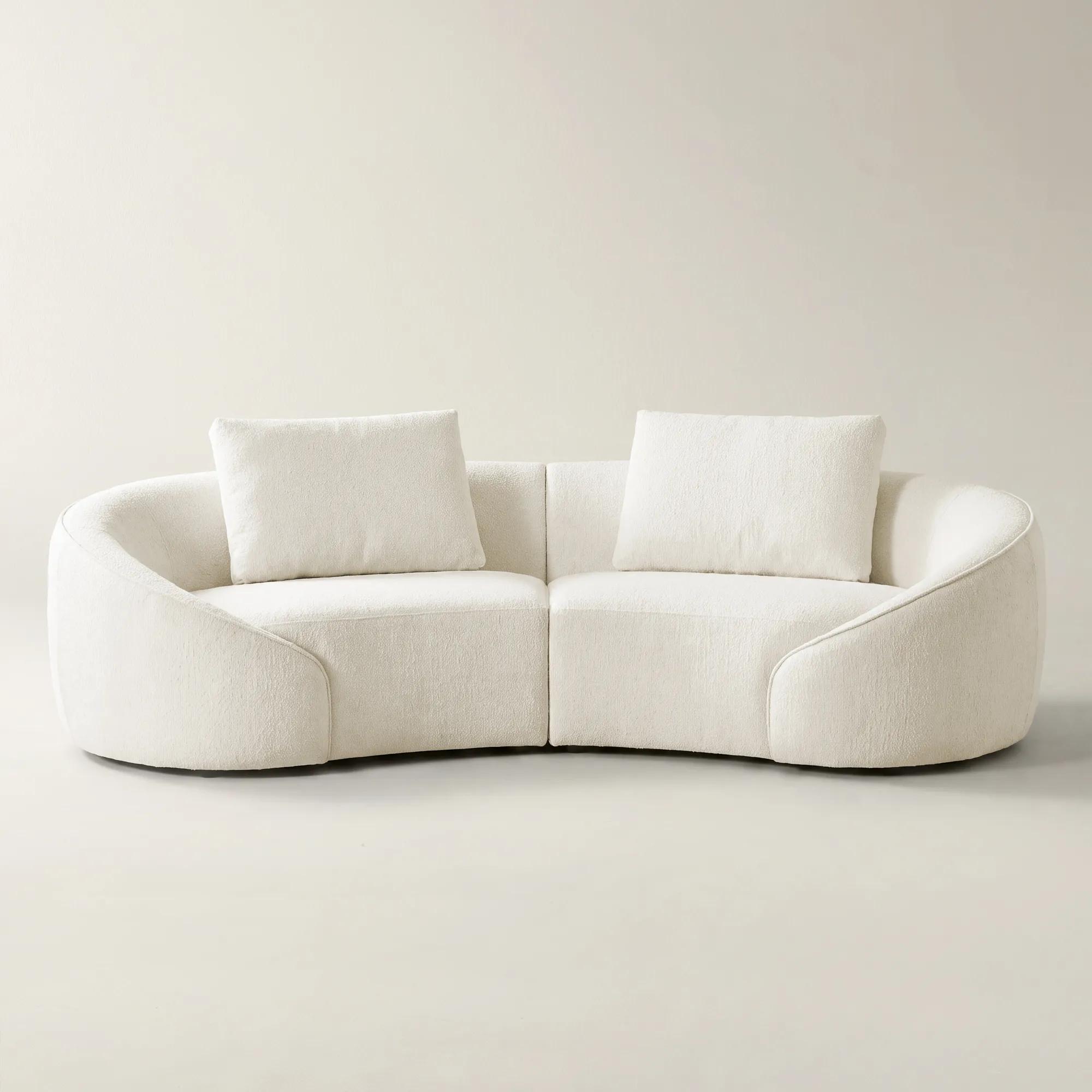
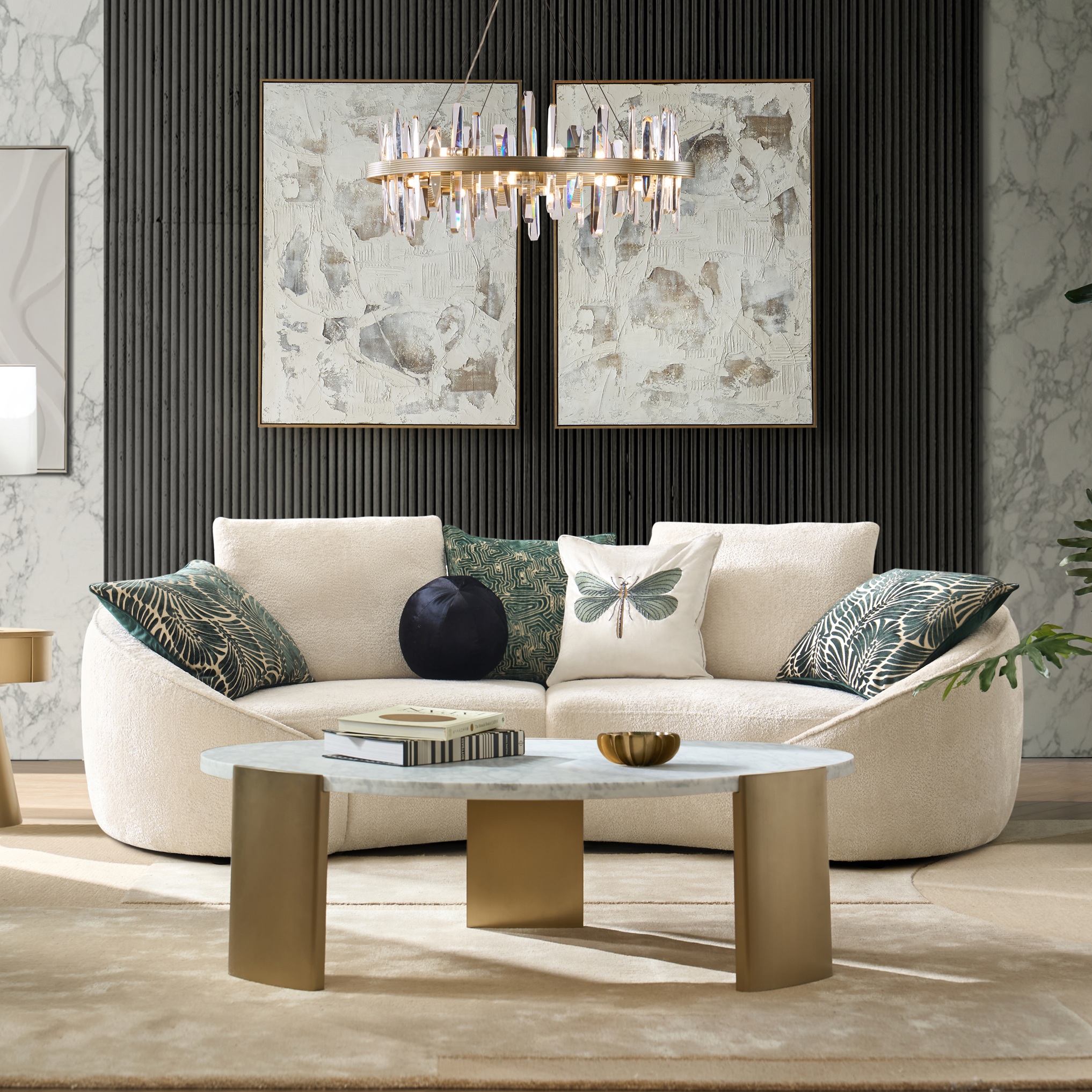 Irene 2-Piece Ivory Performance Chenille Sectional Sofa$2899
A sculptural ivory chenille sectional featuring performance upholstery, high-resiliency foam cushions, and artisan detailing.
Add To Cart -
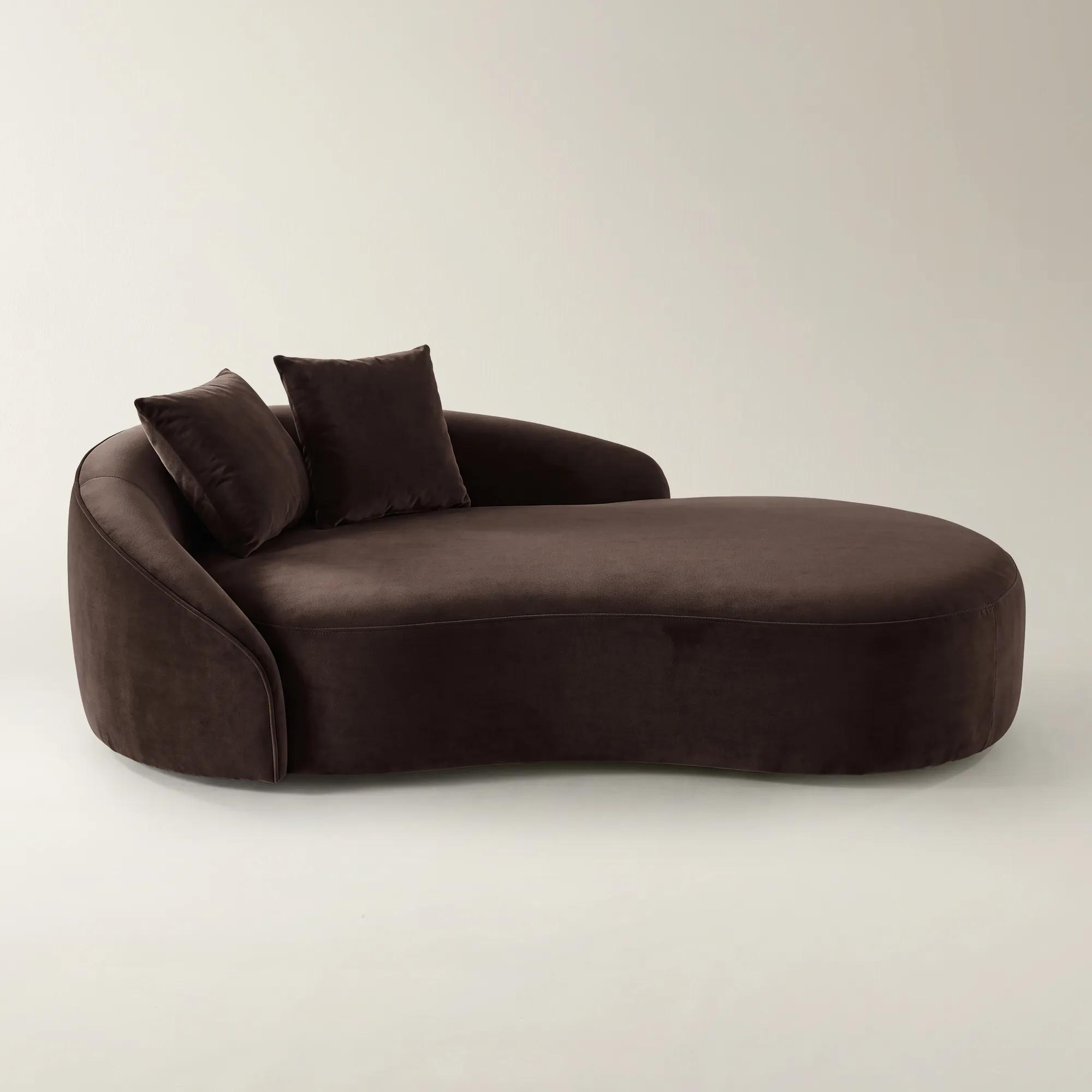 Irene Dark Chocolate Velvet Chaise$1899
A sculptural chaise in dark chocolate velvet with high-resiliency foam cushions and artisan hand-finished upholstery.
Add To Cart -

 Reina 3-Piece Tufted Oatmeal Velvet Sectional Sofa$2499
A plush oatmeal velvet sectional featuring channel tufting, deep seating, and an architectural winged silhouette.
Add To Cart -
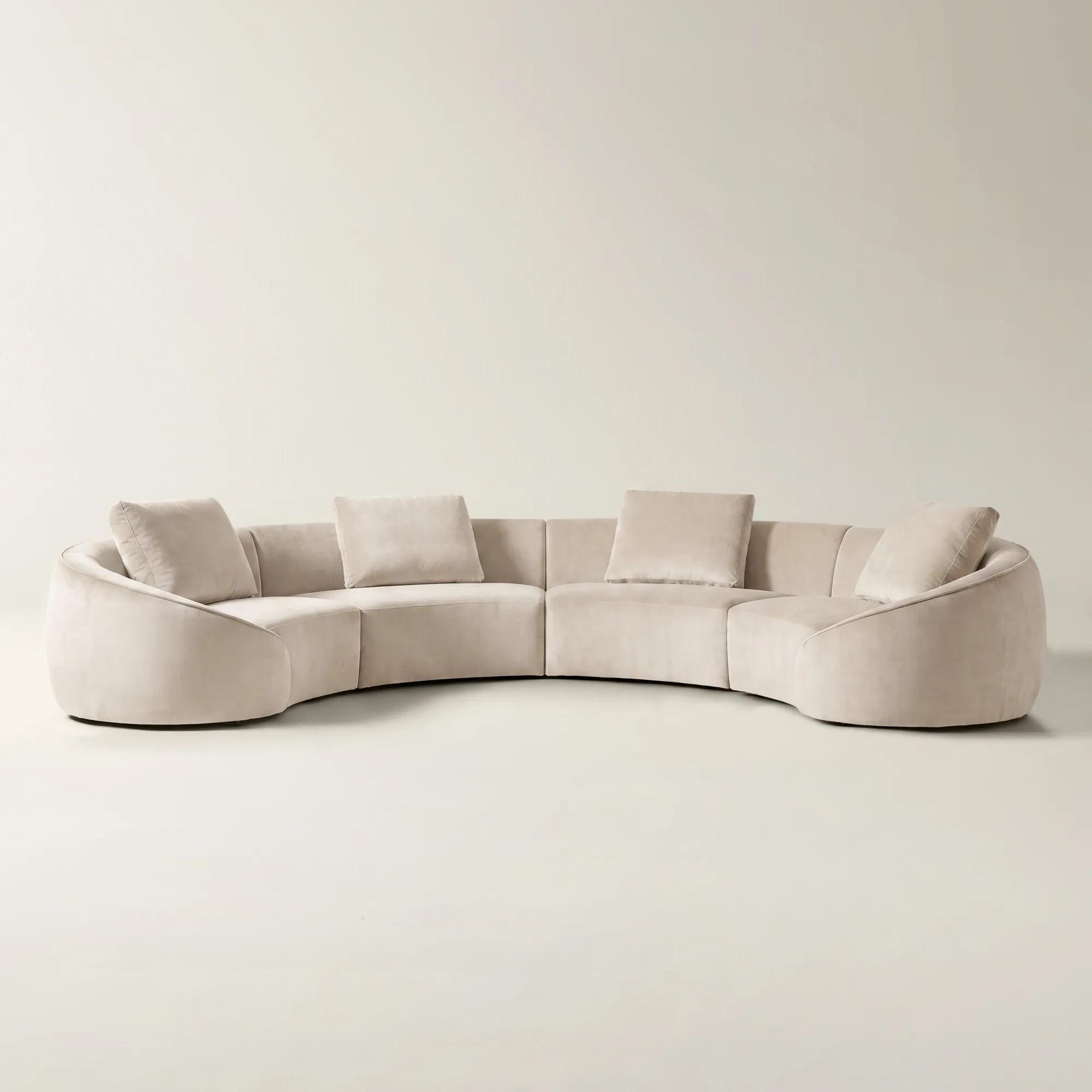 Irene 4-Piece Oatmeal Velvet Sectional Sofa$4999
A sculptural oatmeal velvet sectional featuring hand-finished upholstery, high-resiliency foam cushions, and modular design.
Add To Cart -
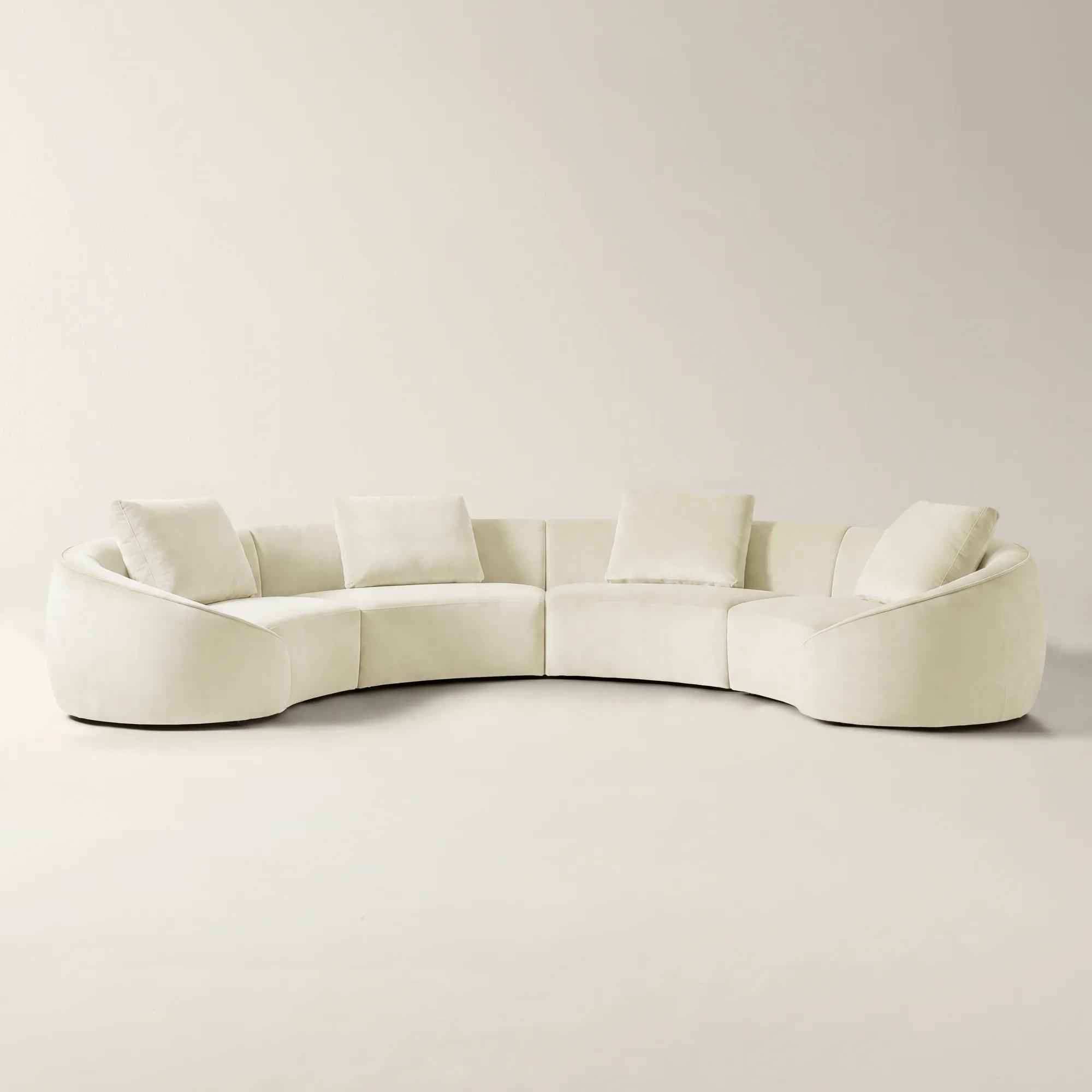 Irene 4-Piece Cloud Velvet Sectional Sofa$4999
A sculptural, hand-finished velvet sectional featuring high-resiliency foam cushions and customizable upholstery options.
Add To Cart -
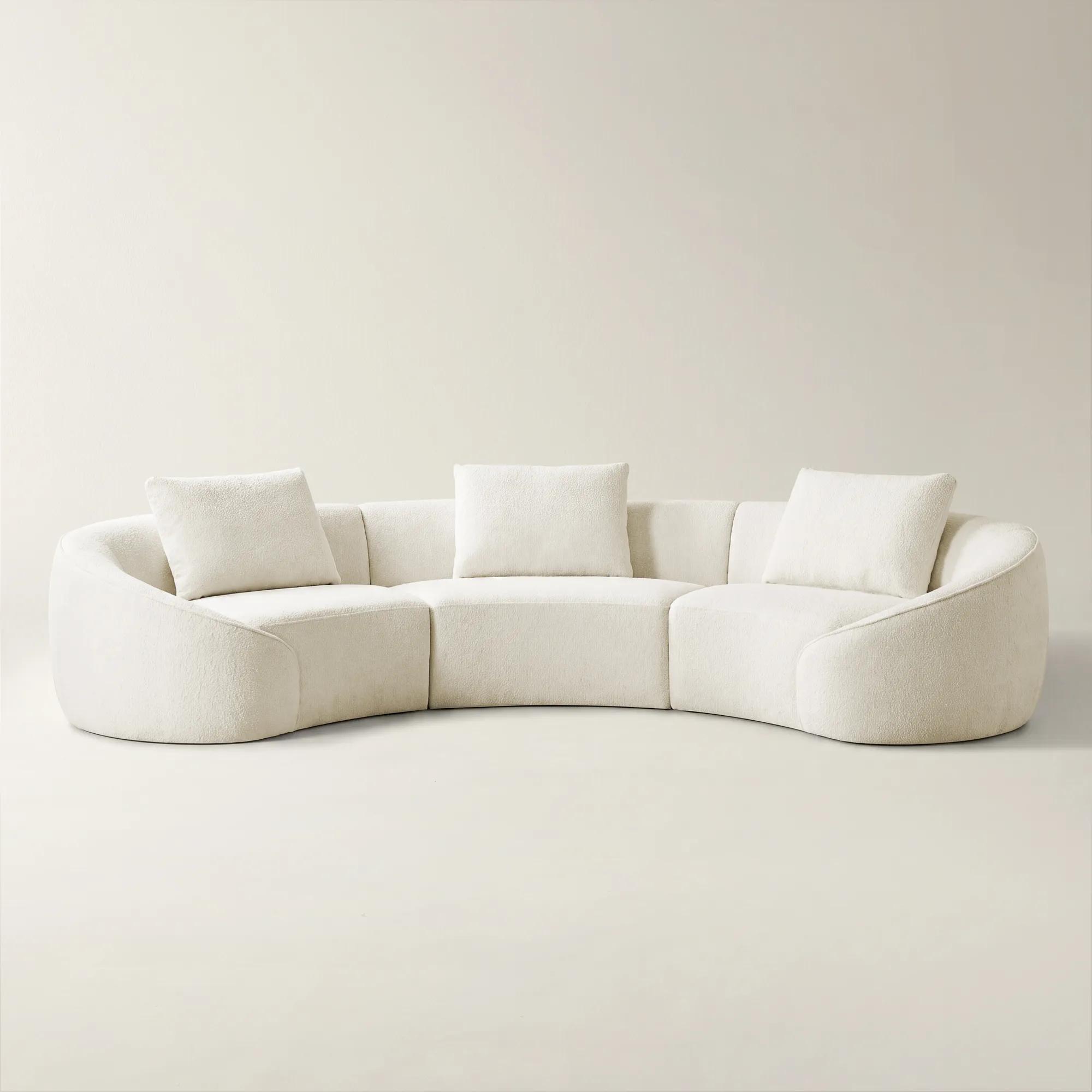 Irene 3-Piece Ivory Performance Chenille Sectional Sofa$4099
An inviting ivory chenille sectional featuring sculptural curves, performance upholstery, and high-resiliency foam cushions.
Add To Cart -
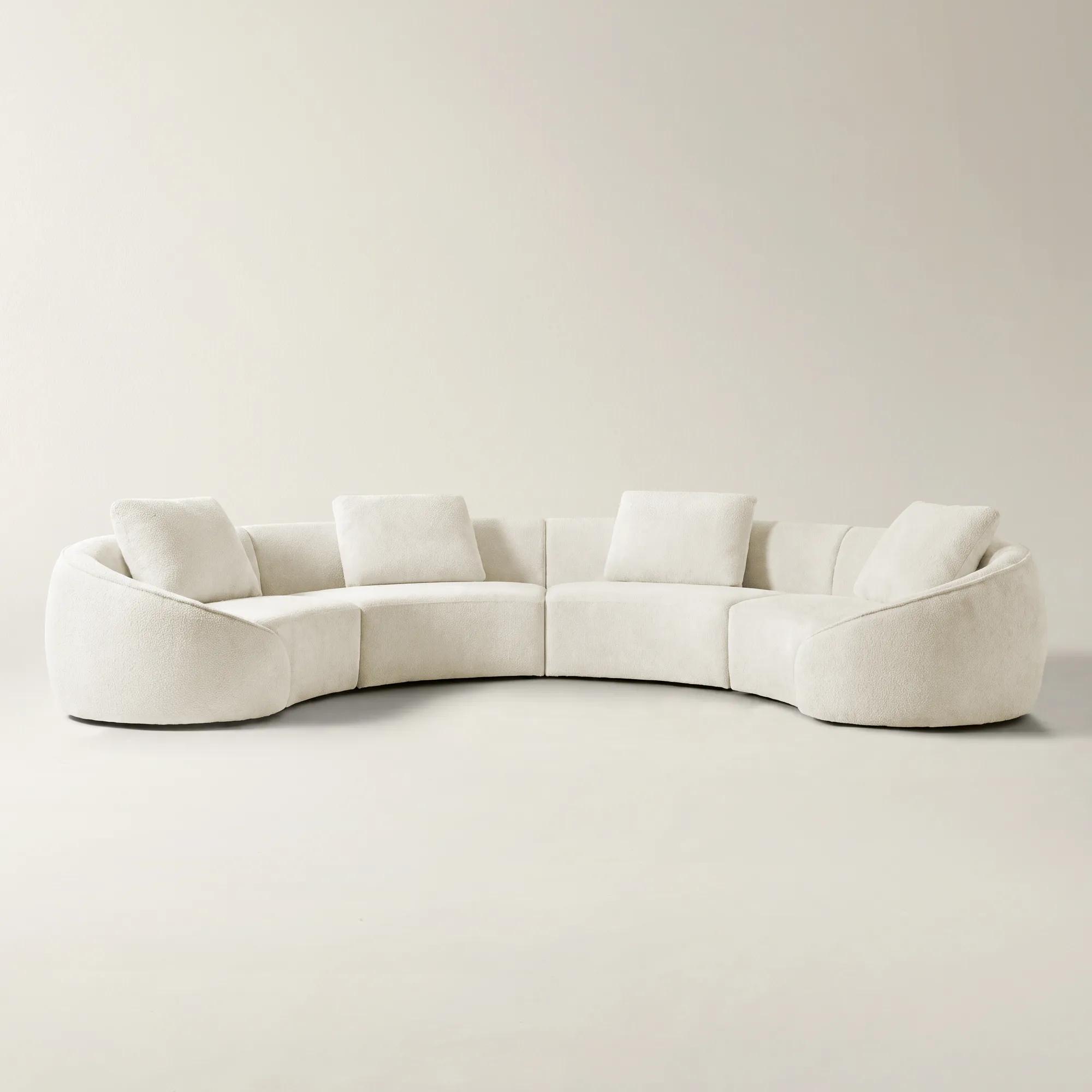 Irene 4-Piece Ivory Performance Chenille Sectional Sofa$5199
An inviting ivory chenille sectional featuring sculptural curves, performance upholstery, and artisan-crafted detailing.
Add To Cart -
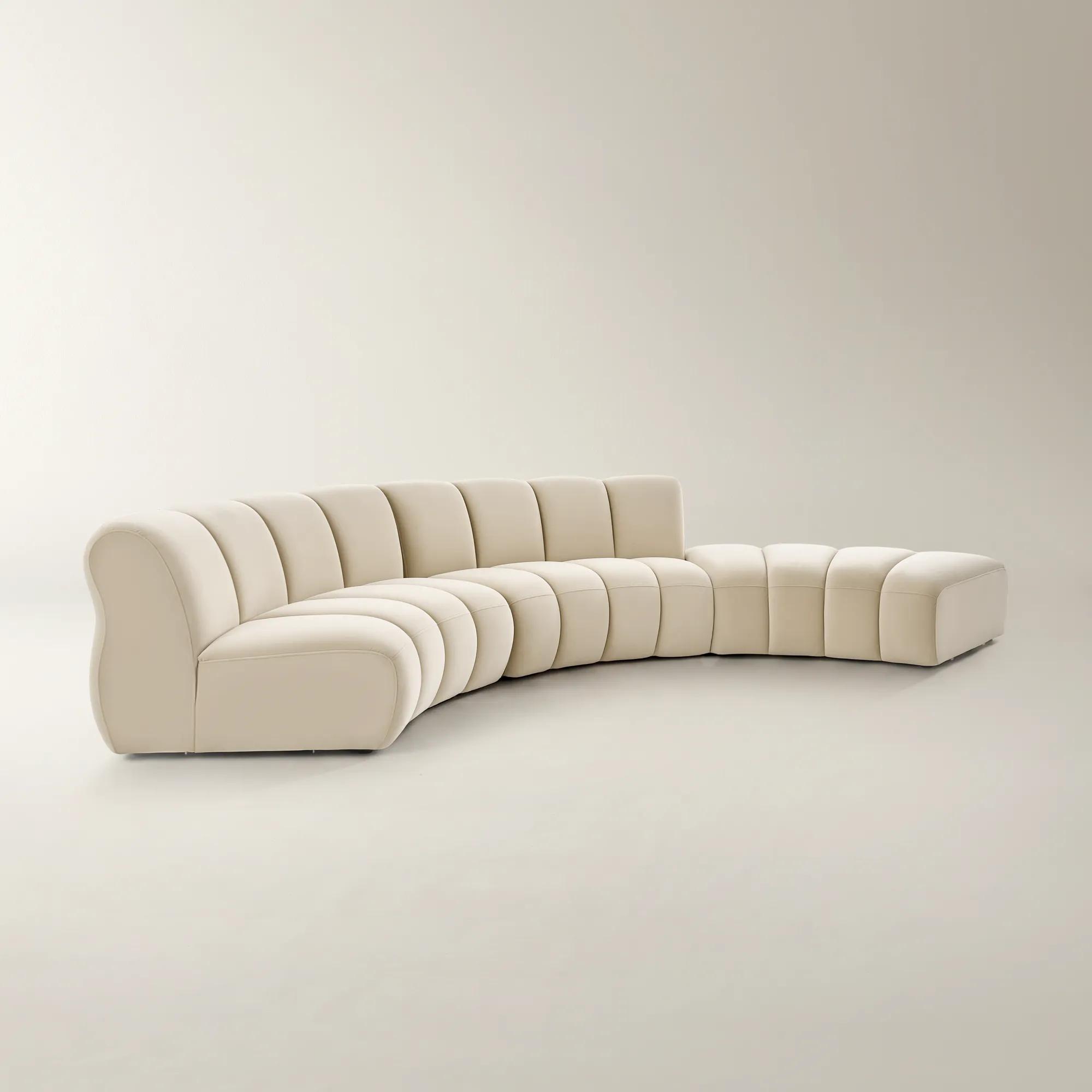 Jocelyn 3-Piece Channel-Tufted Oatmeal Velvet Sectional Sofa With Ottoman$3699
An oatmeal velvet sectional with deep channel tufting, curved silhouette, and modular design for versatile lounging.
Add To Cart -
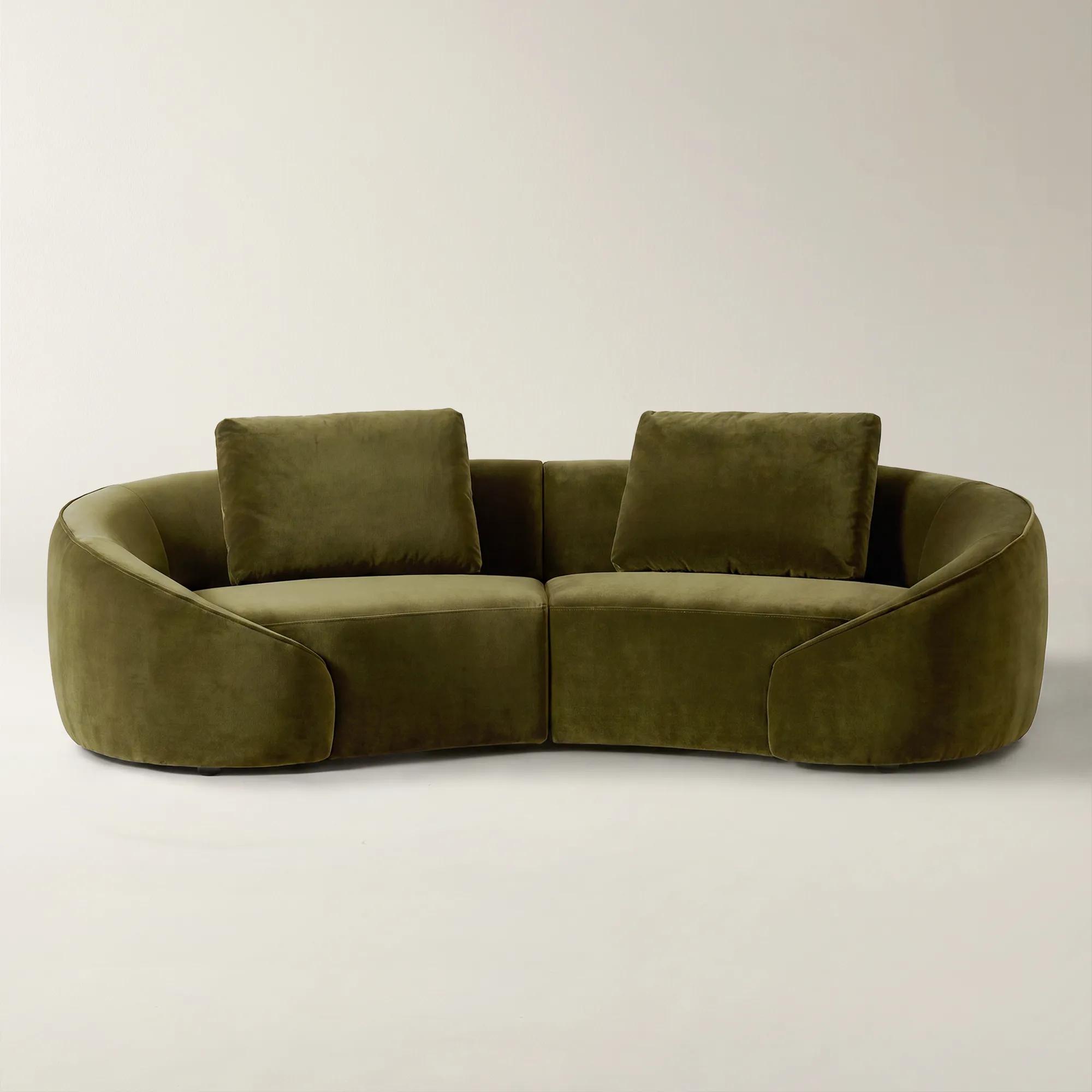
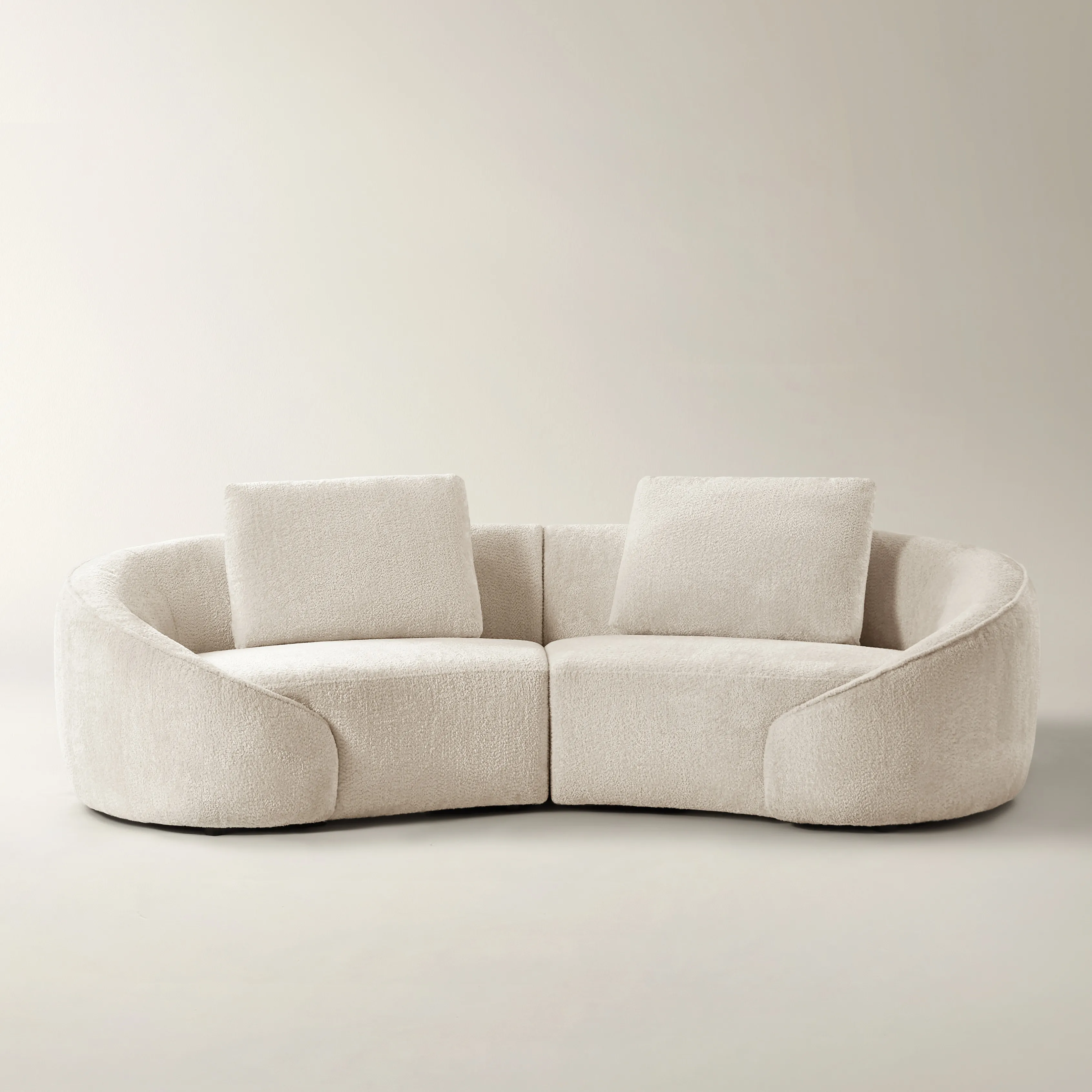 Irene 2-Piece Deep Olive Velvet Sectional Sofa$2699
A sculptural deep olive velvet sectional featuring high-resiliency foam cushions and artisan hand-finished upholstery.
Add To Cart -
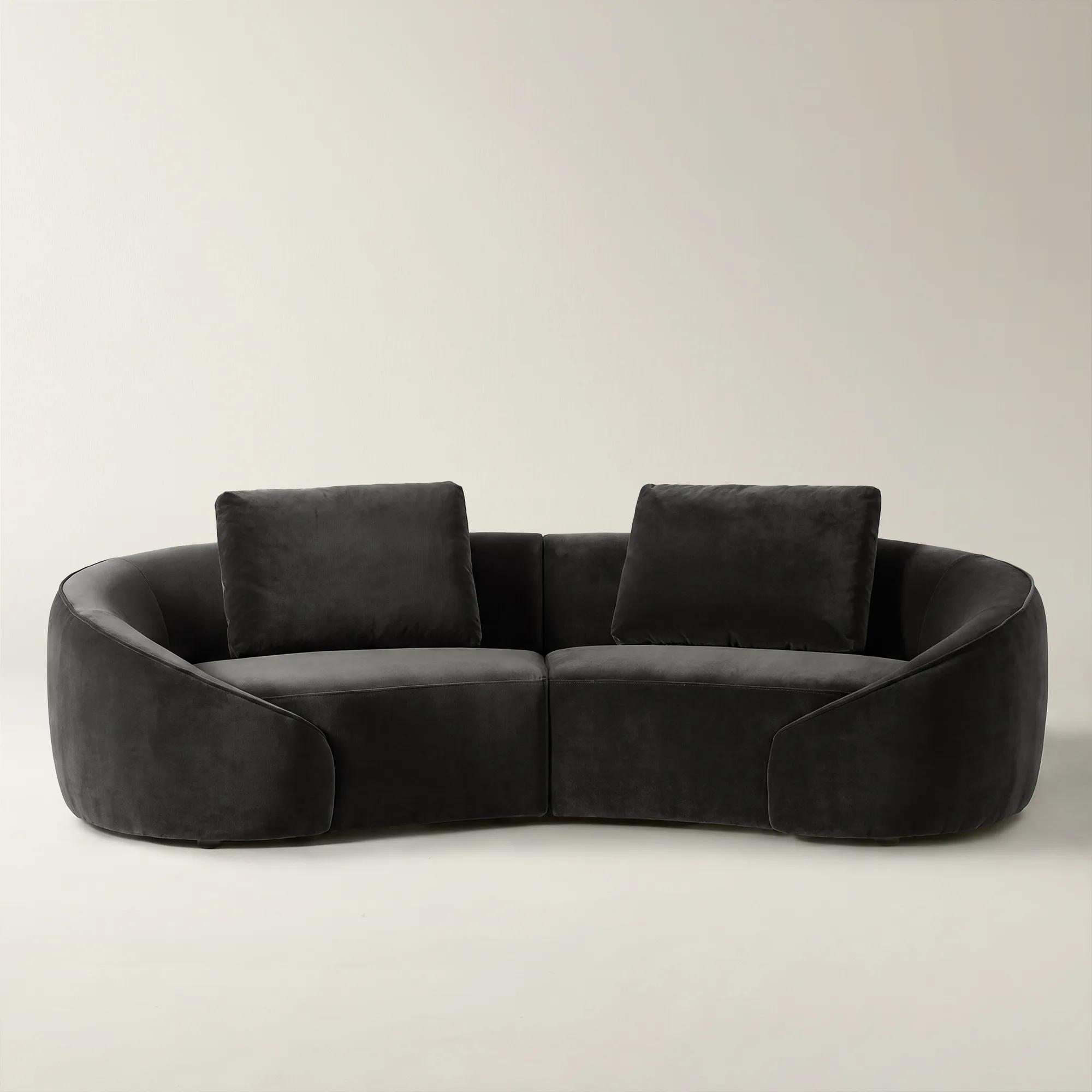 Irene 2-Piece Charcoal Velvet Sectional Sofa$2699
A sculptural charcoal velvet sectional with high-resiliency foam cushions and artisan hand-finished upholstery.
Add To Cart -
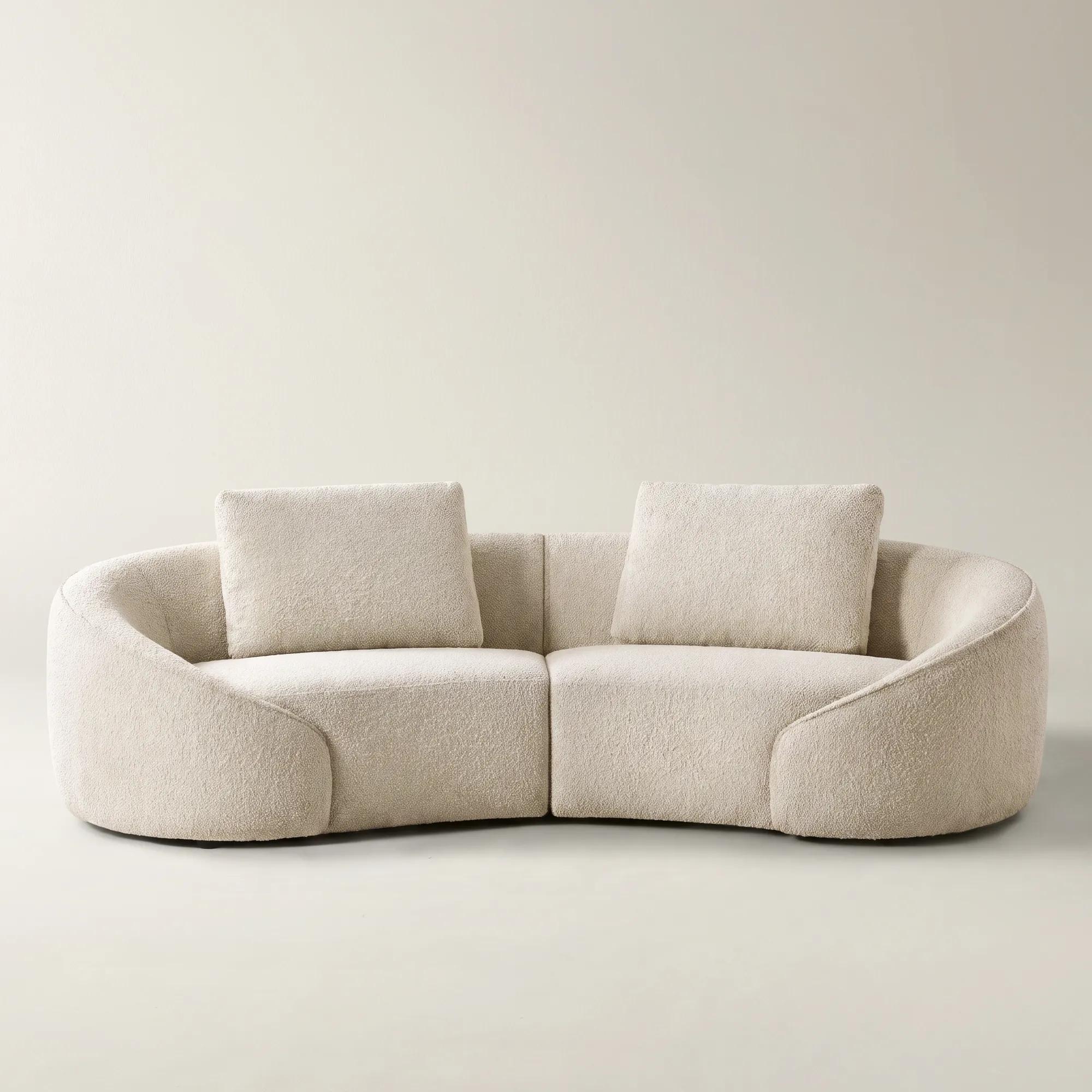
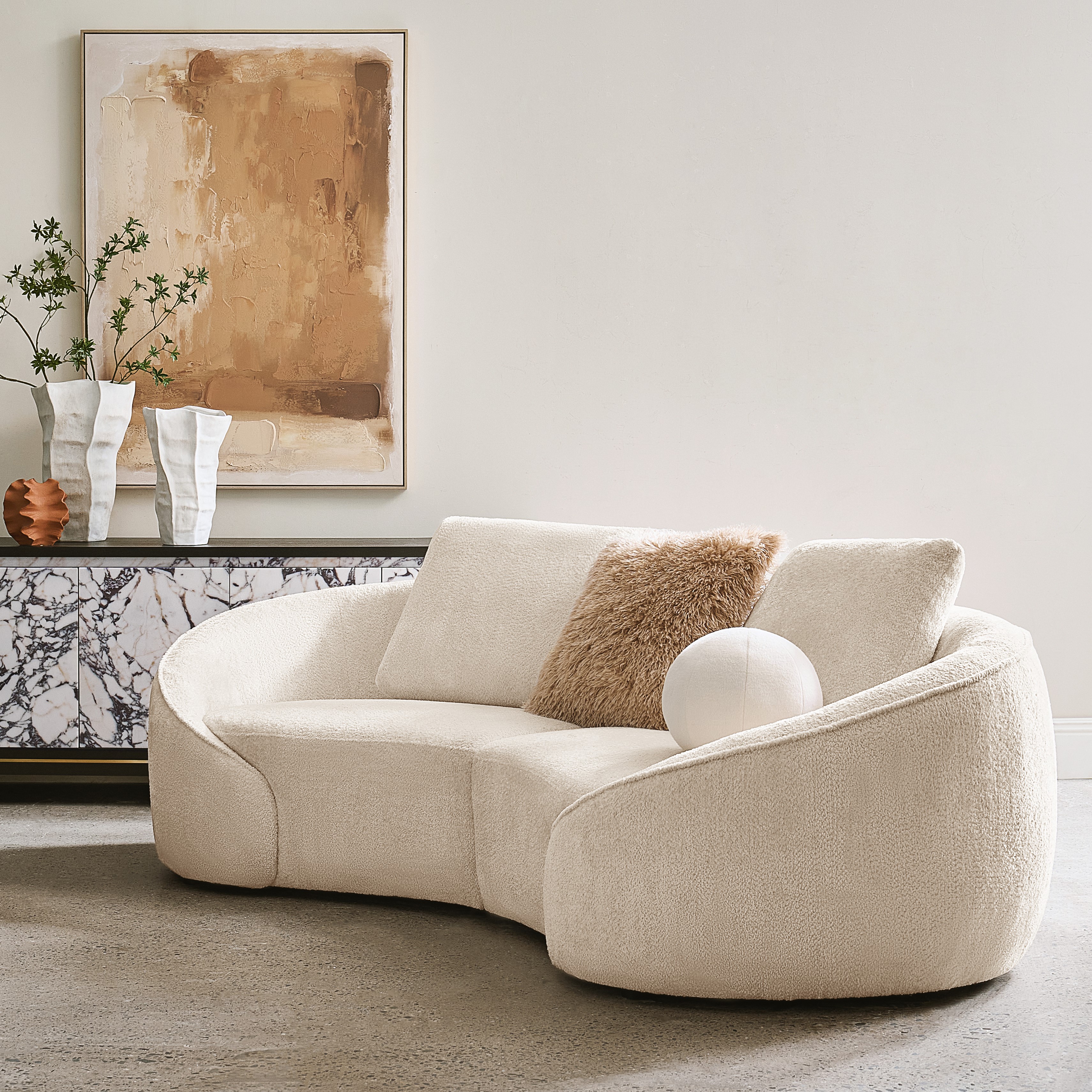 Irene 2-Piece Ivory Performance Boucle Sectional Sofa$2899
An inviting ivory performance boucle sectional featuring sculptural curves, high-resiliency foam, and artisan-tailored upholstery.
Add To Cart -
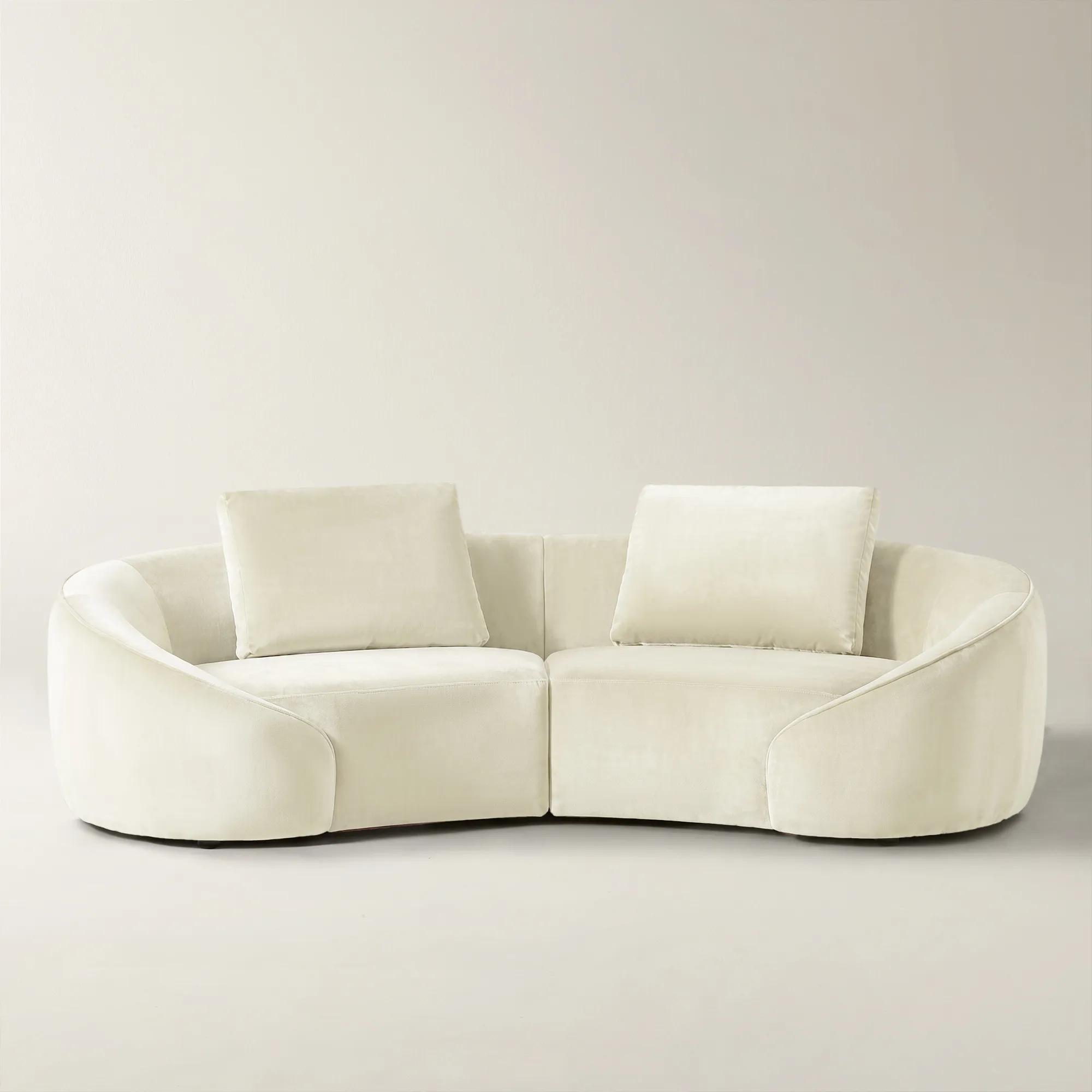 Irene 2-Piece Cloud Velvet Sectional Sofa$2699
A sculptural, curved sectional upholstered in plush velvet with high-resiliency foam cushions and artisan detailing.
Add To Cart -
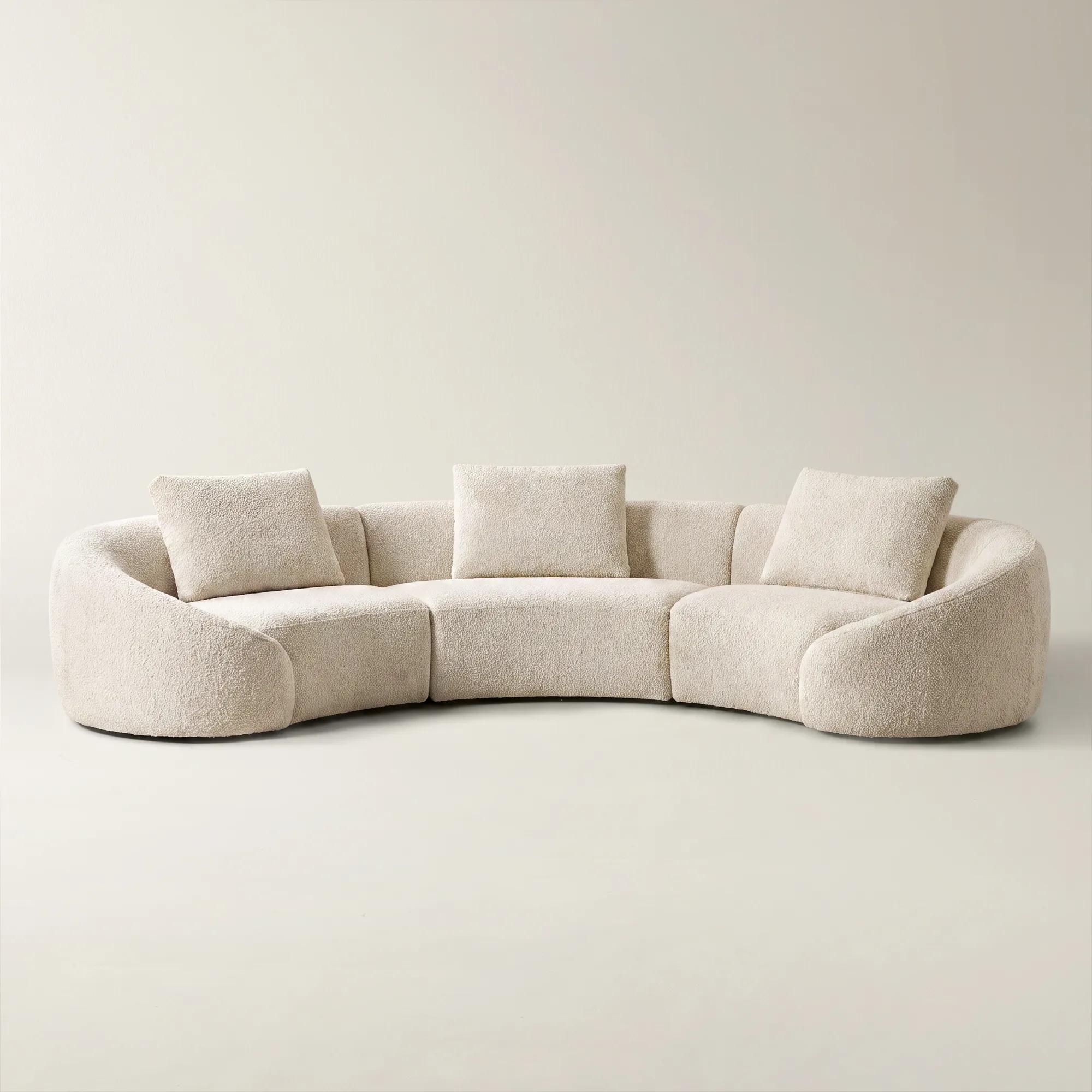 Irene 3-Piece Ivory Performance Boucle Sectional Sofa$4099
An inviting ivory performance boucle sectional featuring sculptural curves, high-resiliency foam, and artisan hand-finished upholstery.
Add To Cart -
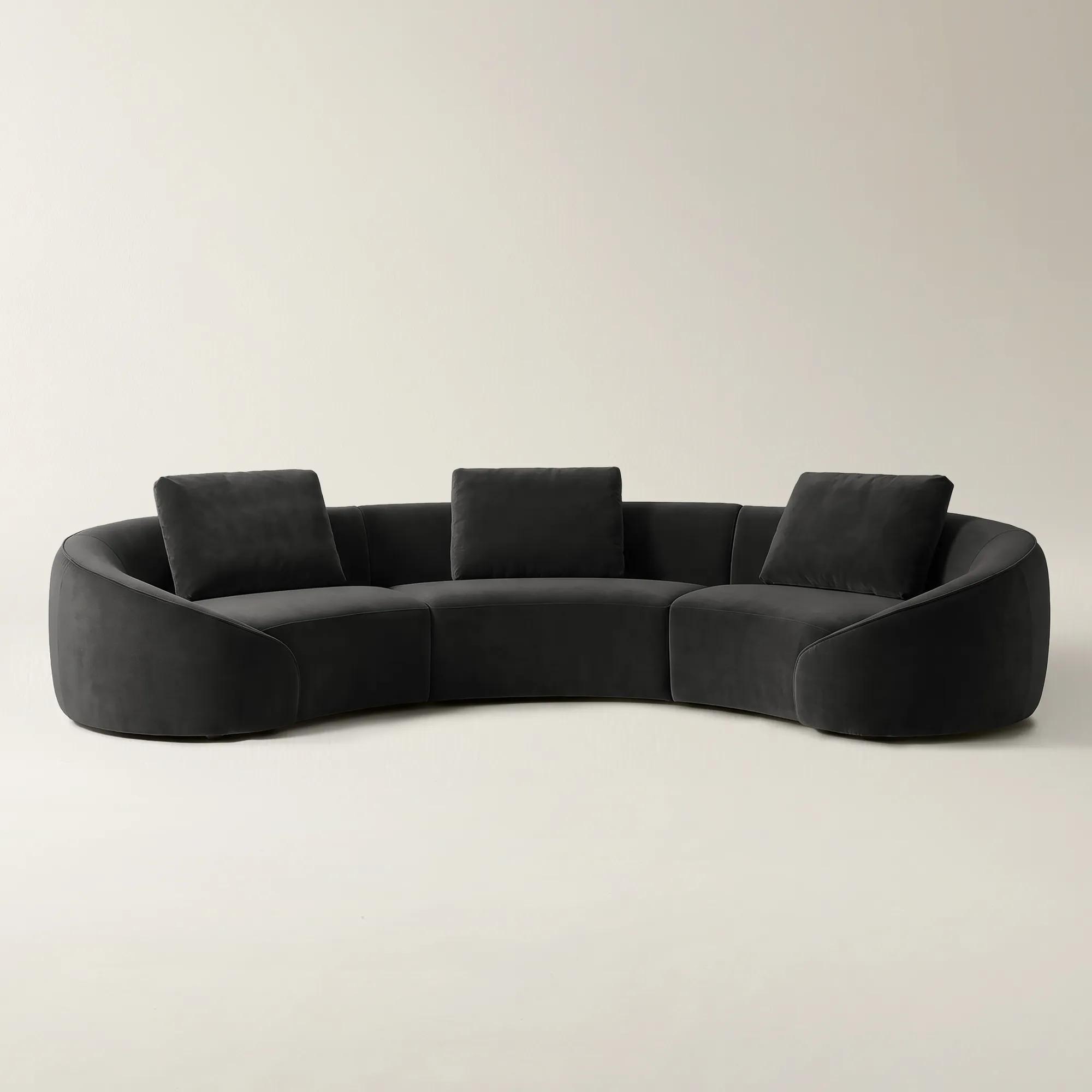 Irene 3-Piece Charcoal Velvet Sectional Sofa$3899
A sculptural charcoal velvet sectional featuring high-resiliency foam cushions and hand-finished artisan upholstery.
Add To Cart -
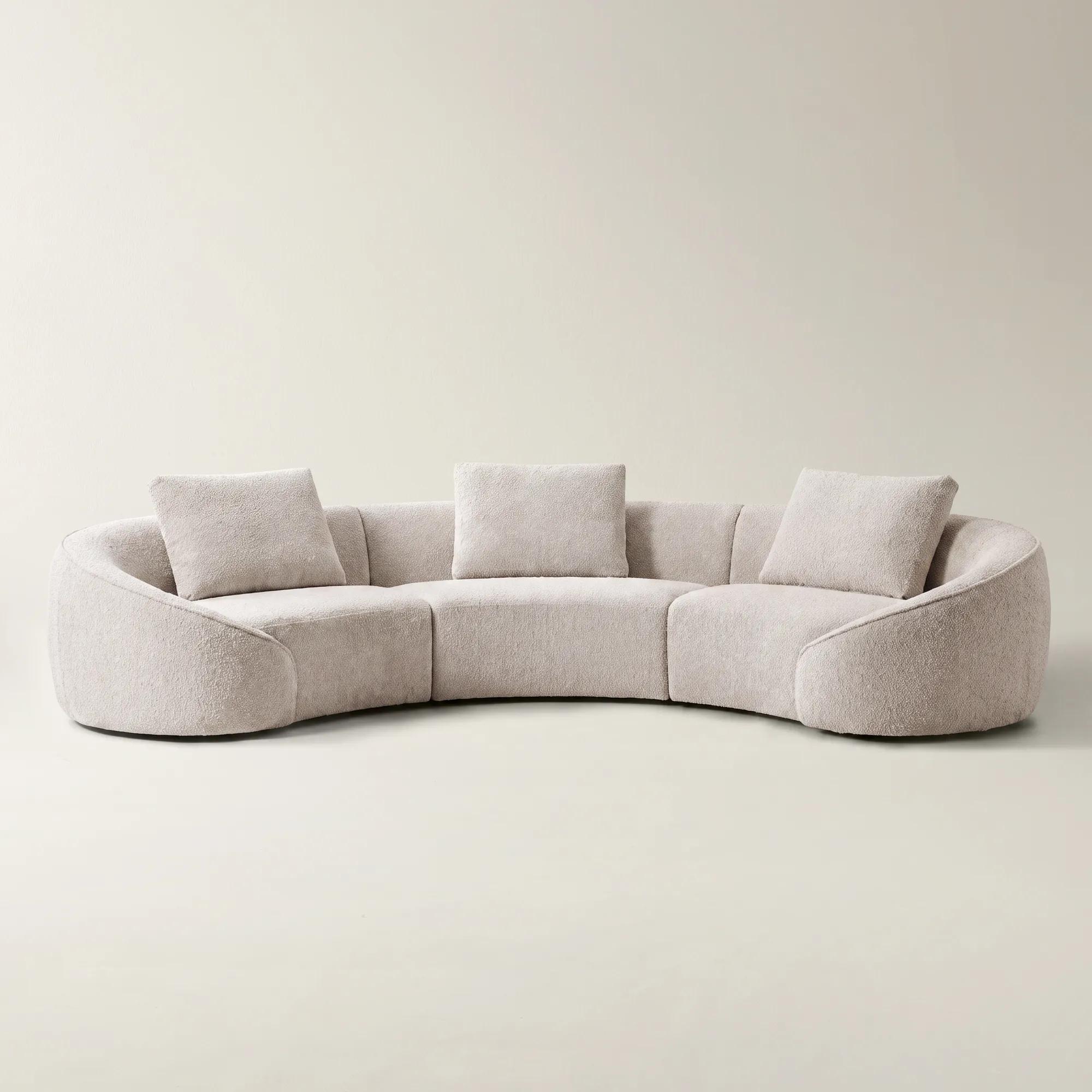 Irene 3-Piece Ivory Performance Boucle Sectional Sofa$4099
A sculptural ivory boucle sectional featuring performance upholstery, high-resiliency foam cushions, and artisan hand-finished details.
Add To Cart -
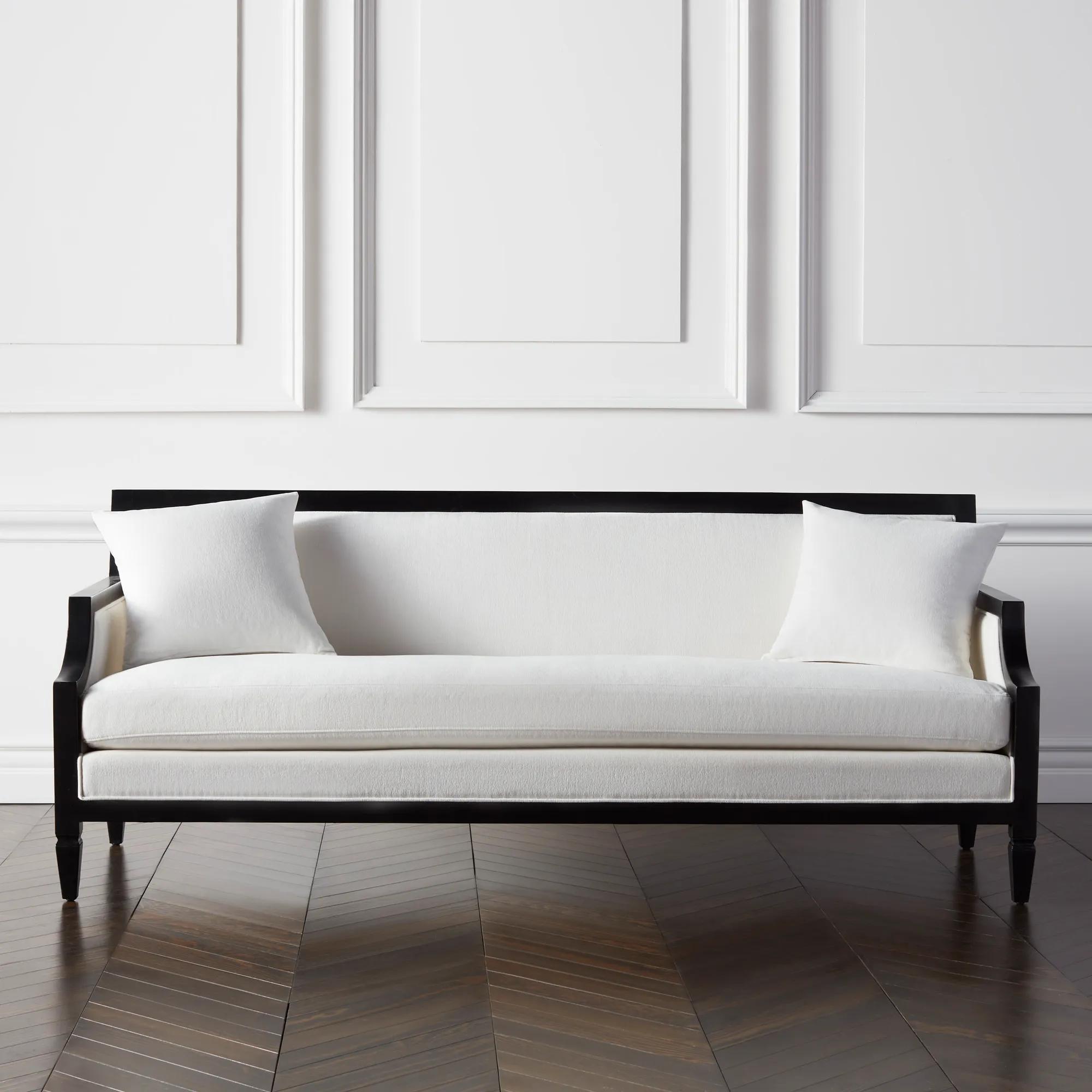
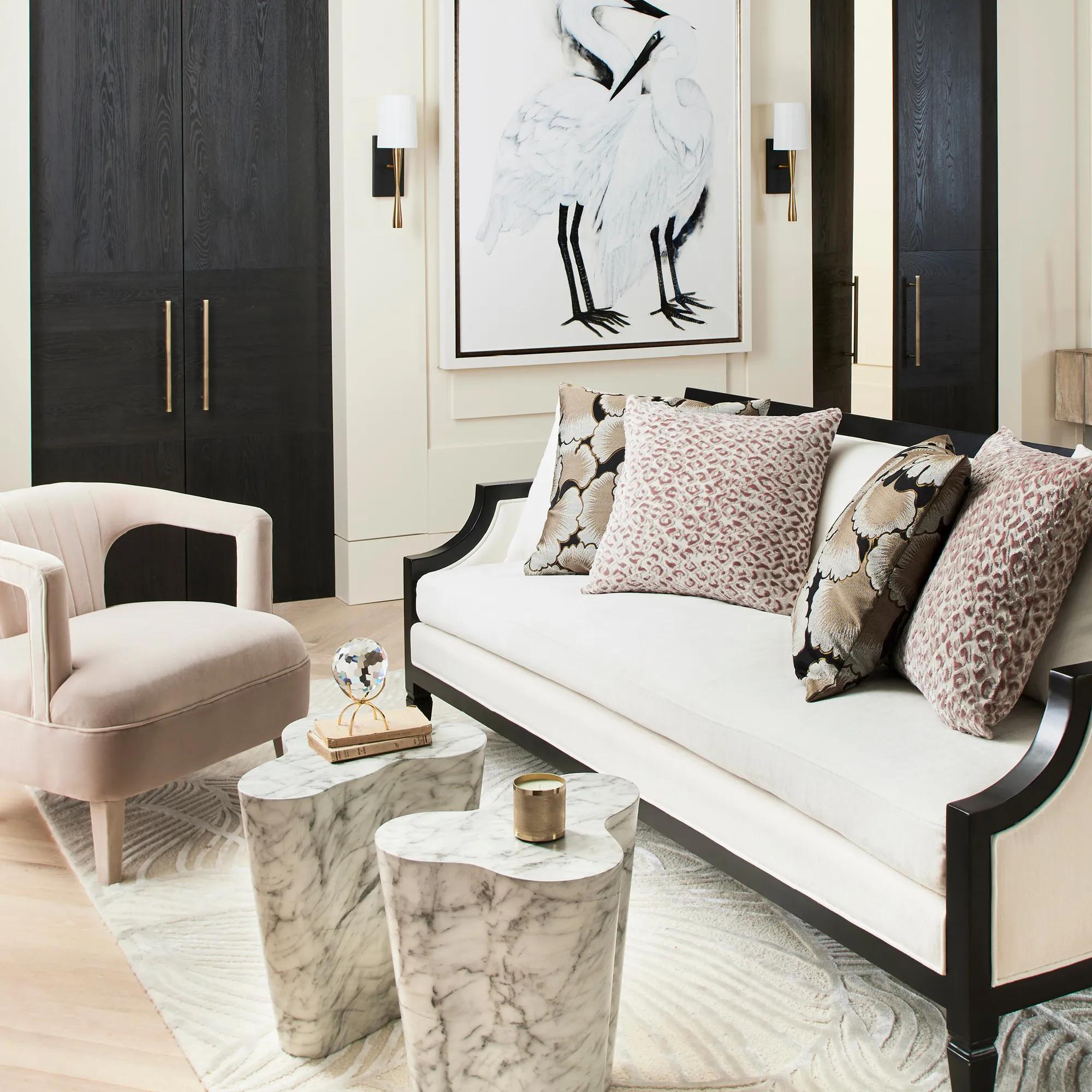 Kayla Sofa$3149
A plush, modern sofa featuring notched arms, matte black wood frame, and Kenley Chenille Snow upholstery.
Add To Cart

Designer Fabric Sofas
Explore designer fabric sofas to create a living room focal point with texture, presence, and expressive style. As you browse upholstered sofas, consider silhouette, fabric texture, and overall dimensions alongside your seating needs to find a piece that suits your space and anchors your design.
Designer fabric sofas pair sculptural silhouettes with expressive upholstery, bringing visual drama and inviting comfort to the center of a living space. Their character comes from the relationship between shape, texture, proportion, and detail: a sweeping curved back, a precisely tailored arm, or a richly woven fabric can transform a familiar seating arrangement into a room’s defining gesture. Unlike leather upholstery, fabric offers a broad range of surface effects, from softly luminous velvet to nubby bouclé and crisp, linen-inspired weaves. Velvet’s directional pile catches the light differently across the seat and back, creating depth even within a single color. Bouclé introduces a dimensional, looped texture that gives rounded forms particular presence, while a smoother woven upholstery can emphasize architectural lines and meticulous seams. Fiber content matters as much as appearance. Cotton and linen contribute natural texture, while polyester and blended fabrics may offer greater resistance to certain types of wear, depending on their construction and finish. Performance upholstery can be especially appealing in rooms used for frequent entertaining or everyday lounging, though stain resistance, cleaning requirements, and other capabilities vary by fabric. Color establishes another layer of expression. Ivory, cream, and warm taupe create a luminous foundation for metallic accents and richly patterned textiles; charcoal, sapphire, and deep green can give a seating area a more enveloping, theatrical mood. A pale sofa does not have to disappear into the background, particularly when its silhouette is boldly drawn or its upholstery has substantial texture. Equally, a saturated fabric can feel composed rather than overpowering when surrounding finishes offer breathing room. Fabric samples, when accessible, help reveal undertones, texture, and changes in appearance under different lighting. The most compelling upholstered sofas feel intentional from every angle, with fabric and form working together rather than competing for attention. In an open living room, that includes the back of the sofa, where a graceful curve or neatly tailored upholstery becomes part of the view from an adjoining dining area.
Scale gives that visual statement its place in the room. A designer fabric sofa should relate not only to the wall behind it, but also to nearby seating, the coffee table, and the paths people use throughout the space. A generous silhouette can anchor a large living area beautifully, while a more compact profile may leave a smaller room feeling polished and open. Overall width tells only part of the story: depth, arm thickness, back height, and the amount of visible space beneath the frame all influence how substantial a sofa appears. Slender legs can introduce lightness, while a low, fully upholstered base creates a more grounded presence. The internal seating dimensions matter just as much. Deep seats encourage reclining and relaxed conversation, especially with supportive accent pillows, whereas a shallower seat can suit upright sitting and make it easier for some people to rise comfortably. Seat height and cushion firmness also affect the experience, and preferences can differ among members of the same household. In a conversation-focused living room, two facing sofas can establish a balanced arrangement with a clear view across the coffee table. A single curved sofa can soften a room defined by straight walls and angular furniture. For spaces that call for an extended seating arrangement, designer sectional sofas offer another way to shape a lounge area, with configurations that may accommodate a chaise or additional connected seating. Whatever the form, delivery access deserves attention alongside the floor plan: doorways, stair turns, elevators, and interior passages can determine whether a large upholstered piece reaches its intended destination. A sofa that fits comfortably into both the room and daily routines feels luxurious in a practical, lasting way. There is room for guests to gather, space to move without brushing against furniture, and enough visual clarity for distinctive upholstery, artwork, and lighting to command attention.
Lasting appeal depends on what sits beneath the fabric as well as how the upholstery is maintained. Frame construction, joints, suspension, and cushion materials work together to influence support, resilience, and the way a sofa feels over time. High-resilience foam generally provides a more structured seat, while fiber or feather-blend cushioning can create a softer, more relaxed surface; the exact feel depends on the complete cushion construction. Softer fills may need regular fluffing, and removable cushions may benefit from rotation when their design and care instructions allow it. For an active household, a tightly woven upholstery can be worth considering, particularly where loose loops or delicate surface details might catch on pet claws or jewelry. No fabric is entirely immune to wear, and a textile’s suitability depends on more than a single durability rating. Abrasion testing can offer useful context, but it does not fully predict resistance to snagging, pilling, fading, or spills. A living room used for reading and occasional company presents different demands from the sofa where children gather, pets settle, and guests linger after dinner. Care should follow the upholstery manufacturer’s directions, including any cleaning code, rather than a universal treatment. Gentle vacuuming with an appropriate upholstery attachment helps remove surface dust, while prompt blotting with a clean, absorbent cloth can limit the spread of a spill; rubbing may push residue deeper into the fibers or disturb the surface. Cleaning solutions should be appropriate for the fabric and tested in an inconspicuous area when permitted. Some textiles require professional cleaning, and prolonged direct sunlight can alter the color of many upholstery materials. With thoughtful selection and suitable care, a fabric sofa can remain the expressive heart of a room: substantial enough for everyday living, beautifully textured at close range, and distinctive enough to hold its own among sculptural tables, gleaming accents, and art with unmistakable presence.
FAQs
A designer fabric sofa brings a deliberate point of view to a room through its silhouette, upholstery, and finishing details. Look for expressive lines, thoughtfully placed seams, and a fabric texture that complements the form. The result should feel like a defining element of your interior, not simply a place to sit.
Decide whether your sofa will anchor the palette or introduce its most dramatic note. Ivory, taupe, and charcoal create a sophisticated foundation for expressive accents, while jewel tones bring saturated richness. Draw inspiration from your artwork or rug, and view fabric swatches in your room’s changing light before choosing.
Texture gives color dimension and helps establish a room’s mood. Smooth upholstery emphasizes a sofa’s contours for a polished effect, while a pronounced weave introduces visual depth. For an artful contrast, pair tactile upholstery with gleaming accents or let a smoother fabric balance richly layered surroundings.
Yes. Let the sofa’s silhouette guide the conversation between styles. Clean lines can create a striking counterpoint to ornate mirrors and decorative lighting, while curved forms soften an angular setting. Repeat a color, shape, or finish across the room to make the mix feel intentional rather than competing.
Treat pillows and throws as a curated composition. Begin with colors drawn from the room, then introduce contrast through texture, pattern, or a distinctive trim. A loosely draped throw adds movement, while thoughtfully arranged pillows frame the upholstery without concealing the details that give your sofa its character.