Sofas For Creative Professionals
Sofas For Creative Professionals
-
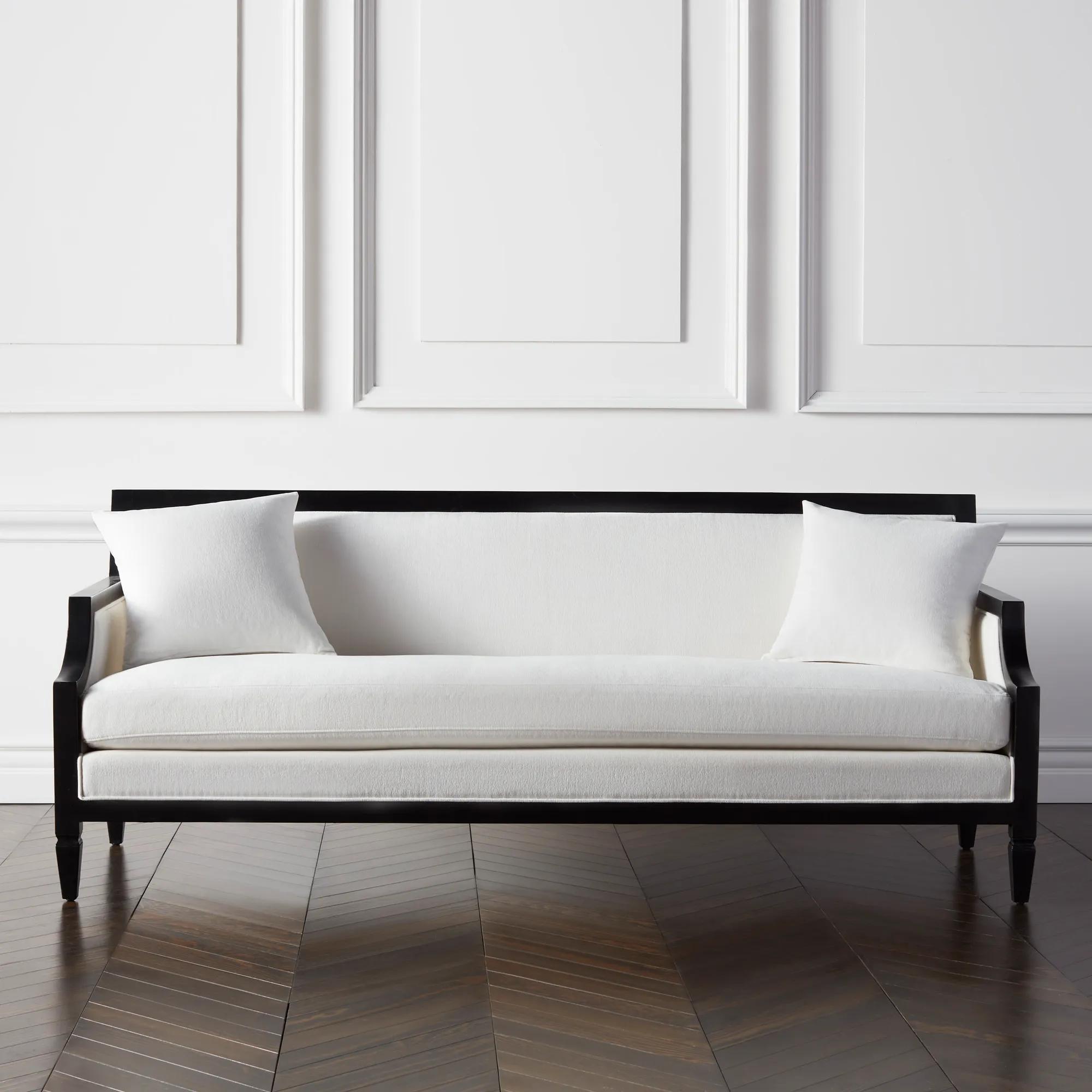
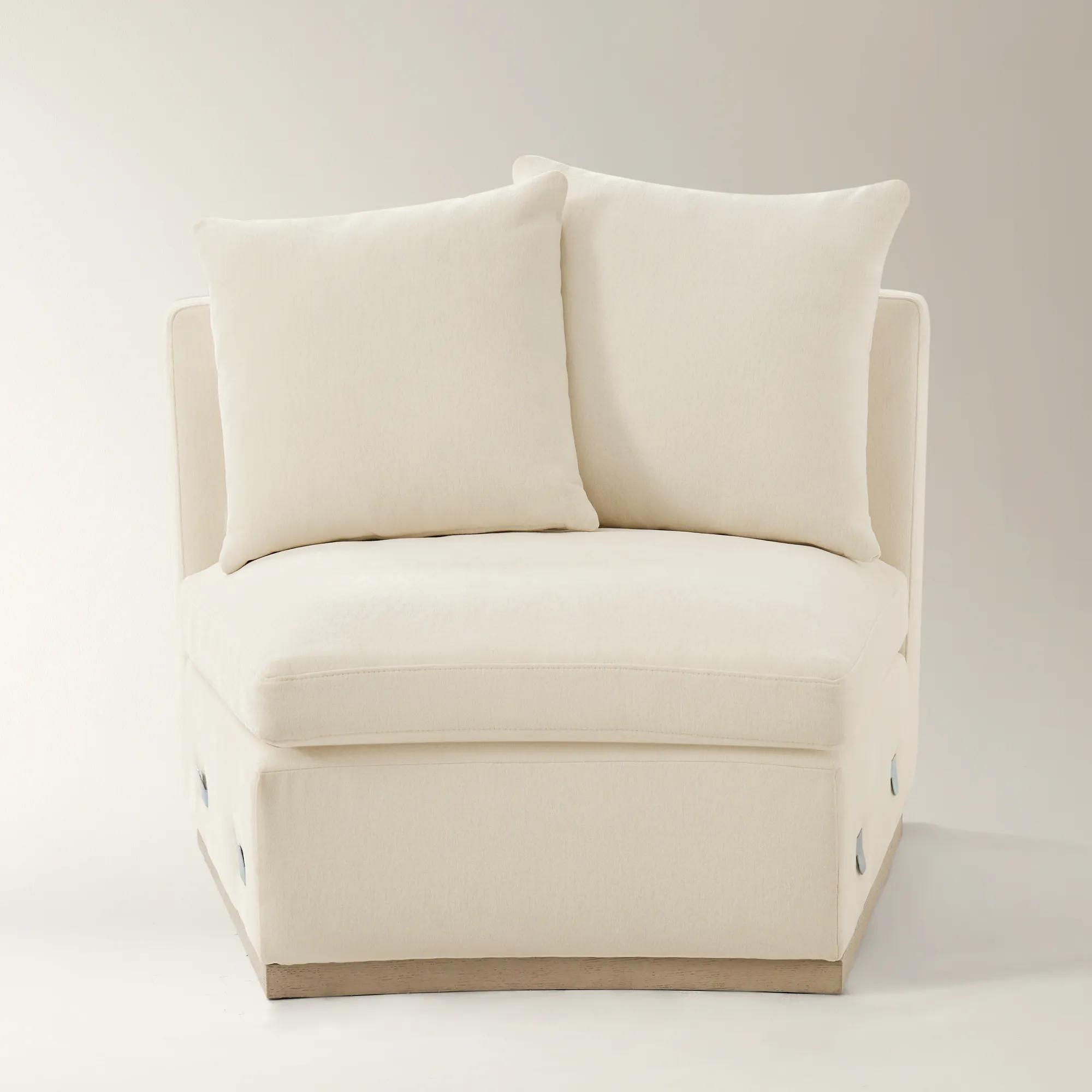
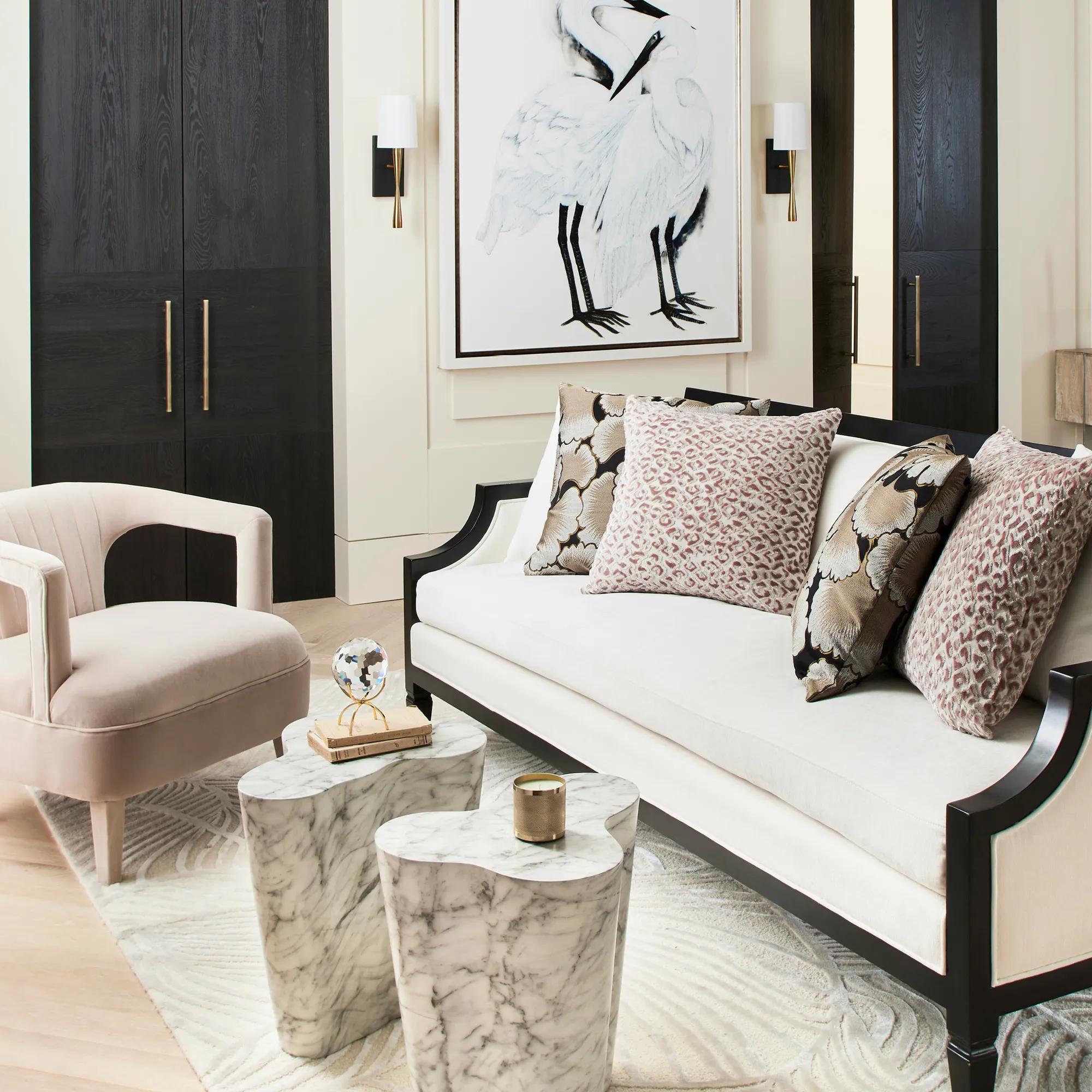 Kayla Sofa$2349
A timeless sofa featuring plush Kenley Chenille Snow upholstery, notched arms, and a matte black wood frame.
Add To Cart -
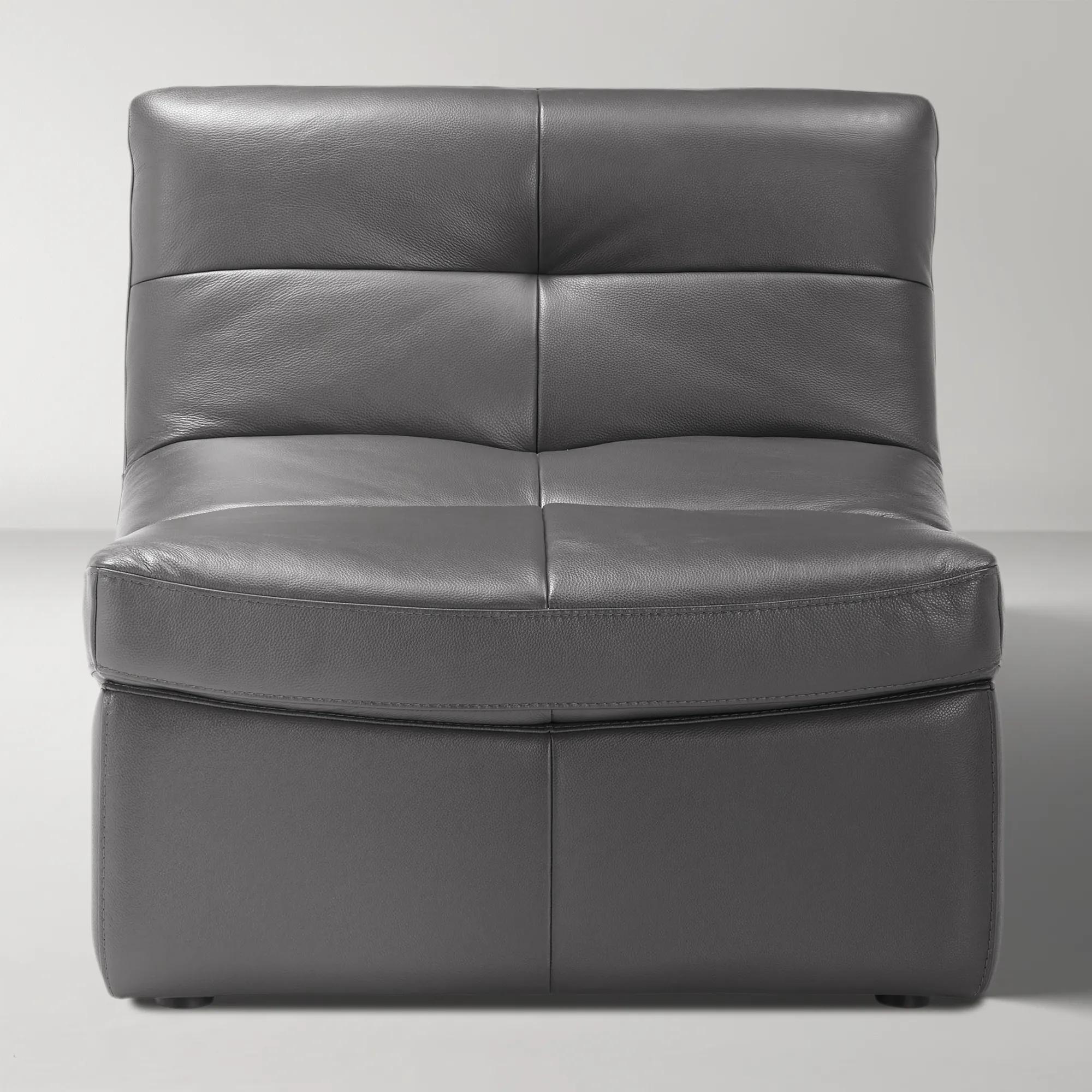
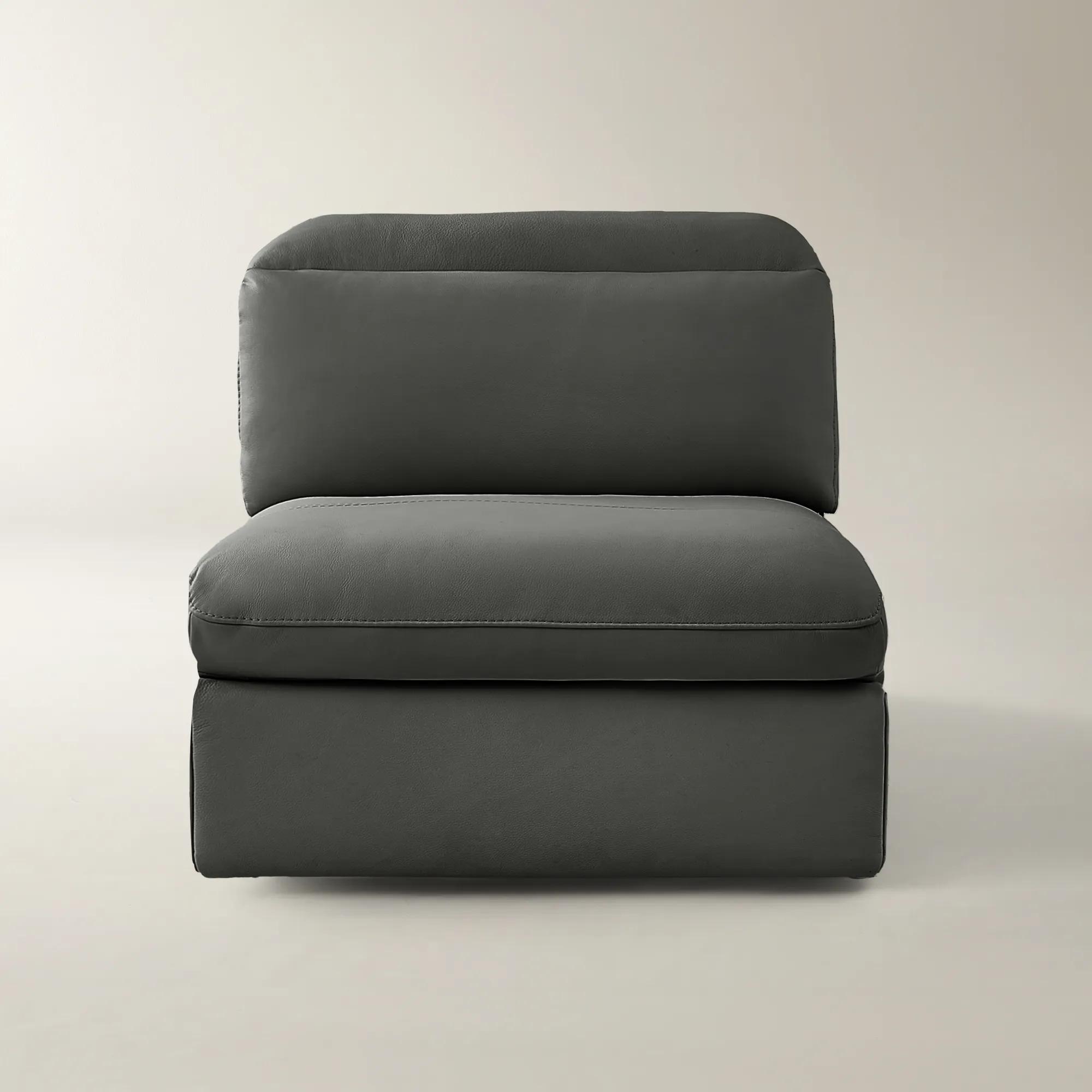
.jpg?w=1200&h=1200) Convo Charcoal Leather Armless Chair$1199
Convo Charcoal Leather Armless Chair$1199A modular sectional with kiln-dried hardwood frame and charcoal semi-aniline leather upholstery for modern versatility.
Add To Cart -
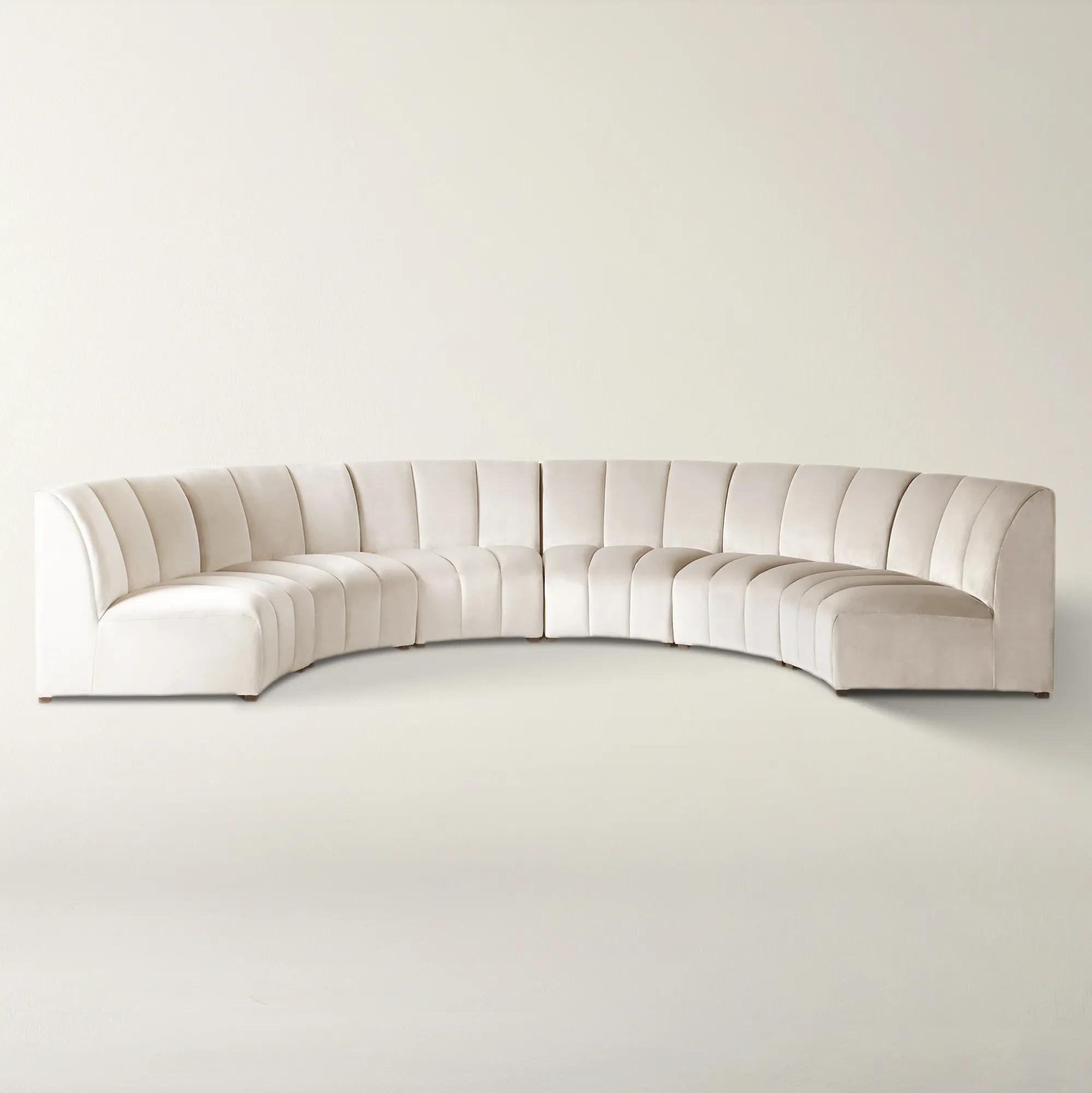 Jayce 6-Piece Channel-Tufted Ivory Velvet Sectional Sofa$5499
A modern curved sectional in stain-resistant Velvet Ivory with deep channel tufting and plush, structured cushions.
Add To Cart -
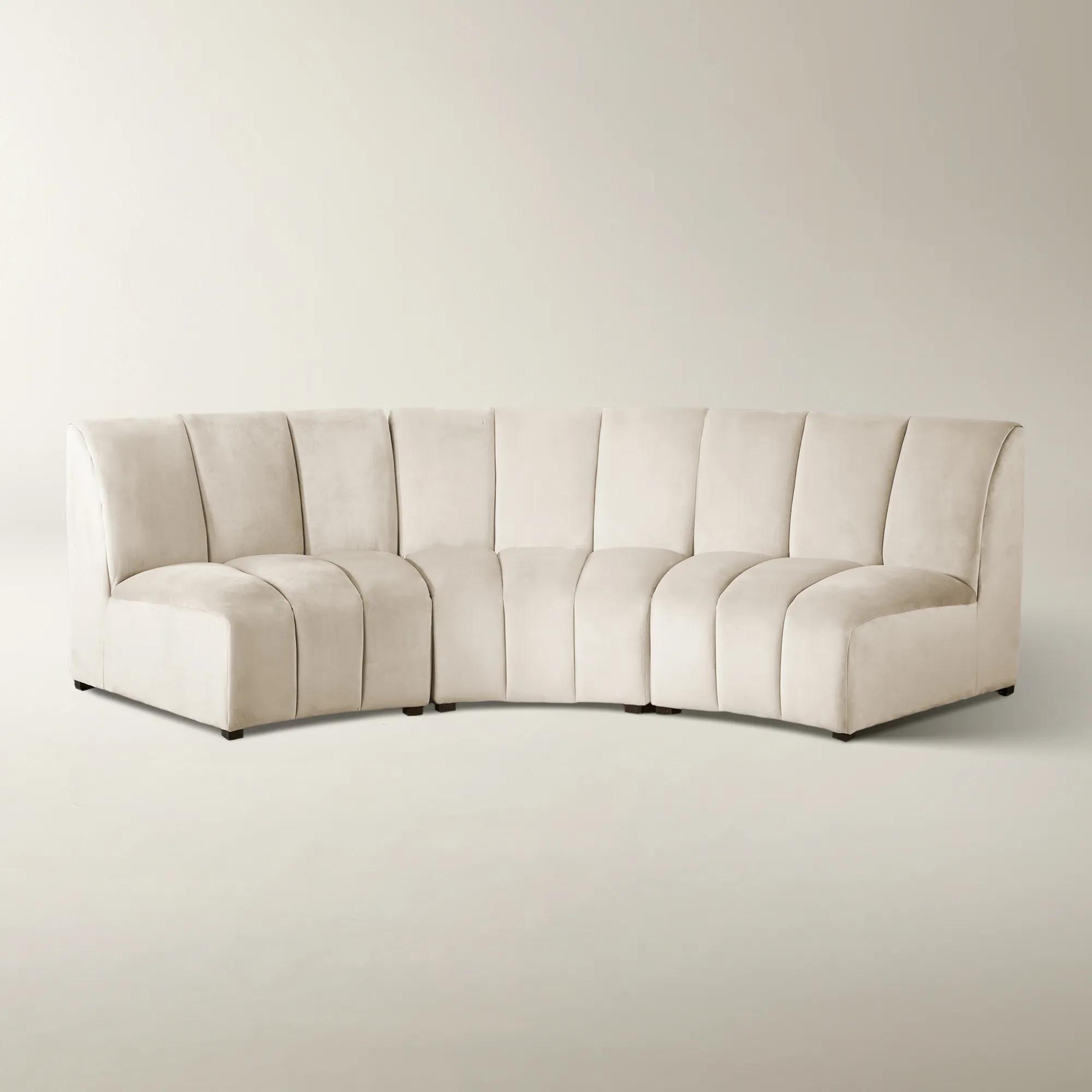
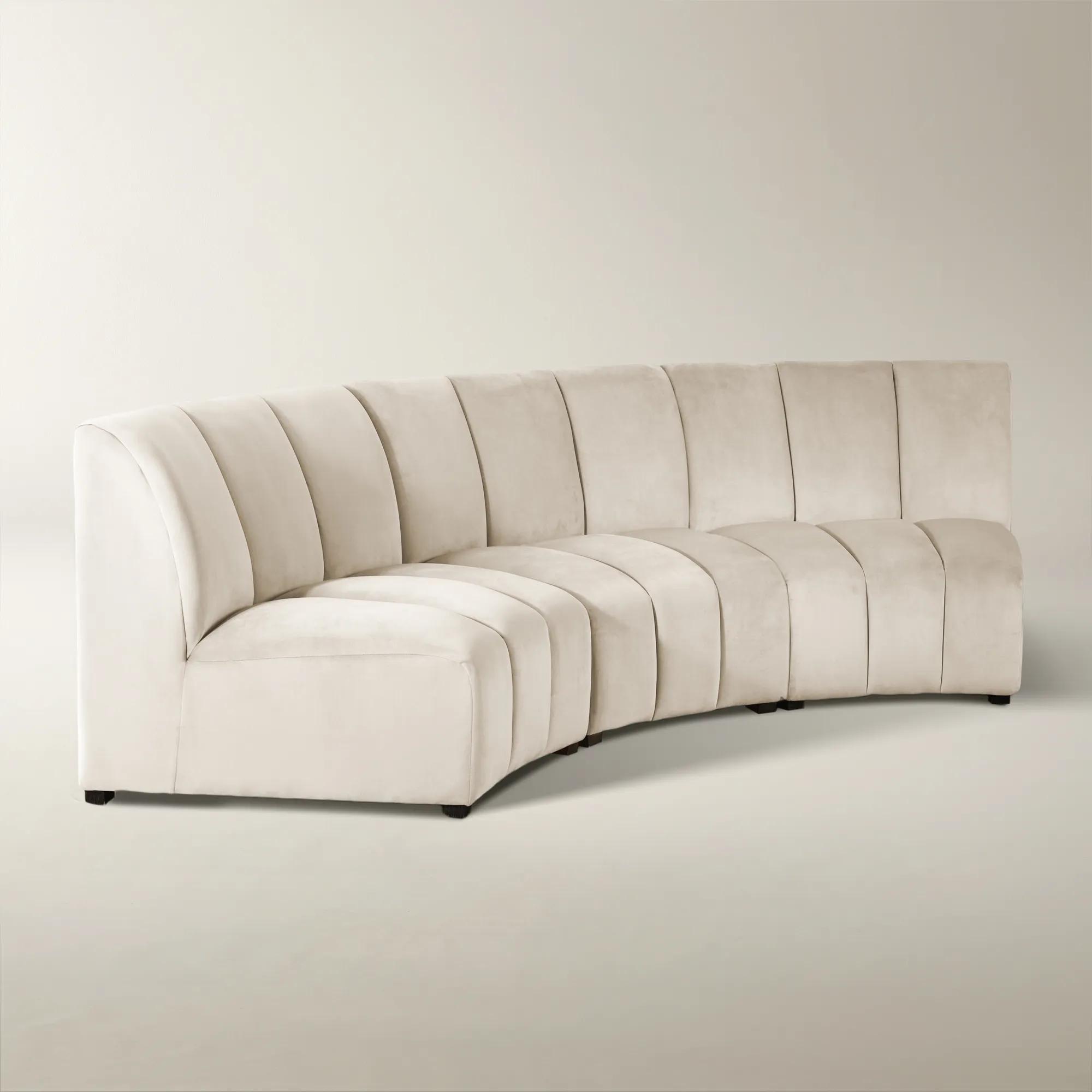 Jayce 3-Piece Channel-Tufted Ivory Velvet Sectional Sofa$2799
A modern curved sectional in stain-resistant Velvet Ivory with deep channel tufting and plush, structured cushions.
Add To Cart -
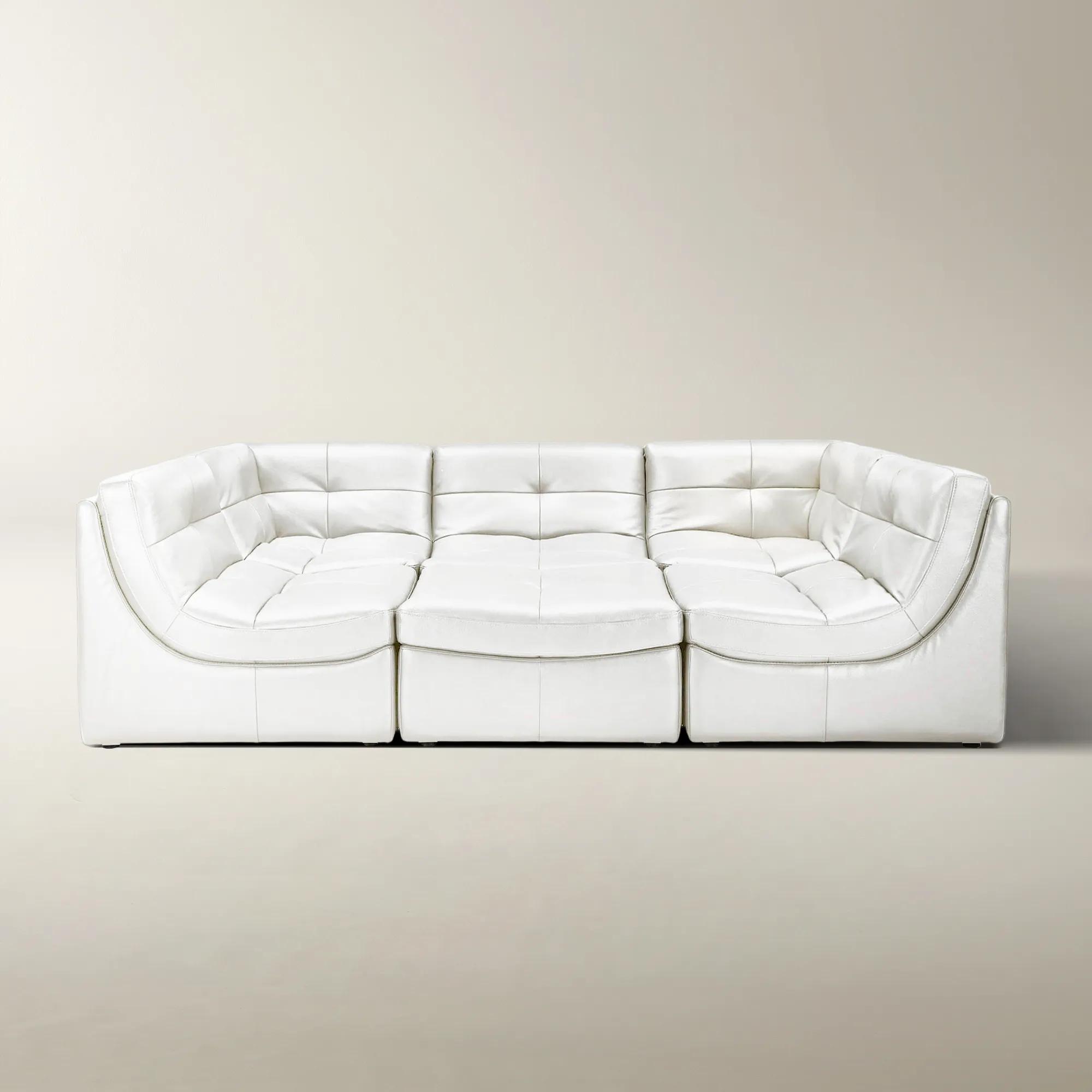 Convo 6-Piece White Leather Sectional Sofa$7249
A modular charcoal leather sectional with kiln-dried hardwood frame and gently curved, blind-tufted seats.
Add To Cart -
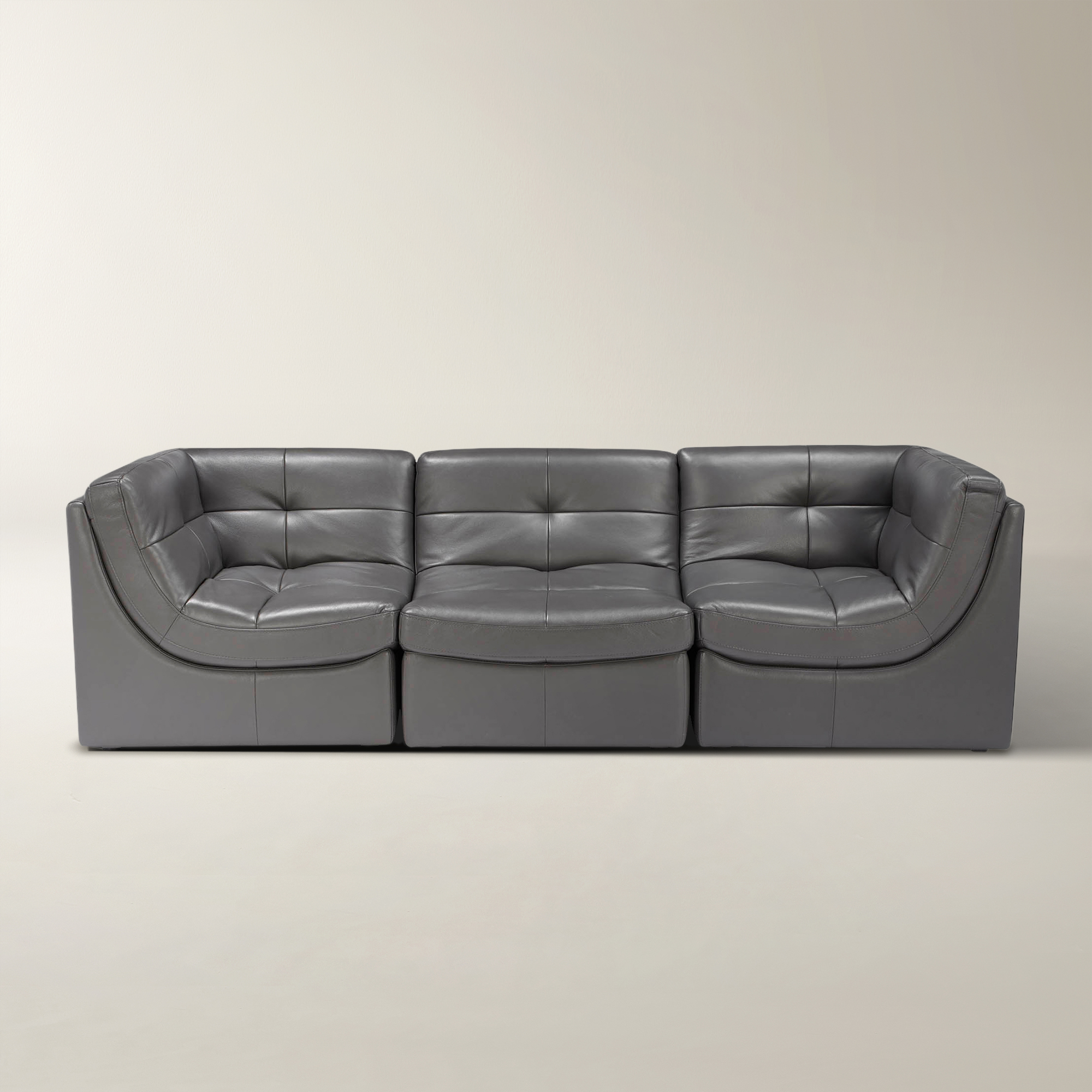 Convo 3-Piece Charcoal Leather Sectional Sofa$3999
A modular charcoal leather sofa with kiln-dried hardwood frame and gently curved, blind-tufted seats.
Add To Cart -
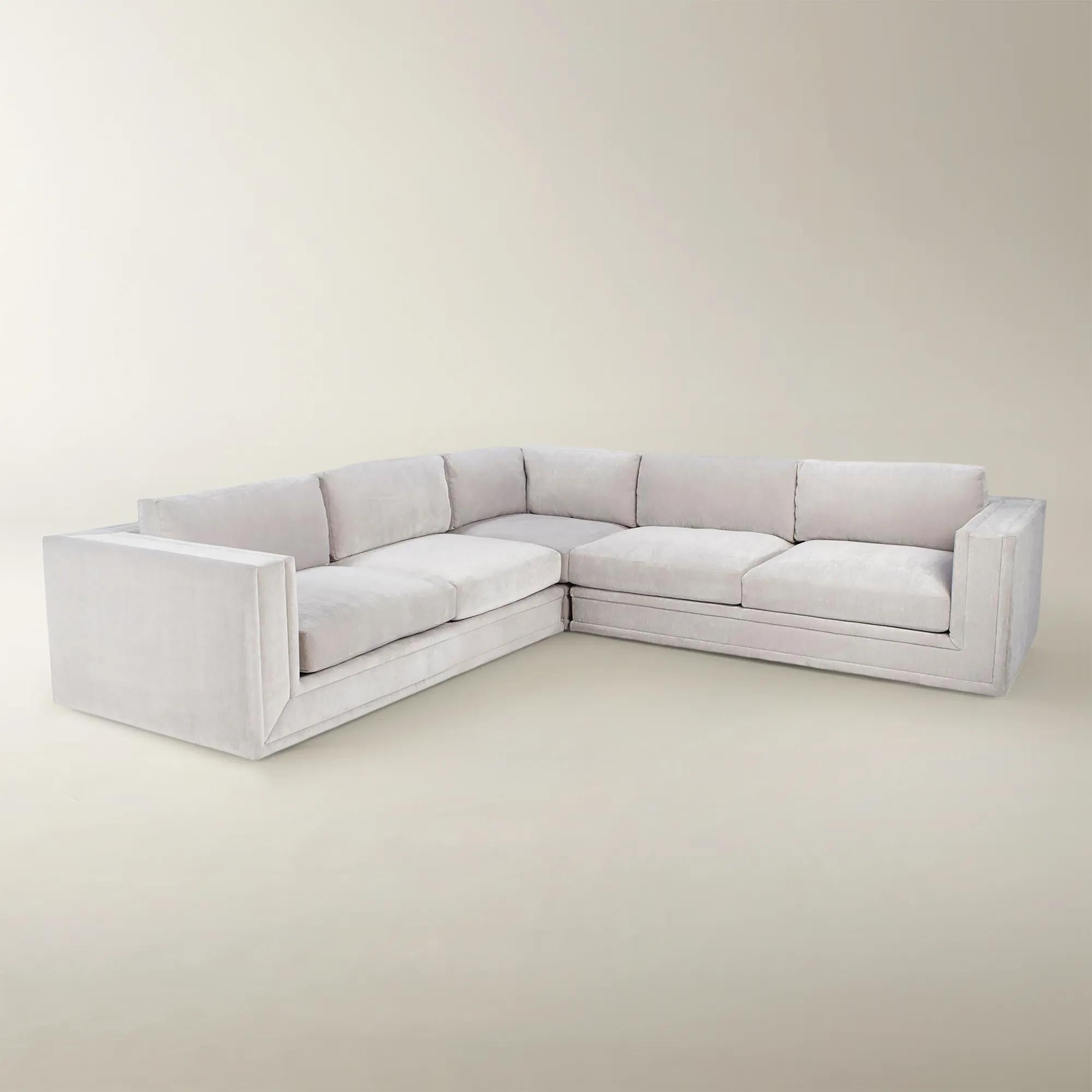 Luka 3-Piece Polar Chenille Sectional Sofa$4999
A modern corner sectional featuring deep seating, high-density foam cushions, and hand-upholstered opulent chenille fabric.
Add To Cart -
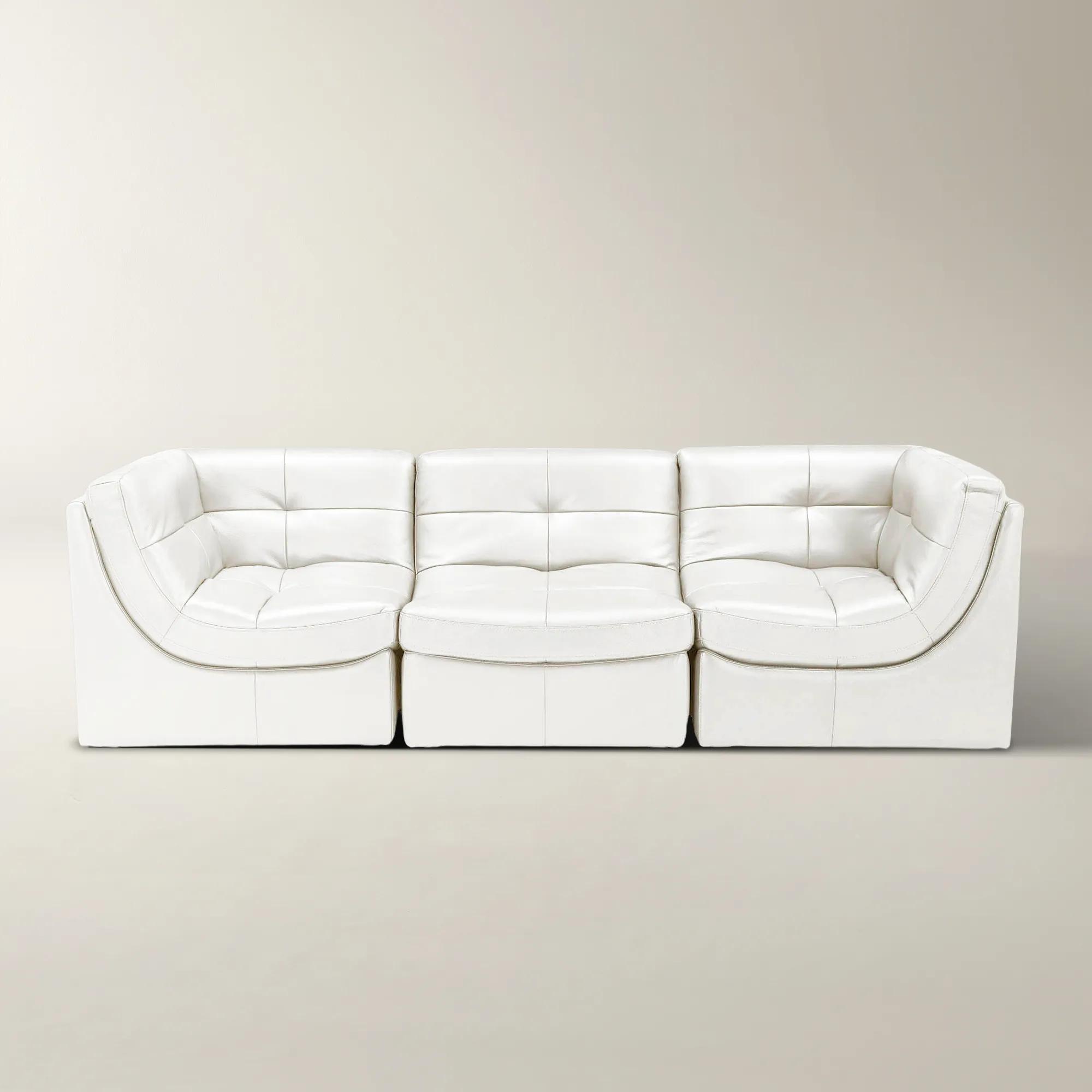 Convo 3-Piece White Leather Sectional Sofa$3999
A modular charcoal leather sofa with kiln-dried hardwood frame and blind-tufted, semi-aniline upholstery.
Add To Cart -
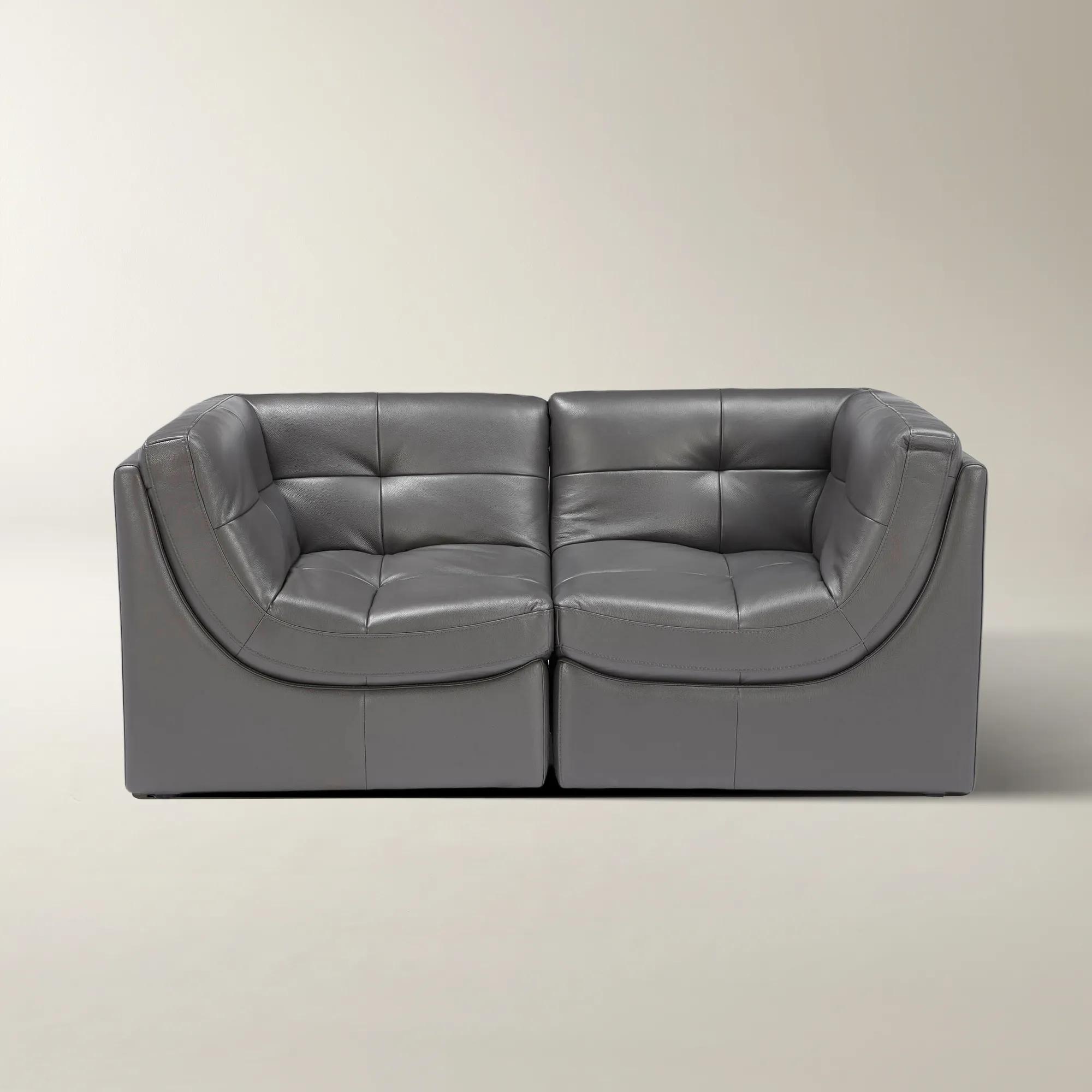 Convo 2-Piece Charcoal Leather Sectional Sofa$2799
A modular charcoal leather sofa with kiln-dried hardwood frame and blind-tufted, semi-aniline upholstery.
Add To Cart -
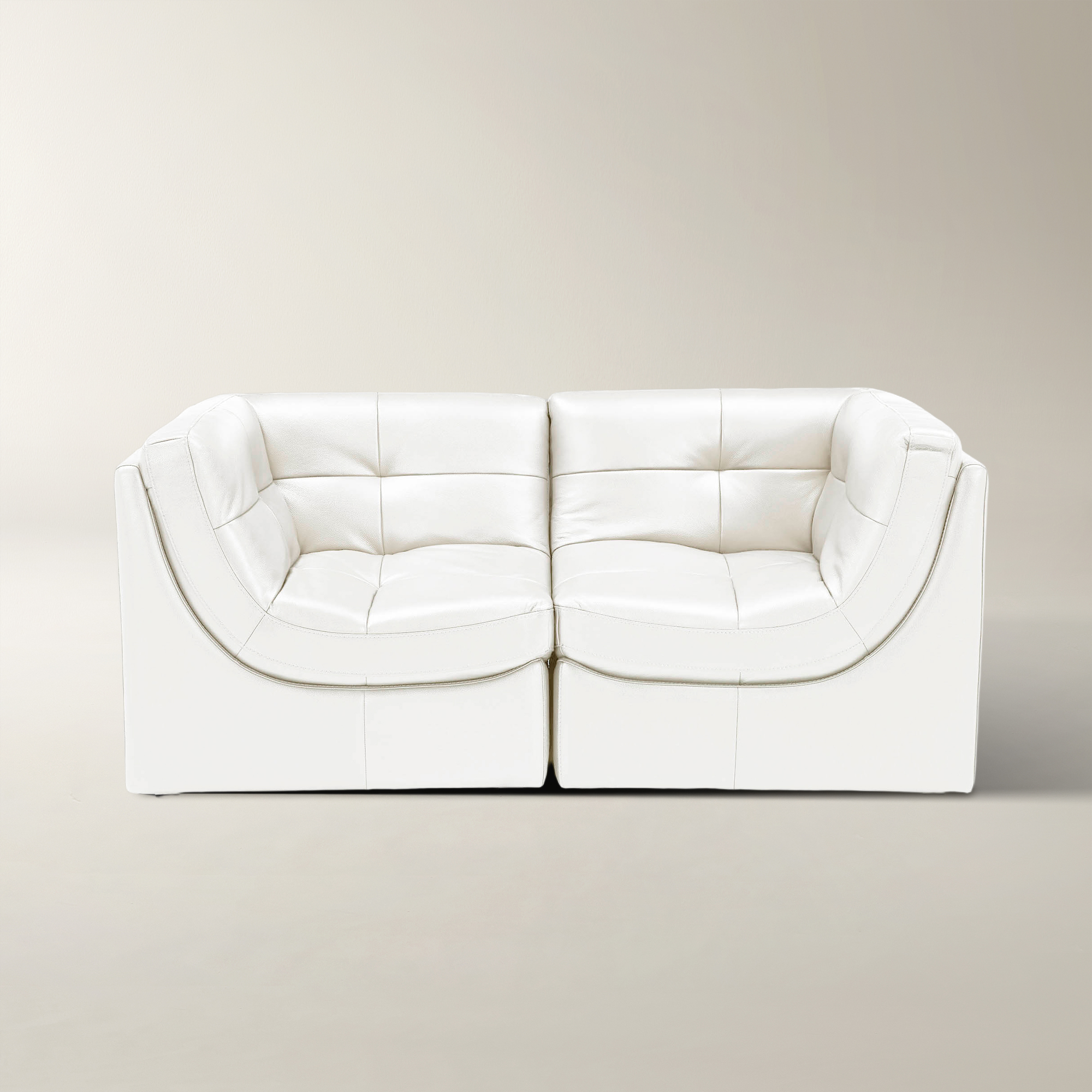 Convo 2-Piece White Leather Sectional Sofa$2799
A modular charcoal leather sofa with kiln-dried hardwood frame and blind-tufted, semi-aniline upholstery.
Add To Cart -
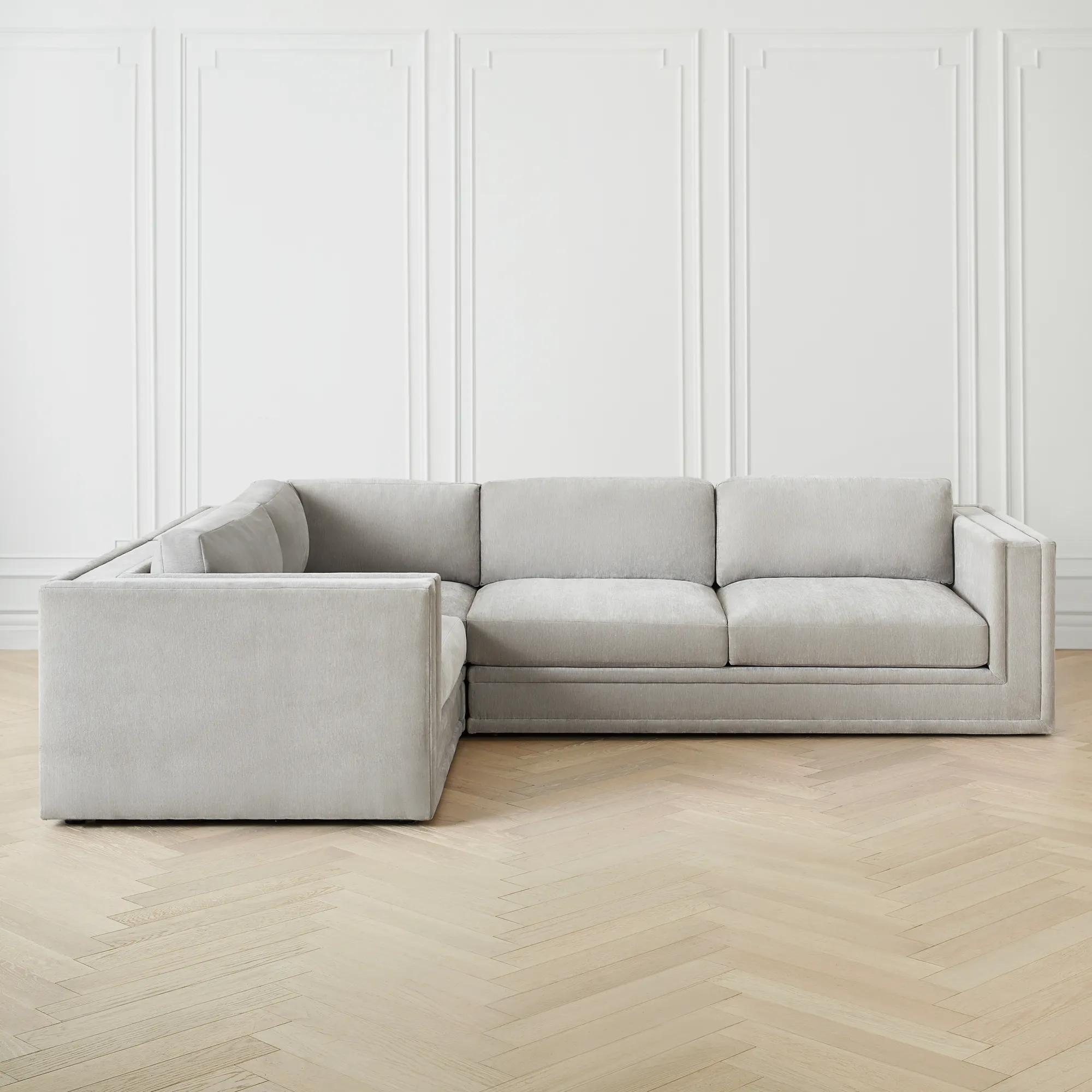 Luka Sectional - 3 PC$4599
A modern sectional featuring deep seating, high-density foam cushions, and hand-upholstered velvet in pearl.
Add To Cart -
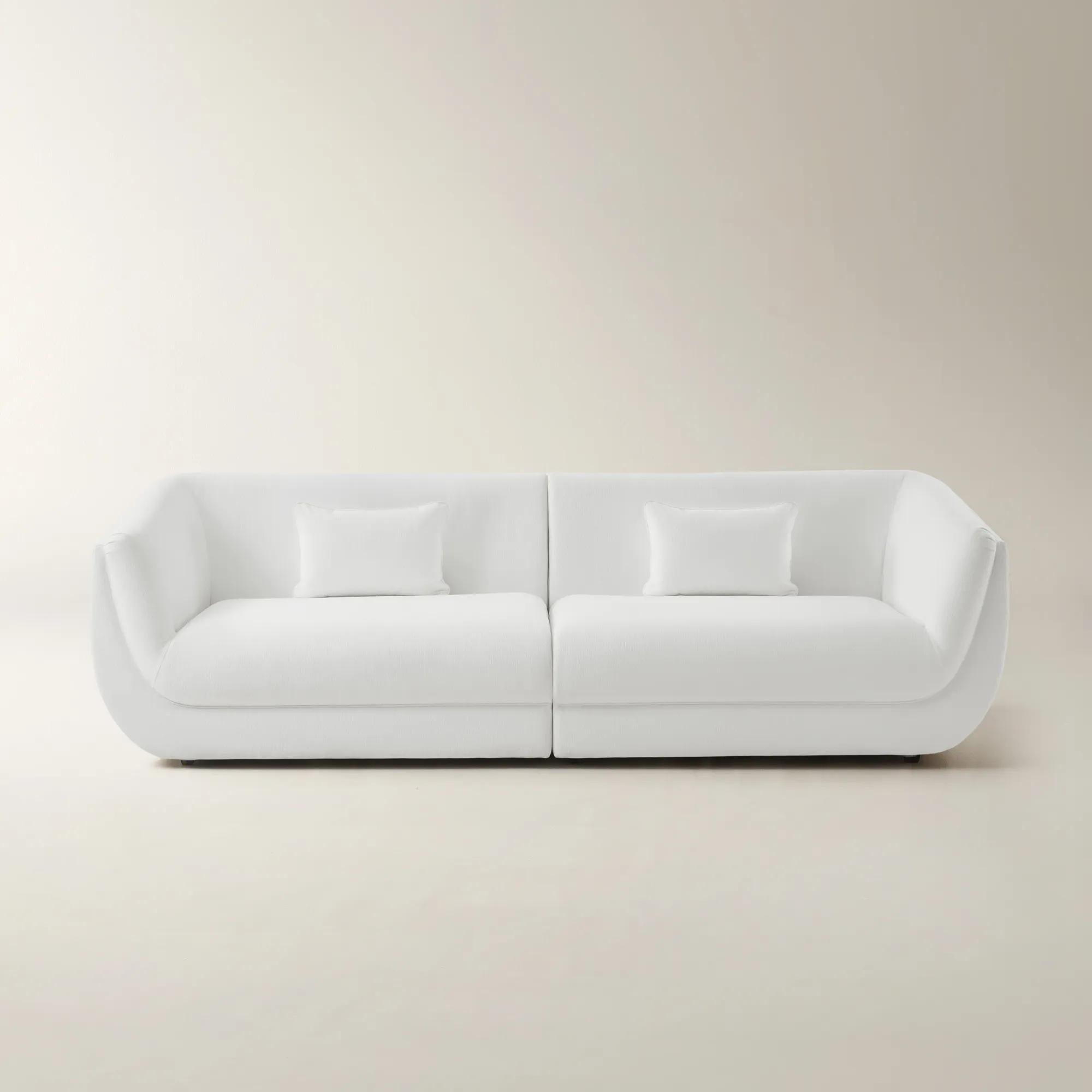
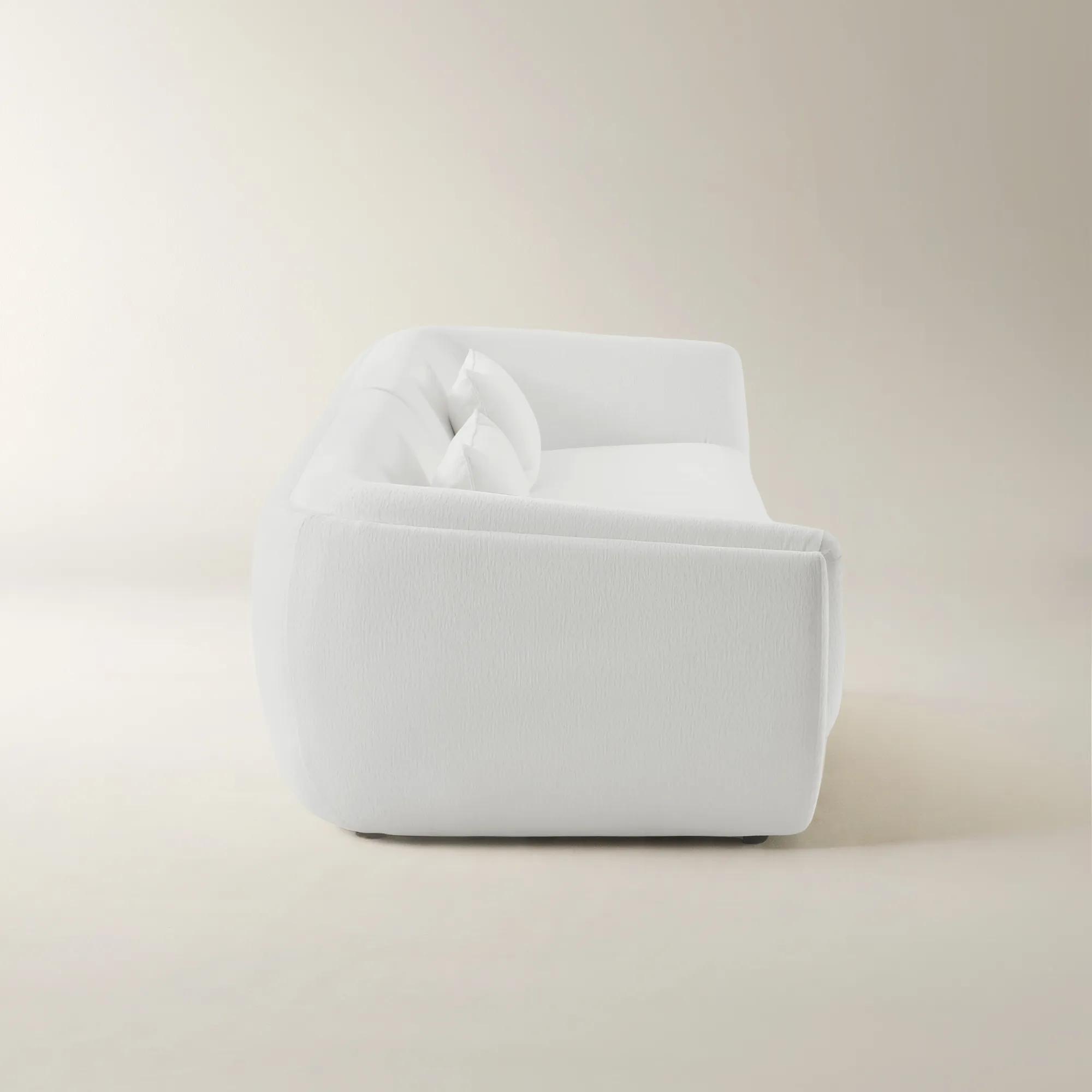 Curvia 2-Piece White Performance Chenille Indoor/Outdoor Sectional Sofa$2599
A sculptural white sectional sofa upholstered in performance chenille for luxurious indoor or outdoor lounging.
Add To Cart -
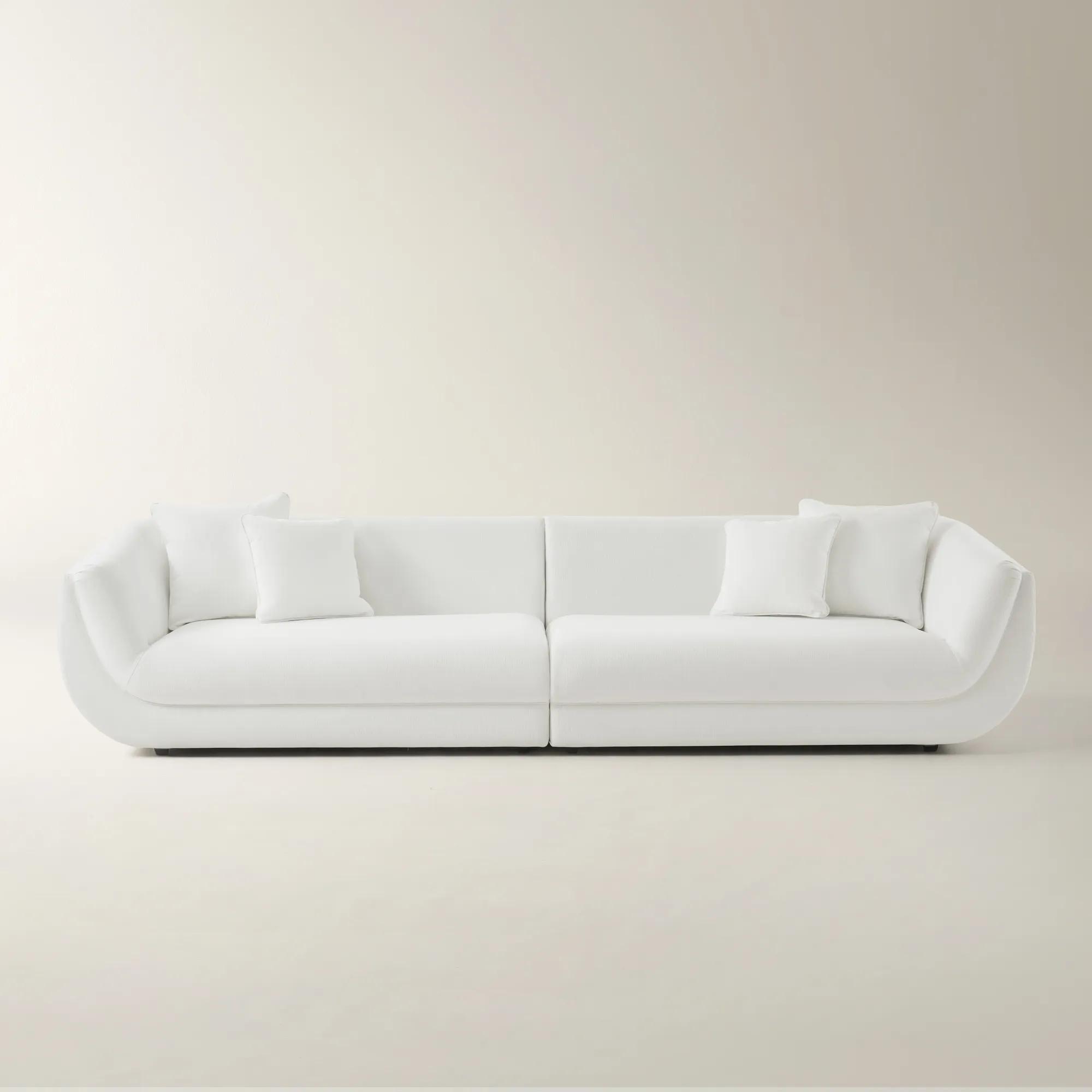
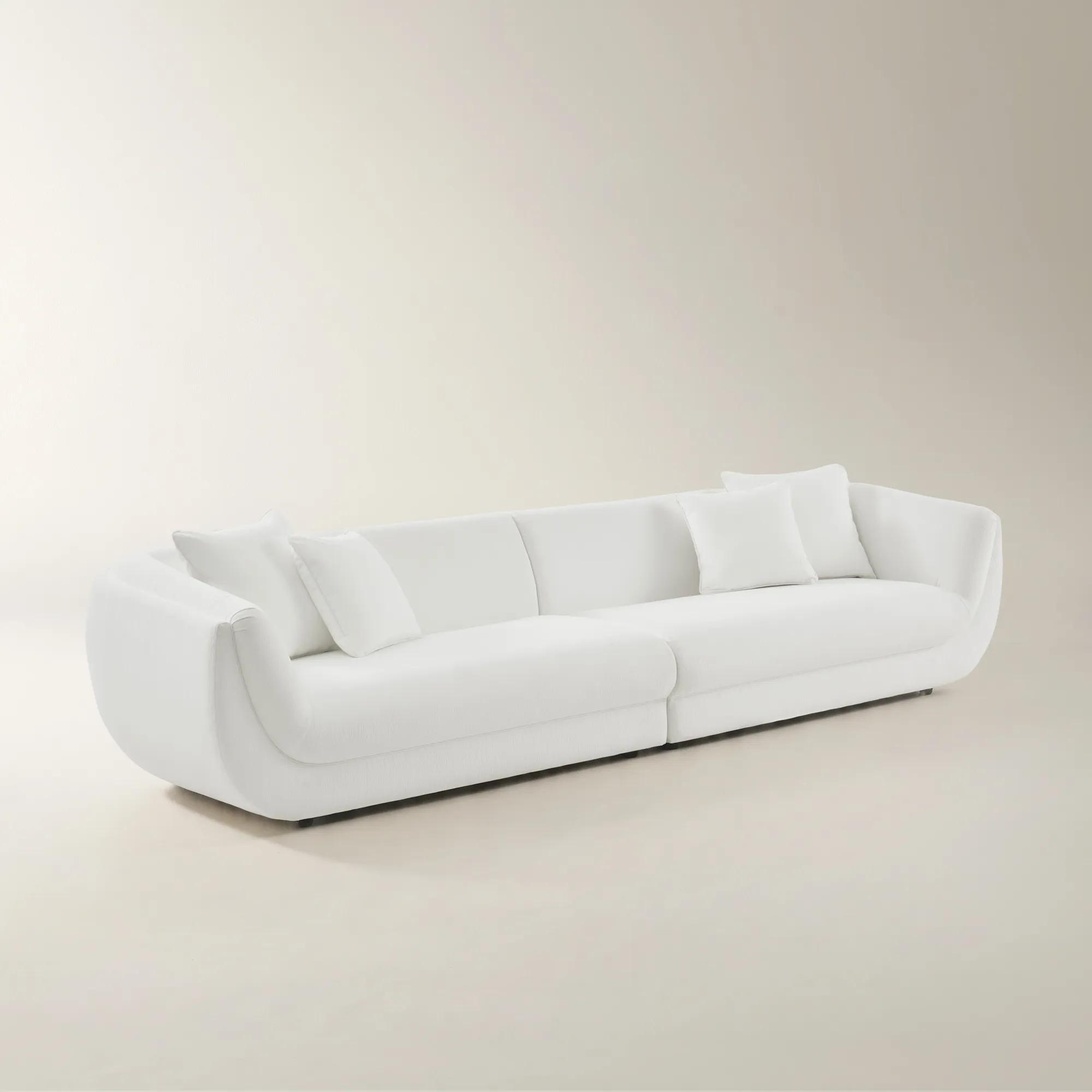 Curvia 2-Piece White Performance Chenille Indoor/Outdoor Grand Sectional Sofa$2799
A sculptural white sectional wrapped in performance chenille, designed for luxurious indoor or outdoor lounging.
Add To Cart -
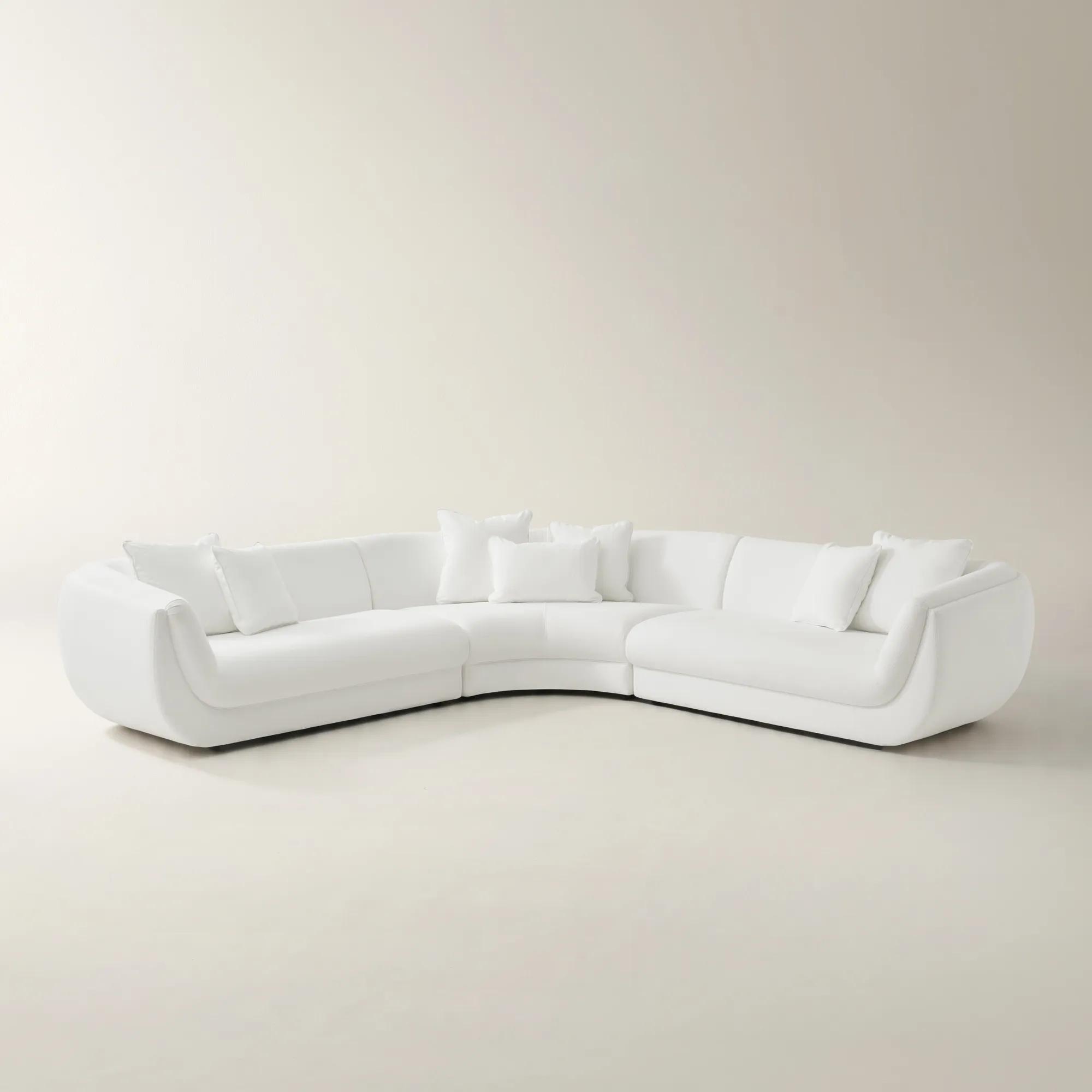 Curvia 3-Piece White Performance Chenille Indoor/Outdoor Sectional Sofa$4299
A sculptural white sectional sofa wrapped in performance chenille for luxurious indoor and outdoor lounging.
Add To Cart -
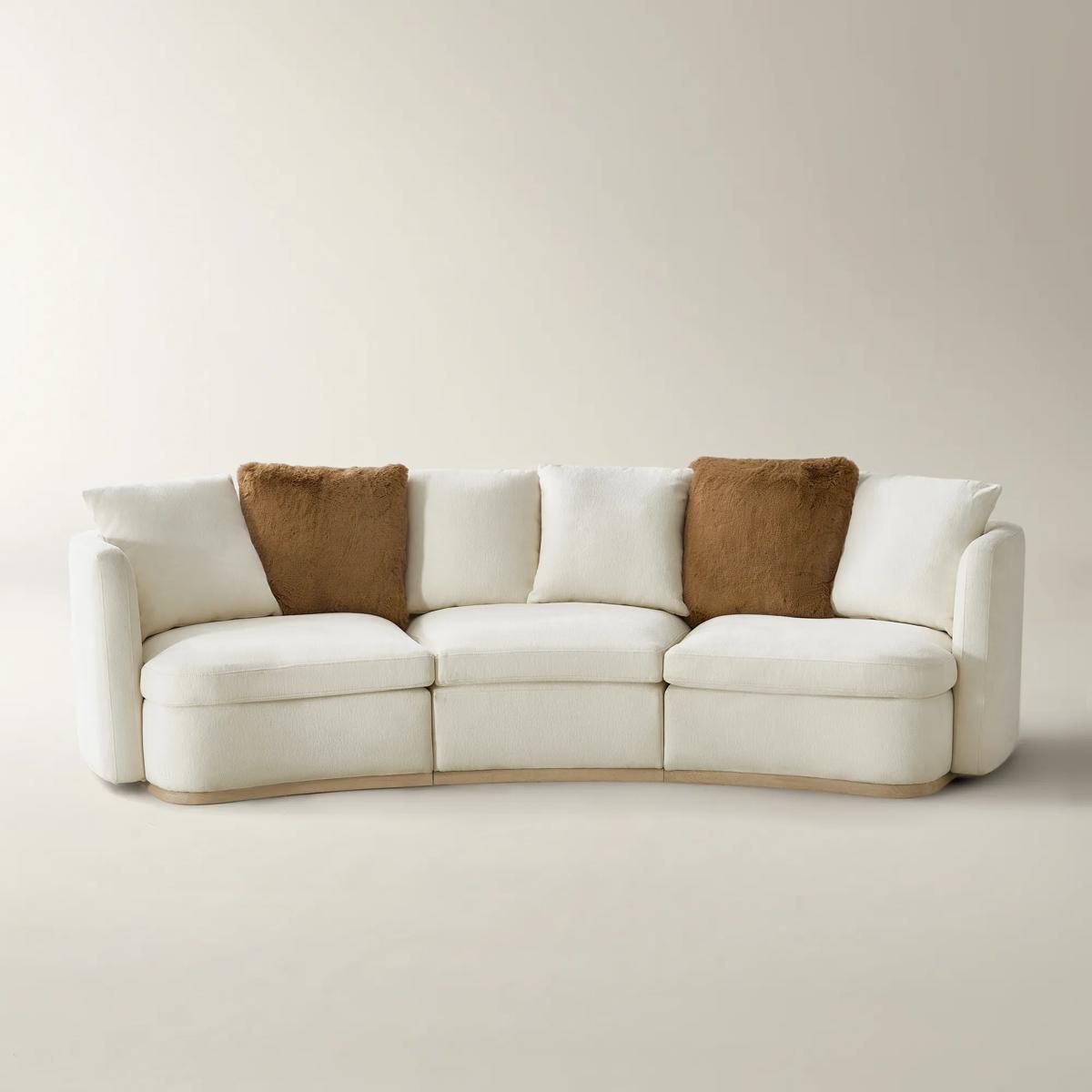 Stria 3-Piece Ivory Chenille Sectional Sofa$3099
An ivory chenille sofa featuring a sculptural curved design, triple-layer cushioning, and a kiln-dried oak frame.
Add To Cart -
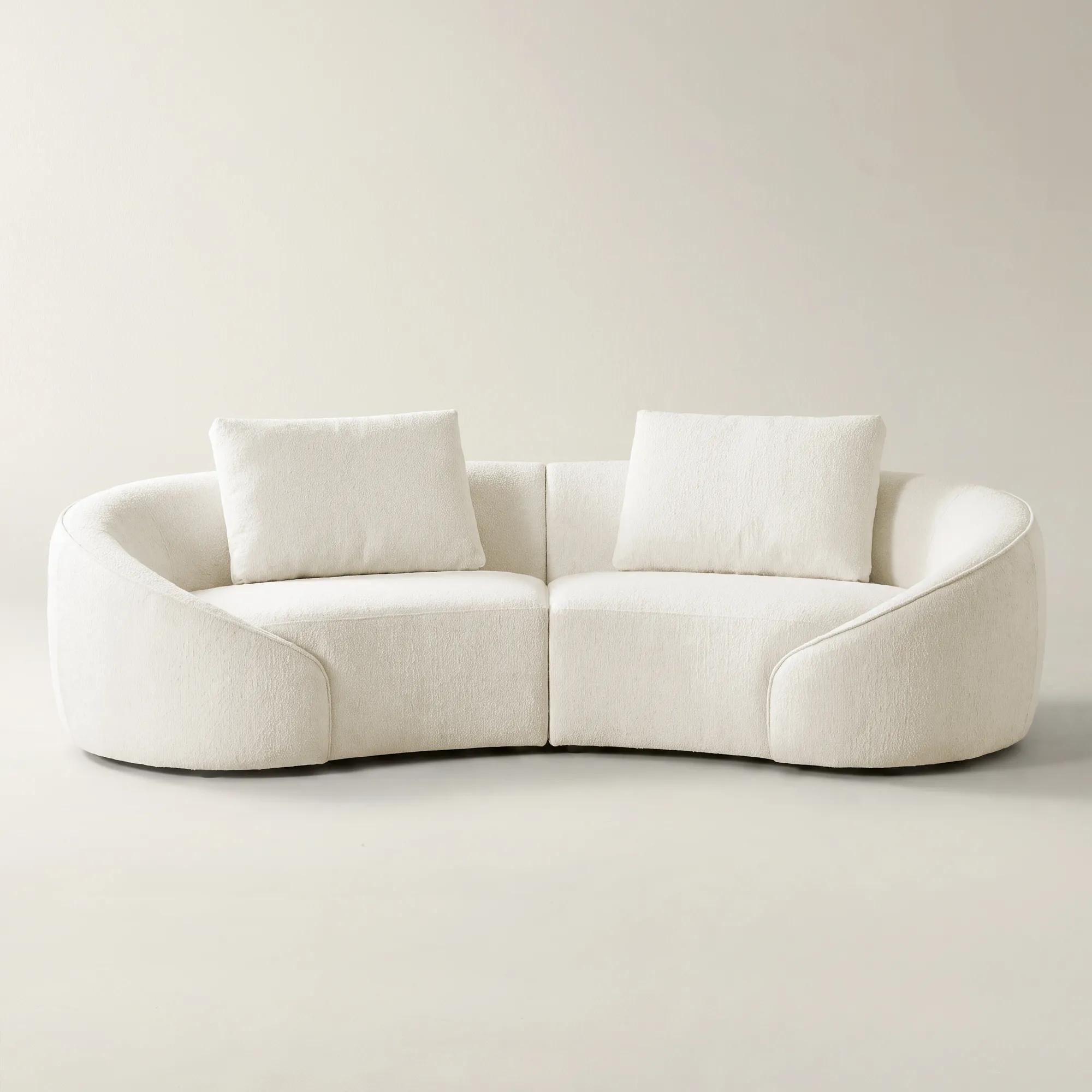
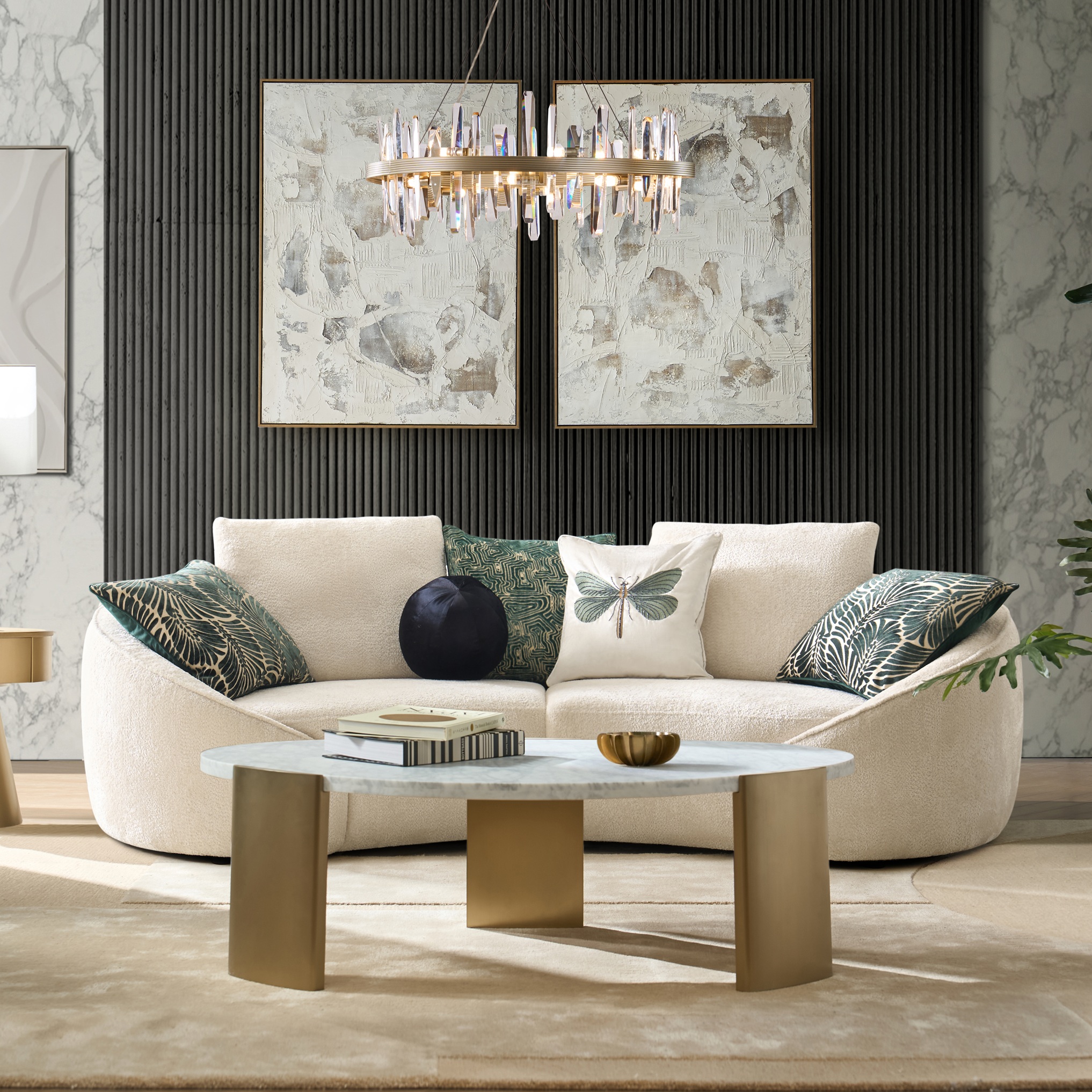 Irene 2-Piece Ivory Performance Chenille Sectional Sofa$2699
A sculptural ivory chenille sectional featuring performance upholstery, high-resiliency foam cushions, and artisan detailing.
Add To Cart -
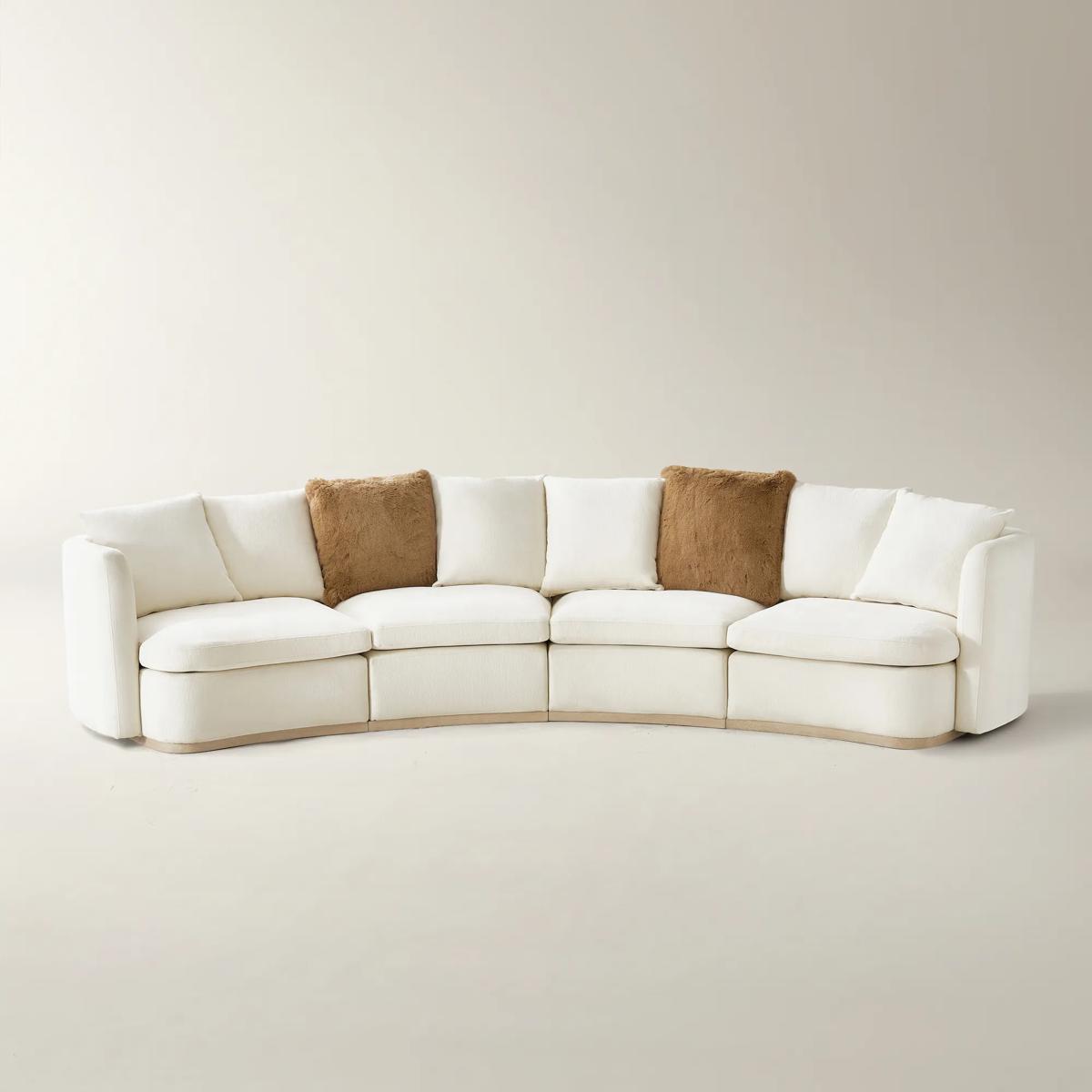
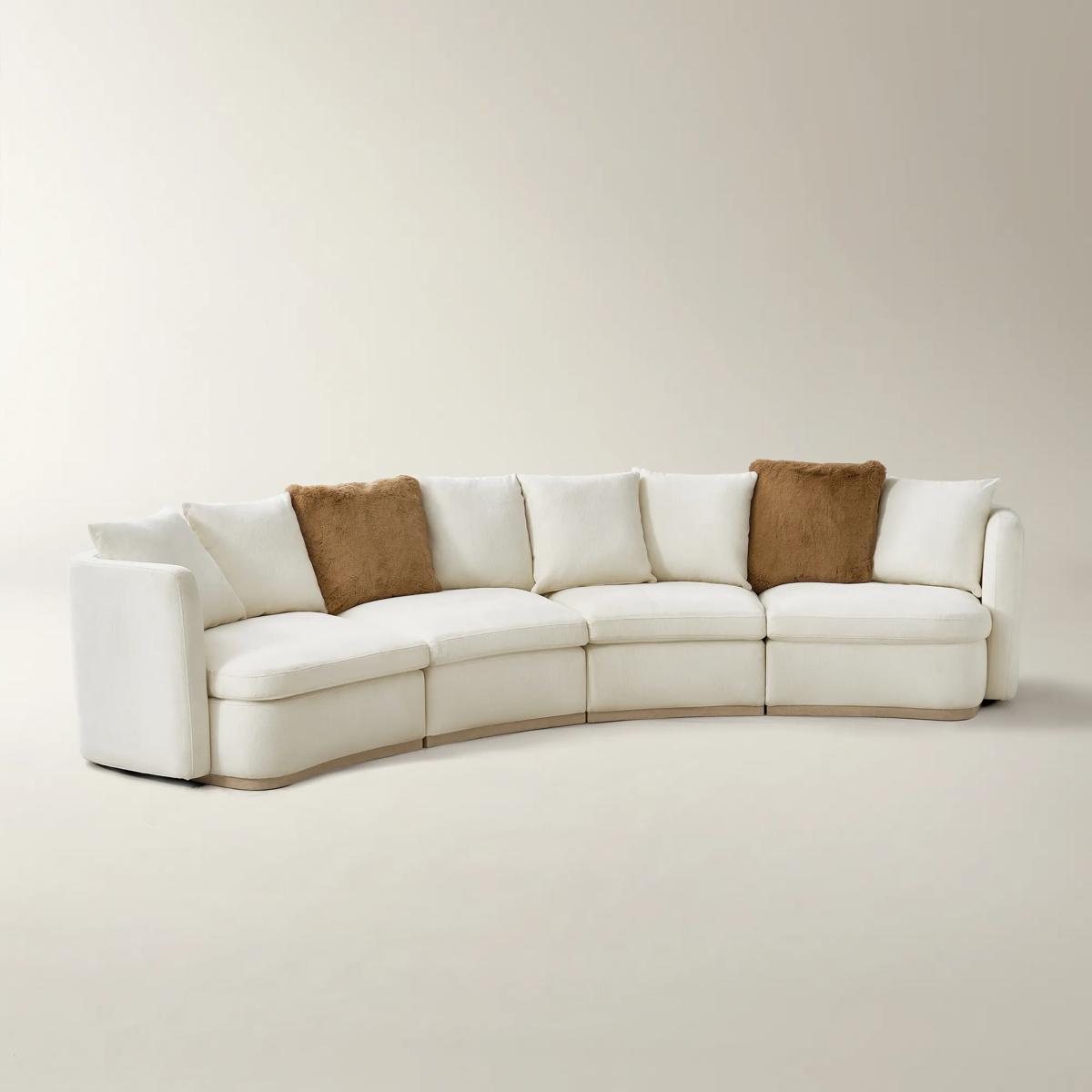 Stria 4-Piece Ivory Chenille Sectional Sofa$4099
An elegantly curved ivory chenille sectional with triple-layer cushioning and a kiln-dried solid oak frame.
Add To Cart -
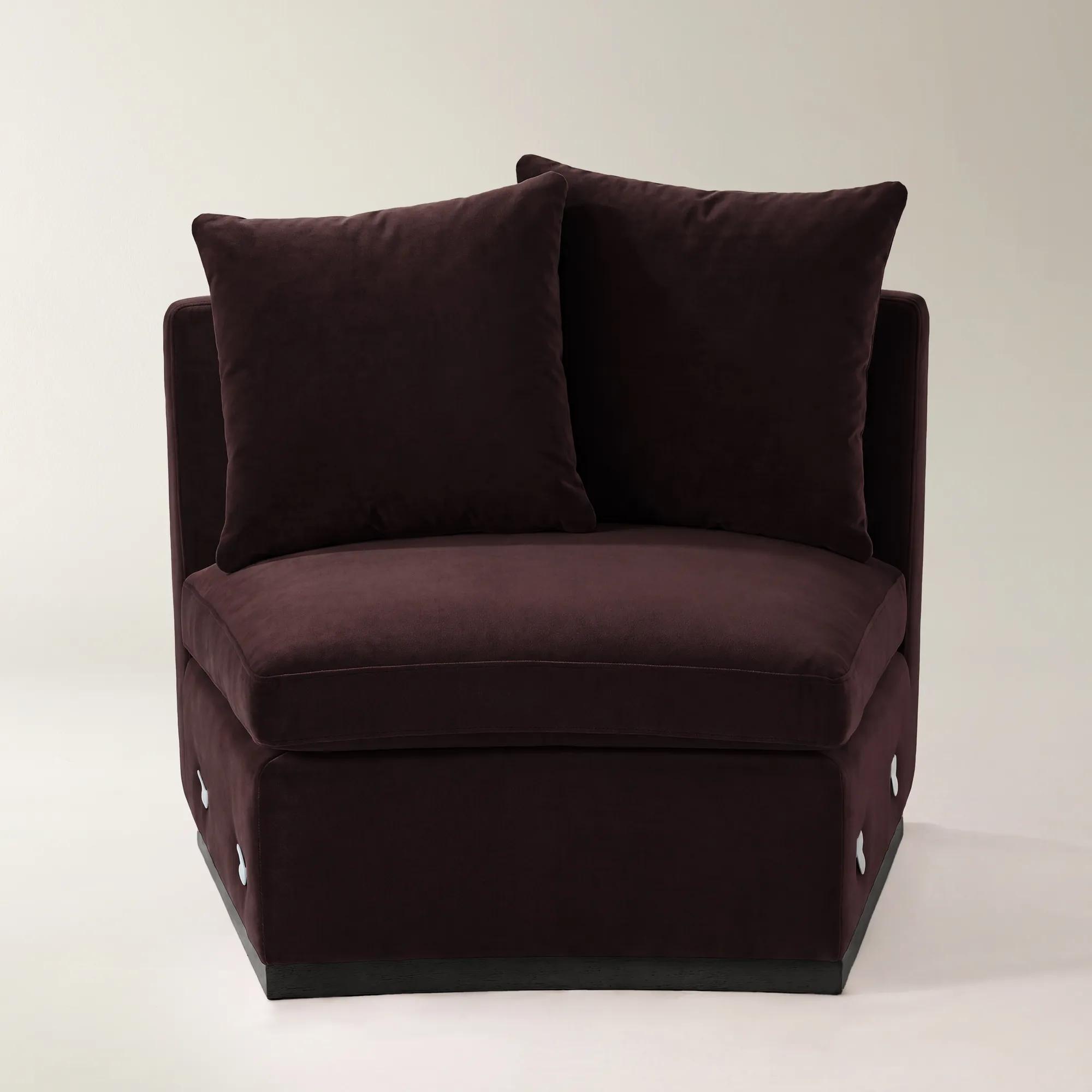
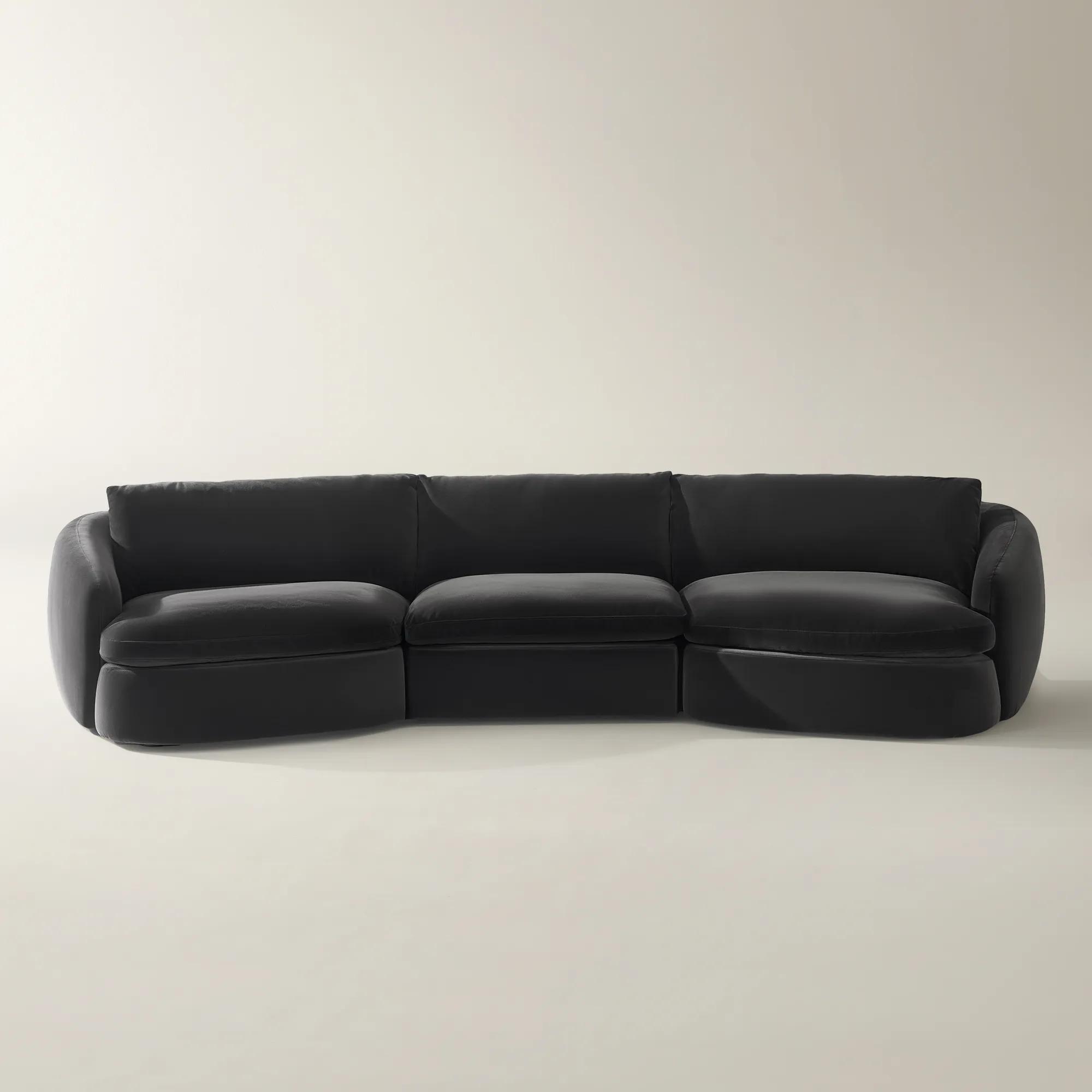 Sabrina 3-Piece Charcoal Velvet Sectional$3599
A charcoal velvet modular sofa featuring a curved silhouette, feather-blend cushions, and hand-built craftsmanship.
Add To Cart -
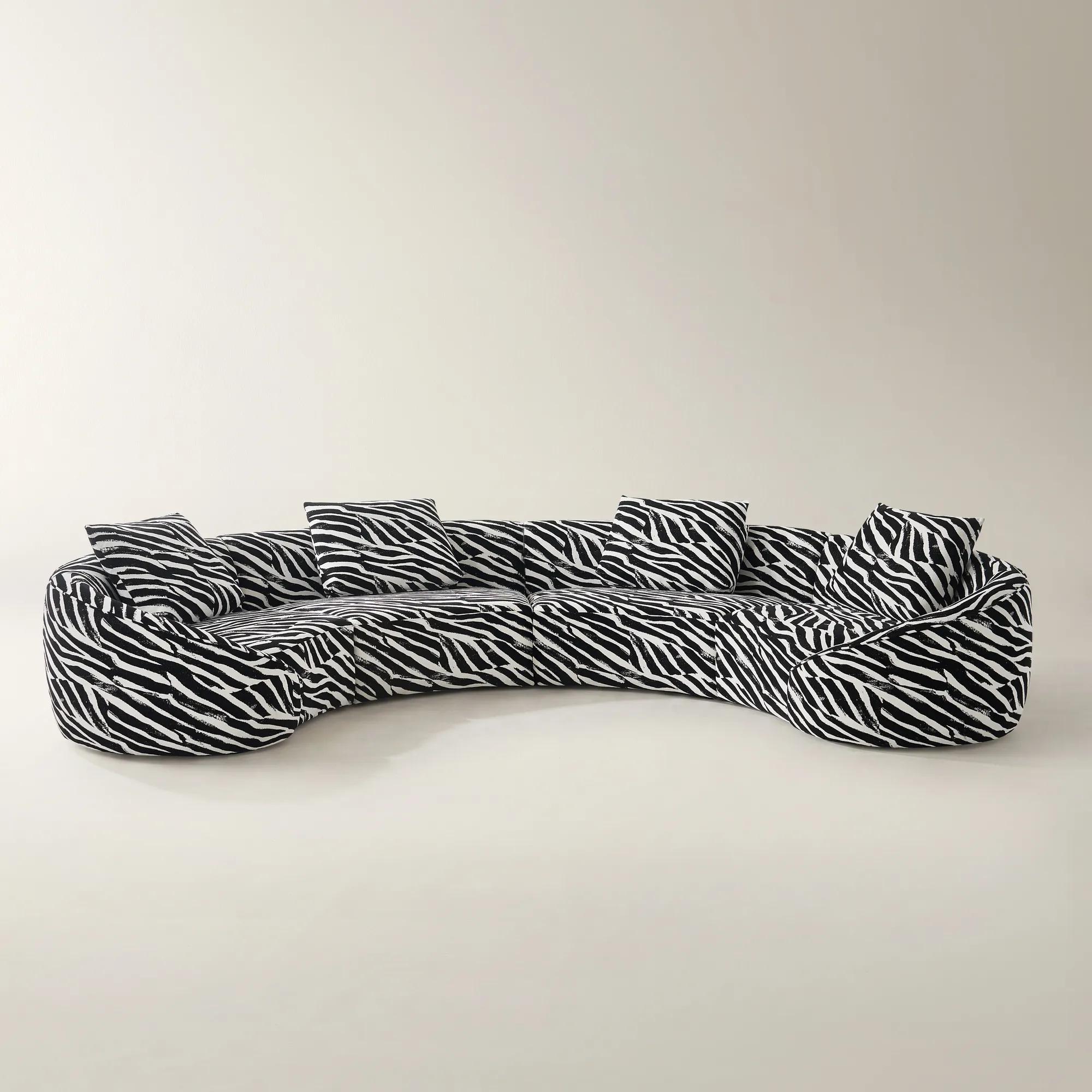 Irene 4-Piece White/Black Performance Chenille Sectional Sofa$4799
A sculptural sectional wrapped in white and black performance chenille with high-resiliency foam cushions.
Add To Cart -
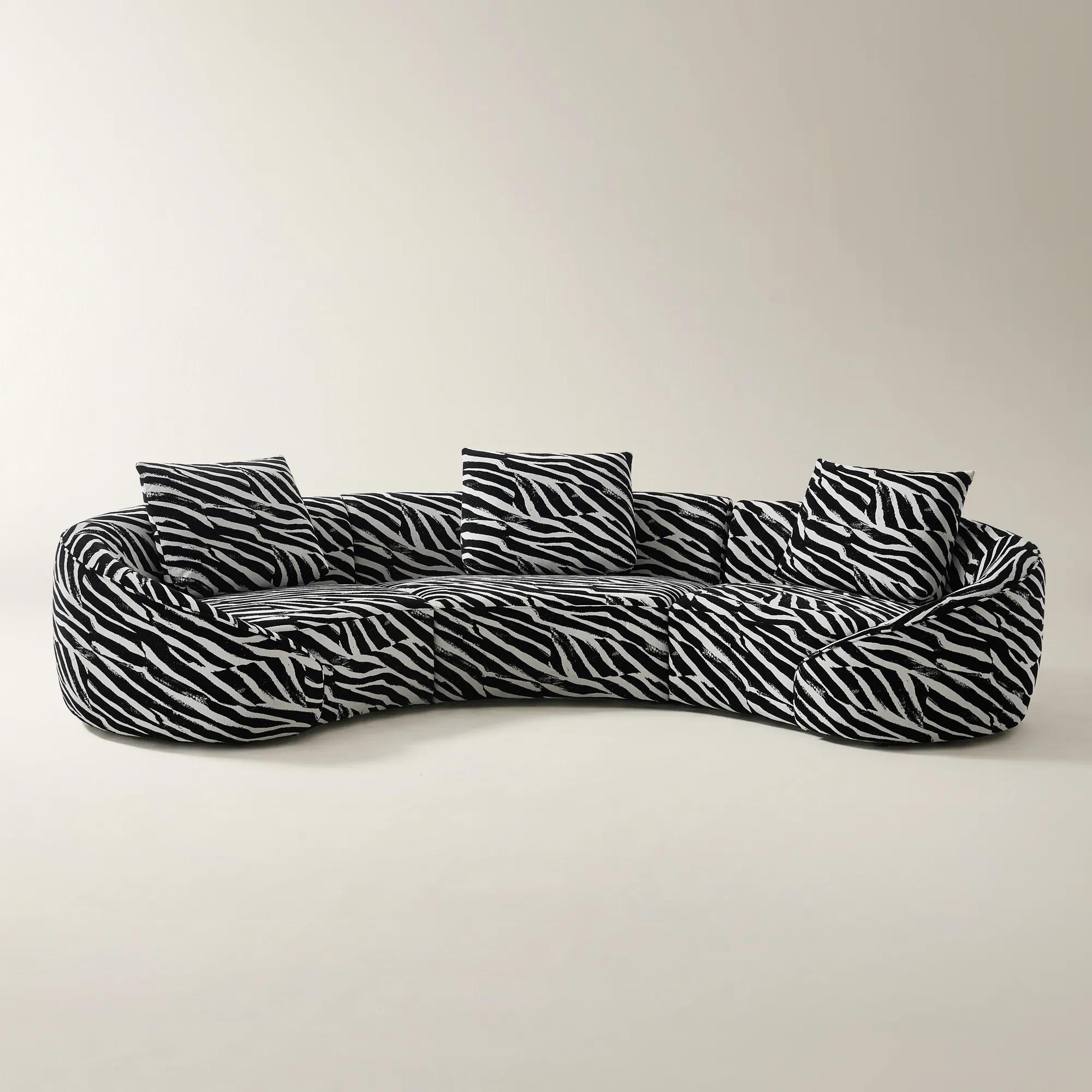
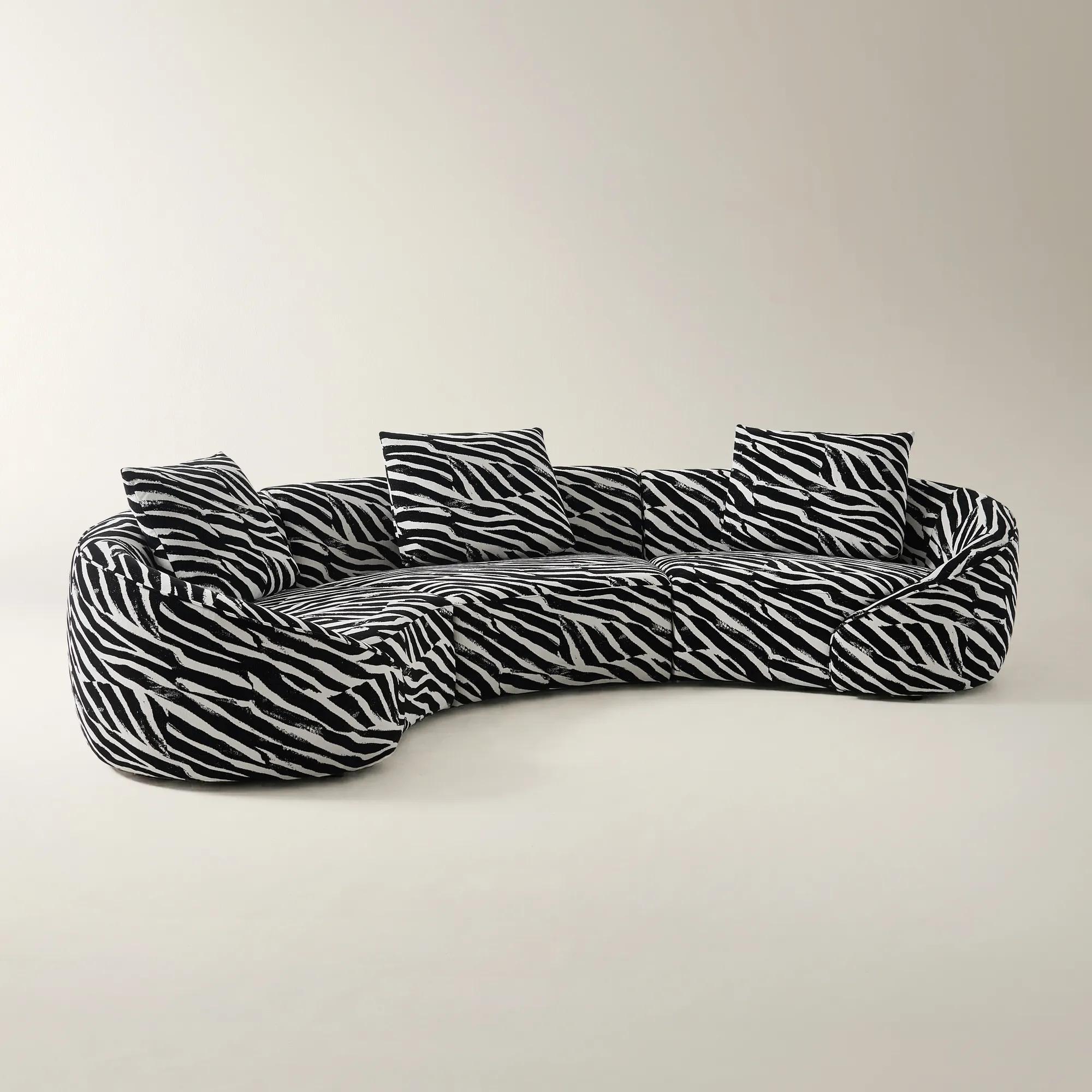 Irene 3-Piece White/Black Performance Chenille Sectional Sofa$3799
A sculptural sectional in black and white performance chenille, featuring hand-finished upholstery and enduring comfort.
Add To Cart -
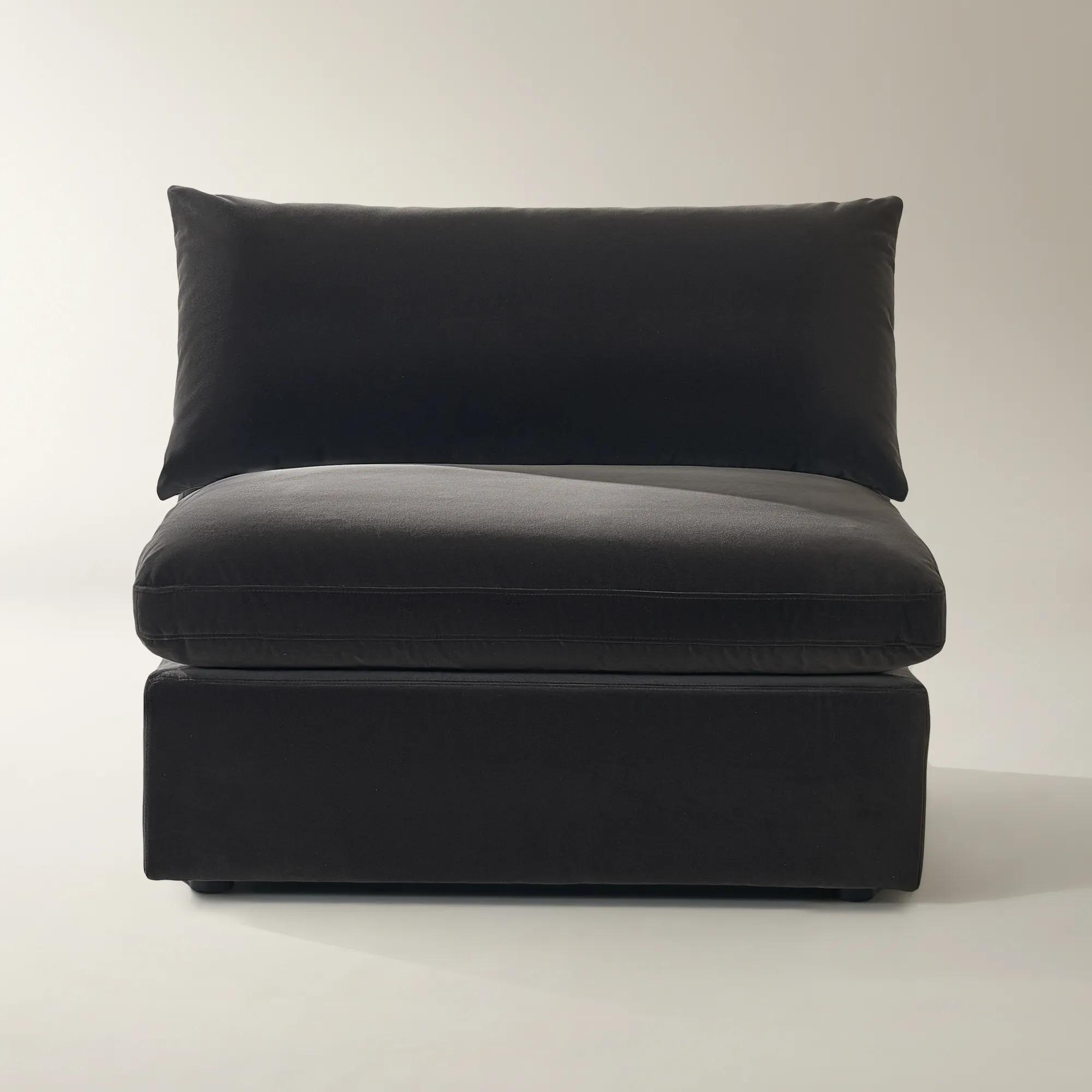
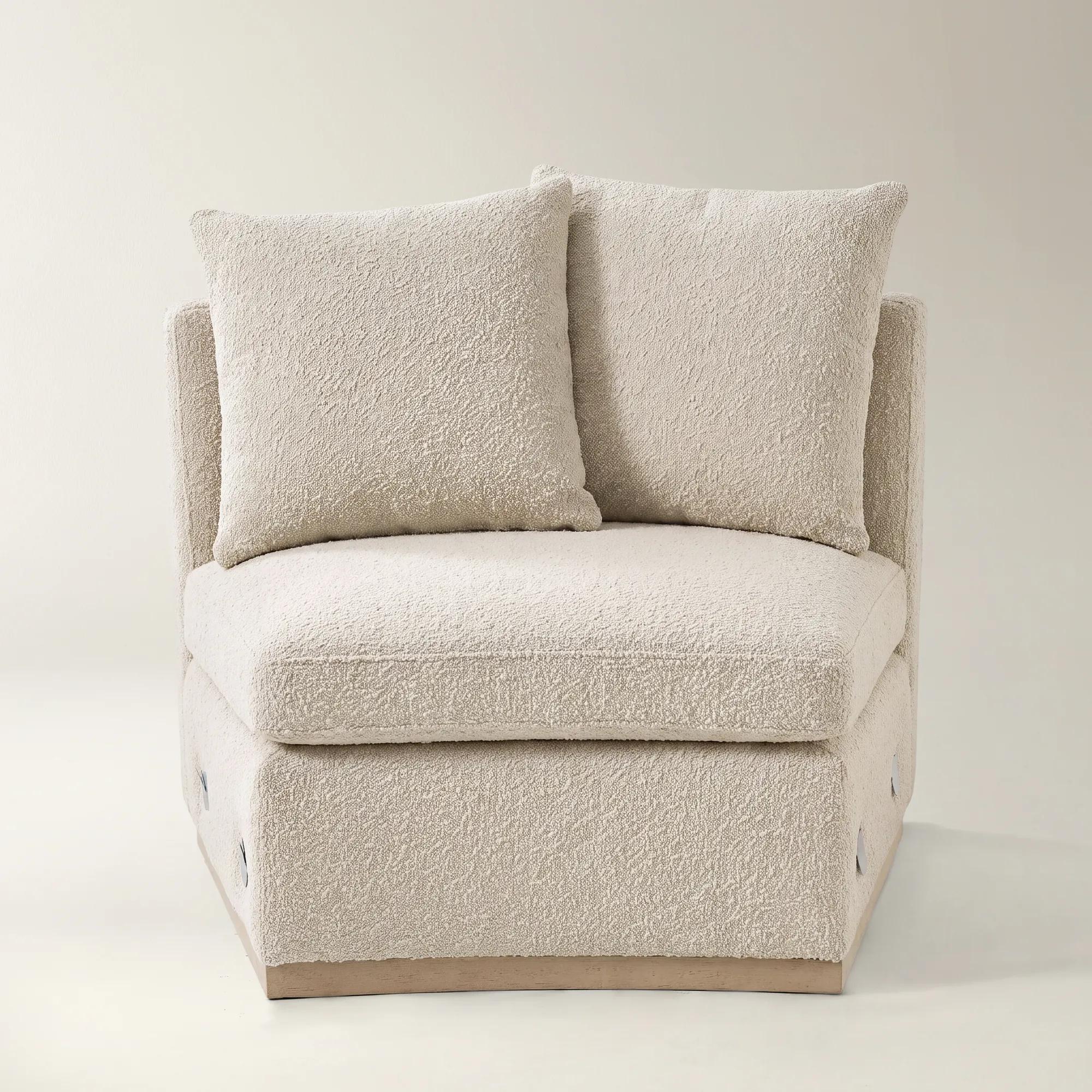
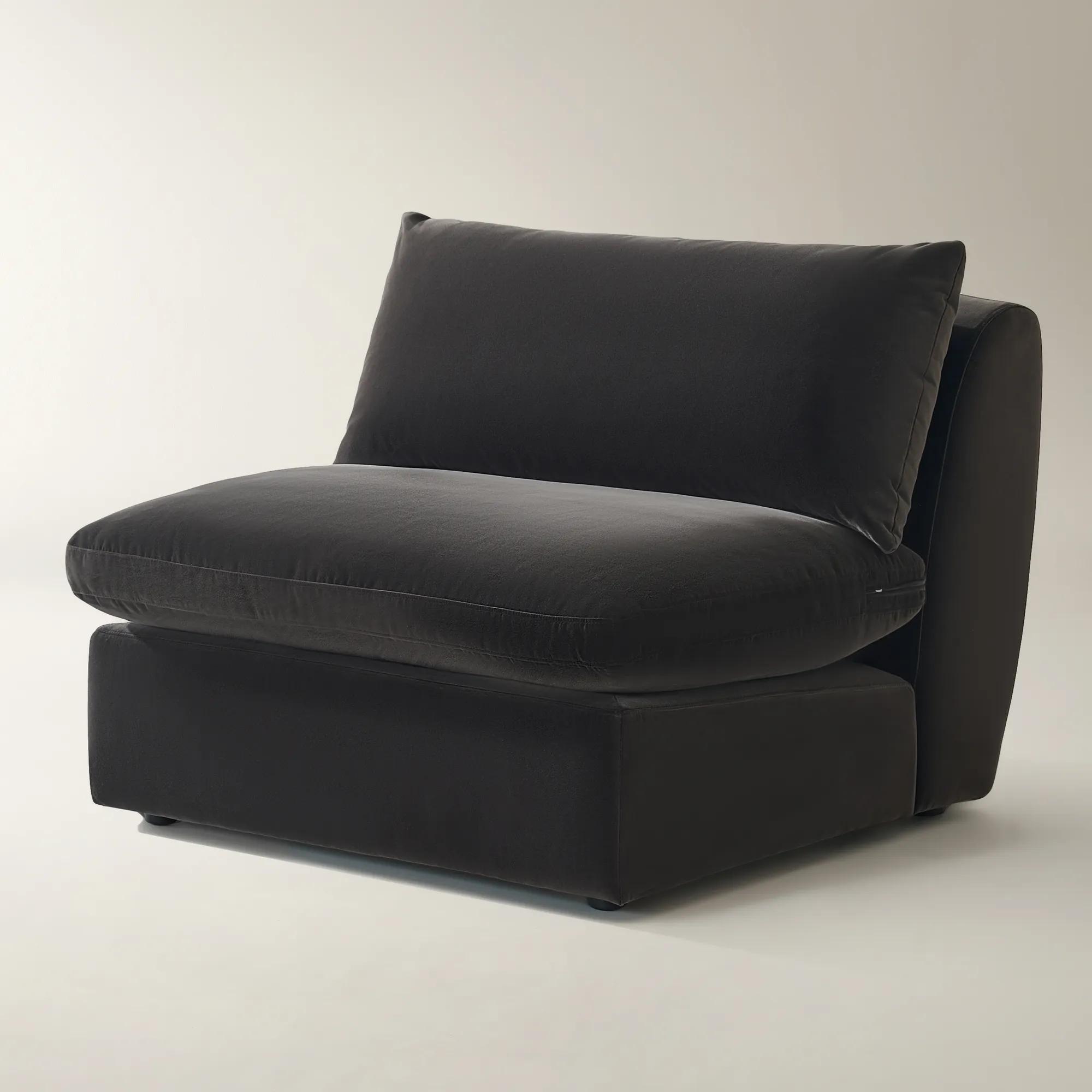 Sabrina Charcoal Velvet Armless Chair$999
A modular charcoal velvet sectional featuring curved lines, feather-blend cushions, and hand-crafted solid wood construction.
Add To Cart -
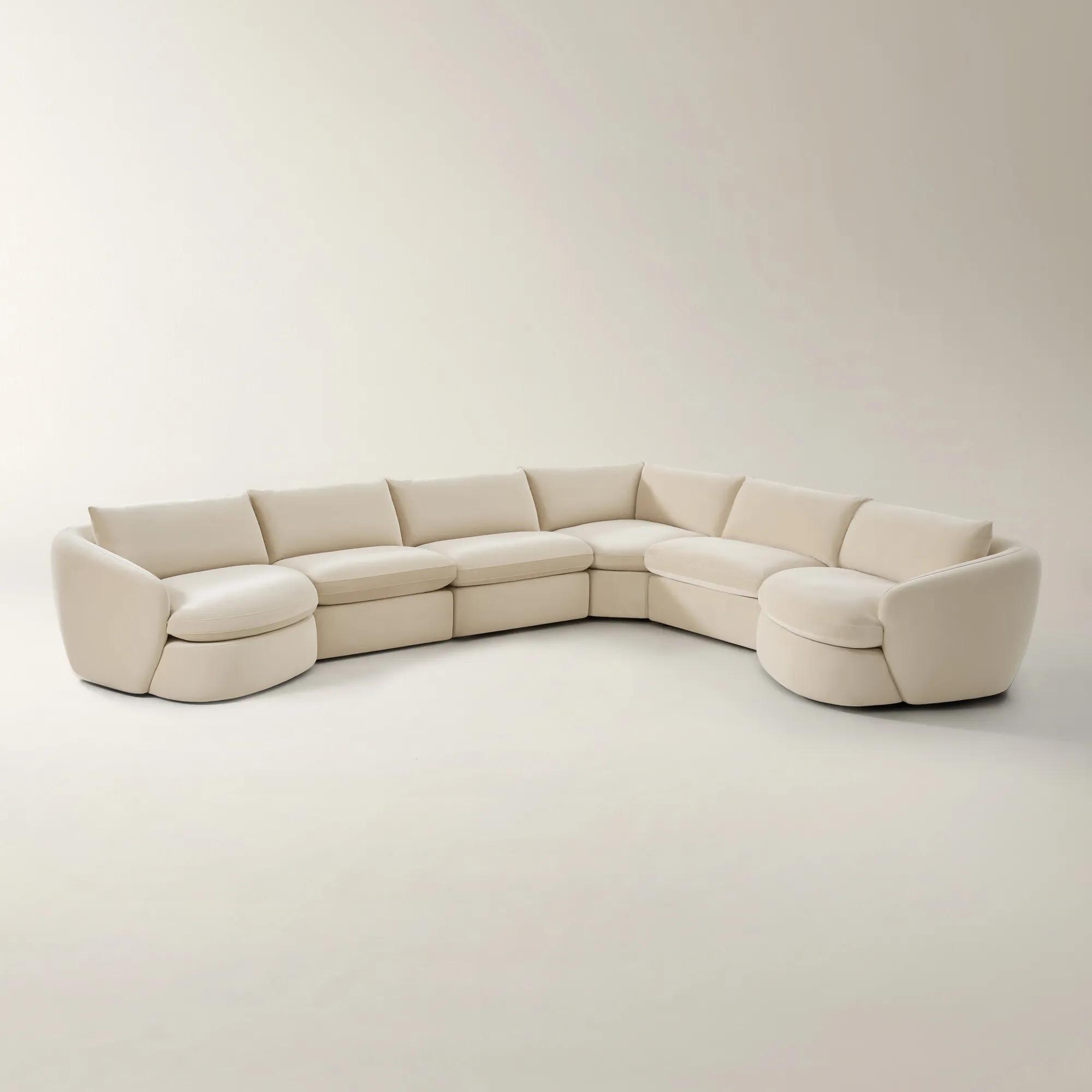
 Sabrina 6-Piece Oatmeal Velvet Sectional$6599
An inviting L-shaped sectional in soft oatmeal velvet with plush feather-blend cushions and modular design.
Add To Cart -
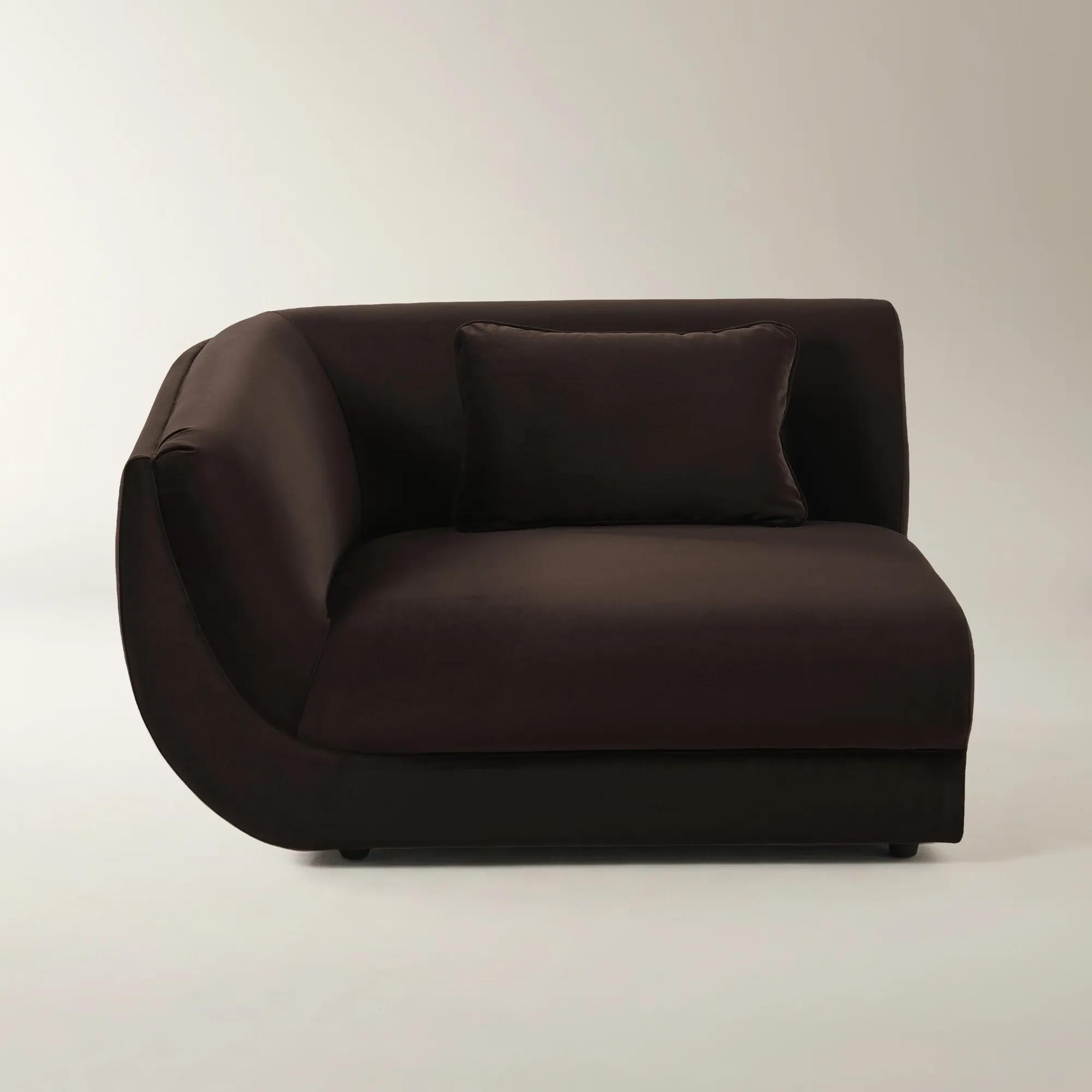
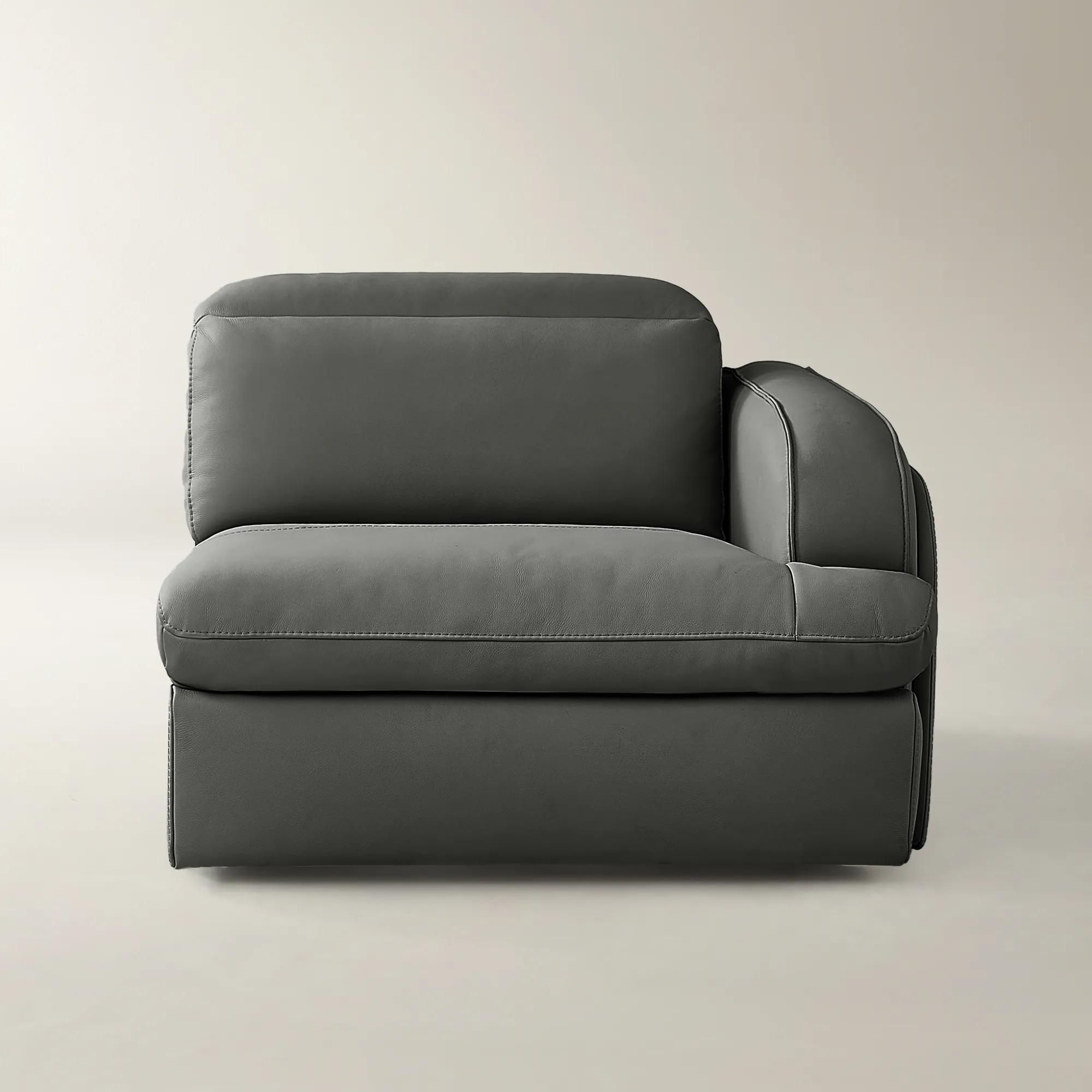
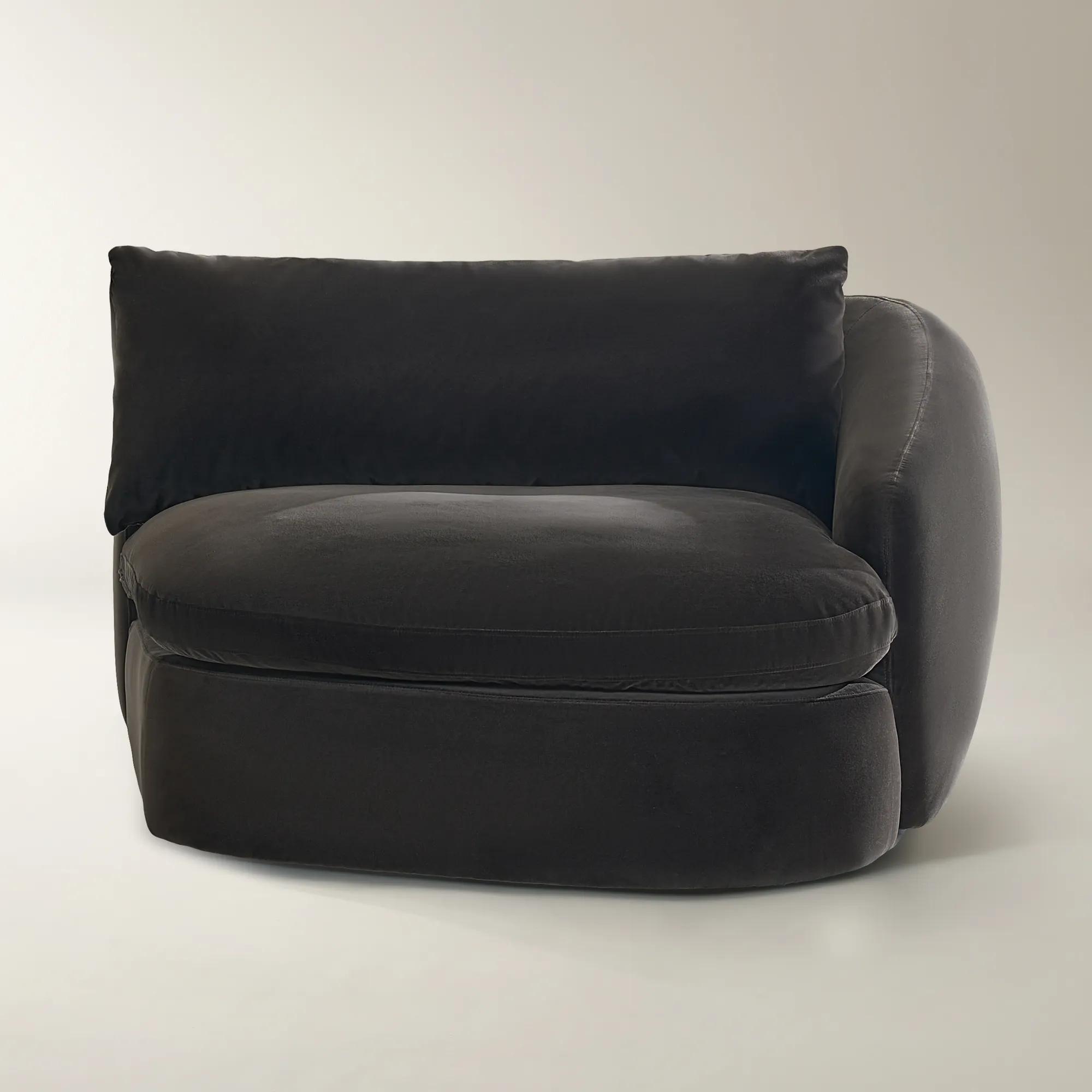 Sabrina Charcoal Velvet Right-Arm Chair$1299
A modular charcoal velvet sectional featuring curved lines, feather-blend cushions, and hand-crafted solid wood construction.
Add To Cart -
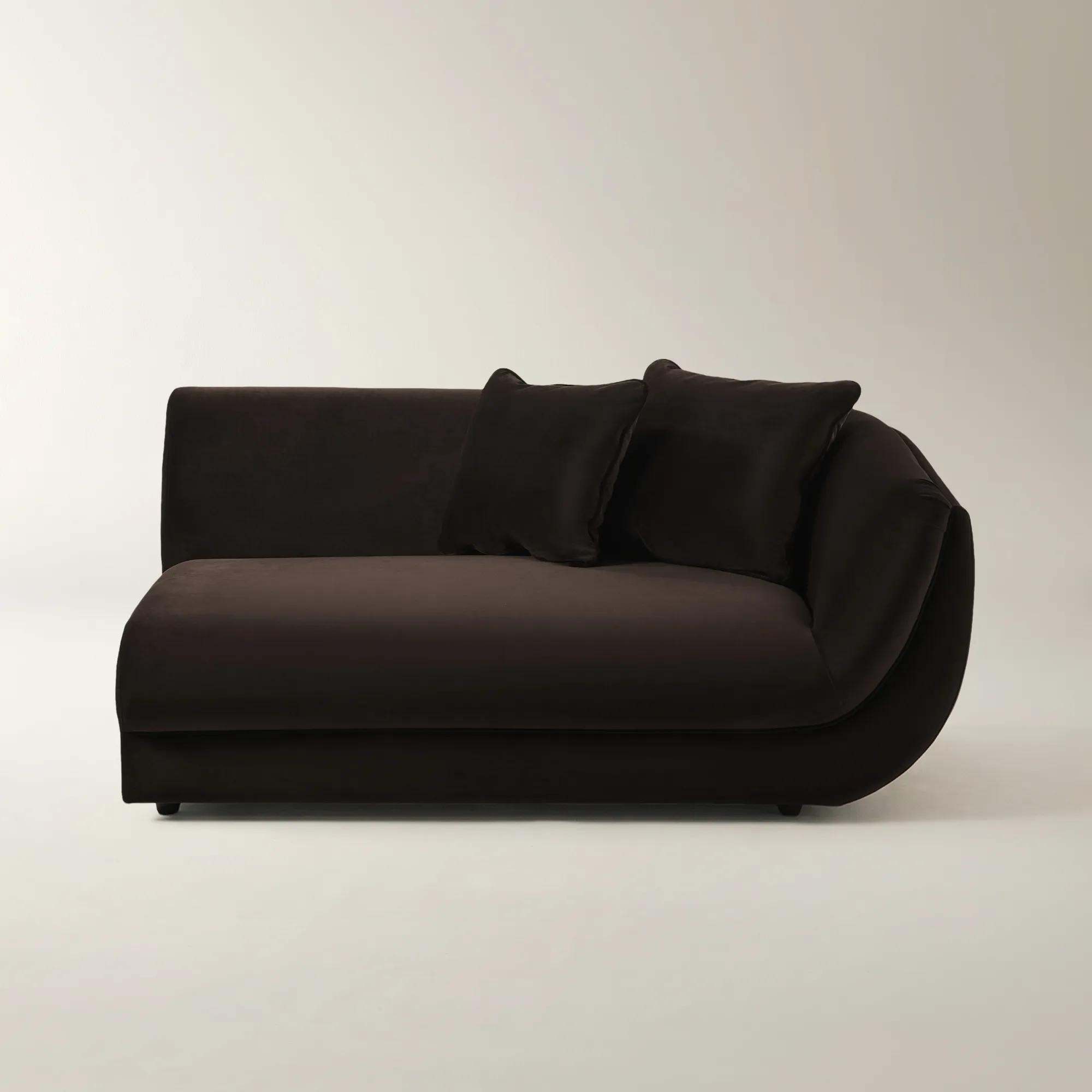
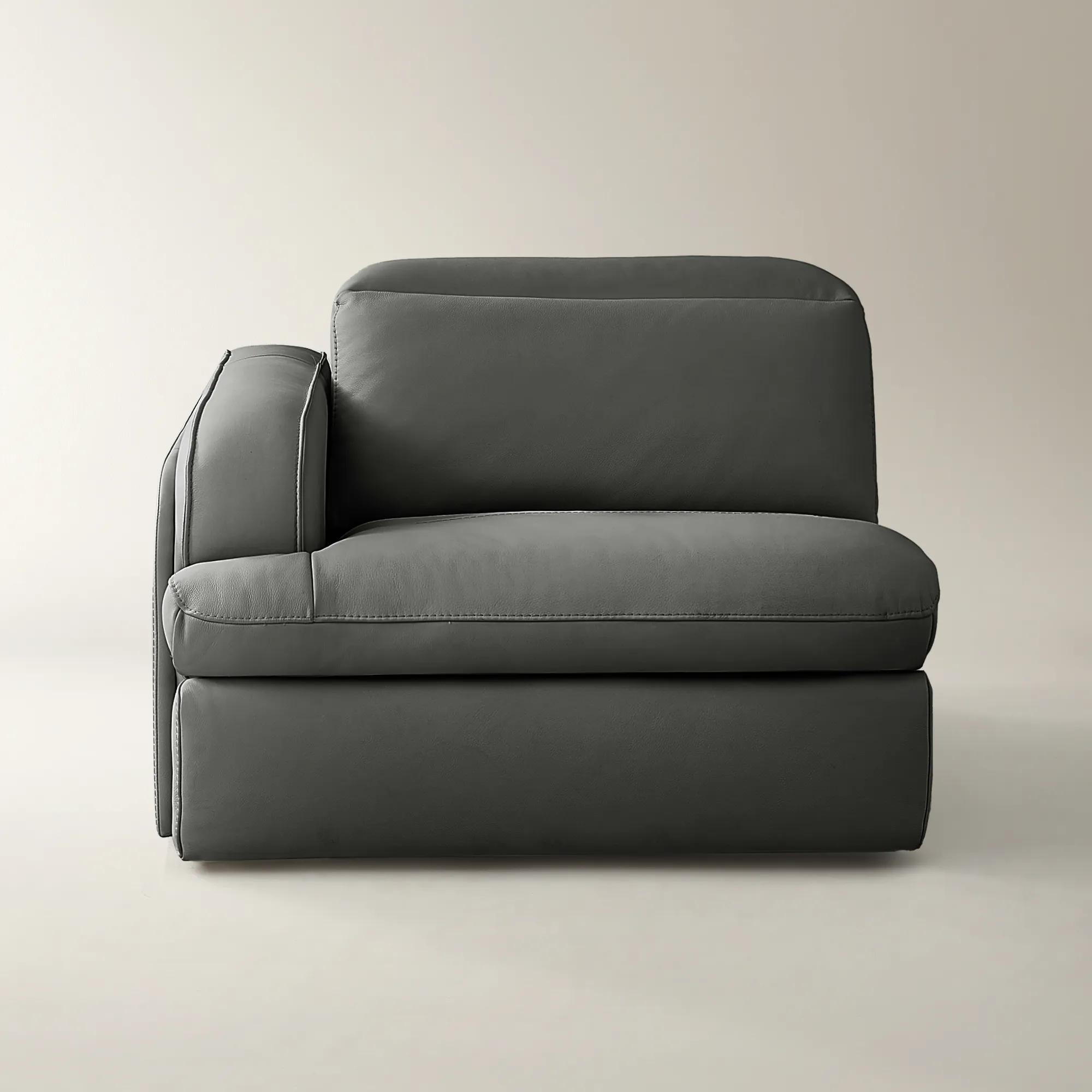
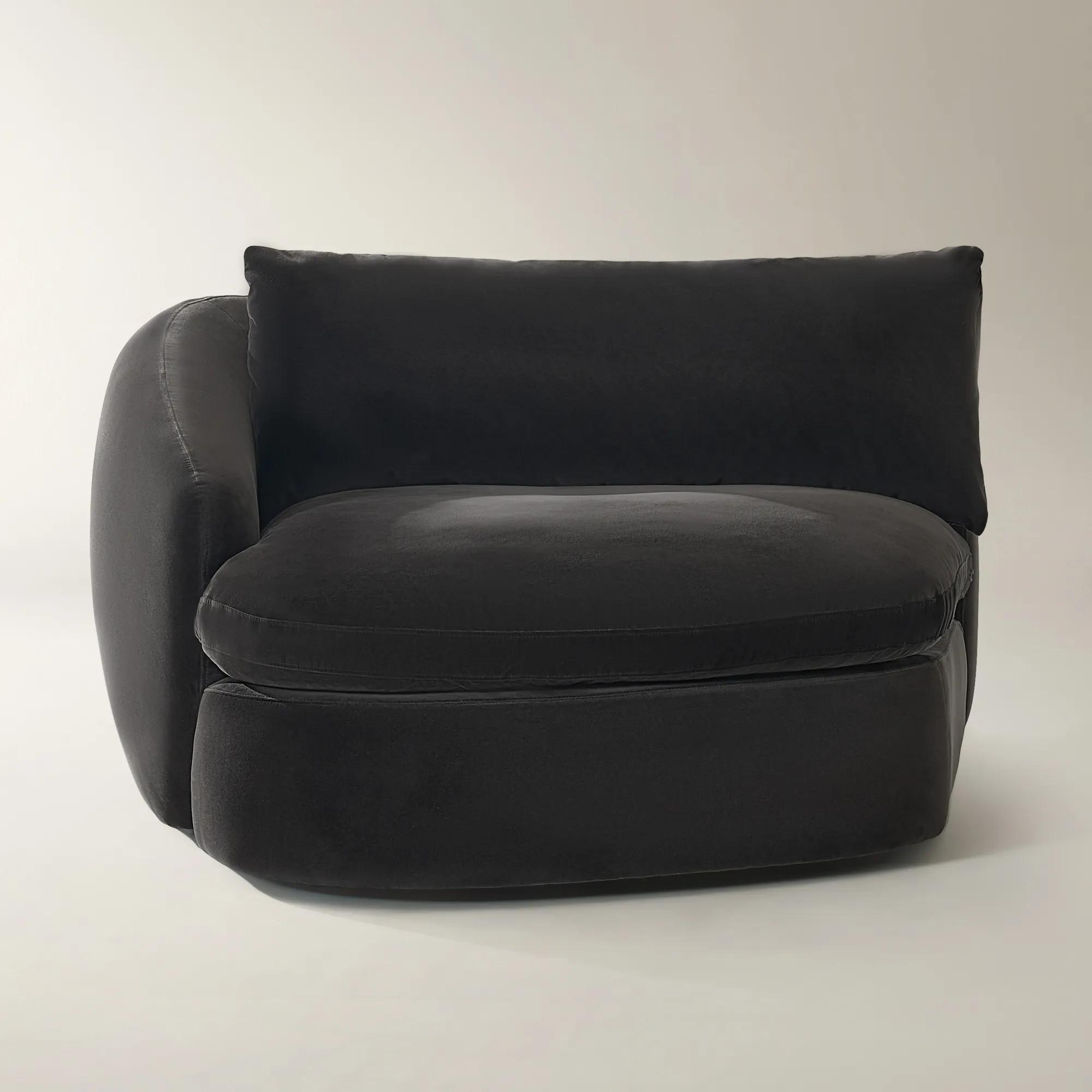 Sabrina Charcoal Velvet Left-Arm Chair$1299
A modular charcoal velvet sectional featuring curved lines, feather-blend cushions, and hand-crafted solid wood construction.
Add To Cart

Sofas For Creative Professionals
Sofas for creative professionals are more than seating—they are the stage for inspiration, collaboration, and unapologetic self-expression. Each piece is designed to ignite the imagination, transforming your living space or studio into a gallery of possibility. Whether you’re sketching out your next masterpiece or hosting a gathering of visionary minds, these sofas invite you to lounge in style and surround yourself with artistry at every angle. Elevate your environment and let your personality take center stage—because for those who live boldly, every detail is a brushstroke on the canvas of creativity.
Sofas for creative professionals bring expressive design, inviting comfort, and everyday resilience into spaces where work and personal style meet. For designers, architects, photographers, writers, and other visual thinkers, a sofa can anchor a studio lounge, frame a polished video-call background, or create a place to step away from the desk and see a project differently. The strongest choices balance a distinctive silhouette with proportions and upholstery suited to the room’s daily rhythm. A sculptural curved back introduces movement into an interior filled with straight-edged shelving and worktables; a tailored profile with slender arms leaves more visual space for oversized artwork. Deep channeling, dimensional fabric, and a beautifully finished base give a seating area presence without requiring layers of decoration. Color shapes that presence, too. Ivory and warm taupe allow paintings, textiles, and collected objects to command attention, while ink blue, emerald, or charcoal upholstery creates a richer focal point. A sumptuous velvet surface catches light differently throughout the room, lending depth to even a restrained palette. For a photographer reviewing portfolios with a client, the sofa becomes part of the presentation: composed, welcoming, and unmistakably intentional. For a writer reading a manuscript, its appeal may be the generous seat and supportive back that make an extended pause feel restorative. In a shared creative studio, seating can soften the transition between concentrated desk work and an informal exchange of ideas. Modern sofas serve these settings best when their artistry feels connected to their purpose rather than added as an afterthought. A dramatic shape still needs comfortable seating, and a beautiful fabric still needs to suit frequent use. The result is furniture that contributes to a creative identity while remaining genuinely inviting—a place for thoughtful conversation, a spread of material samples, or an unhurried look through a favorite design book.
Upholstery determines much of a sofa’s character, from its visual richness to the attention it needs over time. Velvet offers a luminous finish and a soft hand, though its pile can show shading, pressure marks, or changes in direction that become part of its appearance. Bouclé adds sculptural texture, giving rounded forms particular depth; its looped surface also deserves consideration in rooms shared with pets, where claws may catch the yarns. Chenille has a plush, dimensional quality, while tightly woven upholstery can offer a more tailored surface for a studio that sees regular visitors. Leather introduces a different kind of richness, with care requirements and aging characteristics that depend on its finish. Some leathers develop visible patina, while others have protective coatings designed for more consistent everyday use. Performance upholstery can be useful in a multipurpose workspace, but the designation does not make every fabric stainproof or equally resistant to abrasion. Fiber content, construction, treatment, and the maker’s stated care instructions matter more than the label alone. In a design studio where coffee accompanies client presentations, easy-to-maintain upholstery may be as important as the silhouette. In a quieter reading room, a more tactile fabric may take precedence. Durability also extends beneath the surface: sound frame construction, dependable suspension, and cushions that recover their shape all contribute to lasting comfort. Resilient foam often produces a more defined seat, while feather- or fiber-filled cushions may feel softer and need regular fluffing to retain their profile. Removable covers are not necessarily machine washable, so cleaning instructions should always determine the method. Routine vacuuming with an appropriate upholstery attachment helps lift dust from seams and textured surfaces; spills generally call for prompt blotting rather than vigorous rubbing, followed by the recommended treatment. Direct sunlight can alter upholstery color, making placement near expansive studio windows another practical consideration. These details protect more than appearance. They help preserve the sofa’s role as a polished, comfortable foundation for a room used with energy and intention.
Scale and seat geometry decide how naturally a sofa fits into a creative professional’s day. Overall width matters, but seat depth, seat height, back height, and arm proportions reveal more about the experience of sitting. A deeper seat invites relaxed reading or an occasional sketchbook session, while a shallower seat and a supportive back can make upright conversation more comfortable. Taller users may appreciate extra depth; shorter users may prefer a seat that lets their feet rest comfortably on the floor without sliding forward. A sofa is a welcome alternative setting for reflection and discussion, not a substitute for an ergonomic workstation during prolonged computer work. In compact home studios, narrow arms and elevated legs can give seating a lighter visual footprint, although actual measurements remain essential. Larger rooms can support expansive forms that define a lounge within an open plan, especially when a rug draws the seating and occasional tables into one deliberate composition. Modular sofas offer flexibility where compatible sections can be rearranged, making them relevant to spaces that alternate between independent work and collaboration. Their connection system, individual section dimensions, and permitted configurations determine how adaptable they truly are. Delivery deserves equal attention: doorways, stair turns, elevators, and hallways can affect whether a sofa reaches its intended setting. Once placed, seating should leave clear routes to desks, storage, and presentation areas, with enough room to sit and stand without negotiating a crowded table arrangement. For rooms that regularly appear on camera, a defined back profile, considered artwork, and upholstery that contrasts gently with the wall can create a composed background without visual distraction. Related Sofas For Professional Home Offices offer another perspective on seating for interiors where professional presence and residential comfort share the same space. The finishing touches can remain selective but expressive: a tactile pillow, a sculptural lamp positioned for reading, or a gleaming side table within easy reach. Each element gives the sofa context, creating a setting with enough polish for a client conversation and enough personality to belong to the person whose ideas take shape there.
FAQs
A sofa designed for creative professionals should offer more than comfort—it should inspire. Look for sculptural silhouettes, rich textures like velvet or leather, and bold colors that energize a space. Modular flexibility, deep seating, and supportive cushions are also key, allowing the sofa to adapt to brainstorming sessions, solo work, or client meetings while reflecting your unique sense of style.
A thoughtfully chosen sofa sets the tone for a creative environment, serving as both a visual anchor and a source of inspiration. Luxe materials and statement-making designs can elevate the mood, foster collaboration, and encourage relaxation, making the workspace both functional and artistically expressive.
Yes, creative professionals often gravitate toward tactile, expressive fabrics. Velvet, chenille, and bouclé offer sumptuous texture and visual interest, while leather provides a timeless, easy-to-clean option. These materials not only feel luxurious but also add depth and character to the room, enhancing the overall creative ambiance.
Color is a powerful tool for self-expression and mood-setting. Bold hues like sapphire, emerald, or blush can energize a space and spark creativity, while more subdued tones offer a calming backdrop for focused work. Choosing a sofa in a signature shade can help define your workspace and reinforce your personal aesthetic.
Absolutely. A designer sofa is a meaningful and practical gift that honors the recipient’s artistry and passion. It provides a luxurious foundation for their workspace, encouraging both productivity and relaxation, and serves as a lasting symbol of support for their creative journey.