Sofas For Creative Workspaces
Sofas For Creative Workspaces
-
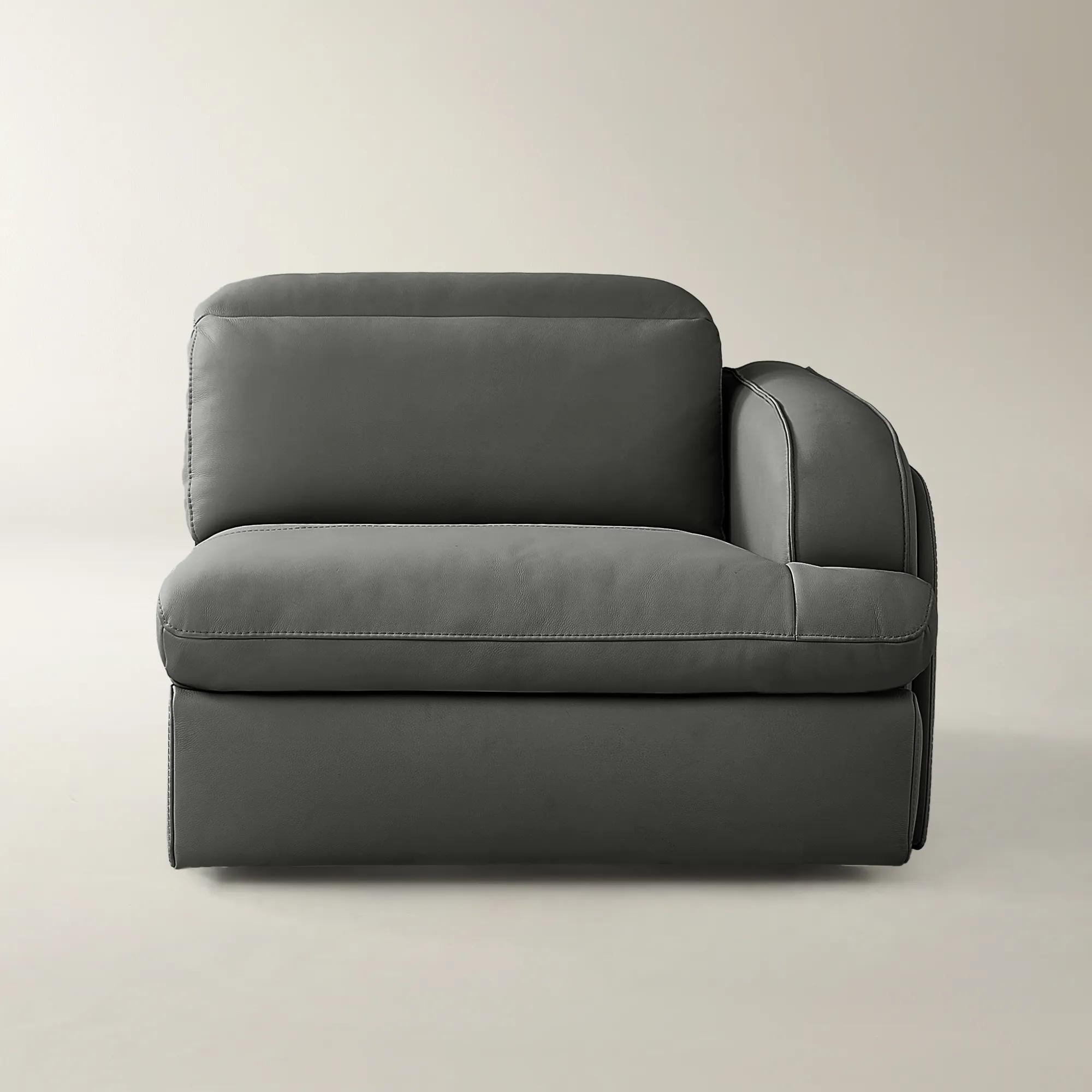
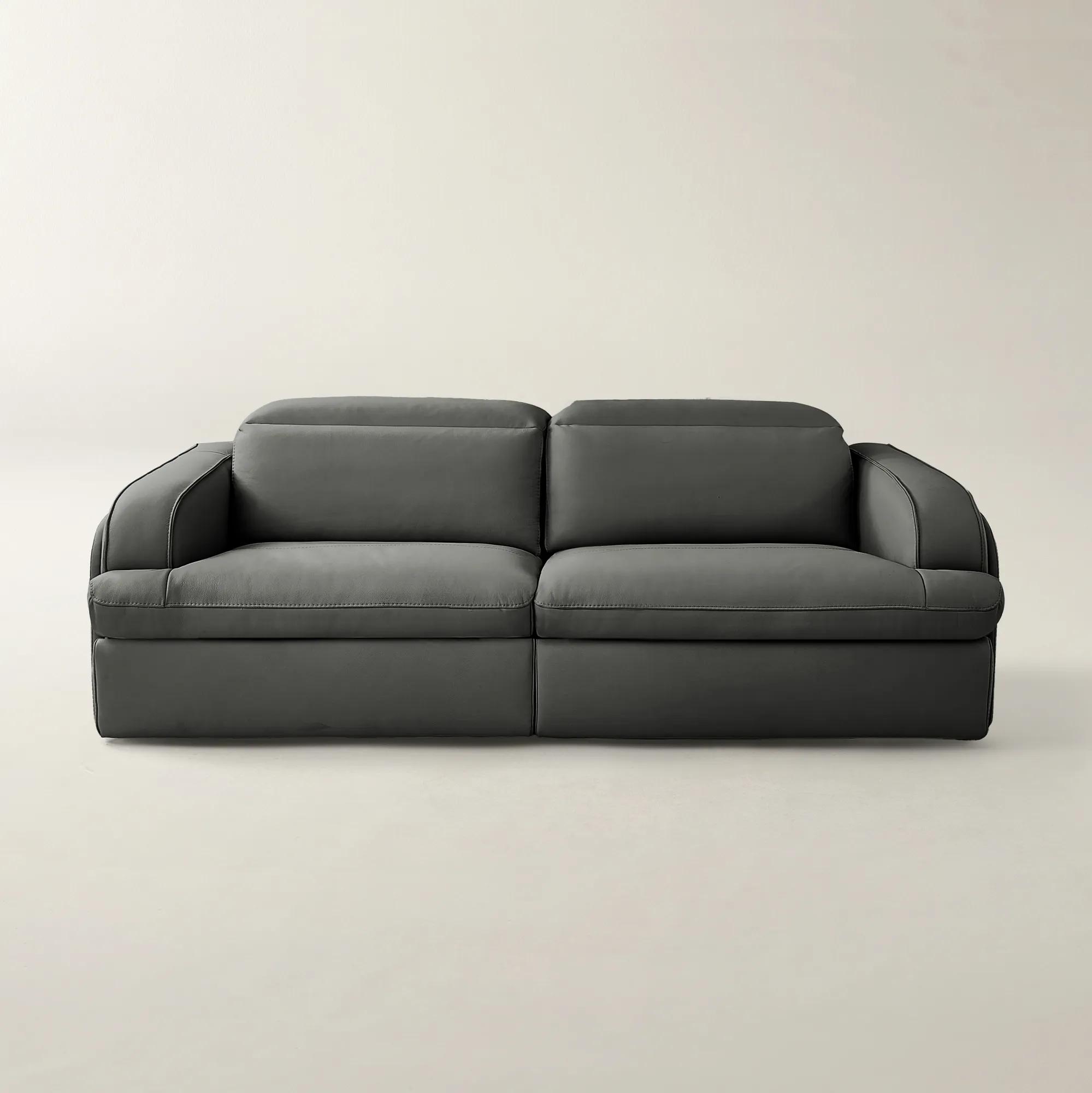
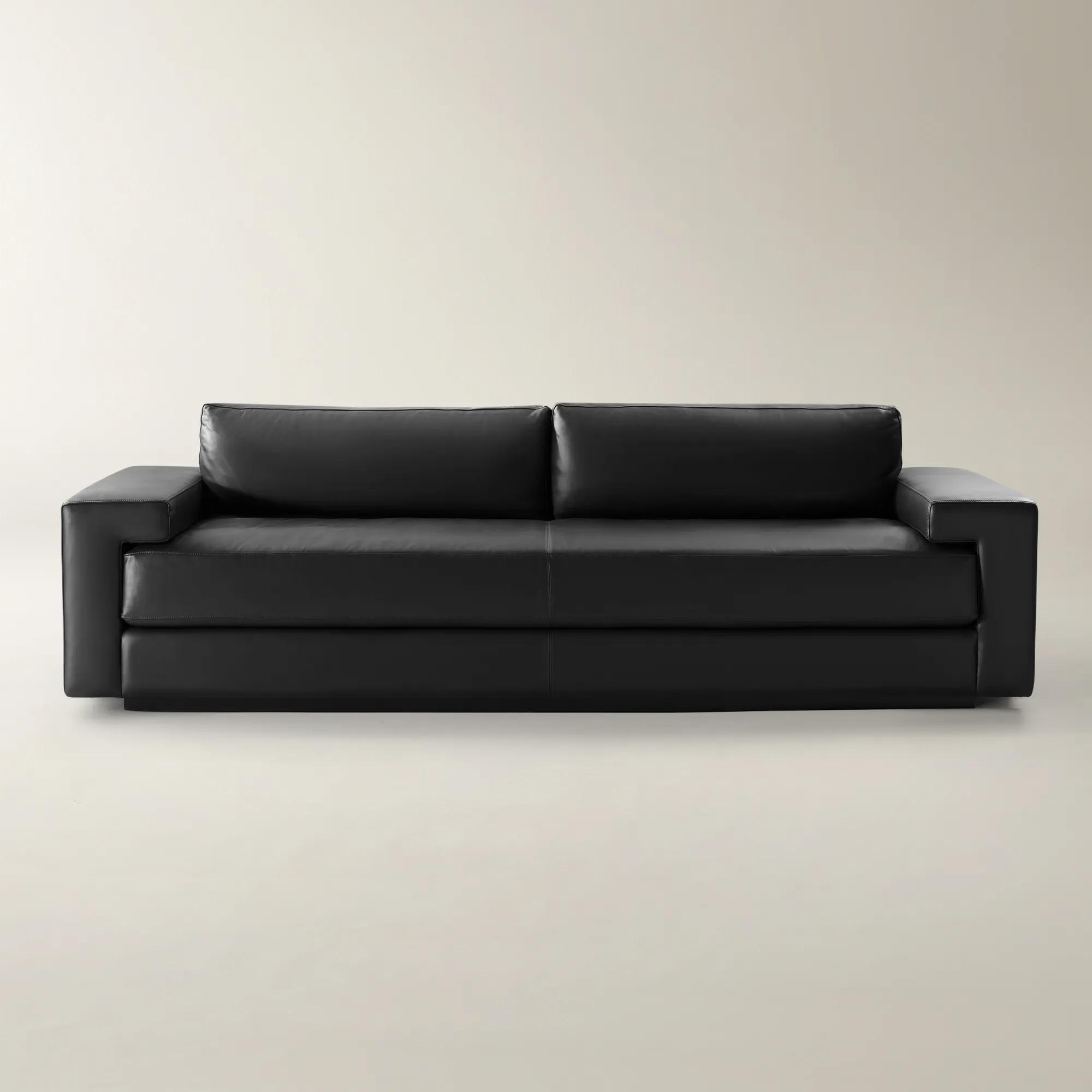 Ariel Black Leather Sofa$4599
A sleek, top-grain leather sofa with plush feather and foam cushions on a kiln-dried rubberwood frame.
Add To Cart -
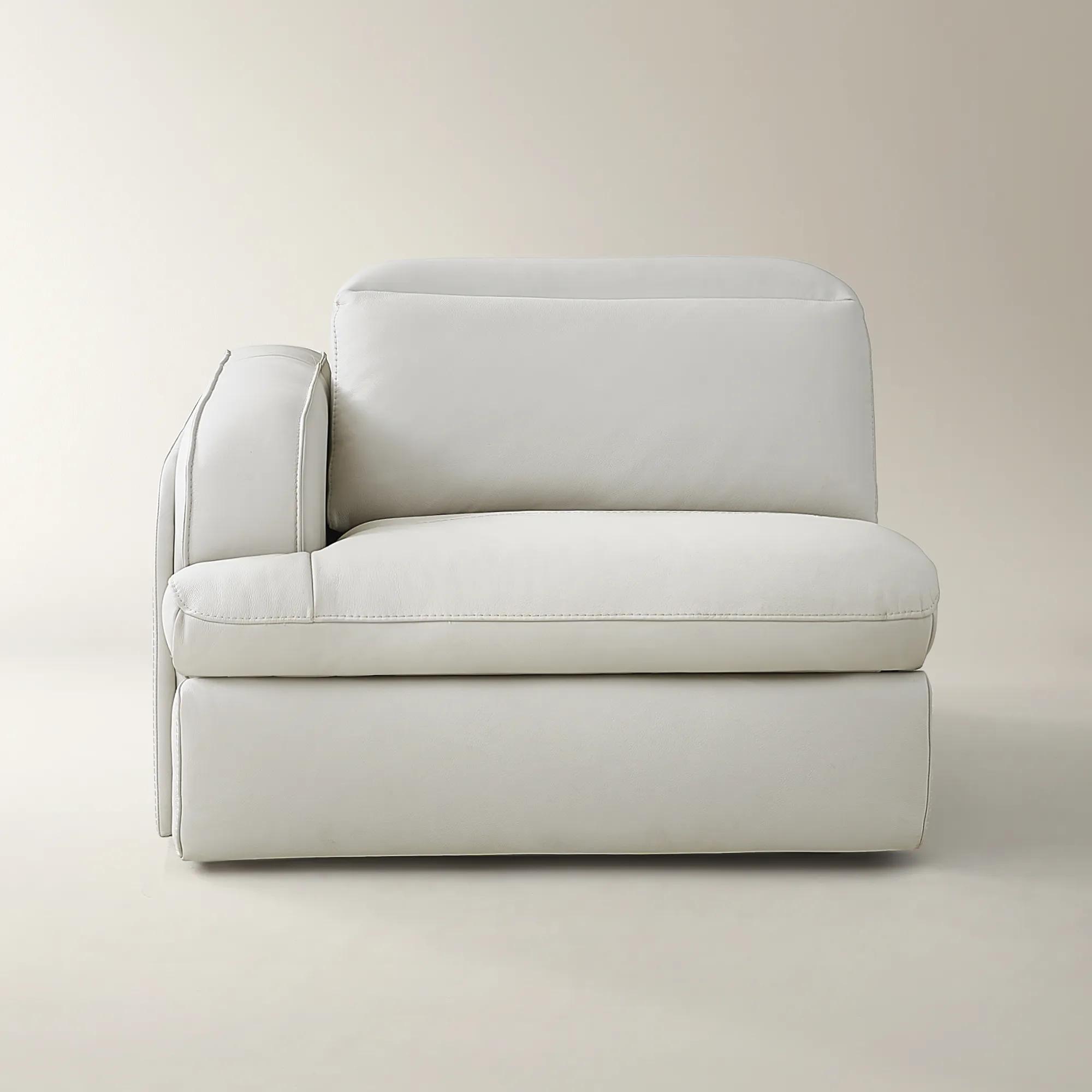
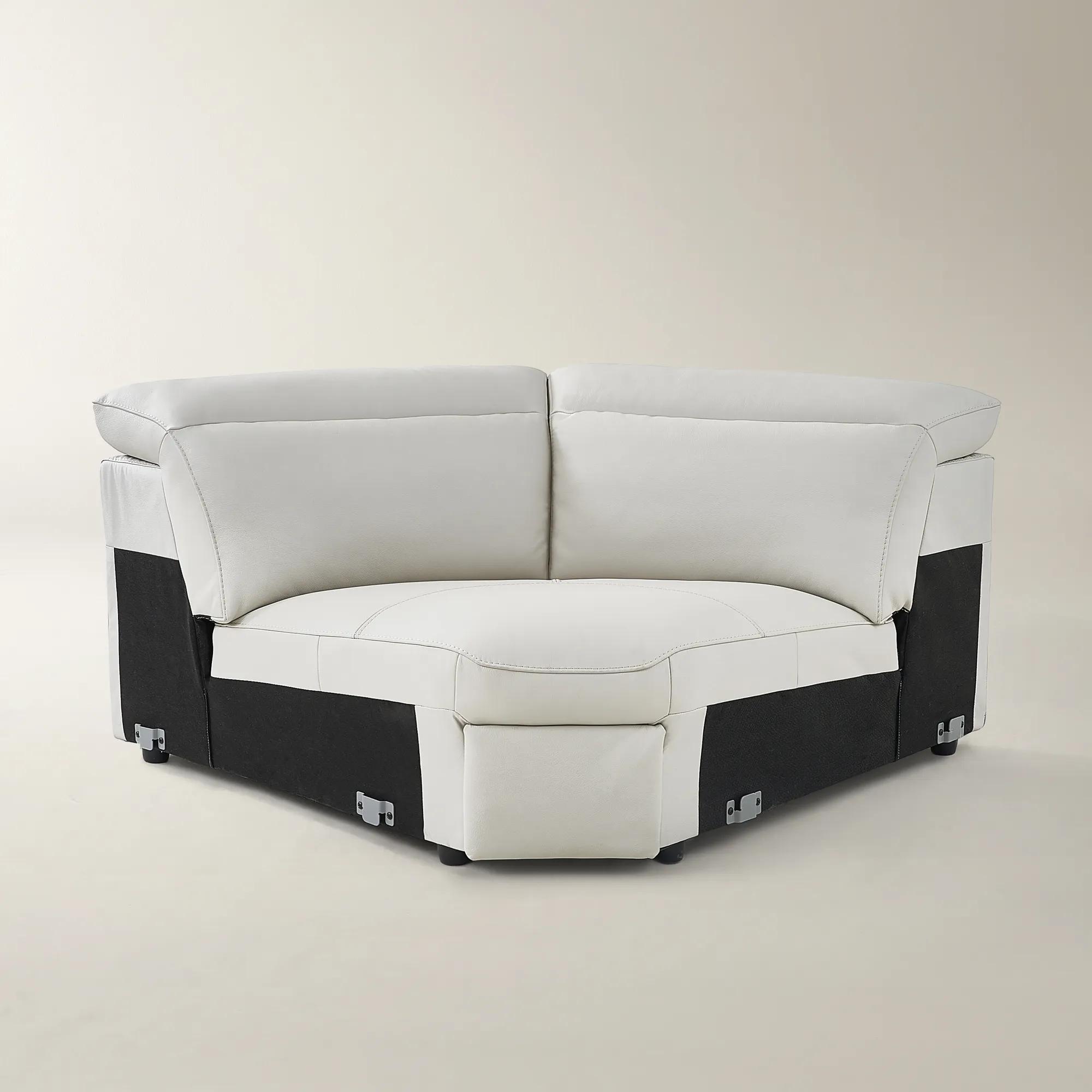
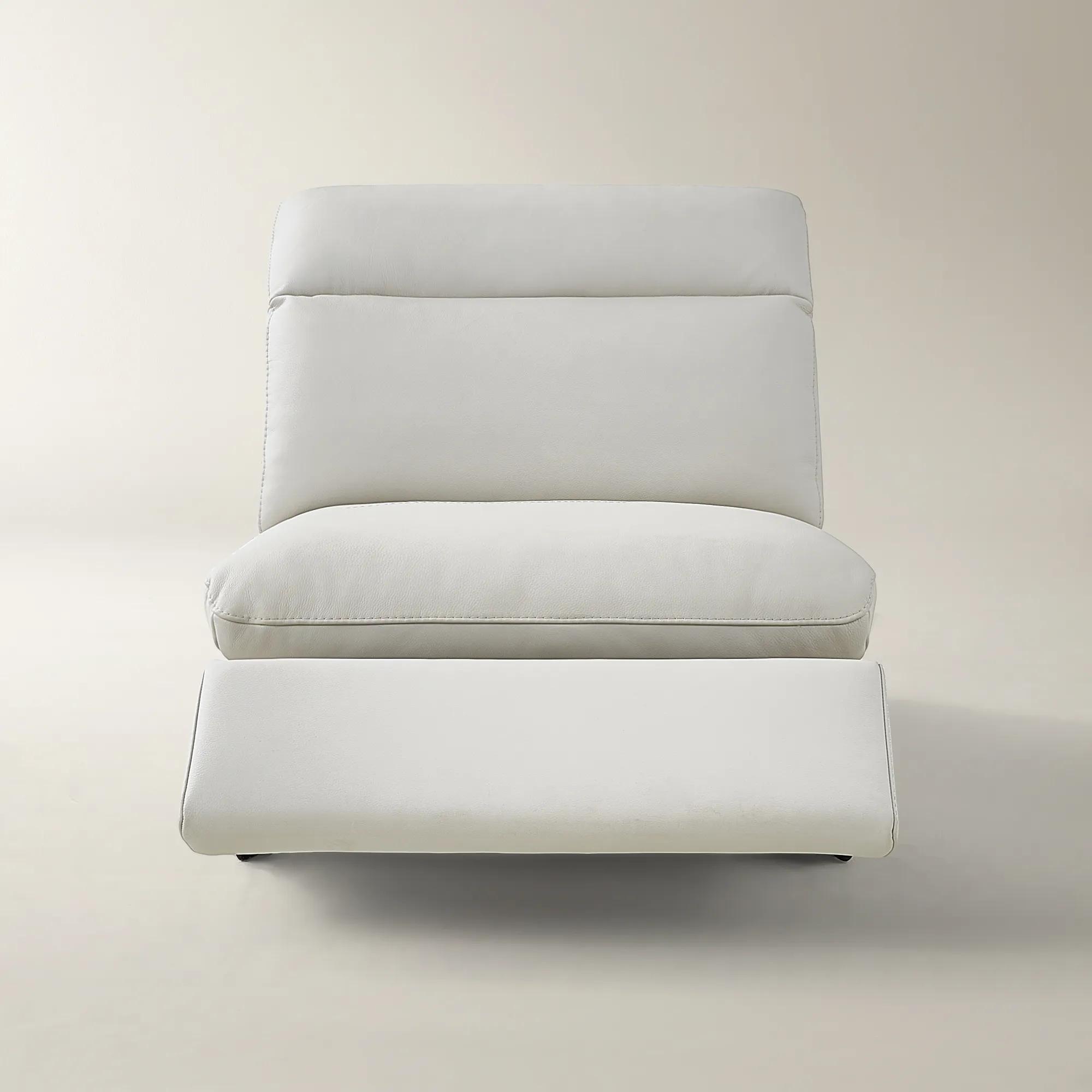
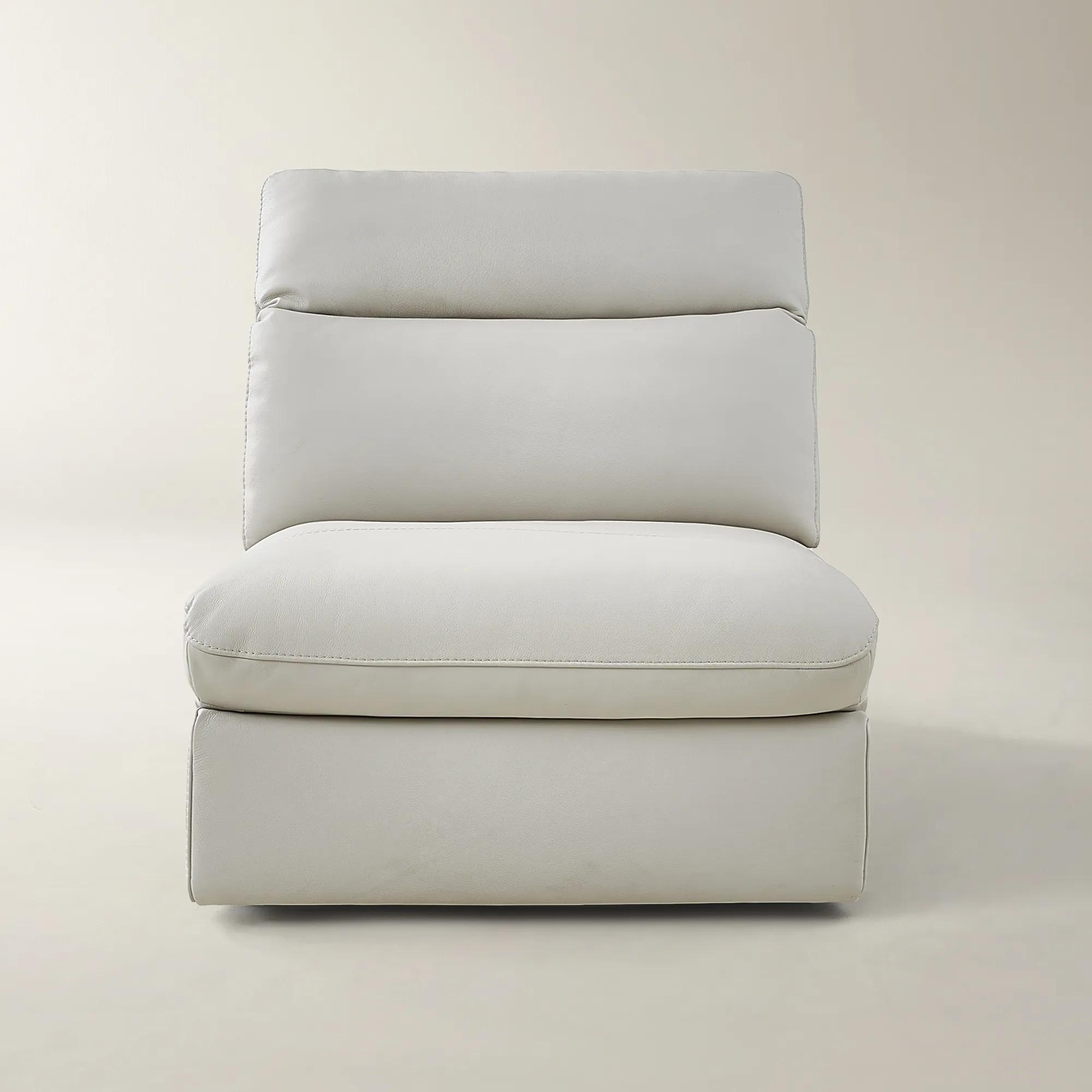
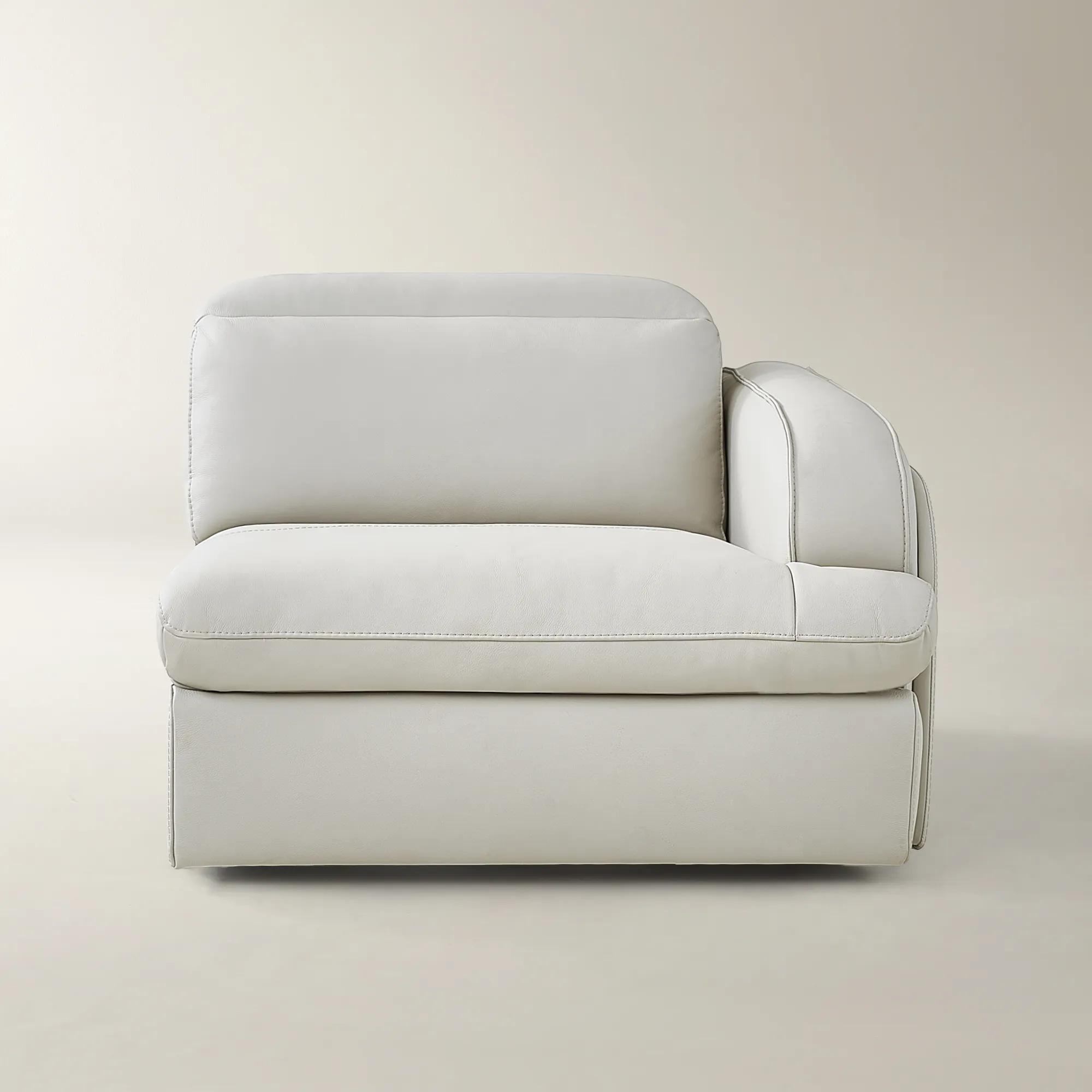
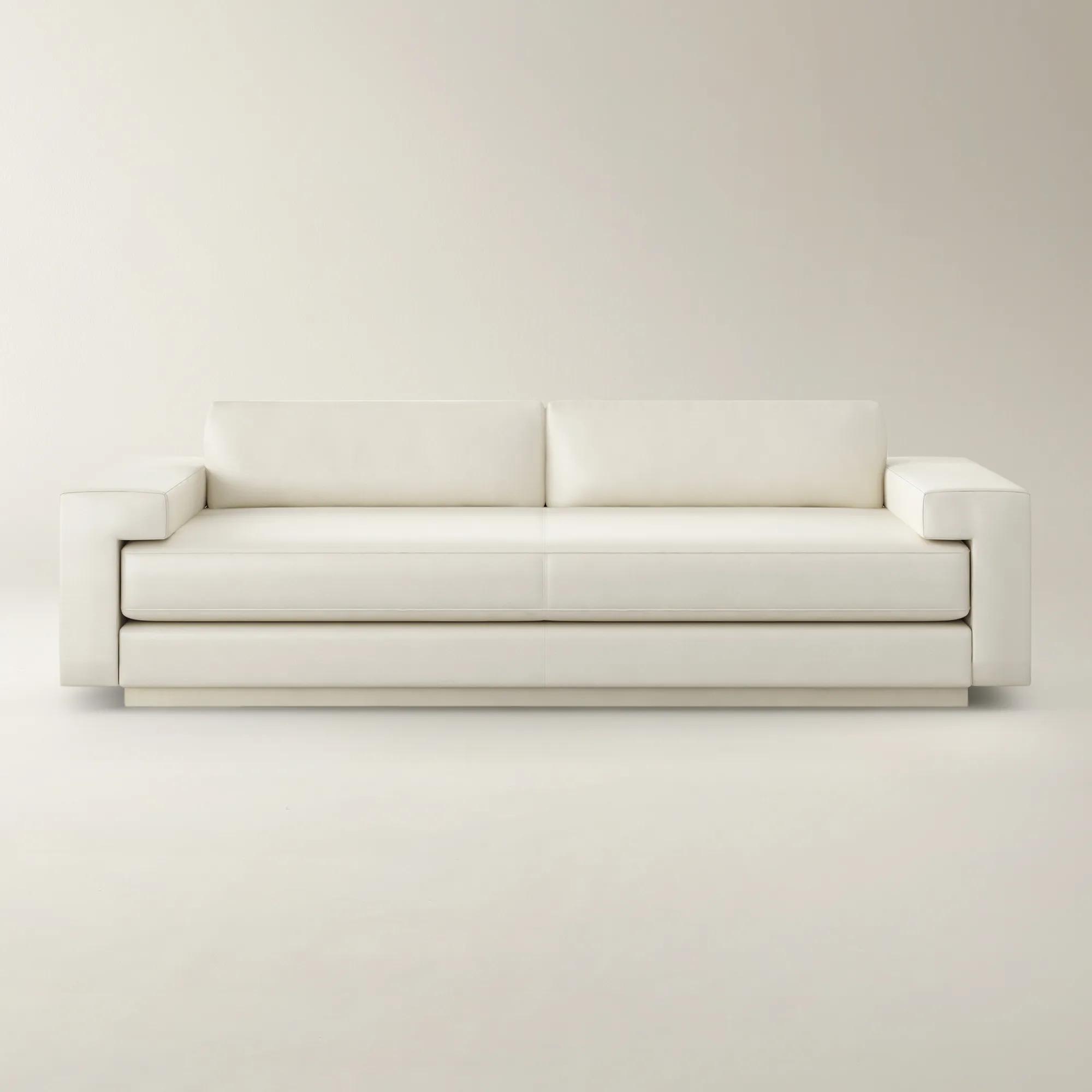 Ariel White Leather Sofa$4599
A sleek, hand-upholstered sofa in top-grain leather with plush feather and foam cushions for comfort.
Add To Cart -
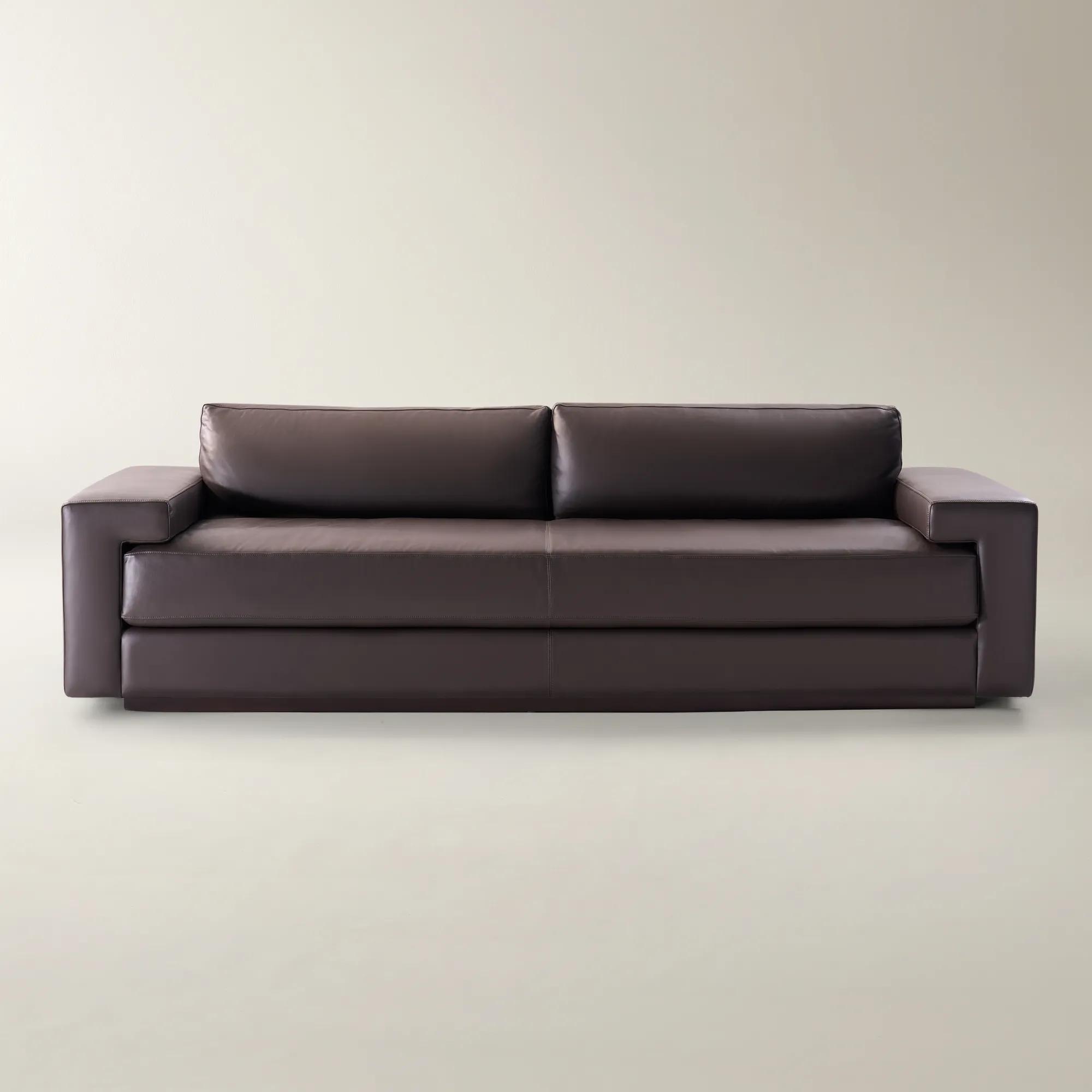
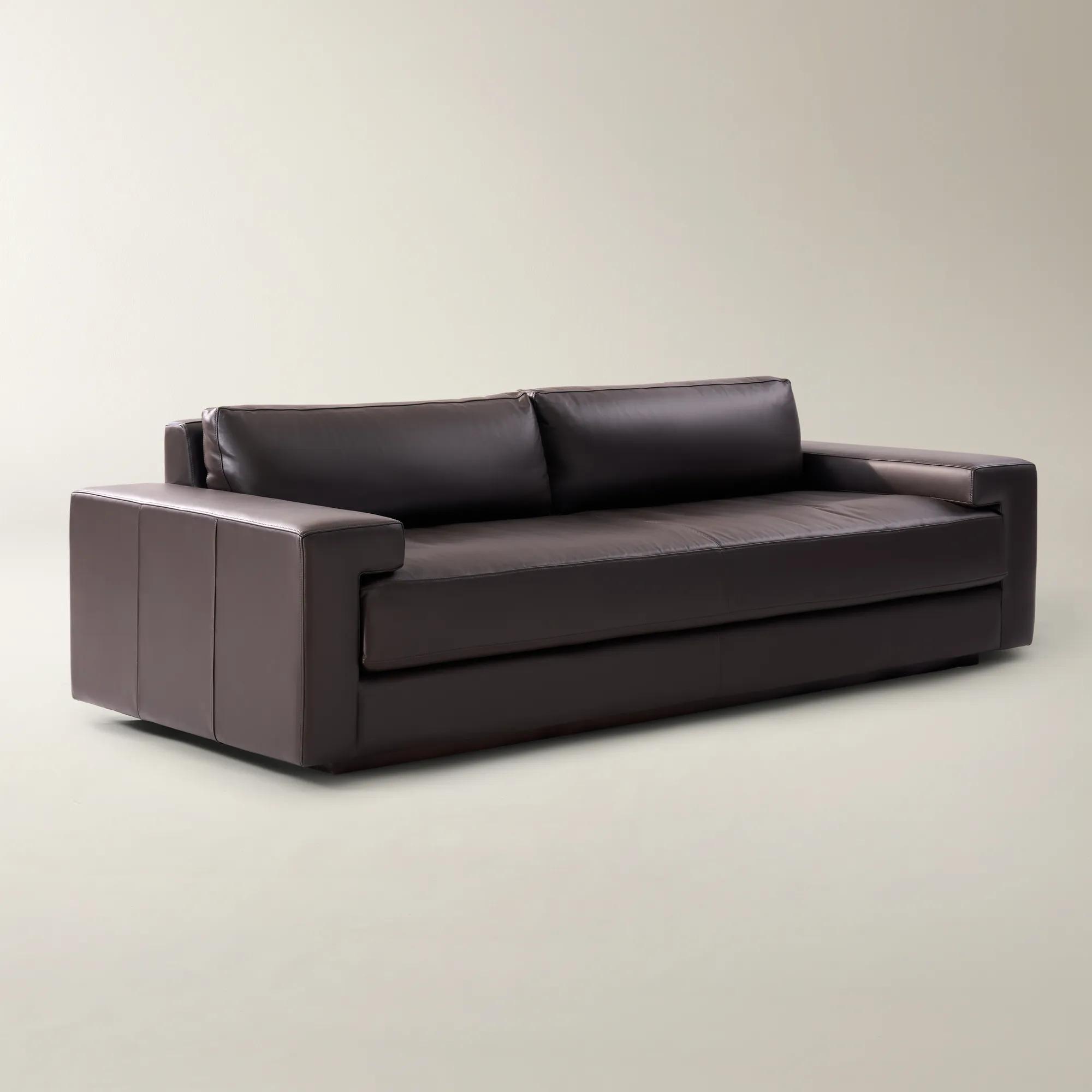 Ariel Brown Leather Sofa$4599
A sleek, hand-upholstered sofa in top-grain leather with plush feather and foam cushions for comfort.
Add To Cart -
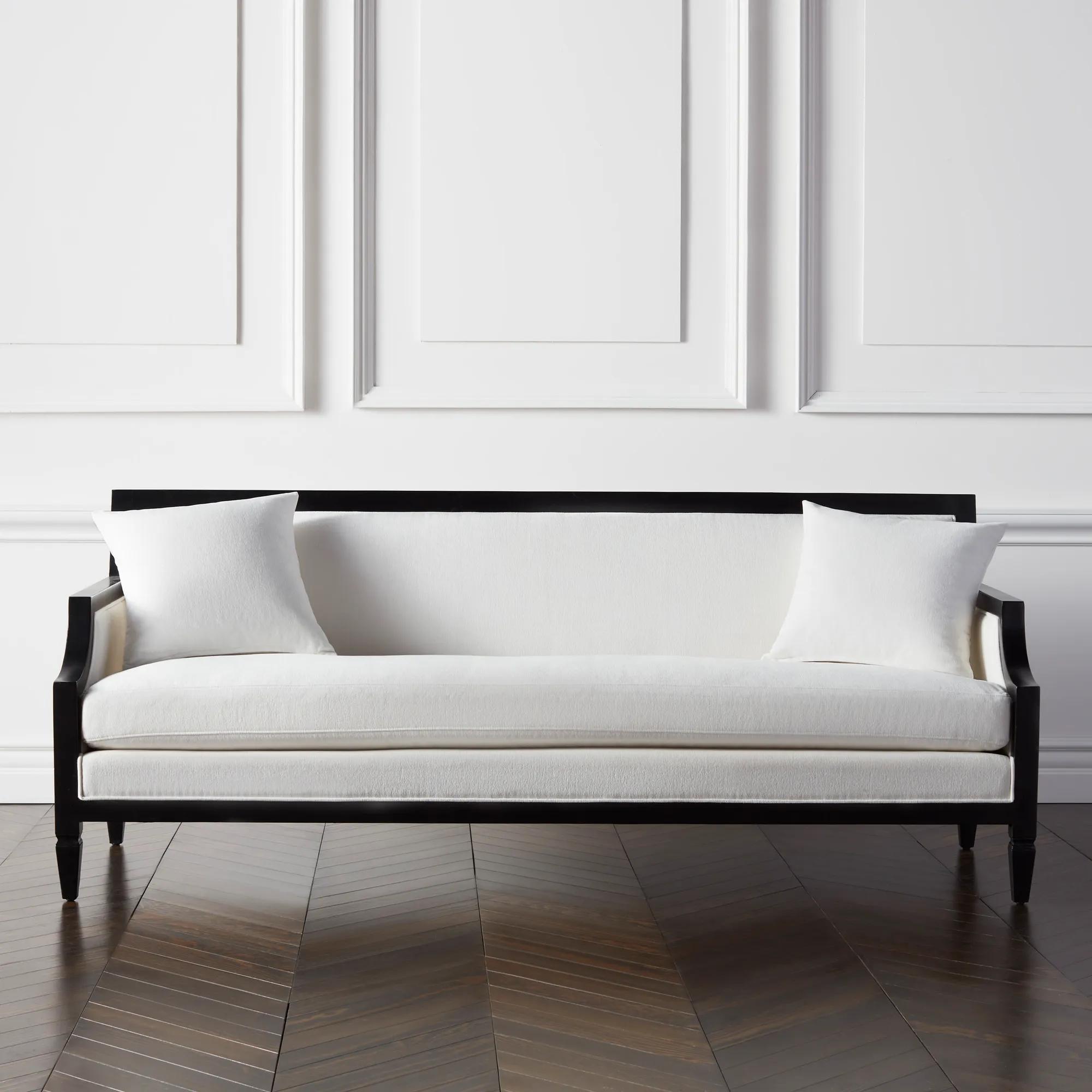
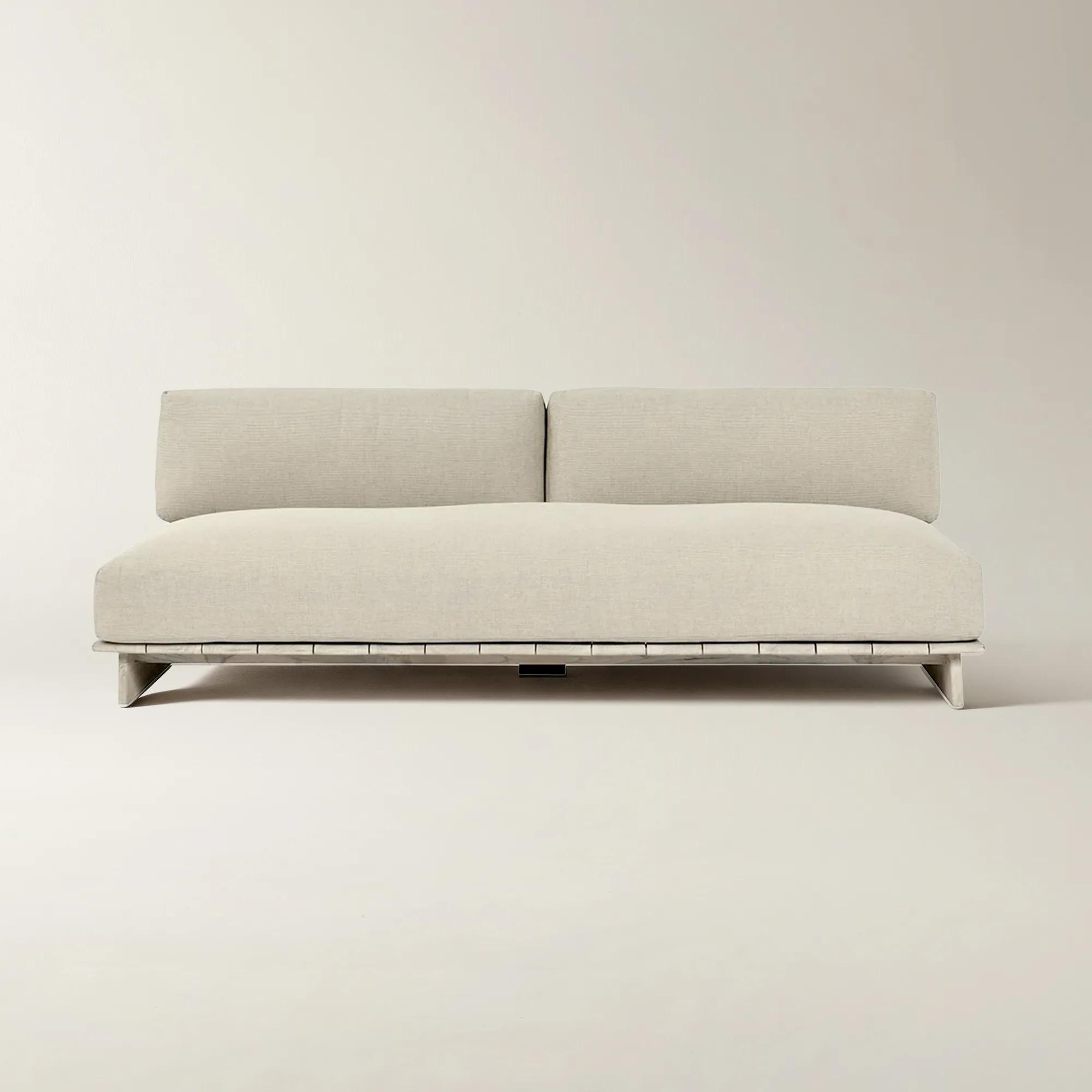
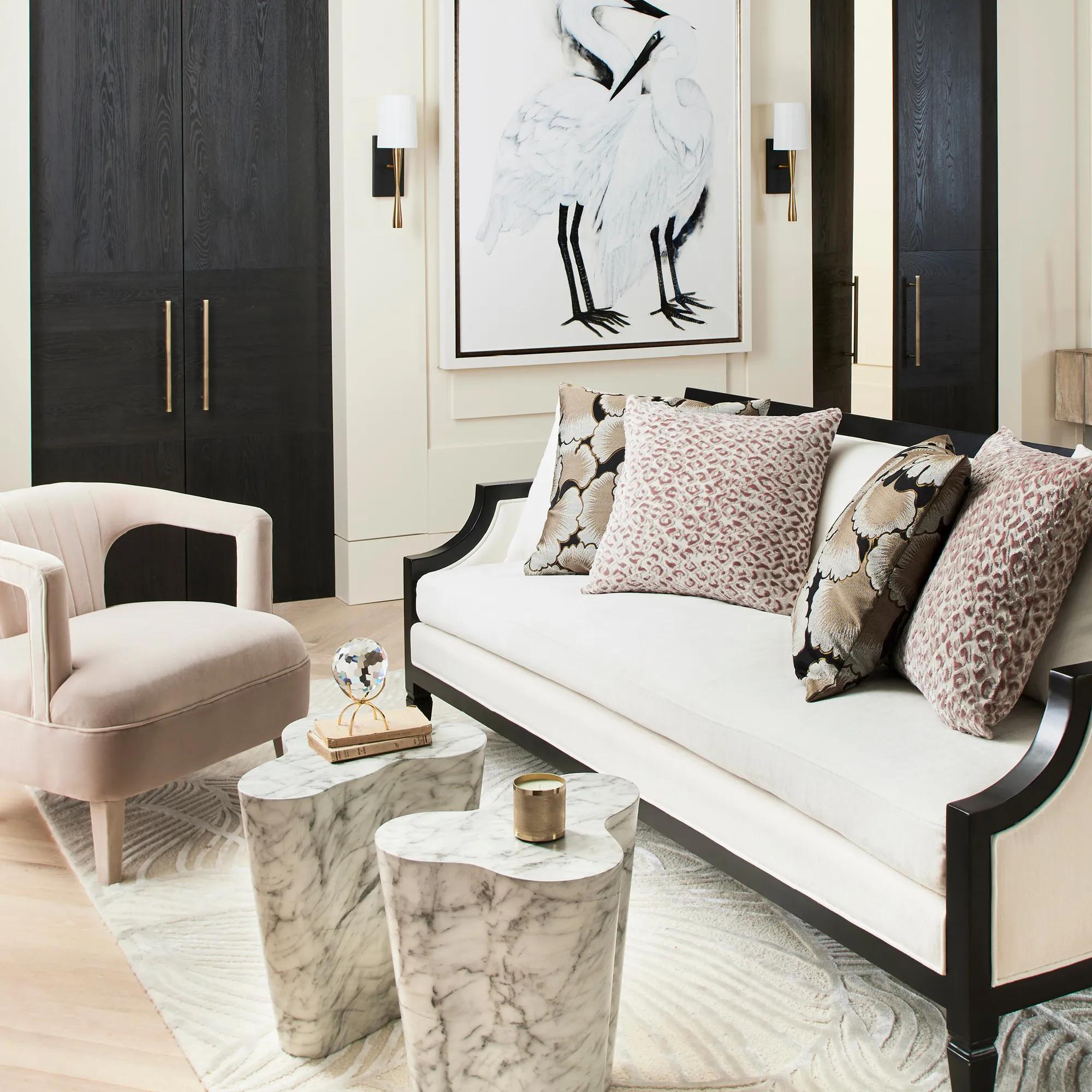 Kayla Sofa$2249
A modern sofa featuring plush Kenley Chenille Snow upholstery, notched arms, and a matte black wood frame.
Add To Cart -
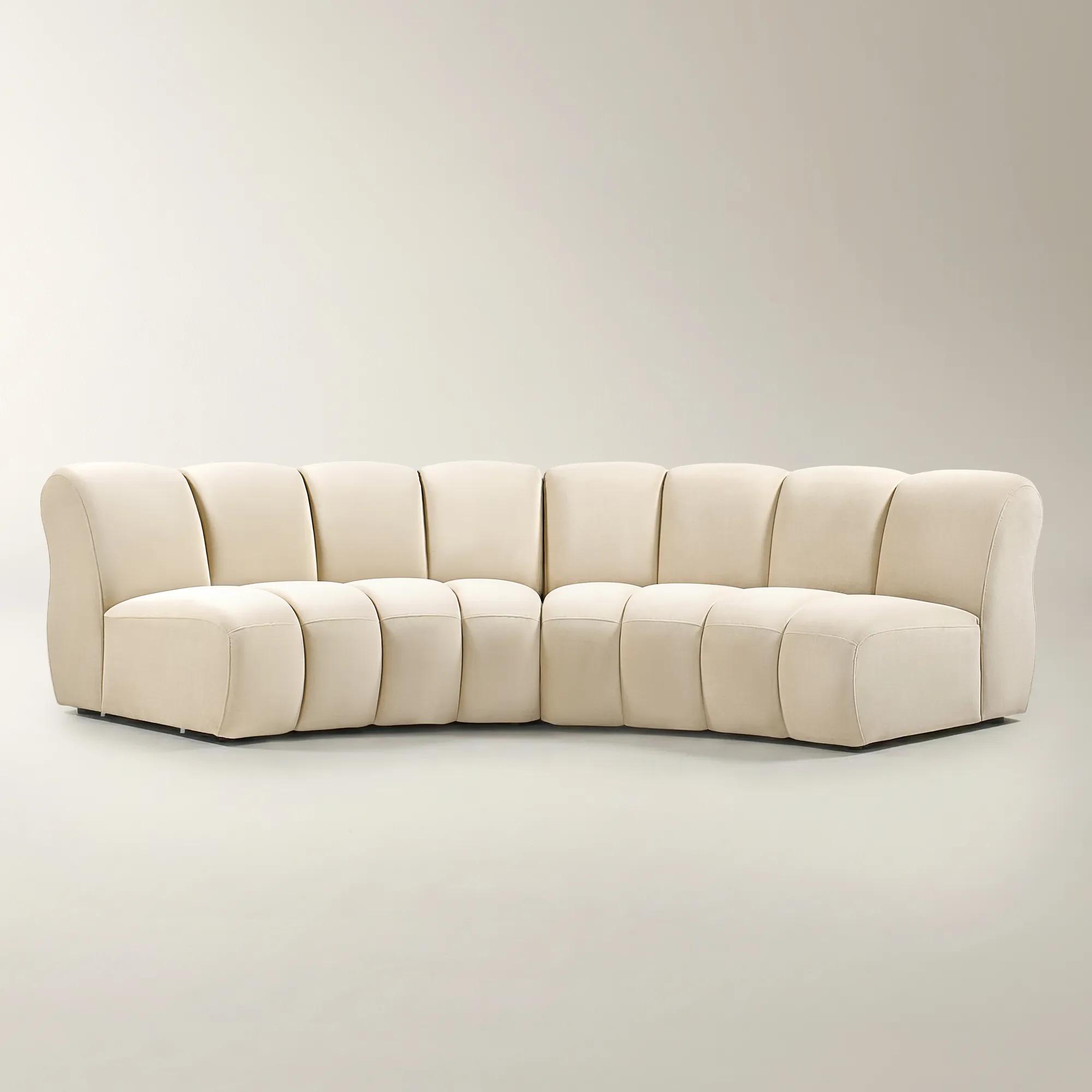
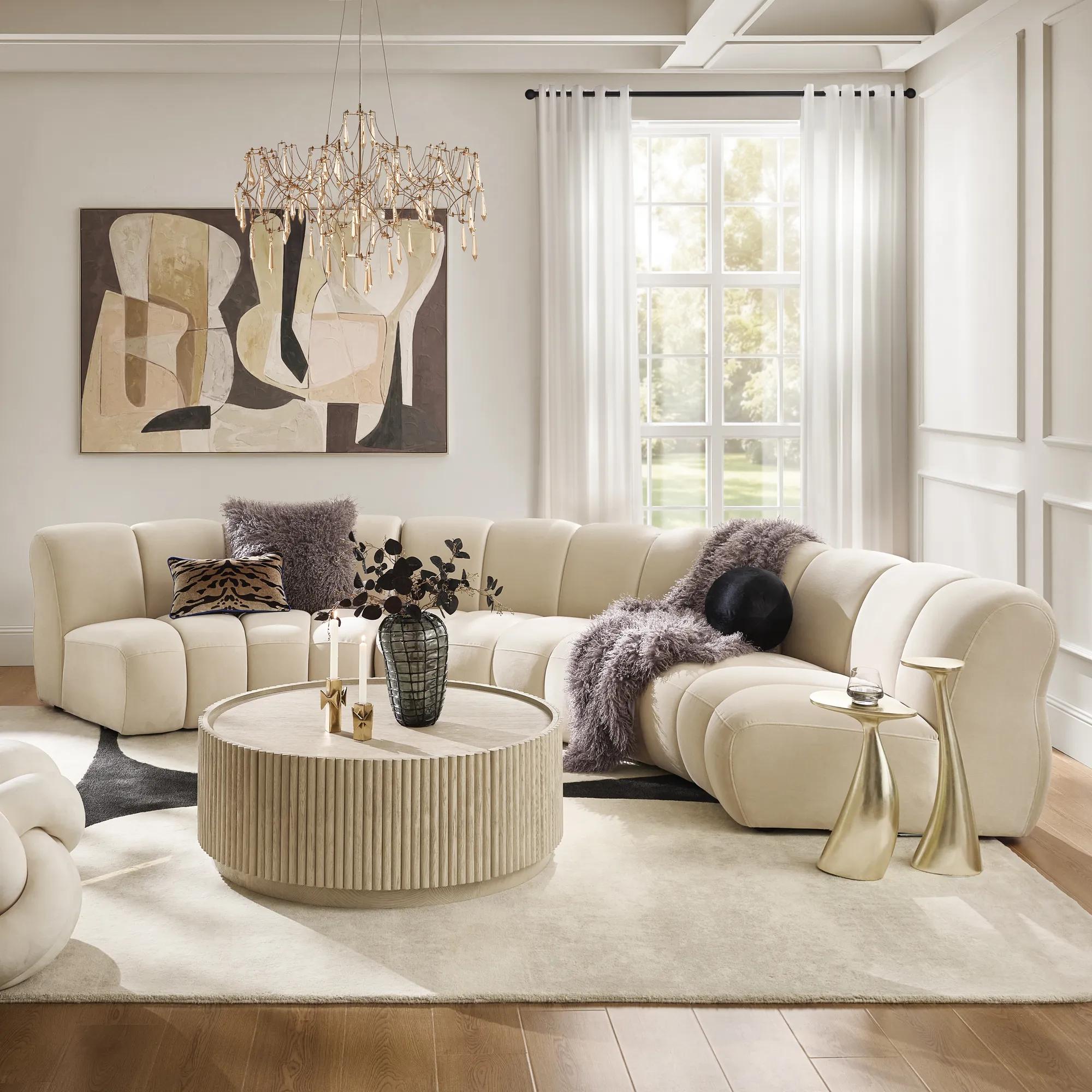 Jocelyn 2-Piece Channel-Tufted Oatmeal Velvet Sectional Sofa$2699
A sculptural oatmeal velvet sectional with deep channel tufting, curved silhouette, and modular, conversation-friendly design.
Add To Cart -
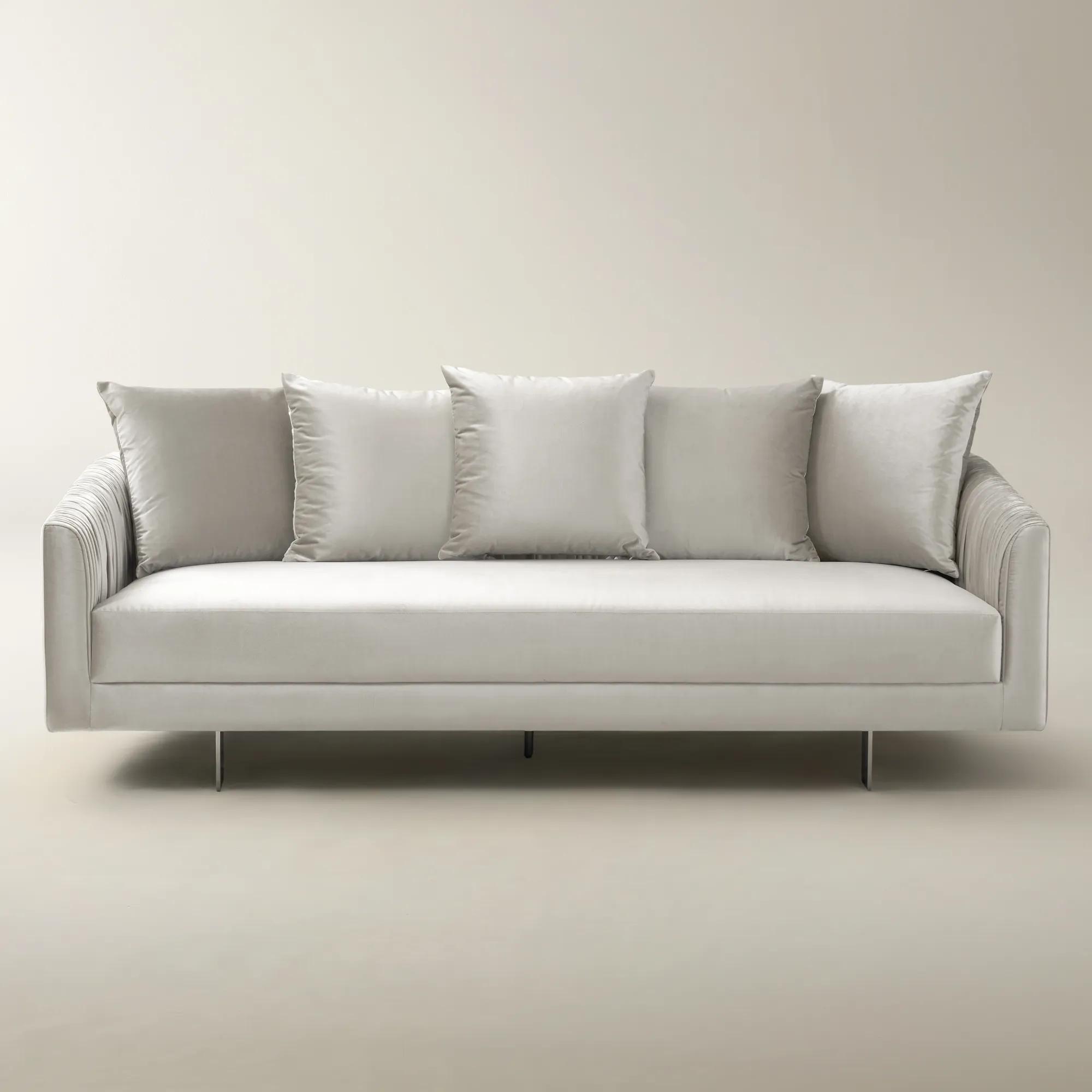
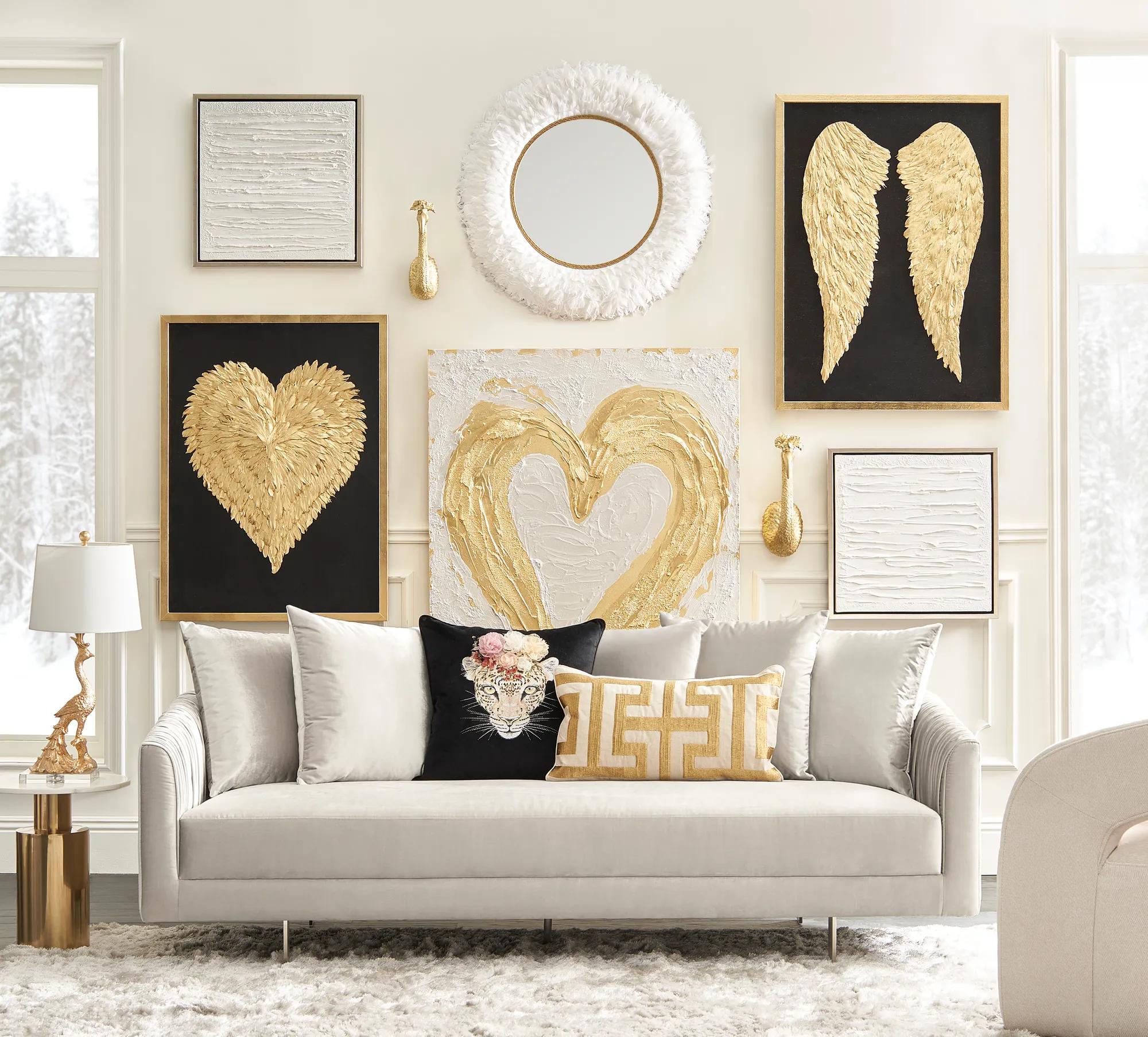 Isabel Softgrey Velvet Sofa$2599
A luxurious hand-tufted sofa with plush feather and foam cushions, nickel-brushed legs, and five pillows.
Add To Cart -
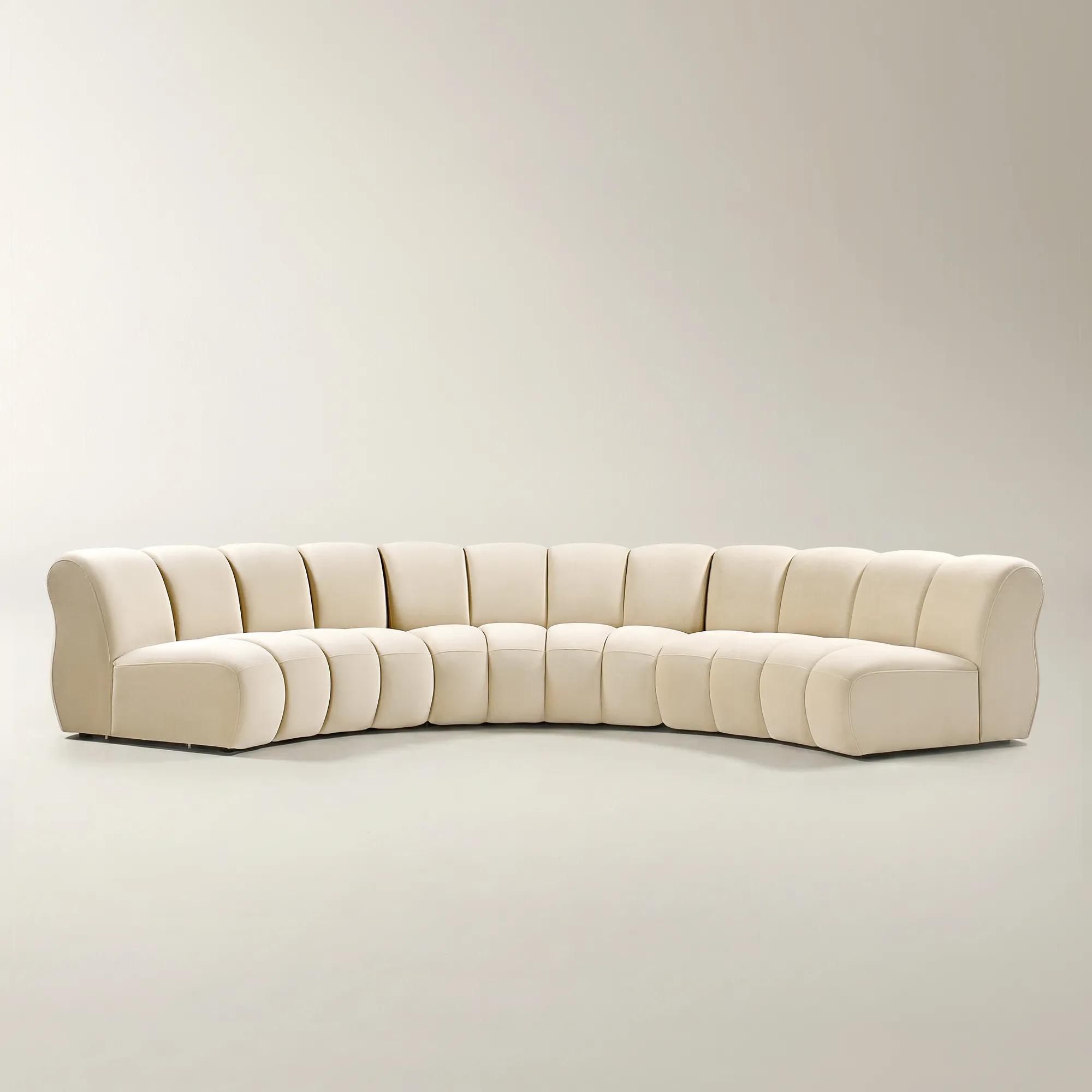
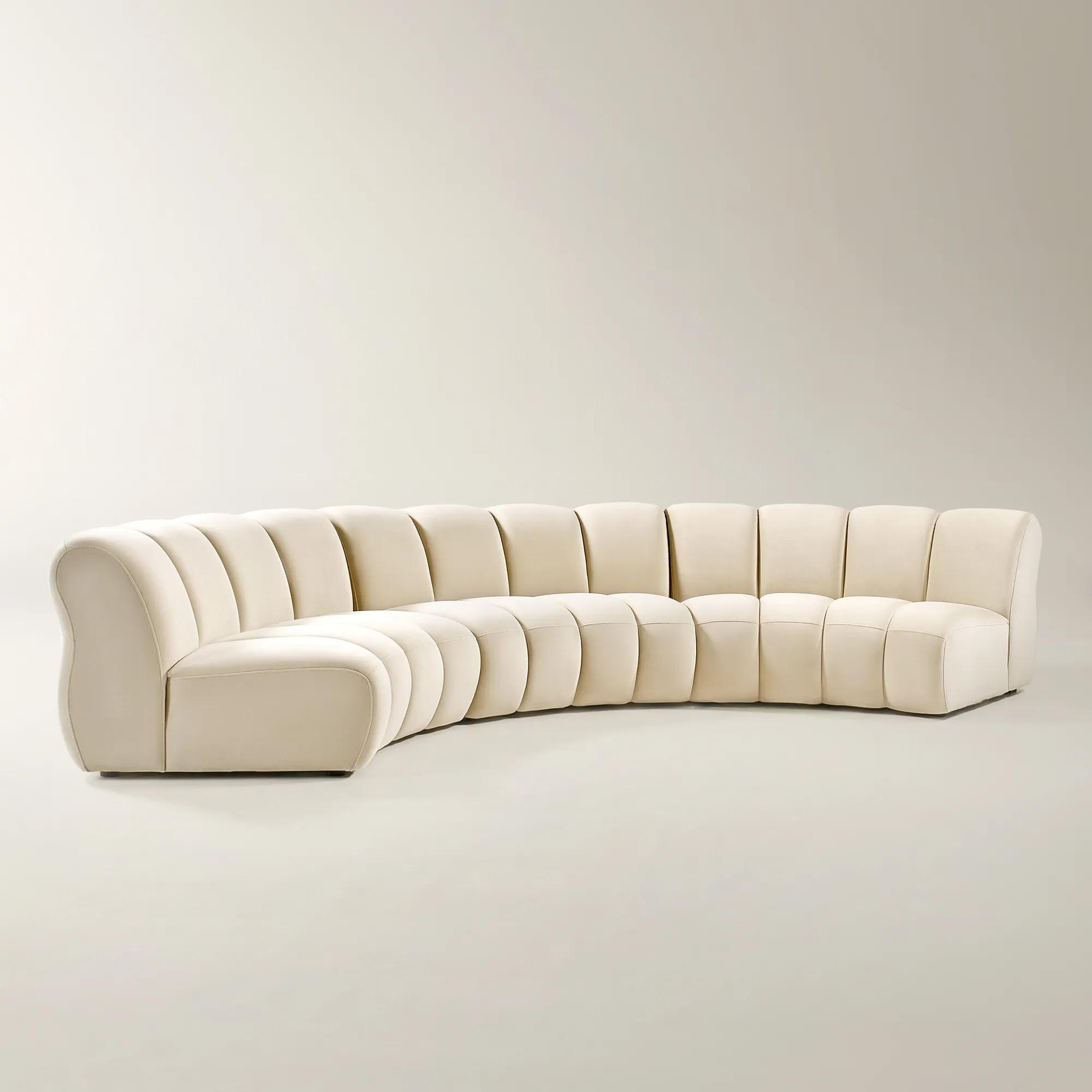 Jocelyn 3-Piece Channel-Tufted Oatmeal Velvet Sectional Sofa$4099
An oatmeal velvet sectional featuring deep channel tufting, sculptural curves, and modular, kiln-dried wood construction.
Add To Cart -
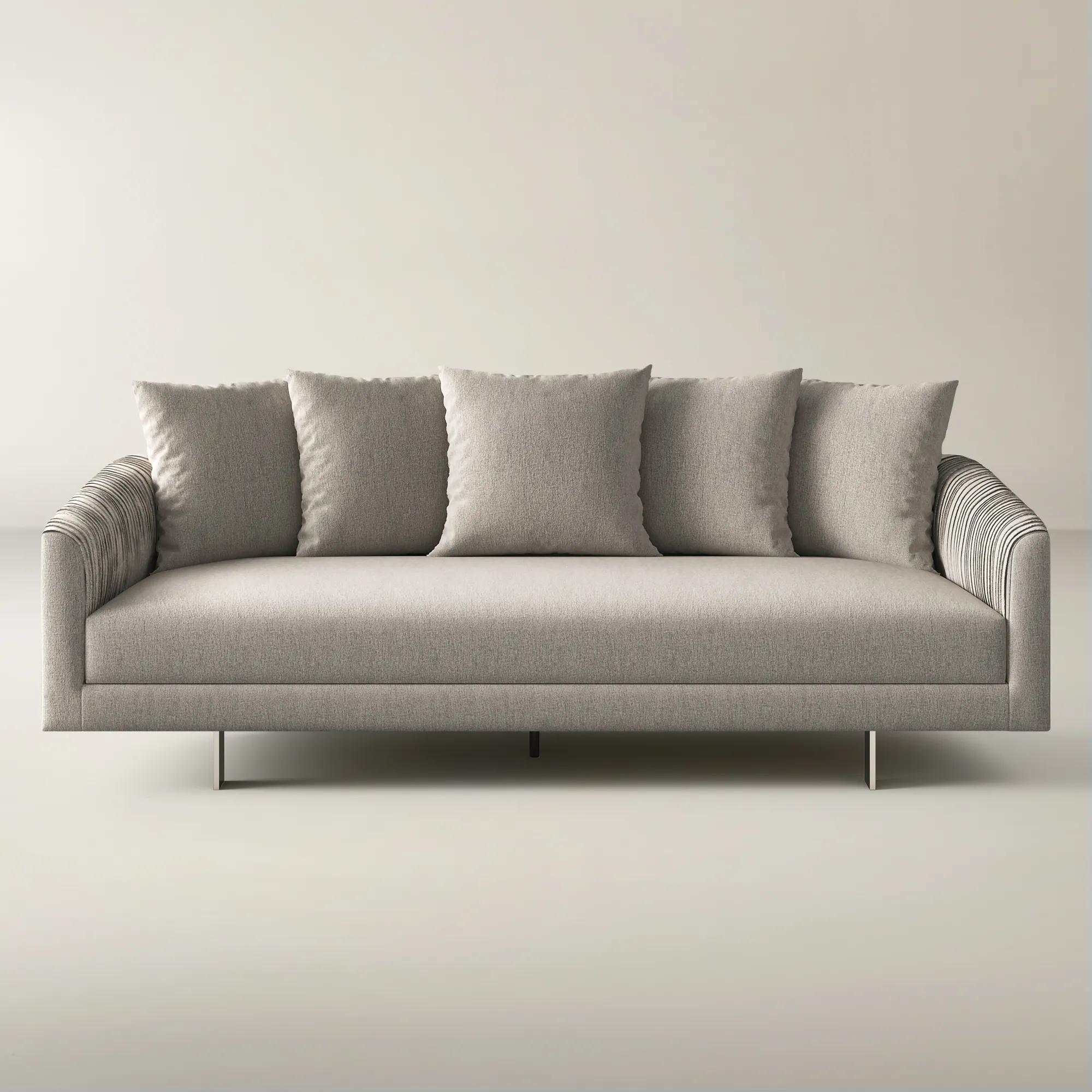 Isabel Moondust Chenille Sofa$2299
A luxurious hand-tufted sofa with plush feather and foam cushions, nickel-brushed legs, and five pillows.
Add To Cart -
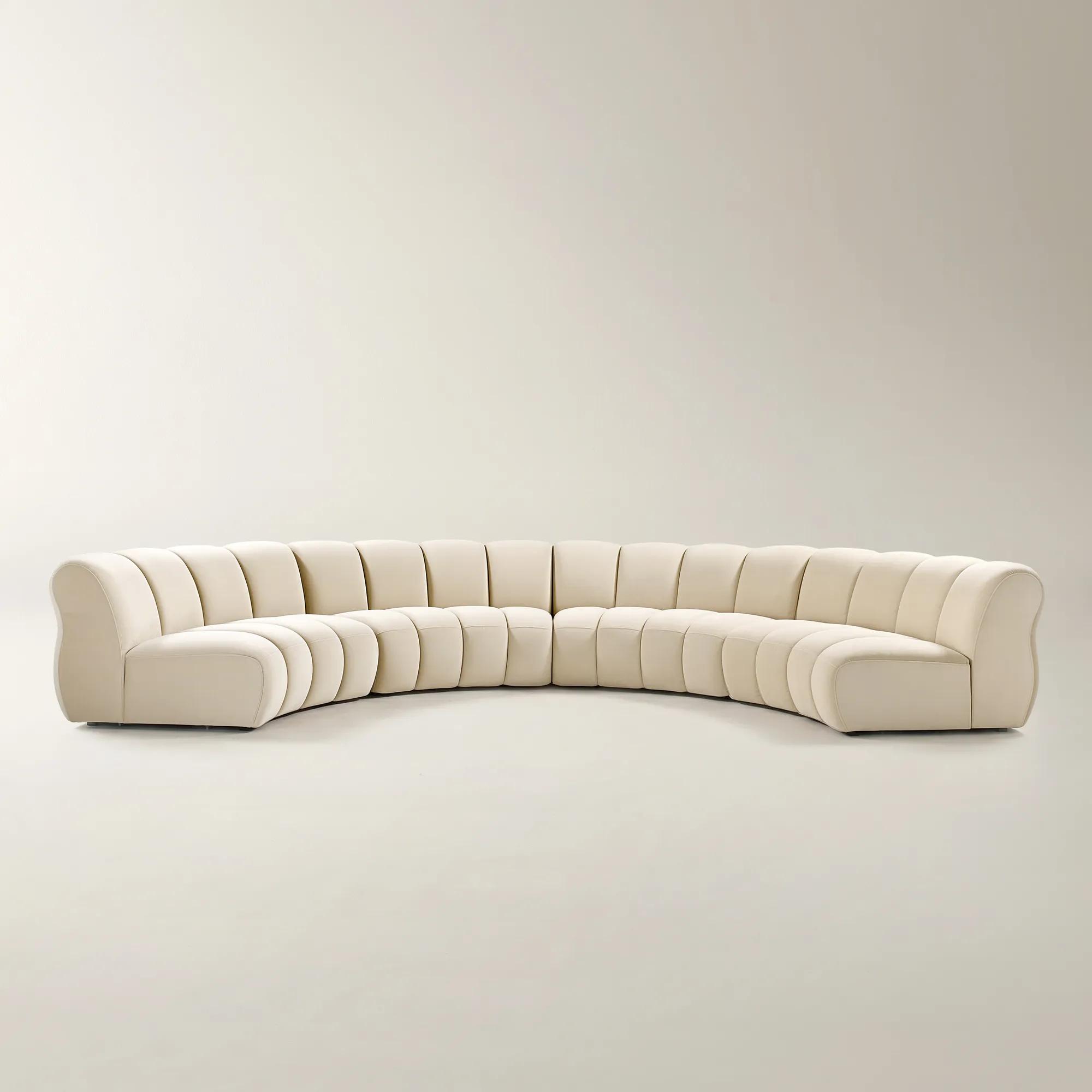
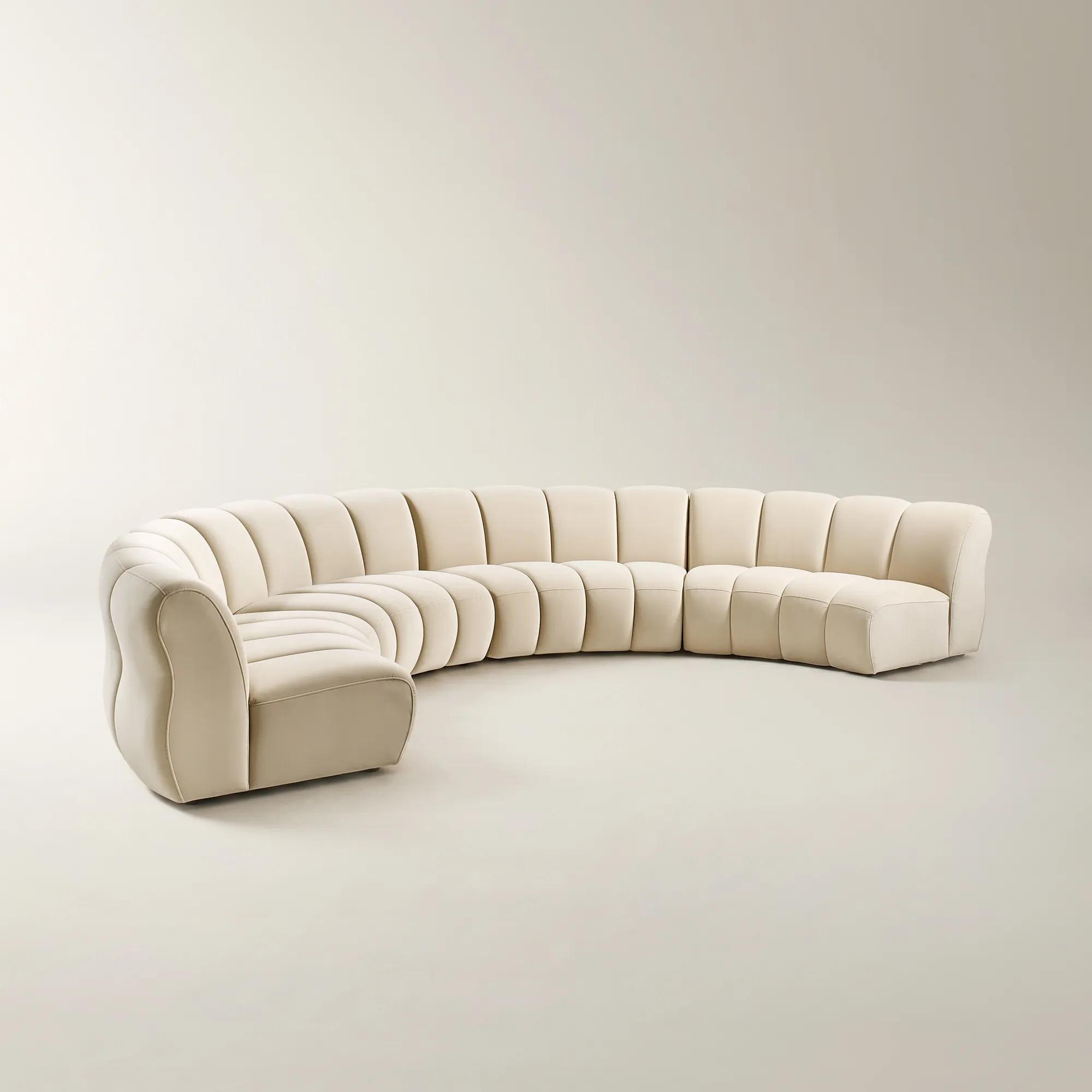 Jocelyn 4-Piece Channel-Tufted Oatmeal Velvet Sectional Sofa$4999
An oatmeal velvet sectional with deep channel tufting, curved silhouette, and modular design for versatile lounging.
Add To Cart -
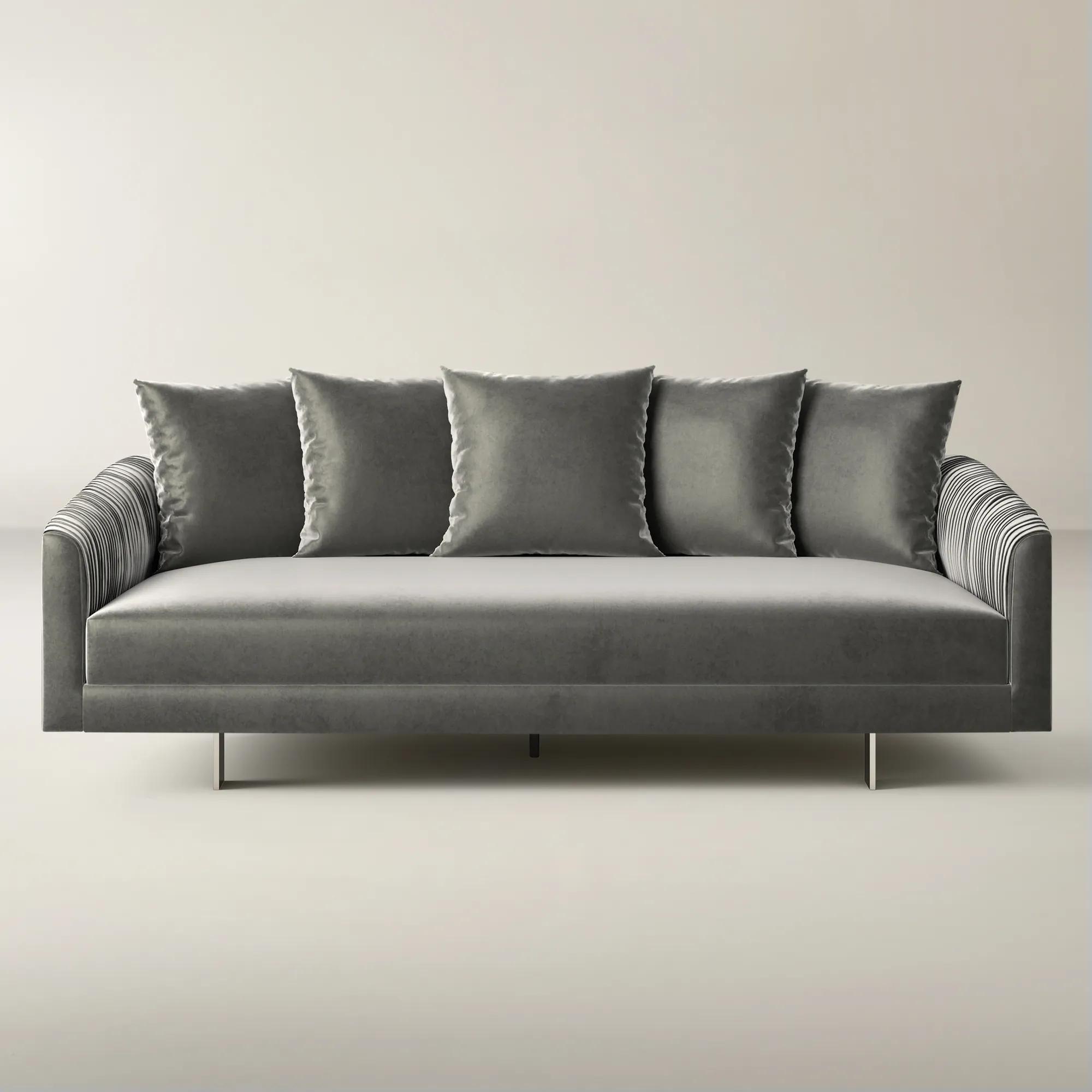 Isabel Ottergrey Velvet Sofa$2599
A luxurious hand-tufted sofa with plush feather-filled cushions, nickel-brushed stainless steel legs, and five decorative pillows.
Add To Cart -

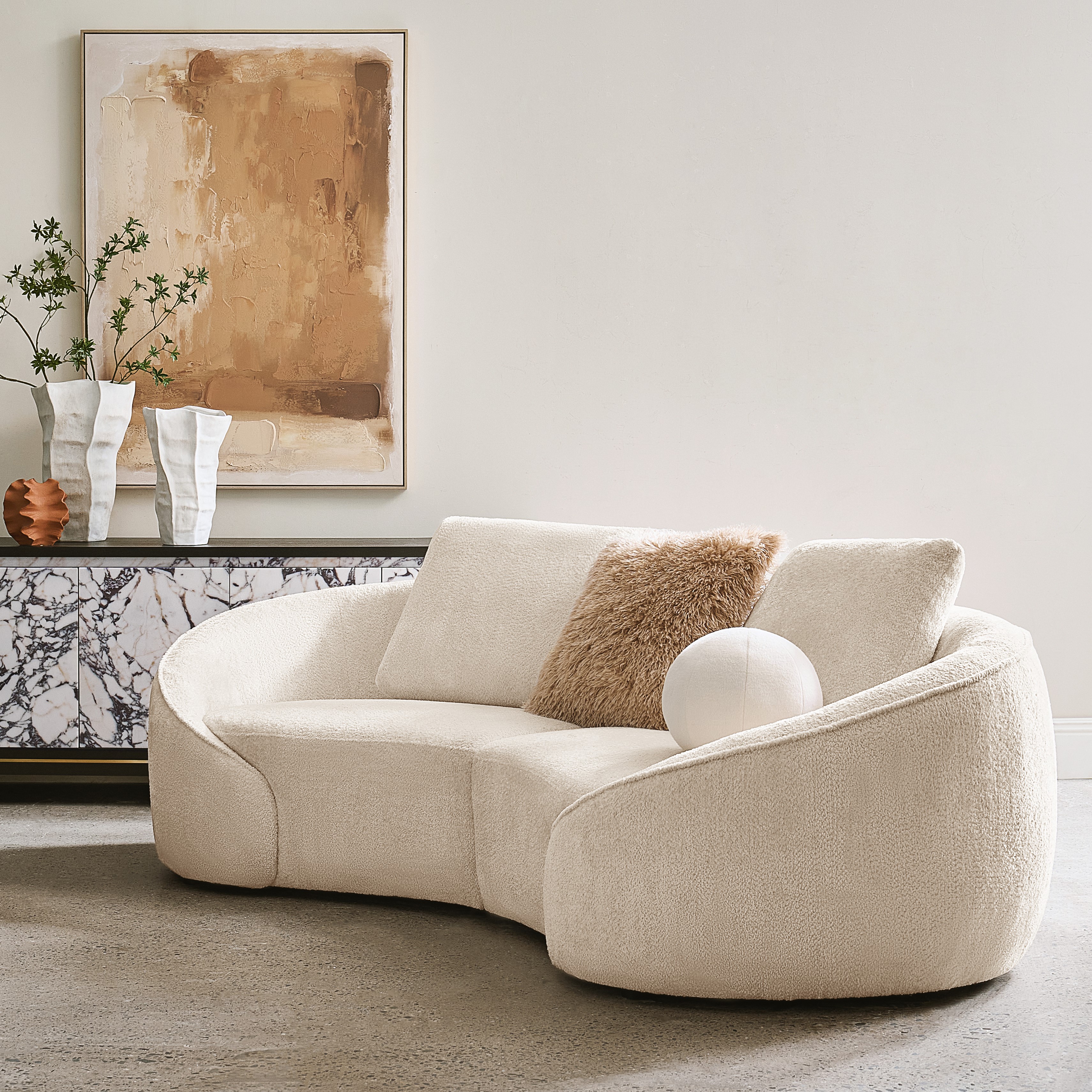 Irene 2-Piece Utopia Sand Chenille Sectional$2699
A modern curved sectional upholstered in plush Utopia Sand chenille with high-density foam cushioning for comfort.
Add To Cart -
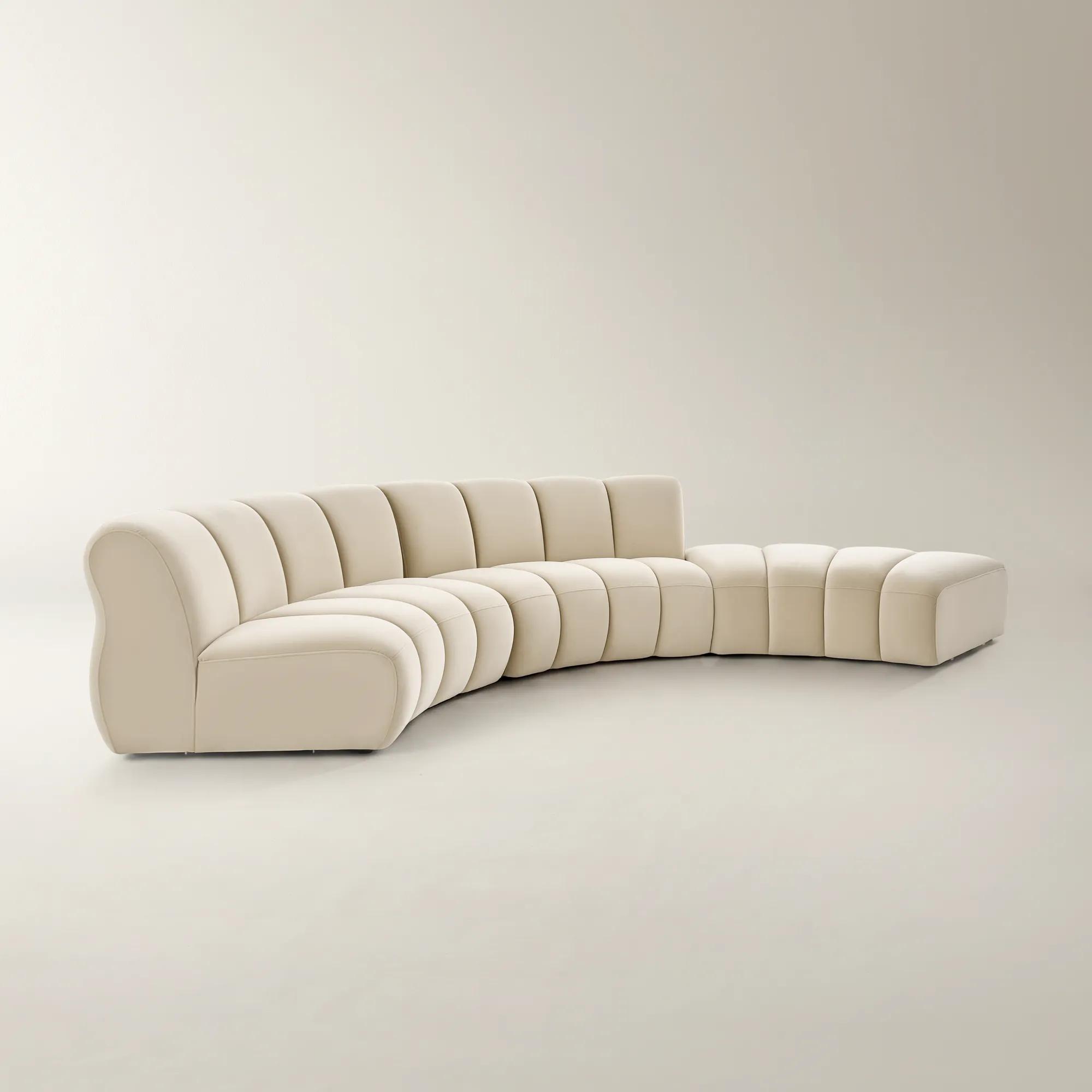 Jocelyn 3-Piece Channel-Tufted Oatmeal Velvet Sectional Sofa With Ottoman$3699
An oatmeal velvet sectional with deep channel tufting, curved silhouette, and modular design for versatile lounging.
Add To Cart -
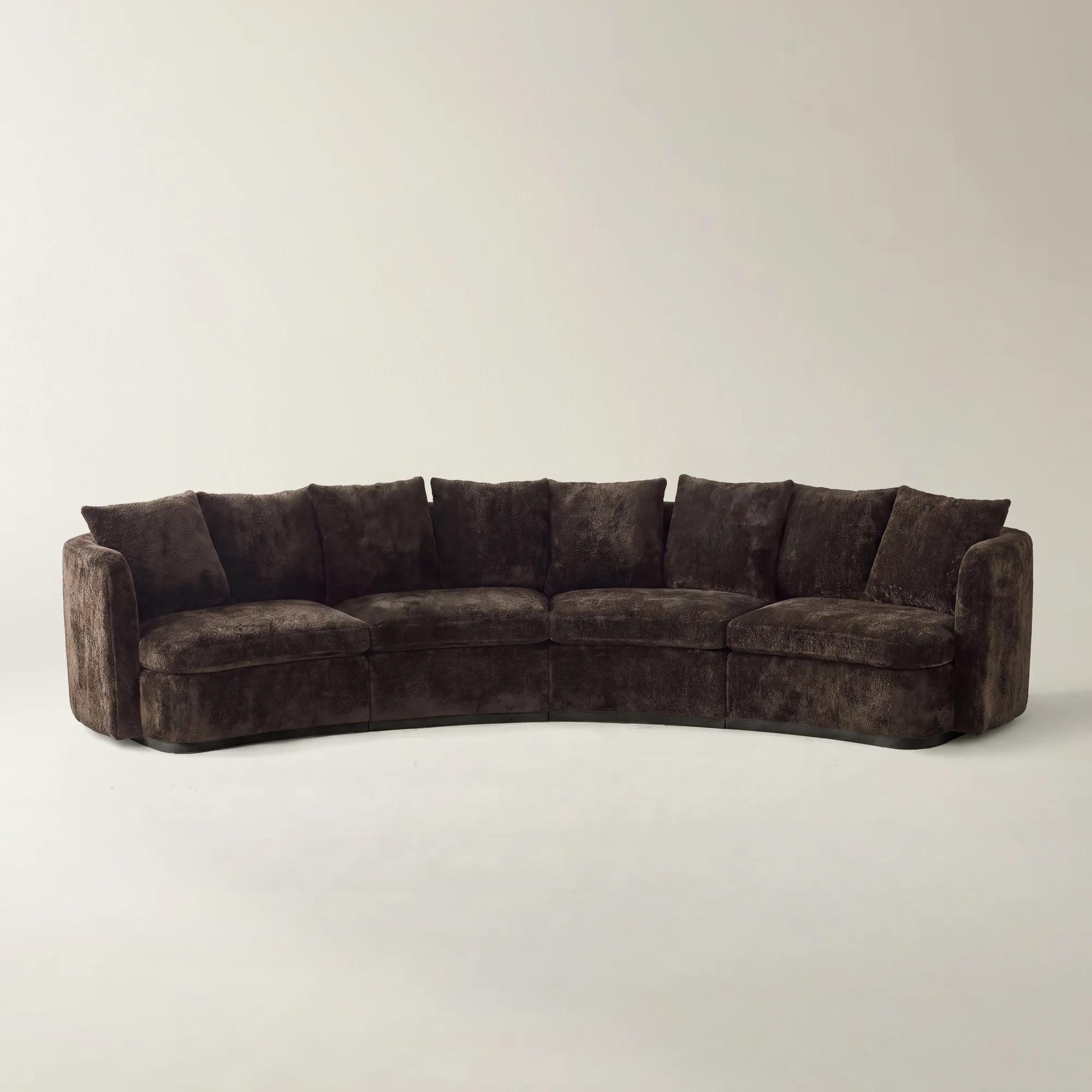
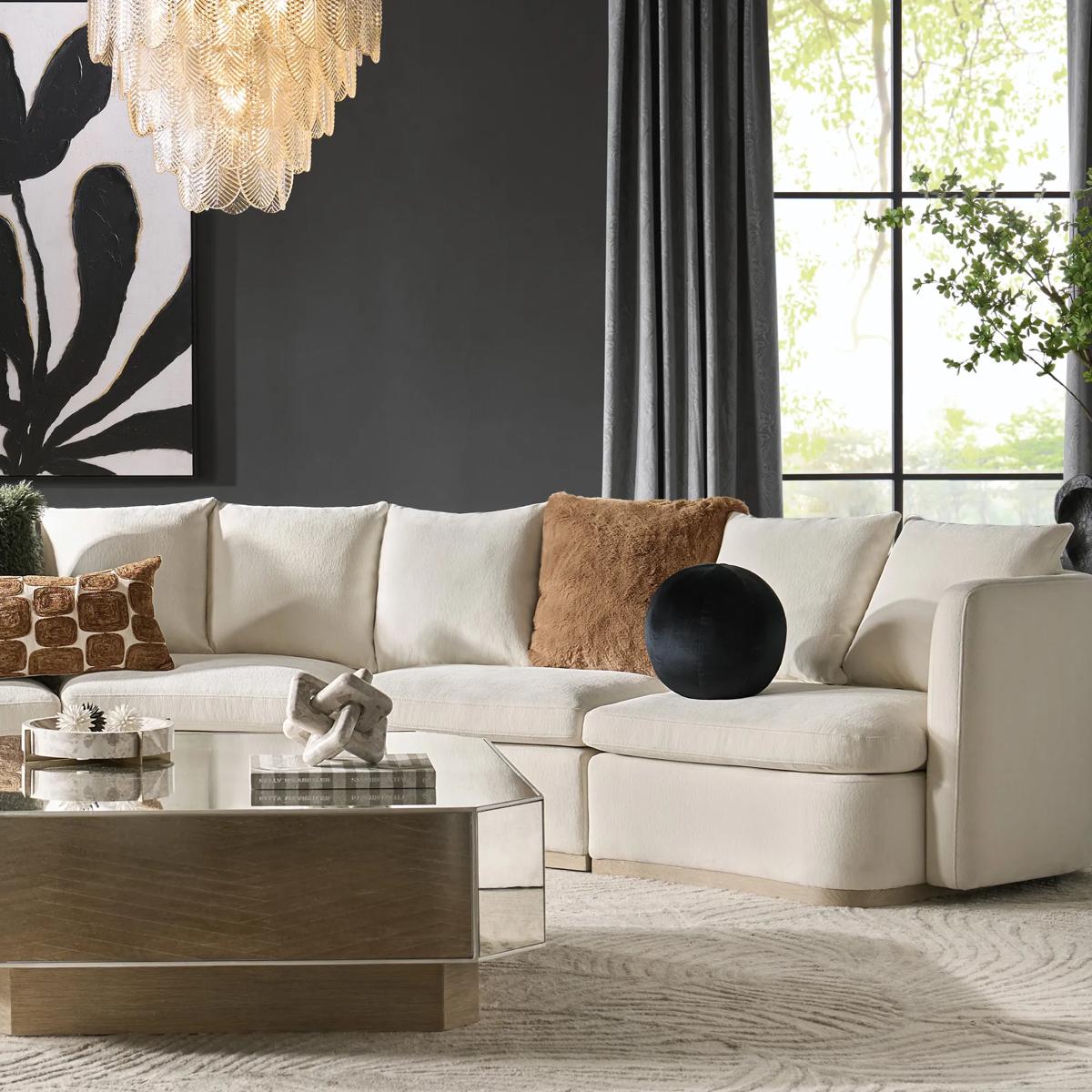 Stria 4-Piece Dark Chocolate Chenille Sectional Sofa$4099
A dark chocolate chenille sectional featuring sculptural curves, layered down-blend cushioning, and modular connectors.
Add To Cart -
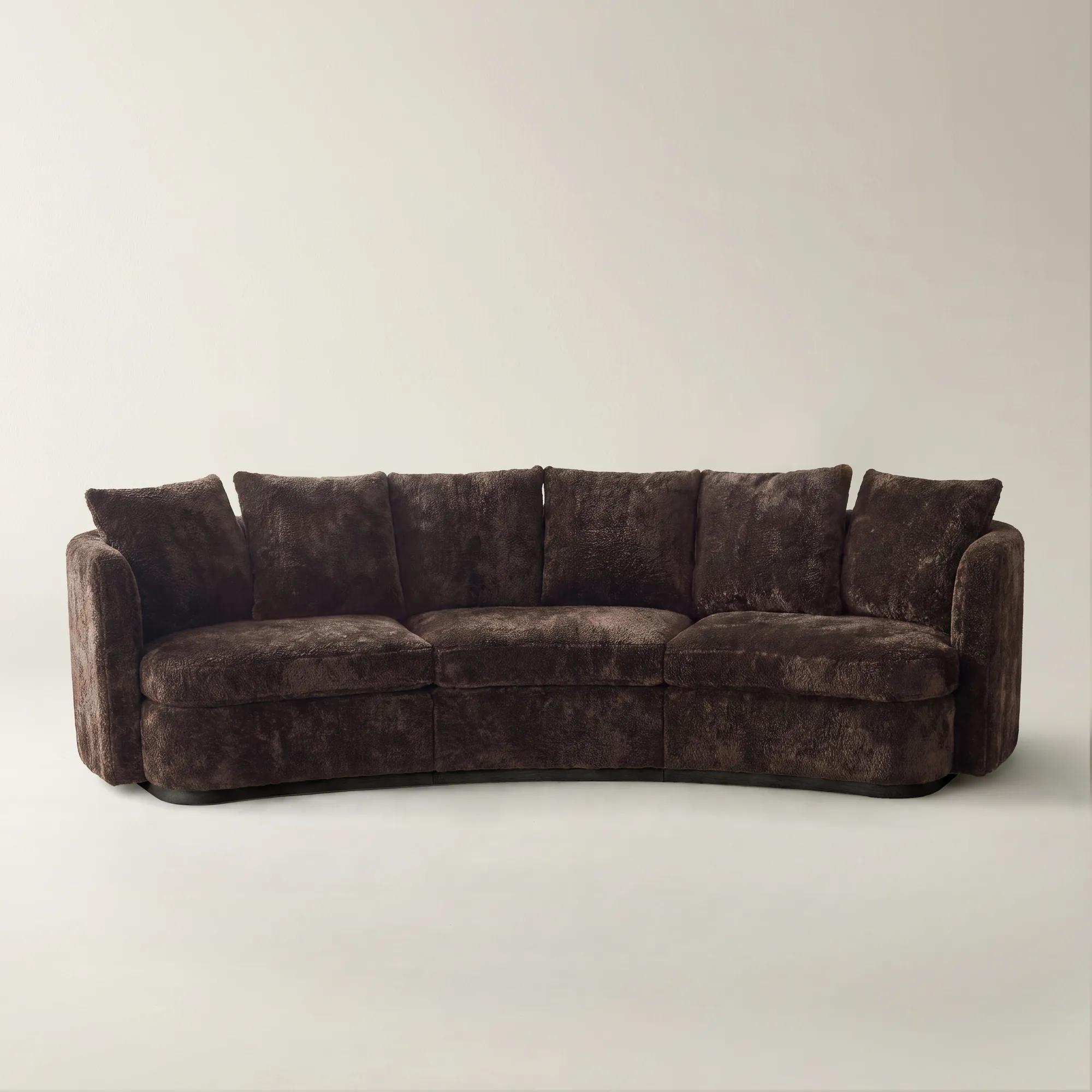 Stria 3-Piece Dark Chocolate Chenille Sectional Sofa$3099
A dark chocolate chenille sectional with sculptural curves, layered cushioning, and modular connectors for tailored comfort.
Add To Cart -
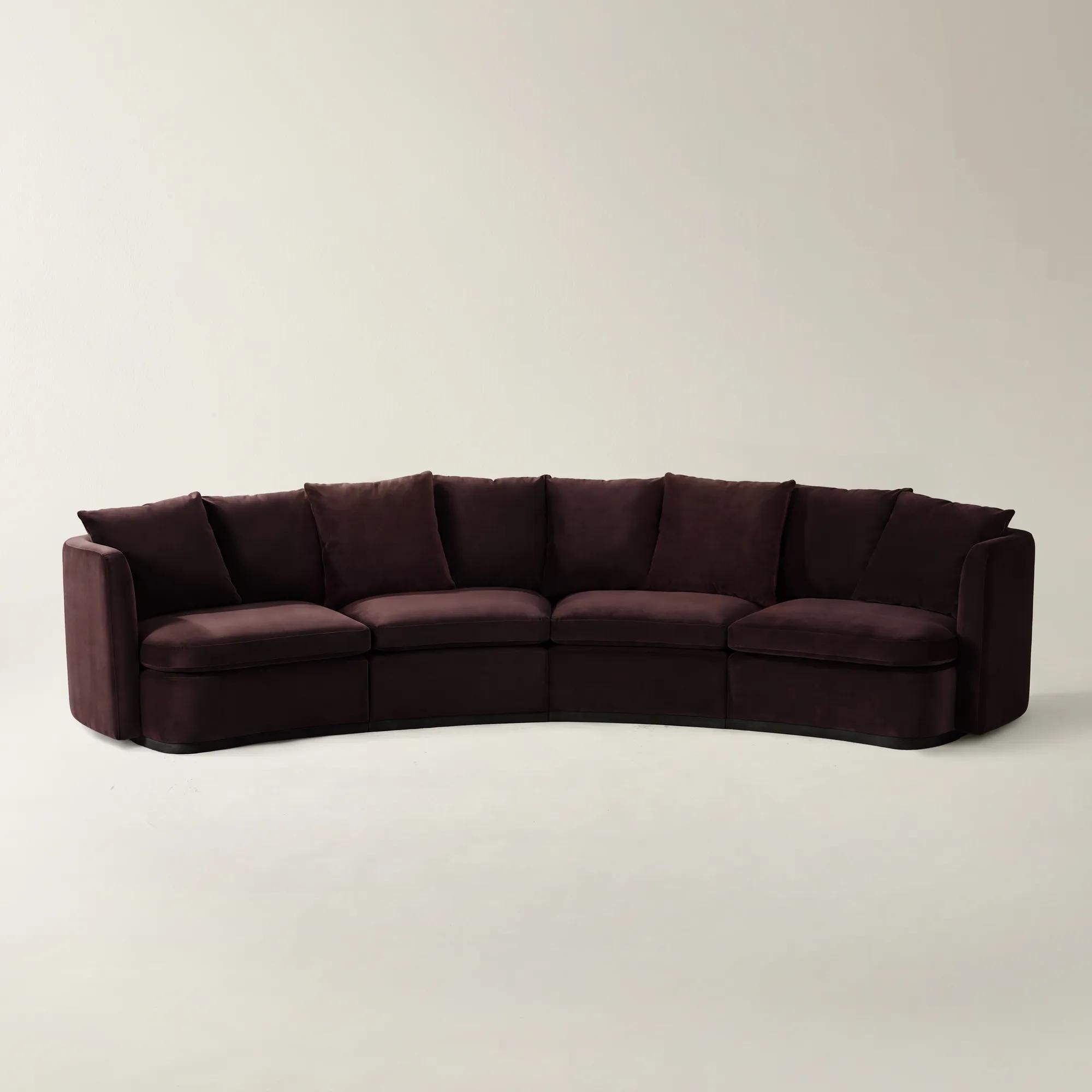 Stria 4-Piece Fig Velvet Sectional Sofa$4099
A sculptural fig velvet sectional with curved lines, layered foam-and-down cushioning, and modular connectors for comfort.
Add To Cart -
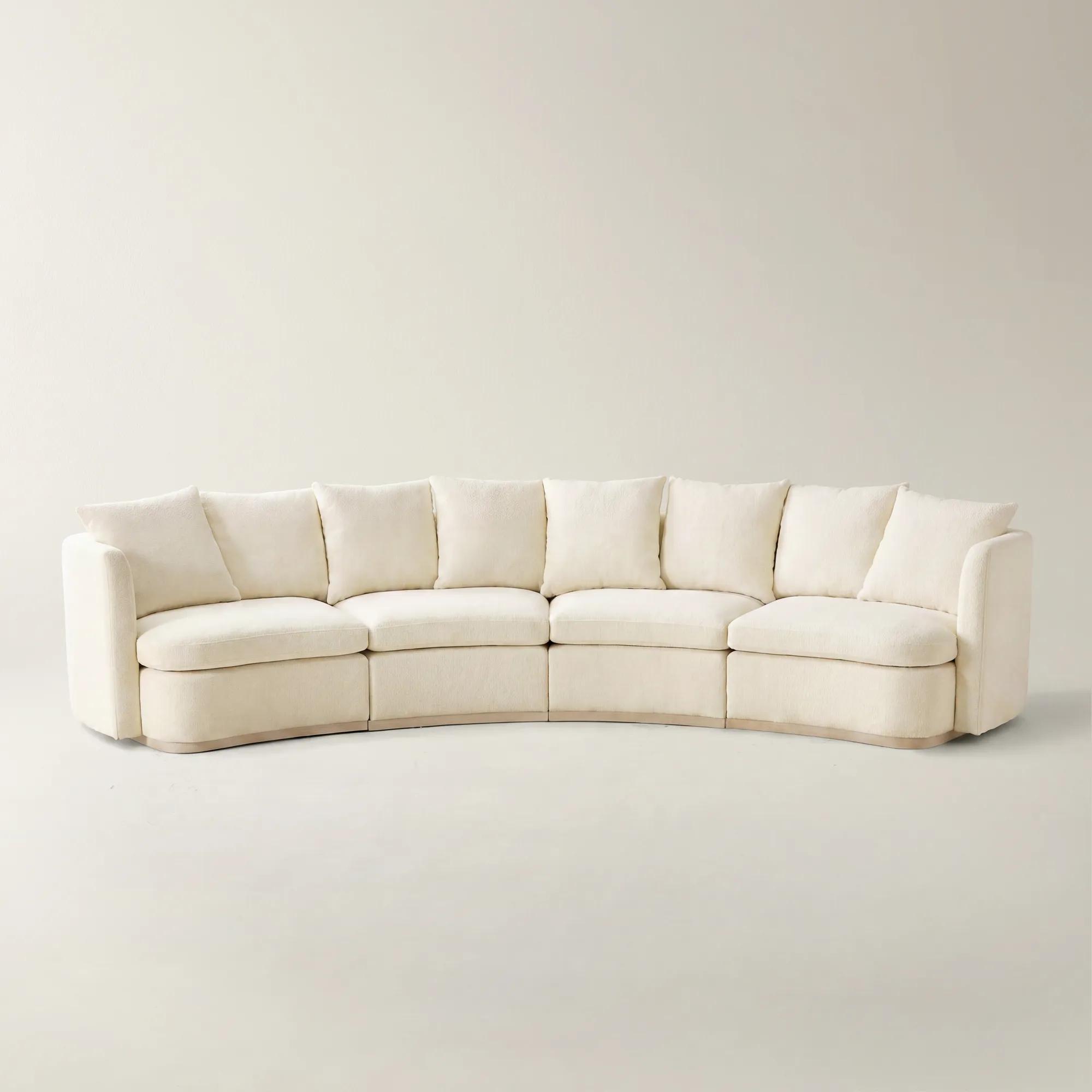 Stria 4-Piece Oatmeal Velvet Sectional Sofa$4099
A sculptural oatmeal velvet sectional with modular connectors, curved styling, and layered foam-down cushioning.
Add To Cart -
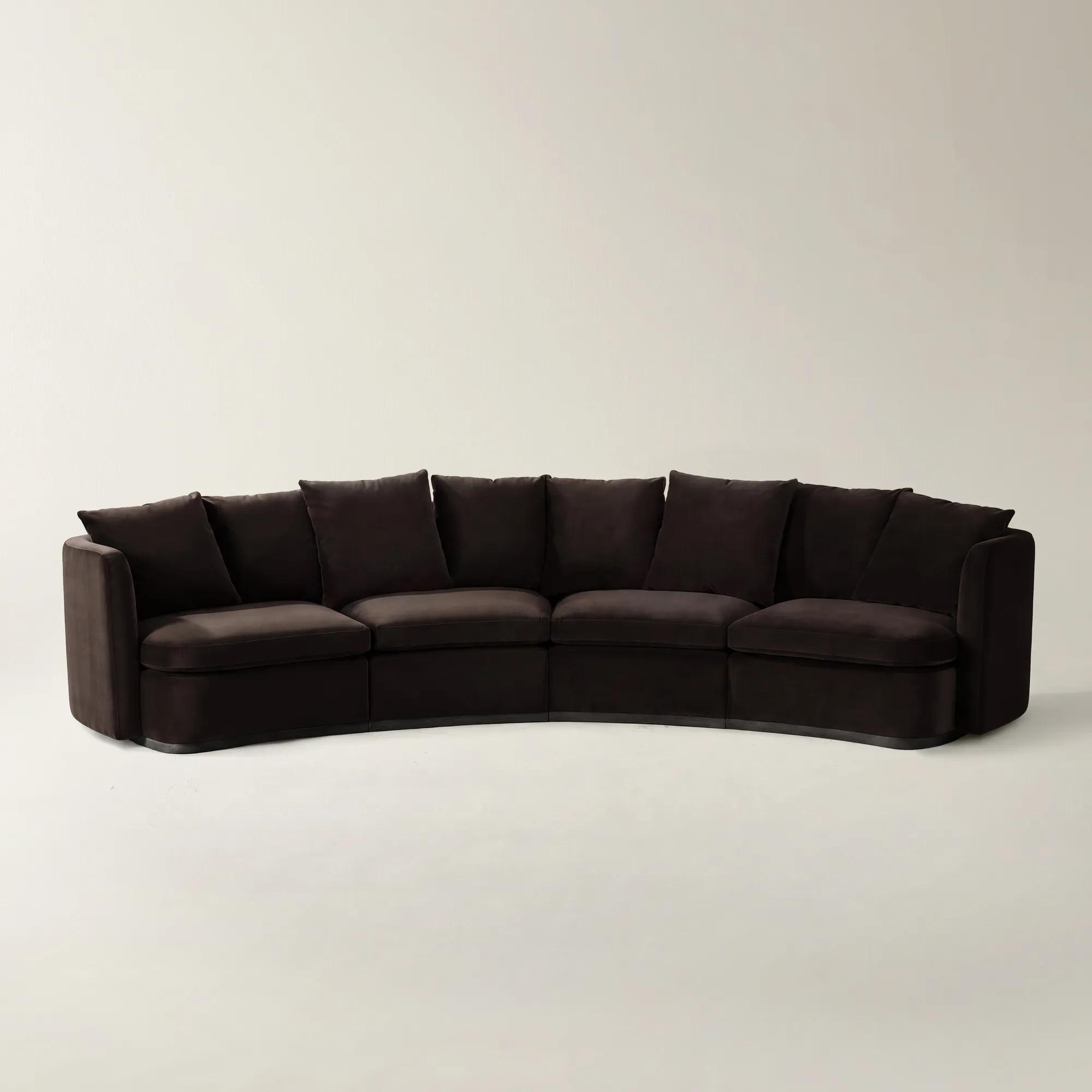 Stria 4-Piece Dark Chocolate Velvet Sectional Sofa$4099
A sculptural dark chocolate velvet sectional with curved edges, layered foam-down cushioning, and adaptable modular connectors.
Add To Cart -

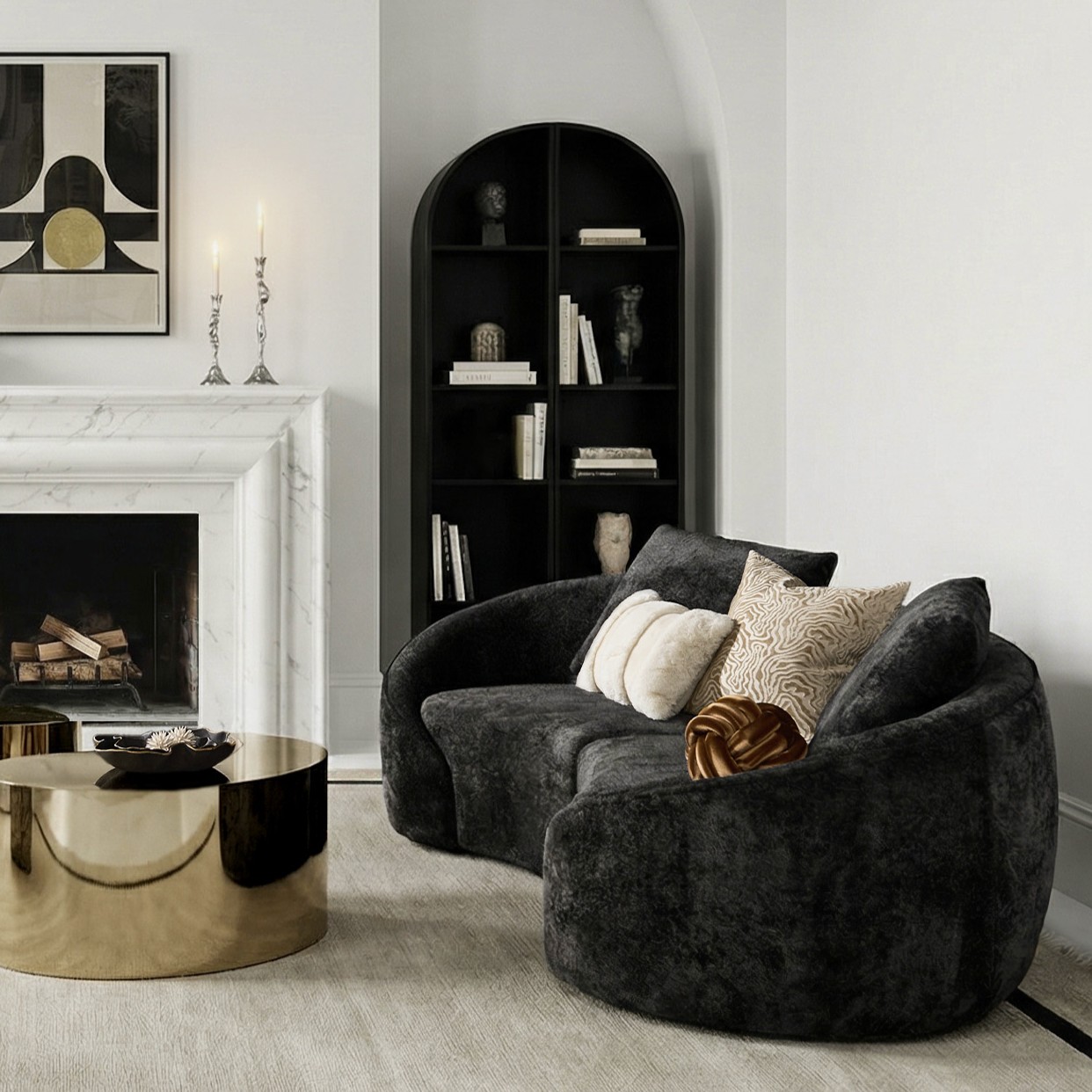 Irene 2-Piece Black Chenille Sectional$2699
A modern curved sectional upholstered in plush utopia sand chenille with high-density foam cushioning for comfort.
Add To Cart -
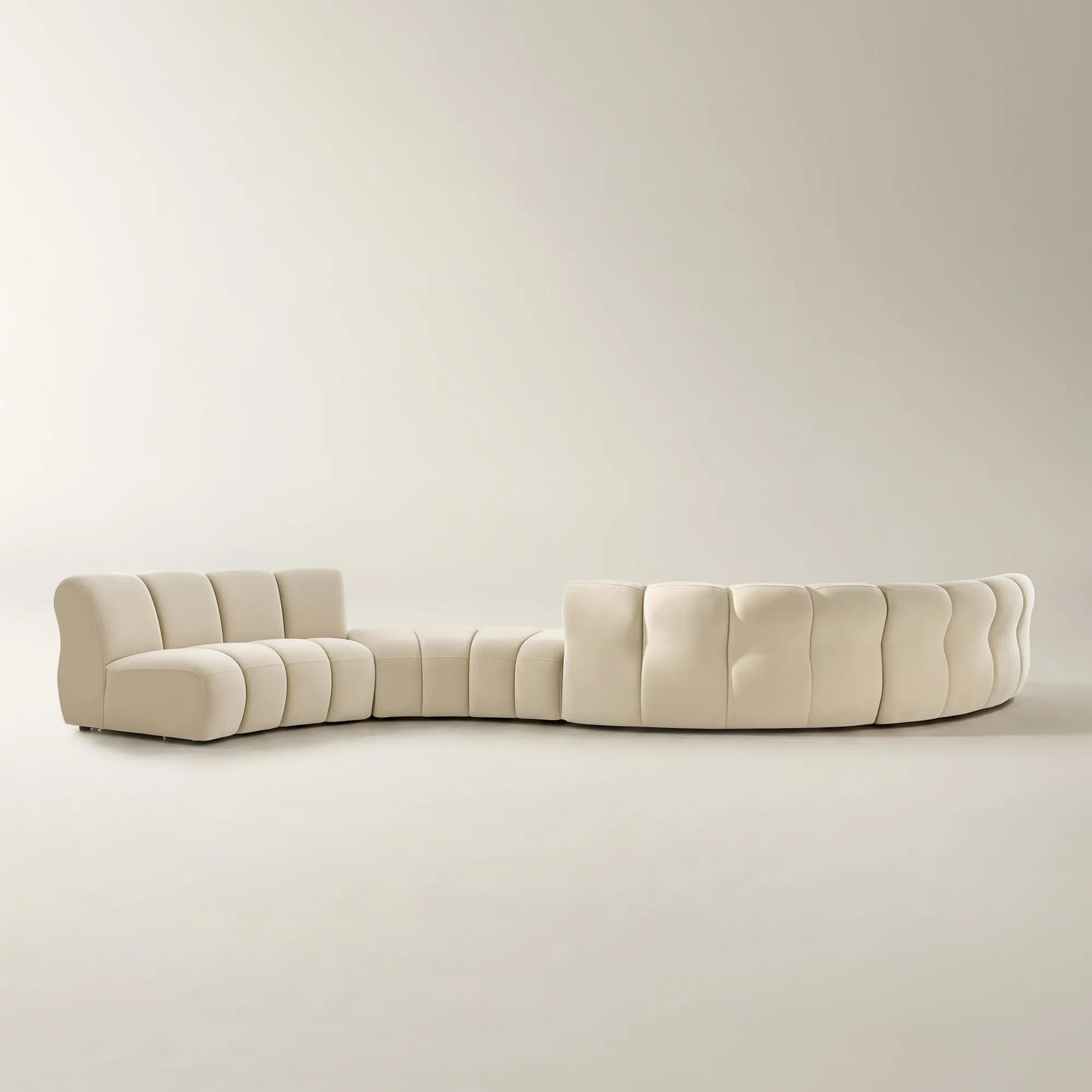 Jocelyn 4-Piece Channel-Tufted Oatmeal Velvet Sectional Sofa With Ottoman$4999
An oatmeal velvet sectional with deep channel tufting, curved silhouette, and modular design for flexible arrangements.
Add To Cart -
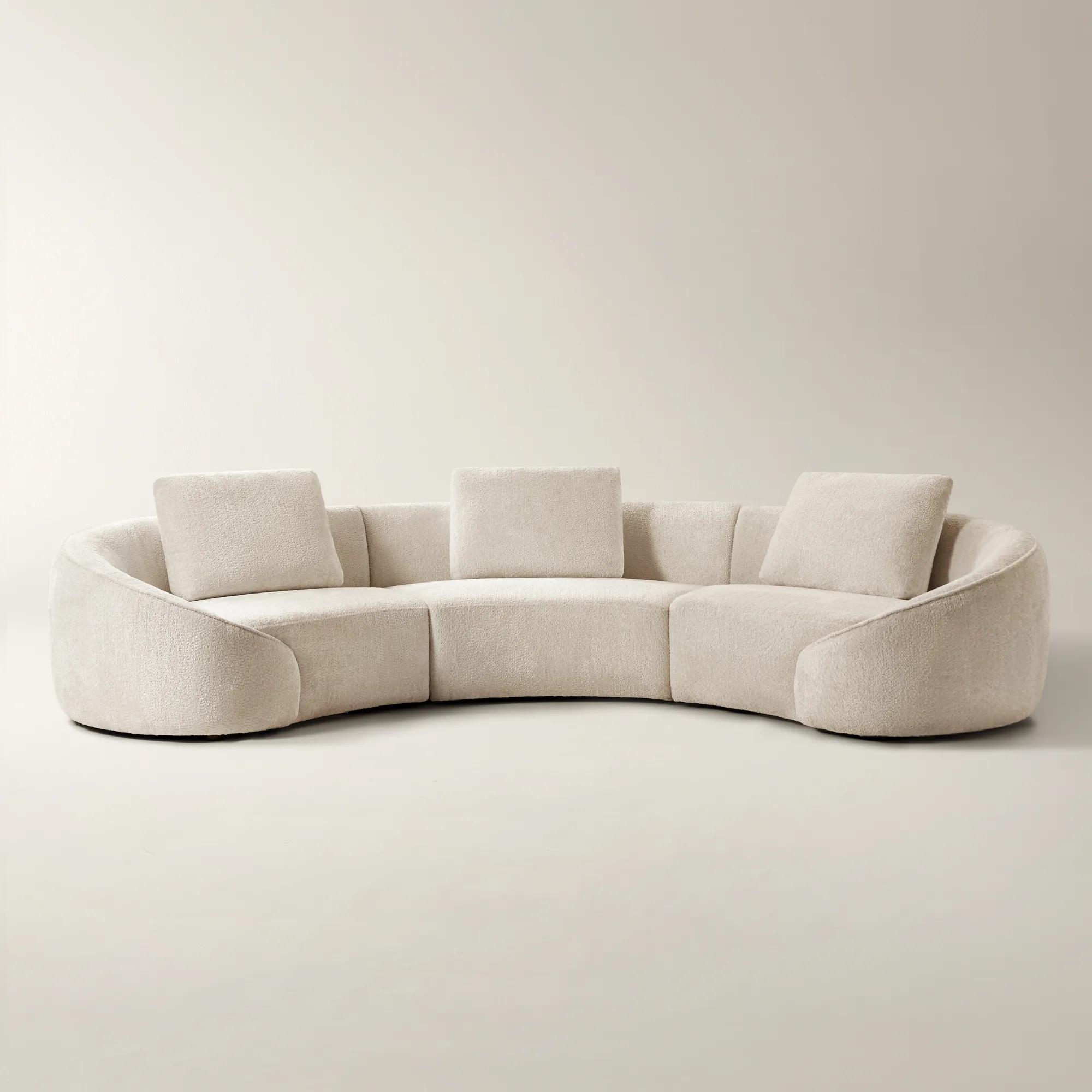 Irene 3-Piece Utopia Sand Chenille Sectional$3899
A modern curved sectional upholstered in plush Utopia Sand chenille with high-density foam cushioning for comfort.
Add To Cart -
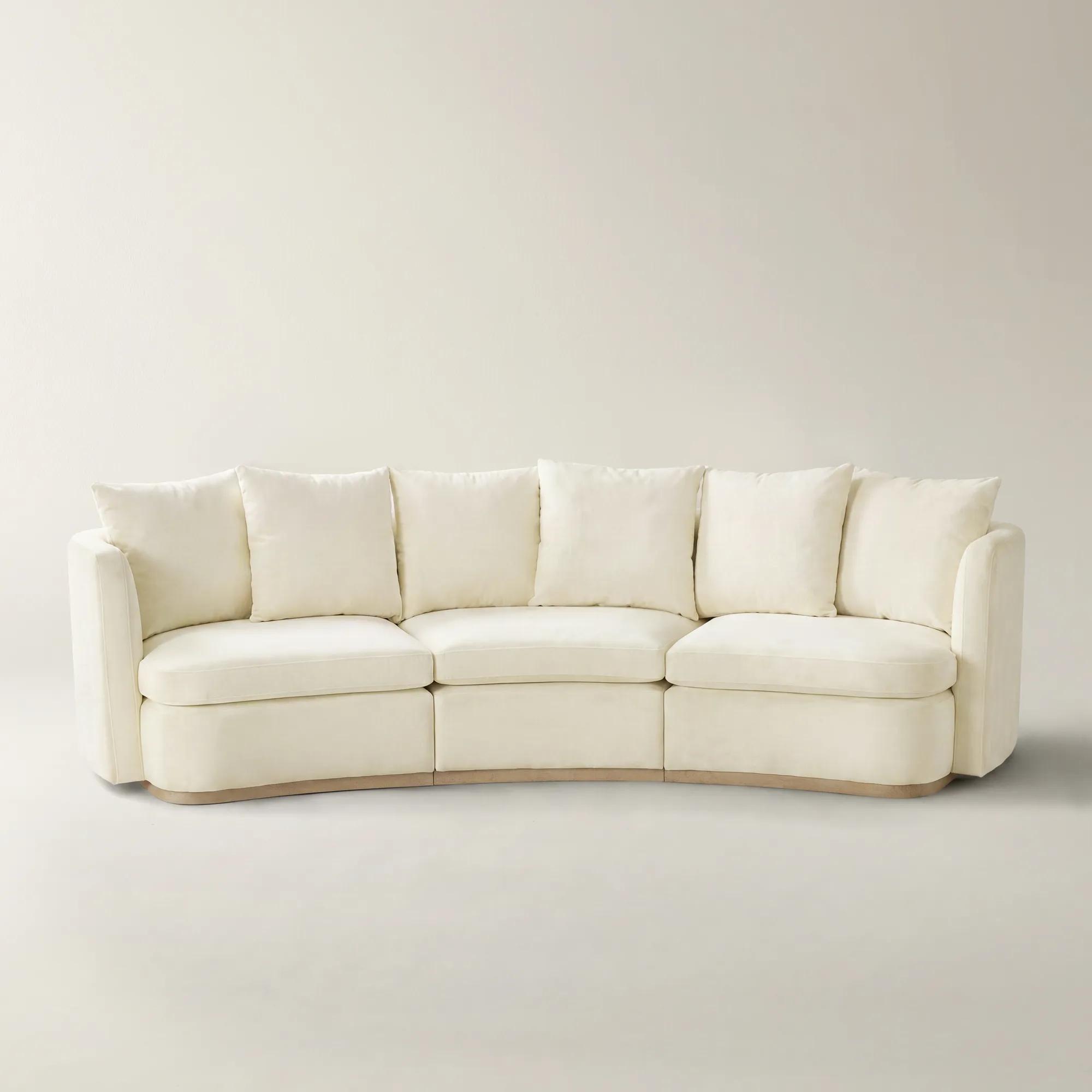 Stria 3-Piece Cloud Velvet Sectional Sofa$3099
A sculptural cloud velvet sectional with a curved silhouette, modular design, layered cushioning, and oak base.
Add To Cart -
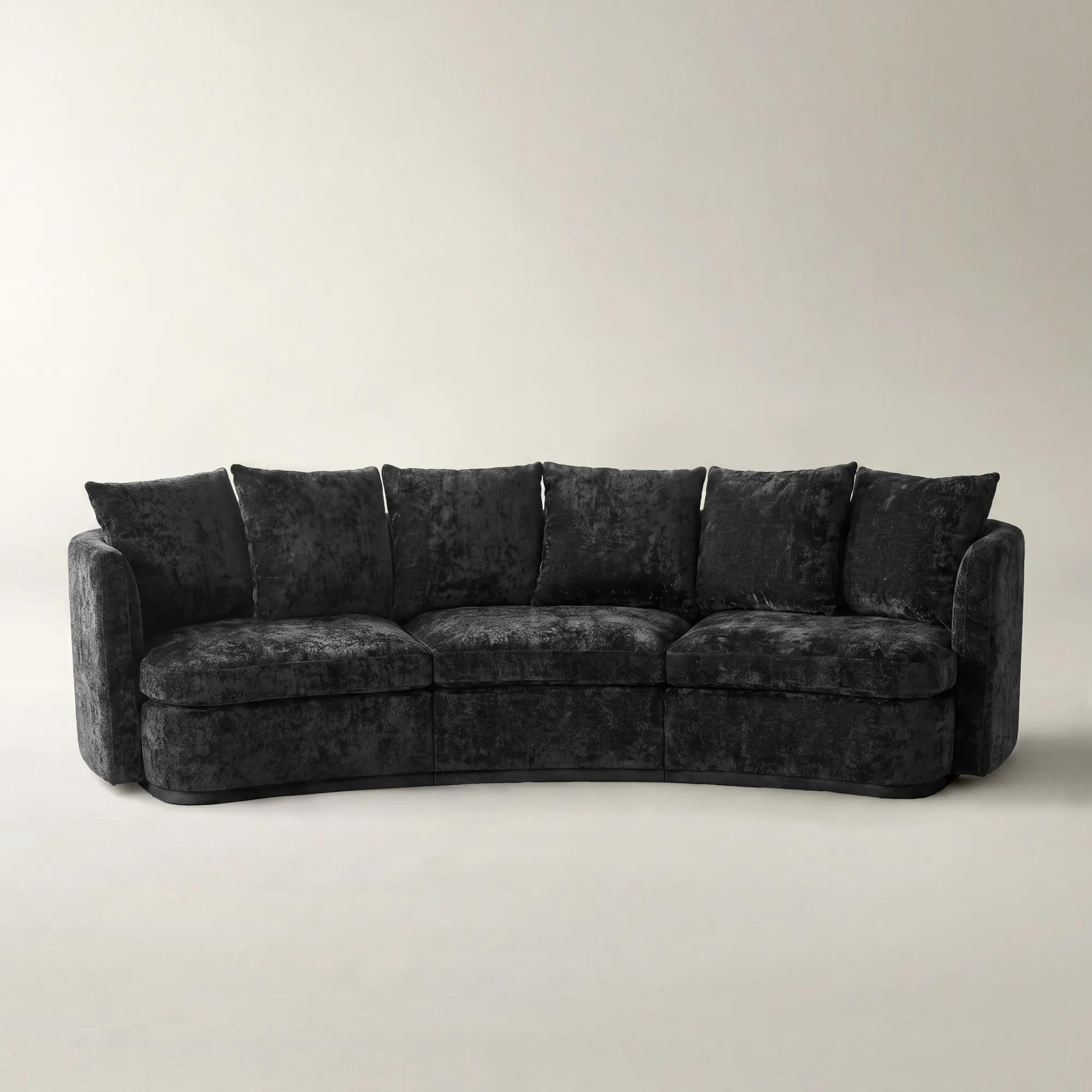 Stria 3-Piece Black Chenille Sectional Sofa$3099
A sculptural black chenille sectional with modular connectors, kiln-dried wood construction, and layered foam-down cushioning.
Add To Cart -
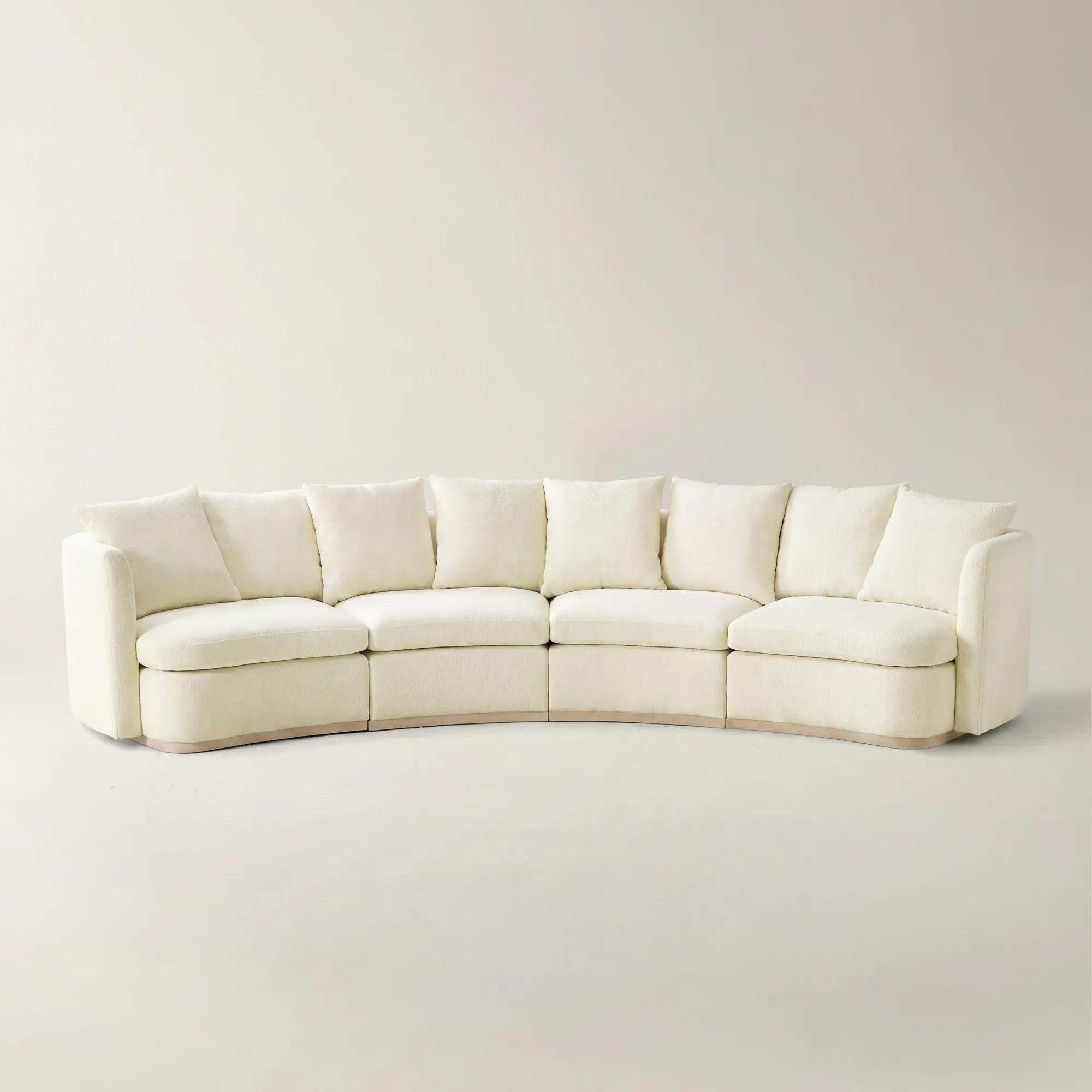 Stria 4-Piece Cloud Velvet Sectional Sofa$4099
A sculptural cloud velvet sectional featuring curved lines, modular connectors, and layered foam-down cushioning.
Add To Cart -
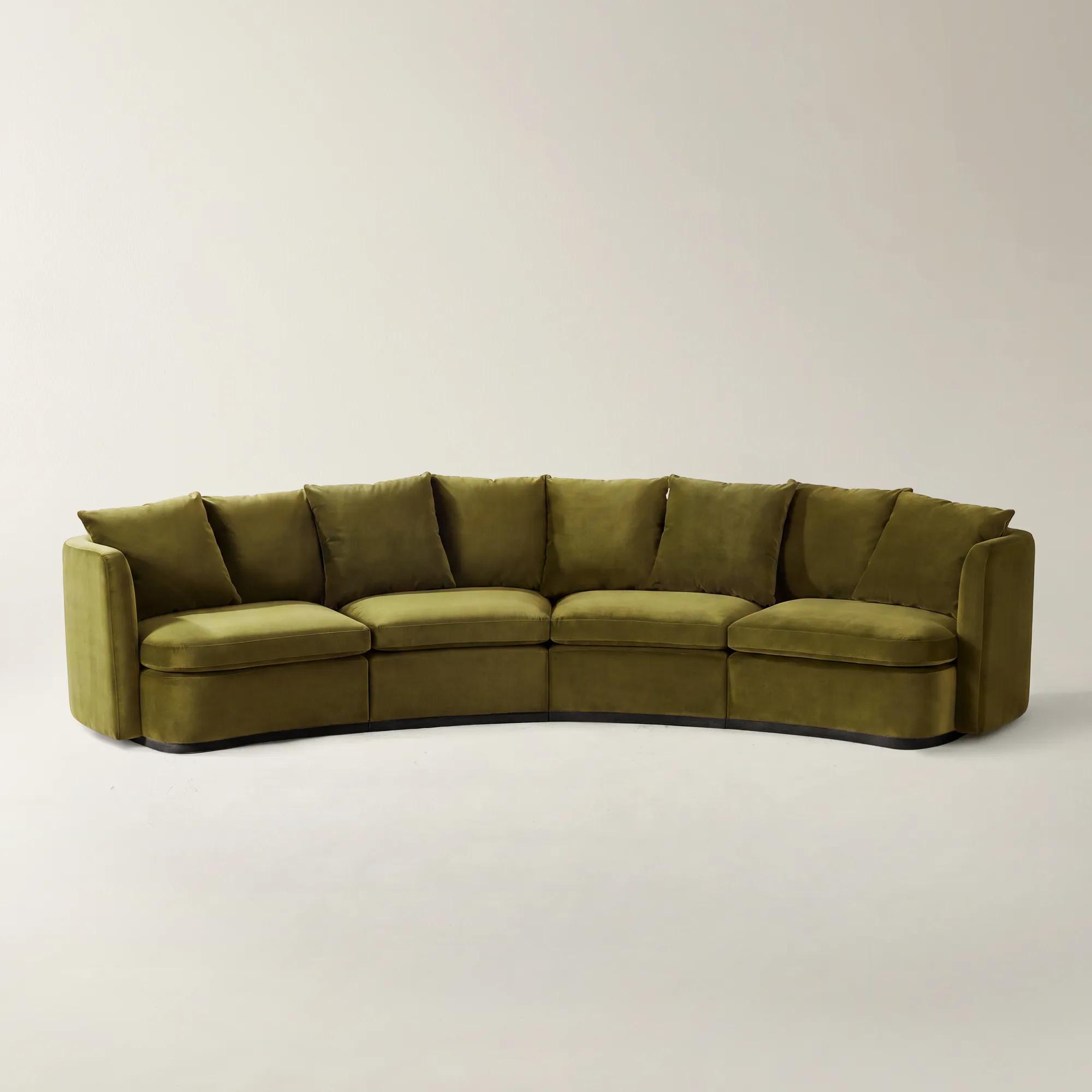 Stria 4-Piece Deep Olive Velvet Sectional Sofa$4099
A sculptural deep olive velvet sectional with modular connectors, kiln-dried wood construction, and layered foam-down cushioning.
Add To Cart

Sofas For Creative Workspaces
Sofas for creative workspaces are more than just a place to sit—they’re an invitation to dream, collaborate, and spark inspiration. Imagine plush silhouettes that beckon you to linger, sculptural lines that energize your surroundings, and sumptuous fabrics that transform every brainstorming session into an artful escape. Each piece is thoughtfully designed to elevate your workspace from functional to phenomenal, turning every corner into a stage for imagination and innovation. Embrace a world where comfort meets creativity, and let your office become a masterpiece in motion.
Sofas for creative workspaces bring comfortable seating, flexible gathering space, and a distinctive visual identity to rooms built around ideas. In a design studio, home office, photography workspace, or shared creative suite, a sofa creates a place for conversations that feel different from those held across a desk. A client can settle in to review material samples, collaborators can spread sketches across a nearby table, and an independent designer can step away from a monitor without leaving the rhythm of a project. The right silhouette gives these moments a setting with presence: a curved back softens a room of angular worktables, a tailored profile complements architectural shelving, and a generous sectional establishes a lounge within an open floor plan. Modular sofas can accommodate evolving layouts when their individual components are designed to separate and reconnect, while compact sofas preserve breathing room in smaller studios. A chaise invites a more relaxed posture, although its extended footprint deserves particular attention near circulation paths. Beyond configuration, upholstery and proportion shape the atmosphere. Jewel-toned velvet introduces depth and a subtle play of light; a pale textured weave creates contrast against dark cabinetry or graphic artwork. Rich leather brings another expression, with a surface that can feel refined beside sculptural lighting and oversized photography. These choices do more than decorate a background. They establish whether a workspace feels intimate, expressive, formal, or conversational, especially when the sofa appears in video calls or client presentations. A bold sofa can anchor a restrained room, while a quieter silhouette allows large-scale art and material displays to command attention. For creative professionals who regularly welcome visitors, seating that feels intentional helps the lounge belong to the working environment rather than resemble furniture borrowed from another room. The most compelling balance is comfort with composure: an inviting seat, a clear sense of scale, and enough character to reflect the work taking shape around it.
Upholstery, cushioning, and construction determine how gracefully that visual statement handles everyday use. Velvet offers a sumptuous surface and dimensional color, but its pile may show pressure marks or changes in shading, making fabric characteristics and care instructions important considerations. Tightly woven upholstery can suit frequently used gathering areas, although durability depends on the fiber, weave, backing, and construction rather than appearance alone. Fabrics labeled for performance may offer stain resistance or easier maintenance; the specific treatment and cleaning requirements matter more than the label by itself. Leather can develop character with use, while different finishes vary in their resistance to scratches, spills, and fading. Neither leather nor synthetic upholstery should be assumed to tolerate every cleaner or disinfectant. In a studio where coffee, markers, makeup, or art materials are part of the day, keeping active work on an adjacent table helps protect the seating without diminishing its role in the room. Removable cushion covers are useful only when their care instructions permit removal and cleaning; a zipper does not necessarily mean a cover is machine washable. Routine maintenance generally begins with gentle vacuuming using an appropriate attachment, prompt attention to spills according to the upholstery instructions, and protection from prolonged direct sunlight. Cushion rotation, where the design allows it, can help distribute wear across favored seats. Beneath the upholstery, frame construction, joinery, suspension, and cushion composition all contribute to support and longevity. A seat that holds its shape can make repeated conversations more comfortable, but foam density alone does not establish firmness or overall quality. Material samples, published specifications, and an opportunity to assess the seating feel can clarify those distinctions. For shared offices or client-facing studios, residential suitability should not be mistaken for commercial suitability. Intended-use guidance, warranty terms, and any applicable workplace or building requirements deserve attention before a sofa becomes part of a high-traffic professional setting. Thoughtful material choices preserve both the tactile pleasure and the polished impression that make lounge seating valuable in a creative space.
Fit is equally important, particularly when a single room must support focused work, conversation, and presentation. Overall width tells only part of the story: seat depth, back height, arm thickness, and the distance a chaise projects into the room affect how a sofa functions. Deep seating creates a luxurious lounge experience, while a more upright profile with supportive back cushions may better suit short meetings and visitors who prefer an easier transition from sitting to standing. A sofa can accommodate a brief laptop session or a portfolio review, but it is not a substitute for a properly arranged desk and task chair during sustained computer work. In a narrow studio, a compact silhouette with slimmer arms can devote more of its footprint to usable seating. In a larger workspace, a sectional can define a collaboration zone without adding a wall, provided its orientation preserves access to desks, storage, and exits. Mapping the full footprint on the floor makes the relationship between seating and circulation easier to judge, and checking doorways, hallways, stairs, elevators, and delivery clearances helps prevent an elegant proportion from becoming an impractical fit. Tables should be positioned within comfortable reach without crowding knees, and access to power should not require cords stretched across walking routes. Movable ottomans can supplement a flexible arrangement when their intended use and stability suit the setting. For a workspace within a residence, Sofas For Stylish Home Offices can bring that same balance of professional polish and personal expression to a more intimate footprint. Styling completes the composition without overwhelming its purpose: a restrained grouping of tactile pillows, a striking artwork, and lighting that illuminates faces as well as surfaces can give the seating area depth. Leave room for portfolios, conversation, and the everyday gestures of work. A creative workspace feels most resolved when its sofa supports those activities naturally, delivering a confident visual statement without asking the room to sacrifice function for drama.
FAQs
A sofa designed for a creative workspace should offer both comfort and versatility, with features like modular sections for flexible arrangement, built-in storage to keep essentials organized, and distinctive shapes or textures that inspire artistic thinking. Materials such as velvet or leather add a tactile, luxurious dimension, while ergonomic support ensures comfort during long brainstorming sessions.
Sofas with open, inviting silhouettes and adaptable configurations encourage spontaneous conversations, group meetings, and relaxed collaboration. Placing a modular sectional in the center of a workspace creates a communal hub where ideas flow freely and teams feel inspired to connect and create together.
Curved sofas, mid-century modern designs, and unique sculptural forms all reflect a bold, expressive aesthetic that resonates with creative personalities. These styles serve as functional art pieces, making a striking visual statement while supporting the dynamic energy of an imaginative workspace.
Yes, durable yet luxurious materials like high-performance velvet, top-grain leather, and tightly woven fabrics are well-suited for high-traffic creative studios. These materials withstand daily use while maintaining their visual allure, ensuring your workspace remains both practical and beautifully appointed.
Absolutely. A thoughtfully placed sofa—such as an L-shaped sectional or a chaise lounge—can visually delineate areas for focused work, casual meetings, or relaxation within an open-plan environment. This not only organizes the space but also enhances its functionality and flow, supporting a variety of creative activities.