Sofas For Creating Conversation Areas
Sofas For Creating Conversation Areas
-
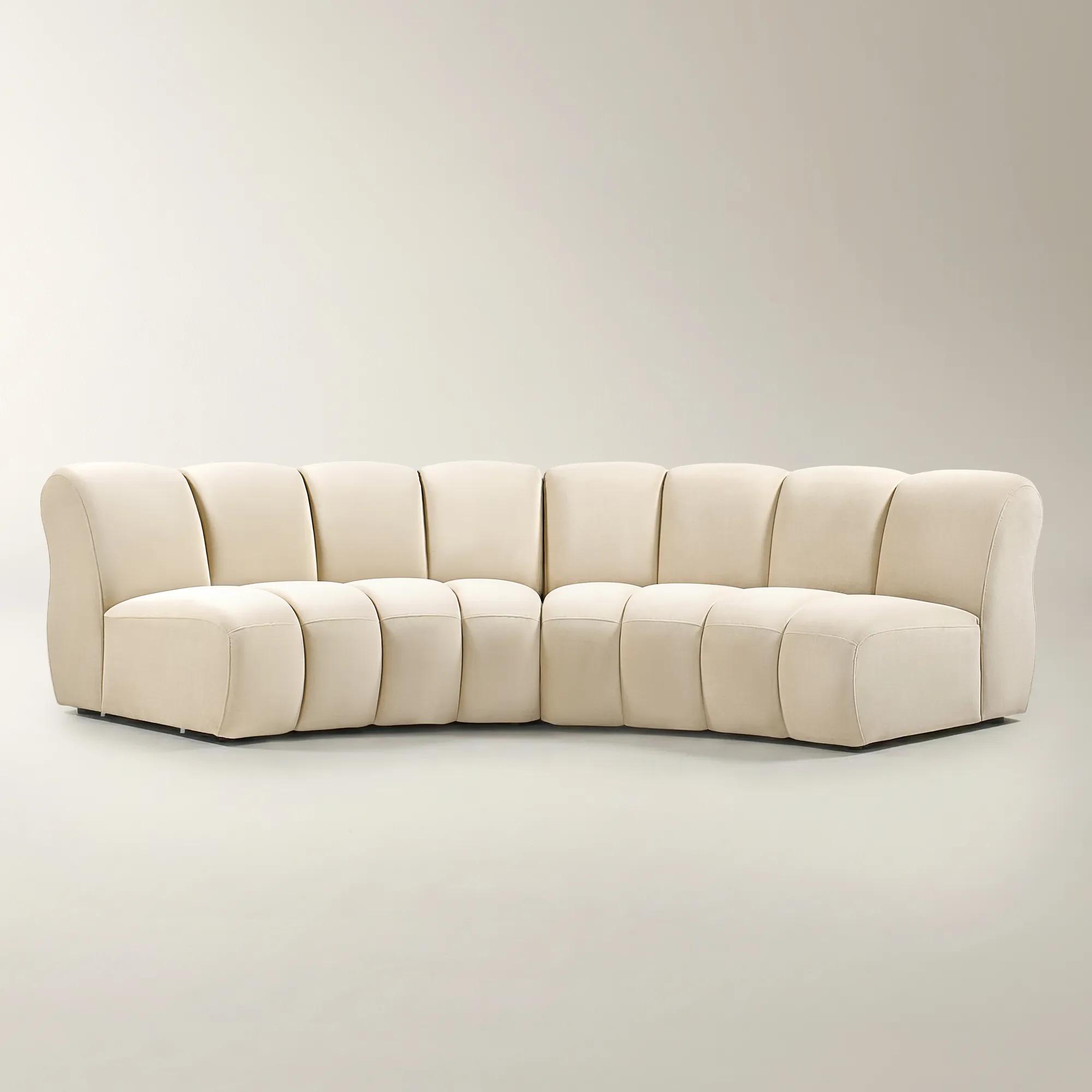
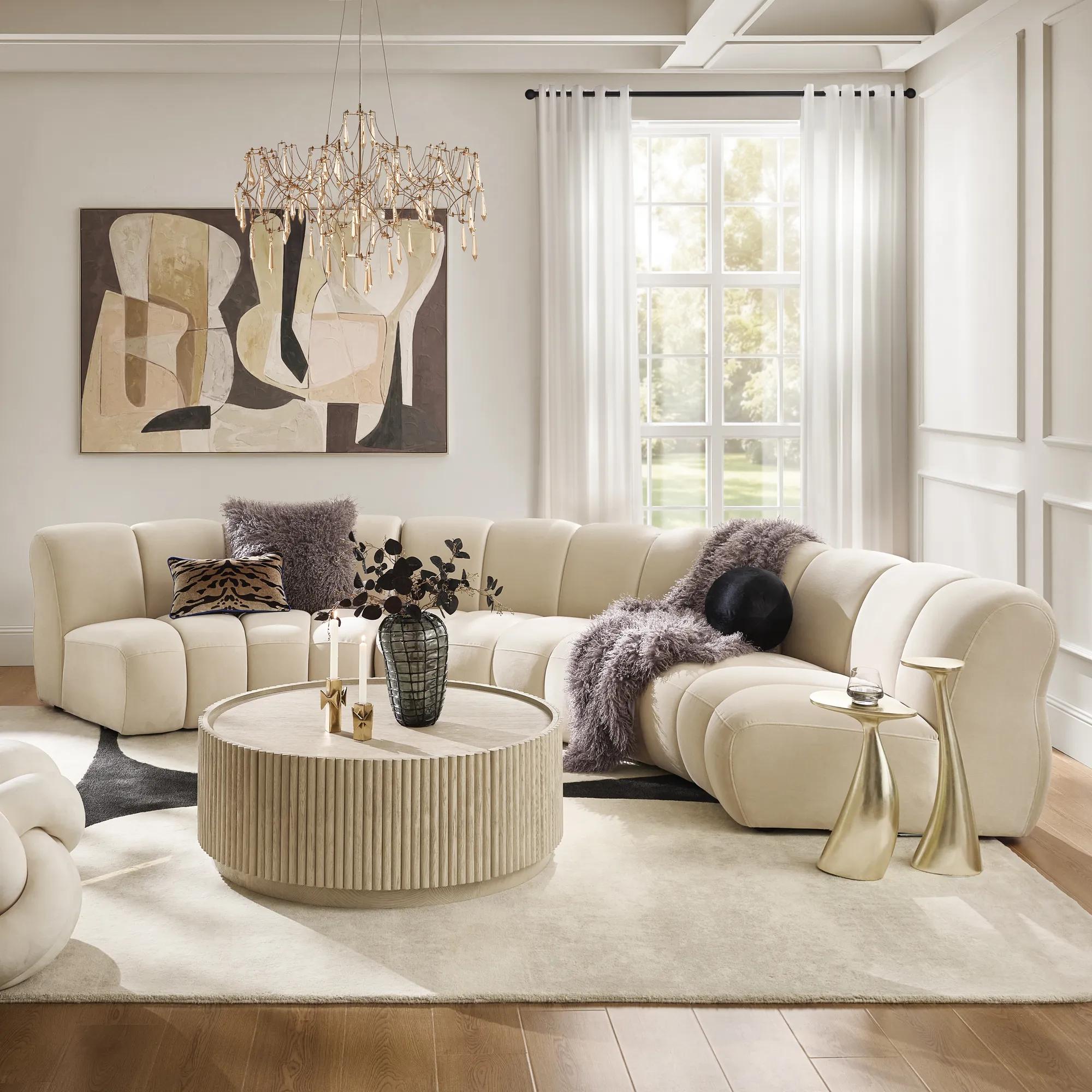 Jocelyn 2-Piece Channel-Tufted Oatmeal Velvet Sectional Sofa$2699
A sculptural oatmeal velvet sectional with deep channel tufting, curved silhouette, and modular, conversation-friendly design.
Add To Cart -
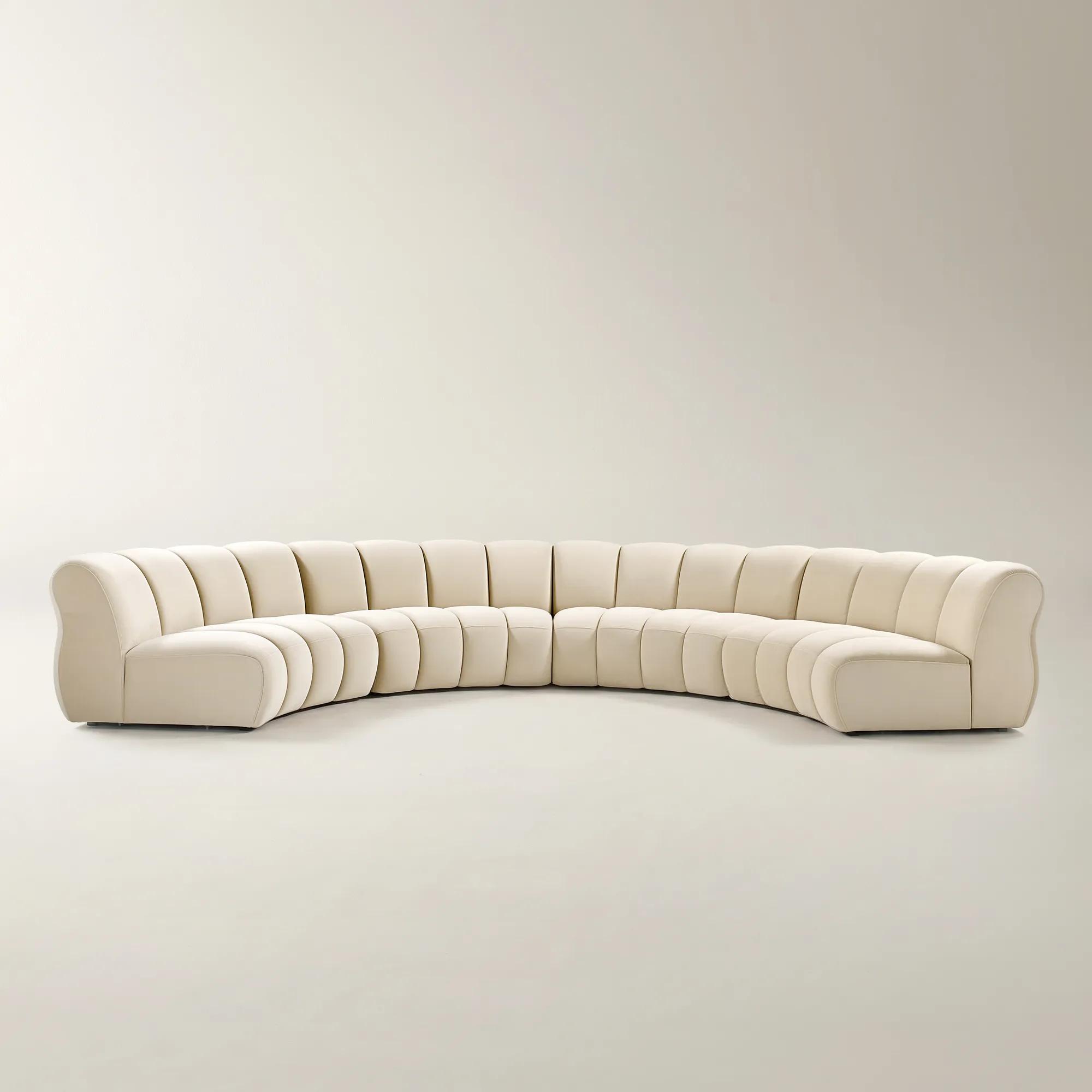
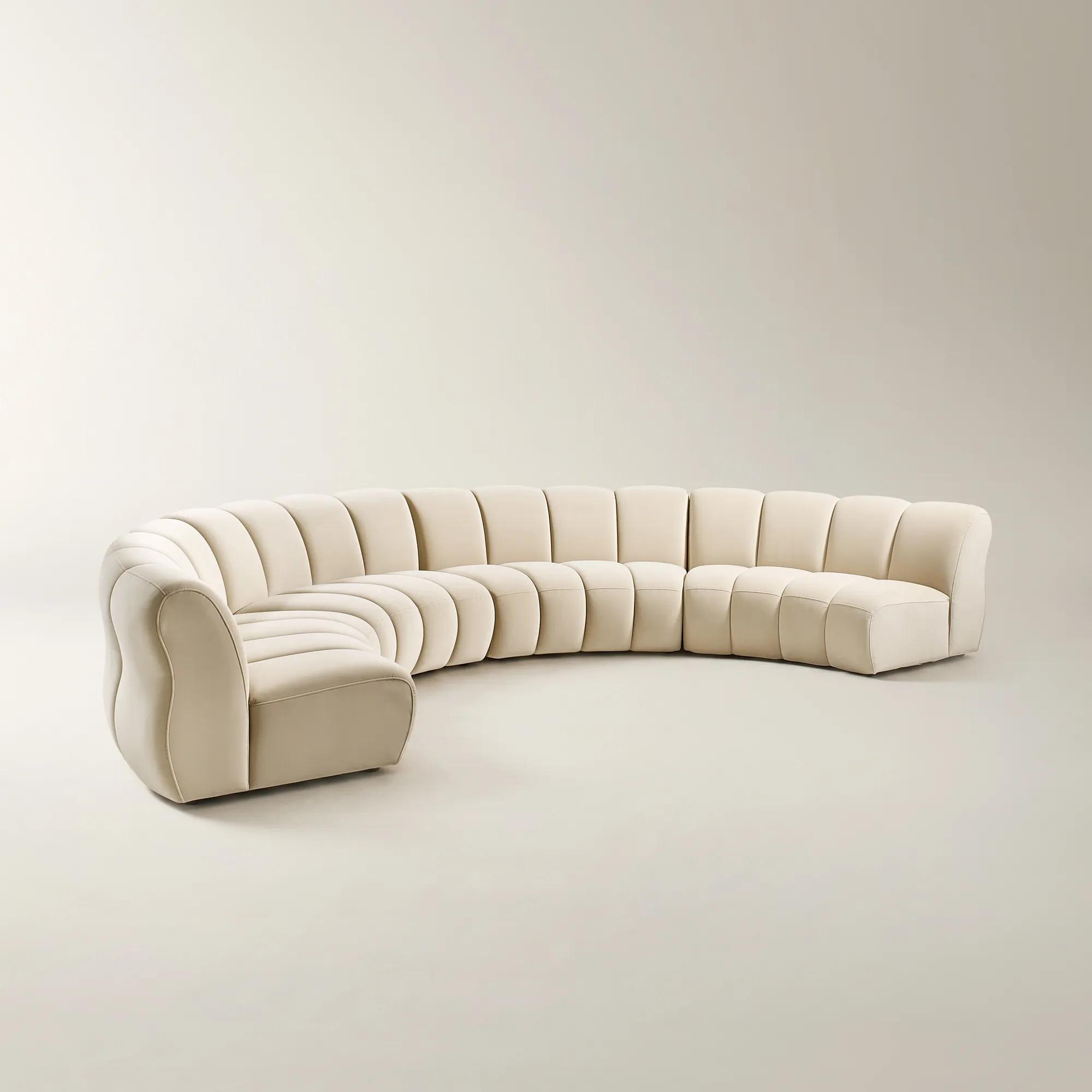 Jocelyn 4-Piece Channel-Tufted Oatmeal Velvet Sectional Sofa$4999
An oatmeal velvet sectional with deep channel tufting, curved silhouette, and modular design for versatile lounging.
Add To Cart -
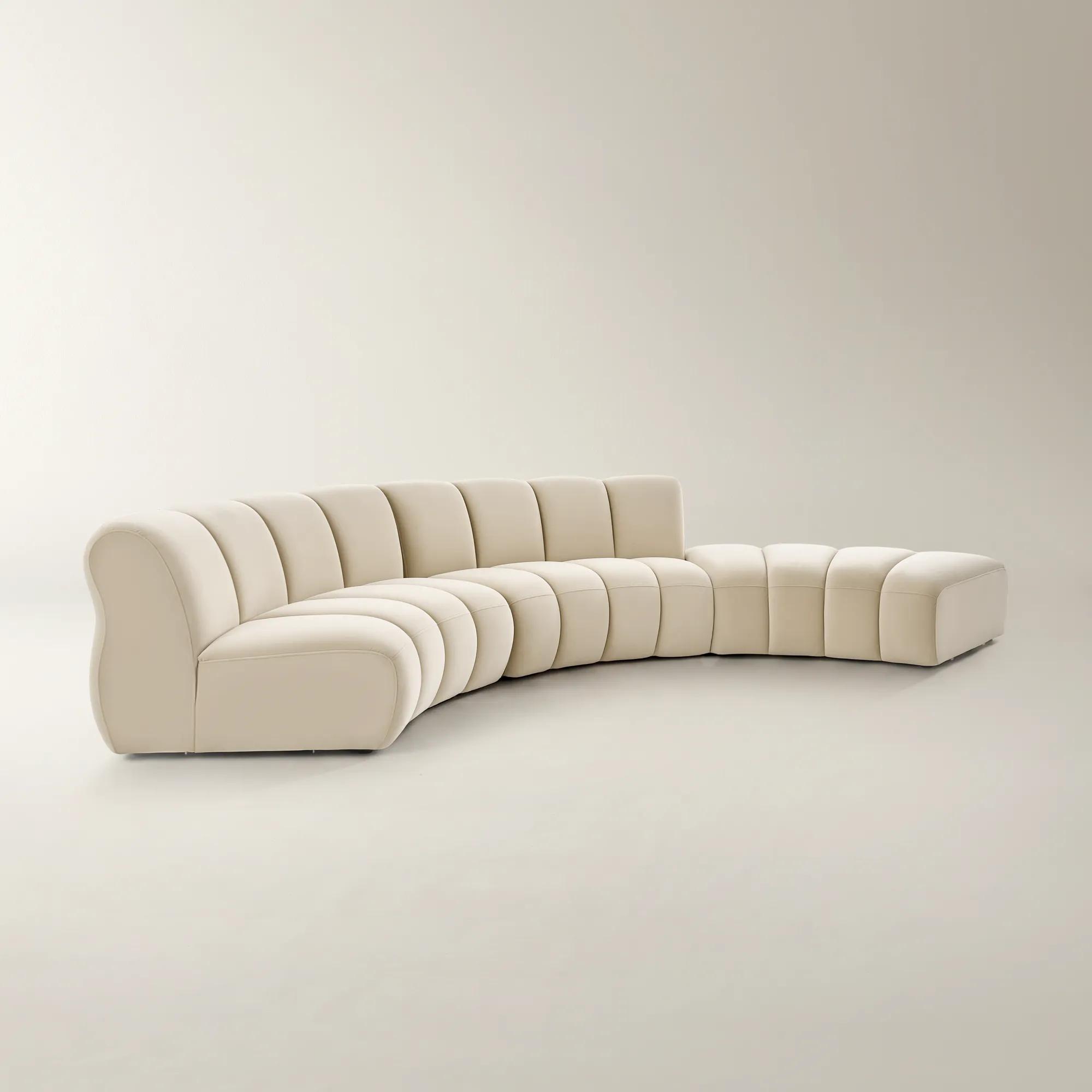 Jocelyn 3-Piece Channel-Tufted Oatmeal Velvet Sectional Sofa With Ottoman$3699
An oatmeal velvet sectional with deep channel tufting, curved silhouette, and modular design for versatile lounging.
Add To Cart -
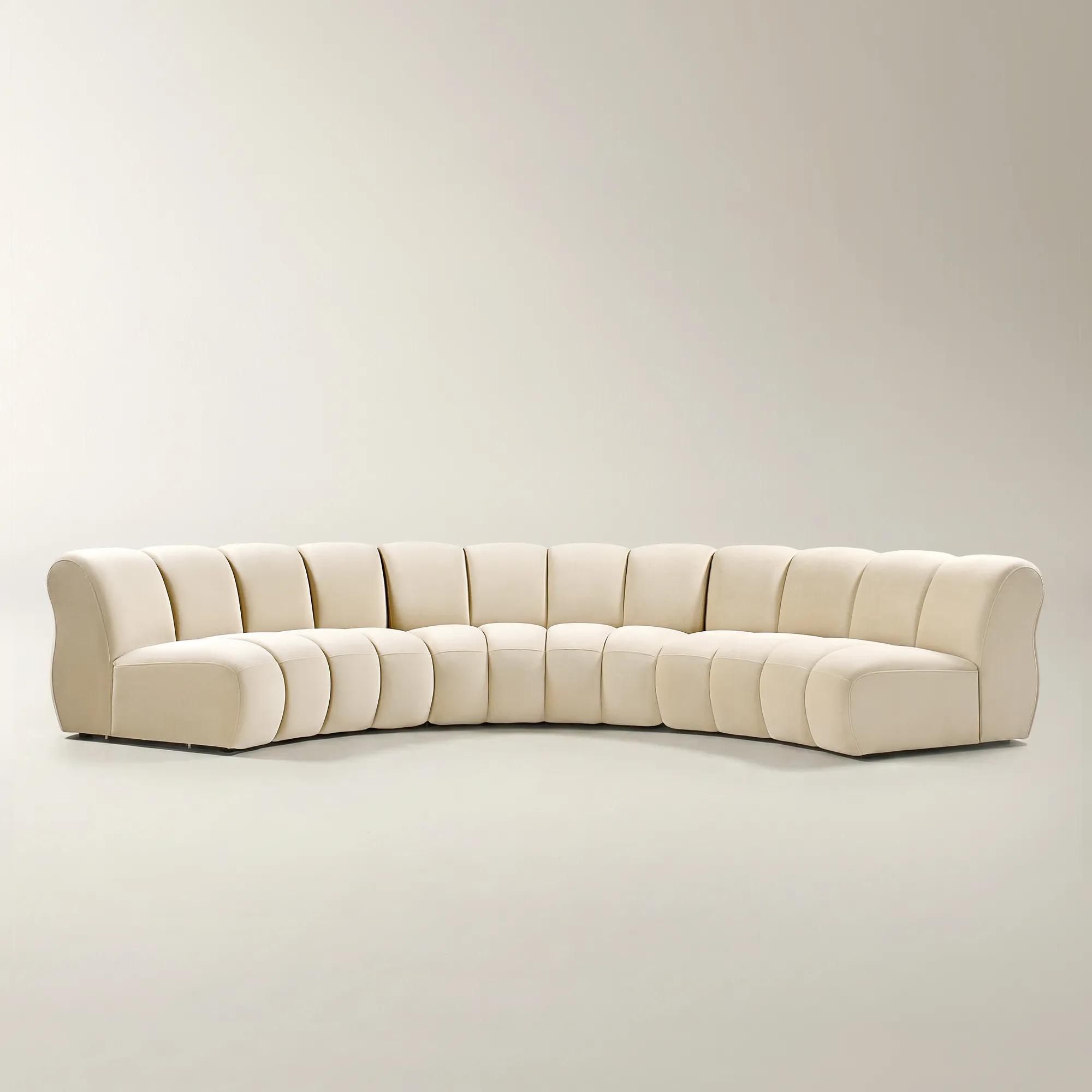
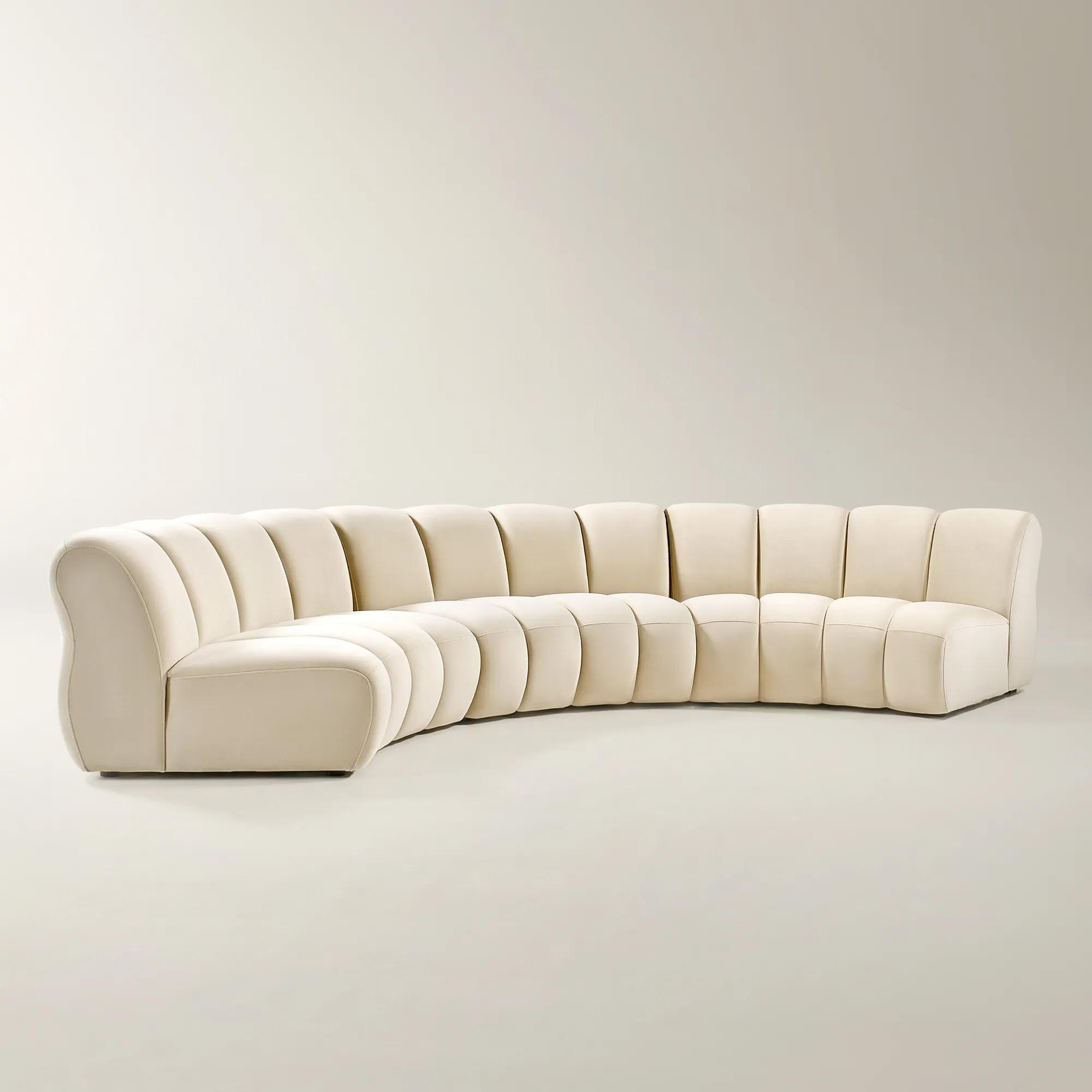 Jocelyn 3-Piece Channel-Tufted Oatmeal Velvet Sectional Sofa$4099
An oatmeal velvet sectional featuring deep channel tufting, sculptural curves, and modular, kiln-dried wood construction.
Add To Cart -
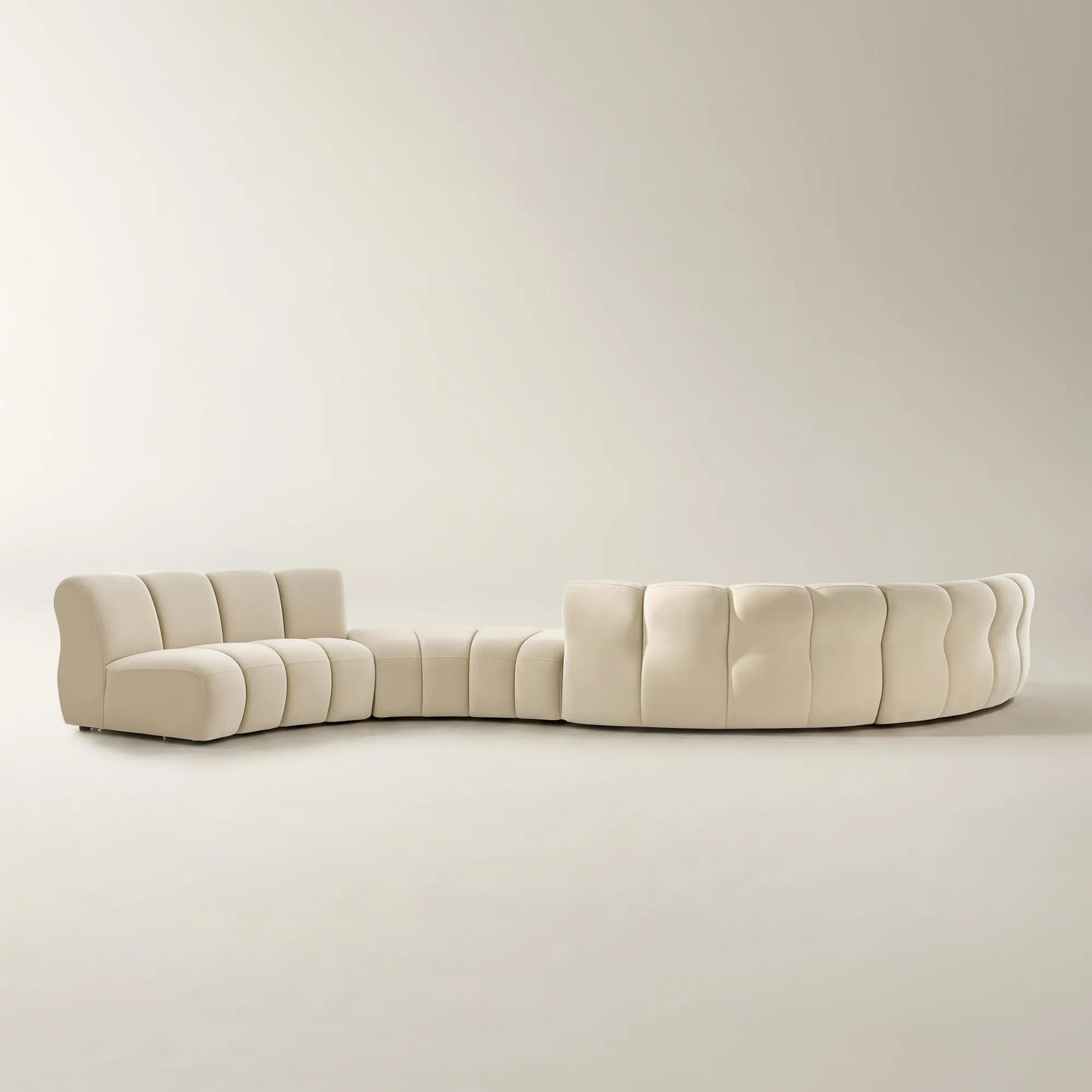 Jocelyn 4-Piece Channel-Tufted Oatmeal Velvet Sectional Sofa With Ottoman$4999
An oatmeal velvet sectional with deep channel tufting, curved silhouette, and modular design for flexible arrangements.
Add To Cart -
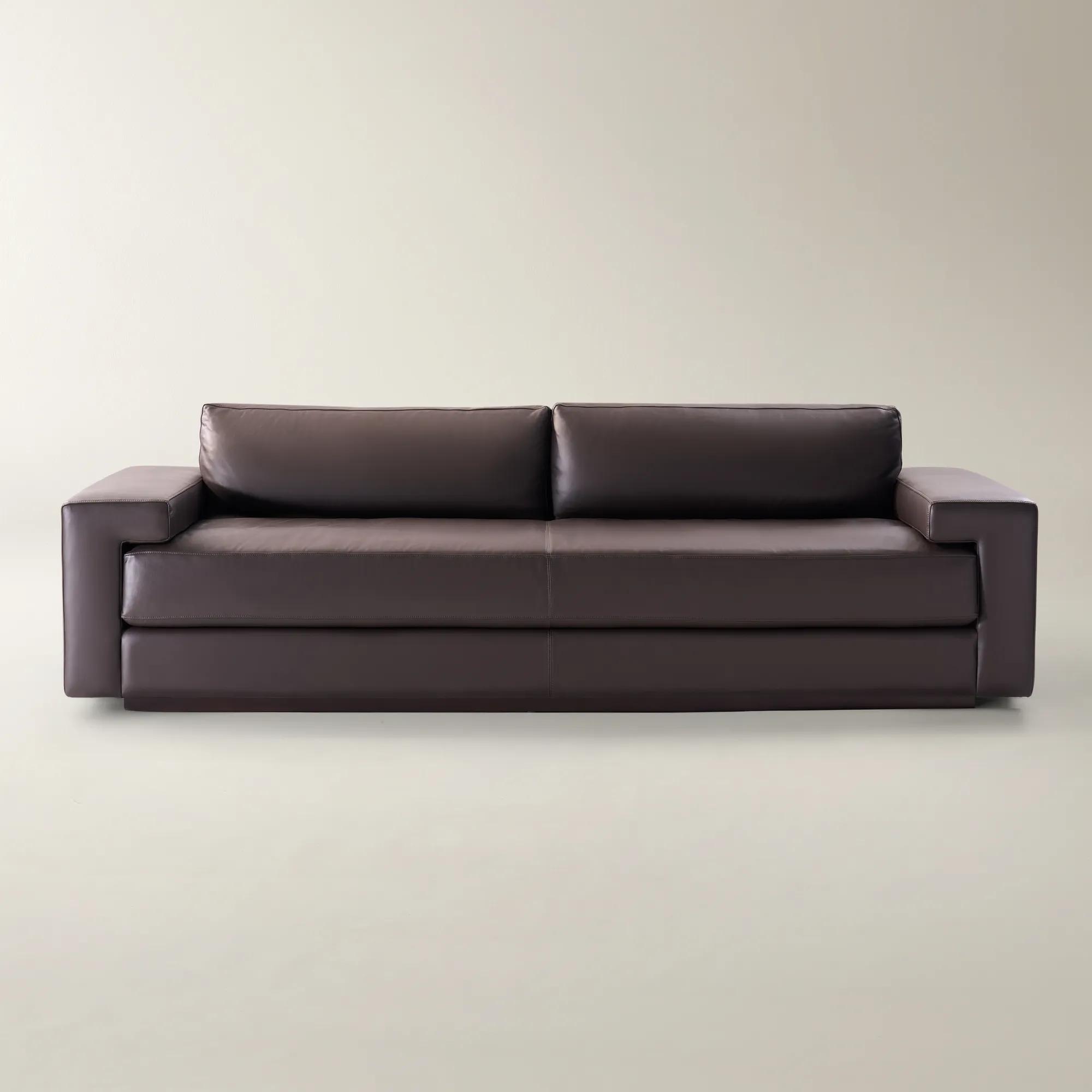
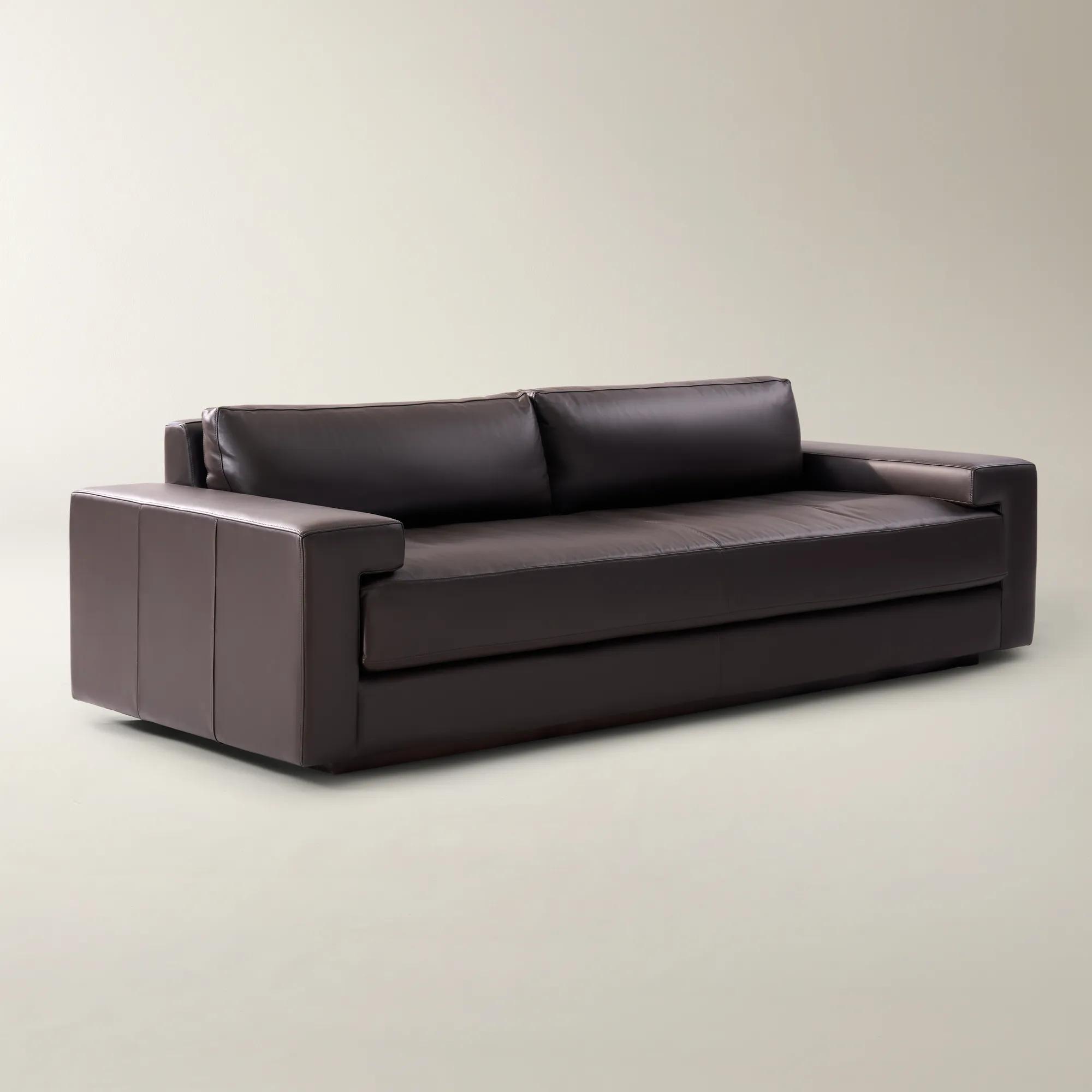 Ariel Brown Leather Sofa$4599
A sleek, hand-upholstered sofa in top-grain leather with plush feather and foam cushions for comfort.
Add To Cart -
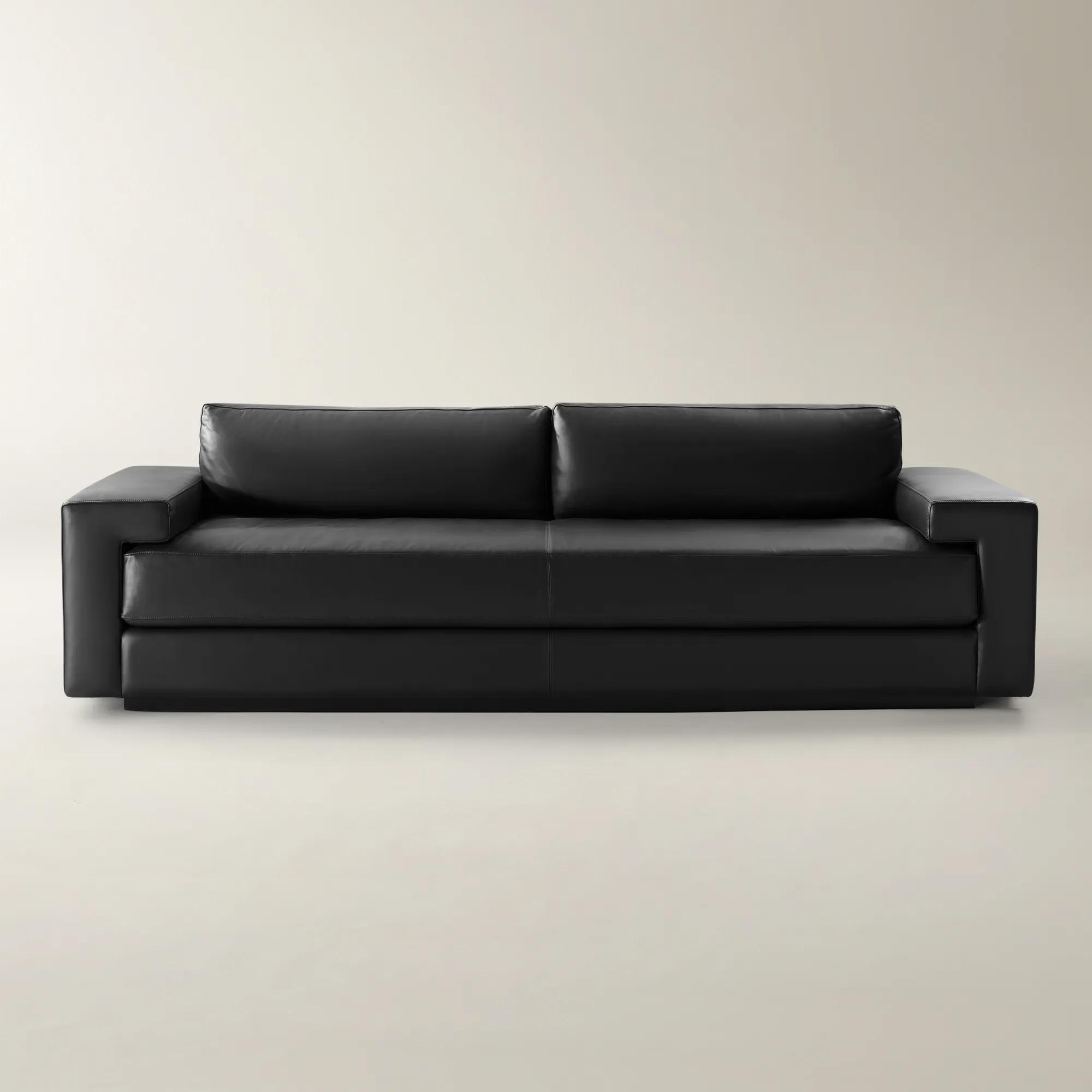 Ariel Black Leather Sofa$4599
A sleek, top-grain leather sofa with plush feather and foam cushions on a kiln-dried rubberwood frame.
Add To Cart -
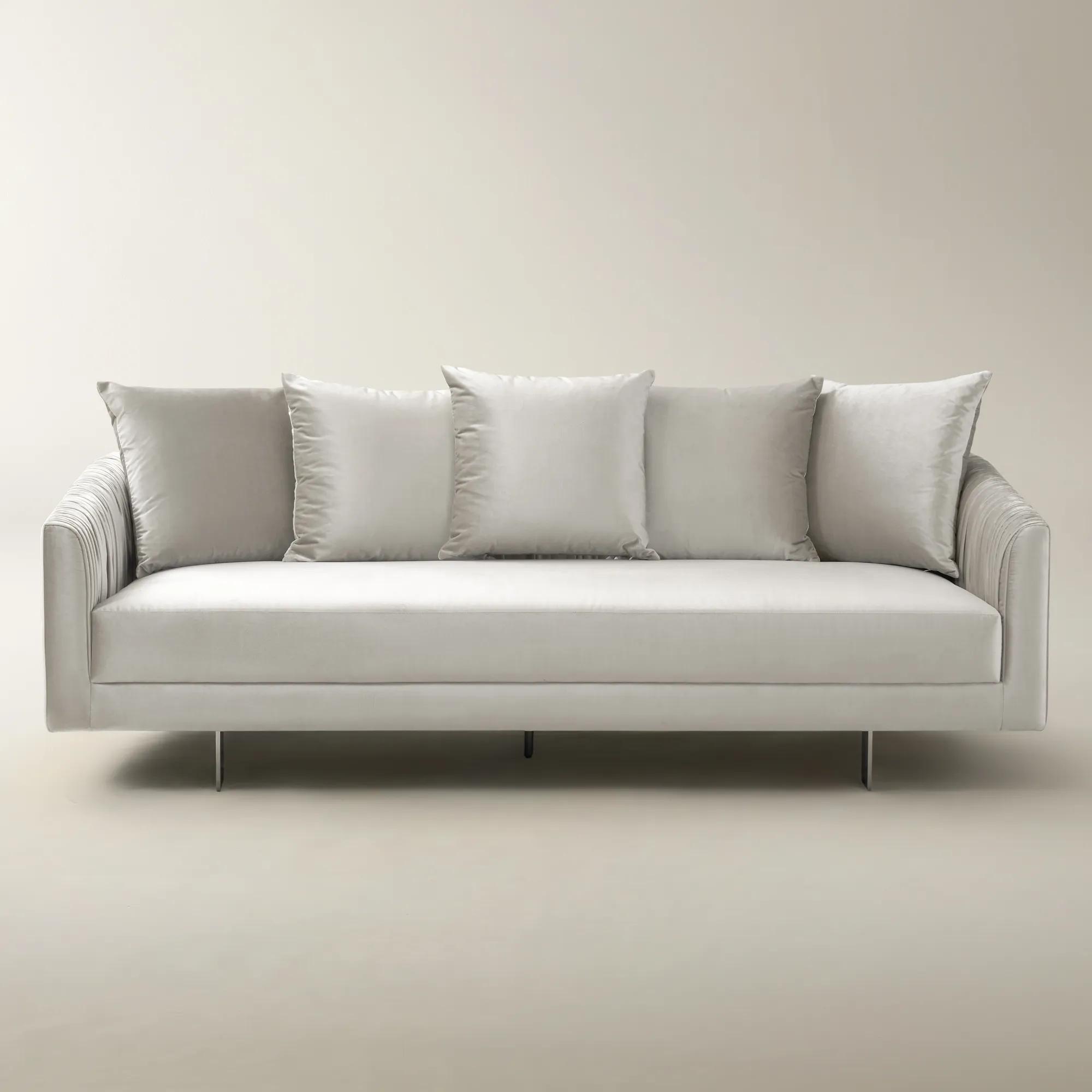
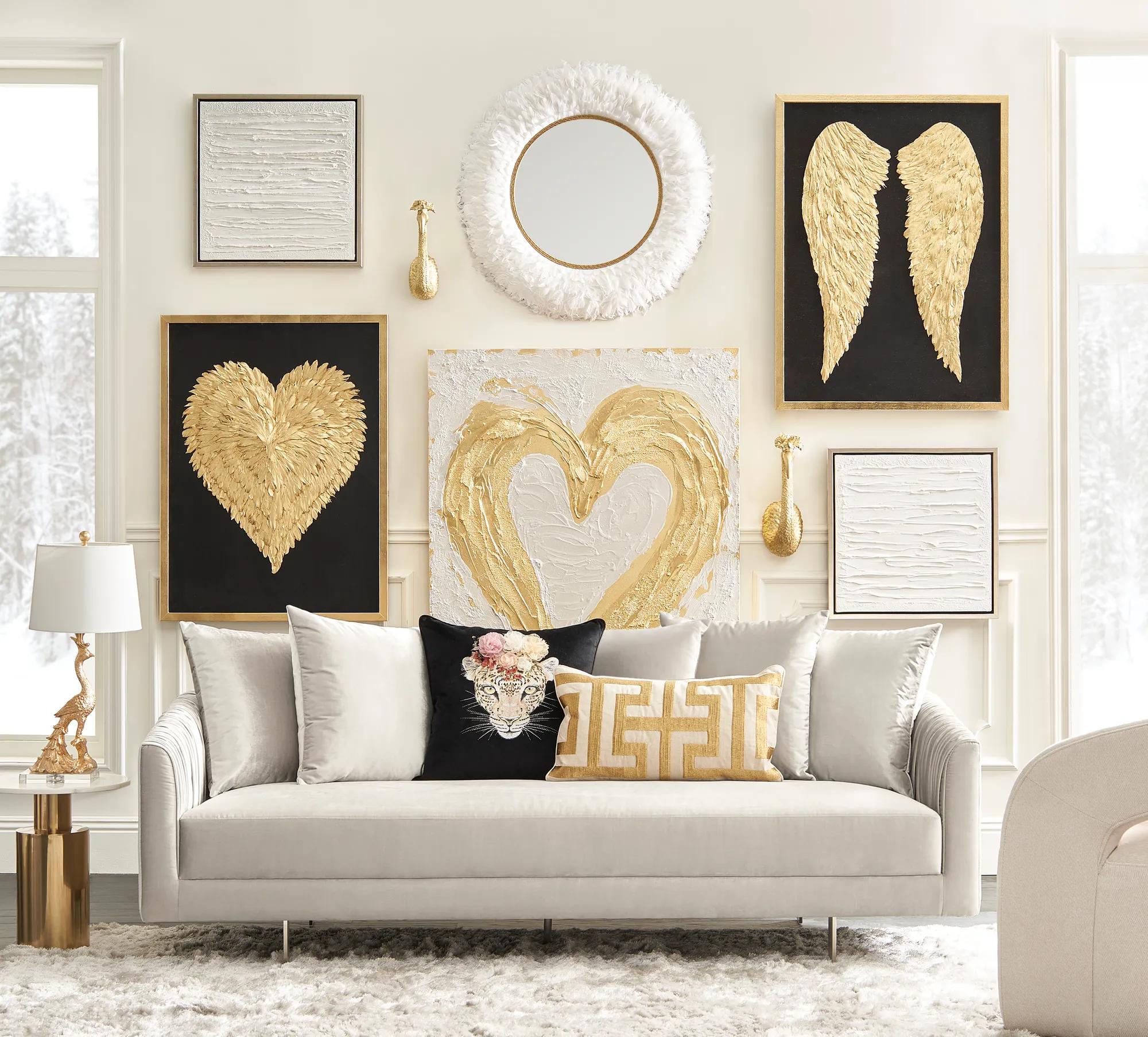 Isabel Softgrey Velvet Sofa$2599
A luxurious hand-tufted sofa with plush feather and foam cushions, nickel-brushed legs, and five pillows.
Add To Cart -
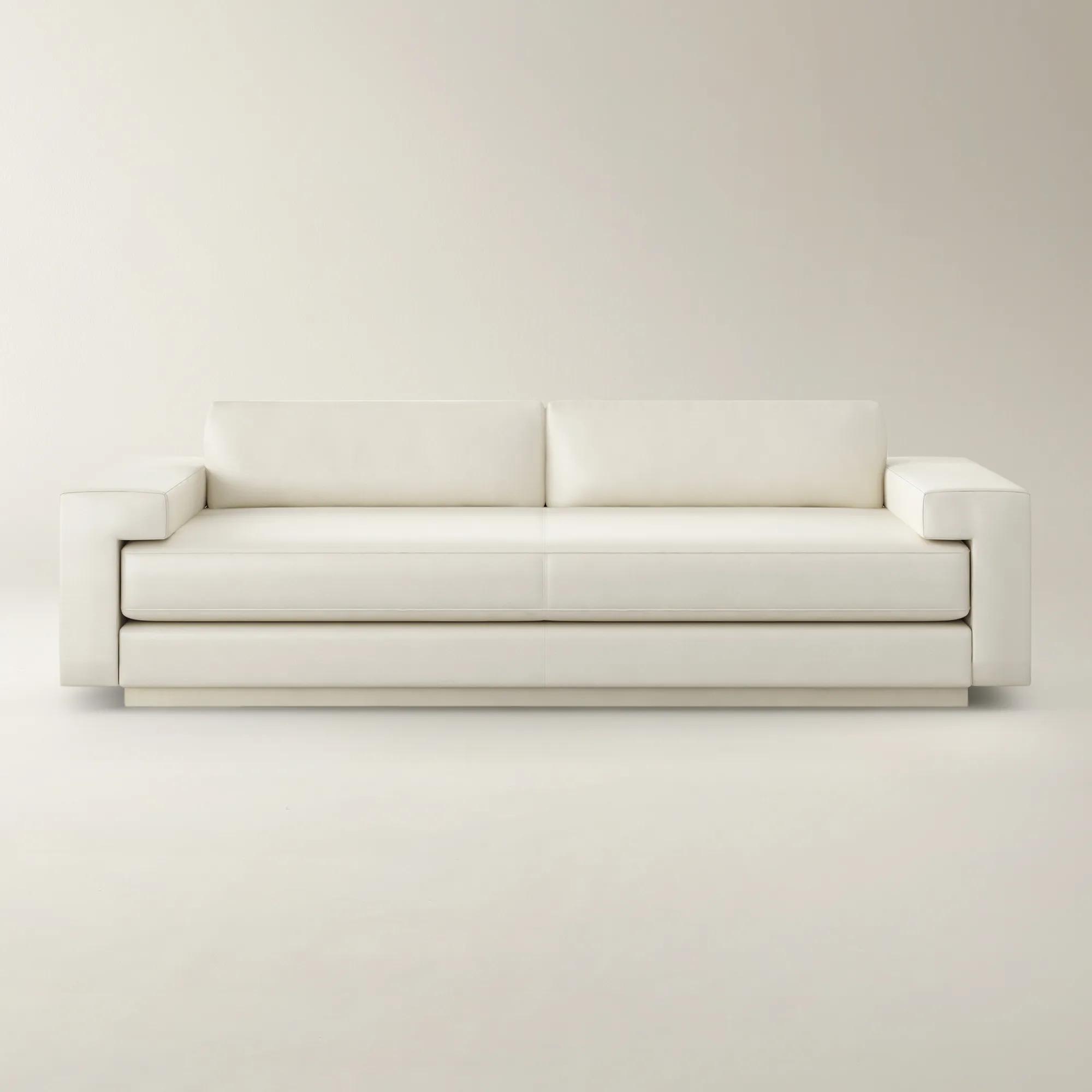 Ariel White Leather Sofa$4599
A sleek, hand-upholstered sofa in top-grain leather with plush feather and foam cushions for comfort.
Add To Cart -
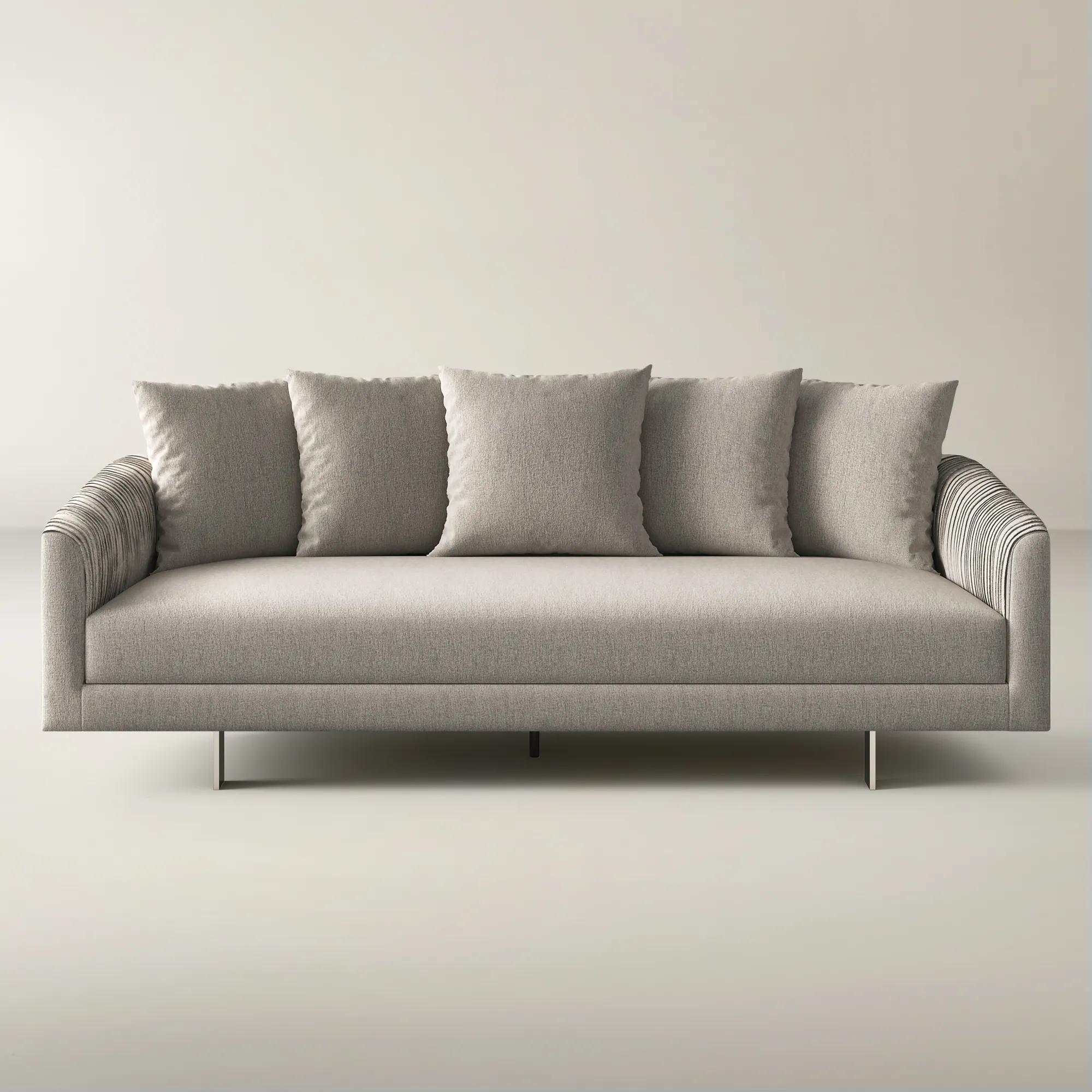 Isabel Moondust Chenille Sofa$2299
A luxurious hand-tufted sofa with plush feather and foam cushions, nickel-brushed legs, and five pillows.
Add To Cart -
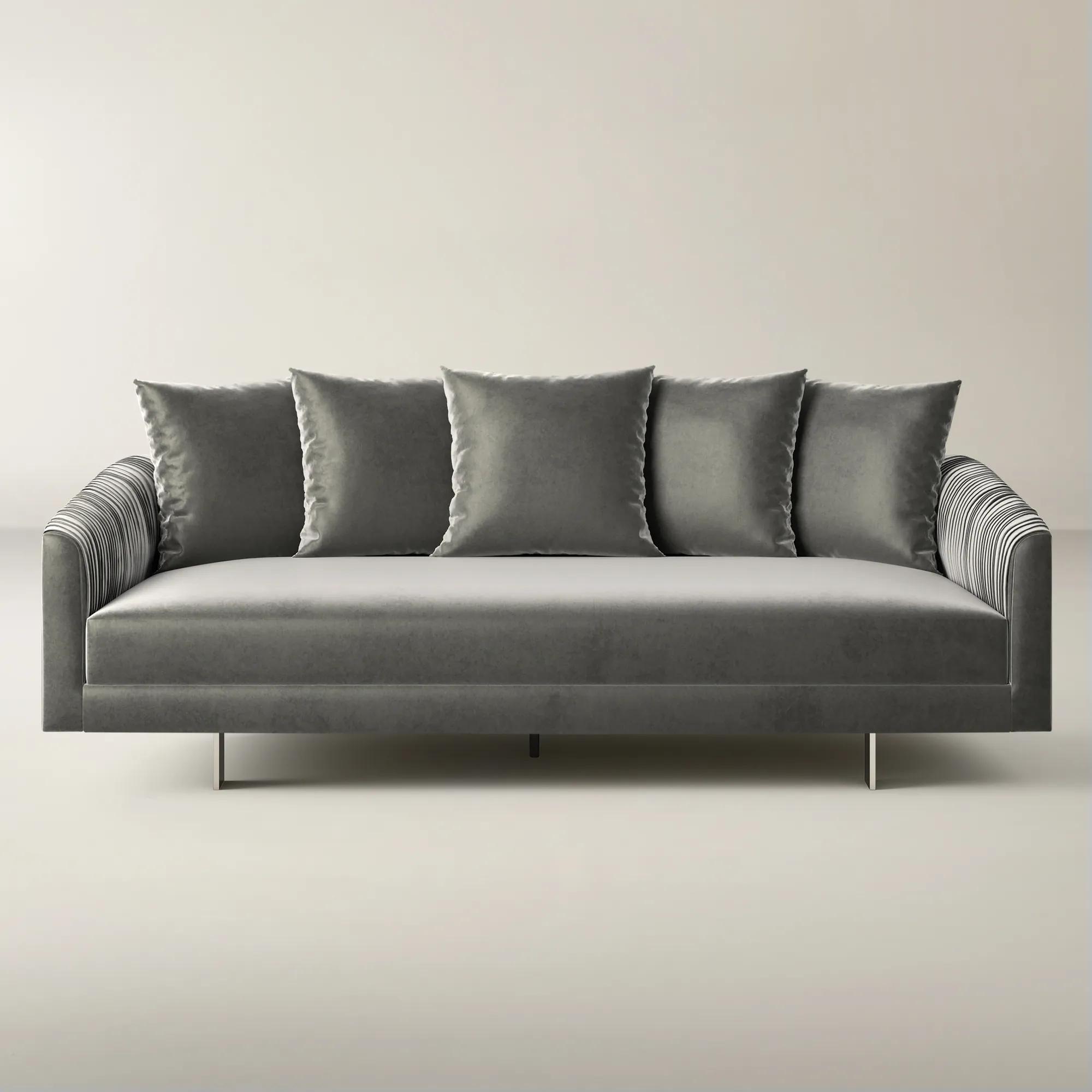 Isabel Ottergrey Velvet Sofa$2599
A luxurious hand-tufted sofa with plush feather-filled cushions, nickel-brushed stainless steel legs, and five decorative pillows.
Add To Cart -
 Asheville Beige Boucle Sofa$2399
A light grey boucle sofa with feather-filled cushions, removable slipcover, and kiln-dried solid oak feet.
Add To Cart -
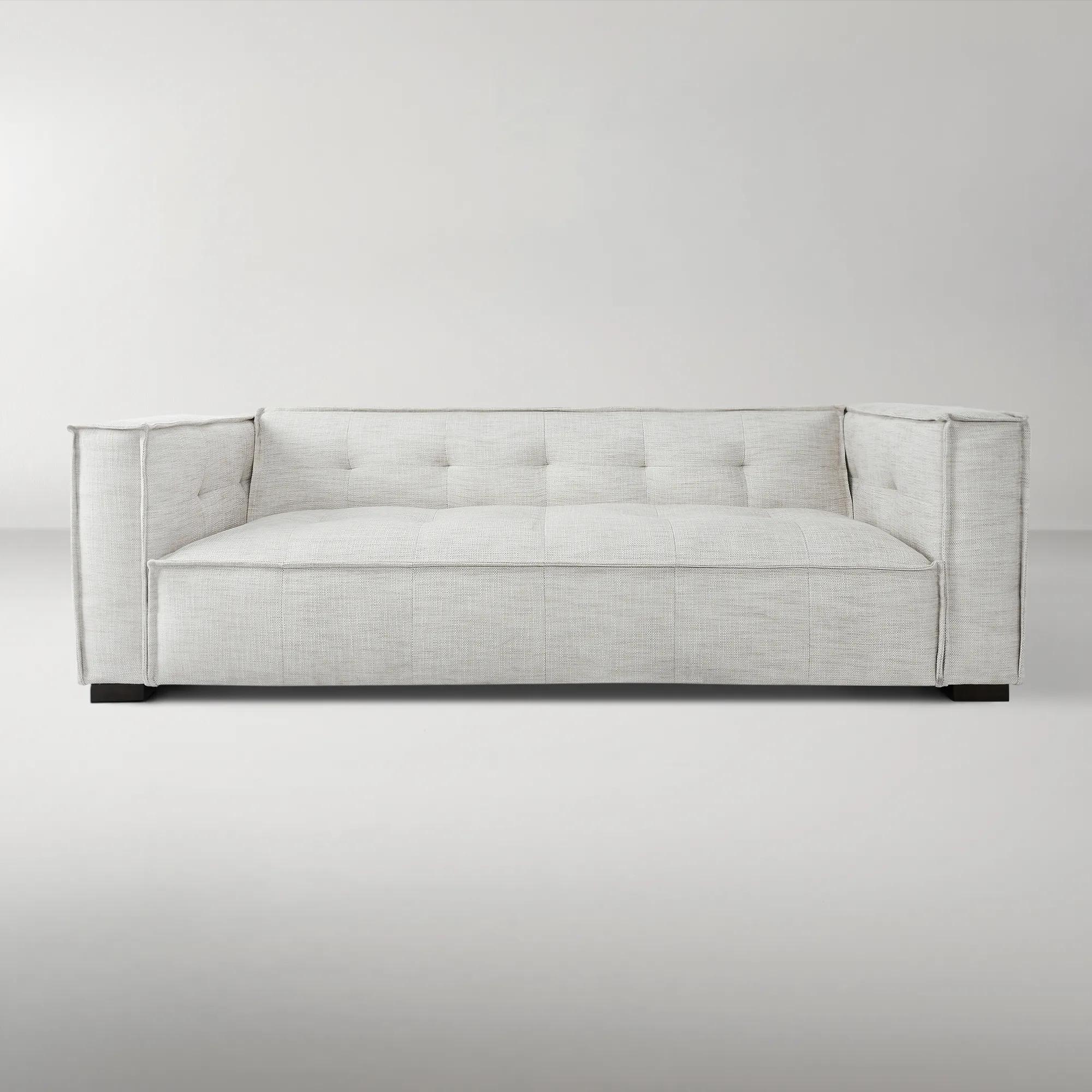
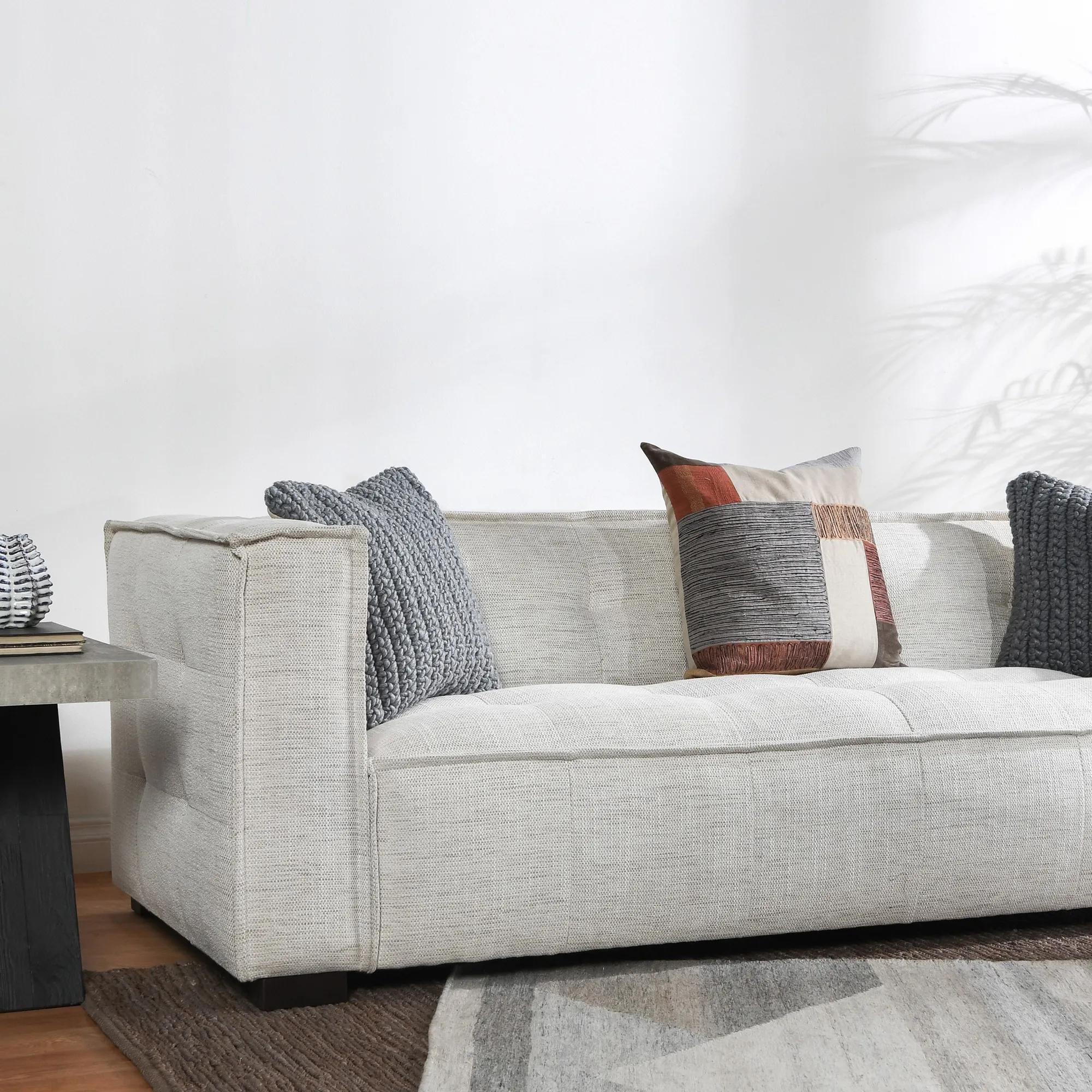 Element Box-Tufted Beige Sofa$2599
A transitional beige sofa handcrafted with a polyester blend and pine wood legs, seating up to four.
Add To Cart -
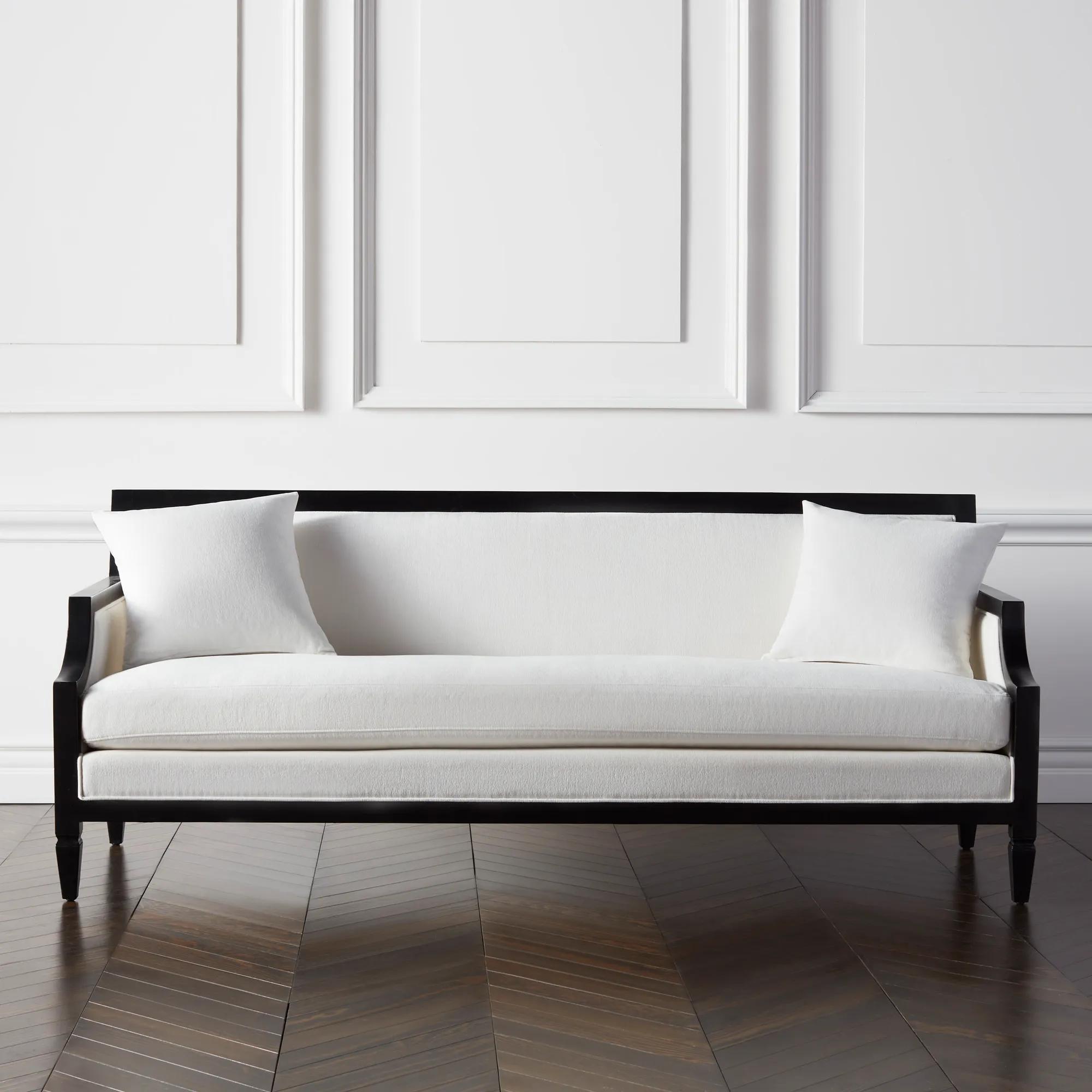
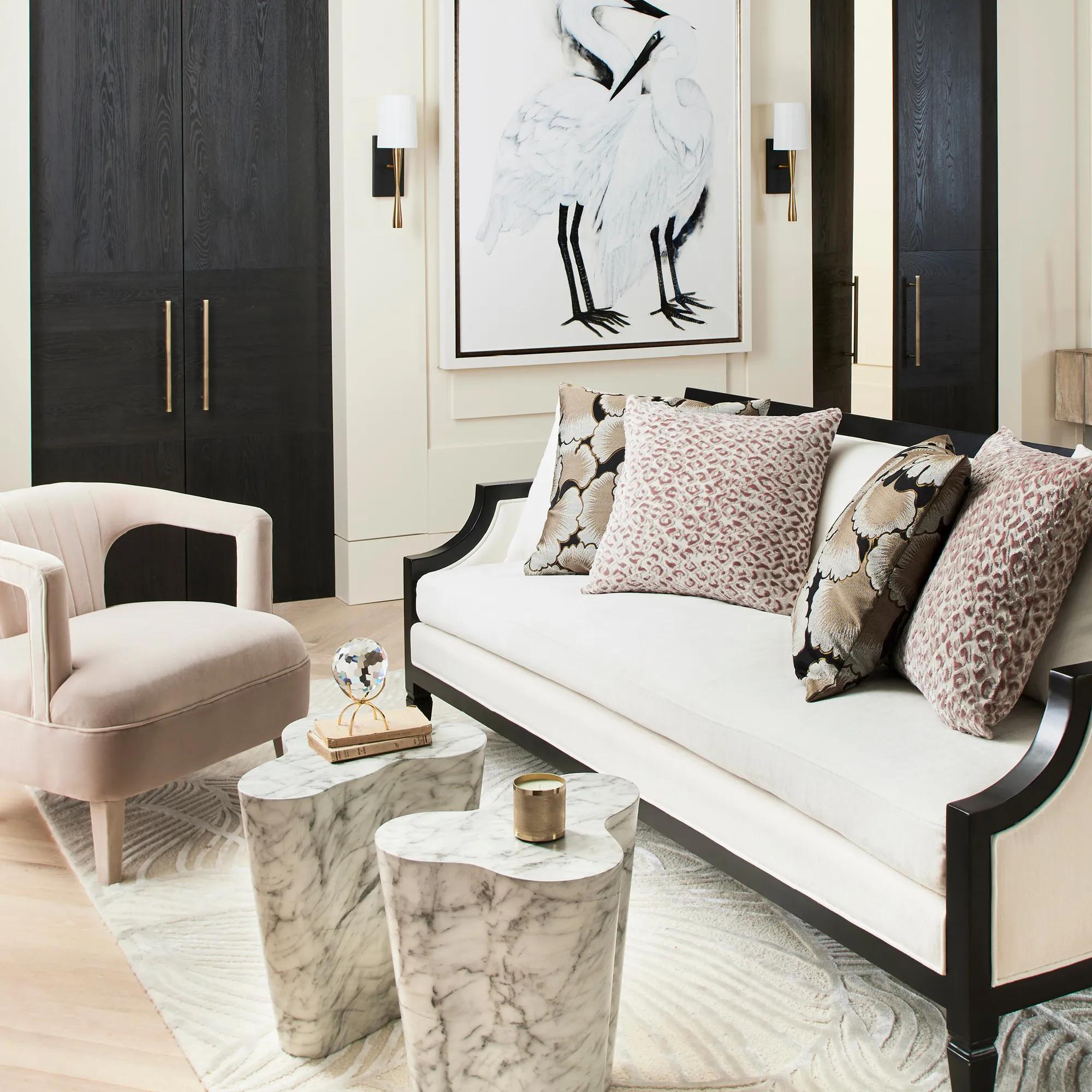 Kayla Sofa$3149
A plush, modern sofa featuring notched arms, matte black wood frame, and Kenley Chenille Snow upholstery.
Add To Cart -

 Curvia 2-Piece Dark Chocolate Velvet Grand Sectional Sofa$2899
A modular sectional wrapped in dark chocolate velvet, featuring sculptural curves and deep, plush lounge seating.
Add To Cart -

 Curvia 2-Piece Dark Chocolate Velvet Sectional Sofa$2699
A sculptural sectional wrapped in dark chocolate velvet with plush cushioning and modular, lounge-ready design.
Add To Cart -
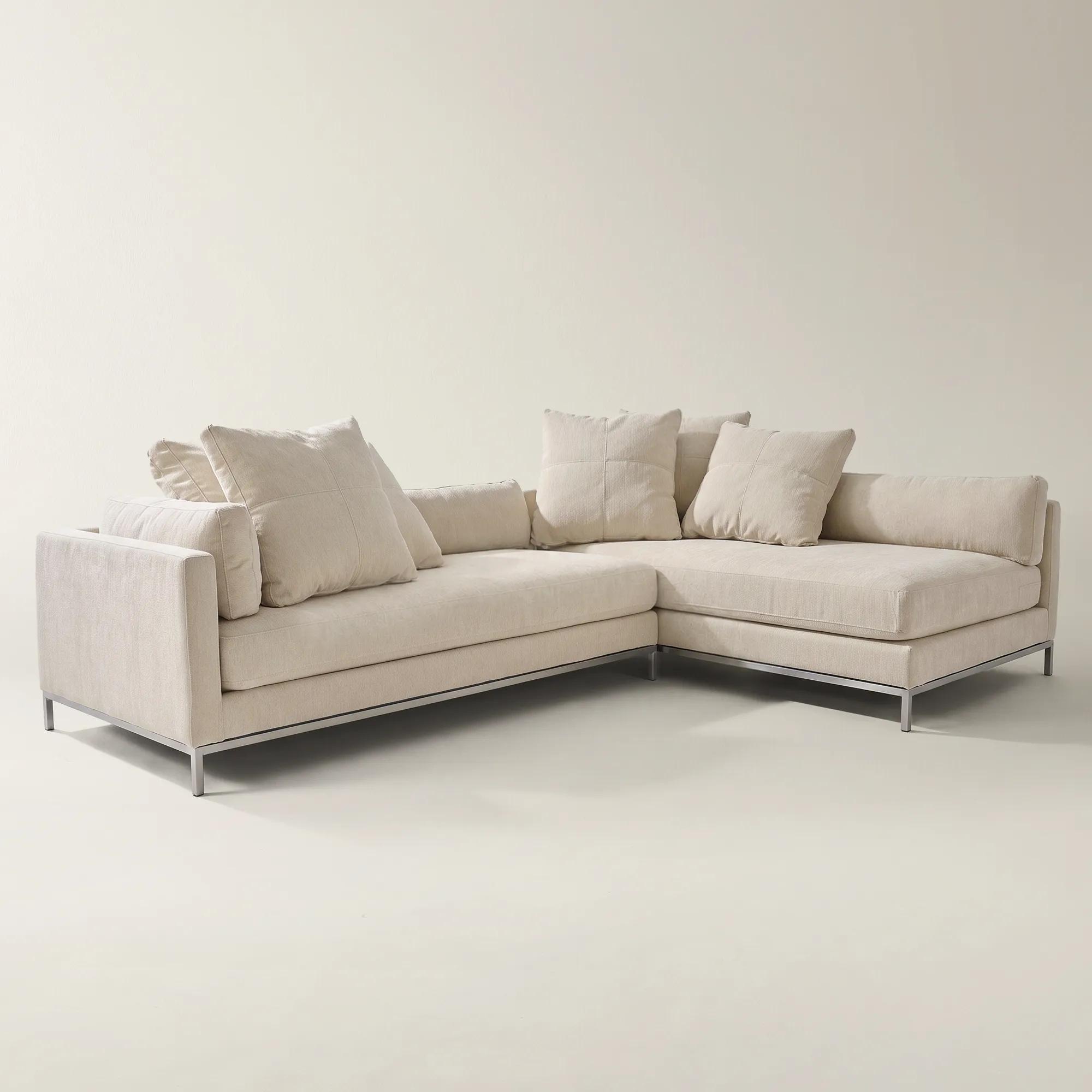
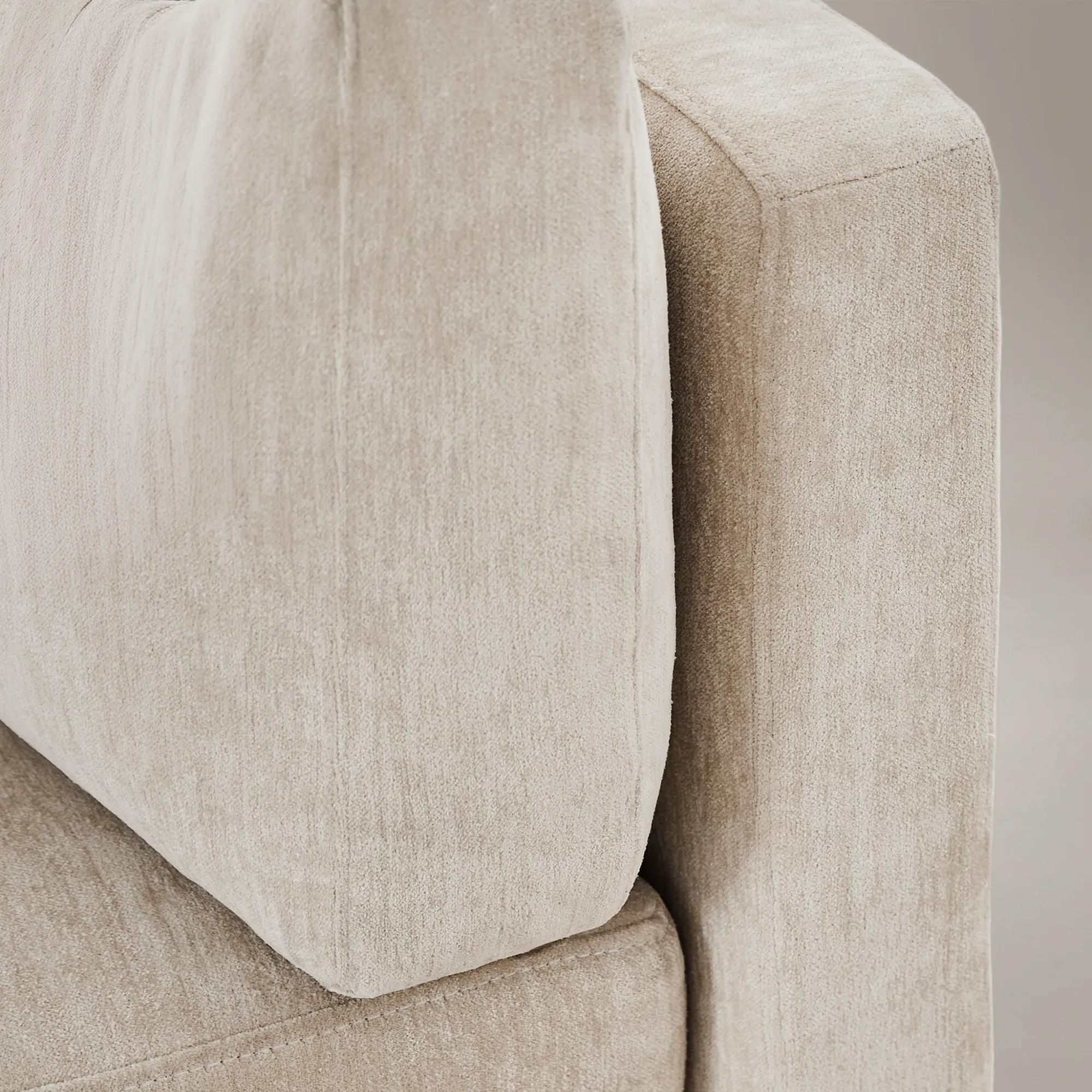 Ventura 2-Piece L-Shaped Snow Chenille Sectional Sofa With Left-Arm Chair$4099
A modern Snow chenille sectional with plush feather-filled pillows, supportive cushioning, and a stainless-steel base.
Add To Cart -
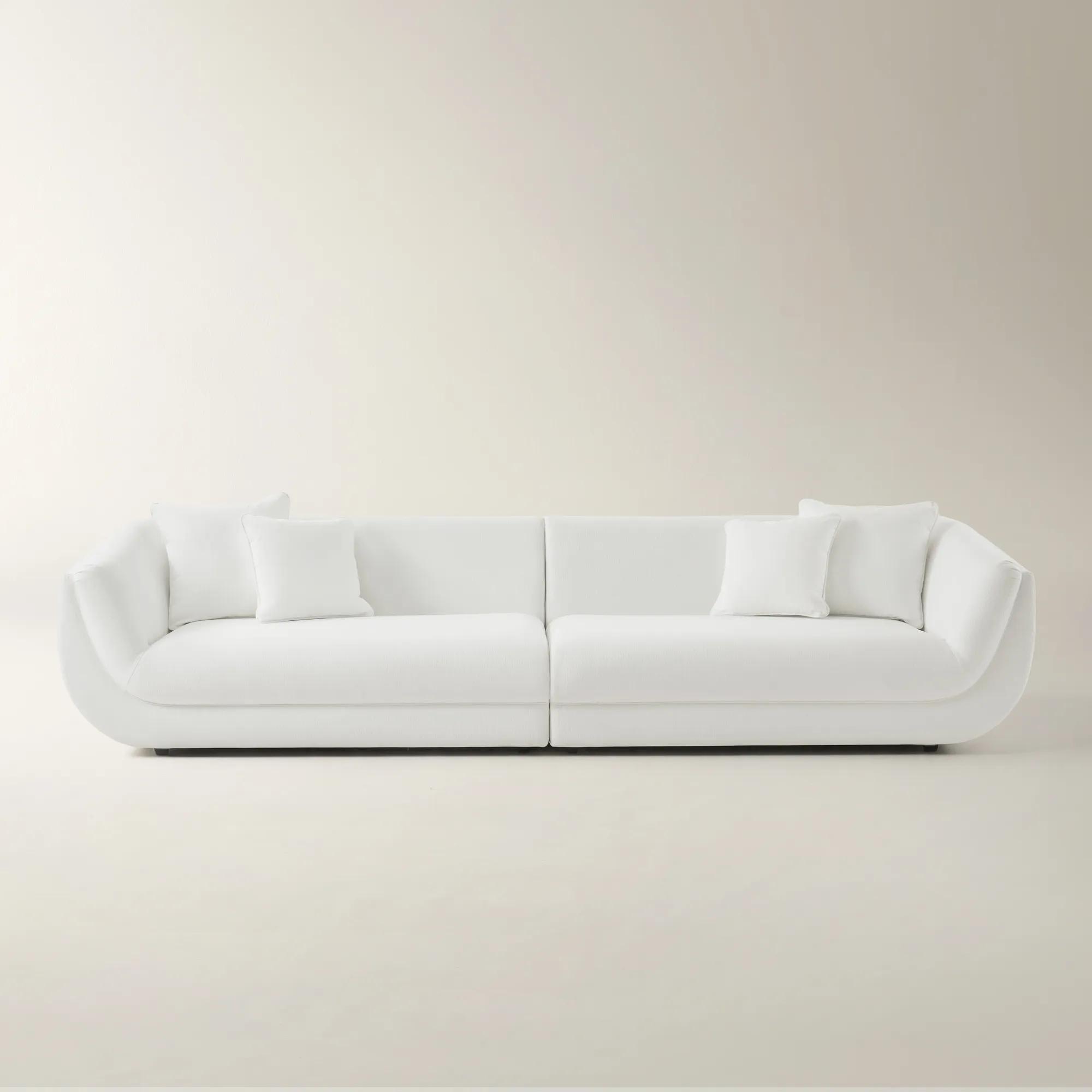
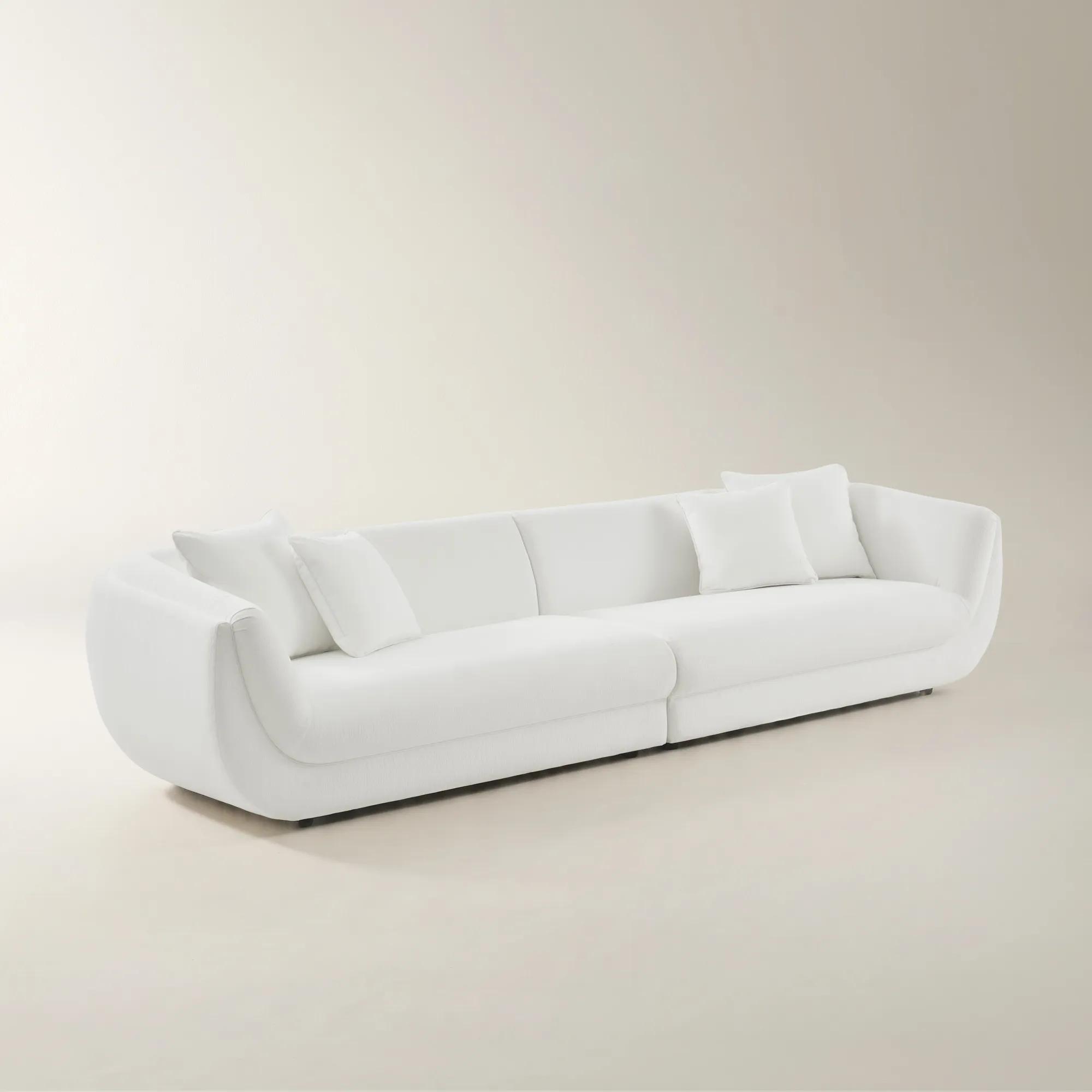 Curvia 2-Piece White Performance Chenille Indoor/Outdoor Grand Sectional Sofa$2999
A sculptural white sectional wrapped in performance chenille, designed for luxurious indoor or outdoor lounging.
Add To Cart -
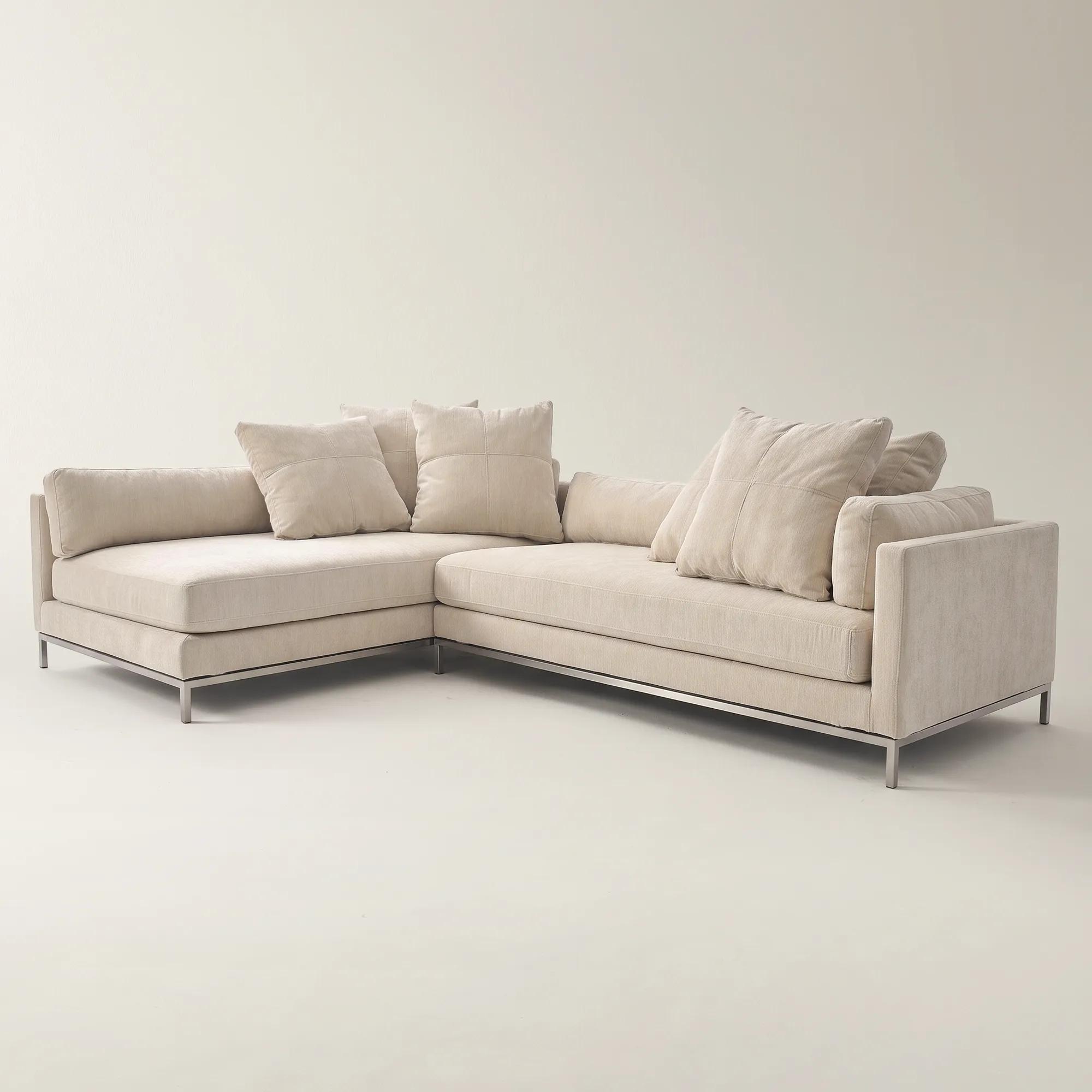 Ventura 2-Piece L-Shaped Snow Chenille Sectional Sofa With Right-Arm Chair$4099
A modern Snow chenille sectional with plush feather-filled cushions, streamlined metal base, and versatile L-shaped comfort.
Add To Cart -

 Reina 3-Piece Tufted Oatmeal Velvet Sectional Sofa$2499
A plush oatmeal velvet sectional featuring channel tufting, deep seating, and an architectural winged silhouette.
Add To Cart -
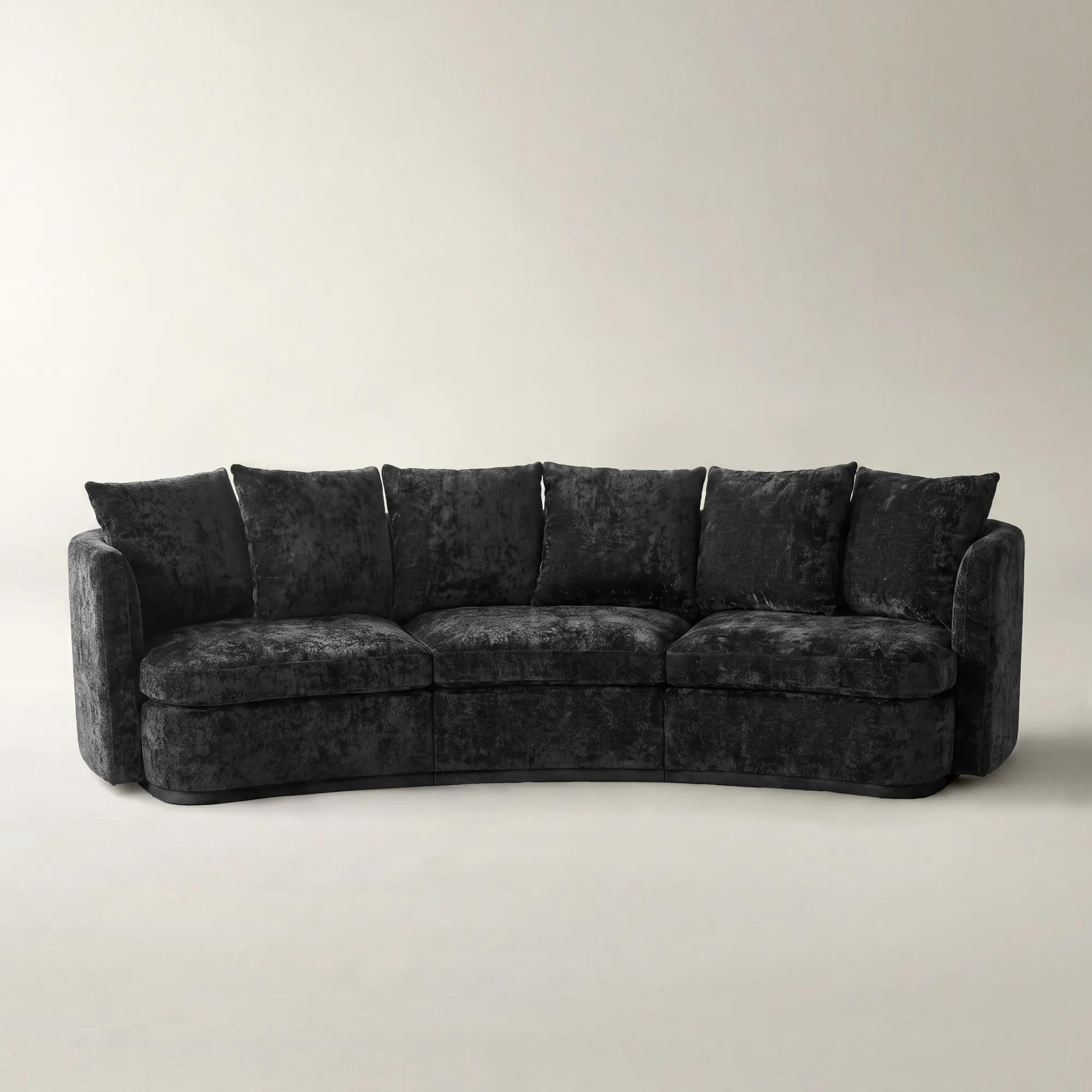 Stria 3-Piece Black Chenille Sectional Sofa$3399
A sculptural black chenille sectional with modular connectors, kiln-dried wood construction, and layered foam-down cushioning.
Add To Cart -
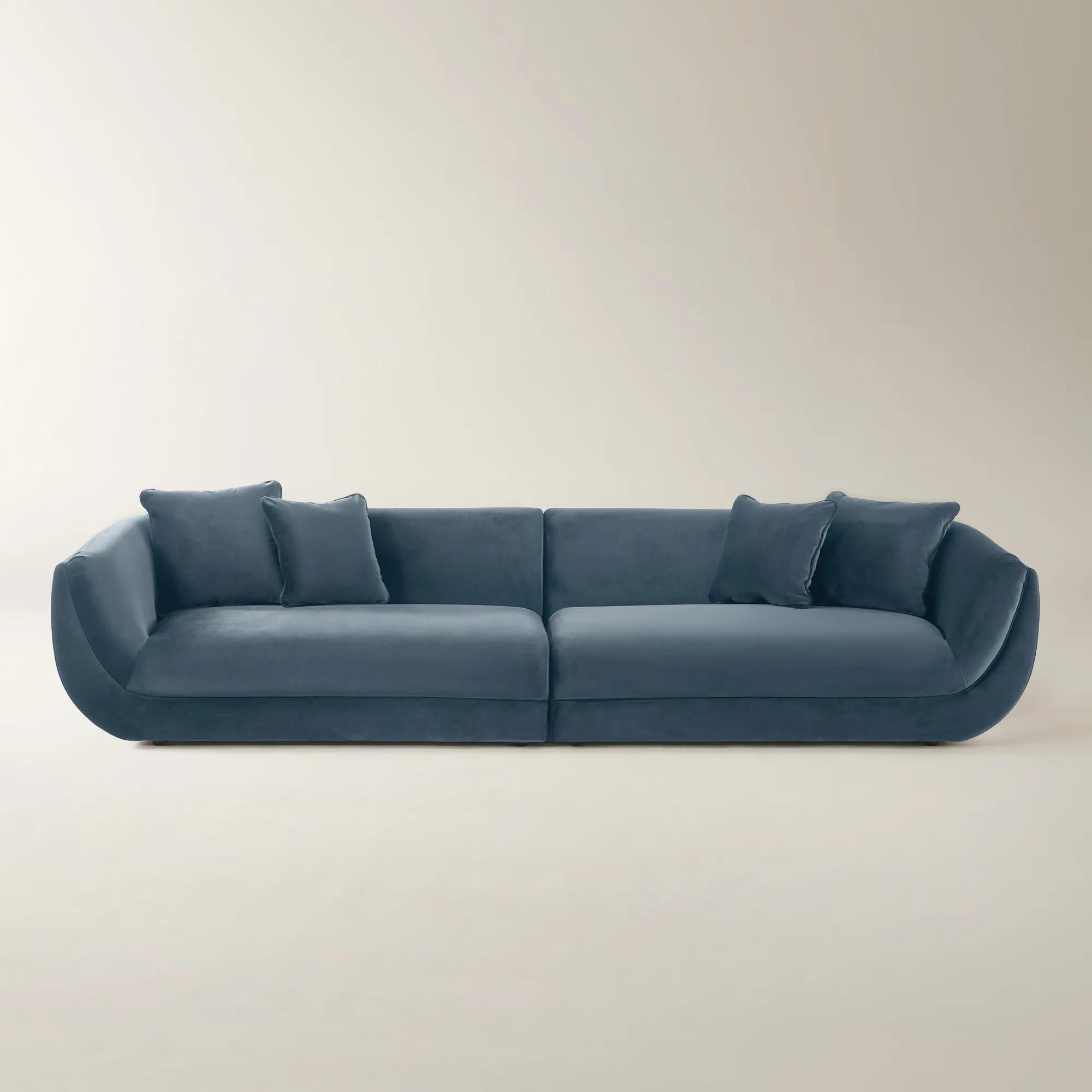
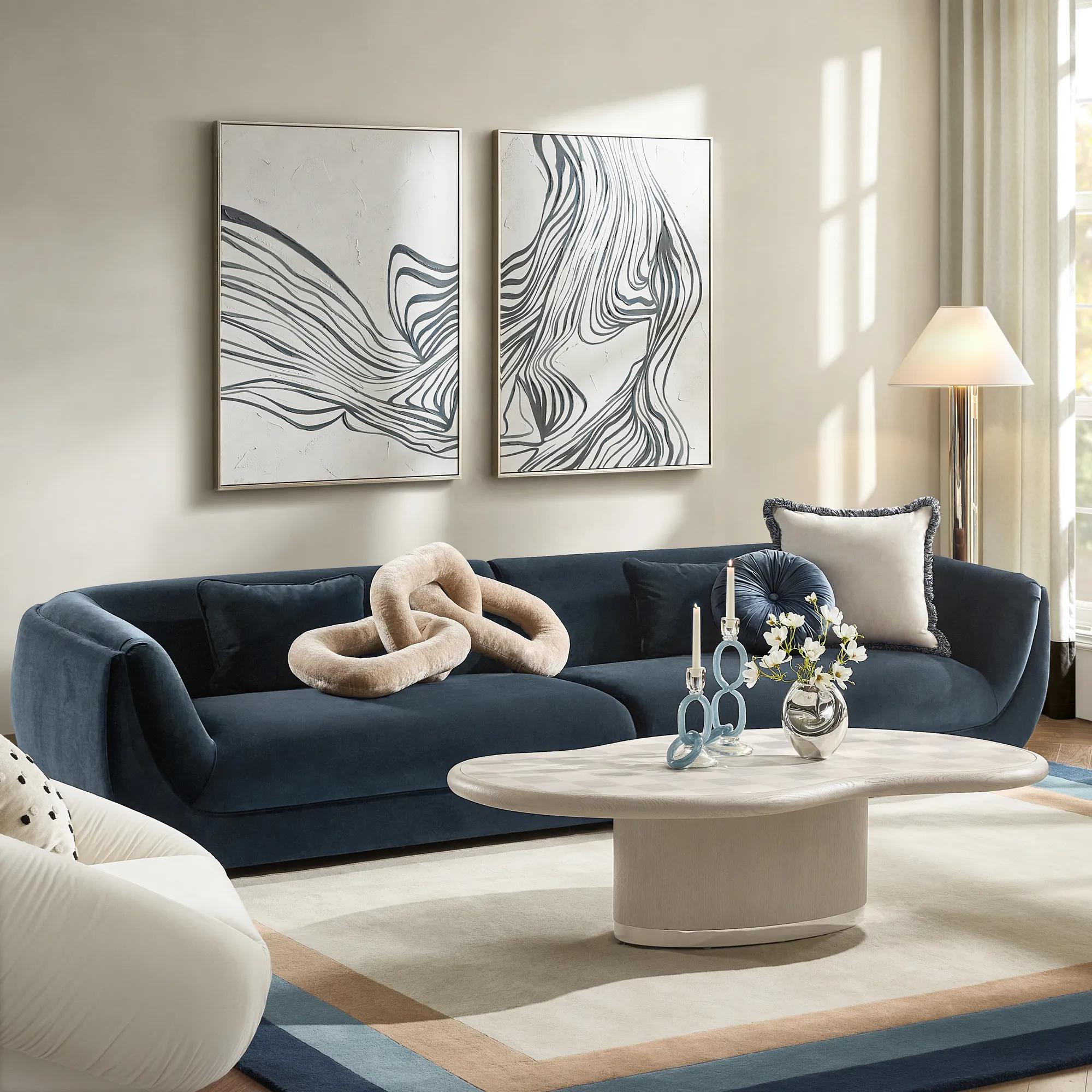 Curvia 2-Piece Dusty Blue Velvet Grand Sectional Sofa$2899
A plush, modular sectional wrapped in dusty blue velvet with sculptural curves and deep, lounge-worthy comfort.
Add To Cart -
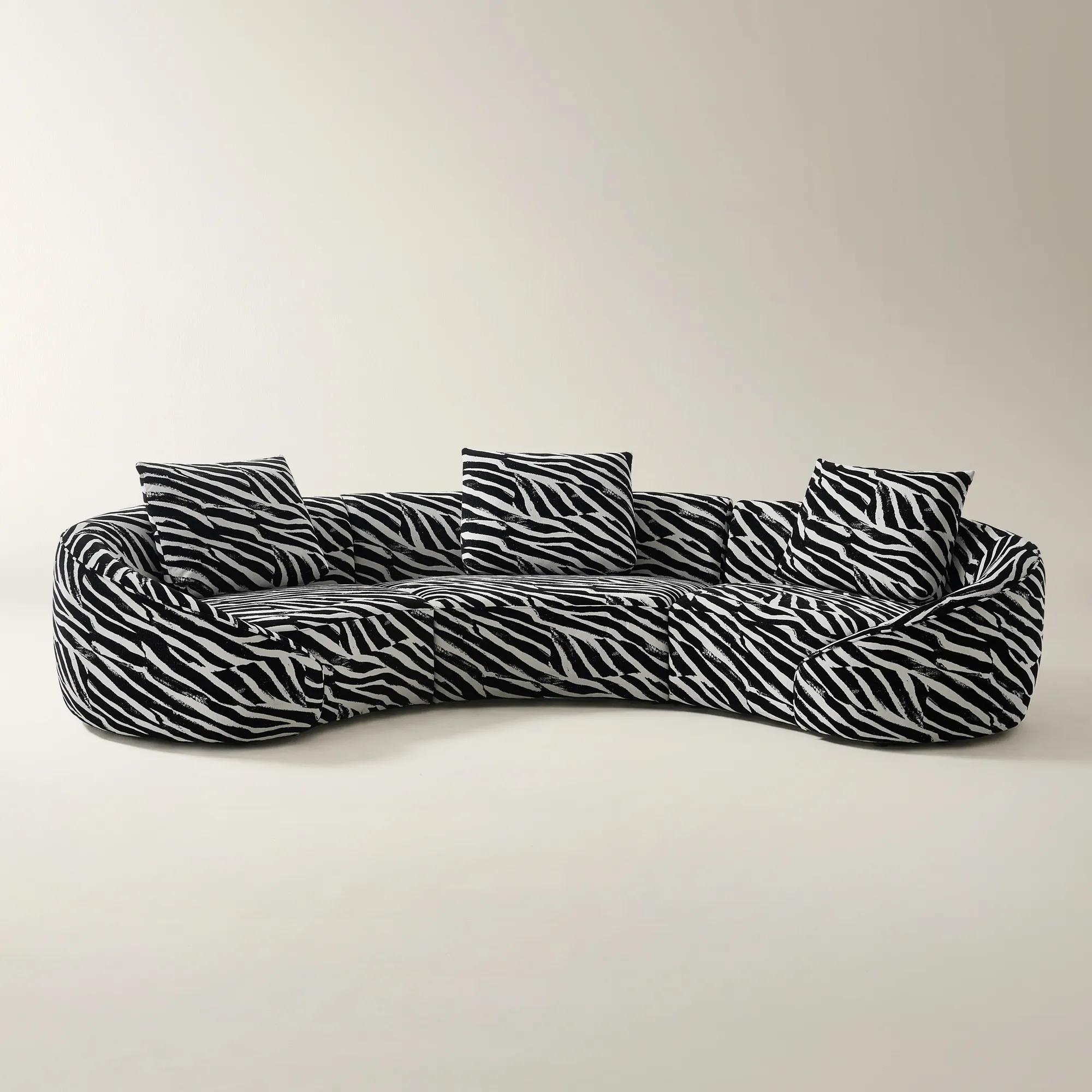
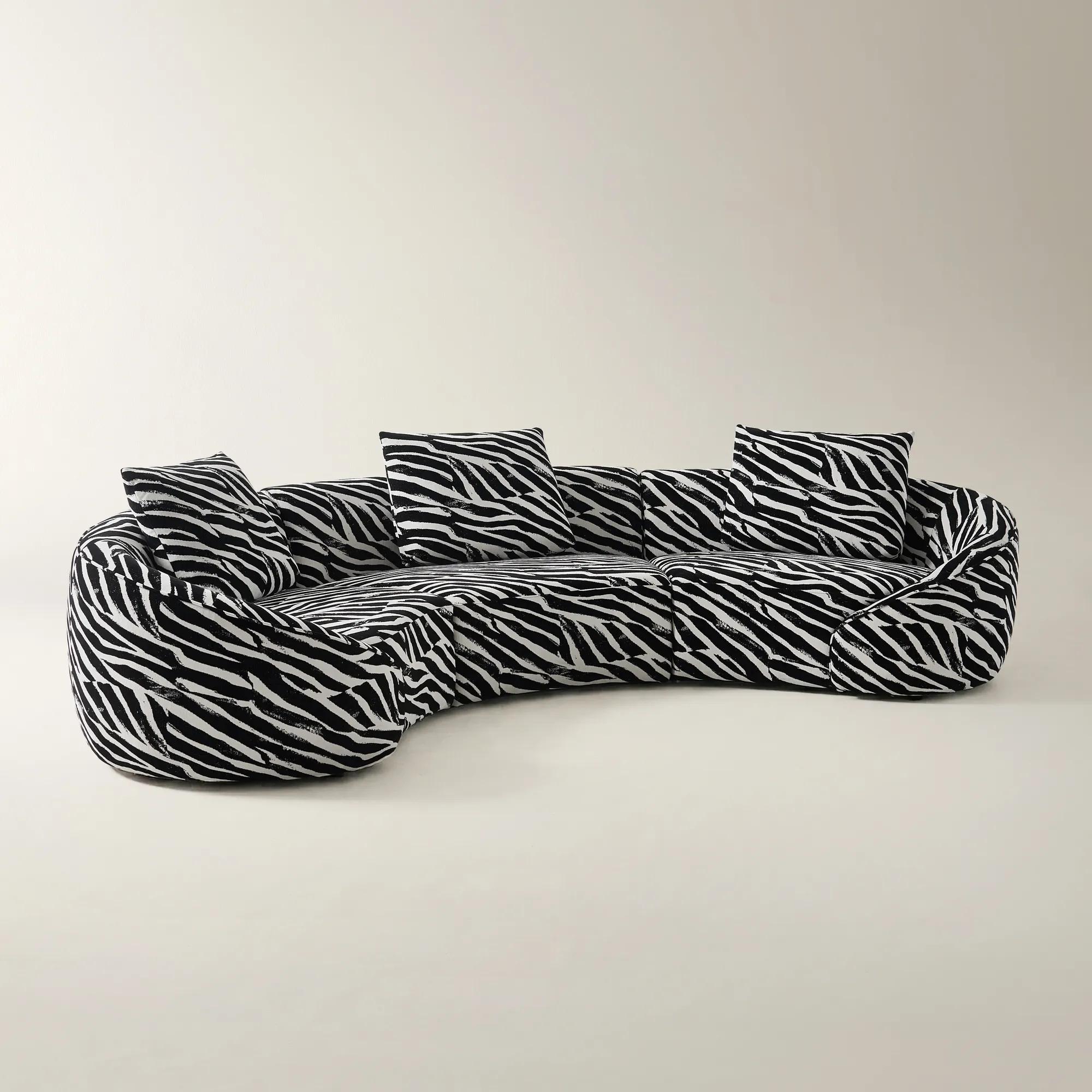 Irene 3-Piece White/Black Performance Chenille Sectional Sofa$3899
A sculptural sectional in black and white performance chenille, featuring hand-finished upholstery and enduring comfort.
Add To Cart -
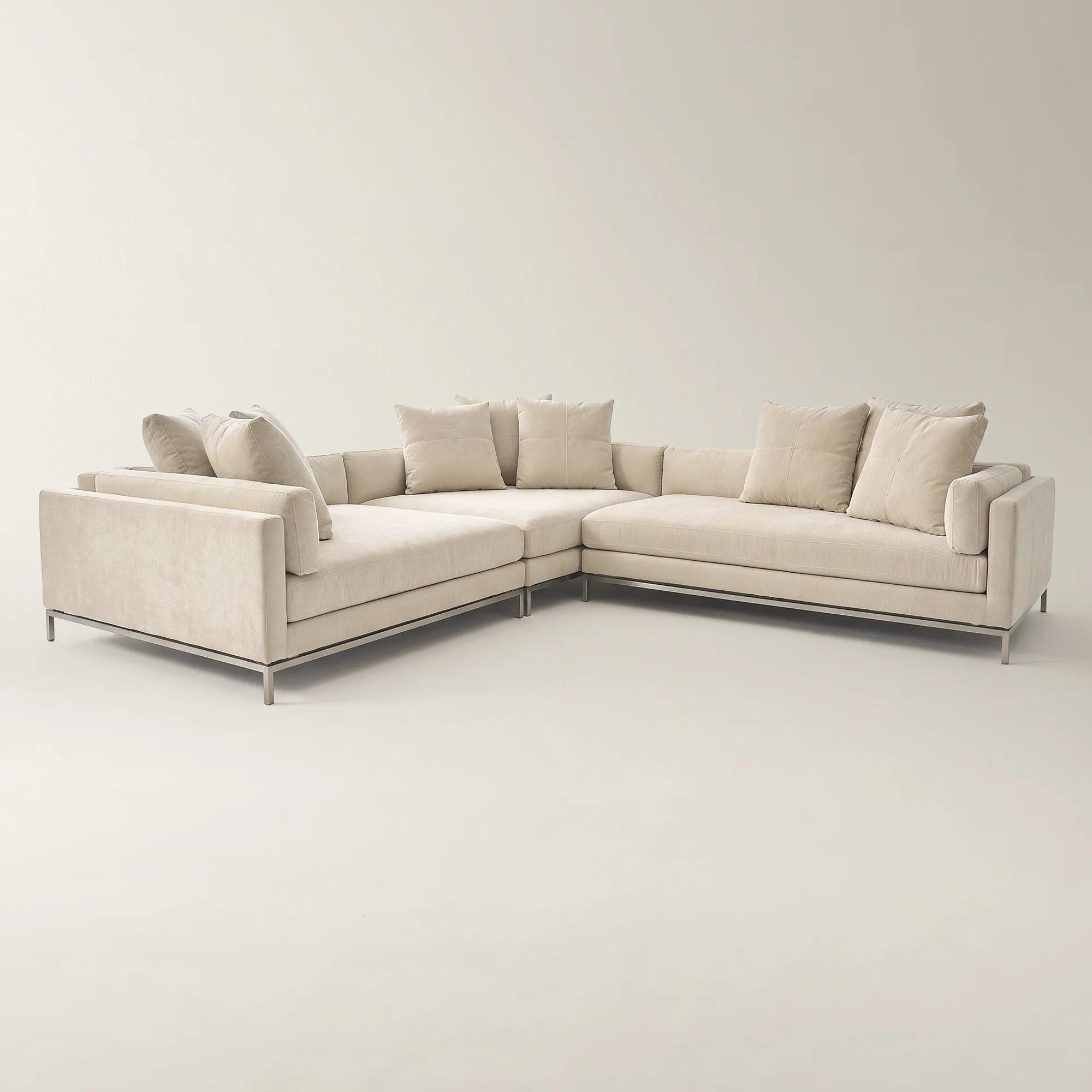 Ventura 3-Piece L-Shaped Snow Chenille Sectional Sofa With Right-Arm Chair$5999
A snow chenille sectional with a streamlined floating silhouette, plush feather-filled cushions, and versatile L-shaped seating.
Add To Cart

Sofas For Creating Conversation Areas
Sofas for creating conversation areas are the heart of a room designed for connection, drawing guests together in a symphony of style and comfort. Each piece is curated to transform your living space into an inviting stage where laughter lingers and stories unfold. Imagine plush silhouettes and sculptural lines that beckon you to linger, framing every exchange with an air of effortless sophistication. Whether you’re hosting glittering soirées or savoring intimate moments, these sofas set the scene—inviting dialogue, delight, and unforgettable memories into your home’s bold narrative.
Sofas for creating conversation areas give a room its social center: a place where guests settle in, faces turn toward one another, and the furniture feels as expressive as the people gathered around it. The most effective conversation sofas combine comfortable support with a shape and scale that encourage easy eye contact, whether the setting is a formal living room, an open-plan gathering space, or an intimate sitting room. Two sofas facing each other establish a composed, symmetrical arrangement with room for a coffee table between them. A sofa paired with two accent chairs offers a more flexible composition, especially when the chairs angle inward rather than lining the perimeter of the room. Swivel chairs bring another layer of versatility, allowing guests to turn between a conversation, a view, and an adjacent seating group without moving the furniture. Curved sofas create a different kind of drama. Their sweeping lines soften rectangular architecture and draw the arrangement inward, lending a sculptural presence without relying on oversized proportions. An L-shaped or modular sectional can also define a welcoming conversation area, particularly when floated away from the walls in a larger room. The return creates a natural boundary, while a finished upholstered back keeps the composition polished from adjoining spaces. In many rooms, a seating group spanning roughly 7 to 10 feet provides a useful starting point for comfortable conversation, though the final footprint depends on furniture depth and room proportions. About 18 inches between the sofa front and coffee table generally leaves space for knees while keeping drinks within reach. Circulation deserves equal attention: allow roughly 30 to 36 inches around the arrangement where possible, with more generous clearance along primary routes or wherever mobility needs require it. These relationships matter more than filling every available inch. A beautifully proportioned sofa should let someone enter the room, join the group, and take a seat without interrupting the conversation or navigating a tight passage.
Upholstery sets the emotional register of a conversation space as distinctly as the sofa’s silhouette. Velvet brings depth and a luminous play of light, making a jewel-toned or softly neutral sofa feel richly dimensional. Its pile can show shading, pressure marks, and changes in direction, qualities worth considering in a room where the seating will see frequent use. Textured woven fabrics introduce a more tactile expression, from subtle tonal variation to pronounced surface interest that gives a restrained color unexpected richness. Loopier textures may be more vulnerable to snagging, particularly in homes with pets. Leather offers another mood entirely, with a smooth or naturally varied surface that can develop character over time; its care requirements and response to wear depend on the leather type and finish. For busy households, upholstery described as performance fabric deserves a closer look at its specific cleaning instructions and tested properties rather than an assumption that every spill will disappear. Durability comes from the complete construction, including the frame, suspension, cushion materials, seams, and upholstery—not from fabric alone. Seat comfort is equally personal. A supportive cushion and moderate seat depth can suit upright conversation, while deeper seating invites a more relaxed posture and may benefit from a supportive back pillow for shorter guests. Lower arms can make a sofa feel visually open and give people seated at either end a less enclosed experience. Higher arms and a more enveloping back create a cocooned mood, but their proportions should still allow comfortable sightlines across the group. In compact living rooms, a tailored profile with slender arms may preserve usable seating width without overwhelming the floor plan. Larger rooms can accommodate more generous silhouettes, provided the sofa does not push guests too far apart. Overall dimensions, usable seat width, seat height, and depth all deserve attention, along with doorway, hallway, stairway, and elevator clearances. A sofa that looks magnificent in the room must also be able to reach it.
The surrounding pieces turn a sofa arrangement into a complete setting for connection. An area rug large enough to sit beneath at least the front legs of the main seating pieces visually gathers the group, giving separate silhouettes a shared foundation. In an expansive room, that defined footprint helps distinguish the conversation area from dining or circulation space without introducing a physical barrier. A round or oval coffee table can echo a curved sofa and soften the path between seats, while a rectangular table can reinforce the geometry of facing sofas. Side tables give guests at the ends of a longer sofa somewhere convenient to place a glass, avoiding the awkward reach toward a distant centerpiece. Complementary Seating For Conversation Areas can extend the arrangement through accent chairs, upholstered benches, or appropriately scaled ottomans designed for sitting. These supporting pieces need not match exactly; a shared color note, repeated curve, or related finish can create cohesion while leaving room for individual character. Lighting contributes just as much to the atmosphere. Table lamps and floor lamps bring illumination closer to seated eye level, while carefully placed shades help limit glare across the group. A console behind a floating sofa can provide a finished transition into the room, as long as lamps and decorative objects do not obstruct sightlines. For everyday care, follow the upholstery label and manufacturer’s directions, vacuum with an appropriate attachment, and address spills promptly using the recommended method. Rotate or turn cushions only when their construction allows it, and consider placement away from prolonged direct sunlight to help reduce uneven fading. Throws and accent pillows add texture, but leaving ample room to sit keeps the sofa’s purpose clear. The result is a living space with both presence and generosity: artful enough to command attention, comfortable enough that conversation becomes the main event.
FAQs
A conversational sofa is intentionally designed to foster face-to-face interaction and a sense of intimacy. Unlike traditional sofas that may be oriented toward a television or wall, conversational sofas often feature curved, L-shaped, or U-shaped silhouettes, encouraging guests to engage directly with one another. These unique forms transform the living room into a welcoming haven for connection, making every gathering feel more personal and memorable.
To create a harmonious conversation area, blend various seating styles—such as a chat sofa, bar couch, and accent chairs—while maintaining a consistent color palette or design motif. Anchor the arrangement with a central piece like a coffee table or area rug, and position seating to face inward, inviting dialogue. Layering textures and finishes adds depth, while thoughtful placement ensures the space feels both curated and inviting.
A conversational sofa makes a remarkable gift for anyone who delights in hosting, cherishes meaningful gatherings, or values expressive interior design. It’s especially ideal for newlyweds, new homeowners, or couples celebrating milestones. Gifting a piece like this is a way to offer comfort, style, and the promise of countless shared moments in a beautifully appointed home.
Elevate your conversation area by layering in sumptuous textiles, such as velvet throw pillows or a plush area rug, and incorporating sculptural lighting that bathes the space in a flattering glow. Add personal touches with artful accessories and greenery, and consider the interplay of materials—mirror-finish tables, metallic accents, or glass décor—to create a sense of wonder and sophistication.
Conversation sofas are inherently versatile, adapting seamlessly to both intimate gatherings and lively soirées. Their inclusive shapes invite guests to settle in and engage, whether you’re hosting a cozy winter evening by the fire or a spirited cocktail party. With modular options and flexible arrangements, these sofas can be tailored to suit the mood and scale of any occasion, making them a timeless centerpiece for every host’s repertoire.