Sofas For Open Plan Living Spaces
Sofas For Open Plan Living Spaces
-
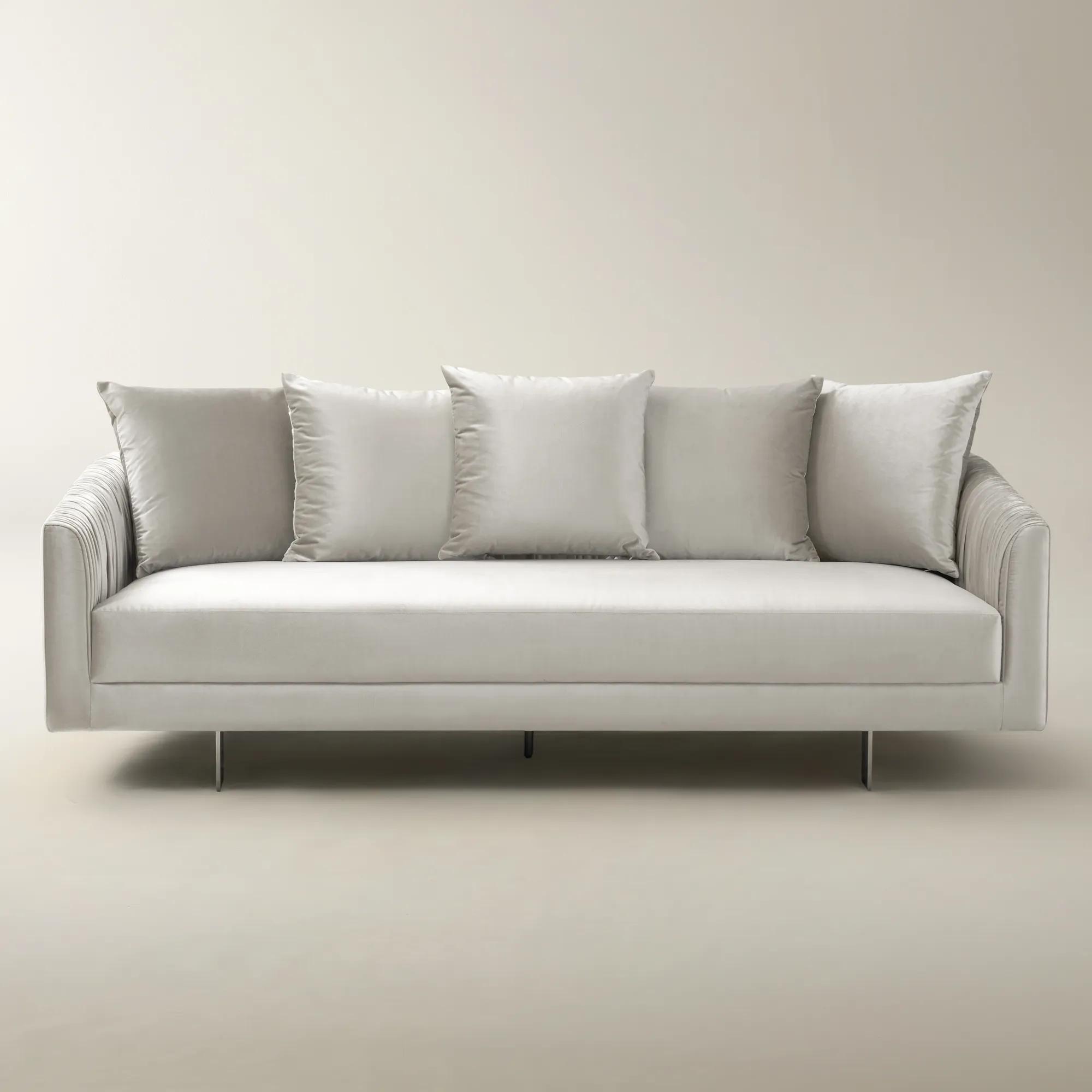
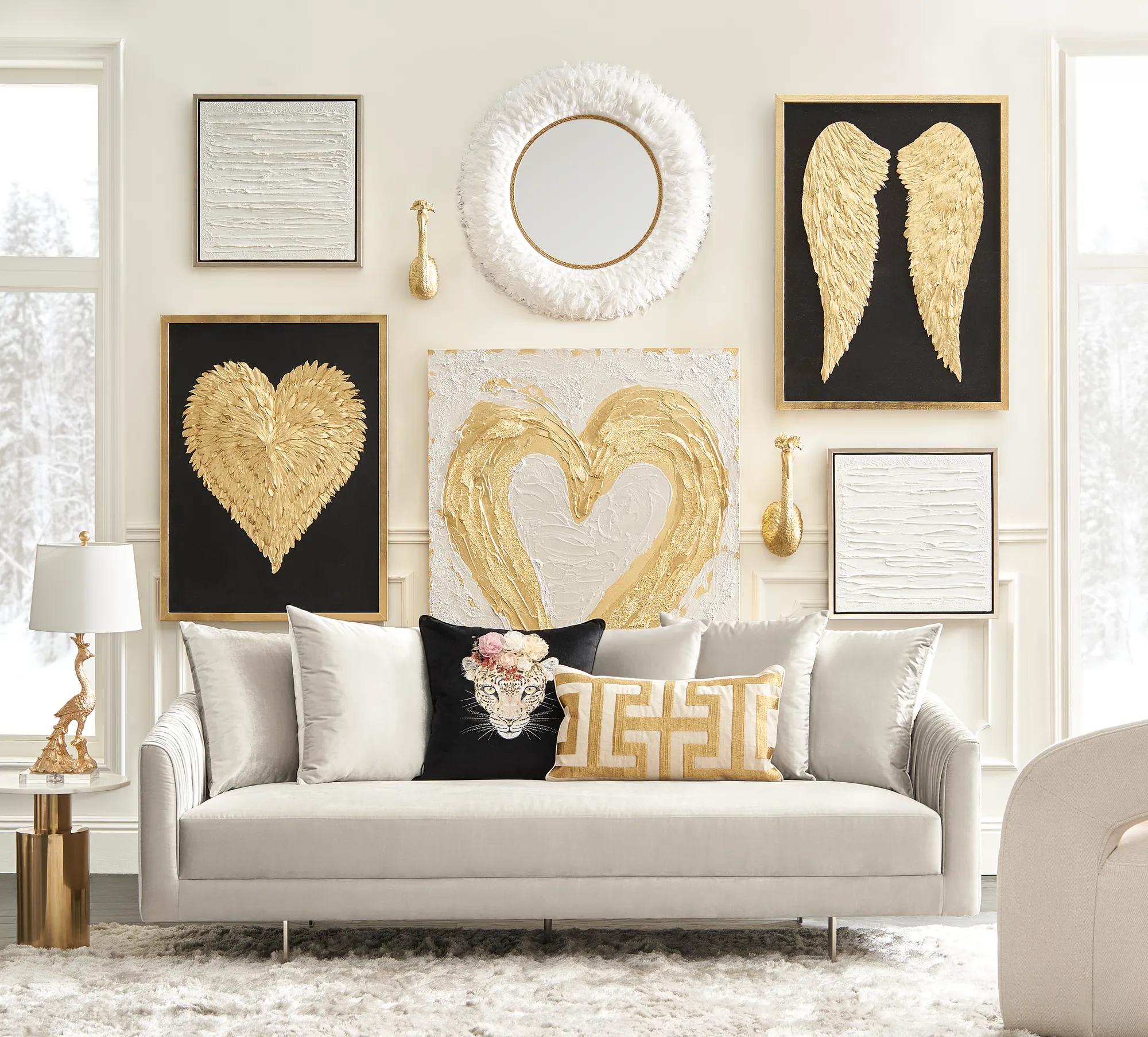 Isabel Softgrey Velvet Sofa$2599
A luxurious hand-tufted sofa with plush feather and foam cushions, nickel-brushed legs, and five pillows.
Add To Cart -
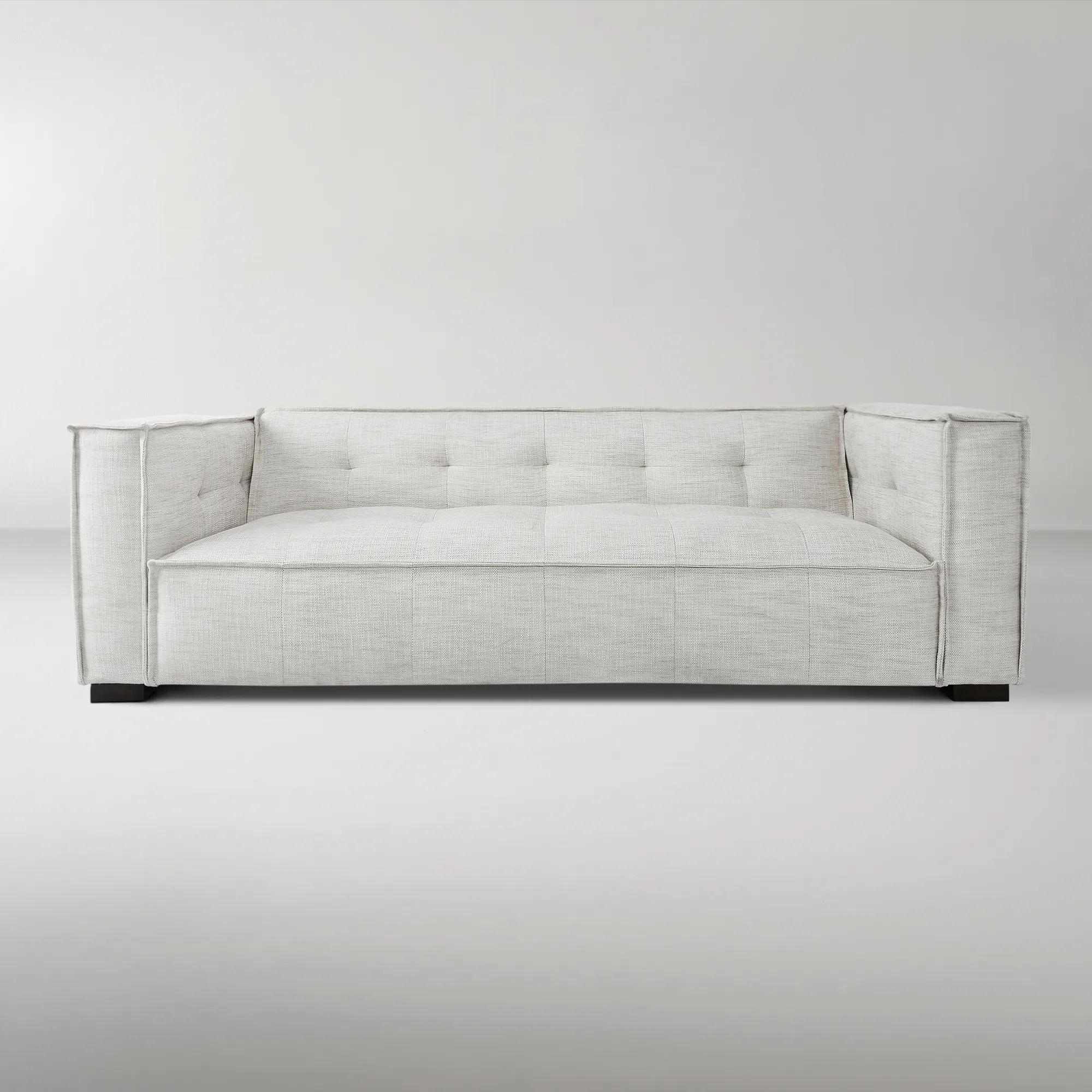
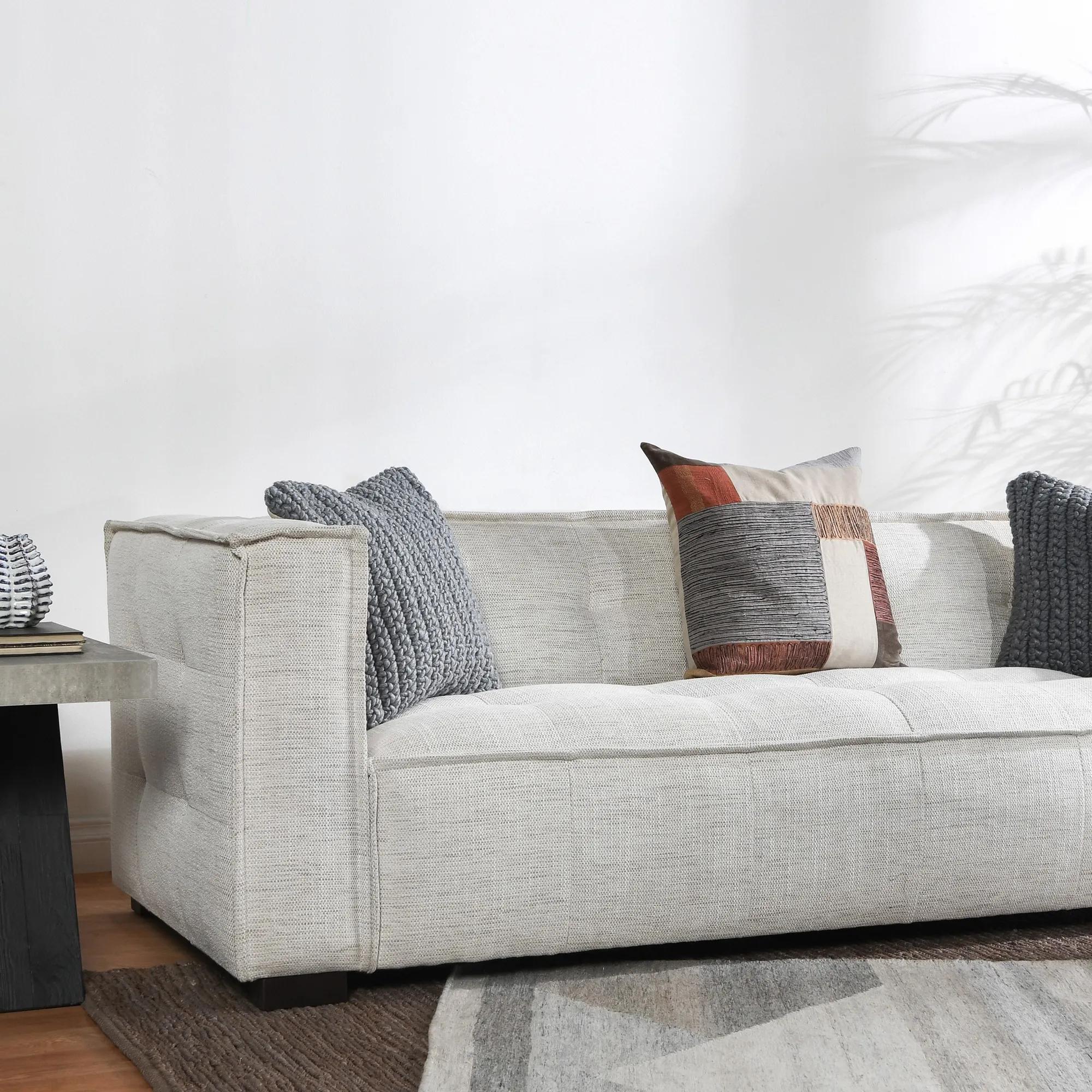 Element Box-Tufted Beige Sofa$2599
A transitional beige sofa handcrafted with a polyester blend and pine wood legs, seating up to four.
Add To Cart -
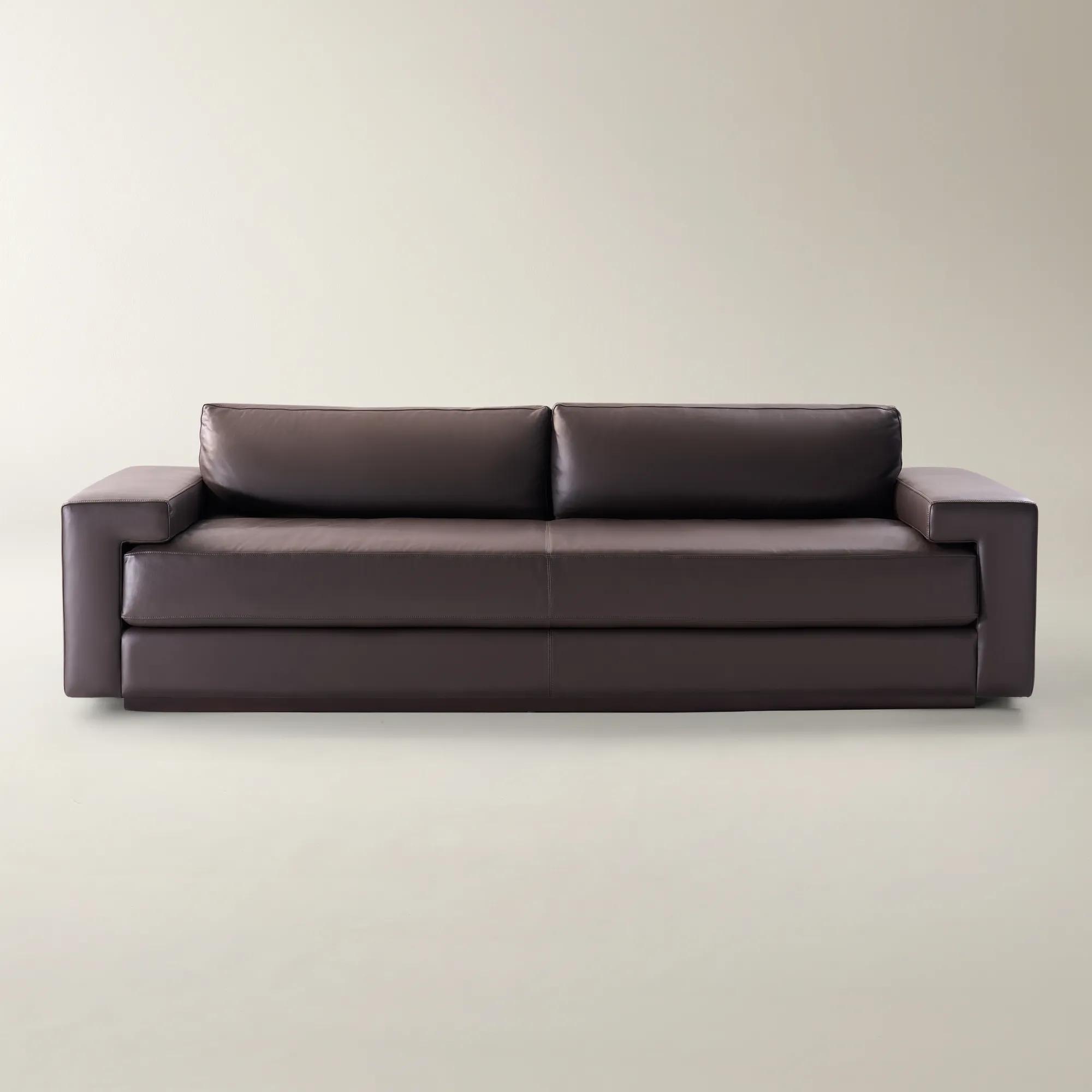
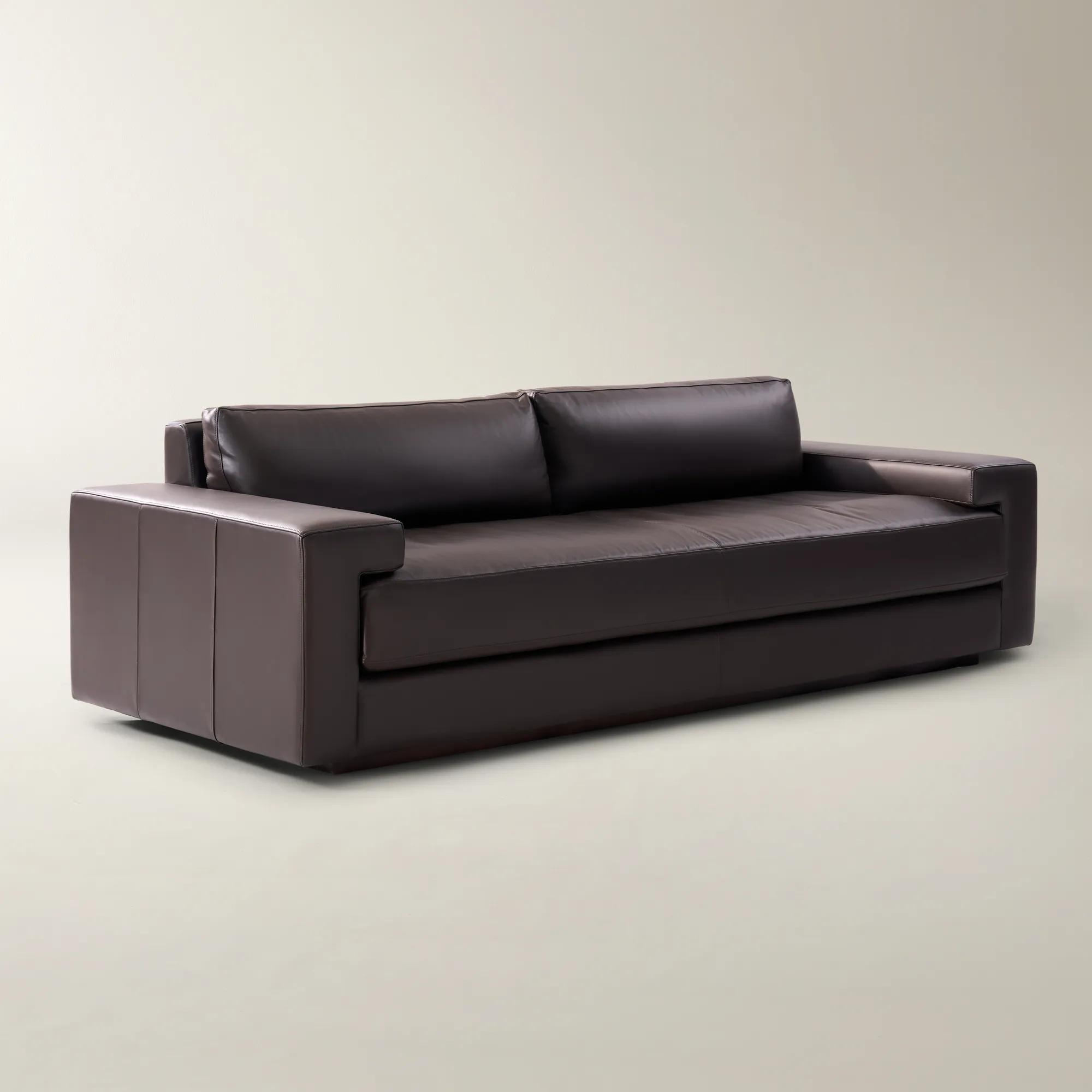 Ariel Brown Leather Sofa$4599
A sleek, hand-upholstered sofa in top-grain leather with plush feather and foam cushions for comfort.
Add To Cart -
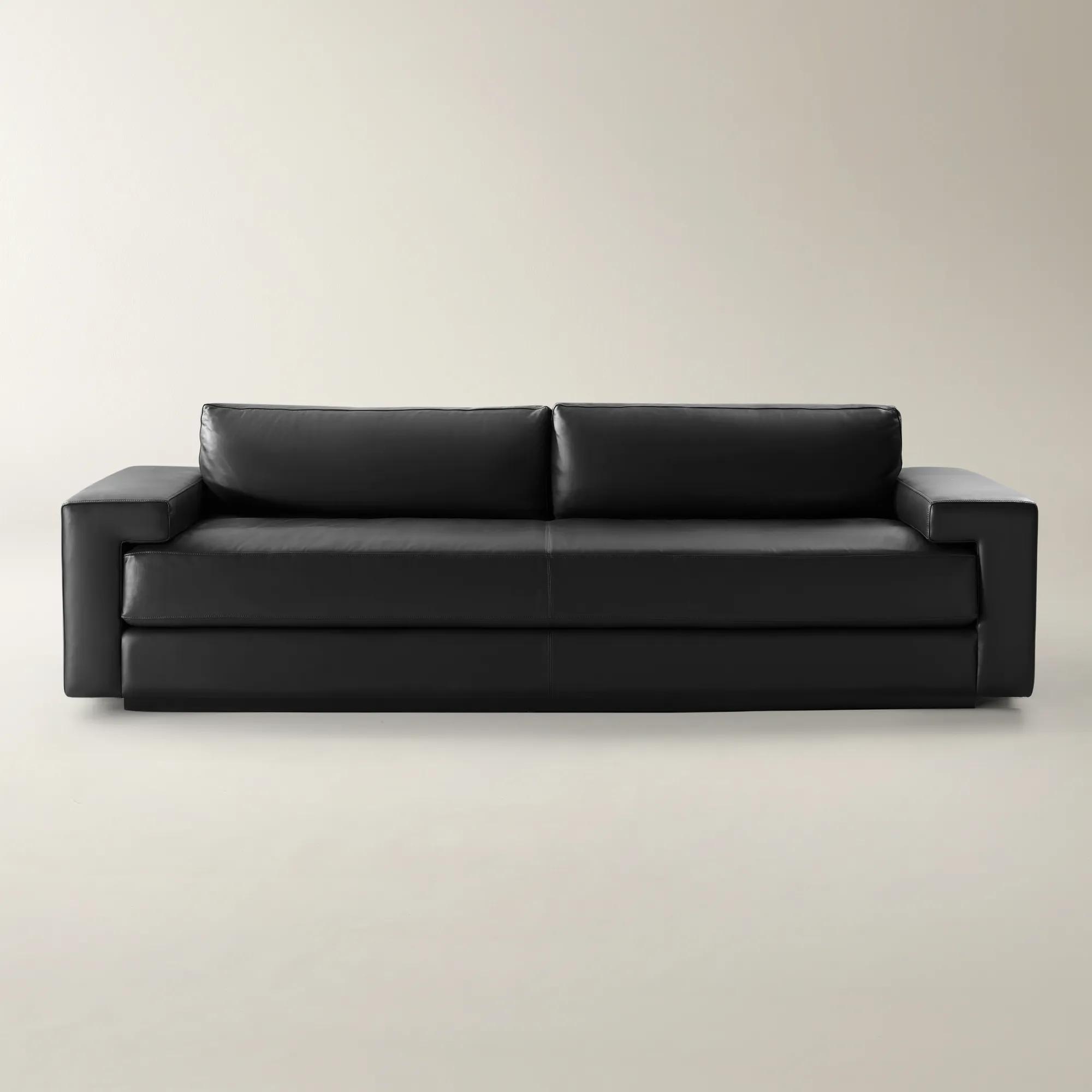 Ariel Black Leather Sofa$4599
A sleek, top-grain leather sofa with plush feather and foam cushions on a kiln-dried rubberwood frame.
Add To Cart -
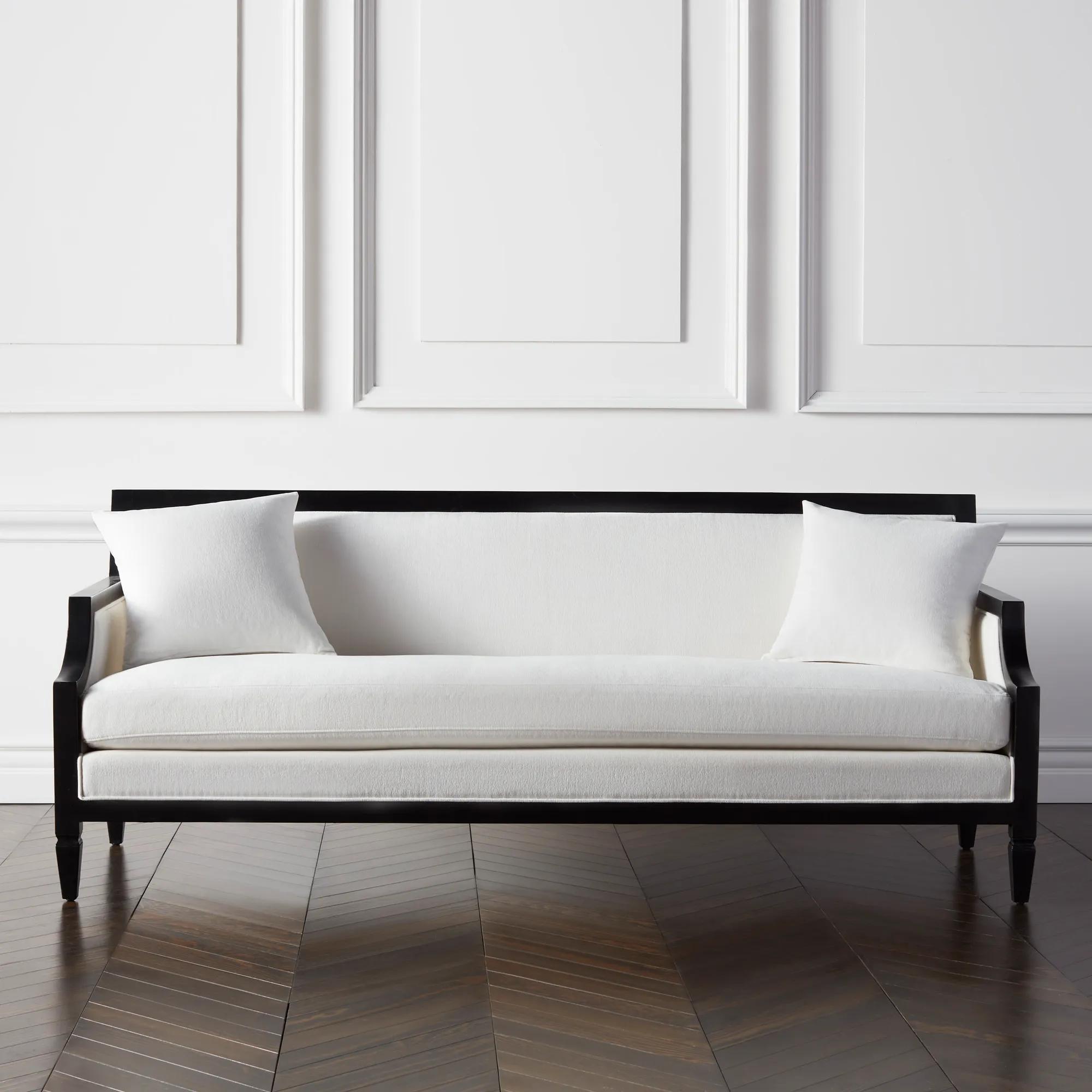
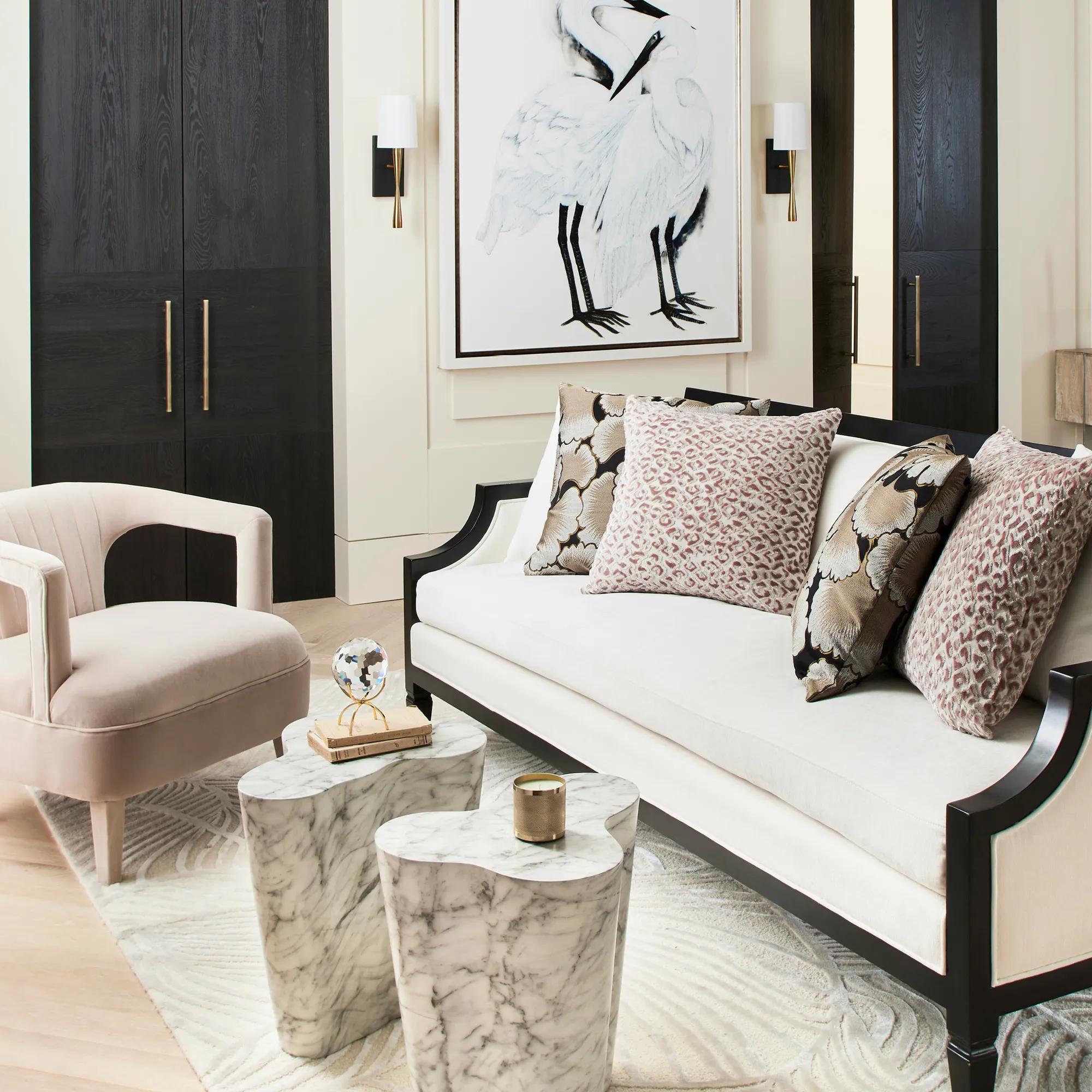 Kayla Sofa$3149
A plush, modern sofa featuring notched arms, matte black wood frame, and Kenley Chenille Snow upholstery.
Add To Cart -
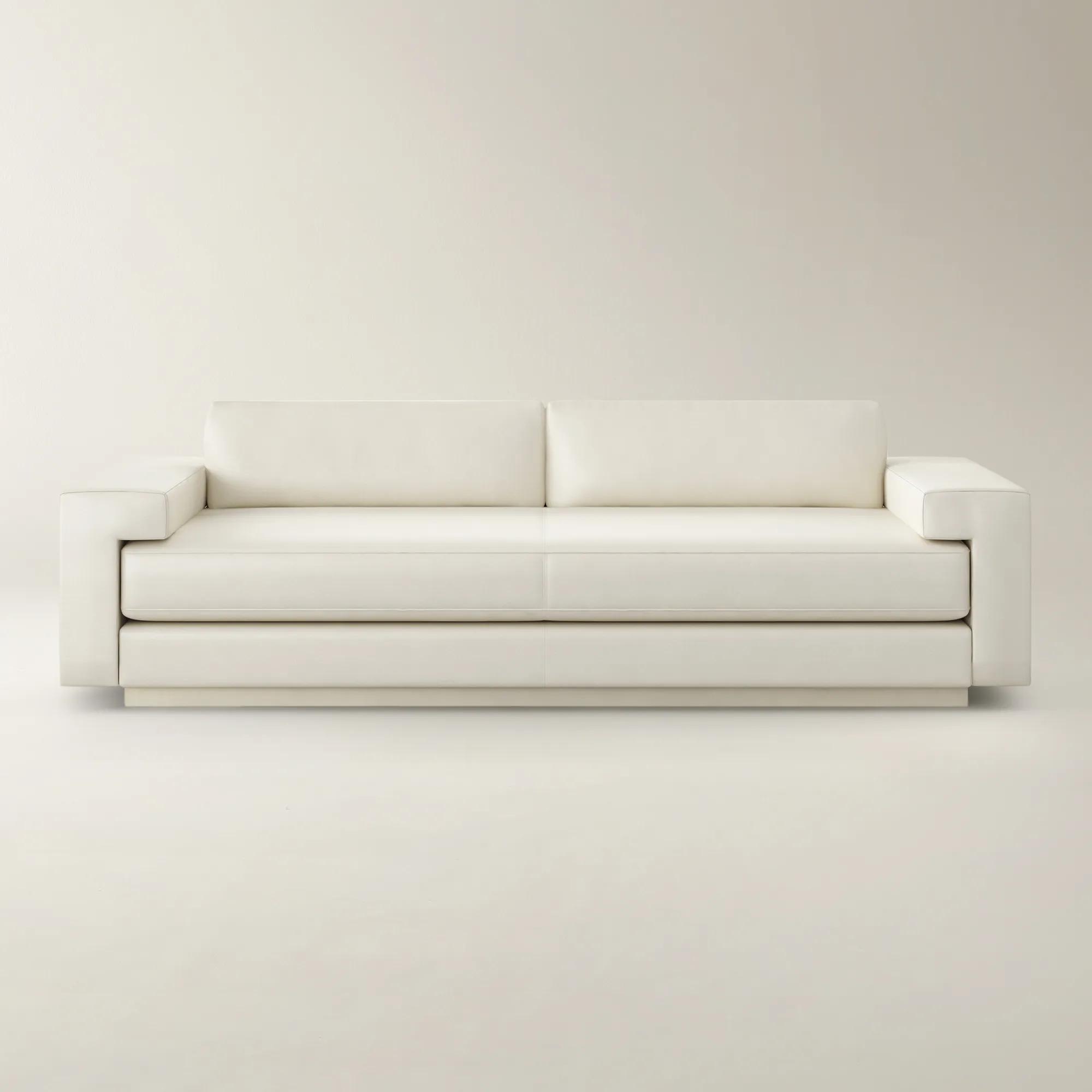 Ariel White Leather Sofa$4599
A sleek, hand-upholstered sofa in top-grain leather with plush feather and foam cushions for comfort.
Add To Cart -
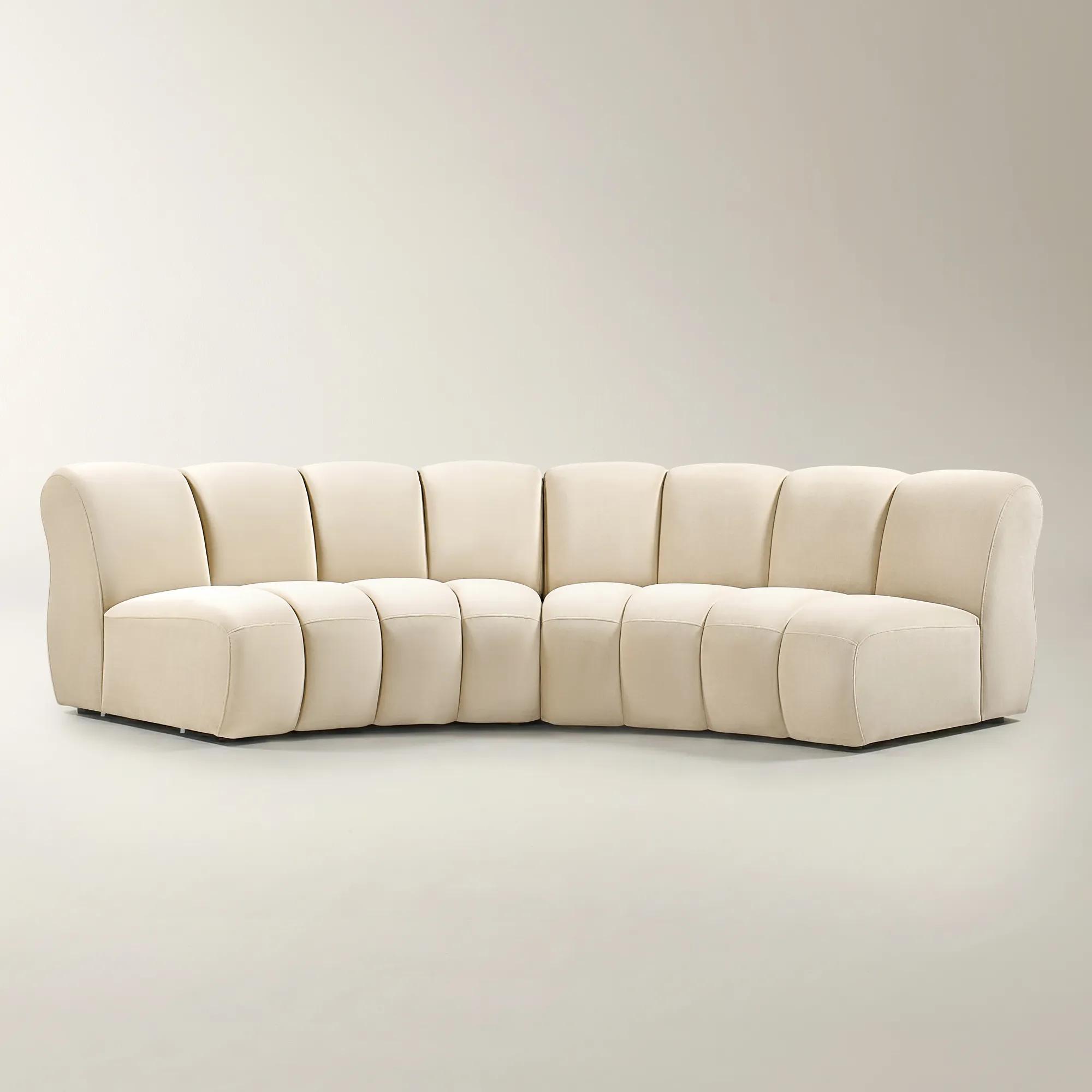
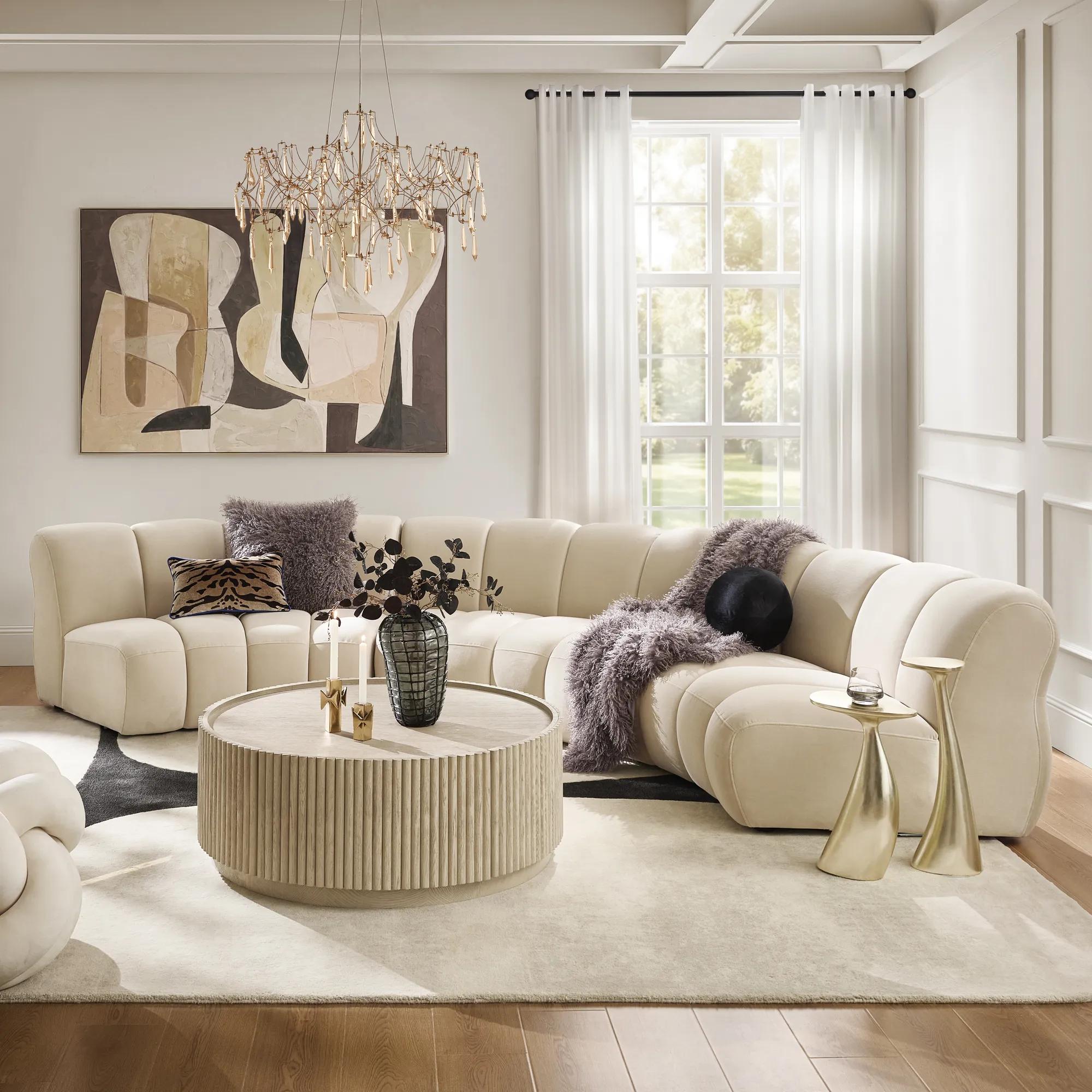 Jocelyn 2-Piece Channel-Tufted Oatmeal Velvet Sectional Sofa$2699
A sculptural oatmeal velvet sectional with deep channel tufting, curved silhouette, and modular, conversation-friendly design.
Add To Cart -
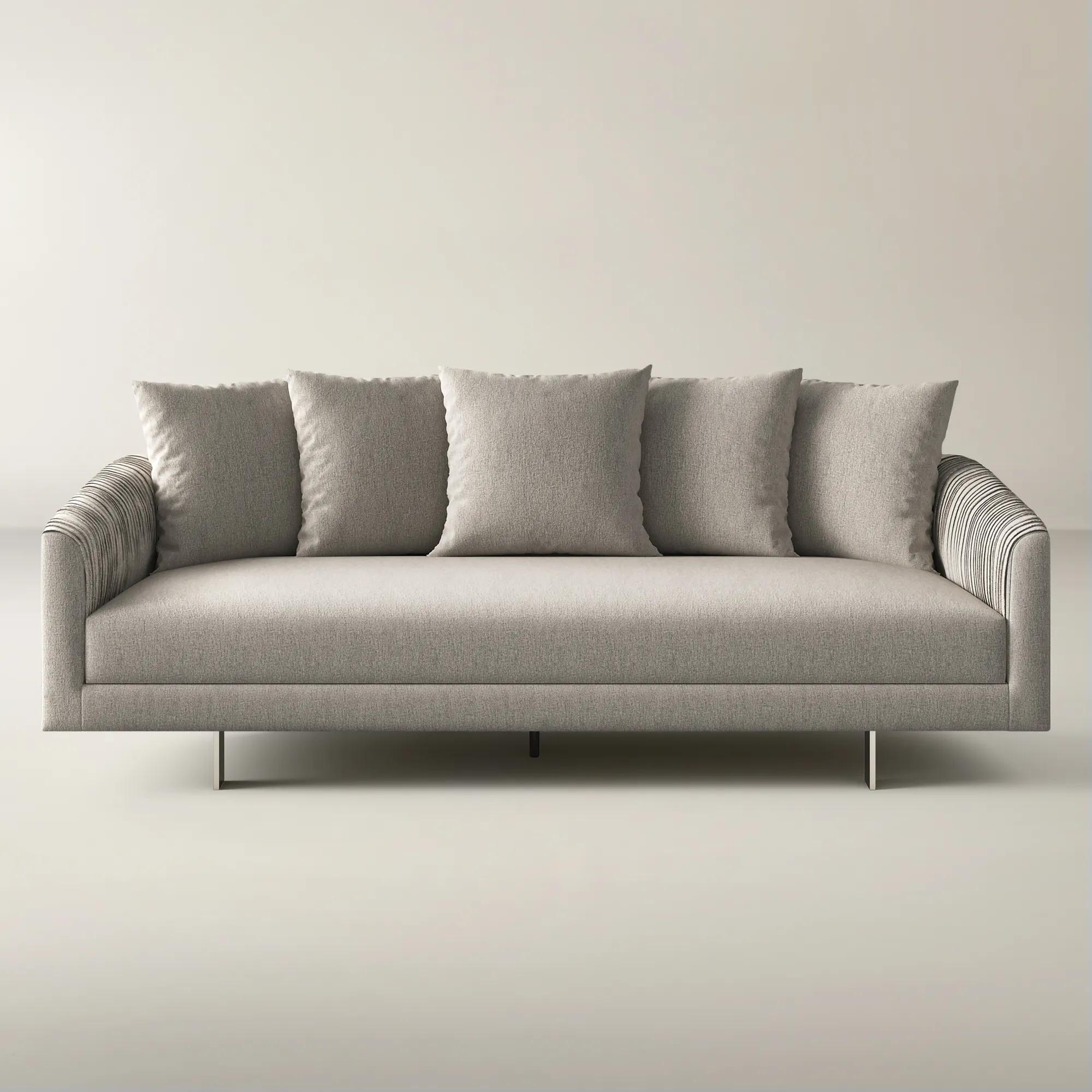 Isabel Moondust Chenille Sofa$2299
A luxurious hand-tufted sofa with plush feather and foam cushions, nickel-brushed legs, and five pillows.
Add To Cart -
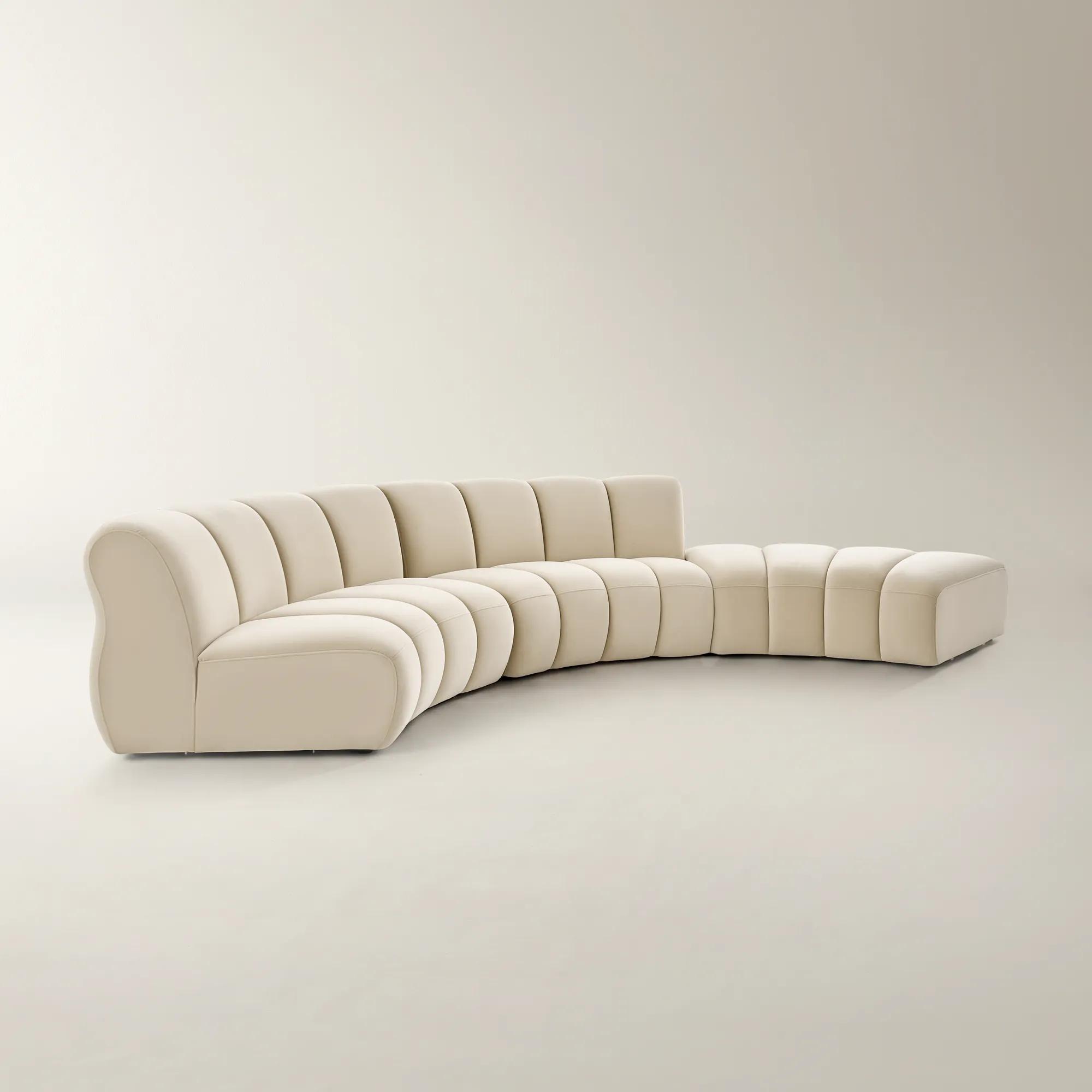 Jocelyn 3-Piece Channel-Tufted Oatmeal Velvet Sectional Sofa With Ottoman$3699
An oatmeal velvet sectional with deep channel tufting, curved silhouette, and modular design for versatile lounging.
Add To Cart -
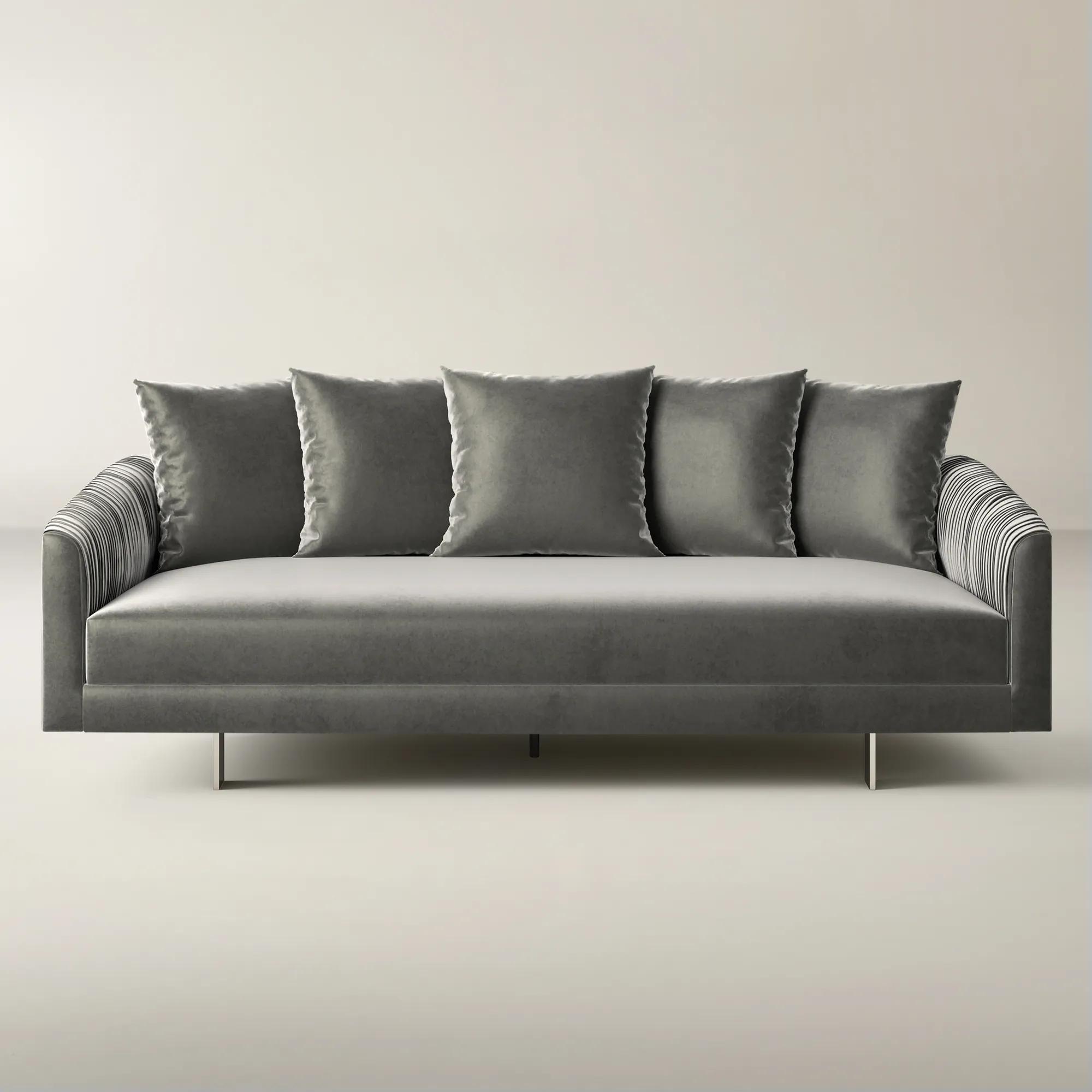 Isabel Ottergrey Velvet Sofa$2599
A luxurious hand-tufted sofa with plush feather-filled cushions, nickel-brushed stainless steel legs, and five decorative pillows.
Add To Cart -
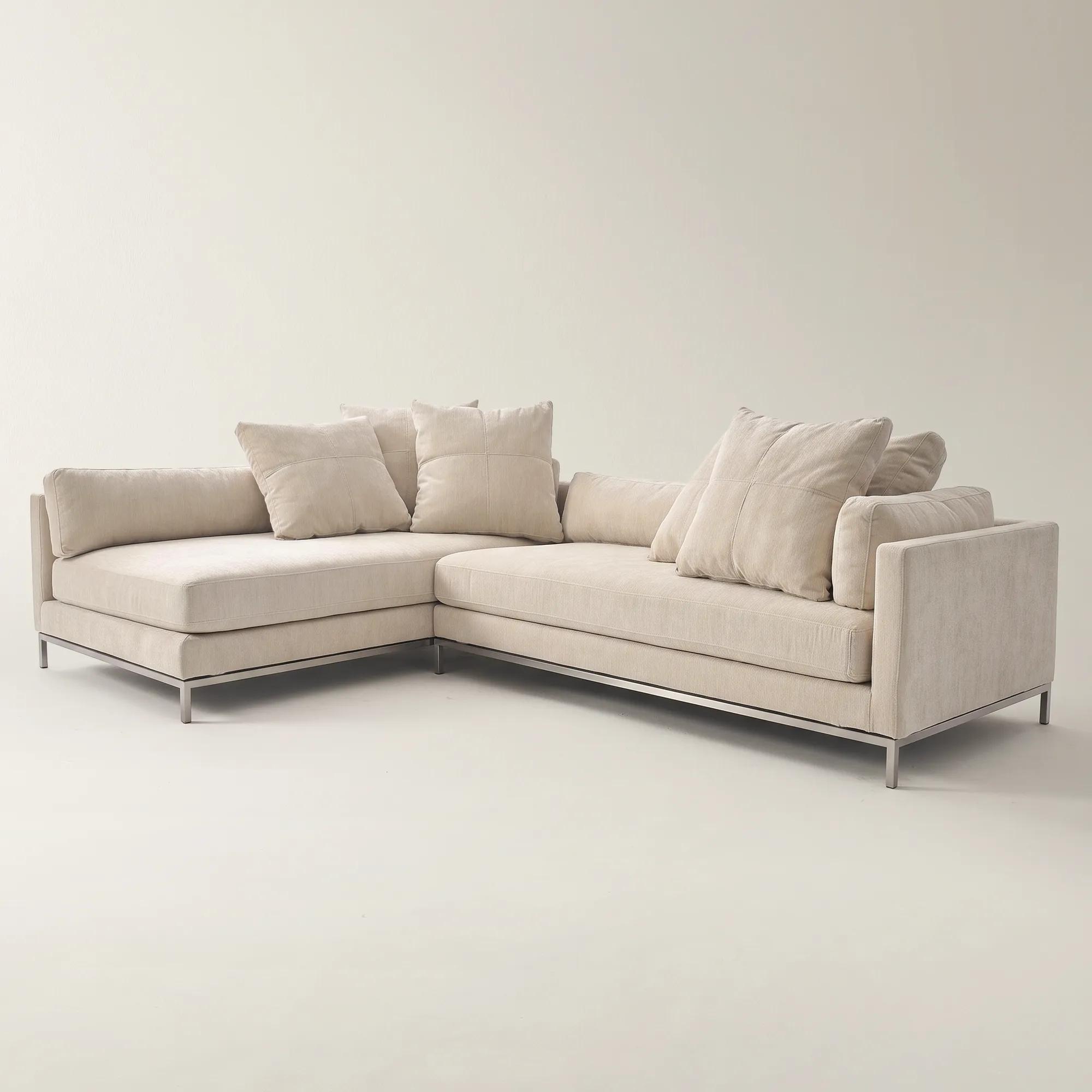
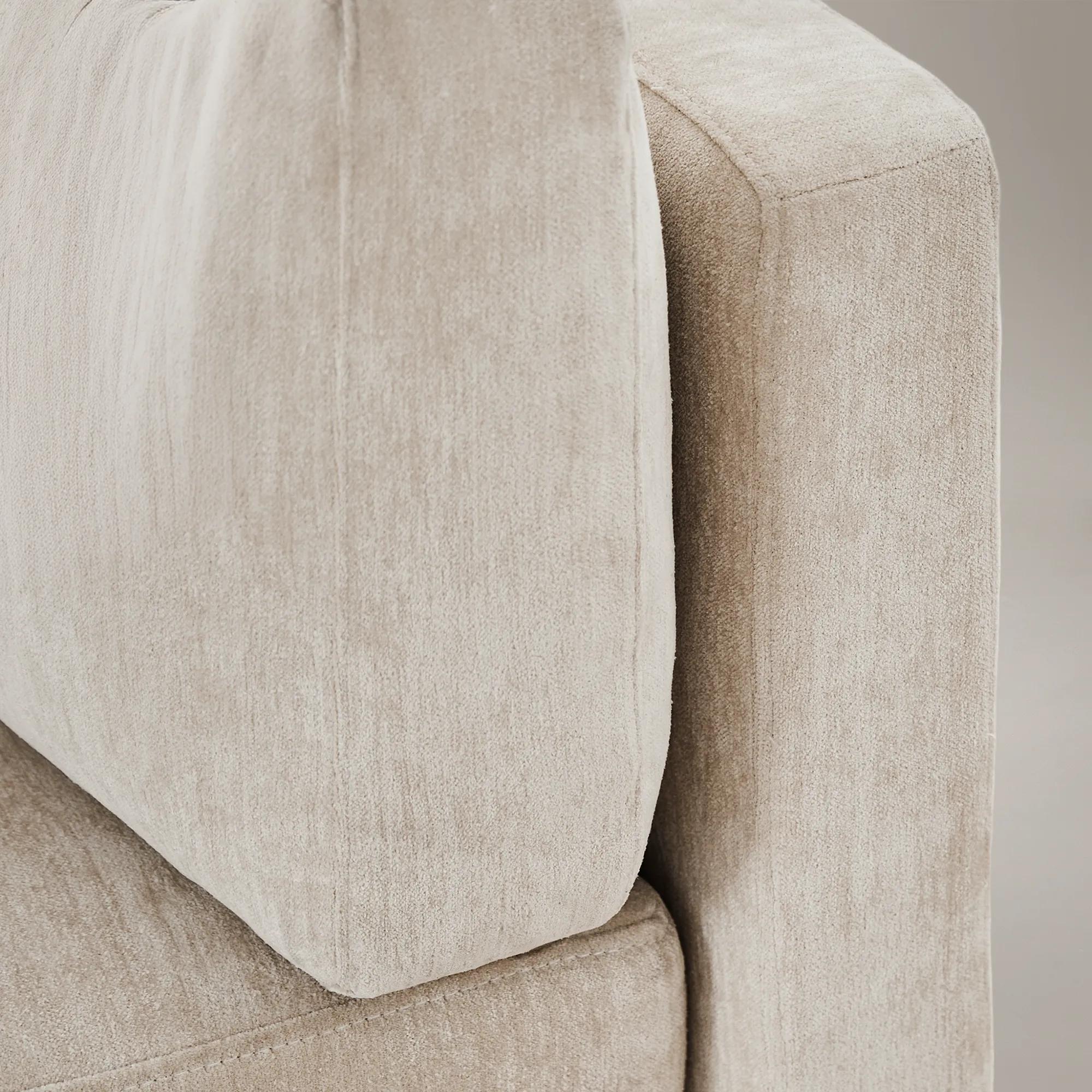 Ventura 2-Piece L-Shaped Snow Chenille Sectional Sofa With Right-Arm Chair$4099
A modern Snow chenille sectional with plush feather-filled cushions, streamlined metal base, and versatile L-shaped comfort.
Add To Cart -
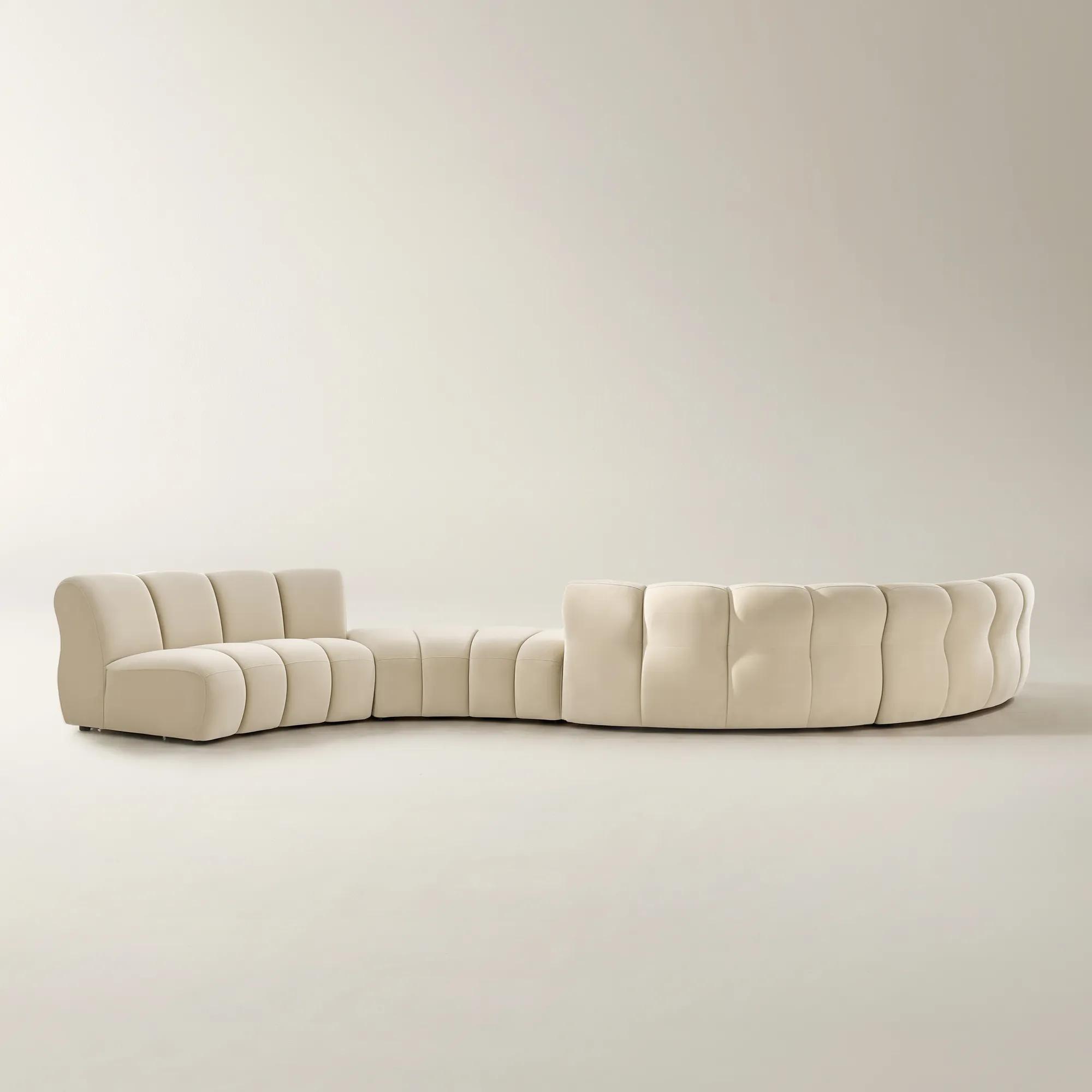 Jocelyn 4-Piece Channel-Tufted Oatmeal Velvet Sectional Sofa With Ottoman$4999
An oatmeal velvet sectional with deep channel tufting, curved silhouette, and modular design for flexible arrangements.
Add To Cart -
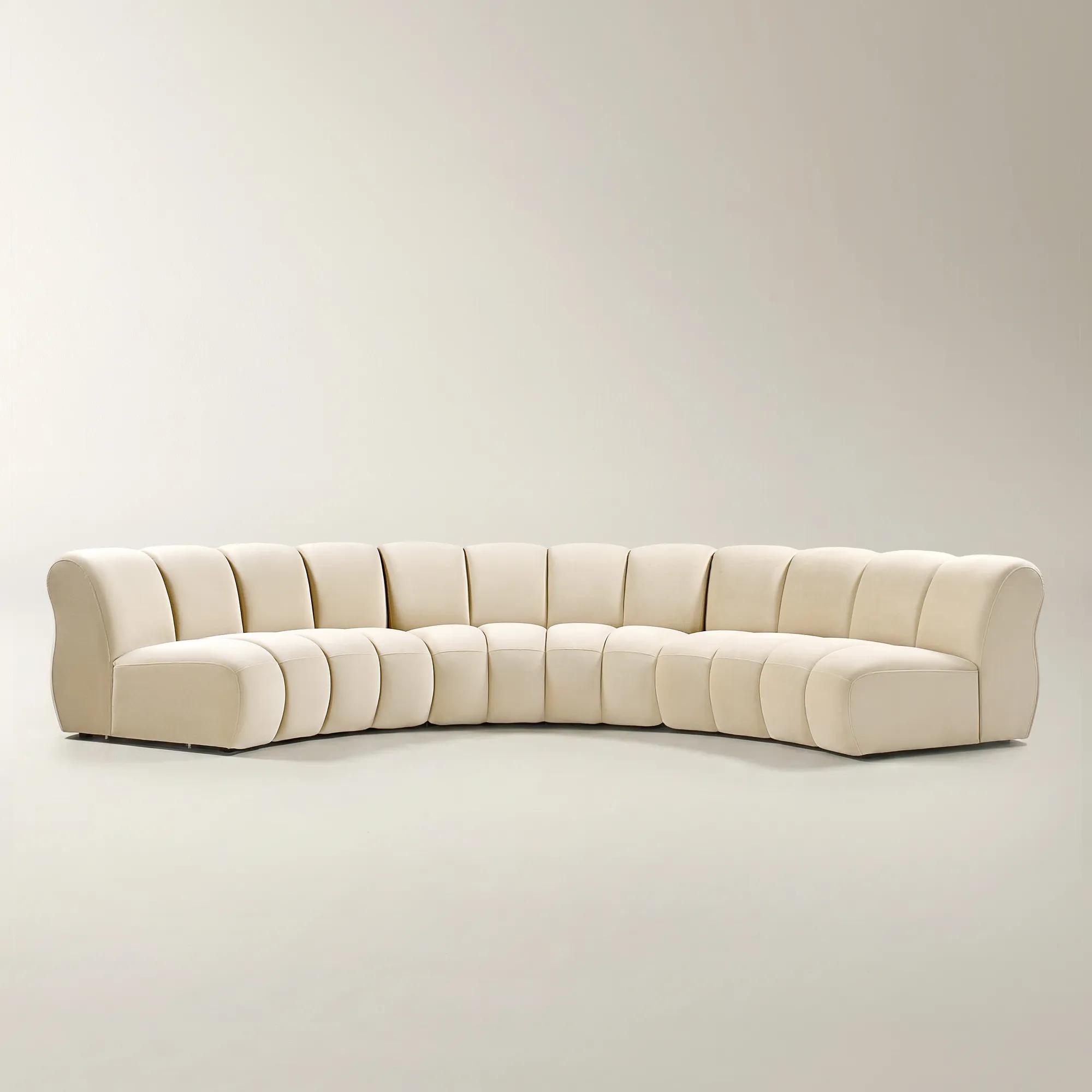
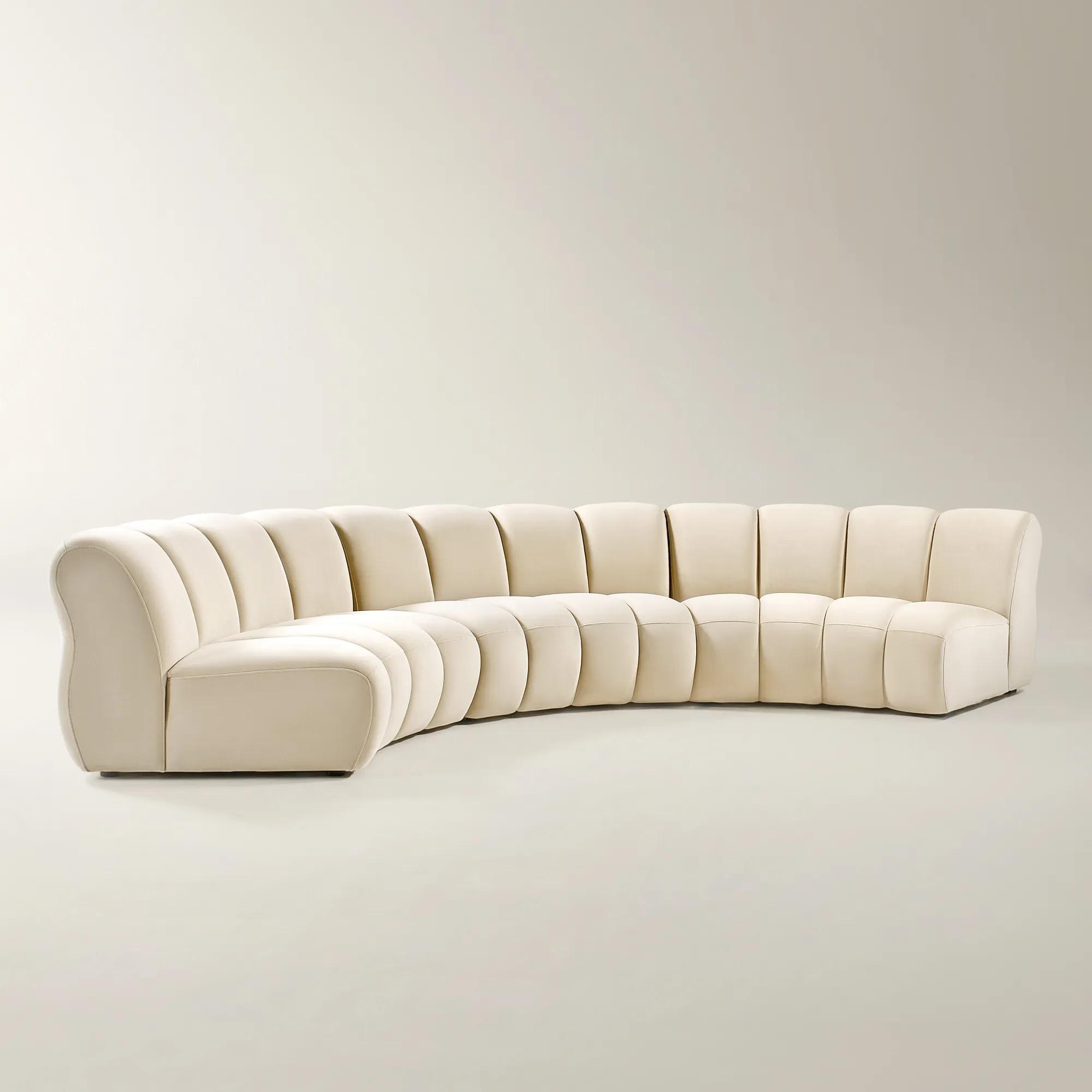 Jocelyn 3-Piece Channel-Tufted Oatmeal Velvet Sectional Sofa$4099
An oatmeal velvet sectional featuring deep channel tufting, sculptural curves, and modular, kiln-dried wood construction.
Add To Cart -
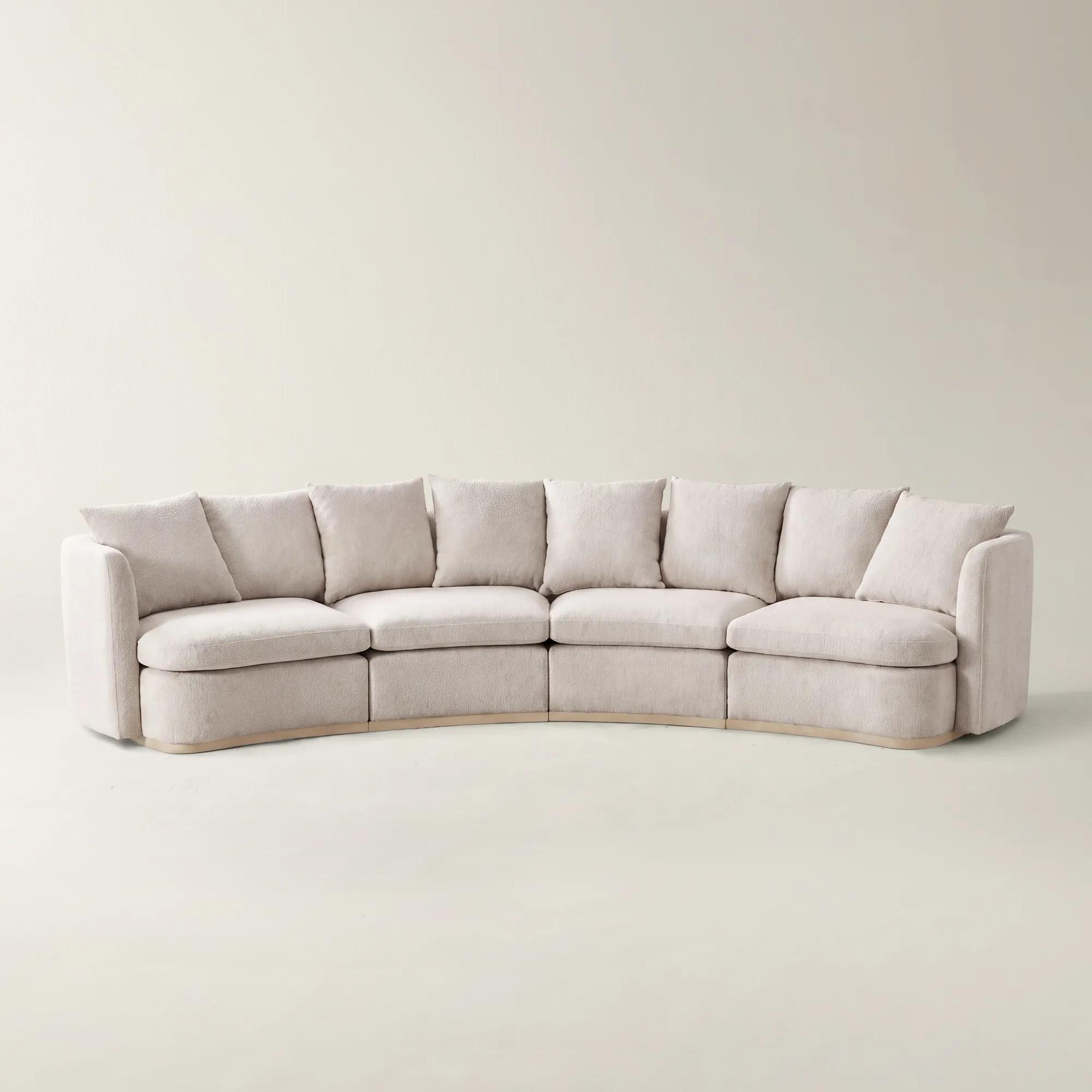
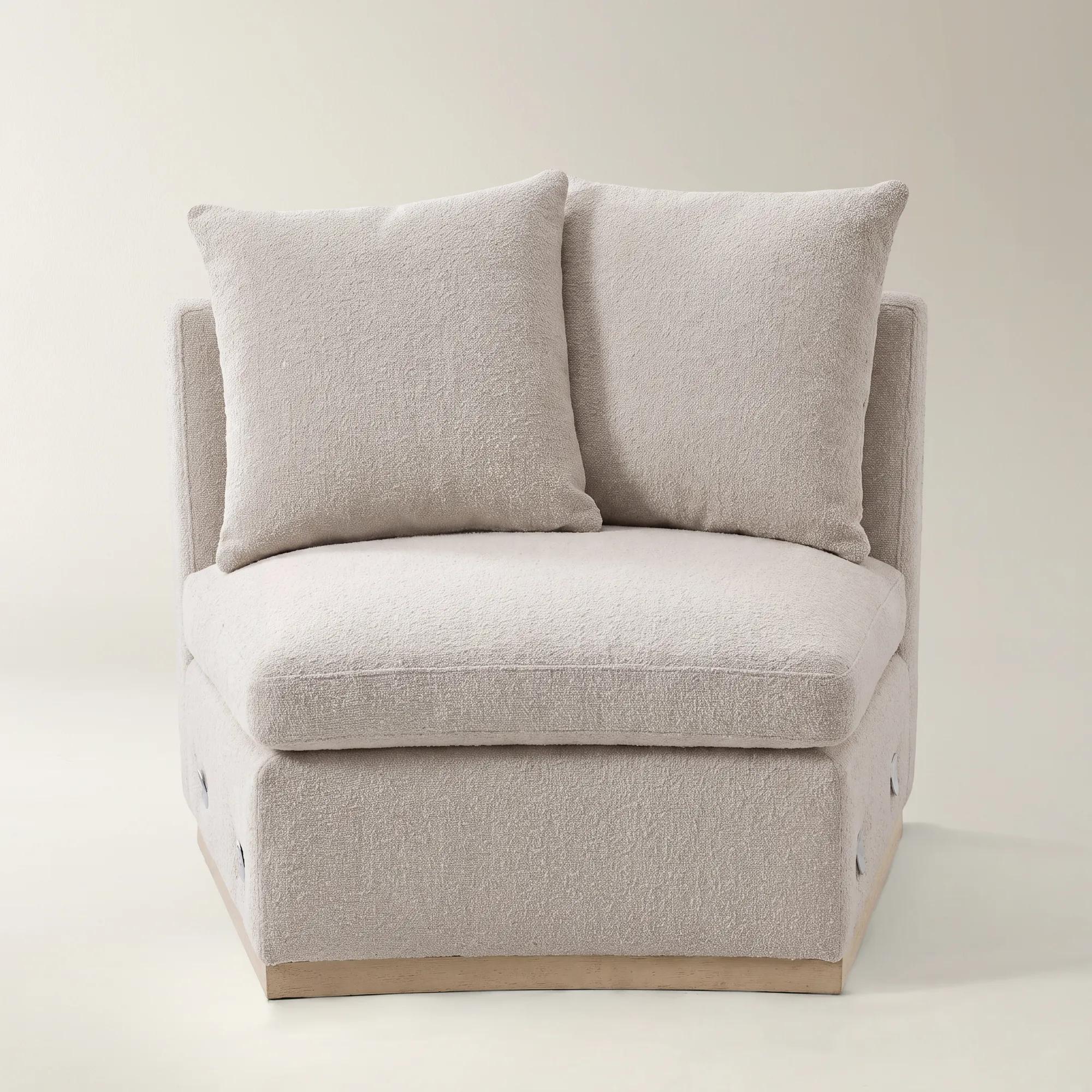
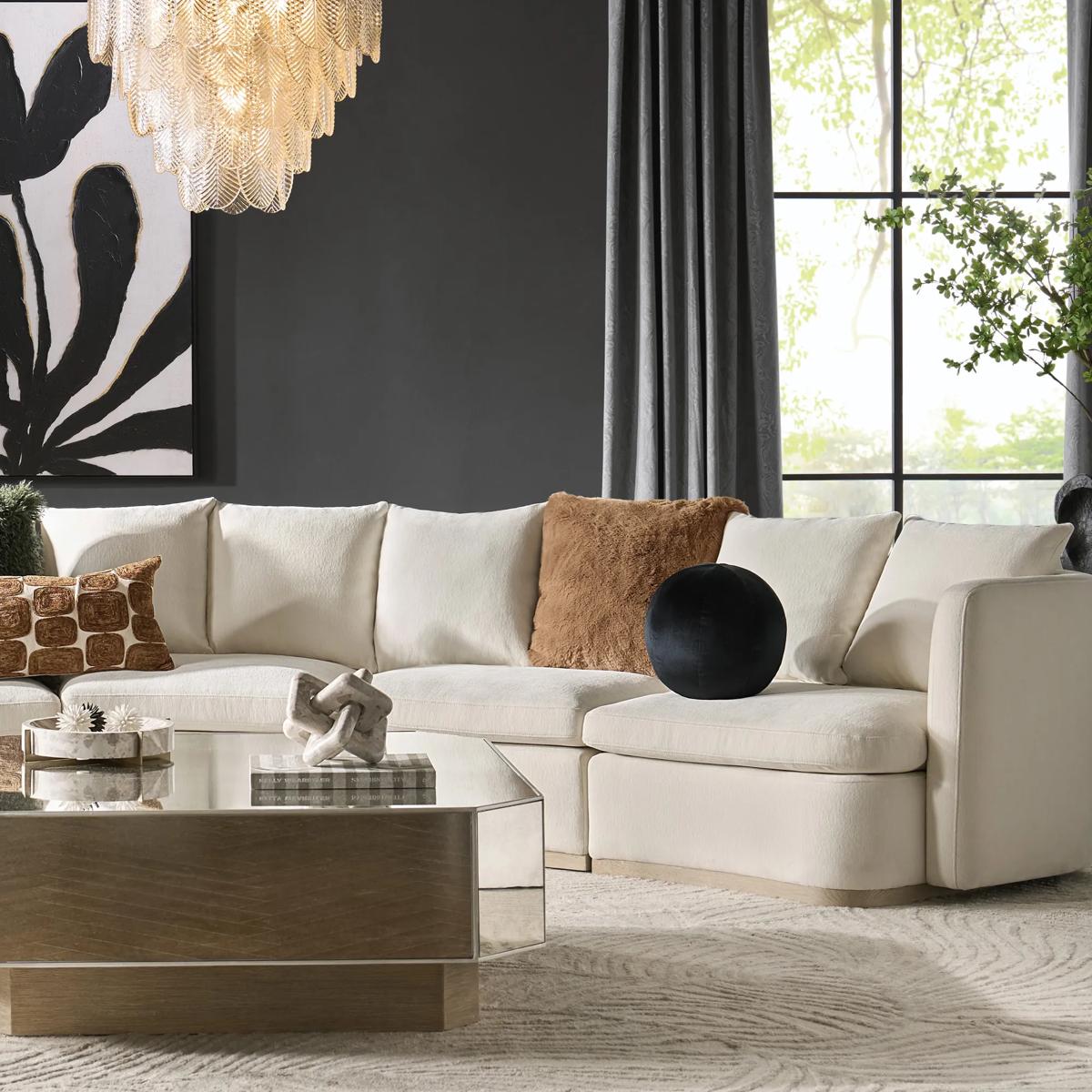 Stria 4-Piece Ivory Performance Boucle Sectional Sofa$4099
A sculptural ivory performance boucle sectional with modular connectors, kiln-dried wood construction, and layered foam-down cushioning.
Add To Cart -
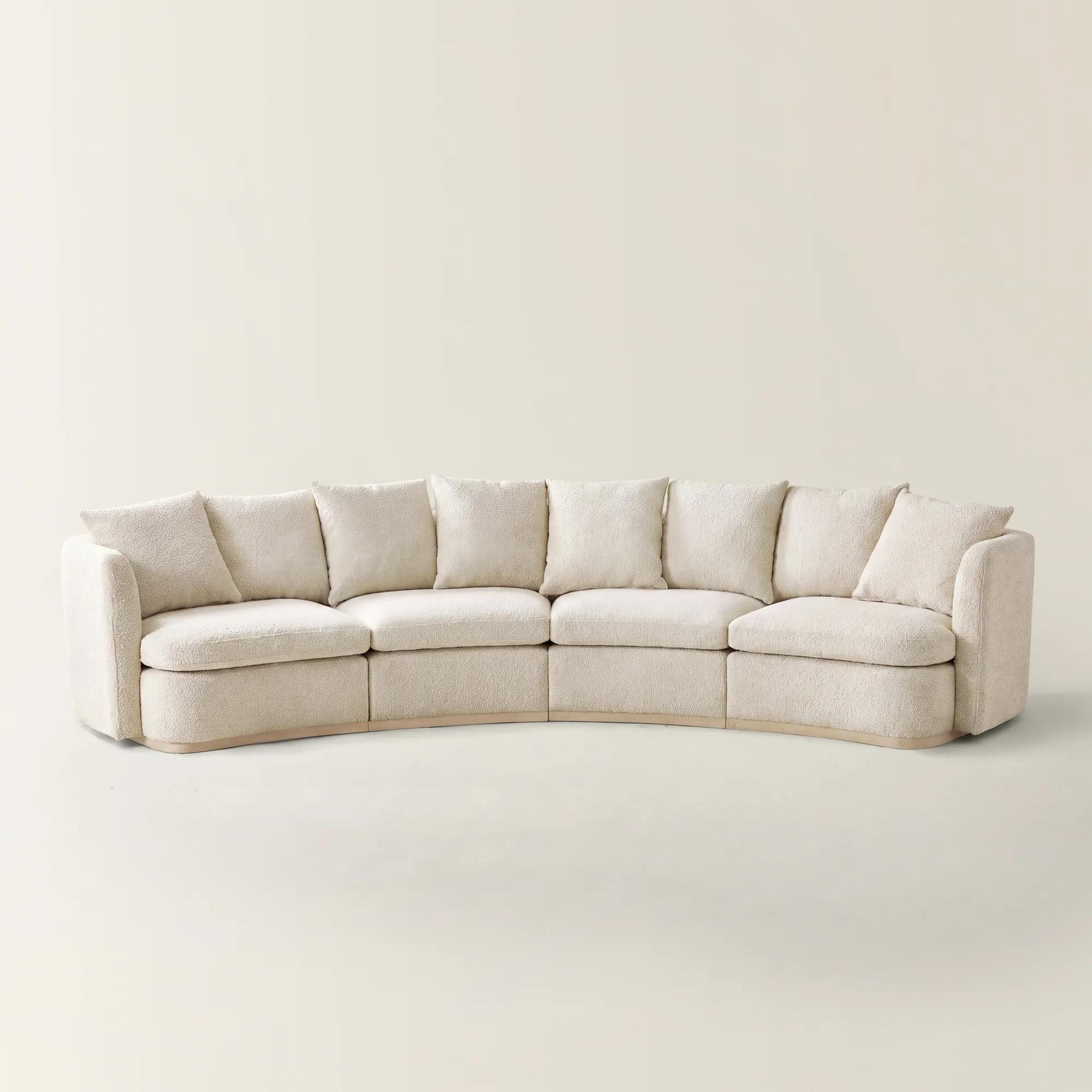 Stria 4-Piece Ivory Performance Boucle Sectional Sofa$4099
A sculptural ivory performance boucle sectional with modular connectors and layered foam-down cushioning for relaxed comfort.
Add To Cart -
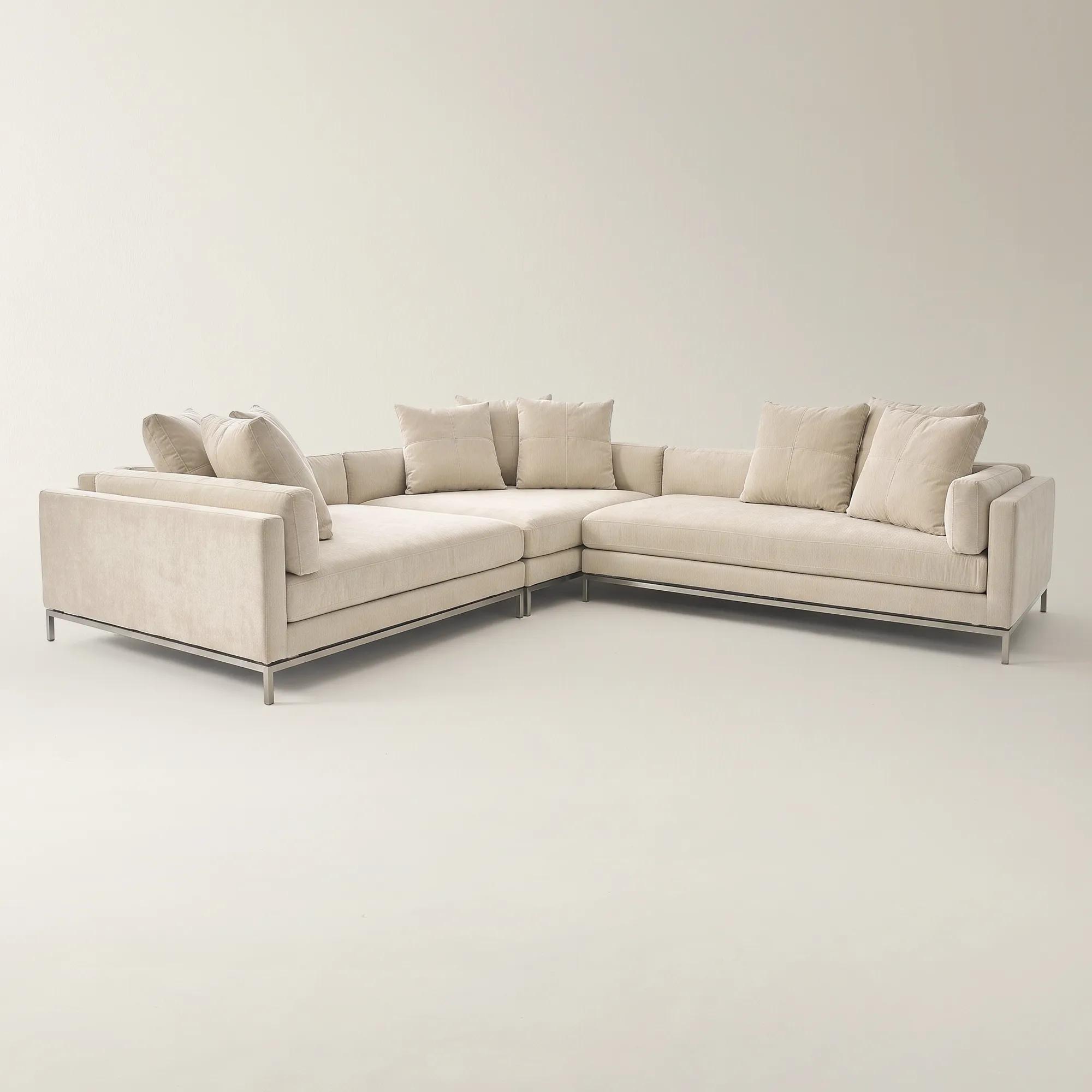 Ventura 3-Piece L-Shaped Snow Chenille Sectional Sofa With Right-Arm Chair$5999
A snow chenille sectional with a streamlined floating silhouette, plush feather-filled cushions, and versatile L-shaped seating.
Add To Cart -
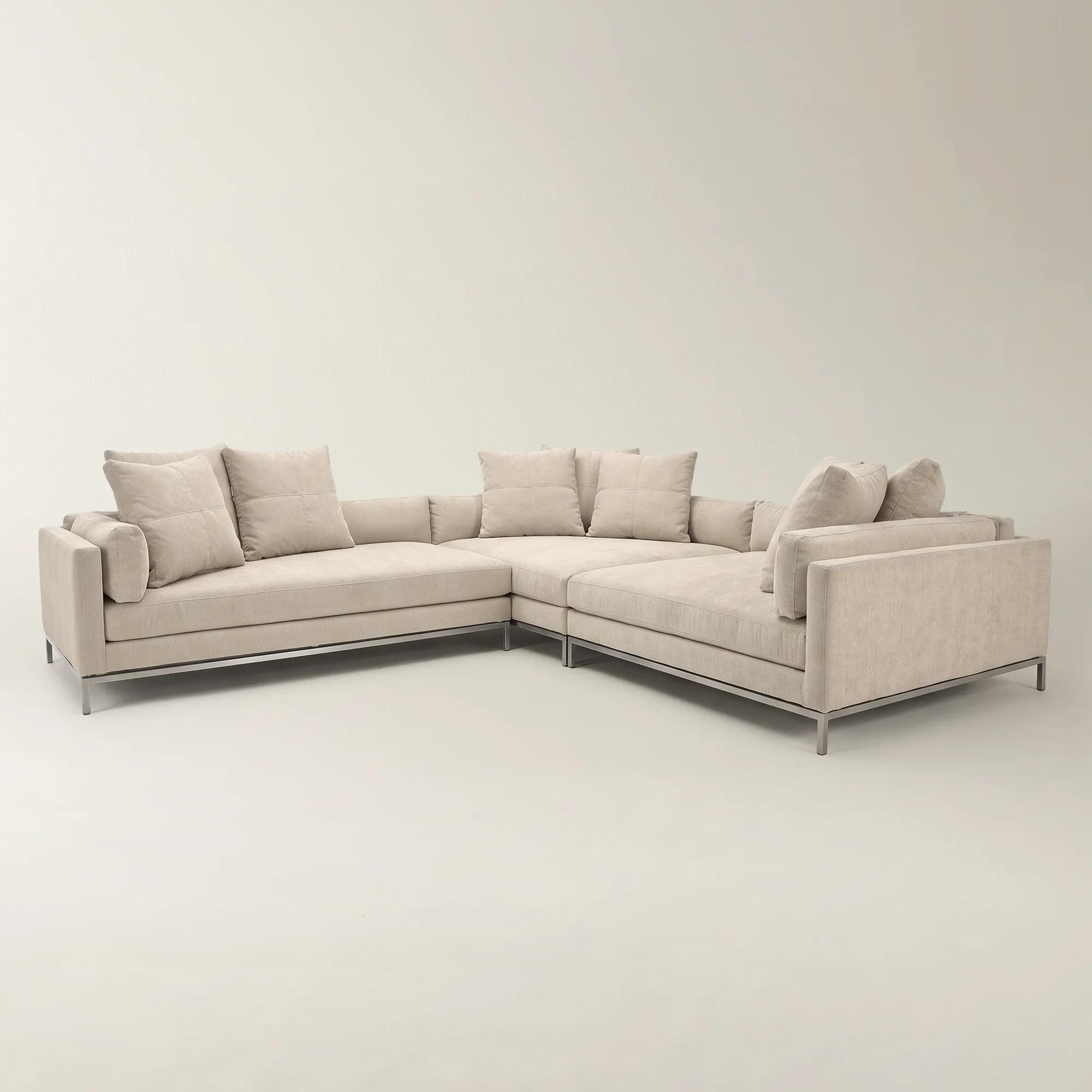 Ventura 3-Piece L-Shaped Snow Chenille Sectional Sofa With Left-Arm Chair$5999
A modern Snow chenille sectional with a stainless-steel base, plush feather pillows, and deep-seated comfort.
Add To Cart -
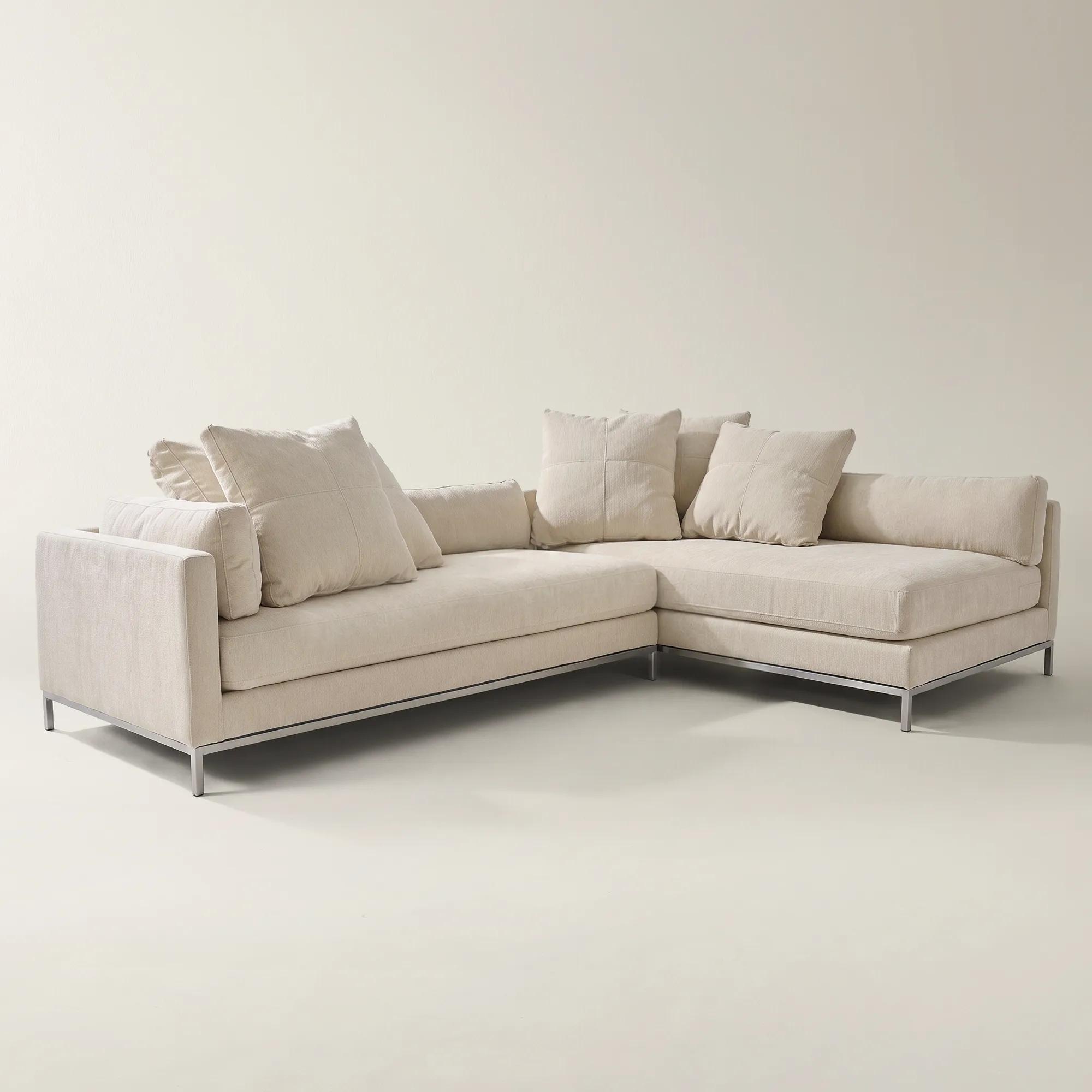 Ventura 2-Piece L-Shaped Snow Chenille Sectional Sofa With Left-Arm Chair$4099
A modern Snow chenille sectional with plush feather-filled pillows, supportive cushioning, and a stainless-steel base.
Add To Cart -
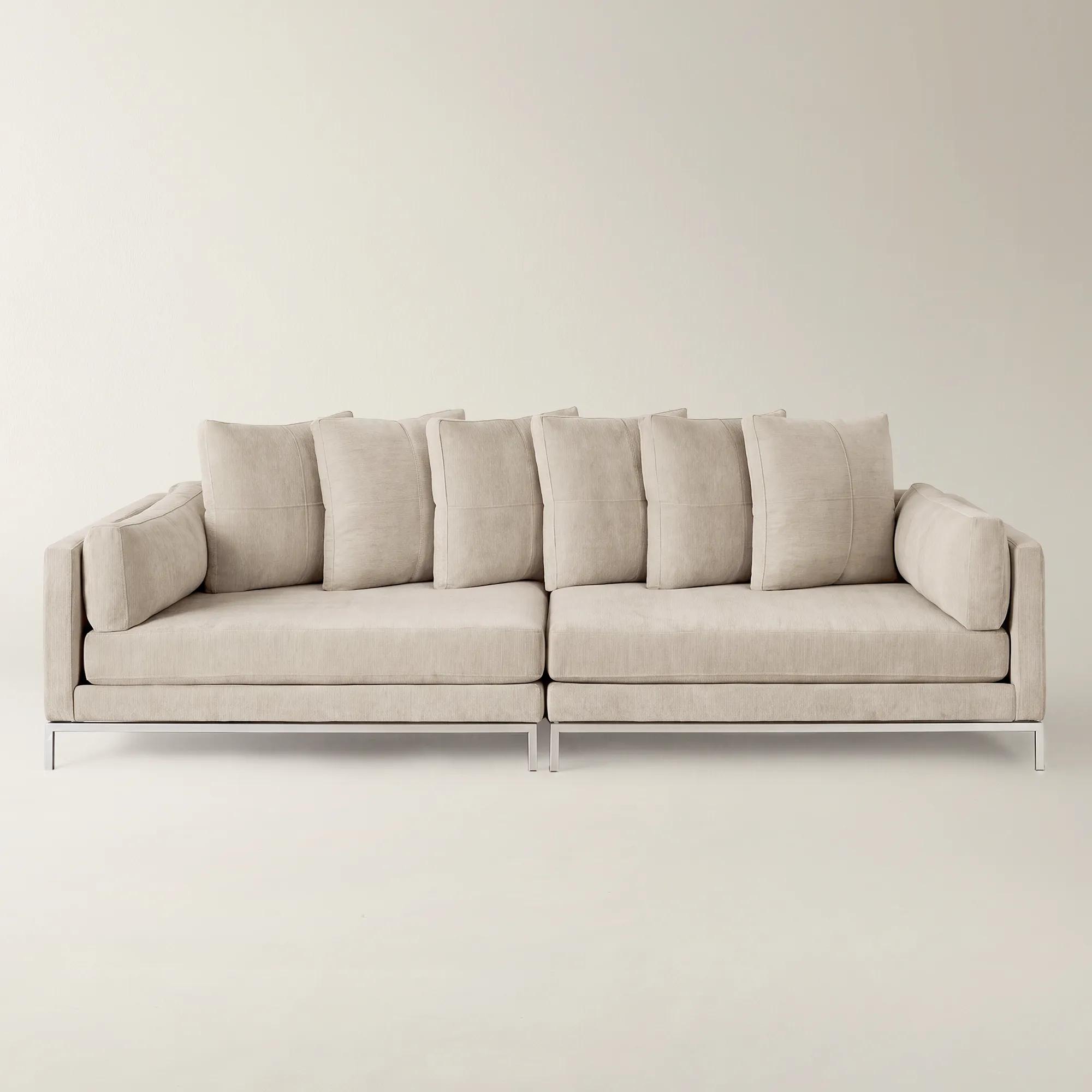
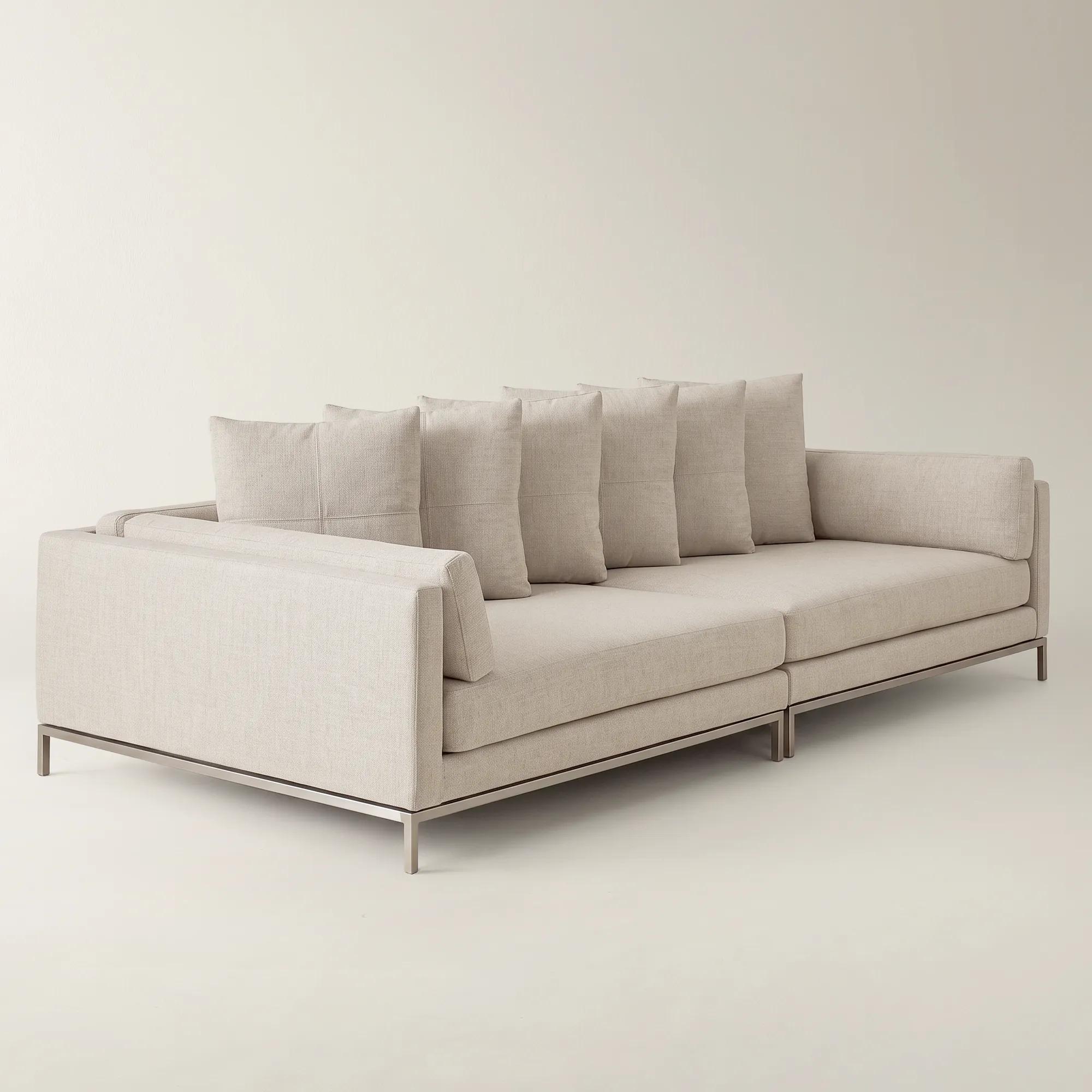 Ventura 2-Piece Square Snow Chenille Sectional Sofa$4299
A modern snow chenille sectional with a floating stainless-steel base, plush feather-filled pillows, and versatile configurations.
Add To Cart -
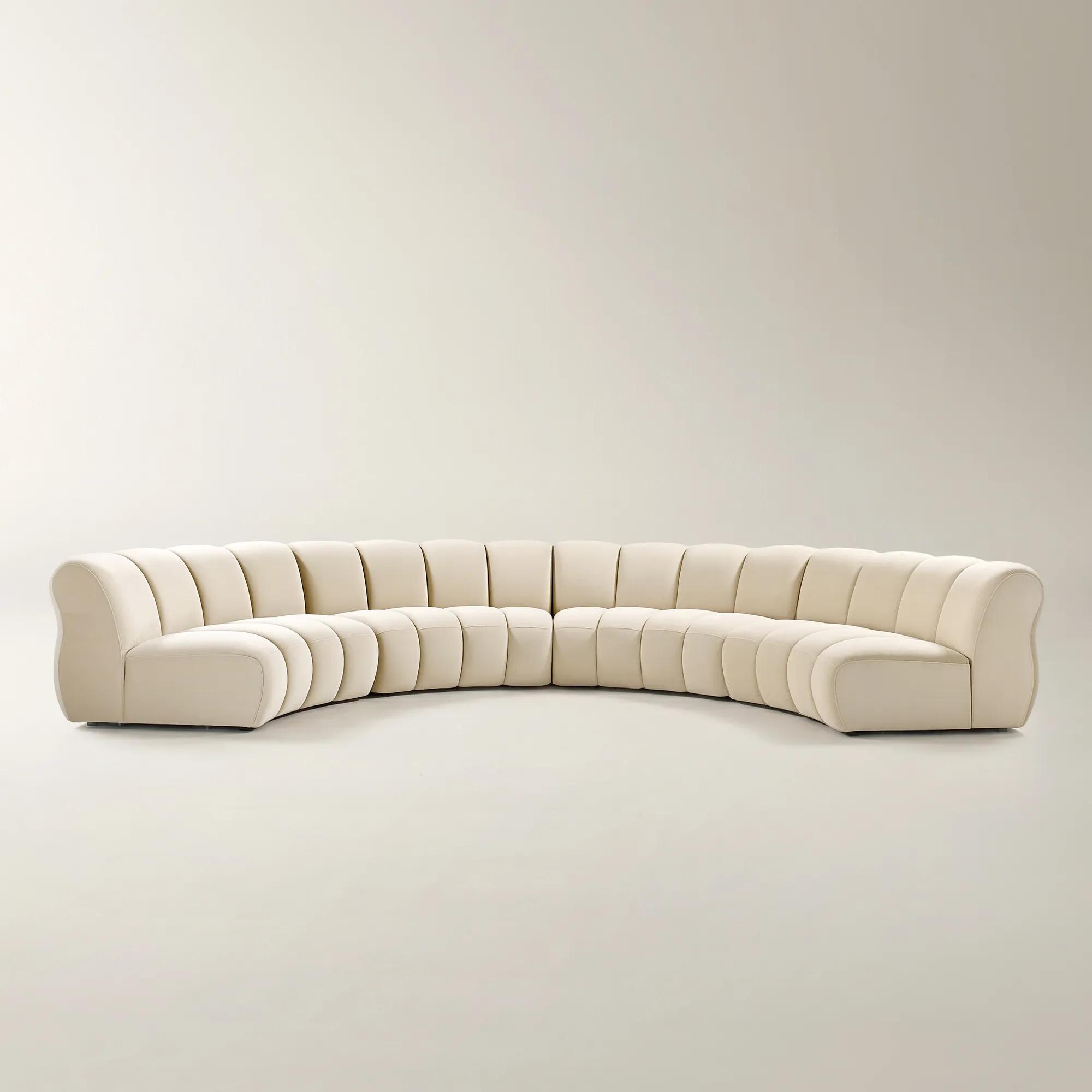
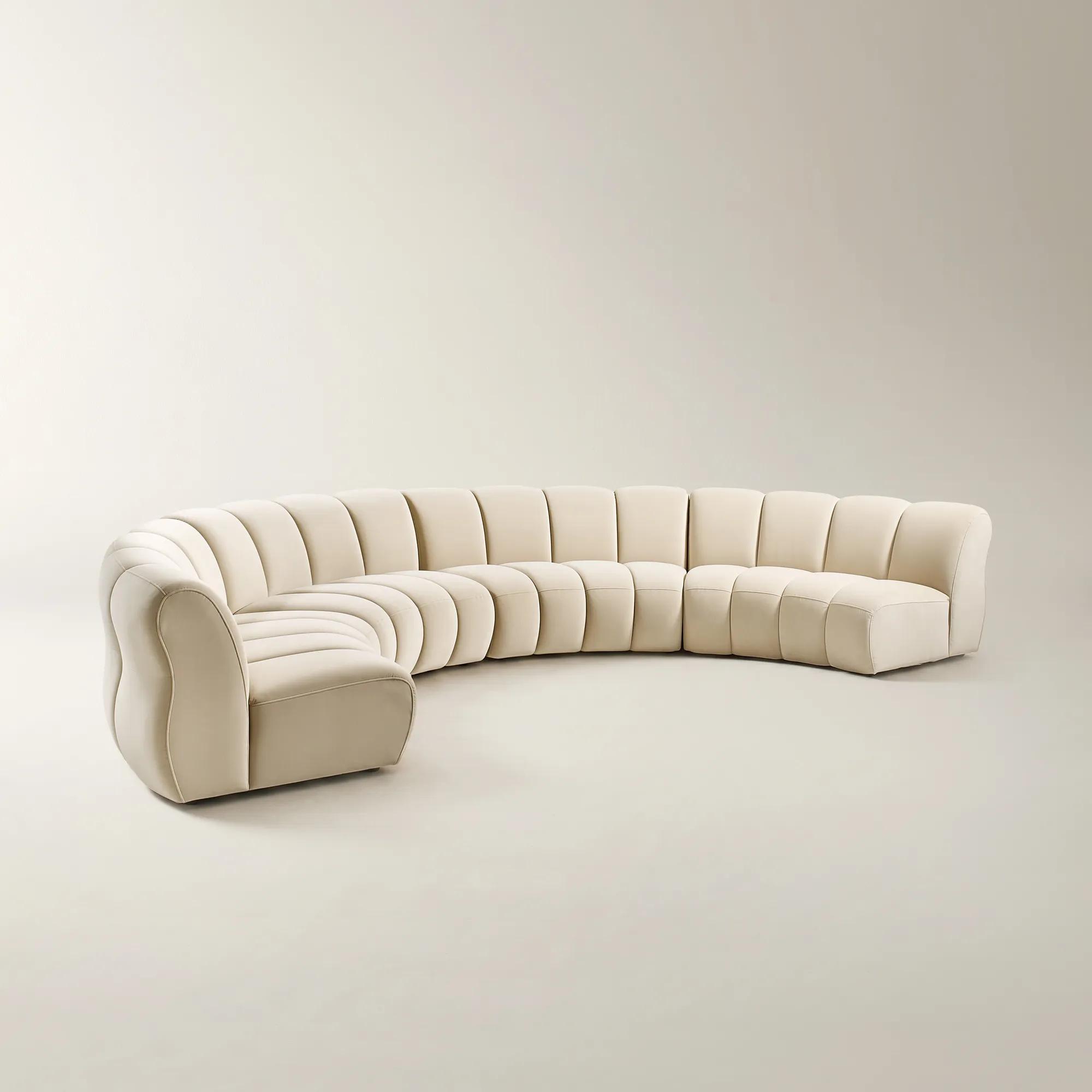 Jocelyn 4-Piece Channel-Tufted Oatmeal Velvet Sectional Sofa$4999
An oatmeal velvet sectional with deep channel tufting, curved silhouette, and modular design for versatile lounging.
Add To Cart -
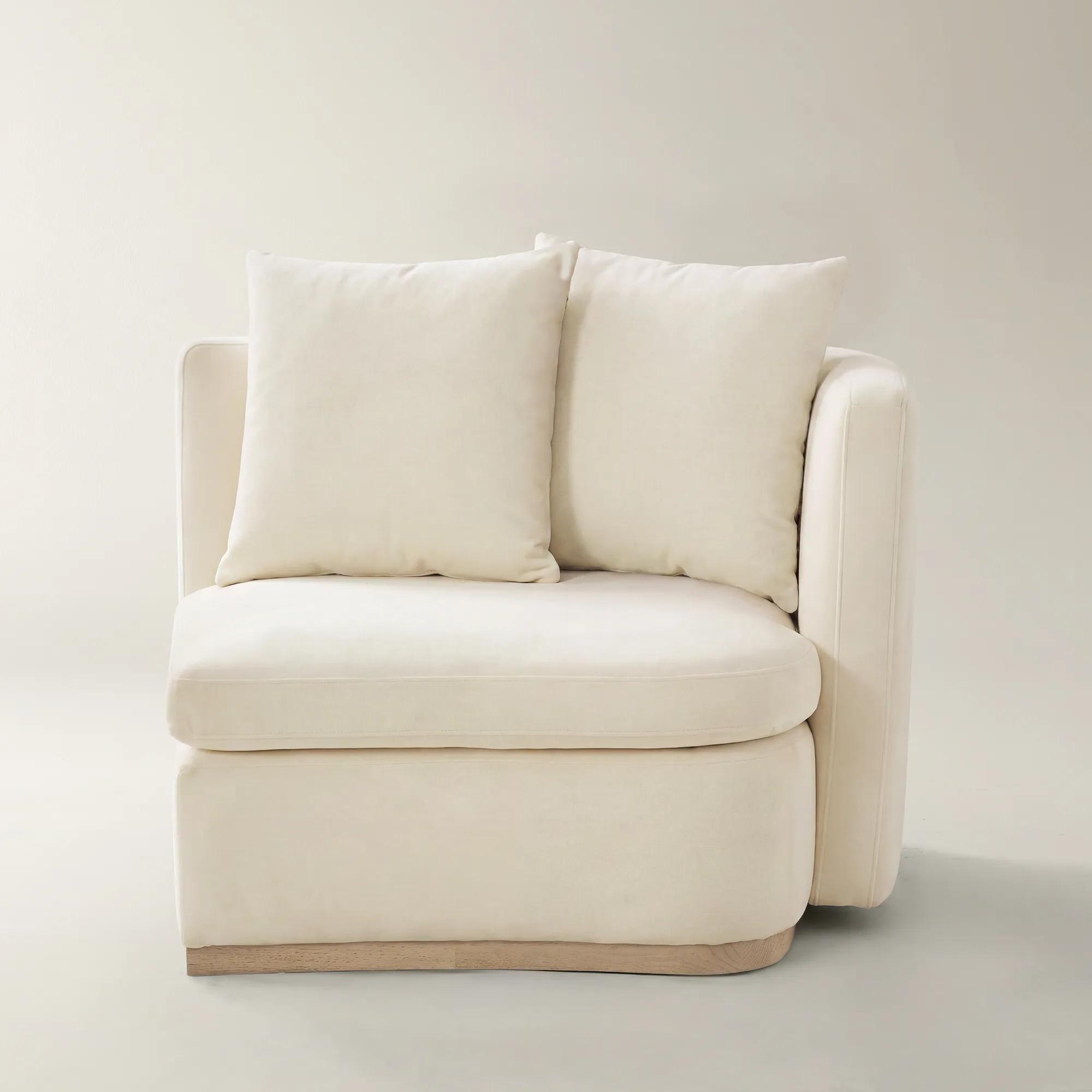
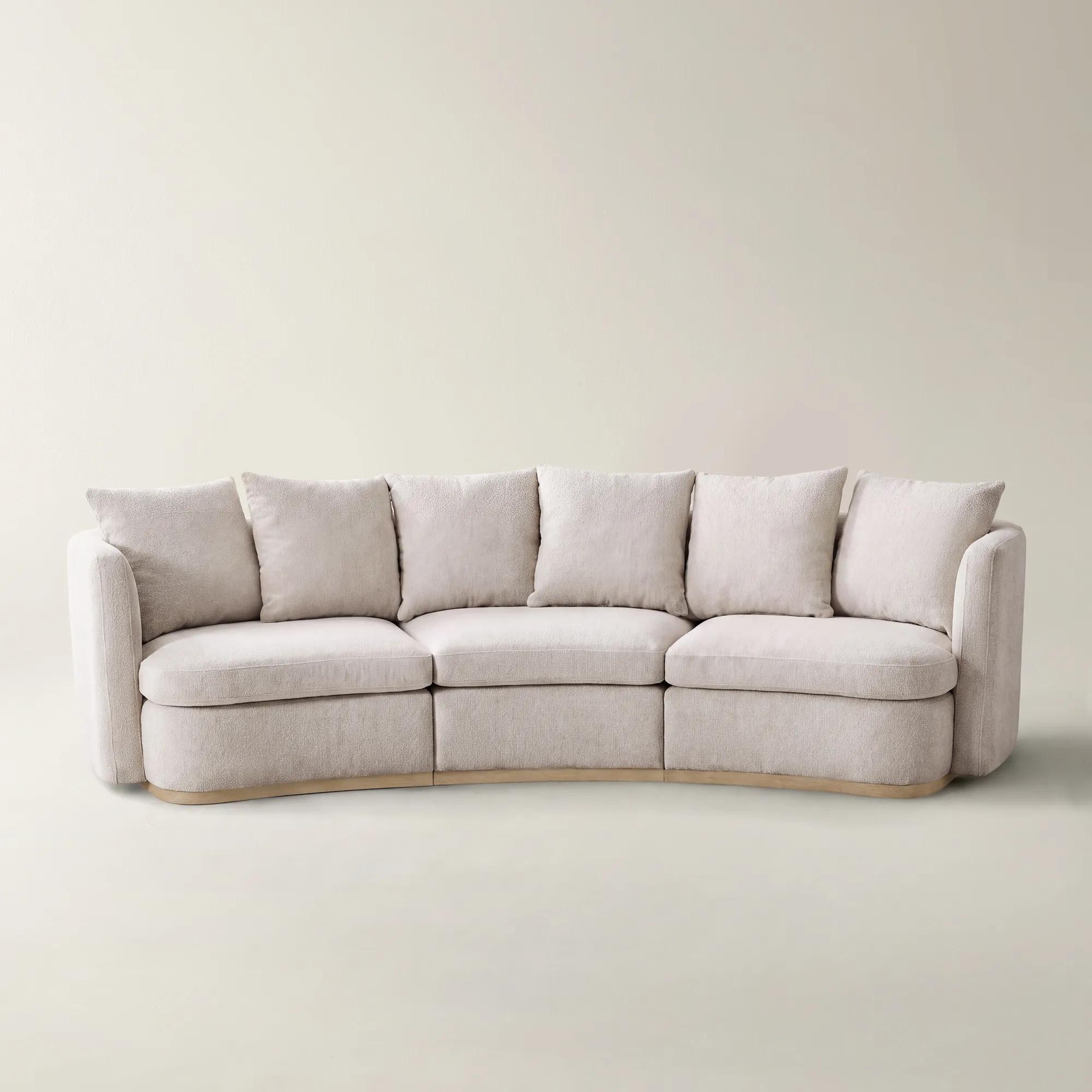 Stria 3-Piece Ivory Performance Boucle Sectional Sofa$3099
An ivory performance boucle sectional with sculptural curves, modular construction, and layered foam-down cushioning for comfort.
Add To Cart -
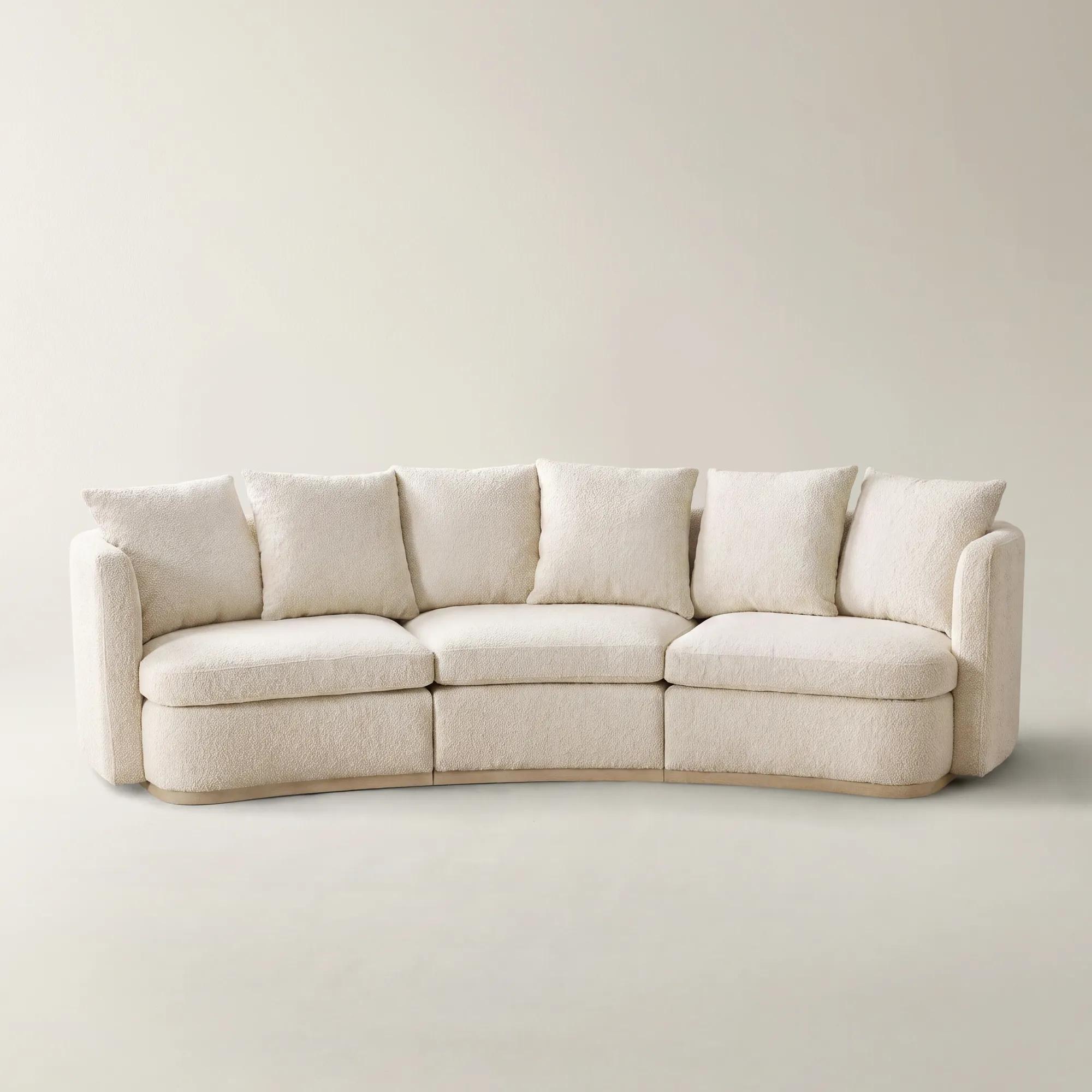 Stria 3-Piece Ivory Performance Boucle Sectional Sofa$3099
A sculptural ivory performance boucle sectional with kiln-dried wood, oak base, modular connectors, and down-blend cushioning.
Add To Cart -
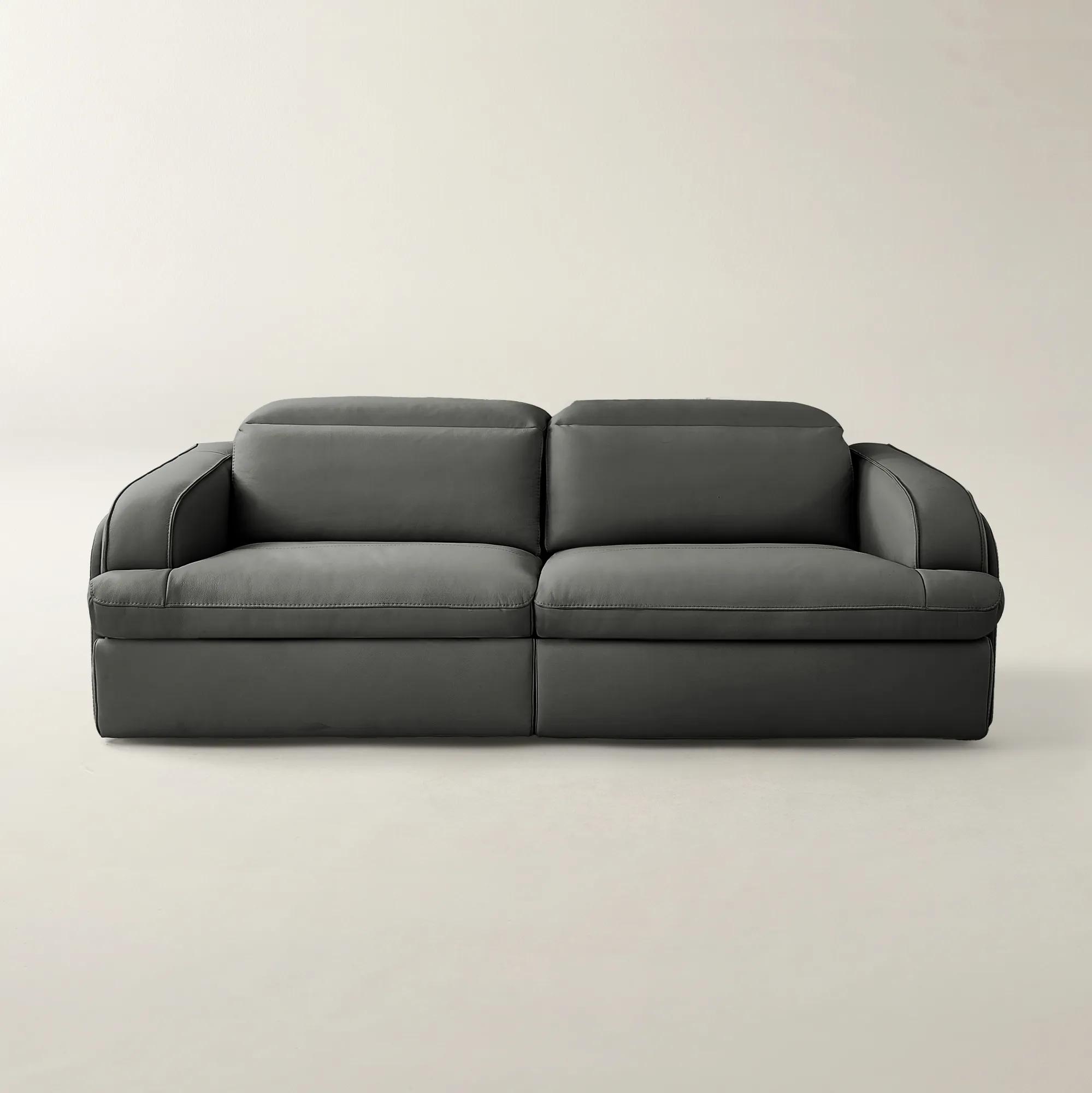 Terra Reclining Leather Sofa$3198
A charcoal genuine leather sofa with power reclining headrests and footrests, leather-match panels, and down-blended cushions.
Add To Cart -
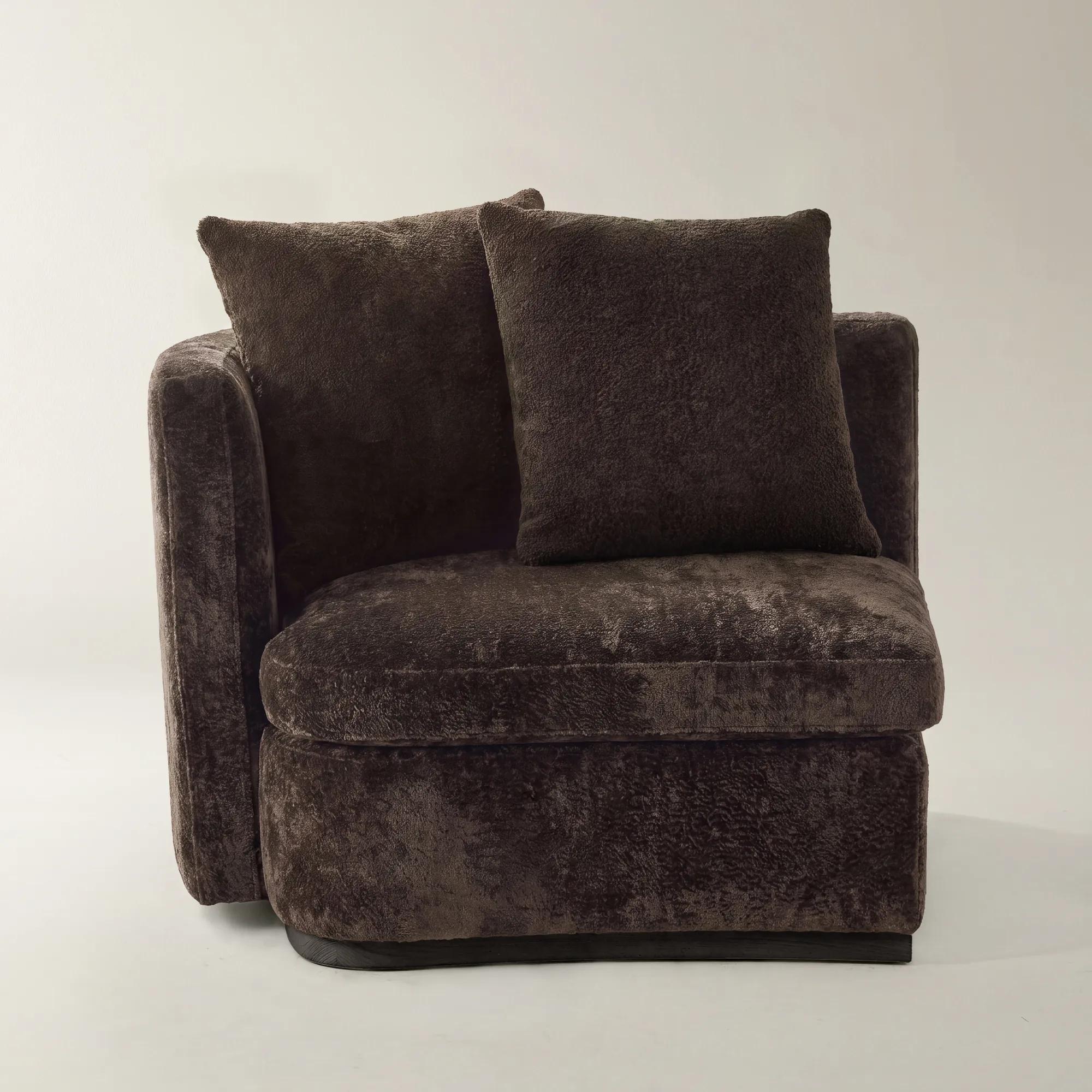
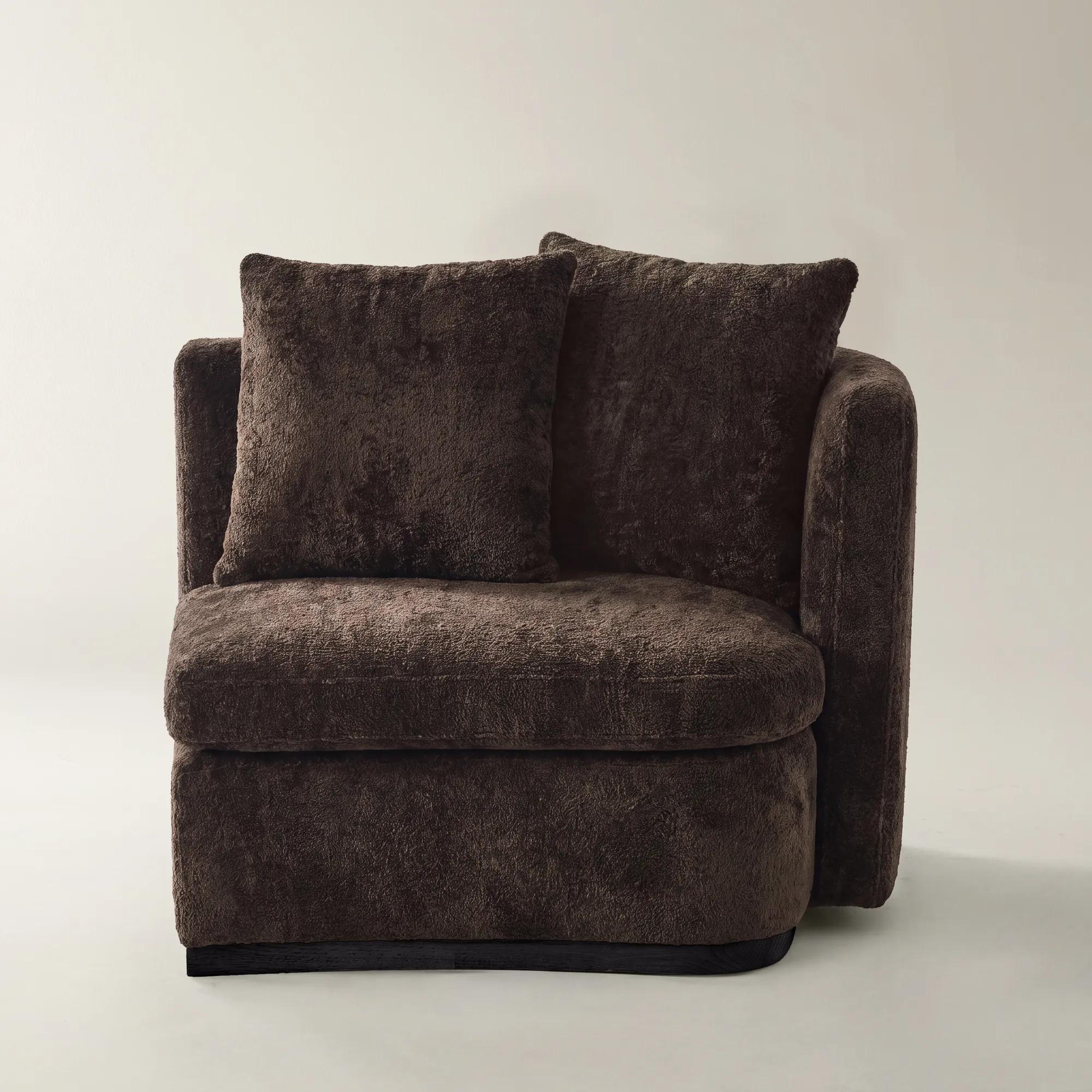
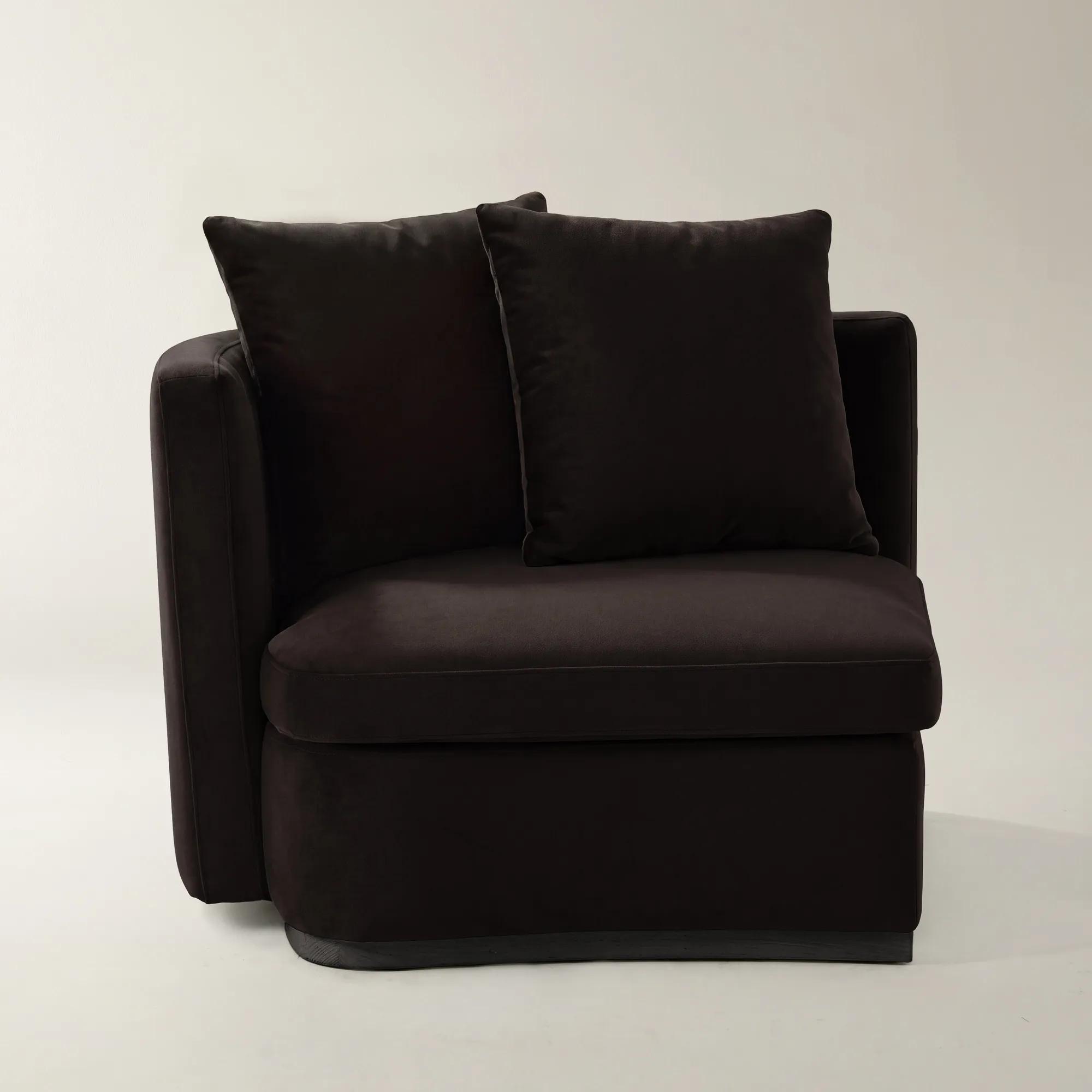
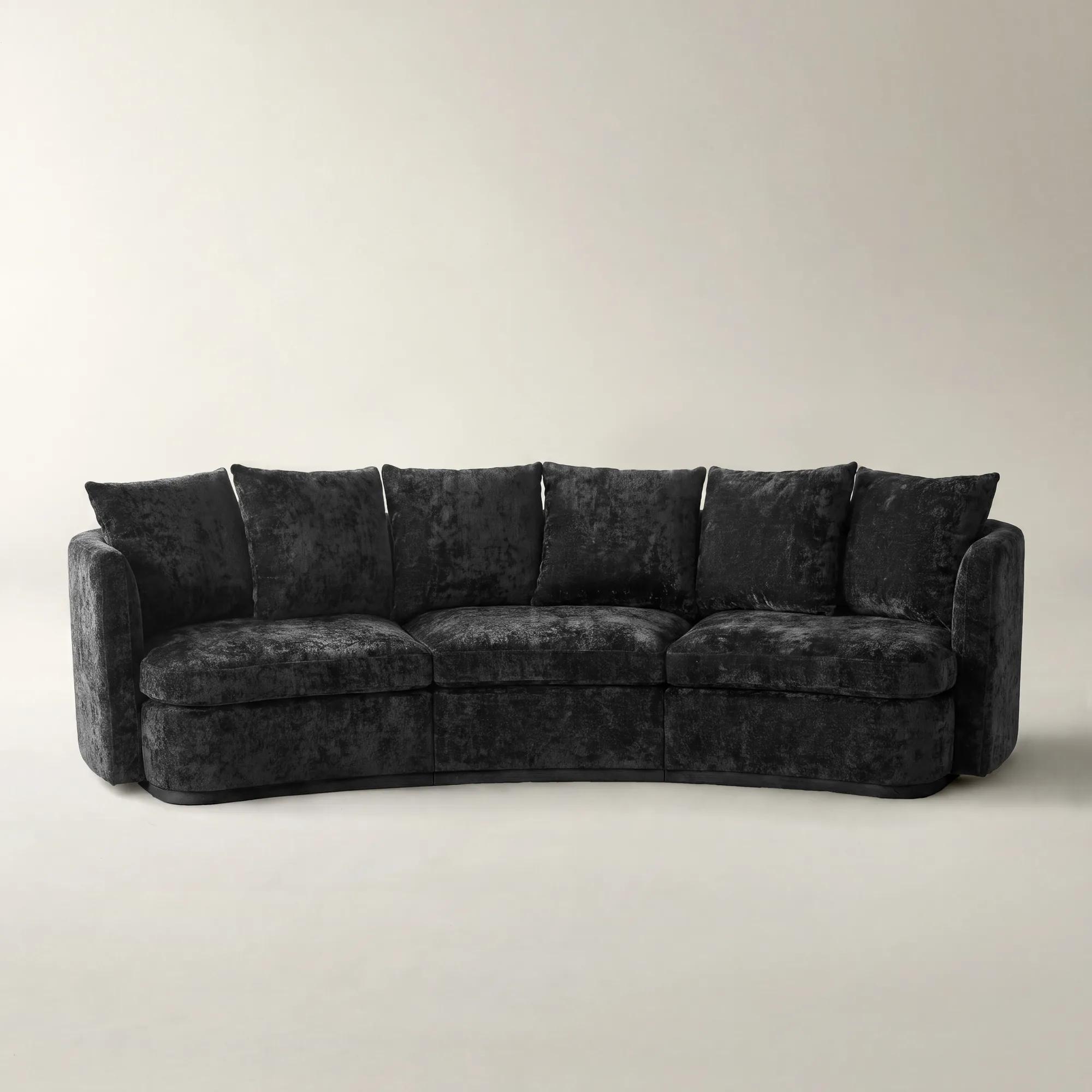 Stria 3-Piece Black Chenille Sectional Sofa$3099
A sculptural black chenille sectional with modular connectors, kiln-dried wood construction, and layered foam-down cushioning.
Add To Cart

Sofas For Open Plan Living Spaces
Sofas for open plan living spaces are more than seating—they are the sculptural anchors that define your home’s grandest gestures. In a world where boundaries blur and rooms flow effortlessly into one another, the right sofa becomes a statement of intent: inviting conversation, carving out zones of comfort, and setting the stage for everyday drama. Each piece is an invitation to linger, to lounge, and to curate your own gallery of style—where every angle is a vignette and every detail delights. Discover how bold silhouettes and sumptuous textures can transform open spaces into curated sanctuaries of self-expression.
Sofas for open plan living spaces do more than provide a place to sit—they define the room within the room. In a home where the kitchen, dining area, and living space flow together, the right sofa creates a sense of destination without interrupting the architecture. Look for silhouettes that feel polished from every angle, especially if the sofa will sit away from the wall and float at the center of your floor plan. A finished back allows the piece to act as a refined visual divider, while a low-profile frame preserves sightlines across the room and helps the entire space feel expansive. L-shaped sectionals can establish a generous lounge zone with a naturally inviting corner, making them especially appealing for households that gather for long conversations, relaxed entertaining, or cinematic evenings at home. Modular sofas offer another beautifully flexible approach, with movable pieces that can be rearranged as your needs shift, the room evolves, or the chaise position needs to change. For narrower layouts, a streamlined sofa with tailored arms can define the living area while leaving an elegant passage between the seating zone, kitchen, dining table, and nearby hallways. Before choosing a shape, measure the full room as well as doorways, stairwells, elevators, and tight corners leading to its final position. Allow comfortable clearance for daily movement, and consider how open doors, dining chairs, kitchen islands, and cabinets will affect the path through the room. In an open plan, proportion is essential: an oversized sofa can bring enveloping grandeur, but it should never make the surrounding spaces feel compressed, while a more compact frame can preserve airiness without sacrificing comfort. Seat depth, cushion construction, arm height, and back support all influence how the sofa feels during everyday use, from morning coffee near the kitchen to lingering gatherings during the cooler months.
Placement is where an open plan sofa truly begins to tell its story. Rather than automatically pushing it against a wall, consider floating the sofa to outline the living zone and give the space a more intentional, architectural rhythm. Positioning the front legs on a generously sized area rug visually anchors the arrangement, bringing the sofa, coffee table, ottomans, and accent seating into one cohesive composition. Ideally, the rug should extend far enough beneath the main seating pieces to keep the vignette from appearing scattered. A slim console table placed behind a floating sofa can add another layer of function and finish, creating a graceful transition between living and dining areas while offering a surface for sculptural objects, lamps, or artful accessories. Keep the walkway behind it clear and maintain an easy route between the kitchen and the rest of the home. In a smaller open floor plan, a console with a narrow profile or a sofa with an uncluttered silhouette can provide definition without visual weight. In a larger space, a sectional or generously scaled sofa can bring intimacy to an otherwise expansive room, particularly when paired with a pair of accent chairs that turn toward the sofa and encourage conversation. Low backs and clean lines can preserve the view from one zone to another, while plush cushions and tactile upholstery add a sense of softness where the room needs it most. Material matters, too. Velvet brings luminous depth and a sumptuous hand, catching the light as the day changes and lending the seating area a distinctly glamorous presence; explore Velvet Sofas For Open Floor Plans for a richly expressive direction. Performance-minded fabrics, textured weaves, and durable upholstery can be equally compelling for busy households, helping the sofa maintain its composed appearance through shared meals, visiting guests, relaxed afternoons, and the natural rituals of home life. Choose a tone that complements the surrounding palette while still giving the living zone its own identity—whether that means a dramatic jewel shade, a warm neutral, or a softly luminous hue that reflects the room’s natural light.
When selecting sofas for open plan living spaces, think beyond the first impression and imagine the piece woven into the cadence of everyday life. A home office may share the same view as the living room, children may move between the kitchen and seating area, and guests may gather around the sofa while food is prepared nearby. A durable frame, supportive cushions, and thoughtfully chosen upholstery help the design remain inviting through all of it. Consider the scale of your household and the way you prefer to lounge: deeper seats create a relaxed, enveloping feel, while a more upright profile can make conversation and everyday sitting feel effortless. If the sofa will be used for entertaining, generous seating and a layout that faces multiple areas of the room can help everyone feel included. If the space is primarily a retreat, prioritize comfort, layered texture, and a configuration that makes it easy to stretch out. Color should be considered in relation to flooring, cabinetry, walls, window treatments, and nearby dining furniture, especially because an open plan places every finish in the same visual conversation. A richly colored sofa can serve as the defining note in a neutral interior, while an understated shade can allow art, lighting, and accessories to take center stage. As the weather warms and the home opens to a livelier rhythm, a clearly defined seating area keeps entertaining gracious and organized; as the seasons grow cooler, it becomes a welcoming center for reading, conversation, and unhurried evenings. Complete the composition with lighting that bathes the seating area in a flattering glow, a coffee table scaled to leave comfortable room around the sofa, and accents that echo its material or color without making the arrangement feel overly matched. The most successful open plan sofa is both sculptural and generous—a confident anchor that separates functions, preserves flow, and makes the entire home feel more considered. With the right proportions, placement, upholstery, and support, your sofa can transform a wide, interconnected floor plan into a series of beautiful moments, each connected to the next.
FAQs
When choosing a sofa for an open plan living area, focus on features that enhance both style and function. Look for sculptural silhouettes that define zones, durable upholstery that withstands daily use, and modular designs that can be reconfigured as your needs evolve. Consider how the sofa’s color and texture will interact with the natural light and surrounding décor, creating a cohesive and inviting environment.
A thoughtfully placed sofa acts as a visual anchor, subtly dividing open areas into distinct zones for lounging, dining, or entertaining. Positioning a sofa with its back to a dining area, or using a sectional to frame a conversation nook, helps establish boundaries without the need for walls—allowing each part of the space to shine while maintaining a sense of flow.
Upholstery choices can dramatically affect the mood and practicality of your open plan living space. Velvet offers a touch of glamour and depth, especially in rich jewel tones, while linen brings a light, breezy feel perfect for airy environments. Leather is timeless and durable, developing character over time. Each material brings its own artistry and tactile appeal, so select one that complements your lifestyle and design vision.
For homes that are hubs of activity and entertaining, consider sofas with generous proportions, deep seats, or modular sections that can be rearranged to accommodate groups. Styles like cloud couches or sleek contemporary sectionals encourage relaxation and conversation, making them ideal for gatherings both large and intimate.
To create a harmonious look, echo elements from your sofa—such as color, texture, or metallic accents—in other furnishings like accent chairs, ottomans, or even bed frames living spaces. Layering complementary textiles and finishes throughout the space ensures a cohesive, curated feel that’s both luxurious and inviting.